Do not be like the Dodo. Use #Bitcoin...
The Dodo was a bird native to the island of Mauritius that lost its ability to fly due to the favorable conditions of the island, which eventually led to its extinction. The island where the Dodo lived had few predators, which meant that the Dodo did not need to take refuge in the treetops for protection. Additionally, the abundance of fruits and seeds allowed it to feed with little effort.
Flying is an activity that consumes a lot of energy, and since the Dodo had everything it needed on the ground, the need to fly gradually disappeared. Following the concept of the use/disuse theory, the Dodo eventually lost the ability to fly; its wings stopped developing, making it a terrestrial animal. With the arrival of humans and the introduction of new predators, such as pigs and rats, Dodo eggs became easy prey. Without the ability to fly up and build nests in trees, Dodos and their eggs became vulnerable targets, leading to their extinction.
The Dodo had no incentive to fly because it had everything it needed: food and safety. It didn't need to expend energy to survive. The same can happen with Bitcoin if it is not used. If we stop using it, it will become useless and eventually fade away.
Bitcoin’s Monetary Premium: Perfectly Aligned Incentives
The Bitcoin protocol thrives on a monetary system where incentives are perfectly aligned. Miners, who are responsible for validating transactions and securing the network, consume large amounts of electricity to generate new blocks and are rewarded for their work. This reward consists of two elements: the block subsidy and transaction fees.
The block subsidy is a fixed amount of new bitcoins created and given to the miner who discovers a new block, serving as an incentive to keep the network secure. If miners work, they get rewarded; if they don’t, they don’t. In addition to the subsidy, they also receive the fees paid by those making Bitcoin transactions. In other words, the more people transact in BTC, the greater the compensation for miners.
The system is designed so that any miner attempting to add a fraudulent transaction would need to expend an immense amount of computational power and energy. The cost of trying to deceive the network is so high that it becomes economically unfeasible. Following the rules is the only rational choice, which ensures that the incentives for honest behavior are perfectly aligned across the network.
Approximately every 210,000 blocks, or about every 4 years, the block subsidy is halved, an event known as the halving. This reduction will continue until the subsidy reaches zero, at which point miners will be rewarded solely by transaction fees.
If no one uses Bitcoin for its intended purpose, there will be fewer transactions, lower fees, and less return for miners, leading to a misalignment of incentives. Why would miners spend so much energy for such low rewards? The same thing happened to the Dodo, and the same can happen to Bitcoin if we don’t use it.
From “Don’t Sell” to “Use Your Bitcoin”
By actively using Bitcoin, you help maintain its value, increase its utility, and keep the incentives aligned for everyone in the network — from miners to users.
Here are a few practical ways you can start using Bitcoin today:
Shop at merchants who accept Bitcoin: Use resources like BTCmap to find nearby businesses that accept BTC, and make your payments with Bitcoin instead of traditional currencies. Supporting these businesses encourages more adoption.
Offer your services or products for Bitcoin: If you run a business, provide freelance services, or sell goods, make Bitcoin a payment option. The Strike wallet is an easy-to-use solution to start accepting Bitcoin payments.
Run your own Bitcoin node: By running a node, you validate your transactions and contribute to the network’s security and decentralization. Solutions like Umbrel make it easy to set up your own Bitcoin node.
Do your own custody: Take control of your Bitcoin by securing your funds in a non-custodial waet, rather than leaving them on exchanges. Hardware wallets like Trezor or BitBox are excellent choices for self-custody.
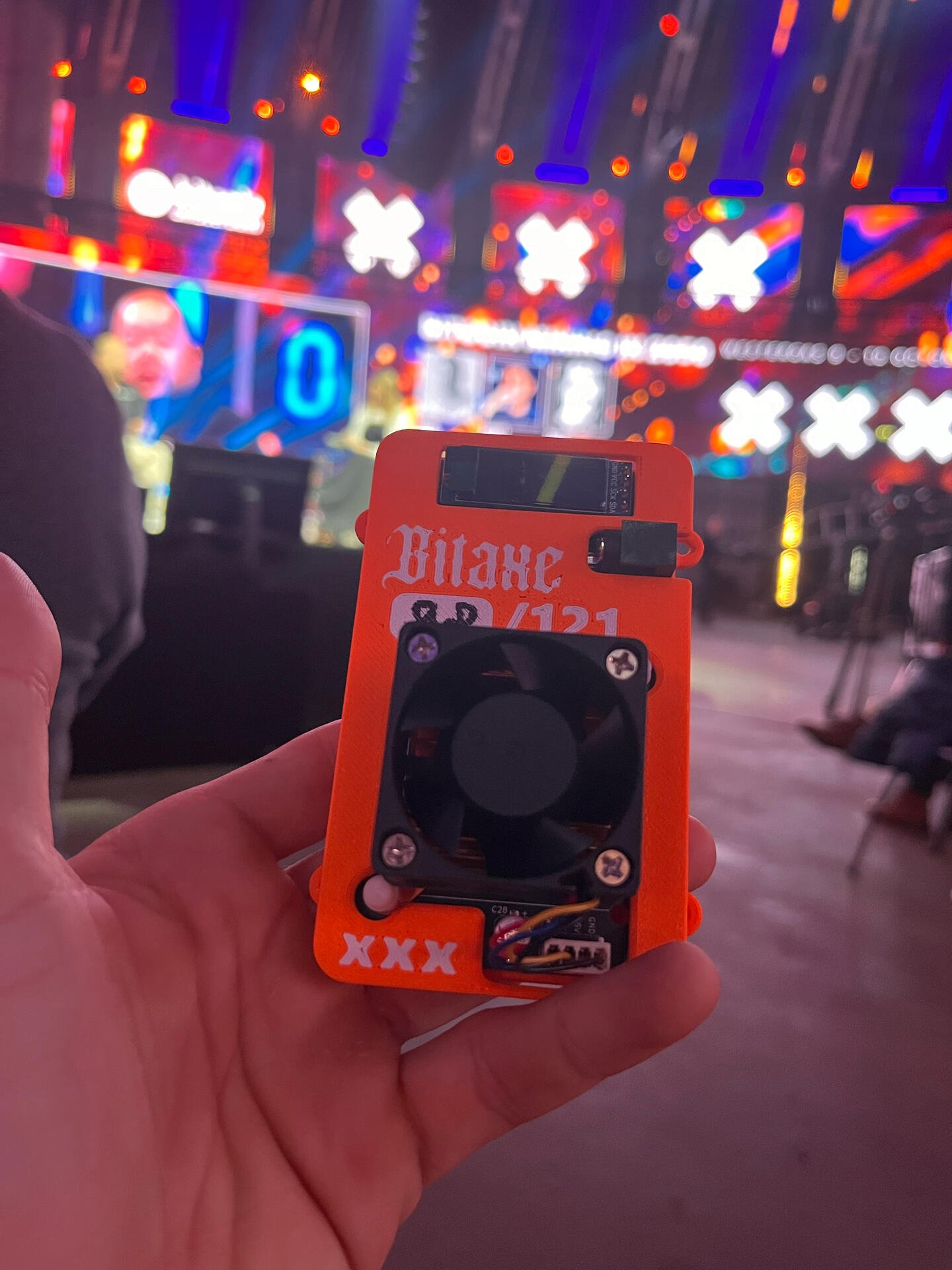
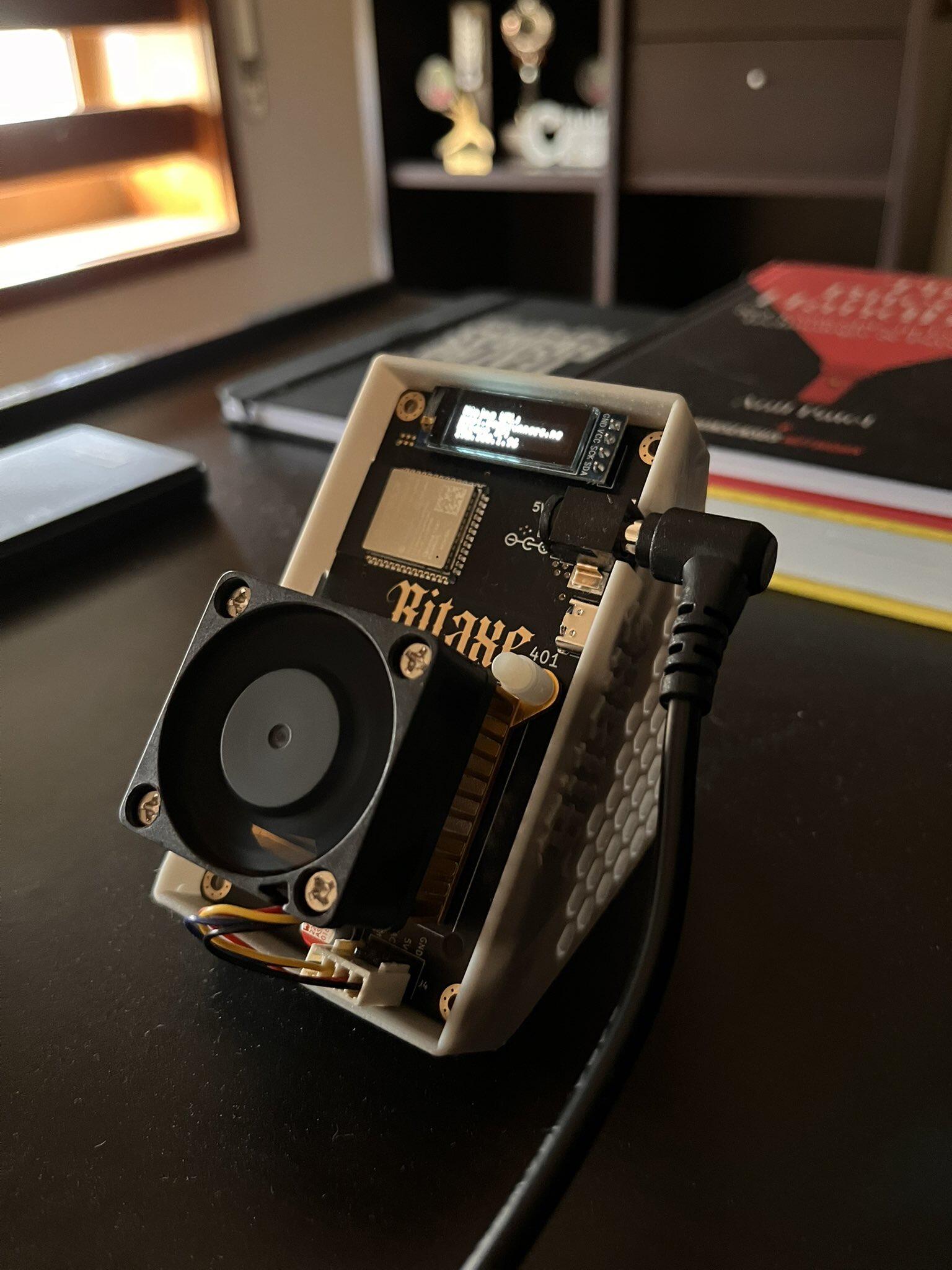
Use a home miner: If possible, set up a miner at home and contribute to the decentralization of the network’s computational power. Bitcoin Brabant is a reliable merchant where you can purchase BitAxes for home mining.
Bitcoin, a superior form of money
Gresham’s Law states that strong money drives weak money out of circulation because people prefer to spend quickly the money that is worth less and save the money that retains value over time. And that’s what’s happening with Bitcoin.
Bitcoin has all the characteristics of strong money: it is the best form of money that has ever existed, has a limited supply, does not favor friends of the king (because there is no king), no one can increase its issuance, it is predictable, accessible to all, without geographic, political, or ideological boundaries. It is censorship-resistant and unconfiscatable. What’s missing? We need to continue adopting Bitcoin, not just as a store of value but also as a medium of exchange!
Using Bitcoin
At The Bitcoin Conference in Amsterdam, I bought my first miner for around 220 euros. My first instinct was to pay with my credit card, but I remembered the Dodo, and instead, I converted euros to Bitcoin and paid via the Lightning Network.
Gresham’s Law was confirmed. I took euros out of circulation by converting them to BTC, I used Bitcoin and gave it utility. And by paying with Bitcoin, I paid fewer fees than if I had used euros.
Now, I’m taking my commitment to Bitcoin further. I’m running an Umbrel node, securing the network and validating transactions. I practice self-custody, keeping my Bitcoin safe in my own hands. I even run my own miner, contributing to the decentralization of the network’s computational power. Whenever I can, I pay with sats using my Strike wallet — step by step, block by block, I’m building the future of money.


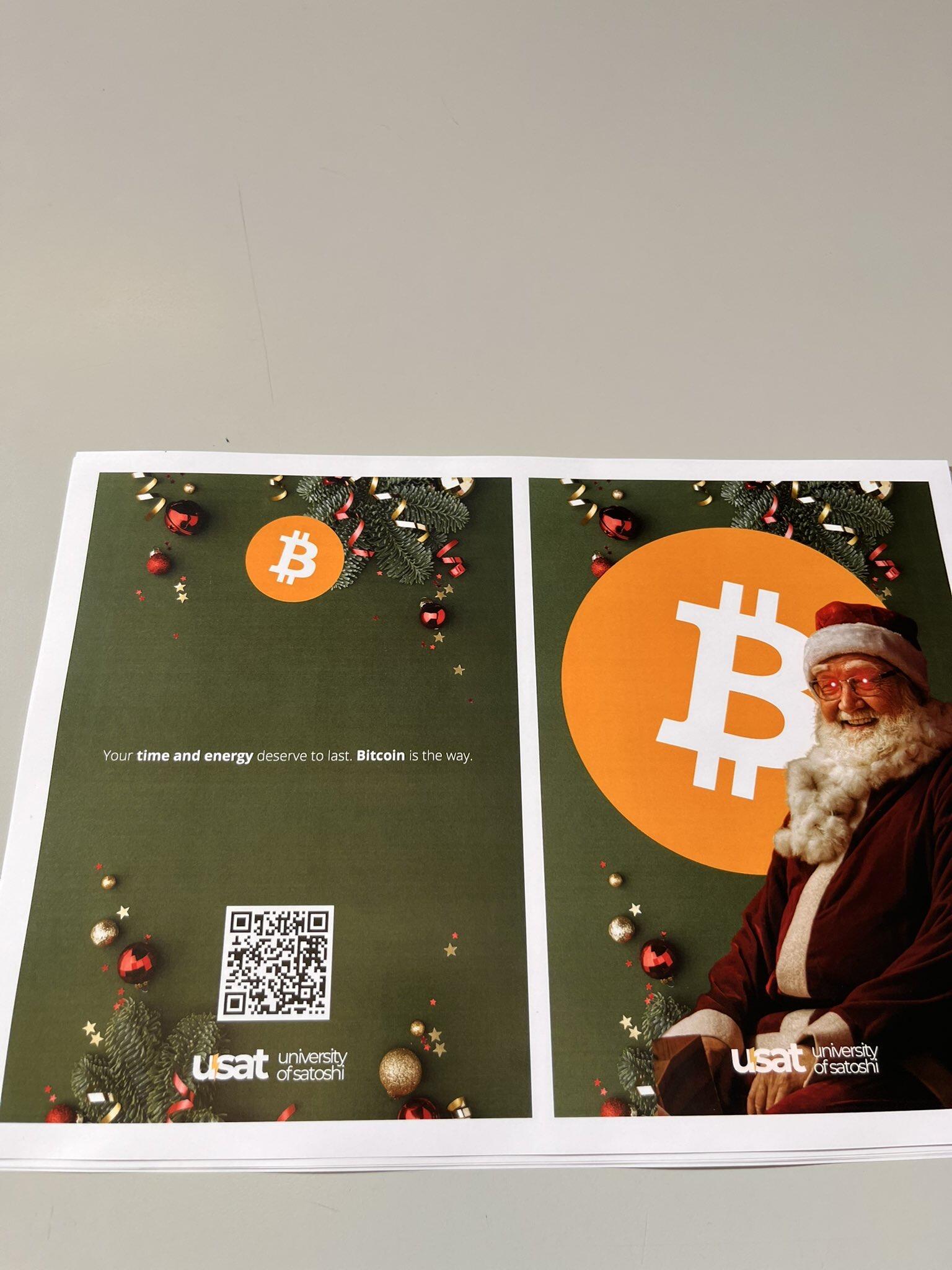
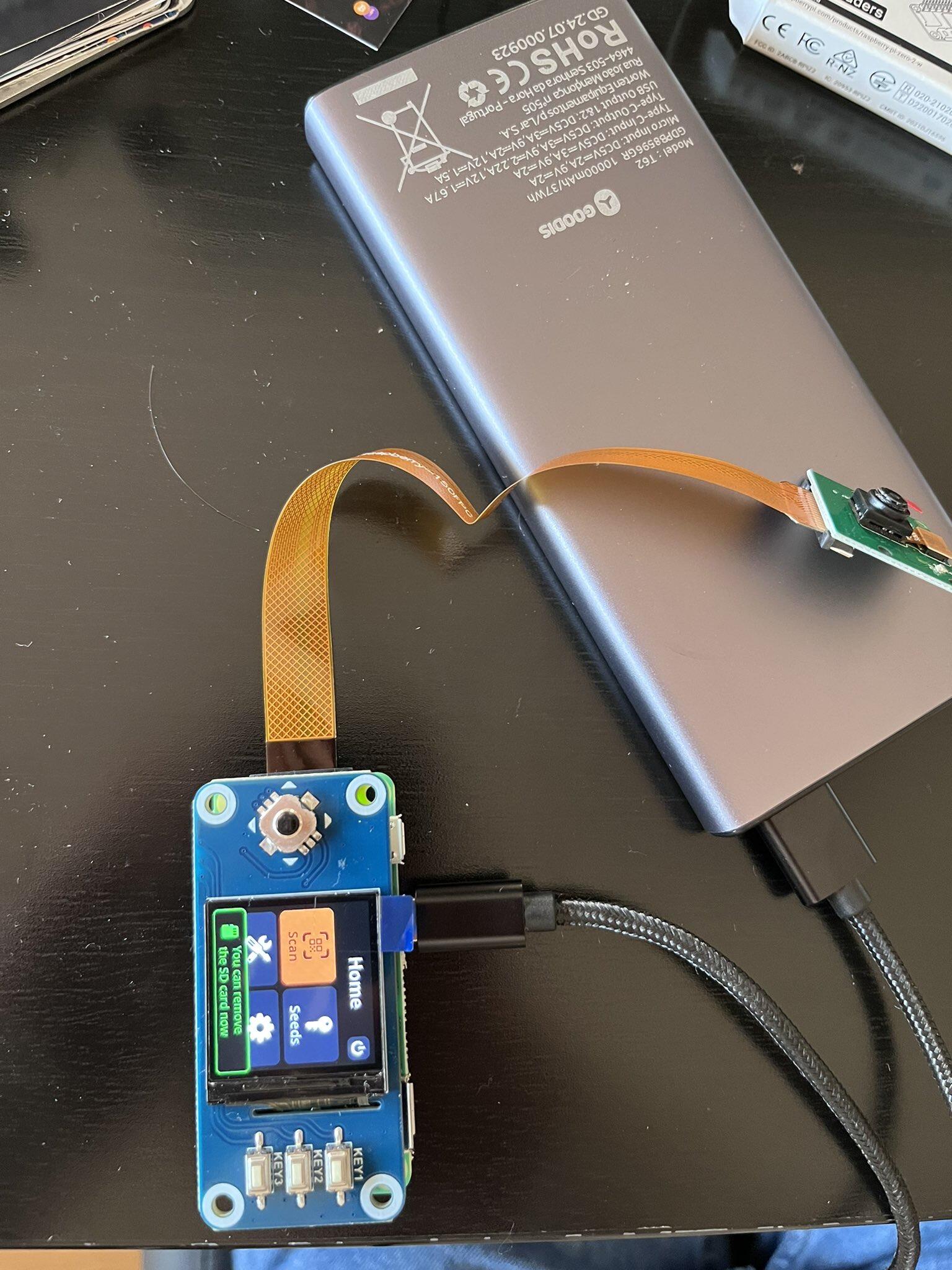



 Há 16 anos, Satoshi Nakamoto partilhou o whitepaper do #Bitcoin, a maior e melhor inovação que a humanidade já viu, resumida em apenas 9 páginas.
Obrigado Satoshi Nakamoto 🟠🙏
Há 16 anos, Satoshi Nakamoto partilhou o whitepaper do #Bitcoin, a maior e melhor inovação que a humanidade já viu, resumida em apenas 9 páginas.
Obrigado Satoshi Nakamoto 🟠🙏