
🕰️ Nos vemos al otro lado del fiat. Carta a mi yo del pasado.
Hay palabras que solo entiendes cuando cambias de sistema.
 Querida yo,
No vengo a juzgarte, vengo a agradecerte. Por cada noche de insomnio, por cada duda y por cada vez que creíste que no podías más pero seguiste adelante. No sabías aún que estabas caminando hacia una forma completamente nueva de entender la libertad.
Recuerdo cómo confiabas en los bancos, en los gobiernos, en ese sistema que te hacía sentir segura mientras te ataba sin que lo notaras. Creías que tener una cuenta, un sueldo o una tarjeta era independencia. No sabías que estabas cediendo el control de tu tiempo a cambio de una ilusión de estabilidad.
Quiero decirte que todo eso va a romperse. Que un día mirarás ese dinero que creías tuyo y te darás cuenta de que solo era un permiso temporal. Ese día dolerá, pero también nacerás. Porque vas a descubrir algo llamado Bitcoin, y nada volverá a ser igual.
Vas a pasar de confiar a verificar. De depender a construir. De ahorrar en promesas a ahorrar en verdad. Y, sobre todo, vas a entender que la libertad no se compra: se aprende, se practica y se defiende.
Descubrirás que Bitcoin no solo guarda valor: guarda tiempo. El tiempo que el sistema te robaba con inflación, con burocracia, con miedo. Cada sat será un pequeño fragmento de tus horas, un segundo encapsulado para el futuro. Porque lo que entregas en tu trabajo, en tu esfuerzo o en tus sueños… no es dinero, es tiempo. Y eso, una vez gastado, nunca vuelve.
Por eso aprenderás a protegerlo, a gastar con conciencia, a medir la vida no en precios, sino en propósito.
No te asustes cuando empieces a cuestionarlo todo. Cuando notes que el mundo te mirará raro, o que te llamarán loca por creer en un código. Esa incomodidad será tu brújula. Te llevará hacia personas que también despertaron, que entienden que esto no va de dinero, sino de soberanía.
Tu yo futuro te promete que valdrá la pena. Que cada bloque minado es una cicatriz de independencia. Que cada sat que guardes será una semilla de tiempo recuperado. Y que un día, cuando mires atrás, sonreirás sabiendo que aquella incomodidad fue el primer paso hacia tu libertad.
Gracias por no rendirte, por dudar, por sentir miedo, y aun así seguir. Cada paso, incluso los torpes, eran parte del mapa.
Nos vemos al otro lado del fiat. Allí donde el valor ya no se imprime, se descubre. ⚡
Con gratitud y propósito,
Tu yo del futuro — bajo el Patrón Bitcoin.
Querida yo,
No vengo a juzgarte, vengo a agradecerte. Por cada noche de insomnio, por cada duda y por cada vez que creíste que no podías más pero seguiste adelante. No sabías aún que estabas caminando hacia una forma completamente nueva de entender la libertad.
Recuerdo cómo confiabas en los bancos, en los gobiernos, en ese sistema que te hacía sentir segura mientras te ataba sin que lo notaras. Creías que tener una cuenta, un sueldo o una tarjeta era independencia. No sabías que estabas cediendo el control de tu tiempo a cambio de una ilusión de estabilidad.
Quiero decirte que todo eso va a romperse. Que un día mirarás ese dinero que creías tuyo y te darás cuenta de que solo era un permiso temporal. Ese día dolerá, pero también nacerás. Porque vas a descubrir algo llamado Bitcoin, y nada volverá a ser igual.
Vas a pasar de confiar a verificar. De depender a construir. De ahorrar en promesas a ahorrar en verdad. Y, sobre todo, vas a entender que la libertad no se compra: se aprende, se practica y se defiende.
Descubrirás que Bitcoin no solo guarda valor: guarda tiempo. El tiempo que el sistema te robaba con inflación, con burocracia, con miedo. Cada sat será un pequeño fragmento de tus horas, un segundo encapsulado para el futuro. Porque lo que entregas en tu trabajo, en tu esfuerzo o en tus sueños… no es dinero, es tiempo. Y eso, una vez gastado, nunca vuelve.
Por eso aprenderás a protegerlo, a gastar con conciencia, a medir la vida no en precios, sino en propósito.
No te asustes cuando empieces a cuestionarlo todo. Cuando notes que el mundo te mirará raro, o que te llamarán loca por creer en un código. Esa incomodidad será tu brújula. Te llevará hacia personas que también despertaron, que entienden que esto no va de dinero, sino de soberanía.
Tu yo futuro te promete que valdrá la pena. Que cada bloque minado es una cicatriz de independencia. Que cada sat que guardes será una semilla de tiempo recuperado. Y que un día, cuando mires atrás, sonreirás sabiendo que aquella incomodidad fue el primer paso hacia tu libertad.
Gracias por no rendirte, por dudar, por sentir miedo, y aun así seguir. Cada paso, incluso los torpes, eran parte del mapa.
Nos vemos al otro lado del fiat. Allí donde el valor ya no se imprime, se descubre. ⚡
Con gratitud y propósito,
Tu yo del futuro — bajo el Patrón Bitcoin.
Querida yo,
No vengo a juzgarte, vengo a agradecerte. Por cada noche de insomnio, por cada duda y por cada vez que creíste que no podías más pero seguiste adelante. No sabías aún que estabas caminando hacia una forma completamente nueva de entender la libertad.
Recuerdo cómo confiabas en los bancos, en los gobiernos, en ese sistema que te hacía sentir segura mientras te ataba sin que lo notaras. Creías que tener una cuenta, un sueldo o una tarjeta era independencia. No sabías que estabas cediendo el control de tu tiempo a cambio de una ilusión de estabilidad.
Quiero decirte que todo eso va a romperse. Que un día mirarás ese dinero que creías tuyo y te darás cuenta de que solo era un permiso temporal. Ese día dolerá, pero también nacerás. Porque vas a descubrir algo llamado Bitcoin, y nada volverá a ser igual.
Vas a pasar de confiar a verificar. De depender a construir. De ahorrar en promesas a ahorrar en verdad. Y, sobre todo, vas a entender que la libertad no se compra: se aprende, se practica y se defiende.
Descubrirás que Bitcoin no solo guarda valor: guarda tiempo. El tiempo que el sistema te robaba con inflación, con burocracia, con miedo. Cada sat será un pequeño fragmento de tus horas, un segundo encapsulado para el futuro. Porque lo que entregas en tu trabajo, en tu esfuerzo o en tus sueños… no es dinero, es tiempo. Y eso, una vez gastado, nunca vuelve.
Por eso aprenderás a protegerlo, a gastar con conciencia, a medir la vida no en precios, sino en propósito.
No te asustes cuando empieces a cuestionarlo todo. Cuando notes que el mundo te mirará raro, o que te llamarán loca por creer en un código. Esa incomodidad será tu brújula. Te llevará hacia personas que también despertaron, que entienden que esto no va de dinero, sino de soberanía.
Tu yo futuro te promete que valdrá la pena. Que cada bloque minado es una cicatriz de independencia. Que cada sat que guardes será una semilla de tiempo recuperado. Y que un día, cuando mires atrás, sonreirás sabiendo que aquella incomodidad fue el primer paso hacia tu libertad.
Gracias por no rendirte, por dudar, por sentir miedo, y aun así seguir. Cada paso, incluso los torpes, eran parte del mapa.
Nos vemos al otro lado del fiat. Allí donde el valor ya no se imprime, se descubre. ⚡
Con gratitud y propósito,
Tu yo del futuro — bajo el Patrón Bitcoin. #Bitcoin #FiatIsTrash #EducacionFinanciera #BuyBitcoin
 Introducción
¿Es posible predecir el destino de la humanidad?
Isaac Asimov (1920–1992), escritor de ciencia ficción y divulgador, imaginó que sí. En su saga Fundación, la “psicohistoria” era una ciencia capaz de anticipar los grandes movimientos de las sociedades, combinando estadística, sociología y psicología. La historia, según esa visión, podía ser reducida a una ecuación.
Hoy, los gobiernos y corporaciones pretenden algo similar. Modelos macroeconómicos, big data, inteligencia artificial: intentan predecir nuestro comportamiento colectivo y moldear nuestras decisiones. El sueño de Asimov se parece demasiado al proyecto de quienes buscan control.
Pero hay una grieta en ese sueño. Bitcoin aparece como la variable imposible de domesticar, la anomalía que rompe la fórmula.
1. La psicohistoria según Asimov
En Fundación, la psicohistoria solo funcionaba con grandes masas de población. Sus predicciones eran fiables porque trataba a los individuos como átomos indiferenciados dentro de una colectividad previsible.
El talón de Aquiles estaba claro: un individuo excepcional, capaz de alterar el curso de la historia, podía invalidar cualquier modelo. Asimov lo encarnó en “El Mulo”, un personaje imprevisible que desbarata los planes del Imperio y demuestra que la historia nunca está completamente escrita.
2. La psicohistoria en el mundo real
Aunque la psicohistoria es ficción, su eco resuena en nuestro presente.
Los bancos centrales diseñan políticas monetarias como si pudieran predecir y guiar la economía.
El FMI y organismos internacionales elaboran modelos y escenarios que pretenden anticipar crisis o dirigirlas.
La narrativa fiat se sostiene en una ilusión: que la sociedad puede ser conducida con reglas estadísticas.
El big data y la inteligencia artificial han amplificado esa ambición. Hoy se recopilan millones de datos para analizar tendencias de consumo, movimientos financieros o incluso emociones colectivas. El objetivo es el mismo que en Asimov: reducir a la humanidad a patrones que puedan controlarse.
3. Bitcoin como factor disruptivo
En este escenario aparece Bitcoin.
Sus reglas fijas impiden la manipulación que sostiene al sistema fiat.
Devuelve poder al individuo, que ya no necesita obedecer ciegamente a la masa ni depender de la narrativa oficial.
Introduce un elemento caótico que desestabiliza los modelos predictivos: no se puede saber cuándo un país adoptará BTC, cuándo una comunidad lo usará como refugio o cuándo un colapso inflacionario empujará a miles hacia él.
Ejemplos recientes lo demuestran:
Argentina: la inflación desbordó los cálculos oficiales, y muchos ciudadanos encontraron en Bitcoin un escape no previsto.
Nigeria: pese a las restricciones del gobierno, la población lo adoptó como alternativa real.
El Salvador: un Estado entero decidió integrar Bitcoin en su economía, rompiendo las predicciones de organismos internacionales.
En clave asimoviana, Bitcoin es “El Mulo”: el elemento imprevisible que invalida la ecuación.
4. Futuro y libertad
La psicohistoria parte de una premisa: el futuro puede estar escrito.
Bitcoin desafía esa premisa. No ofrece un destino fijo, sino múltiples caminos abiertos. Un sistema que no responde a la manipulación central, sino a la suma caótica de millones de individuos soberanos.
El resultado es un futuro menos controlable y más libre. Allí donde la psicohistoria prometía estabilidad a costa de uniformidad, Bitcoin introduce incertidumbre, pero también autonomía.
Conclusión
La psicohistoria fue la gran fantasía de control de Asimov. En nuestro mundo, esa fantasía la persiguen bancos centrales, gobiernos y corporaciones que creen poder reducirnos a datos previsibles.
Bitcoin es la grieta en esa ilusión. Es la anomalía que recuerda que la historia no se escribe desde arriba, sino desde la suma de decisiones libres e imprevisibles.
La pregunta es sencilla:
¿Quieres ser parte de la masa predecible que encaja en las fórmulas, o del ruido que cambia la historia?
#Bitcoin #Psicohistoria
Introducción
¿Es posible predecir el destino de la humanidad?
Isaac Asimov (1920–1992), escritor de ciencia ficción y divulgador, imaginó que sí. En su saga Fundación, la “psicohistoria” era una ciencia capaz de anticipar los grandes movimientos de las sociedades, combinando estadística, sociología y psicología. La historia, según esa visión, podía ser reducida a una ecuación.
Hoy, los gobiernos y corporaciones pretenden algo similar. Modelos macroeconómicos, big data, inteligencia artificial: intentan predecir nuestro comportamiento colectivo y moldear nuestras decisiones. El sueño de Asimov se parece demasiado al proyecto de quienes buscan control.
Pero hay una grieta en ese sueño. Bitcoin aparece como la variable imposible de domesticar, la anomalía que rompe la fórmula.
1. La psicohistoria según Asimov
En Fundación, la psicohistoria solo funcionaba con grandes masas de población. Sus predicciones eran fiables porque trataba a los individuos como átomos indiferenciados dentro de una colectividad previsible.
El talón de Aquiles estaba claro: un individuo excepcional, capaz de alterar el curso de la historia, podía invalidar cualquier modelo. Asimov lo encarnó en “El Mulo”, un personaje imprevisible que desbarata los planes del Imperio y demuestra que la historia nunca está completamente escrita.
2. La psicohistoria en el mundo real
Aunque la psicohistoria es ficción, su eco resuena en nuestro presente.
Los bancos centrales diseñan políticas monetarias como si pudieran predecir y guiar la economía.
El FMI y organismos internacionales elaboran modelos y escenarios que pretenden anticipar crisis o dirigirlas.
La narrativa fiat se sostiene en una ilusión: que la sociedad puede ser conducida con reglas estadísticas.
El big data y la inteligencia artificial han amplificado esa ambición. Hoy se recopilan millones de datos para analizar tendencias de consumo, movimientos financieros o incluso emociones colectivas. El objetivo es el mismo que en Asimov: reducir a la humanidad a patrones que puedan controlarse.
3. Bitcoin como factor disruptivo
En este escenario aparece Bitcoin.
Sus reglas fijas impiden la manipulación que sostiene al sistema fiat.
Devuelve poder al individuo, que ya no necesita obedecer ciegamente a la masa ni depender de la narrativa oficial.
Introduce un elemento caótico que desestabiliza los modelos predictivos: no se puede saber cuándo un país adoptará BTC, cuándo una comunidad lo usará como refugio o cuándo un colapso inflacionario empujará a miles hacia él.
Ejemplos recientes lo demuestran:
Argentina: la inflación desbordó los cálculos oficiales, y muchos ciudadanos encontraron en Bitcoin un escape no previsto.
Nigeria: pese a las restricciones del gobierno, la población lo adoptó como alternativa real.
El Salvador: un Estado entero decidió integrar Bitcoin en su economía, rompiendo las predicciones de organismos internacionales.
En clave asimoviana, Bitcoin es “El Mulo”: el elemento imprevisible que invalida la ecuación.
4. Futuro y libertad
La psicohistoria parte de una premisa: el futuro puede estar escrito.
Bitcoin desafía esa premisa. No ofrece un destino fijo, sino múltiples caminos abiertos. Un sistema que no responde a la manipulación central, sino a la suma caótica de millones de individuos soberanos.
El resultado es un futuro menos controlable y más libre. Allí donde la psicohistoria prometía estabilidad a costa de uniformidad, Bitcoin introduce incertidumbre, pero también autonomía.
Conclusión
La psicohistoria fue la gran fantasía de control de Asimov. En nuestro mundo, esa fantasía la persiguen bancos centrales, gobiernos y corporaciones que creen poder reducirnos a datos previsibles.
Bitcoin es la grieta en esa ilusión. Es la anomalía que recuerda que la historia no se escribe desde arriba, sino desde la suma de decisiones libres e imprevisibles.
La pregunta es sencilla:
¿Quieres ser parte de la masa predecible que encaja en las fórmulas, o del ruido que cambia la historia?
#Bitcoin #Psicohistoria Introducción
“Bitcoin es la fundación de una nueva civilización…” Esta frase se la escuché a Javier Pastor (@javierbitcoin en X)
La frase provoca. Puede sonar exagerada, incluso mesiánica. Y, sin embargo, cada vez más personas sienten que hay algo de verdad en ella. Porque toda civilización (desde Mesopotamia hasta nuestros días) se ha levantado sobre un mismo cimiento invisible: el dinero.
El dinero no es solo un instrumento para comprar cosas. Es el lenguaje común que organiza el trabajo, el intercambio y la confianza entre desconocidos. Cuando ese lenguaje cambia, lo hace todo lo demás. Y hoy, por primera vez en siglos, estamos ante una mutación radical.
1. El dinero como piedra angular de las civilizaciones
Las monedas metálicas permitieron el comercio a gran escala. El oro sostuvo imperios enteros. El patrón oro facilitó la primera globalización real del comercio.
Después llegó el papel moneda, respaldado primero por metales y más tarde solo por la promesa del Estado. Ese sistema sostuvo el auge de los Estados-nación y de la modernidad industrial.
Cada salto en la forma del dinero fue también un salto en la forma de la civilización. El dinero nunca ha sido neutro: es el software que coordina el hardware humano.
2. La era fiat: una civilización en crisis
La ruptura de 1971, cuando se abandonó el patrón oro, abrió la era del fiat. Medio siglo después, el sistema muestra su desgaste:
Inflación dirigida que erosiona el ahorro.
Deuda pública y privada en niveles insostenibles.
Una clase media que se desmorona.
Pero las consecuencias van más allá de la economía. Una sociedad que aprende a vivir endeudada termina normalizando la dependencia. La confianza en las instituciones se deshace. La política se convierte en gestión de crisis perpetuas.
El fiat es una plaga silenciosa: no mata de golpe, pero corroe desde dentro.
3. Bitcoin: el cimiento incorruptible
En medio de ese colapso aparece Bitcoin. Un dinero nuevo, nacido fuera de los gobiernos y de los bancos, que introduce principios nunca vistos en la historia:
Escasez absoluta: 21 millones, inalterables.
Tiempo y energía convertidos en dinero incorruptible.
Descentralización real: cualquiera puede unirse, validar y custodiar.
Resistencia a la censura: una red que no obedece a un centro de poder.
Por primera vez, la humanidad tiene una base monetaria global que no depende de la fuerza militar ni de la voluntad política.
4. ¿Qué significa “nueva civilización”?
No hablamos de utopías. Una civilización no es un paraíso perfecto: es simplemente una forma de organizar el tiempo, el valor y la confianza.
Si el fiat nos ha dado una cultura de deuda, consumo inmediato y obediencia institucional, Bitcoin abre la puerta a otra ética:
Relaciones económicas directas, sin intermediarios.
Una redistribución del poder frente a los Estados.
Un ethos basado en responsabilidad individual y soberanía personal.
Bitcoin no es la civilización en sí. Es la piedra angular sobre la que podría levantarse una distinta.
5. ¿Demasiado pretencioso?
¿No es demasiado hablar de “fundación de una civilización”? Es lógico pensar que sí.
Quizá Bitcoin no sustituya por completo al fiat. Tal vez coexista durante décadas. Incluso puede que no todas las culturas lo adopten igual.
Pero la historia nos recuerda que las grandes mutaciones comienzan así: como rarezas de minorías. La imprenta, la electricidad o Internet fueron, al inicio, experimentos marginales. Hoy son el suelo de nuestra vida diaria.
Conclusión
“Bitcoin es la fundación de una nueva civilización…”
Quizá la frase suene exagerada. Pero lo que está claro es que Bitcoin ya está alterando los cimientos de la actual. El fiat se agrieta, la confianza se erosiona y, en ese vacío, emerge un dinero incorruptible que ofrece otro futuro posible.
No sabemos aún cómo será esa civilización. Lo único seguro es que su semilla ya está plantada.
Quédate cerca y sigamos explorando.
Introducción
“Bitcoin es la fundación de una nueva civilización…” Esta frase se la escuché a Javier Pastor (@javierbitcoin en X)
La frase provoca. Puede sonar exagerada, incluso mesiánica. Y, sin embargo, cada vez más personas sienten que hay algo de verdad en ella. Porque toda civilización (desde Mesopotamia hasta nuestros días) se ha levantado sobre un mismo cimiento invisible: el dinero.
El dinero no es solo un instrumento para comprar cosas. Es el lenguaje común que organiza el trabajo, el intercambio y la confianza entre desconocidos. Cuando ese lenguaje cambia, lo hace todo lo demás. Y hoy, por primera vez en siglos, estamos ante una mutación radical.
1. El dinero como piedra angular de las civilizaciones
Las monedas metálicas permitieron el comercio a gran escala. El oro sostuvo imperios enteros. El patrón oro facilitó la primera globalización real del comercio.
Después llegó el papel moneda, respaldado primero por metales y más tarde solo por la promesa del Estado. Ese sistema sostuvo el auge de los Estados-nación y de la modernidad industrial.
Cada salto en la forma del dinero fue también un salto en la forma de la civilización. El dinero nunca ha sido neutro: es el software que coordina el hardware humano.
2. La era fiat: una civilización en crisis
La ruptura de 1971, cuando se abandonó el patrón oro, abrió la era del fiat. Medio siglo después, el sistema muestra su desgaste:
Inflación dirigida que erosiona el ahorro.
Deuda pública y privada en niveles insostenibles.
Una clase media que se desmorona.
Pero las consecuencias van más allá de la economía. Una sociedad que aprende a vivir endeudada termina normalizando la dependencia. La confianza en las instituciones se deshace. La política se convierte en gestión de crisis perpetuas.
El fiat es una plaga silenciosa: no mata de golpe, pero corroe desde dentro.
3. Bitcoin: el cimiento incorruptible
En medio de ese colapso aparece Bitcoin. Un dinero nuevo, nacido fuera de los gobiernos y de los bancos, que introduce principios nunca vistos en la historia:
Escasez absoluta: 21 millones, inalterables.
Tiempo y energía convertidos en dinero incorruptible.
Descentralización real: cualquiera puede unirse, validar y custodiar.
Resistencia a la censura: una red que no obedece a un centro de poder.
Por primera vez, la humanidad tiene una base monetaria global que no depende de la fuerza militar ni de la voluntad política.
4. ¿Qué significa “nueva civilización”?
No hablamos de utopías. Una civilización no es un paraíso perfecto: es simplemente una forma de organizar el tiempo, el valor y la confianza.
Si el fiat nos ha dado una cultura de deuda, consumo inmediato y obediencia institucional, Bitcoin abre la puerta a otra ética:
Relaciones económicas directas, sin intermediarios.
Una redistribución del poder frente a los Estados.
Un ethos basado en responsabilidad individual y soberanía personal.
Bitcoin no es la civilización en sí. Es la piedra angular sobre la que podría levantarse una distinta.
5. ¿Demasiado pretencioso?
¿No es demasiado hablar de “fundación de una civilización”? Es lógico pensar que sí.
Quizá Bitcoin no sustituya por completo al fiat. Tal vez coexista durante décadas. Incluso puede que no todas las culturas lo adopten igual.
Pero la historia nos recuerda que las grandes mutaciones comienzan así: como rarezas de minorías. La imprenta, la electricidad o Internet fueron, al inicio, experimentos marginales. Hoy son el suelo de nuestra vida diaria.
Conclusión
“Bitcoin es la fundación de una nueva civilización…”
Quizá la frase suene exagerada. Pero lo que está claro es que Bitcoin ya está alterando los cimientos de la actual. El fiat se agrieta, la confianza se erosiona y, en ese vacío, emerge un dinero incorruptible que ofrece otro futuro posible.
No sabemos aún cómo será esa civilización. Lo único seguro es que su semilla ya está plantada.
Quédate cerca y sigamos explorando.

 1. Nos gusta repetir que “Bitcoin es para todos”.
Pero… ¿y si no fuera cierto?
Este es el primero de los tabúes que vamos a explorar: la accesibilidad.
2. Sí, cualquiera puede descargar una wallet y recibir sats.
Pero la soberanía real exige más:
• Entender claves y semillas.
• Saber custodiar.
• Asumir responsabilidad.
Para millones, ese camino no es tan accesible.
3. También está la barrera económica.
Es distinto empezar con 50 € que con 50.000 €.
La acumulación importa.
En muchos países, ahorrar en sats es un privilegio que no todos pueden permitirse.
4. Y la barrera psicológica:
En fiat, si te equivocas te rescatan.
En Bitcoin, un error puede ser definitivo.
La libertad incluye cargar con esa responsabilidad.
5. La barrera social y política es igual de dura.
En algunos países usar Bitcoin es rebeldía cultural.
En otros, puede costarte la libertad o incluso la vida.
6. “Bitcoin es para todos” suena bien.
Pero la realidad es más incómoda: Bitcoin está ahí para quien decida conquistarlo.
Y esa diferencia es el verdadero tabú.
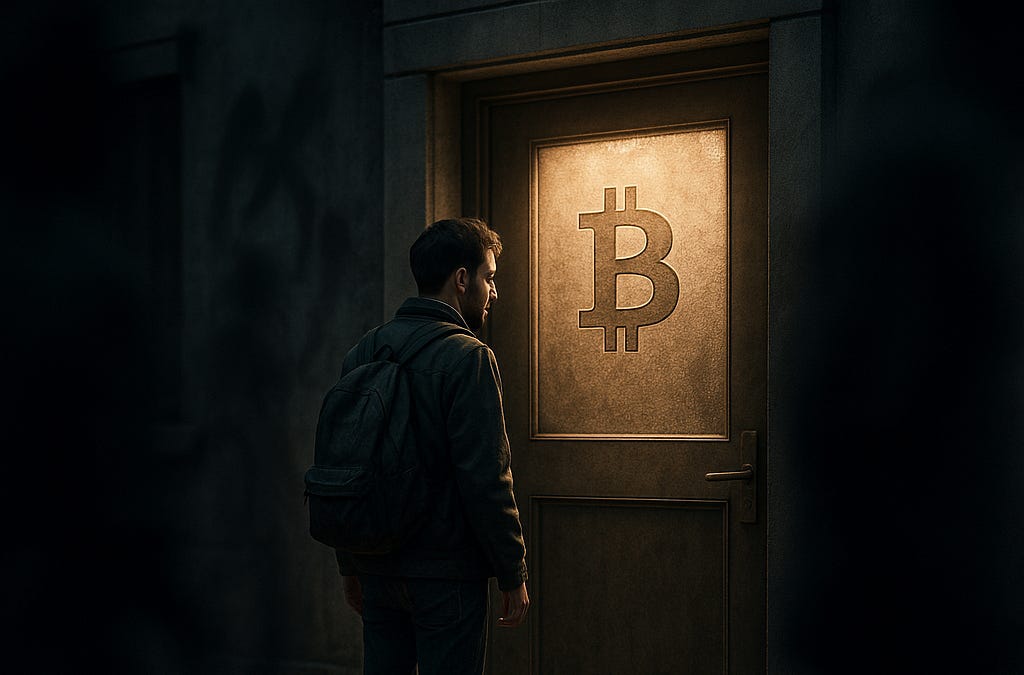
7. Artículo completo en Substack 📝👇
🔗
1. Nos gusta repetir que “Bitcoin es para todos”.
Pero… ¿y si no fuera cierto?
Este es el primero de los tabúes que vamos a explorar: la accesibilidad.
2. Sí, cualquiera puede descargar una wallet y recibir sats.
Pero la soberanía real exige más:
• Entender claves y semillas.
• Saber custodiar.
• Asumir responsabilidad.
Para millones, ese camino no es tan accesible.
3. También está la barrera económica.
Es distinto empezar con 50 € que con 50.000 €.
La acumulación importa.
En muchos países, ahorrar en sats es un privilegio que no todos pueden permitirse.
4. Y la barrera psicológica:
En fiat, si te equivocas te rescatan.
En Bitcoin, un error puede ser definitivo.
La libertad incluye cargar con esa responsabilidad.
5. La barrera social y política es igual de dura.
En algunos países usar Bitcoin es rebeldía cultural.
En otros, puede costarte la libertad o incluso la vida.
6. “Bitcoin es para todos” suena bien.
Pero la realidad es más incómoda: Bitcoin está ahí para quien decida conquistarlo.
Y esa diferencia es el verdadero tabú.
7. Artículo completo en Substack 📝👇
🔗 
 Durante décadas nos han vendido la idea de que basta con cotizar y aportar a un plan para tener un futuro asegurado.
La realidad es mucho más cruda: inflación que devora tus ahorros, comisiones que muerden lo que guardas y reglas que cambian a capricho de los gobiernos.
Si tu futuro depende de terceros, no es un plan: es una apuesta.
Bitcoin ofrece lo contrario: un camino de ahorro soberano, donde cada aportación cuenta, con reglas claras y sin pedir permiso a nadie. No es promesa, es diseño.
Un plan de pensiones fiat es deuda e incertidumbre.
Un plan de pensiones en Bitcoin es constancia, autocustodia y soberanía.
👉 Aquí puedes leer la Bitácora completa:
Durante décadas nos han vendido la idea de que basta con cotizar y aportar a un plan para tener un futuro asegurado.
La realidad es mucho más cruda: inflación que devora tus ahorros, comisiones que muerden lo que guardas y reglas que cambian a capricho de los gobiernos.
Si tu futuro depende de terceros, no es un plan: es una apuesta.
Bitcoin ofrece lo contrario: un camino de ahorro soberano, donde cada aportación cuenta, con reglas claras y sin pedir permiso a nadie. No es promesa, es diseño.
Un plan de pensiones fiat es deuda e incertidumbre.
Un plan de pensiones en Bitcoin es constancia, autocustodia y soberanía.
👉 Aquí puedes leer la Bitácora completa: 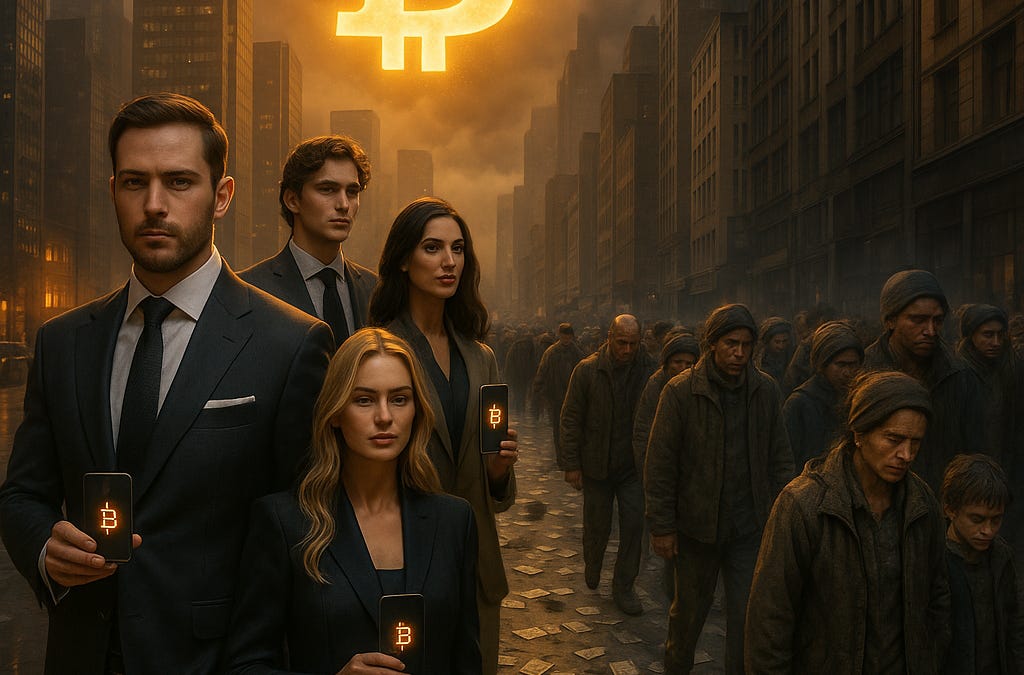
 1.
La clase media fiat fue un espejismo.
Se sostuvo en crédito barato, empleo estable y pensiones prometidas.
Hoy esos pilares están rotos: inflación, deuda y vivienda convertida en lujo.
El ascensor social ya no sube: solo baja.
2.
Bitcoin aparece como el nuevo ascensor.
Escasez programada, sin censura y sin manipulación política.
Pero no todos llegan a tiempo.
Para muchos, la puerta ya es un muro.
3.
El lema “Bitcoin es para todos” es técnicamente cierto:
✔️ Cualquiera puede comprar satoshis
✔️ No hay permisos
✔️ La red no discrimina
Pero la realidad es más dura: la mayoría de wallets no llega a 0.01 BTC.
4.
El futuro podría parecerse más al pasado de lo que creemos:
— Una élite de hodlers viviendo de su colateral.
— Una mayoría atrapada en fiat o con sats marginales.
Del feudalismo de la tierra… al feudalismo digital de las claves privadas.
5.
No es un fallo de Bitcoin.
Es un recordatorio brutal: las reglas son justas, pero implacables.
No habrá rescates.
No habrá segundas oportunidades para quien llegue tarde.
6.
He desarrollado este ángulo incómodo en un artículo completo:
👉
1.
La clase media fiat fue un espejismo.
Se sostuvo en crédito barato, empleo estable y pensiones prometidas.
Hoy esos pilares están rotos: inflación, deuda y vivienda convertida en lujo.
El ascensor social ya no sube: solo baja.
2.
Bitcoin aparece como el nuevo ascensor.
Escasez programada, sin censura y sin manipulación política.
Pero no todos llegan a tiempo.
Para muchos, la puerta ya es un muro.
3.
El lema “Bitcoin es para todos” es técnicamente cierto:
✔️ Cualquiera puede comprar satoshis
✔️ No hay permisos
✔️ La red no discrimina
Pero la realidad es más dura: la mayoría de wallets no llega a 0.01 BTC.
4.
El futuro podría parecerse más al pasado de lo que creemos:
— Una élite de hodlers viviendo de su colateral.
— Una mayoría atrapada en fiat o con sats marginales.
Del feudalismo de la tierra… al feudalismo digital de las claves privadas.
5.
No es un fallo de Bitcoin.
Es un recordatorio brutal: las reglas son justas, pero implacables.
No habrá rescates.
No habrá segundas oportunidades para quien llegue tarde.
6.
He desarrollado este ángulo incómodo en un artículo completo:
👉  1.
El sistema te dice: invierte, espera, sé paciente.
Pero la rentabilidad que ves en la gráfica no es real.
Inflación 💸 e impuestos la devoran en silencio.
2.
Ejemplos claros:
– S&P 500 (2000–2020): +130% nominal. Inflación del 50%. Mucho menos en términos reales.
– Fondos en España (1999–2019): 3,3% anualizado. Tras inflación: apenas 1,2%.
El espejismo del largo plazo.
3.
Ese es el precio de la obediencia: aplazar tu vida esperando un mañana mejor que nunca llega.
La paciencia ciega no es virtud, es sumisión.
4.
Bitcoin rompe esa lógica.
No depende de promesas estatales ni de gestores, sino de reglas claras e inmutables.
Paciencia sí, pero informada. No resignada. ₿
5.
La verdadera pregunta no es si Bitcoin es arriesgado.
Es: ¿cuánto más tiempo estás dispuesto a pagar el coste invisible de la obediencia?
📖 Lo desarrollamos en detalle aquí:
1.
El sistema te dice: invierte, espera, sé paciente.
Pero la rentabilidad que ves en la gráfica no es real.
Inflación 💸 e impuestos la devoran en silencio.
2.
Ejemplos claros:
– S&P 500 (2000–2020): +130% nominal. Inflación del 50%. Mucho menos en términos reales.
– Fondos en España (1999–2019): 3,3% anualizado. Tras inflación: apenas 1,2%.
El espejismo del largo plazo.
3.
Ese es el precio de la obediencia: aplazar tu vida esperando un mañana mejor que nunca llega.
La paciencia ciega no es virtud, es sumisión.
4.
Bitcoin rompe esa lógica.
No depende de promesas estatales ni de gestores, sino de reglas claras e inmutables.
Paciencia sí, pero informada. No resignada. ₿
5.
La verdadera pregunta no es si Bitcoin es arriesgado.
Es: ¿cuánto más tiempo estás dispuesto a pagar el coste invisible de la obediencia?
📖 Lo desarrollamos en detalle aquí:
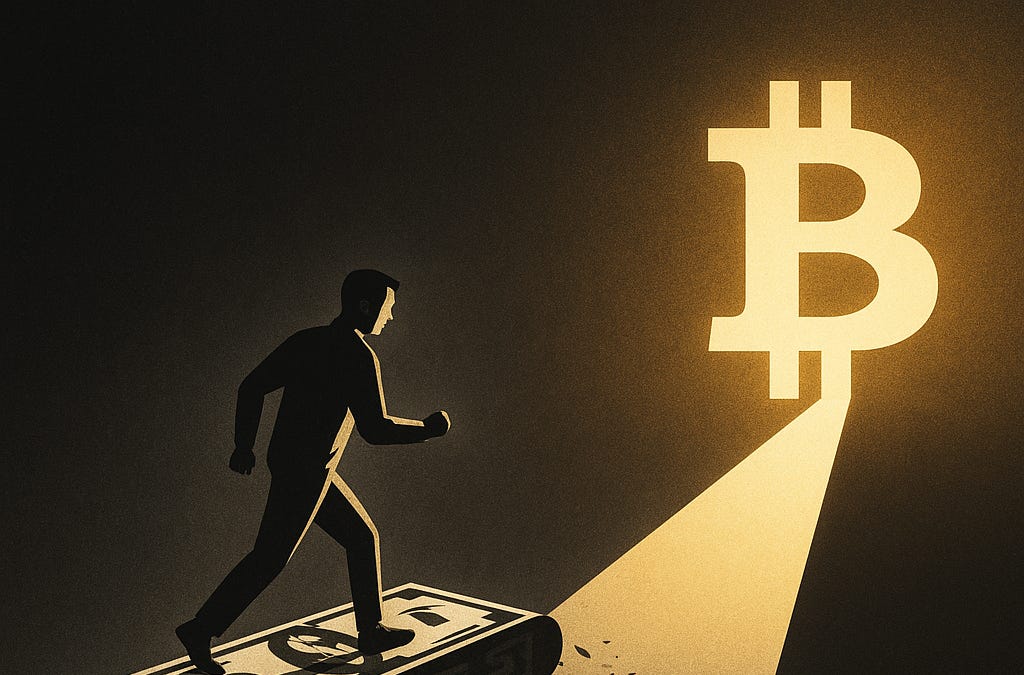
 (Mientras la mayoría sigue encadenada mirando sombras, unos pocos se atreven a trepar hacia la luz del sol de Bitcoin.
Introducción – Una imagen que desnuda la verdad
Hay imágenes que valen más que mil discursos.
Un grupo de personas atrapadas bajo tierra, encadenadas a una pantalla que proyecta un simple símbolo del dólar.
Un ser oscuro, casi la muerte misma, sostiene el proyector.
Arriba, un prisionero se atreve a escalar hacia la luz: un sol que brilla con el emblema de Bitcoin, rodeado de naturaleza, vida y raíces firmes.
La escena recuerda inevitablemente a la alegoría de la caverna de Platón: seres que toman las sombras por realidad, incapaces de ver el mundo tal cual es. Hoy, esa caverna es el sistema fiat. La pregunta es clara: ¿elegimos seguir encadenados a la ilusión o nos atrevemos a subir hacia la verdad, aunque duela?
1. El teatro del fiat: vivir de proyecciones
El dinero fiat es, en esencia, una proyección. No tiene respaldo, solo fe obligada en gobiernos y bancos centrales.
Las pantallas repiten mantras: inflación moderada es buena, necesitamos crecimiento infinito, la deuda es normal.
Todos lo asumen como dogma, aunque la lógica más simple lo contradiga.
La figura oscura que proyecta el dólar en la imagen es el mejor resumen posible: el sistema se alimenta de nuestra obediencia. Y, como en todo teatro, basta con que el público deje de mirar para que la obra se derrumbe.
2. Los prisioneros: adicción y resignación
Miran el símbolo del dólar como si fuera la única realidad. Ignoran la basura que les rodea, los huesos bajo sus pies y la miseria que los consume.
Es la metáfora perfecta de la sociedad actual: endeudada, dopada con entretenimiento vacío, resignada a un futuro cada vez más precario.
Y lo más inquietante: muchos no quieren salir. Porque mirar la pantalla es más cómodo que enfrentar la intemperie.
La esclavitud moderna no siempre se impone con cadenas visibles: a veces basta con convencerte de que no hay alternativa.
3. Ejemplos históricos de cavernas financieras
No es la primera vez que la humanidad vive encadenada a ilusiones monetarias.
Cuando en 1971 Nixon cerró la ventana del oro, el mundo entero quedó atrapado en una caverna de papel sin respaldo. Desde entonces, la sombra del dólar ha sido aceptada como si fuera luz.
En Argentina, generaciones completas han vivido mirando la pantalla de un peso en constante devaluación. En Venezuela, millones vieron cómo sus ahorros se convertían en nada, pero siguieron sentados frente al teatro del bolívar hasta que ya no hubo función que sostener. En Turquía, la lira se ha desangrado en apenas unos años, y aun así gran parte de la población sigue confiando en el sistema que los traiciona.
En cada caso, solo una minoría buscó salidas: oro, dólares, trueque… y hoy Bitcoin. La historia demuestra que la mayoría prefiere la comodidad de la caverna, aunque esta se derrumbe.
4. El miedo como cadena invisible
¿Por qué, incluso viendo la salida, la mayoría no se atreve a trepar?
La respuesta está en el miedo.
Miedo a equivocarse. Miedo a perder lo poco que se tiene. Miedo a la volatilidad, aunque la inflación sea una certeza.
La cultura del “mejor malo conocido” es el verdadero cemento de las cadenas.
Mientras tanto, los bancos y gobiernos alimentan esa parálisis prometiendo seguridad a cambio de obediencia.
El miedo es tan eficaz que ni siquiera necesita barrotes: basta con instalar la idea de que salir es peligroso.
5. El difícil camino hacia la luz
Uno de los prisioneros se atreve a trepar. No tiene garantías, solo esperanza.
Salir de la caverna implica desaprender, cuestionar todo lo que nos enseñaron sobre dinero, trabajo y seguridad.
Es duro, porque significa abandonar la comodidad de las sombras.
Aquí está la enseñanza clave: no basta con comprar Bitcoin y esperar milagros.
Salir implica también cambiar mentalidad, aprender soberanía digital, asumir responsabilidad personal.
La libertad no se regala: se conquista.
6. Bitcoin como sol y raíz
En la superficie, todo cambia.
El sol con el símbolo de Bitcoin ilumina un paisaje fértil, lleno de vida y posibilidades.
El árbol con raíces profundas simboliza crecimiento sólido, estabilidad y conexión con lo real, frente al artificio del fiat.
Bitcoin no es solo un dinero alternativo: es un lenguaje nuevo que conecta con la verdad de los límites.
Un sistema con reglas claras, transparentes e inmutables.
Un refugio frente a la manipulación y un motor para reconstruir desde abajo nuevas formas de comunidad, confianza y prosperidad.
7. La otra cara del sol: responsabilidad radical
Pero cuidado: salir de la caverna no es un cuento de hadas.
La luz de Bitcoin también ciega a quienes no están preparados.
Nadie te rescata si pierdes tus llaves. Nadie te indemniza si confías en el custodio equivocado.
La soberanía implica carga: disciplina, aprendizaje, madurez.
Quizás por eso muchos rechazan Bitcoin, no porque no lo entiendan, sino porque no están dispuestos a asumir tanta responsabilidad.
La libertad radical incomoda, y el fiat se aprovecha de esa debilidad.
Conclusión – La decisión de salir de la caverna
La imagen es clara:
Quedarse en las sombras es fácil, pero te consume poco a poco.
Salir hacia la luz es duro, pero abre la posibilidad de vivir de verdad.
Bitcoin no salva por sí mismo: lo que ofrece es la oportunidad de ver el mundo tal como es.
El resto depende de nosotros: ¿seguir encadenados a las ilusiones del fiat o atrevernos a caminar hacia la soberanía?
La decisión, como siempre, es individual.
Quédate cerca y sigamos explorando.
(Mientras la mayoría sigue encadenada mirando sombras, unos pocos se atreven a trepar hacia la luz del sol de Bitcoin.
Introducción – Una imagen que desnuda la verdad
Hay imágenes que valen más que mil discursos.
Un grupo de personas atrapadas bajo tierra, encadenadas a una pantalla que proyecta un simple símbolo del dólar.
Un ser oscuro, casi la muerte misma, sostiene el proyector.
Arriba, un prisionero se atreve a escalar hacia la luz: un sol que brilla con el emblema de Bitcoin, rodeado de naturaleza, vida y raíces firmes.
La escena recuerda inevitablemente a la alegoría de la caverna de Platón: seres que toman las sombras por realidad, incapaces de ver el mundo tal cual es. Hoy, esa caverna es el sistema fiat. La pregunta es clara: ¿elegimos seguir encadenados a la ilusión o nos atrevemos a subir hacia la verdad, aunque duela?
1. El teatro del fiat: vivir de proyecciones
El dinero fiat es, en esencia, una proyección. No tiene respaldo, solo fe obligada en gobiernos y bancos centrales.
Las pantallas repiten mantras: inflación moderada es buena, necesitamos crecimiento infinito, la deuda es normal.
Todos lo asumen como dogma, aunque la lógica más simple lo contradiga.
La figura oscura que proyecta el dólar en la imagen es el mejor resumen posible: el sistema se alimenta de nuestra obediencia. Y, como en todo teatro, basta con que el público deje de mirar para que la obra se derrumbe.
2. Los prisioneros: adicción y resignación
Miran el símbolo del dólar como si fuera la única realidad. Ignoran la basura que les rodea, los huesos bajo sus pies y la miseria que los consume.
Es la metáfora perfecta de la sociedad actual: endeudada, dopada con entretenimiento vacío, resignada a un futuro cada vez más precario.
Y lo más inquietante: muchos no quieren salir. Porque mirar la pantalla es más cómodo que enfrentar la intemperie.
La esclavitud moderna no siempre se impone con cadenas visibles: a veces basta con convencerte de que no hay alternativa.
3. Ejemplos históricos de cavernas financieras
No es la primera vez que la humanidad vive encadenada a ilusiones monetarias.
Cuando en 1971 Nixon cerró la ventana del oro, el mundo entero quedó atrapado en una caverna de papel sin respaldo. Desde entonces, la sombra del dólar ha sido aceptada como si fuera luz.
En Argentina, generaciones completas han vivido mirando la pantalla de un peso en constante devaluación. En Venezuela, millones vieron cómo sus ahorros se convertían en nada, pero siguieron sentados frente al teatro del bolívar hasta que ya no hubo función que sostener. En Turquía, la lira se ha desangrado en apenas unos años, y aun así gran parte de la población sigue confiando en el sistema que los traiciona.
En cada caso, solo una minoría buscó salidas: oro, dólares, trueque… y hoy Bitcoin. La historia demuestra que la mayoría prefiere la comodidad de la caverna, aunque esta se derrumbe.
4. El miedo como cadena invisible
¿Por qué, incluso viendo la salida, la mayoría no se atreve a trepar?
La respuesta está en el miedo.
Miedo a equivocarse. Miedo a perder lo poco que se tiene. Miedo a la volatilidad, aunque la inflación sea una certeza.
La cultura del “mejor malo conocido” es el verdadero cemento de las cadenas.
Mientras tanto, los bancos y gobiernos alimentan esa parálisis prometiendo seguridad a cambio de obediencia.
El miedo es tan eficaz que ni siquiera necesita barrotes: basta con instalar la idea de que salir es peligroso.
5. El difícil camino hacia la luz
Uno de los prisioneros se atreve a trepar. No tiene garantías, solo esperanza.
Salir de la caverna implica desaprender, cuestionar todo lo que nos enseñaron sobre dinero, trabajo y seguridad.
Es duro, porque significa abandonar la comodidad de las sombras.
Aquí está la enseñanza clave: no basta con comprar Bitcoin y esperar milagros.
Salir implica también cambiar mentalidad, aprender soberanía digital, asumir responsabilidad personal.
La libertad no se regala: se conquista.
6. Bitcoin como sol y raíz
En la superficie, todo cambia.
El sol con el símbolo de Bitcoin ilumina un paisaje fértil, lleno de vida y posibilidades.
El árbol con raíces profundas simboliza crecimiento sólido, estabilidad y conexión con lo real, frente al artificio del fiat.
Bitcoin no es solo un dinero alternativo: es un lenguaje nuevo que conecta con la verdad de los límites.
Un sistema con reglas claras, transparentes e inmutables.
Un refugio frente a la manipulación y un motor para reconstruir desde abajo nuevas formas de comunidad, confianza y prosperidad.
7. La otra cara del sol: responsabilidad radical
Pero cuidado: salir de la caverna no es un cuento de hadas.
La luz de Bitcoin también ciega a quienes no están preparados.
Nadie te rescata si pierdes tus llaves. Nadie te indemniza si confías en el custodio equivocado.
La soberanía implica carga: disciplina, aprendizaje, madurez.
Quizás por eso muchos rechazan Bitcoin, no porque no lo entiendan, sino porque no están dispuestos a asumir tanta responsabilidad.
La libertad radical incomoda, y el fiat se aprovecha de esa debilidad.
Conclusión – La decisión de salir de la caverna
La imagen es clara:
Quedarse en las sombras es fácil, pero te consume poco a poco.
Salir hacia la luz es duro, pero abre la posibilidad de vivir de verdad.
Bitcoin no salva por sí mismo: lo que ofrece es la oportunidad de ver el mundo tal como es.
El resto depende de nosotros: ¿seguir encadenados a las ilusiones del fiat o atrevernos a caminar hacia la soberanía?
La decisión, como siempre, es individual.
Quédate cerca y sigamos explorando.