The Modern Sovereign 's avatar
The Modern Sovereign
npub1p4yw...0gj6
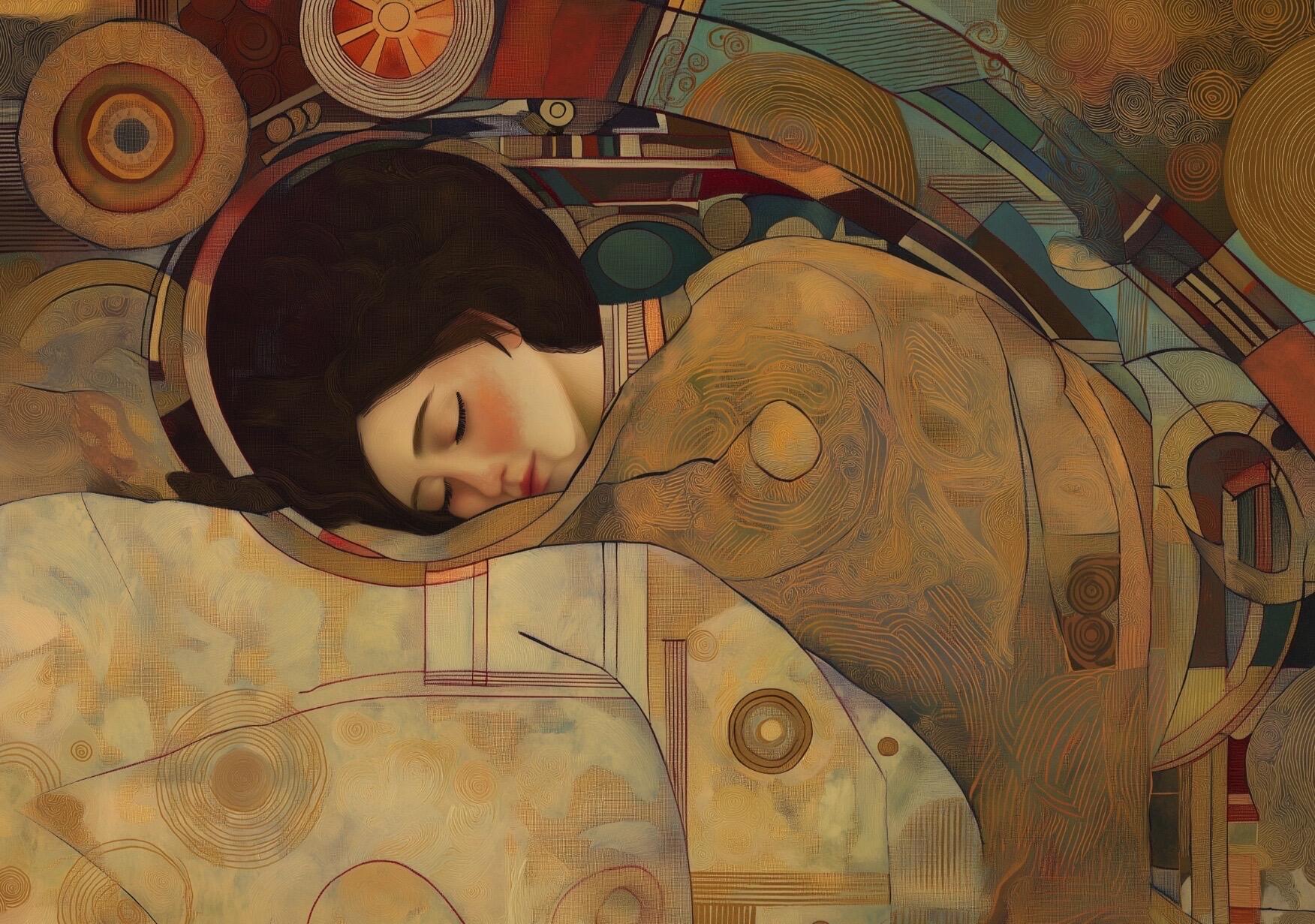
Want to remember more? Sleep on it—literally. When you sleep, your brain isn't offline. It's in optimization mode—especially when it comes to memory. Here’s how it works: 1. Memory Consolidation: Sleep—particularly deep sleep and REM—transforms short-term memories into long-term ones. That skill you practiced or concept you studied? Your brain reviews and strengthens it overnight. 2. Targeted Memory Reactivation (TMR): Your brain replays specific memories during sleep, often triggered by cues—like smells, sounds, or even intention. This process helps prioritize what’s most important to retain. 3. You Can Boost It: Review right before bed: A quick recap of what you want to remember can tell your brain, “This matters.” Use cues: Studies show pairing learning with specific scents or sounds—and then re-exposing yourself to them during sleep—can improve recall. Get 7–9 hours: Especially deep sleep in the early night and REM sleep later on—both critical for different memory types. Sleep is not passive recovery. It’s active learning. Train hard. Sleep smart. Remember more. image
When pointing out mistakes be subtle and indirect to avoid embarrassment or resentment. 1. Begin with genuine praise. 2. Ask questions; don’t make accusations. 3. Use gentle suggestions. 4. Show empathy and understanding. 5. Encourage improvement with confidence.
What Is Rehypothecation—and Why It Matters for Bitcoin Rehypothecation is a practice in traditional finance where banks or brokers reuse collateral (like securities or cash) pledged by clients to back their own trades or loans. Essentially, your assets can be lent out again and again, creating multiple claims on the same underlying asset. This can amplify risk, especially during times of financial stress. Now, apply this to Bitcoin. When you deposit Bitcoin into an exchange, you're trusting that exchange to hold it for you. But many centralized exchanges—just like banks—may engage in rehypothecation. That means they could be lending out or otherwise using customer deposits to support their own financial operations. This creates a situation where more "Bitcoin" exists on paper (in the form of IOUs) than there is actual BTC held in reserve. This is often referred to as “paper Bitcoin.” These are synthetic claims on real Bitcoin that can be traded or withdrawn—until everyone tries to do so at once. If there's a sudden rush (a "bank run"), the exchange might not have enough real Bitcoin to fulfill withdrawals. This is why self-custody is so important. When you hold your Bitcoin in your own wallet (with your private keys), it’s yours. Not your keys, not your coins. Taking custody eliminates counterparty risk and ensures that no one is using your Bitcoin without your consent. Bottom line: Rehypothecation can lead to hidden risks. Exchanges can go insolvent. But if you control your keys, you control your Bitcoin. Be your own bank. #Bitcoin image
How Sleep Turns Short-Term Memories Into Long-Term Knowledge One of the most fascinating—and vital—roles of sleep is its power to solidify memories. While you're asleep, your brain is hard at work transferring information from short-term storage in the hippocampus to long-term storage in the cortex. This process, called memory consolidation, helps transform fleeting experiences into lasting knowledge. Think of the hippocampus as a temporary USB drive, holding the day’s information. During deep sleep—especially slow-wave sleep—the brain replays these memory traces, strengthening important connections and moving them to the cortex, the brain’s “hard drive” for long-term storage. Without enough quality sleep, this transfer is disrupted. That’s why pulling all-nighters or getting fragmented sleep can leave you feeling foggy and forgetful. You may have experienced something, but your brain didn’t get the chance to store it properly. So if you’re trying to learn something new, retain information, or just stay sharp with age, don’t underestimate the power of a good night’s sleep. Your brain needs it to remember. #WhyWeSleep image
The Hidden Cost of Poor Sleep in Aging: A Silent Contributor to Disease As we age, sleep changes—often in subtle but impactful ways. Unfortunately, poor sleep remains one of the most underappreciated factors contributing to cognitive and physical decline in older adults. From increased risks of diabetes, depression, chronic pain, stroke, cardiovascular disease, to Alzheimer’s disease, the quality of sleep plays a powerful and often overlooked role in determining our long-term health. One major shift that occurs with age is a natural change in circadian rhythm—our internal body clock. Older adults often feel sleepy earlier in the evening and wake up earlier in the morning. While this is a normal biological shift, it can clash with social schedules or personal habits, leading to inconsistent sleep patterns. Another common but disruptive issue is sleep fragmentation—frequent waking during the night. A major cause of this is nocturia (waking to urinate), which may result from a weakened bladder, enlarged prostate in men, or other age-related changes. Even brief awakenings can interrupt the restorative stages of sleep, leaving individuals feeling fatigued and mentally foggy during the day. Fortunately, simple behavioral changes can make a difference. One effective strategy is limiting fluid intake in the hours leading up to bedtime—particularly alcohol or caffeine, which can increase nighttime urination and disturb sleep architecture. Improving sleep in older age isn’t just about feeling rested—it’s a crucial part of protecting your brain, mood, and body from the inside out. Talk with your doctor if you or a loved one are experiencing persistent sleep issues. Better sleep may be one of the most powerful tools we have to age well. #WhyWeSleep image
Start by recognizing what the person is doing well before addressing areas of improvement.
Dr. Mike…”you’ve already been compliant with that instruction”
Why Your Kid’s Brain Needs Sleep: The Scoop on Synaptic Pruning Ever wonder why kids need so much sleep? It’s not just because they’ve been running around all day—it’s actually helping shape their brains. When we’re little, our brains are packed with connections between brain cells (called synapses). Think of it like an overgrown garden—tons of branches going in every direction. But not all of those connections are useful forever. That’s where synaptic pruning comes in. Synaptic pruning is the brain’s way of cleaning up. It starts in early childhood and goes all the way into the teen years. The brain keeps the connections we use a lot and trims away the ones we don’t. It’s how our brains become faster, smarter, and more efficient. Here’s the cool part: sleep actually helps this process. While kids are snoozing, their brains are sorting through what they learned, saving the important stuff, and getting rid of the junk. Without enough good sleep, that cleanup process can get thrown off. So when your kid conks out early or takes that extra-long nap—it’s not just cute. Their brain’s doing some serious behind-the-scenes work. #WhyWeSleep image
I was seeking a way to effectively do legs with no equipment and I found it. This is the workout I did today. 5 Rounds: 200M Run 20 Curtsy Lunges 20 Jumping Squats I completed it in 19:58 Beat my time!
Strength is longevity Resistance training—whether with free weights, machines, or bodyweight—does more than build muscle. It preserves bone density, improves balance, boosts metabolism, and helps prevent injury. As we age, lifting weights becomes less about aesthetics and more about independence. Carrying groceries, climbing stairs, or getting up from the floor—these all depend on strength. By progressively challenging our muscles, we can maintain mobility, reduce the risk of falls, and increase our quality of life well into old age. Lift now, thrive later. image
Quantitative easing inflated prices—and inflated profits. When Ben Bernanke’s Federal Reserve launched quantitative easing after the 2008 financial crisis, it flooded the economy with liquidity. The goal: stabilize markets and encourage lending. The result: asset prices soared—stocks, bonds, and real estate climbed sharply. But inflation followed. Not immediately, but steadily. Consumer goods, housing, and essentials all became more expensive over time. Wages didn’t keep up. While QE helped prevent economic collapse, it disproportionately benefited those who owned assets. Investors, corporations, and the wealthy saw massive gains. Meanwhile, the average consumer paid more for everyday life without sharing equally in the upside. The fiat matrix is a rigged game. #Bitcoin helps even the playing field and gives us plebs a chance at having families and lives for our children that somewhat resemble the lives our parents were able to give us. image
People rise to challenges. When appropriate, motivate them by framing a task as a worthy challenge.
Use vivid language, storytelling, and examples to make your point more compelling and memorable.
Autism, REM Sleep, and Brain Development: A Missing Piece of the Puzzle Recent research has shown that many autistic individuals may experience a 30–50% reduction in REM sleep compared to neurotypical children. REM (Rapid Eye Movement) sleep isn’t just when we dream—it’s also a critical period for brain development, especially in early life. Why does this matter? REM sleep plays a key role in synaptogenesis, the process by which the brain forms synapses—connections between neurons. These connections are essential for learning, memory, emotional regulation, and social processing. In early childhood, the brain is in overdrive, building millions of these synaptic links based on both genetic instructions and environmental experience. If REM sleep is disrupted or deficient during this critical window, it can affect how and where synapses form, potentially altering the brain’s wiring in subtle but meaningful ways. An early REM sleep deficit could impact the quality and structure of synaptogenesis, shaping how the brain processes information, emotions, and social cues. While autism is complex and influenced by many genetic and environmental factors, sleep—especially REM sleep—may be one underappreciated piece of the developmental puzzle. Understanding and addressing sleep differences in autism could open new doors for support, intervention, and empathy. image
What Is Synaptogenesis? The Brain’s Way of Wiring Up Synaptogenesis is the process by which neurons in the brain form synapses—the tiny connections that allow them to communicate. These connections are the foundation of all brain activity, from basic movement to deep thought. This process is especially active during early brain development, when a child’s brain is rapidly wiring itself in response to both genetics and experience. But synaptogenesis doesn’t stop in childhood—it continues throughout life, especially when we learn new things or recover from injury. Here’s why it matters: In childhood, it supports learning, memory, language, and emotional development. In adulthood, it's essential for neuroplasticity—the brain’s ability to adapt, grow, and form new habits. In aging, encouraging synaptogenesis through mental stimulation and physical activity may help preserve cognitive function. In short, synaptogenesis is your brain’s way of building, adapting, and rewiring itself—proof that learning truly changes your brain.
The Cantillon Effect: How Easy Money Hurts the Working Class Most people think inflation affects everyone equally—but that’s far from the truth. Enter the Cantillon Effect, an economic concept that shows how newly created money doesn’t flow evenly through the economy. Instead, it benefits those closest to the source—banks, corporations, and financial elites—while leaving everyday workers to bear the cost. Here’s how it works: When central banks print money or lower interest rates, that money doesn’t land in your pocket first. It goes to financial institutions and large borrowers. They use it to invest in assets like real estate, stocks, and commodities—driving up prices. By the time that new money filters down to the average worker, prices have already risen, meaning their wages buy less. So while Wall Street sees record profits and asset bubbles inflate, the regular working man is stuck paying more for rent, food, and fuel without a corresponding rise in income. That’s the Cantillon Effect in action: the rich get richer, and the poor fall further behind. In short, easy money policies may stimulate growth at the top—but they quietly tax the bottom through inflation. It’s a hidden redistribution of wealth, from wage earners to asset holders. #Bitcoin fixes this. image
How Sleeping on the Ground Reshaped the Human Mind One of the most remarkable, yet often overlooked, shifts in our evolutionary history was not what happened when we were awake—but when we were asleep. For millions of years, our primate ancestors slept high in the trees, perched precariously on branches or nestled in rudimentary nests. This arboreal lifestyle came with a cost: lighter, more fragmented sleep, often disrupted by the ever-present risk of falling or attack. In such an environment, entering the deep neurophysiological vulnerability of REM sleep—when muscle tone disappears and the body is effectively paralyzed—was an evolutionary liability. In short, it wasn’t safe to surrender fully to REM in the trees. But somewhere along our evolutionary path, early humans did something extraordinary: we came down from the trees, not just by day, but by night. By sleeping on the ground—often in groups around fire—we gained something precious: safety. And with safety came the possibility for deeper, richer, and longer REM sleep. REM sleep is not just a curious biological state; it is a source of our creativity, our emotional intelligence, and our capacity to imagine futures that do not yet exist. It is the nightly theater where the brain integrates memories, solves problems, and rehearses social scenarios. The amplification of REM sleep in humans—proportionally greater than in almost any other species—is likely no coincidence. It may have been catalyzed by that very transition to ground sleeping. When our ancestors no longer had to remain in a constant state of vigilance during sleep, REM could flourish. And with it, so did the cognitive complexity that defines us as a species. In other words, the ground didn’t just give us rest—it gave us mind. So the next time you lie down at night, remember: you are participating in a deeply human act, one shaped by firelight, safety, and the strange miracle of REM. Sleep well.
Student loans should face the scrutiny of opportunity costs. Are institutions of higher learning providing a product that outweighs the cost (inclusive of the interest)? This should be done on a major by major basis.