EU considers ban on 'forever chemicals', urges search for alternatives
By Ludwig Burger, February 7, 2023
• Proposed ban to grant grace periods between 18 mths and 12 yrs
• Non-degradable PFAS found as far as "rain water in Tibet"
• Ban could take effect in 2026 or 2027
• Industry group warns some key products could be "eliminated"
• Further reviews will involve ECHA, EU commission, member states
"The chemicals have been used in tens of thousands of products, including cars, textiles, medical gear, wind mills and non-stick pans due to their long-term resistance to extreme temperatures and corrosion.
"But #PFAS have also been linked to health risks like cancer, hormonal dysfunction and a weakened immune system as well as #environmental damage."
#PFOS #PFNA, #PFHxS, #PFB #GenXChemicals
#PFOA #WaterIsLife #Toxic #pollution #DowChemical #DuPont #3M #BASF #Teflon
https://www.reuters.com/markets/commodities/eu-considers-ban-forever-chemicals-urges-search-alternatives-2023-02-07/
DoomsdaysCW
DoomsdaysCW@kolektiva-social.mostr.pub
npub1fp2u...zf96
Fmr Journalist📰 and occasional Librarian 📚, #IndigenousAlly living on #Wabanaki land🌄.
#NonBinary :nonbinary_flag: #Queer :QueerCat_Aromantic: #ActuallyAutistic♾️ Pronouns: They, them, per, person, human.
#Environmentalist🌳 #DemocraticSocialist🌹 Student of #Archaeology 💀& #History 📜
#NoNukes☢️ Anti-#Oligarchy🎩 #NoWar☮️ #GetMoneyOut💰#HumanRights🕵️♂️ #CeasefireNow🇵🇸 #BLM✊🏿 #IndigenousRights 🌿 #WaterIsLife💧Anti-#Corruption🔍 #ClimateCrisis🌍 #RightToRepair 🪛 #SolarPunkSunday 🌞
#EPA Proposes New Standard for Removing Harmful ‘#ForeverChemicals’ Found in Drinking Water
Here’s where they come from—and why removing them is more challenging than you might think.
By Korin MillerPublished: Mar 15, 2023
- The EPA issued a new proposal to remove #PFAS from water supplies nationwide.
- The proposal targets six out of thousands of known forever chemicals.
- The #chemicals have been linked to #cancer, thyroid issues, and fertility problems, among other things.
"The EPA shared in a news release that the new levels would be “legally enforceable” if the proposal is finalized. While there are more than 9,000 PFAS known to be in existence, the proposal focuses on six. The proposal would regulate PFOA and #PFOS, along with four other PFAS—#PFNA, #PFHxS, #PFBS, and #GenXChemicals—as a mixture."
#PFOA #WaterIsLife #Toxic #pollution #DowChemical #DuPont #3M #BASF #Teflon
Read more:


Prevention
There Are ‘Forever Chemicals’ in Your Water—and the EPA Wants to Clean Them Up
Here’s where they come from—and why removing them is more challenging than you might think.
@npub1n43v...z324 Oh geesh. I should remedy that (and post more often).


DoomsdaysCW
What’s the difference between PFAS, PFOS, PFOA, PTFE, and GenX?
"There are estimated to be more than 9,000 #PFAS chemicals. Some of the most common include Perfluorooctane Sulfonate (#PFOS) and Perfluorooctanoic Acid (#PFOA), also known as C8. These chemicals were once widely used in substances like fabric and leather coatings, household cleaning products, firefighting foams, and stain-resistant carpeting. Although manufacturers have phased out their use in Canada and the U.S. over the past two decades, they remain ubiquitous in the environment—and in our bodies. Dupont developed #GenX as a replacement for PFOA in 2009, but subsequent studies of GenX have also raised health concerns.
"Polytetrafluoroethylene (#PTFE), along with C8/#PFOA, were used to produce #Teflon, the non-stick chemical coating manufactured for decades by Dupont and now #Chemours, which #Dupont spun off in 2015."
https://www.ehn.org/what-are-pfas-2656619391/whats-the-difference-between-pfas-pfos-pfoa-ptfe-and-genx
Promising, however, we need to halt manufacture of #PFAS, and figure out ways to get existing contamination out of the environment (good luck with that) -- since it is pretty much EVERYWHERE!
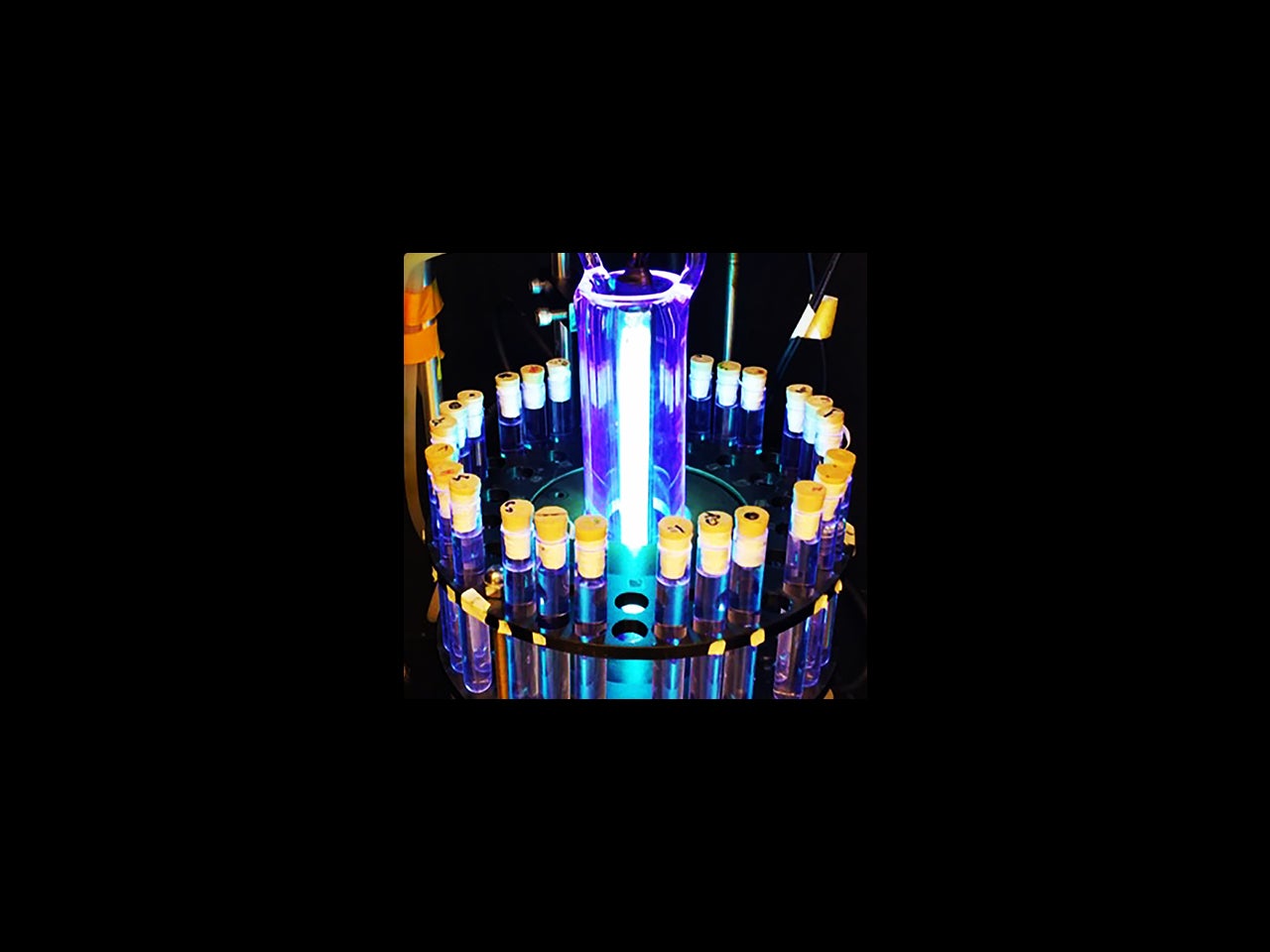
Pollution cleanup method destroys toxic “forever chemicals”
By David Danelski, December, 2022
Breakthrough process was developed by UCR scientists for drinking water treatment and toxic site remediation
"Examples of PFAS-containing products include grease-resistant paper wrappers and containers such as microwave #popcorn bags, #pizza boxes, and #candy wrappers; stain and water repellents used on #carpets, #upholstery, #clothing, and other fabrics; #cleaning products; non-stick #cookware; and #paints, #varnishes, and #sealants, according to the U.S. Environmental Protection Agency, or EPA."
#PFOA #PFOS #Environment #Pollution


News
Pollution cleanup method destroys toxic “forever chemicals”
An insidious category of carcinogenic pollutants known as “forever chemicals” may not be so permanent after all. University of California, Rive...
Locally caught #fish are full of dangerous chemicals called #PFAS, study finds
By Sandee LaMotte, CNN
January 17, 2023
"It’s nearly impossible to avoid PFAS, experts say. Manufacturers add the chemicals to thousands of products, including nonstick cookware, mobile phones, carpeting, clothing, makeup, furniture and food packaging.
"The chemical PFOS is part of a family of manufactured additives known as perfluoroalkyl and polyfluoroalkyl substances, or PFAS, widely used since the 1950s to make consumer products nonstick and resistant to stains, water and grease damage.
"Called 'forever chemicals' because they fail to break down easily in the environment, PFAS has leached into the nation’s drinking water via public water systems and private wells. The chemicals then accumulate in the bodies of fish, shellfish, livestock, dairy and game animals that people eat, experts say.
“The levels of PFOS found in freshwater fish often exceeded an astounding 8,000 parts per trillion,” said study coauthor David Andrews, a senior scientist at Environmental Working Group, the nonprofit environmental health organization that analyzed the data. The report was published Wednesday in the journal Environmental Research."
#Environment #PFOS #Pollution #WaterIsLife
https://www.cnn.com/2023/01/17/health/freshwater-fish-pfas-contamination-wellness/index.html
More “forever chemicals” found in #Colorado and U.S. freshwater fish, study warns
#PFAS levels in locally caught fish are “staggeringly high” according to the #Environmental Working Group researchers, and #Colorado has no fish consumption guidelines
by Michael Booth, Jan. 17, 2023
"A single serving of freshwater fish can deliver as much PFAS 'forever chemicals' as drinking a month’s worth of water tainted with the toxins, a new study says, echoing a Colorado study last year that found the dangerous compounds in every fish sample from popular state waters.
"An analysis of EPA samples by the nonprofit Environmental Working Group, published Tuesday in the journal 'Environmental Research,' compared the PFAS ingestion from eating one fish portion to drinking water tainted at 48 parts per trillion for a whole month. In June, the EPA lowered its recommended guidelines for two of the thousands of PFAS variations, PFOA and PFOS, from a maximum of 70 parts per trillion in drinking water down to 0.004 and 0.02 parts per trillion, respectively.
"There is no #EPA or Colorado standard for the amount of PFAS chemicals allowed in fish caught by anglers or sold to consumers. Grocery store seafood tested by the U.S. Food and Drug Administration did not test nearly as high for #PFOS, one of the most potentially dangerous of the thousands of varieties of PFAS compounds, the EWG study said. "
#Environment #Pollution


The Colorado Sun
More “forever chemicals” found in Colorado and U.S. freshwater fish, study warns
A single serving of freshwater fish can deliver as much PFAS “forever chemicals” as drinking a month’s worth of water tainted with the toxins...
2018 -- Plenty of time for #Japan (and other countries) to have made PROGRESS setting up #tidal and #wave energy! But noooo... Much easier to turn old nuke plants back on and might has well just dump all the #nuclear waste directly into the #PacficOcean, rather than bother storing it, then dumping it. Yeah, can you tell I'm pissed off?! #NoNukes #RethinkNotRestart
How tidal energy could help Japan with its nuclear power problem
https://phys.org/news/2018-01-tidal-energy-japan-nuclear-power.html