KANTAROT.MK's avatar
KANTAROT.MK
qantarot@verified-nostr.com
npub1fy54...3ayw
Science, culture and mental fitness
KANTAROT.MK's avatar
qantarot 2 years ago
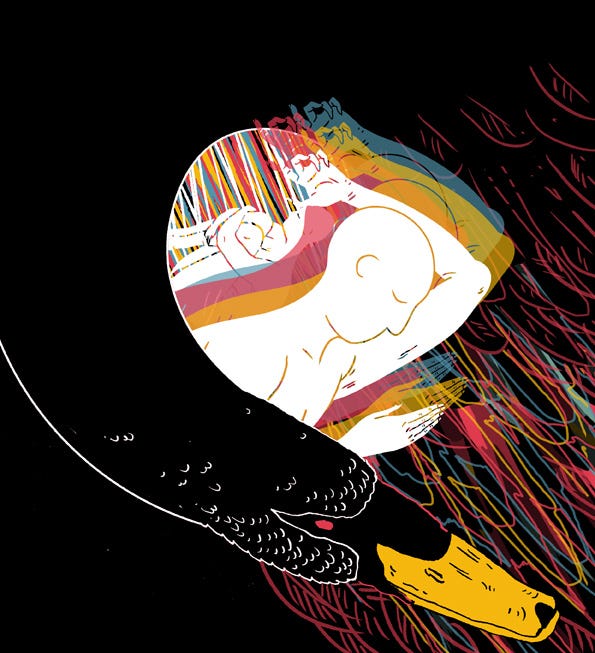
'Yes I’m an animal Yes I’m an animal Yes sometimes the things I do are irrational Yes sometimes the things I do are quite radical' Single-take surrealism by Ren
KANTAROT.MK's avatar
qantarot 2 years ago
“For science to succeed, it must strive for the non­ideological pursuit of objective truth… Although no system is guaranteed to eliminate all biases, merit­-based systems are the best tool to mitigate it. Moreover, they promote social cohesion because they can be observed to maximize fairness.”
KANTAROT.MK's avatar
qantarot 2 years ago
A summary of our spring activities, including S(c)iesta gettogethers in New York, Miami, Montreal, Abu Dhabi and Tokyo. Plus a survey for a S(c)iesta in Ohrid in the second week of August Резиме на нашите пролетни активности, вклучувајќи С(ц)иести во Њујорк, Сарасота, Монтреал, Абу Даби и Токио. Плус анкета за С(ц)иеста во Охрид во втората недела на август.
KANTAROT.MK's avatar
qantarot 2 years ago
“Many studies have documented a decreasing risk tolerance in scientific research. A core driver has been the dominance of citation-driven metrics to evaluate, fund, and promote scientific research — a process that parallels the ever-increasing bureaucratization of science itself (interestingly, as measured by the increase of academic administration staff, the onset of this trend coincides with the first safetyism conferences that were held in the 1970s). Citations have become the decisive factor in publications, grant-making, and tenure. Consequently, as crowded scientific fields attract the most citations, high-risk, exploratory science, in turn, gets less attention and funding. And, in addition to the risk aversion of scientists, ethics committees, peer reviewers, and commissions are now slowing down scientific progress. This scientific risk aversion, coupled with the increase in bureaucratization, helps explain why scientific productivity has been significantly declining over the past decades." Byrne Hobart and Tobias Huber on the dangers of safetyism in science

KANTAROT.MK's avatar
qantarot 2 years ago
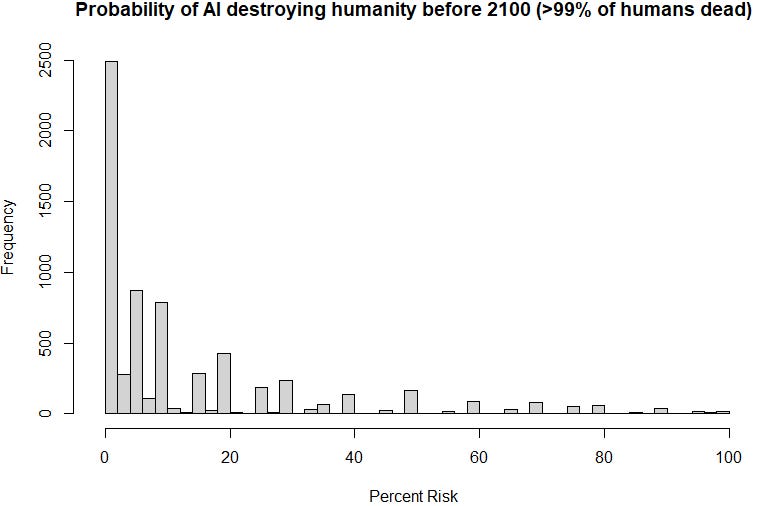
All revolutions eat their children, so it should come as no surprise that we are getting chewed up by revolutionary communication tools. These tools do a great job of keeping us engaged, but somehow they also manage to lower our productivity. We keep worrying that we will be taken over by superintelligent AI, but maybe all it takes is an average algorithm to stop us from communicating effectively.