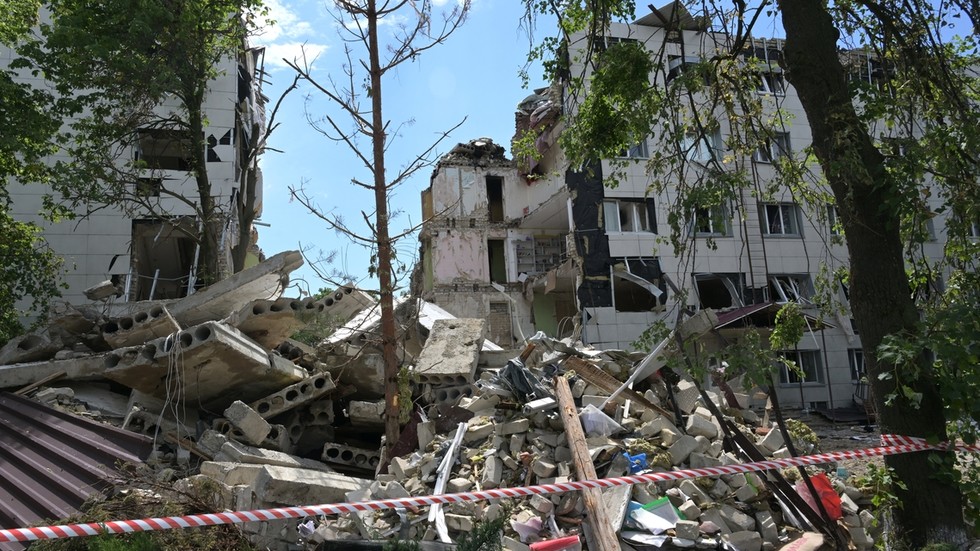
Same as it ever was
Ignore the clowns in fancy dress...
1922 echo in 2026
#1922 #2026
๐ฐโ๐ทโ๐พโ๐ตโ๐นโ๐ฎโ๐ฝ
kriptix2@iris.to
npub1f2gk...jky4
Cogito ergo...
BIP110
#nanotech #vaccine
#homeland
#draft
#spring
#transition Night of Destiny, Kerman, Iran
#NightOfDestiny #iran
#witness
#glitch
#hero #death #bitcoin #nostr
#temple #body #diet #pillsThe Lebanon
#lebanon
Lumo said:
The Resinous Thread: A Multidisciplinary Examination of Hashish Across Time and Space
This article synthesizes archaeological, anthropological, and historical data to trace the trajectory of hashish (cannabis resin) from its Neolithic origins in Central Asia to its contemporary status as a globalized commodity. By analyzing ritualistic practices, socio-economic structures, and regulatory shifts, this paper argues that hashish functions not merely as a psychoactive substance but as a resilient cultural artifact that adapts to shifting political and religious landscapes.
Archaeological Origins and Early Ritualism
The domestication of Cannabis sativa in the steppes of Central Asia (c. 8000 BCE) predates the specific processing of resin. However, the transition from fiber/seeds to psychoactive resin marks a pivotal technological shift. Excavations at the Jirzankal Cemetery in the Pamir Mountains (c. 500 BCE) provide the earliest physical evidence of burnt cannabis resin in braziers, corroborating Herodotusโs accounts of Scythian purification rituals. These findings suggest that early hashish use was strictly ceremonial, intended to induce trance states for shamanic communication rather than recreational intoxication.
The Islamic Golden Age and Urbanization
The diffusion of hashish into the Islamic world (11thโ15th centuries) represents a critical sociological shift. Unlike the scattered tribal use of the Scythians, hashish became integrated into the urban fabric of the Middle East and North Africa. Historical records indicate its adoption by Sufi orders as a tool for spiritual transcendence (fana), while simultaneously becoming a staple of public coffee house culture. This dualityโsacred mystic aid versus secular social lubricantโcreated a complex social dynamic that authorities struggled to regulate, leading to intermittent bans that paradoxically increased its allure and underground trade networks.
South Asian Syncretism and Religious Sanction
In the Indian subcontinent, the consumption of cannabis preparations, including resinous forms, was codified within Hindu theology. Associated with Lord Shiva, the substance was legitimized through religious doctrine, distinguishing it from the stigmatized status it held elsewhere. The bhang and charas traditions illustrate how cultural context dictates the moral valuation of a substance; here, hashish was not a vice but a sacrament, deeply embedded in festivals like Holi and the practices of sadhus. This religious sanction provided a protective buffer against early colonial prohibition attempts.
The Western Encounter and the Construction of Deviance
Hashish entered the European consciousness in the mid-19th century, primarily through the literary salons of Paris (e.g., the Club des Hashischins). Initially framed as an exotic intellectual pursuit, the narrative shifted dramatically in the early 20th century. The convergence of colonial anxieties, racial prejudices, and moral panic transformed hashish from a curiosity into a symbol of social deviance. This culminated in the 1961 UN Single Convention on Narcotic Drugs, which standardized global prohibition, effectively criminalizing millennia of traditional use and forcing the substance into illicit markets.
Contemporary Anthropology:
From Prohibition to Regulation The late 20th and early 21st centuries have witnessed a paradigmatic shift. The rise of the "war on drugs" failed to eradicate demand, instead fostering sophisticated transnational criminal networks. Recently, the pendulum has swung toward regulation in North America and parts of Europe. Anthropologically, this represents a reclamation of agency, where traditional production methods (e.g., hand-rubbing in Morocco, ice-water extraction in the West) coexist with industrial-scale extraction. The substance is currently undergoing a process of "de-stigmatization," moving from a counter-cultural symbol to a regulated commodity, though the tension between commercial interests and traditional cultural practices remains unresolved.
The history of hashish is a microcosm of broader human struggles regarding control, spirituality, and commerce. Its persistence despite centuries of prohibition underscores the limitations of top-down regulatory frameworks when they clash with deep-seated cultural and religious practices. Future research must focus on the socio-economic impacts of legalization and the preservation of traditional artisanal methods in an increasingly industrialized market.
#hashish #history #culture
This article synthesizes archaeological, anthropological, and historical data to trace the trajectory of hashish (cannabis resin) from its Neolithic origins in Central Asia to its contemporary status as a globalized commodity. By analyzing ritualistic practices, socio-economic structures, and regulatory shifts, this paper argues that hashish functions not merely as a psychoactive substance but as a resilient cultural artifact that adapts to shifting political and religious landscapes.
Archaeological Origins and Early Ritualism
The domestication of Cannabis sativa in the steppes of Central Asia (c. 8000 BCE) predates the specific processing of resin. However, the transition from fiber/seeds to psychoactive resin marks a pivotal technological shift. Excavations at the Jirzankal Cemetery in the Pamir Mountains (c. 500 BCE) provide the earliest physical evidence of burnt cannabis resin in braziers, corroborating Herodotusโs accounts of Scythian purification rituals. These findings suggest that early hashish use was strictly ceremonial, intended to induce trance states for shamanic communication rather than recreational intoxication.
The Islamic Golden Age and Urbanization
The diffusion of hashish into the Islamic world (11thโ15th centuries) represents a critical sociological shift. Unlike the scattered tribal use of the Scythians, hashish became integrated into the urban fabric of the Middle East and North Africa. Historical records indicate its adoption by Sufi orders as a tool for spiritual transcendence (fana), while simultaneously becoming a staple of public coffee house culture. This dualityโsacred mystic aid versus secular social lubricantโcreated a complex social dynamic that authorities struggled to regulate, leading to intermittent bans that paradoxically increased its allure and underground trade networks.
South Asian Syncretism and Religious Sanction
In the Indian subcontinent, the consumption of cannabis preparations, including resinous forms, was codified within Hindu theology. Associated with Lord Shiva, the substance was legitimized through religious doctrine, distinguishing it from the stigmatized status it held elsewhere. The bhang and charas traditions illustrate how cultural context dictates the moral valuation of a substance; here, hashish was not a vice but a sacrament, deeply embedded in festivals like Holi and the practices of sadhus. This religious sanction provided a protective buffer against early colonial prohibition attempts.
The Western Encounter and the Construction of Deviance
Hashish entered the European consciousness in the mid-19th century, primarily through the literary salons of Paris (e.g., the Club des Hashischins). Initially framed as an exotic intellectual pursuit, the narrative shifted dramatically in the early 20th century. The convergence of colonial anxieties, racial prejudices, and moral panic transformed hashish from a curiosity into a symbol of social deviance. This culminated in the 1961 UN Single Convention on Narcotic Drugs, which standardized global prohibition, effectively criminalizing millennia of traditional use and forcing the substance into illicit markets.
Contemporary Anthropology:
From Prohibition to Regulation The late 20th and early 21st centuries have witnessed a paradigmatic shift. The rise of the "war on drugs" failed to eradicate demand, instead fostering sophisticated transnational criminal networks. Recently, the pendulum has swung toward regulation in North America and parts of Europe. Anthropologically, this represents a reclamation of agency, where traditional production methods (e.g., hand-rubbing in Morocco, ice-water extraction in the West) coexist with industrial-scale extraction. The substance is currently undergoing a process of "de-stigmatization," moving from a counter-cultural symbol to a regulated commodity, though the tension between commercial interests and traditional cultural practices remains unresolved.
The history of hashish is a microcosm of broader human struggles regarding control, spirituality, and commerce. Its persistence despite centuries of prohibition underscores the limitations of top-down regulatory frameworks when they clash with deep-seated cultural and religious practices. Future research must focus on the socio-economic impacts of legalization and the preservation of traditional artisanal methods in an increasingly industrialized market.
#hashish #history #culture
#draftPOV: You Try Watching The Iran Regime Change But The Anchors Keep Noticing
#satire
#west #diet #us #health
just watching the same play with a louder audience
#iran #israel #us
Limits of Structural Dismantling
Abstract This analysis examines the hypothesis that Middle Eastern stability requires the dismantling of the "Greater Israel" project. It evaluates the feasibility of this structural change through the lenses of Realism, Constructivism, and Post-Colonial theory, concluding that while the demand for structural change is widespread, the agency to execute it remains theoretically possible but practically absent.
1. Deconstructing the "Project" In critical social science, the "Greater Israel" concept functions less as a formal state policy and more as a hegemonic narrative. It represents a perceived asymmetry where one actor's security is prioritized over another's sovereignty. Critics argue this narrative justifies permanent occupation and expansion, creating a structural violence that prevents peace. However, mainstream IR theory views this as a conflation of specific settlement policies with the state's existential right to exist, complicating the "dismantling" premise.
2. The Agency Gap: Who Has the "Balls"? The question of agencyโwho possesses the political will and capacity to dismantle this structureโreveals a critical failure in the current international system:
The West: Bound by strategic alliances and domestic politics, Western powers lack the incentive to lead a dismantling process. Their role is often one of "consent management" rather than structural reform.
Regional Powers: While possessing military capacity (e.g., Iran, Arab coalitions), they lack the unified political will or international legitimacy to enforce change without triggering catastrophic regional war.
Civil Society: Movements like BDS represent the only consistent internal/external pressure. However, lacking coercive power, they rely on normative shifts that are slow and easily countered by state narratives.
3. Theoretical Implications From a Realist perspective, the status quo persists because the cost of dismantling exceeds the perceived benefits for dominant powers.
From a Constructivist view, the "Greater Israel" narrative is a social construct that can only be undone by a fundamental shift in collective identity and international norms. The current stalemate suggests that structural change is impossible without a convergence of internal dissent, regional realignment, and global normative consensusโa "perfect storm" that currently lacks a catalyst.
Conclusion The hypothesis that dismantling is the only path to safety remains a radical critique rather than a viable policy roadmap. The "balls" to execute such a transformation do not reside with a single actor but require a systemic collapse of the current order. Until the cost of the status quo outweighs the cost of change for the powerful, the structure remains intact, sustained by the very asymmetry it critiques.
#dismantle #israel #project #mideast #nostr

#breakfast #health #nation #freepalestine