
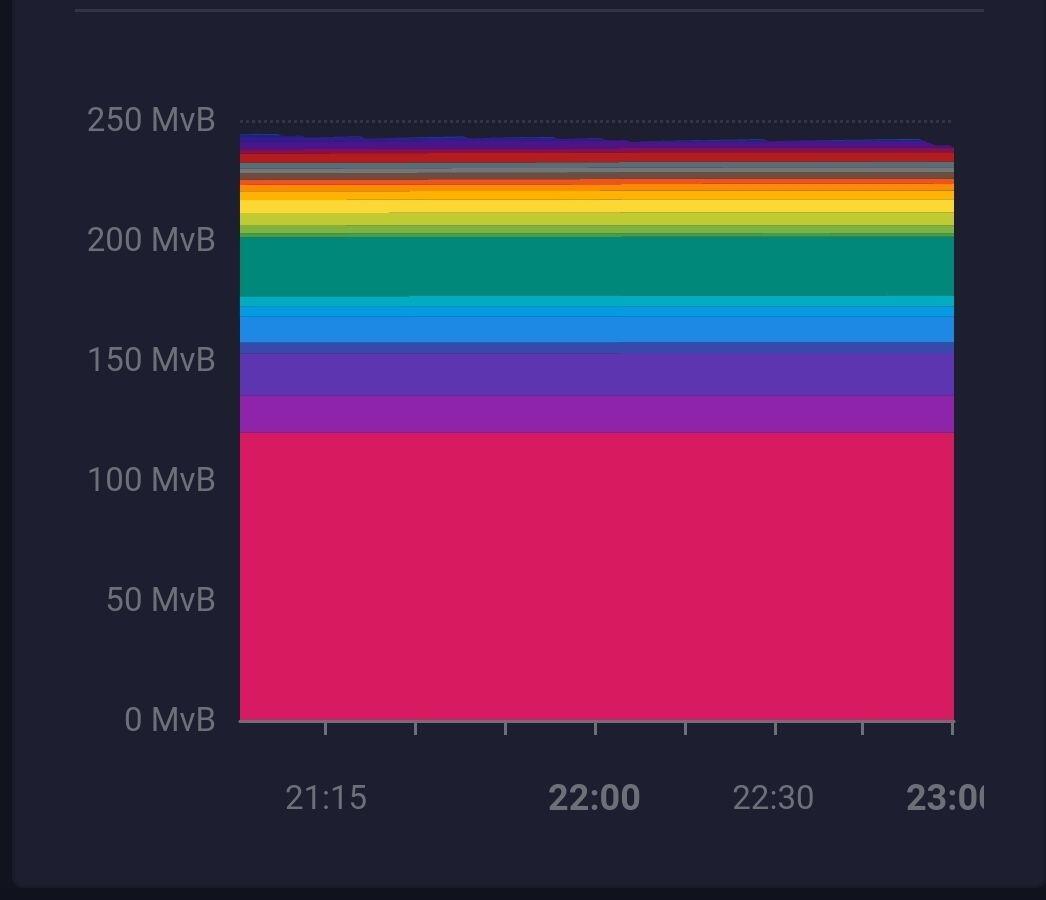
Why is there a rainbow in my mempool again? #zapathon #asknostr
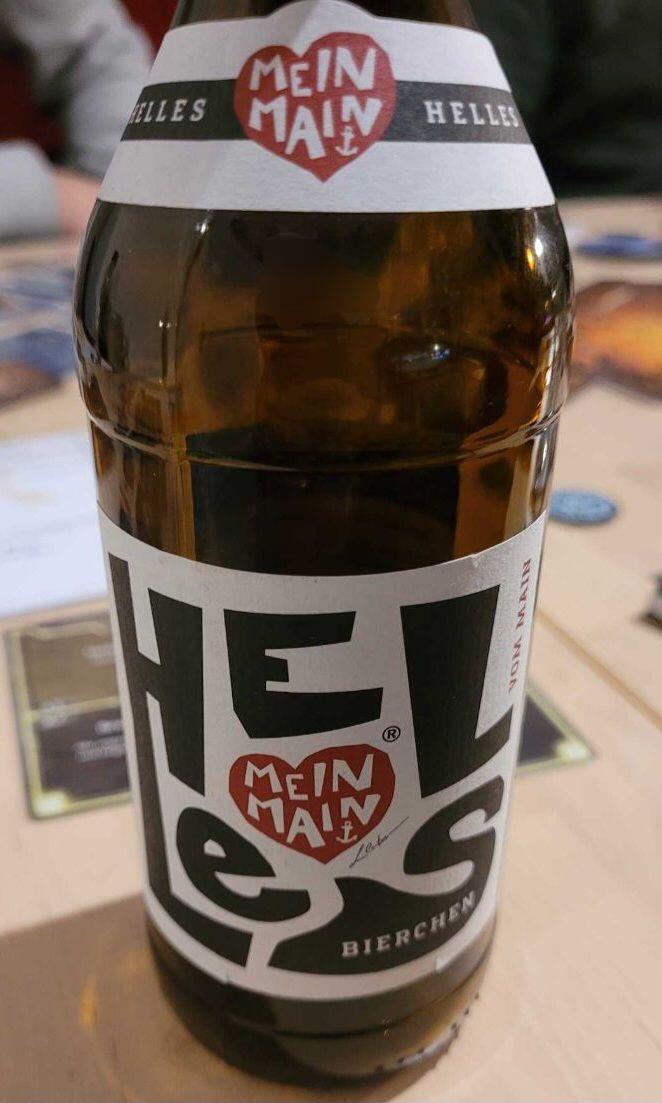 Style: Lager - Helles
ABV: 4.9%, IBU: n/a
Taste: Clean, refreshing, sweet, subtle, thin
My Rating: 6.5/10
Style: Lager - Helles
ABV: 4.9%, IBU: n/a
Taste: Clean, refreshing, sweet, subtle, thin
My Rating: 6.5/10
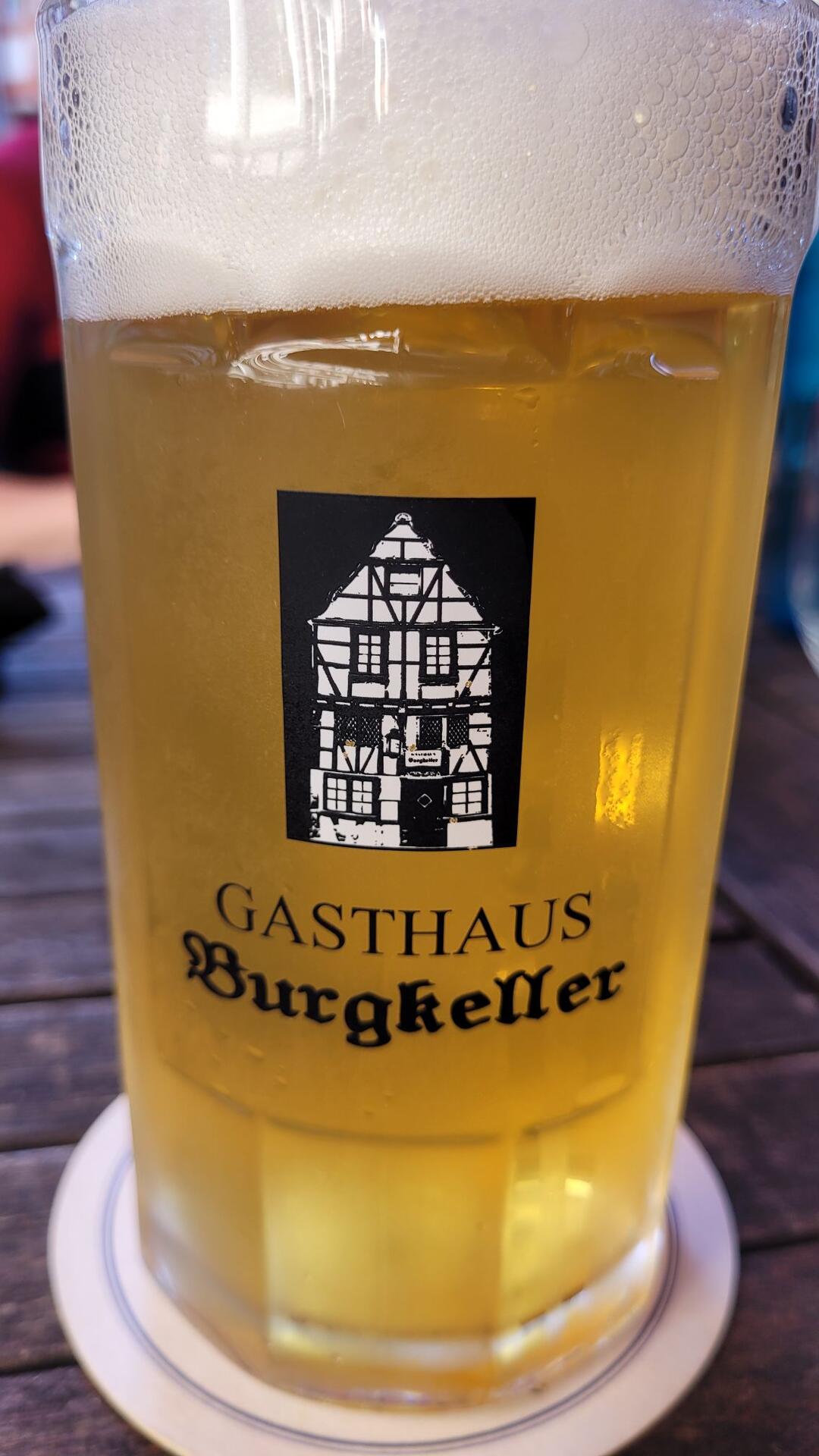 Style: Kellerbier/Zwickl
ABV: 4.9%, IBU: n/a (low)
Taste: Light, Yeasty, Grainy, Clean, Sour
My Rating: 3.25/5
Small brewery in a very old city from the early Middle Ages located at a merchants
Style: Kellerbier/Zwickl
ABV: 4.9%, IBU: n/a (low)
Taste: Light, Yeasty, Grainy, Clean, Sour
My Rating: 3.25/5
Small brewery in a very old city from the early Middle Ages located at a merchants
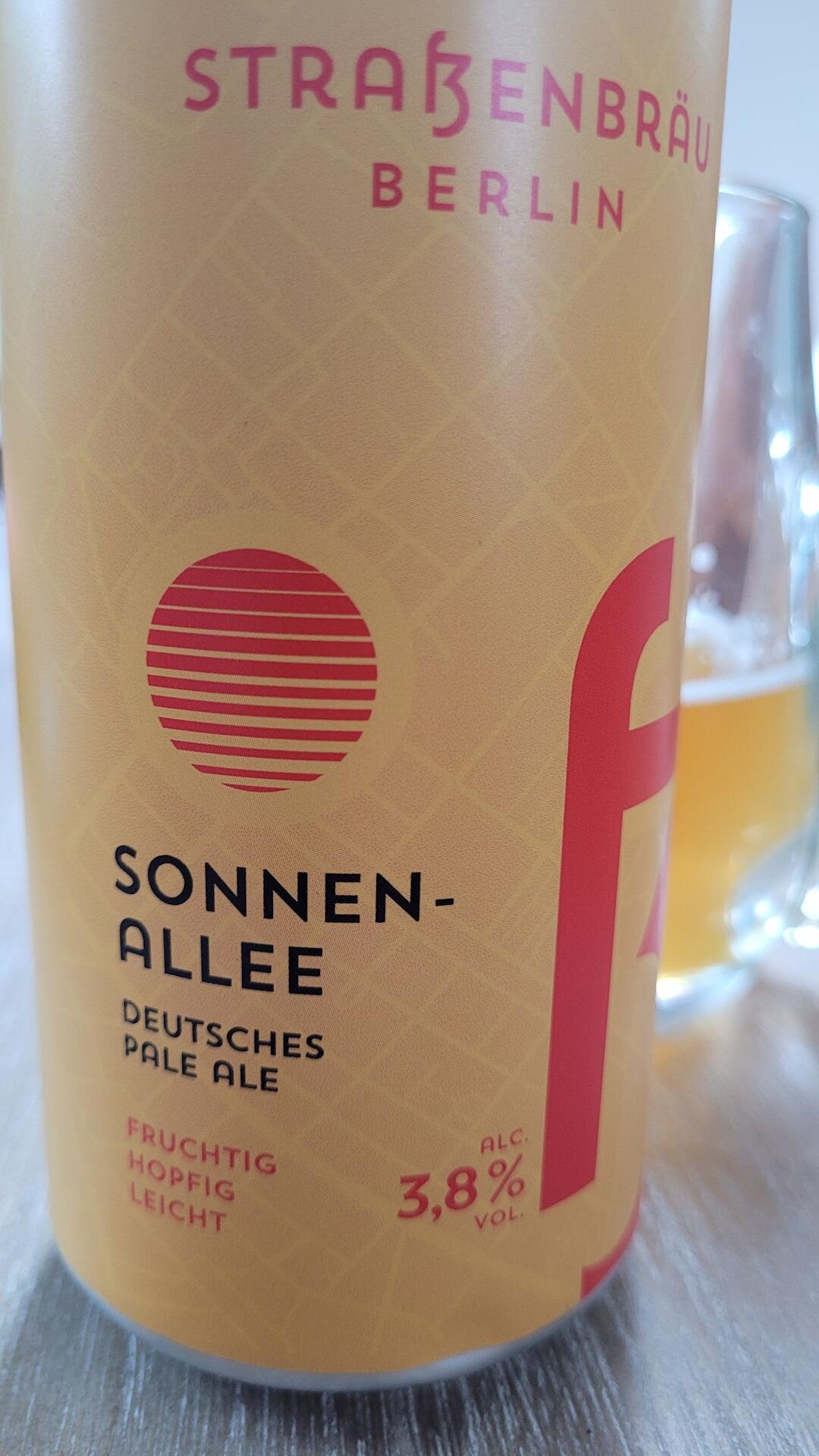 Style: Pale Ale
ABV: 3.8%, IBU: 32
Taste: Hoppy, Light, Fruity, Floral
My Rating: 3.75/5
Style: Pale Ale
ABV: 3.8%, IBU: 32
Taste: Hoppy, Light, Fruity, Floral
My Rating: 3.75/5
 Style: Lager - Export
ABV: 5.2%, IBU: n/a
Taste: Light, Sweet
My Rating: 2.25/5
Style: Lager - Export
ABV: 5.2%, IBU: n/a
Taste: Light, Sweet
My Rating: 2.25/5
 Style: IPA - New England / Hazy
ABV: 7%, IBU: n/a
Taste: Citrus, hoppy, dry
My rating: 4.0/5
To beer or not to beer?
Style: IPA - New England / Hazy
ABV: 7%, IBU: n/a
Taste: Citrus, hoppy, dry
My rating: 4.0/5
To beer or not to beer?

 Style: Lager - Helles
ABV: 5.1%, IBU: n/a (low)
Taste: Smooth, clean, malty, metallic
My rating: 3.0/5
Style: Lager - Helles
ABV: 5.1%, IBU: n/a (low)
Taste: Smooth, clean, malty, metallic
My rating: 3.0/5
 Style: Dark Lager
ABV: 4.8%, IBU: 19
Taste: Smooth, watery, malty
My rating: 3.0/5
Style: Dark Lager
ABV: 4.8%, IBU: 19
Taste: Smooth, watery, malty
My rating: 3.0/5
 "Hommel" is Old Flemish for hops, but also means bumblebee. Well, and "sap" simply means juice. Hommelsap.
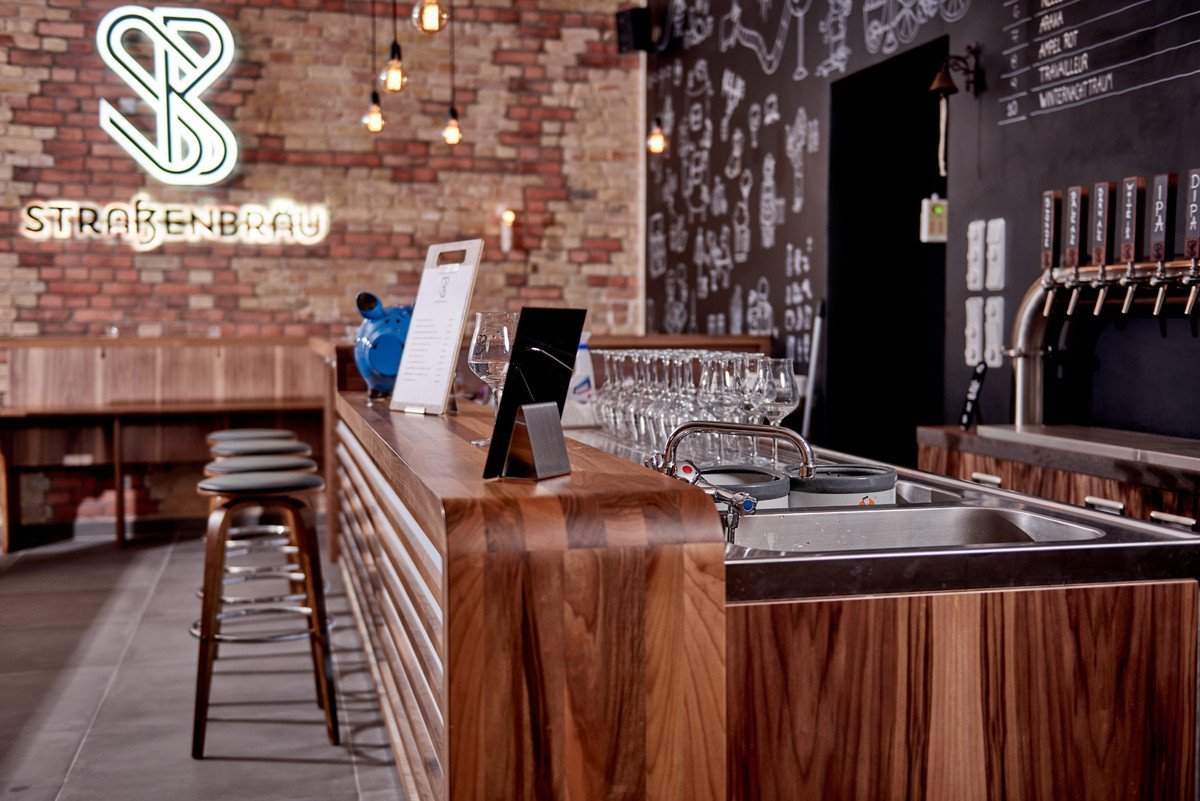
If you visit Berlin, consider going there, it's a Brauhaus with many different beer styles in the famous Kiez of Friedrichshain. They also sell beer to go 🍻
https://strassenbraeu.de/collections/bier/products/hommelsap
"Hommel" is Old Flemish for hops, but also means bumblebee. Well, and "sap" simply means juice. Hommelsap.
If you visit Berlin, consider going there, it's a Brauhaus with many different beer styles in the famous Kiez of Friedrichshain. They also sell beer to go 🍻
https://strassenbraeu.de/collections/bier/products/hommelsap


 WHAT IS A MÄRZEN?
Märzen is a German amber lager – dark copper to reddish brown in color, crisp but also smooth, with sweet toasted bread aroma and faint hints of spice. It is sweetish but with a noticeable Noble hops bite and a dry finish. The typical ABV is 5-6%.
The style as we know it today was introduced by the Spaten brewery in 1841 and was then further tweaked and developed. Its origins go farther than that however, possibly back to 1553 when summer brewing was prohibited in Germany.
The name Märzen means “March beer”. It applies to beers brewed in March and left to lager (condition) in cold cellars over the course of the summer, to be tapped in early fall. Summer brewing was for a long time prohibited in Germany in order to ensure good beer quality and prevent spoilage in high temperatures.
These March beers were brewed with higher gravity (alcohol content) than regular lagers in order to have the longer shelf life needed to make it to the harvest festivals. They were much darker than today and only became amber in color after the Spaten brewery experimented with lighter malts and developed the style we are familiar with today, often referred to as modern Märzen.
WHAT IS A MÄRZEN?
Märzen is a German amber lager – dark copper to reddish brown in color, crisp but also smooth, with sweet toasted bread aroma and faint hints of spice. It is sweetish but with a noticeable Noble hops bite and a dry finish. The typical ABV is 5-6%.
The style as we know it today was introduced by the Spaten brewery in 1841 and was then further tweaked and developed. Its origins go farther than that however, possibly back to 1553 when summer brewing was prohibited in Germany.
The name Märzen means “March beer”. It applies to beers brewed in March and left to lager (condition) in cold cellars over the course of the summer, to be tapped in early fall. Summer brewing was for a long time prohibited in Germany in order to ensure good beer quality and prevent spoilage in high temperatures.
These March beers were brewed with higher gravity (alcohol content) than regular lagers in order to have the longer shelf life needed to make it to the harvest festivals. They were much darker than today and only became amber in color after the Spaten brewery experimented with lighter malts and developed the style we are familiar with today, often referred to as modern Märzen.