In China, the Party calls the Cultural Revolution a tragedy: many of the post-Mao generation suffered immensely. Yet, it is implied that Mao did "seven things right, and three things wrong." Perhaps the Cultural Revolution is the heart of a Chinese party elite that embraces Mao's legacy of creating their nation-state canvas but reviles him personally. Though the party elite could live with this paradox, many artists, scientists and musicians could not. The Cultural Revolution shows up everywhere in China, from unaddressed trauma, China's cultural exports such as the Three Body Problem, scar literature, to the years of students denied university education with the exception of the current leadership including Xi - many of whom had their parents push them into the best universities as legacy admits while their less fortunate peers spent time "sent down" to toil in the fields.
Some of the most impactful links and summaries of the human suffering Mao's drive to politics over everything brought:
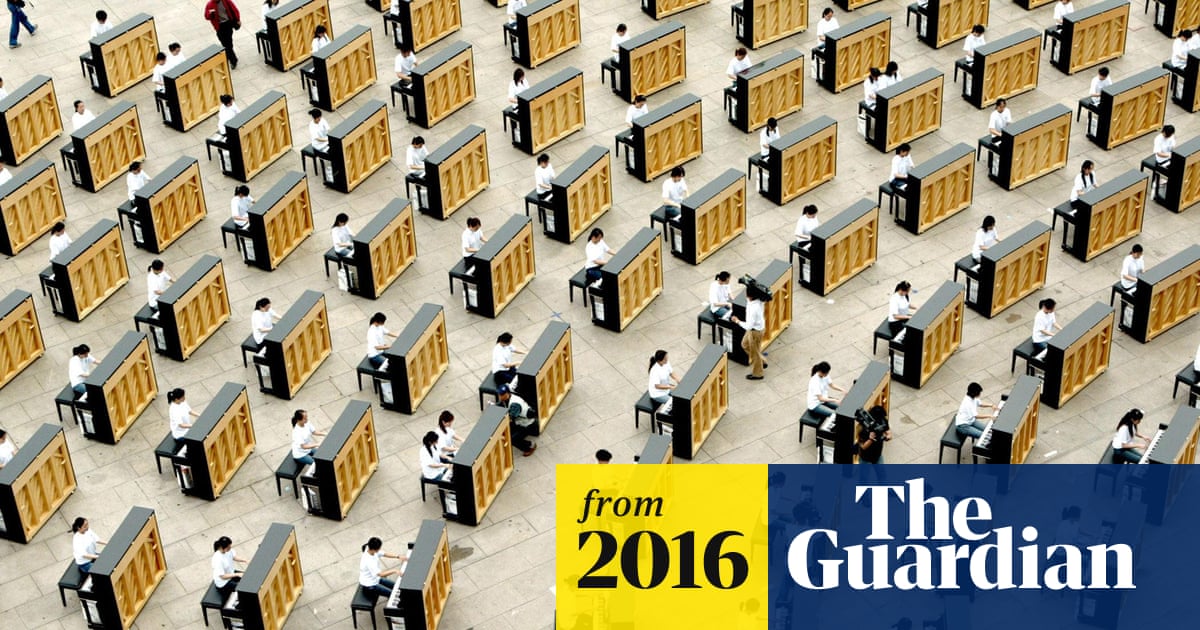 - "In an out-of-the-way room in the grounds of the Shanghai Conservatory of Music, I came across a memorial: photographs, papers and objects in memory of the 20 people – professors, spouses and students – who lost their lives during the 10-year Chinese Cultural Revolution. This catastrophe officially ended in 1976, the year of Mao Zedong’s death. When, a short time later, violinist Isaac Stern arrived for a series of high-profile concerts, he found that Shanghai – home for nearly a century to one of the first orchestras in Asia – could not find him one playable piano. The instruments, including an estimated 500 owned by the Shanghai Conservatory, had been destroyed."
---
- "In an out-of-the-way room in the grounds of the Shanghai Conservatory of Music, I came across a memorial: photographs, papers and objects in memory of the 20 people – professors, spouses and students – who lost their lives during the 10-year Chinese Cultural Revolution. This catastrophe officially ended in 1976, the year of Mao Zedong’s death. When, a short time later, violinist Isaac Stern arrived for a series of high-profile concerts, he found that Shanghai – home for nearly a century to one of the first orchestras in Asia – could not find him one playable piano. The instruments, including an estimated 500 owned by the Shanghai Conservatory, had been destroyed."
---
 -
"Lao She also lived in America, for more than three years—on Manhattan’s Upper West Side—but he eventually returned to China and became to Beijing what Victor Hugo was to Paris: the city’s quintessential writer. The Party named him a “People’s Artist.” He resented being asked to produce propaganda, but, like many, he was a loyal servant who poured criticism on his fellow-writers when they fell out with the Party. [...]
On August 23, 1966, during the opening weeks of the Cultural Revolution, the order to “Smash the Four Olds” had devolved into a chaotic assault on authority of all kinds. That afternoon, a group of Red Guards summoned Lao She to the front gate of the Confucius Temple near his home. Lao She had grown up not far from the temple, in poverty. “A group of Red Guards — mostly schoolgirls of fifteen and sixteen—pushed him through the gates of the temple and forced him to kneel on the flagstones beside a bonfire, among other writers and artists. His accusers denounced him for his ties to America and for amassing dollars, a common accusation at the time. They shouted “Down with the anti-Party elements!” and used leather belts with heavy brass buckles to whip the old men and women. Lao She was bleeding from the head, but he remained conscious. " [...] "The next day his body was found floating in the waters, several of Mao’s poems scattered about. Lao She’s death came during “Red August,” a particularly bloody period during the Cultural Revolution. That month in Beijing, 1,772 people were killed or committed suicide, calling to mind some of the chilling lines from Cat Country: “You see, adherents of Everybody Shareskyism will kill a man without thinking twice about it.And thus now it is a very common occurrence to see students butchering teachers, professors, chancellors, and principals."
---
-
"Lao She also lived in America, for more than three years—on Manhattan’s Upper West Side—but he eventually returned to China and became to Beijing what Victor Hugo was to Paris: the city’s quintessential writer. The Party named him a “People’s Artist.” He resented being asked to produce propaganda, but, like many, he was a loyal servant who poured criticism on his fellow-writers when they fell out with the Party. [...]
On August 23, 1966, during the opening weeks of the Cultural Revolution, the order to “Smash the Four Olds” had devolved into a chaotic assault on authority of all kinds. That afternoon, a group of Red Guards summoned Lao She to the front gate of the Confucius Temple near his home. Lao She had grown up not far from the temple, in poverty. “A group of Red Guards — mostly schoolgirls of fifteen and sixteen—pushed him through the gates of the temple and forced him to kneel on the flagstones beside a bonfire, among other writers and artists. His accusers denounced him for his ties to America and for amassing dollars, a common accusation at the time. They shouted “Down with the anti-Party elements!” and used leather belts with heavy brass buckles to whip the old men and women. Lao She was bleeding from the head, but he remained conscious. " [...] "The next day his body was found floating in the waters, several of Mao’s poems scattered about. Lao She’s death came during “Red August,” a particularly bloody period during the Cultural Revolution. That month in Beijing, 1,772 people were killed or committed suicide, calling to mind some of the chilling lines from Cat Country: “You see, adherents of Everybody Shareskyism will kill a man without thinking twice about it.And thus now it is a very common occurrence to see students butchering teachers, professors, chancellors, and principals."
---
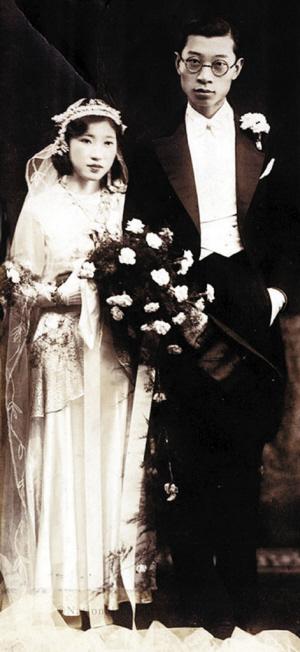 -
"Fu Lei (Fou Lei; Chinese: 傅雷; courtesy name Nu'an 怒安, pseudonym Nu'an 怒庵; 1908–1966) was a Chinese translator and critic. His translation theory was dubbed the most influential in French-Chinese translation. He was known for his renowned renditions of Balzac and Romain Rolland.
In 1958 Fu was labelled a rightist in the Anti-Rightist Movement, and was politically persecuted. In 1966, at the beginning of the Cultural Revolution, he and his wife Zhu Meifu committed suicide. His letters to his son, the pianist Fou Ts'ong, were published in 1981. Fu Lei's Family Letters is a long-standing best-seller. "
---
-
"However, whenever the regime allowed it, Ba Jin was prepared to speak out. 'In 1962, when the party seemed to tolerate and even promote a more creative and spontaneous style in literature, [Ba Jin] came out with a speech under the title "Courage and Sense of Responsibility of Writers." It was a strong protest against the literary bureaucrats and an admonition to writers to be fighters, to uphold the truth and their own vision of reality.'5
Payback came during the Cultural Revolution (1966-76). Mao unleashed the Red Guards on his 'bureaucrat' enemies. They also persecuted writers, including Ba Jin - making a great deal of his anarchist past. 'To the people', instead of being an optimistic plan to spark social change as it had been for the nineteenth-century Russian narodniks became a punishment for independent thinking or 'disloyalty.'
'Finally, on June 20, 1968, [Ba Jin] was dragged to the People's Stadium of Shanghai. Those present and those who watched the scene on television saw him kneeling on broken glass and heard the shouts accusing him of being a traitor and enemy of Mao. They also heard him break his silence at the end and shout at the top of his voice, 'You have your thoughts and I have mine. This is the fact and you can't change it even if you kill me.'"6
Worse came in 1972 when his wife Xian Shan died of cancer, after being denied adequate medical care. During these years Ba Jin gave himself strength by reading Dante's Inferno. In 1977 Ba Jin was rehabilitated and returned to his position as a respected writer of an earlier generation. Soon after his return, he produced a series of essays entitled Random Thoughts dealing largely with the Cultural Revolution. "
-
"Fu Lei (Fou Lei; Chinese: 傅雷; courtesy name Nu'an 怒安, pseudonym Nu'an 怒庵; 1908–1966) was a Chinese translator and critic. His translation theory was dubbed the most influential in French-Chinese translation. He was known for his renowned renditions of Balzac and Romain Rolland.
In 1958 Fu was labelled a rightist in the Anti-Rightist Movement, and was politically persecuted. In 1966, at the beginning of the Cultural Revolution, he and his wife Zhu Meifu committed suicide. His letters to his son, the pianist Fou Ts'ong, were published in 1981. Fu Lei's Family Letters is a long-standing best-seller. "
---
-
"However, whenever the regime allowed it, Ba Jin was prepared to speak out. 'In 1962, when the party seemed to tolerate and even promote a more creative and spontaneous style in literature, [Ba Jin] came out with a speech under the title "Courage and Sense of Responsibility of Writers." It was a strong protest against the literary bureaucrats and an admonition to writers to be fighters, to uphold the truth and their own vision of reality.'5
Payback came during the Cultural Revolution (1966-76). Mao unleashed the Red Guards on his 'bureaucrat' enemies. They also persecuted writers, including Ba Jin - making a great deal of his anarchist past. 'To the people', instead of being an optimistic plan to spark social change as it had been for the nineteenth-century Russian narodniks became a punishment for independent thinking or 'disloyalty.'
'Finally, on June 20, 1968, [Ba Jin] was dragged to the People's Stadium of Shanghai. Those present and those who watched the scene on television saw him kneeling on broken glass and heard the shouts accusing him of being a traitor and enemy of Mao. They also heard him break his silence at the end and shout at the top of his voice, 'You have your thoughts and I have mine. This is the fact and you can't change it even if you kill me.'"6
Worse came in 1972 when his wife Xian Shan died of cancer, after being denied adequate medical care. During these years Ba Jin gave himself strength by reading Dante's Inferno. In 1977 Ba Jin was rehabilitated and returned to his position as a respected writer of an earlier generation. Soon after his return, he produced a series of essays entitled Random Thoughts dealing largely with the Cultural Revolution. "
the Guardian
After the Cultural Revolution: what western classical music means in China
The Cultural Revolution had catastrophic consequences for musicians in China, where listening to Beethoven became a political crime. Fifty years on...
LAO SHE: HIS LIFE, BOOKS AND TRAGIC DEATH | Facts and Details
Fu Lei - Wikipedia
Ba Jin: From Rebellion to Endurance
The Kate Sharpley Library exists to preserve and promote anarchist history.