There is nothing rational about the way our current financial system operates. As a centralized system, the fiat monetary system requires that we place our faith in men and institutions that have historically proven to be unsustainable and corrupt..This is no different from believing in the tooth fairy, yet here we are.”
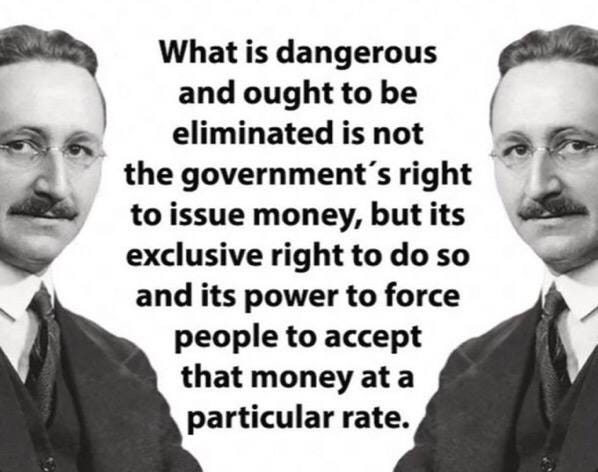
Bitcoin Is Rational
“The issue is always the same: the government or the market.
“Argentina, a country now laying claim to its third World Cup title, is faced with triple-digit monetary inflation and vice-grip capital controls that prohibit the outflow of dollars. Argentine ownership and use of #bitcoin has more than doubled in the past three years—with one in three citizens owning or using #bitcoin. Citizens of Argentina are living through persistent double, or even triple-digit monetary debasement” #[2]

Bitcoin Is Swallowing The World
Exploring the global adoption and evolving capital market layers of bitcoin.
“Praise be to the God and Father of our Lord Jesus Christ, who has blessed us in the heavenly realms with every spiritual blessing in Christ.” Ephesians 1:3 #Amen 🙏🏻
Pura Vida Nostriches

Our society today is plagued by a trust problem. The institutions that govern our world are built on trust while they have now proven to be untrustworthy. On February 11, 2009, Satoshi Nakamoto posted a thread stating:
“I've developed a new open source P2P e-cash system called Bitcoin. It's completely decentralized, with no central server or trusted parties, because everything is based on crypto proof instead of trust. […] The root problem with conventional currency is all the trust that's required to make it work. The central bank must be trusted not to debase the currency, but the history of fiat currencies is full of breaches of that trust. Banks must be trusted to hold our money and transfer it electronically, but they lend it out in waves of credit bubbles with barely a fraction in reserve.”
By developing a decentralized monetary system that made trusted third parties (the banking system) obsolete, Nakamoto also chipped away at the source of their power: the money printer. It’s the money printer that made it possible for a small clique of central bankers to centralize and seize control of the global monetary system. Though waning, they continue to wield this power to this day.
The top-down, centralized decision-making structure is not unique to central banking, but it pervades all spectra of the political institutions that govern our society today. The World Economic Forum (WEF), the Bank of International Settlements, the International Monetary Fund (IMF), the U.S. Federal Reserve, the European Central Bank and the United Nations are but a few examples of the central planners of our day responsible for setting policy recommendations and regulatory frameworks that range from interest rates to carbon emissions. While, for the most part, these organizations are credible and trustworthy, more often than not, the policy recommendations they make create more harm than good when implemented at the community level.
Our society today is plagued by a trust problem. The institutions that govern our world are built on trust while they have now proven to be untrustworthy. On February 11, 2009, Satoshi Nakamoto posted a thread stating:
“I've developed a new open source P2P e-cash system called Bitcoin. It's completely decentralized, with no central server or trusted parties, because everything is based on crypto proof instead of trust. […] The root problem with conventional currency is all the trust that's required to make it work. The central bank must be trusted not to debase the currency, but the history of fiat currencies is full of breaches of that trust. Banks must be trusted to hold our money and transfer it electronically, but they lend it out in waves of credit bubbles with barely a fraction in reserve.”
By developing a decentralized monetary system that made trusted third parties (the banking system) obsolete, Nakamoto also chipped away at the source of their power: the money printer. It’s the money printer that made it possible for a small clique of central bankers to centralize and seize control of the global monetary system. Though waning, they continue to wield this power to this day.
The top-down, centralized decision-making structure is not unique to central banking, but it pervades all spectra of the political institutions that govern our society today. The World Economic Forum (WEF), the Bank of International Settlements, the International Monetary Fund (IMF), the U.S. Federal Reserve, the European Central Bank and the United Nations are but a few examples of the central planners of our day responsible for setting policy recommendations and regulatory frameworks that range from interest rates to carbon emissions. While, for the most part, these organizations are credible and trustworthy, more often than not, the policy recommendations they make create more harm than good when implemented at the community level.
Our society today is plagued by a trust problem. The institutions that govern our world are built on trust while they have now proven to be untrustworthy. On February 11, 2009, Satoshi Nakamoto posted a thread stating:
“I've developed a new open source P2P e-cash system called Bitcoin. It's completely decentralized, with no central server or trusted parties, because everything is based on crypto proof instead of trust. […] The root problem with conventional currency is all the trust that's required to make it work. The central bank must be trusted not to debase the currency, but the history of fiat currencies is full of breaches of that trust. Banks must be trusted to hold our money and transfer it electronically, but they lend it out in waves of credit bubbles with barely a fraction in reserve.”
By developing a decentralized monetary system that made trusted third parties (the banking system) obsolete, Nakamoto also chipped away at the source of their power: the money printer. It’s the money printer that made it possible for a small clique of central bankers to centralize and seize control of the global monetary system. Though waning, they continue to wield this power to this day.
The top-down, centralized decision-making structure is not unique to central banking, but it pervades all spectra of the political institutions that govern our society today. The World Economic Forum (WEF), the Bank of International Settlements, the International Monetary Fund (IMF), the U.S. Federal Reserve, the European Central Bank and the United Nations are but a few examples of the central planners of our day responsible for setting policy recommendations and regulatory frameworks that range from interest rates to carbon emissions. While, for the most part, these organizations are credible and trustworthy, more often than not, the policy recommendations they make create more harm than good when implemented at the community level.
“For you were called to freedom, brothers. Only do not use your freedom as an opportunity for the flesh, but through love serve one another.” Galatians 5:13
Pura Vida Nostriches
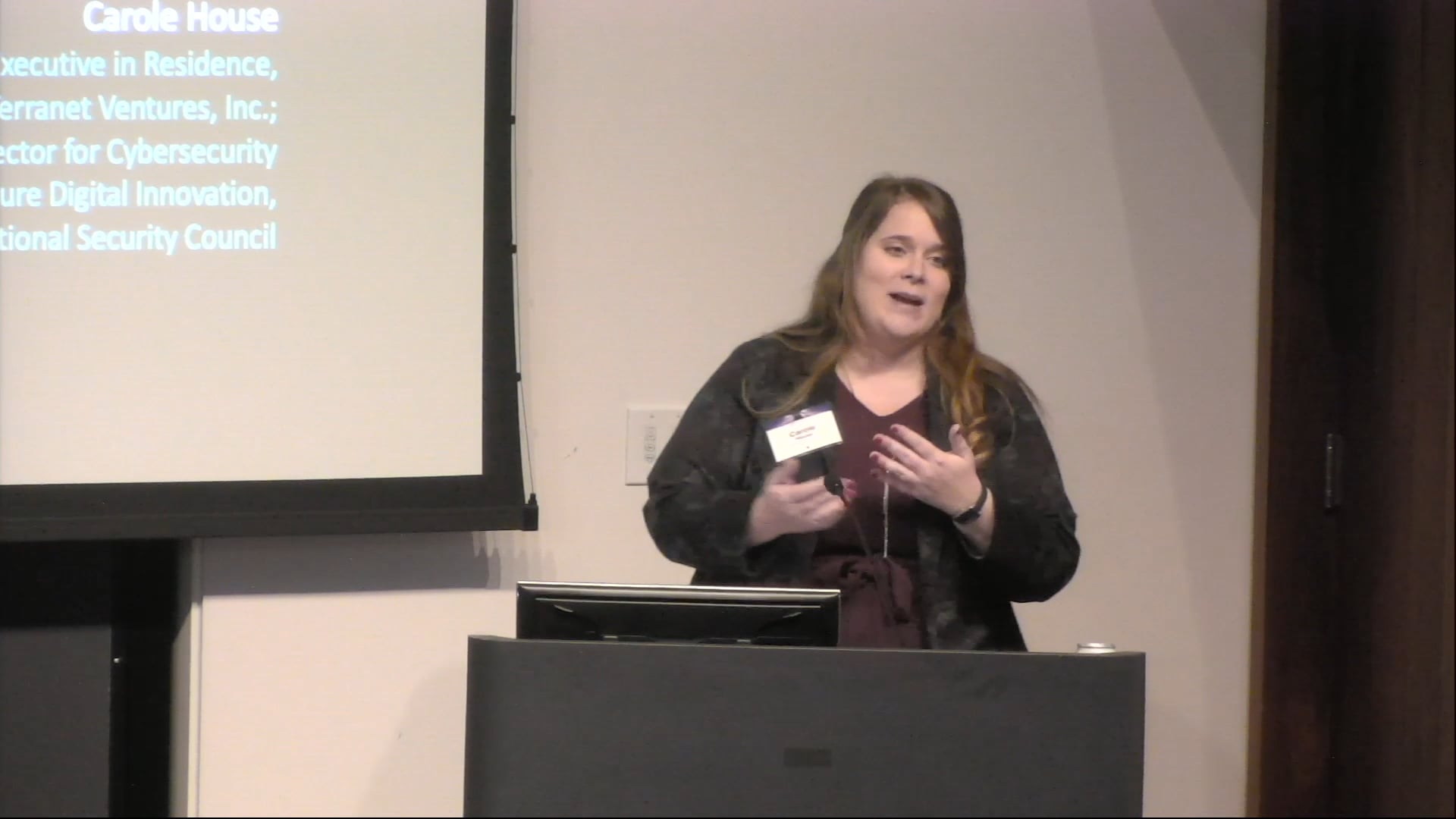
Carole House, former director of cybersecurity for the White House National Security Council, wants to keep Bitcoin miners inside the USA in order to force them to censor #Bitcoin transactions 👀 Check out this vid from a Princeton Event two weeks ago for more.
Vimeo
Keynote: Carole House - DeCenter Spring Conference 2023
Carole House is the Executive in Residence at Terranet Ventures, Inc. and is the former Director for Cybersecurity and Secure Digital Innovation in...
“Let them eat cake”

The Ceremonnial Hall of Istanbul's Dolmabahche Palace, built in the 1840s. Bring back such amazing architecture. Good morning

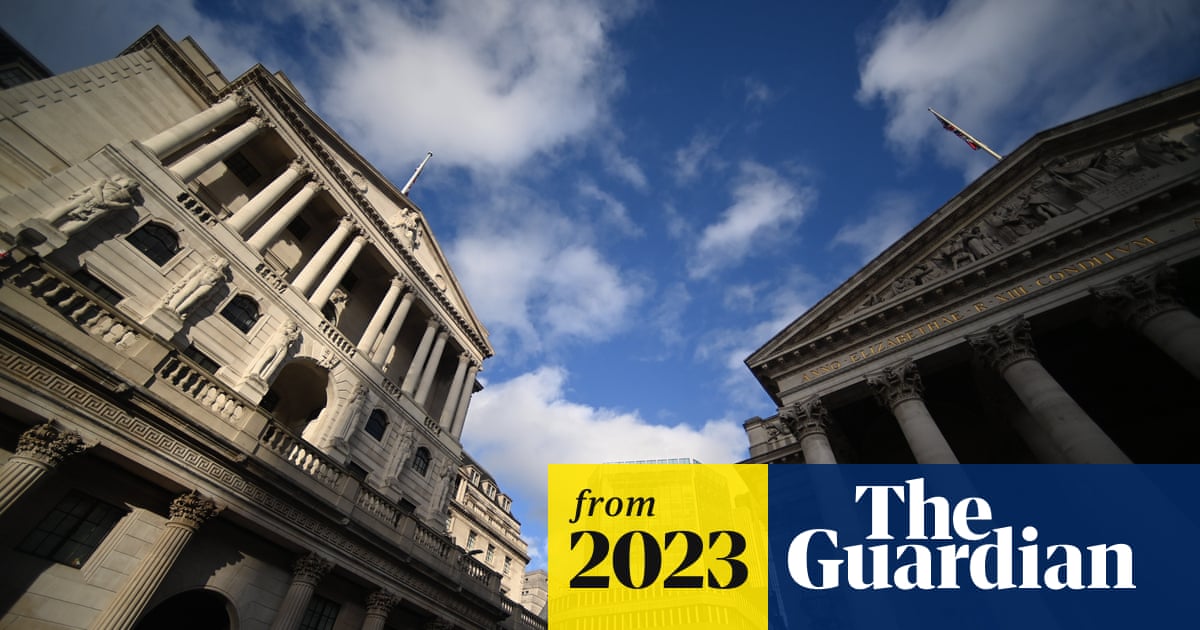
“In the UK, someone needs to accept that they’re worse off & stop trying to maintain their real spending power by bidding up prices...”
Do you see it yet anon? They destroy your purchasing power & scold you for trying to stay afloat. #Bitcoin fixed this.
the Guardian
Britons ‘need to accept’ they’re poorer, says Bank of England economist
Chief economist Huw Pill says workers and firms should stop trying to pass on rising costs by hiking prices or demanding better wages
“Like a muddied fountain and a polluted spring Is a righteous man who yields and compromises his integrity before the wicked.”Proverbs 25:26
Good morning Nostriches! Have a blessed day ahead
“Private property creates for the individual a sphere in which he is free of the state. It sets limits to the operation of the authoritarian will.” Ludwig von Mises
“The revolution will not be televised” #Bitcoin


