s c o r p i o
v e n u s
r e d e m p t i o n
a r c

nobody
npub1dvt9...r7ca
account deleted
Ikuyo Yasuda, Japan, b.1949 


not feelin vagueposting
i'll be explicit as hell
this is how i feel about bears & bulls & status & noise & signals
in all things, am i egregore avoidant View quoted note →
"we have become so incarcerated, so stuck in familiar patterns of doing things, of engaging, even with our activisms—that we need a break & i mean that in all the senses of the word: we need a break. we need a break in our legs. we need to stop walking so fast. we need a break in business as usual."
- dr bayo akomolafe
yesterday's #proofofwalk & a raccoon for your viewing pleasure [there were 3 of them, only one is pictured here]
i received word late friday that my friend would be released yesterday & he was, by early afternoon. 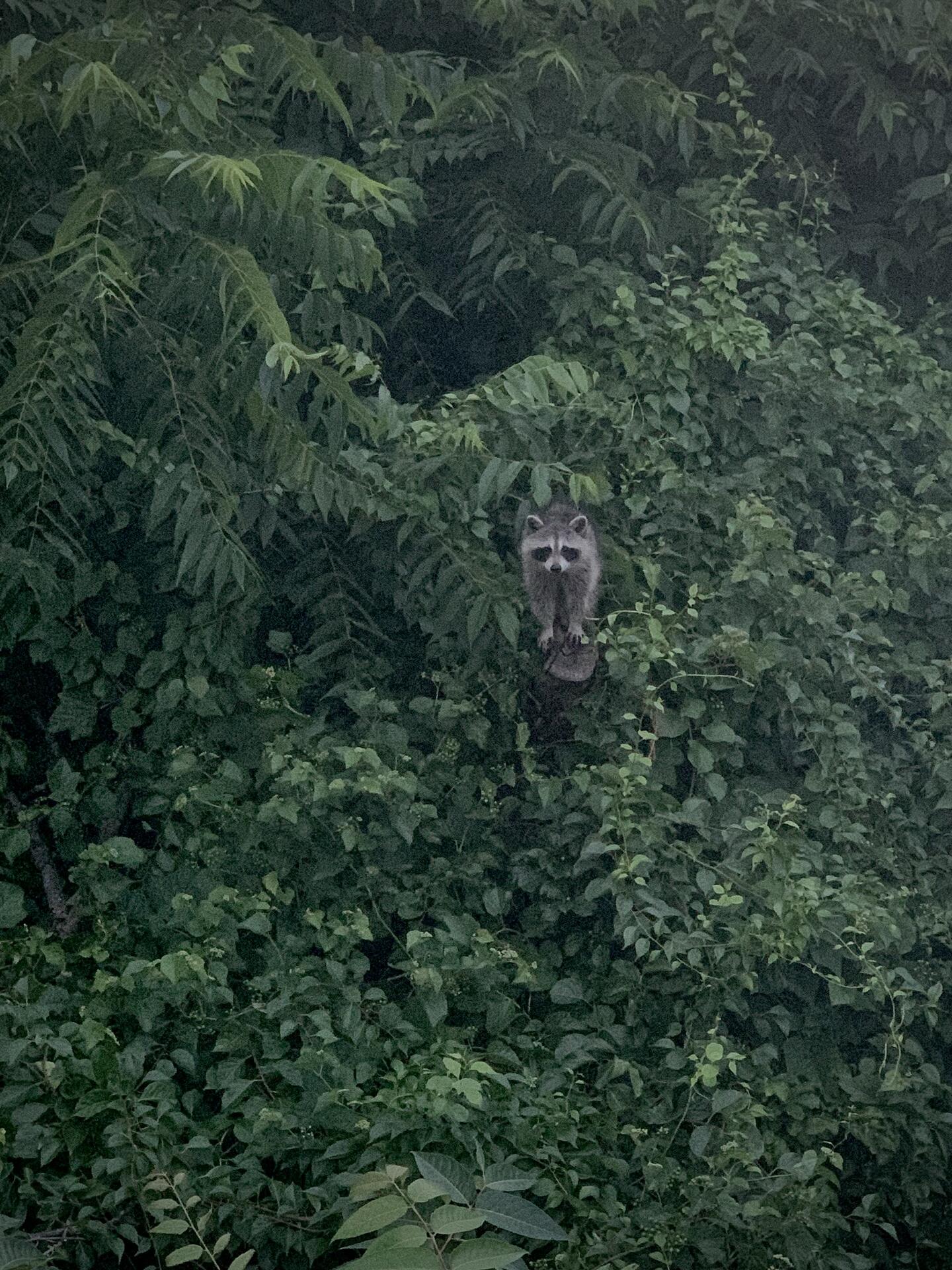
What was the hardest part of the project?
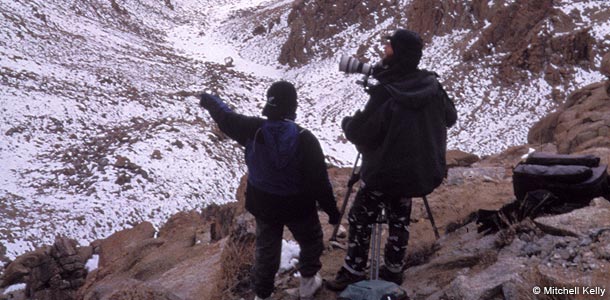
By far the hardest part was being away on location so much while my baby son was seriously ill at home. Just before shoot two, my first son, Taiga, was born. His birth was very difficult, and his first two days of life were spent isolated in a humidicrib, with three more under 24-hour care. At the time there was no explanation for his illness. I delayed my return to Ladakh, the film location, as much as possible. But as soon as Taiga had stabilized and was released from the hospital I returned to location. Leaving your six-day-old baby for the next two months tears a piece out of you that never quite grows back, made worse when that baby is ill.
After shoot two was over I spent a beautiful month with Taiga, now two and a half months old, on location in New Zealand for another film I was shooting. All seemed well. But 36 hours before I was due to return to Ladakh for shoot three, Taiga was diagnosed with an incredibly rare congenital disability called septo-optic dysplasia, a midline brain abnormality. Stunned and heartbroken, I delayed my return to Ladakh as long as I could, and then had to leave to film the seasonal events that simply wouldn’t wait.
Shoot three was one of the most difficult I’ve ever done. I had a satellite telephone with me (for safety reasons, and for communication with my co-producer in England, Hugh Miles), so I was able to make brief weekly calls to my then-wife back in Australia. Each call was emotionally battering as I’d learn of yet another devastating aspect of Taiga’s condition. He was pronounced totally blind; his beautiful blue eyes had no optic nerve connecting them to his brain. My passion to film snow leopards suddenly seemed absurd: Here I was filming an animal to show 80 million strangers around the world, and I was powerless to show my own baby son anything. I had to draw on every technique of psychological discipline I knew of to get through it. But I had to make those weekly calls, no matter how heartbreaking. In a way, shoots four, five, and six were even harder as we became more informed about just how fragile Taiga was.
Two months after I completed shoot six, Taiga’s condition overwhelmed him, at the age of 21 months. He had been born, had lived, and died all within the time I had been shooting this film. I had missed more than half of his life by being away on location. That was the hardest part of this project.
Nature
Silent Roar: Searching for the Snow Leopard ~ Interview: Filmmaker Mitchell Kelly | Nature | PBS
One key player in the making of NATURE's SILENT ROAR was Mitchell Kelly, a wildlife filmmaker. The project, which required months of work at h...
Noriyuki Kobayashi, Japan, b.1986 


Moonglow by Maurice Sapiro (2014, b.1932)