matt | veldi's avatar
matt | veldi
matt@veldi.net
npub1wukm...ayfa
I am a ₿itcoin-only focused creator of software and system solutions, appreciating my prior experience in the crypto space that put me on the path. My current tech-stack focus includes: Unix-like OSs, C, Rust, Go, Bitcoin and Nostr. I am available for hire. 🔨 I also appreciate all donations for my open source work ⚡🧡: Bitcoin: bc1qsp7luc3l0scmvqt73j9e234m76557hg8sluyt6 PGP: 363B 3042 0A3D 122B D4A1 A1EB 8FBE BF65 81C5 B286
U.þ.b. 6 mánuðum síðan bjó ég til "static site generator" sem framleiddi vefsíðuna mína með blogg virkni. Síðan lærði ég meira um Nostr og hugsaði að það væri meira valdeflandi að nota frekar Nostr sem sem mína einu sannleiksuppsprettu. Ég þurfti samt vefsíðu líka þannig að ég bjó til einföld verkfæri og ferla til að framleiða vefsíðu með Nostr atburðina mína sem inntak. Í þetta skiptið notaði ég frekar Hugo til að framleiða síðuna. Það var samt lærdómsríkt að búa til minn eiginn framleiðanda og gerir mig þakklátari fyrir þyngri vinnuna sem Hugo getur gert fyrir mig núna. Ég var líka meðvitaður um að ekki er var til auðveld og sveigjanleg leið til að framleiða vefsíðu útfrá Nostr atburðum, þannig ég er að búa til endurnýtanlega Hugo einingu samleiðis þróunar minnar á síðunni: Ég er glaður með að vera kominn með síðuna aftur í loftið. 😀
Hace aproximadamente 6 meses hice mi propio generador estático de páginas web que generó mi página con funcionalidad de un blog. Luego empecé a aprender más sobre Nostr y discubrí que sería más empoderado usar Nostr como mi fuente única de verdad. Aún necesitaba mi página de web, y por eso hice algunas herramientas básicas y procesos para estáticamente generar una página de mis eventos de Nostr. Esta vez opté por usar Hugo para la generación de la página. Hacer mi propio generador fue una buena experiencia de aprendimiento a pesar de eso y definitivamente me da aprecio por el trabajo duro que Hugo ya puede hacer para mí. También estaba consciente de que todavía no existe una manera fácil y flexible para generar una página de web de eventos Nostr y por eso estoy creando un módulo Hugo reusable mientras que desarrollo mi página: Estoy feliz tener mi página en vivo de nuevo. 😀
U.þ.b. 6 mánuðum síðan bjó ég til "static site generator" sem framleiddi vefsíðuna mína með blogg virkni. Síðan lærði ég meira um Nostr og hugsaði að það væri meira valdeflandi að nota frekar Nostr sem sem mína einu sannleiksuppsprettu. Ég þurfti samt vefsíðu líka þannig að ég bjó til einföld verkfæri og ferla til að framleiða vefsíðu með Nostr atburðina mína sem inntak. Í þetta skiptið notaði ég frekar Hugo til að framleiða síðuna. Það var samt lærdómsríkt að búa til minn eiginn framleiðanda og gerir mig þakklátari fyrir þyngri vinnuna sem Hugo getur gert fyrir mig núna. Ég var líka meðvitaður um að ekki er var til auðveld og sveigjanleg leið til að framleiða vefsíðu útfrá Nostr atburðum, þannig ég er að búa til endurnýtanlega Hugo einingu samleiðis þróunar minnar á síðunni: Ég er glaður með að vera kominn með síðuna aftur í loftið. 😀
About 6 months ago I had made my own rudimentary static site generator that generated my website with blogging functionality. Then I started learning more about Nostr and figured it would be more empowering to instead use Nostr as my single source of truth. I still needed a website, so I made some basic tooling and workflow to statically generate a website from my Nostr events. This time I opted to use Hugo for the site generation. Making my own generator was a nice learning experience though and definitely gives me more appreciation for the heavy lifting that Hugo can do for me now. I was also conscious that an easy and flexible way to generate a website from Nostr events is something that doesn't exist yet, so I'm making a reusable Hugo module along with the development of my site: Happy to have my site up again. 😀
Hace aproximadamente 6 meses hice mi propio generador estático de páginas web que generó mi página con funcionalidad de un blog. Luego empecé a aprender más sobre Nostr y discubrí que sería más empoderado usar Nostr como mi fuente única de verdad. Aún necesitaba mi página de web, y por eso hice algunas herramientas básicas y procesos para estáticamente generar una página de mis eventos de Nostr. Esta vez opté por usar Hugo para la generación de la página. Hacer mi propio generador fue una buena experiencia de aprendimiento a pesar de eso y definitivamente me da aprecio por el trabajo duro que Hugo ya puede hacer para mí. También estaba consciente de que todavía no existe una manera fácil y flexible para generar una página de web de eventos Nostr y por eso estoy creando un módulo Hugo reusable mientras que desarrollo mi página: Estoy feliz tener mi página en vivo de nuevo. 😀
One thing that I'm trying to do now is to be nostr first in my online presence, instead of a website. Something I'm really missing though is multilingual capability. For example, I'd like my nostr profile to be in 3 different languages. It's kind of ugly to cram all languages into the profile. It'd be ideal that the default language version would be selected according to the language preferences in the client and that users could also view different language versions of the profile when viewing it. Relying on auto-translate is often imperfect, and I wouldn't want to fragment my nostr account by having 3 different accounts, each for a different language, since it would be hell to manage. I'd be interested in knowing about any solutions I might be missing, but so far I only think new NIPs would be needed for this.
I made a utility to make it easier to create, manage and publish any kind of Nostr event for a given Nostr account from the command line. In fact I used it to publish this note. I'll probably be refining it more as I keep using it.
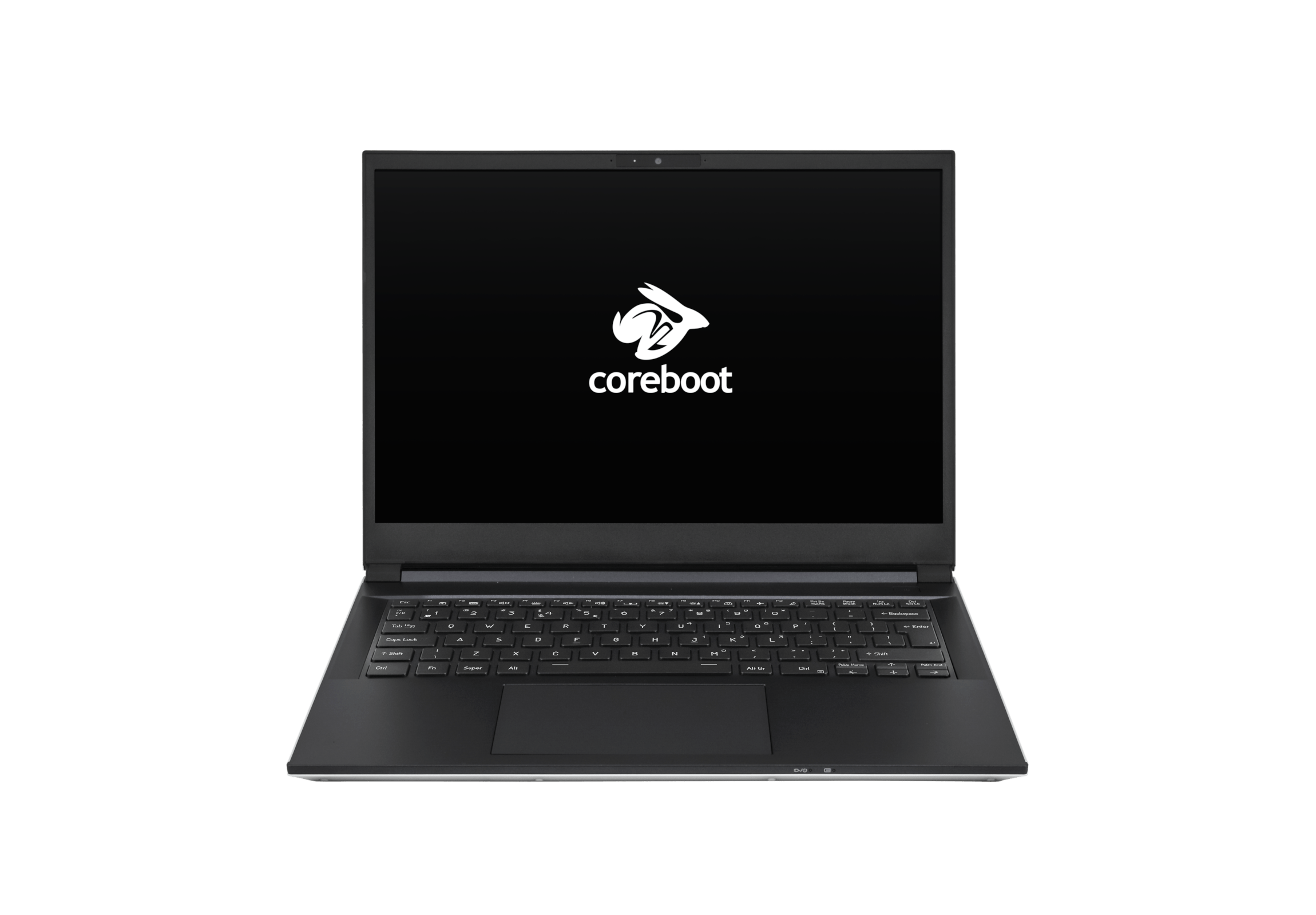
Continuando con mi post hace un mes, terminé con unos de esos portátiles NovaCustom V54: Tenía 4 posibles sistemas operativas en mente para este portátil, organizados por prioridad como OpenBSD > Void Linux > Parabola Linux > Archlinux. El hardware es más reciente que lo del NV41, lo que significa que había buena probabilidad de que esos sistemas operativas no correrían en ello, pero sabía que Archlinux lo haría, lo que considero suficiente hasta que los otros lo alcanzan. El instalador de OpenBSD se congeló al iniciar y los núcleos de Void y Parabola aún no están de versión 6.9 o más, entonces elegí Archlinux, lo que he usado desde 2011, por ahora.
Haldandi áfram með póstinn minn frá síðasta mánuði, þá endaði ég með eina V54 NovaCustom fartölvu: Ég hafði 4 möguleg stýrikerfi í huga fyrir hana, í forgangsröð OpenBSD > Void Linux > Parabola Linux > Archlinux. Vélbúnaðurinn er nýrri en hjá NV41, þannig það var góður möguleiki á því að einhver þessarra stýrikerfa myndu ekki keyra á honum, en ég var viss um að Archlinux myndi gera það sem mér finnst ásættanlegt val þangað hin eru tilbúin. Uppsetningin á OpenBSD fraus og kjarnar Void og Parabola eru ekki enn komnir í útgáfu 6.9 eða hærra, þannig Archlinux sem ég hef notað síðan 2011 er valið í bili.
Following up on my update from a month ago, I ended up getting one of those V54 NovaCustom laptops: I had 4 possible OSes in mind for this laptop, ordered by priority as OpenBSD > Void Linux > Parabola Linux > Archlinux. The hardware is newer than that of NV41, so there was a good chance some of those OSes wouldn't run on it, but I was sure at least Archlinux would, which I consider good enough until the others catch up. The OpenBSD installer froze on startup and Void and Parabola have their officially supported kernel versions below the required version of 6.9, so Archlinux, which I've used since 2011 is the choice for now.
Bætti við atom feed fyrir forsíðu hverrar tungumálaútgáfu vefsíðunnar minnar í fótinn.
Añadí un feed atom para la página principal para cada versión linguistica de mi sitio de web en el pie.
Added an atom feed for the frontpage of each language version of my website in the footer.
Creo que es importante refinar continuamente la postura de la seguridad de mi portátil por mí y por extensión la seguridad de los proyectos en cuáles trabajo por mis clientes. Recientemente he estado buscando un nuevo portátil. La última vez que lo hice, en 2021, terminé con un Thinkpad X200: https://es.wikipedia.org/wiki/ThinkPad_X_series#X200_and_X200s. La razón es que fue unos de los pocos portátiles RYF certificados dónde Libreboot puede correr, y esos portátiles no tienen el Intel Management Engine (preocupación para la seguridad) en sus chips. Una de las razones por ver otras opciones es que el portátil a veces se apaga por sobrecalentamiento o se congela cuándo trabaja duro. Podría poner tiempo en arreglarlo, pero sería difícil alcanzar 100% confianza de que no se apague mientras que atiendo videollamadas importantes. Otra razón es conseguir un CPU, GPU y capacidad de RAM de alta gama para poder entrenar IA localmente, que es algo en que podría querer meterme. Todavía tengo mi Thinkpad T440s para cuándo es importante que la computadora no falle. Sin embargo no es ideal por el entrenamiento de IA, contiene IME funcionando, y su firmware está cerrado con Intel Boot Guard para que no se puede reemplazar con una alternativa libre. En pocas palabras, reduje la búsqueda del portátil a NovaCustom: Tienen la opción de desactivar el IME y ejecutar Coreboot que me parece una solución intermedia aceptable. Quiero intentar usar OpenBSD como mi sistema operativa principal (actualmente uso Parabola) y vi una reseña positiva sobre usar OpenBSD con el portátil NovaCustom NV41 que es un buen presagio: Lo pensaré más a detalle antes de hacer una decisión.
I find it important to continuously refine my laptop's security posture for myself and by extent the security of the projects that I work on for my clients. Recently I've been keeping an eye out for a new laptop. Last time I did so, in 2021, I ended up with a Thinkpad X200: The reason I did was that it was one of the few available RYF certified laptops that Libreboot could run on, and those laptops don't have any Intel Management Engine (a security concern) on their chips. One reason to look at other options is that the laptop shuts down due to overheating or freezes sometimes when it's working hard. I could put in time to try to fix it, but it'll be hard to reach 100% confidence that it doesn't turn off in important video calls. Another reason is to get a higher end CPU, GPU and RAM capacity for local AI training that I may want to do. I still got my Thinkpad T440s for when it's important the computer doesn't crash. It's however not ideal for AI workloads, contains working IME and its firmware is locked with Intel Boot Guard so I can't replace it with a free alternative. Long-story short, I narrowed my laptop search down to NovaCustom: They have the option of disabling the IME and run Coreboot which seems like it could be an acceptable compromise. I want to try running OpenBSD as my main OS (I'm currently on Parabola) and I saw a positive review on running OpenBSD on the NovaCustom NV41 laptop which bodes well: I'll mull this over some more before making a decision.
Mér finnst mikilvægt að gera betrumbætur á öryggi fartölvunar minnar með tímanum bæði fyrir mig og öryggi þeirra verkefna sem ég vinn að fyrir mína viðskiptavini. Nýlega hef ég verið að leita að nýrri fartölvu. Síðast þegar ég gerði það, árið 2021, þá endaði ég með Thinkpad X200 í höndunum: Ástæðan fyrir því er að hún er ein af þeim fáu RYF vottuðu fartölvum sem Libreboot getur keyrt á, og þannig fartölvur eru án Intel stjórnunarvélarinnar (öryggisvandamál). Ein ástæða fyrir því að ég er að líta á aðra möguleika er að fartölvan slekkur á sér vegna ofhitunar eða frýs stundum þegar hún er að vinna mikið. Ég gæti gefið mér tíma í að laga þetta, en það væri erfitt að vera 100% viss um að tölvan slökkvi ekki á sér á mikilvægum fjarfundum. Önnur ástæða er að öðlast betri örgjörva, skjákort og minnisgetu til að geta þjálfað gervigreindarmódel beint í tölvunni. Ég á ennþá eina Thinkpad T440s fartölvu sem ég get notað þegar tölvan má ekki krassa. Hún er hinsvegar ekki tilvalin í gervigreindarþjálfun, notar Intel stjórnunarvélina og fastbúnaður tölvunnar er læstur þannig ekki er hægt að skipta honum út fyrir frjálsa útgáfu. Í stuttu máli þá endaði leitin á NovaCustom: Þessar fartölvur hafa möguleikann á því að slökkva á Intel stjórnunarvélinni og keyra Coreboot sem virðist vera ásættanleg málamiðlun. Ég vil reyna að nota OpenBSD sem aðal stýrikerfið mitt (ég nota núna Parabola) og ég sá umfjöllun um árangursríka notkun OpenBSD á NovaCustom NV41 fartölvunni, sem er góðs viti: Ég mun hugsa mig aðeins meira um áður en ég tek ákvörðun.
Hef næstum klárað að skilgreina PAO minnigarkerfið mitt fyrir öll lesanleg ASCII letur. Ég mun nota það til að muna handahófskennd ASCII lykilorð fyrir dulkóðuð afrit af gögnunum mínum. Ég hef ætlað að gera það í nokkurn tíma, en meira um það síðar. Las kafla 11 Rust bókarinnar.
Casi completé definir mi Sistema de memoria PAO por todas las letras legibles de ASCII. Lo usaré para memorizar contraseñas aleatorias de ASCII por mi copia cifrada de seguridad de mis datos. He querido hacer eso ya por bastante tiempo. Contaré más sobre eso más adelante. Leí capítulo 11 del libro Rust.
Almost finished defining my PAO memory system for all readable ASCII characters. I'll use it to remember random ASCII passwords for my encrypted data backups. Been meaning to complete that for a while now. More on that later. Read chapter 11 of the Rust book.
Me fui a la conferencia de la seguridad de red por parte de la Oficina de Comunicaciones Electrónicas de Islandia. Recibí ideas sobre las cosas que las compañías en Islandia están experimentando dentro del rubro hoy en día y también sobre la nueva directiva NIS2 de la UE con cuál se espera que necesitan cumplir. Una desconexión entre el liderazgo y el departamento TI dentro de las compañías fue un tema grande y la necesidad de una cooperación más profunda entre ellos para mejorar su seguridad de información. Creo que la gente TI se benefician mucho de conocimiento de administración de negocios. Les permite reconocer las responsabilidades y perspectiva del liderazgo para más efectivamente comunicar riesgos de seguridad y permite que el liderazgo tome la responsabilidad de ellos. He estado trabajando más en mi generador estático de sitios makesite en mano con la actualización de este sitio con cuál está generado. Una de las razones por cuál lo hice es que pensaba que sería un proyecto chulo para cimentar mi conocimiento de make, m4, y el shell. Esos comúnmente están usados en la creación de software C/C++ en proyectos en cuáles quisiera participar. El repo: Leí capítulos 6-10 del libro Rust. Me gusta que el libro explica la seguridad de Rust en el contexto de lenguajes como C, ya que también nos puede enseñar aplicar prácticas de seguridad para codificar seguramente con esos lenguajes.