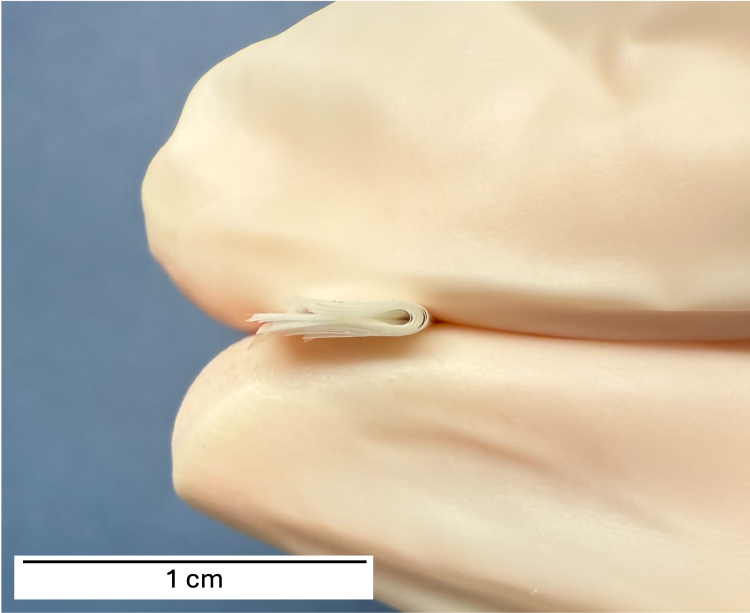
University of Pennsylvania researchers have tested stacks of Mylar sheets as potential insulation for future lunar habitats. Their study, published in ACS Applied Materials & Interfaces, examined sheets 2.5, 5 and 12.5 micrometers thick under vacuum, across a range of temperatures and under mechanical pressure.
The 5 and 12.5 micrometer sheets insulated better than the thinnest ones, contrary to the team's expectations. The researchers attributed the difference to greater contact between microparticles in the thinner sheets, which allowed more heat to pass through. The stacks also proved more resilient than expected. Flexible insulation that tolerates bumps and compression could help protect long-term lunar living spaces, where materials must endure harsh thermal conditions and routine handling. These are laboratory findings, not a demonstrated lunar installation.
Universe Today
Moon Habitats May Use Layered Mylar to Block Extreme Heat
Living on the Moon, with either trained astronauts or regular civilians, could become a regular occurrence in the near future. However, it’s easi...