Olivier Roland's avatar
Olivier Roland
olivier_roland@iris.to
npub1s82r...azfe
I write about the disruption of the Nation-States by the Internet and Globalization, and how to transform from a Mono-Country to a Netizen Without Borders
Watch me pay for a beer and a guided tour in bitcoin with near instantaneous payment to a tour guy very happy to receive it in El Salvador, where bitcoin is legal tender. #bitcoin #elsalvador
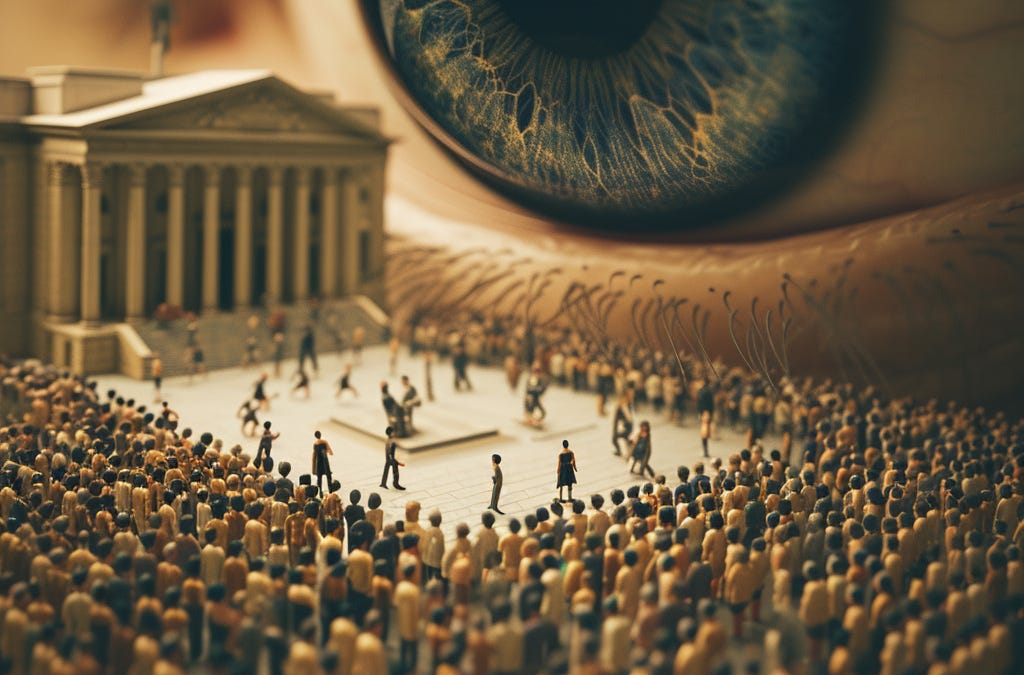
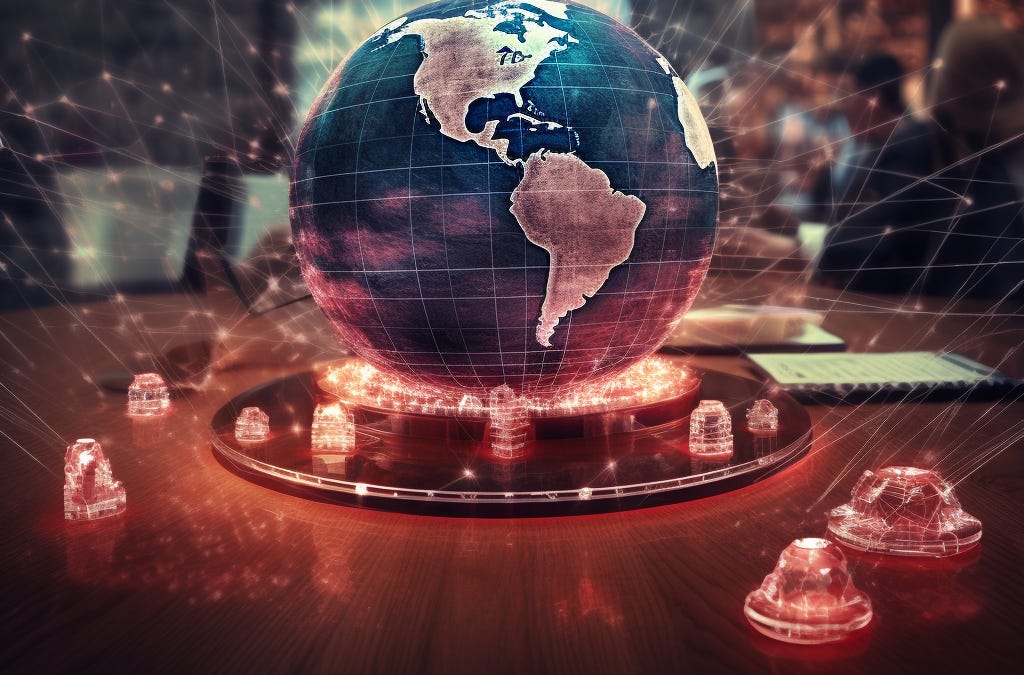
In a world saturated with digital eyes, the line between safety and surveillance blurs. How much privacy are we willing to sacrifice? A few years ago, the NSA intercepted 200 million SMS messages daily worldwide. A staggering breach of privacy, yet it's the tip of the iceberg. From the Bahamas to France, governments exchange vast amounts of data on millions, turning global communication networks into open books. Edward Snowden's 2013 revelations exposed a hidden world of surveillance, challenging our perceptions of privacy and security. Imagine calling a hotline for help, only to have that data logged and analyzed. Where do we draw the line on surveillance? A tale of two powers: As some nations push for complete digital oversight, others call for a more customer-centric approach to governance. Every text, email, and call you make can be intercepted, stored, and analyzed. Your digital footprint is larger and more vulnerable than you think. After the Snowden leaks, the world woke up. Yet, the battle for privacy continues, with laws struggling to keep pace with surveillance tech. Surveillance or security? As digital eyes multiply, the line between monitoring for safety and eroding privacy becomes alarmingly thin. Dive deeper into this urgent discussion and discover what's at stake and how to protect yourself : #DigitalPrivacy #SurveillanceSociety #GlobalSurveillance #DataPrivacy
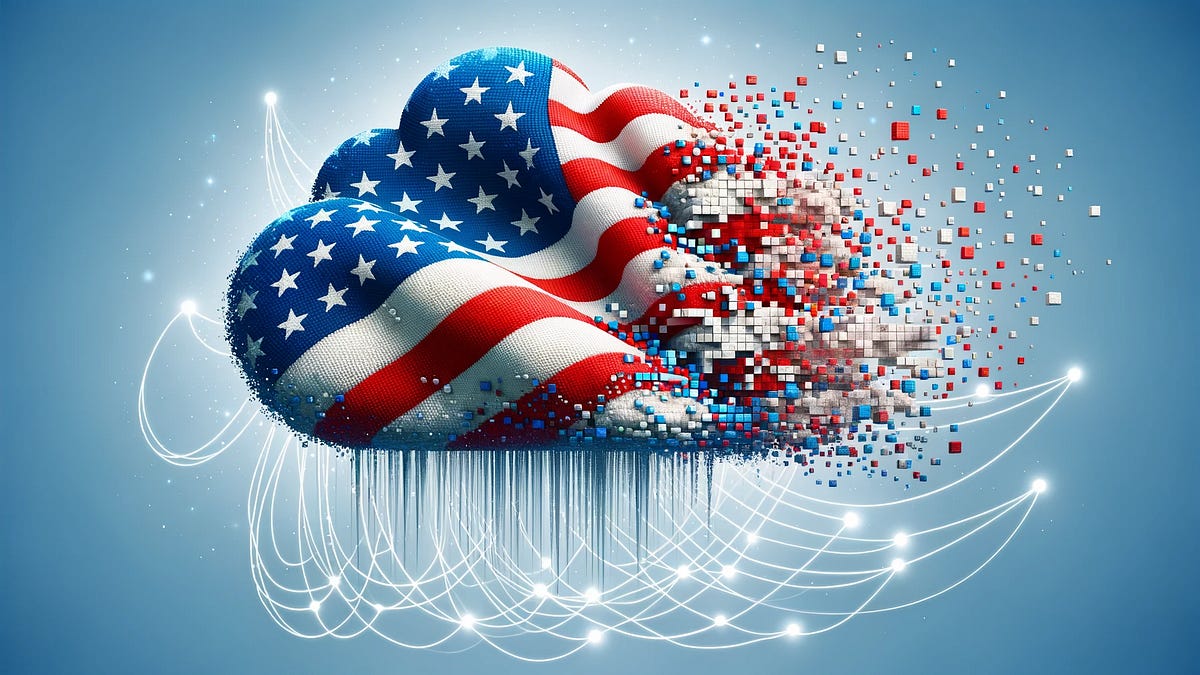
🚨 The Digital Disruption of Law Enforcement: In today's connected era, the Internet is challenging the very foundations of how governments enforce their laws. Dive deep into this evolution and witness how the digital age is disrupting nation-states and the age-old essence of law enforcement. 🌍 Historically, states have relied on the threat of physical violence to ensure compliance. But in the vast expanse of the online realm, what happens when the perpetrator isn't within the state's physical grasp? The Internet, with its boundary-less nature, is transforming the traditional dynamics of power and control. πŸ“± A prime example is Twitter France. Back in 2021, when Twitter US didn't bow to a French legal request, it showcased the monumental challenges a global company can pose to a nation's legal system. In essence, companies with a vast digital footprint can remain elusive and almost untouchable by traditional laws. πŸ“© Another disruptor in the fray is Telegram. Boasting over 500 million users, its base remains a mystery. Founder Pavel Durov's nomadic approach, frequently moving and never settling, makes Telegram a moving target for governments worldwide. In this age, influence no longer necessitates a physical presence, and the Internet is a testament to that. ✈️ Consider the case of Edward Snowden. Once a US whistleblower, Snowden now wields influence over millions from his place of exile, thanks to the Internet. Exile, traditionally a method to silence, can now be a global stage, amplifying voices rather than muting them. πŸ› Another intriguing facet is how nation-states might sometimes overlook online crimes if they don't cross a certain 'seriousness' threshold. The inherent complications of digital boundaries present both challenges and opportunities. πŸ’‘ In conclusion, as the line between the digital and physical worlds continues to blur, nation-states face unparalleled challenges. However, for the global netizens, the online realm offers innovative ways to navigate through laws and borders. As the digital and physical worlds blur, nation-states face unprecedented challenges. But for netizens, the online realm offers new ways to navigate laws. Let's do a deep dive about this topic in :)
↑