America's education dilemma: When the architects of the system lament their own creation
Vivek Ramaswamy recently sharply criticized the American education culture in a much-noticed X-Post. His core thesis: America produces too few top STEM talent because the culture emphasizes mediocrity over excellence. An analysis that seems plausible at first glance - but completely ignores the historical dimension.
The historical perspective
“History doesn't repeat itself, but it rhymes” is a well-known saying. In the case of American educational culture, a particular irony is revealed: the system criticized by Ramaswamy was largely shaped by its industrial predecessors. Rockefeller and other industrial magnates actively shaped an educational system that was primarily designed to produce one thing: an efficient workforce for their factories and refineries.
The system behind the “mediocrity”
The “culture of mediocrity” lamented by Ramaswamy was no accident, but the product of targeted economic interests. The standardization of education, the emphasis on conformity and the suppression of individual excellence were core elements of a system designed to provide industry with a reliable, obedient workforce.
The contradictions of contemporary critique
It is particularly remarkable how representatives of the economic elite today lament the effects of a system from which their predecessors - and to some extent they themselves - benefited for decades. Ramaswamy calls for more “geniuses” and less “normality”, but overlooks the fact that the criticized culture did not emerge by chance, but is the result of targeted economic optimization.
The way forward
While Ramaswamy's diagnosis of the cultural symptoms may be partially accurate, his analysis falls short. The solution does not lie in simply criticizing TV shows of the 1990s or calling for more math competitions. Rather, an honest examination of the structural causes and historical contexts is required.
The current debate about American educational culture is a perfect example of how history “rhymes”: The same economic circles that established a system of standardized mass education are now bemoaning its effects. A sustainable solution requires more than superficial cultural critique - it requires a fundamental rethinking of the education system and its underlying goals.
The real challenge is not to push individual students to achieve more, but to create an education system that promotes both excellence and individual development - without losing sight of social responsibility.



 The magic of the winter solstice: When the night lasts longest
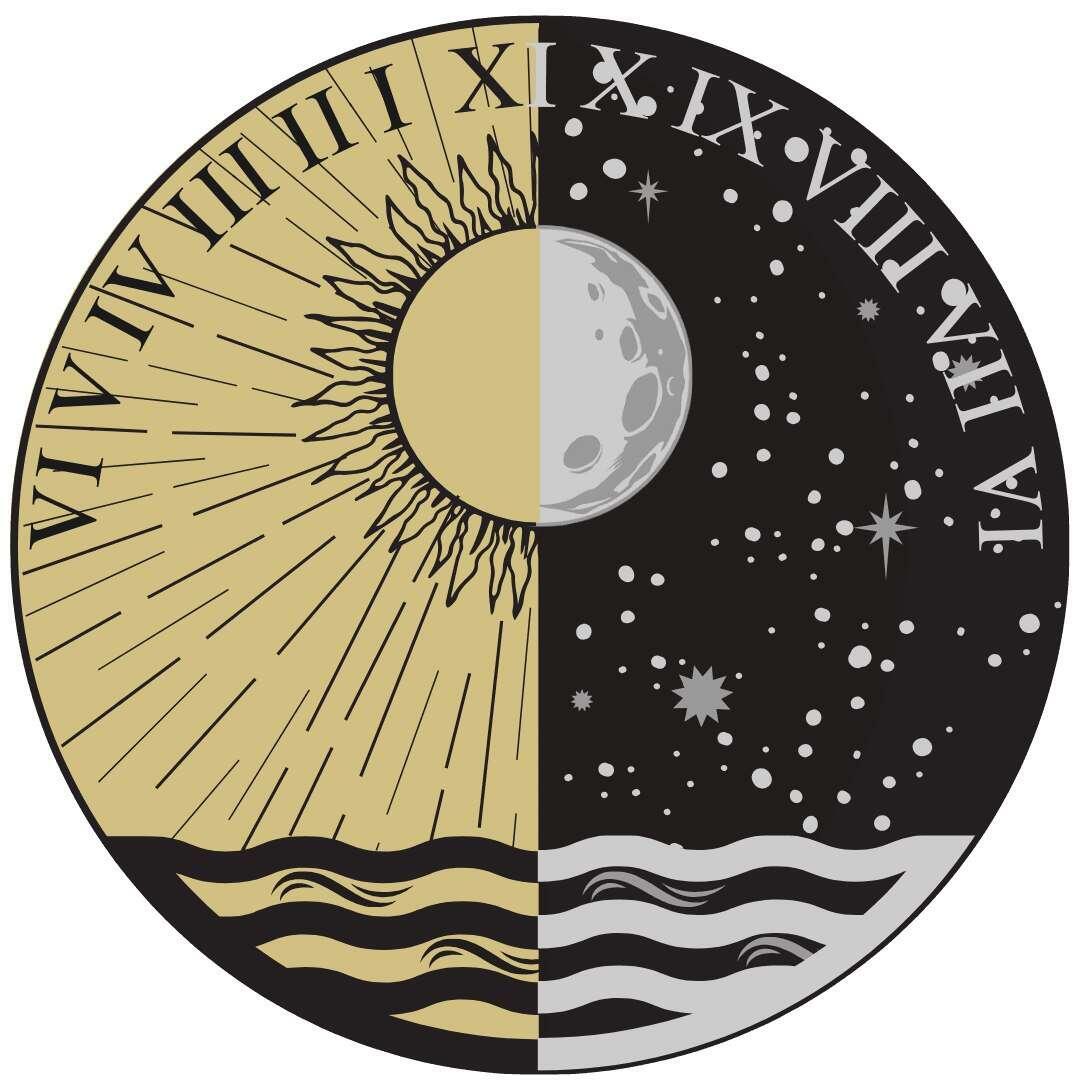
On this special day, 21 December, darkness reaches its peak. It is not without reason that our ancestors attached profound spiritual significance to this day. Even the date seems like a cosmic pointer - read as a palindrome, 21.12 reflects the mystical symmetry of this special time.
The significance of the winter solstice is particularly impressive in megalithic structures such as Stonehenge. The enormous stone circles were precisely aligned with the positions of the sun. Even today, people gather there to experience the magical moment when the first rays of sunlight fall through the precisely aligned stones.
The winter solstice invites us to pause for a moment. In the darkness of this longest night, we can face our shadows and reflect on the essentials. It is a time of reflection, but also of hope - because from this turning point onwards, the days become longer again.
The winter solstice reminds us of the eternal cycle of death and rebirth in nature. It teaches us that every darkness is followed by light. In a time characterised by hectic pace and external stimuli, this ancient natural spectacle invites us to connect with the deeper rhythms of life.
The magic of the winter solstice: When the night lasts longest
On this special day, 21 December, darkness reaches its peak. It is not without reason that our ancestors attached profound spiritual significance to this day. Even the date seems like a cosmic pointer - read as a palindrome, 21.12 reflects the mystical symmetry of this special time.
The significance of the winter solstice is particularly impressive in megalithic structures such as Stonehenge. The enormous stone circles were precisely aligned with the positions of the sun. Even today, people gather there to experience the magical moment when the first rays of sunlight fall through the precisely aligned stones.
The winter solstice invites us to pause for a moment. In the darkness of this longest night, we can face our shadows and reflect on the essentials. It is a time of reflection, but also of hope - because from this turning point onwards, the days become longer again.
The winter solstice reminds us of the eternal cycle of death and rebirth in nature. It teaches us that every darkness is followed by light. In a time characterised by hectic pace and external stimuli, this ancient natural spectacle invites us to connect with the deeper rhythms of life.