deeznuts's avatar
deeznuts
deeznuts@crypto.im
npub13tku...llwf
Enthusiasm enthusiast. “No Amount Of Violence Will Solve A Math Problem”
deeznuts's avatar
deeznuts 2 months ago
Iran is the last major sovereign energy and financial system in the Middle East that operates outside the architecture. It is not connected to SWIFT16. It does not comply with the BIS supervisory framework17. It runs its own energy grid, its own financial settlement system, and its own governance structures. From the perspective of the conditional infrastructure being built across the region — the IMEC corridor connecting India to Europe through the Gulf and Gaza, the Abraham Accords18 integrating financial and trade flows across aligned states, the programmable settlement rails being tested through the BIS Innovation Hub — Iran is an uncleared node. A participant in the regional system whose transactions do not pass through the clearinghouse. The template is consistent: uncleared nodes either comply voluntarily or they are cleared through destruction and conditional reconstruction. —- Iran - by esc - The price of freedom is eternal vigilance.
deeznuts's avatar
deeznuts 2 months ago
image A real Coup would be locking up and trying the entire administration and a shitload if Congress
deeznuts's avatar
deeznuts 2 months ago
image This one did not last. It was defective!!!! I should complain but I won’t.
deeznuts's avatar
deeznuts 2 months ago
1. **Overview of the War**: The document discusses the ongoing war between the US-Israel alliance and Iran, criticizing the initial claims of a quick victory that have turned into a protracted conflict. It emphasizes the unpredictability of military outcomes and the significant setbacks faced by the US. 2. **Economic and Political Implications**: The author warns of a potential global economic crisis stemming from the US's military actions in the Middle East, suggesting that the US Empire may be on the brink of collapse. This situation could lead to a significant shift away from dollar dominance in international markets. 3. **Technological Disparities**: A key insight is the contrast between outdated military technologies and modern warfare strategies. The document highlights how Iran has leveraged affordable, advanced technologies like drones and hypersonic missiles to counteract US military might, leading to a historic shift in power dynamics. 4. **American Misconceptions**: The author notes a concerning disconnect between American public perception and the realities of the battlefield. There is a belief within the US that military dominance is assured, which has led to miscalculations in strategy and significant underestimations of Iran's resilience. 5. **Assessment of Military Goals**: The document evaluates the objectives set forth by both the US and Iran. It concludes that the US has failed to achieve most of its strategic goals while Iran has succeeded in many of its objectives, particularly in maintaining regime stability and controlling access to critical waterways. 6. **Iran's Resilience**: Despite suffering targeted attacks, the Iranian regime has remained intact and even strengthened its support among the populace. The document argues that outside aggression has unified the country rather than weakened it, challenging the notion that military action can easily lead to regime change. 7. **Impact of Drone Warfare**: The author highlights the effectiveness of Iranian drones, which are inexpensive to produce and difficult to target. This has allowed Iran to maintain a credible threat against US forces and regional allies, undermining American military strategies. 8. **Long-term Consequences**: The continued success of Iranian missile and drone capabilities poses a threat not only to US military operations but also to global energy stability, particularly through control of the Strait of Hormuz, vital for oil transport. 9. **Strategic Vulnerabilities**: The document points out that the longer the conflict persists, the more the US and its allies may deplete their defense capabilities. This situation raises concerns about the adequacy of American military resources in facing technologically adept opponents. 10. **Broader Military Implications**: Finally, the analysis suggests that if the US struggles against a relatively weaker nation like Iran, it may face even greater challenges in potential confrontations with more powerful adversaries, such as China, indicating a shift in global military balance. In summary, the document underscores critical lessons in military strategy, the limits of conventional power, and the evolving nature of warfare in the modern age, urging readers to reconsider assumptions about military dominance and geopolitical stability. This is a perfect summary of the sitrep. Send it to your retarded friends who never even thought about how *if DC had hypersonic technology they would be using it right fucking now*
deeznuts's avatar
deeznuts 2 months ago
Will somebody please tell me what media I need to consume to think that the pentagon narrative is actually true
deeznuts's avatar
deeznuts 2 months ago
**Summary of "Vietnam Shows Exactly When Air Wars Become Ground Wars—Those Signals Are Now Appearing in Iran"** 1. **Critical Timing**: The next ten days are pivotal in determining whether the U.S. will enter a ground war in Iran, mirroring historical patterns observed in Vietnam, particularly the escalation leading to a ground presence. 2. **Logistics Over Troop Numbers**: The key indicator of potential escalation is the establishment of a logistics system capable of sustaining military forces under fire, rather than merely the number of troops deployed. 3. **Historical Precedents**: The escalation seen in Vietnam began with covert involvement prior to overt military actions. Similarly, U.S. and Israeli intelligence activities in Iran suggest pre-existing engagement before the current hostilities. 4. **Escalation Dynamics**: Historical analysis reveals that airpower creates forward positions that become targets, necessitating ground forces for protection and sustainment, thereby leading to a cycle of escalation. 5. **Vietnam's Escalation Signals**: In Vietnam, the transition from air operations to ground involvement included observable signs such as increased attacks on U.S. personnel, mission expansions, and the introduction of defensive deployments, culminating in a logistical buildup. 6. **Current Iranian Context**: The situation in Iran reflects similar patterns, with U.S. bases already under threat and airpower proving insufficient to eliminate retaliation, indicating a precarious balance of military engagement. 7. **Logistics as a Central Concern**: The logistics question is paramount now; the focus is shifting from whether forces can deploy to whether they can be sustained amidst ongoing attacks, echoing Vietnam’s historical precedents. 8. **The Escalation Trap**: A small initial ground force creates pressure for reinforcement. U.S. forces in Iran could face the same pressures as seen in Vietnam if they capture strategic positions, leading to expanded commitment. 9. **Imminent Decisions**: The U.S. has not yet committed to a ground war, but the conditions are aligning for this option to become viable. The focus must be on observable logistical preparations that signal an impending escalation. 10. **Caution Against Complacency**: The belief that escalation can be controlled is misguided. Historical evidence shows that once ground forces are committed, the pressure to reinforce is structural and difficult to reverse. 11. **Key Indicators to Monitor**: Observers should watch for the development of logistical systems, such as pre-positioned supplies and sustained airlift capabilities, as these will indicate whether the U.S. is preparing for a more extensive ground operation. 12. **Strategic Briefing**: For those interested in real-time analysis, a live Strategic Escalation Briefing will outline the specific indicators and thresholds to watch in the coming days, emphasizing the urgency of the situation. This summary highlights the historical context and analytical framework provided by the author, Professor Robert Pape, emphasizing the critical nature of logistics and decision-making in the evolving conflict in Iran. Vietnam Shows Exactly When Air Wars Become Ground Wars—Those Signals Are Now Appearing I in Iran
deeznuts's avatar
deeznuts 2 months ago
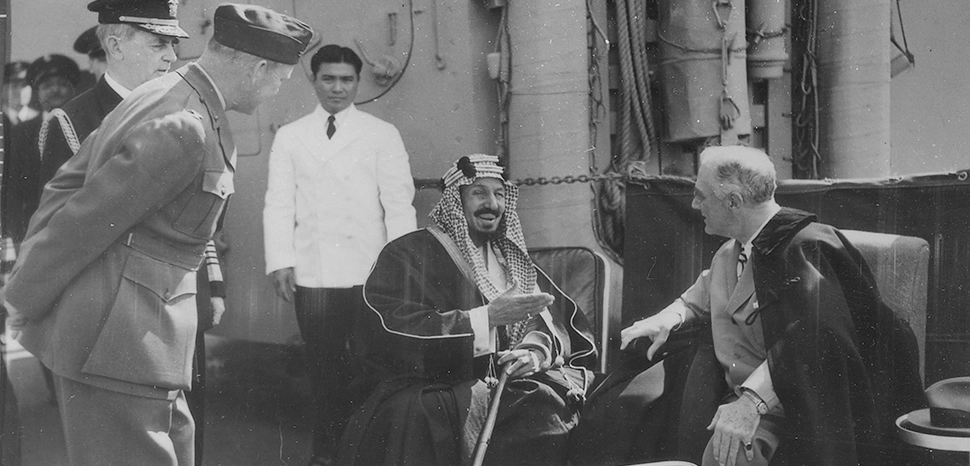
- • The global order relies on two pillars: the prohibition of territorial acquisition by military force and the petrodollar system, which prices Middle Eastern oil in US dollars, facilitating global trade. - • Recent conflicts, including the Iran war, challenge the stability of both pillars, particularly the petrodollar system. - • The Iran war has highlighted the strategic importance of the Strait of Hormuz, with Tehran using its capabilities to threaten energy supply chains and enhance its negotiating power. - • Iran's ceasefire proposal includes demands for exclusive sovereignty over the Strait and the introduction of tolls for ships, which could formalize a new transit fee system amid the conflict. - • Current shipping tolls, possibly paid in yuan, aim to circumvent US financial oversight and are part of a broader trend towards de-dollarization in global trade. - • The security of Gulf states is jeopardized by the Iran war, raising questions about the US's ability to safeguard its allies as Gulf economies face significant GDP losses. - • Gulf leaders were not consulted before US-Israeli military actions, leading to retaliatory strikes and economic instability in the region. - • The Iran war illustrates the limits of US military power and the effectiveness of Iran's decentralized warfare tactics, raising doubts about the US's long-term involvement in the region. - • The significance of the US dollar remains high, but the ongoing conflict undermines the petrodollar system and may lead Gulf states to reassess their security alliances. - • As US engagement becomes increasingly questioned, Gulf states may seek to accommodate Iran rather than rely solely on distant US support for security.
deeznuts's avatar
deeznuts 2 months ago
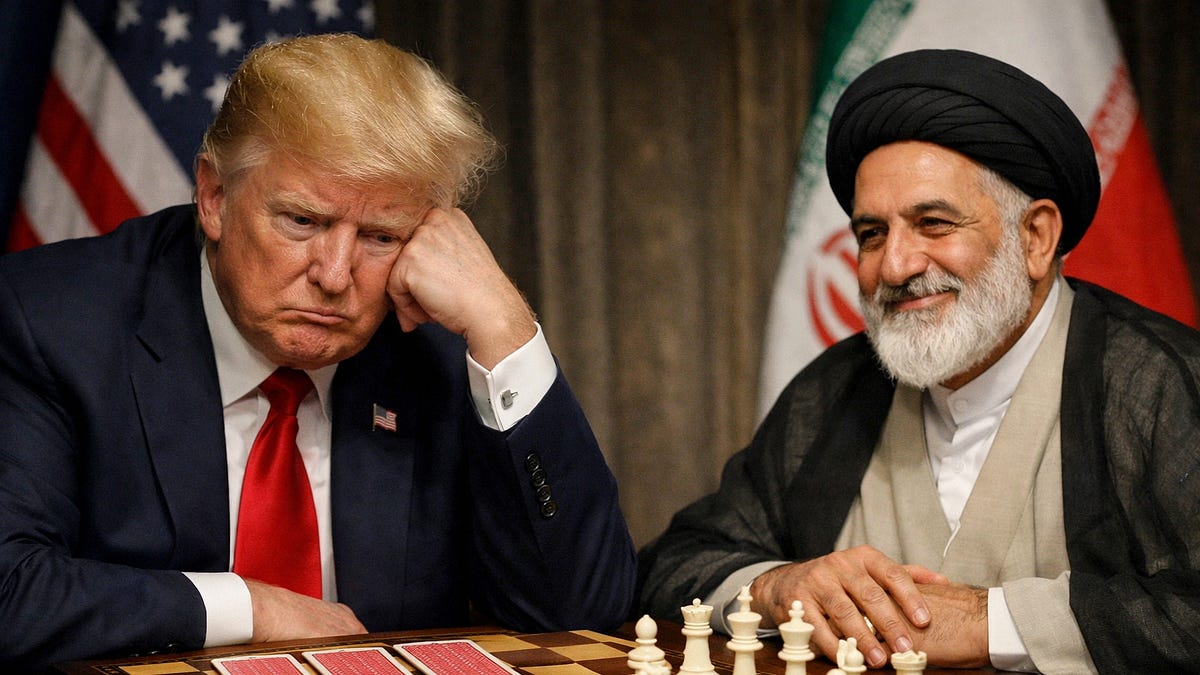
image LOL. Even the Unit 8200 Mossad sock puppet retards are disgusted with Trumps retardation at this point