If you read news media about mining this week: you'll get the "20% of miners unprofitable", "below production cost for five months", "hashrate down 12%"
- in other words, you'll get the un-nuanced, single-dimension, skewed-negative coverage that every one else gets.
If you listen to people on the inside, you'll get the real story
- Mining will never be unprofitable because there are multiple ancillary revenue sources
- You can mine for an effective -2.67c/KWh if you're also providing grid stabilization through your ASICS
- Bitcoin mining (where the miner has ancillary revenue) is an attractive asymmetric bet because never has it been so clear it solves so many of the world's energy problems in parallel. The world's utilities and grid operators are now a hair's breadth away from realizing this.
Not investment advice.
Just in: Oman just launched a (mandatory) National Bitcoin Mining Pool.
Interesting paradox:
It is also a State-Backed Push for Regulatory Control that will help decentralize mining pools, particularly if more governments do this.
Context: Oman is in the middle of a $700M+ push into industrial-scale Bitcoin mining
If you're wondering who is gaining hashrate as US pubcos shed it,
Bitdeer just quietly became the world's largest Bitcoin mining company by hashrate. 70 EH, representing ~7% of global hashrate.

Carbon fiber for spacecraft was an accidental secondary application from the textile industry
GPUs had an accidental secondary application that changed the world for AI, originally from the gaming industry
Bitcoin's accidental secondary application could also change the world faster than its original application.
Everyone in Bitcoin knows that Bitcoin solves a money problem
A subset know that Bitcoin also solves an energy problem
And yet ironically ... the energy problem is likely to be the one the world sees value in first, for a very simple reason
Bitcoin mining was gaslit for a long time (as we know all too well). As a result, grids using it won't tell anyone (overtly). But that doesn't mean they aren't using it
A lot!
They'll call it flexible load. They'll call it data centers, grid stabilization, demand response. Basically anything but Bitcoin mining while reaping the benefits that only Bitcoin mining offers a grid.
I jumped on a pod with Nik Bhatia to talk about this recently
One tech founder I coached told me the story of his father (also a tech-founder) who arrived home from a work trip after a week. His mom said "your dad is back", to which he replied "Oh, has he been gone?"
He vowed to be a more present father to his kids. When his company exited a few years ago and we shared a moment of celebrating, what we really celebrated was not the exit, but that he'd done it in a way that meant his daughters had experienced the different quality and level of fathering from him, than he'd had at times had from his own Dad.
You cannot build a low-time-preference life while rehearsing high time preference every hour.

Bitcoin is most owned where it solves very real problems.
For example of the top 14, here's the problems it solves.
UAE: Remittances.
The world's highest-migrant-share workforce sends money home through banks that skim 6%+ a transfer. Bitcoin moves it for a fraction.
Source:
Khaleej Times
More UAE residents remitting using Bitcoin, other cryptocurrency
One of the biggest challenges that may prevent adoption of stablecoin and bitcoin for remittances is the 'trust factor', according to an ...
Vietnam: Bank-account control.
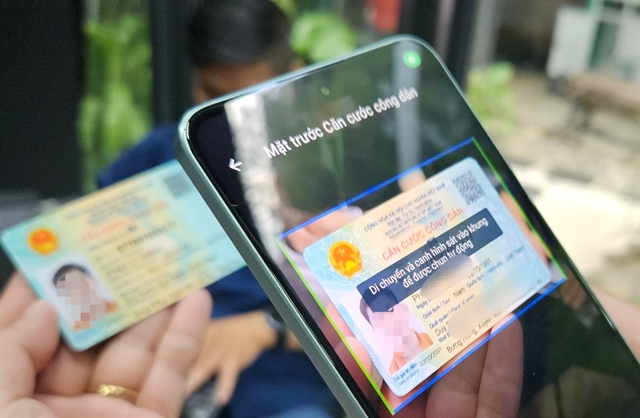
The state deactivated 86M+ bank accounts in a single AML sweep. I spoke to people this happened to who lost their savings. They had left Vietnam years before, and found the account that held their money simply closed. A bank that can freeze you for going quiet is the whole argument for holding your own keys.
Source:
vietnamnews.vn
More than 86 million bank accounts to be terminated from September 1
The SBV stated that the deletion of over 86 million bank accounts was considered a system cleanup measure.
United States: Investment.
Here the driver is portfolio allocation. Spot ETFs opened the door and institutions walked through, pulling roughly $14.8B into the funds in 2025.
Source:
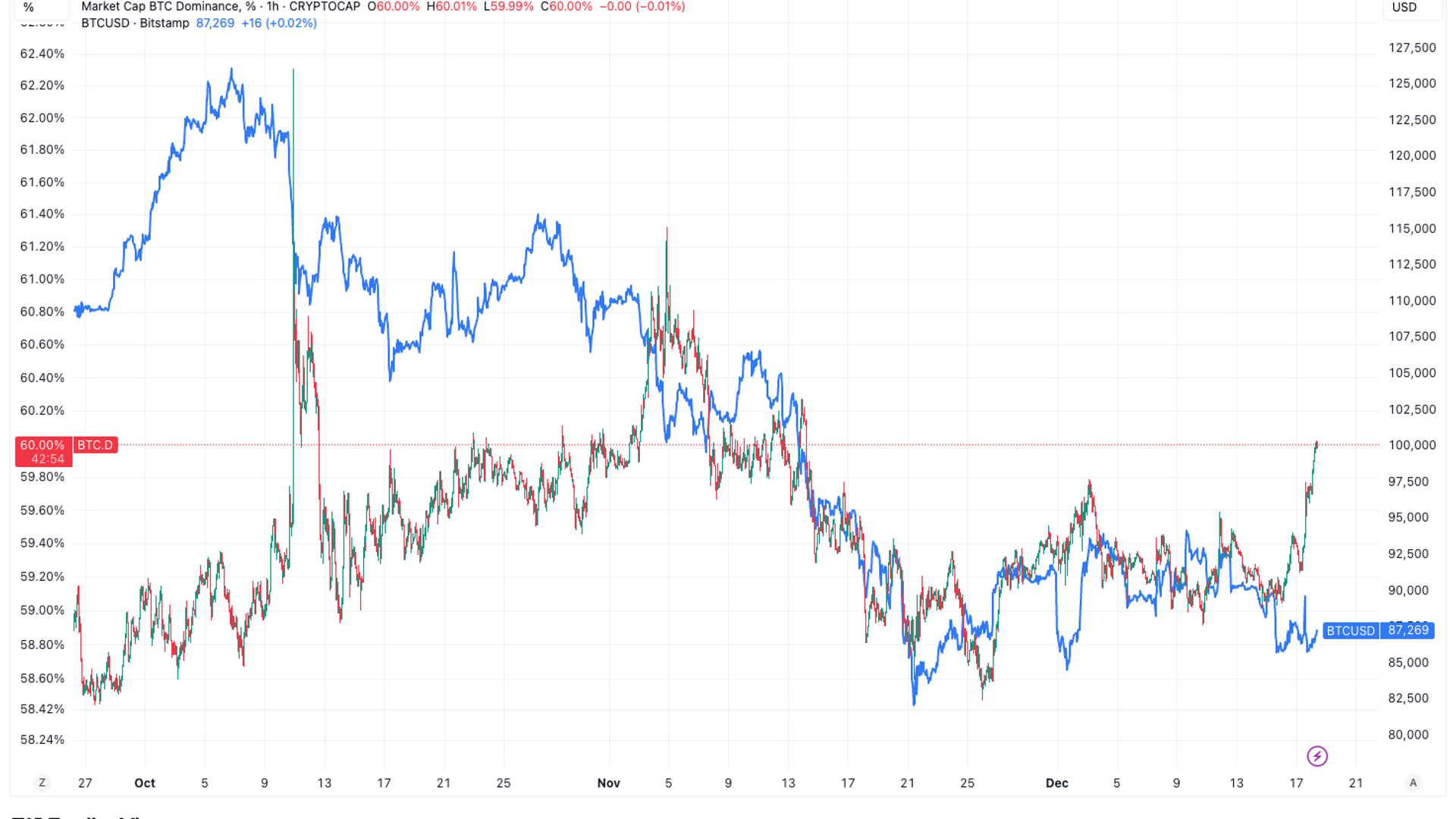
U.S. bitcoin ETFs see strongest inflows for over a month as BTC dominance hits 60%
Fidelity's FBTC recorded a top five inflow day as the ETFs took in a combined $457 million amid sharp BTC price swings.
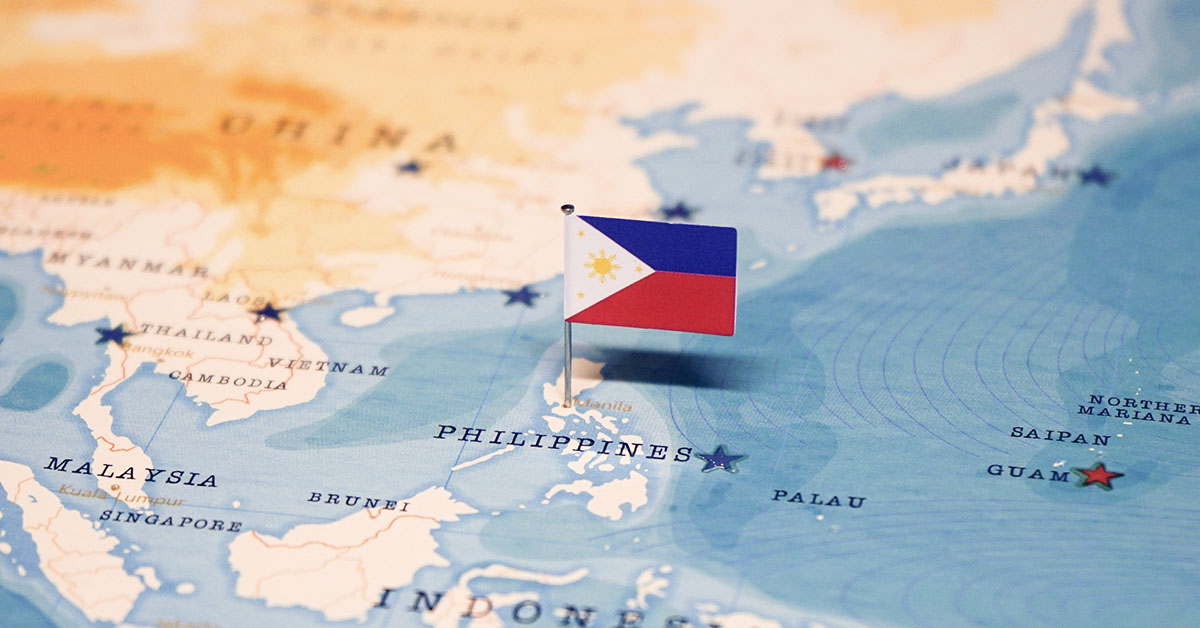
Philippines: Remittances.
Overseas workers wire billions home each year. Bitcoin rails undercut the high-fee operators they are otherwise forced to use.
Source:
Tranglo
The state of digital currency and remittance in the Philippines - Tranglo
The Philippines is leading cryptocurrency adoption both regionally and globally, driven by its large unbanked population. The government is regulat...
Iran: Sanctions.
Locked out of the dollar system, Iran mines its subsidised energy into Bitcoin and spends it on imports the banks can't touch.
Source:
How Iran Uses Bitcoin Mining to Evade Sanctions | Elliptic
Brazil: Inflation hedge.
Brazilians hold Bitcoin as hard money against a currency that keeps losing ground, and as a serious investment asset.
Source:
https://www.chainalysis.com/blog/2024-latin-america-crypto-adoption/
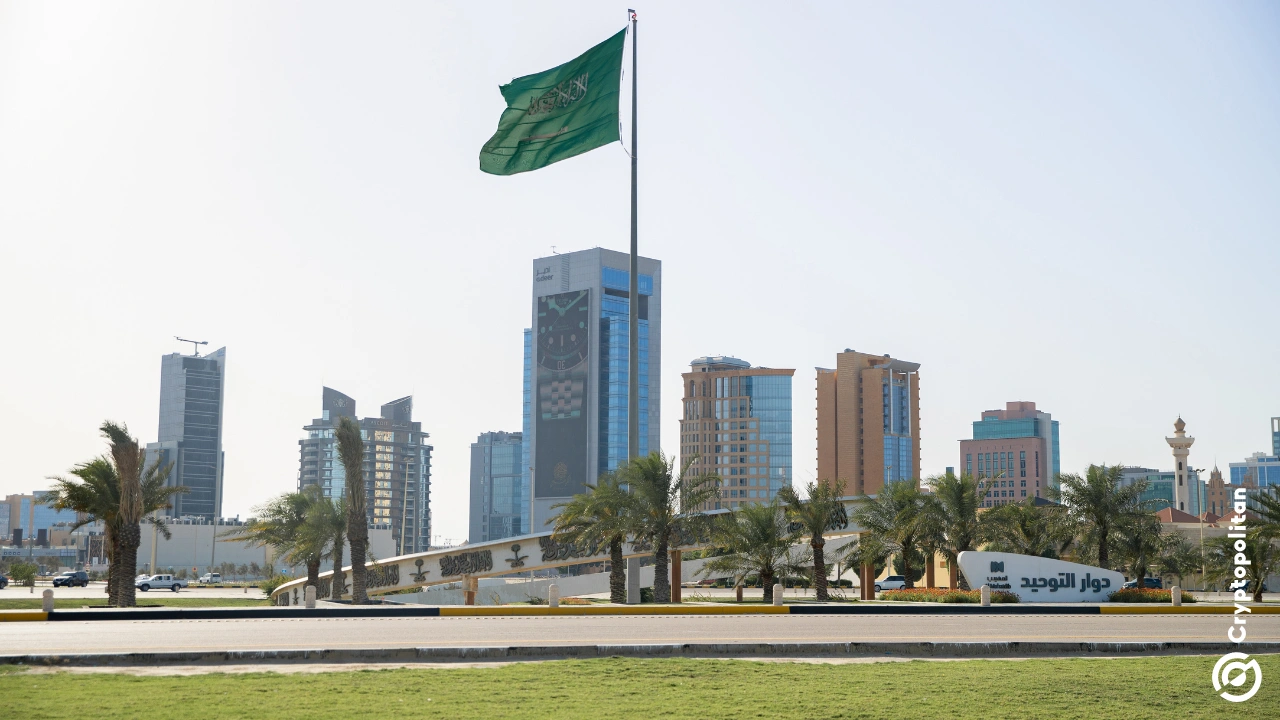
Saudi Arabia: Returns
Most Saudis are under 30, digitally native, and chasing upside under Vision 2030. They are one of the fastest-growing Bitcoin markets in the region.
Source:
Cryptopolitan
Saudi Arabia’s crypto market to hit $50 billion by 2034 as Vision 2030 drives rapid growth - Cryptopolitan
Saudi Arabia’s cryptocurrency market is estimated to hit nearly $50 billion USD by 2034. It was last valued at nearly $25 billion USD in 2025.
Singapore: Zero capital gains tax.
Capital and wealth managers cluster where Bitcoin profits aren't taxed.
Source:
https://www.ainvest.com/news/singapore-crypto-ownership-hits-16-0-capital-gains-tax-attraction-2508/
Venezuela: Hyperinflation
As the bolivar collapses, Venezuelans move savings into Bitcoin to hold value the state can't erase
Source:
https://www.ccn.com/education/crypto/venezuela-inflation-bitcoin-usdt-p2p-crypto-lifeline/
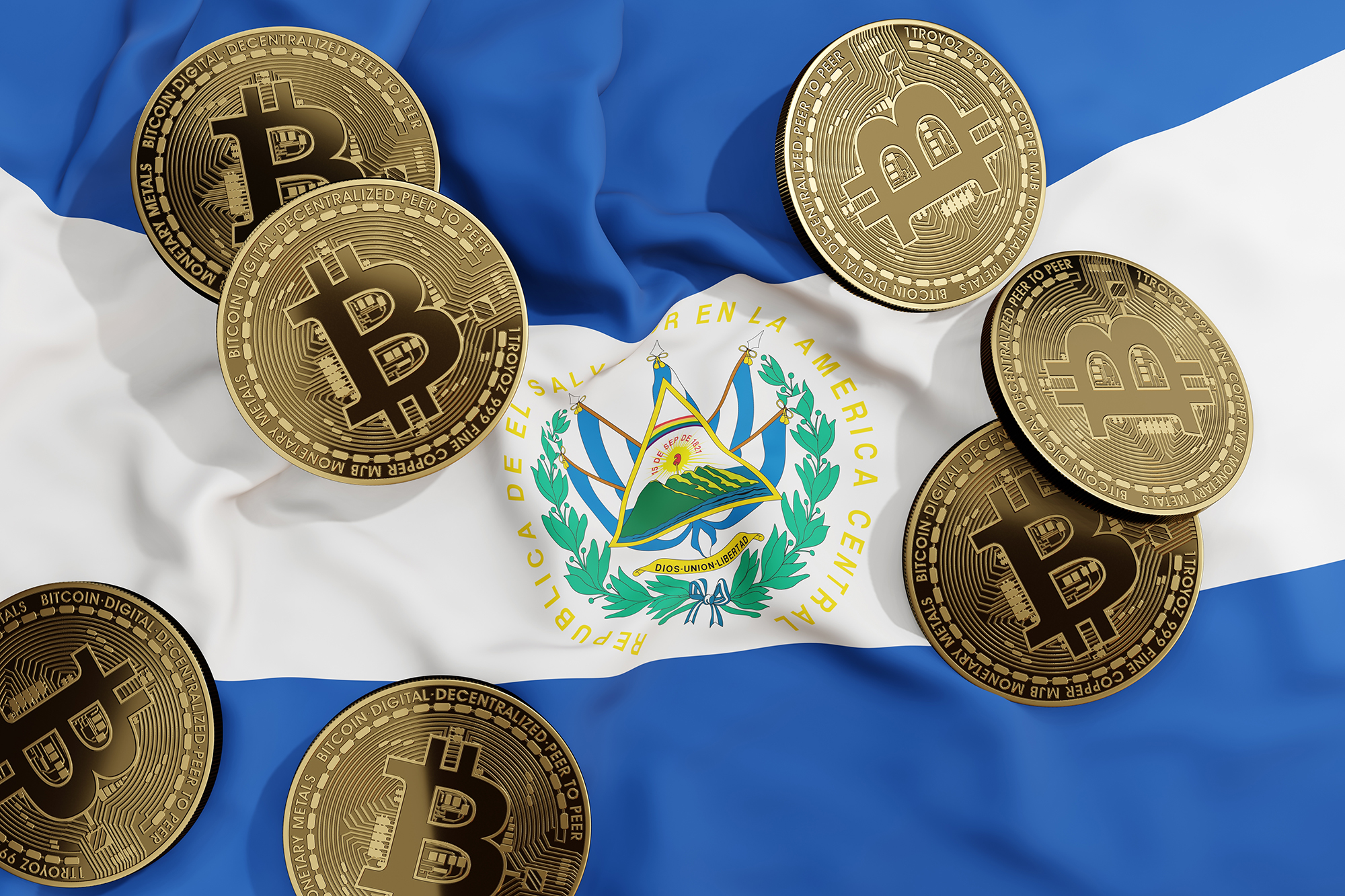
El Salvador: Conviction.
The IMF stripped the legal-tender mandate in 2025, so nobody has to touch Bitcoin. Around one in ten Salvadorans still do, by choice.
Source:
Global Finance Magazine
El Salvador Alters Bitcoin Policy
El Salvador Alters Bitcoin Policy | Global Finance Magazine
Ukraine: War.
When ATMs capped withdrawals and savings froze, Bitcoin crossed borders money couldn't, and funded the defence.
Source:
https://www.atlanticcouncil.org/blogs/new-atlanticist/can-crypto-deliver-aid-amid-war-ukraine-holds-the-answer/
Argentina: Inflation.
After decades of a falling peso, Argentines save in Bitcoin to protect what their melting-icecube currency keeps eroding.
Source:
https://www.chainalysis.com/blog/2024-latin-america-crypto-adoption/
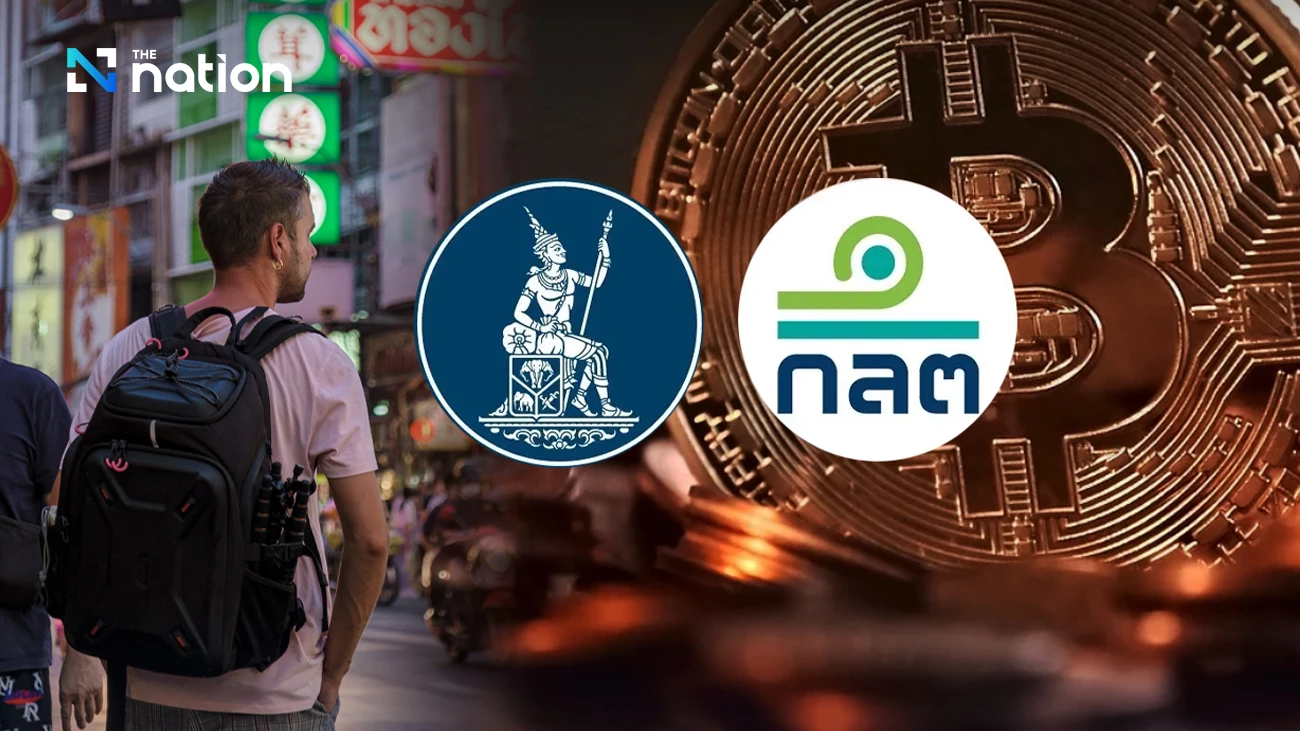
Thailand: Investment
Thais treat Bitcoin as a high-return asset class, and the state is courting crypto tourists. A spot Bitcoin ETF was approved in 2024.
Source:
nationthailand
SEC and BOT launch crypto sandbox to boost tourism, allow foreign tourists to use digital assets in Thailand
The SEC and Bank of Thailand are launching a crypto sandbox allowing foreign tourists to exchange digital assets into Thai baht for spending, aimin...
South Africa: Hedging the rand.
The rand has devalued 8x against the USD since 2000. A weak, volatile currency and a deep investor base push South Africans into Bitcoin as an alternative asset.
Source:
https://www.chainalysis.com/blog/subsaharan-africa-crypto-adoption-2024/
Notice the common theme? With the exception of US, Singapore, Thailand and Saudi Arabia, all the other countries are using Bitcoin to solve problems that affect basic livelihood in ways most of us struggle to imagine even being necessary in the West.
There is a name for this: "Solipsistic". It means treating one's own experience as the only reality.
But the more common term is "Tone-deaf".
Those who continue to maintain Bitcoin "has no value" are actually saying (either wittingly, or unwitting "the lives of people who are not like me have no value". Increasingly "Bitcoin has no value" sounds like Marie Antoinette declaring "let them eat cake" - a wilful or careless plea from the elite who genuinely can't conceive of scarcity.

97% of the Bitcoin conversation is about money. Last week, I jumped on a podcast with Nik Bhatia to discuss how the use case the world understands first might be the one almost no one is discussing.
Little known truth: Bitcoin mining stabilizes the world's grids which are facing 2 destabilizing forces in parallel
Probably nothing

Last month, I asked a Bitcoin miner operating in Sweden what his electricity actually costs him per kWh.
The answer was a negative number. And most of his revenue isn't coming from mining at all. I shared the story with Nik a couple of days ago.
Like Bitcoin itself, Bitcoin mining is super antifragile.
Link to whole interview in comments
If you want to be a great leader, you have no alternative but to also be a coach. If you want to be an average leaders, becoming a coach is not necessary. Here's why.
The world doesn't need more thoughtleaders. The world needs more people who are an example of that which they are talking about
You scale a Bitcoin mission or any mission by growing leaders. Not by growing followers.
And you cannot grow leaders simply by telling people what to do. That is called an advisor, and advisors don't grow missions.
Probably nothing

"The first rule in the adoption of Bitcoin is you don't talk about Bitcoin"
To give context, this is not a theory, but rather a conclusion that I've slowly arrived at, as have others who are at the forefront of adoption.
On our Bitcoiners' mastermind call a couple of days ago, one of our people from the mining sector said "If I talk about Bitcoin mining, the walls go up, but if I talk about helping monetize wasted energy, or stabilizing the grid, or removing a methane problem - people lean in and really want to talk to me."
Another member of the Mastermind said "It's the same onboarding businesses. We've found that if we talk about Bitcoin, we get resistence, but if we simply go in wanting to serve them and help them have more autonomy, freedom, and do business in a cleaner way that helps their family and reduces fees and friction at the same time - then they are very open"
There's a giant skull on display in the Bitcoin Museum in Nashville. It was created in 2023 for GreenpeaceUSA's campaign against Bitcoin mining, and its job was to make the world see Bitcoin as an environmental villain. So how did it end up in a museum built by the people it was designed to shame?
I was close to most of what happened next. But it took me until this year to see what the story was actually about.
Early 2023 was the high-water mark of the environmental case against Bitcoin. Tesla had stopped accepting Bitcoin payments, citing environmental concerns. Most press on mining was hostile. And GreenpeaceUSA's "Change the Code" campaign, funded with $5 million from Ripple co-founder Chris Larsen, had just unveiled its centrepiece: the Skull of Satoshi, a striking sculpture by the artist Ben Von Wong.
Troy Cross (environmentalist, philosopher, Bitcoiner) saw a different way in. Troy's insight was and always had been to turn a public debate into a 1:1 conversation fast. He did that much better than was ever my nature, and he did it with Ben. It was Troy who invited Ben to talk to him: environmentalist to environmentalist, peer to peer. The conversation ended up lasting four days.
Troy made the case most of us would have made: how mining soaks up wasted renewable energy, how it can stabilise grids. And it worked, for hours at a time. Ben would shift. Then he'd check in with GreenpeaceUSA, and the campaign would pull him back to the script. At one point they brought in Alex de Vries, the central-bank employee whose since-debunked research the campaign was largely built on, to talk to Ben directly. Two steps forward, two steps back.
Then Troy stopped.
He told me later that the breakthrough came "when I stopped trying to spell out the case for Bitcoin and just said, 'OK, let me lay out all the reasons why I think you're opposed to it.'"
Read that again. The turning point in the most public fight over Bitcoin's environmental story was a man offering to argue his opponent's case.
I've coached founders and CEOs for twenty years, and I recognised the move the moment Troy described it. When a person is defending a position, their mind is occupied with protection, and almost nothing you say gets processed. Data bounces off a defended mind. When you lay out someone's case better than they've articulated it themselves, the defence has nothing left to push against - you've proven you understand them before asking to be understood (Aristotle noticed the same thing about character twenty-three centuries ago).
And those first days of arguing weren't wasted. They showed Ben who he was dealing with: an environmentalist who knew the data cold and never once raised his voice. By the time Troy held up the mirror, Ben trusted the man holding it. The order matters. People accept evidence from a messenger they trust, inside a conversation that feels safe, and at no other time.
What happened next is on the public record. Ben wrote a thread that has stayed pinned to his profile for three years: "I made the Skull believing that Bitcoin Mining was a simple black-and-white issue. I've spent my entire career trying to reduce real-world physical waste, and PoW felt intuitively wasteful. Of course, I was wrong. Few things in the world are black and white. Dumb me." The "Dumb me" included - his words, on his profile, by his choice, for three years now.
Ben never became a Bitcoin advocate. His position is neither for nor against: he let better information redraw the picture in shades of gray, publicly, which takes more intellectual honesty than switching teams.
Then Ben did something nobody asked of him. He set up meetings between the campaign's director, Josh Archer, and four of us: Troy, Margot Paez, Trey Walsh and me. What was said in those rooms stays private, and that's how it should be. What I can share is that I found Josh genuinely interested. A few months later, he left the campaign. Then he left GreenpeaceUSA altogether.
The campaign wound down. Not one node owner changed the code.
In April last year, I reached out to Ben to ask whether we could procure the skull, so it could have a second life somewhere better than a warehouse.
The reply never came. Six weeks later I found out why: Ripple, the company whose co-founder had funded the campaign, had already bought it under NDA, to unveil at the Bitcoin Conference and gift to the Bitcoin Museum in Nashville. The sculpture commissioned to bury Bitcoin's reputation was donated to Bitcoin's museum by the campaign's own funder. You couldnt script it.
At the Bitcoin Conference, Ben got back to me with a message: "I think you were right in some ways in that Bitcoin really has been the fastest greening technology out of all the other ones. And looking at how other technologies have gone backwards, Bitcoin hasn't ... yet, anyways." I asked whether I could share it publicly. He replied: "Sure thing go for it. Thanks for asking I appreciate the transparency."
That "yet, anyways" at the end is what intellectual honesty sounds like in two words: the verdict stays open, and the evidence keeps the casting vote. Few things in the world are black and white - and Ben writes like a man who means it.
The skull arrived in Nashville exactly as Ben built it. What moved was everything around it: the artist, the director, the funder, the story. And all of it moved one conversation at a time, human to human.
And Troy's four days were one thread of many. Nobody appointed him to talk to Ben. Nobody appointed Margot, Trey or me to sit down with Josh. Nobody coordinated the Bitcoiners who met every campaign post with their own data, day after day, in numbers no press office could match. The campaign ran on $5 million, a media plan and the brand of a well known NGO. The defence was a group of decentralized individuals with no budget, no leader, and no titles, where one key person decided without needing to ask anyone's permission to talk to another human being directly.
Satoshi's whitepaper described electronic cash that needed no intermediaries. It turned out the defence of his network needed none either. That's what the skull means to me now. A network designed peer to peer was defended peer to peer.
New interview with Nik Bhatia just dropped with a whole bunch of new content on something i've been researching for the last quarter
Comments include
"Oooooooof…. Nik I just listed to your podcast about bitcoin stabilizing the power grid from AI demand. I definitely learned something new. Thanks for putting that out!"
"refreshing change", "brilliant" and "This is the marriage of two powerful technologies and makes me even more bullish on BTC!"