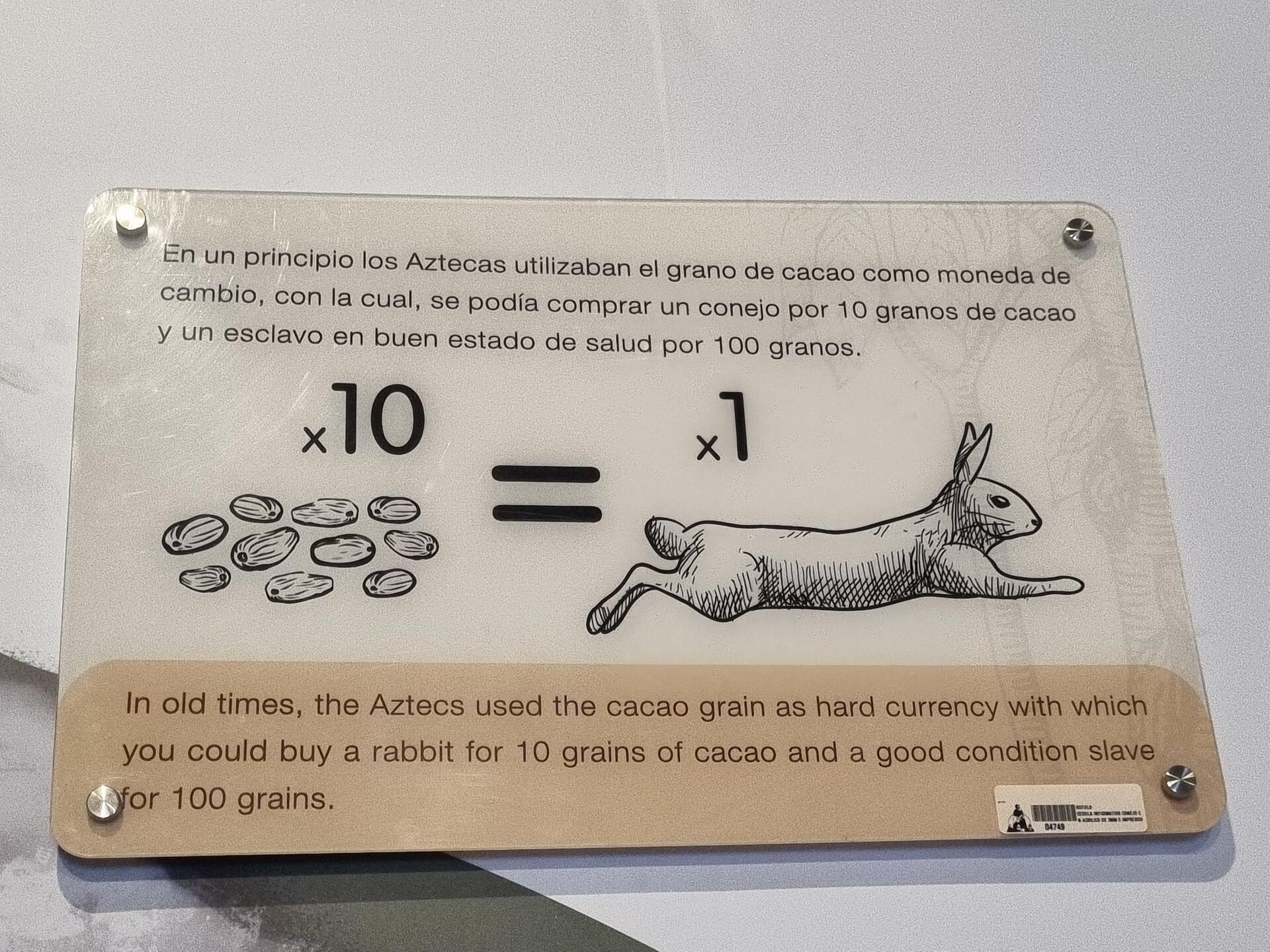
Some things have not changed.. people always looked for hard money.
Other fortunately have... we are worth more than 10 Rabbits or a Chocolate bar now...
Mi X (Twitter) account was blocked for no logical reason. Or at least one that I would be aware of.
There was a link to request a reconsideration...however..I just deleted my X account... it's NOSTR only now....
Bitcoiners, often libertarians by nature, champion the mantra "don't trust, verify," reflecting a deep-seated skepticism toward governments and traditional banks. They envision a world governed by "rules without rulers," where decentralized protocols ensure fairness without central authority. Yet, there's a delicious irony in their recent jubilation over the launch of Bitcoin ETFs, opening the doors for traditional financial institutions to dive into the crypto pool.
This celebration might seem contradictory at first glance. After all, aren't Bitcoiners supposed to shun these very institutions? The excitement over ETFs and the buzz about governments eyeing Bitcoin as a strategic reserve asset might appear to clash with their libertarian ethos. But dig a little deeper, and the contrast reveals a fascinating synergy.
Bitcoin's journey is one of "gradually, then suddenly." The gradual acceptance by financial institutions and the sudden, potential adoption by governments as a reserve asset highlight its growing legitimacy. The ETFs provide a bridge, allowing institutional investors to engage with Bitcoin in a familiar framework, potentially accelerating mainstream adoption.
Integrating these seemingly opposing positions lies in the strategic use of traditional platforms to further decentralization. ETFs and governmental interest in Bitcoin serve as catalysts, driving awareness and stability. This, in turn, empowers individuals to embrace the core tenets of Bitcoin: financial sovereignty and decentralized governance.
Donald Trump's speech at the Bitcoin Nashville conference yesterday was largely disappointing, creating significant expectations but ultimately delivering what felt like a "nothing burger." Rather than providing substantive insights or policy commitments, it resembled a campaign rally where he mostly criticized Democrats.
As a businessman who thrived within the traditional fiat system, Trump is accustomed to speaking to supportive crowds. However, Bitcoiners are different—they are critical thinkers and self-sovereign individuals who prioritize verification over trust.
While Trump promised to implement valuable actions, his delivery came off as insincere, much like a child reciting poetry without comprehension. His statements lacked alignment with the ethos and core values of the Bitcoin ecosystem.
Bitcoiners do not need U.S. political endorsement; Bitcoin thrives independently. However, the U.S. could benefit from a coherent Bitcoin policy, and Trump might gain from Bitcoiners' support. His closing remark, "Good luck with Bitcoin, crypto, and whatever you are playing with," highlighted his lack of understanding of Bitcoin's distinction as a decentralized protocol, unlike manipulated cryptocurrencies.
Though it's significant that Bitcoin is now on the political agenda, Trump's performance was underwhelming. Nevertheless, optimism remains as bipartisan interest grows. The focus should remain on core values, acting as an intransigent minority to drive the desired global change.