Nick Anthony's avatar
Nick Anthony
EconWithNick@verified-nostr.com
npub1n2m8...gflr
Policy Analyst at the Cato Institute's Center for Monetary and Financial Alternatives and fellow at the Human Rights Foundation. Covering CBDCs, financial privacy, and cryptocurrency. Opinions are my own.
Nick Anthony's avatar
EconWithNick 1 month ago
The ECB planning to force Apple to crack open its secure element is really all you need to know when it comes to whether you should trust the digital euro. image
Nick Anthony's avatar
EconWithNick 1 month ago
While discussing the Bank Secrecy Act, Representative Patman said the quiet part out loud. He congratulated the Treasury for going "rather far" and "making a long step here" to establish capital controls. The Treasury quickly shot back saying not to call it that. image
Nick Anthony's avatar
EconWithNick 1 month ago
Ah, yes, because the worst-case scenario is that people's needs are satisfied by the market. image
Nick Anthony's avatar
EconWithNick 1 month ago
This is a wild exchange from the Bank Secrecy Act hearings in 1970. A member of Congress asks why innocent people need privacy, acknowledges Jewish people fleeing the holocaust, and then says "History is a lot of hogwash in this." image
Nick Anthony's avatar
EconWithNick 2 months ago
It's a little funny promoting my Substack on here since followers get it directly cross-posted as reads. However, if you'd prefer my work in your inbox instead, sign up for my Substack where I cover CBDC developments, financial privacy, debanking, financial freedom, and more. Price of $0/₿0/₳0/€0/₦0/Kč0/₸0/¥0
Nick Anthony's avatar
EconWithNick 2 months ago
Aimlessly wondering around Prague and I look up to find I’ve stumbled my way to the Czech Central Bank. It seems that even on my off days, I’m tracking central banks. image
Nick Anthony's avatar
EconWithNick 2 months ago
Has anyone else noticed how the ECB is ramping up digital euro propaganda?
Nick Anthony's avatar
EconWithNick 2 months ago
“A purely peer-to-peer version of electronic cash.” It’s there if you want it and it’s there if you need it. And frankly, nowadays, having an escape hatch feels more necessary than ever. image
Nick Anthony's avatar
EconWithNick 2 months ago
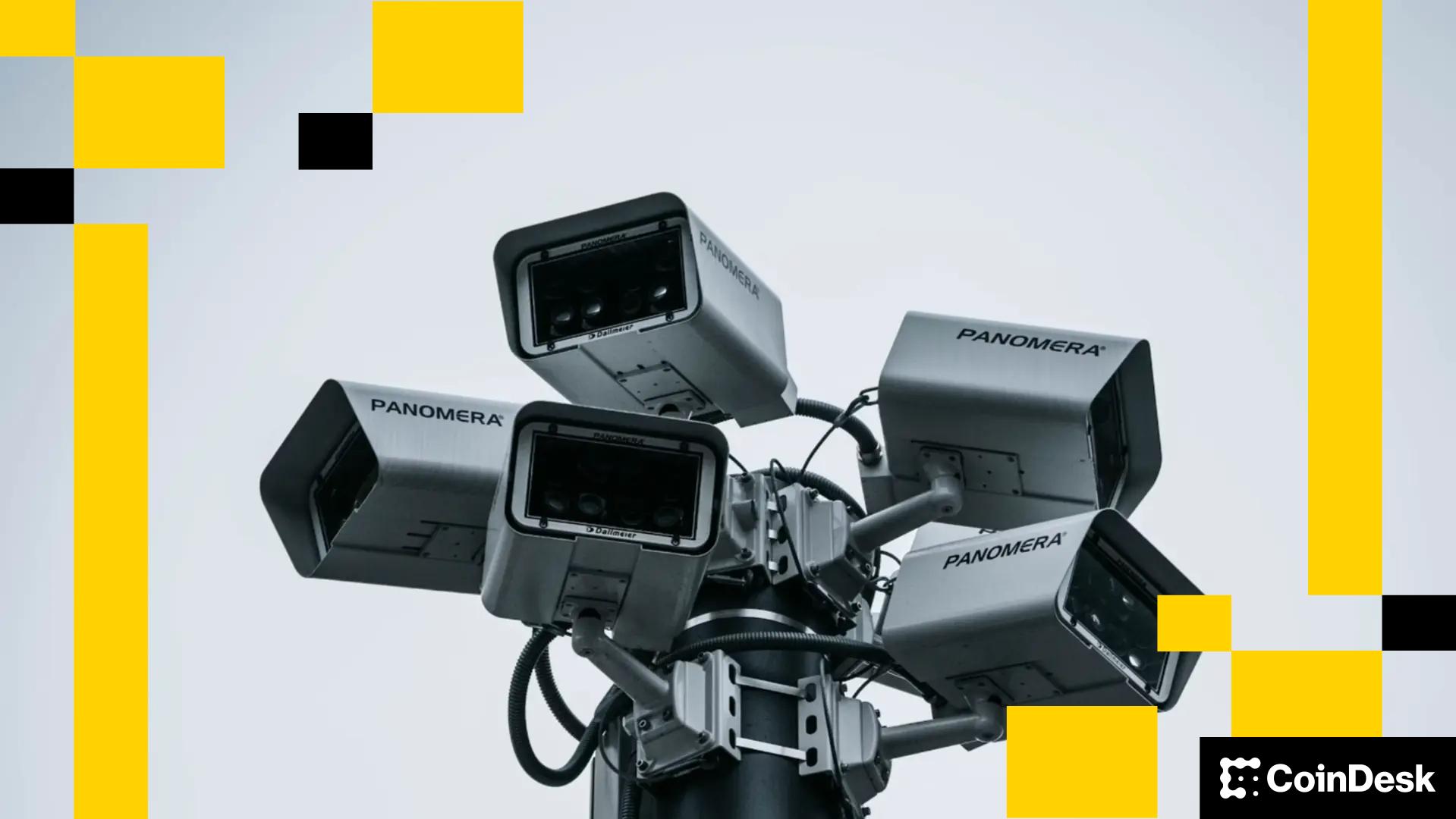
Governments force banks to report your activity, judge whether you are being suspicious, and close your accounts when you step out of the norm. How? It dates back to 1970. President Richard Nixon had not yet been caught surveilling his political opponents. Instead, Oct. 26, 1970 marks when Nixon signed the Bank Secrecy Act and set the foundation for a new regime of financial surveillance. Often abbreviated as “the BSA,” the Bank Secrecy Act was originally enacted over fears that the rise of air travel in the late 1960s would lead to Americans hiding their money in Swiss bank accounts. As the times changed, so did the concerns. Congress initially targeted tax evaders, but the Bank Secrecy Act was later expanded to also go after drug traffickers. Later, it would be expanded again to go after terrorists. Most recently, Congress has been weighing where and how to apply it to cryptocurrencies. https://www.cato.org/blog/warren-misses-details-bank-secrecy-act Yet, it hasn’t just been the targets that have changed. Congress has also steadily expanded who must report their customers under this regime. Even the @USPS and pawn shops are defined as "financial institutions" here. This ever-growing list of both targets and informants is partly why more than 27.5 million reports were filed on customers last year. https://www.cato.org/blog/reporting-fincens-suspicious-activity-again Congress has prioritized ever-increasing financial surveillance over protections for people’s privacy for 55 years now. It’s time for that to change. It’s time to respect financial privacy and stop treating ever-expanding surveillance as the norm. Reform needs to happen before the Bank Secrecy Act gets to celebrate its next big milestone. For more on how, check out my latest in @CoinDesk
Nick Anthony's avatar
EconWithNick 2 months ago
ECB President Christine Lagarde said the “ECB’s climate and nature plan [extends to] the potential introduction of a digital euro.” She said the CBDC must be energy efficient “unlike certain crypto-assets, which often rely on energy-intensive mining infrastructures.” Find out more in the HRF CBDC Tracker.