that's what GROK said:
The Quiet Ledger
February 22, 2025
The wind howled over the dunes as Amina powered up her solar rig, a battered laptop humming to life. She checked the Bitcoin node—still syncing, 12 hours behind. No rush. In this world, haste was a relic, like the crumbling highways or the fiat notes fluttering in the sand. She’d just traded 30,000 sats for a crate of dried figs from a Tunisian sailor. Tomorrow, those figs would buy her a new sail. Global trade ticked on, slow and steady, tied together by a ledger that didn’t need kings or cannons to hold.
War had changed. Nation-states, once bloated with oil and arrogance, shrank as energy dwindled. Tanks rusted; drones fell silent without lithium to spare. The old wars of conquest—too expensive, too loud—gave way to skirmishes over scraps: a river dam, a windmill. But Bitcoin shifted the game. No central bank to fund armies, no currency to debase for war chests. A village in Ukraine swapped sats for grain with a cooperative in Brazil; no government could choke the flow. Peace wasn’t noble—it was practical. Fighting burned energy nobody had.
Nation-states didn’t vanish—they morphed. Capitals still barked orders, but their reach was short. Taxes in fiat? Good luck collecting when people hoarded sats or bartered goats. Power slid to the edges: towns with solar grids, hamlets with hand-pumped wells. Amina’s outpost ran on a council of five, chosen by whoever showed up with a shovel or a skill. Local governments thrived, small and scrappy, trading with neighbors in sats when the harvest allowed. The world wasn’t one—it was thousands, loosely stitched by a blockchain humming on wasted sunlight.
She scrolled Nostr, the chatter flickering across her screen. A tinkerer in Japan pitched a business: repairable tools, paid in sats, shipped by sail. Another post—someone in Ghana teaching kids to rig microgrids, bartering lessons for fish. Amina grinned. Opportunity wasn’t dead; it just wore simpler clothes. Back in 2025, she’d seen it coming. She’d learned to mend sails, grow lentils, run a node off a car battery. Skills beat degrees now. Her neighbor, old Jamal, started a still—whiskey for the cold nights, two sats a bottle. Down the coast, a widow wove nets, trading for medicine from a drone pilot in Morocco.
The future wasn’t utopia. Storms still sank boats; feuds flared over the last scraps of copper. But war’s roar had dulled to a grumble, peace held by necessity, and the nation-state was a ghost barking at shadows. Local life pulsed—messy, resilient, real. Amina shut her laptop, the node still chugging. She’d post this tale tomorrow, when the sun gave her juice. For now, she watched the stars, sats in her wallet, figs in her hold, and a quiet world turning on its own terms.
Start now, friends: fix things, grow things, learn the grid. Bitcoin’s the thread—skills are the cloth.



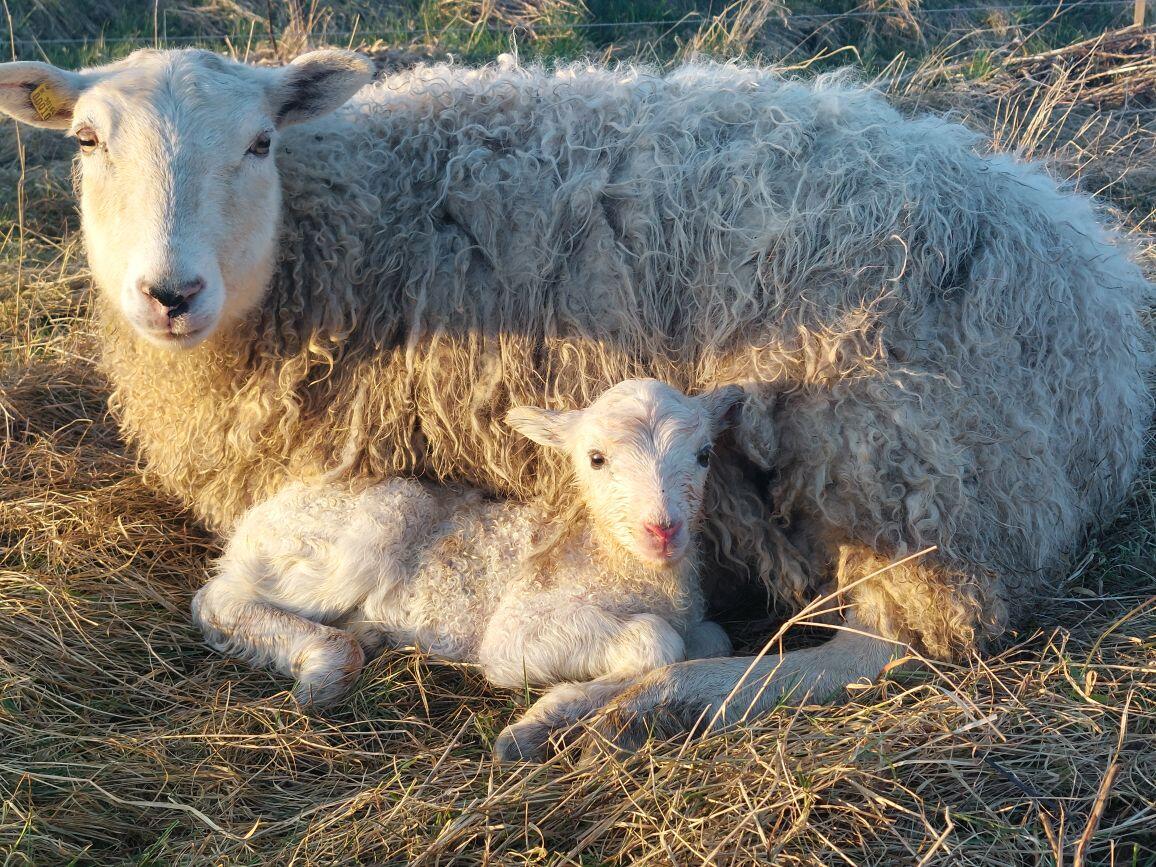
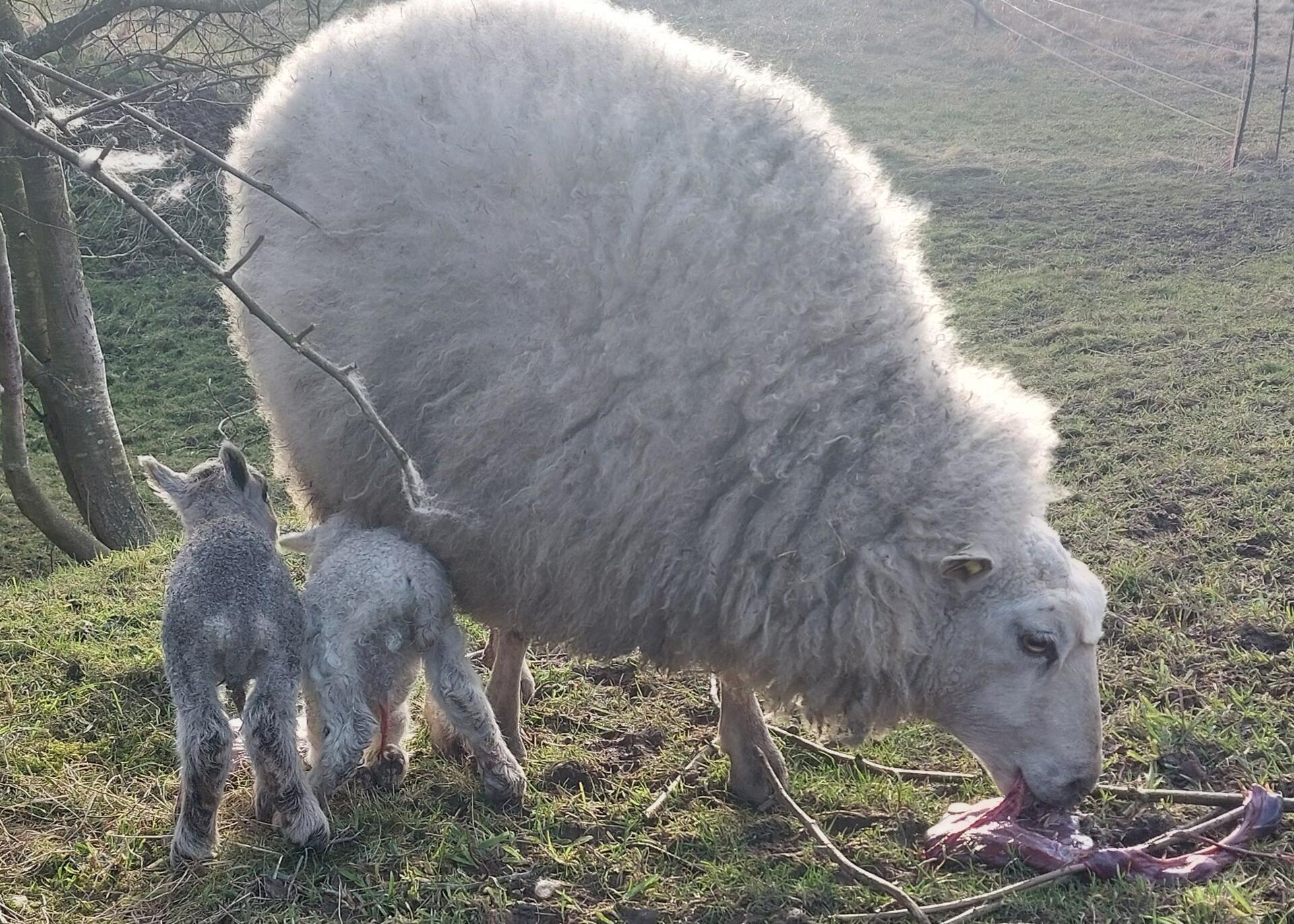 Another pair of twins was born. These are about 60 minutes old at this image. The mother-sheep is taking care of the placenta.
#sheep #newborn #growlife
Another pair of twins was born. These are about 60 minutes old at this image. The mother-sheep is taking care of the placenta.
#sheep #newborn #growlife