SimplifiedPrivacy.com's avatar
SimplifiedPrivacy.com
npub14slk...t5d6
A single use of most web browsers can permanently fingerprint you across different services. And Tor Browser breaks down on the real web with restricting Javascript & blocked IPs. HydraVeil is our Revolutionary New Linux app that allows you to create different isolated profiles, to resist AI Browser Fingerprinting from Cloudflare & Big Tech. Another feature of HydraVeil is routing your traffic though your choice of WireGuard or a Tor->Socks5 proxy (to evade Tor blocks), and to fool CDN packet speed tracing with different IPs for each profile. Additionally, we provide VPN service for Android, iPhone, Windows, Mac, and Routers. Tune in to our Podcast to combat Big Tech surveillance. Help me, help you. Hashtags: #Cypherpunk, Open source, #Linux, DeGoogled Phones, self-hosted services, #Monero, #Security, and more!
Couple thousand lines committed. I've lost my sanity, but git is keeping track.. We're in the home stretch for obfuscation. We'll be offering 2 new protocol choices (on top of the Wireguard/Tor-masked choices now), which both should be able to penetrate Russian, Chinese, and other restricted firewalls. As well as any USA or West EU home ISP, that's acting as though they were Chinese dictator with Wireguard. The best part is that it's with little speed sacrifice, in fact one of them is an improvement for those with crappy bandwidth. It requests extra duplicate packets in-case some are dropped, so you can stream on it, despite being in both a restricted region and with garbage connection. Because what a surprise, those two things usually come together, like peanut butter and jelly.
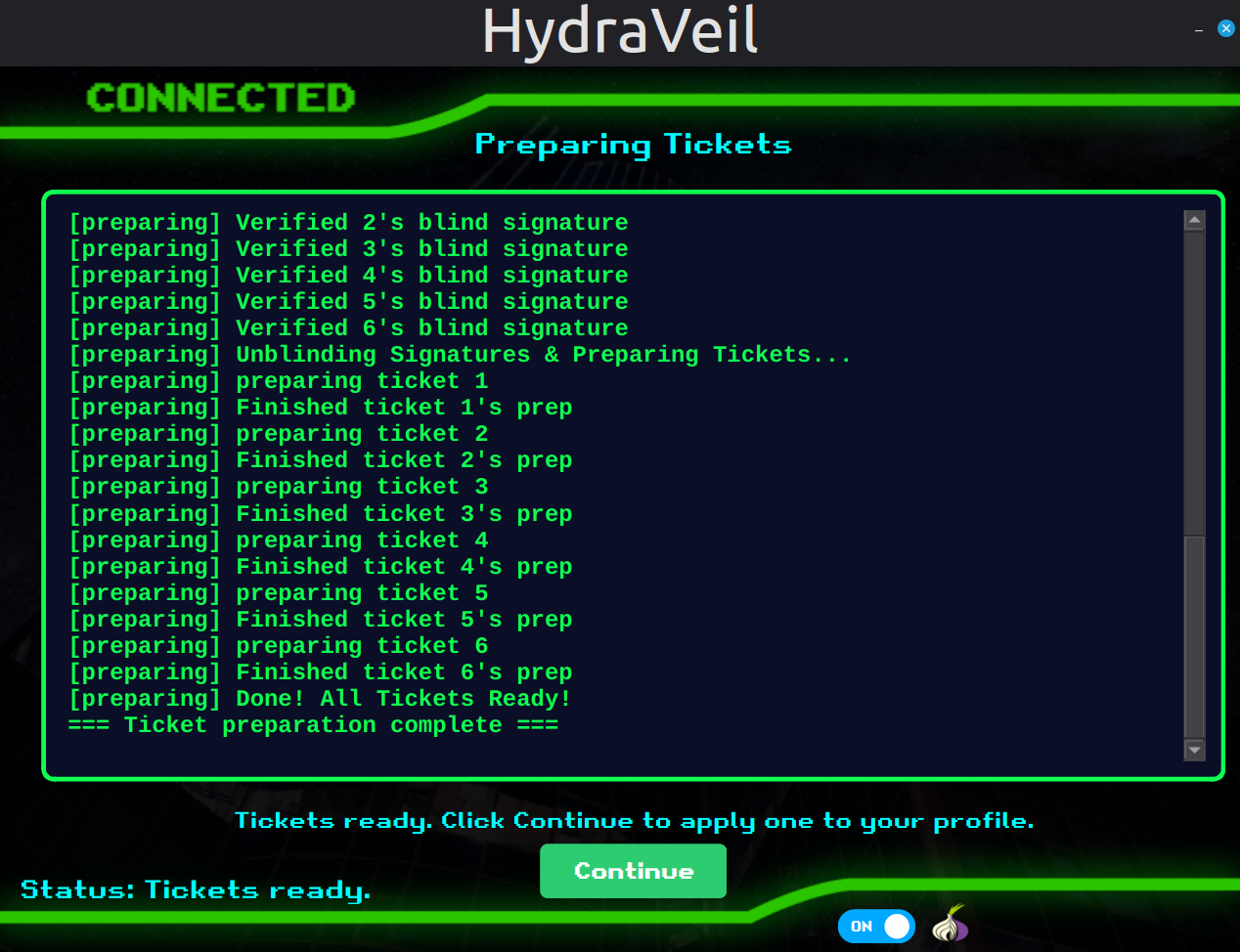
Bro, the Upgrade was a Decade Ago Many developers can be reckless with API calls, because with stable connections and global CDN servers, the difference between proper design, and complete negligence, can be in milliseconds. So it's not even worth the effort for most corporate developers to even learn. This is why despite the HTTP protocol being upgraded over a decade ago to HTTP2, the vast majority of Python tutorials still teach the requests library, which only has HTTP/1. And despite HTTP2's proven speed advantage for client re-use, most mobile apps using Flutter continue to erode that edge with the defaults of HTTP1. Then because web bloat has become the accepted standard, everyone has to use a CDN, to pass all data to the same centralized mega-corporations, which break SSL through the fundamental nature of CDNs. So as an end-user, you have to accept snail speeds, or totalitarian privacy-invasion. But what if it wasn't a stable connection? What if there was no Cloudflare? Most of our users are using Tor, plus a base-layer VPN, with crappy internet to begin with. But they still expect fast performance, so what can they do? Even worse, the Tor developers kill adoption with their own policies. Their STEM library is garbage for receiving errors on bootstrap. It's a blackbox that gives no feedback, yet they’ve created pointless permission problems by restricting third party apps from creating Tor sessions on a given config, by default on most Linux distros. Yet when Tor browser itself is open, it can start the config, and then you can bind to it. So what is the purpose of restricting it, if when the primary use-case is open, that restriction is often gone. Then Tor dev negligence is compounded by PySocks dev negligence, where even after decades of IPv6 being around, PySocks doesn't support it. And the STEM library docs don’t want to mention how to disable IPv6, their attitude is go read it on your own. This combo is lethal, of black box swallowed errors, pointless permission problems, IPv6 errors, all combined with crappy library support. How can any privacy project succeed? Most don't, and that's why you see Cloudflare used even for Monero wallet APIs. Each party points the finger at the other, nobody takes responsibility for anything. Now you have context to understand this 2-7-7 upgrade. I've been digging away for months to learn this, and today we are proud to roll out the upgrade: Today's upgrade: -Ditching HTTP1 for HTTP2 -Ditching Python requests for HTTPx -HTTPx client re-use throughout the project. Way beyond simple for loops, but an entire infrastructure for persistent proxied connections. -Ditched STEM for a Custom Tor Bootstrap with error detection for a variety of issues. -It creates a custom HTTPx client to resolve DNS and verify SSL when Tor node DNS is blocked. -Solved async over Tor. Now it grinds out concurrent requests -Transitioned the database endpoints to reduce the quantity of API calls made -Elaborate sync tracker to reduce API calls when nothing changed With all these changes combined, we've smashed sync time from over 15 seconds, to under 5 seconds (depending on your connection.) Although this may seem like a lot of technical complexity, I am on a simple mission. To make privacy so convenient, that you say "why not". version 2.7.7 sha256sum: 3302a8a736141f2ca7322f16003c59640d2932db8bad530aae9b328f9c70c680 hydraveil.net
One of the most frustrating parts of Tor, is even if the website wants to allow Tor, often their DNS provider may block Tor's DNS nodes from resolving the domain. Without the website owner (or even the end-user) from being aware. DNS Providers such as Namecheap, GoDaddy, and Orangewebsite will most definitely restrict high quantity Tor queries. I've seen it first hand with out our project. And upstreams such as Verisign and even Iceland's' .is ISNIC registry may be the real culprits. Everyone will claim it's to stop abuse, which is logical. But the end result is harming privacy. Even diagnosing this problem is a huge challenge, let alone solving it. But where other people give up, is a good place to start. The fresh HydraVeil release, tries to sync over Tor, if it fails.. a) It first tests if Tor even works against the official Tor Project API. b) If it does, it checks if DNS is the problem. Will just the domain resolve via a Tor node? c) If that Tor-node-DNS fails, It resolves the DNS to a non-Tor DNS provider like Quad9 via DoH, but proxied through Tor. d) Now with the IP address in-hand, it goes directly to the IP address of the web service through Tor, but without ANY DNS. Then pretends it used the domain, when it asks the website for an SSL cert. Finally, HydraVeil manually verifies the SSL cert against it’s own local copy of Mozilla’s tools for Let’s Encrypt certificate authority. This gives you the benefit of SSL encryption & Tor, but without allowing DNS providers to restrict Tor resolution. And doesn't slow you to 6 hops to do onions just for DNS, to download browsers. Today's release is open source. And this same blueprint can be applied to any app in the future. Web browsers, Monero/Bitcoin wallets, Nostr clients, anything that wants to use Tor but not be slowed to 6 hops by an Onion, just to resolve the domain. Release notes:
Big Quality of Life Upgrade.. Previously, HydraVeil's sync had the user blindly download ALL locations, browsers, operators, and plans every single time. This was a speed negative, especially for Tor mode. image Now, the new version checks only what changed by fetching a single tiny master list. In addition, we refactored the entire UI to load faster across the board. Try it out, it's a huge difference. v 2.5.2 - sha256sum e540321b67622e7810a103f0ef8c1533b6886000a2c5d0f830dc5a5b3c6f19d1

Monero & Bitcoin prices are a reverse propaganda index The lower they get, the higher the brainwash of the population
hCaptcha with Cloudflare now is requiring disabling Tor Browser's fingerprint protections. Once you allow that popup warning, it's like getting your picture taken. It doesn't matter if you put the mask back on for that account after. Tor is to privacy, what Elon Musk's Twitter is to free speech: Hope you're on the king's good side today. While HydraVeil is like Nostr, we assume oppression.
500! Our organization's Signal group on privacy tech hits 500 people. Huge thanks to everyone who participates, answers questions, and the volunteer mods. Wanna know something? AI has debug knowledge. While the people in this room have wisdom:
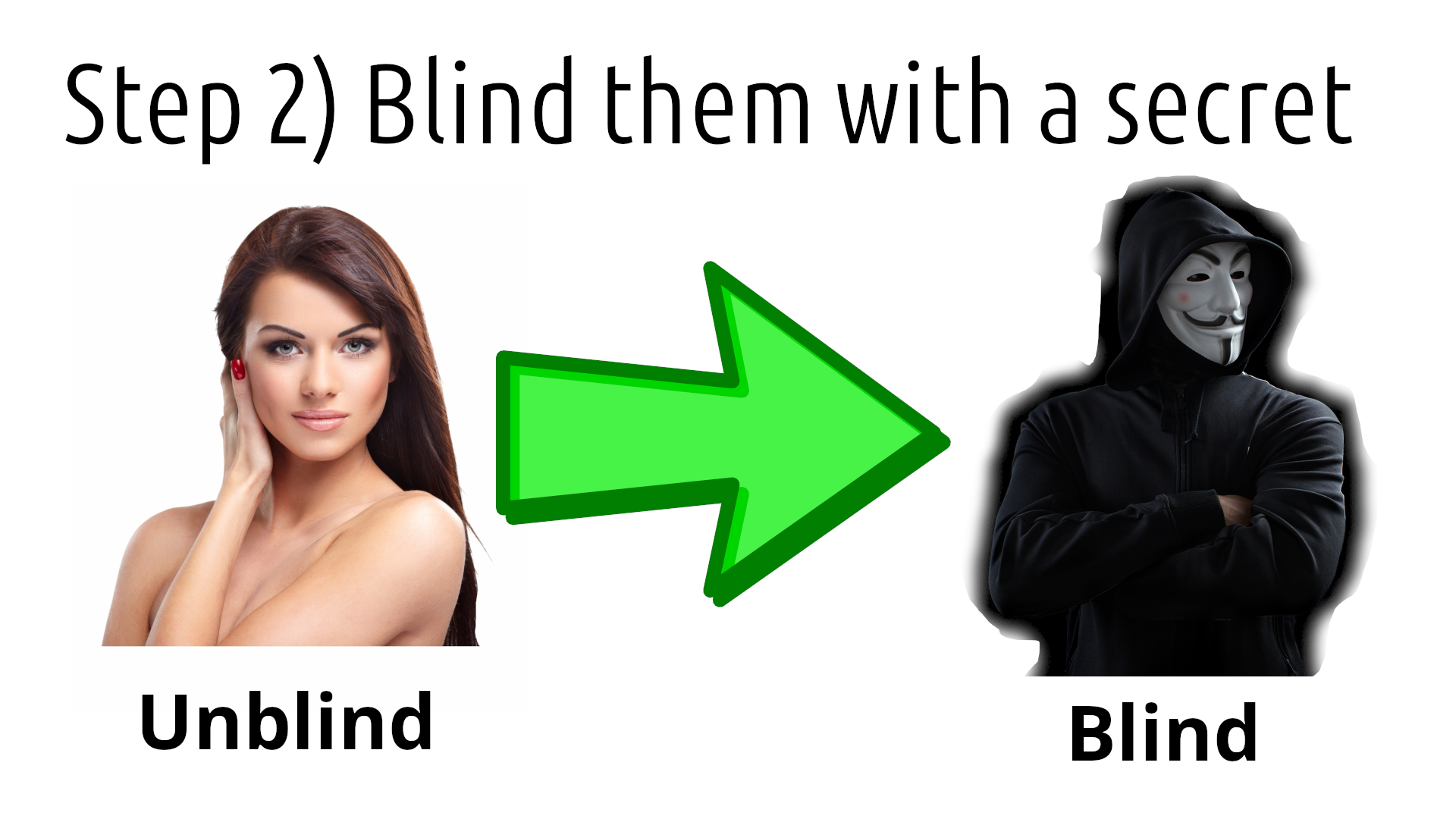
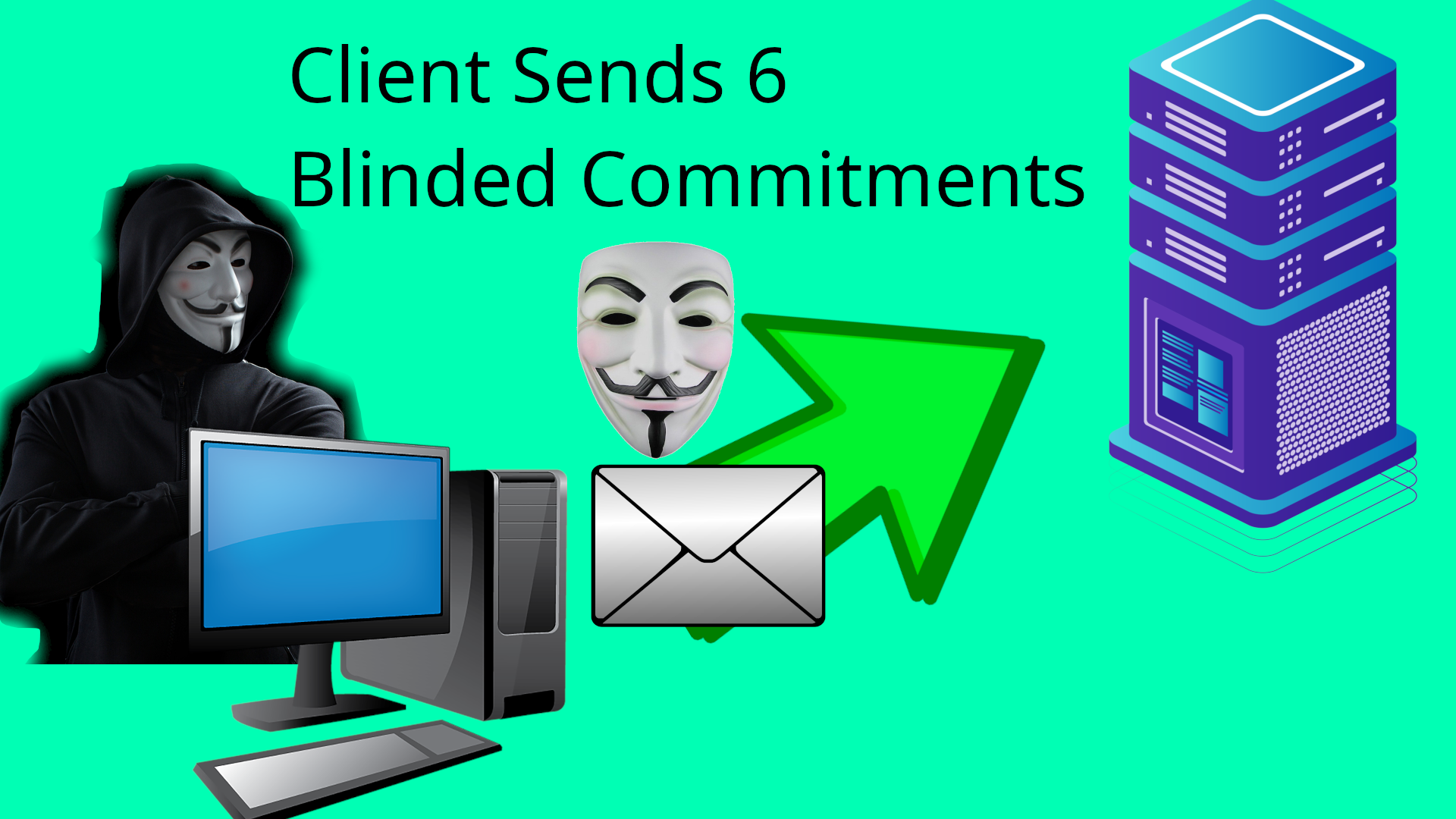
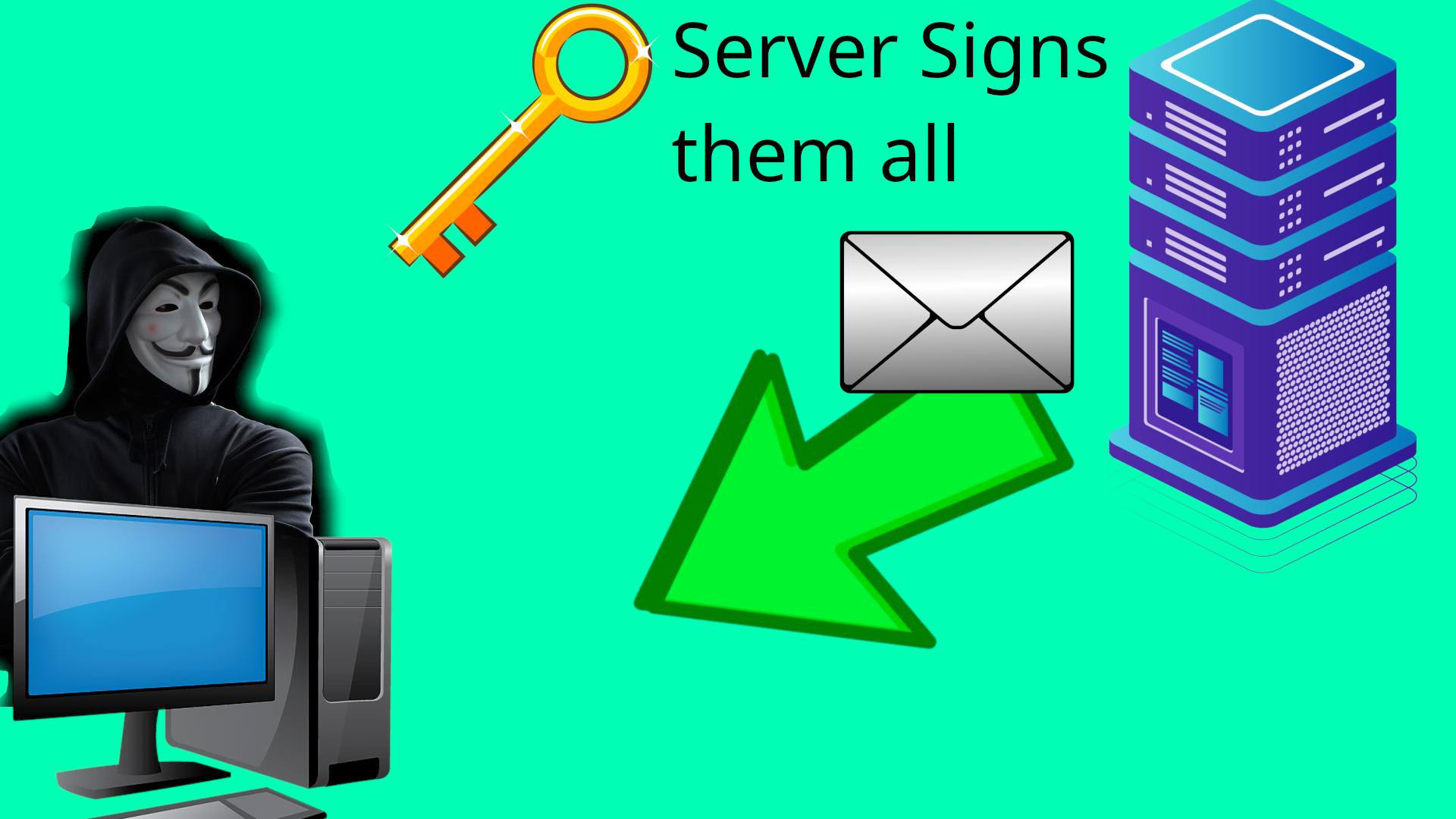
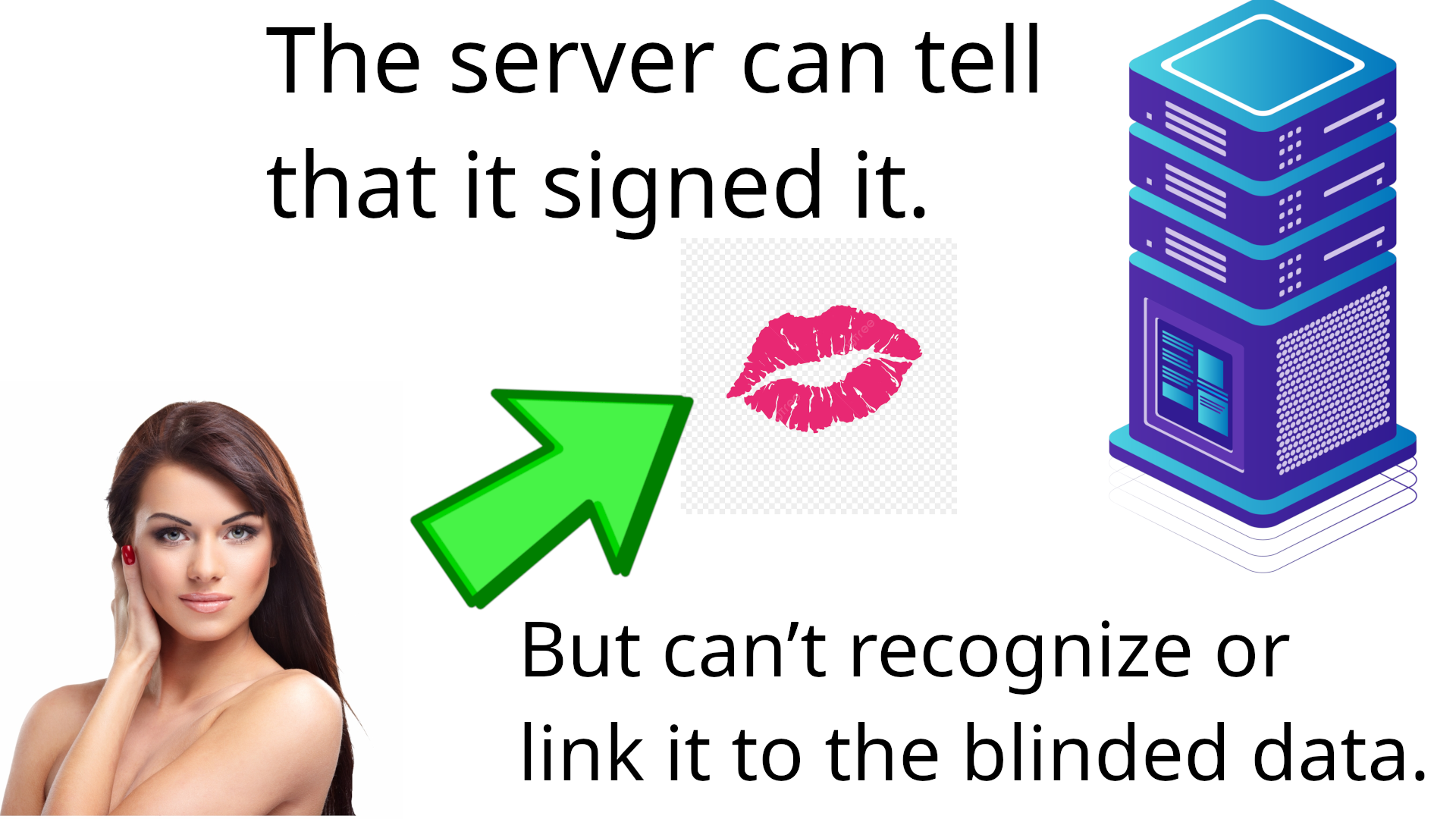
How can you pay once, but be anonymous for each profile? I know you won't read our yellow paper with the cryptography, so here's a fast meme slideshow. Then you unblind it. This is all automatic & instant. You’re sending text and doing math (not waiting on a blockchain). image Later when you use it, image Maximum Convenience. No Altcoin Printed. Pay once, look different each time. HydraVeil.net

Big News: Before, you had to buy each VPN profile separately with XMR or BTC, Now, HydraVeil has cryptographically anonymous tickets. You pay once, get 6 tickets, and cash them in for Wireguard keys anytime. The billing server can't know these tickets are the same person, without breaking elliptic curve cryptography. This means you get the privacy & isolation of having each profile (or device) completely separate, but the convenience of a single payment like a traditional VPN. This update is live in the app now. The link below has: -Source code on our git -Beginner meme article on how it works -Advanced article with white paper citations using the same math formulas, and why we picked the protocols/libraries we did You don't need to know the math to use it though. It's automated with the push of a button, and takes about 3 seconds,
Game changer feature drops very soon. In fact, it's so good you'll be questioning whose funding me. And the answer is you. Huge thanks to everyone whose be using the VPN service and/or SMS exchange. And another huge thanks to anyone who donated to the wallets on the website. I could not be more excited for this upcoming release.
There's a lot of discussion over Nostr & Bitcoin taking over But ironically, the feature Nostr needs most, is more content unrelated to Nostr. And the feature Bitcoin needs, is more businesses accepting it that are unrelated to the Bitcoin industry itself.
Nextcloud vs Cryptpad Nextcloud is slow because of the permissions related SQL database lookups. Even if many features are turned off, it still has slow load times on the web UI. Yes there are mobile apps slightly better. They are doing optional AI features now too. It's too much bloat in my opinion, too much feature creep without first focusing on the fundamentals. Only exceptions on the speed are doing it in your physical home, or have a CDN service. Cryptpad is improving. It’s end-to-end encrypted docs for those who don’t know, while Nextcloud isn't encrypted but still slower for docs. Use it on a chromium based browser for faster decryption than Tor browser. I'd recommend Cryptpad over Nextcloud. What do you think? If you've self-hosted nextcloud with success, I'm open to hearing your debate.
Age verification is rolling out in the UK This means vendors such as Apple are now forcing age verification or your iPhone is "child proof" locked. [1][2] This is similar to laws in California or Australia. In fact, many linux distros may be requiring age verification. [3] Some of these verifications can be bypassed with a VPN. However, the next logical step is politicians will say, "we have to restrict VPNs or block Tor IPs". This is why Simplified Privacy operates under a parallel agora system, using cryptocurrency deposits, PGP contracts, and a focus on tools such as Linux, Nostr, and Arweave. And also why we have support groups on platforms such as Signal, with hundreds of people in the group, to ask questions on these technologies. However, there are negative effects of this. One is that SP can't raise fiat VC funding to buy billboards like Mullvad. This leaves a psychological impression that companies who have the funding are "more legitimate". When in fact it's the opposite. If we have an objectively better product without using any of the tyranny approved methods. It demonstrates that you don't need to comply with your business either. A terrorist threatens civilians to achieve political aims. While as I look to improve the lives of civilians, so they ask "Why do I need politicians?" Sources: [1] [2] [3]
Session messenger is ending I originally liked Session for an uncensored email list, to compliment Nostr's scroll-off feed. Over 350 people subscribed to our list. But ironically, now I'm censored. So, now I'm doing a real email list. Send an email from any provider to news@simplifiedprivacy.org and the bot will respond.
A real genius is able to explain complex concepts in the most basic terms. So don't ever be intimidated when you're trying to learn. If the guy can't make it sound simple, then he really is retarded.
FBI extracted deleted Signal messages, even after the app was uninstalled. When Signal messages arrive, iOS stores push notification previews locally on the device. In this case, those previews stayed behind even after Signal was uninstalled. - Only incoming messages were captured this way - Disappearing messages that had already vanished inside Signal were still recoverable from the notification cache -This is iOS behavior, not a Signal vulnerability. And likely impacts other ALL apps on iOS. The quick fix, to turn it off: Signal → Settings → Notifications → Show → set to "No Name or Content" You'll still get a notification ping, but iOS just won't cache anything useful. The real fix: Switch to GrapheneOS The original 404media source is paywalled, https://cybernews.com/security/fbi-extracts-signal-messages-from-suspect/