Title of the work in Latin
MEDULLA S. THOMAE AQUITATIS PER OMNES ANNI LITURGICI DIES DISTRBUITA, SEU MEDITATIONES EX OPERIBUS S. THOMAE DEPROMPTAE
Compilation and arrangement by
FR. Z. MÉZARD O. P.
NOTE
All titles with an asterisk contain material that is no longer attributed to Saint Thomas Aquinas.

3. Sexta-feira depois das cinzas: A coroa de espinhos*
6a. feira depois das Cinzas
«Saí, filhas de Sião, e vêde o rei Salomão com o diadema de que sua mãe o coroou no dia do seu casamento e no dia do júbilo do seu coração» (Ct 3, 11)
É a voz da Igreja que convida as almas dos fiéis a contemplar quão admirável e belo é seu Esposo. Pois as filhas de Sião são iguais às filhas de Jerusalém, almas santas, habitantes do Reino de Deus, que gozam, com os anjos, da paz perpétua e da contemplação da glória do Senhor.
I. — Saí, ou seja, deixai a vida turbulenta deste mundo, para que, com o espírito livre, possais contemplar aquele a quem amais. E vêde o rei Salomão, isto é, o verdadeiro e pacífico Cristo. Com o diadema de que sua mãe o coroou; que é como se dissesse: considerai o Cristo, que, por nós, se fez carne, que tomou a carne da carne de sua Virgem Mãe. O diadema é sua carne, carne que tomou por nós, carne na qual morreu, destruindo o império da morte; carne na qual ressuscitou, deixando-nos a esperança da ressurreição.
Deste diadema, diz o Apóstolo (Heb 2, 9): « Mas aquele Jesus, que por um pouco foi feito inferior aos anjos, nós o vemos, pela paixão da morte, coroado de glória e de honra ». Diz-se que sua mãe o coroou, pois a Virgem Maria deu-lhe a carne de sua carne.
No dia do seu casamento, isto é, no tempo de sua Encarnação, quando a si uniu a Igreja, sem mácula nem ruga; ou quando Deus uniu-se ao homem. No dia do júbilo do seu coração. A alegria e o júbilo de Cristo é a salvação e a redenção do gênero humano; « e, indo para casa, chama os seus amigos e vizinhos, dizendo-lhes: Congratulai-vos comigo, porque encontrei a minha ovelha » (Lc 15, 6).
II. — Pode-se, também, aplicar tudo isso à Paixão de Cristo, segundo a letra. Com efeito, Salomão, prevendo em espírito a Paixão de Cristo muito antes, adverte as filhas de Sião, isto é, o povo Israelita: Saí, filhas de Sião, e vede o rei Salomão, isto é, o Cristo; com o diadema, ou a coroa de espinhos, que sua mãe, a sinagoga, o coroou no dia do seu casamento, quando a si uniu a Igreja, e no dia do júbilo do seu coração, quando rejubilou-se por ter, por sua Paixão, redimido o mundo do poder do inferno.
Saí, portanto, e deixai as trevas da infidelidade, e vede, isto é, compreendei que aquele que sofre como homem, é Deus verdadeiramente. Ou ainda: saí para fora de sua cidade para o verdes, crucificado, sobre o monte Calvário.
Expositio in Canticum canticorum, III
(P. D. Mézard, O. P., Meditationes ex Operibus S. Thomae.)
#God #Deus #Isten #Gott #Jesus #Católico #Catholic #Katholik #katholisch #Katolikus #catholique #Faith #Fé #foi #信仰 #Latin #Latim #Gospel #Evangelho #Evangélium #évangile #Dieu #福音 #日本 #カトリック #Bible #Biblestr #Nostr #Grownostr
View quoted note →
 Então você precisa usar qualquer cliente para criar as chaves públicas e privadas e usá-las para qualquer cliente que você deseje se mudar (ou usar as chaves em um autenticador para privacidade) antes de se conectar a um cliente.
* * *
En:
X should be an alternative mean to broadcast your spaces. It is possible to be one of the means of transmitting the faithful devotions. It doesn't need to be (and shouldn't be) the centralizer of the spaces.
You really should get on Nostr.
Here is how it works:
Então você precisa usar qualquer cliente para criar as chaves públicas e privadas e usá-las para qualquer cliente que você deseje se mudar (ou usar as chaves em um autenticador para privacidade) antes de se conectar a um cliente.
* * *
En:
X should be an alternative mean to broadcast your spaces. It is possible to be one of the means of transmitting the faithful devotions. It doesn't need to be (and shouldn't be) the centralizer of the spaces.
You really should get on Nostr.
Here is how it works:
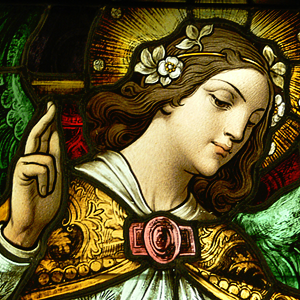
 6. Monday after the first Sunday of Lent: Christ was to be tempted in the desert.
Monday after the first Sunday of Lent
“Jesus was in the desert for forty days and forty nights, and he was tempted by the devil” (Mk 1:13)
1. — Christ, willingly, allowed himself to be tempted by the devil, just as he voluntarily surrendered his body to death; otherwise, the devil would not dare to approach him. Now, the devil prefers to tempt the solitary; for, as Scripture says (Ecc 4:12), “if someone is alone, two can resist him.” Therefore, Christ went into the desert, as to a field of battle, to be tempted by the devil in it. Hence Ambrose says that Christ went to the desert deliberately, to provoke the devil. For if he did not come to attack him, that is, the devil, Christ would not have conquered him.
But he adds other reasons, saying that Christ acted mysteriously to free Adam from exile; for he had been cast out of paradise into a desert. To show us, by his example, that the devil envies those who progress in good.
2. — Christ, by going into the desert, exposed himself to temptation. Chrysostom says: “Against the solitary, the devil employs all the strength of his temptation. Therefore, at the beginning, he tempted the woman when he saw her alone without Adam.” However, this does not mean that man should indiscriminately expose himself to temptation.
There are two types of occasion for temptation. One from man's side, as when we do not avoid the near occasions of sin. For such occasions we must avoid, as was said to Lot: “Do not look back or stop anywhere in the plain of Sodom” (Gn 19:17). The other type of occasion comes from the devil, who is always envious of those who strive to be better. And we should not avoid this occasion of temptation. For this reason, Chrysostom says: “Not only was Christ led by the Spirit into the desert, but also all the children of God who possess the Holy Spirit, who do not consent to remain idle, but are anointed by the Holy Spirit to undertake great works; and this, for the devil, is to be in the desert, where there is no sin that he delights in. Also, all good works constitute a desert for the flesh and for the world, because they oppose the inclinations of both.”
Now, giving the devil an occasion for temptation is not dangerous, because the assistance of the Holy Spirit, author of perfect works, is greater than the attack of the envious devil.
III, q. XLI, a. 2.
(P. D. Mézard, O. P., Meditationes ex Operibus S. Thomae.)
6. Monday after the first Sunday of Lent: Christ was to be tempted in the desert.
Monday after the first Sunday of Lent
“Jesus was in the desert for forty days and forty nights, and he was tempted by the devil” (Mk 1:13)
1. — Christ, willingly, allowed himself to be tempted by the devil, just as he voluntarily surrendered his body to death; otherwise, the devil would not dare to approach him. Now, the devil prefers to tempt the solitary; for, as Scripture says (Ecc 4:12), “if someone is alone, two can resist him.” Therefore, Christ went into the desert, as to a field of battle, to be tempted by the devil in it. Hence Ambrose says that Christ went to the desert deliberately, to provoke the devil. For if he did not come to attack him, that is, the devil, Christ would not have conquered him.
But he adds other reasons, saying that Christ acted mysteriously to free Adam from exile; for he had been cast out of paradise into a desert. To show us, by his example, that the devil envies those who progress in good.
2. — Christ, by going into the desert, exposed himself to temptation. Chrysostom says: “Against the solitary, the devil employs all the strength of his temptation. Therefore, at the beginning, he tempted the woman when he saw her alone without Adam.” However, this does not mean that man should indiscriminately expose himself to temptation.
There are two types of occasion for temptation. One from man's side, as when we do not avoid the near occasions of sin. For such occasions we must avoid, as was said to Lot: “Do not look back or stop anywhere in the plain of Sodom” (Gn 19:17). The other type of occasion comes from the devil, who is always envious of those who strive to be better. And we should not avoid this occasion of temptation. For this reason, Chrysostom says: “Not only was Christ led by the Spirit into the desert, but also all the children of God who possess the Holy Spirit, who do not consent to remain idle, but are anointed by the Holy Spirit to undertake great works; and this, for the devil, is to be in the desert, where there is no sin that he delights in. Also, all good works constitute a desert for the flesh and for the world, because they oppose the inclinations of both.”
Now, giving the devil an occasion for temptation is not dangerous, because the assistance of the Holy Spirit, author of perfect works, is greater than the attack of the envious devil.
III, q. XLI, a. 2.
(P. D. Mézard, O. P., Meditationes ex Operibus S. Thomae.)
 4. Saturday After Ash Wednesday: The Grain of Wheat
Saturday After Ash Wednesday
"Truly, truly, I say to you, unless a grain of wheat falls into the earth and dies, it remains alone; but if it dies, it bears much fruit" (John 12:24)
I. — The grain of wheat is used in two ways: for making bread and for sowing. The above verse pertains to the grain of wheat as seed, not as the substance of bread, because in the latter case, it does not need to fertilize in order to bear fruit. If the grain of wheat does not die, it does not lose its seminal virtue, but it changes in species. "What you sow does not come to life unless it dies" (1 Corinthians 15:36)
Now, just as the Word of God is seed in the soul of man, in the sense that it is introduced by sensible voice to produce the fruit of good works, cf. "The seed is the word of God" (Luke 8:11); so the Word of God, clothed in flesh, is the seed sent to the world to yield a great harvest. For this reason, it is also compared to the mustard seed, as is read in the Scriptures (Matthew 13). Our Lord says: "I came as seed to bear fruit; and thus, truly I say to you, ‘unless a grain of wheat falls into the earth and dies, it remains alone,’ that is, if I do not die, the fruit of the conversion of the peoples will not be produced." It is also compared to the grain of wheat because He came to restore and sustain human lives: indeed, this is primarily what wheat bread does. “The bread strengthens a man’s heart” (Psalm 103:15) and “the bread that I will give is my flesh for the life of the world” (John 6:52).
II. — “but if it dies, it bears much fruit” (John 12:24).
Our Lord alludes here to the usefulness of the Passion, as if He were saying: unless I fall to the ground, humbled, in my Passion, no benefit will follow, for if the grain of wheat does not die, it remains unproductive. But if it dies, that is, if I am punished and killed by the Jews, much fruit will be produced:
1. The fruit of the remission of sins. "The whole fruit will be the expiation of his sin" (Isaiah 27:9). This fruit was produced by the Passion of Christ, cf. “For Christ also suffered once for sins, the righteous for the unrighteous, to bring you to God” (1 Peter 3:18).
2. The fruit of the conversion of the Gentiles to God. "It was I who chose you, and appointed you that you should go and bear fruit, and that your fruit should remain” (John 15:16). This fruit was produced by the Passion of Christ, cf. “And I, when I am lifted up from the earth, will draw all people to myself” (John 12:32).
3. The fruit of glory. "The fruit of good works is glorious" (Wisdom 3:15). And, this fruit too was produced by the Passion of Christ, cf. “Therefore, brothers, since we have confidence to enter the Most Holy Place by the blood of Christ, by a new and living way that he opened for us through the curtain, that is, his flesh” (Hebrews 10:19).
In Joan, XII
(P. D. Mézard, O. P., Meditationes ex Operibus S. Thomae.)
#God #Deus #Isten #Gott #Jesus #Católico #Catholic #Katholik #katholisch #Katolikus #catholique #Faith #Fé #foi #信仰 #Latin #Latim #Gospel #Evangelho #Evangélium #évangile #Dieu #福音 #日本 #カトリック #Bible #Biblestr #Nostr #Grownostr
4. Saturday After Ash Wednesday: The Grain of Wheat
Saturday After Ash Wednesday
"Truly, truly, I say to you, unless a grain of wheat falls into the earth and dies, it remains alone; but if it dies, it bears much fruit" (John 12:24)
I. — The grain of wheat is used in two ways: for making bread and for sowing. The above verse pertains to the grain of wheat as seed, not as the substance of bread, because in the latter case, it does not need to fertilize in order to bear fruit. If the grain of wheat does not die, it does not lose its seminal virtue, but it changes in species. "What you sow does not come to life unless it dies" (1 Corinthians 15:36)
Now, just as the Word of God is seed in the soul of man, in the sense that it is introduced by sensible voice to produce the fruit of good works, cf. "The seed is the word of God" (Luke 8:11); so the Word of God, clothed in flesh, is the seed sent to the world to yield a great harvest. For this reason, it is also compared to the mustard seed, as is read in the Scriptures (Matthew 13). Our Lord says: "I came as seed to bear fruit; and thus, truly I say to you, ‘unless a grain of wheat falls into the earth and dies, it remains alone,’ that is, if I do not die, the fruit of the conversion of the peoples will not be produced." It is also compared to the grain of wheat because He came to restore and sustain human lives: indeed, this is primarily what wheat bread does. “The bread strengthens a man’s heart” (Psalm 103:15) and “the bread that I will give is my flesh for the life of the world” (John 6:52).
II. — “but if it dies, it bears much fruit” (John 12:24).
Our Lord alludes here to the usefulness of the Passion, as if He were saying: unless I fall to the ground, humbled, in my Passion, no benefit will follow, for if the grain of wheat does not die, it remains unproductive. But if it dies, that is, if I am punished and killed by the Jews, much fruit will be produced:
1. The fruit of the remission of sins. "The whole fruit will be the expiation of his sin" (Isaiah 27:9). This fruit was produced by the Passion of Christ, cf. “For Christ also suffered once for sins, the righteous for the unrighteous, to bring you to God” (1 Peter 3:18).
2. The fruit of the conversion of the Gentiles to God. "It was I who chose you, and appointed you that you should go and bear fruit, and that your fruit should remain” (John 15:16). This fruit was produced by the Passion of Christ, cf. “And I, when I am lifted up from the earth, will draw all people to myself” (John 12:32).
3. The fruit of glory. "The fruit of good works is glorious" (Wisdom 3:15). And, this fruit too was produced by the Passion of Christ, cf. “Therefore, brothers, since we have confidence to enter the Most Holy Place by the blood of Christ, by a new and living way that he opened for us through the curtain, that is, his flesh” (Hebrews 10:19).
In Joan, XII
(P. D. Mézard, O. P., Meditationes ex Operibus S. Thomae.)
#God #Deus #Isten #Gott #Jesus #Católico #Catholic #Katholik #katholisch #Katolikus #catholique #Faith #Fé #foi #信仰 #Latin #Latim #Gospel #Evangelho #Evangélium #évangile #Dieu #福音 #日本 #カトリック #Bible #Biblestr #Nostr #Grownostr
 Thursday After Ash Wednesday: Fasting
Thursday After Ash Wednesday
I. — Fasting is practiced for three reasons:
First, to repress the concupiscences of the flesh. Hence the Apostle says (2 Cor 6, 5): "In fasting, in need," because fasting preserves chastity. For, as Jerome says, "without Ceres and Bacchus, Venus cools," that is, by abstaining from food and drink, lust is dulled.
Secondly, we practice fasting so that our soul may be more freely elevated in the contemplation of sublime truths. Therefore, Scripture refers that Daniel (Dn 10), after having fasted for three weeks, received revelation from God.
Thirdly, to make satisfaction for our sins. For this reason, Scripture says (Jl 2, 12): "Return to me with all your heart, with fasting and weeping and mourning." And this is what Augustine teaches in a sermon: "Fasting purifies the soul, elevates the senses, subjects the flesh to the spirit, makes our heart contrite and humble, dissipates the fog of concupiscence, extinguishes the odors of sensuality, and ignites the true light of chastity."
II. — Fasting is the object of a precept. For fasting is useful to cleanse and restrain our faults and elevate our mind to spiritual things. Now, each person is obliged, by natural reason, to fast as much as necessary to achieve such an end. Therefore, fasting, in general, constitutes a precept of natural law. However, the determination of the time and manner of fasting, according to the convenience and utility of the Christian people, constitutes a precept of positive law, instituted by ecclesiastical superiors. And such is the fasting of the Church, which differs from natural fasting.
III. — The times of fasting are conveniently determined by the Church. Fasting is ordered for two reasons: to cleanse the fault and to elevate our mind to spiritual matters. Therefore, fasts have been ordered especially during those times when we, the faithful, must purify ourselves from sins and elevate our minds to God through devotion. This especially occurs before the Paschal solemnity when sins are cleansed through baptism, solemnly celebrated in the Easter Vigil, in memory of the Lord's burial; for, through baptism, we are buried with Christ to "die to sin," in the words of the Apostle (Rm 6, 4). And also at the Paschal feast, we must, above all, by devotion, elevate our minds to the glory of eternity, which Christ began with His resurrection. Therefore, immediately before the Paschal solemnity, the Church commands us to fast; and for the same reason, during the vigils of the main festivities, when we must prepare devoutly to celebrate the upcoming feasts.
Ia IIae, q. CXLVII, a. 1, 3, 5.
(P. D. Mézard, O. P., Meditationes ex Operibus S. Thomae.)
#God #Deus #Isten #Gott #Jesus #Católico #Catholic #Katholik #katholisch #Katolikus #catholique #Faith #Fé #foi #信仰 #Latin #Latim #Gospel #Evangelho #Evangélium #évangile #Dieu #福音 #日本 #カトリック #Bible #Biblestr #Nostr #Grownostr
Thursday After Ash Wednesday: Fasting
Thursday After Ash Wednesday
I. — Fasting is practiced for three reasons:
First, to repress the concupiscences of the flesh. Hence the Apostle says (2 Cor 6, 5): "In fasting, in need," because fasting preserves chastity. For, as Jerome says, "without Ceres and Bacchus, Venus cools," that is, by abstaining from food and drink, lust is dulled.
Secondly, we practice fasting so that our soul may be more freely elevated in the contemplation of sublime truths. Therefore, Scripture refers that Daniel (Dn 10), after having fasted for three weeks, received revelation from God.
Thirdly, to make satisfaction for our sins. For this reason, Scripture says (Jl 2, 12): "Return to me with all your heart, with fasting and weeping and mourning." And this is what Augustine teaches in a sermon: "Fasting purifies the soul, elevates the senses, subjects the flesh to the spirit, makes our heart contrite and humble, dissipates the fog of concupiscence, extinguishes the odors of sensuality, and ignites the true light of chastity."
II. — Fasting is the object of a precept. For fasting is useful to cleanse and restrain our faults and elevate our mind to spiritual things. Now, each person is obliged, by natural reason, to fast as much as necessary to achieve such an end. Therefore, fasting, in general, constitutes a precept of natural law. However, the determination of the time and manner of fasting, according to the convenience and utility of the Christian people, constitutes a precept of positive law, instituted by ecclesiastical superiors. And such is the fasting of the Church, which differs from natural fasting.
III. — The times of fasting are conveniently determined by the Church. Fasting is ordered for two reasons: to cleanse the fault and to elevate our mind to spiritual matters. Therefore, fasts have been ordered especially during those times when we, the faithful, must purify ourselves from sins and elevate our minds to God through devotion. This especially occurs before the Paschal solemnity when sins are cleansed through baptism, solemnly celebrated in the Easter Vigil, in memory of the Lord's burial; for, through baptism, we are buried with Christ to "die to sin," in the words of the Apostle (Rm 6, 4). And also at the Paschal feast, we must, above all, by devotion, elevate our minds to the glory of eternity, which Christ began with His resurrection. Therefore, immediately before the Paschal solemnity, the Church commands us to fast; and for the same reason, during the vigils of the main festivities, when we must prepare devoutly to celebrate the upcoming feasts.
Ia IIae, q. CXLVII, a. 1, 3, 5.
(P. D. Mézard, O. P., Meditationes ex Operibus S. Thomae.)
#God #Deus #Isten #Gott #Jesus #Católico #Catholic #Katholik #katholisch #Katolikus #catholique #Faith #Fé #foi #信仰 #Latin #Latim #Gospel #Evangelho #Evangélium #évangile #Dieu #福音 #日本 #カトリック #Bible #Biblestr #Nostr #Grownostr