Tota pulchra es Maria
#God #Deus #Isten #Gott #Jesus #Católico #Catholic #Katholik #katholisch #Katolikus #catholique #Faith #Fé #foi #信仰 #Latin #Latim #Gospel #Evangelho #Evangélium #évangile #Dieu #福音 #日本 #カトリック #Bible #Biblestr #Nostr #Grownostr
Fabiano
npub1k8u5...znyl
🇻🇦
Title of the work in Latin
MEDULLA S. THOMAE AQUITATIS PER OMNES ANNI LITURGICI DIES DISTRBUITA, SEU MEDITATIONES EX OPERIBUS S. THOMAE DEPROMPTAE
Compilation and organization by
FR. Z. MÉZARD O. P.
NOTE
All titles marked with an asterisk contain material that is no longer attributed to Saint Thomas Aquinas
31. Friday after the IV Sunday of Lent: The Most Precious Blood of Our Lord
Friday of the IV week of Lent
I. — By the blood of Christ, the New Testament was sealed. "This cup is the new testament in my blood" (1 Corinthians 11:25).
Testament is understood in two ways:
— The word "testament" is commonly used to mean some covenant. Thus, God made covenants with humanity twice. The first time, promising temporal goods and delivering us from temporal evils; and this covenant is called the Old Testament. The second time, promising spiritual goods and delivering us from contrary evils; and this covenant is called the New Testament. All this according to the Scriptures: "Behold, the days are coming, says the Lord, when I will make a new covenant with the house of Israel and the house of Judah, not like the covenant that I made with their fathers when I took them by the hand to bring them out of the land of Egypt (...) Behold, the covenant that I will make with the house of Israel after those days, says the Lord: I will put my law within them, and I will write it on their hearts; and I will be their God, and they shall be my people" (Jeremiah 31:33).
The ancients used to mix the blood of a victim to seal a covenant; Moses took blood and sprinkled it on the people, saying: This is the blood of the covenant that the Lord has made with you. Thus, therefore, the old testament or covenant was sealed in the blood of bulls; the New Testament or covenant, in the blood of Christ, shed in His Passion.
— The word "testament" is also used, in a stricter sense, to signify the disposition of an inheritance. Now, the testament, in this sense, is received only by death; for, as Saint Paul says: "For where a will is involved, the death of the one who made it must be established" (Hebrews 9:17). God had initially disposed for an eternal inheritance, but in the figure of temporal goods; which constitutes the Old Testament. But then, He made a New Testament, by which He expressly promised the eternal inheritance; and this Testament was sealed by the blood of the death of Christ. And that is why the Lord said: "This cup is the New Testament in my blood, which will be shed for you" (Luke 22:20); as if to say: through the contents of this cup, the New Testament is celebrated, confirmed by the blood of Christ.
In I Corinthians, XI
II. — There are other uses of the blood of Christ.
1. It purifies us from our sins and impurities: "He loved us and washed us from our sins in his blood" (Revelation 1:5).
2. It guarantees our redemption. "You ransomed us for God with your blood" (Revelation 5:9).
3. It makes peace for us with God and the angels. "And through him to reconcile to himself all things, whether on earth or in heaven, making peace by the blood of his cross" (Colossians 1:20).
4. It refreshes and intoxicates those who take it. "Drink from it, all of you" (Matthew 26:28). And, in another part, "He made him ride on the heights of the earth... and he drank the finest wine" (Deuteronomy 32:14).
5. It opened the gates of heaven. "Therefore, brothers, since we have confidence to enter the holy places by the blood of Jesus" (Hebrews 10:19), that is, the continuous prayer directed to God for our benefit; for the blood cries out for us each day, as Saint Paul says: "But you have come to Mount Zion and to the city of the living God... and to the sprinkled blood that speaks a better word than the blood of Abel" (Hebrews 12:24). The blood of Abel cried out for vengeance, the blood of Christ, for forgiveness.
6. It freed the saints from hell, according to what is written: "As for you also, because of the blood of your covenant, I will set your prisoners free from the waterless pit" (Zechariah 9:11).
Serm. in Dom. de Passione
(P. D. Mézard, O. P., Meditationes ex Operibus S. Thomae.)
#God #Deus #Isten #Gott #Jesus #Católico #Catholic #Katholik #katholisch #Katolikus #catholique #Faith #Fé #foi #信仰 #Latin #Latim #Gospel #Evangelho #Evangélium #évangile #Dieu #福音 #日本 #カトリック #Bible #Biblestr #Nostr #Grownostr
View quoted note →
31. Friday after the IV Sunday of Lent: The Most Precious Blood of Our Lord
Friday of the IV week of Lent
I. — By the blood of Christ, the New Testament was sealed. "This cup is the new testament in my blood" (1 Corinthians 11:25).
Testament is understood in two ways:
— The word "testament" is commonly used to mean some covenant. Thus, God made covenants with humanity twice. The first time, promising temporal goods and delivering us from temporal evils; and this covenant is called the Old Testament. The second time, promising spiritual goods and delivering us from contrary evils; and this covenant is called the New Testament. All this according to the Scriptures: "Behold, the days are coming, says the Lord, when I will make a new covenant with the house of Israel and the house of Judah, not like the covenant that I made with their fathers when I took them by the hand to bring them out of the land of Egypt (...) Behold, the covenant that I will make with the house of Israel after those days, says the Lord: I will put my law within them, and I will write it on their hearts; and I will be their God, and they shall be my people" (Jeremiah 31:33).
The ancients used to mix the blood of a victim to seal a covenant; Moses took blood and sprinkled it on the people, saying: This is the blood of the covenant that the Lord has made with you. Thus, therefore, the old testament or covenant was sealed in the blood of bulls; the New Testament or covenant, in the blood of Christ, shed in His Passion.
— The word "testament" is also used, in a stricter sense, to signify the disposition of an inheritance. Now, the testament, in this sense, is received only by death; for, as Saint Paul says: "For where a will is involved, the death of the one who made it must be established" (Hebrews 9:17). God had initially disposed for an eternal inheritance, but in the figure of temporal goods; which constitutes the Old Testament. But then, He made a New Testament, by which He expressly promised the eternal inheritance; and this Testament was sealed by the blood of the death of Christ. And that is why the Lord said: "This cup is the New Testament in my blood, which will be shed for you" (Luke 22:20); as if to say: through the contents of this cup, the New Testament is celebrated, confirmed by the blood of Christ.
In I Corinthians, XI
II. — There are other uses of the blood of Christ.
1. It purifies us from our sins and impurities: "He loved us and washed us from our sins in his blood" (Revelation 1:5).
2. It guarantees our redemption. "You ransomed us for God with your blood" (Revelation 5:9).
3. It makes peace for us with God and the angels. "And through him to reconcile to himself all things, whether on earth or in heaven, making peace by the blood of his cross" (Colossians 1:20).
4. It refreshes and intoxicates those who take it. "Drink from it, all of you" (Matthew 26:28). And, in another part, "He made him ride on the heights of the earth... and he drank the finest wine" (Deuteronomy 32:14).
5. It opened the gates of heaven. "Therefore, brothers, since we have confidence to enter the holy places by the blood of Jesus" (Hebrews 10:19), that is, the continuous prayer directed to God for our benefit; for the blood cries out for us each day, as Saint Paul says: "But you have come to Mount Zion and to the city of the living God... and to the sprinkled blood that speaks a better word than the blood of Abel" (Hebrews 12:24). The blood of Abel cried out for vengeance, the blood of Christ, for forgiveness.
6. It freed the saints from hell, according to what is written: "As for you also, because of the blood of your covenant, I will set your prisoners free from the waterless pit" (Zechariah 9:11).
Serm. in Dom. de Passione
(P. D. Mézard, O. P., Meditationes ex Operibus S. Thomae.)
#God #Deus #Isten #Gott #Jesus #Católico #Catholic #Katholik #katholisch #Katolikus #catholique #Faith #Fé #foi #信仰 #Latin #Latim #Gospel #Evangelho #Evangélium #évangile #Dieu #福音 #日本 #カトリック #Bible #Biblestr #Nostr #Grownostr
View quoted note →Título da obra em latim
MEDULLA S. THOMAE AQUITATIS PER OMNES ANNI LITURGICI DIES DISTRBUITA, SEU MEDITATIONES EX OPERIBUS S. THOMAE DEPROMPTAE
Recopilação e ordenação de
FR. Z. MÉZARD O. P.
OBSERVAÇÃO
Todos os títulos com asterisco contêm material que hoje
não mais se atribui a Santo Tomás de Aquino
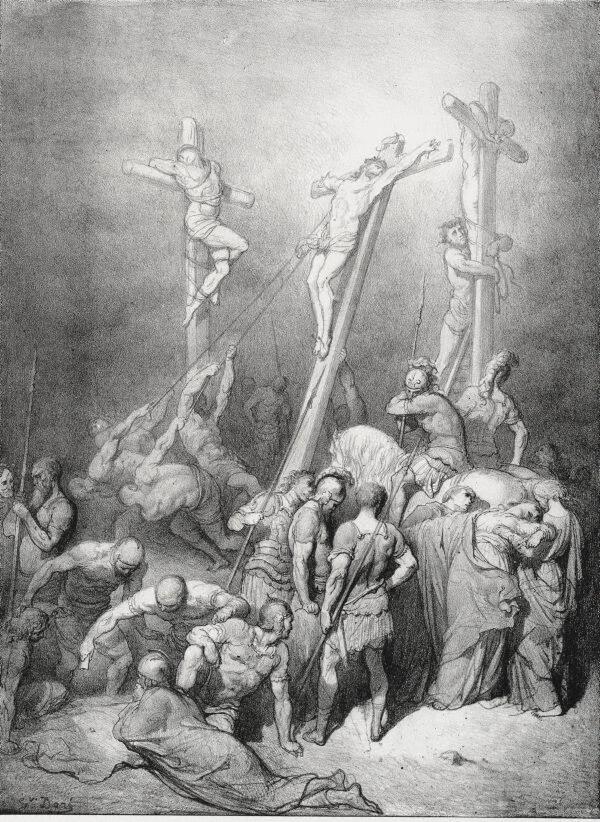
31. Sexta-feira depois do IV Domingo da Quaresma: O Preciosíssimo Sangue de Nosso Senhor
Sexta-feira da IV semana da Quaresma
I. — Pelo sangue de Cristo, foi selado o Novo Testamento. "Este cálice é o novo testamento no meu sangue" (1 Cor 11, 25).
Testamento compreende-se de dois modos:
- A palavra "testamento" é comumente utilizada para significar algum pacto. Assim, Deus fez por duas vezes pactos com o gênero humano. Na primeira vez, prometendo bens temporais e livrando-nos dos males temporais; e este pacto é chamado Antigo Testamento. Na segunda vez, prometendo bens espirituais e livrando-nos dos males contrários; e este pacto é chamado Novo Testamento. Tudo isso conforme as Escrituras:"Estão a chegar os dias, diz o Senhor, em que farei nova aliança com a casa de Israel e com a casa de Judá, diferente da aliança que fiz com seus pais do Egito (...) Eis a aliança que farei com a casa de Israel depois daqueles dias, diz o Senhor: Imprimirei a minha lei no seu íntimo, escrevê-la-ei nos seus corações; serei o seu Deus e eles serão o meu povo" (Jr 31, 33).
Os antigos costumavam fundir o sangue de uma vítima para selar um pacto, Moisés tomou sangue e o aspergiu sobre o povo, dizendo: Este é o sangue da aliança que o Senhor firmou convosco. Assim, portanto, o antigo testamento ou pacto foi selado no sangue de touros; o Novo Testamento ou pacto, no sangue de Cristo, vertido em sua Paixão.
- A palavra "testamento" também é utilizada, de modo mais estrito, para significar a disposição de uma herança. Ora, o testamento, nesta acepção, não é recebido senão pela morte; pois, como diz São Paulo: "o testamento só produz seu efeito em caso de morte, não tendo força enquanto vive o testador" (Heb 9, 17). Deus inicialmente dispusera para uma herança eterna, mas, sob a figura dos bens temporais; o que constitui o Antigo Testamento. Mas, em seguida, fez um Novo Testamento, pelo qual prometeu expressamente a herança eterna; e este Testamento foi selado pelo sangue da morte de Cristo. E é por isso que disse o Senhor: "Este cálice é o Novo Testamento em meu sangue, que será derramado por vós" (Lc 22, 20); como para dizer: pelo conteúdo deste cálice, celebra-se o Novo Testamento, confirmado pelo sangue de Cristo.
In I Cor, XI
II. — Existem outras utilidades do sangue de Cristo.
1. Purifica-nos de nossos pecados e imundices: "nos amou e nos lavou dos nossos pecados no seu sangue" (Ap 1, 5).
2. Garante nossa redenção. "nos resgataste para Deus com o teu sangue" (Ap 5, 9).
3. Pacifica-nos com Deus e os anjos. "pacificando, pelo sangue da sua cruz, tanto as coisas da terra como as coisas do céu" (Cl 1, 20).
4. Refrigera e inebria os que o tomam. "Bebei dele todos" (Mt 26, 28). E, noutra parte,"Levou-o às alturas da terra... e ele bebeu o mais puro sangue da uva" (Dt 32, 14).
5. Abriu as portas do céu. "Portanto, Irmãos, tendo nós confiança de entrar no Santo dos Santos pelo sangue de Cristo" (Heb 10, 19), i. é, a oração contínua dirigida a Deus em nosso proveito; pois o sangue clama a cada dia por nós, como diz são Paulo: "Vós porém aproximaste-vos do monte de Sião e da cidade de Deus vivo... e da aspersão daquele sangue que fala melhor que o de Abel" (Heb 12, 24). O sangue de Abel clamou por vingança, o de de Cristo, por perdão.
6. Libertou os santos do inferno, conforme aquilo das Escrituras: "Quanto a ti, também, por causa do sangue da tua aliança, farei sair os teus cativos da fossa em que não há água". (Zc 9, 11).
Serm. in Dom. de Passione
(P. D. Mézard, O. P., Meditationes ex Operibus S. Thomae.)
#God #Deus #Isten #Gott #Jesus #Católico #Catholic #Katholik #katholisch #Katolikus #catholique #Faith #Fé #foi #信仰 #Latin #Latim #Gospel #Evangelho #Evangélium #évangile #Dieu #福音 #日本 #カトリック #Bible #Biblestr #Nostr #Grownostr
View quoted note →

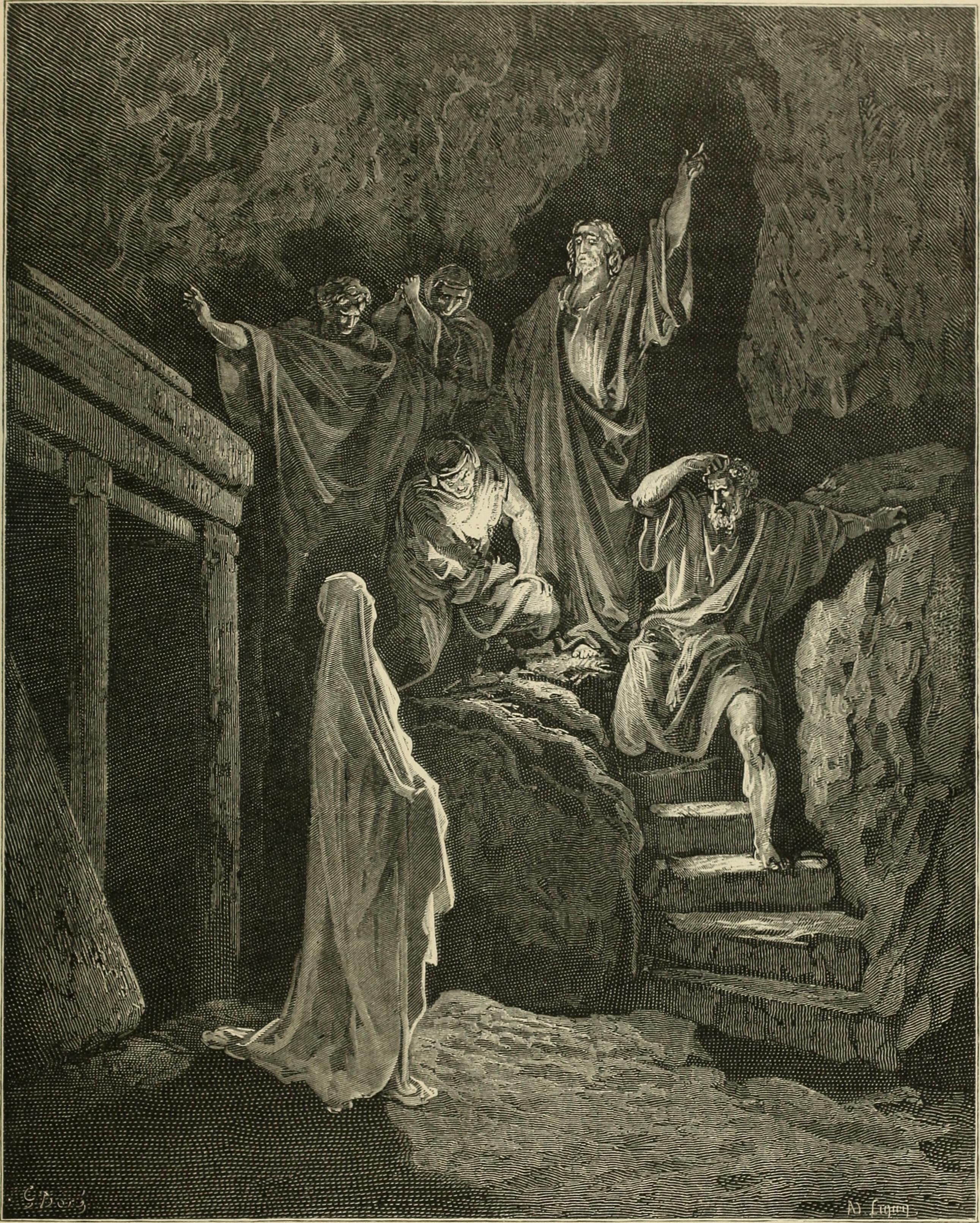
31. Sexta-feira depois do IV Domingo da Quaresma: O Preciosíssimo Sangue de Nosso Senhor
Sexta-feira da IV semana da Quaresma
I. — Pelo sangue de Cristo, foi selado o Novo Testamento. "Este cálice é o novo testamento no meu sangue" (1 Cor 11, 25).
Testamento compreende-se de dois modos:
- A palavra "testamento" é comumente utilizada para significar algum pacto. Assim, Deus fez por duas vezes pactos com o gênero humano. Na primeira vez, prometendo bens temporais e livrando-nos dos males temporais; e este pacto é chamado Antigo Testamento. Na segunda vez, prometendo bens espirituais e livrando-nos dos males contrários; e este pacto é chamado Novo Testamento. Tudo isso conforme as Escrituras:"Estão a chegar os dias, diz o Senhor, em que farei nova aliança com a casa de Israel e com a casa de Judá, diferente da aliança que fiz com seus pais do Egito (...) Eis a aliança que farei com a casa de Israel depois daqueles dias, diz o Senhor: Imprimirei a minha lei no seu íntimo, escrevê-la-ei nos seus corações; serei o seu Deus e eles serão o meu povo" (Jr 31, 33).
Os antigos costumavam fundir o sangue de uma vítima para selar um pacto, Moisés tomou sangue e o aspergiu sobre o povo, dizendo: Este é o sangue da aliança que o Senhor firmou convosco. Assim, portanto, o antigo testamento ou pacto foi selado no sangue de touros; o Novo Testamento ou pacto, no sangue de Cristo, vertido em sua Paixão.
- A palavra "testamento" também é utilizada, de modo mais estrito, para significar a disposição de uma herança. Ora, o testamento, nesta acepção, não é recebido senão pela morte; pois, como diz São Paulo: "o testamento só produz seu efeito em caso de morte, não tendo força enquanto vive o testador" (Heb 9, 17). Deus inicialmente dispusera para uma herança eterna, mas, sob a figura dos bens temporais; o que constitui o Antigo Testamento. Mas, em seguida, fez um Novo Testamento, pelo qual prometeu expressamente a herança eterna; e este Testamento foi selado pelo sangue da morte de Cristo. E é por isso que disse o Senhor: "Este cálice é o Novo Testamento em meu sangue, que será derramado por vós" (Lc 22, 20); como para dizer: pelo conteúdo deste cálice, celebra-se o Novo Testamento, confirmado pelo sangue de Cristo.
In I Cor, XI
II. — Existem outras utilidades do sangue de Cristo.
1. Purifica-nos de nossos pecados e imundices: "nos amou e nos lavou dos nossos pecados no seu sangue" (Ap 1, 5).
2. Garante nossa redenção. "nos resgataste para Deus com o teu sangue" (Ap 5, 9).
3. Pacifica-nos com Deus e os anjos. "pacificando, pelo sangue da sua cruz, tanto as coisas da terra como as coisas do céu" (Cl 1, 20).
4. Refrigera e inebria os que o tomam. "Bebei dele todos" (Mt 26, 28). E, noutra parte,"Levou-o às alturas da terra... e ele bebeu o mais puro sangue da uva" (Dt 32, 14).
5. Abriu as portas do céu. "Portanto, Irmãos, tendo nós confiança de entrar no Santo dos Santos pelo sangue de Cristo" (Heb 10, 19), i. é, a oração contínua dirigida a Deus em nosso proveito; pois o sangue clama a cada dia por nós, como diz são Paulo: "Vós porém aproximaste-vos do monte de Sião e da cidade de Deus vivo... e da aspersão daquele sangue que fala melhor que o de Abel" (Heb 12, 24). O sangue de Abel clamou por vingança, o de de Cristo, por perdão.
6. Libertou os santos do inferno, conforme aquilo das Escrituras: "Quanto a ti, também, por causa do sangue da tua aliança, farei sair os teus cativos da fossa em que não há água". (Zc 9, 11).
Serm. in Dom. de Passione
(P. D. Mézard, O. P., Meditationes ex Operibus S. Thomae.)
#God #Deus #Isten #Gott #Jesus #Católico #Catholic #Katholik #katholisch #Katolikus #catholique #Faith #Fé #foi #信仰 #Latin #Latim #Gospel #Evangelho #Evangélium #évangile #Dieu #福音 #日本 #カトリック #Bible #Biblestr #Nostr #Grownostr
View quoted note →🇧🇷
Podcast A Bíblia em Um Ano (com Pe. Mike Schmitz)
🇧🇷 Dublado e Legendado
Dia 94: Sansão e Dalila - A Bíblia em um Ano (com Pe. Mike Schmitz)
#God #Deus #Isten #Gott #Jesus #Católico #Catholic #Katholik #katholisch #Katolikus #catholique #Faith #Fé #foi #信仰 #Latin #Latim #Gospel #Evangelho #Evangélium #évangile #Dieu #福音 #日本 #カトリック #Bible #Biblestr #Nostr #Grownostr
«Ave Regina cælorum» en tono simple (oración incl.) – Antífona mariana para Cuaresma
#God #Deus #Isten #Gott #Jesus #Católico #Catholic #Katholik #katholisch #Katolikus #catholique #Faith #Fé #foi #信仰 #Latin #Latim #Gospel #Evangelho #Evangélium #évangile #Dieu #福音 #日本 #カトリック #Bible #Biblestr #Nostr #Grownostr
“Angelus Sung In Latin” • With Printable PDF Score (1 Page)
“Sing the Angelus” (Plainchant)
Jeff Ostrowski · January 26, 2017
YNN DEAHL is an Environmental Engineer with whom I was blessed to sing Gregorian chant about sixteen years ago. He gave me a plainsong setting of the ANGELUS (attributed to Dom Charpentier, OSB) which I habitually taught to my high school students—and they loved it.
Tutorial how to sing the Angelus
PDF Booklet • THE ANGELUS (Dom Charpentier, OSB)
https://www.ccwatershed.org/pdfs/6213-dom-charpentier-osb-angelus-plainsong-latin/download/
#God #Deus #Isten #Gott #Jesus #Católico #Catholic #Katholik #katholisch #Katolikus #catholique #Faith #Fé #foi #信仰 #Latin #Latim #Gospel #Evangelho #Evangélium #évangile #Dieu #福音 #日本 #カトリック #Bible #Biblestr #Nostr #Grownostr

Corpus Christi Watershed
PDF Download • “Sing the Angelus” (Plainchant)
Can you think of a better way to begin your choir rehearsals?
MYSTERIA DOLORIS (Mistérios Dolorosos) - Terço em Latim com o Papa Bento XVI - LEGENDAS EM LATIM
#God #Deus #Isten #Gott #Jesus #Católico #Catholic #Katholik #katholisch #Katolikus #catholique #Faith #Fé #foi #信仰 #Latin #Latim #Gospel #Evangelho #Evangélium #évangile #Dieu #福音 #日本 #カトリック #Bible #Biblestr #Nostr #Grownostr
@Tanja you can arrange to run around the island nostr:nprofile1qqsw54ajtaa903sa0hgt7cjpzfz2tqxkwz0y9gsy9r7ns8ufa7xk8kcpzpmhxue69uhkummnw3ezuamfdejszrthwden5te0dehhxtnvdakqz9rhwden5te0wfjkccte9ejxzmt4wvhxjmclvetfqis living in as a Nostr event and for cryptocurrency awareness.
@AK 👸🏻
Signingin / Sign of the Cross / Signum Crucis
+ Í nafni Föðurins og Sonarins og hins Heilaga Anda.
Amen.
Postuleg Trúarjátning / The Apostles' Creed / Credo
Ég trúi á Guð Föður almáttugan, skapara himins og jarðar.
Og á Jesúm Krist, hans einkason,
Drottin vorn; sem getinn er af Heilögum Anda,
fæddur af Maríu mey;
leið undir valdi Pontíusar Pílatusar,
var krossfestur, dáinn og grafinn,
sté niður til heljar, reis á þriðja degi aftur upp frá dauðum,
sté upp til himna,
situr við hægri hönd Guðs Föður almáttugs
og mun þaðan koma að dæma lifendur og dauða.
Ég trúi á Heilagan Anda,
heilaga Kaþólska kirkju,
samfélag heilagra,
fyrirgefningu syndanna,
upprisu holdsins
og eilíft líf.
Amen.
Faðir vor / Our Father / Pater Noster
Faðir vor, þú sem ert á himnum.
Helgist þitt nafn;
komi þitt ríki;
verði þinn vilji, svo á jörðu sem á himni.
Gef oss í dag vort daglegt brauð;
og fyrirgef oss vorar skuldir,
svo sem vér og fyrirgefum vorum skuldunautum;
og eigi leið þú oss í freistni,
heldur frelsa oss frá illu. Amen.
Maríubæn / Heil sért þú María / Hail Mary / Ave Maria
Heil sért þú María,
full náðar.
Drottinn er með þér;
blessuð ert þú meðal kvenna;
og blessaður er ávöxtur lífs þíns, Jesús.
Heilaga María, Guðsmóðir,
bið þú fyrir oss syndugum mönnum,
nú og á dauðastundu vorri.
Amen.
Tota pulchra es Maria
#God #Deus #Isten #Gott #Jesus #Católico #Catholic #Katholik #katholisch #Katolikus #catholique #Faith #Fé #foi #信仰 #Latin #Latim #Gospel #Evangelho #Evangélium #évangile #Dieu #福音 #日本 #カトリック #Bible #Biblestr #Nostr #Grownostr
«Ave Regina cælorum» en tono simple (oración incl.) – Antífona mariana para Cuaresma
#God #Deus #Isten #Gott #Jesus #Católico #Catholic #Katholik #katholisch #Katolikus #catholique #Faith #Fé #foi #信仰 #Latin #Latim #Gospel #Evangelho #Evangélium #évangile #Dieu #福音 #日本 #カトリック #Bible #Biblestr #Nostr #Grownostr
Title of the work in Latin
MEDULLA S. THOMAE AQUITATIS PER OMNES ANNI LITURGICI DIES DISTRBUITA, SEU MEDITATIONES EX OPERIBUS S. THOMAE DEPROMPTAE
Compilation and organization by
FR. Z. MÉZARD O. P.
NOTE
All titles marked with an asterisk contain material that is no longer attributed to Saint Thomas Aquinas
30. Thursday after the IV Sunday of Lent:
The Death of Lazarus
Thursday of the IV week of Lent
“Our friend Lazarus sleeps” (John 11:11)
I. We call someone “Our friend” because of the numerous benefits and services they have rendered to us; therefore, we should not neglect them in their time of need.
“…Lazarus sleeps”: this is the reason we need to assist him. “A friend… becomes a brother in the time of misfortune” (Proverbs 17:17). In the words of Saint Augustine, he sleeps for the Lord; for men, who cannot raise him, he is dead.
The word sleep can be used to signify many things: natural sleep itself, negligence, the sleep of guilt, the rest of contemplation or future glory, and sometimes death, as Saint Paul says, “But we do not want you to be uninformed, brothers, about those who are asleep, that you may not grieve as others do who have no hope” (1 Thessalonians 4:13).
Death is called sleep because of the hope of resurrection. For this reason, it is often referred to as “rest” since the time when Our Lord died and rose again: “I lay down and slept” (Psalm 3:6).
II. “but I will awaken him.” With this, Jesus implies that it is as easy for Him to raise Lazarus from the tomb as it is to wake someone from sleep. There is nothing surprising in this, for it is He who raises the dead and gives them life. That is why He said: “Do not marvel at this, for the hour is coming when all who are in the tombs will hear the voice of the Son of God” (John 5:28).
III. “let us go to him.” The mercy of God shines here; while men, in a state of sin and as the dead, cannot go to Him on their own, it is He who draws them, mercifully preceding them, as stated in the Scriptures: “I have loved you with an everlasting love; therefore, I have continued my faithfulness to you” (Jeremiah 31:3).
IV. “And when Jesus arrived, he found that he had already been in the tomb four days.” According to Saint Augustine, Lazarus, dead for four days, signifies the sinner held by the death of a quadruple sin: original sin, sin against natural law, actual sin against positive law, and actual sin against Gospel law and grace.
Alternatively, it can be said that the first day represents the sin of the heart, cf. “Cease to do evil; remove the evil of your deeds from before My eyes” (Isaiah 1:16); the second, the sin of the tongue, “Let no corrupt word proceed out of your mouth” (Ephesians 4:29); the third, the sin of deeds, about which Isaiah says, “Cease to do evil” (Isaiah 1:16); the fourth day represents the sin of bad habits.
In any way the text is presented, the Lord sometimes heals those who have been dead for four days, that is, those who transgress the law of the Gospel and are trapped in the habit of sin.
In John, XI
(P. D. Mézard, O. P., Meditationes ex Operibus S. Thomae.)
#God #Deus #Isten #Gott #Jesus #Católico #Catholic #Katholik #katholisch #Katolikus #catholique #Faith #Fé #foi #信仰 #Latin #Latim #Gospel #Evangelho #Evangélium #évangile #Dieu #福音 #日本 #カトリック #Bible #Biblestr #Nostr #Grownostr
View quoted note →
30. Thursday after the IV Sunday of Lent:
The Death of Lazarus
Thursday of the IV week of Lent
“Our friend Lazarus sleeps” (John 11:11)
I. We call someone “Our friend” because of the numerous benefits and services they have rendered to us; therefore, we should not neglect them in their time of need.
“…Lazarus sleeps”: this is the reason we need to assist him. “A friend… becomes a brother in the time of misfortune” (Proverbs 17:17). In the words of Saint Augustine, he sleeps for the Lord; for men, who cannot raise him, he is dead.
The word sleep can be used to signify many things: natural sleep itself, negligence, the sleep of guilt, the rest of contemplation or future glory, and sometimes death, as Saint Paul says, “But we do not want you to be uninformed, brothers, about those who are asleep, that you may not grieve as others do who have no hope” (1 Thessalonians 4:13).
Death is called sleep because of the hope of resurrection. For this reason, it is often referred to as “rest” since the time when Our Lord died and rose again: “I lay down and slept” (Psalm 3:6).
II. “but I will awaken him.” With this, Jesus implies that it is as easy for Him to raise Lazarus from the tomb as it is to wake someone from sleep. There is nothing surprising in this, for it is He who raises the dead and gives them life. That is why He said: “Do not marvel at this, for the hour is coming when all who are in the tombs will hear the voice of the Son of God” (John 5:28).
III. “let us go to him.” The mercy of God shines here; while men, in a state of sin and as the dead, cannot go to Him on their own, it is He who draws them, mercifully preceding them, as stated in the Scriptures: “I have loved you with an everlasting love; therefore, I have continued my faithfulness to you” (Jeremiah 31:3).
IV. “And when Jesus arrived, he found that he had already been in the tomb four days.” According to Saint Augustine, Lazarus, dead for four days, signifies the sinner held by the death of a quadruple sin: original sin, sin against natural law, actual sin against positive law, and actual sin against Gospel law and grace.
Alternatively, it can be said that the first day represents the sin of the heart, cf. “Cease to do evil; remove the evil of your deeds from before My eyes” (Isaiah 1:16); the second, the sin of the tongue, “Let no corrupt word proceed out of your mouth” (Ephesians 4:29); the third, the sin of deeds, about which Isaiah says, “Cease to do evil” (Isaiah 1:16); the fourth day represents the sin of bad habits.
In any way the text is presented, the Lord sometimes heals those who have been dead for four days, that is, those who transgress the law of the Gospel and are trapped in the habit of sin.
In John, XI
(P. D. Mézard, O. P., Meditationes ex Operibus S. Thomae.)
#God #Deus #Isten #Gott #Jesus #Católico #Catholic #Katholik #katholisch #Katolikus #catholique #Faith #Fé #foi #信仰 #Latin #Latim #Gospel #Evangelho #Evangélium #évangile #Dieu #福音 #日本 #カトリック #Bible #Biblestr #Nostr #Grownostr
View quoted note →Título da obra em latim
MEDULLA S. THOMAE AQUITATIS PER OMNES ANNI LITURGICI DIES DISTRBUITA, SEU MEDITATIONES EX OPERIBUS S. THOMAE DEPROMPTAE
Recopilação e ordenação de
FR. Z. MÉZARD O. P.
OBSERVAÇÃO
Todos os títulos com asterisco contêm material que hoje
não mais se atribui a Santo Tomás de Aquino
30. Quinta-feira depois do IV domingo da Quaresma:
A morte de Lázaro
Quinta-feira da IV semana da Quaresma
«Nosso amigo Lázaro dorme» (Jo 11, 11)
I. Chamamos alguém de "Nosso amigo", por causa dos numerosos benefícios e serviços que nos prestou; é por isso que não devemos faltar-lhe na necessidade.
"...Lázaro dorme": essa a razão de precisarmos socorrê-lo. "Aquele que é amigo... torna-se um irmão no tempo da desventura" (Pr 17, 17). No dizer de santo Agostinho, ele dorme para o Senhor; para os homens, que não o podem ressuscitar, está morto.
A palavra sono pode ser utilizada para significar muitas coisas: o próprio sono natural, as negligências, o sono da culpa, o repouso da contemplação ou da glória futura e, por vezes, a morte, como diz São Paulo, "não queremos, irmãos, que estais na ignorância acerca dos que dormem, para que não vos entristeçais como os outros, que não têm esperança" (1 Ts 4, 13).
A morte é chamada de sono por causa da esperança da ressurreição. Por isso costuma-se chamá-la de "repouso" desde o tempo em que Nosso Senhor morreu e ressuscitou: "Deitei-me e adormeci" (Sl 3, 6).
II. "mas vou despertá-lo." Com isso, Jesus dá a entender que lhe é tão fácil ressuscitar Lázaro do túmulo quanto despertar alguém da cama. Nada que possa surpreender, pois é Ele quem suscita os mortos e os vivifica. Por isso disse: "Não vos admireis disso, porque virá tempo em que todos os que se encontram nos sepulcros escutarão a voz do Filho de Deus" (Jo 5, 28).
III. "vamos ter com ele". Brilha aqui a clemência de Deus, enquanto os homens, em estado de pecado e como mortos, não podem por si mesmos ir até Ele, é Ele quem os atrai, precedendo-lhes misericordiosamente, como aquilo das Escrituras: "Eu amei-te com amor eterno; por isso, mantive o meu favor para contigo" (Jr 31, 3).
IV. "Chegou, pois, Jesus, e encontrou-o já há quatro dias no sepulcro." Segundo santo Agostinho, Lázaro, morto há quatro dias, significa o pecador retido pela morte de um pecado quádruplo: o pecado original, o pecado contra a lei natural, o pecado atual contra a lei positiva, o pecado atual contra a lei do Evangelho e da graça.
Ou então, pode-se dizer que o primeiro dia é o pecado do coração, cf. "tirai de diante dos meus olhos a malícia dos vossos pensamentos" (Is 1, 16); o segundo, o pecado da língua,"Nenhuma palavra má saia da vossa boca" (Ef 4, 19); o terceiro, o pecado das obras, sobre o qual diz Isaías, "cessai de fazer o mal" (Is 1, 16); o quarto dia é o pecado dos hábitos maus.
De qualquer modo que se exponha o texto, o Senhor cura por vezes os mortos de quatro dias, isto é, os que transgridem a lei do Evangelho e estão presos no hábito do pecado.
In Joan, XI
(P. D. Mézard, O. P., Meditationes ex Operibus S. Thomae.)
#God #Deus #Isten #Gott #Jesus #Católico #Catholic #Katholik #katholisch #Katolikus #catholique #Faith #Fé #foi #信仰 #Latin #Latim #Gospel #Evangelho #Evangélium #évangile #Dieu #福音 #日本 #カトリック #Bible #Biblestr #Nostr #Grownostr
View quoted note →
30. Quinta-feira depois do IV domingo da Quaresma:
A morte de Lázaro
Quinta-feira da IV semana da Quaresma
«Nosso amigo Lázaro dorme» (Jo 11, 11)
I. Chamamos alguém de "Nosso amigo", por causa dos numerosos benefícios e serviços que nos prestou; é por isso que não devemos faltar-lhe na necessidade.
"...Lázaro dorme": essa a razão de precisarmos socorrê-lo. "Aquele que é amigo... torna-se um irmão no tempo da desventura" (Pr 17, 17). No dizer de santo Agostinho, ele dorme para o Senhor; para os homens, que não o podem ressuscitar, está morto.
A palavra sono pode ser utilizada para significar muitas coisas: o próprio sono natural, as negligências, o sono da culpa, o repouso da contemplação ou da glória futura e, por vezes, a morte, como diz São Paulo, "não queremos, irmãos, que estais na ignorância acerca dos que dormem, para que não vos entristeçais como os outros, que não têm esperança" (1 Ts 4, 13).
A morte é chamada de sono por causa da esperança da ressurreição. Por isso costuma-se chamá-la de "repouso" desde o tempo em que Nosso Senhor morreu e ressuscitou: "Deitei-me e adormeci" (Sl 3, 6).
II. "mas vou despertá-lo." Com isso, Jesus dá a entender que lhe é tão fácil ressuscitar Lázaro do túmulo quanto despertar alguém da cama. Nada que possa surpreender, pois é Ele quem suscita os mortos e os vivifica. Por isso disse: "Não vos admireis disso, porque virá tempo em que todos os que se encontram nos sepulcros escutarão a voz do Filho de Deus" (Jo 5, 28).
III. "vamos ter com ele". Brilha aqui a clemência de Deus, enquanto os homens, em estado de pecado e como mortos, não podem por si mesmos ir até Ele, é Ele quem os atrai, precedendo-lhes misericordiosamente, como aquilo das Escrituras: "Eu amei-te com amor eterno; por isso, mantive o meu favor para contigo" (Jr 31, 3).
IV. "Chegou, pois, Jesus, e encontrou-o já há quatro dias no sepulcro." Segundo santo Agostinho, Lázaro, morto há quatro dias, significa o pecador retido pela morte de um pecado quádruplo: o pecado original, o pecado contra a lei natural, o pecado atual contra a lei positiva, o pecado atual contra a lei do Evangelho e da graça.
Ou então, pode-se dizer que o primeiro dia é o pecado do coração, cf. "tirai de diante dos meus olhos a malícia dos vossos pensamentos" (Is 1, 16); o segundo, o pecado da língua,"Nenhuma palavra má saia da vossa boca" (Ef 4, 19); o terceiro, o pecado das obras, sobre o qual diz Isaías, "cessai de fazer o mal" (Is 1, 16); o quarto dia é o pecado dos hábitos maus.
De qualquer modo que se exponha o texto, o Senhor cura por vezes os mortos de quatro dias, isto é, os que transgridem a lei do Evangelho e estão presos no hábito do pecado.
In Joan, XI
(P. D. Mézard, O. P., Meditationes ex Operibus S. Thomae.)
#God #Deus #Isten #Gott #Jesus #Católico #Catholic #Katholik #katholisch #Katolikus #catholique #Faith #Fé #foi #信仰 #Latin #Latim #Gospel #Evangelho #Evangélium #évangile #Dieu #福音 #日本 #カトリック #Bible #Biblestr #Nostr #Grownostr
View quoted note →🇧🇷
Podcast A Bíblia em Um Ano (com Pe. Mike Schmitz)
🇧🇷 Dublado e Legendado
Dia 93: Pontos Fortes e Fracos - A Bíblia em um Ano (com Pe. Mike Schmitz)
#God #Deus #Isten #Gott #Jesus #Católico #Catholic #Katholik #katholisch #Katolikus #catholique #Faith #Fé #foi #信仰 #Latin #Latim #Gospel #Evangelho #Evangélium #évangile #Dieu #福音 #日本 #カトリック #Bible #Biblestr #Nostr #Grownostr
“Angelus Sung In Latin” • With Printable PDF Score (1 Page)
“Sing the Angelus” (Plainchant)
Jeff Ostrowski · January 26, 2017
YNN DEAHL is an Environmental Engineer with whom I was blessed to sing Gregorian chant about sixteen years ago. He gave me a plainsong setting of the ANGELUS (attributed to Dom Charpentier, OSB) which I habitually taught to my high school students—and they loved it.
Tutorial how to sing the Angelus
PDF Booklet • THE ANGELUS (Dom Charpentier, OSB)
https://www.ccwatershed.org/pdfs/6213-dom-charpentier-osb-angelus-plainsong-latin/download/
#God #Deus #Isten #Gott #Jesus #Católico #Catholic #Katholik #katholisch #Katolikus #catholique #Faith #Fé #foi #信仰 #Latin #Latim #Gospel #Evangelho #Evangélium #évangile #Dieu #福音 #日本 #カトリック #Bible #Biblestr #Nostr #Grownostr

Corpus Christi Watershed
PDF Download • “Sing the Angelus” (Plainchant)
Can you think of a better way to begin your choir rehearsals?
MYSTERIA GAUDII (Mistérios Gozosos) - Terço em Latim com o Papa Bento XVI - LEGENDAS EM LATIM
#God #Deus #Isten #Gott #Jesus #Católico #Catholic #Katholik #katholisch #Katolikus #catholique #Faith #Fé #foi #信仰 #Latin #Latim #Gospel #Evangelho #Evangélium #évangile #Dieu #福音 #日本 #カトリック #Bible #Biblestr #Nostr #Grownostr
Tota pulchra es Maria
#God #Deus #Isten #Gott #Jesus #Católico #Catholic #Katholik #katholisch #Katolikus #catholique #Faith #Fé #foi #信仰 #Latin #Latim #Gospel #Evangelho #Evangélium #évangile #Dieu #福音 #日本 #カトリック #Bible #Biblestr #Nostr #Grownostr
Title of the work in Latin
MEDULLA S. THOMAE AQUITATIS PER OMNES ANNI LITURGICI DIES DISTRBUITA, SEU MEDITATIONES EX OPERIBUS S. THOMAE DEPROMPTAE
Compilation and organization by
FR. Z. MÉZARD O. P.
NOTE
All titles marked with an asterisk contain material that is no longer attributed to Saint Thomas Aquinas
29. Wednesday after the IV Sunday of Lent: The Divine Friend
Wednesday after the IV Sunday of Lent
“Therefore his sisters sent to Him, saying, ‘Lord, behold, he whom You love is sick.’” (John 11:3)
Here there are three things to consider:
a) The first is that the friends of God sometimes suffer in body. Thus, it is not a sign of a lack of friendship with God to suffer in body. Eliphaz was wrong to say to Job, “Remember: Who, being innocent, has ever perished? Or where were the upright ever destroyed?” (Job 4:7), as demonstrated by the sisters of Lazarus: “Lord, behold, he whom You love is sick.” We read in the book of Proverbs (3:12): “For whom the Lord loves, He corrects, just as a father the son in whom he delights.”
b) The second is that they do not say, “Lord, come, heal him,” but simply state his condition: “behold, he is sick.” This means that it suffices to express our needs to a friend, without adding any request; for a friend, just as he seeks his own good and fights against his personal evils, will fight against the evils of his friend. And this is especially true of one who truly loves. The psalm says (144:20): “The Lord preserves all who love Him.”
c) The third is that the two sisters, desiring the healing of their sick brother, do not come personally to Christ, as the paralytic and the centurion did; and this is because of their confidence in Jesus Christ, due to the special love and familiarity that He will show them. And perhaps they were held back by grief, as St. John Chrysostom said, in accordance with what is stated in Ecclesiasticus (6:11): “If your friend perseveres in firmness, he will be to you as an equal; he will deal at ease with those of your household.”
In John, XI
(P. D. Mézard, O. P., Meditationes ex Operibus S. Thomae.)
#God #Deus #Isten #Gott #Jesus #Católico #Catholic #Katholik #katholisch #Katolikus #catholique #Faith #Fé #foi #信仰 #Latin #Latim #Gospel #Evangelho #Evangélium #évangile #Dieu #福音 #日本 #カトリック #Bible #Biblestr #Nostr #Grownostr
View quoted note →
29. Wednesday after the IV Sunday of Lent: The Divine Friend
Wednesday after the IV Sunday of Lent
“Therefore his sisters sent to Him, saying, ‘Lord, behold, he whom You love is sick.’” (John 11:3)
Here there are three things to consider:
a) The first is that the friends of God sometimes suffer in body. Thus, it is not a sign of a lack of friendship with God to suffer in body. Eliphaz was wrong to say to Job, “Remember: Who, being innocent, has ever perished? Or where were the upright ever destroyed?” (Job 4:7), as demonstrated by the sisters of Lazarus: “Lord, behold, he whom You love is sick.” We read in the book of Proverbs (3:12): “For whom the Lord loves, He corrects, just as a father the son in whom he delights.”
b) The second is that they do not say, “Lord, come, heal him,” but simply state his condition: “behold, he is sick.” This means that it suffices to express our needs to a friend, without adding any request; for a friend, just as he seeks his own good and fights against his personal evils, will fight against the evils of his friend. And this is especially true of one who truly loves. The psalm says (144:20): “The Lord preserves all who love Him.”
c) The third is that the two sisters, desiring the healing of their sick brother, do not come personally to Christ, as the paralytic and the centurion did; and this is because of their confidence in Jesus Christ, due to the special love and familiarity that He will show them. And perhaps they were held back by grief, as St. John Chrysostom said, in accordance with what is stated in Ecclesiasticus (6:11): “If your friend perseveres in firmness, he will be to you as an equal; he will deal at ease with those of your household.”
In John, XI
(P. D. Mézard, O. P., Meditationes ex Operibus S. Thomae.)
#God #Deus #Isten #Gott #Jesus #Católico #Catholic #Katholik #katholisch #Katolikus #catholique #Faith #Fé #foi #信仰 #Latin #Latim #Gospel #Evangelho #Evangélium #évangile #Dieu #福音 #日本 #カトリック #Bible #Biblestr #Nostr #Grownostr
View quoted note →Título da obra em latim
MEDULLA S. THOMAE AQUITATIS PER OMNES ANNI LITURGICI DIES DISTRBUITA, SEU MEDITATIONES EX OPERIBUS S. THOMAE DEPROMPTAE
Recopilação e ordenação de
FR. Z. MÉZARD O. P.
OBSERVAÇÃO
Todos os títulos com asterisco contêm material que hoje
não mais se atribui a Santo Tomás de Aquino
29. Quarta-feira depois do IV domingo da Quaresma: O amigo divino
Quarta-feira depois do IV domingo da Quaresma
«Mandaram, pois, suas irmãs dizer a Jesus: Senhor, eis que está enfermo aquele que tu amas» (Jo 11, 3 )
Aqui há três coisas que se deve considerar:
a) A primeira é que os amigos de Deus por vezes padecem no corpo. Assim, não é sinal de falta de amizade com Deus o padecermos no corpo. Elifaz errava ao dizer a Jó, Lembra-te: que inocente pereceu jamais? ou quando foram os justos destruídos? (Jó 4, 7), como provam as irmãs de Lázaro: Senhor, eis que está enfermo aquele que tu amas. Lemos no livros dos Provérbios (3, 12): O Senhor castiga aquele a quem ama, como um pai a seu filho querido.
b) A segunda é que elas não dizem: Senhor, vinde, curai-o, mas apenas expõem o seu estado: eis que está enfermo. O que significa que basta exprimir a um amigo as nossas necessidades, sem acrescenta pedido algum; pois um amigo, assim como procura seu próprio bem e combate seus males pessoais, combaterá os males de seu amigo. E isto é sobretudo verdadeiro de quem verdadeiramente ama. Diz o salmo (144, 20): O Senhor guarda todos os que o amam.
c) A terceira é que as duas irmãs, desejando a cura de seu irmão doente, não vêm pessoalmente ao Cristo, como o fizeram o paralítico e o centurião; e isso por causa de sua confiança em Jesus Cristo, em virtude do amor especial e da familiaridade que lhes testemunhará. E talvez estivessem detidas pela dor, como disse são João Cristóstomo, em conformidade com aquilo do Eclesiástico (6, 11): Se o teu amigo perseverar firme, será para ti como um igual, tratará à vontade com os da tua casa.
In Joan, XI
(P. D. Mézard, O. P., Meditationes ex Operibus S. Thomae.)
#God #Deus #Isten #Gott #Jesus #Católico #Catholic #Katholik #katholisch #Katolikus #catholique #Faith #Fé #foi #信仰 #Latin #Latim #Gospel #Evangelho #Evangélium #évangile #Dieu #福音 #日本 #カトリック #Bible #Biblestr #Nostr #Grownostr
View quoted note →
29. Quarta-feira depois do IV domingo da Quaresma: O amigo divino
Quarta-feira depois do IV domingo da Quaresma
«Mandaram, pois, suas irmãs dizer a Jesus: Senhor, eis que está enfermo aquele que tu amas» (Jo 11, 3 )
Aqui há três coisas que se deve considerar:
a) A primeira é que os amigos de Deus por vezes padecem no corpo. Assim, não é sinal de falta de amizade com Deus o padecermos no corpo. Elifaz errava ao dizer a Jó, Lembra-te: que inocente pereceu jamais? ou quando foram os justos destruídos? (Jó 4, 7), como provam as irmãs de Lázaro: Senhor, eis que está enfermo aquele que tu amas. Lemos no livros dos Provérbios (3, 12): O Senhor castiga aquele a quem ama, como um pai a seu filho querido.
b) A segunda é que elas não dizem: Senhor, vinde, curai-o, mas apenas expõem o seu estado: eis que está enfermo. O que significa que basta exprimir a um amigo as nossas necessidades, sem acrescenta pedido algum; pois um amigo, assim como procura seu próprio bem e combate seus males pessoais, combaterá os males de seu amigo. E isto é sobretudo verdadeiro de quem verdadeiramente ama. Diz o salmo (144, 20): O Senhor guarda todos os que o amam.
c) A terceira é que as duas irmãs, desejando a cura de seu irmão doente, não vêm pessoalmente ao Cristo, como o fizeram o paralítico e o centurião; e isso por causa de sua confiança em Jesus Cristo, em virtude do amor especial e da familiaridade que lhes testemunhará. E talvez estivessem detidas pela dor, como disse são João Cristóstomo, em conformidade com aquilo do Eclesiástico (6, 11): Se o teu amigo perseverar firme, será para ti como um igual, tratará à vontade com os da tua casa.
In Joan, XI
(P. D. Mézard, O. P., Meditationes ex Operibus S. Thomae.)
#God #Deus #Isten #Gott #Jesus #Católico #Catholic #Katholik #katholisch #Katolikus #catholique #Faith #Fé #foi #信仰 #Latin #Latim #Gospel #Evangelho #Evangélium #évangile #Dieu #福音 #日本 #カトリック #Bible #Biblestr #Nostr #Grownostr
View quoted note →🇧🇷
Podcast A Bíblia em Um Ano (com Pe. Mike Schmitz)
🇧🇷 Dublado e Legendado
Dia 92: O Voto de Jefté - A Bíblia em um Ano (com Pe. Mike Schmitz)
#God #Deus #Isten #Gott #Jesus #Católico #Catholic #Katholik #katholisch #Katolikus #catholique #Faith #Fé #foi #信仰 #Latin #Latim #Gospel #Evangelho #Evangélium #évangile #Dieu #福音 #日本 #カトリック #Bible #Biblestr #Nostr #Grownostr