paulweaver34's avatar
paulweaver34
npub1k7z6...pdfv
Christian. Grantmaker. 20 years in Istanbul. Philosophy → MPA → Grant Making → Bitcoin & AI. Writing about where trust lives — and what happens when it moves.
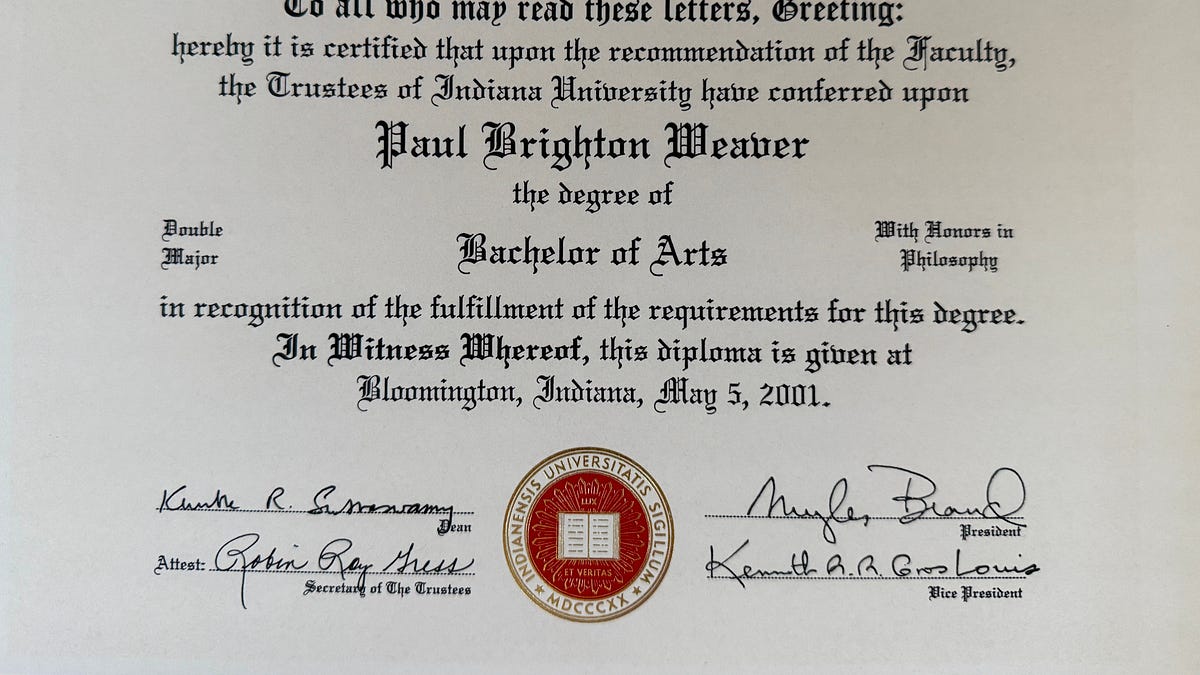
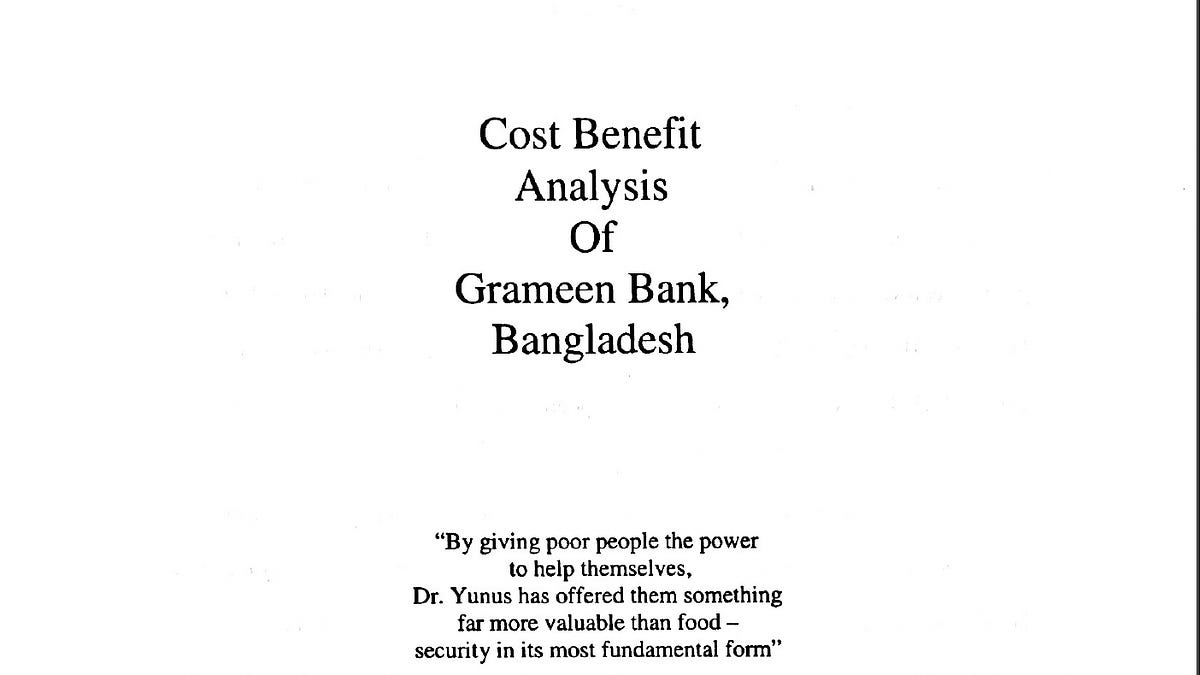
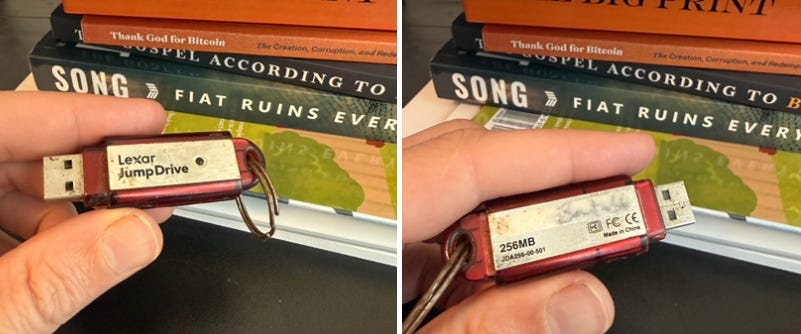
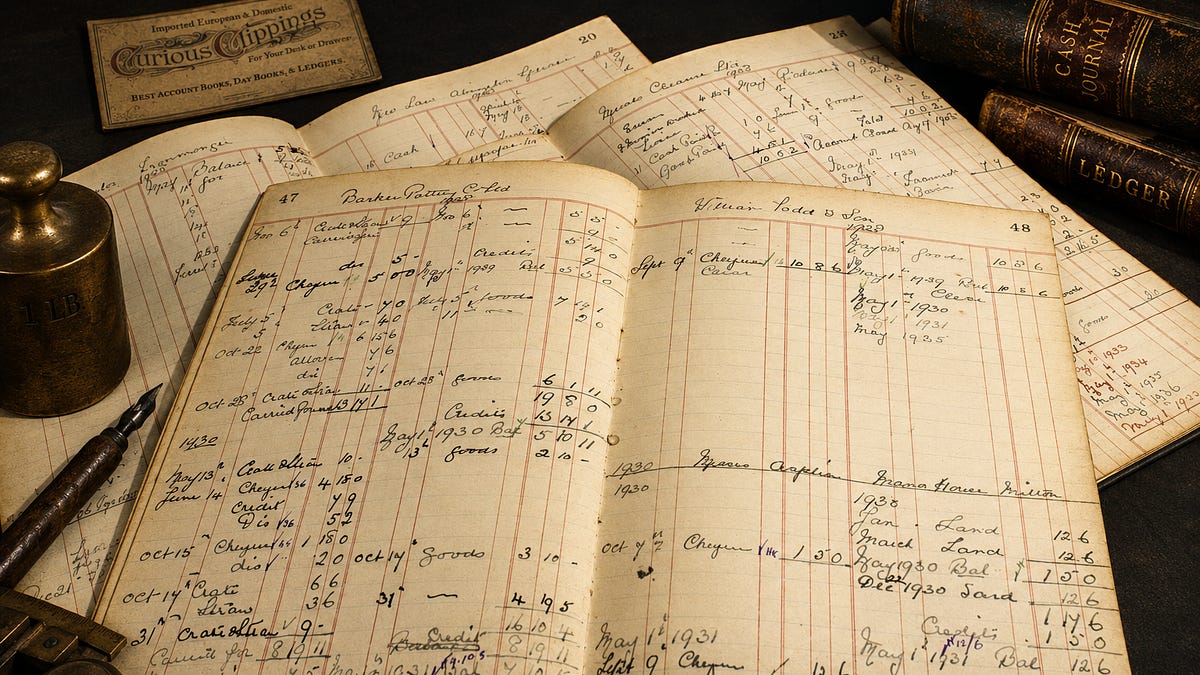
Found a 256MB Lexar JumpDrive from 2003. Probably contains most of my old Indiana University MPA work: papers, datasets, policy memos, regression models. Still haven’t opened it. But the surrounding notebooks reminded me something important: many of the questions underneath my Bitcoin / AI / trust writing today were already there 20 years ago. The technologies changed. The questions didn’t.
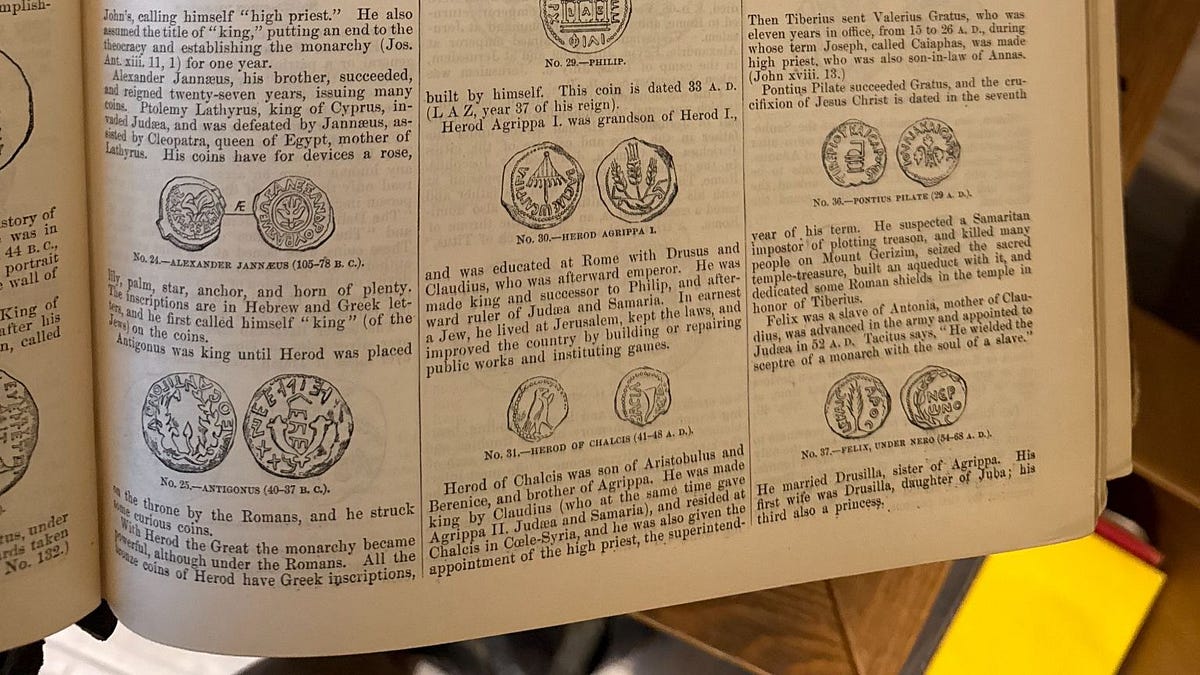
The people who dismiss Bitcoin as a speculative novelty have not read enough history. The people who embrace Bitcoin purely as a get-rich vehicle have not understood its deeper significance. Bitcoin is the technological restoration of a principle that human civilization has understood, violated, and fought to restore for at least three millennia. Honest weights. Honest measures. Constraints on the ledger itself. “The Oldest Argument for Sound Money”
Three thousand years before Bitcoin, the Hebrew Bible condemned dishonest weights and measures as a moral crime. Not merely inefficient policy. Not bad accounting. A moral corruption of the standard itself. The technology changed. The mechanism didn’t. My latest essay traces: - biblical weights and measures - debased Roman coinage - fiat currency systems - and Bitcoin as the first technically enforced honest weight. “The Oldest Argument for Sound Money”
The Bible condemned dishonest weights and measures thousands of years before modern economics existed. Reading Leviticus alongside The Kybalion and Bitcoin led me to a strange realization: very old traditions often understood monetary corruption more clearly than modern societies do. “Honest Weights & Ancient Wisdom”
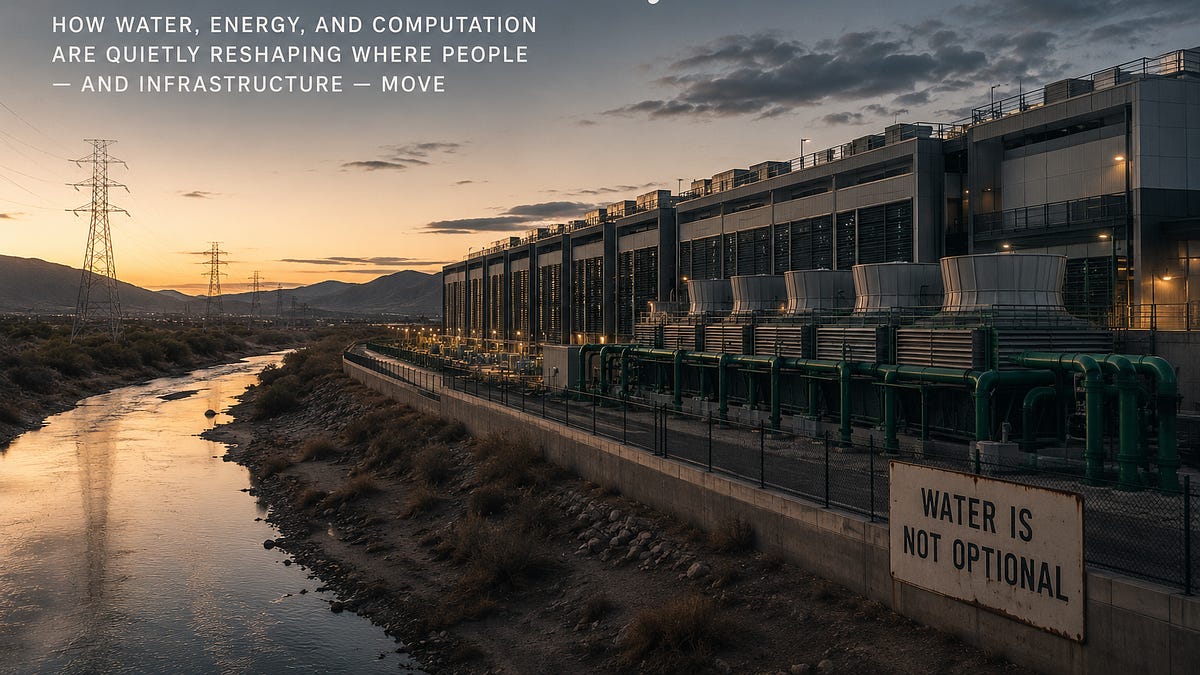
The cloud was never abstract. AI, data centers, and large-scale computation are forcing the digital world back into physical reality. Water matters. Power matters. Cooling matters. Geography matters. The future may belong to the regions that can sustain computation materially, not just digitally. “How Water, Energy, and Computation Are Quietly Reshaping Where People — and Infrastructure — Move”