paulweaver34's avatar
paulweaver34
npub1k7z6...pdfv
Christian. Grantmaker. 20 years in Istanbul. Philosophy → MPA → Grant Making → Bitcoin & AI. Writing about where trust lives — and what happens when it moves.
Institutions are not buildings. They are agreements. Eighteen essays, March to June, tracing one argument: what actually holds a system together when trust starts to drift. First thematic digest is live. paulweaver34.substack.com/p/the-shifting-physical-architecture
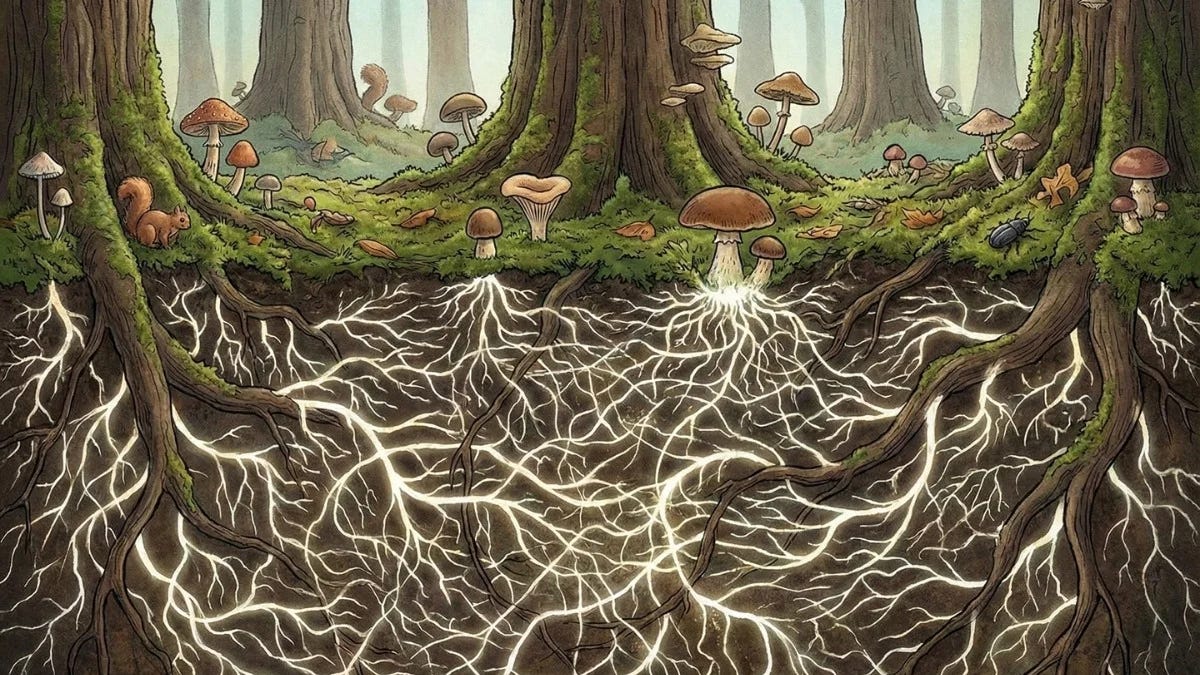
For thousands of years, every significant ledger had an owner. A king. A temple. A bank. A government. Bitcoin changed that structure. Not a technology story. An organizational one. New essay: When Institutions Become Protocols paulweaver34.substack.com/p/when-institutions-become-protocols
New essay: spent an afternoon trying to connect a Lightning wallet to Damus on iOS. What I found was a map of everything Apple and the funding problem have cost the sovereign stack. The protocol exists. The permission layer doesn't care. Also: I know the "what you can do" section at the end reads like a listicle. It is. I wrote it anyway because the terrain needs to be legible.
1/ In 1992, Scott Bessent helped break the Bank of England. Governments don’t lose control of currencies because traders are clever. They lose control because reality finally catches up with the lie.
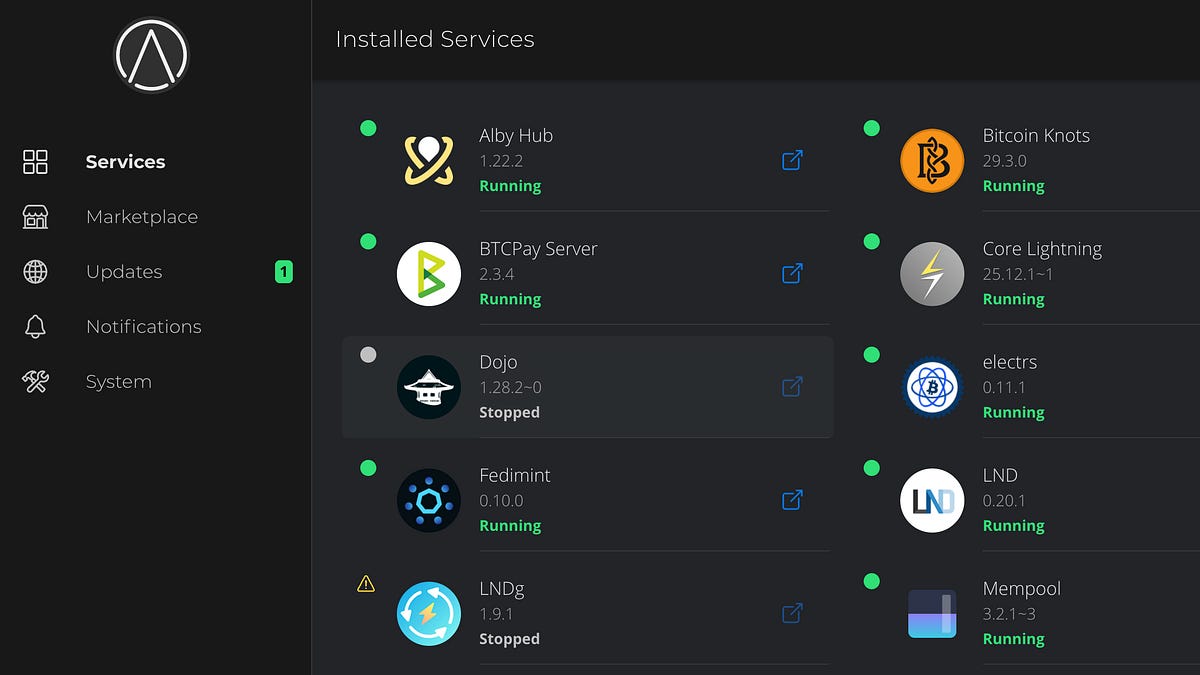
I have tried every single option I can think of - alby, mutiny, wallet of Satoshi - no existing wallet is possible @jb55 @karnage @getAlby image
We often talk about moving as if it were a logistical problem. Change the address. Find a new school. Get a new job. But what if places become part of us? What if communities, routines, and relationships are a kind of hidden infrastructure—and uprooting them creates wounds we don’t immediately see? After twenty years in Turkey, this question feels less theoretical than it once did. My latest essay:
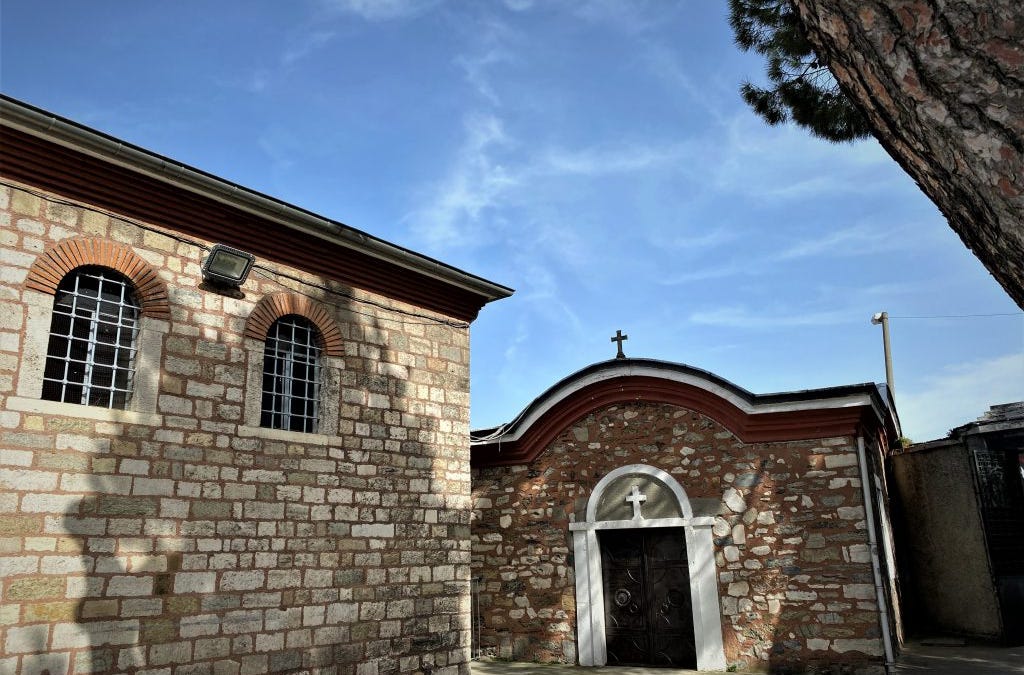
A pastor in Turkey once told me the church would never be self-sufficient until it could answer three questions: Where do you find a wife? Where do you find a job? Where do you bury your father? I’ve been thinking about those questions for years. This essay explores trust, community, Bitcoin circular economies, and the infrastructure that allows belonging to become durable.
One thing I’ve learned from living through multiple institutional transitions: The biggest changes rarely happen where the current problems are. They happen where people, capital, trust, and attention are already moving. By the time a crisis becomes obvious, the migration often began years earlier. A few thoughts on learning to watch trajectories rather than headlines. Not Where the Problems Are — Where They’re Going