William K⚡Santiago🔑☢️'s avatar
William K⚡Santiago🔑☢️
williamsantiago@getalby.com
npub1h3fz...96sj
CEO, C4 CCSSA at PrivKey LLC, Blockchain strategist, cybersecurity. The Mission: The Separation of Money and State.
Bitcoin Safe A bitcoin savings wallet for the entire family. Bitcoin Safe - This Bitcoin wallet offers the typical features you’d expect, such as multisig, hardware wallet compatibility, and backup options. What sets it apart is its integration with Nostr. For instance, it allows you to sync and tag transactions across multiple devices, so a watch-only wallet can stay updated with new transactions and their labels. Plus, you can manage multisig setups via Nostr too. This is a major leap forward for collaborative custody, making it much more practical in a decentralized setup. I’d love to see this kind of Nostr functionality become the norm in Bitcoin wallets.
Las Vegas sex worker accused of abduction and cryptocurrency theft Las Vegas sex worker accused of kidnapping, stealing $300K in crypto Bitcoin security extends beyond just safeguarding your keys; it encompasses your whole way of living. PrivKey assists individuals holding substantial bitcoin in crafting a tailored security framework as Private Clients. Learn more
Consider the Bitcoin reserves as the fundamental foundation of the financial system, serving as a stable and secure base for digital currency (Layer 1). This foundation enables the flow of liquidity to higher layers (Layers 2 and 3), facilitating a wide range of financial activities. For instance, companies like Coinbase or MicroStrategy, which have amassed significant wealth through their holdings of Bitcoin, may evolve into full-fledged financial institutions akin to J.P. Morgan. As these modern banks of the 21st century, they will leverage the Lightning Network on Layer 2 to provide instant peer-to-peer transactions, allowing billions of people to exchange value rapidly and efficiently. By using their services, individual users may not even need to hold custody of the Bitcoin themselves, making it easier for people to participate in the financial system and access the benefits of sound digital money. The era of fractional reserve banking, which relies on debt and has been the backbone of the legacy fiat system, is coming to a close. In its place, a new era of sound money is emerging, reminiscent of the past when gold was the standard. Today, Bitcoin is poised to assume this role, representing a new paradigm of digital sound money that is reviving the principles of trustworthy and reliable currency. Those who understand and adapt to this seismic shift will be well-positioned to reap the benefits, with the Caribbean island nations being particularly well-situated to capitalize on this opportunity. By embracing Bitcoin and the new financial landscape, they can position themselves for greater economic prosperity and stability. Conversely, those who fail to recognize and respond to this change will risk being left behind, struggling to remain relevant in a financial world that is rapidly evolving.
The traditional monetary system is broken, and our current reliance on fiat currency is a temporary solution. The US dollar, being the most stable fiat currency, will continue to play a role in global finance, but it will also paved the way for a transition to a more secure and decentralized form of money - digital gold, exemplified by Bitcoin. This transformation will be a landmark event in history, etched in the memories of future generations, just as we reflect on significant historical events like the Cuban crisis.
Understanding how DHTs and P2P networks operate has been a lingering goal of mine, particularly in terms of their ability to establish resilient and scalable connections. Fortunately, an informative article from the Pubkey team has helped demystify the censorship resistance of P2P networks, and I'm excited to share these insights. Article Mainline DHT — Censorship-Resistance Explained by Severin Alexander Bühler. https://medium.com/pubky/mainline-dht-censorship-explained-b62763db39cb
We’re enslaved by numbers. Bank balances, credit scores, TikTok followers, NFTs—every metric becomes a cage. But the cruelest joke? Chasing digits we’ll never truly own. This piece pulls back the curtain on history’s greatest con: fiat fantasies, manipulated markets, and even Bitcoin’s paradoxical role in the matrix. Meet the digital drug dealers rigging the system, warping what “value” means, and keeping humanity hooked on empty metrics. Is Bitcoin the antidote to our collective poisoning—or just another needle in the vein? The fight for financial freedom starts with seeing the chains. Great read: The Digit Addiction Pandemic by Ivan Makedonski
Fractional reserve banking can be viewed as a government-sanctioned Ponzi scheme, offering unimpressive returns on investment to its participants.
Physical gold fell short in 1971, unable to sustain the monetary system, and now in the wake of the 2008 crisis, Bitcoin—the digital gold—is stepping in to fill the void left by its physical counterpart.
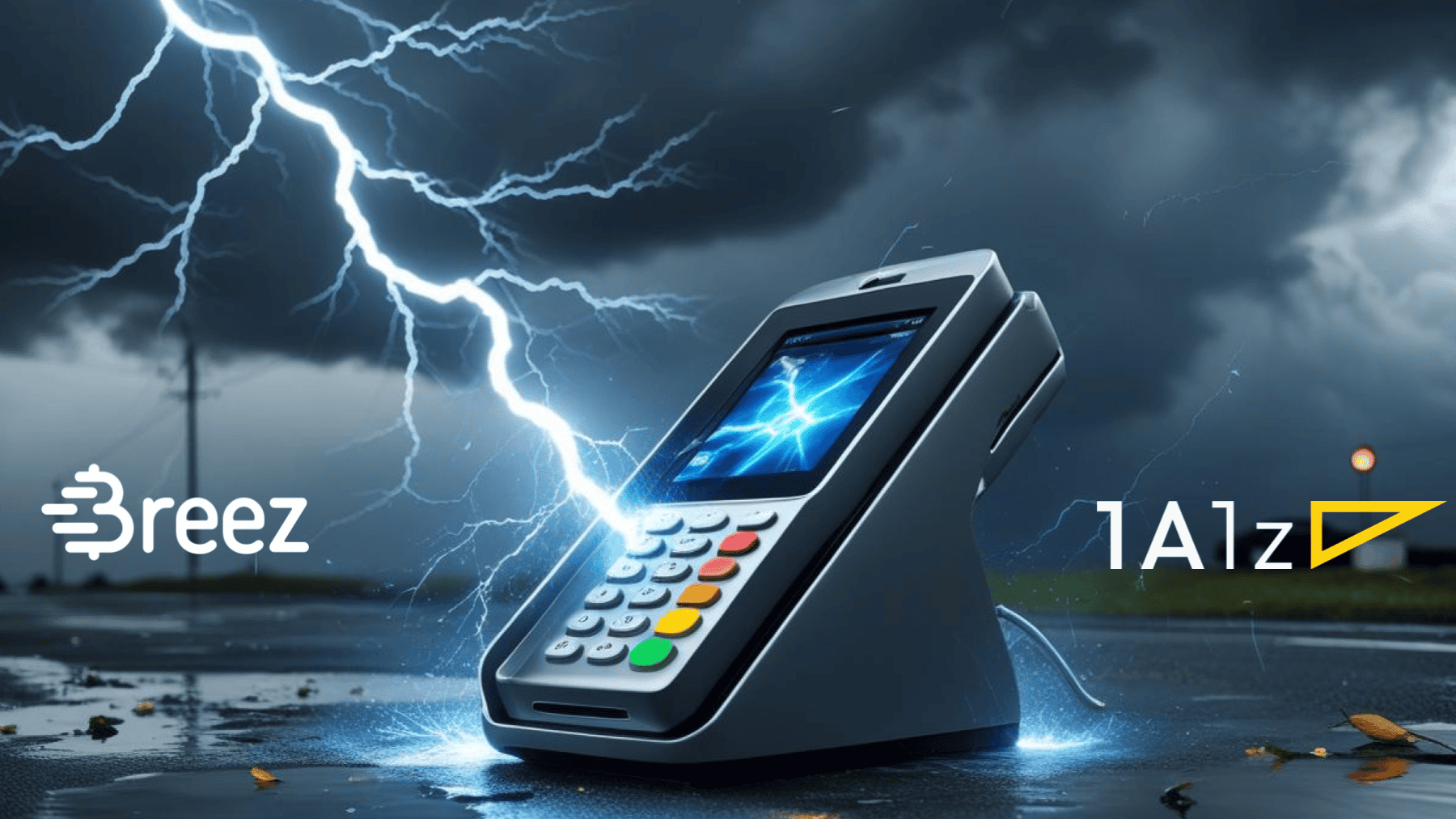
"Bitcoin isn’t “just” digital gold, it’s an everyday currency 💥" -Breez This is what I have been saying the last 12 years.
To safeguard free speech and ensure resilient communication, mastering ham radio systems is vital—they enable private, secure exchanges when traditional internet infrastructure (like TCP/IP) fails, particularly in vulnerable “last mile” scenarios. image
We owe it to ourselves to see through this. Let’s be clear: if you’re gullible enough to swallow this line from the self-serving operatives controlling finance and politics, that’s concerning. But if you haven’t dissected why this concept is nonsensical or never challenged it—relax, this article lays it bare. Original article Issue #754: The danger of the collective "we" by Marty Bent.
When governments rely heavily on debt and taxation to fund excessive spending, privacy and freedom often suffer as a result. To manage debt, governments may increase taxes, implement stricter regulations, and enforce compliance through surveillance, eroding personal privacy and autonomy. Excessive regulation can extend into individuals' lives, limiting freedoms and creating a sense of constant monitoring. This cycle often leads to a loss of privacy and freedom, as individuals are subjected to greater government control and reduced autonomy in exchange for financial stability.
A New Era for Stablecoins: Tether Is Coming to Bitcoin and Lightning ⚡💸 Tether has integrated with the Lightning Network via Taproot assets, adding to its existing support on Omni, Ethereum, Liquid, and Tron. This implementation enables instant transactions and allows merchants to issue Lightning invoices to receive USD Tether, differing from Strike's model where users pay in USD and merchants receive BTC. This development opens up possibilities for atomic swaps, potentially increasing liquidity for both Bitcoin and Tether.
Kibo is an excellent choice for those who appreciate data analytics similar to Glassnode but wish to create comparable insights using their own node's data. Unlike many services that charge for such data, Kibo stands out as a fantastic open-source solution. The platform offers particularly impressive visualizations and an API that enables custom graph creation, making it a versatile tool. There's excitement about the possibilities this framework offers to data enthusiasts, with hopes that it will be integrated into the software suites of node providers like Umbrel, Start9, and mynodebtc.
The idea that exploitation and war are inherent to the fiat currency system is a complex concept. Fiat money, which is not backed by physical commodities and can be printed indefinitely by governments, may facilitate easier funding of wars, potentially making them more "rational" in a twisted economic sense. This ease of money creation could lower the immediate financial barriers to waging war, as governments might avoid the need for politically challenging decisions like raising taxes or borrowing. Petter Englund's article suggests that the fiat system creates incentives that make perpetual war a logical choice for governments. However, the notion that switching to a different monetary system like Bitcoin could reduce the likelihood of war is intriguing but not without its challenges. Bitcoin, with its fixed supply and decentralized nature, might make funding wars more difficult, as governments would need to find alternative financing methods, which could be politically fraught. Yet, while Bitcoin offers a promising alternative with its scarcity and transparency, it is unlikely to be a panacea for eliminating exploitation and war. Historical conflicts predate fiat currency, indicating that deeper, non-monetary factors drive human conflict. The transition to a Bitcoin-based economy would be monumental, facing technical and political hurdles, and governance issues could lead to new forms of exploitation. In conclusion, while the fiat system may contribute to conditions that facilitate war, it is not the sole cause. A shift to Bitcoin could influence economic incentives, but it would need to be part of broader changes in governance and international relations to significantly reduce exploitation and war. Thus, while Bitcoin offers hope, it is not a guaranteed path to a conflict-free world. Check out the original article Island Economics: Why Exploitation & Perpetual Wars are Rational Under FIAT by Petter Englund. Link: https://medium.com/@penglunds/island-economics-why-exploitation-perpetual-wars-are-rational-under-fiat-28543ce82a23