
Bitcoin Ekosisteminde Kredi: Faizsiz Modeller, Teminat Sorunu ve Emtia Yaklaşımı
İster fiat sisteminde, ister Bitcoin ekosisteminde olalım; kredi kavramı insanlık tarihinde hep vardı.
Ev almak, iş kurmak, nakit akışını dengelemek veya ani bir fırsatı değerlendirmek için bugünkü kaynağı gelecekte ödeme vaadiyle almak insanın ekonomik davranışının doğal bir parçası.
Fakat mesele Bitcoin olduğunda işler değişir.
Çünkü Bitcoin, klasik bankacılık gibi borcu ve faizi merkeze almaz.
bitcoin, aracısız ve teminatsız işlem yapma özgürlüğü sunan, ancak bunu yaparken de “borç üretmeyen” bir protokoldür.
Peki bu sistemde kredi nasıl çalışabilir?
-Bitcoin’de Kredi: Temel Fark
Fiat sistemde kredi:
Banka yeni para yaratır.
Borçlunun hesabına yazar.
Faiz eklenir, geri ödeme talep edilir.
Bitcoin’de kredi:
Yeni BTC yaratılmaz (madencilik dışında).
Kredi verilecek BTC birinin gerçek varlığıdır.
Borç alıp verme, tamamen tarafların anlaşmasına bağlıdır.
Geri ödeme, protokolün değil sözleşmenin konusudur.
Bu fark, Bitcoin’de kredi modellerini hem daha şeffaf hem de daha riskli hale getirir.
-1. Emtia / Vadeli Satış Modeli
İslami finansın murabaha yöntemine çok benziyor:
1. Borç veren bugünkü piyasa fiyatıyla BTC’yi satar.
2. Borç alan bu BTC’yi hemen teslim alır.
3. Geri ödeme vadesinde, önceden belirlenmiş daha yüksek bir fiyattan (ör. %5 kâr eklenmiş) BTC’yi geri satın alır.
4. Aradaki fark, “faiz” değil ticari kâr olarak değerlendirilir.
Avantajlar:
Faiz yasağı olan finans modellerine uyumlu.
Taraflar baştan kâr oranını bilir.
Riskler:
BTC fiyatındaki volatilite, taraflardan birine büyük avantaj sağlayabilir.
Uzun vadede borçlu lehine veya borç veren lehine aşırı dengesizlik oluşabilir.
-2. Teminatlı Bitcoin Kredisi
Bu modelde:
1. Borç alan, farklı bir varlığı (altın, stablecoin, hisse senedi tokeni vb.) teminat olarak kilitler.
2. Borç veren BTC’yi gönderir.
3. Süre sonunda BTC geri ödenirse teminat iade edilir, aksi halde satılır.
Avantaj:
Borç veren için risk düşük.
Akıllı kontratlarla otomatik çalışabilir.
Büyük Sorun:
Ne teminat gösterilirse gösterilsin, BTC karşısında değer kaybetme ihtimali çok yüksek.
Uzun vadede Bitcoin’in deflasyonist yapısı, diğer tüm varlıkları BTC cinsinden ucuzlatır.
-3. Kar-Zarar Ortaklığı (Mudaraba / Musharaka)
Borç veren BTC’yi sermaye olarak koyar.
Borç alan bu sermayeyle iş yapar (ticaret, madencilik, üretim vb.).
Kazanç önceden belirlenen oranlarda paylaşılır.
Zarar olursa sermaye de zarara ortak olur.
Avantaj:
Tamamen faizsiz.
İslami finans prensiplerine uyumlu.
Ortaklık mantığı güveni artırır.
Zorluk:
Güven ilişkisi yüksek olmalı.
Kazanç ve zarar hesapları şeffaf olmalı.
-Felsefi Perspektif: Bitcoin ve Borç Kültürü
Bitcoin’in özünde borçtan ziyade mevcut değerin değiş tokuşu vardır.
Borç verme, Bitcoin felsefesinde “para yaratma” değil, “mevcut değeri paylaşma” anlamına gelir.
Bu, borcun etik boyutunu da değiştirir:
Fiat borç: Sizi sisteme bağımlı kılar.
Bitcoin borcu: Sizi ilişkiye ve sözünüze bağımlı kılar.
Yani Bitcoin ekosisteminde kredi, kişisel itibar üzerine kurulu bir mekanizmadır.
“Trustless” (güvene gerek olmayan) teknolojinin içinde bile, borç ilişkisi “trust” (güven) ister.
-Geleceğin Kredi Modelleri: On-Chain ve Adil
1. Akıllı Kontrat Murabaha
BTC, otomatik olarak vade sonunda önceden belirlenen miktarla geri alınır.
2. BTC-Değer Korumalı Teminat
Teminat, BTC fiyatına endeksli stablecoin veya BTC türev token olur.
3. Topluluk Destekli Kredi Havuzları (P2P Lending DAOs)
Bir grup, BTC havuzuna koyar; isteyen alır, isteyen verir.
Kurallar zincir üzerinde şeffaf çalışır.
-Sonuç
Bitcoin ekosisteminde kredi mümkündür ama faizli bankacılık modeliyle değil.
Bunun yerine:
Vadeli satış / emtia mantığı
Teminatlı ama BTC’ye değer kaybettirmeyecek yapılar
Kar-zarar ortaklığı modelleri
…gibi adil, şeffaf ve felsefi olarak da uyumlu yöntemler geliştirilebilir.
> Bitcoin borcu, yalnızca cüzdanına değil, karakterine de yazılır.
Zincir, verdiğin sözü unutmaz.
#bitcoin #Türkçe
impossible is inevitable
Lira Eriyor, Ama Zihnin de Erimek Zorunda Değil
> Paranın değil, zihnin istikrarı…
Turkiye’de para yalnızca bir değişim aracı değil; güven, gelecek ve kimlik anlamına da gelir.
Bu yüzden lira değer kaybettiğinde, sadece cebimizdeki rakamlar değil—zihnimizdeki denge de bozulur.
Faiz yükselir, enflasyon patlar, döviz zıplar.
Ama asıl hasar, haberlerde değil bilinçte başlar.
Ve işte tam bu noktada, Bitcoin yalnızca bir yatırım aracı değil—bir zihinsel bağışıklık sistemi olarak ortaya çıkar.
---
Ekonomik Kriz, Zihinsel Krizdir
Her ekonomik çöküş, toplumsal olduğu kadar bireysel bir şok dalgası yaratır.
📉 Güvensizlik → “Param artık bana ait mi?”
📉 Gelecek korkusu → “Yarın ne olacak?”
📉 Aidiyet kaybı → “Bu sistem beni dışlıyor.”
📉 Kimlik erozyonu → “Ben artık kimim?”
Liranın değersizleşmesiyle birlikte insan kendi değerini de sorgulamaya başlar.
> Çünkü bize çocukken öğretilen şu:
“Çalış, biriktir, bir gün rahatlarsın.”
Peki ya o birikim sistem tarafından sürekli eritiliyorsa?
---
Bitcoin Bir Para Değil, Bir Direniş Biçimidir
Bitcoin, yalnızca merkeziyetsiz bir para değil—zihinsel bir pozisyon alışıdır.
Sistem sana “unut” derken, o sana “hatırla” der.
Hatırla:
Değer, sistemin dediğiyle değil senin kabulünle oluşur.
Servet, yalnızca nakitle değil zihinle de korunur.
Gelecek, merkez bankası değil senin sabrın ve stratejinle yazılır.
Bitcoin, enflasyona değil kendine inananların parasıdır.
Ve bu, zengin olma aracı değil—özgür olma hâlidir.
---
Paranın Yandığı Yerde Zihin Nasıl Soğuk Kalır?
🔒 1. Egemenlik:
Kendi cüzdanın, kendi anahtarların. Hiçbir banka seni donduramaz.
🧘 2. Duygusal Disiplin:
Volatiliteyle başa çıkmak = Duygularla başa çıkmak.
HODL etmek = Zihni eğitmek.
🧠 3. Bilgiyle Güçlenme:
“Finansal okuryazarlık” bir lüks değil, varoluşsal bir gereklilik.
Satoshi'nin whitepaper’ı, modern zamanların bilinç metnidir.
🕊 4. Sessiz Özgürlük:
Kimse bilmeden, kimse sormadan, yargılamadan var olmak.
Zihnini özgürleştirirsen, paran da seni takip eder.
---
Liranın Yanında Yanar mısın, Yoksa Zincirin Dışına mı Çıkarsın?
🔥 Lira erir çünkü arzı sonsuz.
🔥 Zihin erir çünkü değer sistemi dışa bağımlı.
Ama zincirden çıkarsan ne olur?
Birikimini saklarsın → Kendini korursun
Gündemden koparsın → Odaklanırsın
Sistemden bağımsızlaşırsın → Gerçek kimliğini inşa edersin
> Bitcoin seni zengin etmeyebilir.
Ama seni yeniden tanımlayabilir.
---
Kendini Merkez Bankası Gibi Yönet
Zihnini düşün:
Faiz politikası kimde? (Duygular mı sen mi?)
Likidite akışı nasıl? (Enerjini nereye harcıyorsun?)
Rezervin ne? (Değerlerini neyle besliyorsun?)
Enflasyon baskın neye dönüşüyor? (Korkuya mı, yaratıcılığa mı?)
Bitcoin zihniyeti, kendi zihnini merkez bankası gibi yönetmeyi öğrenmektir.
Kendi arzını sınırla.
Kendi enerjini bas.
Kendi değerini sabitle.
---
Sonuç: Lira Geçici, Sen Kalıcısın
Liranın değeri düşebilir.
Sistem seni unutabilir.
Ama sen, kendini yeniden inşa edebilirsin.
> Bitcoin satın almak bir hareket olabilir.
Ama Bitcoin gibi düşünmek, bir devrimdir.
Ve o devrim, senin iç zincirlerini kırdığında başlar.
---
🧠 TL;DR
Lira sadece paranın değil, zihnin de erimesine neden olabilir
Bitcoin, bu zihinsel erimeye karşı bir bilinç aracı sunar
Volatilite içinde istikrar kurmak, duygusal zekâ ve disiplinle mümkündür
Zihnini bir merkez bankası gibi yönetmek: Yeni çağın egemenliği
En büyük servet: Sisteme rağmen dengede kalabilme yetisi
#bitcoin #Türkçe
Bitcoin and Zakat: Decentralized Charity for a New Financial Age
In the Islamic tradition, zakat is not just charity—it’s a pillar of faith, a divine obligation, and a moral economic system designed to redistribute wealth, uplift the poor, and cleanse one's earnings.
But how does this ancient principle survive in an era where:
Banks freeze accounts
Corruption plagues charity organizations
Hyperinflation erodes the value of cash
Wealth is increasingly digital, borderless, and volatile?
Enter Bitcoin: A decentralized, transparent, and censorship-resistant monetary network. Could this be the new vessel for an old virtue?
This article explores how Bitcoin and blockchain technology can revive, purify, and scale the principle of zakat in Turkiye and beyond.
---
What Is Zakat, Really?
Zakat (الزكاة) literally means “to purify” or “to grow.” It is:
One of the Five Pillars of Islam
A duty on all Muslims who possess wealth above a certain threshold (nisab)
Typically 2.5% of one’s wealth held for over a lunar year
Intended to support: the poor, debt-ridden, travelers, orphans, and others in need
Traditionally paid in gold, silver, livestock, crops, or fiat money, zakat is now at a crossroads:
> The nature of wealth has changed.
Shouldn’t the method of giving evolve too?
---
Bitcoin: Halal or Haram?
One of the most common questions in Muslim communities:
Is Bitcoin halal?
The answer is not universally agreed upon, but growing consensus among Islamic scholars leans toward conditional permissibility, based on:
Bitcoin’s scarcity (mimicking gold)
Peer-to-peer nature (avoiding riba/usury)
Lack of centralized manipulation
Increasing use in legitimate trade and philanthropy
Important scholars and institutions (including in Turkiye) have issued fatwas in favor of Bitcoin, provided it is not used for speculation, gambling, or illegal activities.
So, if earned and used ethically, Bitcoin can be not just halal—but profoundly aligned with Islamic ethics.
---
Why Bitcoin is a Natural Tool for Zakat
Let’s break down why Bitcoin is uniquely suited to serve as a new-generation zakat mechanism:
1️⃣ Transparency:
On-chain transactions can be publicly verified
Donors can see exactly where funds go
Builds trust, removes doubts of corruption
2️⃣ Borderless Reach:
Funds can be sent to anyone, anywhere
Helps Muslims in war zones, refugee camps, or under authoritarian regimes
3️⃣ Censorship Resistance:
Cannot be blocked or frozen
Ensures help reaches even the “unbanked”
4️⃣ Self-Custody & Privacy:
Maintains dignity of recipients
Removes dependency on intermediaries
5️⃣ Deflationary Store of Value:
Unlike fiat, Bitcoin maintains or increases value over time
Makes sustainable aid possible
---
Real-World Use Cases Emerging in Turkiye
Turkiye has:
One of the highest rates of crypto adoption in the Muslim world
A large population engaged in informal charity and giving
Trust issues with institutions handling zakat funds
This creates fertile ground for P2P zakat platforms using Bitcoin or Lightning Network.
Imagine:
A local imam collecting zakat in Bitcoin
A transparent smart contract distributing funds to verified wallets of orphans
A zakat app that calculates nisab, tracks your obligations, and routes donations on-chain
These are no longer fantasies—they are being built right now.
---
How to Calculate & Pay Zakat in Bitcoin
🧮 Step 1: Determine the nisab threshold, currently equivalent to 85 grams of gold
🪙 Step 2: Convert that to Bitcoin using current exchange rates
📊 Step 3: Calculate 2.5% of your Bitcoin holdings held for over 1 lunar year
📤 Step 4: Send your zakat to a transparent Bitcoin-based cause, or a wallet of someone you know in need
Bonus: Add a memo on-chain (with OP_RETURN or similar) to indicate “Zakat Payment,” creating a new type of spiritual proof-of-giving.
---
Ethical Resonance: Bitcoin Mirrors Islamic Finance Principles
Islamic Finance Value Bitcoin’s Alignment
Riba-free (no interest) ✔ Bitcoin is not debt-based
Limited inflation ✔ Fixed supply of 21 million BTC
Justice in trade ✔ Transparent, verifiable transactions
Avoidance of gharar ✔ No hidden terms or central authority
Wealth circulation ✔ Lightning enables micropayments, fast aid
Bitcoin doesn't just fit Islamic ethics—it amplifies them through math and code.
---
Future Vision: Blockchain-Based Zakat Foundations
What if we created:
Zakat DAOs (Decentralized Autonomous Organizations)
On-chain sadaqah pools managed by elected guardians
QR-code donations in mosques and marketplaces
A global zakat ledger—transparent, distributed, and divine
This is the fusion of technology and theology, where Satoshi meets Shariah.
---
Final Reflection: Decentralizing Baraka
Zakat has always been about more than money.
It is a purification of wealth, ego, and society.
> In the age of digital control, Bitcoin restores what fiat erased: intentional giving, individual responsibility, and divine trust.
So let your satoshis circulate with purpose.
Turn the chain into a circle of baraka.
> Because on a chain that no one controls, only God sees the giver.
---
TL;DR
Zakat is a core Islamic obligation—Bitcoin can fulfill it better than banks
Bitcoin aligns with Islamic financial ethics when used properly
On-chain giving increases transparency, reach, and security
Turkiye is uniquely positioned to pioneer Bitcoin-based zakat systems
This is not just a technical upgrade—it’s a spiritual renaissance
#bitcoin #Türkiye
The Final Property: Bitcoin, Ownership, and the New Frontier in Turkiye.
“You own nothing and you will be happy.”
This infamous phrase, attributed to futuristic global agendas, has sparked deep unease across the world—and in Turkiye, where property and legacy are woven into the cultural fabric, it rings especially hollow.
But what does ownership really mean in the 21st century?
When states can seize, banks can freeze, and platforms can deplatform—what do we truly own?
Enter Bitcoin: not just a digital currency, but a new kind of sovereign property—one that cannot be confiscated, censored, or inflated.
This article explores the intersection of property rights in Turkiye and the emergence of Bitcoin as “final property”—an unseizable, incorruptible, and borderless form of ownership in an increasingly unstable world.
---
Property Rights in Turkiye: A Legal and Cultural Foundation
Article 35 of the Turkish Constitution clearly states:
> “Everyone has the right to own and inherit property. These rights may be limited by law only in the public interest.”
In theory, Turkiye strongly protects property rights. Land ownership, inheritance, private businesses, and personal assets are recognized and upheld. Real estate in particular is not only seen as a financial investment but as a symbol of status, security, and identity.
However, in practice, property in Turkiye—like elsewhere—is not absolute:
The state may expropriate land for “public interest”
Asset seizures can occur under political or judicial pretexts
Bank accounts can be frozen
Currency controls and capital restrictions exist
So while the right to own exists, the means to protect that ownership—especially in times of crisis—is fragile.
---
The Rise of Bitcoin: Redefining Ownership in the Digital Age
Bitcoin offers something radical: property without permission.
It is:
🟡 Self-custodied
🟡 Unforgeable
🟡 Borderless
🟡 Censorship-resistant
🟡 Mathematically limited
In a world where almost everything is digitized but centralized, Bitcoin is the first digital asset that no authority can delete, freeze, or forcibly transfer—if properly secured.
> It’s not just “digital gold.”
It’s digital sovereignty.
In Turkiye, where inflation eats away savings, banks impose limits, and bureaucracy can interfere with asset movement, Bitcoin is emerging not just as money—but as a new model of protected property.
---
Can Bitcoin Be Considered “Property” in Turkiye?
Legally, Bitcoin in Turkiye occupies a unique grey zone.
The Turkish Central Bank banned cryptocurrencies for direct payments in 2021
But owning, trading, and transferring Bitcoin is still not illegal
Turkish courts have even classified Bitcoin as “intangible property” in certain cases
Exchanges operate under KYC/AML regulations, indicating tacit legitimacy
This means:
✅ You can legally own Bitcoin in Turkiye
✅ It can be considered part of your estate
✅ It may even be subject to inheritance laws if declared
But because it's self-custodied, no one—not even the state—can access it without your private keys. That’s the difference:
> Bitcoin is property that exists outside the traditional legal enforcement mechanism.
You own it not because a system says so, but because the code guarantees it.
---
Why This Matters Now: Authoritarian Drift & Economic Instability
Turkiye’s economy has faced intense devaluation, currency restrictions, and capital flight limitations in recent years. Meanwhile, political pressures and surveillance have increased across financial platforms.
In such a context, traditional assets like:
Real estate
Bank deposits
Stocks
Even cash
…are increasingly exposed to systemic risk.
But Bitcoin can be held in your mind (via a seed phrase), sent anywhere in seconds, and accessed without permission. This makes it especially attractive to:
Entrepreneurs
Freelancers
Activists
Wealth preservers
Political dissidents
Not for evasion—but for survival.
---
Inheritance, Legacy, and Bitcoin in Turkiye
In Turkish culture, inheritance is a sacred tradition. Family wealth is passed down through generations, often in the form of:
Land
Apartments
Gold
Cash savings
But all these are:
📍Trackable
📍Taxable
📍Seizable
📍Vulnerable to inflation
Bitcoin introduces a new kind of heirloom:
> A set of 12 words that could hold the value of a house—or an entire portfolio.
Estate planning in Turkiye is beginning to explore how digital wallets can be passed down, securely and legally. Smart families are already:
Drafting multi-signature setups
Teaching heirs about seed phrase security
Incorporating Bitcoin into off-chain trusts or wills
---
Is Bitcoin the Final Form of Property?
Let’s break this down—property type by property type:
1️⃣ Real Estate:
Can be seized by the state
Fully trackable
Cannot be moved across borders
Requires reliance on government records and systems
2️⃣ Bank Savings:
Can be frozen or accessed by authorities
Fully traceable and monitored
Restricted by capital controls
Depends on bank solvency and policies
3️⃣ Stocks:
Can be restricted or frozen
Tracked by central exchanges and regulatory bodies
Hard to move internationally without intermediaries
Relies on third-party brokers or platforms
4️⃣ Physical Gold:
Can be confiscated
Tracking depends on custody
Difficult to move across borders without declaration
Can be self-custodied, but usually stored with trust agents
5️⃣ Bitcoin:
Cannot be seized if self-custodied
Cannot be traced to an individual without disclosure
Instantly transferable globally
No third-party trust required if held in a private wallet
> Bitcoin doesn’t just protect property—it transforms the definition of it.
From physical to digital, from permissioned to sovereign.
---
Conclusion: Owning Your Future
In an age of increasing surveillance, inflation, and institutional fragility, true ownership must be reimagined.
Turkiye stands at a crossroads. It can continue relying on centralized institutions that have shown instability, or it can begin to explore the promise of individual sovereignty through tools like Bitcoin.
Not as rebellion.
Not as evasion.
But as protection.
As continuity.
As freedom.
> In a world where everything you own can be frozen, blocked, taxed, or seized...
Bitcoin offers something radical:
Property that loves you back by staying with you—wherever you are.
---
🧠 TL;DR
Turkiye protects property rights on paper, but real-world ownership faces legal and systemic risks
Bitcoin offers a new kind of property: self-sovereign, unseizable, portable
Legally classified as “intangible property” in Turkiye
Suitable for inheritance, legacy planning, and inflation resistance
Represents not just digital money, but a philosophical upgrade to the concept of ownership
#bitcoin #Türkiye
"you will not be too much for the right ones. only too awake for the wrong."
@El Flaco nun teşvikiyle kendime Seedsigner yaptım. Aşamalarını paylaşıyorum efenim 👇🏻
⚠️Öncelikle Seedsigner sitesini adam akıllı okuyup anladım. [www.seedsigner.com] Ama kendim yapacağım için bütün bilgiye [

GitHub
GitHub - SeedSigner/seedsigner-os: SeedSigner OS | Minimal Raspberry Pi image made for SeedSigner
SeedSigner OS | Minimal Raspberry Pi image made for SeedSigner - SeedSigner/seedsigner-os
] adresinde ulaştım.
🛒 Sipariş verilmesi gereken parçalar.
🔸 Asgari:
1) Raspberry Pi Zero (ama ben Zero 2 W modelini bulabildim) Ben 'header' denilen kısmın modelde standart olduğunu sanarak sipariş vermiştim. Öyle değilmiş! Bu modeli alırken 'header' lehimlenmiş olanına bakın. Yoksa şöyle header olmayan model geliyor.
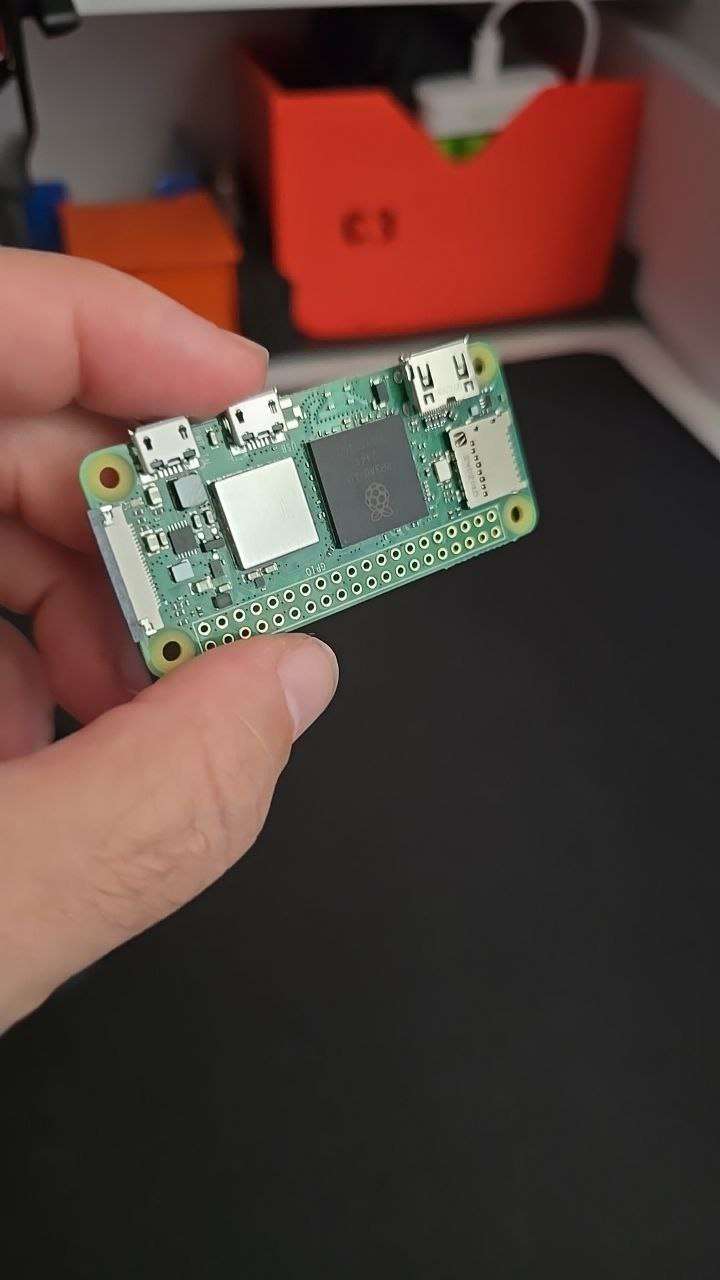
sonra mecburen header sipariş etmek zorunda kalıyorsunuz.

Dahası bunu lehimlemeniz de lazım. Bende gerekli malzeme ve ekipman vardı, kendim yaptım. Sizde yoksa ya da uğraşamam diyorsanız header olan modeli satın alın.
2) Waveshare 1.3" 240x240 LCD Waveshare 1.3" 240x240 LCD
Bunu alınca header ın üstüne direkt oturuyor zaten. 240x240 olması çok önemli denilmiş. Özellikle bunu kontrol edin.
3) Pi Zero-compatible camera - Ben v1.3 Kamera aldım.
4) SD kart - günümüzde 16gb tan aşağısını bulabilirseniz onu kullanın/alın
5) Micro USB güç kablosu - elinizde eski şarj kabloları var mı diye o meşhur çekmeceye bir bakın derim. Ben ne hikmetse bulamadım, kasaya sabitlediğim Mavi kumaş kablolu olanı aldım.
🔸 Kasa:
3d yazıcınız varsa ya da bunu yaptırma imkanınız varsa;
- Seedsigner ın kendi kasa modeli zaten paylaşılıyor. Şuradan [

GitHub
seedsigner/enclosures/open_pill at main · SeedSigner/seedsigner
Use an air-gapped Raspberry Pi Zero to sign for Bitcoin transactions! (and do other cool stuff) - SeedSigner/seedsigner
] modeli indirip bastırabilirsiniz.
Yok benim gibi meraklıysanız kendi modelinizi de yapabilirsiniz.
💾 SD kart kurulumu:
Seedsigner yazılımını kurmak için [
GitHub
GitHub - SeedSigner/seedsigner: Use an air-gapped Raspberry Pi Zero to sign for Bitcoin transactions! (and do other cool stuff)
Use an air-gapped Raspberry Pi Zero to sign for Bitcoin transactions! (and do other cool stuff) - SeedSigner/seedsigner
] buradaki sürümlerden uygun olanı önce indirmek gerektiği yazılmış. Ancak ben nedense 'zero 2 w' olan yazılımı açamadım bile. O yüzden 'pi zero 1.3' olan yazılımı indirdim. Kontrol ettikten sonra sd karta yazdırma kısmında her ne kadar sitede balena etcher tavsiye edilmişse de ben raspberry nin kendi yazılım yükleyicisini [
https://www.raspberrypi.com/software/ ] kullanmanızı tavsiye ederim.
Ki kendim de onunla yaptım, çalışıyor.
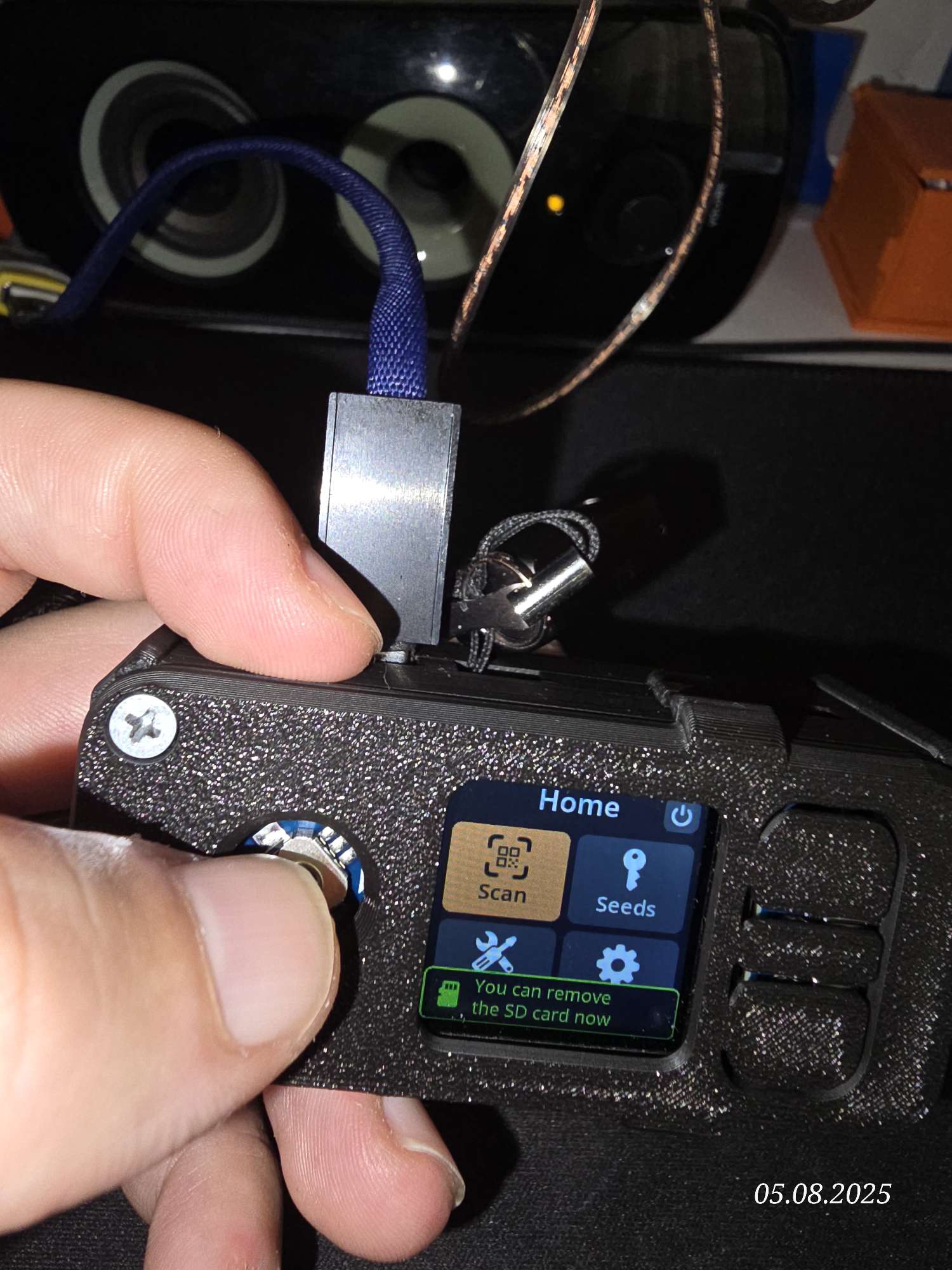
parçaları bir araya getirme kısmı Lego birleştirmek gibi olduğu için detay vermeyi gerekli görmüyorum ama tutorial da yayınlamışlar.
[
]
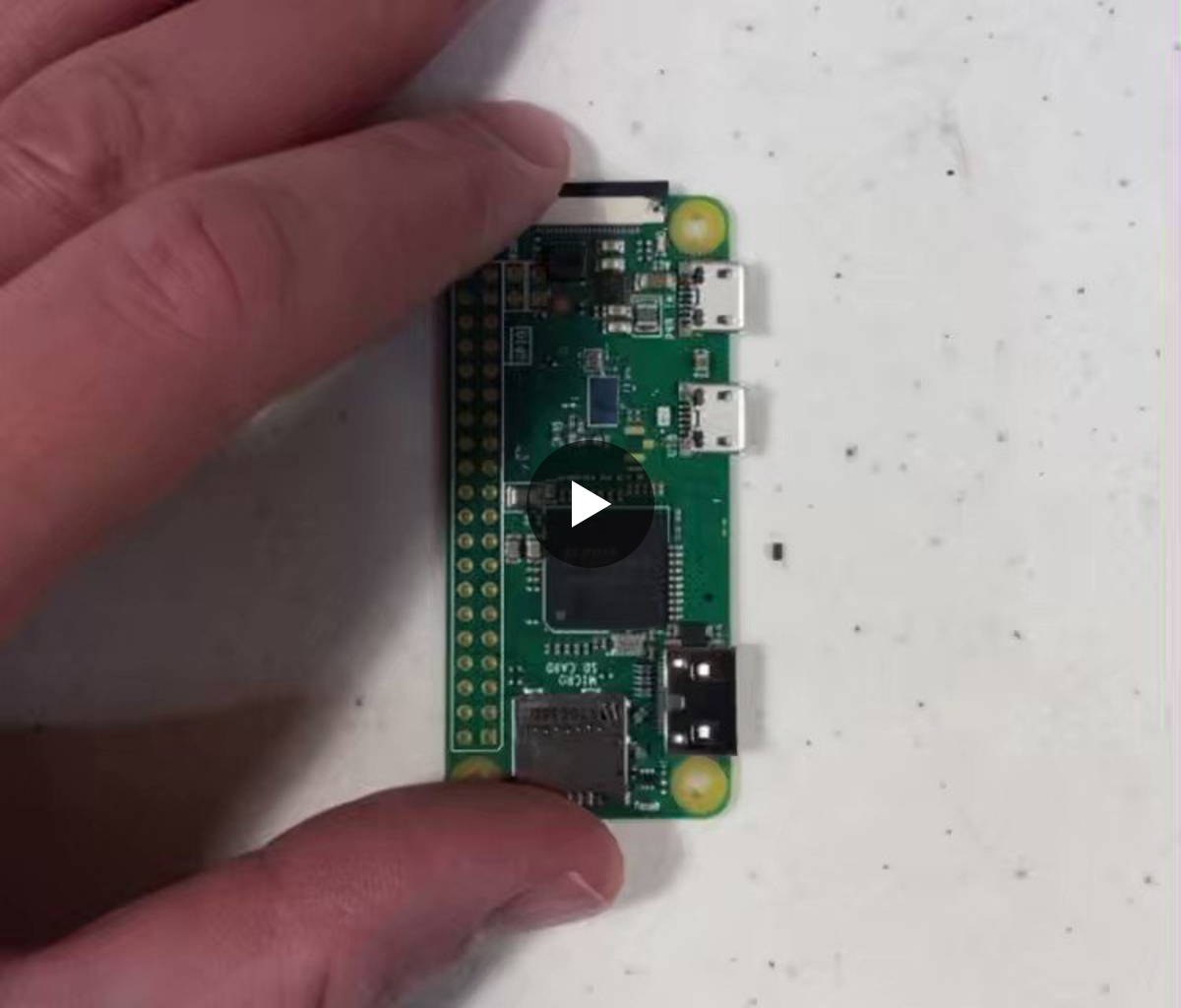
pi zero tavsiye edilmesinin sebebi wifi modülünün olmaması. Zero 2 W modelinde wifi modeli tümleşik olarak bulunuyor. O modülü sökmekle/kesmekle uğraşmadım. Ama bunu da yapmayı planlayanlar olduğunu bildiğim için onun da yolunu gösteren bir paylaşım yapılmış [
X (formerly Twitter)
SeedSigner (@SeedSigner) on X
Quick demo of how easy it is to physically disable wireless comms on a RasPi Zero W; more info in the thread below.
🙏 to @DesobedienteTec for h...
]
To Think Like Bitcoin: Decentralized Consciousness in a Centralized World
Most people talk about using Bitcoin.
But very few have ever tried to think like Bitcoin.
What would that mean?
To think like Bitcoin is to embrace decentralization—not just of finance, but of consciousness, value, authority, and identity. It's a mindset that refuses to rely on a single source of truth, resists censorship by design, and thrives in transparency without surrendering privacy.
This is not a tech article. This is a manifesto for decentralized being—starting in Turkiye, where the tension between control and freedom has rarely been more visible.
-Centralization as a Mental Habit
Before it became a political system, centralization was a cognitive structure.
From our earliest education, we are conditioned to believe in:
A single authority that defines truth
A central body that decides value (like the Central Bank)
A defined channel through which legitimacy flows (licenses, certificates, degrees)
And most importantly: a default belief that power should be vertical—top-down
Bitcoin breaks this mental architecture.
It says:
> Truth is verified, not dictated.
Value is consensual, not imposed.
Authority is distributed, not appointed.
And legitimacy? It emerges from the network—not from the top.
-Turkiye: A Land Caught Between Ledger and Empire
Turkiye is no stranger to empires—or centralized thinking.
Whether Ottoman legacy or modern bureaucracy, the Turkish psyche is shaped by deep-rooted central command, yet also by a rebellious undercurrent of adaptation, survival, and ingenuity.
In this paradox lies potential:
Turkiye could be one of the first nations not just to adopt Bitcoin—but to internalize its philosophy.
That means:
Trusting communities over ministries
Choosing protocols over permissions
Preferring consensus over compliance
And perhaps, valuing code over kings
-What It Means to "Think Like Bitcoin"
Let’s define the characteristics of Bitcoin—not just as software, but as an archetype.
Bitcoin Characteristic Human/Philosophical Equivalent
Decentralized Self-sovereignty
Immutable Integrity
Transparent Radical honesty
Censorship-resistant Freedom of thought/speech
Limited supply Disciplined value system
Trustless protocol Autonomy through verification
To think like Bitcoin means to:
Act from first principles
Trust, but verify—especially yourself
Broadcast your truth, regardless of gatekeepers
Operate with clarity, not secrecy
Conserve your energy like satoshis—don’t inflate your value by pleasing everyone
This mindset is not anarchist—it is sovereign.
It is not lawless—it is coded.
-Everyday Applications of the Bitcoin Mind
How can you live this philosophy in your daily Turkish reality?
In Education: Value learning over diplomas. Share knowledge openly, peer-to-peer.
In Work: Be antifragile. Don’t depend on one client, employer, or platform.
In Speech: Speak like your truth is broadcasted to the blockchain—public, irreversible, and with full ownership.
In Economy: Think in terms of value, not just price. Avoid fiat inflation of attention.
In Community: Build networks, not hierarchies.
In Tech Use: Prefer open source over corporate tools. Encrypt. Distribute. Back up.
> Thinking like Bitcoin is not a financial move. It’s a neural reconfiguration.
- Why This Is Urgent in Turkiye Now
Turkiye is undergoing an identity reformation—economically, politically, and socially.
With rising surveillance, growing inflation, and declining trust in institutions, the need for alternative models of value and trust is immediate.
Yet rather than escaping to Bitcoin, what if we became like Bitcoin?
This means:
Relying less on what cannot be trusted
Encoding our own values into our behavior
Becoming unshakable through distributed resilience
A generation that thinks like Bitcoin will not just survive the collapse of central systems—it will create the replacements.
-Can Consciousness Decentralize?
This may sound abstract, but it's deeply practical.
Many spiritual traditions—from Sufism to Taoism—echo the idea that true selfhood is decentralized.
> The "I" is not centralized in the ego,
but distributed across the soul, body, and cosmos.
In the same way that Bitcoin removes the central bank, a sovereign mind removes the inner tyrant—that voice demanding permission, validation, or fear-based decisions.
This is not about rejecting all systems.
It’s about opting into better ones—consciously, like running your own node.
-Final Word: You Are the Protocol
You don’t have to buy Bitcoin to think like Bitcoin.
You don’t need a ledger to live with integrity.
> You are the protocol.
Run yourself.
Verify yourself.
Limit your own supply of attention and energy.
Be immutable in your core values.
And be transparent—not to please the system, but to transcend it.
If we must be watched, let us be witnessed, not monitored.
If we must adapt, let it be by principle, not pressure.
And if we must rise, let it be as a network, not a pyramid.
---
TL;DR (but worth reading again)
Bitcoin is more than money—it’s a mental operating system.
Turkiye is fertile ground for this mindset shift.
To think like Bitcoin is to become ungovernable in spirit, not illegal in action.
It’s to embody trustless systems by being deeply trustworthy.
PS: this article is inspired from the legendary book "Thinking Like A Lawyer" by Frederick Schauer
#bitcoin #Türkiye
Bitcoin in Turkey: A Legal Grey Zone or an Economic Necessity
In a world increasingly skeptical of traditional fiat systems, Bitcoin has emerged not just as a store of value, but as a borderless medium of exchange. Nowhere is this shift more compelling than in Turkey, a country straddling East and West, tradition and innovation. As economic turbulence meets legislative constraint, the Turkish public finds itself looking for financial breathing room—and Bitcoin may be a surprisingly legal tool to achieve that, especially under the radar of cash transaction limits.
-Turkey’s Economic Landscape: The Push Toward Alternatives
In recent years, Turkey has faced high inflation, fluctuating interest rates, and a sharp devaluation of the lira. These factors have contributed to a widespread erosion of public trust in fiat currency, prompting a growing number of citizens to seek alternative stores of value—gold, real estate, foreign currencies, and increasingly, Bitcoin.
According to Chainalysis, Turkey is consistently among the top 20 countries globally in cryptocurrency adoption. This isn't just speculation; it reflects a grassroots shift in how value is stored, preserved, and even exchanged.
-The Legal Status of Crypto in Turkey: A Study in Ambiguity
In 2021, the Central Bank of the Republic of Turkey (CBRT) banned the use of cryptocurrencies for direct payments. However, this regulation does not criminalize ownership or peer-to-peer transfers. In fact, Turkish citizens can still legally buy, hold, and transfer Bitcoin, and centralized exchanges continue to operate under KYC/AML obligations.
Importantly, the regulation focuses on payment service providers, such as credit card processors or licensed fintech companies—not on individuals using crypto directly in peer transactions. This distinction creates a legal grey zone in which everyday Bitcoin transactions—particularly those that fly under the fiscal radar—may remain technically feasible.
-The 30,000 TL Cash Spending Limit: A Window for Bitcoin?
As of 2024, the Turkish government introduced a cash transaction reporting limit of 30,000 TL, part of broader efforts to combat unregistered income, tax evasion, and illicit finance. This cap discourages large cash payments, especially for real estate, vehicles, and business services.
But here's the nuance: Bitcoin is not classified as 'cash' under Turkish law. Nor is it officially recognized as a "currency." This ambiguous status positions Bitcoin in a unique legal corridor—not illegal, not fully regulated, but highly utilitarian.
This opens a fascinating possibility:
> For transactions below 30,000 TL, where cash would normally be used, Bitcoin can serve as a discreet, fast, and increasingly accepted alternative.
From buying high-end electronics to paying for rent, furniture, private courses, or even medical consultations, Bitcoin transactions between consenting parties remain outside the scope of the 30,000 TL cash declaration rule—at least for now.
-Real-World Application: What Can Be Done With Bitcoin in Turkey?
Let’s break it down practically. What can an individual actually do with Bitcoin under this legal framework?
✅ Peer-to-peer rentals: Paying rent to a landlord who accepts BTC
✅ Freelance work or tutoring: Transferring BTC for services rendered
✅ Second-hand electronics and appliances
✅ Small business transactions within the 30,000 TL threshold
✅ Private health services or clinics with flexible billing
✅ Barter-style exchanges: BTC for goods, directly
These use cases are especially common in urban centers like Istanbul, Ankara, and Izmir, where crypto-literate populations and higher inflation awareness create fertile ground for alternative payments.
-Obstacles, Risks, and Considerations
Despite its potential, using Bitcoin in daily life in Turkey is not without risks:
❌ Price volatility may discourage merchants from accepting BTC directly
❌ Lack of official recognition keeps usage in a legal grey area
❌ Regulatory unpredictability: New laws could further restrict usage
❌ Technical illiteracy among older generations
❌ Scams and P2P risks due to unregulated OTC markets
Yet, these obstacles have not prevented innovators and early adopters from integrating BTC into their business models, especially those operating in online spaces or informal sectors.
-Future Outlook: Will Turkey Embrace or Regulate Bitcoin?
The Turkish state has signaled its intention to introduce a Central Bank Digital Currency (CBDC)—the Digital Lira. Whether this move will include crackdowns on Bitcoin remains to be seen. However, citizen behavior often precedes policy. As economic hardship persists, and as fiat becomes more surveilled, Bitcoin will likely continue to rise as a silent economic actor in daily life.
Moreover, new generations—digitally native, inflation-weary, and globally connected—are less afraid of crypto and more willing to experiment. If Bitcoin usage continues to fly under the 30,000 TL limit and remains in P2P settings, its adoption could grow without legal resistance.
-Conclusion: A Quiet Revolution Within Legal Bounds
To dismiss Bitcoin in Turkey as legally unusable is to misunderstand the subtleties of the system. While direct payments through licensed institutions are banned, personal transactions remain a viable path—especially under the legal radar of cash transaction thresholds.
If the law limits cash but doesn’t yet recognize crypto as cash, what we have is an open door disguised as a grey wall.
> For those who understand the rules not just as they are written, but how they are structured, Bitcoin offers a practical tool for resilience, privacy, and financial sovereignty—within the framework of Turkish law.
-and a Final Word:
For all those navigating Turkey’s economic turbulence, remember:
Bitcoin may not be the outlaw—perhaps it's just the tool the system hasn’t caught up with yet.
#bitcoin #Türkiye
🕯️

keep calm and be thankful

this is da wei

May each and every one of us always give the devil his due.
“Vicdan maskesiyle gizlenmiş teslimiyet”
“Ajde, da pričamo kao oni koji sve pamte.”
wake up, eyes up, mood up! keep your frequency high as you can
Samsonite > Samson
🤷🏻♂️

reality is reactive, not objective
"no matter how deep they dig, the truth finds everything"