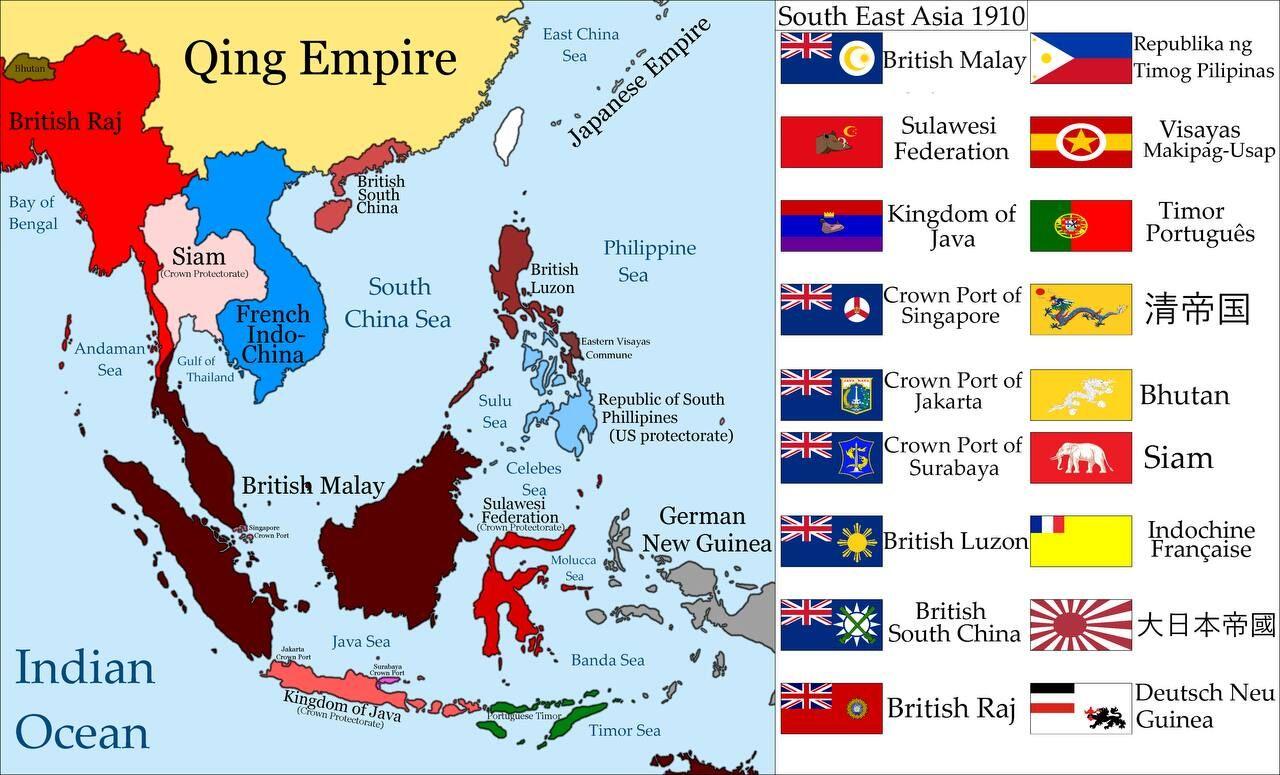
🇭🇰 Hong Kong
⚒️ Nostrocket
🎙️Nostrovia podcast
📺 Bitcoin vs The State: the four phases of war https://youtu.be/X_xgmVLyB94
🧡 Sovereign Engineering Cohort 01 💜
💎 OpenSats ❤️
Peak of pull-request comedy career: https://github.com/diem/diem/pull/83
nostr.dev
nostr.rodeo
Is anyone from strike on nostr?
`Cross-Origin Request Blocked: The Same Origin Policy disallows reading the remote resource at https://strike.me/api/lnurlp/bob2402/. (Reason: CORS request did not succeed). Status code: (null).`
Even aside from all the fuckery, interacting with banks absolutely sucks.
A relationship with a bank is only useful to people who don't value their time.
Contrary to popular belief, US foreign and domestic policy is not determined by the US Congress or even by the White House, but instead by a powerful combine of unelected corporate-financier interests who fund a vast network of policy institutions known as “think tanks.”
These think tanks create a consensus among the various corporate-financier interests funding their activities as well as sitting upon their boards of directors, boards of trustees, or serving as advisors to these institutions.
This consensus manifests itself in the various policy papers these think tanks publish every year, which are then crafted into bills by teams of lawyers and legislative specialists. The bills are proposed to Congress and the White House by lobbyists, who then vote on or sign off on these bills, often without even reading their contents.
Because the center of American power rests with these interests rather than either Congress or the White House, efforts to influence, challenge, or change US policy must focus on these interests based primarily on Wall Street rather than on politicians in Washington D.C.