Uncomfortable truth - the mountain air of central Europe (including pristine mountains of Italy, Czech republic, Slovakia, Poland is no more).
You'd be better of in areas commonly believed to be dirty, such as South America. Way better. Where did EU's politics based environmental solutions go wrong. Btw the image is year round average and the source is European Union. You can literally go to "dirty" Asia (many parts) for cleaner air.
European city air quality viewer
Policies to reduce air pollution have led to improved air quality in Europe over the last three decades. However, in some European cities air pollu...

First look at TwentyTwo's Portal - a Bitcoin hardware wallet for use with smartphones. Is it worth it?
Portal Hardware Wallet by TwentyTwo – Juraj Bednar
Je extrémne ťažké naštartovať novú sieť a dosť pomáha, keď sa viete nacucnúť na existujúcu.
Príklad 1: iCal / vCal pozvánky
Chodia e-mailom. E-mail každý má a každý vie každého e-mail (má ho v contact liste a klient mu ho automaticky doplní). Keď ešte neboli populárne kalendárové appky, tak to malo "textový fallback". Invite proste prišiel e-mailom, kde bolo normálne napísané "Peter Horváth vás pozval na stretnutie dňa 1. 7. 2025 o 14:30". Ak mal niekto kalendárovú appku, tak sa mu to rovno zobrazilo v kalendári, keď klikol accept a odpísalo to e-mailom. Nebolo treba stavať novú sieť.
Príklad 2: Signal (WhatsApp)
Používa telefónne čísla ako identifkátor. Všetci ľudia, s ktorými sa chceš baviť majú telefónne číslo a máš ho v zozname. Len otvoríš Signal a píšeš niekomu "na mobil" a len zistíš, že už má Signal.
Problémom nie je len „kto má Signal“, ale „ako im napísať, keď ho majú“. Problém matchovania je rovnako veľký ako problém rastu. Sieť musí byť užitočná.
Príklad 3: Facebook
Facebook síce nemal telefónne čísla ani iný jednoduchý identifikátor, ale videl brutálne hustú sieť. Ak dáš hľadať meno, tak ti človeka nájde, lebo máte spoločných známych. Mimochodom, použili e-mail na to, aby udržali vašu pozornosť. Keď začal u nás fičať Facebook, počet e-mailov sa viac ako zdvojnásobil - polovica všetkých e-mailov prichádzala zo serverov Facebooku. Každé "lajkol príspevok", "odpovedal na komentár" prišlo e-mailom. Takže aj keď ľudia ešte nemali návyk tam chodiť, tak dostávali notifikácie a chceli sa pozrieť.
Príklad 4: Unit of account
Ak niečo predávam, chcem ukázať kupujúcemu cenu v mene, ktorej rozumie. Ak je to poliak, ideálne mu to ukázať v PLN, aj keď ho nakoniec chargnem eurá. PLN rozumie, eurám nie.
Dobrá dokumentácia tohto problému: Andrew Chen: Cold start problem.
Problém Nostr - identita je kľúč, čo je z pohľadu bezpečnosti a autenticity správ dobré (ak mám správny kľúč, viem že to písal daný človek), z hľadiska network effects dosť zlé. Tak isto ma nič "nenúti" vracať sa na Nostr, ak si ho nainštalujem a o týždeň zabudnem, že existuje, nie je nič, čo by ma tam prilákalo. To ja osobne považujem za feature, heroínové sociálne siete sú to, pred čím utekáme.
It's extremely difficult to start a new network and it helps quite a bit if you can piggyback on the pre-existing networks.
Example 1: iCal/vCal invitations
They go out by email. Everyone has email and everyone knows everyone's email (they have it in their contact list and the client auto-completes it for them). When calendar apps weren't popular yet, it had a "text fallback". Invite just came by email, where it normally said "Peter Horvath has invited you to a meeting on 1/7/2025 at 2:30pm". If someone had the calendar app, it showed up straight on their calendar when they clicked accept and it emailed back. There was no need to build a new network.
Example 2: Signal (WhatsApp)
Uses phone numbers as an identifier. All the people you want to talk to have a phone number and you have it in your contact list already. You just open Signal and text someone to their number only to find out they already have Signal. If not, you can invite them with one click.
The problem is not "who has signal", but "how do I write them once they have it". The matching problem is as big as growth problem. Network needs to be useful.
Example 3: Facebook
While Facebook didn't have phone numbers or any other simple identifier, it had a dense network. If you put in a name search, it would find the person for you because you have mutual friends. By the way, they used email to keep your attention. When Facebook started blowing up in our country, the number of emails more than doubled - half of all emails came from Facebook's servers. Every "liked a post", "replied to a comment" came via email. So even though people weren't in the habit of going there yet, they were getting notifications and wanting to check in.
Example 4: Unit of account
If I'm selling something, I want to show the buyer the price in a currency they understand. If the customer is from Poland, ideally I'll show the price to them in PLN, even if I end up charging them in euros. PLN they understands, euros they don't.
Good documentation of this problem: Andrew Chen: Cold start problem.
The Nostr problem - identity is the key, which is good from the point of view of security and message authenticity (if I have the right key, I know the person wrote it), but pretty bad from the point of view of network effects. Also, nothing "compels" me to go back to Nostr, if I install it and forget it exists a week later, there's nothing to suck me back. I personally consider that a feature, heroin social networks are what we're running away from.
still to this day, one of the best tracks ever.
Best way to keep and be able to discover list of people for example from the various TwentyOne (Dvadsaťjeden) groups?
should we create a Nostr key to manage the group in each city and keep a list under that key? What service to use?
I would like the list to be easily usable (one click follow all, or manually follow each) and as client agnostic as possible.
I realize we have a bootstrapping problem. When we go to a Bitcoin meetup together, I want to keep in touch with the whole community.
How to make it as simple as possible for everyone?
V poslednej dobe sa ozývajú hlasy, že treba cenzúrovať americké sociálne siete, lebo cez ne prídu dezinfo, ktoré v Európe zmenia voľby. To, že sa cez sociálne siete tieto informácie šíria nerozporujem. Ale ich zákaz alebo obmedzovanie je veľmi zlý nápad. Svet je komplexný a dynamický systém.
Vysvetlíme si aj, čo môžeme robiť.
Cenzúra a krehkosť: Prečo centralizované riešenia nefungujú a ako nás antifragilita môže zachrániť – Juraj Bednar
If I can hear sounds coming out of a politician's mouth, it means I have the volume set incorrectly (it is more than zero).
The only thing work listening to are prices, for example on prediction markets. Everything else is noise. Especially those sounds of of politicians' mouths.
When I look at how many people move abroad and how I can easily talk in Slovak (and Czech) with extremely interesting people - entrepreneurs, innovators, ... in cafes in Latin America, I realize that we are doing an intellectual version of agorism. This is not only a problem of Slovakia, but a European one. That is something that EU/acc movement tries to tackle.
So what is agorism? It is a strategy for increasing freedom whose effect (at least intended) is to deprive the state of as many resources (especially tax revenues) as possible. Agorism itself has many practical problems, but what is happening now is I believe intellectual form of agorism, not in the form of taxes, but in the form of intellect. Here, by the way, it's Pareto distributed. For long term results it basically depends on who the top 1% elite are, they cause most of the positive outcomes, (un)fortunately.
Despite the fact that this is a problem, I see this also as an opportunity. Because it is super easy to reverse. And that's what EU/acc movement is trying to do.
Right now, however, the exact opposite is happening. Already Liberation Travel has started transporting people to immigration offices in Latin America in buses, the cars are too small for the number of people that leave. Of course the current EU comrades may not care about that, when people feel the downstream effect of this, it will be a decade or two later. In the meantime the existing big companies are leading with the tax revenue (also pareto distribution). However, these also have a huge problem, which is not so easy to fix (Volkswagen for example, quite fundamental issues).
In his newsletter, Robert Chovanculiak writes (translation from Slovak):
"International testing has shown that we have a serious deficit in the proportion of adults in Slovakia who achieve the highest levels of literacy. In our country, they make up only 3.1%, while the OECD average is 11.7% and in neighbouring Czech Republic, for example, they make up almost 10%.
This should have been the alarming news that deserved the headlines. 'Warning! Unflattering results. We are severely lacking an intellectual elite in Slovakia." This problem is one of the most serious facing Slovakia. And it is getting worse. Every year about 20% of our (brightest) young people leave to study abroad. In fact, I consider this to be the biggest negative of Slovakia's poor quality universities. Not that they don't provide a quality education to the students who stay here. But that because of their poor quality, some of the best human capital we have has left. And it often doesn't come back."
Deregulate, lower tax burden, accelerate. No, we don't need AI / crypto / GDPR / cookies / usb ports / plastic caps / enviro regulations. We need to remove the ASAP. The original mindset was "we will regulate and everyone else will follow the regulation, because they want our market". Now I recommend a much easier strategy "just remove EU IP addresses / put a checkbox 'I am not from EU'". The burden to implement these nonsensical regulation will not pay back in larger market, just focus on other markets, there are many people who need the product or service outside of EU.
In most cases as entrepreneurs, we can choose the regulations we adhere to. It's as simple as that.
Keď pozerám koľko ľudí odchádza do zahraničia a ako v kaviarňach latinskej Ameriky v pohode môžem celé dni hovoriť po slovensky (a česky) s extrémne zaujímavými ľuďmi - podnikateľmi, inovátormi, ..., uvedomujem si, že robíme intelektuálnu verziu agorizmu.
Agorizmus je stratégia na zvyšovanie slobody ktorej efektom (aspoň zamýšľaným) je pripraviť štát čo najviac o zdroje (najmä daňové príjmy). Agorizmus samotný má množstvo praktických problémov, ale to, čo sa deje je agorizmus, ale nie v podobe daní, ale v podobe intelektu. Tu je mimochodom paretovo rozdelenie. Pre dlhodobé výsledky v podstate záleží na tom, aká je top 1% elita, tá robí väčšinu výsledku, bohužiaľ.
Aj napriek tomuto efektu to vnímam ako príležitosť. Ukázať, že v krajine je dobré prostredie na tvorbu. Momentálne sa však deje presný opak. Liberation Travel už ľudí na imigračné úrady začala voziť autobusom, autá sú už príliš malé. To samozrejme súčasným súdruhom môže byť jedno, keď ľudia budú cítiť efekt, vymenia sa aj tri-štyri vlády. Zatiaľ to ťahajú (tiež paretovo rozdelenie) existujúce veľké firmy. Tie však majú tiež problém (Volkswagen napríklad dosť zásadný).
Robert Chovanculiak vo svojom newsletteri píše:
"Medzinárodné testovanie ukázalo, že na Slovensku máme vážny deficit v podiele dospelých, ktorí dosahujú najvyššie úrovne gramotnosti. U nás tvoria len 3,1 %, pričom priemer OECD je 11,7 % a napríklad v susednom Česku tvoria skoro 10 %.
Toto mala byť tá alarmujúca správa, ktorá si zaslúžila titulky novín. „Pozor! Nelichotivé výsledky. Na Slovensku nám výrazne chýba intelektuálna elita.“ Tento problém je jedným z najvážnejších, ktorým Slovensko čelí. A zhoršuje sa. Každoročne nám odchádza približne 20 % (najšikovnejších) mladých ľudí študovať do zahraničia. Toto považujem v skutočnosti za najväčšie negatívum nekvalitných slovenských vysokých škôl. Nie to, že neposkytnú kvalitné vzdelanie študentom, ktorí tu ostali. Ale to, že kvôli ich nekvalite odišla časť toho najlepšieho ľudského kapitálu, ktorý máme. A už sa často nevráti."
(Zdroj:
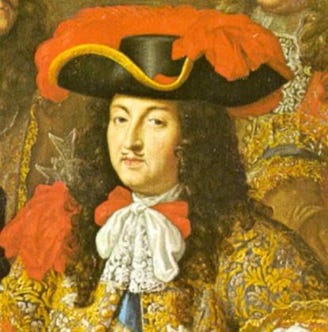
Na top 5 % mozgov záleží
Prípadové štúdie: britská priemyselná revolúcia a nemecký zázrak
)
Anyone noticed how hotel rooms reset to defaults every day?
I've used e-gold back in the day and agree with this article. Much later, I met a person who exchanged one ounce coin for a laptop - directly. That was a true goldbug who understood it.
I think there's still place for various forms of gold. Even for Bitcoiners, it has practical day to day use cases.

Free-Man's Perspective
The Missing Gold Economy - Free-Man's Perspective
While most people missed it, there was a thriving gold economy in the early 2000s. It was centered around e-gold (a system for trading digital gold...
Illusion of unit of account.
Juraj Karpis said in his talk at HCPP that we have this almost a language notion of unit of account. We all know what our currency (1$, 1€) means. We don't have to think about it. BTC has not achieved this yet. See the talk, it's amazing:
But this has a flipside.
Level 1: "EUR in 2010" and "EUR in 2025" are very different currencies. Looks the same, same pictures, same unicode character (€), very different purchasing power.
Level 2: No, you can't multiply the 2010 prices with CPI over the years. 1000€ in 2010 would be 1368€ today according to these statistics. But that's completely wrong and we know that. They CPI is not calculated very well.
Level 3: Even if we got the "purchasing power level" right, the relative prices have changed. In 2010 I could not even get some things (like click in an app and someone would deliver me youghurt to my doorstep 30 mins later). A laptop that cost 1000€ in 2010 is basically a free gift today, or less than 100€. The relative prices are changing as well.
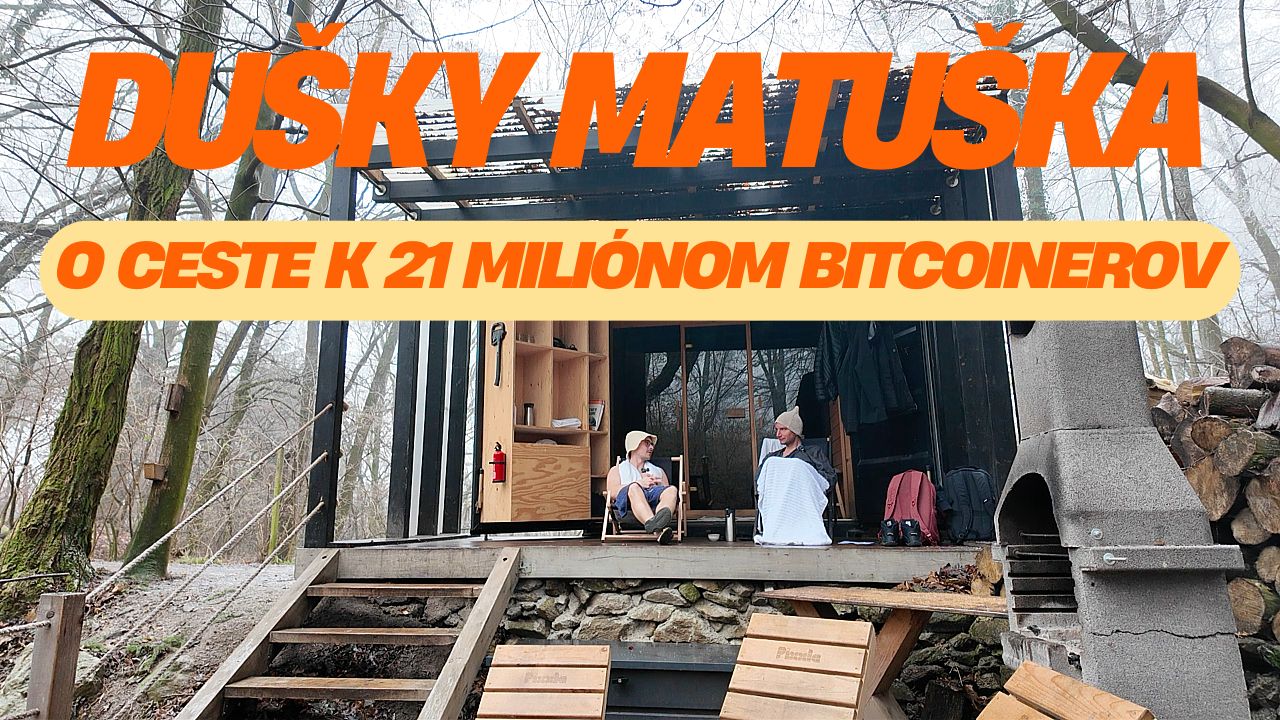
Duškyho som na rozhovor pozval do kontajnerovej sauny Pixxla, aby sme sa porozprávali o saunovaní, čaji, ale najmä o bitcoinovom vzdelávaní, súkromnom meste v špeciálnej ekonomickej zóne Prospera, kde žije a podniká. A o tom, ako hľadá cestu k vzdelaniu 21 miliónov Bitcoinerov.
Juraj Bednar
Dušky Matuška - o ceste k 21 miliónom Bitcoinerov
https://youtu.be/dAQRVwWmYcw
Duškyho som na rozhovor pozval do kontajnerovej sauny Pixxla, aby sme sa porozprávali o saunovaní, čaji, ale n...
I have a podcast. Well, three podcasts, but who's counting. But I do it specifically for niche audience. I don't do things like publishing an episode regularly (weekly). I have an episode when I have something to say or an interesting guest. And when I have time and I'm in a mood. I've done over 100 episodes so far. There are no advertisements for hardware wallets, VPNs, or probiotics. I do occasionally have a referral.
But this is interesting. I've been playing with YouTube monetization. My reach was just enough to apply for YouTube's monetization features. At that time about half of the listeners used YouTube to listen.
I'm also publishing RSS feed with value tags for a long time now.
YouTube's monetization: annoying for audience unless they block ads or buy YouTube premium. And I have never made the 50 bucks required for payout. I stopped the monetization, it just sucks for everyone
Podcasting 2.0: I share splits with all collaborators and guests. Each episode is a common project. We all get to read the boosts. They are way better than YouTube comments, people send sats and love. No grumpy angry people.
... but but but .... podcasting 2.0 has no reach, right?
It might be true, but I really made at least the 50k sats that I've never seen on YouTube. And Spotify for podcasters does not share anything.
It is still a labor of love. I still lose money on the podcast. But if I wanted to focus on growing revenue, the best decision seems to be growing v4v. Not old recipes, the new world is better.
End of announcement.
