Default avatar
npub1masp...a000
npub1masp...a000
music is sound in movement, what I know "From Sound to Movement: Mapping the Neural Mechanisms of Auditory–Motor Entrainment and Synchronization" the article is scientific word salad to me, but I find it interesting: "Neural Mechanisms of Auditory" etc. https://www.mdpi.com/2076-3425/14/11/1063 #muuzikku
μὴ σκοπούντων ἡμῶν τὰ βλεπόμενα ἀλλὰ τὰ μὴ βλεπόμενα· τὰ γὰρ βλεπόμενα πρόσκαιρα, τὰ δὲ μὴ βλεπόμενα αἰώνια. #GreekBible #BiblicalGreek
ὁ δὲ θεὸς τῆς εἰρήνης συντρίψει τὸν Σατανᾶν ὑπὸ τοὺς πόδας ὑμῶν ἐν τάχει. ἡ χάρις τοῦ κυρίου ἡμῶν Ἰησοῦ μεθ' ὑμῶν. #GreekBible #BiblicalGreek
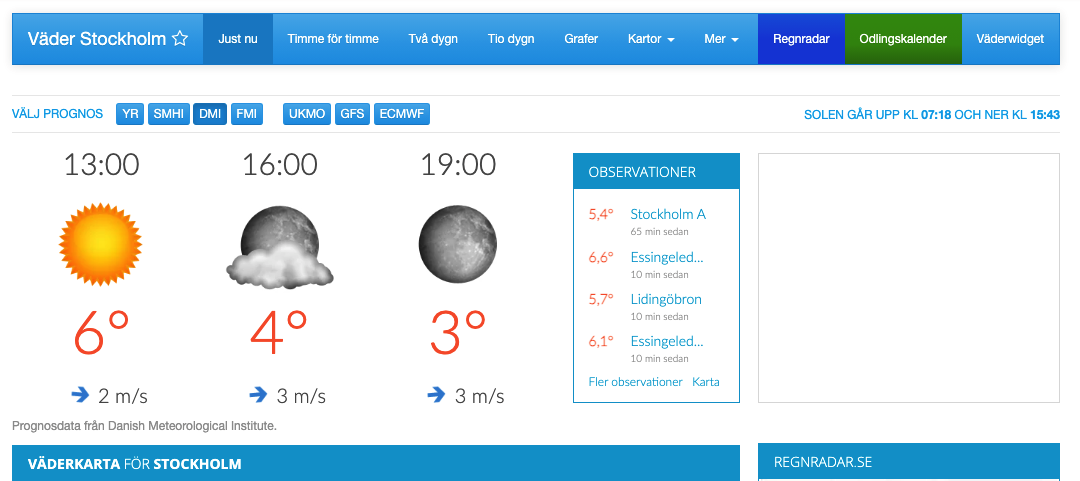
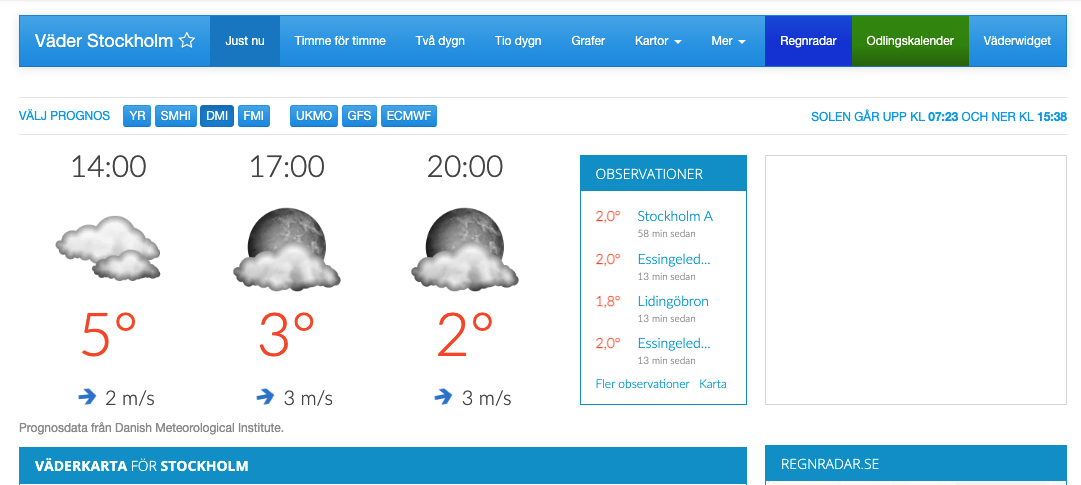
7.11.2026 meteo = #siä = vädret i Stockholm = സ്റ്റോക്ക്ഹോമിലെ കാലാവസ്ഥ image
counterpoint and harmony Harmony and counterpoint are two perspectives on multi-voice music, distinguished by their focus on vertical versus horizontal musical dimensions. Harmony is the vertical aspect, dealing with the simultaneous sounding of notes to create chords and their progressions over time. Counterpoint is the horizontal aspect, focusing on the interaction of two or more independent melodic lines that are rhythmically and contour-wise distinct yet harmonically consonant. While harmony treats tones as singular entities to define chord structure, counterpoint emphasizes the direction and independence of each voice. In practice, they are inseparable: good counterpoint implies a coherent harmonic progression, while effective harmony relies on strong voice leading (counterpoint) to avoid parallel errors and ensure smooth transitions. Key distinctions include: Focus: Harmony prioritizes the chord and its function; counterpoint prioritizes the melodic line and its relationship to other lines. Independence: In harmony, supporting voices often mimic the rhythm and contour of the main melody. In counterpoint, voices move independently in different directions and rhythms. Application: Harmony is central to Common Practice Period tonal music (e.g., classical sonatas), while counterpoint is foundational to Baroque polyphony (e.g., Bach’s fugues) and Renaissance vocal music. AI-text #muuzikku
jag gillar kadenser 1) En bedräglig kadens är en musikterm för en kadensform där dominantackordet inte följs av den förväntade tonikan, utan av ett annat ackord. I durtonarter leder det oftast till tonikaparallellen, medan det i molltonarter ofta leder till tonikans kontraparallell. Begreppet används för att skapa ett överraskningsmoment i tonal musik, men kan också syfta till att förlänga eller stegra ett musikaliskt förlopp. Det finns även en roman med titeln Bedräglig kadens av Eugenia Zukerman, som handlar om en pianist. In traditional tonal music, cadences serve as harmonic punctuation that signals closure or continuation through functional progressions, most notably the movement from the dominant (V) to the tonic (I). This hierarchy creates a sense of resolution and structural clarity, defining the boundaries of musical phrases and sections. 2) Atonal music lacks a central key or tonal center, meaning it does not use functional harmony or traditional V-I progressions. Consequently, the concept of a standard cadence is largely inapplicable, as there is no tonic chord to resolve to. Composers of atonal works avoid the V-I perfect cadence entirely, often resulting in music that feels open-ended or discontinuous compared to tonal counterparts. Instead of harmonic resolution, closure or structural markers in atonal music are established through other musical elements. Composers may use melodic contour, rhythmic emphasis, texture, or dynamic changes (such as a crescendo or sudden silence) to indicate the end of a phrase. Some contemporary theorists argue that in atonal or modal music, these non-harmonic features effectively replace the role of the traditional cadence, allowing for structural organization without a tonal hierarchy. AI-text #muuzikku
jag skriver noter med ett notskrivningsprogram jag hoppas att det börjar funka för mig snart det finns många olika program för notskrivning, vissa är ganska dyra, andra är gratis som t.ex MuseScore och LilyPond #muuzikku
“the Zionists are murderes and bandits” AI-text The characterization of Zionists as "murderers and bandits" reflects a highly polarized and contested narrative, with significant disagreements among sources regarding the historical and moral interpretation of Zionist actions. Historical Context of Violence — Critics and some historians point to Zionist political violence during the British Mandate period (1920s–1940s) as evidence of violent tactics. Organizations such as the Irgun, Lehi, and Haganah were involved in bombings, assassinations, and attacks on both British targets and Palestinian civilians. Notable incidents cited include the 1948 Deir Yassin massacre, where Irgun and Lehi forces killed between 107 and 120 Palestinian villagers, and the assassination of British minister Lord Moyne in 1944. Proponents of this view argue that these actions, often led by figures who later became Israeli leaders like Menachem Begin and Yitzhak Shamir, demonstrate a foundational reliance on terror to achieve political goals. Counter-Narratives and Modern Discourse — Conversely, other sources argue that early Zionists were often victims of violence or acted in self-defense, rejecting the label of "aggressive colonialists." They contend that land was purchased rather than stolen and that the narrative of Zionist aggression is a revisionist distortion. In contemporary discourse, particularly since the October 2023 conflict, accusations that "Zionists are murderers" have surged on social media. However, analysts note that language equating Zionists collectively with child murder or enjoyment of killing echoes historic blood libel tropes, which falsely portray Jews as threats to children. This conflation is criticized by Jewish voices who distinguish between the political ideology of Zionism and Jewish identity, warning that such rhetoric dehumanizes the Jewish community.  AI-generated answer. Please verify critical facts.
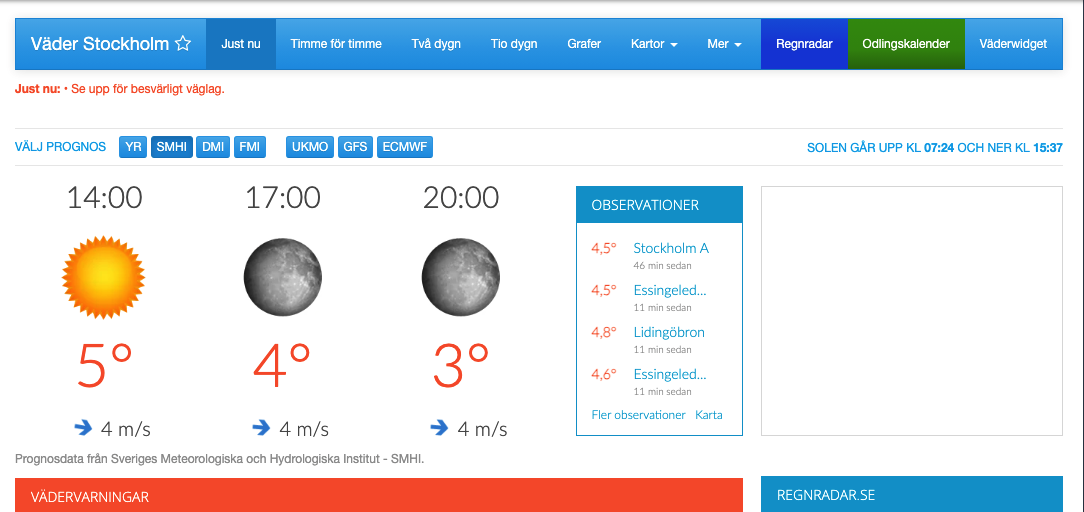
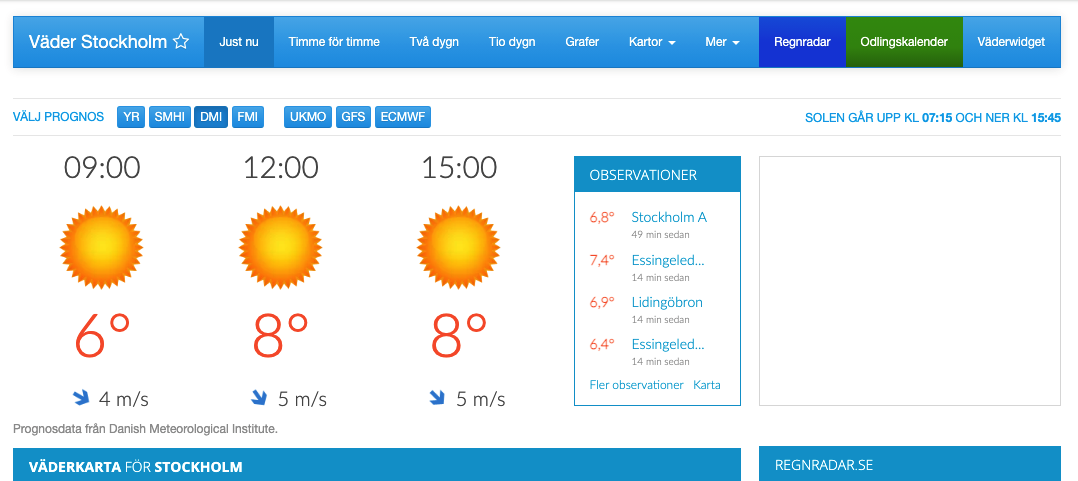
5.11.2026 #siä = ilmu Stokgol'mas tänäpäi vädret i Stockholm idag = meteo ഇന്ന് സ്റ്റോക്ക്ഹോമിലെ കാലാവസ്ഥ image
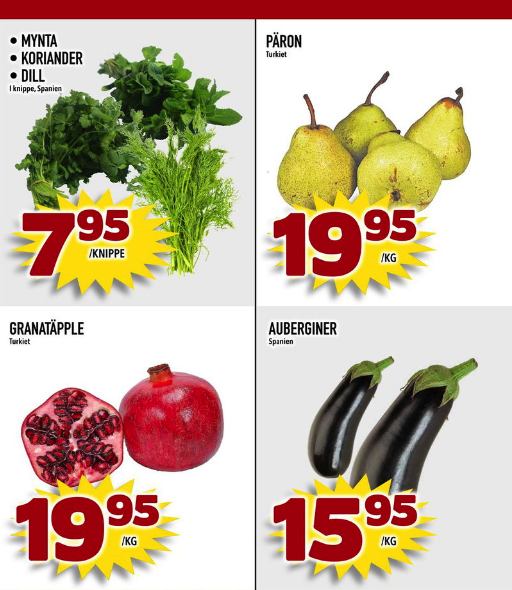
i förorten (Stockholm) kan man köpa billigare frukt och grönsaker, det fanns granatäpplen för 20 kronor kilot när de kostade 68 kronor kilot på Willys i stan, de var lika goda som de var billiga. persilja finns i stora buntar, det behövs en stor bunt om man gör Tabbouleh image
currently in progress https://noahideworldcenter.org/pages/congress The First International Congress of Noahides is a five-day gathering held from November 2–6, 2026, at the Seven Arches Hotel in Jerusalem, convened by the Noahide World Center (Brit Olam). Key Details and Outcomes Attendance: Approximately 100 delegates from 20 countries across six continents, who are non-Jews adhering to the Seven Laws of Noah. Institutional Founding: The event establishes the permanent infrastructure of the World Noahide Movement, including the first International Beit Din (rabbinic court) and six Continental Councils. Founding Texts: Delegates ratified the Brit Shalom (a 14-chapter legal codex) and the Brit Olam Siddur (prayer book), creating the movement’s first official curriculum and charter. Presidential Reception: On November 5, delegates were received at Beit HaNasi, the official residence of Israeli President Isaac Herzog, where representatives read the Declaration of the Founding and presented the signed charter. Leadership: The Congress operates under the guidance of Rabbi Oury Cherki, President of Brit Olam, and includes blessings from the Chief Rabbis of Israel. Financial Model: A sustainable structure was formalized based on donations, $36 annual member dues, and potential government grants, managed by an appointed Finance Committee. Registration: Delegate registration closed on October 18, 2026, finalizing the list for the event. AI-text
X: Laura Loomer @LauraLoomer · 3h All of it. I want to live in a homogeneous society based on merit and survival of the fittest. Quoted Avatar Carolyn @Carolyn64260881 · 4h @LauraLoomer Are you most against diversity, equity, or inclusion?
↑