OpnState's avatar
OpnState 1 year ago
Step 1. Jurisdiction passes law restricting encrypted secure social platforms, requiring back doors, etc. Legislation has criminal penalties for non compliance. Step 2. Jurisdiction will take 1-2 years to "police the perimeter" and identify entities within scope of the legislation. Step 3. Ban-Hammer nails down non compliant platforms, enforcement phase. Usually 3-4 years after passing of legislation. We are (in UK, Canada, aus, EU, ) currently in step 2. Mozilla and all other entities may bring enforcement matters to court however once a law is passed it's really hard to argue against it.  Judges enforce the laws and interpret them. I wouldn't assume mozzila backing protects from 1984 government.  Problem is most of those entities are doxxed and thus have balls to grab.  Government will grab them and squeeze. solution : don't be doxxed. dont use legal entities like foundations or not for profits for your projects.  Do them a-la-satoshi and give a finger to the central state

Replies (5)

OpnState's avatar
OpnState 1 year ago
Ultimately any app that offers privacy and anonymity with doxxed devs is at risk of gov pressure. Using simplex now, best there is that I can see
Interesting you say that. No one seems to know who wrote #retroshare which seems to worry some people, but you may be right. Some think the developer of #muwire -the #i2p based client - abandoned the project rather than kowtow to #Govt
OpnState's avatar
OpnState 1 year ago
I was not aware of either of those projects. Thank you. The way to dev is to dev without a governable structure (no company, foundation, not for profit, etc) and anonymously. Strange to think simple messenger apps may be targets for gov intervention .
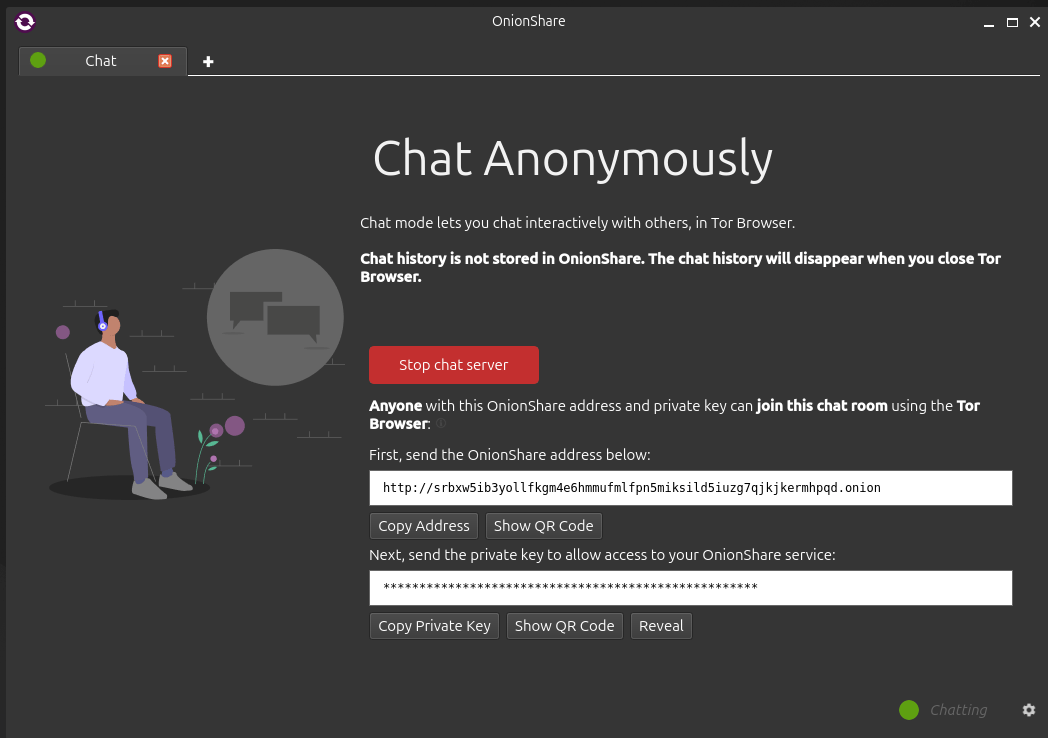
It's worth noting, there are completely censorship resistant communication systems, but they're more effort. If I send you the public key by email and then send the private key as a QR code later, no one else even knows the server exists. image