How about backing Nostr events (or pubkeys) with timelocked fidelity bonds as an alternative/addition to proof-of-burn?
This seems to mitigate the perverse incentive you mention at the end of your paper:
> "Interestingly, this proposal creates an incentive for Bitcoin miners to spam unprotected Nostr relays, in order to force users to pay for their posts."
With a bond, the cost is capital lock-up rather than a per event sacrifice, so miners don’t receive the "attention fee" itself (only normal on-chain transaction fees). And the bond is still globally verifiable by anyone with a Bitcoin node.
The math on how bonds could be valued compared to burns is explained here:
>

Gist
Financial mathematics of joinmarket fidelity bonds
Financial mathematics of joinmarket fidelity bonds - financial-mathematics-of-joinmarket-fidelity-bonds.md
(Although, if bonds were per event, I suspect the quadratic factor should be removed. However, if bonds are per pubkey for sybil resistance the quadratic factor makes sense.)
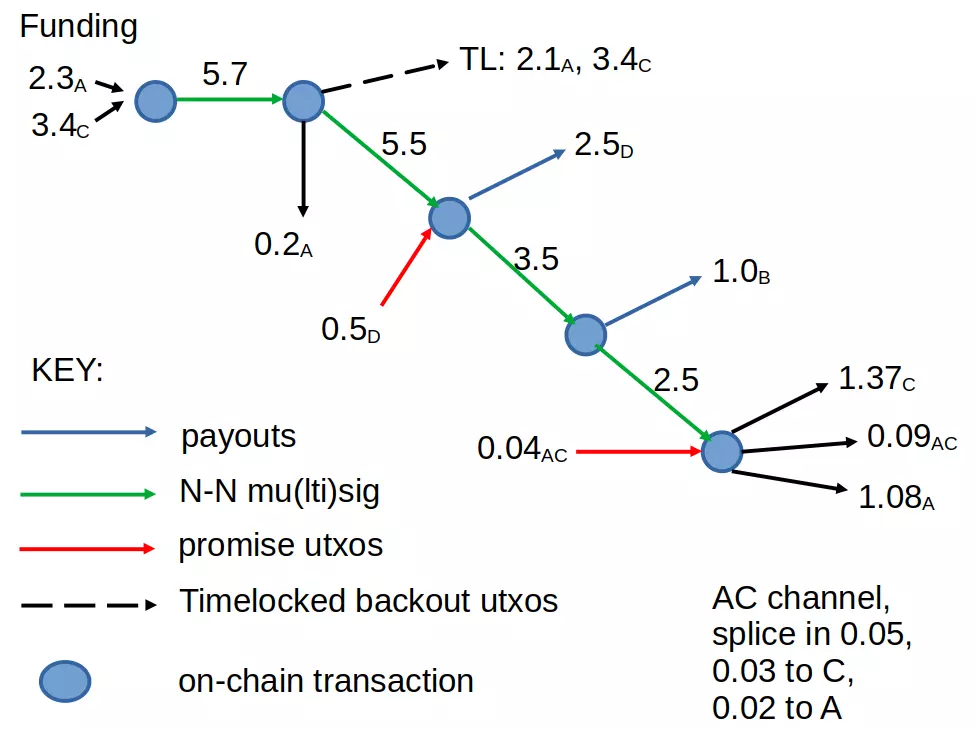
To avoid UTXO bloat, I suspect a notary could aggregate many small user timelocks into a single on-chain bond UTXO using an Ark-like construction, while still giving each user a unilateral exit path after the timelock if the notary stops cooperating. I'm unsure about the details though.