Trump administration preparing 'sweeping' new tariffs on China, the EU and 14 other economies — WSJ
EU, Japan and South Korea face 15% or less, China, Vietnam and India reportedly MORE
Nasdaq 100 futures down 2.5% on the news 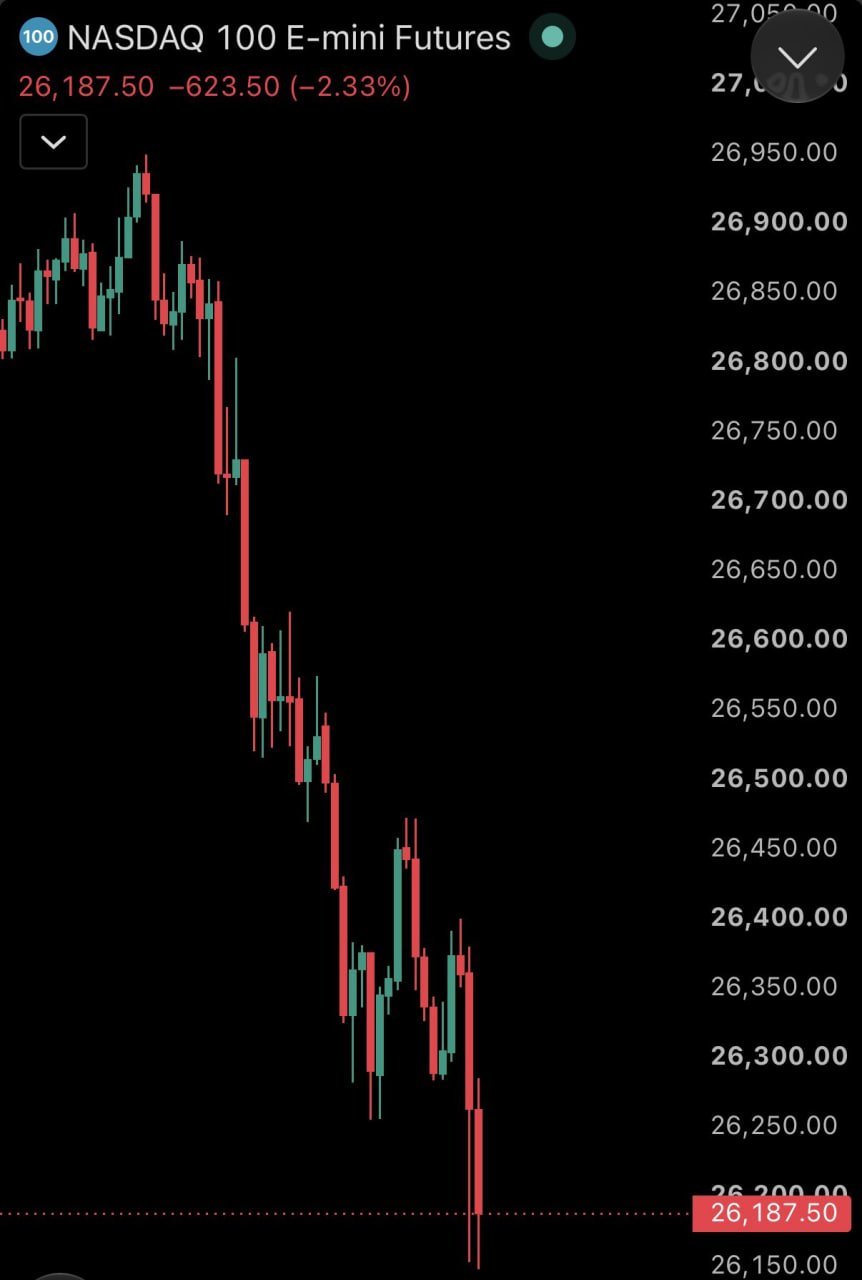
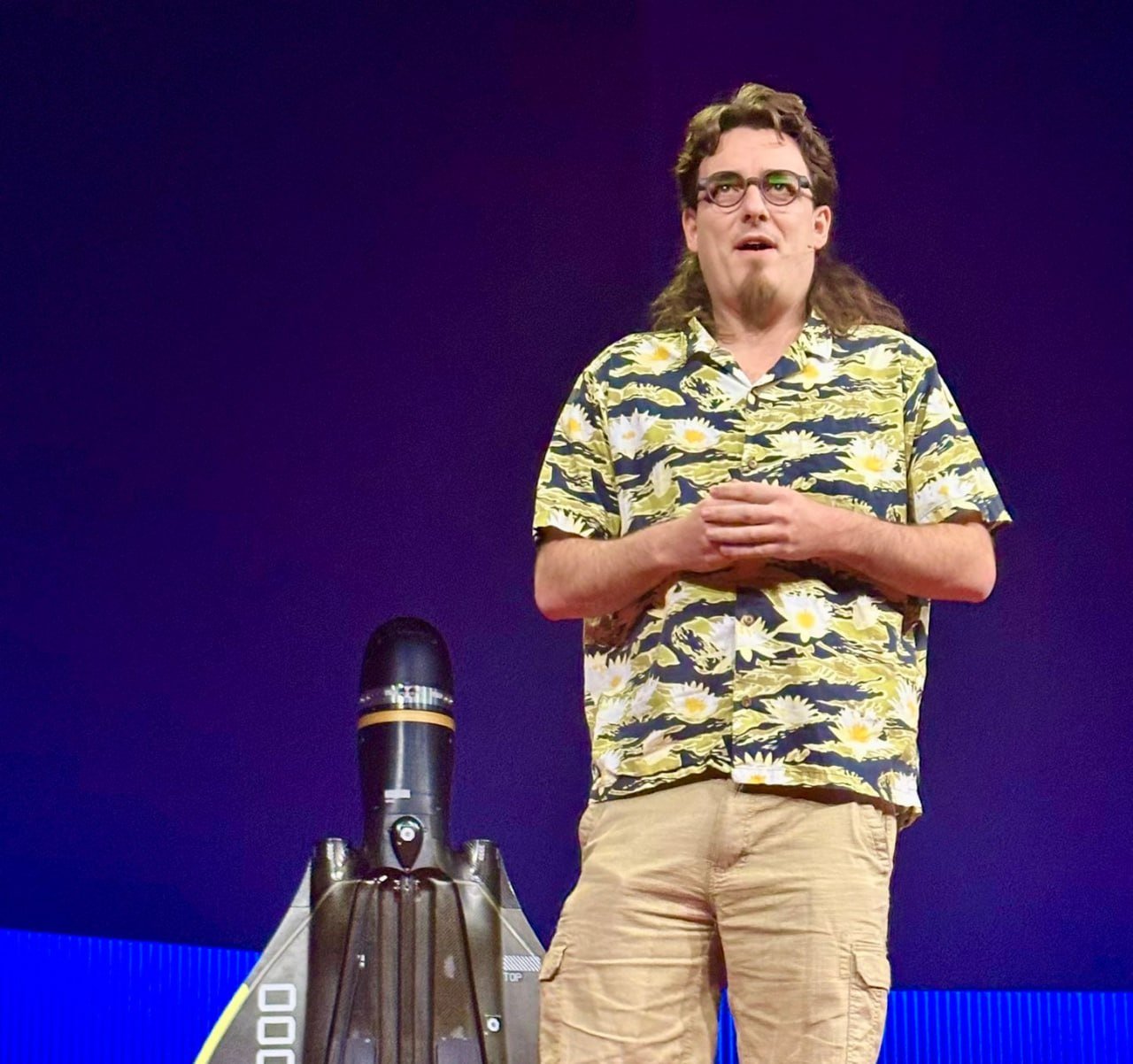 🔴Only the threat of serious consequences can make a game feel real to you," he argued.🔴
Luckey was inspired by the anime Sword Art Online, in which players put on a NerveGear virtual reality headset only to find out that real life is now at stake as their gear was programmed by a mad scientist to kill them if they are killed in a virtual game.
“The good news is that we are halfway to making a true NerveGear. The bad news is that so far, I have only figured out the half that kills you,” Luckey wrote in his blog.
He noted he had plans for an anti-tamper mechanism "that, like the NerveGear, will make it impossible to remove or destroy the headset."
Luckey used small, modular explosive charges and connected them to a light sensor that detects when the headset displays a red screen flashing at a specific frequency.
“When an appropriate game-over screen is displayed, the charges fire, instantly destroying the brain of the user,” he noted. “It is also, as far as I know, the first non-fiction example of a VR device that can actually kill the user. It won’t be the last.”
Some say it's going too far, even for a high-tech provocateur, while others point out that Luckey's Anduril is already producing all kinds of killer drones and other military equipment.
Luckey's provocative rhetoric bears a striking resemblance to that of Alex Karp, co-founder of Palantir. Both Anduril and Palantir received financial backing from Peter Thiel, the PayPal Mafia billionaire fascinated by The Lord of the Rings.
In Tolkien's mythology, a palantír is a seeing stone, while Anduril is a legendary sword known as the "Flame of the West" and a symbol of legitimate authority.
Both AI giants openly proclaim the "defense of the West" as their core mission, seemingly by any means necessary. Yet their role in creating AI-powered military targeting systems has drawn widespread criticism over ethical concerns, particularly amid mounting civilian casualties in conflicts across the Middle East and Eastern Europe. This has fuelled questions about their underlying ideology, with some critics openly labeling them as "techno-fascists."