Anarko 's avatar
Anarko
npub1puuf...5f6e
"Something wicked this way comes"🦑 Apocalypse Anonymous.
Anarko 's avatar
Anarko 4 months ago
🌊 SURF 'N TURF 🏝️ -THE BORACAY ISLAND LIFE- image Jim Morrison’s “Last Words” Poem Goes to Auction: A Haunting Glimpse into the Doors Frontman’s Final Days: handwritten poem by Jim Morrison found among his possessions in the Paris hotel where he died in 1971 ends with the line "Last words, Last words out." image Full Details⬇️ https://247aroundtheworld.co.uk/jim-morrisons-last-words-poem-goes-to-auction-a-haunting-glimpse-into-the-doors-frontmans-final-days/ "Pure signal, no noise" Credits Goes to the respective Author ✍️/ Photographer📸 🐇 🕳️
Anarko 's avatar
Anarko 4 months ago
🌊 SURF 'N TURF 🏝️ -THE BORACAY ISLAND LIFE- image Immanence (2015) made with hinges, wood doors and metal armature by Yoan Capote. It's amazing. @yoancapote "Pure signal, no noise" Credits Goes to the respective Author ✍️/ Photographer📸 🐇 🕳️
Anarko 's avatar
Anarko 4 months ago
🌊 SURF 'N TURF 🏝️ -THE BORACAY ISLAND LIFE- THE DOOMSDAY DJ: TUNES FOR THE POST APOCALYPSE image Into The Sun Song by Sons of the East ‧ 2015 Stealing Glances at the pavement The weight it comes too soon Supposed to keep on rolling But the race is nothing new As the train, it starts to go And it takes our bodies slow And I know you wanted to for some time now All this time you're gone In your wake I stumble on But the smoke is nothing that I haven't seen So I walk into the sun I thought you'd be there But you could fool anyone In the red water dust Will I see you soon, Or did we move on? The crowd begins to break up They're calling their goodbyes My head's above the water But I'm drowning in your eyes So I walk into the sun I thought you'd be there But you could fool anyone Got a head full of dust Will I see you soon, Or did we move on? Well the race is long, you can't relax And I don't belong so I'm headed back It's getting hard, you feel the fear I'm seeing red, wish you were here And I walk into the sun I thought you'd be there But you could fool anyone Got a head full of dust Will I see you soon, Or did we move on? Will I see you soon, Or did we move on? "Pure signal,no noise" Credits Goes to the respective Author ✍️/ Photographer📸 🐇 🕳️
Anarko 's avatar
Anarko 4 months ago
🌊 SURF 'N TURF 🏝️ -THE BORACAY ISLAND LIFE- image 2015 Zagato Maserati Mostro. image The 2015 Zagato Maserati Mostro is a limited-edition, coach-built sports car created to celebrate Maserati's centenary and honor the legendary 1957 Maserati 450S Coupe "Monster". It was unveiled at the 2015 Villa d'Este Concours d'Elegance and is powered by a naturally aspirated Maserati V8 engine from a GranTurismo, with only five examples produced by Zagato. image "Pure signal, no noise" Credits Goes to the respective Author ✍️/ Photographer📸 🐇 🕳️
Anarko 's avatar
Anarko 4 months ago
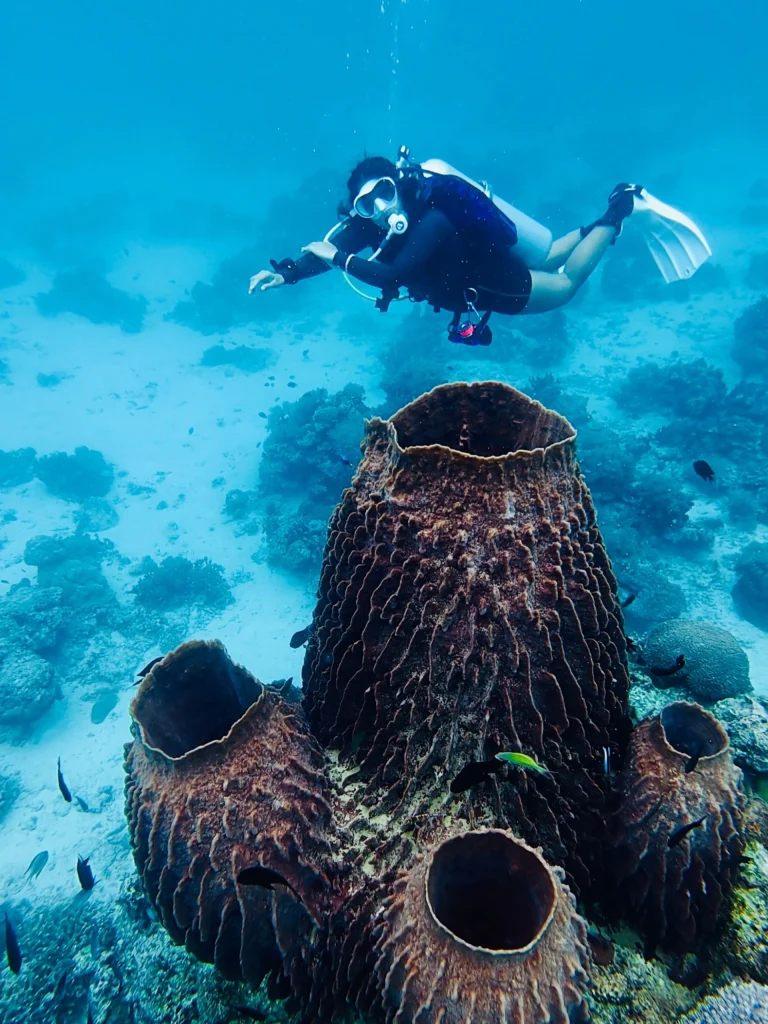
🌊 SURF 'N TURF 🏝️ -THE BORACAY ISLAND LIFE- Diving In The Philippines & S.E. Asia/World Dive Gear Post #014- Akuana Dive Gear image "It's a good day to dive". 🤿 🤿 "Something wicked this way comes" Pura Vida 🏝️ #akuana gear #scubadiving#cavediving #naui #techdiver #scubadivingaddicts #scubagirls #scubarevolution #scubaworld #scubagear #scubadivinglife #scubadivers #wetsuit#ccr#rebreather#divingtrip #shoredive "Pure signal,no noise" Credits Goes to the respective Author ✍️/ Photographer📸 🐇 🕳️
Anarko 's avatar
Anarko 4 months ago
🌊 SURF 'N TURF 🏝️ -THE BORACAY ISLAND LIFE- image Kicking off the 2025-2026 season with the FIRST FULL MOON PARTY of the year! To celebrate, we’re shining a spotlight on our incredible local artists with a special NEON ART COMPETITION! Create your best glow-in-the-dark masterpiece and win big: 🥇 1st Prize – ₱8,000 🥈 2nd Prize – ₱5,000 🥉 3rd Prize – ₱2,000 For more details Contact: +639770619047 Normeth Preglo Parzhuber Let your creativity glow under the full moon! Epic party collab with @BoracayBeachParty @Hangin Kite Center And HappinessHostel Tag your artist friends & see you on the beach! #FullMoonParty #boracaybeachparties #NeonArtCompetition #BoracayVibes #LocalArtists #HappinesBoracay "Pure signal, no noise" Credits Goes to the respective Author ✍️/ Photographer📸 🐇 🕳️
Anarko 's avatar
Anarko 4 months ago
🌊 SURF 'N TURF 🏝️ -THE BORACAY ISLAND LIFE- image "Pure signal, no noise" Credits Goes to the respective Author ✍️/ Photographer📸 🐇 🕳️
Anarko 's avatar
Anarko 4 months ago
🌊 SURF 'N TURF 🏝️ -THE BORACAY ISLAND LIFE- image A 1938 Bugatti T57SC Atalante at the International Bugatti Club meet in Grafton, Vt. in 1995. "Pure signal, no noise" Credits Goes to the respective Author ✍️/ Photographer📸 🐇 🕳️
Anarko 's avatar
Anarko 4 months ago
🌊 SURF 'N TURF 🏝️ -THE BORACAY ISLAND LIFE- image The Erfurt latrine disaster occurred on July 26, 1184, in Erfurt, Germany, when a gathering of nobles caused the floor of the building to collapse into a cesspit, killing approximately 60 to 100 people. image King Henry VI (later Holy Roman Emperor) was holding a Hoftag (court day) to mediate a land dispute between Landgrave Louis III of Thuringia and Archbishop Conrad of Mainz. A large number of nobles were assembled on an upper floor. The aging wooden floor beams, possibly rotten, could not support the combined weight of the attendees and their entourage, causing the floor to give way. The people on the upper floor plunged through the collapsing ground floor into the large underground latrine cesspit filled with accumulated human waste. Sources estimate that between 60 and 100 people died. Causes of death included the fall itself, being crushed by debris, drowning in the liquid excrement, or asphyxiation from the noxious fumes (likely high concentrations of ammonia). King Henry VI and Archbishop Conrad miraculously survived by taking refuge in a sturdy stone window alcove, where they clung on until rescuers with ladders could reach them. Landgrave Louis III also survived the fall and was rescued. The disaster is considered one of the most bizarre and tragic accidents of the Middle Ages, primarily due to the grotesque manner of death and the high social status of the victims. Pictures: AI generated picture of the event and the Petersburg Citadel, site of the disaster, today. (Clemensfranz / CC BY-SA 4.0) "Pure signal, no noise" Credits Goes to the respective Author ✍️/ Photographer📸 🐇 🕳️
Anarko 's avatar
Anarko 4 months ago
🌊 SURF 'N TURF 🏝️ -THE BORACAY ISLAND LIFE- image "VIJIT CHAO PHRAYA 2025." We invite you to experience this light and sound show, reflecting the beauty of the Chao Phraya River and featuring over 1,000 drones. There will also be an electric and mixed media art installation that tells the story of faith and the connection between "water" and "land." 15 locations along the Chao Phraya River (Rama VIII Bridge - Rama III Bridge), Bangkok 🗓️ November 9 - December 23, 2025 ⏱️ 6:00 PM - 10:00 PM #VijitChaoPhraya2025 #AmazingThailand #VisitChaoPhraya #Riverside #ChaoPhraya #Bangkok #Thailand #VisitBangkok #LightAndShow #Bangkok "Pure signal, no noise" Credits Goes to the respective Author ✍️/ Photographer📸 🐇 🕳️
Anarko 's avatar
Anarko 4 months ago
🌊 SURF 'N TURF 🏝️ -THE BORACAY ISLAND LIFE- image Citroën GT Elysian 2026: What Powertrain to Bring This Masterpiece to Life? image To animate the Citroën GT Elysian concept, three powertrains are being considered. image The most capable option is a 750 hp Maserati-origin bi-turbo hybrid V6. The second, more avant-garde, is a 450 hp hydrogen-combustion 6-cylinder engine. image Finally, an atmospheric 520 hp V8 is offered for purists. "Pure signal, no noise" Credits Goes to the respective Author ✍️/ Photographer📸 🐇 🕳️
Anarko 's avatar
Anarko 4 months ago
🌊 SURF 'N TURF 🏝️ -THE BORACAY ISLAND LIFE- image Christmas 🎄 Prague, Czech Republic 🇨🇿 Photographer: Agi Noszek - @aginoszek #archidesiign #architecture #design #travel #photography #europe #christmas #prague #czechrepublic "Pure signal, no noise" Credits Goes to the respective Author ✍️/ Photographer📸 🐇 🕳️
Anarko 's avatar
Anarko 4 months ago
🌊 SURF 'N TURF 🏝️ -THE BORACAY ISLAND LIFE- image 158 Years Ago This December The Largest Mass Hanging Execution in US History Occurred At The Hand of The Evil President Abraham Lincoln The execution was signed off by President Abraham Lincoln the day after Christmas At 10:00 am on December 26th 1862, 38 innocent Natives of the Dakota Sioux prisoners were led to a large hanging scaffold specially constructed for their execution. One Dakota sentenced to hang was given a reprieve at the last minute. An estimated 4,000 spectators crammed the streets of Mankato Minnesota and surrounding land to witness this horrific event that was glorified by the US Government. The native people were allowed reservations which was their own sovereign lands and nation; the United States has made agreements through treaty agreements that allowed the native people to utilize the land as their own. After months of making these treaty agreements, the USA allowed hunters onto tribal lands where they were met with armed natives. They were either removed from tribal lands or killed by the natives for trespassing and this is the reason Lincoln hung 38 Dakota, to set an example for others who killed trespassers on their lands. When we were younger in grade school we were taught lies about the US Government and bigger lies about their leaders like President Lincoln and we’re taught Lincoln was the greatest president who ever lived. Truth is, the government wrote their own narrative that they taught to the children and it was nothing but lies that continue to be taught in schools today. "Pure signal, no noise" Credits Goes to the respective Author ✍️/ Photographer📸 🐇 🕳️
Anarko 's avatar
Anarko 4 months ago
🌊 SURF 'N TURF 🏝️ -THE BORACAY ISLAND LIFE- image Ohaguro (black teeth) Ohaguro was a sign of social status in Japan from the 10th to the late 19th century because it signified maturity, wealth, and beauty, and required a consistent commitment to maintain. image Over time, it spread to other classes, including samurai and geisha, and was believed to provide dental health benefits and ward off evil spirits, reinforcing its association with civilization and refinement. Pitch-black teeth were considered beautiful and refined, especially because they created a striking contrast with the white makeup worn on the face, a popular aesthetic at the time. image The black dye for ohaguro was made primarily from iron filings dissolved in vinegar to create a solution called kanemizu. This dark brown mixture was then combined with tannin from vegetables or tea (like the galls of the Chinese sumac plant) which turned it a permanent, water-insoluble black, similar to iron gall ink. The resulting black liquid was either drunk or applied to the teeth. The practice was a ritualistic mark of maturity. It was first performed during puberty, signifying a girl's transition to womanhood and a woman's entry into marriage and her new social role. The creation of the dye from iron filings, vinegar, and other ingredients was a significant undertaking, and the practice was associated with the aristocracy and samurai, who could afford the time and resources to maintain it. For married women, ohaguro symbolized marital fidelity. For samurai, it was a sign of self-discipline and intimidation on the battlefield. The dye was also seen as a protective sealant against tooth decay, and its regular application was linked to the preservation of health and teeth into old age. This was a sign of being civilized and more advanced than animals. While the practice spread to other classes, its origin among the elite gave it an air of exclusivity and prestige. The tannins and iron filings used in the dye, such as in the Japanese concoction kanemizu, created a protective layer that inhibited tooth decay. It was also believed to strengthen the gums. Unlike some other teeth-staining practices, ohaguro was not harmful to the teeth themselves and did not attack them. European visitors often misinterpreted the black teeth as a sign of poor dental hygiene, but this was incorrect. Ohaguro fell out of favor due to Japan's modernization during the Meiji period and the introduction of Western beauty standards, which favored white teeth. As Japan opened to the West, the practice was viewed as outdated and was eventually banned by the government, leading to its disappearance by the early 20th century. "Pure signal, no noise" Credits Goes to the respective Author ✍️/ Photographer📸 🐇 🕳️
Anarko 's avatar
Anarko 4 months ago
🌊 SURF 'N TURF 🏝️ -THE BORACAY ISLAND LIFE- TUNES FOR THE POST APOCALYPSE On this day in 1981, the Men At Work single “Down Under” debuted on the Australian Charts at #35 (November 23) “Down Under” was massive all around the world for the Aussie band… The song from the “Business as Usual” LP (which was #1 on the US Billboard 200 Album Chart) went on to spend 4 weeks in the #1 spot on the Billboard Hot 100, and was the #4 song in the US for the year 1983. It eventually sold over two million copies in the US alone. “Down Under” was also #1 in Australia, the UK, New Zealand, Canada, Switzerland, Poland and Ireland. It also went Top 10 in Germany, South Africa, Norway, Finland, Belgium, Sweden and the Netherlands. The song written by Men at Work's co-founders, Colin Hay and Ron Strykert has gone down in Australian rock history as a classic, and is really one of the unofficial Aussie anthems. The Australasian Performing Right Association (APRA) ranked “Down Under” #4 on their list of the Best Australian Songs from 1926 to 2001, as decided by a hundred-strong industry panel. It was added to the National Film and Sound Archive's Sounds of Australia registry in 2007. The holders of the copyright to a 1932 Australian children’s song successfully sued Hay and Strykert, claiming that they misappropriated the flute riff. Several appeals by EMI and Men at Work were unsuccessful. The Men at Work member that played the flute riff Greg Ham said he was deeply affected by the judgment and felt it tarnished his reputation, saying: "I'm terribly disappointed that that's the way I'm going to be remembered—for copying something." #menatwork, #downunder, #colinhay, #australianmusic, #australianrock, #aussierock, #ozrock, #dailyrockhistory, #thisdayinmusic, #onthisday, #gregham, #businessasusual, #80smusic, #80srock "Pure signal, no noise" Credits Goes to the respective Author ✍️/ Photographer📸 🐇 🕳️
Anarko 's avatar
Anarko 4 months ago
🌊 SURF 'N TURF 🏝️ -THE BORACAY ISLAND LIFE- Enjoying Brazil (even at 77 years old) Photos: @didierkelly "Pure signal, no noise" Credits Goes to the respective Author ✍️/ Photographer📸 🐇 🕳️
Anarko 's avatar
Anarko 4 months ago
🌊 SURF 'N TURF 🏝️ -THE BORACAY ISLAND LIFE- image Amish Survival Tips for Off-Grid Living. The Amish first arrived in the United States in the mid 1700’s. Of course it was still a British colony at the time but since that time the Amish population in the U.S. has grown to almost 300,000. They live in communities across the country and are known for their firm commitment to a simpler, pioneer lifestyle. Contrary to some assumptions, the Amish do not shun all technology. They have been known to use diesel powered generators, propane powered refrigerators and freezers, and commonly use solar, wind and water power. The only issues they have with technology are when it is interconnected. The Amish believe that to retain their independence and freedom from the temptations and evil of modern society, they must avoid those technologies that connect to society in general. This would include the power grid, Internet, broadcast TV and radio signals, and any other technology that is part of a network or system connected to the general public. The Off-Grid Pioneers As a result, the Amish have been pursuing an off-grid lifestyle for more than 500 years. And while there was no such thing as a power-grid 500 years ago, there were still networks of connection that they avoided. They have occasionally if not reluctantly accepted some forms of technology, but it usually requires approval from the local Amish community. This approval varies from community to community. One surprising example is that some Amish farmers have wireless mobile phones. They don’t usually access the Internet nor do many of the other things most of us do, but many Amish are in business to sell products they produce and need some way to connect to stores and suppliers. In spite of their occasional use of cell phones they still don’t have hard line phones in their homes. That would be “too connected” to the outside world. Centuries of Preparedness As much as some of us worry about a massive grid failure, water shortages and cyberattacks on the Internet, the Amish have been calmly living a prepared life as a matter of course and a matter of choice. There are lessons to be learned here and they go beyond skills and hand tools to a mindset and a state of mind. A Life Defined by Self-Reliance It would be a stretch to believe that the Amish never go to a store, but it’s a rare occurrence and their shopping is both specific and limited. One store that has both a catalog and an online presence is Lehman’s. They sell a line of products uniquely tailored to the Amish lifestyle and work style. This includes many of the hand-powered tools and equipment that is no longer made, or only found in antique stores and flea markets. Just about everything else they need they either grow, make, build or barter for. It’s a lifestyle motivated by a daily commitment to self-reliance and the discipline to make that happen. One of their mindsets is the fact that every day is a to-do list of chores; some routine, some seasonal, and others necessary or pursued. Kids are often involved in the daily chores both as a means of learning self-reliant skills, and as a necessary set of extra helping hands. To the Amish, hard work is both noble and expected. They dress very traditionally and their fashion choices haven’t changed for more than 100 years. Their clothes are usually handmade, their food is homegrown, and everything is home cooked, canned or preserved. We’re going to step back and look at the various actions, skills and behaviors of a typical Amish community to identify some of those actions, skills and behaviors we could and maybe should adopt for our own self-reliance and independence. The Basic Skills To begin, the Amish are predominantly farmers. They chose farming because it allowed them to not only live independently but to locate in rural areas away from the sins and opinions of the city. √ Farming This isn’t about farming in the traditional sense. Few Amish actively grow, harvest and sell large quantities of a single crop to sell on the open market. Most of their farming activity is focused on growing their own food to eat, growing some to sell either at their own farm stand or to local grocers, and food as barter for other goods and services they might need within the Amish community and the local community at large. Mechanical, motor driven equipment is rarely used and instead horses are the literal horsepower of choice. It’s rare that you would see a gas powered roto-tiller, but some Amish have used diesel powered hay bailers and other diesel-powered equipment for tasks that are either too difficult or too dangerous to do by hand. Every aspect of farming and gardening is mostly done by hand from tilling to planting, harvesting and storing. Horse-drawn wagons and equipment pull the heavy loads but tasks that can be done by hand are done by hand. The Amish always harvest seeds from every crop and store them for the next season. They compost everything from weeds to straw to table scraps to manure and chicken droppings. √ Building The Amish are master builders. They are known for their carpentry skills and their handmade furniture is highly regarded. They are also masters of timber frame construction and work together in their community to raise barns, sheds and homes for their families and neighbors. Many are accomplished masons and their sturdy brick walls have rolled across the hills and valleys of their farms for centuries. From barn foundations to bricking a water well; masonry and the ability to use stone, mortar and masonry tools are second to only carpentry in their wheelhouse of skills. √ Harnessing Water Many Amish farms and properties feature water wheels powered by creeks and streams to grind flower, pump water to their homes and to irrigate their farms, and even to power saw mills and timber pulleys. They are accomplished at digging wells and their use of hand pumps to pump water is not only common but expected. They are expert at collecting rainwater and harvesting water from lakes, ponds and streams. They are accomplished at crafting water filters from gravel, sand and charcoal and heat their water with wood-fired cook stoves with a reservoir attached. They also heat water with rooftop solar water heaters and sometimes simply heat the water in a large stockpot over an open fire. √ Harnessing Wind Few Amish farms are without their share of windmills. They’re used to do everything from pumping water to generating electricity. Long before wind-power became a buzzword for green energy, farmers like the Amish were harnessing the wind. The wind was also used to dry the laundry and of course separate the wheat from the chaff. Windmills also powered small grain mills and even small water pumps to direct water to a livestock trough or small garden. If there was a force of nature that could provide power to accomplish a task, the Amish harnessed it and put it to good use. √ Preserving Foods Food preservation was another primary skill pursued by the Amish. Canning was a regular activity and their pantries and root cellars were always filed with the results of their canning efforts. They were also expert at curing and smoking meats and a smokehouse was a common and often necessary addition to any Amish farm. The smokehouse was used to both smoke the cured meats and to store them over time. Dehydrating foods and vegetables using the sun was another common Amish practice. From raisins to sun-dried tomatoes, if it could be sun-dried it found its place in the Amish sun. Just as many foods were fermented and given the German origins of some Amish communities, sauerkraut was often found in every Amish pantry. √ Animal Husbandry Amish livestock went well beyond the standard flock of chickens. Horses had a constant and necessary presence in every Amish barn. Cows were raised for their milk and other dairy products. Pigs, goats and sheep were also on the farm. And of course, there were always chickens. √ Off-Grid Heating Wood burning stoves were a standard addition to an Amish farmhouse and chopping wood was a daily chore. Most homes also had fireplaces both for heat and cooking. Many Amish farms also had “summer kitchens.” These were dedicated structures removed from the main house where wood-fired stoves could be used for daily cooking without making the heat unbearable in the main house in summer. √ Off-Grid Cooking Wood burning cook stoves were the primary centerpiece in any Amish kitchen and they not only provided additional heat in winter, but were used to cook everything. The Amish also cooked outside whether they were roasting whole hogs, chickens on a spit or boiling down tree sap for syrup. √ Off-Grid Cooling Many pioneers and native people across North America used innovative ways to keep cool in summer. The Amish kept cool using many of those traditional techniques from well designed venting to the use of cold traps. Basements and root cellars were always a cool location and the Amish were also mindful about keeping their animals cool. Foods were kept cool in root cellars, basements, and with modern conveniences like propane powered refrigerator/freezers. Ice was often harvested from ponds and lakes in winter and dedicated ice-houses were used for year-round cold storage of foods. They also were quick to use ice-boxes in their kitchens and have even been known to use old electric refrigerators without electricity to both contain the ice for cooling, and to take advantage of the insulation properties of any refrigerator. √ Alternative Power Off-grid doesn’t mean the electricity is always off to the Amish. It means they are not connected to a networked power grid, but they still find ways today to generate electricity. Solar power is both used and embraced by many Amish communities as an independent source of power. One reference to the use of solar power by the Amish referred to it as connecting to “God’s-grid.” The solar panels are sometimes hooked to a solar generator, and rooftop solar setups even heat water for use in the Amish household. Windmills to generate power are also embraced, and if a stream or creek is running through their property both ram pumps for pumping water, and water wheels for power generation are quick to appear. Much of the electricity generated is used to power wood working tools like planers, saws and other workshop tools. The power is also used to generate electricity for basic lighting and appliances. √ Let There be Light Lighting options for the Amish are wide-ranging from oil filled hurricane lamps to kerosene lanterns, candles and candle lanterns, and even LED flashlights and lamps powered by solar rechargeable batteries. Hand-cranked flashlights are another option. Some of it sounds like technology the Amish would shun and some Amish communities would agree. On the other hand, they are embraced by other Amish communities given the fact that these off-grid lighting options are independent of the grid. √ Transportation A horse and carriage are the traditional mode of transportation for the Amish. But they also use bicycles often with an attached buggy-cart, and some of the younger Amish generation has been spotted on roller skates and skateboard scooters. Whenever long distance travel is required the Amish usually arrange for someone else to drive them to their destination. They won’t own or drive a traditional car, van or truck but when necessary will accept the need to travel as a passenger. √ First Aid & Herbal Medicine It’s rare for the Amish to visit a doctor or hospital with any frequency, although they will not hesitate in a desperate emergency. In many instances, the Amish turn to herbal medicine and natural treatments for their ailments. The Amish are generally in very good health due to the amount of their strenuous physical activity and their essentially organic diet of farm raised foods. They also shun alcohol, tobacco and the other excesses of society that often lead to health issues. There are books about Amish natural remedies and many of their herbal treatments that have been used and improved over hundreds of years. √ Crafts Some of us think of crafts as a hobby. To the Amish, crafts are a way of life. In a social group that typically avoids the commercial offerings of modern society the ability to do-it-yourself is both necessary and expected. Here are just a few of the craft skills the Amish have both mastered and pursue on a regular basis: Furniture making Quilting Candle making Soap making Pottery Beekeeping Maple sugaring Cider making Cider Vinegar Sewing Knitting and crochet There’s more and if there’s something that needs to be made by hand it’s a good bet the Amish are making it. √ Home Schooling It didn’t take a pandemic to motivate the Amish to home-school their children. It’s totally consistent with their philosophy and the fear that outside and corrupt influences will affect their children and their community. Traditionally, the Amish home-schooled their children up through 8th grade. At that point, some shifted their children’s education to mastery of a specific trade as a source of future income and security. √ Self-Reliant Trades The trades taught to Amish children started much like all trades are acquired. It started with an apprenticeship usually guided by an expert in the community. The product of their trades were then used to either generate income; used as barter or to supply the immediate family with necessary goods and skills. These dedicated trade skills were in addition to the previously mentioned craft skills that were seen as expected and common knowledge. The trades that the Amish are known for include: Carpentry Masonry Blacksmithing Food Preservation Farming and Gardening Wheelwright Cobbling Barrel Cooper √ Foraging In addition to farming and animal husbandry, the Amish are expert at wild foraging. Their ability to recognize trees, wild berries, wild mushrooms and other edible wild plants not only supplemented their farming efforts, but provided additional nutrition beyond conventional vegetables and fruits. √ Barter Traditional commerce was often a challenge for the Amish. As a community that actively avoided the outside world, the idea of a traditional job with a paycheck was not always a viable possibility. As a result, barter was a very important part of Amish commerce and trade. The barter items ranged from eggs to fruits and vegetables and even meat and dairy products. They also bartered their crafts from handmade furniture to anything else they could craft or make. In addition, the Amish bartered their skills for goods and services both within their community and the surrounding local community as well. √ Acquiring an Amish Mindset Beyond the skills, crafts and creations generated by Amish communities is a mindset worth considering. It begins with a dedication to self-reliance. It’s built on a work-ethic that embraces and respects hard work. It’s fueled by an independent spirit. It is fortified by a community designed around cooperation and sharing. It’s dedicated to a commitment to preparedness. It’s very accomplished at meeting the challenges of living off-grid. Anyone with a mindset towards preparedness and self-reliance would be well-served by some of the behaviors and lessons from the Amish communities. It’s gotten them through the last 500 years, and there’s no reason to believe it won’t take them well into the next millennium. "Pure signal, no noise" Credits Goes to the respective Author ✍️/ Photographer📸 🐇 🕳️
Anarko 's avatar
Anarko 4 months ago
🌊 SURF 'N TURF 🏝️ -THE BORACAY ISLAND LIFE image 100 Life Hacks for Preppers and Homesteaders. Who doesn't love life hacks? They offer clever solutions to everyday problems, making life easier. Unfortunately, most “life hack articles” are aimed at people who just want to fix scratches on furniture (use a walnut) or freshen their shoes (use baking soda). There aren't any life hack articles that are specifically for preppers and homesteaders… Until now. In this guide, I’ve compiled 100 life hacks that preppers and homesteaders will find very useful. These hacks cover everything from food storage to home security. You’ll learn how to turn a trash bag into a poncho, how to use a crayon as a candle, how to use bay leaves to keep pests away from your emergency food, and much more. So whether you’re new to prepping or a seasoned homesteader, these life hacks will make your self-sufficient lifestyle easier and more efficient. From simple garden tricks to unique storage solutions, this list has something for everyone who wants to be prepared, resilient, and ready for disaster. To make this list easier to navigate, I organized them into 9 categories, which you can view in the table of contents below. For most of these life hacks, I also included links to articles with more details for those who are interested. Table of Contents Energy and Light Fire and Cooking Food and Storage Gardening and Composting Health and Hygiene Security and Defense Storage and Organization Tools and Gear Water Collection and Purification Energy and Light Aluminum Foil to Fit AAA Batteries in AA Slots If you only have AAA batteries but need AA batteries, you can fold up a small piece of aluminum foil and place it at the negative terminal end of the battery compartment. The foil will bridge the gap and allow the device to work with AAA batteries. Here's how. Crayon as a Candle If you run out of candles, you can use crayons instead. Just light the paper wrapper and the crayon will burn for about 30 minutes. Here's how. Crisco as a Candle If you have a can of Crisco, you can turn it into a long-lasting candle. Insert a wick or piece of string into the center, light it, and the fat will burn for hours. Here's how. DIY Lantern from Headlamp and Milk Jug Fill a clear milk jug with water and strap a headlamp around it with the light facing inward. The water will diffuse the light, creating a DIY lantern. Here's how. Glow Sticks to Mark Pathways at Night Glow sticks can be incredibly helpful during a power outage or at a campsite after dark. If there are any paths used frequently, such as the path to and from the bathroom, hang glow sticks along the path so people can find their way. Here are some more uses for glow sticks. Olive Oil as Fuel for a DIY Oil Lamp If you run out of lamp oil, you can use olive oil instead. It is clean-burning and lasts a long time. Here are some more uses for olive oil. Solar Garden Lights for Indoor Lighting Get some solar-powered lights for your garden or walkway. If there’s a power outage, you can bring them inside at night for a battery-free light source. Fire and Cooking Buddy Burner with a Tuna Can and Cardboard Cut a long piece of cardboard that is about the same width as the height of a tuna can. Roll it up, place it inside the tuna can, pour melted wax over it, and light it. This will create a makeshift burner that can be used for light, heat, and even cooking. Here's now. Build a Haybox Cooker for Blackout Cooking If you can’t use your slow-cooker due to a power outage, use a haybox cooker instead. Simply insulate a pot inside a box filled with hay or blankets. Heat up the pot, place it inside the haybox, and close it. The pot will stay hot for hours, slow-cooking the food inside. Here's how to build a haybox cooker. Chips as Kindling If you’re in a survival scenario and are having trouble starting a fire, greasy chips like Fritos, Doritos, and potato chips can be used as kindling. They catch fire quickly and burn hot due to the high fat content. Construct a Brick Rocket Stove If you don’t have a stove, you can quickly construct one from a few bricks or cinder blocks. This is called a rocket stove, and it will create enough heat to cook just about anything. Here's how to build a rocket stove. Create a Portable Stove with a Tin Can Another way to construct a makeshift stove is with a large tin can. Simply cut holes in it for air flow and place kindling inside. Use it to heat small meals or to boil water. Here's how to make a tin can stove. DIY Solar Oven with a Cardboard Box If you don’t have any kindling or firewood, make a solar oven by lining a cardboard box with aluminum foil. Place a dark pot of food inside and cover the top with plastic wrap, then leave it in the sun. The reflective surfaces will focus the heat and cook the food in the pot. Here's how to make a solar oven. Dryer Lint as Fire Starter If you need some good tinder, try dryer lint, which lights very easily. As you use your dryer, save the dryer lint in a plastic bag so it stays dry. Egg Cartons as Fire Starters Fill the cups of a cardboard egg carton with dryer lint or sawdust, then pour melted wax over them. Once they cool, break off the individual cups and use them to help start fires. Here's now. Hand Sanitizer as a Quick Fire Starter Alcohol-based hand sanitizer is flammable, making it a great fire starter. Just apply a small amount to your kindling, and it will light easily, even in damp conditions. Pencil Shavings as Lightweight Tinder Pencil shavings make for great tinder. If you haven’t already, put a pencil and mini pencil sharpener in your bug out bag so you’ll always have a good source of tinder. Pine Resin as Fire Accelerant Collect dried pine resin to use as a natural fire starter. Pine resin is highly flammable and can help you start a fire even in damp weather. Here's how. Steel Wool and a Battery to Start a Fire Stretch out a piece of steel wool and touch it with the terminals of a 9-volt battery. The electrical current will cause the steel wool to spark, making it an easy way to light tinder. Here's how. Store Apples with Potatoes to Prevent Sprouting Store apples and potatoes together to stop potatoes from sprouting. The ethylene gas from the apples slows down the sprouting process. Use a Shoe Lace as a Bow Drill for Fire Starting Remove a shoelace from your boot and use it as the cord in a bow drill. This ancient fire-starting method takes practice but has stood the test of time for a reason. Here's how to use a bow drill. Vaseline-Coated Cotton Balls as Fire Starters Soak some cotton balls in Vaseline and save them to use as fire starters. The Vaseline will make them burn hotter and longer. Here's how. Food and Storage Acorns as Survival Food If you can’t find anything to eat, look for an oak tree and gather acorns. Once you prepare them properly, you can grind them into flour and use them in any recipe that calls for flour. Here's how to eat acorns. Bay Leaves to Repel Insects To keep insects out of food storage containers, place a few bay leaves inside of them. Many insects hate the smell of bay leaves, so they’re likely to stay away. Canning Jars for Dry Goods You can use canning jars to store dry goods like pasta, beans, and flour. Use a vacuum sealer, or seal them up and place them in an oven set to low. Here's how to dry can food. Dental Floss as Emergency Fishing Line Dental floss can be used as fishing line in a survival scenario. As long as it’s good quality floss, it should be durable enough to catch small fish. DIY Food Dehydrator Using a Window Screen If you don’t have an electric dehydrator, use two clean window screens to air-dry fruits, vegetables, and meat. Simply lay the food between the two screens to protect it from insects, and let it dry in the sun. Here's how to build a solar food dehydrator. Freeze Flour to Kill Pests If you plan on storing flour long-term, first put it in the freezer for 48 hours to kill any insect eggs. Make a Zeer Pot to Keep Food Cool If you need to keep food cold without electricity, make a Zeer pot refrigerator from two clay pots and some sand. This will keep food cool and significantly extend its shelf life. Here's how to make a Zeer pot refrigerator. Open a Can by Rubbing it on Concrete If you don’t have a can opener, you can rub the top of a can on rough concrete to weaken the seal. After several minutes, you should be able to pry open the lid. Here's how. Pantyhose for Storing Root Vegetables You can make root vegetables like onions and potatoes last longer by hanging them up inside pantyhose. This allows air circulation and prevents rot. Just be sure to tie a knot between each vegetable. Here's how. Soda Can Tabs as Fishing Hooks If you don’t have any fishing hooks, you can use a soda can tab by cutting away part of the tab to form a sharp hook shape. File down the edge to sharpen the point and attach it to your fishing line. Here's how. Turn an Old Fridge or Freezer into a Root Cellar If you have an old non-working chest freezer or mini fridge, you can bury it in the ground for a makeshift root cellar. Just be sure to bury it so that the lid is on top, making it easy to open. Here's how. Use a Coin to Check if Freezer Food Thawed If you have to evacuation due to an impending disaster, place a coin on top of a frozen cup of water in your freezer. When you get back, if you find that the coin has sunk to the bottom, that means your freezer food thawed and refroze, meaning it’s no longer safe to eat. Gardening and Composting Banana Peels as Fertilizer Bury banana peels around plants in your garden, or blend them with water to create a natural fertilizer rich in potassium, which is important for healthy fruits and vegetables. Build a Compost Bin from Pallets You can build a compost bin by arranging 4 wooden pallets into a square frame, allowing you to recycle food scraps and yard waste into rich compost for your garden. Here's how. CDs to Deter Birds from Your Garden If you have any old CDs or DVDs, hang them up around your garden to keep birds away. The reflective surfaces create flashes that scare off birds. Coffee Grounds to Acidify Soil Add used coffee grounds to your compost or to your soil around acid-loving plants like blueberries and tomatoes. Coffee grounds will acidify the soil and provide important nutrients. Create Seed Bombs with Paper and Soil Mix seeds with a bit of soil and wrap them in small pieces of paper. When tossed into neglected areas, they will break down and the seeds will take root. This method is perfect for guerrilla gardening or reseeding pastures. Here's how. Eggshells as Seed Starters Use eggshell halves as tiny biodegradable planters for seedlings. Once the seeds sprout, place the entire eggshell in the soil. Here's how. Eggshells to Deter Slugs Crush eggshells and sprinkle them around your plants. The sharp edges will keep slugs and snails away. Epsom Salt as a Magnesium Boost Sprinkle a bit of Epsom salt around the base of plants. The magnesium in the salt will help plants like peppers and tomatoes. Fake Snakes or Owls Around Garden to Deter Pests Place some rubber snakes or plastic owls around your garden to scare off small animals and birds. Be sure to move them occasionally or they’ll stop working. Grow Potatoes in a Trash Bag If you don’t have any good planters, you can grow potatoes in plastic grocery bags or even small garbage bags. As they grow, add more soil to cover the stems. Here's how. Mini Greenhouse from a Plastic Bottle Cut off the bottom of a large plastic bottle and place it over seedlings in the garden. This will create a mini greenhouse that protects young plants from the cold. Here's how. Newspaper for Weed Control Lay sheets of newspaper around your garden plants and cover them with mulch. This will suppress weeds and retain moisture in the soil. Old Tire as a Planter Fill an old tire with soil and plant vegetables inside. This will create a raised bed that warms up faster in spring. Sprout Seeds for Fresh Greens For some fresh fiber and nutrients, sprout seeds like alfalfa, lentils, or broccoli in jars. It takes very little space and only takes a few days. Here's how. Repurpose Old Windows for Cold Frames If you have some old windows, you can use them to create cold frames for your garden. This will significantly extend the growing season by keeping soil warmer during cold months. Here's how. Turn Toilet Paper Rolls into Seed Starters You can use empty toilet paper rolls as biodegradable seedling pots. Just fill them with soil and plant your seeds. When the plant is ready, transfer the entire roll into the ground. Here's how. Wine Bottle Slow-Drip Watering System You can repurpose an empty win bottle to create a slow-drip irrigation system for your plants. Just fill the bottle with water, quickly turn it upside down, and push the neck a few inches into the soil near the plant. The water will gradually release as the soil dries. Here's how. Wood Ash as Natural Fertilizer Sprinkle wood ash around your garden to enrich the soil with nutrients such as potassium. Here are some other uses for wood ash. Health and Hygiene Baking Soda as Toothpaste If you run out of toothpaste, mix baking soda with water to create a DIY toothpaste that will neutralize acids, freshens your breath, and even whitens your teeth. Here's how. Clove Oil for Toothaches If you have a bad toothache, rub some clove oil on the affect area for temporary pain relief. The clove oil will keep the area numb until you can get to a dentist. Cornstarch as a Natural Deodorant If you don’t have any deodorant, apply some cornstarch to your underarms to absorb moisture and neutralize odors. DIY Saline Solution for Wound Care If you run out of saline solution, dissolve 2 teaspoons of salt in 4 cups of boiled water and allow it to cool completely. You can use this for cleaning wounds or flushing out eyes. Here's how. DIY Toilet with a Bucket and Pool Noodle Create an emergency toilet but cutting a pool noodle to fit the rim of a five-gallon bucket. Don’t forget to put a trash bag and kitty litter (if you have it it) in the bucket before using. Here's how. Dried Sage as Mosquito Repellent The smell of sage can repel mosquitoes and other insects. Take a small bundle of dried sage leaves and place it near the edge of the fire or on a hot rock next to the flames. You can also sprinkle a handful directly into the fire if you’d like a quicker burst of smoke. Essential Oils as a Mosquito Repellent Mix essential oils like eucalyptus, tea tree, and citronella with a bit of water for a natural mosquito repellent. Simply apply a little bit to your skin or clothing. Honey as a Wound Dressing You can use honey as a natural antiseptic to cover wounds and prevent infections. Honey has antibacterial properties that promote fast healing. Here are some medical uses for raw honey. Poultice from Plantain Leaves Crush plantain leaves and apply them to bug bites, rashes, or small wounds. Plantain has anti-inflammatory and antiseptic properties, making it great for first aid. Here's how to make a DIY poultice. Sanitary Pads as Wound Dressings Sanitary pads are highly absorbent and can be used as an emergency bandage. However, be sure to use pads and not tampons, which can do more harm than good. Use Saponin-Rich Plants as Soap If you run out of soap, look for a plant that contains high amounts of saponins. You can boil pieces of these plants in water to create a natural soap alternative. Here's how. Vinegar to Neutralize Odors To neutralize bad odors, soak a cloth in white vinegar and leave it in smelly areas. The vinegar will absorb and mask odors. Security and Defense Broken Glass or Gravel Near Entry Points Scatter broken glass or gravel near doors or windows. The noise when someone steps on it will alert you that someone is outside. Create a Fake Wall or Floor Panel Create a hidden compartment in your home by creating a fake wall or floor panel. Use this to hide emergency supplies, weapons, valuables, etc. Here's how. Create a Perimeter Alarm with Fishing Line and Bells Attach small bells to a fishing line and string it up around your camp or home’s perimeter. If someone crosses the line, you’ll hear the bells. Here are some more DIY trip wire alarms. Fake TV Light to Deter Intruders Use a small LED device that mimics the glow of a television screen. If you place this near a window, it will look like someone is home with the TV on. Install Motion-Activated Sprinklers Use motion-activated sprinklers to deter intruders or animals. The sudden burst of water will usually cause intruders or animals to leave. Thorny Bushes as a Natural Barrier Grow thorny plants like blackberry bushes or roses in front of windows or fences to create a natural barrier. These plants can make breaking into your home seem like more trouble than it’s worth. Here are some more home security plants. Use a Decoy Safe to Distract Intruders Place a decoy safe in an obvious spot with a small amount of cash or inexpensive items inside. This will distract intruders and hopefully cause them leave before finding your real safe. Storage and Organization Altoids Tin as a Mini Survival Kit Fill an empty Altoids tin with survival items like a fire starter, fishing hooks, a small knife, etc. This compact kit will easily fit in your pocket or bug out bag. Here's how. Binder Clips to Seal Bags and Organize Cords Use binder clips (or “chip clips”) to reseal bags of food or seeds, or to bundle or organize small cords or other items. Create a Vertical Storage System with Shoe Organizers Use a hanging shoe organizer in your pantry or storage area to organize small items like bags of food, toiletries, first aid supplies, etc. Create Emergency Supply Caches Stash some survival caches filled with food, water, or gear in hidden locations so you have backups in case your main supplies are stolen or destroyed. Here's how to make a survival cache. DIY Fishing Kit in an Altoids Tin Fish an Altoids tin with fishing essentials like hooks, lines, weights, and a few lures. Here's how. Keep Documents in Ziploc Bags Store important documents such as IDs, passports, insurance papers, etc. in Ziploc bags. This will ensure they don’t get wet when you’re bugging out. Old Pill Bottles for Storage Use old pill bottles to organize small items like buttons, needles, matches, etc. You can even use them to make a mini survival kit. Here's how. Store Important Documents on an Encrypted Keychain Drive To keep your important documents safe, scan them and store them on an encrypted flash drive that’s attached to your keychain. This way you’ll always have them with you and they can’t be stolen. Store Spices in Drinking Straws Seal small amounts of spices inside sections of drinking straws. This is a great way to bring along some spices when bugging out. Here's how. Tools and Gear Bandana as a Multi-Tool Keep a bandana with you at all times. It can be used for dozens of things including: as a tourniquet, pre-filtering water, tying things together, protection from the sun, etc. Here are some other uses for bandanas. Can Lid as a Cutting Tool If you don’t have a knife, take the lid from a tin can and fold it in half to create a sharp edge that can be used for cutting. Dental Floss as a Clothesline String up some dental floss between two trees or poles to create a temporary clothesline. Hide Cash or a Survival Card Inside Your Phone Case If your phone has a case, slip some folded bills or even a survival card between your phone and its case. This creates a discreet hiding spot for cash or essential tools. Knife as a Screwdriver If you don’t have a screwdriver, you can use the flat edge of a sturdy knife as a flathead screwdriver. Just be careful not to cut yourself. Plastic Bottle as a Funnel for Transferring Liquids If you need a funnel, cut the top off of a plastic bottle for an instant funnel that you can use for transferring water, fuel, dry goods like rice, etc. Sharpen Knives with the Bottom of a Ceramic Mug Flip a ceramic mug upside down and use the rough ring on the bottom as a sharpening stone. This quick hack will keep your blades nice and sharp. Turn a Trash Bag into a Poncho Create an emergency poncho by cutting three holes (one for your head and two for your arms) in the bottom of a large trash bag. Turn Trash Bags into Rope Twist and braid heavy-duty trash bags to make durable, improvised rope. This can be used for securing tarps, building shelters, or even tying down gear. Here's how. Wrap Duct Tape Around a Lighter for Emergency Repairs If you don’t have room in your pockets or bag for a roll of tape, wrap your lighters with duct tape. Then, if you need a piece of tape, you can just cut a section of it off your lighter. Water Collection and Purification Boil Water Using Stones If you don’t have pot for boiling water, heat up some stones in a fire, then place them in a container of water to bring the water to a boil and kill any pathogens. Here's how. Coffee Filters for Water Pre-Filtering Before purifying water, be sure to pre-filter them. Coffee filters are great for this as they will catch debris and sediment. DIY Water Filter with Charcoal and Sand Create a simple emergency water filter by layering charcoal, sand, and gravel in a container. Pour dirty water through to filter out contaminants before boiling or further purification. Here's how. DIY Water Purification with Bleach In an emergency, you can purify water by adding 8 drops of unscented household bleach (5.25–8.25% sodium hypochlorite) per gallon of water, shaking it, and letting it sit for 30 minutes. Make sure the water smells slightly of chlorine to ensure it’s been disinfected. If not, add a few more drops of bleach and wait another 30 minutes. Disinfect Water with Sunlight Fill a clear plastic bottle with water and place it in direct sunlight for 6-8 hours. The UV rays will kill harmful bacterial. Here's how. Get Emergency Water from Your Water Heater In a pinch, you can drink the water in your water heater. Most tanks hold 30-50 gallons that can be drained in an emergency. Here’s how. Hydrogen Peroxide for Water Purification Add 10 drops of 3% hydrogen peroxide to a gallon of water and let it sit for 30 minutes. This will kill bacteria and make water safe to drink. Plastic Shower Curtain for a Solar Still If you run out of drinking water, use a clear plastic shower curtain to create a solar still. This will allow you to extract a bit of water from plant material. Here’s how. Solar Shower with a Black Trash Bag Fill a black trash bag with water and leave it in the sun to warm up. Tie it to a tree branch and poke small holes in the bottom to create a simple solar shower. Store Water in Reused Plastic Bottles Save 2-liter soda bottles or juice containers, thoroughly clean them, and use them to store water for long-term emergencies. "Pure signal, no noise" Credits Goes to the respective Author ✍️/ Photographer📸 🐇 🕳️