🌊 SURF 'N TURF 🏝️
-THE BORACAY ISLAND LIFE-

"Francesco Petrarch"
"The Father of Renaissance Humanism"
1️⃣. Introduction:
Francesco Petrarch occupies a decisive position in European intellectual history. If Dante stands at the threshold between the medieval and the Renaissance worlds, Petrarch consciously walks into the new age and opens its doors.
He is remembered as:
♦️The Father of Humanism
♦️The architect of Renaissance literary self-consciousness
♦️The poet who shaped European lyric tradition for centuries
♦️The thinker who redefined the relationship between antiquity and modern Europe
Unlike Dante, whose imagination was primarily theological, Petrarch’s intellectual energy was directed toward recovering classical antiquity and redefining the dignity of the individual mind.
2️⃣. Historical and Cultural Background:
Petrarch was born in 1304 in Arezzo, Italy, during a time of political instability and intellectual transition.
Italy in the early 14th century was characterized by:
🔸Fragmented city-states
🔸Papal political influence
🔸Lingering medieval scholastic traditions
🔸Emerging interest in classical Roman culture
His father, a Florentine notary, had been exiled from Florence (like Dante). Thus, Petrarch grew up partly in Avignon, where the Papacy had relocated during what historians call the “Avignon Papacy” (1309–1377).
Avignon exposed Petrarch to:
🔸International diplomacy
🔸Church politics
🔸Scholarly networks
🔸Early humanist circles
This environment shaped both his literary ambition and his critical view of corruption within religious institutions.
3️⃣. Education and Intellectual Formation:
Petrarch studied:
🔹Law at Montpellier and Bologna (though he disliked it)
🔹Classical Latin literature extensively
🔹Rhetoric and moral philosophy
Unlike medieval scholars, whose focus was primarily theology, Petrarch turned passionately toward ancient Roman authors such as:
🔹Cicero
🔹Virgil
🔹Seneca
🔹Livy
For Petrarch, classical antiquity represented:
🔹Moral clarity
🔹Intellectual elegance
🔹Civic virtue
🔹Linguistic excellence
He believed Europe had fallen into a “dark age” after the collapse of Rome and that revival of classical learning could restore cultural vitality.
4️⃣. The Birth of Humanism:
Petrarch did not invent humanism but he systematized and popularized it.
Humanism, in Petrarch’s vision, emphasized:
🔸Study of classical texts (studia humanitatis)
🔸Moral philosophy over abstract scholastic logic
🔸Eloquence and rhetoric
🔸The dignity and emotional depth of the individual
🔸He shifted intellectual focus from purely theological speculation to the inner life of the human being.
🔸This inward turn is one of his greatest historical contributions.
5️⃣. Major Works:
1. Canzoniere (Songbook):
Petrarch’s most famous work, written in Italian.
It is a collection of 366 poems, mostly sonnets, centered on his love for a woman named Laura.
Important aspects:
Laura may have been a real woman (possibly Laura de Noves) though scholars debate this.
She becomes both a human beloved and a symbol of unattainable spiritual beauty.
The poetry explores longing, time, guilt, spiritual conflict and mortality.
The Petrarchan sonnet form he refined became the dominant lyrical structure in Europe for centuries, influencing poets in England, France, Spain and beyond.
2. Latin Works (Often More Important to Petrarch Himself):
Though modern readers celebrate his Italian poetry, Petrarch considered his Latin writings more significant.
Africa:
An epic poem in Latin celebrating the Roman general Scipio Africanus.
Secretum:
A philosophical dialogue between Petrarch and Saint Augustine. This work reveals:
🔹His spiritual anxiety
🔹His struggle between worldly fame and Christian humility
🔹His self-awareness and introspection
Letters (Epistolae):
Petrarch wrote numerous letters to classical authors such as Cicero (symbolically), addressing them as if they were alive.
This literary gesture reveals:
🔹His emotional bond with antiquity
🔹His belief in intellectual continuity across centuries
6️⃣. The Discovery of Classical Manuscripts:
One of Petrarch’s most significant achievements was his recovery of lost classical texts.
In 1345, he discovered Cicero’s letters in Verona, a major moment in Renaissance scholarship.
He actively searched monasteries and libraries for forgotten manuscripts.
This effort:
🔸Revived interest in classical rhetoric
🔸Encouraged textual criticism
🔸Inspired future humanists
🔸Petrarch helped transform Europe’s relationship to its own past.
7️⃣. Psychological and Literary Innovation:
Petrarch introduced a new kind of subjectivity into literature.
His poetry is intensely personal:
🔹He confesses weakness.
🔹He doubts himself.
🔹He reflects on time and aging.
🔹He meditates on fame and death.
This introspective voice marks a departure from medieval collective thinking.
His internal conflicts between spiritual devotion and earthly desire became central themes of Renaissance literature.
8️⃣. Political and Cultural Influence:
In 1341, Petrarch was crowned Poet Laureate in Rome, the first such ceremony since antiquity.
This symbolic act represented:
🔸Revival of classical cultural honor
🔸Recognition of poetry as civic achievement
🔸Rebirth of Roman literary prestige
He also served as a diplomat, engaging with rulers and intellectuals across Italy and Europe.
9️⃣. Unknown Facts:
1. Petrarch climbed Mount Ventoux in 1336 simply for the experience of personal reflection often cited as an early example of Renaissance individualism and appreciation of nature.
2. He coined the idea that the centuries after Rome were a “dark age,” a concept that later historians adopted.
3. Though deeply religious, he criticized church corruption.
4. He never married and remained emotionally devoted to the idealized figure of Laura.
5. He saw himself as living between two worlds antiquity and modernity.
🔟. Death and Legacy:
Petrarch died in 1374 in Arquà (now Arquà Petrarca), near Padua.
His legacy includes:
♦️Establishing humanism as a European intellectual movement
♦️Shaping Renaissance educational models
♦️Influencing poets such as Wyatt, Surrey, Ronsard, Spenser, and Shakespeare
♦️Standardizing the sonnet form across Europe
♦️Encouraging textual scholarship and classical revival
♦️He stands as the intellectual architect of the Renaissance spirit.
1️⃣1️⃣. Petrarch’s Historical Importance:
If Dante symbolizes moral vision, Petrarch symbolizes intellectual awakening.
He transformed:
🔸Literature into a vehicle of personal expression
🔸Classical texts into living conversation partners
🔸The poet into a self-conscious historical actor
Without Petrarch, Renaissance humanism would not have taken its distinctive shape.
1️⃣2️⃣. Conclusion:
Francesco Petrarch represents the moment when Europe turned inward to rediscover itself through antiquity.
He was not merely a love poet.
He was a scholar, collector of manuscripts, moral philosopher, and cultural reformer.
His central question was not only “What is God’s justice?”
But also “Who am I within history?”
In asking that question Petrarch helped create the modern intellectual self.
#Francesco #renaissance #englishliterature #englishliteraturestudent #foryoupageシ
"Pure signal, no noise"
Credits Goes to the respective
Author ✍️/ Photographer📸
🐇 🕳️

 The olive oil market is heavily compromised by fraud. Many bottles sold as extra virgin are actually lower-grade oils cut with cheap soybean or seed oils.
Telling the difference starts with your senses. Genuine EVOO smells fresh, fruity, and grassy, leaving a distinct peppery finish in your throat. Fake oil often smells musty, almost like crayons, and leaves a heavy, rancid grease on the tongue.
The label reveals the truth before you even open the bottle. Real extra virgin olive oil will explicitly state the harvest date, the exact bottling location, and carry official certifications like PDO, PGI, or USDA Organic.
If the label only says "light," "pure," or simply claims "bottled in Italy" without mentioning where the olives were actually grown, it is almost certainly a cheap blend.
Quality is also verified by chemistry—real EVOO maintains a Free Fatty Acidity below 0.8% and is packed with polyphenols.
"Pure signal, no noise"
Credits Goes to the respective
Author ✍️/ Photographer📸
🐇 🕳️
The olive oil market is heavily compromised by fraud. Many bottles sold as extra virgin are actually lower-grade oils cut with cheap soybean or seed oils.
Telling the difference starts with your senses. Genuine EVOO smells fresh, fruity, and grassy, leaving a distinct peppery finish in your throat. Fake oil often smells musty, almost like crayons, and leaves a heavy, rancid grease on the tongue.
The label reveals the truth before you even open the bottle. Real extra virgin olive oil will explicitly state the harvest date, the exact bottling location, and carry official certifications like PDO, PGI, or USDA Organic.
If the label only says "light," "pure," or simply claims "bottled in Italy" without mentioning where the olives were actually grown, it is almost certainly a cheap blend.
Quality is also verified by chemistry—real EVOO maintains a Free Fatty Acidity below 0.8% and is packed with polyphenols.
"Pure signal, no noise"
Credits Goes to the respective
Author ✍️/ Photographer📸
🐇 🕳️ Caesar speaks from imperial triumph — where conquest is recast as civilization. Roads, aqueducts, law — marble rising where Rome declared savagery once stood.
Calgacus answers from the conquered horizon — where “order” meant graves, chains, and plunder. Peace, in his indictment, was not harmony but silence enforced by annihilation.
One glorifies empire as bearer of progress.
The other remembers it as organized devastation.
---
Context
Roman expansion fused infrastructure, administration, and military domination — leaving enduring systems of governance while also subjugating and erasing countless indigenous societies across Europe and beyond.
---
Way Forward
Study empire in full — engineering and violence intertwined.
Separate material legacy from moral cost.
Progress must never require erasure of peoples.
---
Question to Thinkers
When conquest builds roads over mass graves —
is it civilization advancing…
or domination paved in stone?
"Pure signal, no noise"
Credits Goes to the respective
Author ✍️/ Photographer📸
🐇 🕳️
Caesar speaks from imperial triumph — where conquest is recast as civilization. Roads, aqueducts, law — marble rising where Rome declared savagery once stood.
Calgacus answers from the conquered horizon — where “order” meant graves, chains, and plunder. Peace, in his indictment, was not harmony but silence enforced by annihilation.
One glorifies empire as bearer of progress.
The other remembers it as organized devastation.
---
Context
Roman expansion fused infrastructure, administration, and military domination — leaving enduring systems of governance while also subjugating and erasing countless indigenous societies across Europe and beyond.
---
Way Forward
Study empire in full — engineering and violence intertwined.
Separate material legacy from moral cost.
Progress must never require erasure of peoples.
---
Question to Thinkers
When conquest builds roads over mass graves —
is it civilization advancing…
or domination paved in stone?
"Pure signal, no noise"
Credits Goes to the respective
Author ✍️/ Photographer📸
🐇 🕳️ ✍️Dante Alighieri (1265–1321):
Introduction:
Dante Alighieri stands at the threshold between the medieval and Renaissance worlds. Though chronologically a medieval poet, his intellectual vision, linguistic innovation and intense individualism laid essential foundations for Renaissance humanism. He is not only the author of one of the greatest poems in world literature "The Divine Comedy" but also a political thinker, philosopher and defender of the Italian vernacular.
To understand Dante fully, one must see him within the turbulent political, religious and intellectual landscape of late thirteenth and early fourteenth-century Italy.
1️⃣. Historical Background: Italy in Dante’s Time:
Dante was born in 1265 in Florence, one of the most powerful and culturally vibrant city-states in Italy. Florence was marked by:
🔹Constant political factionalism
🔹Economic prosperity based on banking and trade
🔹Conflict between Church and Empire
Two major political factions dominated Italian politics:
♦️Guelfs – supported the Papacy
♦️Ghibellines – supported the Holy Roman Emperor
After the Guelf victory in Florence, the party itself split into:
♦️White Guelfs – opposed excessive papal interference
♦️Black Guelfs – strongly pro-papal
Dante belonged to the White Guelfs. In 1302, when the Black Guelfs seized power with papal support, Dante was exiled. He never returned to Florence.
This exile shaped the rest of his life and profoundly influenced his writing.
2️⃣. Early Life and Education:
Dante received an excellent education for his time:
🔸Studied rhetoric, philosophy and theology
🔸Influenced by Aristotle, Thomas Aquinas and classical Latin poets
🔸Deeply shaped by the lyric tradition of courtly love
He was associated with the literary movement known as the Dolce Stil Novo ("Sweet New Style") which emphasized refined love poetry and spiritualized emotion.
A central figure in his early poetry was Beatrice Portinari, whom he saw in childhood and later idealized as a symbol of divine grace and spiritual love.
3️⃣. Major Works:
1. La Vita Nuova (The New Life):
🔸A mixture of prose and poetry written around 1294.
🔸Explores Dante’s love for Beatrice
🔸Combines autobiographical elements with spiritual symbolism
🔸Shows transition from courtly love to theological vision
🔸Beatrice becomes not merely a beloved woman but a guide to divine truth.
2. De Vulgari Eloquentia:
🔸A Latin treatise defending the use of the vernacular (Italian) language in serious literature.
At a time when Latin dominated scholarship, Dante argued:
🔸The vernacular is worthy of literary expression
🔸A unified Italian language could elevate culture
🔸This work later influenced the standardization of Italian.
3. De Monarchia:
A political treatise arguing for:
🔸Separation of Church and State
🔸Independence of the Holy Roman Emperor from papal control
🔸This work reflects Dante’s political exile and his desire for universal peace under a just emperor.
4. The Divine Comedy (La Divina Commedia):
Dante’s masterpiece, written between 1308 and 1321.
It consists of three parts:
1. Inferno (Hell)
2. Purgatorio (Purgatory)
3. Paradiso (Heaven)
The poem describes Dante’s spiritual journey guided first by the Roman poet Virgil and later by Beatrice. This poem is the most important in English Literature.
4️⃣. Structure and Symbolism of The Divine Comedy:
The poem is carefully constructed:
🔹100 cantos total
🔹Written in terza rima (three-line rhyme scheme)
🔹Symbolic use of numbers (especially 3 and 9, representing the Trinity)
Inferno:
🔹Depicts nine circles of Hell
🔹Punishments reflect the nature of each sin (law of contrapasso)
🔹Includes real historical figures: popes, politicians, poets
Purgatorio:
🔹Souls undergo purification
🔹Represents hope and transformation
Paradiso:
🔹Vision of divine harmony
🔹Culminates in a mystical vision of God
5️⃣. Dante’s Revolutionary Contributions:
1. Elevation of the Vernacular:
Before Dante, Latin was the language of serious literature. By writing the Divine Comedy in Italian, he:
🔸Made literature accessible to common readers
🔸Helped shape modern Italian
🔸Inspired later Renaissance writers
Without Dante, there would be no unified Italian literary language.
2. Psychological Depth:
Dante’s characters are not abstract sinners; they are psychologically complex individuals. He:
🔸Blends theology with personal emotion
🔸Portrays historical figures with moral nuance
🔸Inserts himself as protagonist
This emphasis on individual experience anticipates Renaissance humanism.
3. Political Courage:
Dante placed living political enemies in Hell. This was dangerous and bold. His poetry is not neutral; it is deeply engaged with:
🔸Corruption in the Church
🔸Florentine politics
🔸Moral decline of society
6️⃣. Unknown and Lesser-Known Facts:
1. Dante was sentenced to death in Florence.
If he had returned, he would have been burned alive.
2. He likely completed Paradiso shortly before his death.
3. The title “Divine Comedy” was not originally Dante’s.
He called it simply Commedia. The word “Divine” was added later by Renaissance editor Giovanni Boccaccio.
4. Dante influenced visual art.
Renaissance painters such as Sandro Botticelli illustrated scenes from the Comedy.
5. His tomb is not in Florence.
He died in Ravenna in 1321 and Florence later tried unsuccessfully to reclaim his remains.
7️⃣. Dante and the Renaissance:
Although Dante lived in the late Middle Ages, Renaissance scholars regarded him as:
🔸A master of classical learning
🔸A bridge between medieval theology and humanist thought
🔸A symbol of Italian cultural identity
Writers such as Petrarch and Boccaccio helped elevate Dante’s status during the early Renaissance.
8️⃣. Themes in Dante’s Work:
🔸Justice and divine order
🔸Free will and moral responsibility
🔸Love as a spiritual force
🔸Political corruption
🔸Exile and identity
9️⃣. Death and Legacy:
Dante died in 1321 in Ravenna after returning from a diplomatic mission. His influence includes:
🔹Formation of Italian language
🔹Development of allegorical poetry
🔹Inspiration for Renaissance humanism
🔹Influence on writers from Chaucer to T.S. Eliot
Today, he is considered:
🔹The “Father of the Italian language”
🔹One of the greatest poets in world literature
Conclusion:
Dante Alighieri is not merely a medieval poet describing heaven and hell. He is:
🔸A political exile writing against injustice
🔸A philosopher seeking universal order
🔸A lover transforming earthly affection into divine vision
🔸A linguistic revolutionary shaping a nation’s voice
His work marks a turning point in Western intellectual history. Through him, literature moved toward individual consciousness, national language and moral inquiry elements that would fully blossom in the Renaissance.
#dantealighieri #renaissance #englishliterature #englishliteraturestudent #foryoupageシ
"Pure signal, no noise"
Credits Goes to the respective
Author ✍️/ Photographer📸
🐇 🕳️
✍️Dante Alighieri (1265–1321):
Introduction:
Dante Alighieri stands at the threshold between the medieval and Renaissance worlds. Though chronologically a medieval poet, his intellectual vision, linguistic innovation and intense individualism laid essential foundations for Renaissance humanism. He is not only the author of one of the greatest poems in world literature "The Divine Comedy" but also a political thinker, philosopher and defender of the Italian vernacular.
To understand Dante fully, one must see him within the turbulent political, religious and intellectual landscape of late thirteenth and early fourteenth-century Italy.
1️⃣. Historical Background: Italy in Dante’s Time:
Dante was born in 1265 in Florence, one of the most powerful and culturally vibrant city-states in Italy. Florence was marked by:
🔹Constant political factionalism
🔹Economic prosperity based on banking and trade
🔹Conflict between Church and Empire
Two major political factions dominated Italian politics:
♦️Guelfs – supported the Papacy
♦️Ghibellines – supported the Holy Roman Emperor
After the Guelf victory in Florence, the party itself split into:
♦️White Guelfs – opposed excessive papal interference
♦️Black Guelfs – strongly pro-papal
Dante belonged to the White Guelfs. In 1302, when the Black Guelfs seized power with papal support, Dante was exiled. He never returned to Florence.
This exile shaped the rest of his life and profoundly influenced his writing.
2️⃣. Early Life and Education:
Dante received an excellent education for his time:
🔸Studied rhetoric, philosophy and theology
🔸Influenced by Aristotle, Thomas Aquinas and classical Latin poets
🔸Deeply shaped by the lyric tradition of courtly love
He was associated with the literary movement known as the Dolce Stil Novo ("Sweet New Style") which emphasized refined love poetry and spiritualized emotion.
A central figure in his early poetry was Beatrice Portinari, whom he saw in childhood and later idealized as a symbol of divine grace and spiritual love.
3️⃣. Major Works:
1. La Vita Nuova (The New Life):
🔸A mixture of prose and poetry written around 1294.
🔸Explores Dante’s love for Beatrice
🔸Combines autobiographical elements with spiritual symbolism
🔸Shows transition from courtly love to theological vision
🔸Beatrice becomes not merely a beloved woman but a guide to divine truth.
2. De Vulgari Eloquentia:
🔸A Latin treatise defending the use of the vernacular (Italian) language in serious literature.
At a time when Latin dominated scholarship, Dante argued:
🔸The vernacular is worthy of literary expression
🔸A unified Italian language could elevate culture
🔸This work later influenced the standardization of Italian.
3. De Monarchia:
A political treatise arguing for:
🔸Separation of Church and State
🔸Independence of the Holy Roman Emperor from papal control
🔸This work reflects Dante’s political exile and his desire for universal peace under a just emperor.
4. The Divine Comedy (La Divina Commedia):
Dante’s masterpiece, written between 1308 and 1321.
It consists of three parts:
1. Inferno (Hell)
2. Purgatorio (Purgatory)
3. Paradiso (Heaven)
The poem describes Dante’s spiritual journey guided first by the Roman poet Virgil and later by Beatrice. This poem is the most important in English Literature.
4️⃣. Structure and Symbolism of The Divine Comedy:
The poem is carefully constructed:
🔹100 cantos total
🔹Written in terza rima (three-line rhyme scheme)
🔹Symbolic use of numbers (especially 3 and 9, representing the Trinity)
Inferno:
🔹Depicts nine circles of Hell
🔹Punishments reflect the nature of each sin (law of contrapasso)
🔹Includes real historical figures: popes, politicians, poets
Purgatorio:
🔹Souls undergo purification
🔹Represents hope and transformation
Paradiso:
🔹Vision of divine harmony
🔹Culminates in a mystical vision of God
5️⃣. Dante’s Revolutionary Contributions:
1. Elevation of the Vernacular:
Before Dante, Latin was the language of serious literature. By writing the Divine Comedy in Italian, he:
🔸Made literature accessible to common readers
🔸Helped shape modern Italian
🔸Inspired later Renaissance writers
Without Dante, there would be no unified Italian literary language.
2. Psychological Depth:
Dante’s characters are not abstract sinners; they are psychologically complex individuals. He:
🔸Blends theology with personal emotion
🔸Portrays historical figures with moral nuance
🔸Inserts himself as protagonist
This emphasis on individual experience anticipates Renaissance humanism.
3. Political Courage:
Dante placed living political enemies in Hell. This was dangerous and bold. His poetry is not neutral; it is deeply engaged with:
🔸Corruption in the Church
🔸Florentine politics
🔸Moral decline of society
6️⃣. Unknown and Lesser-Known Facts:
1. Dante was sentenced to death in Florence.
If he had returned, he would have been burned alive.
2. He likely completed Paradiso shortly before his death.
3. The title “Divine Comedy” was not originally Dante’s.
He called it simply Commedia. The word “Divine” was added later by Renaissance editor Giovanni Boccaccio.
4. Dante influenced visual art.
Renaissance painters such as Sandro Botticelli illustrated scenes from the Comedy.
5. His tomb is not in Florence.
He died in Ravenna in 1321 and Florence later tried unsuccessfully to reclaim his remains.
7️⃣. Dante and the Renaissance:
Although Dante lived in the late Middle Ages, Renaissance scholars regarded him as:
🔸A master of classical learning
🔸A bridge between medieval theology and humanist thought
🔸A symbol of Italian cultural identity
Writers such as Petrarch and Boccaccio helped elevate Dante’s status during the early Renaissance.
8️⃣. Themes in Dante’s Work:
🔸Justice and divine order
🔸Free will and moral responsibility
🔸Love as a spiritual force
🔸Political corruption
🔸Exile and identity
9️⃣. Death and Legacy:
Dante died in 1321 in Ravenna after returning from a diplomatic mission. His influence includes:
🔹Formation of Italian language
🔹Development of allegorical poetry
🔹Inspiration for Renaissance humanism
🔹Influence on writers from Chaucer to T.S. Eliot
Today, he is considered:
🔹The “Father of the Italian language”
🔹One of the greatest poets in world literature
Conclusion:
Dante Alighieri is not merely a medieval poet describing heaven and hell. He is:
🔸A political exile writing against injustice
🔸A philosopher seeking universal order
🔸A lover transforming earthly affection into divine vision
🔸A linguistic revolutionary shaping a nation’s voice
His work marks a turning point in Western intellectual history. Through him, literature moved toward individual consciousness, national language and moral inquiry elements that would fully blossom in the Renaissance.
#dantealighieri #renaissance #englishliterature #englishliteraturestudent #foryoupageシ
"Pure signal, no noise"
Credits Goes to the respective
Author ✍️/ Photographer📸
🐇 🕳️

 On this day in 1972, the America single “A Horse with No Name” debuted on the US Billboard Hot 100 at #84 (February 19)
It was the iconic 70s folk rock trio’s first and most successful single, topping the charts in Canada, Finland, and the US, and peaking at #2 in Australia, #3 in the UK and Russia, #4 in Ireland, #5 in New Zealand, and #12 in the Netherlands.
Originally called "Desert Song", "Horse" was written while the band was staying at the home of studio musician Arthur Brown, near Puddletown, Dorset, England.
Songwriter Dewey Bunnell says he was channeling his childhood travels through the Arizona and New Mexico desert when his family lived at Vandenberg Air Force Base, and explained that "A Horse with No Name" was "a metaphor for a vehicle to get away from life's confusion into a quiet, peaceful place".
Classic song…
#america, #horsewithnoname, #DeweyBunnell, #dailyrockhistory, #70smusic, #thisdayinmusic, #onthisday
"Pure signal,no noise"
Credits Goes to the respective
Author ✍️/ Photographer📸
🐇 🕳️
On this day in 1972, the America single “A Horse with No Name” debuted on the US Billboard Hot 100 at #84 (February 19)
It was the iconic 70s folk rock trio’s first and most successful single, topping the charts in Canada, Finland, and the US, and peaking at #2 in Australia, #3 in the UK and Russia, #4 in Ireland, #5 in New Zealand, and #12 in the Netherlands.
Originally called "Desert Song", "Horse" was written while the band was staying at the home of studio musician Arthur Brown, near Puddletown, Dorset, England.
Songwriter Dewey Bunnell says he was channeling his childhood travels through the Arizona and New Mexico desert when his family lived at Vandenberg Air Force Base, and explained that "A Horse with No Name" was "a metaphor for a vehicle to get away from life's confusion into a quiet, peaceful place".
Classic song…
#america, #horsewithnoname, #DeweyBunnell, #dailyrockhistory, #70smusic, #thisdayinmusic, #onthisday
"Pure signal,no noise"
Credits Goes to the respective
Author ✍️/ Photographer📸
🐇 🕳️ On July 5, 1969, The Rolling Stones played at a free concert in London’s Hyde Park.
 They decided to go ahead with the show as a tribute to Brian Jones, as two days ago he was found drowned in the swimming pool at his home.
 Jagger began by reading an excerpt from Shelley's poem “Adonaïs”, an elegy written on the death of his friend John Keats.
 They released thousands of butterflies in memory of Jones before opening their set with “I'm Yours and I'm Hers”, a Johnny Winter number.


 Marlon Brando as Colonel Kurtz in the movie 'Apocalypse Now'; directed FF Coppola; book 'A Heart of Darkness' by Joseph Conrad
" I watched a snail crawl along the edge of a straight razor. This is my dream; this is my nightmare. Crawling, slithering, along the edge of a straight razor, and surviving."
"Marlon Brando was an American actor and activist. Considered one of the greatest actors of the 20th century, he received numerous accolades throughout his career, which spanned six decades, including two Academy Awards, two Golden Globe Awards, one Cannes Film Festival Award and three British Academy Film Awards. Brando is credited with being one of the first actors to bring the Stanislavski system of acting, and method acting, to mainstream audiences. Brando fell under the influence of Stella Adler and Stanislavski's system in the 1940s.
He began his career on stage, adeptly reading his characters and consistently anticipating where scenes flowed. He transitioned to film, initially gaining acclaim and his first Academy Award for Best Actor nomination for the role of Stanley Kowalski in A Streetcar Named Desire."
Born: Marlon Brando Jr, April 3, 1924, Omaha, Nebraska, U.S.
Died: July 01, 2004, Los Angeles, California, U.S.
Occupation: Actor, activist
Years active: 1944–2004
Apocalypse Now (1979)
"Pure signal, no noise"
Credits Goes to the respective
Author ✍️/ Photographer📸
🐇 🕳️
Marlon Brando as Colonel Kurtz in the movie 'Apocalypse Now'; directed FF Coppola; book 'A Heart of Darkness' by Joseph Conrad
" I watched a snail crawl along the edge of a straight razor. This is my dream; this is my nightmare. Crawling, slithering, along the edge of a straight razor, and surviving."
"Marlon Brando was an American actor and activist. Considered one of the greatest actors of the 20th century, he received numerous accolades throughout his career, which spanned six decades, including two Academy Awards, two Golden Globe Awards, one Cannes Film Festival Award and three British Academy Film Awards. Brando is credited with being one of the first actors to bring the Stanislavski system of acting, and method acting, to mainstream audiences. Brando fell under the influence of Stella Adler and Stanislavski's system in the 1940s.
He began his career on stage, adeptly reading his characters and consistently anticipating where scenes flowed. He transitioned to film, initially gaining acclaim and his first Academy Award for Best Actor nomination for the role of Stanley Kowalski in A Streetcar Named Desire."
Born: Marlon Brando Jr, April 3, 1924, Omaha, Nebraska, U.S.
Died: July 01, 2004, Los Angeles, California, U.S.
Occupation: Actor, activist
Years active: 1944–2004
Apocalypse Now (1979)
"Pure signal, no noise"
Credits Goes to the respective
Author ✍️/ Photographer📸
🐇 🕳️ Boracay vibes....


 "Pure signal, no noise"
Credits Goes to the respective
Author ✍️/ Photographer📸
🐇 🕳️
"Pure signal, no noise"
Credits Goes to the respective
Author ✍️/ Photographer📸
🐇 🕳️ This week in 1987, the Tears For Fears single “Everybody Wants To Rule The World” re-entered the UK Singles Chart at #73 (February 21)
Originally released in 1985, the song that was a "last-minute" addition during recording sessions for their US #1 “Songs from the Big Chair” LP, was written by Roland Orzabal, TFF keyboard player Ian Stanley and the album’s producer Chris Hughes.
Because "Shout" was the group's first single in the rest of the world, Tears For Fears thought it should also be their first release in the US, but the record label insisted "Everybody Wants To Rule The World" was better suited for their American debut.
“Which is interesting in retrospect," Curt Smith later reflected, “because it was one of those times when the record company was right and we were wrong, because for America, yes, it was a better first single."
The big, rich synth song with the big, rich vocals spent two weeks in the top spot in the US, and was also #1 in New Zealand and Canada, and peaked at #2 in the UK, Australia and the Netherlands, #3 in Belgium, #11 in Germany, #13 in Switzerland, #14 in South Africa, #18 in France, and #19 in Austria.
In 2021, Rolling Stone ranked the song at #319 in their updated list of the 500 Greatest Songs of All Time.
According to Clash frontman Joe Strummer in a 1988 interview, he was in a restaurant, saw Orzabal, and told him "you owe me a fiver", referencing the title of "Everybody Wants to Rule the World" being an exact lift of the first line of the middle eight in the Clash song “Charlie Don't Surf", from “Sandinista!”
According to Strummer, Orzabal simply reached into his pocket and gave him a five pound note…
Tears for Fears commented in a 2017 interview with Yahoo! Music that the song's Cold War themes were still "just as poignant" as they were when they first wrote it…
#everybodywantstoruletheworld, #tearsforfears, #rolandorzabal, #curtsmith, #80smusic, #newwave, #dailyrockhistory, #thisdayinmusic, #onthisday, #songsfromthebigchair
"Pure signal,no noise"
Credits Goes to the respective
Author ✍️/ Photographer📸
🐇 🕳️
This week in 1987, the Tears For Fears single “Everybody Wants To Rule The World” re-entered the UK Singles Chart at #73 (February 21)
Originally released in 1985, the song that was a "last-minute" addition during recording sessions for their US #1 “Songs from the Big Chair” LP, was written by Roland Orzabal, TFF keyboard player Ian Stanley and the album’s producer Chris Hughes.
Because "Shout" was the group's first single in the rest of the world, Tears For Fears thought it should also be their first release in the US, but the record label insisted "Everybody Wants To Rule The World" was better suited for their American debut.
“Which is interesting in retrospect," Curt Smith later reflected, “because it was one of those times when the record company was right and we were wrong, because for America, yes, it was a better first single."
The big, rich synth song with the big, rich vocals spent two weeks in the top spot in the US, and was also #1 in New Zealand and Canada, and peaked at #2 in the UK, Australia and the Netherlands, #3 in Belgium, #11 in Germany, #13 in Switzerland, #14 in South Africa, #18 in France, and #19 in Austria.
In 2021, Rolling Stone ranked the song at #319 in their updated list of the 500 Greatest Songs of All Time.
According to Clash frontman Joe Strummer in a 1988 interview, he was in a restaurant, saw Orzabal, and told him "you owe me a fiver", referencing the title of "Everybody Wants to Rule the World" being an exact lift of the first line of the middle eight in the Clash song “Charlie Don't Surf", from “Sandinista!”
According to Strummer, Orzabal simply reached into his pocket and gave him a five pound note…
Tears for Fears commented in a 2017 interview with Yahoo! Music that the song's Cold War themes were still "just as poignant" as they were when they first wrote it…
#everybodywantstoruletheworld, #tearsforfears, #rolandorzabal, #curtsmith, #80smusic, #newwave, #dailyrockhistory, #thisdayinmusic, #onthisday, #songsfromthebigchair
"Pure signal,no noise"
Credits Goes to the respective
Author ✍️/ Photographer📸
🐇 🕳️ Happy bugsay weekend 😊 ...new exciting things brewing at #boracaydragonforce !
 This will be a memorable year! 😉
Floom! 🐲
This will be a memorable year! 😉
Floom! 🐲
 Try paddling with us at Boracay Dragonforce when you’re in #Boracay. Drop a 💌✈️
"Pure signal, no noise"
Credits Goes to the respective
Author ✍️/ Photographer📸
🐇 🕳️
Try paddling with us at Boracay Dragonforce when you’re in #Boracay. Drop a 💌✈️
"Pure signal, no noise"
Credits Goes to the respective
Author ✍️/ Photographer📸
🐇 🕳️ Stanley Kubrick
"I think the big mistake in schools is trying to teach children anything, and by using fear as the basic motivation. Fear of getting failing grades, fear of not staying with your class, etc. Interest can produce learning on a scale compared to fear as a nuclear explosion to a firecracker."
"Stanley Kubrick, (born July 26, 1928, New York, N.Y., U.S.—
died March 7, 1999, Childwickbury Manor, near St. Albans, Hertfordshire, Eng.), U.S. film director. He began his career as a photographer for Look magazine (1945–50).
He directed two documentary films before directing his first feature film, Fear and Desire (1953). He won fame with Paths of Glory (1957), Spartacus (1960), Lolita (1962), Dr. Strangelove (1964), and the internationally acclaimed 2001: A Space Odyssey (1968), which earned an Academy Award for special visual effects.
His later movies include A Clockwork Orange (1971), Barry Lyndon (1975), The Shining (1980), Full Metal Jacket (1987), and Eyes Wide Shut (1999). His films are characterized by a cool visual style, meticulous attention to detail, and a detached, often ironic pessimism." (Britannica)
"Stanley Kubrick at Look Magazine". Book by Phillipe Mather, p. 46, 2013.
"Pure signal, no noise"
Credits Goes to the respective
Author ✍️/ Photographer📸
🐇 🕳️
Stanley Kubrick
"I think the big mistake in schools is trying to teach children anything, and by using fear as the basic motivation. Fear of getting failing grades, fear of not staying with your class, etc. Interest can produce learning on a scale compared to fear as a nuclear explosion to a firecracker."
"Stanley Kubrick, (born July 26, 1928, New York, N.Y., U.S.—
died March 7, 1999, Childwickbury Manor, near St. Albans, Hertfordshire, Eng.), U.S. film director. He began his career as a photographer for Look magazine (1945–50).
He directed two documentary films before directing his first feature film, Fear and Desire (1953). He won fame with Paths of Glory (1957), Spartacus (1960), Lolita (1962), Dr. Strangelove (1964), and the internationally acclaimed 2001: A Space Odyssey (1968), which earned an Academy Award for special visual effects.
His later movies include A Clockwork Orange (1971), Barry Lyndon (1975), The Shining (1980), Full Metal Jacket (1987), and Eyes Wide Shut (1999). His films are characterized by a cool visual style, meticulous attention to detail, and a detached, often ironic pessimism." (Britannica)
"Stanley Kubrick at Look Magazine". Book by Phillipe Mather, p. 46, 2013.
"Pure signal, no noise"
Credits Goes to the respective
Author ✍️/ Photographer📸
🐇 🕳️ On this day in 1977, the Pink Floyd LP “Animals” debuted on the UK Albums Chart at #2 (February 19)
Pink Floyd’s tenth studio album, “Animals” is a concept album loosely based on George Orwell's political fable Animal Farm, that focuses on the sociopolitical conditions of mid-1970s Britain, and is considered by many to be one of Pink Floyd's best works.
With the exception of "Dogs" (co-written by guitarist David Gilmour), the tracks were written by bass player, Roger Waters.
“Animals” was the first Pink Floyd album not to contain a composer's credit for keyboard player Richard Wright, who ended up leaving the band two years after the album's release.
Referring to his contribution to “Animals”, Wright said:
“I played well but did not contribute to the writing and also Roger was not letting me write.
This was the whole start of the whole ego thing in the band…”
NME called Animals "one of the most extreme, relentless, harrowing and downright iconoclastic hunks of music to have been made available this side of the sun".
On the charts “Animals went all the way to #1 in Spain, Germany, Italy, New Zealand, and the Netherlands, #2 in the UK, Norway and Austria, #3 in the US, Australia, and Sweden, and #12 in Canada.
#pinkfloyd, #davidgilmour, #rogerwaters, #nickmason, #progrock, #progressiverock, #dailyrockhistory, #pigs, #sheep, #pigsonthewing, #dogs, #richardwright, #hipgnosis, #rockhistory, #thisdayinrock, #thisdayinmusic, #onthisday
"Pure signal,no noise"
Credits Goes to the respective
Author ✍️/ Photographer📸
🐇 🕳️
On this day in 1977, the Pink Floyd LP “Animals” debuted on the UK Albums Chart at #2 (February 19)
Pink Floyd’s tenth studio album, “Animals” is a concept album loosely based on George Orwell's political fable Animal Farm, that focuses on the sociopolitical conditions of mid-1970s Britain, and is considered by many to be one of Pink Floyd's best works.
With the exception of "Dogs" (co-written by guitarist David Gilmour), the tracks were written by bass player, Roger Waters.
“Animals” was the first Pink Floyd album not to contain a composer's credit for keyboard player Richard Wright, who ended up leaving the band two years after the album's release.
Referring to his contribution to “Animals”, Wright said:
“I played well but did not contribute to the writing and also Roger was not letting me write.
This was the whole start of the whole ego thing in the band…”
NME called Animals "one of the most extreme, relentless, harrowing and downright iconoclastic hunks of music to have been made available this side of the sun".
On the charts “Animals went all the way to #1 in Spain, Germany, Italy, New Zealand, and the Netherlands, #2 in the UK, Norway and Austria, #3 in the US, Australia, and Sweden, and #12 in Canada.
#pinkfloyd, #davidgilmour, #rogerwaters, #nickmason, #progrock, #progressiverock, #dailyrockhistory, #pigs, #sheep, #pigsonthewing, #dogs, #richardwright, #hipgnosis, #rockhistory, #thisdayinrock, #thisdayinmusic, #onthisday
"Pure signal,no noise"
Credits Goes to the respective
Author ✍️/ Photographer📸
🐇 🕳️ This iconic opening paragraph from Charles Dickens' 1859 novel A Tale of Two Cities uses intense parallelism and antithesis to establish a tone of extreme contradiction, reflecting the chaotic era of the French Revolution.
It highlights the juxtaposition of hope and despair, wisdom and folly, and light and darkness.
"Pure signal, no noise"
Credits Goes to the respective
Author ✍️/ Photographer📸
🐇 🕳️
This iconic opening paragraph from Charles Dickens' 1859 novel A Tale of Two Cities uses intense parallelism and antithesis to establish a tone of extreme contradiction, reflecting the chaotic era of the French Revolution.
It highlights the juxtaposition of hope and despair, wisdom and folly, and light and darkness.
"Pure signal, no noise"
Credits Goes to the respective
Author ✍️/ Photographer📸
🐇 🕳️ The Orpheum theatre in Los Angeles. Has just celebrated its 100th Birthday. It was
Designed in art deco Style by Architect G Albert Lansburg.
The Orpheum theatre in Los Angeles. Has just celebrated its 100th Birthday. It was
Designed in art deco Style by Architect G Albert Lansburg.
 Constructed in 1926 - 1928 it originally seated 2,300 people.
Originally a live vauderville
Venue, it has also been a movie
Palace.
Constructed in 1926 - 1928 it originally seated 2,300 people.
Originally a live vauderville
Venue, it has also been a movie
Palace.
 It has been Renovated twice 1964 and 2001. It still has its original 3 manual, 14 rank
Wurlitzer Theatre organ that is
Used on special occasions.
It has been Renovated twice 1964 and 2001. It still has its original 3 manual, 14 rank
Wurlitzer Theatre organ that is
Used on special occasions.
 ( Photos from website and other
Sources )
"Pure signal, no noise"
Credits Goes to the respective
Author ✍️/ Photographer📸
🐇 🕳️
( Photos from website and other
Sources )
"Pure signal, no noise"
Credits Goes to the respective
Author ✍️/ Photographer📸
🐇 🕳️ "It's a good day to dive". 🤿

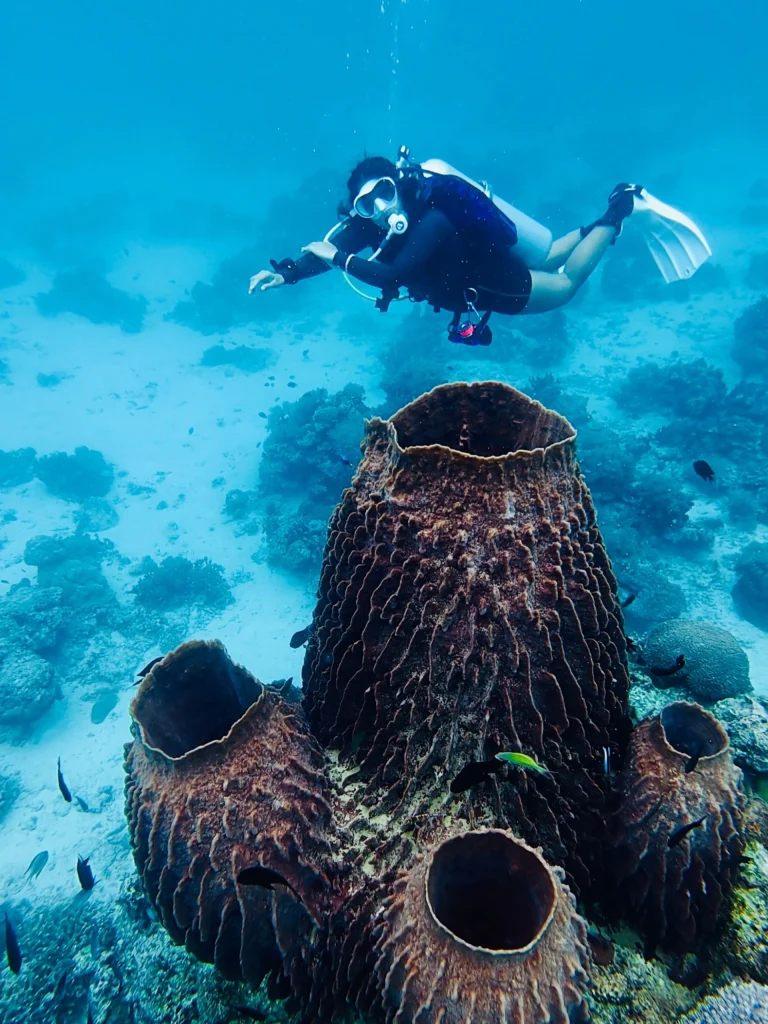
 Pura Vida 🏝️
 #akuana gear #scubadiving#cavediving #naui #techdiver #scubadivingaddicts #scubagirls #scubarevolution #scubaworld #scubagear #scubadivinglife #scubadivers #wetsuit#ccr#rebreather#divingtrip #shoredive
"Pure signal,no noise"
Credits Goes to the respective
Author ✍️/ Photographer📸
🐇 🕳️
#akuana gear #scubadiving#cavediving #naui #techdiver #scubadivingaddicts #scubagirls #scubarevolution #scubaworld #scubagear #scubadivinglife #scubadivers #wetsuit#ccr#rebreather#divingtrip #shoredive
"Pure signal,no noise"
Credits Goes to the respective
Author ✍️/ Photographer📸
🐇 🕳️ Roman legions were feared not only for their swords and shields, but for their discipline. Obedience was drilled into recruits from the first day of training. Orders were law. To refuse them was mutiny—seditio—a crime that could unravel campaigns and topple emperors.
Yet even Rome’s most disciplined soldiers sometimes broke.
One of the most famous episodes occurred in 14 AD, after the death of Augustus. Legions stationed along the Rhine, exhausted from long service and harsh conditions, demanded shorter terms, better pay, and proper winter provisions. Their anger was not random—it was rooted in real grievances. But grievances did not excuse defiance.
Mutiny in Rome was treated with brutal seriousness. Centurions could execute ringleaders immediately. Units might face decimation, where one in ten men was chosen by lot and beaten to death by his comrades. Reduced rations, forced labor, and dangerous assignments were also tools of correction. Discipline had to be restored fast—before unrest spread.
In the Rhine mutiny, the young Tiberius, Augustus’ successor, moved carefully. Punishment fell on leaders, but concessions were also granted. Rome understood something essential: discipline without reason could destroy morale just as surely as rebellion.
What prevented most legions from collapsing was structure. Standards—the eagle of the legion—symbolized unity beyond the individual. Centurions enforced order instantly. Veterans stabilized new recruits. The system absorbed anger before it became revolution.
Rome survived not because mutiny never happened—but because when it did, it was crushed or contained quickly. The legion was stronger than any single soldier. And every man knew it.
A legion that refused to march threatened more than a battle. It threatened the myth of Rome itself.
The empire stretched from Britain to Syria because its armies moved when ordered—through mud, snow, and desert heat. Obedience was survival. A broken chain of command meant broken frontiers.
The Rhine mutiny of 14 AD proved how fragile that balance could be. Angry soldiers shouted for justice. Officers feared collapse. For a moment, the empire held its breath.
But Rome responded with a mixture of steel and calculation—punishing ringleaders, calming the ranks, preserving the line.
That balance—fear, loyalty, reward, punishment—kept legions intact for centuries.
In Rome, discipline was not just military policy.
It was the foundation of empire.
"Pure signal, no noise"
Credits Goes to the respective
Author ✍️/ Photographer📸
🐇 🕳️
Roman legions were feared not only for their swords and shields, but for their discipline. Obedience was drilled into recruits from the first day of training. Orders were law. To refuse them was mutiny—seditio—a crime that could unravel campaigns and topple emperors.
Yet even Rome’s most disciplined soldiers sometimes broke.
One of the most famous episodes occurred in 14 AD, after the death of Augustus. Legions stationed along the Rhine, exhausted from long service and harsh conditions, demanded shorter terms, better pay, and proper winter provisions. Their anger was not random—it was rooted in real grievances. But grievances did not excuse defiance.
Mutiny in Rome was treated with brutal seriousness. Centurions could execute ringleaders immediately. Units might face decimation, where one in ten men was chosen by lot and beaten to death by his comrades. Reduced rations, forced labor, and dangerous assignments were also tools of correction. Discipline had to be restored fast—before unrest spread.
In the Rhine mutiny, the young Tiberius, Augustus’ successor, moved carefully. Punishment fell on leaders, but concessions were also granted. Rome understood something essential: discipline without reason could destroy morale just as surely as rebellion.
What prevented most legions from collapsing was structure. Standards—the eagle of the legion—symbolized unity beyond the individual. Centurions enforced order instantly. Veterans stabilized new recruits. The system absorbed anger before it became revolution.
Rome survived not because mutiny never happened—but because when it did, it was crushed or contained quickly. The legion was stronger than any single soldier. And every man knew it.
A legion that refused to march threatened more than a battle. It threatened the myth of Rome itself.
The empire stretched from Britain to Syria because its armies moved when ordered—through mud, snow, and desert heat. Obedience was survival. A broken chain of command meant broken frontiers.
The Rhine mutiny of 14 AD proved how fragile that balance could be. Angry soldiers shouted for justice. Officers feared collapse. For a moment, the empire held its breath.
But Rome responded with a mixture of steel and calculation—punishing ringleaders, calming the ranks, preserving the line.
That balance—fear, loyalty, reward, punishment—kept legions intact for centuries.
In Rome, discipline was not just military policy.
It was the foundation of empire.
"Pure signal, no noise"
Credits Goes to the respective
Author ✍️/ Photographer📸
🐇 🕳️ Only female mosquitoes bite because they need the protein for their eggs—that is their "migh".
That high-pitched "eeeee" sound is actually the sound of their wings beating up to 500 times per second.
Everyone relates to the struggle of a mosquito in the room....
"Pure signal, no noise"
Credits Goes to the respective
Author ✍️/ Photographer📸
🐇 🕳️
Only female mosquitoes bite because they need the protein for their eggs—that is their "migh".
That high-pitched "eeeee" sound is actually the sound of their wings beating up to 500 times per second.
Everyone relates to the struggle of a mosquito in the room....
"Pure signal, no noise"
Credits Goes to the respective
Author ✍️/ Photographer📸
🐇 🕳️