🌊 SURF 'N TURF 🏝️
-THE BORACAY ISLAND LIFE-

5 Ways to Contact Loved Ones After the Grid Goes Down.
“Once upon a time” is a great way to start a fairy tale, but not an article on emergency communications, because once-upon-a-time was a really lousy place to be when it came to communication. In those fabled times, there was nothing except what you could transmit on foot or horseback or by boat. Maybe there were telegraph wires. Or a phone in the country store, depending on what flavor of once-upon-a-time you favor.
However, once-upon-a-time was pretty slow going in the best of circumstances. And now, even in the worst of circumstances, we can have globe traveling communication devices in our pockets.
When, not if, but when the grid goes down, cellphones stop working, the landline goes out, and the internet stops connecting, you’ll find yourself in quite a pickle.
It may only be for a short time–perhaps somebody digging a ditch accidentally cut a main fiber optic trunk, or maybe you just got visited by the mother of all natural disasters–but there are good odds that someday you’ll find yourself in a grid down situation, and you’ll be scrambling for backup communications ability, and that will be entirely up to you, because in that setting, nobody is coming to hand you a radio.
There are lots of ways to reach out and touch someone, ranging from simple CB radios to fancy satellite phones and a bunch of methods in between. Check ‘em out and see which one is best for you.
1. CB Radio
While the glory day of 70’s CB culture is becoming a part of American mythology, there is still a lot to be said for CB or Citizen’s Band radio.
Even though we are entering a period of low solar activity which reduces the practical range of CB, it is still a perfectly viable form of communication, offering a low barrier to entry, and the ability to communicate with many different people, and sometimes, depending on where you live, law enforcement.
The most common sort of CB is a mobile unit that is installed in a vehicle, and when paired with a good antenna, it is more than suitable for most CB work you might have.
A handheld CB is also quite handy as a backup, or to keep in your bugout bag. CB has plenty going for it: you don’t need a license to operate, it is commonly used near major highways, and in rural areas. However, it’s power and range is limited by law, and the largely free-for-all mindset that is common among CB users can make it hard to get serious use out of your radio.
Be sure to find out how active CB radio use is in your area before you invest heavily in this form of communication. However, it is affordable, common, and has a low technical barrier to entry, meaning you probably should have some sort of CB radio in your emergency communications stable.
2. FRS/GMRS
Close on the heels of CB are the sometimes confusing FRS (Family Radio Service) and GMRS (General Mobile Radio Service) radios. Both of these radio services use UHF frequencies which are limited to short line of sight distances of up to a mile or so in most cases.
FRS radios are free to use without a license, have a range up to a mile, cannot transmit at more than half a watt, must use fixed antennas, and come with other restrictions which are detailed when you purchase a new radio.
FRS radios do have the modest benefit of being able to use so-called “privacy codes” which use different programmed tones to allow multiple conversations on the same channel.
However, it is still possible to listen in on these transmissions, as it is only a way of breaking up a channel for multiple users. Honestly, the best use of an FRS radio is a short-range walkie-talkie. These radios lack the ability to really reach out, but they're great for short-range communications among a small group.
GMRS radios are also UHF frequency radios but require a license to operate. This license costs $70 for five years and is restricted to individuals. However, it comes with far more power and options. You can transmit up to 50 watts in power, use repeaters and removable antennas, and have a range of about 1.5 to 3 miles with a clear line of sight on a handheld, and up to about 30 miles with a good repeater setup.
This makes it far more useful for distance communications to a group in an isolated area. As a bonus, there are a handful of channels which overlap with FRS, allowing GMRS users to also use some FRS frequencies at FRS power output.
While GMRS is a licensed service, it is fairly easy to run an unlicensed station, although that choice is not advisable outside of a serious emergency. It is a great way to get some decent range on a UHF radio without studying for an amateur radio license, and it is very handy for running a base station and repeater that will cover a decent bit of terrain.
But like any UHF radio, it is very much line of sight dependent, and may not work well in uneven or heavily forested terrain.
Many radios have FRS and GMRS built into them, but make outlandish claims for potential range. These Motorola radios would be great FRS radios but only mediocre for GMRS. If you really want to experience the potential of GMRS, you’ll want something like this 40-watt mobile base station, which gives the ability to get the most out of your GMRS service.
3. Sat Phones
Satellite phones can be the ultimate off-grid communication tool, or at least they can as long as the satellites are still up there. However, as long as nobody is shooting down satellites, these sat phones will work just fine. There are several different options. The cheapest way both in terms of service cost and price of equipment are devices that can transmit your location and send brief text messages.
The Garmin Inreach Explorer is a great example of just such a device. Not only does it come with all the great bells and whistles you’d expect from a Garmin GPS, it also can send text messages and serve as an emergency locator beacon. Pretty handy if you are in the middle of nowhere, or if the world goes to heck.
Of course, not everything can be said in 160 characters. Sometimes you want or need voice communication. The Inmarsat IsatPhone 2 is one of the most powerful off-grid communications tools you can get your hands on. Capable of making voice calls anywhere in the world (other than polar regions), the IsatPhone is designed to work under extreme weather and temperature conditions, has up to an 80 hour talk time, and up to 160 hours of standby time.
These sat phones are industry standard for middle-of-nowhere communications. If you can afford it, and need absolute reliability right now in your commo, it’s hard to turn down a good sat phone.
4. The goTenna
This is an odd little item. The goTenna attaches to your smart phone and allows you to create your own short range communications network. With a range of half a mile to a couple miles (or more) depending on terrain, this is a strictly close quarters communication solution, but for a small group, it could be ideal. It’s not hard to think of what you could do with such short range solutions that allow you to call or text on your phone, even without a cell tower.
For the price, it’s cheaper to just get a GMRS or FRS radio, and you’ll get the same or better range. But the greater privacy and ability to text may make it worthwhile for some people.
5. Ham Radio
This is a complex subject which I already wrote about in this article. It's complex because it can include everything from inexpensive handhelds to modest mobile units to full-featured base stations.
There are three license classes which require some studying and a plethora of accessories which would require a book to fully explain. Suffice it to say, if you want to invest the time, money and training, you can do dang near everything with ham radio, including transmitting television signals, short range emergency communications, or talking to somebody on the other side of the world.
Ham radio may be the ultimate off-grid or emergency communications tool, but it also has one of the highest barriers to entry due to the knowledge and science-based licensing tests.
Some people do not like running a licensed radio service which detracts from the appeal, while others may struggle to find the time to study and prepare for the licensing exams. Financially too, ham radio can be problematic. It is all too easy to spend several thousand or more dollars on equipment if you want to get really involved in the hobby.
However, there are plenty of rational middle spots that allow you to have ready access to radio communication without spending a lot of money. A good 2-meter handheld or mobile radio, a decent antenna, and the knowledge to use them can go a long way in most parts of the US, and won't break your bank.
Conclusion
There are a lot of different ways to communicate in an emergency. The ones with the most range and power also require the greatest expenditure in time and/or money to operate, either due to legal restrictions, complexity of equipment, or both.
However, there are also plenty of low-cost communication alternatives, and in the case of ham radio, it is fairly easy to get licensed and run a basic radio, which will suffice in most emergency situations.
A clever prepper will have more than one choice in their emergency communications. There is little reason not to have a CB, and from there, you can choose any other communications method that will suit your needs.
Personally, I like the idea of a CB, ham radio and a sat phone, the combination ensuring that you can pretty much always reach somebody.
Regardless of what choice you make, the first rule of emergency communications is like the first rule of a gunfight. Have a radio (or sat phone). Once you’ve got that, then you can worry about the rest. Study the situations you are likely to find yourself in, and equip yourself accordingly.
"Pure signal, no noise"
Credits Goes to the respective
Author ✍️/ Photographer📸
🐇 🕳️

 🌏 Largest Oil Producers In Southeast Asia (2025 Forecast)
Here’s how the region stacks up in barrels per day (BDP).
🇲🇾 Malaysia – 650,000 BPD | Petronas
🇮🇩 Indonesia – 605,000 BPD | Pertamina
🇹🇭 Thailand – 450,000 BPD | Pttep
🇵🇭 Philippines – 250,000 BPD | Petron
🇻🇳 Vietnam – 120,000 BPD | Petrovietnam
🇧🇳 Brunei – 84,000 BPD | Brunei Shell
🇰🇭 Cambodia – 75,000 BPD | Tela
🇲🇲 Myanmar – 59,000 BPD | Moge
Source: Company Statistics and Wikipedia
#SoutheastAsia #OilIndustry #Energy #Petroleum #2025Forecast
"Pure signal, no noise"
Credits Goes to the respective
Author ✍️/ Photographer📸
🐇 🕳️
🌏 Largest Oil Producers In Southeast Asia (2025 Forecast)
Here’s how the region stacks up in barrels per day (BDP).
🇲🇾 Malaysia – 650,000 BPD | Petronas
🇮🇩 Indonesia – 605,000 BPD | Pertamina
🇹🇭 Thailand – 450,000 BPD | Pttep
🇵🇭 Philippines – 250,000 BPD | Petron
🇻🇳 Vietnam – 120,000 BPD | Petrovietnam
🇧🇳 Brunei – 84,000 BPD | Brunei Shell
🇰🇭 Cambodia – 75,000 BPD | Tela
🇲🇲 Myanmar – 59,000 BPD | Moge
Source: Company Statistics and Wikipedia
#SoutheastAsia #OilIndustry #Energy #Petroleum #2025Forecast
"Pure signal, no noise"
Credits Goes to the respective
Author ✍️/ Photographer📸
🐇 🕳️ This striking archaeological site is the ancient theater of Monte Bibele Archaeological Area, located on a hilltop in the Apennine Mountains near Bologna in northern Italy.
Monte Bibele is known for its important archaeological discoveries revealing interactions between the Etruscans and Celtic peoples who lived in this region around the 4th–2nd centuries BCE.
The semicircular structure seen in the image is a reconstructed open-air theater built within the ruins of the ancient settlement. Designed following classical Greek and Roman architectural principles, the stepped seating faces a central stage area, creating excellent natural acoustics for performances. From this elevated position, spectators would have enjoyed dramatic views of the surrounding valleys and forests.
Today, the theater serves both as a cultural venue and a reminder of the region’s ancient heritage. Surrounded by rolling hills and archaeological remains, it connects modern visitors with the layered history of northern Italy’s early civilizations.
"Pure signal, no noise"
Credits Goes to the respective
Author ✍️/ Photographer📸
🐇 🕳️
This striking archaeological site is the ancient theater of Monte Bibele Archaeological Area, located on a hilltop in the Apennine Mountains near Bologna in northern Italy.
Monte Bibele is known for its important archaeological discoveries revealing interactions between the Etruscans and Celtic peoples who lived in this region around the 4th–2nd centuries BCE.
The semicircular structure seen in the image is a reconstructed open-air theater built within the ruins of the ancient settlement. Designed following classical Greek and Roman architectural principles, the stepped seating faces a central stage area, creating excellent natural acoustics for performances. From this elevated position, spectators would have enjoyed dramatic views of the surrounding valleys and forests.
Today, the theater serves both as a cultural venue and a reminder of the region’s ancient heritage. Surrounded by rolling hills and archaeological remains, it connects modern visitors with the layered history of northern Italy’s early civilizations.
"Pure signal, no noise"
Credits Goes to the respective
Author ✍️/ Photographer📸
🐇 🕳️ Vampirella art from the artbook “The Art of Vampirella” 🦇
Artists:
Vampirella art from the artbook “The Art of Vampirella” 🦇
Artists:
 1. Joe Jusko
 2. Mark Beachum
 3. J. Scott Campbell
 4. Mike Bair
 5. Mike Mayhew
 6. David Mack
 7. Jim Silke
 8. Louis Small Jr.
 9. Joseph Linsner
 1,404
value of 1 USD measured in satoshis.
1,404
value of 1 USD measured in satoshis.
 940,712
blocks in the blockchain.
'Pure signal,no noise'
Credits Goes to the respective
Author ✍️/ Photographer📸
🐇 🕳️
940,712
blocks in the blockchain.
'Pure signal,no noise'
Credits Goes to the respective
Author ✍️/ Photographer📸
🐇 🕳️ This Caturday, meet the black-footed cat (Felis nigripes). It’s the smallest wild cat in Africa, only growing about 8 in (20 cm) tall and weighing around 4.4 lbs (2 kg).
Don’t let its size fool you: This pint-sized predator is an extremely successful hunter, with a recorded kill rate of 10 to 14 prey animals per night—taking down critters such as rodents and birds about every 50 minutes!
How does this stack up to bigger felines?
The black-footed cat’s hunting success rate is 60 percent, far higher than that of a group of lions on the hunt—they peak at about 30 percent. And why does this tiny cat eat so much? This species’ fast metabolism requires it to refuel constantly.
Photo: Patrick Ch. Apfeld, CC-BY-3.0, Wikimedia Commons
"Pure signal, no noise"
Credits Goes to the respective
Author ✍️/ Photographer📸
🐇 🕳️
This Caturday, meet the black-footed cat (Felis nigripes). It’s the smallest wild cat in Africa, only growing about 8 in (20 cm) tall and weighing around 4.4 lbs (2 kg).
Don’t let its size fool you: This pint-sized predator is an extremely successful hunter, with a recorded kill rate of 10 to 14 prey animals per night—taking down critters such as rodents and birds about every 50 minutes!
How does this stack up to bigger felines?
The black-footed cat’s hunting success rate is 60 percent, far higher than that of a group of lions on the hunt—they peak at about 30 percent. And why does this tiny cat eat so much? This species’ fast metabolism requires it to refuel constantly.
Photo: Patrick Ch. Apfeld, CC-BY-3.0, Wikimedia Commons
"Pure signal, no noise"
Credits Goes to the respective
Author ✍️/ Photographer📸
🐇 🕳️ Lifeguard in Boracay drowns while trying to save Russian.
A lifeguard at a beach resort in Boracay lost his life saving a Russian national who got carried to a deep part of the sea.
The Russian national also died later.
According to the barangay captain of Yapak, the incident happened at past 11 a.m. when the Russian national sought help when he got carried away to the deep part of the sea.
The lifeguard, Rex Pablo Aguirre, entered the water quickly but he also drowned. His body was found about 11 hours later at around 10 p.m.
The Coast Guard in Malay and the Philippine National Police did not issue statements yet.
Yapak barangay captain Hector Casidsid said the the lifeguard had undergone proper training but was not able to wear a life jacket at that time.
“Kumpleto naman ang kanilang gamit, hindi lang naisuot (ang) lifejacket. Naka-training naman sila sa rescue. Nakita niya ang taong humihingi ng tulong. Ni-rescue rin ng mga Coast Guard,” he said.
~GMA
"Pure signal, no noise"
Credits Goes to the respective
Author ✍️/ Photographer📸
🐇 🕳️
Lifeguard in Boracay drowns while trying to save Russian.
A lifeguard at a beach resort in Boracay lost his life saving a Russian national who got carried to a deep part of the sea.
The Russian national also died later.
According to the barangay captain of Yapak, the incident happened at past 11 a.m. when the Russian national sought help when he got carried away to the deep part of the sea.
The lifeguard, Rex Pablo Aguirre, entered the water quickly but he also drowned. His body was found about 11 hours later at around 10 p.m.
The Coast Guard in Malay and the Philippine National Police did not issue statements yet.
Yapak barangay captain Hector Casidsid said the the lifeguard had undergone proper training but was not able to wear a life jacket at that time.
“Kumpleto naman ang kanilang gamit, hindi lang naisuot (ang) lifejacket. Naka-training naman sila sa rescue. Nakita niya ang taong humihingi ng tulong. Ni-rescue rin ng mga Coast Guard,” he said.
~GMA
"Pure signal, no noise"
Credits Goes to the respective
Author ✍️/ Photographer📸
🐇 🕳️ Meanwhile,in Vietnam....
"Pure signal, no noise"
Credits Goes to the respective
Author ✍️/ Photographer📸
🐇 🕳️
Meanwhile,in Vietnam....
"Pure signal, no noise"
Credits Goes to the respective
Author ✍️/ Photographer📸
🐇 🕳️ The Waitomo Caves (Waitomo Glowworm Caves)
 are an iconic underground cave system located in the Waikato region of New Zealand's North Island.
 They are world-famous for being home to thousands of glowworms of the species Arachnocampa luminosa, which create a bioluminescent spectacle on the cave ceilings, resembling a starry sky underground.
 Unique fauna: The "glowworms" are actually the larvae of a tiny fungus gnat that emit a blue-green light to attract prey to their sticky silk threads…
 New Zealand…🇳🇿
 "Pure signal, no noise"
Credits Goes to the respective
Author ✍️/ Photographer📸
🐇 🕳️
"Pure signal, no noise"
Credits Goes to the respective
Author ✍️/ Photographer📸
🐇 🕳️ An aerial photograph reveals an ancient stepped pyramid complex nestled amidst a lush green jungle, where nature has almost completely covered the remnants of a civilization that existed centuries ago.
At the center is a large pyramid with stone steps leading to its summit, surrounded by smaller structures arranged in a specific order, forming an important ceremonial or religious center.
Such structures were often built by ancient civilizations in Central America, where pyramids were not only symbolic of power and belief but also served as sites for communal rituals.
Over time, abandoned forests have gradually grown to surround and cover much of these structures, making them mysterious relics in nature. Archaeologists today continue to study and preserve such sites to better understand the life, architecture, and beliefs of these ancient civilizations.
"Pure signal, no noise"
Credits Goes to the respective
Author ✍️/ Photographer📸
🐇 🕳️
An aerial photograph reveals an ancient stepped pyramid complex nestled amidst a lush green jungle, where nature has almost completely covered the remnants of a civilization that existed centuries ago.
At the center is a large pyramid with stone steps leading to its summit, surrounded by smaller structures arranged in a specific order, forming an important ceremonial or religious center.
Such structures were often built by ancient civilizations in Central America, where pyramids were not only symbolic of power and belief but also served as sites for communal rituals.
Over time, abandoned forests have gradually grown to surround and cover much of these structures, making them mysterious relics in nature. Archaeologists today continue to study and preserve such sites to better understand the life, architecture, and beliefs of these ancient civilizations.
"Pure signal, no noise"
Credits Goes to the respective
Author ✍️/ Photographer📸
🐇 🕳️ While Salvador Dalí was famous for his association with various luxury vehicles, particularly Cadillac, he was also known to appreciate other iconic cars of the era, with some sources linking him to the iconic Jaguar E-Type series 1.
 Despite being a collector of sorts and having a deep appreciation for the aesthetic of cars, Dalí never learned to drive. His vehicles were driven by his wife, Gala, or his chauffeur.
 Salvador Dalí (1904–1989) was a Spanish surrealist painter renowned for his technical skill, bizarre dream-like imagery, and eccentric public persona. Born in Figueres, he rose to fame in the late 1920s, joining the Surrealist group in 1929 and creating his famous melting clock painting, The Persistence of Memory, in 1931.
Salvador Dali | Biography, Art, Paintings, Surrealism, & Facts | Britannica
Salvador Dalí (1904–1989) was a Spanish surrealist painter renowned for his technical skill, bizarre dream-like imagery, and eccentric public persona. Born in Figueres, he rose to fame in the late 1920s, joining the Surrealist group in 1929 and creating his famous melting clock painting, The Persistence of Memory, in 1931.
Salvador Dali | Biography, Art, Paintings, Surrealism, & Facts | Britannica 
 Happy Pie Day!
In the United States March 14th is written as 3/14 which perfectly matches the first digits of the famous mathematical constant Pi. While the rest of the world celebrates math today Americans have brilliantly turned this specific date into the ultimate excuse to enjoy a completely different kind of pie.
Just like a state bird or a state flower many US states have officially designated a state pie. These sweet symbols are passed by local legislatures to honor regional agriculture and deep historical roots.
"Pure signal, no noise"
Credits Goes to the respective
Author ✍️/ Photographer📸
🐇 🕳️
Happy Pie Day!
In the United States March 14th is written as 3/14 which perfectly matches the first digits of the famous mathematical constant Pi. While the rest of the world celebrates math today Americans have brilliantly turned this specific date into the ultimate excuse to enjoy a completely different kind of pie.
Just like a state bird or a state flower many US states have officially designated a state pie. These sweet symbols are passed by local legislatures to honor regional agriculture and deep historical roots.
"Pure signal, no noise"
Credits Goes to the respective
Author ✍️/ Photographer📸
🐇 🕳️ Panadería La Superior
📍Santiago, Chile 🇨🇱
Panadería La Superior
📍Santiago, Chile 🇨🇱
 Chileans are incredibly serious about their daily bread.
 The country boasts one of the highest bread consumption rates globally and their entire baking culture revolves around two absolute staples. The soft round hallulla and the legendary deeply crispy marraqueta.
 For well over a century Panadería La Superior has stood as the ultimate temple of traditional Chilean baking. Located in the historic Barrio Franklin this legendary establishment has survived generations by doing exactly one thing perfectly.
 Their massive traditional ovens produce the most coveted marraquetas in the city featuring a perfectly crackling crust and an unbelievably fluffy interior.
Stepping into this bakery means experiencing a true living monument to South American culinary heritage.
Their massive traditional ovens produce the most coveted marraquetas in the city featuring a perfectly crackling crust and an unbelievably fluffy interior.
Stepping into this bakery means experiencing a true living monument to South American culinary heritage.
 Credits: @tesoro.foodstudio Panaderia La Superior
Explore Chile: tasteatlas.com/chile
"Pure signal, no noise"
Credits Goes to the respective
Author ✍️/ Photographer📸
🐇 🕳️
Credits: @tesoro.foodstudio Panaderia La Superior
Explore Chile: tasteatlas.com/chile
"Pure signal, no noise"
Credits Goes to the respective
Author ✍️/ Photographer📸
🐇 🕳️
 The Collapse of Empire: How the West Lost Its Way from Bretton Woods to the Multipolar World.
The Collapse of Empire is a must-read for anyone seeking to understand the true state of the West's economy and the forces that have shaped its decline. It is particularly beneficial for policymakers, economists, and engaged citizens who are ready to challenge the status quo and advocate for a more prosperous and sustainable future. This book is not just a critique of the past; it is a call to action for the future, urging readers to reclaim the narrative of economic power and build a world that values real growth over financial illusion.
The Collapse of Empire: How the West Lost Its Way from Bretton Woods to the Multipolar World.
The Collapse of Empire is a must-read for anyone seeking to understand the true state of the West's economy and the forces that have shaped its decline. It is particularly beneficial for policymakers, economists, and engaged citizens who are ready to challenge the status quo and advocate for a more prosperous and sustainable future. This book is not just a critique of the past; it is a call to action for the future, urging readers to reclaim the narrative of economic power and build a world that values real growth over financial illusion.

 Saturday session, at the gym this morning.


 'Pure signal,no noise'
Credits Goes to the respective
Author ✍️/ Photographer📸
🐇 🕳️
'Pure signal,no noise'
Credits Goes to the respective
Author ✍️/ Photographer📸
🐇 🕳️ "It's a good day to dive". 🤿
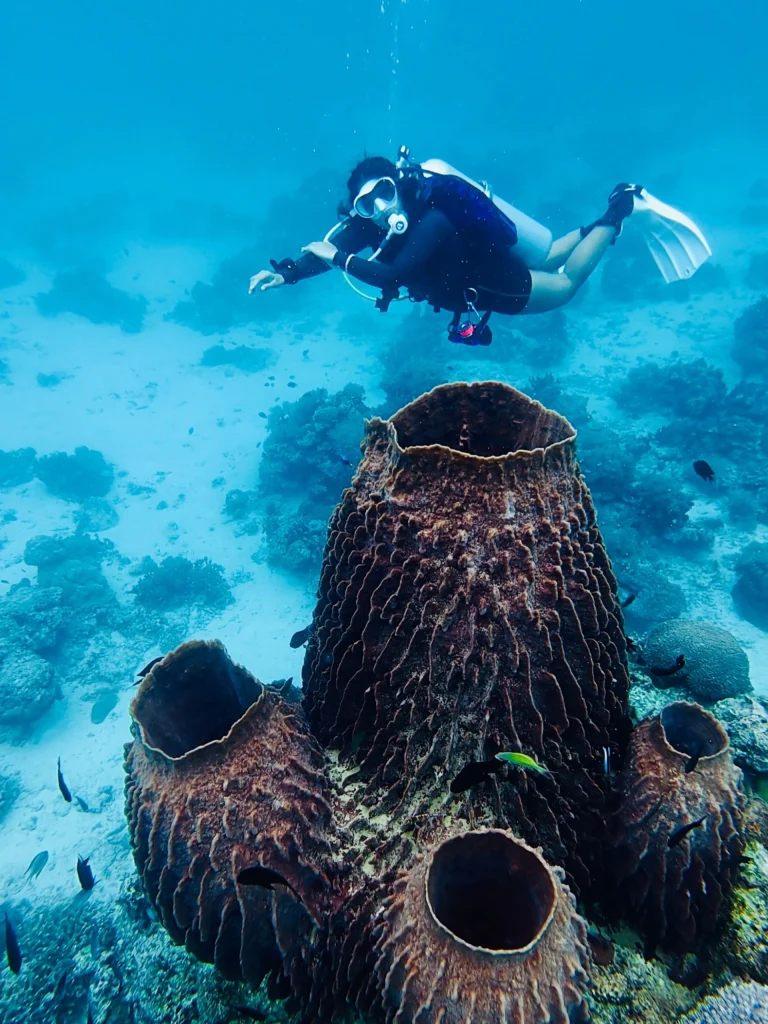


 Pura Vida 🏝️


 The Most Calorie-Dense Plants for Your Garden.
Growing up, my family had a vegetable garden every year. We didn’t grow one because we had to but because we enjoyed the work and the availability of fresh produce at our fingertips. These days it seems almost trendy to say you grow your own food but the time to have a food garden out of necessity certainly seems to be on the horizon.
Food prices keep increasing, shortages have become normal, and changing weather patterns all affect what types of foods are available to us. The system on which we rely for our food is really an experiment. When you take into account the whole of human existence this system hasn’t been around for all that long so it’s no wonder it has problems.
Whether that system just keeps getting worse, it collapses, or SHTF happens, the answer is that we need to get back to our roots and grow our own food. In the case of SHTF, you are going to want the most calorie-dense vegetables and fruits you can grow and you are going to want to grow them as quickly as you can.
High-Calorie Vegetables For Survival
The vegetables below are listed in alphabetical order.
Amaranth
AMARANTH
Amaranth is a group of plants used for their leaves and grains. On average they provide roughly 250 calories per cup when cooked.. After planting, amaranth can be ready for harvest within about three months. Amaranth likes sunny conditions and temperatures around 70 degrees Fahrenheit.
Avocado
AVOCADOS ON THE TREE
The avocado made a huge comeback in recent years as a healthy food to be eaten, primarily due to its levels of healthy fats. At 234 calories per cup, this is the number of calories you can expect out of one avocado. As great as avocados may be, there are two huge downfalls to growing them.
The first is that avocados grow on trees, meaning you will need a decent amount of space for it to grow. Secondly, if you are starting from seed, it will be many years before you see your first avocado. To speed this process up, consider planting a tree rather than starting from seed.
Chickpeas
CHICKPEAS
Another option on this list is from the legume family and with good reason. At 729 calories per cup (raw), chickpeas provide a ton of calories per serving. Like most legumes, they are quite versatile to cook with and can be harvested around 15 weeks after planting.
Chickpeas are a good option for container gardening because they only grow to about 18 inches tall but make sure the container is placed in full sunlight.
Jerusalem artichokes
JERUSALEM ARTICHOKES
Jerusalem artichokes are also referred to as wild sunflower, Sunroot, or earth apple and it is a native plant of central North America. In one cup you can expect to get a little over 110 calories from this versatile tuber. This plant is relatively easy to grow, likes slightly cooler temperatures, and is ready for harvest in about 20 weeks.
Lentils
LENTILS ON A BOWL
Like beans, lentils are a part of the legume family and they are used around the world either in their dry form or canned version. Lentils provide 230 calories per cup and can be prepared in a variety of ways, making them a popular and calorie-dense crop to grow.
Lentils require around 15 weeks of growing time before they can be harvested. Lentils grow best in cool, dry locations where they also receive full sunlight.
Lima Beans
LIMA BEAN PLANTS
Lima beans also referred to as butter beans due to their creamy taste and texture, can provide around 209 calories per cup. When growing, choose a location that is warm, not hot, and where it will receive at least a few inches of water per month. These beans should be ready for harvest 60-70 days after planting.
Peanuts
PEANUTS IN THE GARDEN
Interestingly, peanuts are considered a grain legume and an oil crop because of the high levels of peanut oil they contain. A handful of peanuts will also give you a boost of energy because one cup of peanuts contains around 830 calories and you can expect one plant to produce up to 50 nuts.
When planting, choose a hot location that receives plenty of rainfall, and has loose soil. You can expect to harvest between 120-160 days.
Pinto Beans
PINTO BEANS
Pinto beans are a popular legume in the southern United States and northern Mexico. One cup of pinto beans can provide around 245 calories. When planting, be sure to pick a spot that receives full sunlight all day long. Depending on the variety, it can take up to 100 days before you can harvest.
Potato
POTATOES
Potatoes making it on the list is probably no surprise since they have been considered a starvation food throughout history and if they are good enough for Mark Watney in the movie The Martian, they should be good enough for you.
At 110 calories per 5.3 ounces (.66 cups) the average potato is going to provide you with around 160 calories. Potatoes like at least 6 hours of daylight and slightly acidic fertile soil. Soil should be loose to allow the tubers to properly grow. Each potato plant can produce around ten tubers and it can take anywhere from 10 to 20 weeks before they can be harvested.
Quinoa
QUIONOA IN THE GARDEN
Quinoa is a part of the amaranth family and its seeds have higher nutritional values than other grains, including protein, fiber, B vitamins, and other minerals. One cup of quinoa will also provide you with about 222 calories. When planting, choose a location that is warm with sandy soil that drains well and you can expect to harvest the seeds in 90-120 days.
Soybeans
SOYBEANS ON THE VINE
Soybeans are native to the region of East Asia and while they have many different uses, one of the most common uses for them is in making soy milk and tofu. Soybeans provide around 297 calories per cup and can require about 20 weeks of growing before the plant is mature. Soybeans like sunlight, soil that drains well, and temperatures around 80 degrees Fahrenheit.
Sweet Corn
SWEET CORN ON THE STALK
Ah, everyone’s favorite summer picnic food and a highly used product around the world. Sweet corn was developed specifically for humans due to its higher levels of sugar.
At 90 calories per 3.2 ounces (.4 cups) the average ear of sweet corn will yield up to 90 calories and it will take up to 100 days before it's ready to be harvested. Be sure to choose a location that receives full sunlight and gives the corn plenty of room to grow.
Sweet potato
SWEET POTATOES
What can be said about a regular potato can pretty much be said about sweet potatoes. At 100 calories per 4.6 ounces (.57 cups) the average sweet potato will provide you with just a little over 100 calories.
Sweet potatoes prefer sunny locations and loose, sandy soil. If your soil is too hard or compacted, consider growing potatoes in buckets or raised beds. A sweet potato plant will produce fewer tubers than a regular potato plant and they can take up to 17 weeks before they are ready to be harvested.
Winter Squash
VARIOUS WINTER SQUASH
Squashes can be eaten raw but most people find them to be tastier when they are baked or roasted. The average squash will provide around 40-80 calories per cup and some varieties include butternut squash, carnival squash, banana squash, pumpkin, buttercup squash, and acorn squash.
Squash thrives in soil that drains well and when it receives 8 hours of sunlight a day Depending on the variety, you can expect to harvest squash between 80-100 days after planting.
High-Calorie Fruits For Survival
The fruits below are listed in alphabetical order.
Banana
BANANAS ON THE TREE
Bananas are another fruit packed with nutrients that have become a part of our daily diets and they provide about 110 calories per 4.5 ounces (.56 cups) A single banana contains around 105 calories.
A banana tree can produce fruit in a relatively short time frame, around one year. Banana trees do best in warm humid conditions and do not like extreme temperatures in either direction.
Cantaloupe
CANTALOUPE IN THE GARDEN
One cup of diced cantaloupe will provide around 50 calories with a whole large melon providing around 270. Cantaloupes grow best in rich soil, warm temperatures, and sunlight. Consider growing melons on a trellis to help keep the melons off the ground and you can expect to harvest a cantaloupe after about 80 days.
Grapes
GRAPES ON THE VINE
Grapes are another popular fruit used in snacks and other dishes that provide around 90 calories per 4.5 ounces (.56 cups). You will need a bit of area for raising grapes as they grow on vines that need room to spread out. Depending on the variety, grapevines can take several years before they start producing fruit.
Honeydew
HONEYDEW MELON IN THE GARDEN
The honeydew melon will provide you with about 60 calories per cup (diced) and one large whole melon will contain around 450 calories. Honeydews do best in hot and dry climates. If you live in a colder region, start them indoors and do not transplant them outside until after the first frost. You can expect to harvest your first honeydew in between 50-100 days depending on the growing conditions.
Pineapple
PINEAPPLE PLANT
The pineapple is a tropical plant found in South America and one whole fruit can provide around 450 calories. Since it does well in tropical locations, it’s no surprise that the pineapple plant does well in warm climates where it receives plenty of sunlight. The downside to growing pineapple is that it can take up to two years before you can harvest any fruit.
Watermelon
WATER MELON ON THE VINE
Watermelon is another summertime favorite food to eat and it will provide roughly 46 calories per cup (diced). When planting, choose soil that drains well and is somewhat loose. You will also need quite a bit of space as each plant needs around 20 square feet for growing. You can expect to harvest a watermelon in about 90 days.
Winter Melon
WINTER MELON ON THE VINE
The winter melon is technically a vegetable that is related to the cucumber, and it can produce rather large fruit, resembling a large watermelon Weighing up to forty pounds, one winter melon can provide almost 800 calories and they grow well in rich soil, well-drained soil, giving the melon plenty of space to grow. It also likes to be in locations that receive full sunlight throughout the day.
Keep Your Garden Soil Healthy
If the soil in your garden isn’t in good condition then your plants aren’t going to do well. Here's how to keep your soil in good health.
Get To Growing
Joy can be found in the process of growing not to mention the benefits reaped upon harvest. If you have never grown food before it can seem like a daunting prospect. I suggest starting off small, perhaps trying to grow some microgreens on your window sill or kitchen counter.
For some people, growing food may seem impossible given their circumstances. I promise you that it is not, where there is a will there's a way. If you don’t have a green thumb, make it green by getting your hands in the dirt. It’s better to learn how to do this stuff now when you aren’t depending on it.
"Pure signal, no noise"
Credits Goes to the respective
Author ✍️/ Photographer📸
🐇 🕳️
The Most Calorie-Dense Plants for Your Garden.
Growing up, my family had a vegetable garden every year. We didn’t grow one because we had to but because we enjoyed the work and the availability of fresh produce at our fingertips. These days it seems almost trendy to say you grow your own food but the time to have a food garden out of necessity certainly seems to be on the horizon.
Food prices keep increasing, shortages have become normal, and changing weather patterns all affect what types of foods are available to us. The system on which we rely for our food is really an experiment. When you take into account the whole of human existence this system hasn’t been around for all that long so it’s no wonder it has problems.
Whether that system just keeps getting worse, it collapses, or SHTF happens, the answer is that we need to get back to our roots and grow our own food. In the case of SHTF, you are going to want the most calorie-dense vegetables and fruits you can grow and you are going to want to grow them as quickly as you can.
High-Calorie Vegetables For Survival
The vegetables below are listed in alphabetical order.
Amaranth
AMARANTH
Amaranth is a group of plants used for their leaves and grains. On average they provide roughly 250 calories per cup when cooked.. After planting, amaranth can be ready for harvest within about three months. Amaranth likes sunny conditions and temperatures around 70 degrees Fahrenheit.
Avocado
AVOCADOS ON THE TREE
The avocado made a huge comeback in recent years as a healthy food to be eaten, primarily due to its levels of healthy fats. At 234 calories per cup, this is the number of calories you can expect out of one avocado. As great as avocados may be, there are two huge downfalls to growing them.
The first is that avocados grow on trees, meaning you will need a decent amount of space for it to grow. Secondly, if you are starting from seed, it will be many years before you see your first avocado. To speed this process up, consider planting a tree rather than starting from seed.
Chickpeas
CHICKPEAS
Another option on this list is from the legume family and with good reason. At 729 calories per cup (raw), chickpeas provide a ton of calories per serving. Like most legumes, they are quite versatile to cook with and can be harvested around 15 weeks after planting.
Chickpeas are a good option for container gardening because they only grow to about 18 inches tall but make sure the container is placed in full sunlight.
Jerusalem artichokes
JERUSALEM ARTICHOKES
Jerusalem artichokes are also referred to as wild sunflower, Sunroot, or earth apple and it is a native plant of central North America. In one cup you can expect to get a little over 110 calories from this versatile tuber. This plant is relatively easy to grow, likes slightly cooler temperatures, and is ready for harvest in about 20 weeks.
Lentils
LENTILS ON A BOWL
Like beans, lentils are a part of the legume family and they are used around the world either in their dry form or canned version. Lentils provide 230 calories per cup and can be prepared in a variety of ways, making them a popular and calorie-dense crop to grow.
Lentils require around 15 weeks of growing time before they can be harvested. Lentils grow best in cool, dry locations where they also receive full sunlight.
Lima Beans
LIMA BEAN PLANTS
Lima beans also referred to as butter beans due to their creamy taste and texture, can provide around 209 calories per cup. When growing, choose a location that is warm, not hot, and where it will receive at least a few inches of water per month. These beans should be ready for harvest 60-70 days after planting.
Peanuts
PEANUTS IN THE GARDEN
Interestingly, peanuts are considered a grain legume and an oil crop because of the high levels of peanut oil they contain. A handful of peanuts will also give you a boost of energy because one cup of peanuts contains around 830 calories and you can expect one plant to produce up to 50 nuts.
When planting, choose a hot location that receives plenty of rainfall, and has loose soil. You can expect to harvest between 120-160 days.
Pinto Beans
PINTO BEANS
Pinto beans are a popular legume in the southern United States and northern Mexico. One cup of pinto beans can provide around 245 calories. When planting, be sure to pick a spot that receives full sunlight all day long. Depending on the variety, it can take up to 100 days before you can harvest.
Potato
POTATOES
Potatoes making it on the list is probably no surprise since they have been considered a starvation food throughout history and if they are good enough for Mark Watney in the movie The Martian, they should be good enough for you.
At 110 calories per 5.3 ounces (.66 cups) the average potato is going to provide you with around 160 calories. Potatoes like at least 6 hours of daylight and slightly acidic fertile soil. Soil should be loose to allow the tubers to properly grow. Each potato plant can produce around ten tubers and it can take anywhere from 10 to 20 weeks before they can be harvested.
Quinoa
QUIONOA IN THE GARDEN
Quinoa is a part of the amaranth family and its seeds have higher nutritional values than other grains, including protein, fiber, B vitamins, and other minerals. One cup of quinoa will also provide you with about 222 calories. When planting, choose a location that is warm with sandy soil that drains well and you can expect to harvest the seeds in 90-120 days.
Soybeans
SOYBEANS ON THE VINE
Soybeans are native to the region of East Asia and while they have many different uses, one of the most common uses for them is in making soy milk and tofu. Soybeans provide around 297 calories per cup and can require about 20 weeks of growing before the plant is mature. Soybeans like sunlight, soil that drains well, and temperatures around 80 degrees Fahrenheit.
Sweet Corn
SWEET CORN ON THE STALK
Ah, everyone’s favorite summer picnic food and a highly used product around the world. Sweet corn was developed specifically for humans due to its higher levels of sugar.
At 90 calories per 3.2 ounces (.4 cups) the average ear of sweet corn will yield up to 90 calories and it will take up to 100 days before it's ready to be harvested. Be sure to choose a location that receives full sunlight and gives the corn plenty of room to grow.
Sweet potato
SWEET POTATOES
What can be said about a regular potato can pretty much be said about sweet potatoes. At 100 calories per 4.6 ounces (.57 cups) the average sweet potato will provide you with just a little over 100 calories.
Sweet potatoes prefer sunny locations and loose, sandy soil. If your soil is too hard or compacted, consider growing potatoes in buckets or raised beds. A sweet potato plant will produce fewer tubers than a regular potato plant and they can take up to 17 weeks before they are ready to be harvested.
Winter Squash
VARIOUS WINTER SQUASH
Squashes can be eaten raw but most people find them to be tastier when they are baked or roasted. The average squash will provide around 40-80 calories per cup and some varieties include butternut squash, carnival squash, banana squash, pumpkin, buttercup squash, and acorn squash.
Squash thrives in soil that drains well and when it receives 8 hours of sunlight a day Depending on the variety, you can expect to harvest squash between 80-100 days after planting.
High-Calorie Fruits For Survival
The fruits below are listed in alphabetical order.
Banana
BANANAS ON THE TREE
Bananas are another fruit packed with nutrients that have become a part of our daily diets and they provide about 110 calories per 4.5 ounces (.56 cups) A single banana contains around 105 calories.
A banana tree can produce fruit in a relatively short time frame, around one year. Banana trees do best in warm humid conditions and do not like extreme temperatures in either direction.
Cantaloupe
CANTALOUPE IN THE GARDEN
One cup of diced cantaloupe will provide around 50 calories with a whole large melon providing around 270. Cantaloupes grow best in rich soil, warm temperatures, and sunlight. Consider growing melons on a trellis to help keep the melons off the ground and you can expect to harvest a cantaloupe after about 80 days.
Grapes
GRAPES ON THE VINE
Grapes are another popular fruit used in snacks and other dishes that provide around 90 calories per 4.5 ounces (.56 cups). You will need a bit of area for raising grapes as they grow on vines that need room to spread out. Depending on the variety, grapevines can take several years before they start producing fruit.
Honeydew
HONEYDEW MELON IN THE GARDEN
The honeydew melon will provide you with about 60 calories per cup (diced) and one large whole melon will contain around 450 calories. Honeydews do best in hot and dry climates. If you live in a colder region, start them indoors and do not transplant them outside until after the first frost. You can expect to harvest your first honeydew in between 50-100 days depending on the growing conditions.
Pineapple
PINEAPPLE PLANT
The pineapple is a tropical plant found in South America and one whole fruit can provide around 450 calories. Since it does well in tropical locations, it’s no surprise that the pineapple plant does well in warm climates where it receives plenty of sunlight. The downside to growing pineapple is that it can take up to two years before you can harvest any fruit.
Watermelon
WATER MELON ON THE VINE
Watermelon is another summertime favorite food to eat and it will provide roughly 46 calories per cup (diced). When planting, choose soil that drains well and is somewhat loose. You will also need quite a bit of space as each plant needs around 20 square feet for growing. You can expect to harvest a watermelon in about 90 days.
Winter Melon
WINTER MELON ON THE VINE
The winter melon is technically a vegetable that is related to the cucumber, and it can produce rather large fruit, resembling a large watermelon Weighing up to forty pounds, one winter melon can provide almost 800 calories and they grow well in rich soil, well-drained soil, giving the melon plenty of space to grow. It also likes to be in locations that receive full sunlight throughout the day.
Keep Your Garden Soil Healthy
If the soil in your garden isn’t in good condition then your plants aren’t going to do well. Here's how to keep your soil in good health.
Get To Growing
Joy can be found in the process of growing not to mention the benefits reaped upon harvest. If you have never grown food before it can seem like a daunting prospect. I suggest starting off small, perhaps trying to grow some microgreens on your window sill or kitchen counter.
For some people, growing food may seem impossible given their circumstances. I promise you that it is not, where there is a will there's a way. If you don’t have a green thumb, make it green by getting your hands in the dirt. It’s better to learn how to do this stuff now when you aren’t depending on it.
"Pure signal, no noise"
Credits Goes to the respective
Author ✍️/ Photographer📸
🐇 🕳️ Famous Quotes by Plato.
More than two thousand years ago, a philosopher in ancient Athens wrote ideas that still echo through the modern world.
His name was Plato.
Through works like The Republic, The Symposium, and Phaedo, Plato explored questions that continue to shape philosophy, politics, education, and human thought.
Many of his ideas are remembered through powerful sentences that have survived for centuries.
Here are some of the most famous quotes attributed to Plato.
1. “The beginning is the most important part of the work.”
Plato believed that how something begins often determines how it ends. Whether it is education, a relationship, a political system, or a personal goal, the foundations we build at the start shape everything that follows.
2. “Wise men speak because they have something to say; fools because they have to say something.”
This quote reflects Plato’s deep respect for thoughtful speech. In a world filled with noise and opinions, he reminds us that true wisdom often comes from restraint and reflection.
3. “The price good men pay for indifference to public affairs is to be ruled by evil men.”
Plato warned that when thoughtful and ethical people withdraw from politics, power does not disappear. It simply falls into the hands of those who may not use it wisely.
This idea still resonates in modern debates about civic responsibility and leadership.
4. “Opinion is the medium between knowledge and ignorance.”
For Plato, not everything people believe counts as knowledge. True knowledge requires understanding and reasoning, while opinion lies somewhere between certainty and ignorance.
5. “Human behavior flows from three main sources: desire, emotion, and knowledge.”
Plato believed the human soul is shaped by different forces. Our desires pull us toward pleasure, our emotions push us toward action, and our knowledge helps guide us toward wisdom.
Understanding this balance, he argued, is essential for a just and healthy society.
6. “Ignorance, the root and stem of every evil.”
One of Plato’s central beliefs was that many human problems arise not from evil intentions, but from ignorance. Education and philosophical thinking, therefore, were essential for improving society.
More than two millennia after his death, Plato’s words continue to provoke reflection.
They remind us that philosophy is not just about abstract theories.
It is about understanding how we think, how we live, and how societies should be governed.
And perhaps Plato’s greatest message is this:
Wisdom does not begin when we believe we know everything.
It begins the moment we realize how much there is still to learn.
"Pure signal, no noise"
Credits Goes to the respective
Author ✍️/ Photographer📸
🐇 🕳️
Famous Quotes by Plato.
More than two thousand years ago, a philosopher in ancient Athens wrote ideas that still echo through the modern world.
His name was Plato.
Through works like The Republic, The Symposium, and Phaedo, Plato explored questions that continue to shape philosophy, politics, education, and human thought.
Many of his ideas are remembered through powerful sentences that have survived for centuries.
Here are some of the most famous quotes attributed to Plato.
1. “The beginning is the most important part of the work.”
Plato believed that how something begins often determines how it ends. Whether it is education, a relationship, a political system, or a personal goal, the foundations we build at the start shape everything that follows.
2. “Wise men speak because they have something to say; fools because they have to say something.”
This quote reflects Plato’s deep respect for thoughtful speech. In a world filled with noise and opinions, he reminds us that true wisdom often comes from restraint and reflection.
3. “The price good men pay for indifference to public affairs is to be ruled by evil men.”
Plato warned that when thoughtful and ethical people withdraw from politics, power does not disappear. It simply falls into the hands of those who may not use it wisely.
This idea still resonates in modern debates about civic responsibility and leadership.
4. “Opinion is the medium between knowledge and ignorance.”
For Plato, not everything people believe counts as knowledge. True knowledge requires understanding and reasoning, while opinion lies somewhere between certainty and ignorance.
5. “Human behavior flows from three main sources: desire, emotion, and knowledge.”
Plato believed the human soul is shaped by different forces. Our desires pull us toward pleasure, our emotions push us toward action, and our knowledge helps guide us toward wisdom.
Understanding this balance, he argued, is essential for a just and healthy society.
6. “Ignorance, the root and stem of every evil.”
One of Plato’s central beliefs was that many human problems arise not from evil intentions, but from ignorance. Education and philosophical thinking, therefore, were essential for improving society.
More than two millennia after his death, Plato’s words continue to provoke reflection.
They remind us that philosophy is not just about abstract theories.
It is about understanding how we think, how we live, and how societies should be governed.
And perhaps Plato’s greatest message is this:
Wisdom does not begin when we believe we know everything.
It begins the moment we realize how much there is still to learn.
"Pure signal, no noise"
Credits Goes to the respective
Author ✍️/ Photographer📸
🐇 🕳️