#OPSEC365 065/365
Your social security number appears in more places than you'd expect.
Medical records, insurance claims, employment files, credit applications, tax forms, student loans. Every organization that has your SSN becomes a potential leak point. It only takes one breach for your number to end up in criminal databases.
Your SSN was issued once. The number of organizations holding it has grown every year since.
You can ask orgs to remove your SSN from records if they no longer need it for business purposes. Some will comply, others won't. Credit freezes at all three bureaus prevent new accounts from being opened, limits the damage if your number is exposed.
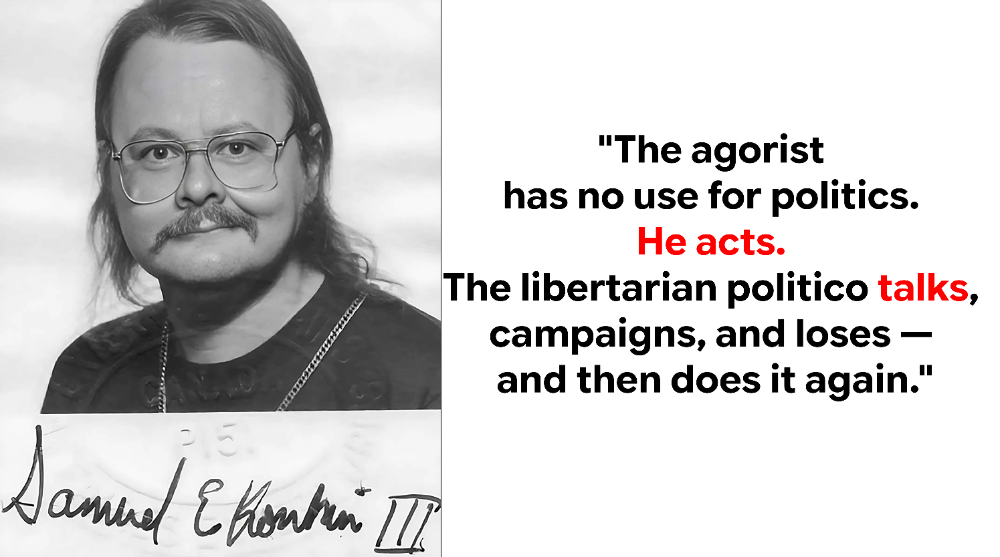
Agorism doesn't ask permission.
The LP has been on the ballot since 1972 and the federal government is larger now than when they started.
Acting outside the system compounds, voting inside it doesn't.
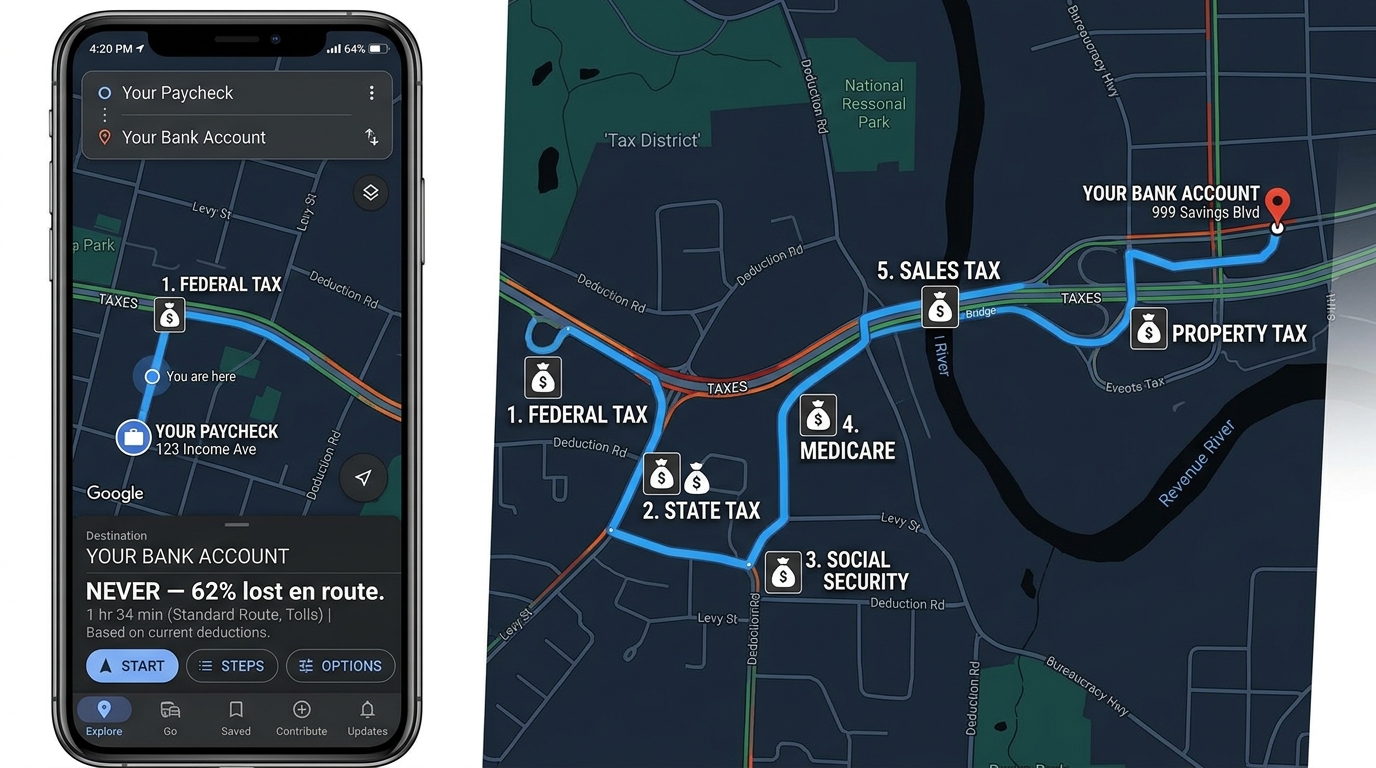
Every dollar they take is time you worked that you'll never get back.
#OPSEC365 064/365
Vigilant Solutions and Flock Safety run private ALPR networks logging every plate passing their cameras at gas stations, apartment complexes, and highway ramps. Over 5 billion plate records sit in private databases.
Law enforcement subscribes to query this data with GPS and timestamps, retained for years. Your driving patterns are compiled without a warrant ever being requested.
ALPR readers mount on freeway overpasses, traffic lights, and police vehicles. You cannot defeat them, but you can reduce what they compile on you. Vehicle registration under an LLC separates your name from the plate in query results.
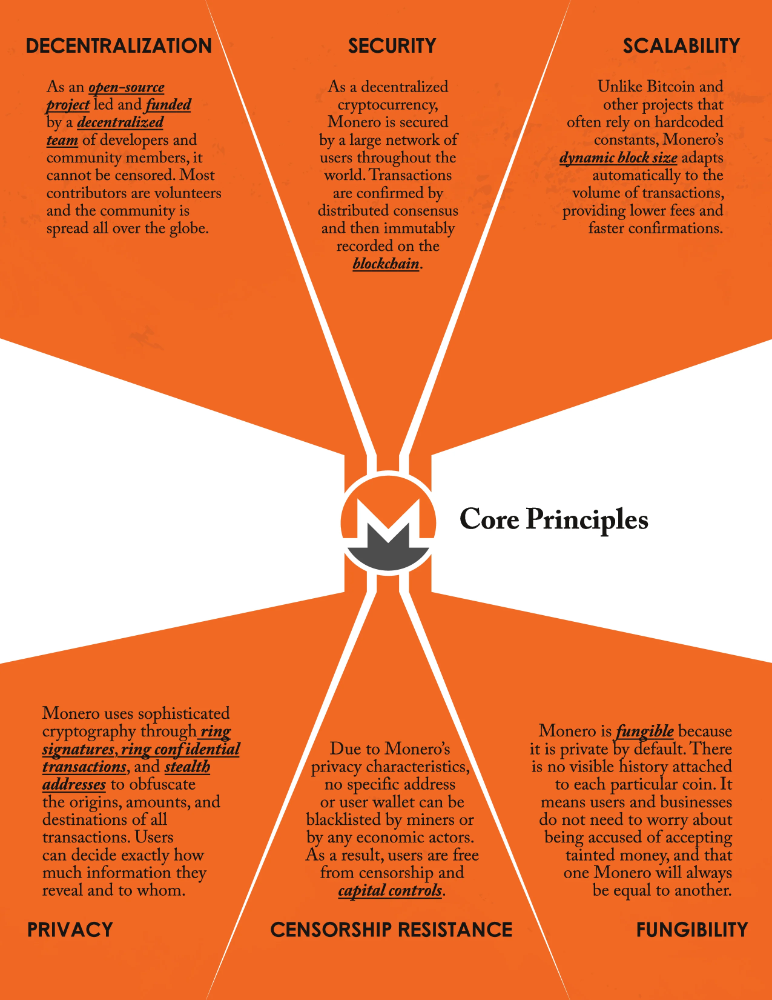
Coinbase can blacklist your Bitcoin based on where it's been,
miners can refuse your transactions, and your "decentralized" money has a permanent criminal record,
Monero solved this with stealth addresses and ring signatures in 2014.
#OPSEC365 062/365
Background checks reveal more than criminal history.
Employment verification going back decades, address history, professional licenses, lawsuits, liens, and credit summaries. When someone runs a background check on you, they get a detailed timeline of your adult life assembled from public records and data brokers.
A $30 background check returns employment history going back decades, address history, court records, and liens — assembled entirely from public sources.
Services like Checkr, GoodHire, and BeenVerified let you run checks on yourself. Some employers will tell you service they use so you can review before they do. Knowing what's in these reports helps you prepare explanations or correct errors before they cost you an opportunity.
#OPSEC365 061/365
Your airline reservation contains more than flight times.
The Passenger Name Record includes your full name, payment card, contact details, seat preferences, meal choices, and any special requests. Airlines share this data with governments, marketing partners, and security agencies. It persists long after your flight lands.
Most fields on a booking form are optional. None of them need to be filled honestly.
Skip the loyalty programs if you don't want your travel history tracked. Use gift cards purchased with cash for booking. Avoid special requests that make your record unique. The more generic your PNR looks, the harder it is to build a profile from it.
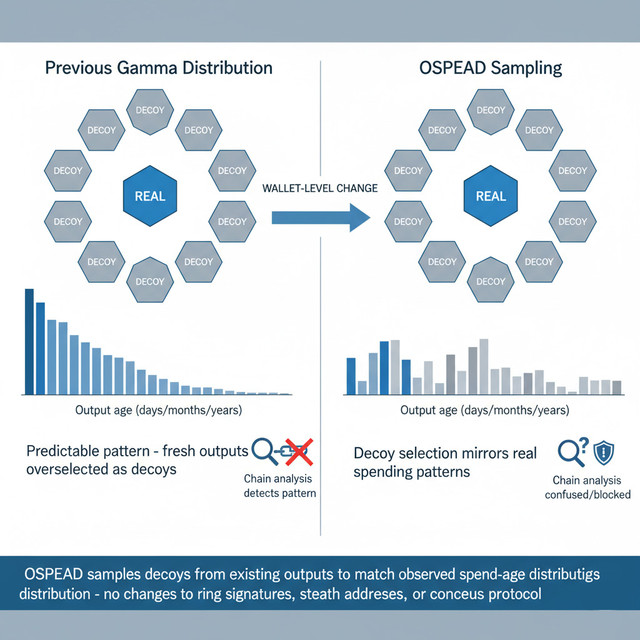
OSPEAD fixes decoy selection at the wallet level so your real spend looks identical to every other output in the ring.
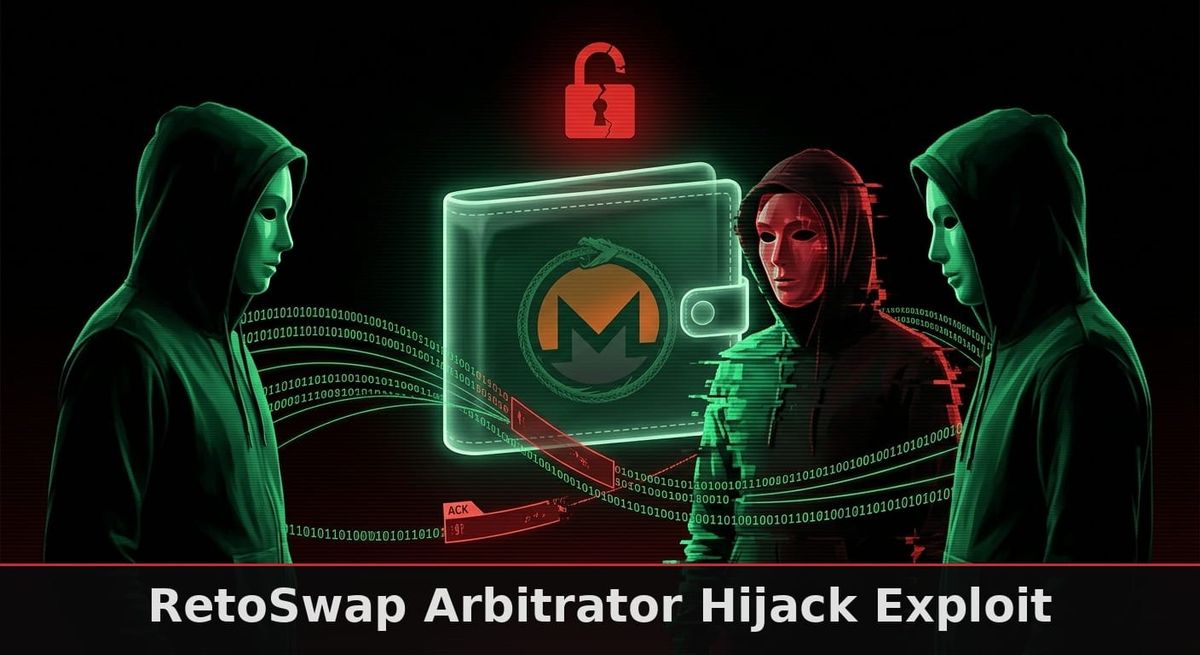
Haveno Brought Back the Arbitrator Multisig and Attackers Just Hijacked It
At 03:43 UTC on May 20, woodser opened an eight-line patch in TradeProtocol.java, and by the time it went up the exploit was already running against live RetoSwap trades.
Sam Bent
Haveno Brought Back the Arbitrator Multisig and Attackers Just Hijacked It
At 03:43 UTC on May 20, woodser opened an eight-line patch in TradeProtocol.java, and by the time it went up the exploit was already running agains...
#OPSEC365 060/365
The ABC system is how surveillance teams avoid burning their operators.
In mobile surveillance: A is the eyeball vehicle directly behind the target, B follows in a covering position, C works parallels. Handovers rotate who has direct visual, preventing any single operator from being seen too long.
Counter-surveillance principle: one sighting of a person or vehicle proves nothing. The threshold is two independent sightings at non-coincidental locations. In a well-run ABC team, no operator holds the eyeball long enough to trigger threshold alone.
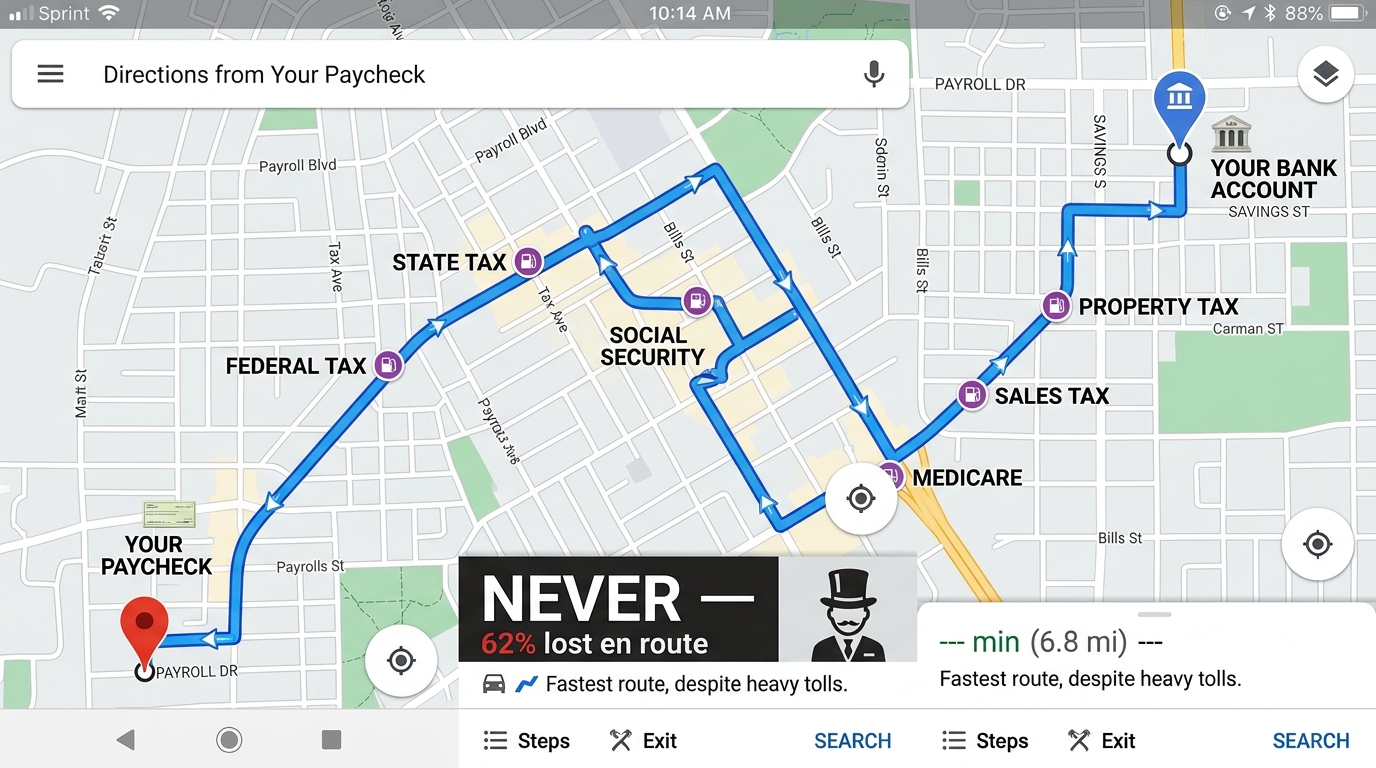
Much of your paycheck goes to people who did nothing to earn it, and opting out is a felony.
#OPSEC365 059/365
Your utility bills reveal when your house is occupied.
Electricity spikes when you're home, drops when you're away. Water usage follows your schedule. A data breach or a curious utility employee can see your occupancy patterns clearly from usage graphs.
Smart meter granularity is fine enough to identify when you wake up, when you leave, and when you come back.
Some people use smart plugs and timers to create artificial usage patterns during vacations. Others keep baseline loads running to flatten the curves. The threat depends on who your adversary is, but knowing utility data reveals patterns is the first step to deciding if you care.
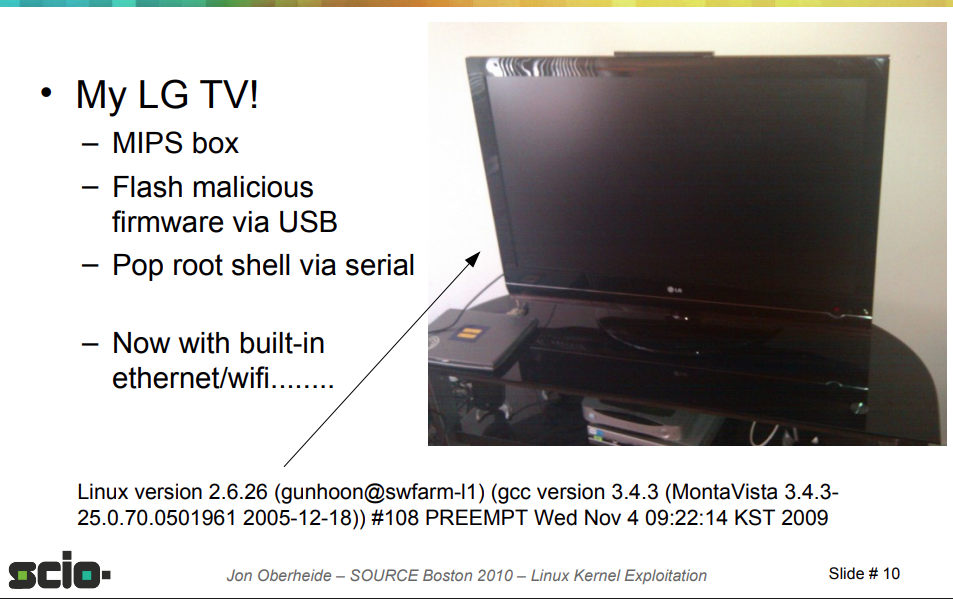
Kernel exploitation techniques for Linux.
"Exploiting the kernel is fundamentally different from exploiting userspace applications."
Linux Kernel Exploitation by Jon Oberheide (2009)
https://jon.oberheide.org/files/infiltrate12-thestateoflinuxkernelexploitation.pdf
#OPSEC365 058/365
Every business card you hand out is a data collection opportunity.
Name, title, company, phone number, email address, sometimes personal cell and LinkedIn. You give these freely to strangers at networking events, and those cards end up in databases, on desks of people you don't remember meeting, or in piles sold to data brokers.
Most business cards contain more information than any single recipient needs.
Some people use cards with only their name and email, nothing else. Others use QR codes that link to a contact form instead of giving direct numbers. The point is deciding what you want someone to have before handing over a printed summary of how to reach and identify you.
#OPSEC365 057/365
The address on your checked luggage tag tells every stranger who sees it where your empty home is.
Baggage handlers, airport workers, hotel lobby staff, taxi drivers, the person behind you in the rental car line — anyone with eyes on your bag at the carousel can read your name and street address. The same tag is proof you are not at that address right now and won't be for a known number of days.
Use a covered tag or write only initials and a phone number.
#OPSEC365
Some carriers will accept a work address or a PO box at check-in. If you must use a home address, fold the tag inward so it has to be lifted to read. A frequent flyer number on the outside is harmless — it identifies you only to people who already have access to airline systems, which is a much smaller threat surface than "anyone standing near your bag".
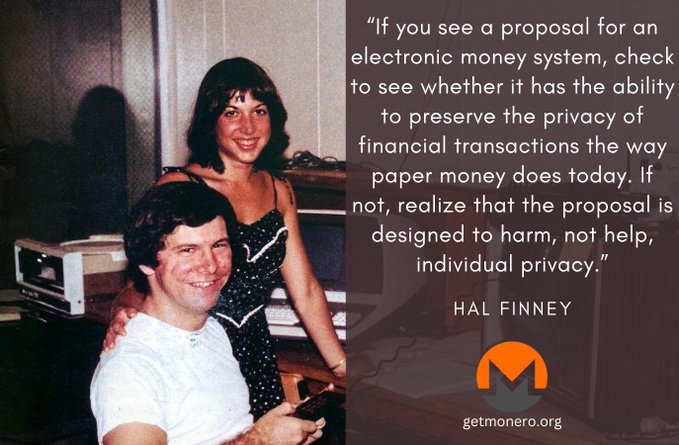
The most respected cypherpunk in Bitcoin's history told you transparent ledgers are designed to harm individual privacy,
and the Bitcoin community pretends they never heard him,
Monero is what Hal was actually describing.
#OPSEC365 056/365
People can identify your location from tiny background details in photos.
A GeoGuessr player found a streamer's exact location from a photo of her ceiling. Power line styles, vegetation types, store signs, and even the angle of shadows narrow down where you are. Determined people treat this like a game, and they're very good at it.
Look at your recent photos and ask what background details could reveal where you live.
Unique architectural features, visible street signs, store logos, and distinctive plants all provide clues. Even indoor photos can reveal window views or reflections. If you're concerned about location privacy, photograph against plain backgrounds or in nondescript settings.
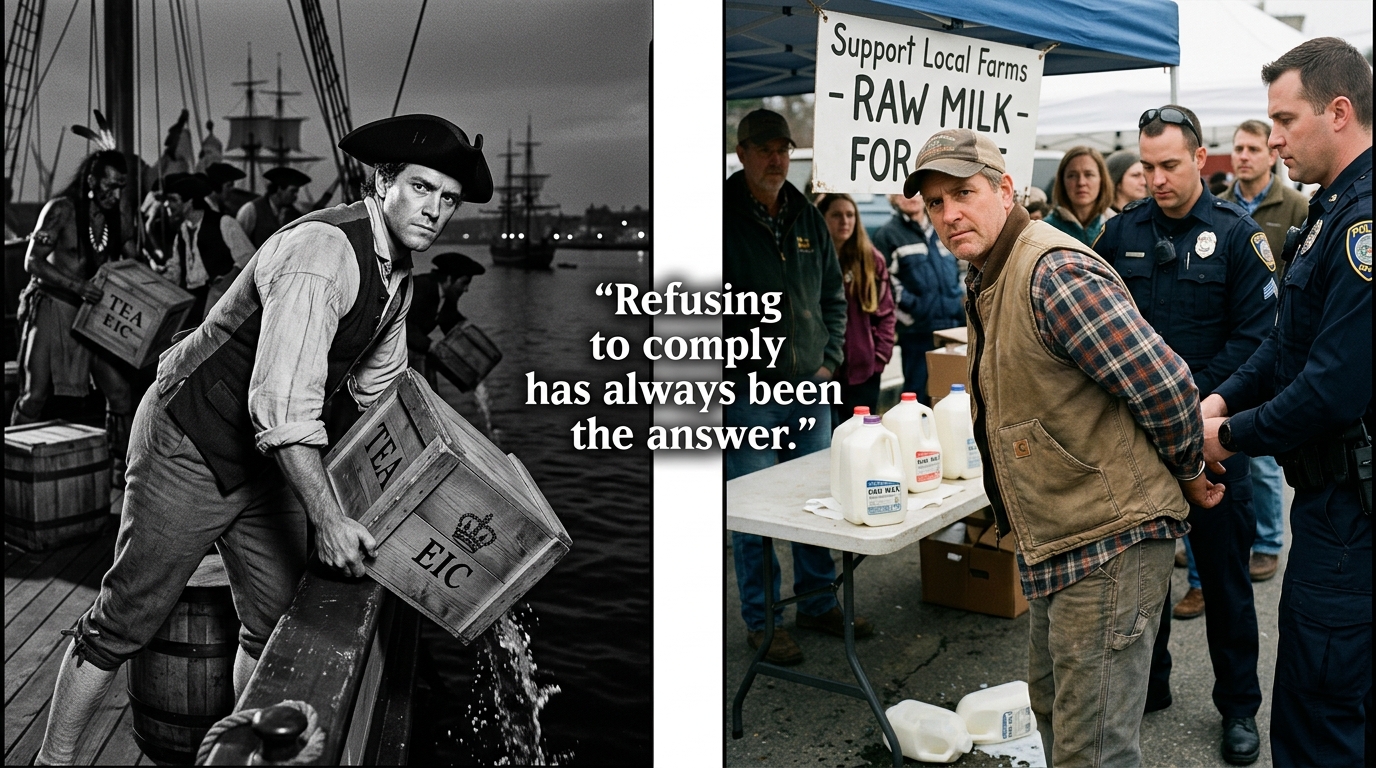
Civil disobedience is only celebrated when it's old enough to be in a textbook.
#OPSEC365 055/365
Your family members mention you online without thinking.
Mom's birthday post with your full name and age, your sibling's throwback photo from the house you grew up in, your spouse's check-in at the restaurant where you're celebrating your anniversary. Each one leaks information you might prefer stayed private.
Have a conversation with close family about what you'd rather they didn't post.
This isn't about controlling family, it's about asking for consideration. Most people will honor reasonable requests if you explain why it matters. A simple ask like avoiding location tags or using nicknames instead of full names goes a long way without damaging relationships.
#OPSEC365 054/365
Surveillance teams work in cycles: Stakeout, Pick-Up, Follow, Housing.
Understanding how pro foot monitoring operates is the foundation of detecting it. The team boxes the target in Stakeout. The trigger gives warning of movement. The Pick-Up establishes the follow. Housing is when the target stops. This cycle repeats all day.
To detect foot surveillance, vary your departure time and route. Surveillance teams stakeout from fixed trigger positions near your home or office - parked vehicles, cafe windows, bus shelters. Jenkins notes: operators get bored and co-locate.
