● Native American Trackers & Hair: The Story
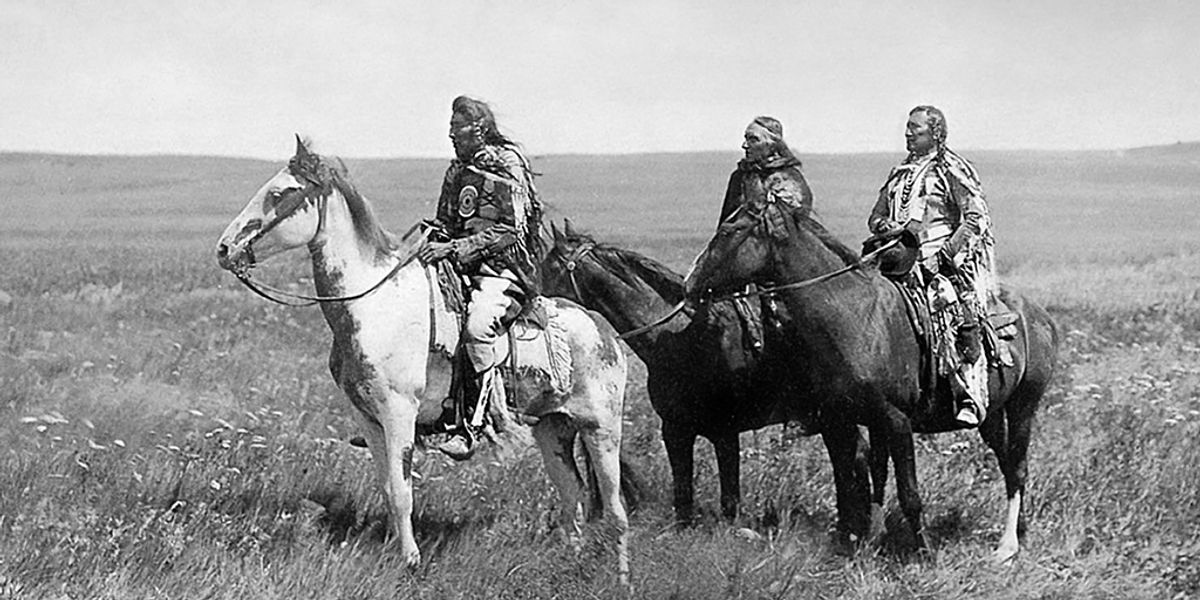
The claim you're asking about is a widely-circulated story alleging that:
1. The U.S. military recruited Native American trackers from reservations during the Vietnam War for their exceptional tracking abilities
2. After military haircuts, these recruits lost their "almost supernatural" tracking skills
3. Secret tests supposedly proved long hair was essential to their abilities, leading the military to exempt them from haircut regulations
The Verdict: Urban Legend
This story is unverified and likely false. Key findings:
- No historical documentation exists of specialized Native American scouting units with long-haired soldiers
- The U.S. Army Special Forces historians have called the story "pure mythology"
- The earliest traceable source is a 2010 blog post by David "Avocado" Wolfe, with no cited sources
- No scientific evidence supports hair providing tracking or sensory abilities
What's Actually True
- Many Native Americans served in Vietnam (most volunteered before being drafted)
- They were integrated into regular units, not special tracking units
- The military did recruit scouts, but targeted Viet Cong defectors who actually knew the terrain and enemy tactics
Alternative Explanations
Some have proposed that if any decline occurred, it could be:
- Psychological: Loss of confidence after losing a cultural symbol
- Trauma: The forced haircut as cultural severance affecting morale
Sources:
-  -
-
-
-  > so, in other words, the psychological torment of military service and degrading of the value of the individual is more important. and probably also the unfamiliarity of the loss of a part of their body they were used to from a young age
● Yes, that's a more grounded interpretation. Even without supernatural claims, there are real factors at play:
Cultural trauma: For many Native American cultures, long hair carries deep spiritual and identity significance. Forced cutting was historically used as a tool of assimilation in boarding schools ("Kill the Indian, save the man" policy). A military haircut would echo that same cultural violence.
Proprioceptive disruption: Hair does provide subtle sensory feedback - wind direction, proximity of objects near the head, environmental awareness. Someone who has had long hair since childhood would have decades of unconscious calibration to that input. Removing it suddenly could genuinely cause disorientation, similar to how people feel "off" after major physical changes.
Military deindividuation by design: The uniform haircut serves the explicit purpose of stripping individual identity to create unit cohesion. For someone from a culture that was subjected to systematic erasure, this "standard procedure" carries a different weight entirely.
Performance under psychological stress: If a tracker believes their ability is connected to their hair (regardless of whether it physically is), confidence matters. A demoralized, disoriented person performs worse than a confident one - that's not mysticism, that's basic psychology.
The supernatural framing makes the story easy to dismiss. The actual dynamics of cultural trauma, bodily autonomy, and psychological warfare are harder to wave away.
> so, in other words, the psychological torment of military service and degrading of the value of the individual is more important. and probably also the unfamiliarity of the loss of a part of their body they were used to from a young age
● Yes, that's a more grounded interpretation. Even without supernatural claims, there are real factors at play:
Cultural trauma: For many Native American cultures, long hair carries deep spiritual and identity significance. Forced cutting was historically used as a tool of assimilation in boarding schools ("Kill the Indian, save the man" policy). A military haircut would echo that same cultural violence.
Proprioceptive disruption: Hair does provide subtle sensory feedback - wind direction, proximity of objects near the head, environmental awareness. Someone who has had long hair since childhood would have decades of unconscious calibration to that input. Removing it suddenly could genuinely cause disorientation, similar to how people feel "off" after major physical changes.
Military deindividuation by design: The uniform haircut serves the explicit purpose of stripping individual identity to create unit cohesion. For someone from a culture that was subjected to systematic erasure, this "standard procedure" carries a different weight entirely.
Performance under psychological stress: If a tracker believes their ability is connected to their hair (regardless of whether it physically is), confidence matters. A demoralized, disoriented person performs worse than a confident one - that's not mysticism, that's basic psychology.
The supernatural framing makes the story easy to dismiss. The actual dynamics of cultural trauma, bodily autonomy, and psychological warfare are harder to wave away.
Snopes
FACT CHECK: Did Native American Scouts’ Long Hair Provide “Almost Supernatural” Tracking Abilities During the Vietnam War?
No evidence supports the long-standing claim that Native Americans were recruited by the military for service during the Vietnam war, or that their...
Ancient Origins Reconstructing the story of humanity
Legendary Locks: Can Hair Act as a Sixth Sense, Protecting us from Danger? | Ancient Origins
There are some who believe that hair serves as an extension of our nervous system, acting as a sixth sense to protect us from danger.
AAA Native Arts
The Relationship between native american long hair styles and extrasensory perception
An interesting find revealed that long hair in men was actually related to consciousness or the sixth sense. Does that sound preposterous? Lets del...