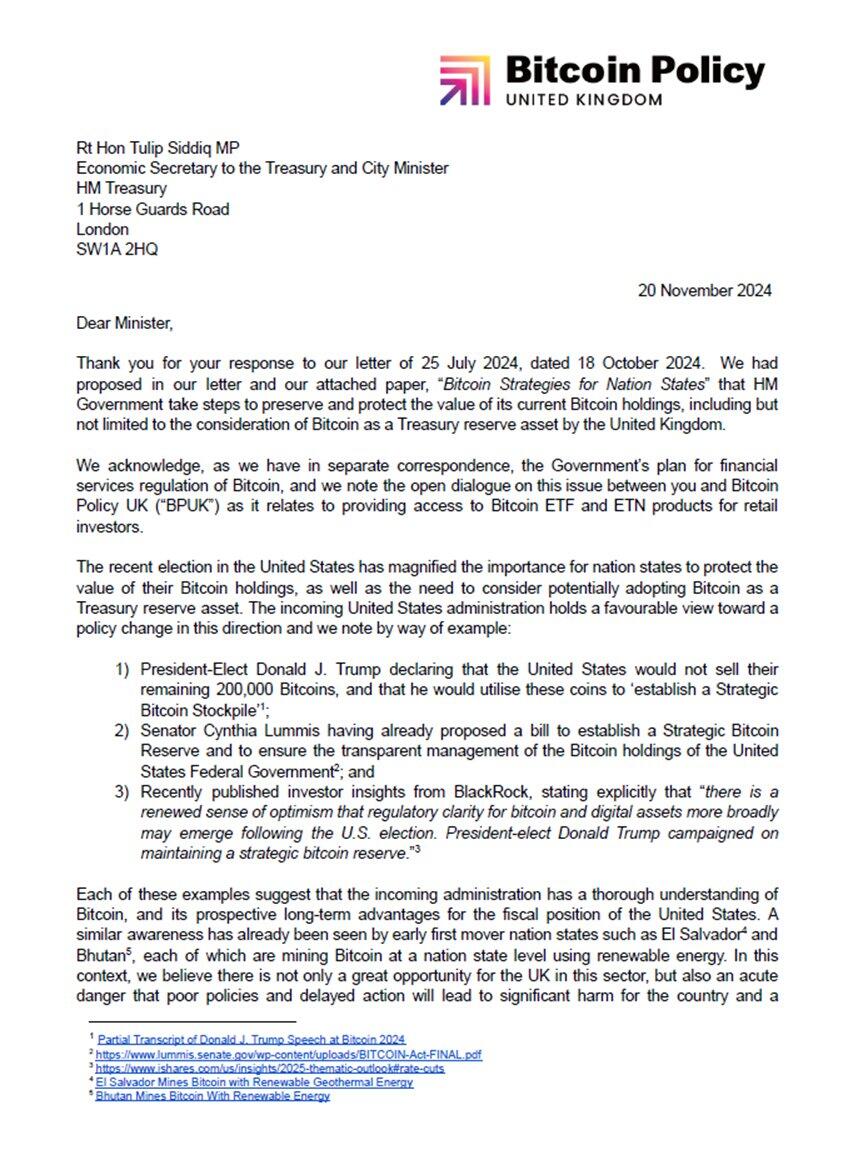
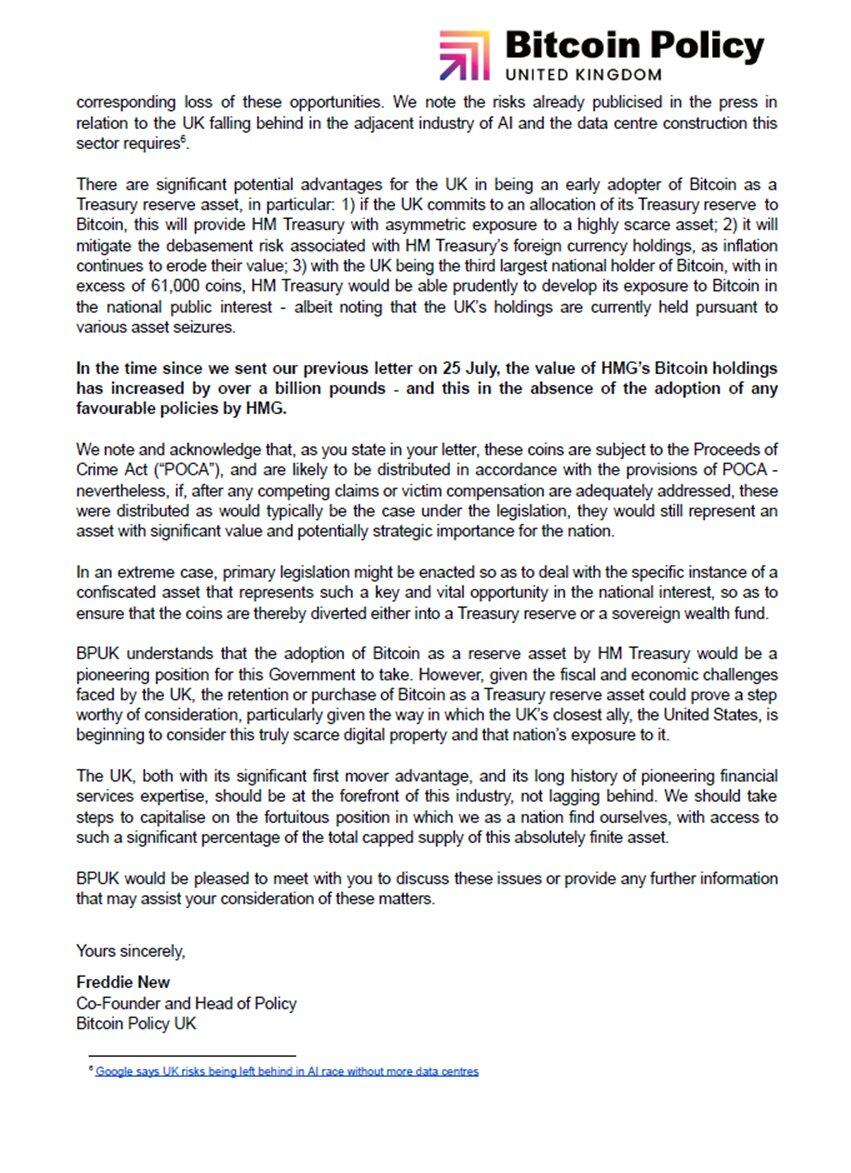
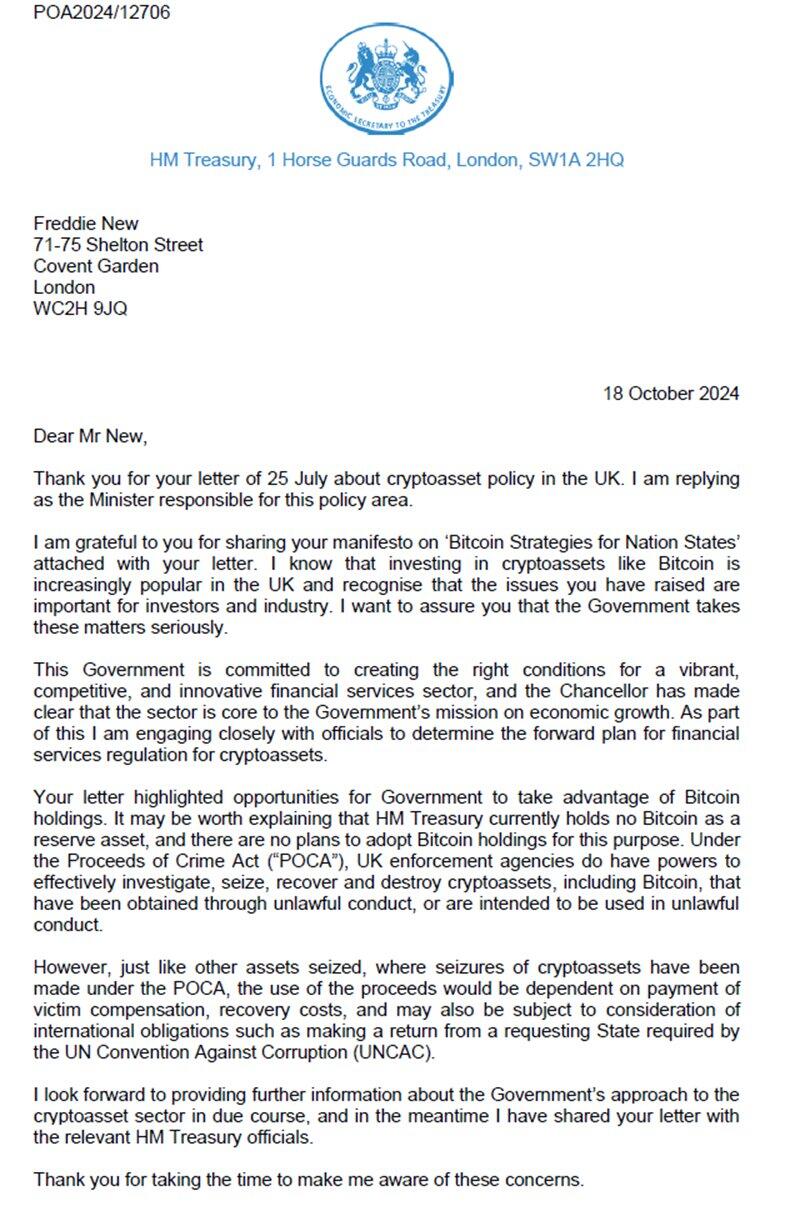
They are literally watching you. Wherever you go, whatever you buy, whatever you do online.
The vast majority of us are law-abiding citizens, who want no more than to be left alone. Why should we allow this relentless surveillance to continue unabated, and to permit governments to censor our speech and control our every action?
Big Brother Watch are doing great work fighting back against this insidious state attack, but what more can we as individuals do to resist?
Eric Hughes wrote. “We cannot expect governments, corporations, or other large, faceless organizations to grant us privacy out of their beneficence…
We must defend our own privacy if we expect to have any. We must come together and create systems which allow anonymous transactions to take place… We know that someone has to write software to defend privacy, and since we can't get privacy unless we all do, we're going to write it.”
This is not a thread intended to help you become a ghost, or to have any chance of really scrubbing yourself from the internet. But it’s a list of some simple steps that anyone can take, even if you’re not technically minded, to protect your data, to make yourself a little less obvious, and to be a little less apparent to a surveillance state than your neighbour.
It’s like the joke about two photographers in the savanna taking pictures of a lion. When the lion starts coming their way, licking its lips, one of them pulls on running shoes.
“What’s the point of that?” says the other photographer. “You’ll never outrun a lion.”
“Forget outrunning the lion,” says the first. “I just need to outrun you”.
Privacy-focused 🧵👇
Can I surf anonymously?
It’s hard, but try using browsers that minimise the amount of data collection. The Brave browser is a decent option (brave.com). Alternatively, you can go a bit further, and use Tor (torproject.org/download/). DuckDuckGo have recently released their own privacy-focused browser - I’ve not yet tried this, but a link is here: duckduckgo.com/windows?source….
Each of these options should reduce the amount of data about you that’s silently collected in the background by Google, Apple or Microsoft. You can also use a service like Incogni (incogni.com ) to help scrub your data from the internet, to the extent that is possible.
Searching in Privacy:
We’ve already mentioned DuckDuckGo - they’re probably the best-known of the privacy-focused search engines. Try switching to them instead of Google or Bing:
duckduckgo.com
Use a VPN:
You may have heard of VPNs (virtual private networks) and know that they’re useful in authoritarian countries (like the UK is fast becoming). However, you can use them anywhere, on your computer or your phone, to encrypt your data and mask your IP address, which can help protect your privacy and anonymity when you connect to the internet.
I personally use and recommend
@Mullvad VPN and I believe
@BTC Sessions uses them too. Amusingly, Mullvad were recently raided by the police, but couldn’t surrender any personal information about their customers, because they don’t collect it: theverge.com/2023/4/21/2369…
Also Mullvad accept #Bitcoin, if you’d prefer not to let your bank know that you’re paying for a VPN.
A private email and calendar:
So you’re now using a browser and a search engine that are collecting less of your personal information, and you’ve protected yourself with a VPN. However, every time you sign up for an online service, or a public wifi, you may be asked for your email address - and perhaps you don’t want to surrender this, to be sold on by those companies.
Simple fix - create a privacy-focused account. Over time, you may decide to replace your Gmail or Outlook with one of these entirely. I can recommend
@Proton Mail who offer a suite of other productivity tools (including a calendar and cloud drive) that are all privacy focused: proton.me/mail. Note that you DON’T have to use your real name when signing up, if you want to preserve your privacy even further.
A new service offering similar products is Tuta Privacy. They look interesting but I’ve not trialled them yet: tuta.com/pricing
De-Google your phone!
If you want to go even further, and don’t mind tinkering with software and hardware, you could get yourself an old Google Pixel and experiment with De-Googling your phone. Privacy-focused operating systems such as
@GrapheneOS are relatively easy to install. But do make sure you buy an unlocked Pixel using cash!
Graphene OS provide an easy-to-follow installation guide here: grapheneos.org/install/web and there are many good walkthrough videos on YouTube such as this one:
youtube.com/watch?v=QOqVOc…
After a successful installation, you should have a fully functioning phone that isn’t controlled by a large corporation obsessed with tracking you. You can still run Android apps (even using a sandboxed Google Play Store) or by directly installing the .apks on your new phone.
Get what you want - privately:
Once you’ve got a nicely de-Googled phone, you’ll need a SIM card and a new number. I can’t recommend @bitrefill enough; not only can you buy an e-SIM from them, using #Bitcoin, but you can also top it up, and buy gift cards and vouchers for almost anything you might want (remember to sign up using your new Proton Mail address though….).
For #Bitcoin purchases, ideally use a self-custody Lightning wallet to improve Bitcoin’s relatively poor privacy protections. I have tried and can recommend each of Aqua from
@npub1jan3...x52y and
@npub148qm...jra7. Also, although it is multi-currency,
@Cake Wallet are doing some interesting things with #Bitcoin silent payments, and
@Seth For Privacy, whose views and expertise I trust on these matters, has recently joined their team. More on silent payments here: silentpayments.xyz/docs/explained/.
You can also use a service like
@peachbitcoin or
@Hodl Hodl to buy #Bitcoin privately without KYC.
Private messaging:
Try
@Signal. It’s end to end encrypted, and can be used both for calls and messaging. Signal’s president, Meredith Whittaker, has done sterling work fighting back against bad laws and government overreach.
signal.org
Simplex is also gaining traction, but UX is still improving.
NOSTR!
You're here, which is great. They can't censor you here.
I can’t say anything better about this new protocol than the inimitable
@gladstein so to quote him directly: “Nostr is a community-run digital network highly resistant to censorship and corruption. It has 40,000 weekly active users and a growing ecosystem of clients and applications ranging from social media to long-form publishing to payments.”
I highly recommend you check out his recent piece on Reason to learn more:
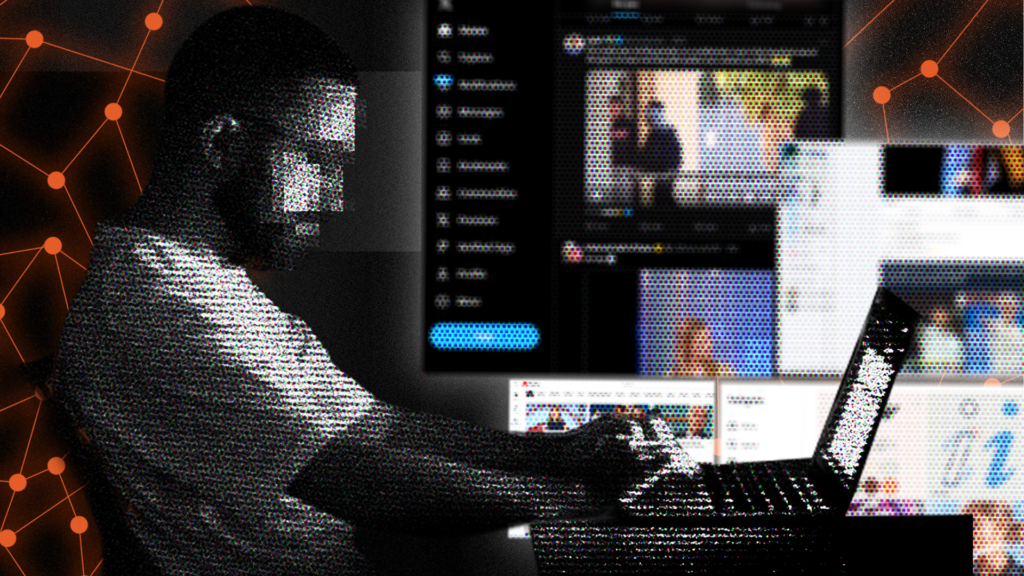
Reason.com
Can Nostr make Twitter’s dreams come true?
Twitter's founder says Nostr is “100 percent what we wanted”—an open, ownerless network.
Can I block facial recognition?
We’re now getting into more esoteric levels of personal protection, and I have to say I have not tested these products. However, given the increasing noise in the UK about the ubiquity of personal surveillance and facial recognition, I might be tempted to try. These glasses claim to be able to block and scramble facial recognition technology (although they’ll be ineffective against gait-recognition tech. Not sure what to do about that other than to wear pebbles in our shoes?)
reflectacles.com/#home
They do have a decent review here:

DefenseReview.com (DR): An online tactical technology and military defense technology magazine with particular focus on the latest and greatest tactical firearms news (tactical gun news), tactical gear news and tactical shooting news.
Reflectacles Sunglasses: Urban-Cool Counter-Surveillance Eyewear for Professionals and Civilians Alike!
By Toby Melville September 29, 2023 Eyewear has been an important component of fashion for decades, but for the armed professional, eyewear has bec...
Hopefully, with some of these tips, you’ll be able to improve your privacy and control of your data even to a small degree.