Architecture Daily's avatar
Architecture Daily
npub15qd4...gj2x
Your daily dose of architecture.
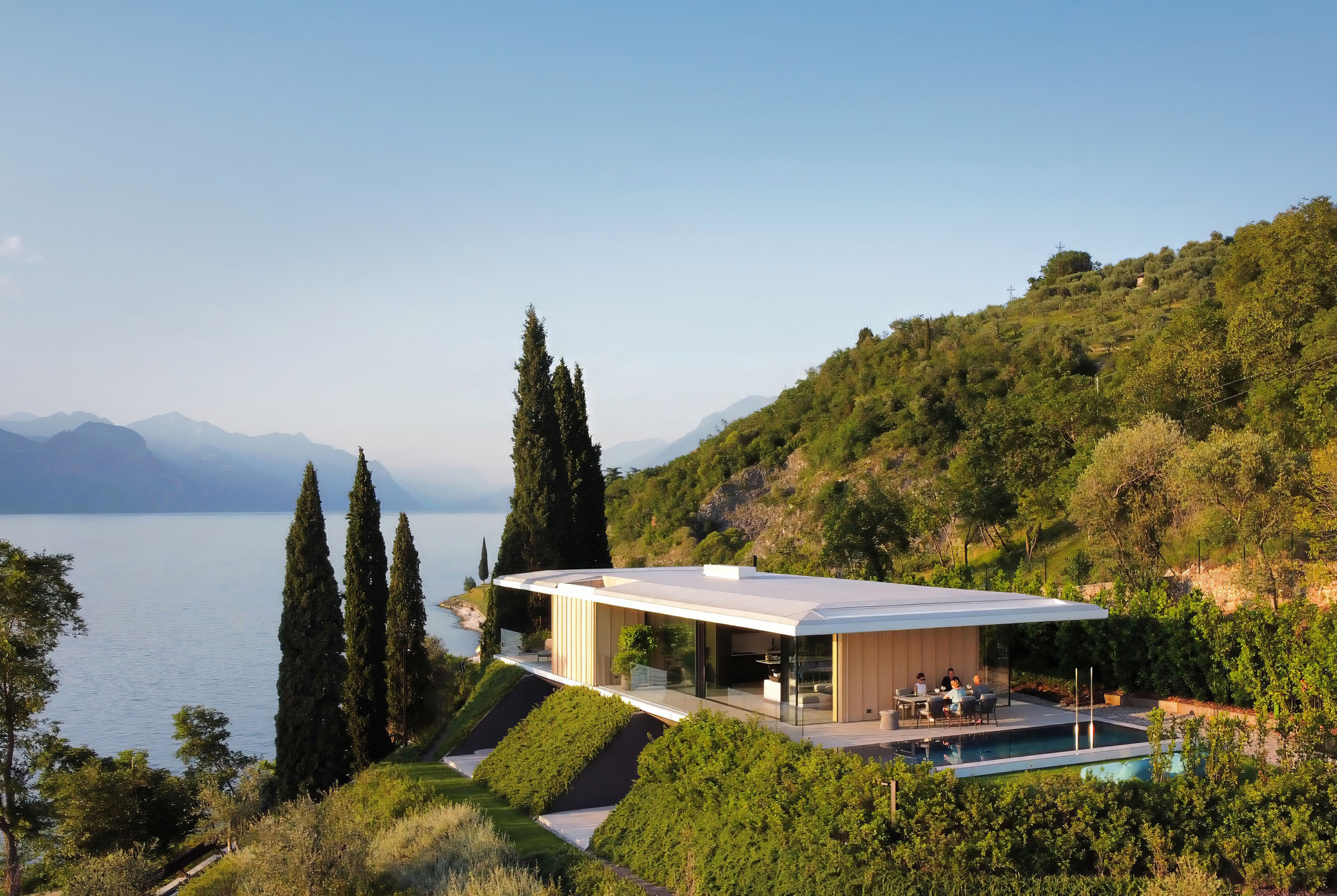
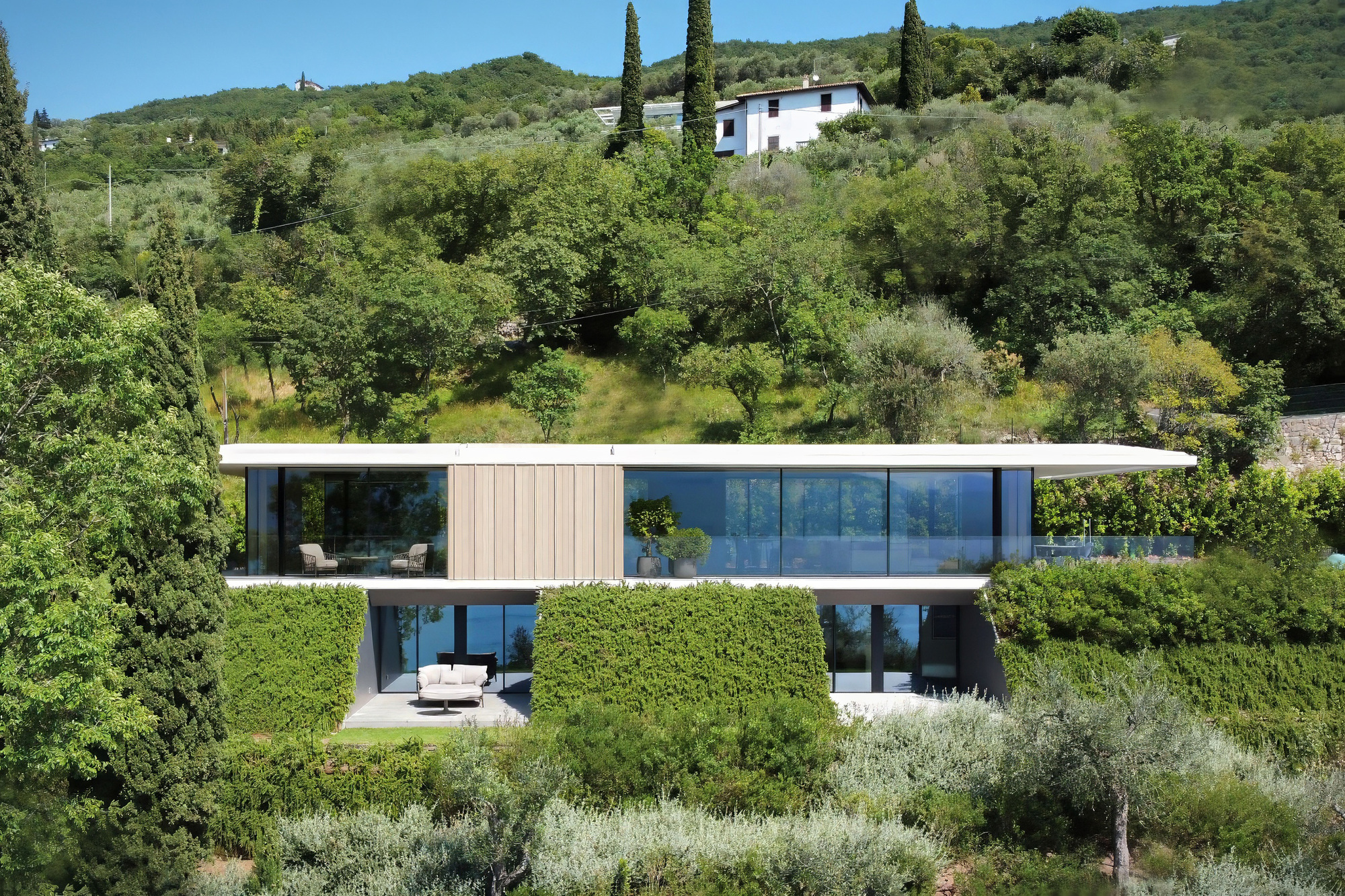
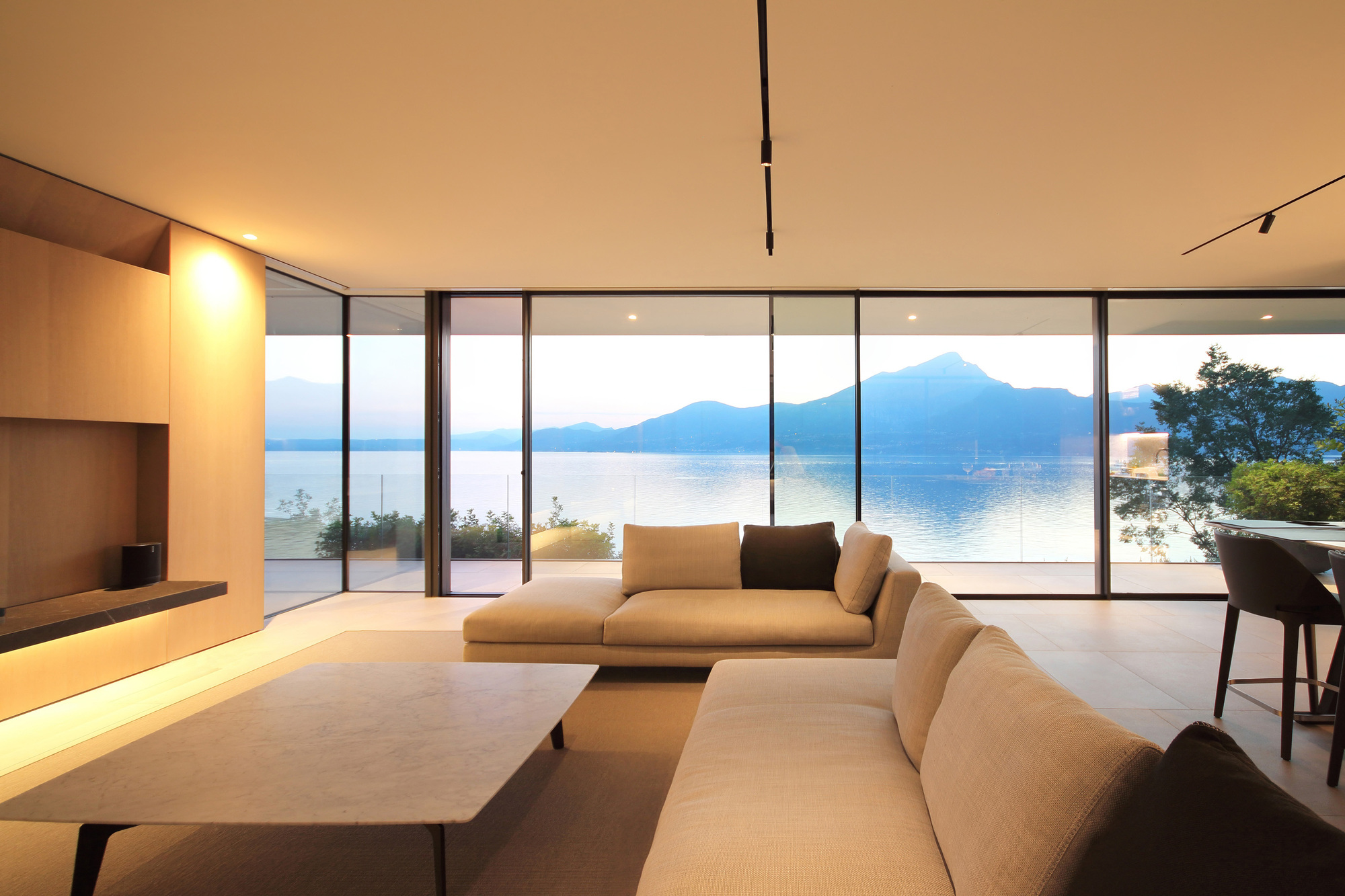
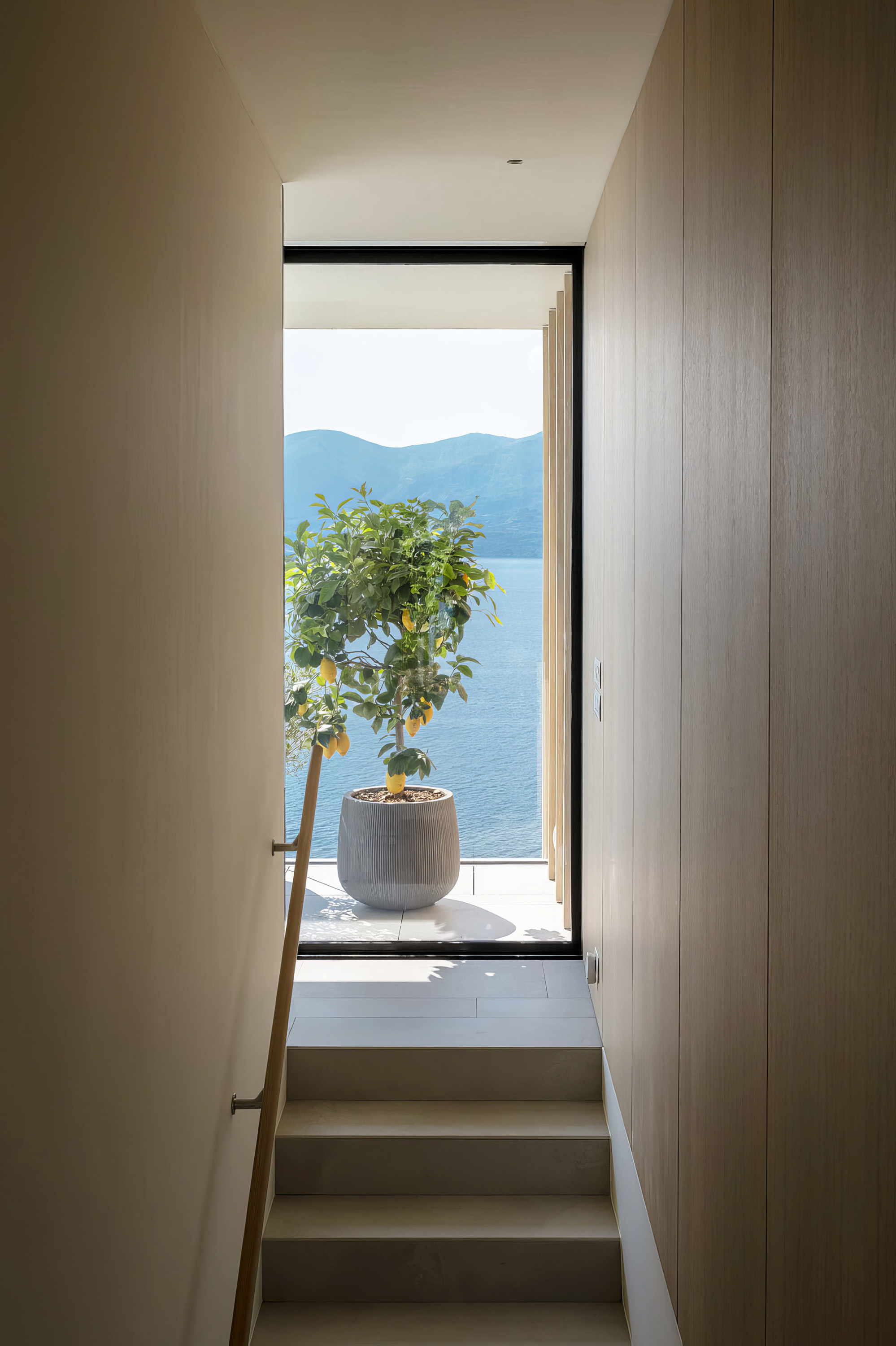
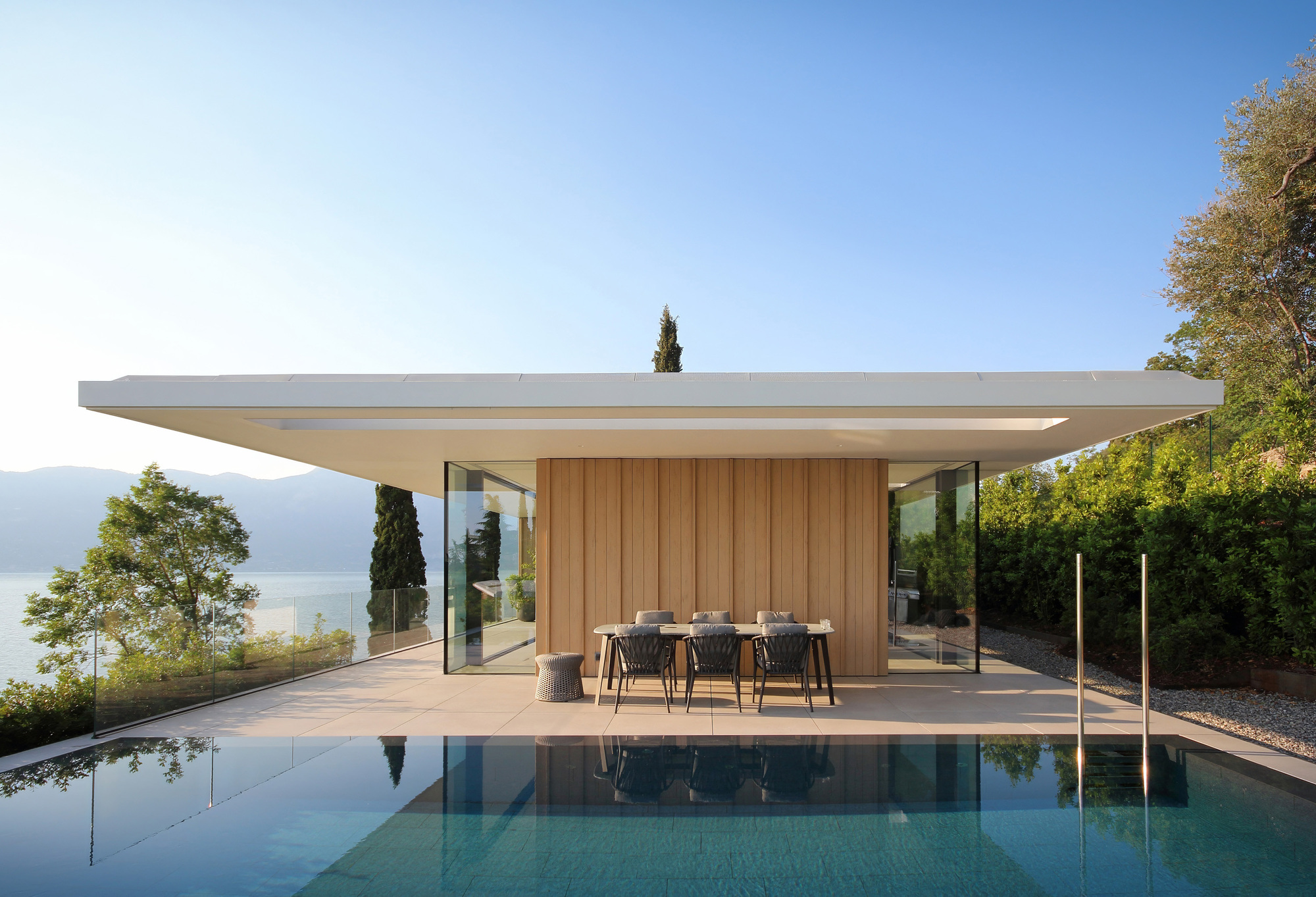
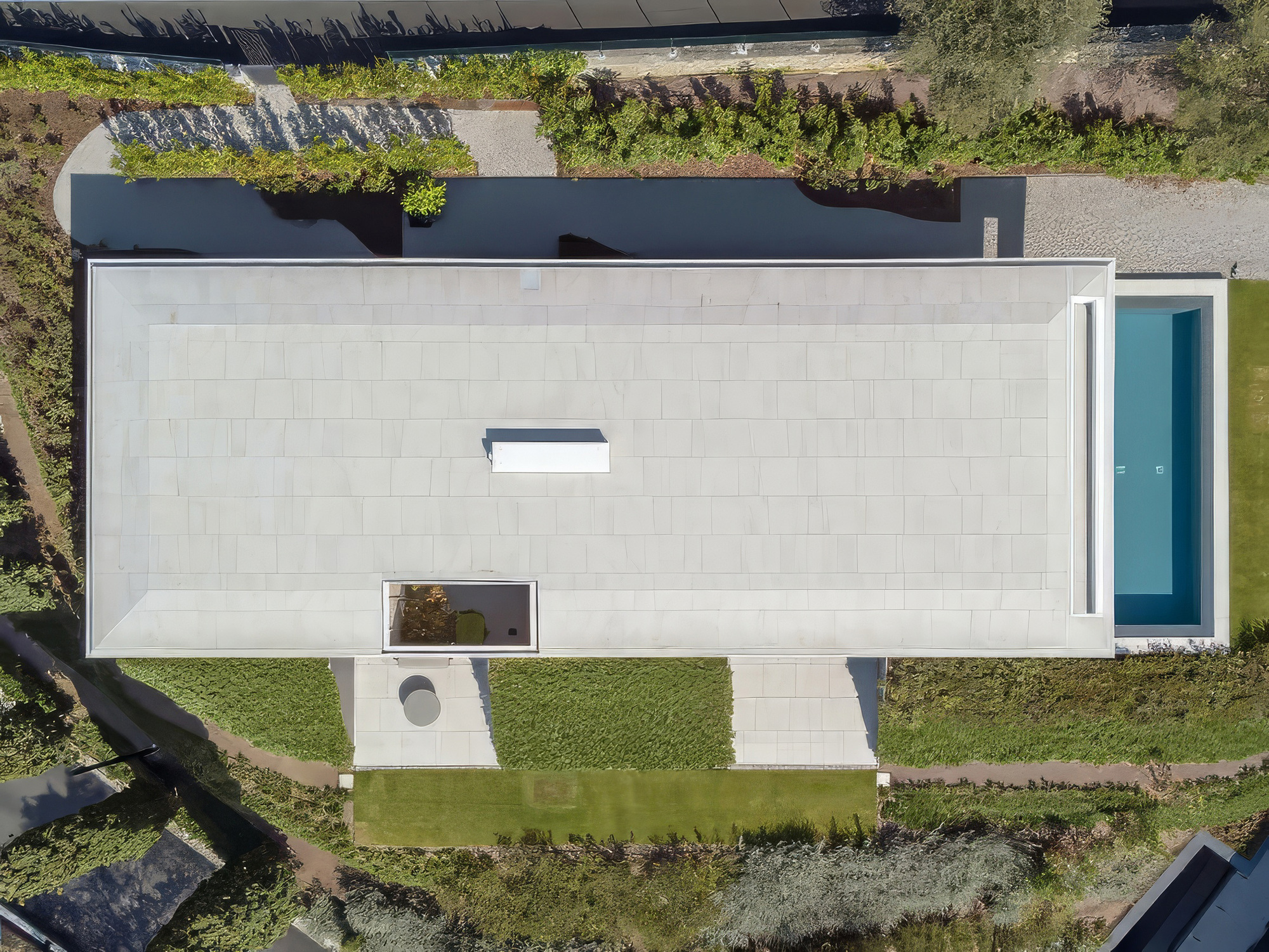
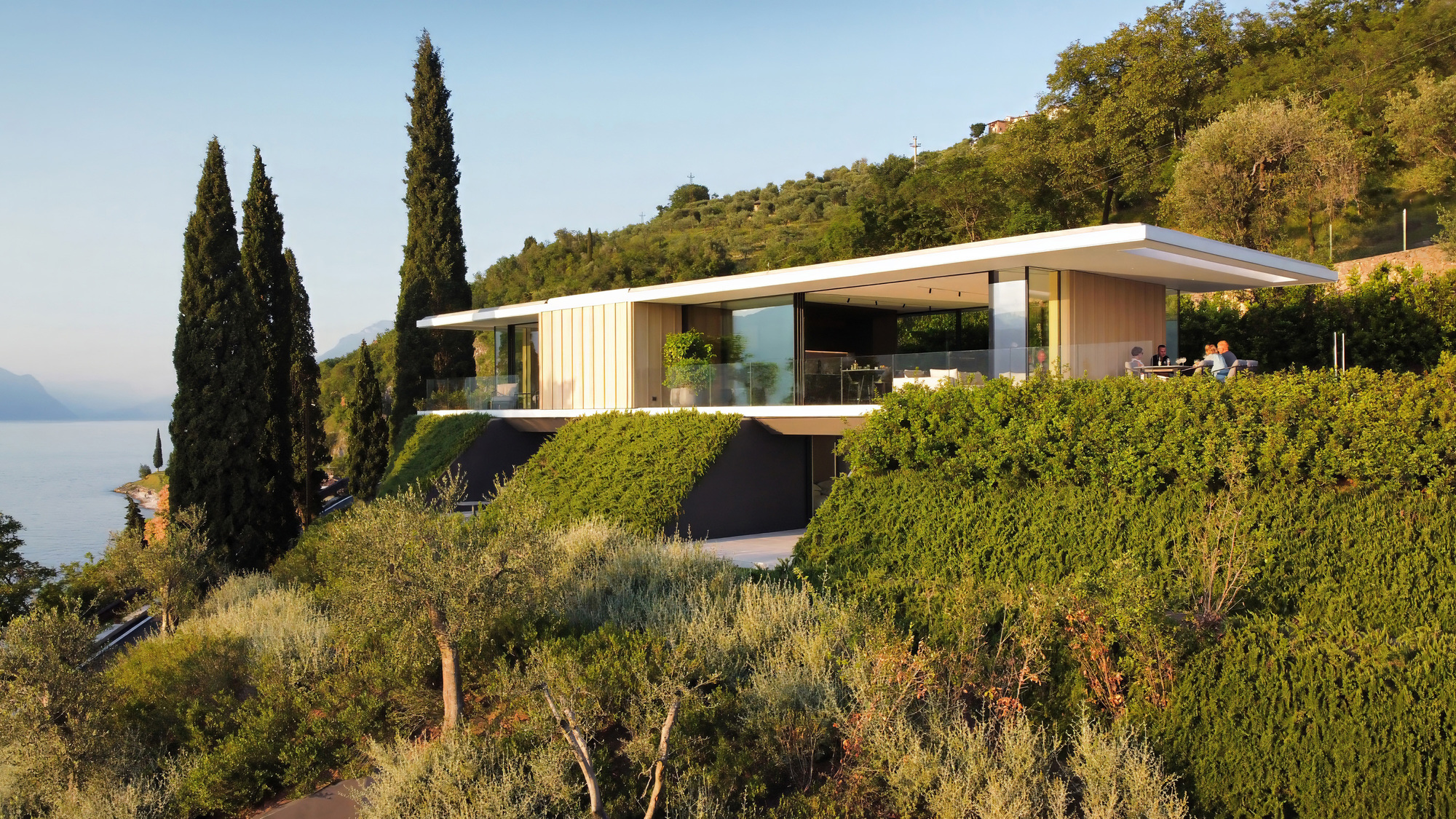
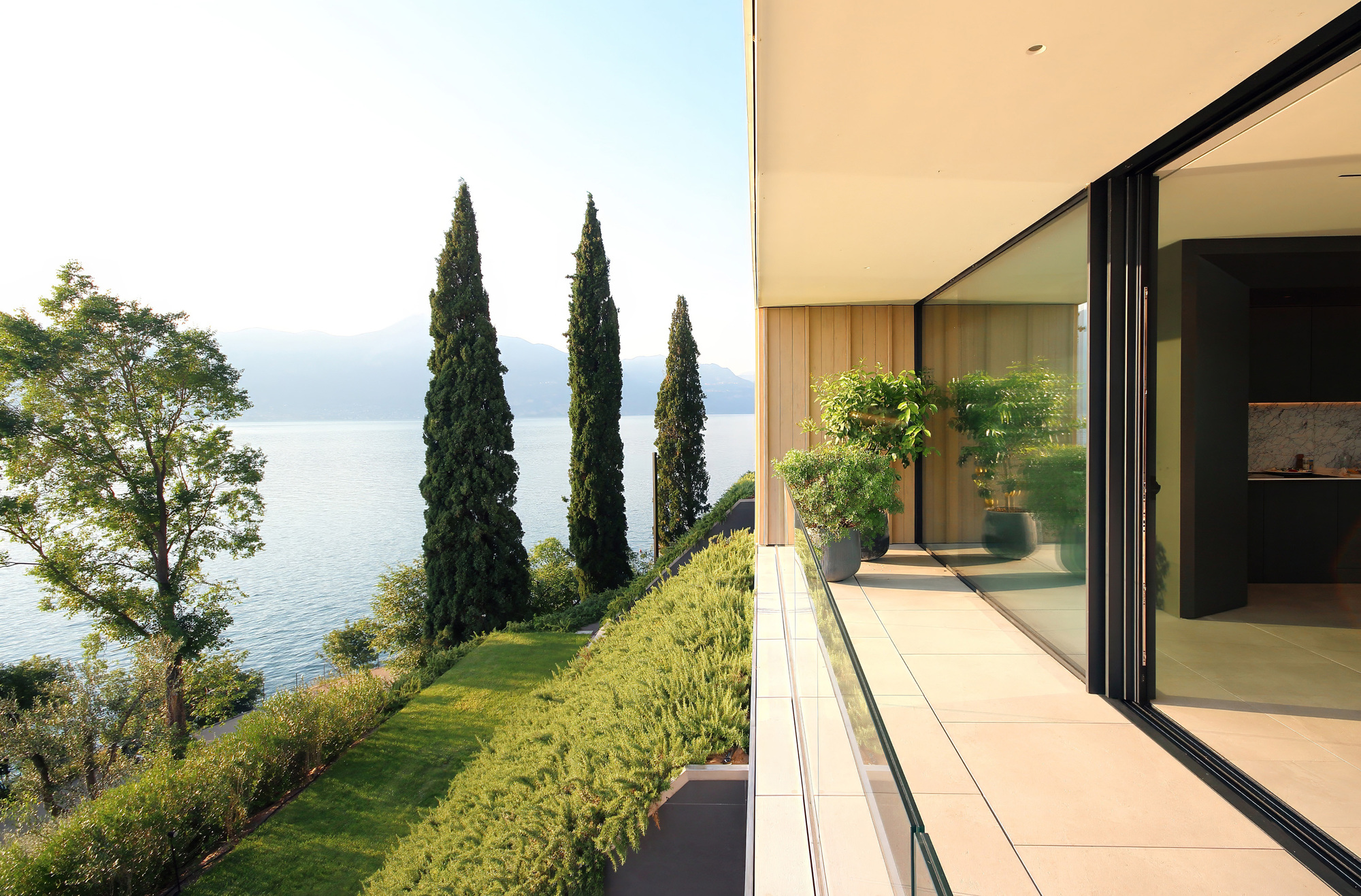
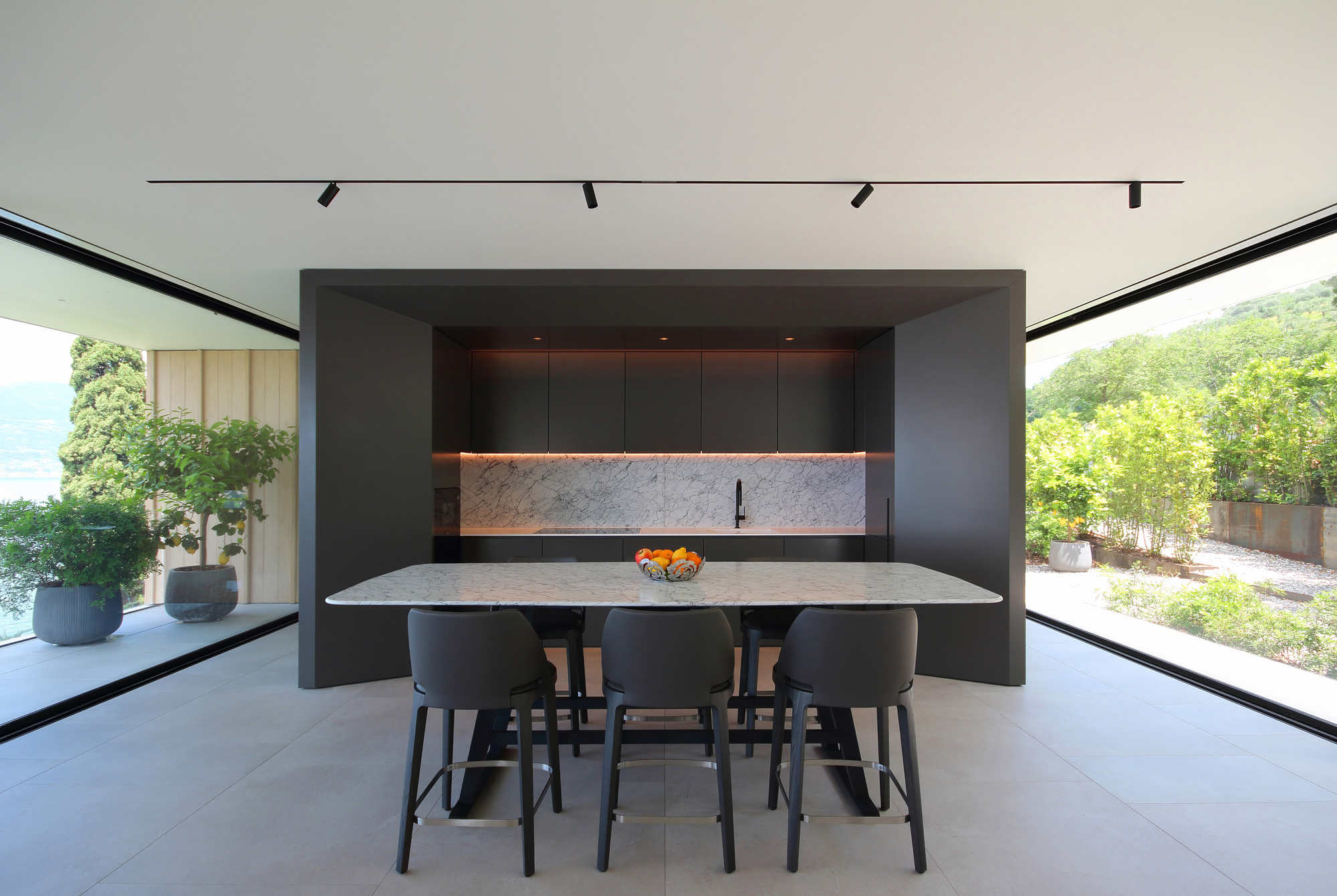
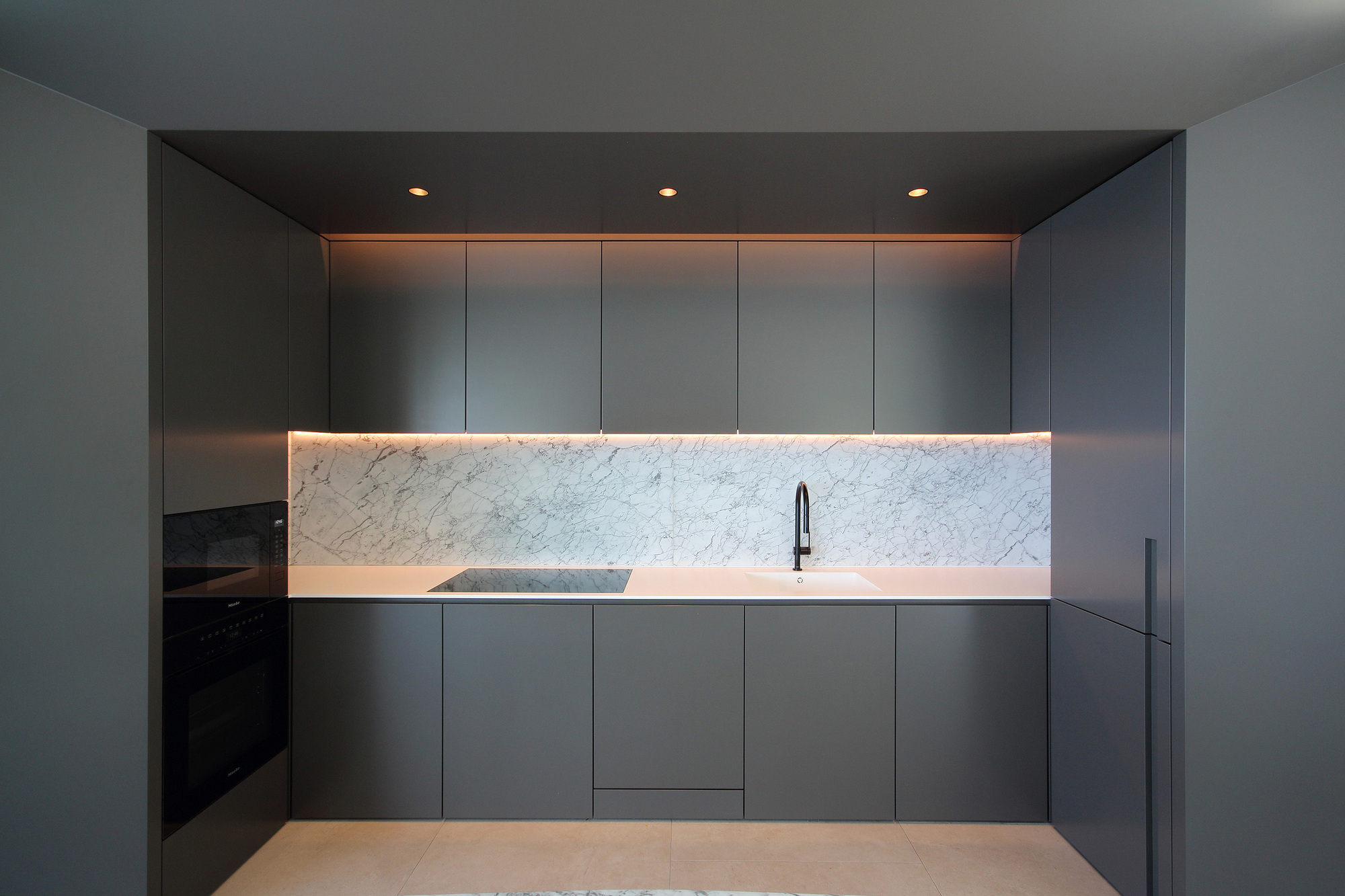
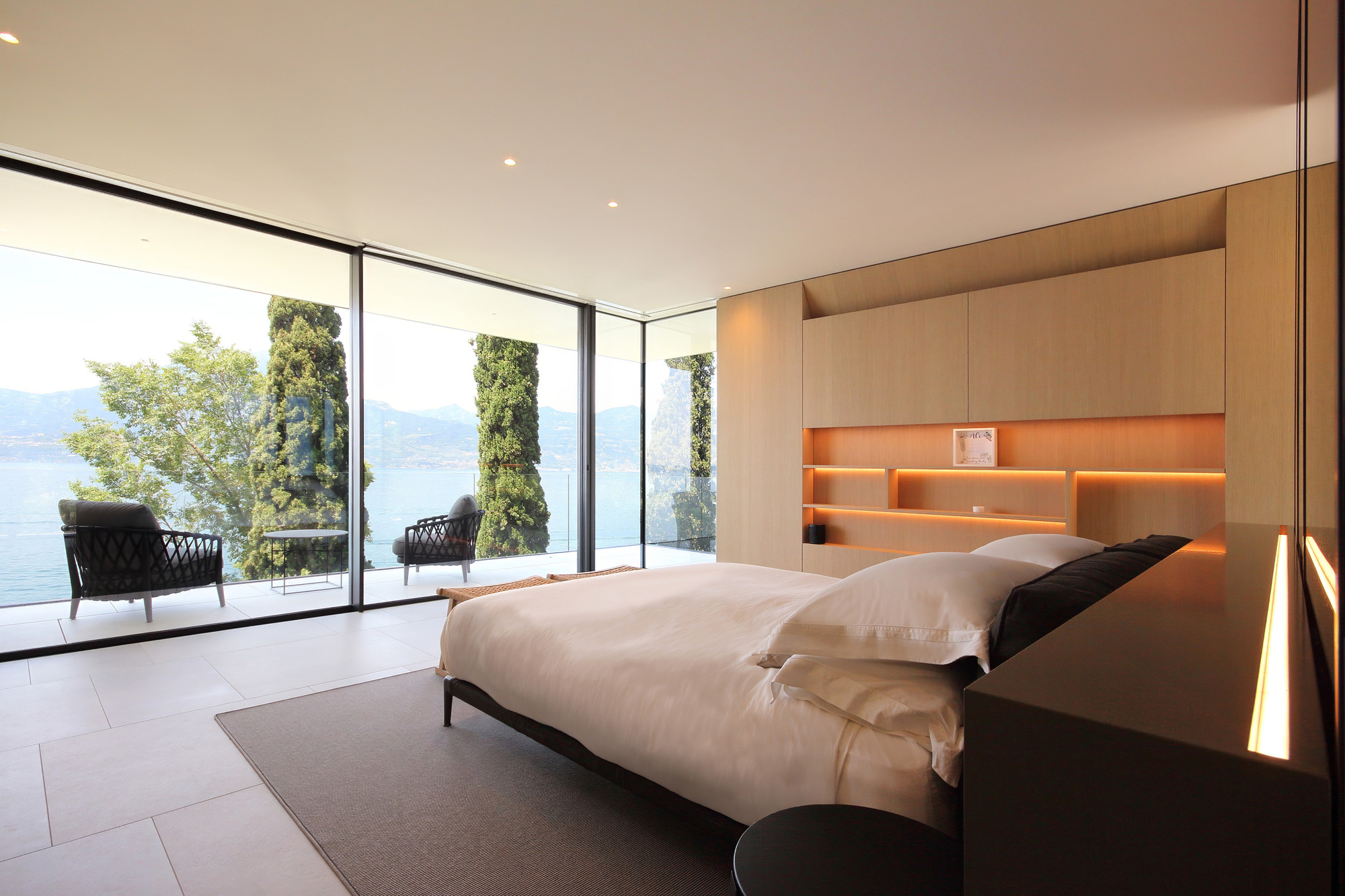
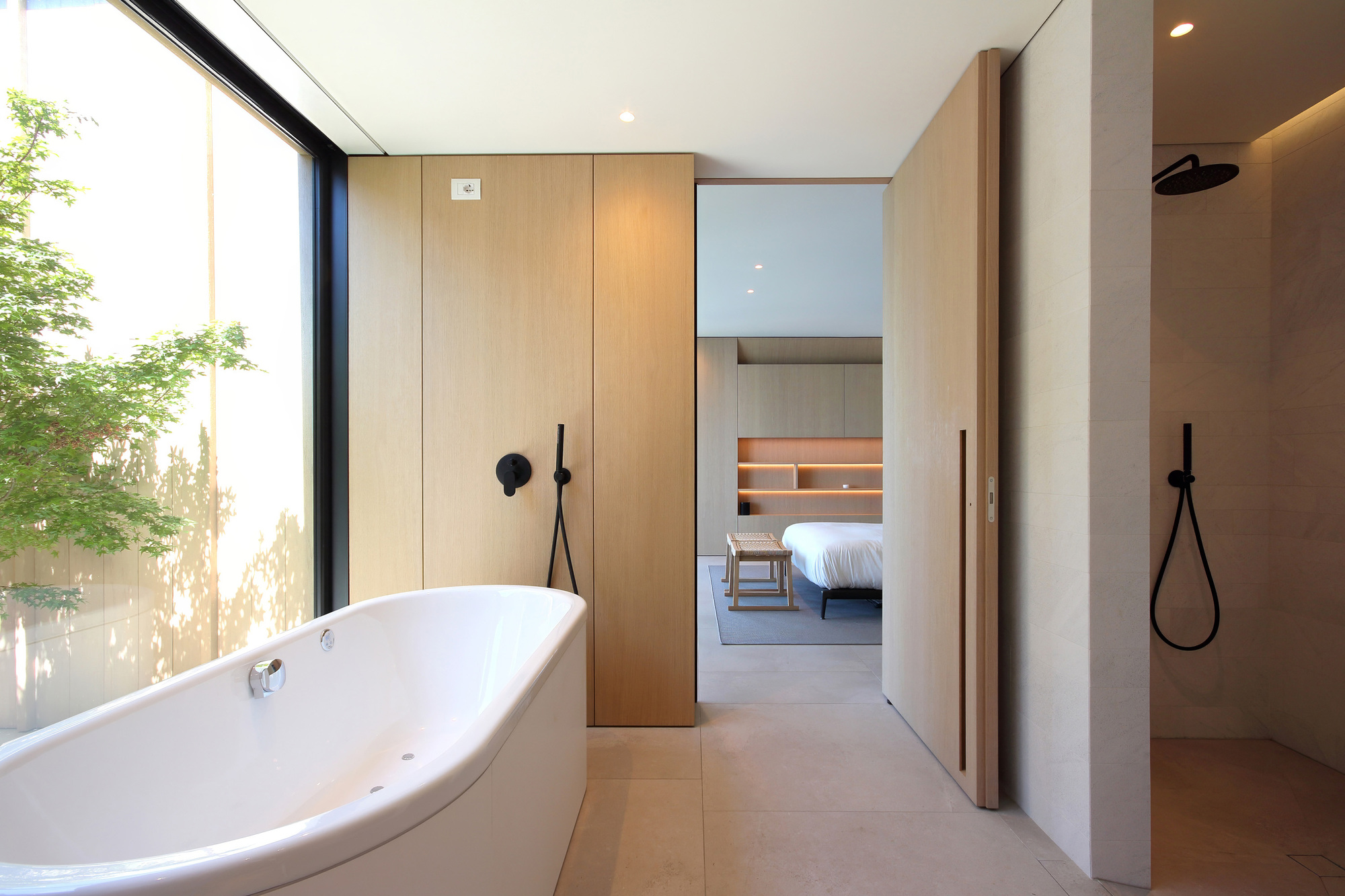
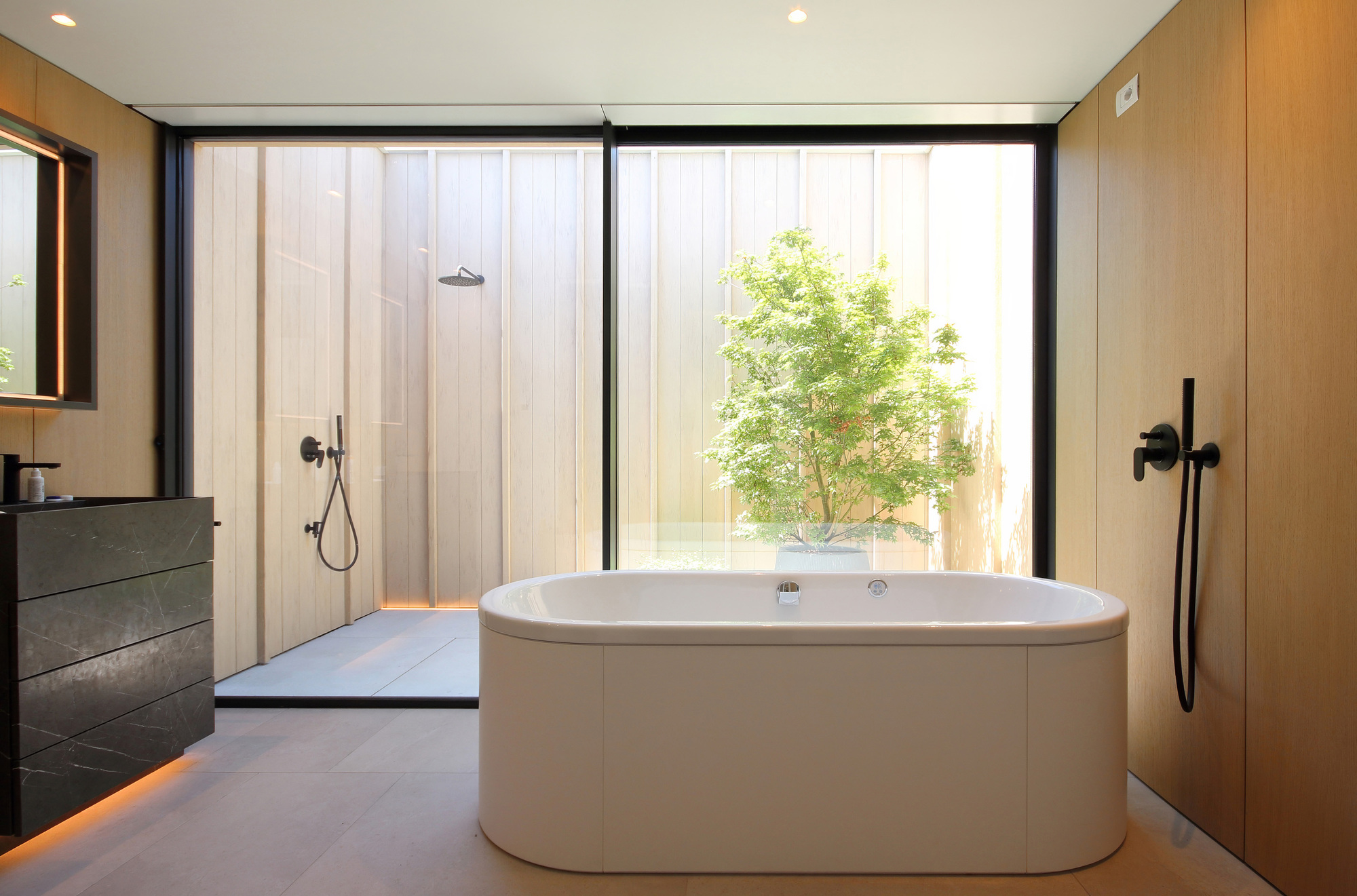
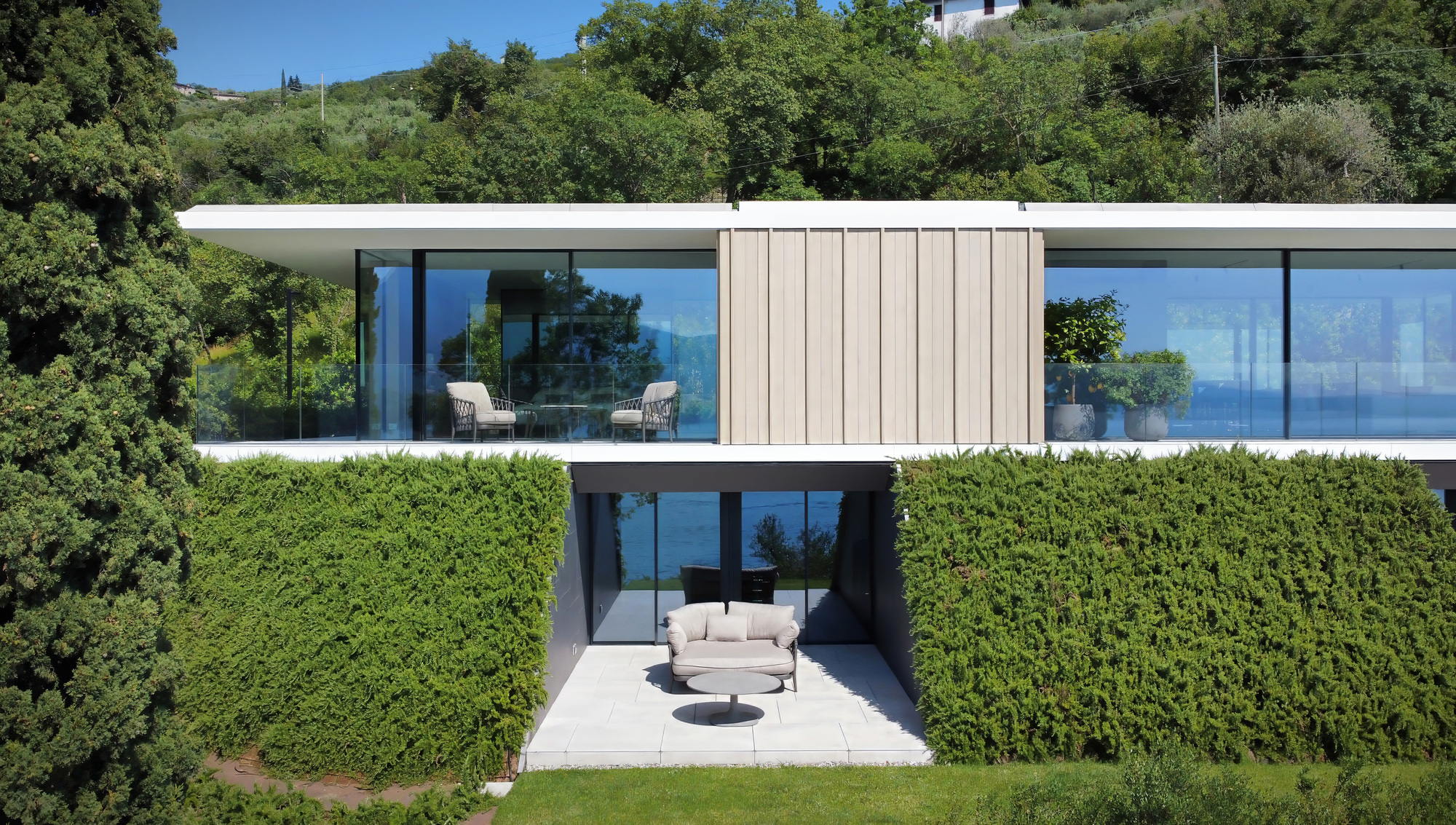
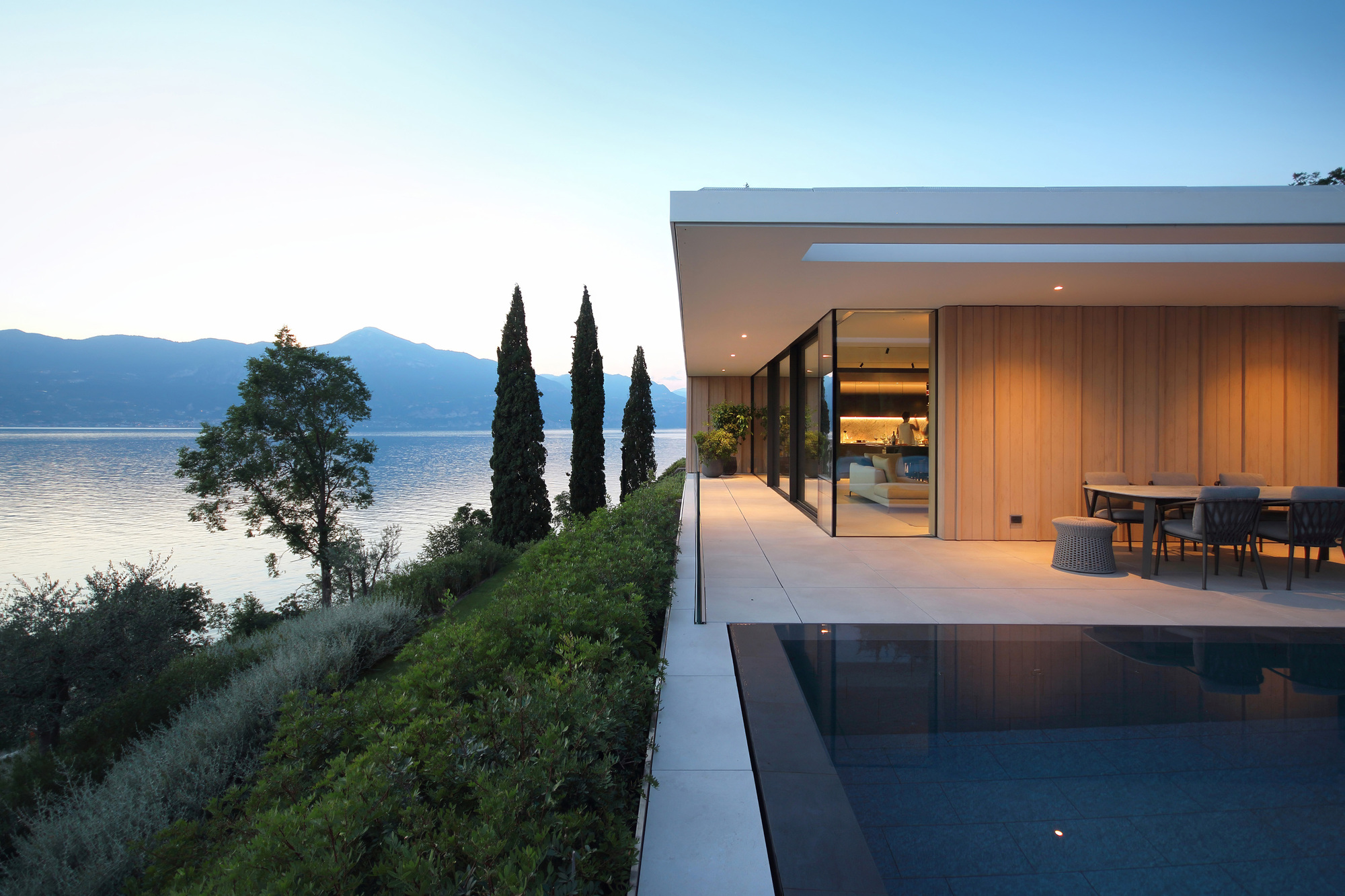
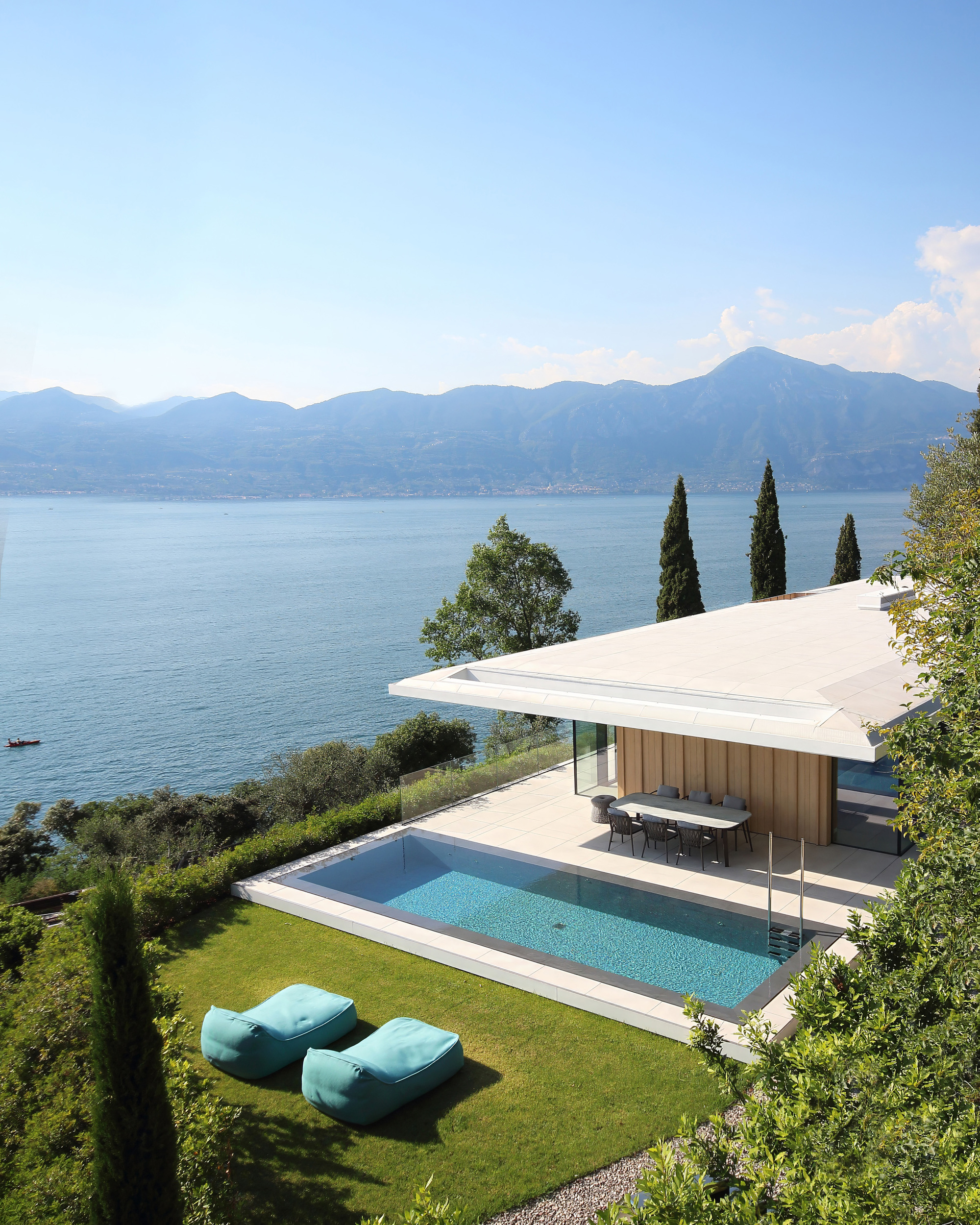
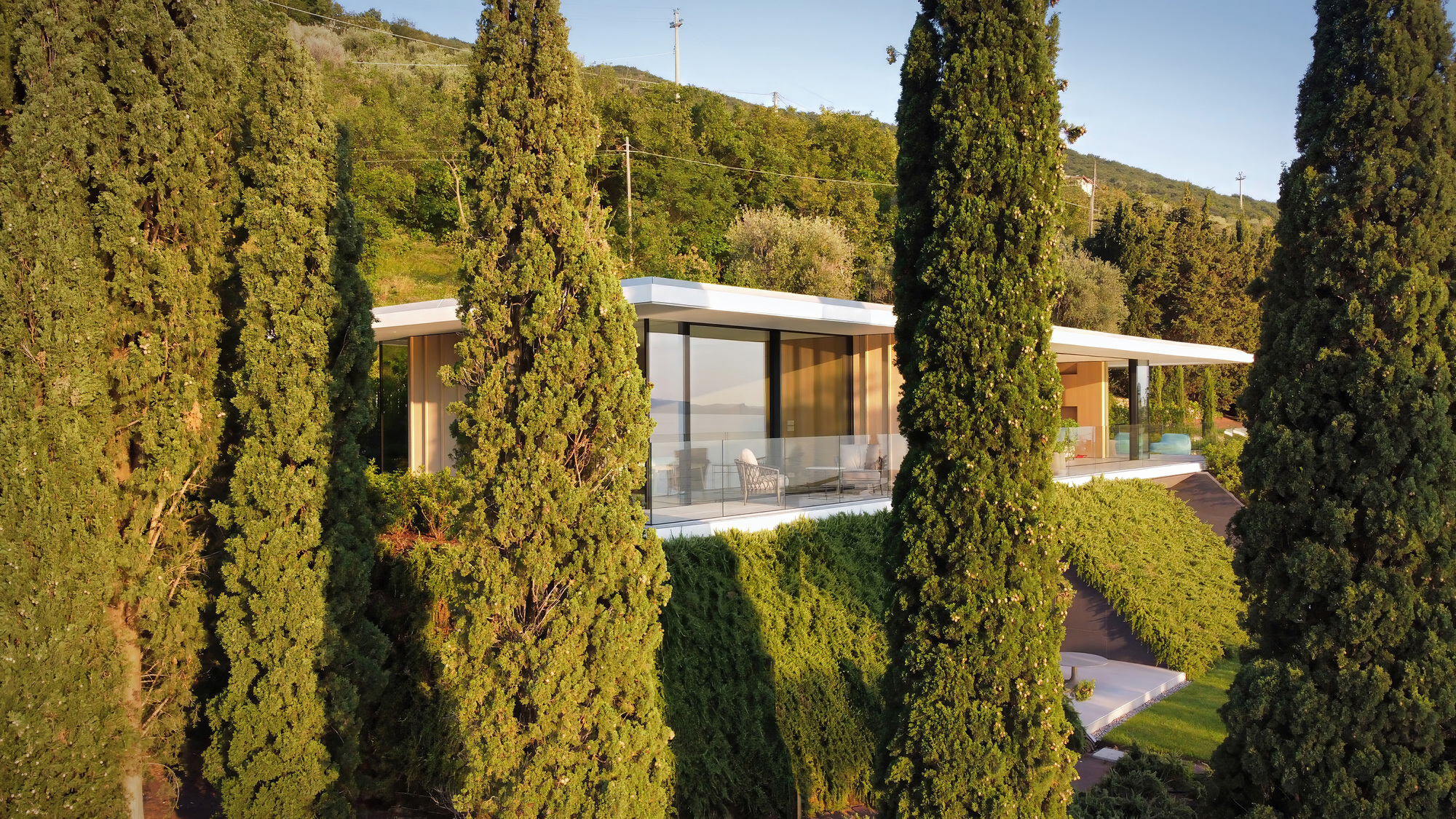
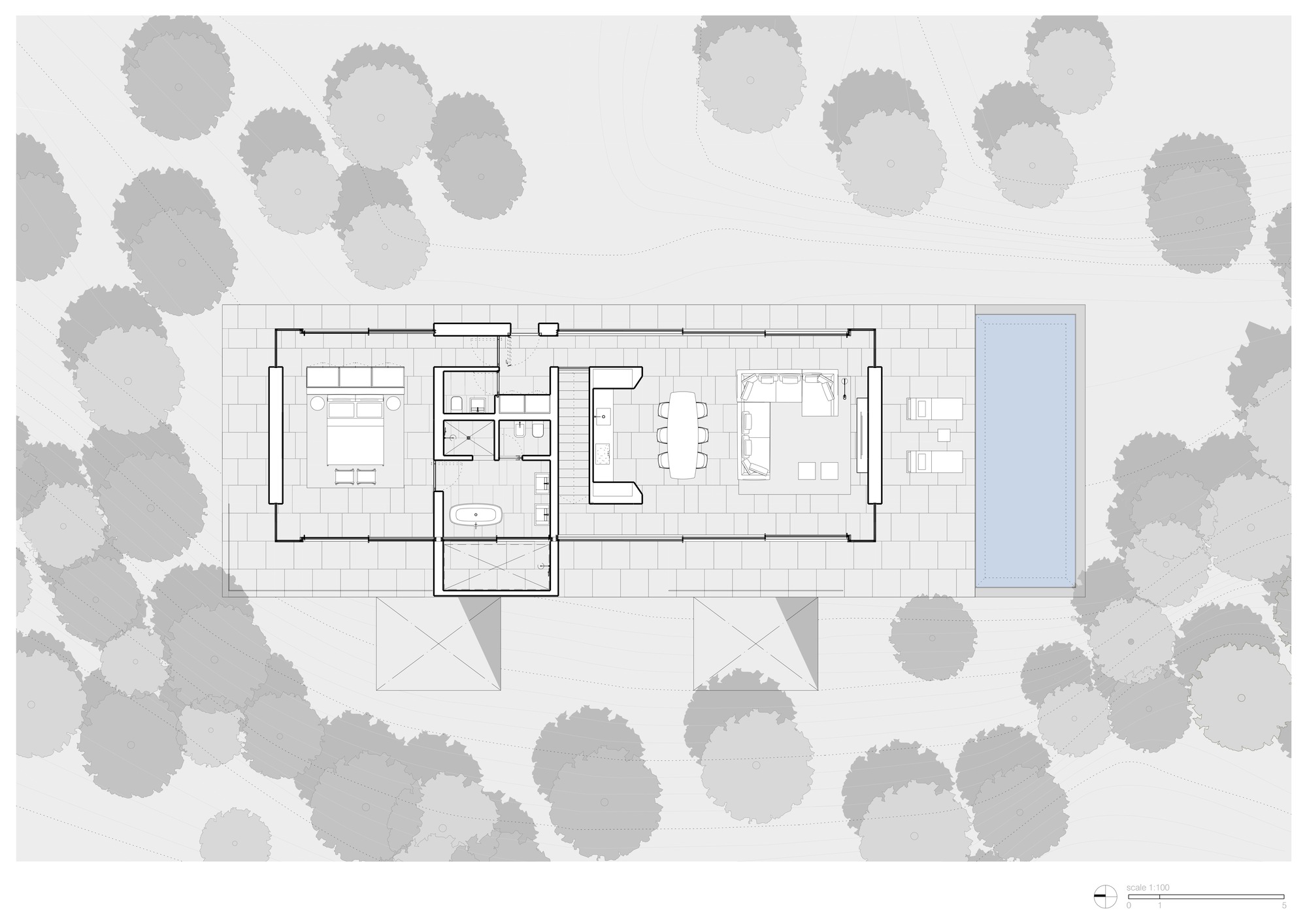
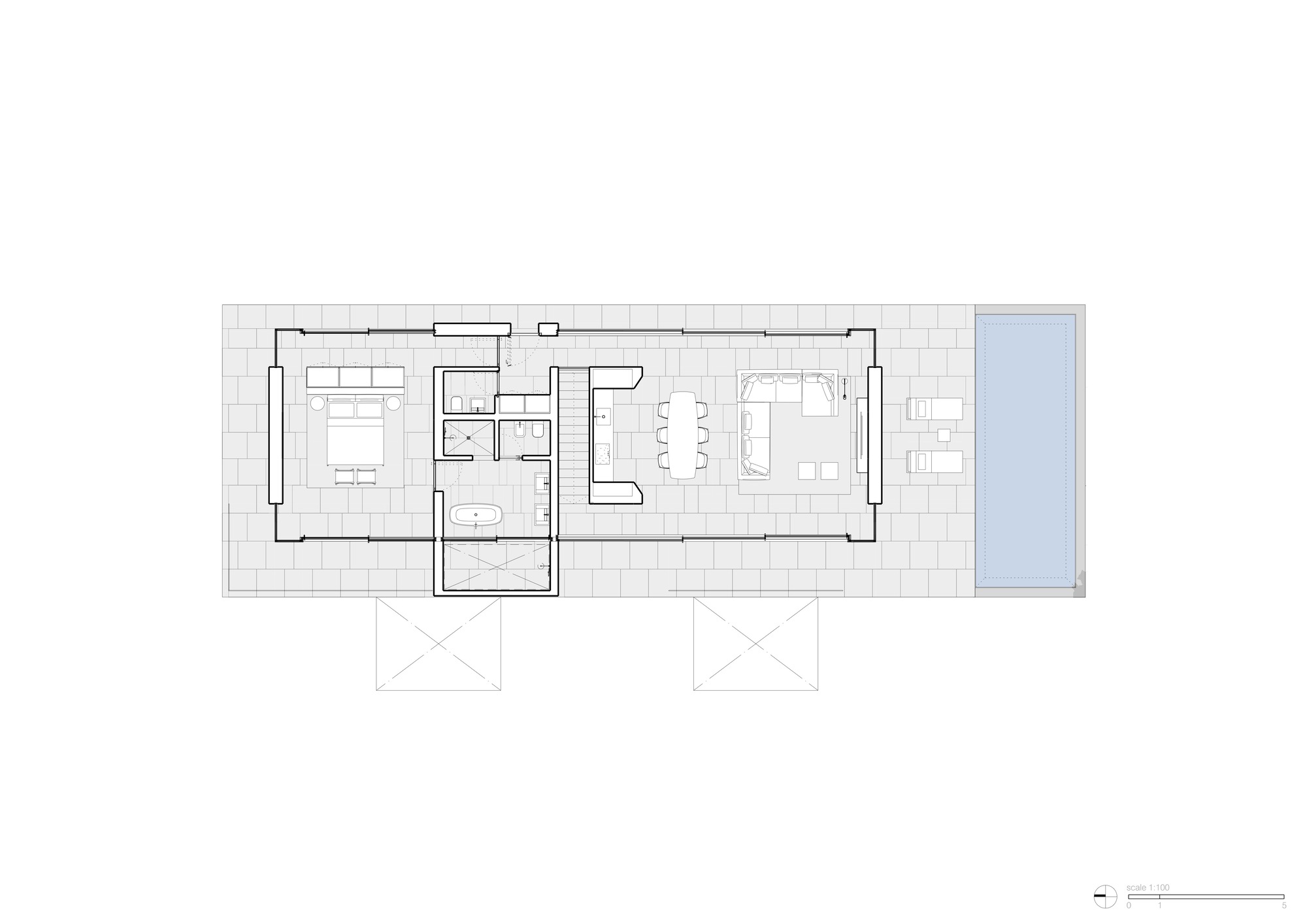
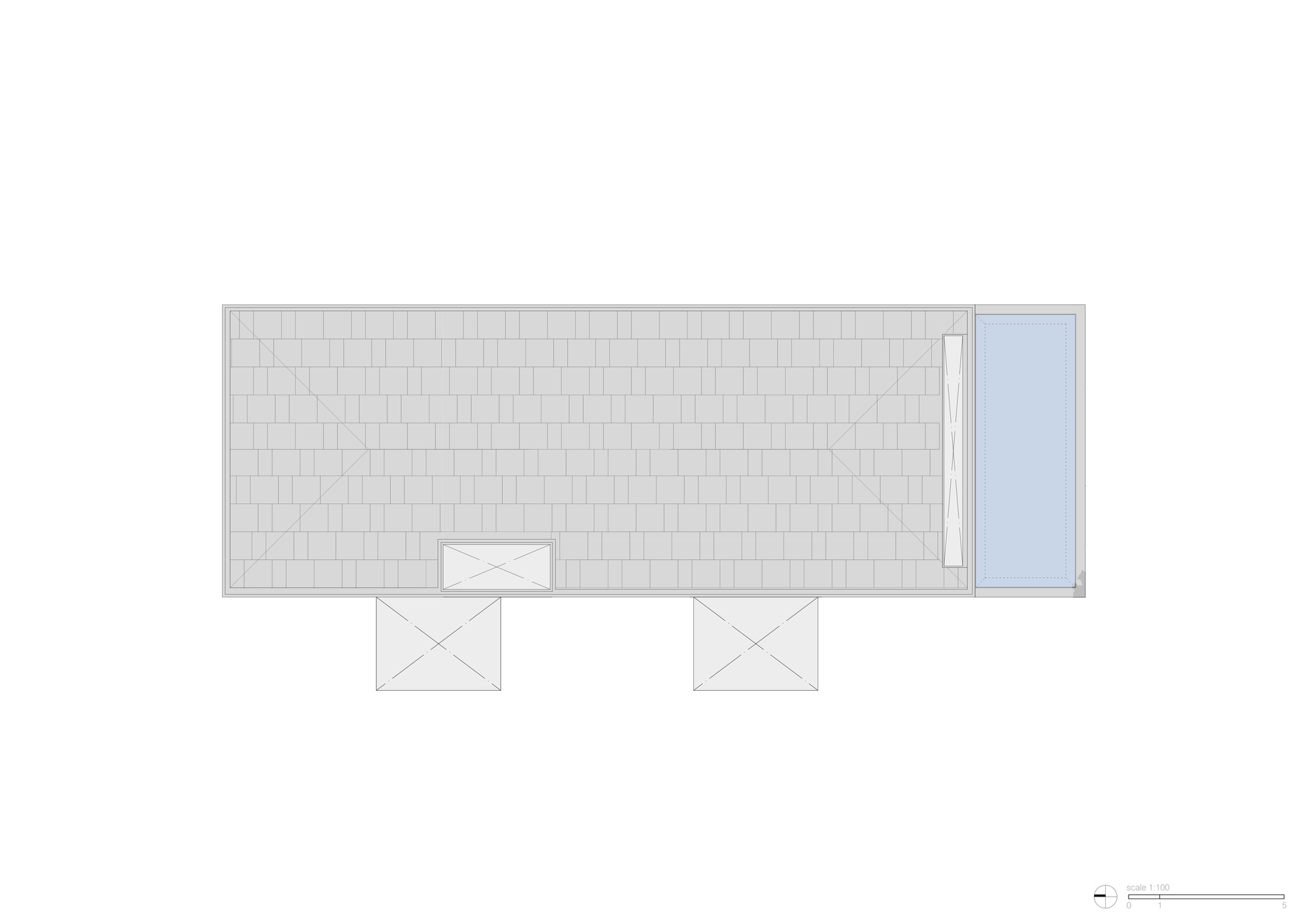
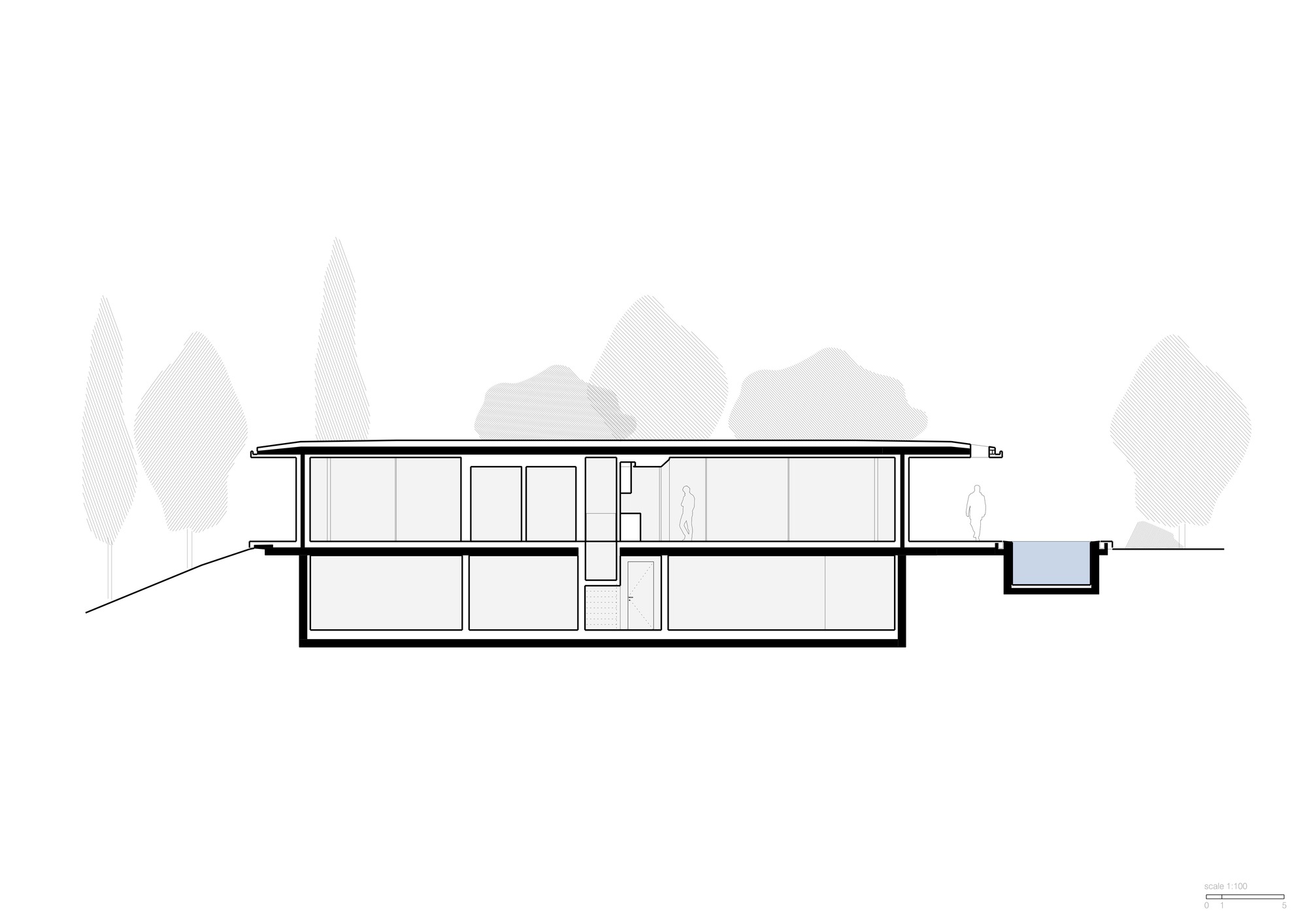
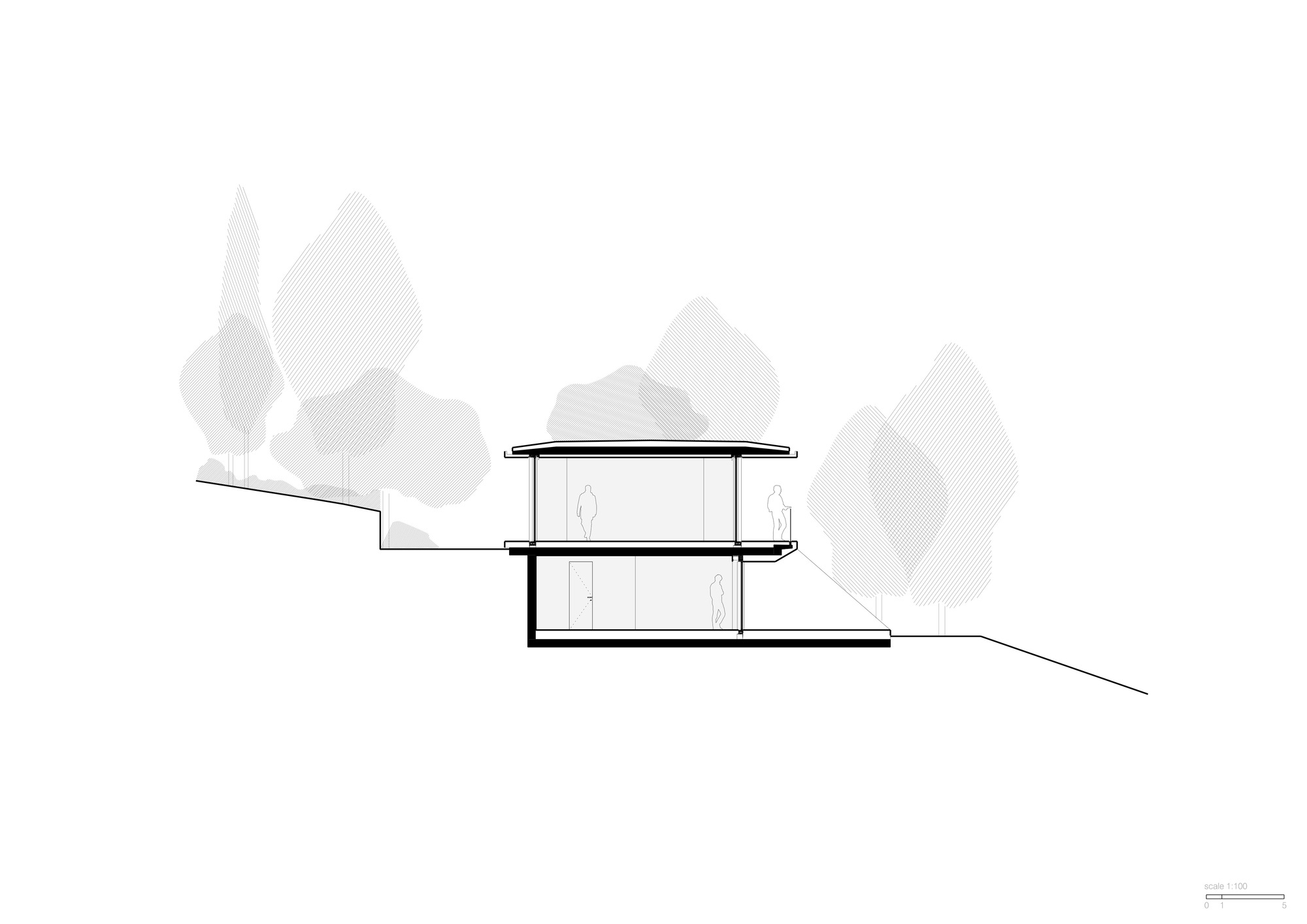
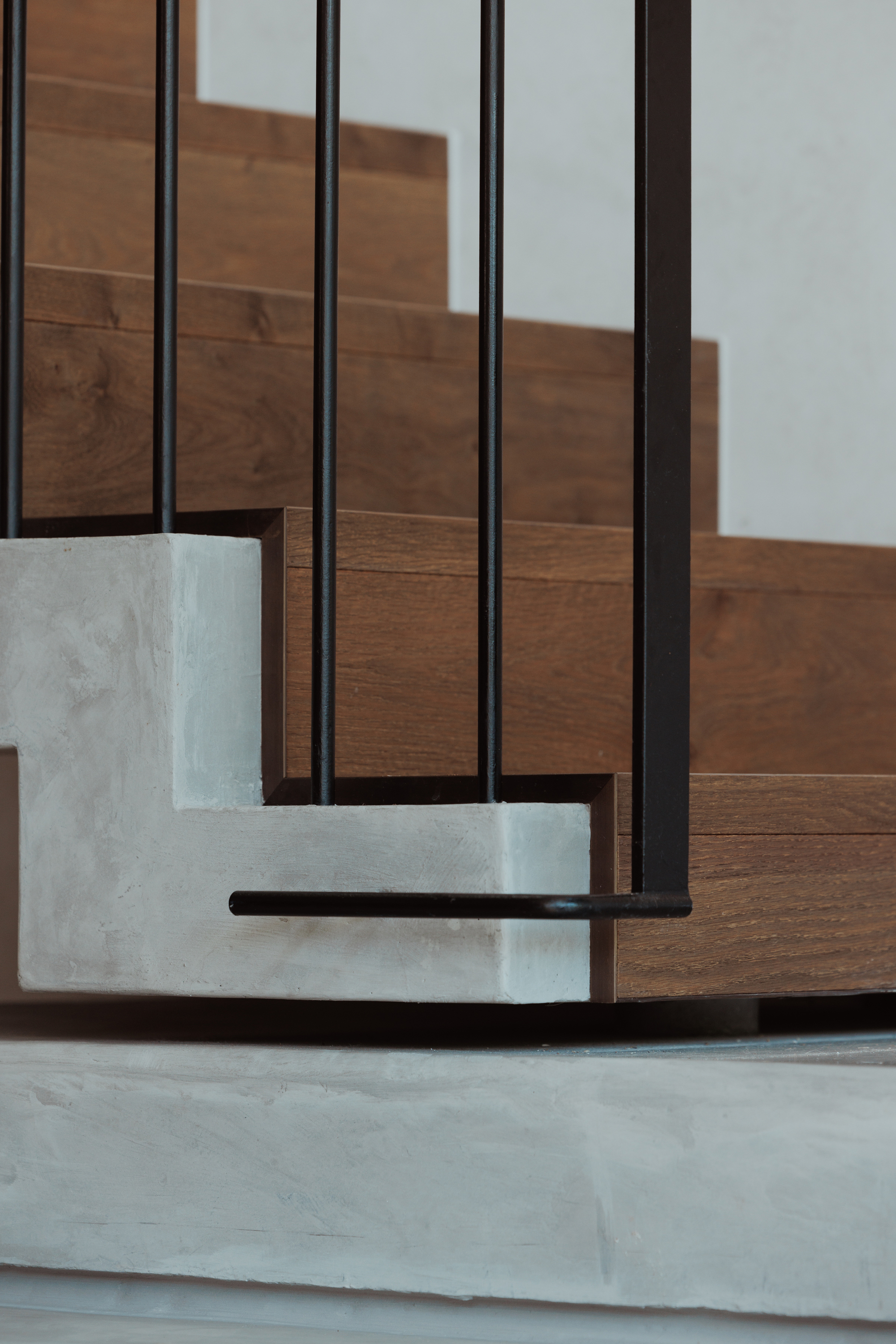
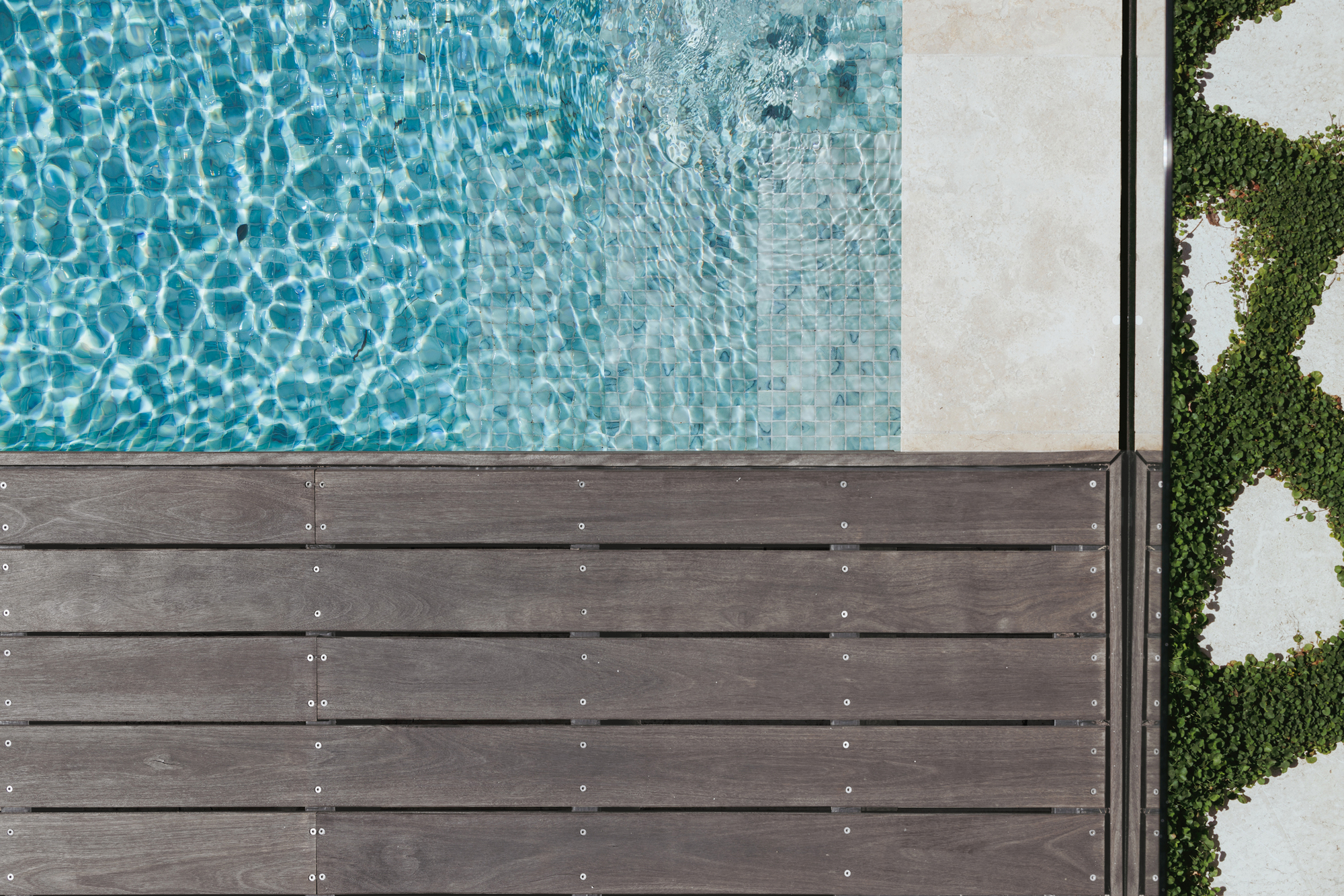
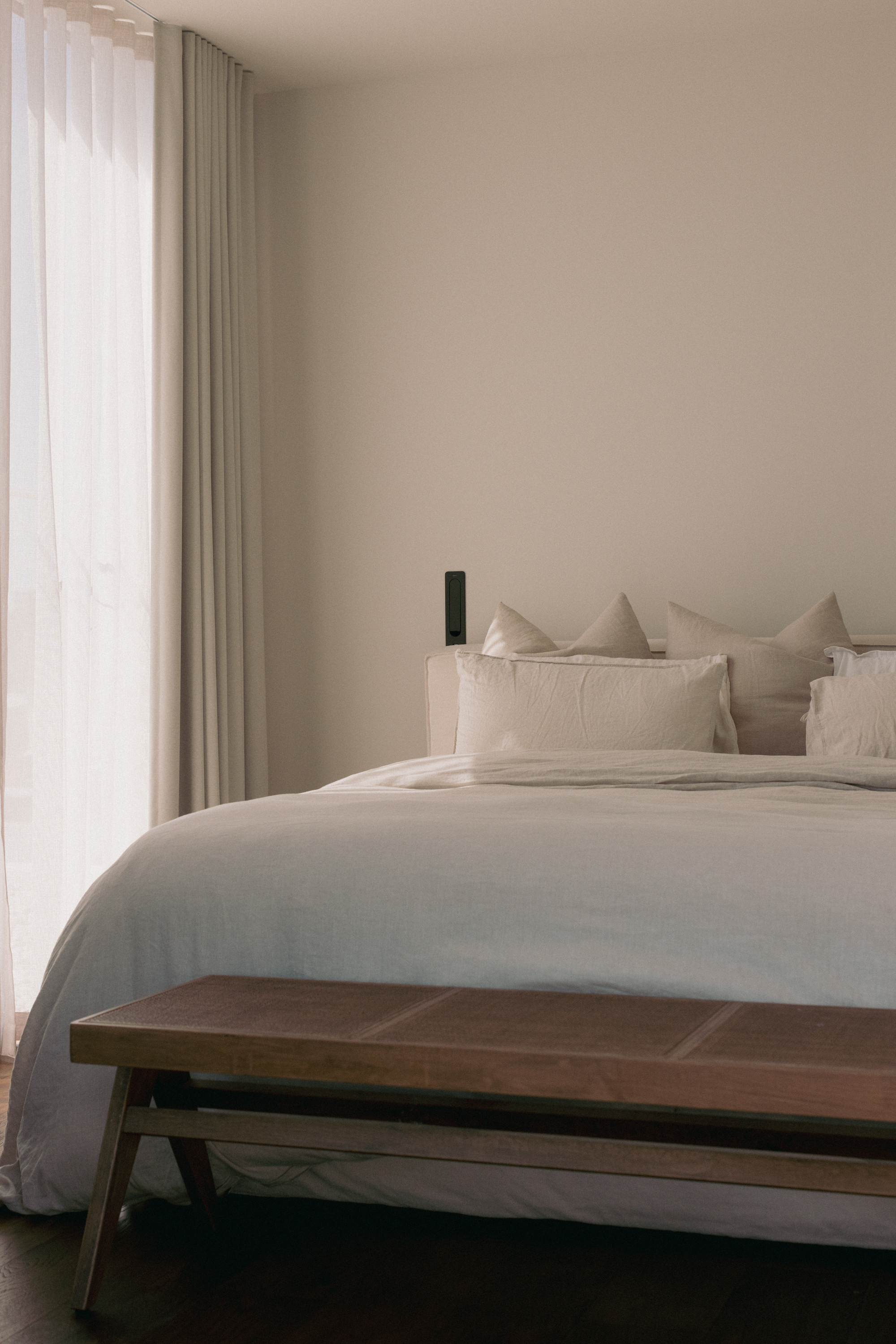
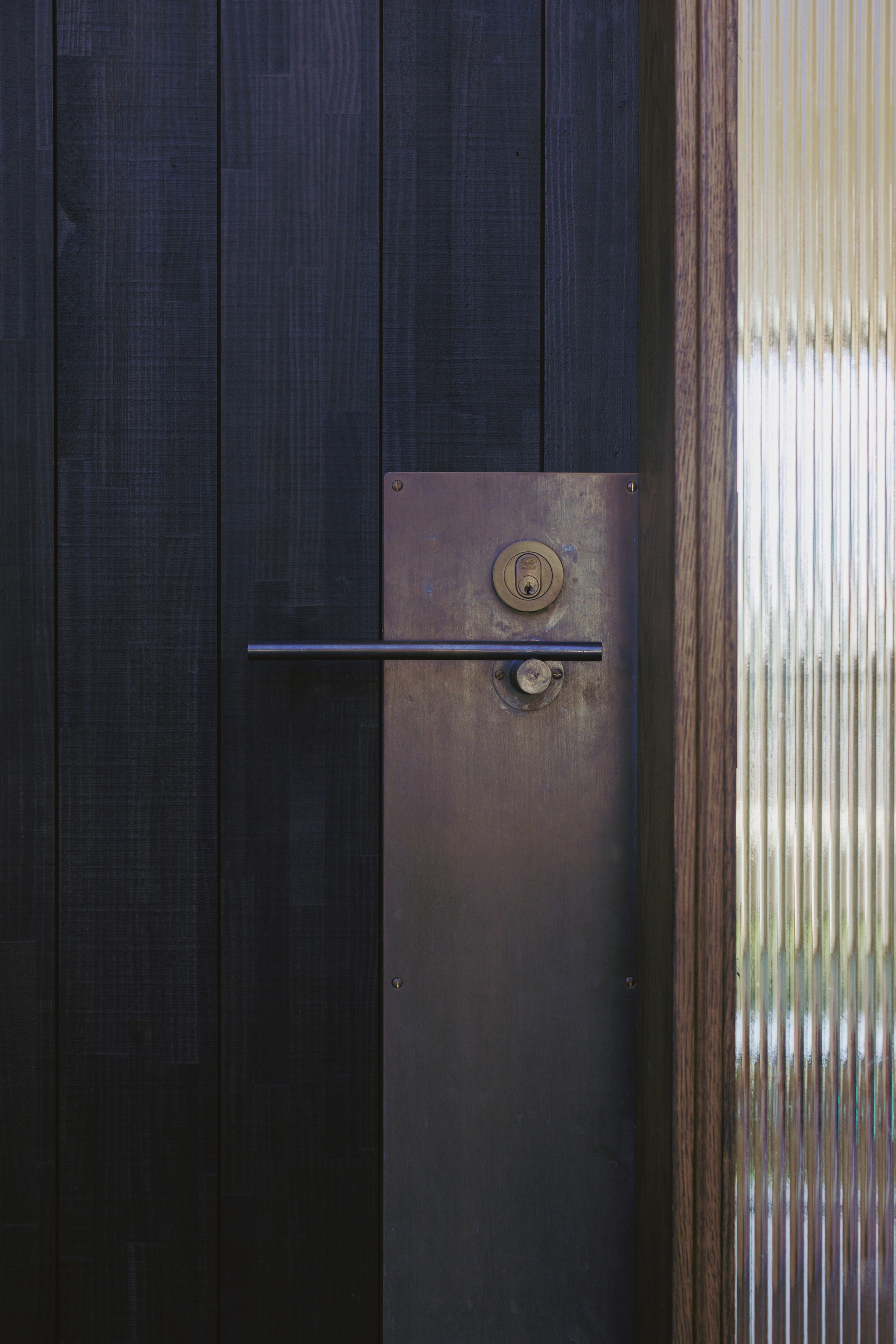
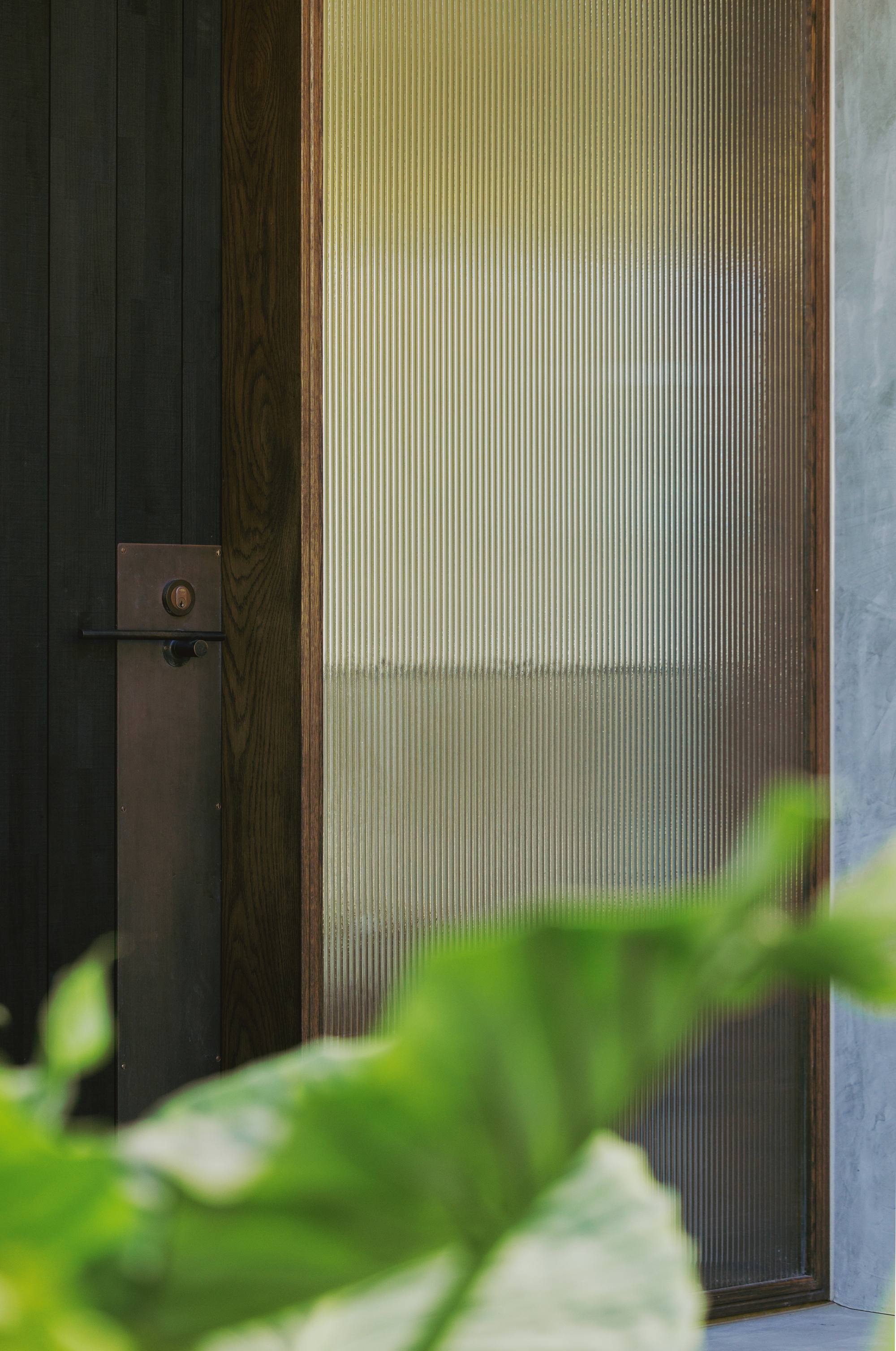
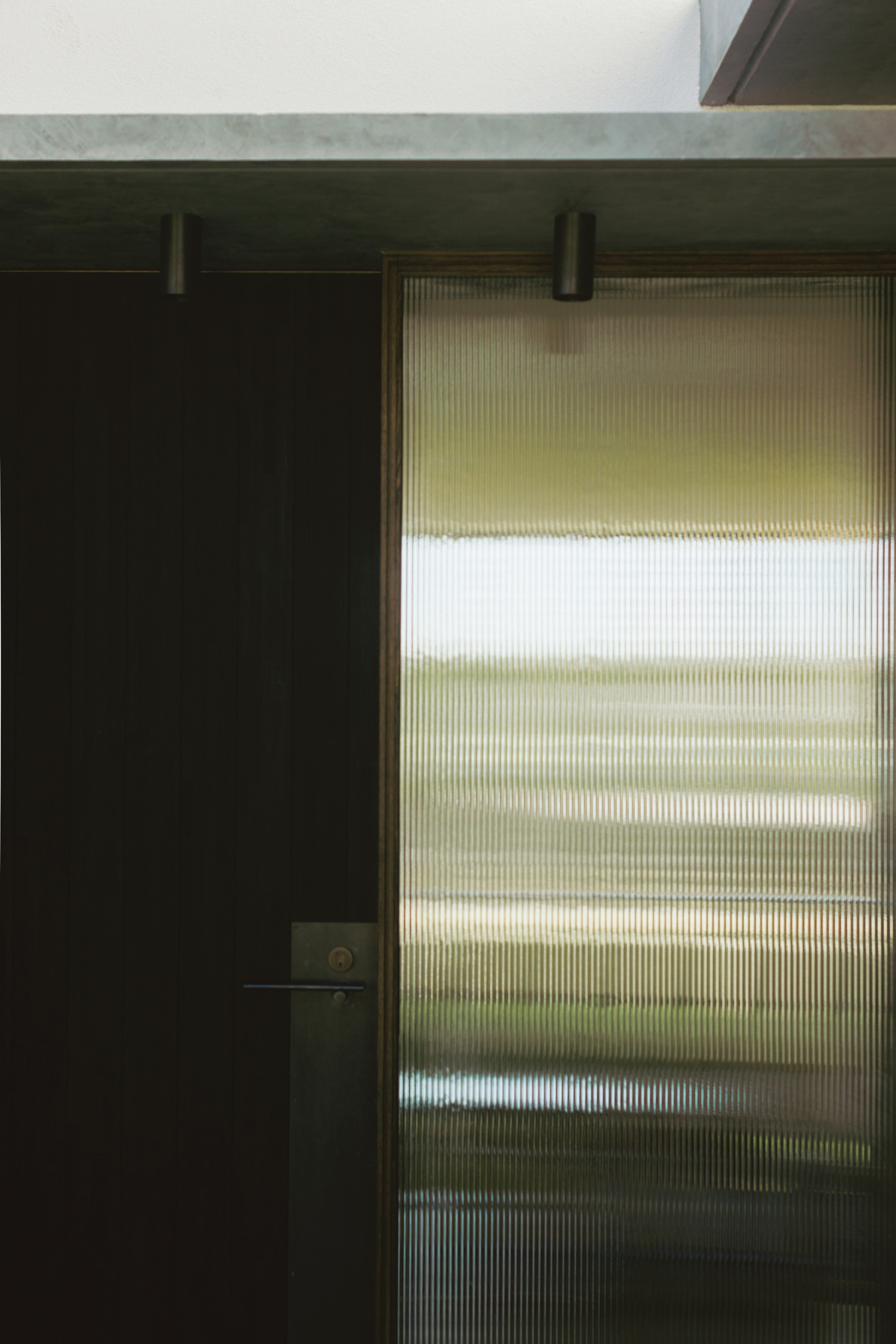
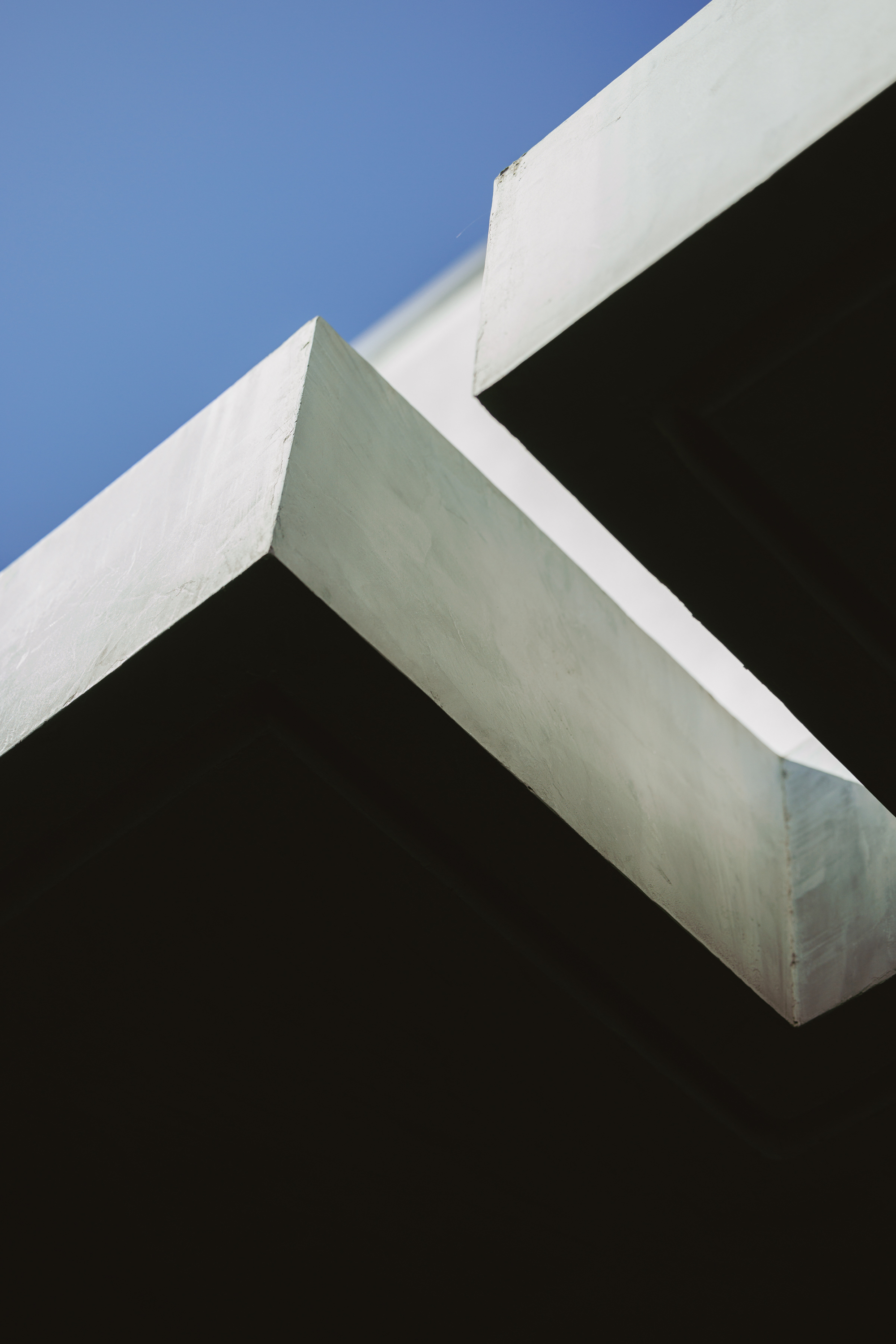
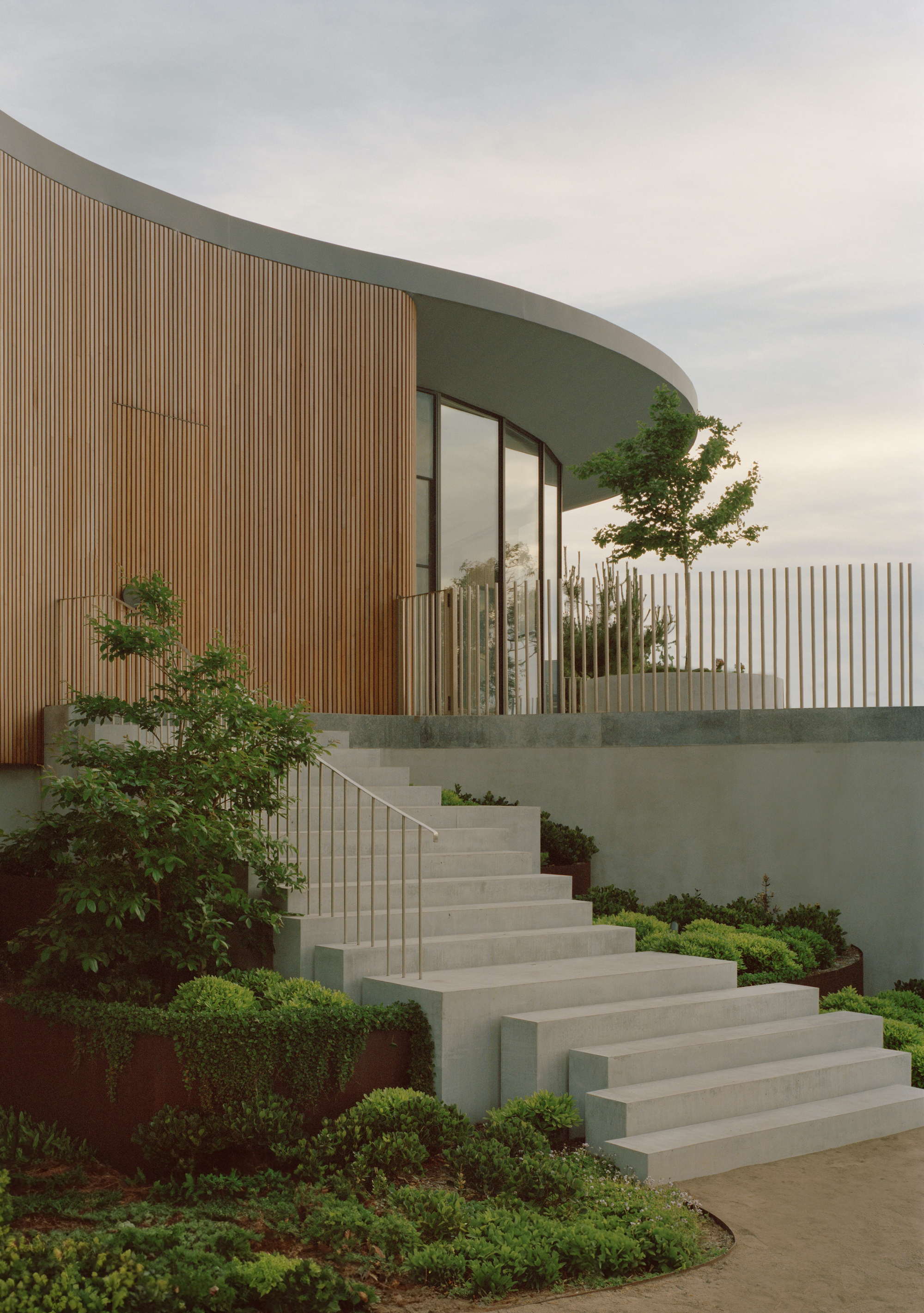
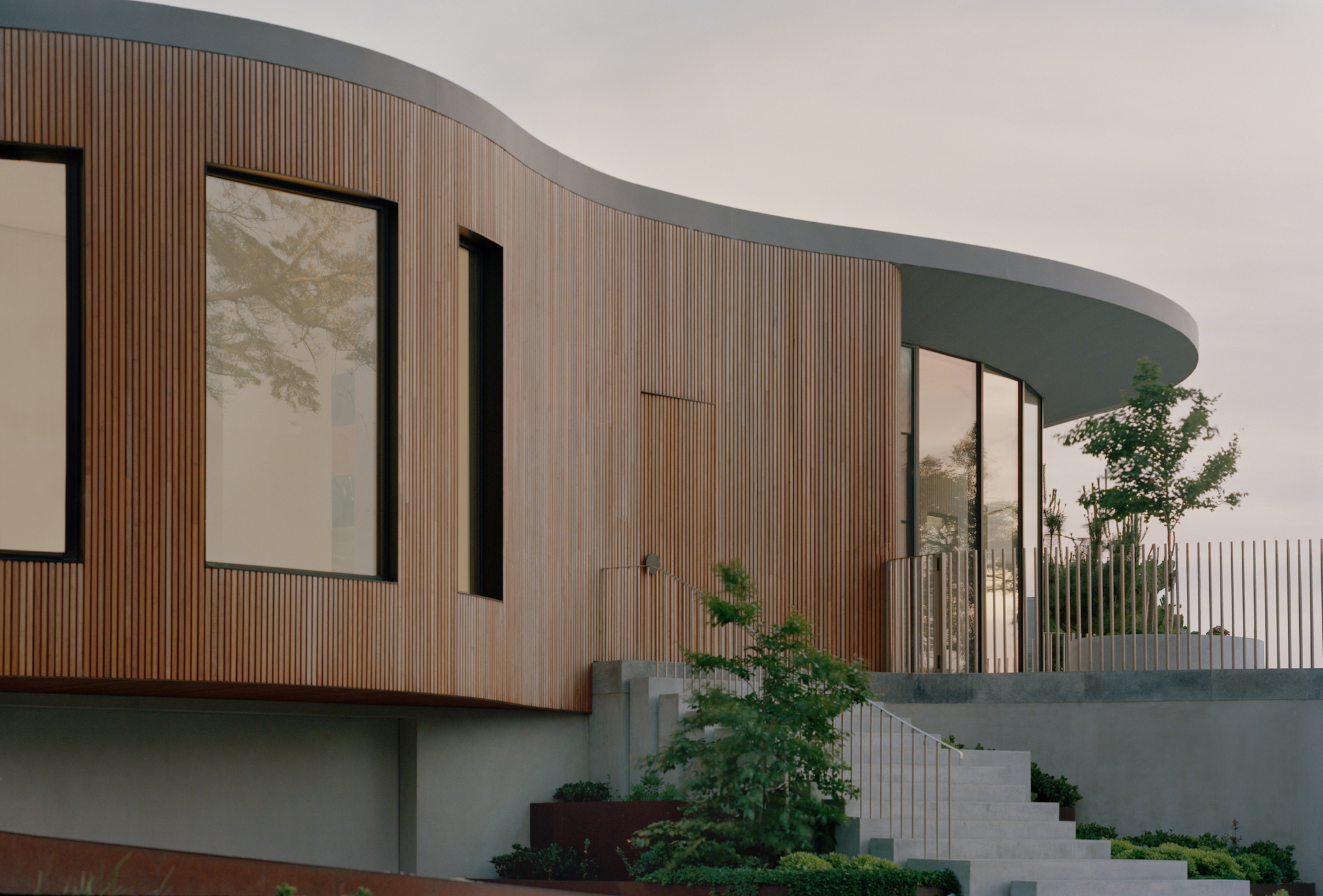
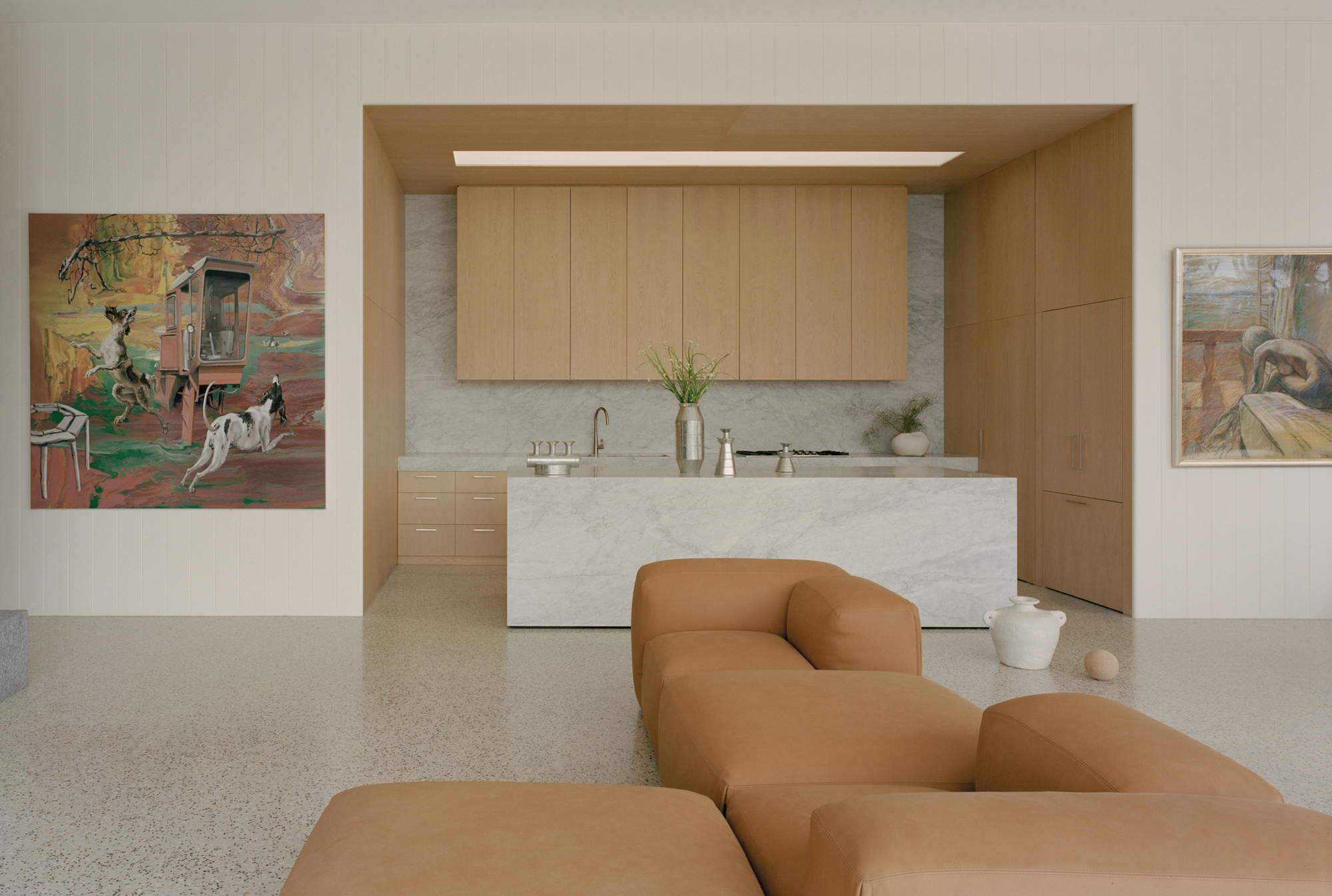
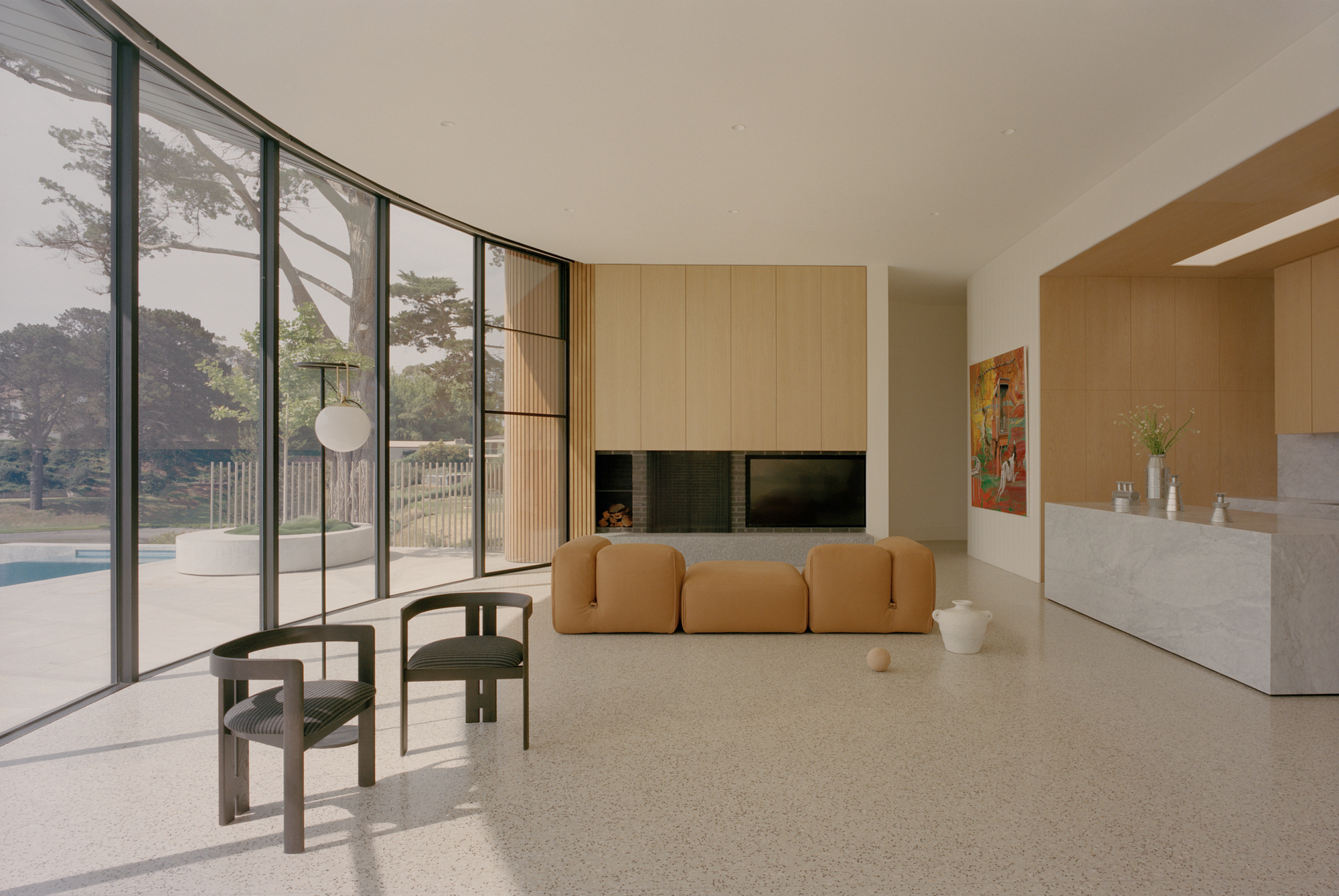
Villa Dellago #architecture Architects: JM Architecture Area: 250 m² Year: 2023 Photographs: Jacopo Mascheroni Location: Italy It is a one-storey pavilion where the living area is on one end and the Master Bedroom on the other. The service spaces are in the center, where a staircase descends into the underground areas that have been designed from a careful study of the natural slope. Two large patios, opened towards the lake, allow the rooms on this lower level to enjoy the view and natural light, and they are shaped on the slope of the terrain. The elevations of the main floor are largely glazed: all the rooms have a wide view of the lake and the pavilion becomes a light and permeable object. The flat roof has a cantilever on all 4 sides and the volume slightly exceeds 3 meters in height: in this way there is the perfect balance between light and shadow and the house is completely integrated into surrounding vegetation. The roof surface has been thought with the same care as an elevation: the technical components have been hidden and the surface has been covered in light gray ceramic material. The unique closed part of the façade is the master bathroom on the main level, which however enjoys the light coming from the open-air patio that extends the interior space to an external wet area. This whole part is clad in wood plastic composite slats, whose oak finish brings to mind the tones of the natural landscape in which the building is located. A white aluminum frame at the base of the pavilion marks the entire perimeter and, at the south side of the platform, a swimming pool is designed inside the extension of the building's outline. The interiors include fully custom-made fixed furniture, like the oak "boiserie" that covers the walls, the marble vanities in the bathroom or the open kitchen that integrates various technical equipment into its structures. The furniture floats in the rooms to intensify light and contemporary appearance of the interior. Privacy is managed through the use of retractable roller blinds which, perfectly integrated on the perimeter of the internal ceiling, could filter the view from the outside. The garden is designed with lines that follow the levels of the land, and the vegetation depends on the orography of the site: the lawn on the flat terraces, specific essences for the most significant slopes. Native Olive trees and tall pre-existing cypresses have been preserved and enhanced in the composition of the project: the vegetation is as important as the architecture for the customer's comfort.
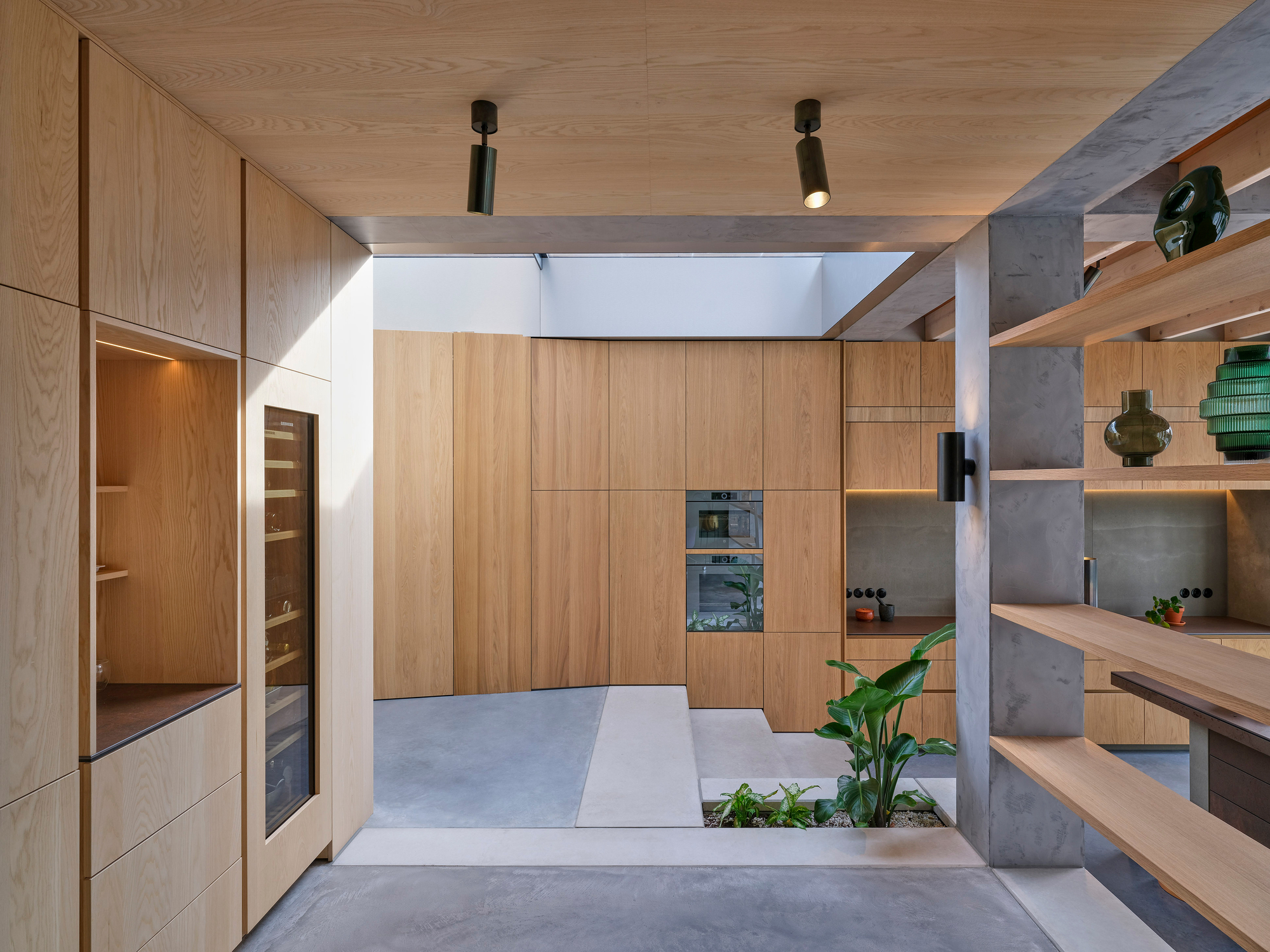
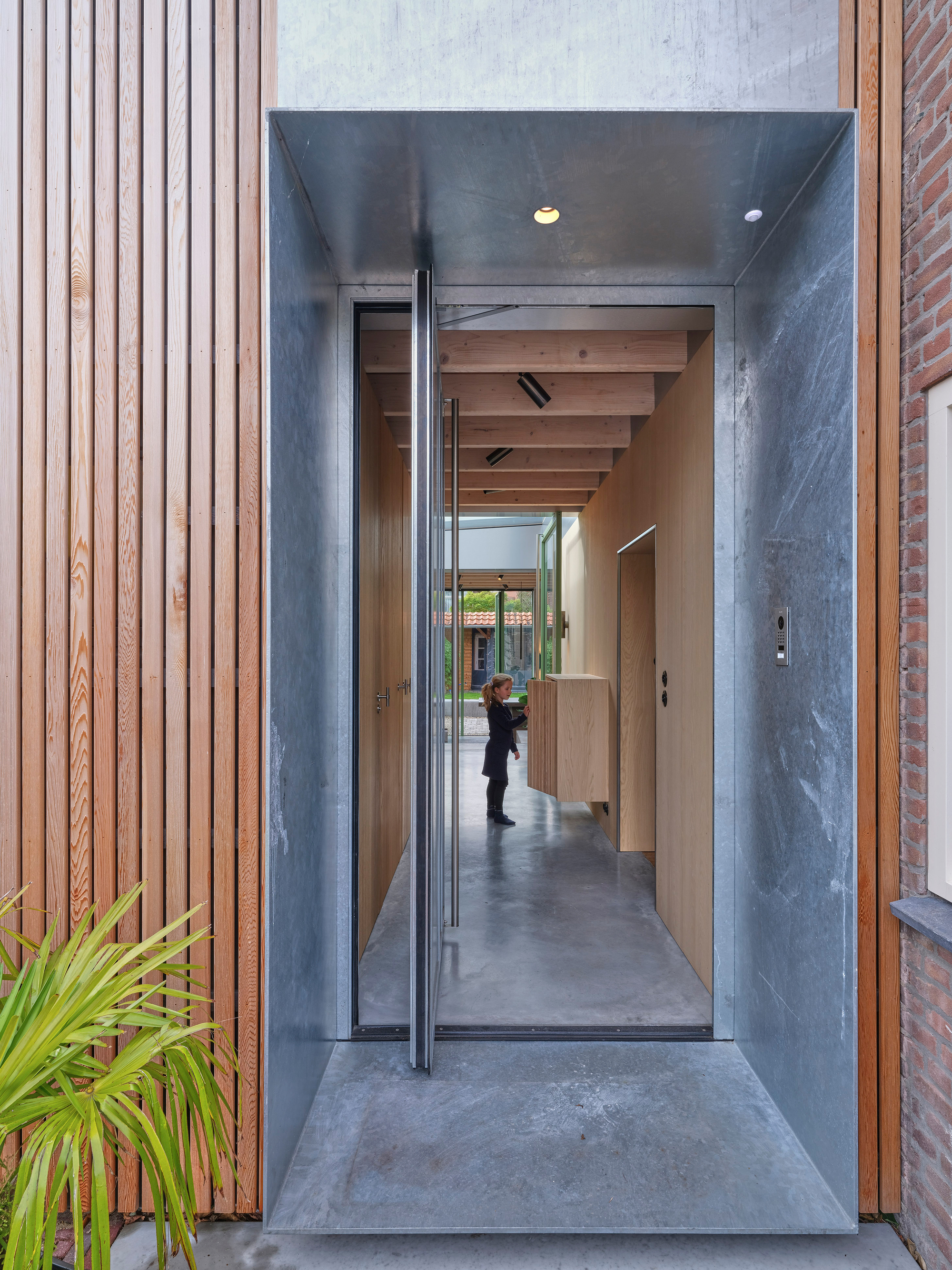
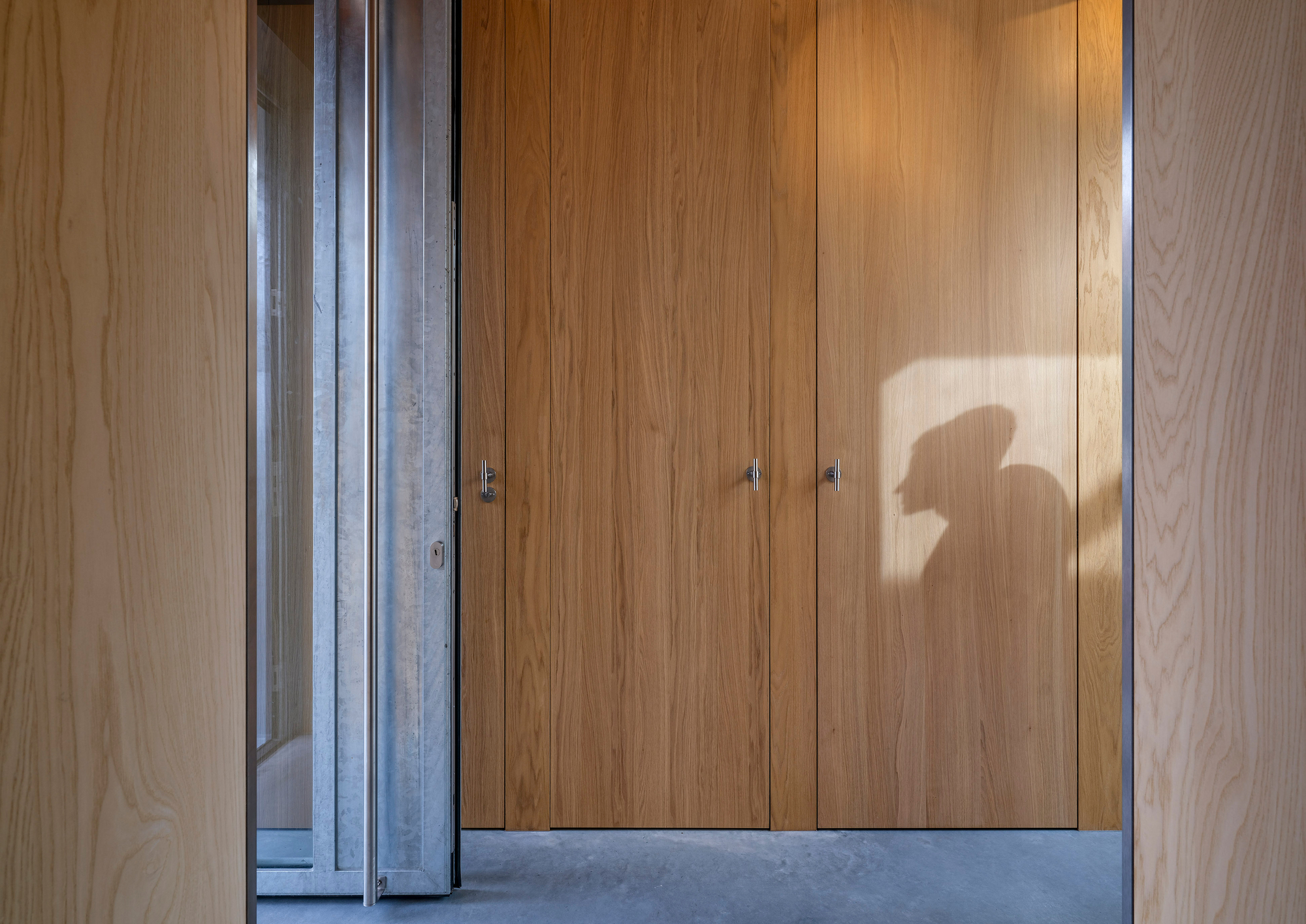
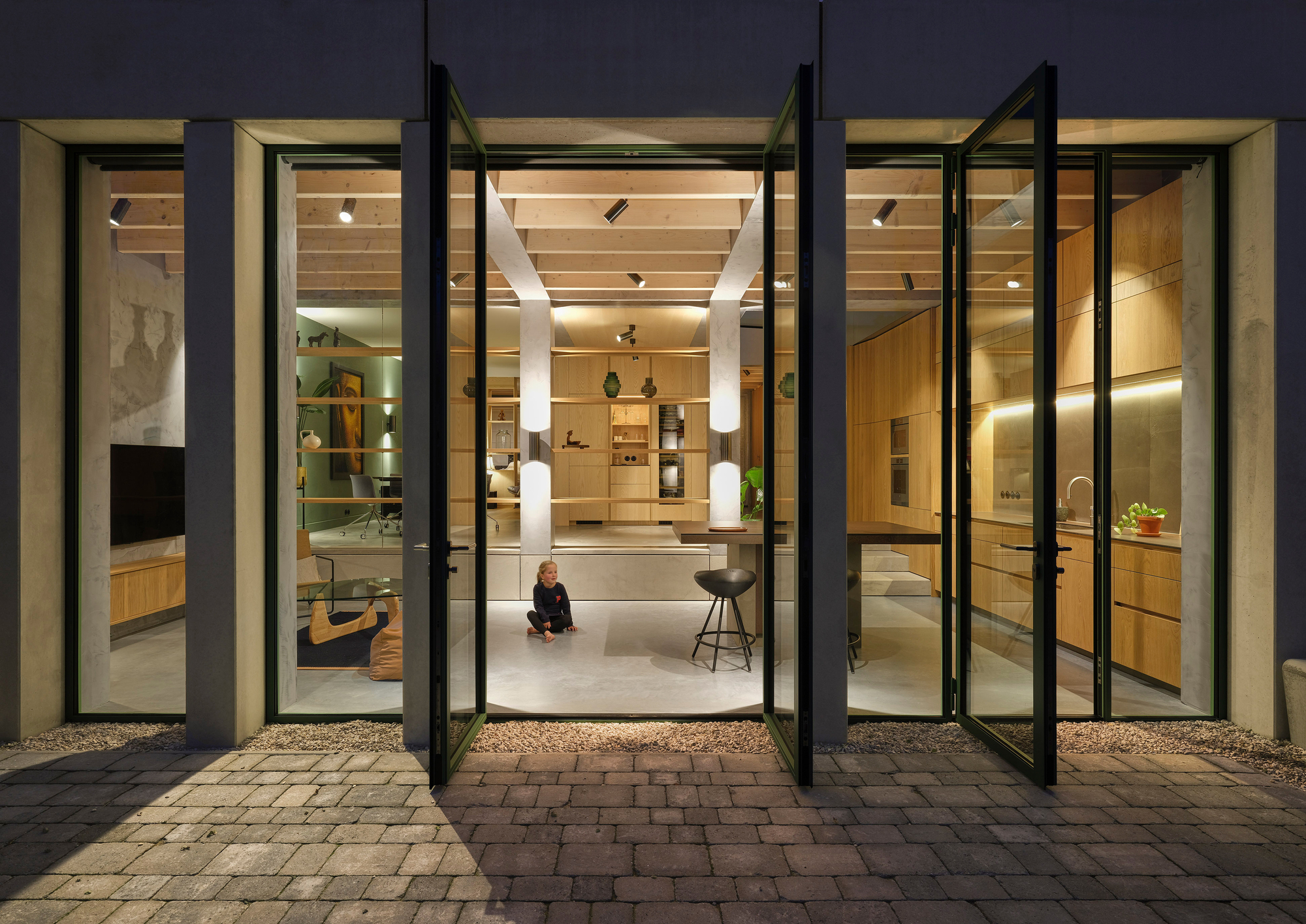
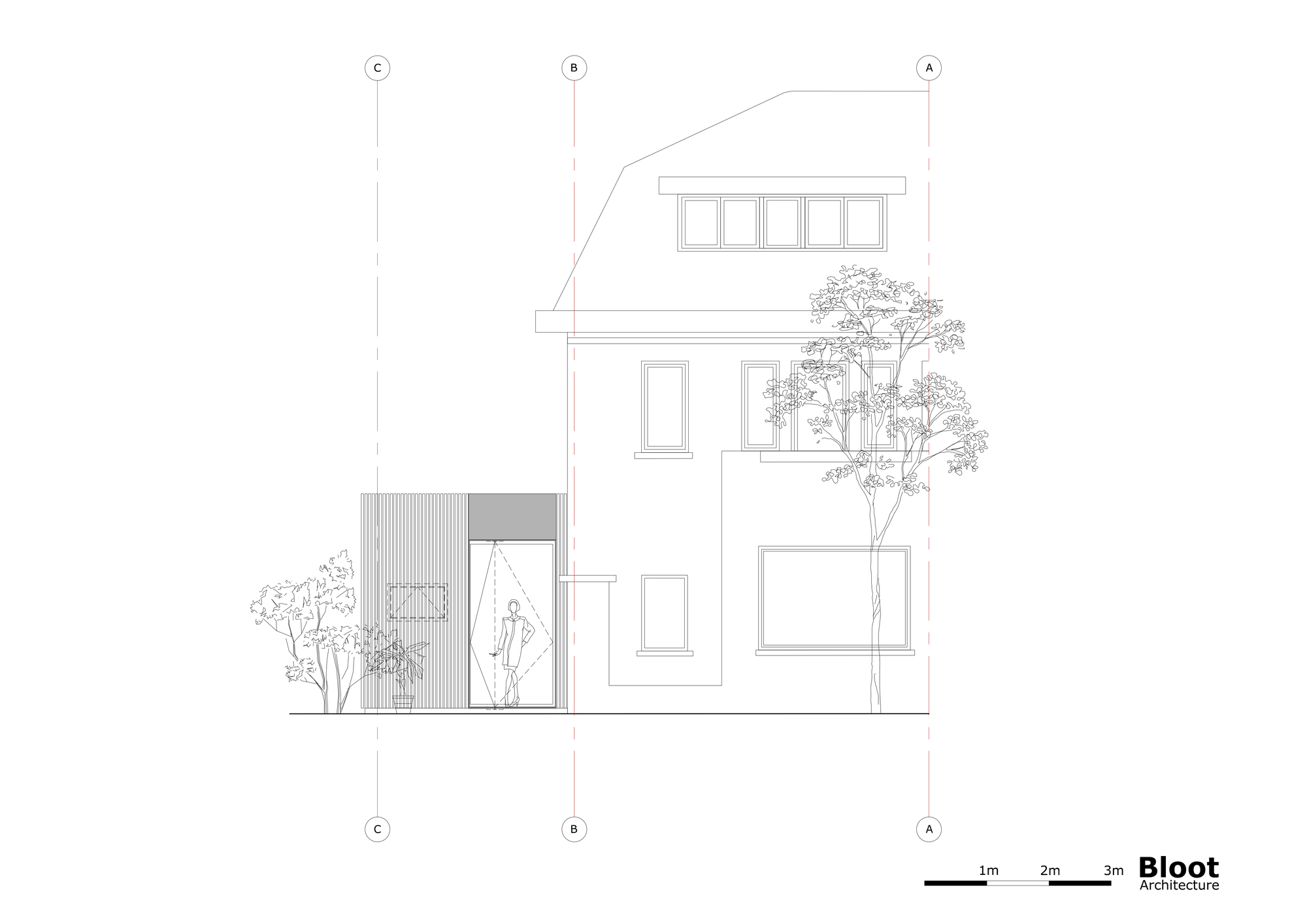
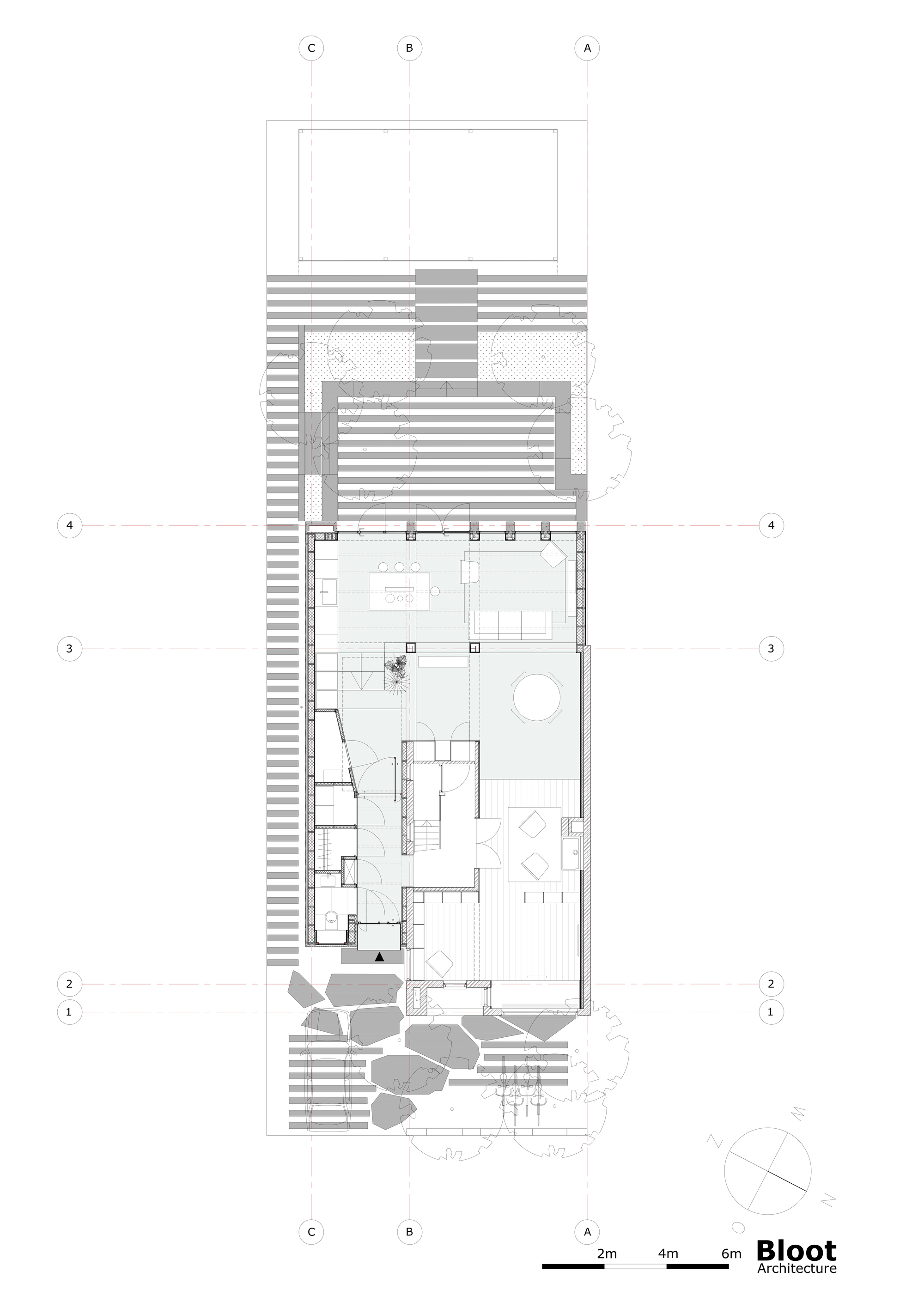
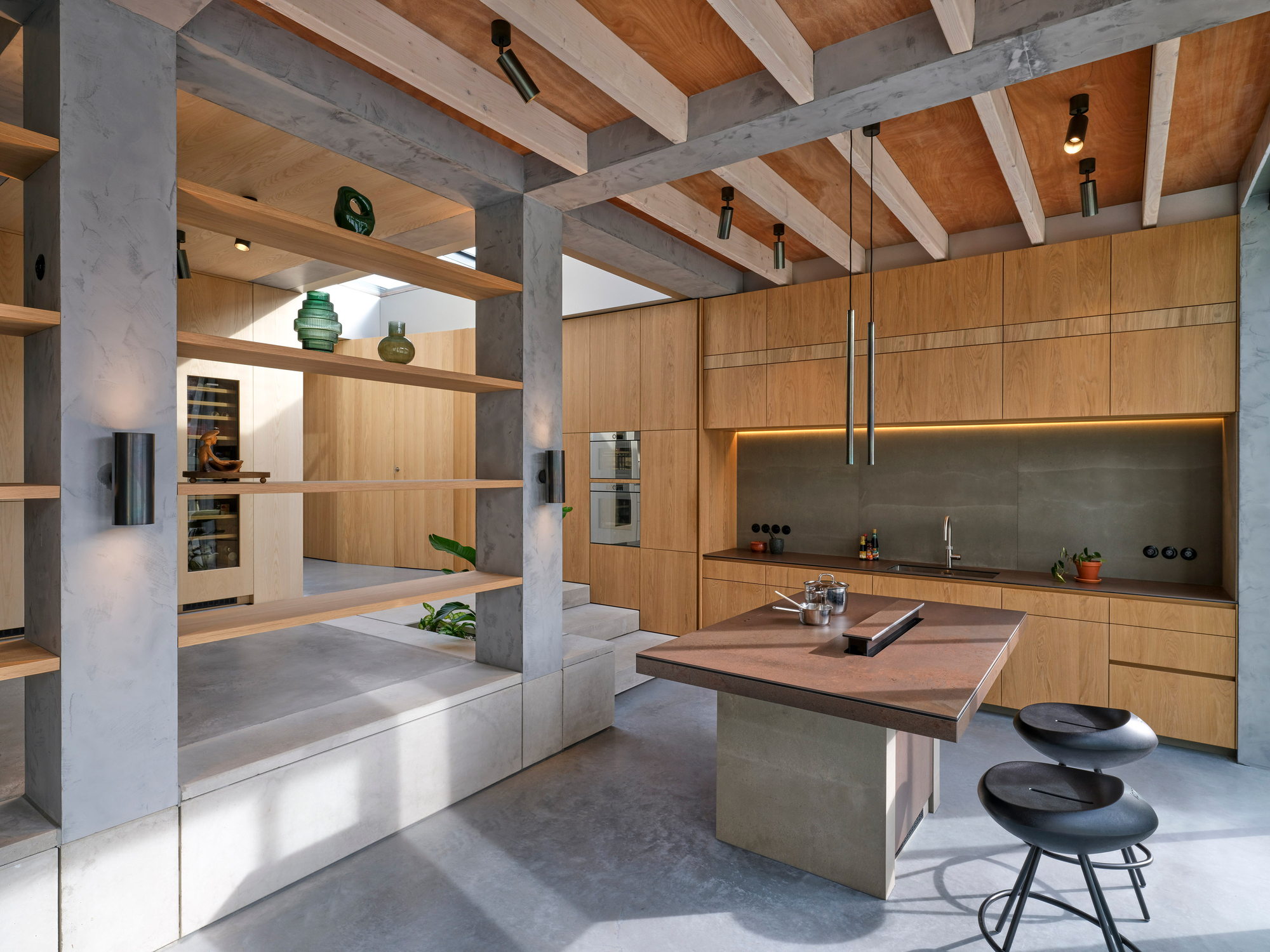
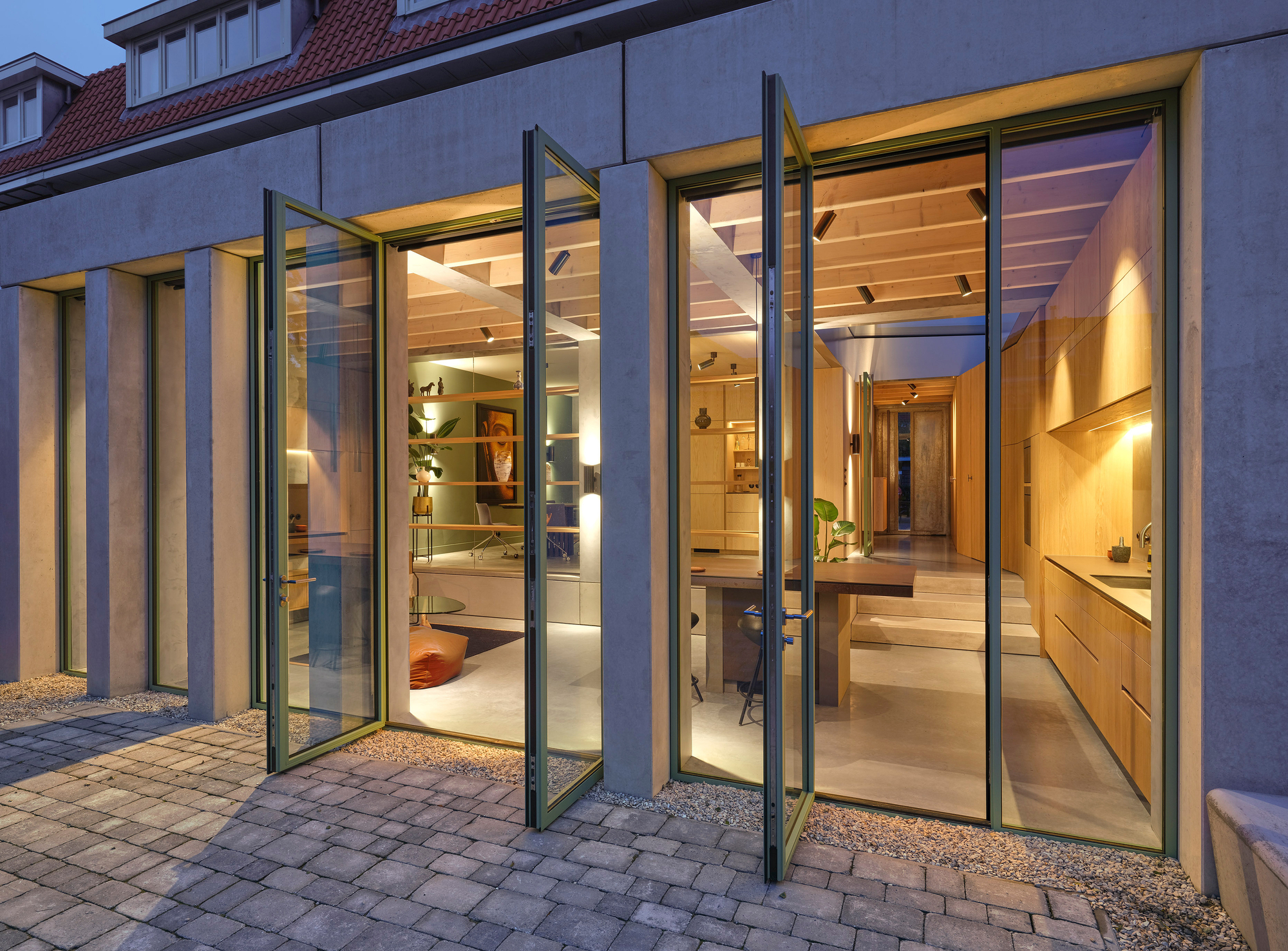
East West House #architecture Architects: Bloot Architecture Area: 140 m² Year: 2023 Photographs: Jeroen Musch Lead Architects: Tjeerd Bloothoofd Location: Netherlands
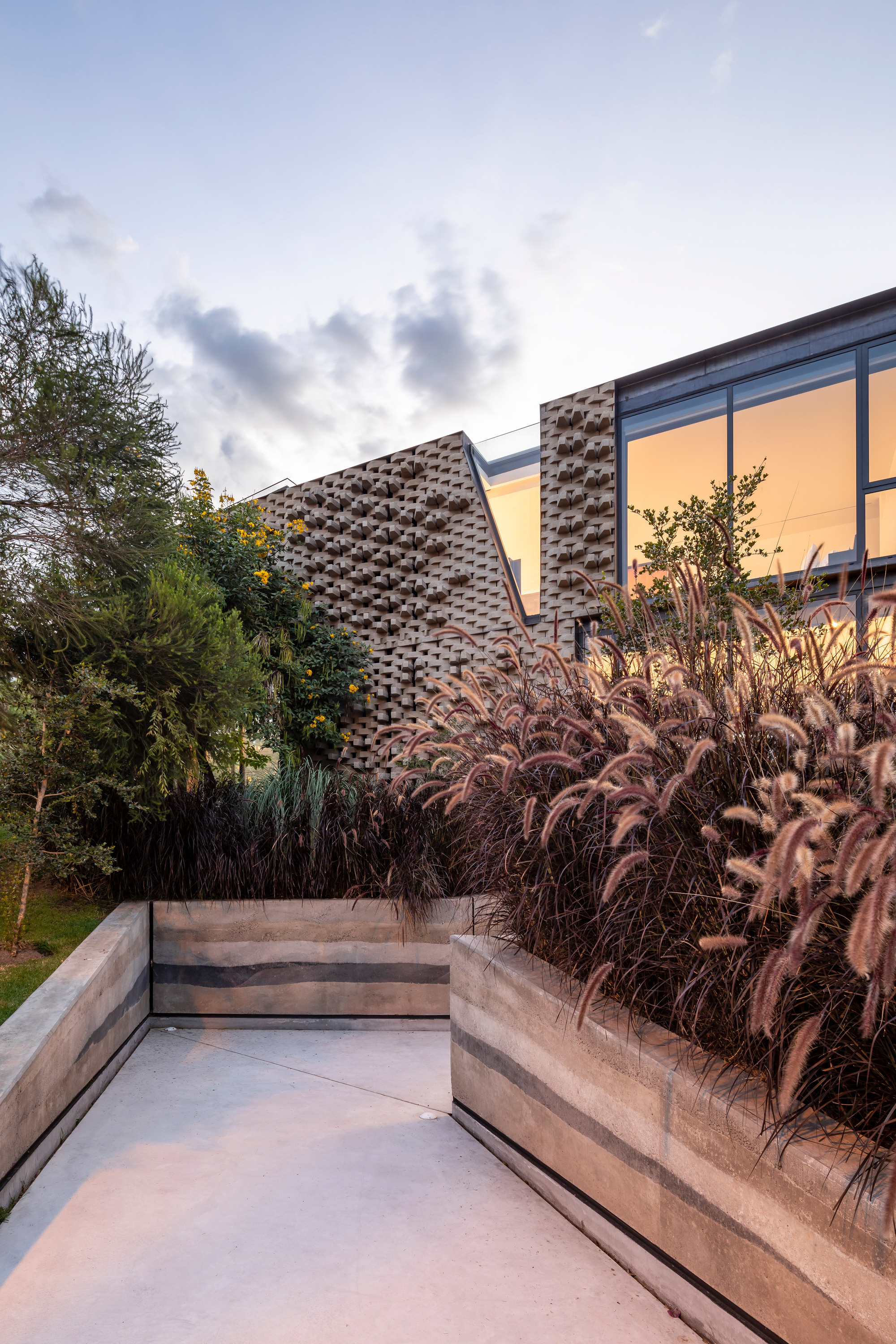
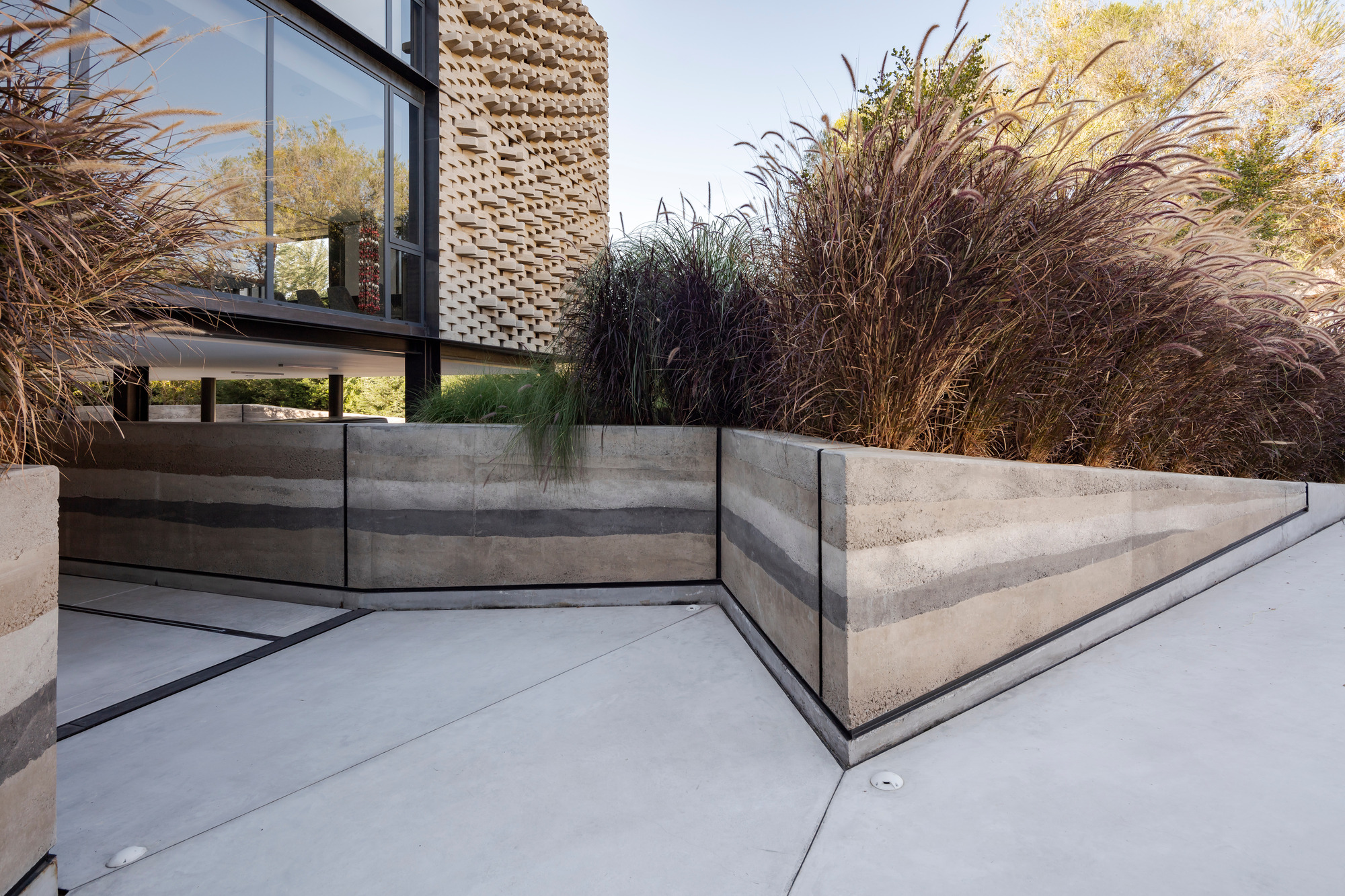
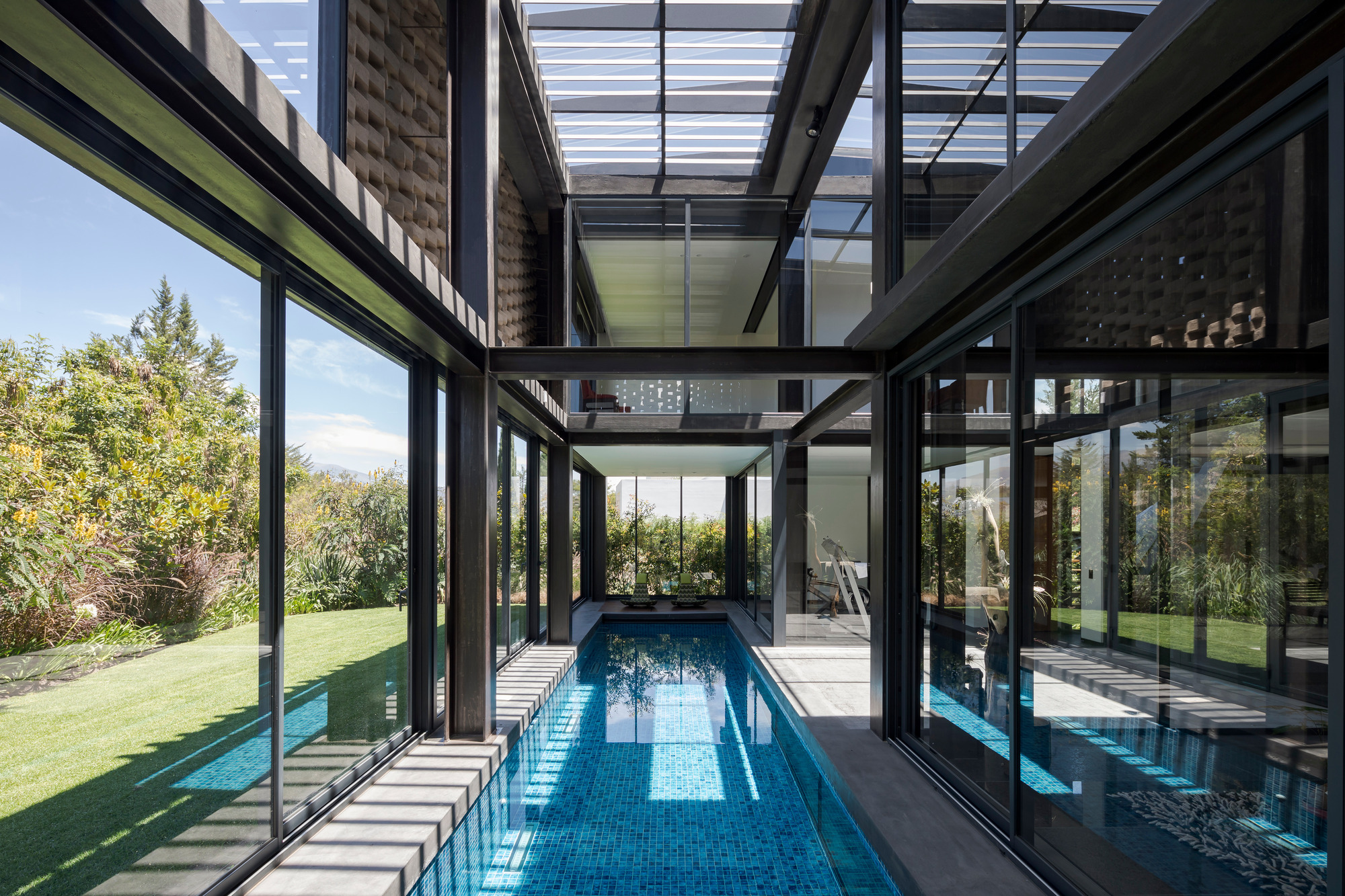
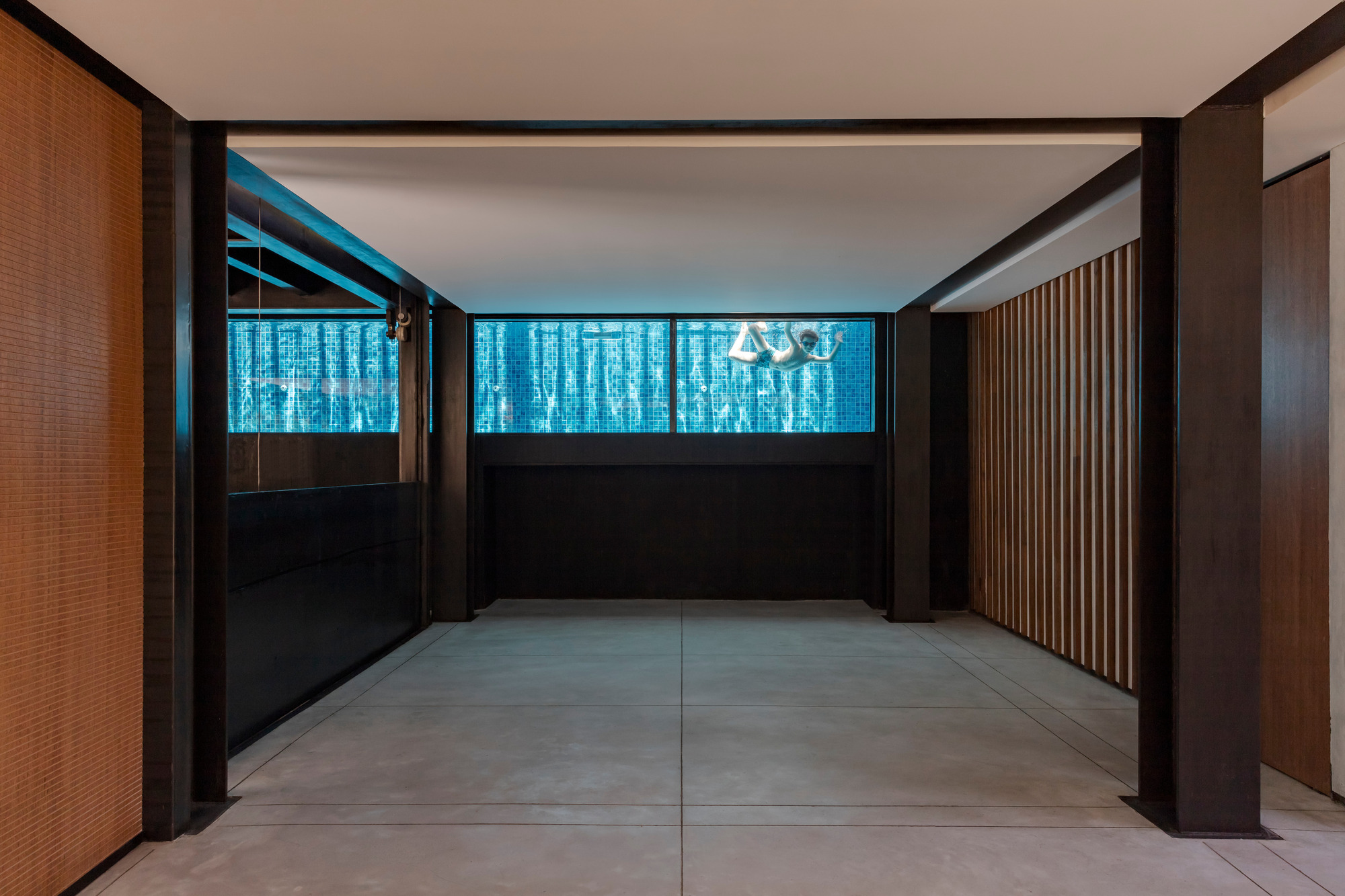
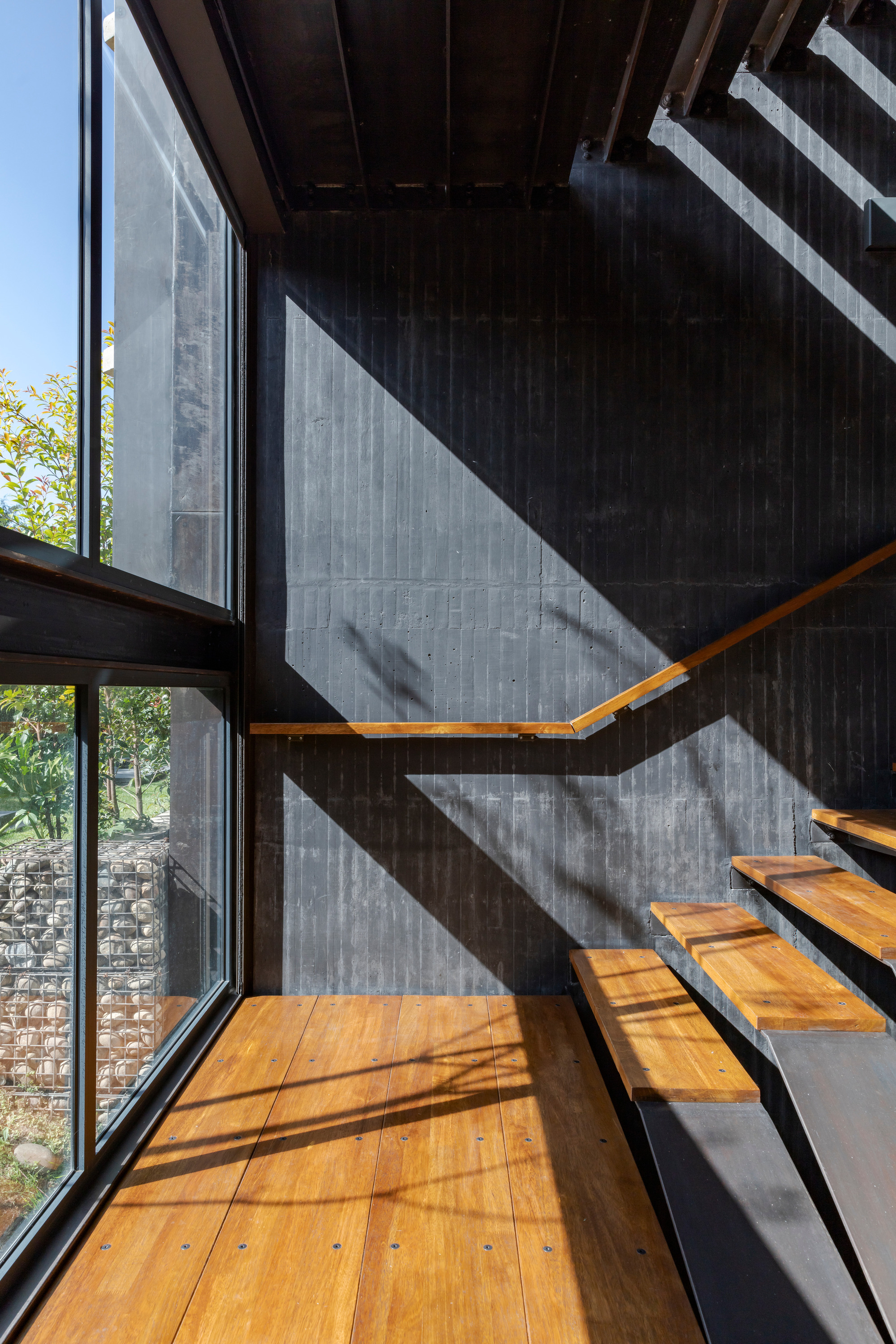
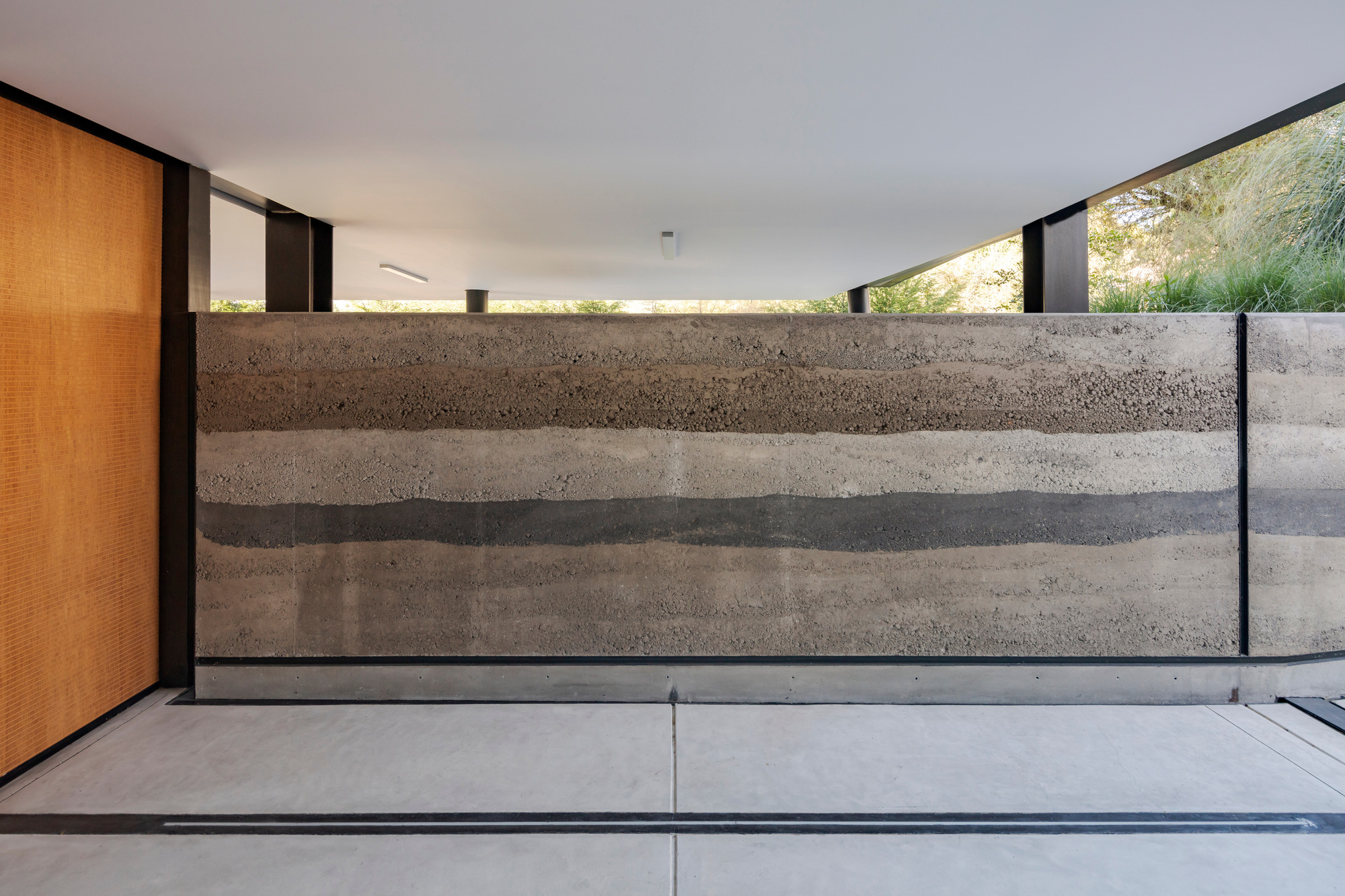
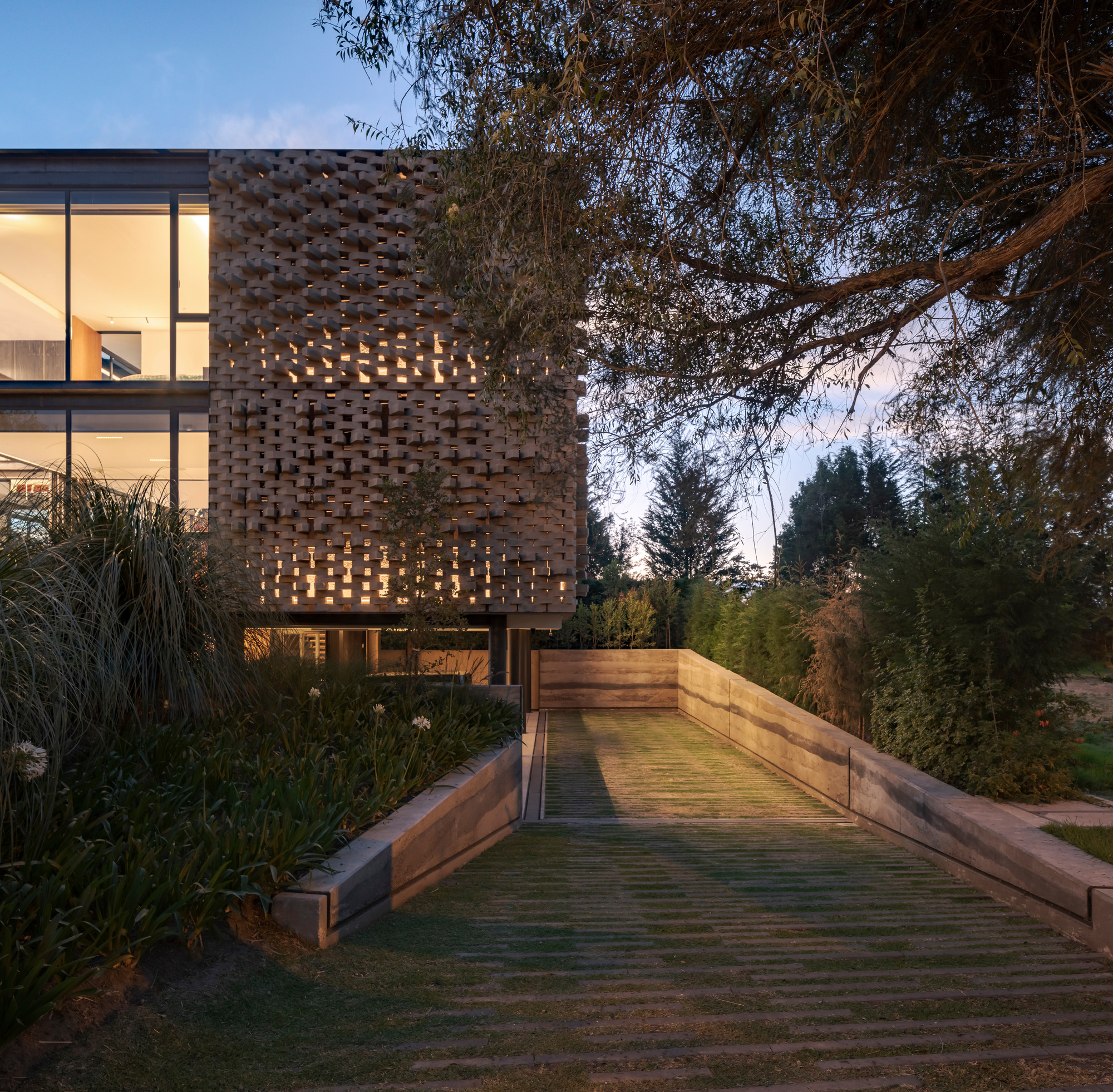
A House in the Andes #architecture Architects: ODD ARCHITECTS Year: 2021 Photographs: BICUBIK City: Puembo Country: Ecuador
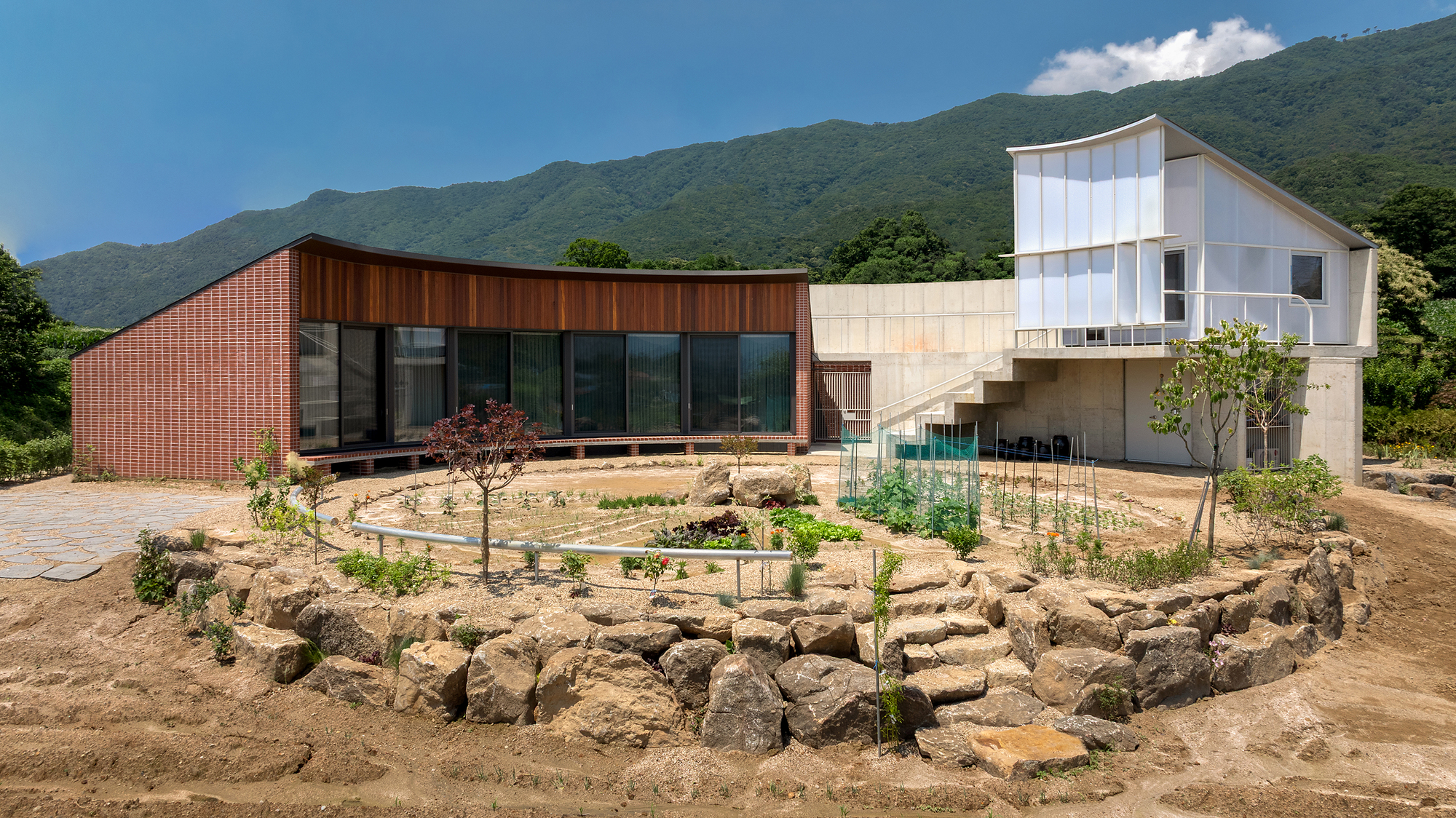
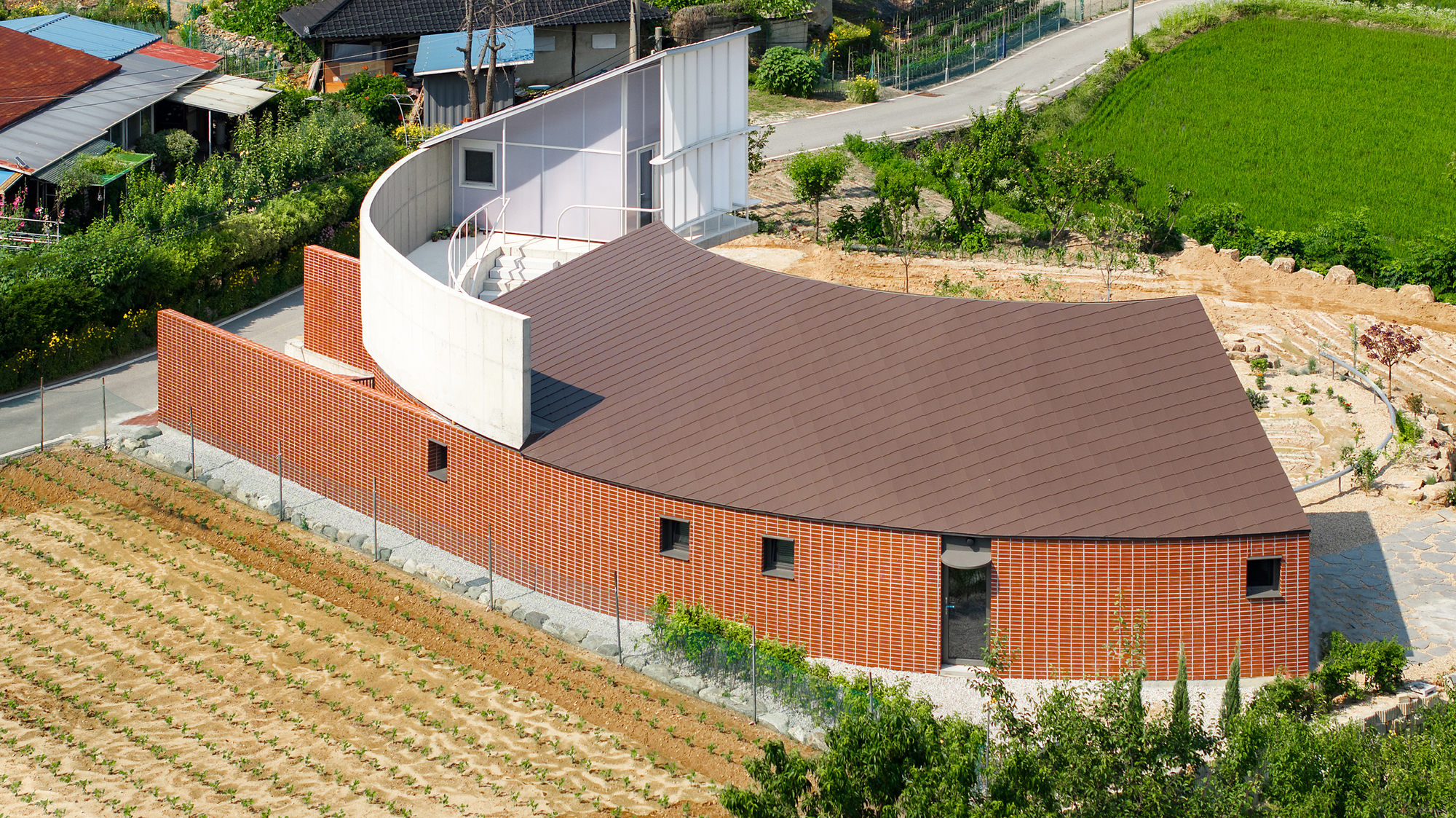
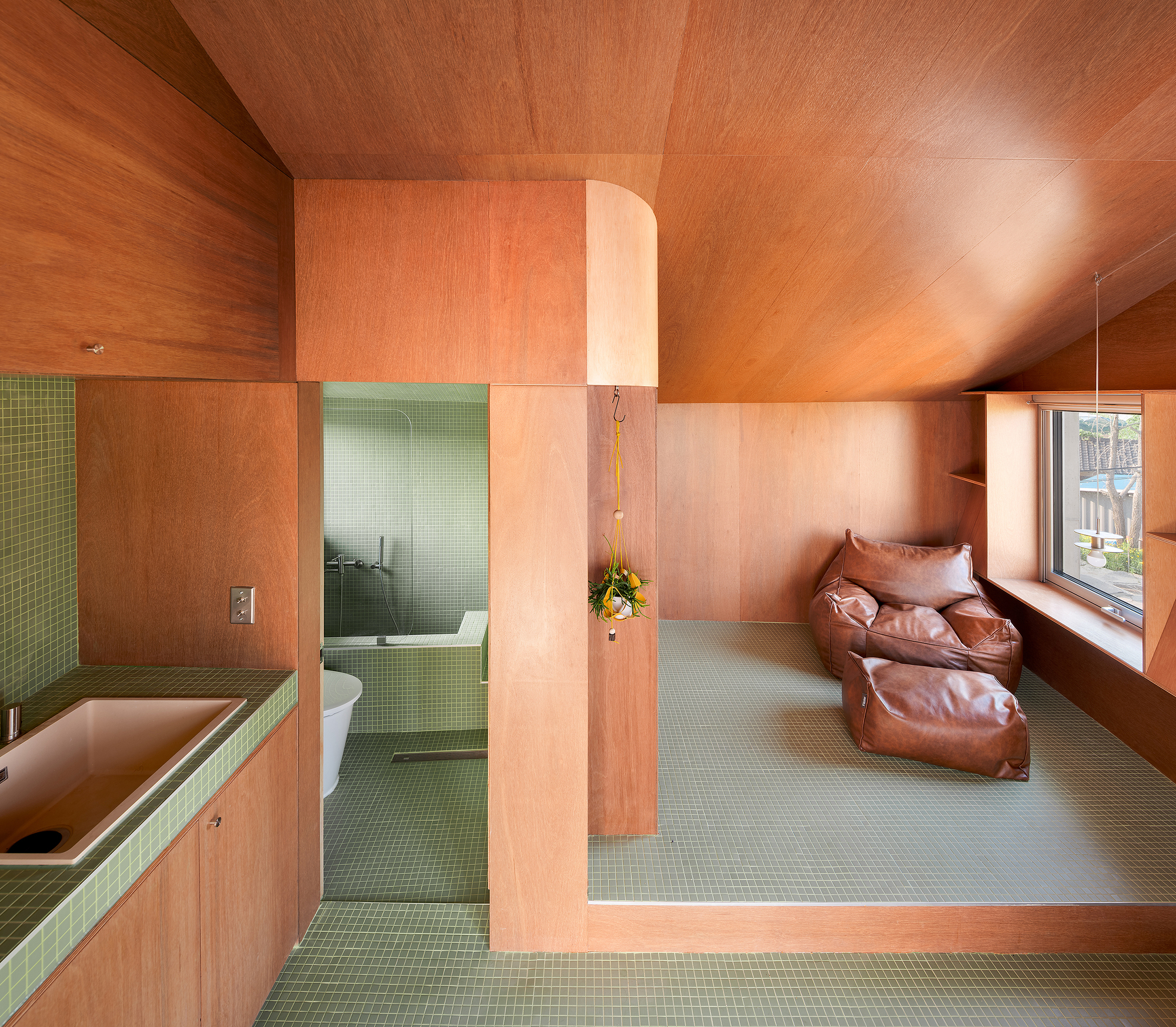
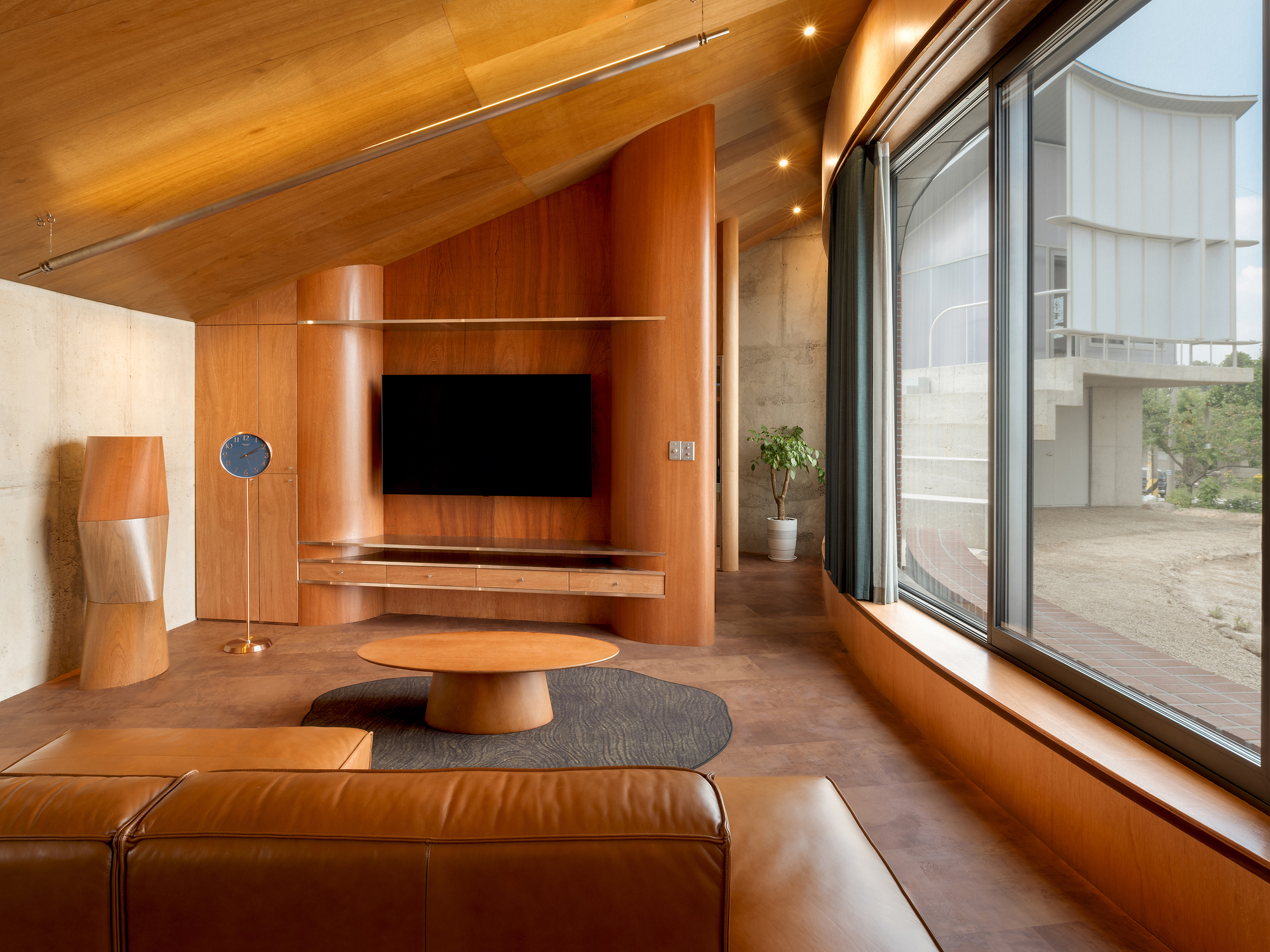
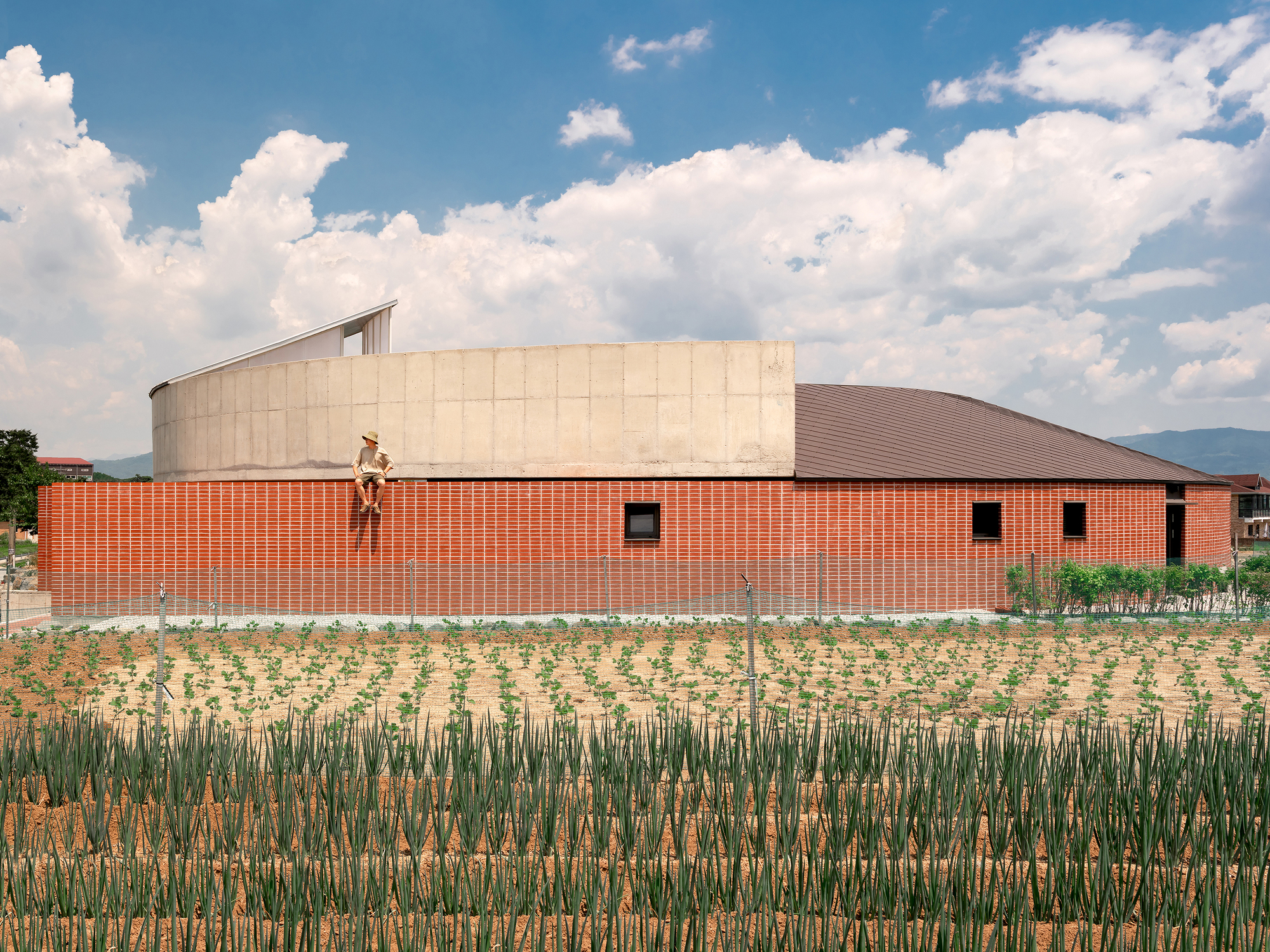
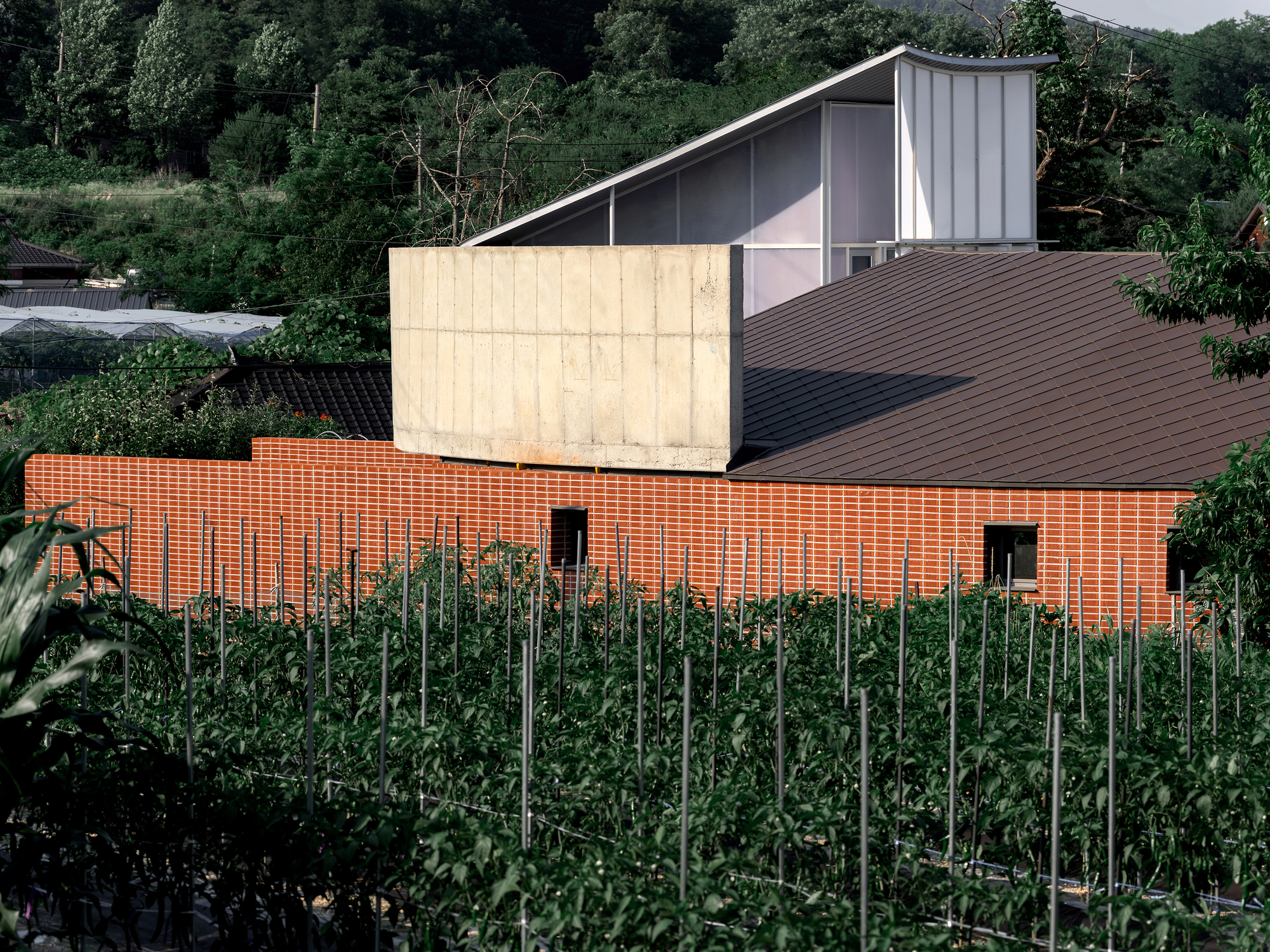
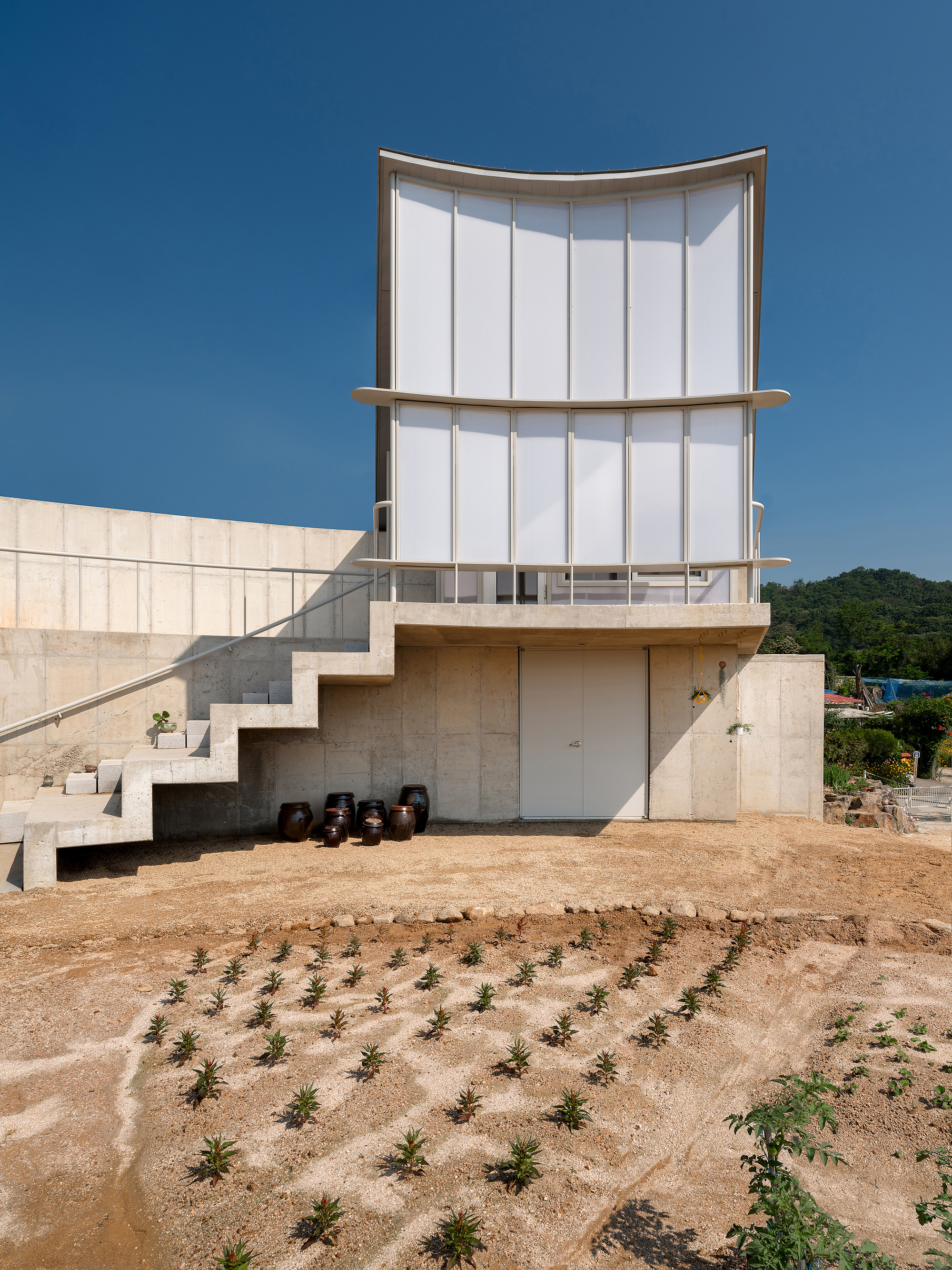
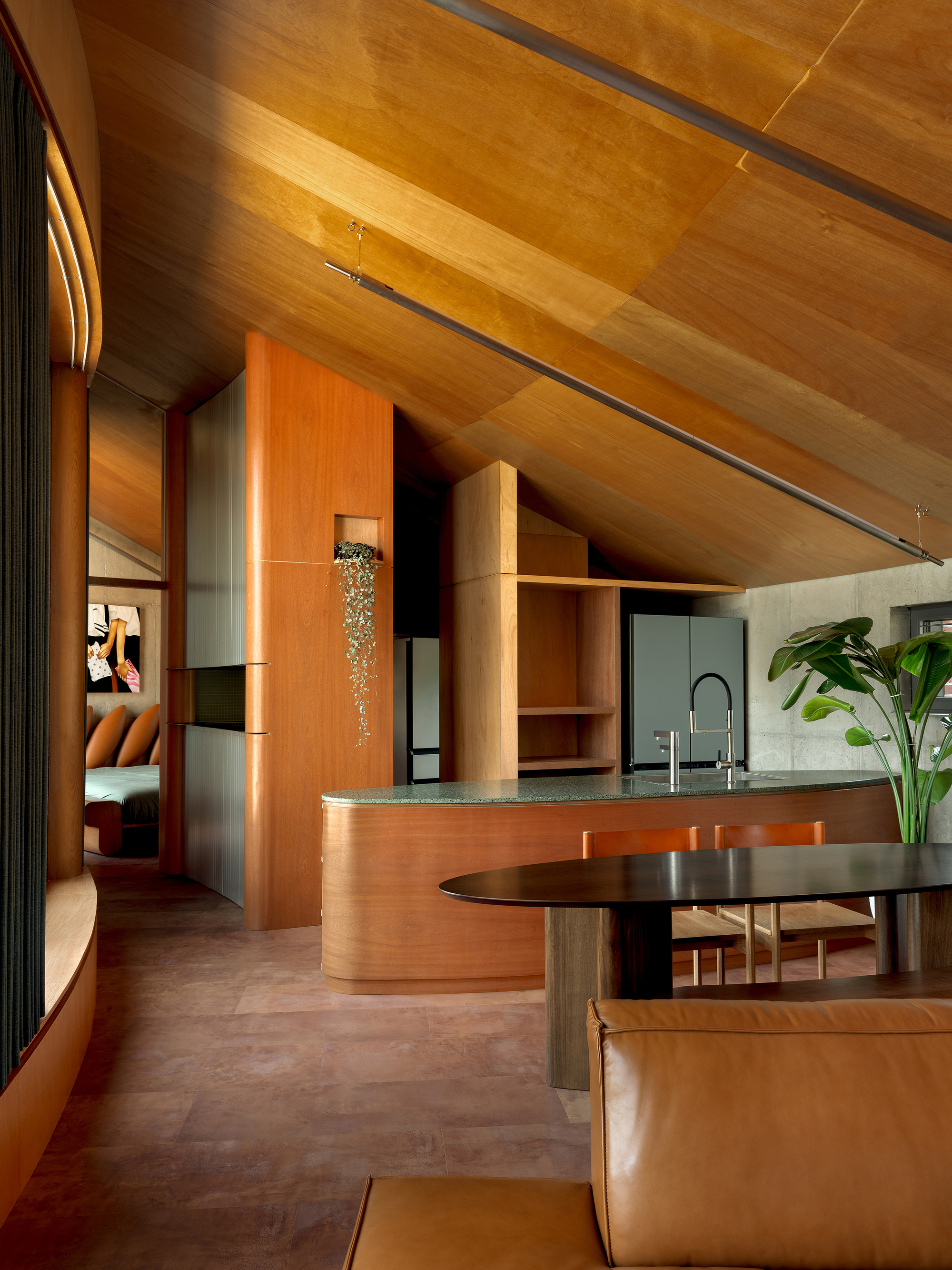
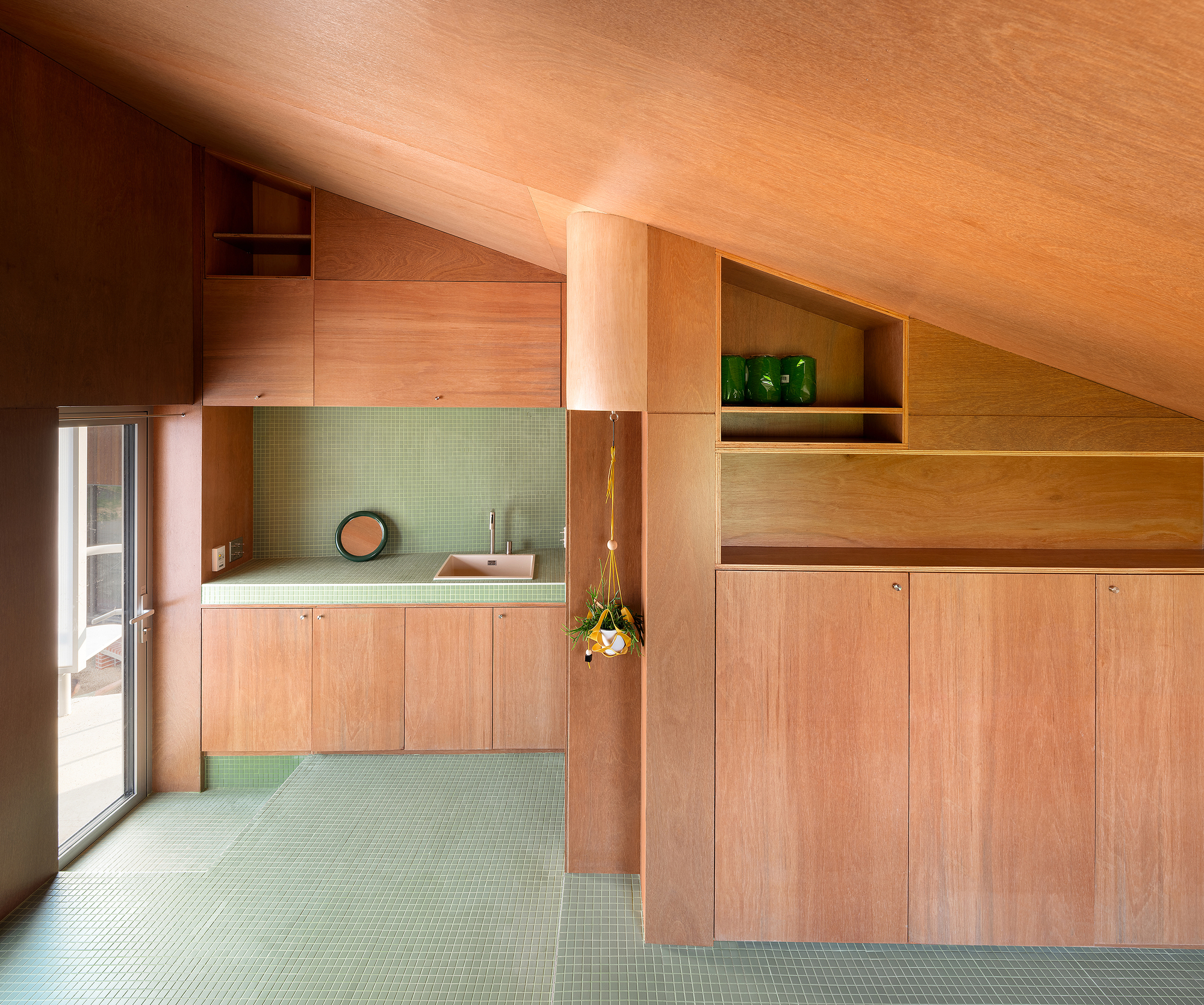
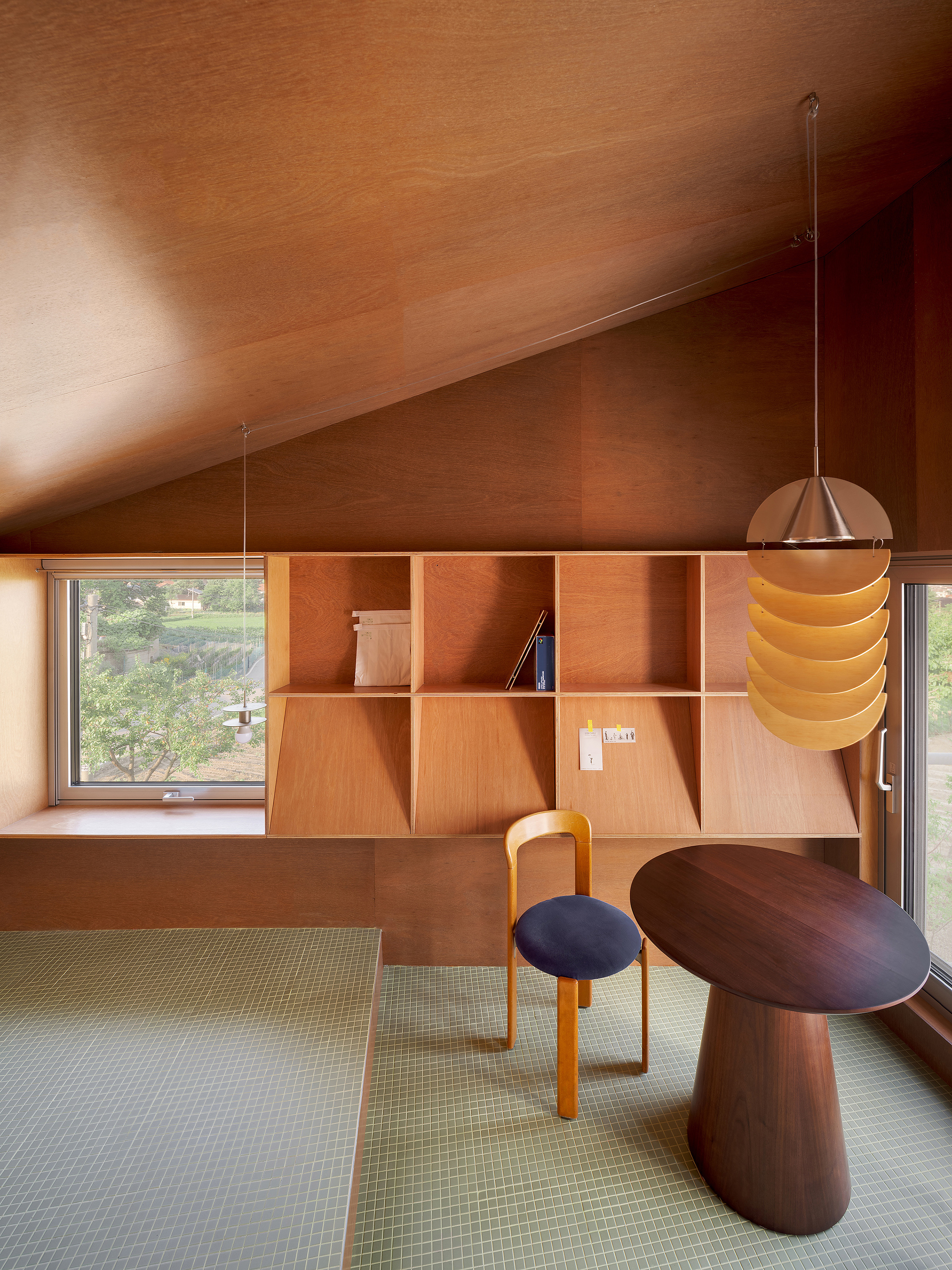
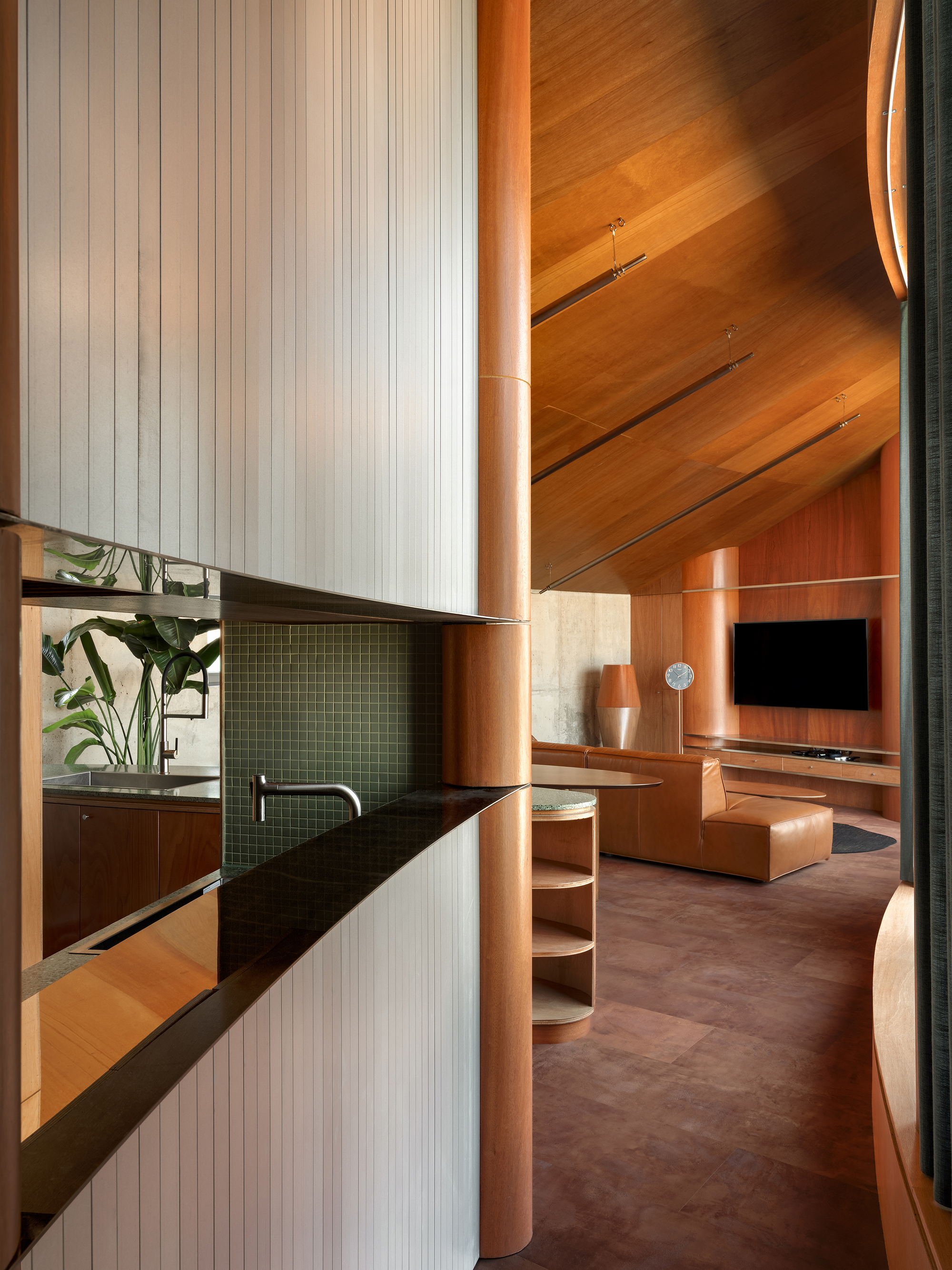
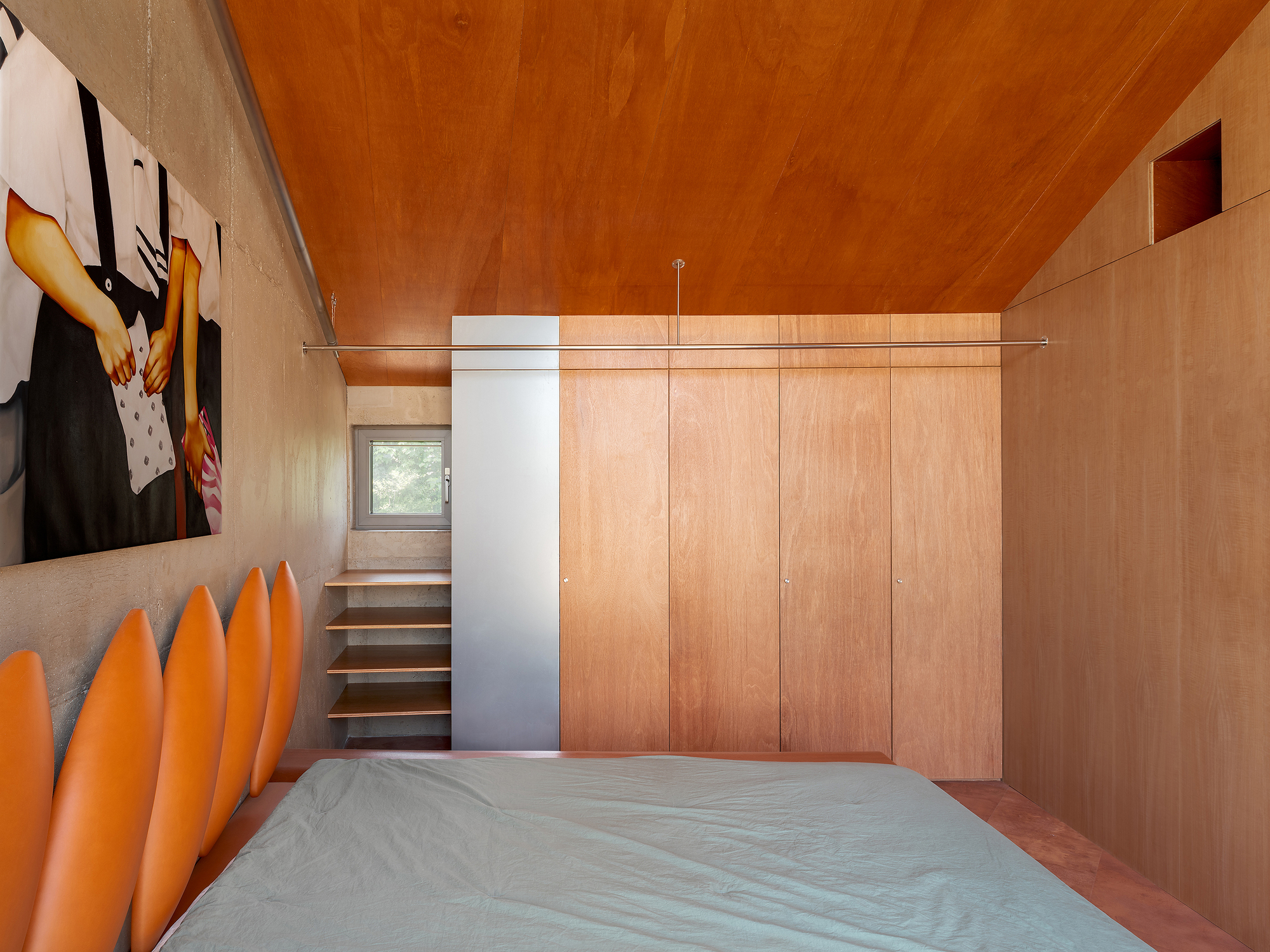
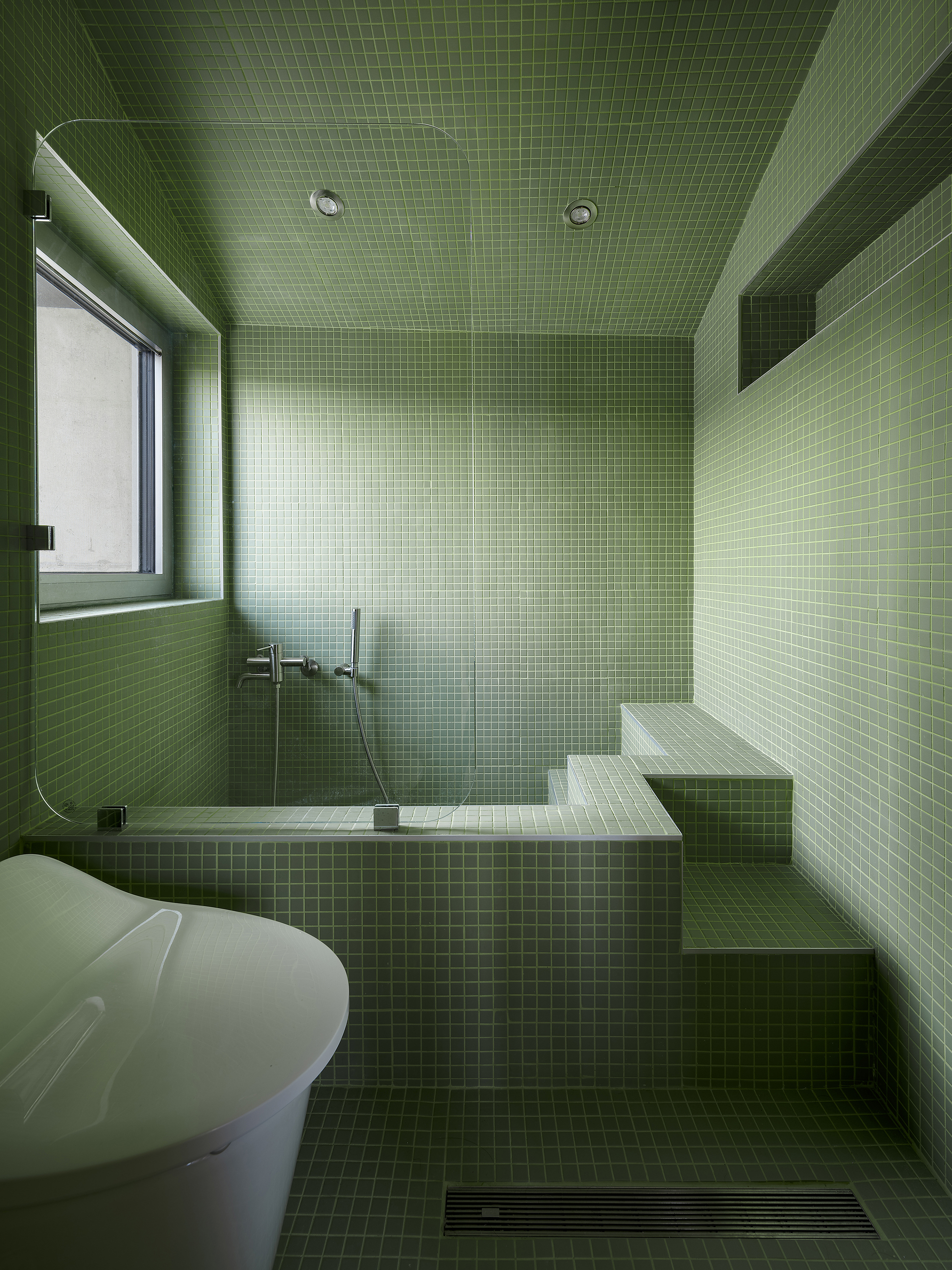
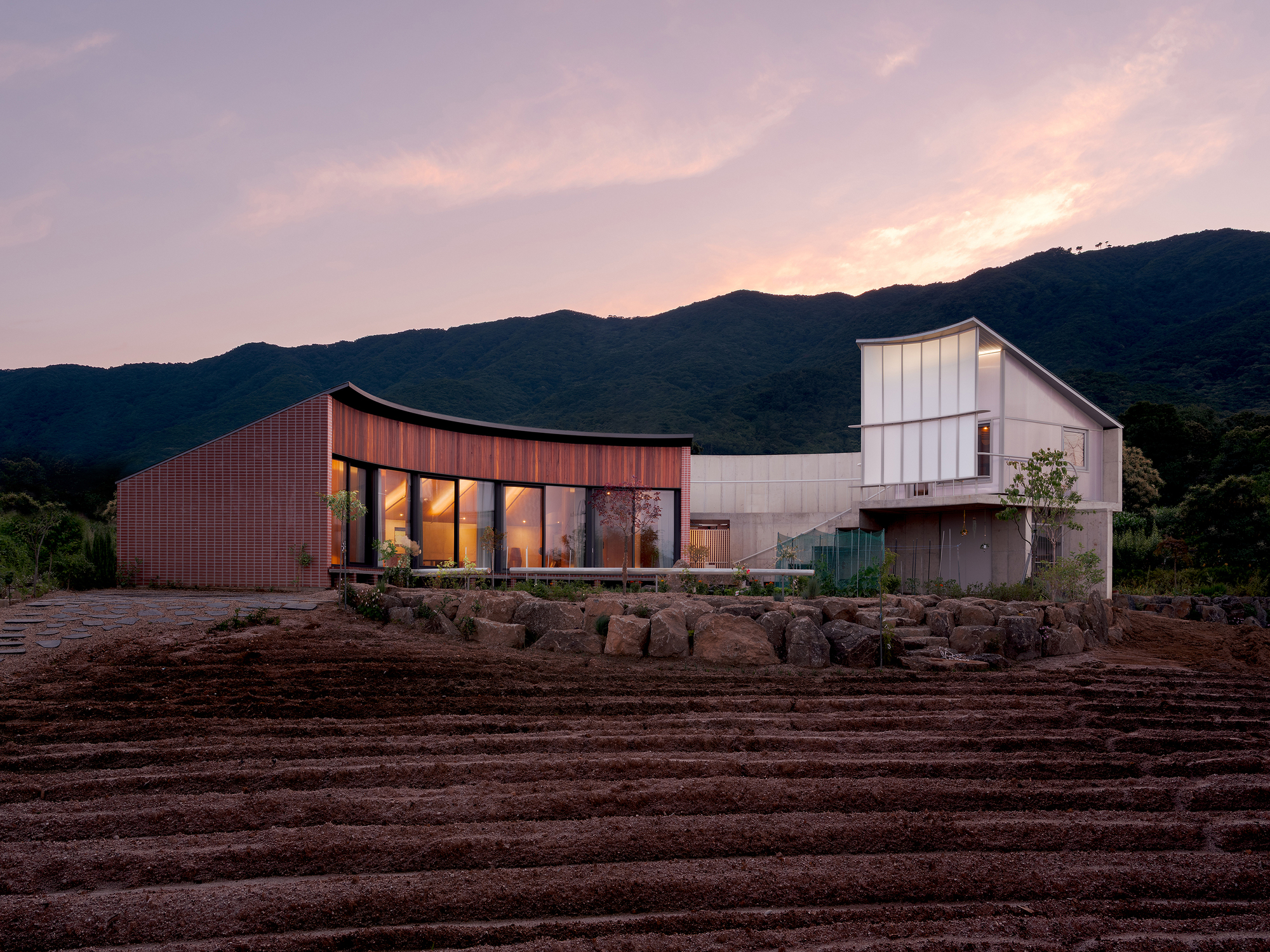
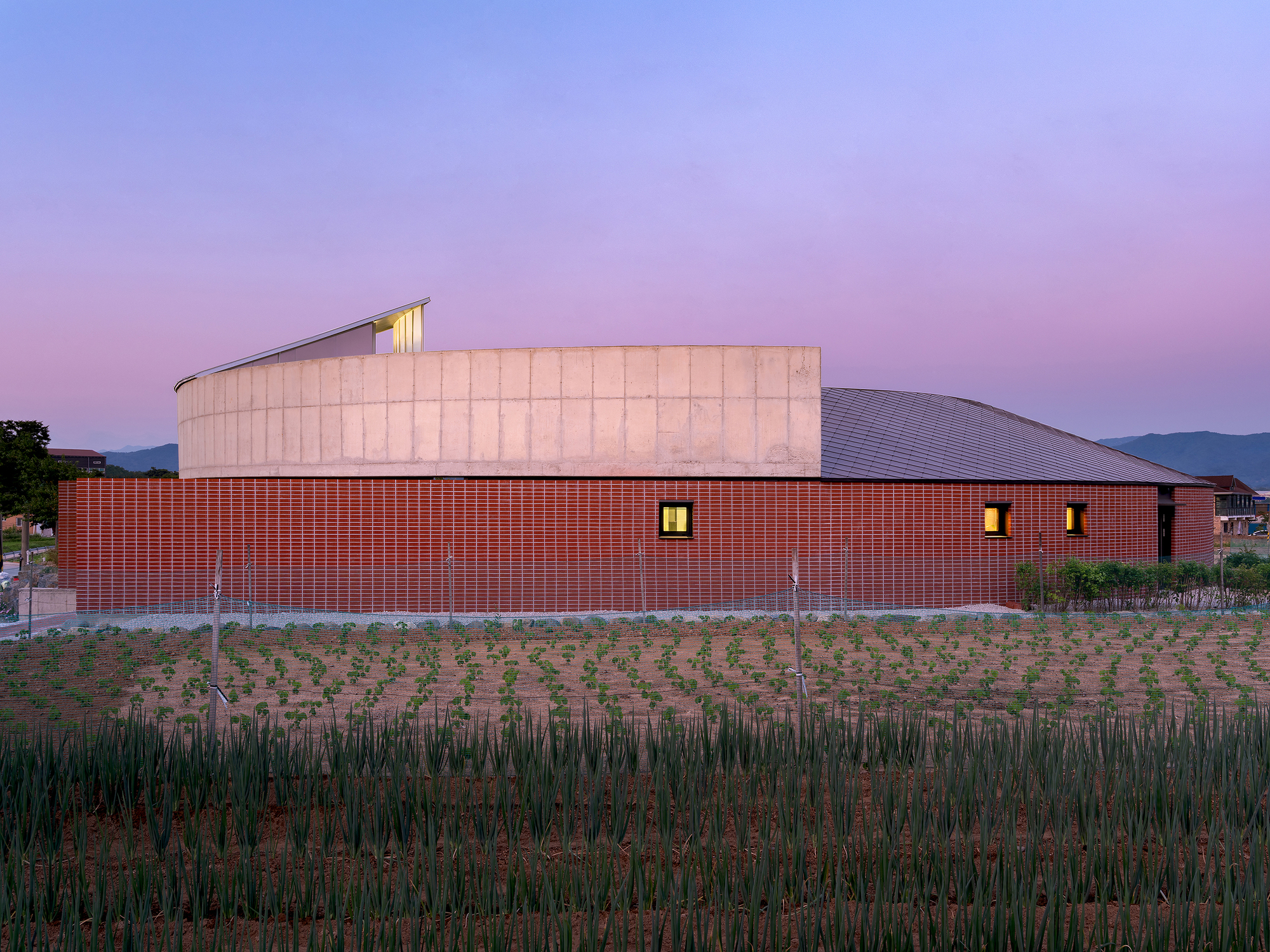
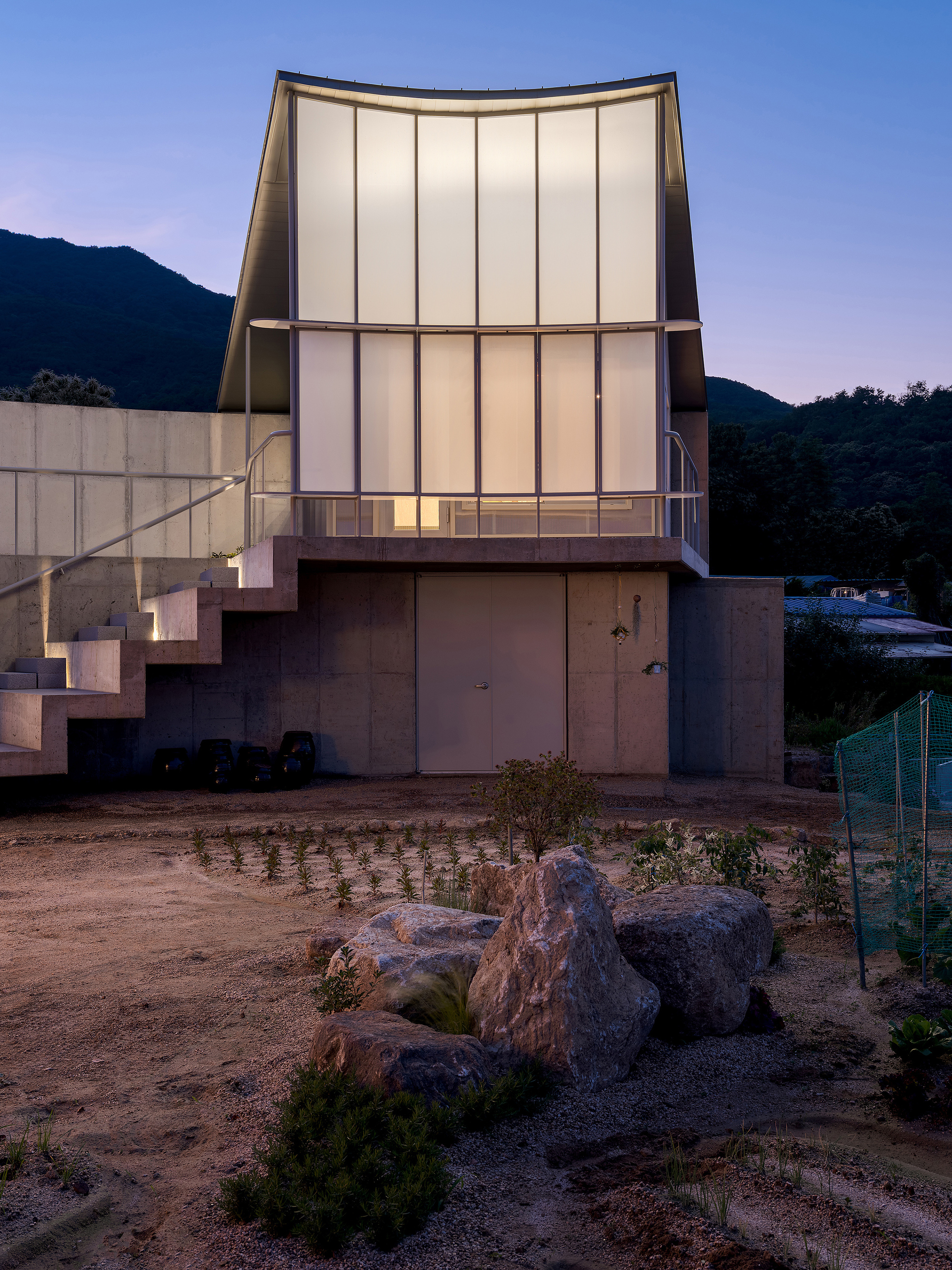
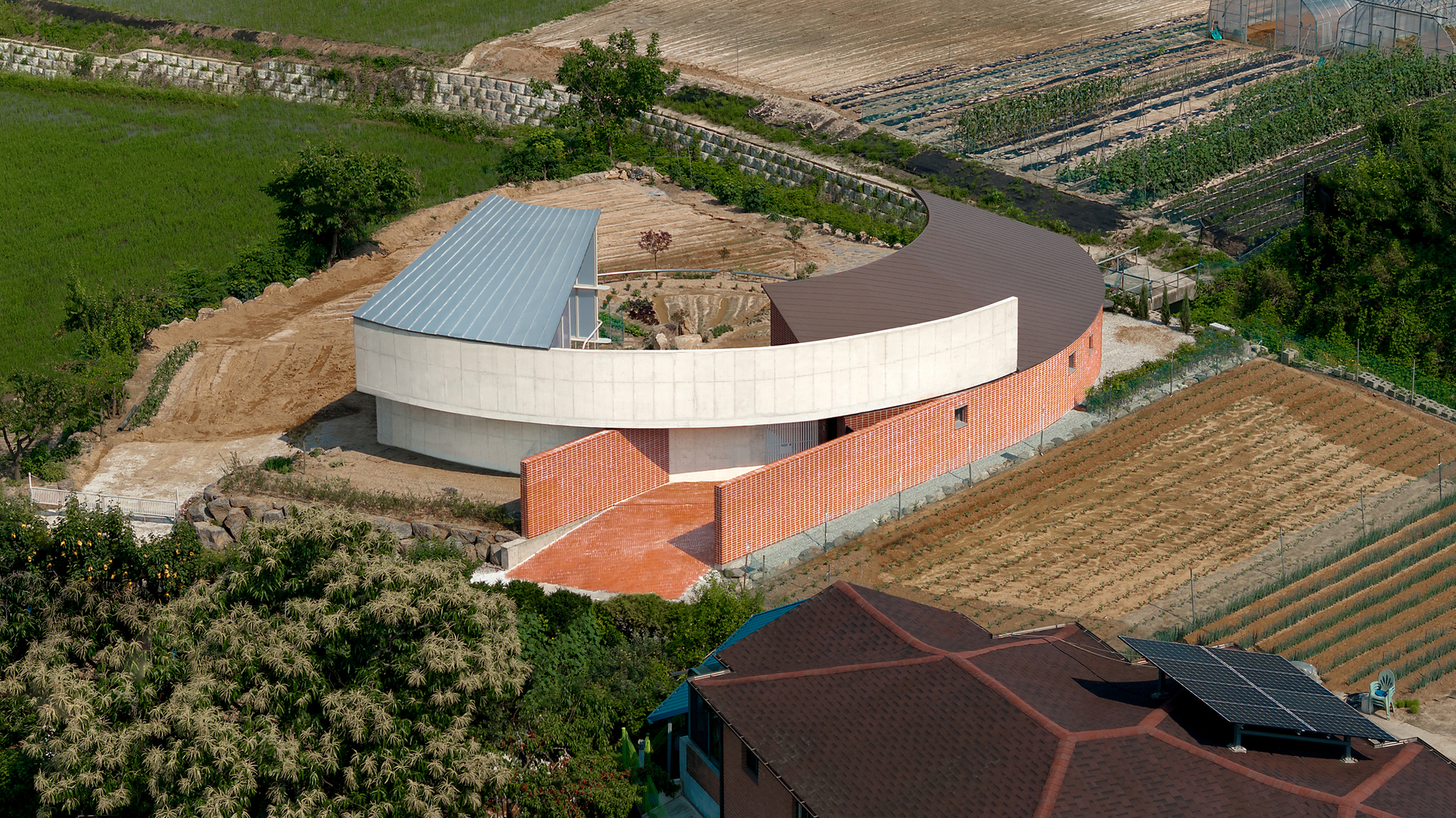
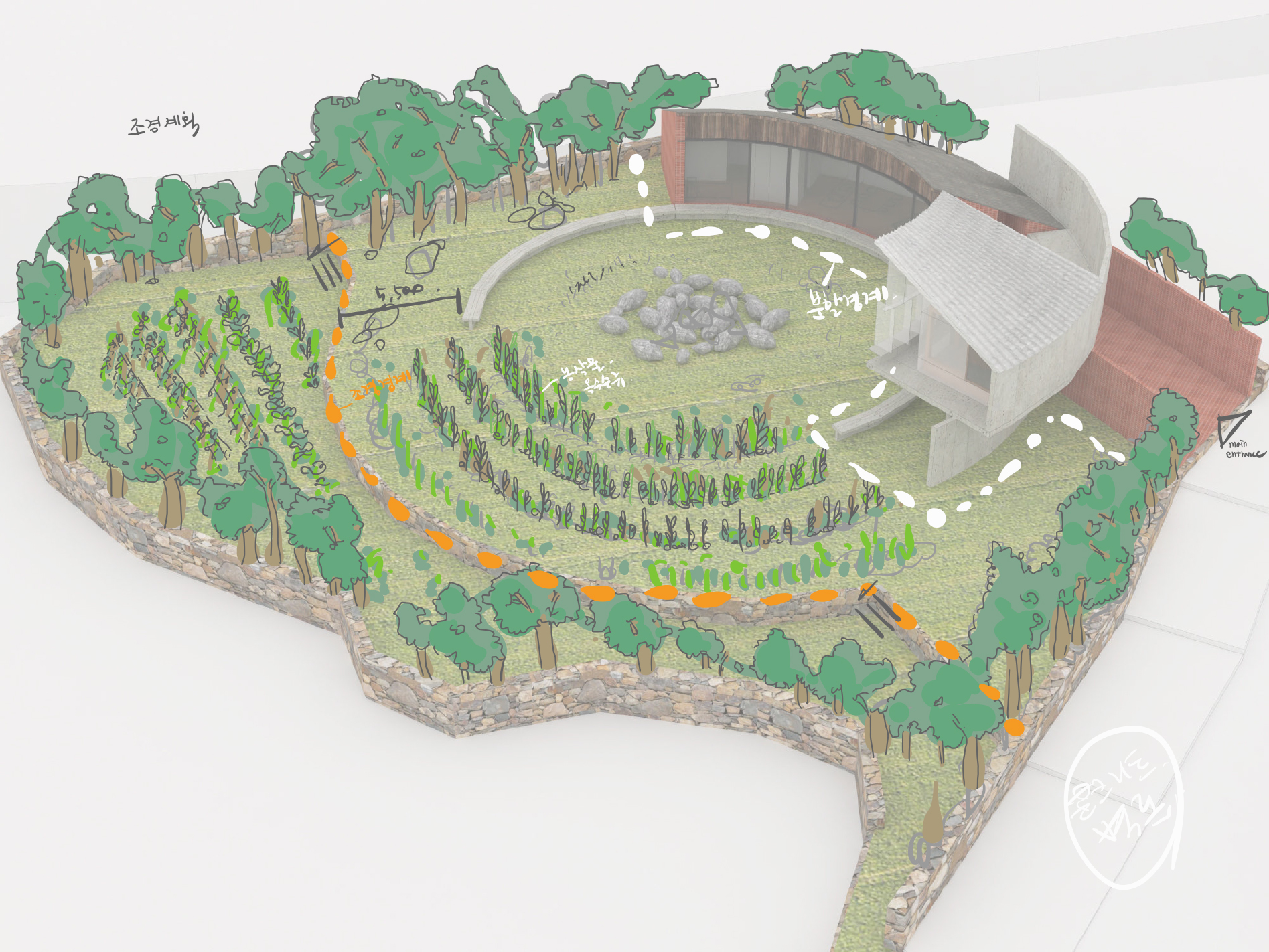
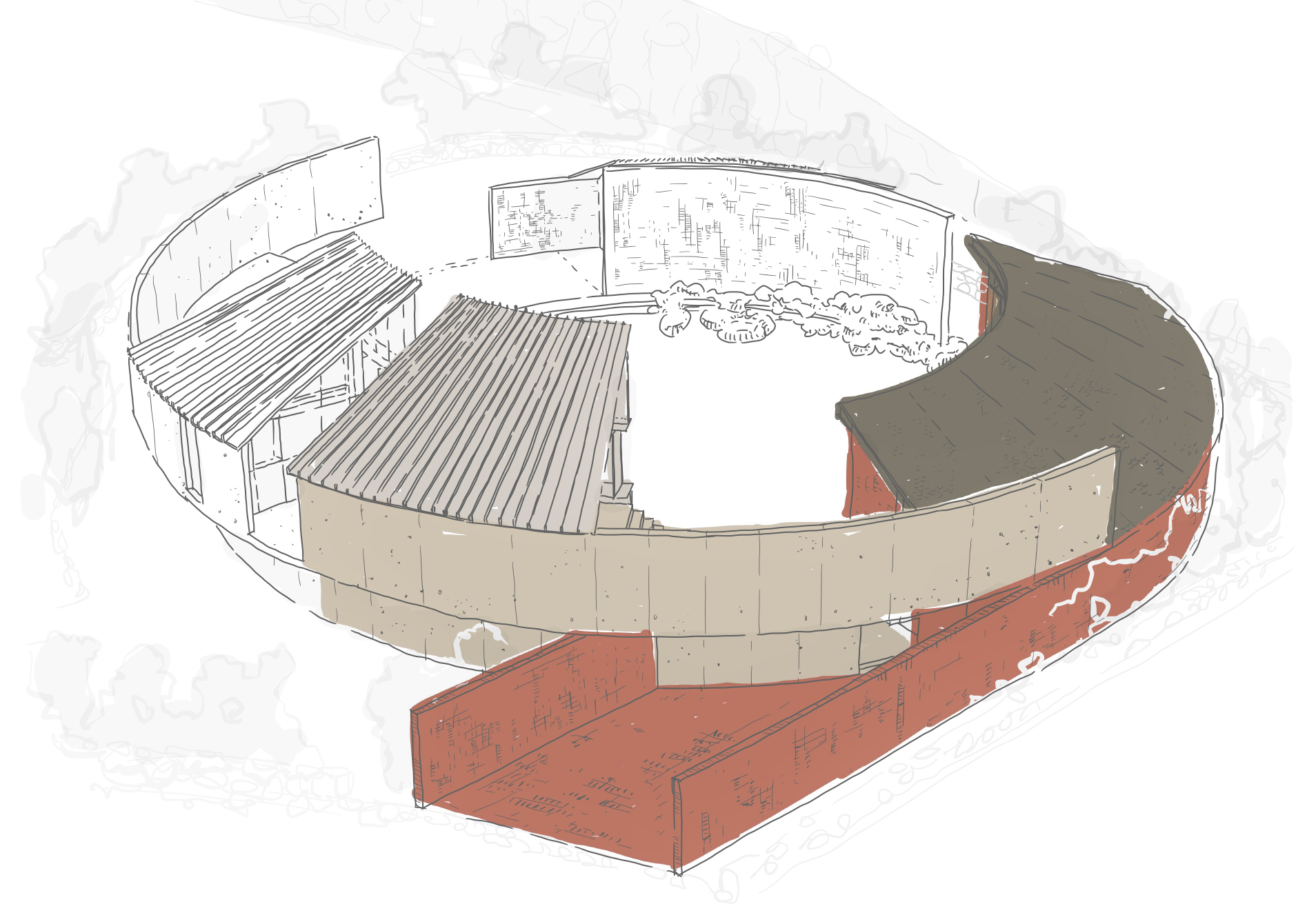
A House that Embraces Its Vegetable Garden #architecture Architects: sukchulmok+BRBB Architects Area: 128 m² Year: 2025 Photographs:hong seokgyu Lead Architect: Sukchulmok - HyunHee Park City: Pocheon-si Country: South Korea Situated with a view of the vegetable garden, this house is composed of intersecting volumes made from different materials. These overlapping forms define the outer shell, ensuring privacy while creating a sense of depth and warmth within. Its appearance, embracing the field like a protective gesture, inspired the name Pojeon-jip (抱田), meaning "a house that embraces the field." The site was originally a 400-pyeong (approximately 1,300 square meters) stretch of farmland at the foot of a mountain. It was cultivated by the retired husband and his wife, who spent over a decade tending to the land with their hands. This cherished garden had become both a place of rest and a playful retreat. Wishing for their post-retirement life to center around this land, they requested a home to be built on part of it. When we first visited, the site felt like an open, exposed clearing, making privacy one of the main design challenges. To address this, we proposed overlapping the architectural mass with the site boundaries, allowing the fence and exterior walls to connect organically. This strategy created spatial density, and despite the limited footprint, vertical gestures and the extension of the outer shell enhanced the sense of scale and visual openness. The walls and roof were designed based on 600×1200mm formwork modules, with key wall and roof heights set at 2400mm for consistency and order. As a result, intentional rhythms emerged at the junctions of materials. These rhythms create an optical depth where volumetric and planar elements seem to overlap, forming a layered spatial experience. With its embracing gesture, the building presents a solid, fortress-like exterior, while framing views of the forested hillside like a concrete picture frame on the inside. Through a program that intertwines farming with daily life, residents can live in close connection with nature. Pojeon-jip is a home where farming and living coexist. It serves as a peaceful retreat for the couple and a vessel for their memories. It also creates an organic space for multi-generational living—where life flows alongside the scent of earth.
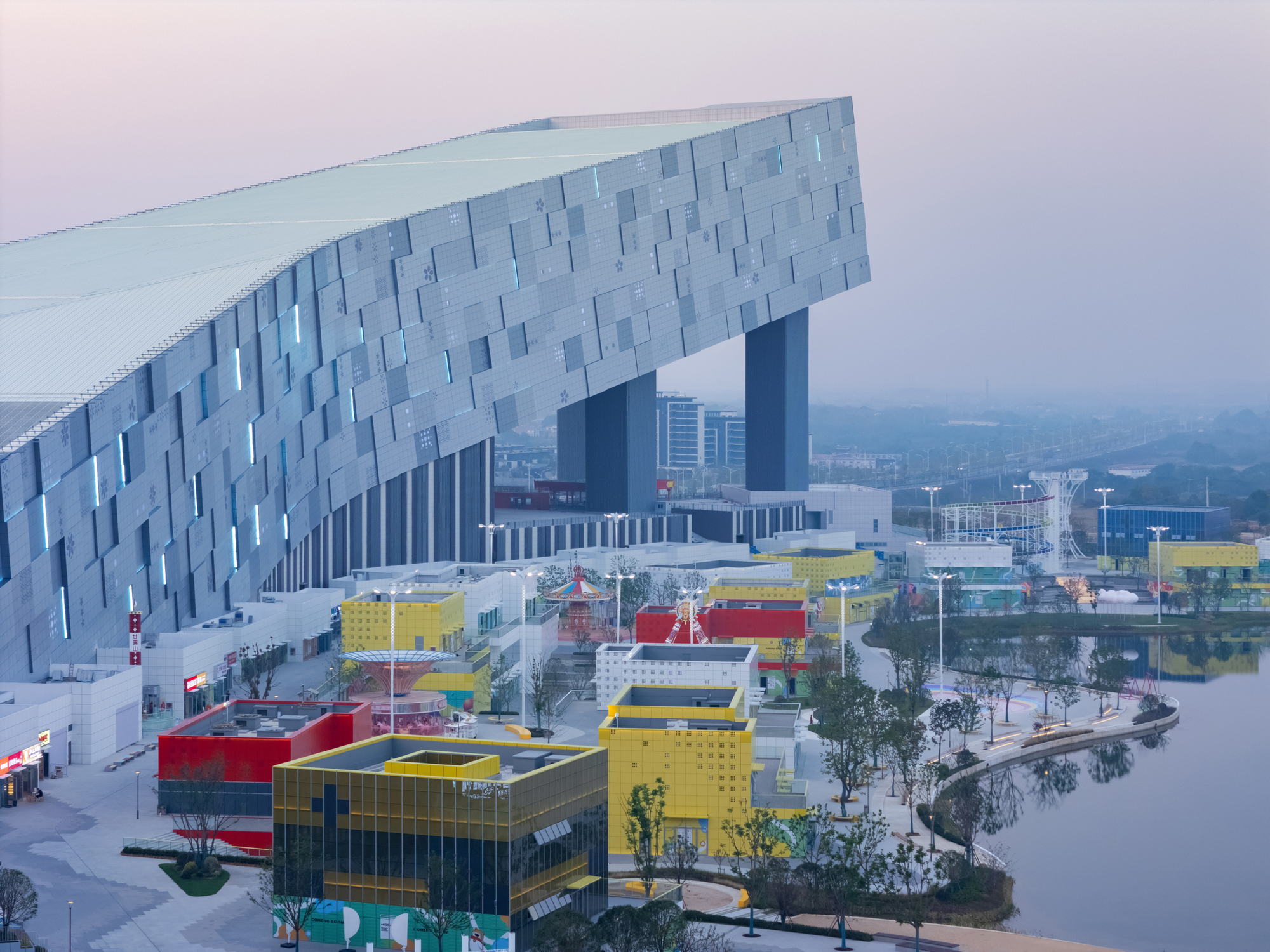
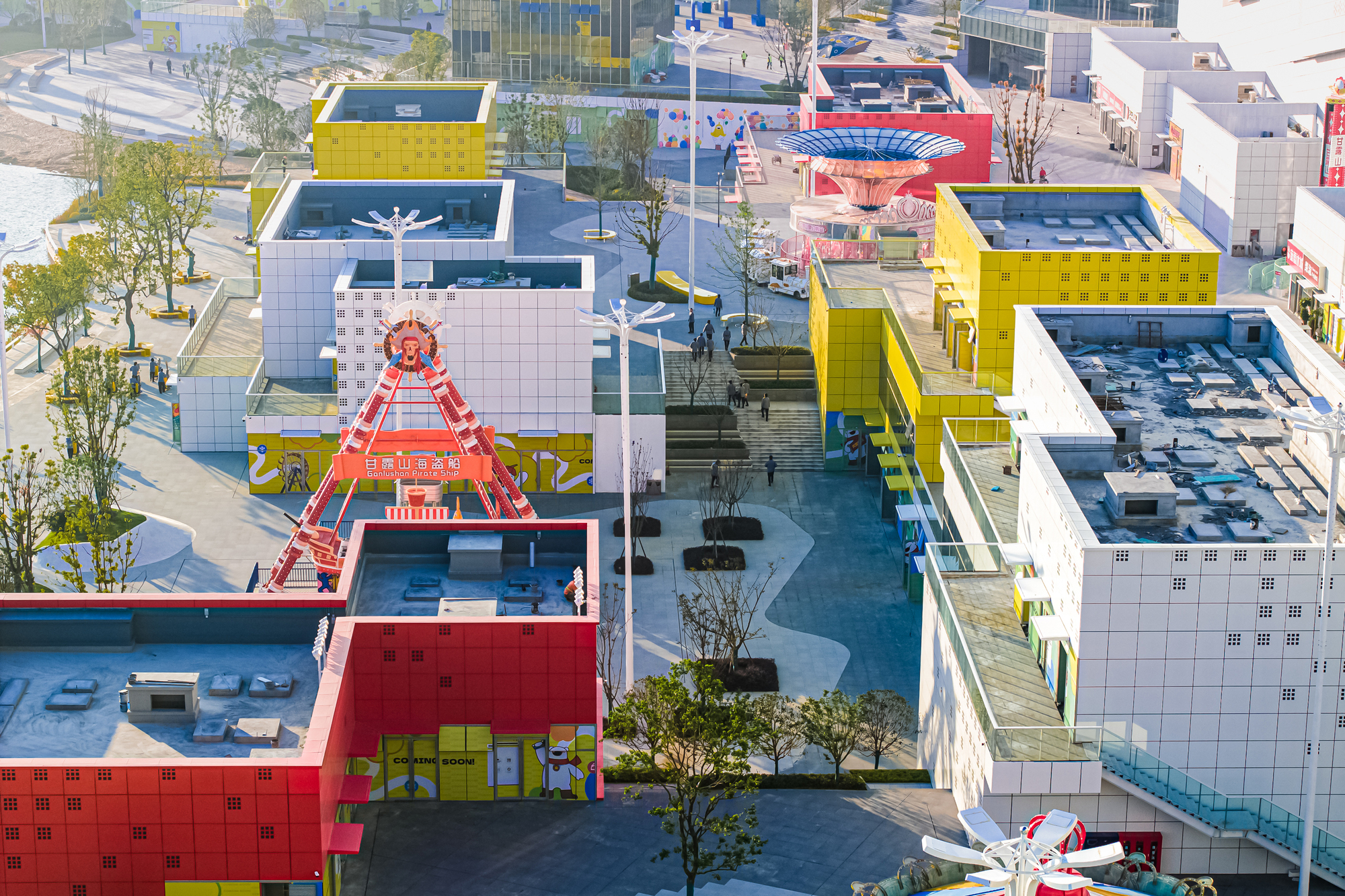
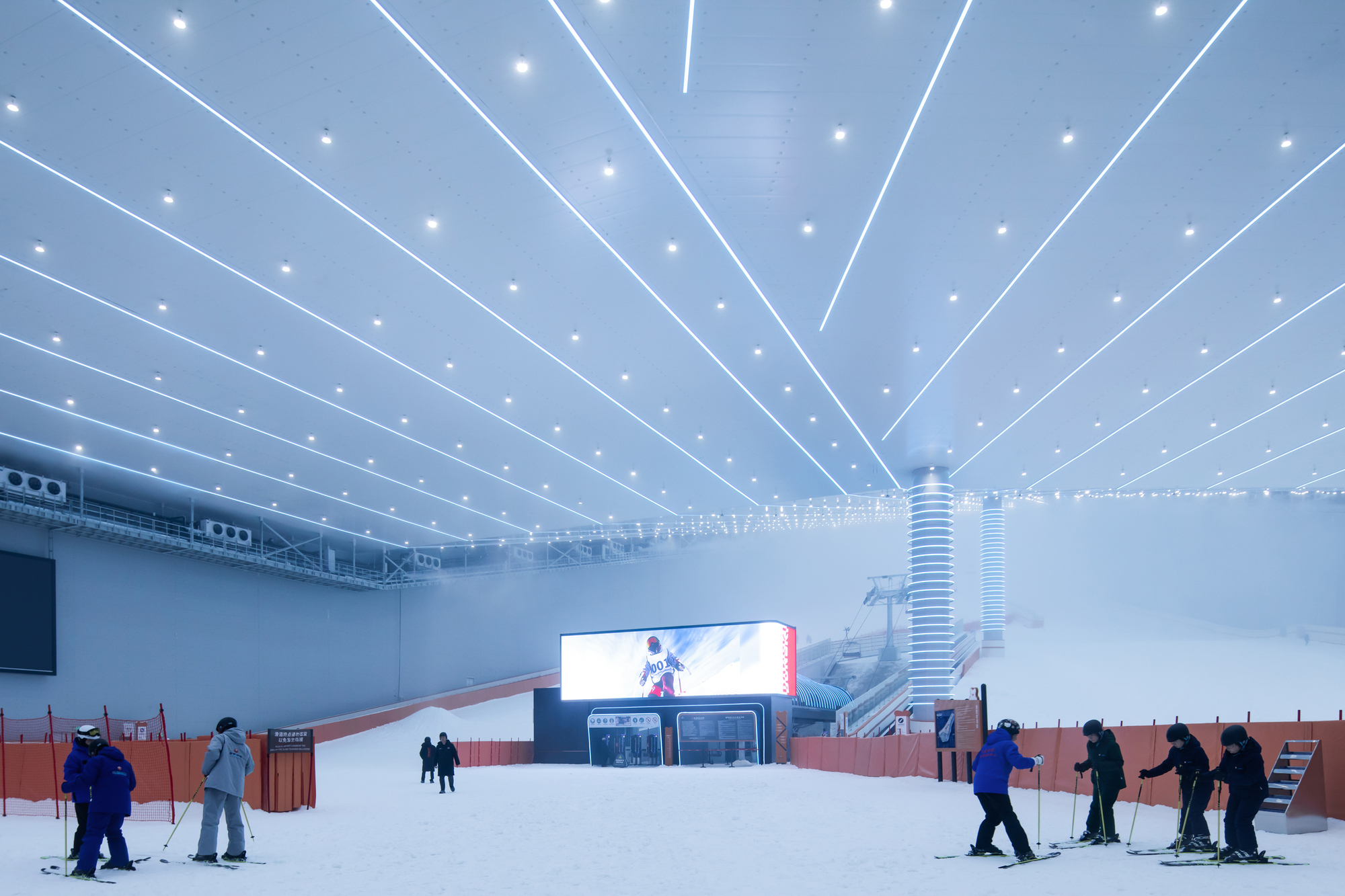
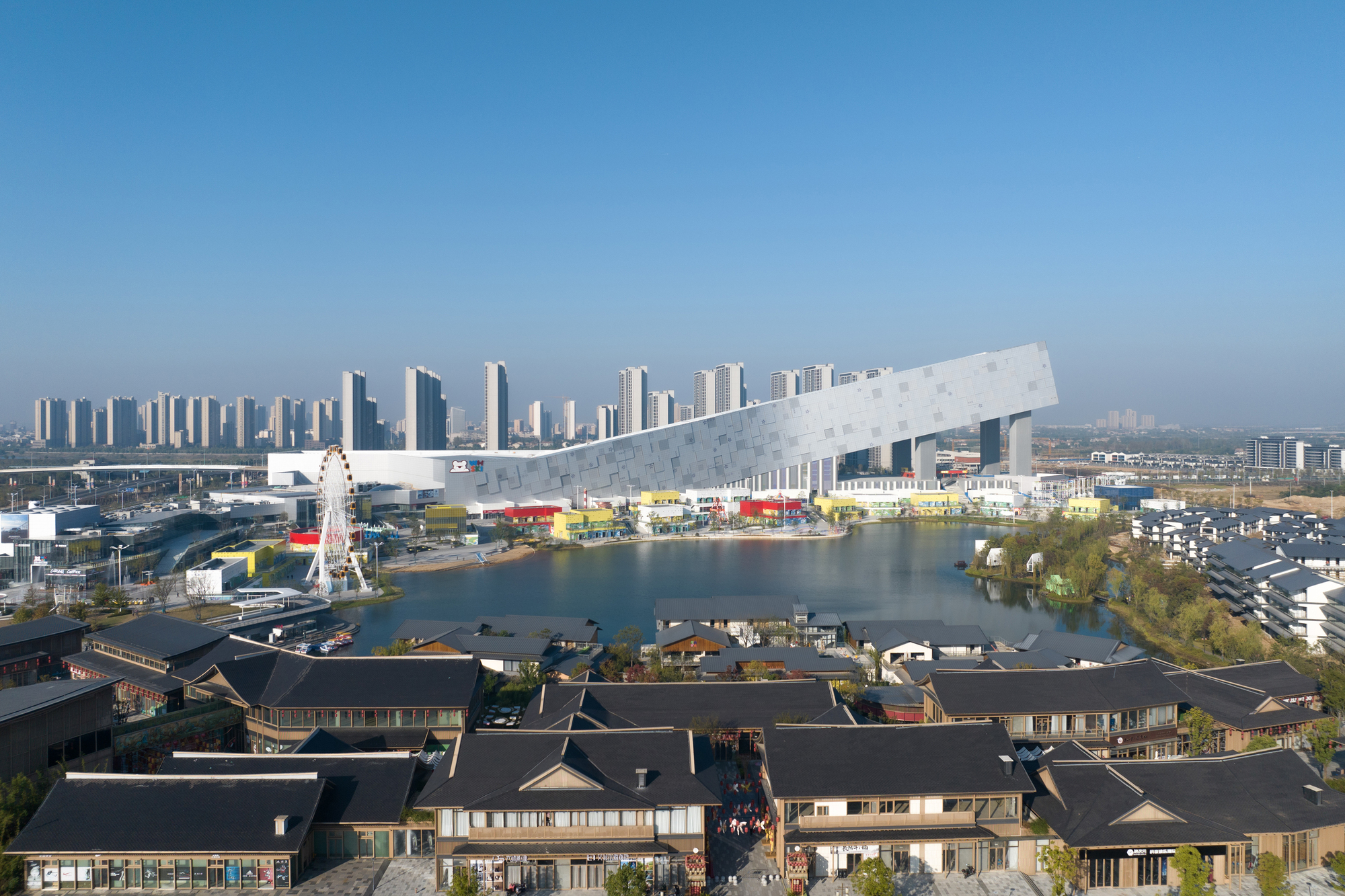
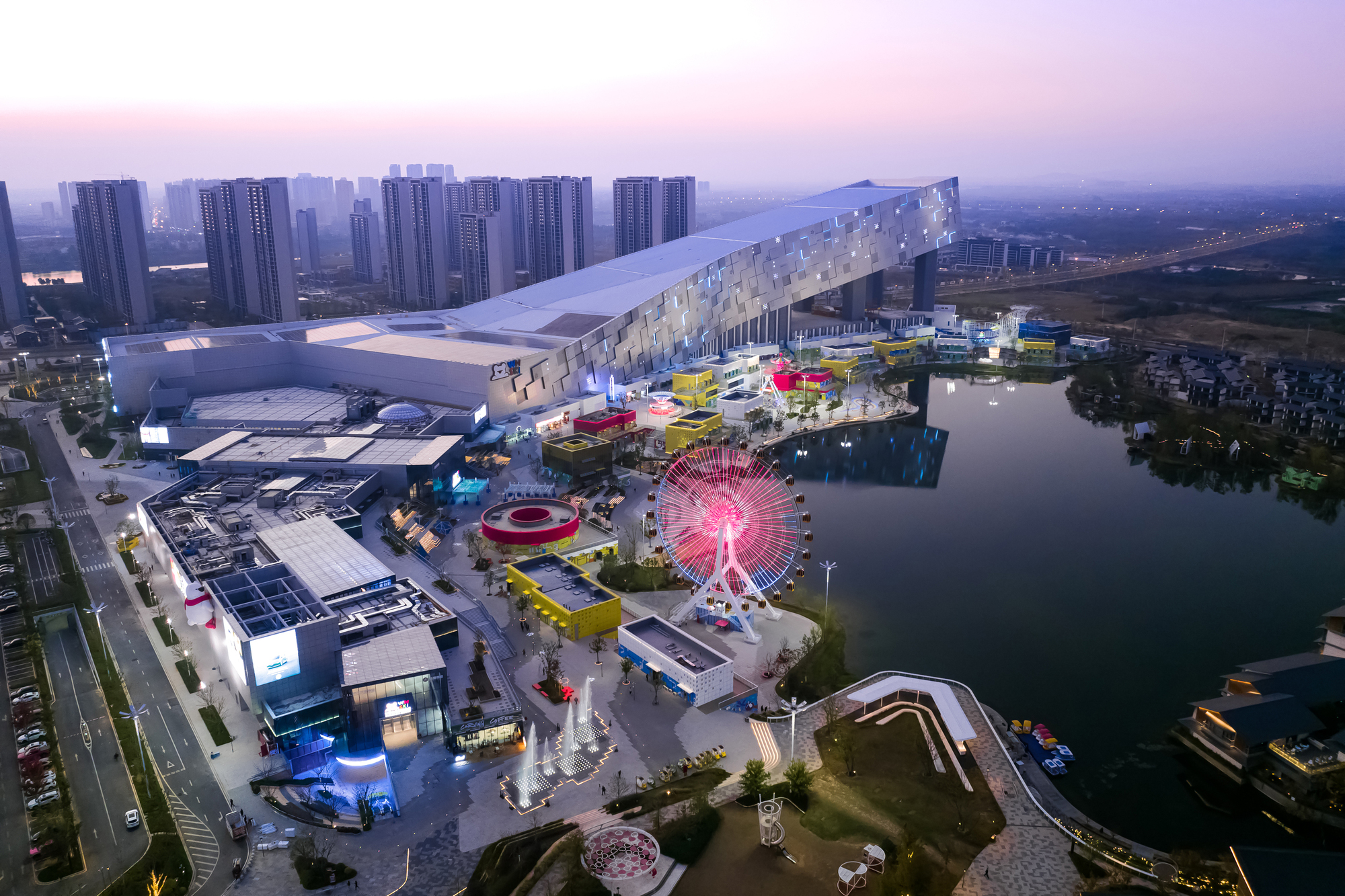
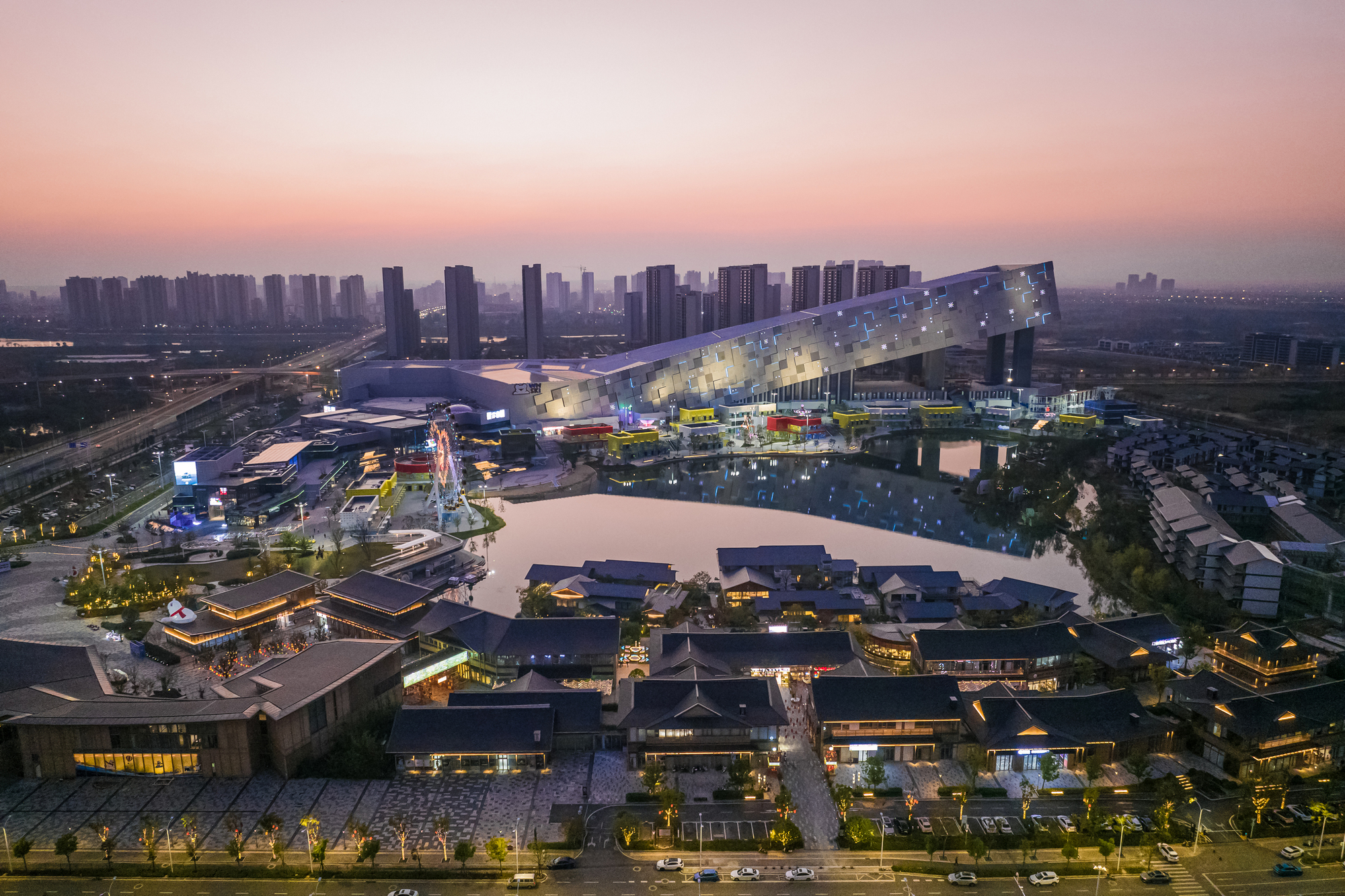
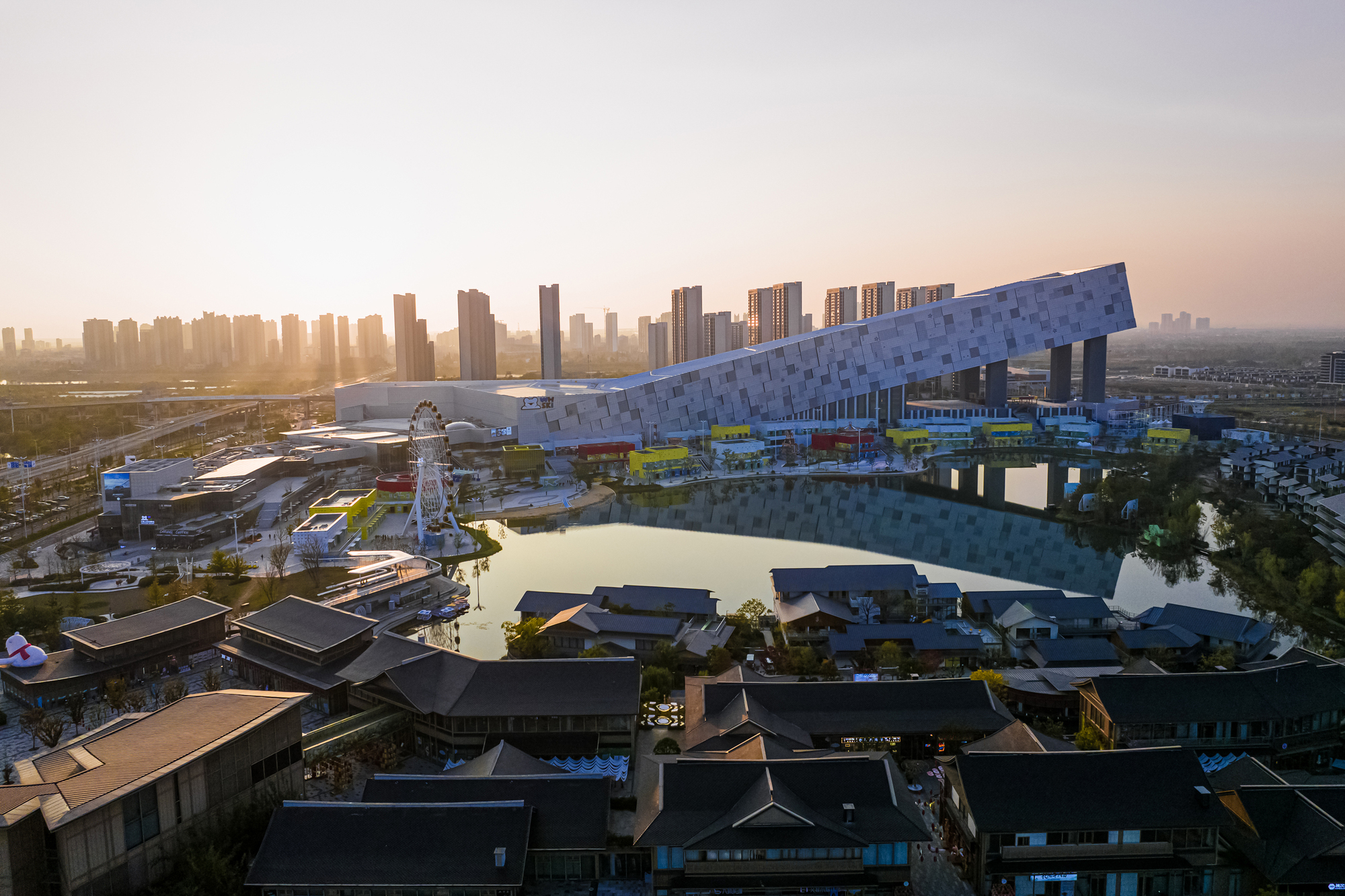
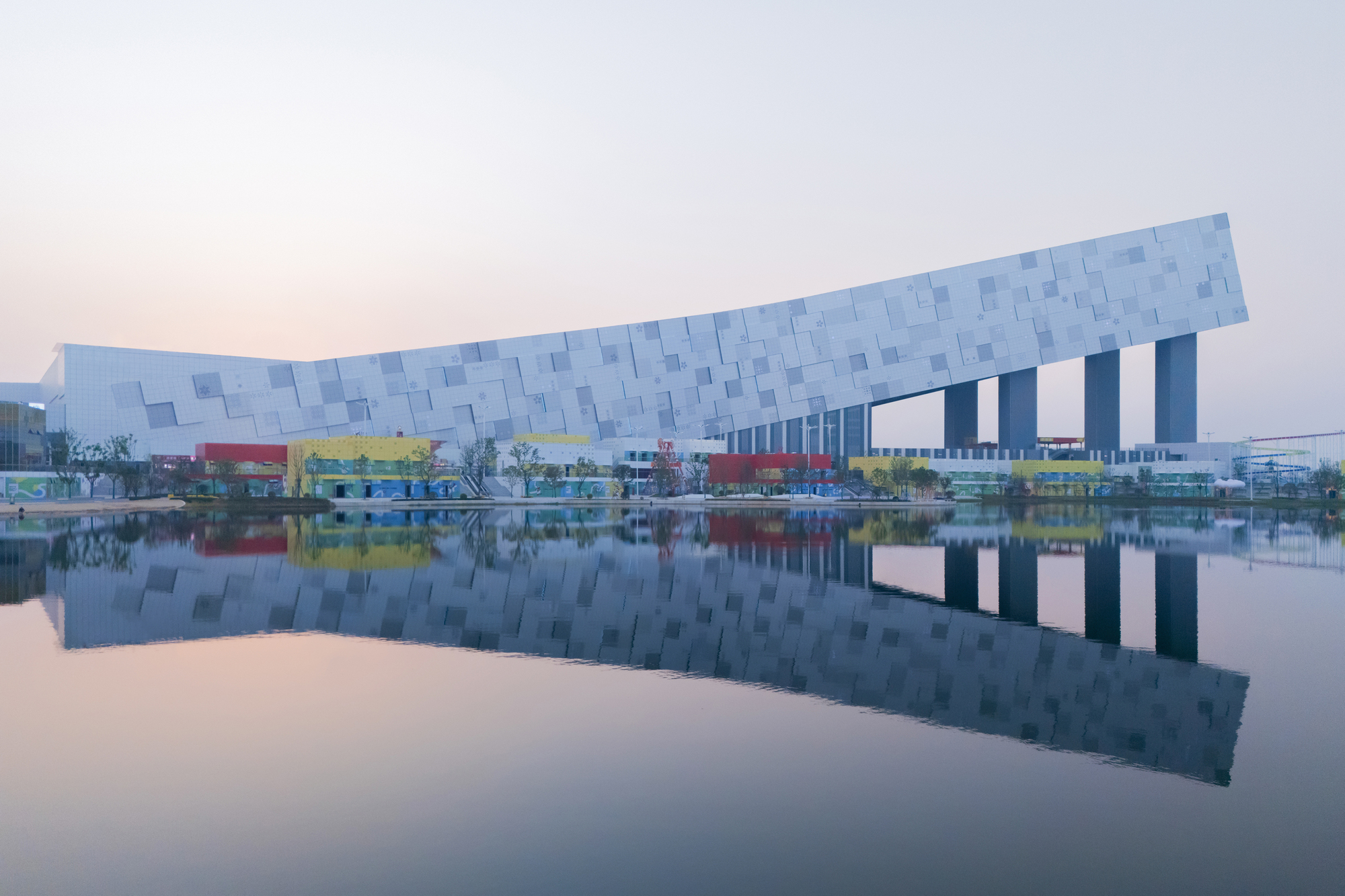
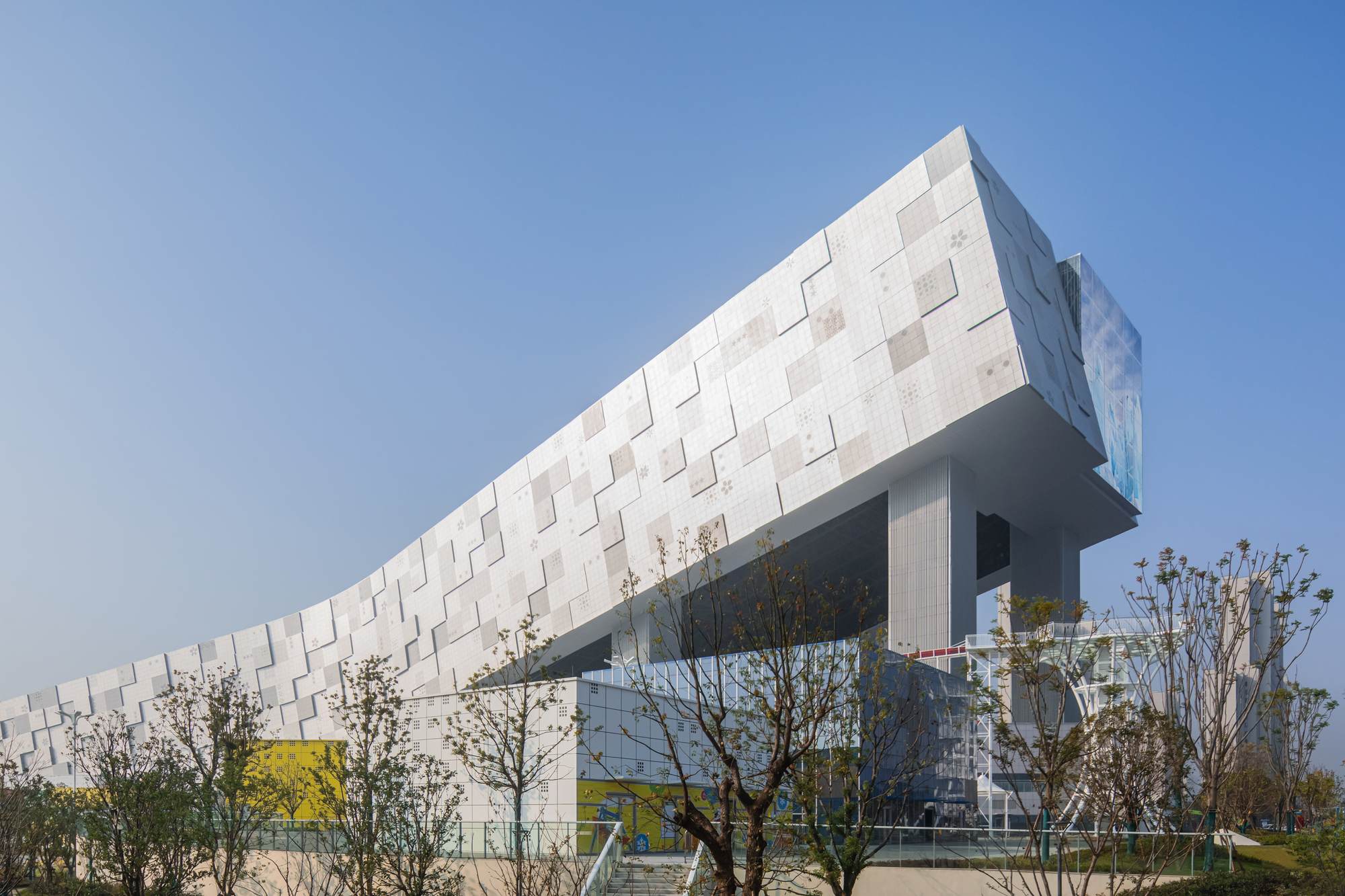
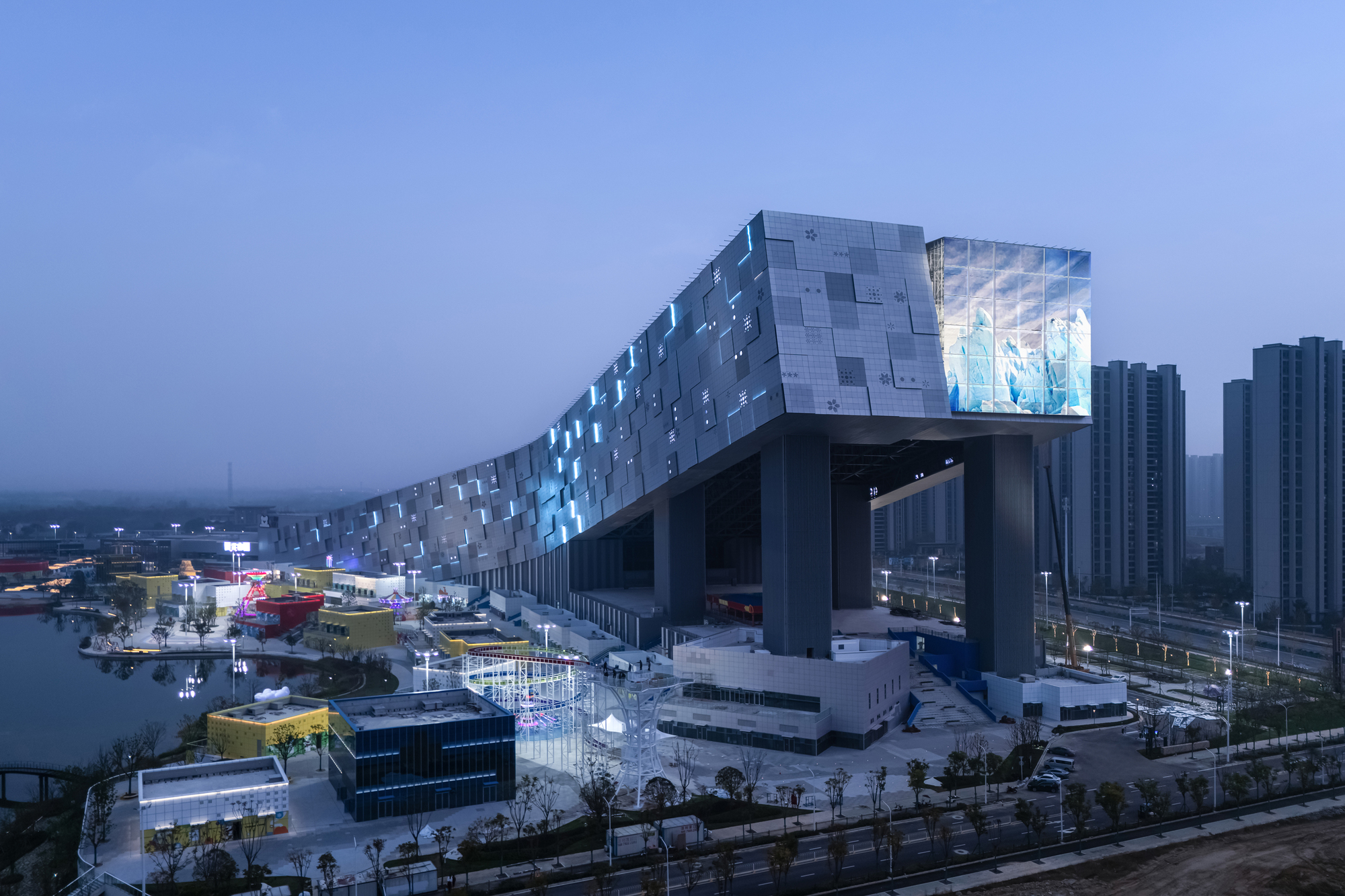
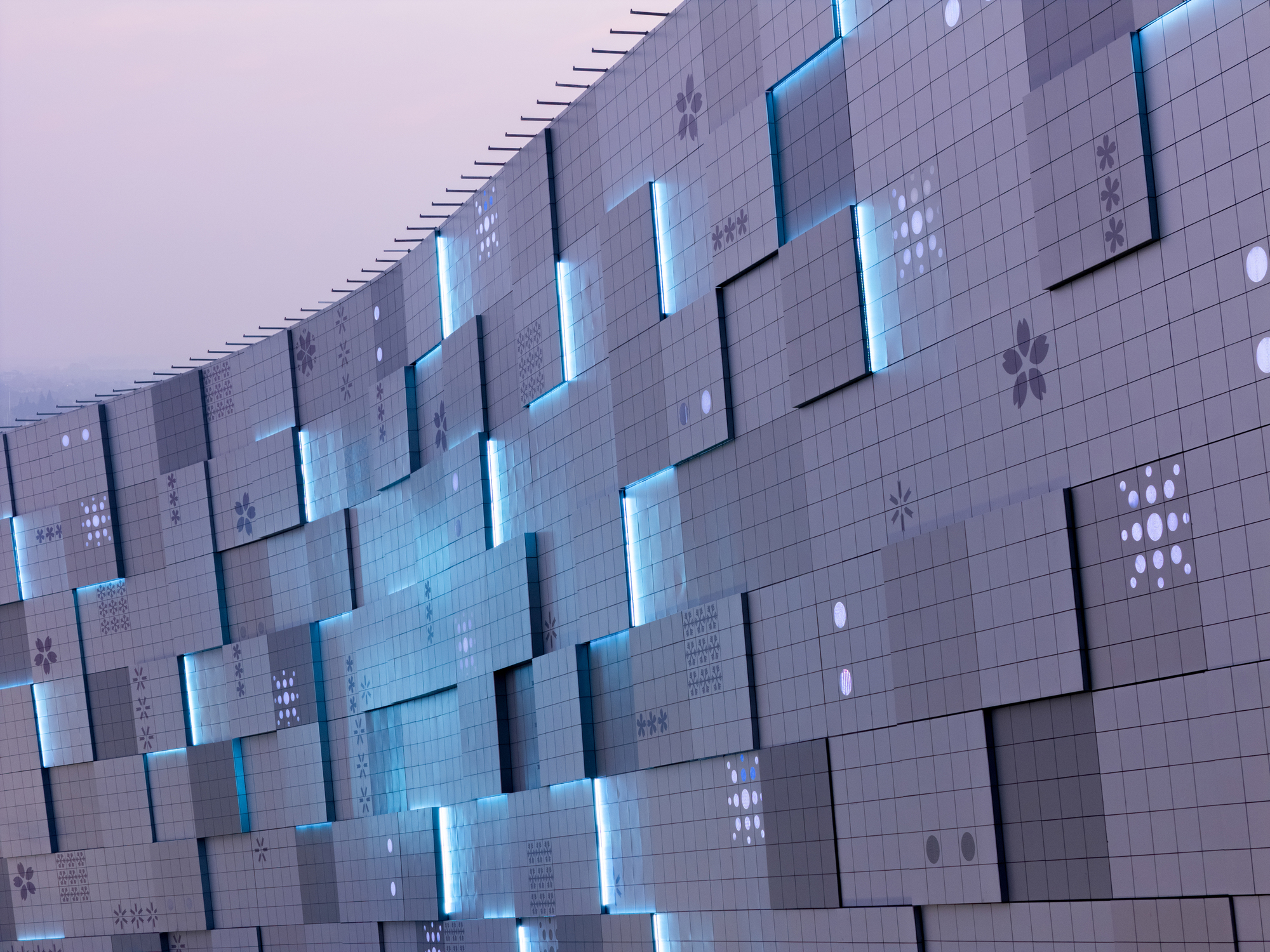
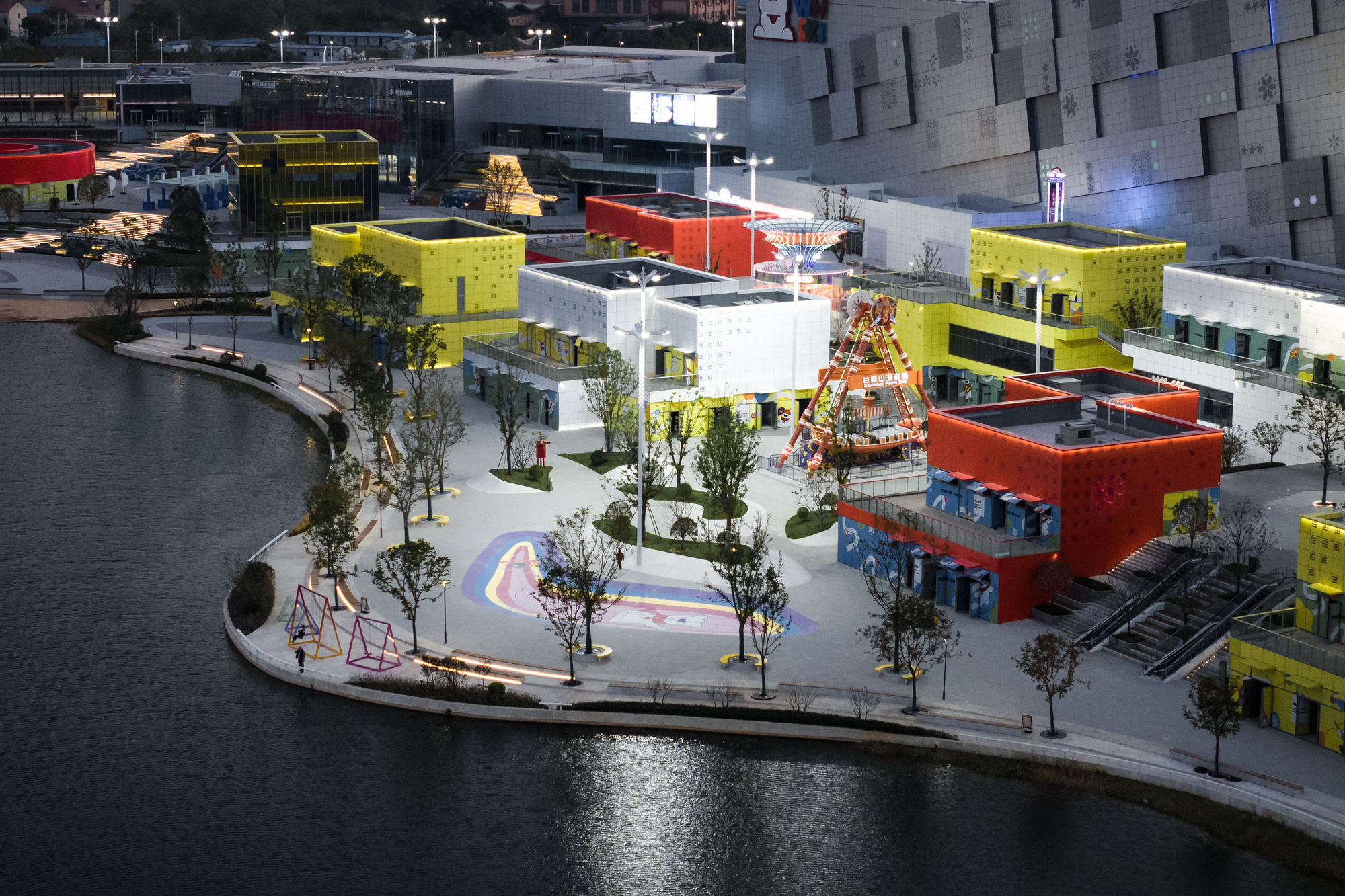
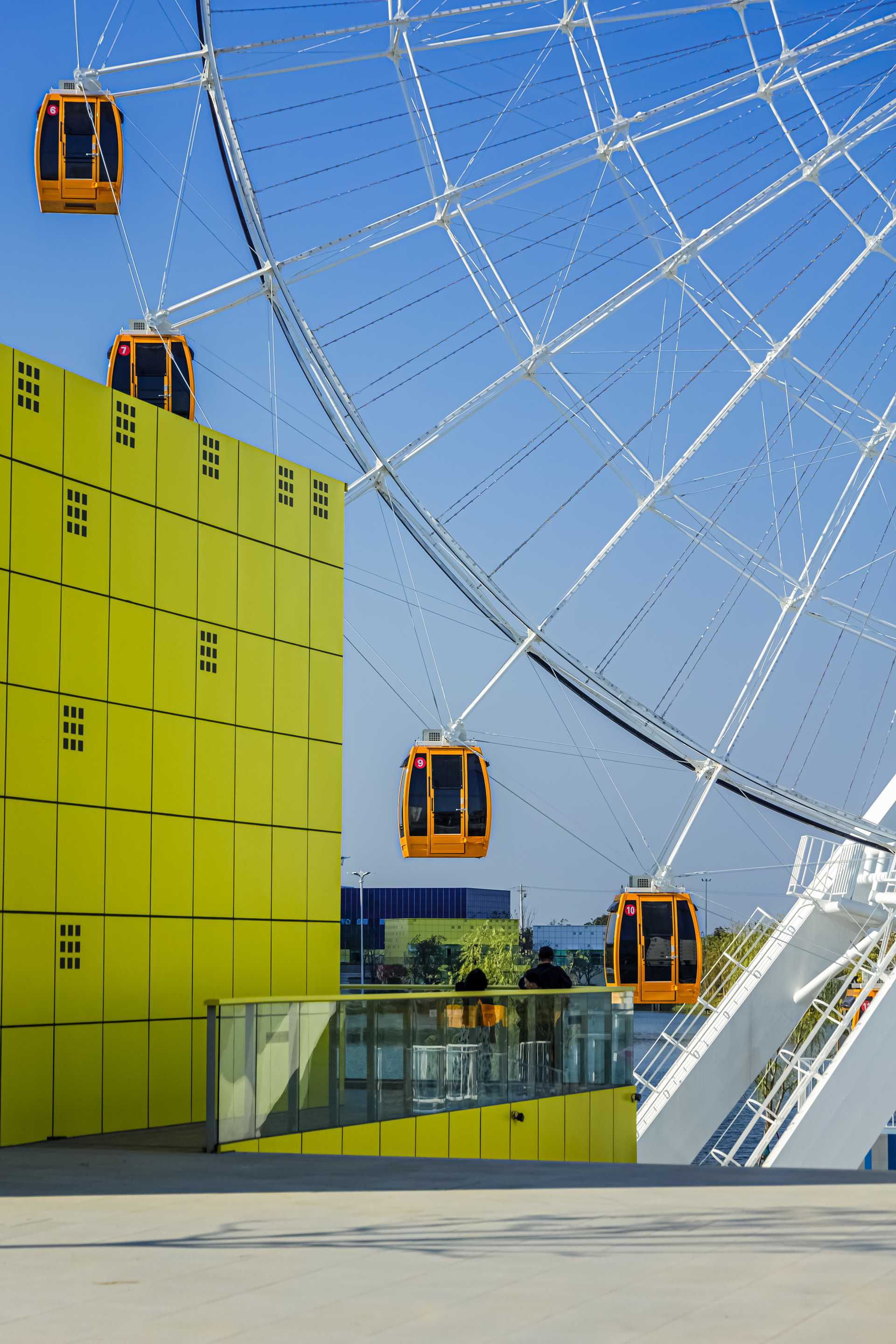
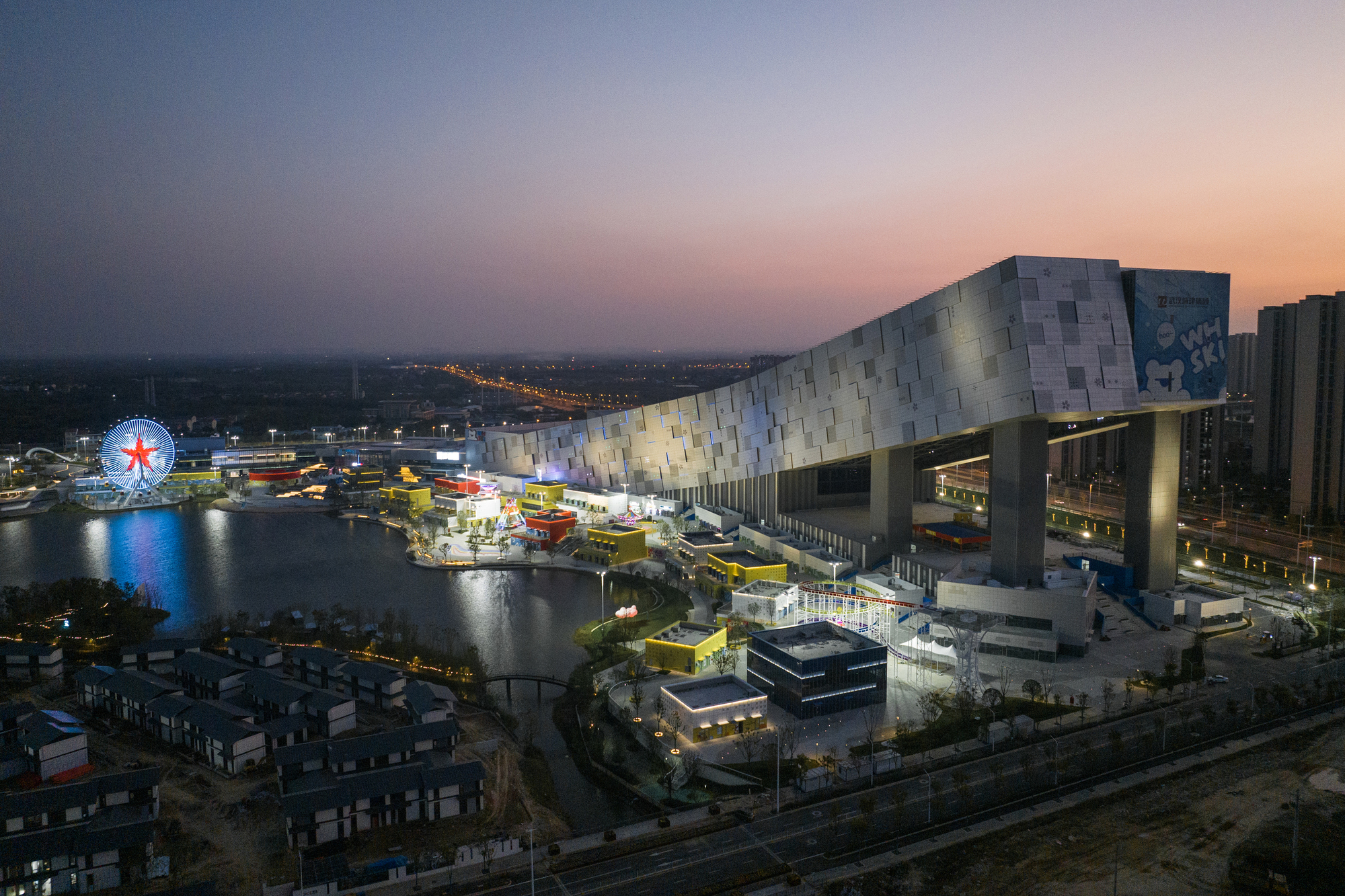
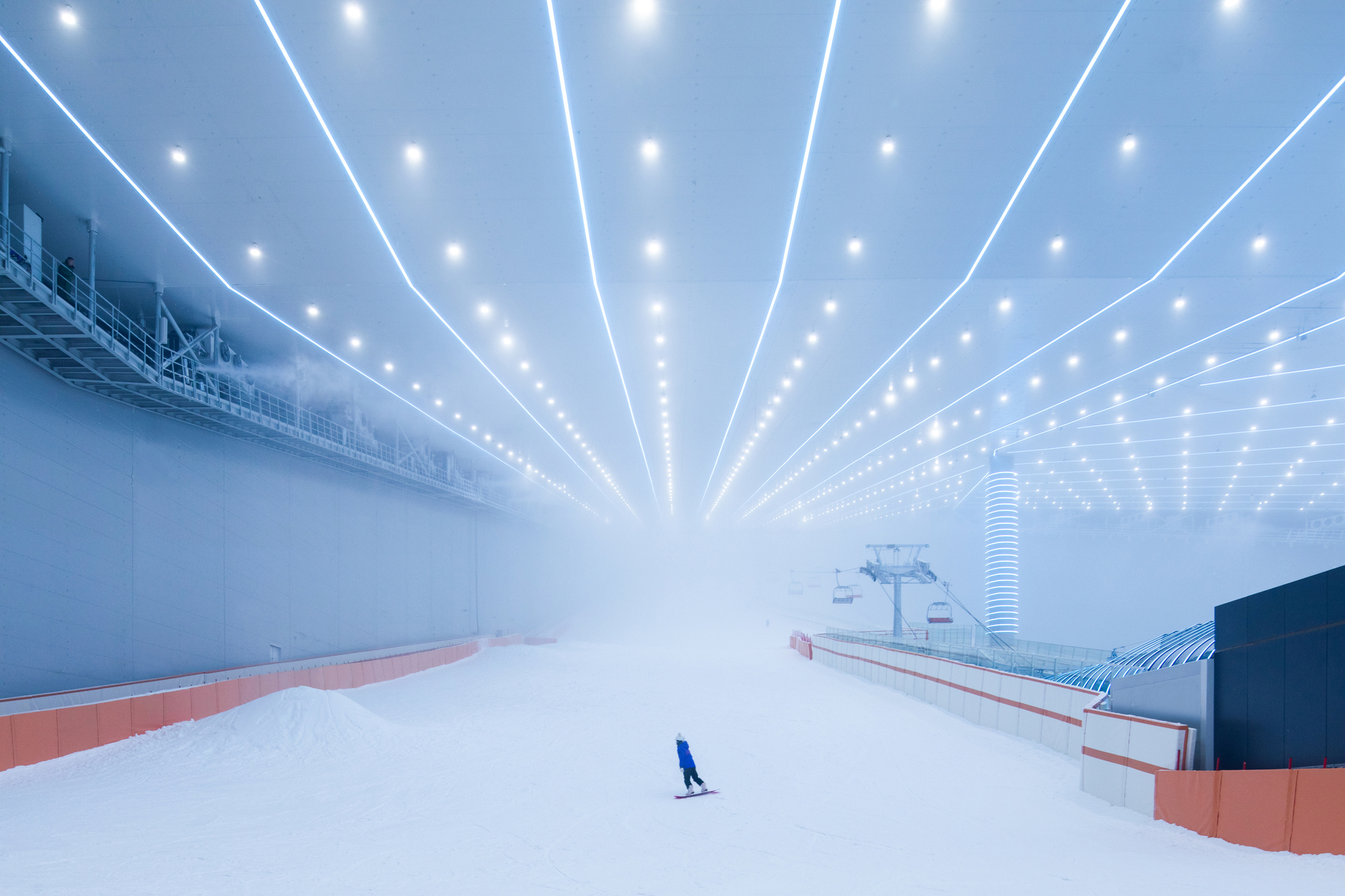
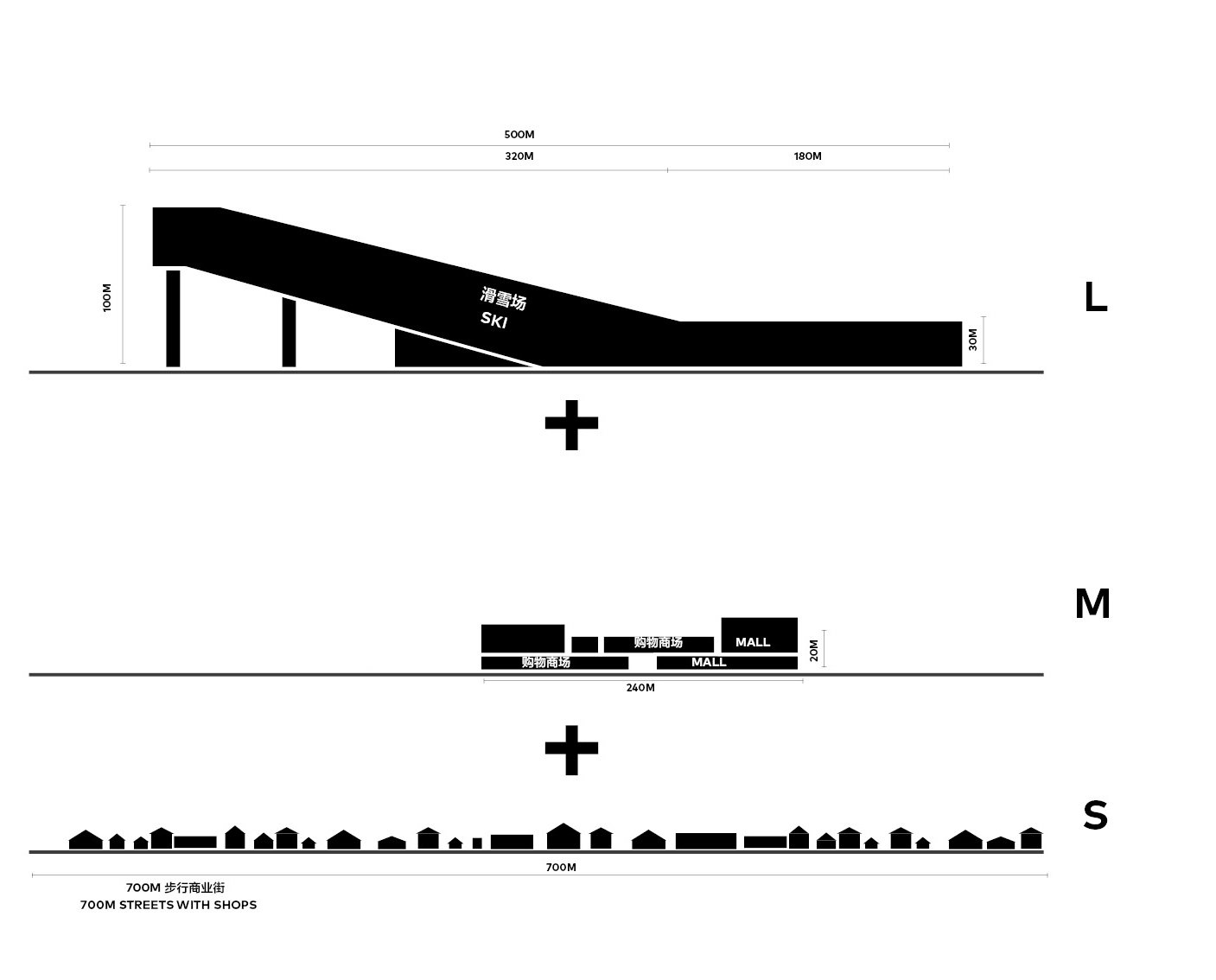
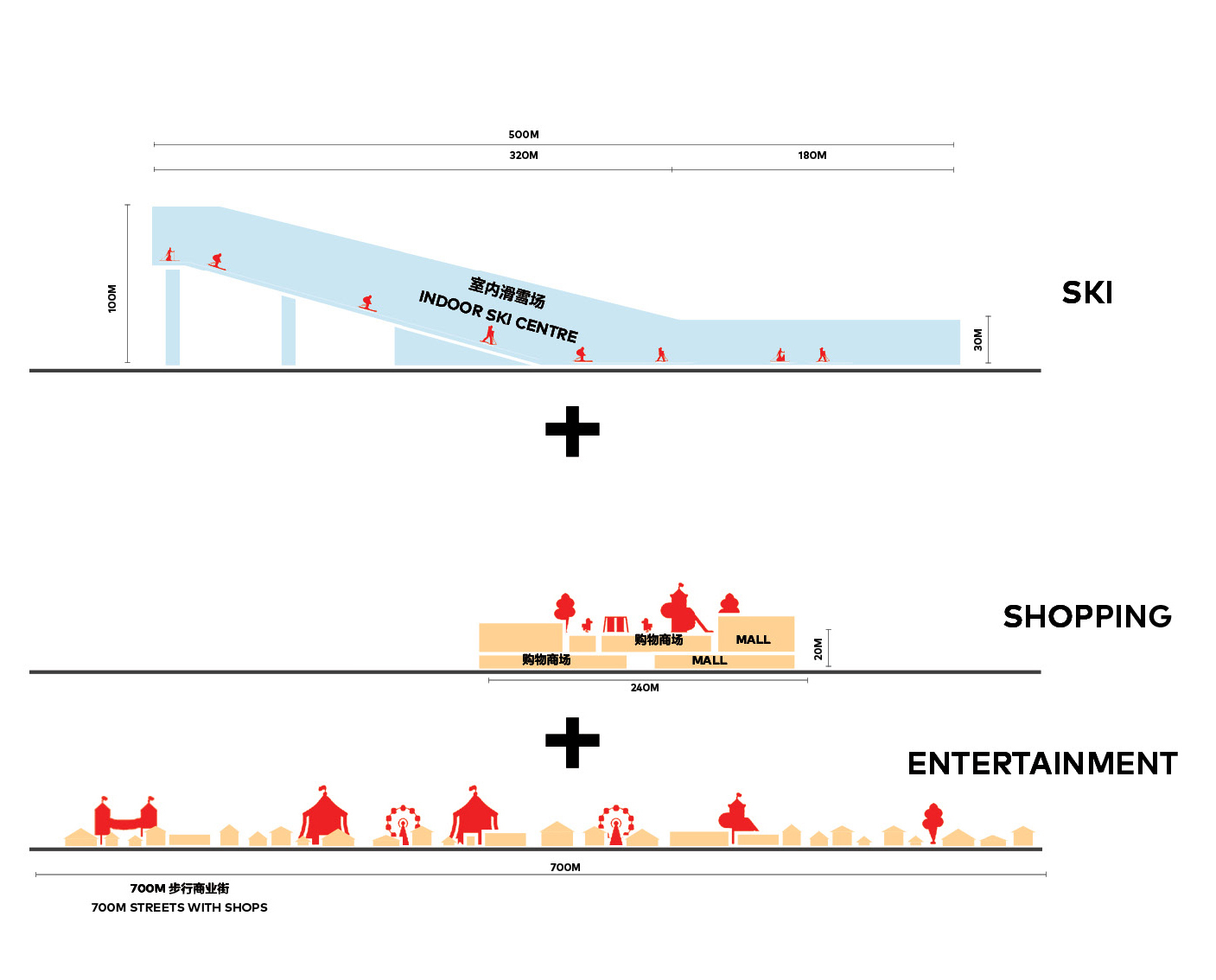
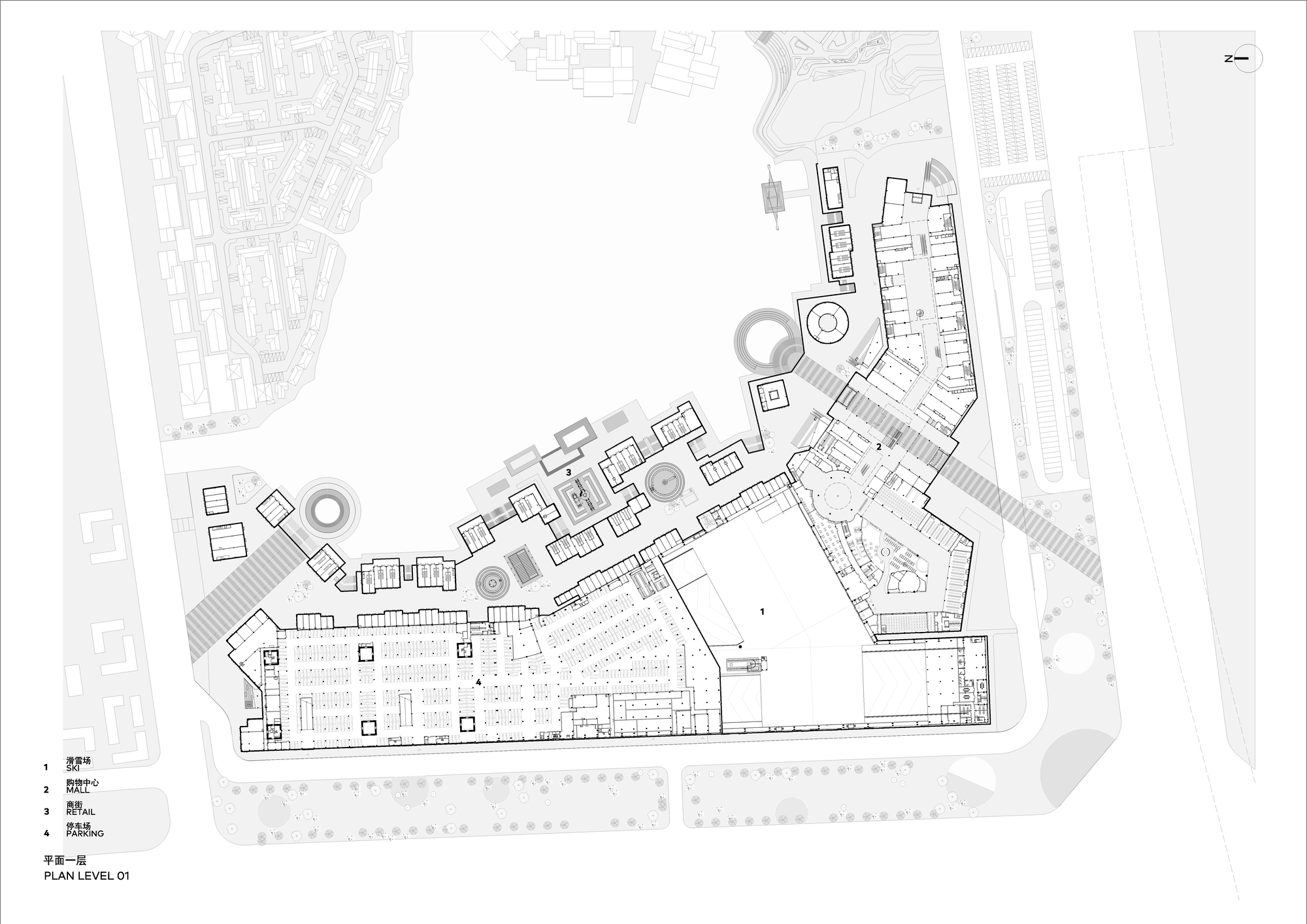
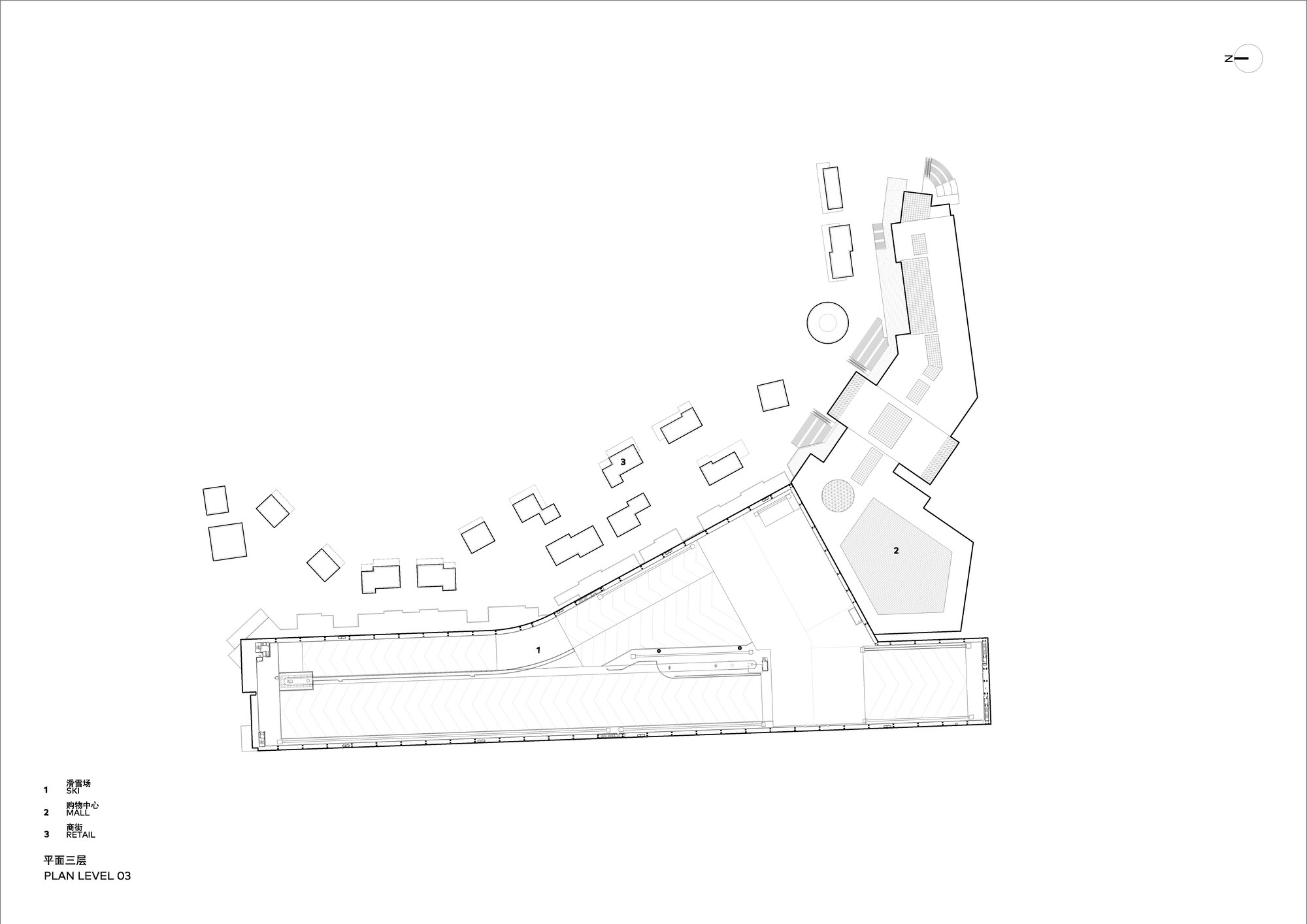
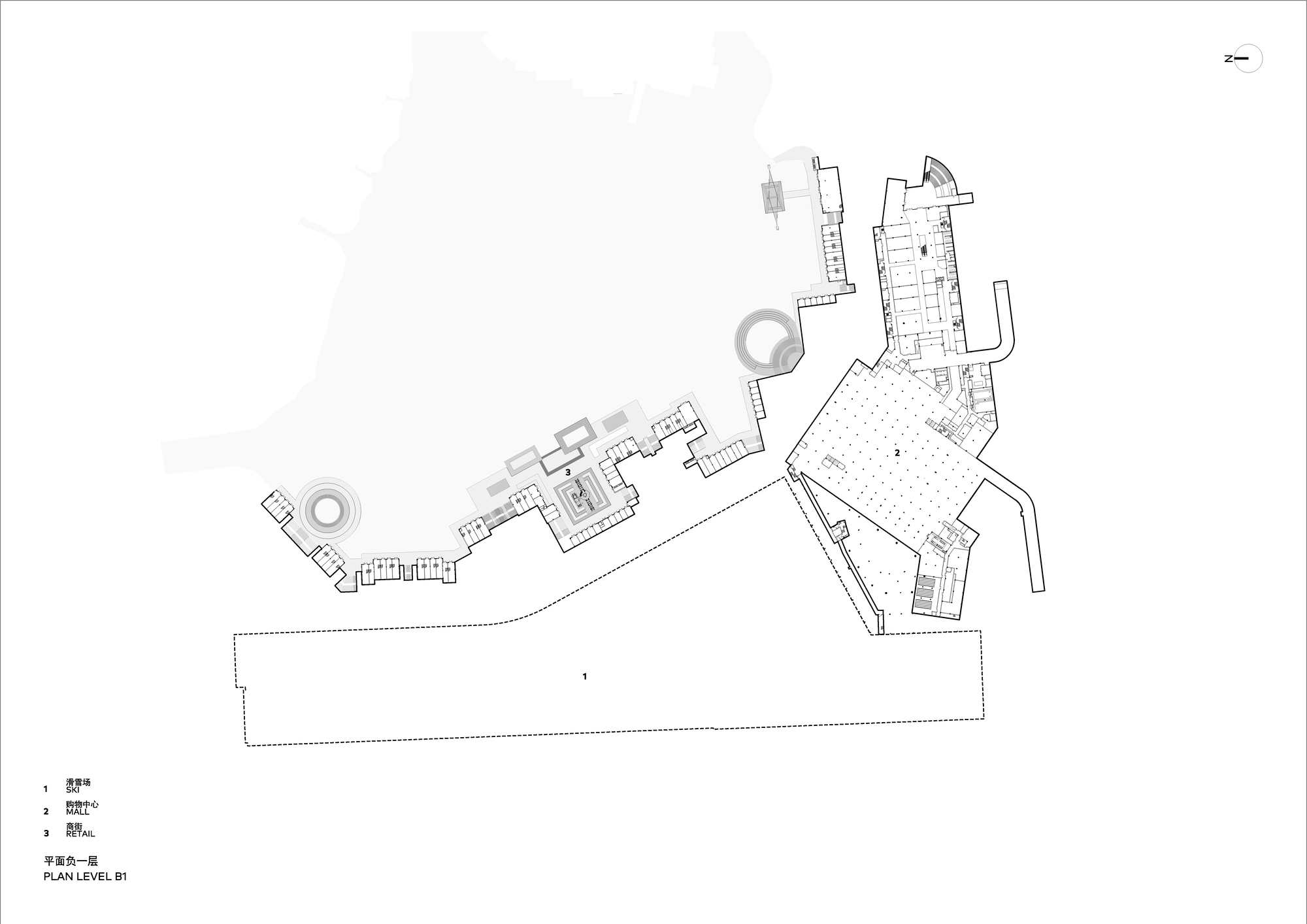
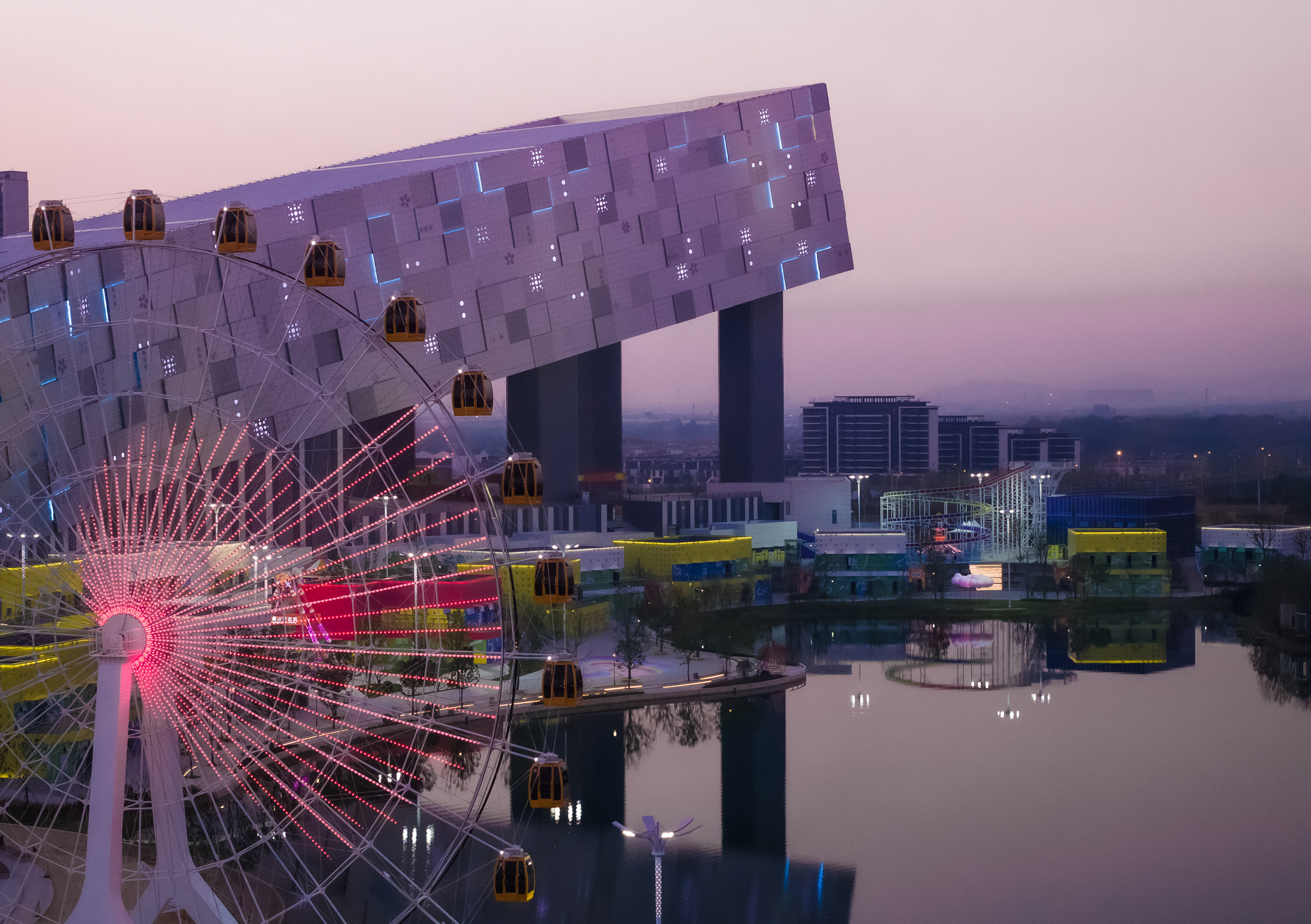
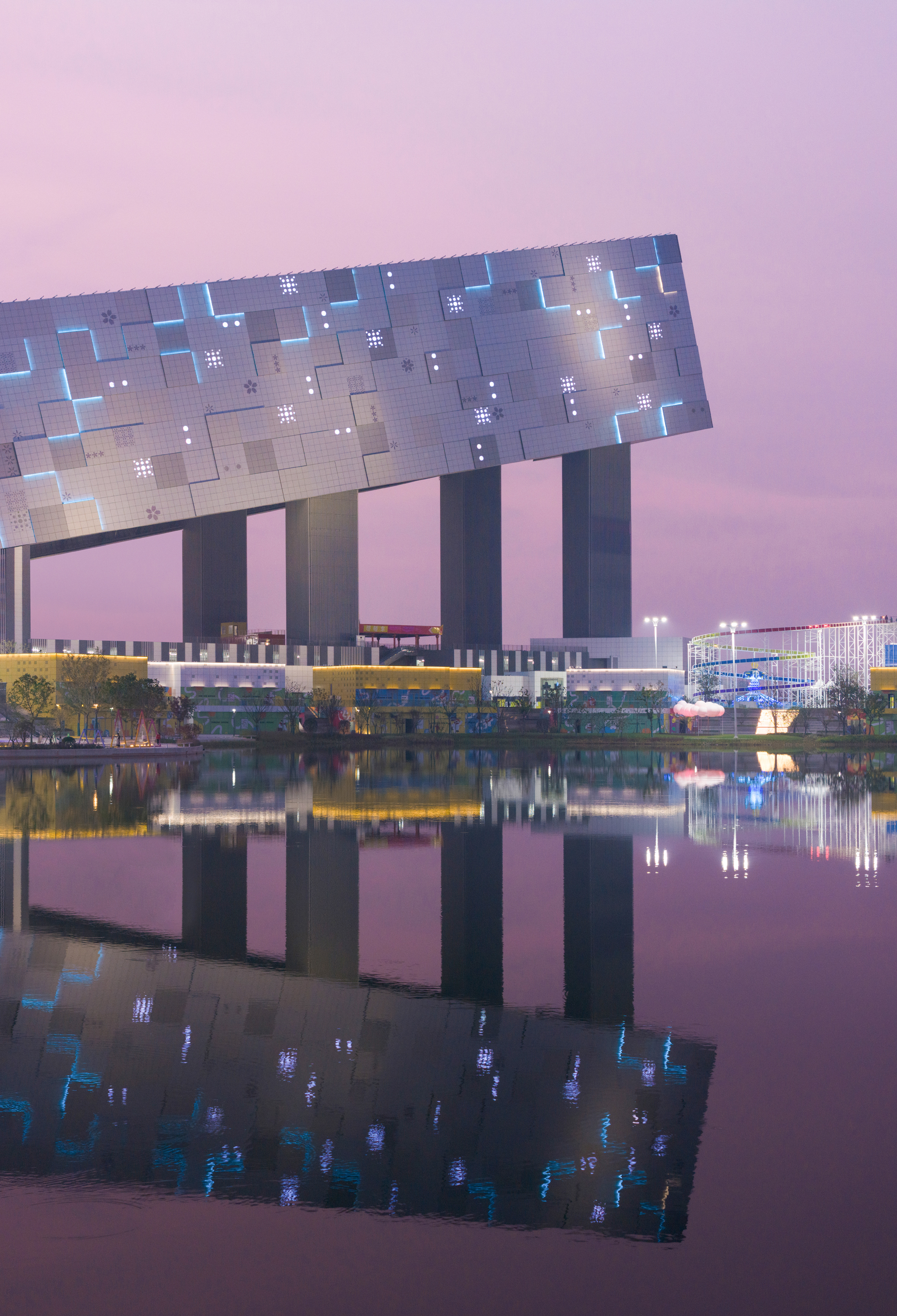
Wuhan Ski Resort #architecture Architects: CLOU architects Area: 178000 m² Year: 2024 Photographs: Shrimp Studio City: Wuhan Country: China A variety of entertainment, sports, and retail facilities groups around a central lake to form a super-large commercial complex, with architecture and facades in complementary scales of terraced three-dimensional pixels. Promoted by the Beijing Winter Olympics, snow sports have become a popular leisure activity among the younger generations of China. The recently completed Wuhan Ski Resort combines the actual sports facilities with hotels, retail, theme parks and other entertainment amenities, and complement them with ski schools, ski clubs, and professional sports events, creating this new type of entertainment complex with a snow theme. A 24-hour leisure complex with a 500-meter downhill slope. Located in the Huangpi district adjacent to Mulan Ancient Town, Wuhan Ski Resort is set to be the new contemporary landmark of the area: a variety of entertainment, sports, and retail facilities groups around a central lake, to form a super-large commercial complex that promotes snow sports all-year-round. In a well-composed combination of indoor winter sports, connective retail street, and outdoor theme park playground, Wuhan Ski Resort sets precedent for a new type of all-inclusive entertainment. Curated as a stage for 24-hour lakeside enjoyment, the masterplan arrays carnival vibes, indoor and outdoor shopping precincts, watersports and the abstracted vision of a mountain in the immersive experience of a singular super-sized complex, where architecture and surfaces merge in complementary scales of terraced three-dimensional pixels. A modular façade system through all components embraces collective elements that are then decomposed and re-organized in order to create identity in new synergies. Integrating sports with celebration, events and retail. Enclosing three different leisure experiences, three different building typologies of contrasting scale are unified in the framework of an integral design language. Wuhan Ski Resort appeals to the amusement appetite of one of the most populous cities in China. Its half-kilometer-long and 100m high indoor ski slope sets precedent for a new type of indoor winter sports. Indoor snow adventures are complemented by an extensive outdoor carnival landscape, as well as a variety of indoor and outdoor retail. Indoor-outdoor urban living room. Below the half-kilometer-long and 100m high indoor ski slope with its pixelated multi-media façade, foothills full of sports and nightlife venues scatter towards the waterside, linking plazas and retail streets with generously landscaped areas and interactive facades. Indoor spaces dissolve into the outdoors, to activate internal and external retail areas with entertainment facilities and landscapes, and to connect to the adjacent transportation nodes.
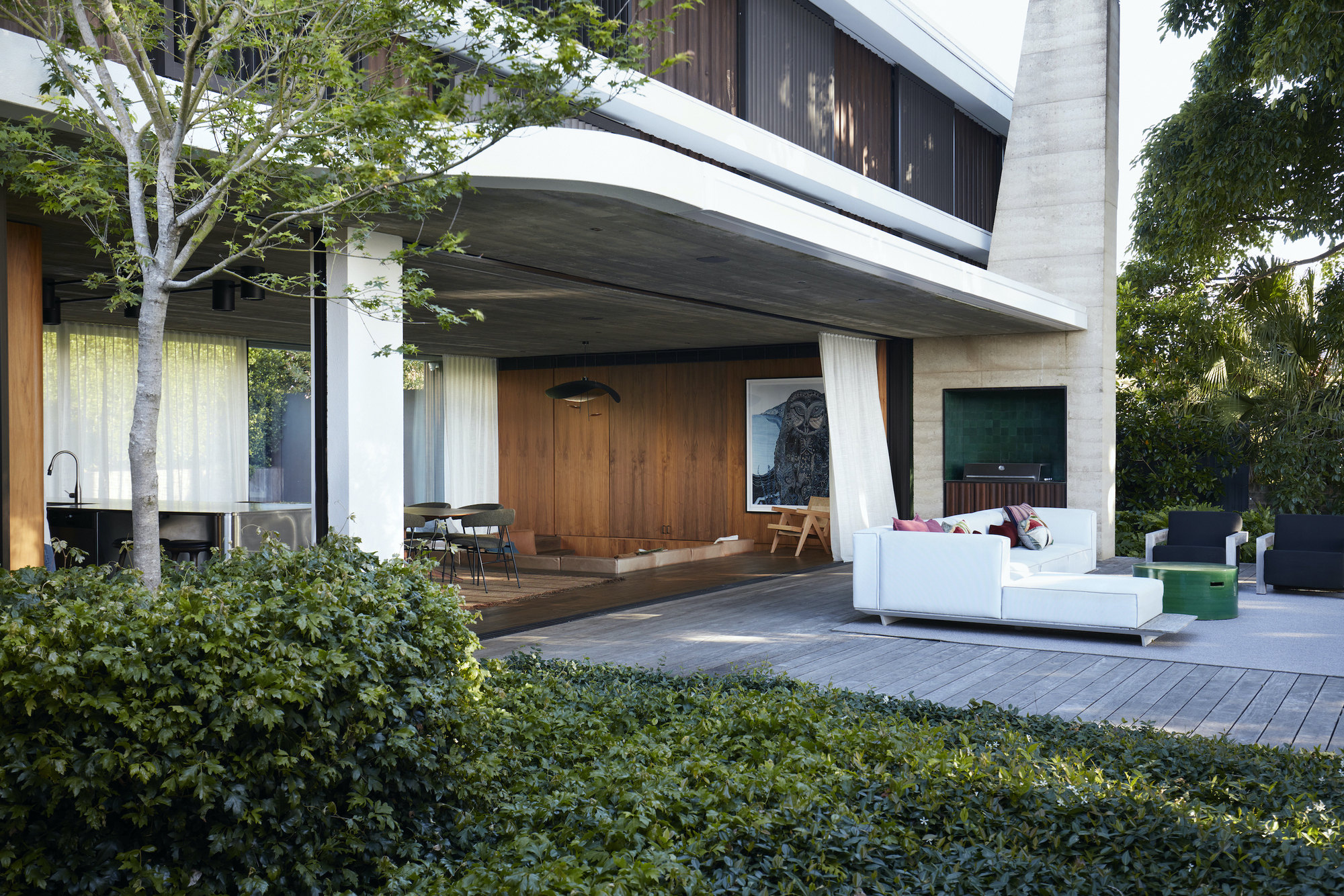
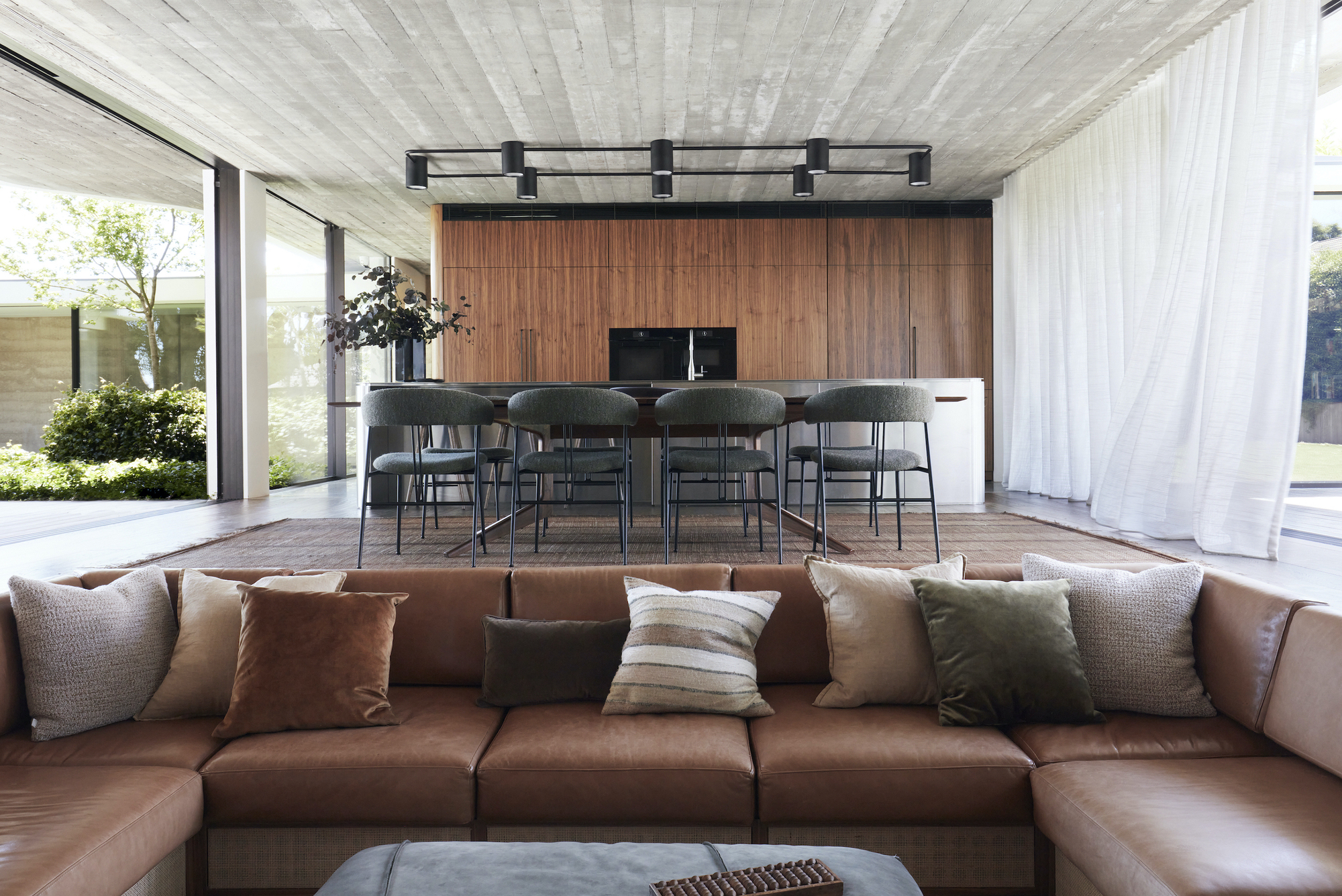
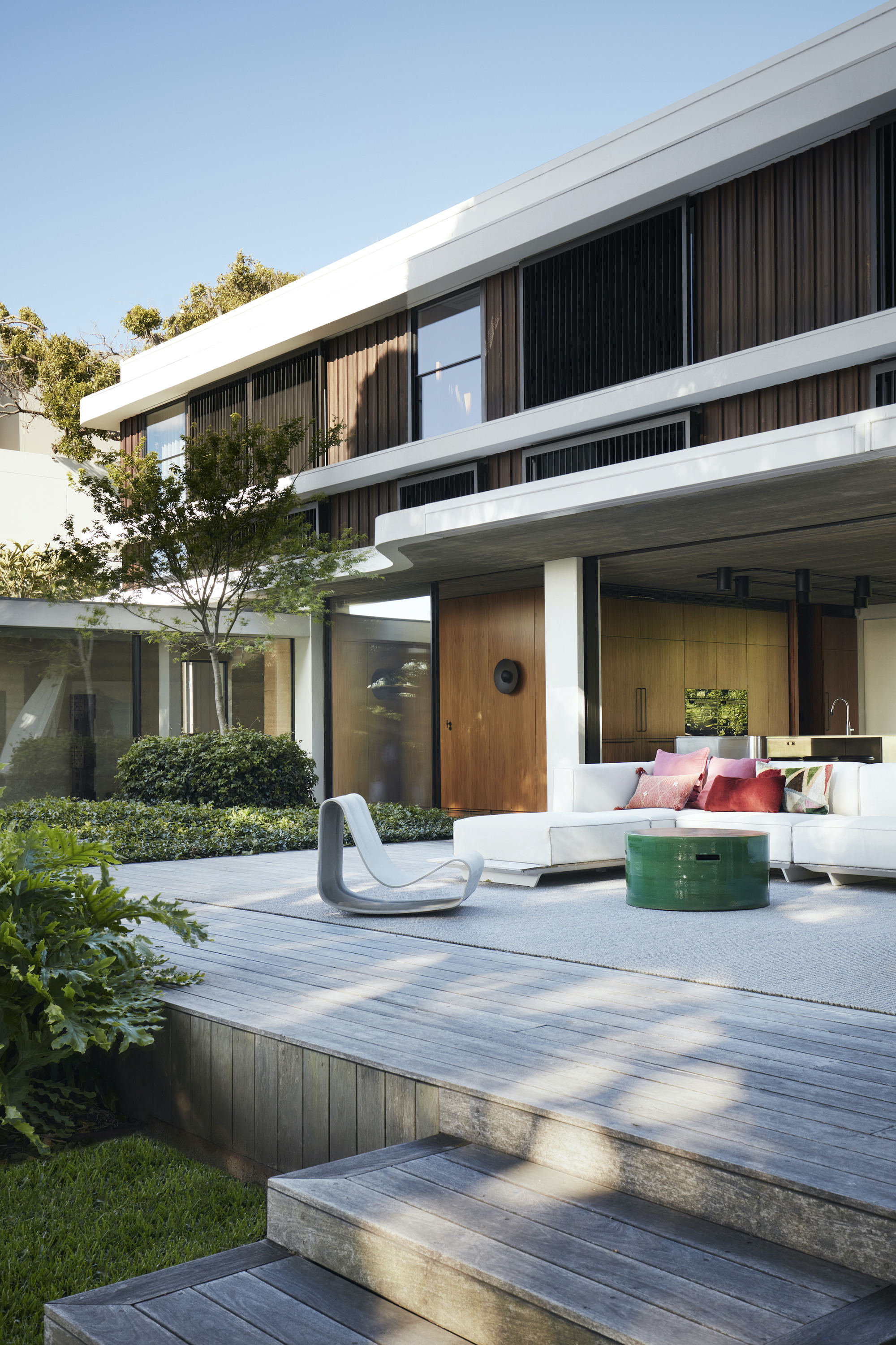
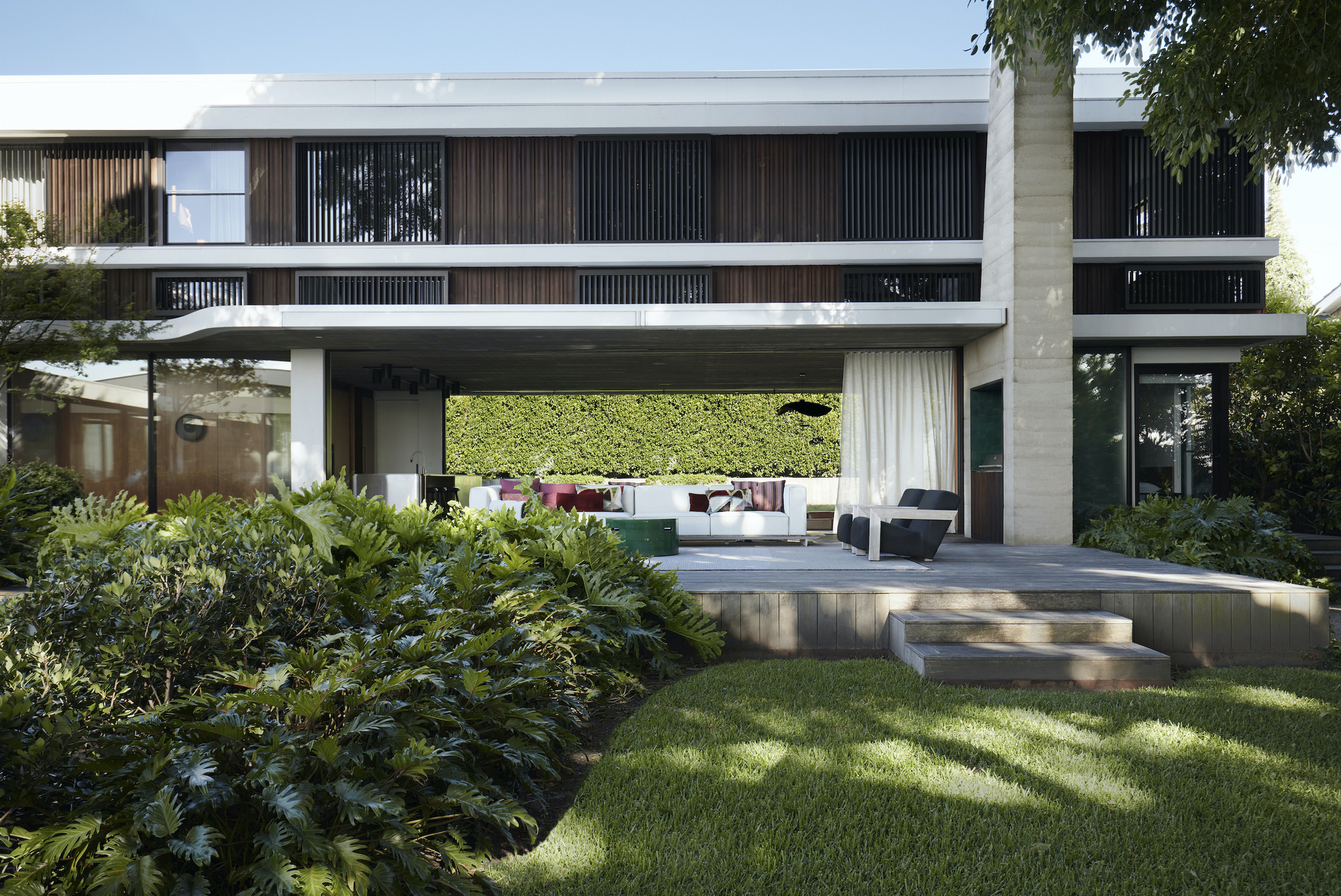
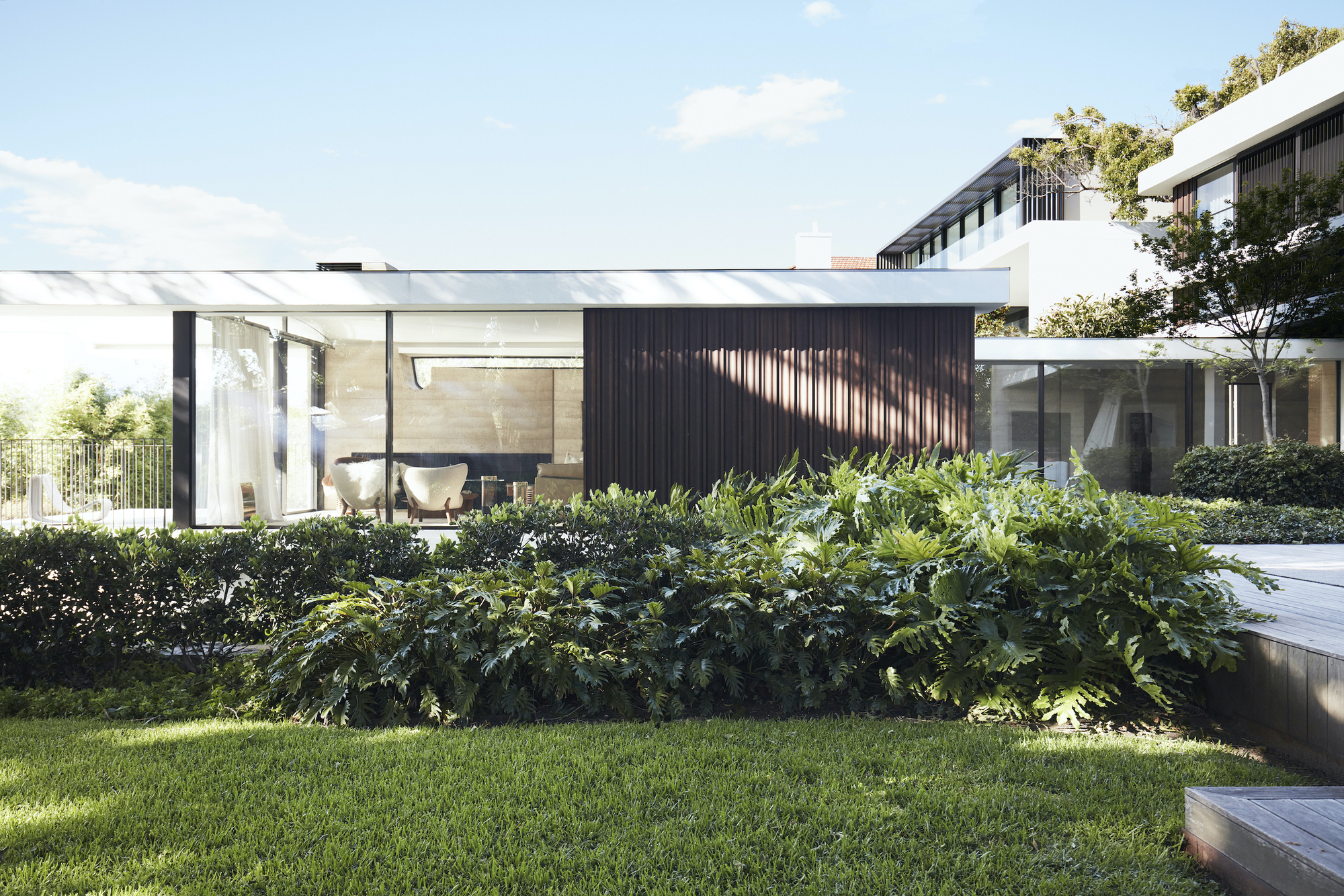
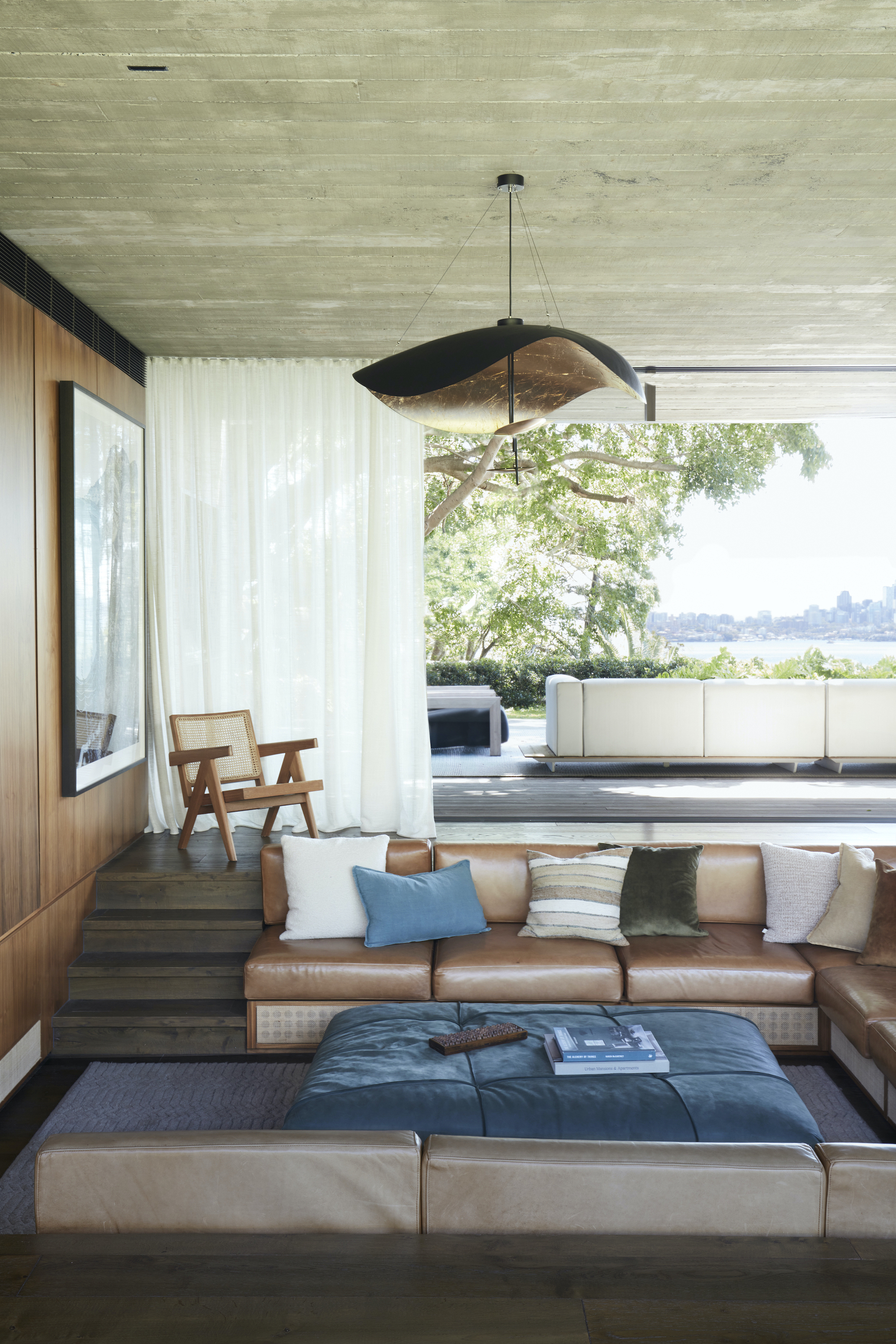
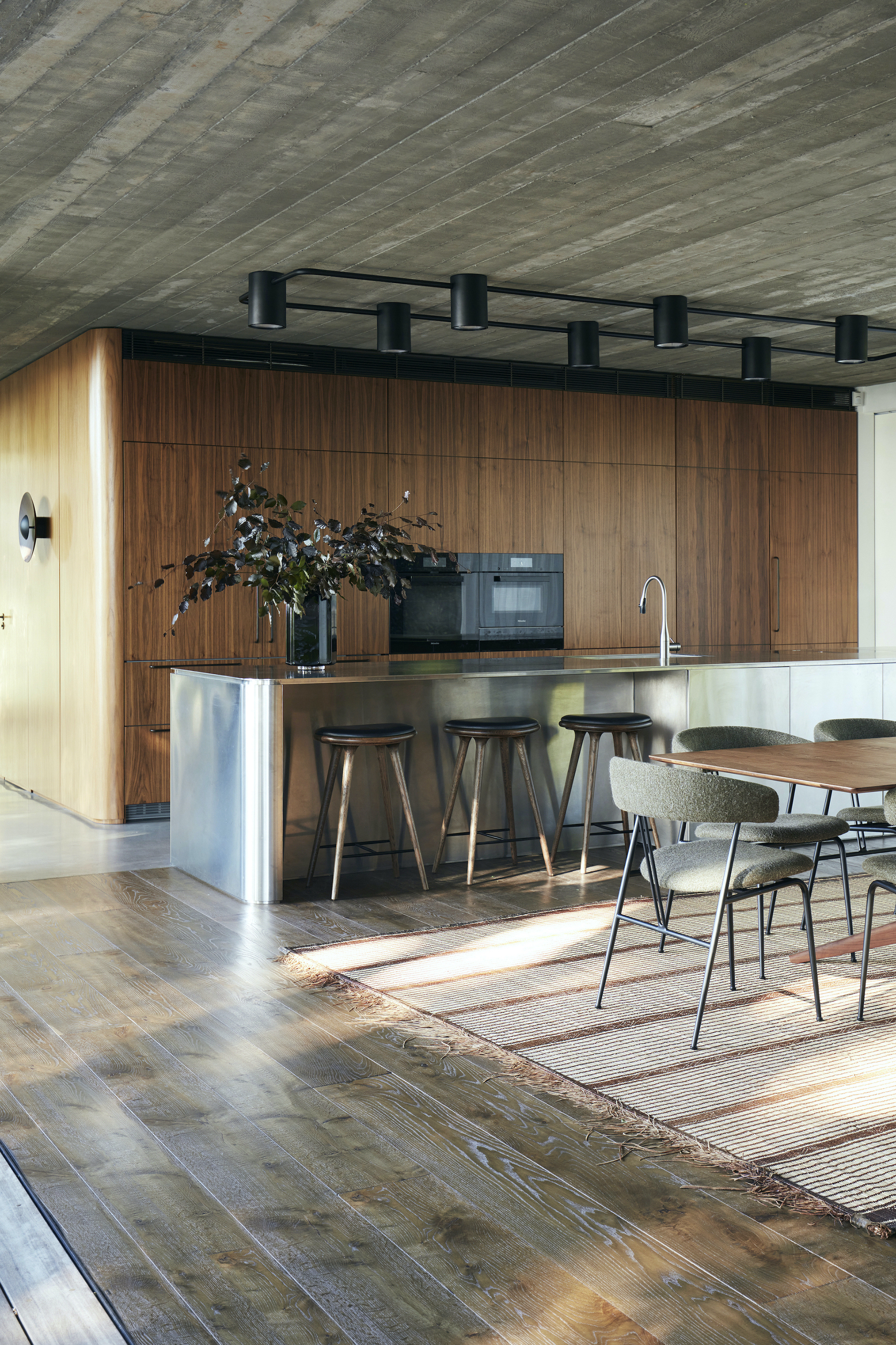
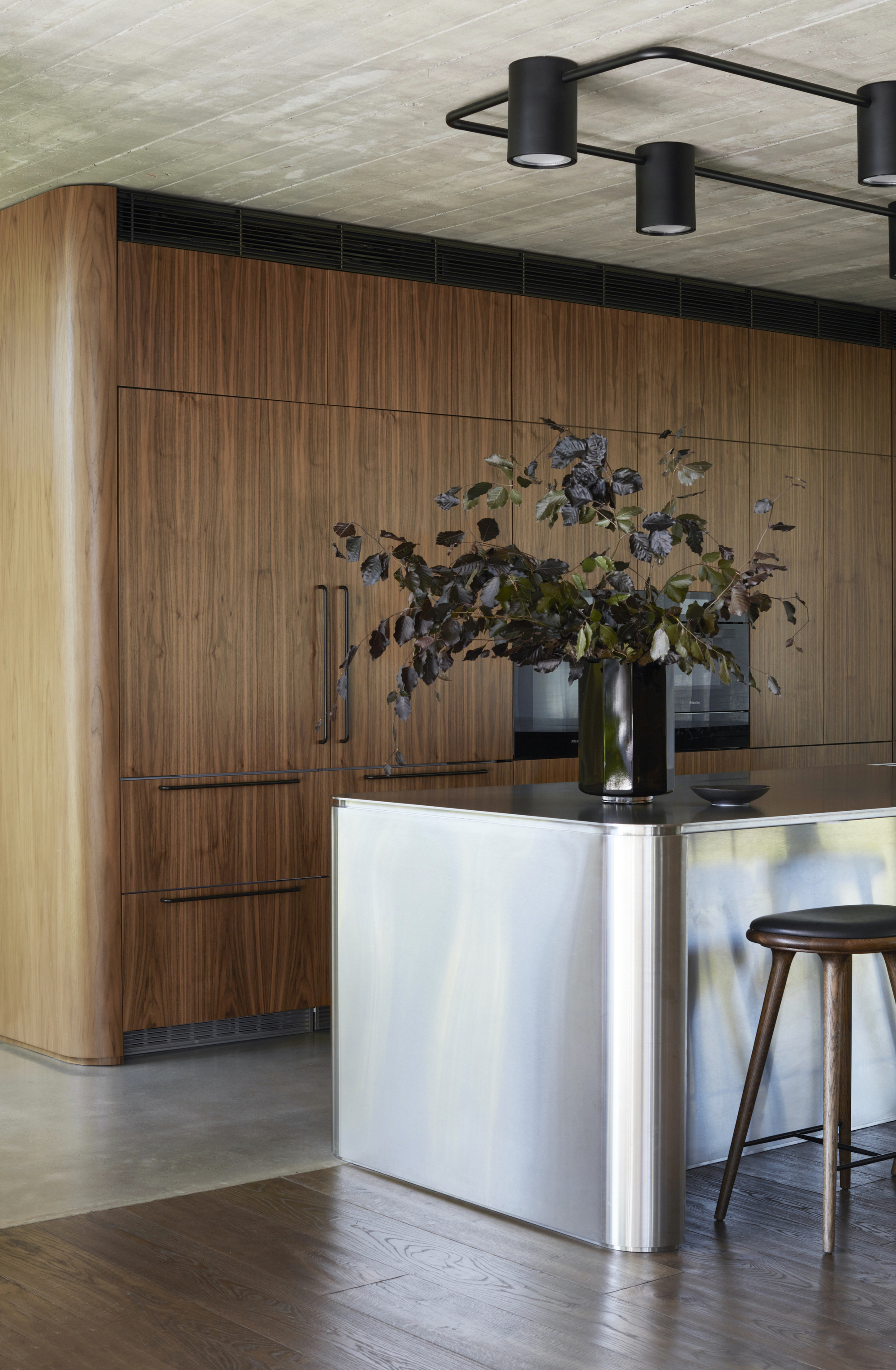
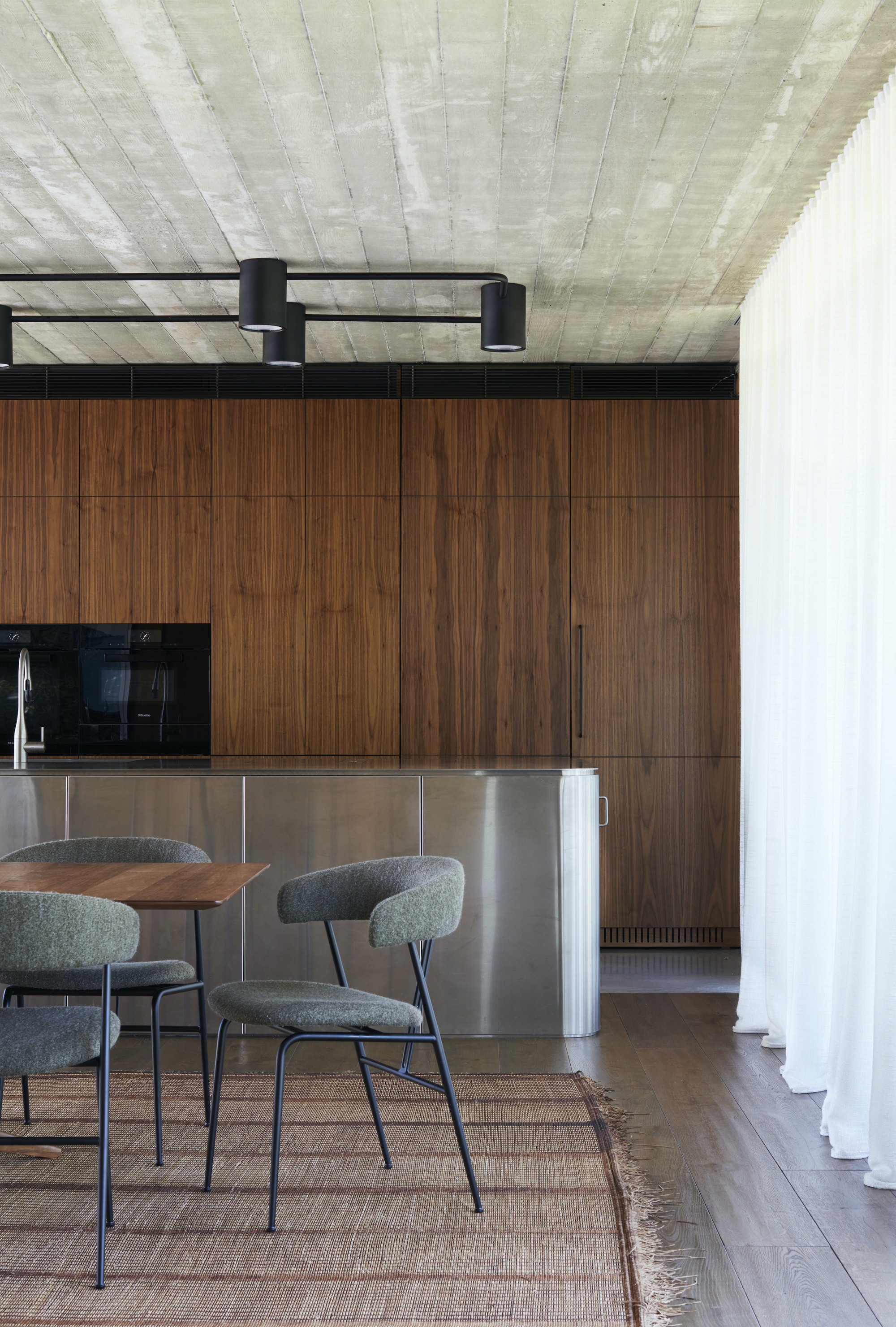
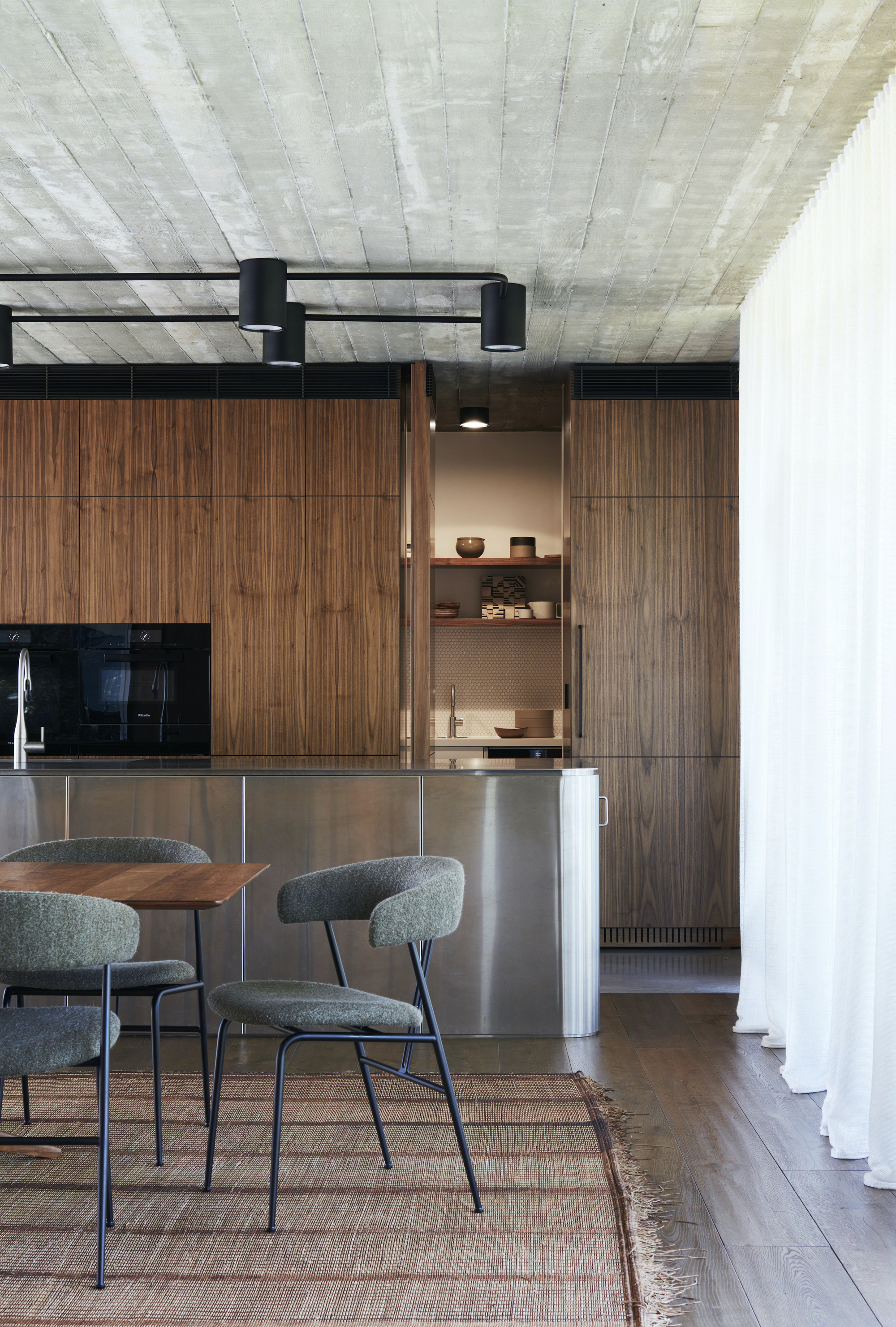
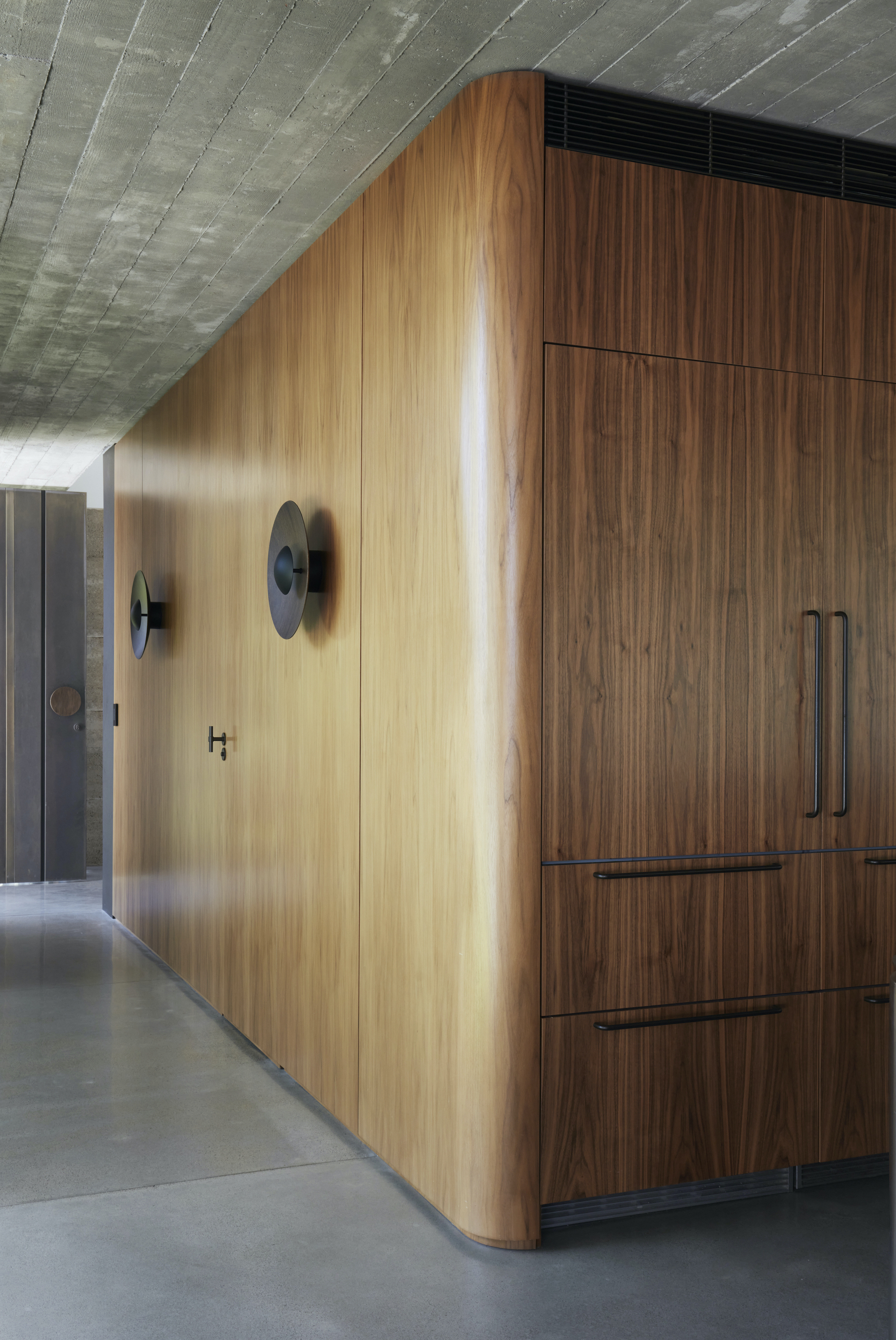
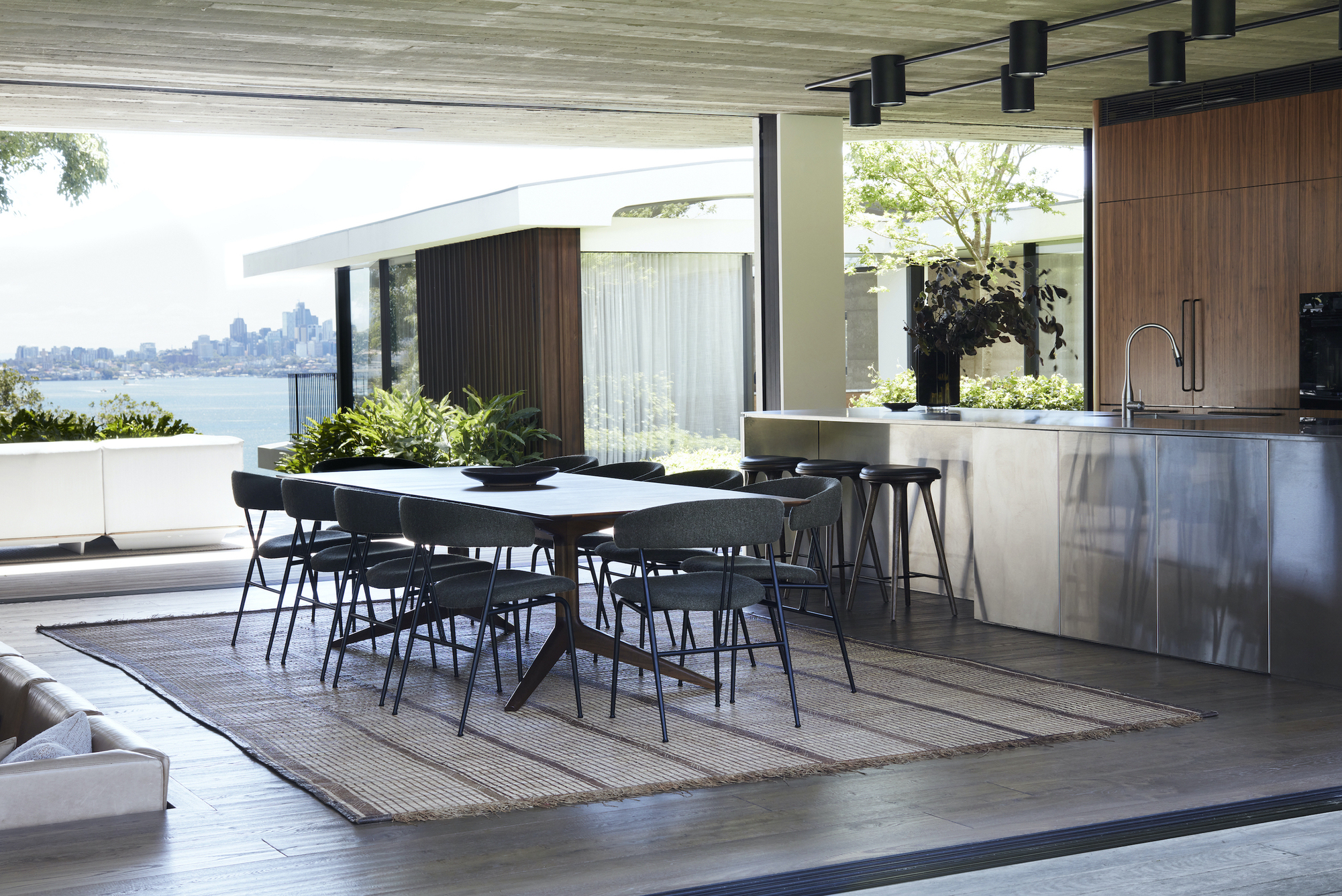
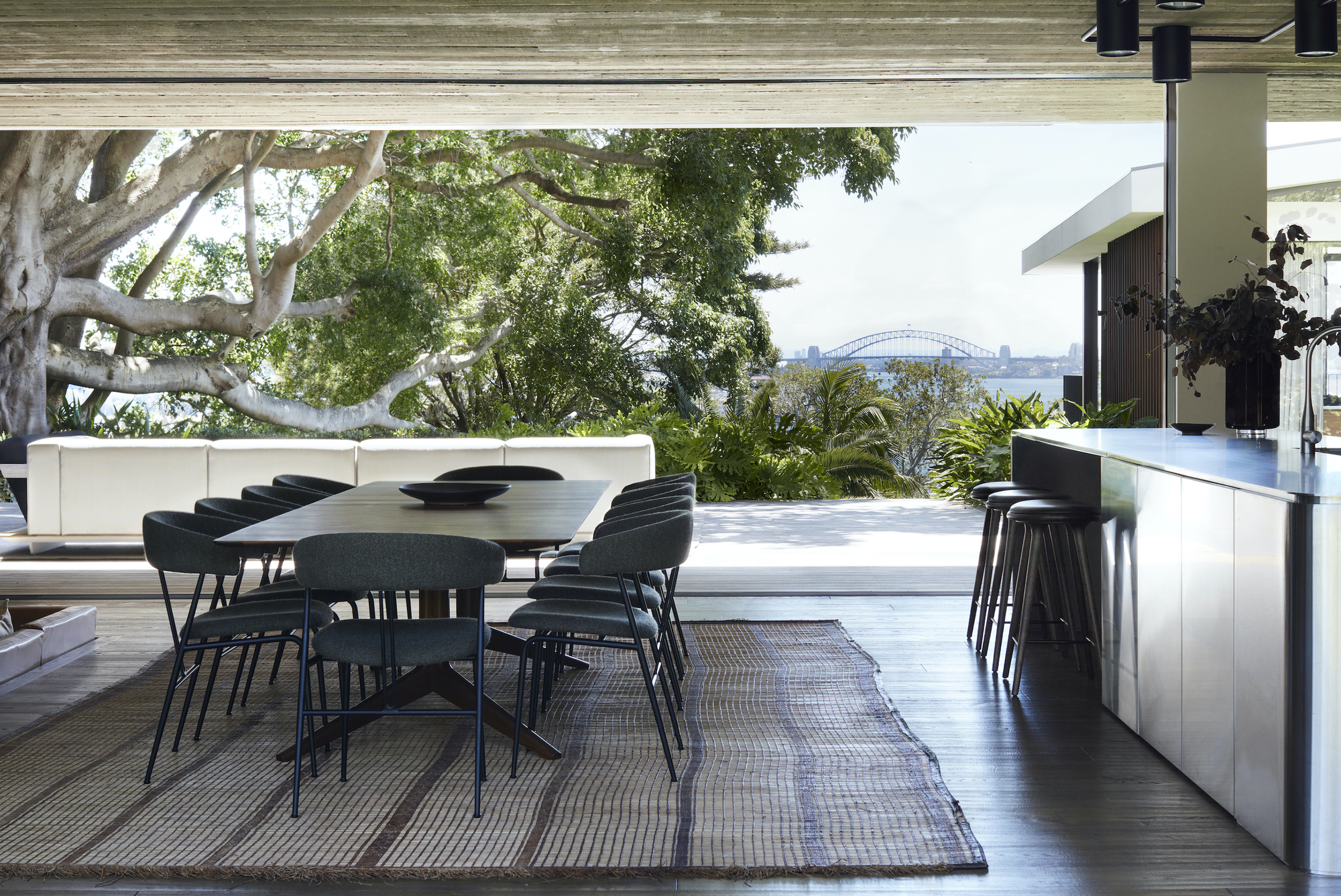
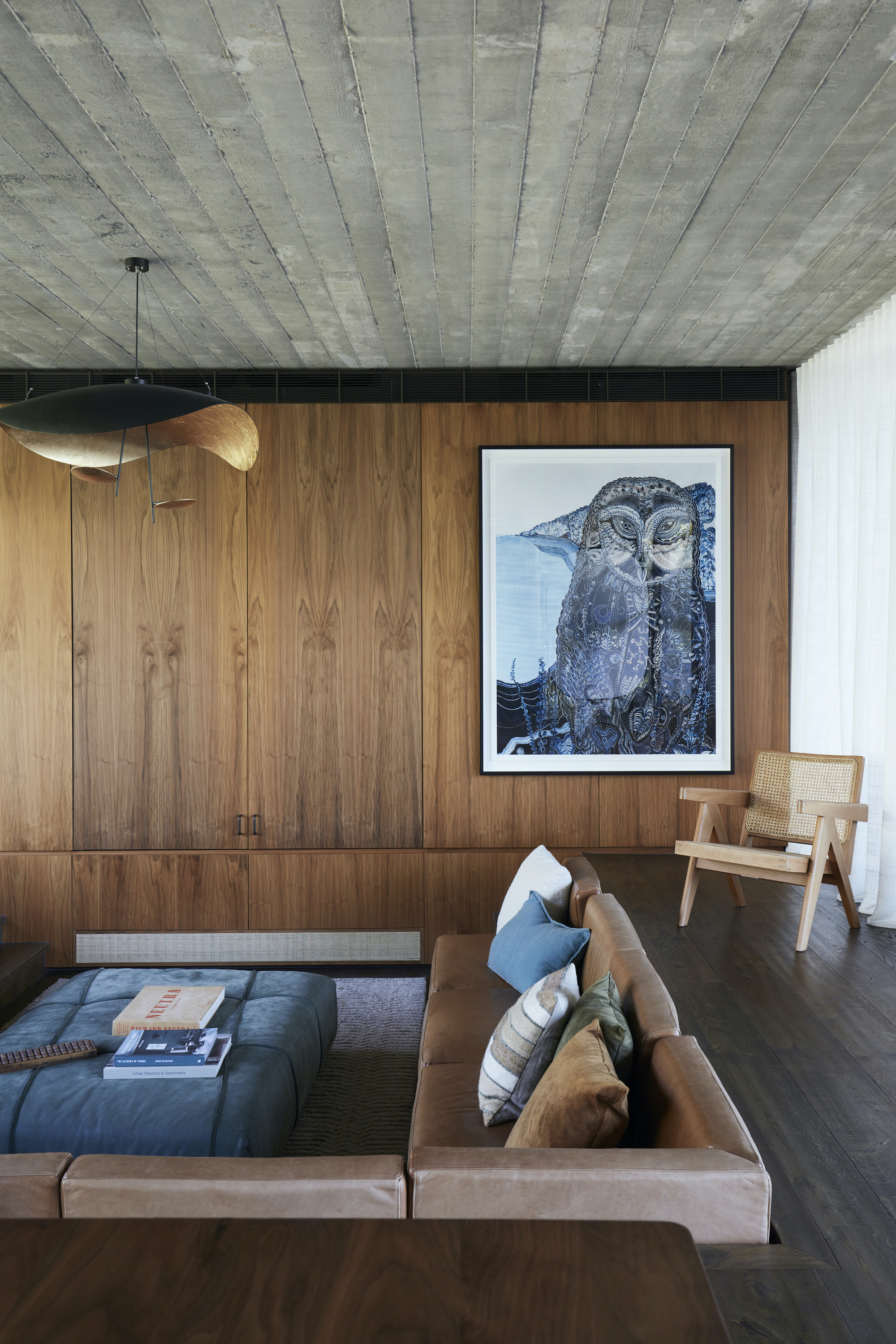
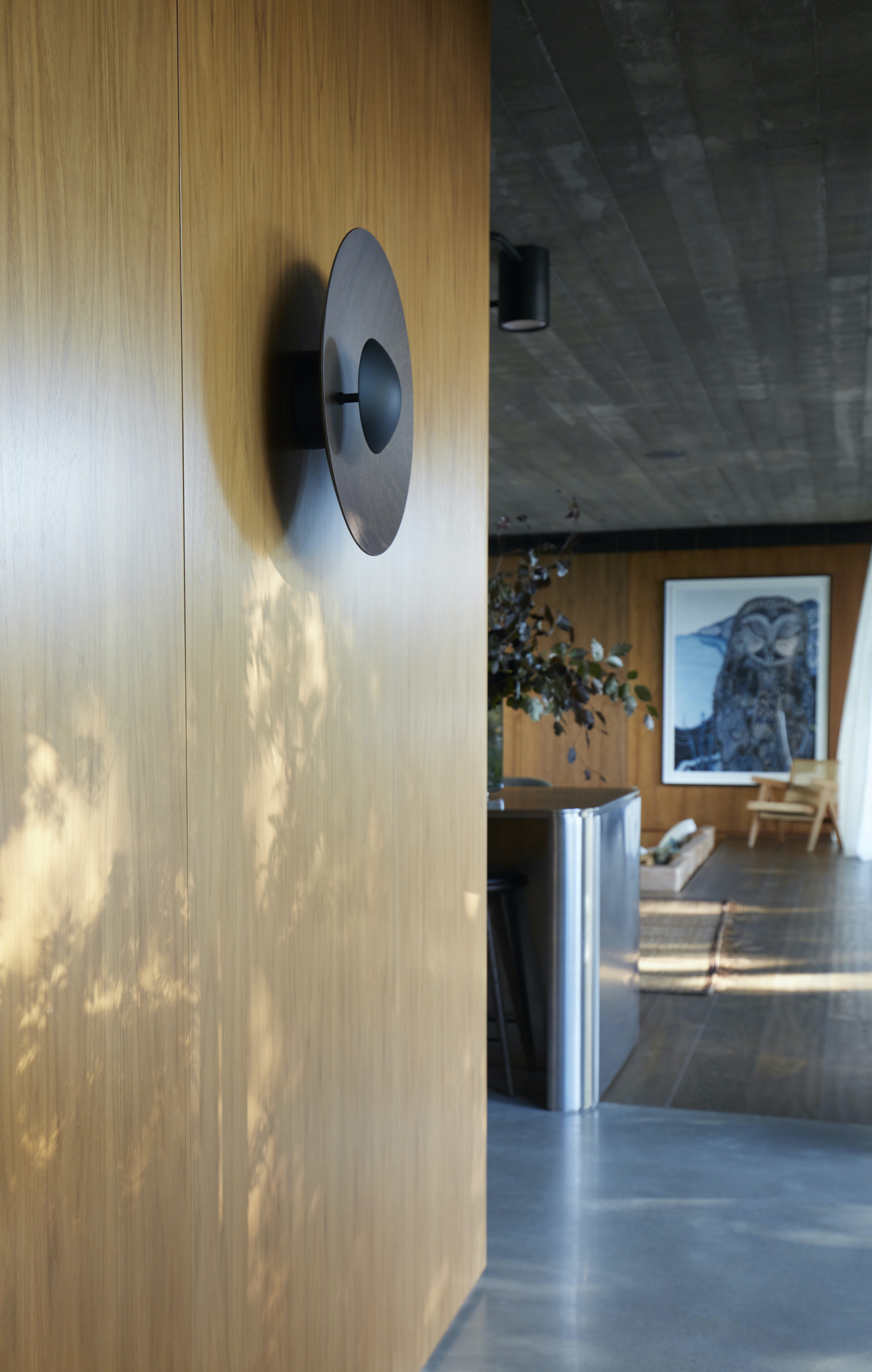
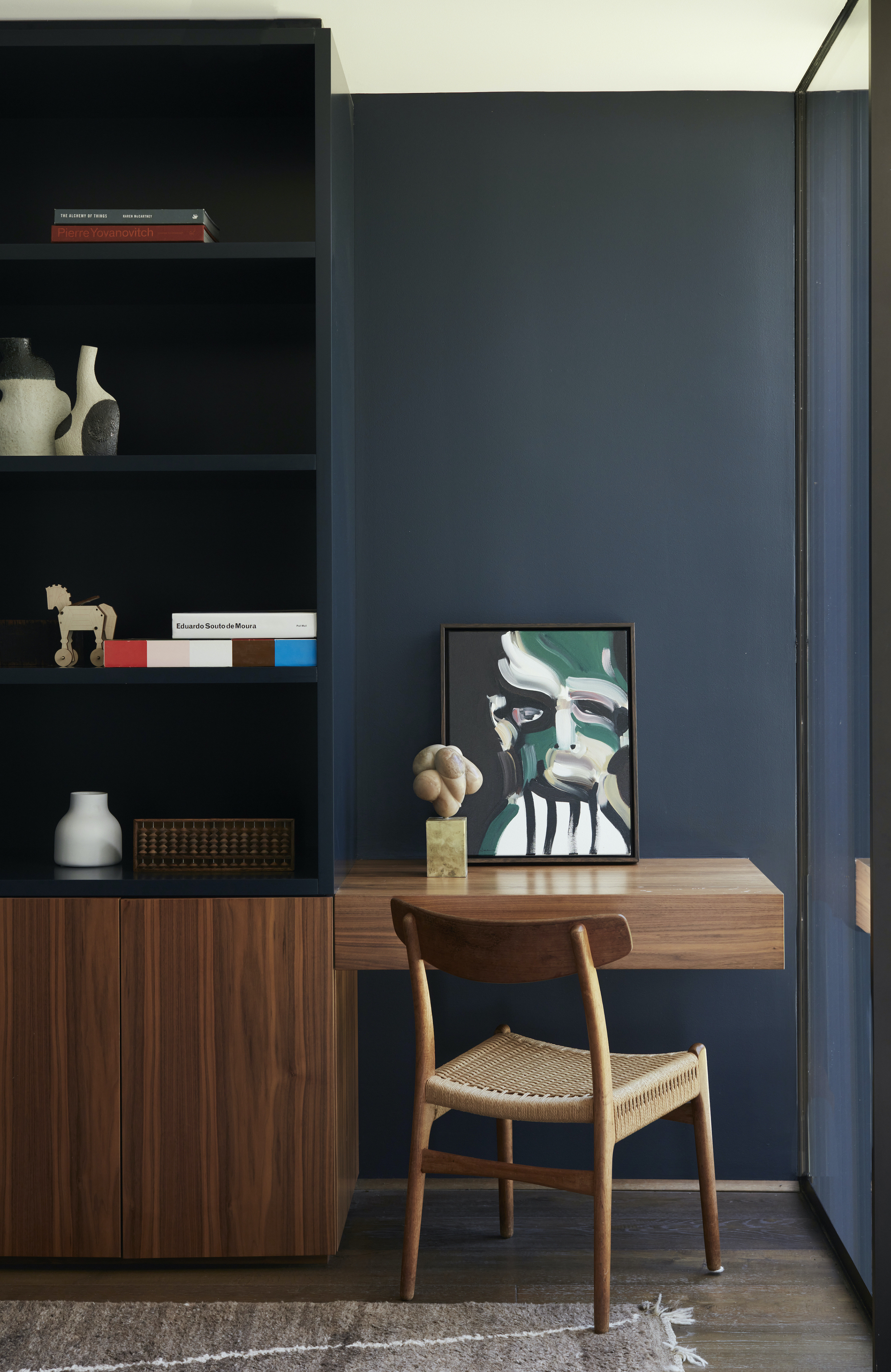
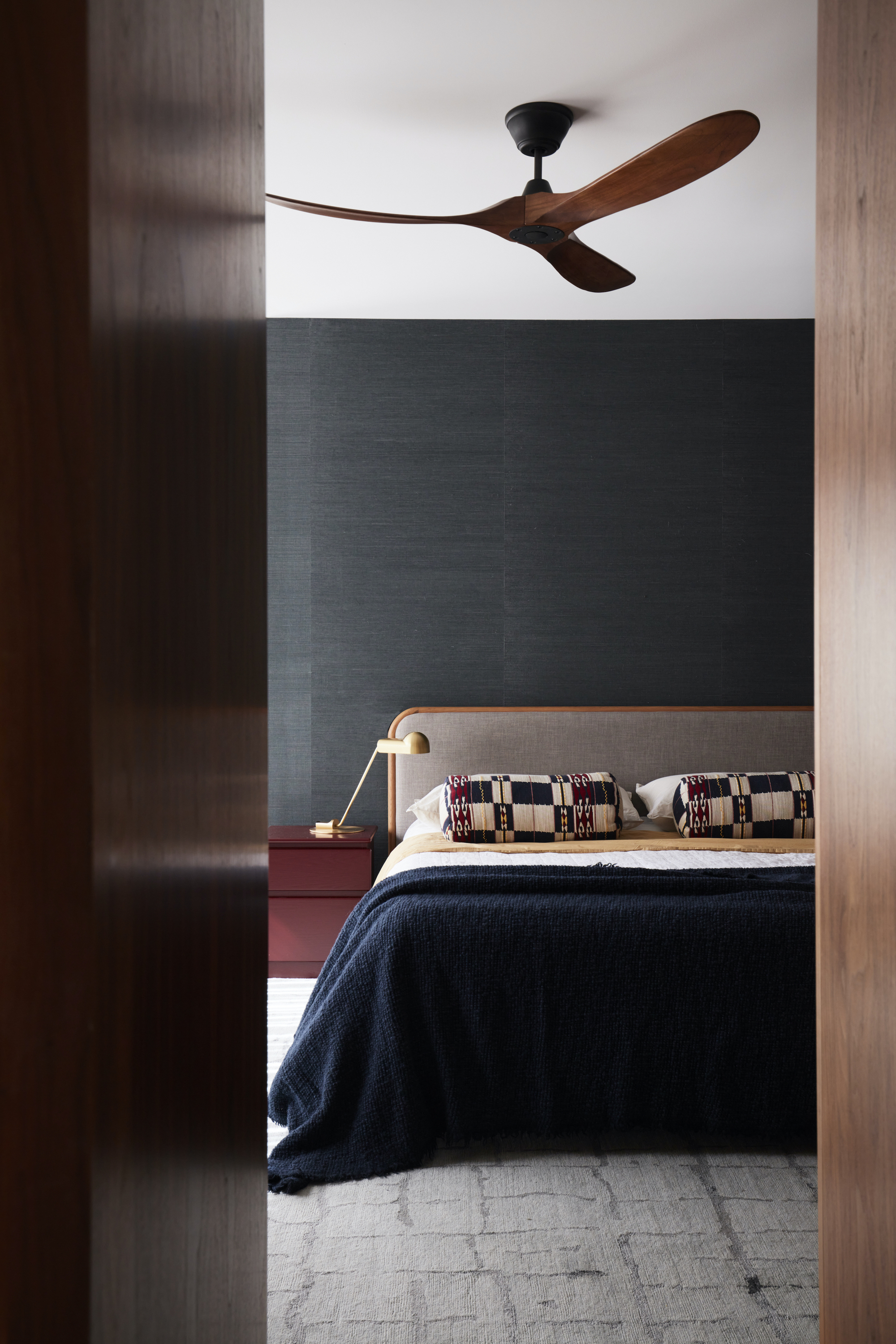
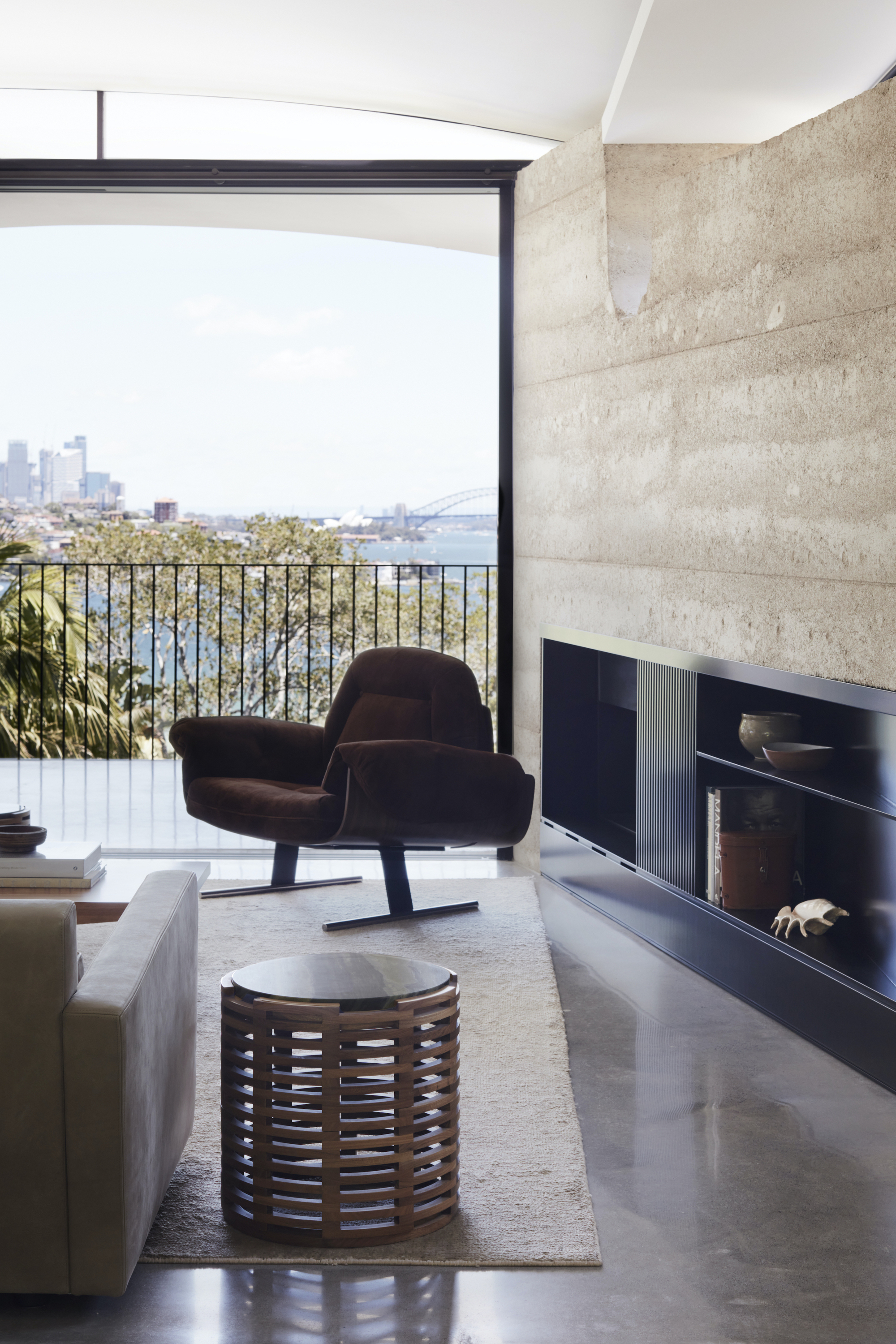
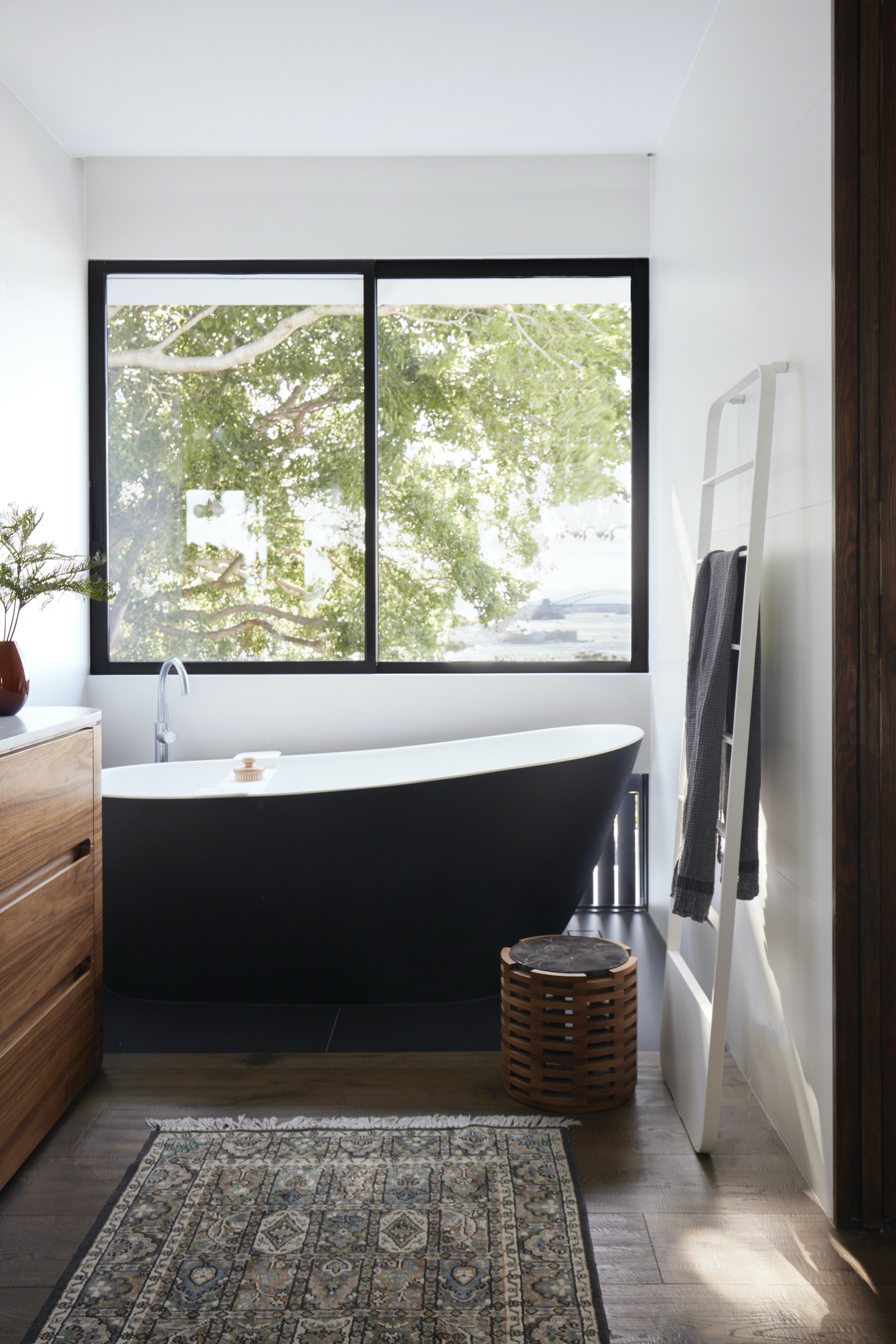
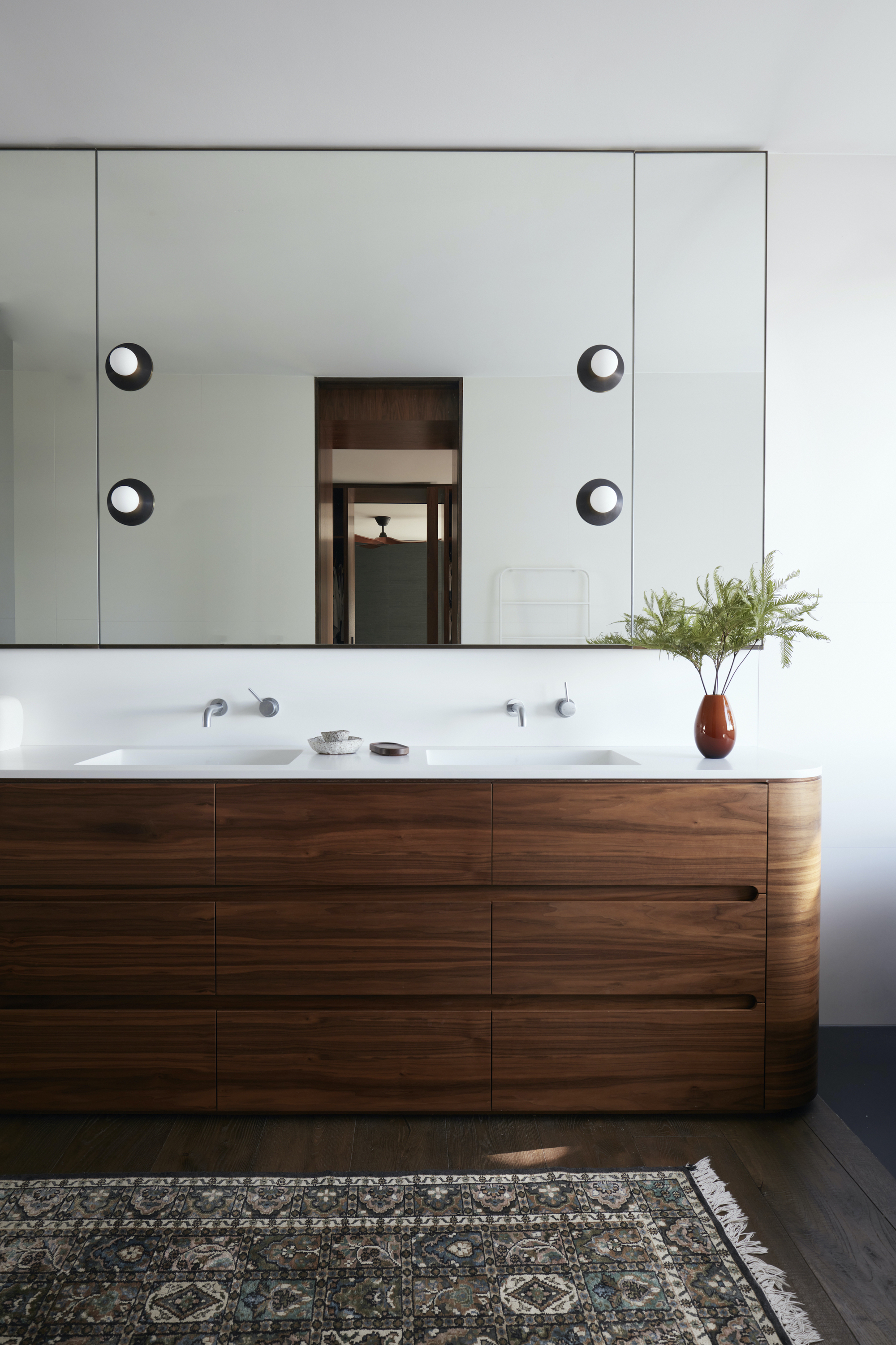
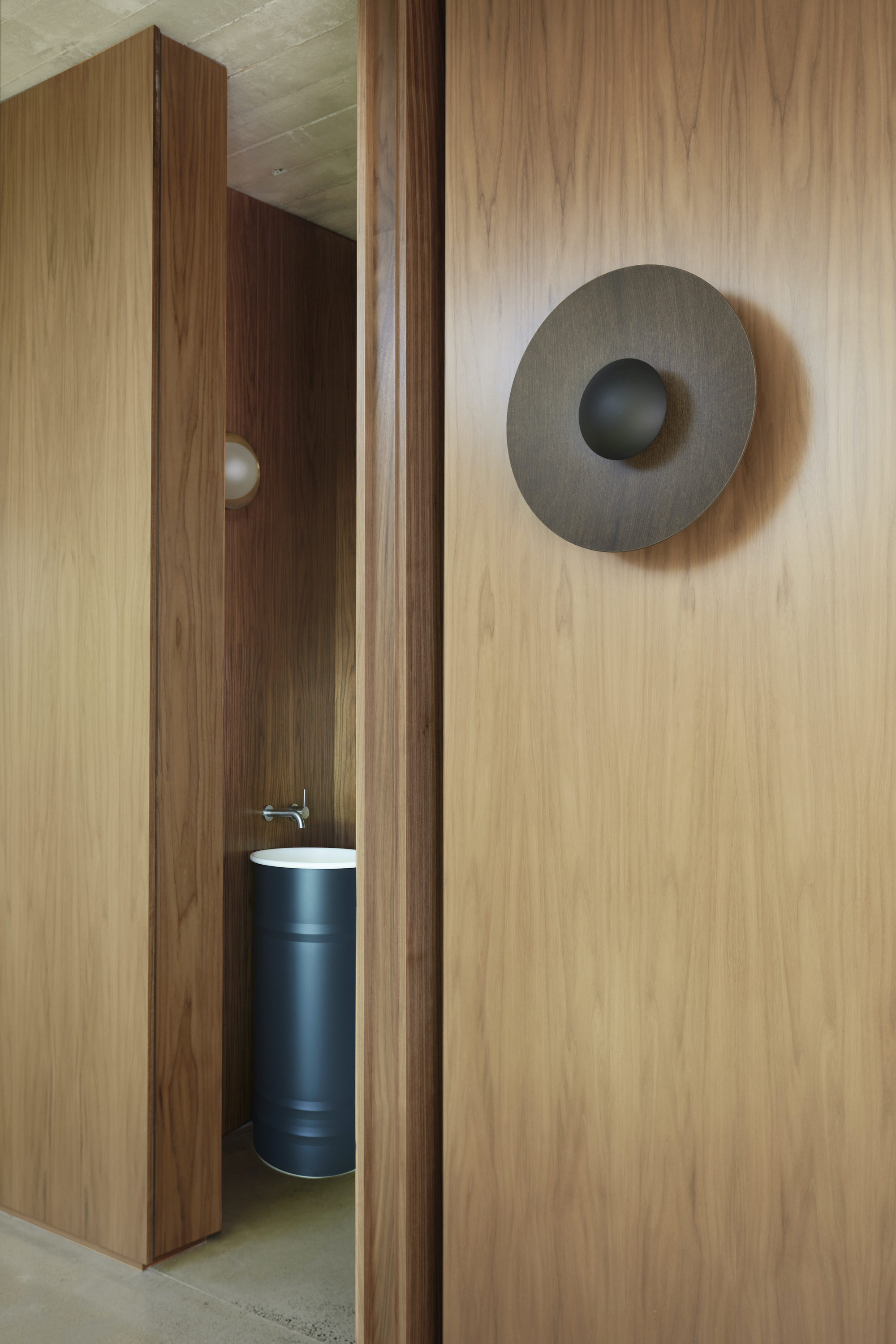
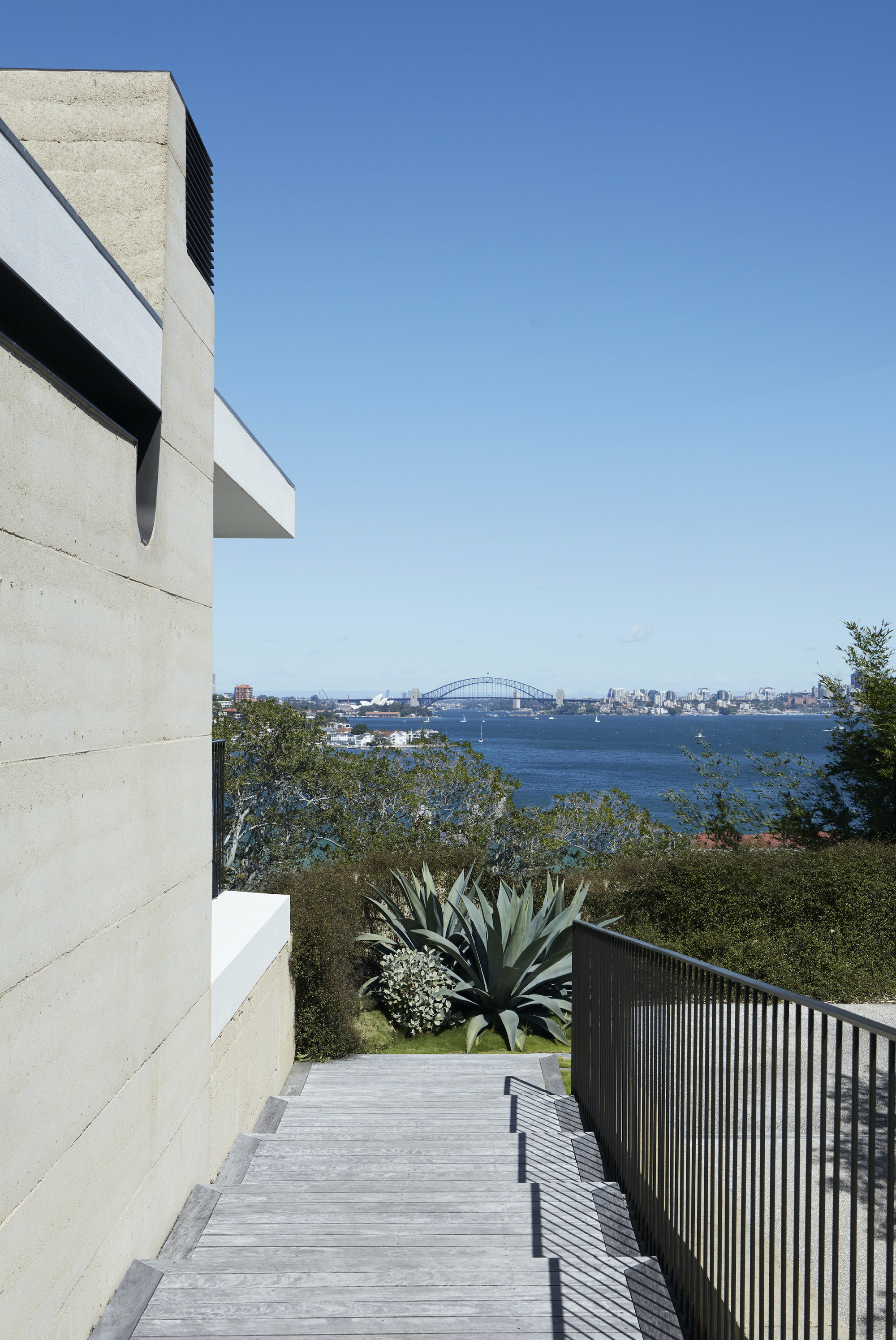
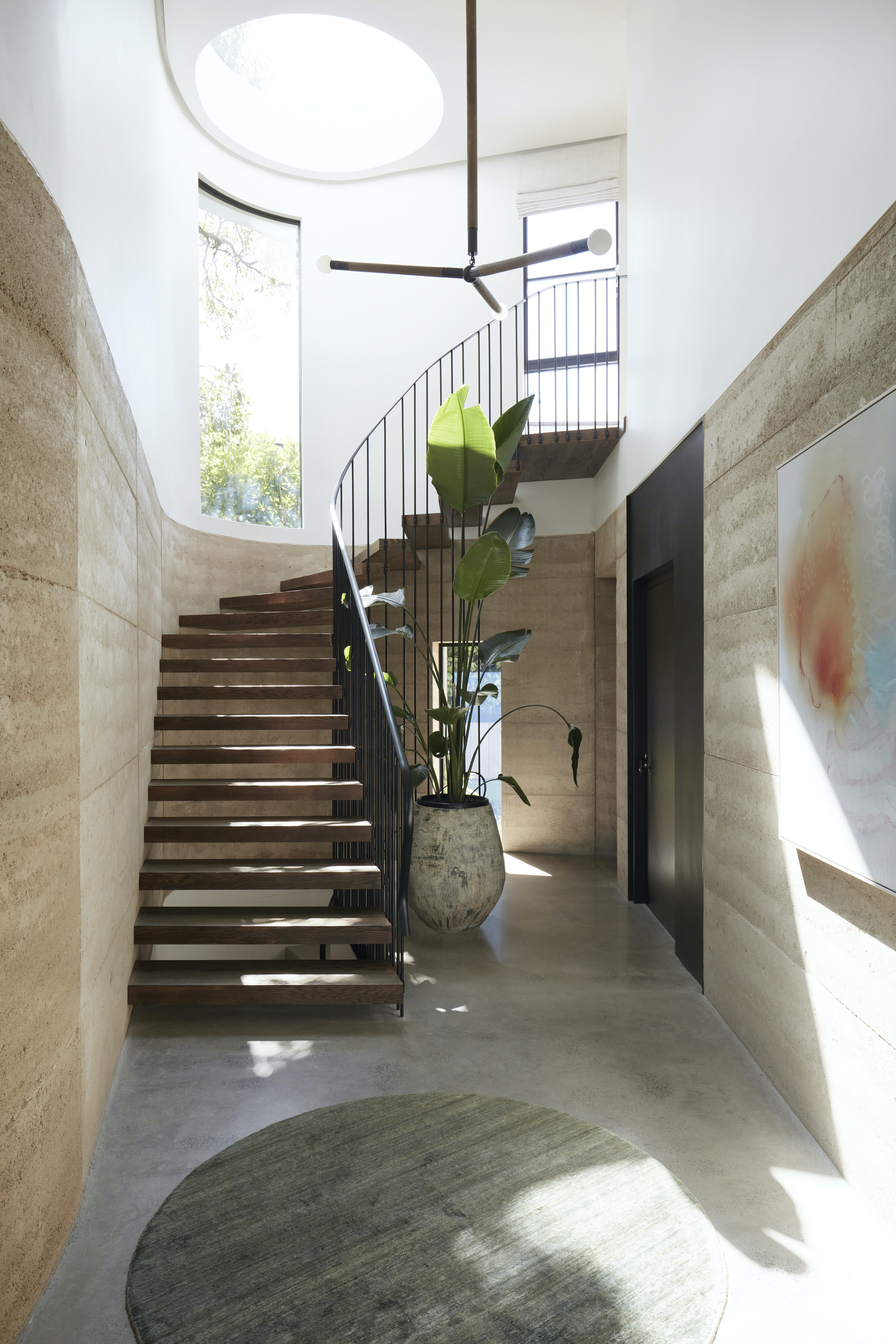
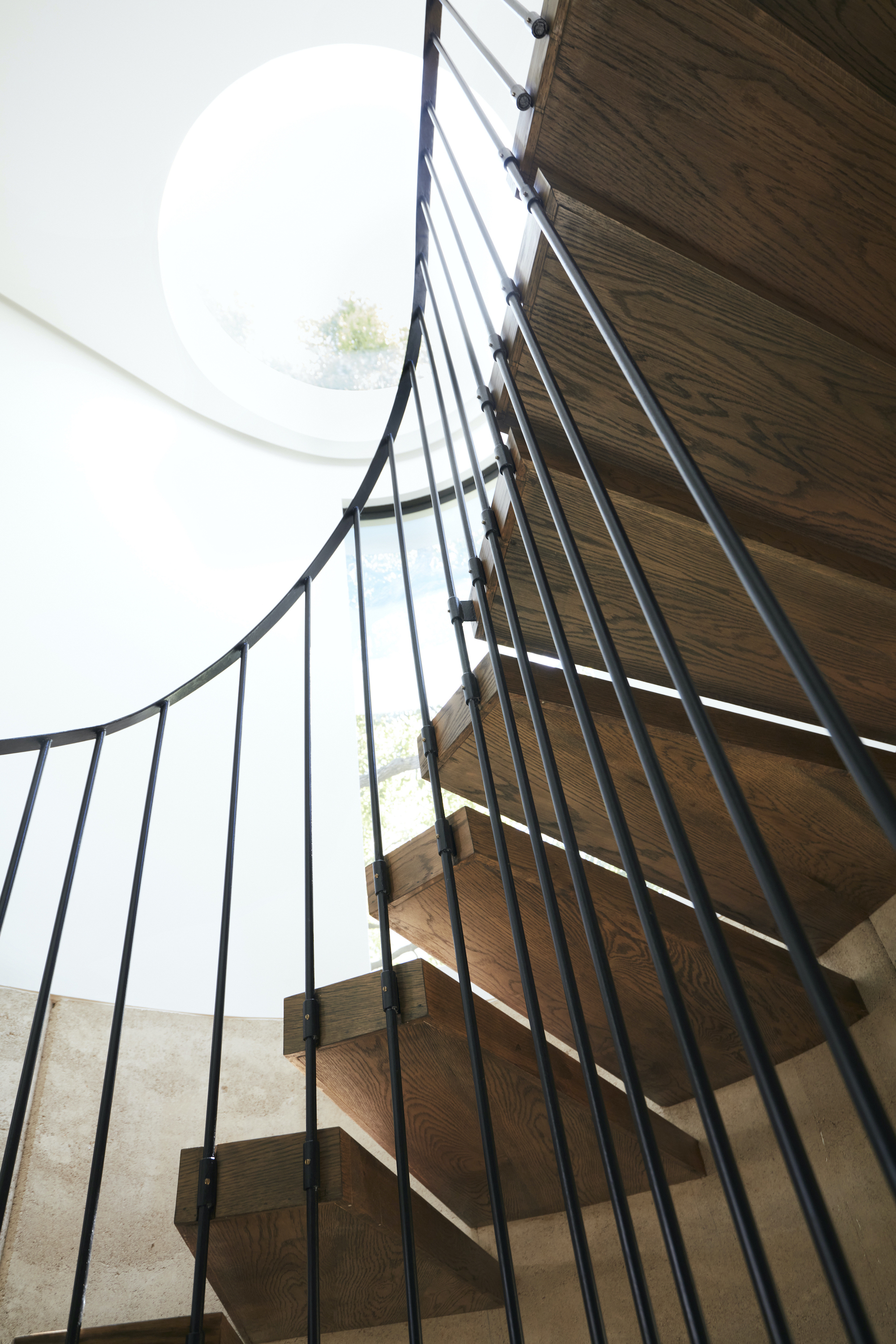
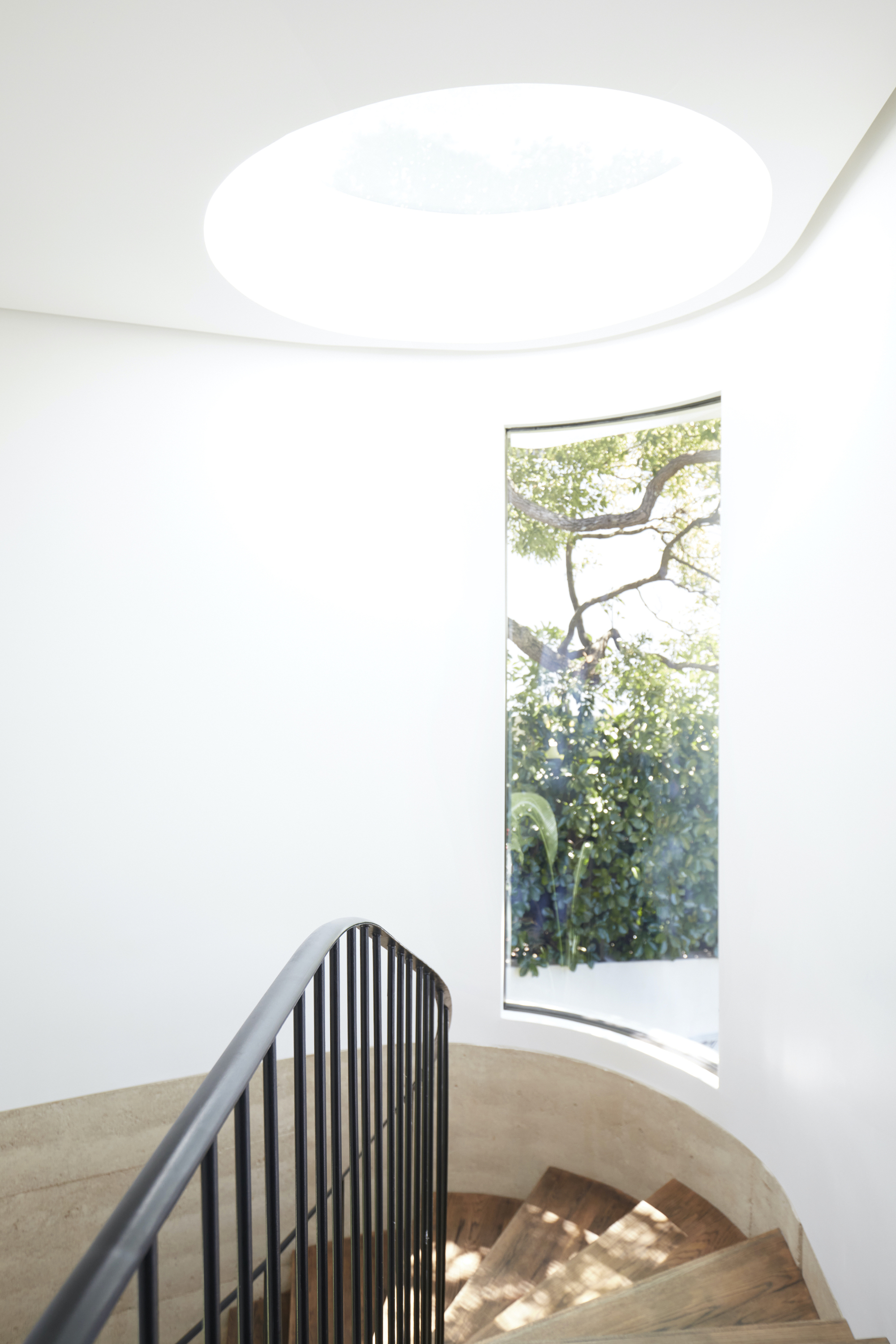
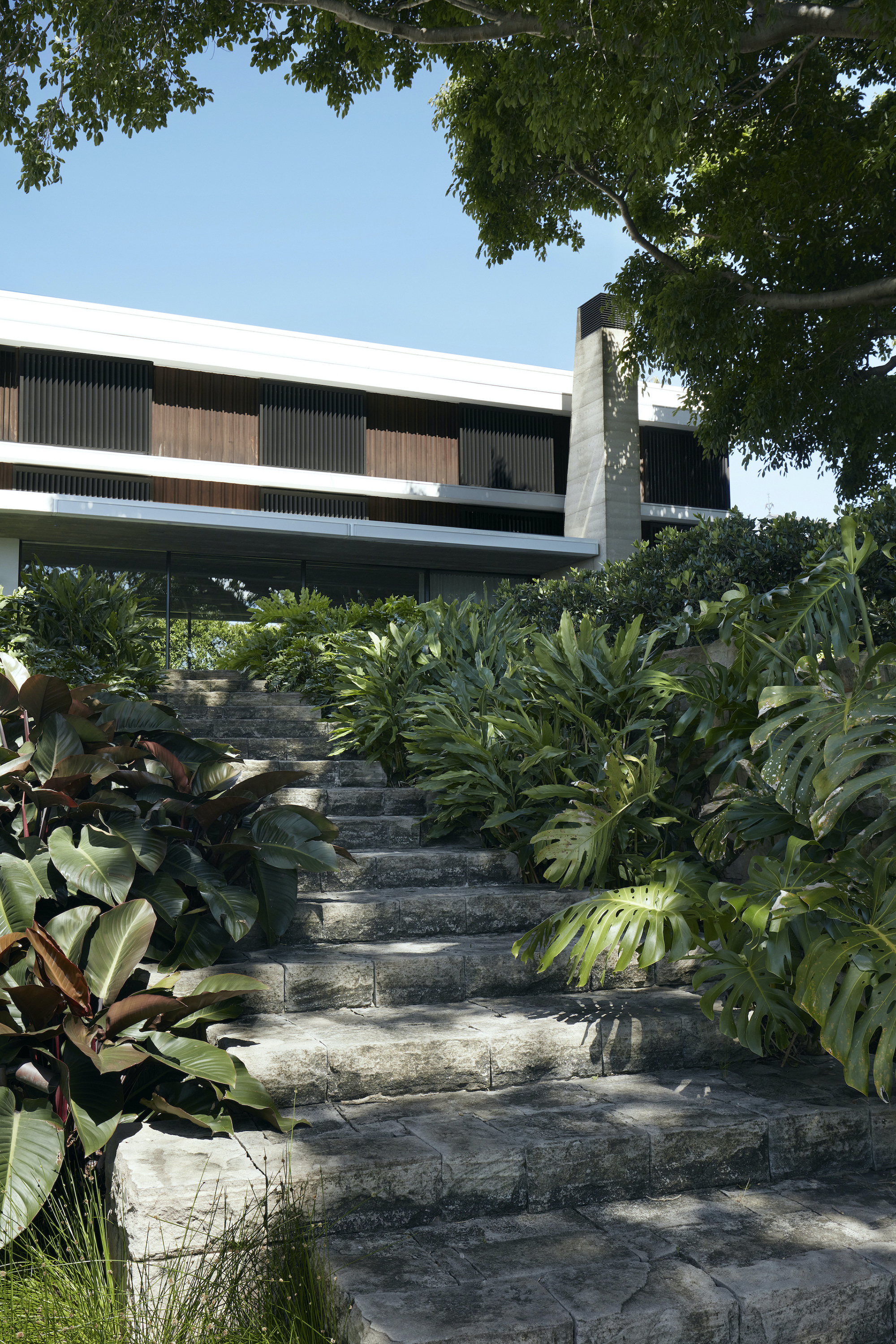
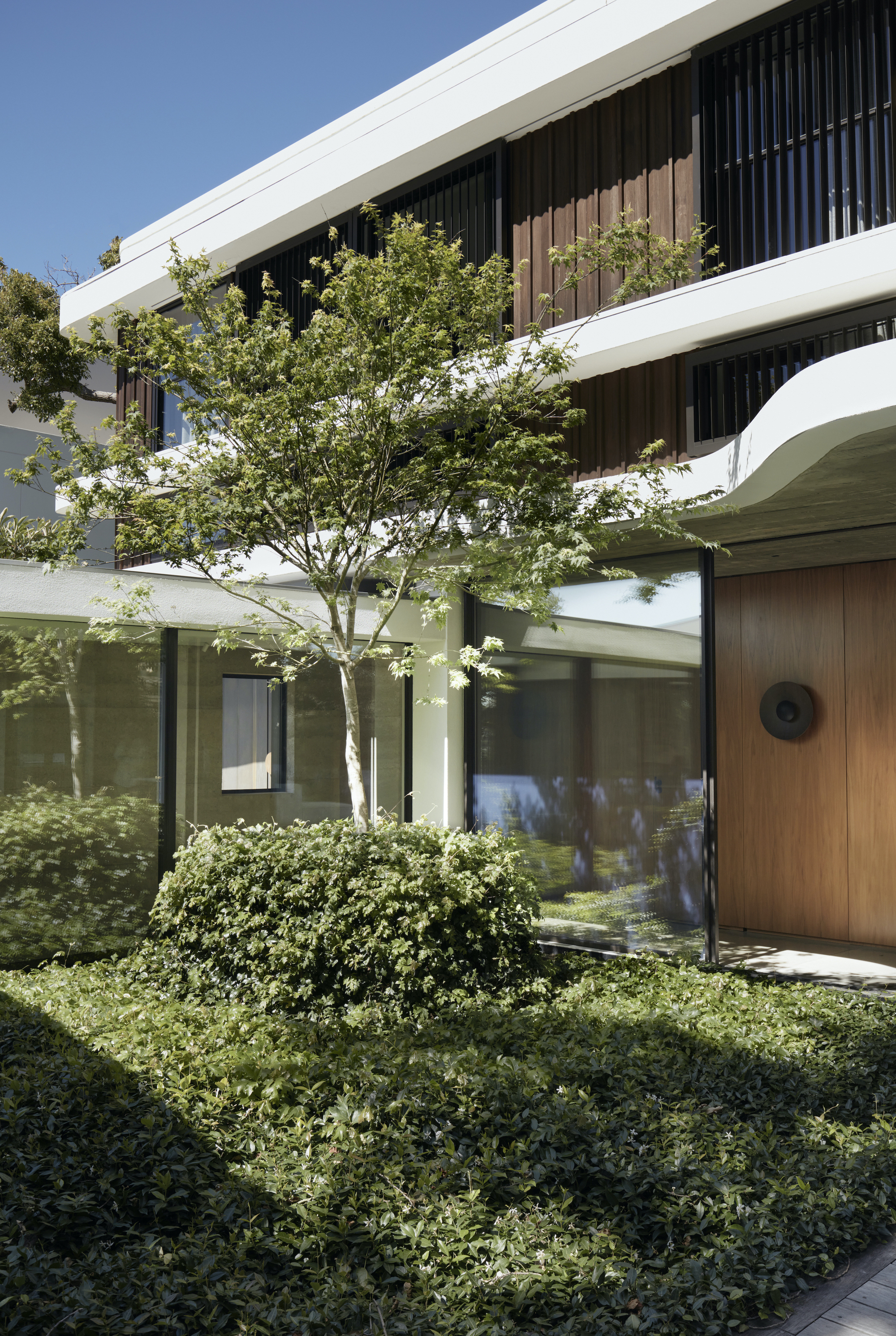
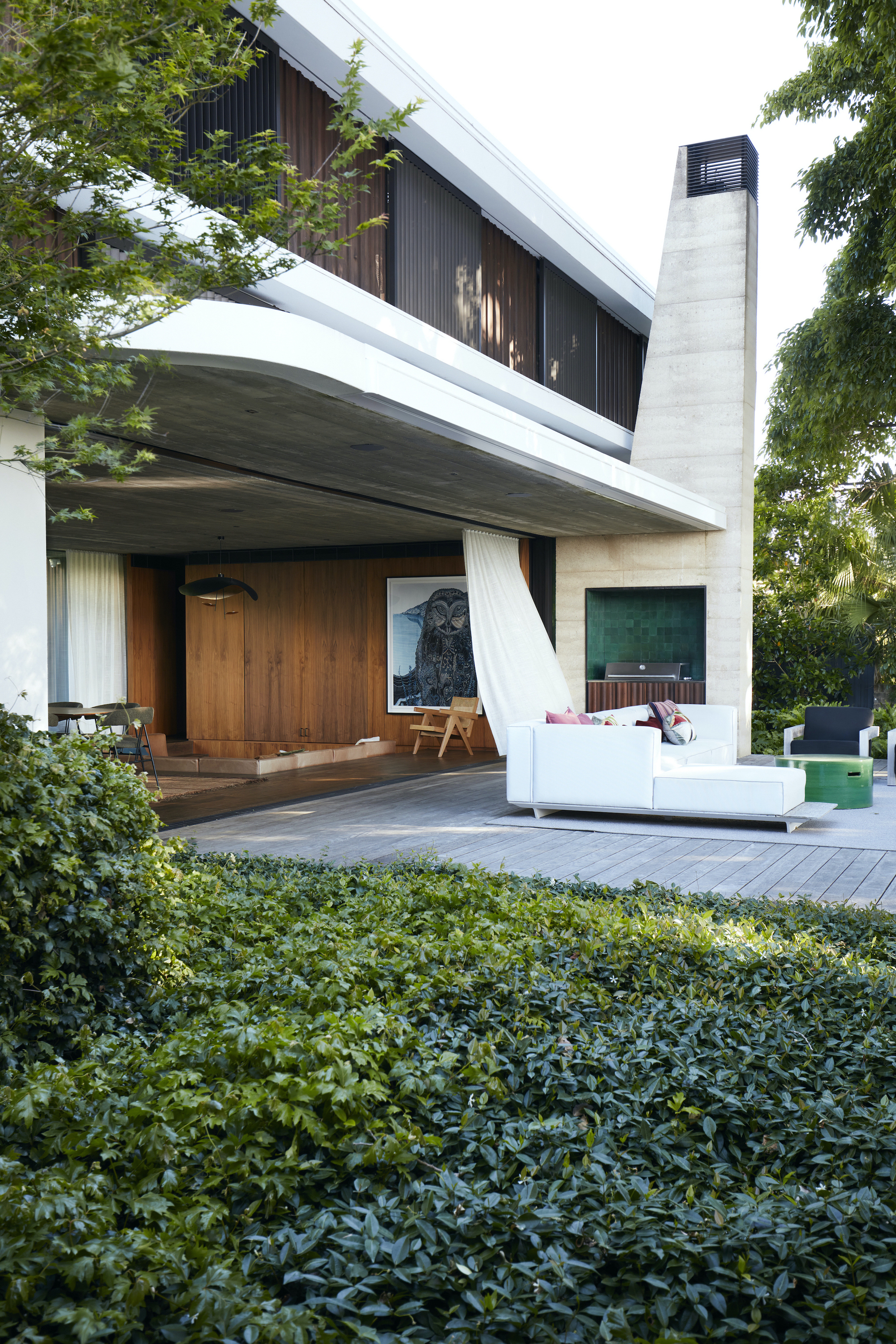
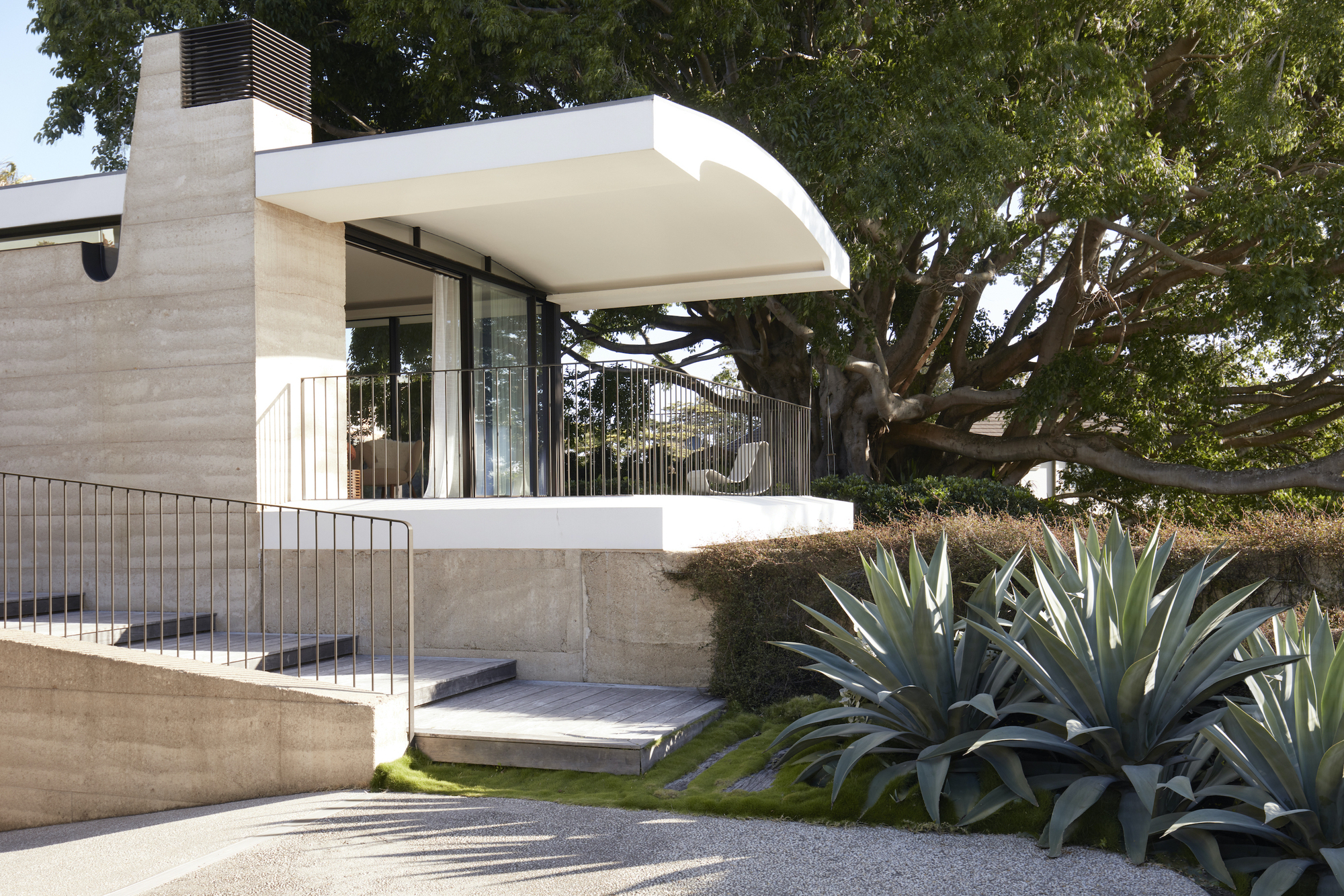
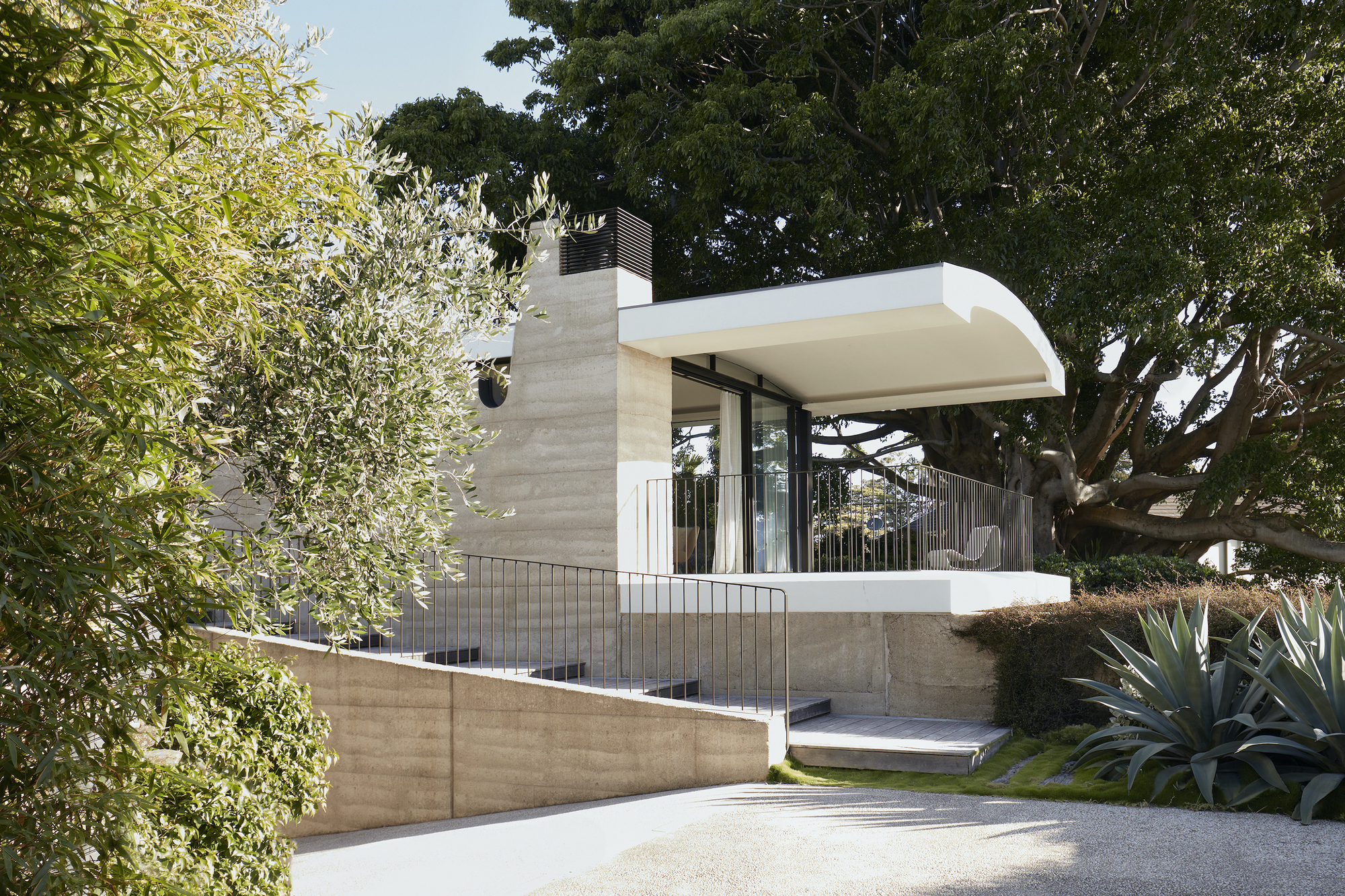
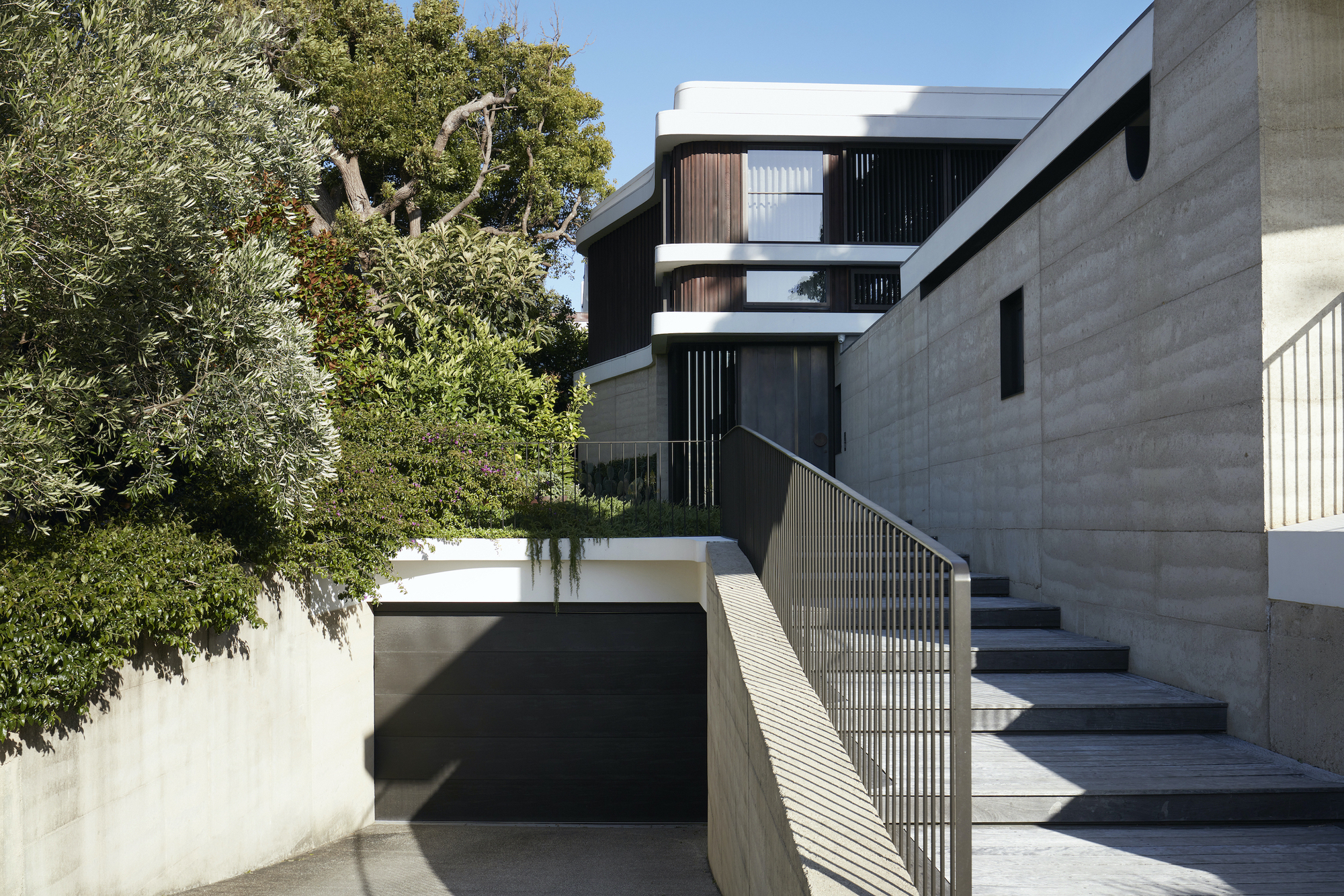
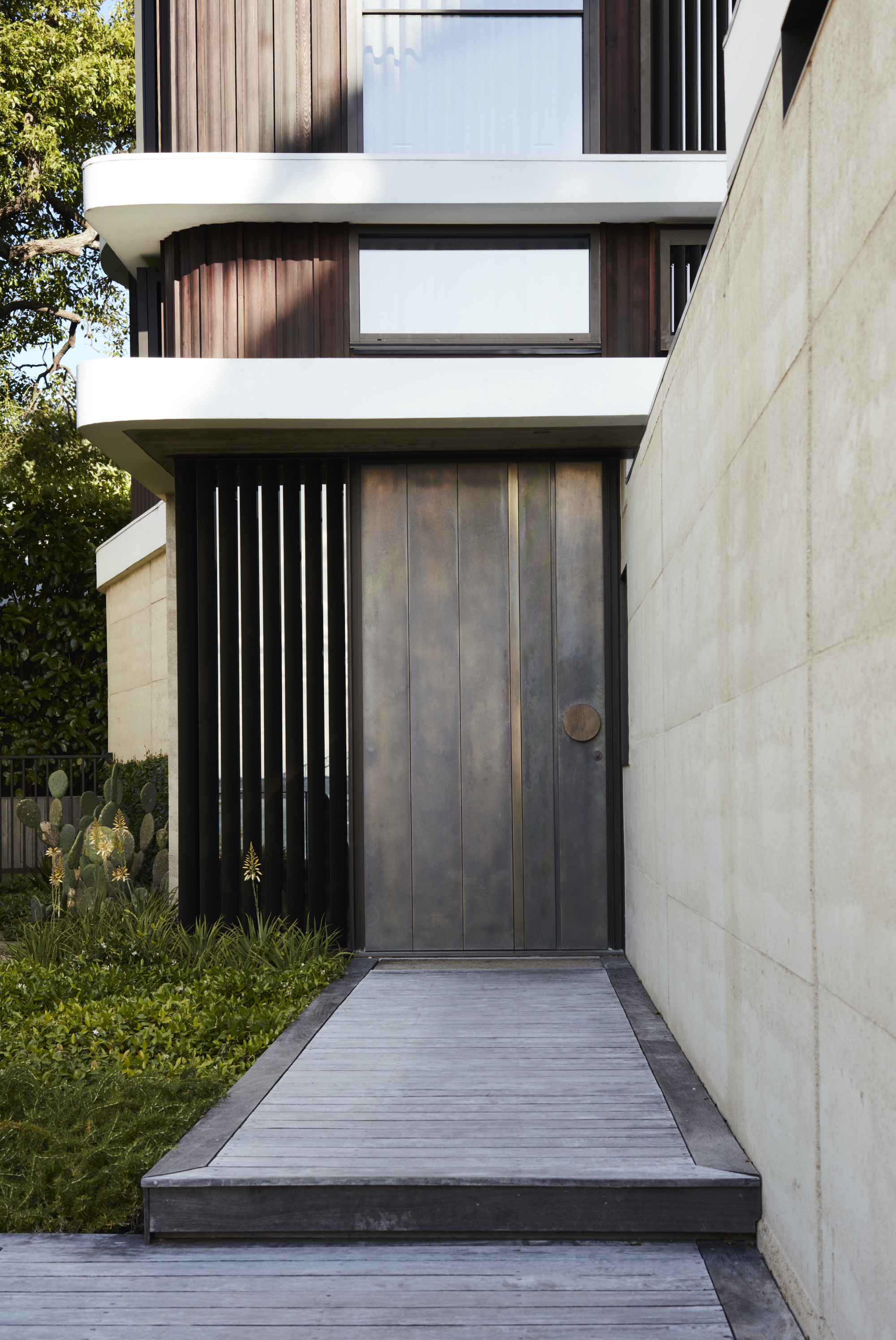
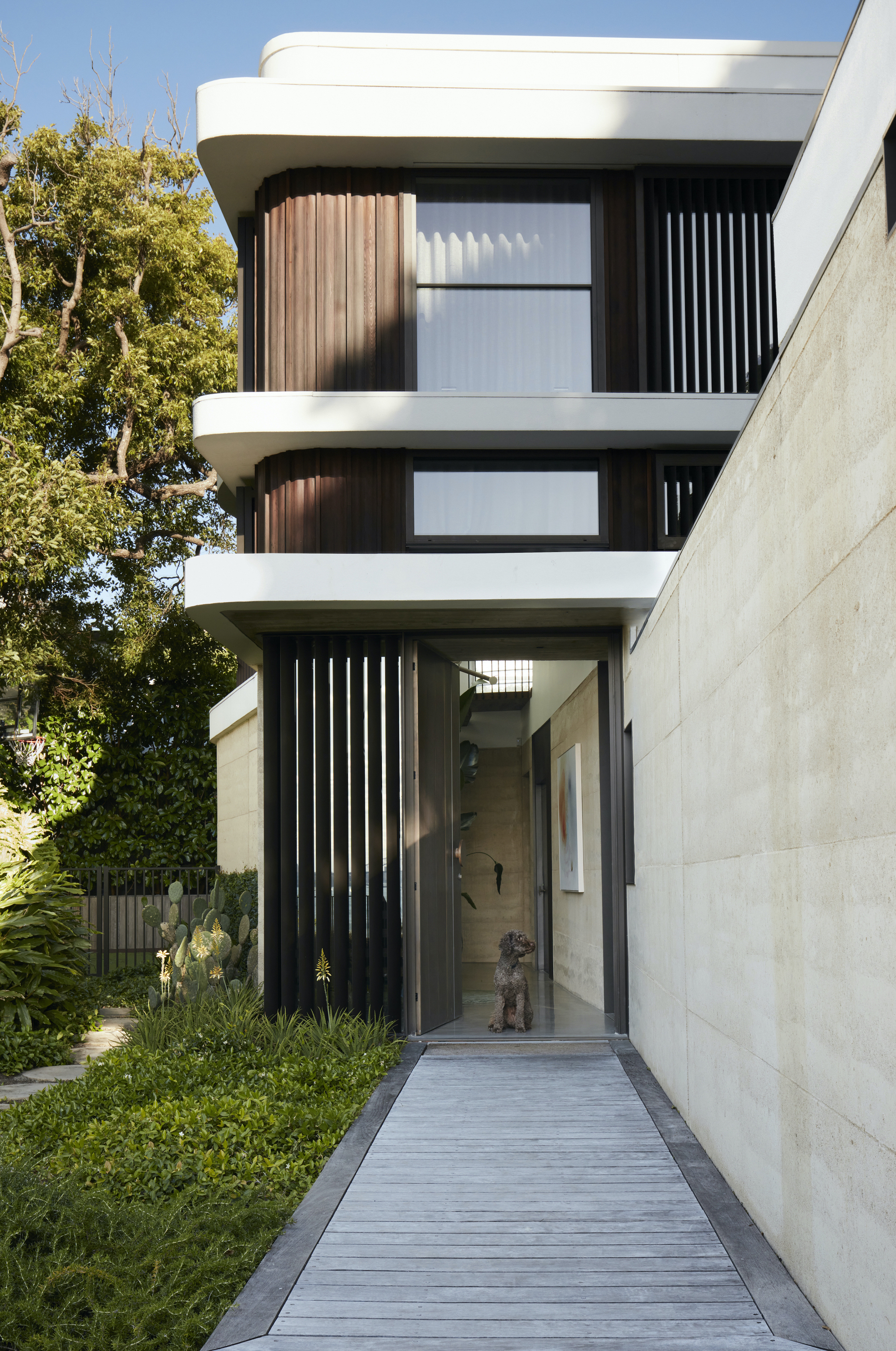
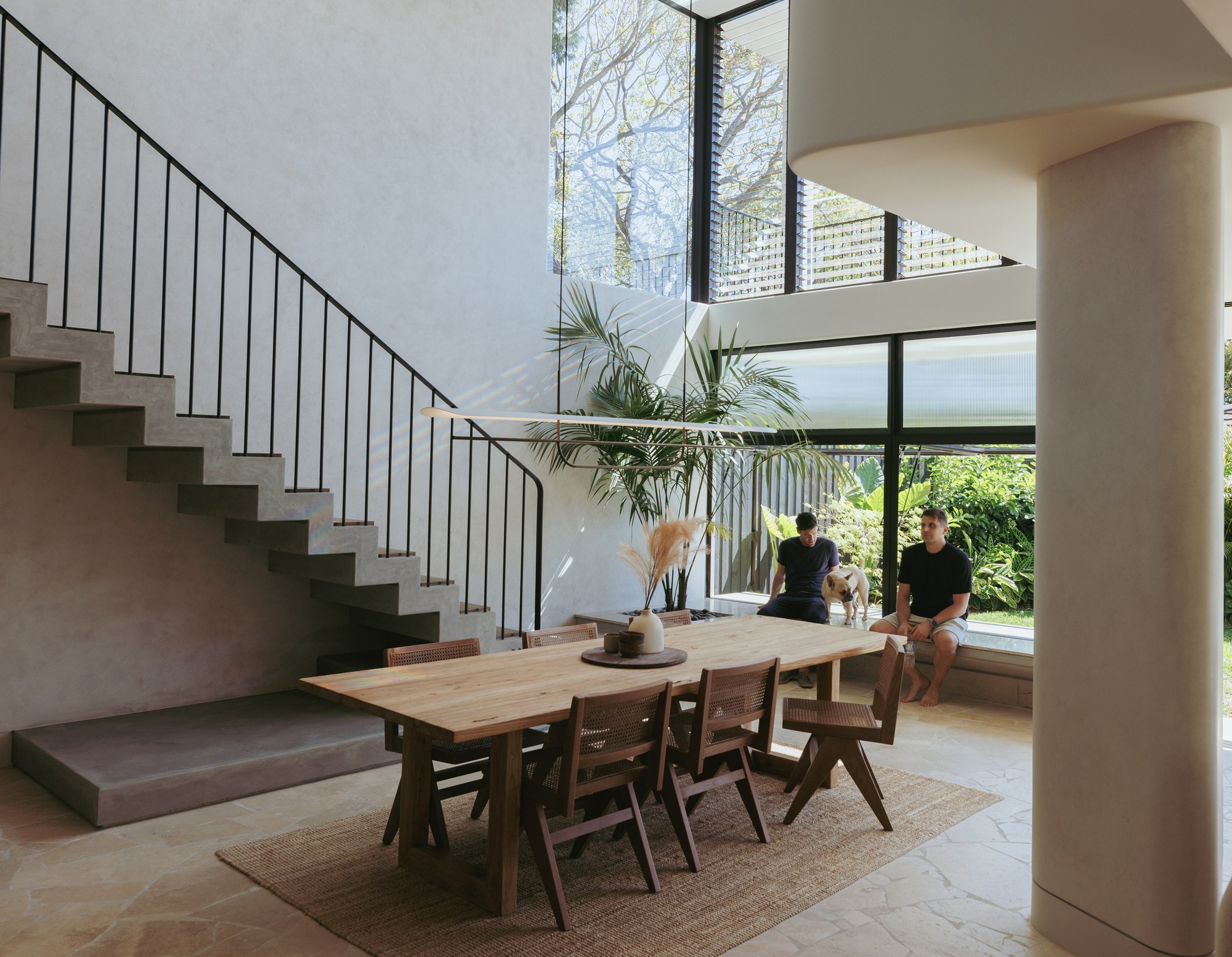
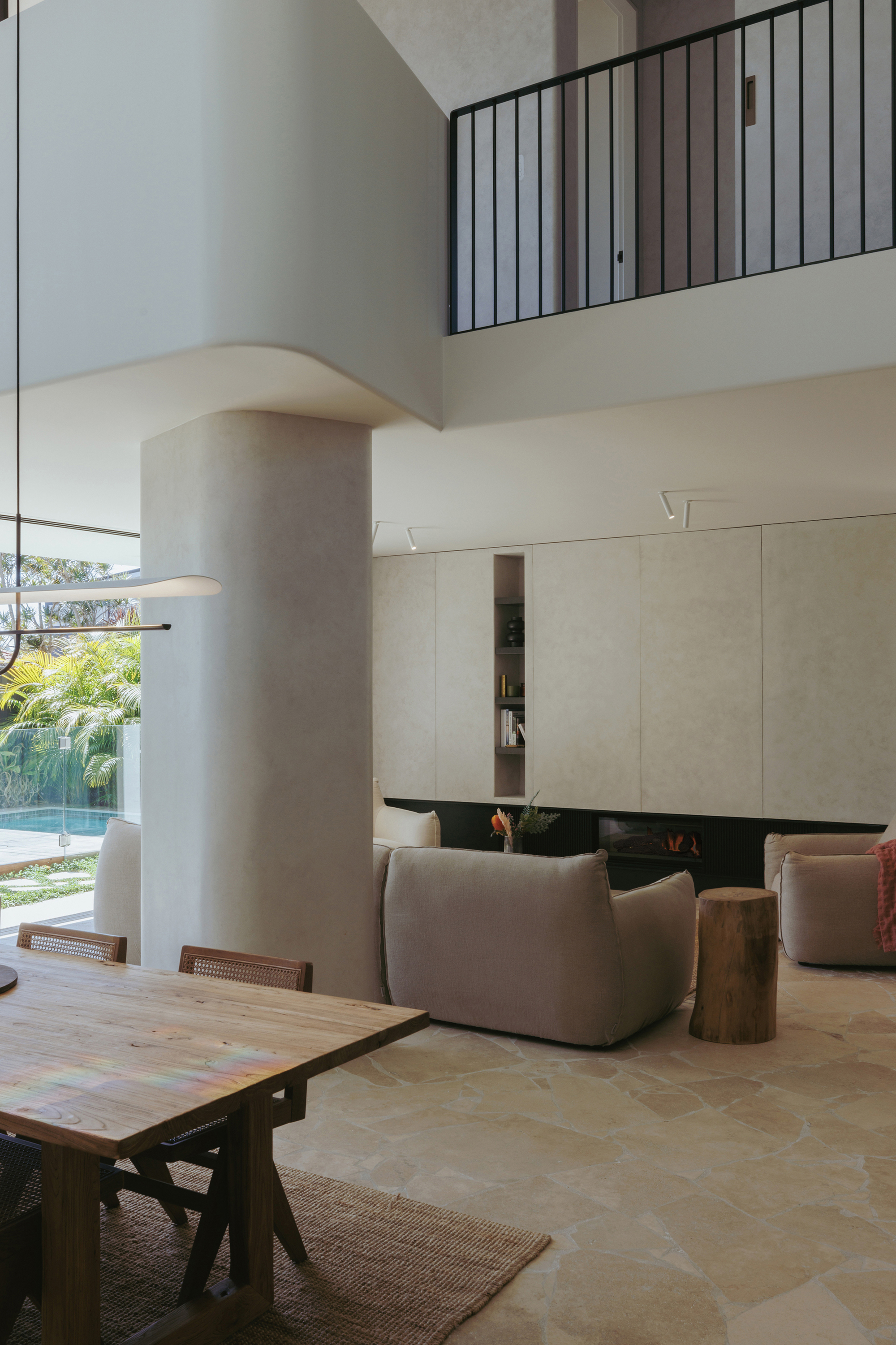
Casa Figueira #architecture Architects: buck&simple Area: 680 m² Year: 2020 Photographs: Prue Ruscoe Country: Australia Named after and centred around the century-old heritage-protected fig tree, Casa Figueira is a home nestled into its surroundings. Quietly secluded at the end of a cul-de-sac in the Sydney harbourside suburb of Rose Bay, the topography of the site eventuates to gun barrel views of the harbour and city beyond. A highly complex design resolution and approvals process relied on a collaborative approach to bring the project to fruition. Working from the base of a planar curved form designed by Luigi Roselli Architects, we focussed on tangibility, material, and detail. As lead Architect, buckandsimple in company with Interior design team Atelier Alwill and landscape architects Dangar Barin Smith worked to hone the design and build processes. Integral to this unique build was a design-focussed client who placed trust in their team to fulfil their brief and deliver a truly bespoke family home balancing poise and resilience. We built from early brief concepts of a mid-century Brazilian aesthetic, seeking to define an open-air living space framed by robust materials. From above, off-form board marked concrete ceilings offset a perpendicular mass of American Walnut joinery, framing and drawing the experience to the outside and surrounding cultivated landscape. Generous open-plan living spaces are separated into functional nodes, folding around a central courtyard. The main pavilion is dominated by a solid one-piece stainless steel kitchen work surface and monolithic timber block, a physical and cultural nexus. The opposing side ends in a focal sunken lounge, consolidating a place to sit, relax, and share. Restrained lines of joinery belie the complex program hidden beyond. Service areas, equipment, guest quarters, and the powder room all quietly sit concealed, allowing the main program to be read uninterrupted. Puncturing the formal program and the minimal, restrained approach, we sought to introduce detail and repetition of material touchpoints. The Bronze, etched entrance door, the curved skeletal foyer stair, steel ribbed open fireplace; hand sewn sunken lounge; custom lighting fixtures and floating joinery in front of slimline glazing. Each encapsulates the function of a space: welcome, retreat, gather, converse, eat, and work. From the outset, it was important for our clients that this home withstood the test of time and weathered gracefully. Balancing aesthetics and performance, we gave careful consideration to material selection and material-specific detailing. We researched and worked closely with suppliers, focussing on the finishing of timberwork and resilient protective coatings and favouring the use of non-ferrous metals externally. The result was a continuous thread throughout the home. Intricate touchpoints of aged brass bring highlight, offset against planar raw concrete, mass rammed earth, and crisp white rendered bands that intersect and are balanced by the soft warmth of timber. Set to patina gently against its namesake backdrop,p the home exudes an estate feel, relaxed in its role as a family home and place of respite from the bustling city beyond.
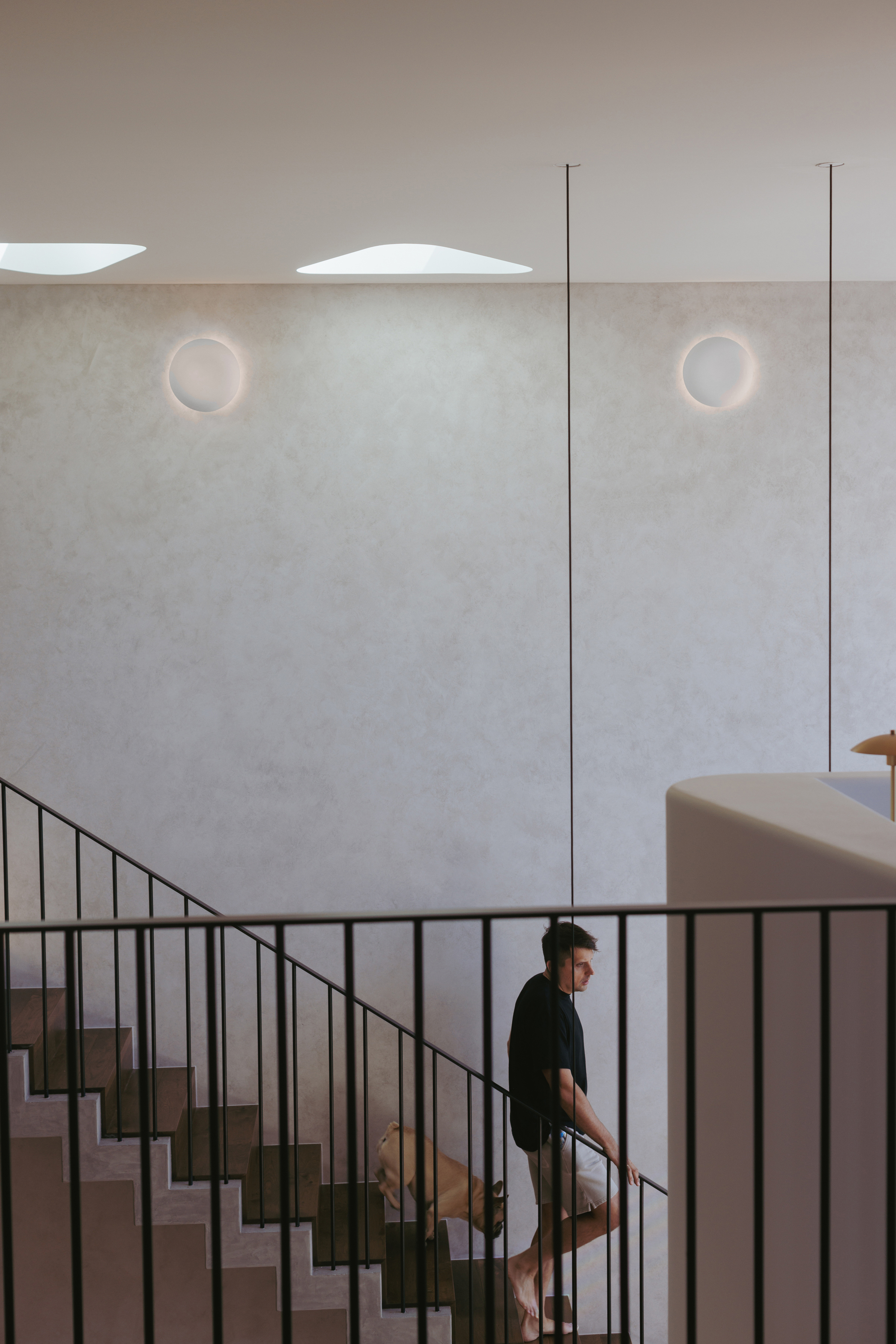
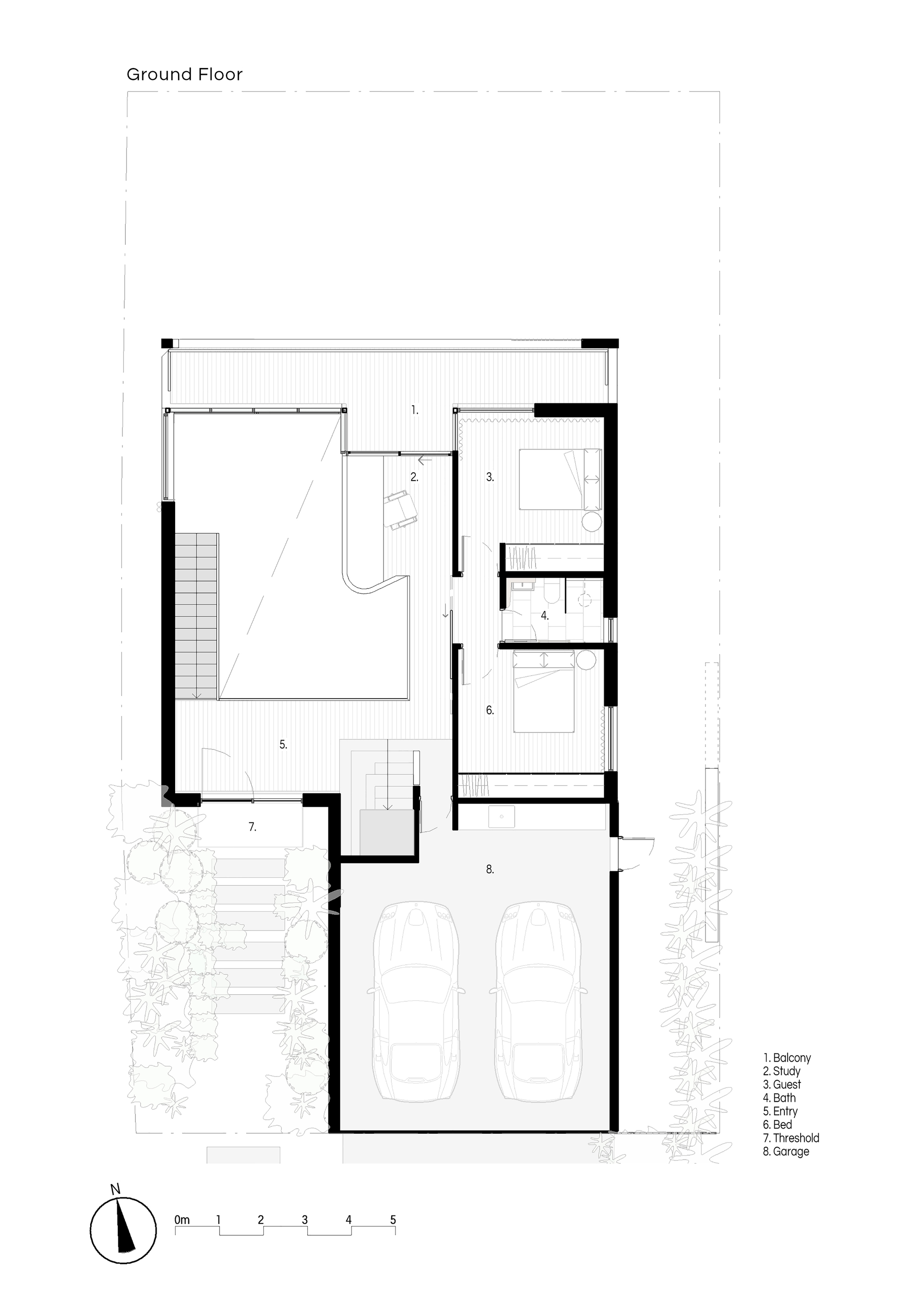
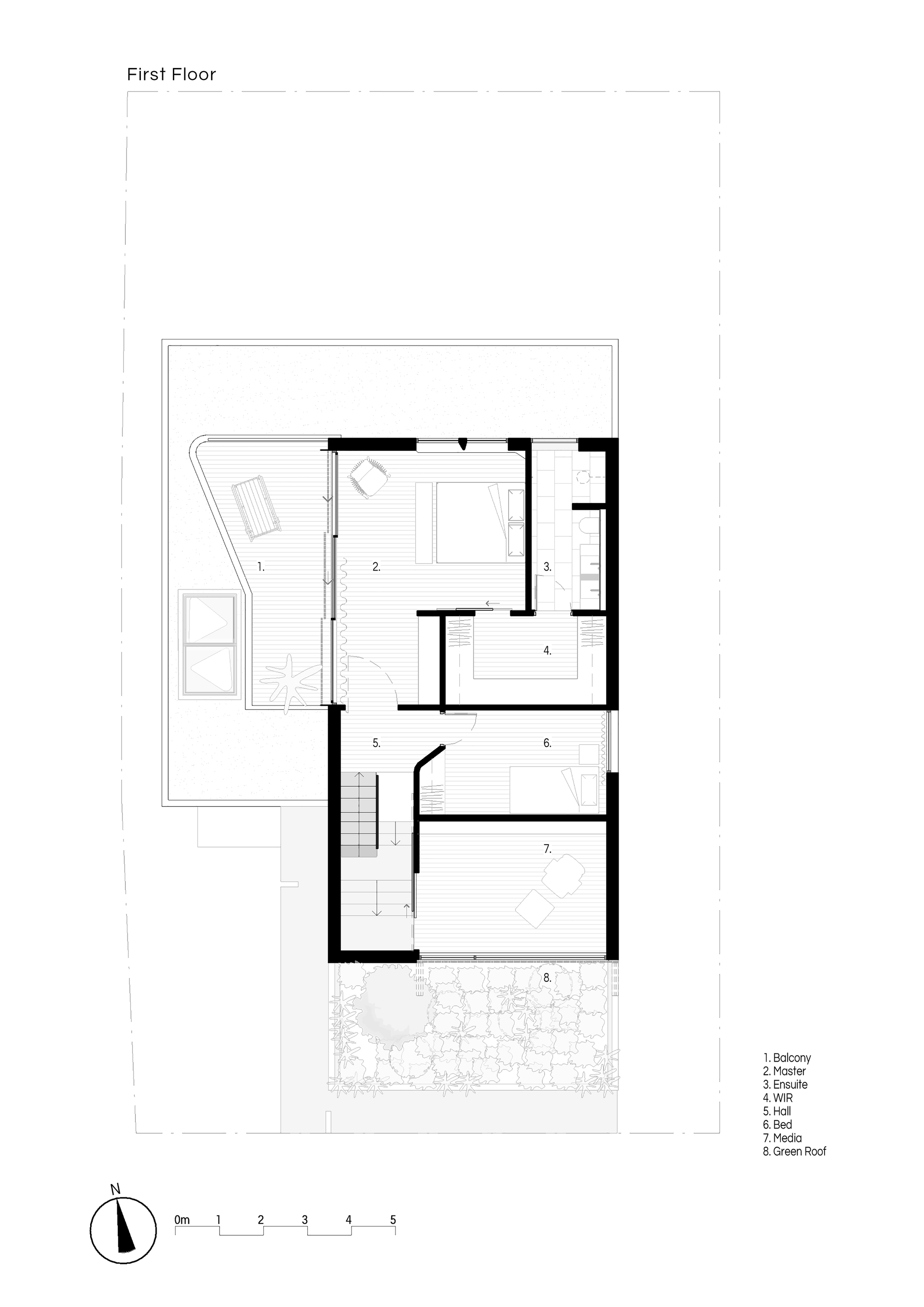
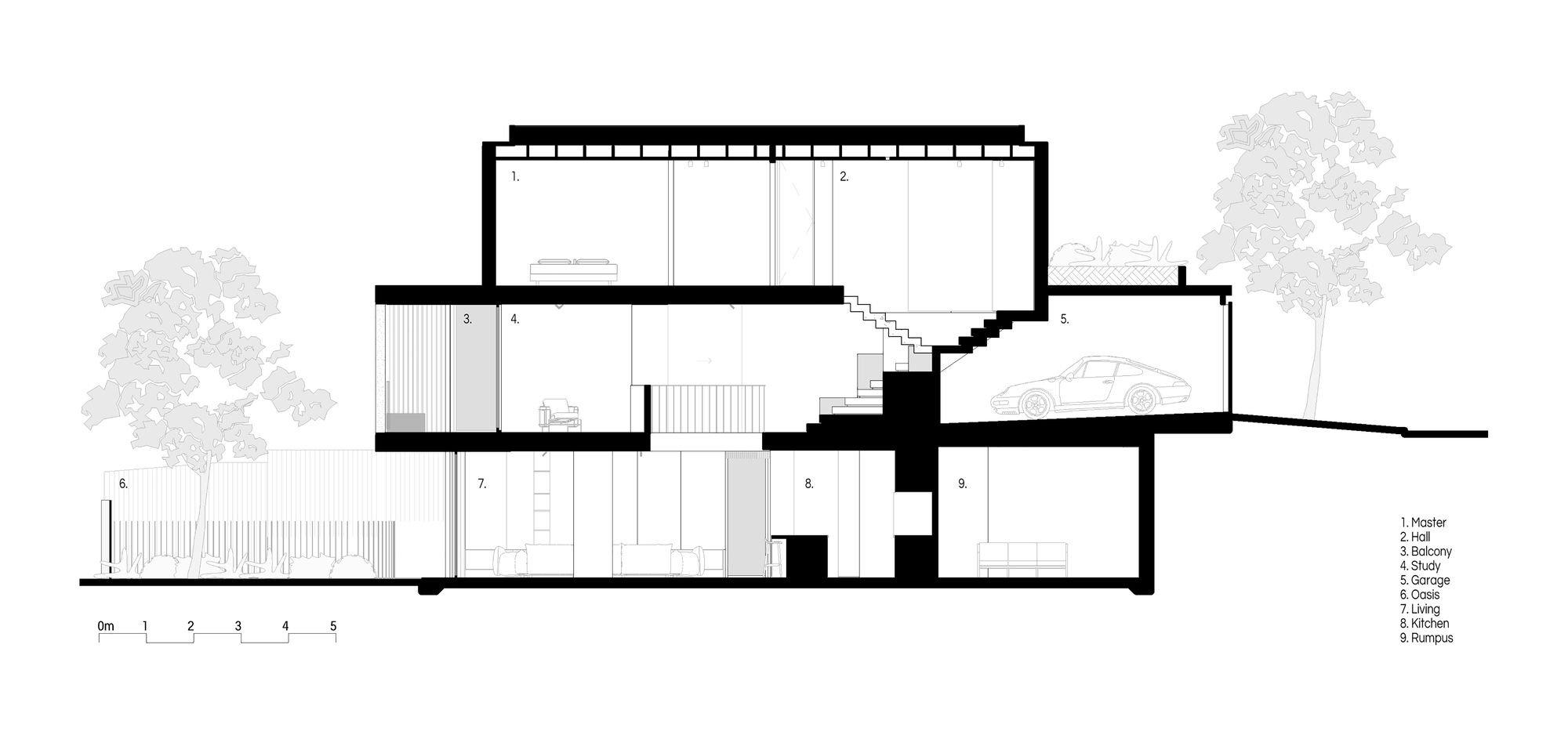
Little Birch House #architecture Architects: buck&simple Area: 320 m² Year: 2025 Photographs: Tim Pascoe Photographer Country: Australia Little Birch represents a case study in the bespoke detail. Realising a young family's dream to achieve the day-to-day calm of resort living adjacent to the daily grind. Resort vibes, domestic ease. Located on the traditional lands of the Kameygal people, city and district views abound as this private home descends and expands into its built oasis. The site presented as a compact urban setting with our challenge to conceal, direct, and connect to spaces beyond. The exterior presents to the established streetscape as an intersection of tectonic forms, mass, and planes; the simple geometry provides a counterpoint to the neighbourhood's incoherent mishmash of typologies. Descending from the street level, you see glimpses of district views recede before you're enveloped in a garden oasis shared across indoor-outdoor entertaining and lower-ground living spaces. Planar joinery conceals service & private areas of the program, while ribbonlike concrete stairs puncture the double-height void connecting & engaging across the home. The interplay of split-level geometries further belies the compact floor plan and encourages the visual borrowing of space as each level employs key vistas borrowing district views, with custom skylights building connection to the sky and a sense of the infinite. A testament to the consideration of use and celebration of the detail, the home is built for the rigours of family life. Beyond its physicality, Little Birch explores the interplay of light and shadow, structure and stillness, and mass and void. These qualities shape the home's atmosphere, creating a sanctuary of calm within the density of its urban context. The materiality is deliberately restrained, allowing natural textures to guide the experience. Finishes are refined, materials are limited, and form is celebrated through junctions, intersections, and edges that reveal a quiet complexity. Subtle variations in texture catch the light throughout the day, while a restrained palette ensures a rhythmic continuity from one space to the next. Every surface has been considered for its haptic quality, engaging the senses through warmth and weight, smoothness and grain. The stairs, a sculptural moment within the void, hover above the floor below, the seemingly missing anchor point in contrast to the home's grounded solidity. Throughout, architectural devices create a measured slowness—a deliberate flow of movement, a quiet rhythm of compression and release. Key viewpoints frame borrowed landscapes, drawing the eye beyond the immediate, connecting the inhabitant to sky, horizon, and distant greenery. Beneath its refined elegance lies a structure designed for longevity, performance, and comfort. Cross ventilation and passive thermal strategies allow for effortless temperature regulation while controlled apertures guide the transition of light through the spaces. The landscape is interwoven throughout, a mediator between architecture and environment, softening thresholds and extending the experience of living into the natural realm. The result is a home that feels effortless yet is deeply considered. A place of balance, where design elevates the everyday, where stillness and movement, light and shade, weight and air find their resolution in a seamless whole.
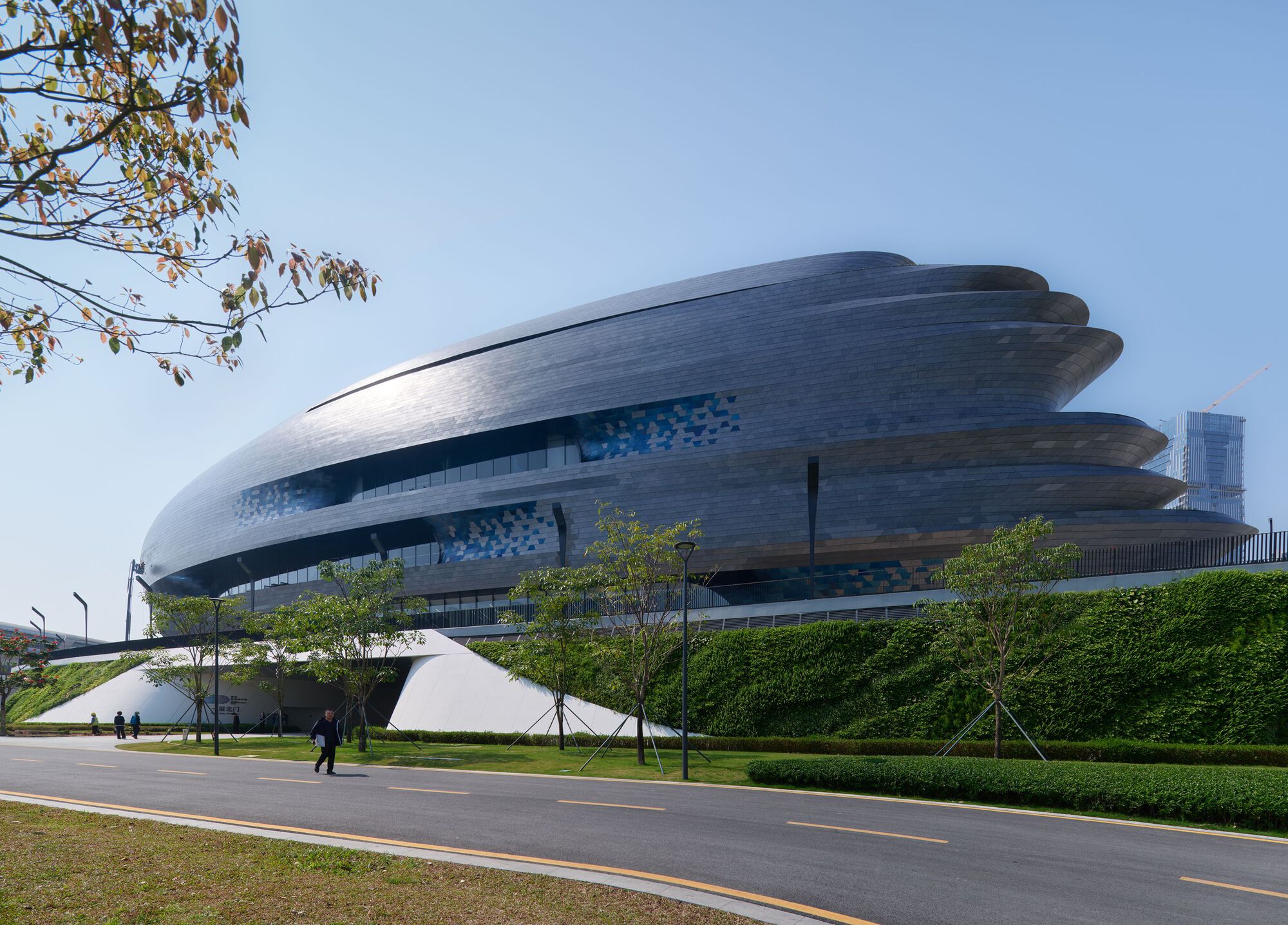
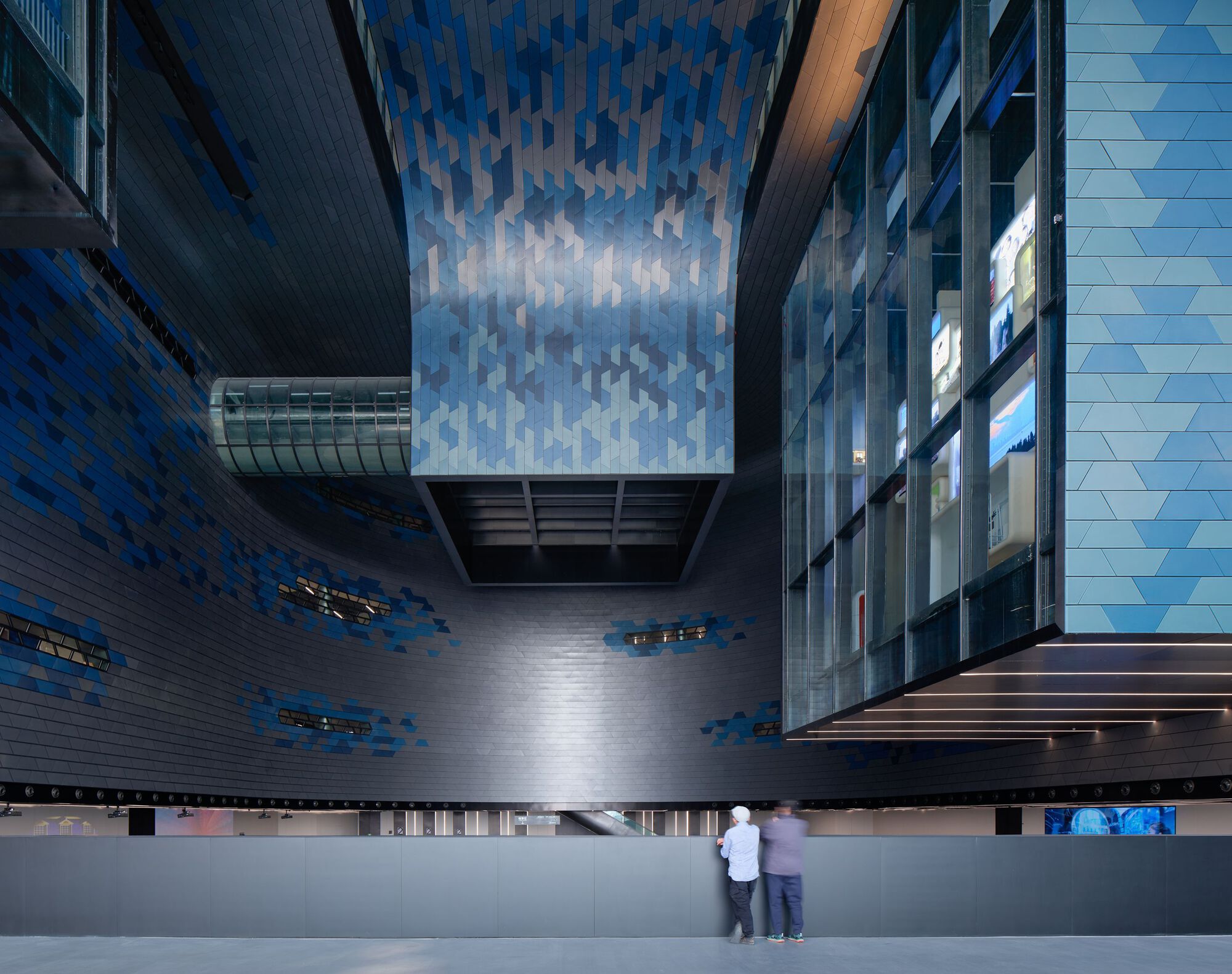
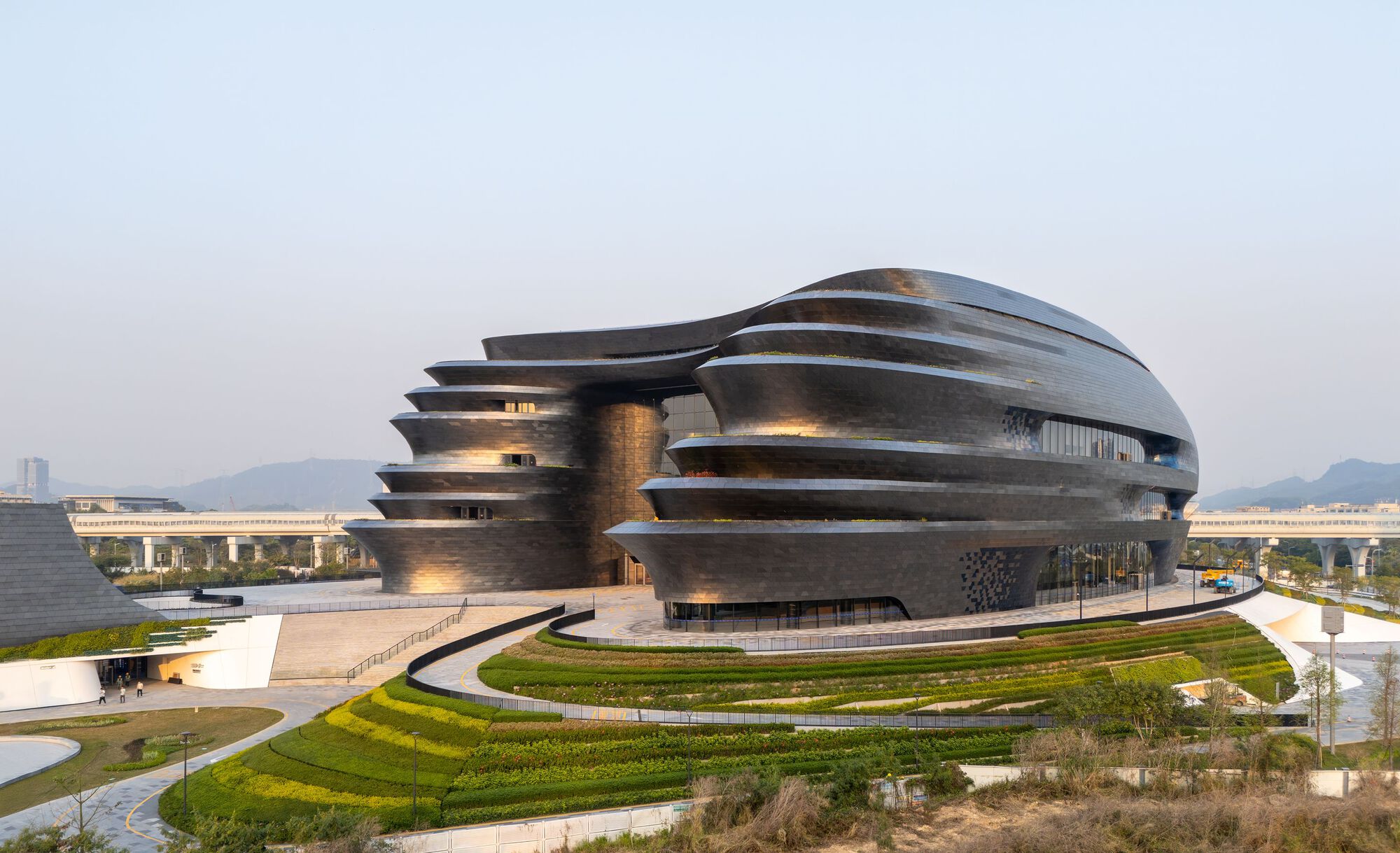
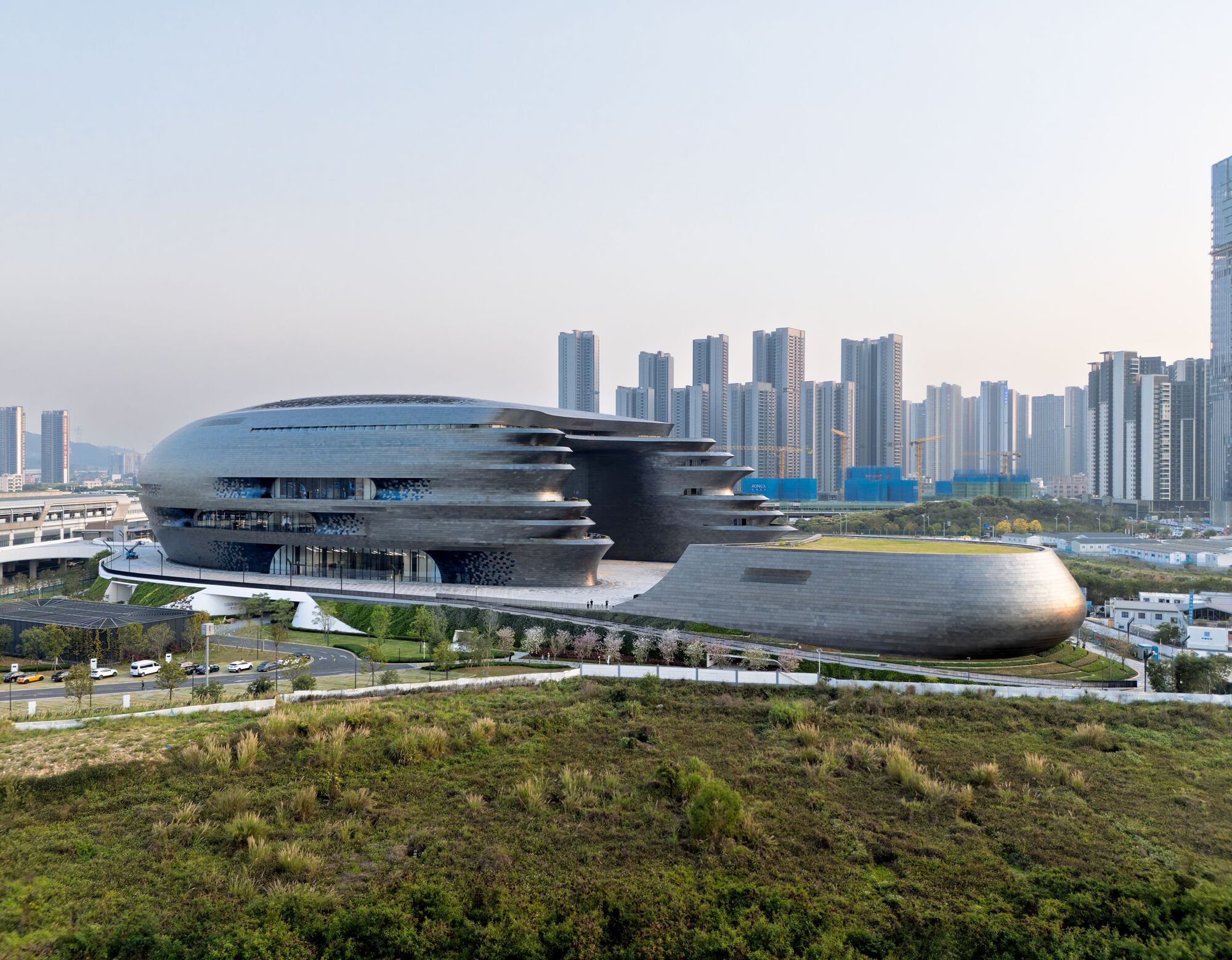
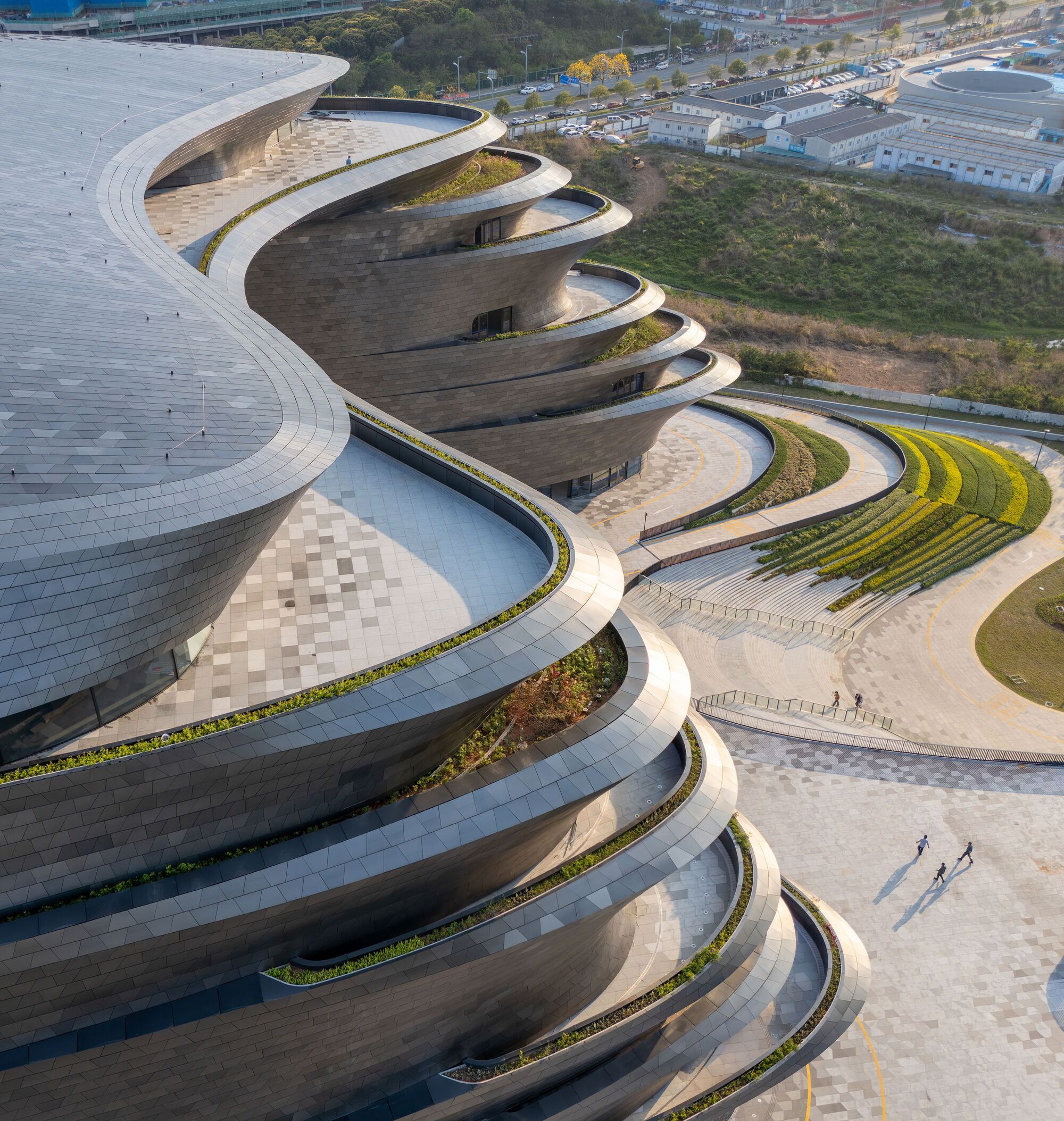
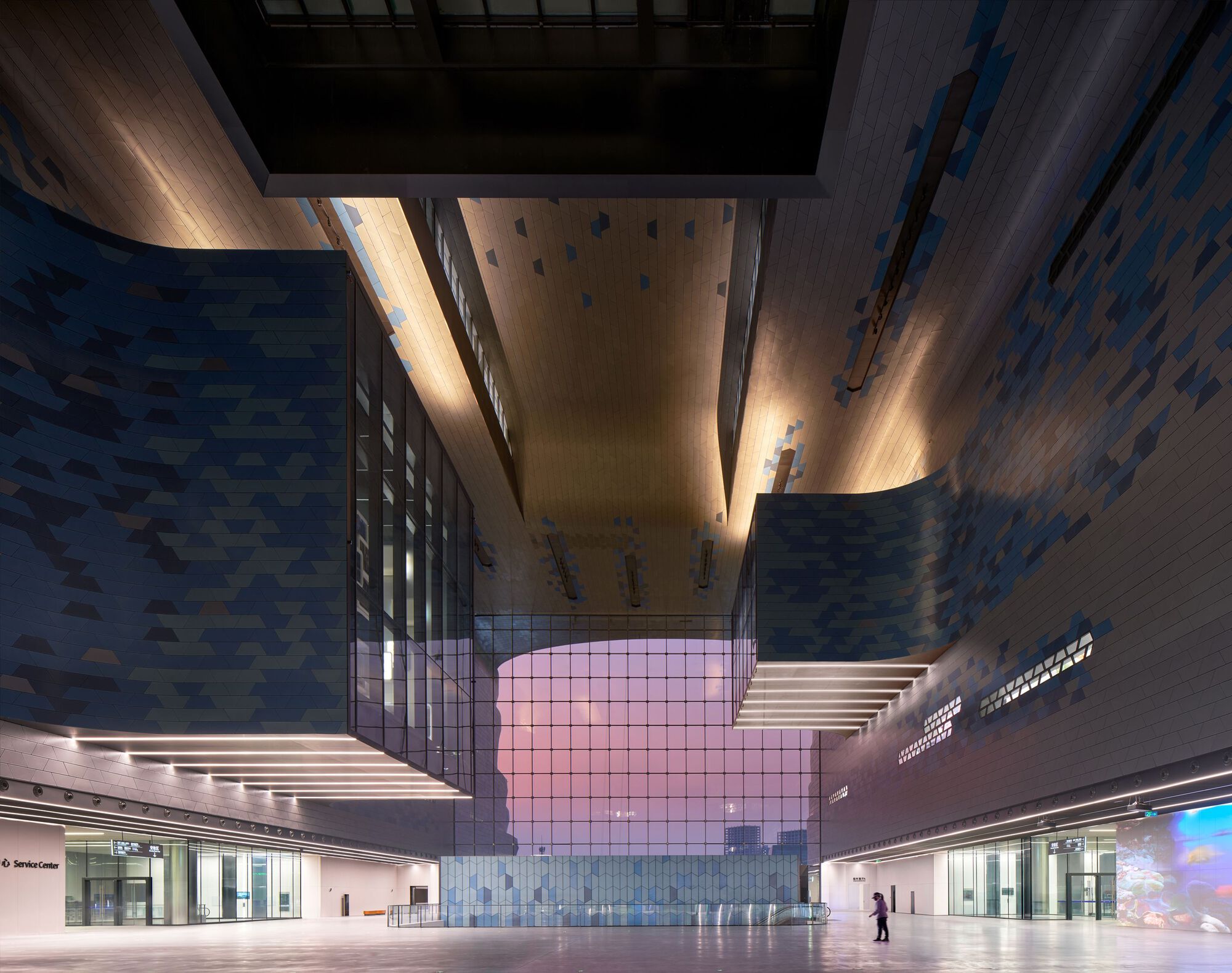
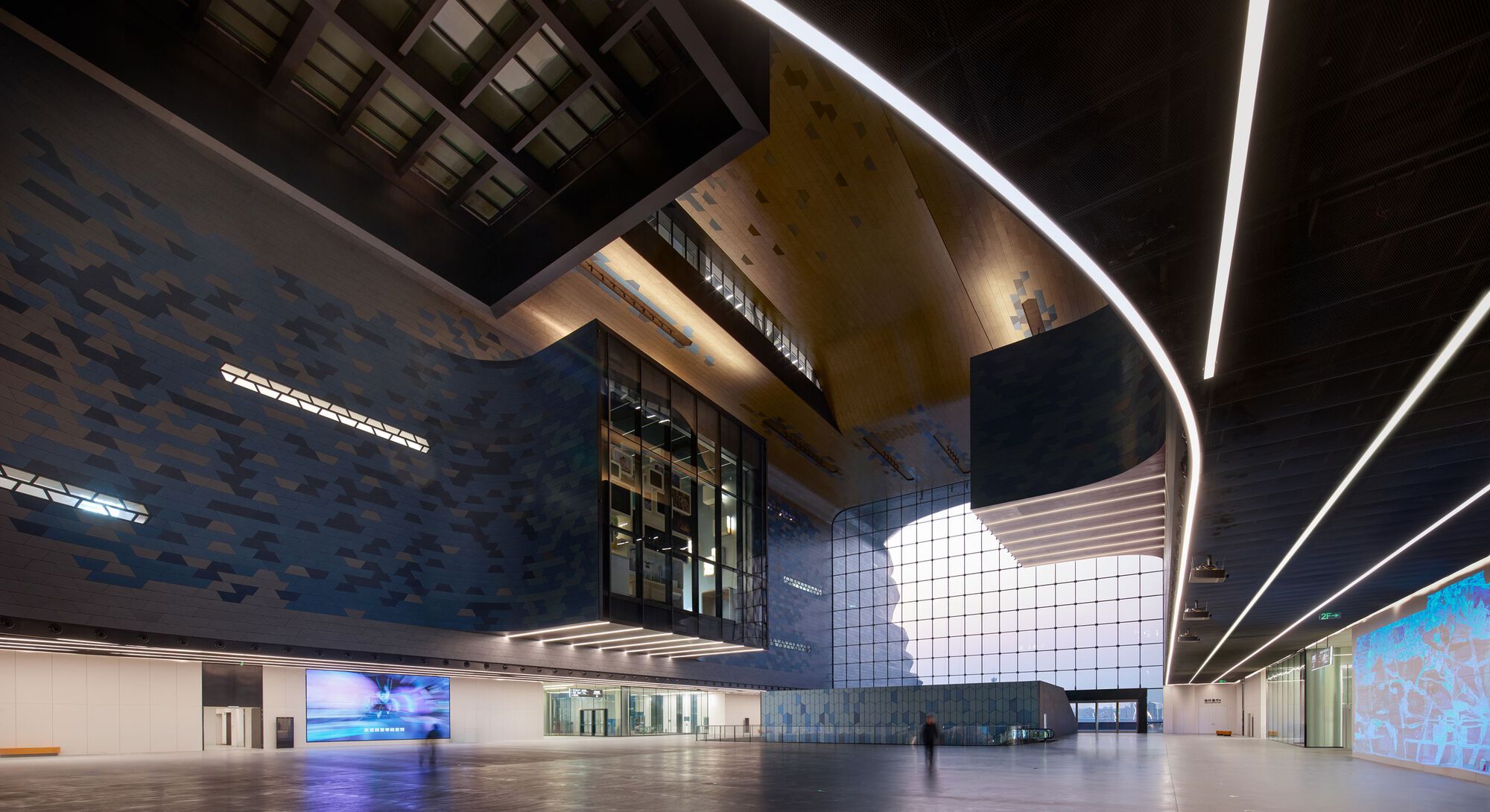
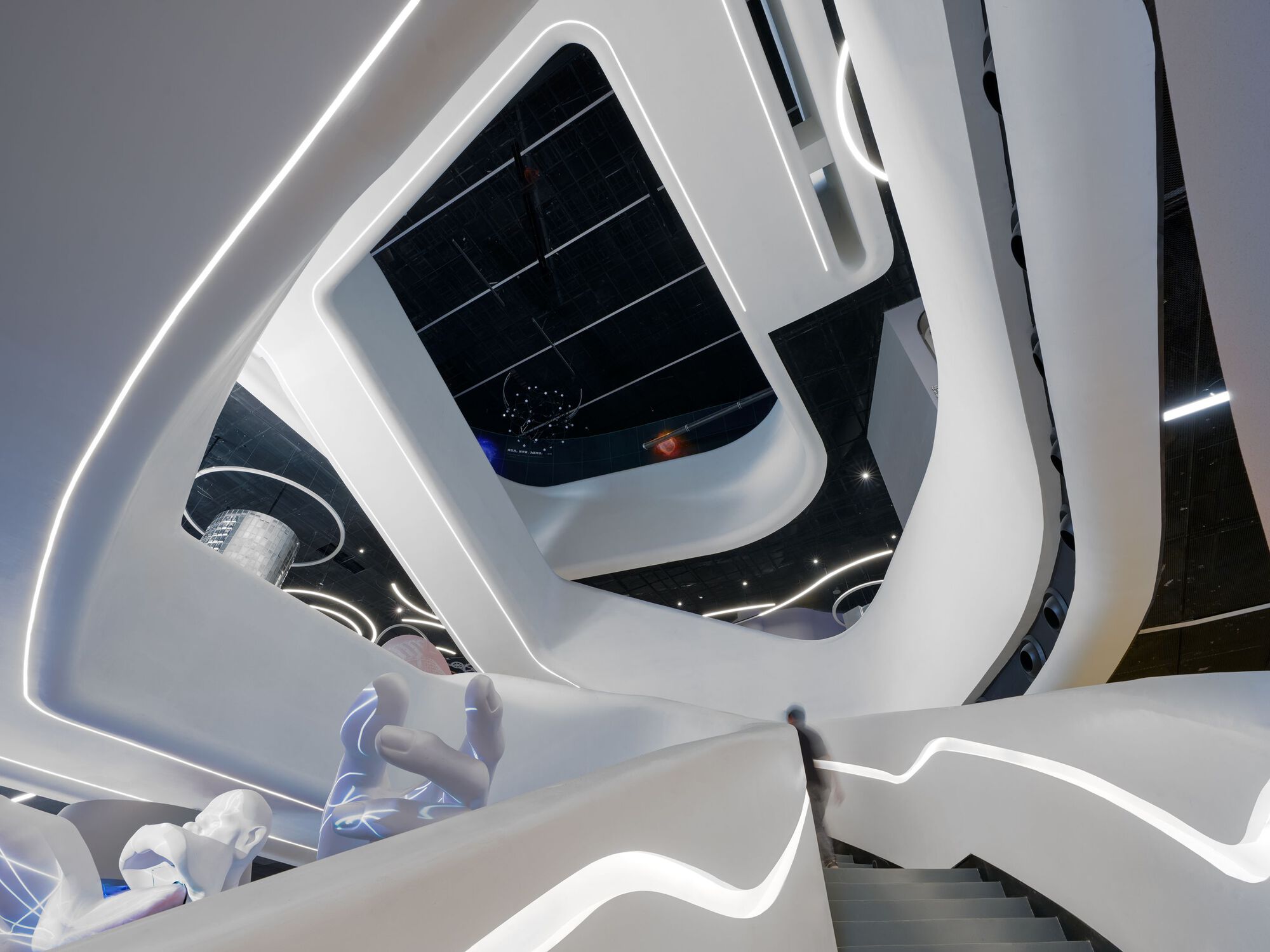
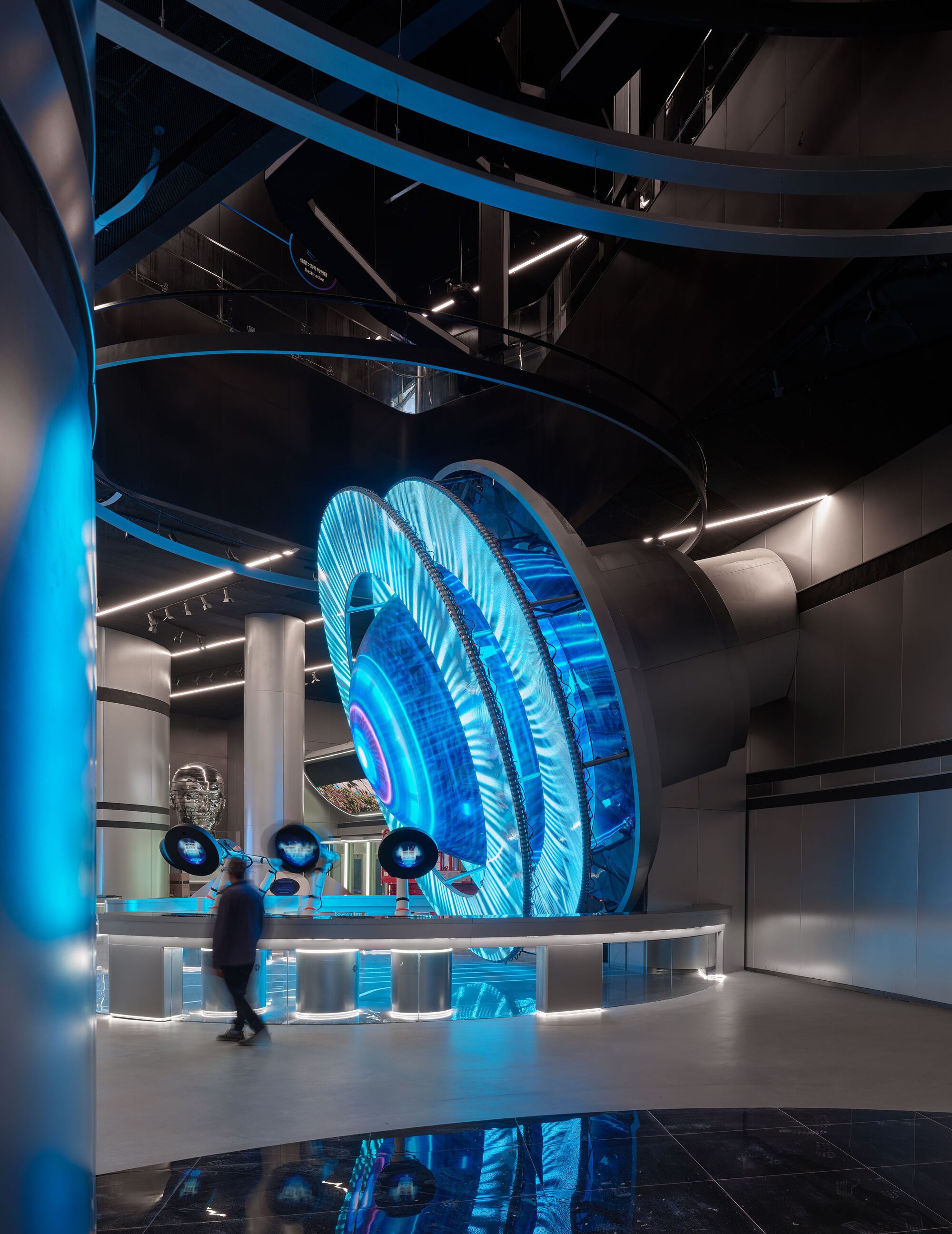
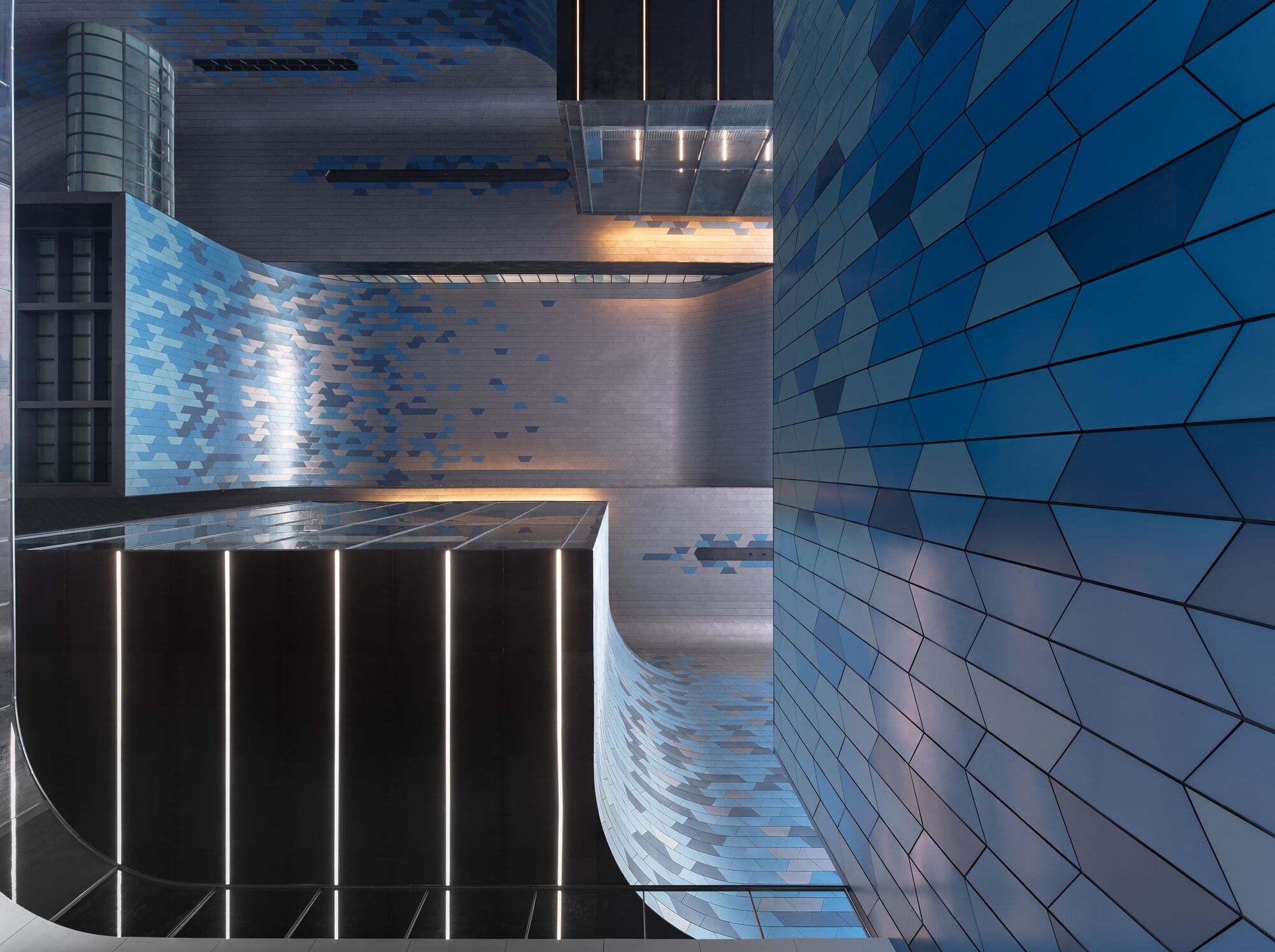
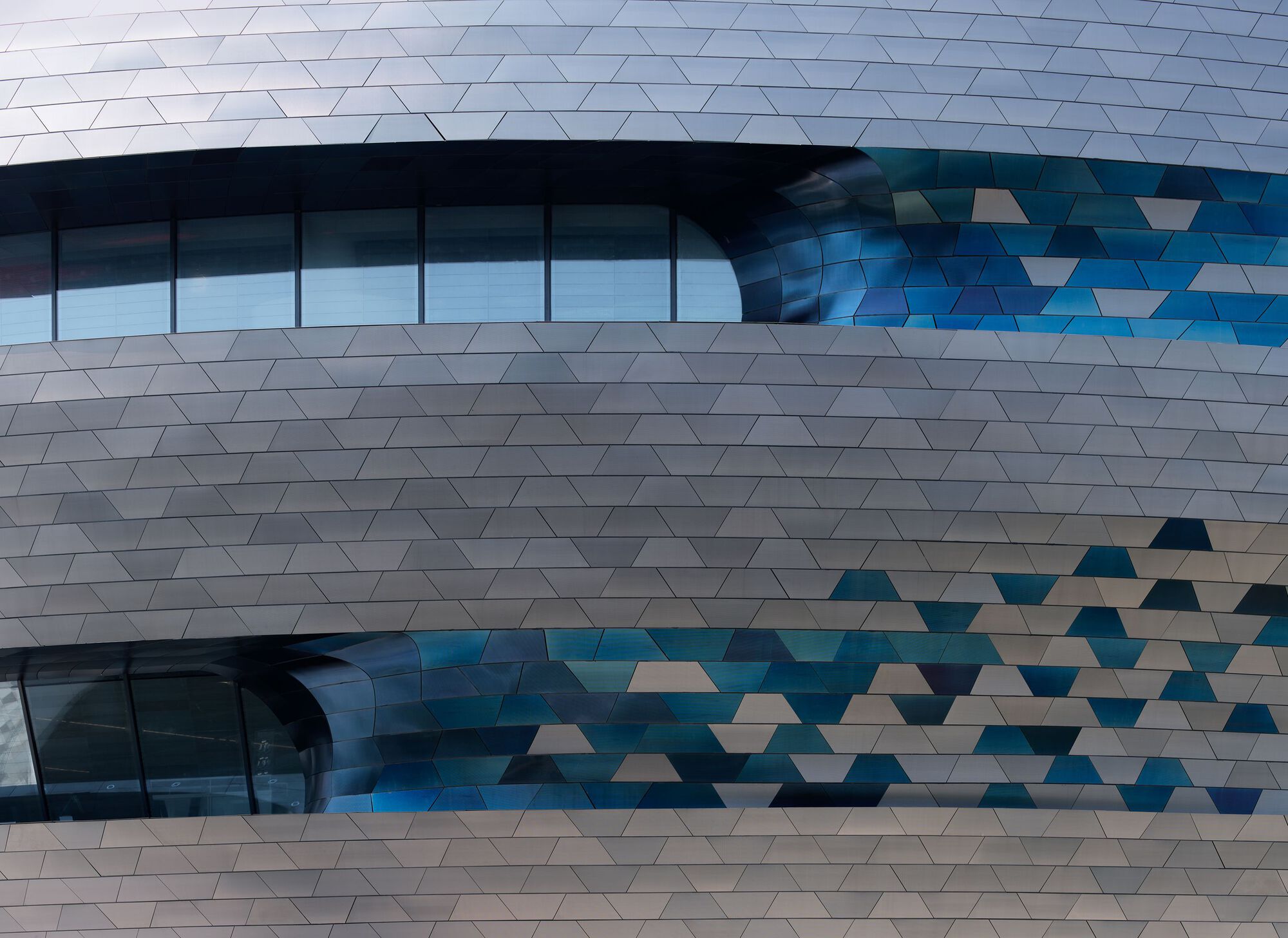
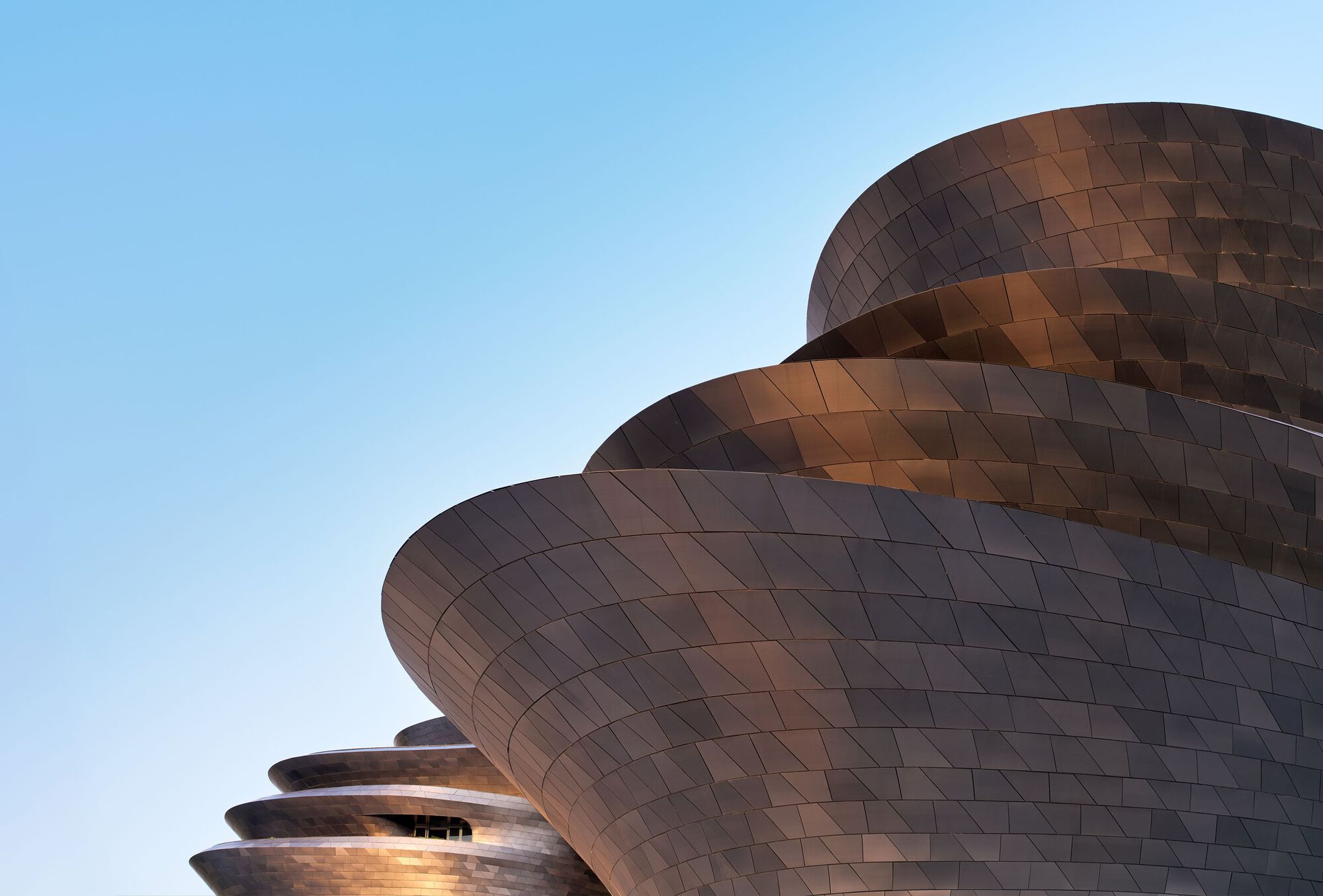
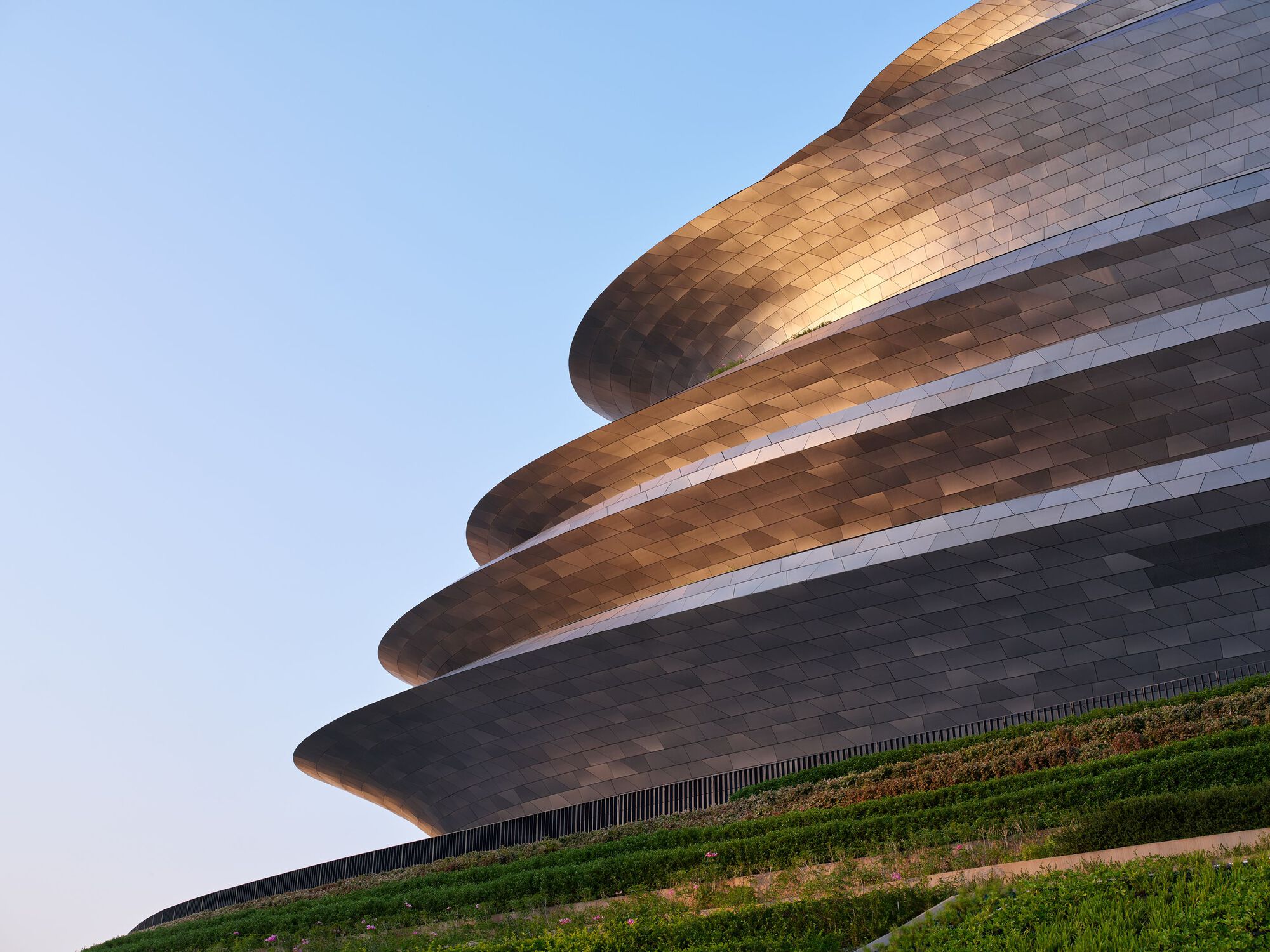
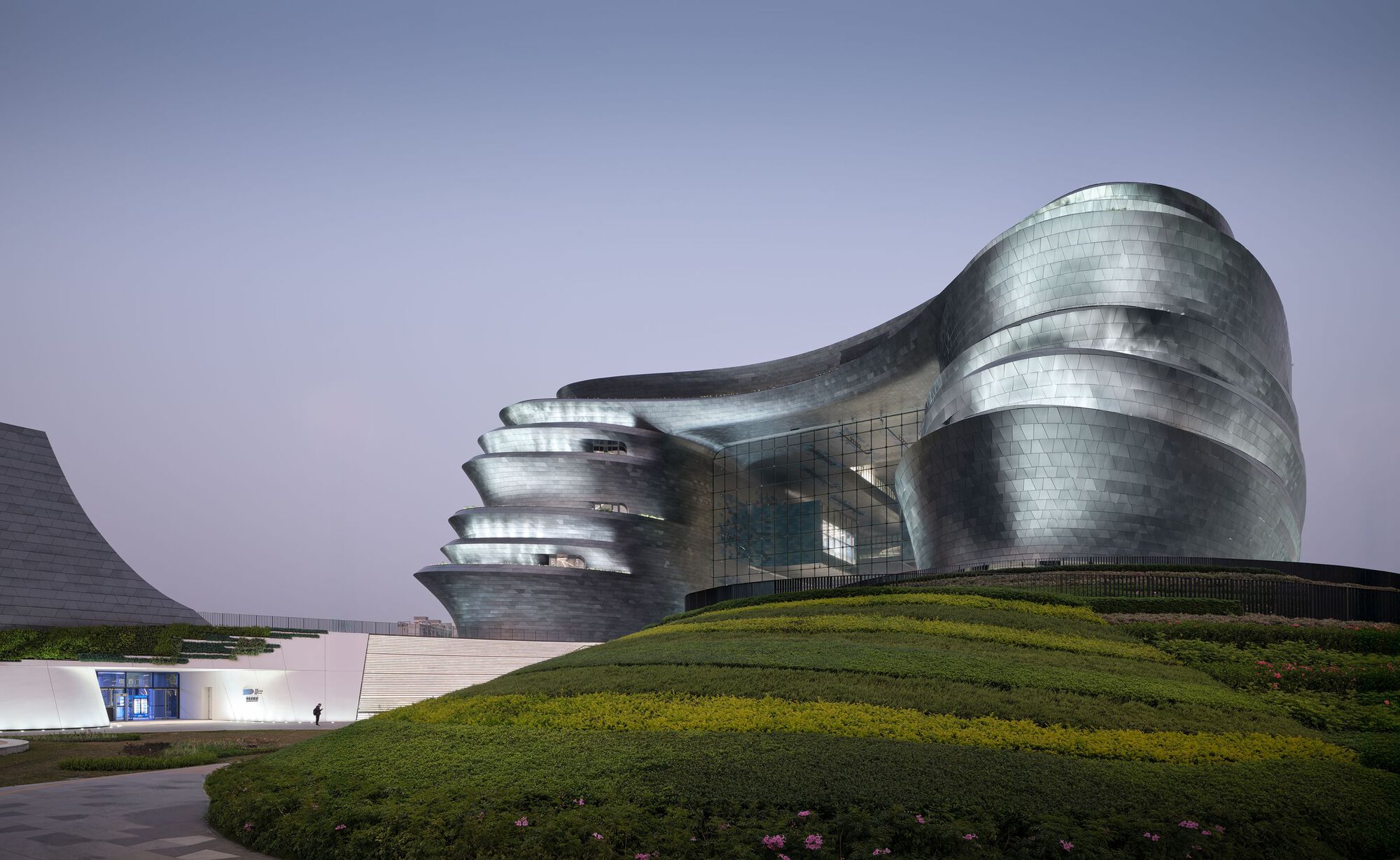
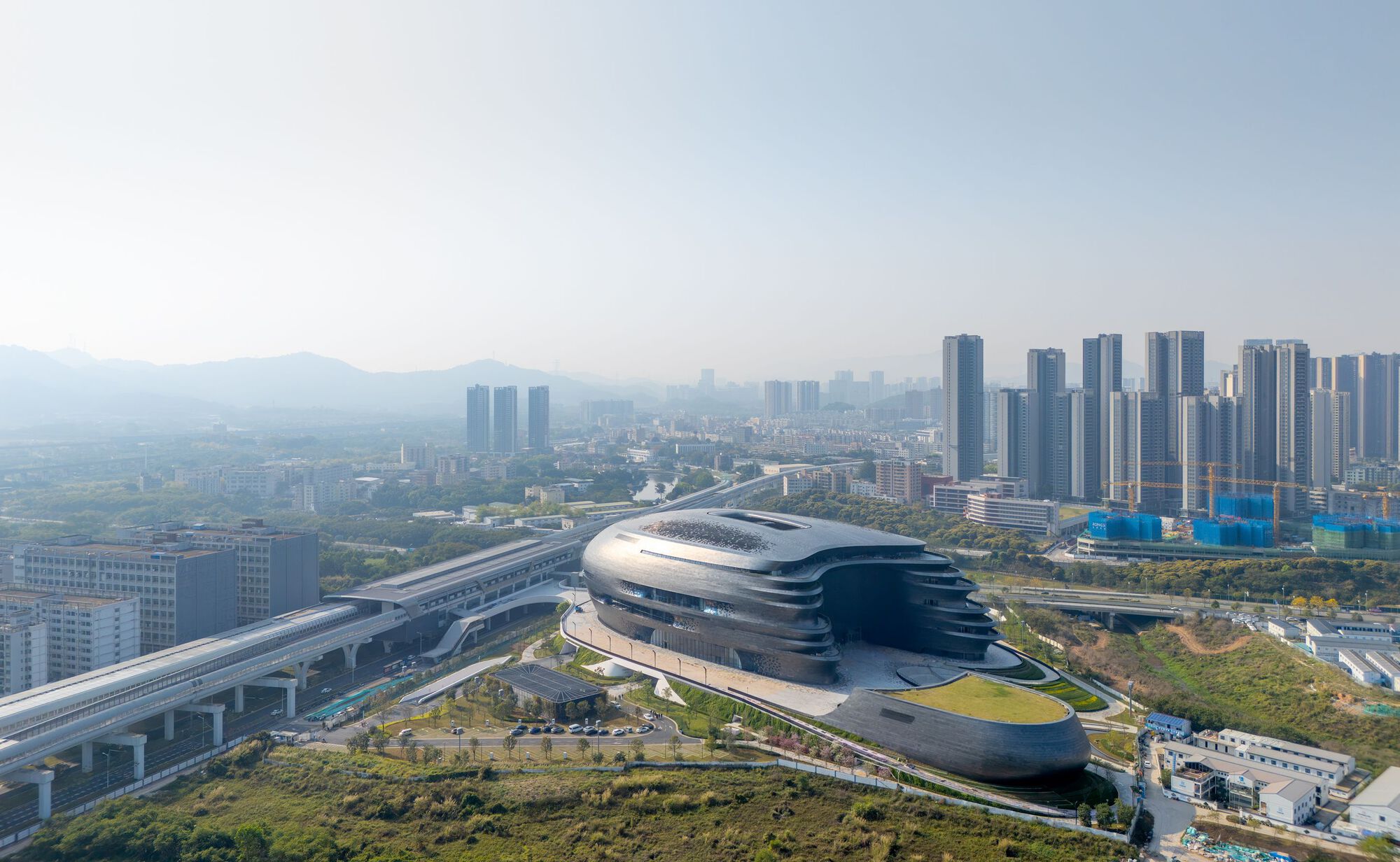
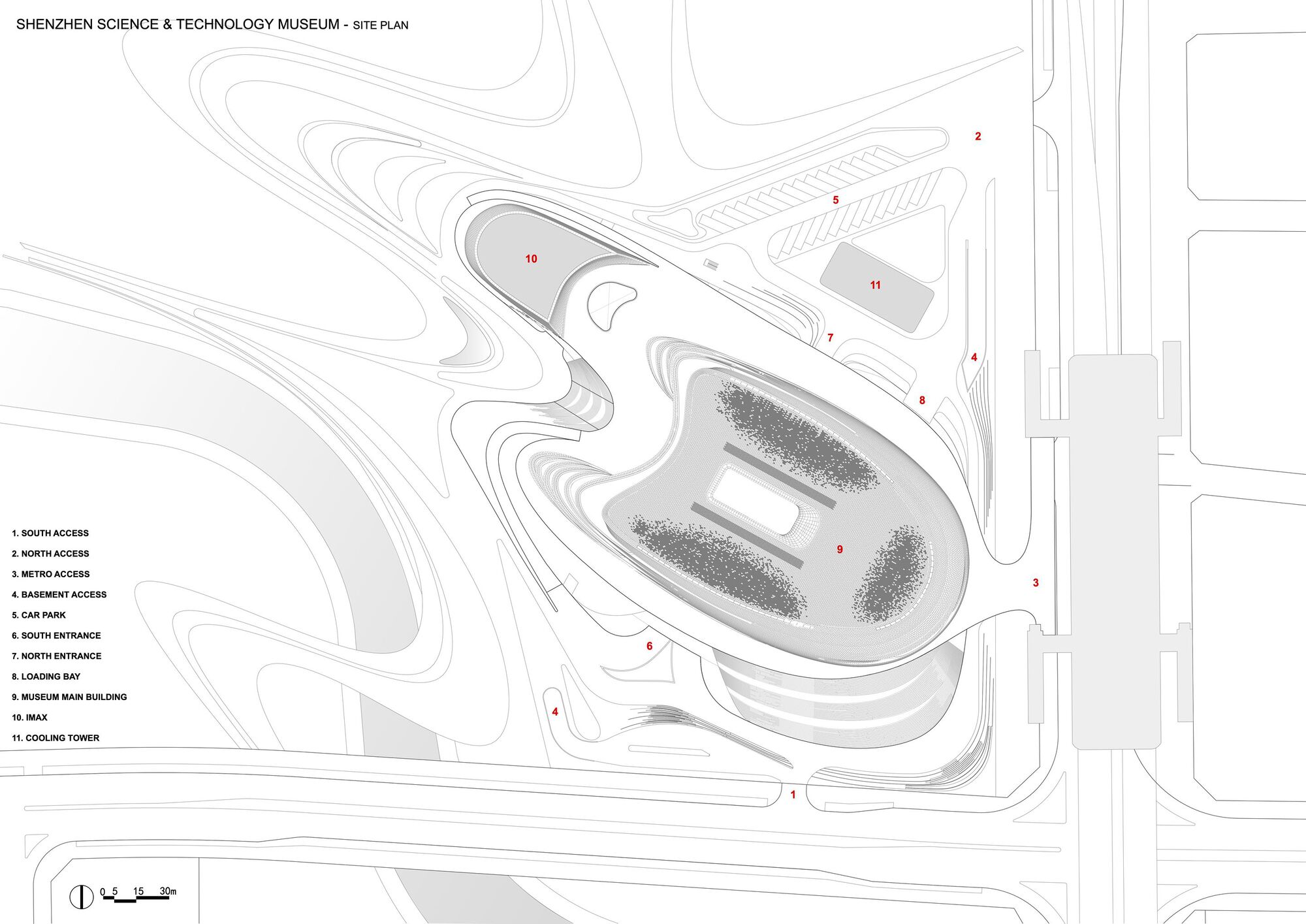
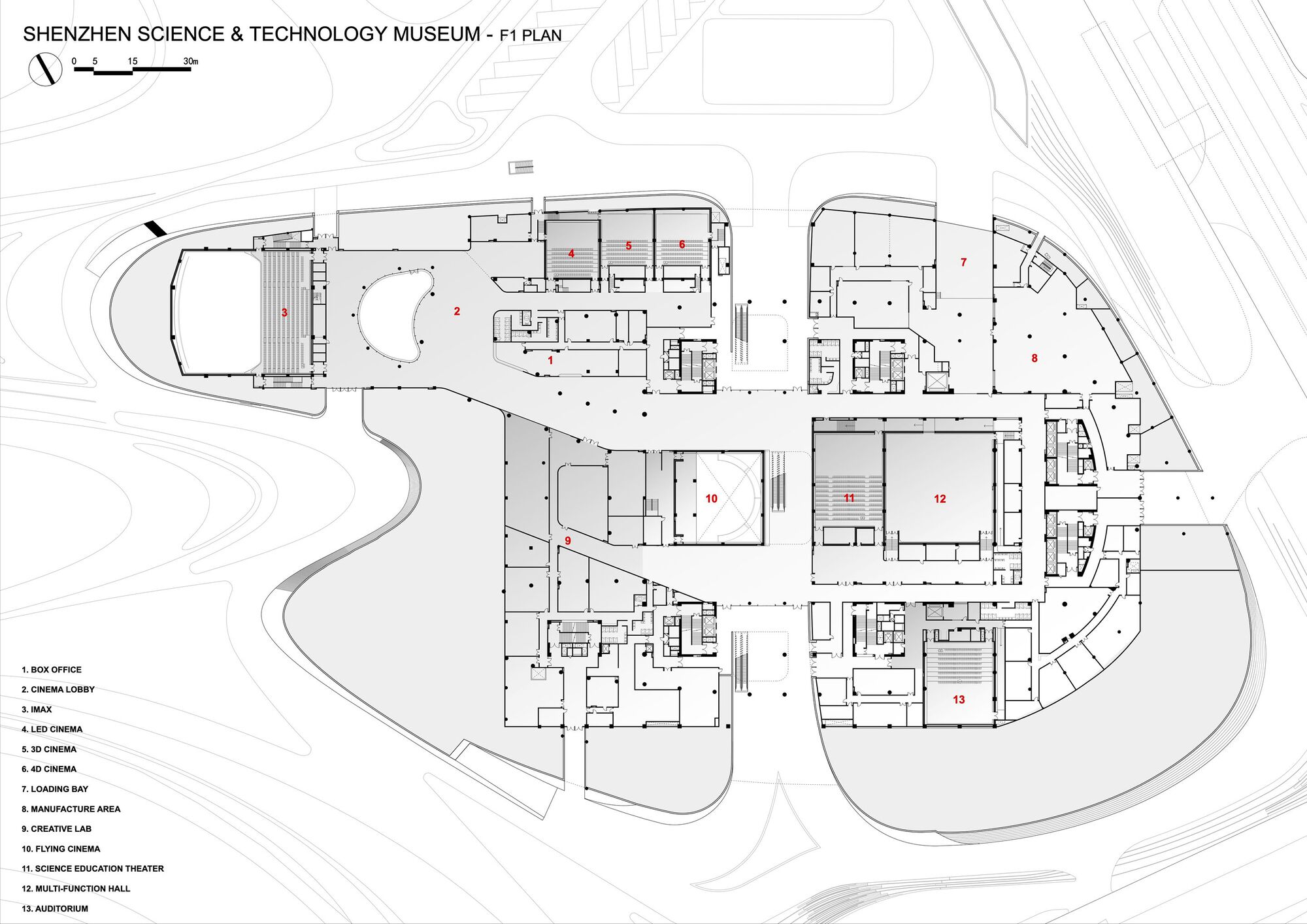
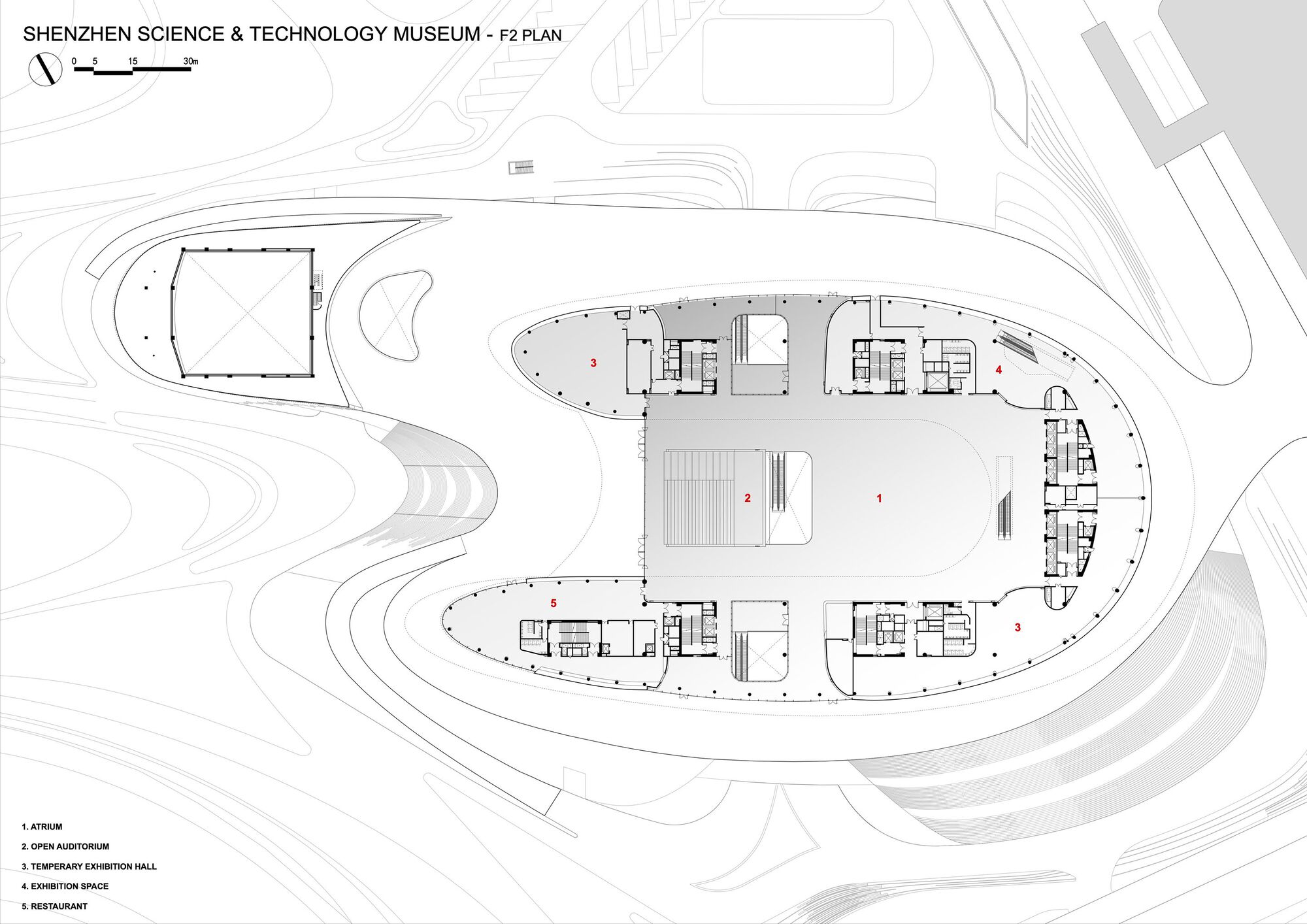
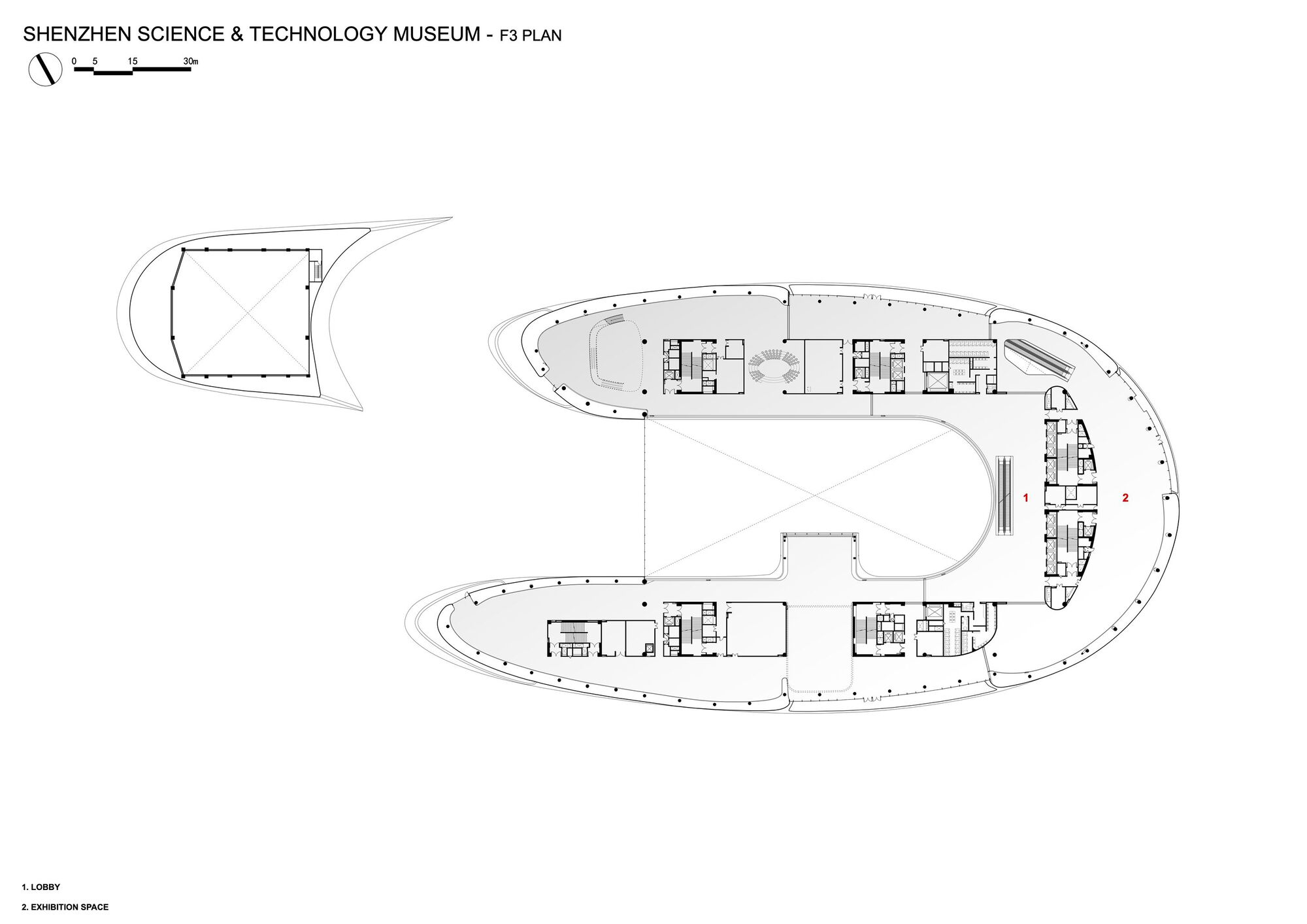
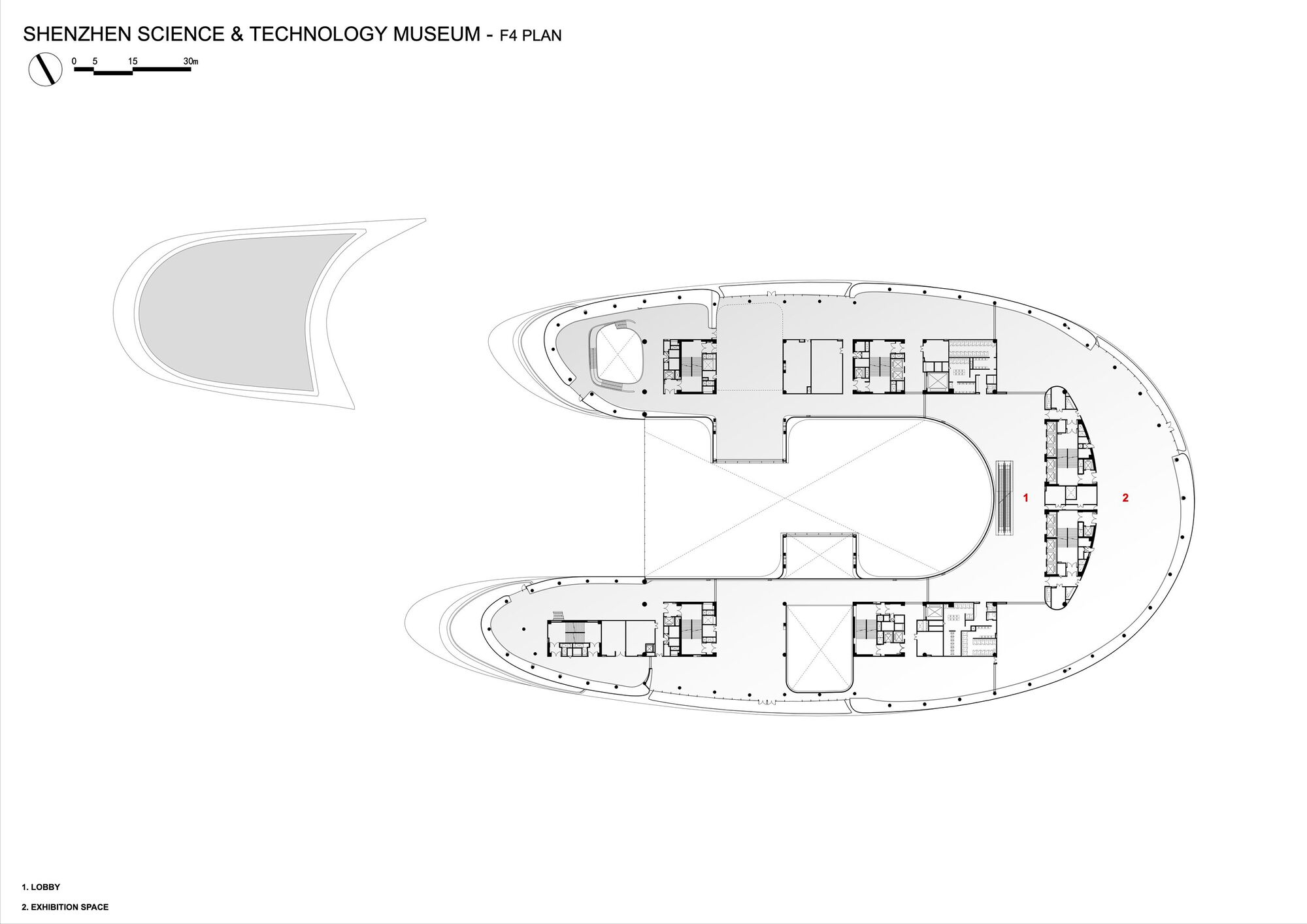
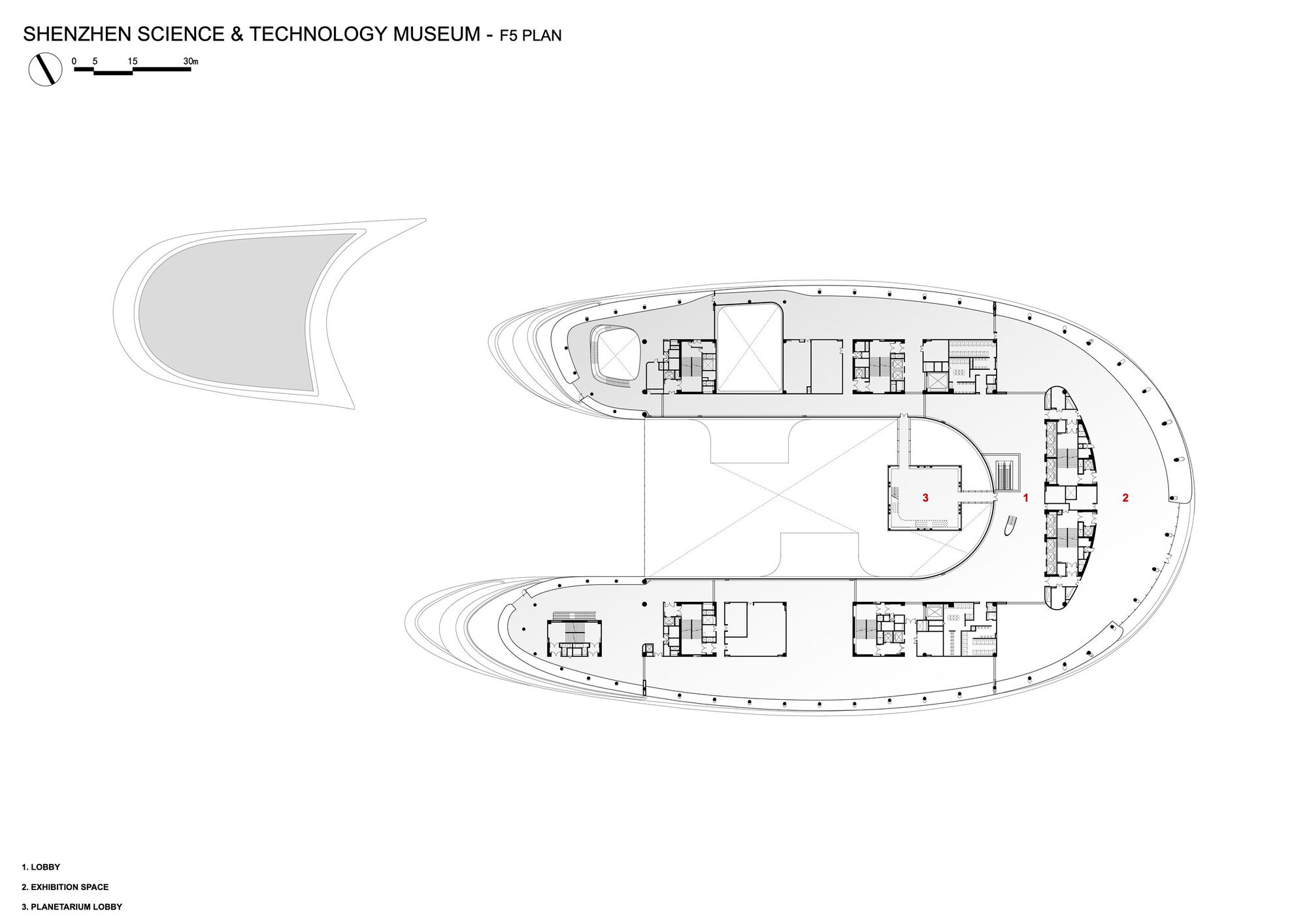
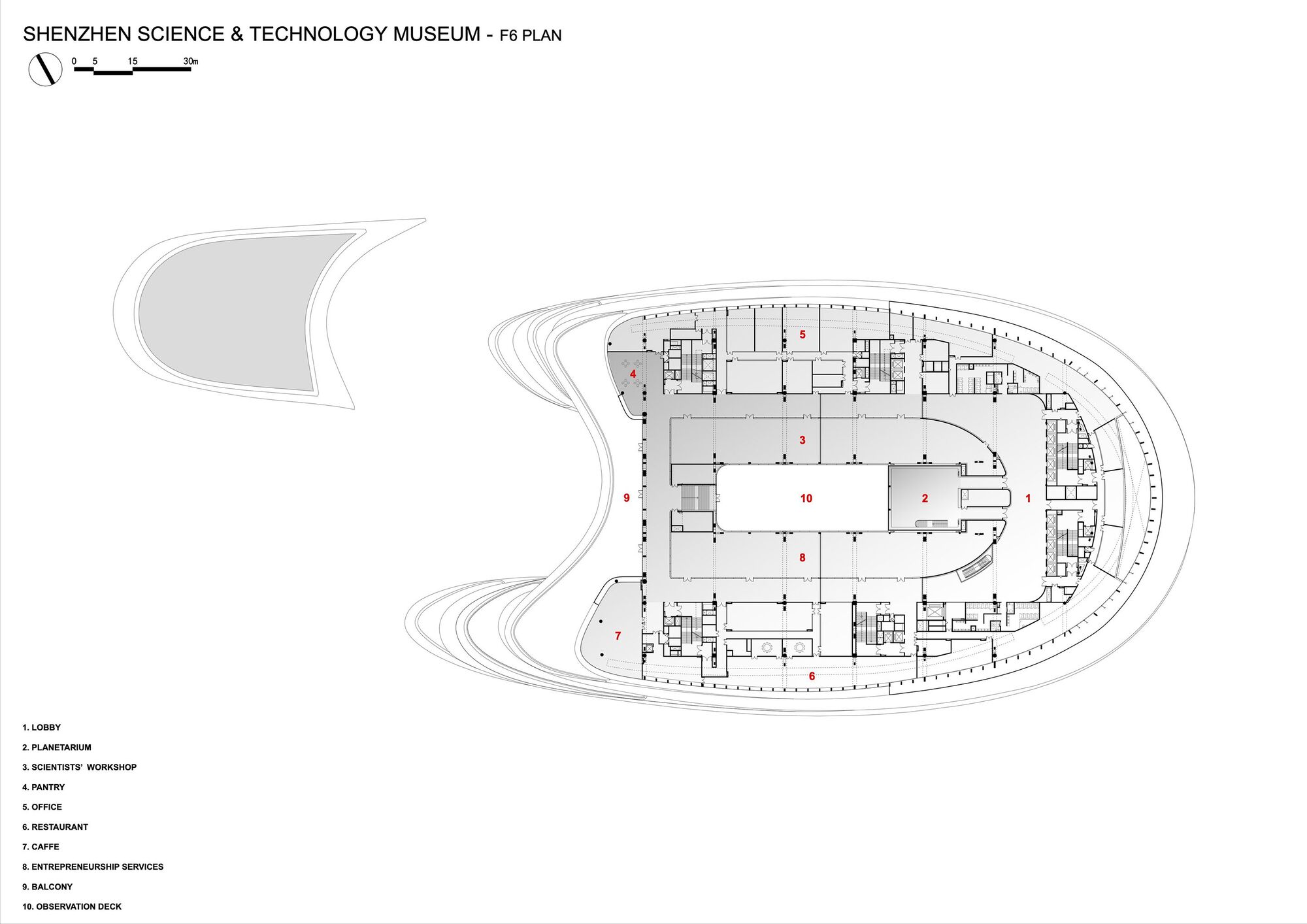
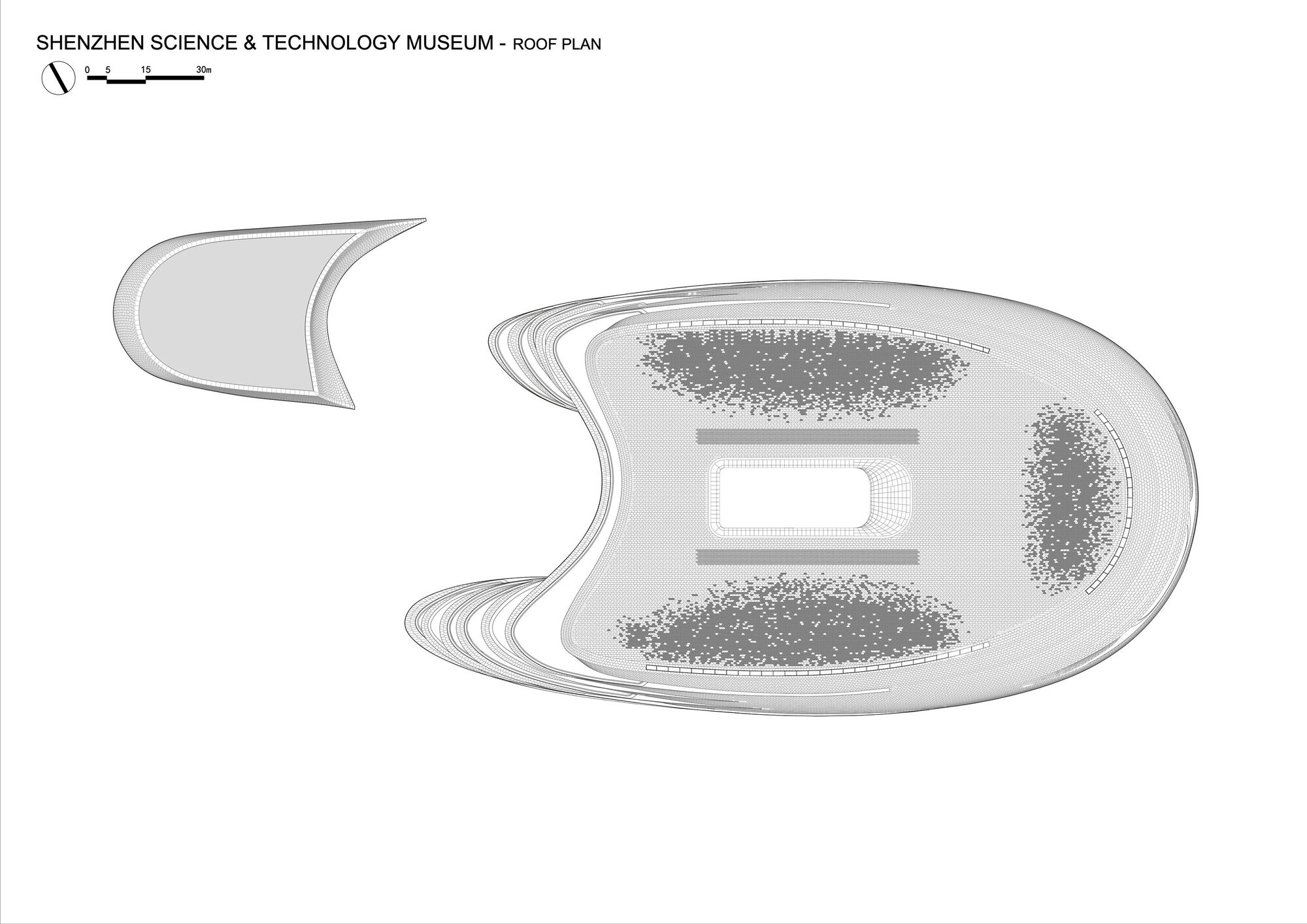
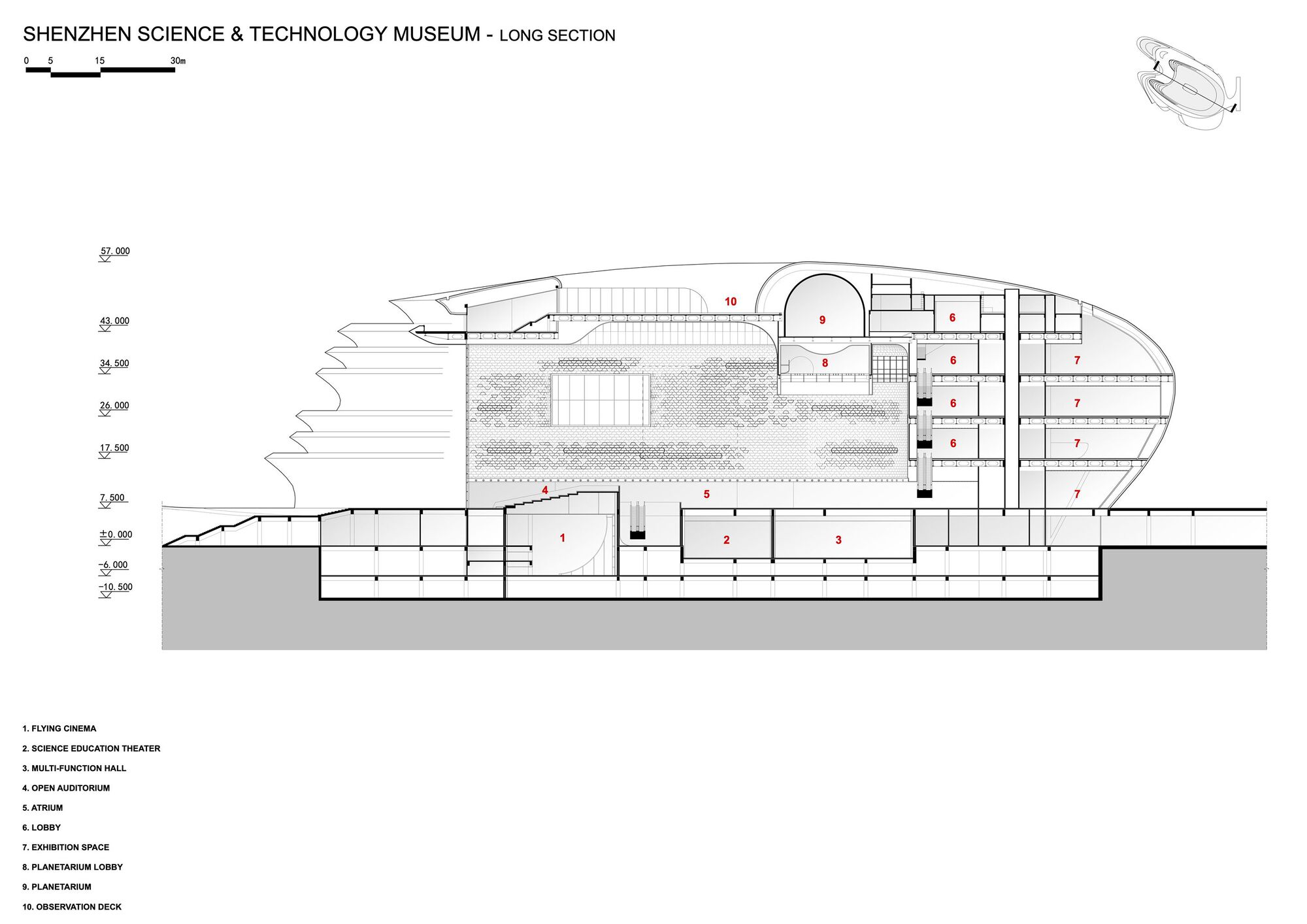
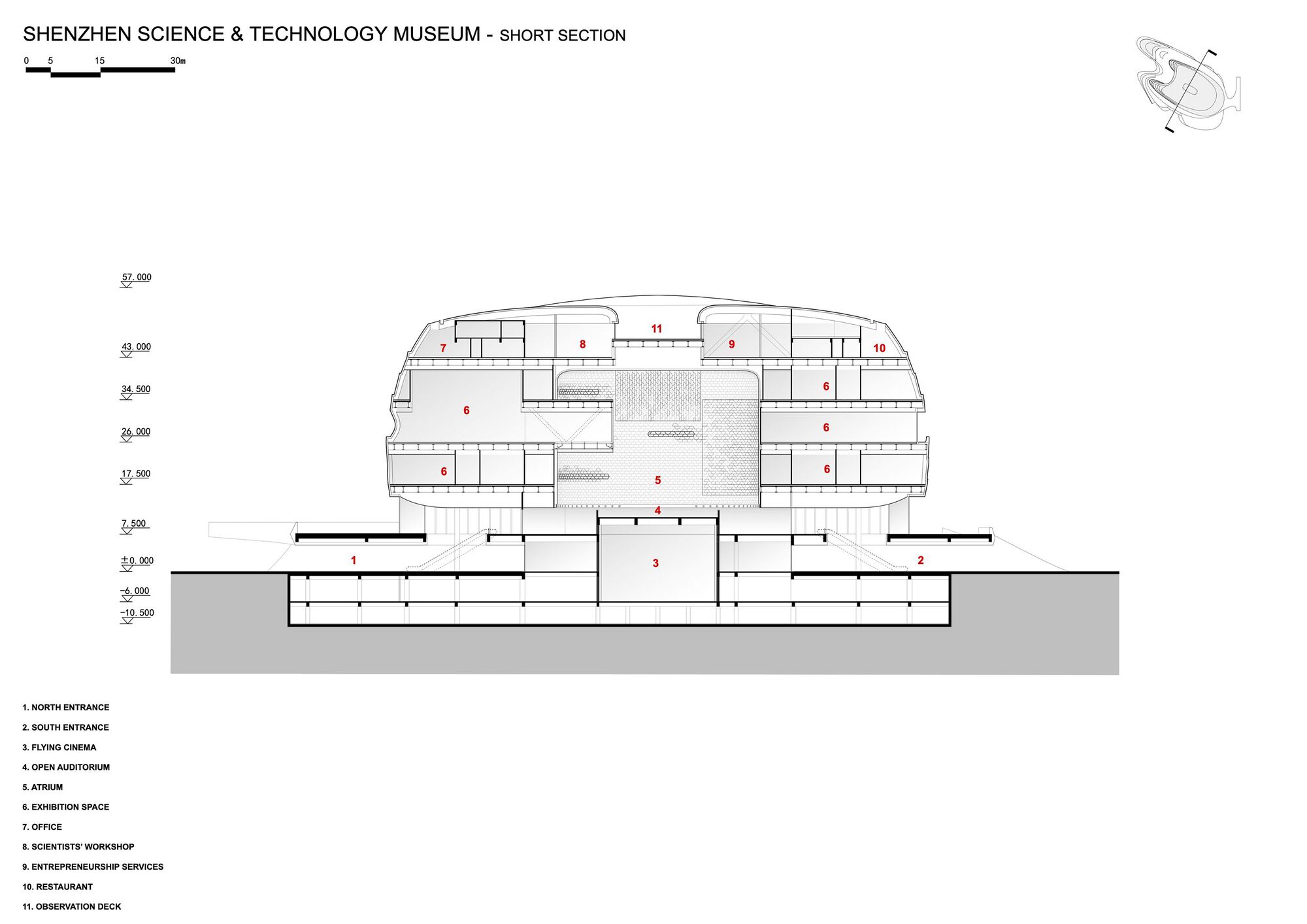
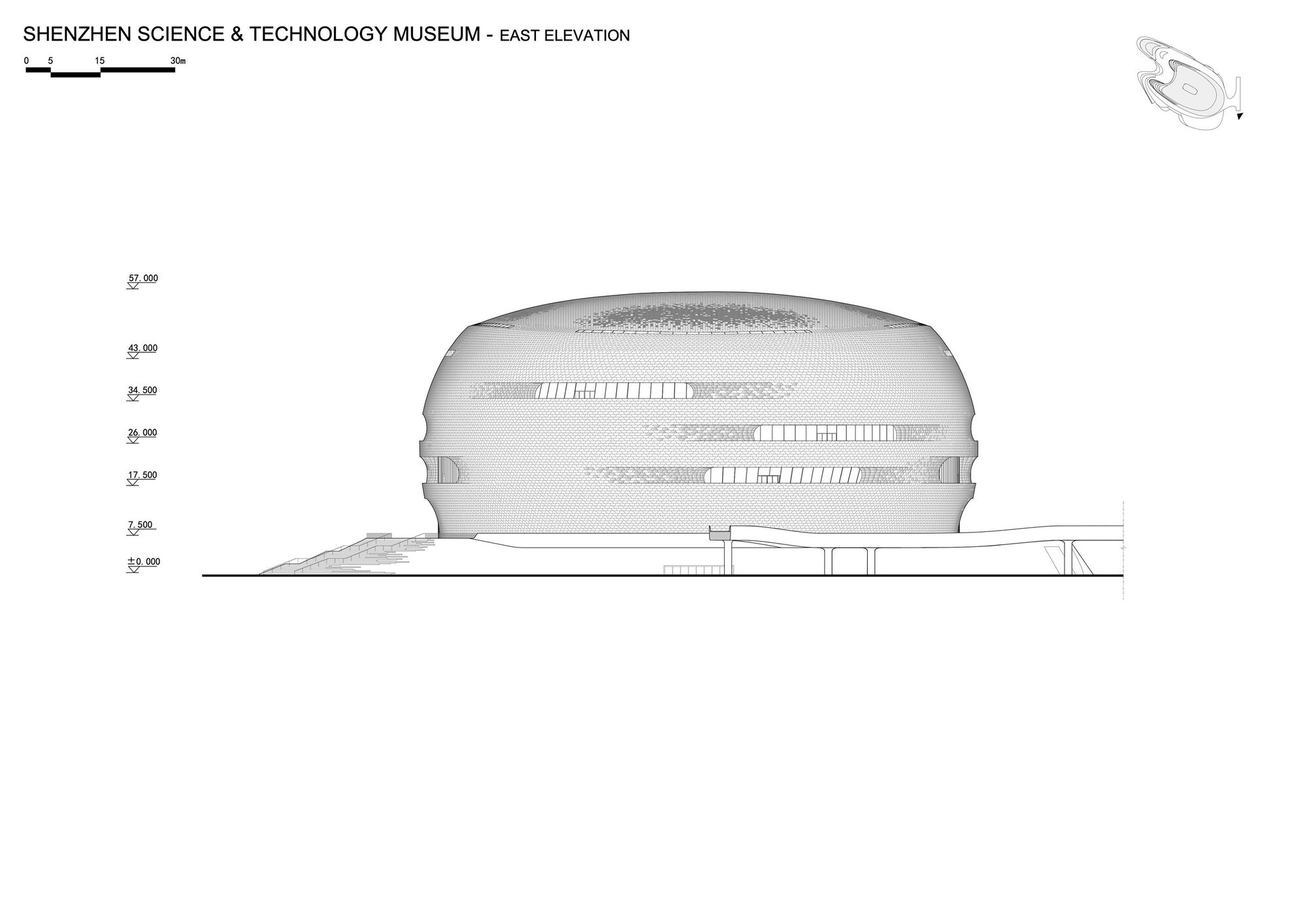
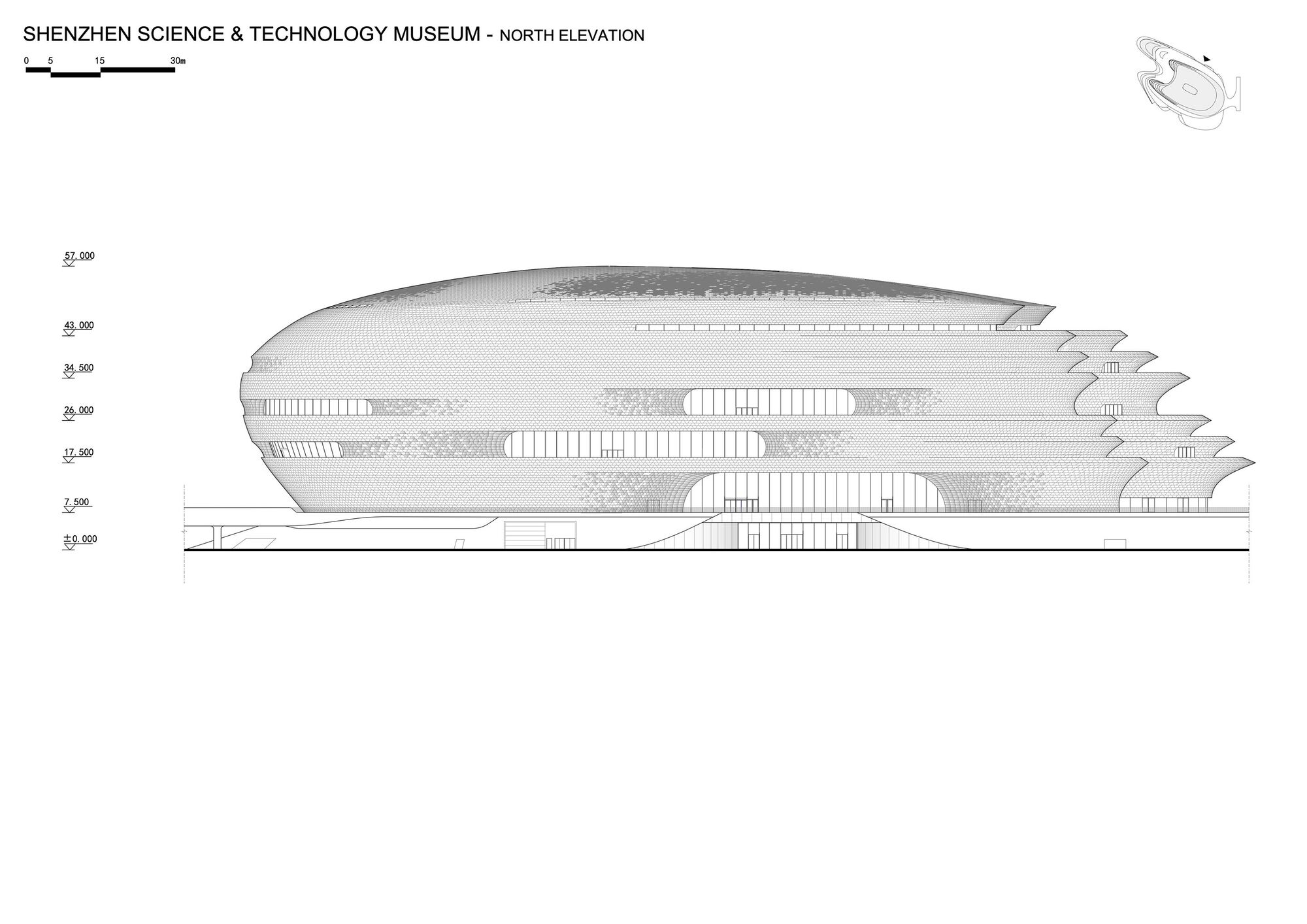
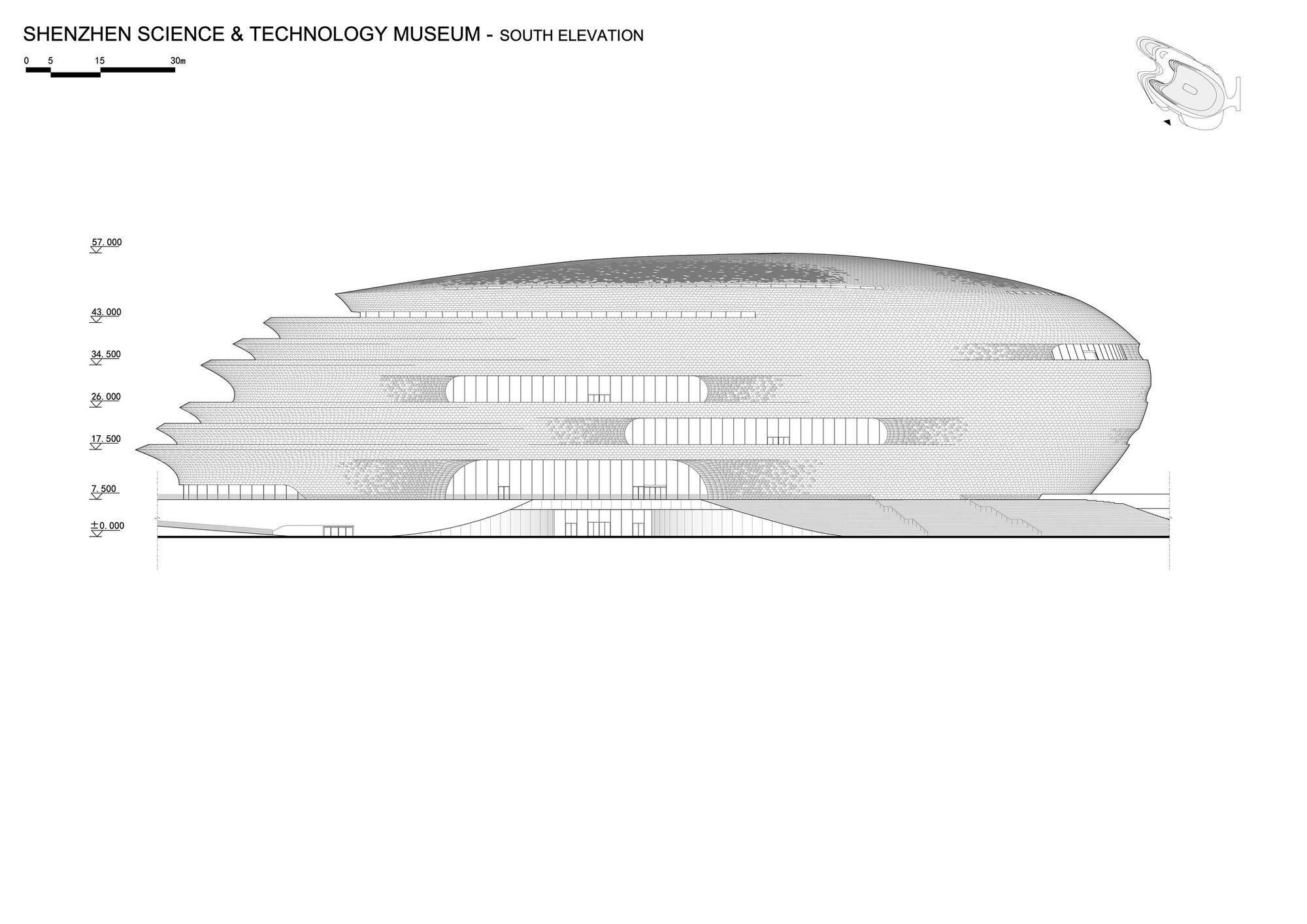
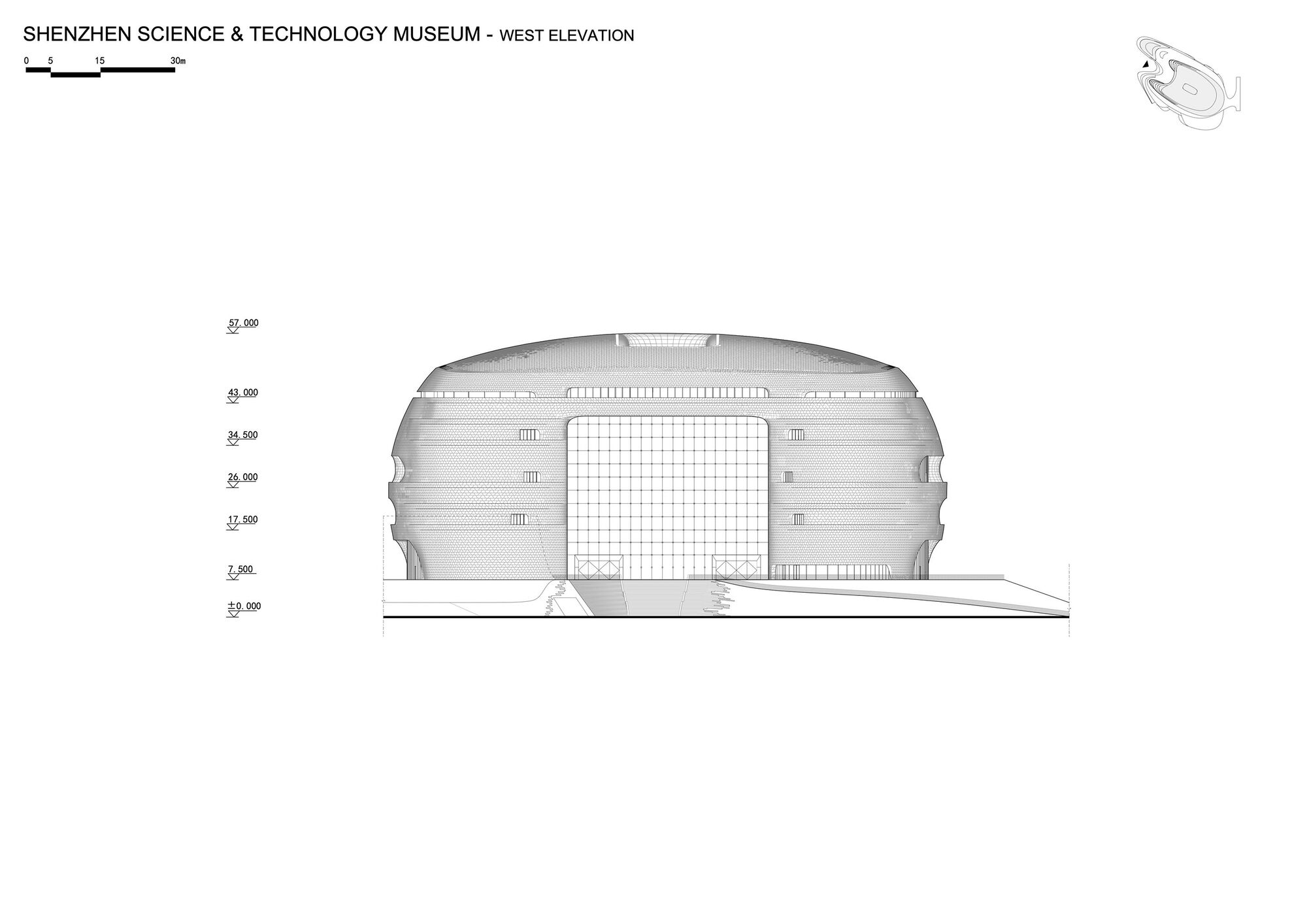
Shenzhen Science and Technology Museum #architecture Architects: Zaha Hadid Architects Photographs: Virgile Simon Bertrand City: Shenzhen Country: China The Shenzhen Science & Technology Museum in the Guangming District of the city opens today. Showcasing the scientific endeavour, ground-breaking research, and future possibilities of technology, this new institution will explore the power of science and the technological advancements defining our future. Designed as a leading visitor destination of the Greater Bay Area — the world's largest metropolitan region with its population approaching 100 million residents — the museum will collaborate with the region's renowned tech industries, universities, schools and research centres to cultivate innovation, as well as present the ongoing inventiveness that places Shenzhen as a global leader in the development of new technologies. Adjacent to Guangming Station of Shenzhen's metro network, the design responds to its location as a solid, spherical volume facing the city and defining the southeast corner of the new Science Park. Extending westwards into the park, the building's volume stretches and transforms into a dynamic sequence of outdoor terraces overlooking the park. These terraces are functioning extensions of the interior galleries that surround the grand central atrium, creating a significant new civic space for the city. The Shenzhen Science & Technology Museum incorporates 35,000 sqm of permanent and temporary exhibition halls and galleries, together with 6,000 sqm of immersive theatres and cinemas, as well as 5,400 sqm of research laboratories, educational facilities, and an innovation centre. Additionally, 34,000 sq. m of visitor amenities and storage join production and maintenance workshops. The many galleries within Shenzhen's new scientific institution emerge from the floor and walls of its central atrium, while other galleries float above the awesome scale and composition of the atrium's grand public space, each giving visual clues that intuitively direct visitors through the museum's series of interconnected spaces. The atrium's multiple perspectives and materiality also provide a thrilling launching point for every visitor's journey of discovery. With its large, glazed wall facing the park, the atrium blurs the boundary between inside and out, inviting natural light and landscapes, as well as our boundless curiosity, into the heart of the building. Guided by passive environmental strategies, the design process employed advanced computer simulations to test and refine the building's form, spaces, and envelope for optimal performance within the annual solar radiation, temperatures, humidity, prevailing winds, air quality, and other variable conditions of Shenzhen's subtropical climate and location. The building's orientation has been determined to minimise solar heat gain within its central atrium while maintaining panoramic views of the park. Designed to shield the atrium's glazed façade from direct sunlight to enhance visitor comfort, the terraces on each floor improve environmental performance and create a series of sheltered outdoor spaces overlooking the park, giving visitors places for rest and contemplation while exploring the exhibitions. Mitigating direct exposure to the elements and solar radiation, a system of stainless-steel panels creates a ventilated cavity between the façade and the external walls. This system extends to the roof, which also incorporates photovoltaics for on-site energy generation. The museum's façade incorporates the first large-scale application of dual colour INCO technology in China. Precisely controlling an electrolyte formula and oxidation time, a nano-scale oxide film is generated on the surface of the steel, giving the façade a self-protecting, self-cleaning micro-layer that extends its life cycle by increasing resilience to weather and corrosion, while also enriching the stainless steel with a fine texture and colour without any painting. The façade's colour gradient transitions from deep blue to various shades of grey, evoking a dynamism of celestial bodies orbiting in space, while adding depth and texture. Aiming to achieve the highest three-star rating of China's Green Building Evaluation Standard, the 128,276 sqm museum's passive design features combined with smart management networks operating high-efficiency systems are projected to reduce the building's energy consumption to 15.47 kWh/sqm per year, subsequently lowering emissions from electricity demand to an estimated 125.89 kgce/sqm a year. The museum's procurement targeted the use of 389,238.92 tonnes of recyclable materials in construction, while its water management system implements grey-water recycling in addition to the collection and storage of rainwater to reduce overall water consumption to an estimated 14,906 cubic metres per year. The project's digital twin construction process employed BIM+3D scanning technology to maintain and control tolerances of complex surfaces within millimeters. A comprehensive network of key nodes throughout the building enabled the synchronous verification of all construction from the digital simulation in real-time, while robotic multi-point forming technology precisely shaped the complex surfaces to the exact requirements of the design.
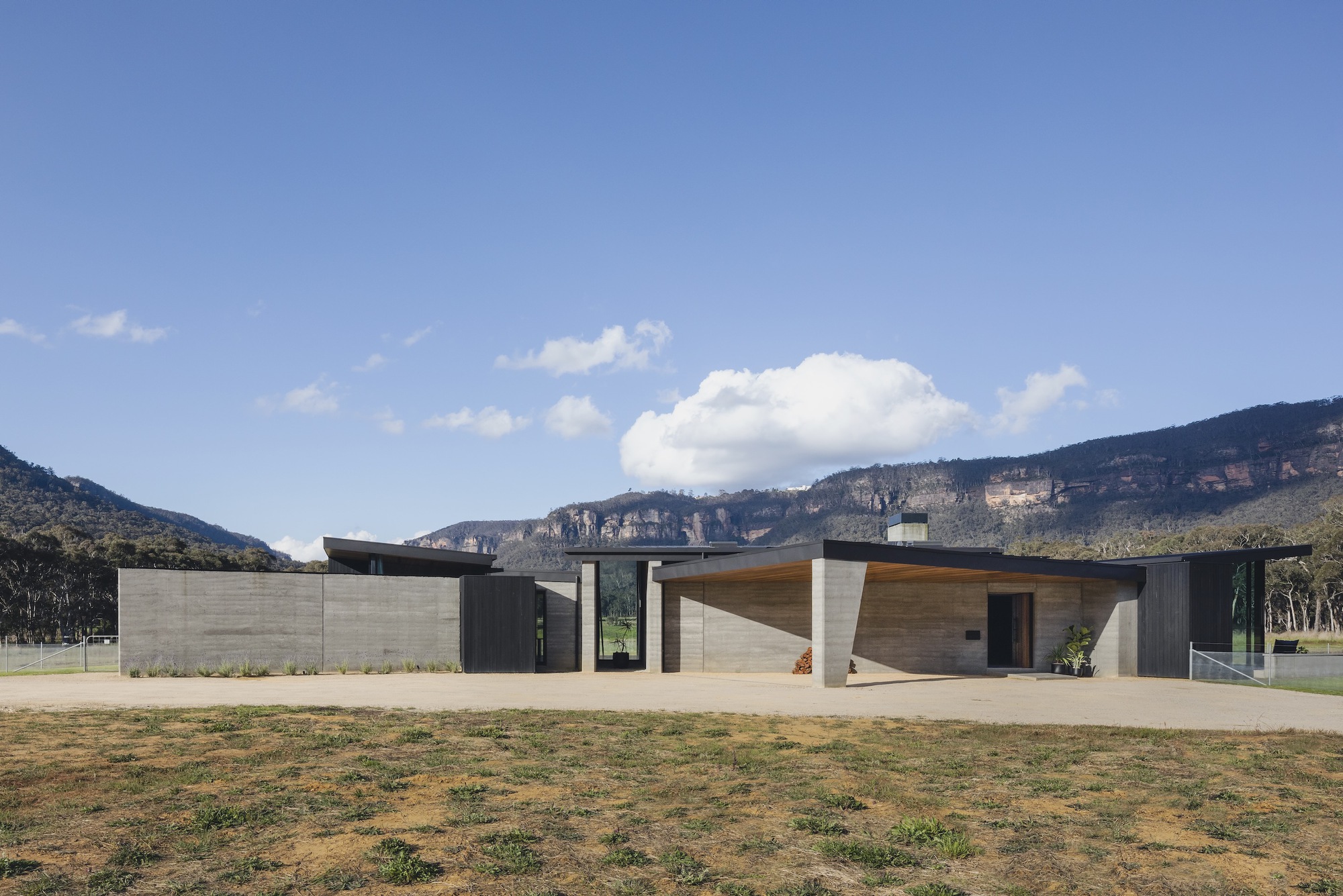
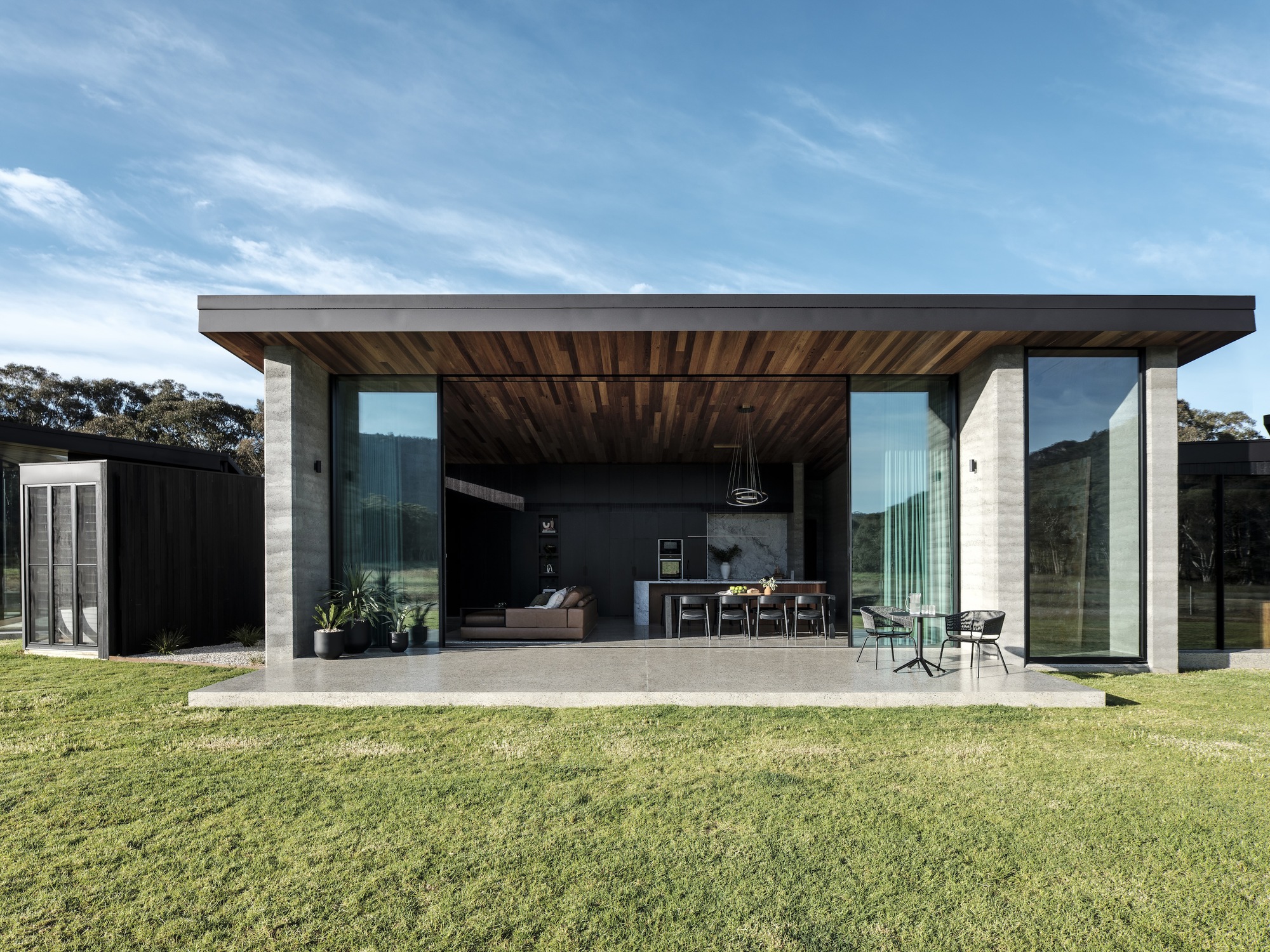
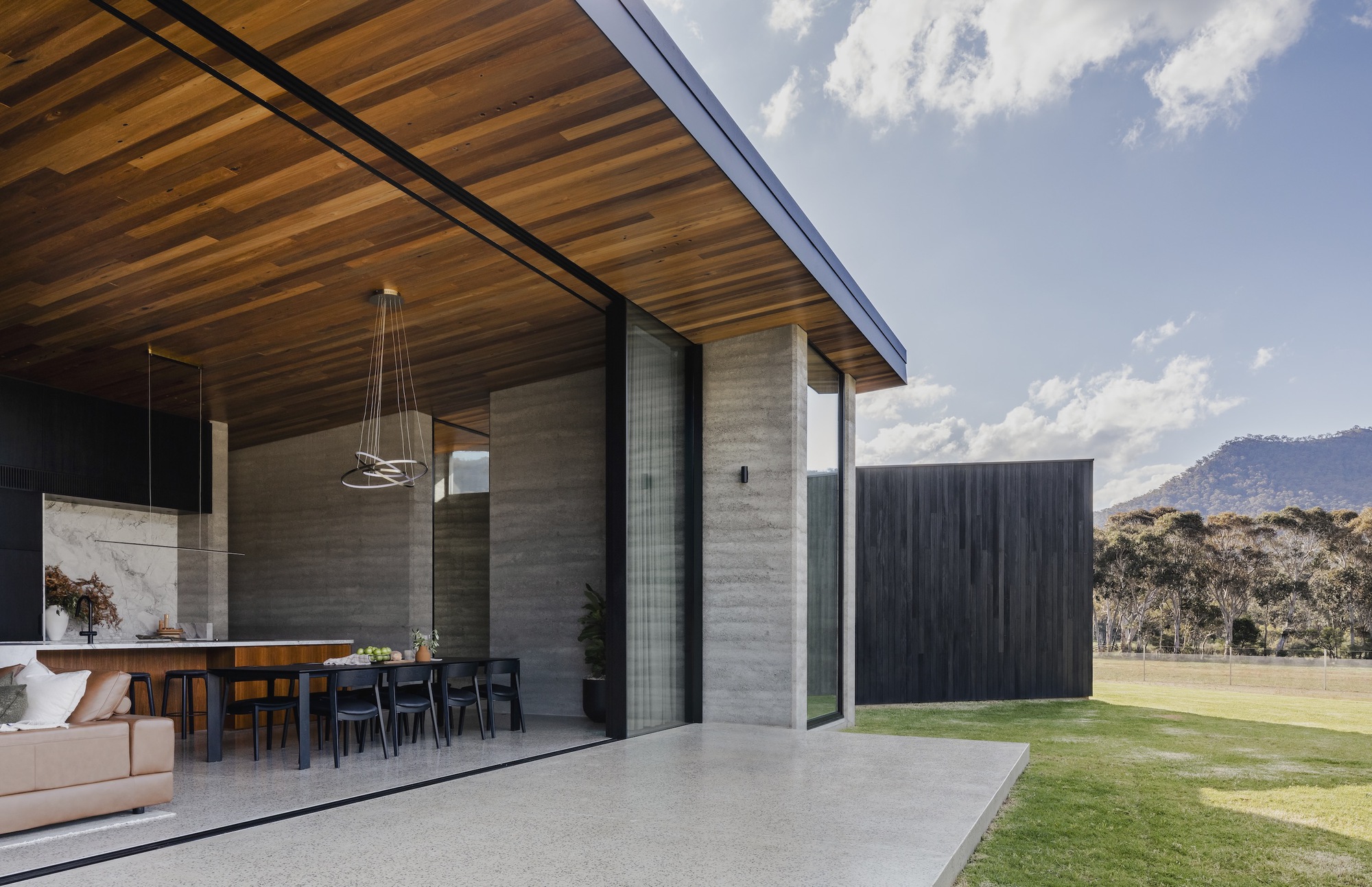
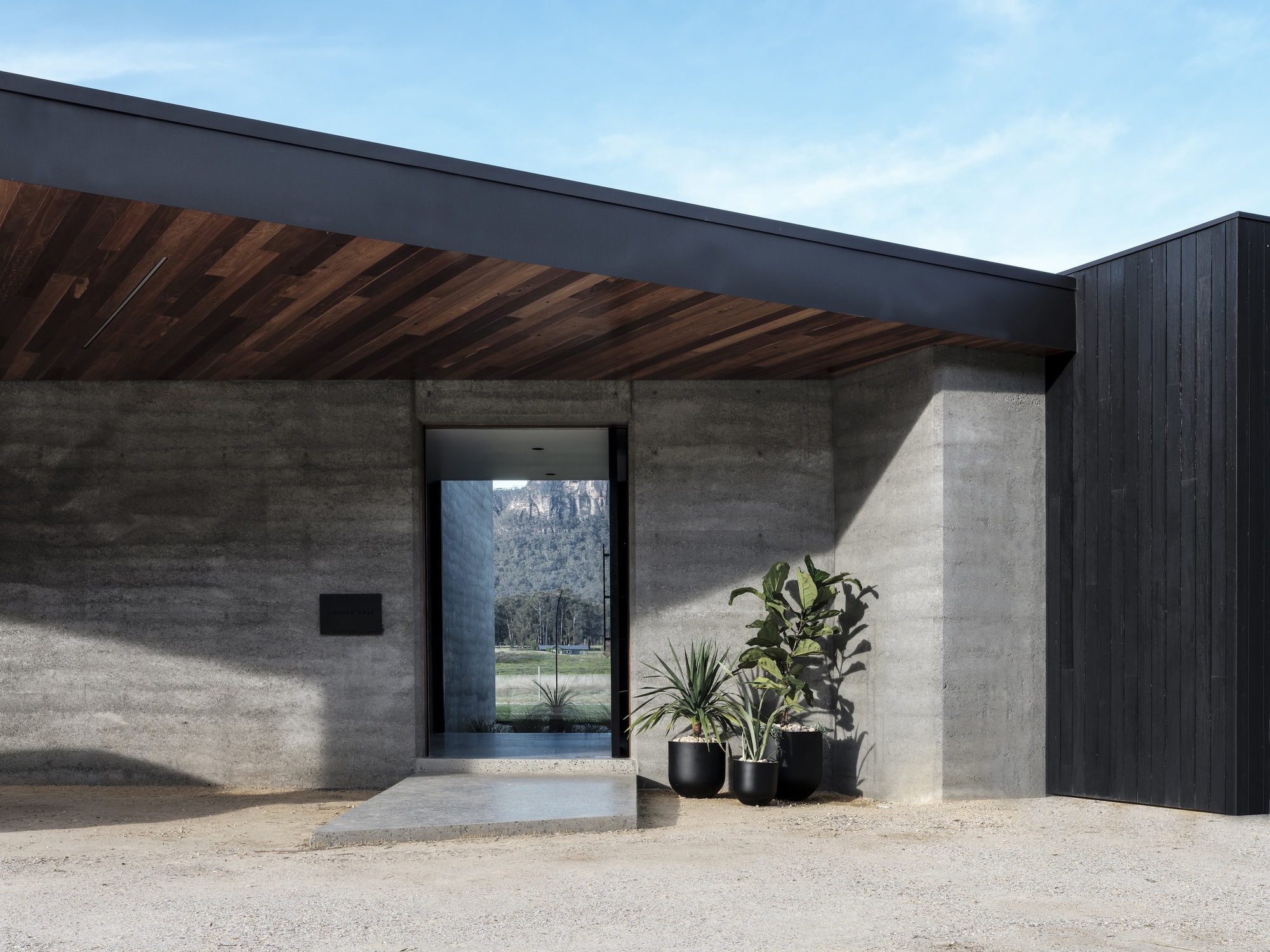
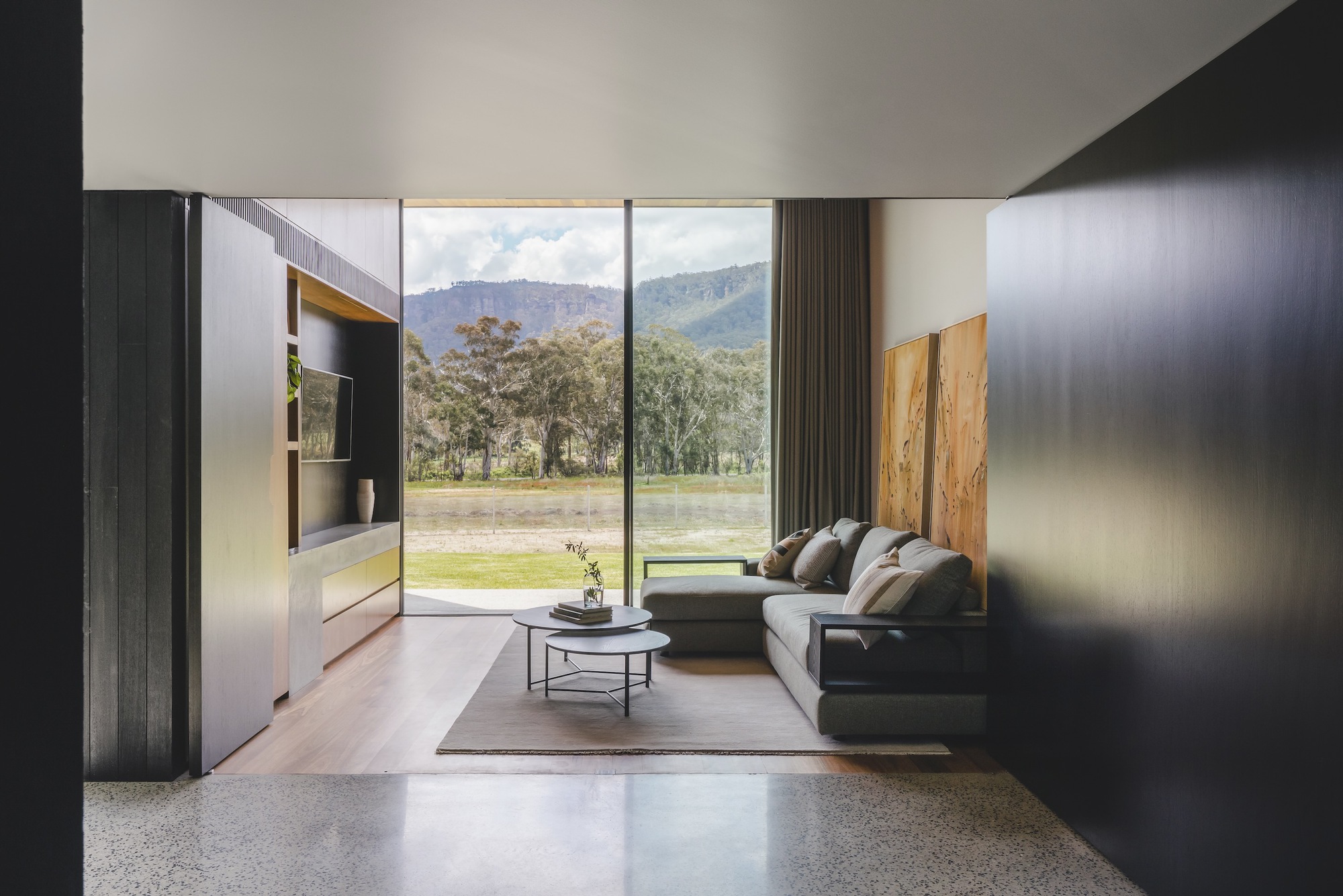
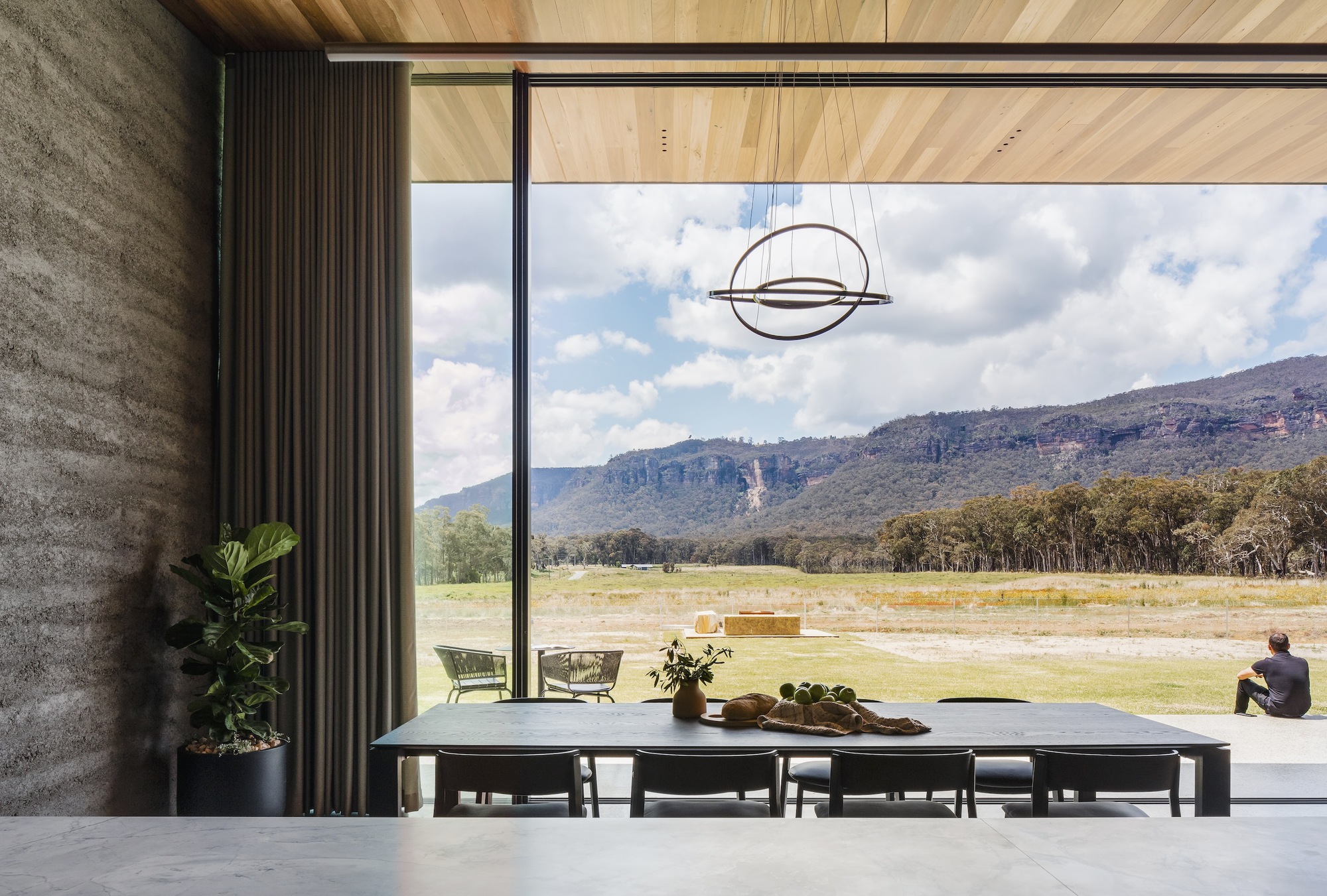
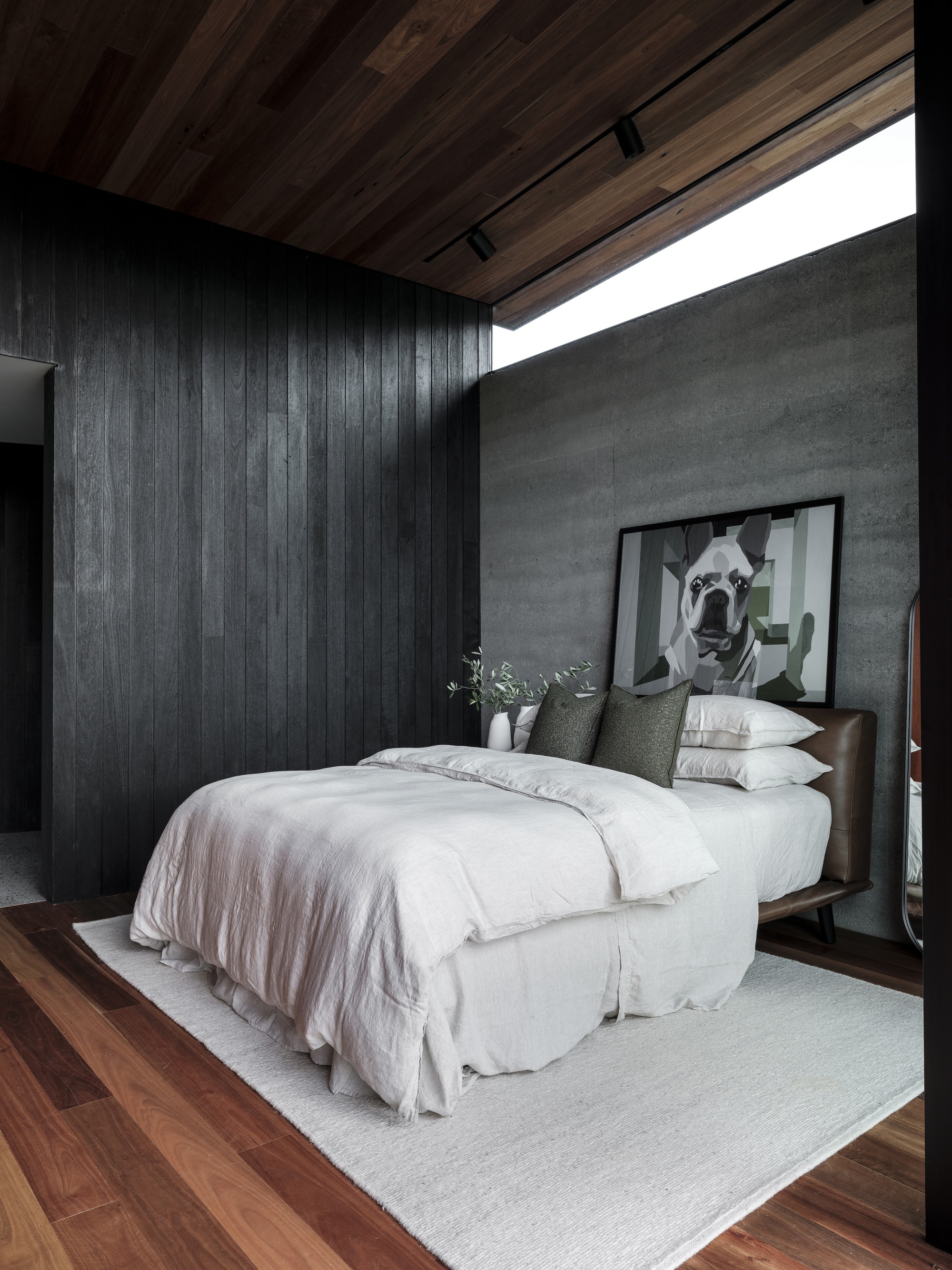
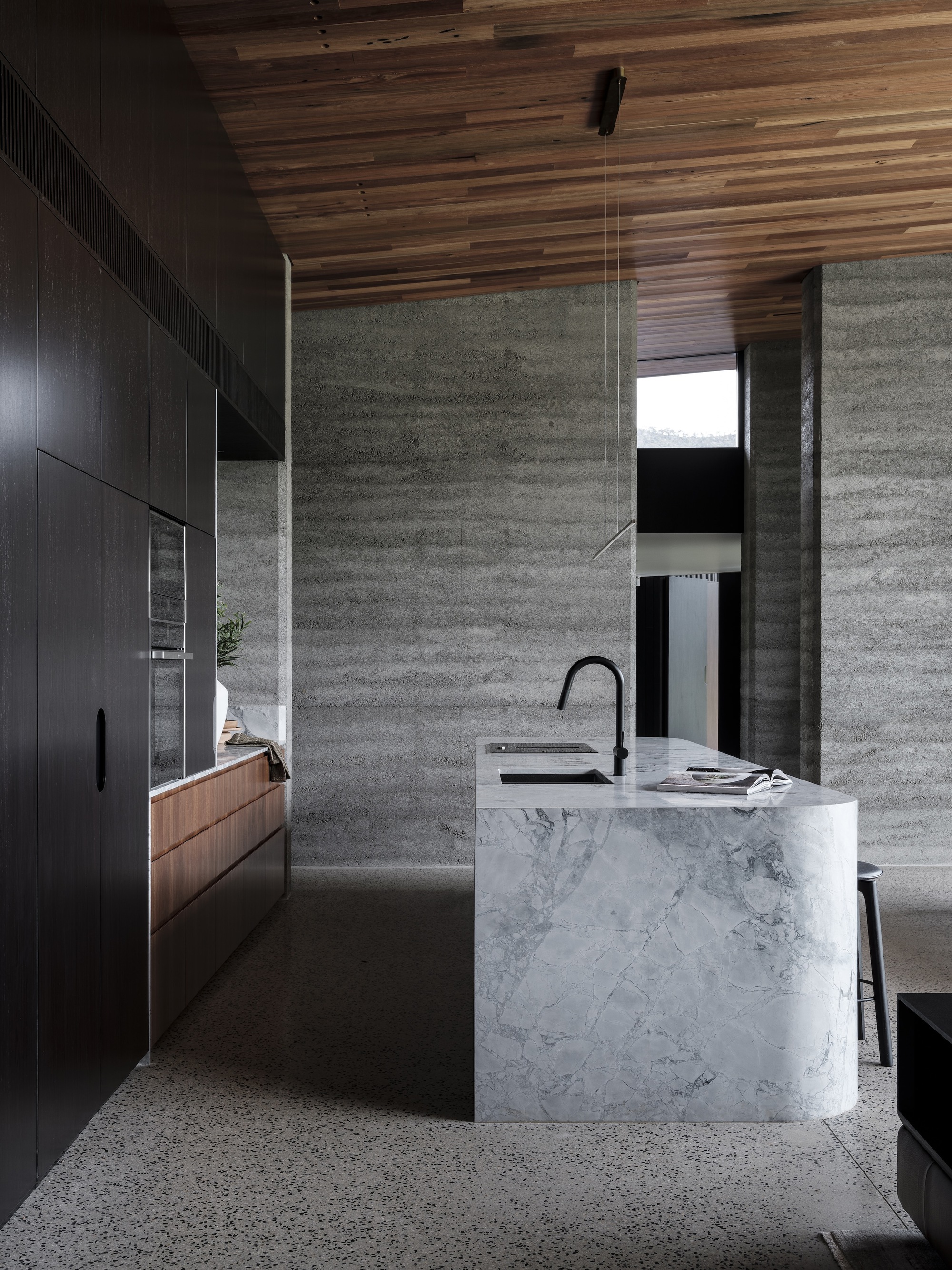
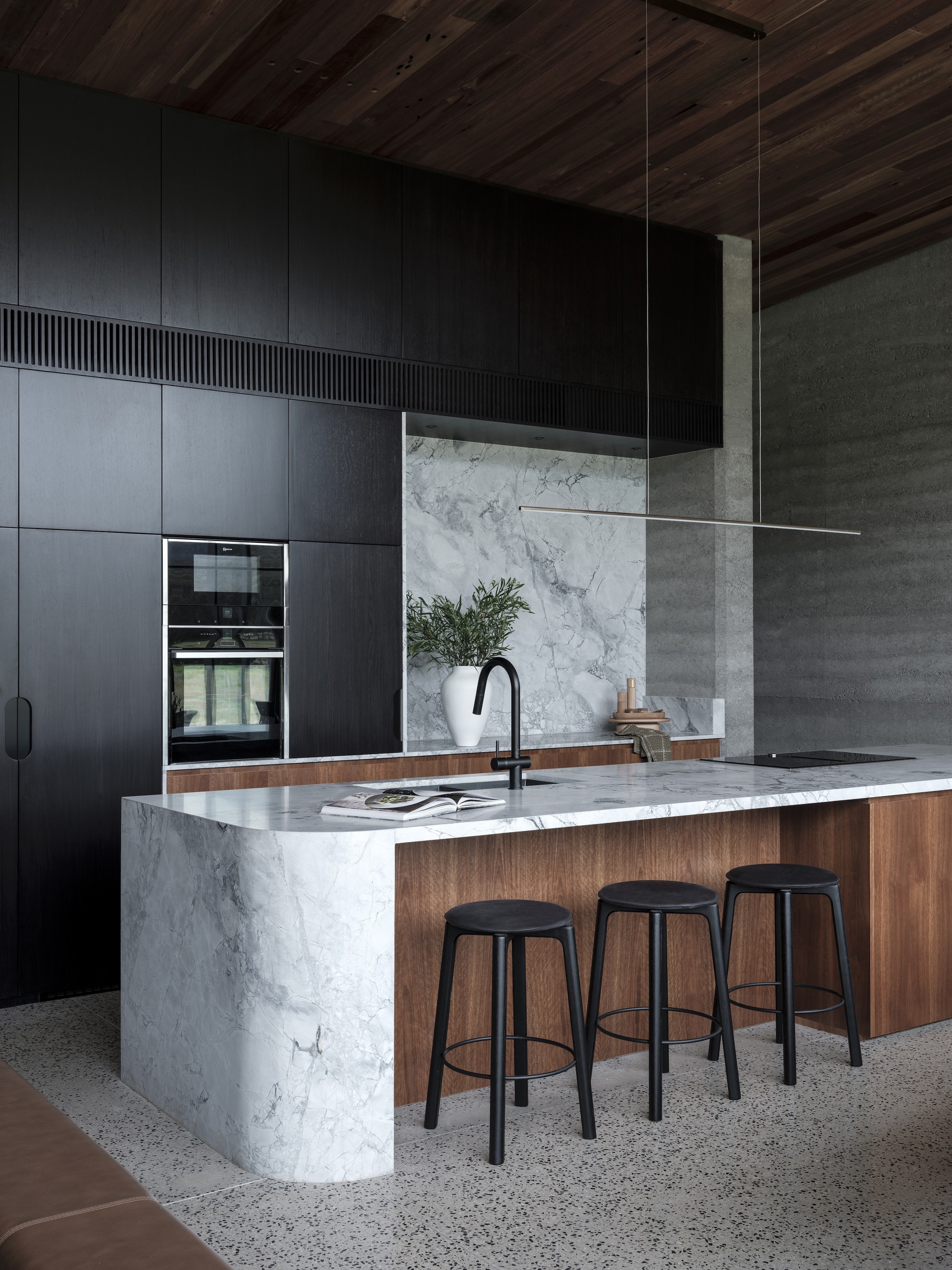
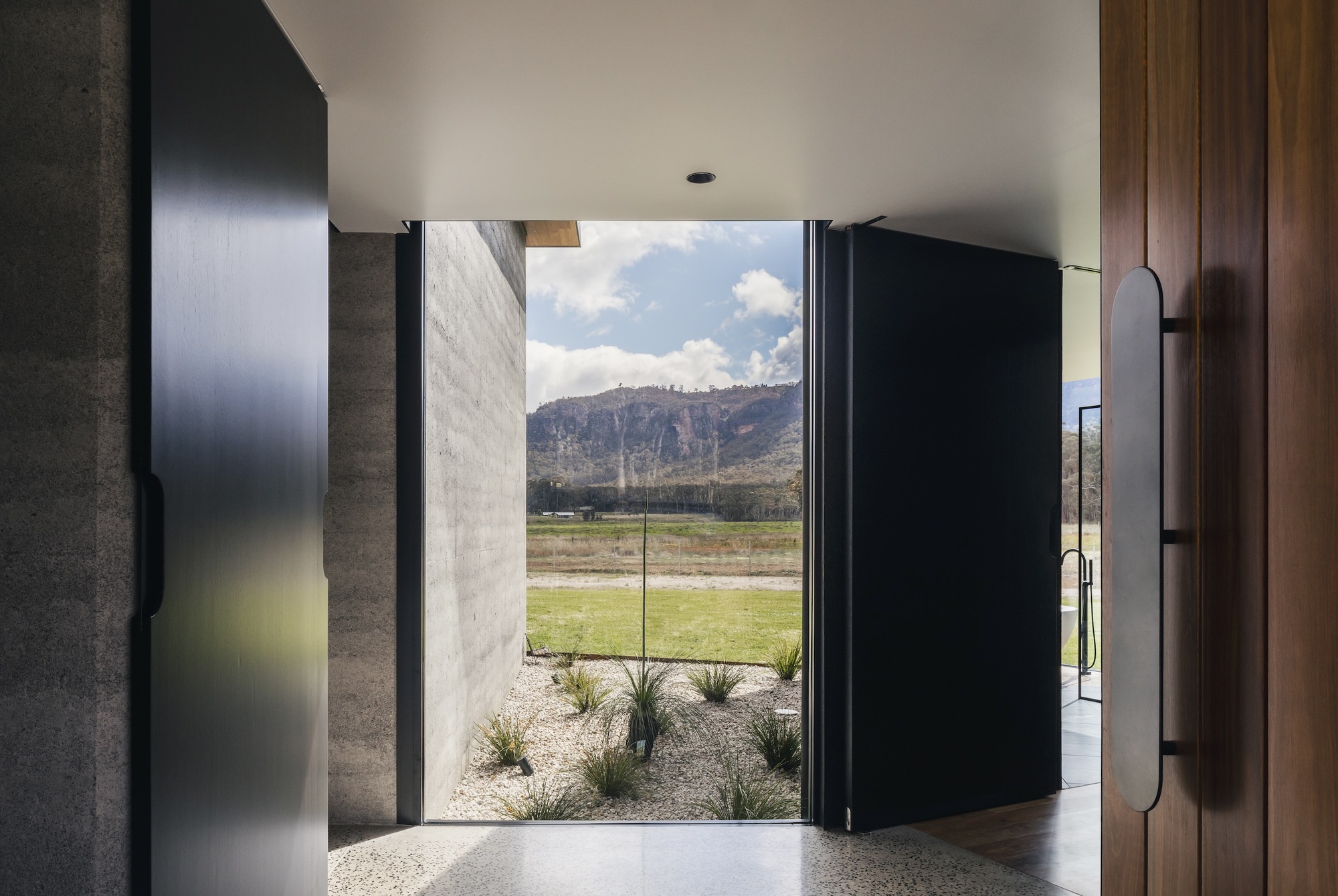
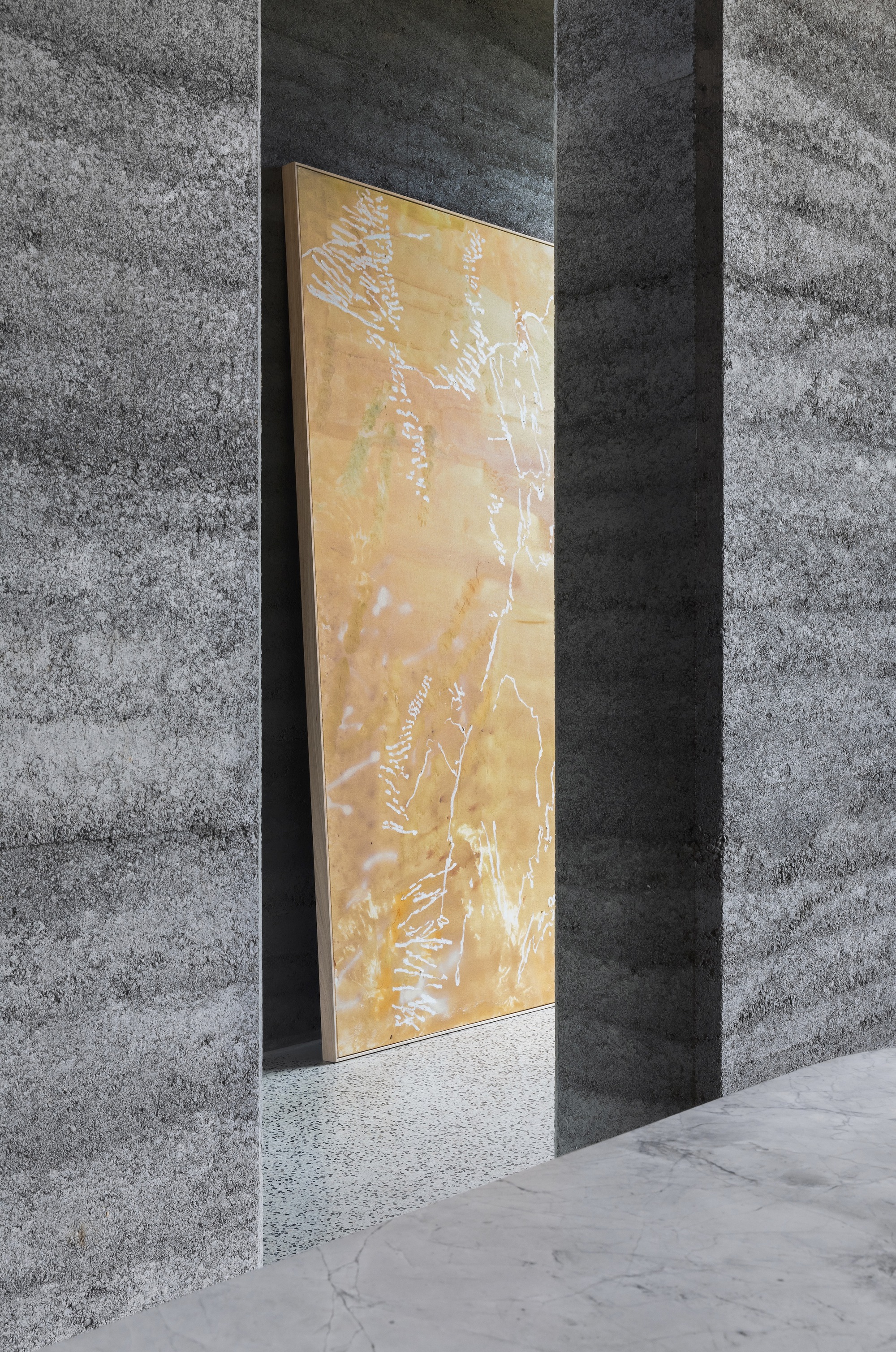
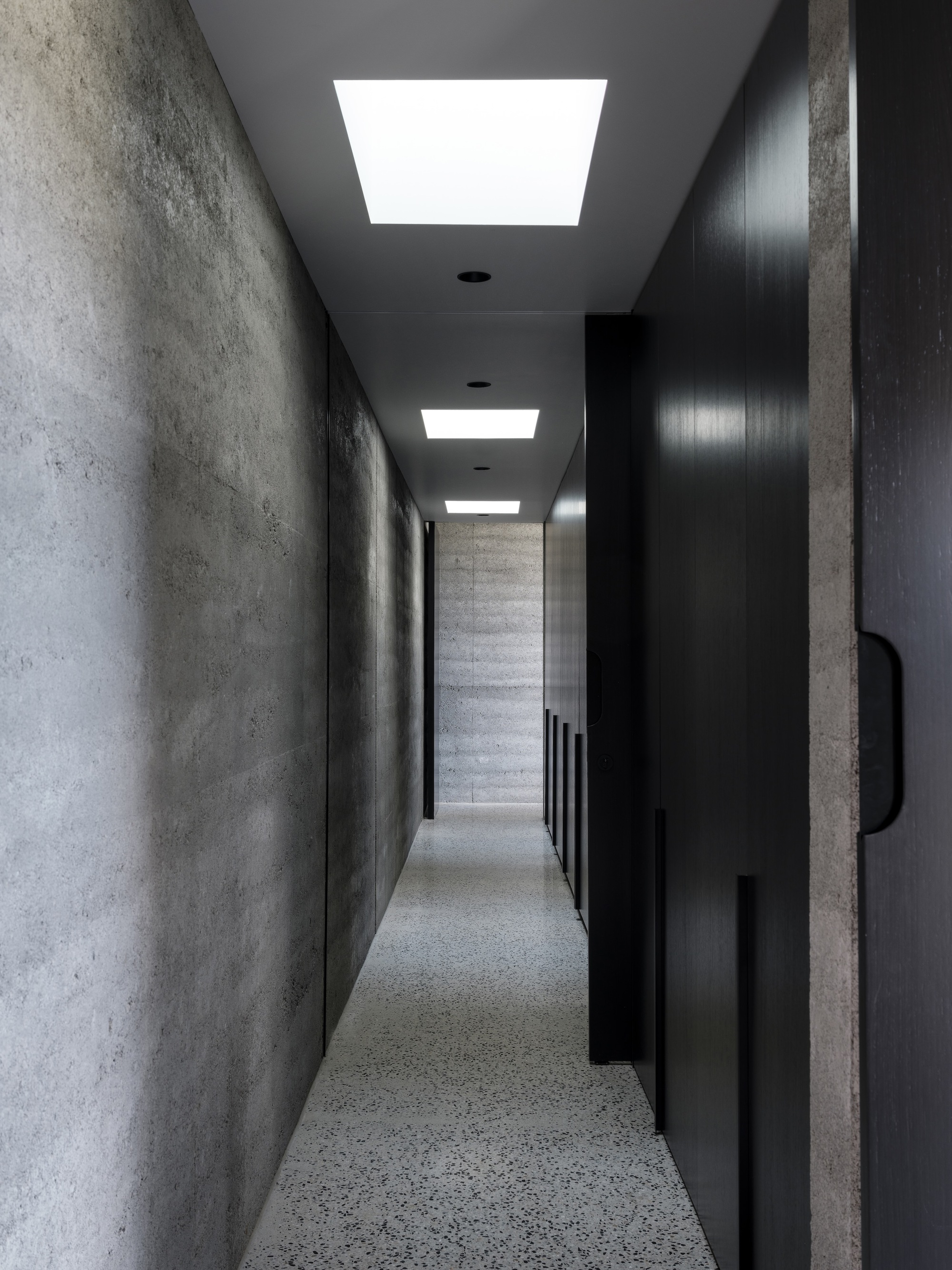
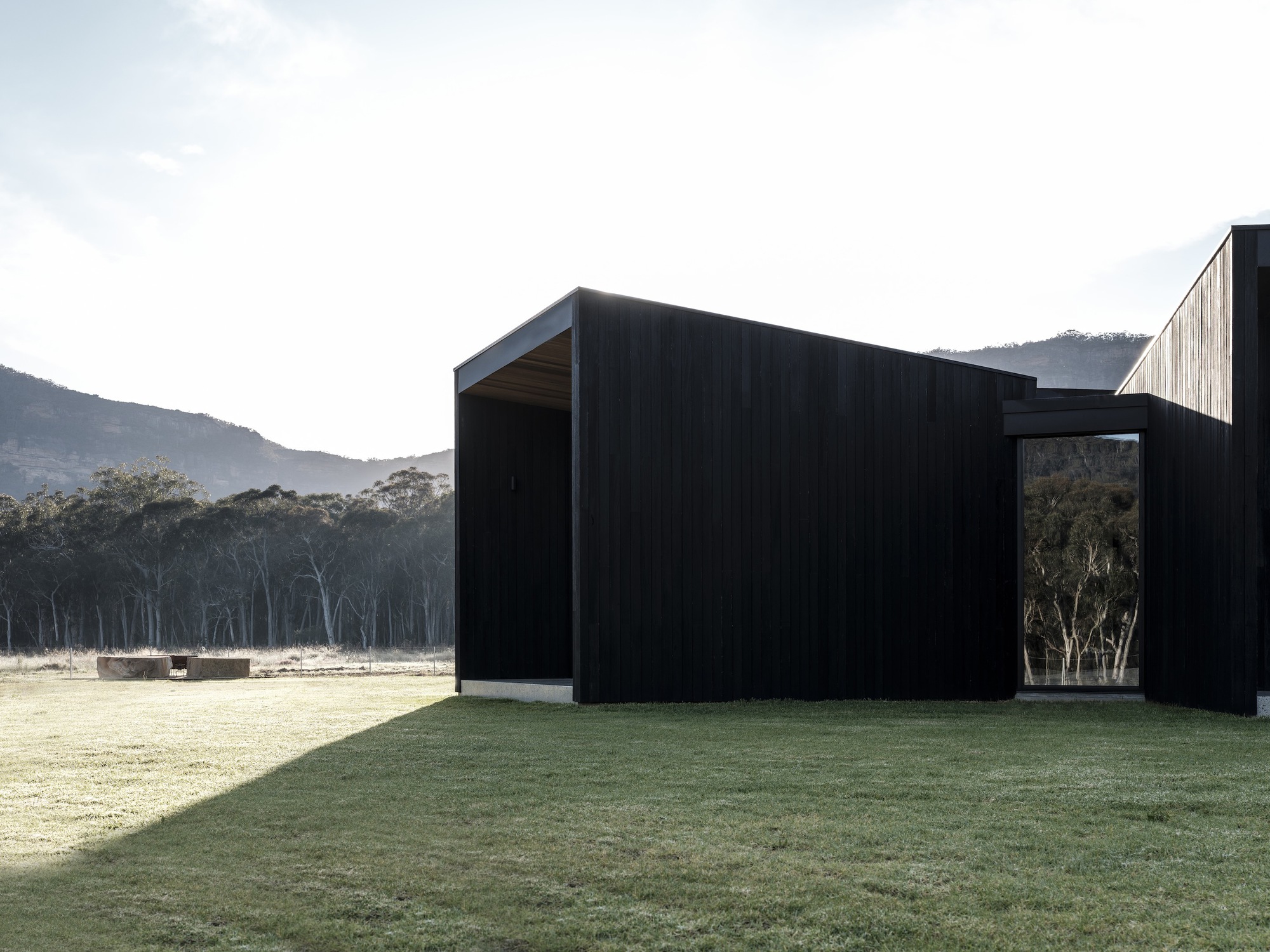
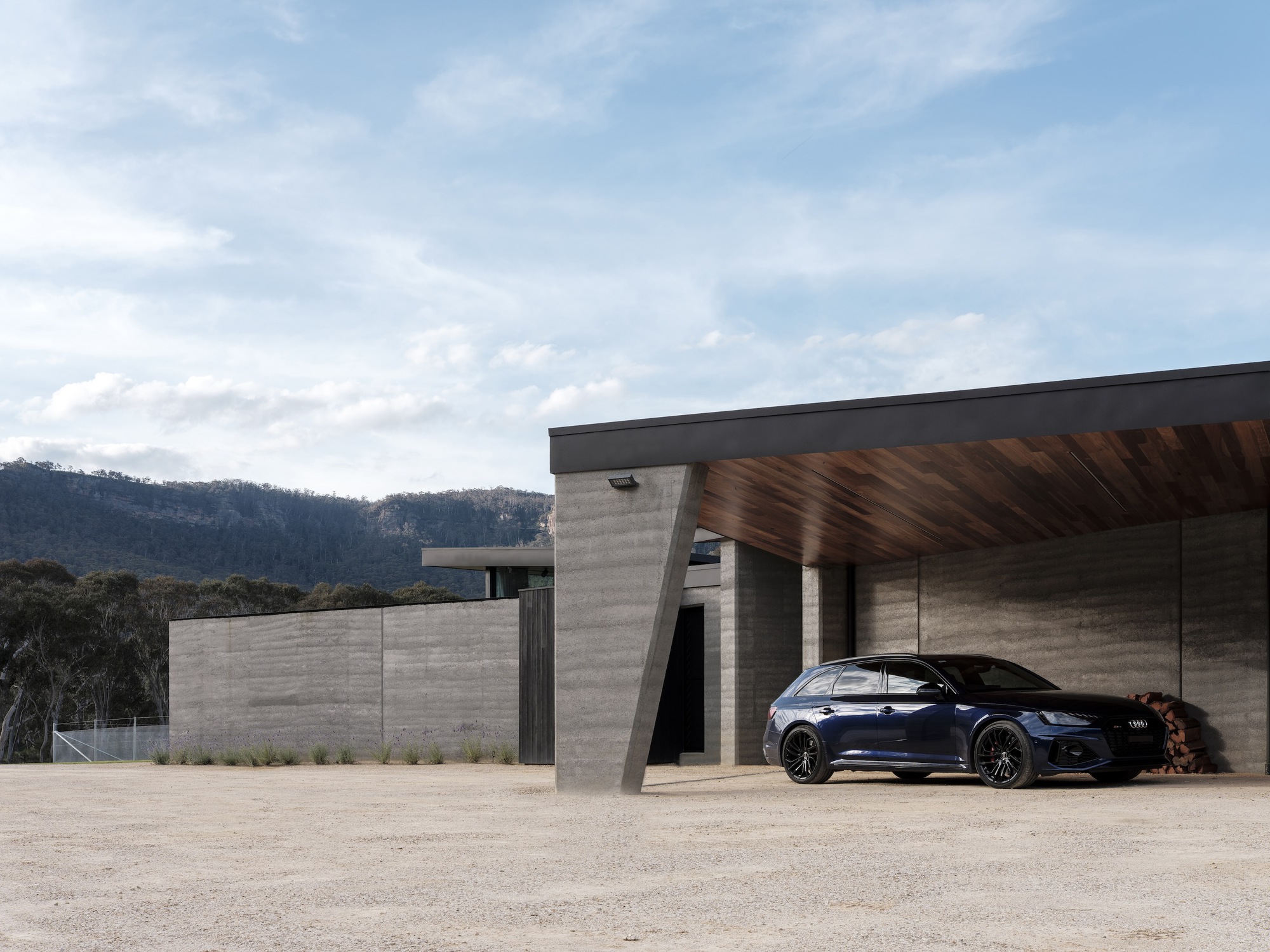
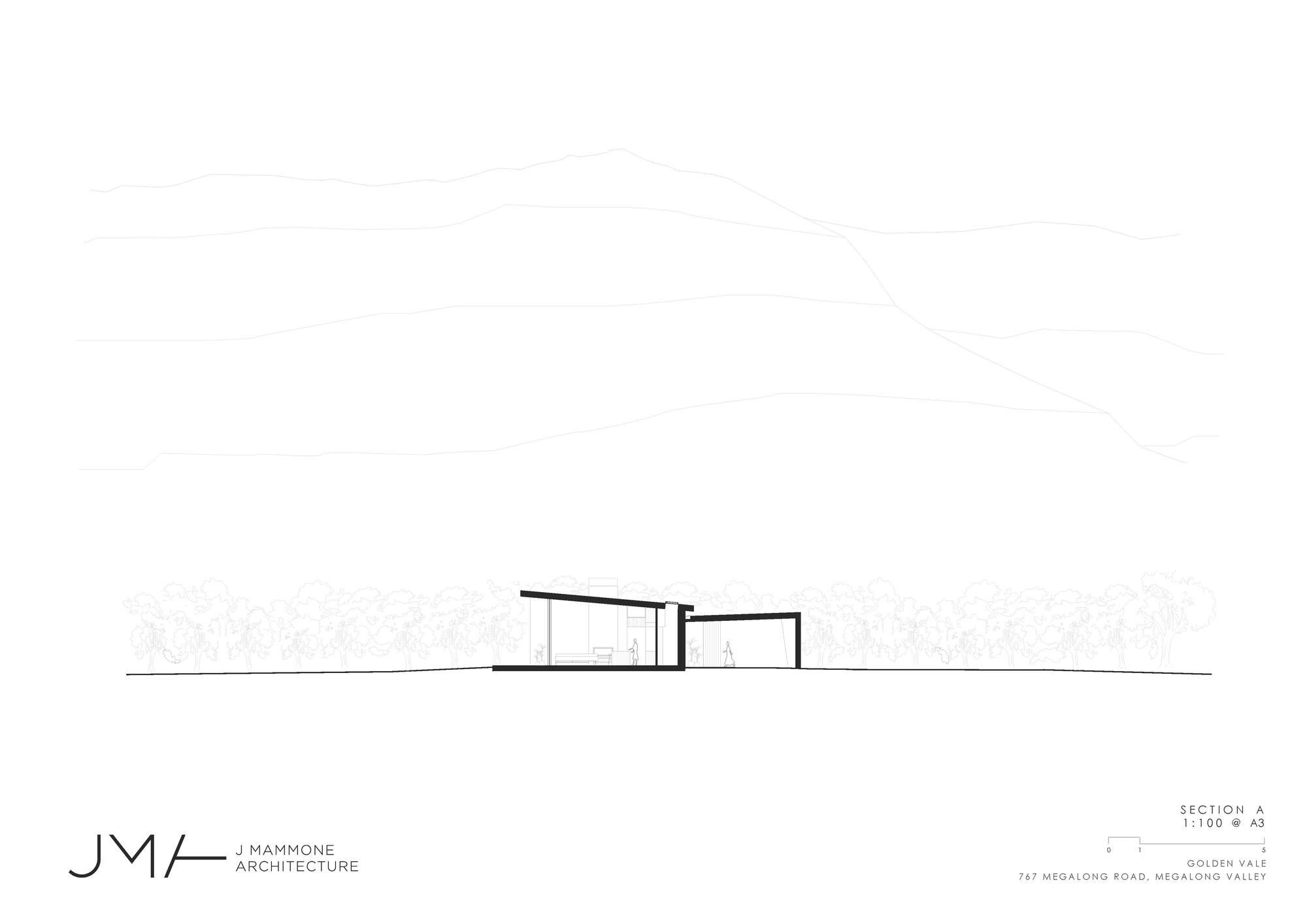
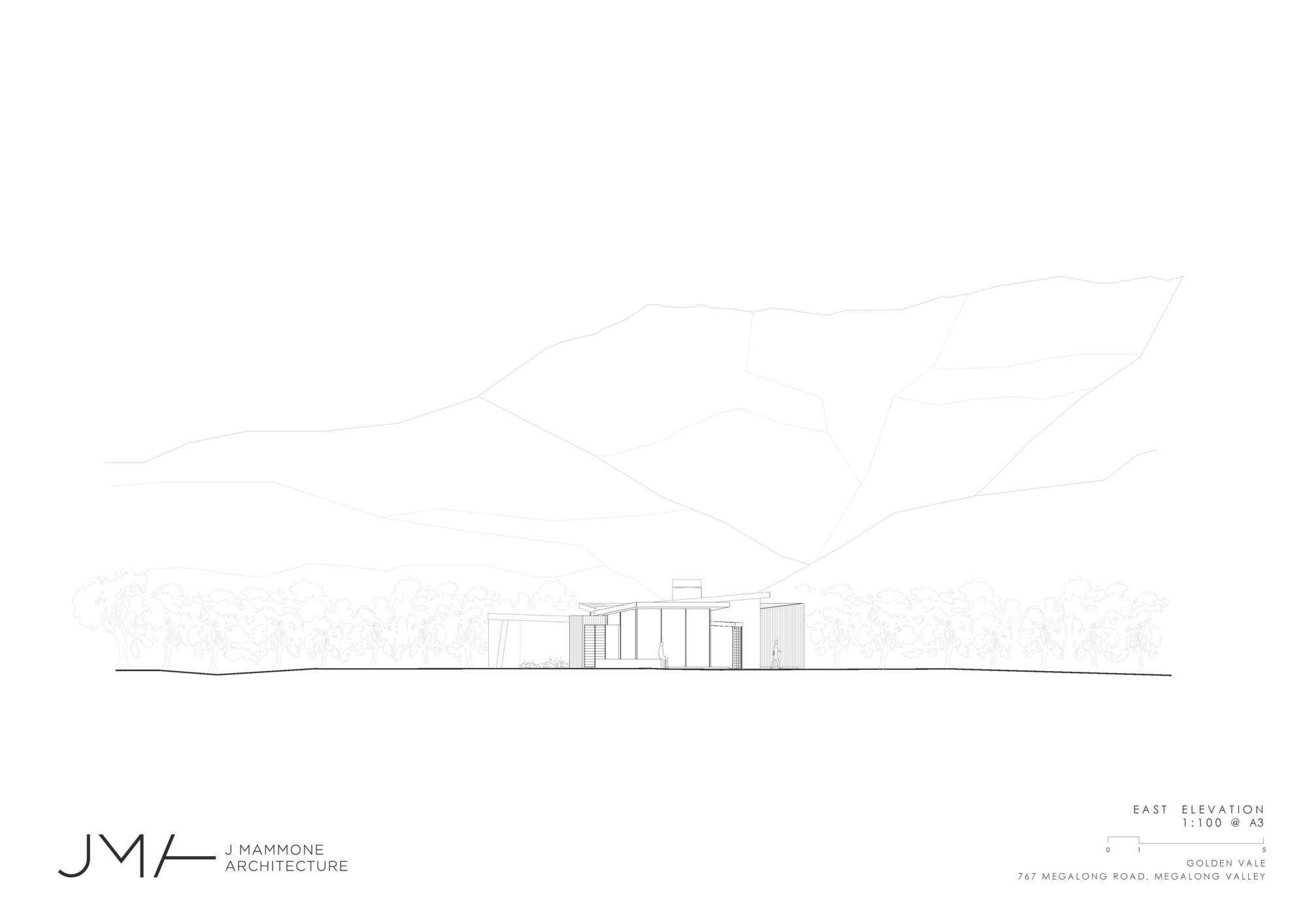
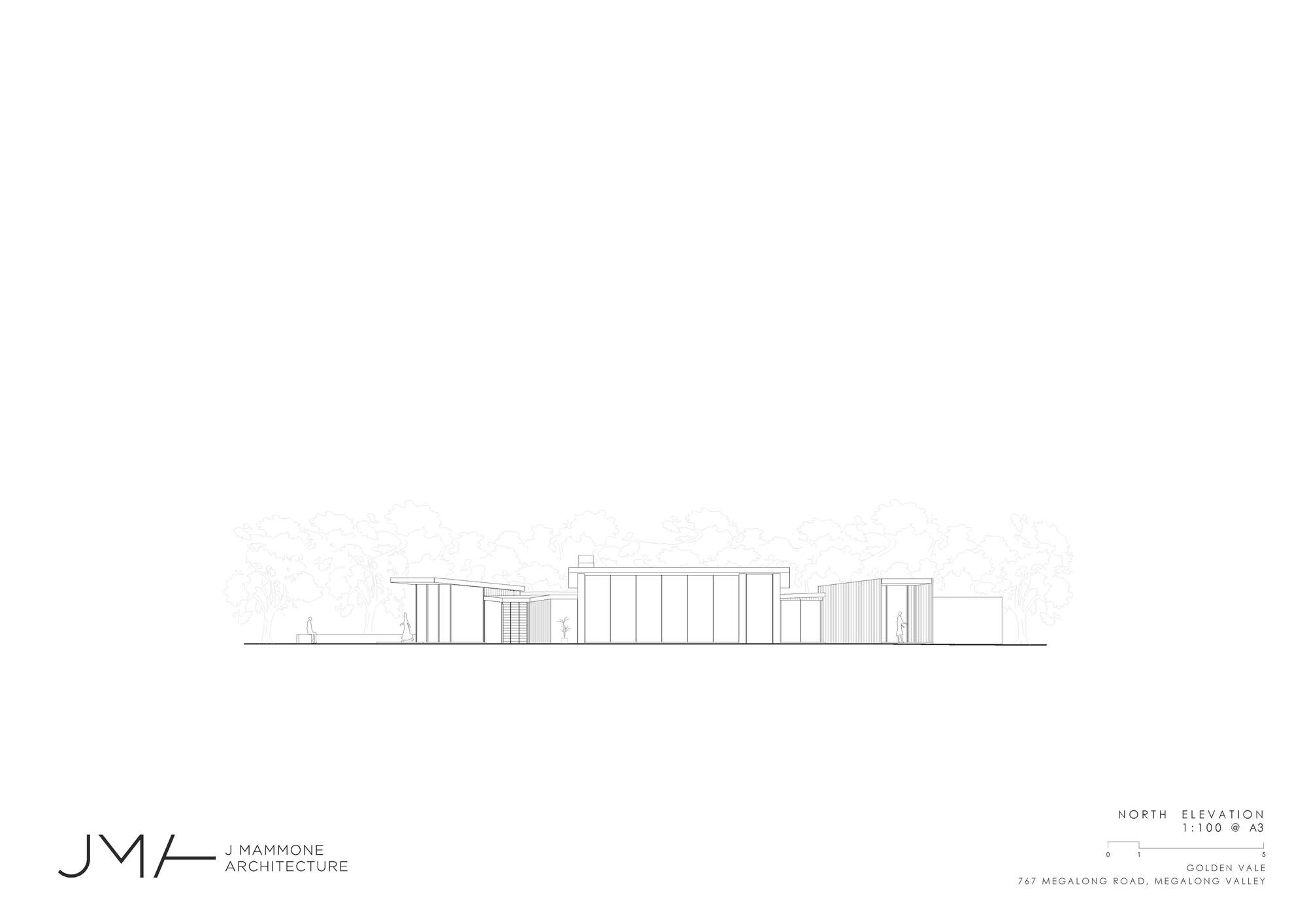
Golden Vale House #architecture Architects: J Mammone Architecture Area: 347 m² Year: 2022 Photographs: Katherine Lu, Tom Ferguson City: Megalong Valley Country: Australia Megalong Valley is characterized by immense escarpments, sandstone bluffs, and uninterrupted views of the Blue Mountains bushland. The journey to the site is always memorable - the continually shifting light, dancing on the rocks, creates a unique experience each time you visit. Inspired by the very site it sits on, the built form holds an exceptional duality – it is bold in architectural expression yet grounded to the site by its materiality. Primarily consisting of rammed earth, concrete, charred timber, and glass; the darker-toned materials allow the house to recede into the landscape, while the large glass openings can ­filter the golden light into internal spaces. Golden Vale is an inspiring piece of architecture that has a lasting impact on all. The site, the people, and the local community have been transformed by this project, becoming a memorable point of reference in Megalong Valley.
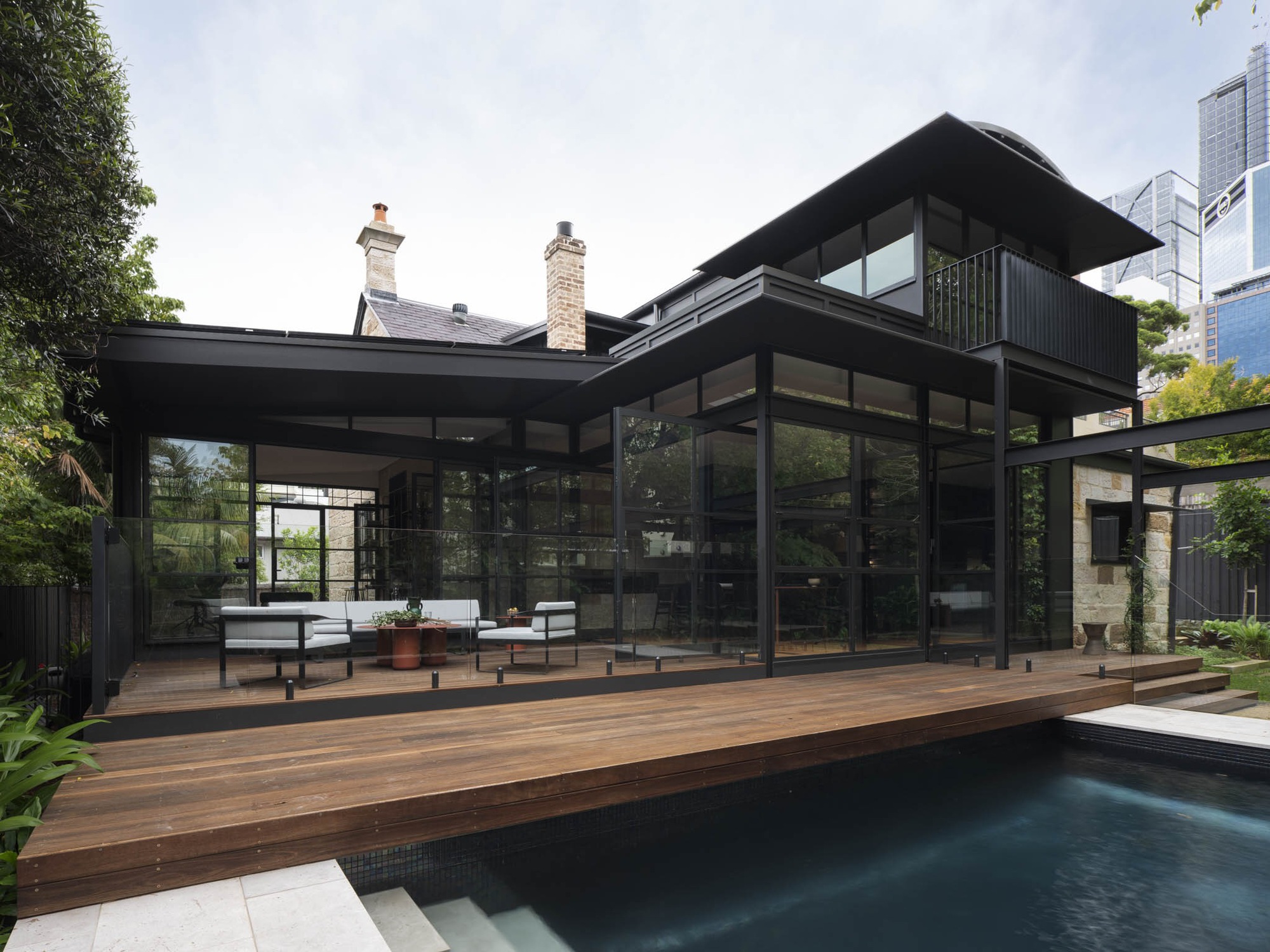
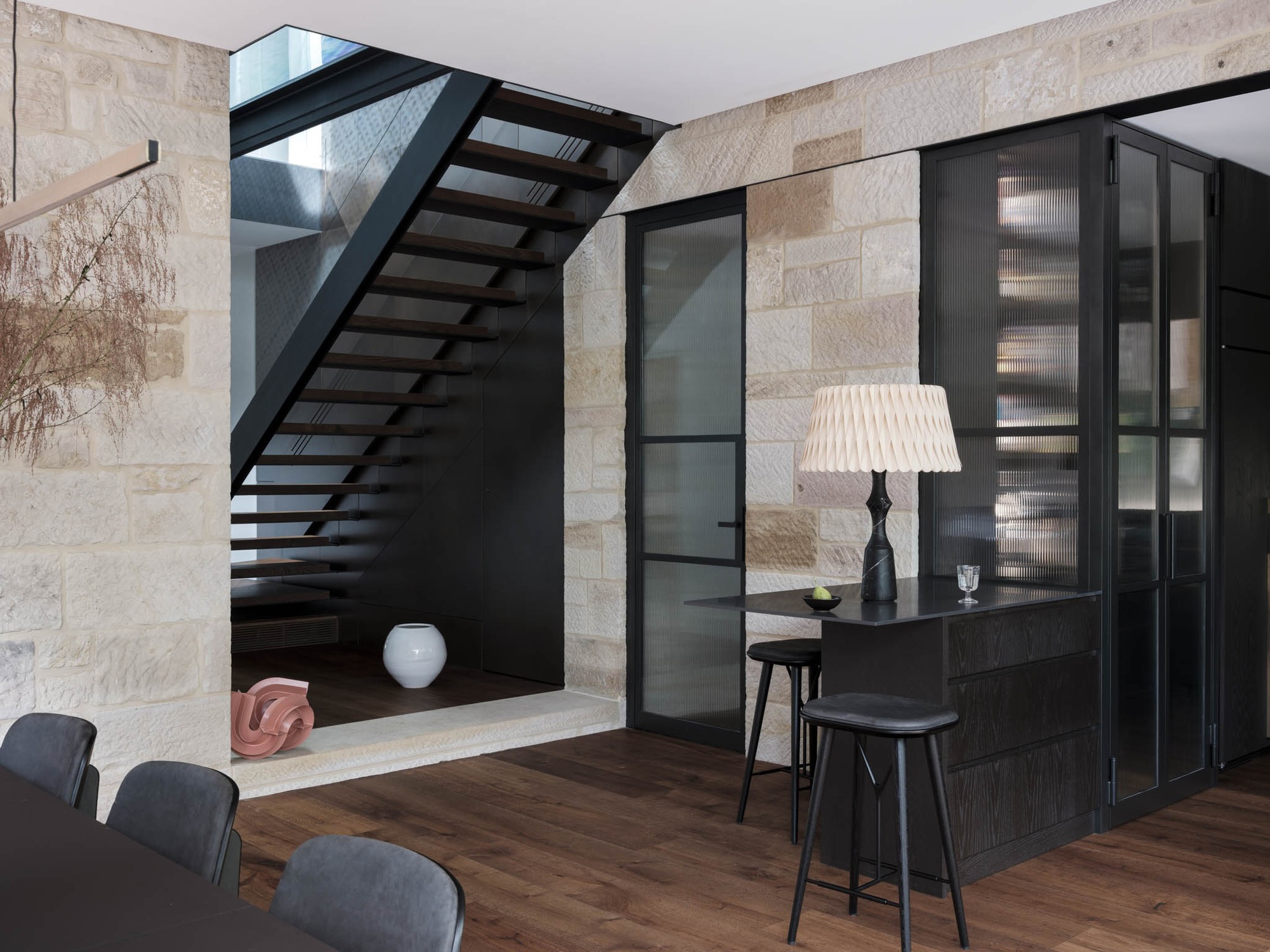
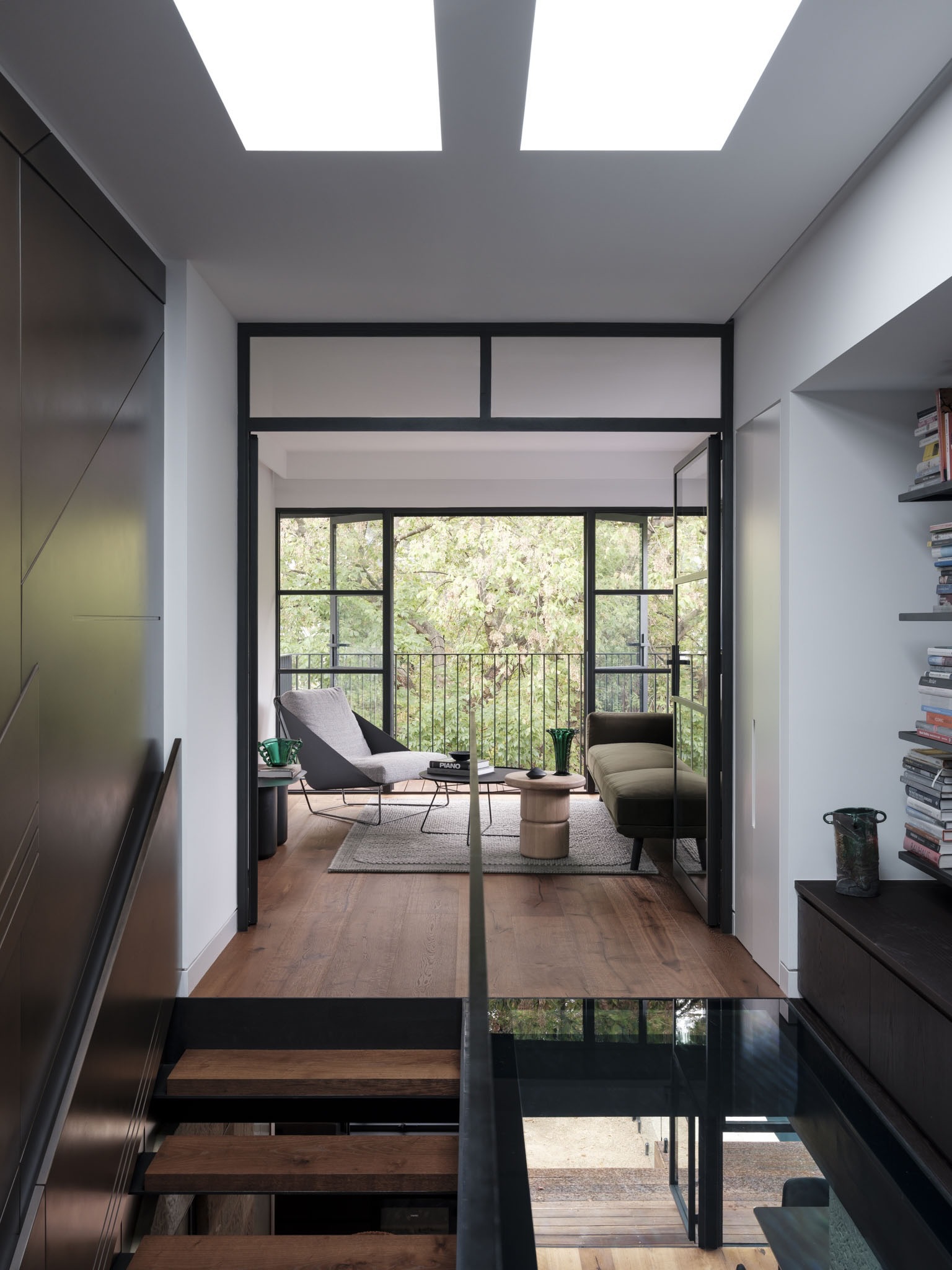
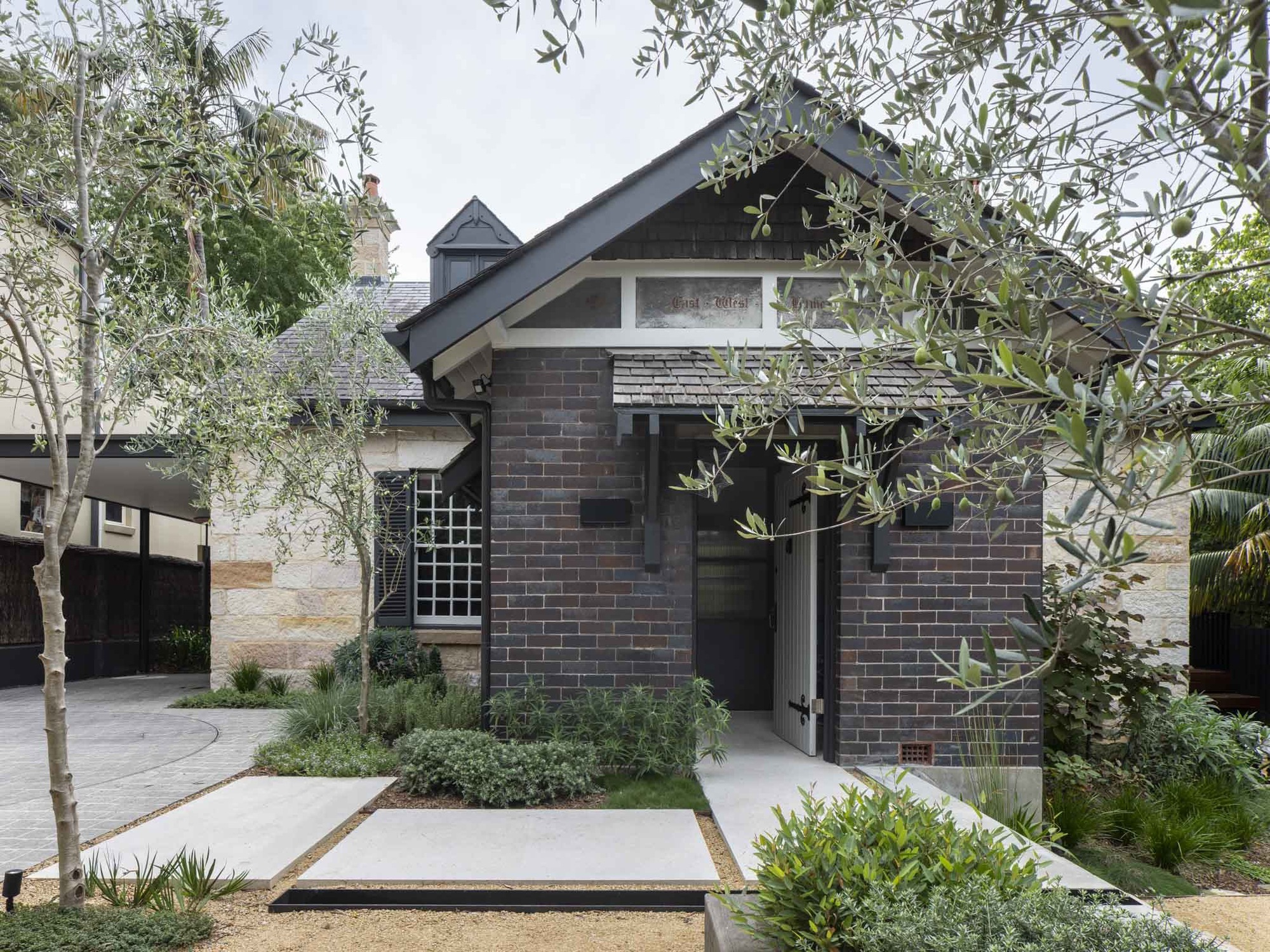
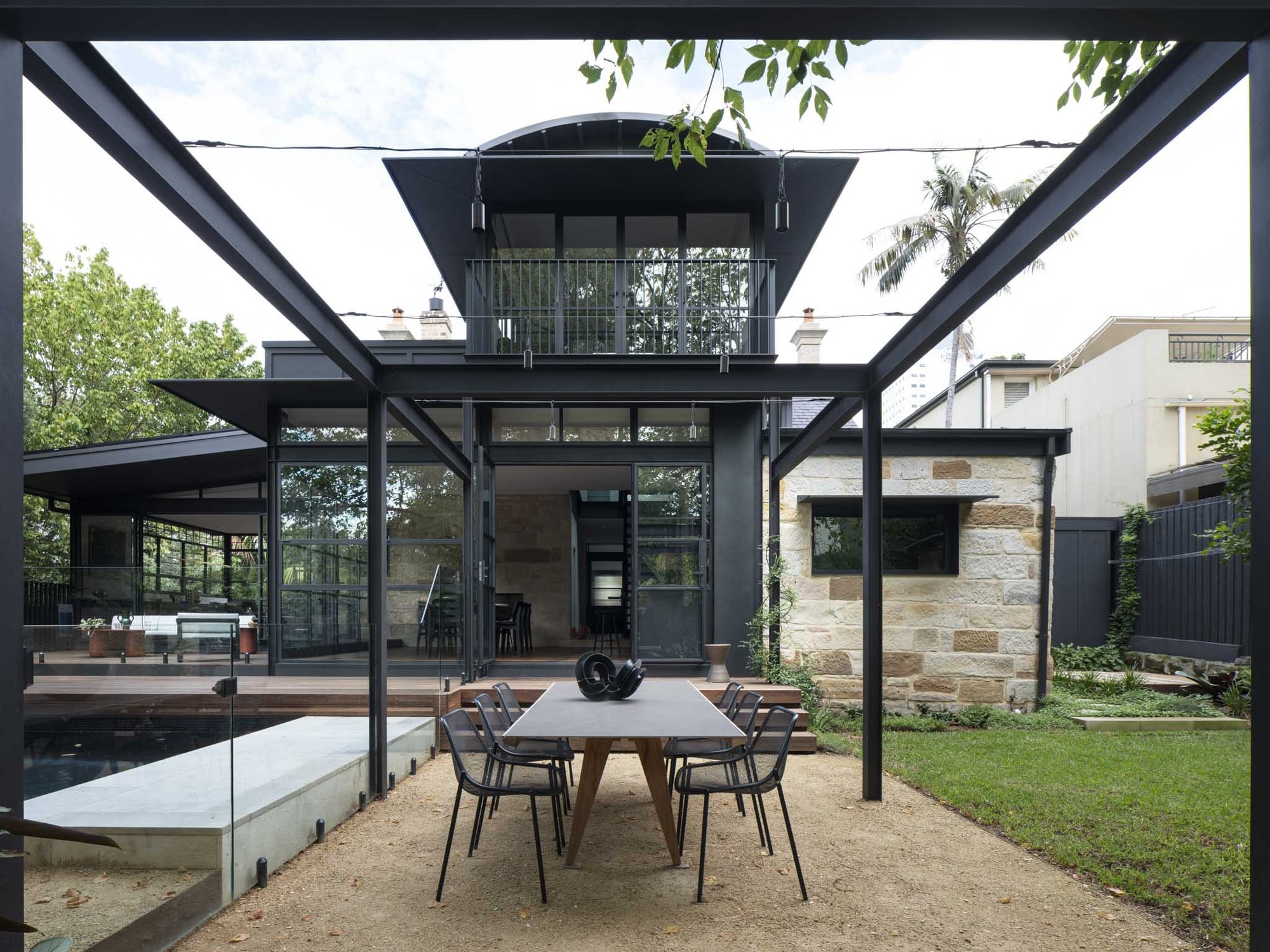
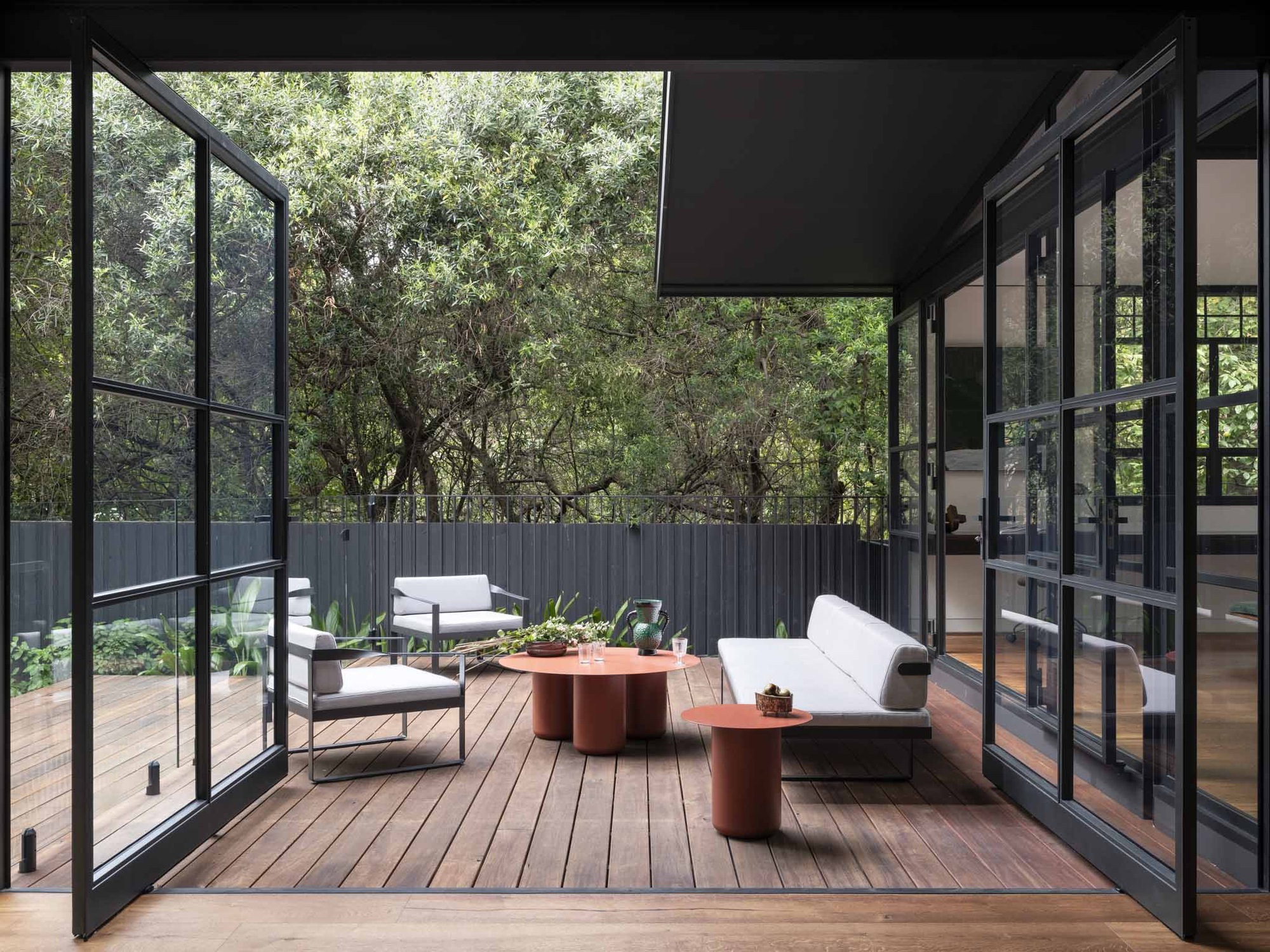
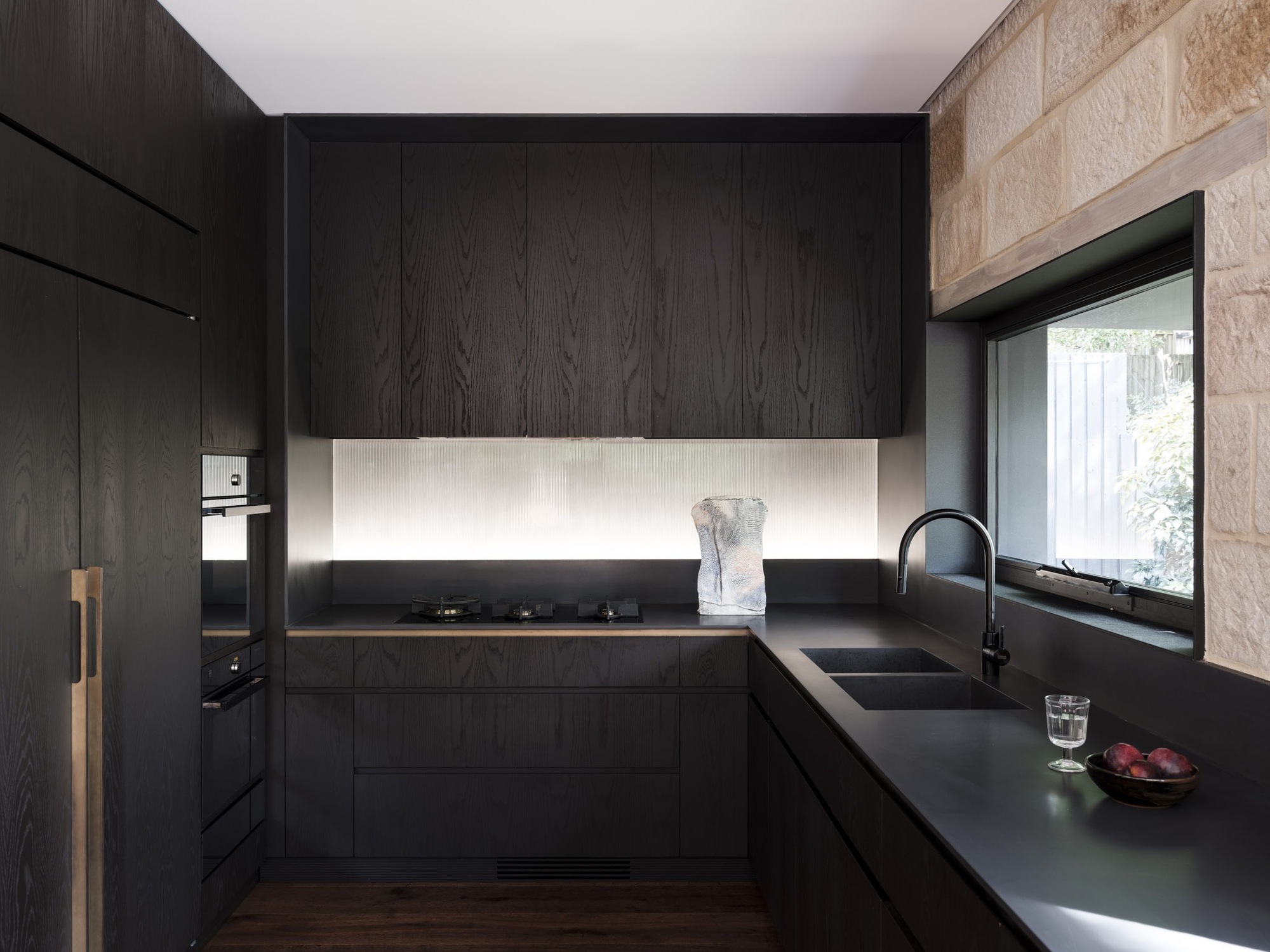
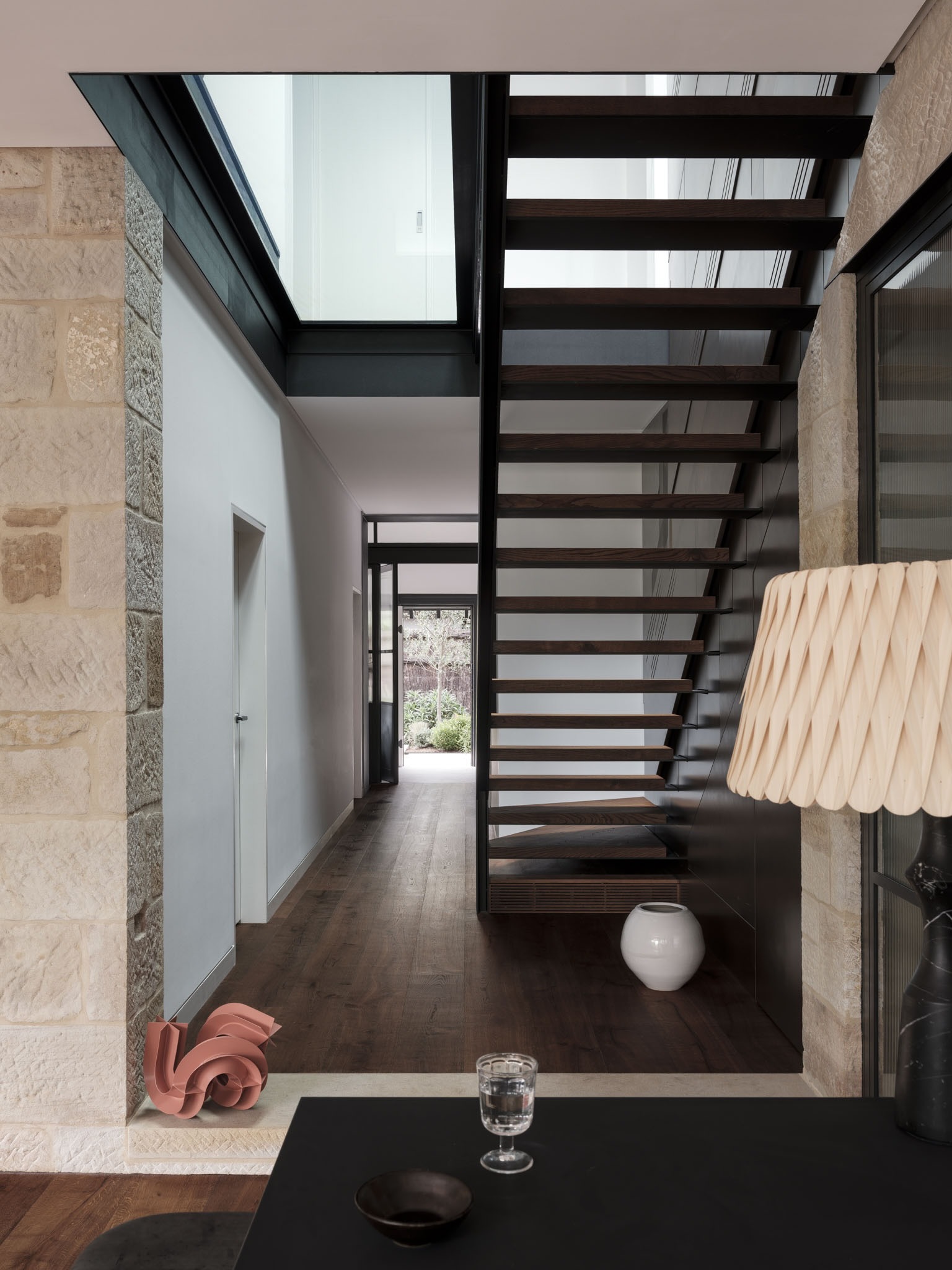
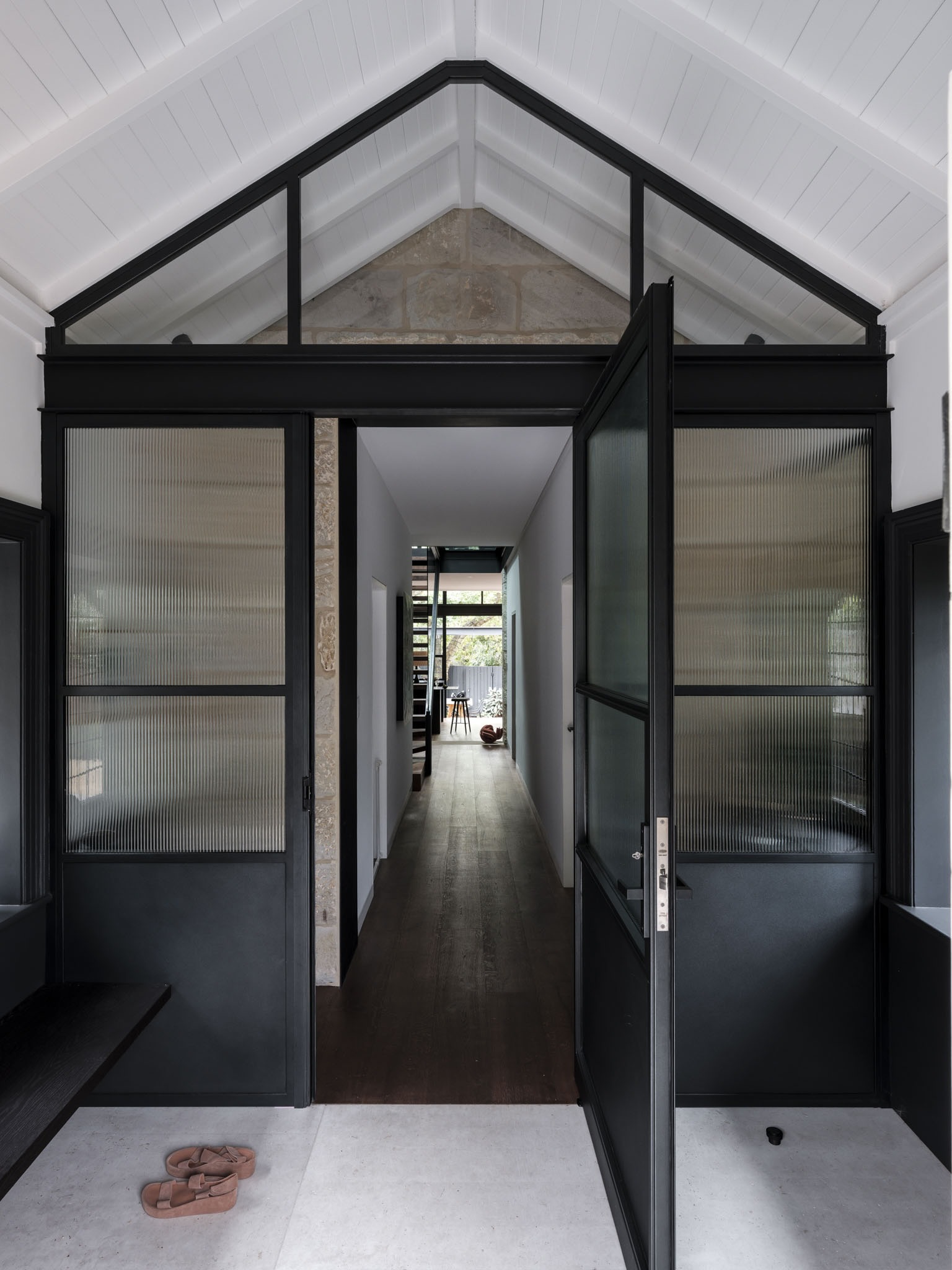
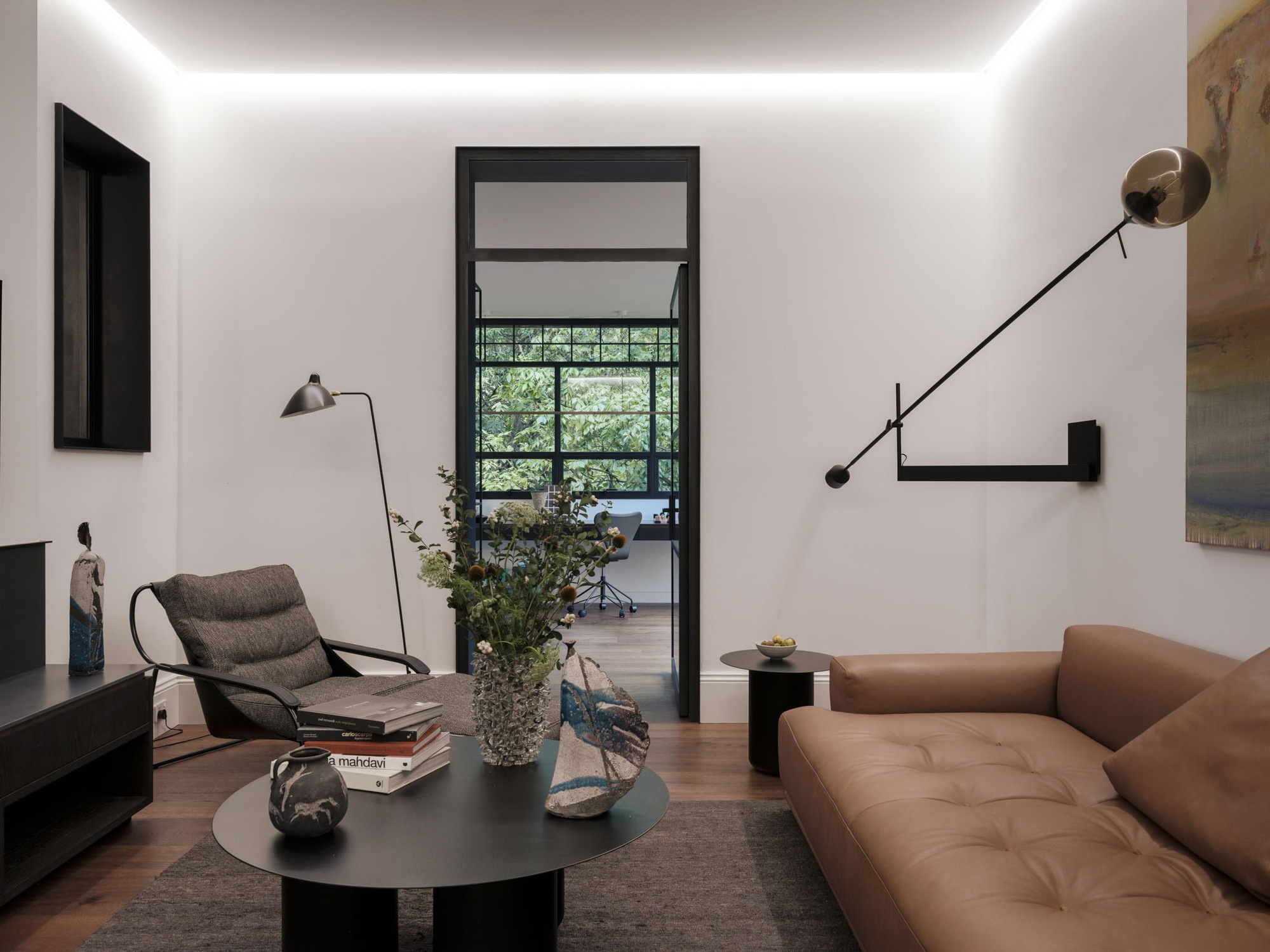
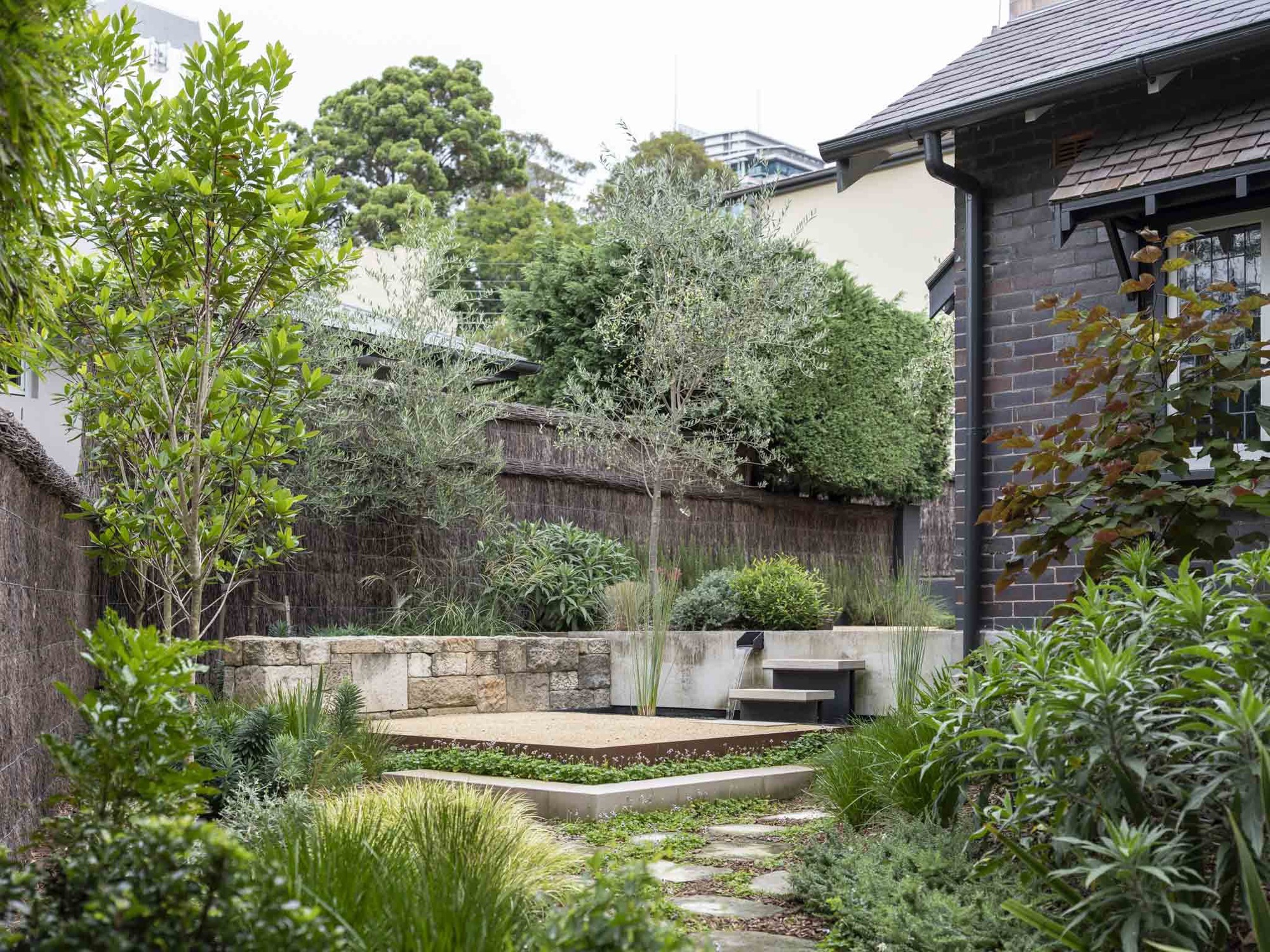
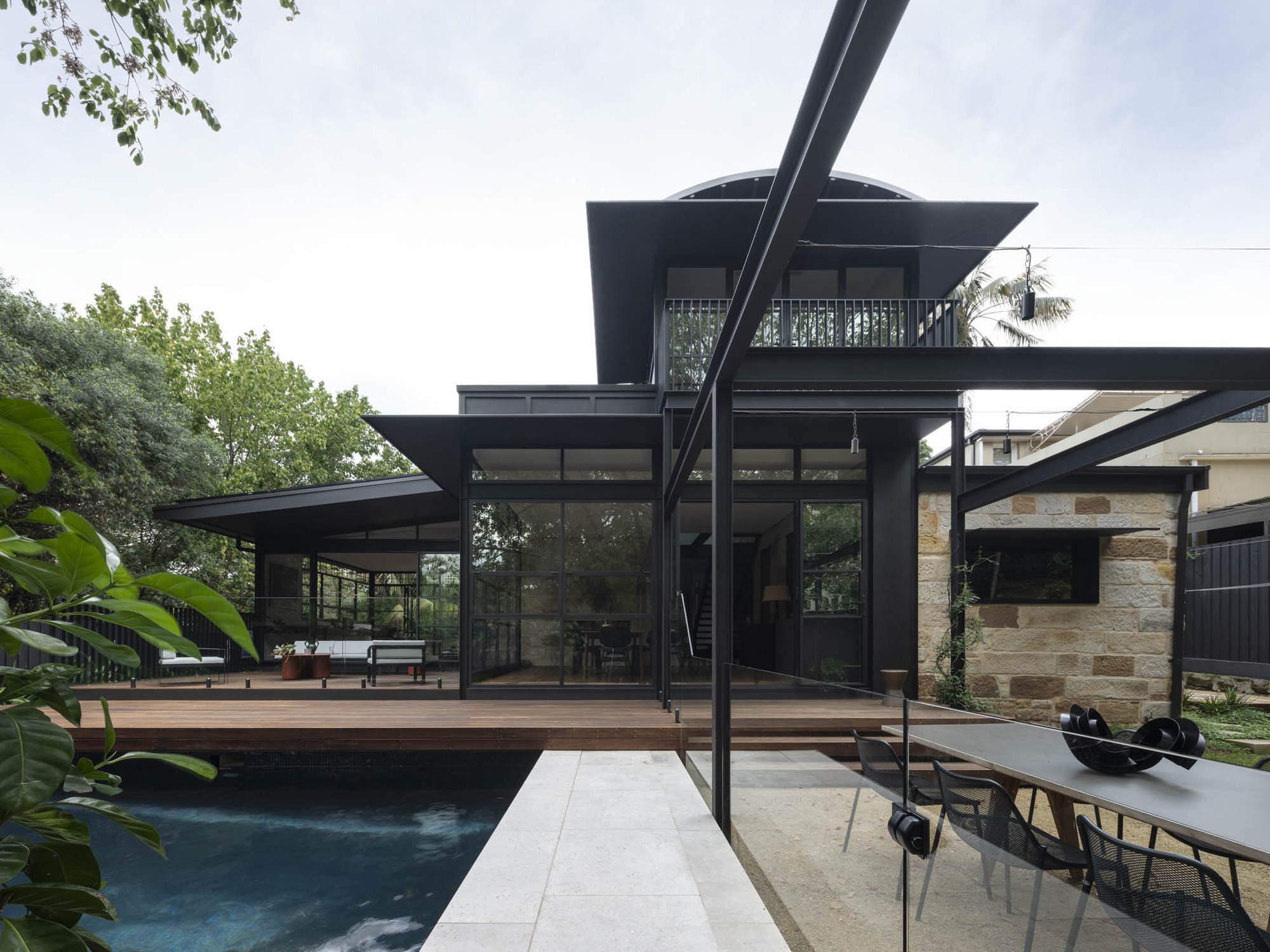
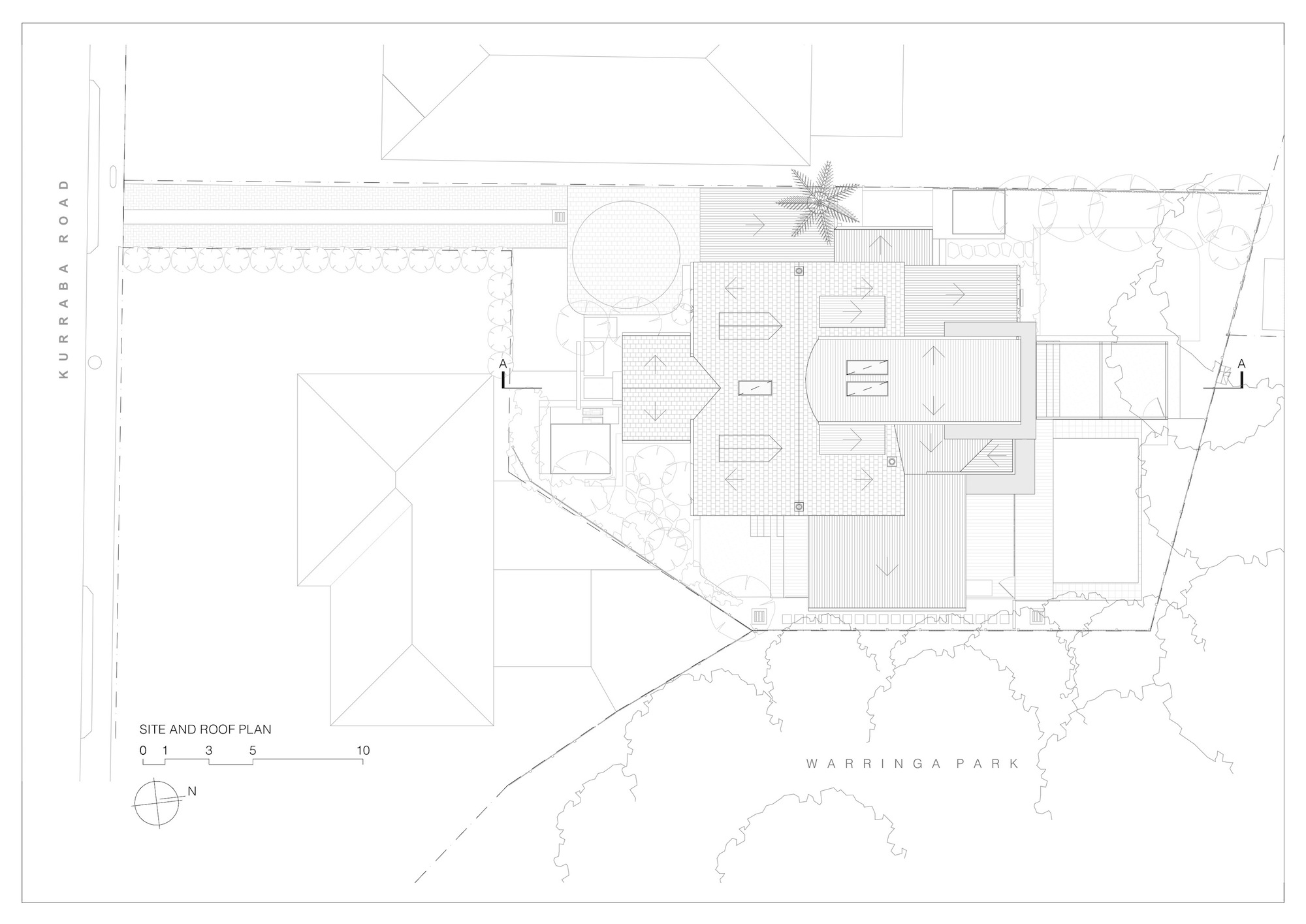
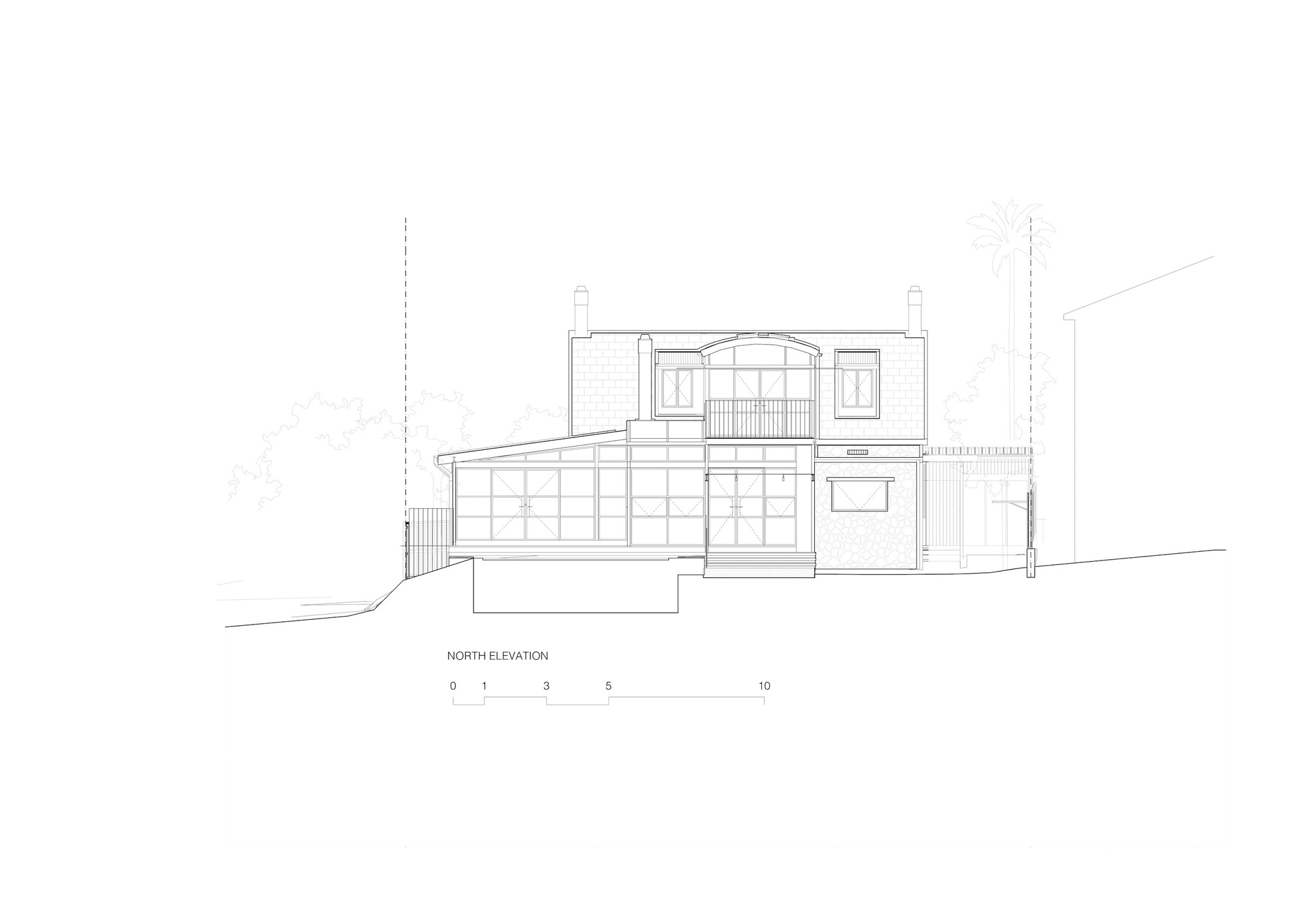
Maranatha House #architecture Architects: Bijl Architecture Area: 247 m² Year: 2023 Photographs: Tom Ferguson City: Neutral Bay Country: Australia Maranatha House, situated in Neutral Bay on the lower north shore of Sydney, is a study of layers - material layers, liminal layers, and site layers. It is about peeling back, exposing, renewing, and refining the spatial expression of a house with many histories. The original sandstone cottage “Suramma” was built in the late 1880s, with the area adjoining the north-east boundaries now known as Warringa Park. Subdivision in 1958 created the unusual site shape and battle-axe access, curtailing the legibility of the house from the street which extends to the present time. Since the 1920s, the cottage had been altered and extended on all sides, with the early 20th century framed eastern wing and brick entry foyer to the south included in the Contributory heritage listing with the local Council. Presented with the existing dwelling, we were tasked with spatially unifying the house - making sense of its disparate spaces and creating better connections within the house, to its site and its surrounds. With strict heritage and planning controls to observe, and in acknowledging the site constraints, we extended the enclosed areas of the house by only a few square meters. The realised design is an exercise in examining every spatial connection and expression of the dwelling at its most fundamental level. Our design approach leans into art-like framing strategies, to address the brief and bring about functional flexibility, aesthetic delight and environmental performance. External and internal views are aligned and articulated, dissolving traditional floor plan limitations with minimal additional footprint. The floorplan accommodates a future adaptable living arrangement, passive and active energy efficiency installations, retention and refurbishment of the original sandstone, and a palette of simple materials that create a minimalist backdrop to the artworks and furnishings. Generous natural lighting is achieved via glazed, steel framed elements balancing heavy masonry walls, with a new stair void aside the impressive in situ artwork AES, fabricated in collaboration between artist, architect/designer, supplier, builder, and joiner. Decorative and indirect illuminations culminate in a dwelling that becomes an artwork in itself, coupled with sensitive landscaping that borrows from the neighboring park and existing elements.
Night Sky House #architecture Architects: Peter Stutchbury Architecture Area: 158 m² Year: 2020 City: Blackheath Country: Australia The most recent recipient of the highest residential award for architecture in Australia - The Robin Boyd Award 2021. (the Australian Institute of Architects did not award the Robin Boyd Award in 2022). To try to summarise this house is virtually impossible. Walking into the space for the first time is difficult to describe. It feels ancient and modern at the same time. The references are so varied, "it feels like a church, a castle, a railway arch, a middle eastern grain store". The commissioning client was inspired by a 19th-century ammunition bunker he once saw in Romania built of raw brick with arches. The architect references work by Le Corbusier in India. However, it is distinctly a singular design. The key architectural feature is the parabolic vaulted ceiling, a self-supporting structure made of recycled bricks having a 3.5m long by 2.5m wide elliptical retractable skylight that is unglazed and tilted 20 degrees to the south to gaze at the stars. The commissioning client, astronomer, and engineer, Basil Borun asked award-winning architect Peter Stutchbury to take him to the stars without leaving his living room.  Finding the location of the skylight in an unusual soaring roof, 7.5m at its apex. It is a parabolic vault, a self-supporting structure made of recycled bricks, many of which were picked by Mr. Borun. Diagnosed with Type 2 diabetes, Basil was wheelchair bound and therefore the design has to be truly accessible. designer Fernanda Cabral and builder Mark Tan held cut-outs of prototypes of the skylight up against the sky until Mr. Borun was satisfied. The wheelchair had a tolerance of 10mm, therefore no step could be larger than 10mm. The house was designed so Mr. Borun could go from his car to anywhere in his house with a single turn of the wheelchair. The rooms were designed off a long, wide hallway with sliding doors. Built of bricks, recycled when an apartment building in western Sydney was demolished. The vaulted room is reminiscent of a cathedral yet feels embracing and welcoming rather than imposing. And of a domestic scale, albeit an extraordinarily voluminous one. Mr. Stutchbury said rarely was a project more considerate of the night than day. “We have put skylights in a building but not in such a prophetic and highly considered way.” The Sustainability features include: * Designed to last beyond 120 years. * 48 photovoltaic panels. * 15.5 kW of power gen, 34 kW of storage. * Electric vehicle charging x2. * 60,000 liters filtered rainwater tank. * Evacuated tubes for solar hot water. * Hydronic in-floor heating. * Low-toxic finishes and fittings. * Low-energy lighting. * Low-water gardens. * Recycled double-brick and insulated walls provide thermal mass to absorb and release heat. * The oculus is central to the dwelling’s passive heating and cooling system, enabling two-way ventilation.
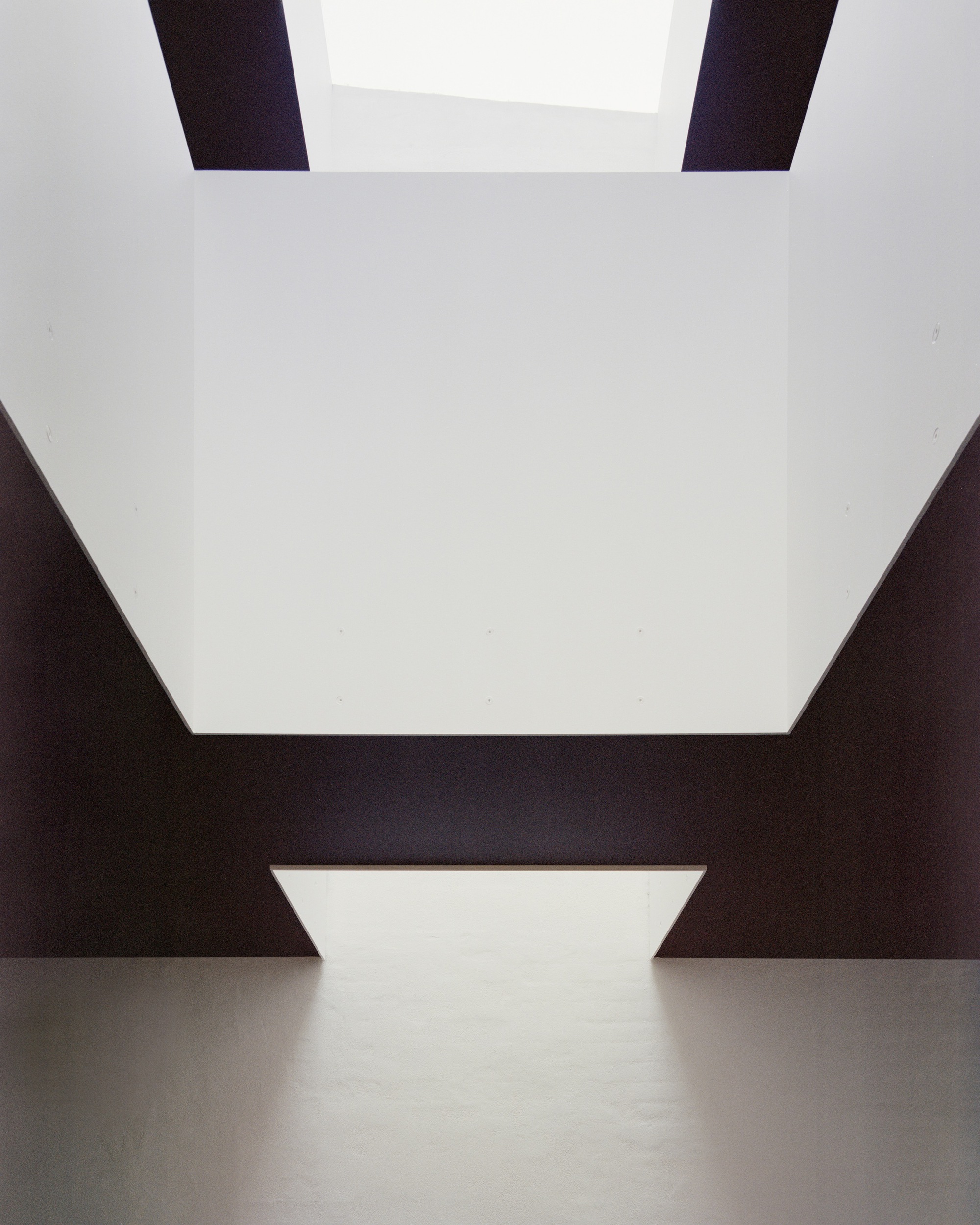
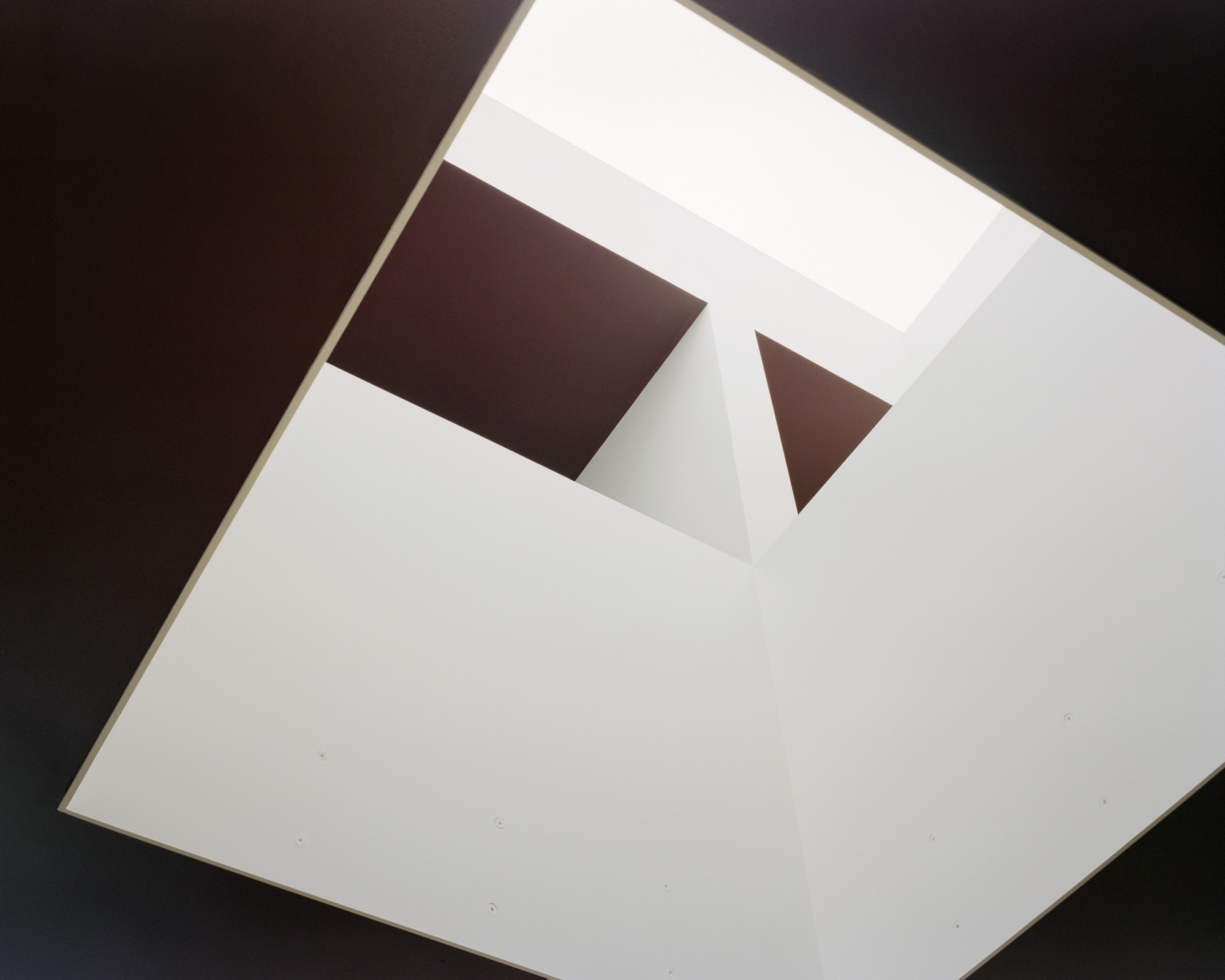
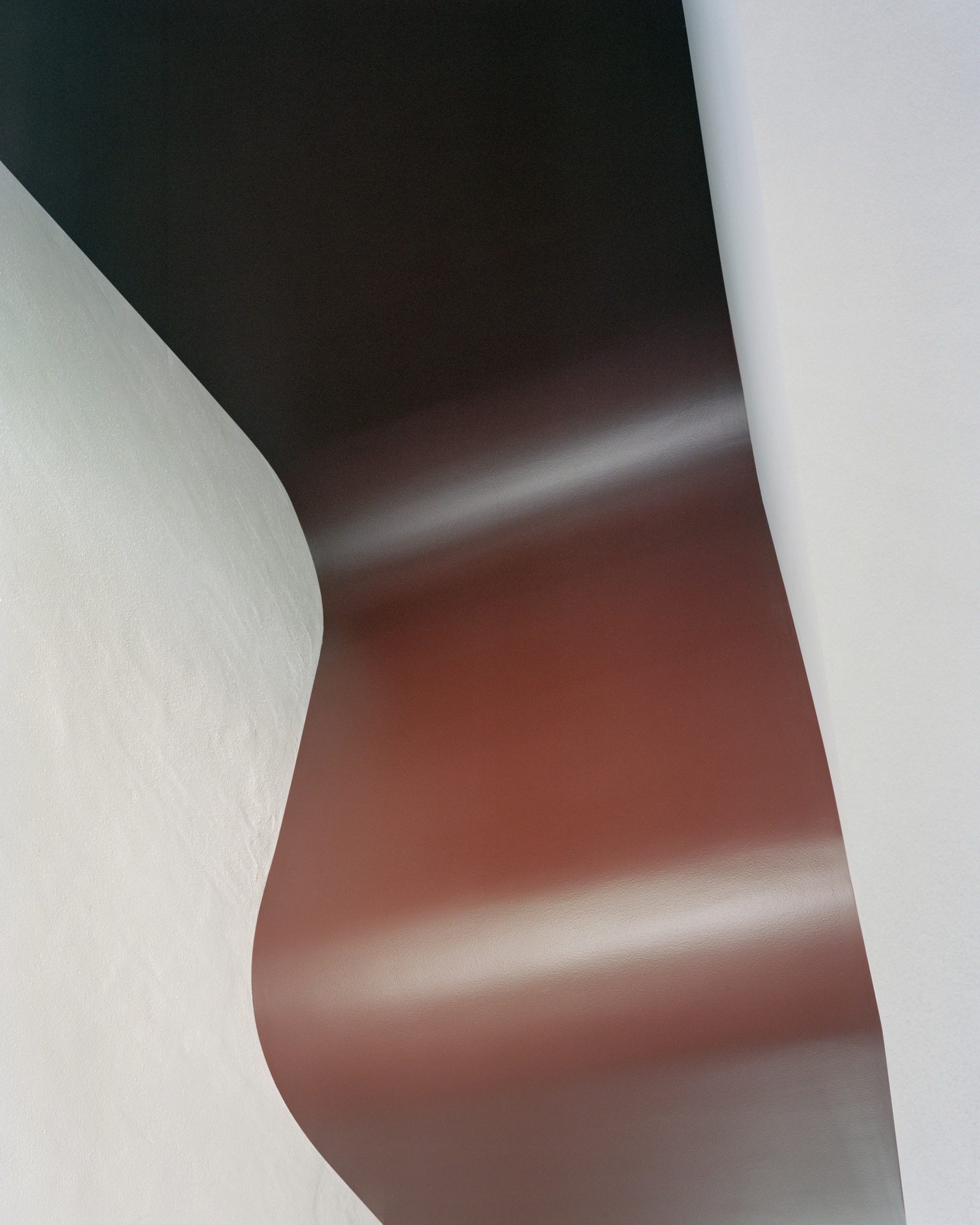
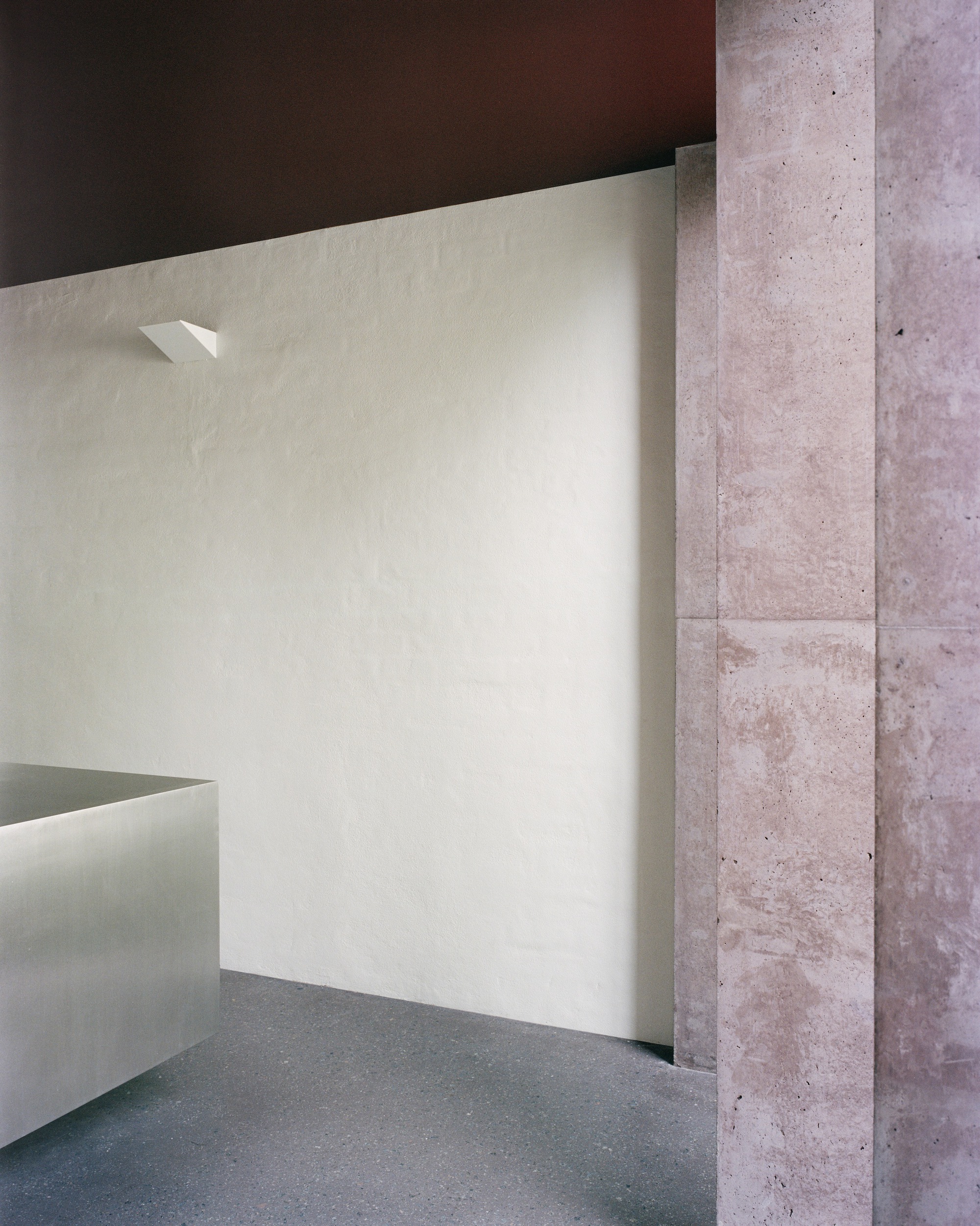
Alexandria House #architecture Architects: Lachlan Seegers Architect Area: 143 m² Year: 2023 Photographs: Rory Gardiner City: Alexandria Country: Australia Located within a suburb that has witnessed radical transformation over the past 150 years, this terrace house was constructed in 1886 as part of a row of seven single-story terrace houses erected simultaneously in various styles. The passage of time and the shifting demographic of the suburb resulted in the single-story terrace falling into a state of utter disrepair. It was therefore decided that the existing, street-facing contributory structure should be restored and nurtured whilst the rear, dilapidated structures that had accumulated over its lifetime should be removed to make way for a new method of occupying the site. The rear façade was cast in earth-coloured pigmented concrete and was conceived as a monument of permanence that reflects the necessity of permanence embodied in the contributory street façade. It was important to develop a dialogue whereby the old and new begin a refreshed process of aging together. The new rear of the house establishes a formal order as a counterpoint to the chaos of the rear lane. The stepped arrangement acts as a mediator between the two adjacent neighboring properties, respecting what exists rather than introducing an urban infill that was dislocated from its context. As a consequence of this urban mediation, the rear façade also makes way for the mature Jacaranda tree that is gently cradled by the diagonal geometry, creating a living canvas where architecture and nature exist harmoniously in this dense, urban environment. Internally, the new work allows two distinct circulation choreographies to unfold: a linear axis from the front door to the rear lane and an intricate, diagonal passage between the kitchen and the rear façade. This diagonal passage links the main circulation axis to a concealed stair, utilizing the element of surprise to amplify the perceived scale of the home. This secret stair, entry sequence, and circulation considerations were implemented to address the client’s desire for a strong sense of seclusion and privacy associated with the upstairs living and sleeping zones. To further enhance a sense of tranquillity within the dense urban context, warm, earthy hues were woven into the fabric of the space through pigments, aggregates, ironbark and rich surfaces of deep burgundy. An intentional, soulful depth to the architectural narrative then emerges in the play of shadows and illumination. The deep burgundy ceilings conceal their true hue in darkness, only revealing their essence when exposed to the gentle touch of controlled natural light. In a departure from terrace house norms, both bounding party walls are located within the site boundaries as opposed to on the boundaries. This prompted a desire to honour and celebrate their defining presence. The solution unfolds as a full-width opening carved from the roof creating a party wall-to-party wall skylight that draws in an abundance of natural light from above. Purposeful voids, adorned with plate steel balustrades painted white, further intensify the transmission of light and provide a visual narrative of depth between the ground floor and the expansive skylight above.
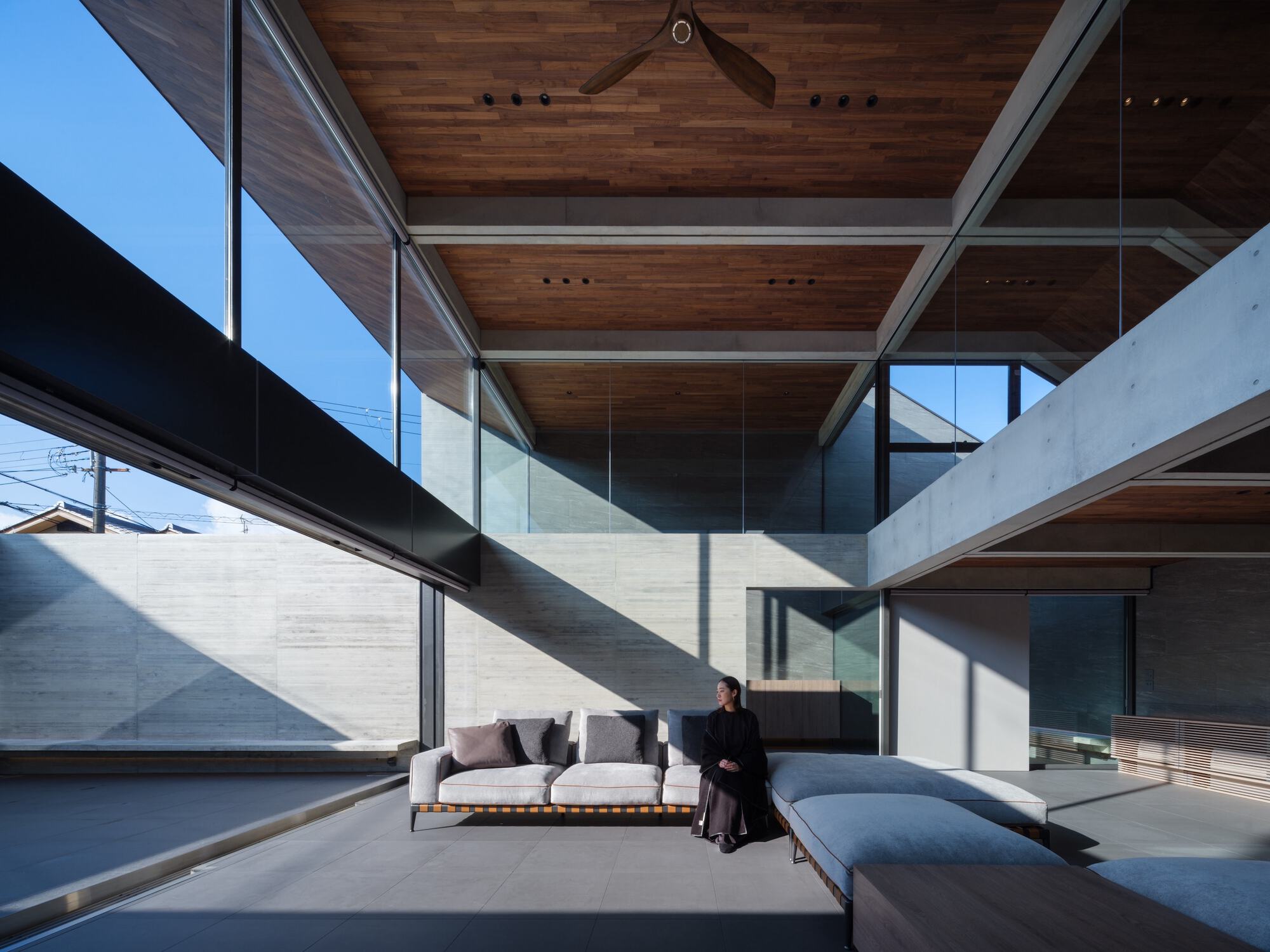
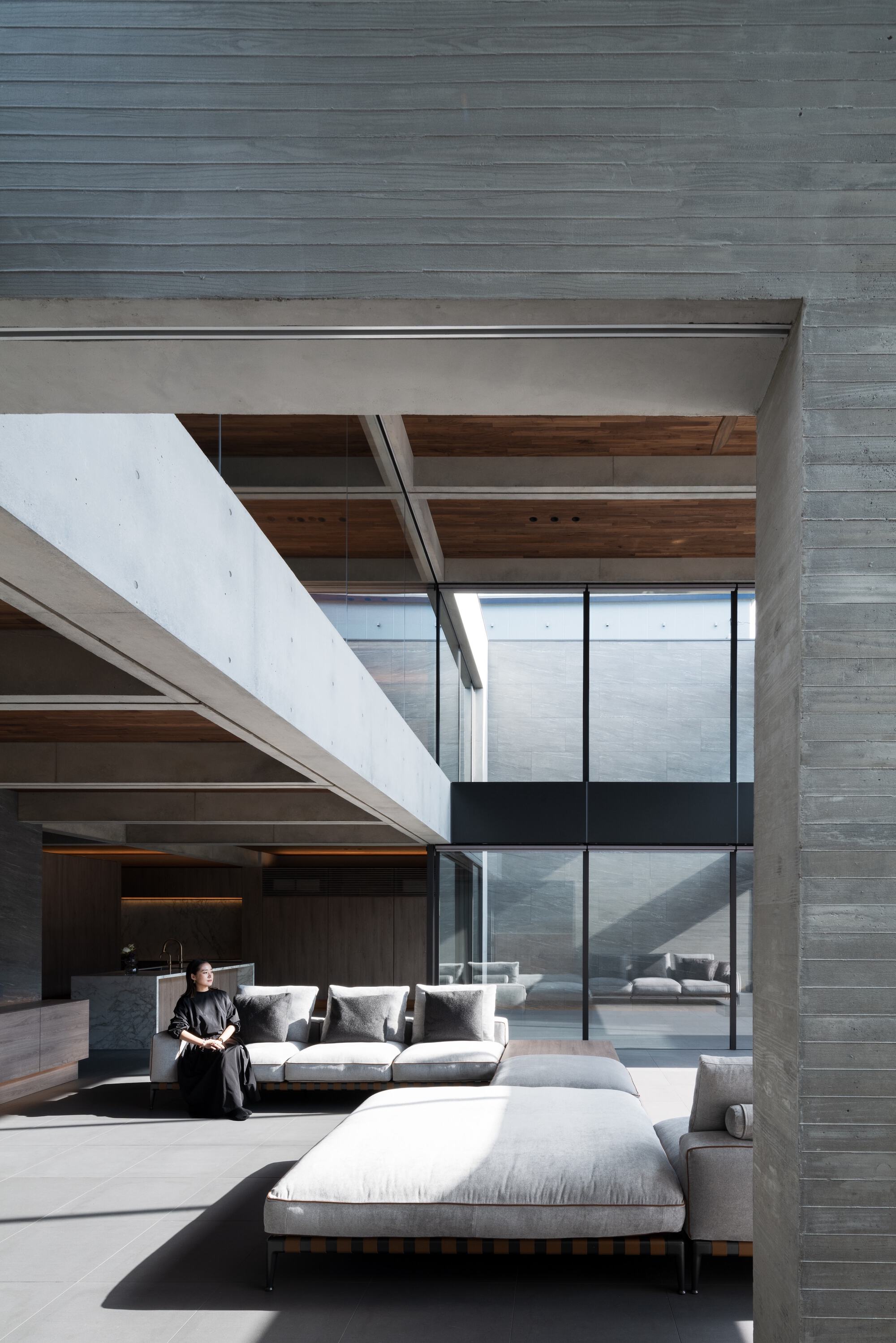
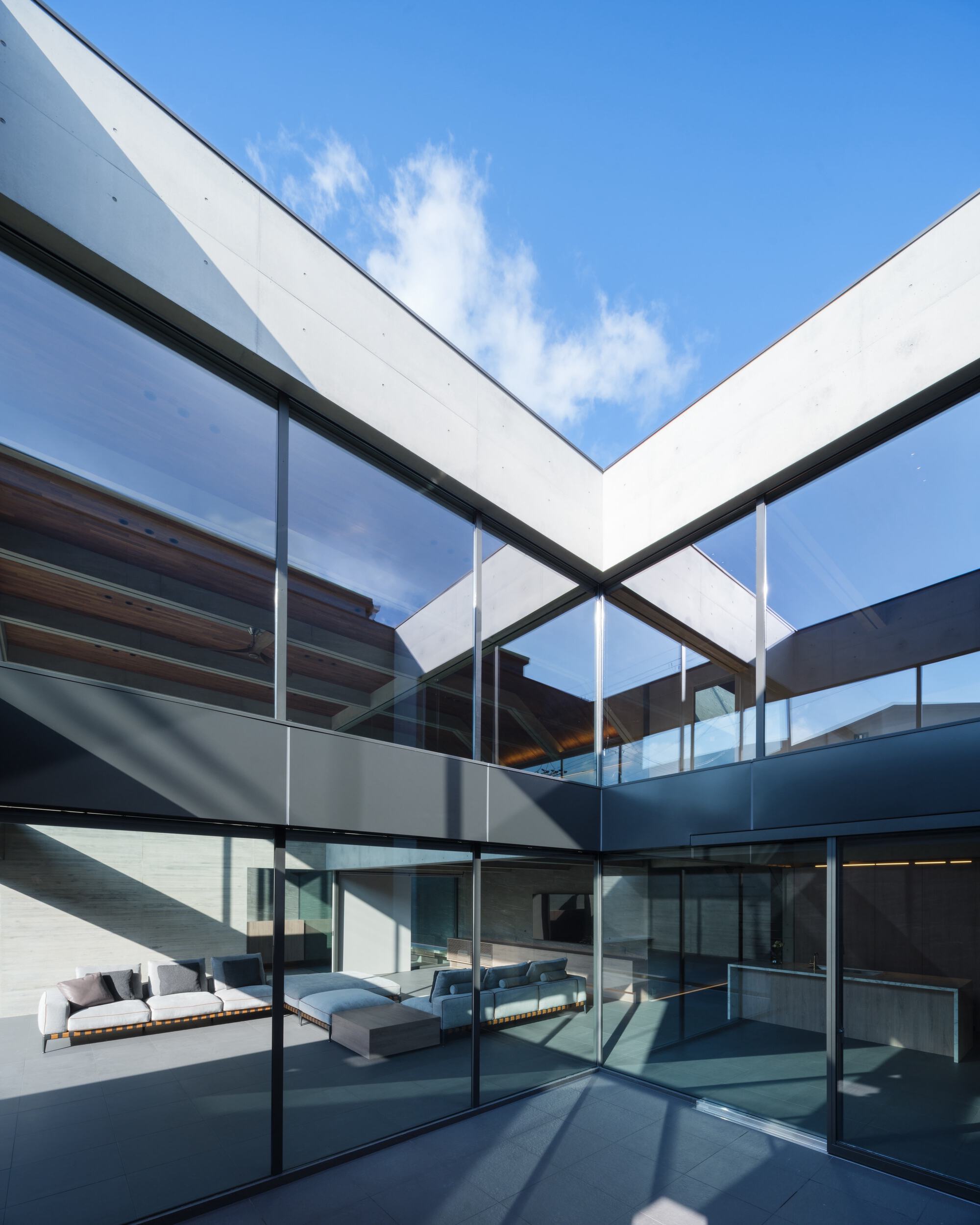
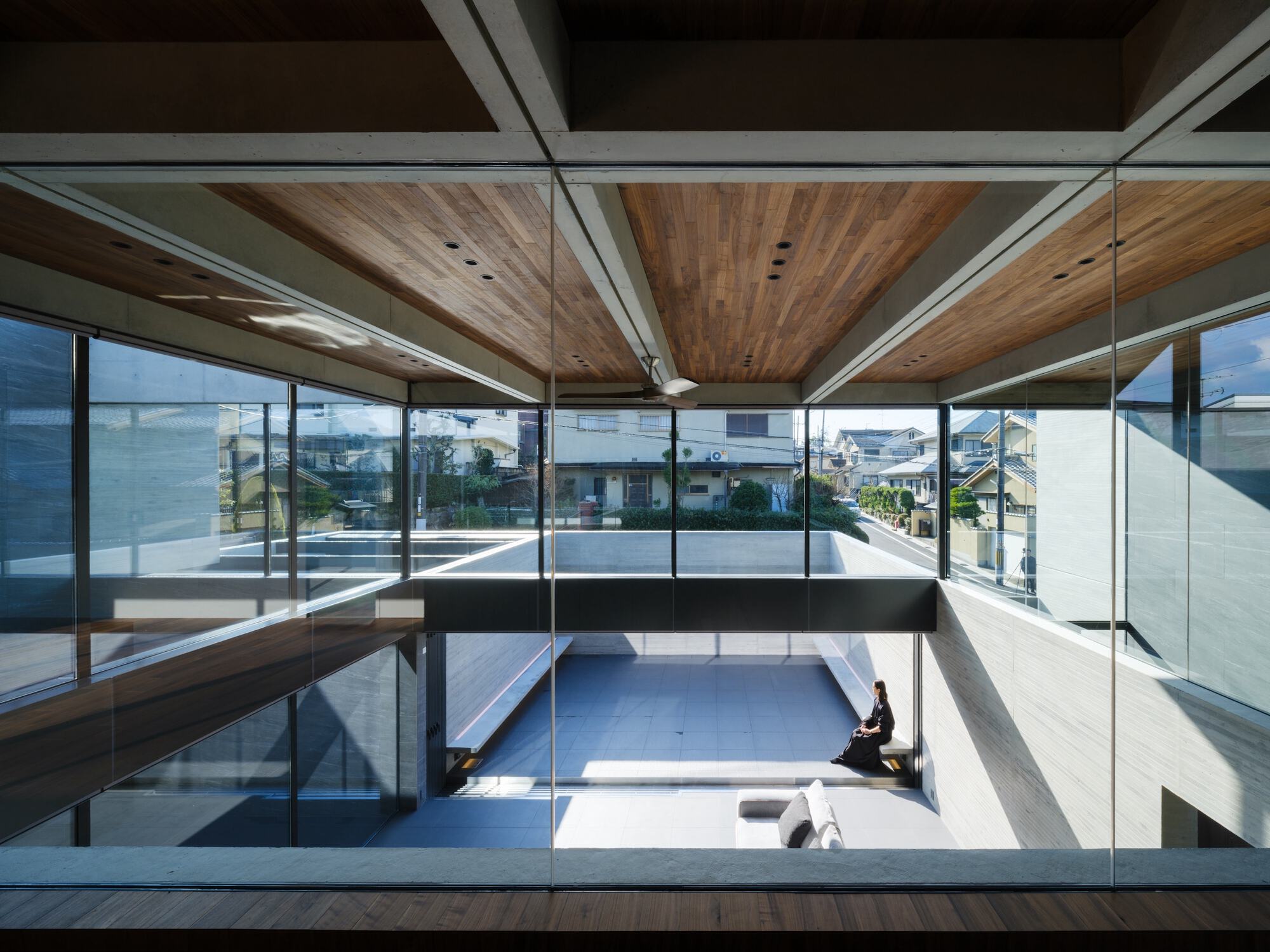
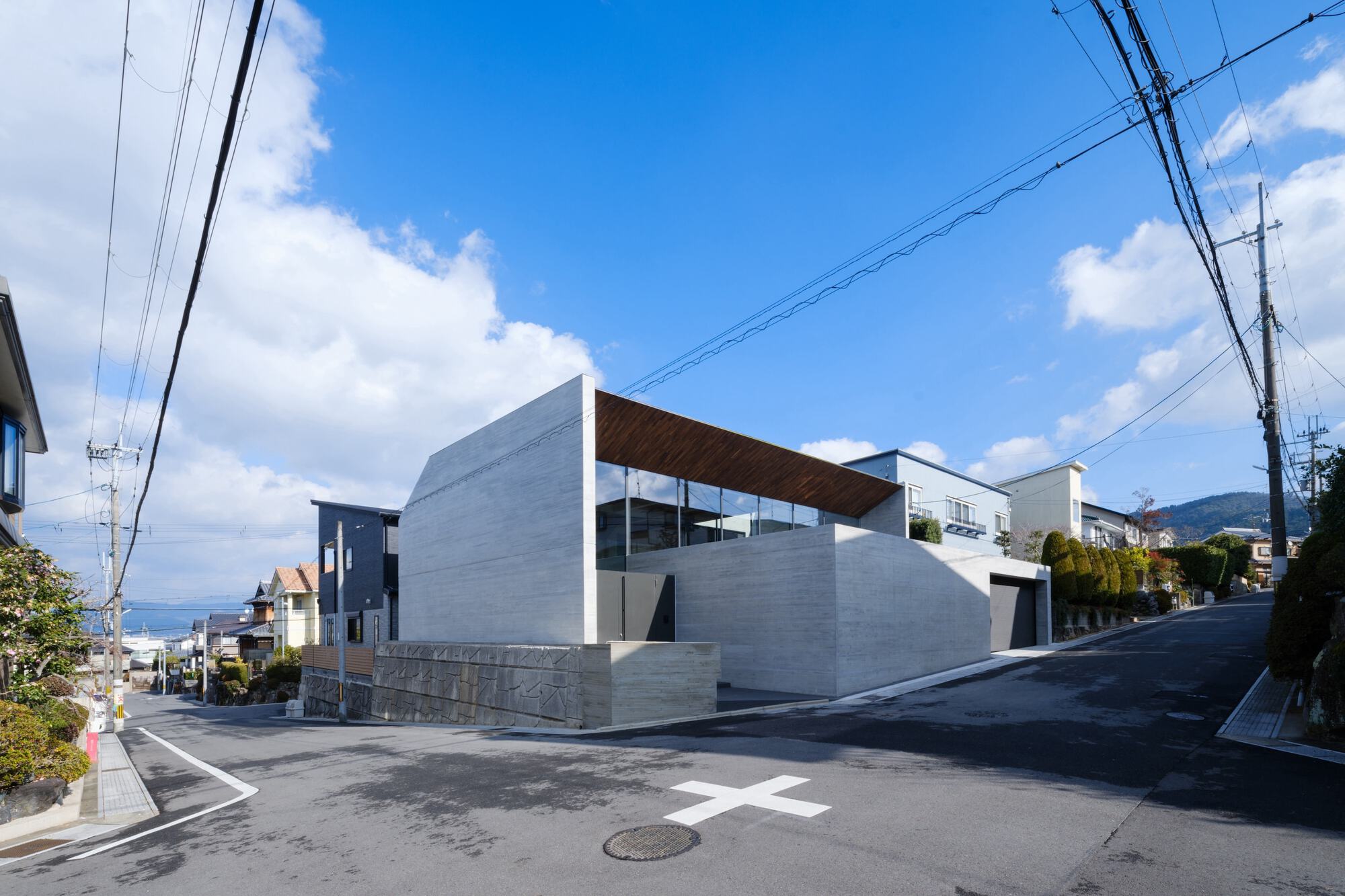
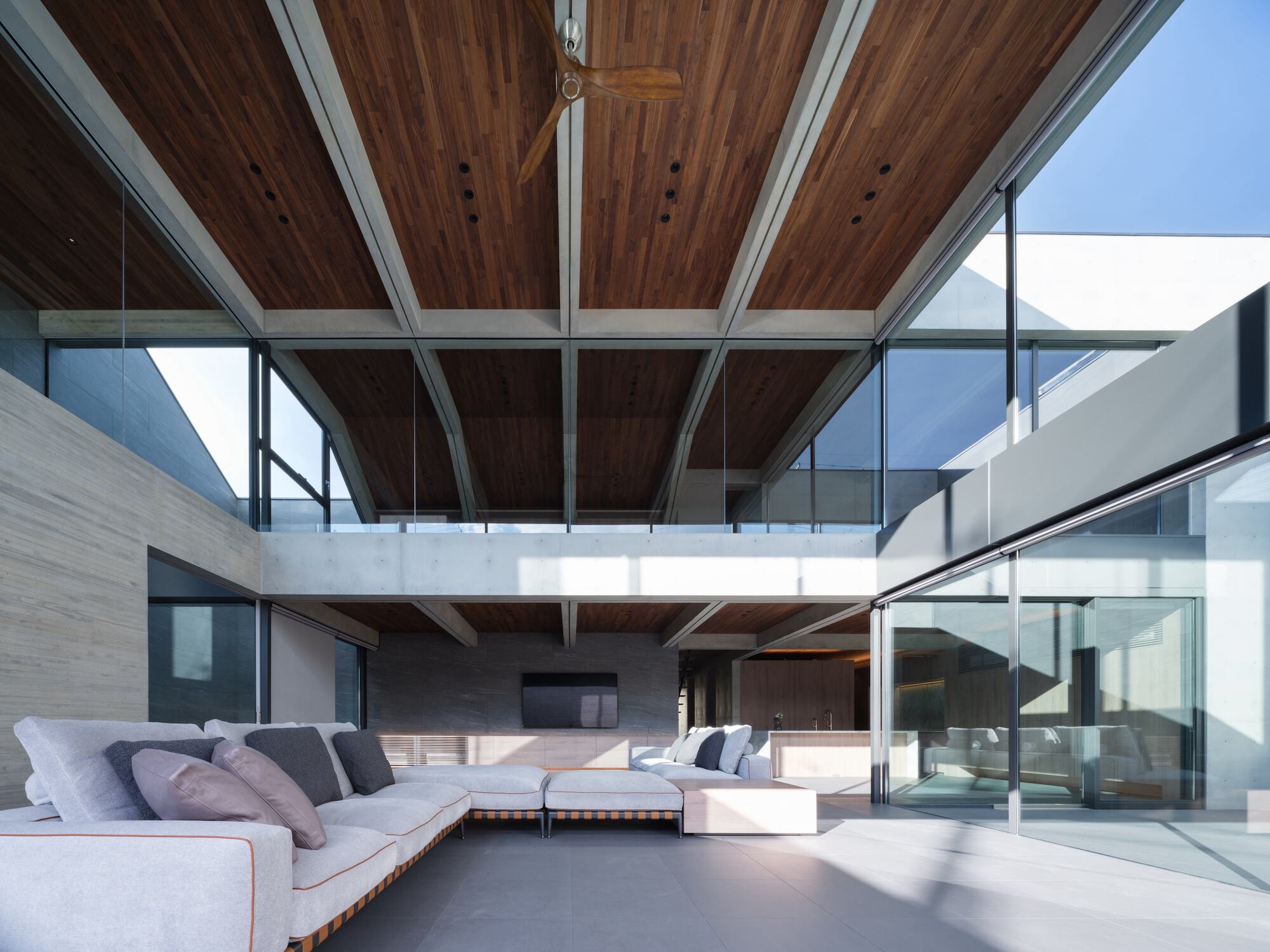
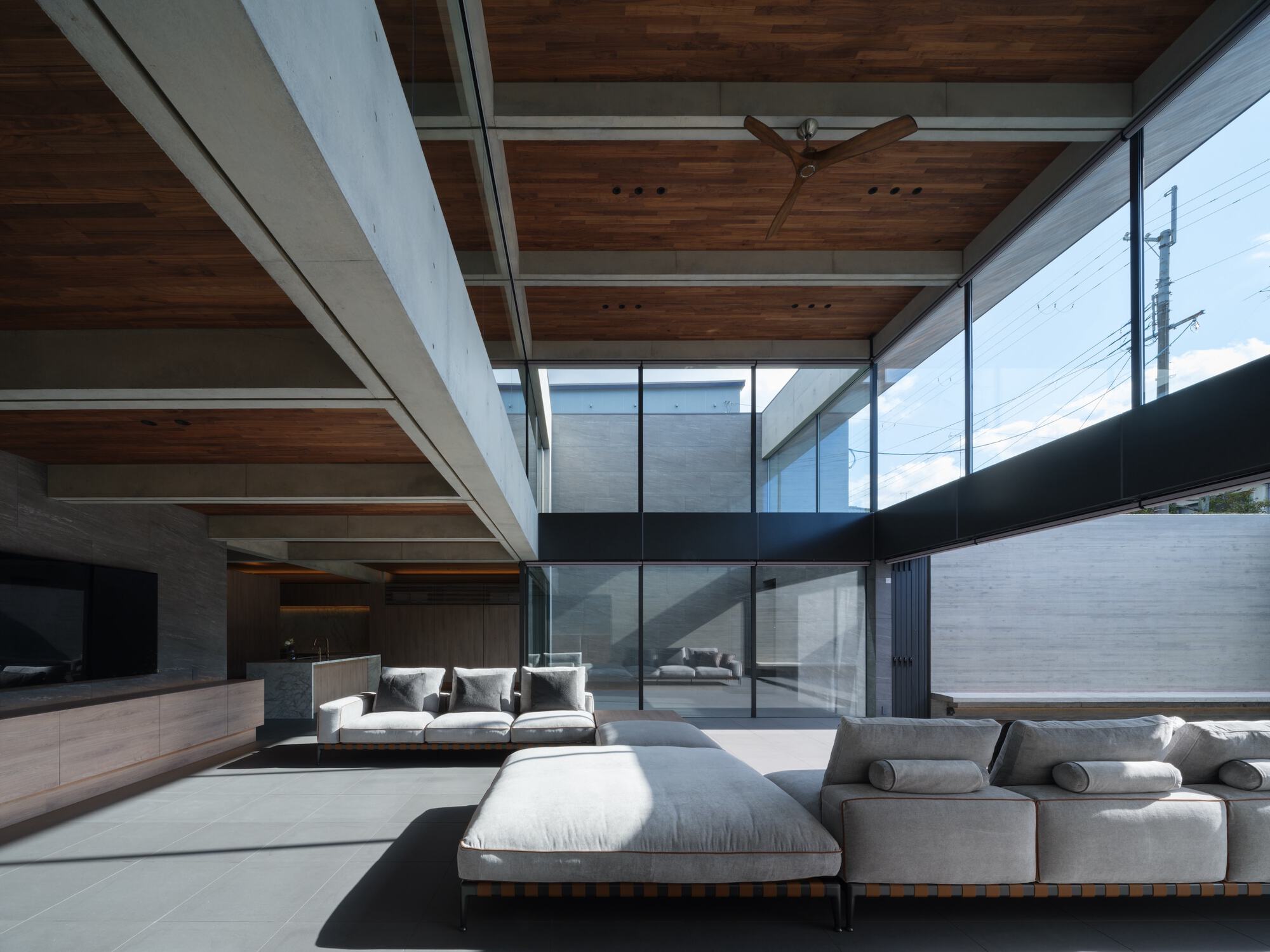
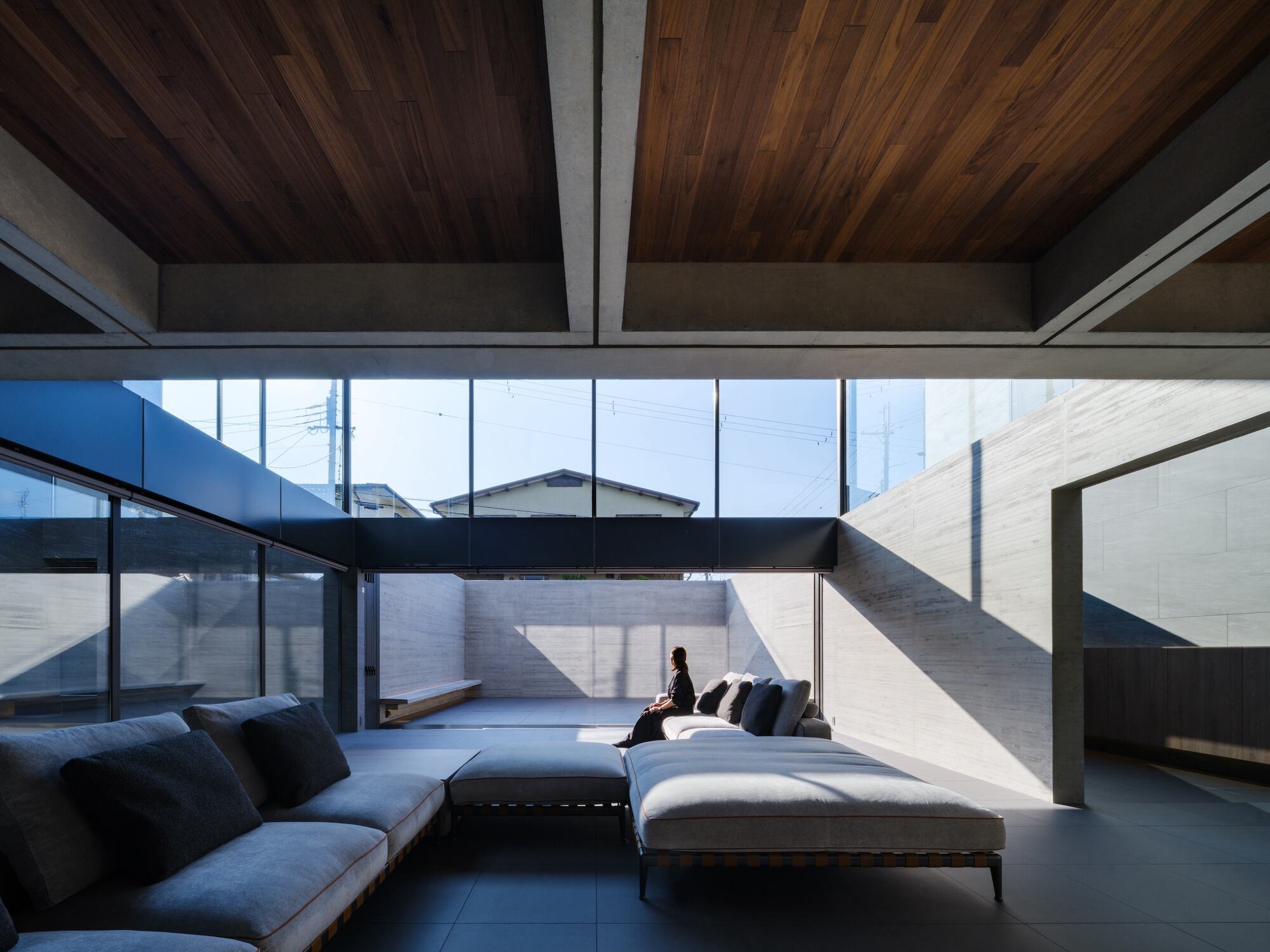
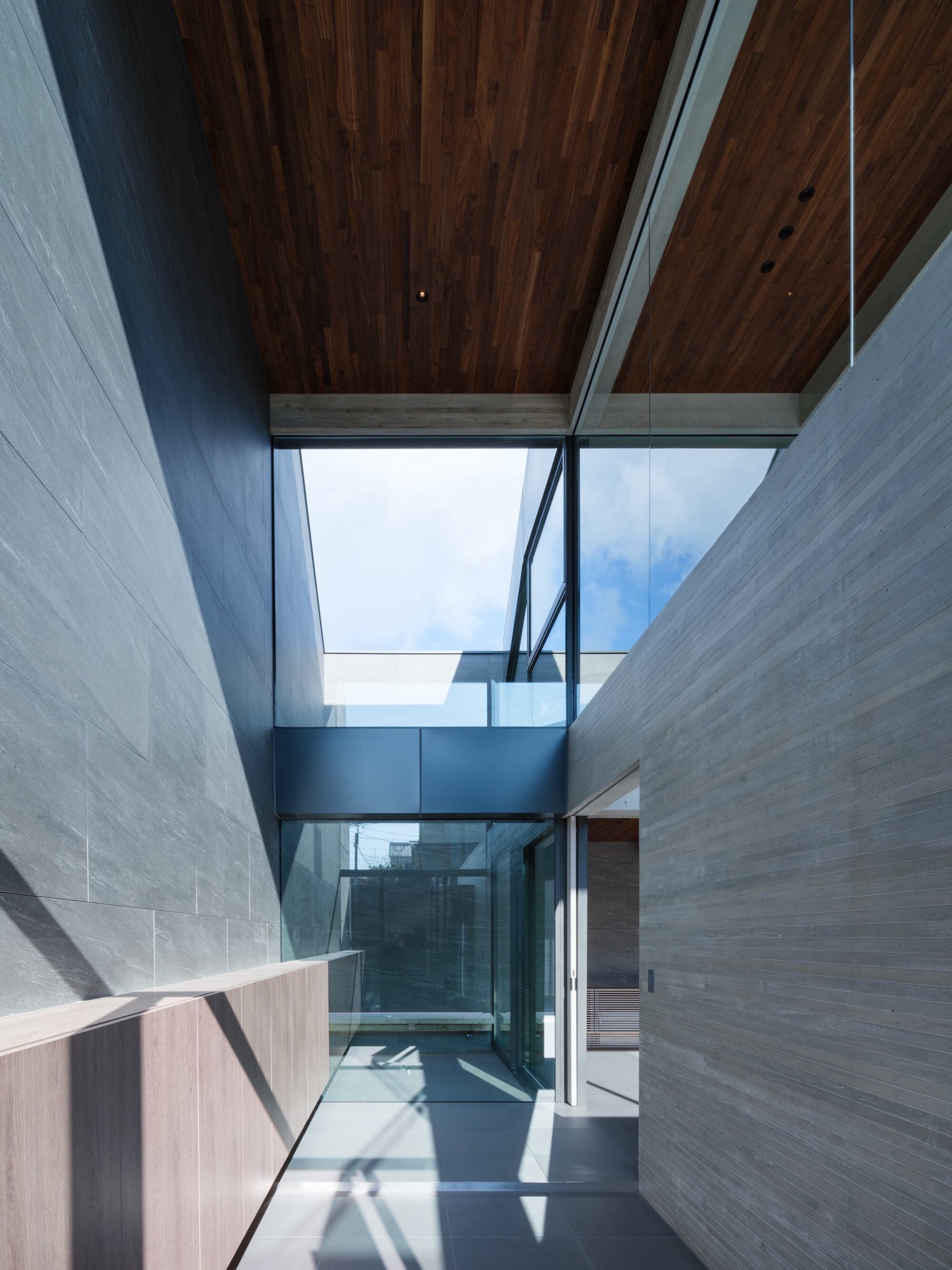
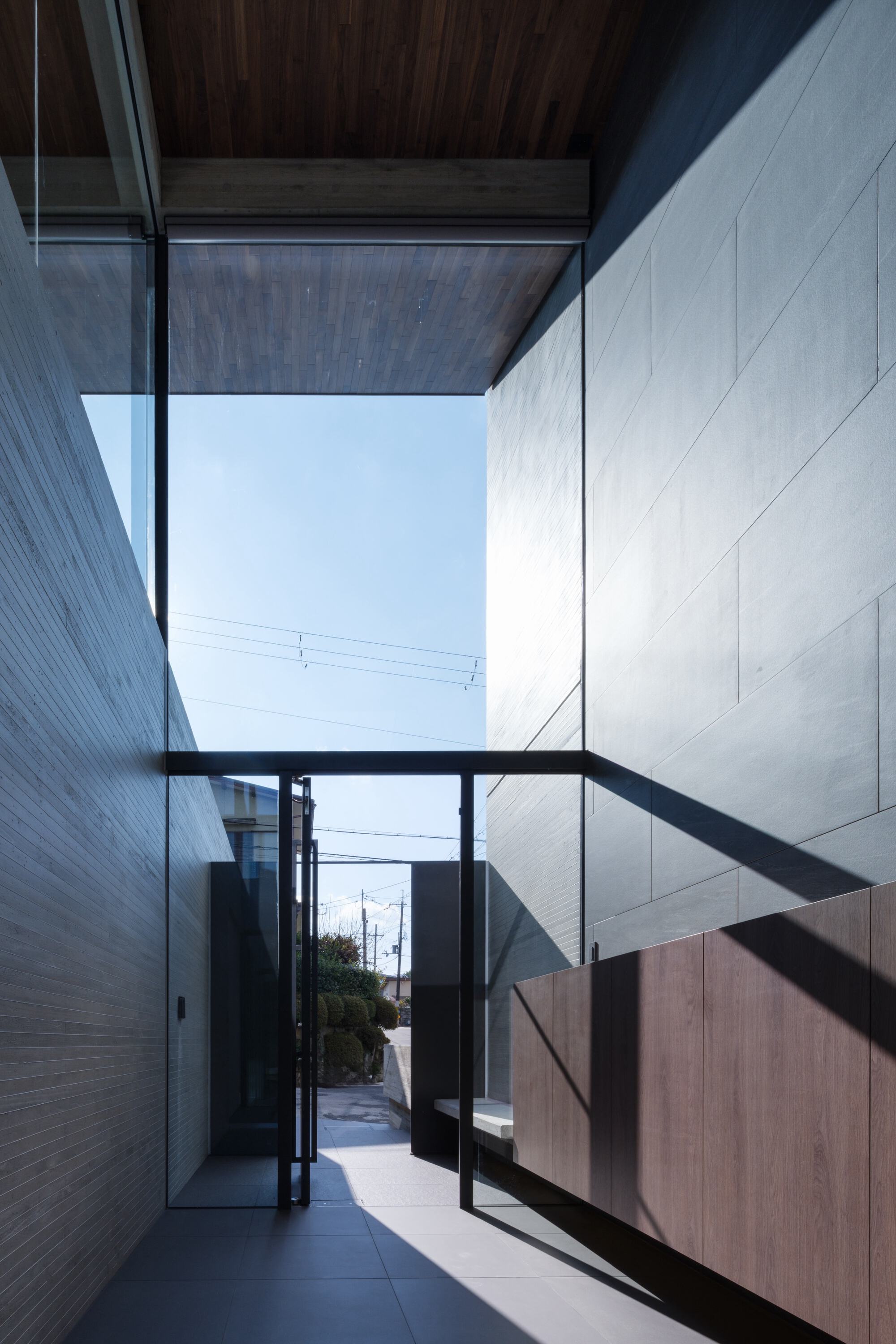
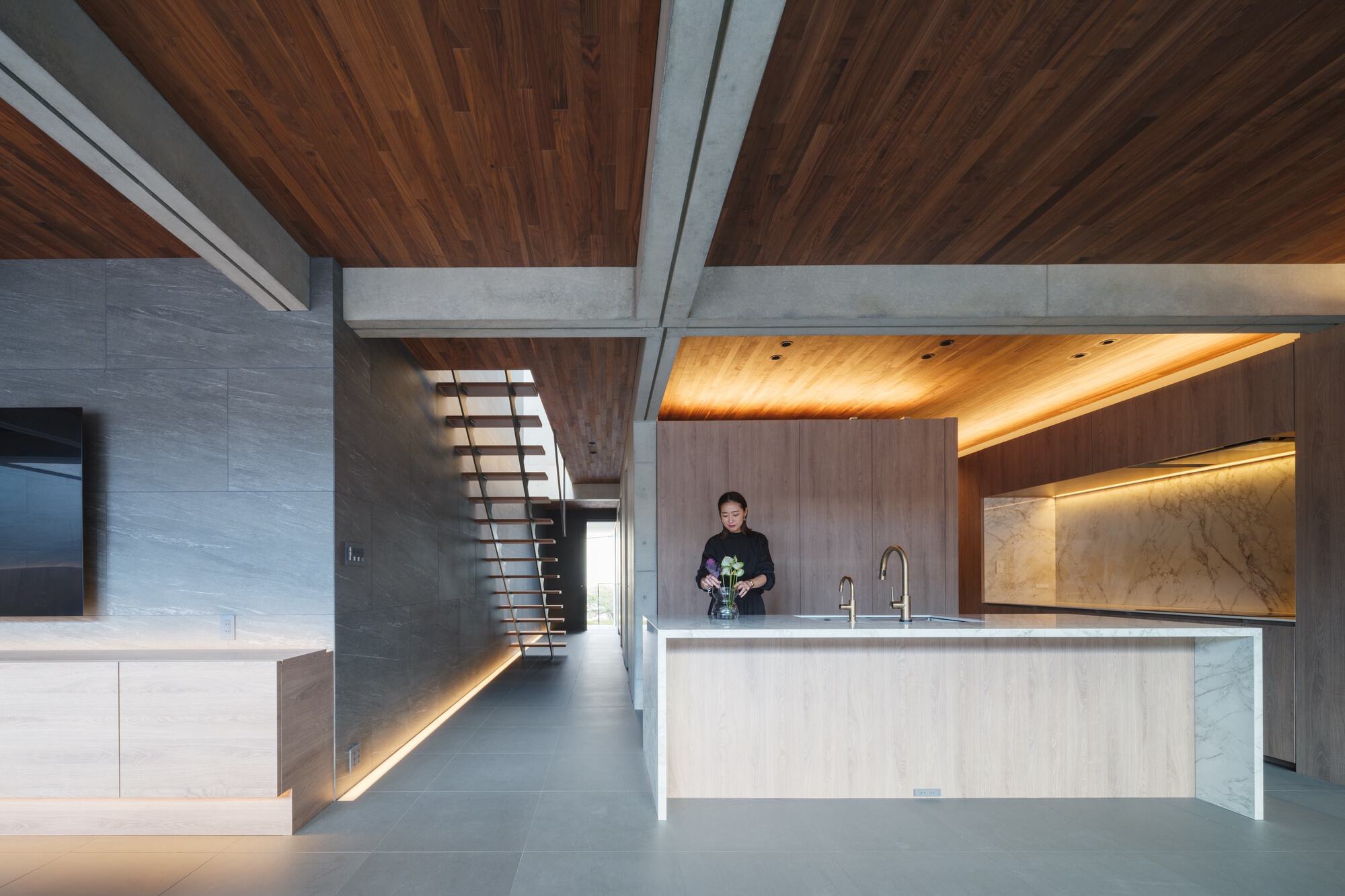
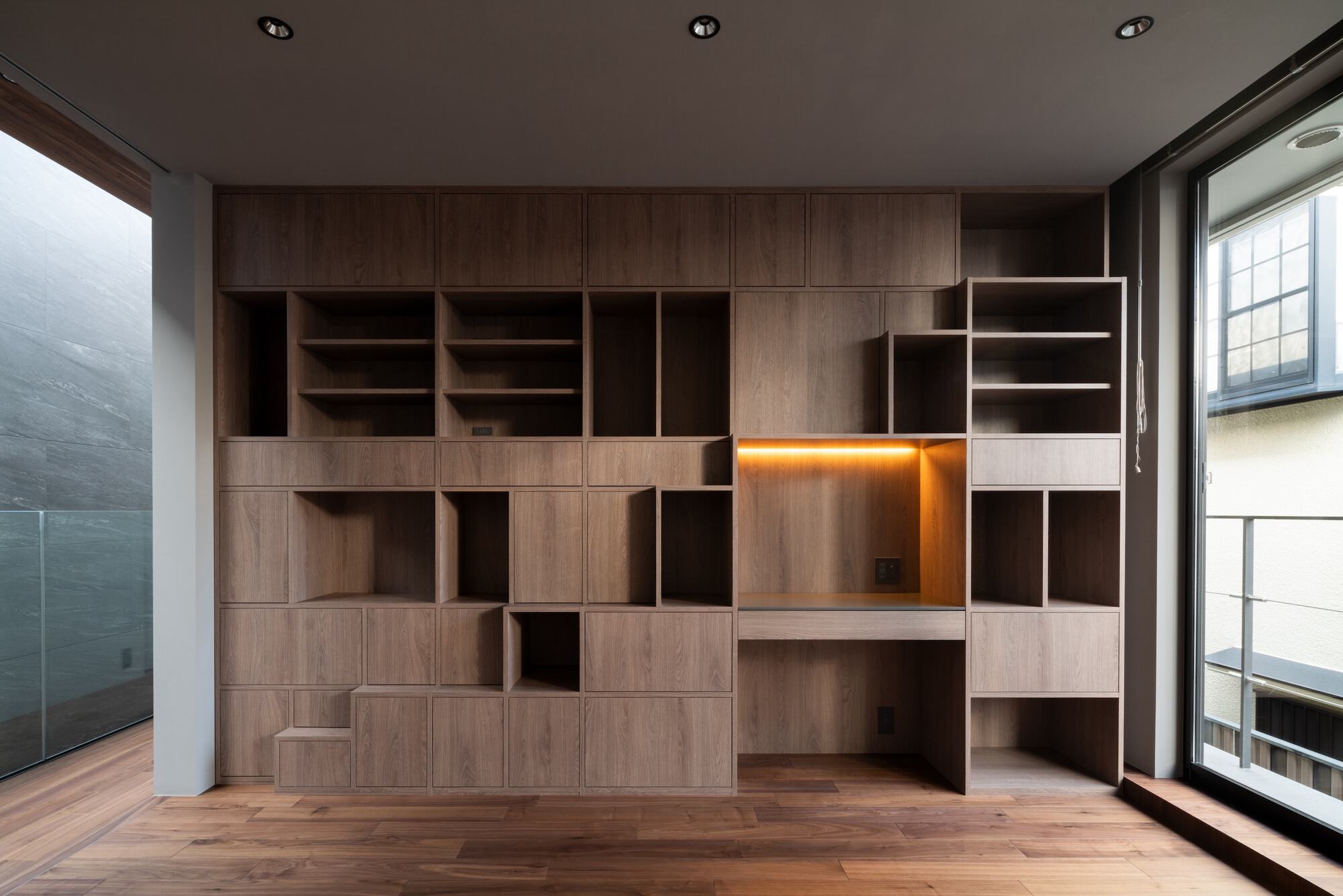
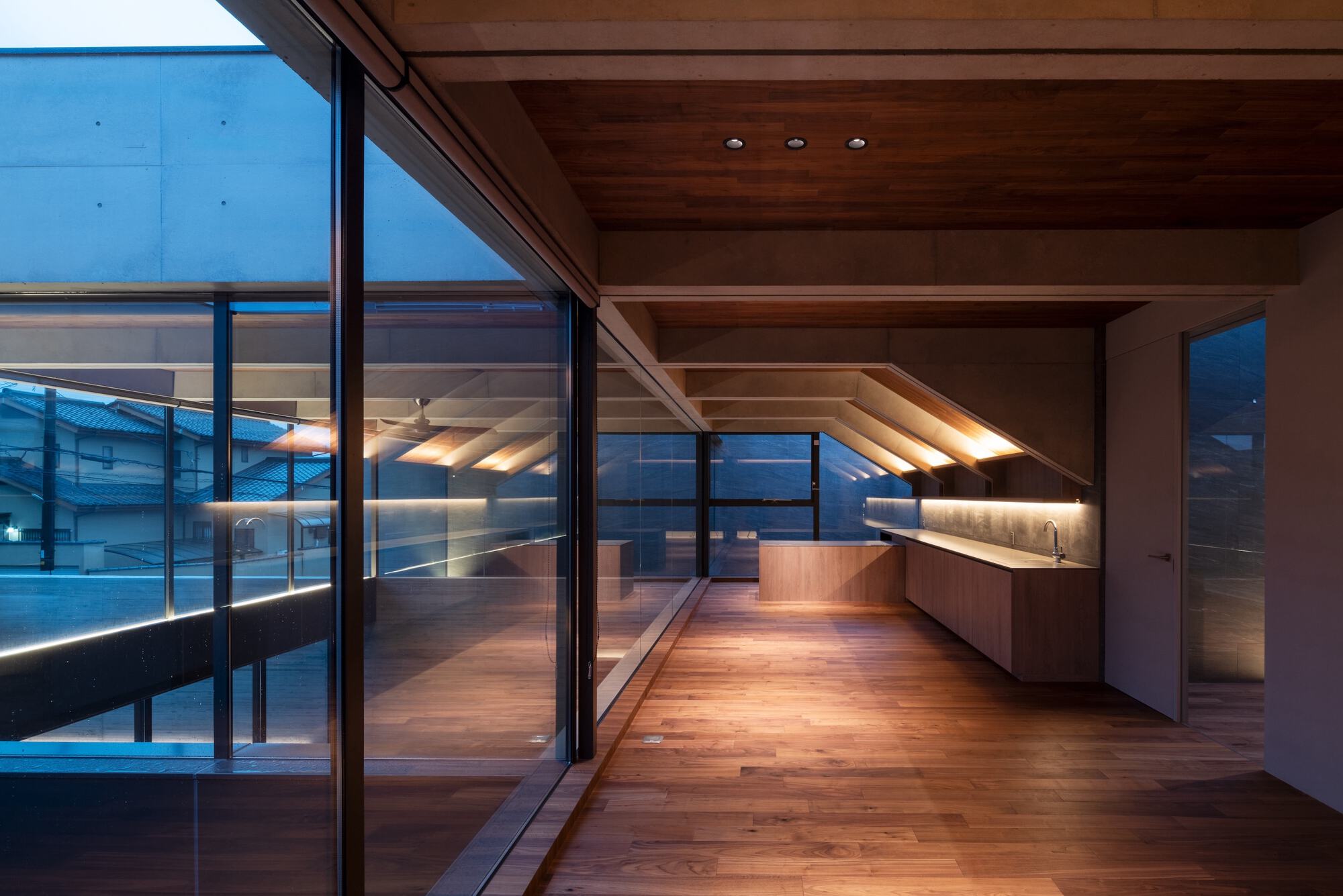
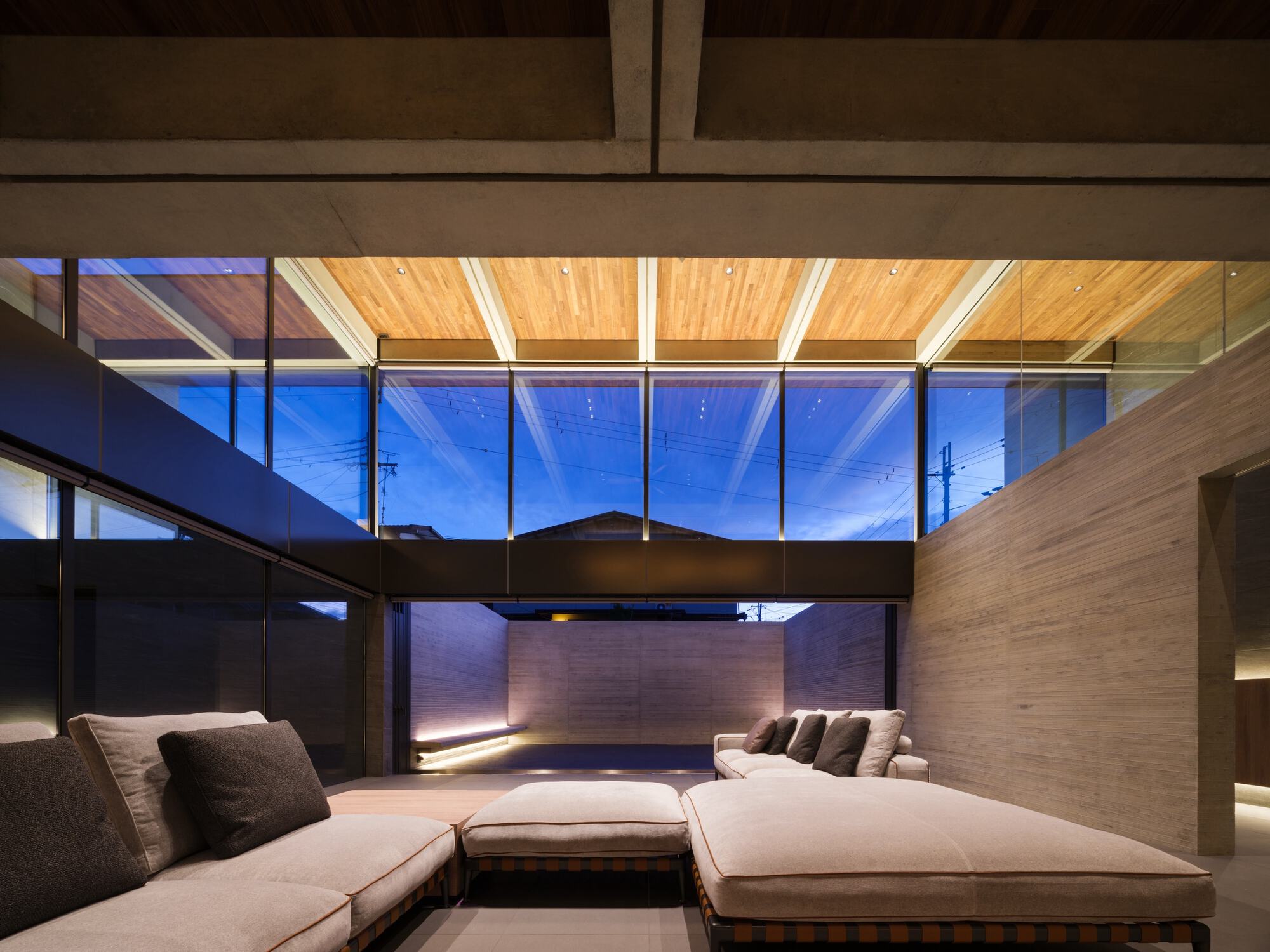
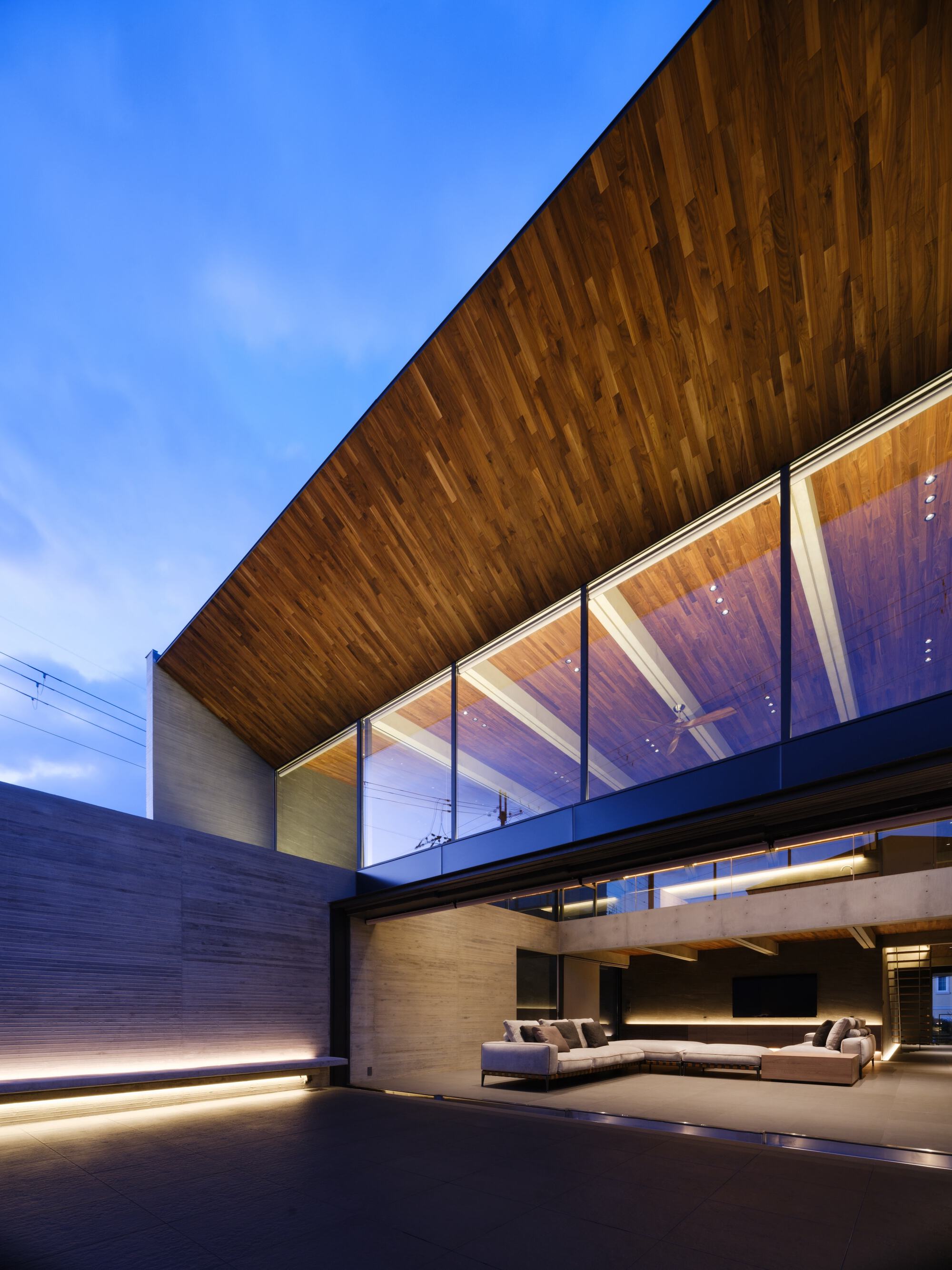
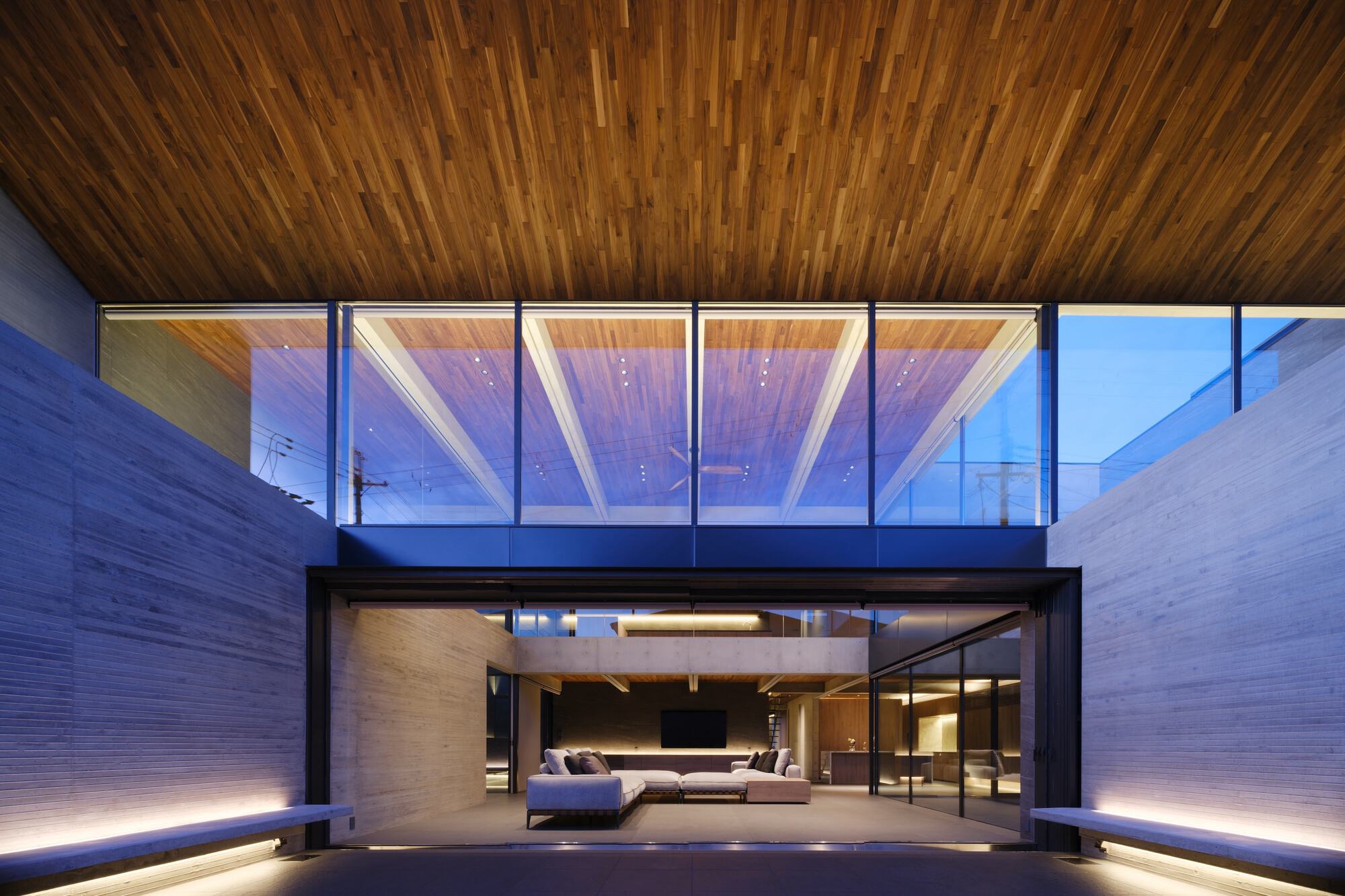
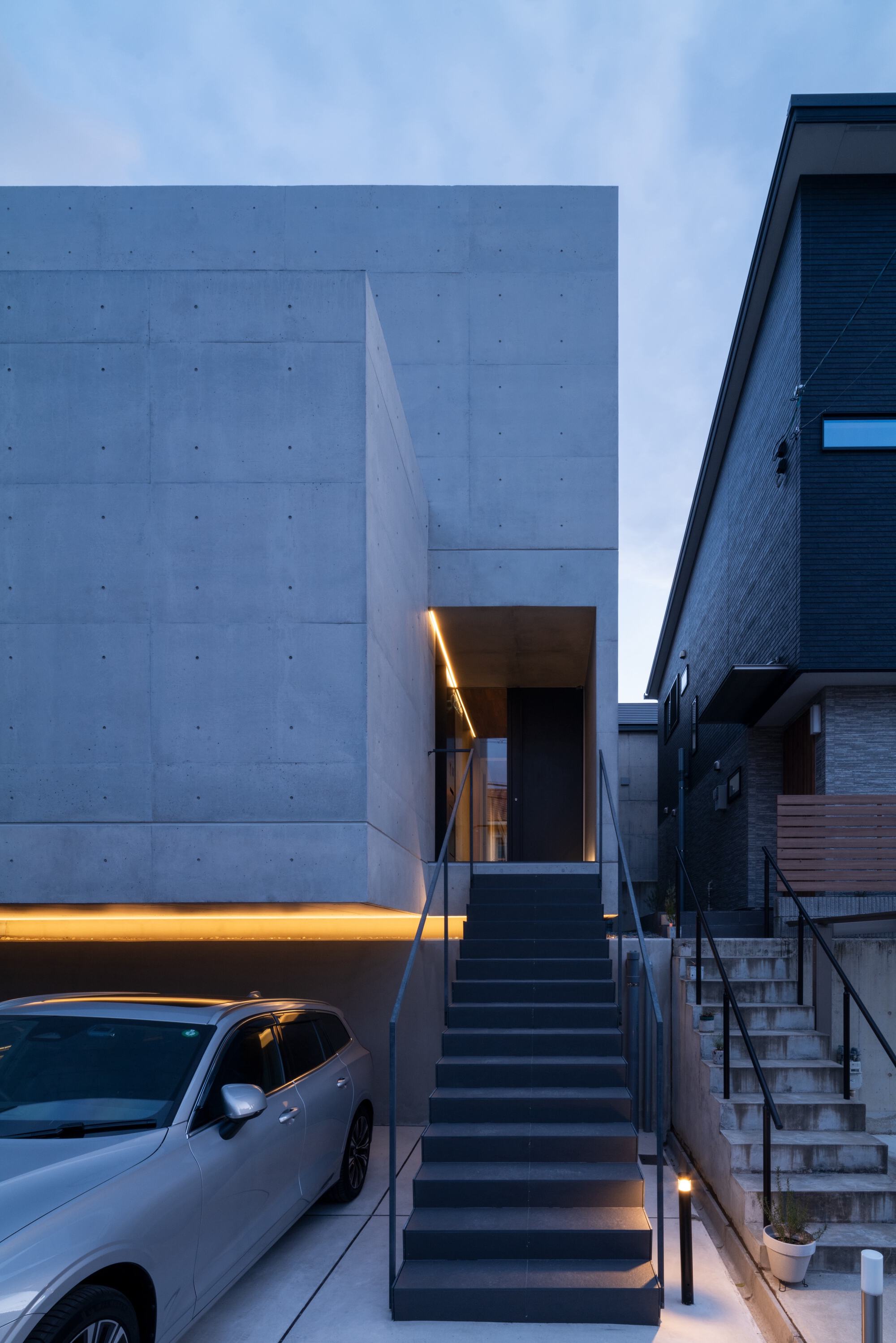
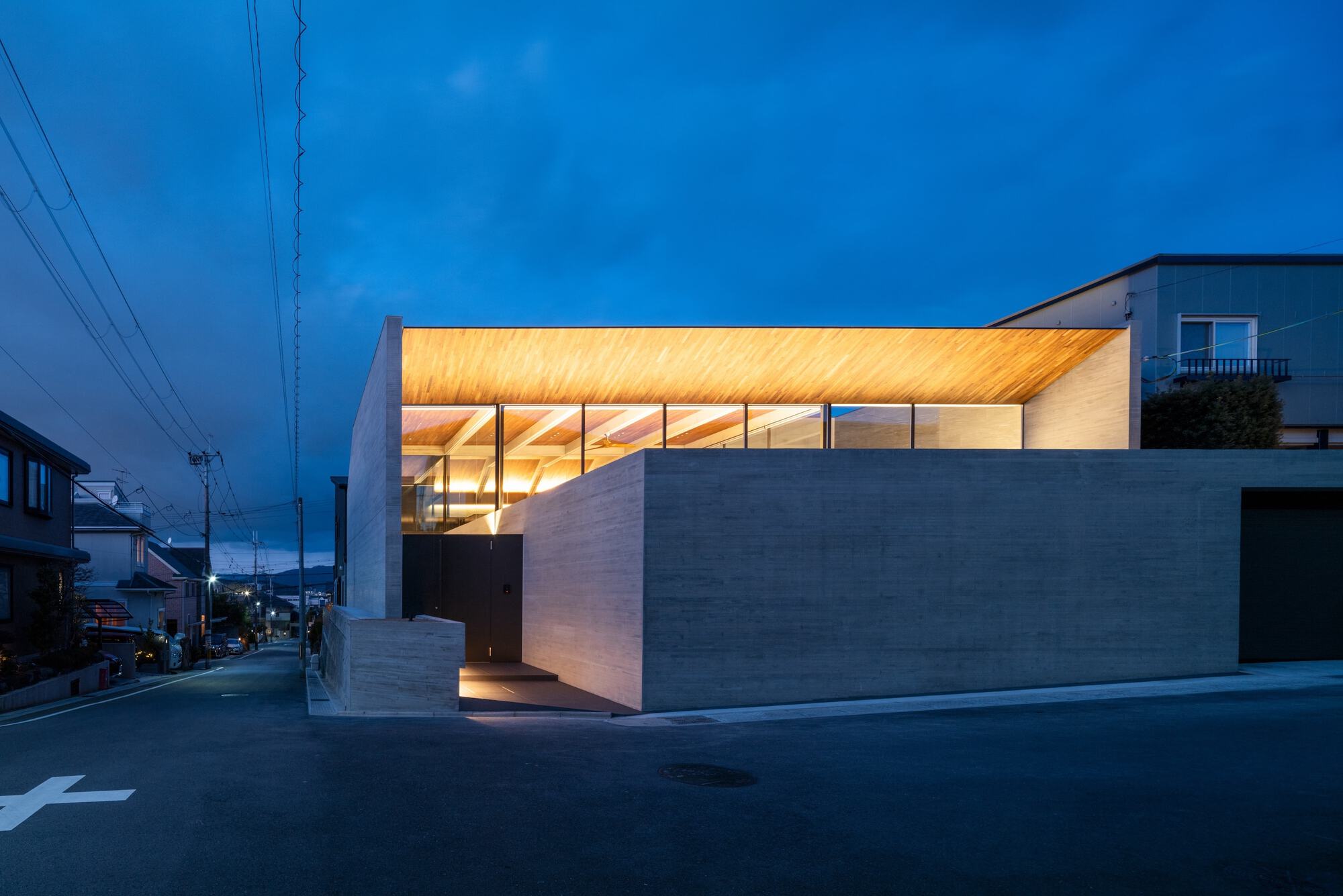
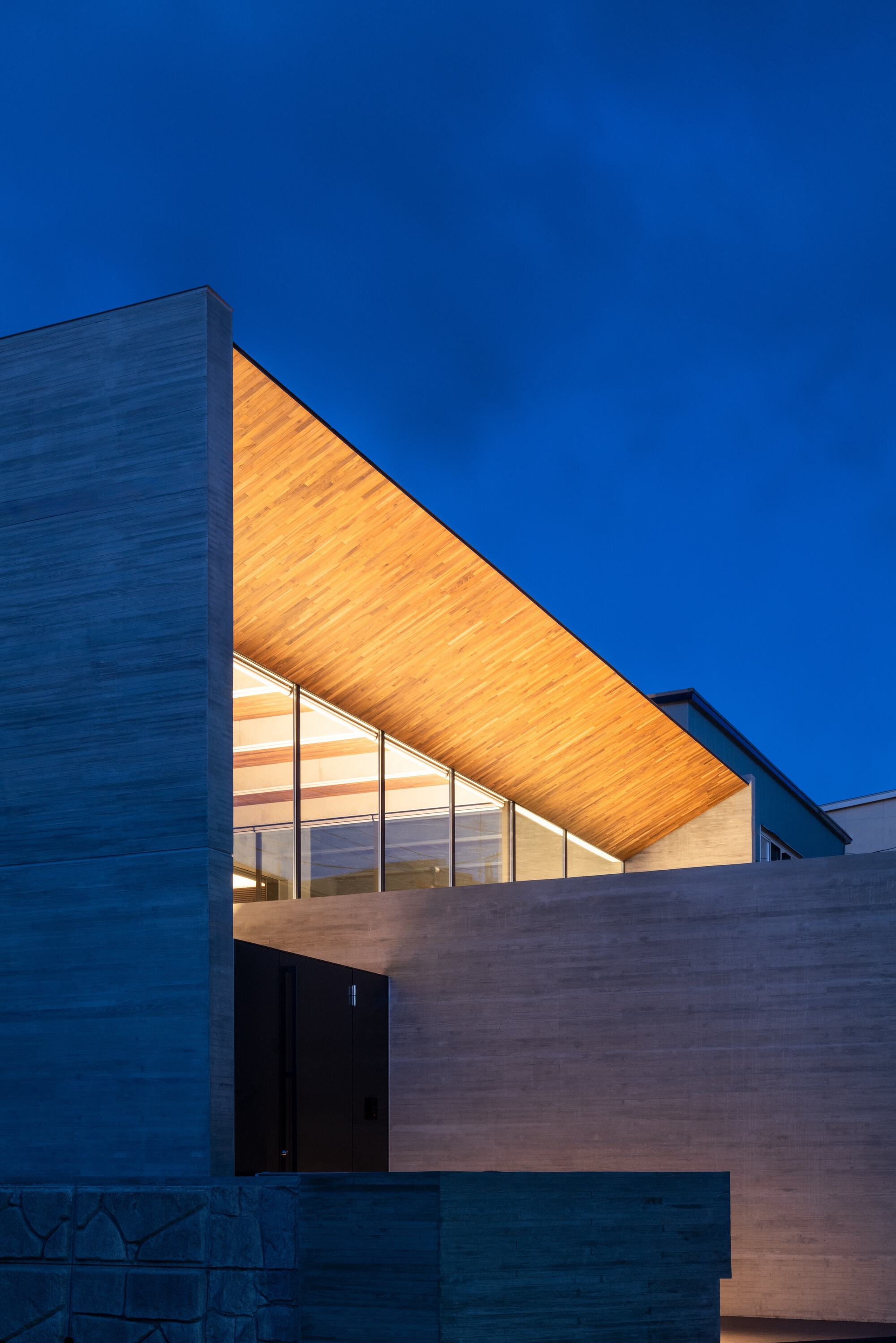
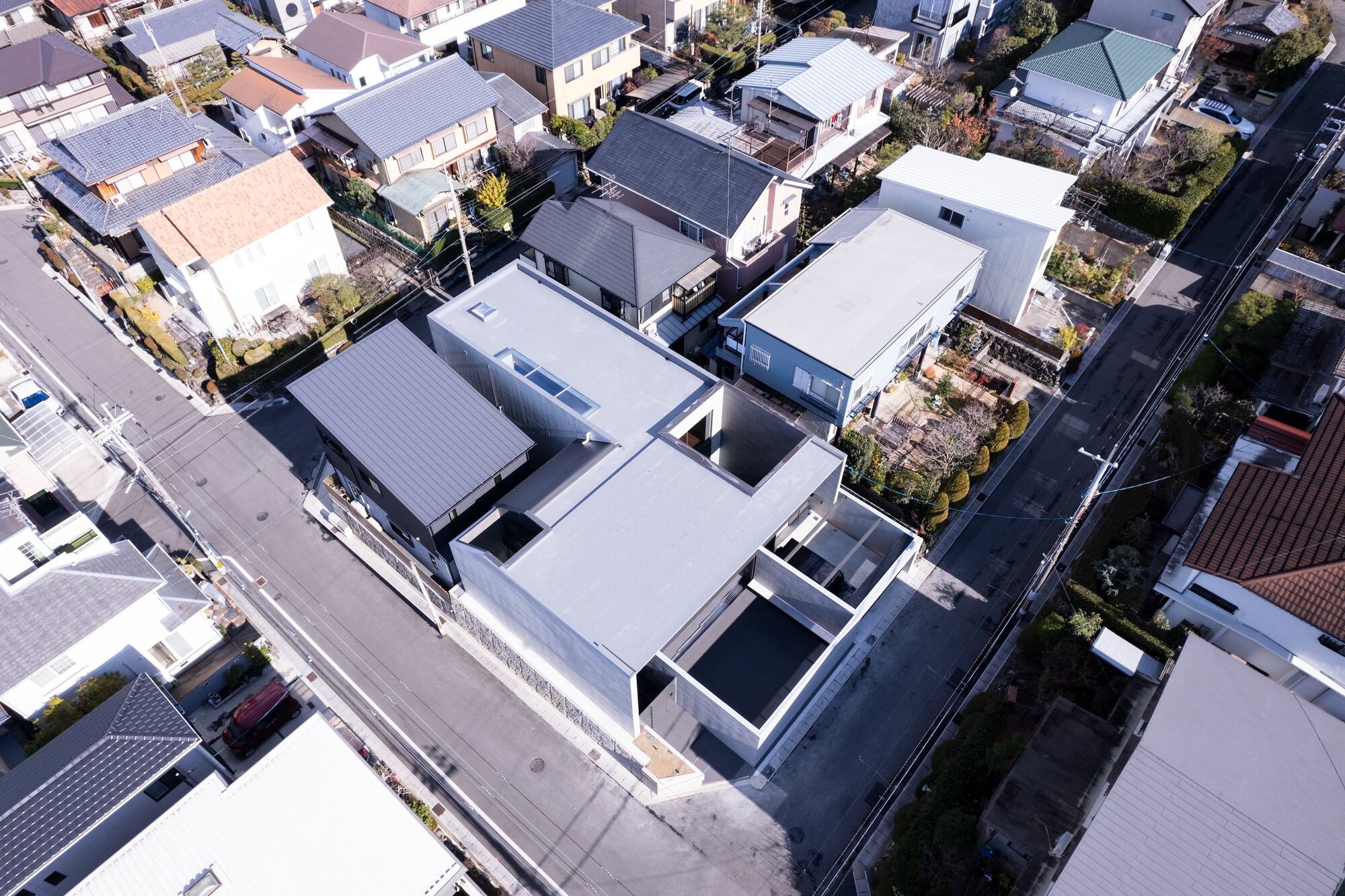
Element House #architecture Architects: APOLLO Architects & Associates Area: 189 m² Year: 2024 Photographs: Masao Nishikawa City: Uji Country: Japan ELEMENT stands in a quiet residential area in the southern part of Kyoto. The L-shaped plot, which faces two roads, features a change in elevation and distinct facades on the north and south sides. The main facade is characterized by a large overhang with a wide southern-facing window, enclosed by a concrete wall imprinted with cedar-board formwork. The secondary façade is distinguished by its powerful cantilevered appearance, which allows for a pilotis-style garage area. The main entrance opens into a two-story atrium space, where light streams in from high windows positioned on both the north and south sides. Guests are warmly welcomed by a cozy entrance courtyard visible directly ahead. The family living area, located within the atrium space, is complemented by a total of three courtyards of various sizes. In addition to the entrance courtyard, there is a courtyard in the kitchen and dining area that draws natural light all the way into the back of the kitchen, as well as a central courtyard equipped with a bench and full-opening sliding doors. Each of these distinct courtyards makes a unique contribution to the spatial experience within the home. The second-floor workspace is equipped with dedicated office and meeting areas as well as fitness facilities, providing a perfect base for remote work. From the living room's atrium, one can look up through the glass to catch a glimpse of people engaged in work or physical training, creating an atmosphere that promotes both productivity and well-being. Additionally, the ceiling features a visually striking combination of concrete ribs and recessed solid walnut panels, creating a coffered effect that spans the entire living space. This element not only introduces a distinctive rhythm and harmony but also serves as the foundation for the interior design of the space. Private rooms and wet areas are concentrated near the secondary entrance, while public areas such as the living and dining rooms and outdoor spaces are laid out near the main entrance. ELEMENT subtly integrates these various scenes of daily life to create a unique narrative, serving as a model for an environment where life and work are in perfect balance.
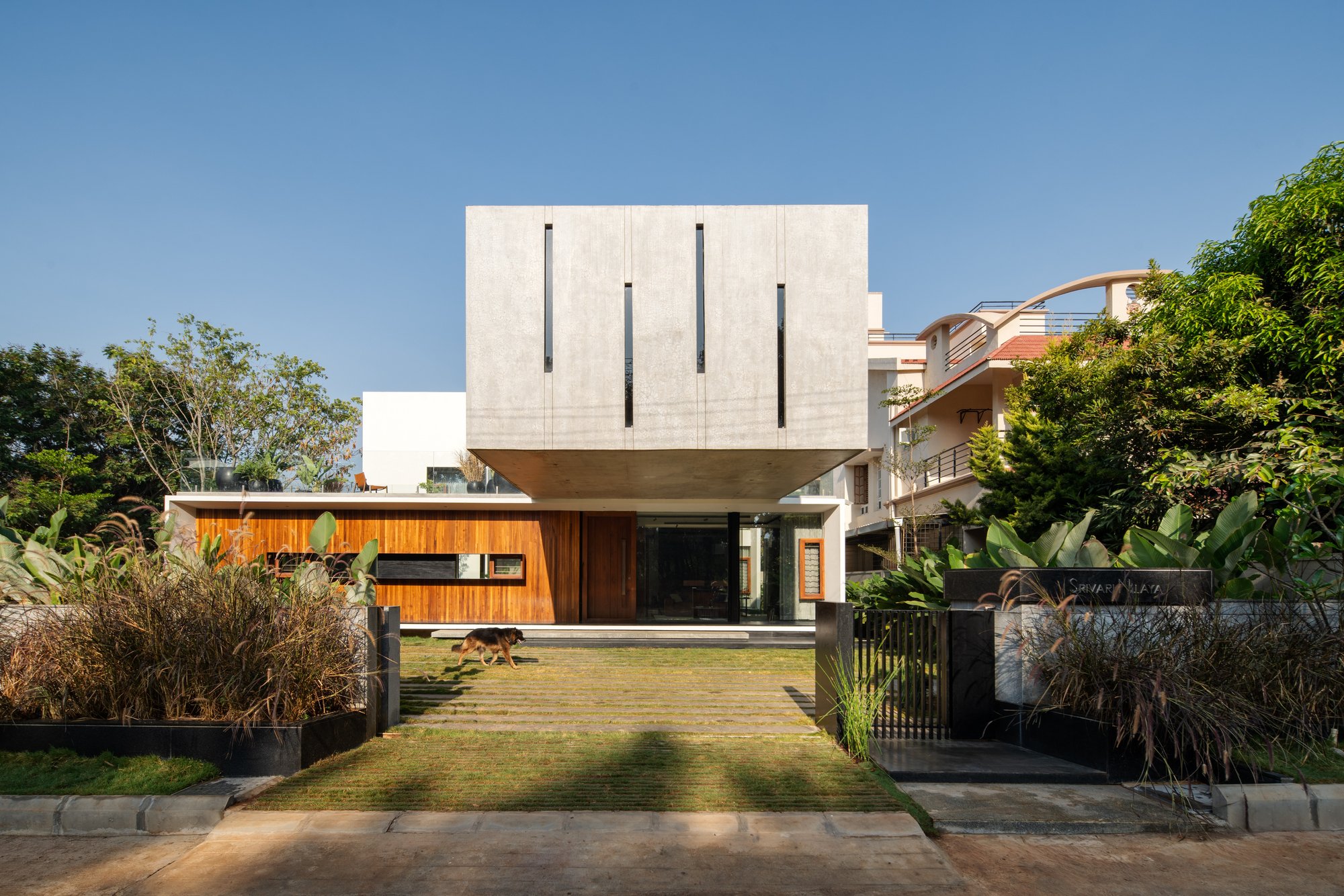
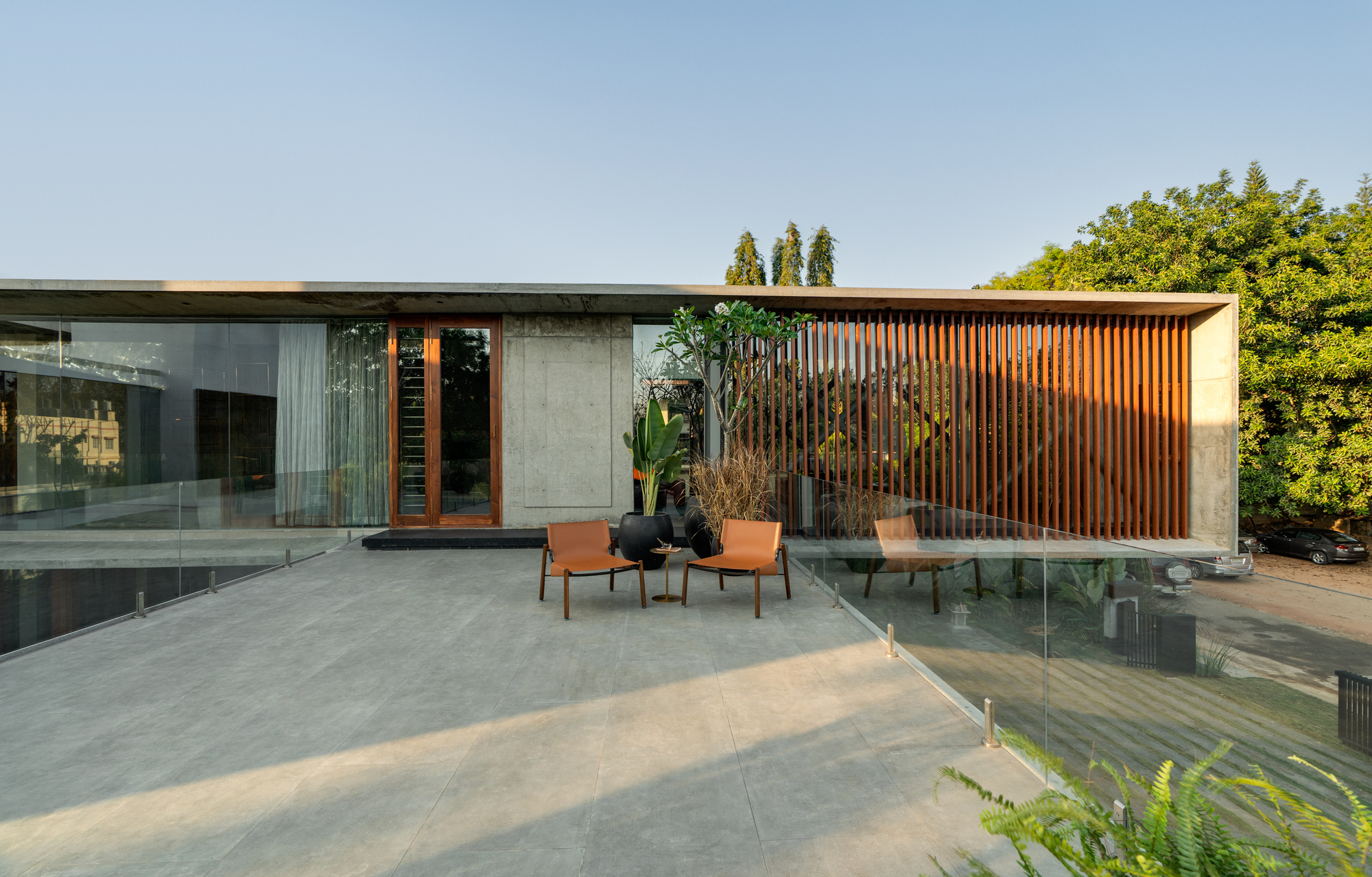
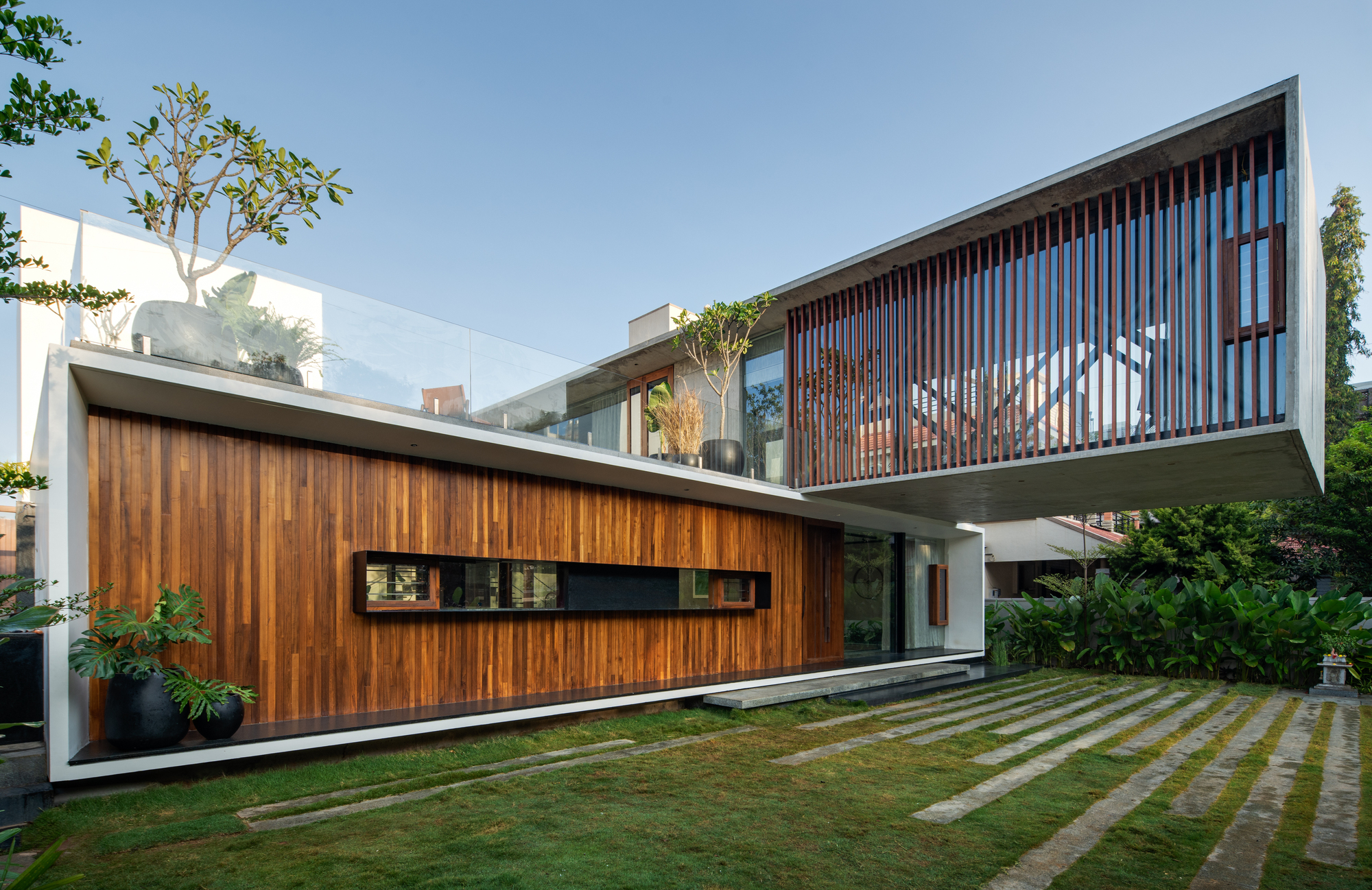
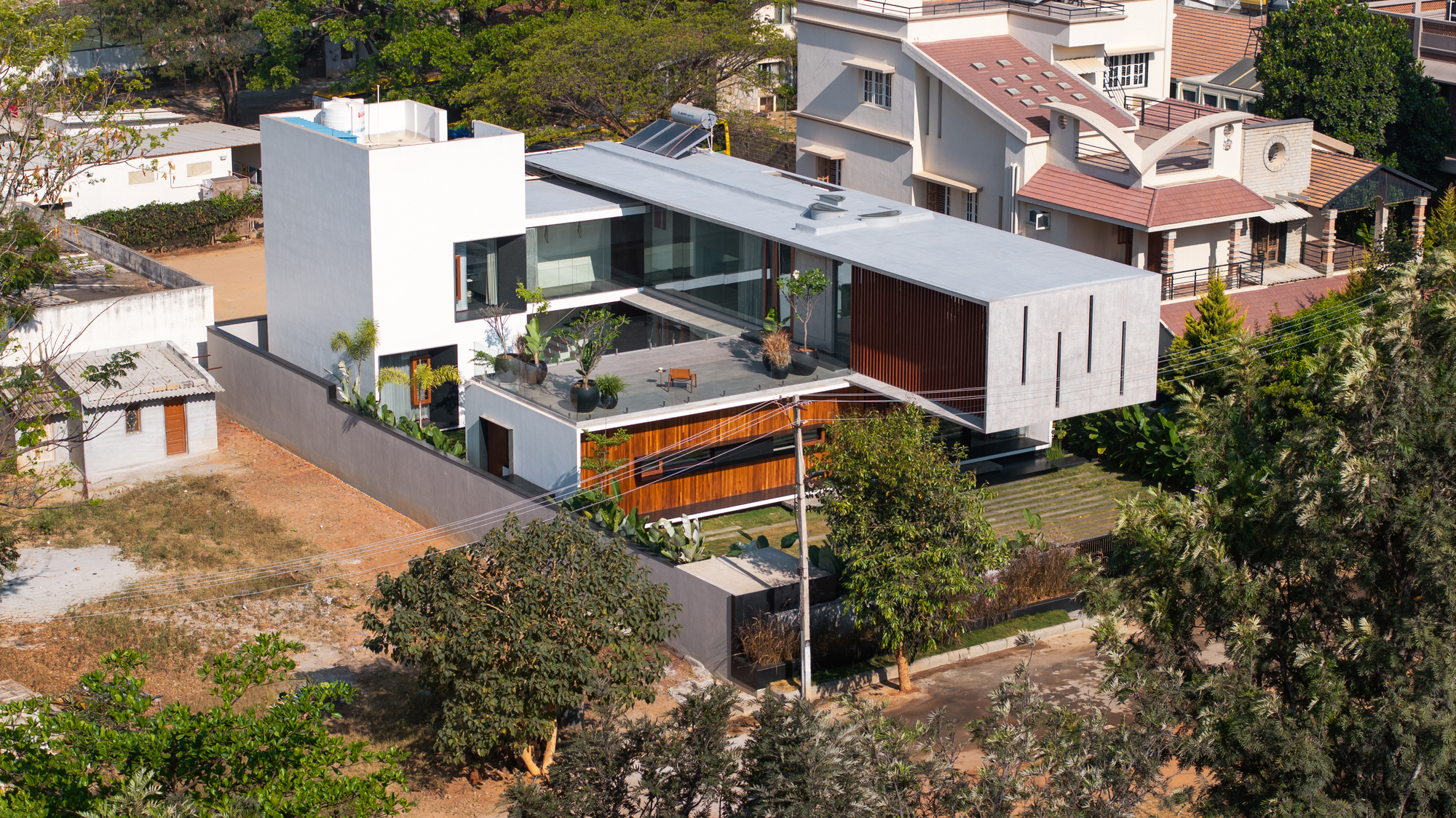
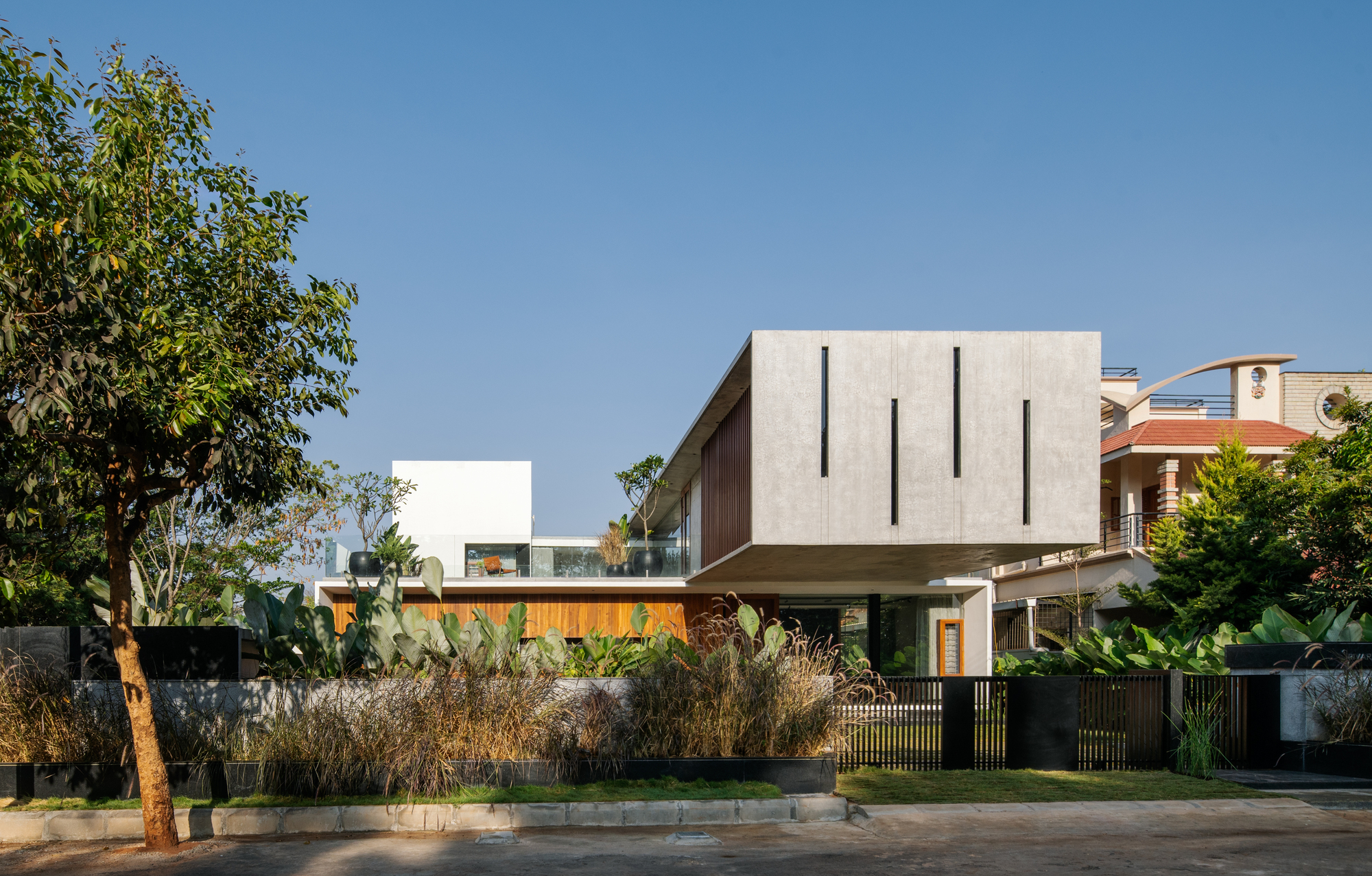
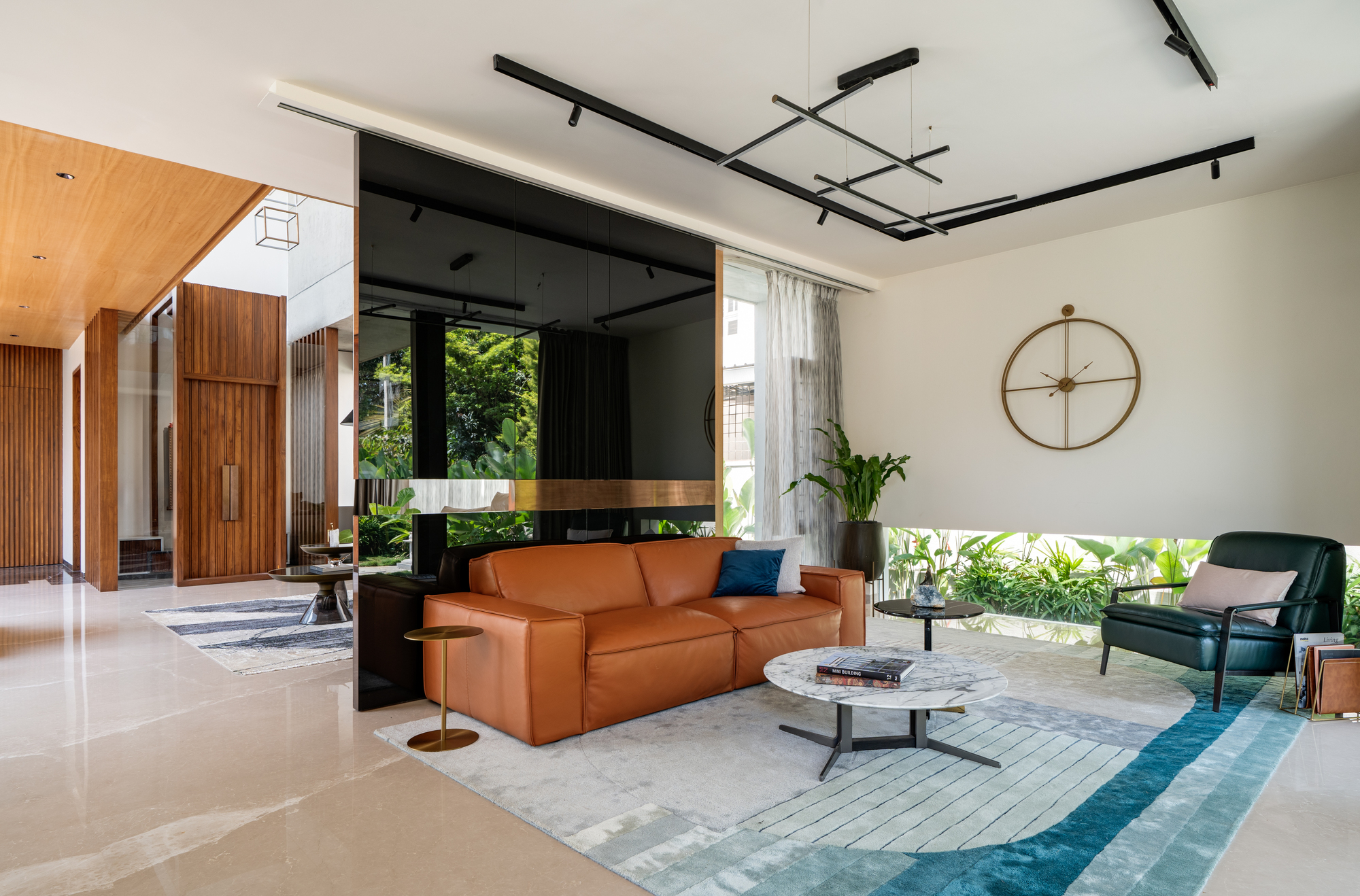
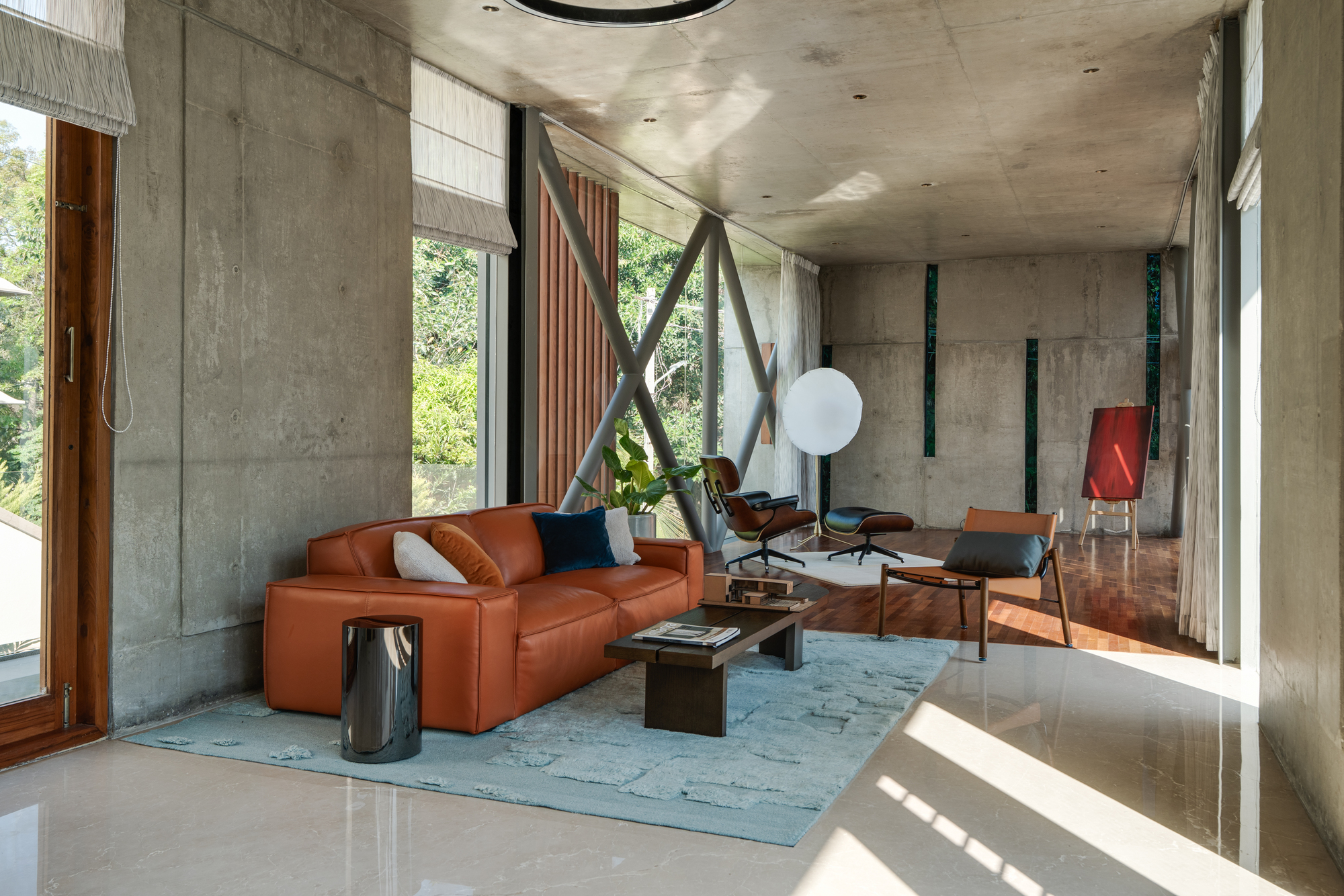
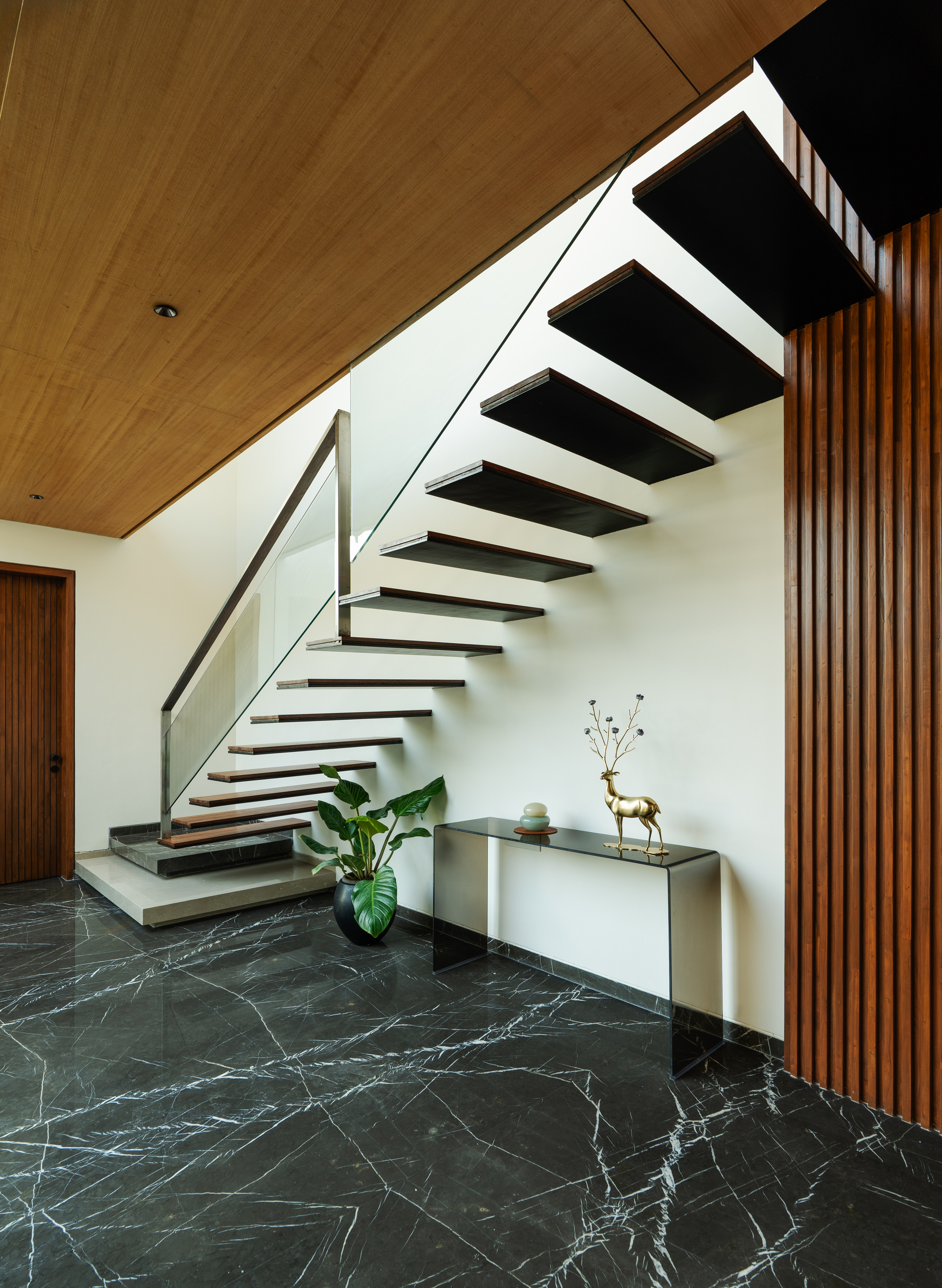
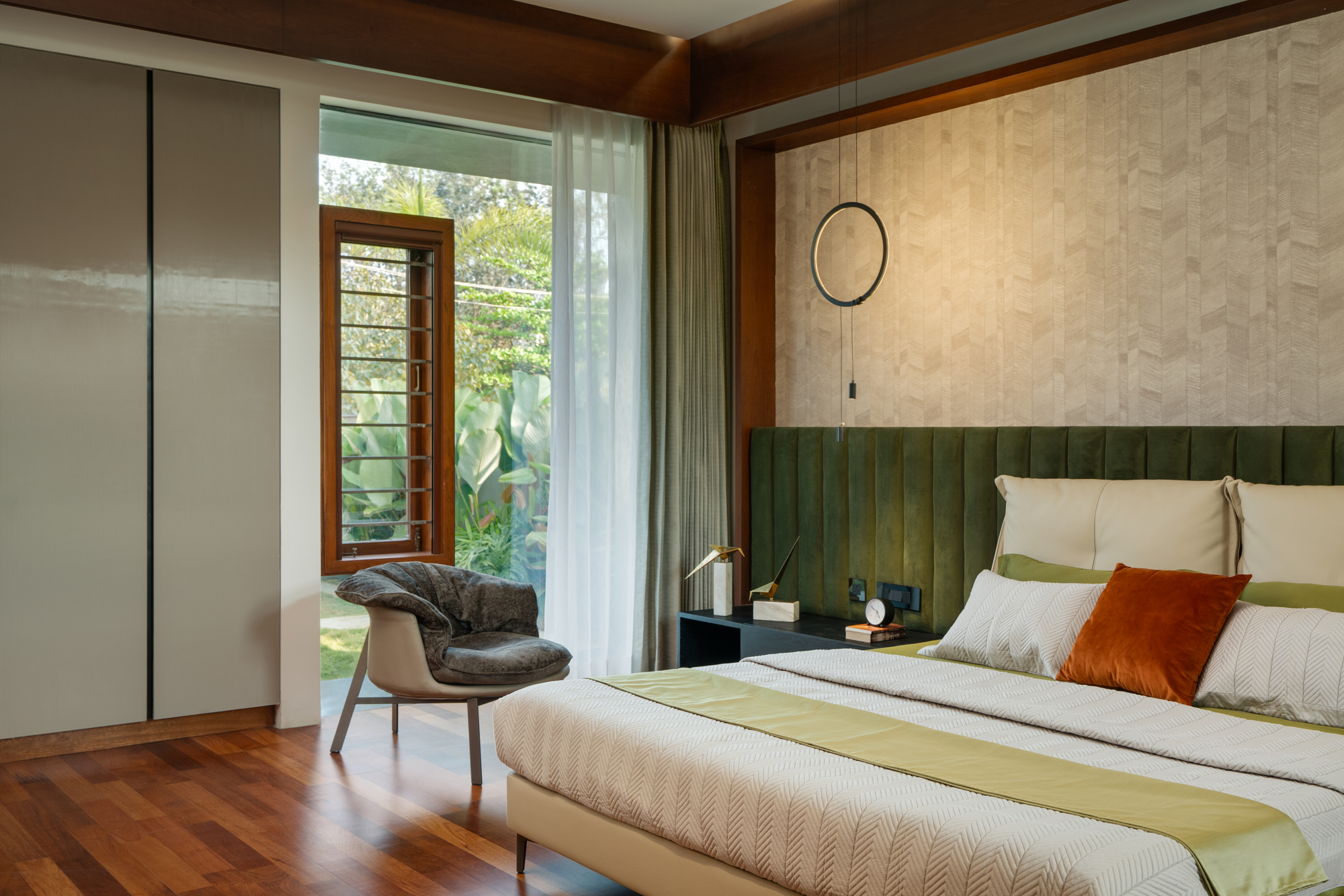
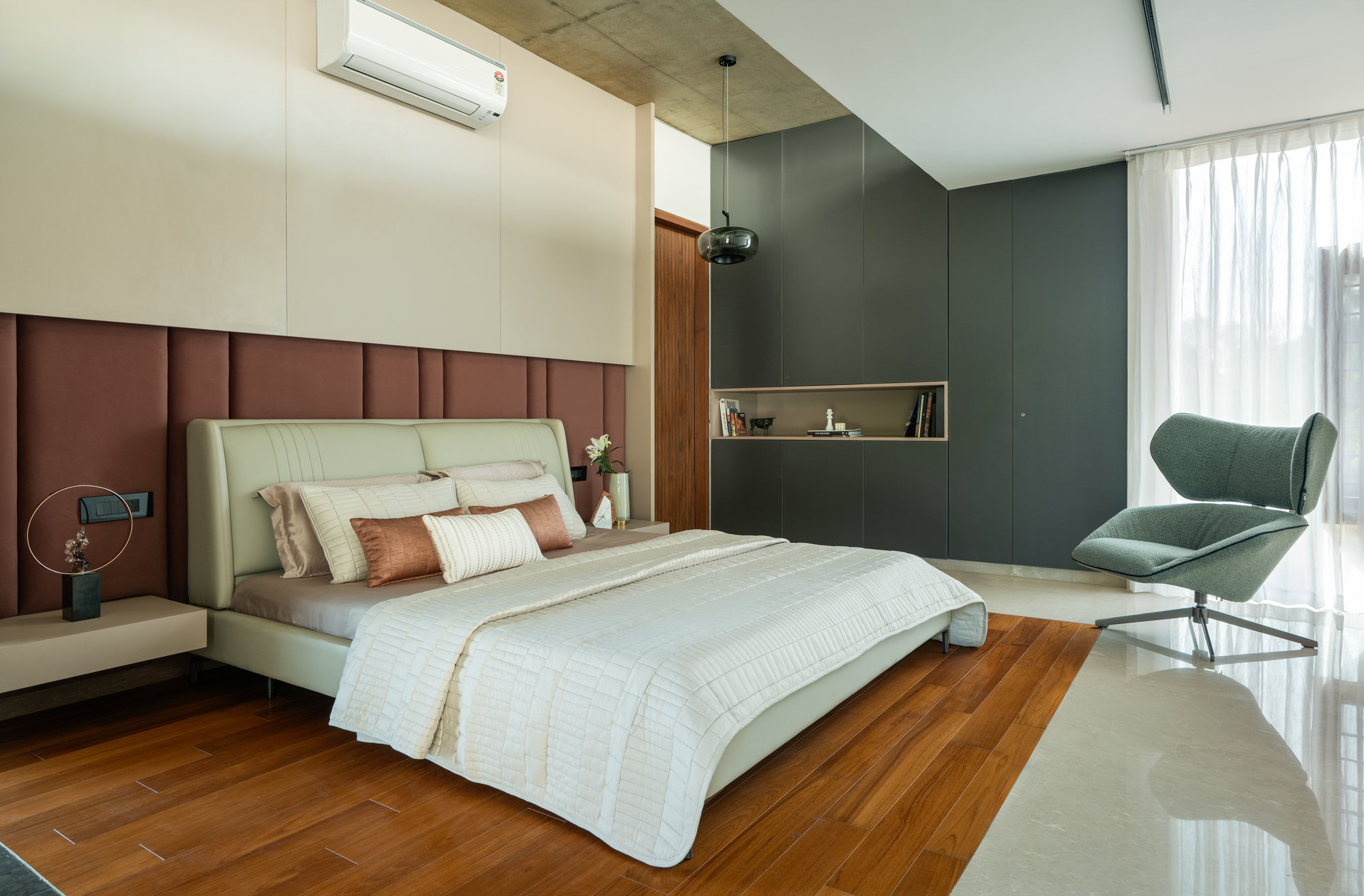
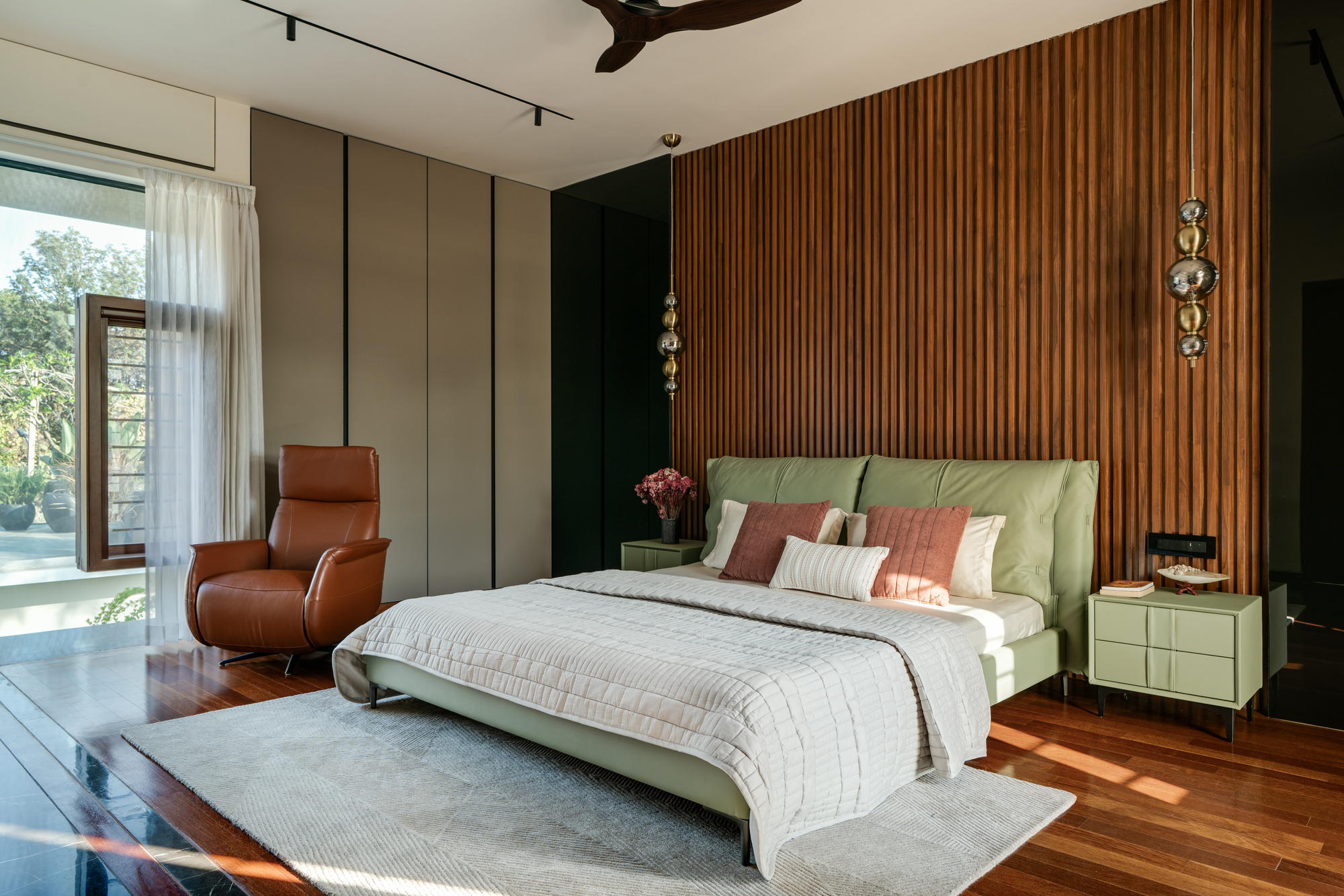
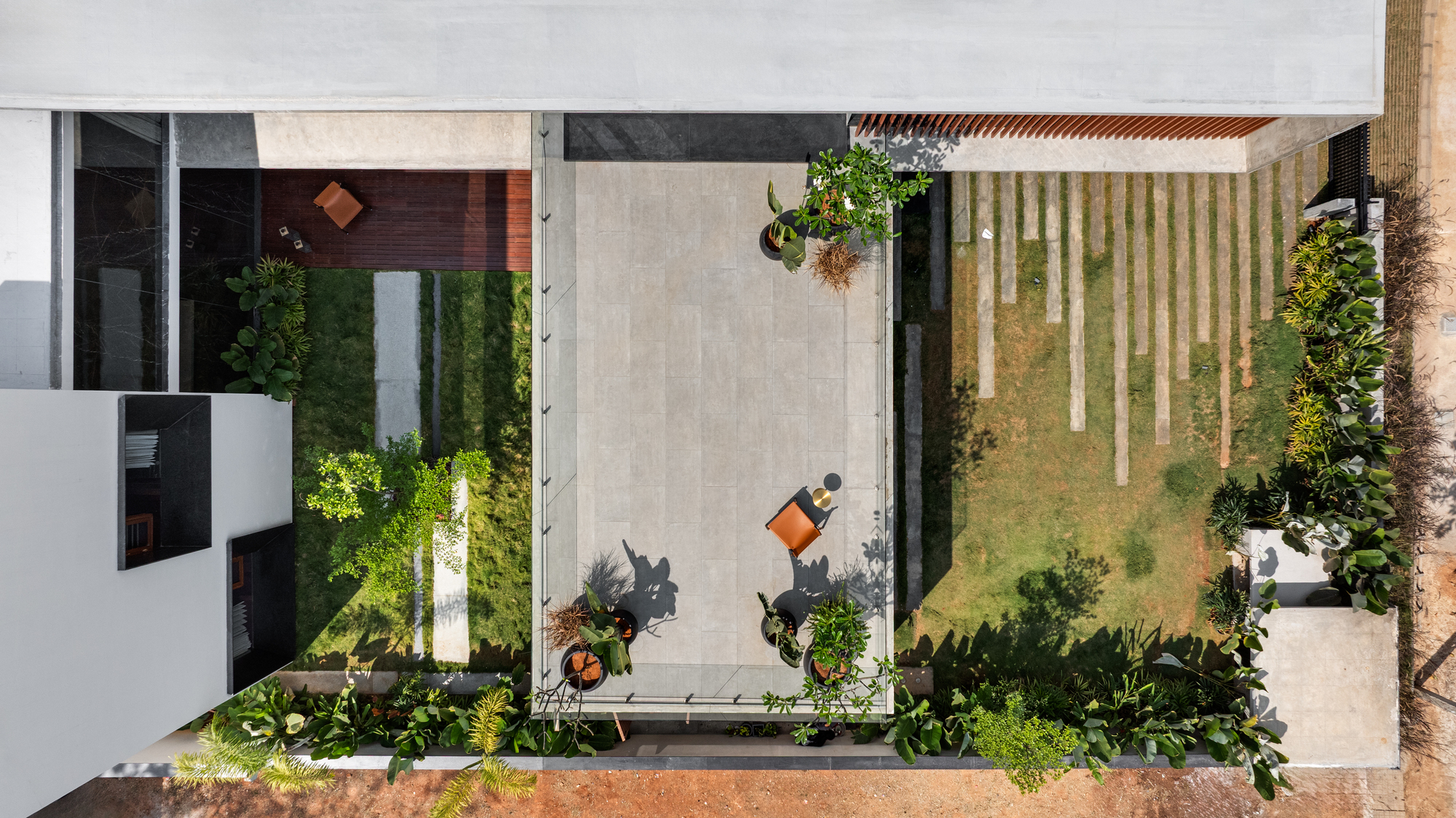
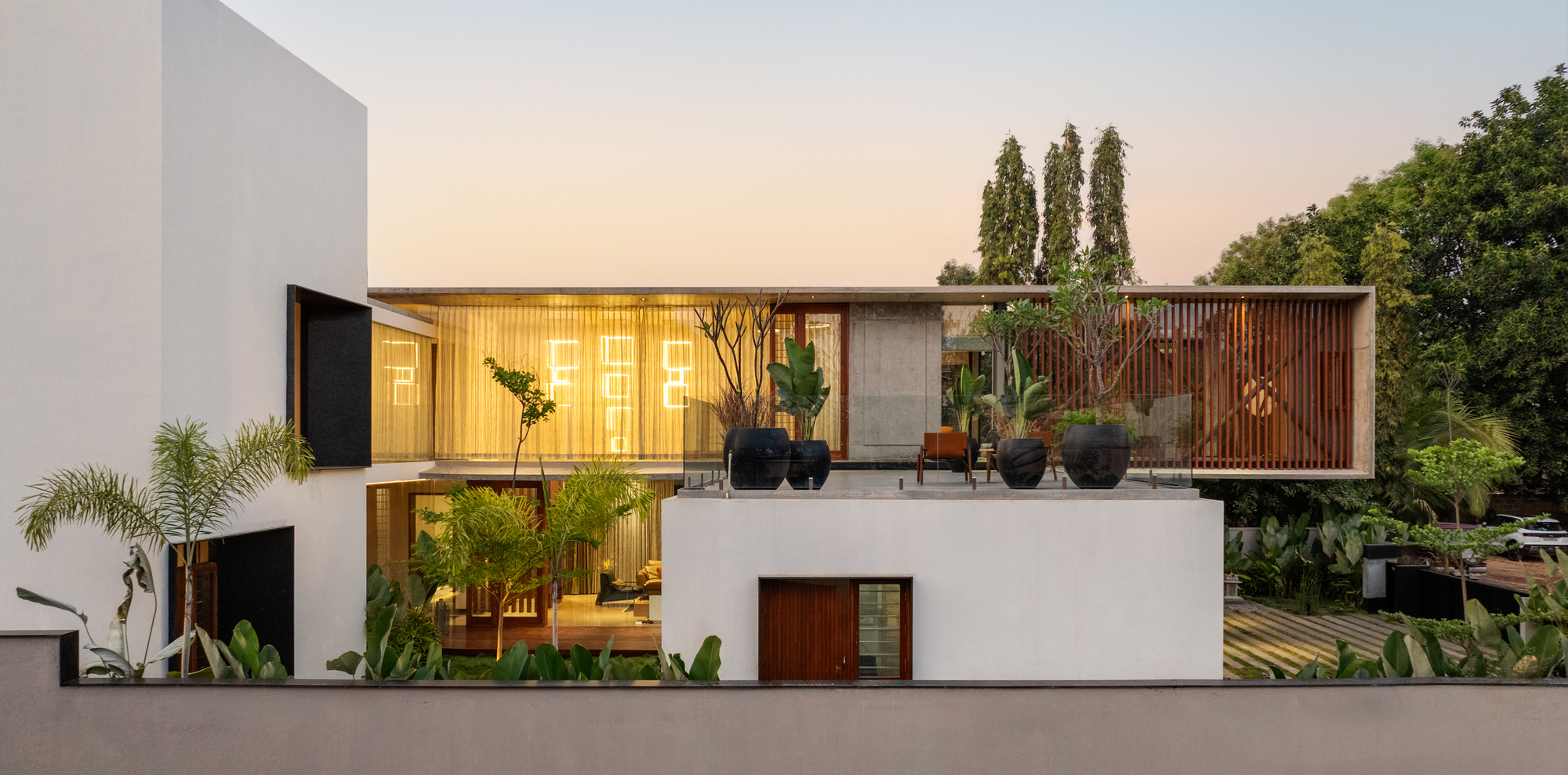
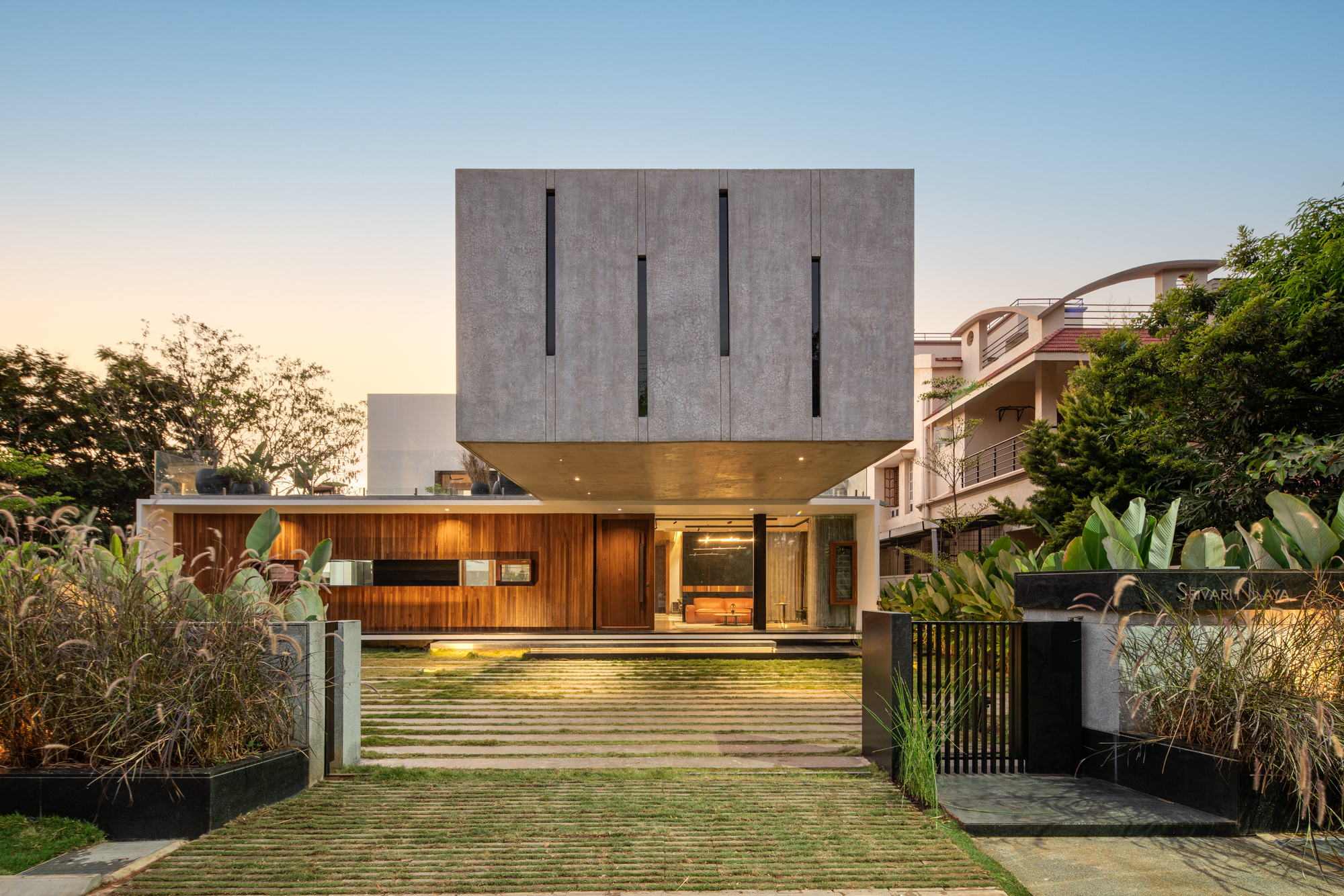
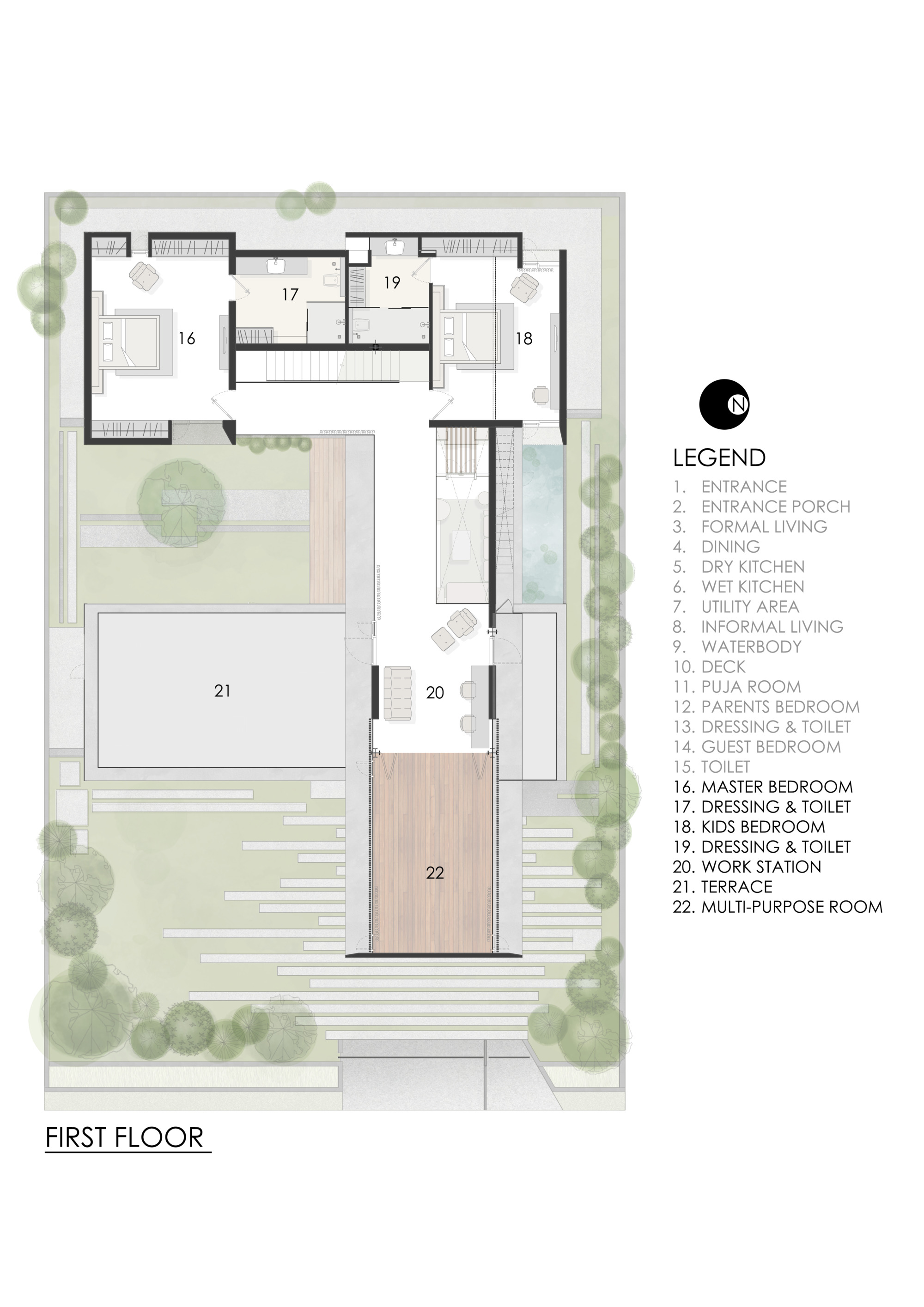
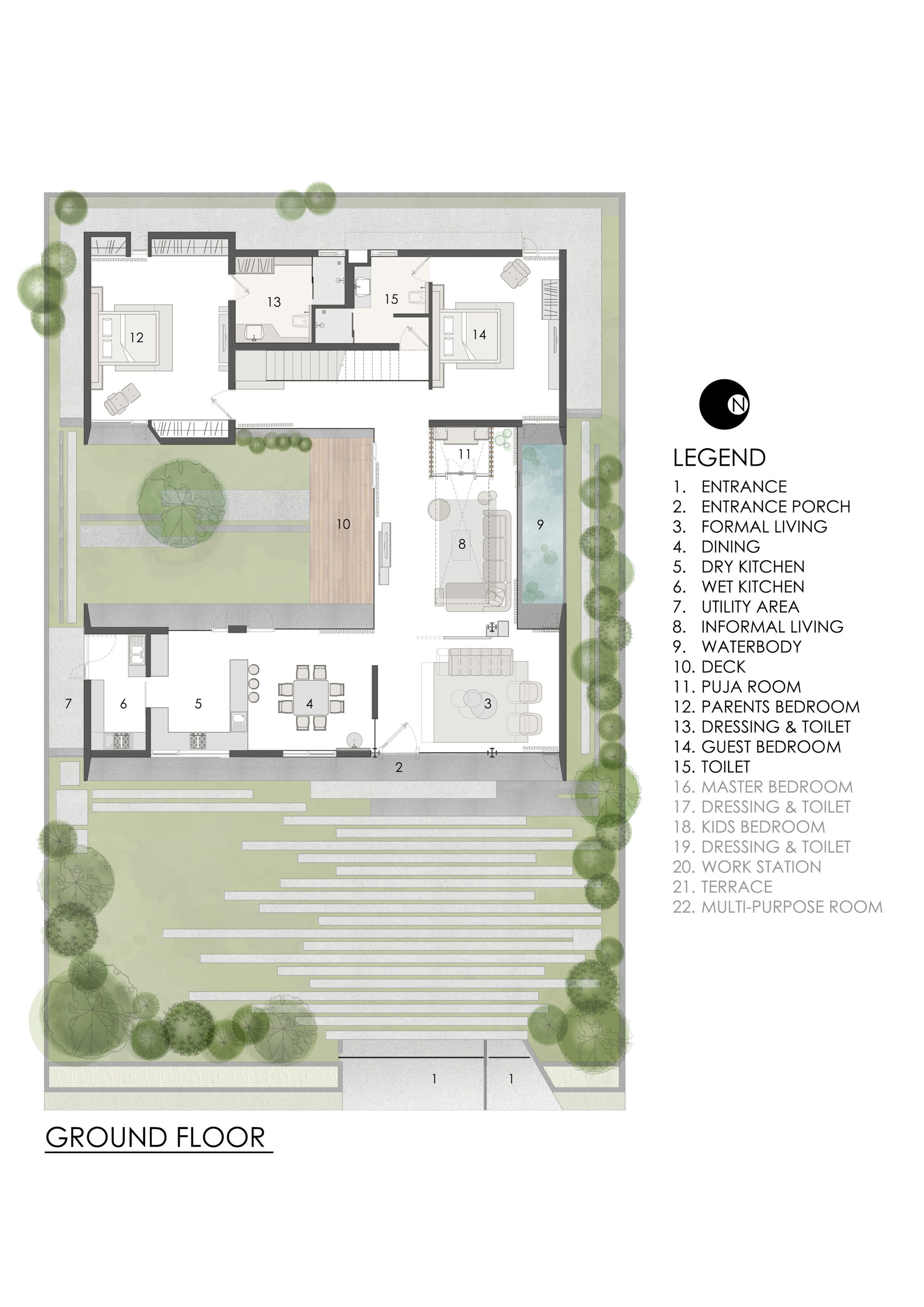
The Long House #architecture Architects: Crest Architects Area: 4890 ft² Year: 2024 Photographs: Shamanth J. Patil Lead Architects: Vikas MV, Vishwas Venkat City: Bengaluru Country: India
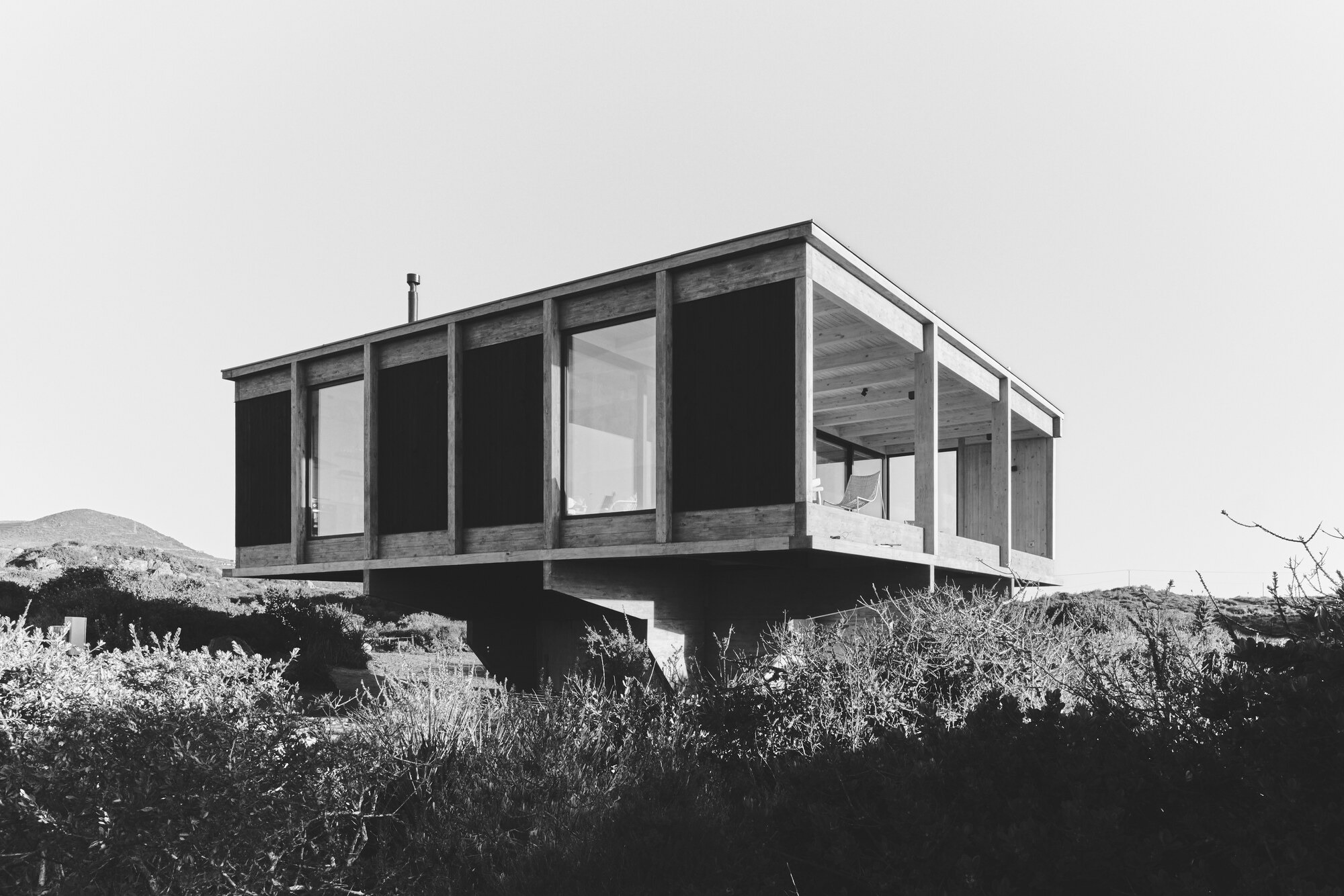
CR House #architecture Location: Los Vilos, Chile Architects: Ignacio Ferreira, LOTE STUDIO
 Area: 155 m²
Year: 2025
 Photographs: Antonia Mardones Nally
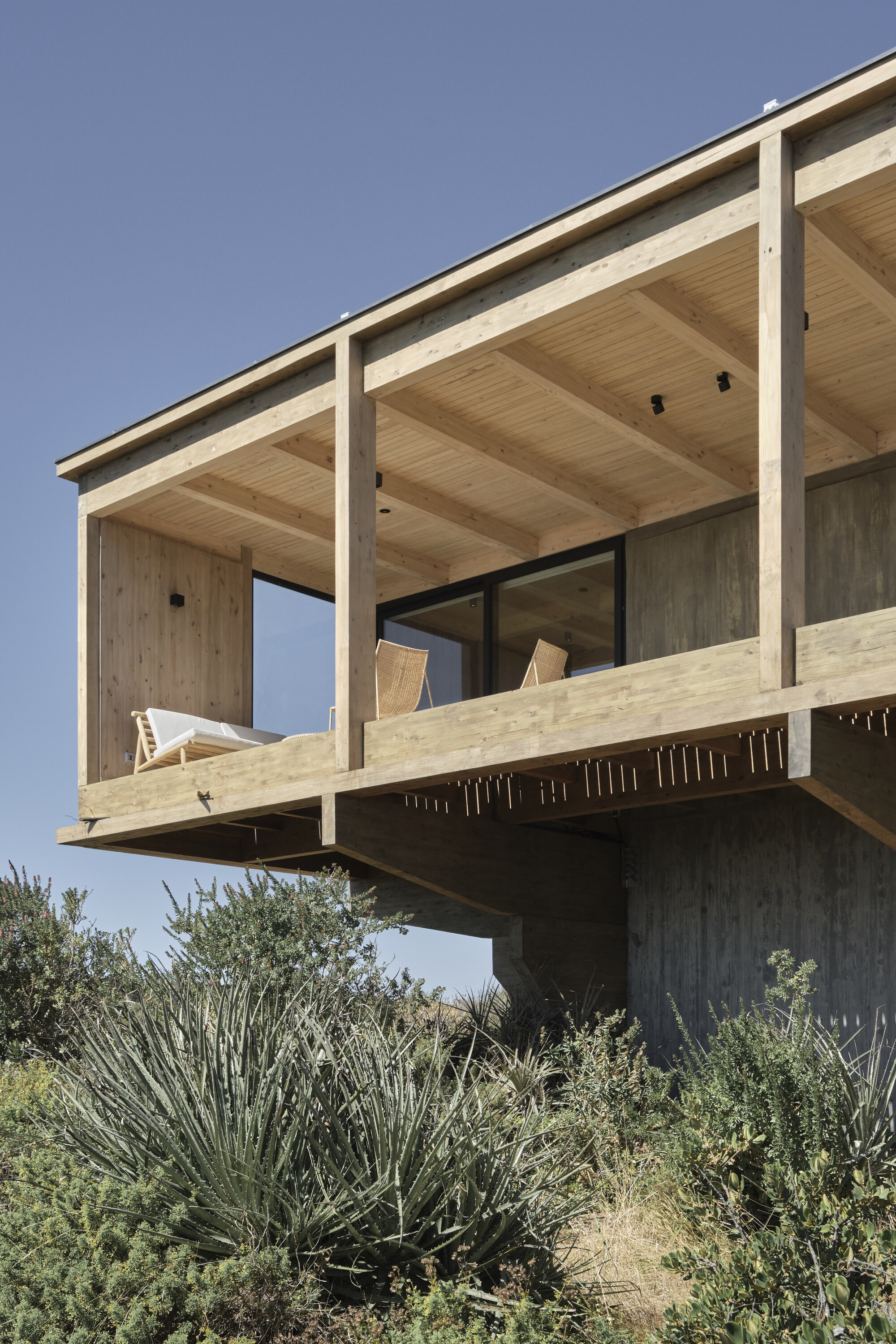
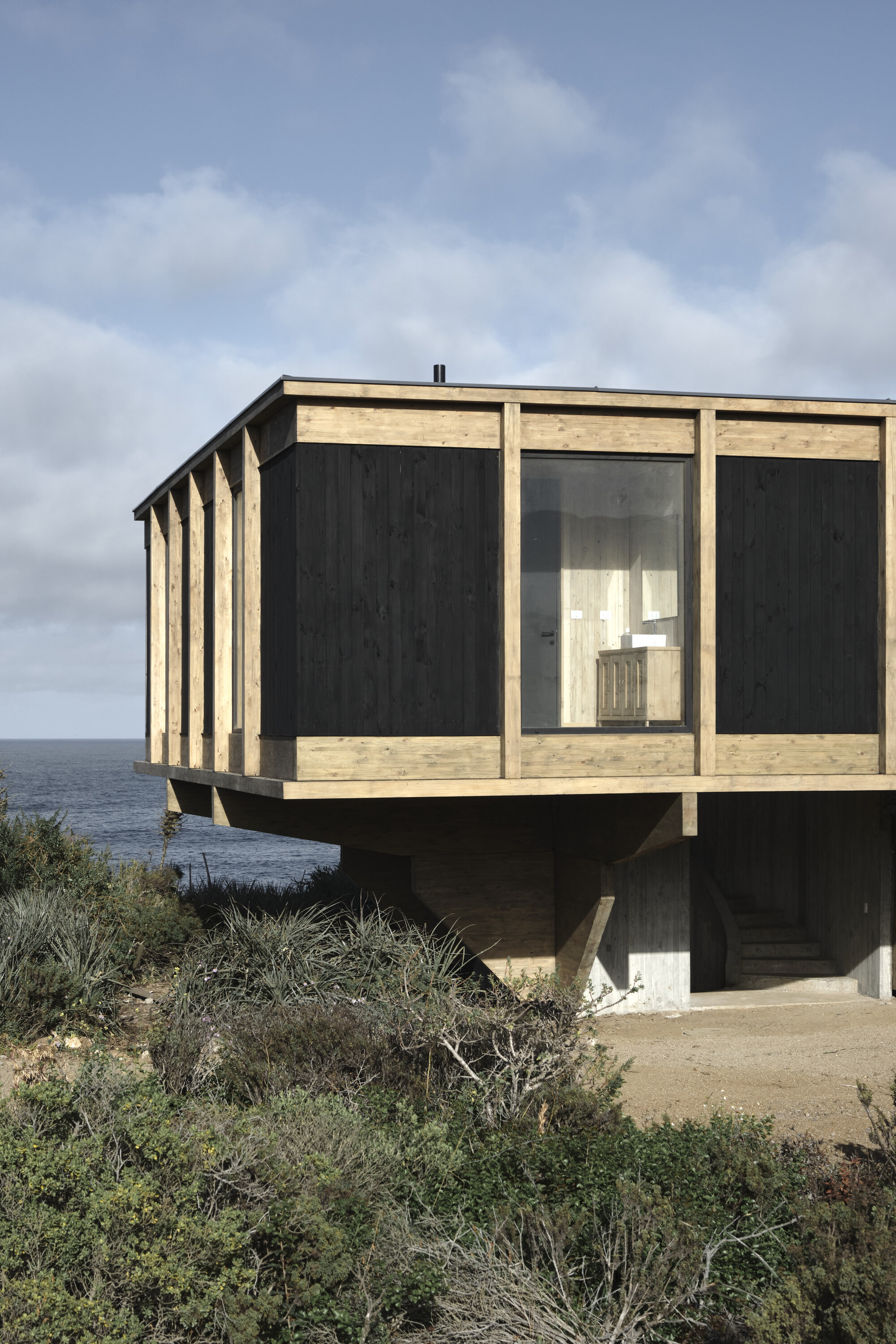
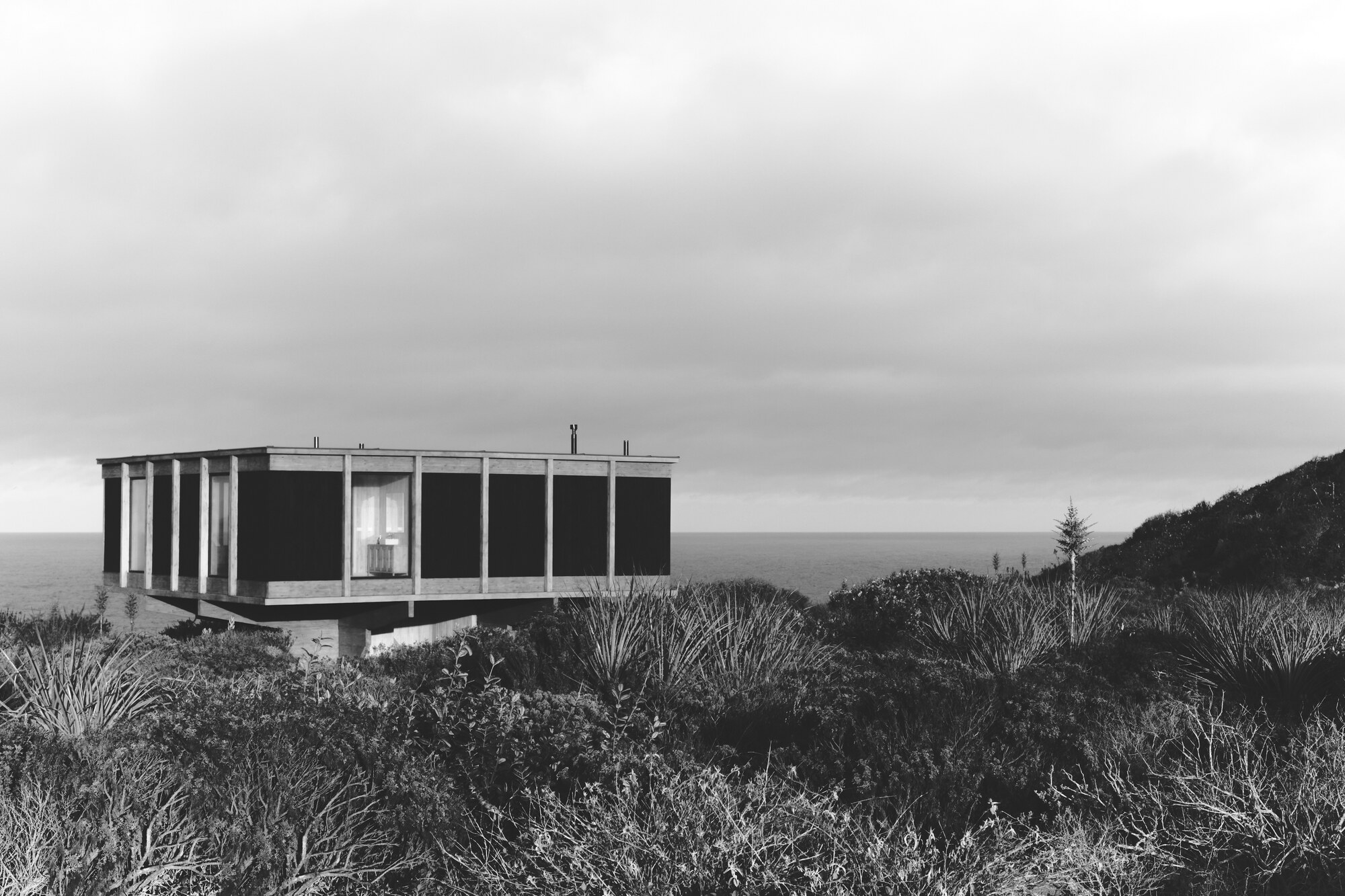
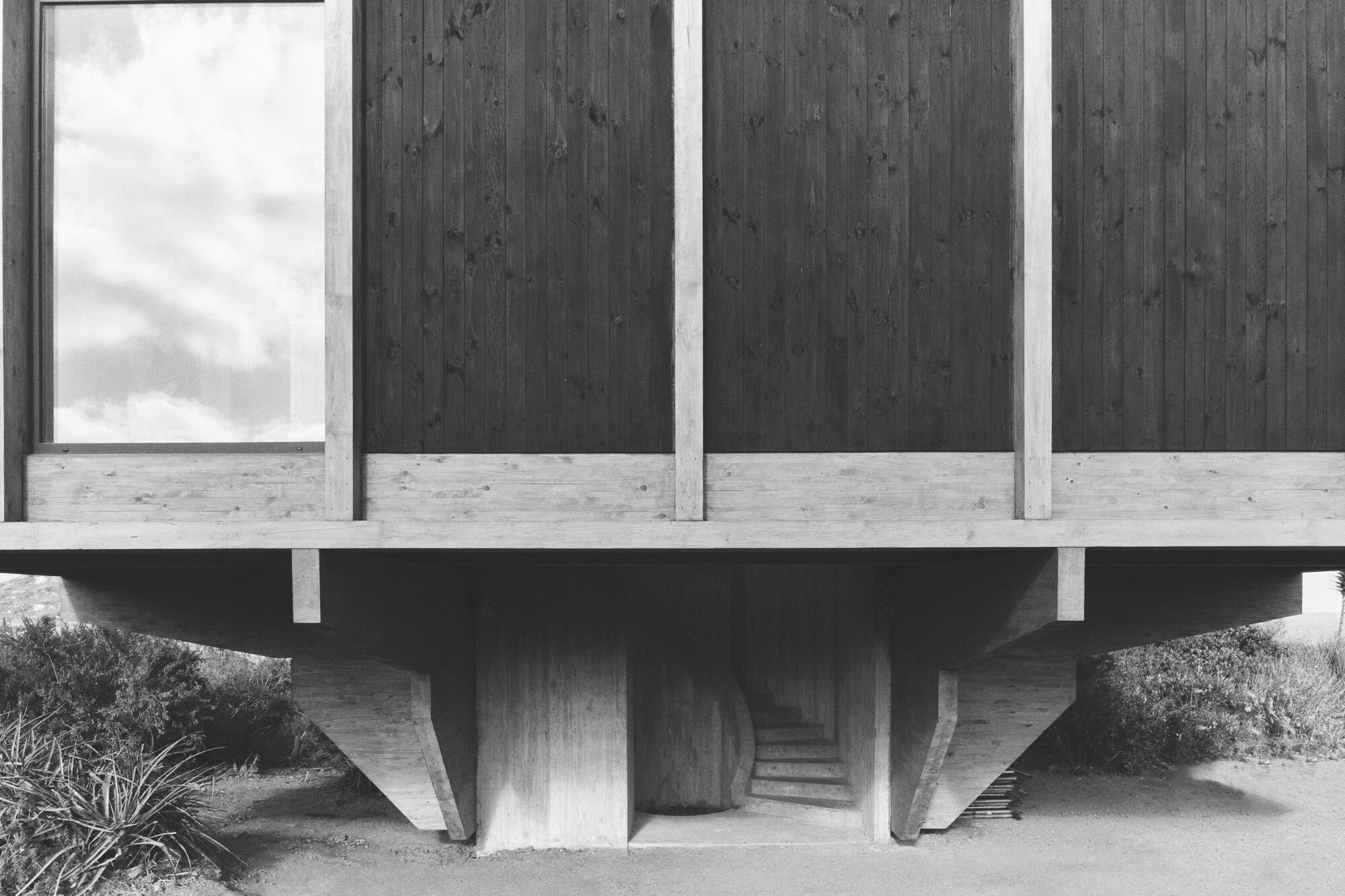
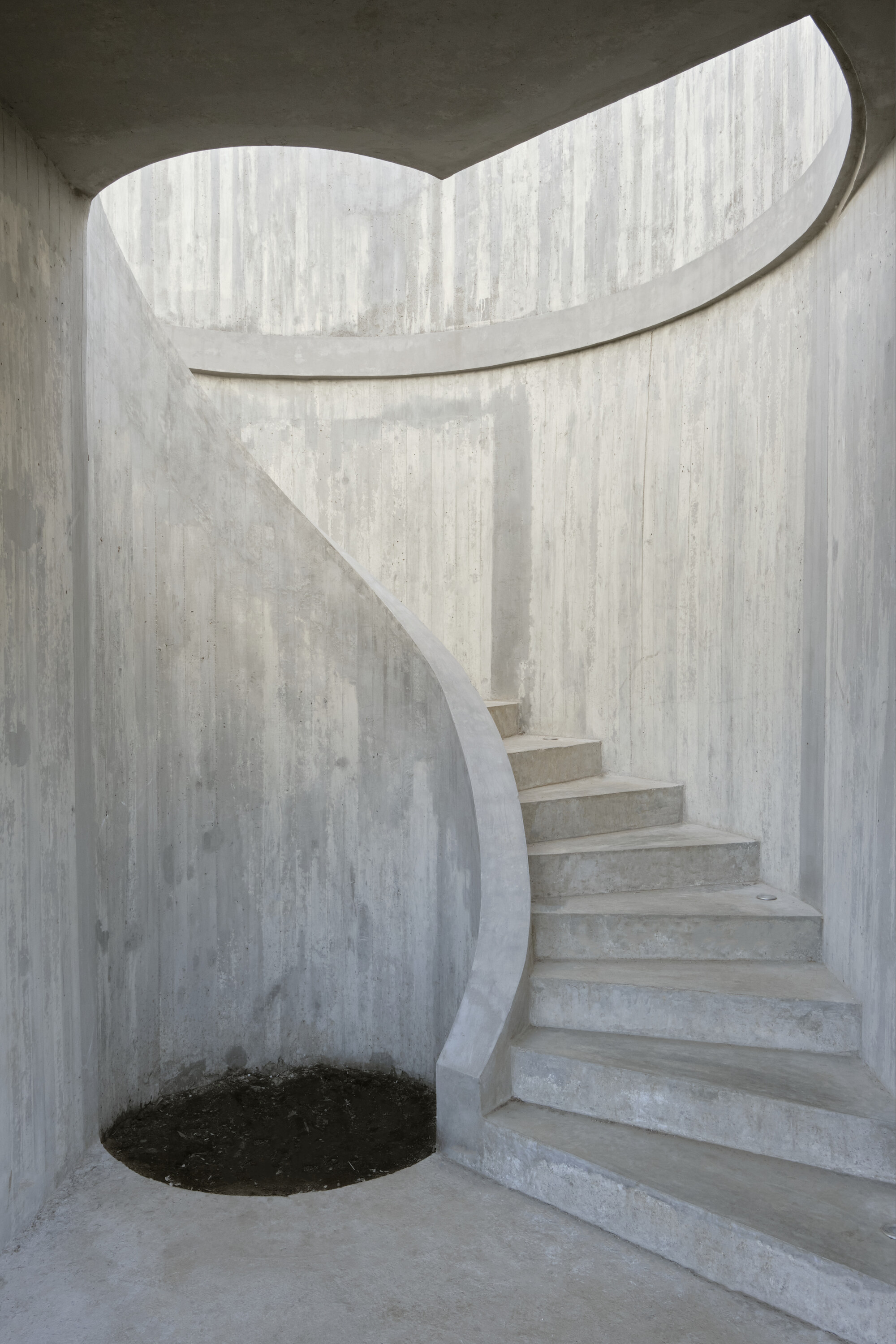
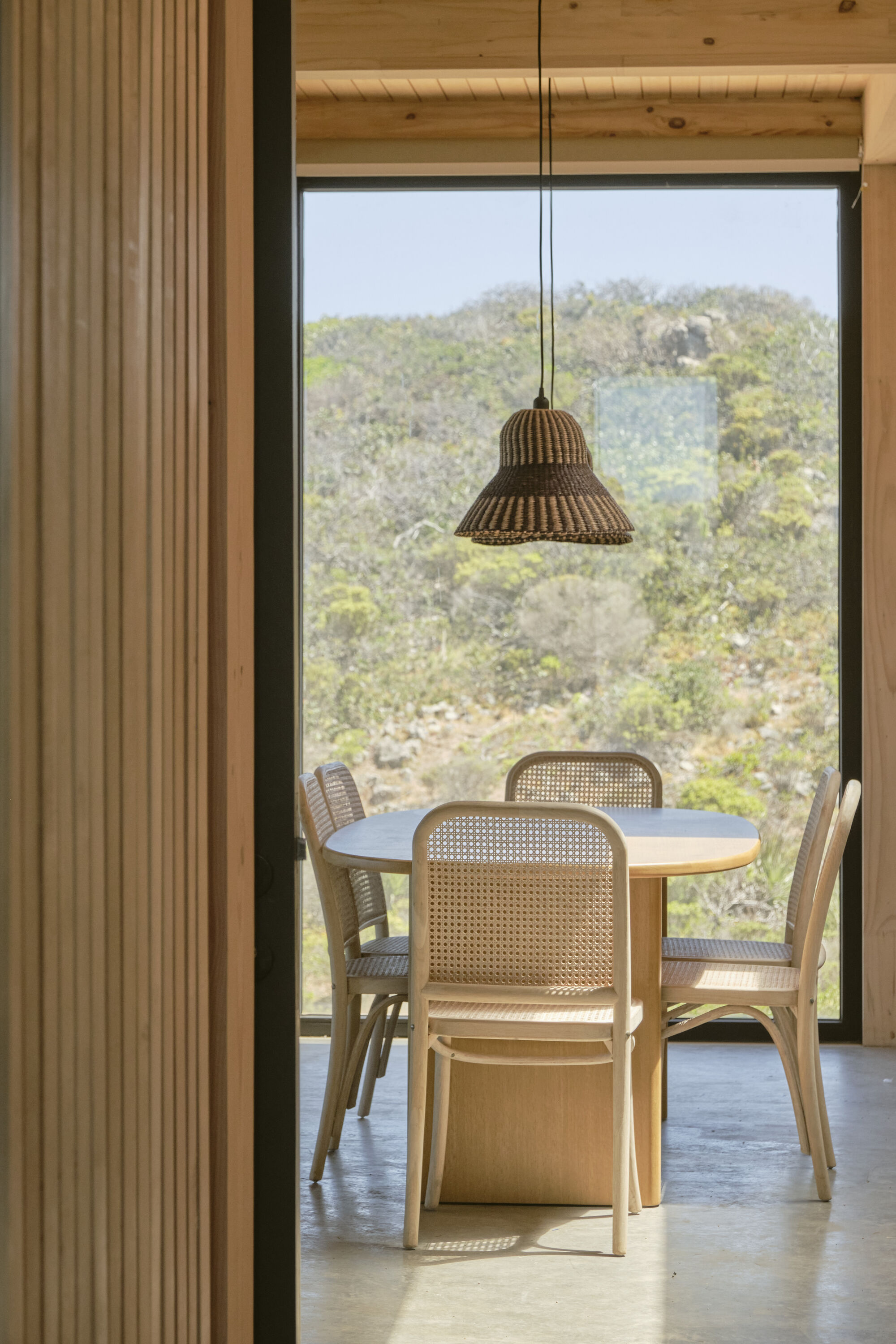
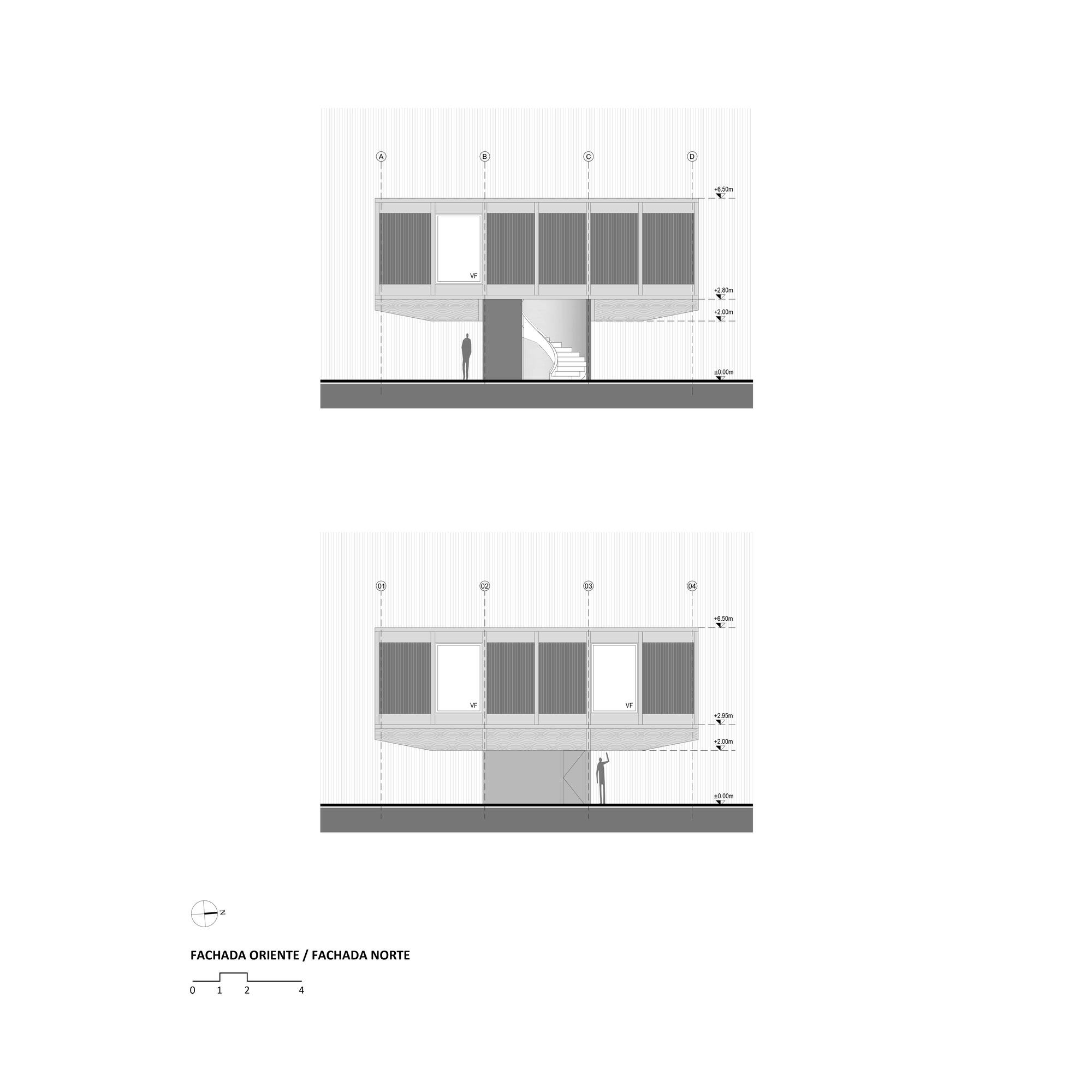
 Architect: Juan Pablo Gutierrez The work is located on the coastal edge of Punta Hueso, Coquimbo region, Chile. It is a site where the coast, rocky formations, and the characteristic medium/low-height vegetation of the northern region prevail. The project is designed based on a grid of nine quadrants composed of eight peripheral wooden quadrants and one central circular concrete quadrant, which rises to serve as the access to the house through what we call a sculptural element, a project in itself like the spiral staircase. The house is elevated to protect the local flora in preservation while enhancing the completely unobstructed 360-degree views of its surroundings. The main structure of the house is composed of laminated wooden beams, which load onto the central reinforced concrete quadrant. On top of the main beams, smaller secondary beams are placed, and on these, purlins are arranged to form the elevated framework of the main floor. Once we complete the journey through this sculptural element, we arrive at the main access, through which we enter a small distribution hall that, in one direction, is completely linked to the public space of the house composed of the living room, dining room, and kitchen; distributed across three of the eight wooden quadrants. In the other direction, the private area of the house is projected, consisting of a bedroom and en-suite bathroom, distributed across two quadrants. The simplicity of the spatial experience was, from the beginning, a key requirement. Thus, it made sense to allow the evolution of this concept outward, through a balcony that offers, due to the orientation of the block, a privileged view of the Pacific Ocean. Additionally, the balcony arranged in the remaining three quadrants allows for the enjoyment of the gradual sunset over the ocean.
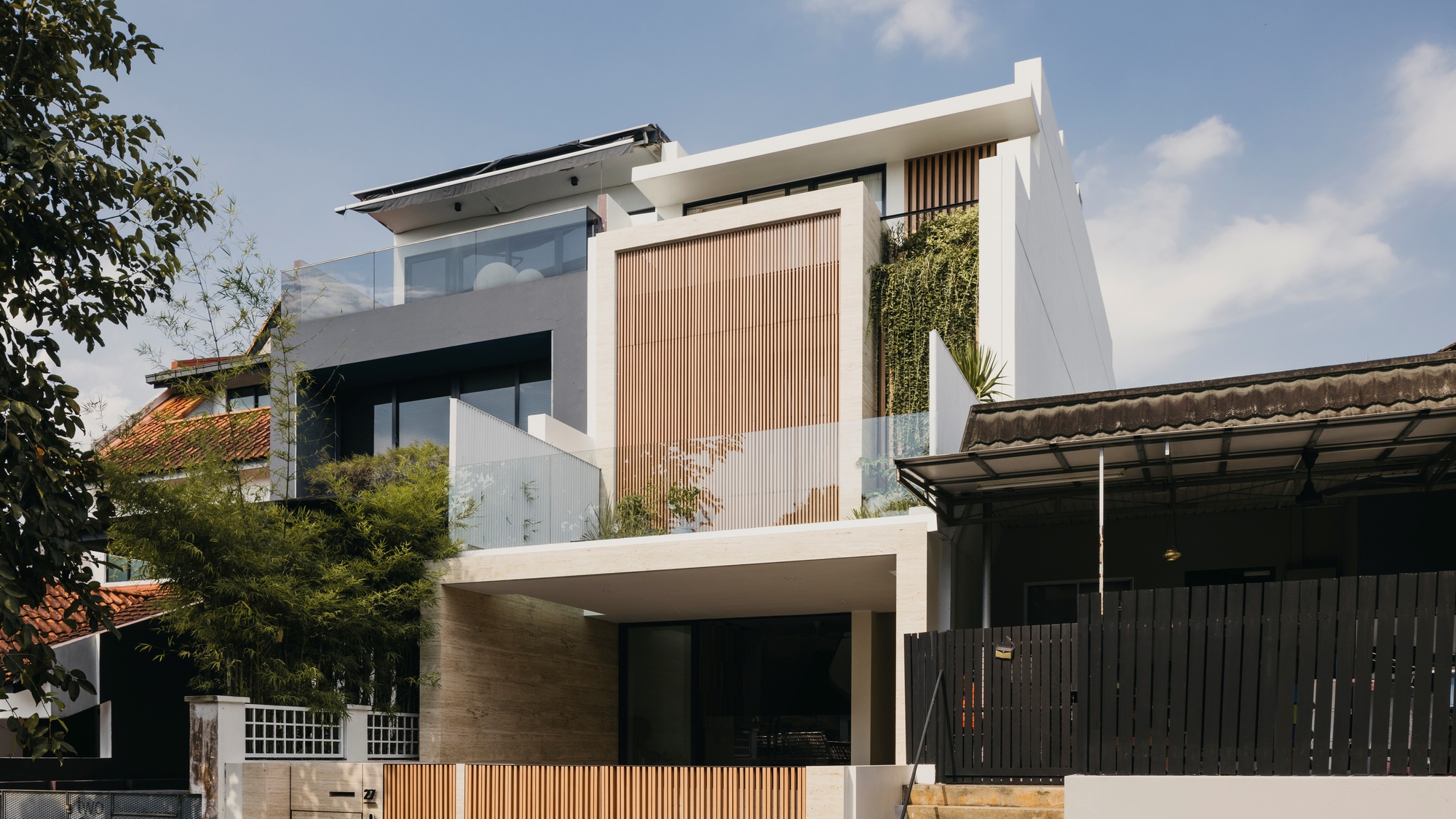
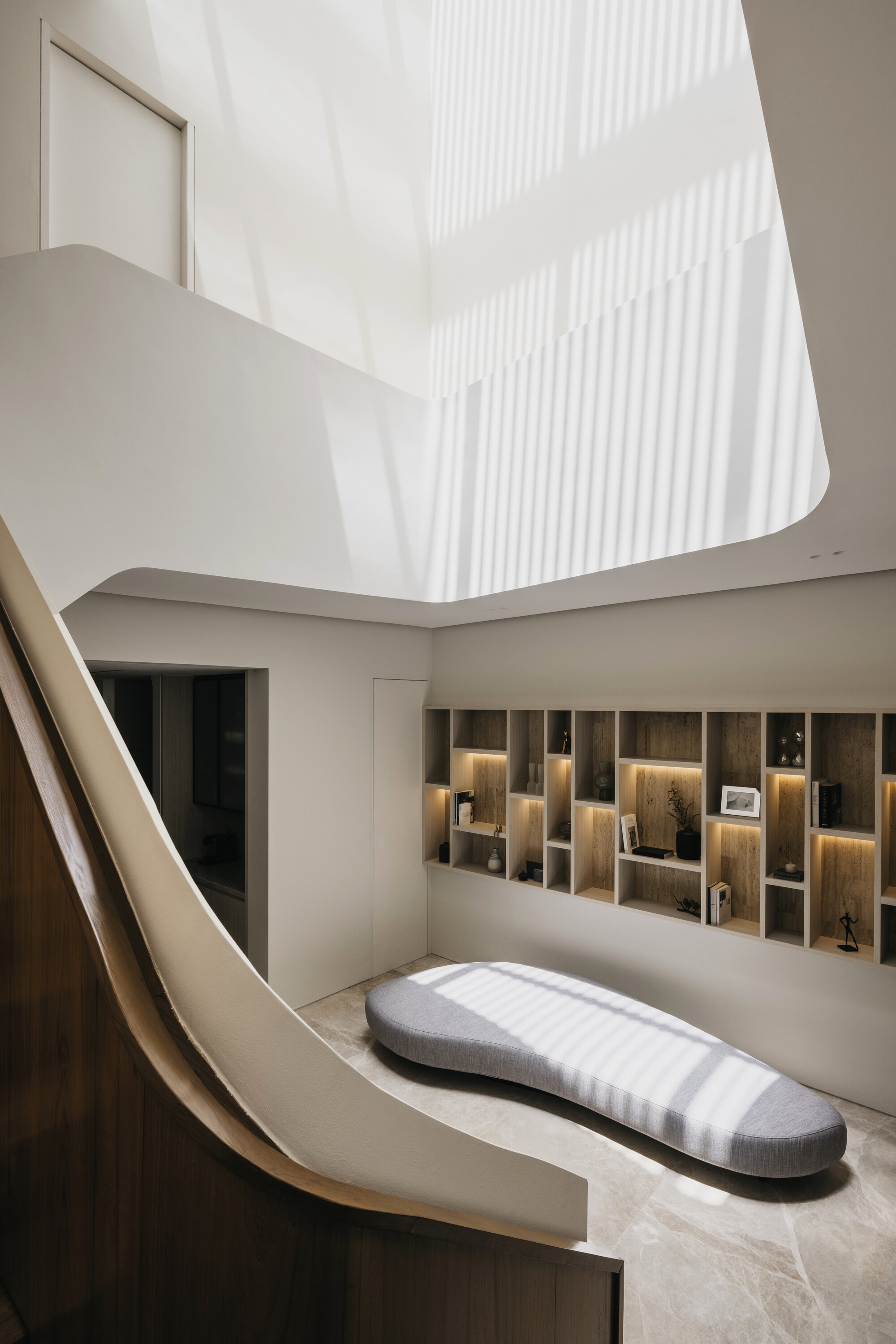
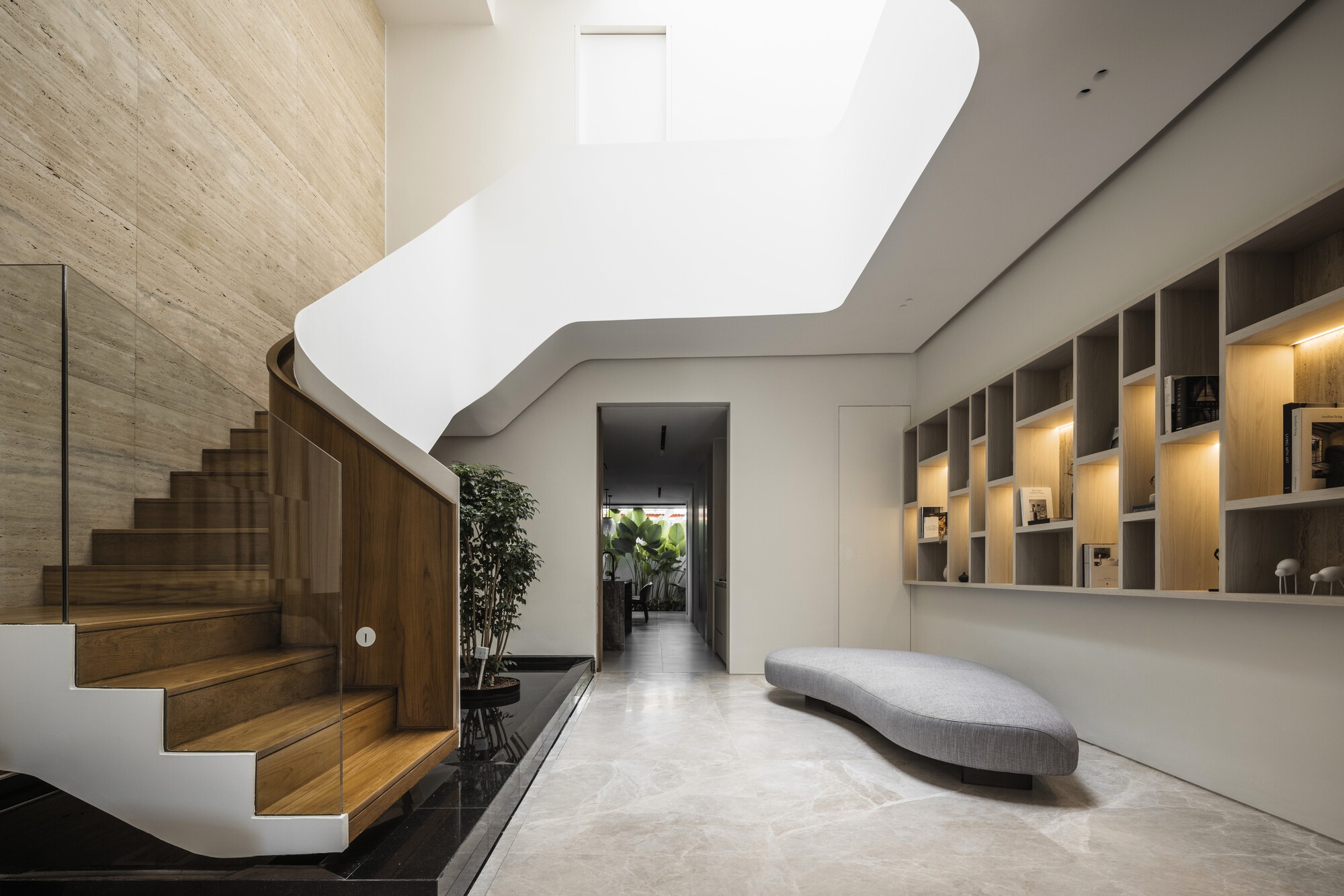
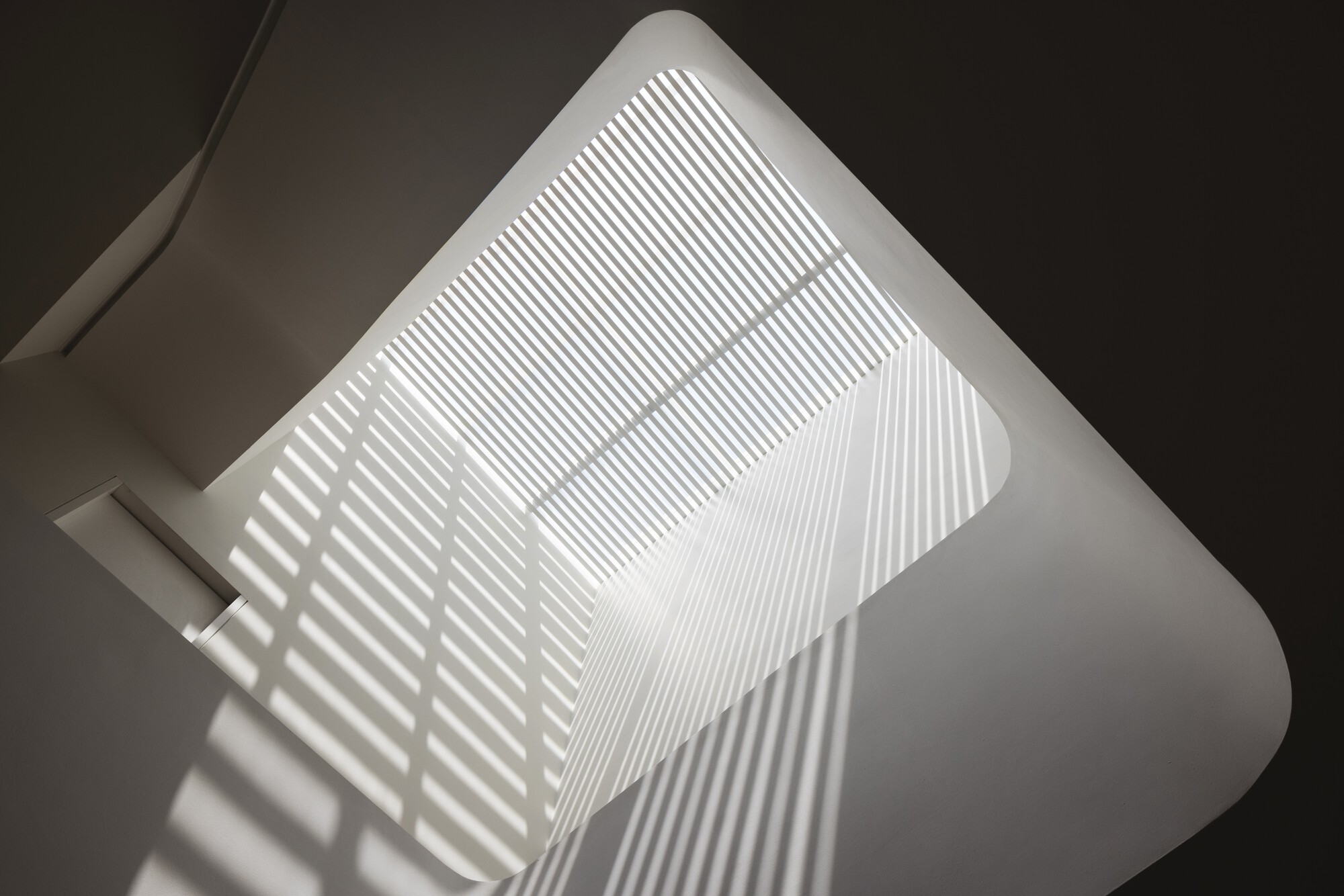
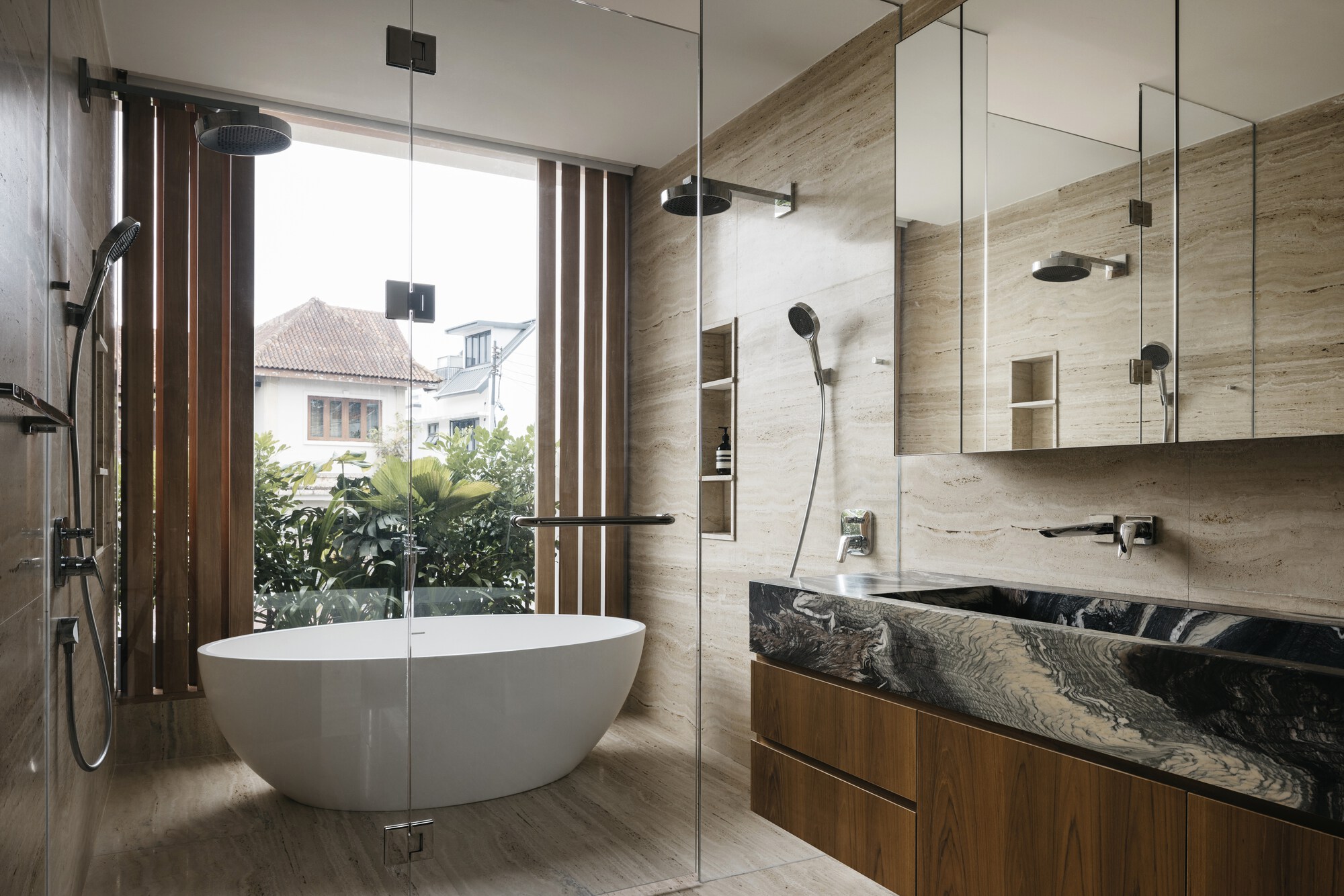
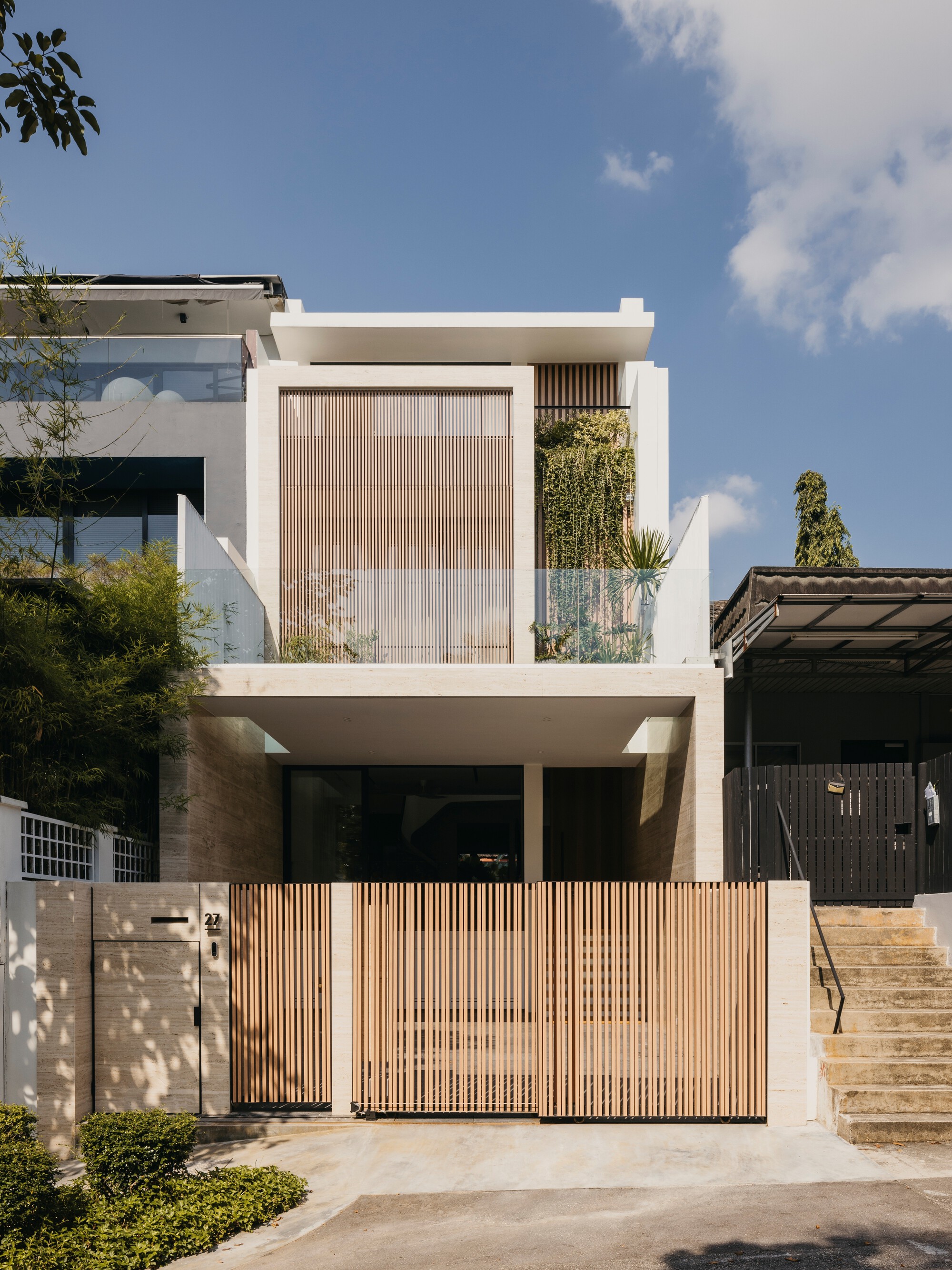
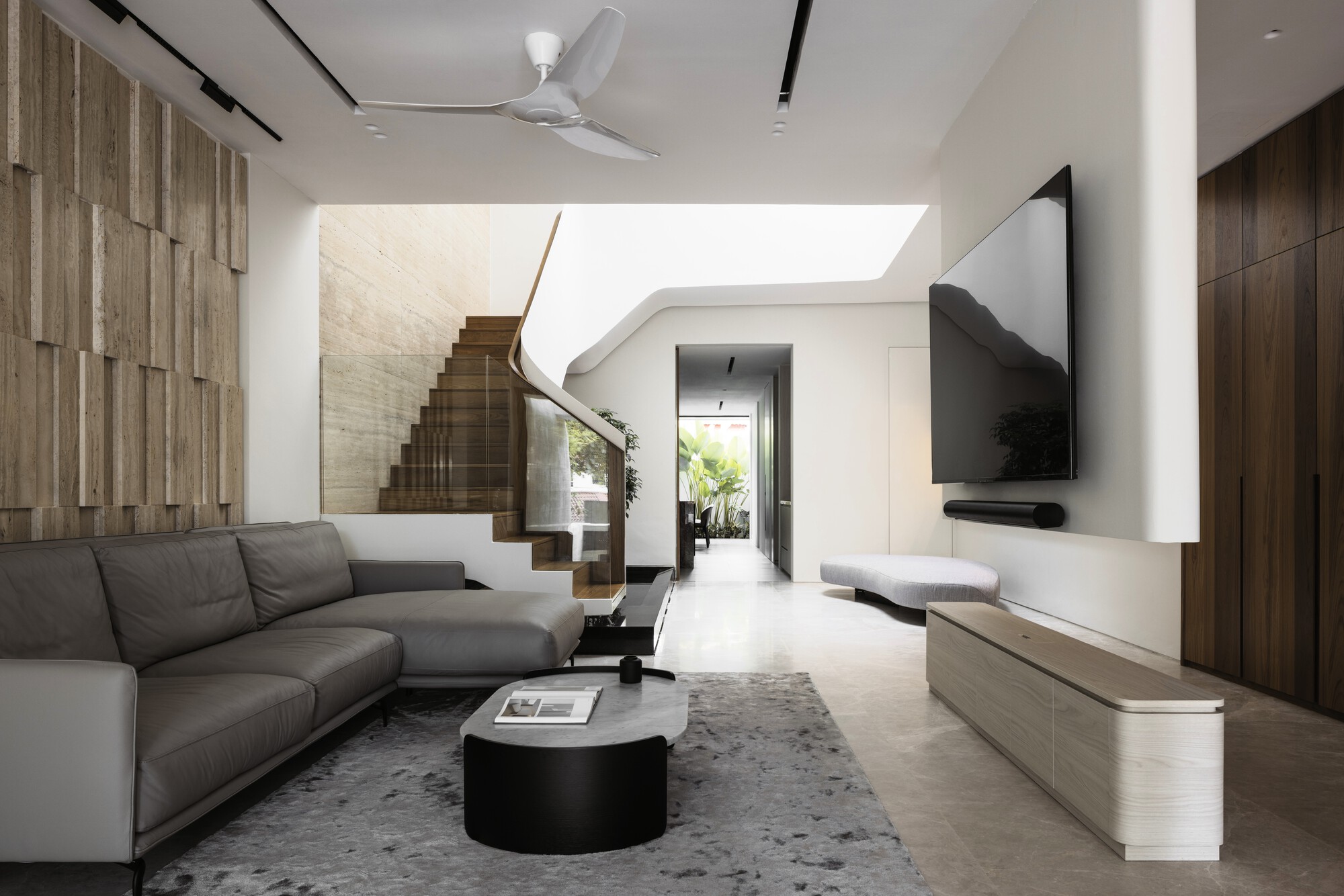
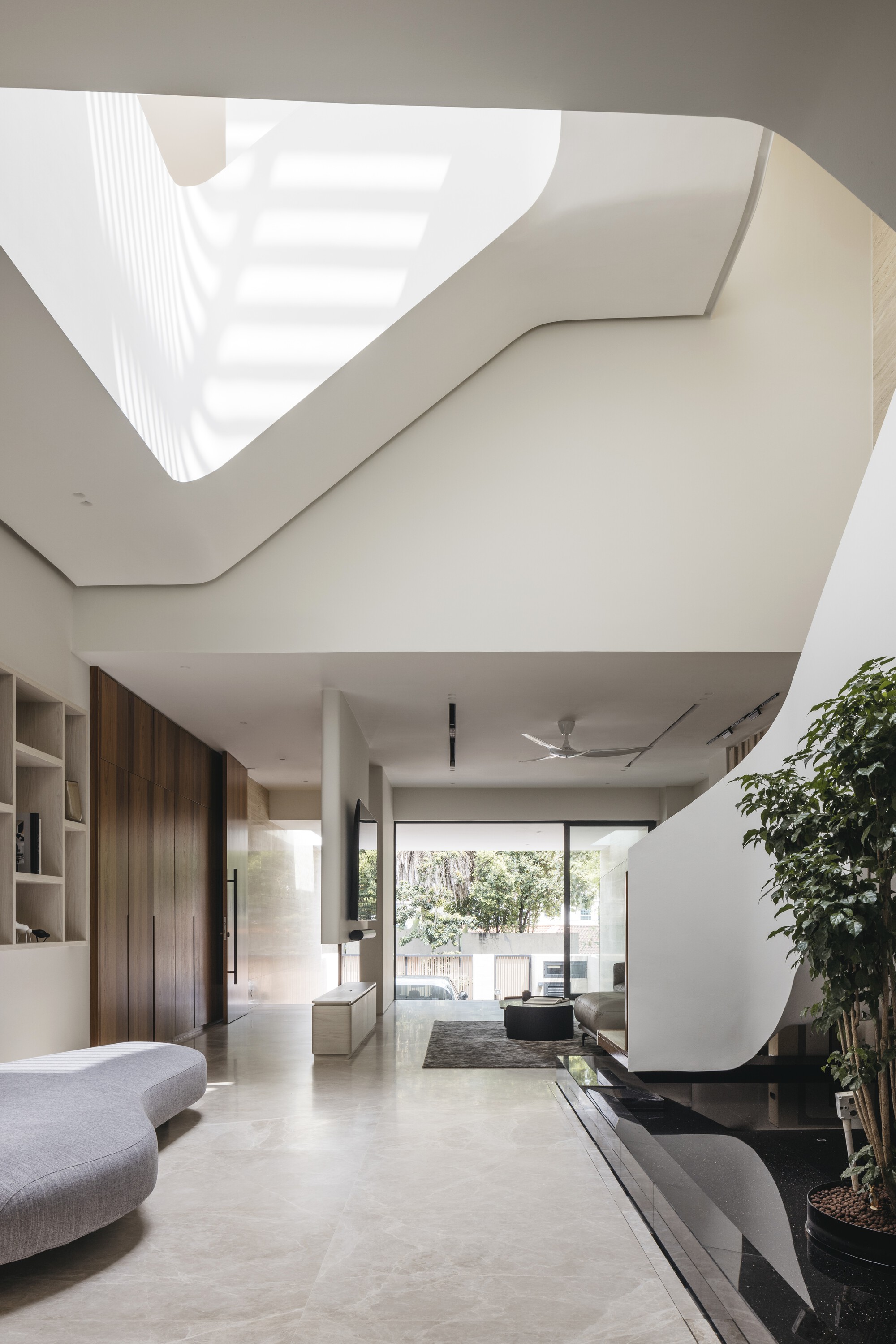
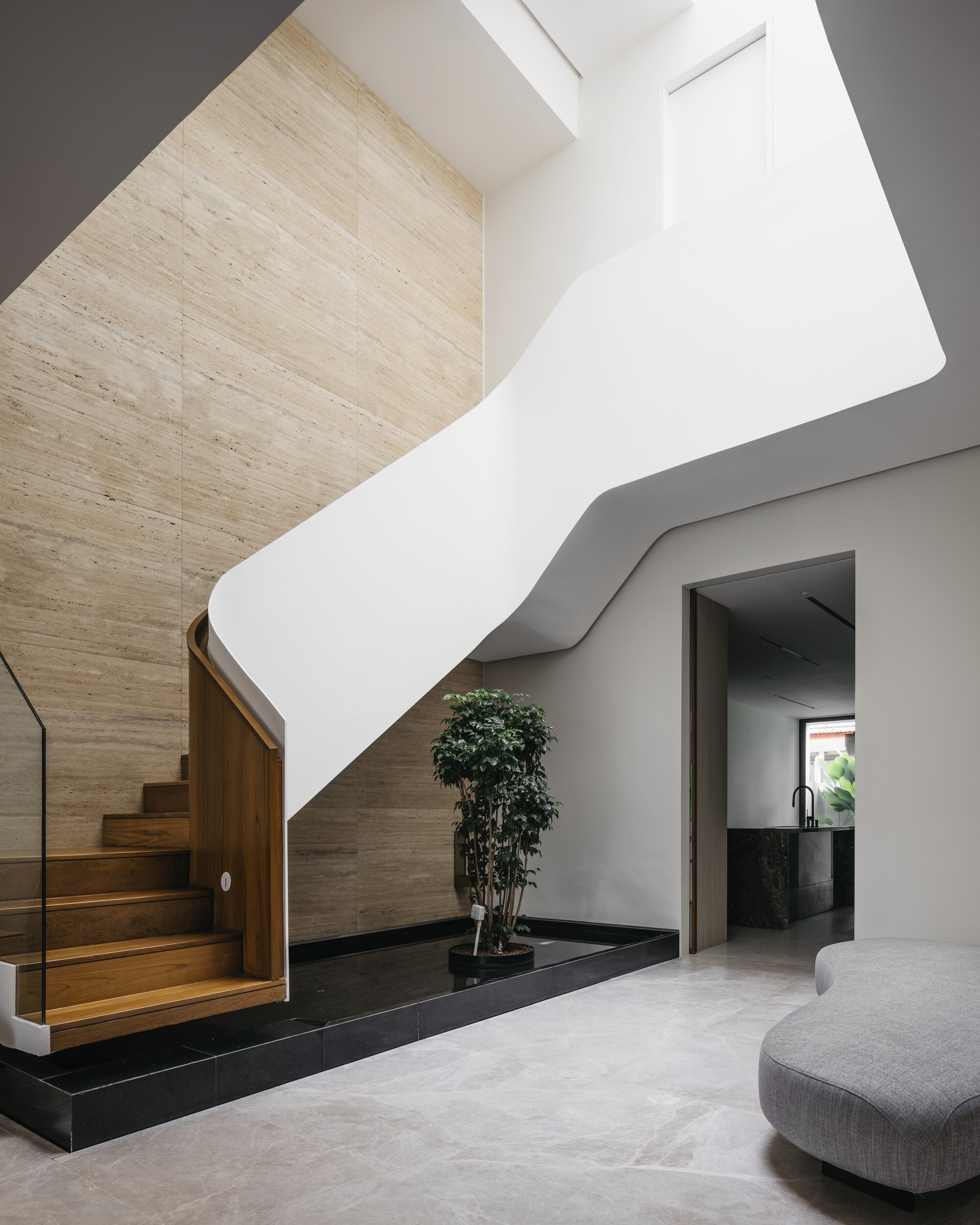
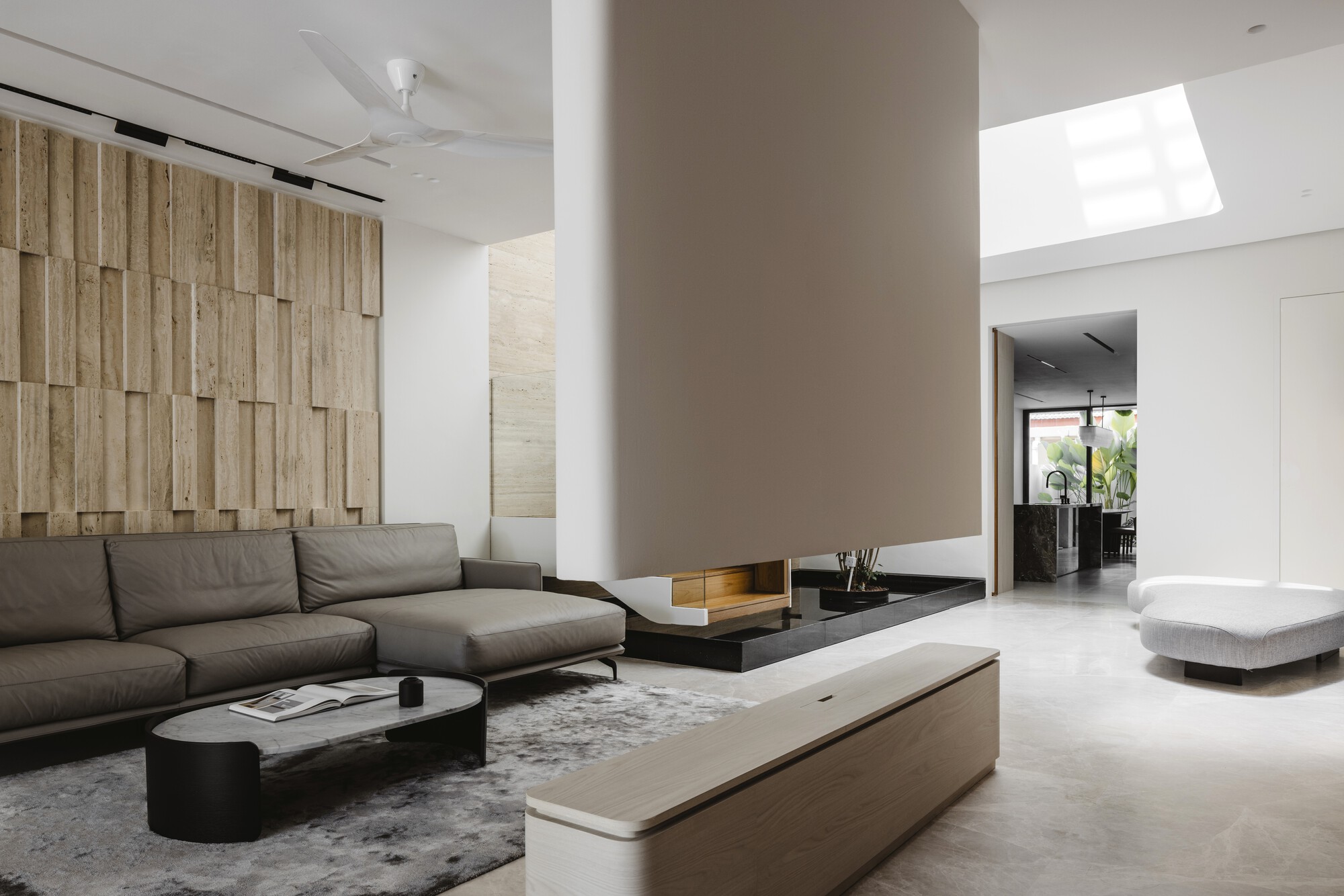
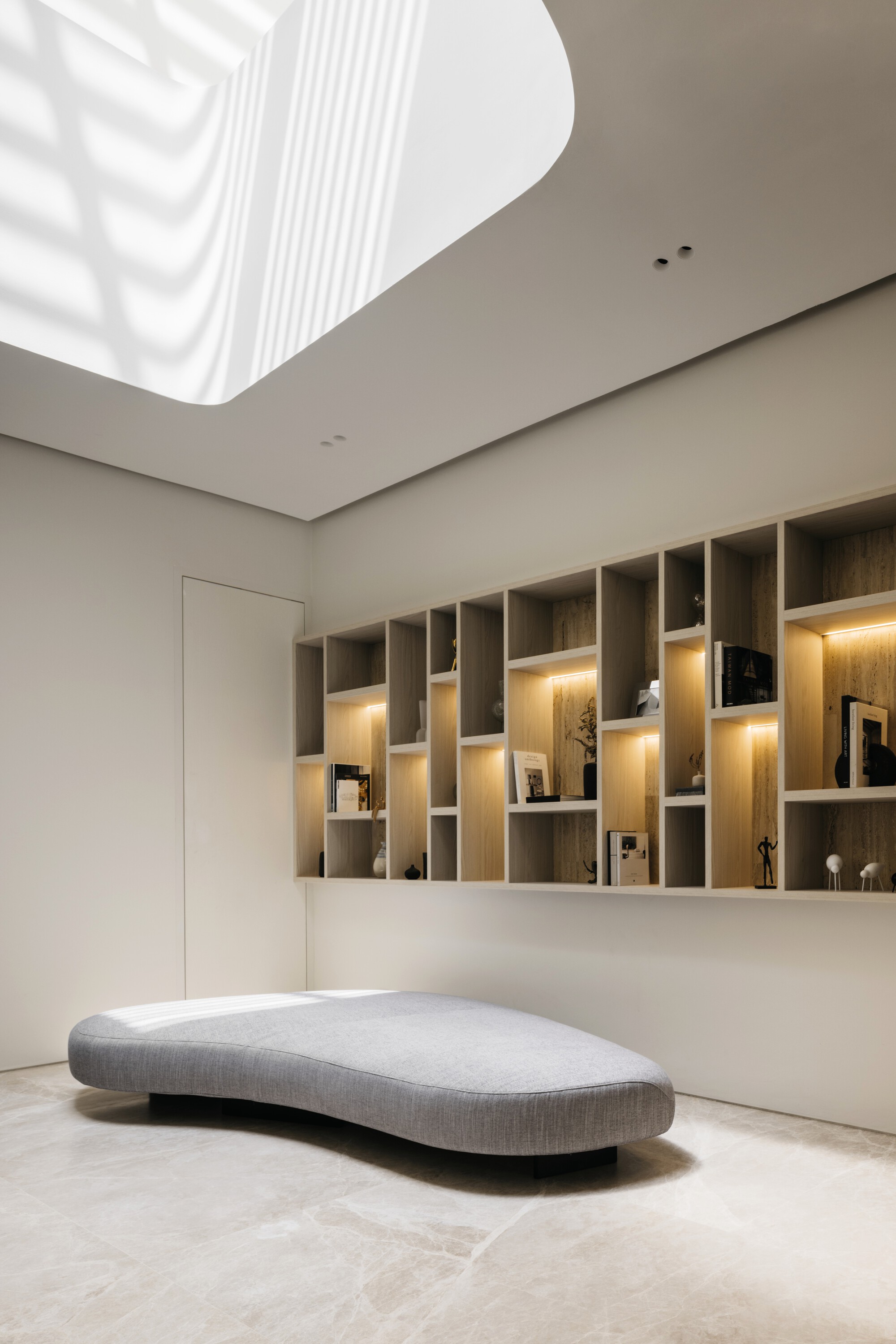
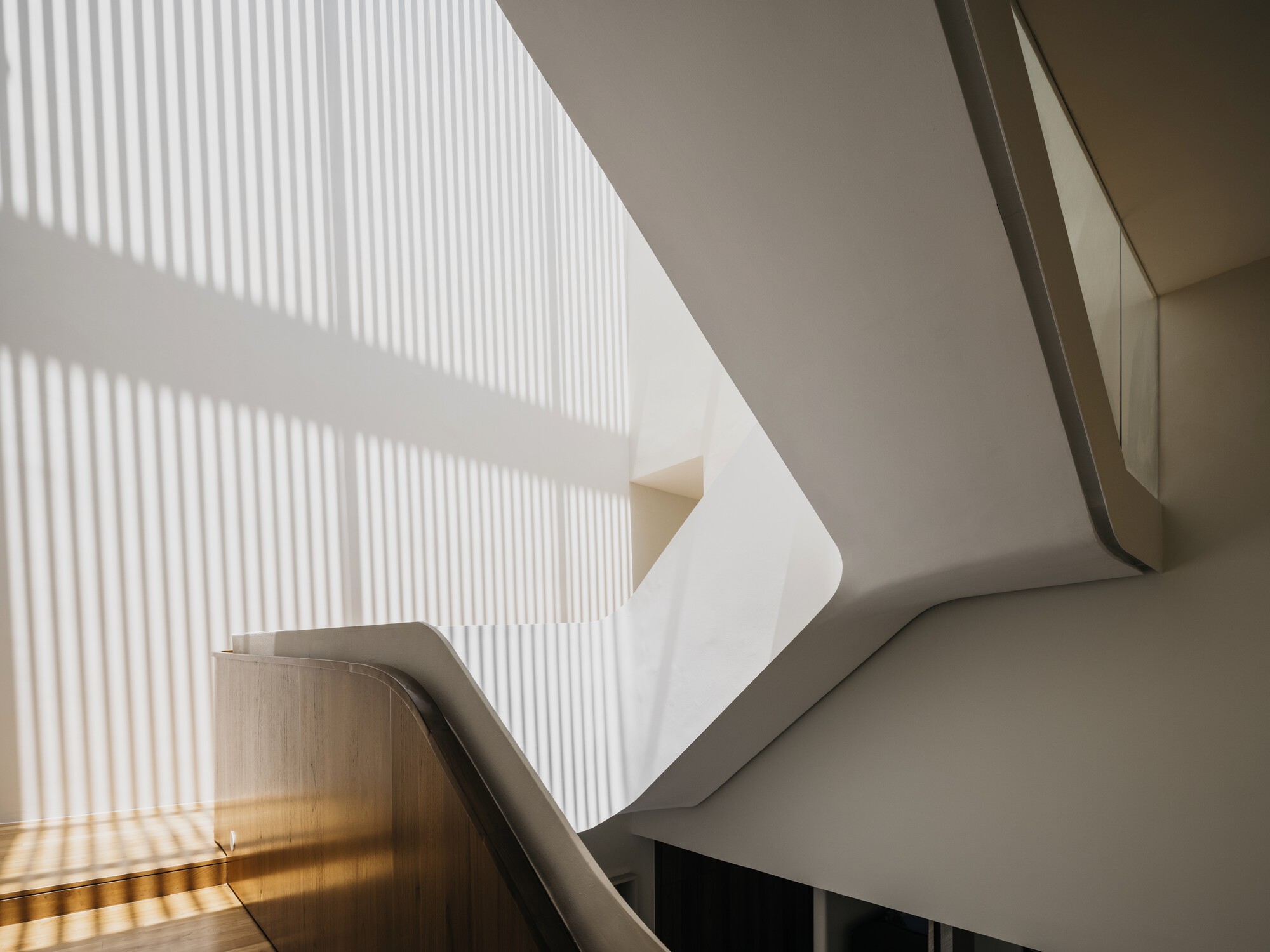
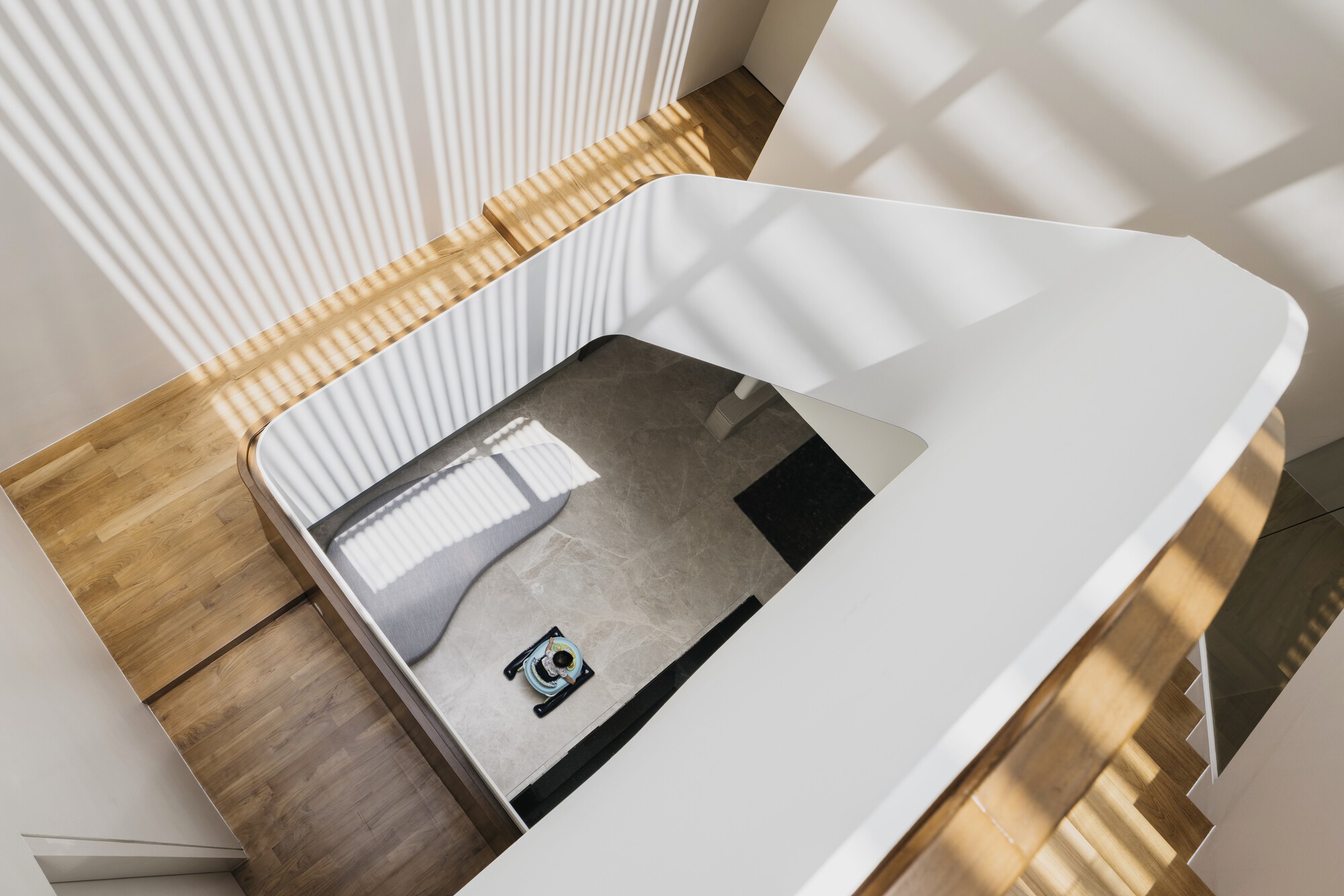
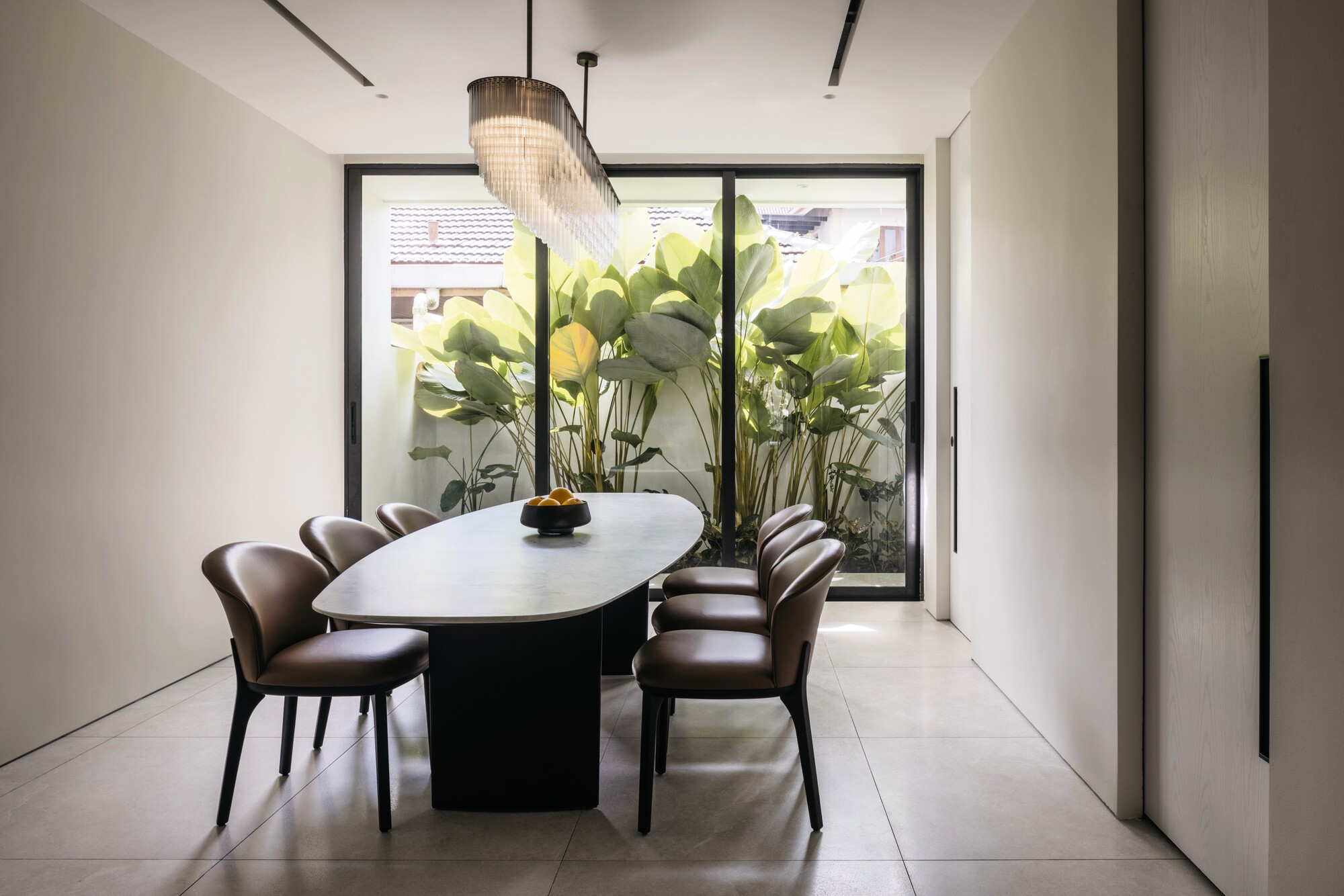
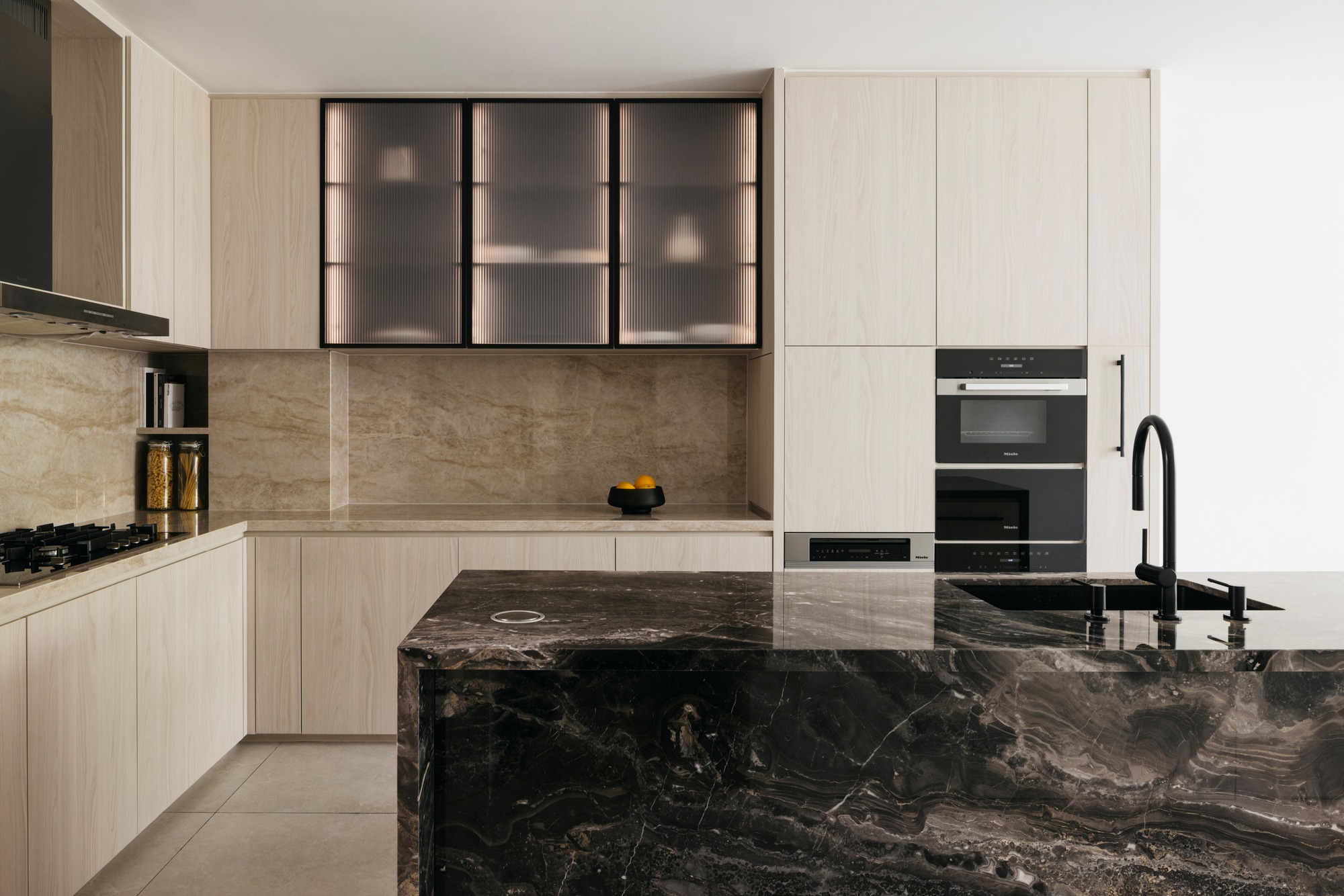
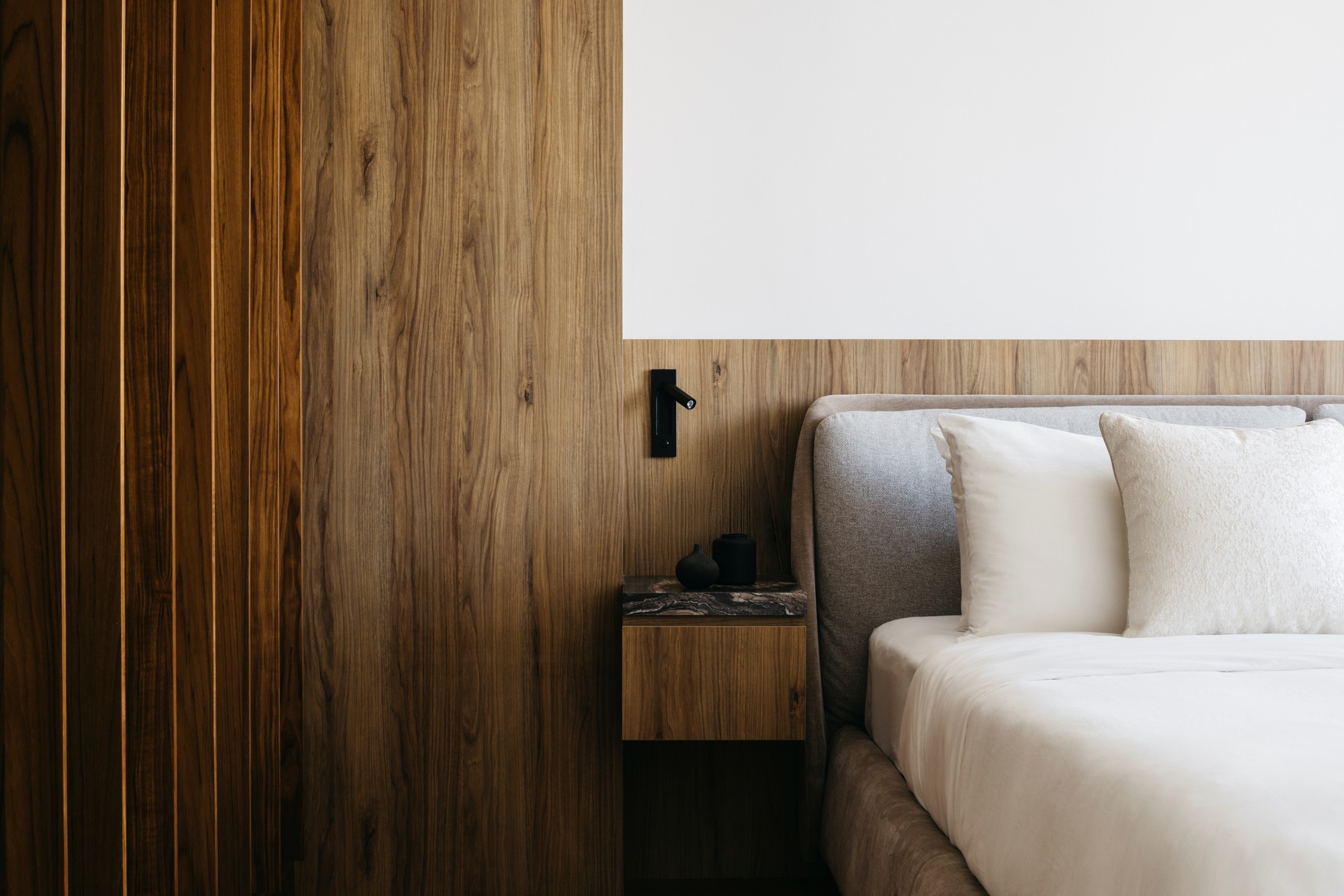
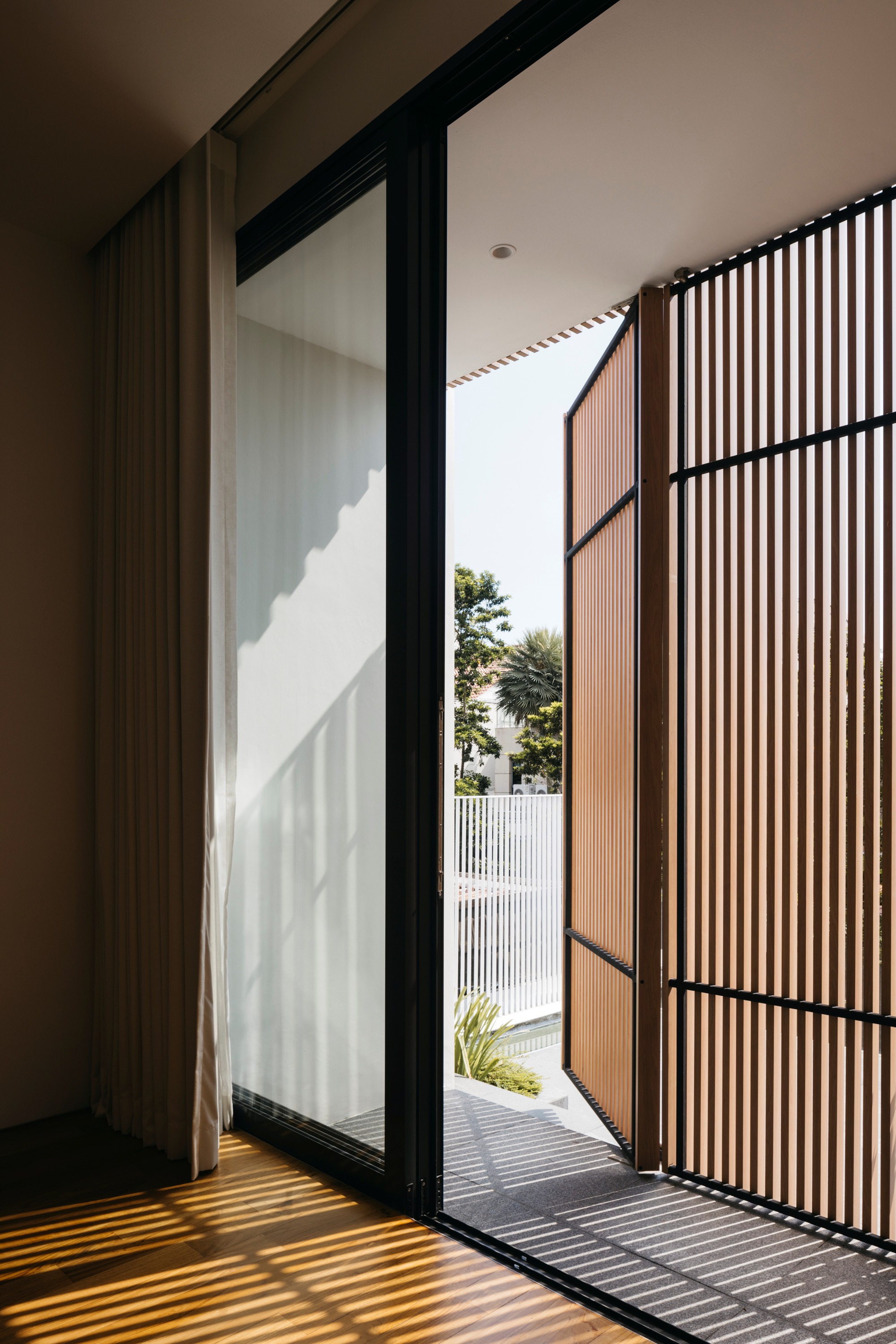
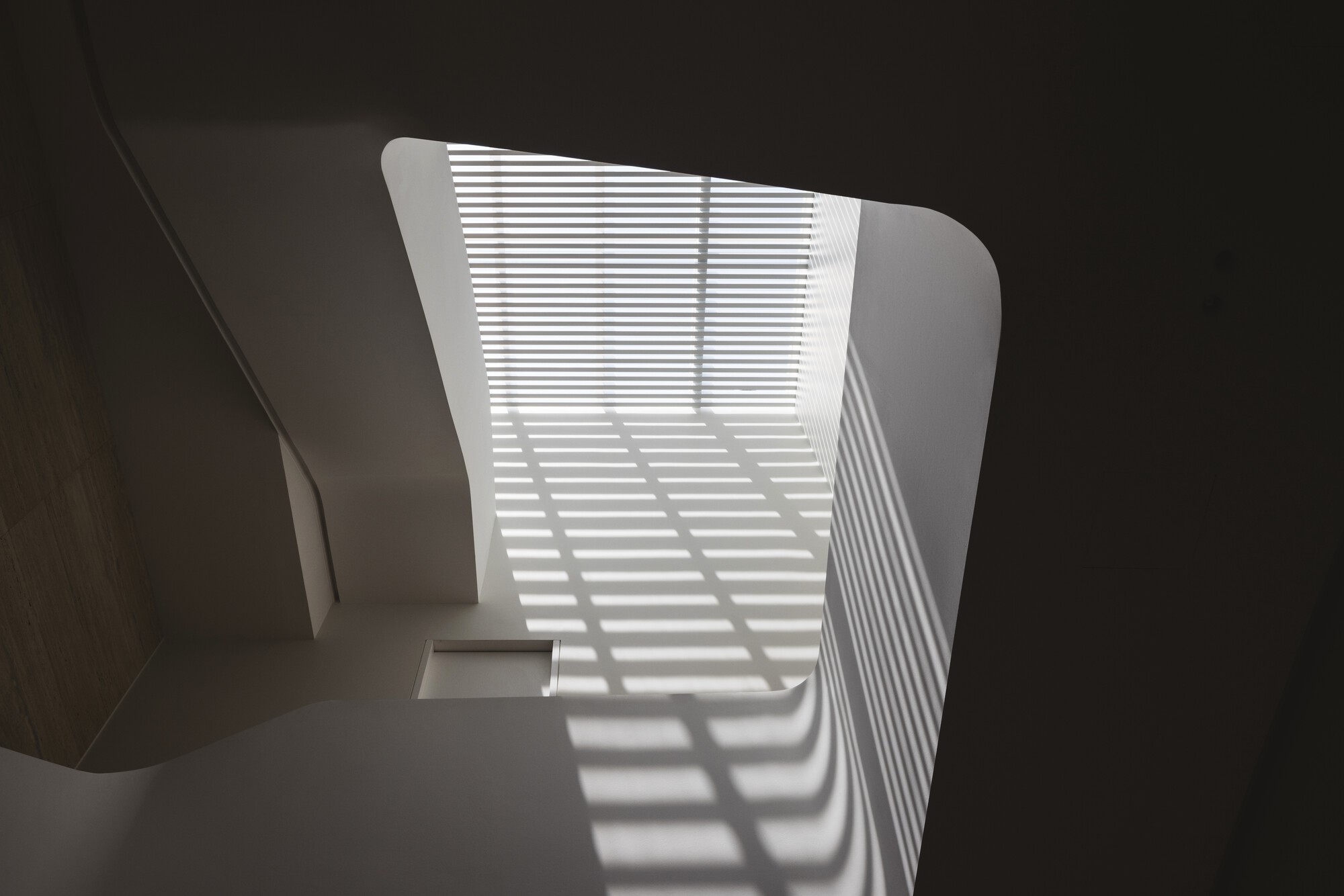
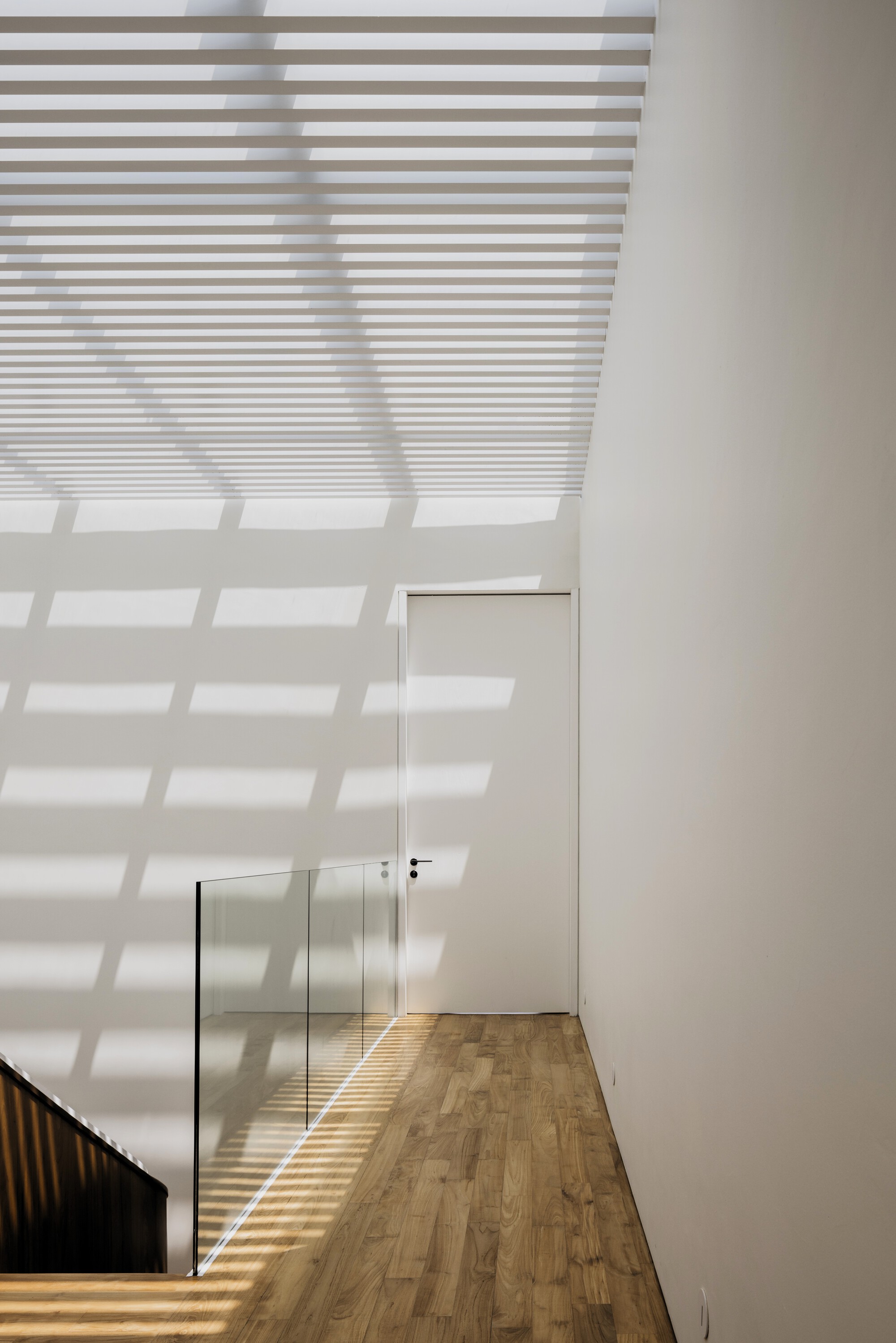
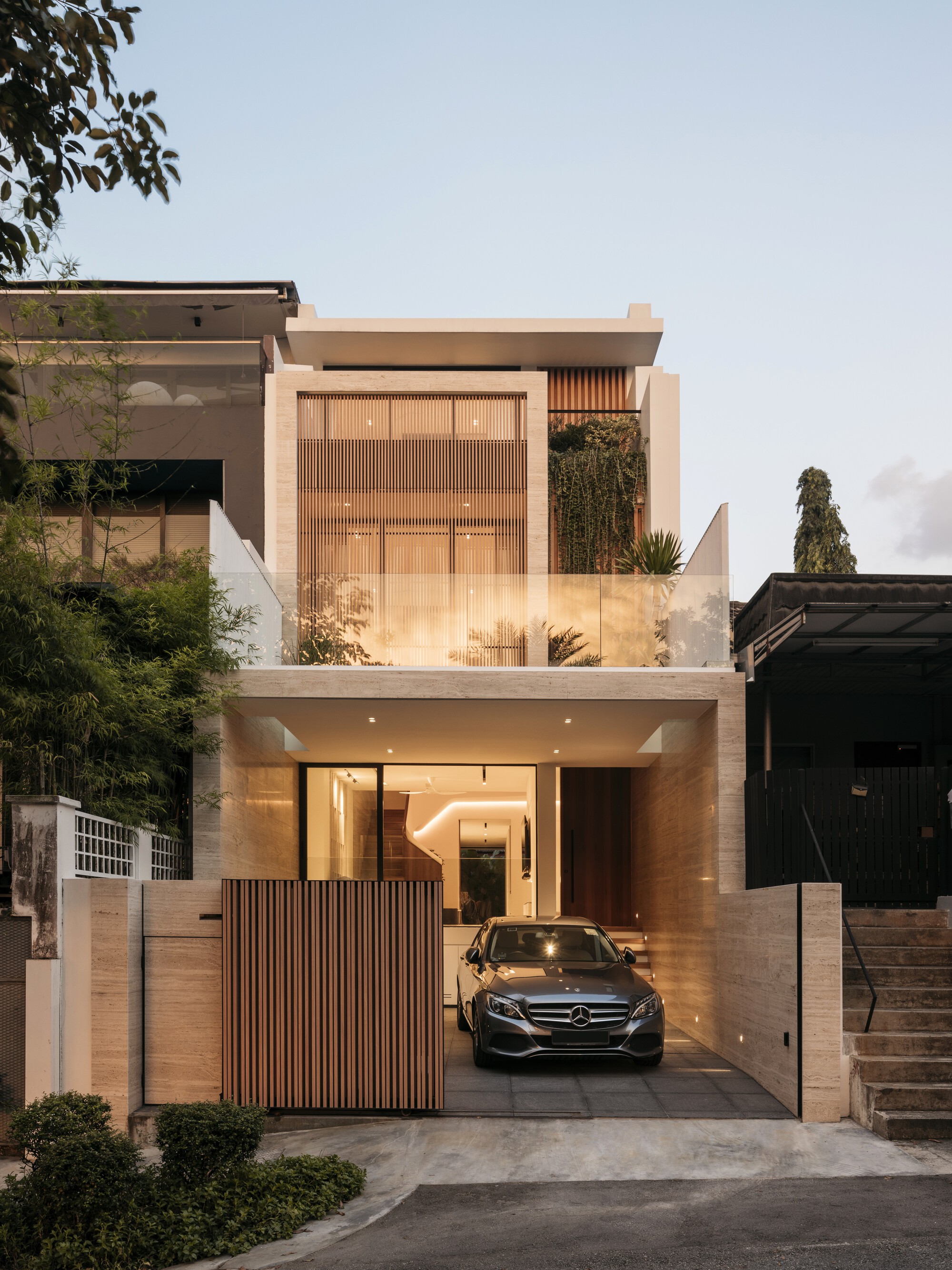
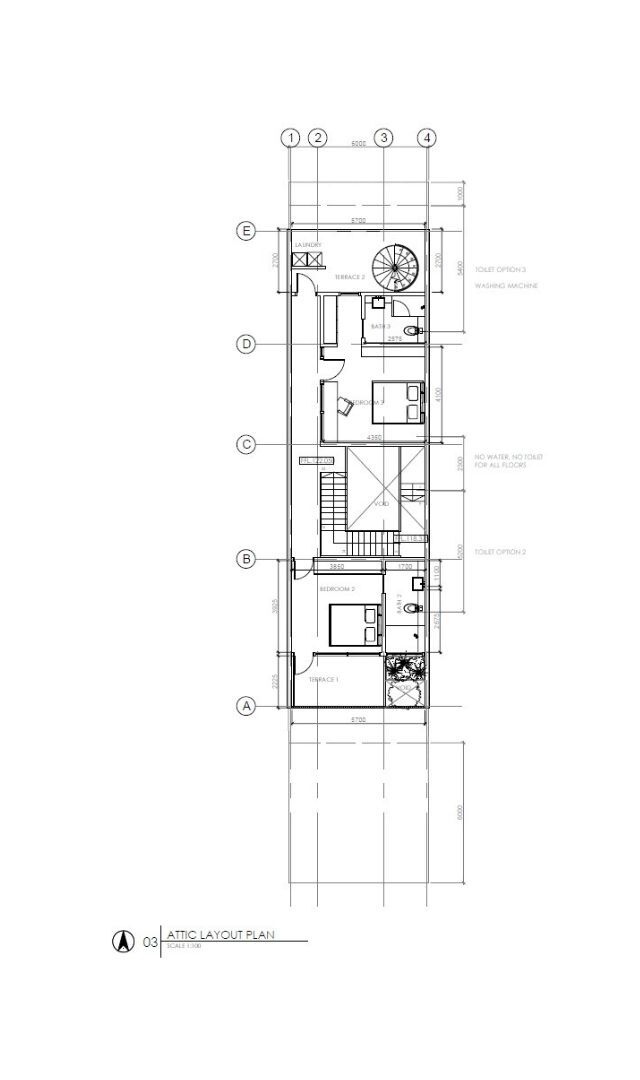
House of Dancing Light #architecture Location: Singapore Architects: Freight Architects Area: 332 m sq. Year: 2023 Photographs: Studio Periphery Lead Architects: Kee Jing Zhi The House of Dancing Light is not merely a built form; it is a living expression of architectural poetry, where light becomes both medium and muse. It celebrates the subtle beauty of illumination, the fluidity of movement, and the atmospheric richness shaped by shadow and stillness. At first glance, the front façade presents as a minimalist canvas: clean travertine planes and delicately proportioned timber screens. Beneath this restraint lies a responsive system, a custom operable timber screen that functions as a dynamic climatic skin. Regulating privacy, ventilation, and daylight, it performs as both environmental mediator and architectural expression, defining the building's identity within its tropical context. Crossing the threshold, the architectural language shifts. Where the exterior is ruled by orthogonal clarity, the interior reveals a softer, sculptural fluidity. At its heart, a sinuous floating staircase, seemingly weightless, echoes the motion of a ribbon in flight. This lyrical gesture contrasts with the strict geometry of the façade, introducing a spatial choreography that balances movement and stillness. More than a circulation element, the staircase becomes a sculptural anchor, capturing light as it shifts throughout the day. Much like a dancer trailing a ribbon, it accentuates the passing of time, casting ever-changing shadows across walls while subtly delineating the living and kitchen zones with moments of visual pause and drama. A skylight above introduces a secondary rhythm. As the sun arcs across the sky, the house transforms: morning light glides across warm oak floors, and afternoon shadows animate pale stone surfaces, casting bold, geometric patterns that stretch across the curved interior walls. This interplay turns surfaces into living canvases, animated by time and light. Interiors are intentionally pared back, allowing light, material, and texture to take precedence. In its entirety, the House of Dancing Light demonstrates a refined approach to contemporary tropical architecture: a home attuned to its environment, materially restrained, and deeply poetic in its expression. It is a home where light is not simply illumination, but experience.
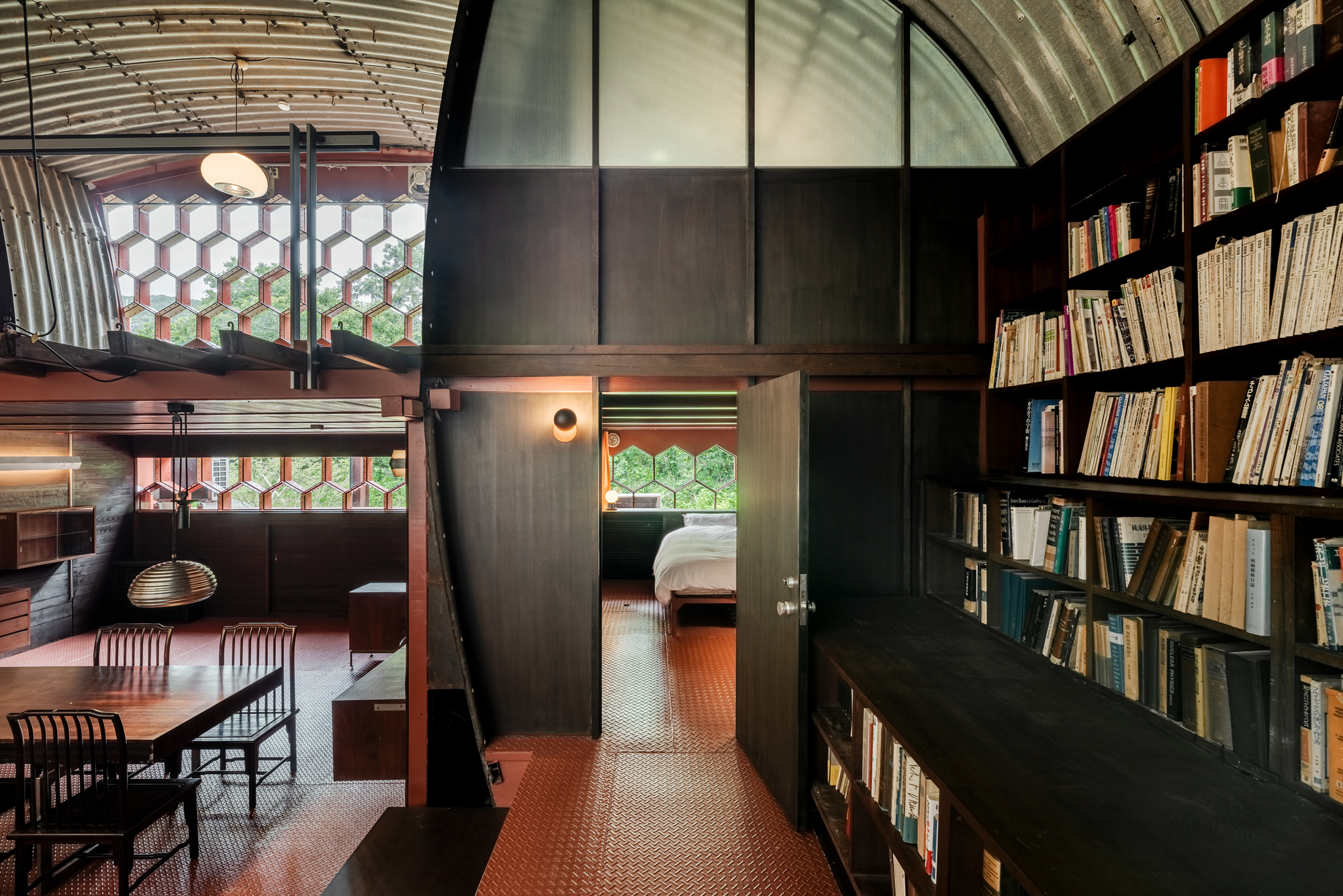
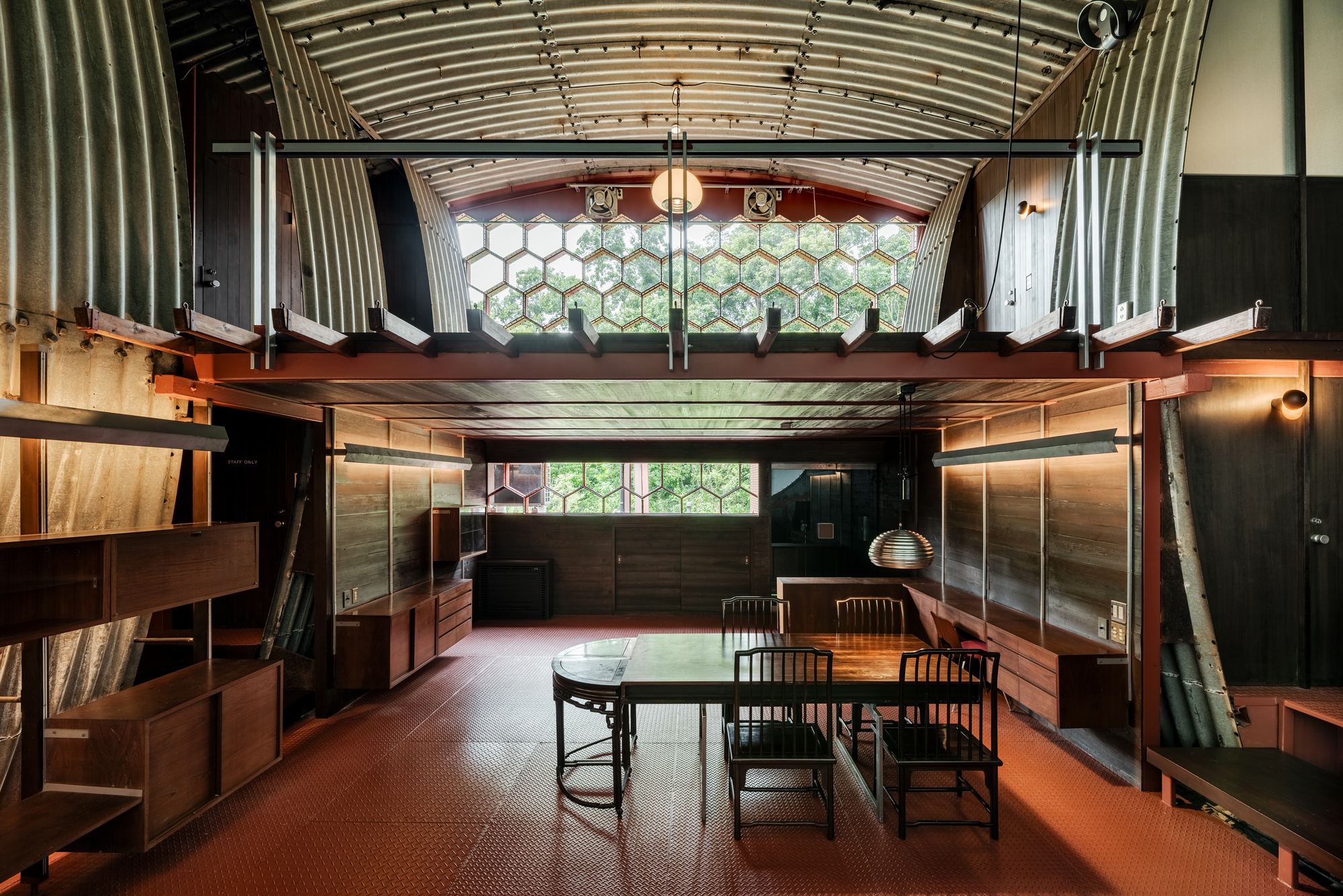
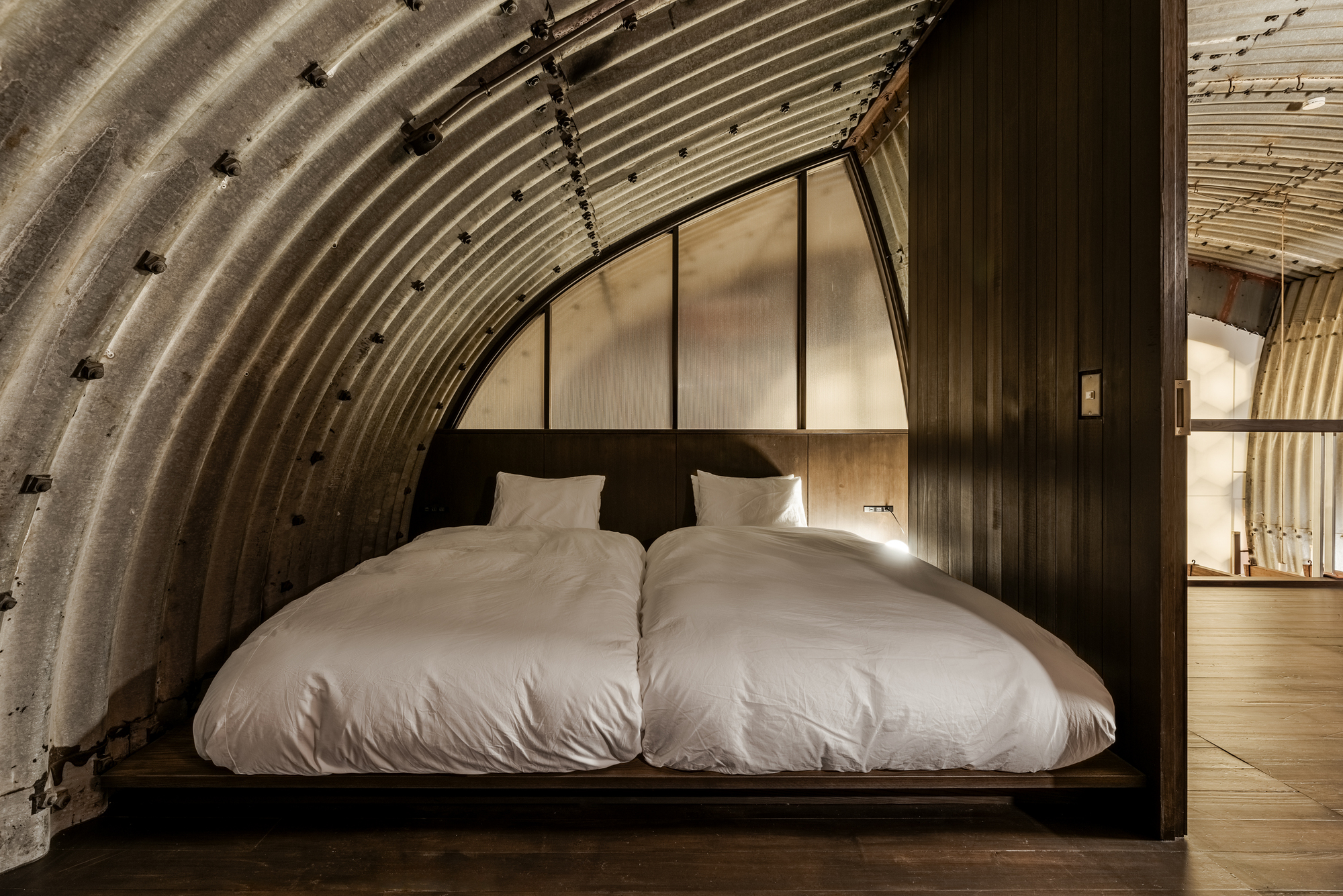
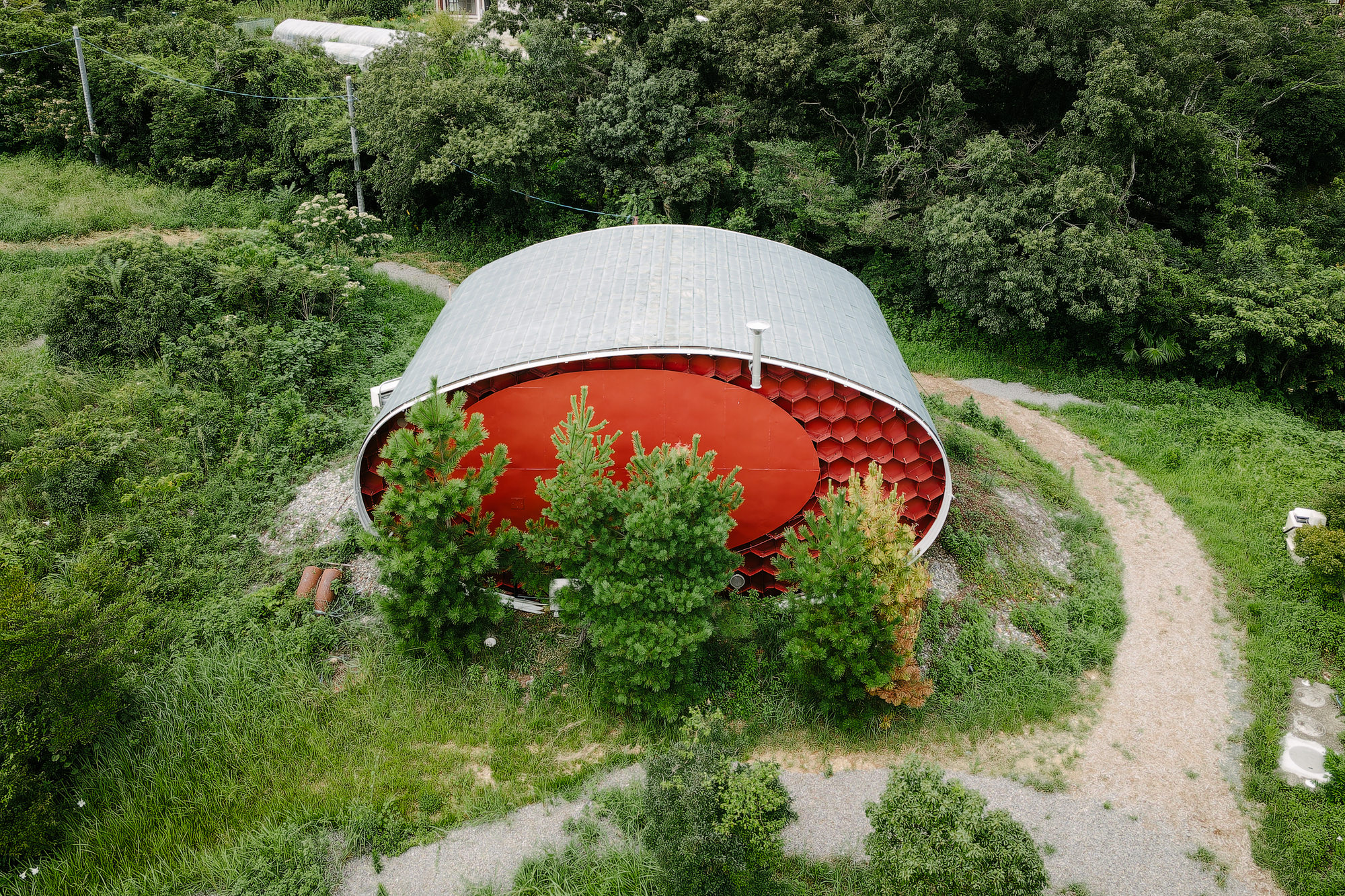
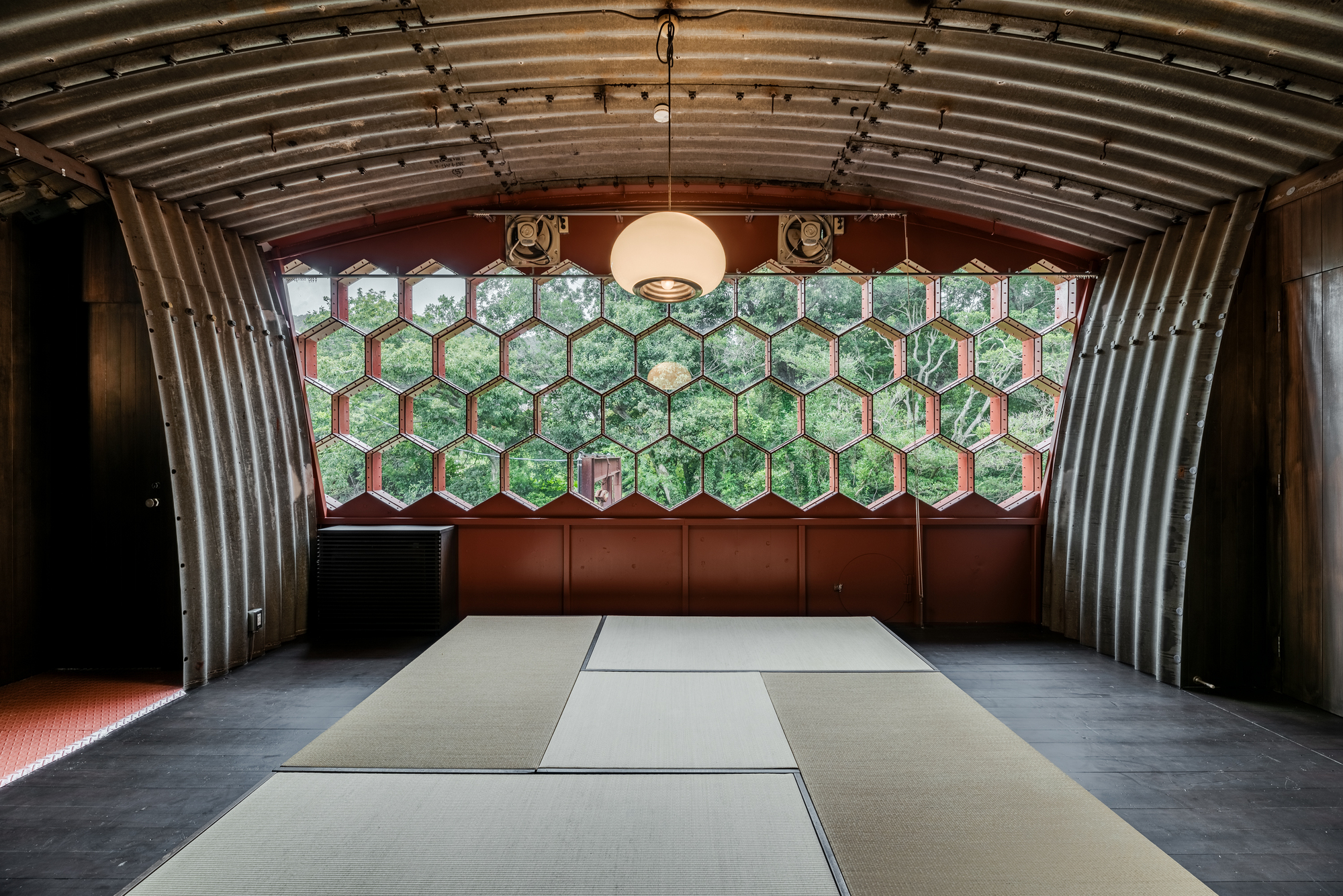
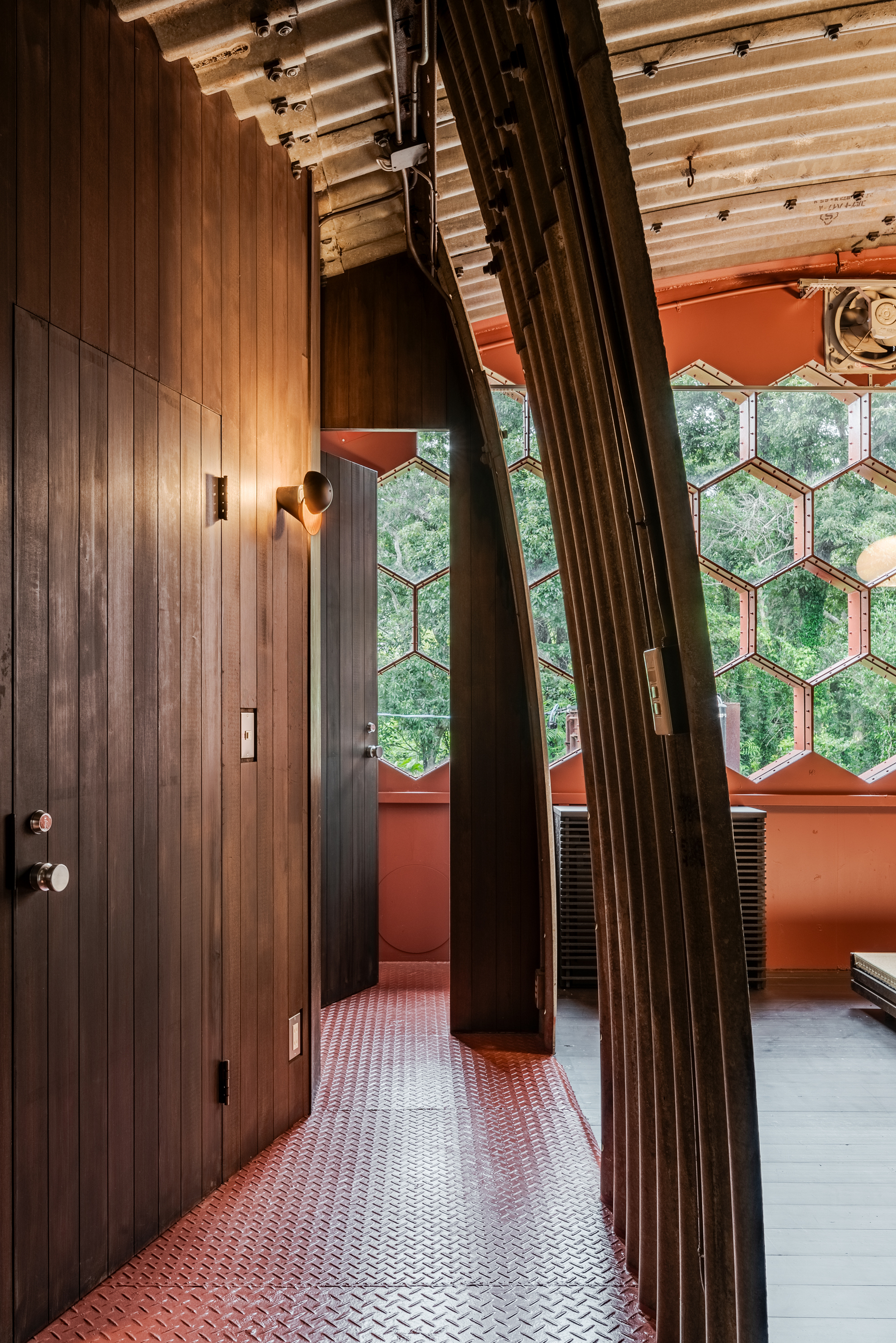
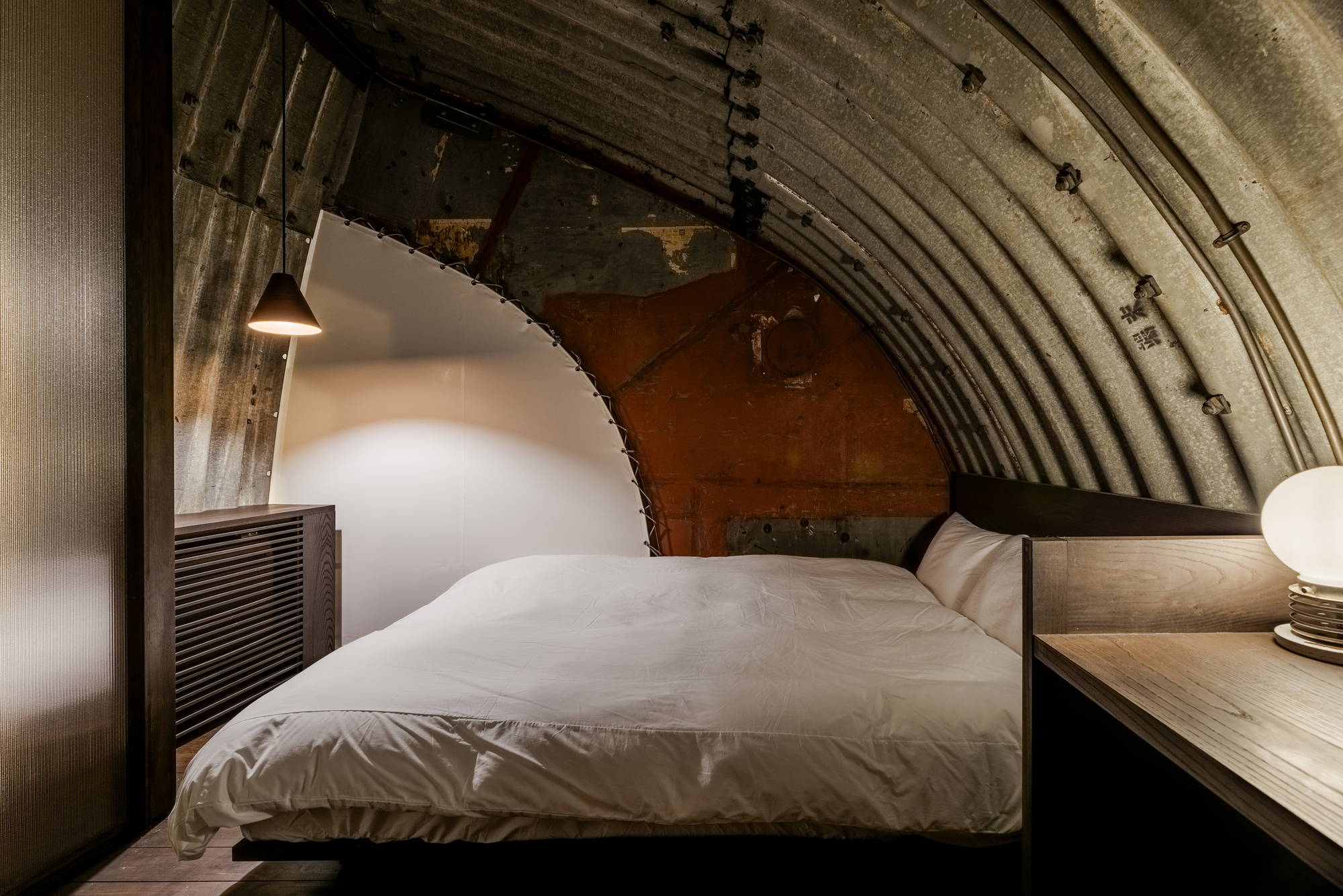
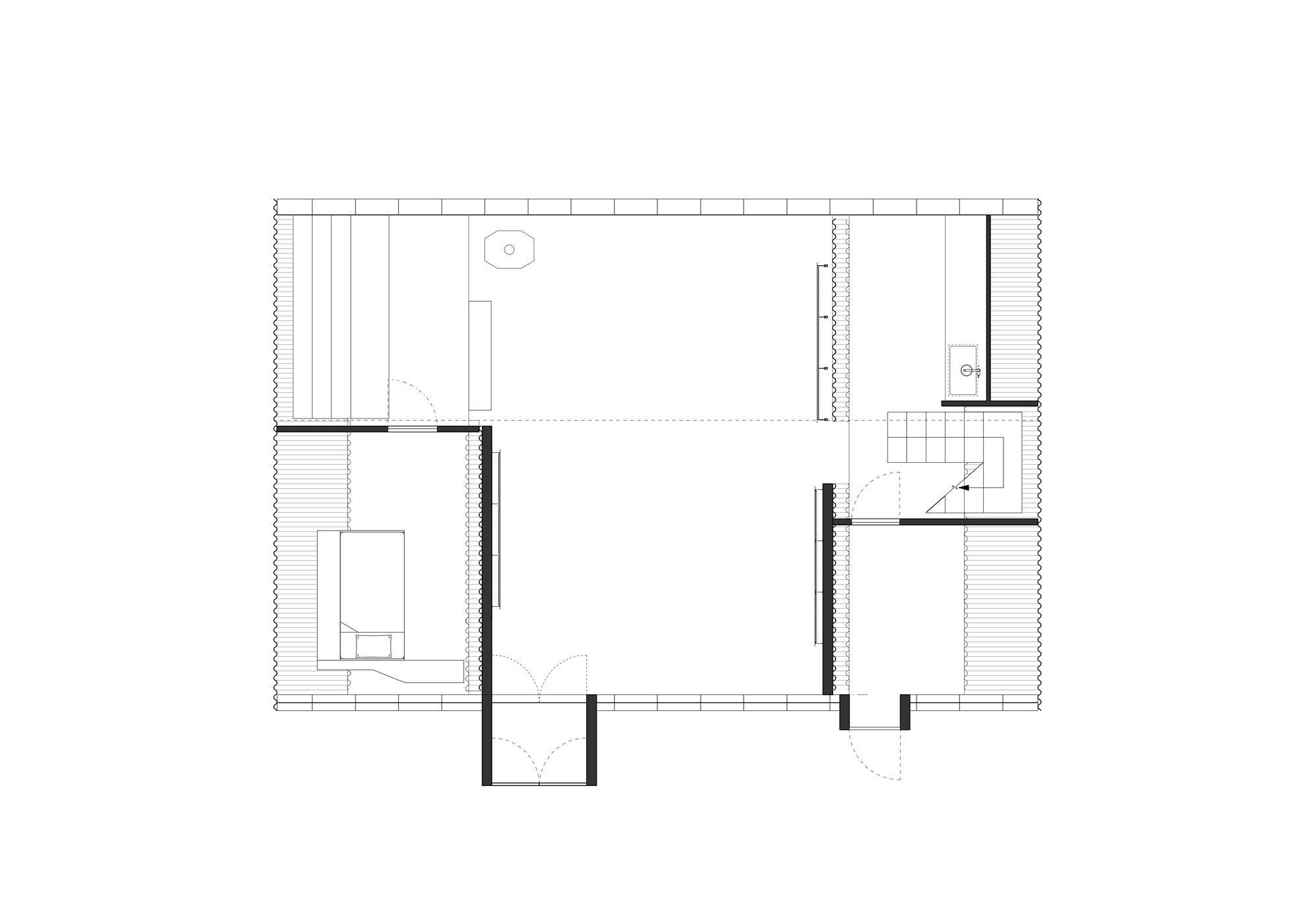
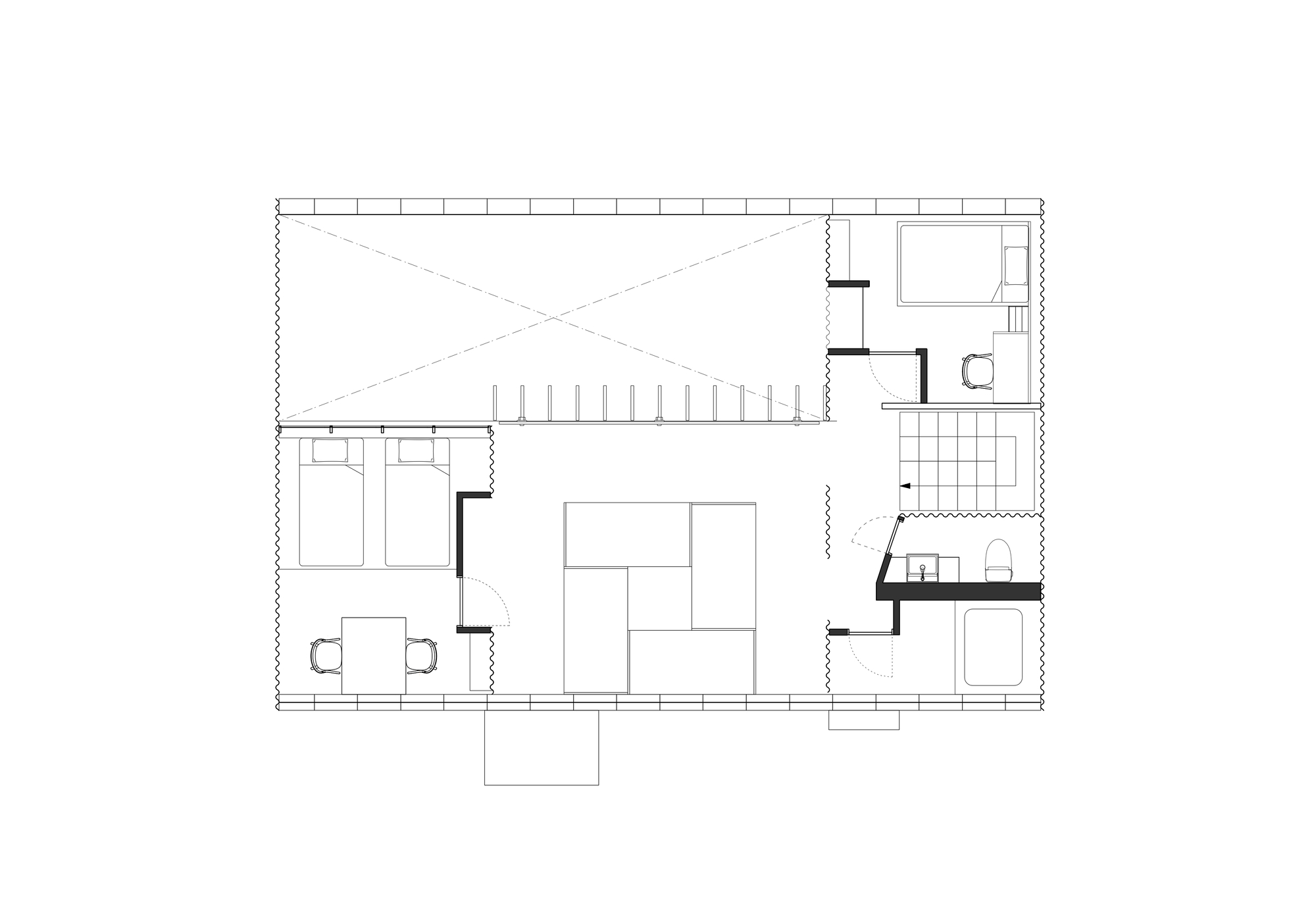
Corrugated House #architecture Location: Japan Architects: monotrum Area: 134 m² Year: 2023 Photographs: Yoshiro Masuda Hotel in renovated house made of corrugated pipes. The project is to renovate a structure made of corrugated pipe, a civil engineering material, into an accommodation facility. This building was built by Kenji Kawai, a facility designer, as his own residence in 1965. It has been selected by DOCOMOMO as a Modern Movement building in Japan. In renovating the building, we sought to preserve it not as a static cultural asset but as a place where visitors can experience the architecture through the experience of staying overnight. This building was constructed as a house but was set up as an open one-room space with minimal components: a tunnel-like space made of corrugated pipes, walls to seal the two ends, and a floor between them. There were no separate rooms, and even the bathrooms and toilets had no partition walls. For the purpose of utilizing the building as accommodation, it was necessary to create separate spaces for guest rooms and sanitary facilities. Therefore, walls were constructed to fill the gaps between the structural elements, ensuring the provision of independent spaces. The new walls were planned to minimize the number of walls to be built and make the most of the existing elements. The newly constructed walls are finished with dark brown wooden paneling to match the existing flooring specification. Furniture such as beds, desks, and floor-mounted air conditioner covers are also made of dark brown-stained wood to adjust the tone of the space. The contrast created by the confrontation between the rough iron material and the calm-colored wood was designed. On the south wall facing the atrium, a large hole (originally intended as a window but sealed off due to excessive brightness) was covered with an oval canvas. Inside the wall, a honeycomb structure is revealed when the canvas is removed, lighting is installed, and a translucent tent fabric is applied in place of the canvas. This revitalized the dormant hole, giving it a new function as a source of illumination.The hole, which had been set up as a light source but had been closed, was updated as a device to obtain light once again. The walls of the guestrooms are partially made of permeable hollow polycarbonate panels so that the light from this iconic wall light can be enjoyed inside the guestrooms as well. The movable shelves on the first floor walls were designed to allow both board and box shelves to be installed while using off-the-shelf shelf posts by custom fabricating brackets. Following this concept, we fabricated a movable bracket light that can be installed using the existing shelf posts. The same galvanized finish as the corrugated pipes were used for the finish. By reinterpreting the elements of the existing architecture and re-constructing it by crossing it with a set-up for a new use, we have preserved the charm of the unique architecture of the corrugated house while renovating it into a usable space with lodging functions. The goal was to contribute to the continued use of this architecture by ensuring that the designed space contributes to an appealing lodging experience.
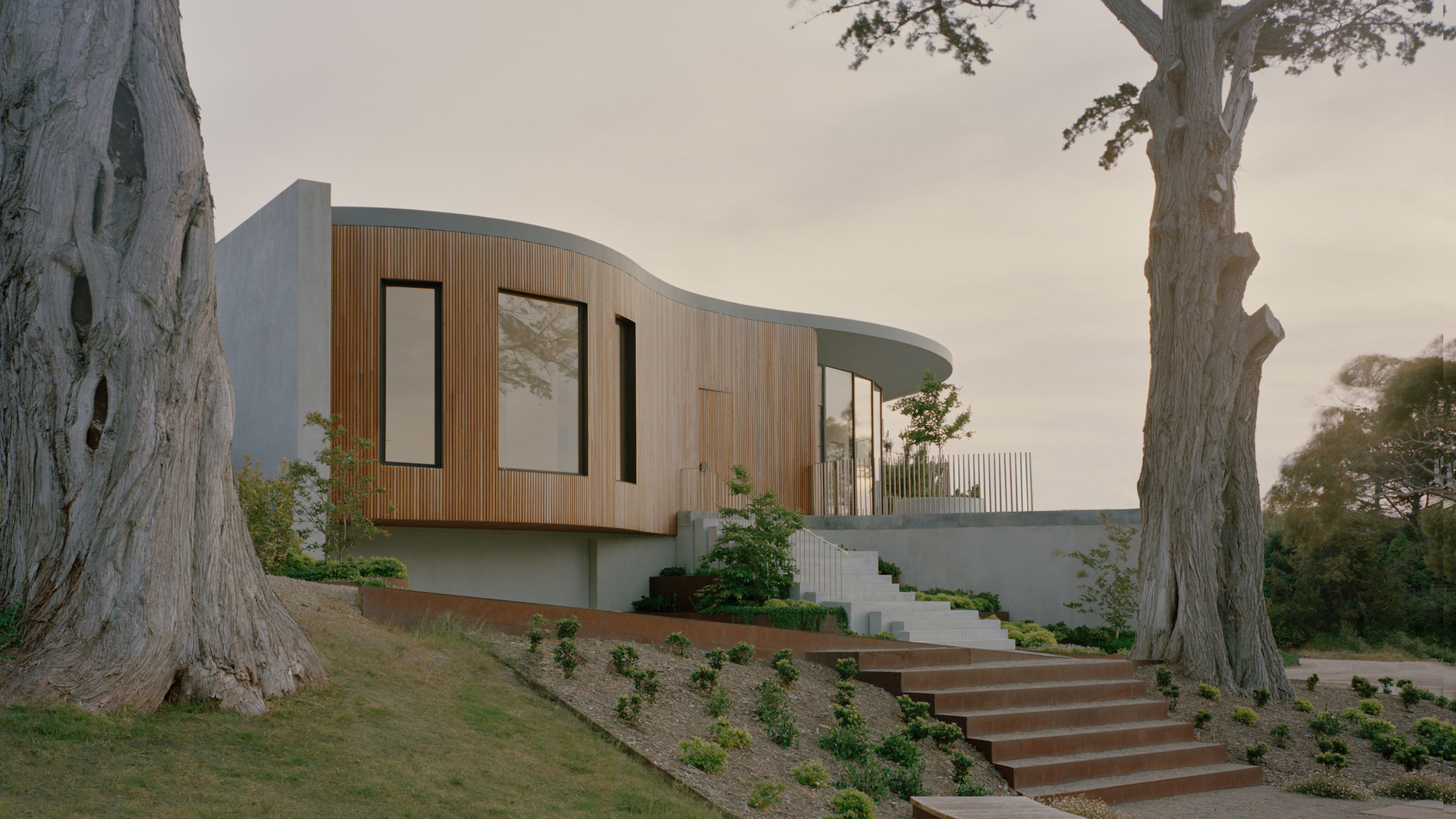
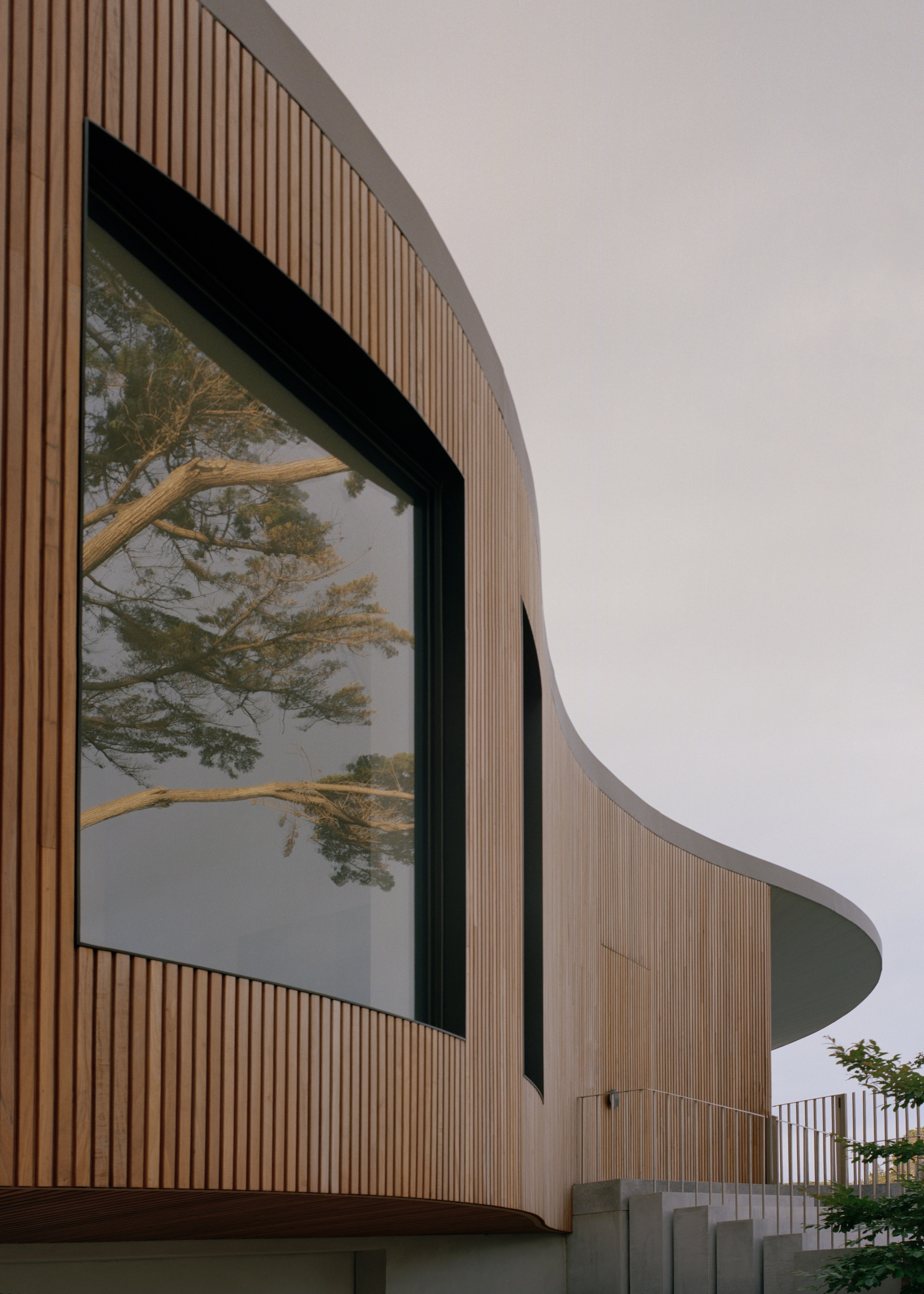
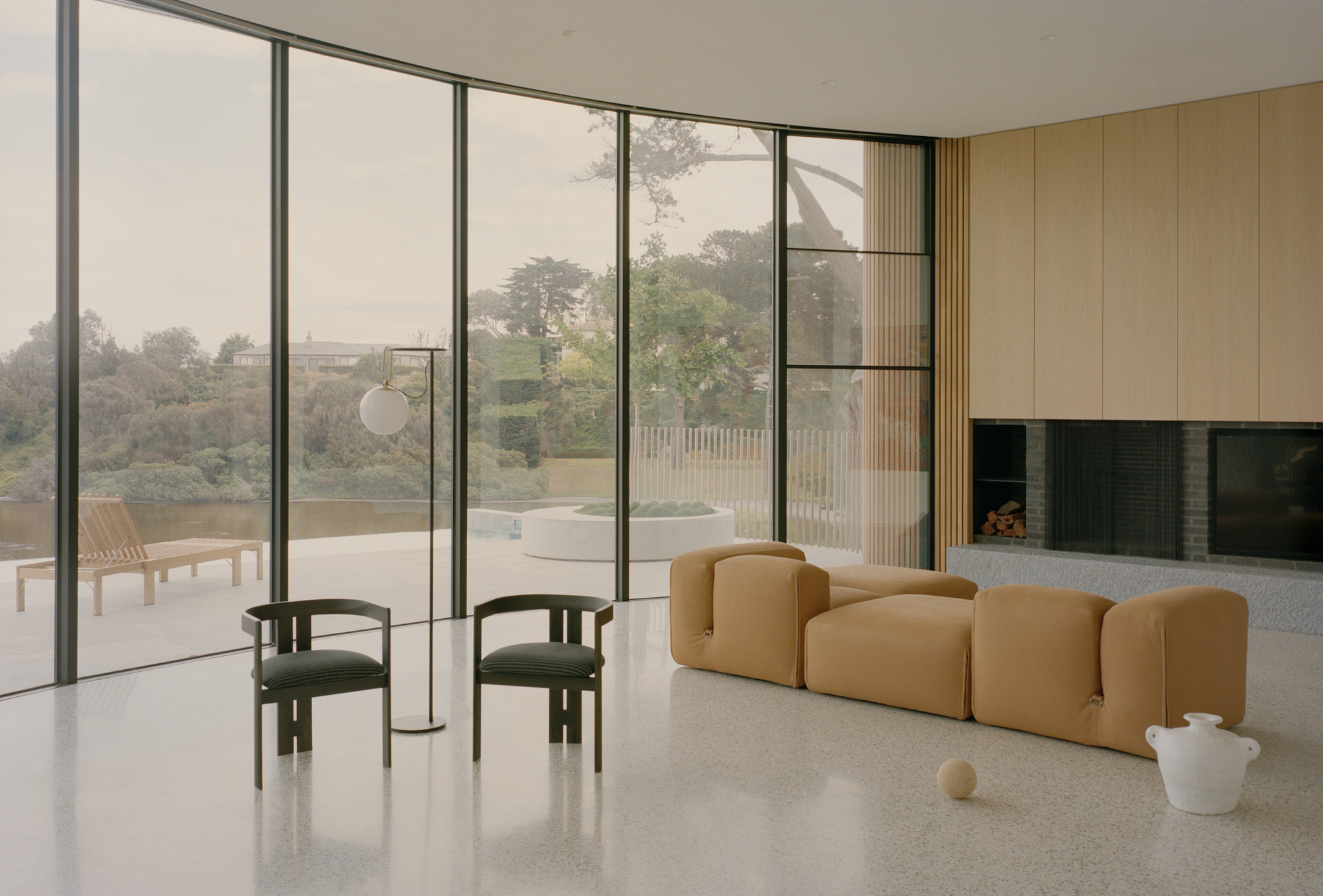
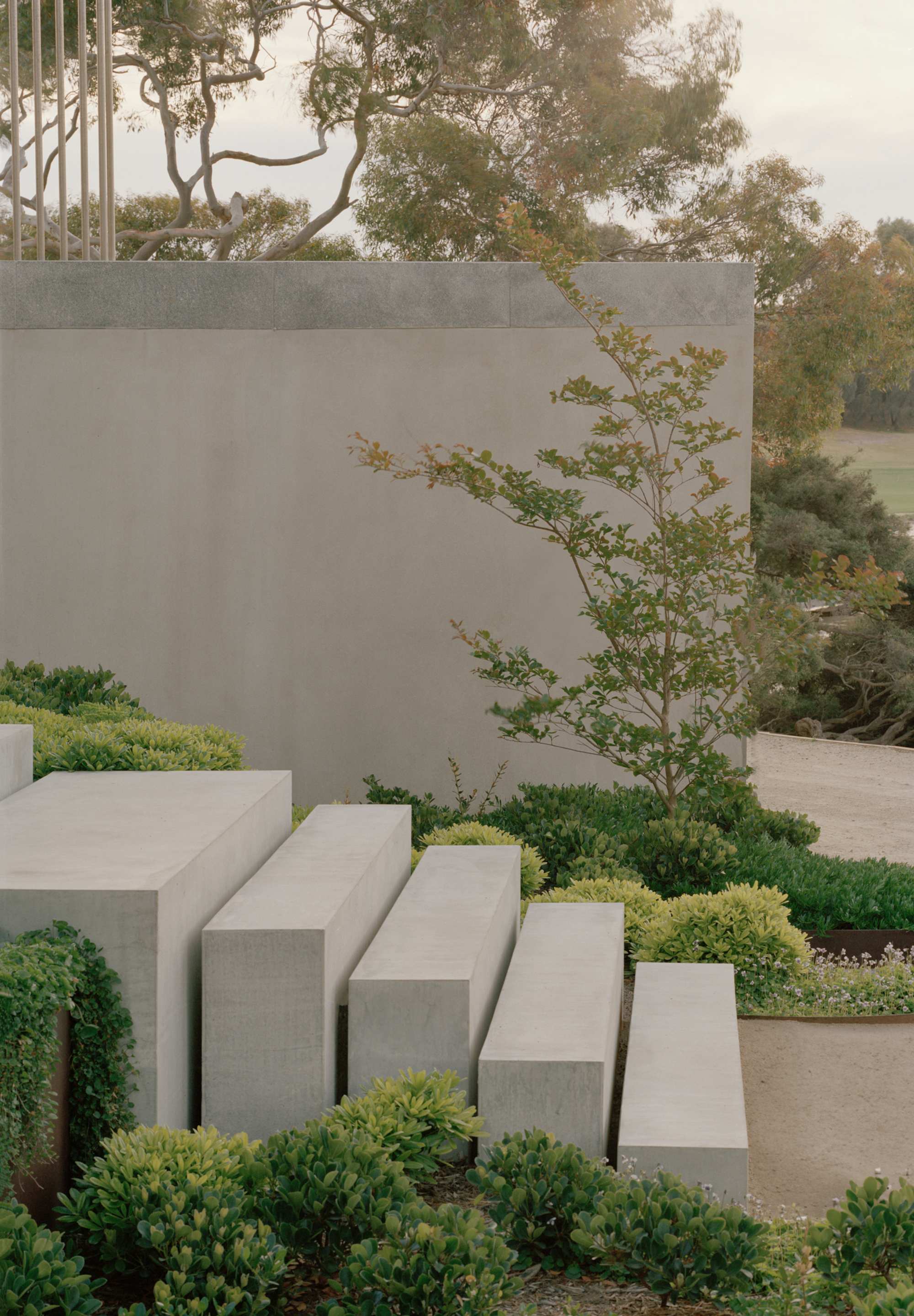
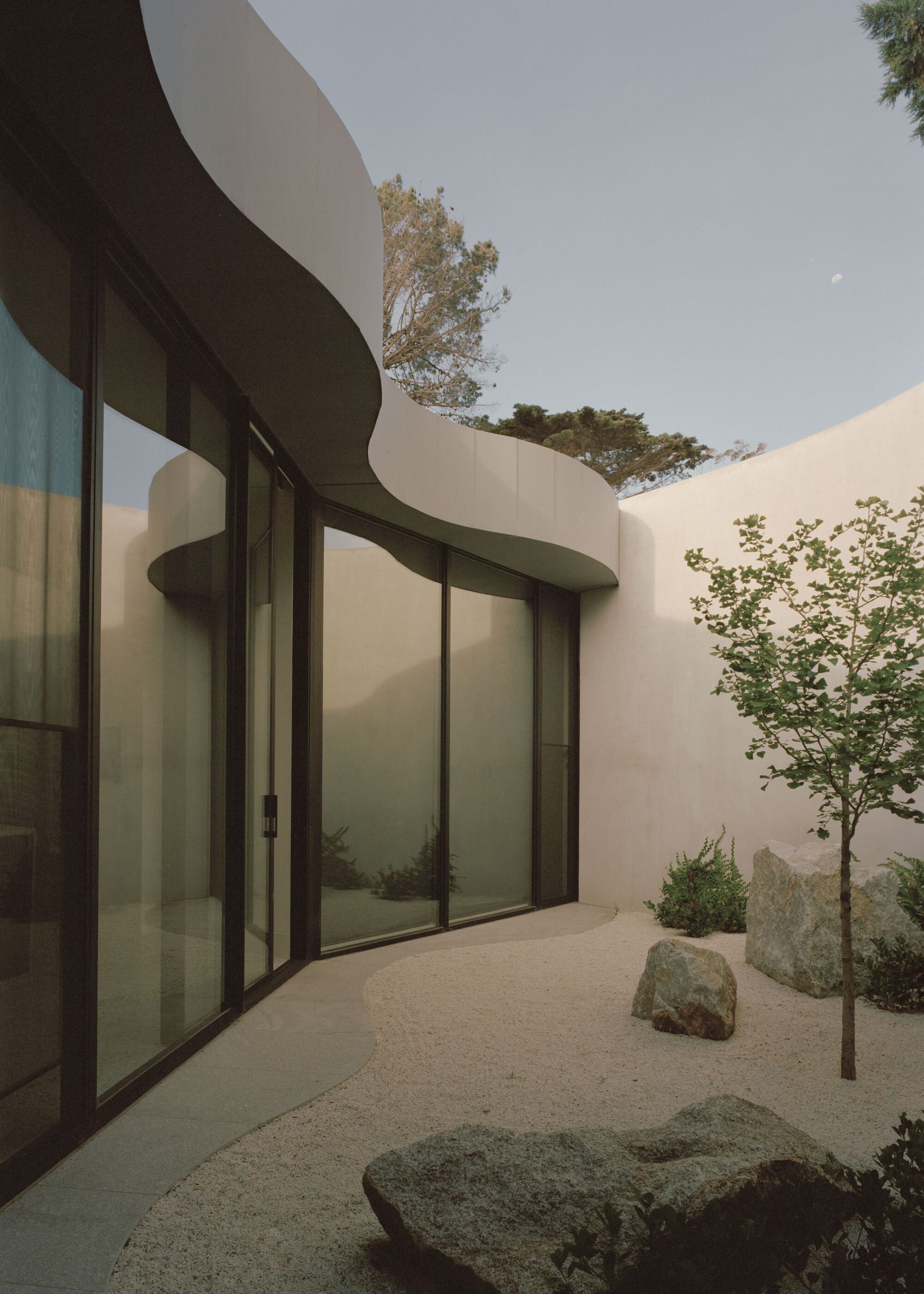
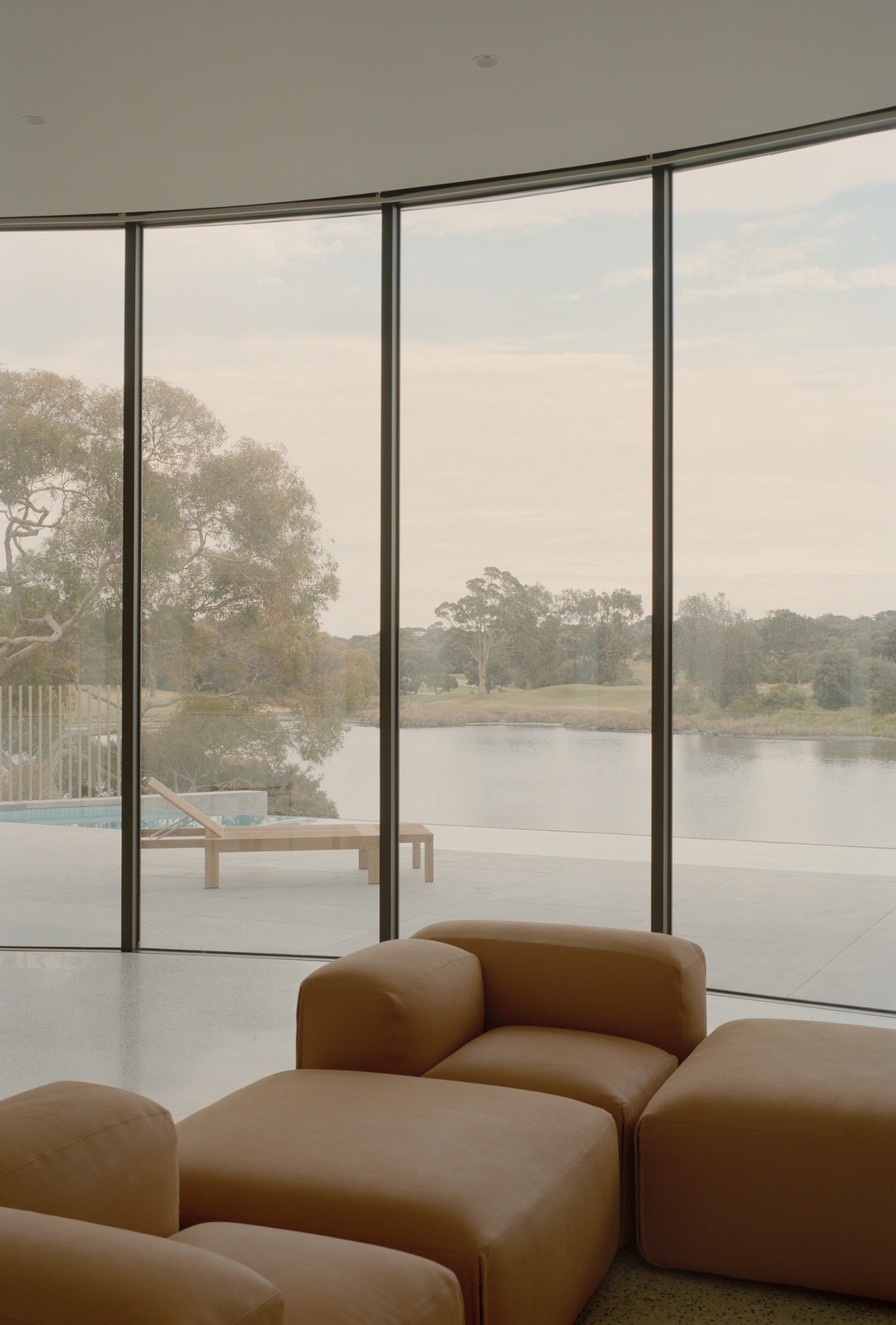
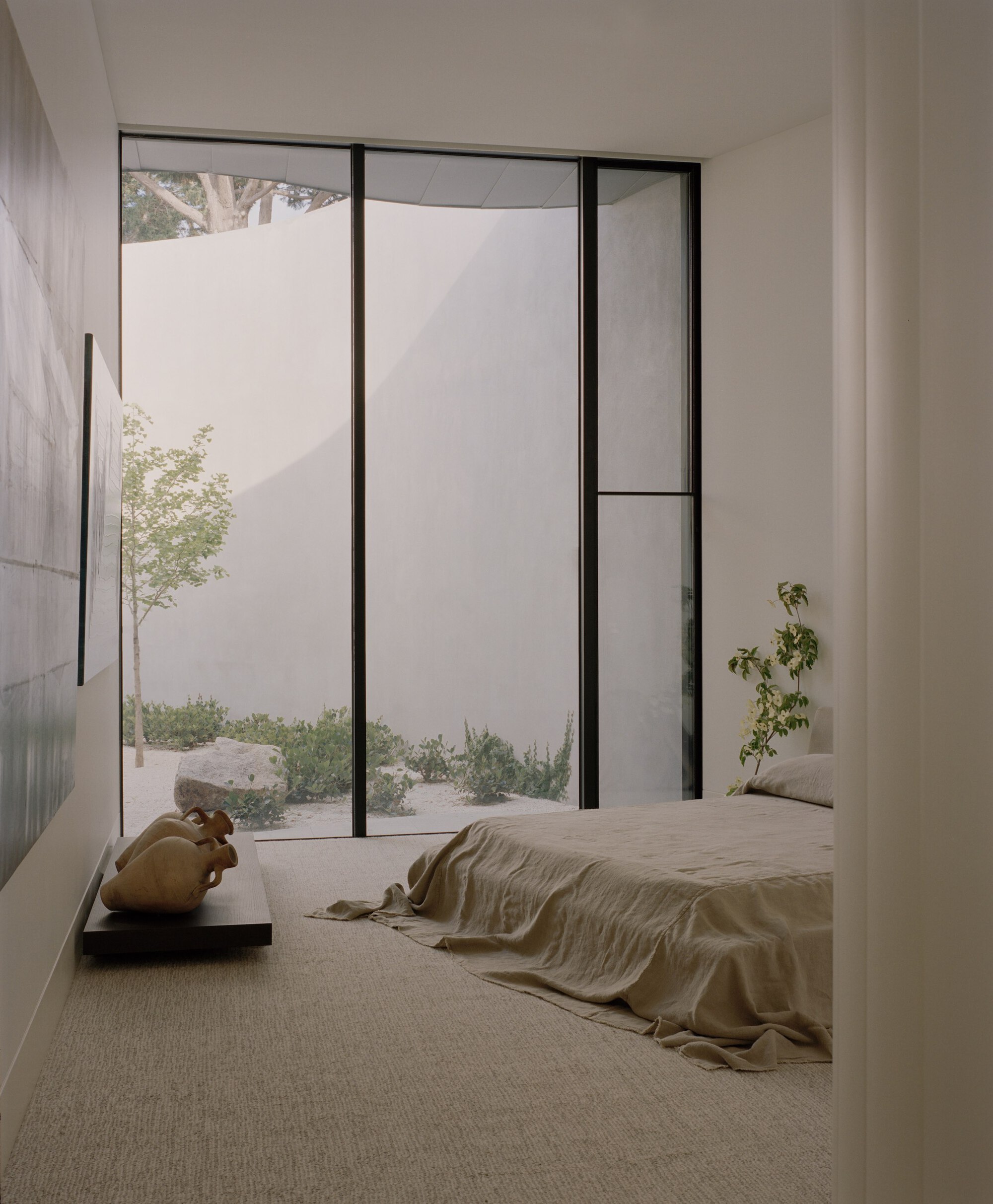
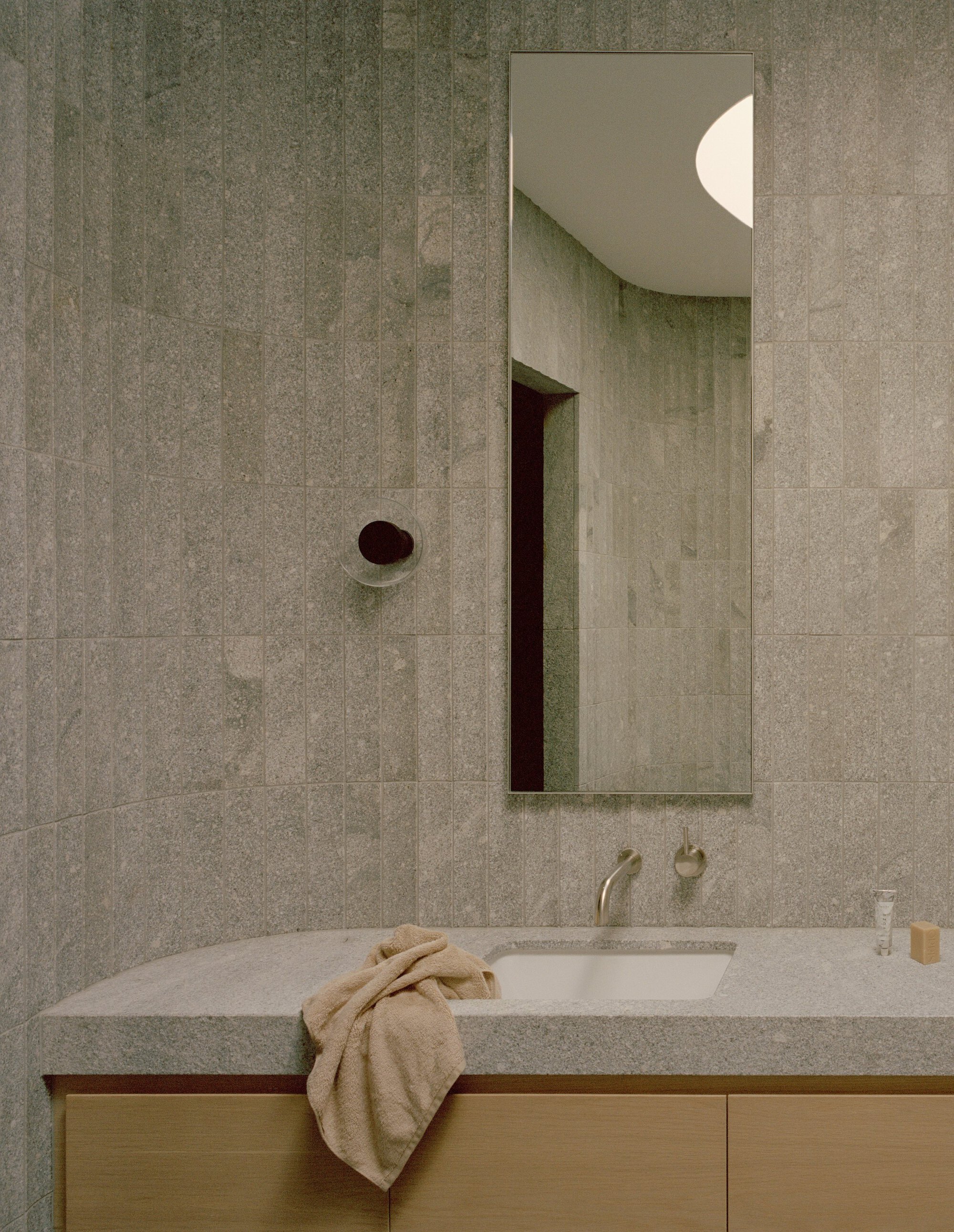
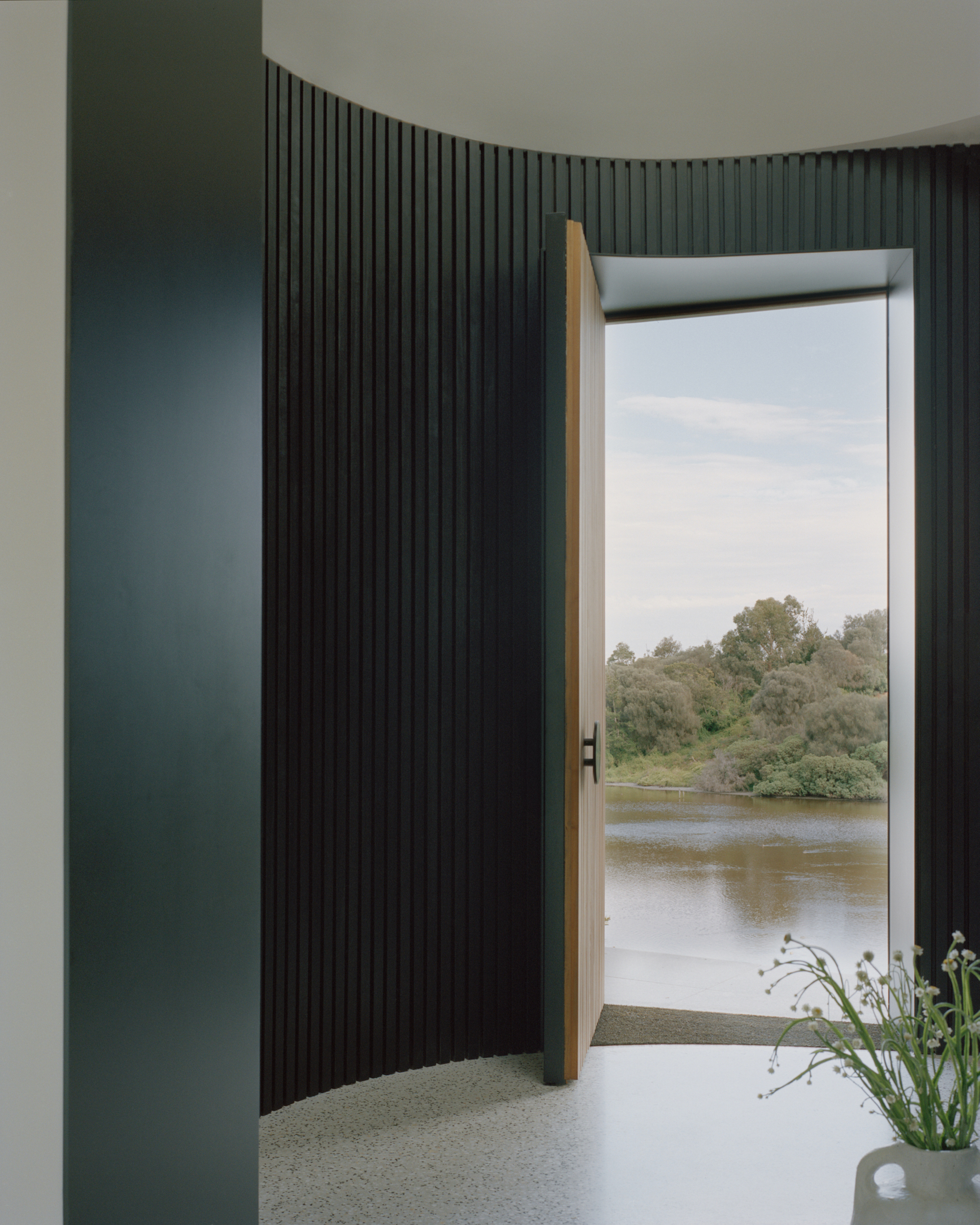
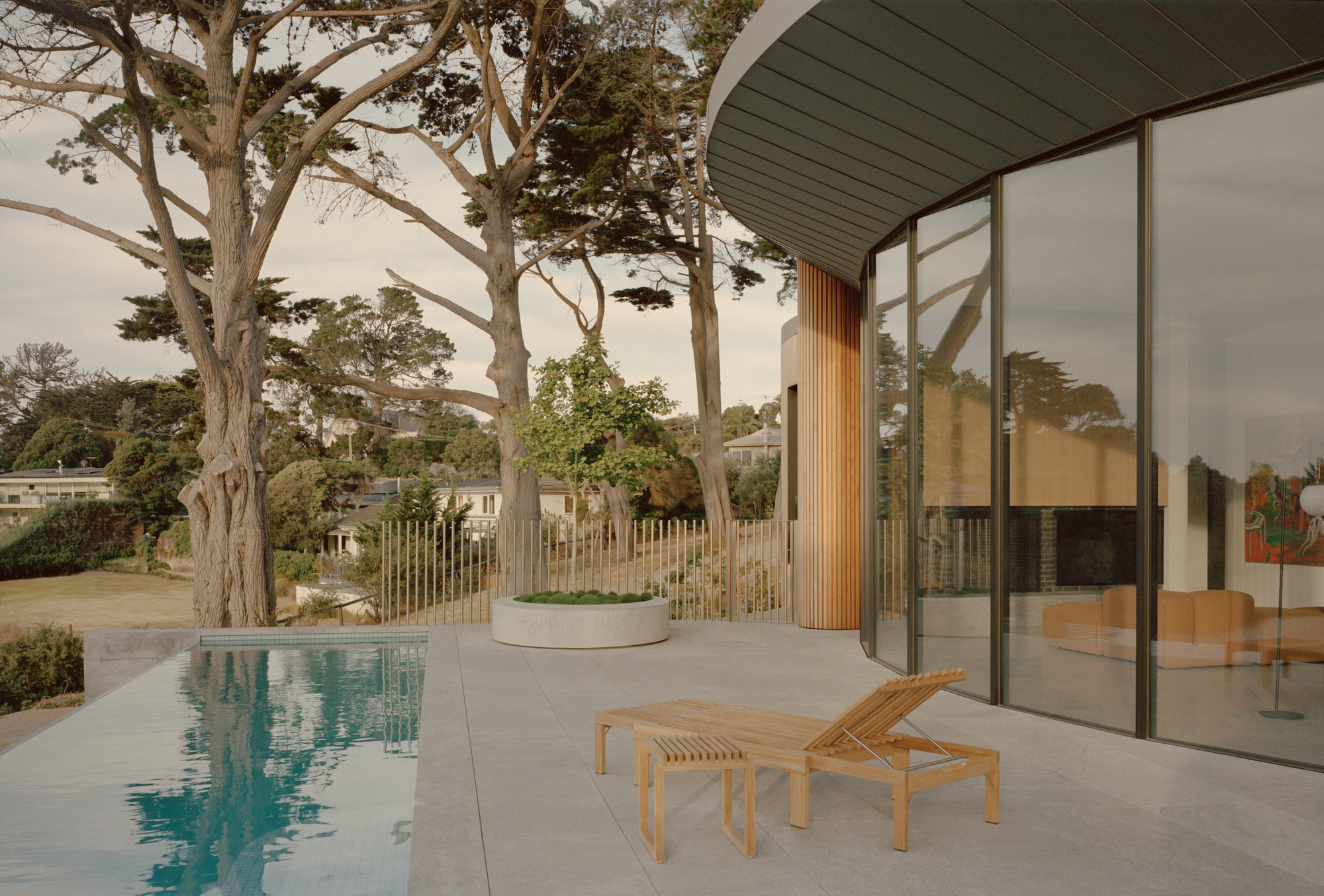
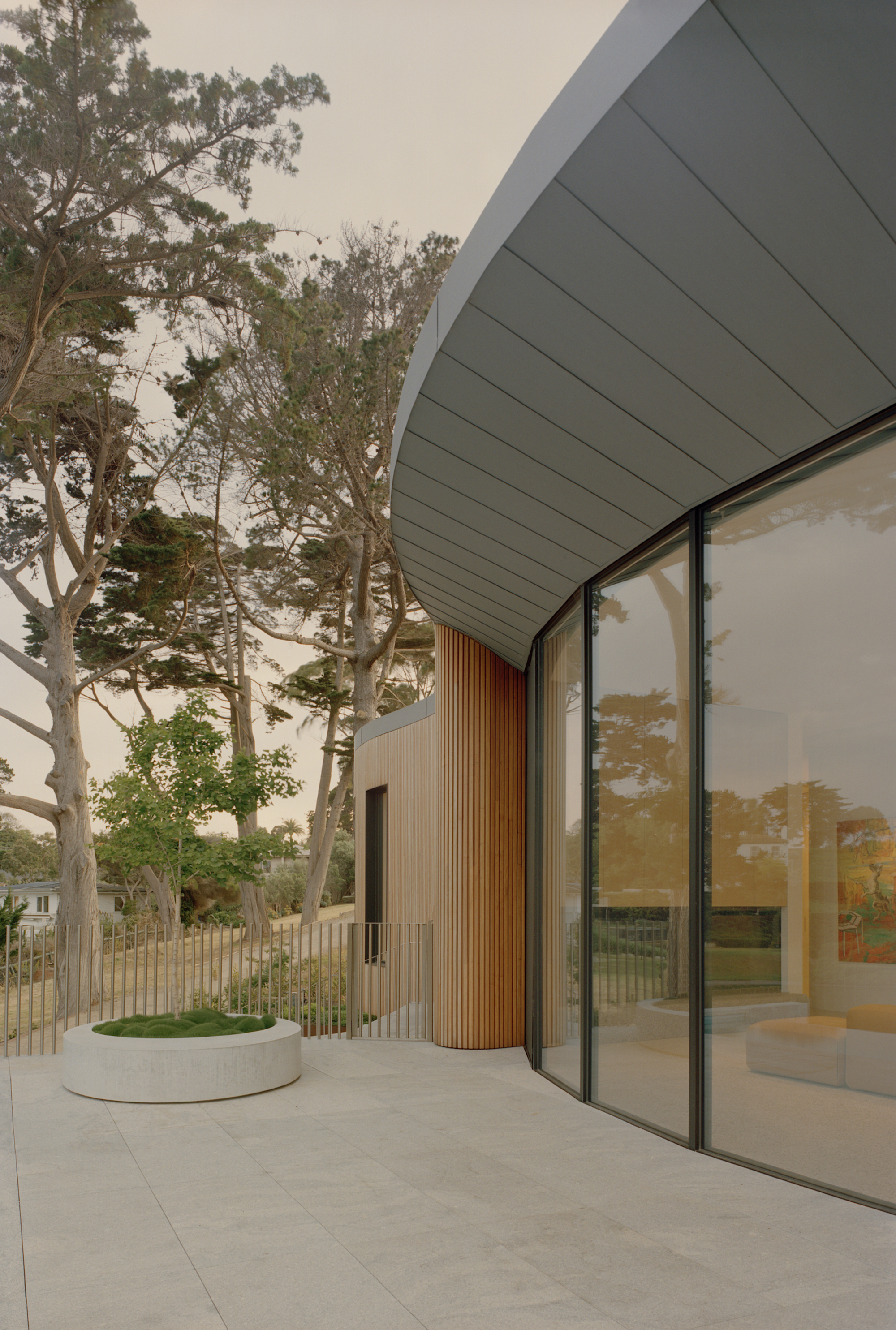
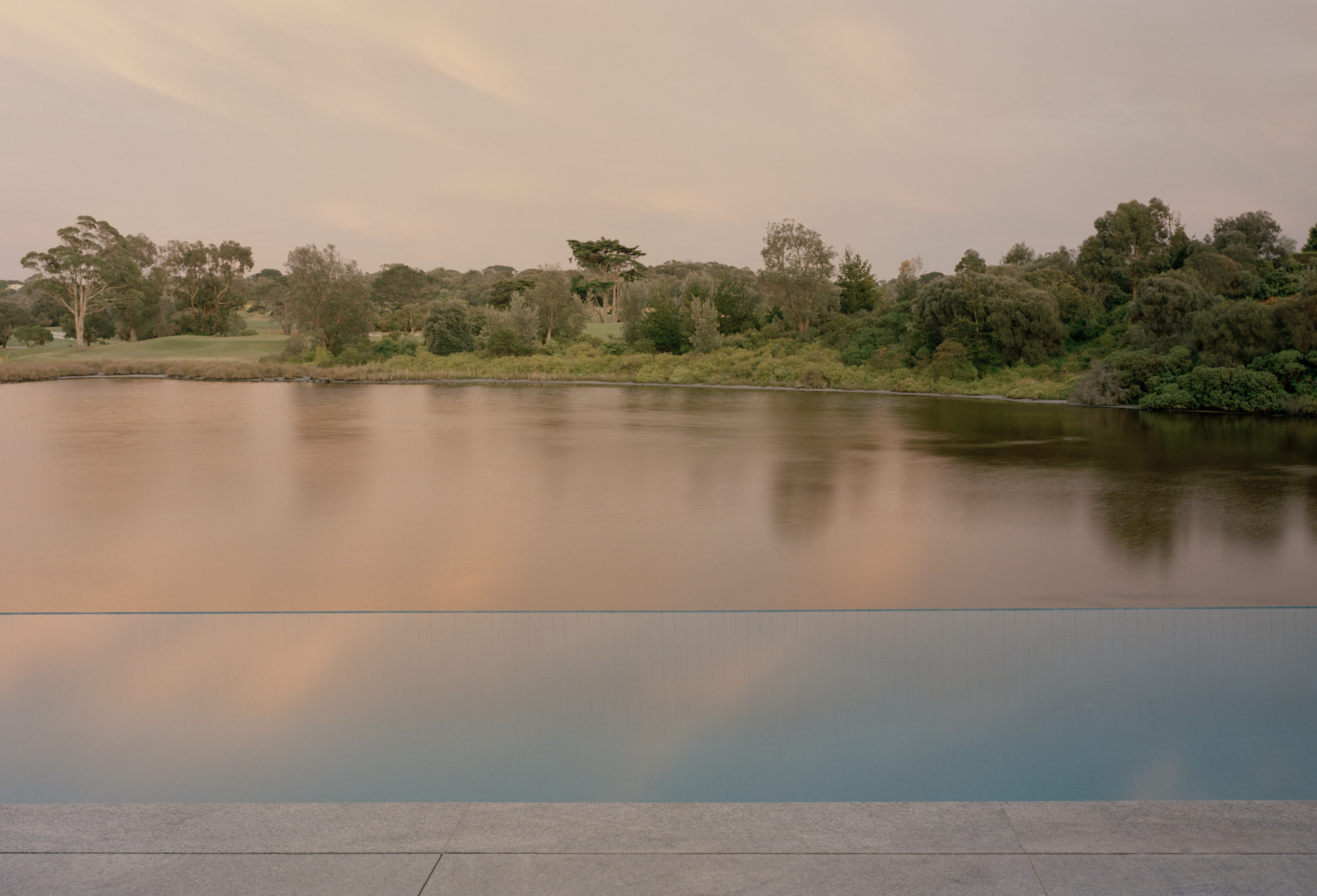
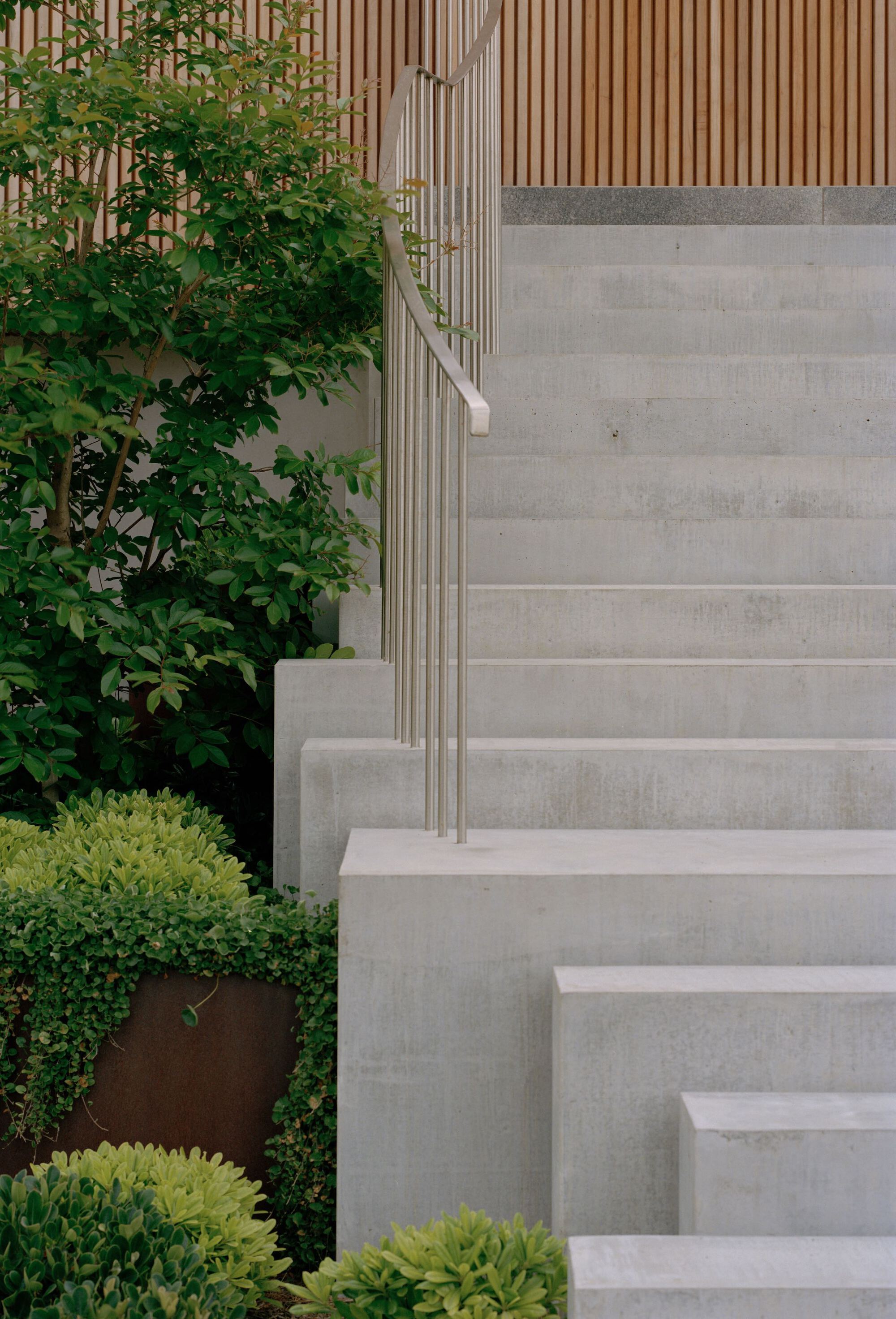
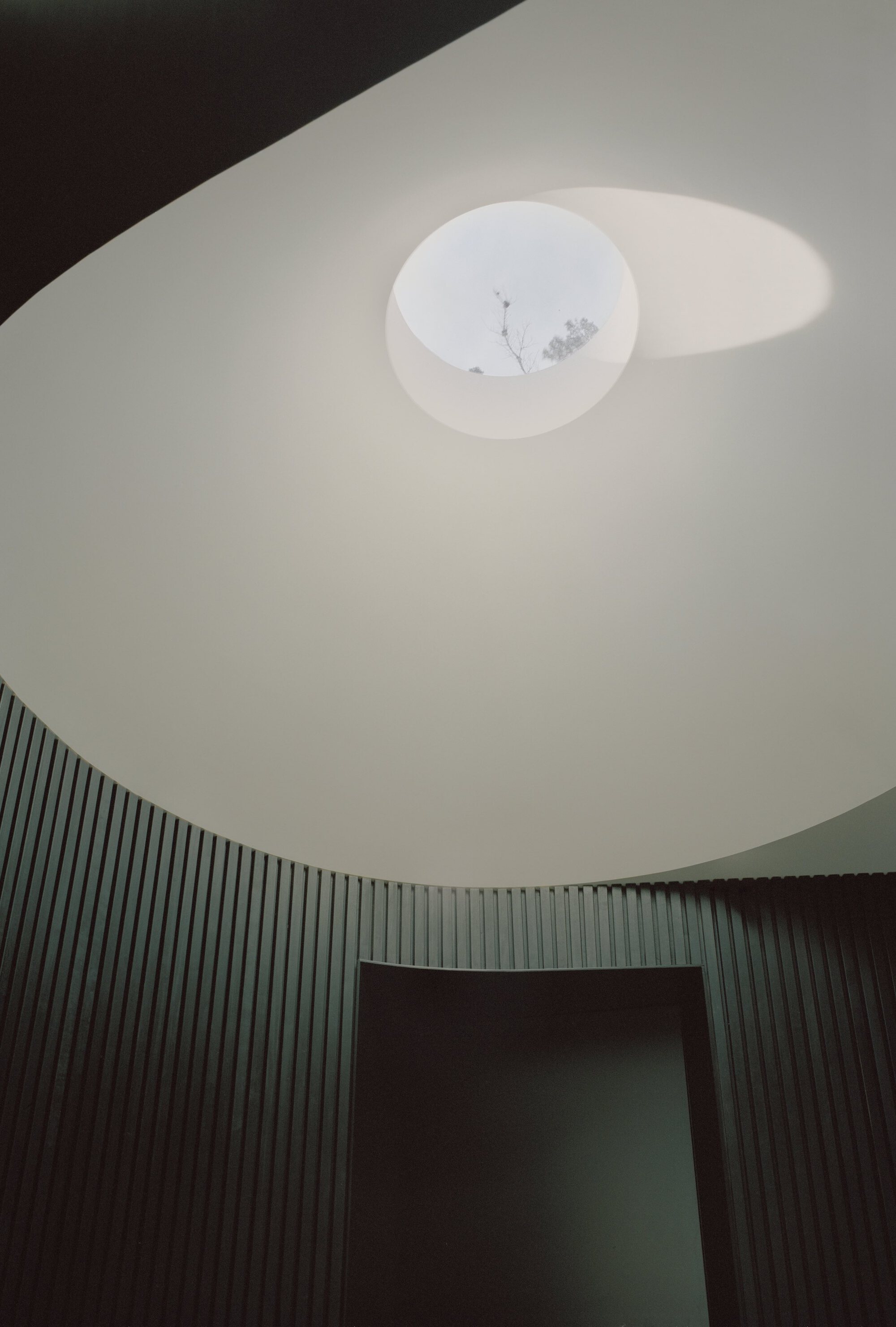
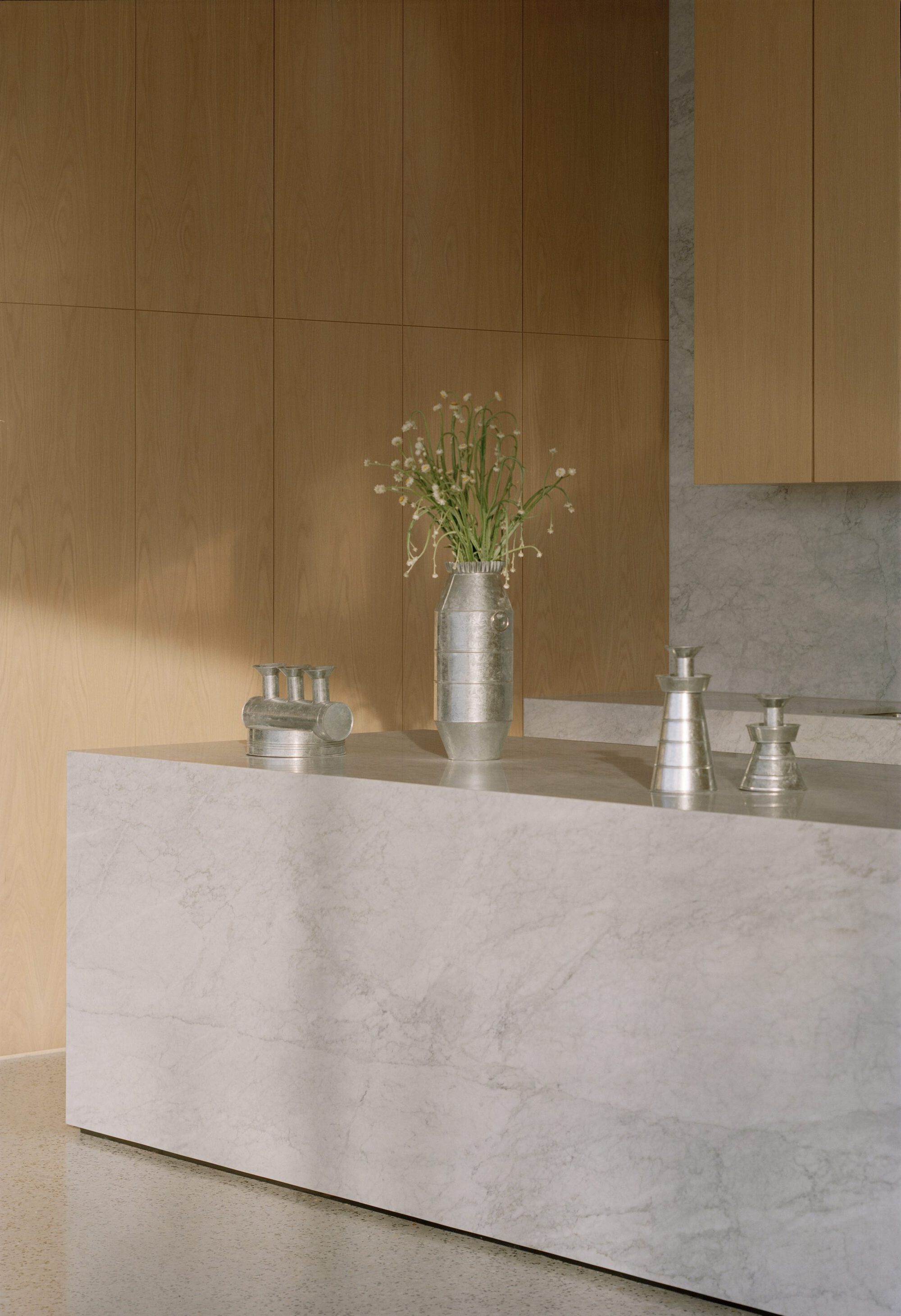
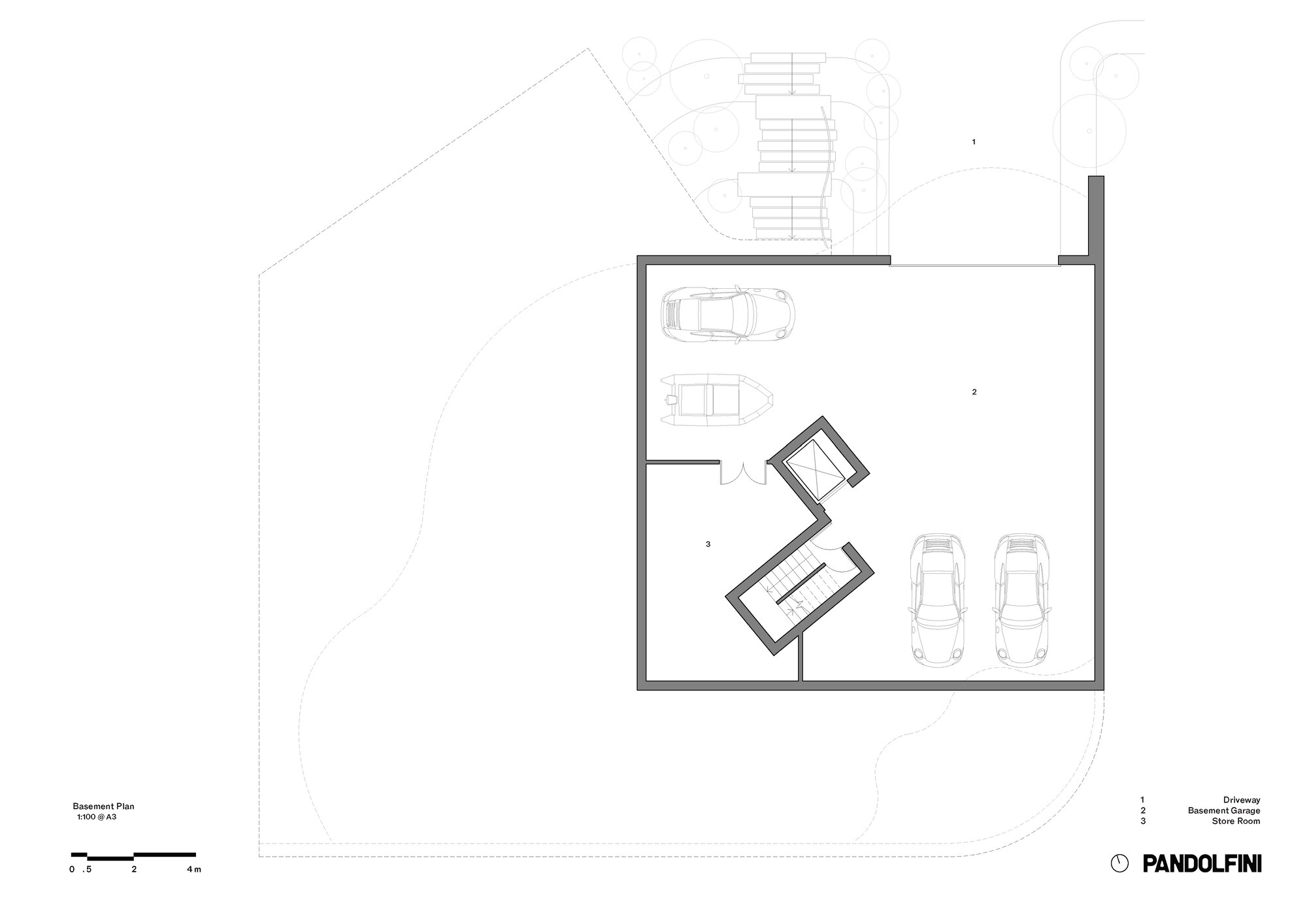
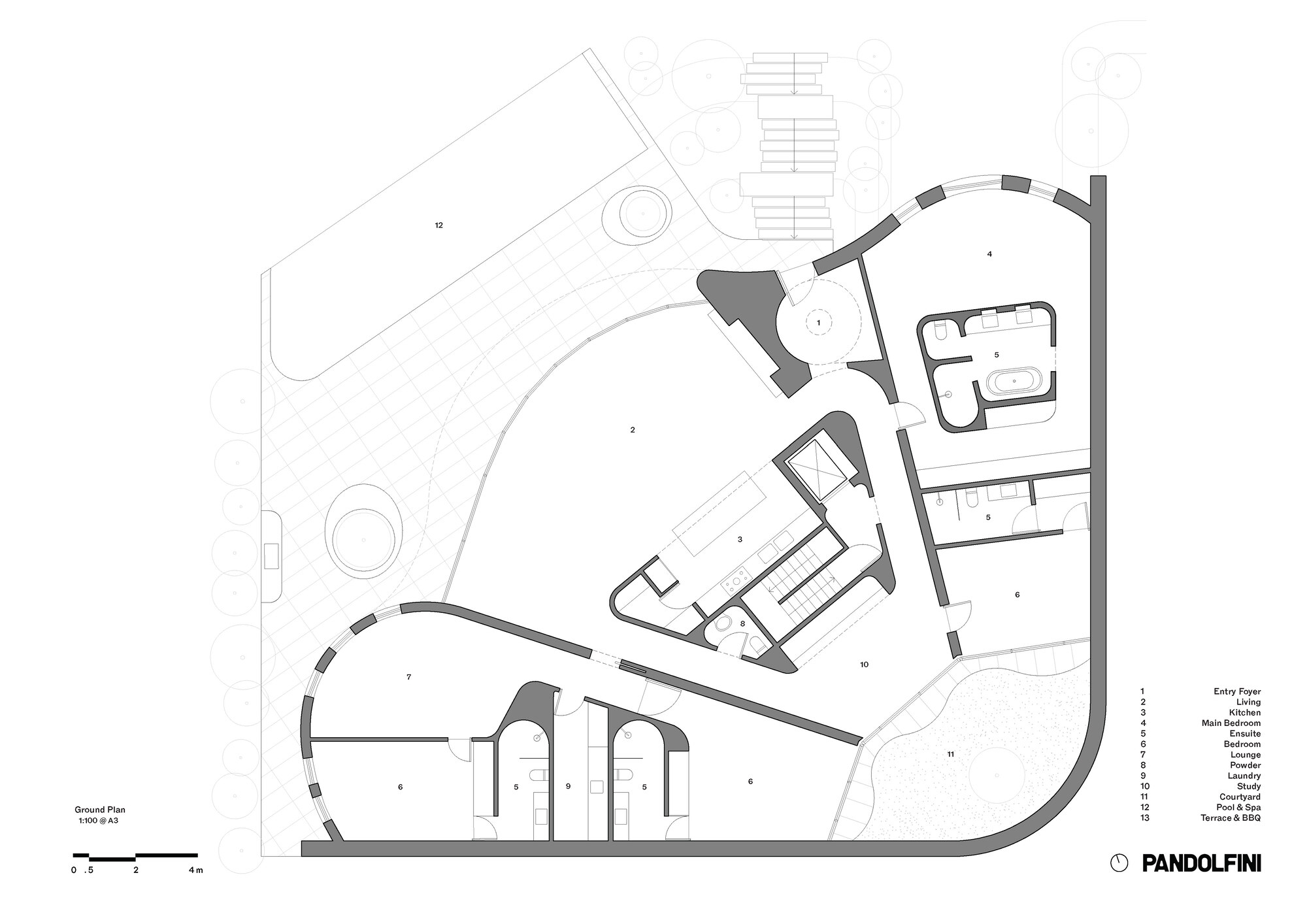
Point Nepean House #architecture Architects: Pandolfini Architects Year: 2024 Photographs: Tasha Tylee Country: Australia Carved into a steep undulating landscape on the shores of a man-made lake and overlooking Sorrento Golf Course, the Point Nepean House is an ambitious yet sensitive intervention to its environment. The bold eccentric form commands its presence, but its delicate timber skin, flowing parallel to the tranquil body of water is gracious. The home, with its extensive program, is a place that provides refuge and privacy, whilst simultaneously focusing on its surroundings.  Compositionally, the home consists of four fundamental elements; the sweeping perimeter wall, the clove-shaped form with its curvaceous timber-clad skin, the primary internal dividing walls, and a series of amenity pods within each zone. The monolithic perimeter wall cuts into the sloping site, a single gesture that encapsulates the organic form and provides a protective layer from its surrounding neighbors. Behind this unambiguous outer wall, the contrasting wavy timber-clad form unfolds upon arrival; its dynamic presence a reflection of the soft meandering edges of the adjoining lake. The timber-clad form, although ambitious in scale, sits harmoniously amongst the treescape, reflecting the warming tones of the mature trunks nearby. Internally, the clover-shaped floor plan is split into three zones by the straight primary walls. Contained within each zone, a series of irregular pods are arranged to confine the amenities of the home. The home allows inhabitants to pause and absorb serene moments internally and externally. To enhance the occupant's relationship with its surroundings, a series of windows puncture the timber-clad skin to create framed views. Pool barrier requirements were strategically navigated to provide undisturbed views over the infinity edge and beyond. The placement of the internal private garden provides the opportunity for all bedrooms and living spaces to focus on nature. Close coordination with Eckersley Garden Architecture to curate a landscape that was integrated with the home and its surrounding environment was vital. Subsequently, the extensive art collection allows inhabitants to decelerate and create tranquil moments inwards as they navigate the home. The notion of contradiction is present on arrival at the home. Upon ascending the grand staircase of staggered concrete blocks and absorbing the tonal skin of the timber-clad facade, the inhabitants enter through a small passage into a dark confined circular lobby, a vast difference from the moments prior. A glimpse of natural sunlight penetrates the space from the conical skylight above to create a sense of drama, before transitioning back to the light-filled living space. The meandering curves of the façade and associated glazing are a response to the orientation, strategically undulating to create a deep eave over the North and West facing windows. This 3.7m high expanse of glazing provides passive solar gain for the winter months, whilst the substantial eave minimizes the harsh summer sunlight. The internal courtyard provides natural light to the deep clove-shaped plan and excellent cross ventilation across the house. A reductive external material palette of concrete, timber cladding, and natural zinc has been used to accentuate the forms and provide hard-wearing materials which will age gracefully and require low maintenance.
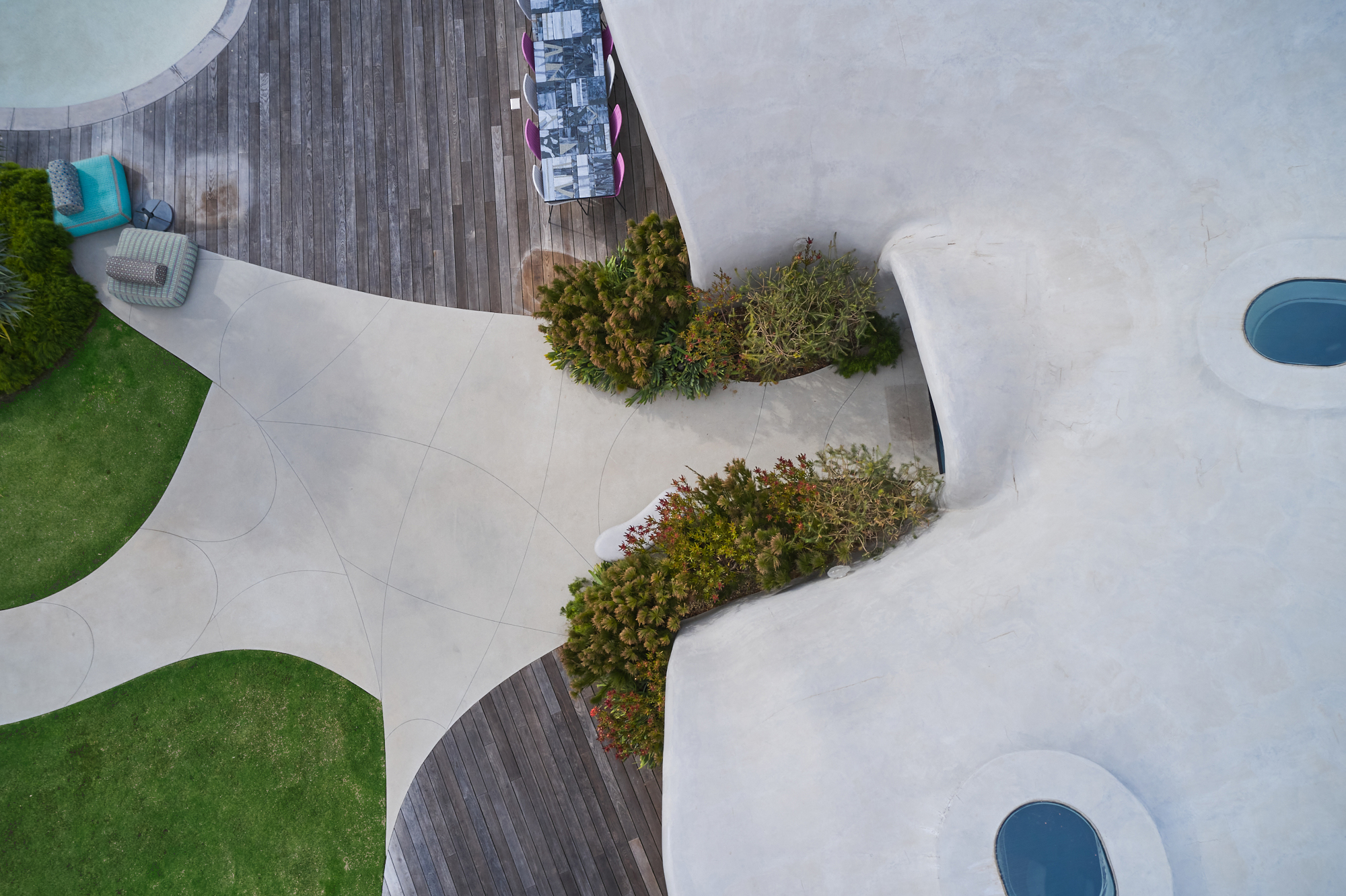
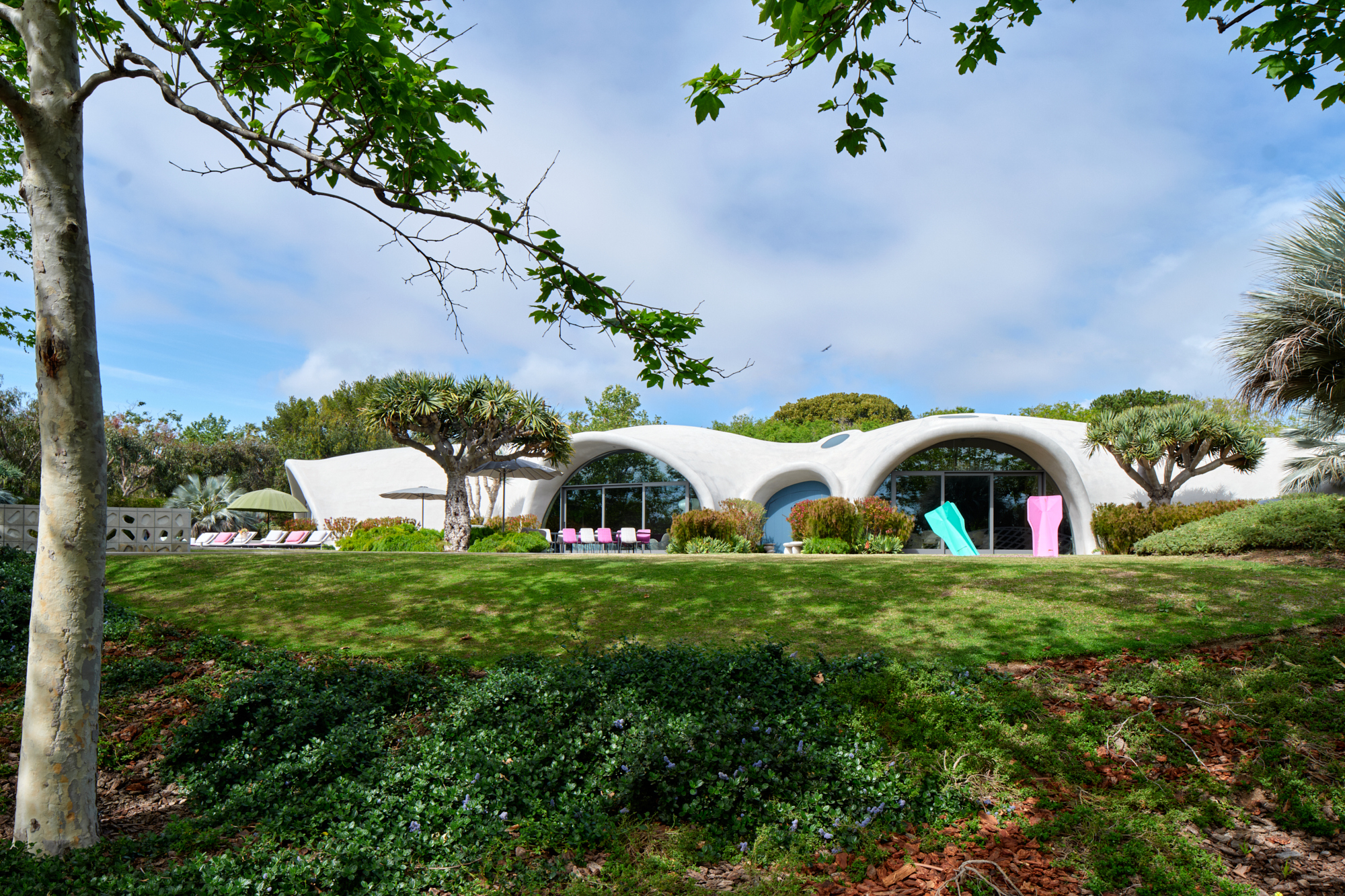
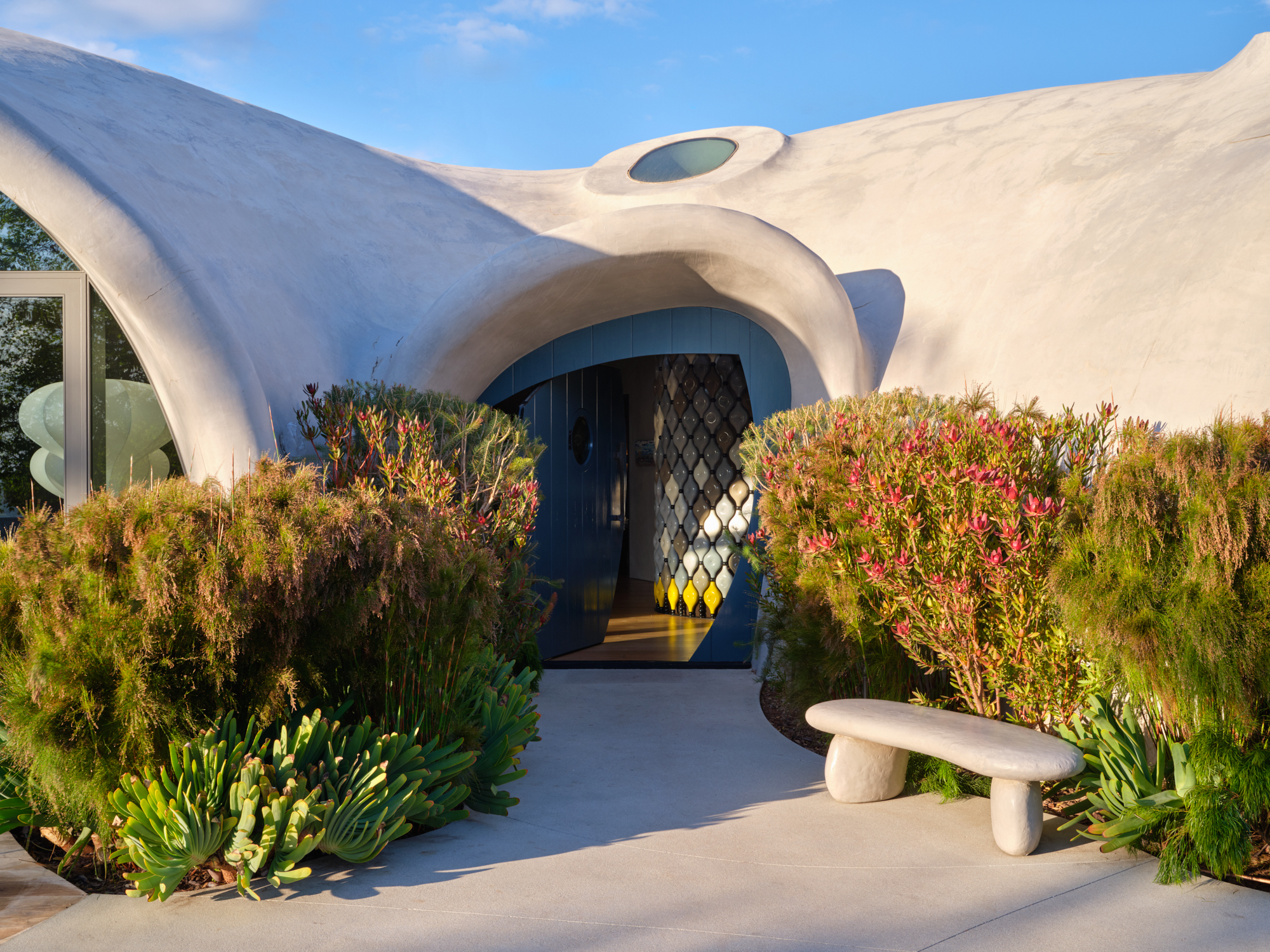
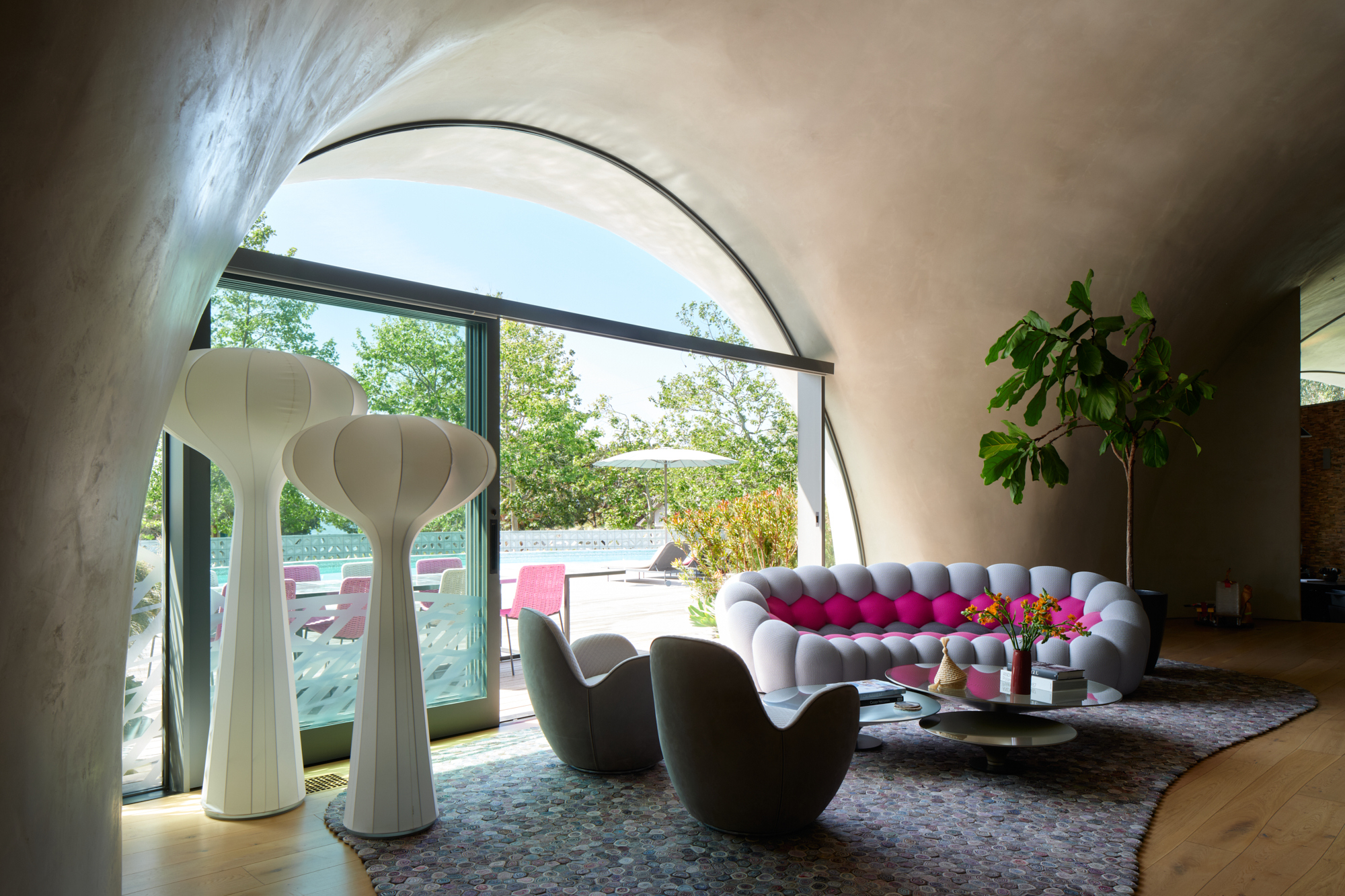
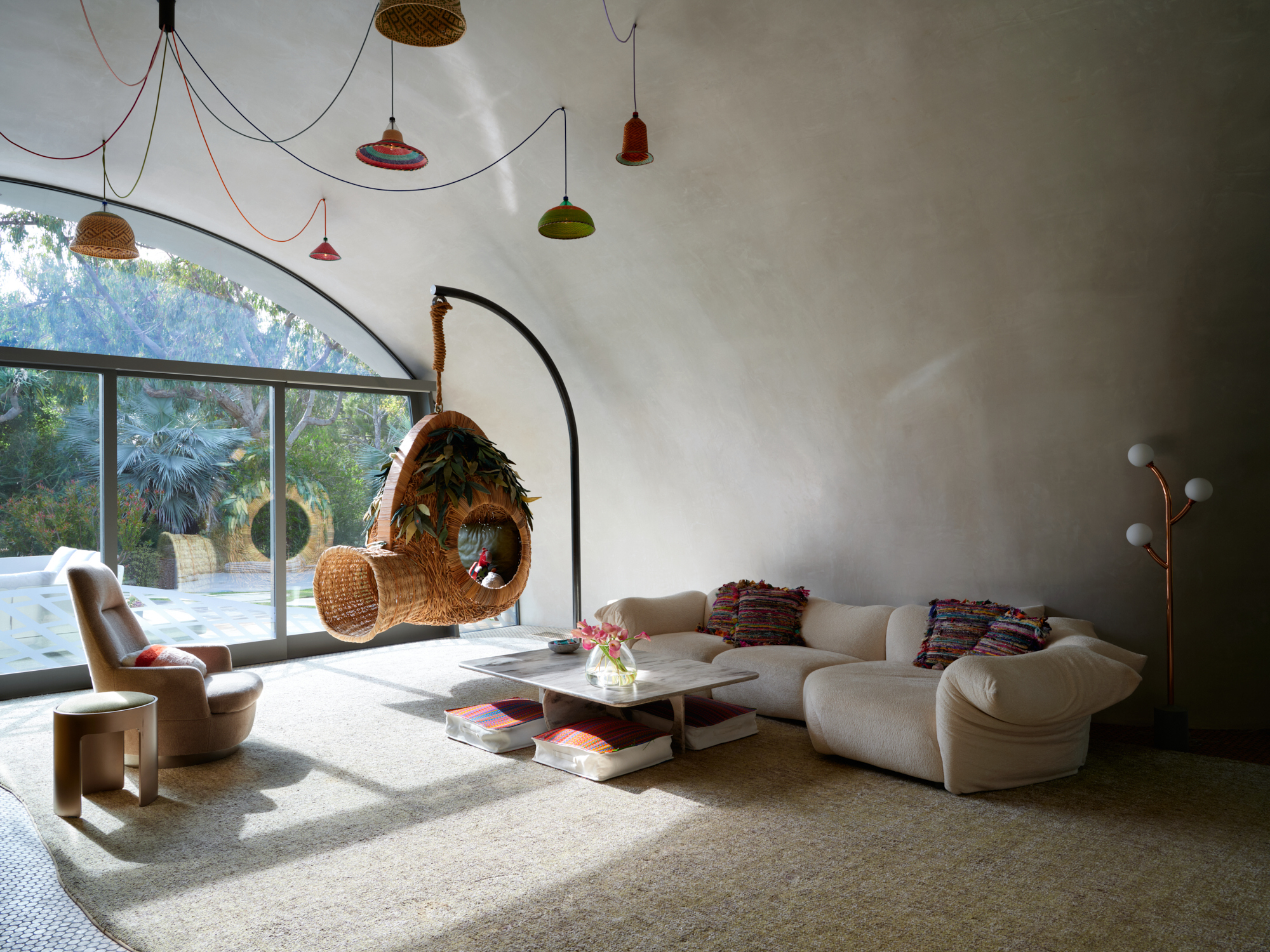
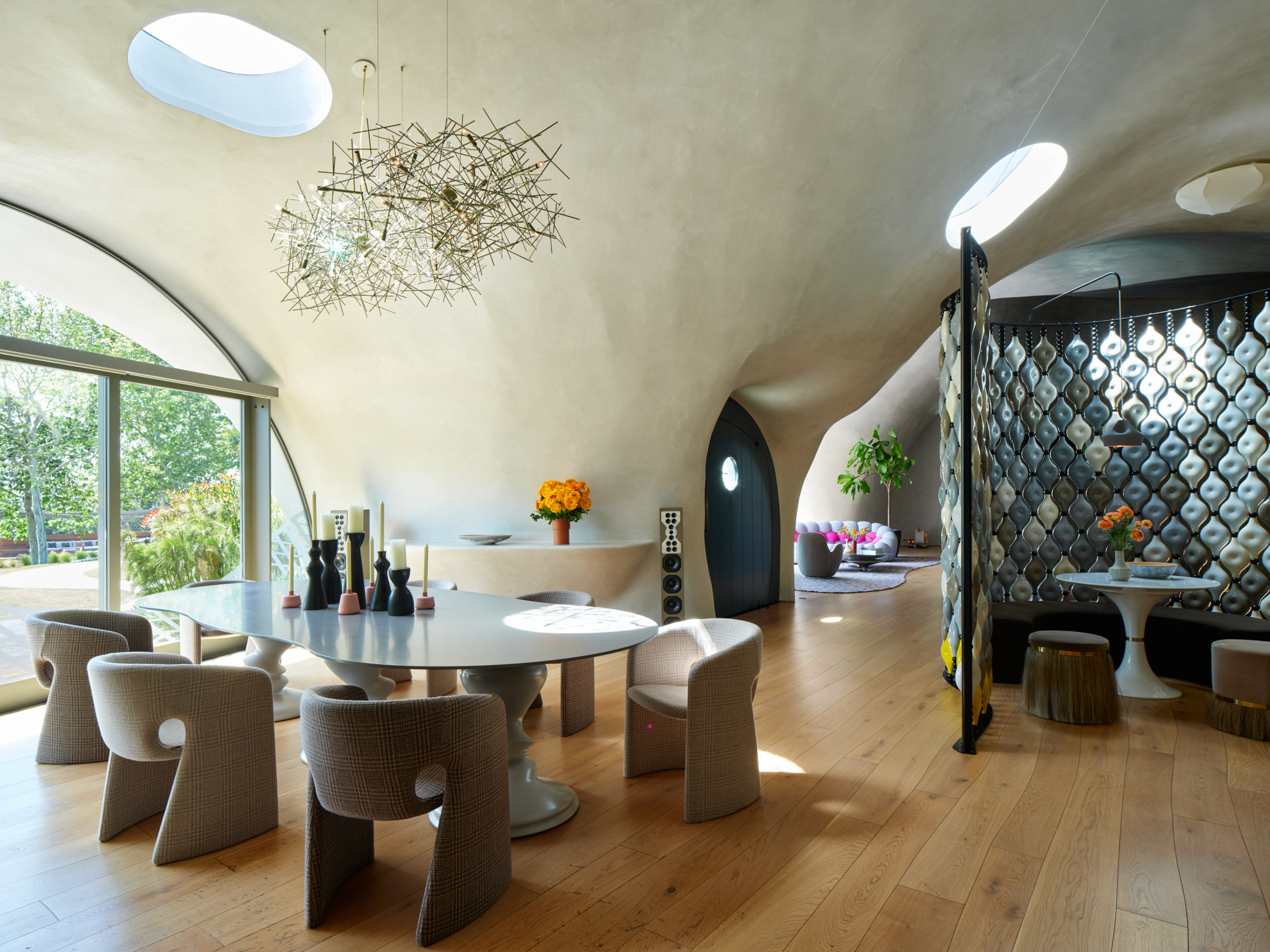
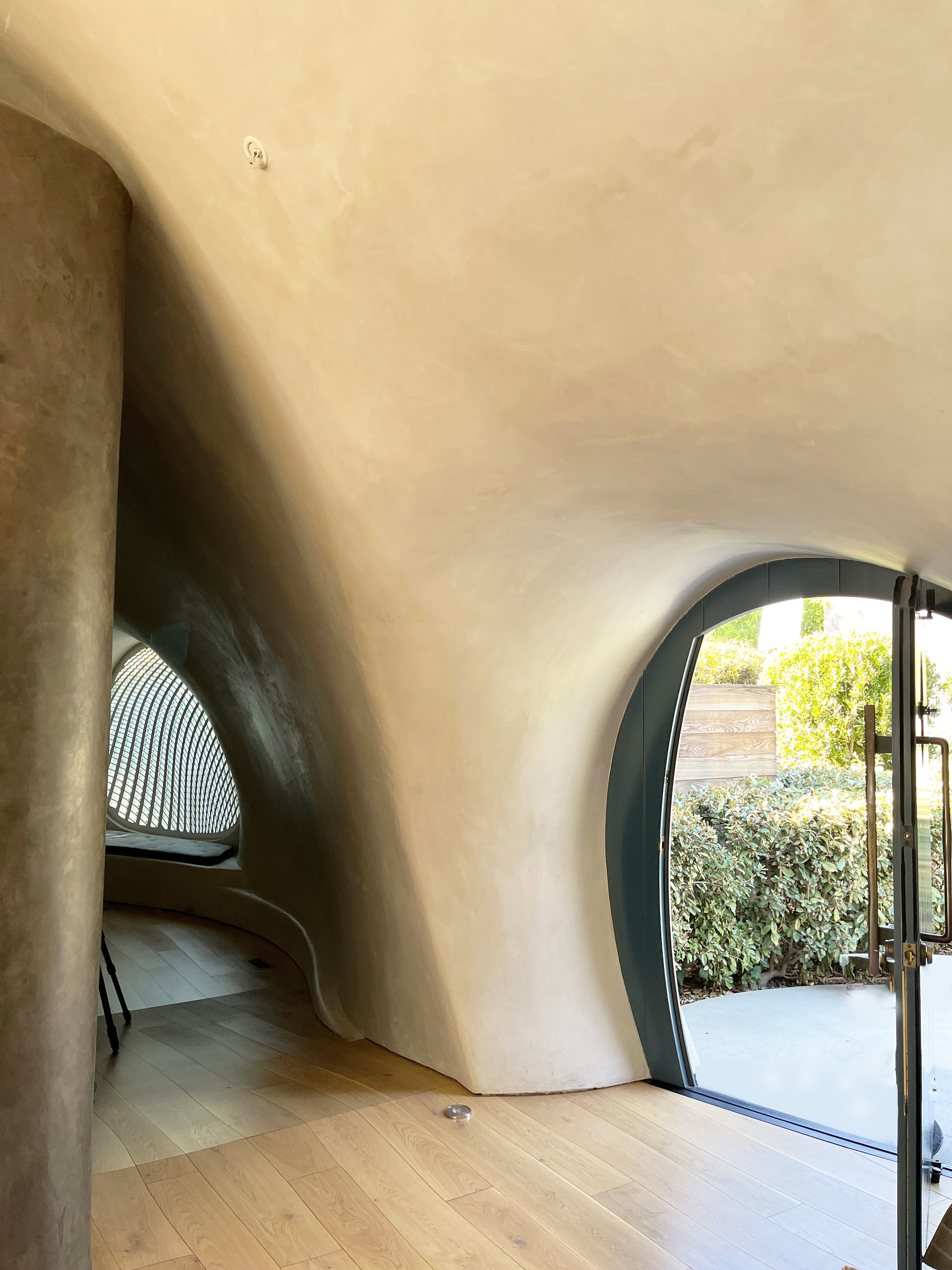
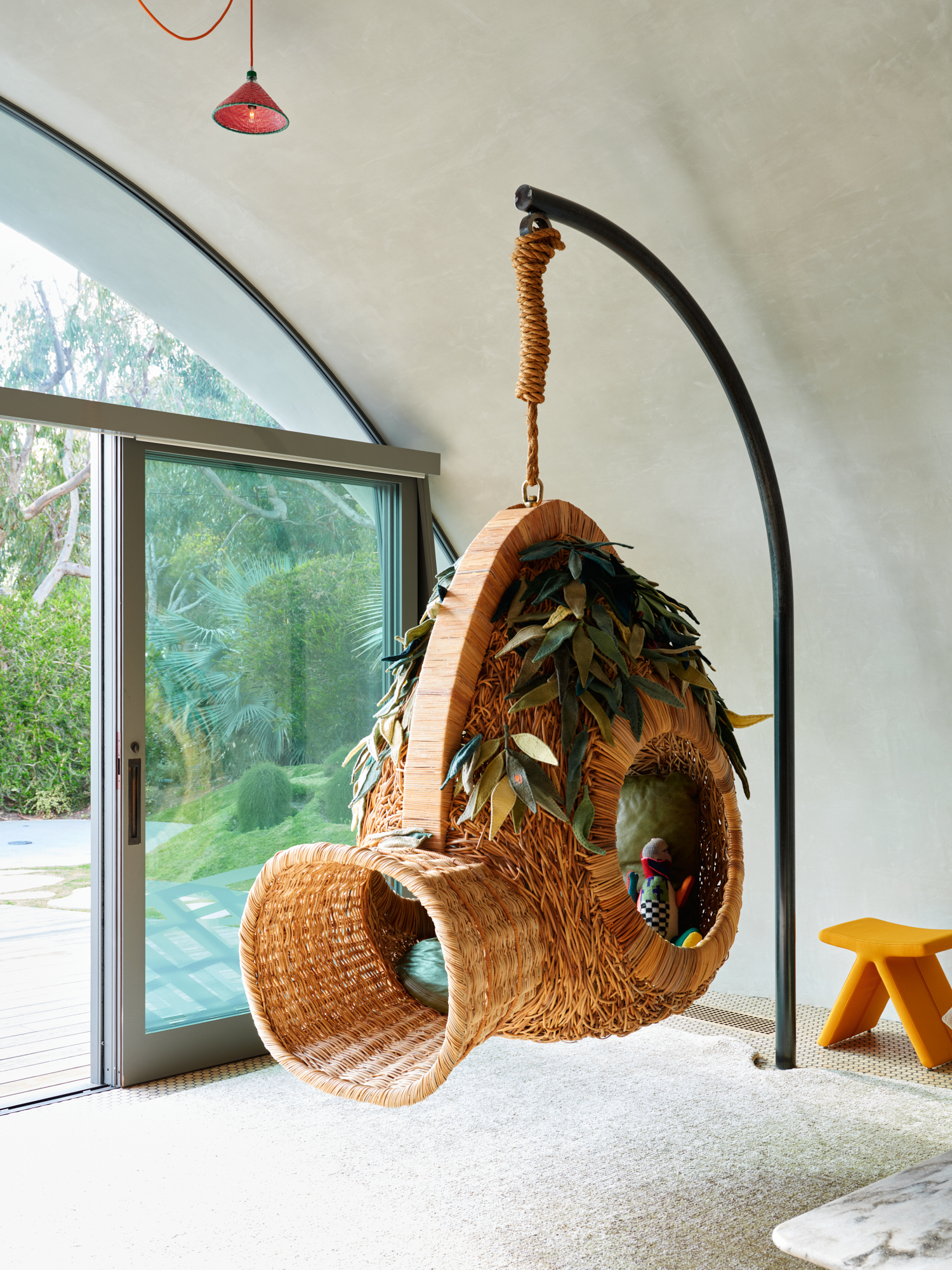
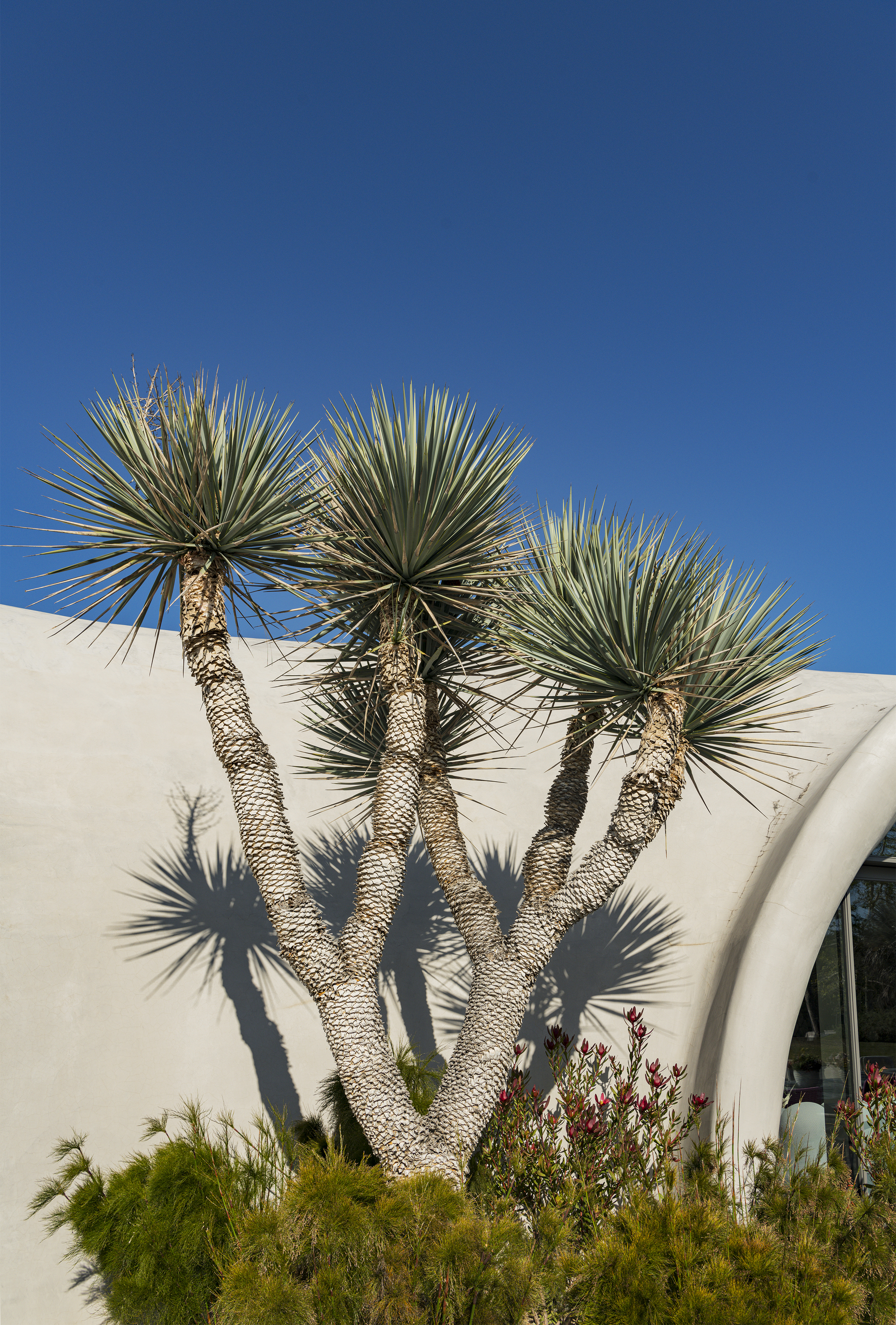
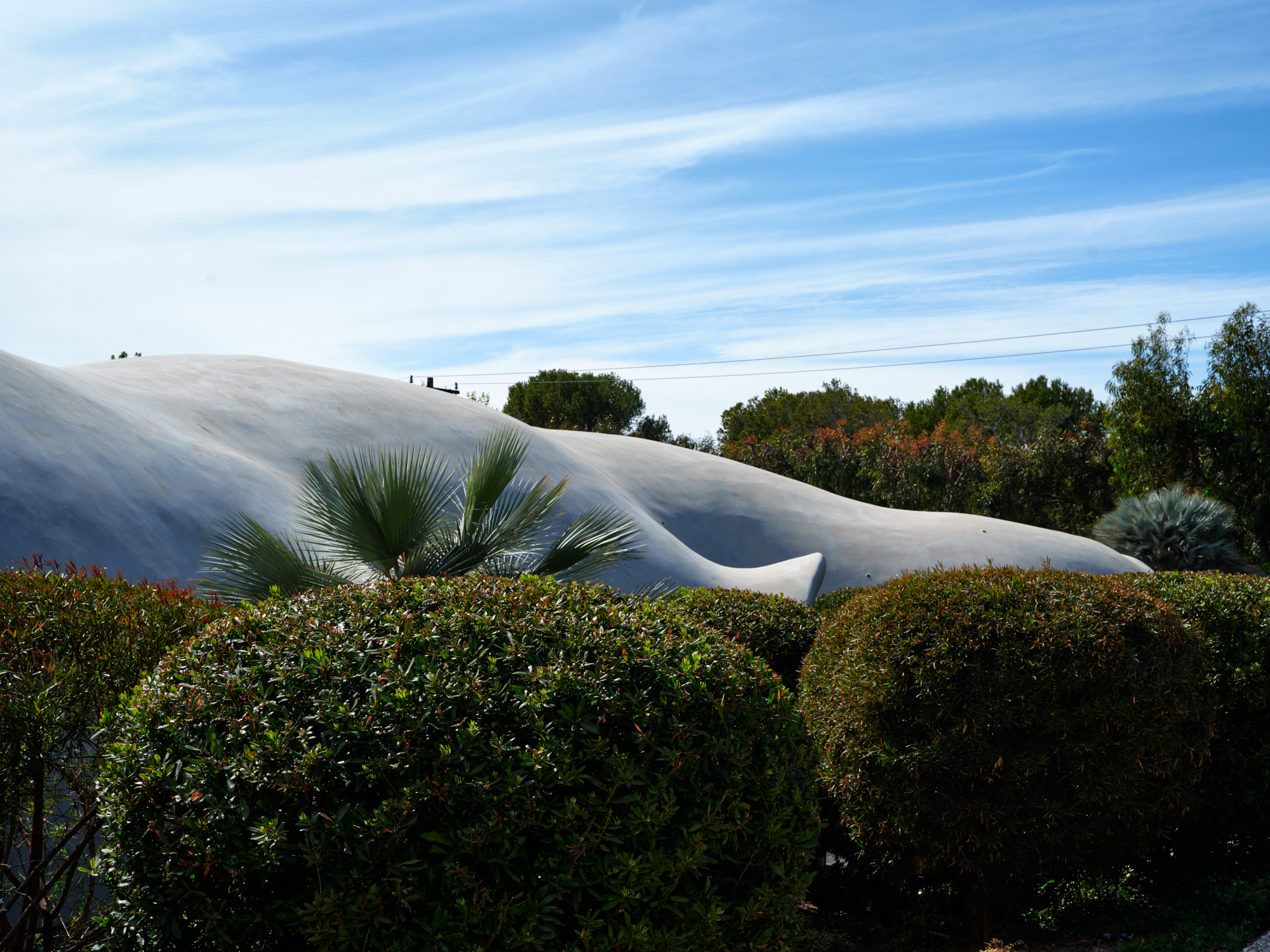
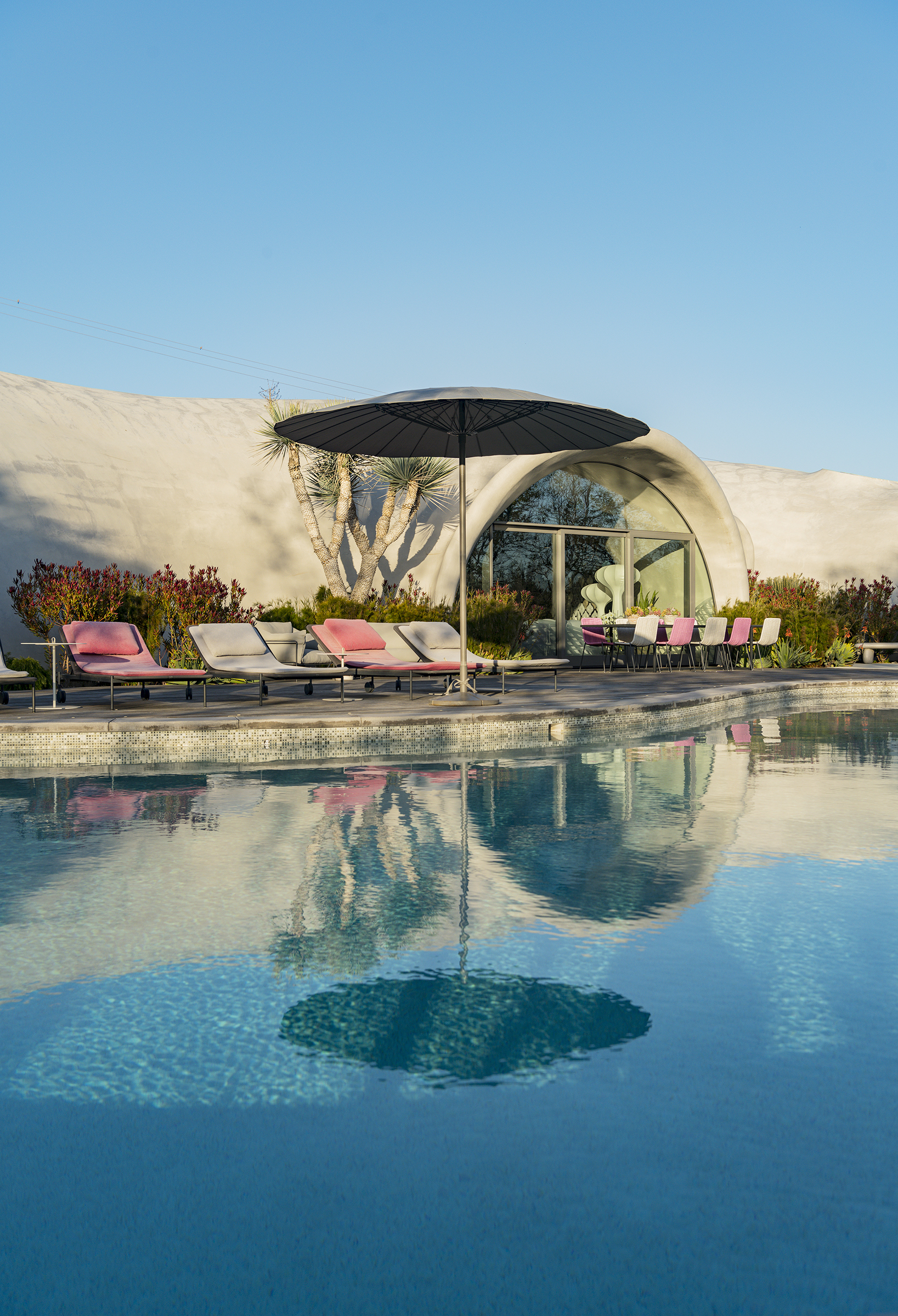
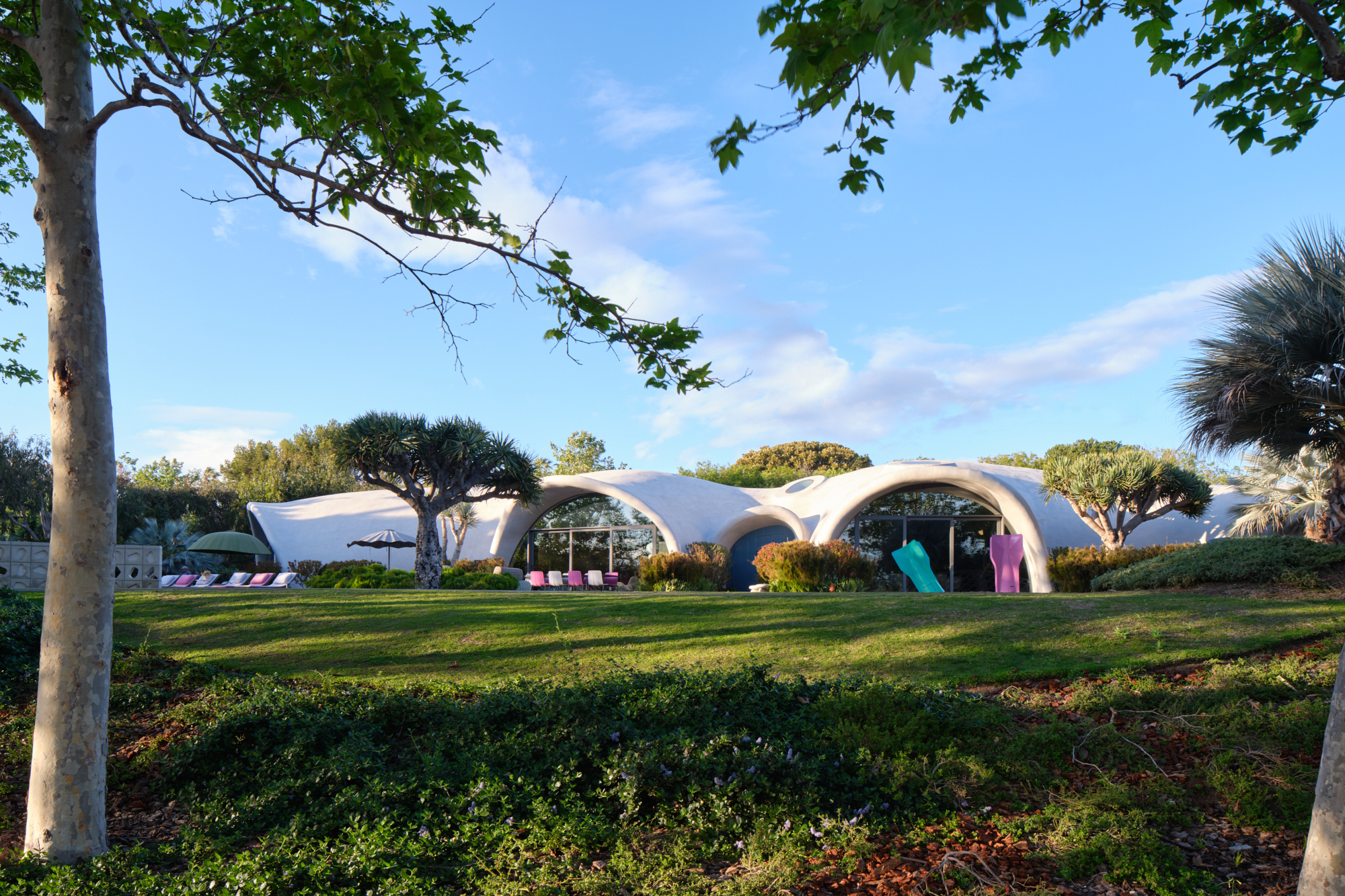
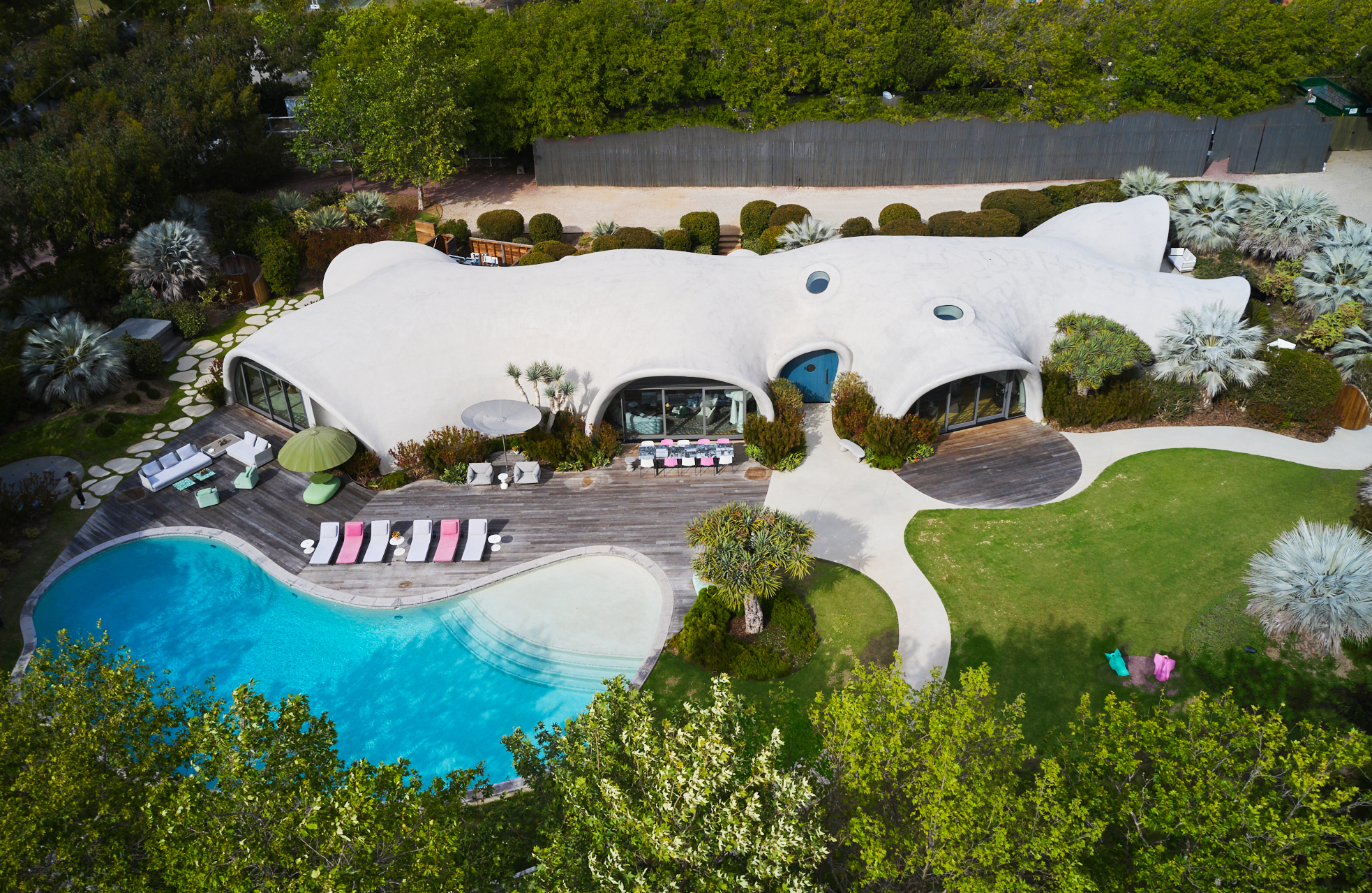
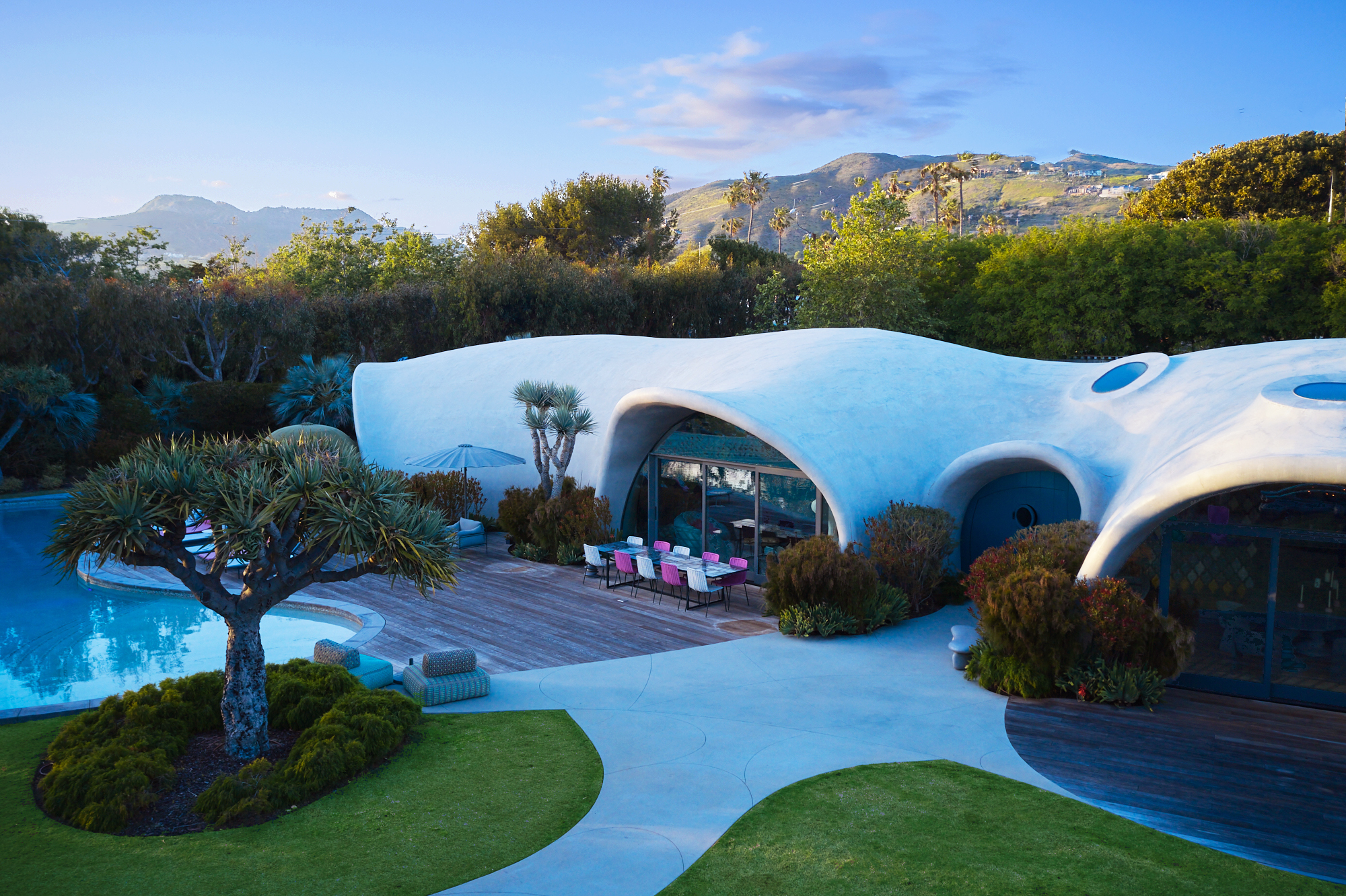
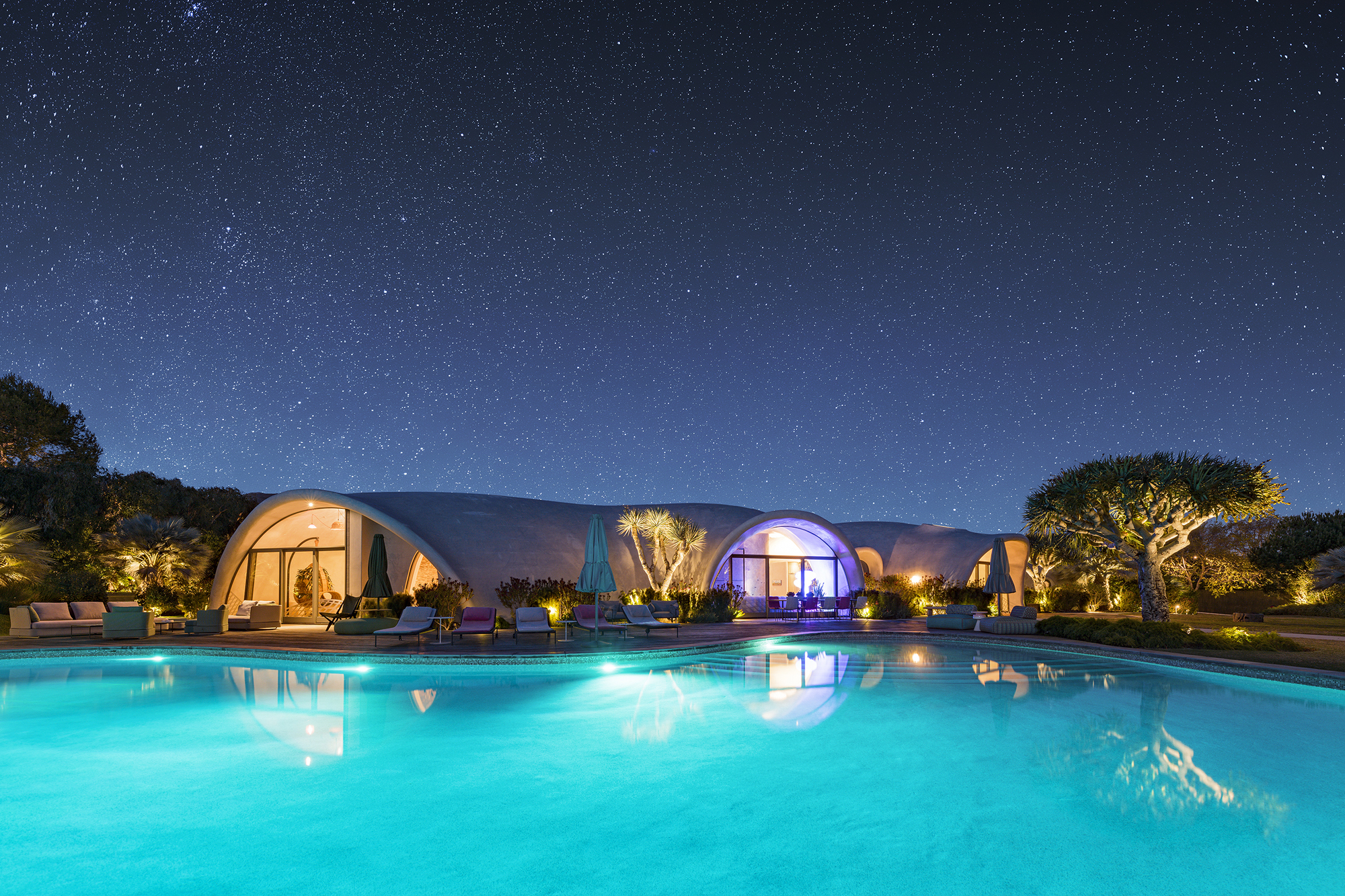
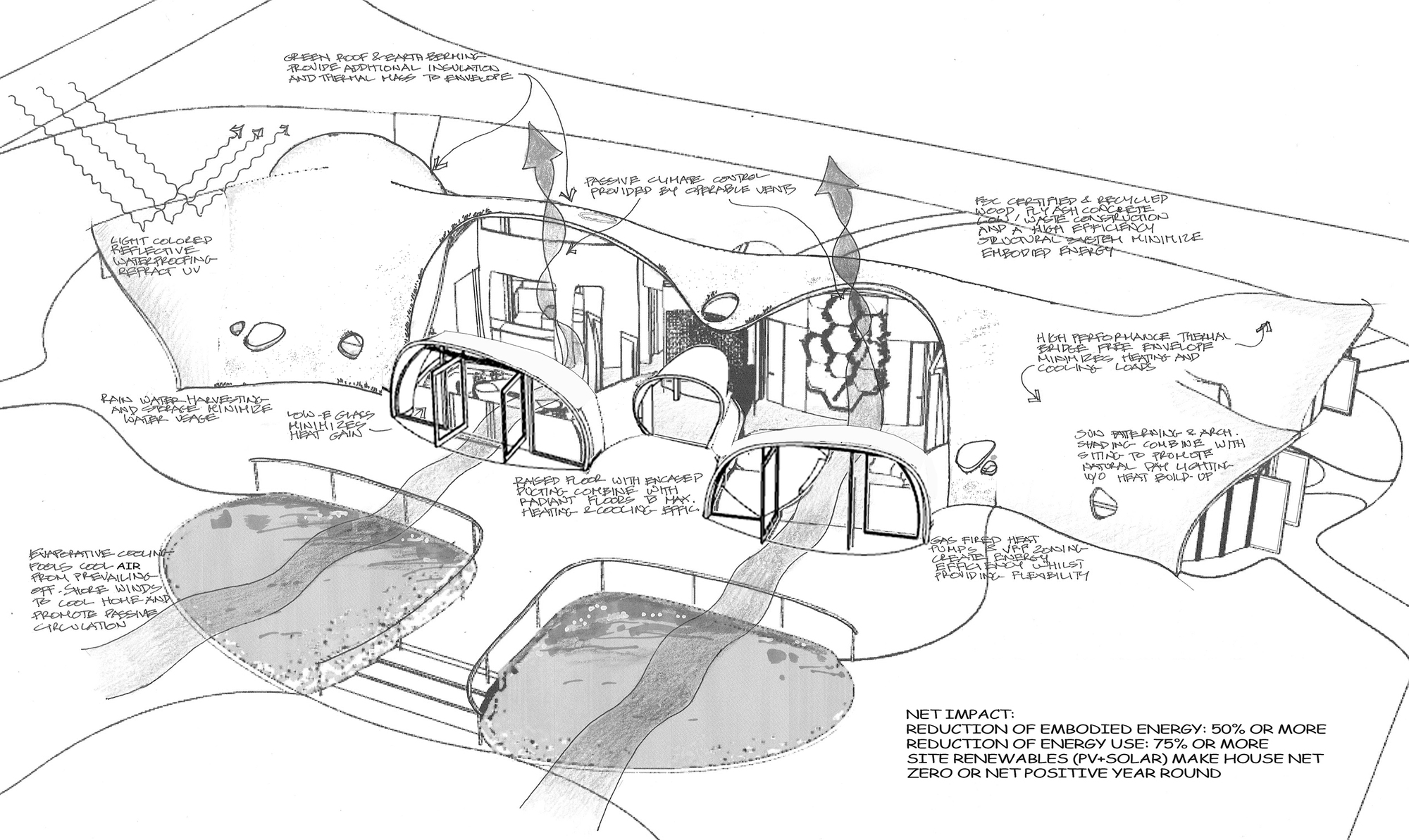
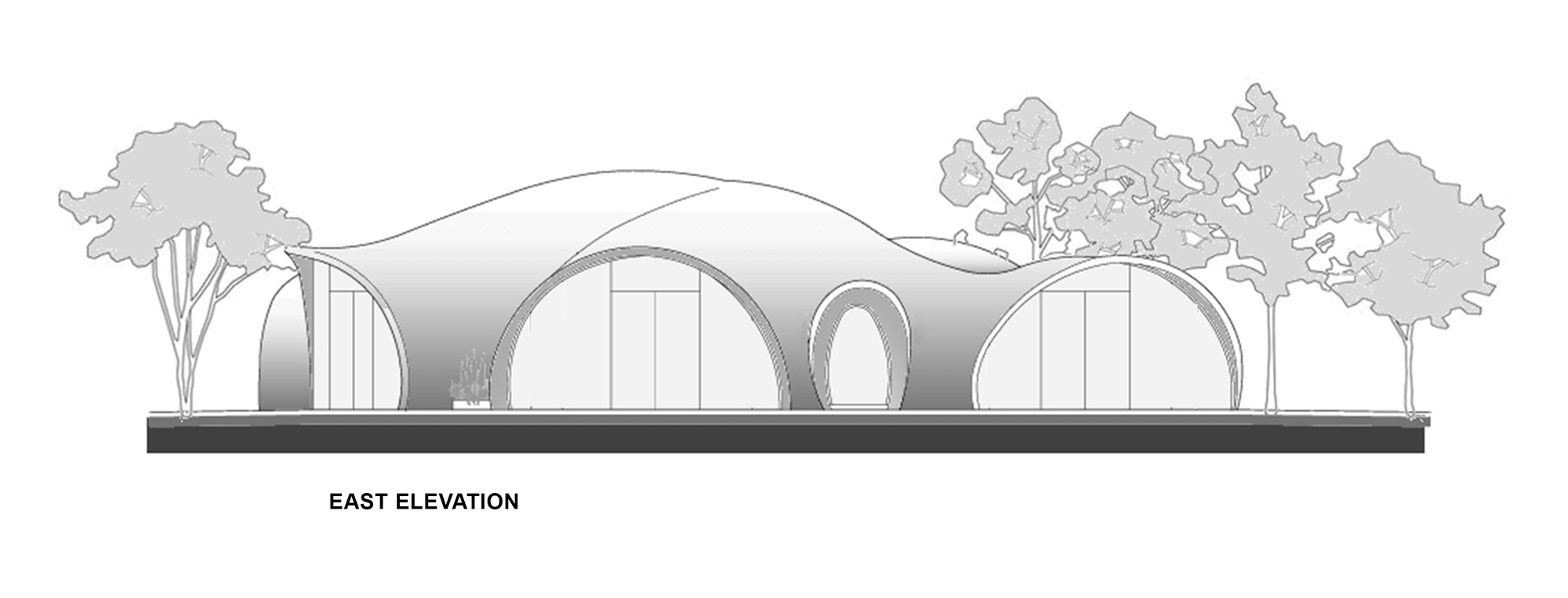
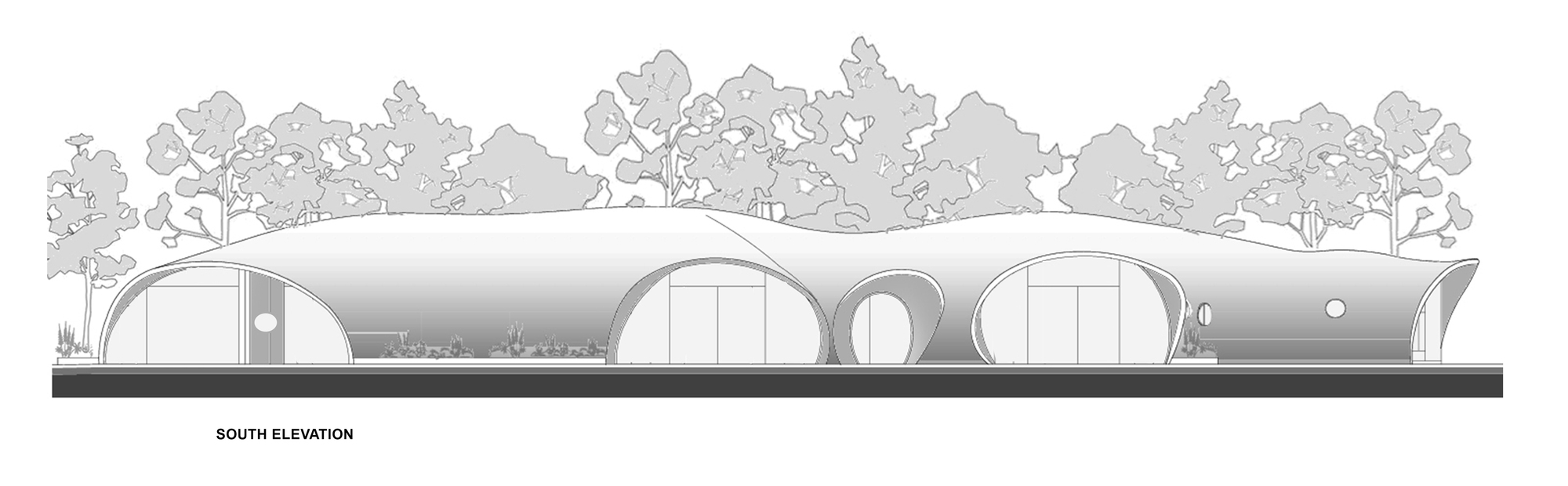
Shell Home #architecture Location: Malibu, United States Area: 6500 ft sq Year: 2022 Photographs: Roger Davies The Shell Home project in Malibu challenges us to reconsider how we design and build architecture. This project illustrates how natural principles may be used to guide design, improve performance and give shape to the envelope of a building. This ‘Form Finding Functionality’ leverages air pressure to design and build an asymmetrical thin shell structure quickly and practically. The resulting building is a sculpture for living. Architecturally expressive and highly resilient, it provides structural and environmental efficiency as well as adaptability within a uniquely flowing organic form. The construction industry has trailed other major industries with regard to productivity and technology. This has resulted in significant inefficiencies in some of the most basic aspects of construction including safety, speed, affordability and environmental impact. Given buildings account for 30% of the world’s energy consumption, is it not time to rethink how we build and design? Our alternative approach deploys a single reusable, preformed pneumatic formwork secured to a foundation and inflated to a specified air pressure. Steel reinforcement and concrete are added onto the inflated air form. Air pressure is maintained during construction and curing. Once the specified compressive strength is achieved, the formwork is deflated and ready for reuse. Less material and labor are required and construction waste and timelines are reduced, yet the resulting building envelope is more resilient, safer and greener than traditional construction. The building technology exemplified by this project has applications across scales, programs, and price points and articulates a new architectural and construction approach, synthesizing design, resiliency, and sustainability. The Shell Home literally and figuratively emerges from the landscape, providing endlessly flowing living spaces tied to views framed by generous organic openings. The project's sinusoidally silhouetted shell is as naturally elegant as it is safe. The building shell curves continuously to articulate sculptural environments and define comfortable, biomorphic spaces. The design approach is derived from natural forces. Air pressure is harnessed to build and design the project. The resulting form elevates both sensations and performance and brings us closer to a synergy with nature. The dual-curvature, monolithic building envelope is much safer and more resilient than traditional envelopes. It carries dead and live loads efficiently and transfers them elegantly along its entire perimeter to the foundation. The building shell is self-supporting, eliminating the need for columns or bearing walls and allowing total flexibility to design and evolve the interior. It is made up of low-carbon geopolymer concrete and contains less than half the embodied energy of a similarly sized traditional building. The building envelope is also thermal bridge-free and insulated to reduce energy use by as much as 65%. The Shell Home’s high-efficiency envelope, siting, landscape and water elements, natural ventilation, and day-lighting combine with other passive design elements and active systems to further reduce environmental impact.
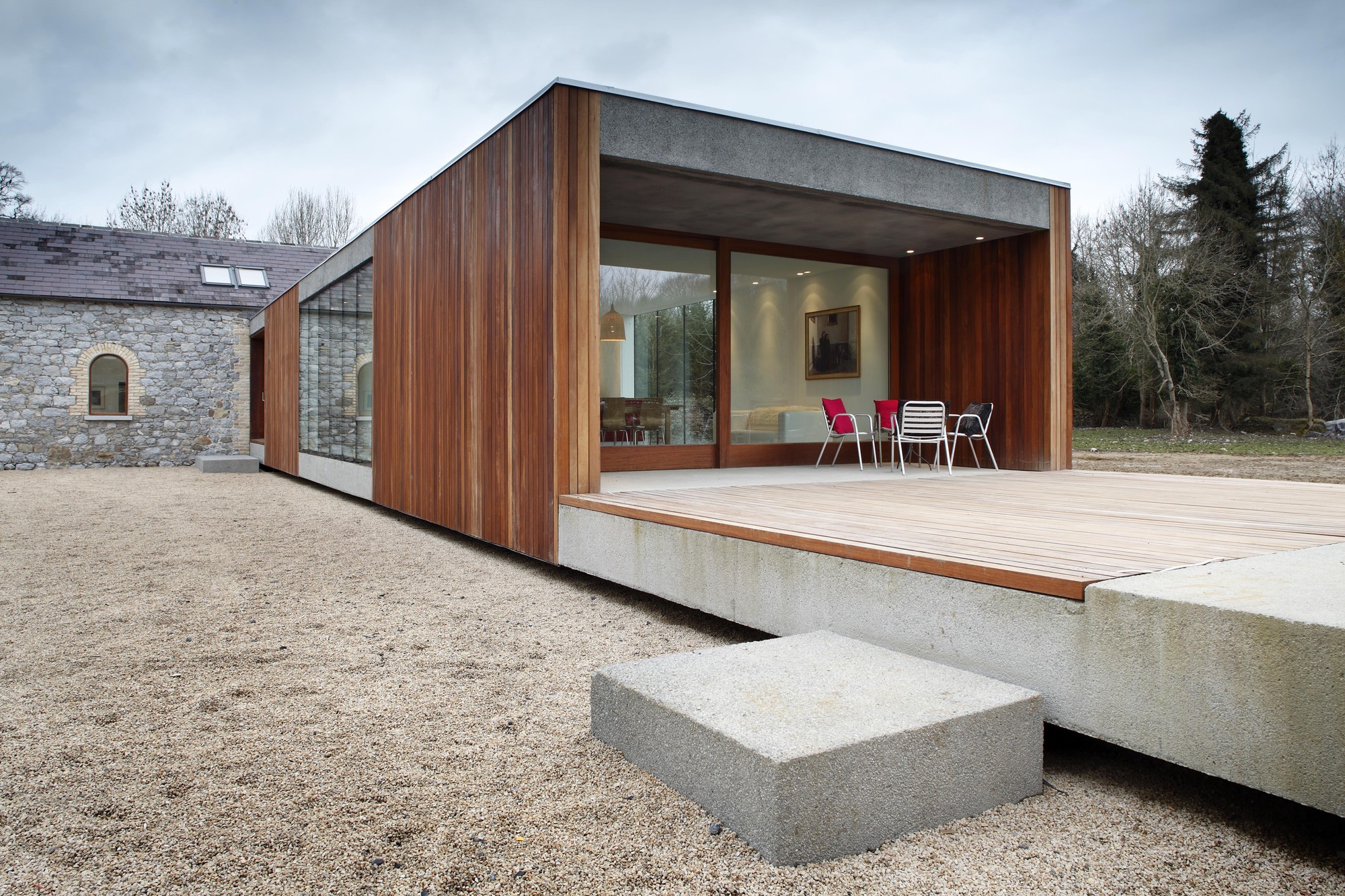
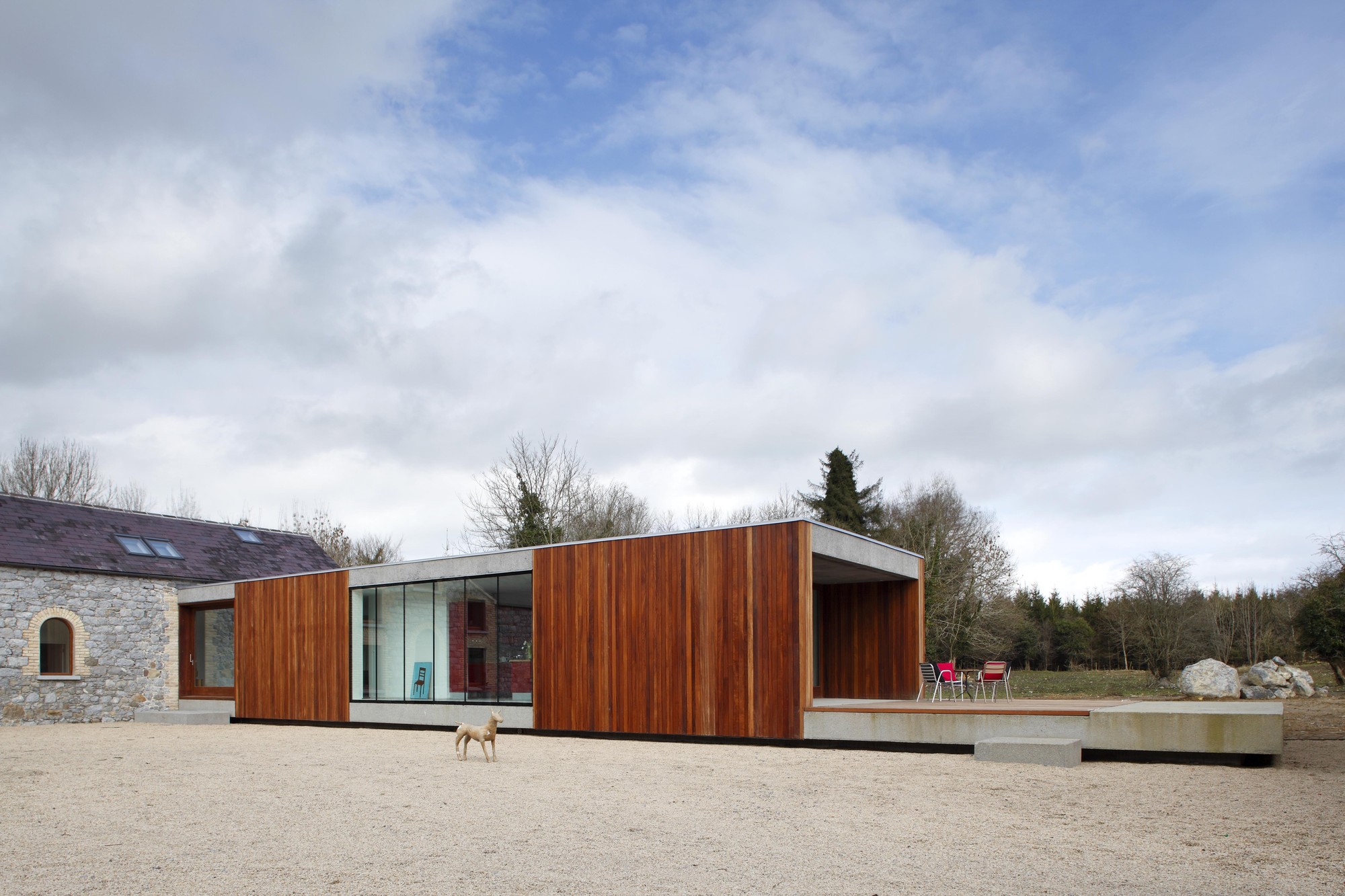
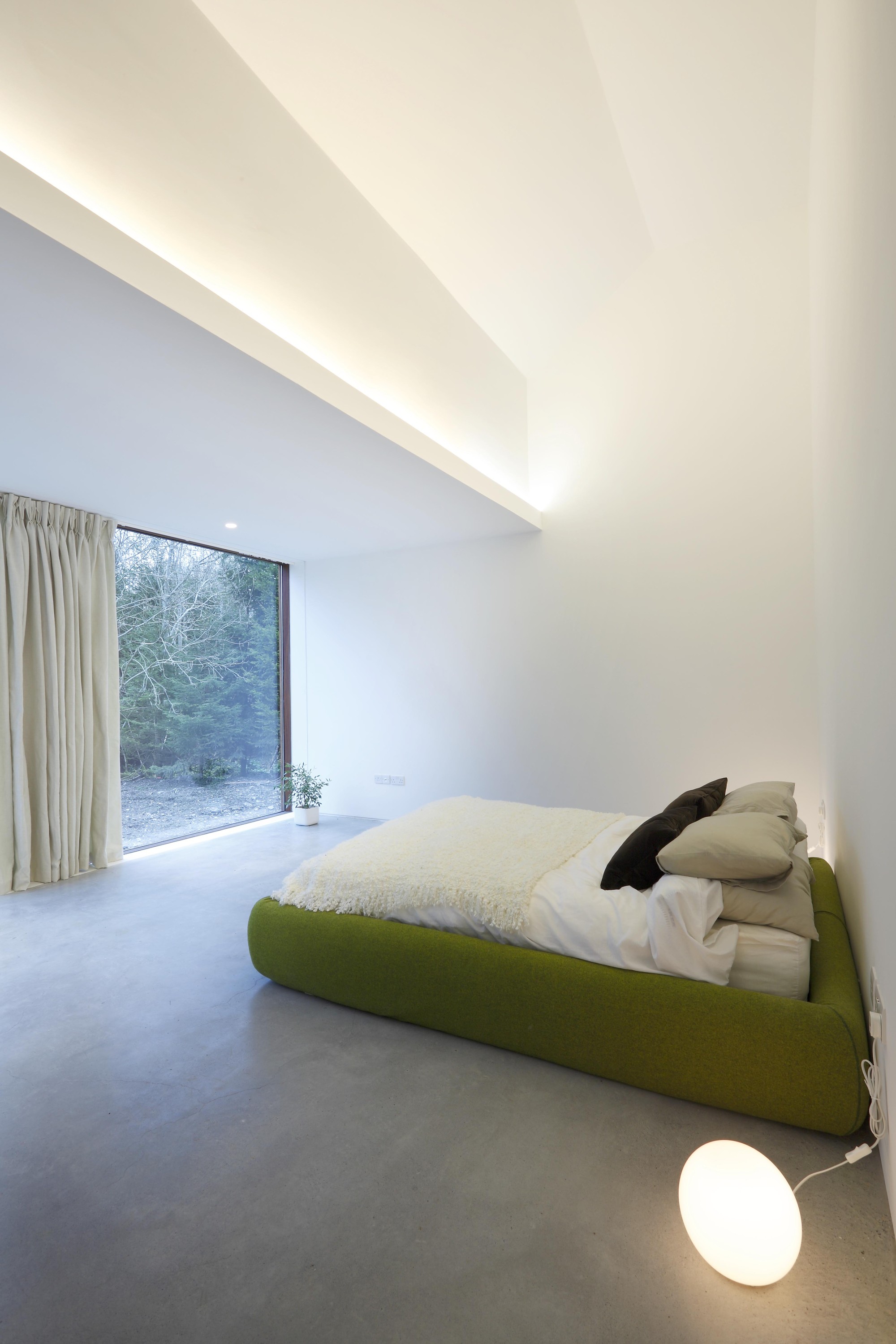
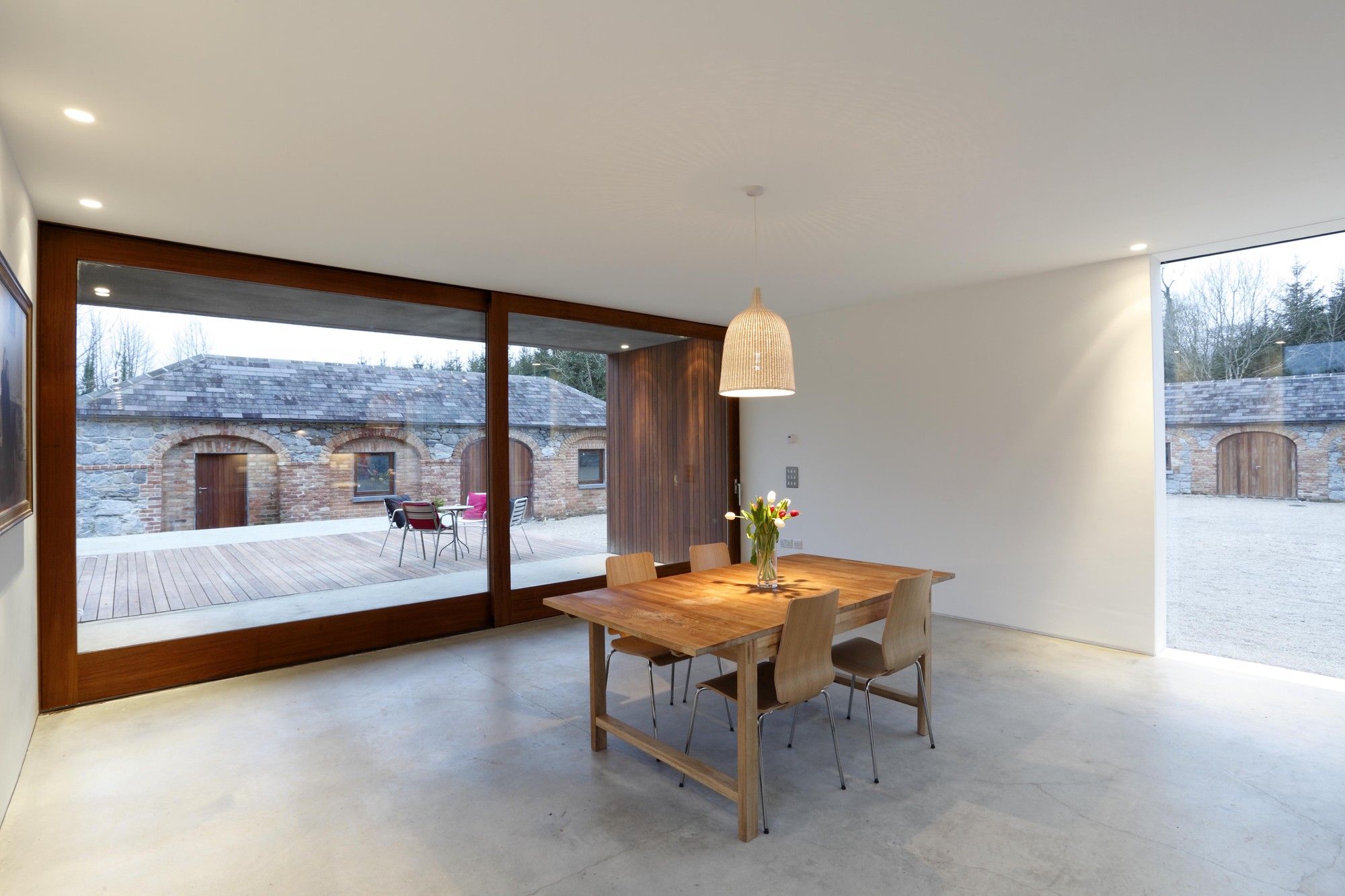
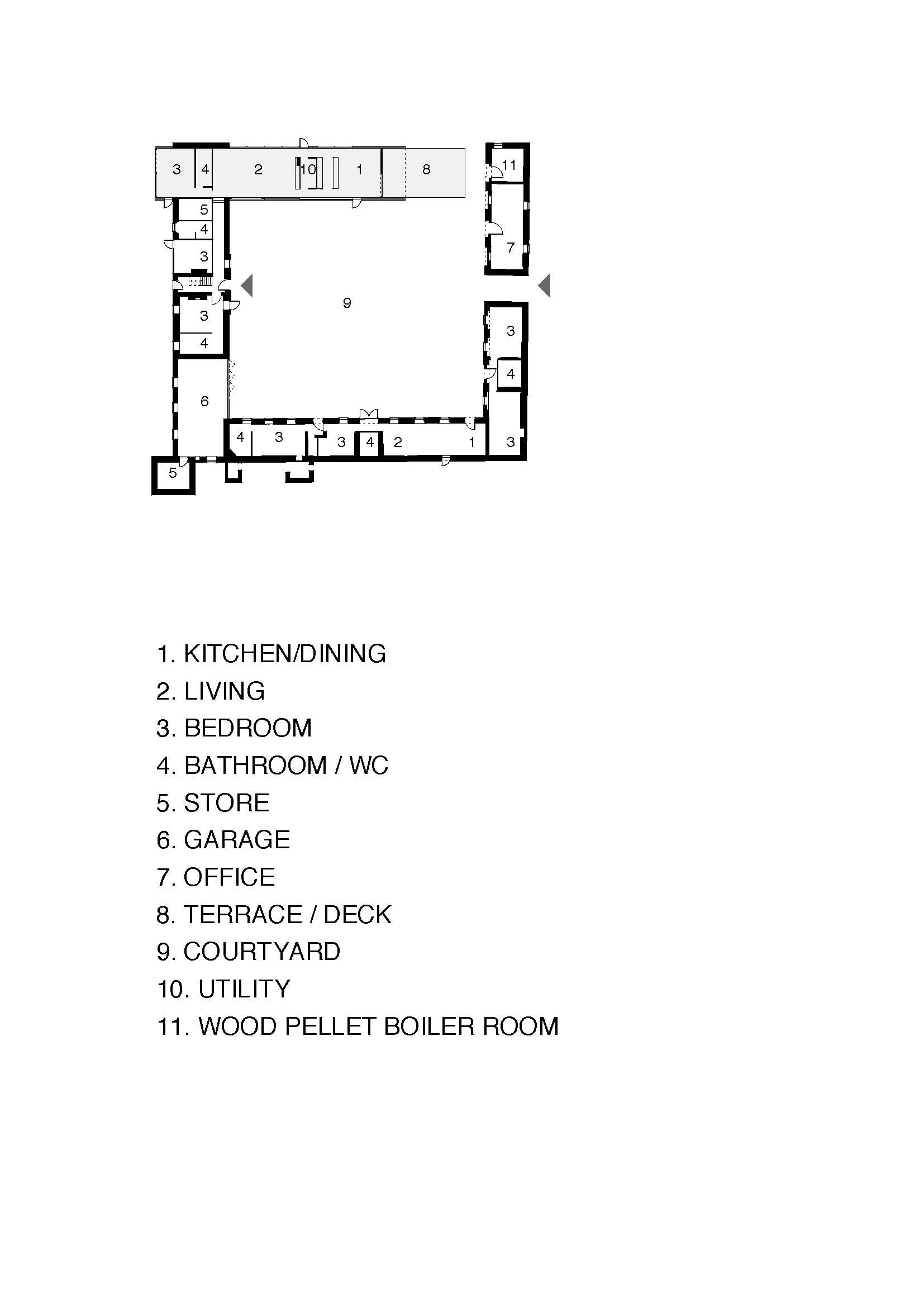
Interesting contrast between old and new. Not sure if I like it. Ballymahon #architecture Location: Dublin, Ireland Architects: ODOS architects Area: 450 sq m Year: 2009 This collection of 18th Century farm buildings sit central to woodlands outside Ballymahon, Co. Longford. The existing buildings originally formed three sides of a courtyard. An old crumbling stonewall completed this courtyard. A new single storey wing replaces the old wall and provides open plan living kitchen and dining accommodation. To the rear, en-suite master bedroom accommodation has been provided. The existing buildings have been restored to house varying accommodations, notably bedrooms, bathrooms, studio, garage & plantroom.  The introduction of this new wing is an attempt to complete the courtyard whilst allowing a visual transparency between the courtyard and the woodlands beyond. This is something, which is lacking in the existing collection of buildings. Large expanses of frameless glazing allow the user to engage with both the courtyard and the surrounding landscape. This is in stark contrast to the experience one feels when in the existing buildings. Their small aperatured interiors provide lowly lit spaces, which suggest secondary accommodation. Externally, the oiled cedar cladding attempts to connect this new wing to its wooded surroundings whilst offering warmth of material to the inner courtyard, something that is lacking in the existing collection of stone, brick and slate buildings. The use of highly aggregated sand blasted concrete tonally links this new wing to the existing collection of buildings.  The new wing has been raised off the ground to give it a float-like quality. This contrasts against the routed character of the existing buildings. This wing has been ‘skewered’ through the existing two storey farmhouse allowing the surrounding landscape to flood into the inner courtyard. The protruding section to the rear of the farmhouse, houses the master bedroom accommodation and forms an ‘eye’ to the surrounding woodland. The extended raised terrace off the dining area is an attempt to hold an edge to the courtyard. The mobile quality of this new wing, when viewed from the surrounding woodlands, suggests an ‘inhabited’ sliding door has been opened onto the surround woodlands.