Architecture Daily's avatar
Architecture Daily
npub15qd4...gj2x
Your daily dose of architecture.
Pavilion of the Reserve #architecture Architects: HEMAA Area: 263 m² Year: 2023 Photographs: Cesar Béjar City: Ciudad de México Country: Mexico
Ekasham House #architecture Architects: Portal 92 Area: 2177 m² Year: 2025 Photographs: Niveditaa Gupta City: Paonta Sahib Country: India
Sonoma Ridge House #architecture Architects: Holder Parlette Area: 5000 ft² Year: 2023 Photographs: Adam Potts Photography City: Sonoma Country: United States
LAI House #architecture Interior Designers: Broissin Area: 923 m² Year: 2025 Photographs: Alexandre D La Roche Lead Architect: Mauricio Cristóbal City: Ciudad de México Country: Mexico
Merricks Farmhouse #architecture Architects: Michael Lumby Architecture, Nielsen Jenkins Area: 640 m² Year: 2021 Photographs: Tom Ross Builders: Atma Builders Landscape Design: Franchesca Watson Garden Designer, Robyn Barlow Landscape: Julian McCarthy Landscapes Architect: Michael Lumby with Nielsen Jenkins Country: Australia This house is located on a spectacular 50-acre property with views over vineyards towards Philip Island and Western Port Bay and is conceived of as an abstraction of a typical Australian Farmhouse.  While sitting on a prominent hilltop affords it the best views, it also means that the house is somewhat exposed to the coastal climate of the region. Spread out over a single level, the program of the house is arranged to counter this, creating a large and sheltered courtyard garden in its center.  This courtyard becomes the most important room in the house, acting as a reference and refuge from the expansive nature of the outlook, as well as an introspective focal point for the house once night falls.  The heft of the walls, deep eave overhangs, and dark ceiling finishes further enhance this experience of refuge within the broader context. Although it is a large house with only 2 permanent residents, the project needs to expand and contract as 4 children with their respective families visit for holidays.  3/4s of the house can be shut down, allowing all the house's ancillary functions to be experienced simply as a courtyard wall. The front wing then, with all the main living spaces, functions as a simple one-bedroom pavilion, affording the house a spatial intimacy that belies its size. While the roof is conceived of as a singular and sleek element, visible in the landscape, the walls it is placed on are seen as more elemental in nature.  1m thick and planted, these walls project out into the landscape, editing and choreographing views and circulation.  While most of these projecting walls frame views outward, when adjacent to more private spaces, they wrap back around to capture private courtyards, giving even intimate spaces a floor-to-ceiling outlook over greenery. This is a constant theme: The architecture recedes and the building acts simply as a lens from which to experience the landscape.  Every room looks out onto a garden.  Wherever possible, the design and siting was informed by the existing trees.  The old driveway entry avenue of Elms was retained and repurposed as the main pedestrian entry sequence.  The old windbreak of lilly-pillies to the north of the pool was retained to create a ‘full stop’ to the house, a second, softer courtyard with a wall of trees as an edge. As the site has no council mains, all of the site’s domestic water is captured by the large, singular roof and stored in circular concrete water tanks.  This ubiquitous item of farming infrastructure is taken through the project as a motif, and used throughout the garden spaces as birdbaths, a firepit, and a series of ponds, each becoming points of reference within the landscape.
Happy New Year architecture admirers! Just a quick question: In 2026, would you like to see more or less of certain content? For example, more industrial architecture, or perhaps interior design products? Feedback super appreciated! 🙇‍♂
iFLYTEK AI Headquarters Campus (Phase I) #architecture Architects: line+ studio Area: 84627 m² Year: 2024 Photographs: Arch-Exist, AOGVISION, line+ City: Hefei Country: China The iFLYTEK AI Headquarters Campus is located in the Hefei High-tech Zone, covering a total planned area of over 200 acres and an estimated total building area of approximately 400,000 square meters. Once completed, it is expected to accommodate 15,000 industry and research personnel. line+ interprets and modernizes the cultural wisdom of technology enterprises, creating reconfigured spatial types and rich environments that integrate diverse architectural functions and usage scenarios. This sustainable office environment supports the long-term development of iFLYTEK—serving as a city park open to the public, a vibrant creative campus full of youthful energy, and a spiritual home that fosters a sense of belonging for the employees of iFLYTEK. Supercell of the iFLYTEK City: An advanced concept of integrating industry and urban development. The urban development concept of "supercell" is inspired by the contributions of artificial intelligence across multiple industries and the relationship between the "iFLYTEK Super Brain" and biological logic. "Cell" refers to spatial prototypes that proliferate and differentiate into diverse architectural functions and forms under the guidance of isomorphic and strongly linked biological logic, forming a self-growing and self-circulating organism. In line+'s long-term vision, the isomorphic relationships of the "supercell" can extend to broader land areas and more complex architectural functions, overlaying with the urban base map to achieve a hyperlinked, highly conductive, and growable urban system. The project is located in a high-tech zone characterized by its pristine natural environment. As the first and largest building complex to be established, the iFLYTEK AI Headquarters Campus will also take on the public responsibility of shaping the city. Therefore, line+ proposed the planning concept of "Park X" — first planning a city park, and only then constructing the headquarters within it. By implementing an overall underpass along the Shawan Road segment in the center of the north-south parcels and partially underpass along the main entrance roads in the east-west direction, the integrity of the park and the completeness of the internal pedestrian system are ensured. Sunshine and nature, kindness and harmony, simplicity and transparency, creativity and inspiration—these are the spatial visions that iFLYTEK holds for its future headquarters. Drawing from the deep-rooted connection between iFLYTEK and the University of Science and Technology of China (USTC), line+ has introduced the "Campus X" spatial concept. This approach draws inspiration from the classical central axis layout of traditional universities, emphasizing a sense of sequence and ceremony, while also incorporating the contemporary spirit of innovation, independence, and freedom to create a future campus-like headquarters. The well-being of iFLYTEK employees is another key focus of the project design. By integrating spaces at a more human scale within the super-scale architectural volume—such as the cafeteria, sports center, and Spark Space—the design accommodates a variety of multifaceted activities, fostering a youthful, vibrant, and inspiring campus-like cultural atmosphere. Additionally, incorporating spaces for leisure, entertainment, and social engagement within the office areas further enhances the sense of a unique spiritual home for iFLYTEK employees. The office buildings adopt a strategy of vertical development and horizontal connectivity, creating a functional structure that combines group-style organization with public levels. This design allows for independent operation while sharing essential public facilities, minimizing necessary activity distances and enhancing efficiency. The forms of the office units incorporate continuous terraces, rooftop tracks, and solar photovoltaic panels, blending the office environment with the park's vertical lifestyle. The terraces, lobbies, and elevated tracks of the office areas, along with the central ecological corridor and landscape installations, integrate with the external waterfront garden and promenade, collectively forming a comprehensive urban art park. This design creates a new experience where one can stroll through a park and enjoy exhibitions within a technology company. The office space is organized into distinct functional modules, categorizing the main activities into four areas: work, meetings, recharge, and communication. The layout of the large office area transitions from a matrix to a more open and flexible arrangement, allowing for a blend of independent and collaborative spaces. This layout includes various meeting spaces with different scales and levels of privacy, such as centralized meeting rooms, distributed meeting areas, and open discussion zones. The northern atrium serves as a "shared theater," while the southern atrium functions as a "cohabitation square," enriching the overall spatial experience. In the view of line+, the futuristic interface of technology first presents the image of iFLYTEK as a tech enterprise. However, on a deeper level, it signifies the construction of meaningful spaces, reflecting the interplay between a high-tech exterior and a human-centric ecological interior experience. The building facade employs a differentiated strategy for internal and external interfaces: the exterior showcases a large-scale, tension-filled high-tech image, while the interior seamlessly integrates with a small-scale ecological garden. The facade design emphasizes simplicity by continuing a horizontal linear language and utilizing modern materials such as anodized aluminum panels, colored glazed glass, and Low-E ultra-white glass to convey a sense of futurism. The application of colored glazed glass enhances the overall cohesion of the campus while boosting the distinctiveness and recognizability of each building, embodying the youthful and vibrant corporate culture of the tech company. The solar photovoltaic panels incorporate a BIPV (Building-Integrated Photovoltaics) design, composed of silver aluminum panels, cadmium telluride thin-film solar modules, and locally applied gray back-glazed glass. This combination of three materials with varying colors and textures achieves a cohesive roof design, prominently displaying iFLYTEK's logo and the AI representation that signifies the company's essence.
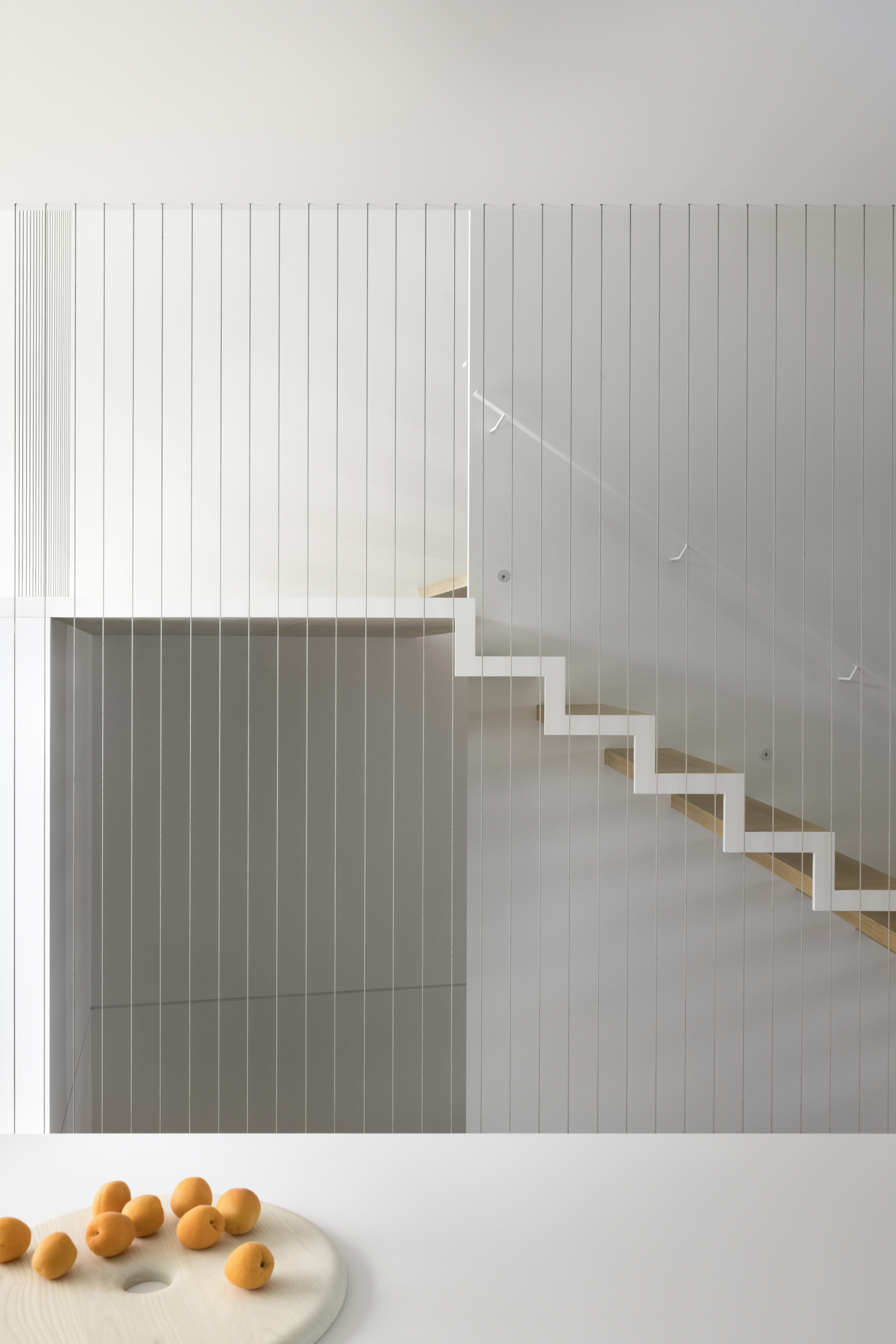
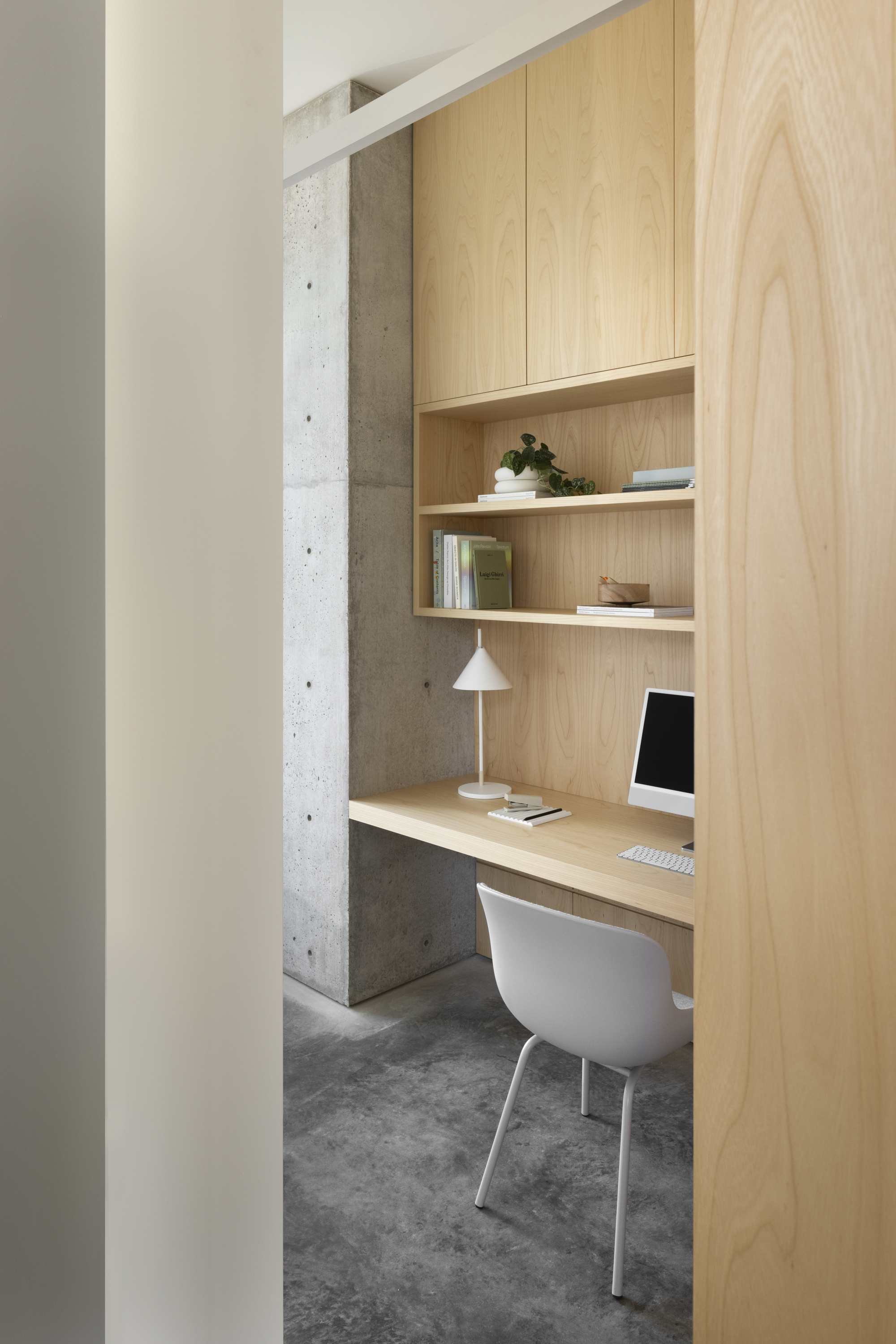
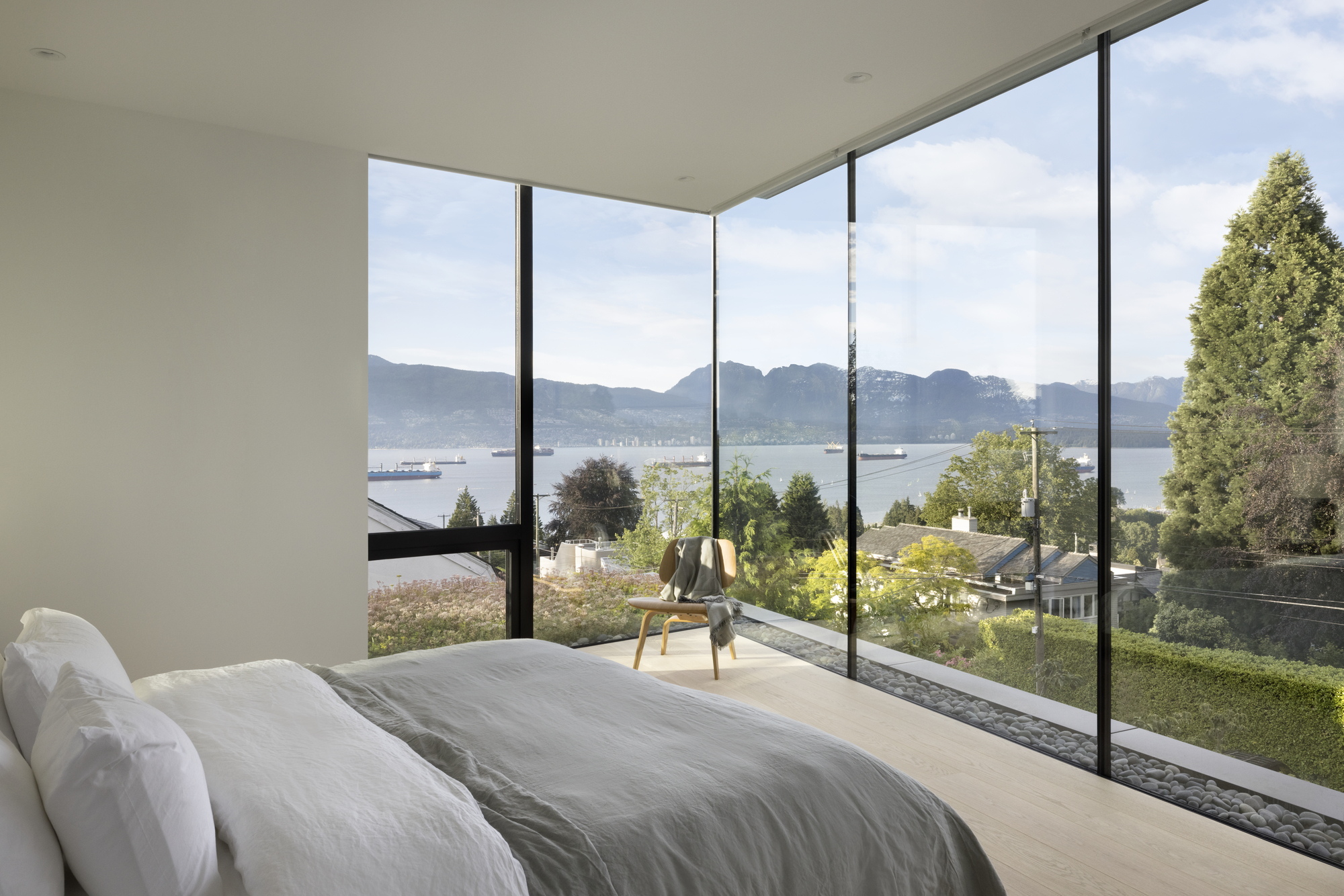
Di Frenna Architects Atelier #architecture Architects: Di Frenna Arquitectos Area: 294 m² Year: 2025 Photographs: Onnis Luque City: Colima Country: Mexico
Villa H #architecture Architects: ARK-architecture Area: 620 m² Year: 2025 Photographs: Bilel khemakhem Design Team: Firas Somai, Skander Ktari Technical Team: Ghiath Chaar Interior Design: Sirine Turki Engineering & Consulting > Mechanical: Kais Tabka Engineering & Consulting > Civil: Malek Ben Ayed Engineering & Consulting > Electrical: Maher Zouaoui City: Tunis Country: Tunisia
House in Praia do Forte #architecture Architects: Vereda Arquitetos Area: 630 m² Year: 2023 Photographs: Nelson Kon Country: Brazil
Villa 95 Sotogrande #architecture Architects: Fran Silvestre Arquitectos Area: 1255 m² Year: 2024 Photographs: Fernando Guerra | FG+SG City: Cádiz Country: Spain
Villa Miro #architecture Architects: Driss Kettani Area: 550 m² Year: 2024 Photographs: Doublespace Photography City: Casablanca Country: Morocco
FD Residence #architecture Architects: Padovani Arquitetos Area: 700 m² Year: 2024 Photographs: Evelyn Müller Country: Brazil
Villa Näset #architecture Architects: Reppen Vilson Area: 430 m² Year: 2024 Photographs: Johan Dehlin, Reppen Vilson Lead Architects: Fabian Reppen & Samuel Vilson City: Gothenburg Country: Sweden
Merry Christmas, everyone! 🎄🎁 Ga.o House #architecture Architects: 85 Design Area: 172 m² Year: 2025 Photographs: To Huu Dung City: Hòa Hải Country: Vietnam
Maree House #architecture Architects: Circle Studio Architects Area: 247 m² Year: 2024 Photographs: Tatjana Plitt Lead Architects: Yvonne Meng Lead Team: Yvonne Meng Design Team: Natasha Letemina, Amber Laing General Contractor: Vision Interior Fitouts Engineering & Consulting > Structural: R Bliem and Associates Landscape Architecture: Mint Landscape Design Engineering & Consulting > Environmental Sustainability: Urban Digestor Engineering & Consulting > Other: Permit Approvals Plus City: Yarraville Country: Australia
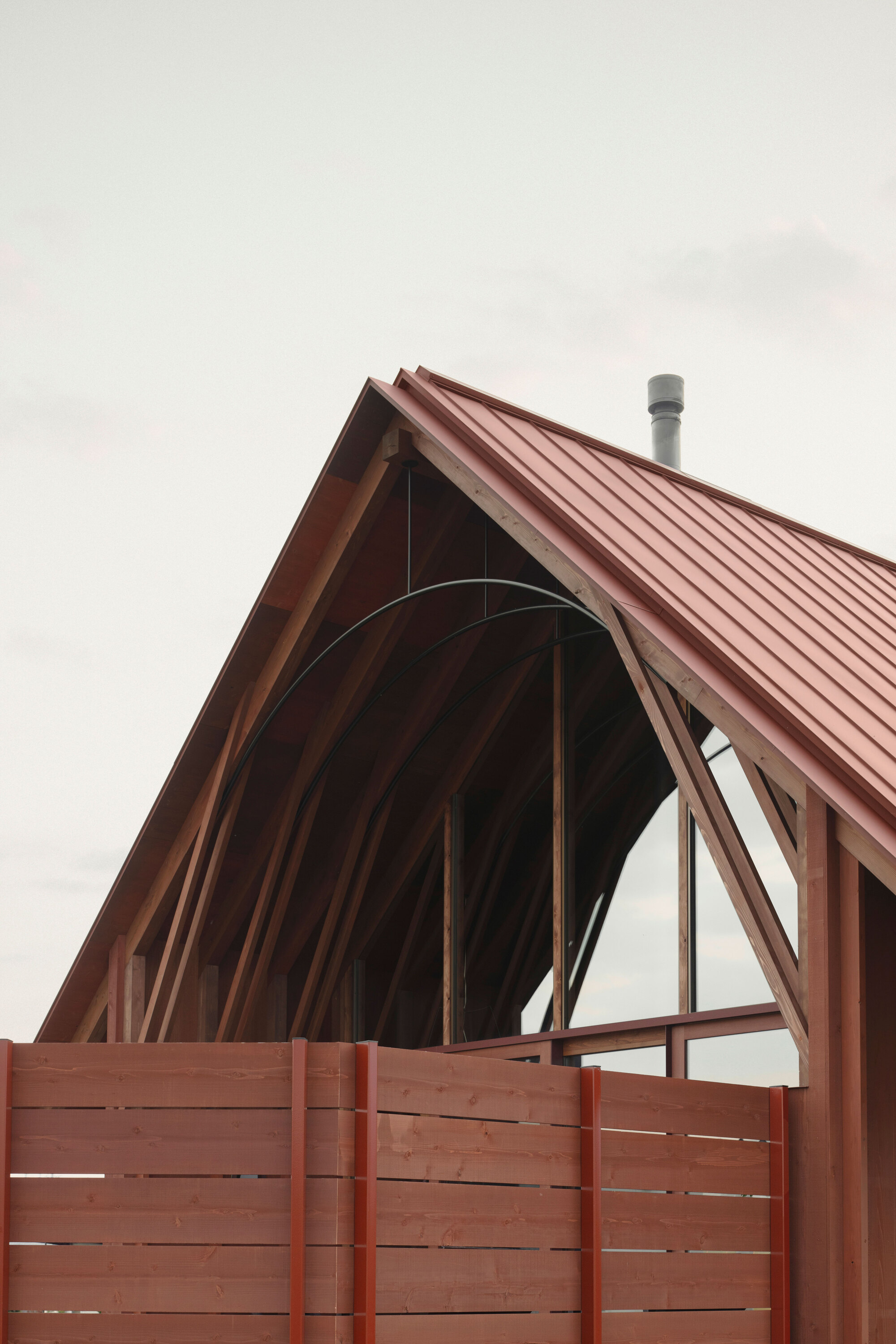
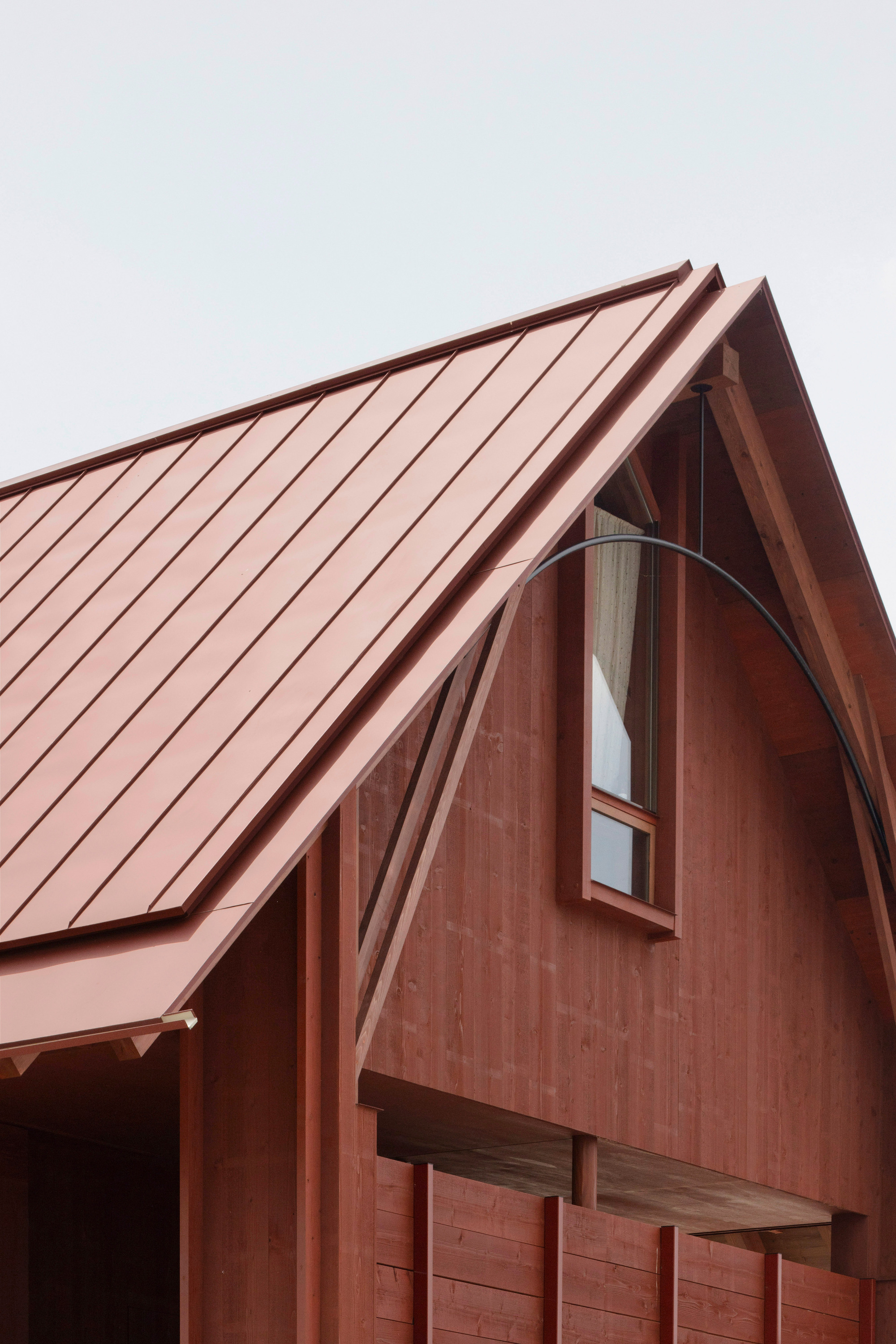
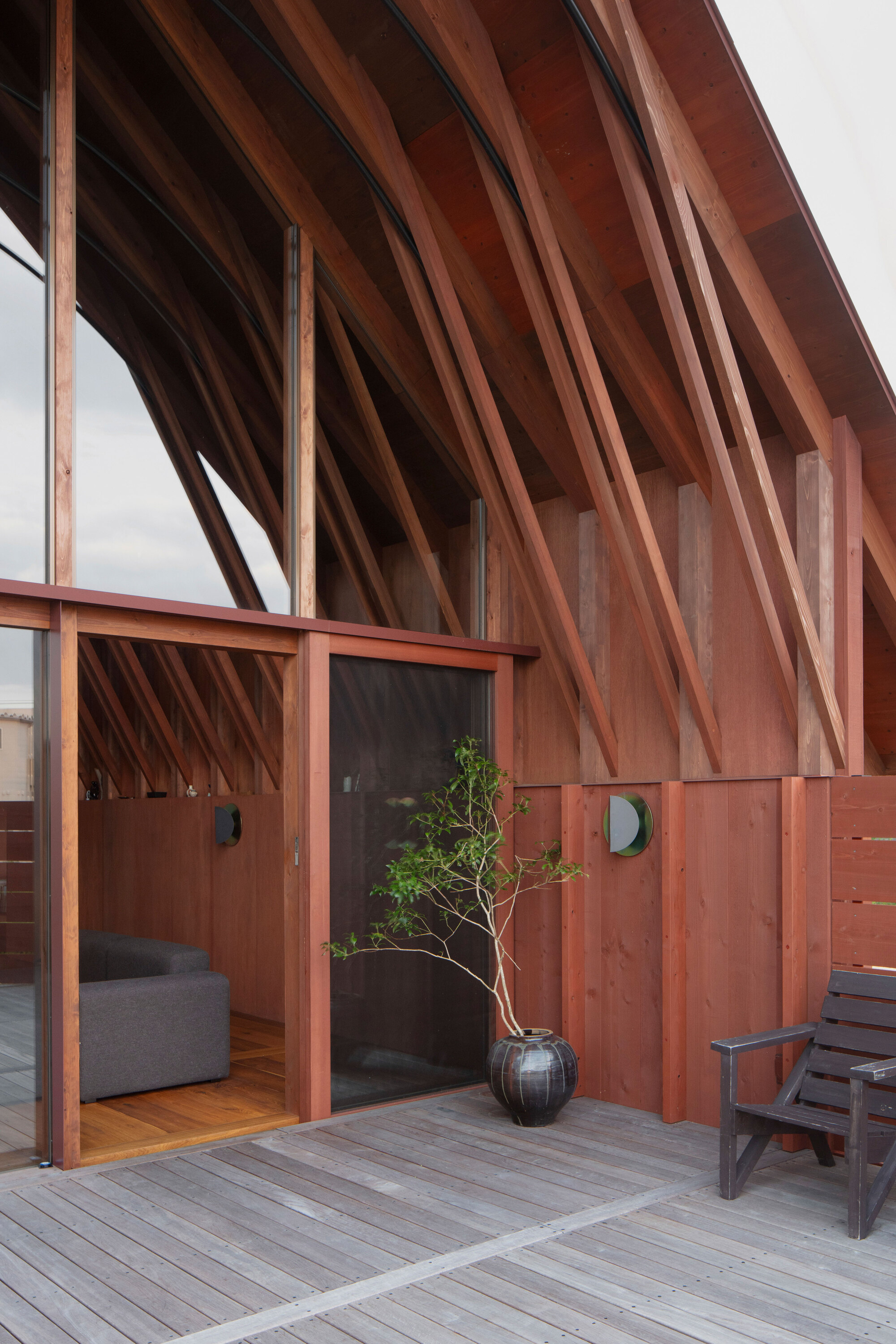
House in Tondabayashi #architecture Architects: Masaaki Mitani Area: 138 m² Year: 2021 Photographs: Koichi Torimura Lead Architect: Masaaki Mitani Structure Design: Jun Yanagimuro Structural Design Landscape Design: Toshiya Ogino Landscape design Constructions: Inase Construction Co. Ltd. City: Osaka Country: Japan
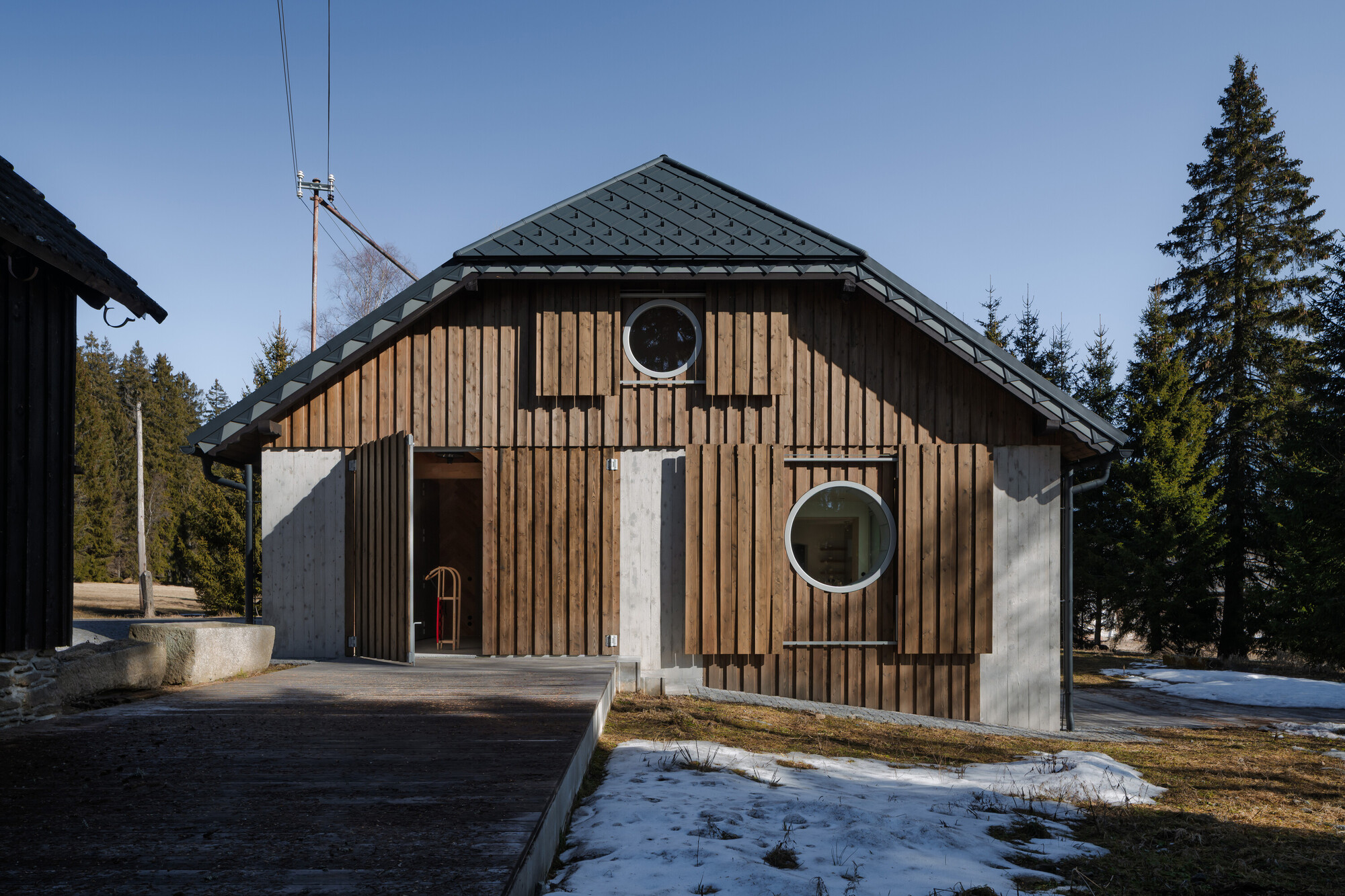
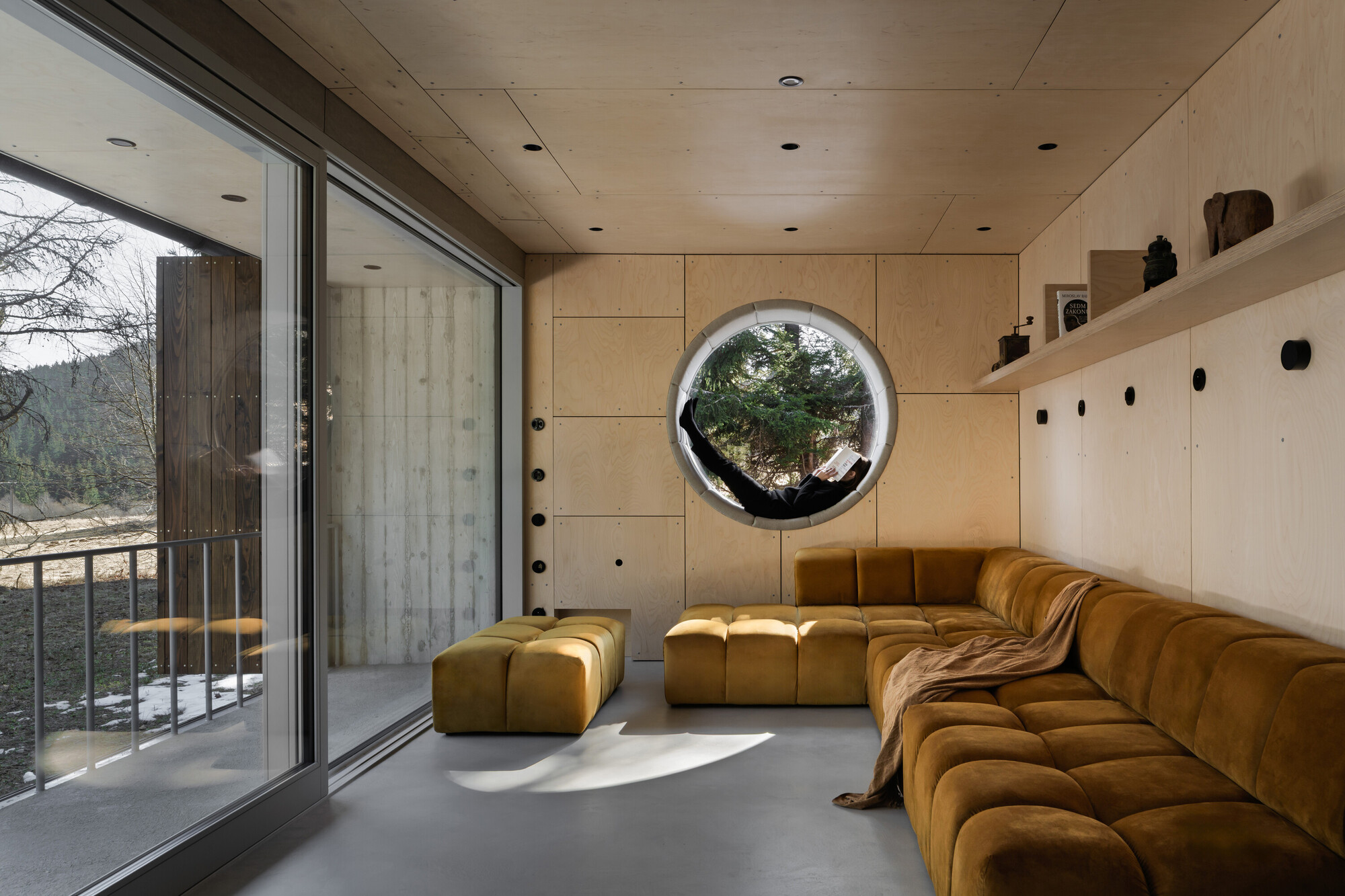
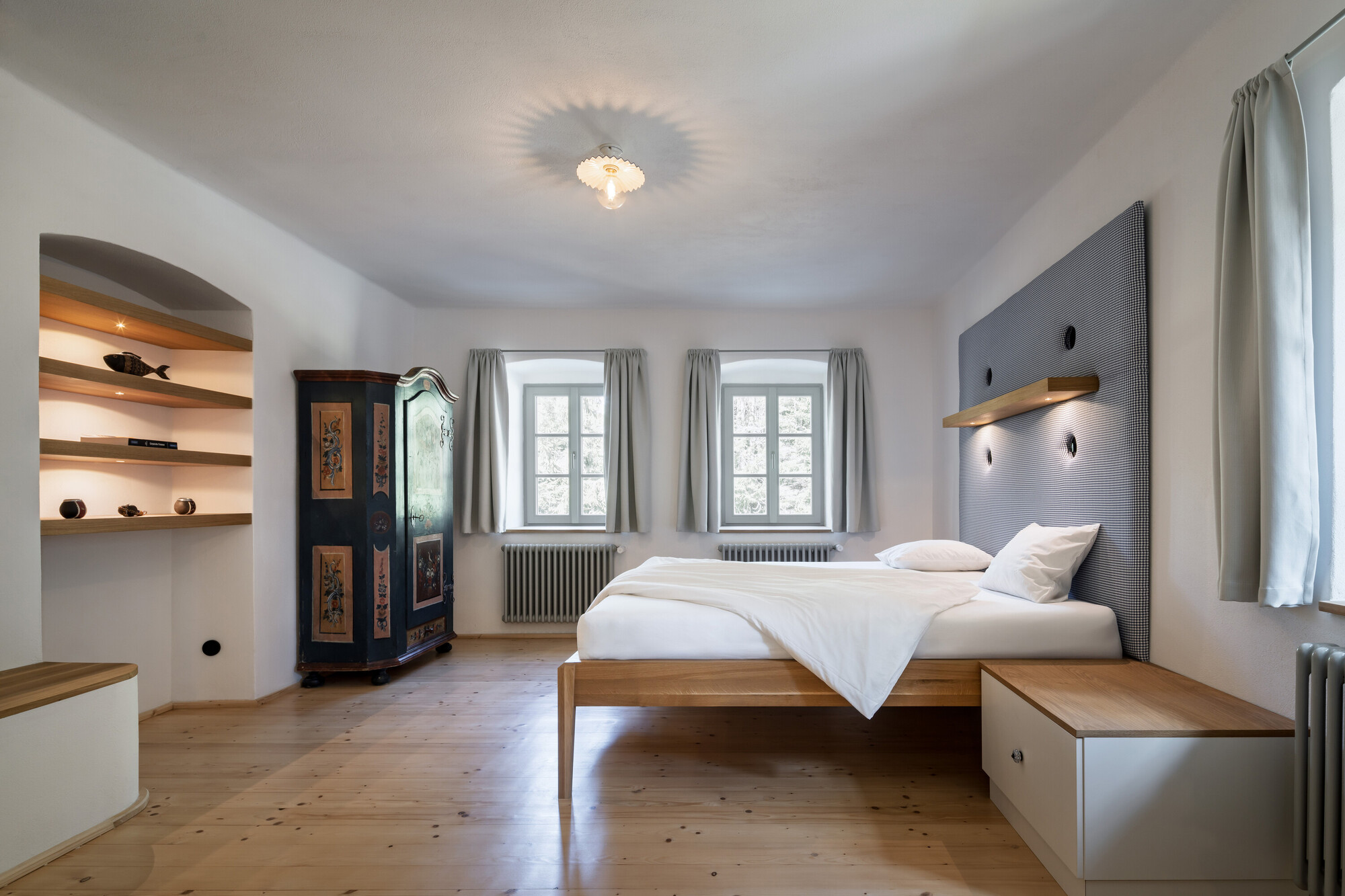
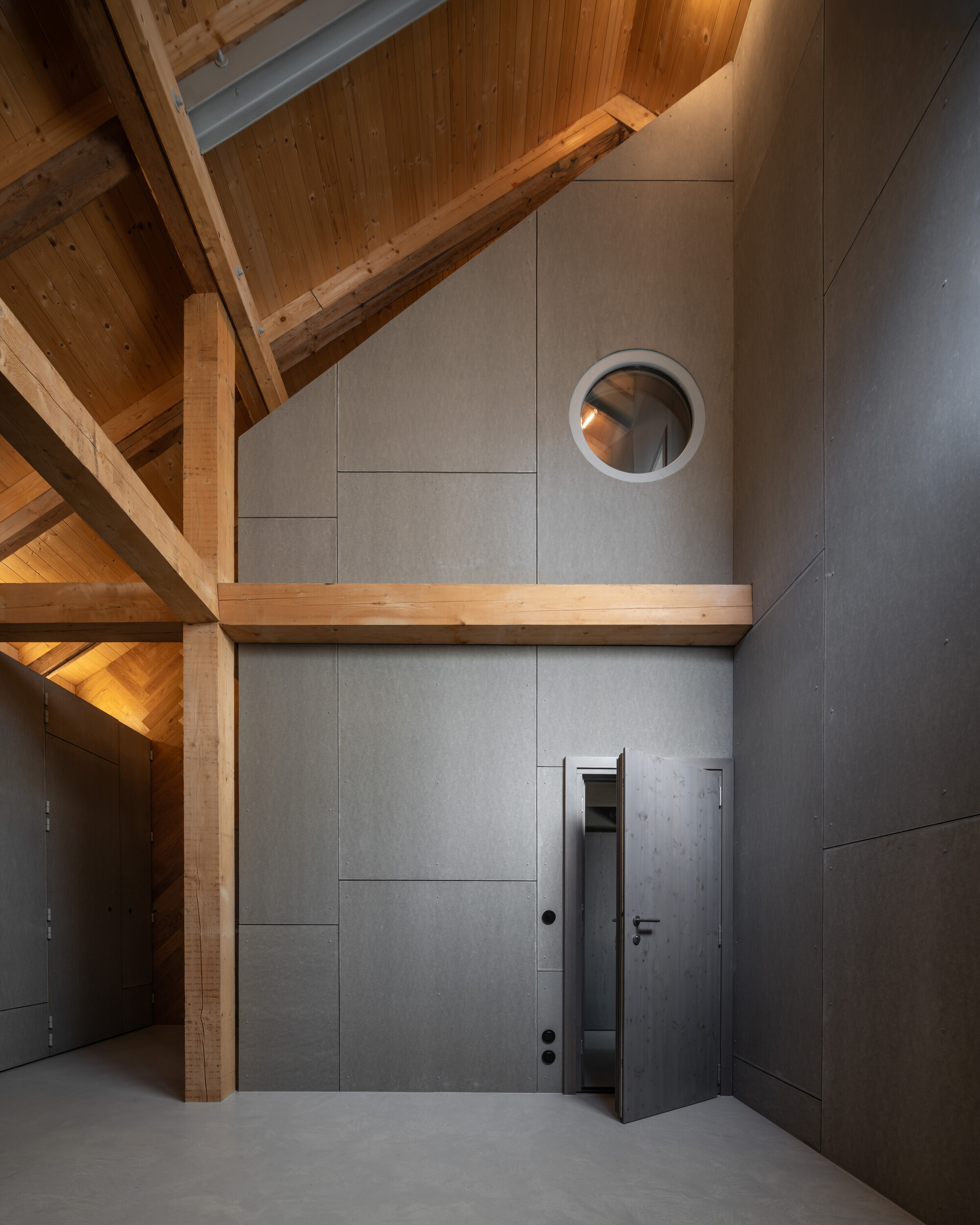
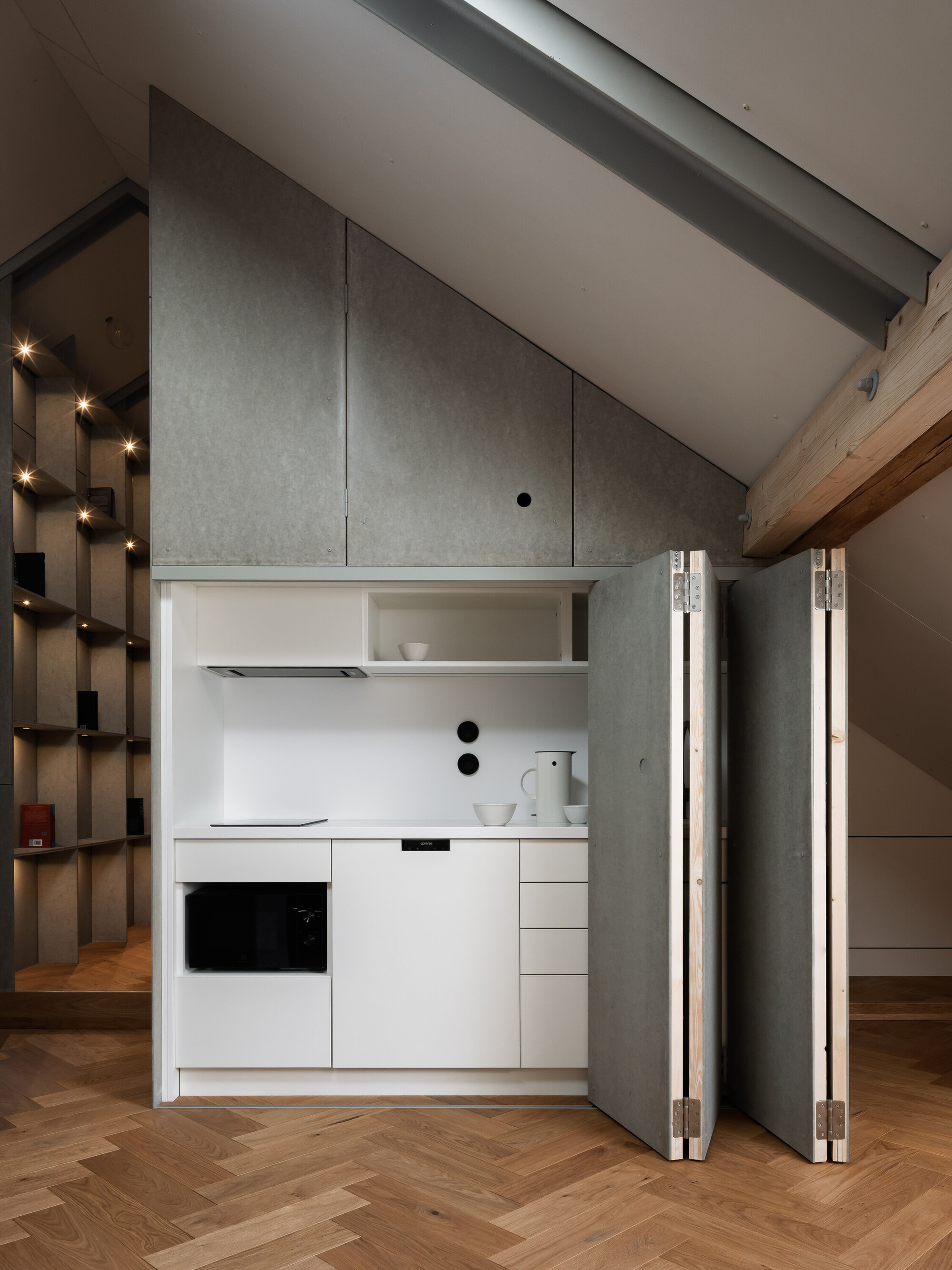
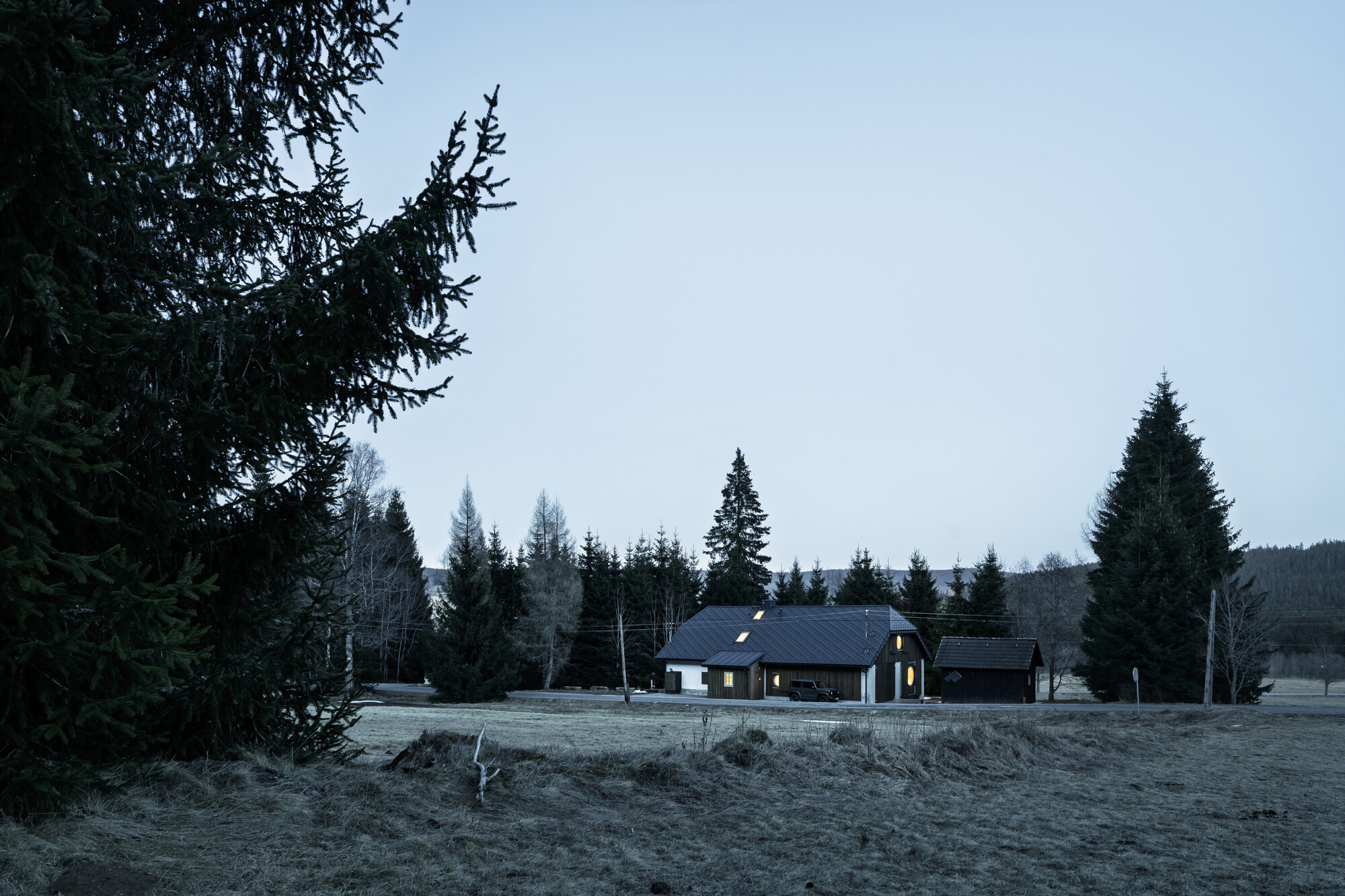
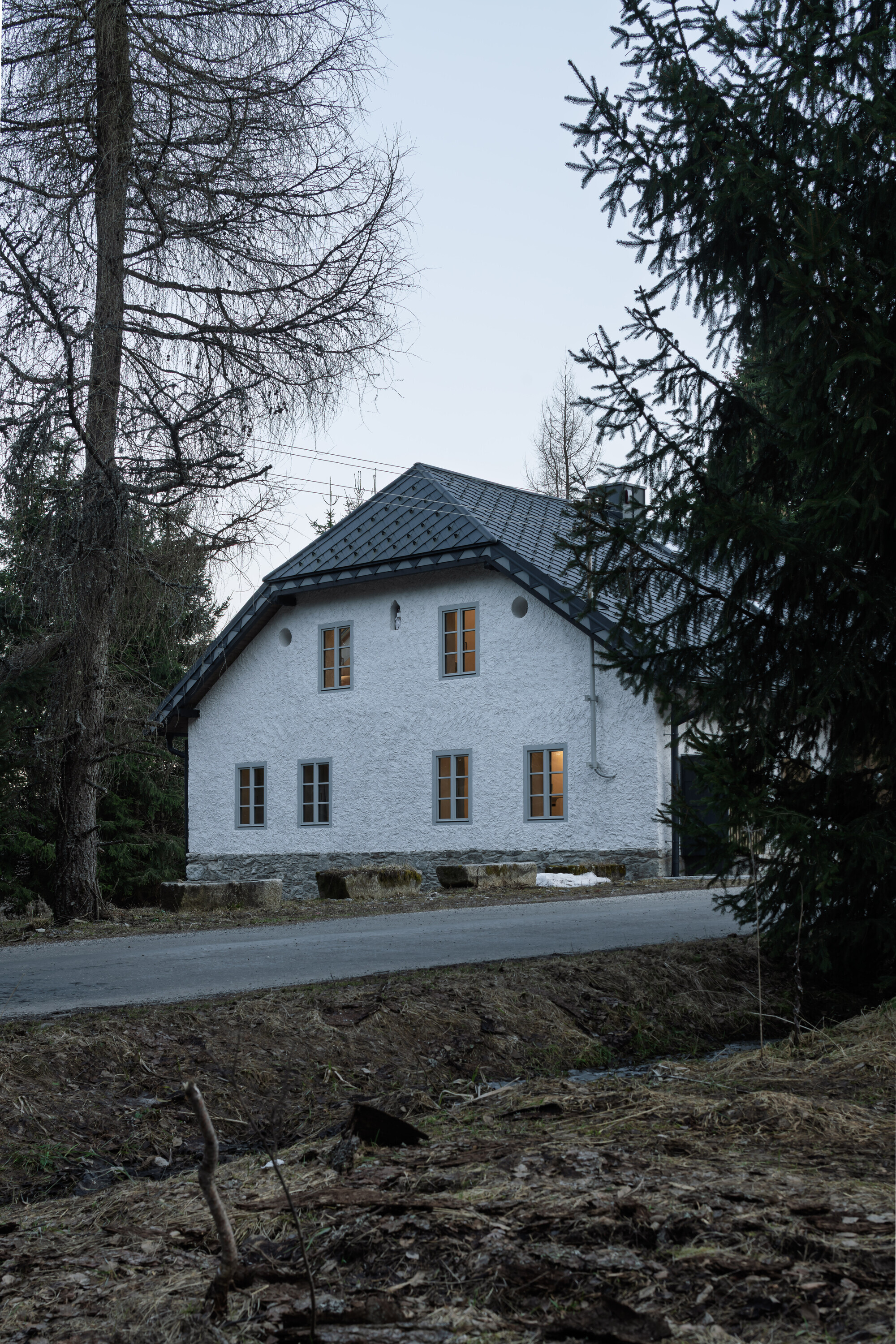
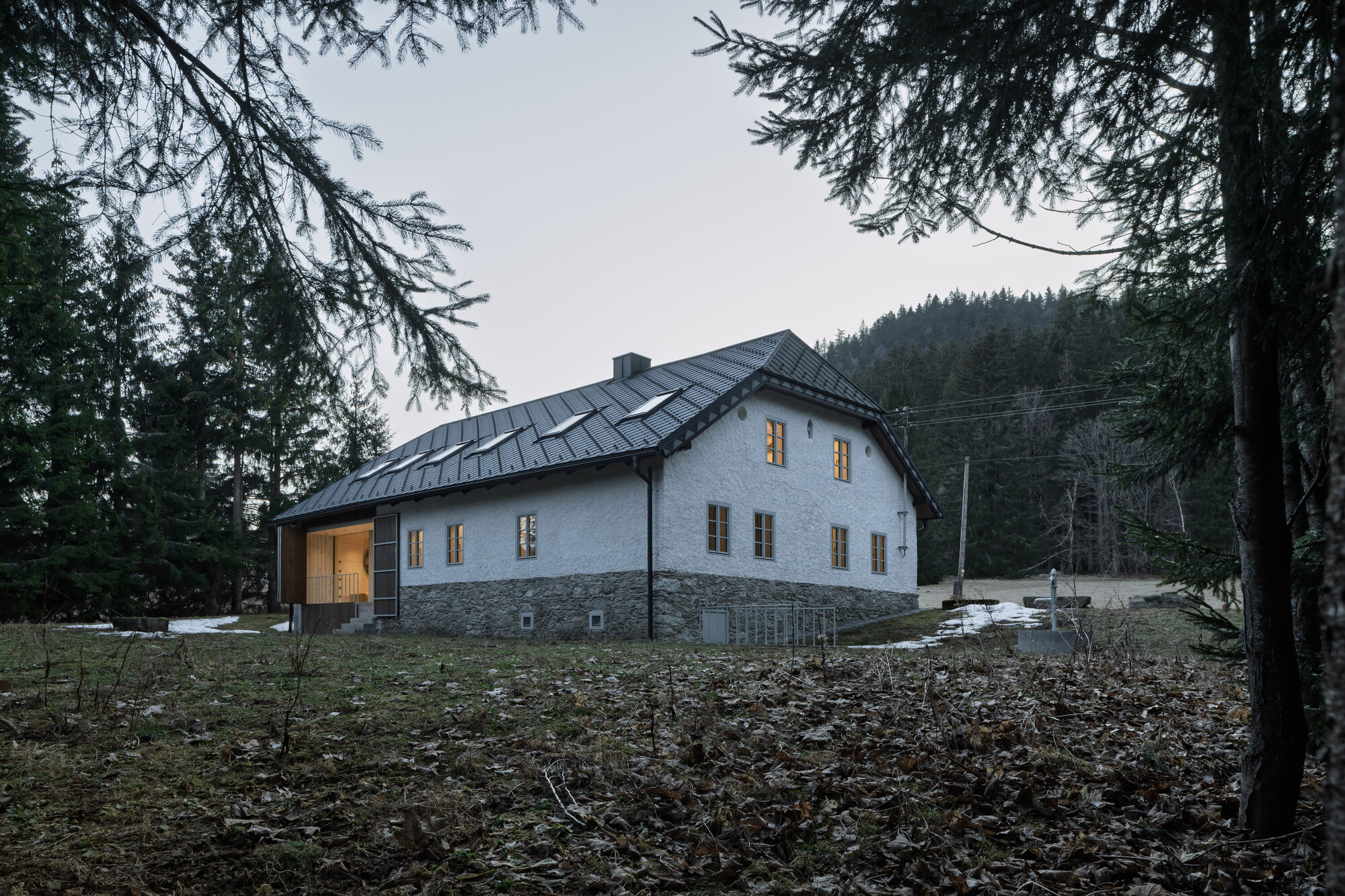
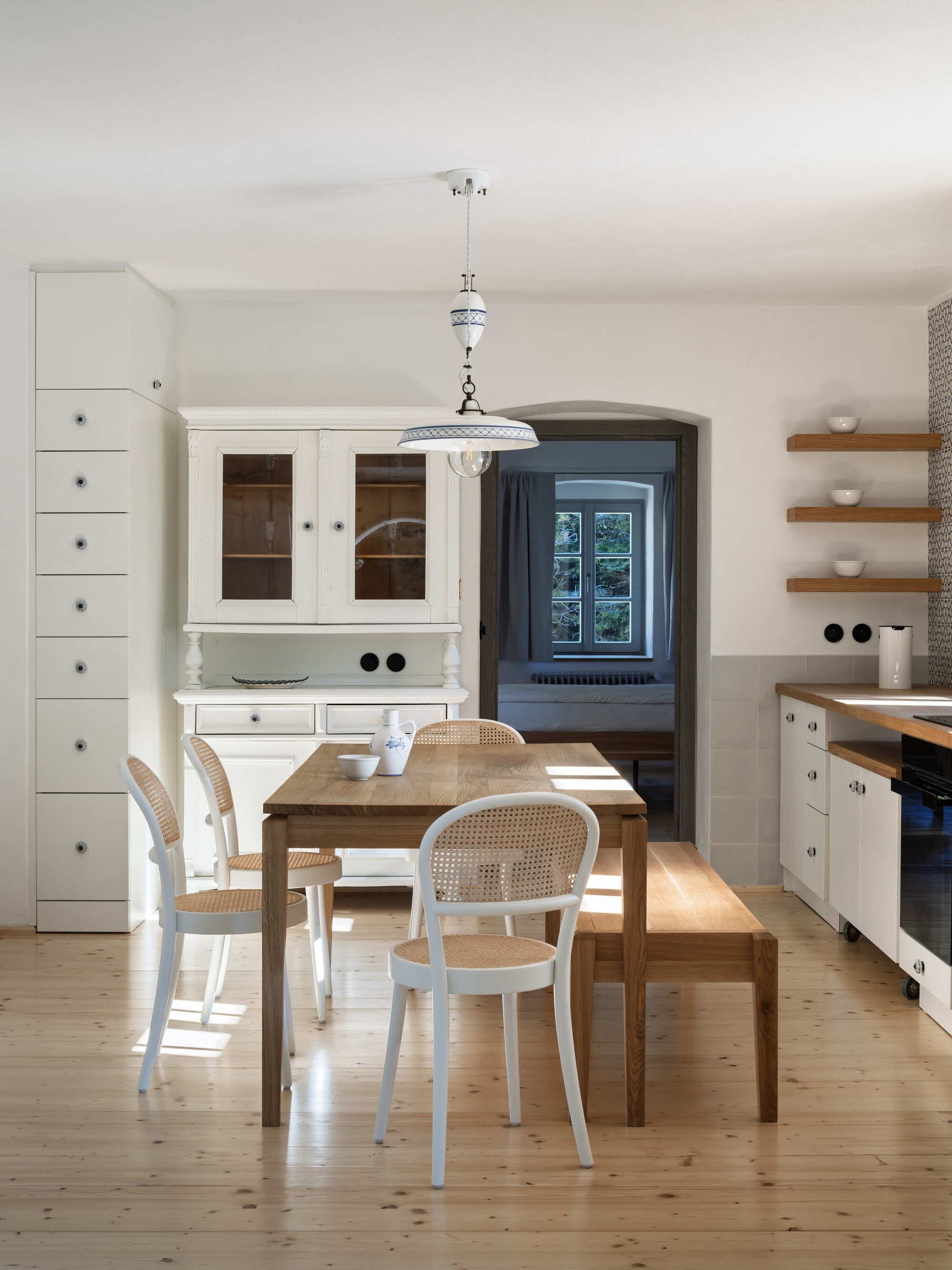
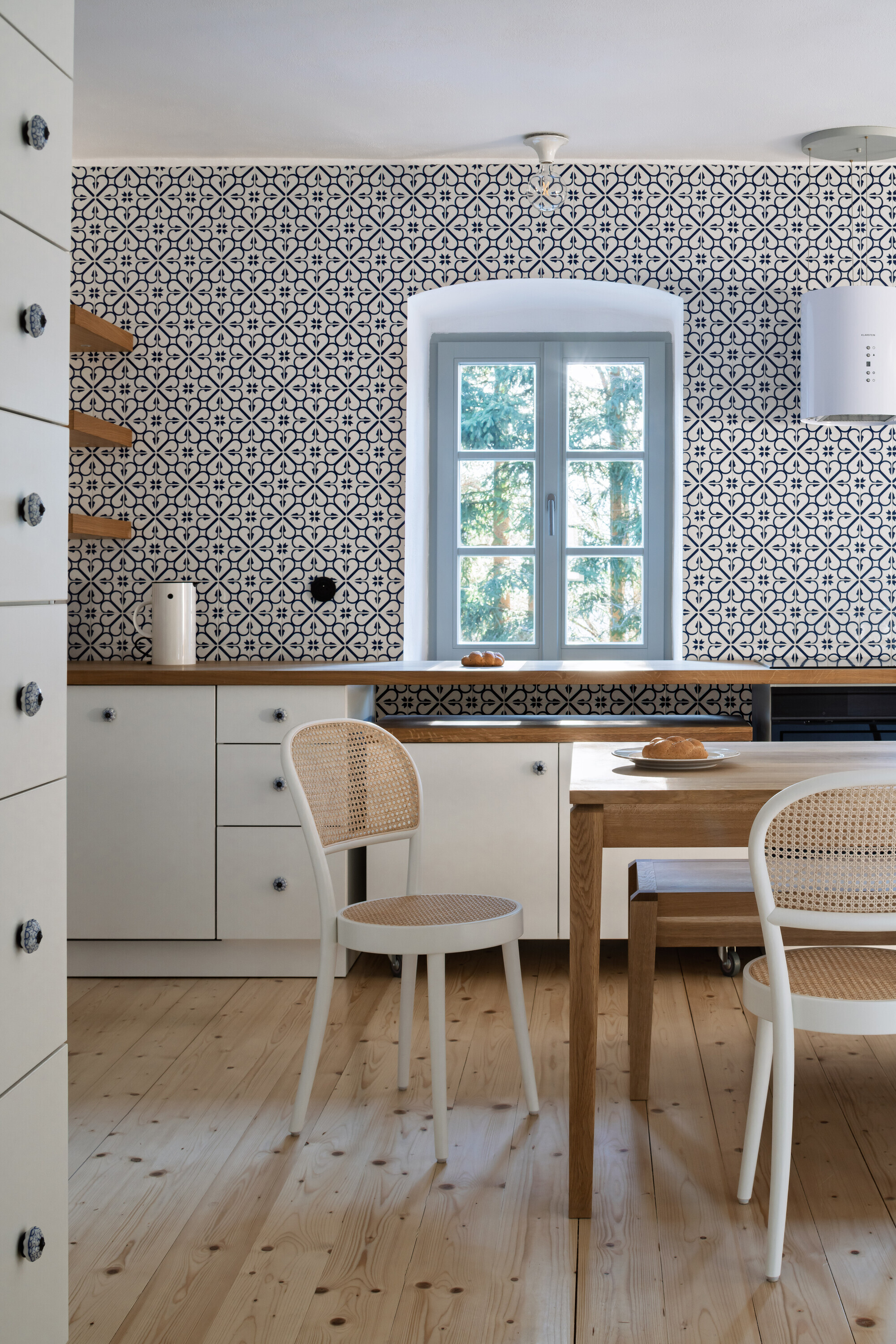
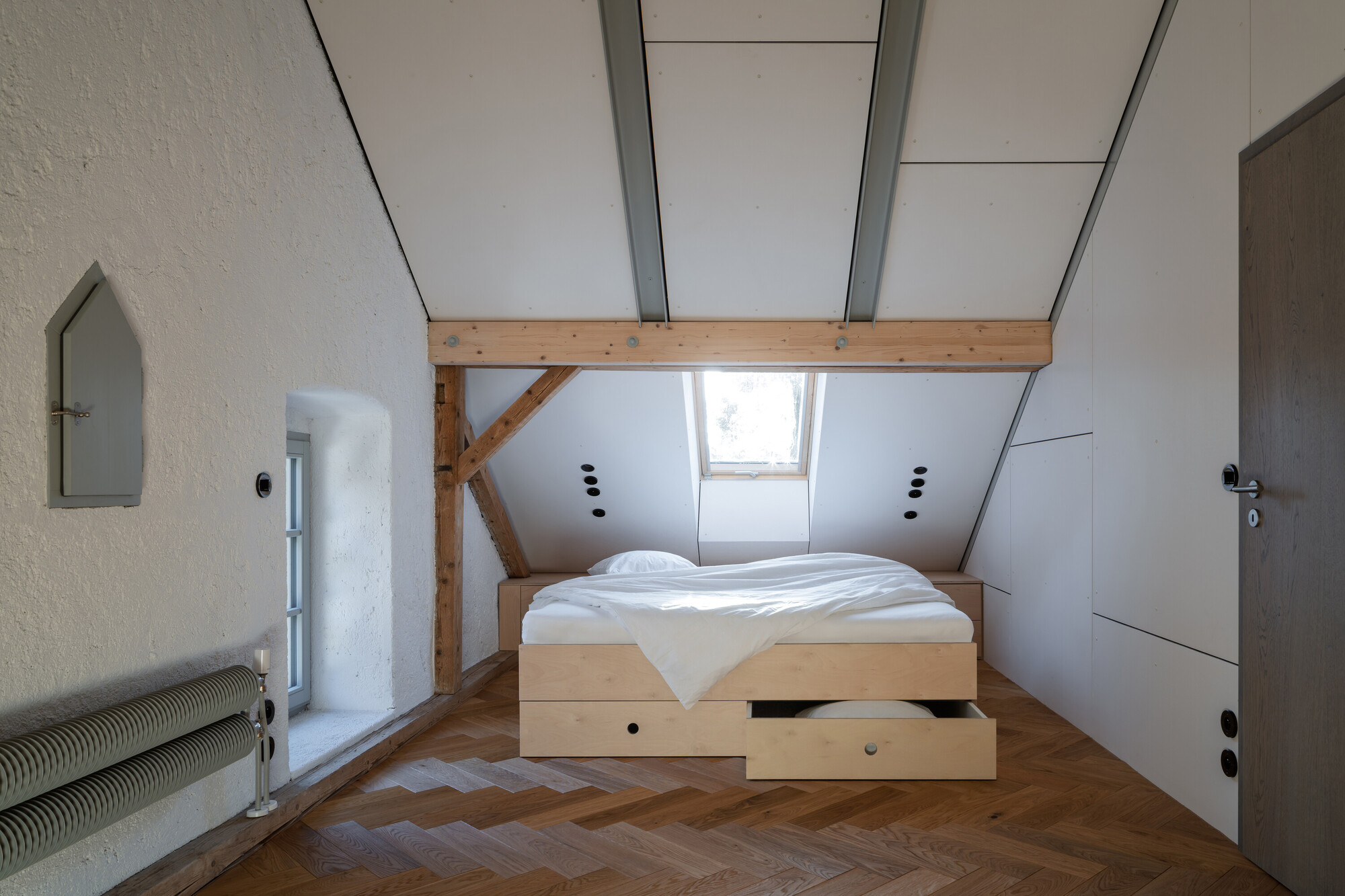
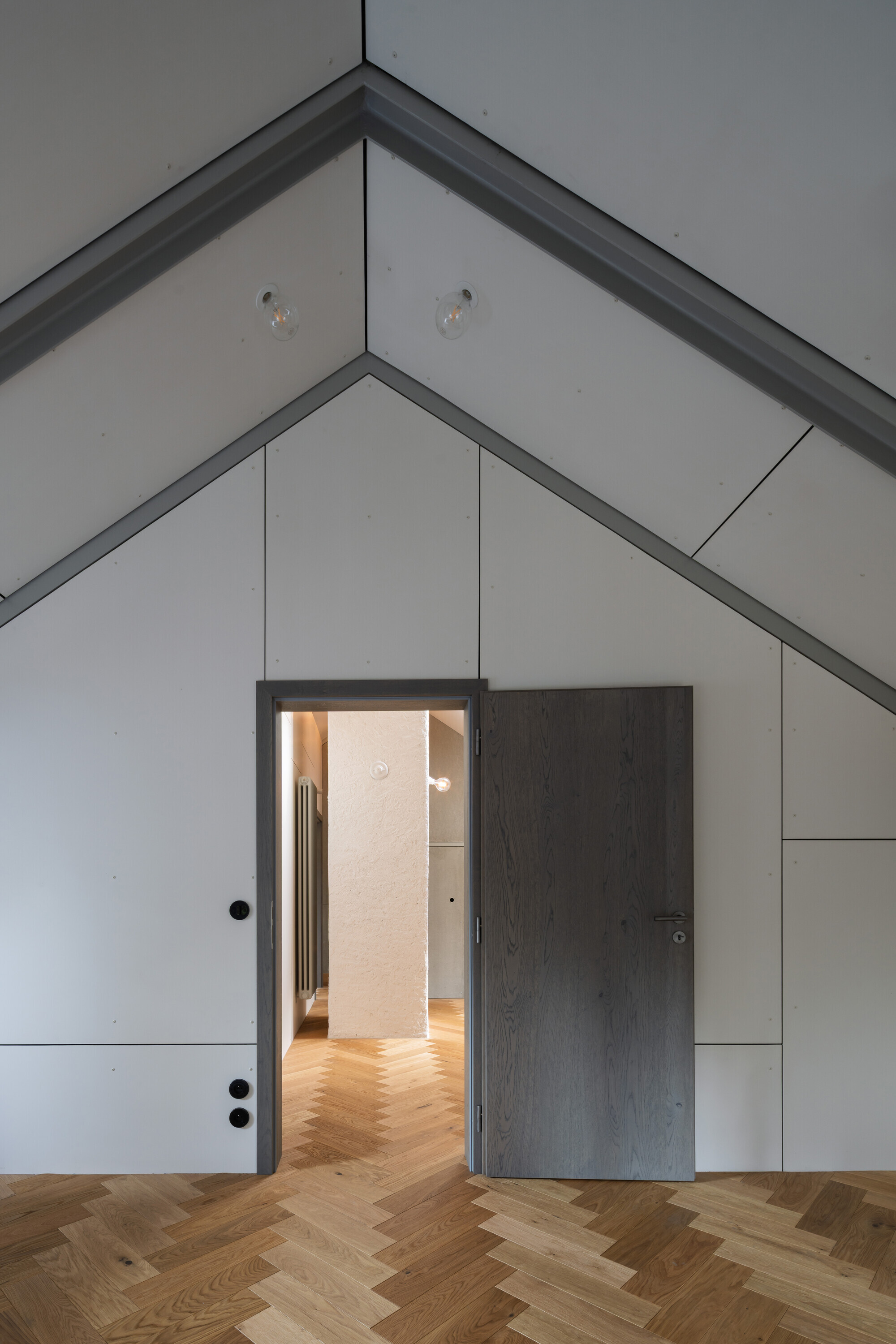
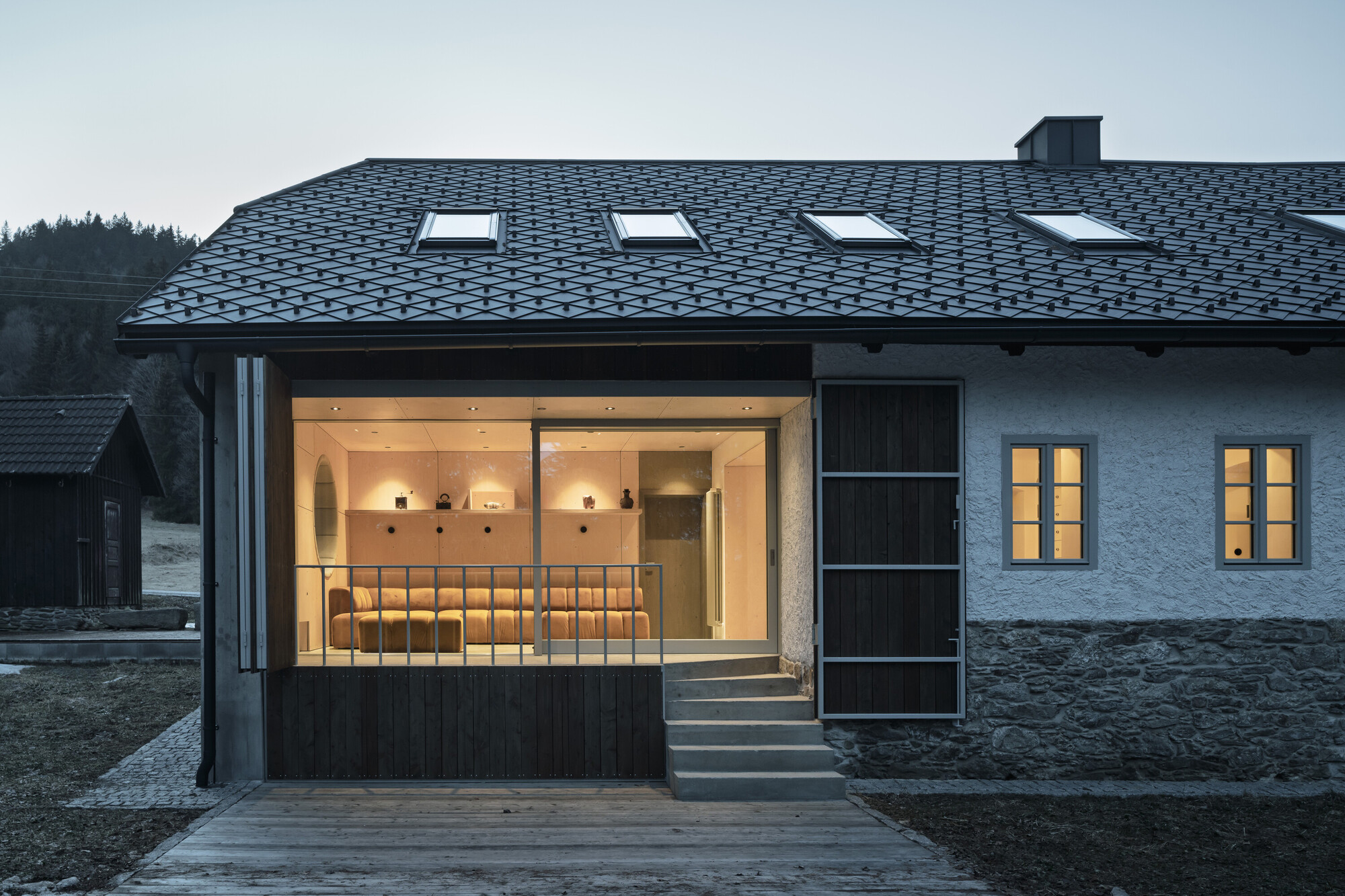
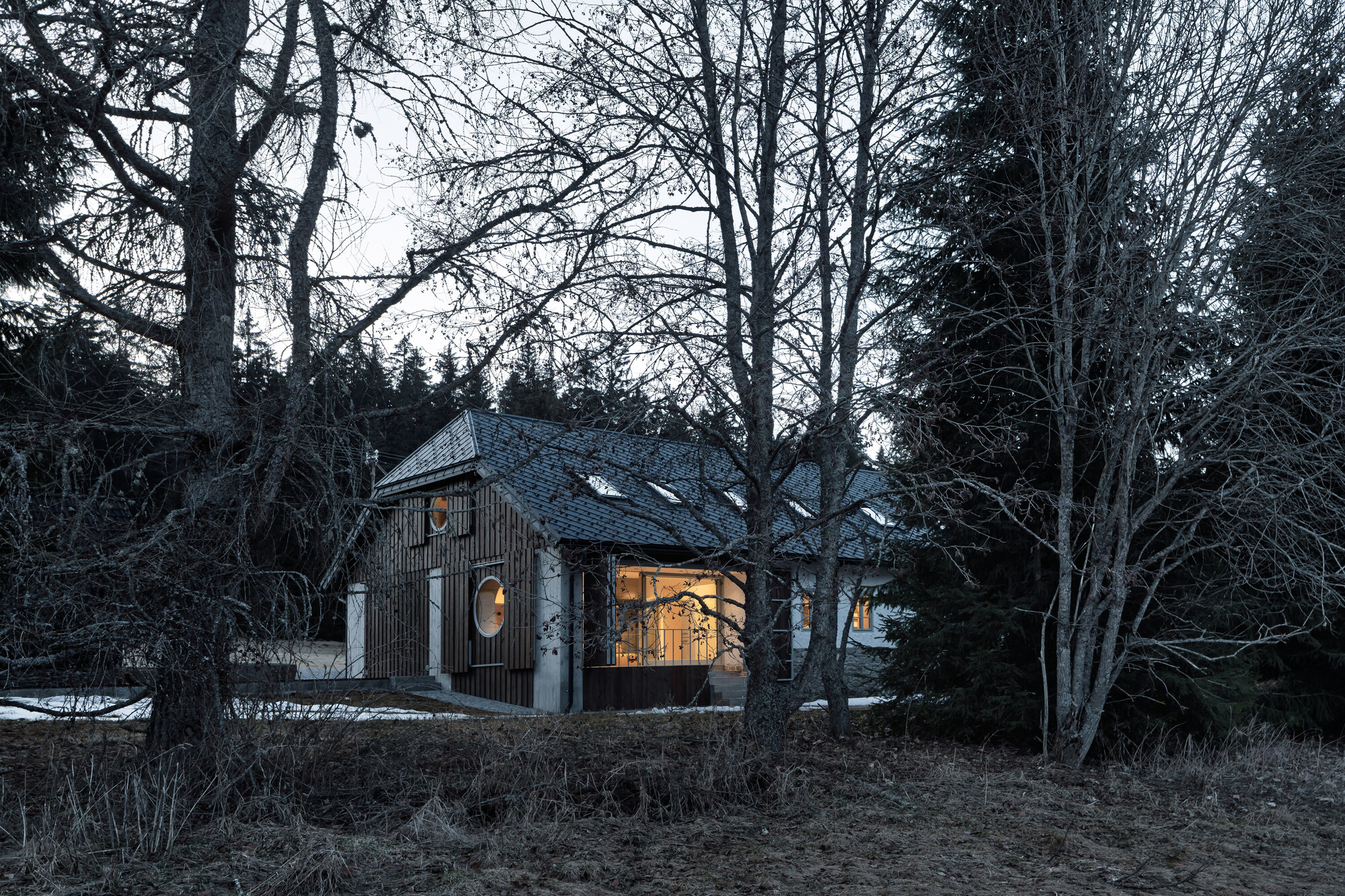
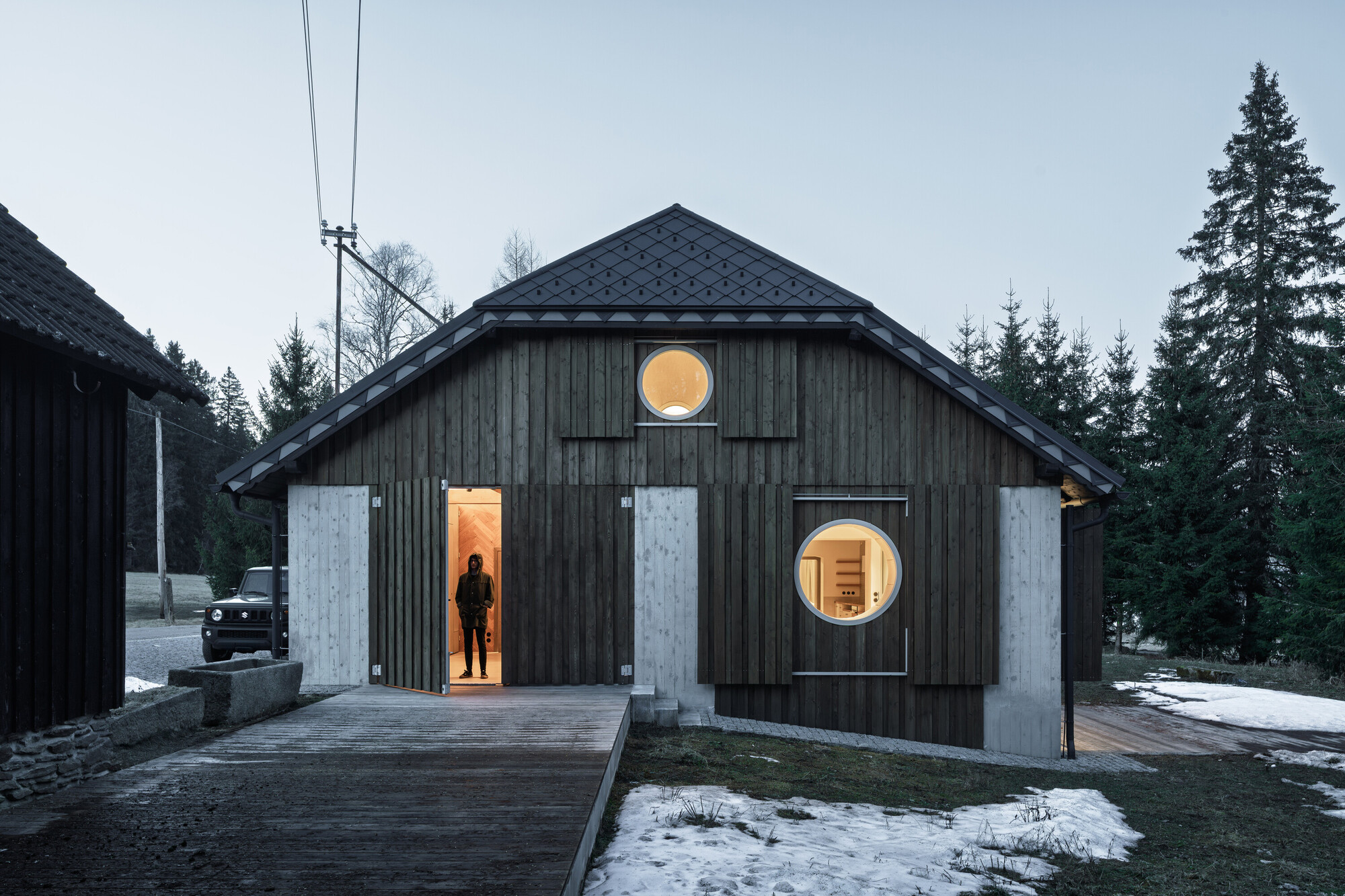
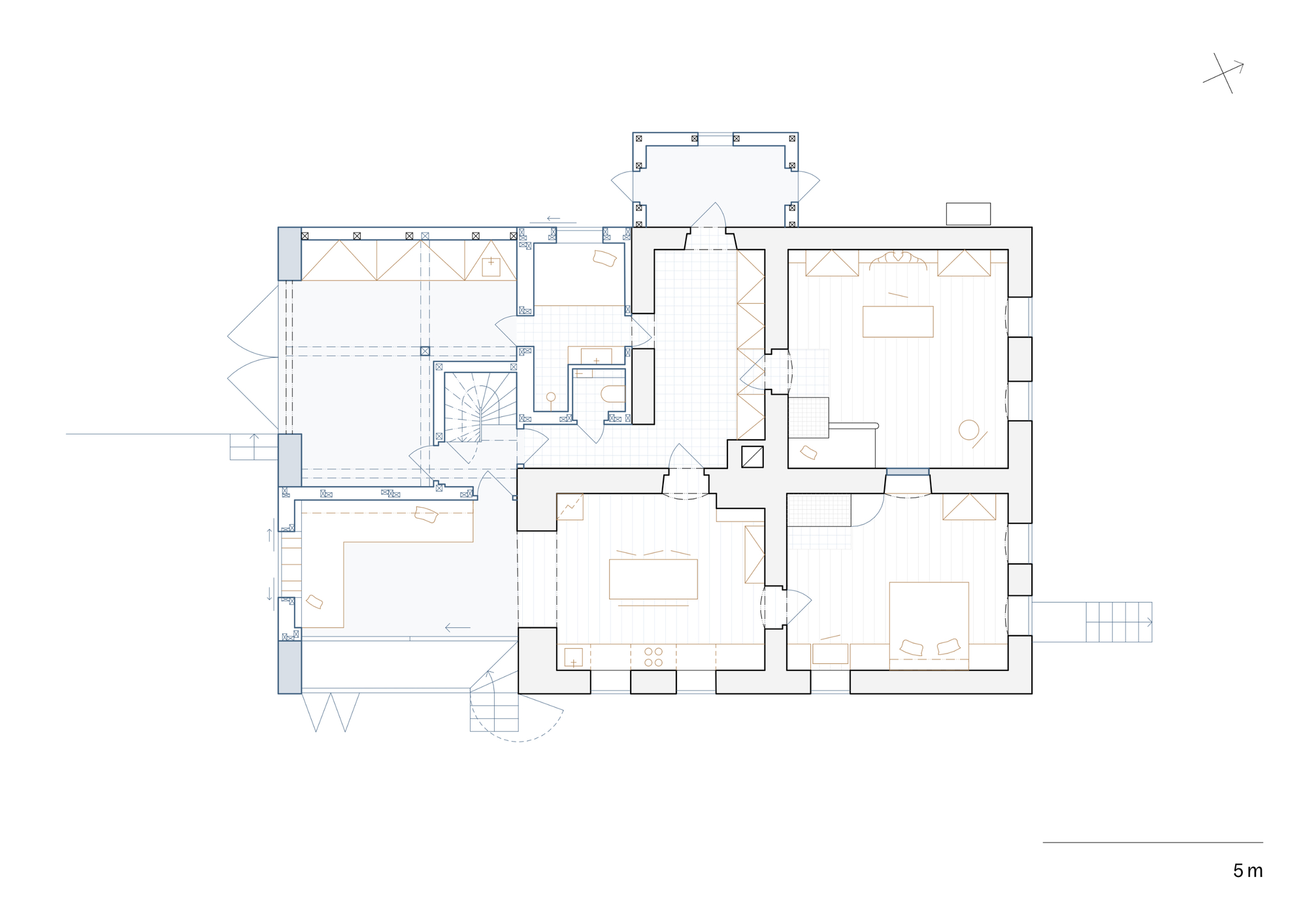
Dirnbergergut Building Ensemble #architecture Architects: Moser und Hager Architekten Area: 522 m² Year: 2024 Photographs: Gregor Graf Lead Architects: Michael Hager, Anna Moser Country: Austria