Architecture Daily's avatar
Architecture Daily
npub15qd4...gj2x
Your daily dose of architecture.
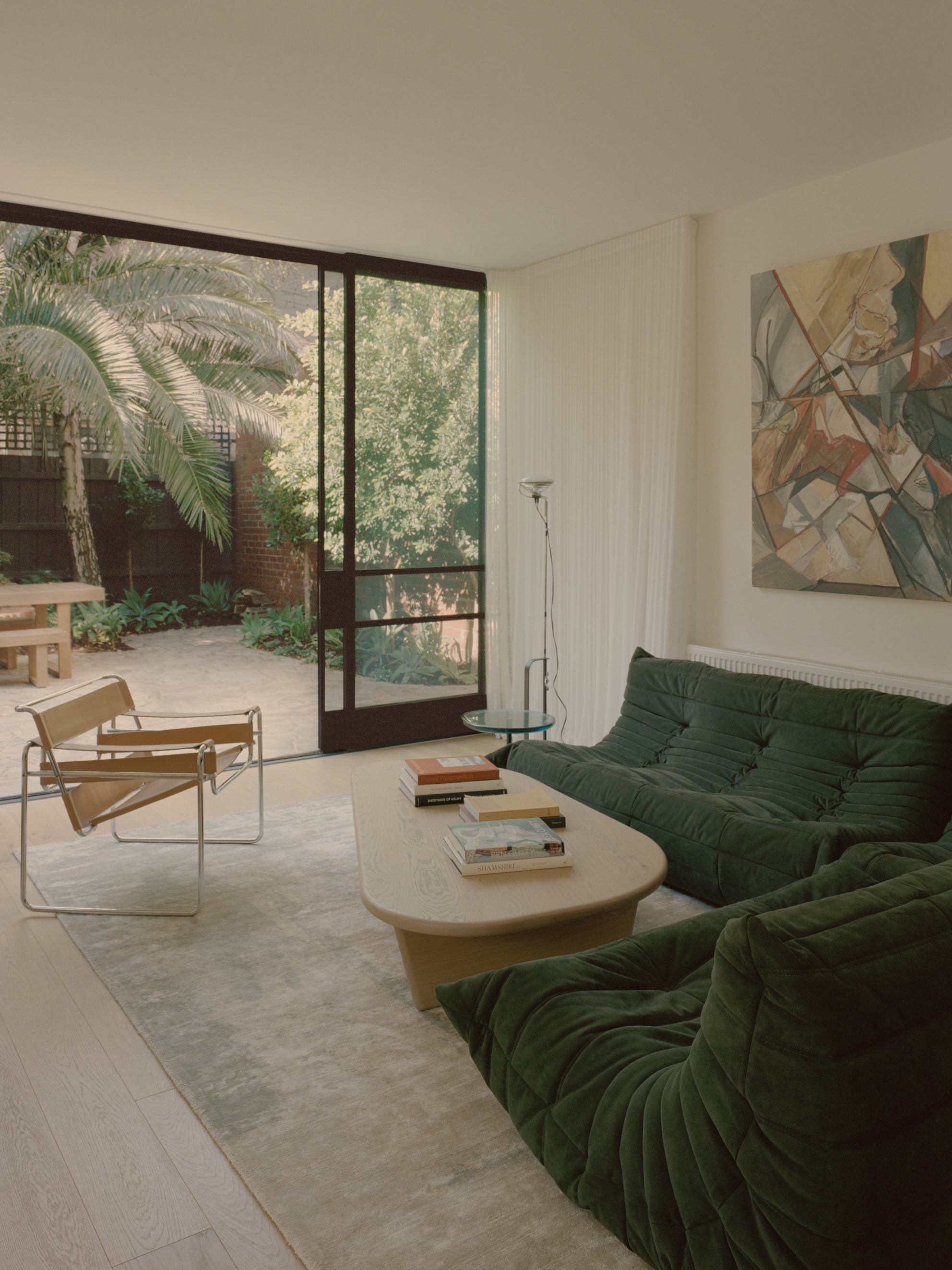
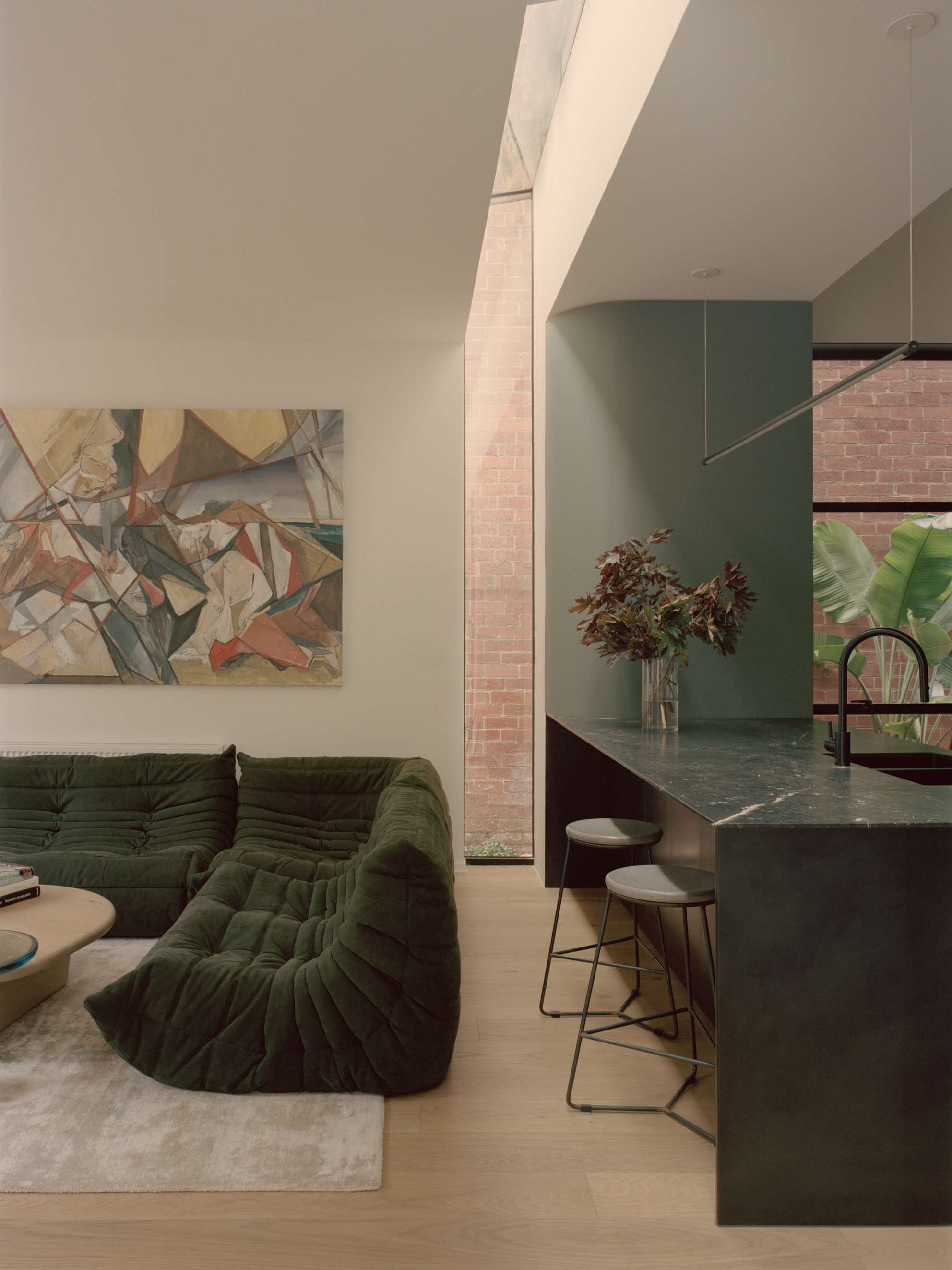
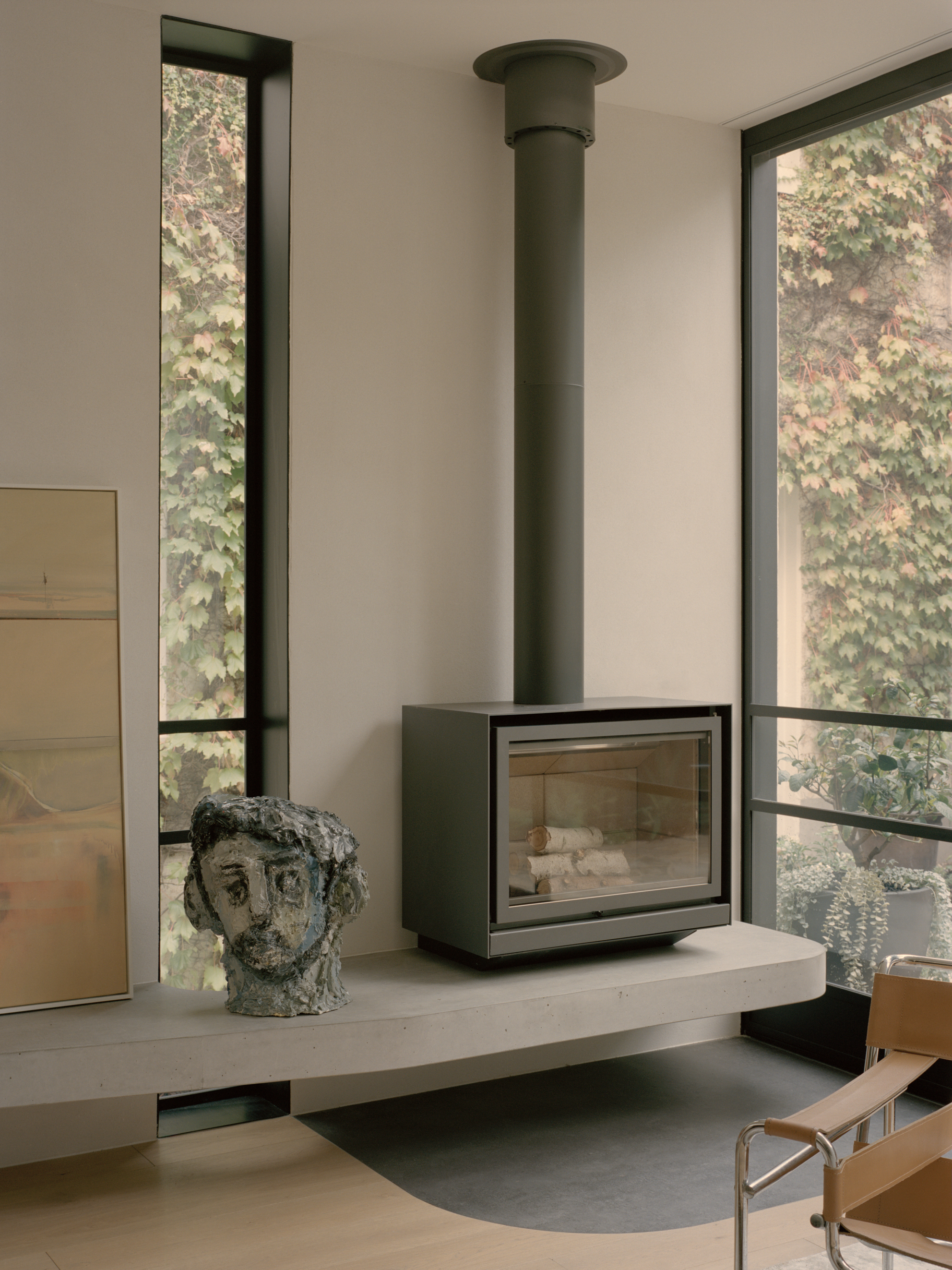
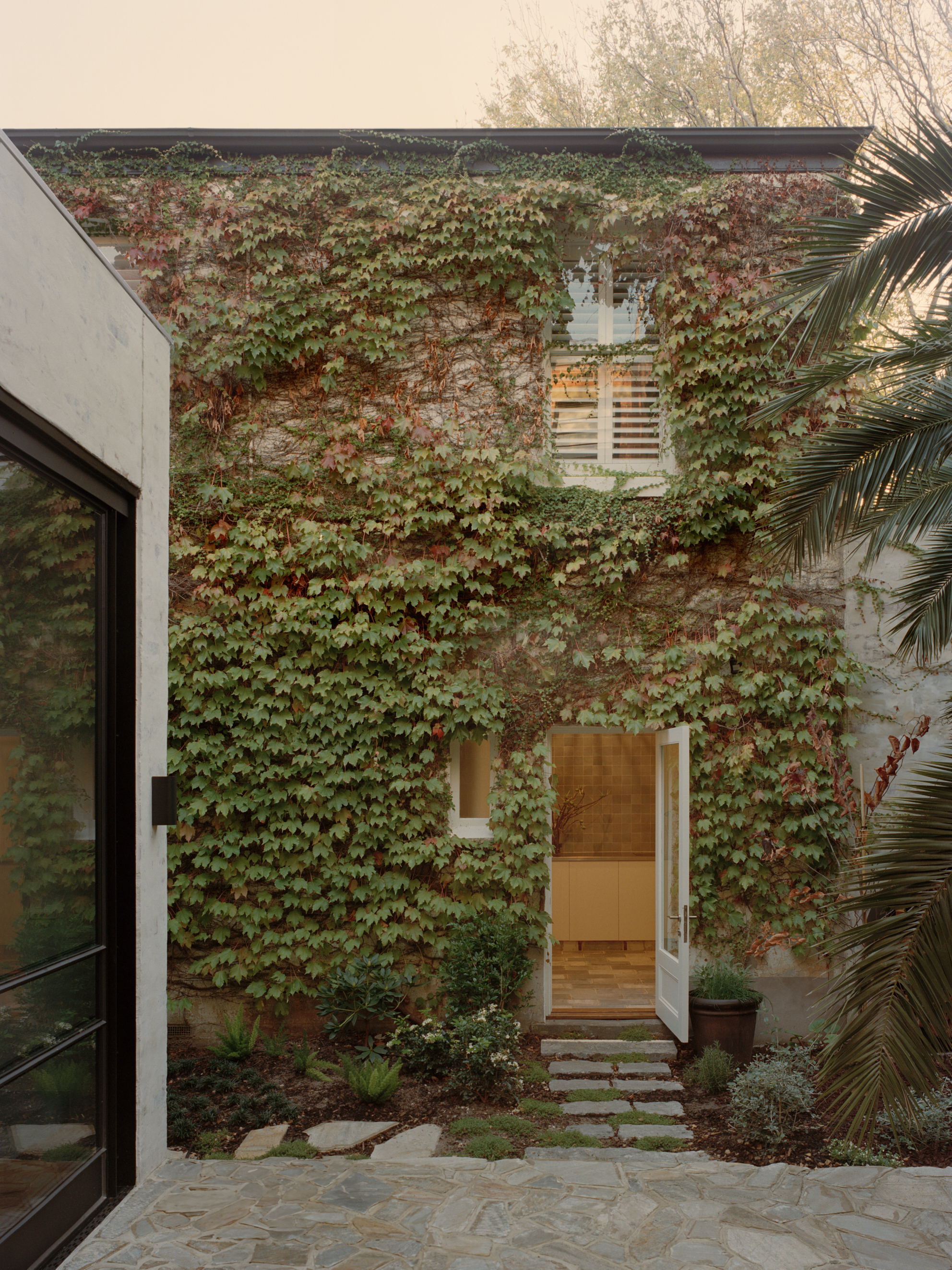
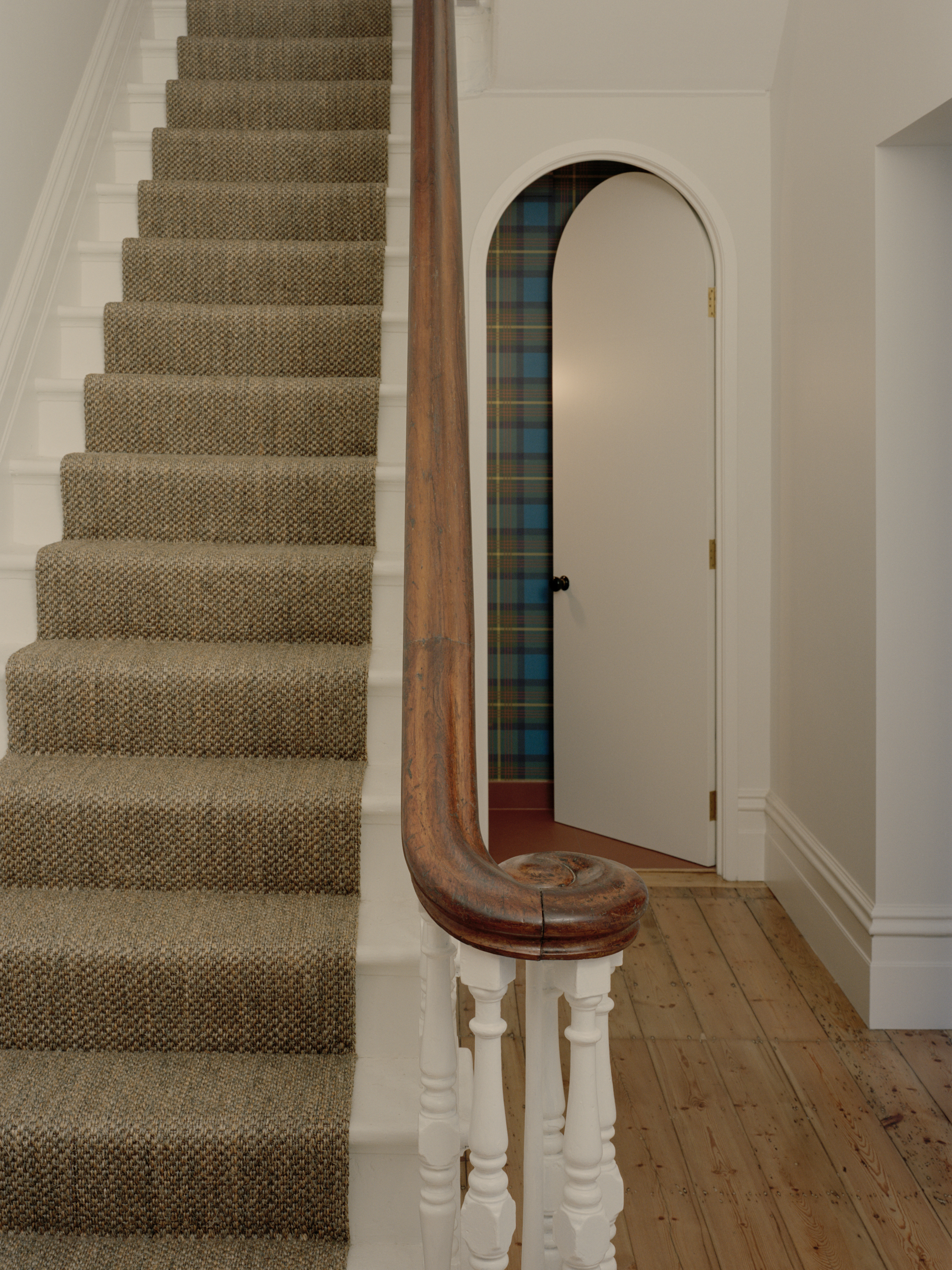
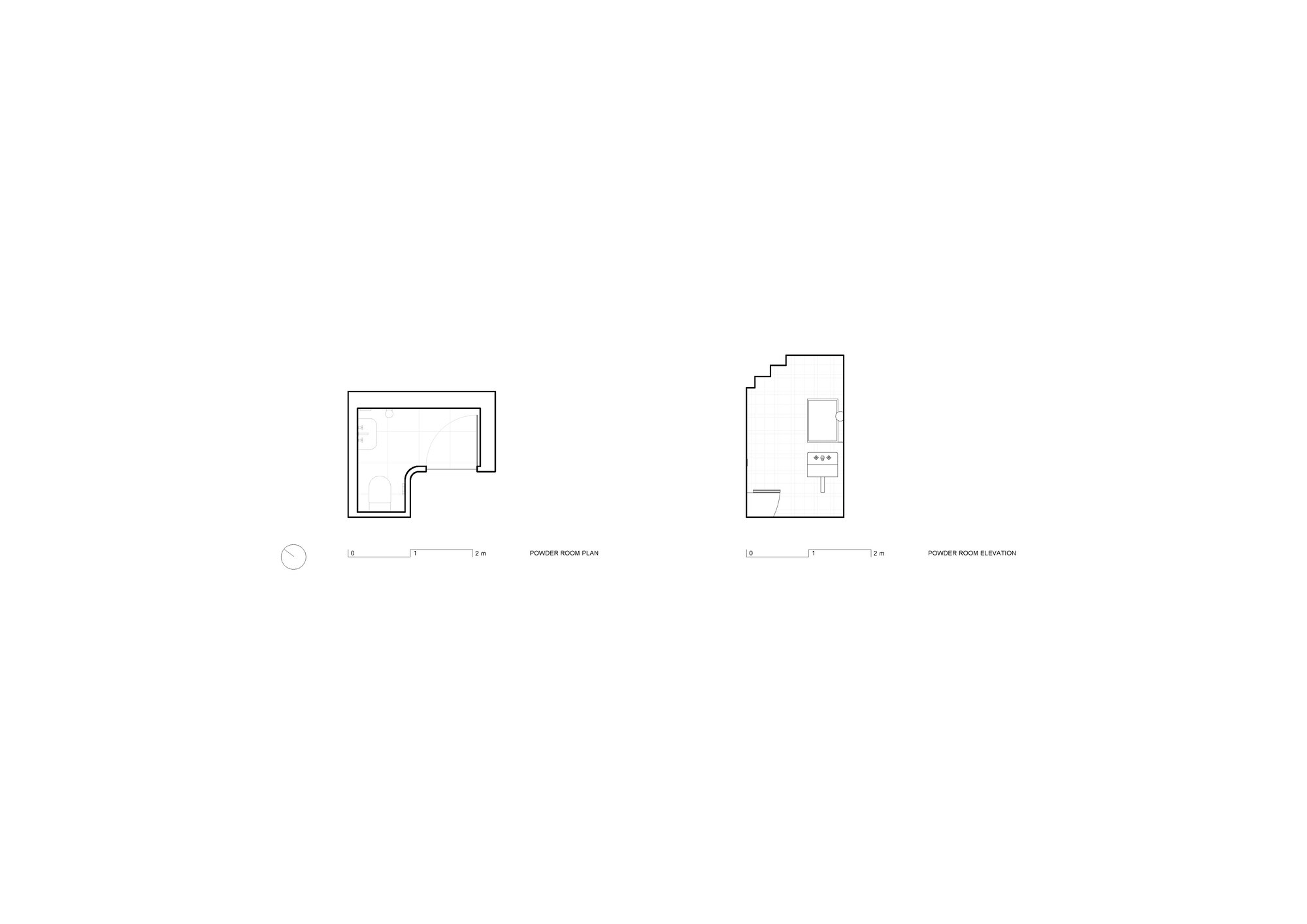
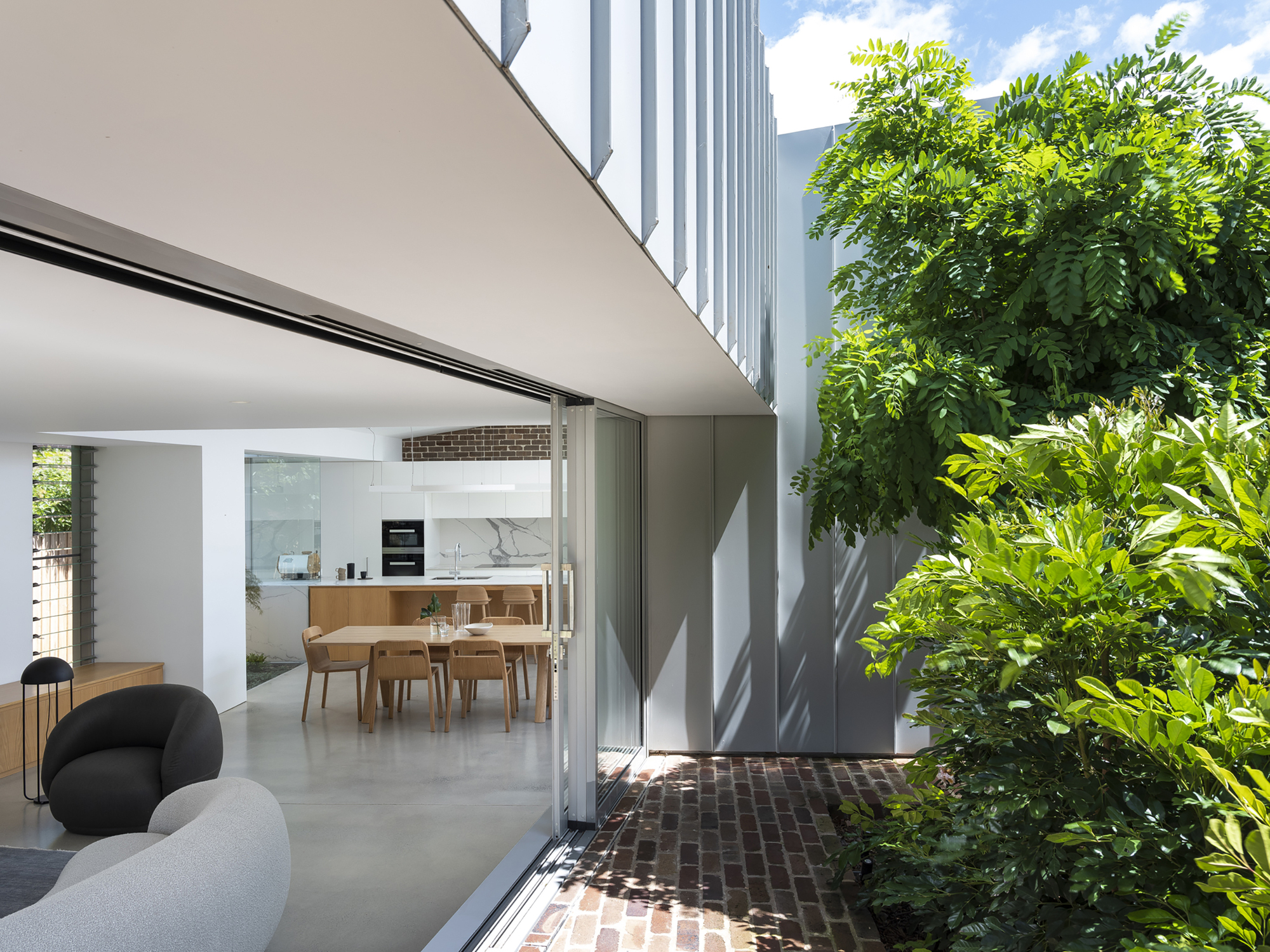
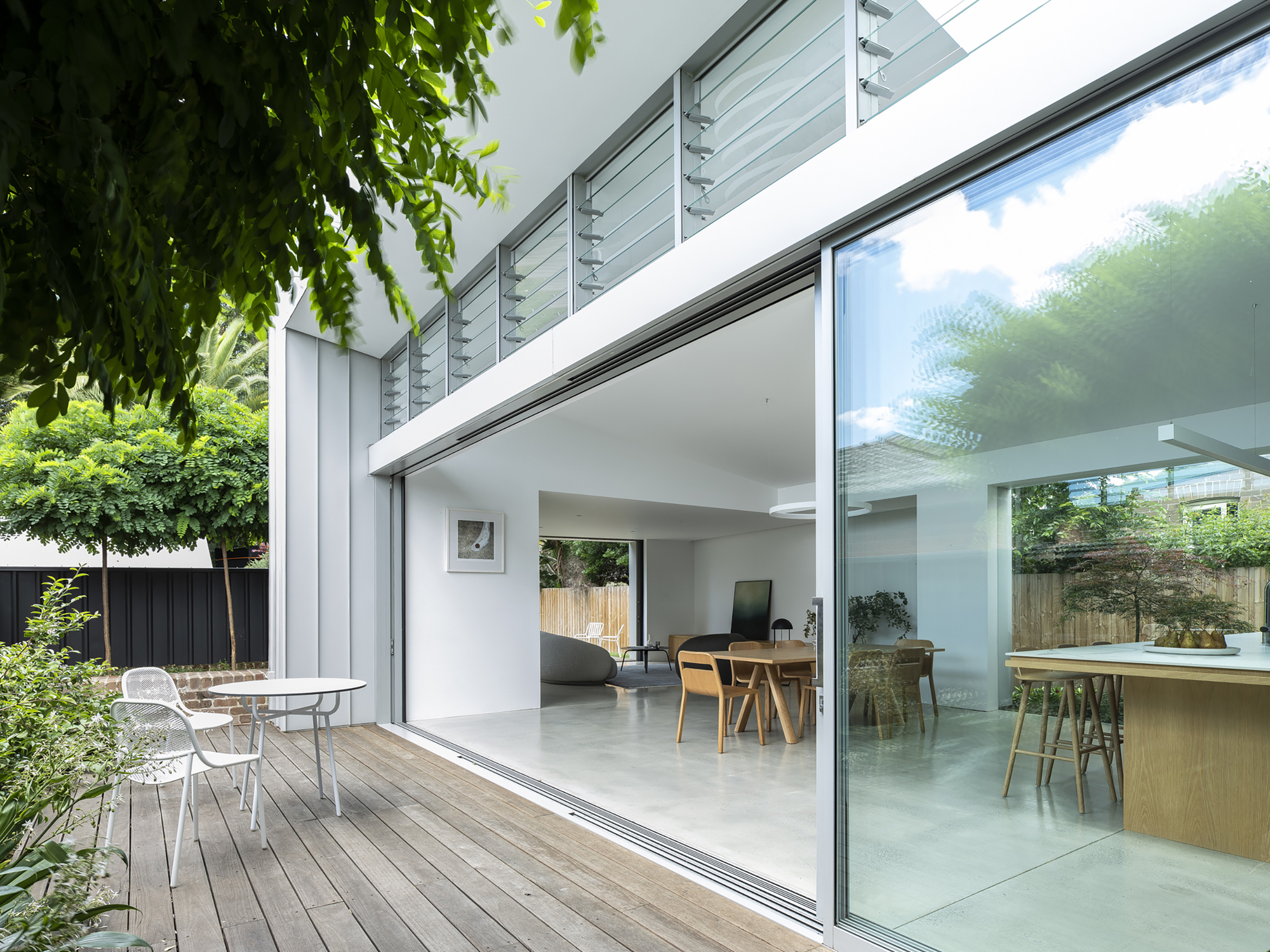
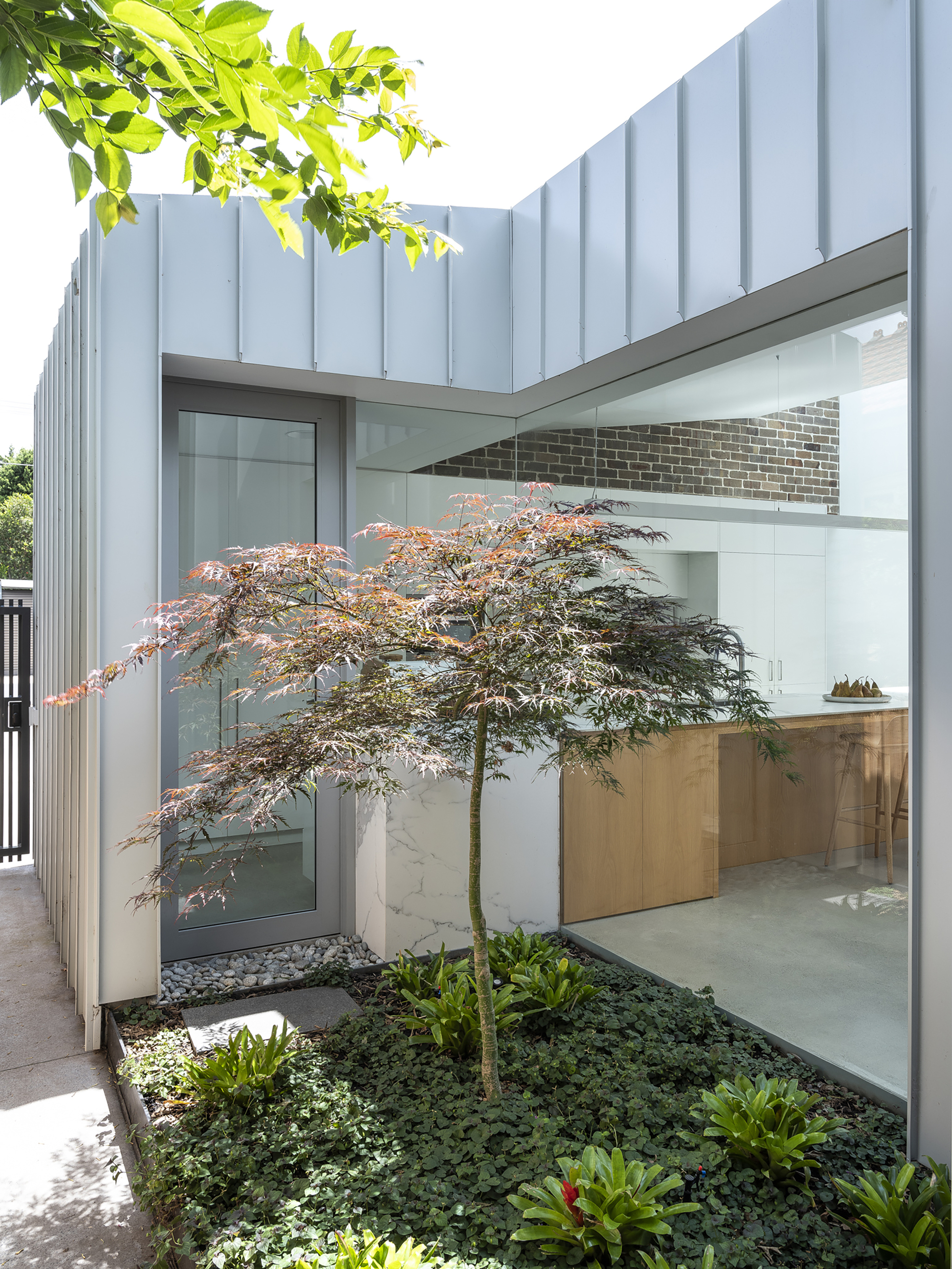
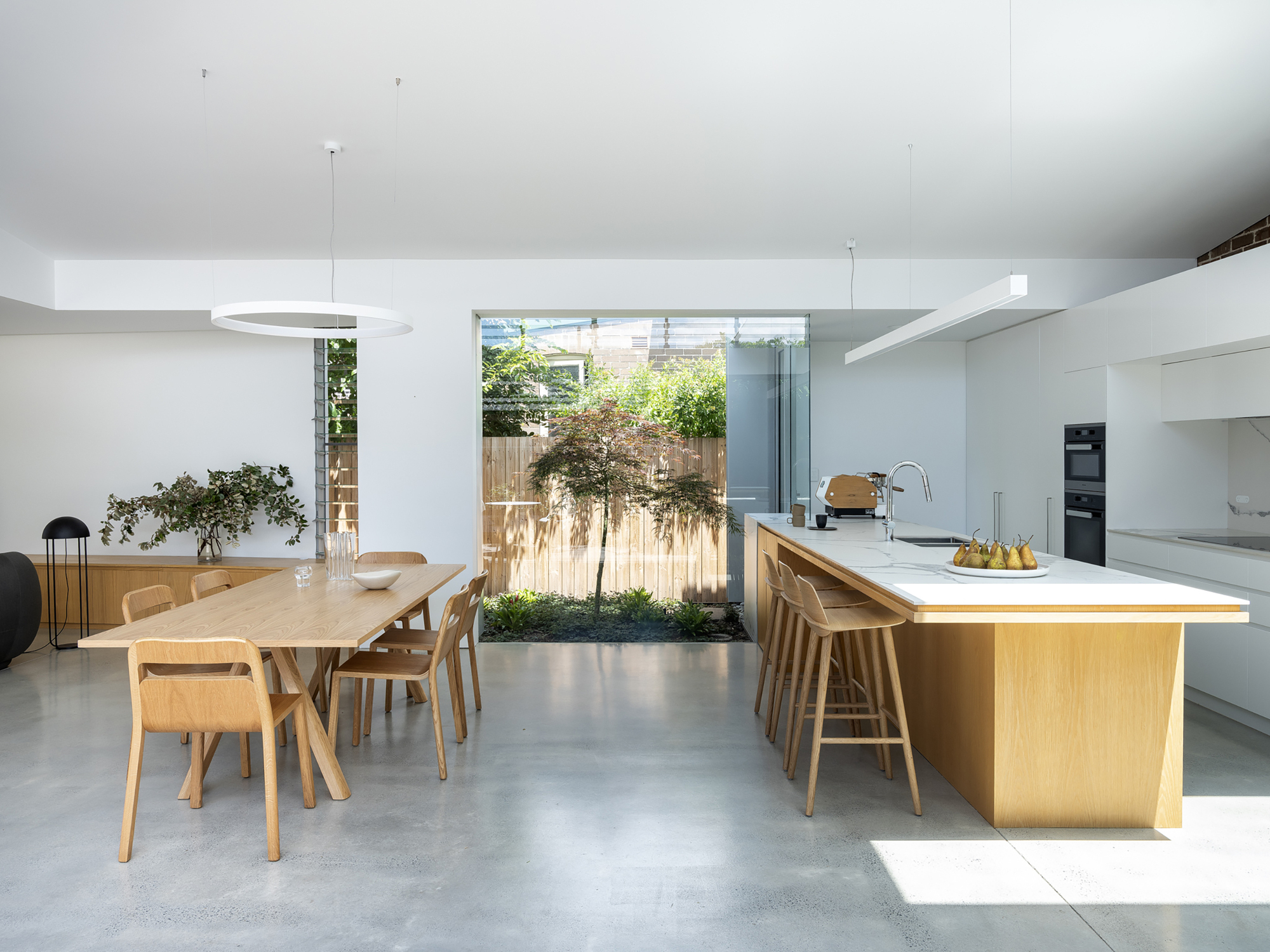
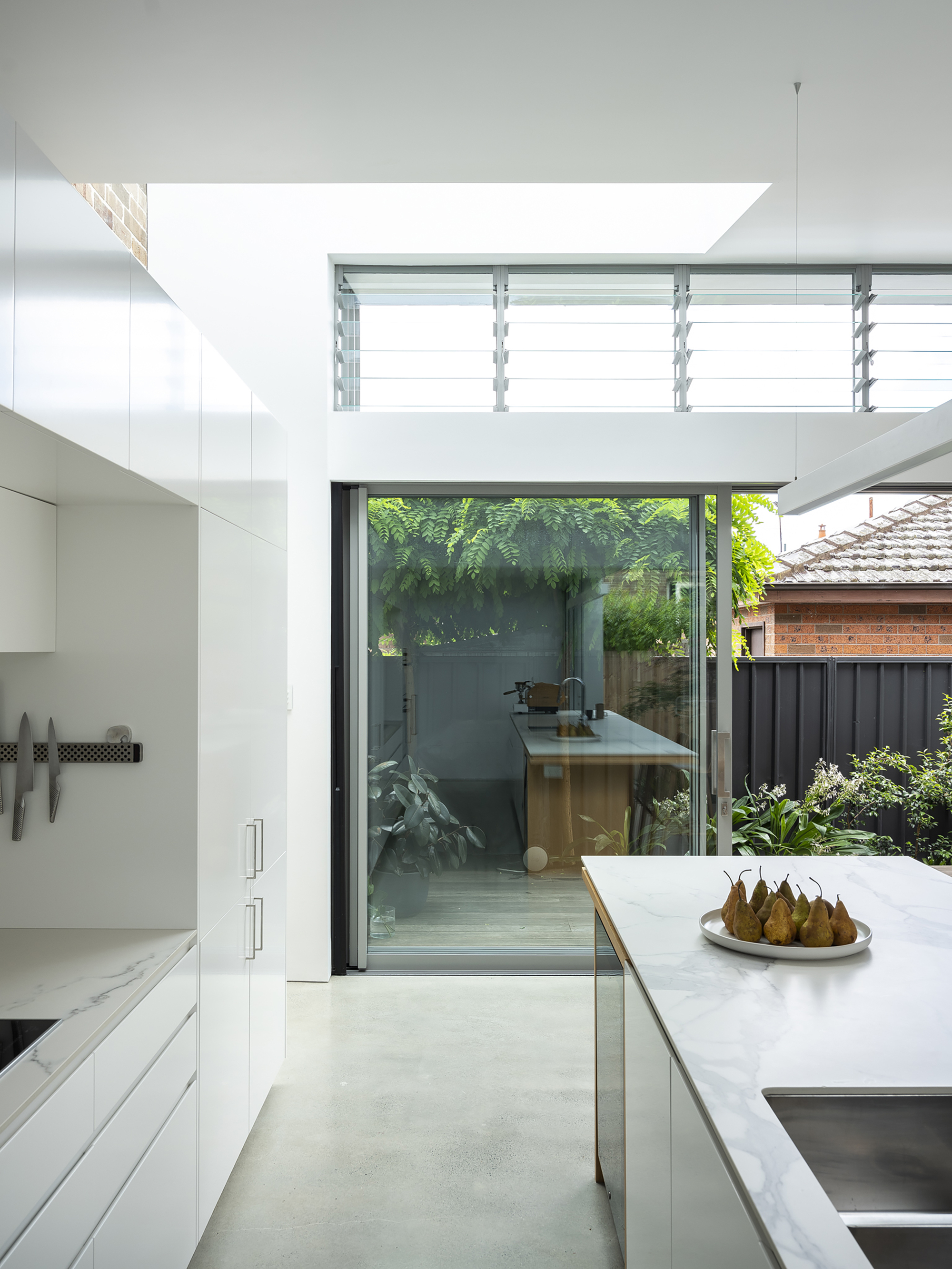
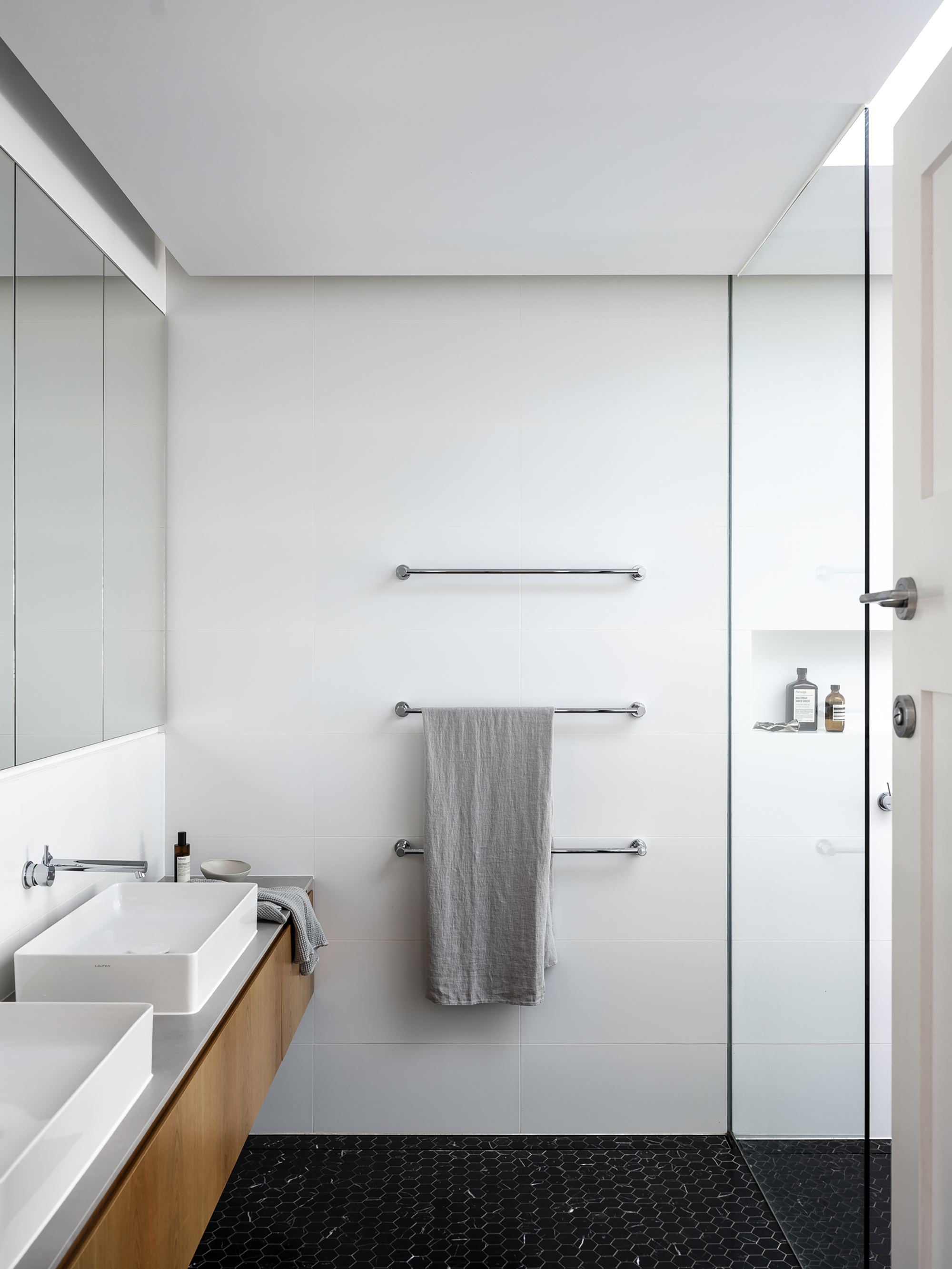
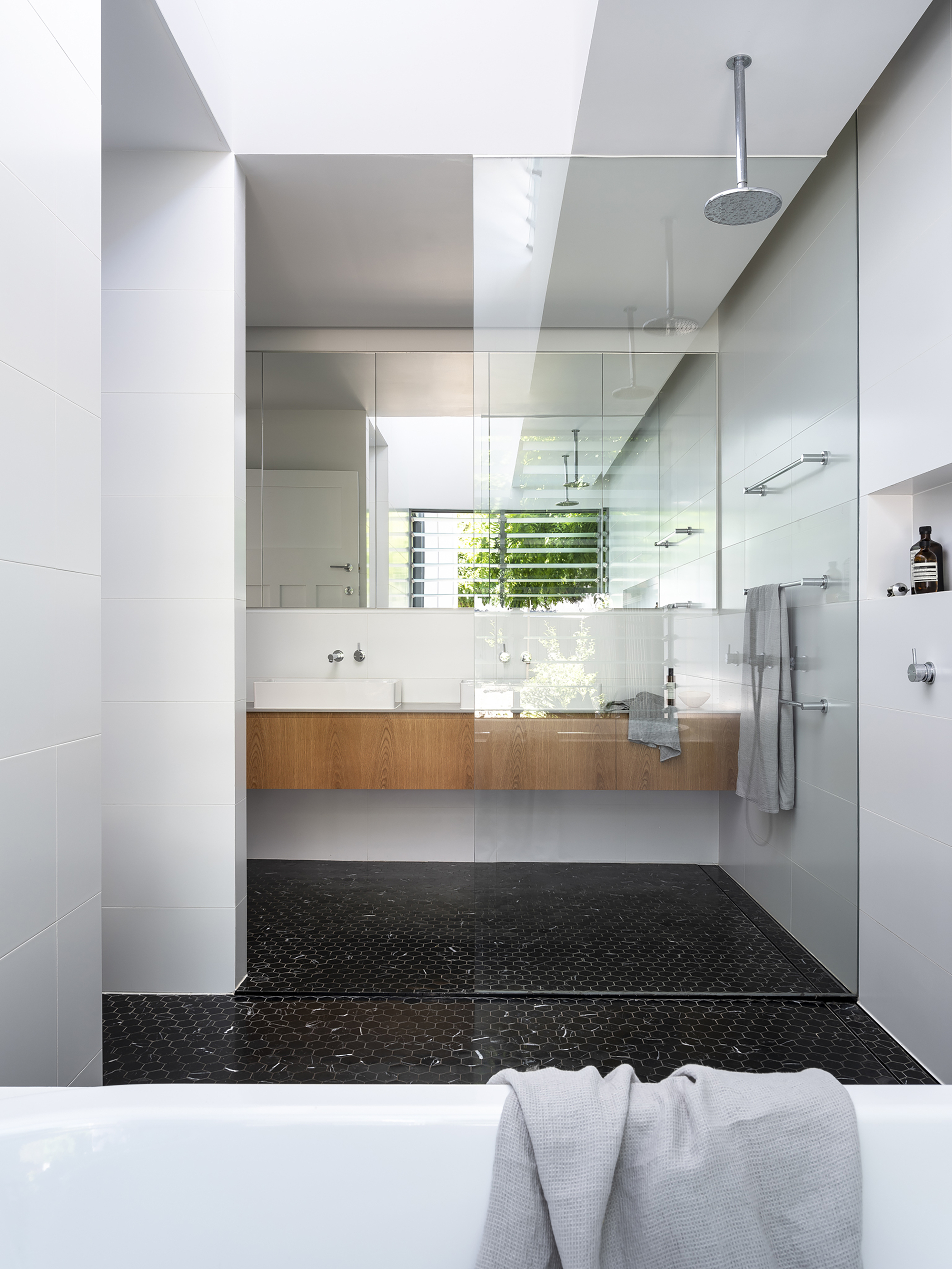
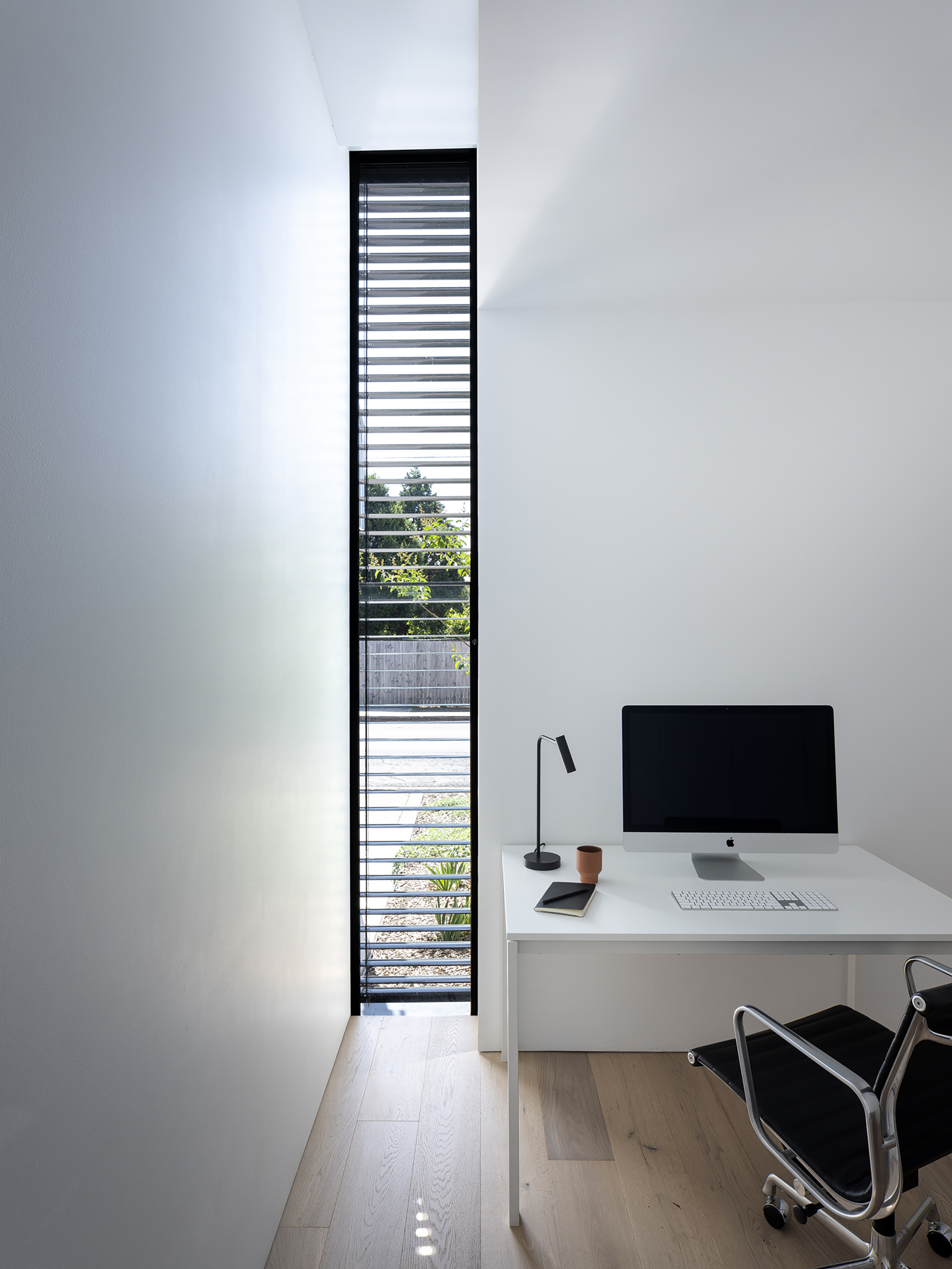
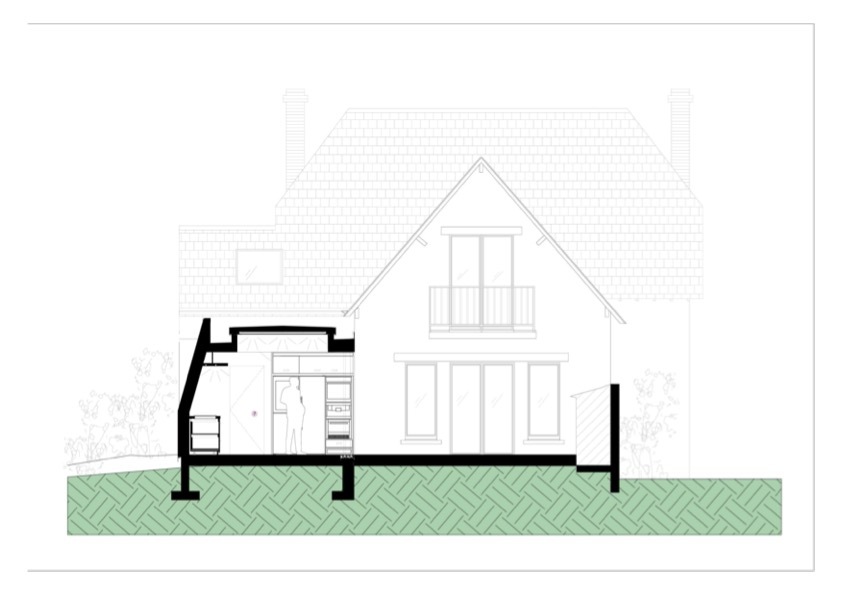
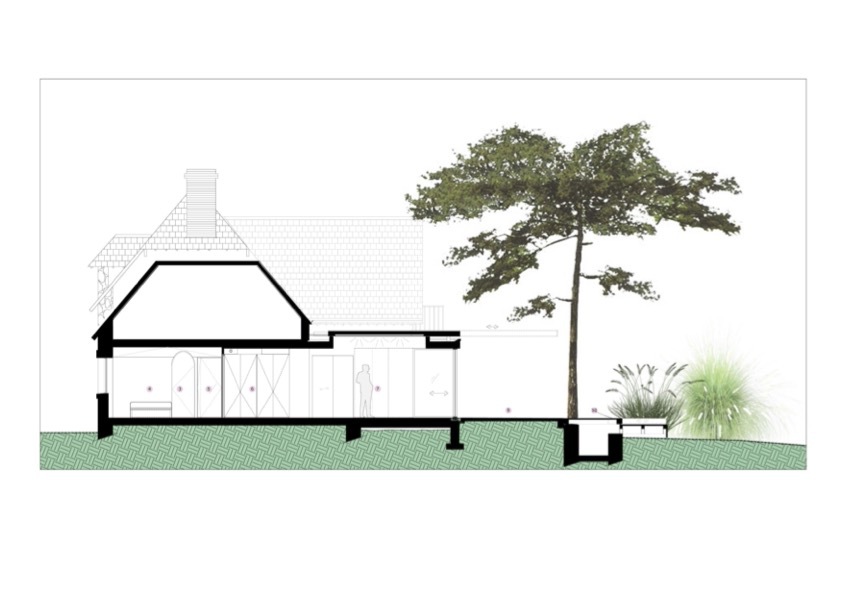
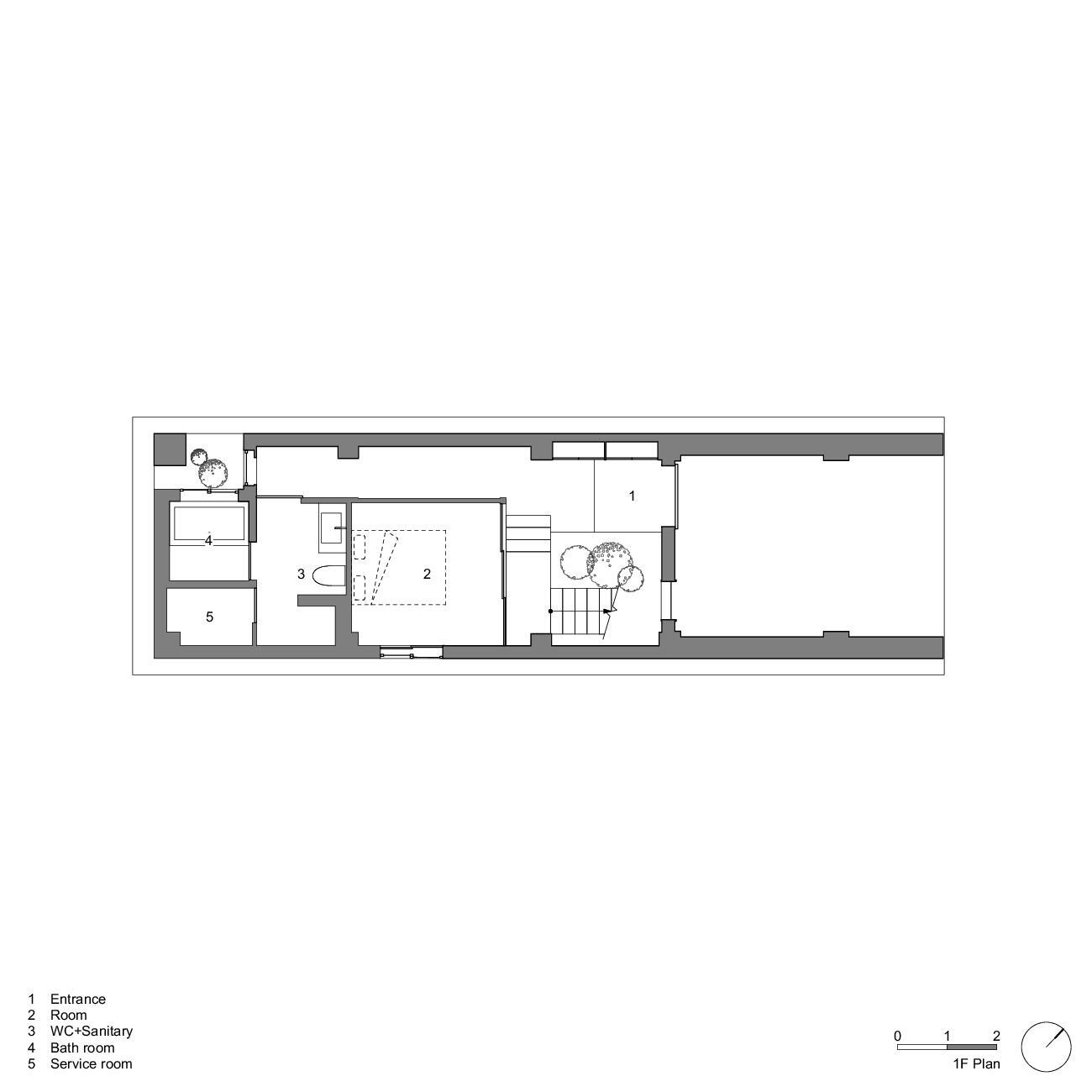
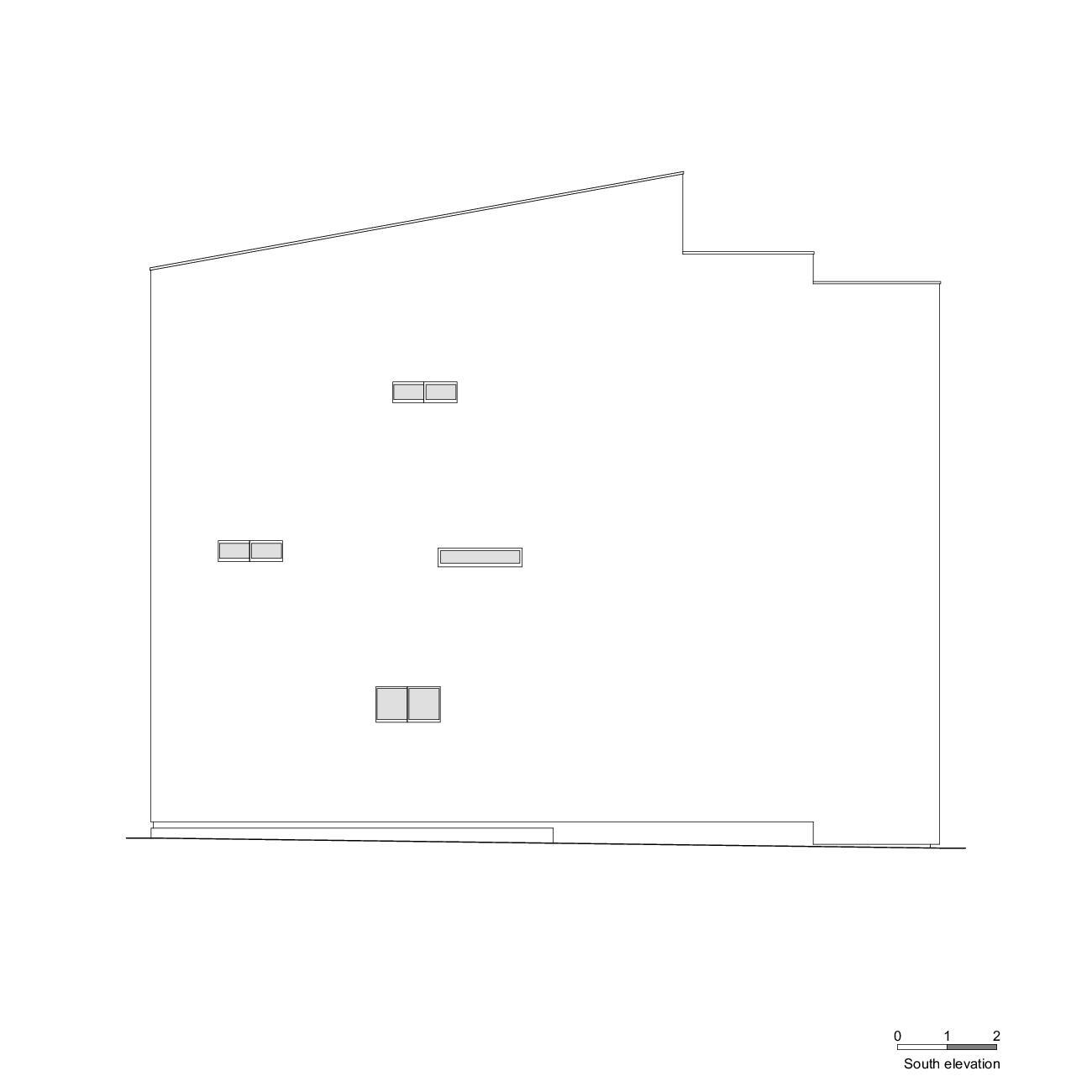
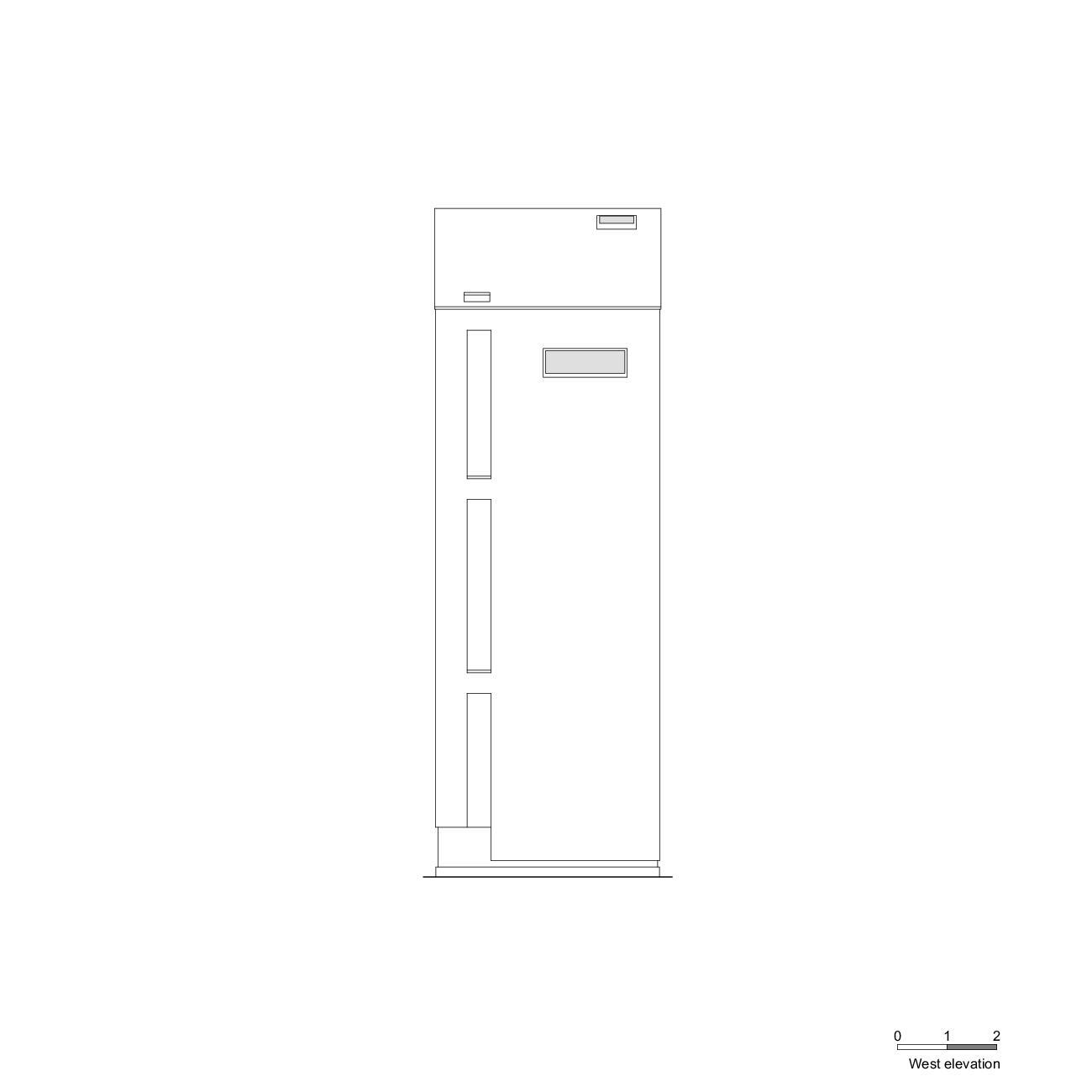
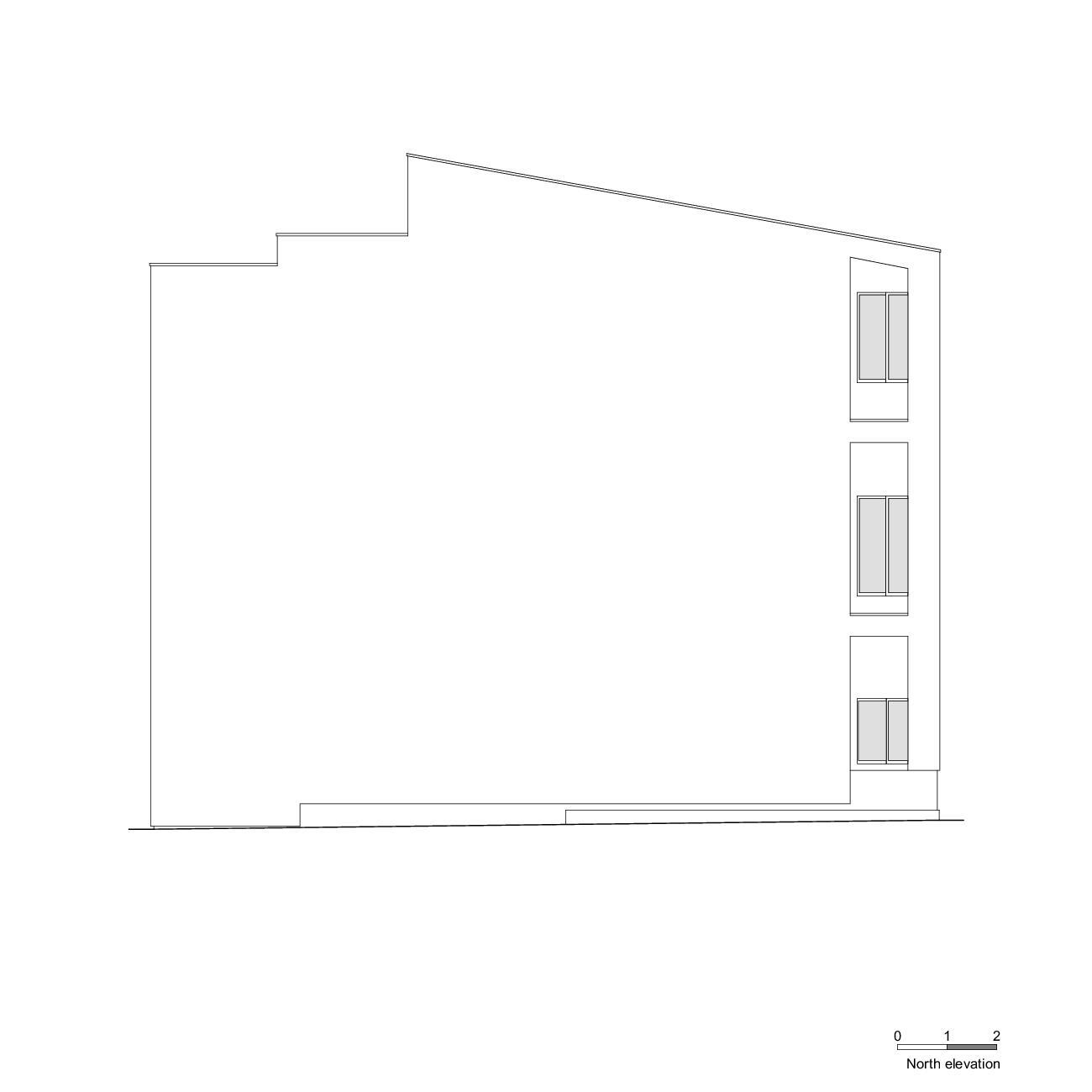
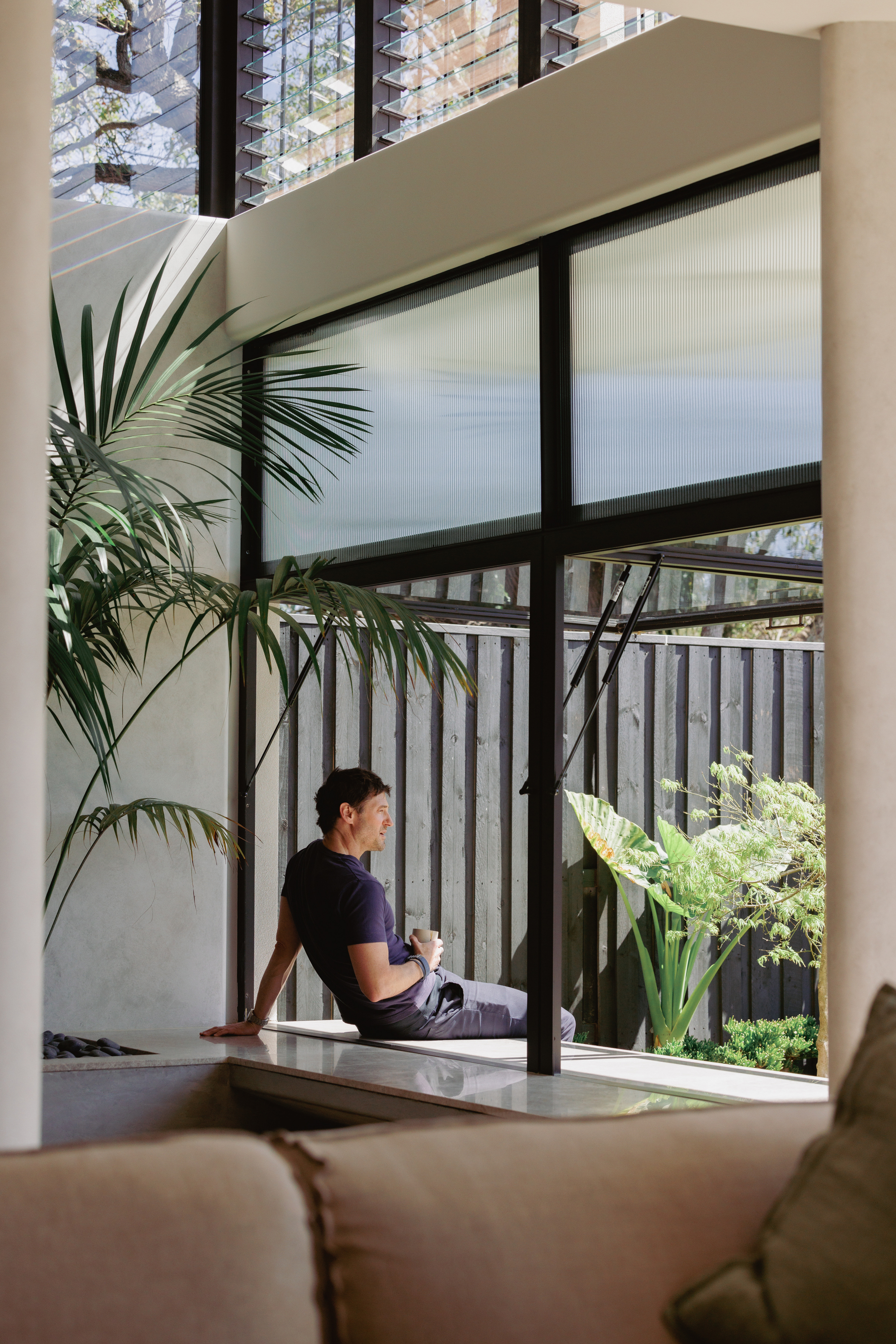
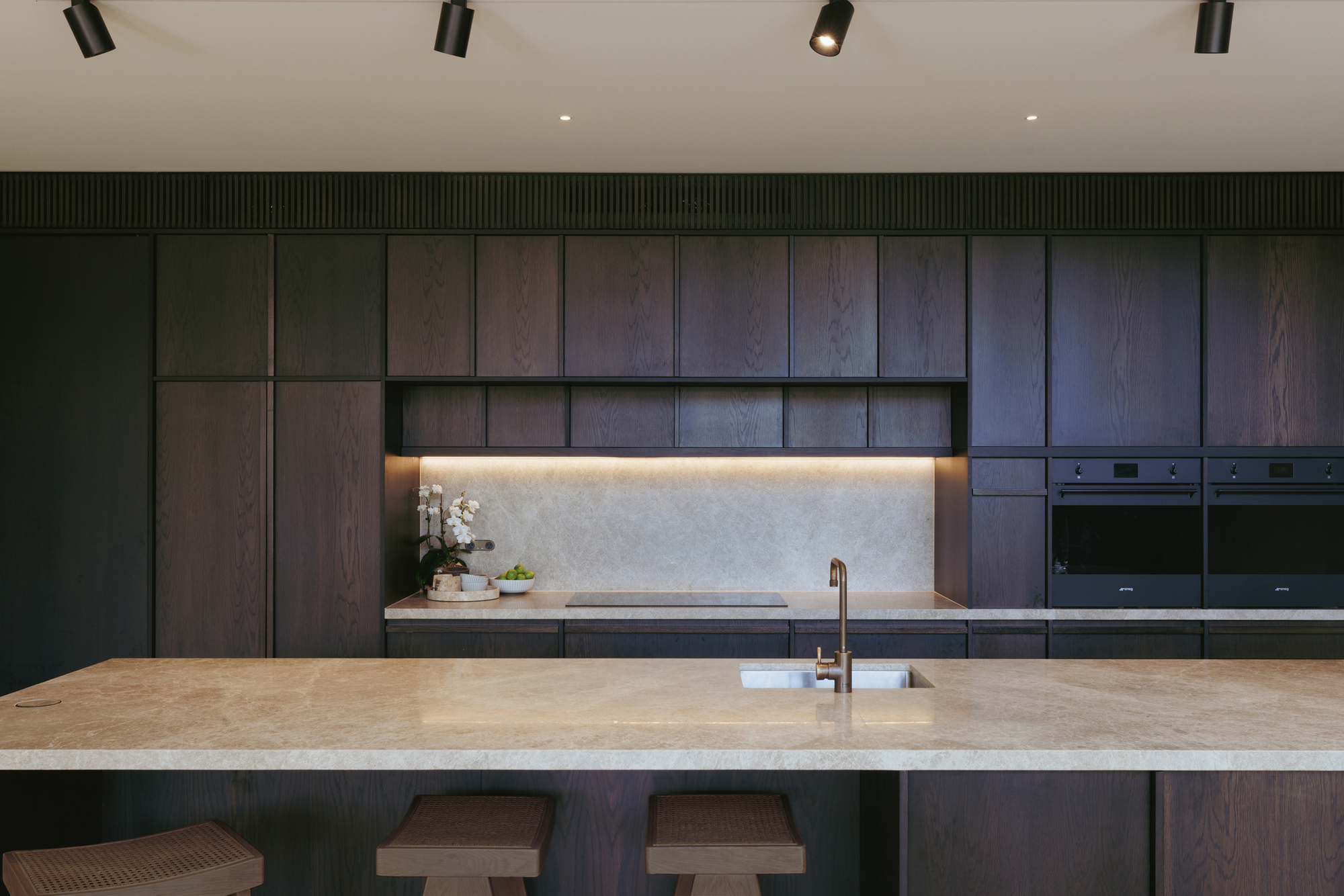
Kesterson House #architecture Architects: BUNSTON Area: 289 m² Year: 2023 Photographs: Tasha Tylee City: St Kilda Country: Australia Previously owned by Victorian Architect Allan Powell; this building was known as the office of Powell & Glenn Architects. Our project brief was not to add amenities but rather to convert a former office into a family home. During construction, the existing roof revealed its problematic leaks, and the scope of the building works grew to include an entirely new slate roof, the refurbishment of both chimneys, and a re-rendering of the façade. All restoration works were done in accordance with Heritage Victoria guidelines and ensured the preservation of the significant building. The street frontage is particularly unique with Powell's 'Crigan House' to the left and the Valma, an art deco block of flats to the right. During construction, we became aware of the St Kilda Heritage walking tour, which occurs every Wednesday. The tour highlights these three properties and was another reminder of our project's historical significance. We reused the bricks and predominately maintained the existing footprint whilst reinterpreting the non-original 'lean-to'. The living is arranged around a central garden which is experienced upon entry and throughout spaces within the house. As the old accepts the new, the new will become less prominent, and we envision the newly built walls will soon be covered in ivy. We hope that the house will be 'better' with age, 'better with the ivy.' The link between the old and new is perhaps the most important element of the alterations. A combination of our client's appreciation of the ivy and the design challenge of a south-facing backyard brewed the glass link. We envisioned our clients, perched at the island reading the paper with the light from above. On reflection it's difficult to imagine the project without this link and without the light - the feeling would be completely different. Throughout the house are elements of surprise. The kitchen internals are lined in an unexpected orange and with the same brush, a ladder offers access to overhead storage. The 'Harry Potter' cloakroom consists of design elements never to be seen together. Scottish tartan represents our clients, CLAN, the mirror is also sourced from our client's hometown. Our clients' selections are what makes this project unique, it's the quirks in the house and it's the personality in the architecture.
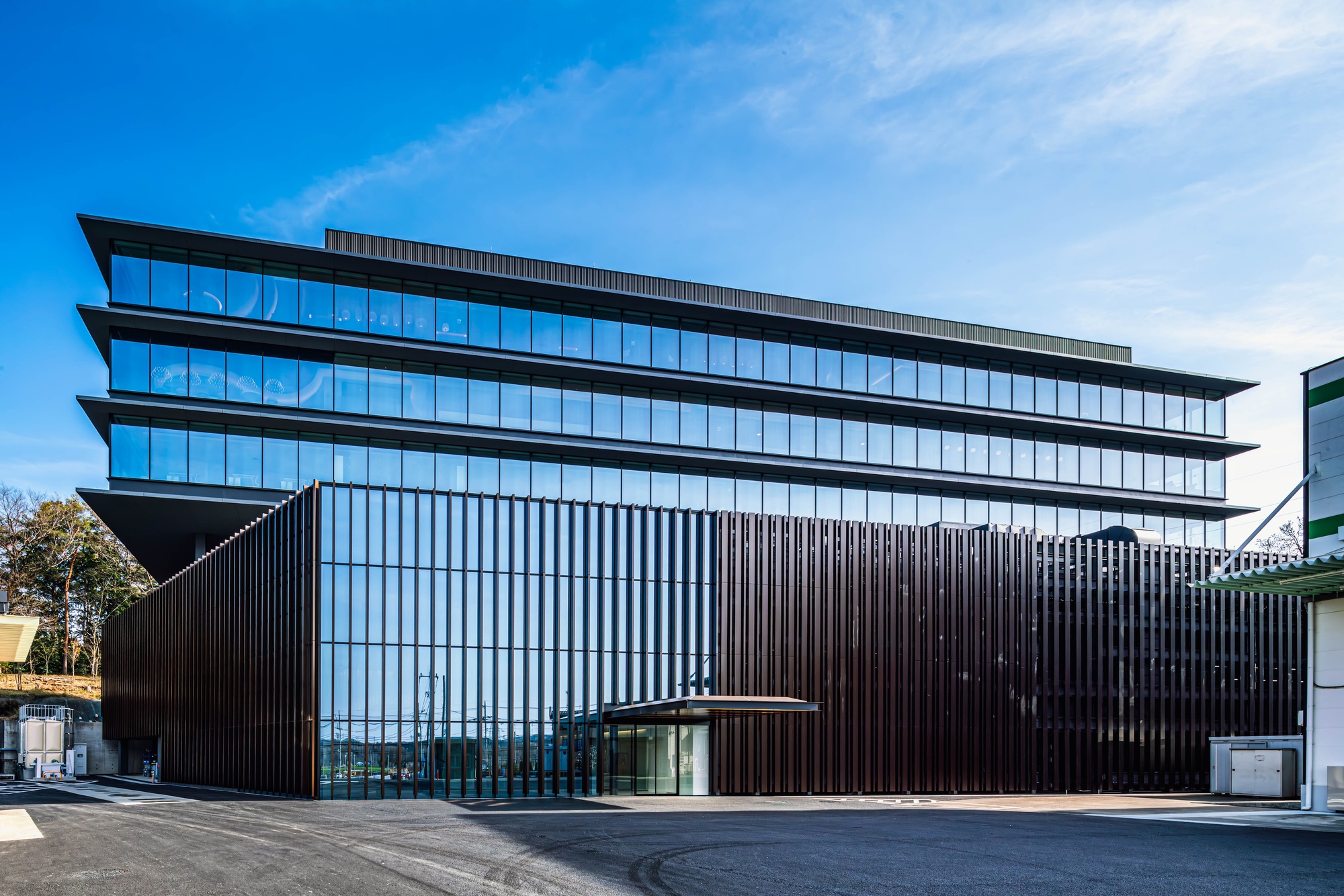
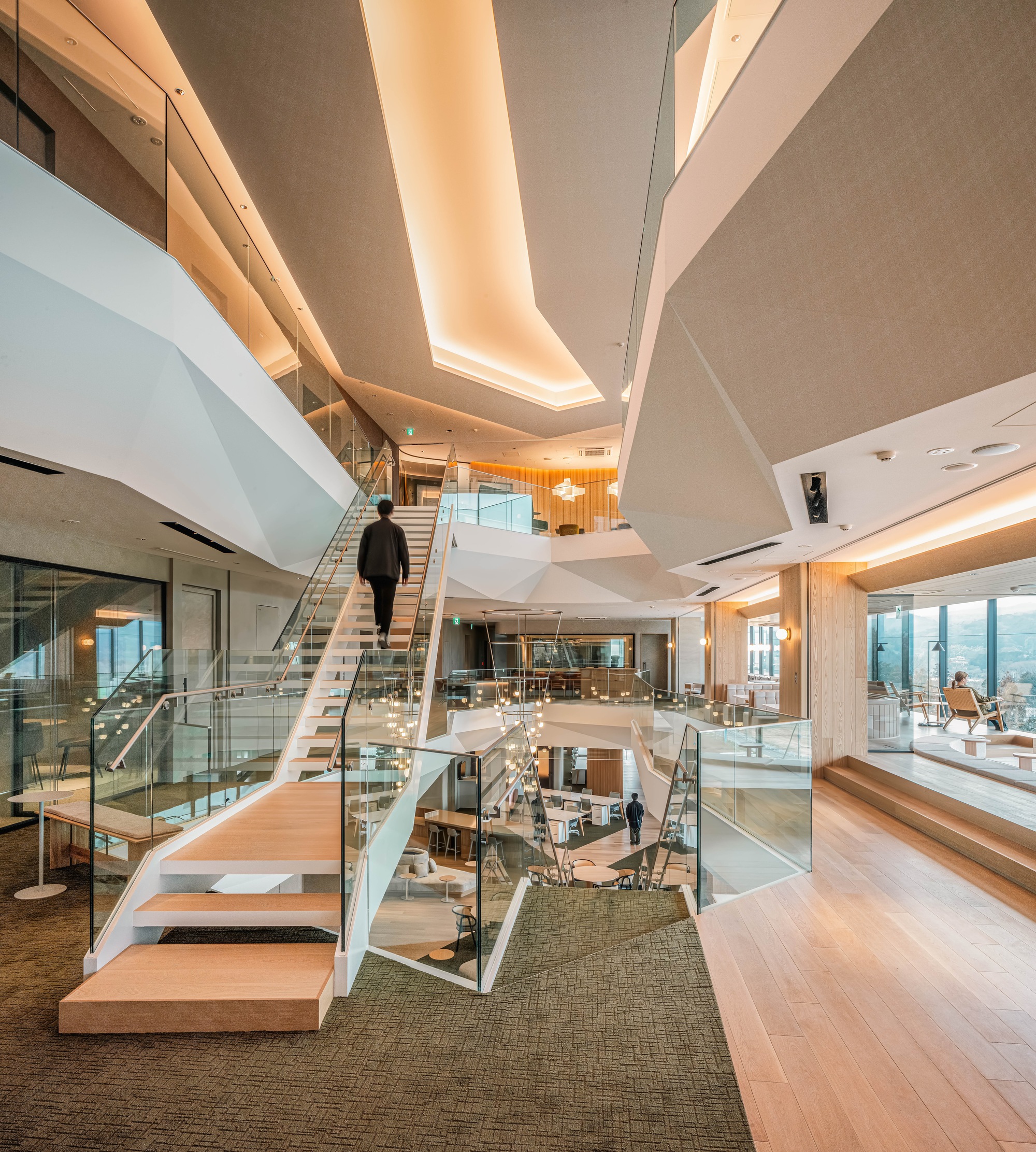
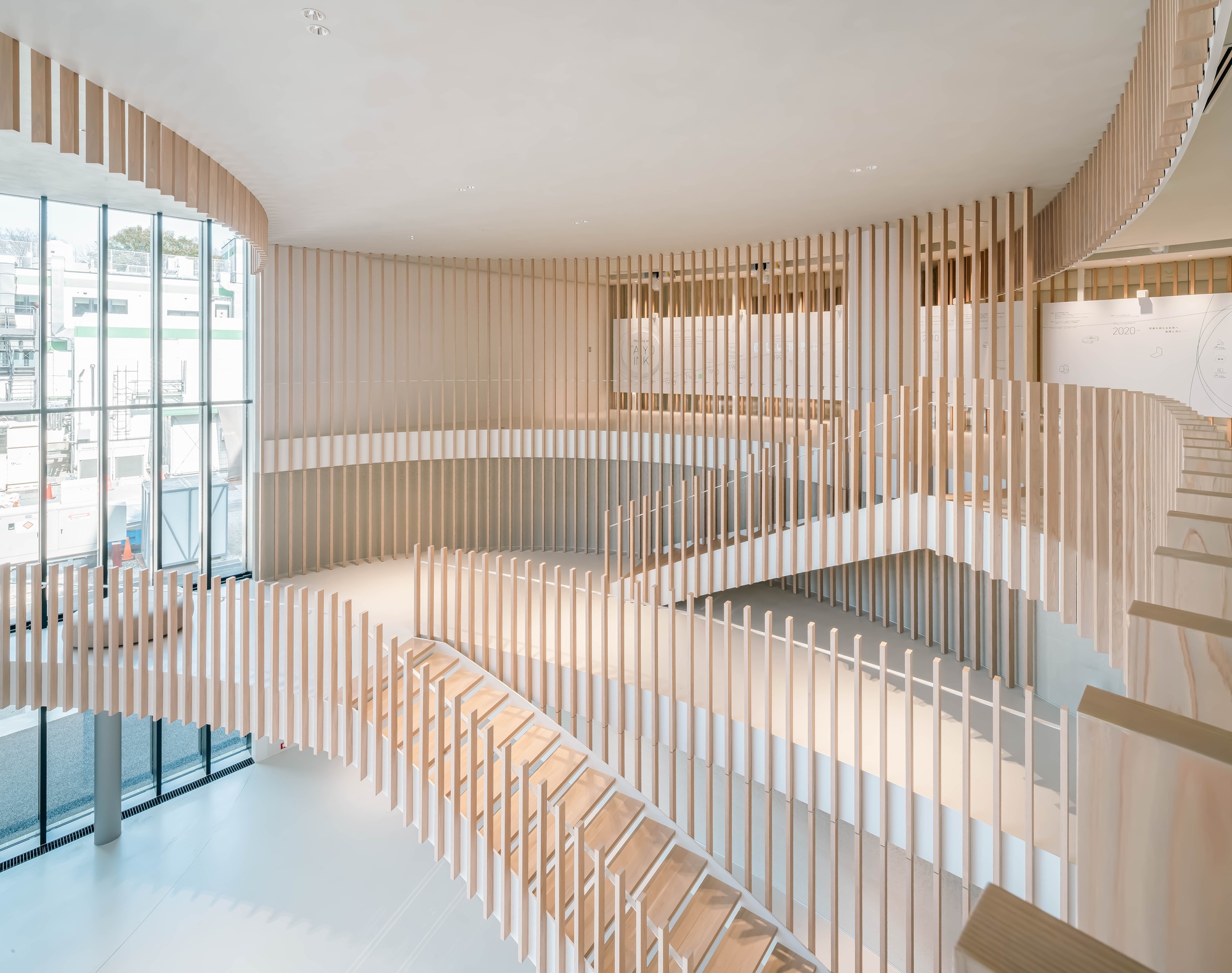
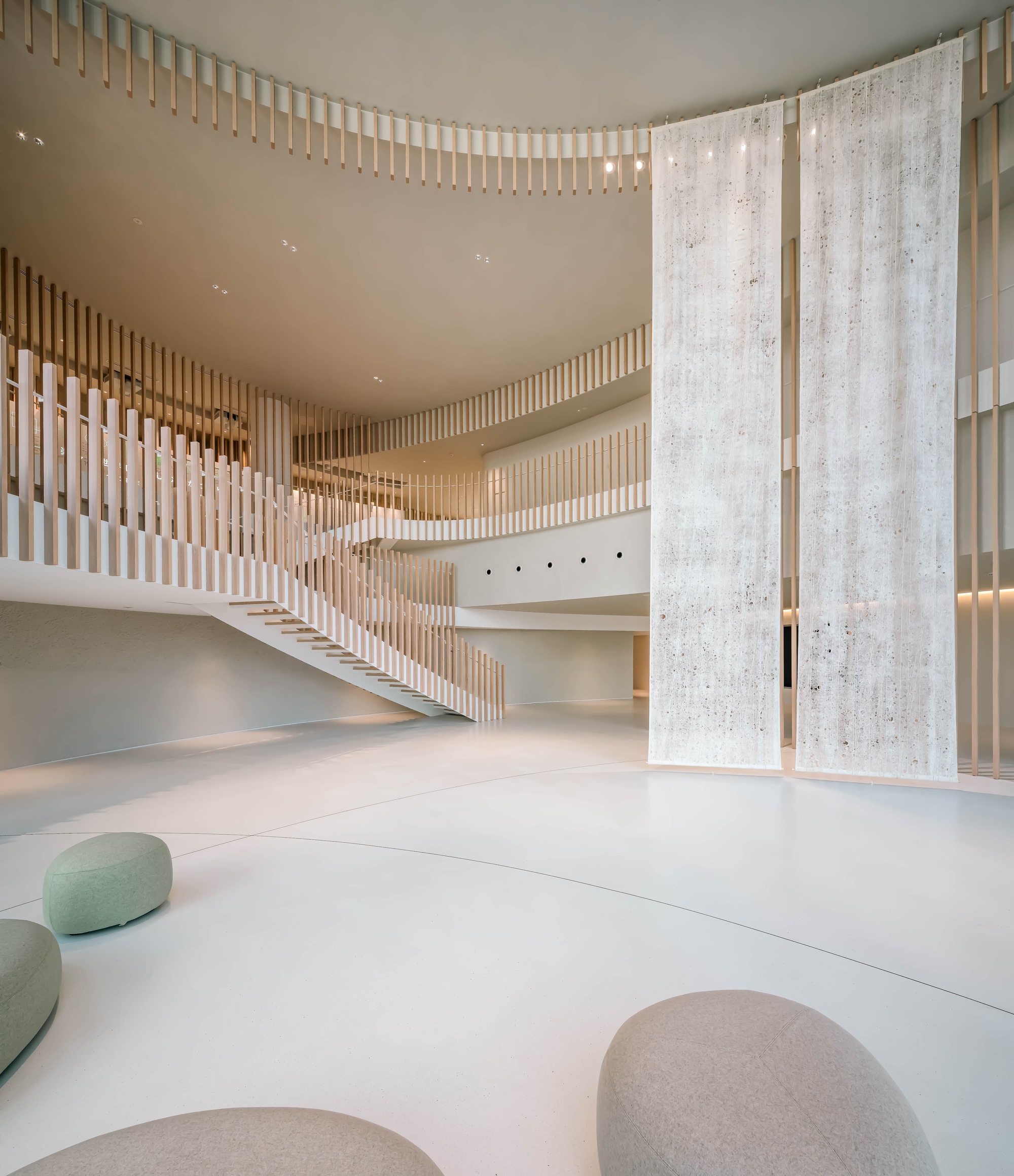
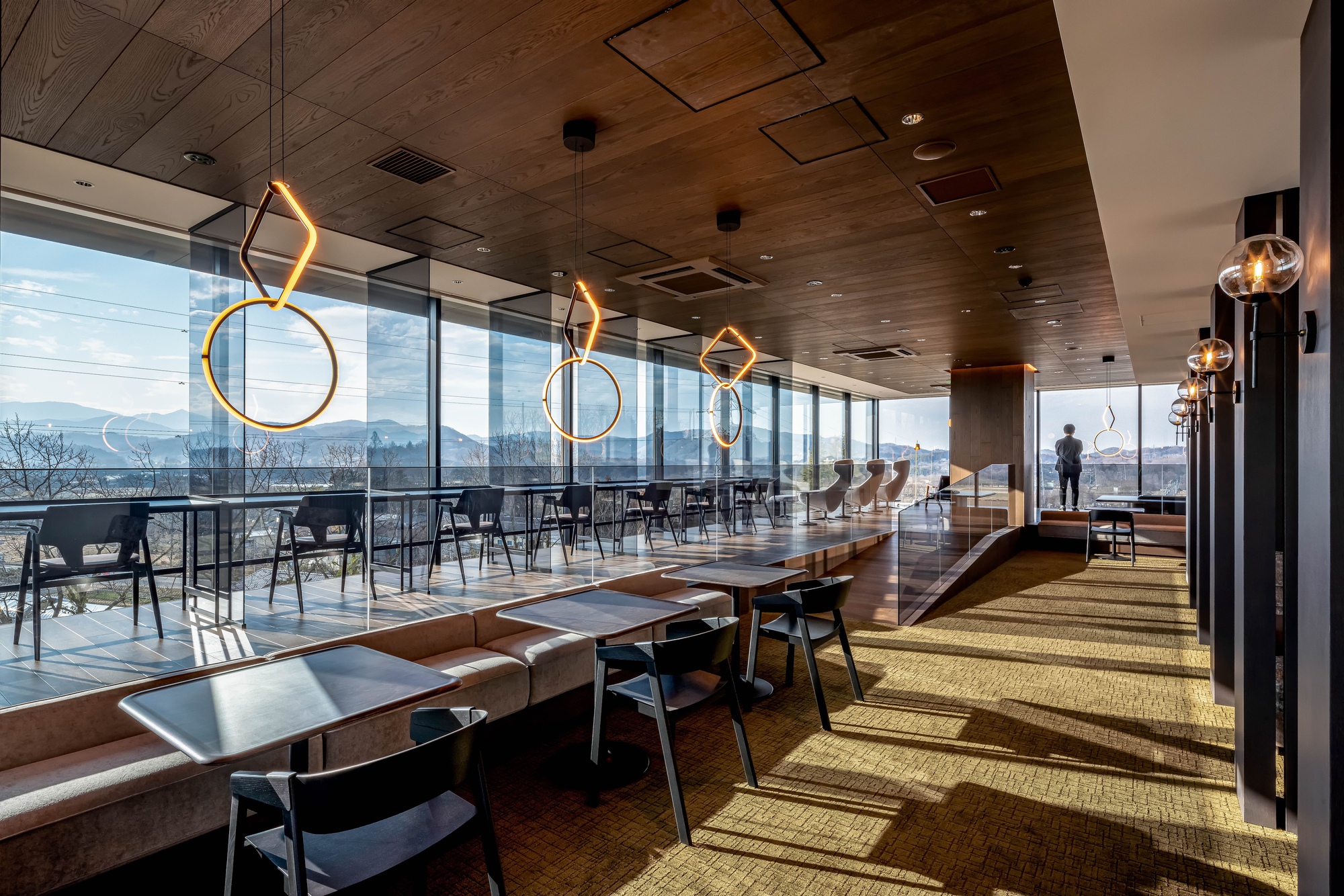
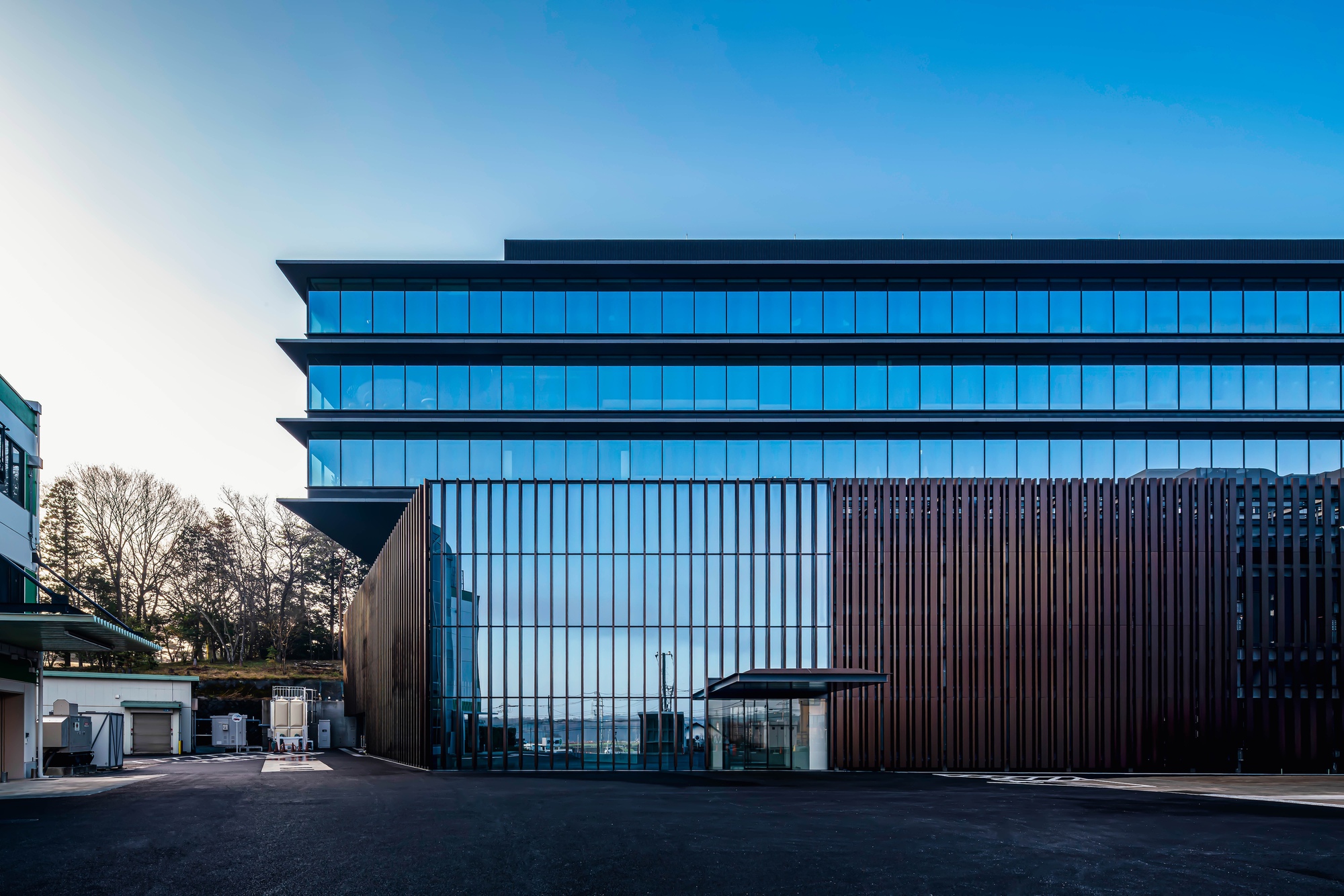
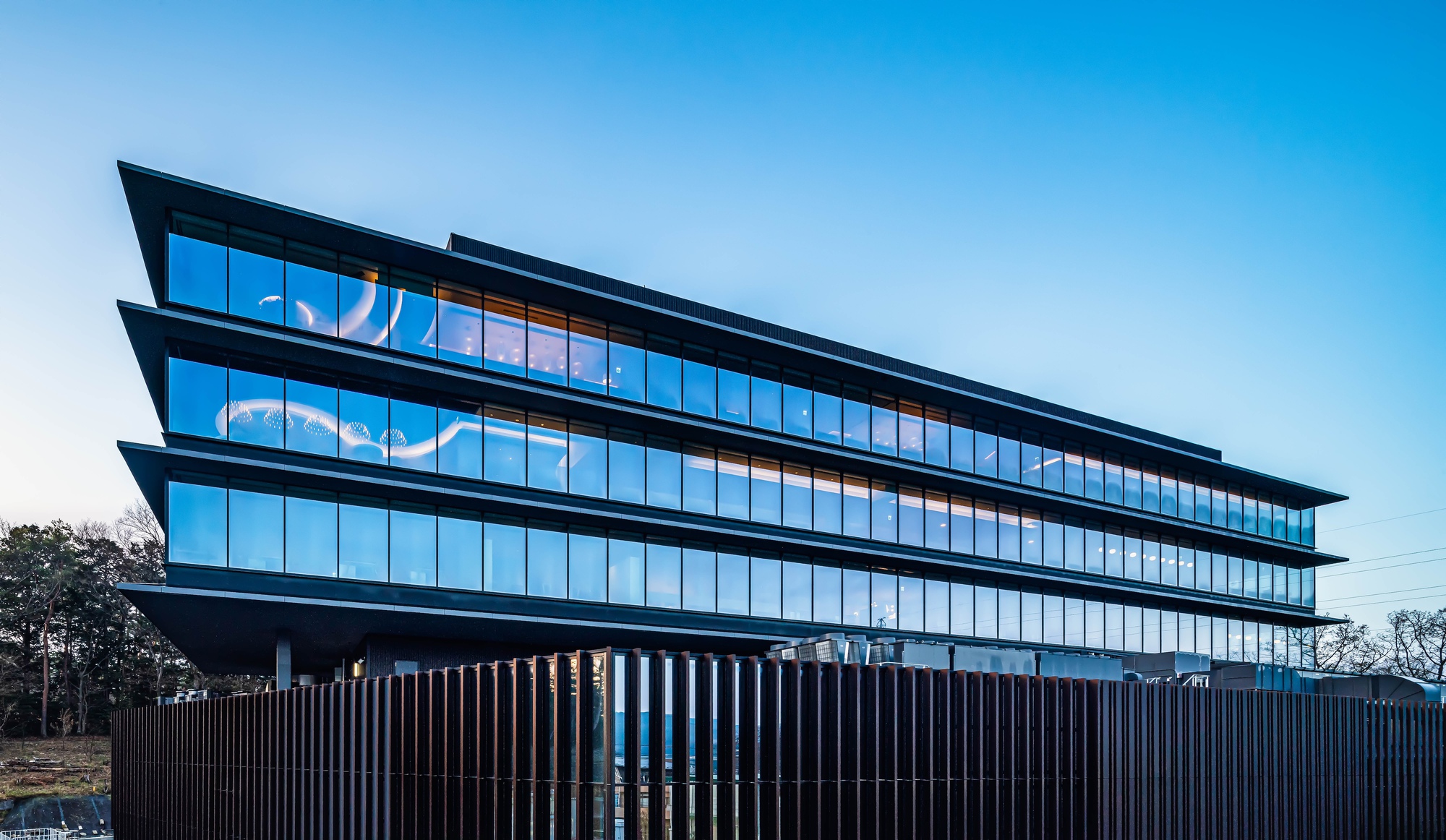
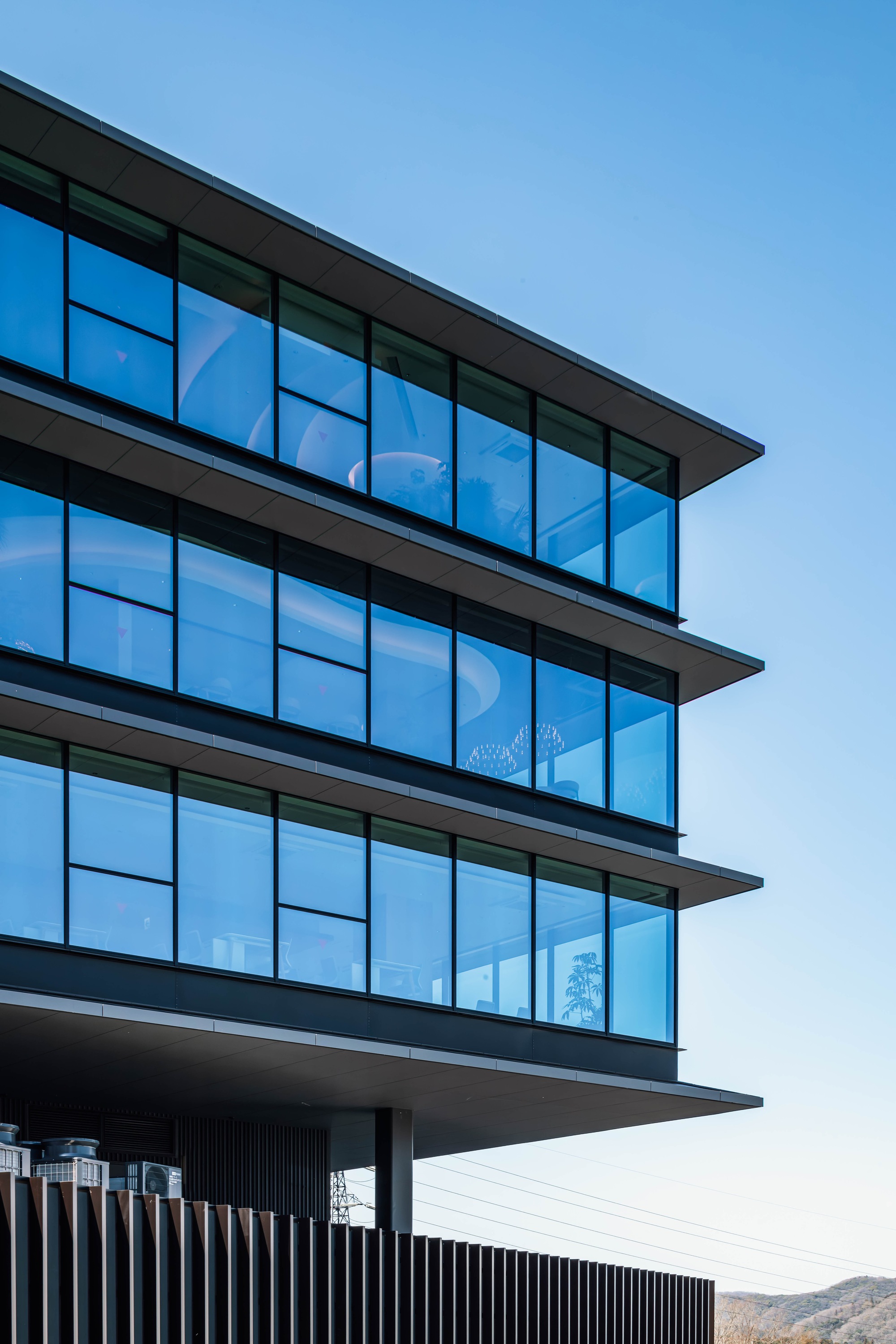
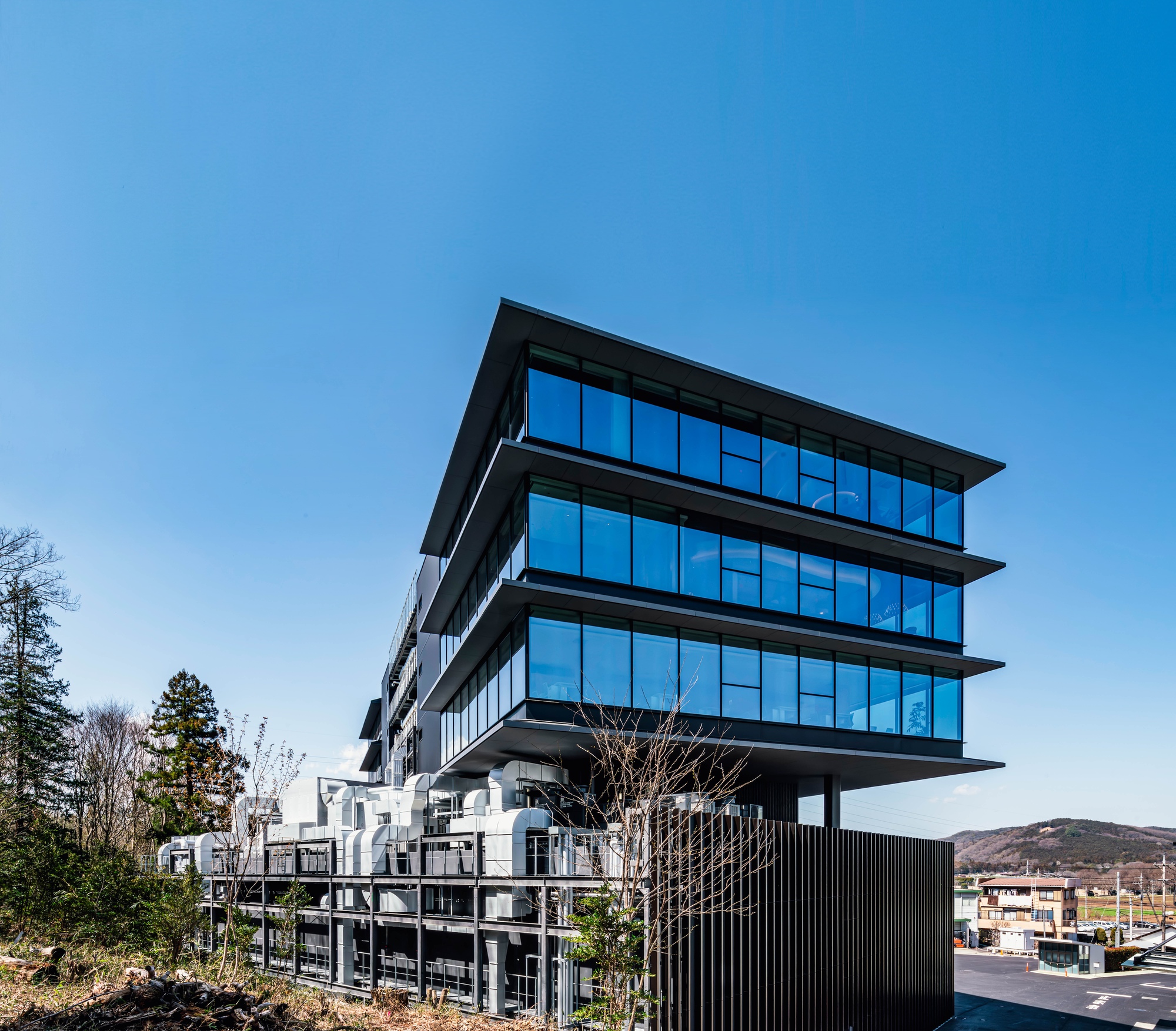
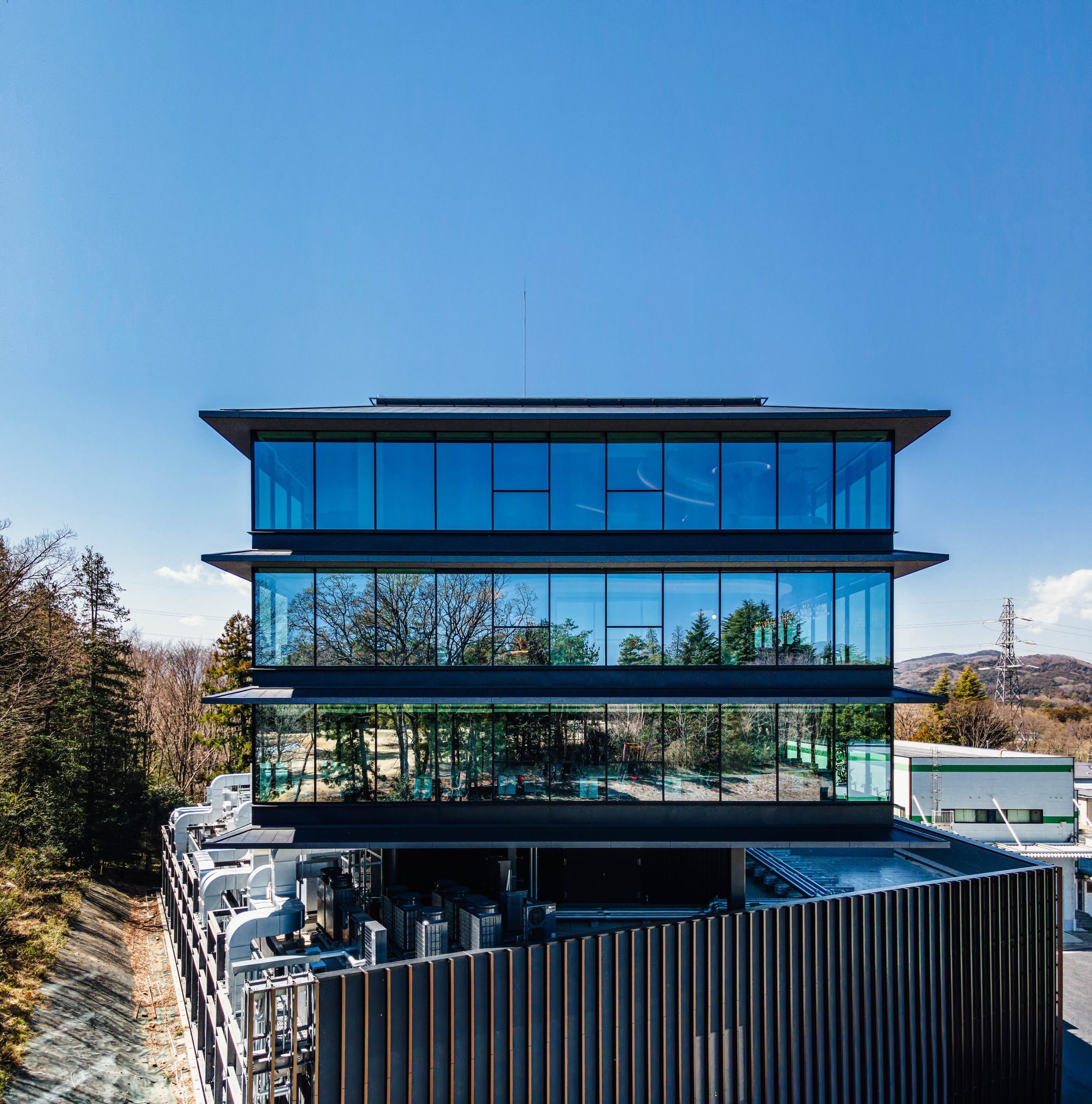
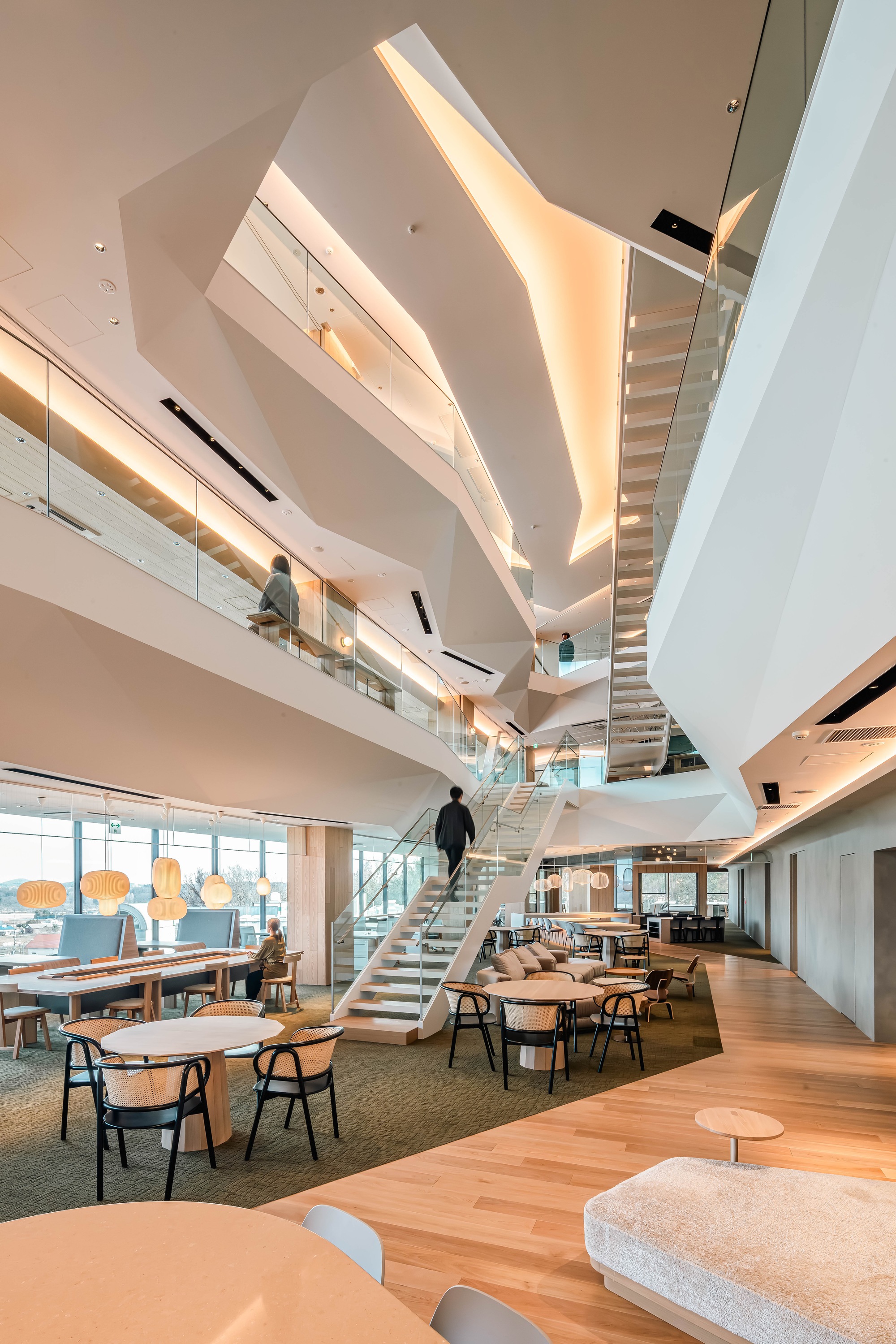
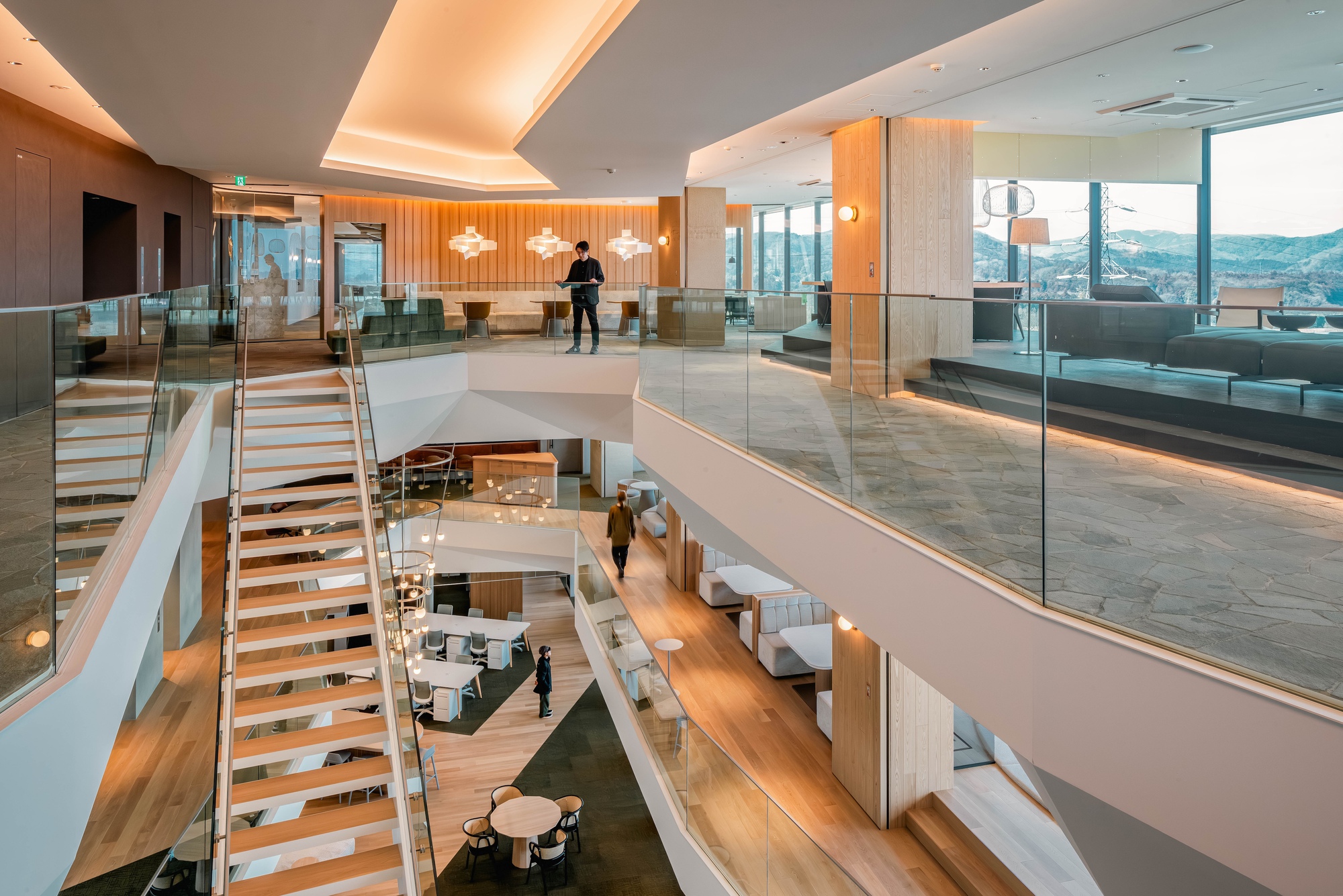
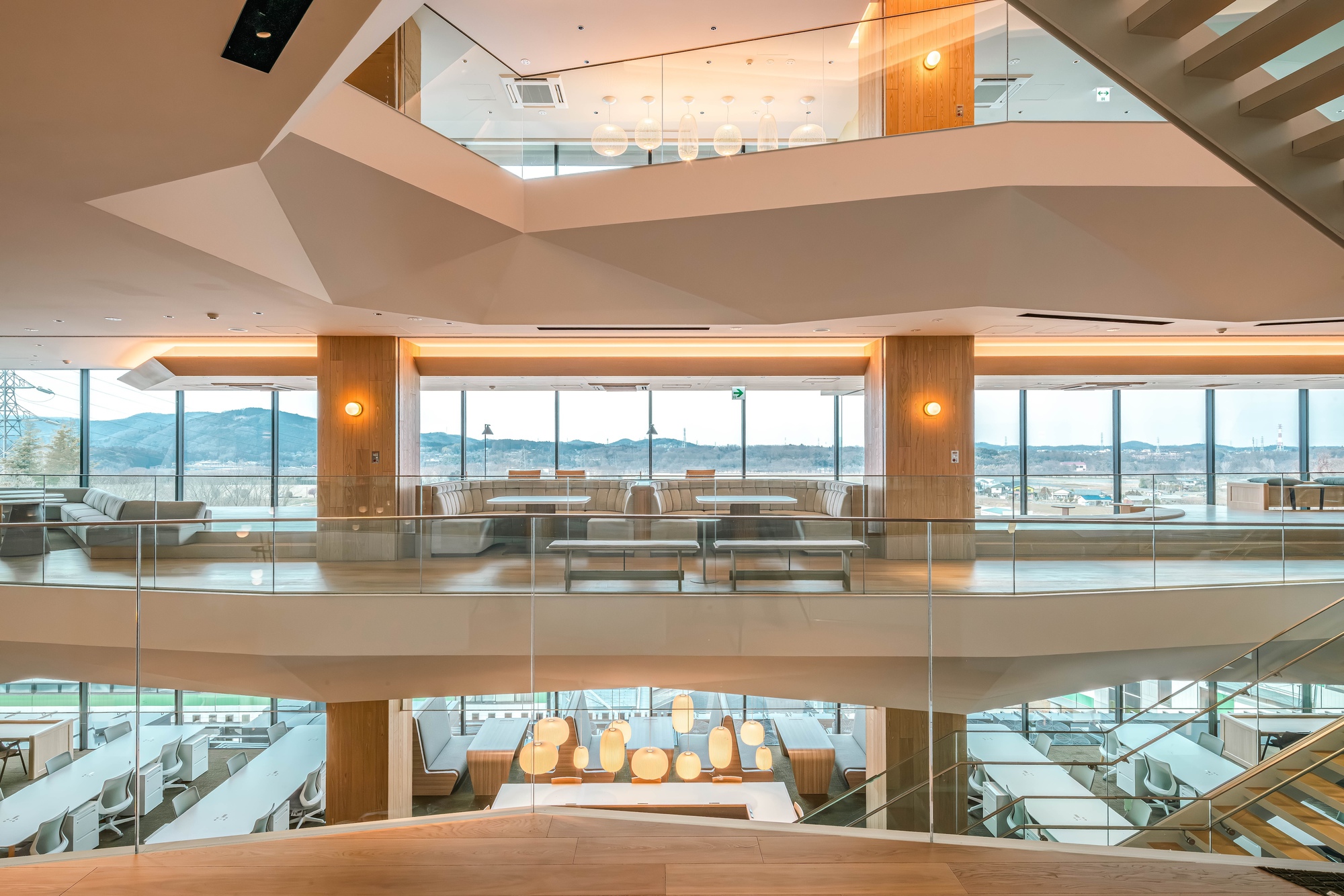
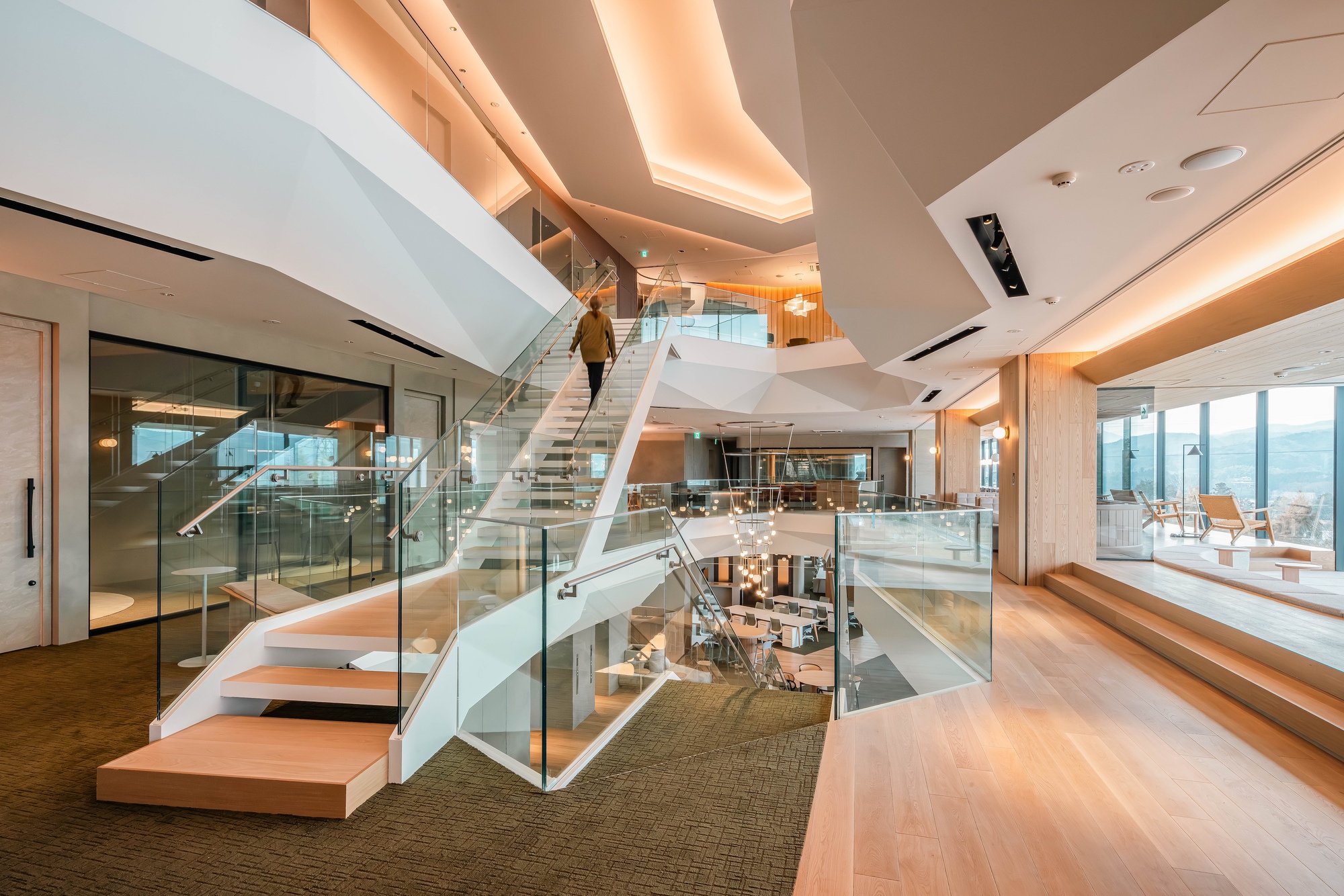
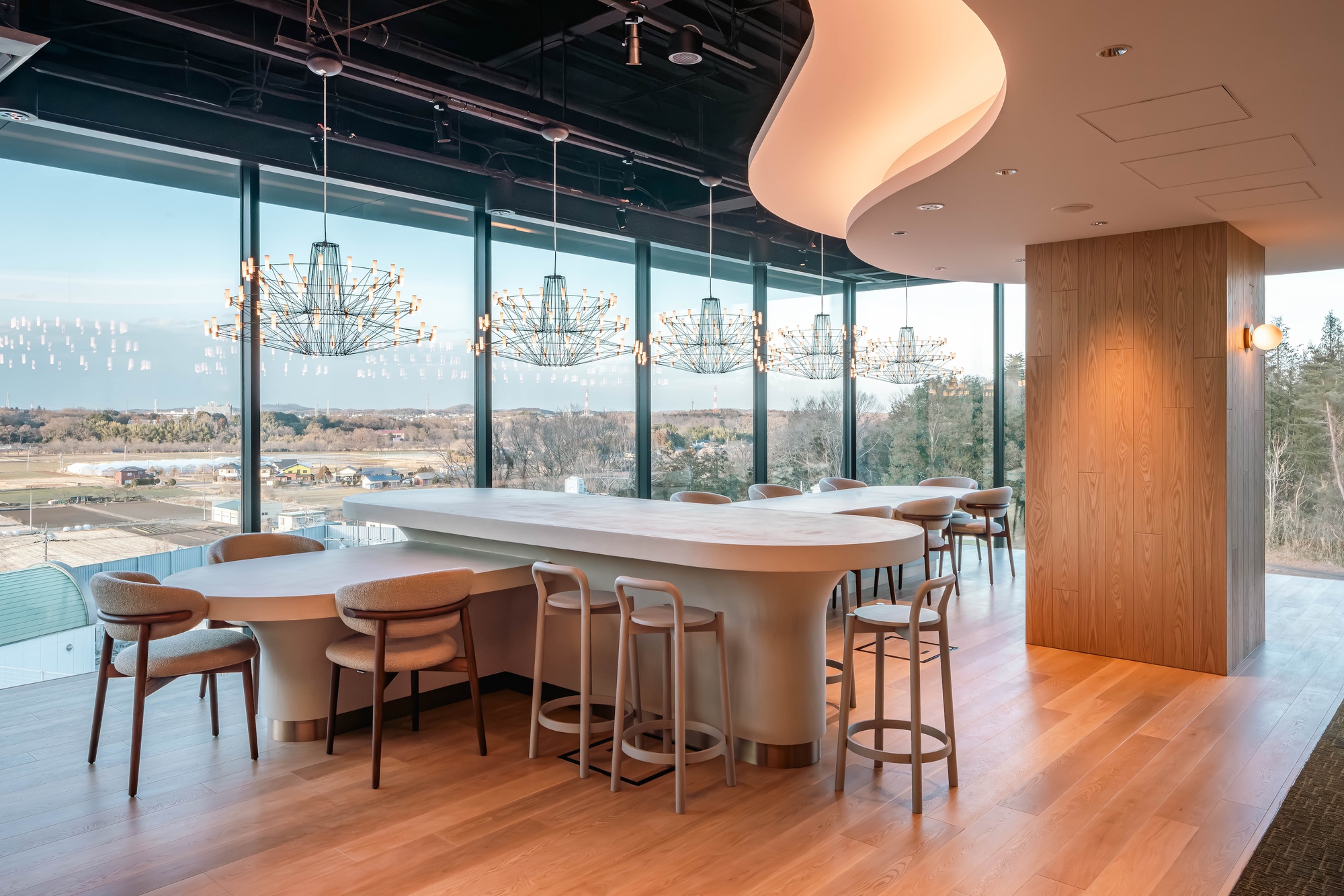
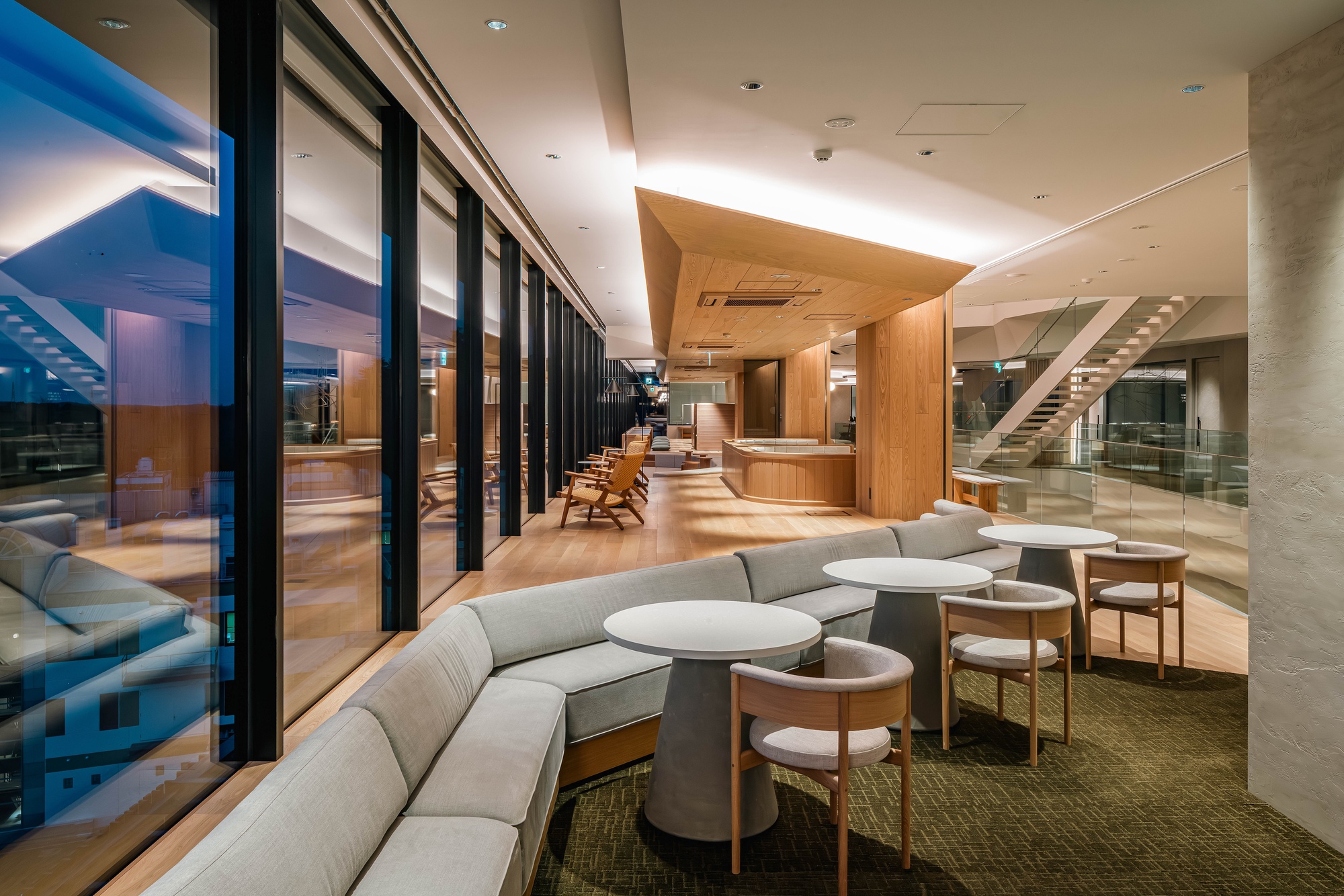
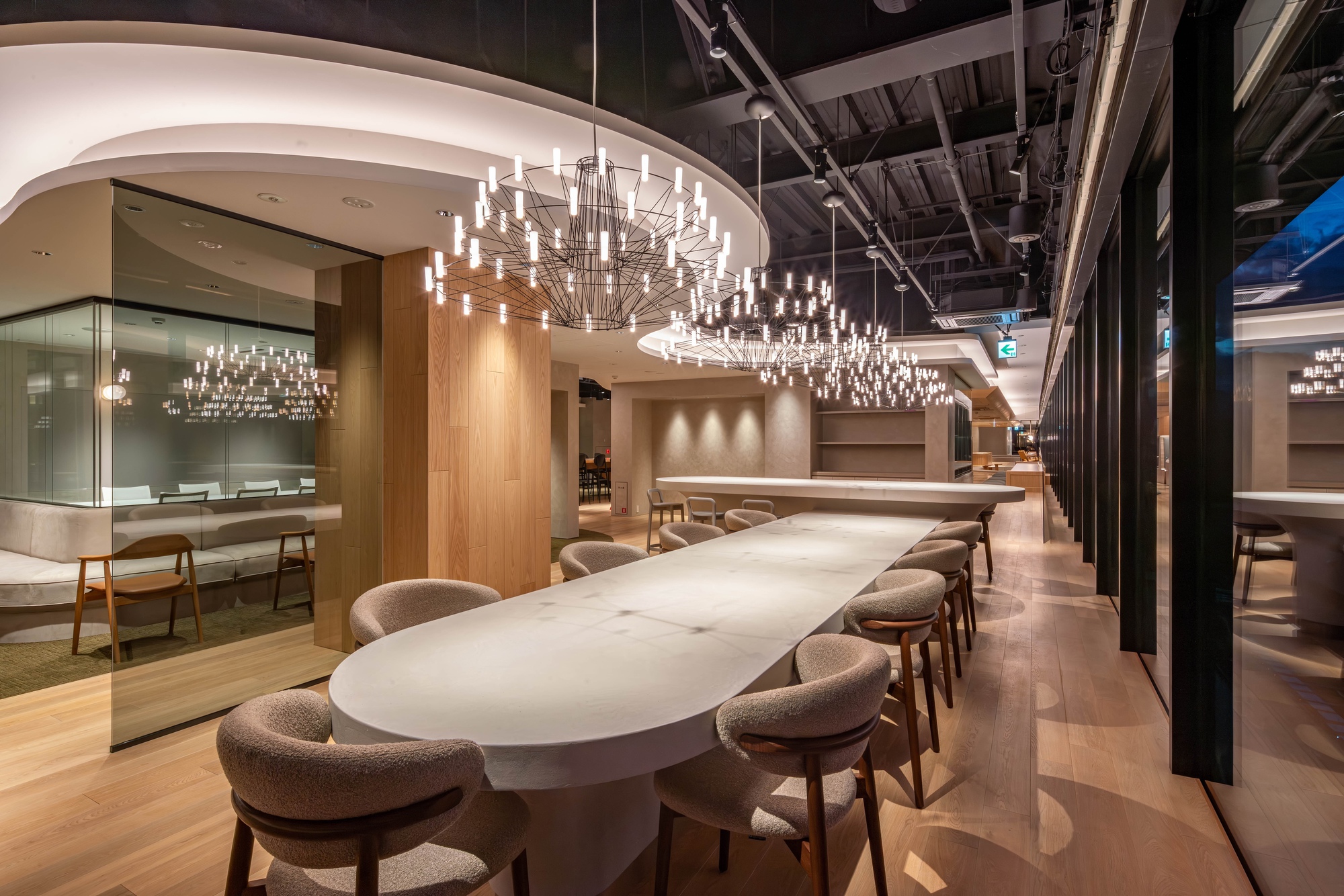
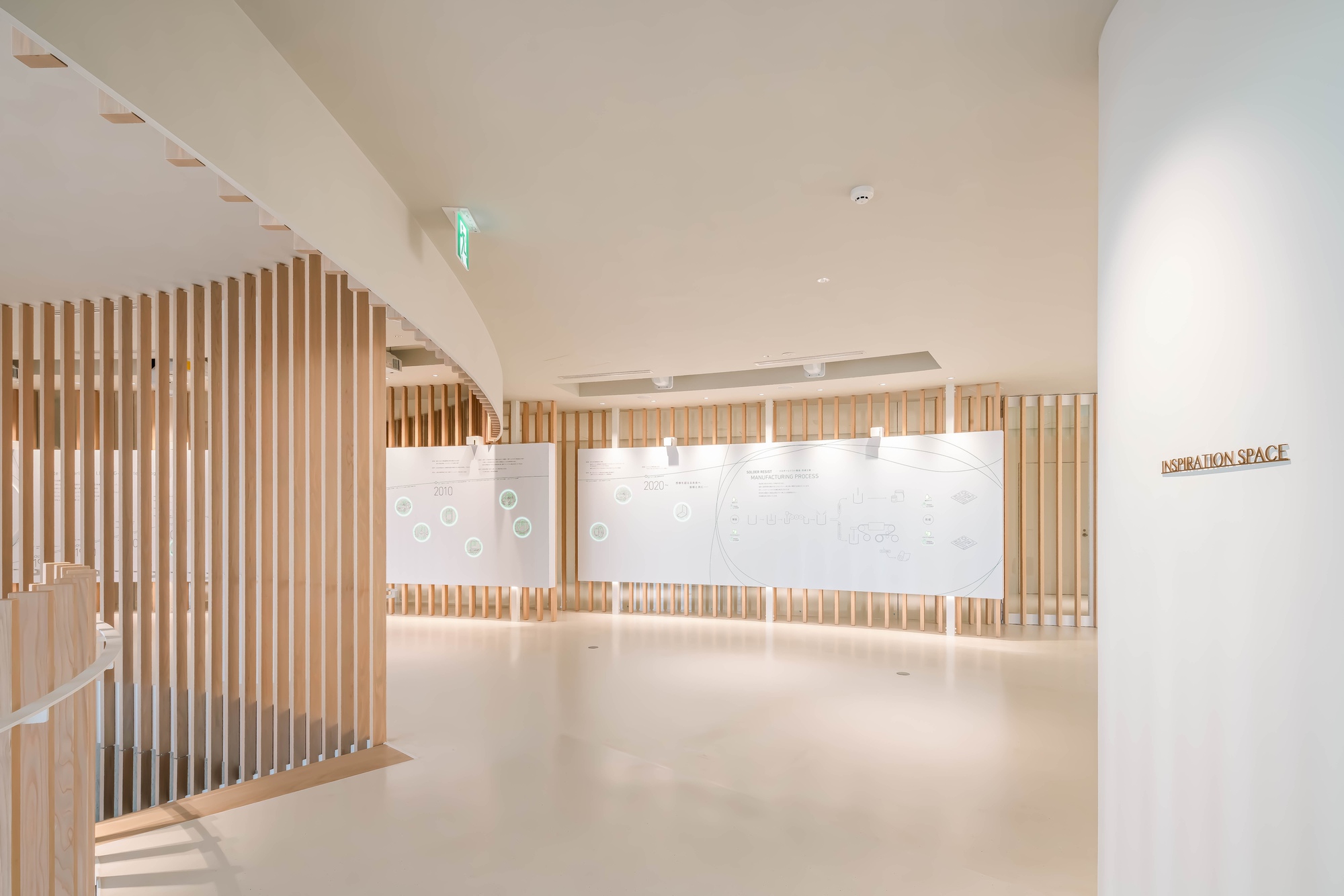
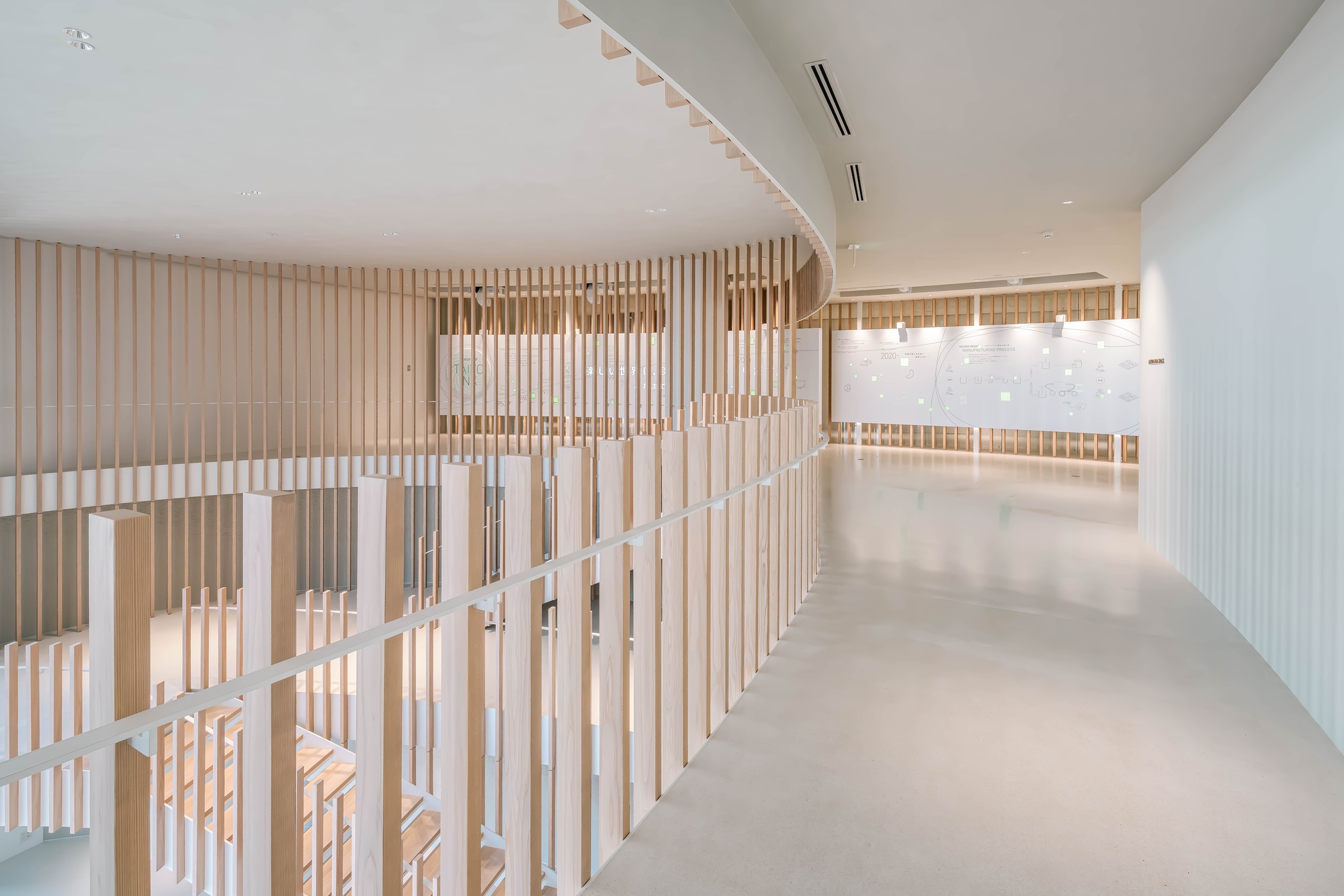
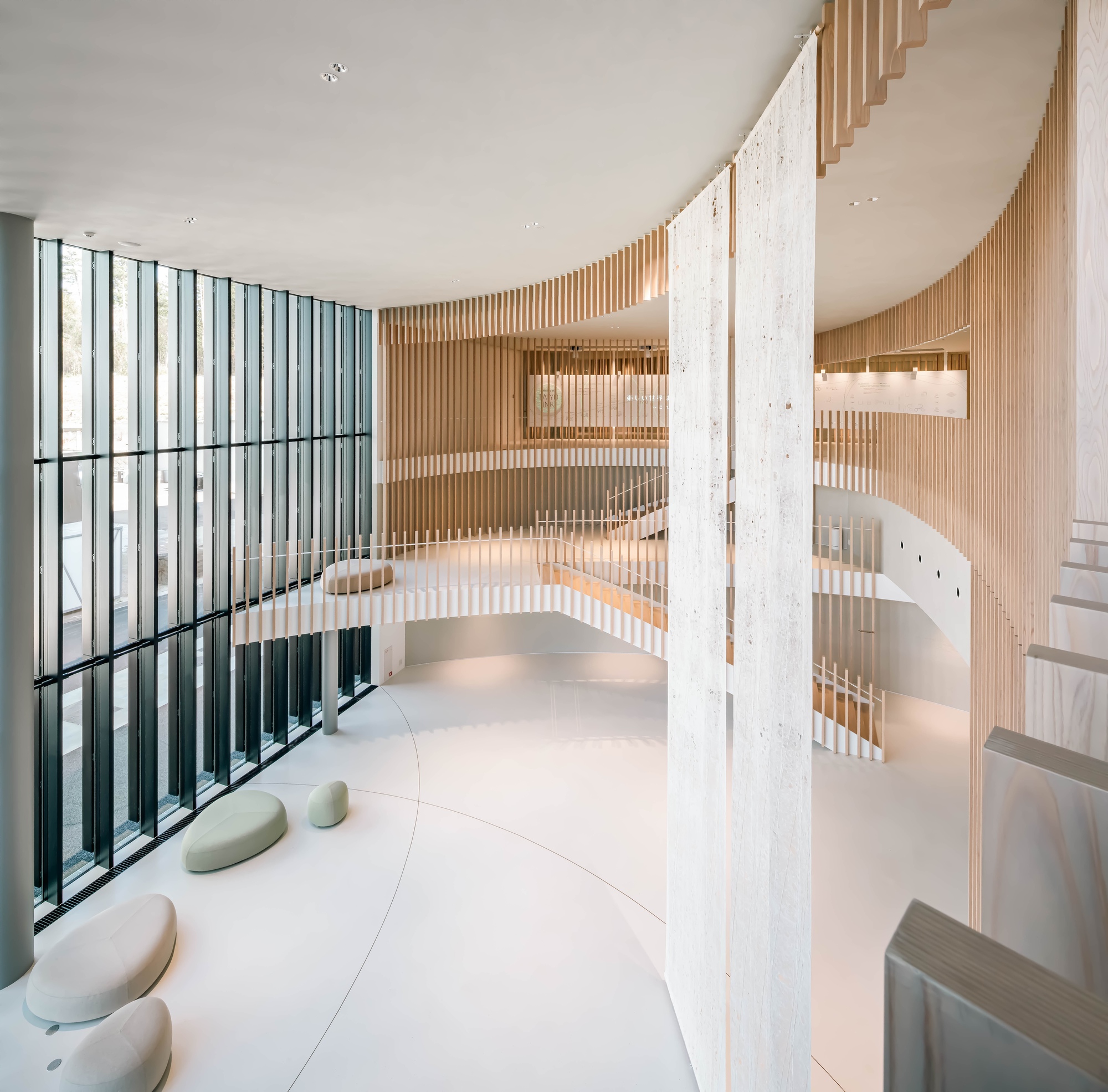
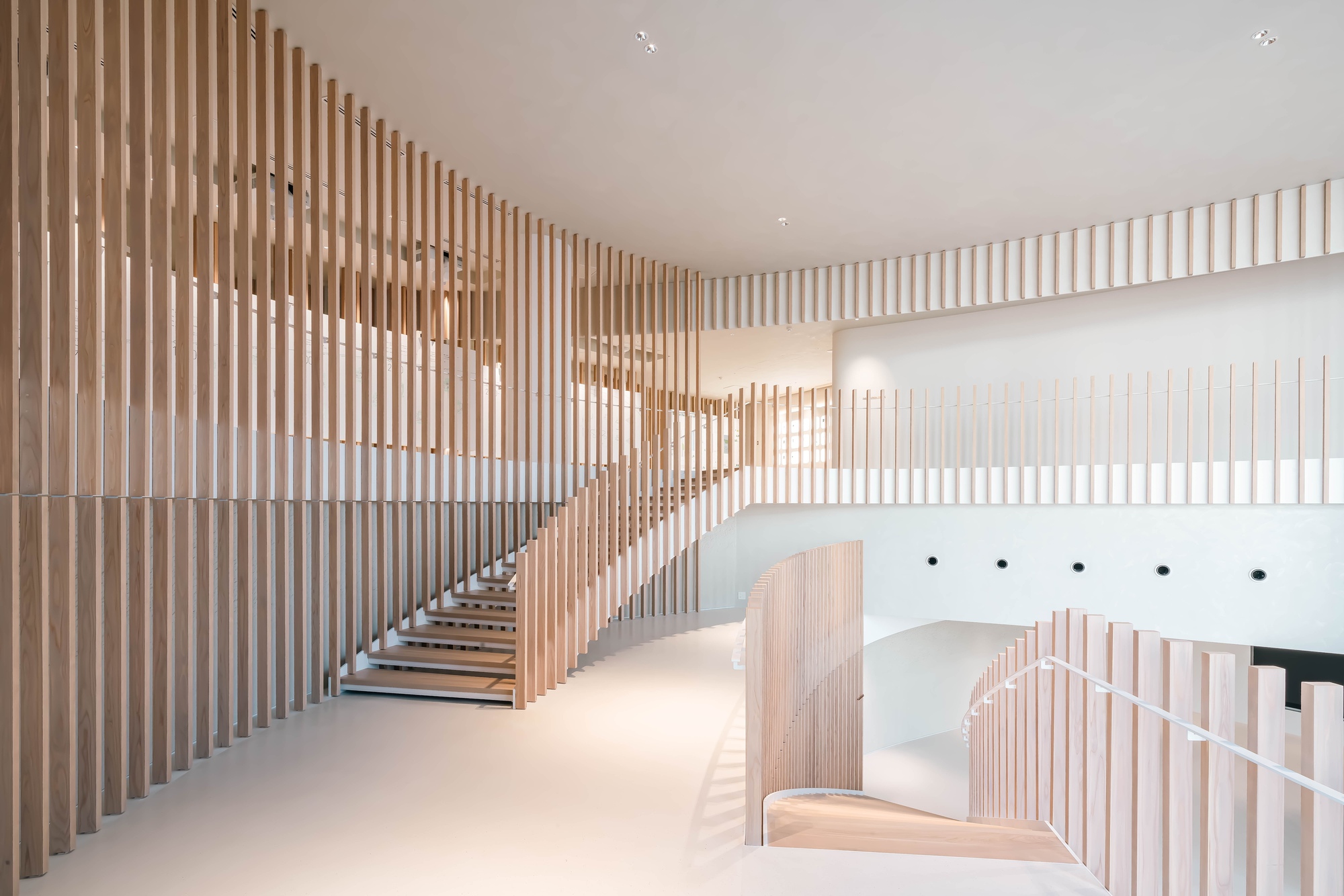
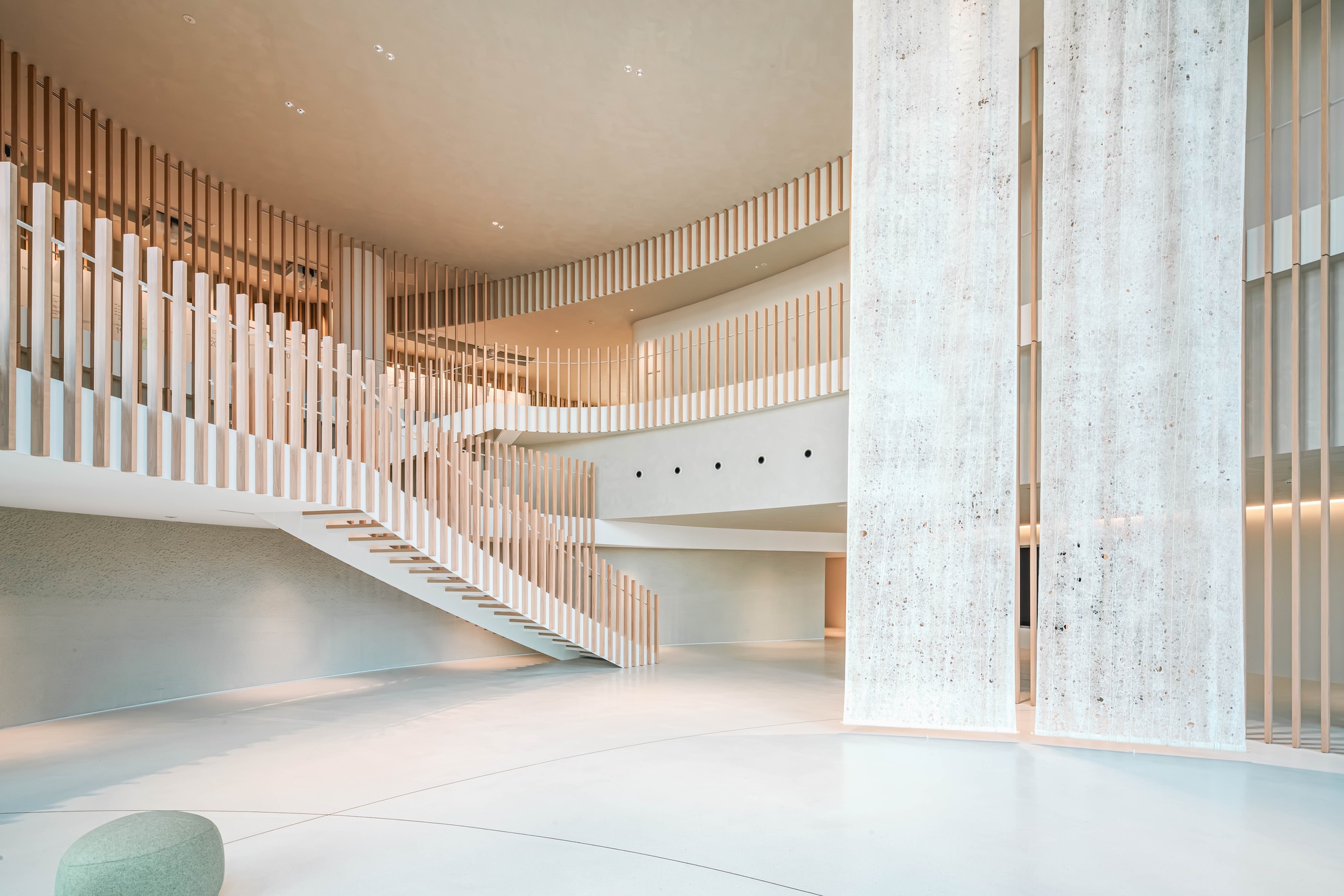
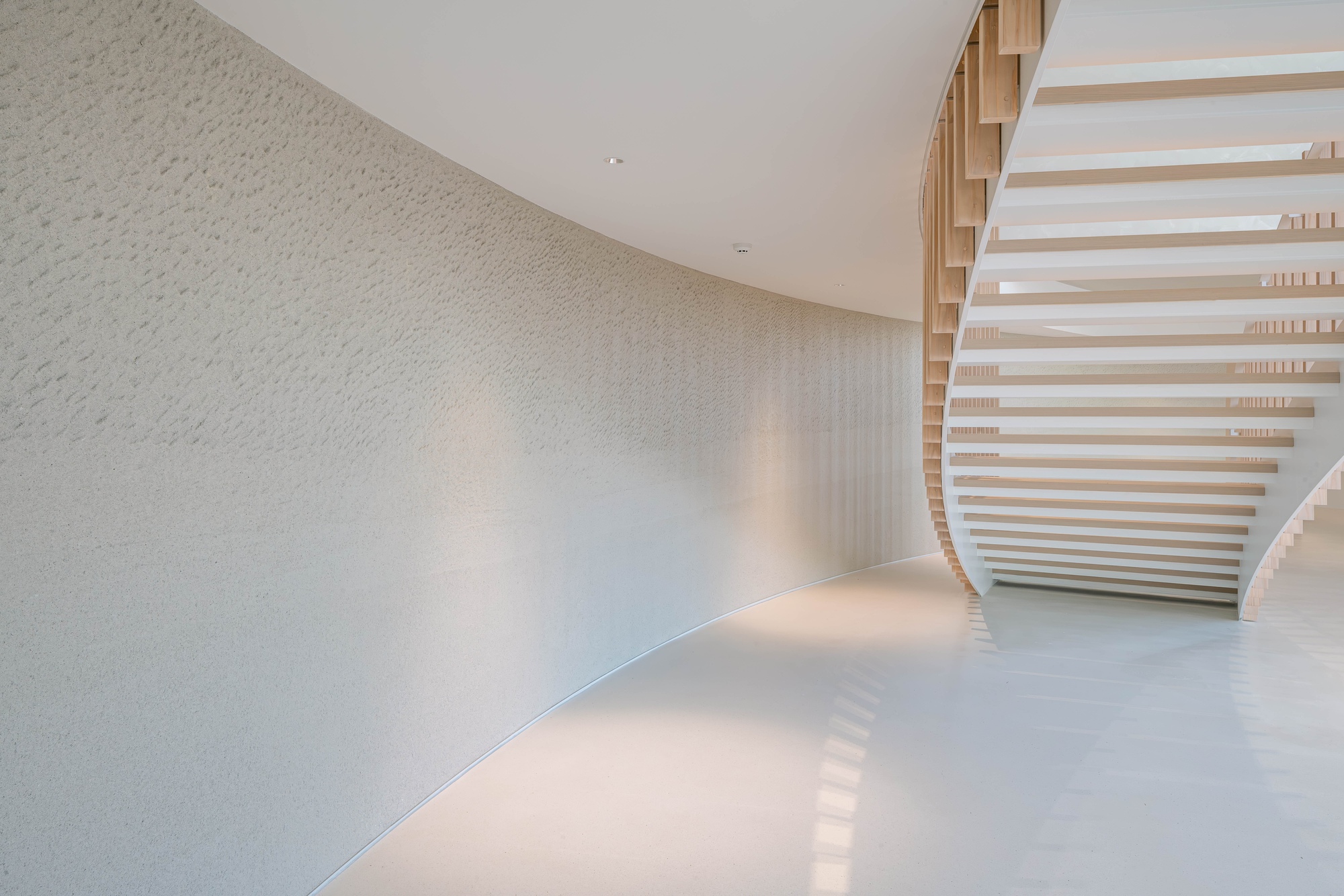
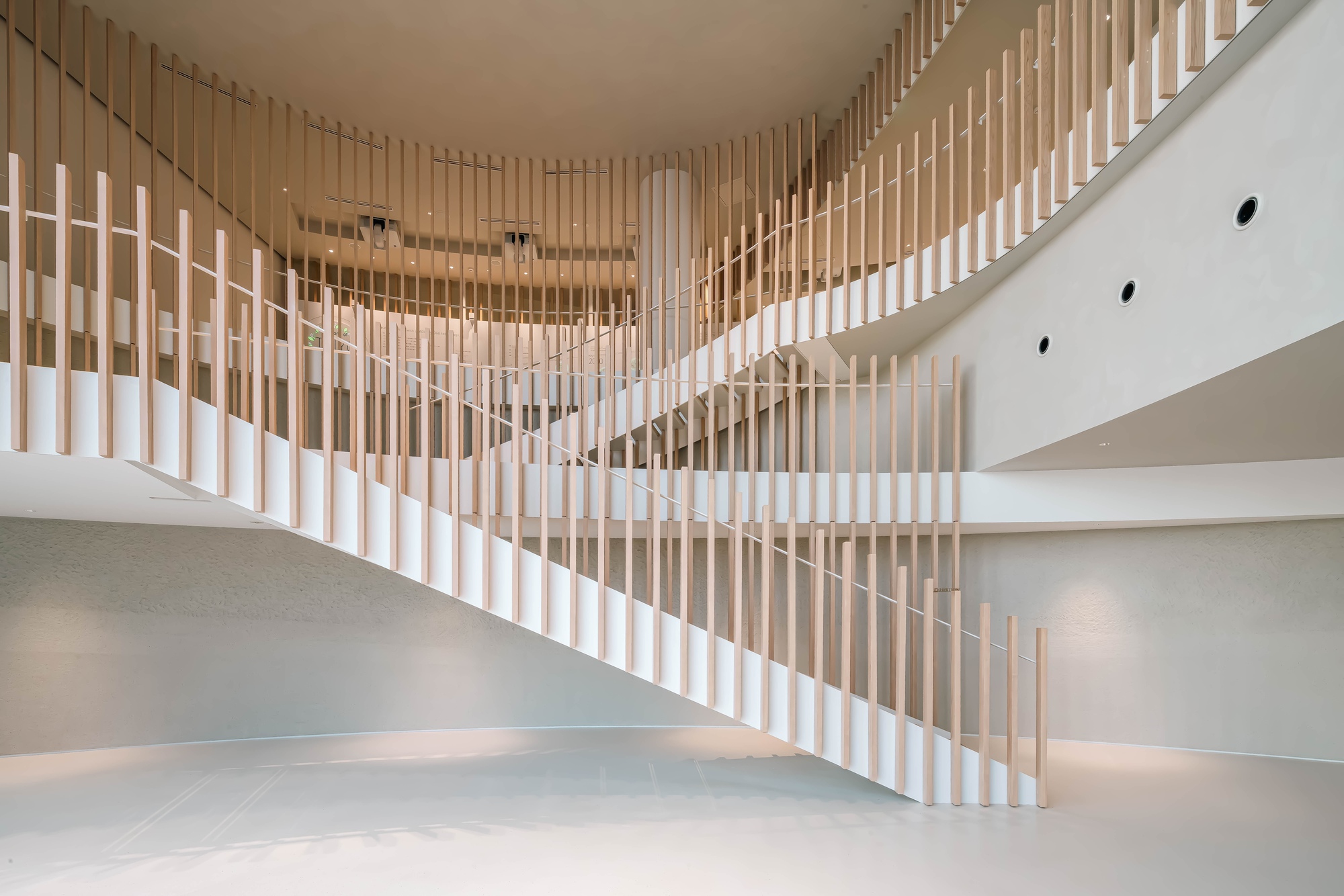
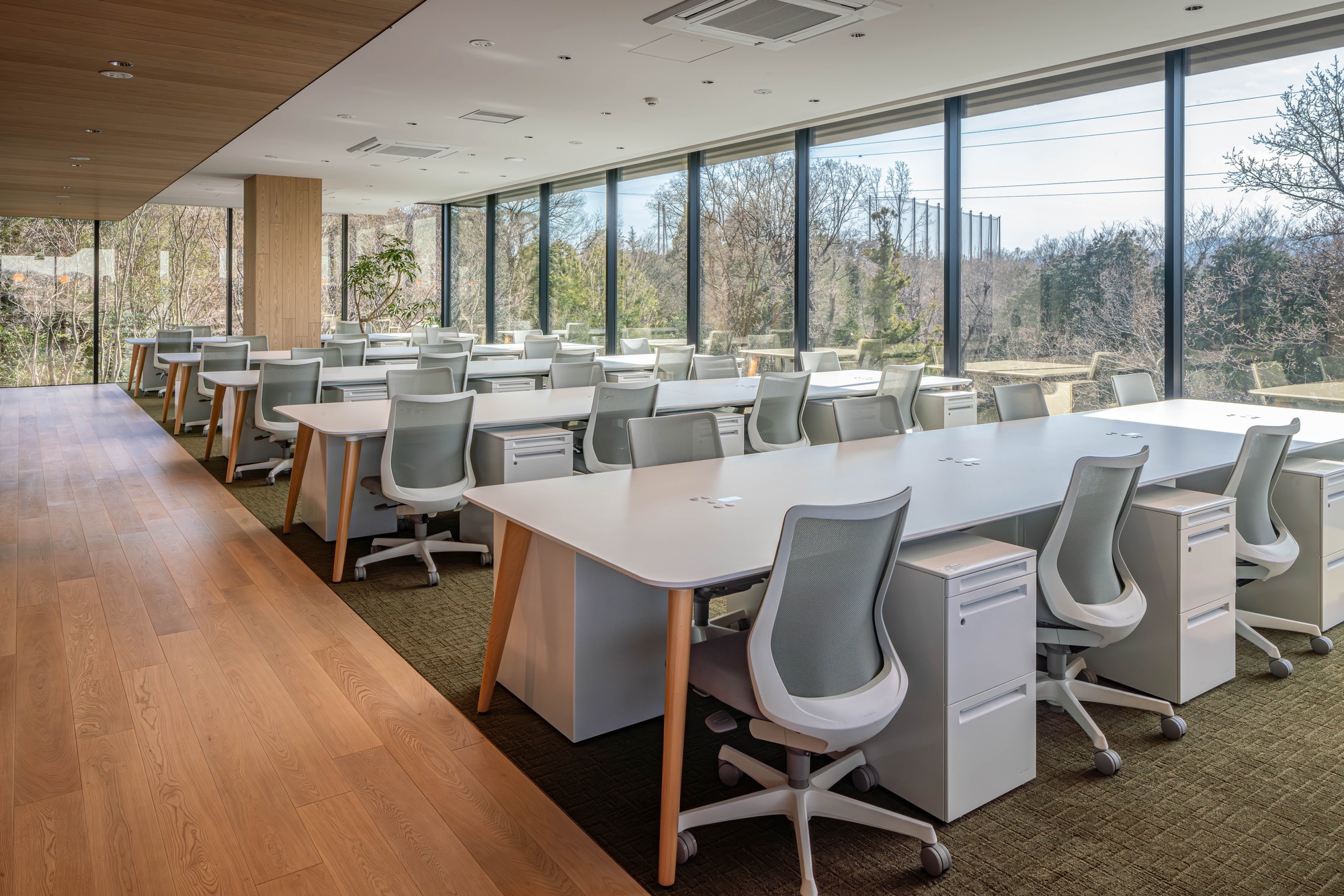
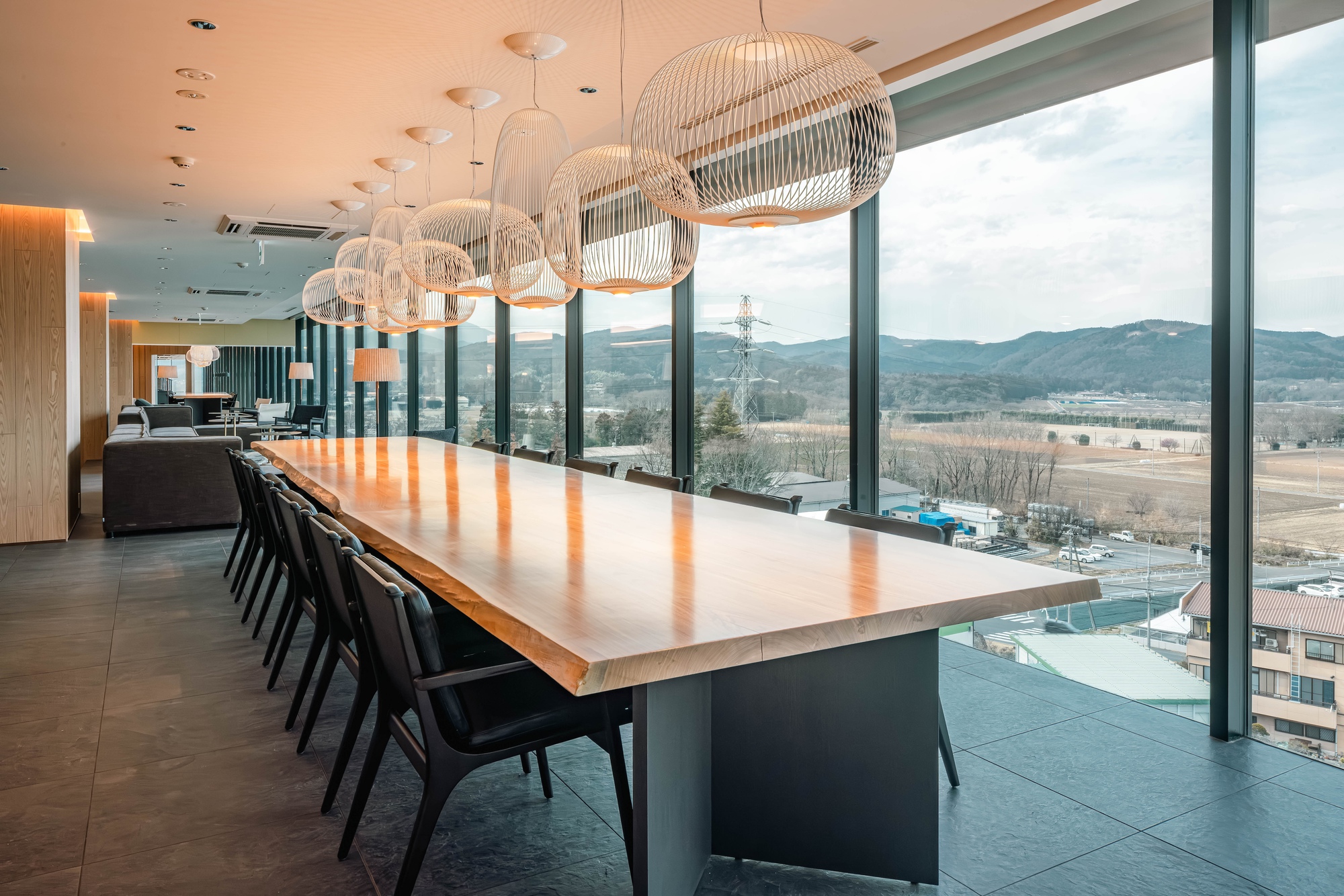
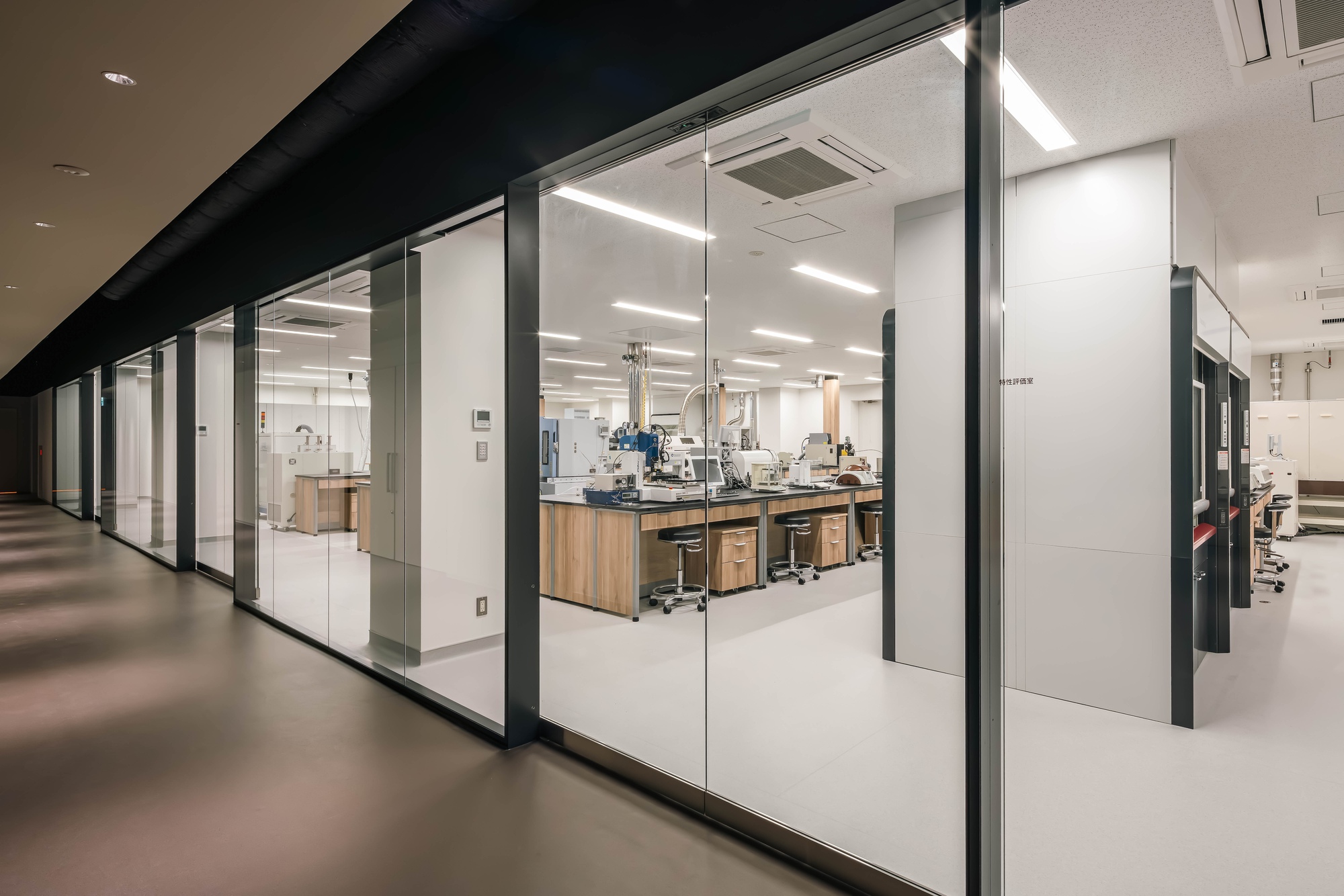
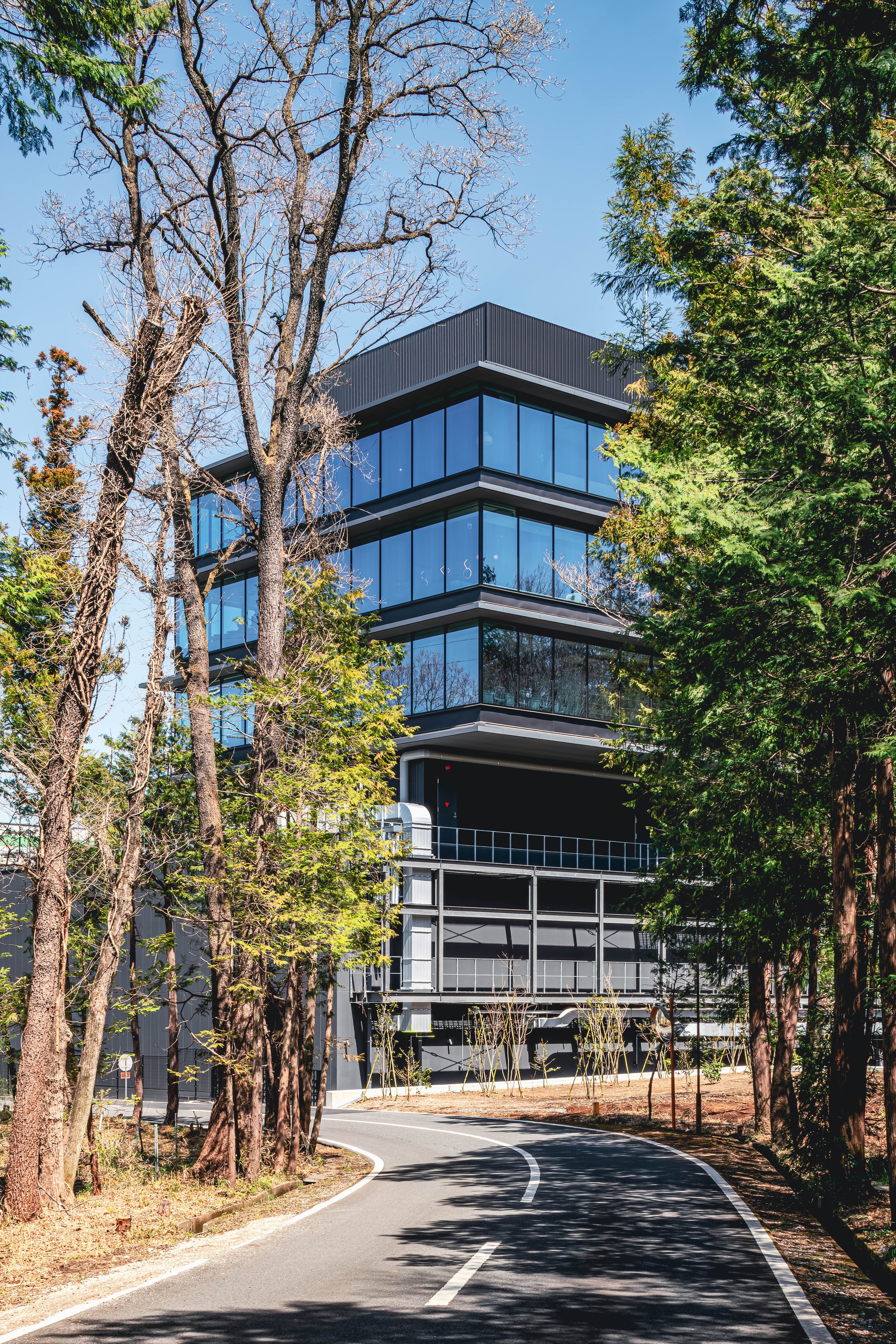
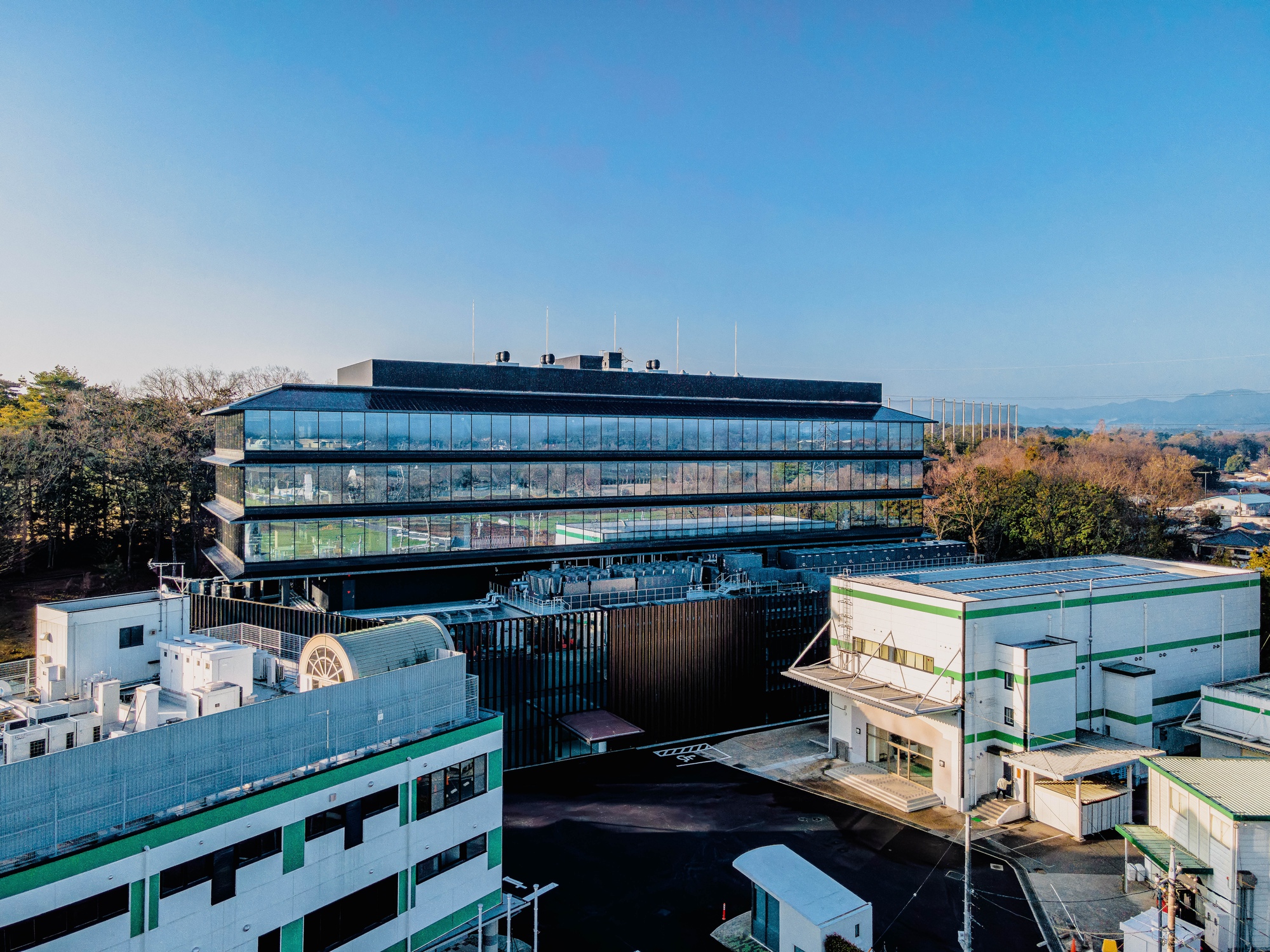
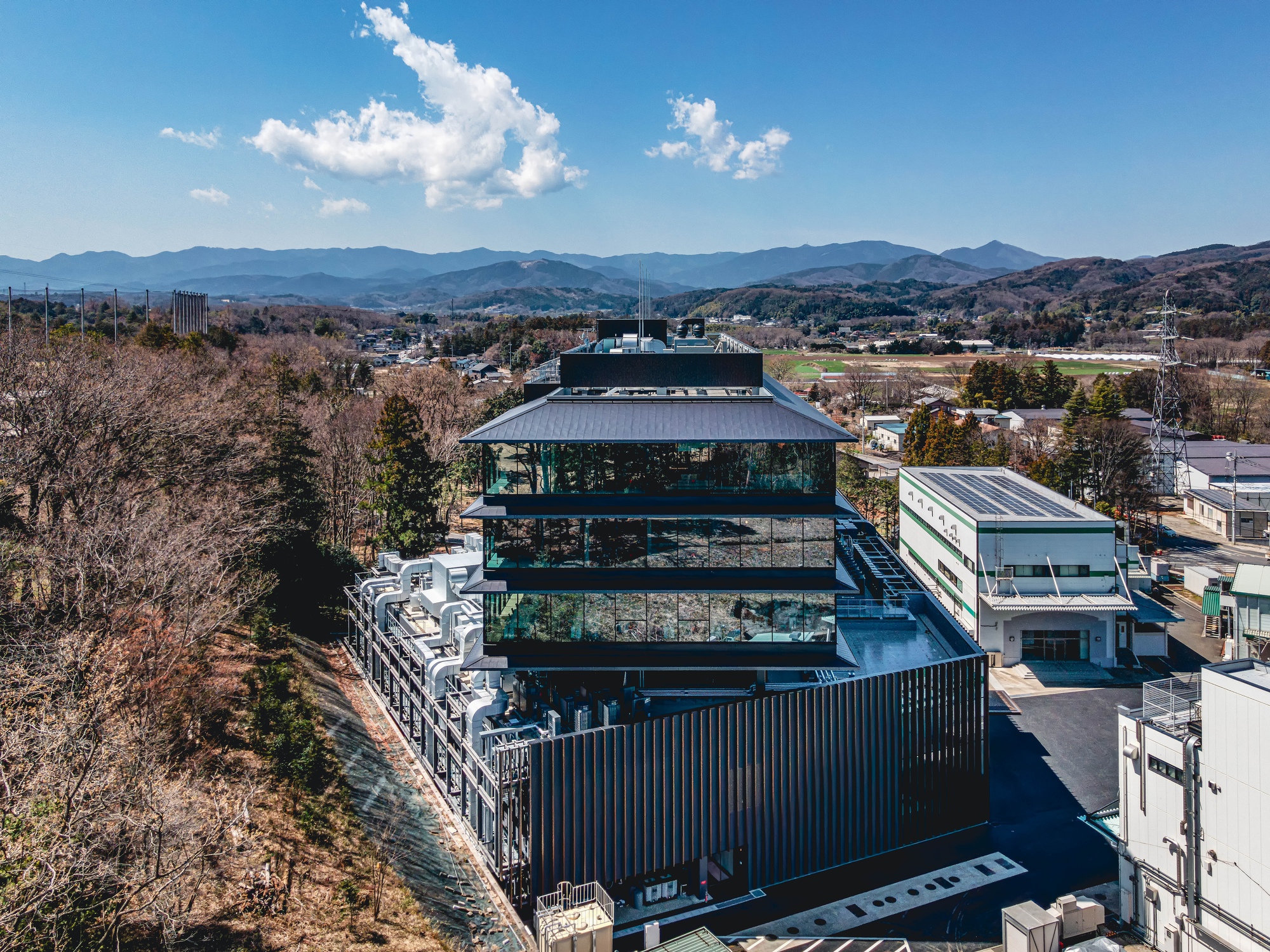
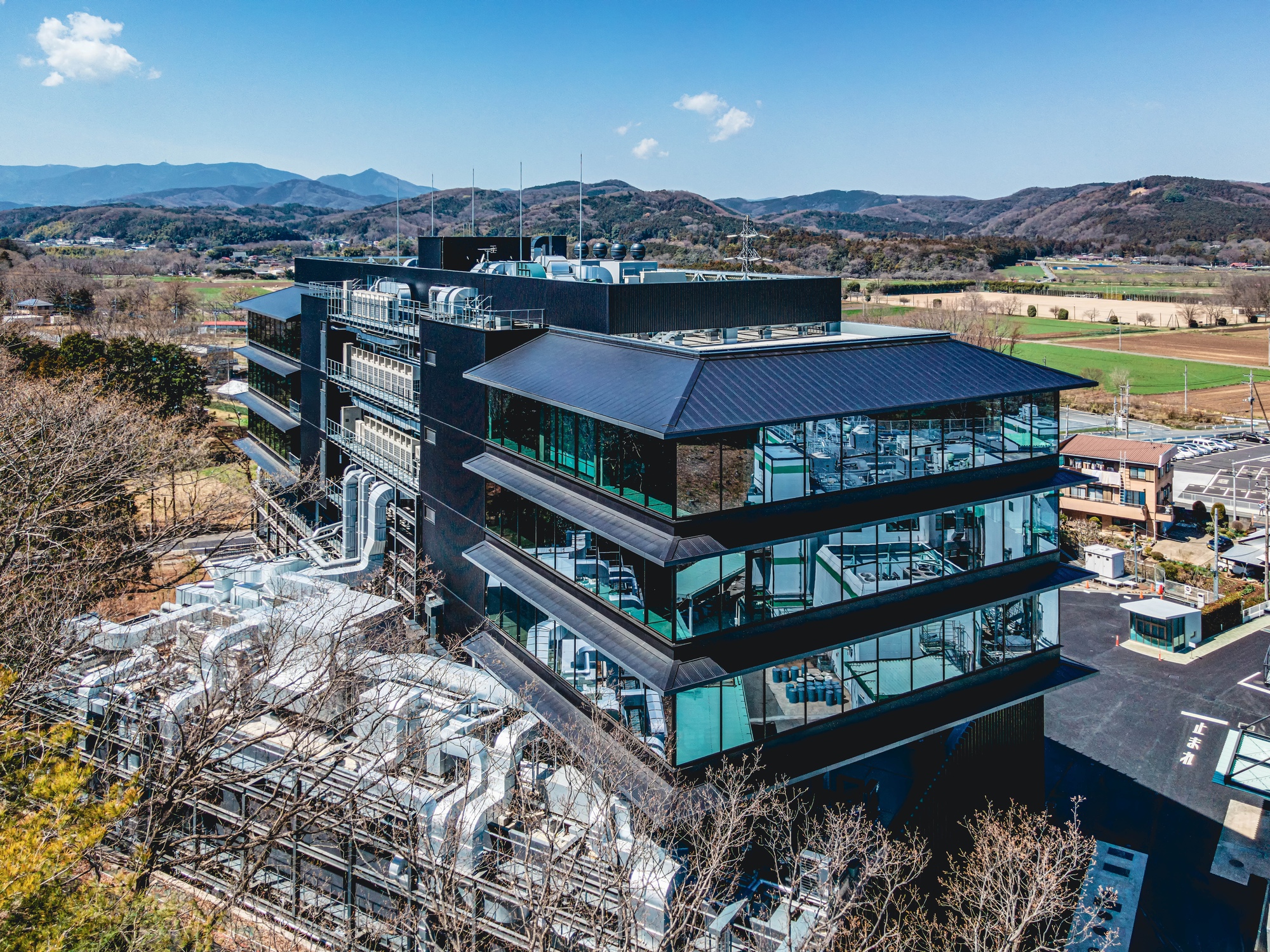
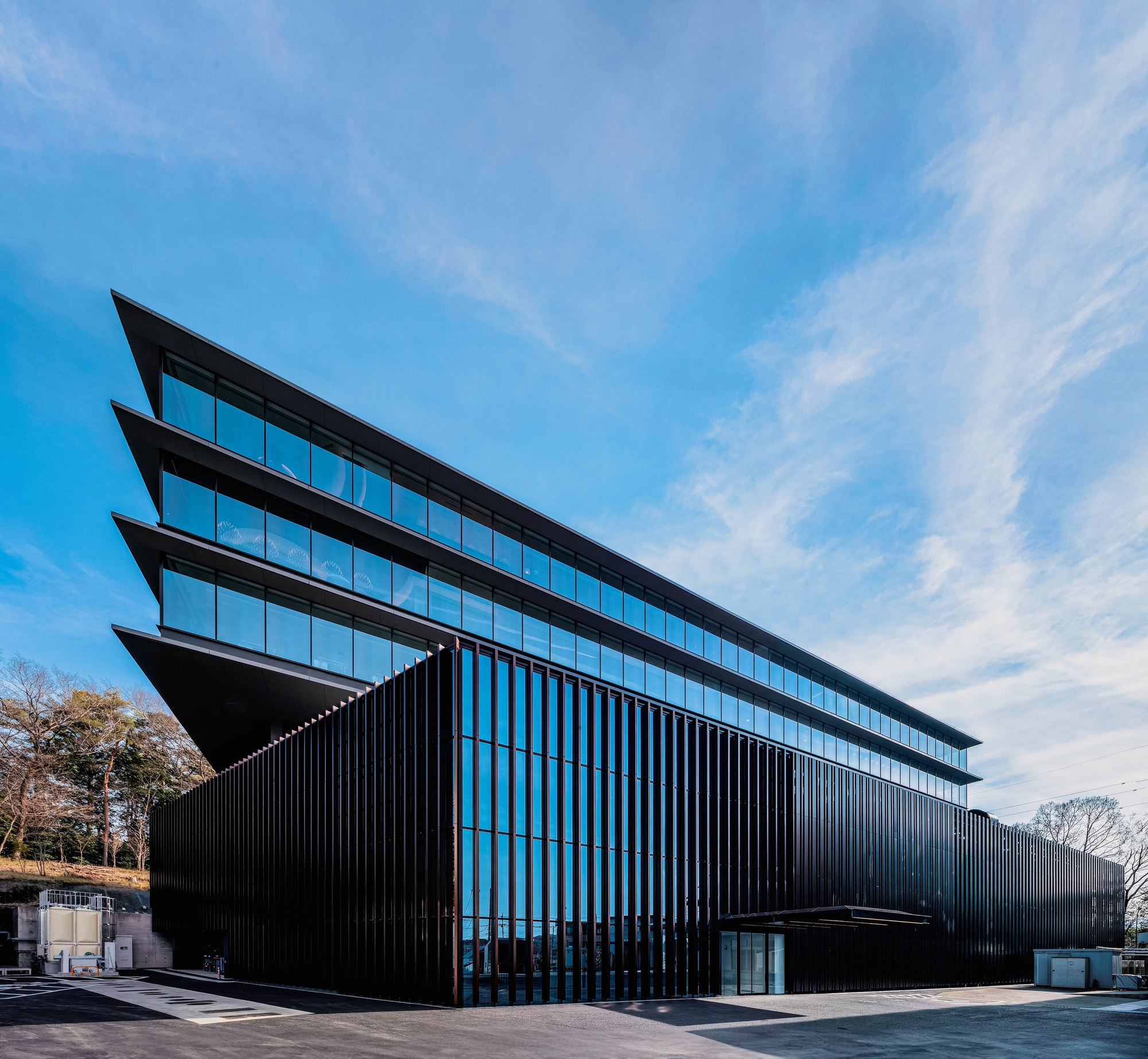
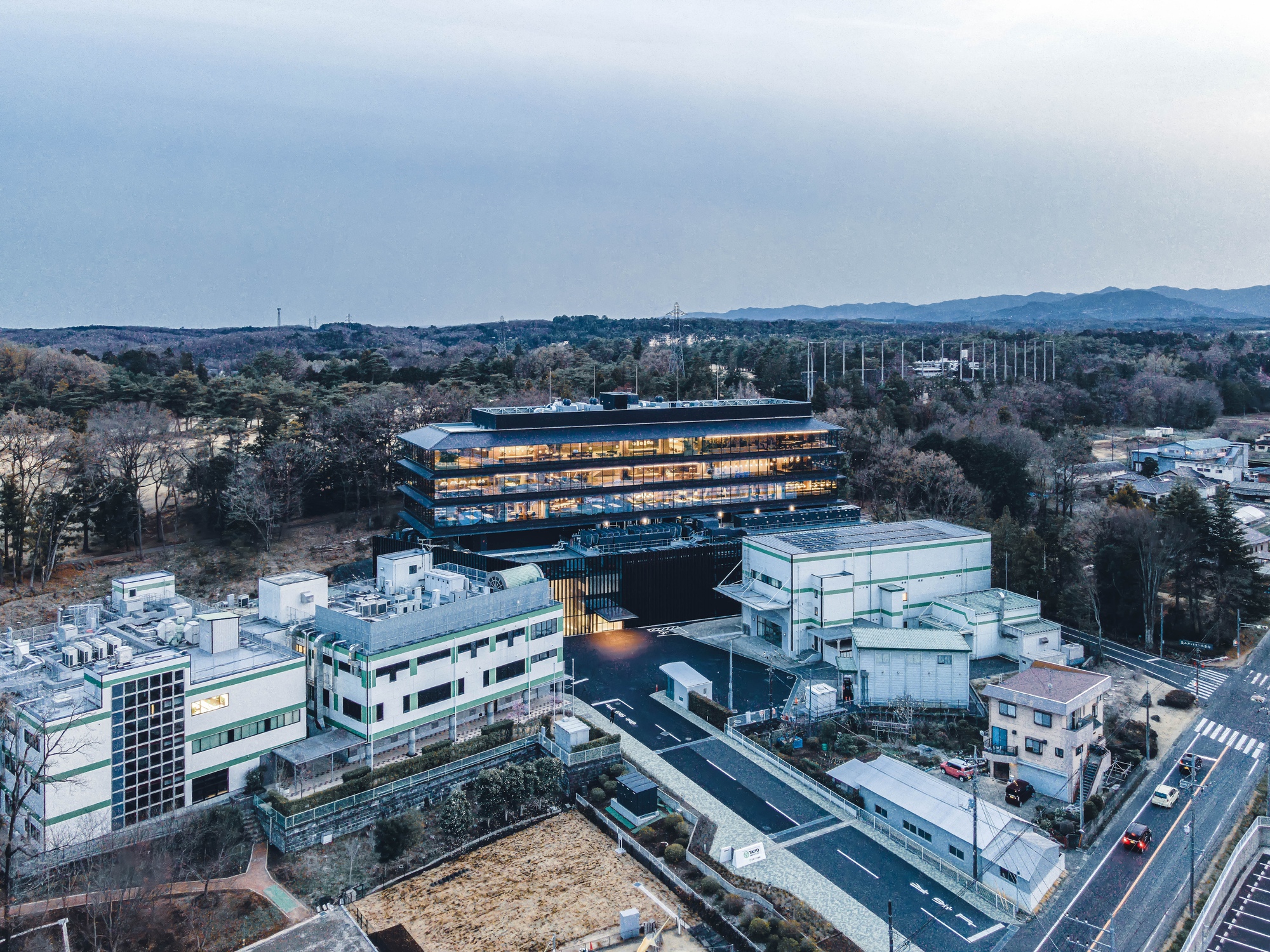
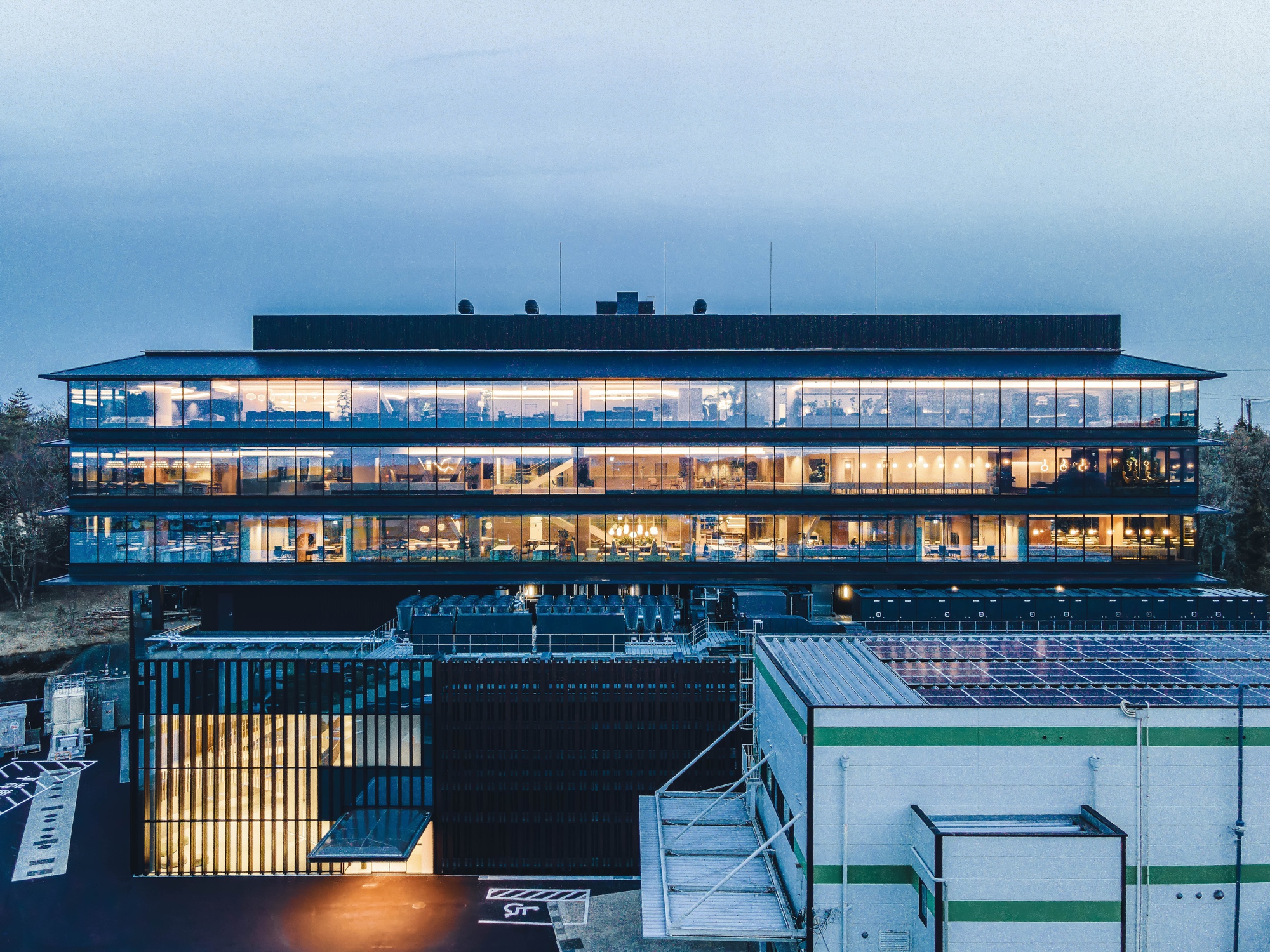
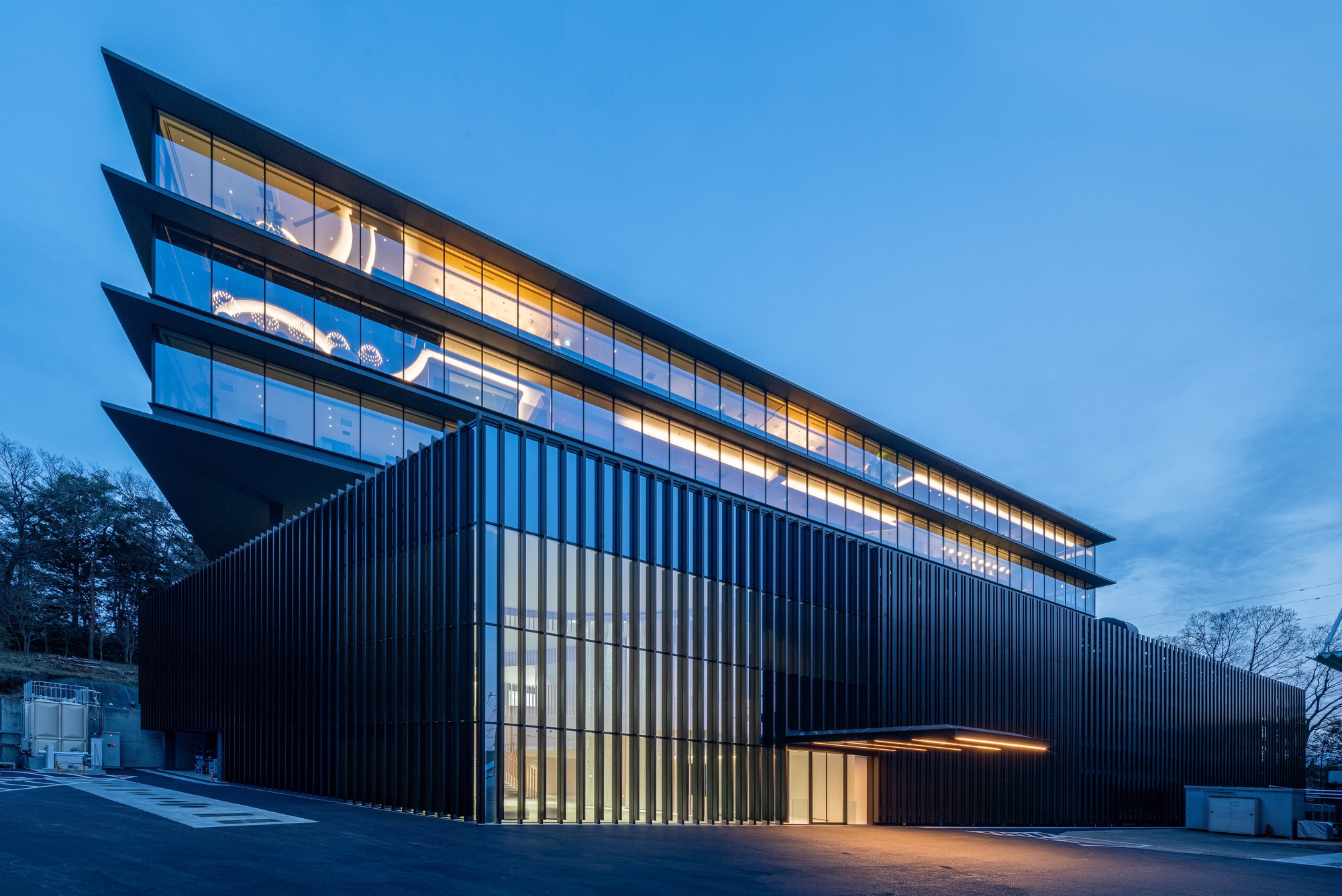
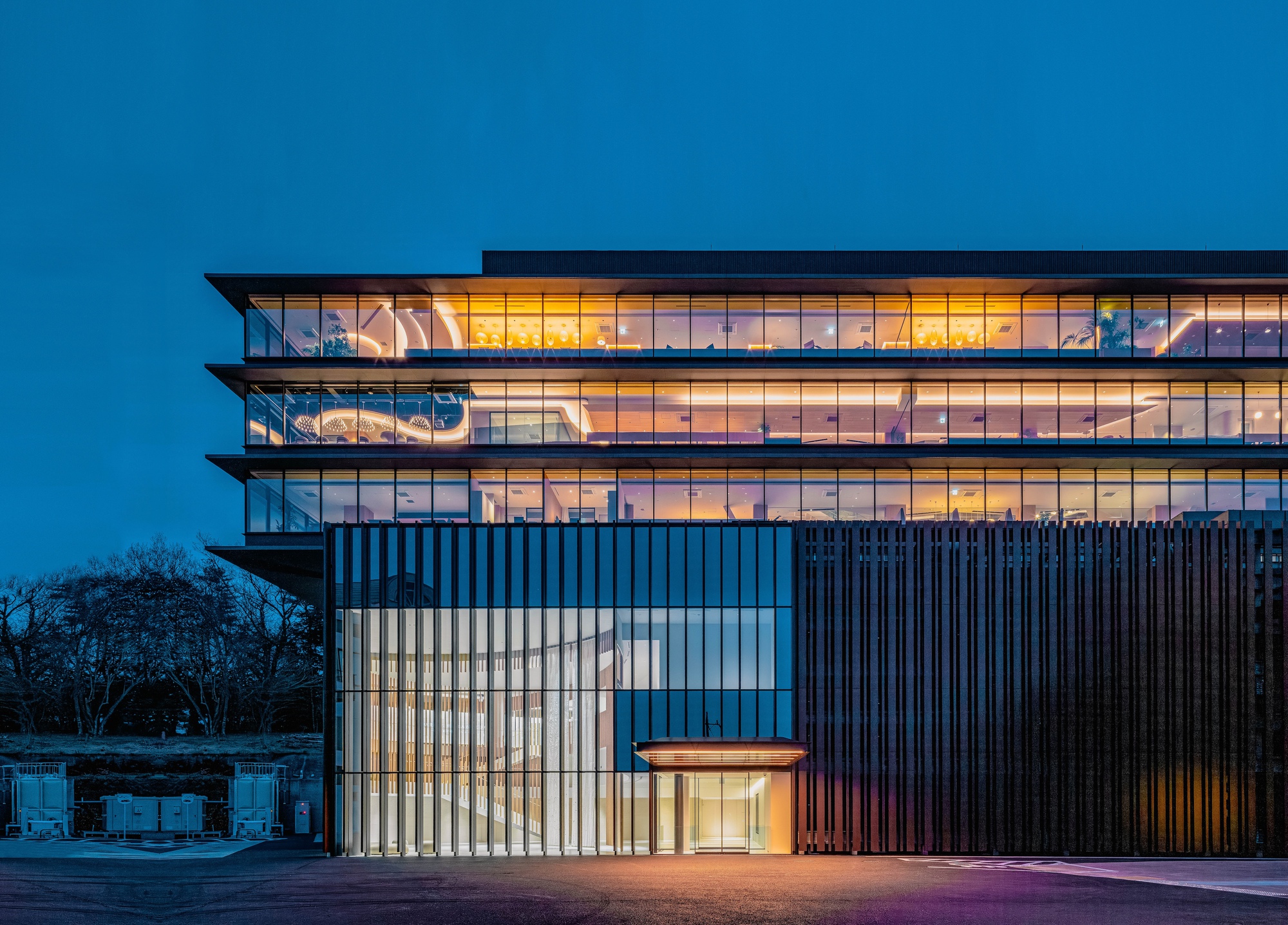
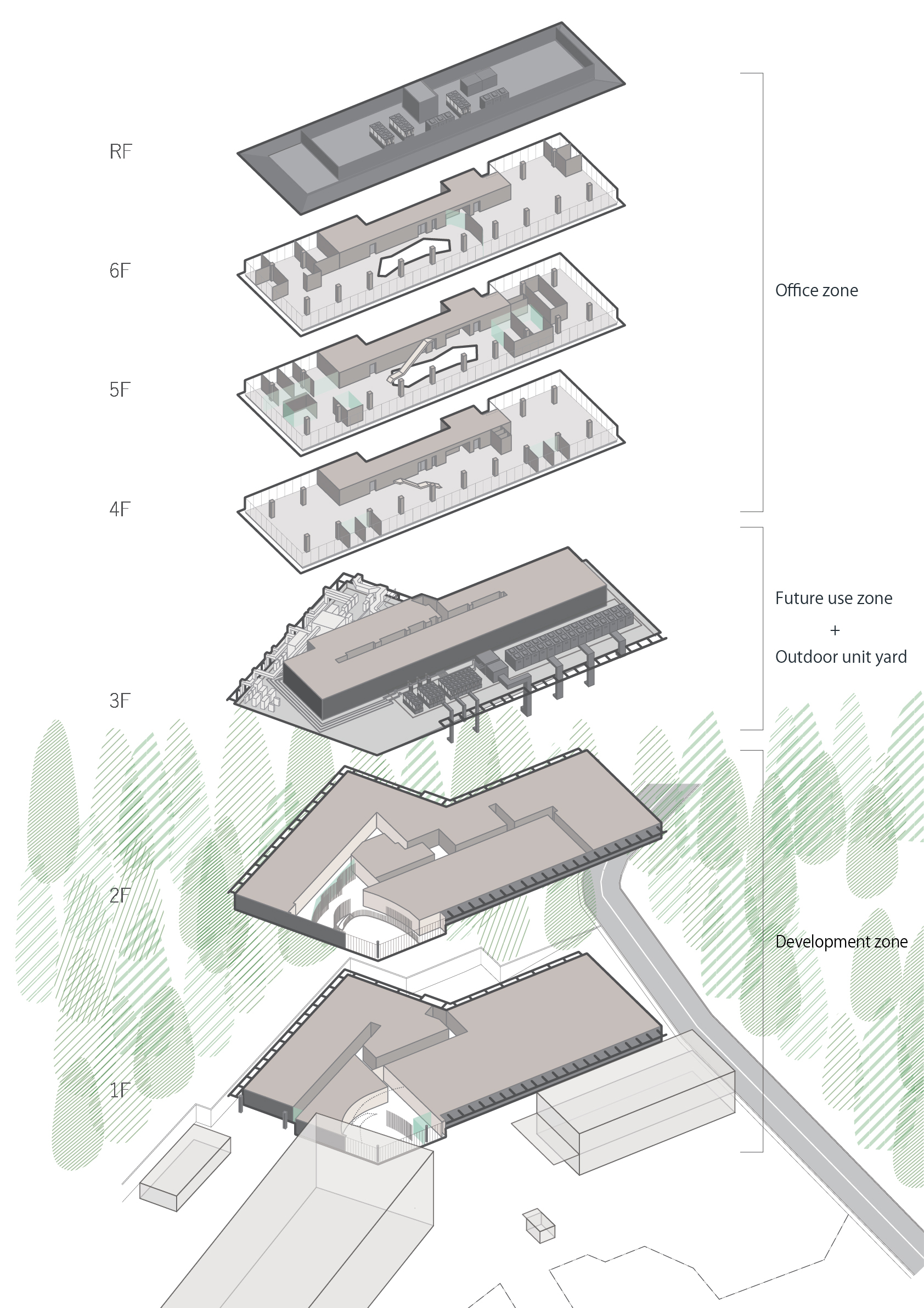
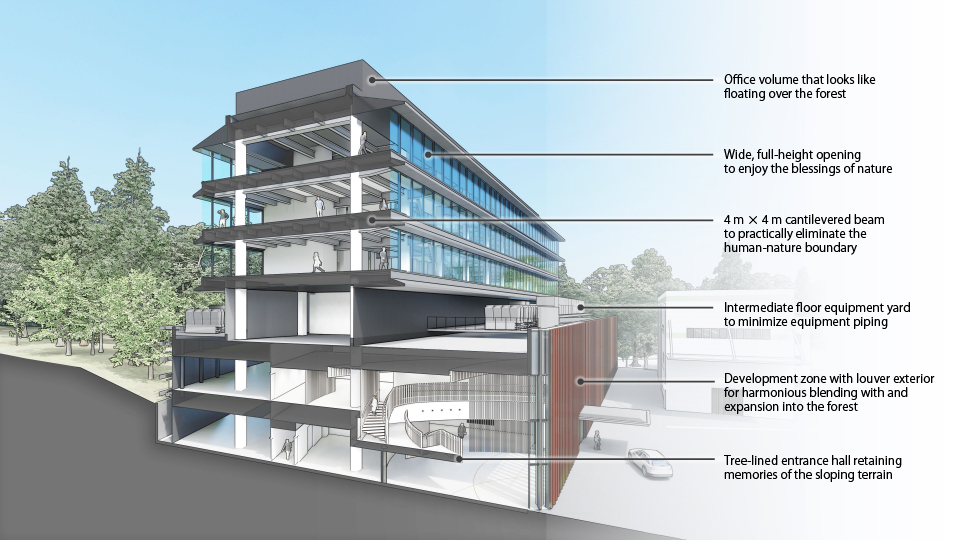
InnoValley #architecture Architects: DRAFT, TAISEI DESIGN Planners Architects & Engineers Area: 10397 m² Year: 2024 Photographs: Kotaro Imada City: Ranzan Country: Japan A new research and development center of a chemical manufacturer has been built on a nature-rich site with views of the Chichibu Mountains. An unprecedented type of technology development center was required to respond to the need for faster product development in the rapidly changing field of electronics and to secure a stable and capable workforce amid a declining birthrate. The building thus created consists of the lower floors to be used as a development zone, the intermediate floors containing machinery and equipment for the lower floors and extra space for future use and the upper floors designed as an office zone with bird's-eye views of surrounding natural landscapes. By stacking functionally optimized, purpose-specific planes, a dynamic space with a rich variety of indoor and outdoor space has been created. The exterior of the lower floor zone is finished with earth-colored louvers to blend harmoniously with the surrounding lush greenery. The upper-floor office zone is enclosed by glass and horizontal eaves to create a striking contrast to the lower-floor design. The simplicity of the vertical and horizontal elements stresses the presence of a voluminous structure that looks like floating over the forest. The entrance hall retains the memories of the sloping terrain woodland that once existed at the site, creating a heartwarming space that invites visitors to walk up an easy slope. The tapestries designed to mimic rain falling on trees were created, in collaboration with a craftsman specializing in Japanese paper (Ogawa washi) making, a traditional craft of a neighboring town, by using 2.5 m × 8.0 m pieces of washi. The plaster walls produced by the artistic plasterer Naoki Kusumi also add color to the entrance hall. The multi-floor open space interconnecting the three office floors was inspired by the panoramic ridge lines of the Chichibu Mountains and the landscapes of the Ranzan Ravine. The irregularly shaped multi-floor open space creates places of various configurations, just as a ravine offers places of varied shapes so that anglers and campers can find places of their liking. Varied spaces and places laid out around the multi-floor open space are interconnected by stairs and circulation lines so as to create opportunities for unexpected exchanges. The four-meter-wide cantilevered peripheral zone of each floor forms a daringly wide, open space that practically connects the internal space and the surrounding environment. Creativity and inspiration of individual workers are stimulated by unknowingly moving between different environments created by the lower floors and upper floors, well-lit spaces and shaded spaces, time- and space-dependent changes in external environmental conditions, and varied combinations of materials. It is hoped that opportunities for unexpected encounters incorporated in the space stimulate communication between individuals and organizations and induce serendipity to give rise to unprecedented innovations.
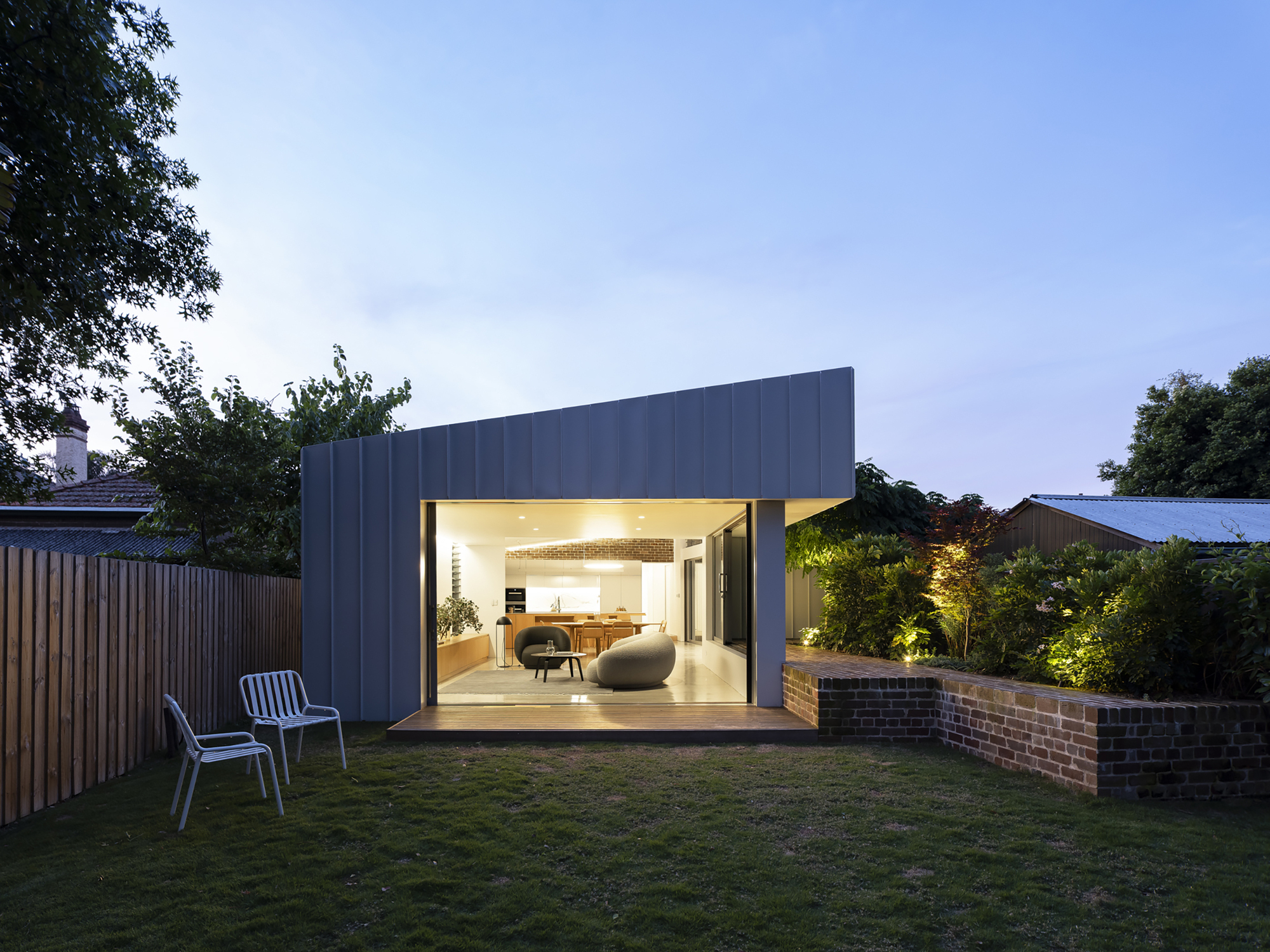
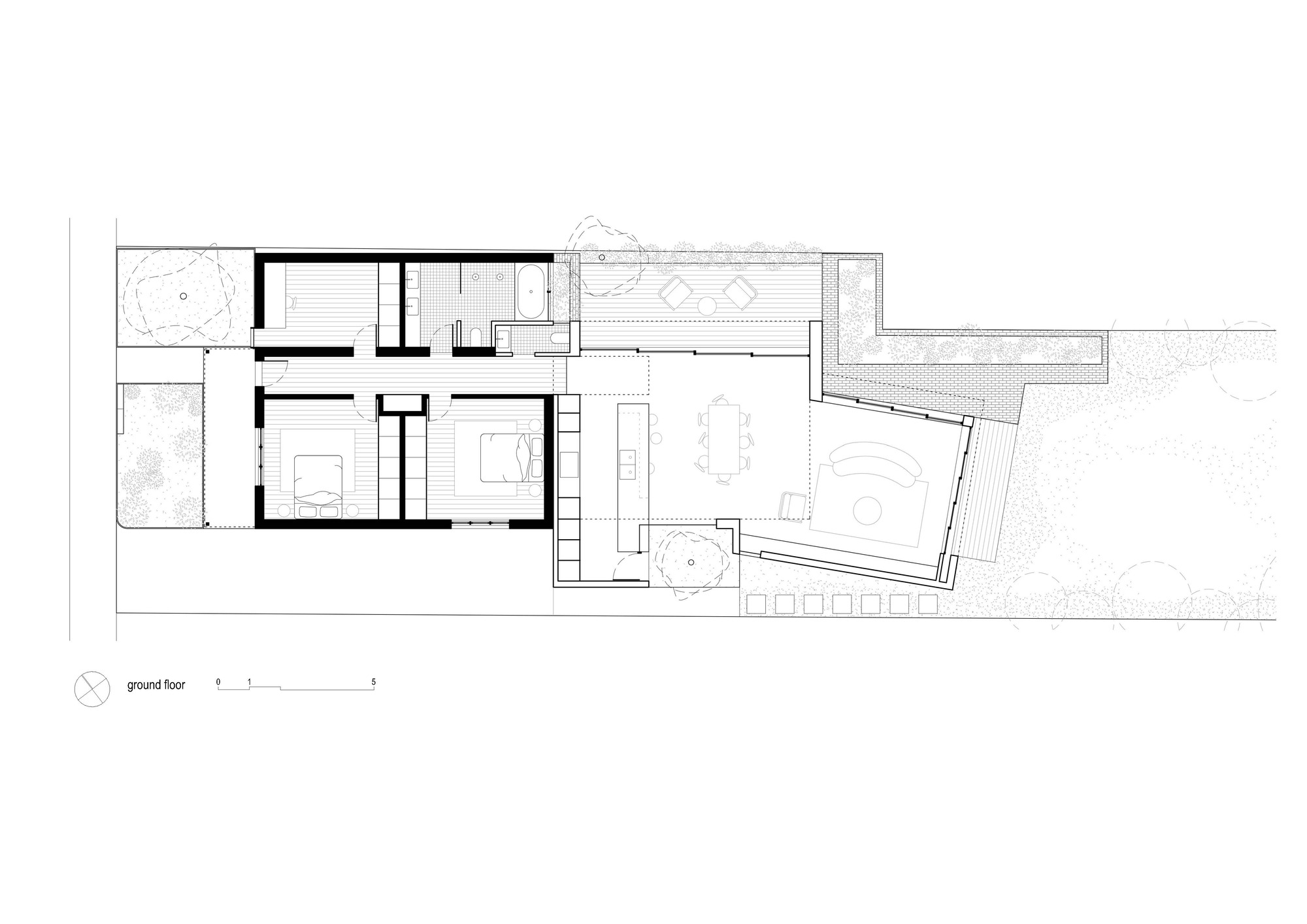
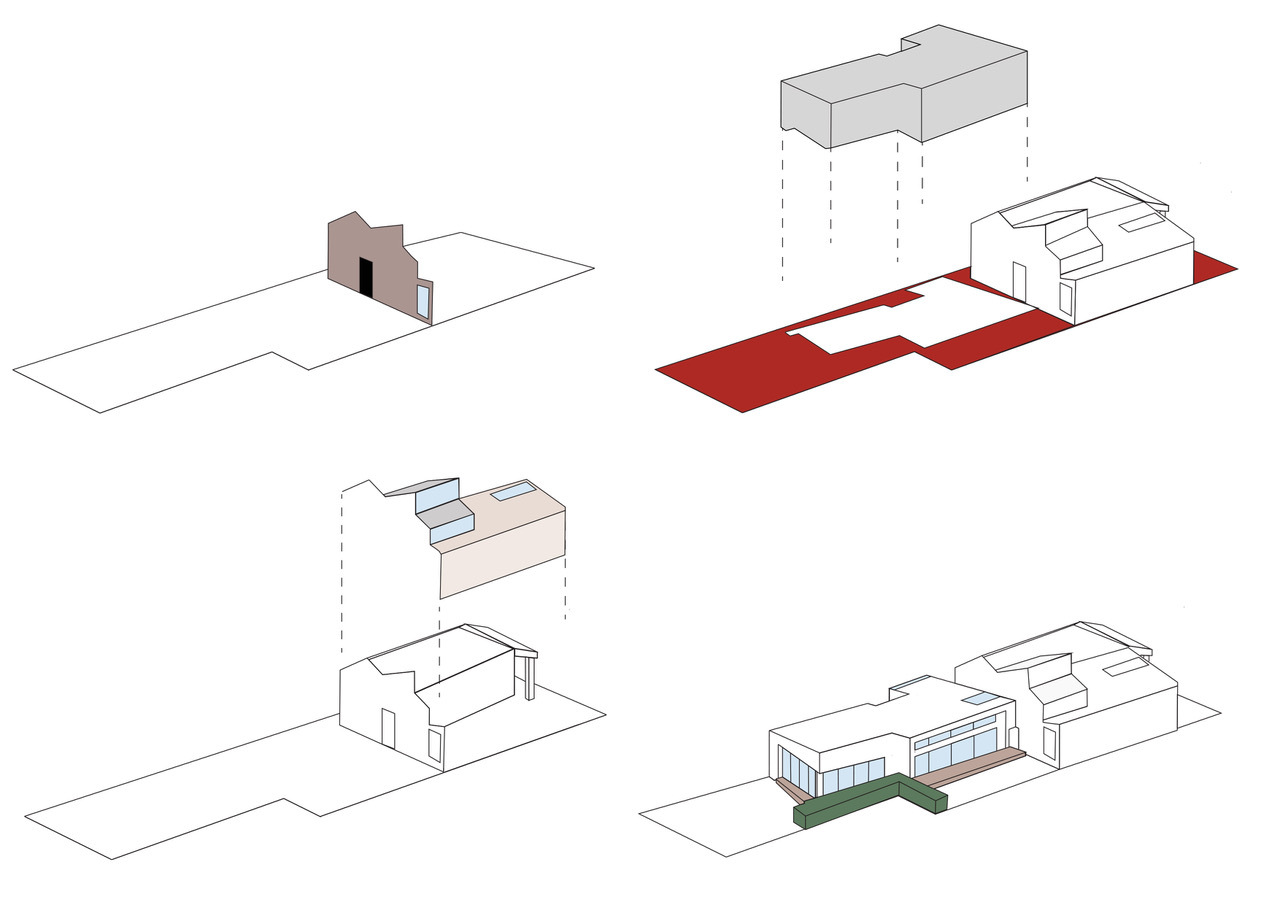
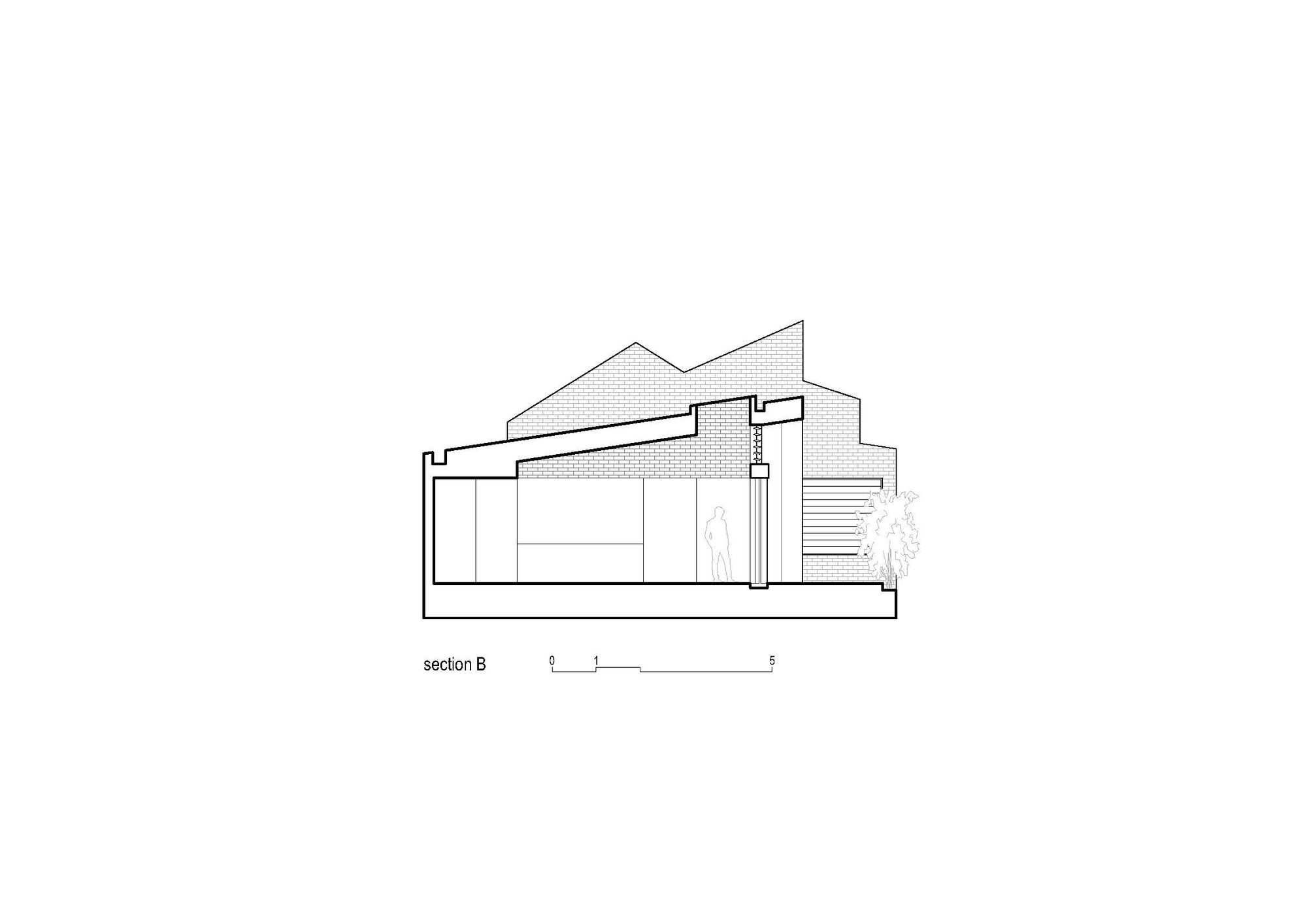
Cut and Morph House #architecture Architects: Ahron Best Architects Area: 190 m² Year: 2021 City: Croydon Country: Australia The client, a young couple, purchased the dilapidated property with the intention of restoring the existing building and converting it into a modern living sanctuary. The site consisted of an existing brick workers' cottage that had undergone several distasteful alterations over its life. One of which consisted of an addition that had been tacked onto the side of the original building, resulting in a bulky and un-proportional street-facing elevation. This formed the premise of the brief, which was initially; to restore the original brick building to its original proportion as viewed from the street, re-configure the layout of the existing building to suit a young modern family, and create a rear addition to accommodate a large new living, dining and kitchen space suitable for entertaining. Our intention was to activate the entire site by creating a series of connected spaces inside and outside of the building that respond to the physical conditions of the site and program. We wanted to resist the urge to open the living area to the rear yard when there were viable opportunities for north-facing living and entertaining spaces along the side boundary. Through material treatment and window placement, the threshold is exaggerated, and a stark contrast between the new and old is formed.  In plan negative and positive space is used as a tool to creates a series of courtyards or usable spaces around the perimeter of the living addition and inside/outside spaces within the living. While the living/kitchen and dining area would generally be considered open plan, we wanted to subtly define these spaces, giving each space its own spatial characteristic or purpose while maintaining the overall connection. The rotating of the living/lounge area slightly away from the other spaces resulted in a slightly more discreet space for sitting and relaxing and entry into the yard. Dealing visually with the junction between the new and old is always a challenge in contemporary alts and adds. In this case instead of playing down this interaction we envisaged a more sculptural solution. The existing building is cut physically at a suitable line then reconstructed using recycled bricks from the site to form a large sculptural wall that exaggerates a contemporary vernacular form. This form sets the line of a new roof that creates large voids with celestial windows over the hall and bathroom. From the living and entertaining areas, the wall acts as a dramatic backdrop that is somewhat symbolic of its urban context and demolished remnants of the site. A large skylight has been located at this junction and carefully detailed so its glass appears to be floating into the brick wall; this breaks down the threshold between the old and the new and sets up views of the walls from the internal spaces. When you open the windows at the top of the hallway void you immediately feel the air brush past you as it is sucked up through the void.
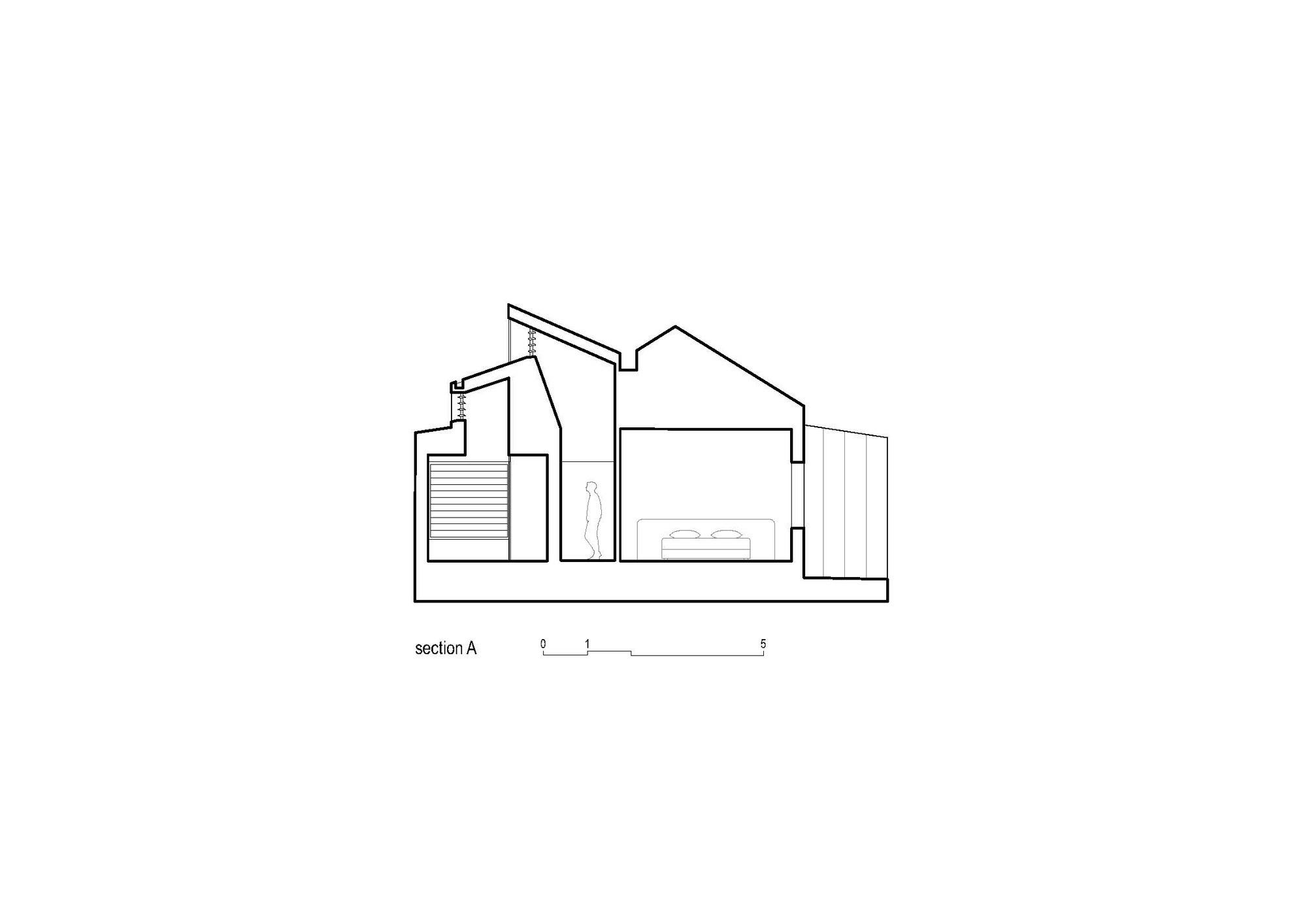
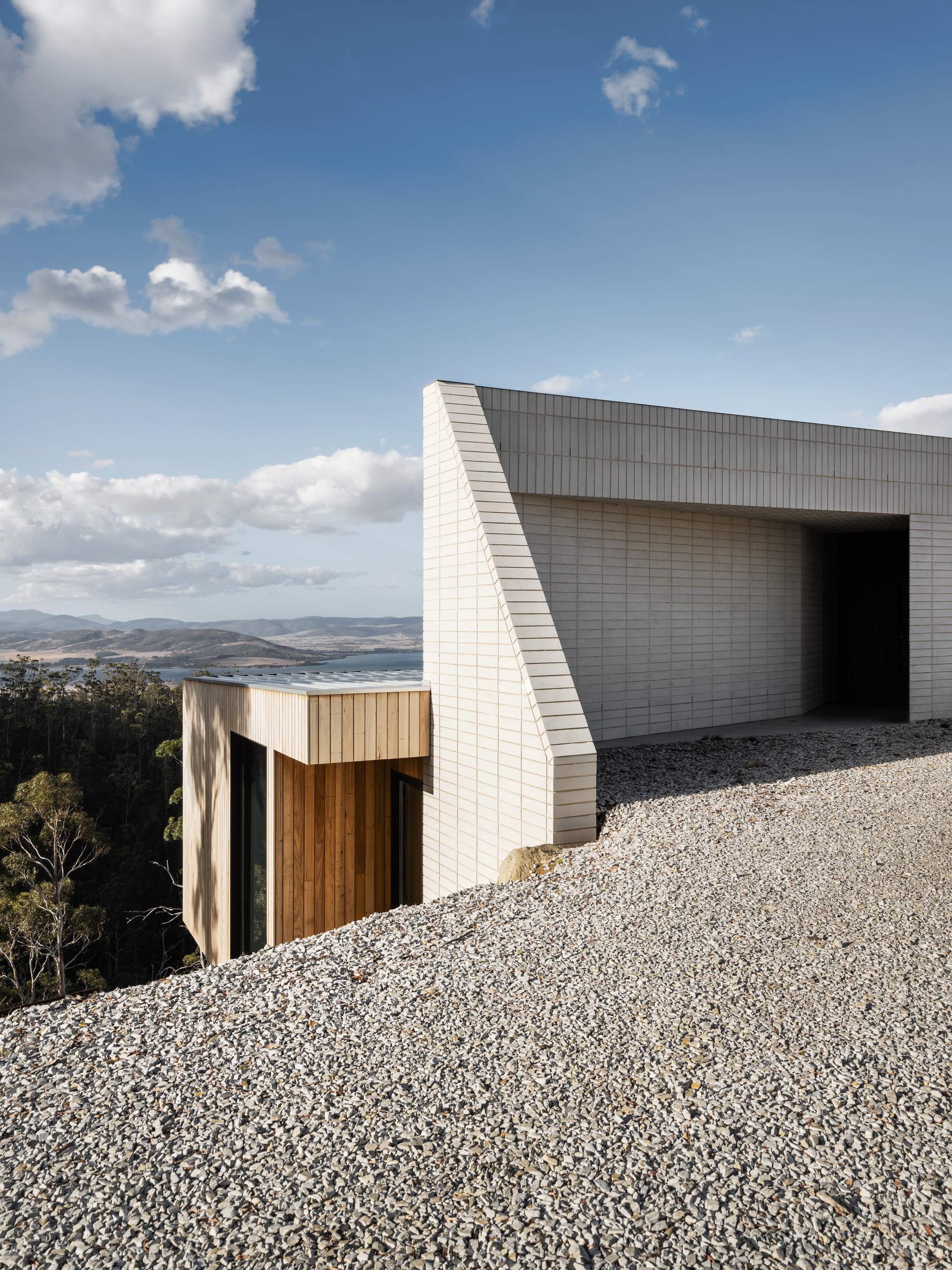
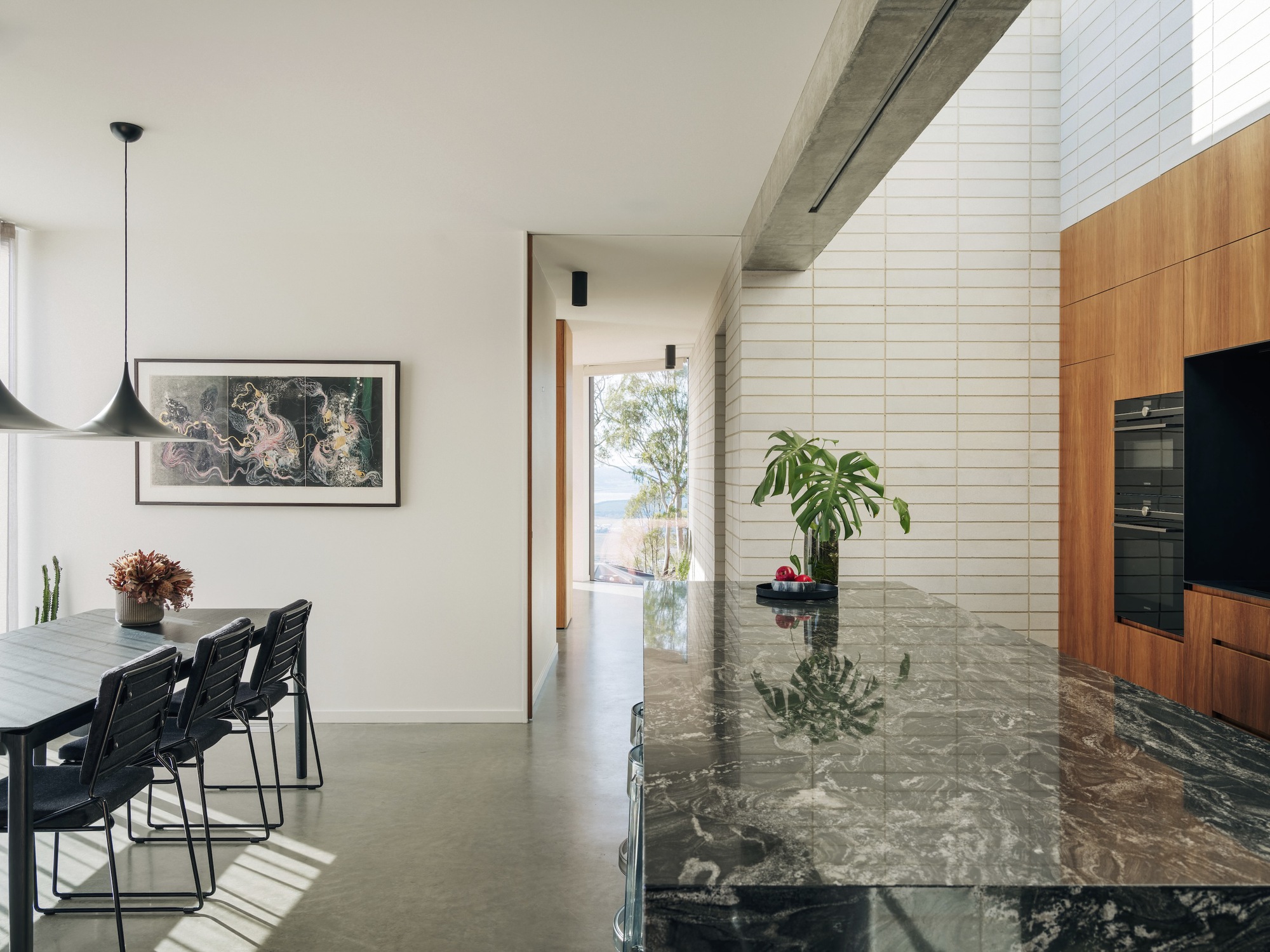
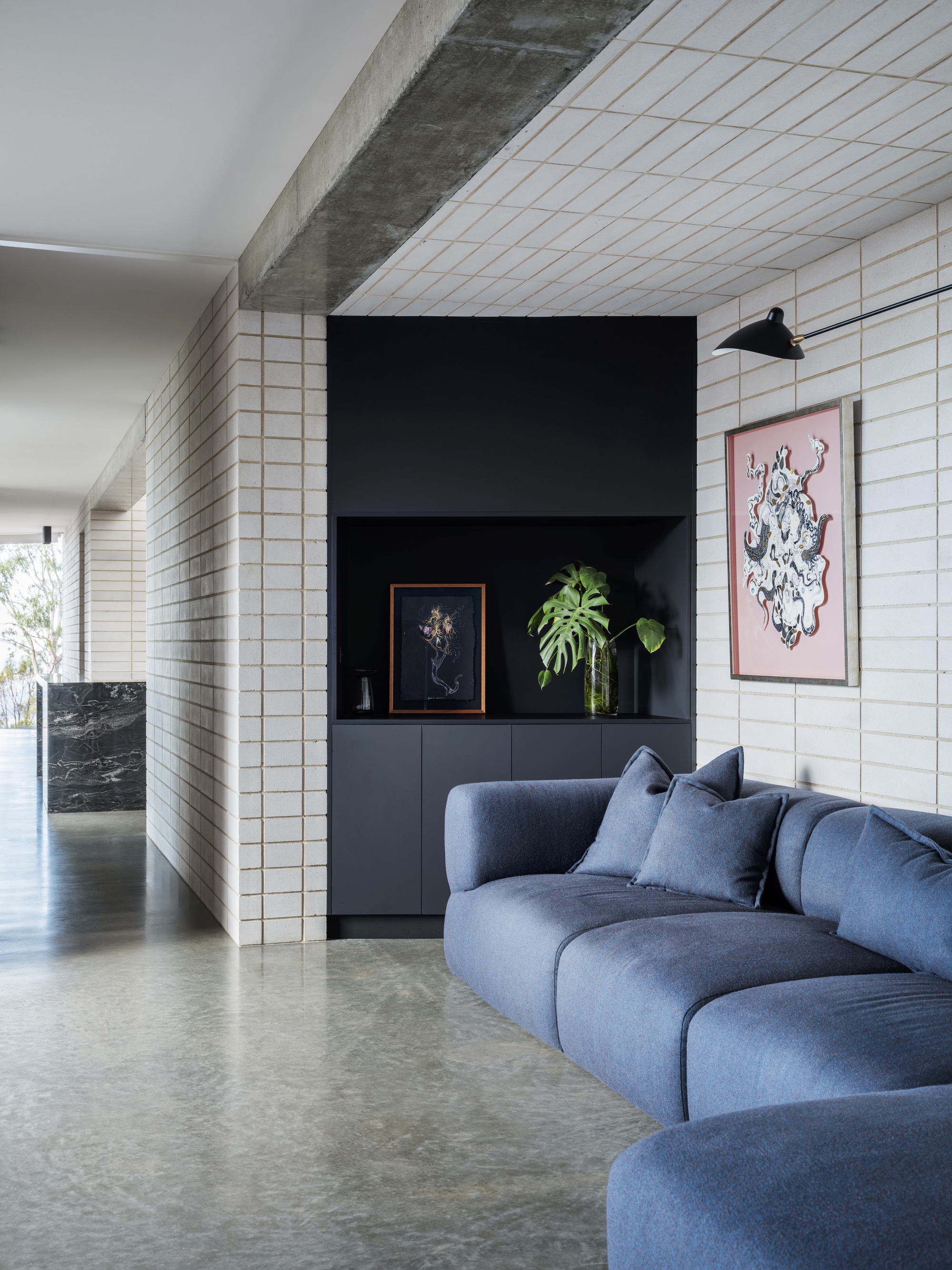
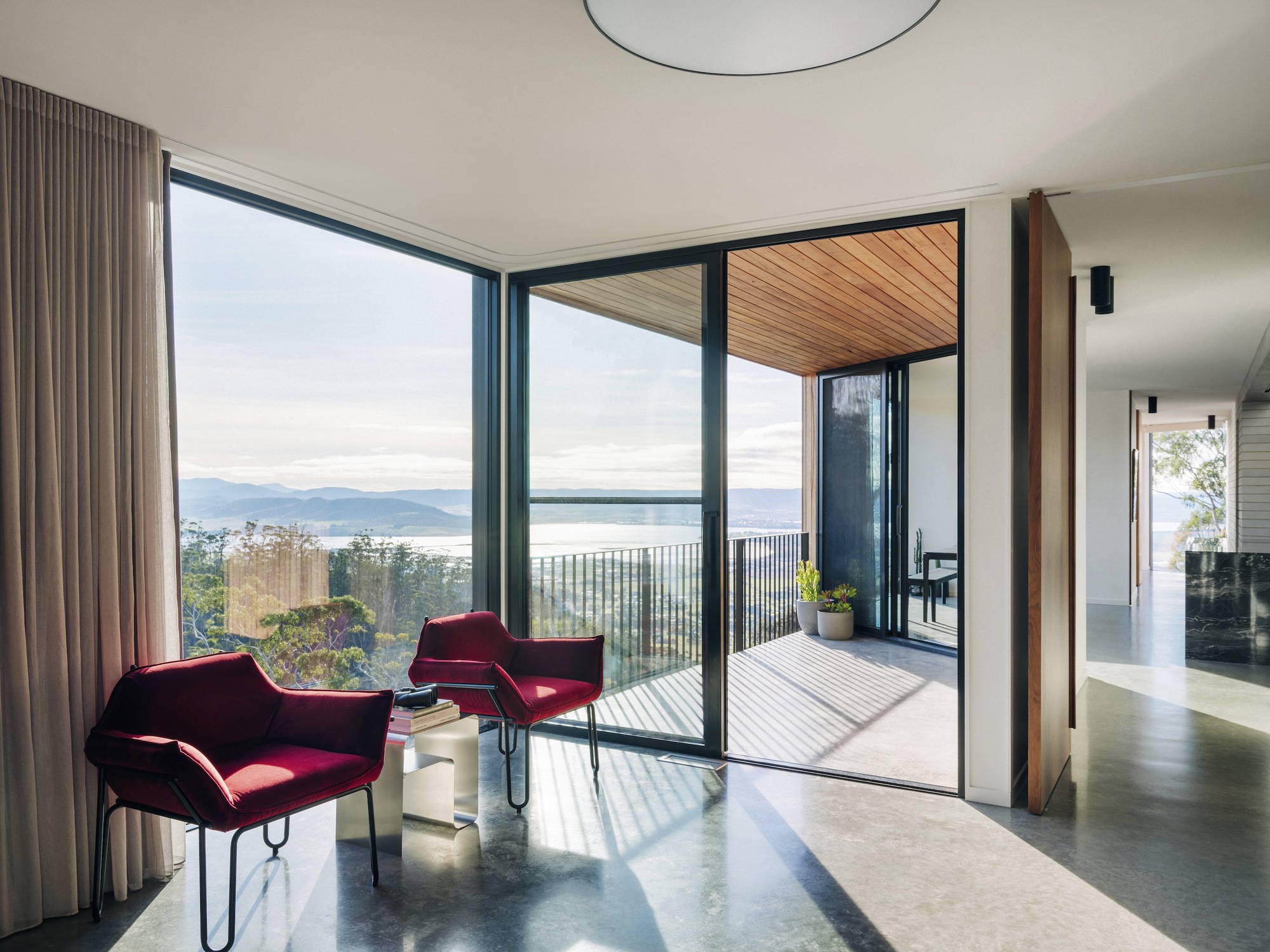
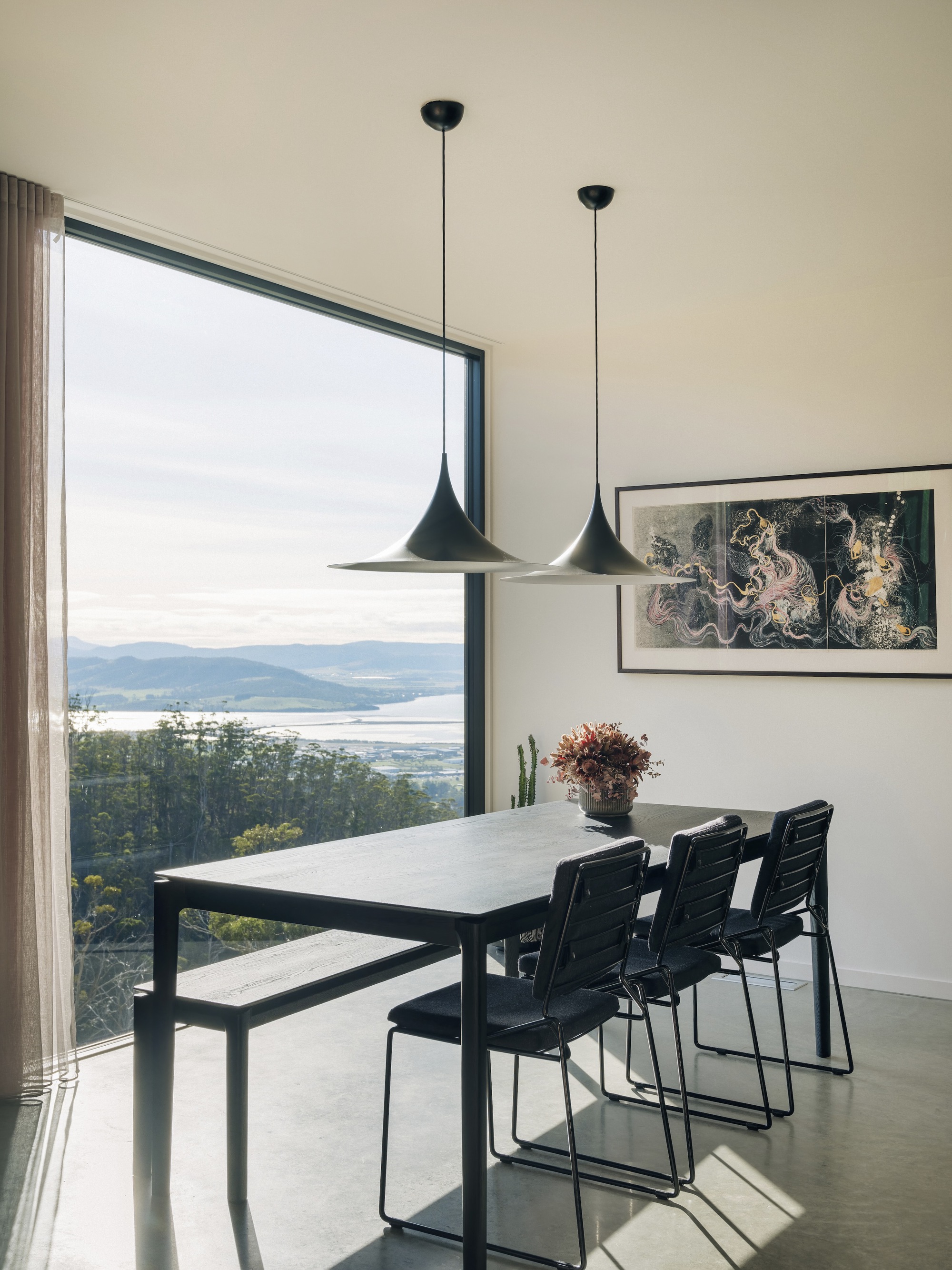
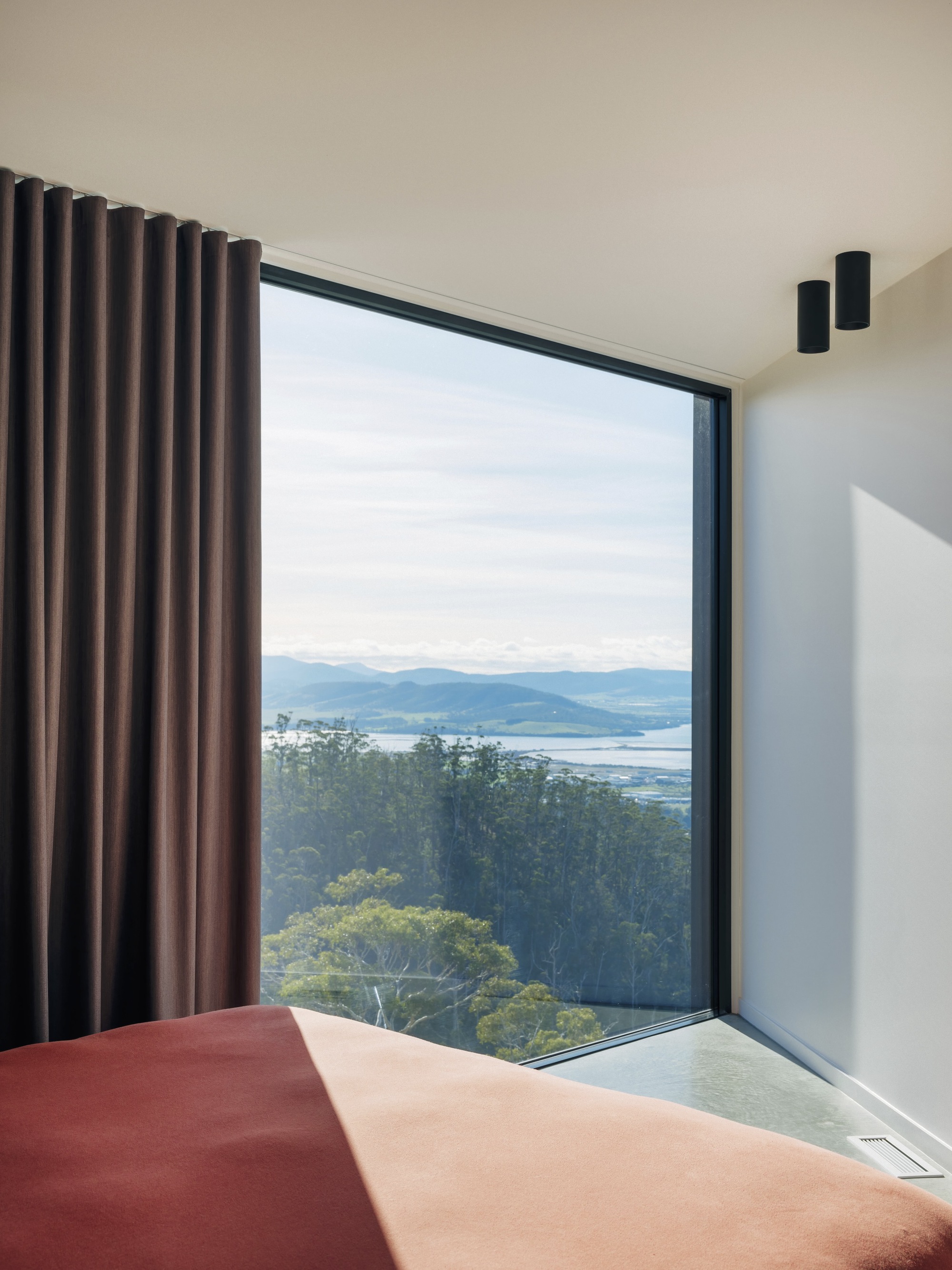
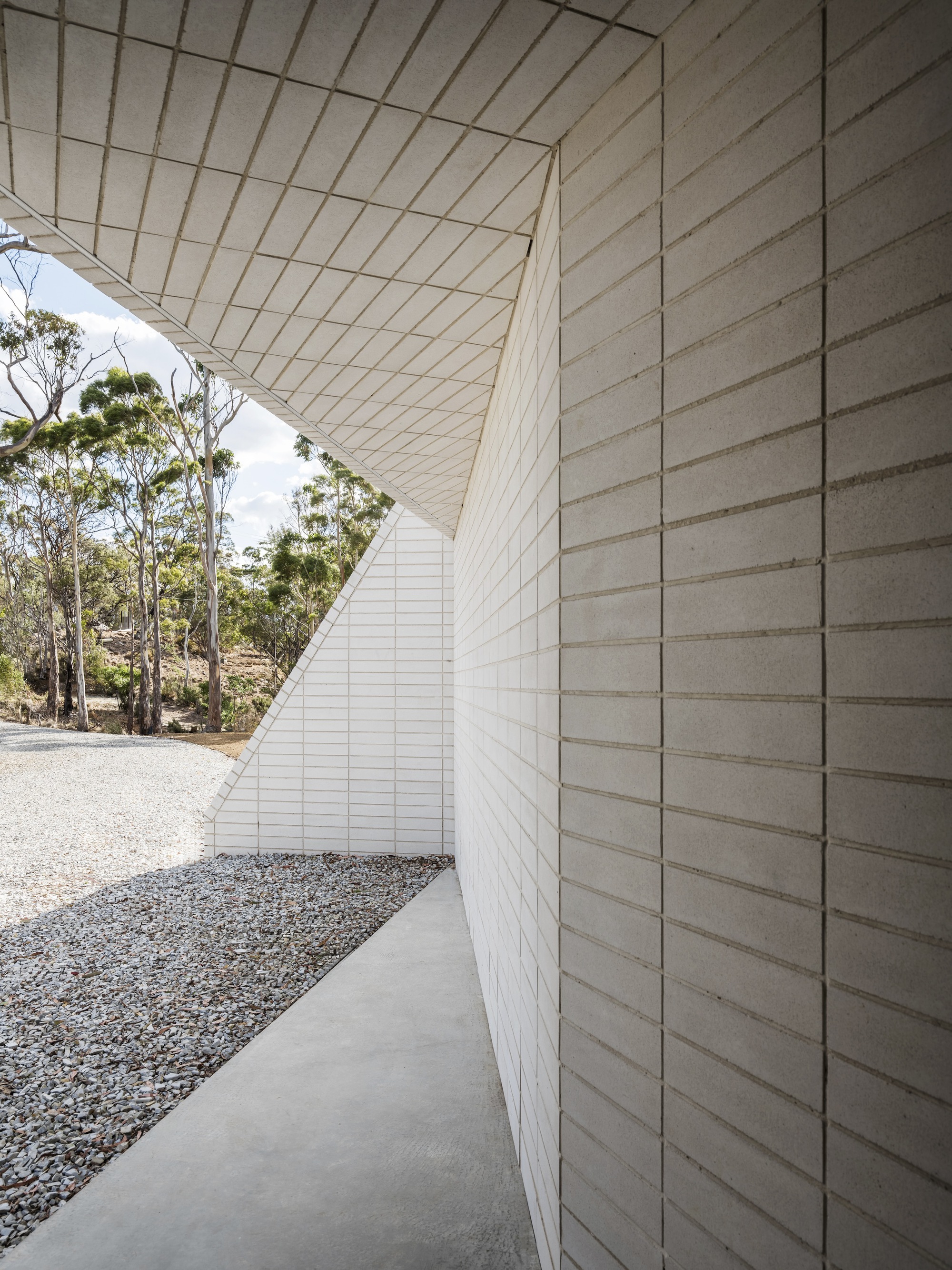
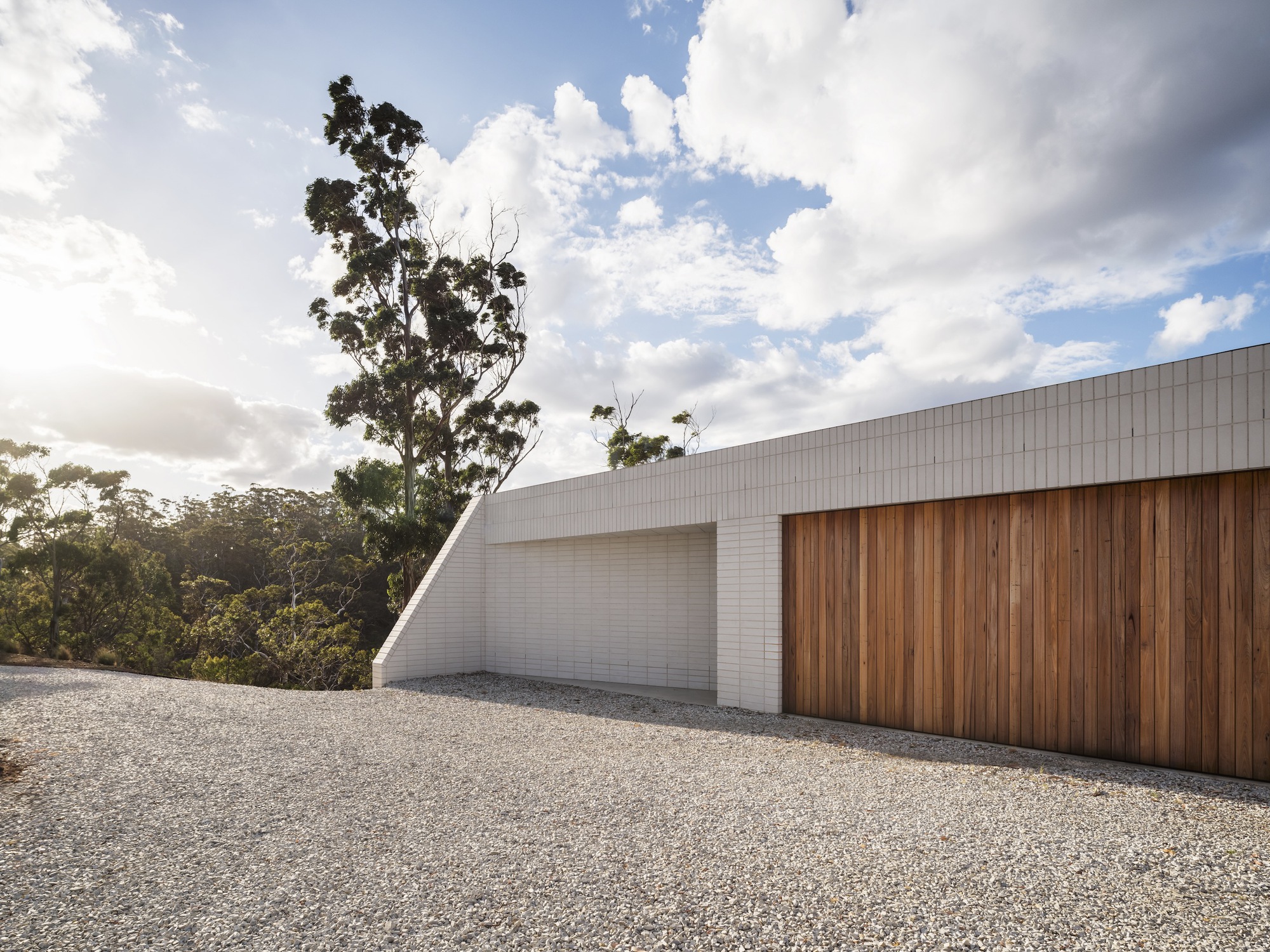
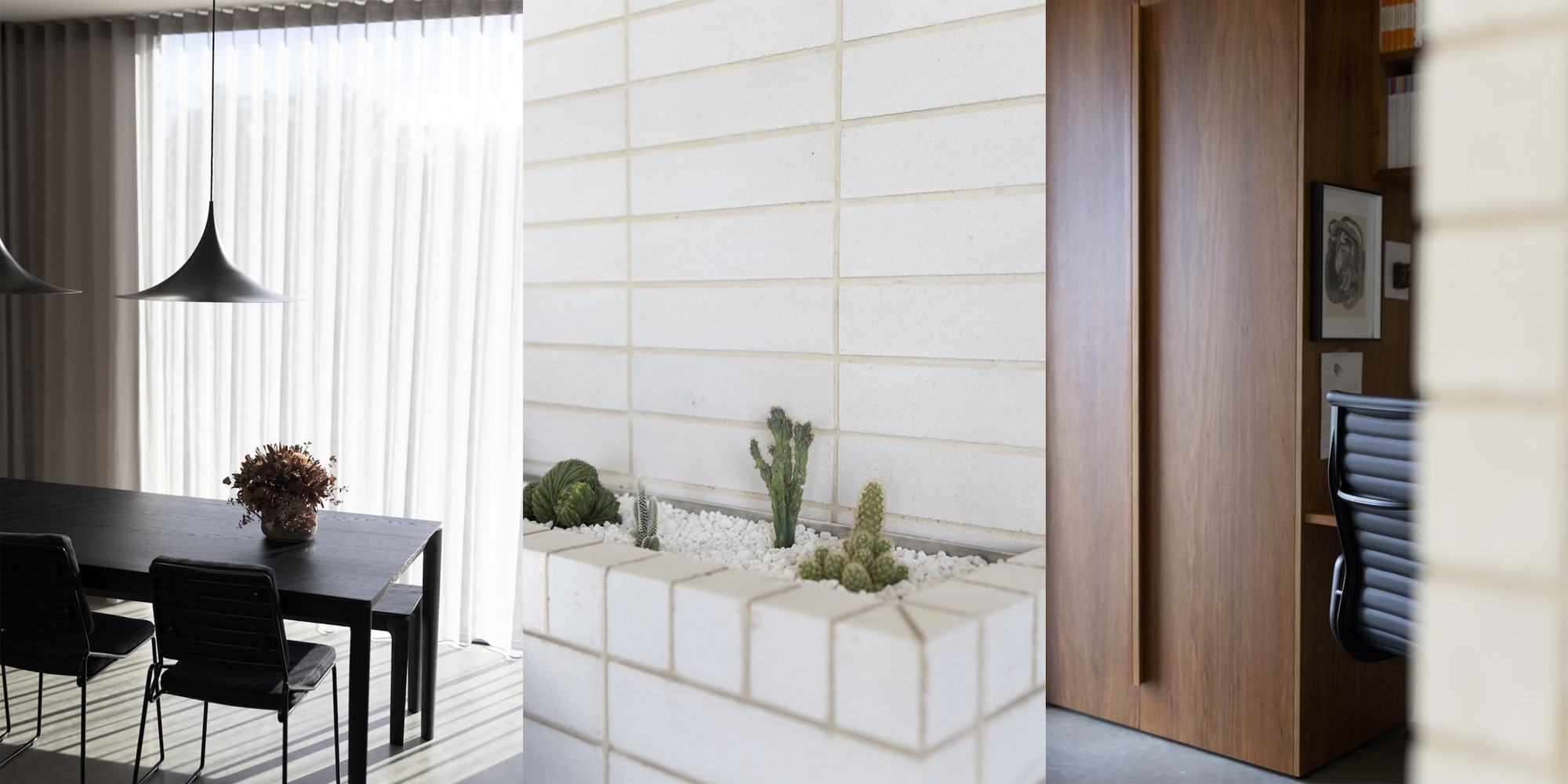
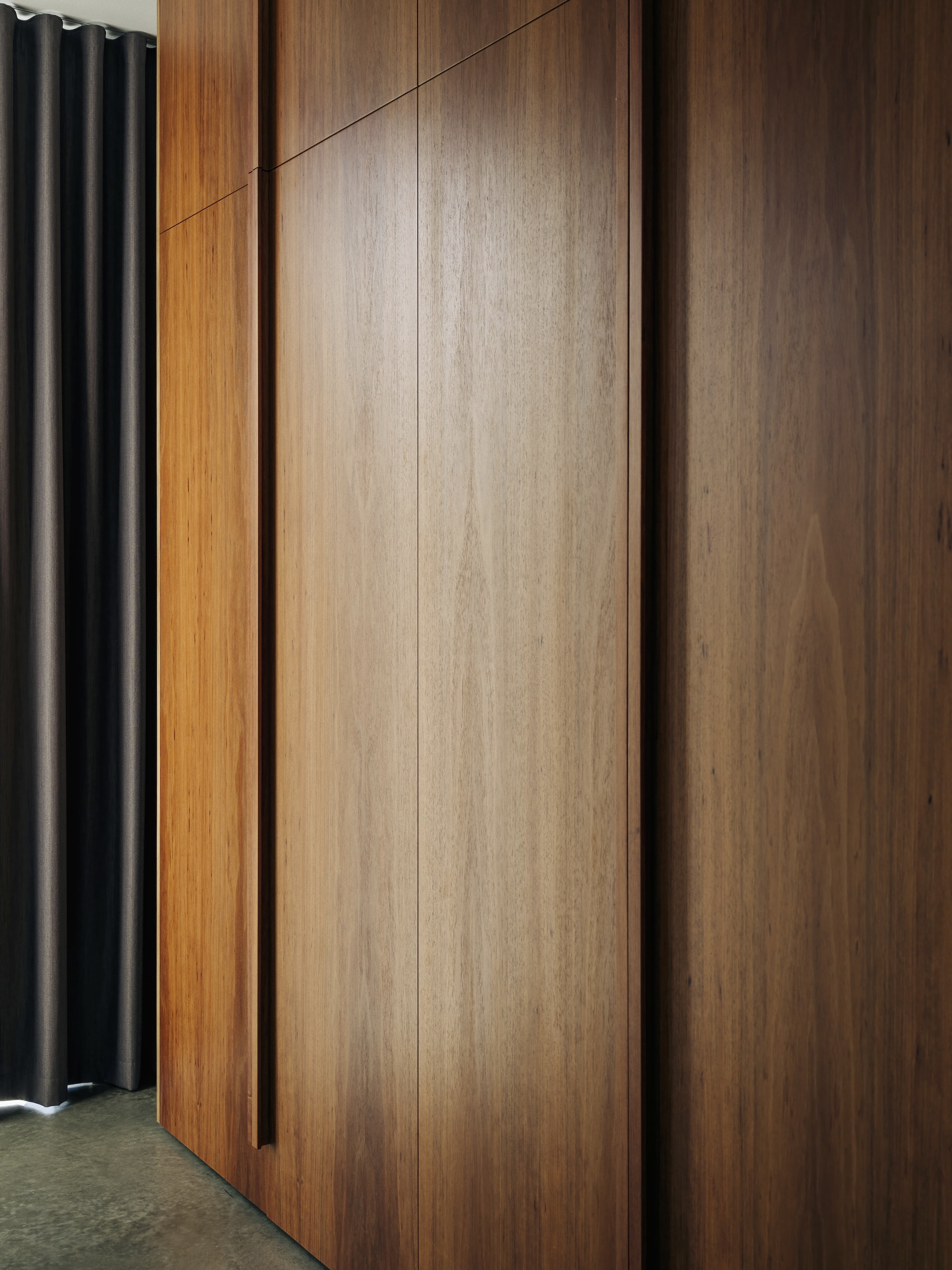
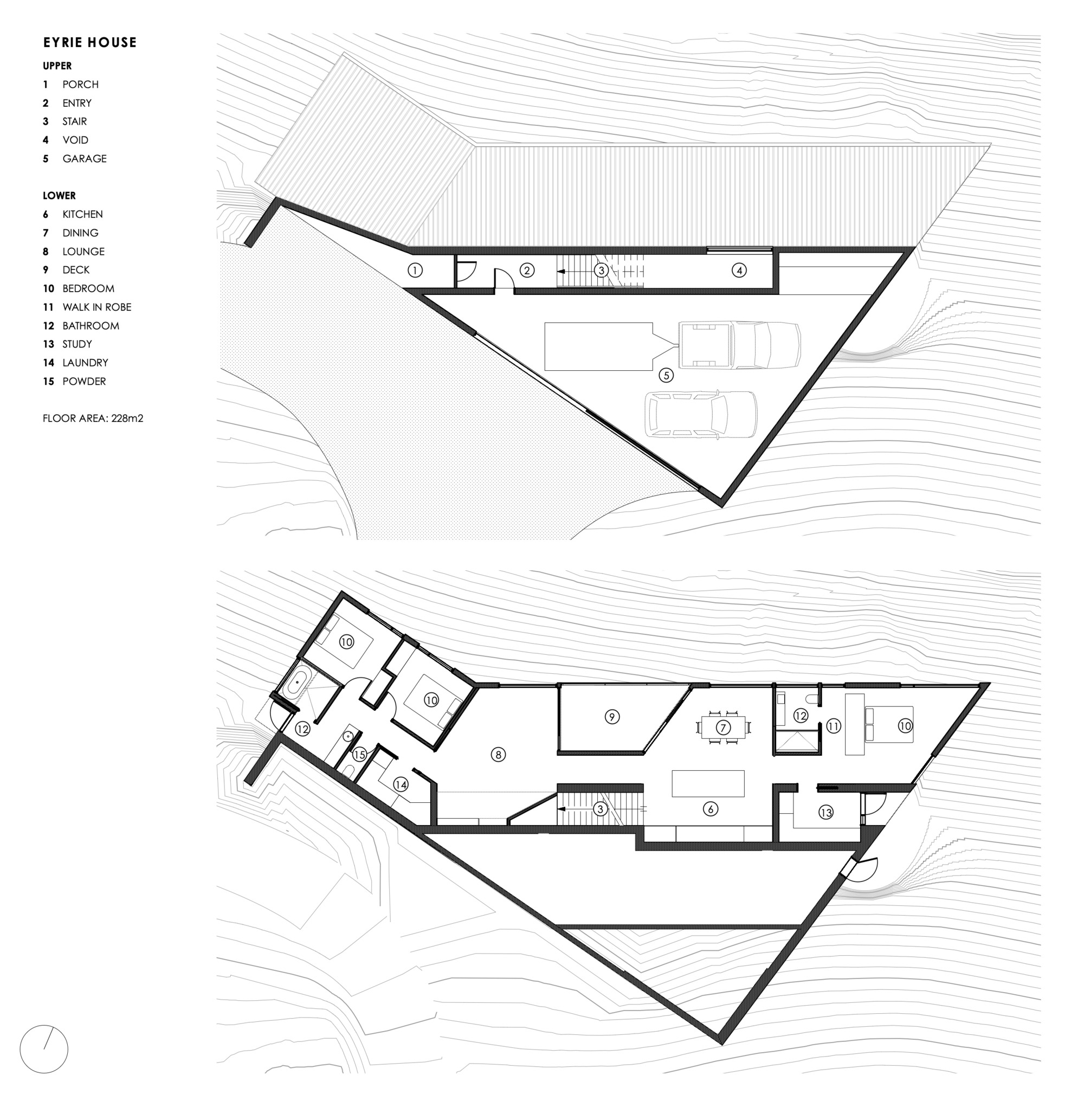
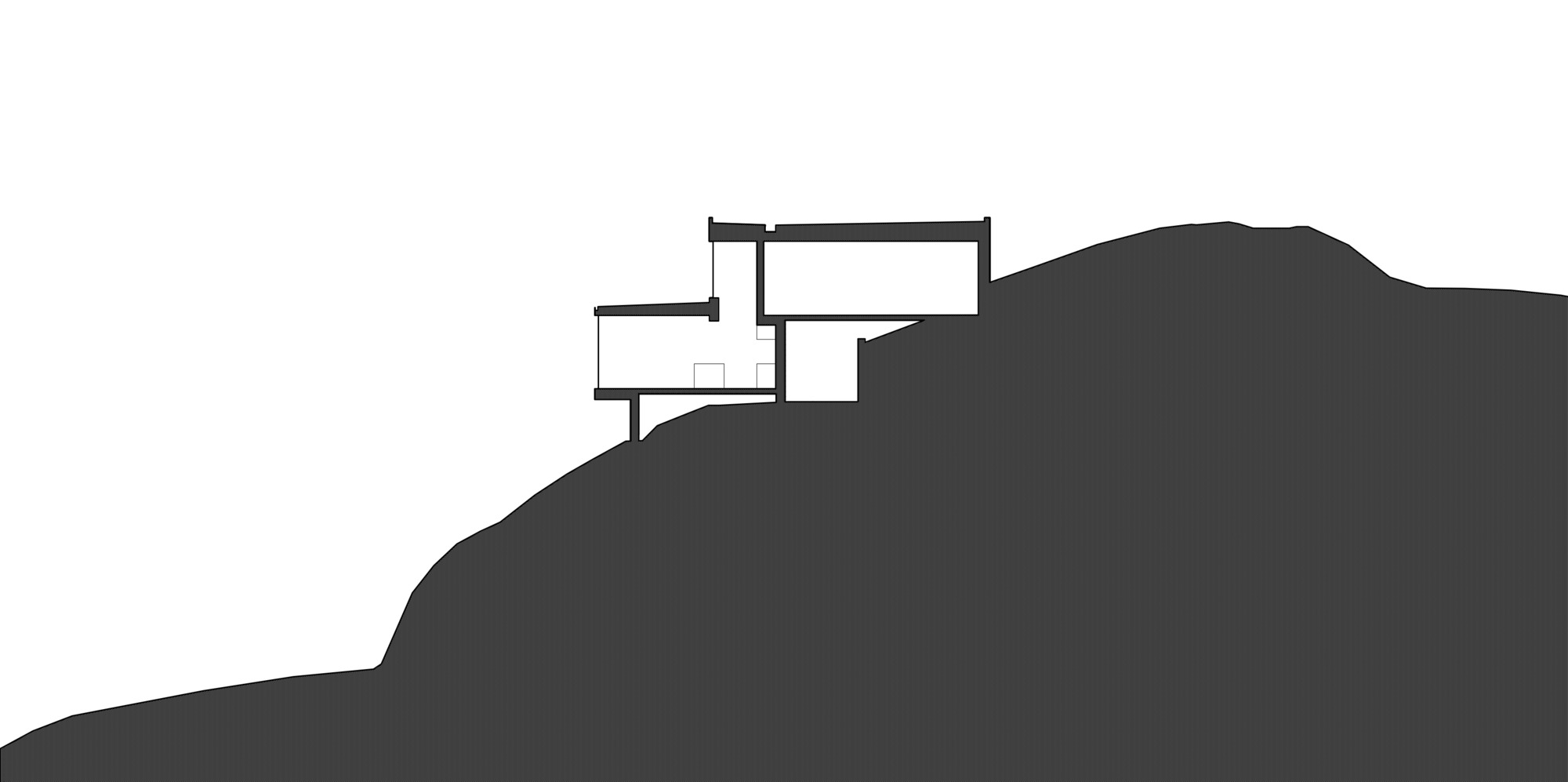
Eyrie House #architecture Architects: Matt Williams Architects Area: 228 m² Year: 2023 Photographs: Adam Gibson City: Mount Rumney Country: Australia Eyrie House is a new residence on a very steep slope at the top of Mount Rumney, with a spectacular outlook over Pittwater and southeastern Tasmania. Seeking to contrast and emphasize the rugged landscape of the site, the design consists of a series of horizontal datums and clean, folded forms. Due to the steep site and limited access, the standard hill-house plan was inverted, to locate the garage at the top with the residence below. This then presented the design opportunity of how occupants access the house from the upper-level entrance. The GB Masonry block was chosen for its dimensional consistency, allowing Saxby Bricklaying to confidently lay long horizontal and vertical patterns with millimeter precision. The Smooth finish in Porcelain was chosen for its matte uniform appearance - allowing the surfaces to simultaneously appear crisp and soft. The work is a testament to a bricklayer looking to push the limits of their skill and the material. The blocks were carefully mitered to create the pleated faces and very acute angles of the entry porch; fixed to the ceiling of the void to complete the monolithic volume; and meticulously stacked within the residence. While the blockwork walls and ceiling are striking upon entry, once inside the residence they provide a calm, solid backdrop to the home, allowing the spectacular outlook to take center stage.
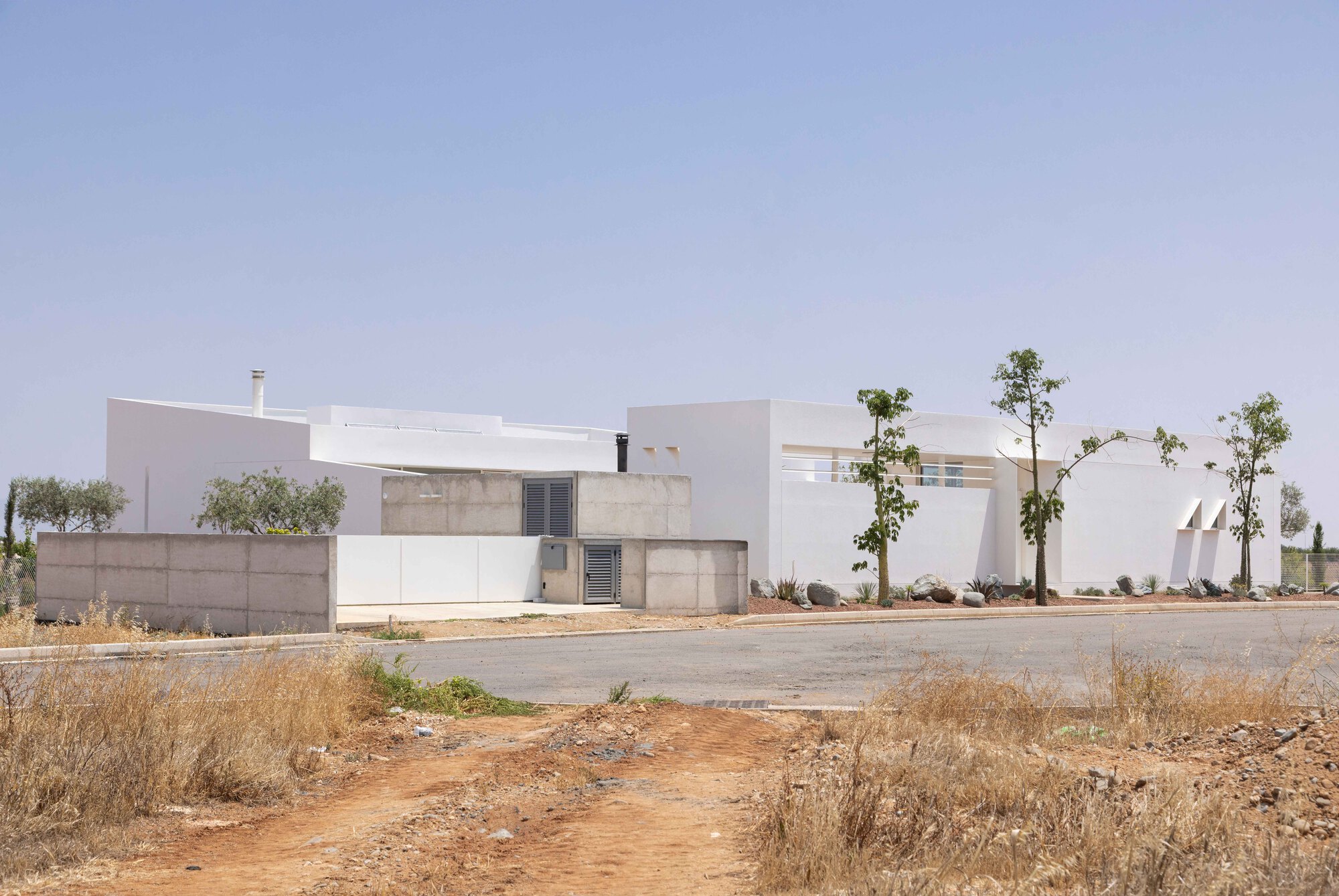
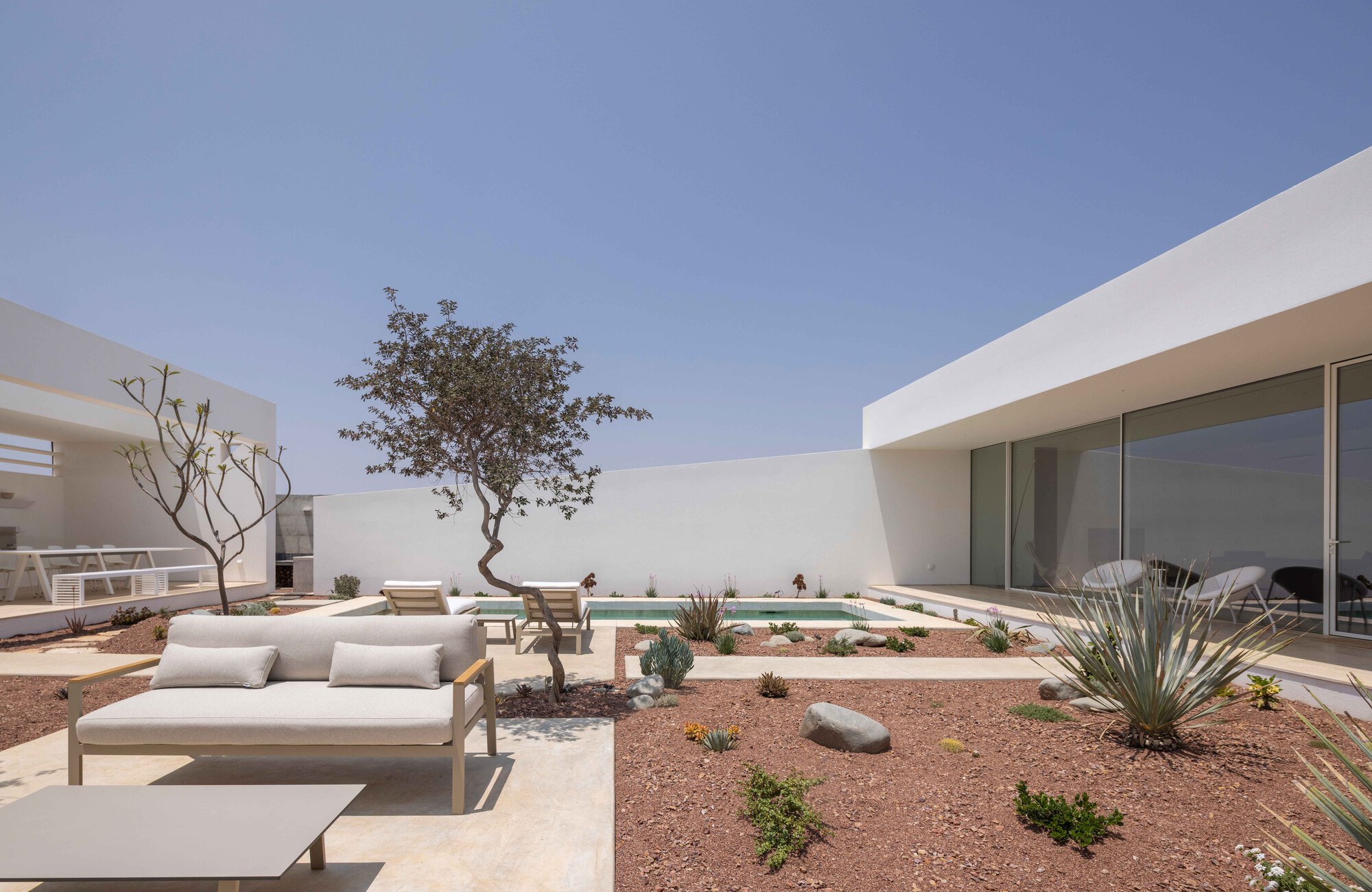
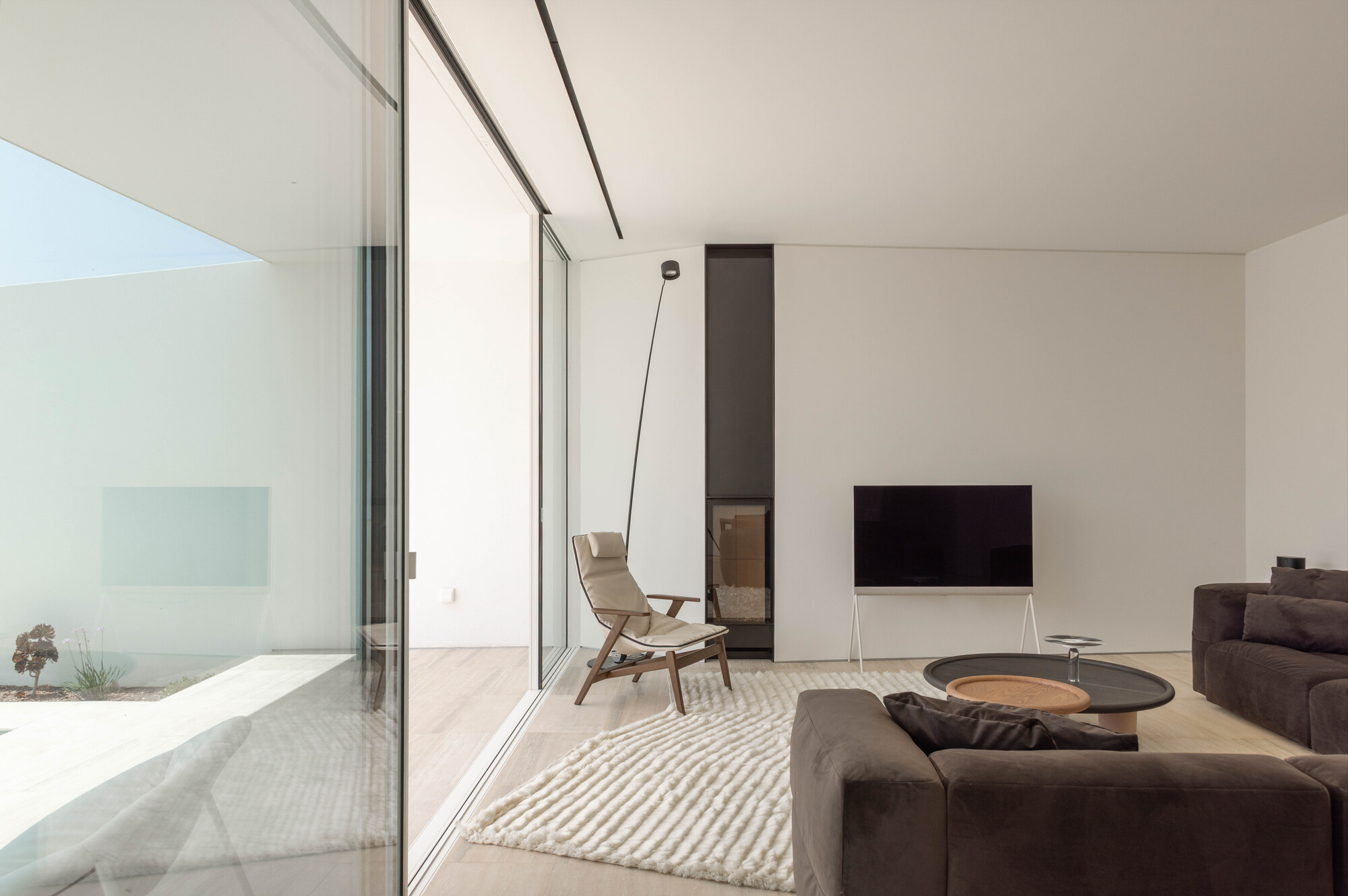
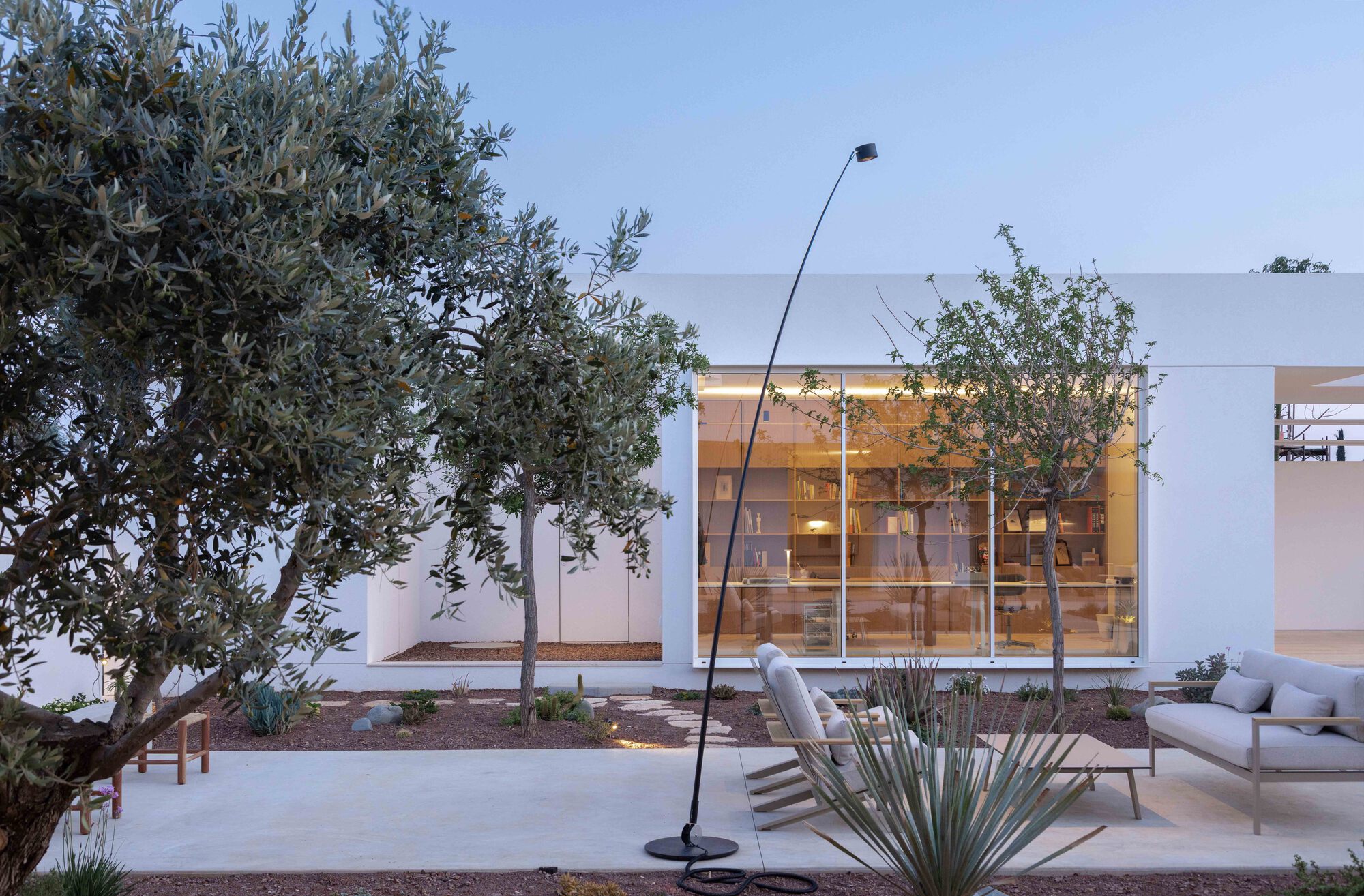
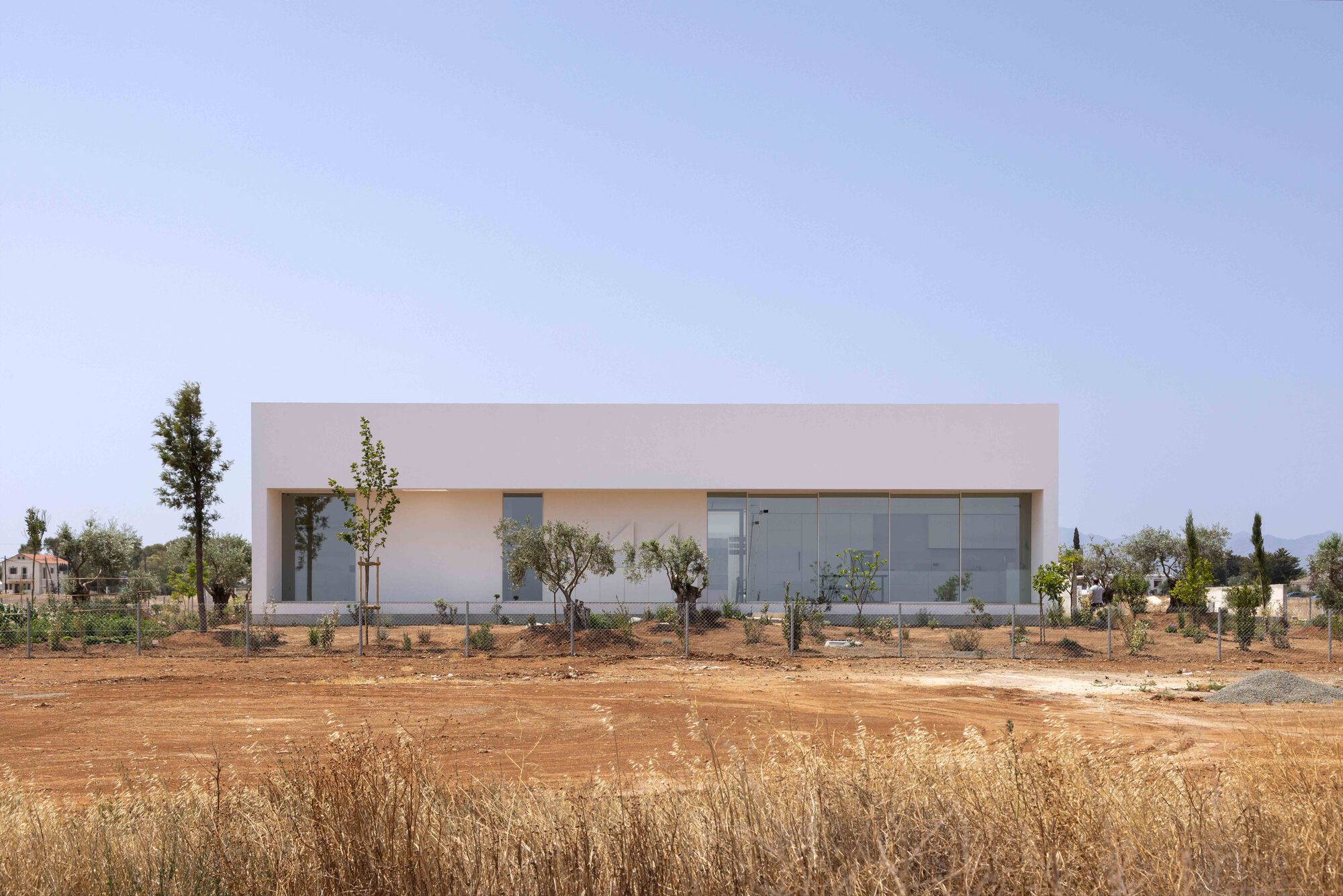
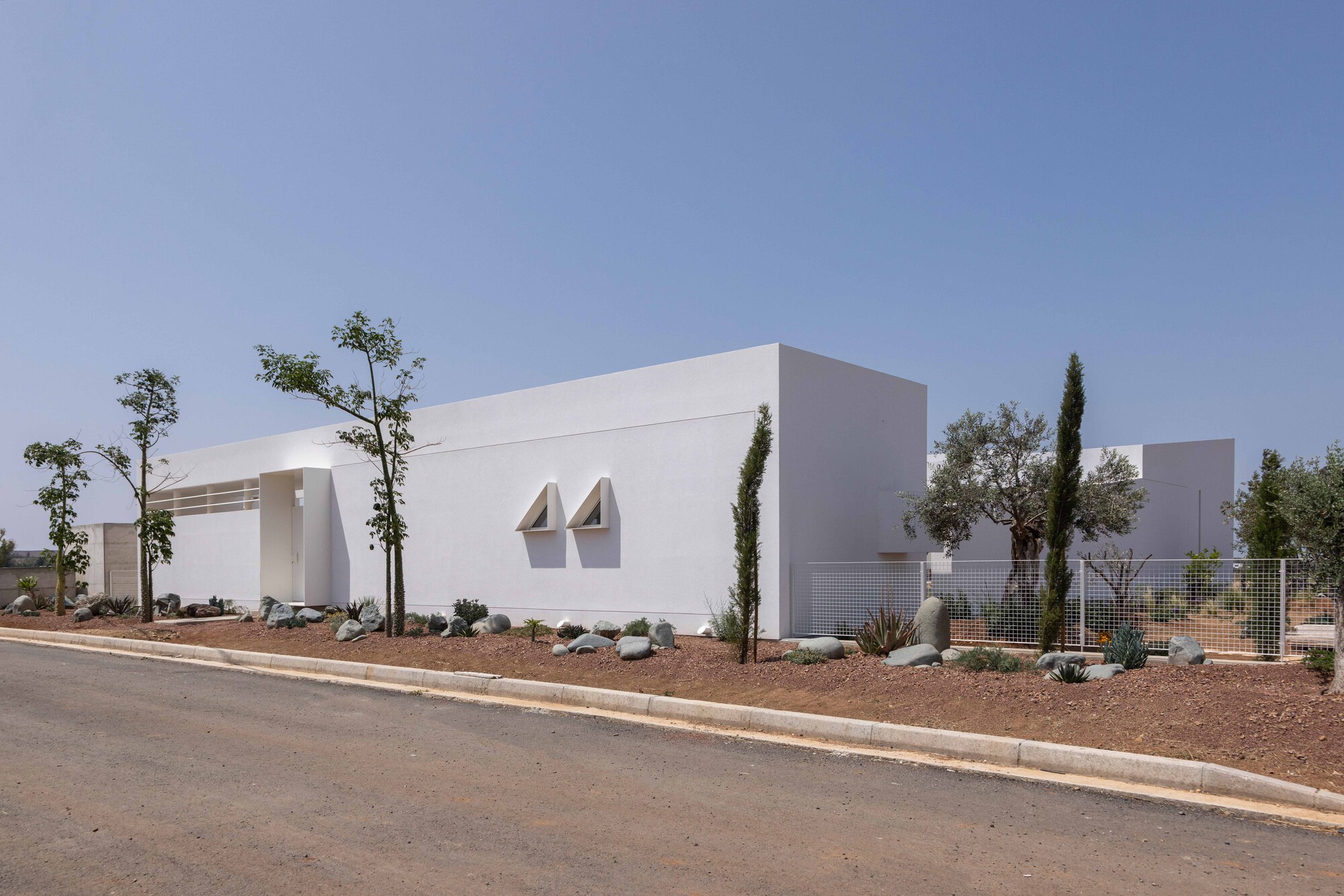
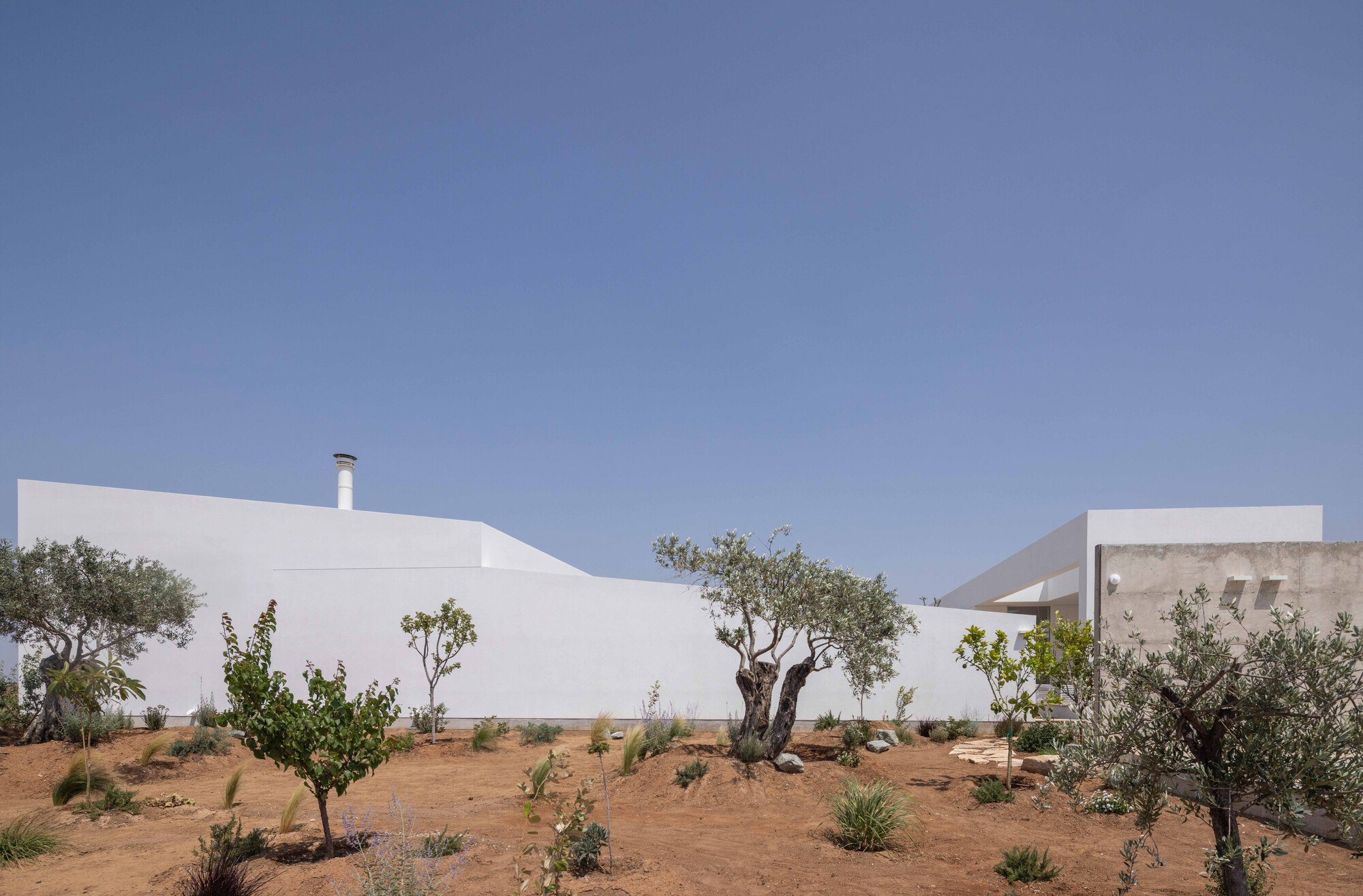
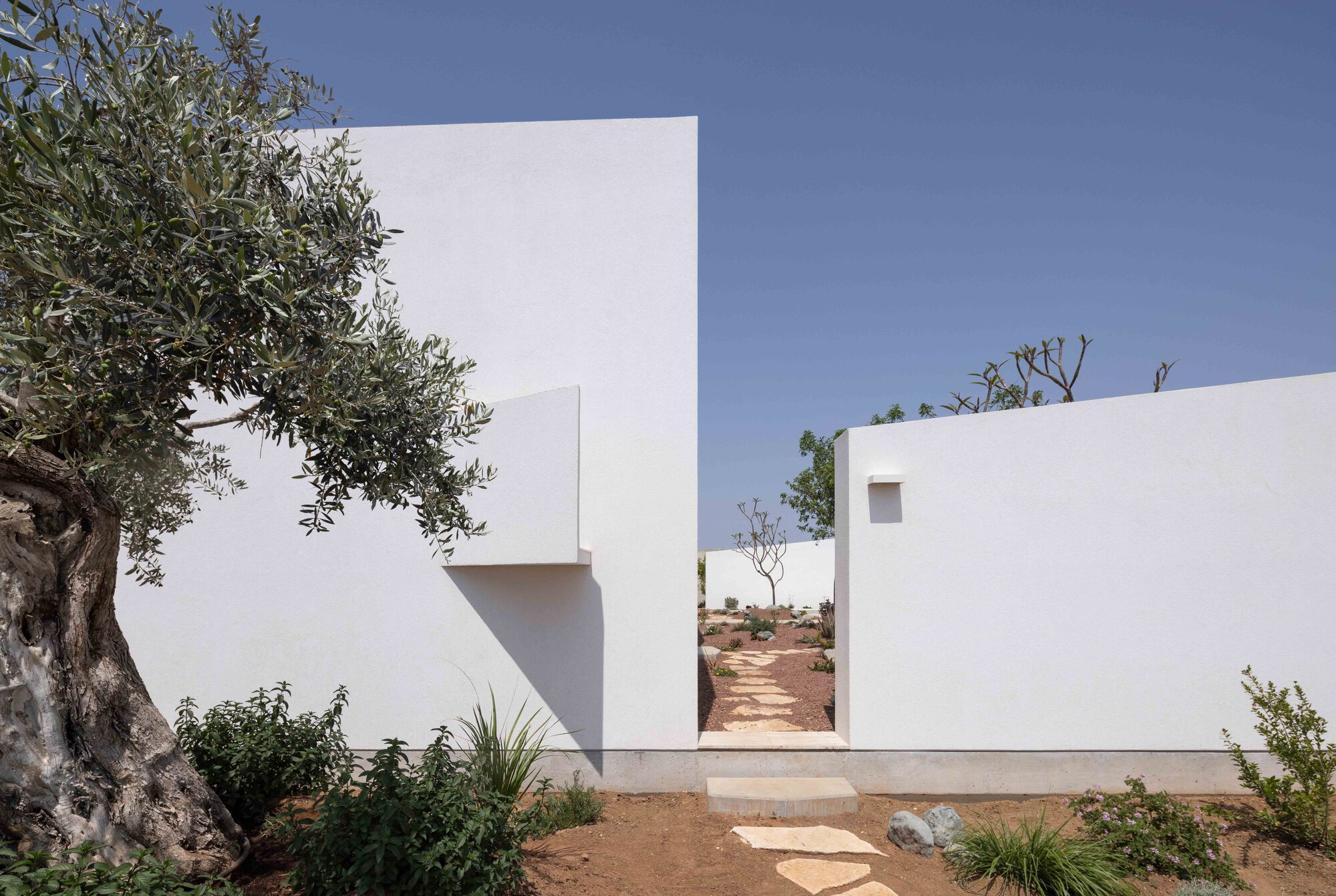
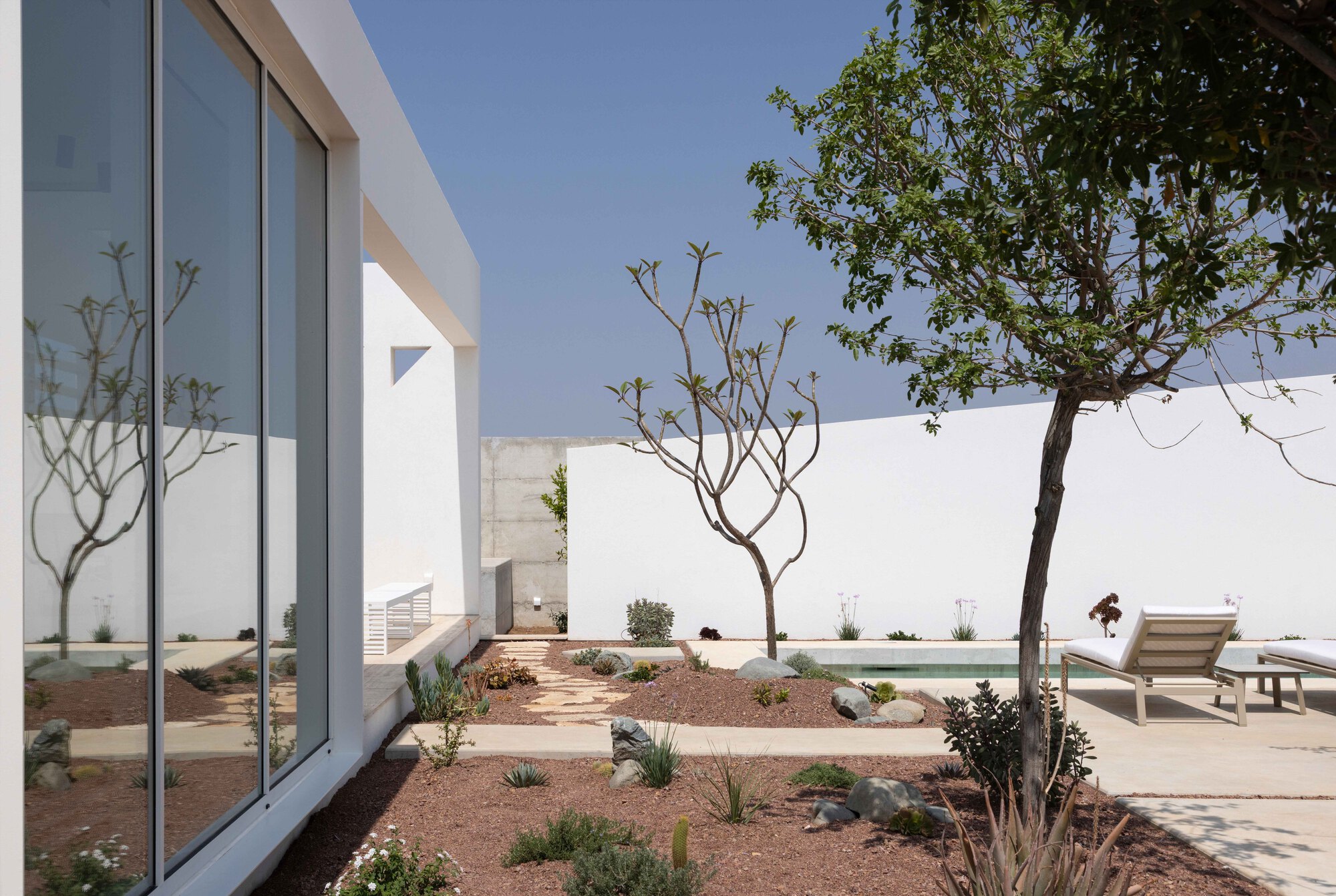
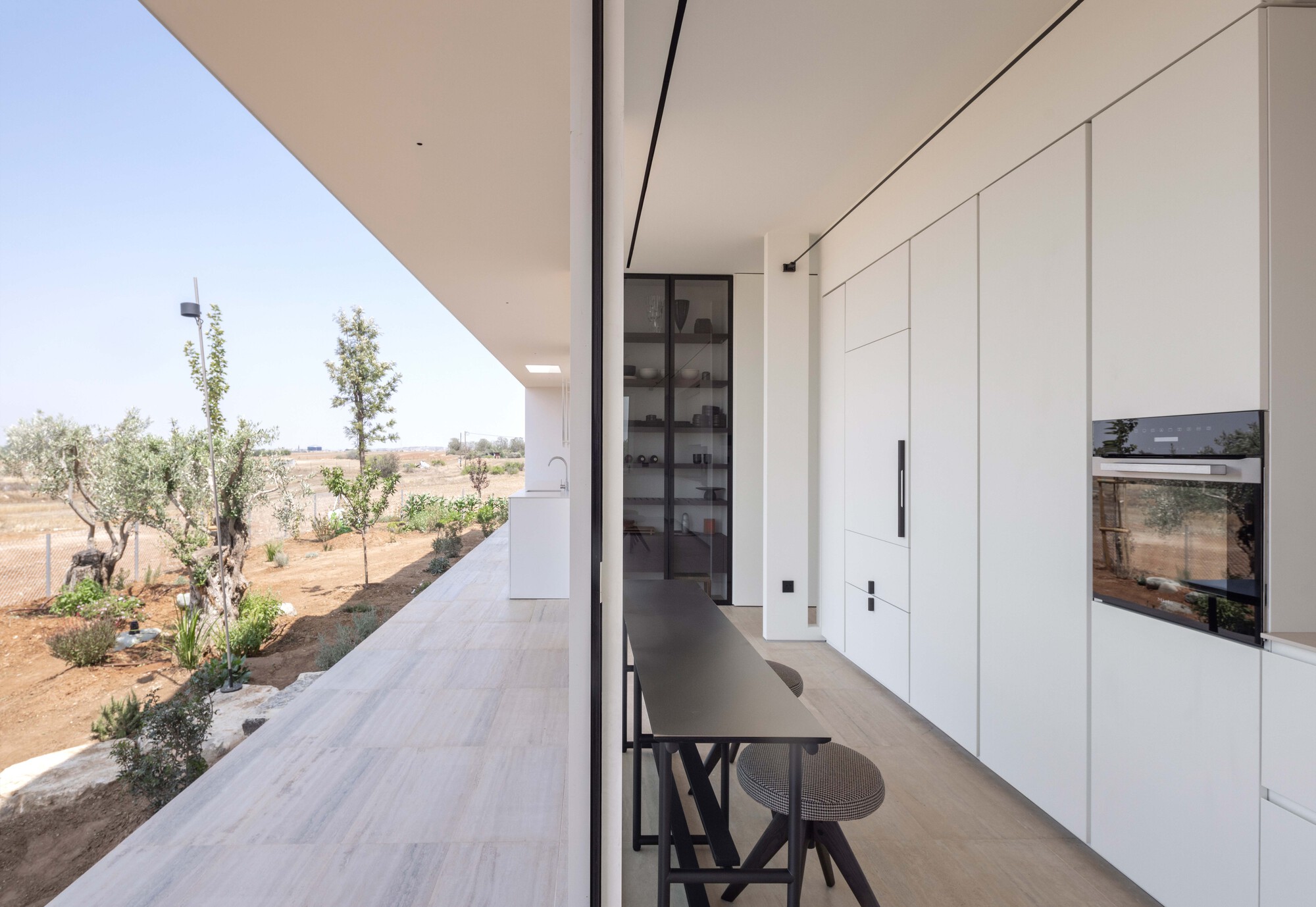
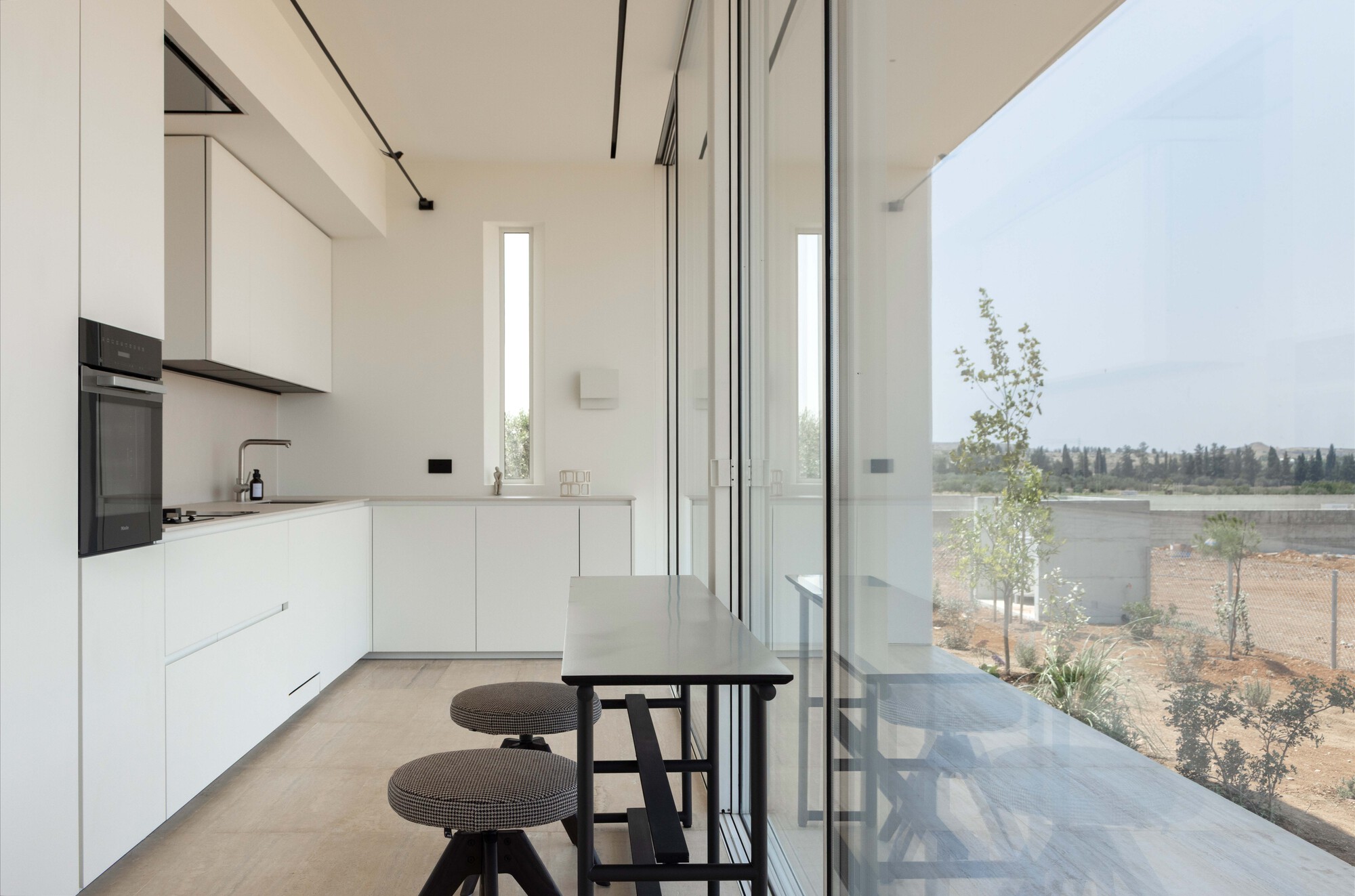
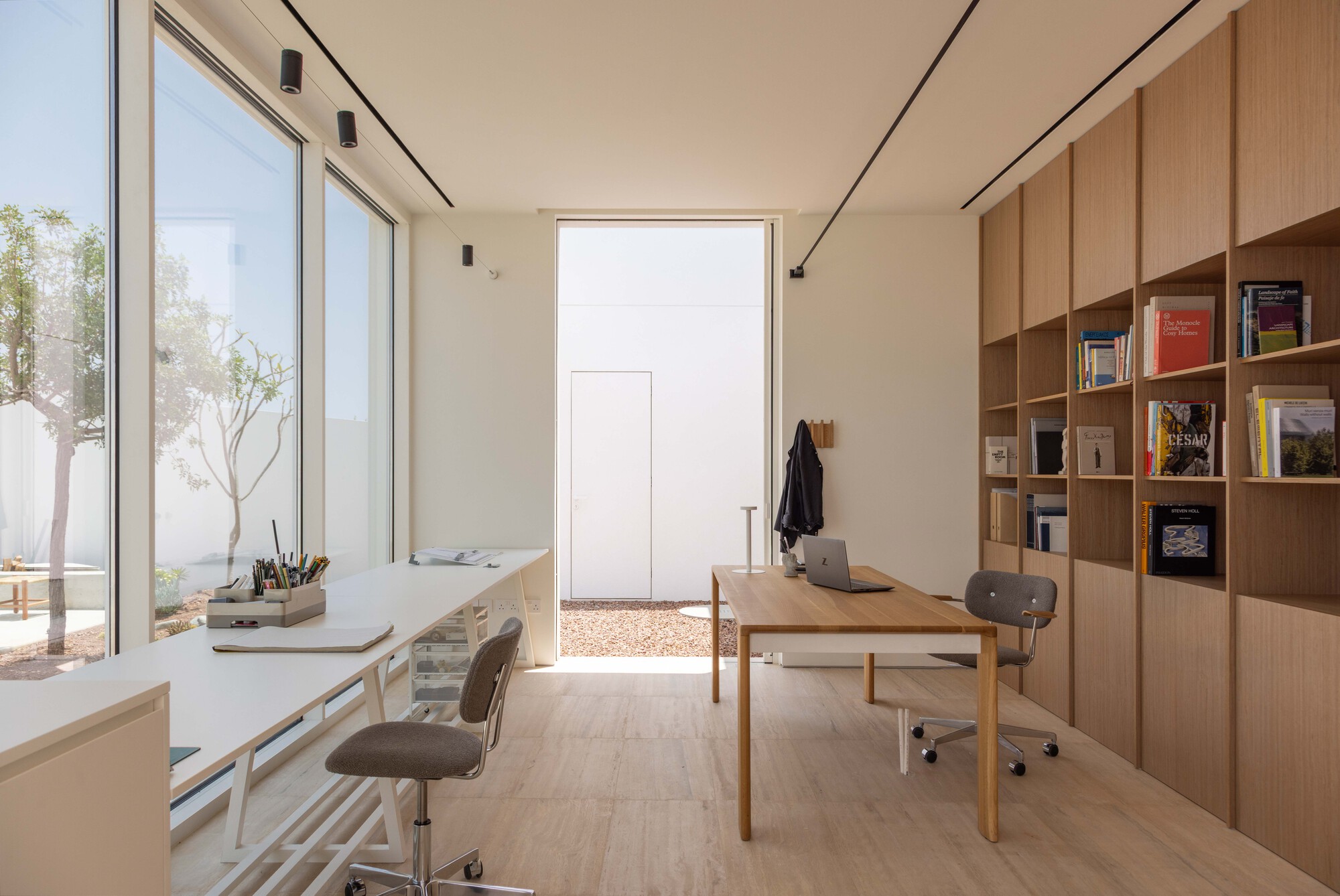
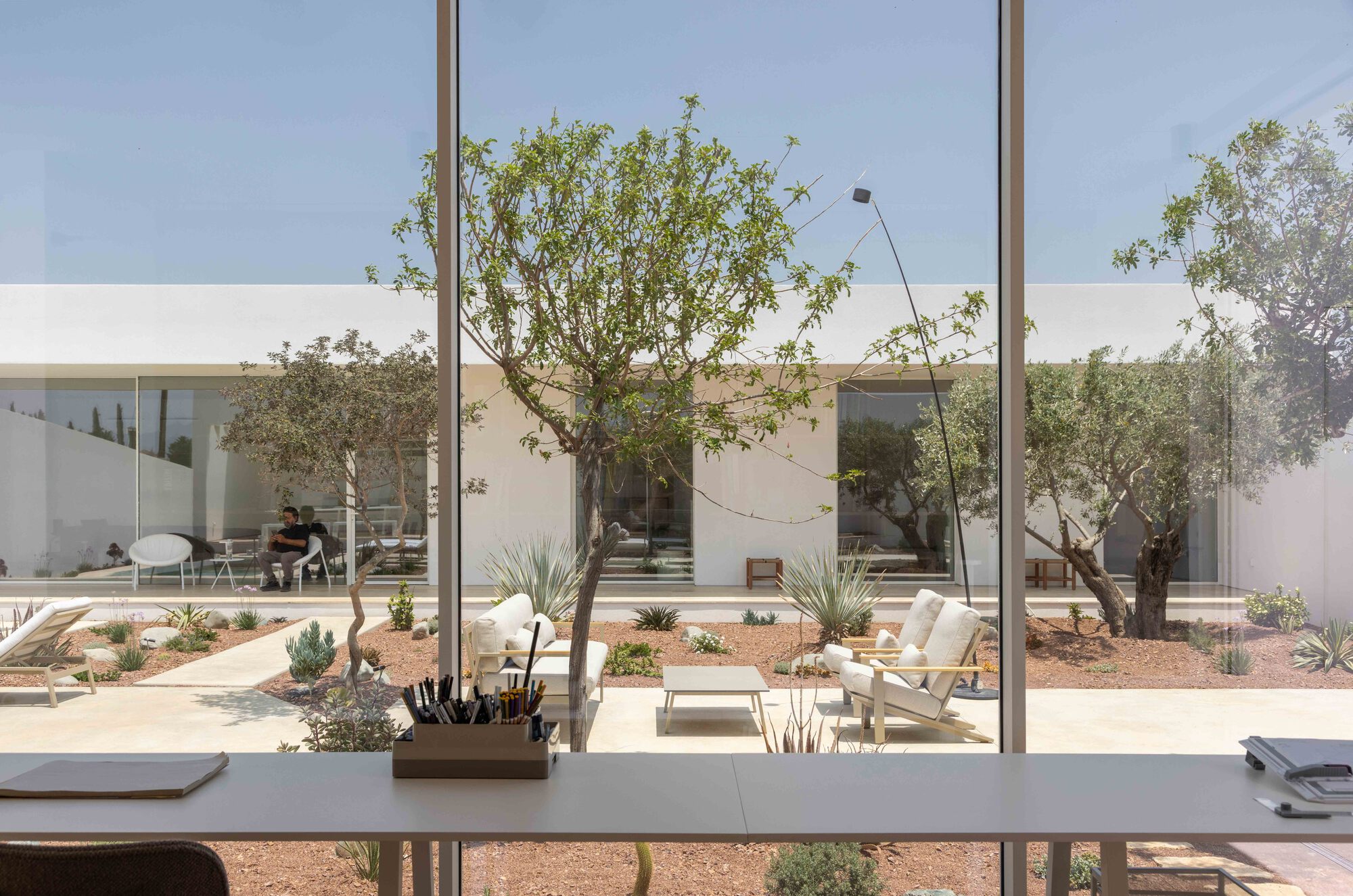
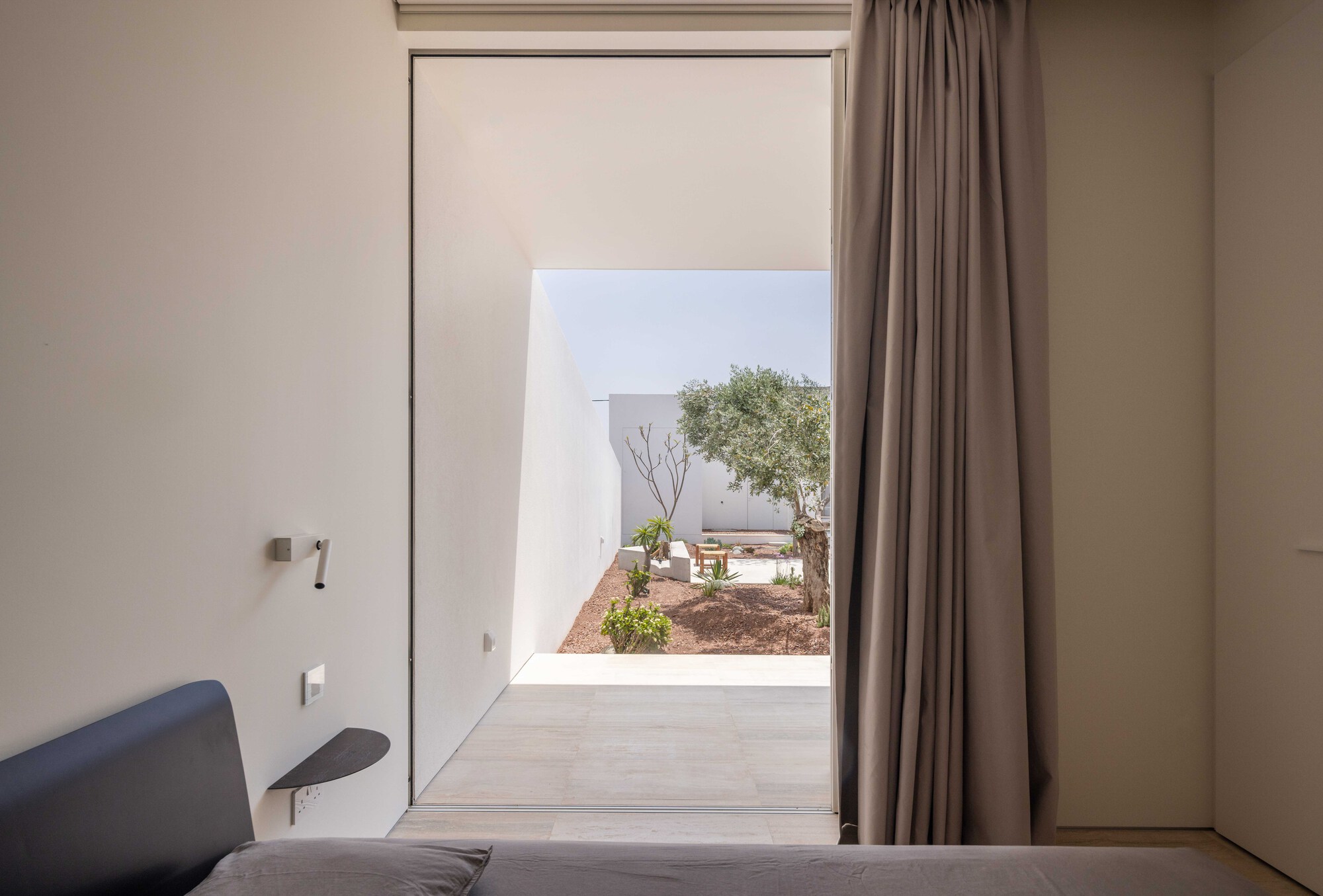
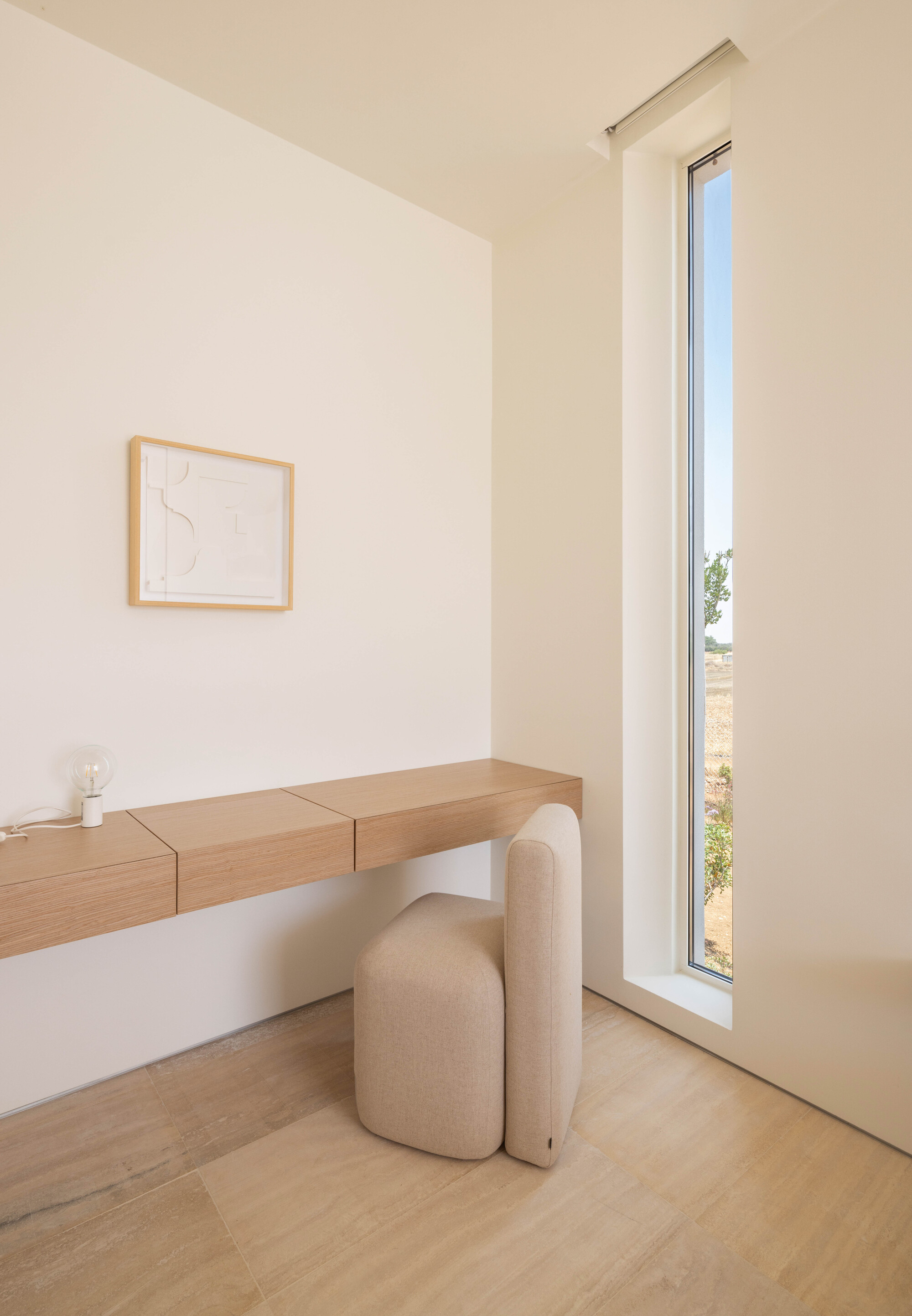
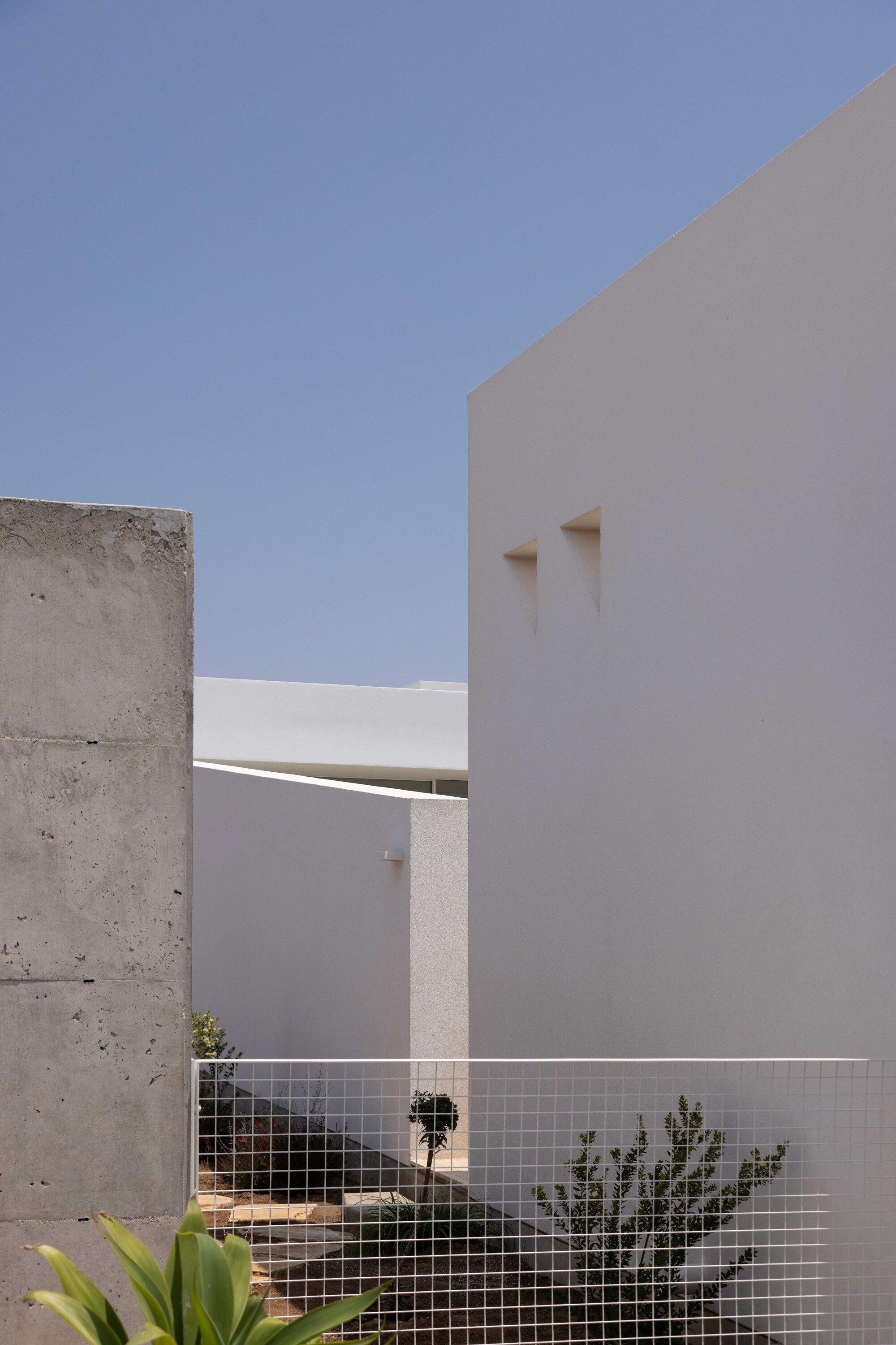
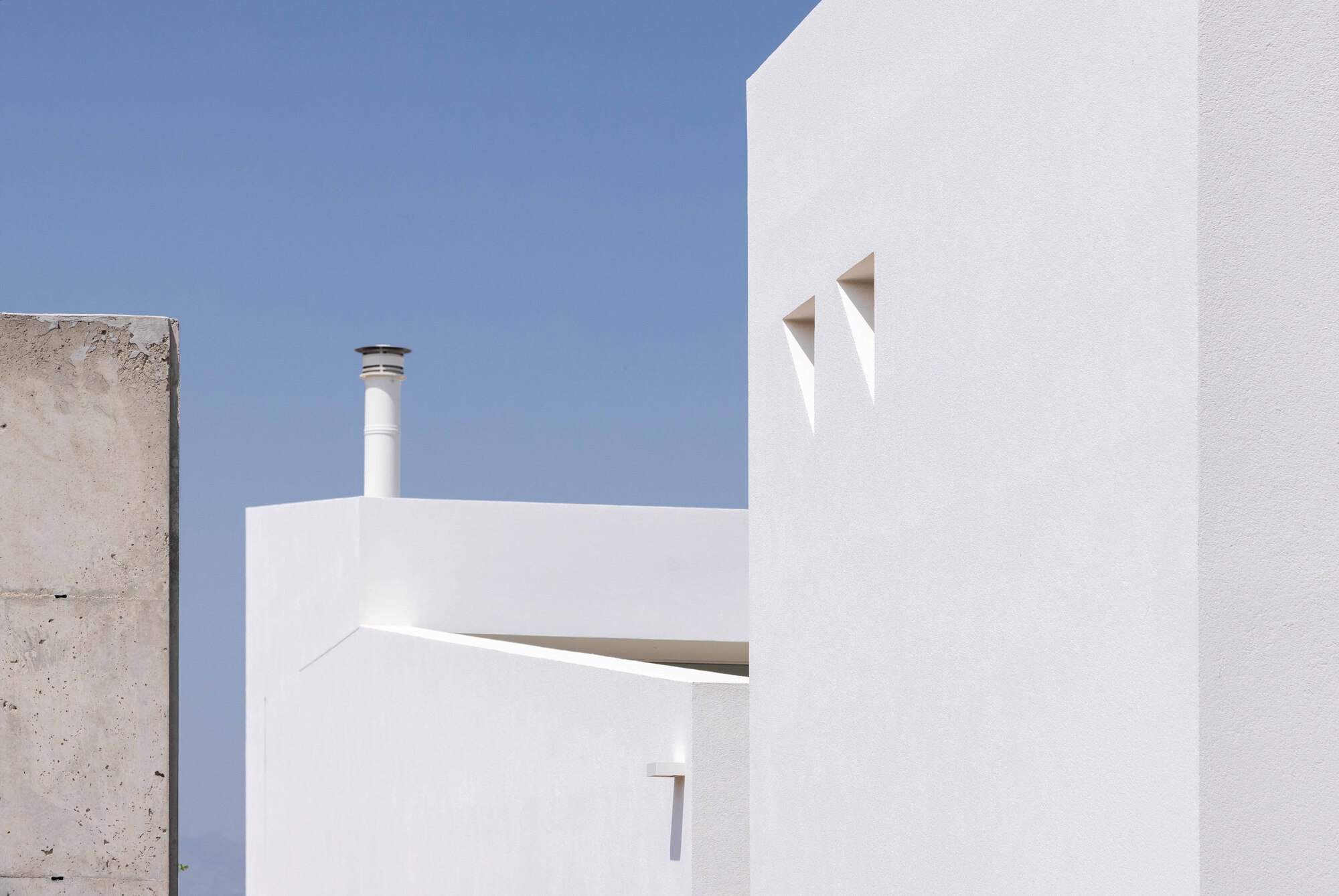
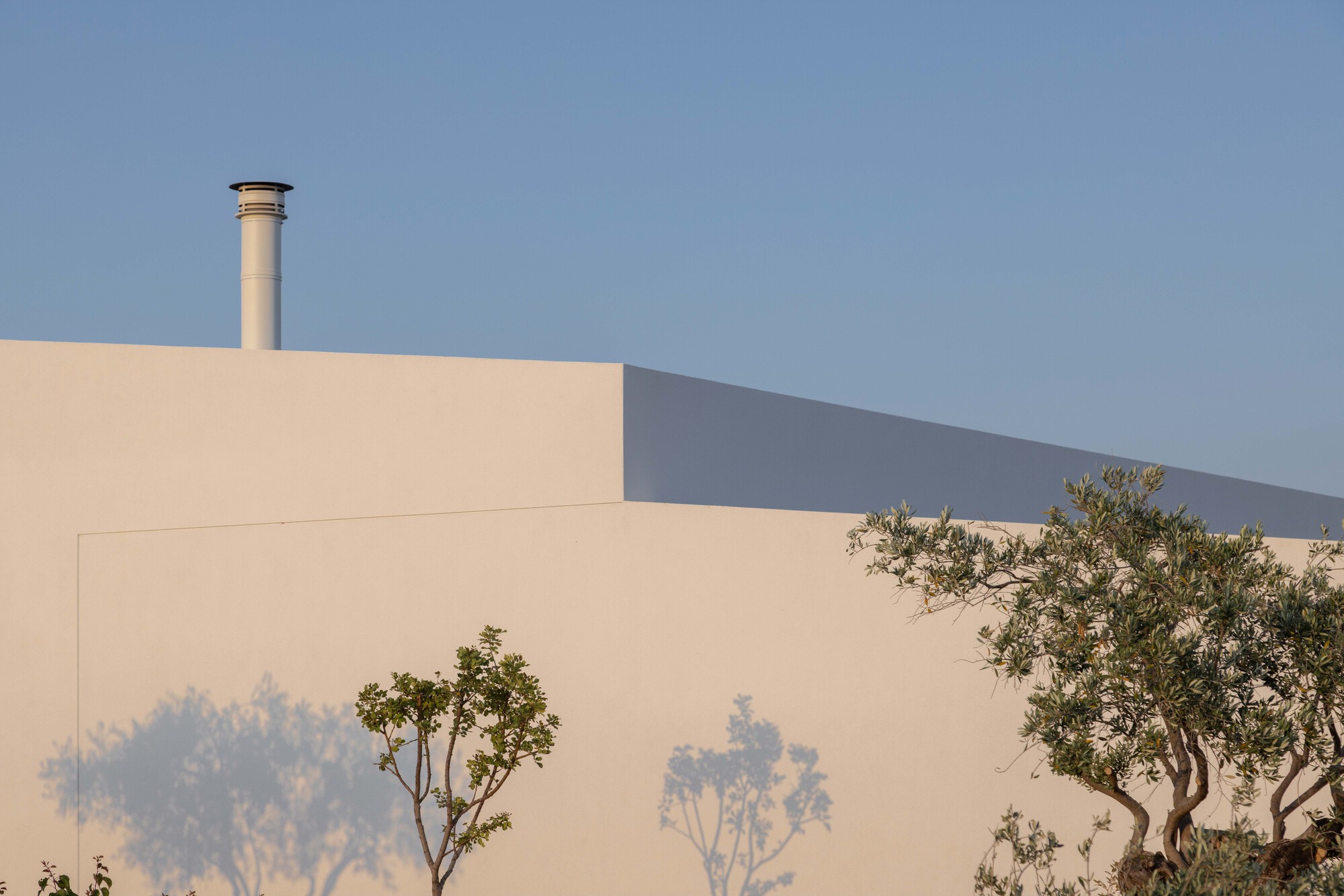
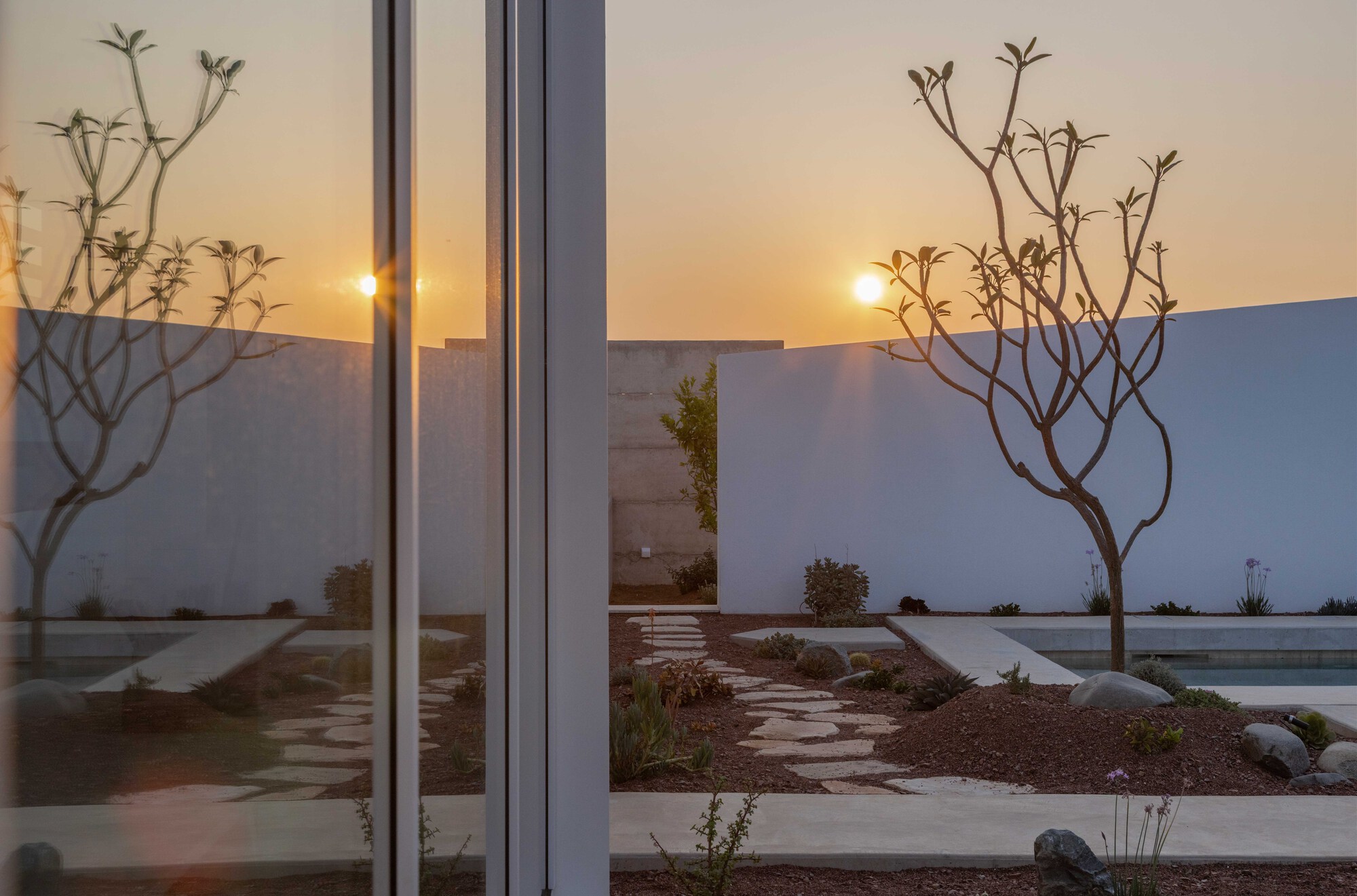
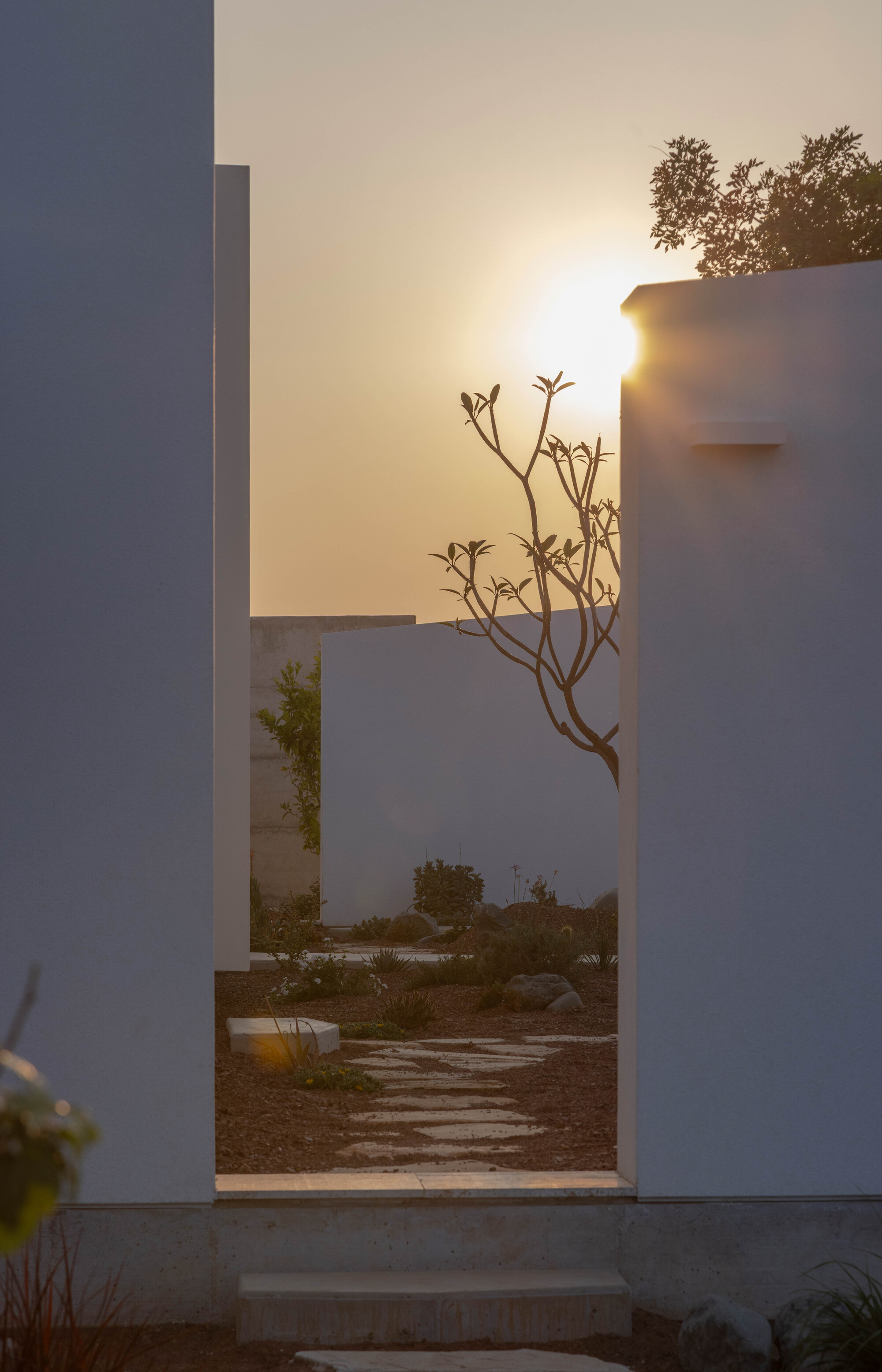
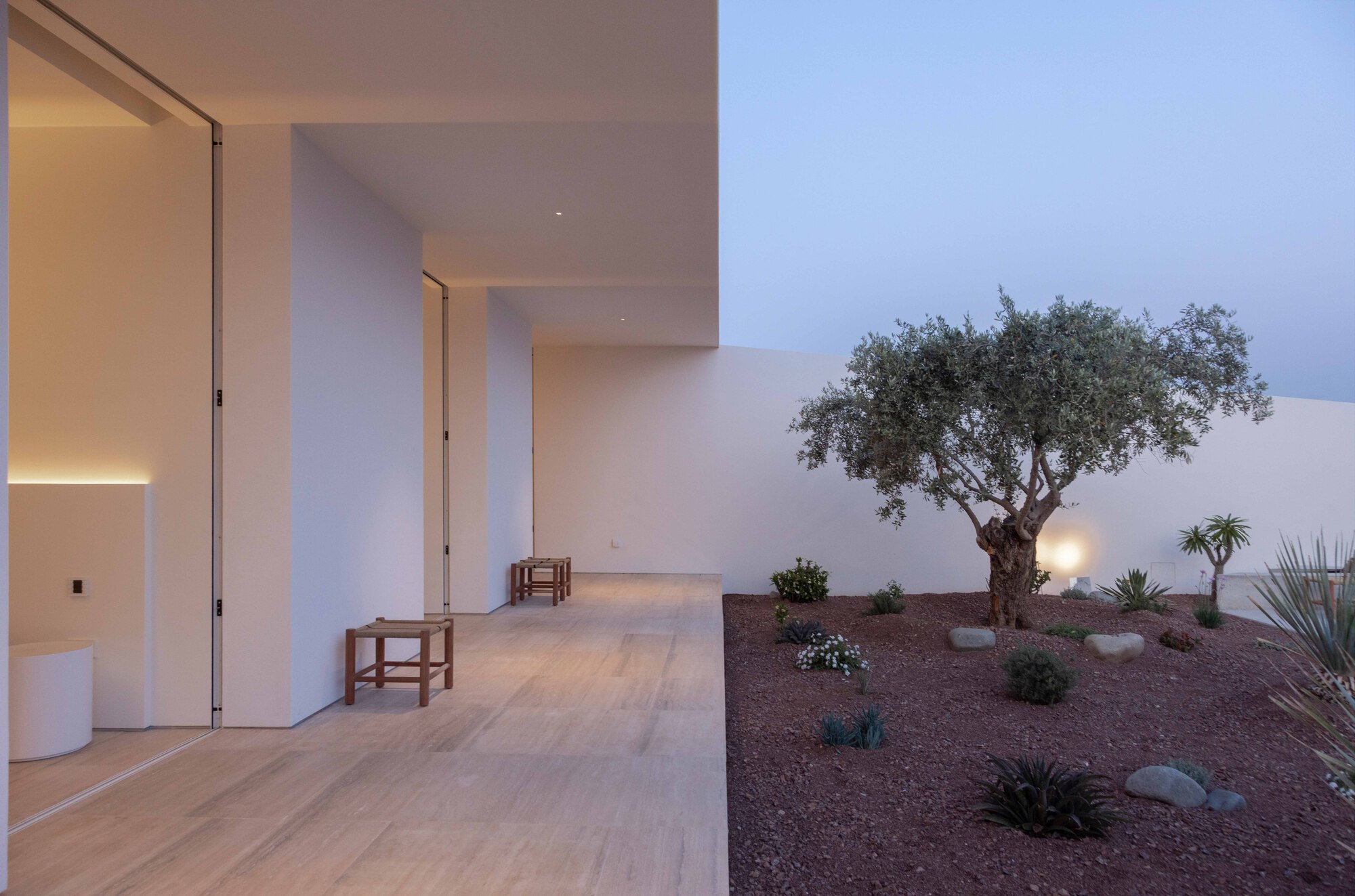
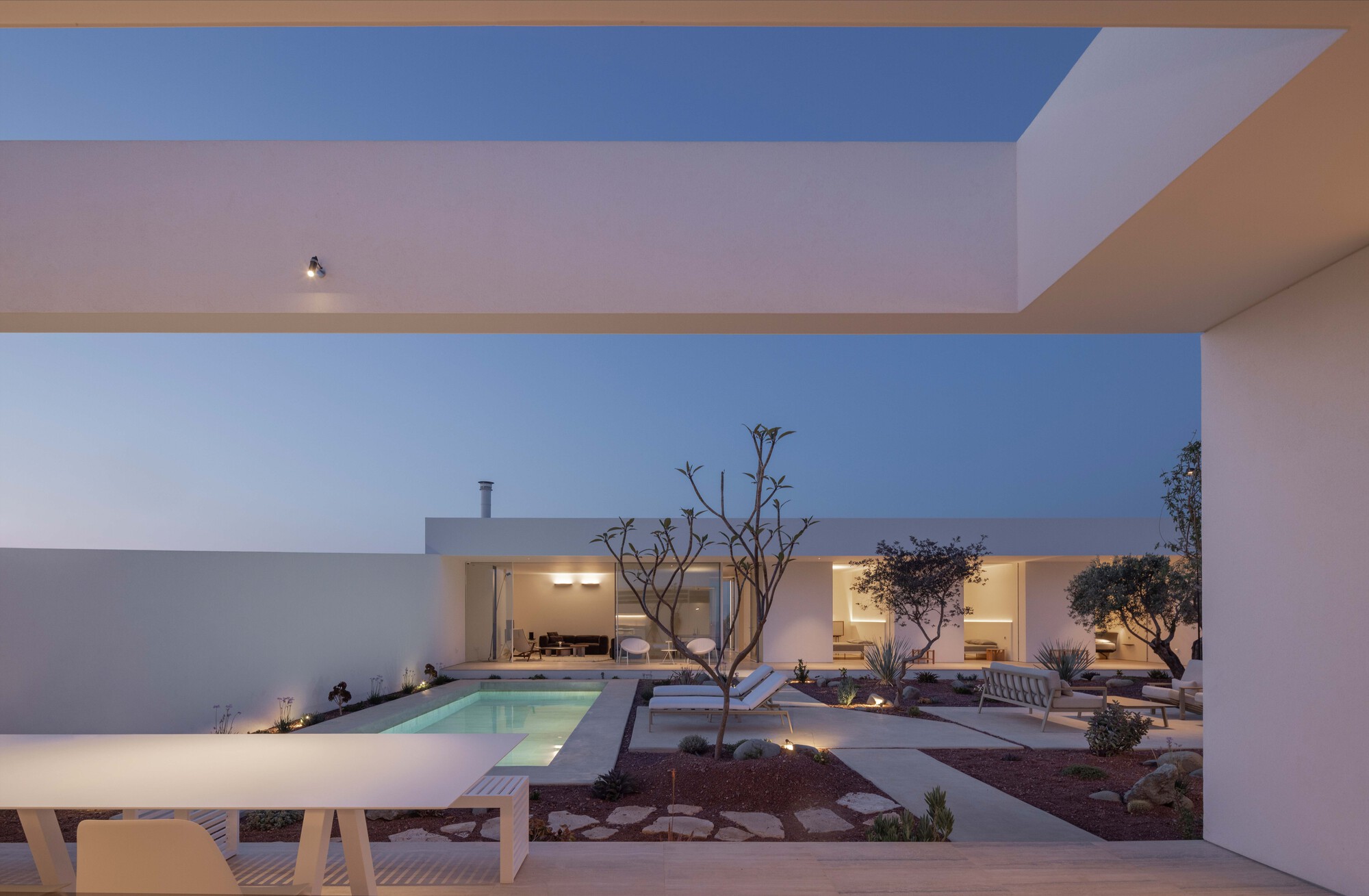
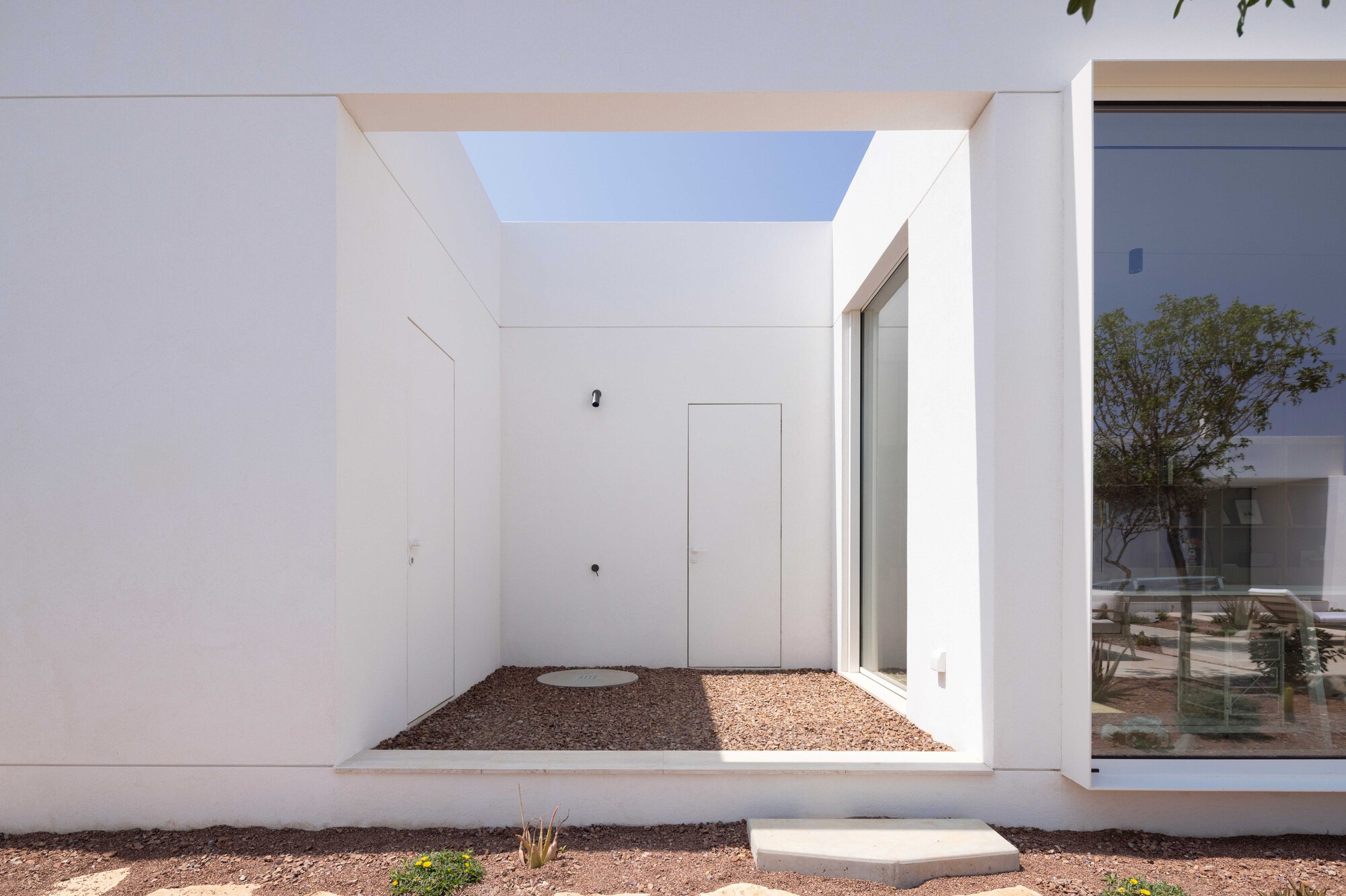
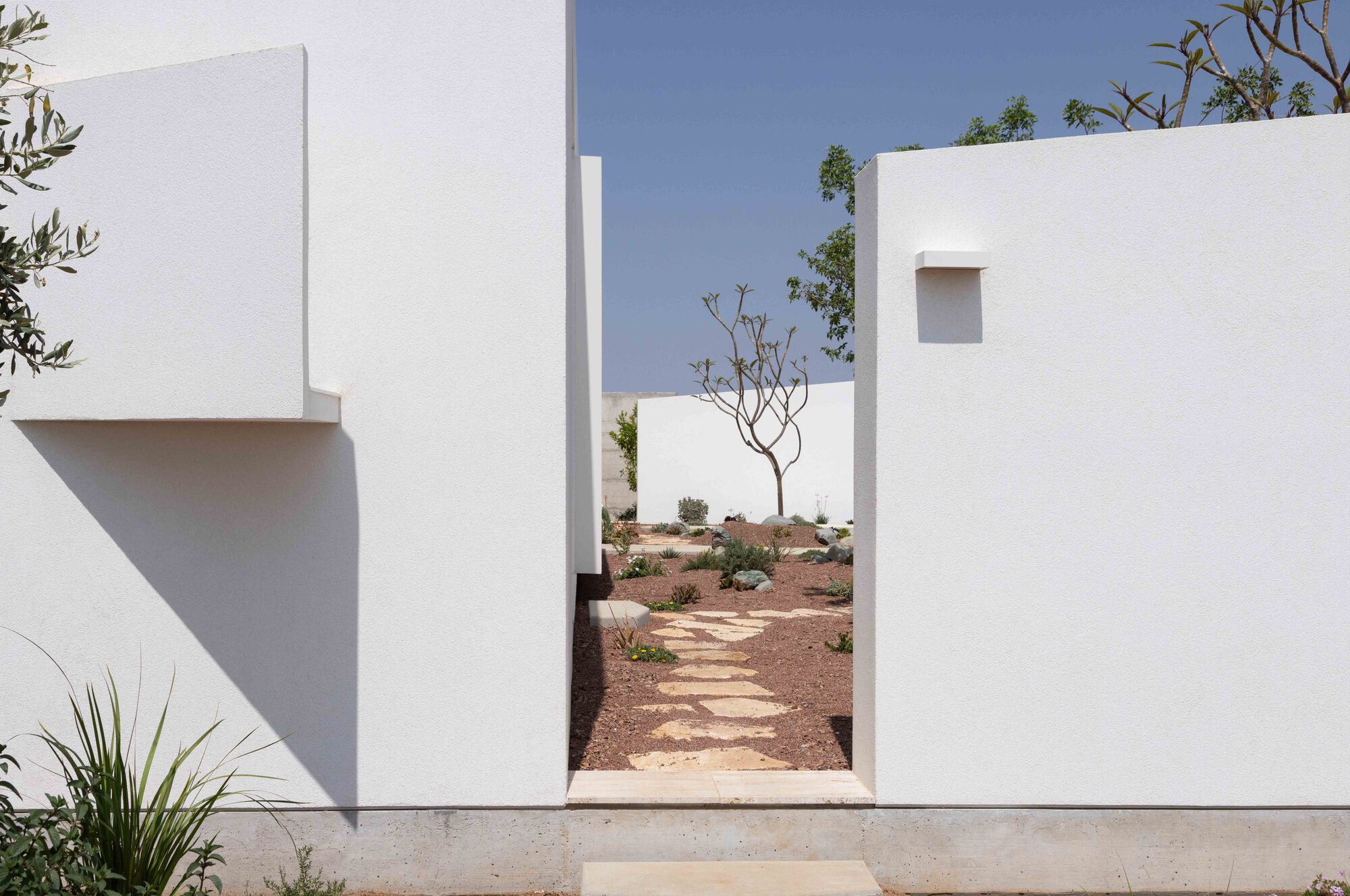
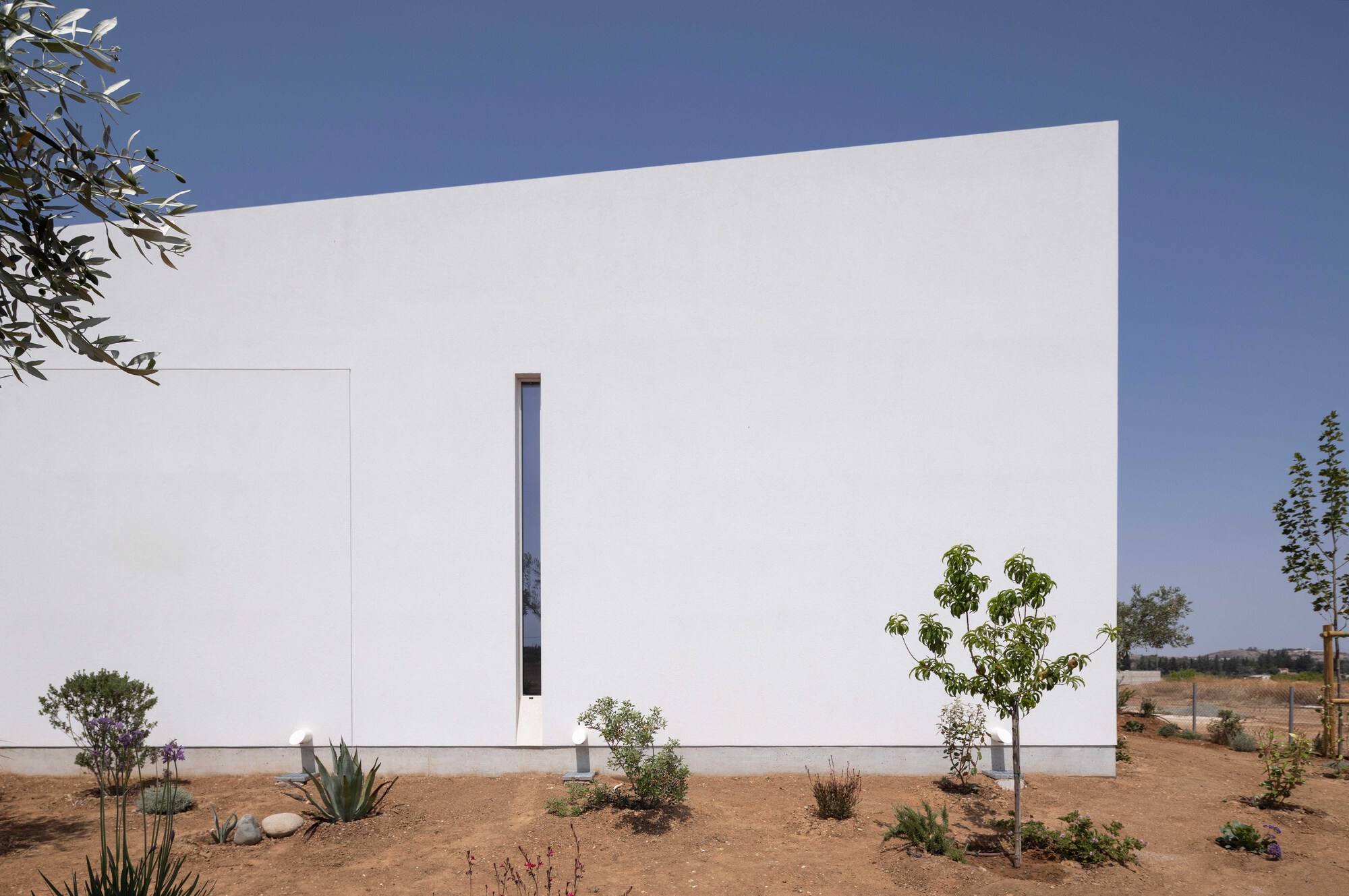
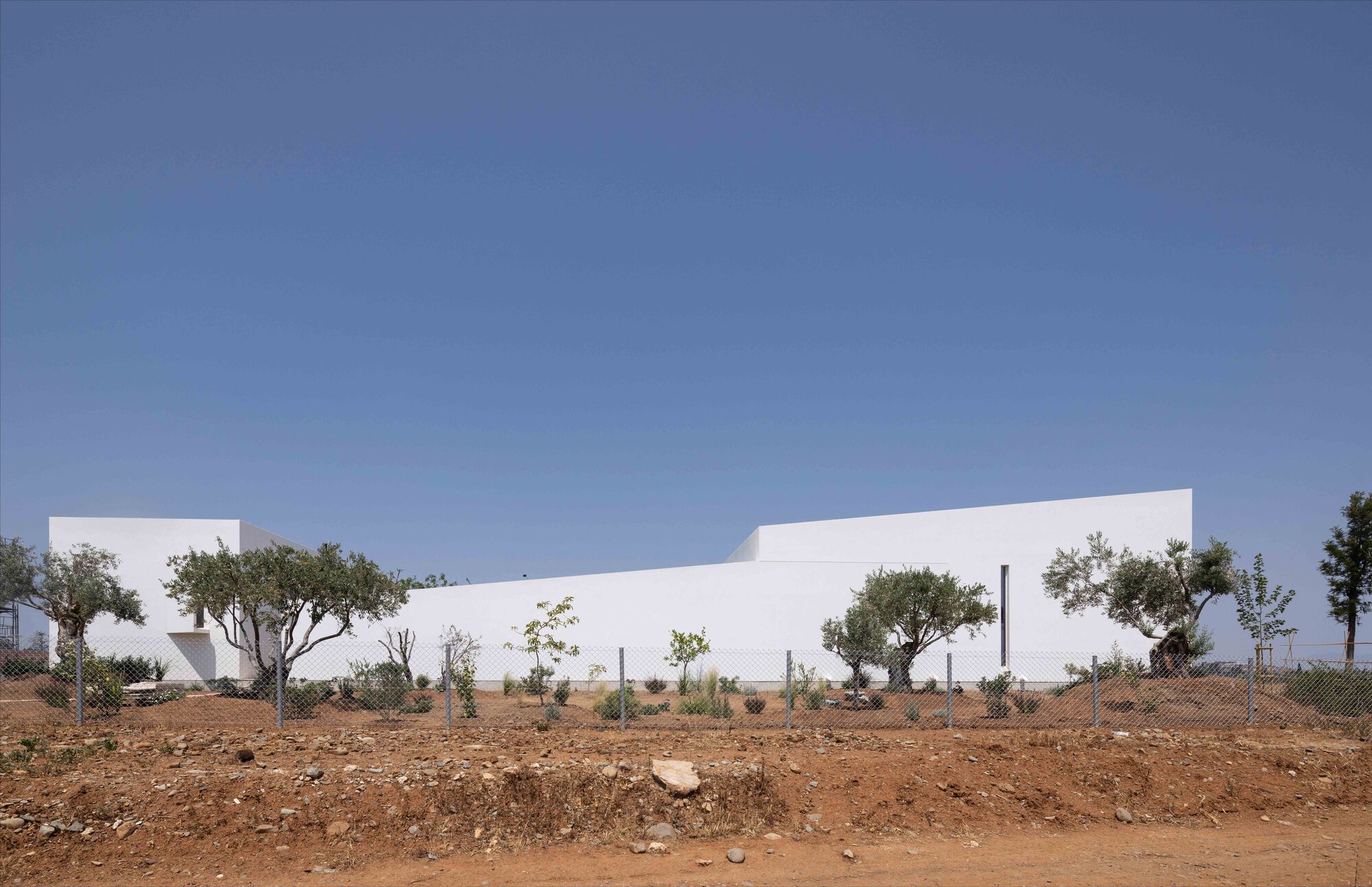
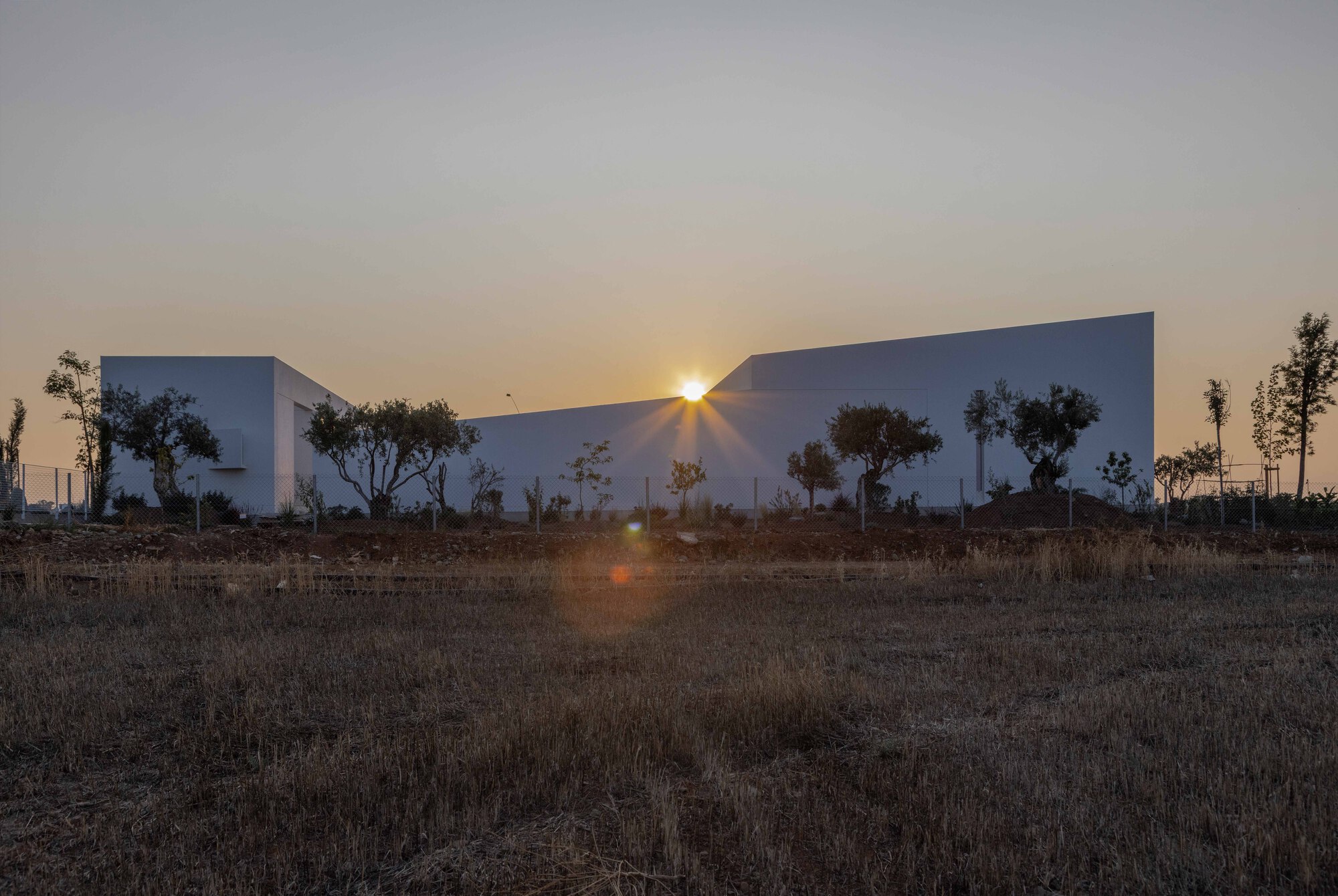
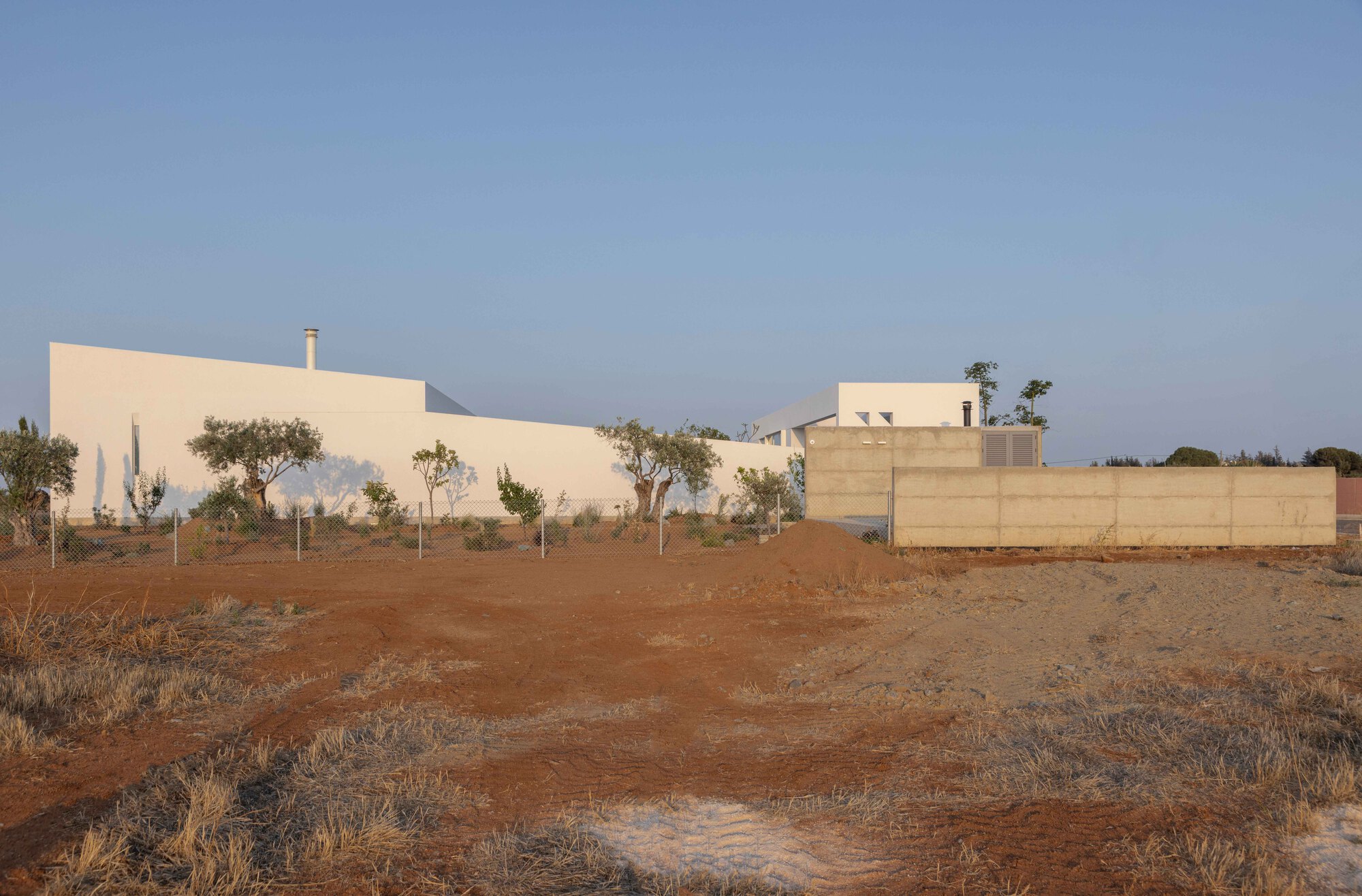
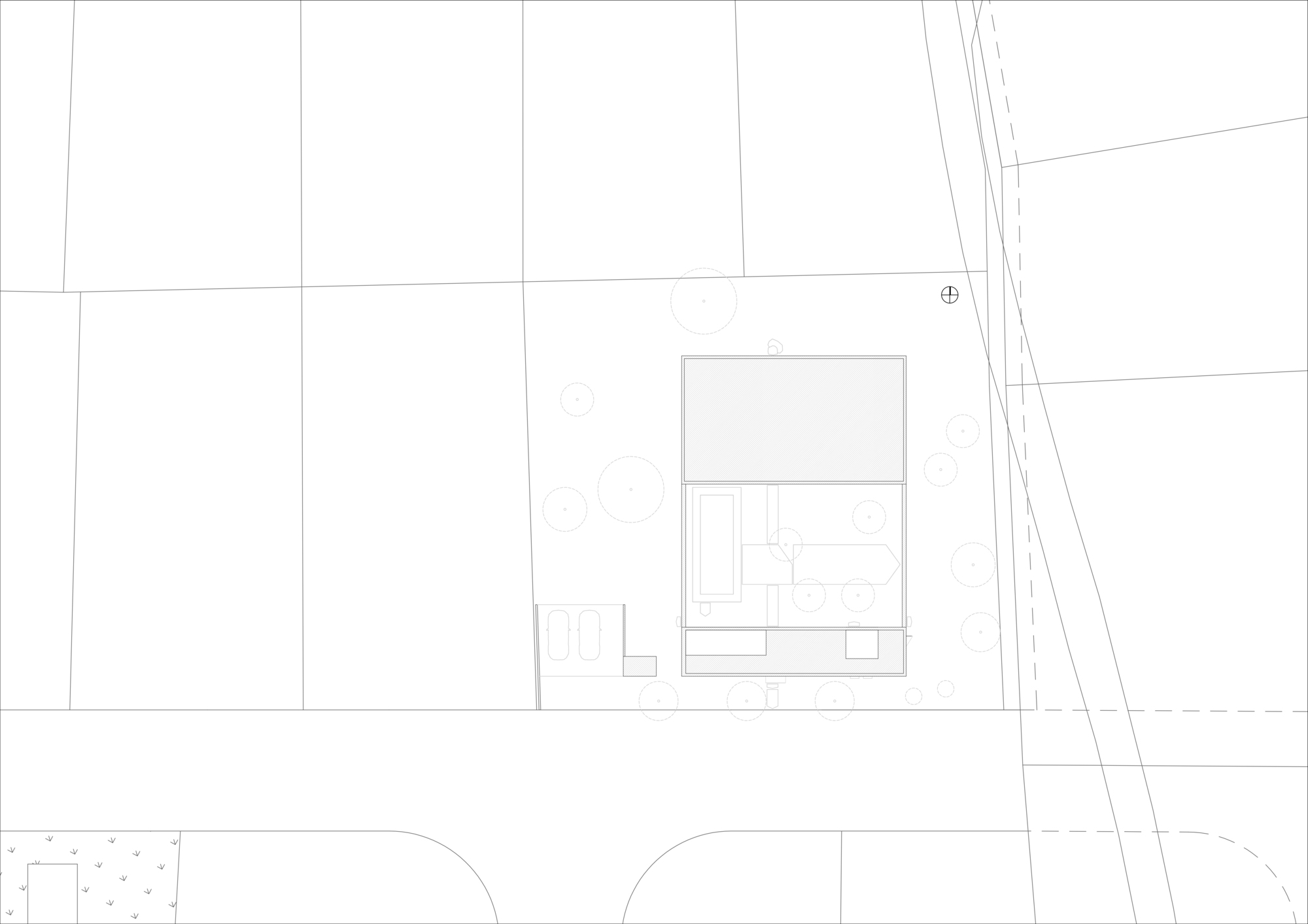
Casa Oblivio #architecture Architects: M.O.B design studio Area: 300 m² Year: 2025 Photographs: Creative Photo Room City: Nicosia Country: Cyprus Casa Oblivio attempts to spatially articulate the encounter between memory and oblivion. It is a house born of lived experience, a dwelling rooted in place, where childhood play was transformed into architectural intent. An architectural gesture embedded in light, air, the immaterial, and the silence of the Mediterranean inland. The project is located in Kato Deftera, a suburban area of Nicosia, in a landscape of low valleys and open plains, shaped by a mild, dry Mediterranean microclimate. Agricultural use still persists, engaging in dialogue with emerging forms of habitation. The house does not intrude upon the land; it integrates into it, accepting the site as its protagonist. The compositional process begins with the floorplan, which organizes the logic of inhabitation through a compact and typologically rigorous core. Two clean, single-story volumes, positioned in parallel, define a central courtyard, which becomes both the spatial and experiential heart of the house. These volumes accommodate the primary domestic functions, while two enclosing high walls complete the inward-facing perimeter, establishing conditions of protection and seclusion. The layout rejects superfluous circulation and guides movement through clearly articulated and coordinated functions. Inhabitation centers around the courtyard, a solar, social, collective, and contemplative space. The architecture unfolds from the inside out, with a peripheral, unbuilt zone acting as a natural threshold. Vegetation is designed to interact with the built mass, gradually absorbing the structure into the landscape and softening its presence over time. Orientation follows bioclimatic principles: living spaces face south toward the courtyard; auxiliary spaces are arranged to the north, opening onto the plains and the distant Pentadaktylos mountain range. The northern volume, facing the street, forms the public façade and filters the building's encounter with the outside world. It houses storage rooms, an atelier, support areas for the pool, and an outdoor cooking area. Casa Oblivio does not seek an impression. It renounces material excess, superficial textures, and verbose geometries. Its architectural language is grounded in restraint, spatial clarity, and the primacy of light. Resting on a modest exposed concrete plinth, the house stands as a sculptural gesture, a gentle imprint in the landscape. A dwelling that listens and remembers.
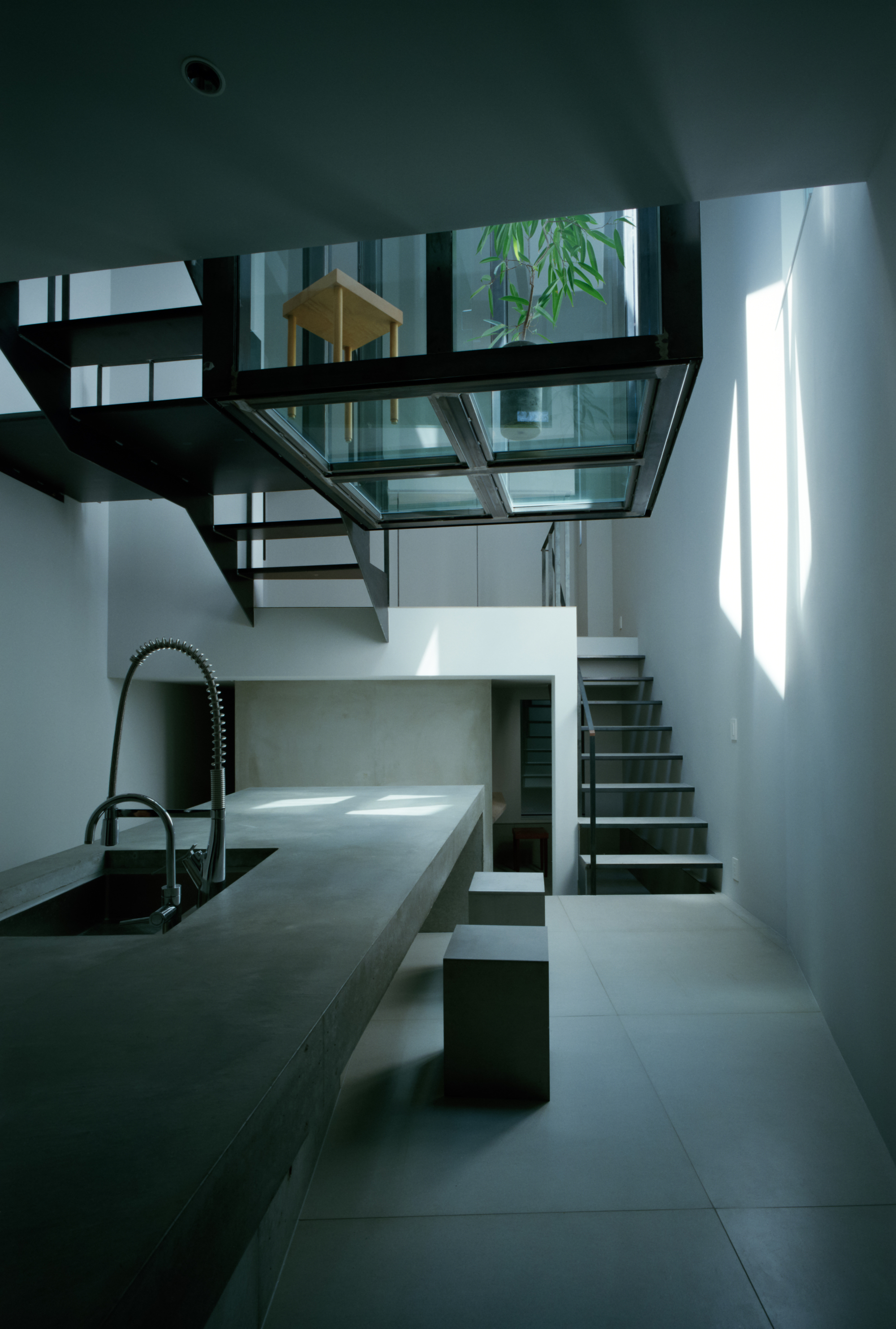
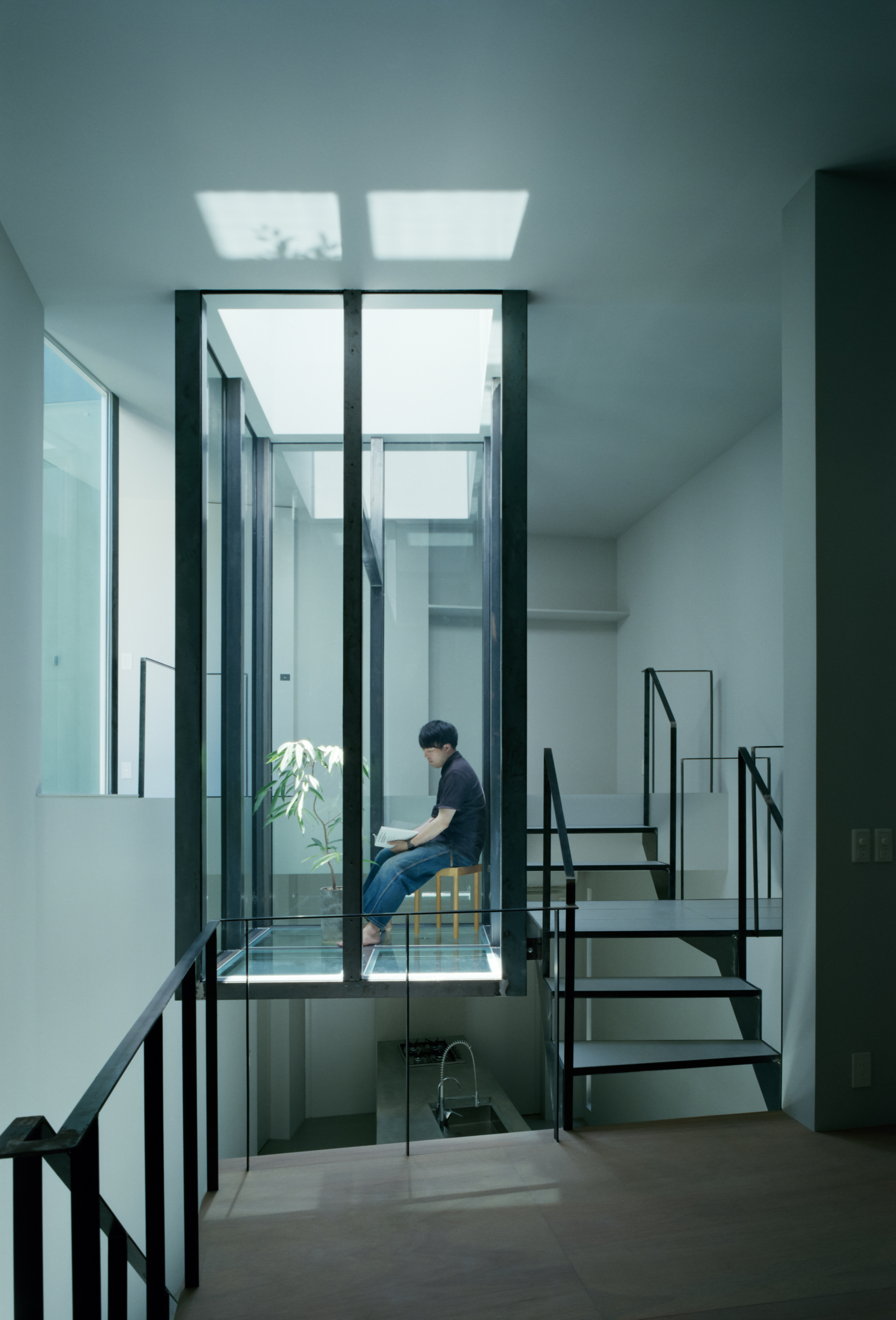
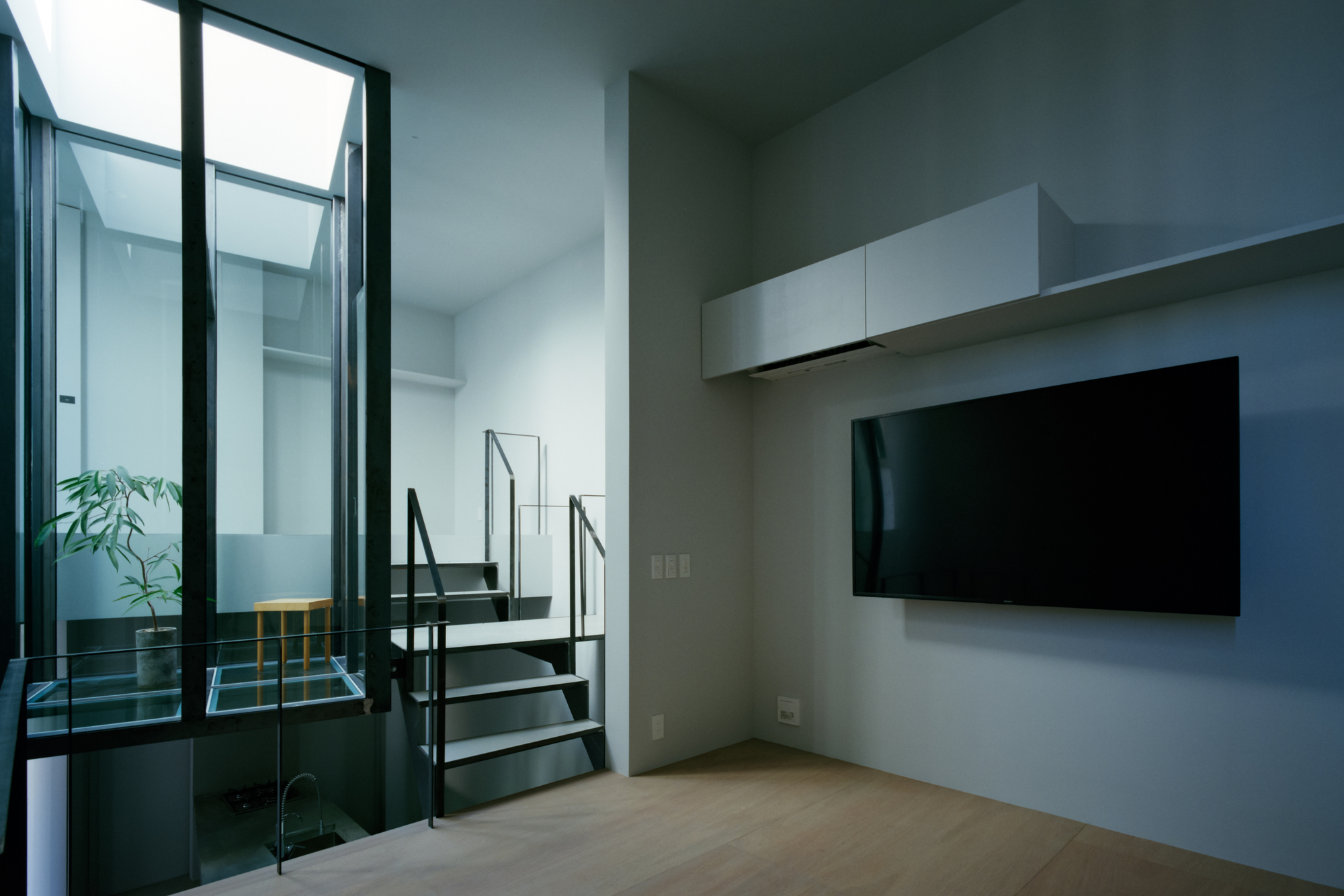
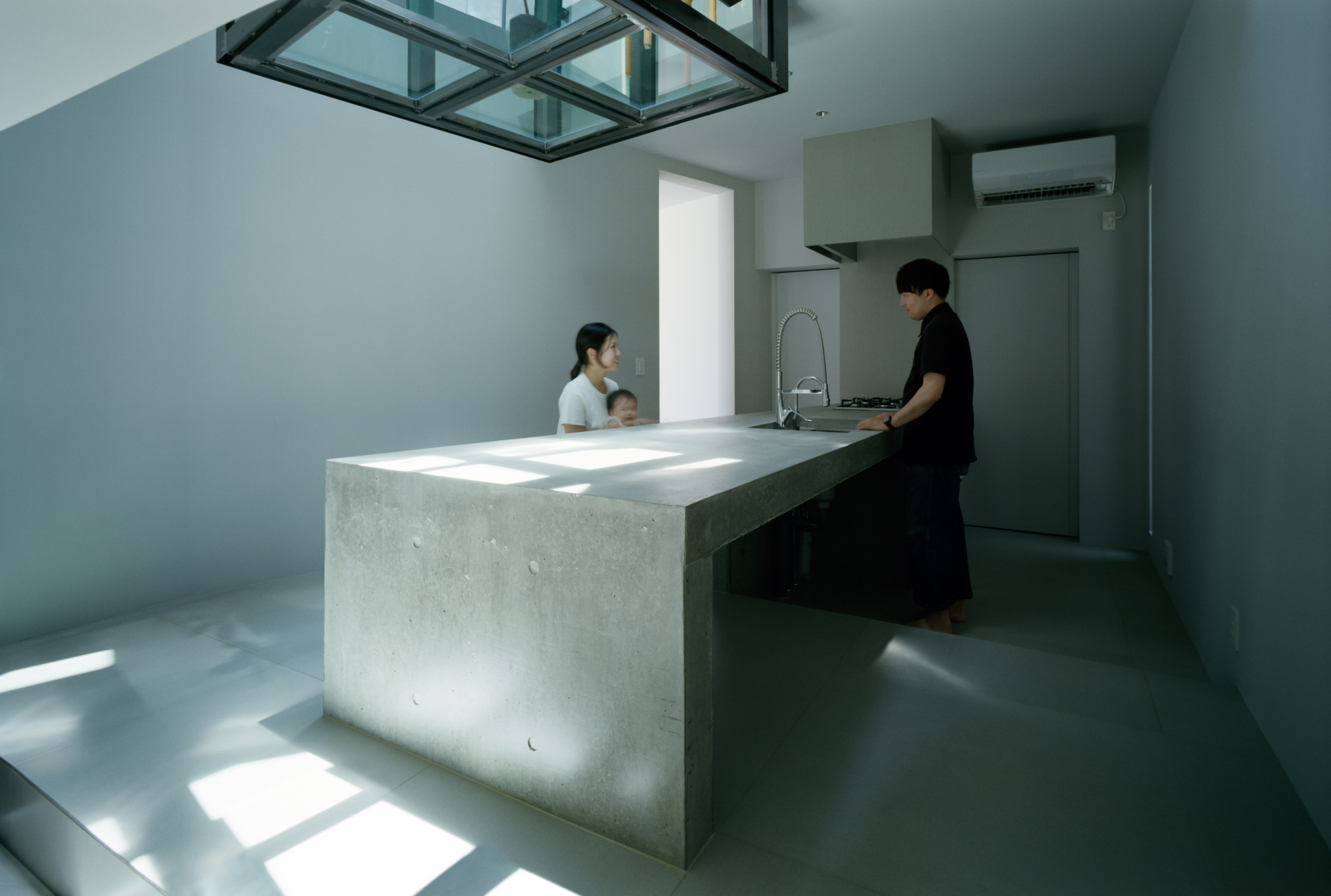
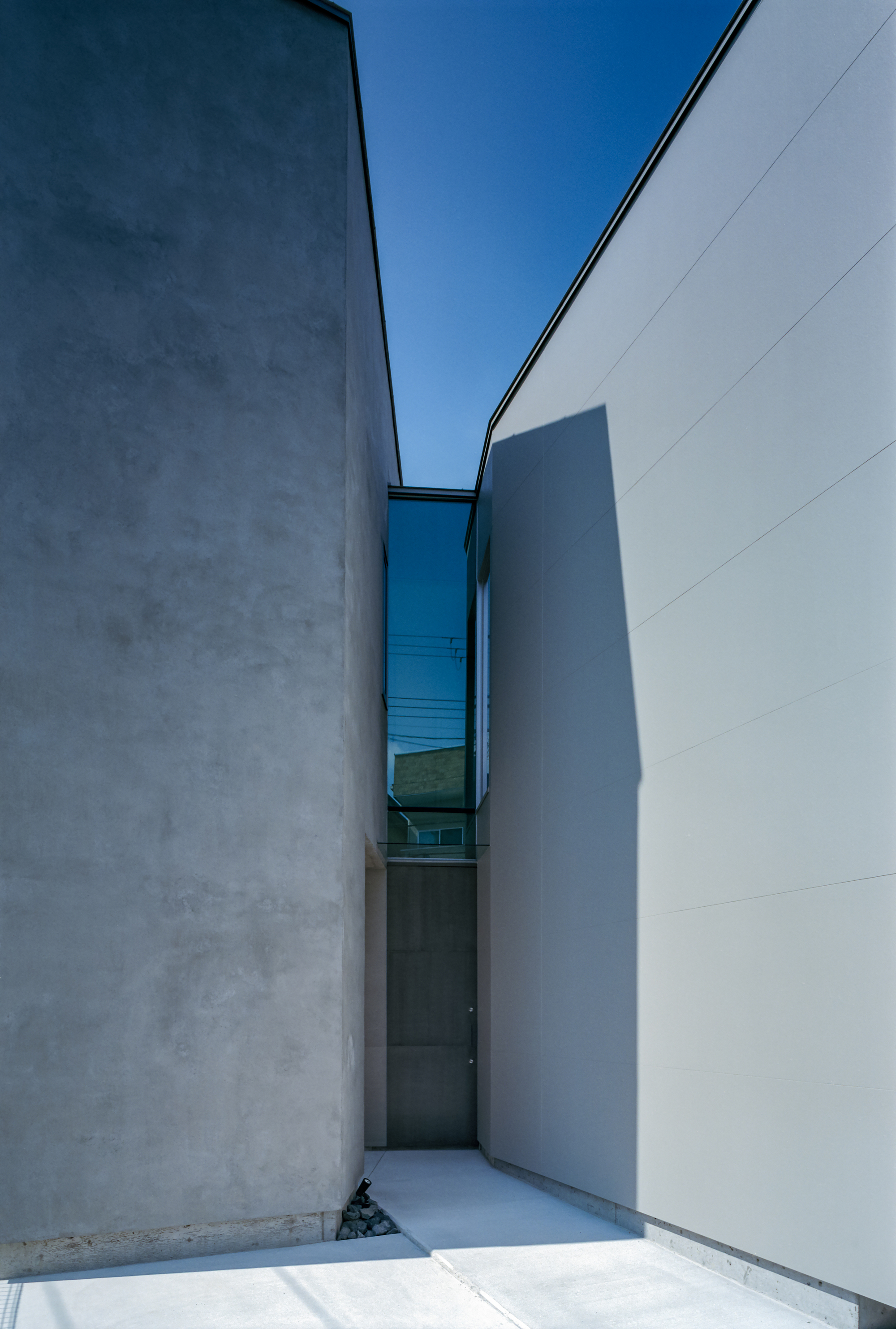
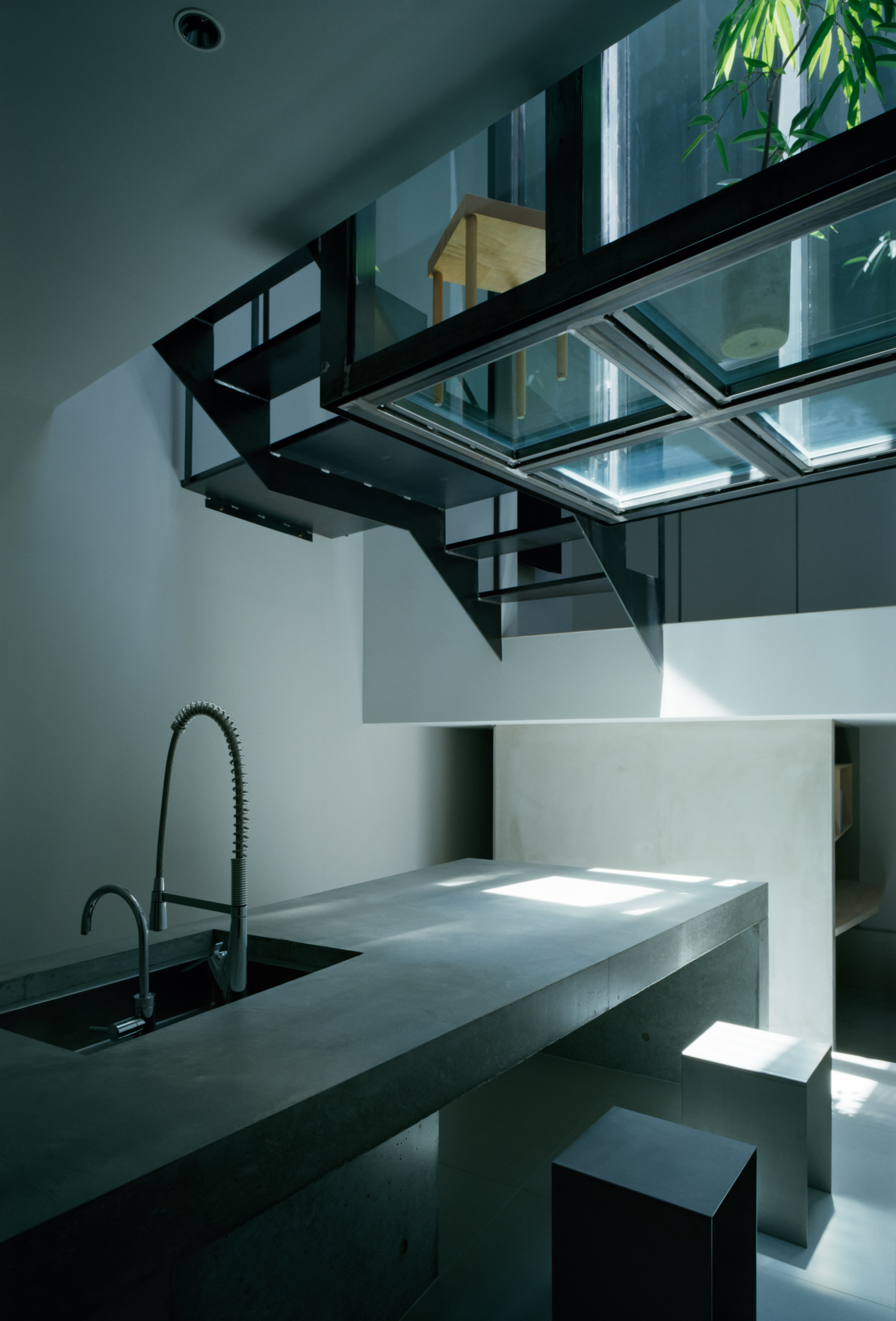
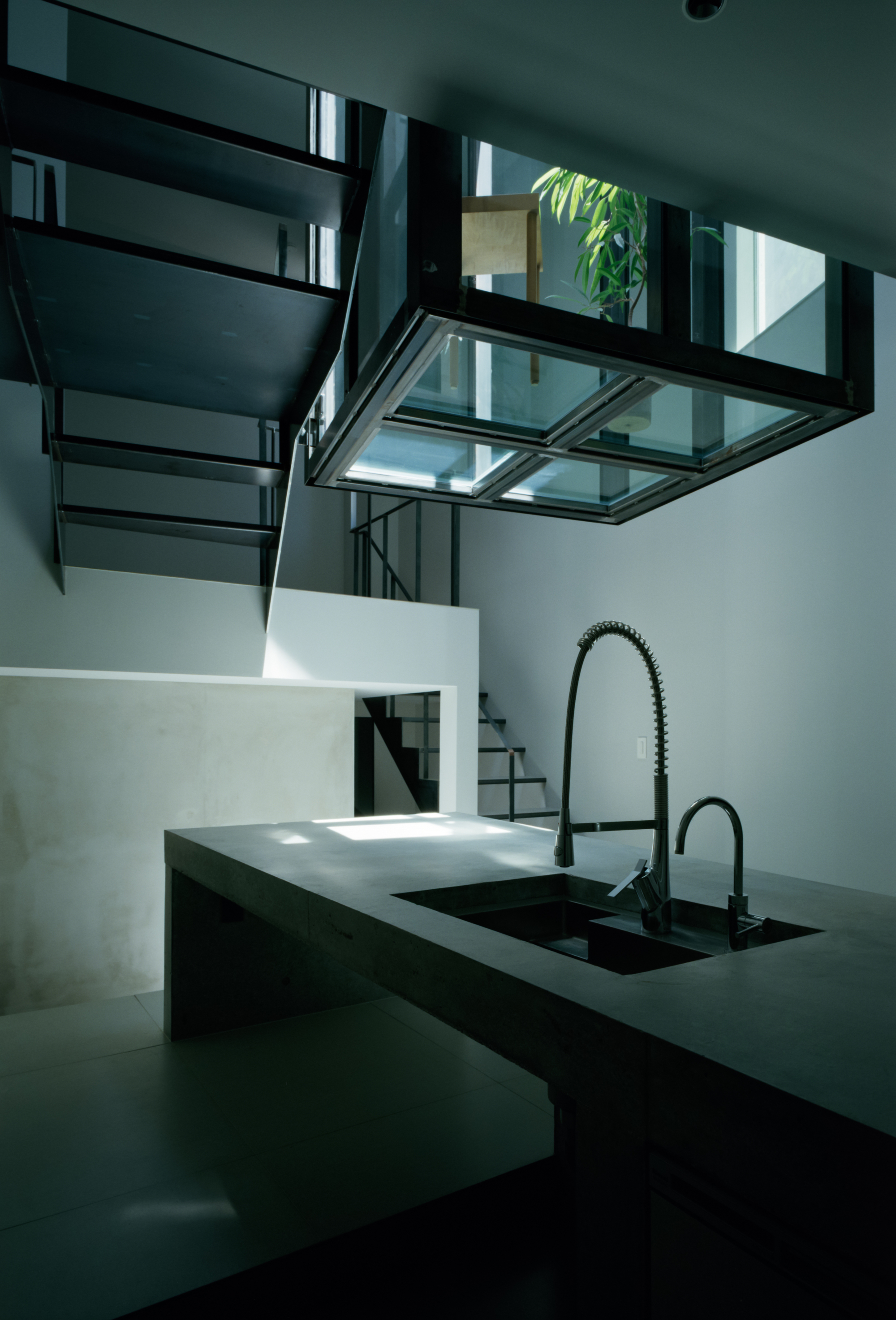
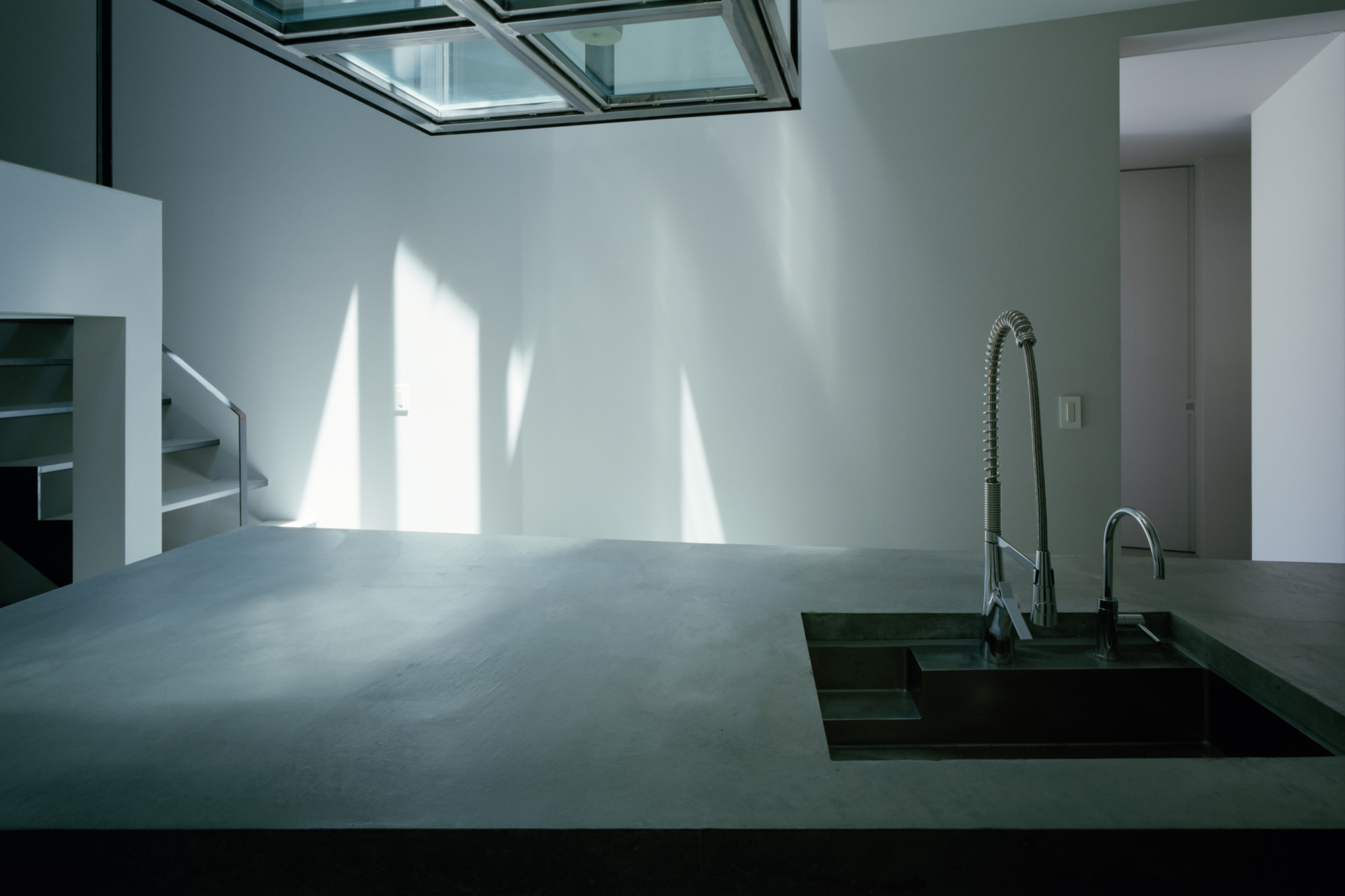
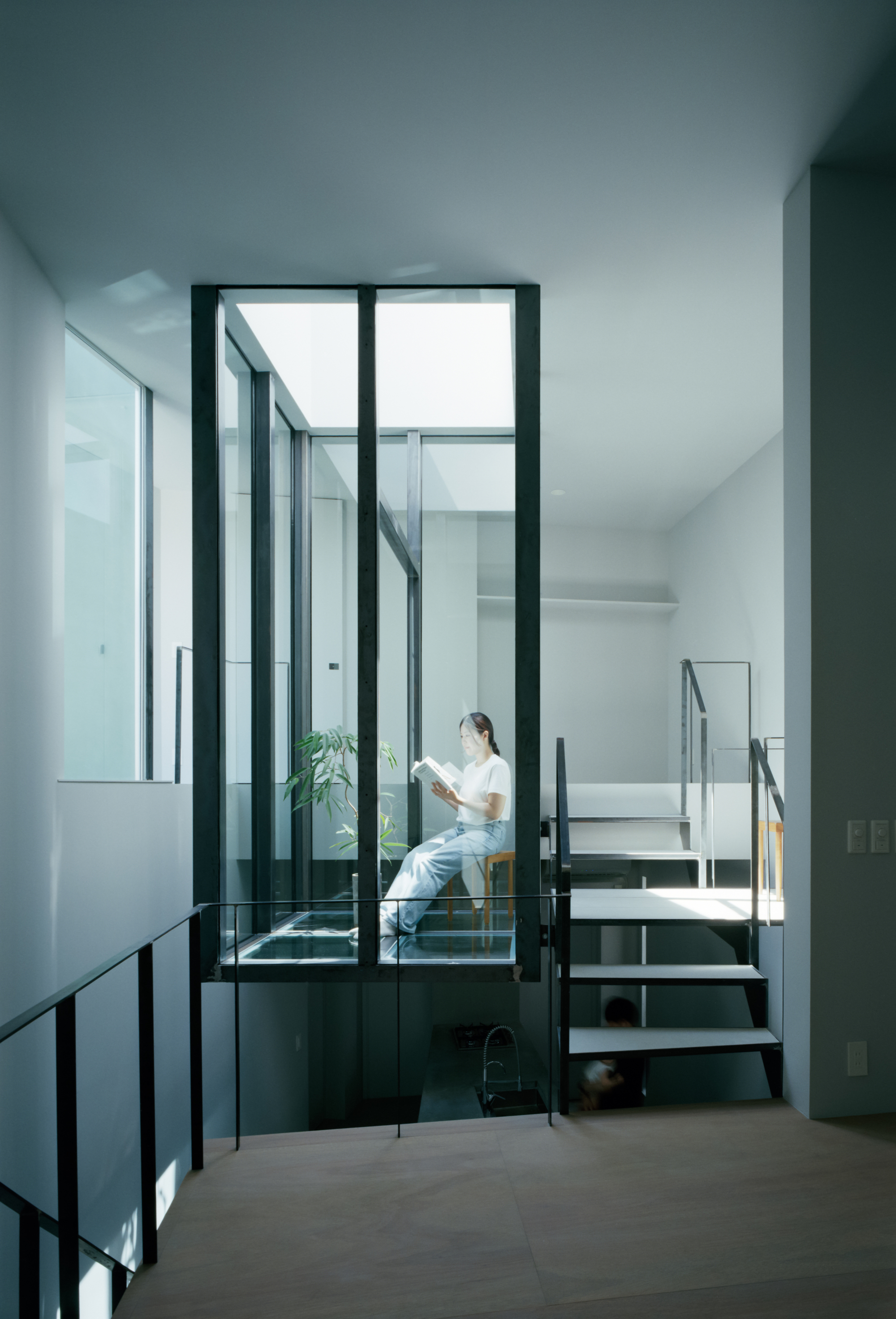
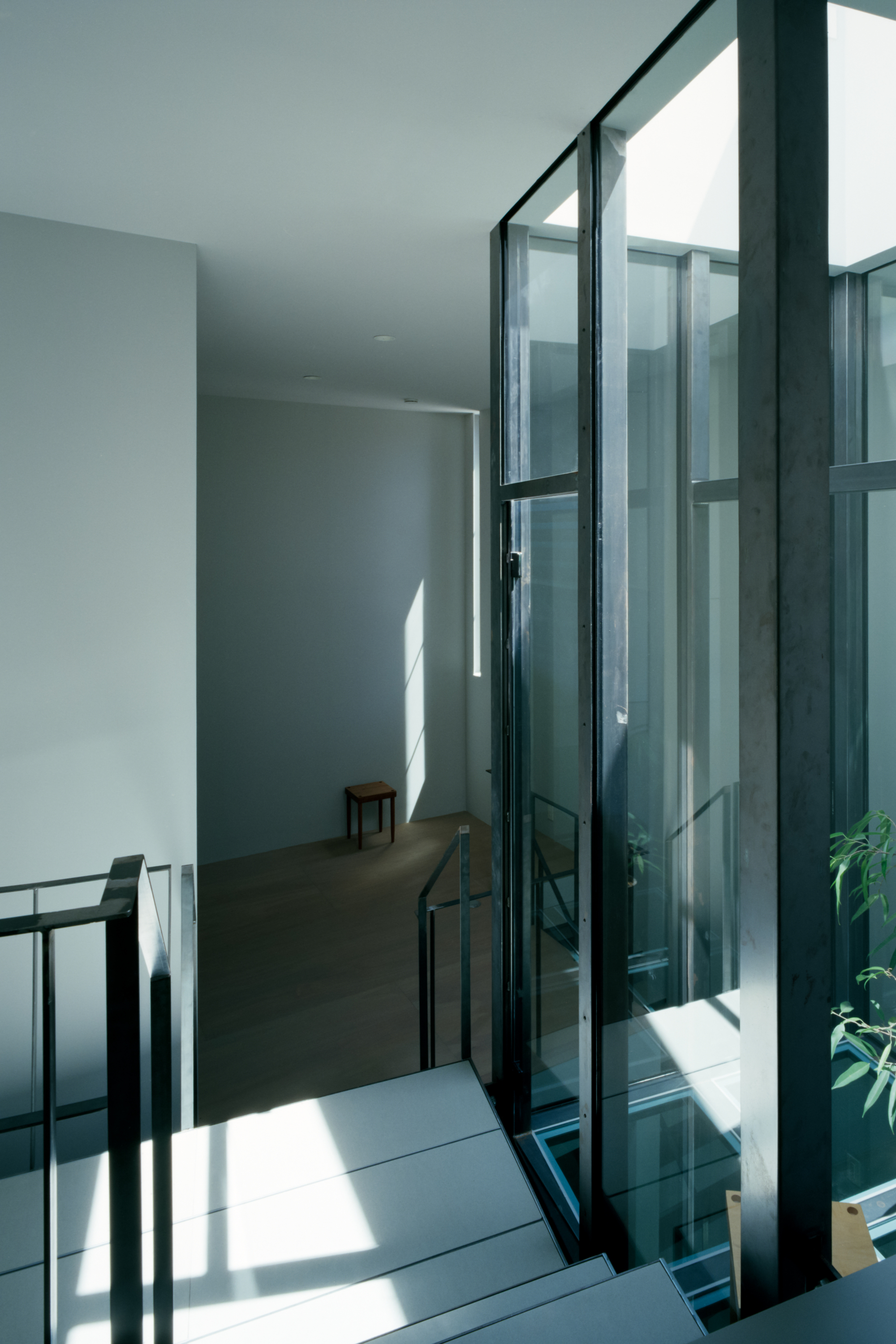
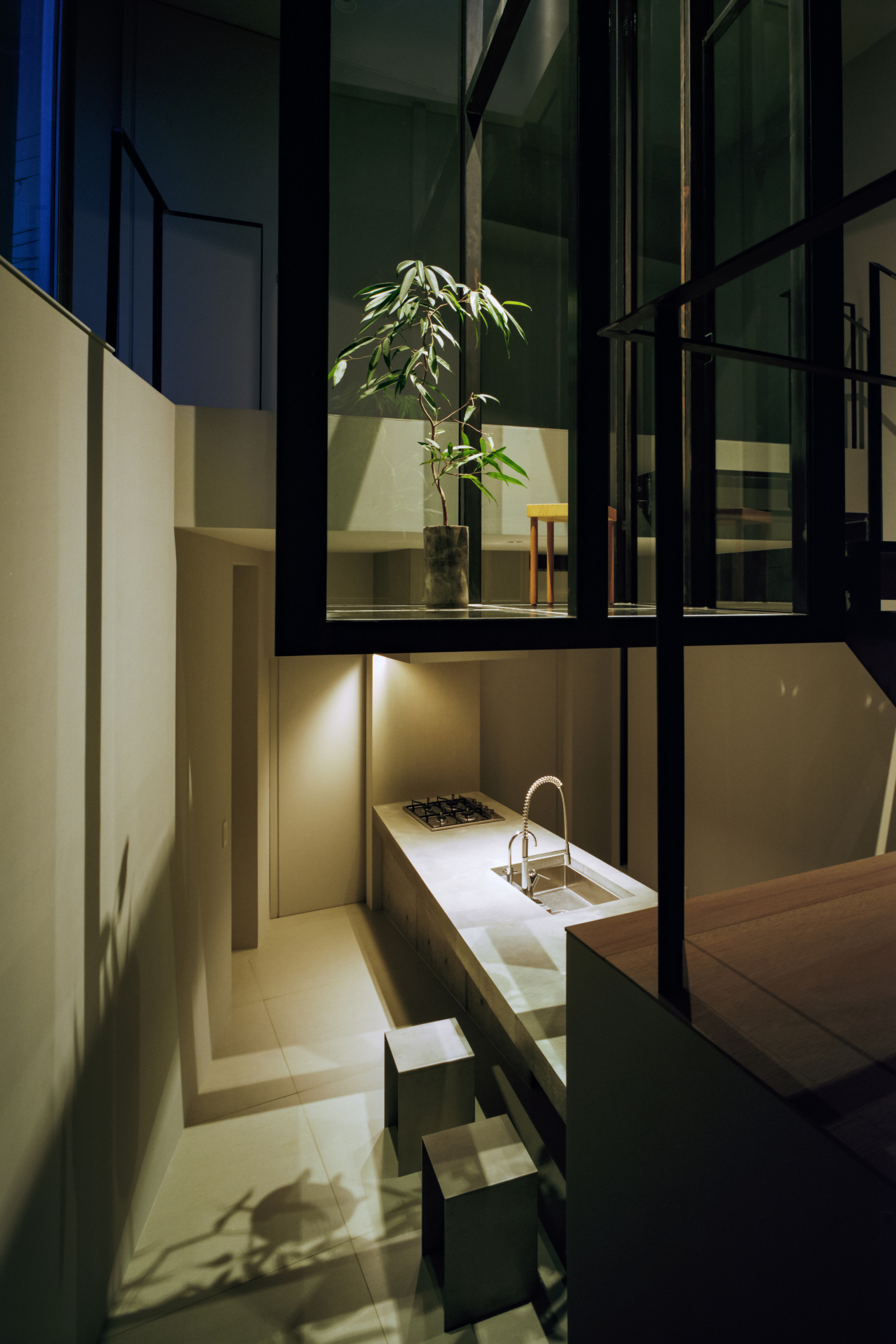
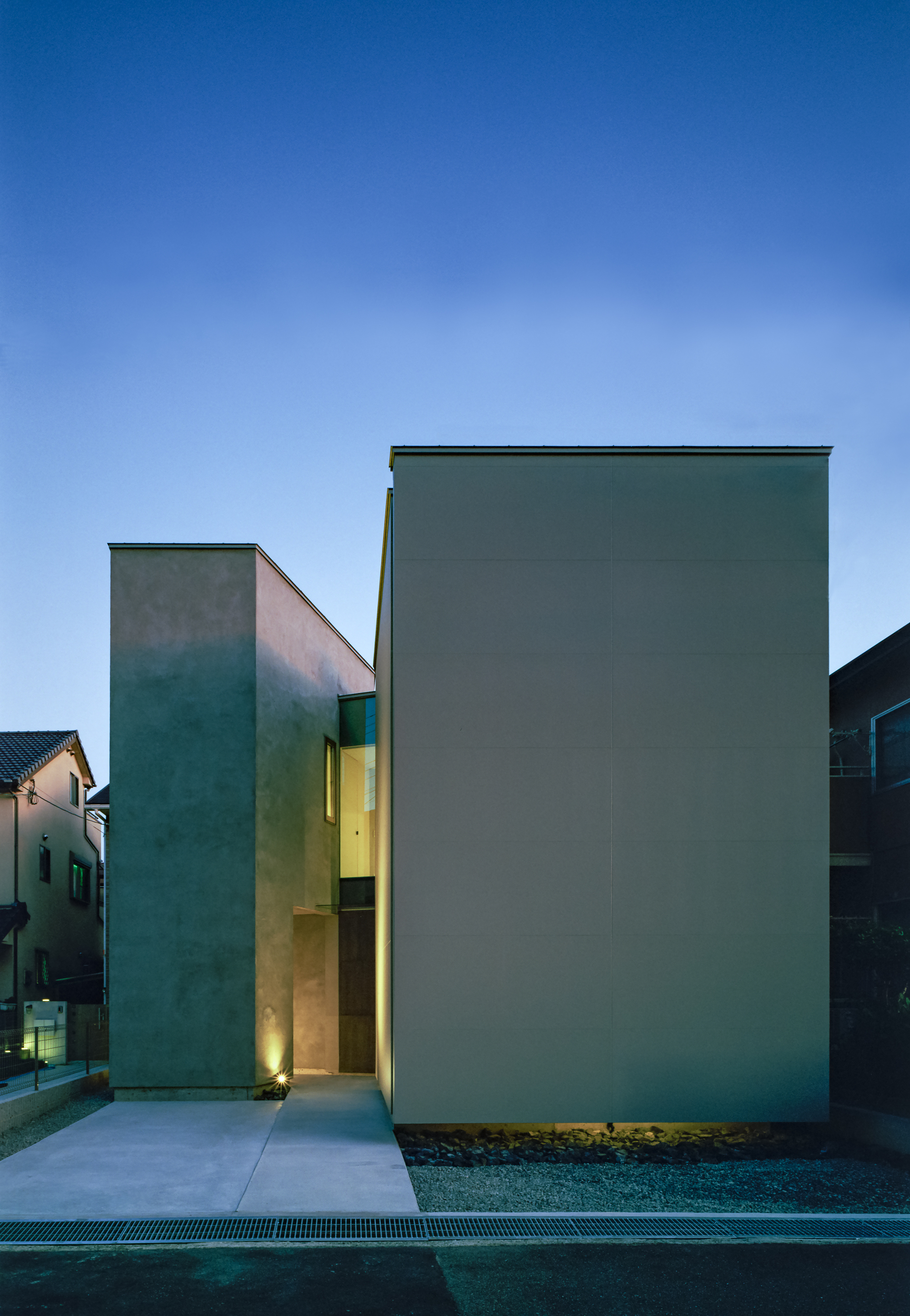
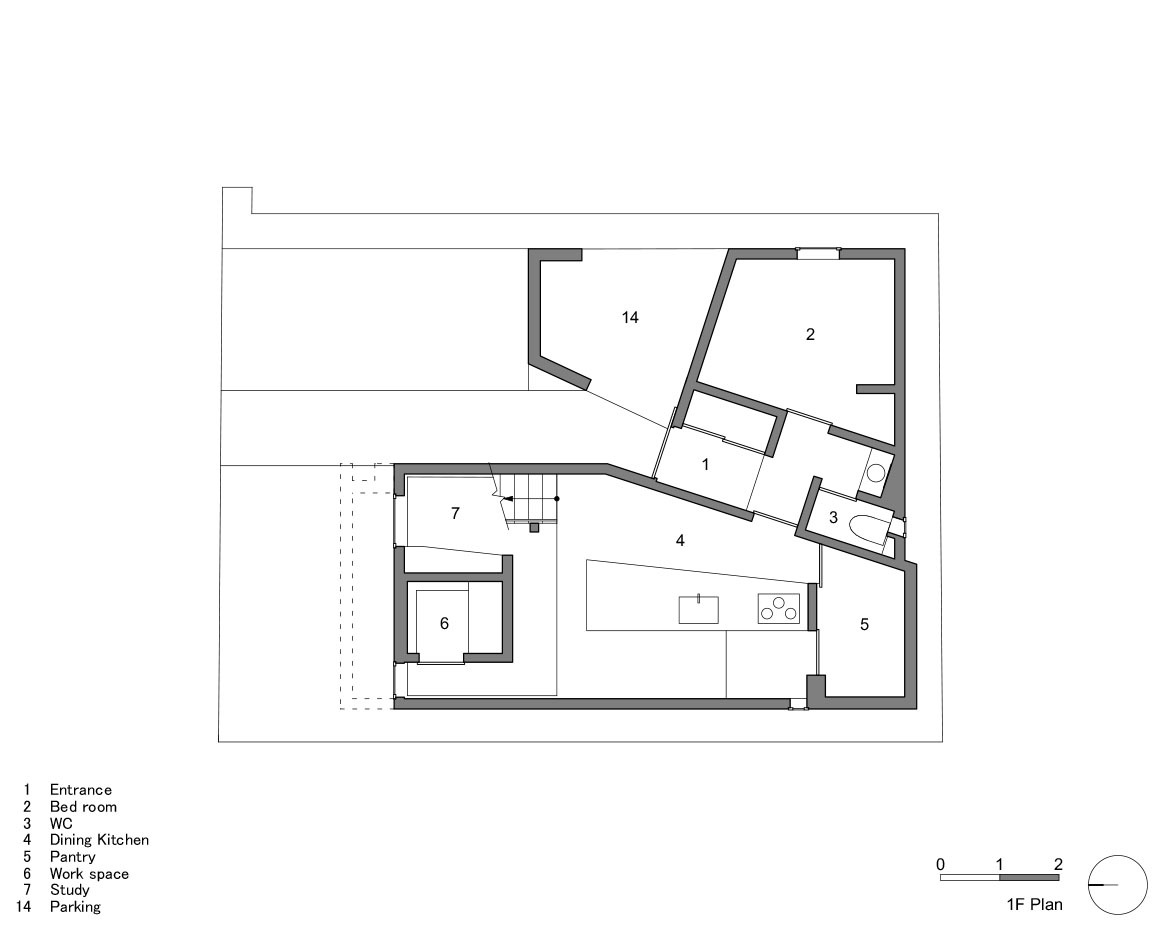
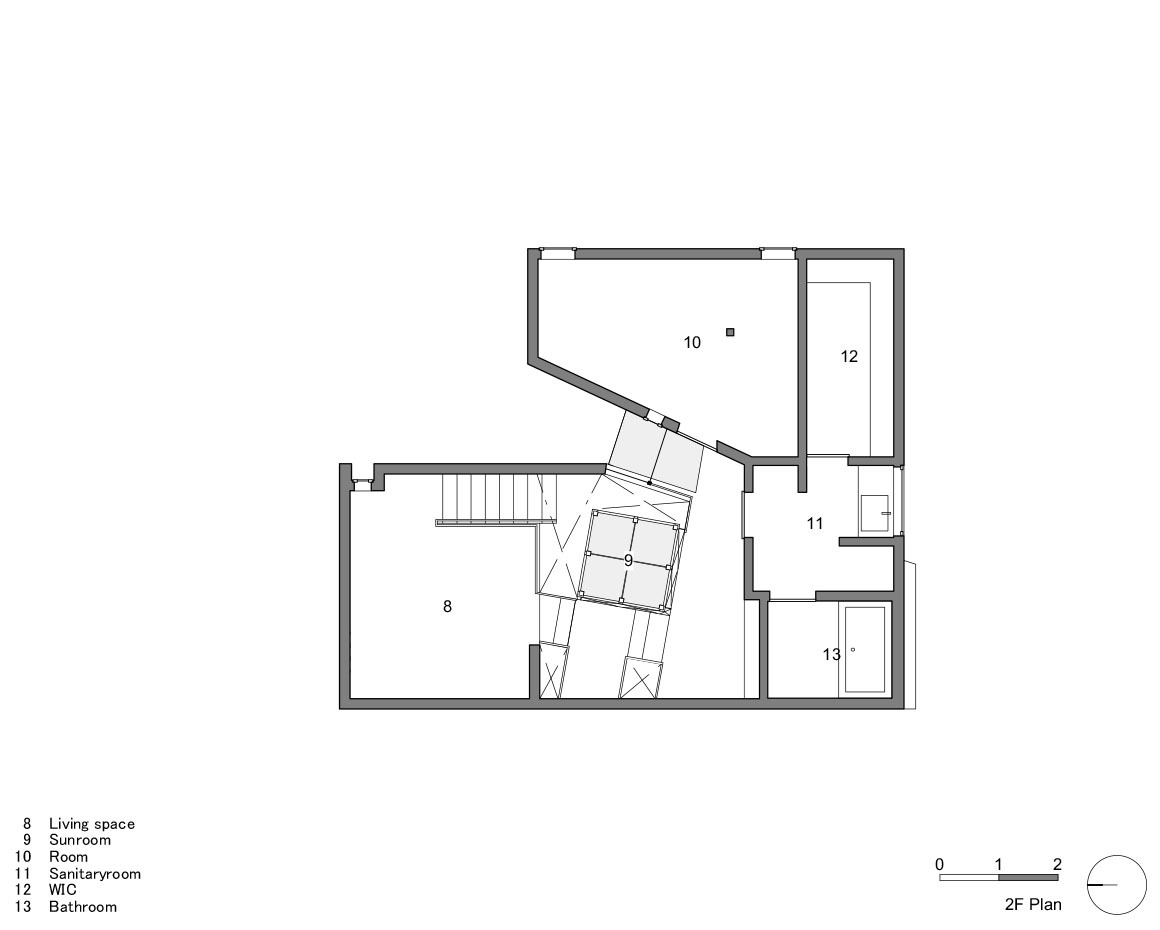
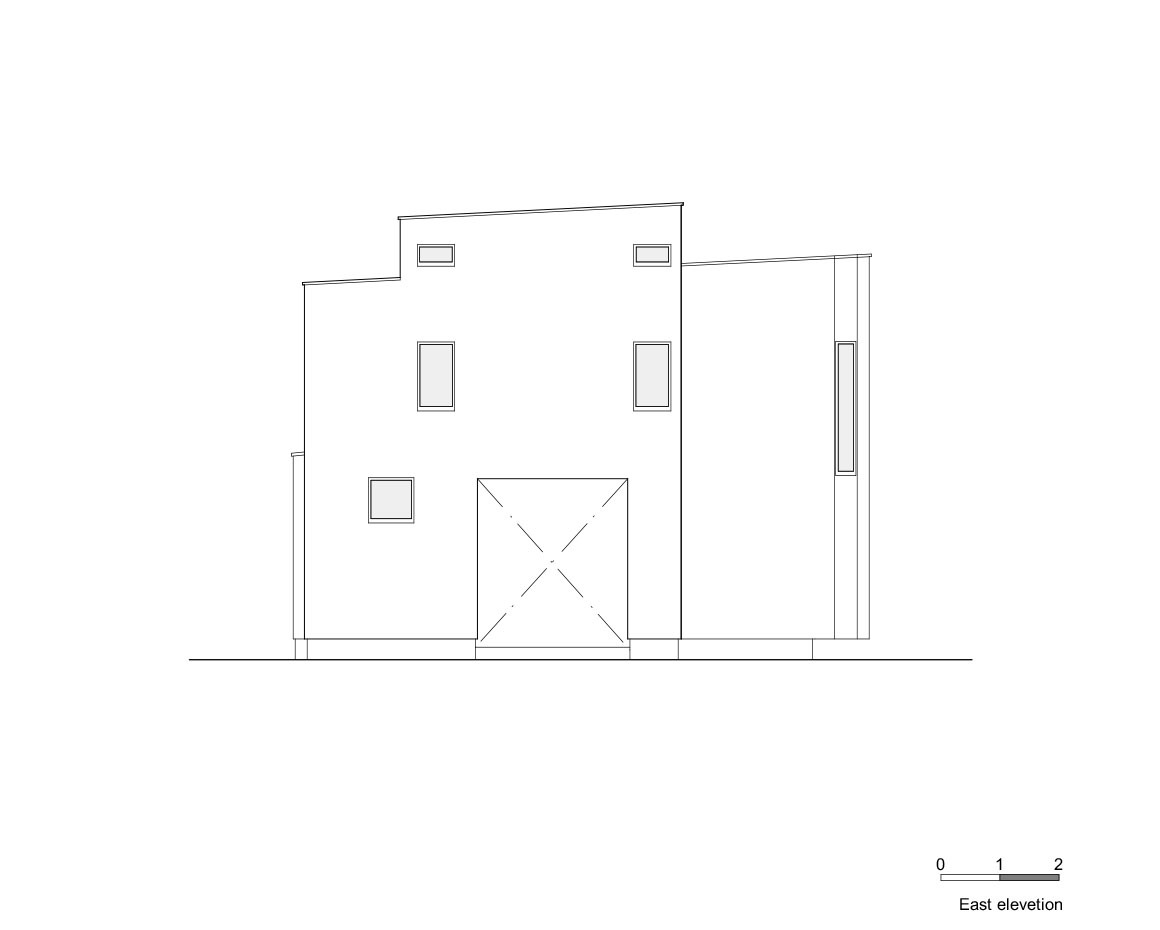
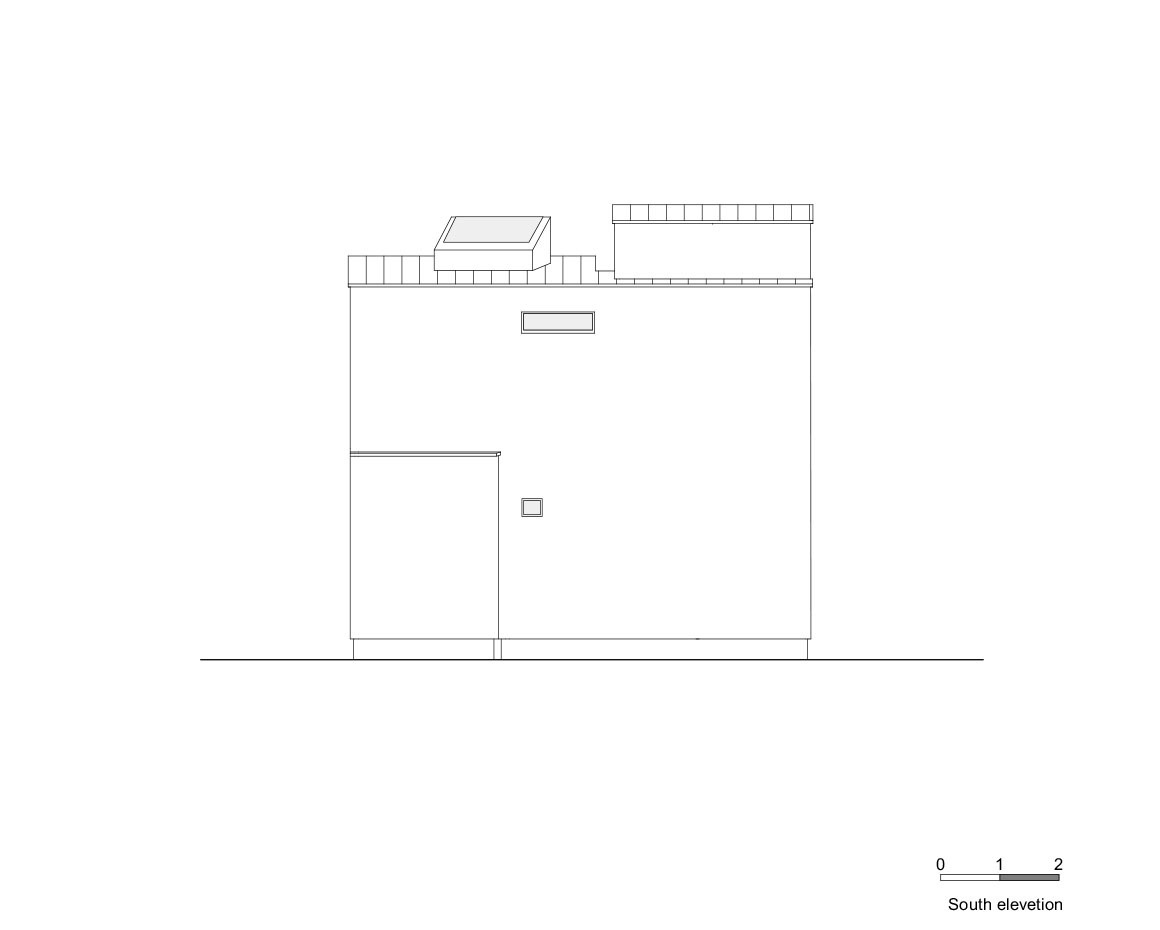
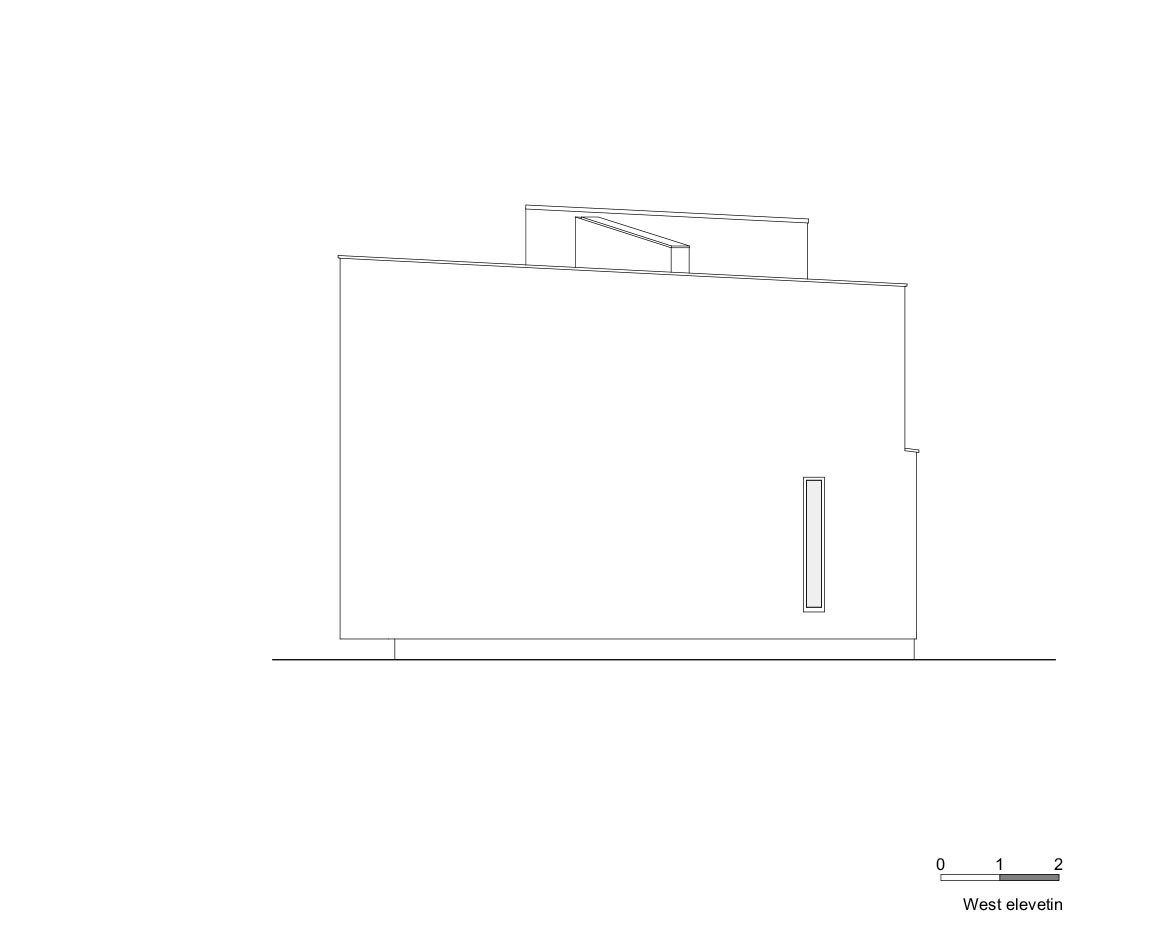
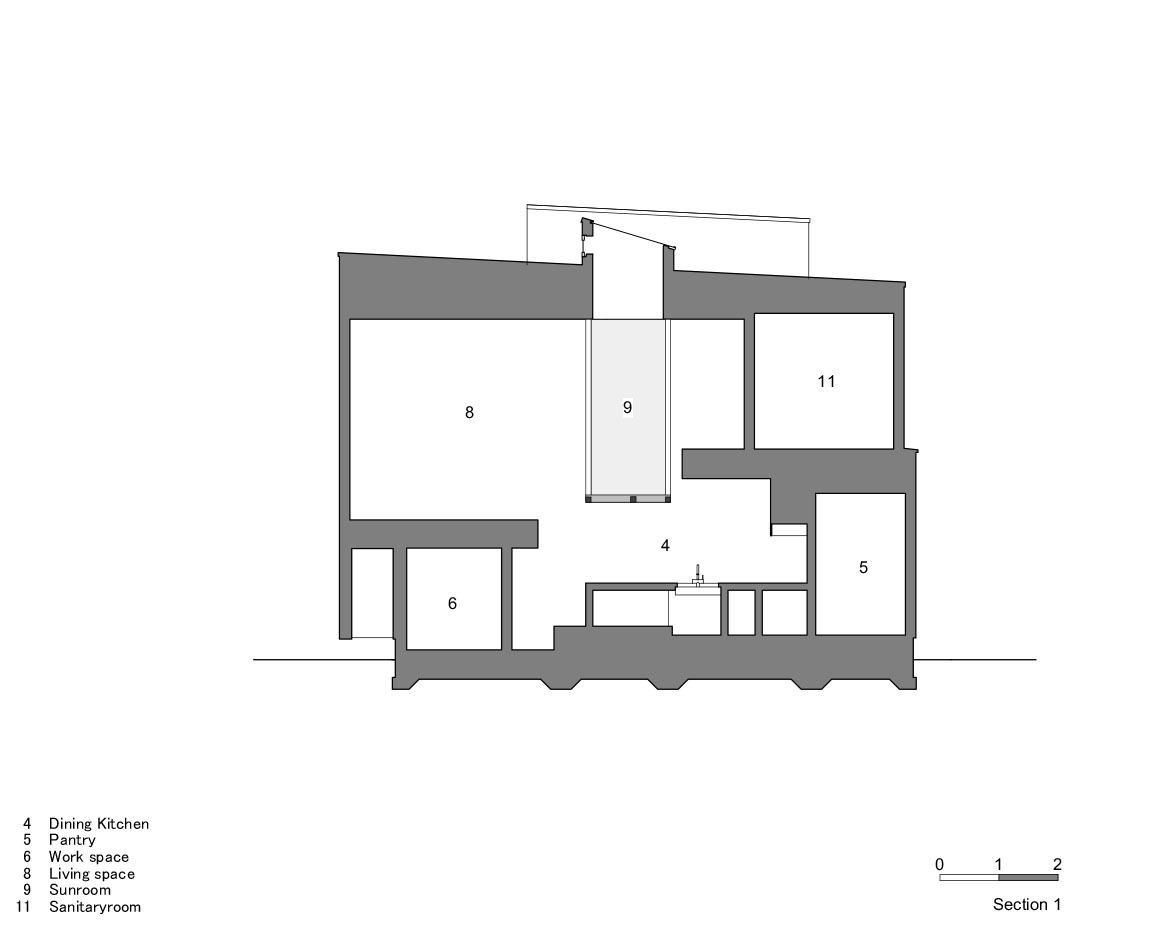
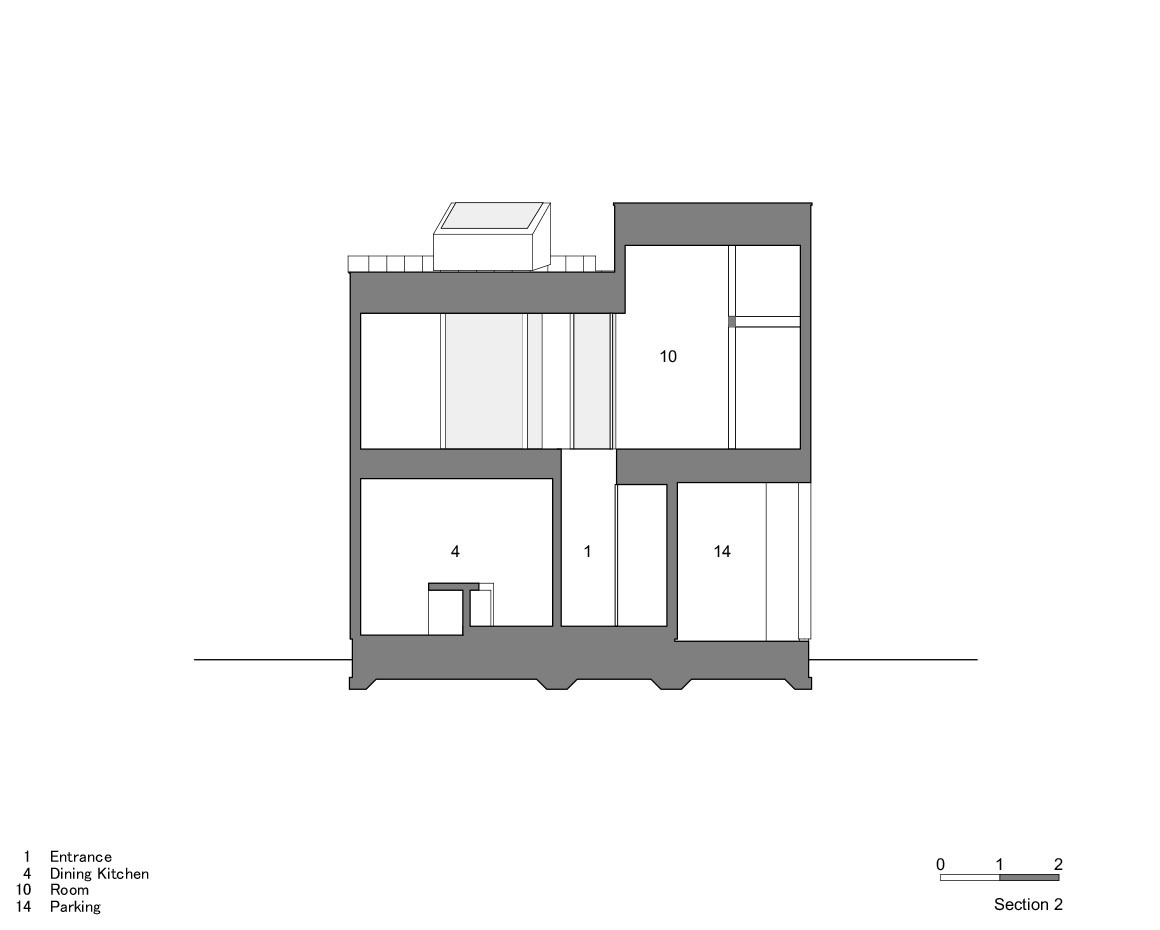
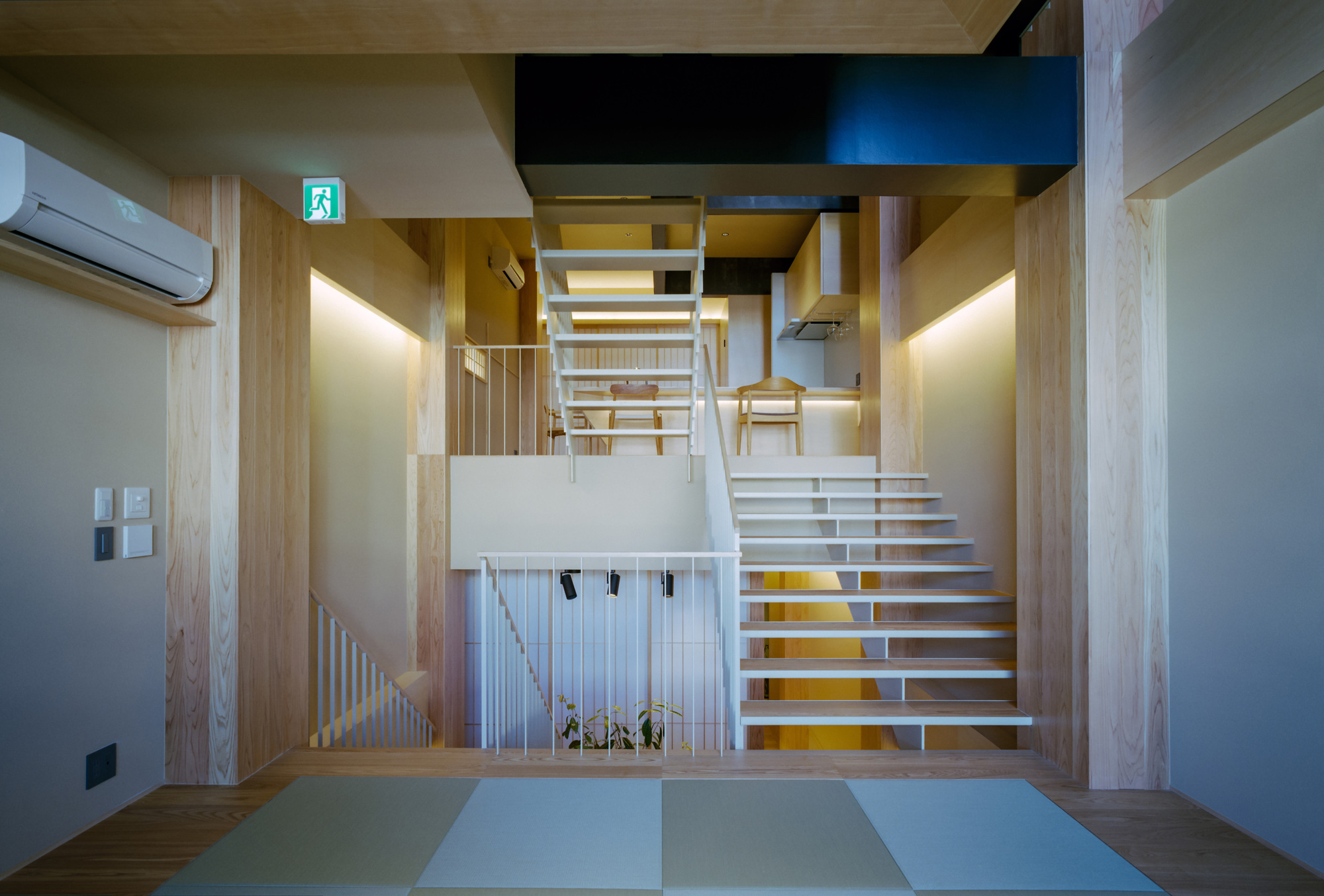
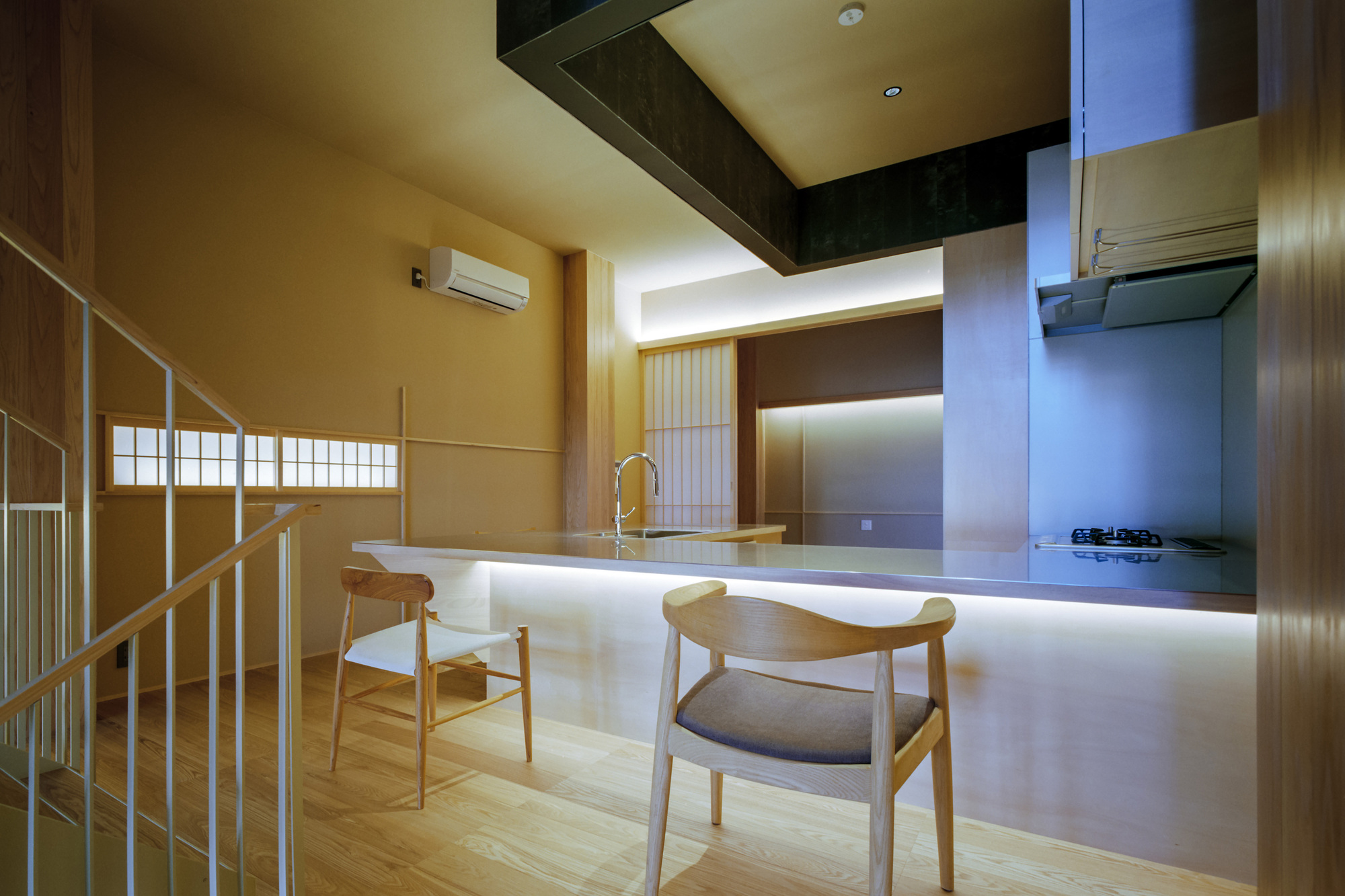
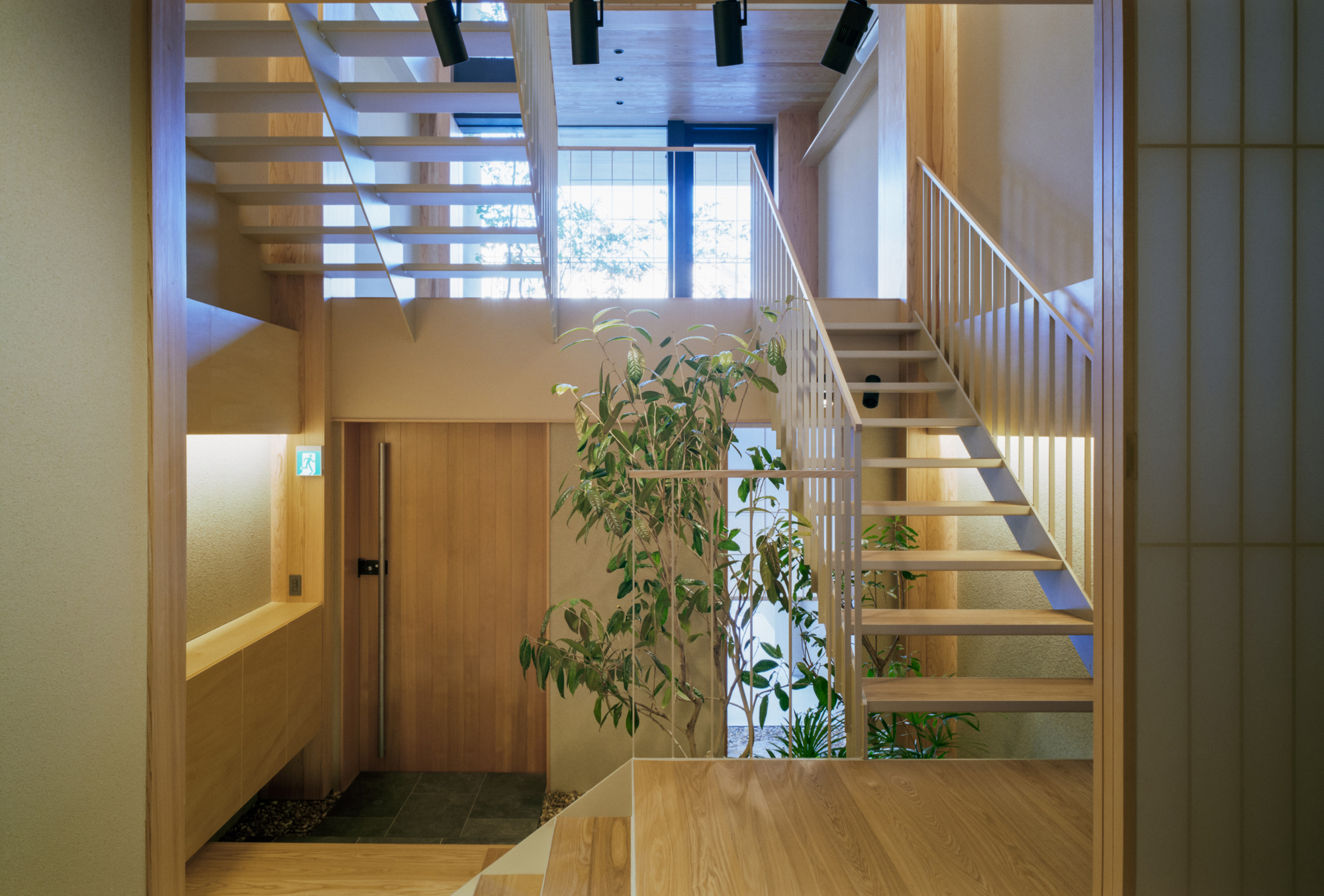
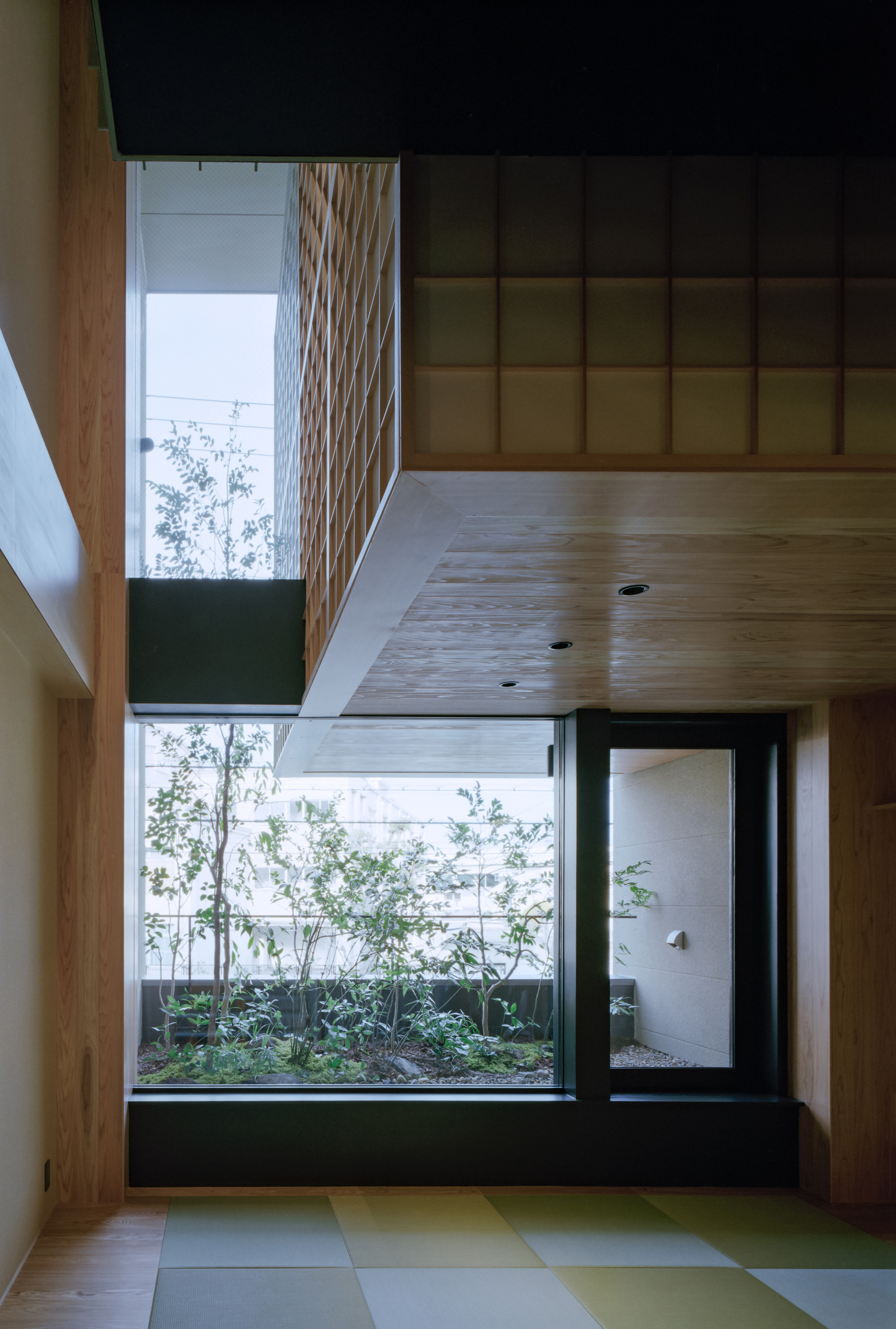
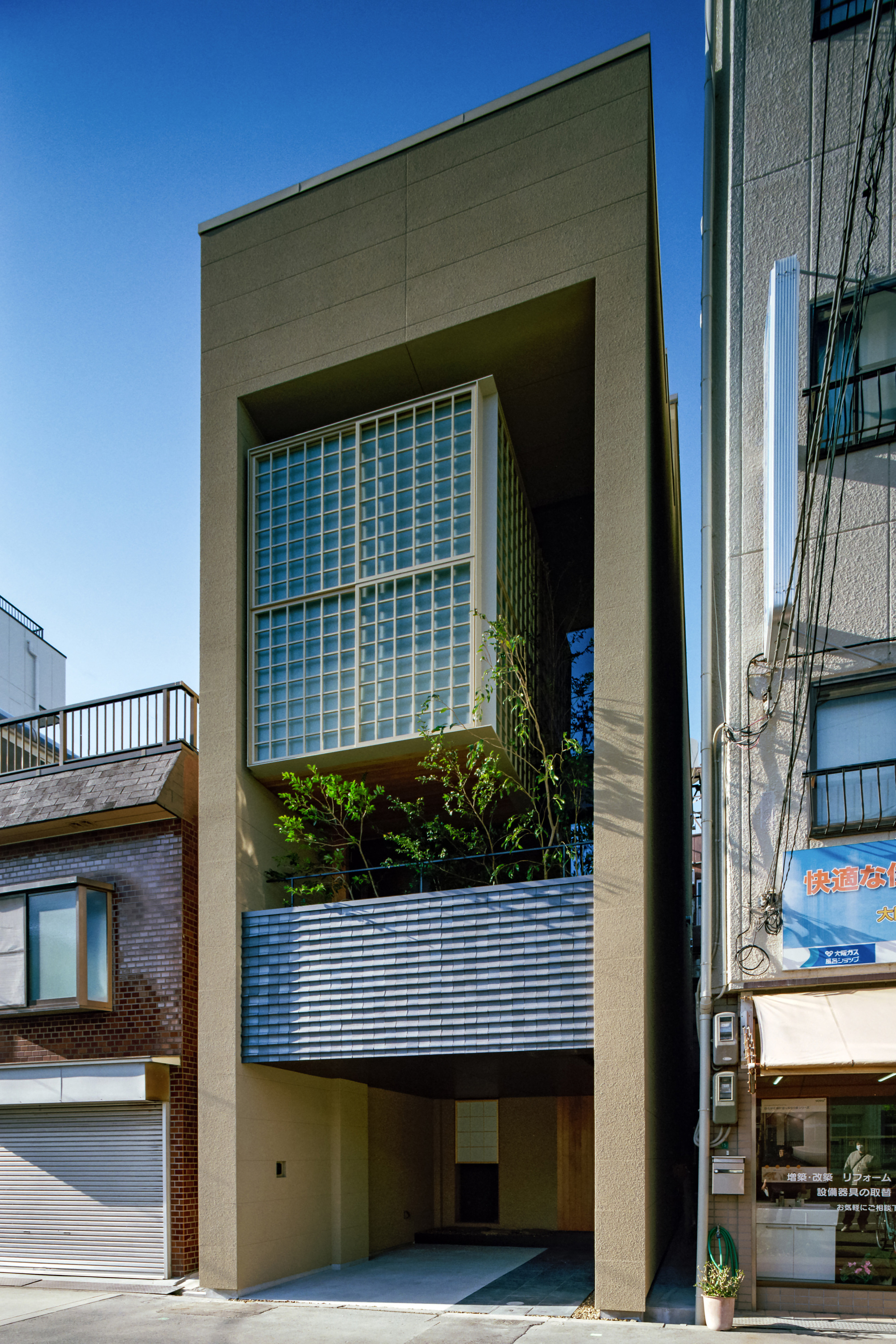
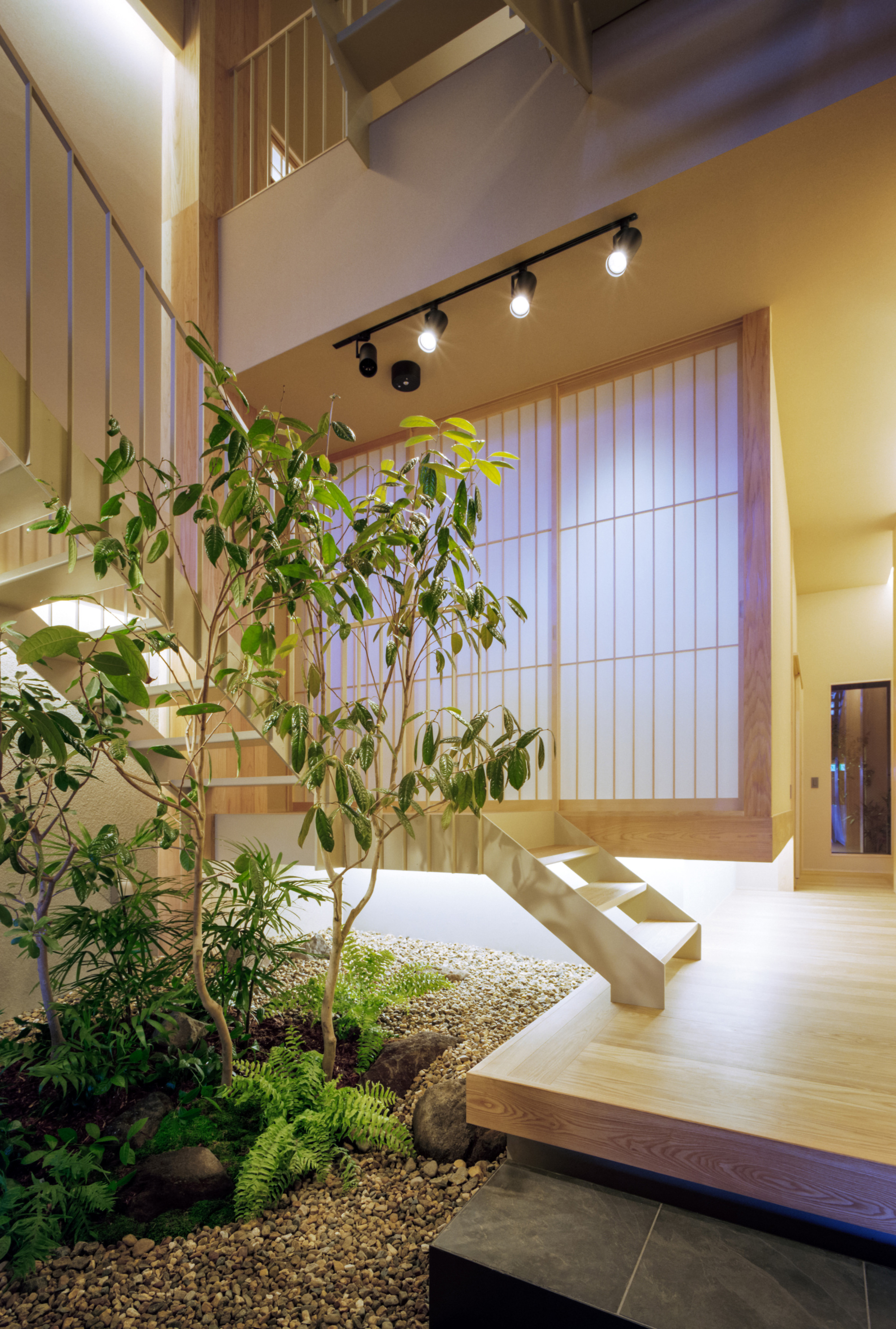
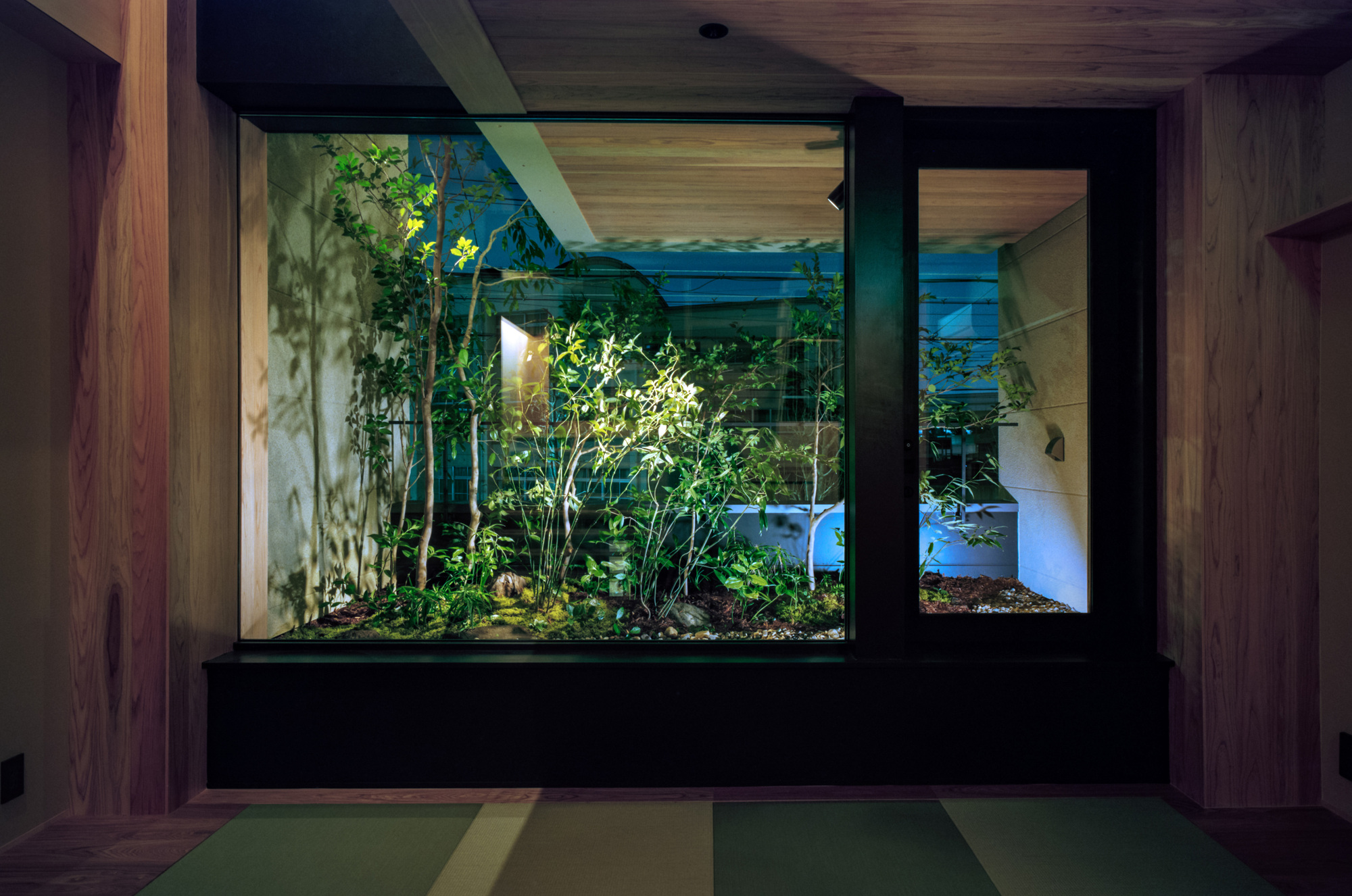
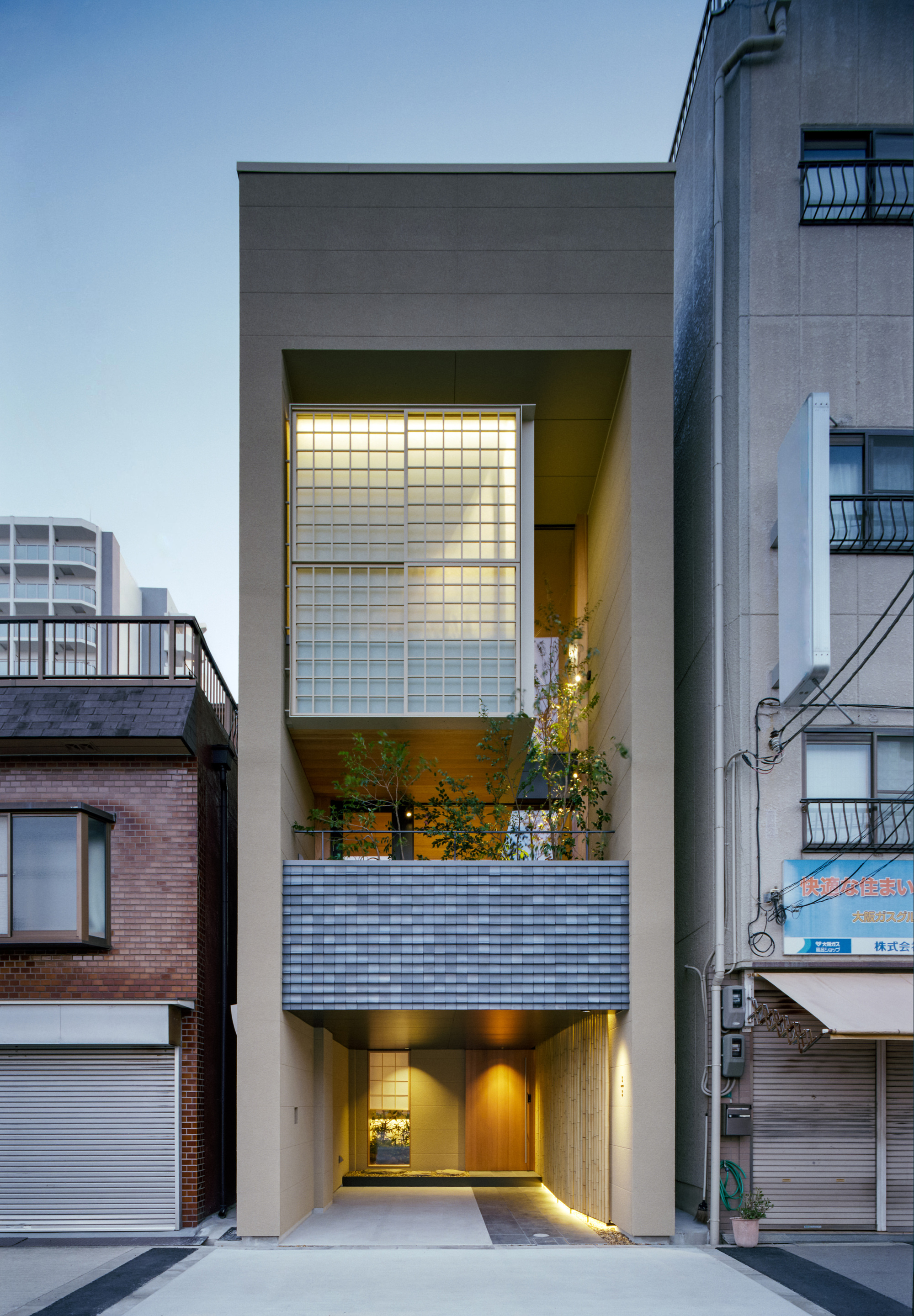
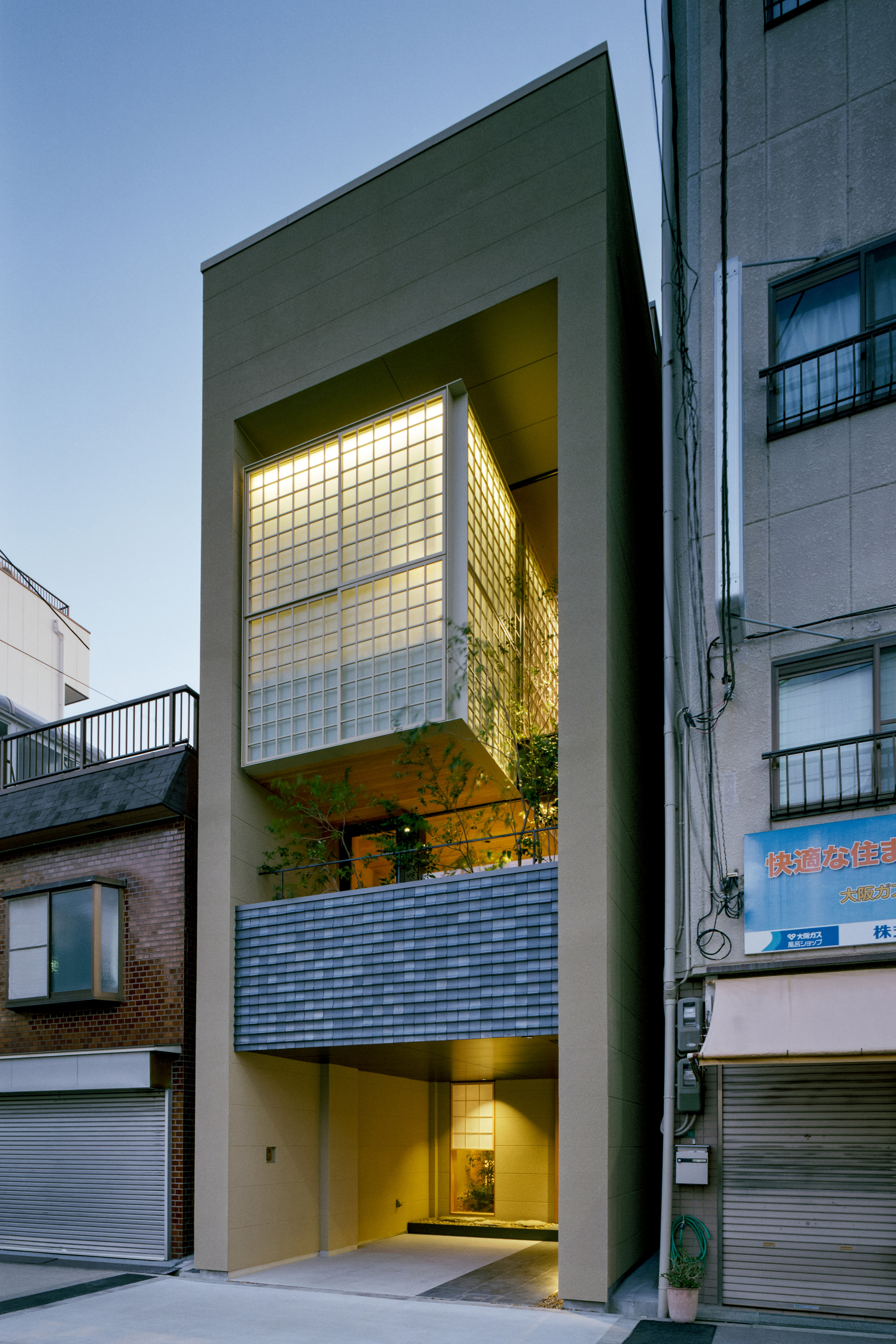
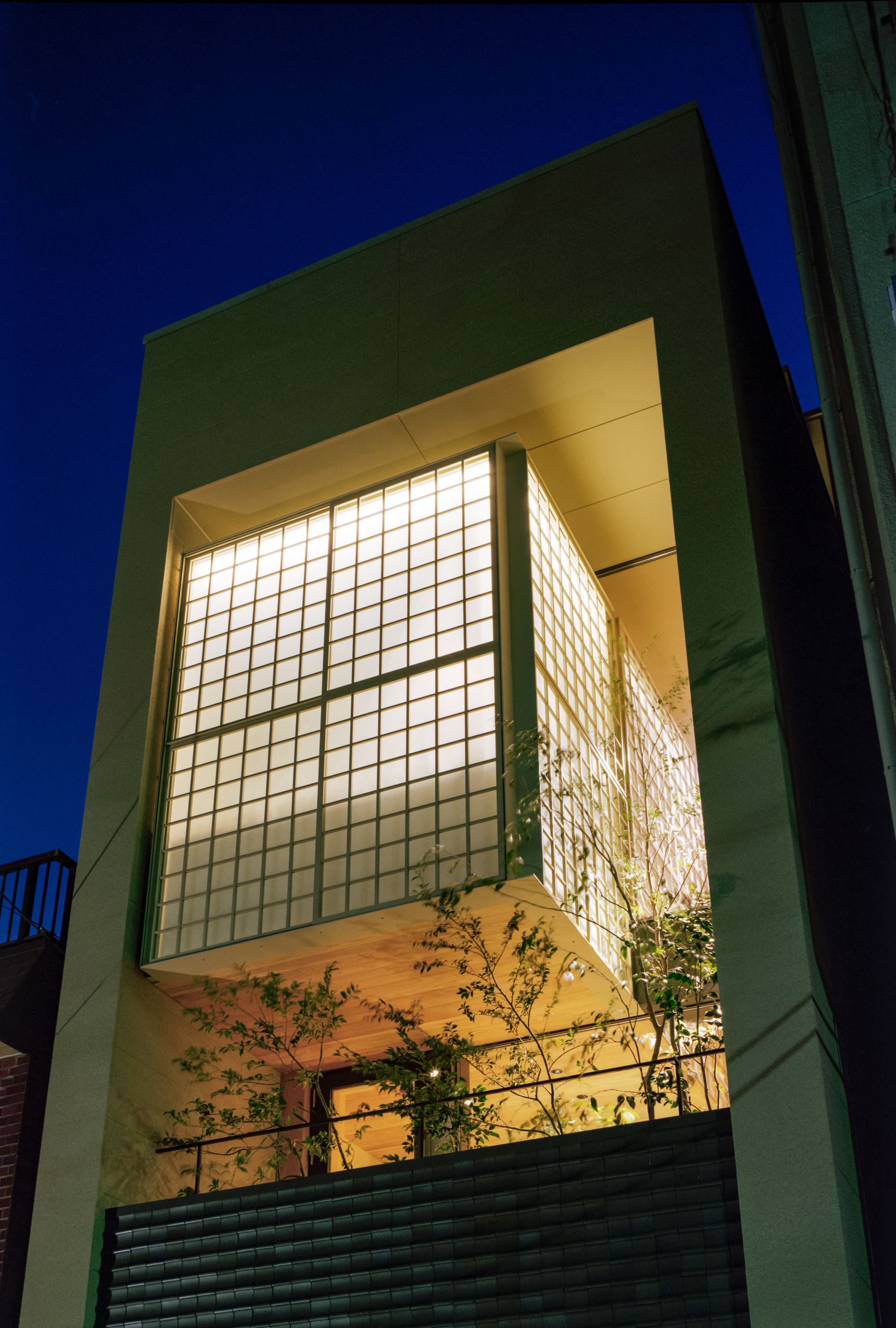
How would you like your own cage in your house? haha Sunroom House in Tsukaguchi #architecture Architects: FujiwaraMuro Architects Area: 105 m² Year: 2024 Photographs: Katsuya. Taira (studioREM) Lead Architects: FujiwaraMuro Architects Country: Japan The site is in a quiet residential area where the client's family's old house originally stood, and we were asked to design a new building to replace the old one. The overall composition splits the building into two volumes, with an LDK (living, dining, and kitchen area) and private rooms arranged separately. The main space is designed with split floors to increase the sense of spaciousness, creating connections not only in the plane but also in the cross-section so that one can communicate with others in the dining room and kitchen. In response to the client's request for a sunroom in the LDK, we studied its shape. As we considered how to reduce the volume of the building, cut costs, make the sunroom look more inviting, and consider how people might spend time there, we decided to explore the idea of floating it in the air. The suspended sunroom, located in the center of the building, reflects and diffuses the light from the top light above the sunroom onto the glass, making the entire sunroom glow, with the reflected light illuminating unpredicted areas on the various floors and walls throughout the room. The plantings in the sunroom can be viewed from below to enjoy the unusual appearance of floating in mid-air. At night, the entire glass box of the sunroom glows like a lamp, illuminating the entire space. The steel and concrete finishes are revealed in various places, and one can appreciate how their expressions change over time. This is one of the things to be enjoyed in this house. The space we created has a unique atmosphere, and family members can discover various ways of viewing the house and spending time there in their daily lives.
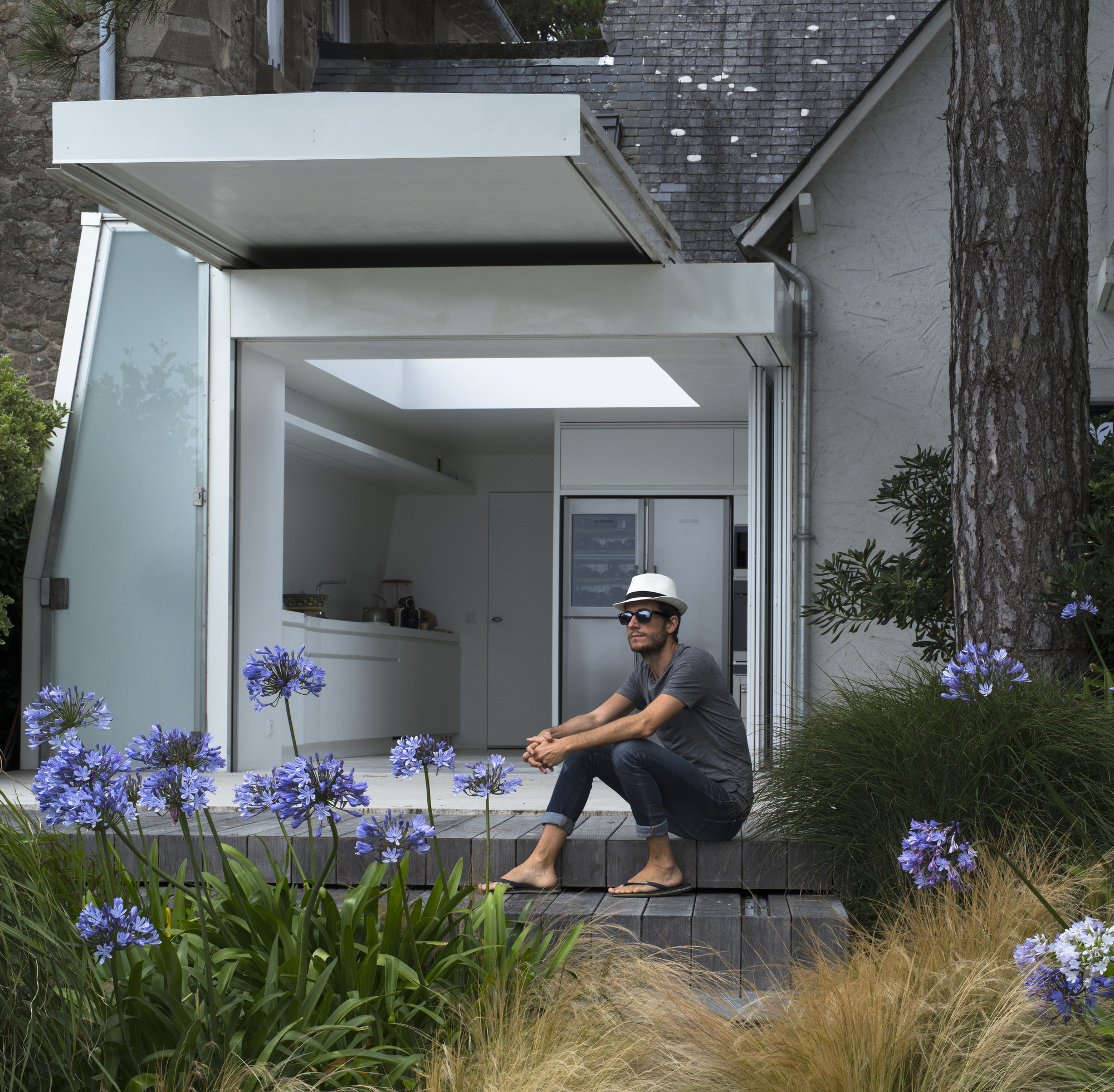
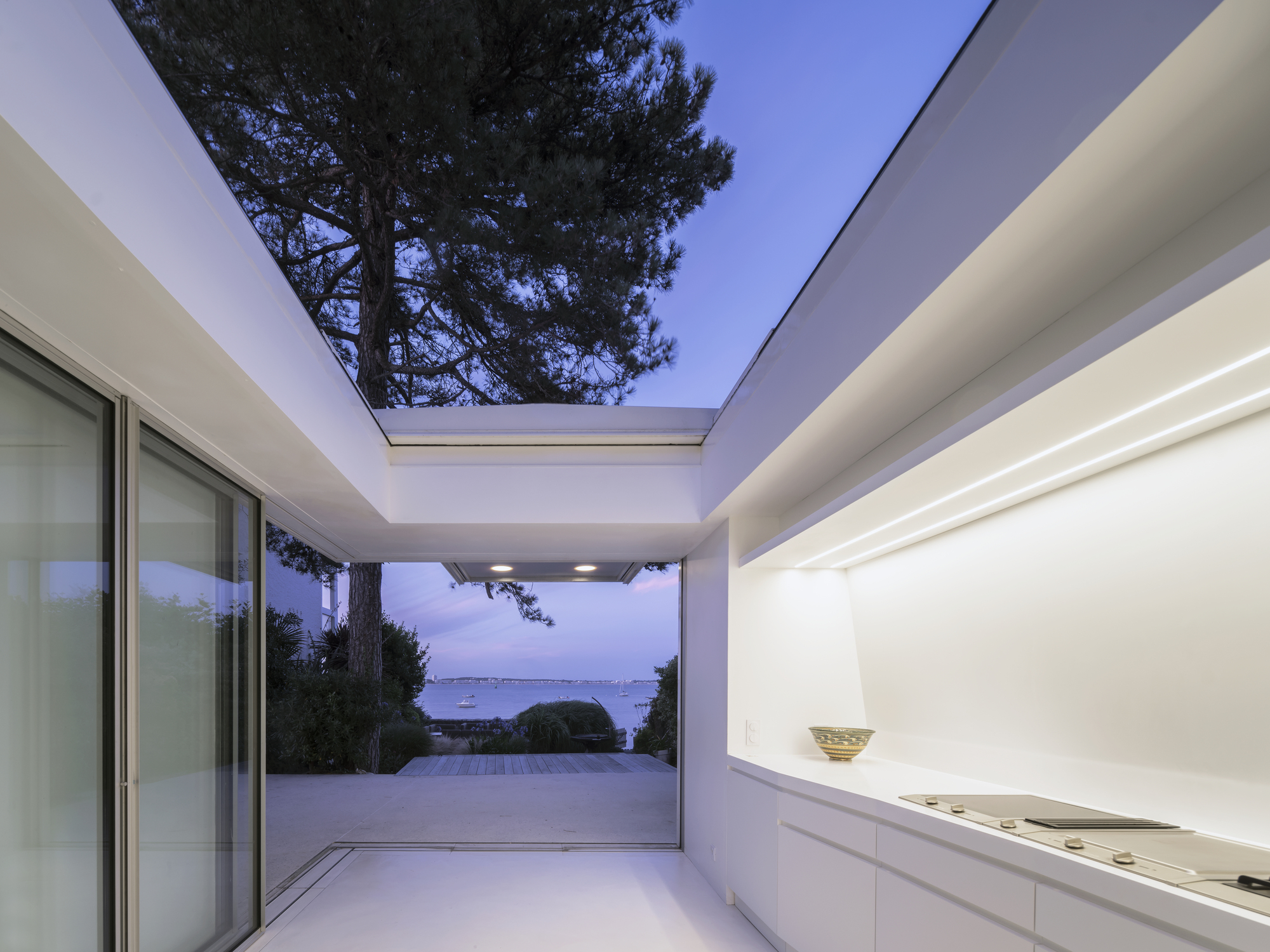
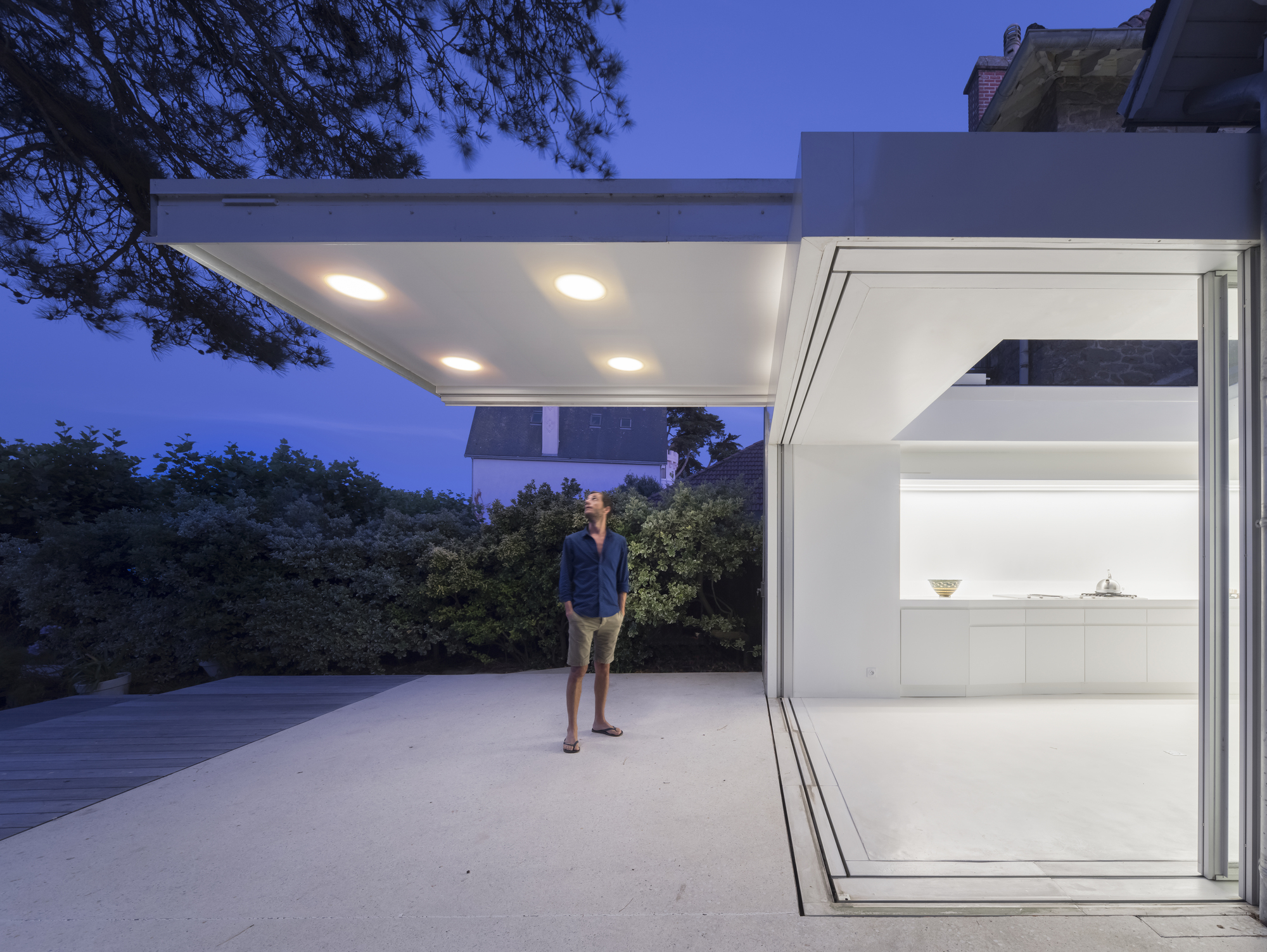
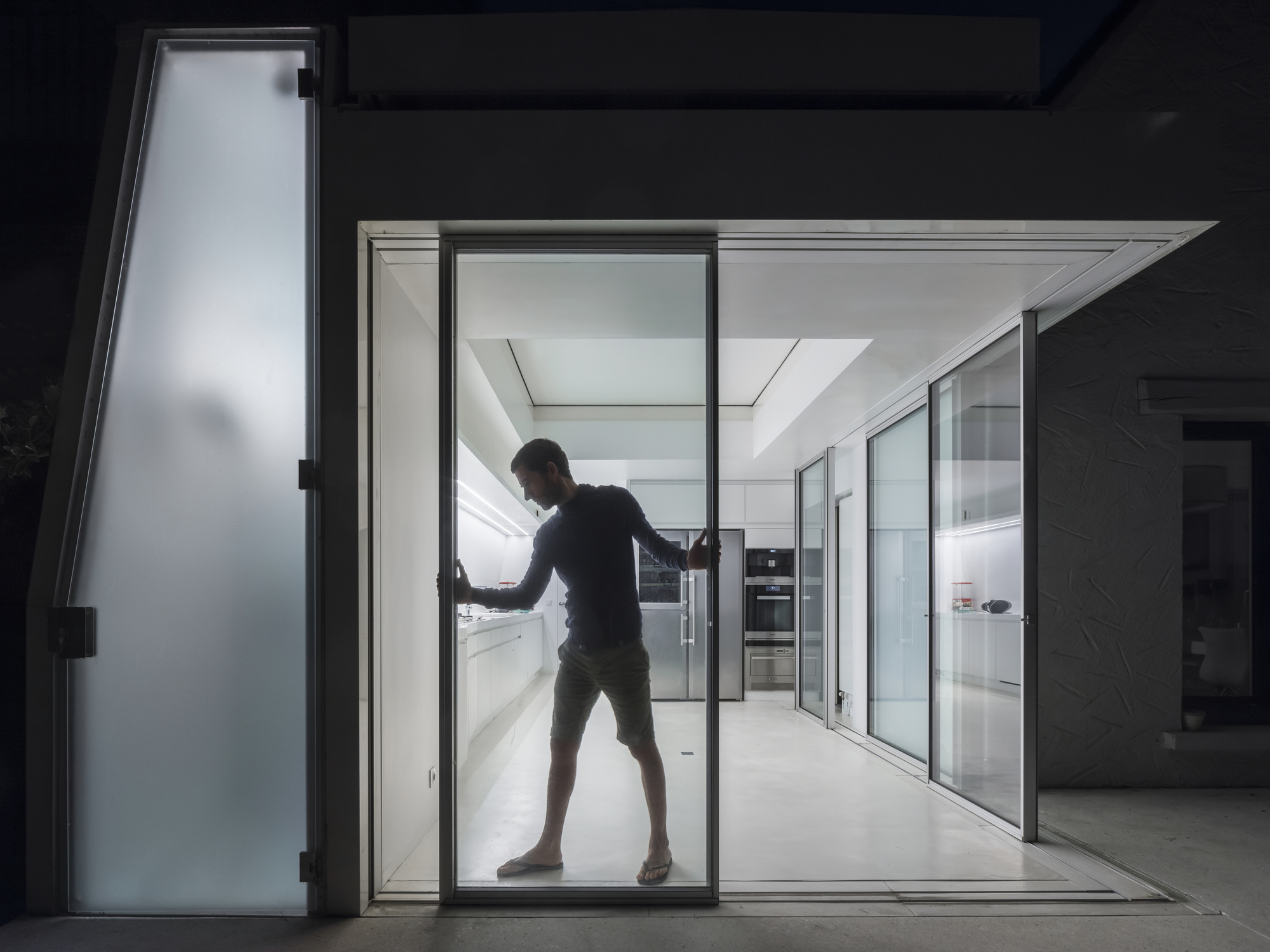
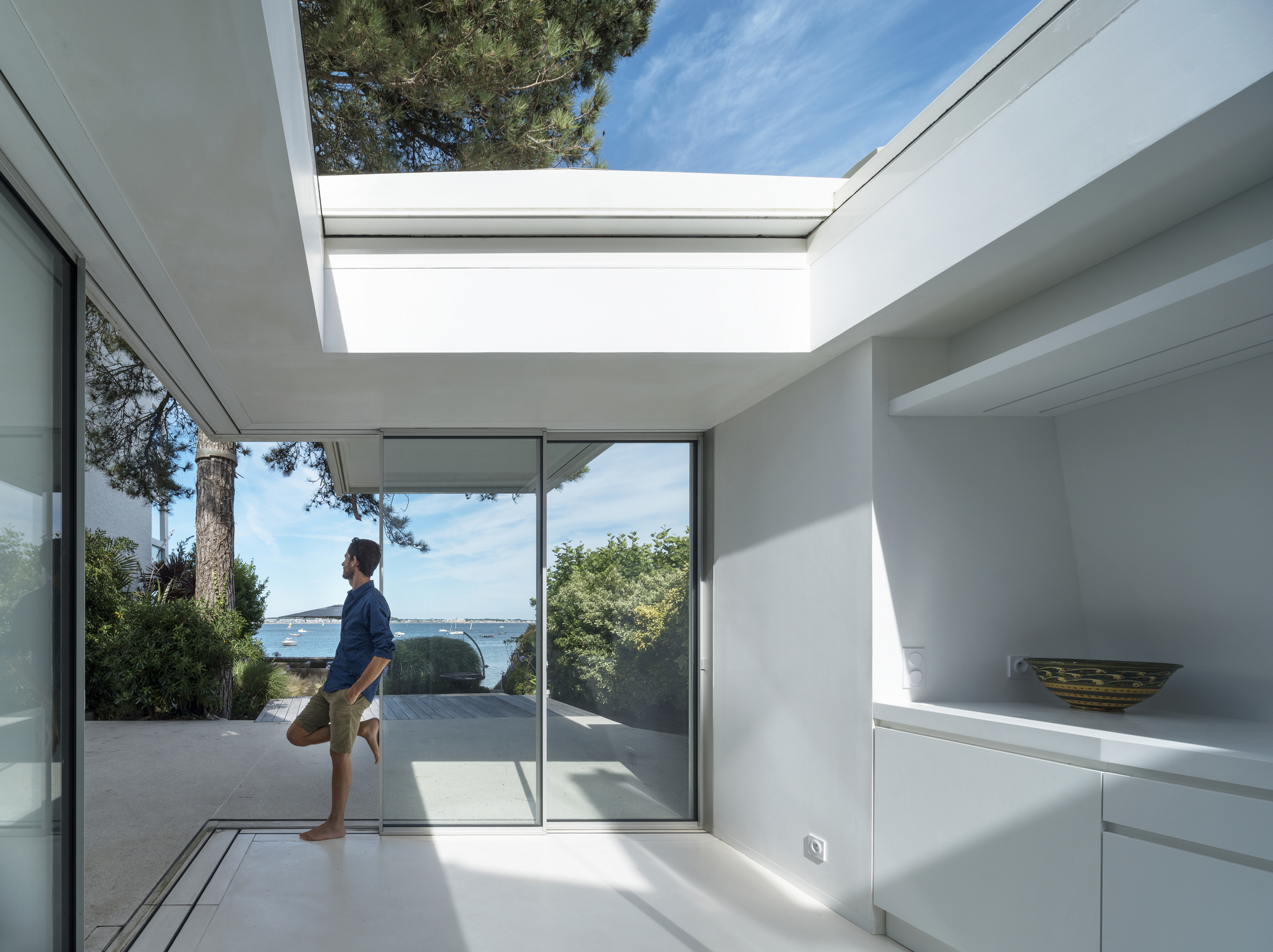
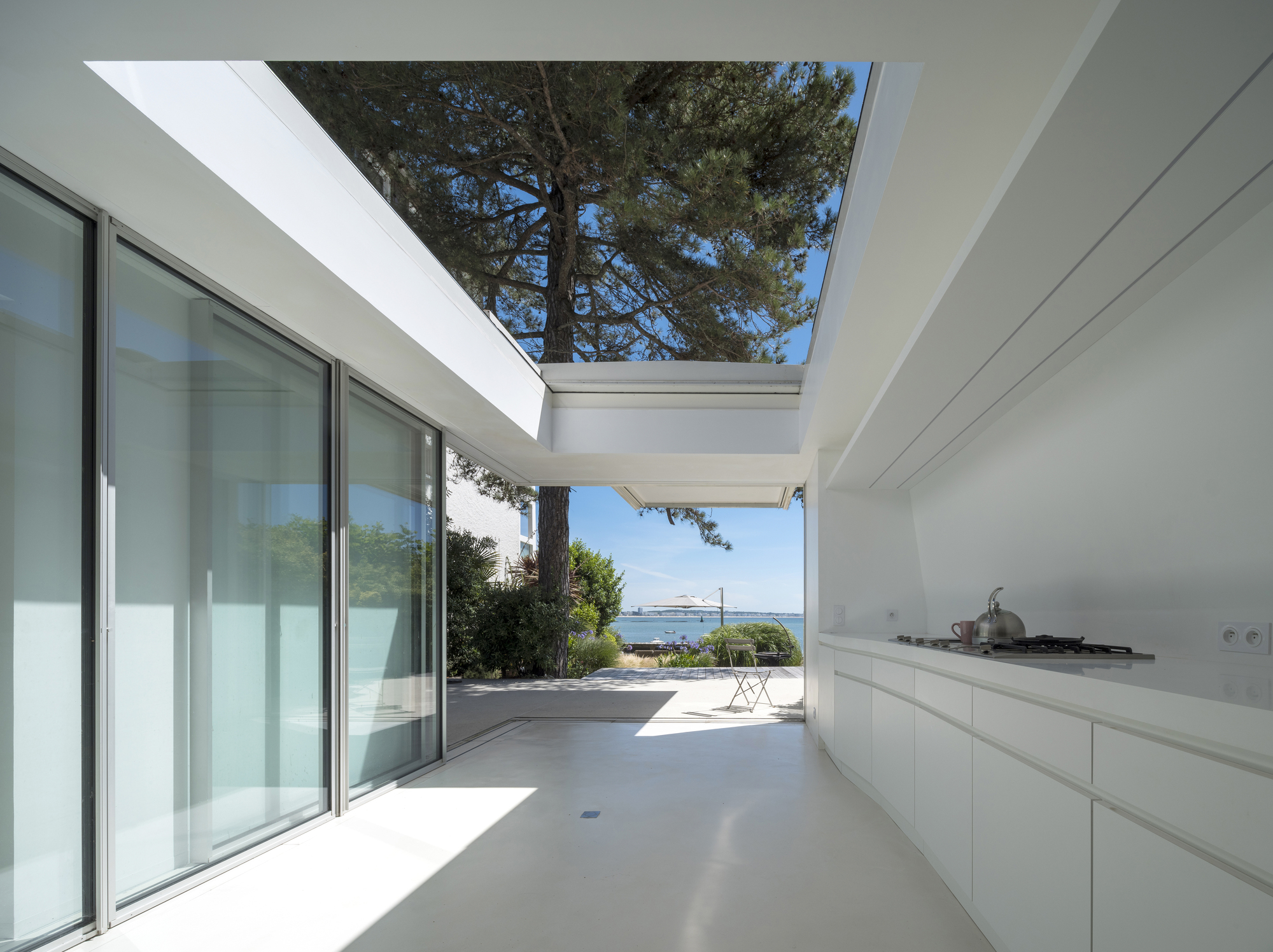
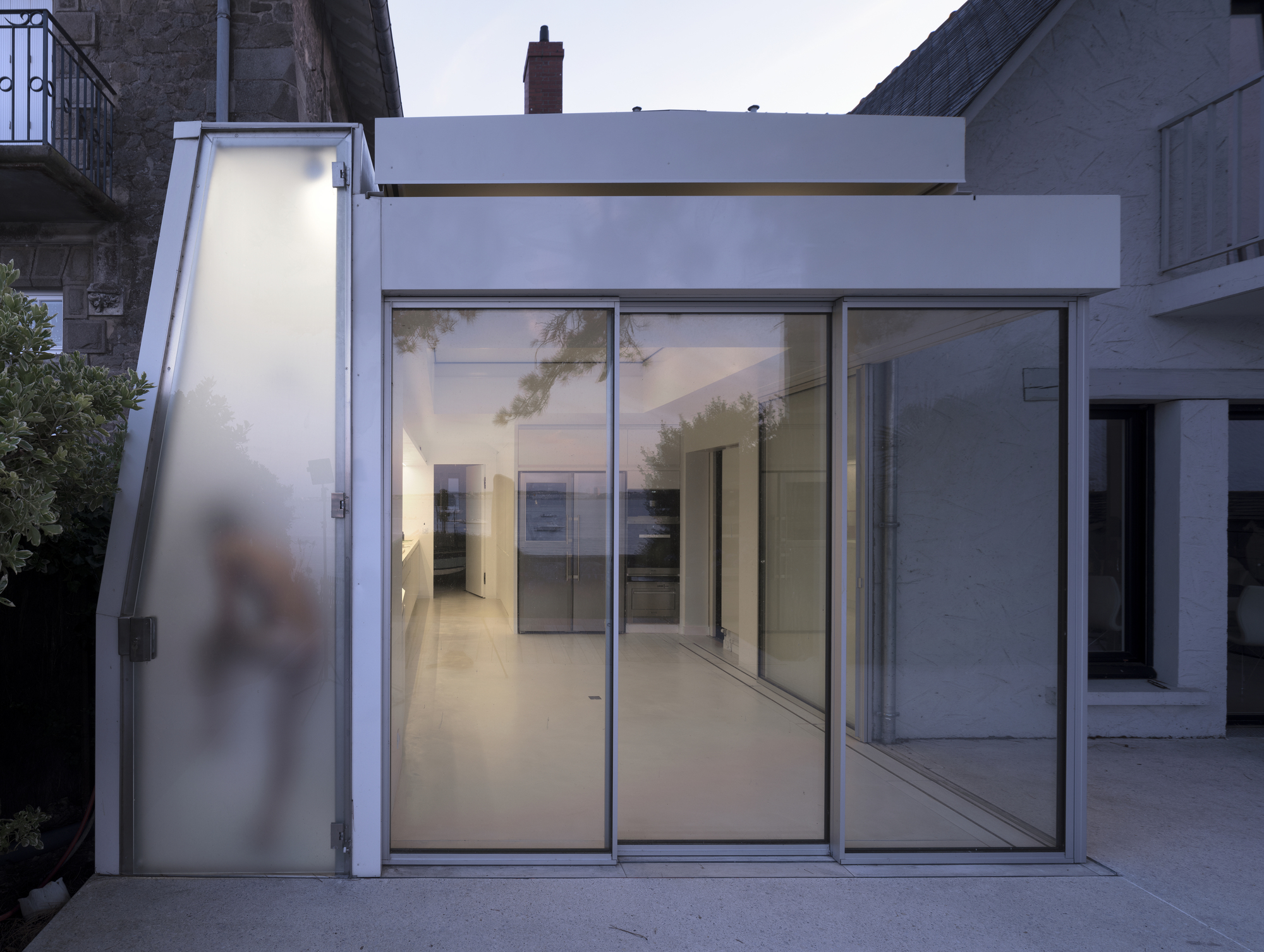
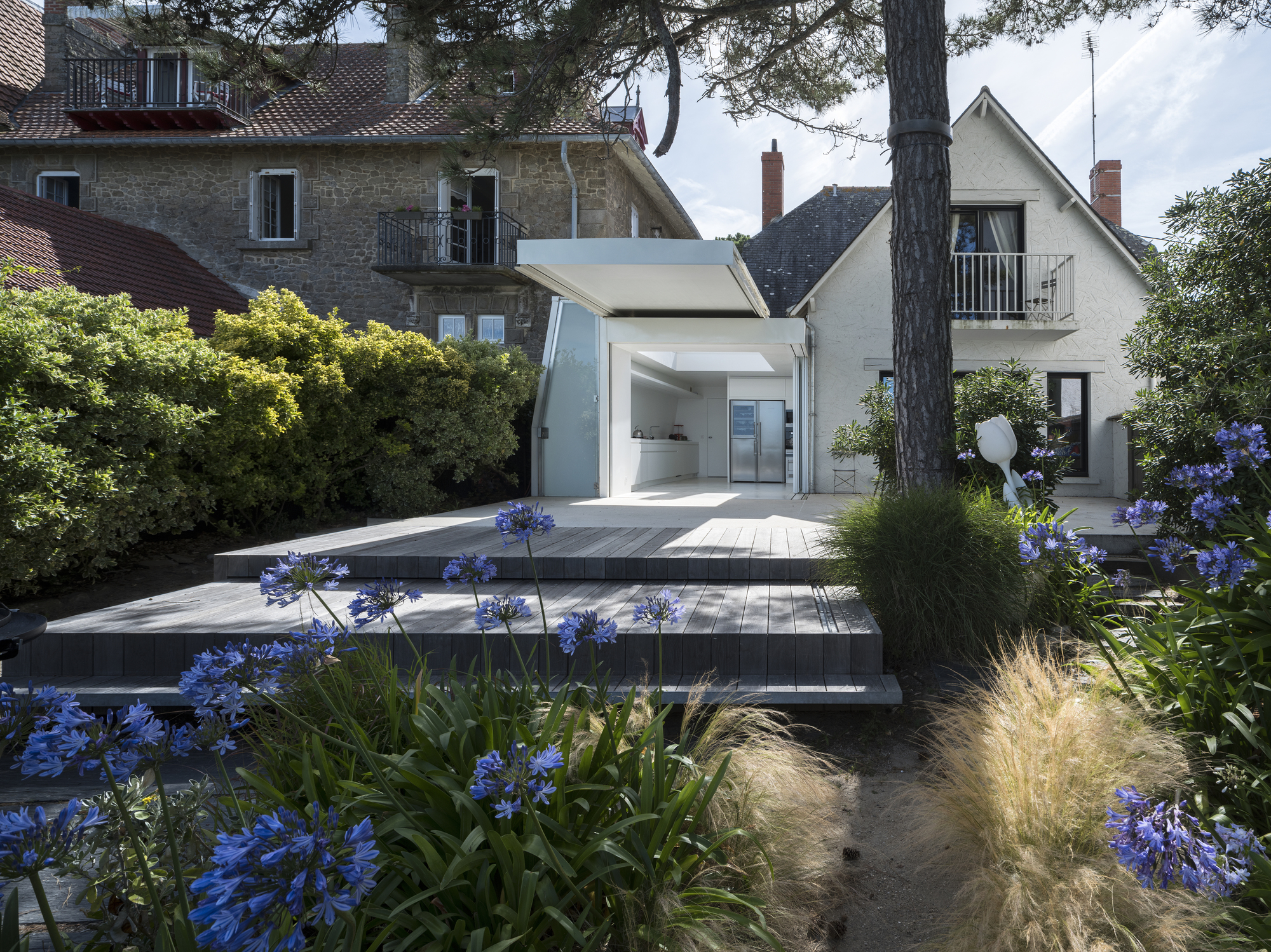
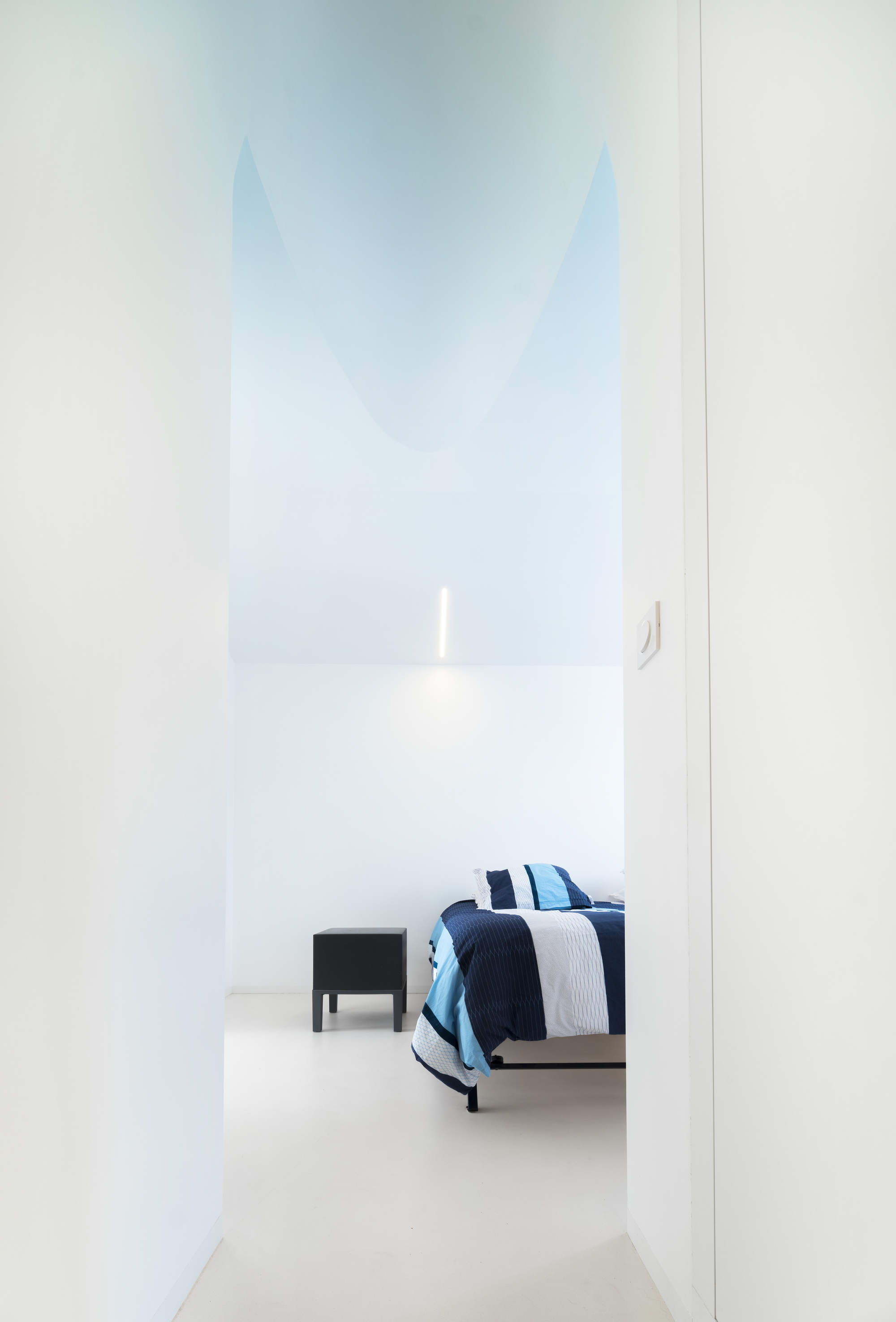
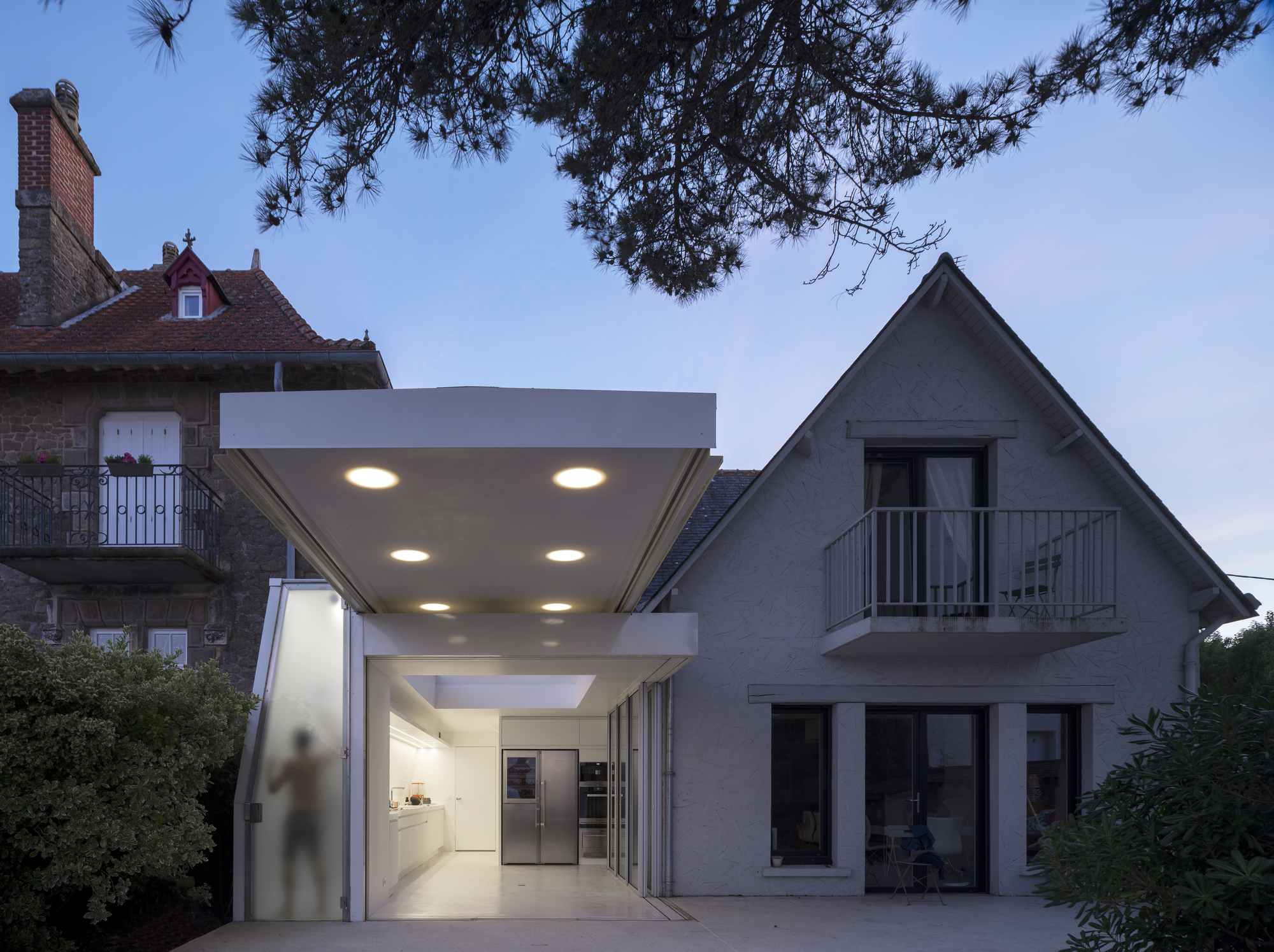
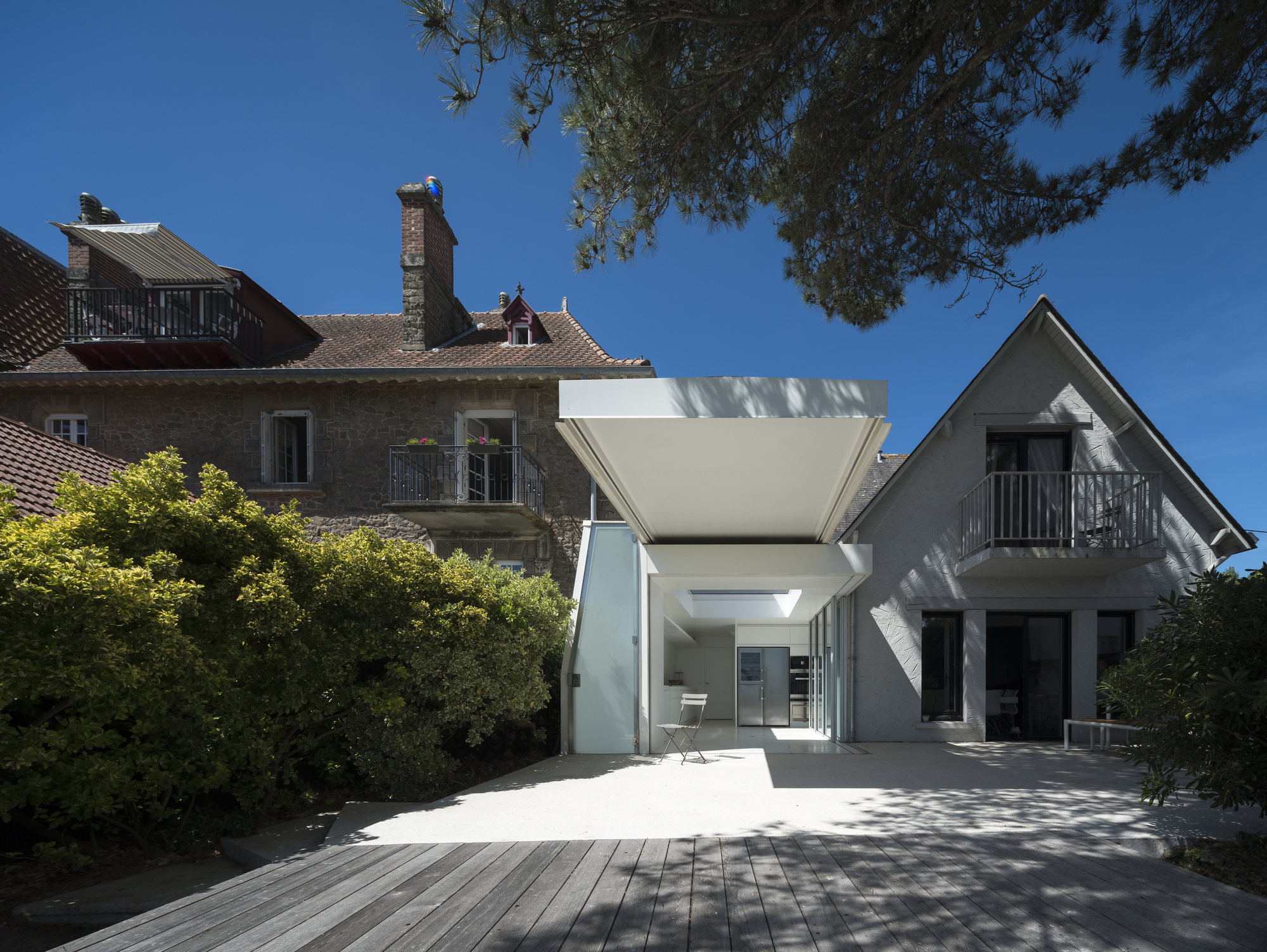
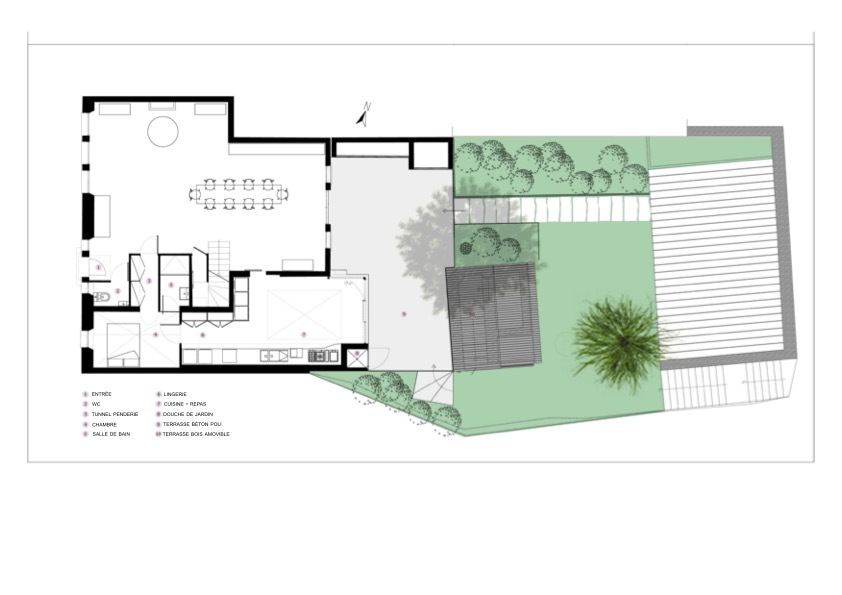
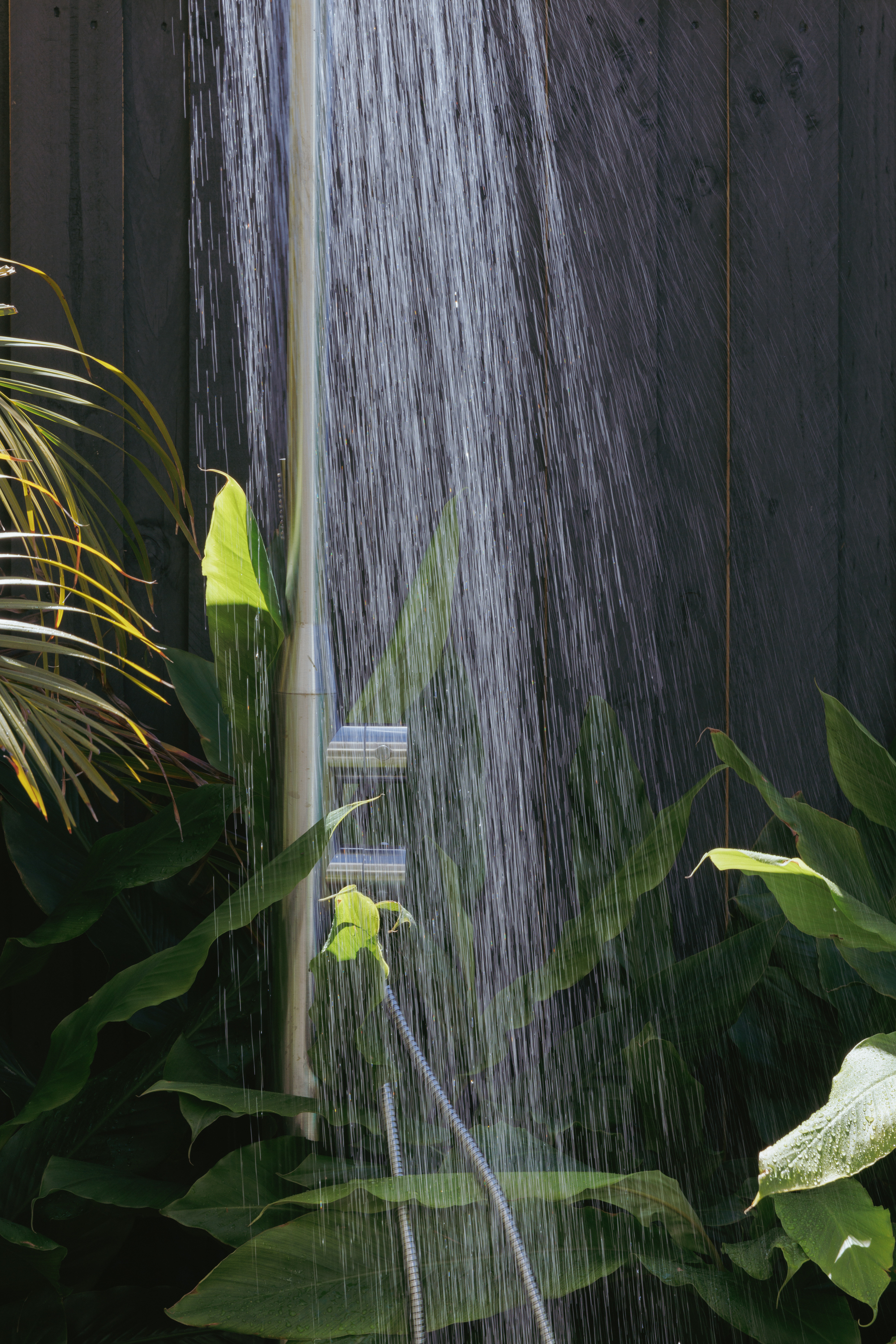
Topless House #architecture Architects: Avignon Architecte Area: 50 m² Year: 2020 Photographs: Sylvain Bonniol Lead Architects: Benjamin Avignon City: Le Pouliguen Country: France Located on the Atlantic coast, the topless house replaces a dilapidated veranda formerly adjoining the main vacation home. A small architectural gem, it offers its users multiple spatial configurations. Equipped with a removable roof, it reveals itself letting in the first rays of sunshine of the day. The roof overhang, defying the laws of gravity, acts as a cap extending the living space. The sliding bays equipped with the "turnable corner vitrocsa" system, can be manipulated and stored to leave the circulation free towards the raised terrace in polished concrete. The construction is then undressed of all its accessories. Stretching over 7 meters in length, the kitchen unit ends its run on a door leading to a master bedroom designed as a cottage with its roof with two slopes. Its interior geometry is disrupted by the access tunnel that links it to the main entrance of the house. This Hellenistic-looking passageway contains the closet. Equipped with a full bathroom, it looks like a hotel room. Outside, a removable deck covers and uncovers a staircase leading under the ramparts and giving direct access to the beach. Back from swimming, the happy vacationers use the outdoor shower with a huge sandblasted glass door. In the evening, the resin underside of the mobile roof, whether closed or open, illuminates its users. The topless house takes us from "Genius Loci" to "Genius Lucky".
White House  #architecture Location: Cape Town, South Africa Interior Designers: ARRCC
Photographs: James Silverman
Manufacturers:  Minotti, Pierre Cronje, Riva 1920
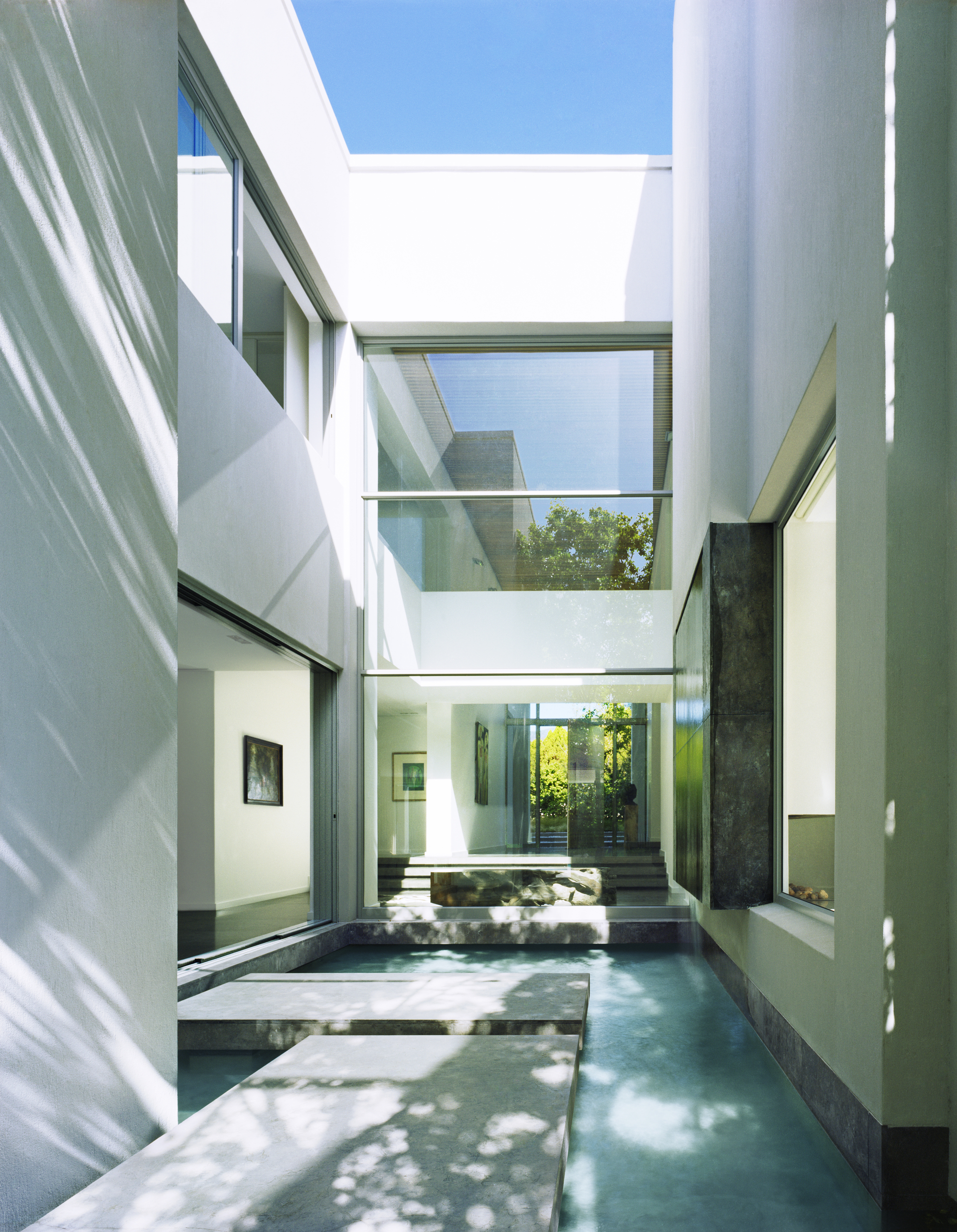
Lead Architects: SAOTA Located in a luxury residential estate in Cape Town’s Constantia Valley, this home exudes self‐assured sophistication through a minimalist approach. The initial architecture conceptualized by Vivid Architects was refined and developed by leading South African Architecture firm SAOTA. It reveals a dramatic façade, with a honed stone floor and wall slabs lending themselves to the bold aesthetic. Tasked to create an interior that could confidently fit into this dominant setting, and working closely with the owners, Mark Rielly, of interior design studio ARRCC, reveled in the challenge. ‘I was conscious of not letting the furnishings compete with the architecture, but I also didn’t want them to take a back seat,’ says Mark, who selected a neutral palette to achieve his objective. Taking full advantage of the myriad glass panes and open volumes allowing daylight to stream through the home, Mark allowed this choice of natural hues to be engulfed in the sunshine, accentuating the stark white walls and the green outdoors filtering through the oversized‐window views. In the gallery‐like corridor, the client’s personal art pieces become focal accents. On the upper level, a bridge links the passageway to bedrooms and bathrooms that provide sanctuaries of respite in their muted tones. Warm wooden wall paneling, guinea fowl‐feather lampshades, and patterned marble define this peaceful luxury. In the casual living space, a touch of African minimalism presides, too, with brown leather sofas and the Client’s existing ottomans decorated with zebra stripes maintaining eye‐catching intrigue. Where volumes could appear overwhelming, they have been cozied up – the slatted timber ceiling within the double‐volume entrance divides the overhead space while allowing shards of light to penetrate it from the skylight above. Such shadow play continues in the dining room, where a Venetian glass lighting feature, resembling a cascading waterfall, reflects and refracts rainbows of illumination across the open‐plan living area. ‘The aim was to create a contemporary space that was comfortable in its minimalism,’ explains Mark of the uncluttered living room interior that is at once chic and welcoming. Large, angular leather sofas are offset by rounded solid‐timber coffee tables and a Riva cedarwood swivel chair, while the brazenness of the clad honed stone fireplace finds solace in the softness of flowing linen curtains and plush woolen rugs. Such textural appeal continues around the dining area, where Sisal wallpaper complements a French oak table by master craftsman Pierre Cronje. The organic edges of this centerpiece are contrasted by linear suede seating by Minotti, maintaining visual appeal through the curvature of each piece of furniture. By adding plant life indoors, the flow between inside and out is uncoerced, aided by the echoing of wood in both spaces – the living area’s dark stained oak flooring and the iroko timber tables and benches outdoors. ‘A casual holiday feeling is aroused when stepping out onto the undercover patio,’ says Mark of the area that offers alternative options for dining, entertaining and relaxing. Positioned in such a way as to fully enjoy the swimming pool and verdant garden beyond, it’s here that one again appreciates the marriage of pronounced architecture and equally assertive interiors.
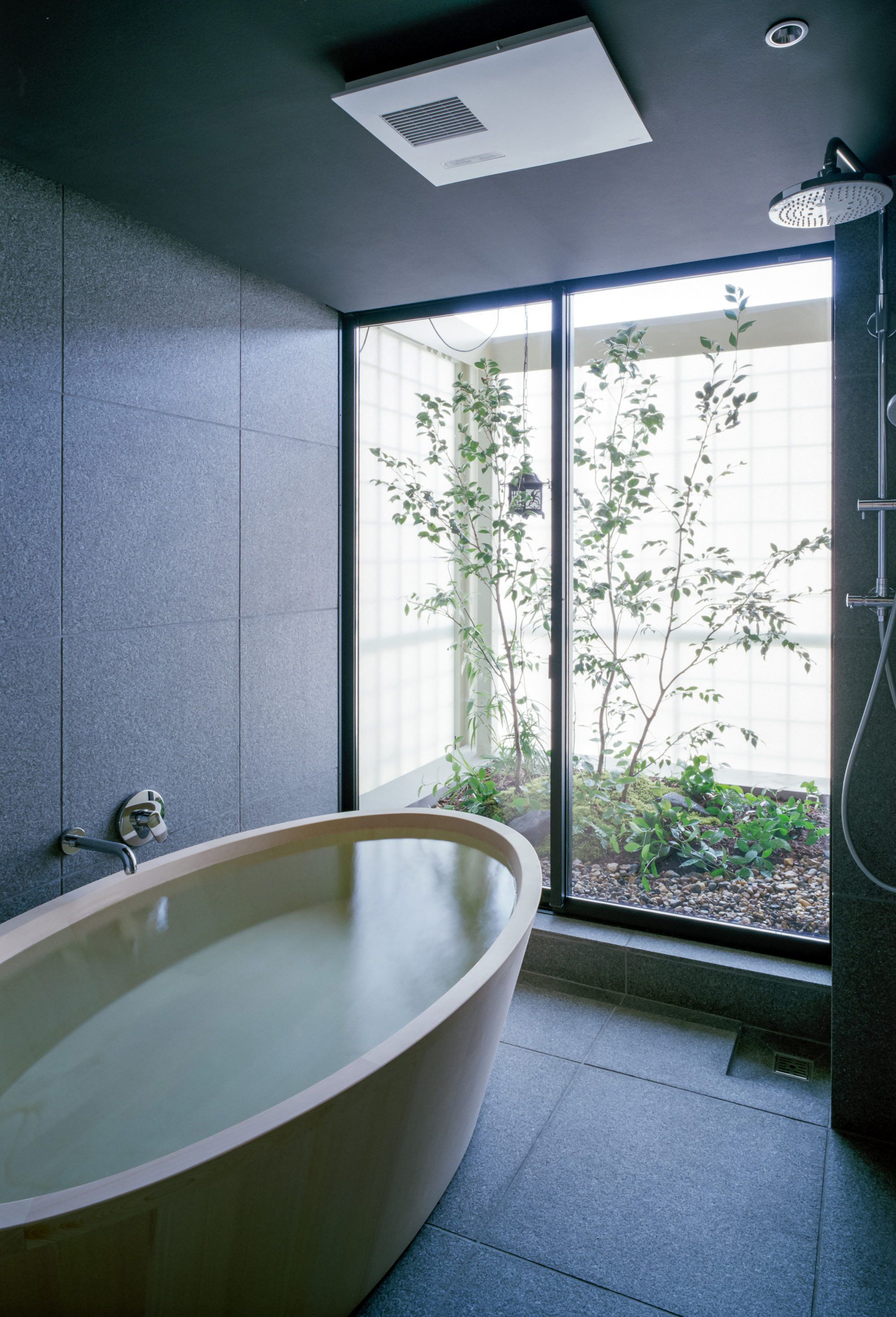
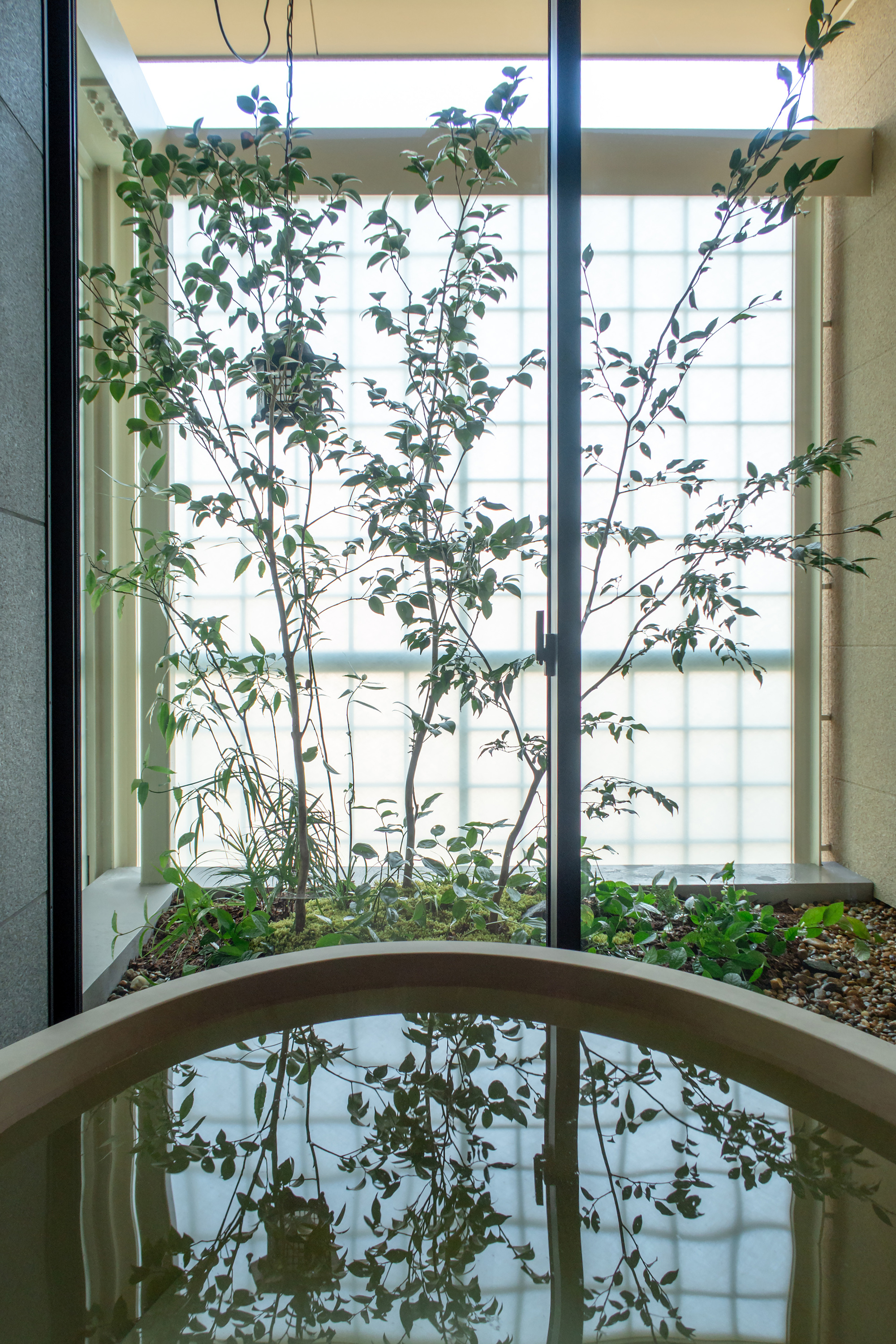
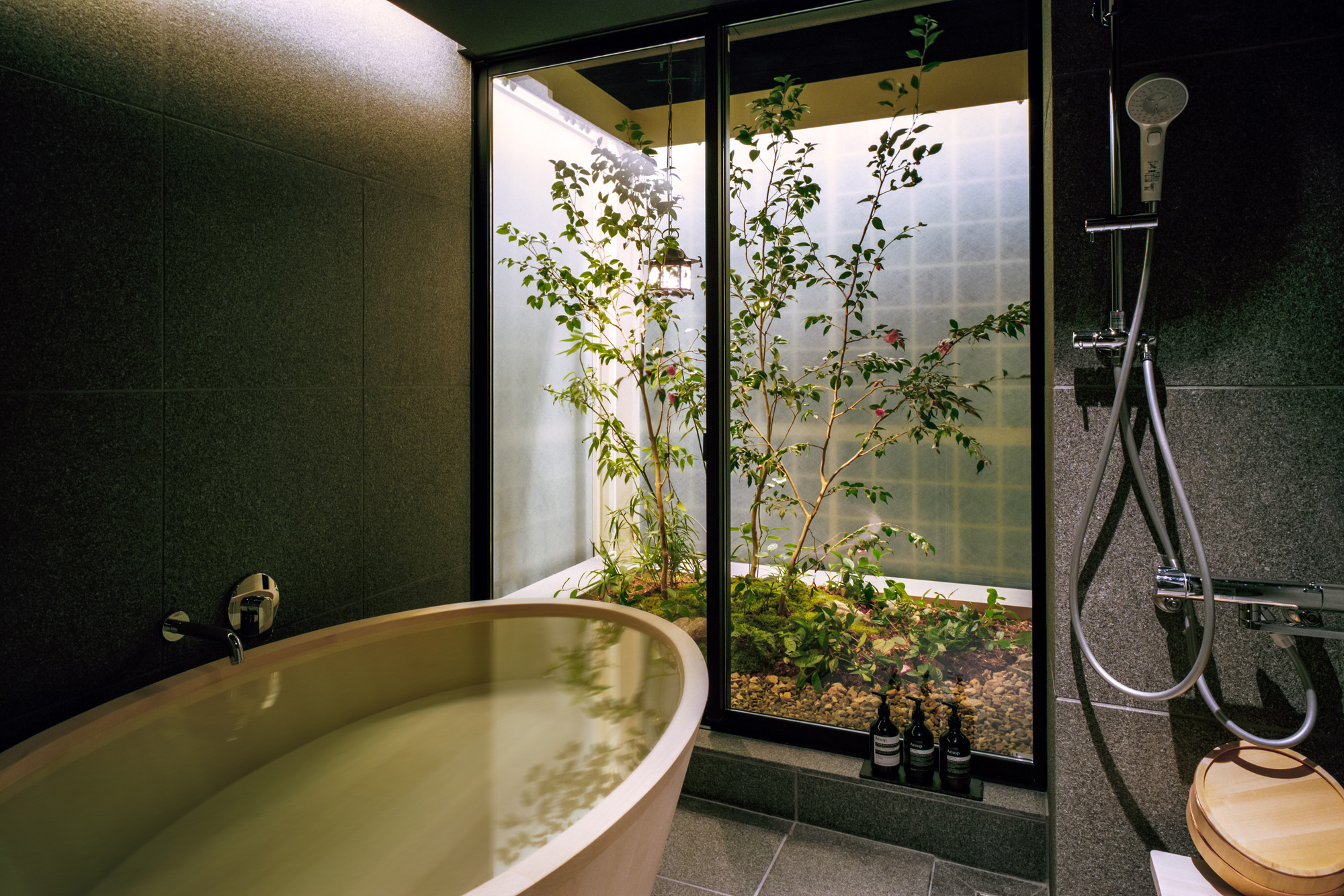
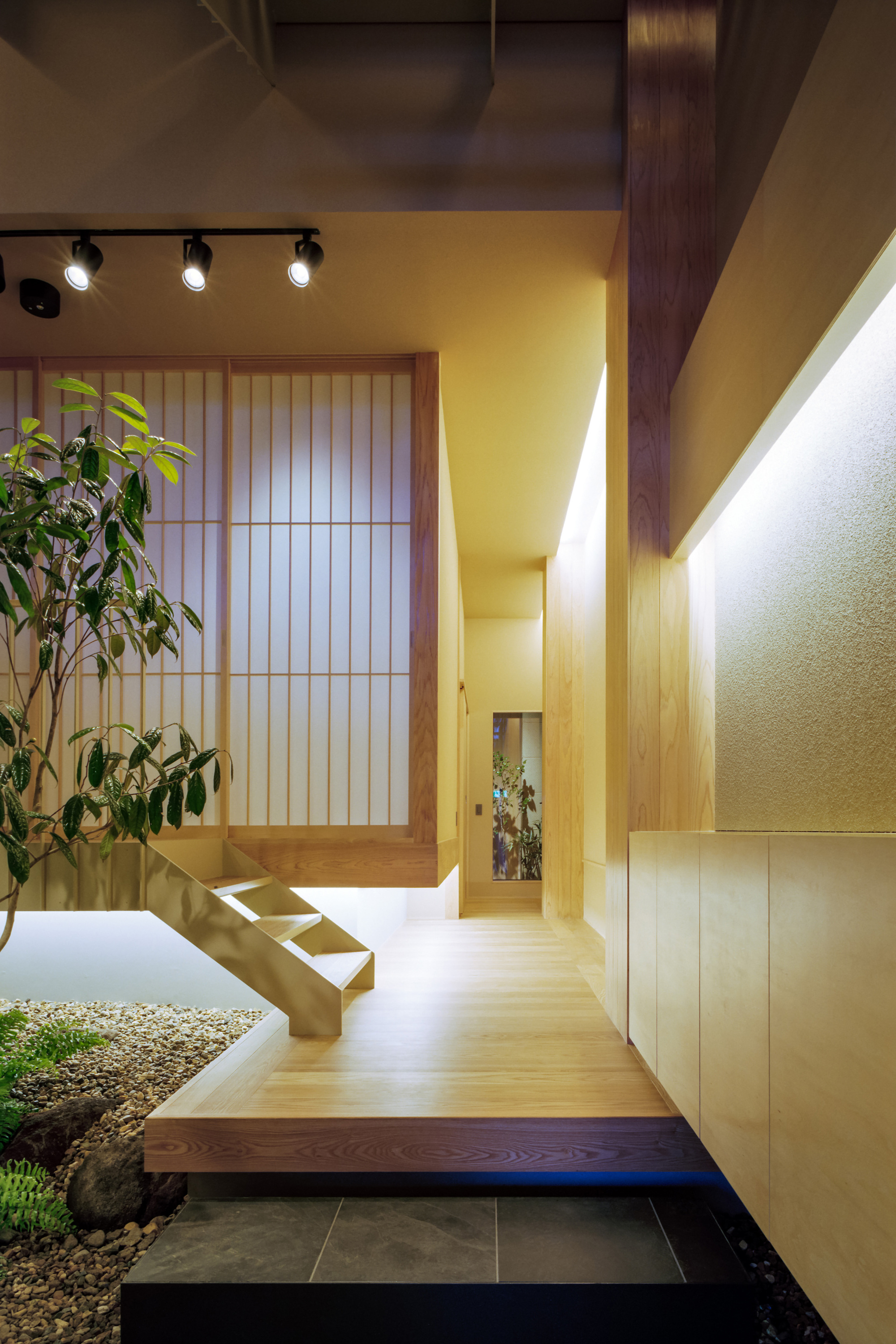
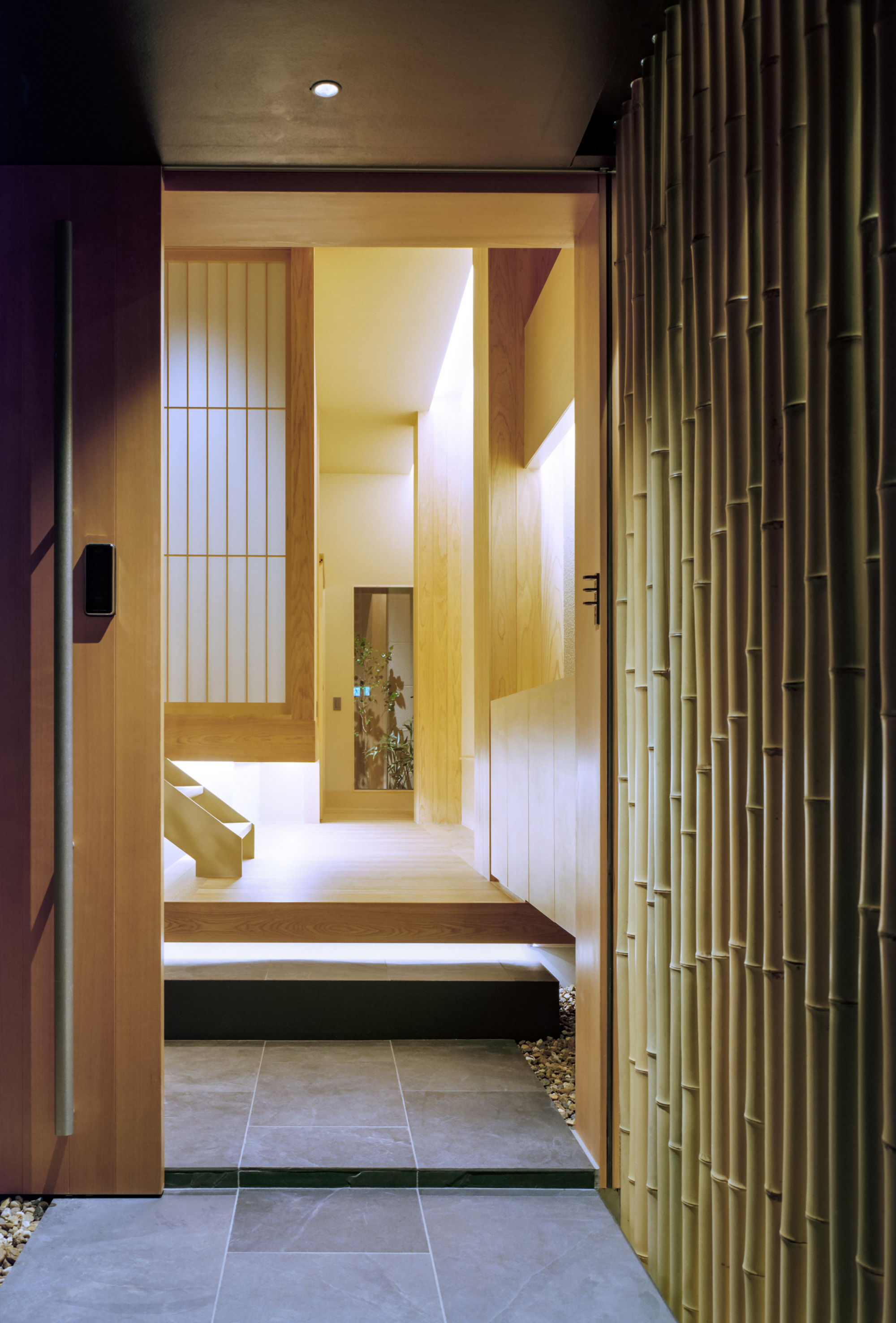
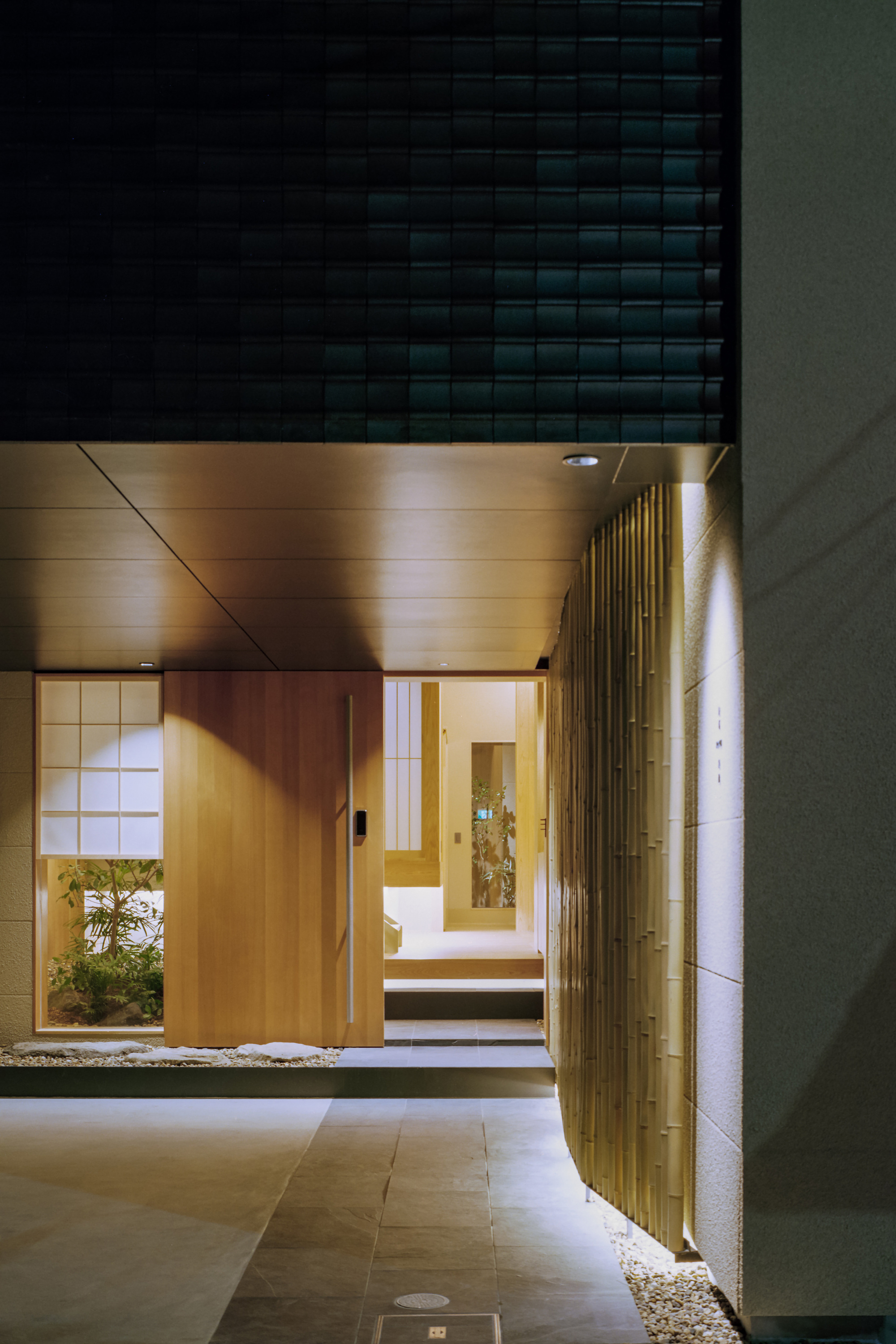
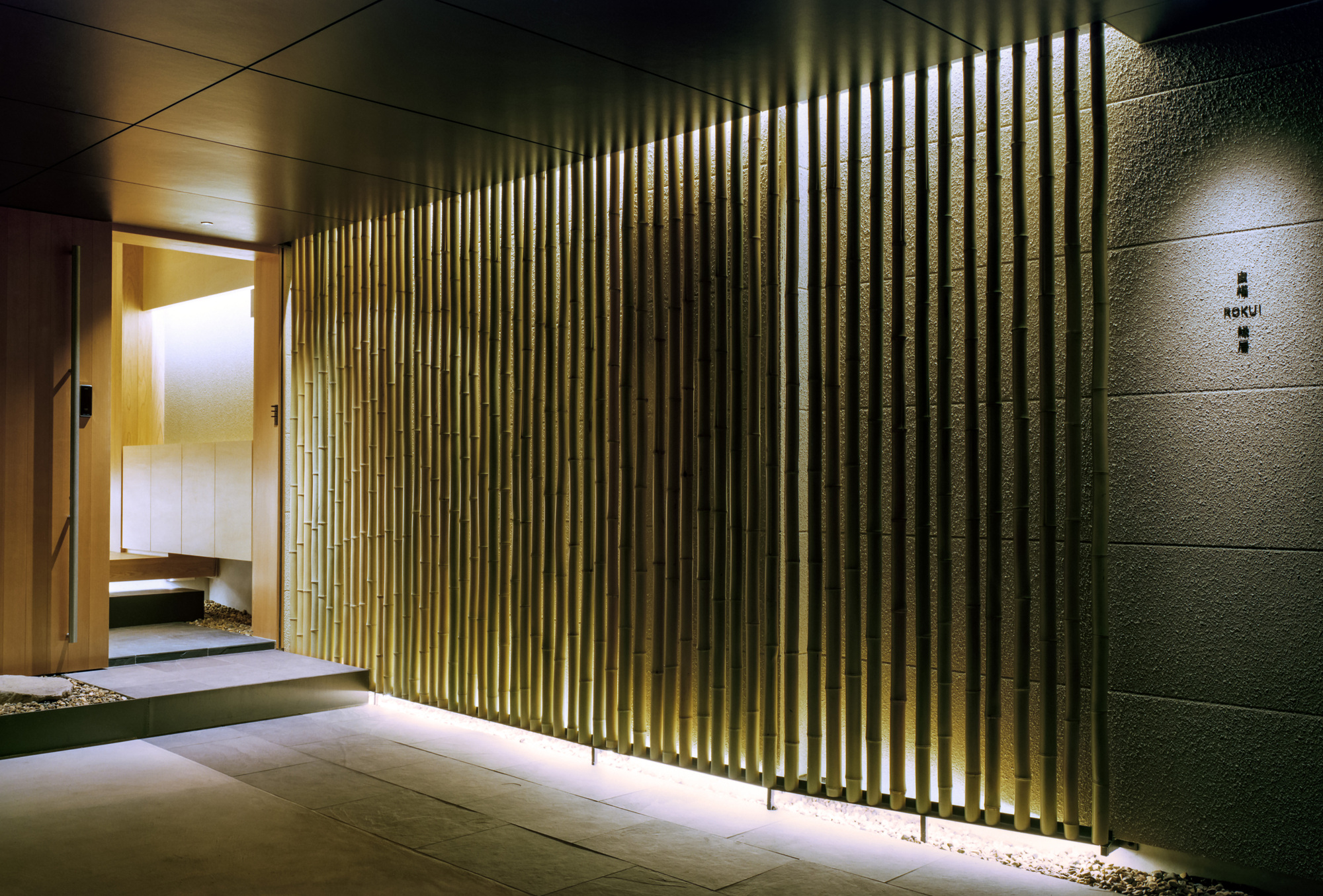
Private lodging in Minato-ku #architecture Architects: FujiwaraMuro Architects Area: 65 m² Year: 2025 Photographs: Katsuya Taira(studioREM) City: Osaka Country: Japan
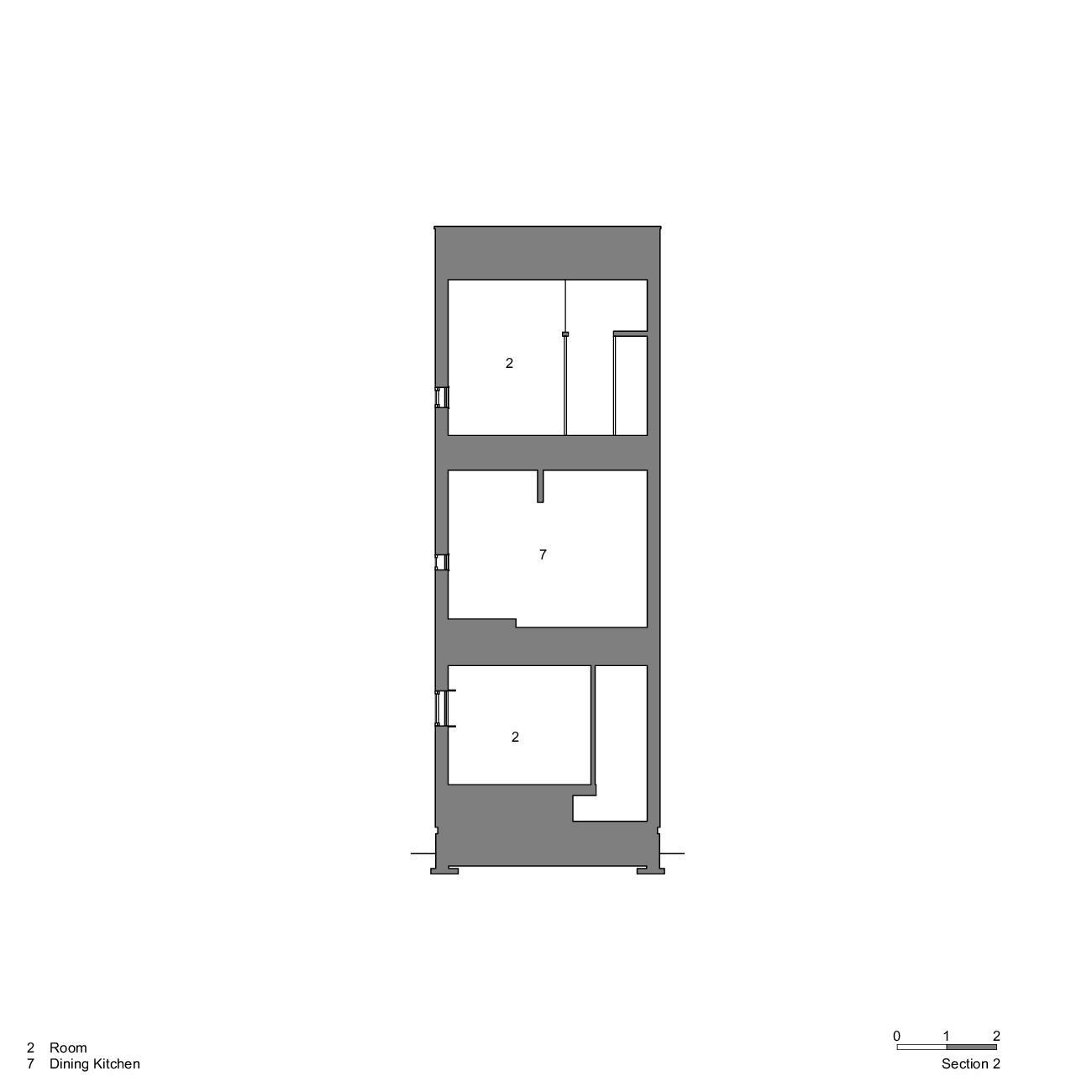
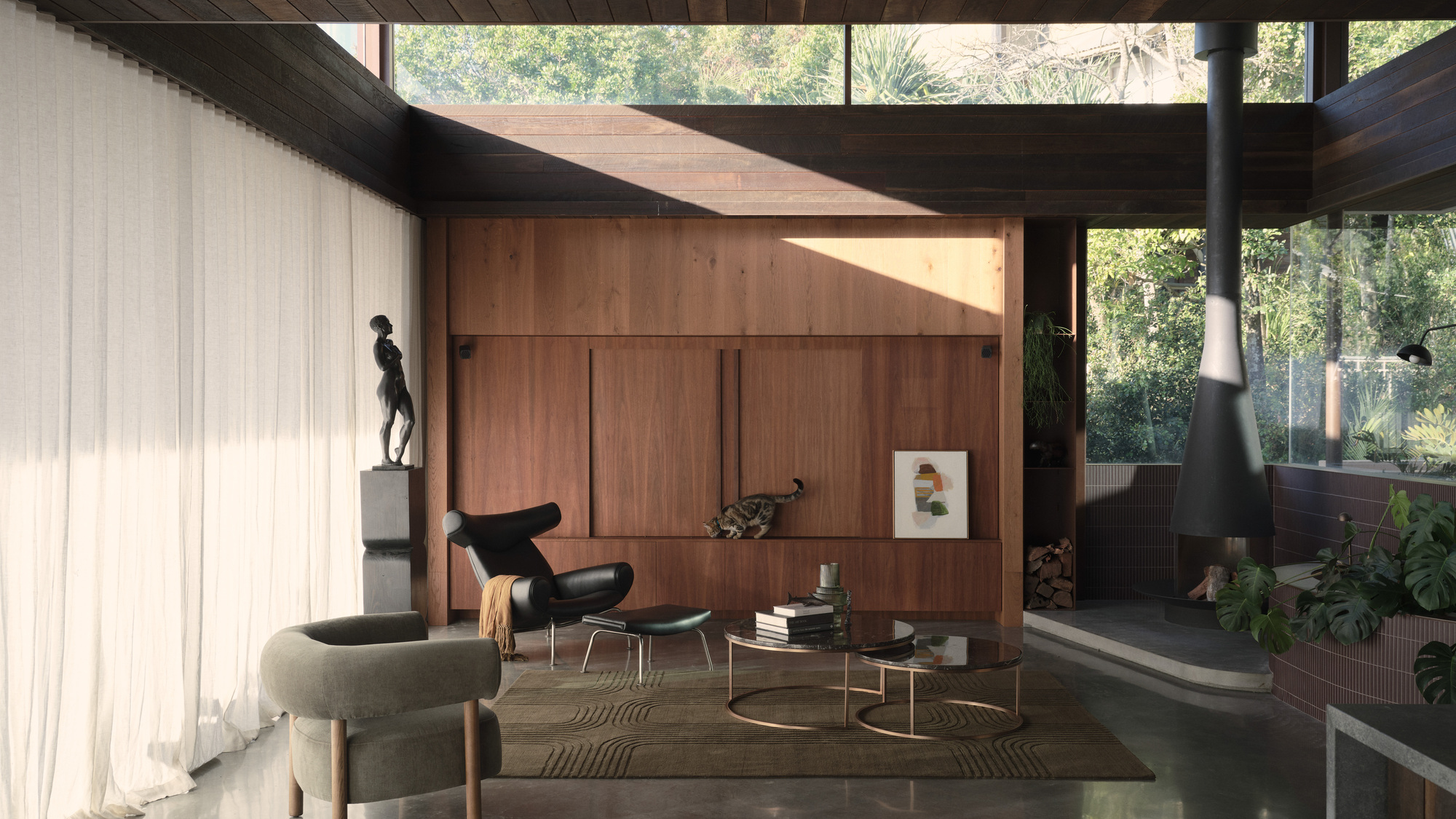
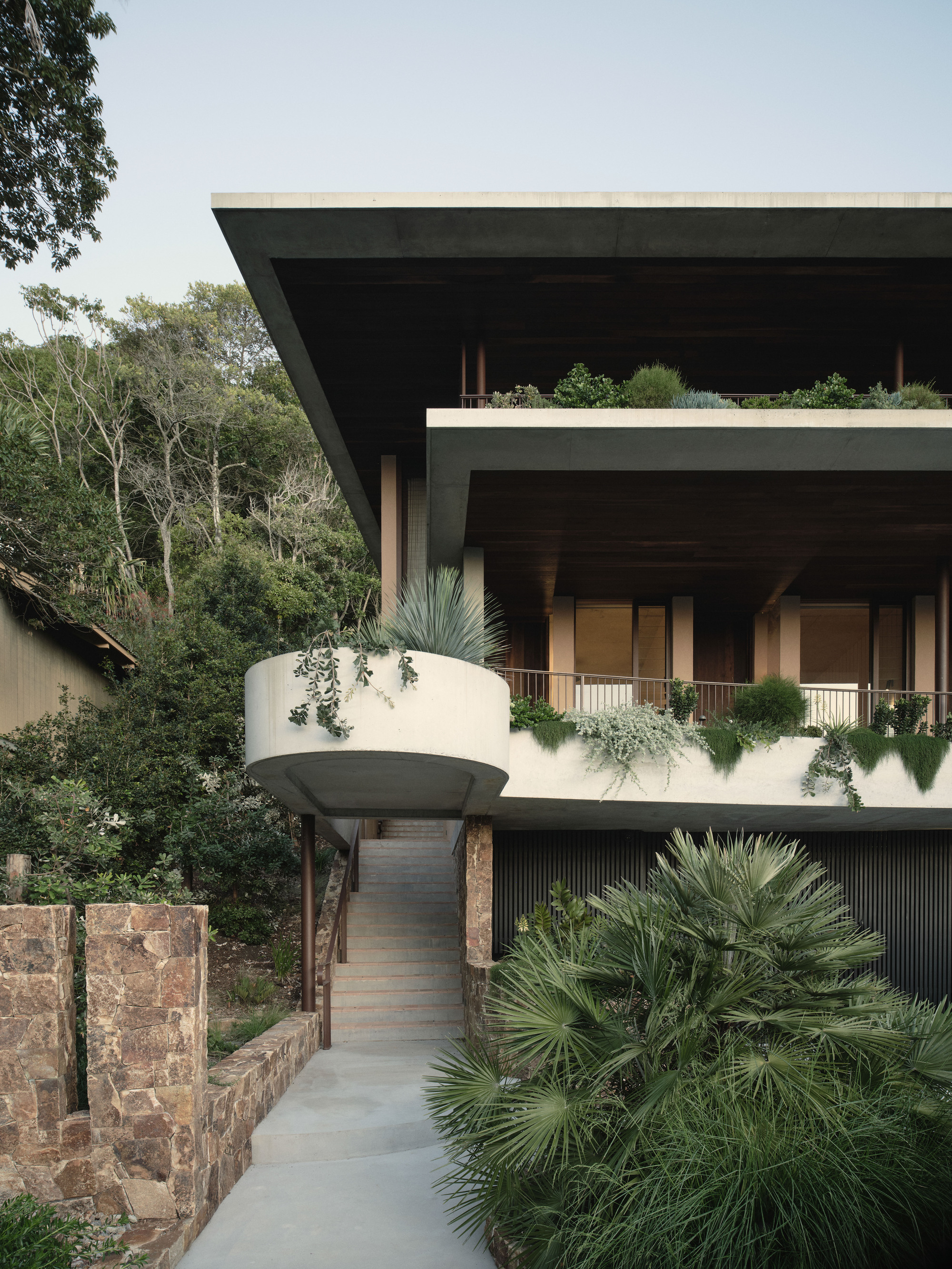
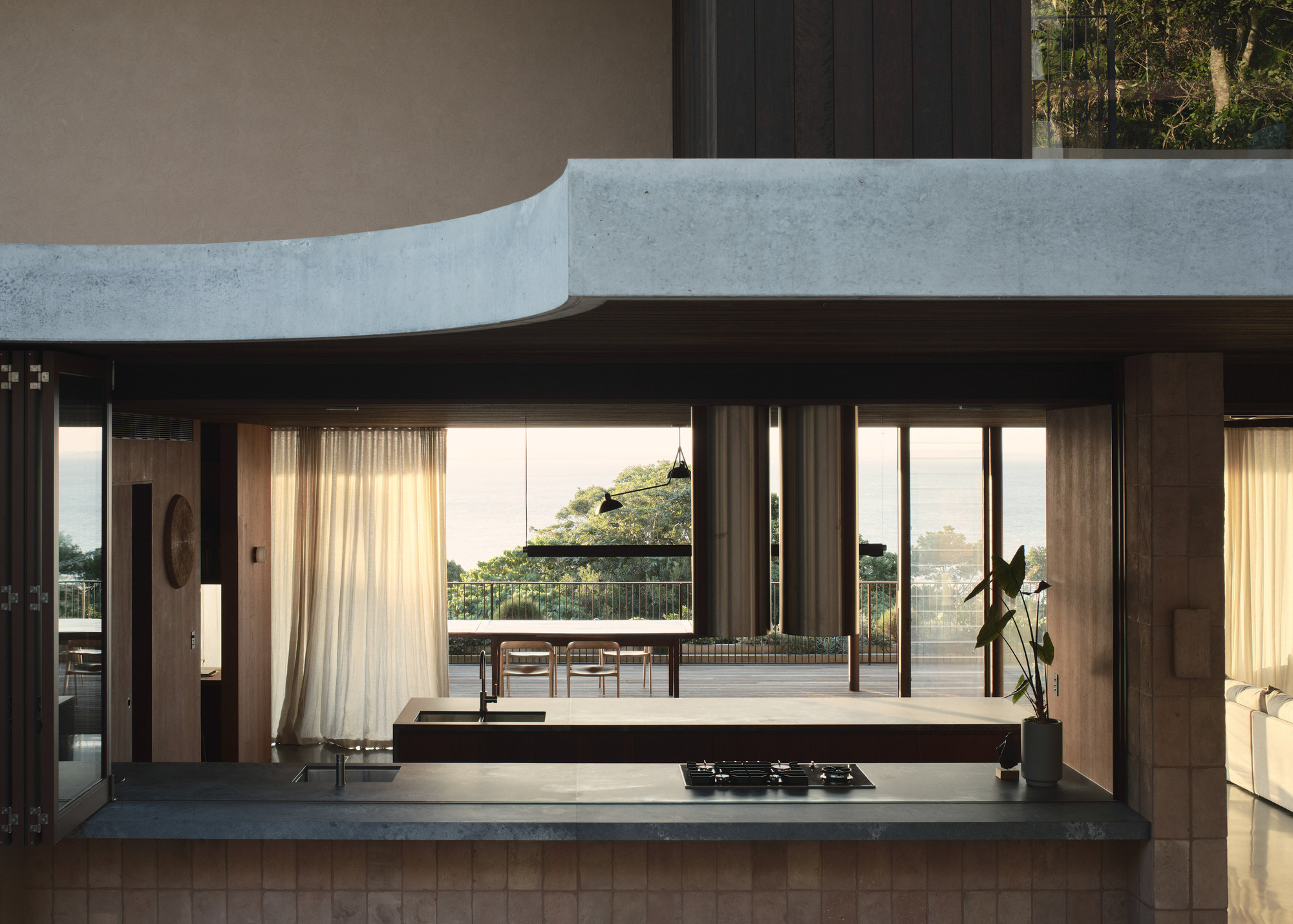
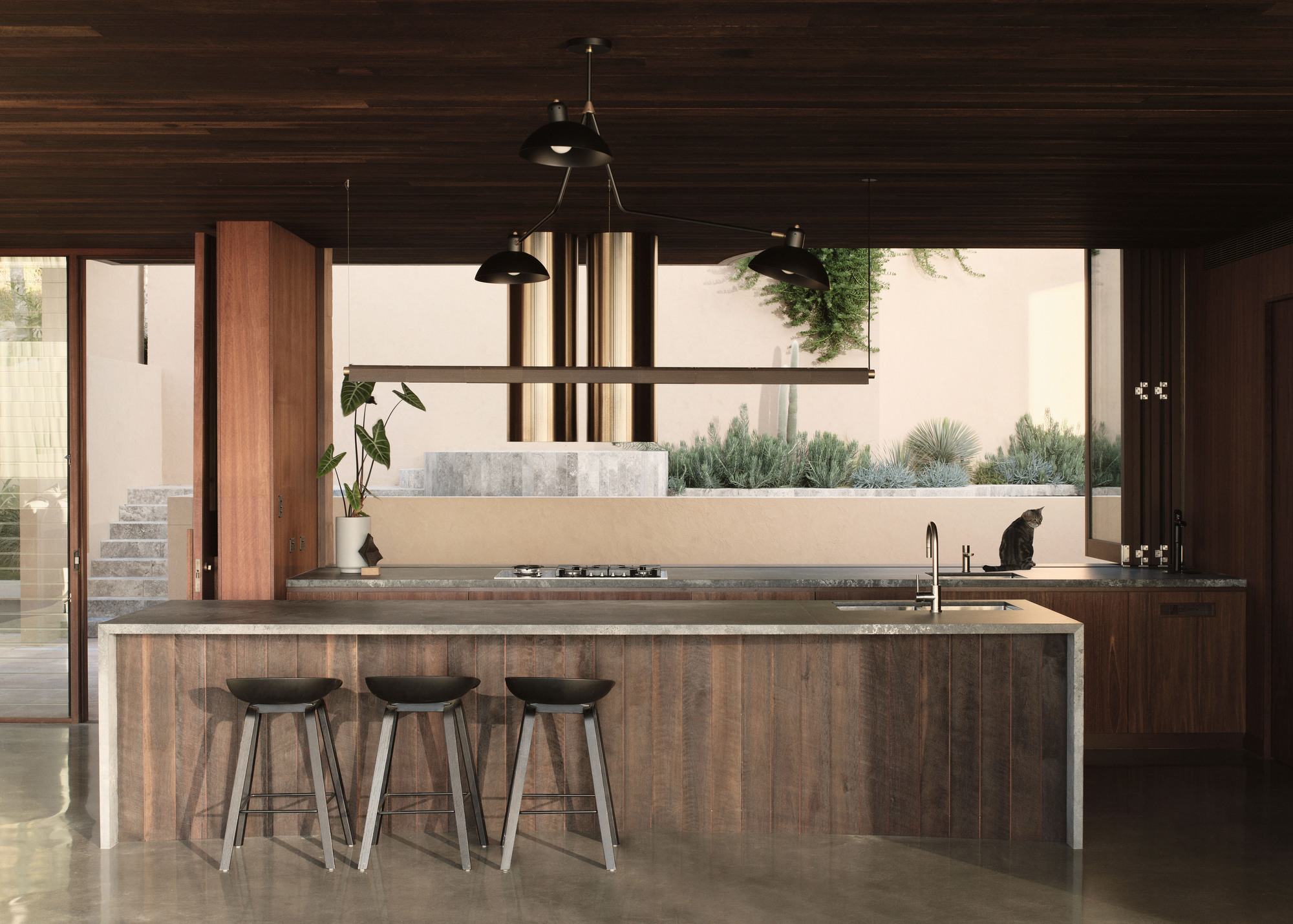
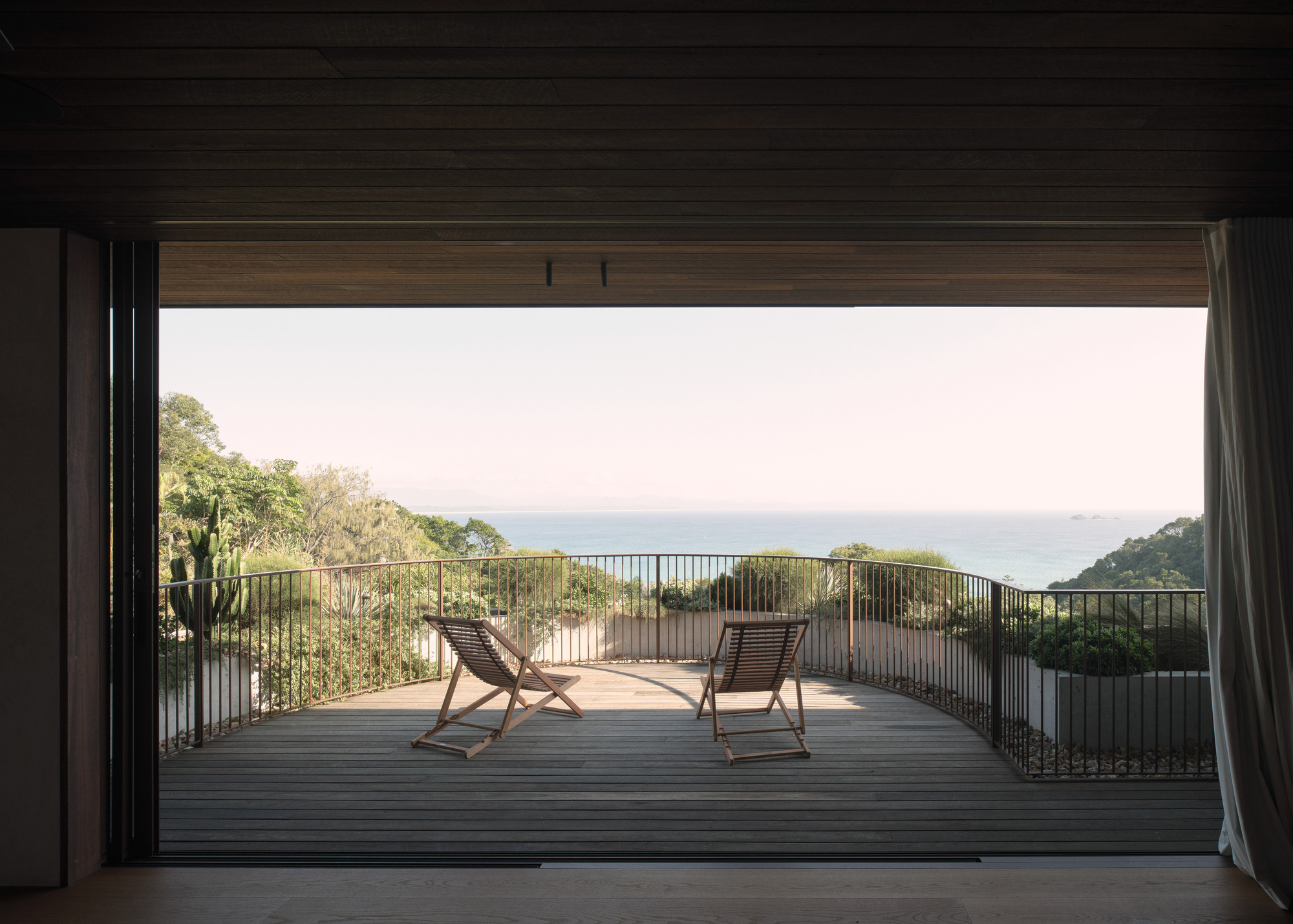
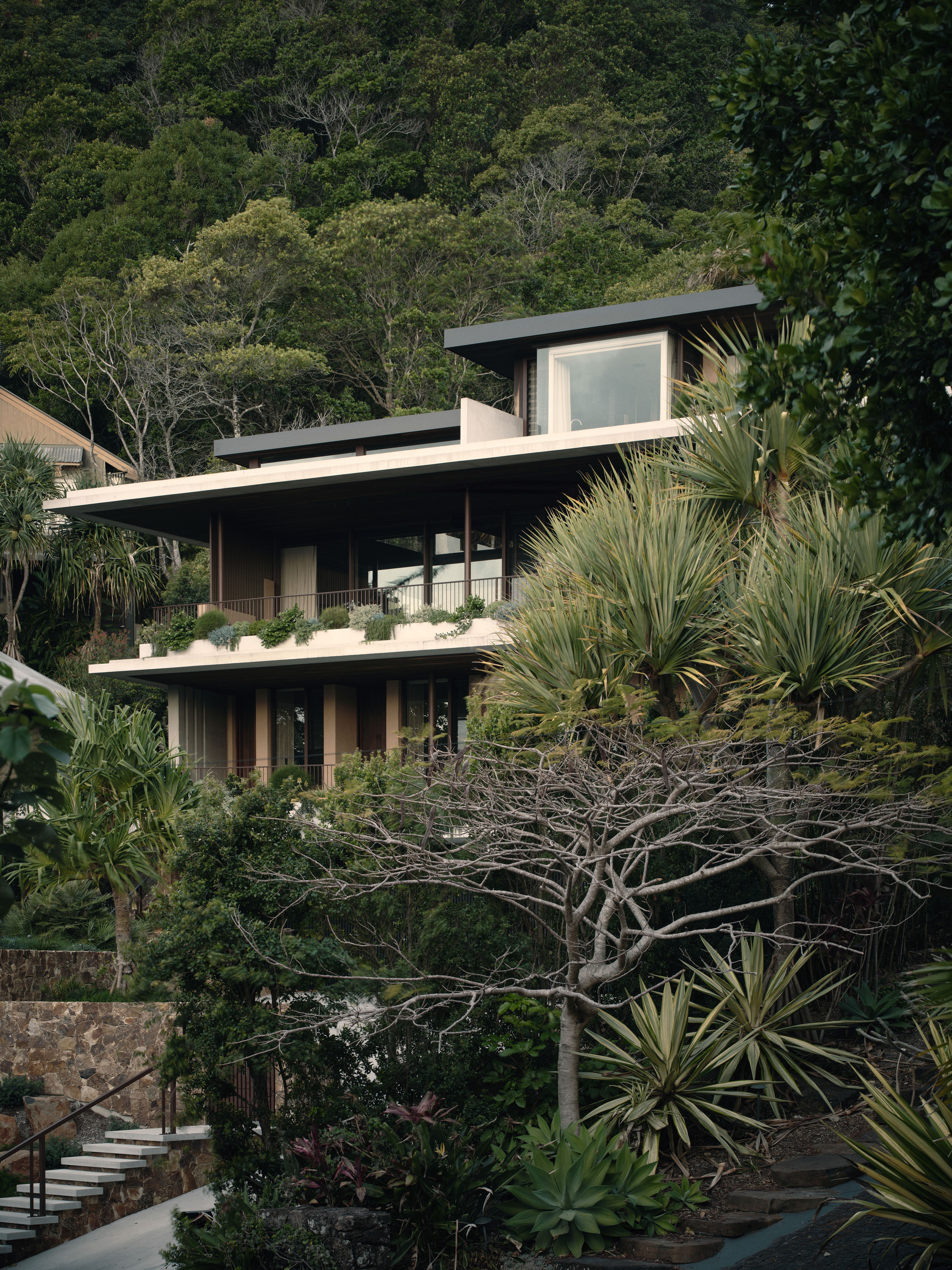
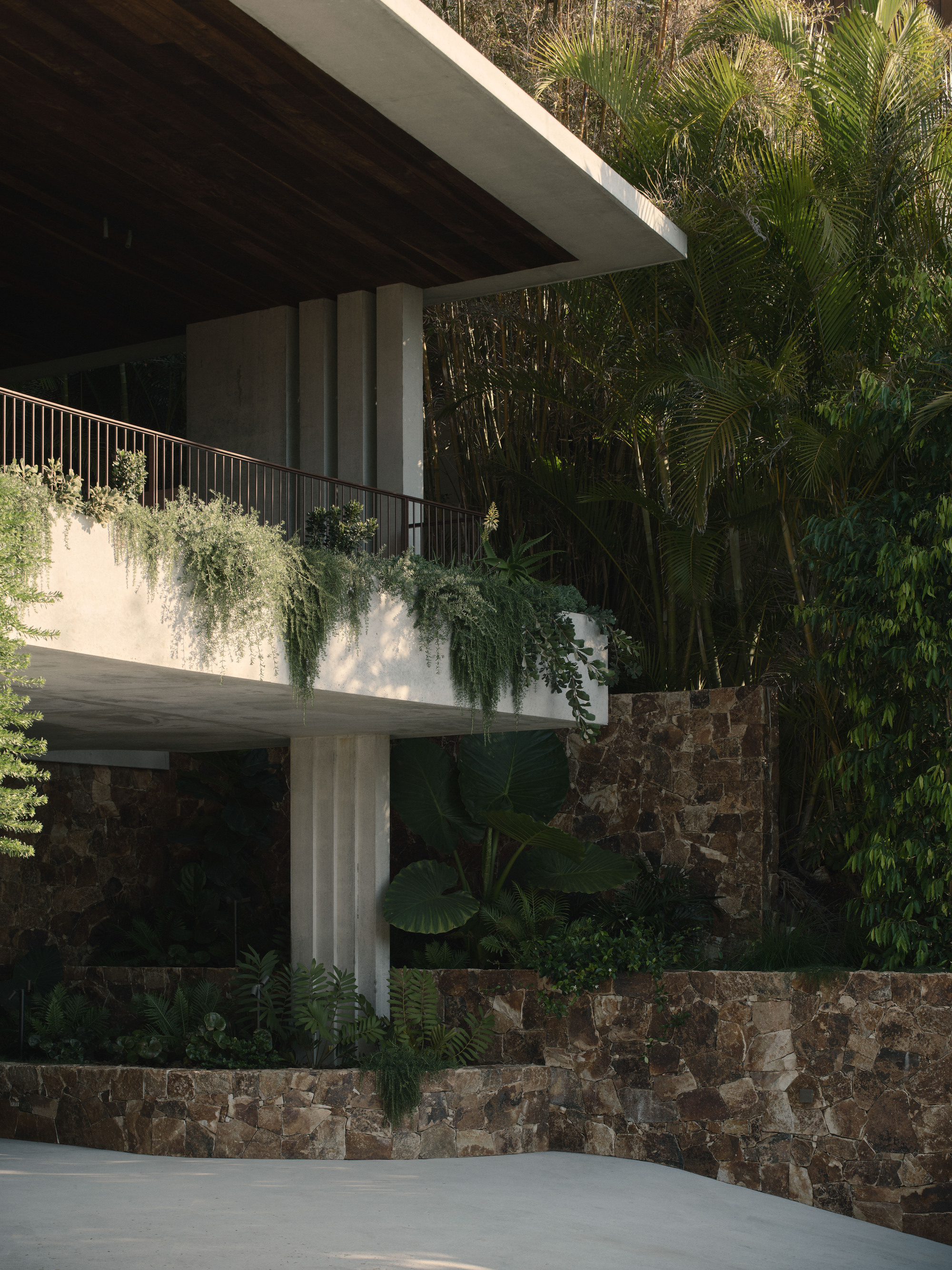
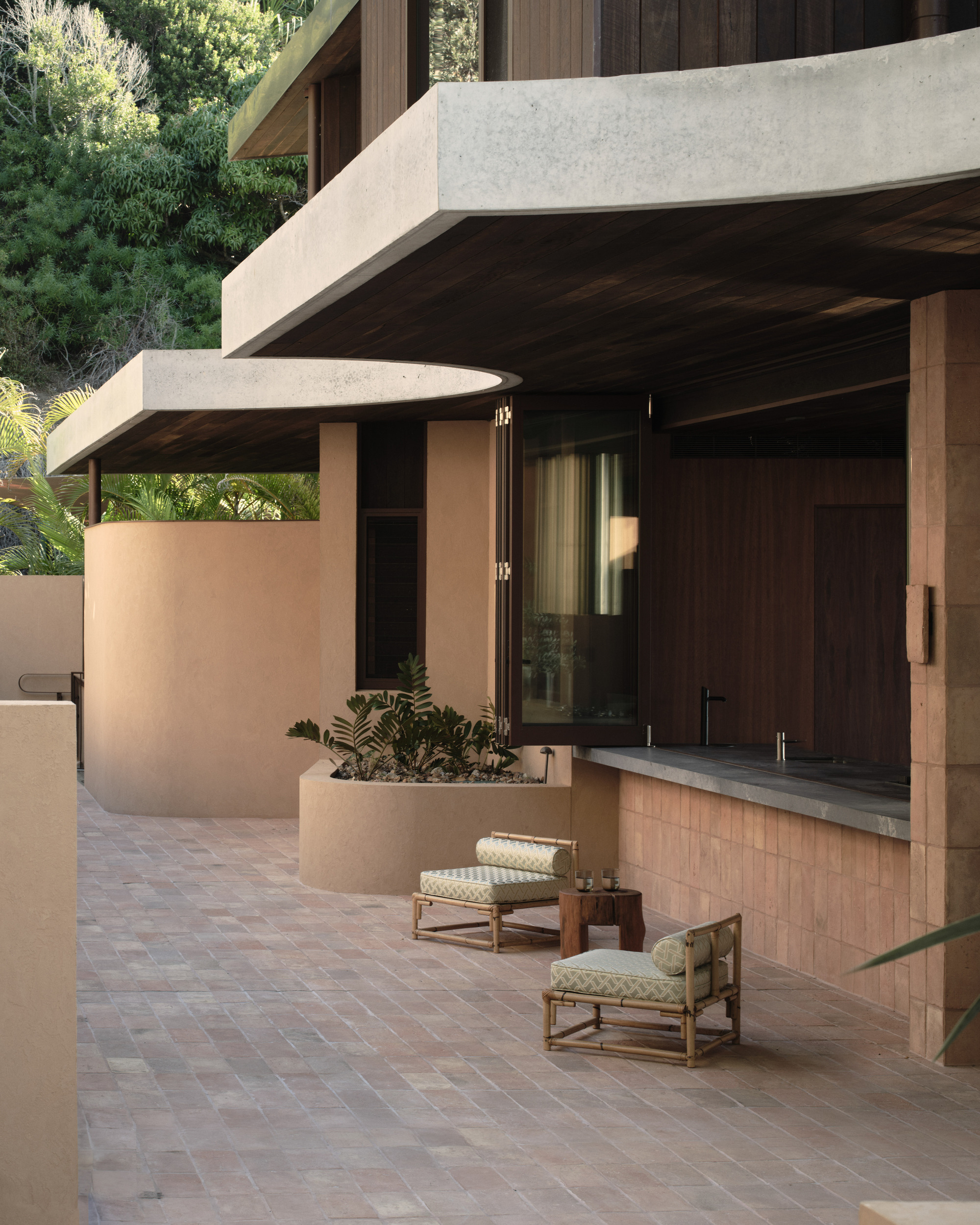
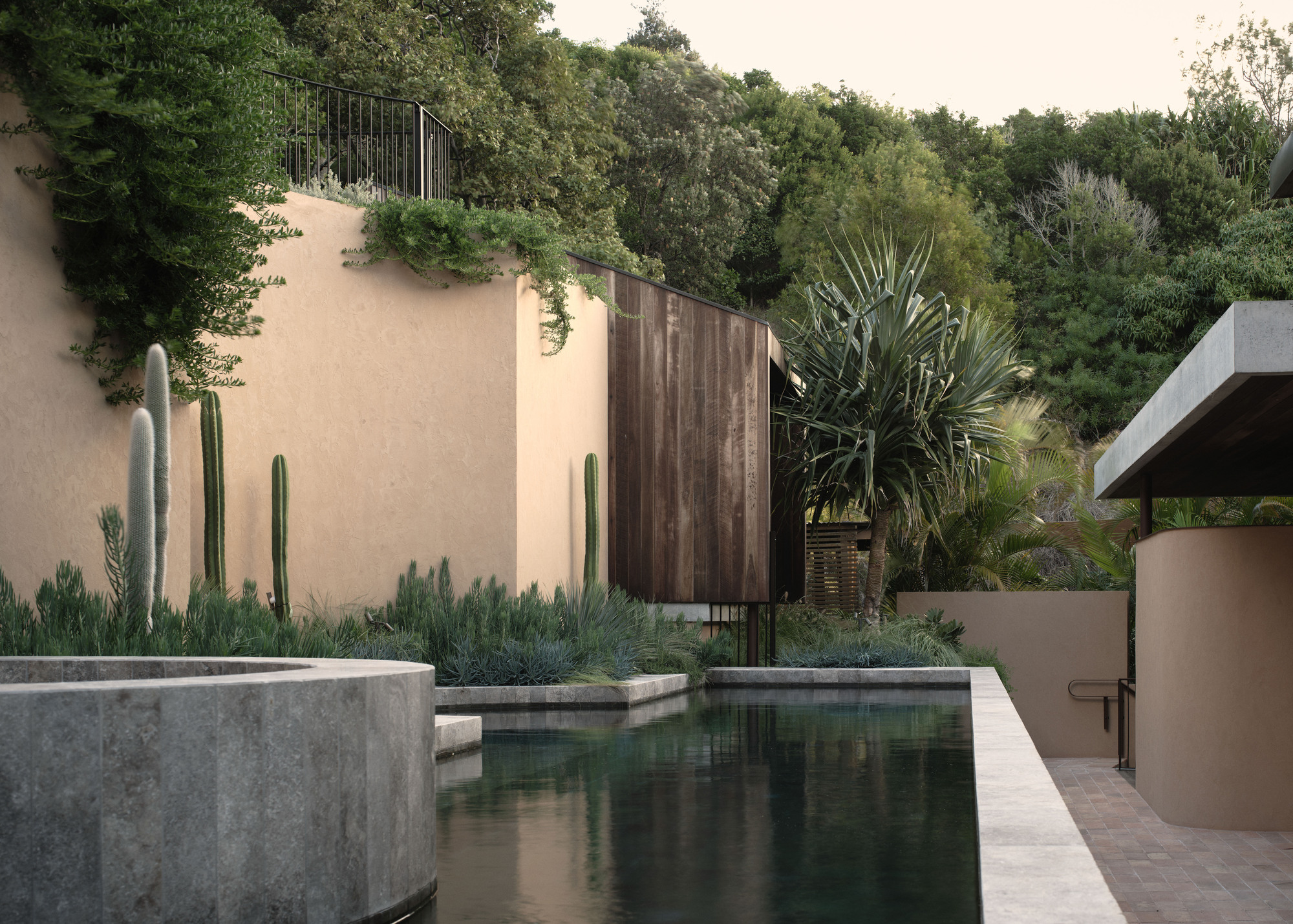
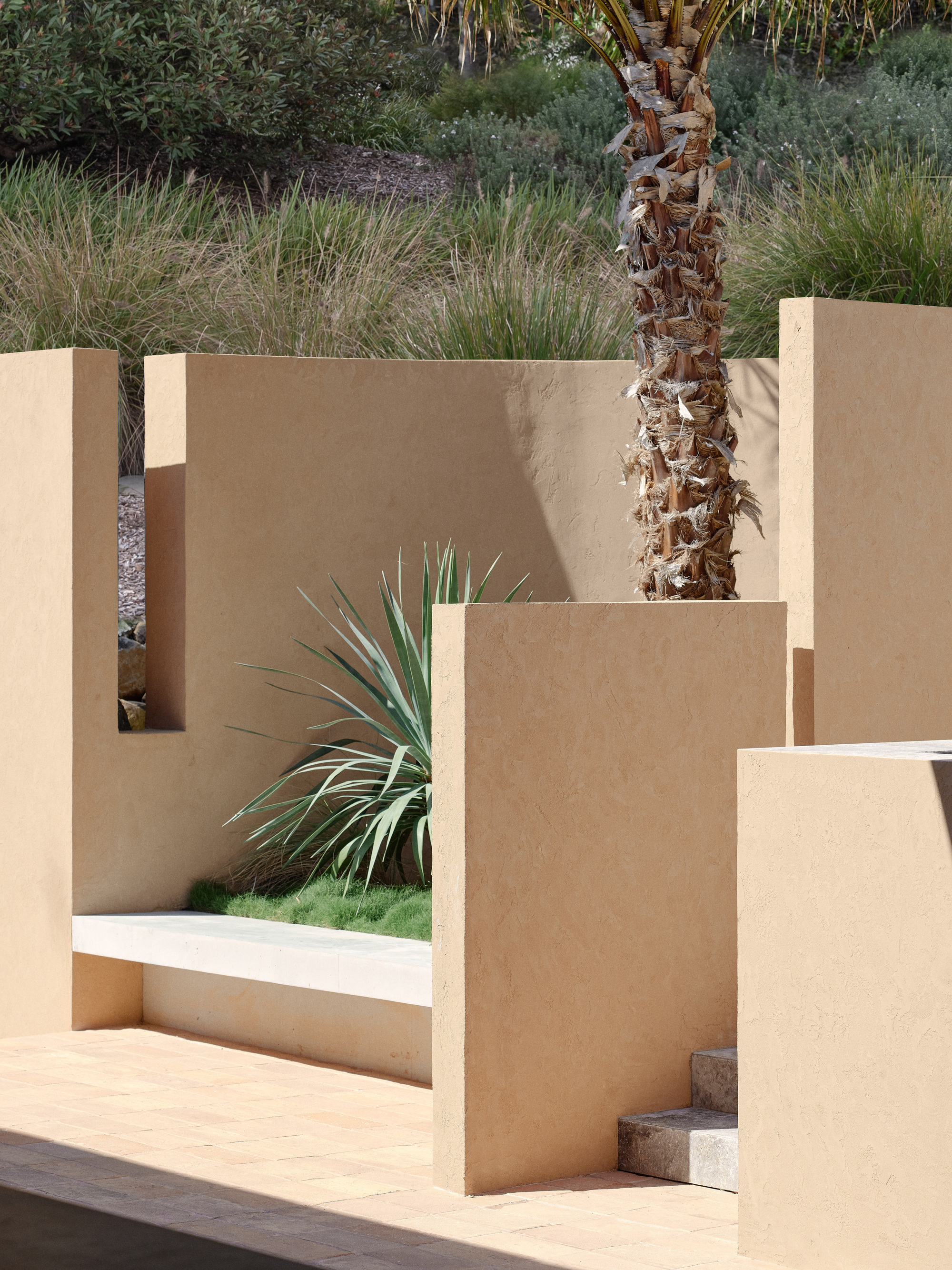
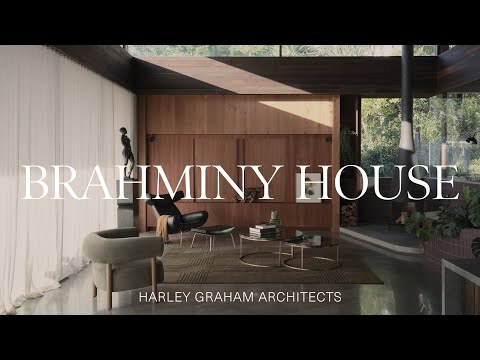
Brahminy House #architecture Architects: HGA.Studio Area: 455 m² Year: 2023 Photographs: David Chatfield Lead Architects: Tyler Gwyther City: Byron Bay Country: Australia Brahminy House is a striking example of a harmonious fusion between architecture and nature, located on the most easterly part of Byron Bay. This thoughtfully designed residence stands as a testament to the seamless integration of built form with the surrounding lush native heath, framing picturesque views of the bay. The design of Brahminy House was a collaborative effort aimed at creating a dwelling that would not only complement but also enhance its natural surroundings. The architects selected materials with great care, using spotted gum timber and terracotta tones to create a tactile and visual harmony that enhances sensory experiences while minimising glare. These materials help the house blend into the landscape, giving it a timeless and organic feel. One of the most challenging aspects of the project was its compact site, which is steep and north-facing. The architects managed to gracefully anchor the house into the hillside, ensuring that it frames both ocean vistas and views of the nearby lighthouse. The design strikes a delicate balance between offering panoramic views to the North and South while maintaining privacy from neighboring properties. This is achieved through the use of lush landscaping and strategically placed openings that are both restrained and functional. A primary goal of the design was to create a sanctuary at the back of the house, nestled into the hillside, to provide a counterbalance to the vastness of the ocean and the Northerly winds. This sanctuary offers a serene and sheltered retreat, providing a sense of calm and protection from the elements. The interior of Brahminy House is designed to foster familial connections, with open-plan living and dining areas that encourage interaction and togetherness. The architects incorporated innovative solutions in off-form concrete detailing, addressing the challenges presented by the site with finesse and creativity. This attention to detail extends to the landscaping choices, which are designed to enrich the environment and create a seamless transition between the built form and the natural landscape. Strategic landscaping is a key component of the design, serving to further integrate the house into its surroundings. The lush, green landscape not only enhances the aesthetic appeal of the property but also provides privacy and a sense of enclosure. This careful balance between built form and nature ensures that Brahminy House is both visually appealing and functional. In summary, Brahminy House emerges as a timeless sanctuary that embodies the essence of coastal living while embracing innovative design principles. It stands as a testament to the power of thoughtful design and the importance of harmonising architecture with nature. The collaborative efforts of HGA Studio have resulted in a residence that is not only a stunning example of modern architecture but also a harmonious addition to the Byron Bay coastline. This house is a true reflection of its surroundings, offering a tranquil and sheltered retreat that remains deeply connected to the natural world.
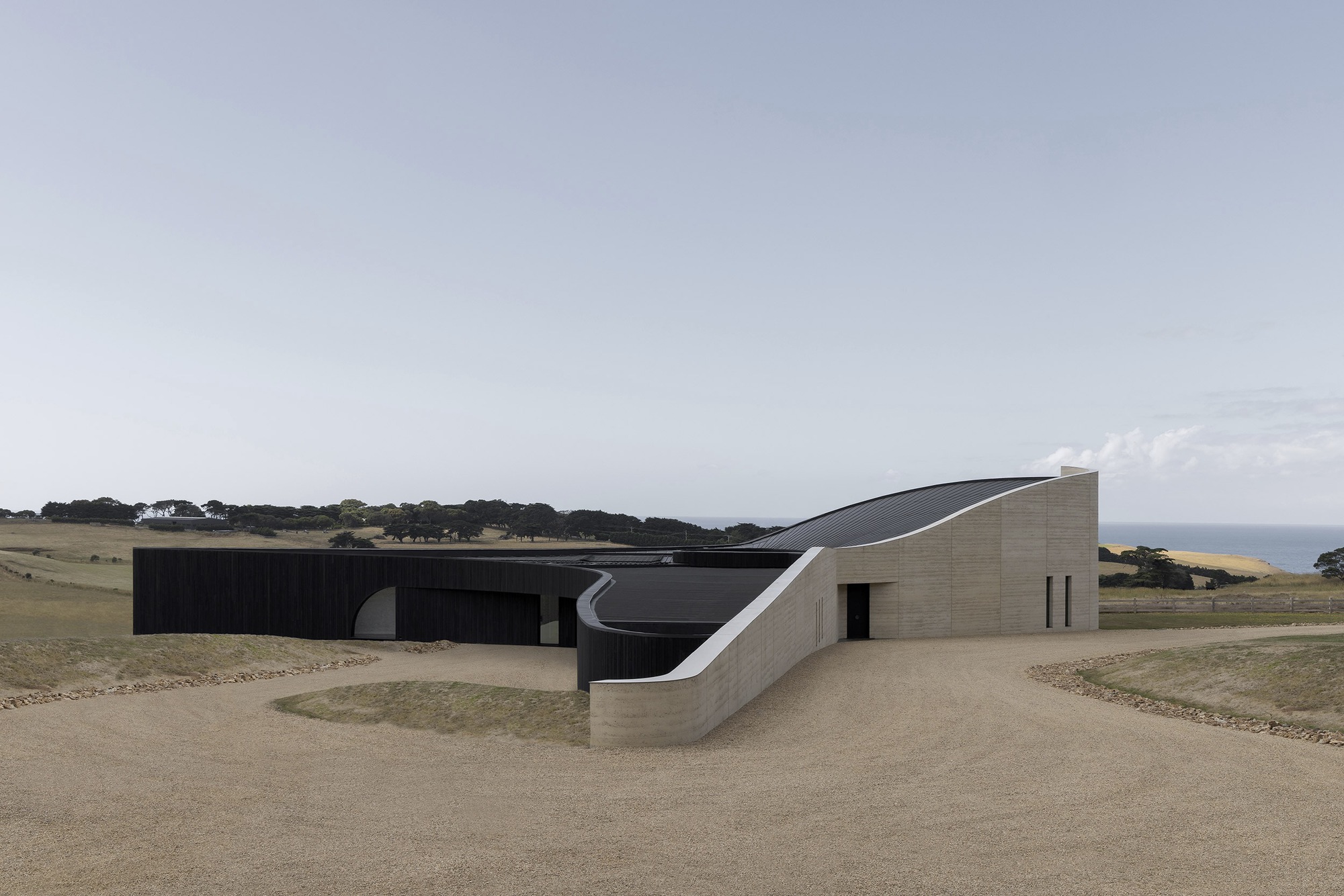
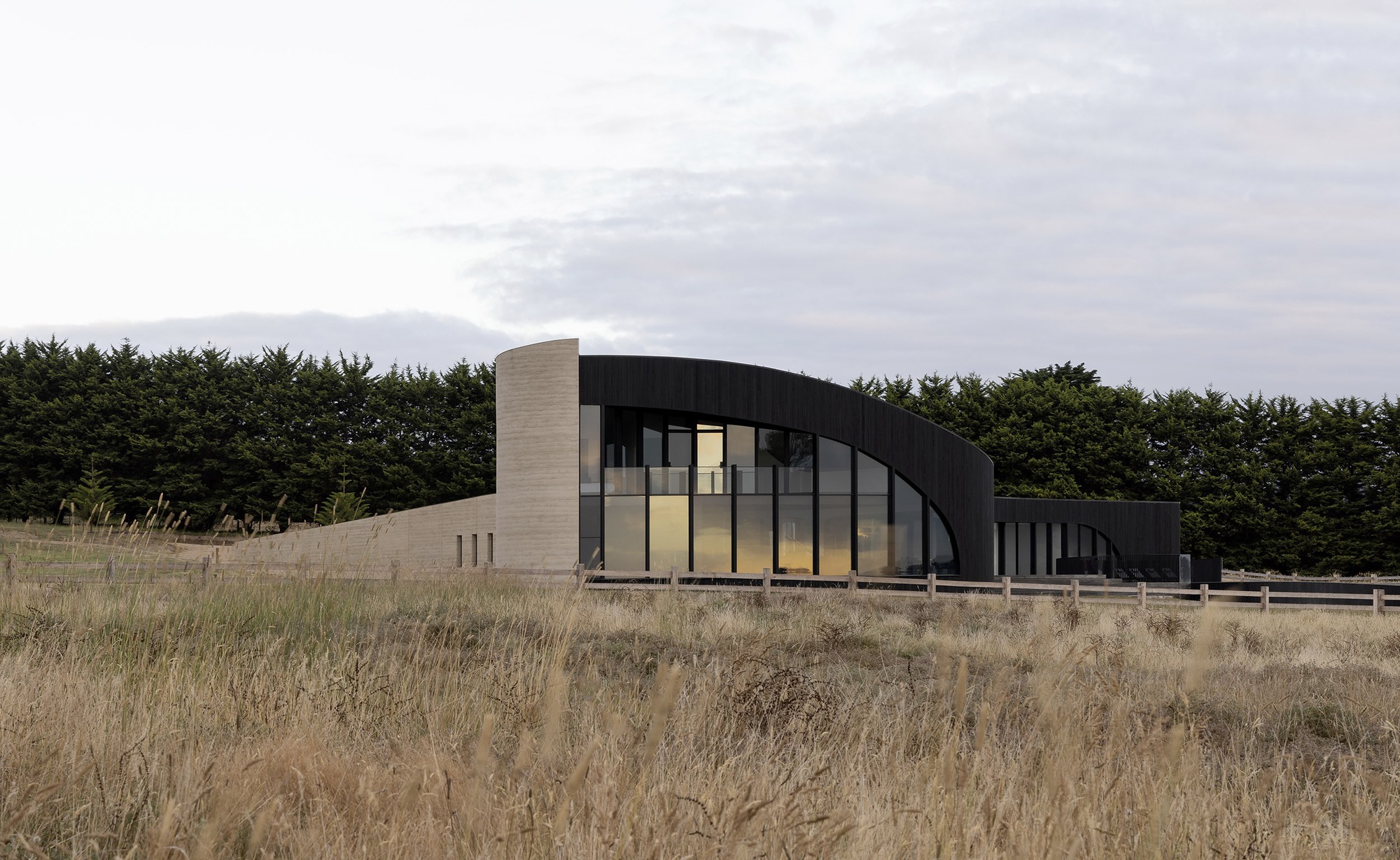
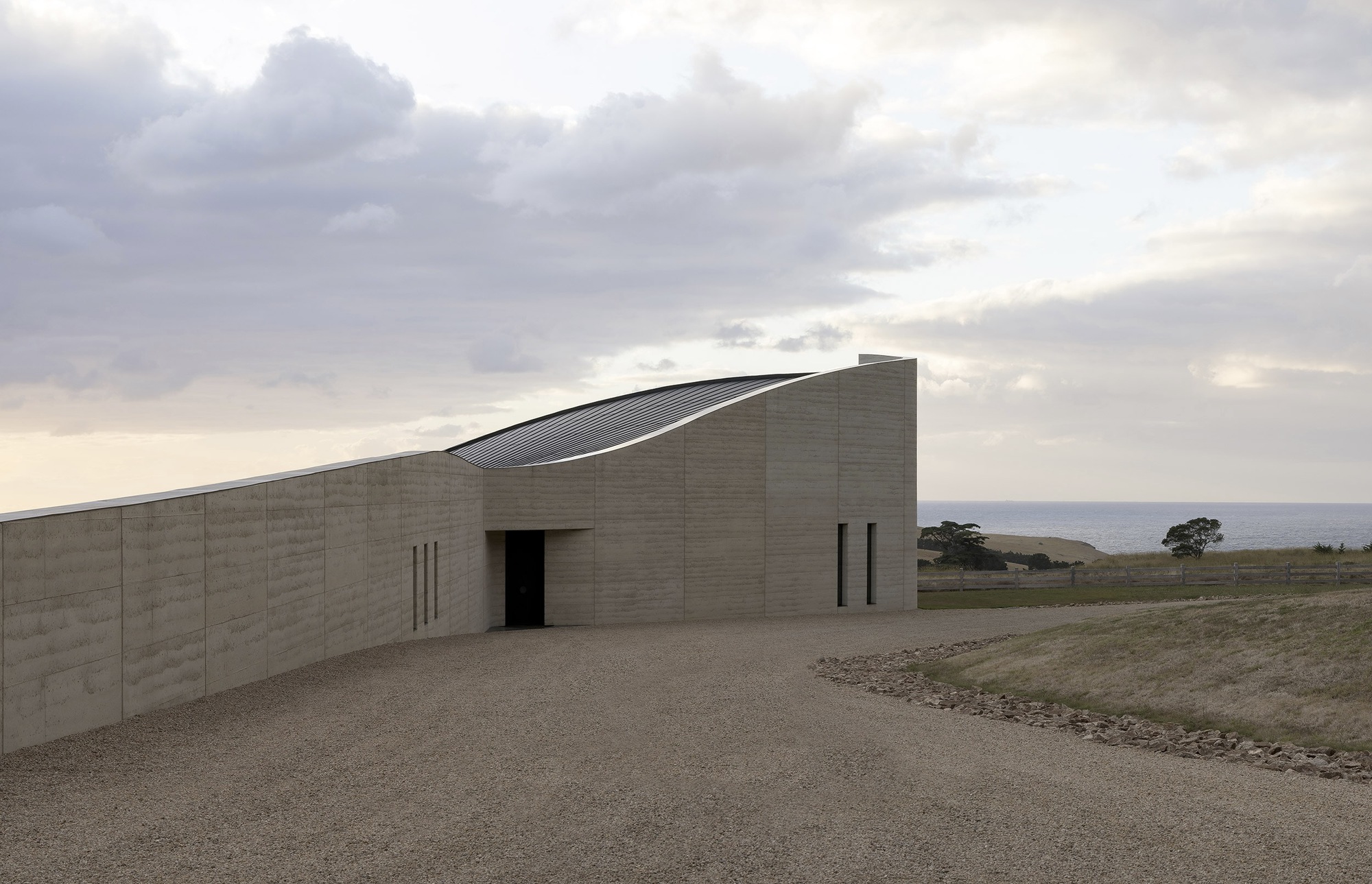
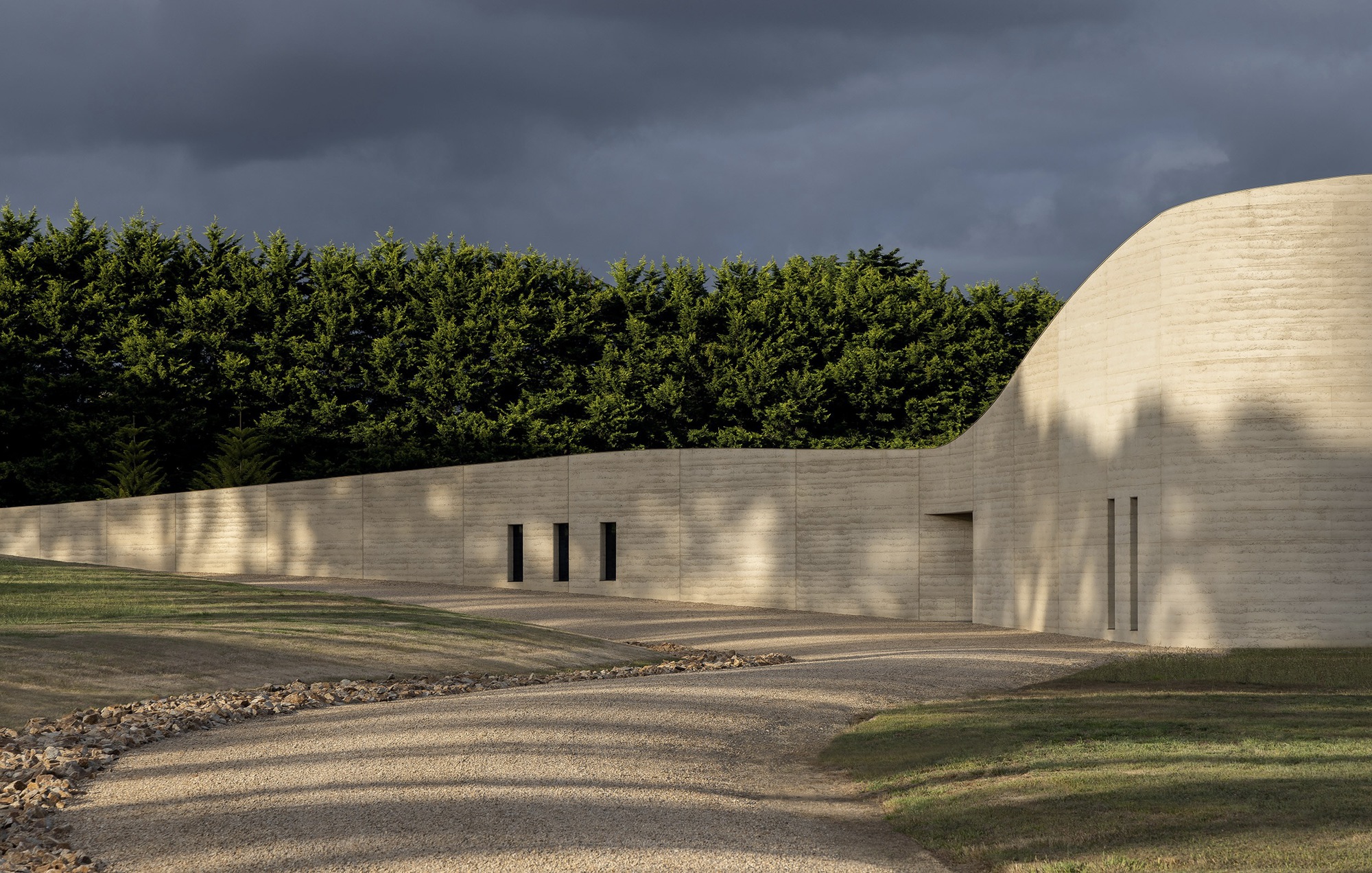
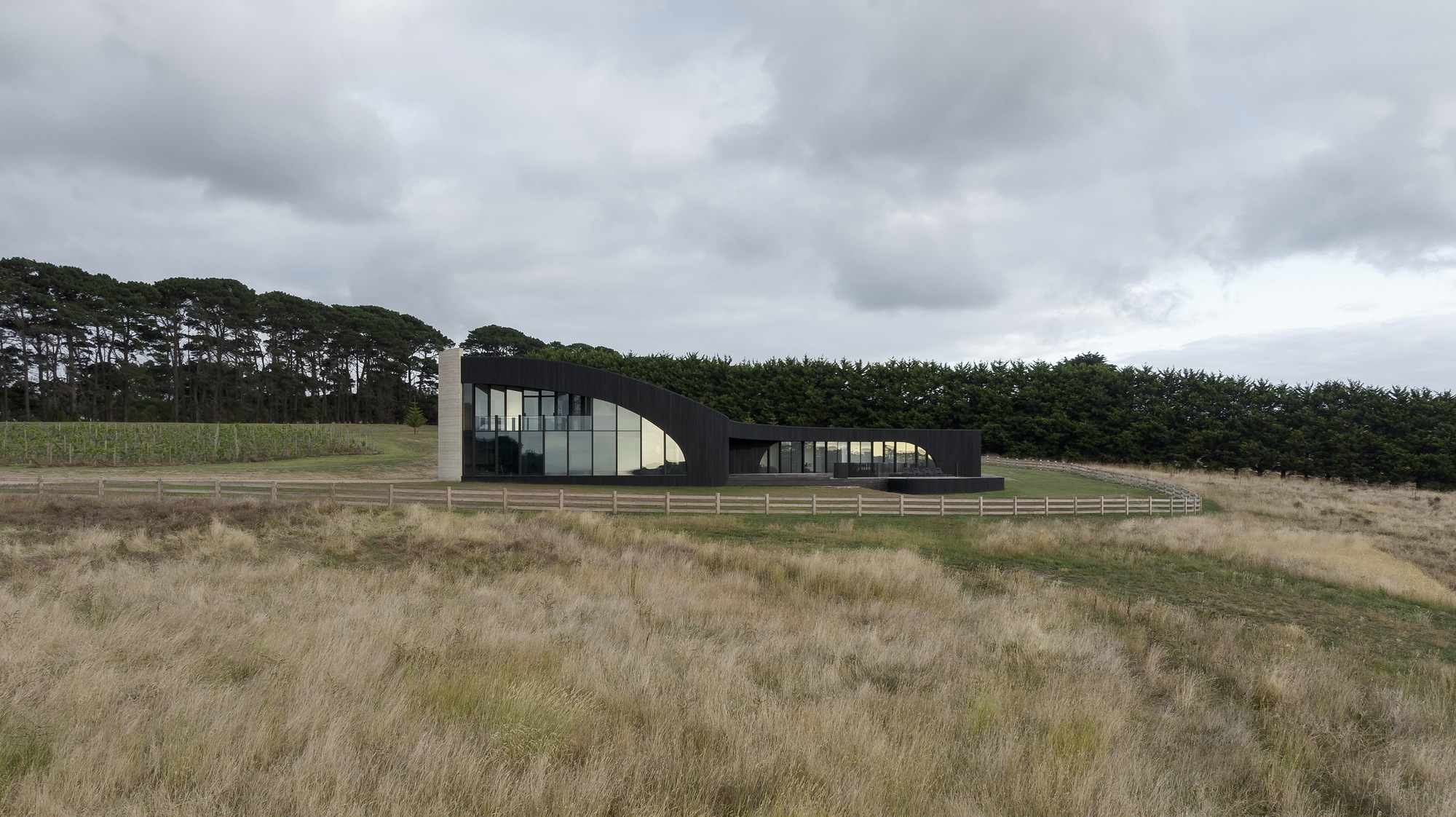
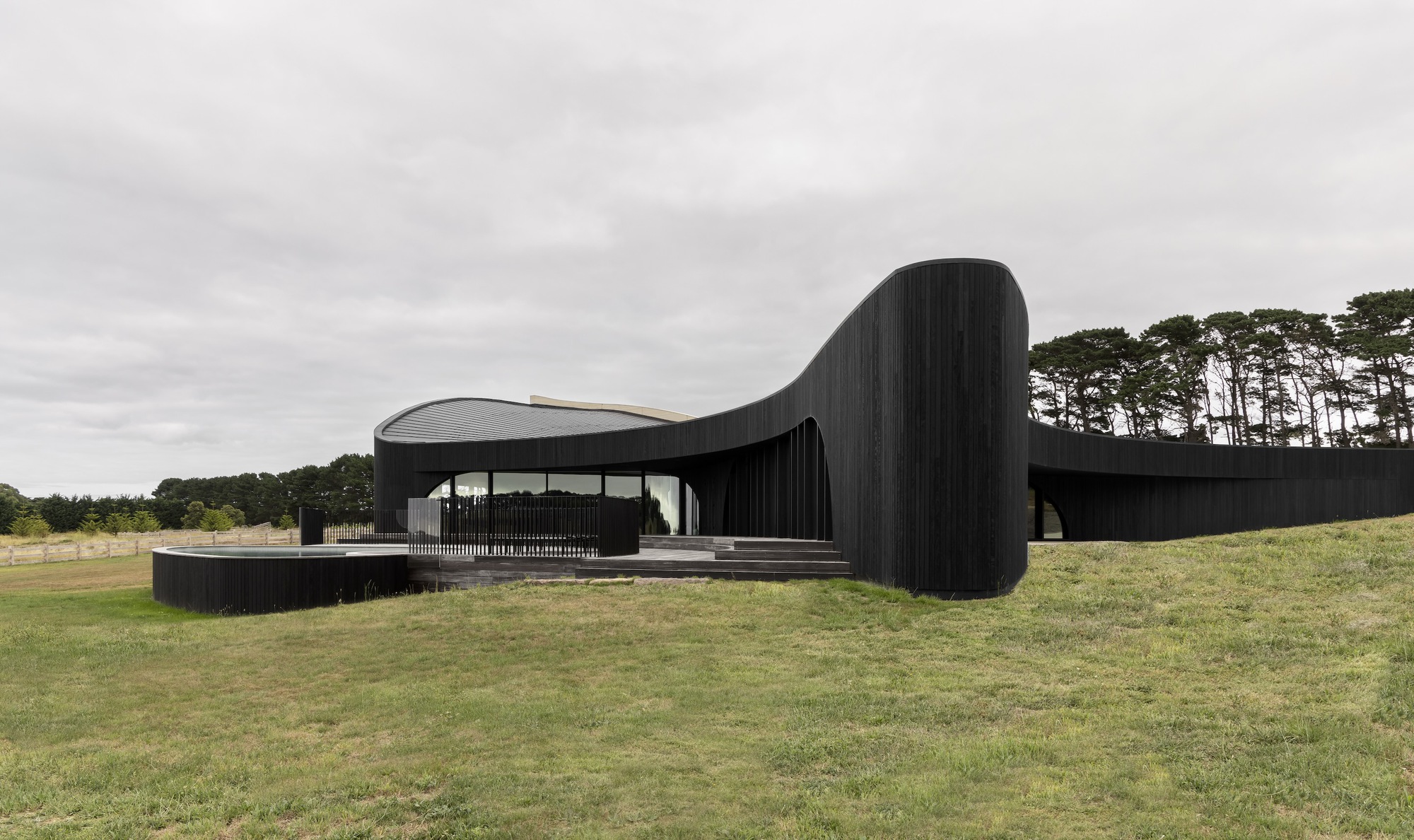
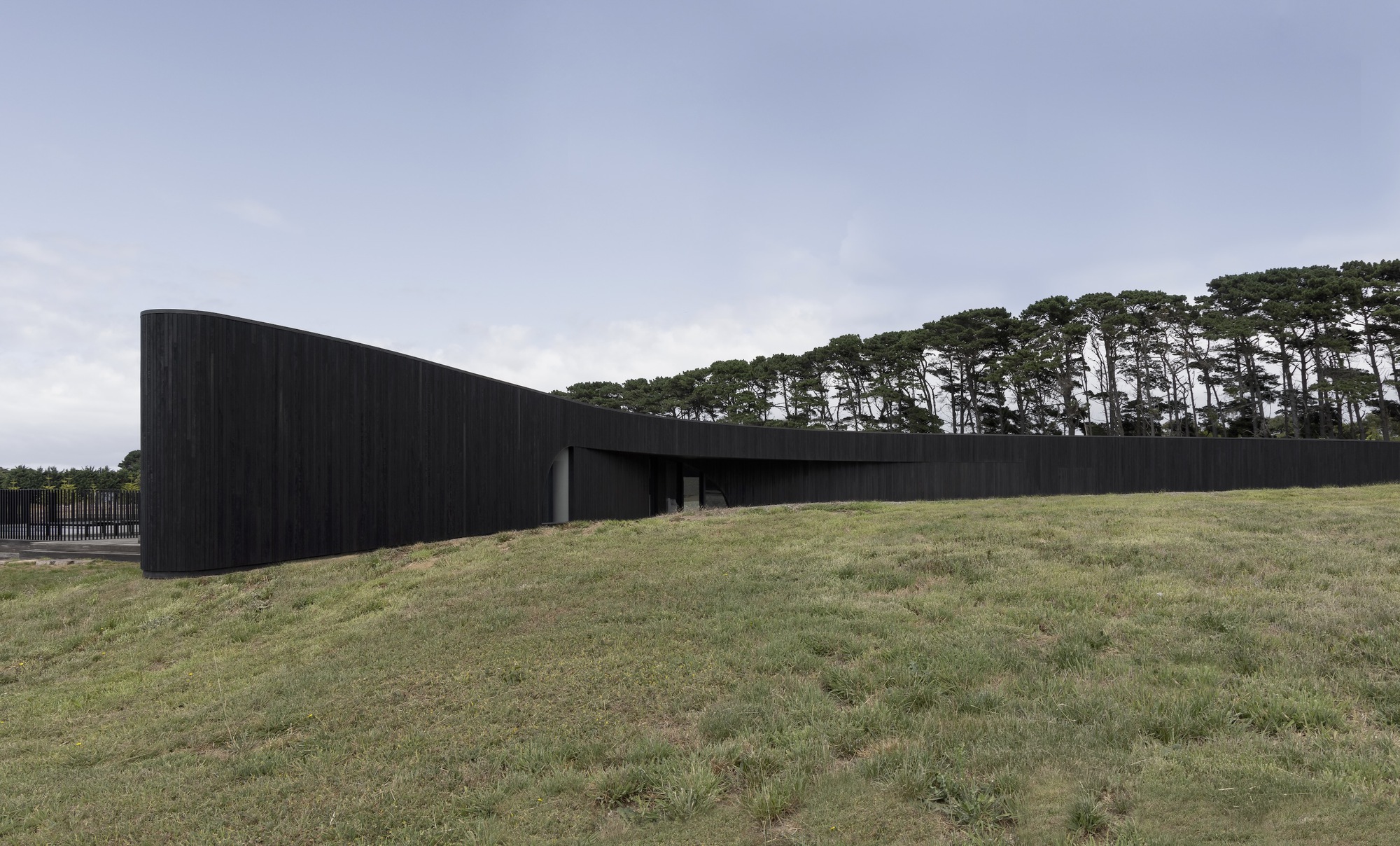
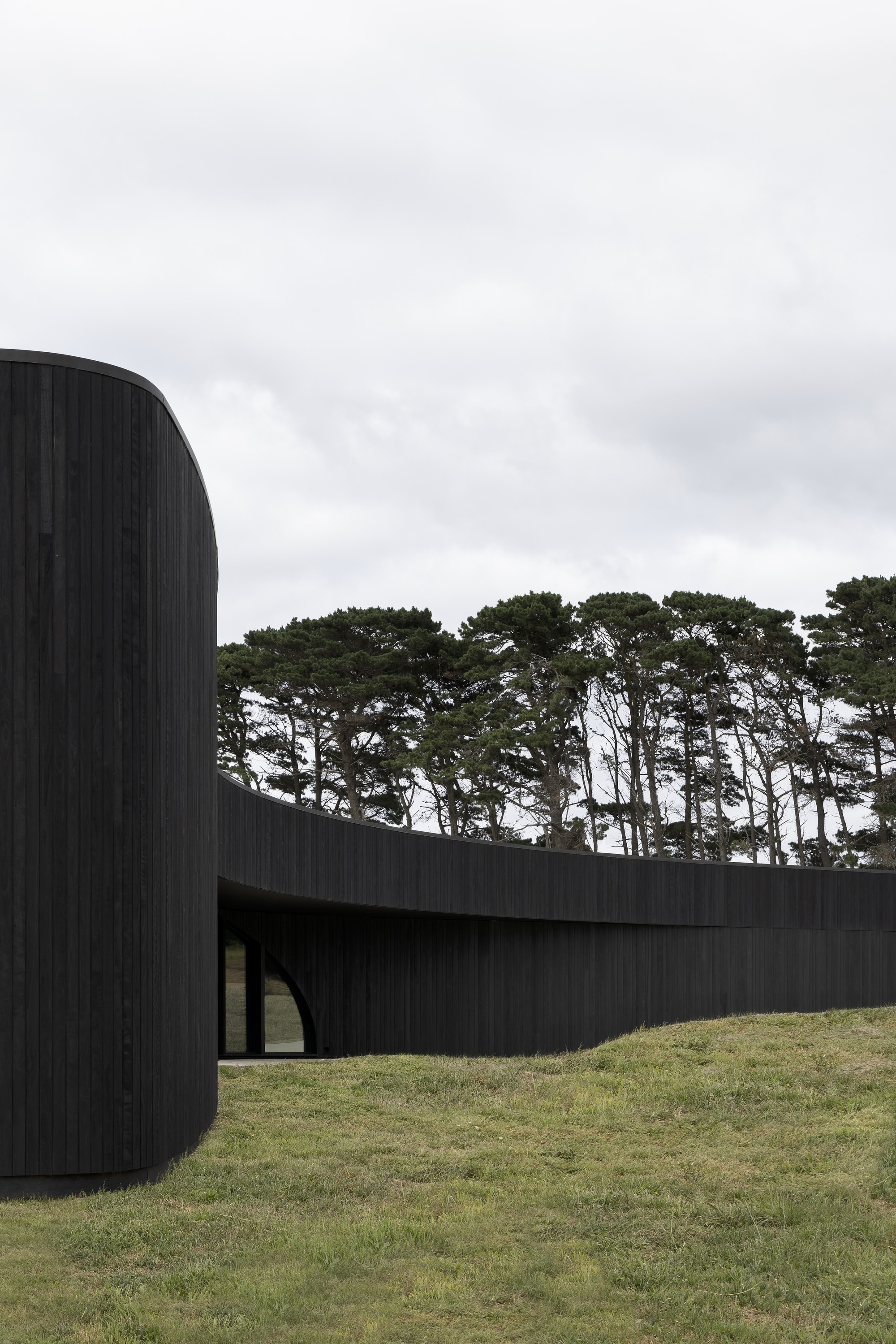
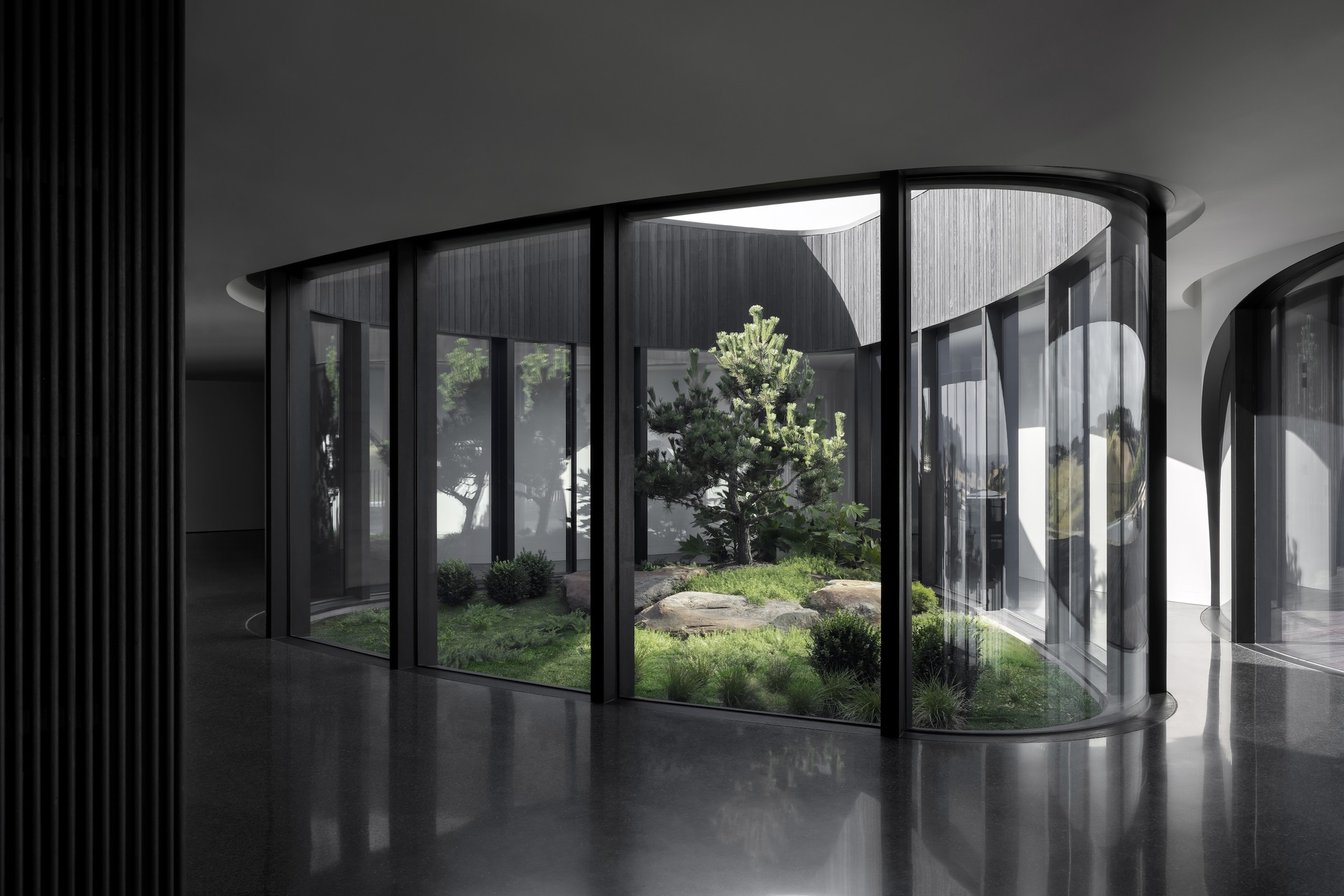
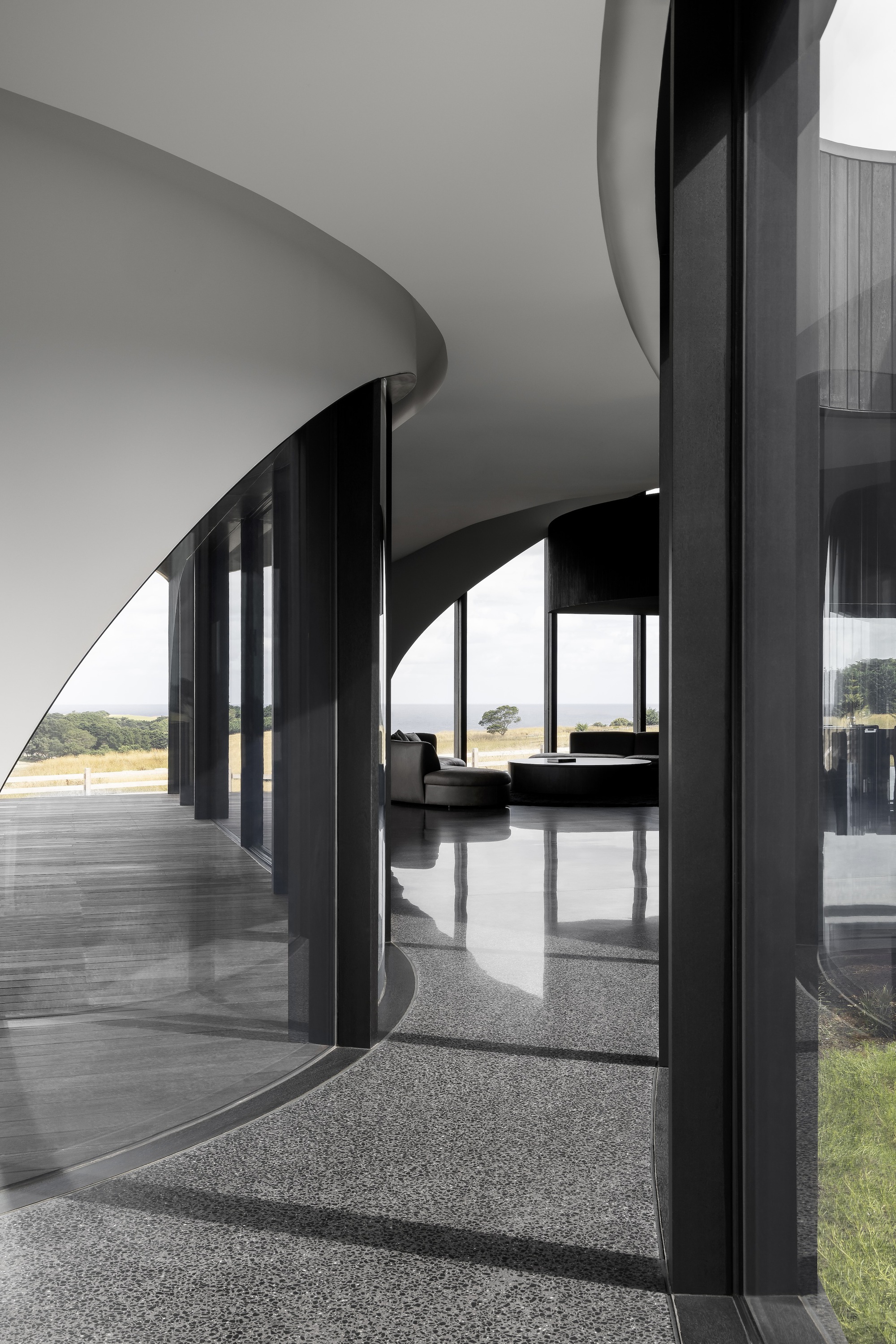
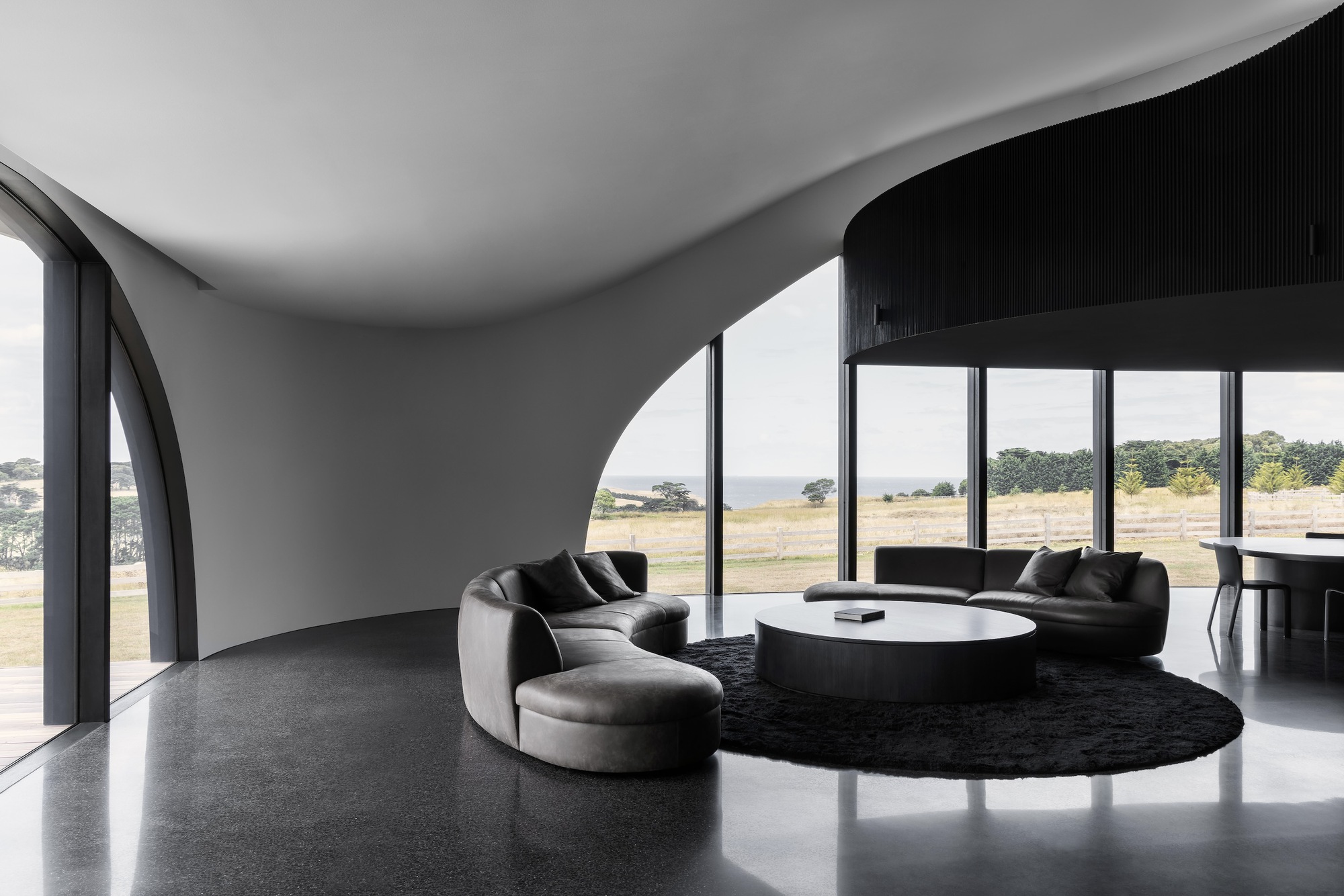
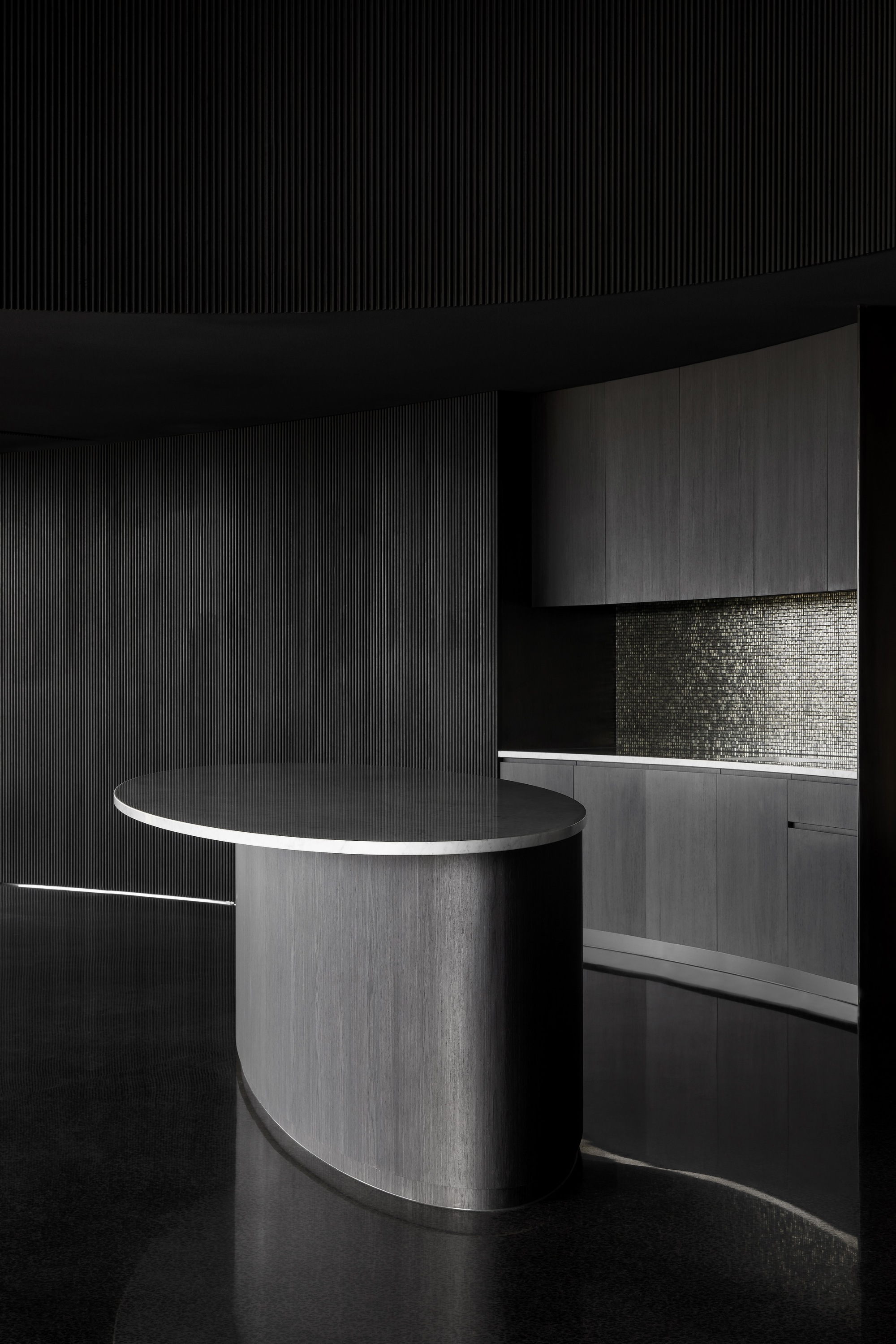
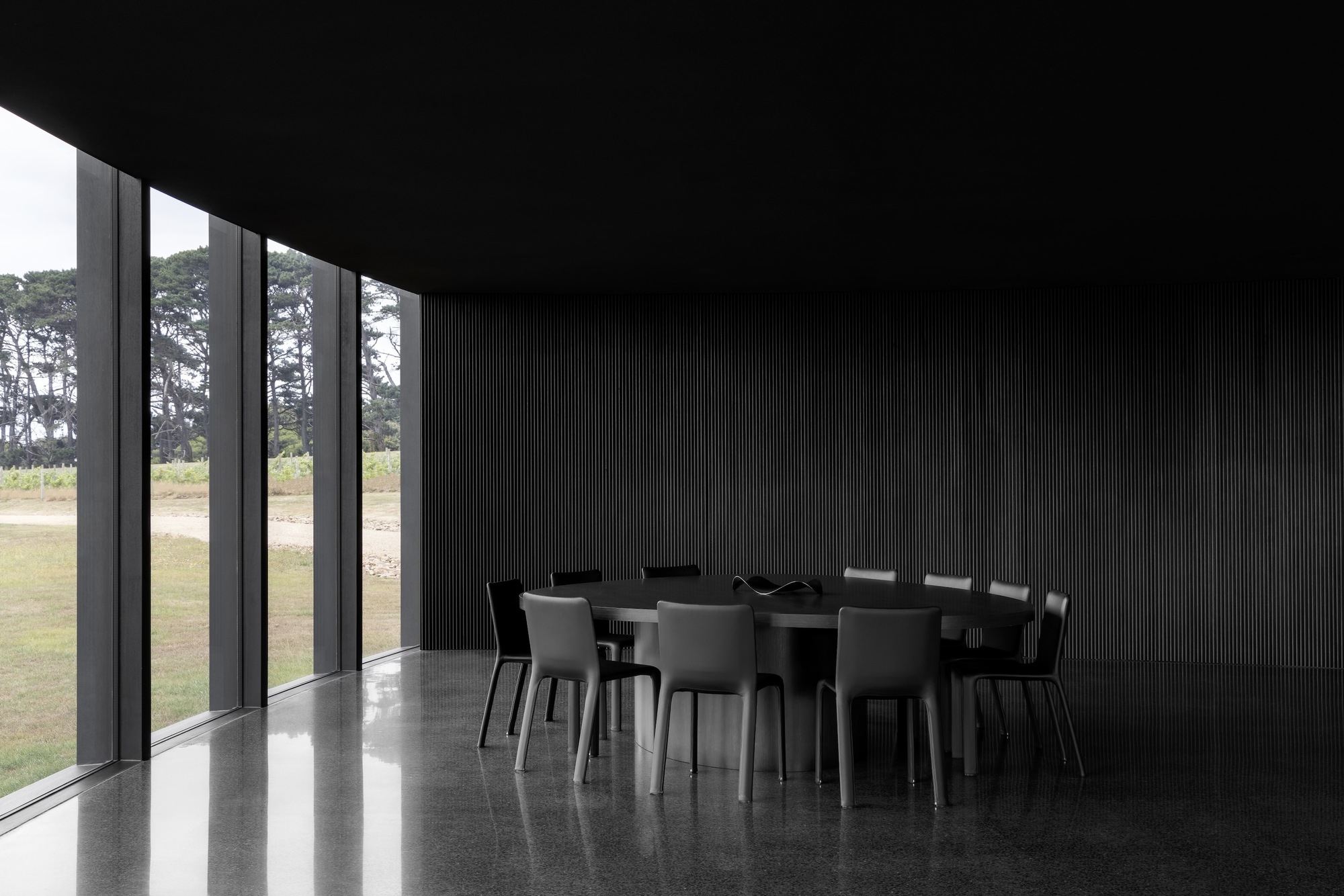
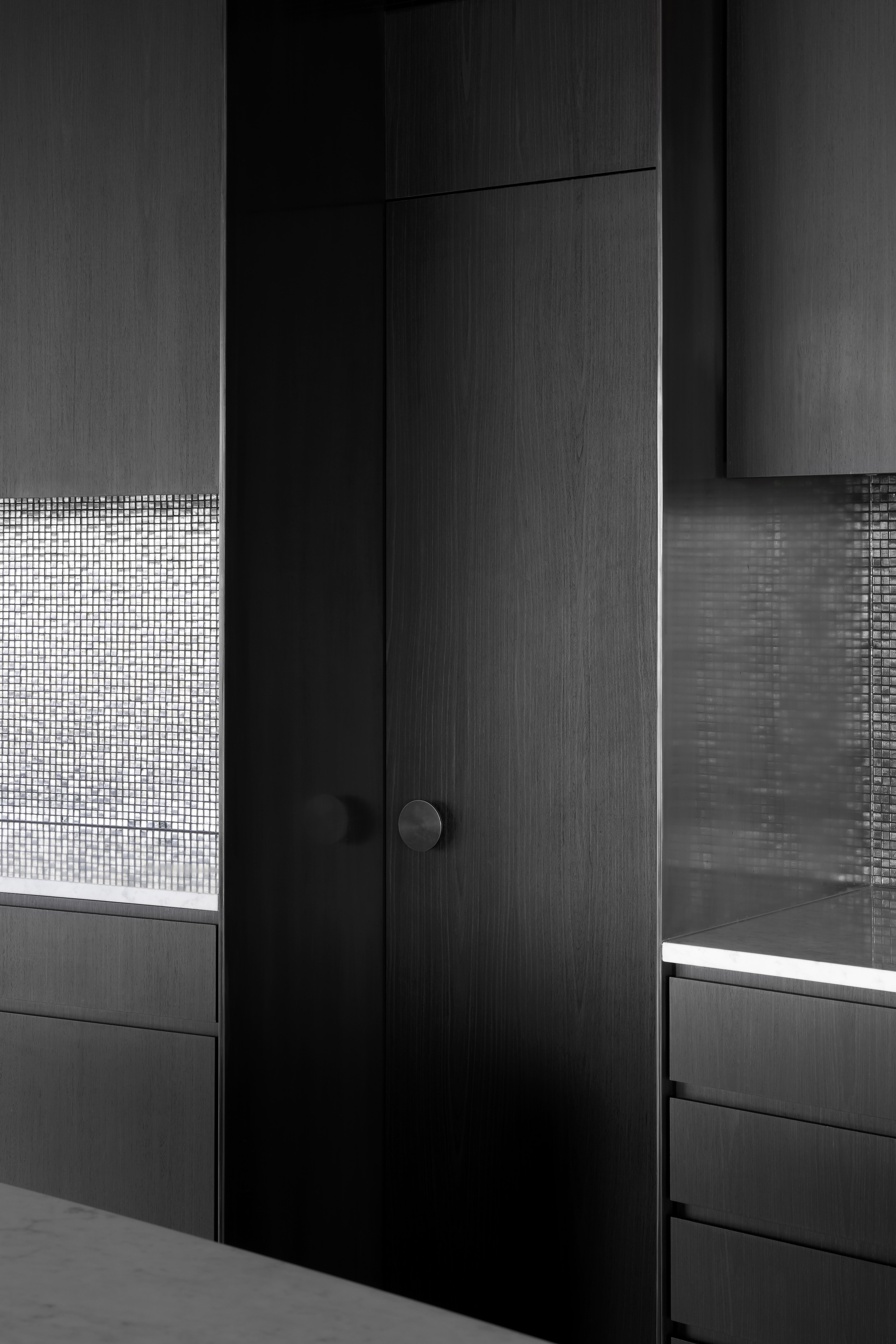
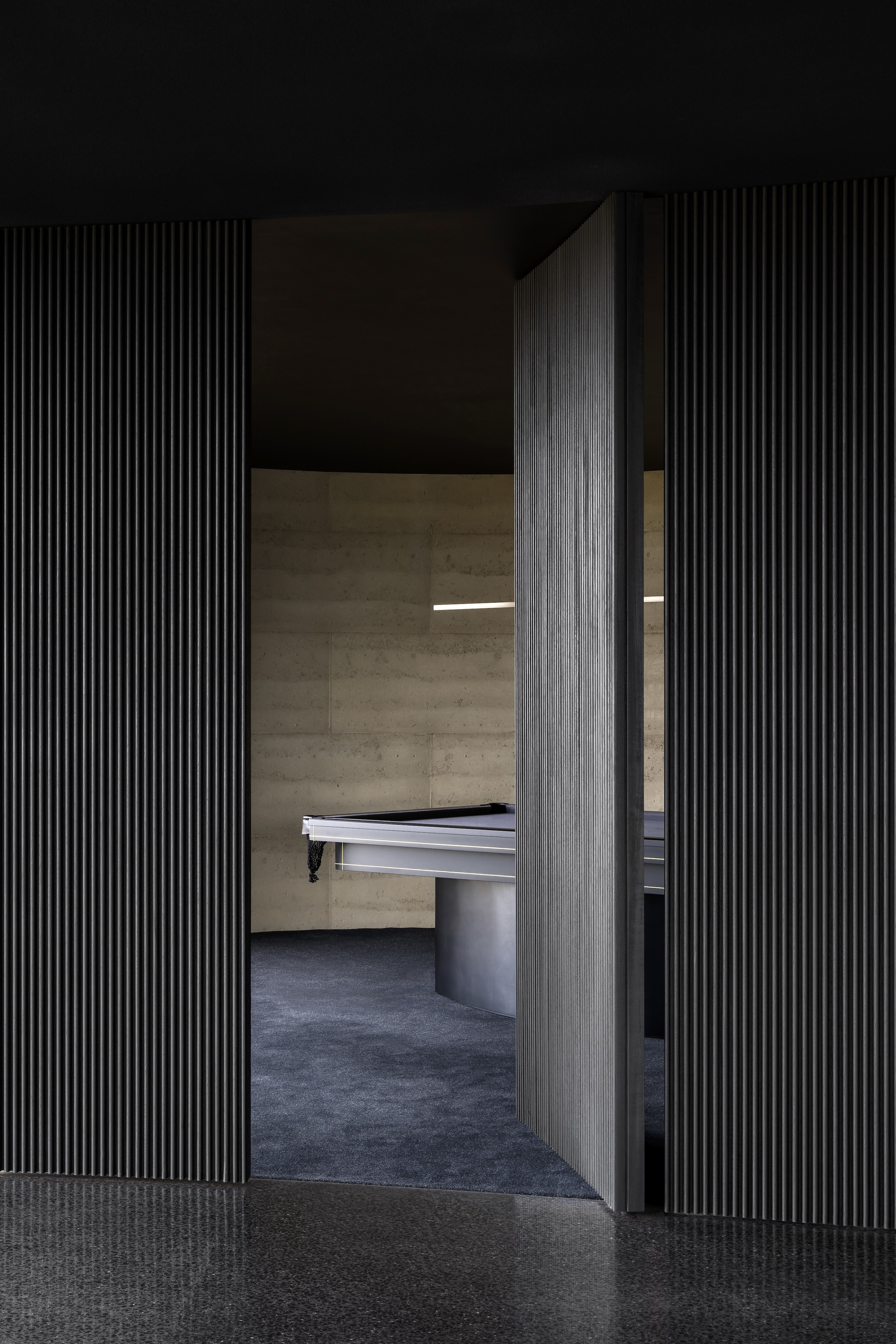
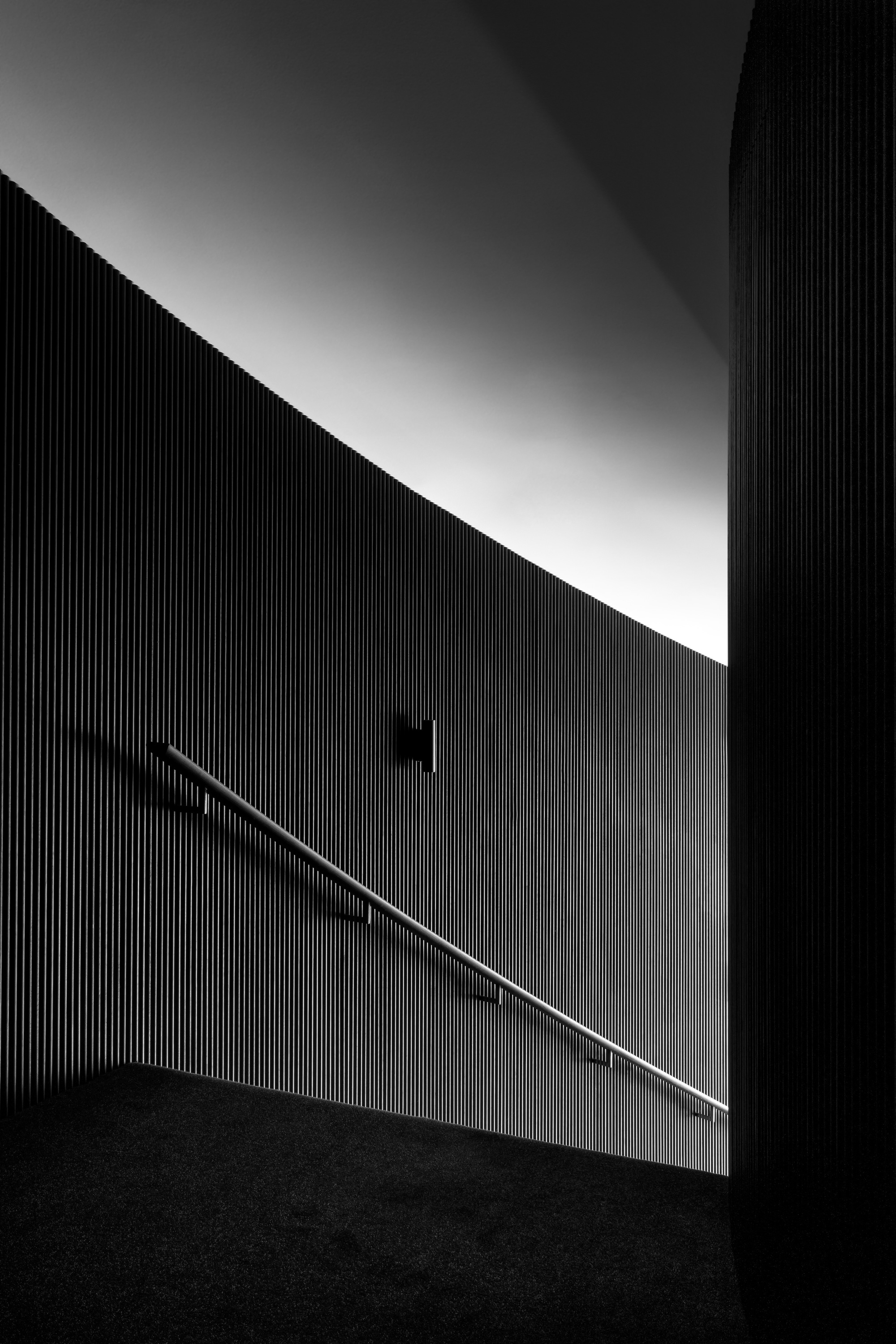
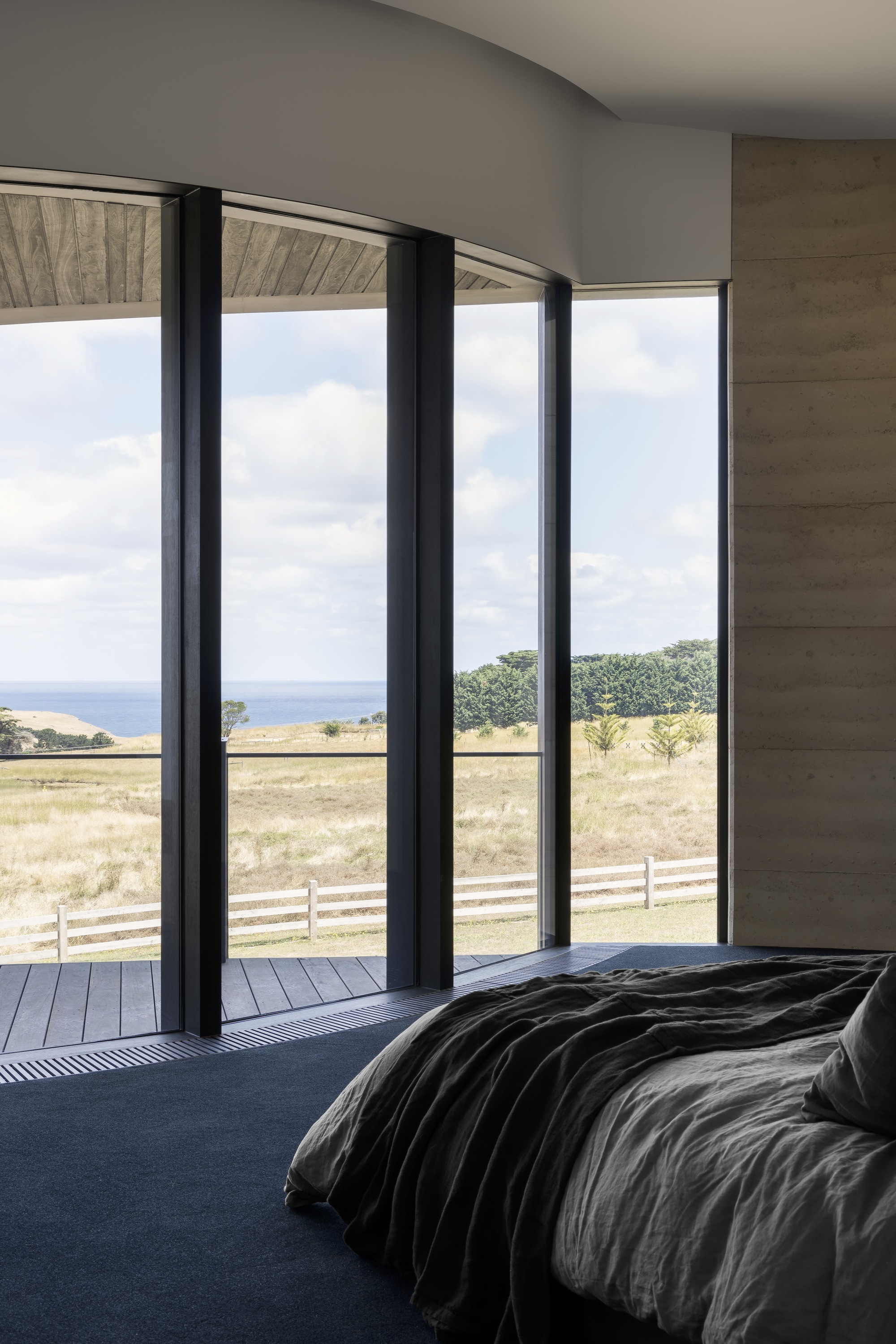
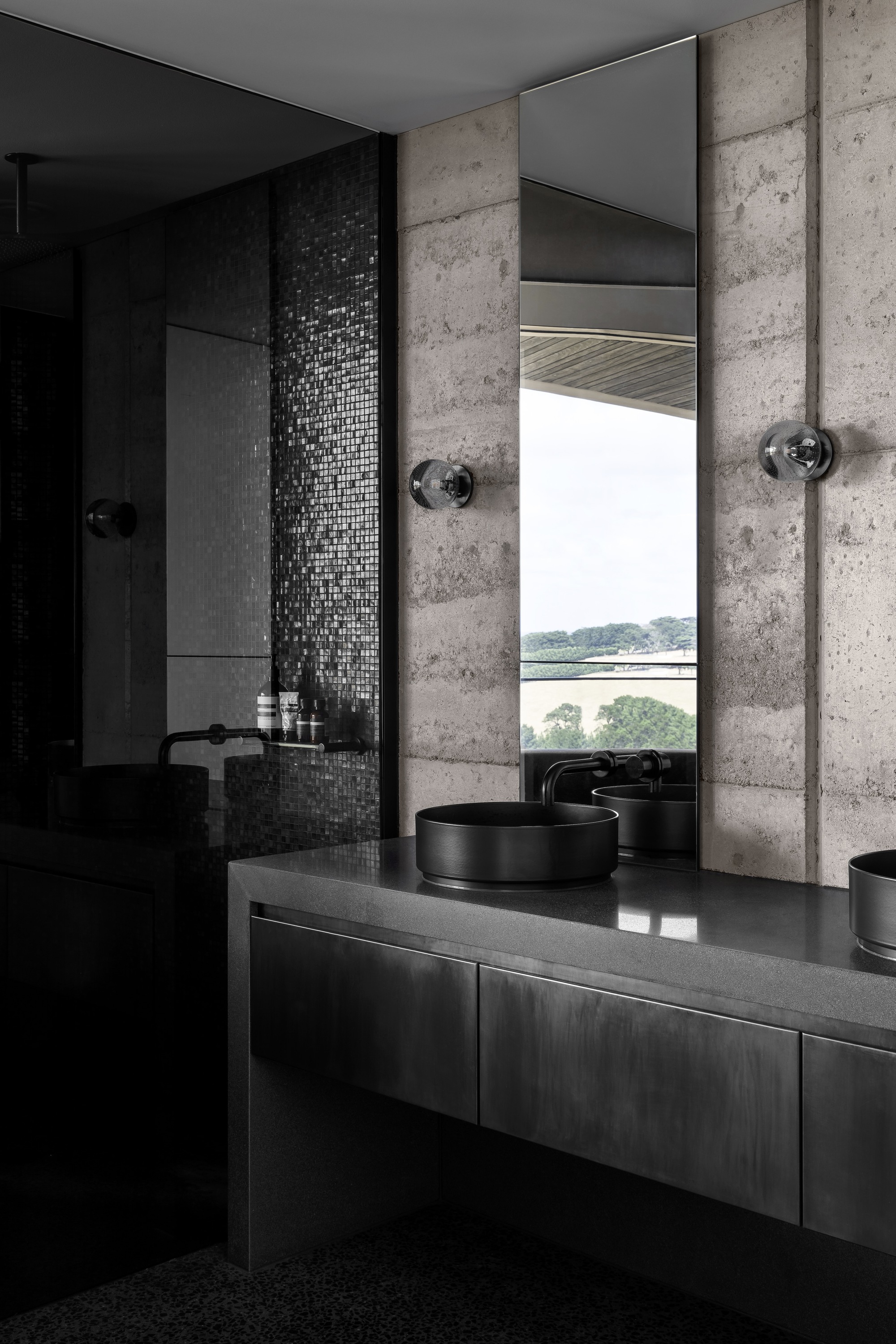
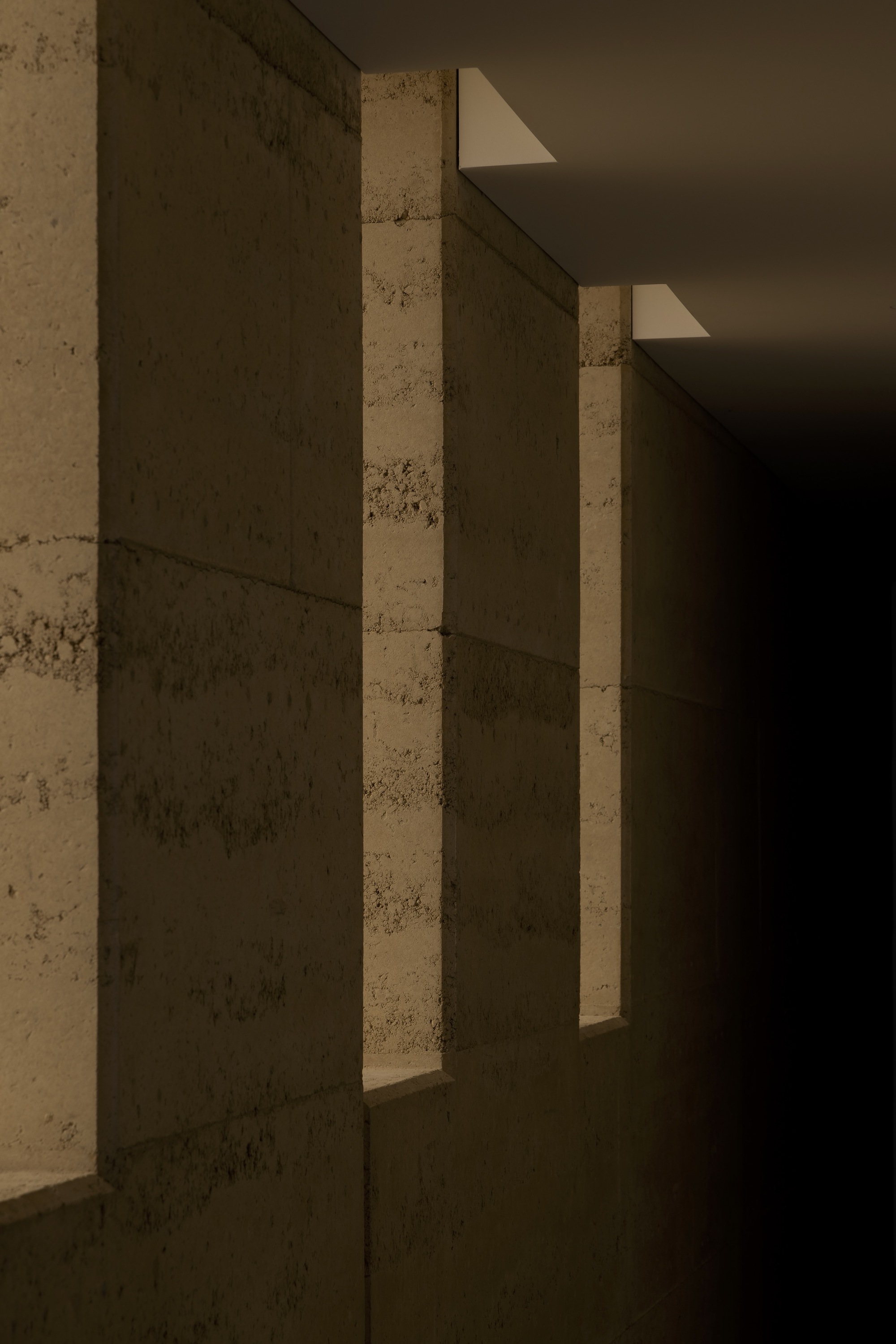
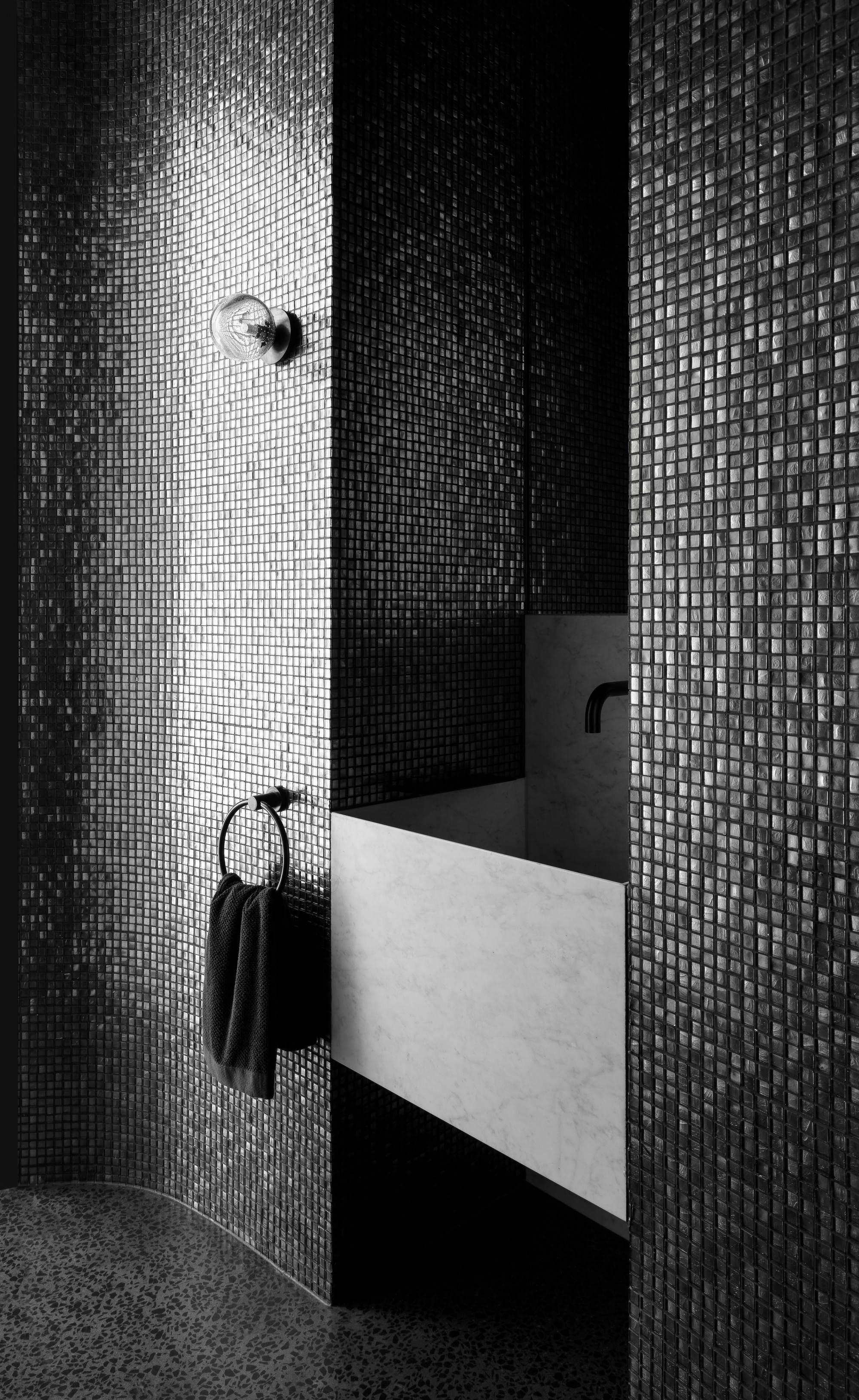
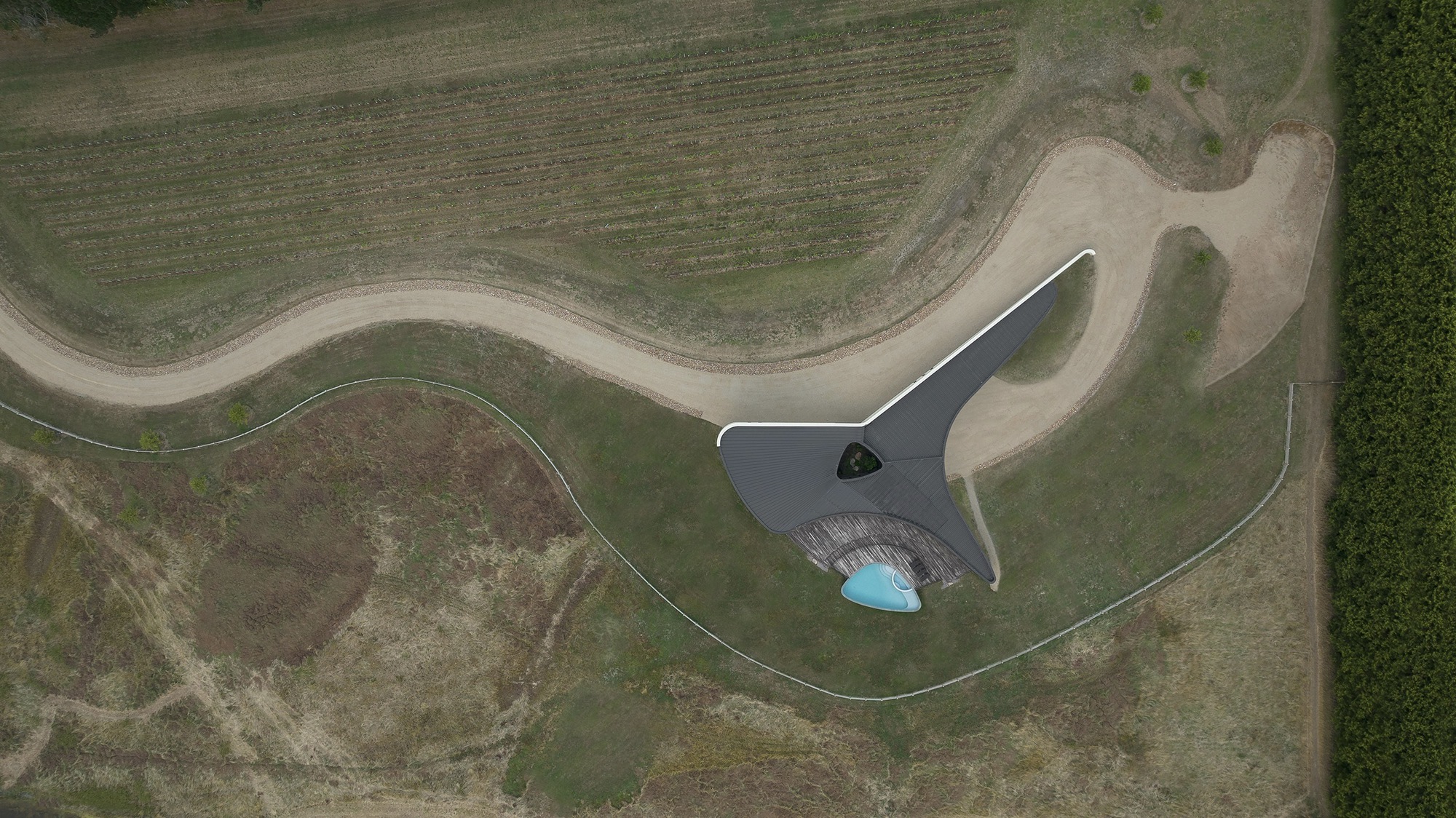
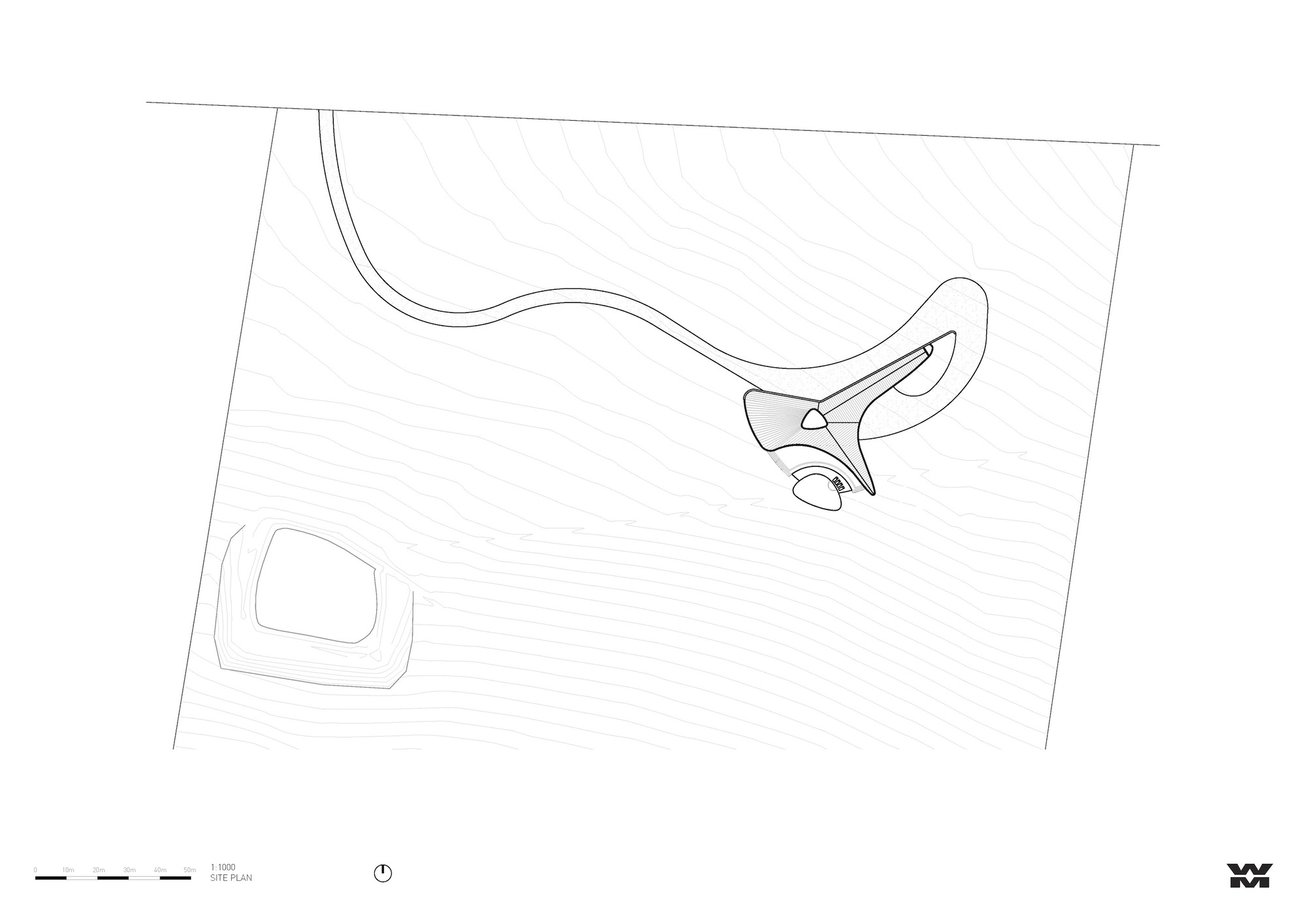
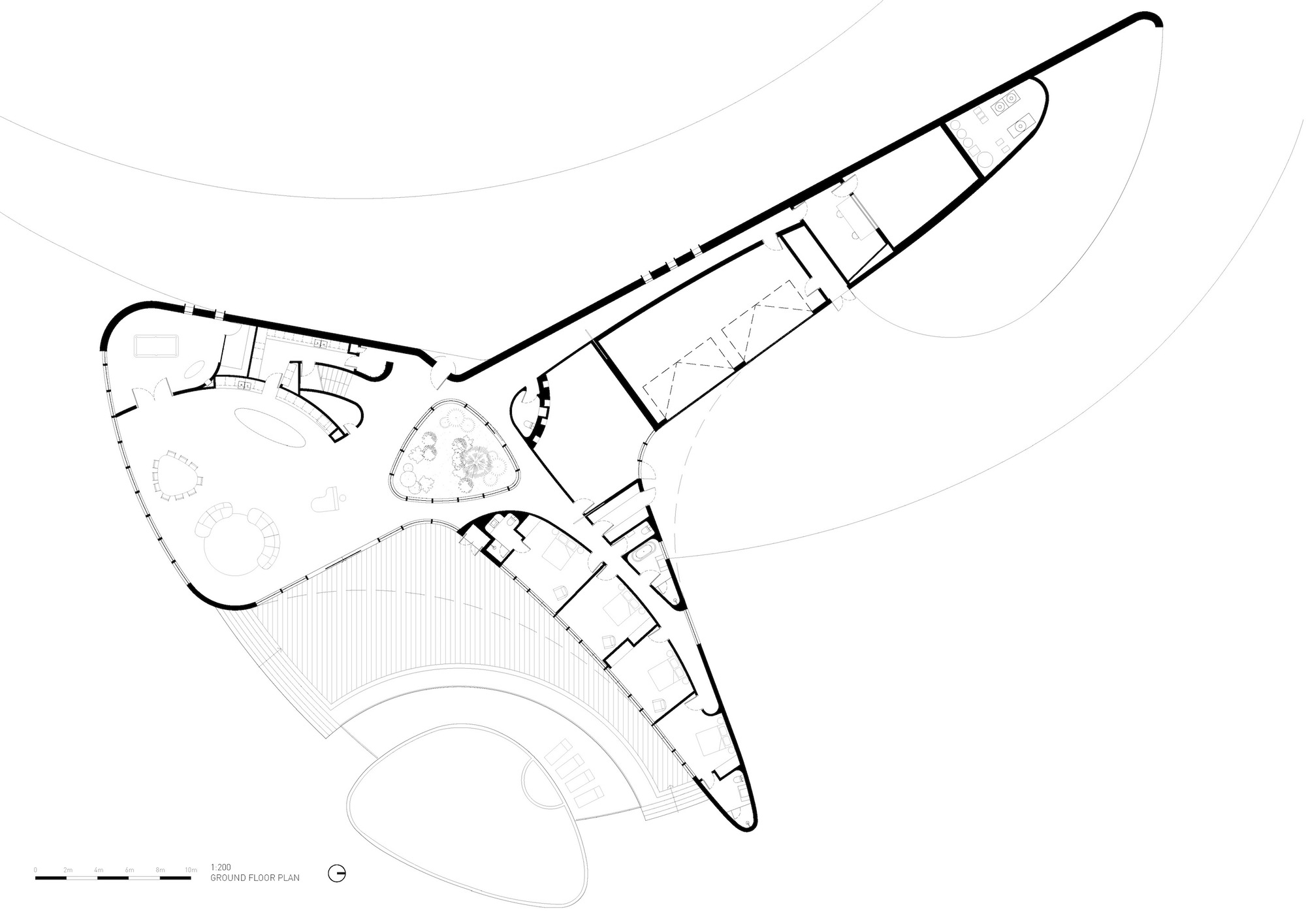
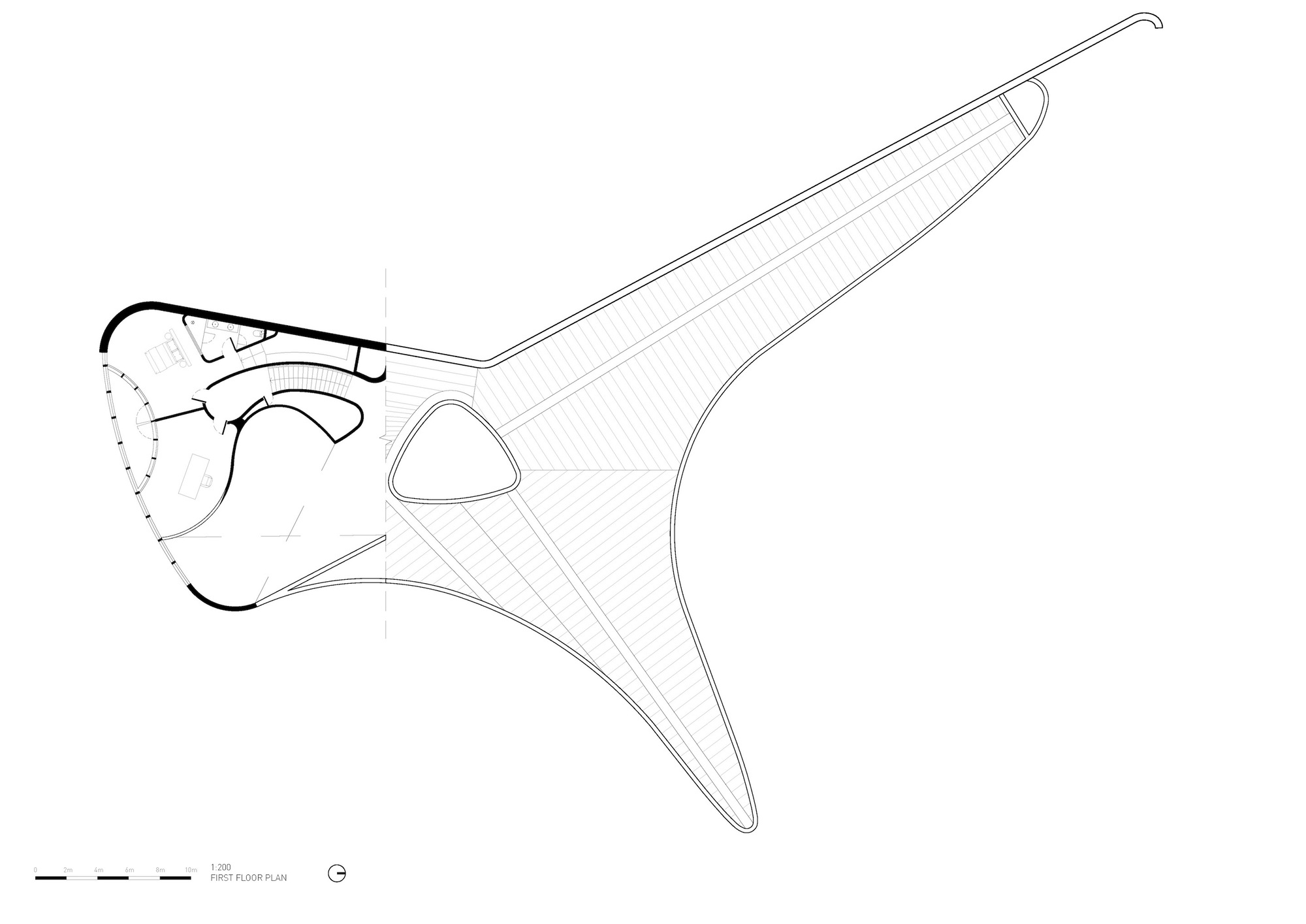
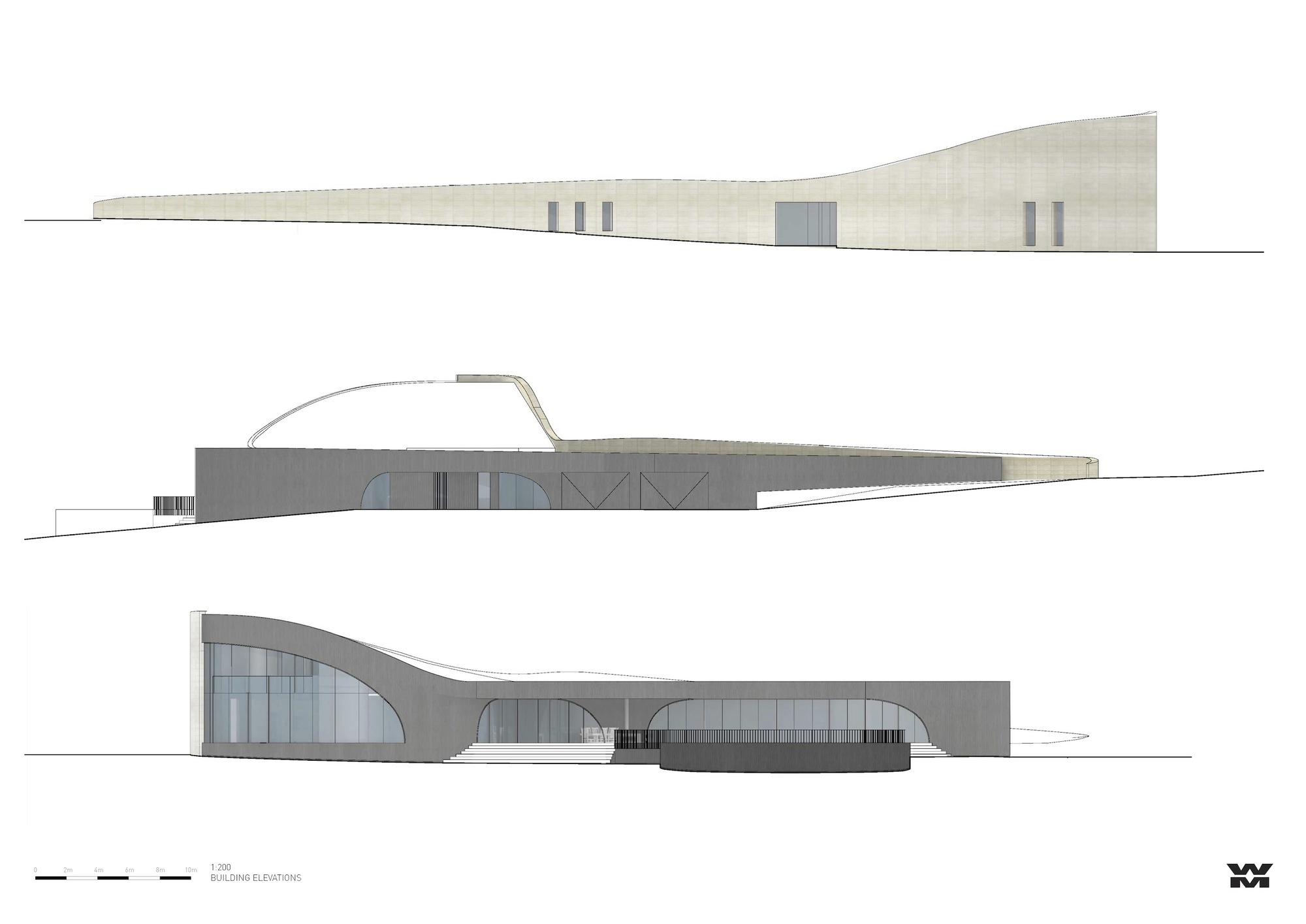
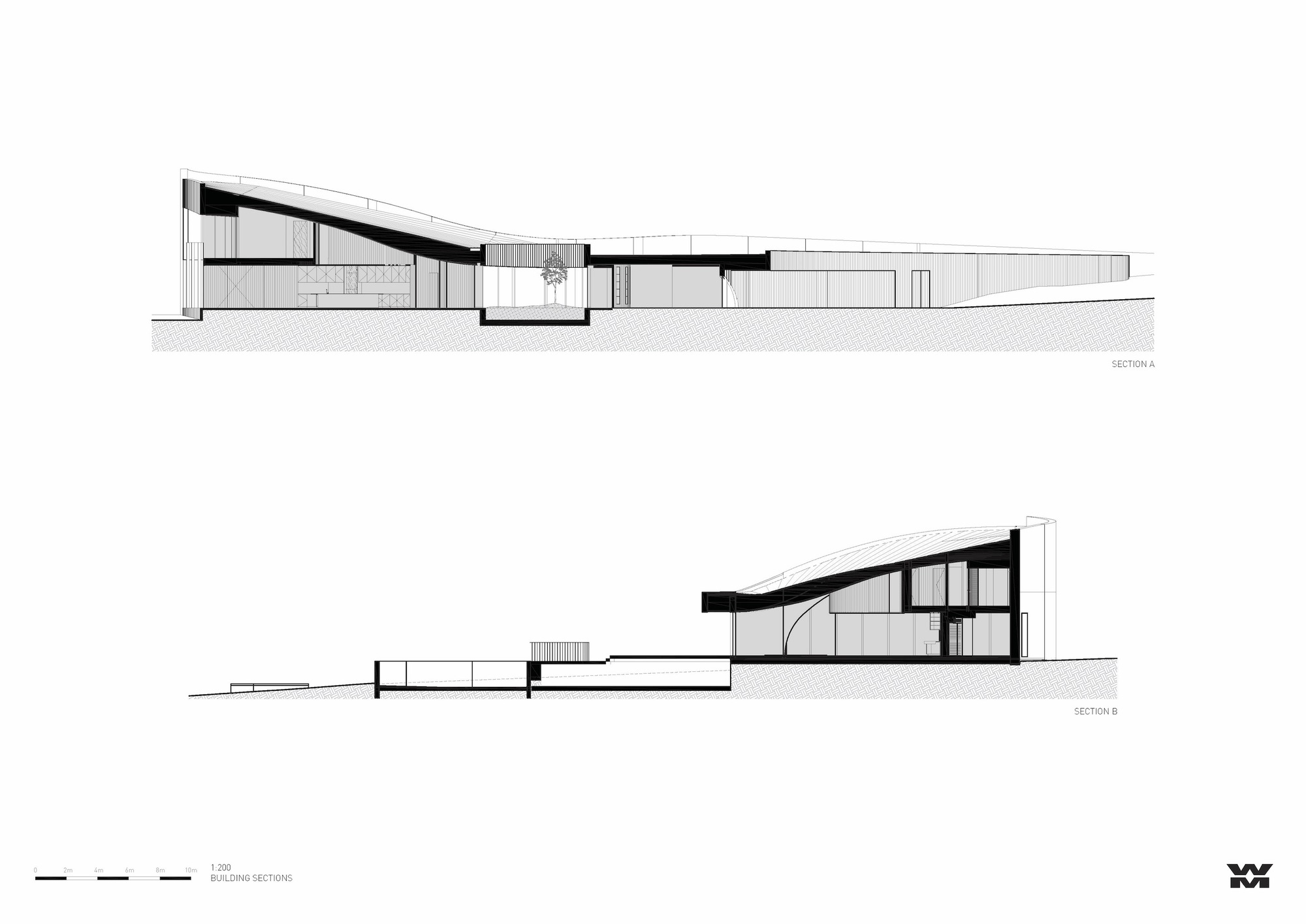
Peninsula House #architecture Architects: Wood Marsh Year: 2023 Photographs: Timothy Kaye Architects: Wood Marsh Architecture Country: Australia As an artistic architectural response to Australia’s coastline and the contours of the rural landscape, Peninsula House forms a dramatic sculptural relic, weathered by its context. The dwelling is located on the high point of the site, overlooking a coastal stretch of Flinders with Bass Strait beyond. Approached along a meandering driveway, a ribbon of rammed earth rises monumentally 10 meters into the air, wrapping behind the dwelling before gradually tapering and returning to the landscape. The elevation has minimal glazing and considerable thermal mass – stabilizing the heat from the afternoon sun. A notch midway along the wall forms a shadow line, subtly defining the entry. Crossing the entry threshold, a lush, planted atrium defines the building’s axial center and allows natural light to flood into the interior. Bending hallways snake from the atrium to create three distinct zones – a living zone for entertaining, a bedroom zone, and a recreation zone. The private master bedroom sits above the living zone, accessed by a sweeping stair cloaked in darkness. The main double-height living space dramatically rises towards the glazing and expansive views of the rural terrain and ocean. The sweeping parabolic ceiling affords a unique acoustic quality to the space that accommodates the sound from the owner’s grand piano and collection of musical instruments. Adjacent to the main living space is a large, sheltered terrace fulfilling the client’s brief to host grand poolside events with views of the valley and water. Each of the five bedrooms and main living spaces celebrates views of the rural context and surrounds. At the end of an evocative hallway, lined on one side with rammed earth and slot windows, lies a purpose-built recording studio. The dark, natural external material palette of charred timber and rammed earth shrouds the building, selected for its robust and low-maintenance qualities. The charred battens cloak the building mass, allowing it to recede into the rural context as an enigmatic form. Internally, the thematic quality of darkness continues with black mosaic tiles, black timber battens, blackened brass, and black terrazzo flooring. There is an emphasis on the shifting nature of light and shadow along curving surfaces and forms of walls and openings. The monochromatic tones frame views of the natural colors present in the surrounding setting. Peninsula House is envisioned in the round, to sit harmoniously in the topography of its site – its raw sculptural language belying its domestic use - an erosional remnant formed by its harsh, exposed coastal setting.
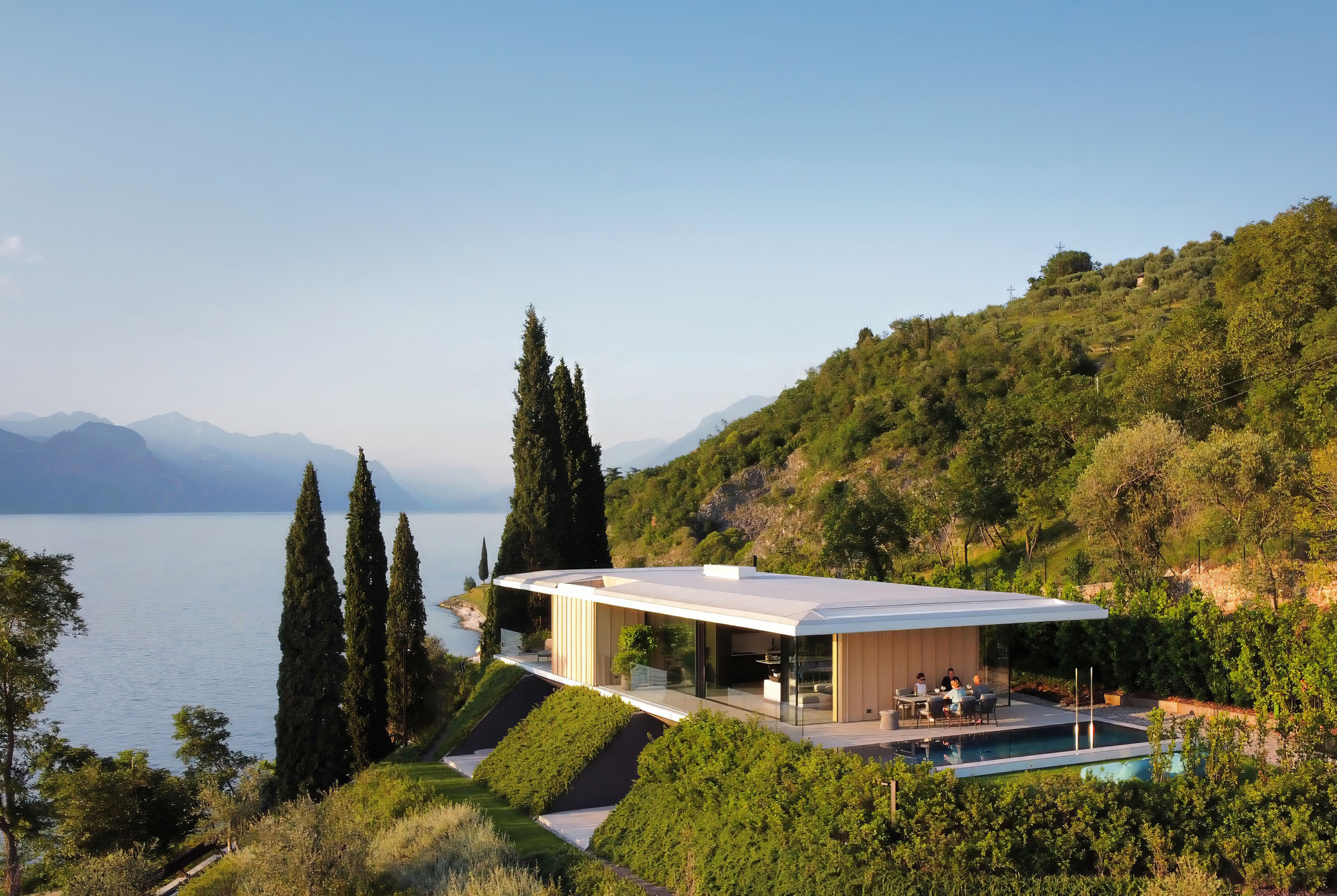
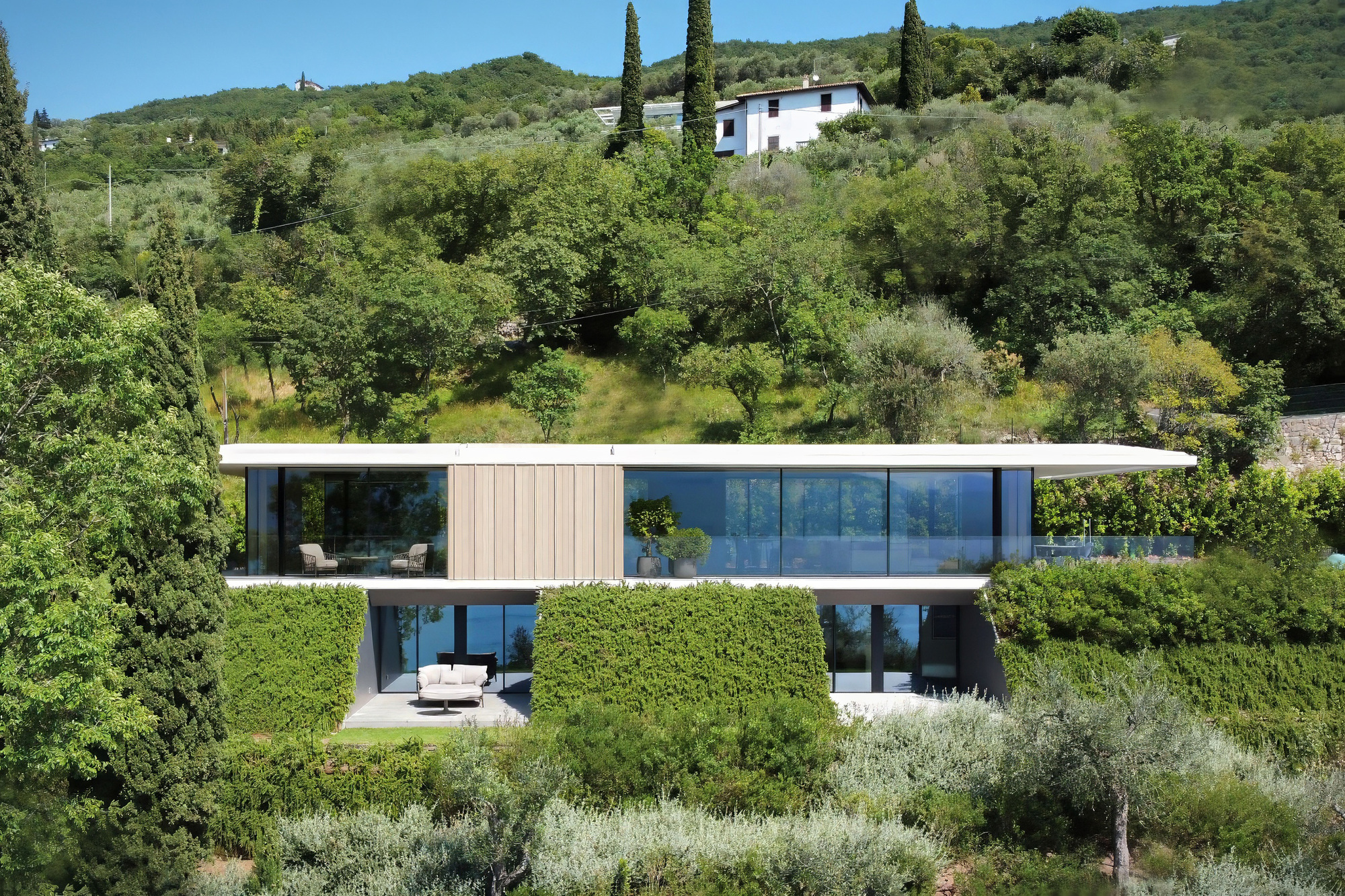
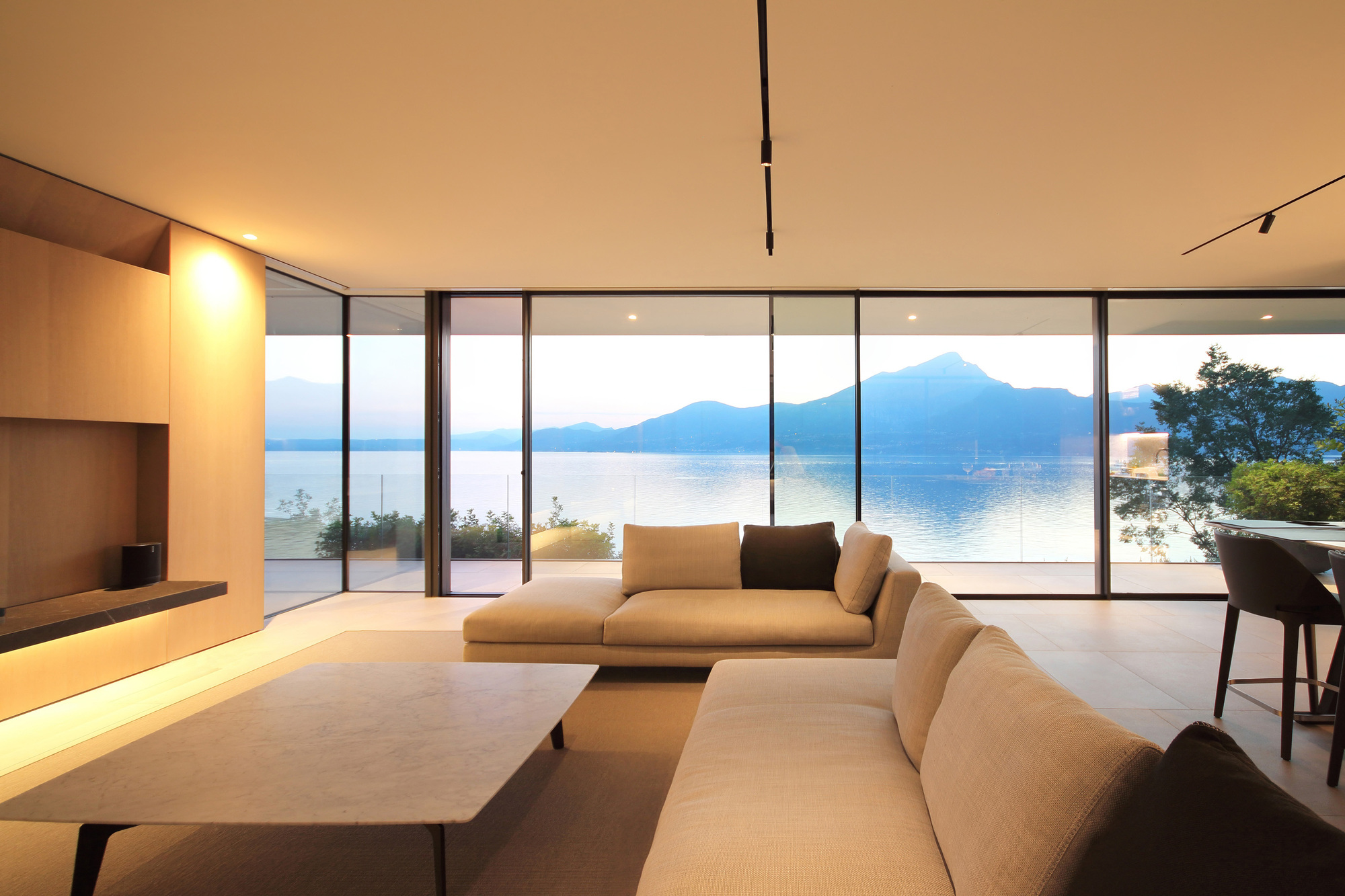
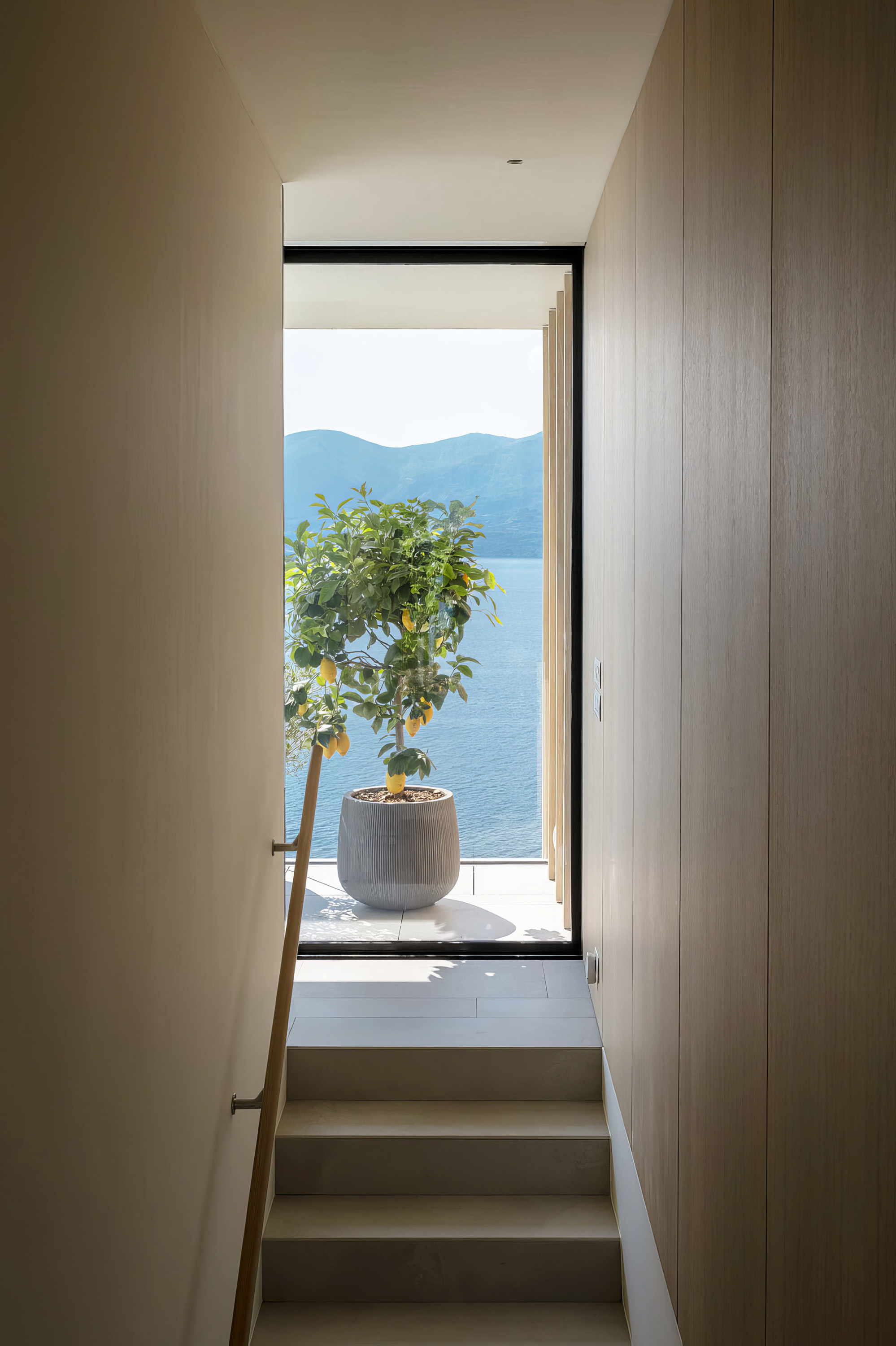
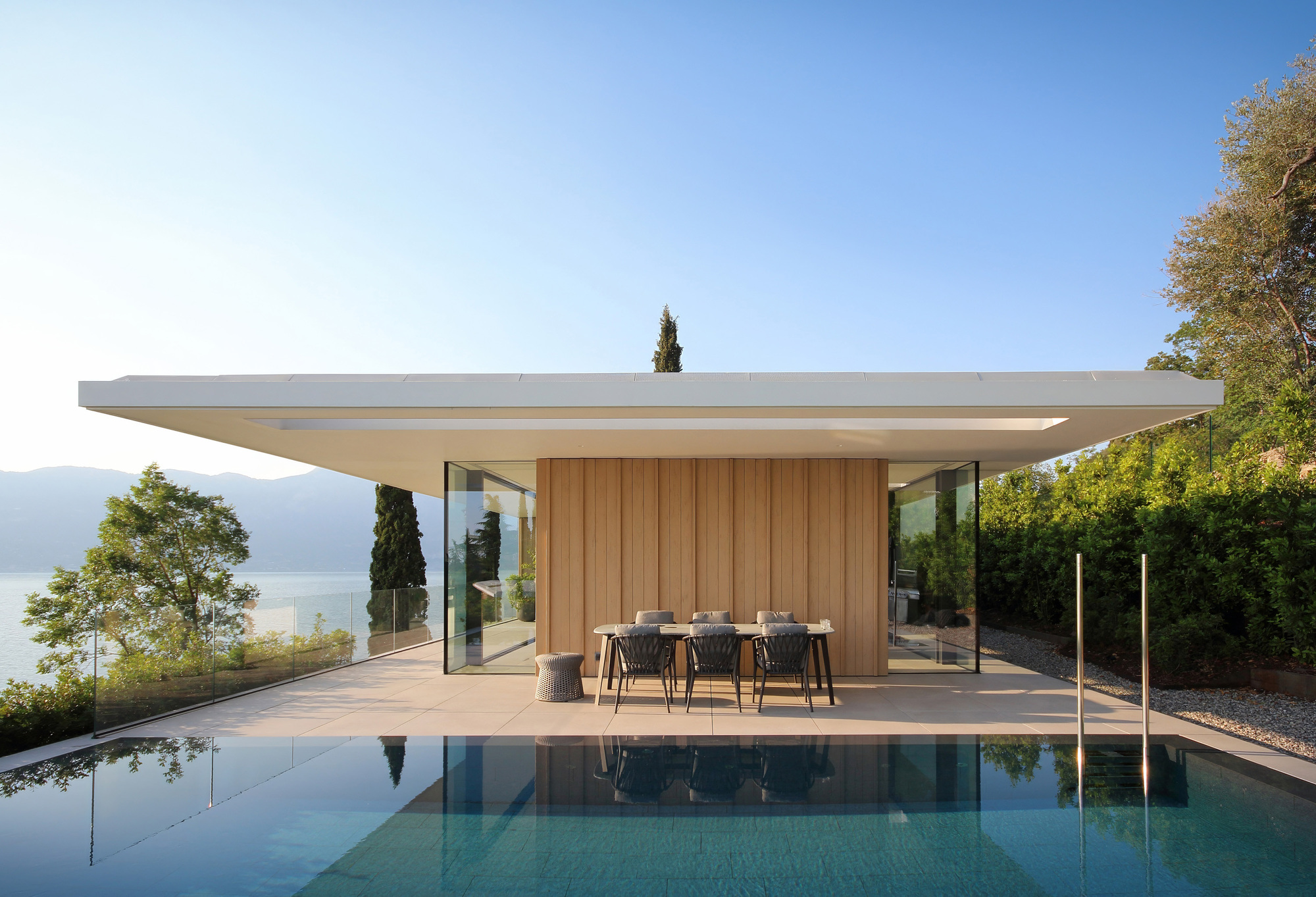
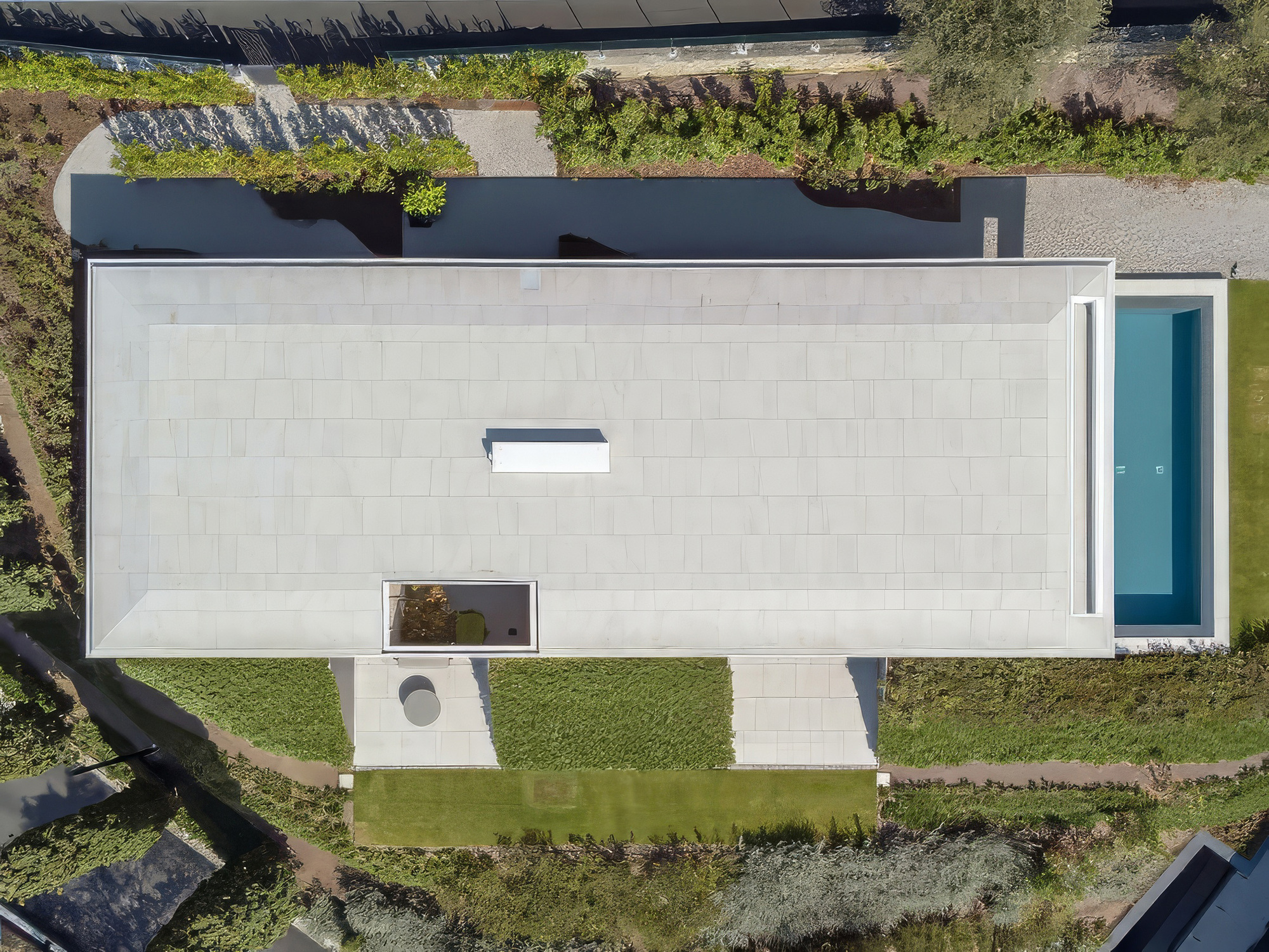
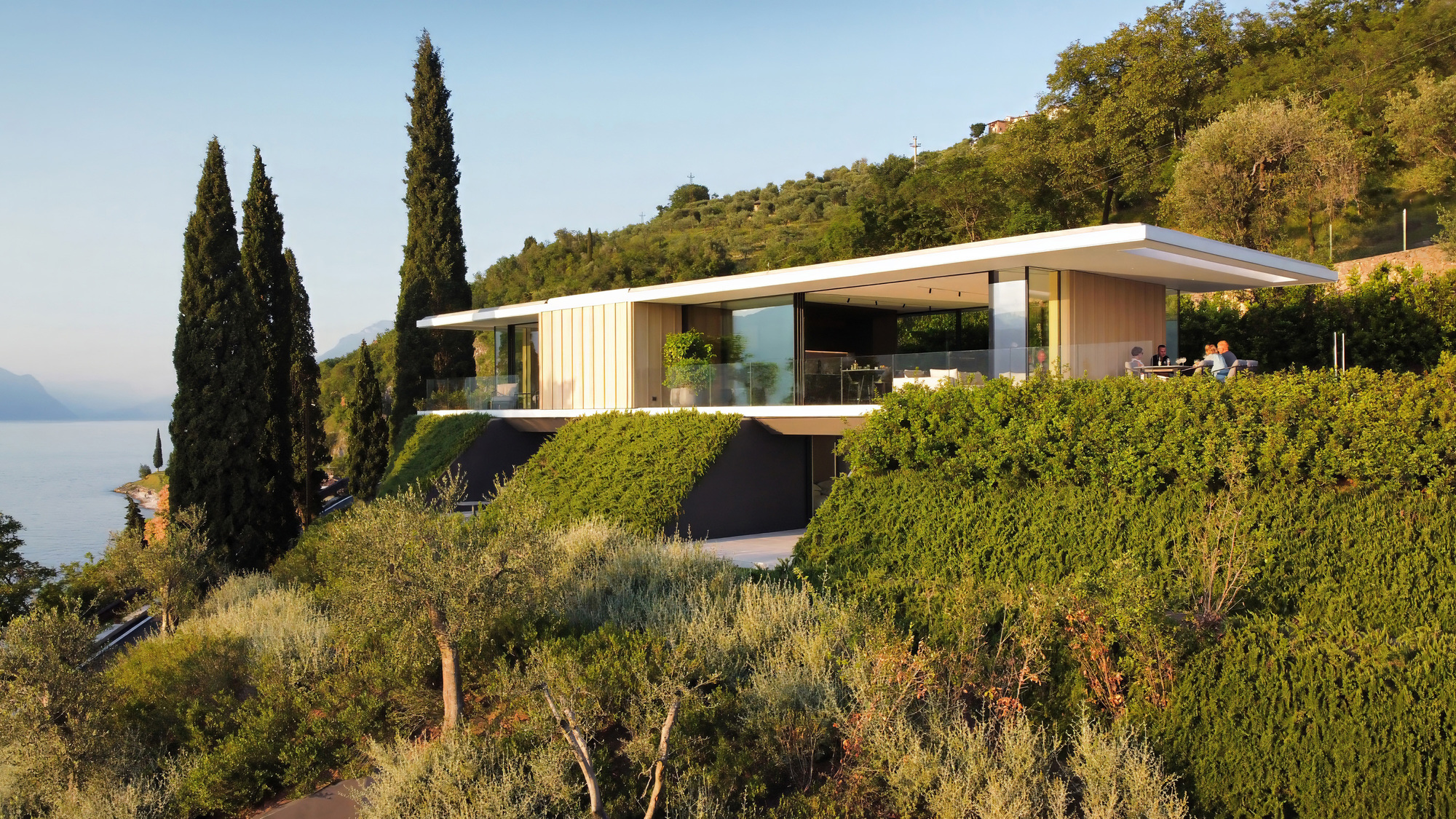
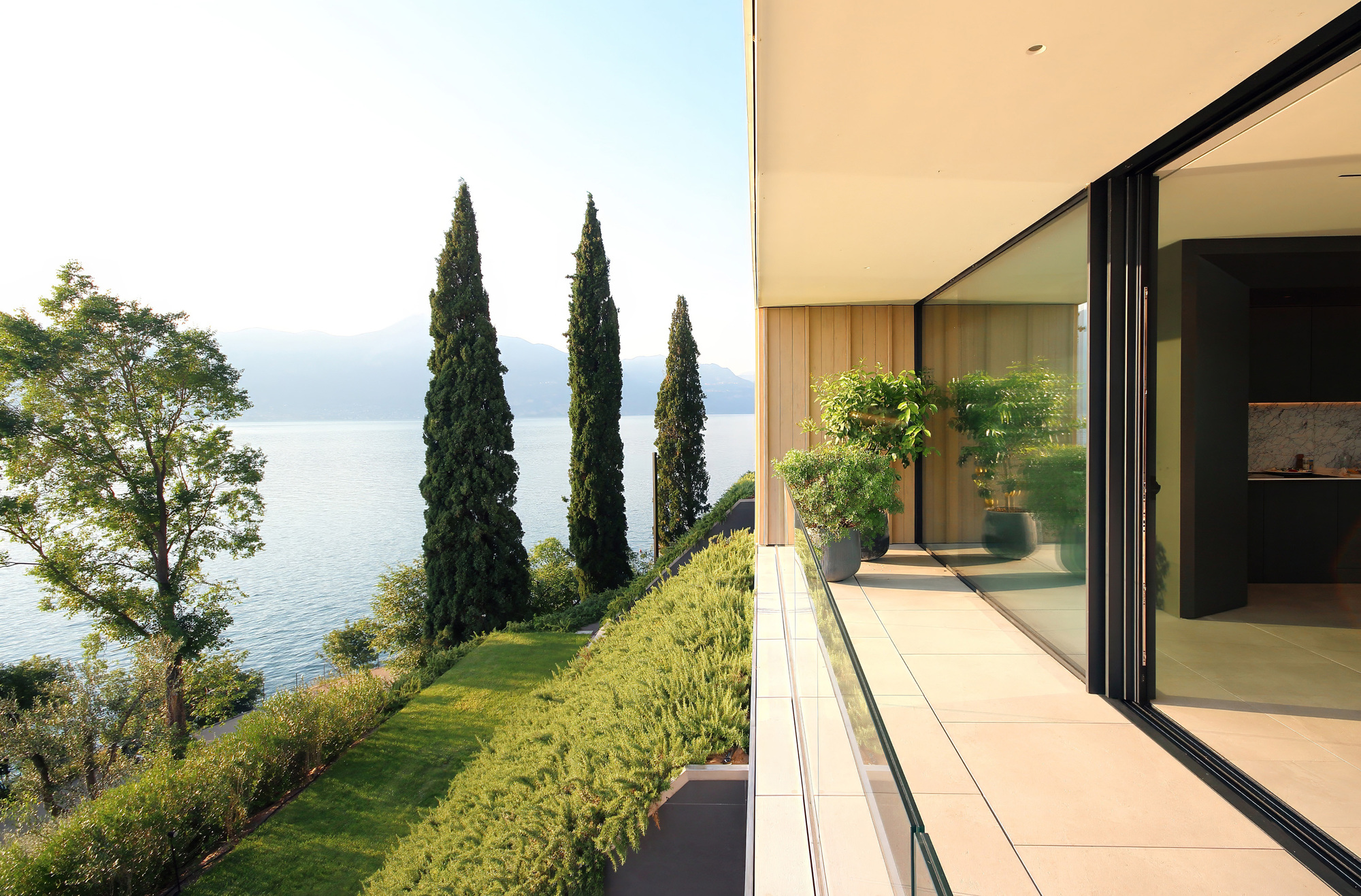
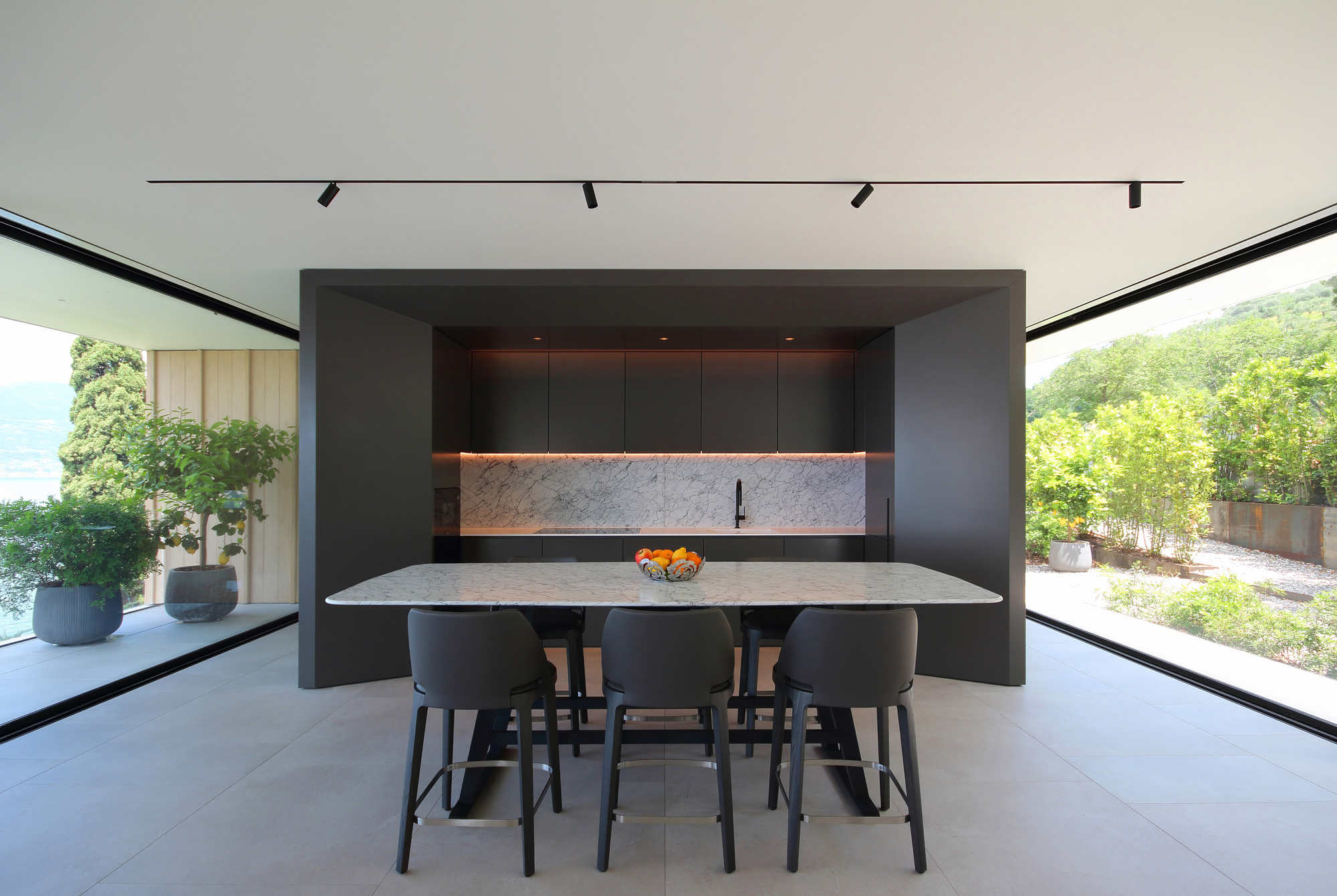
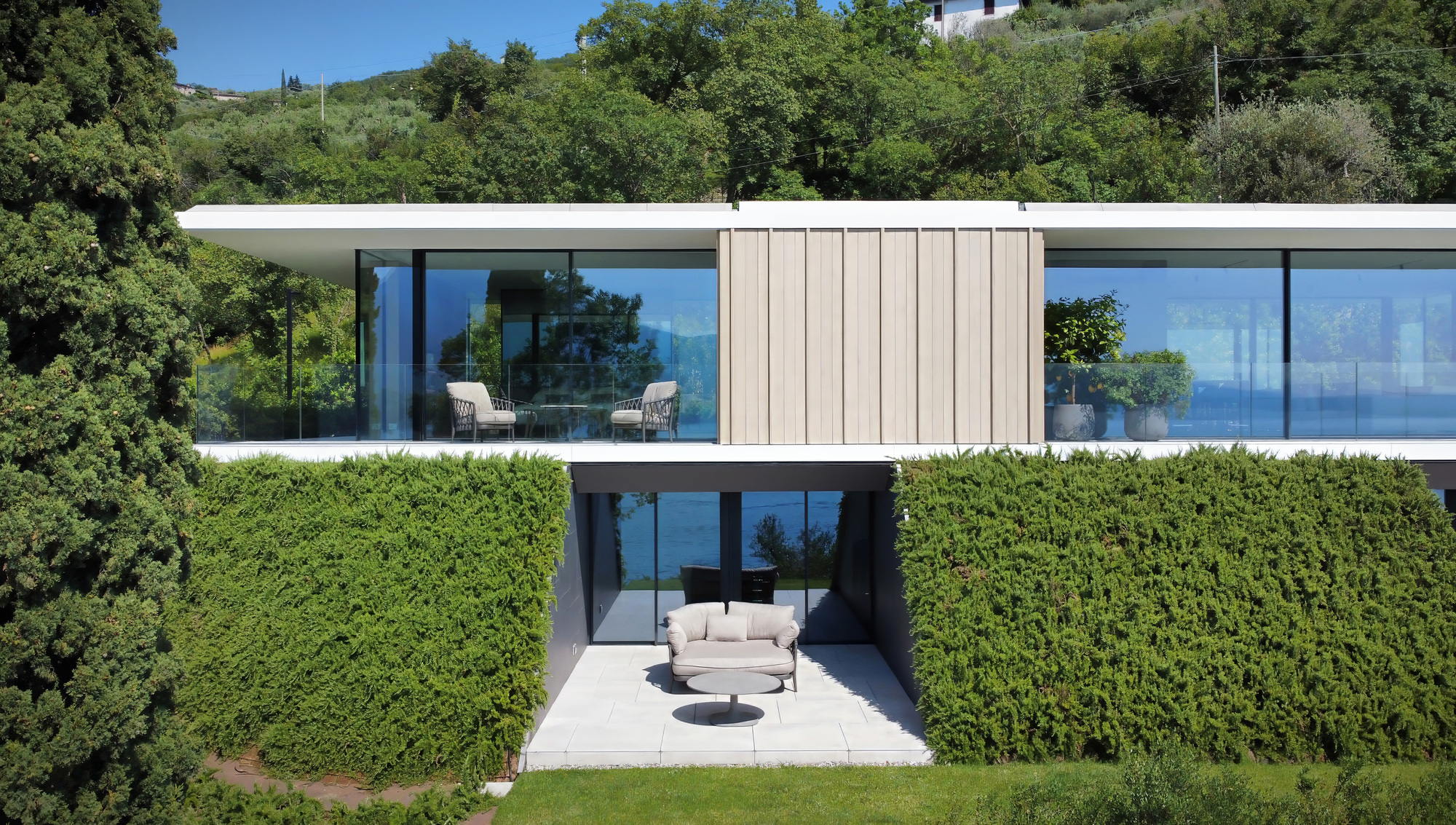
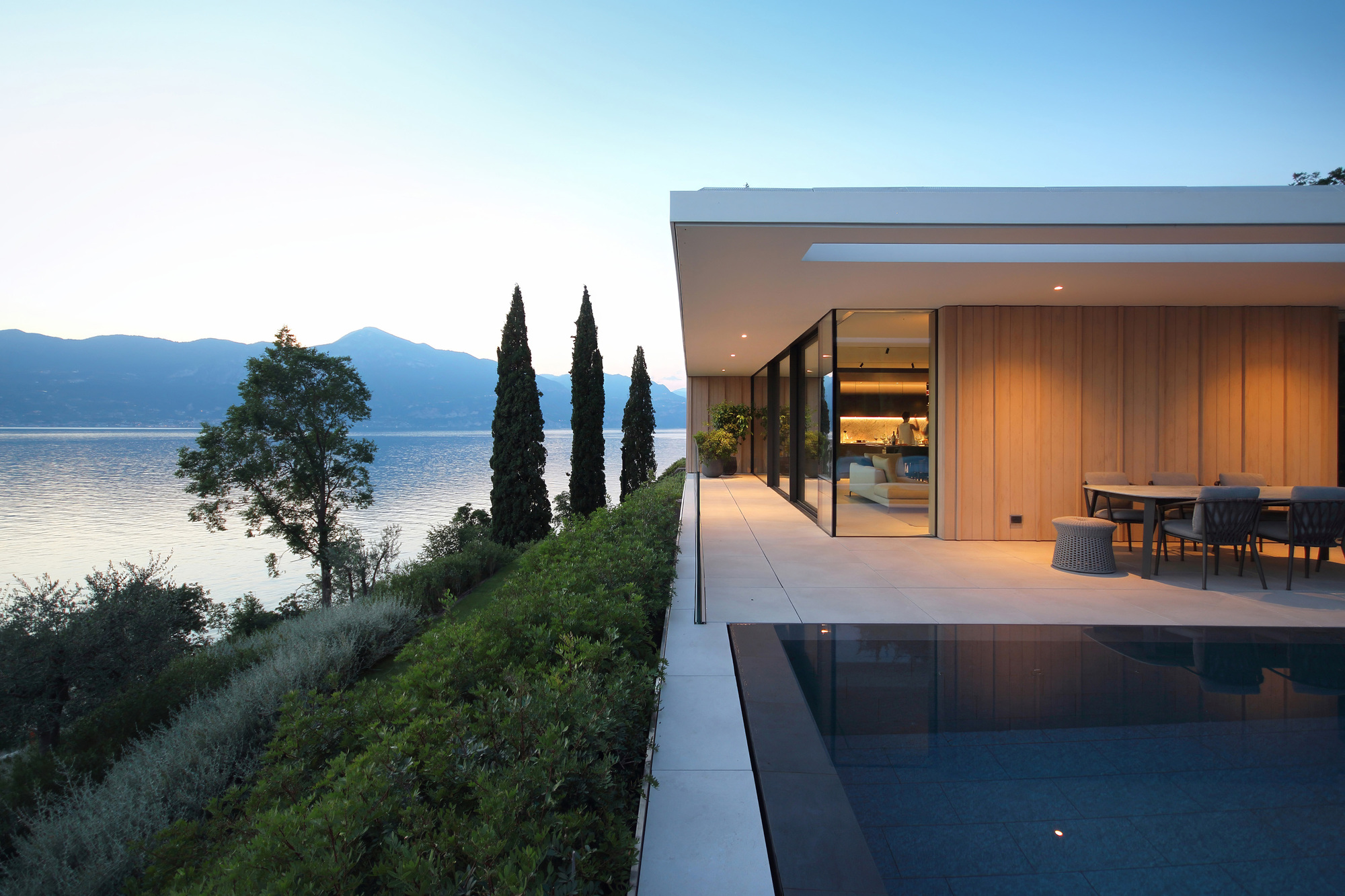
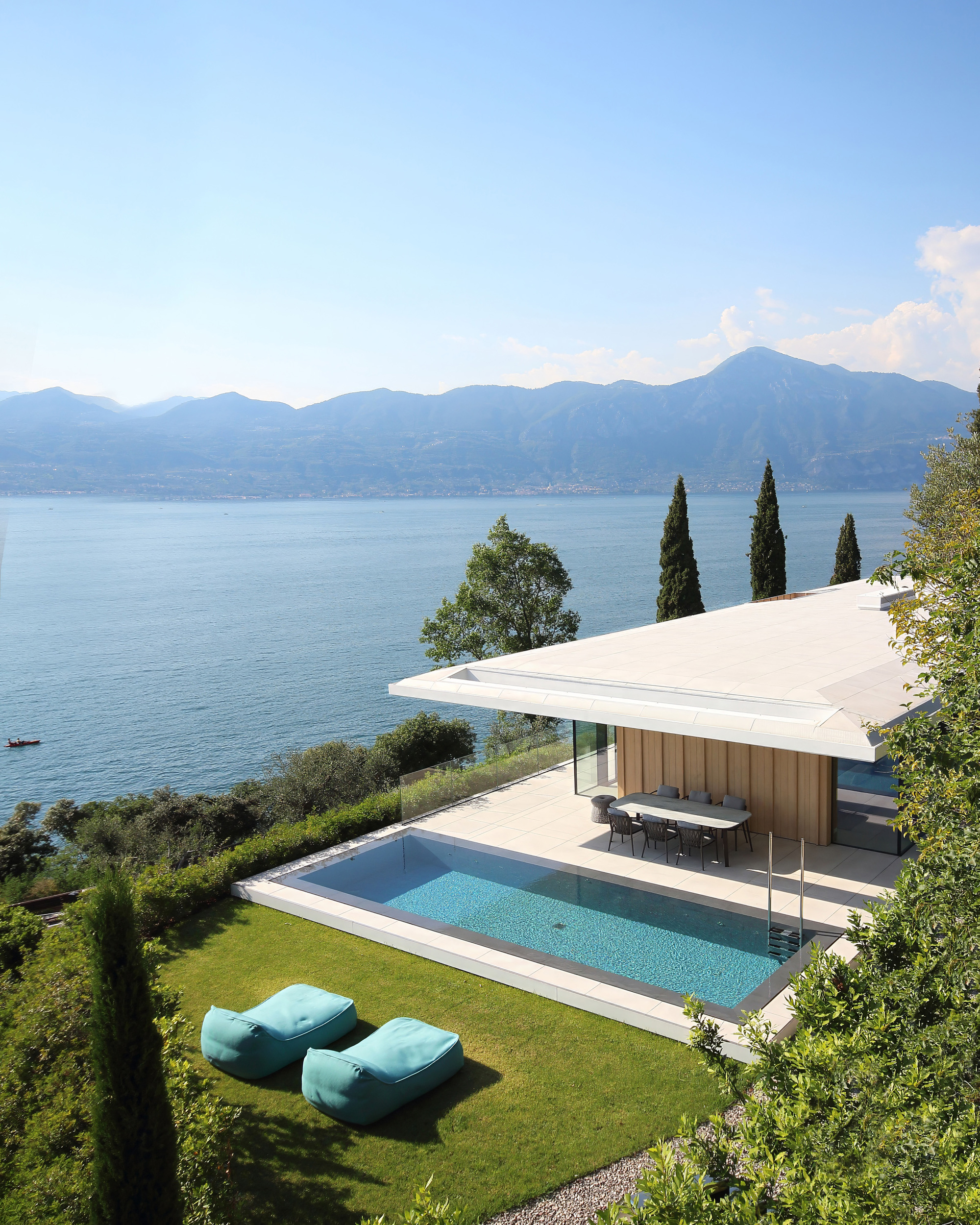
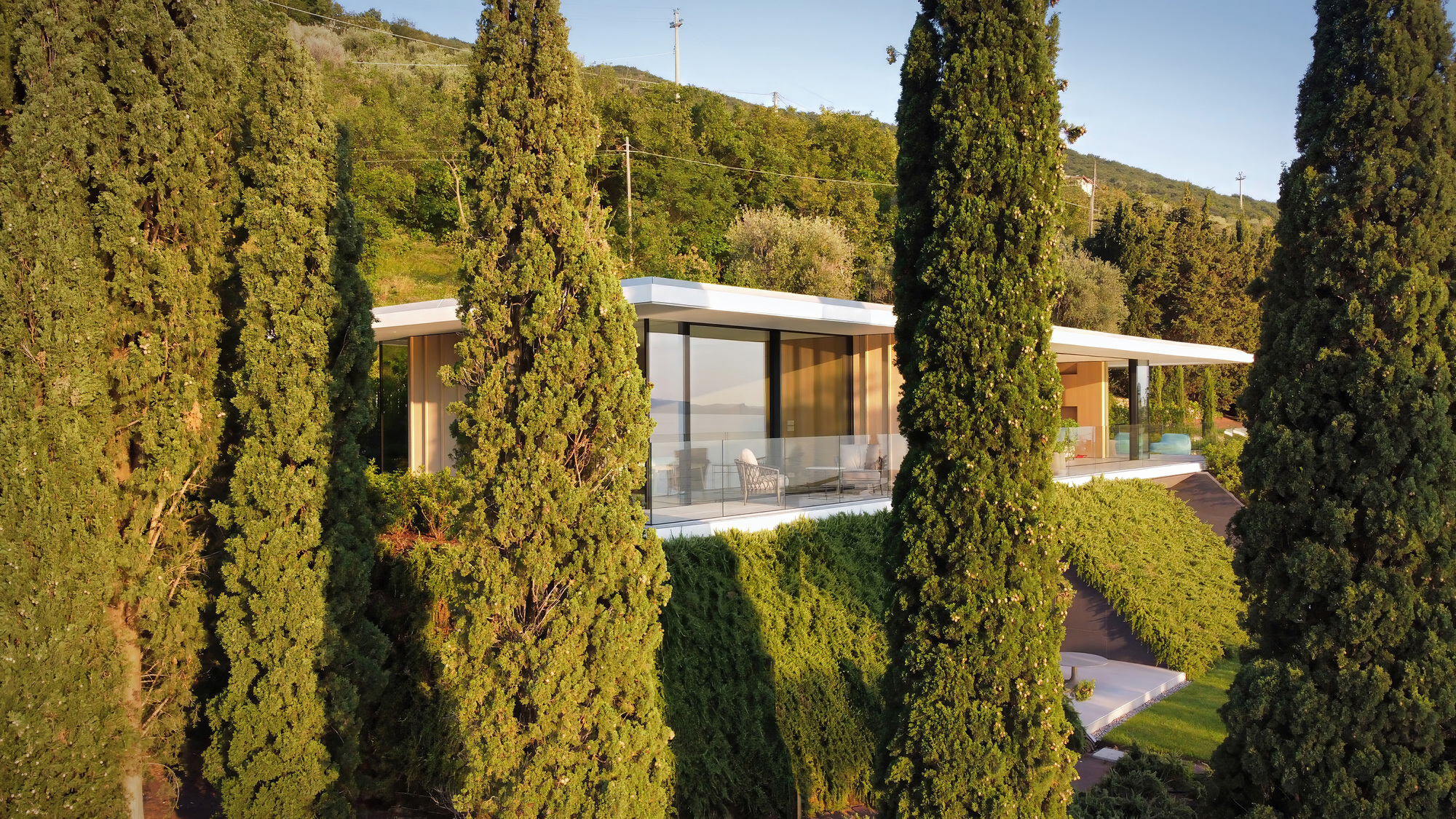
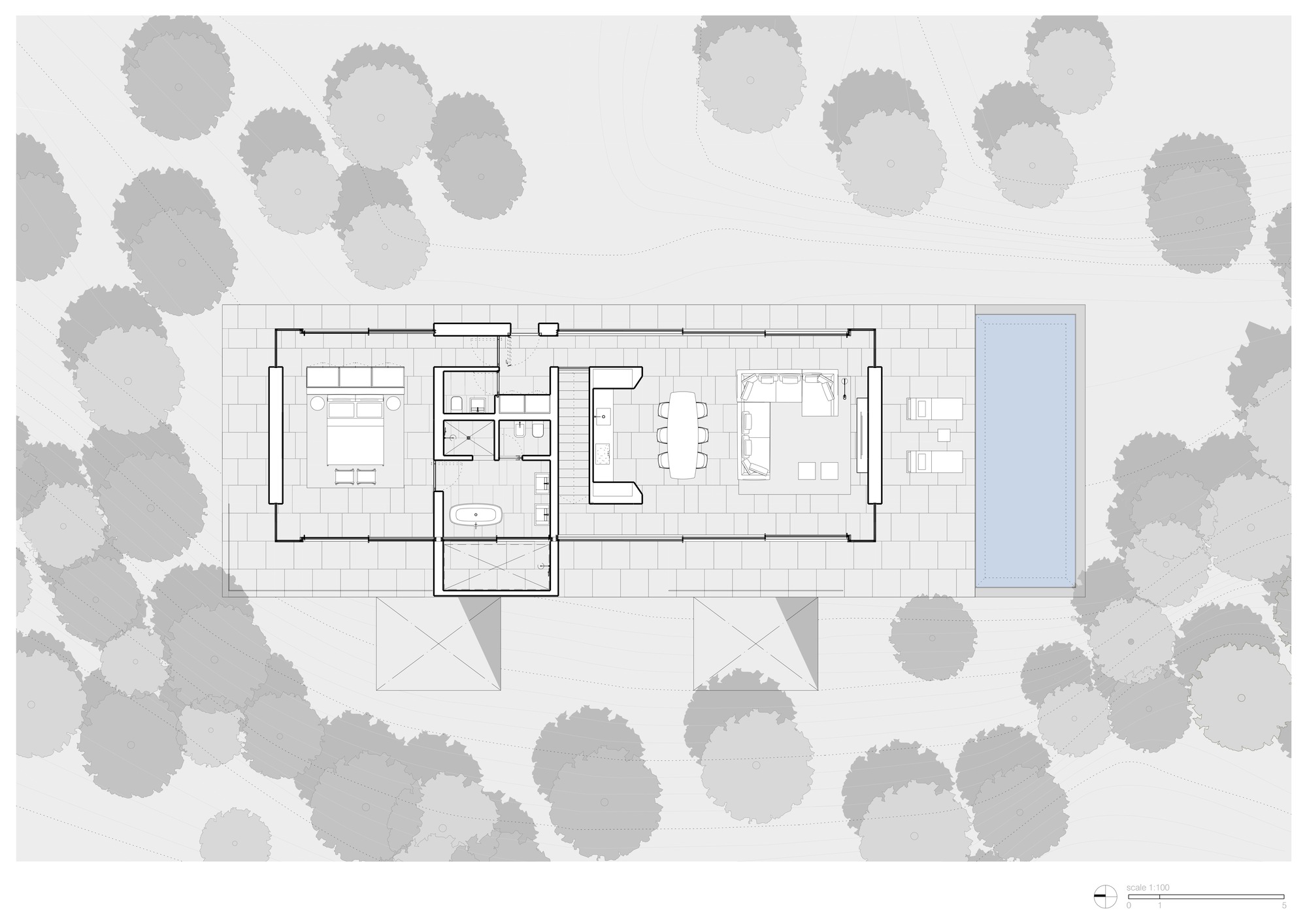
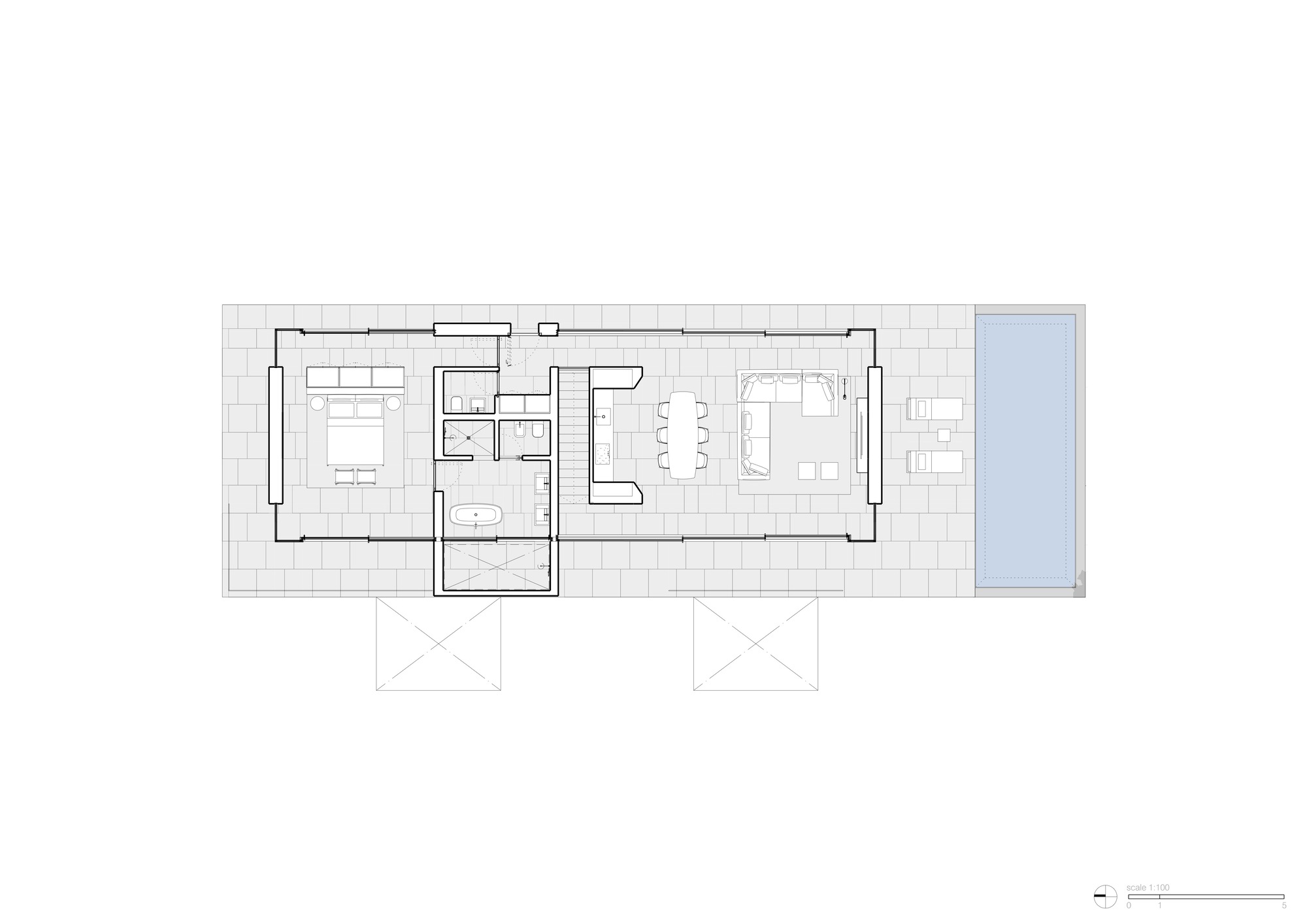
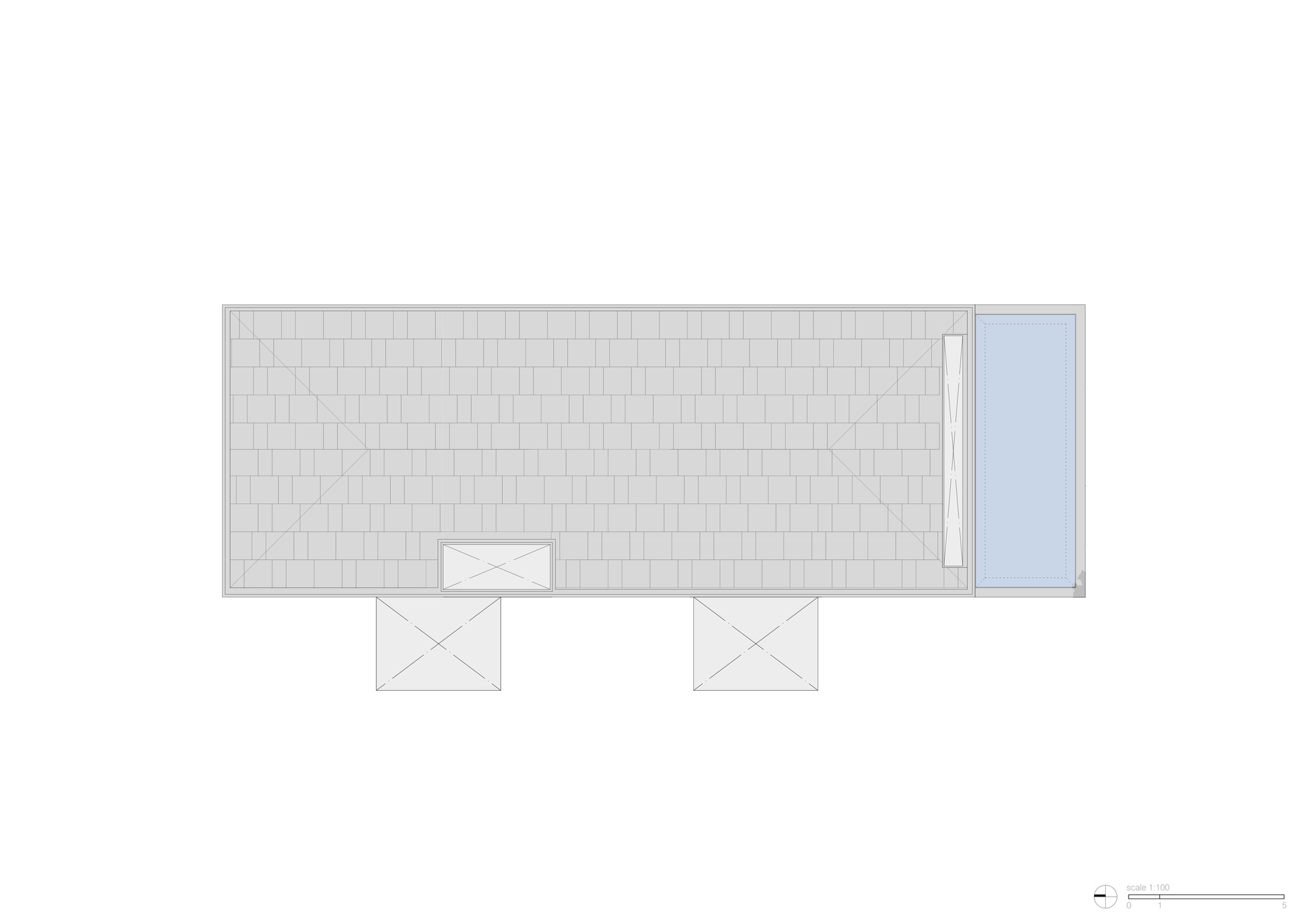
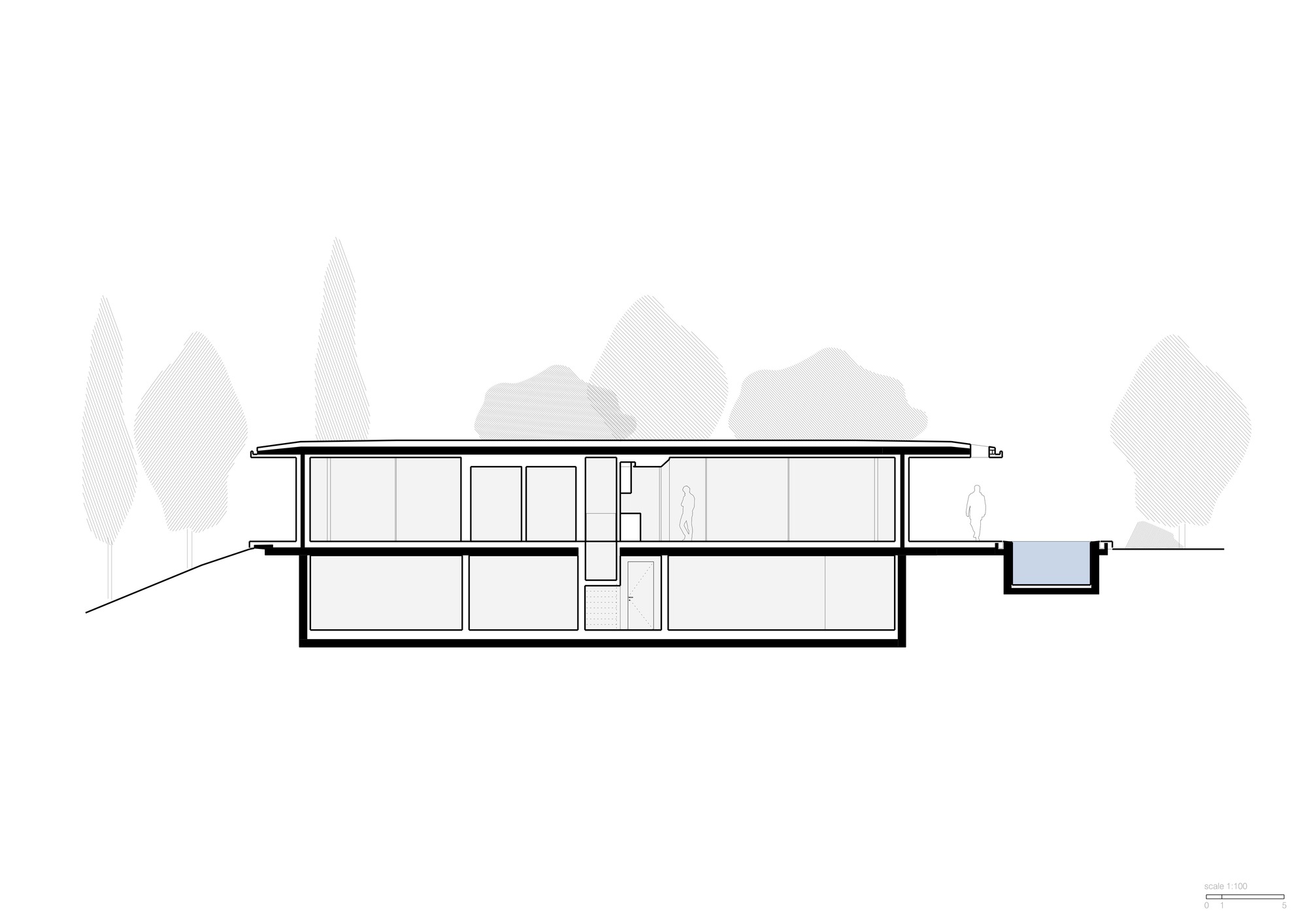
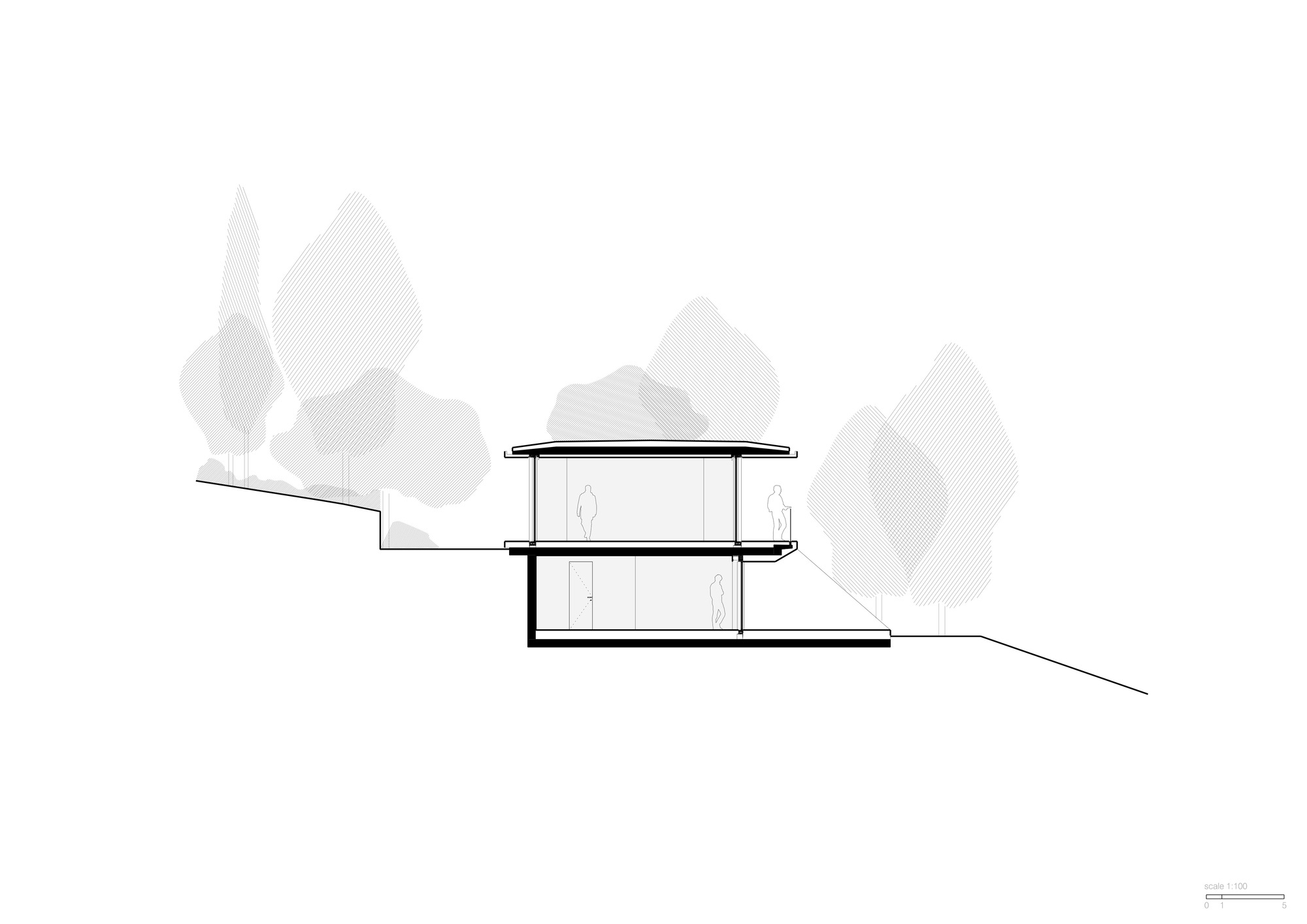
Villa Dellago #architecture Architects: JM Architecture Area: 250 m² Year: 2023 Photographs: Jacopo Mascheroni Location: Italy It is a one-storey pavilion where the living area is on one end and the Master Bedroom on the other. The service spaces are in the center, where a staircase descends into the underground areas that have been designed from a careful study of the natural slope. Two large patios, opened towards the lake, allow the rooms on this lower level to enjoy the view and natural light, and they are shaped on the slope of the terrain. The elevations of the main floor are largely glazed: all the rooms have a wide view of the lake and the pavilion becomes a light and permeable object. The flat roof has a cantilever on all 4 sides and the volume slightly exceeds 3 meters in height: in this way there is the perfect balance between light and shadow and the house is completely integrated into surrounding vegetation. The roof surface has been thought with the same care as an elevation: the technical components have been hidden and the surface has been covered in light gray ceramic material. The unique closed part of the façade is the master bathroom on the main level, which however enjoys the light coming from the open-air patio that extends the interior space to an external wet area. This whole part is clad in wood plastic composite slats, whose oak finish brings to mind the tones of the natural landscape in which the building is located. A white aluminum frame at the base of the pavilion marks the entire perimeter and, at the south side of the platform, a swimming pool is designed inside the extension of the building's outline. The interiors include fully custom-made fixed furniture, like the oak "boiserie" that covers the walls, the marble vanities in the bathroom or the open kitchen that integrates various technical equipment into its structures. The furniture floats in the rooms to intensify light and contemporary appearance of the interior. Privacy is managed through the use of retractable roller blinds which, perfectly integrated on the perimeter of the internal ceiling, could filter the view from the outside. The garden is designed with lines that follow the levels of the land, and the vegetation depends on the orography of the site: the lawn on the flat terraces, specific essences for the most significant slopes. Native Olive trees and tall pre-existing cypresses have been preserved and enhanced in the composition of the project: the vegetation is as important as the architecture for the customer's comfort.
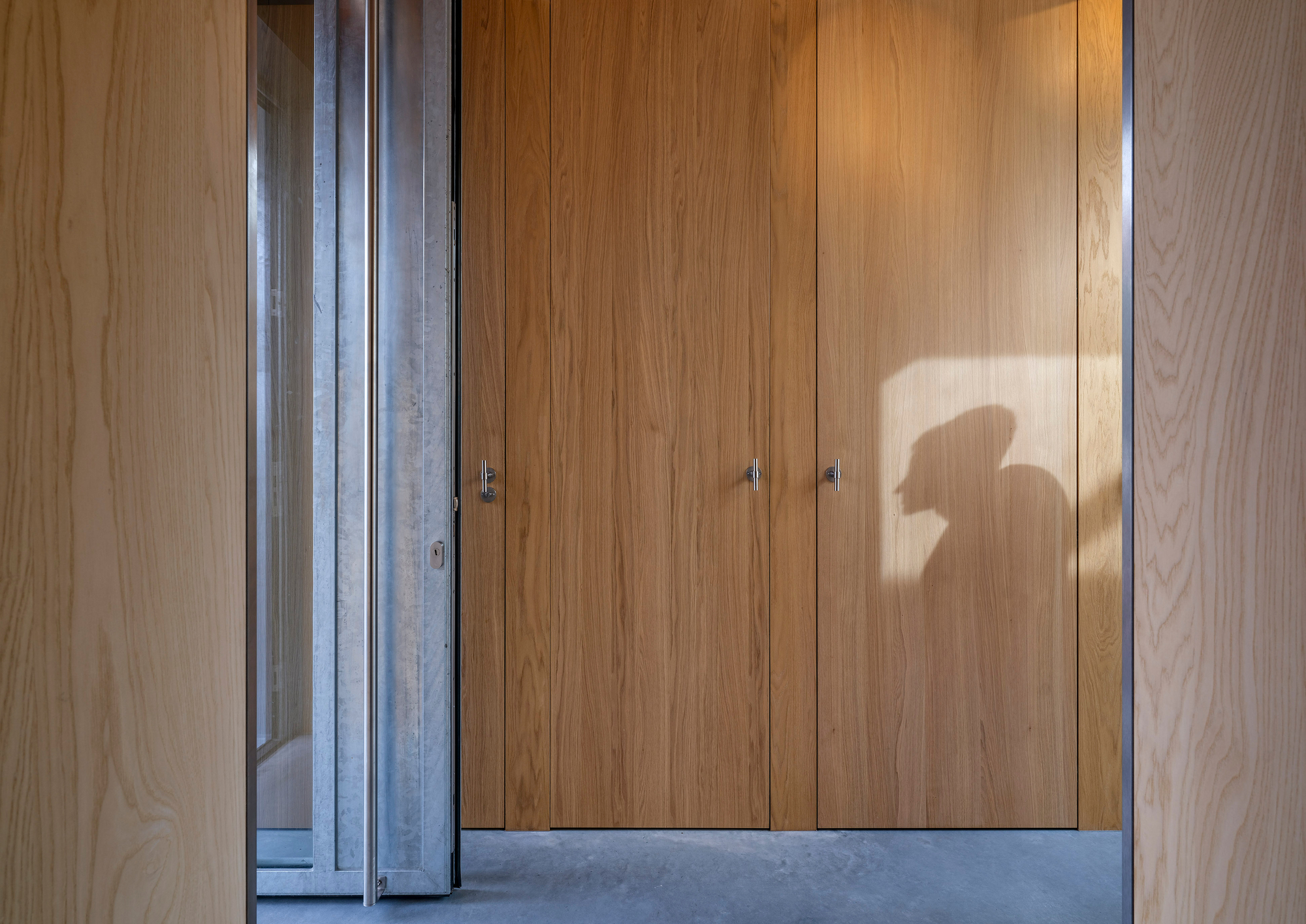
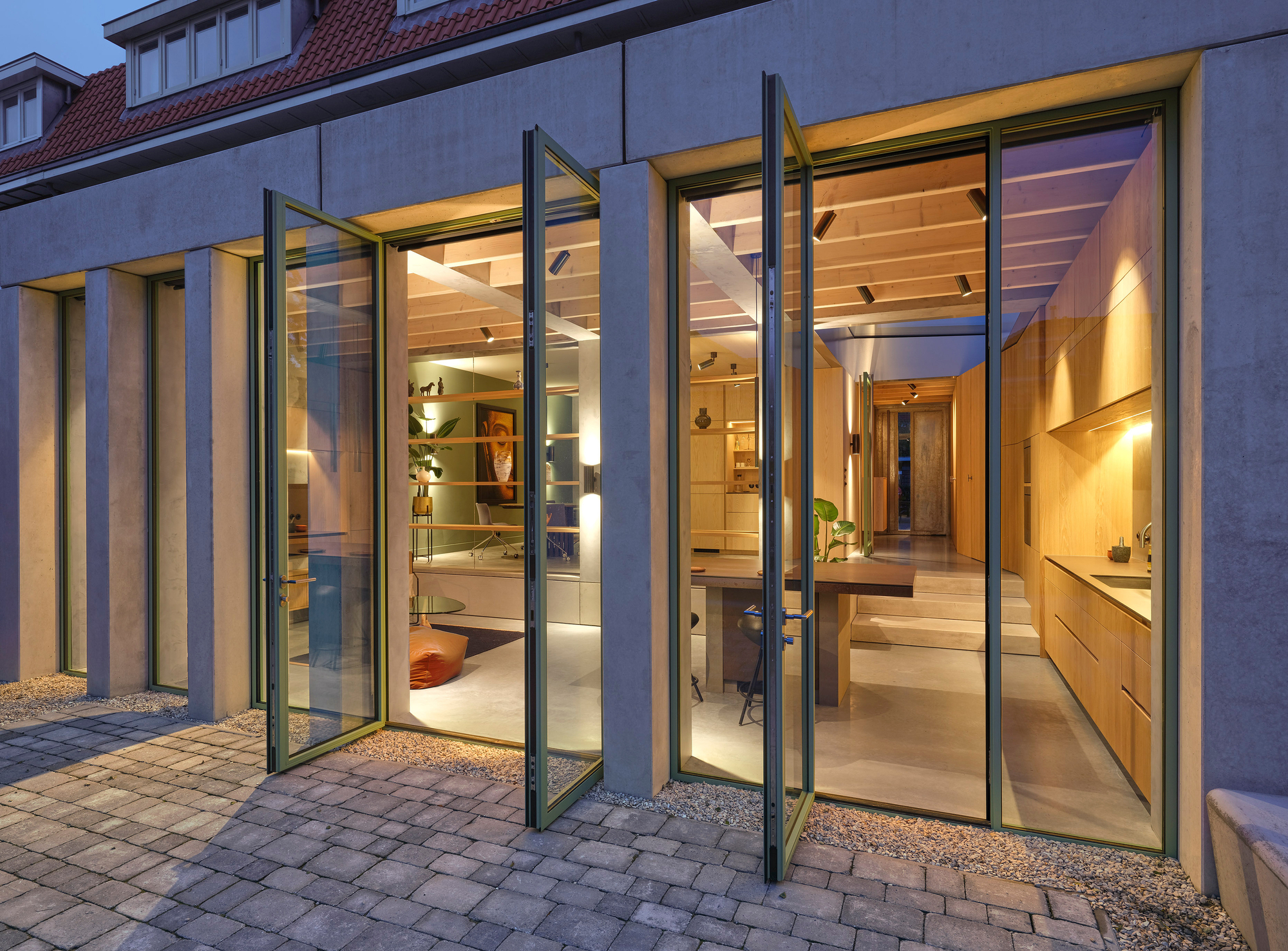
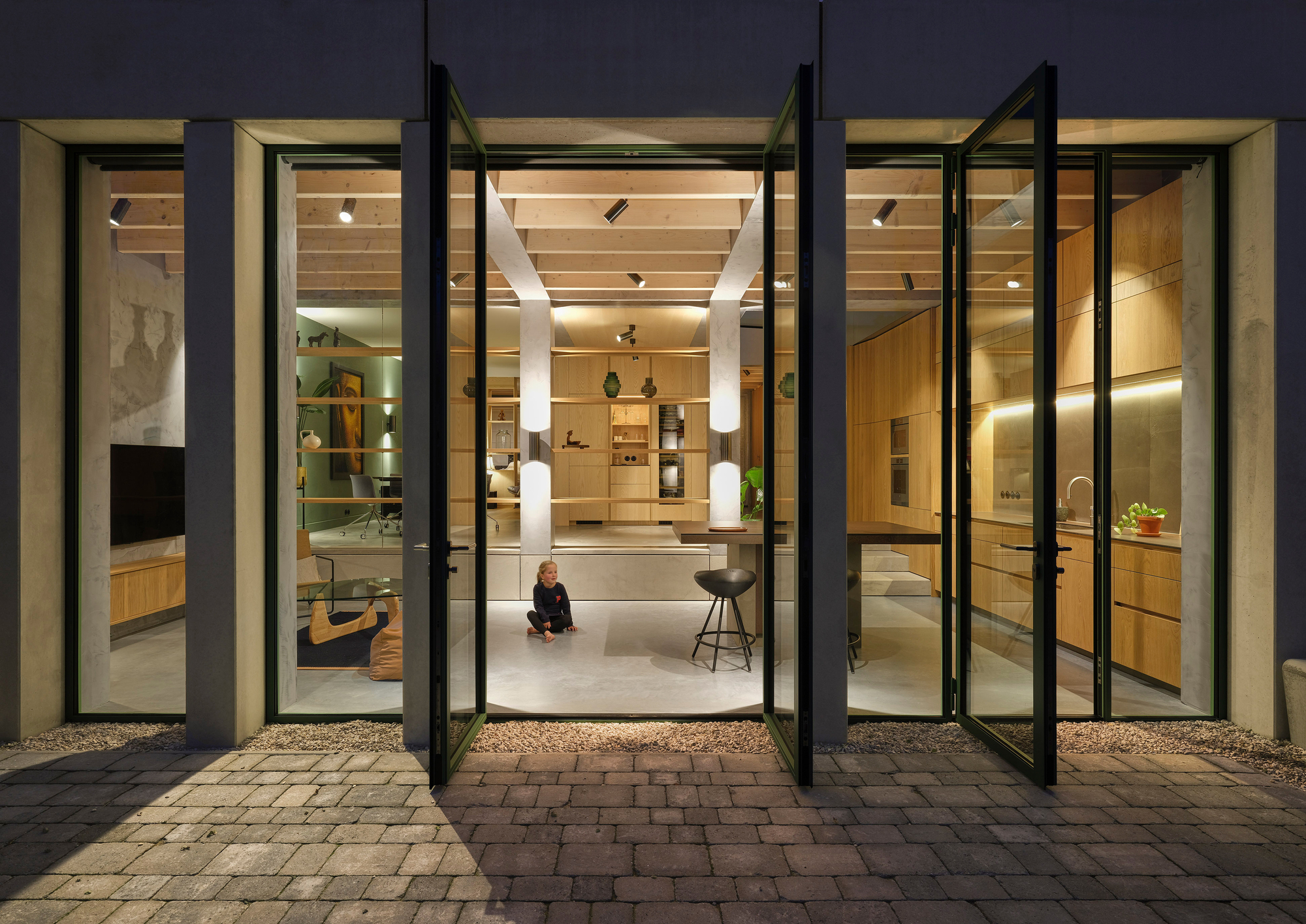
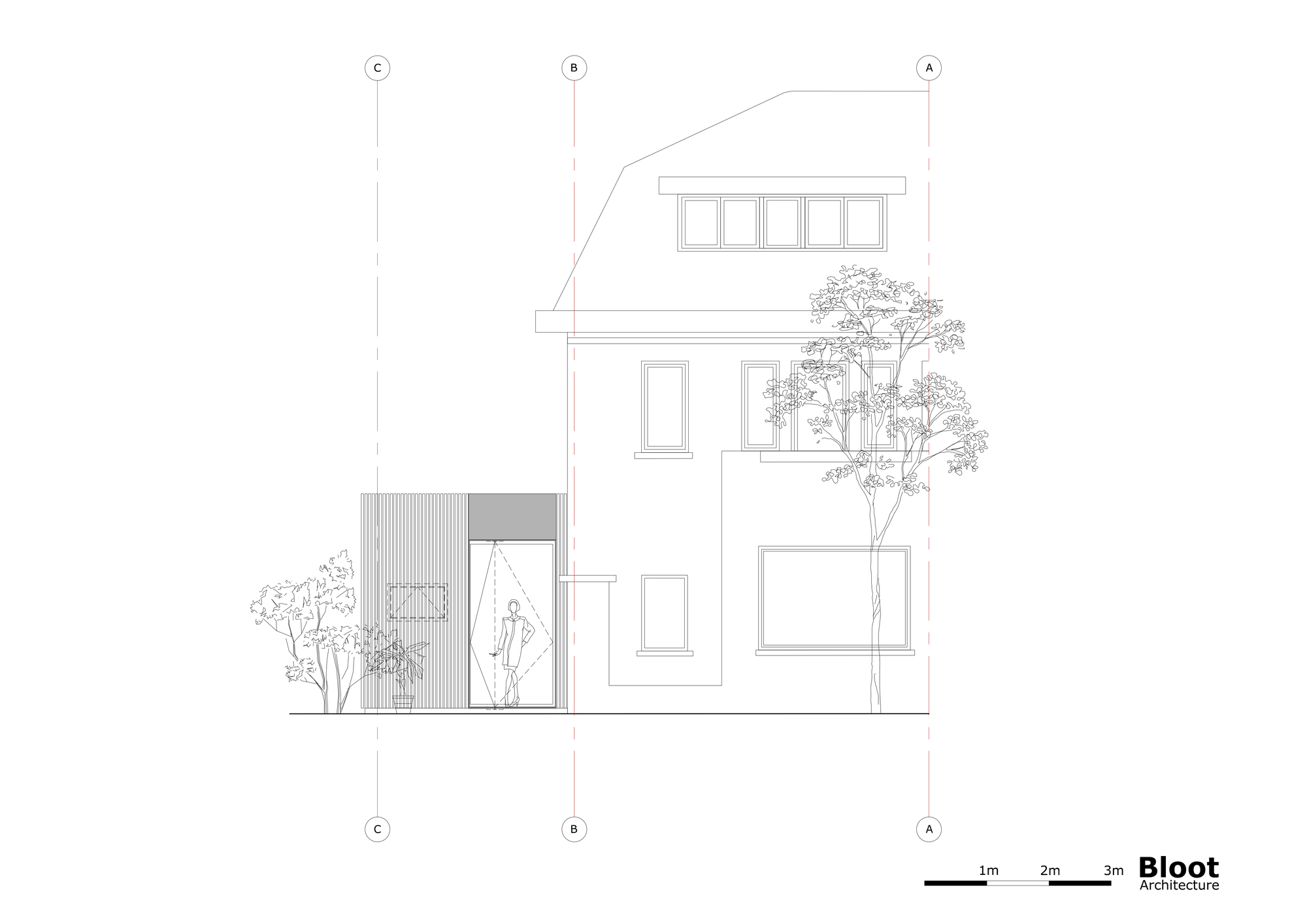
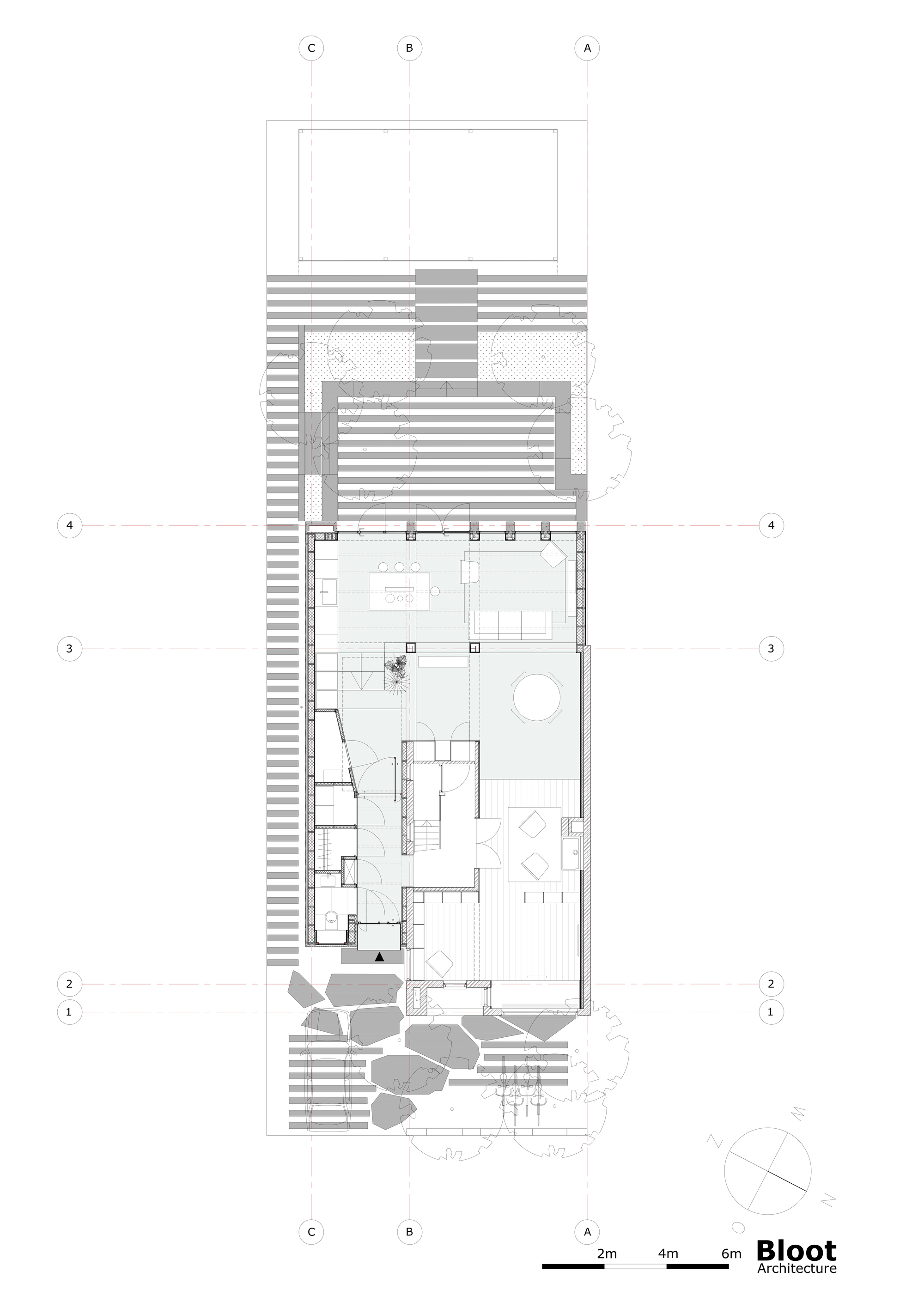
East West House #architecture Architects: Bloot Architecture Area: 140 m² Year: 2023 Photographs: Jeroen Musch Lead Architects: Tjeerd Bloothoofd Location: Netherlands
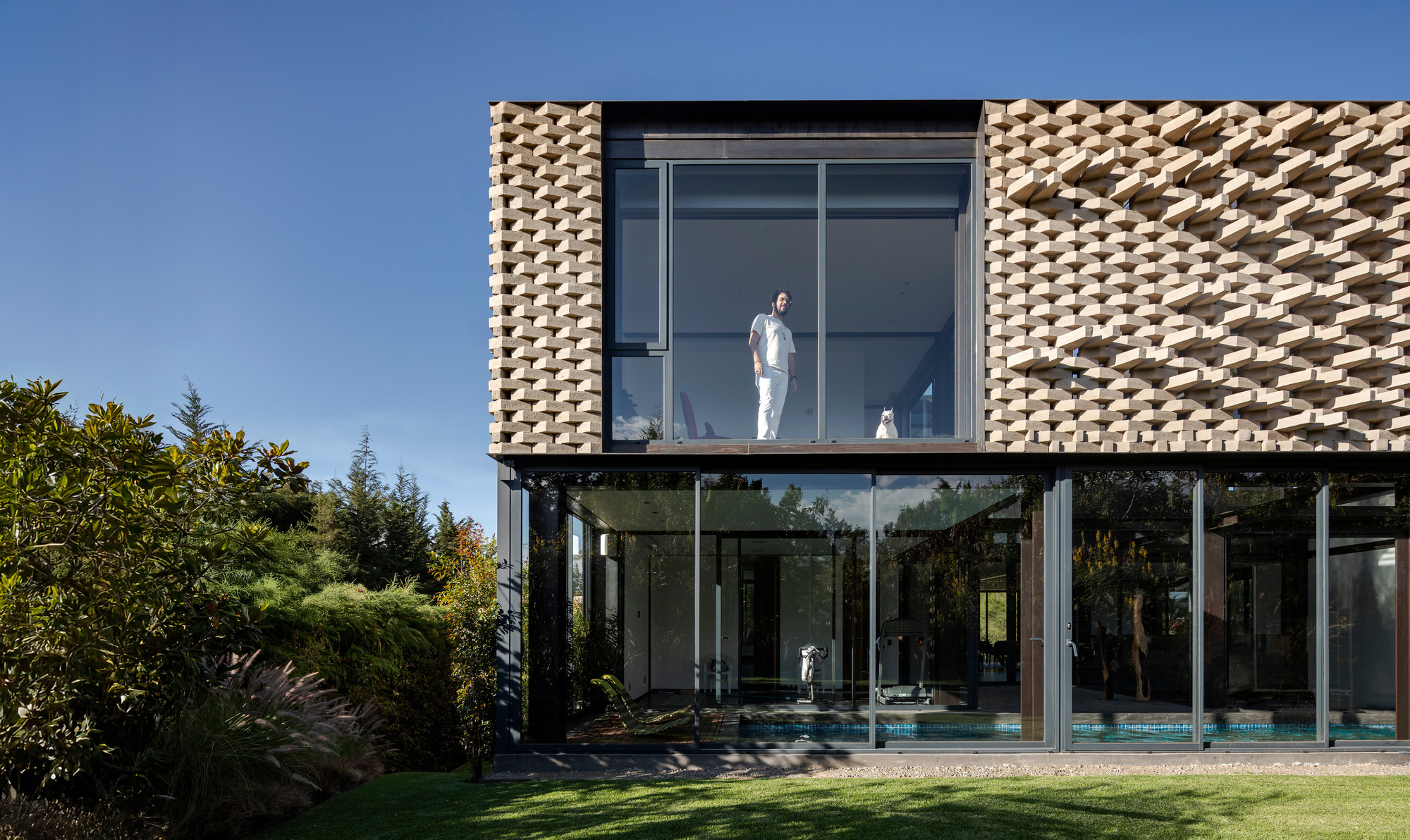
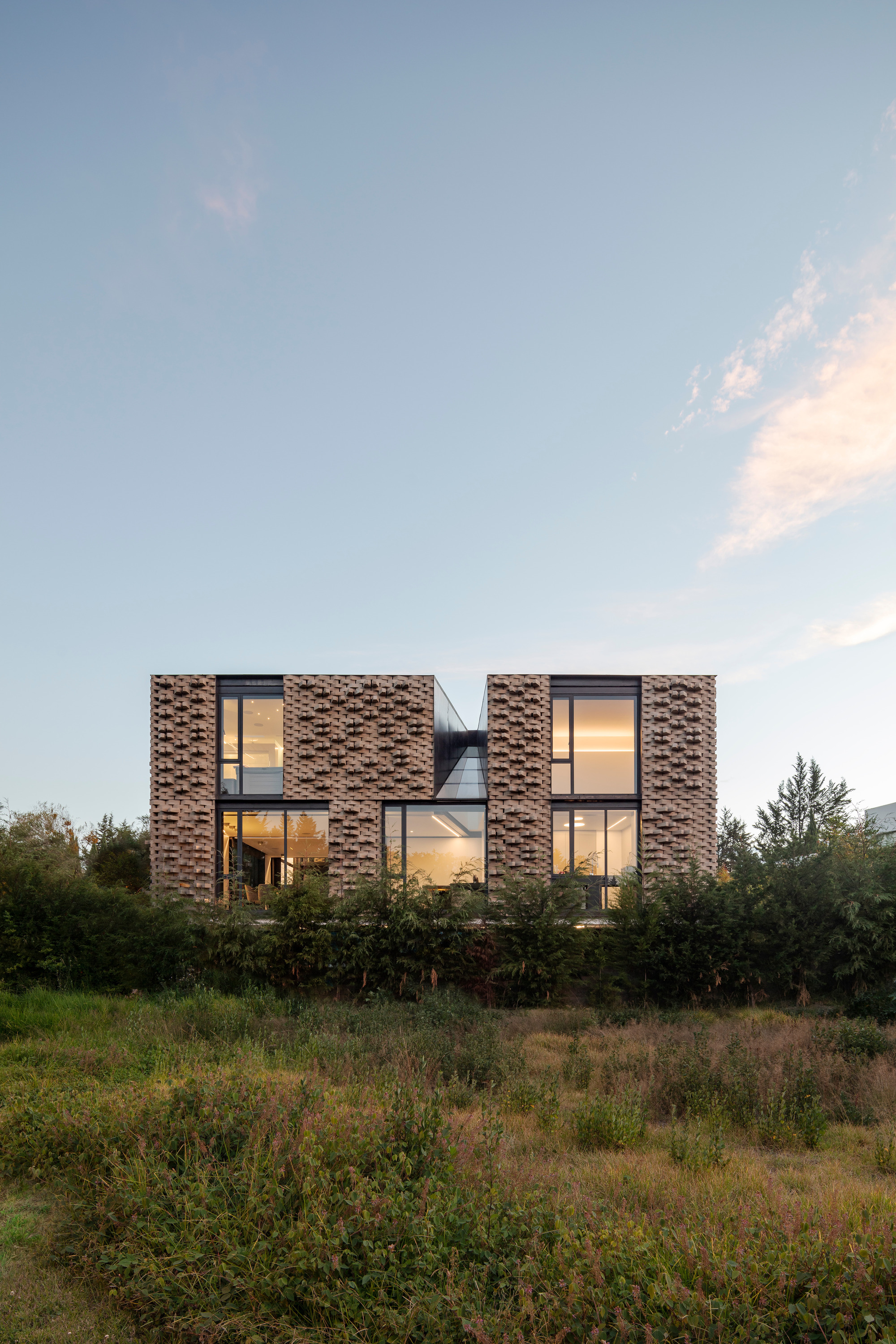
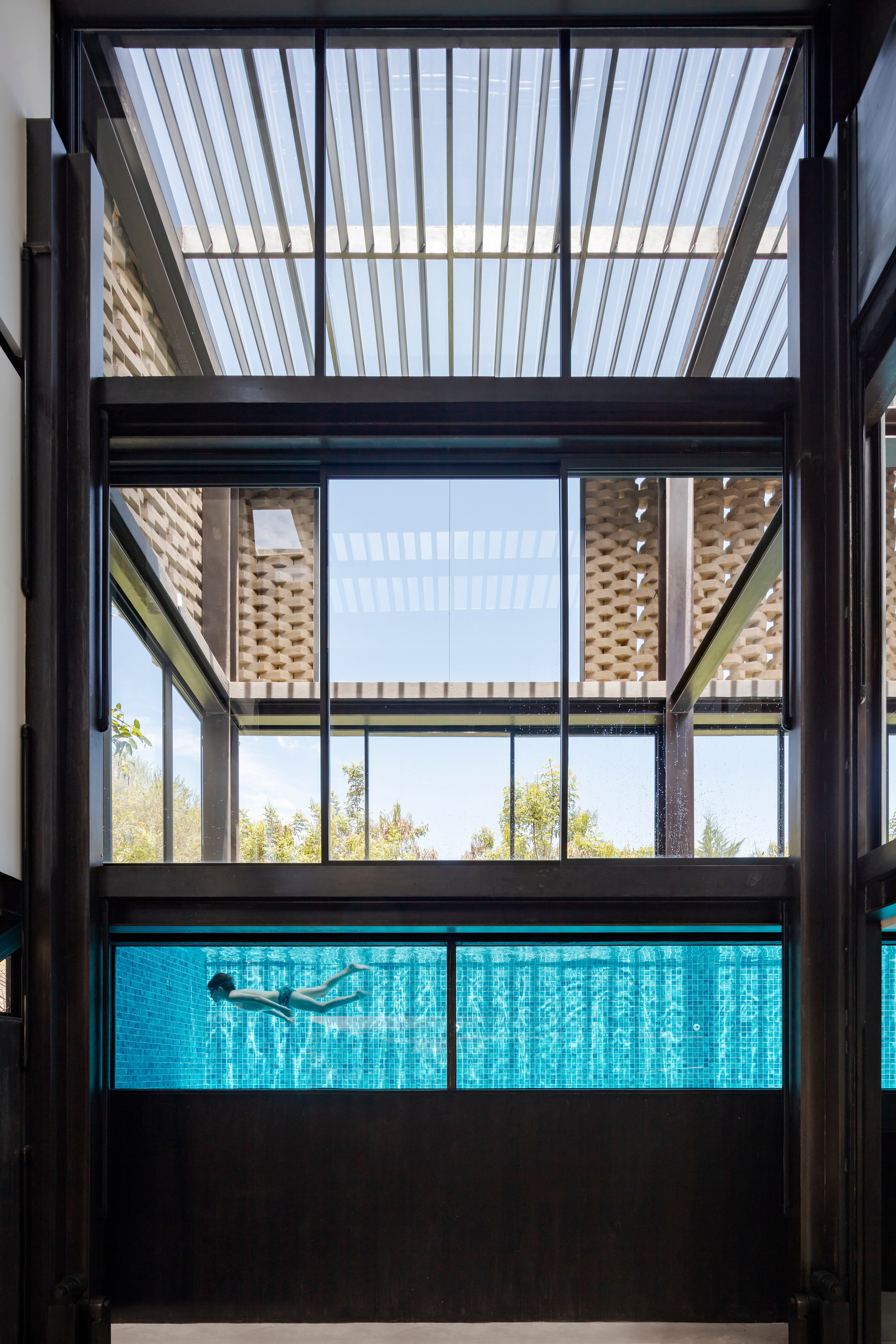
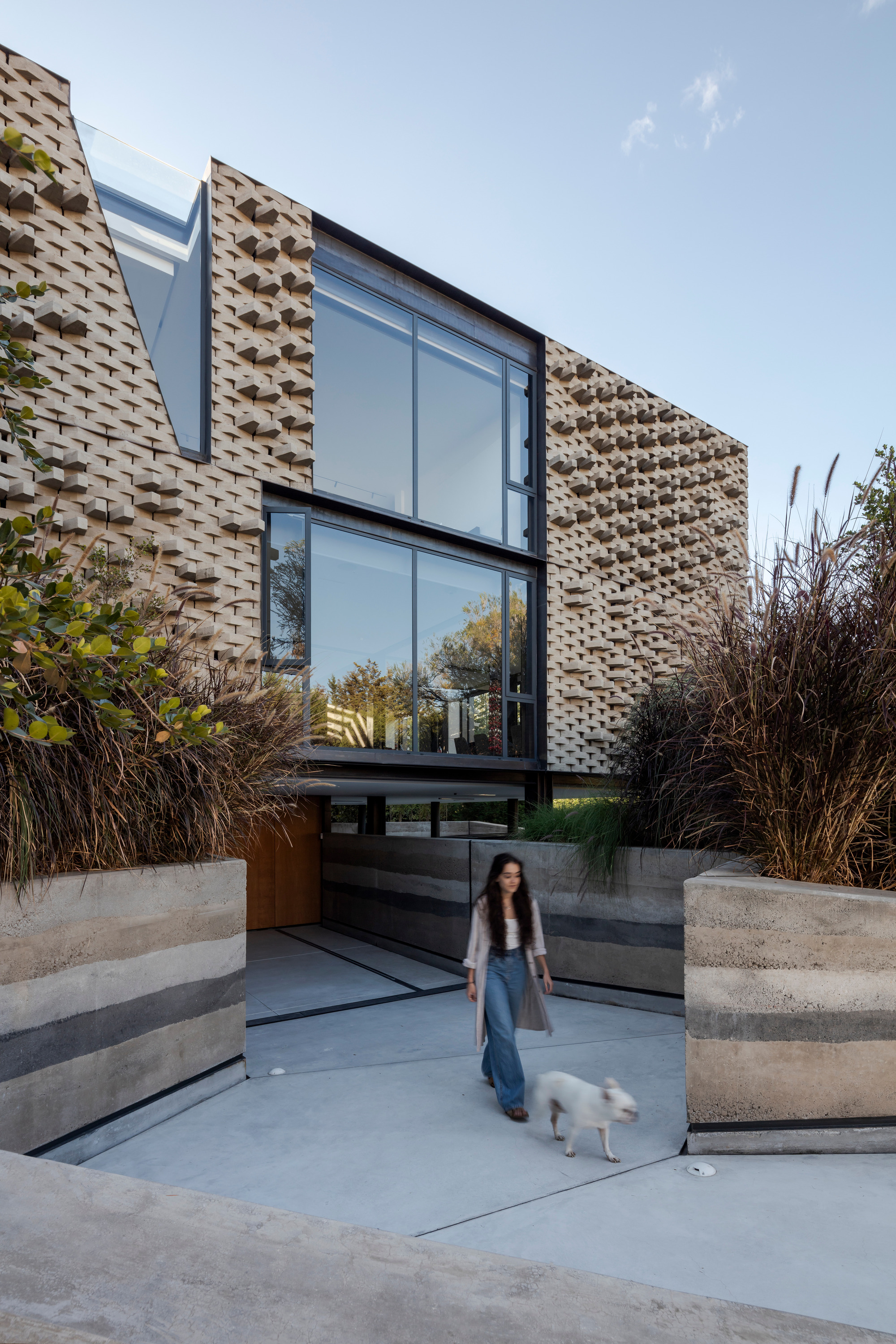
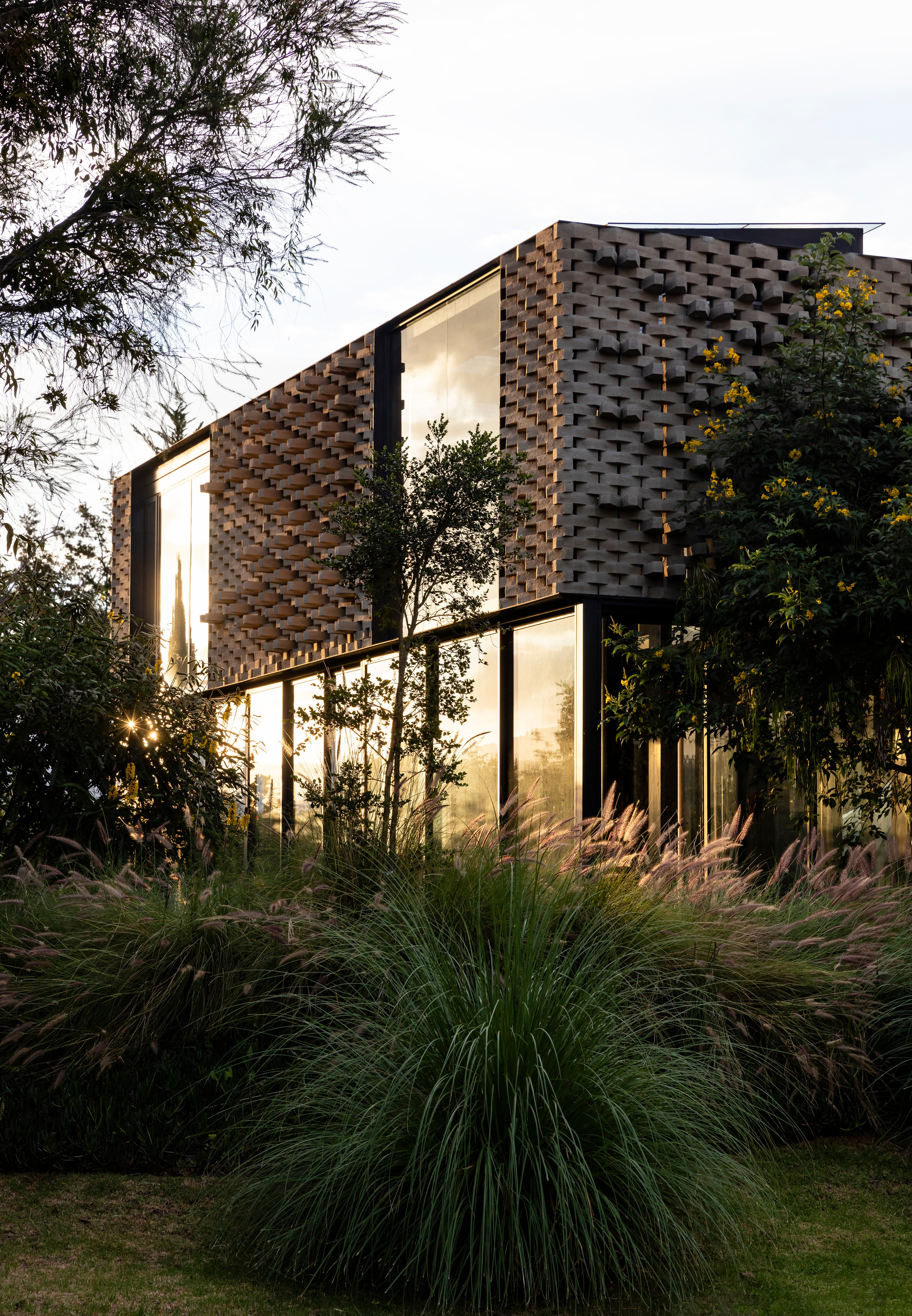
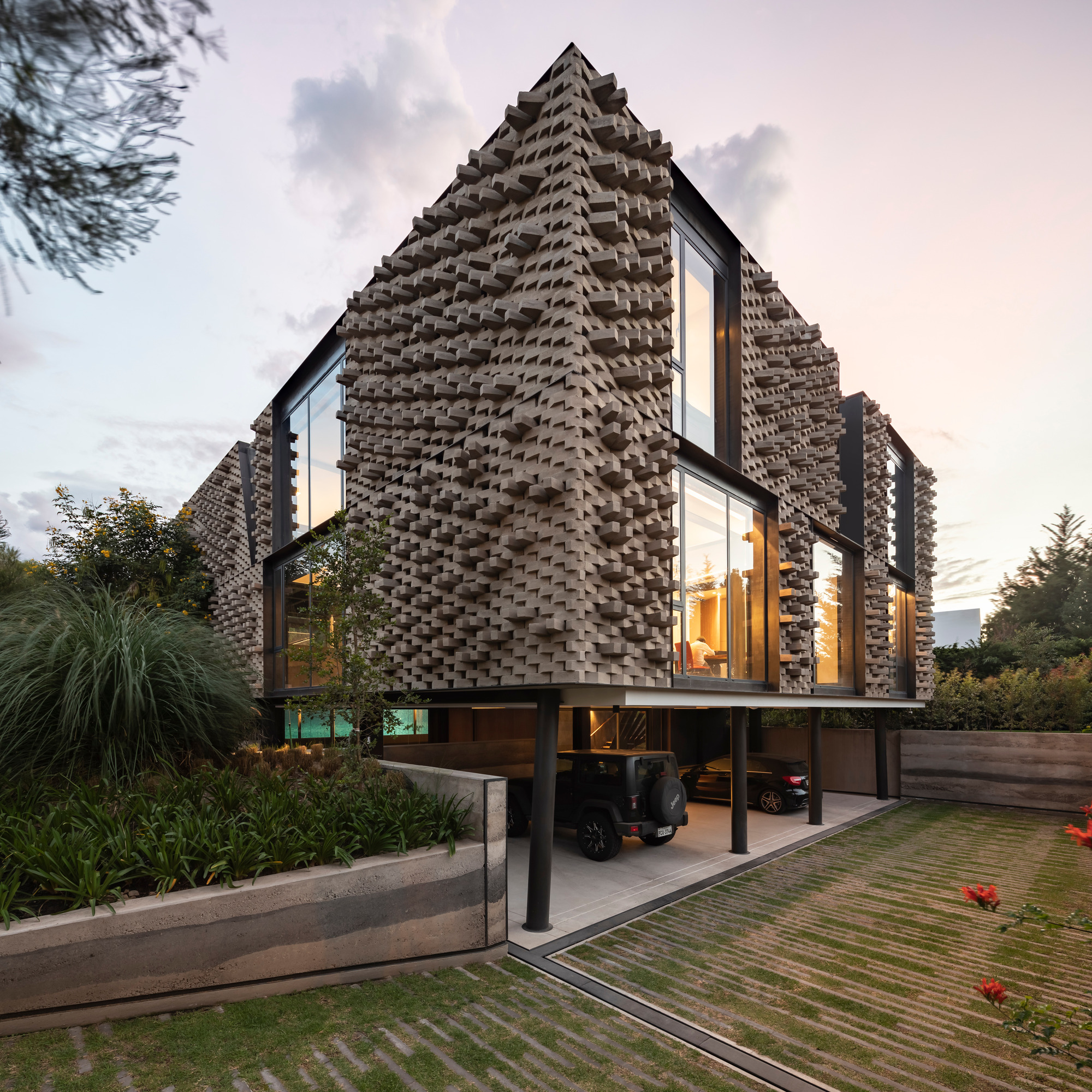
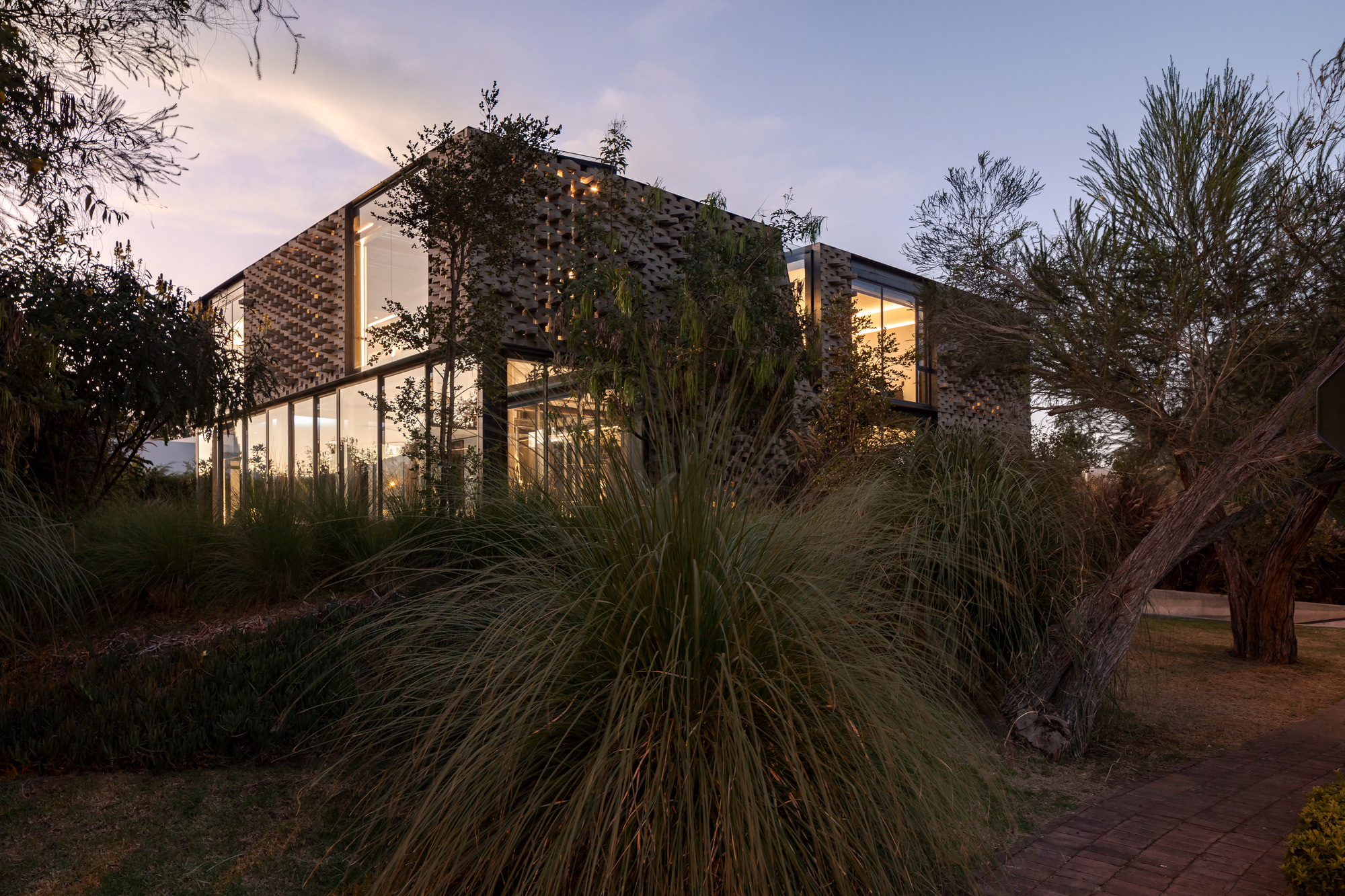
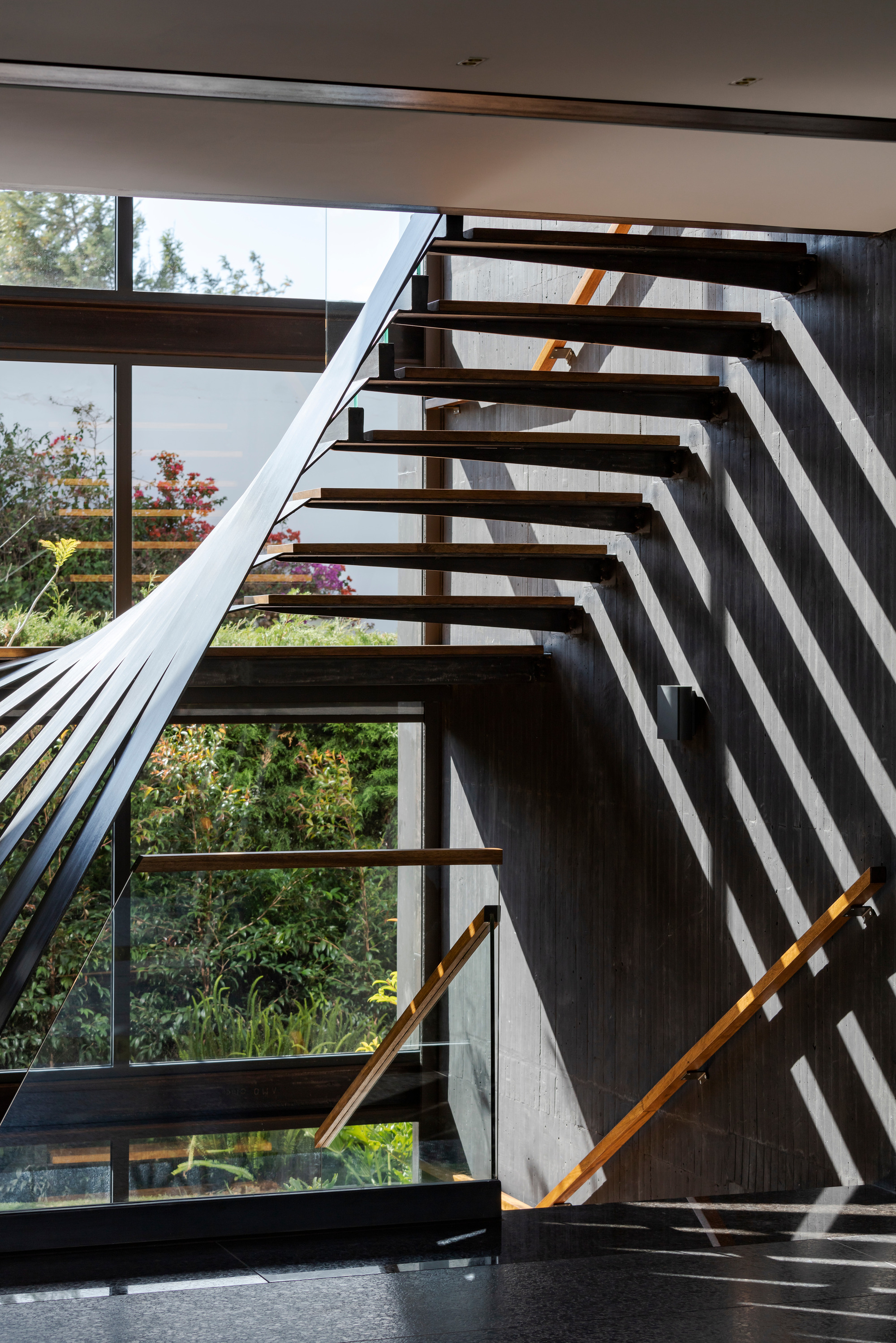
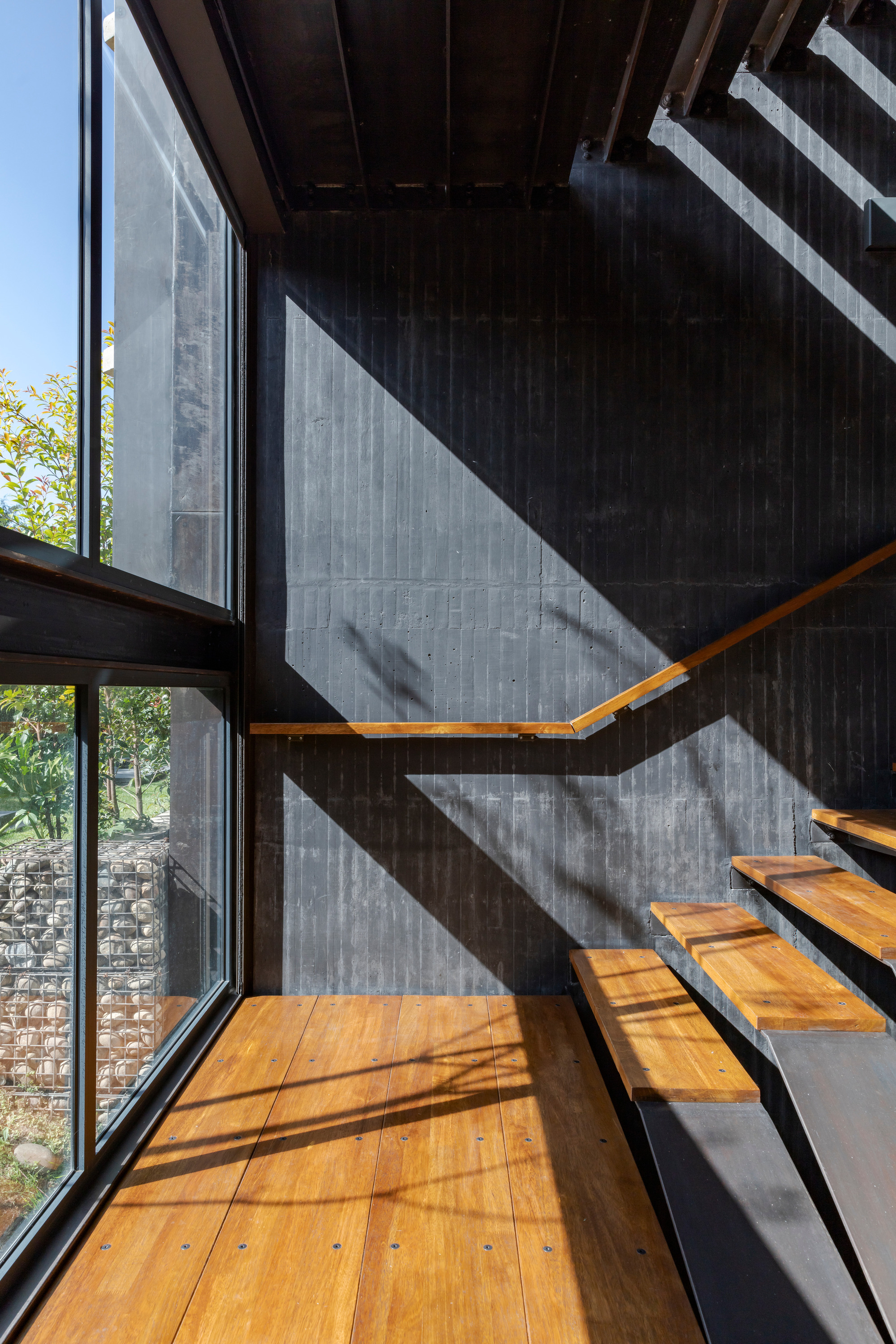
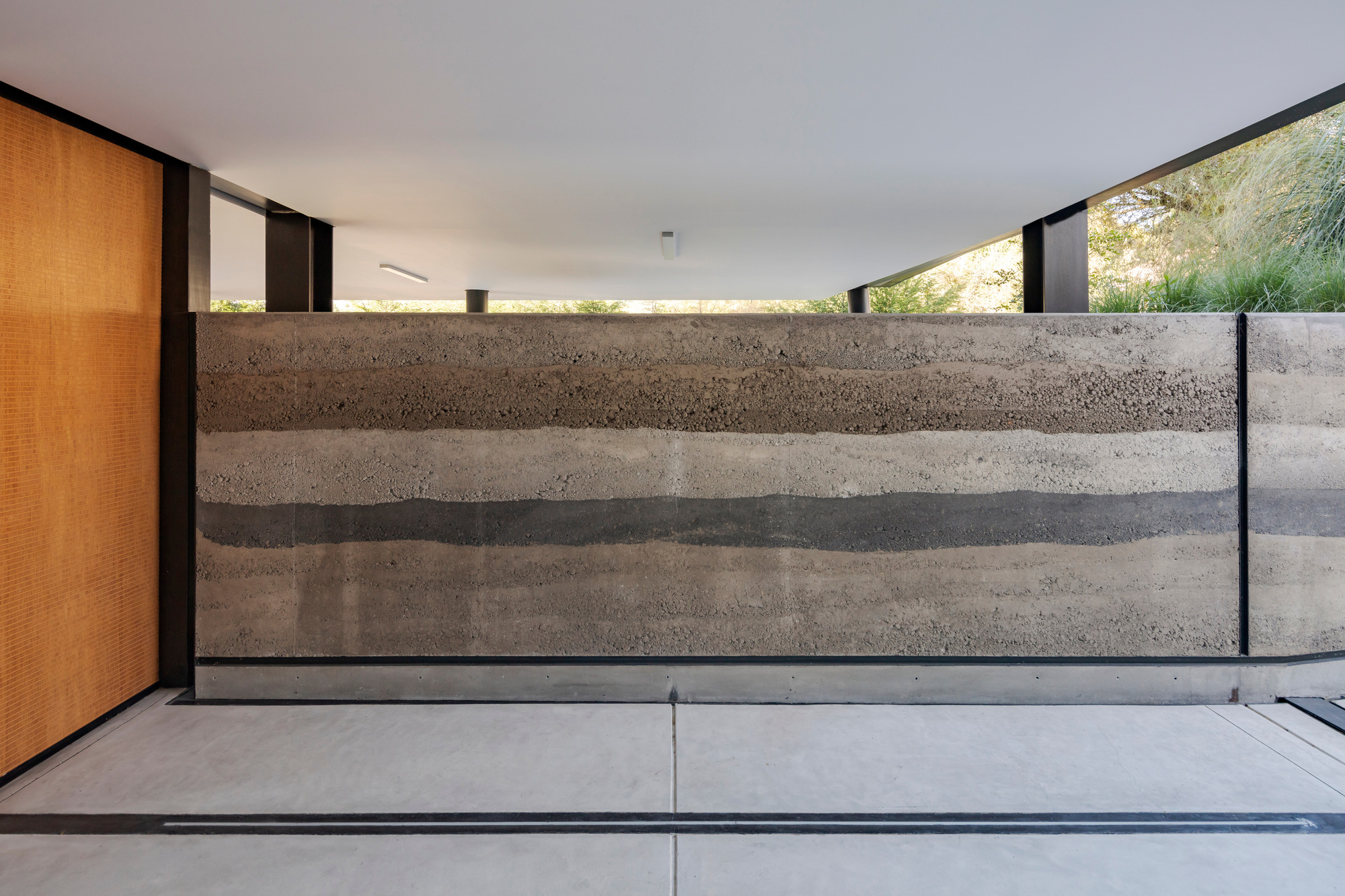
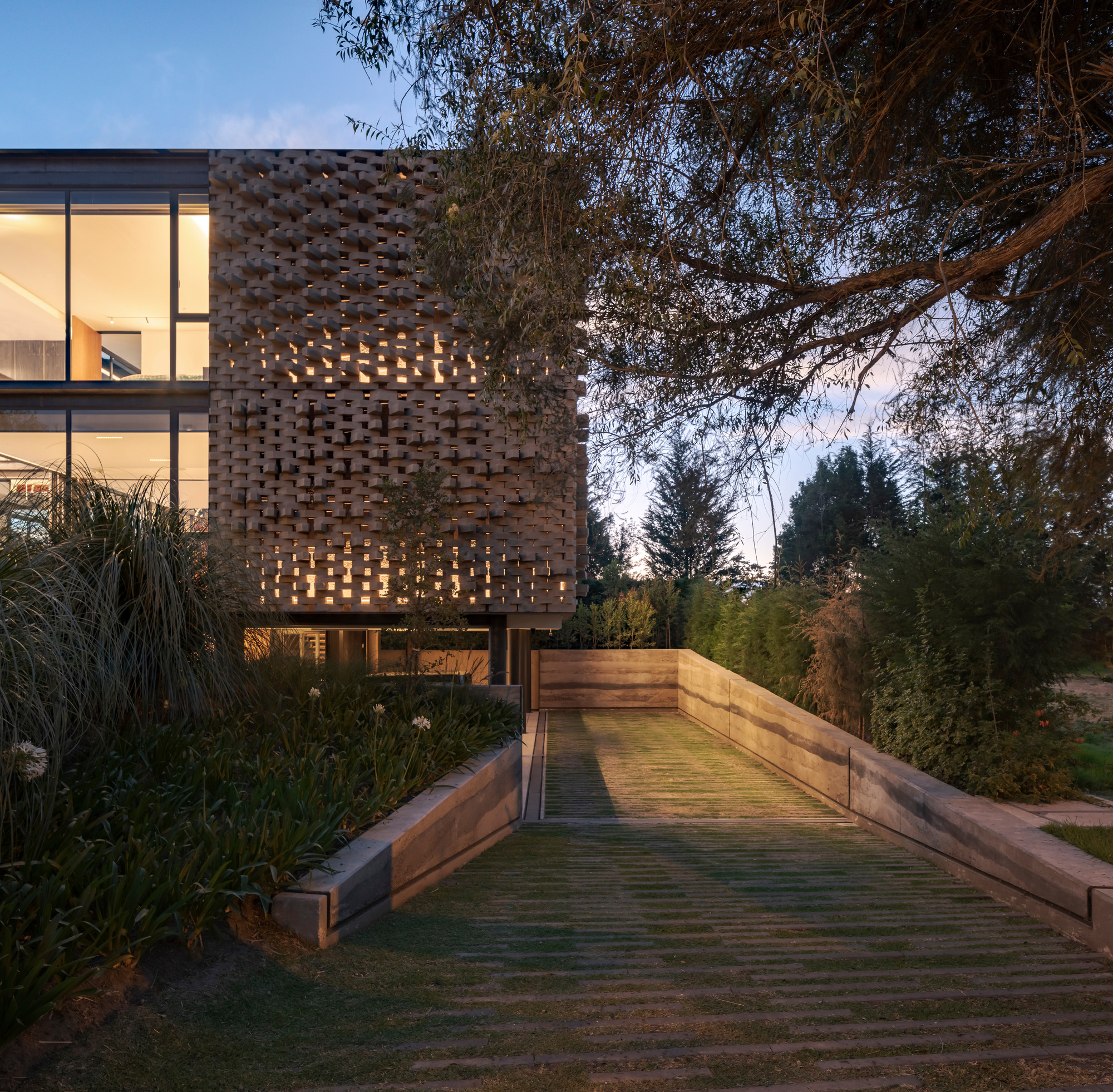
A House in the Andes #architecture Architects: ODD ARCHITECTS Year: 2021 Photographs: BICUBIK City: Puembo Country: Ecuador
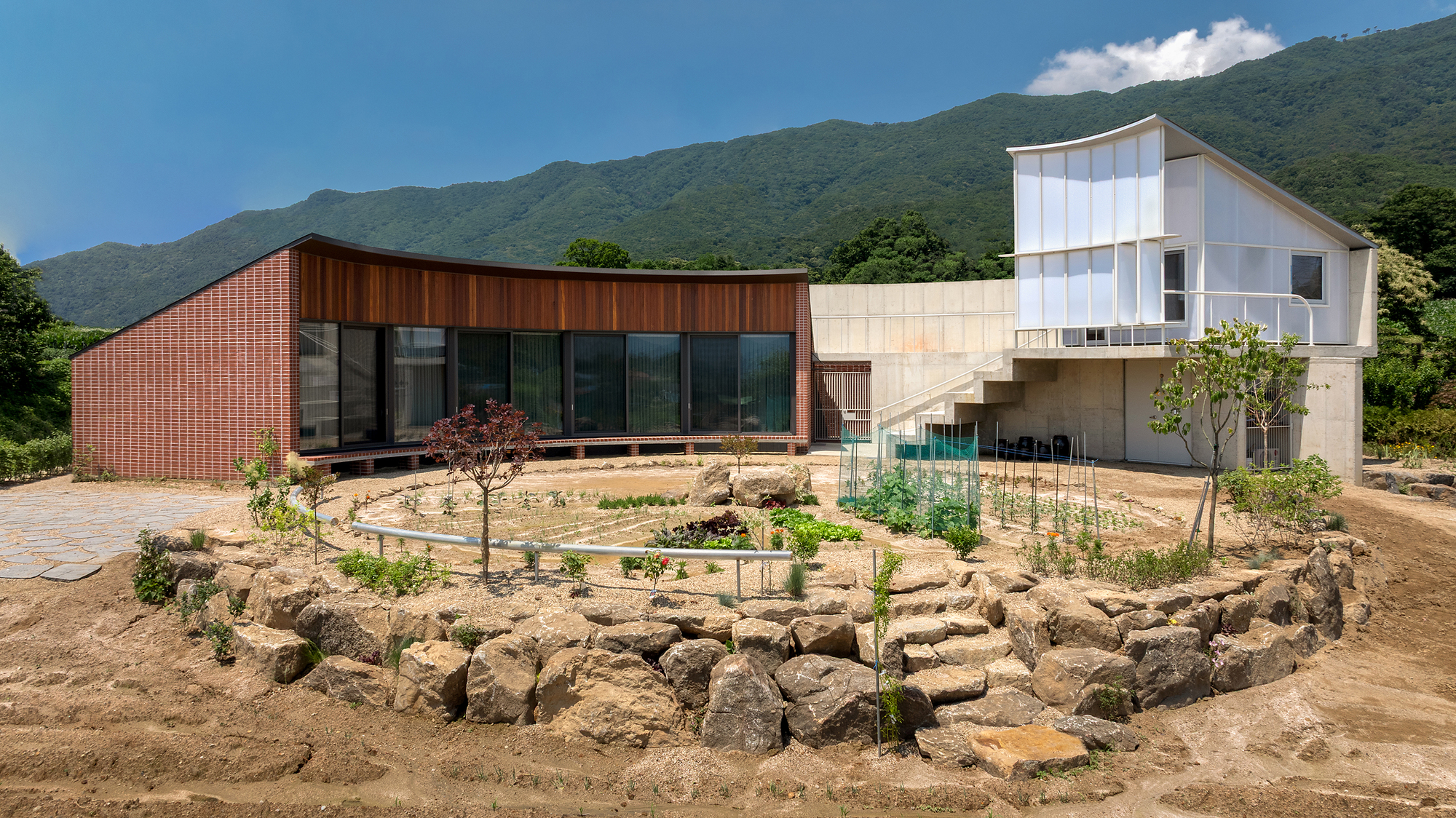
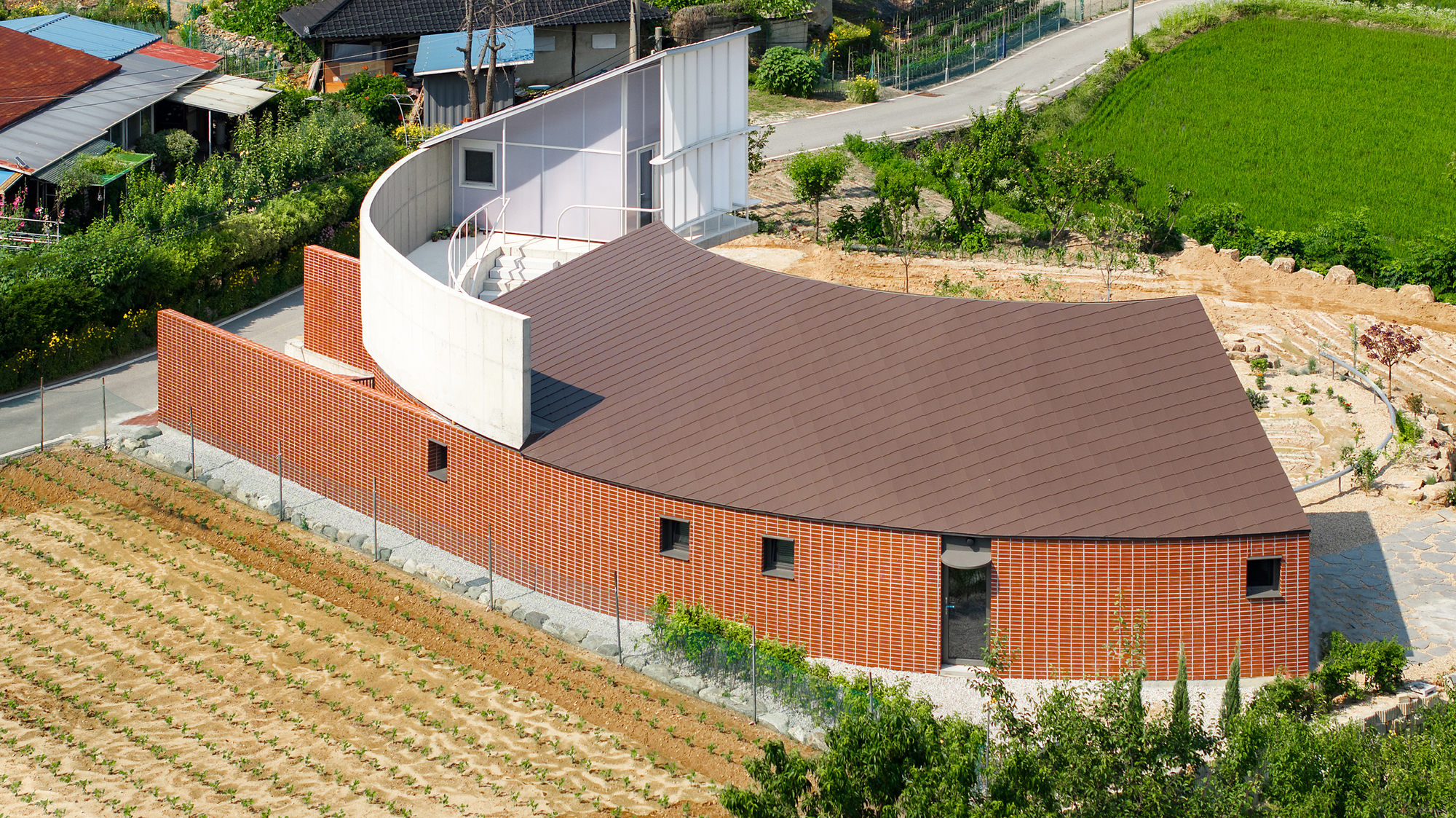
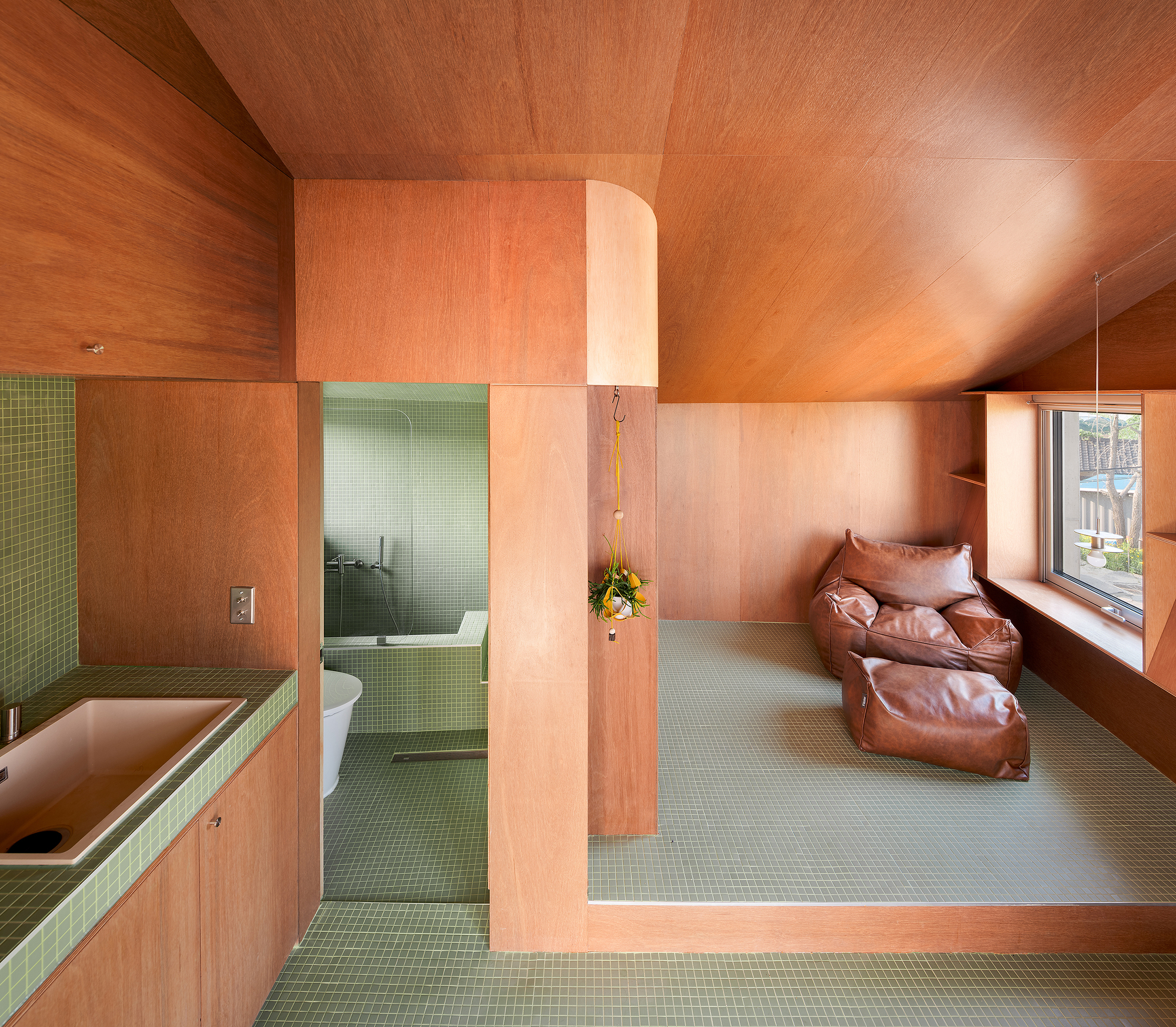
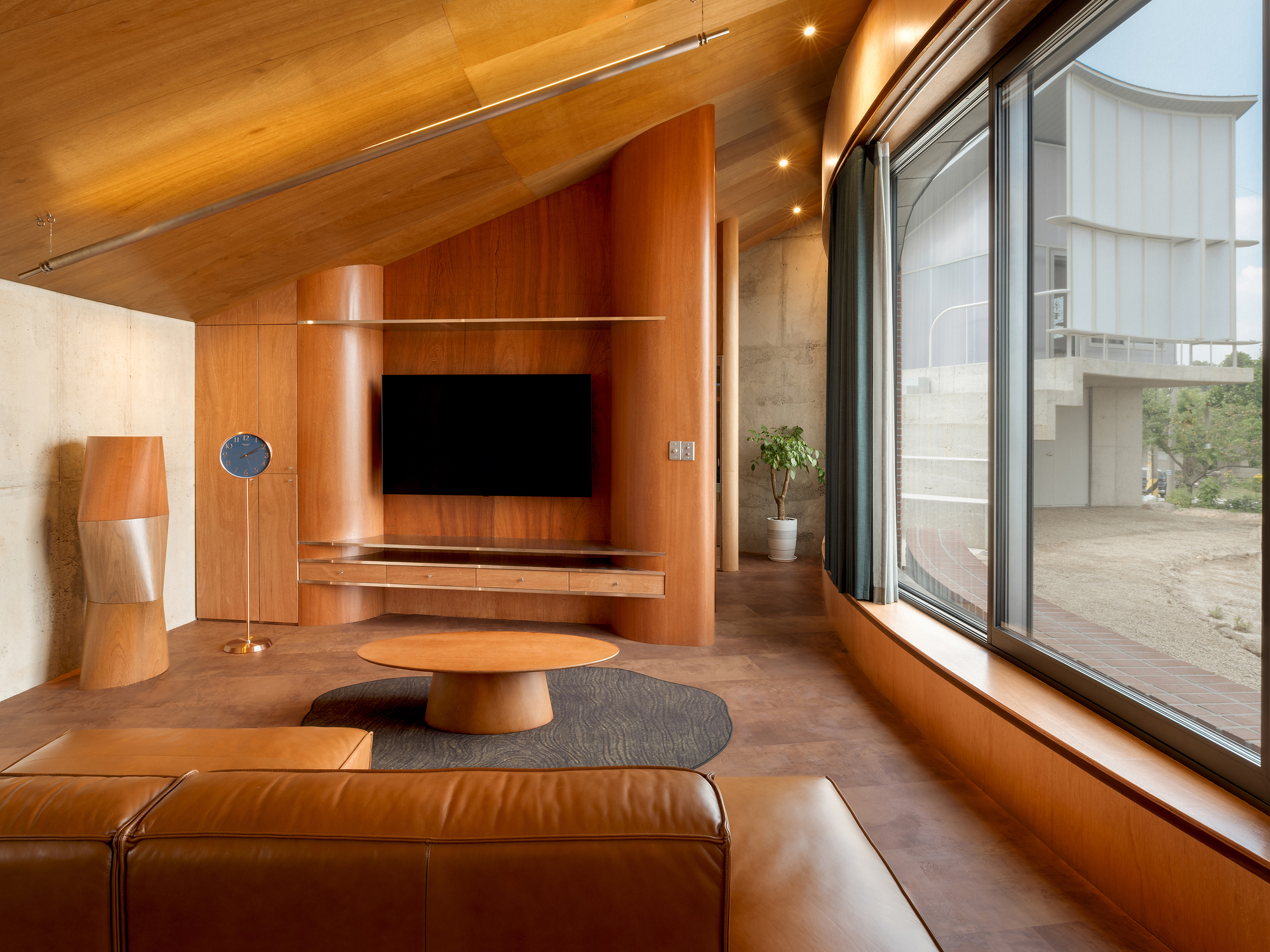
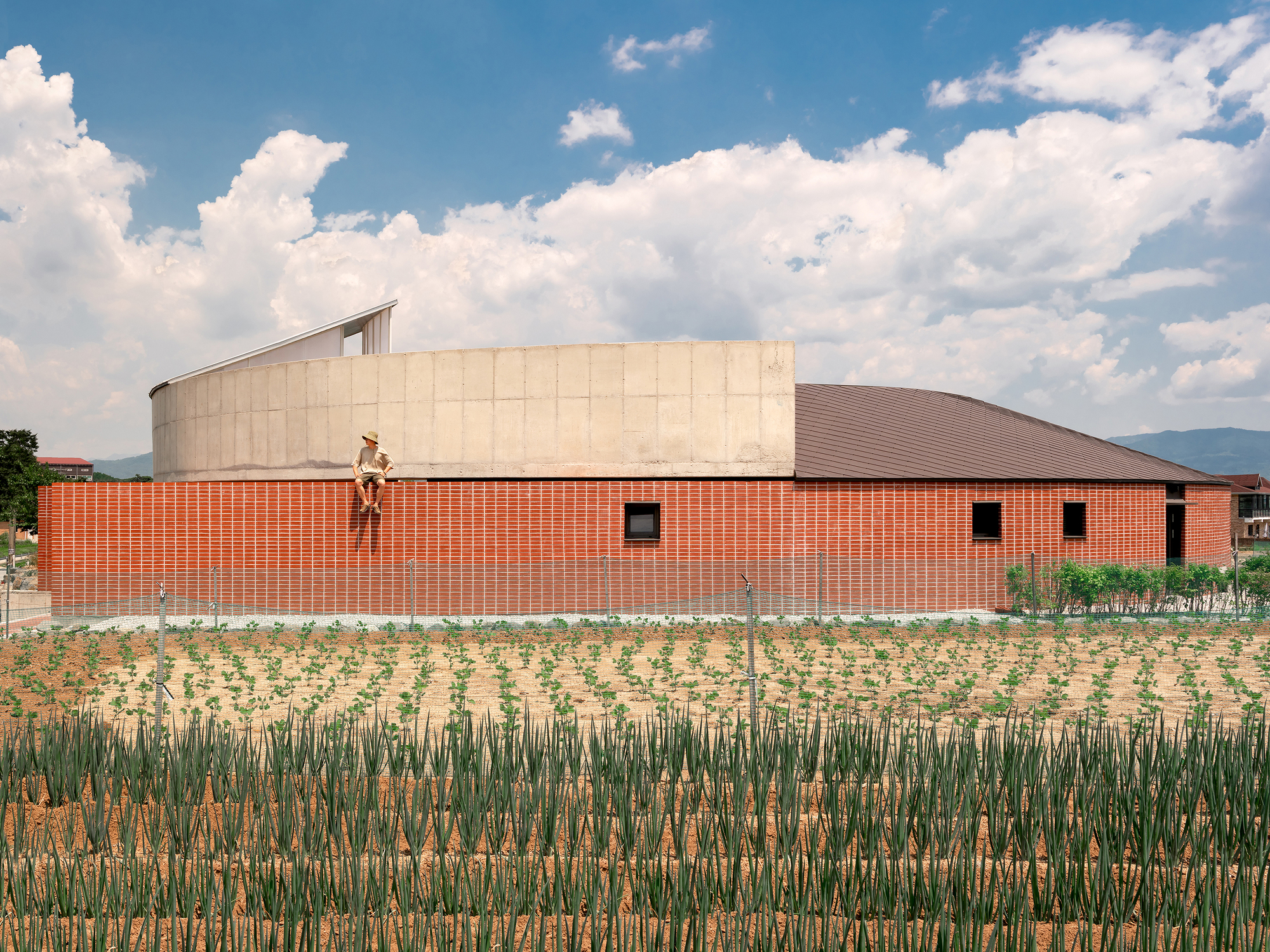
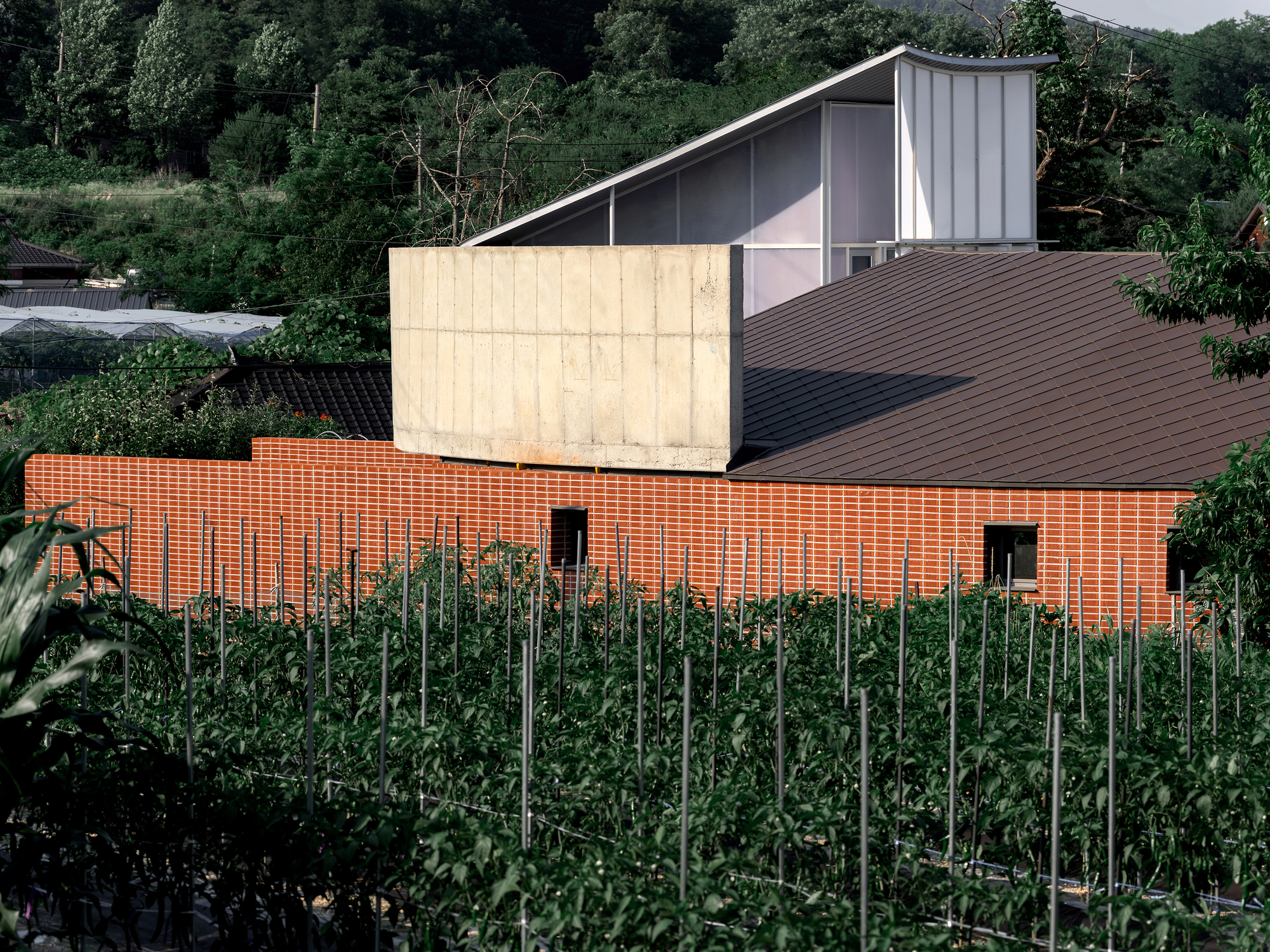
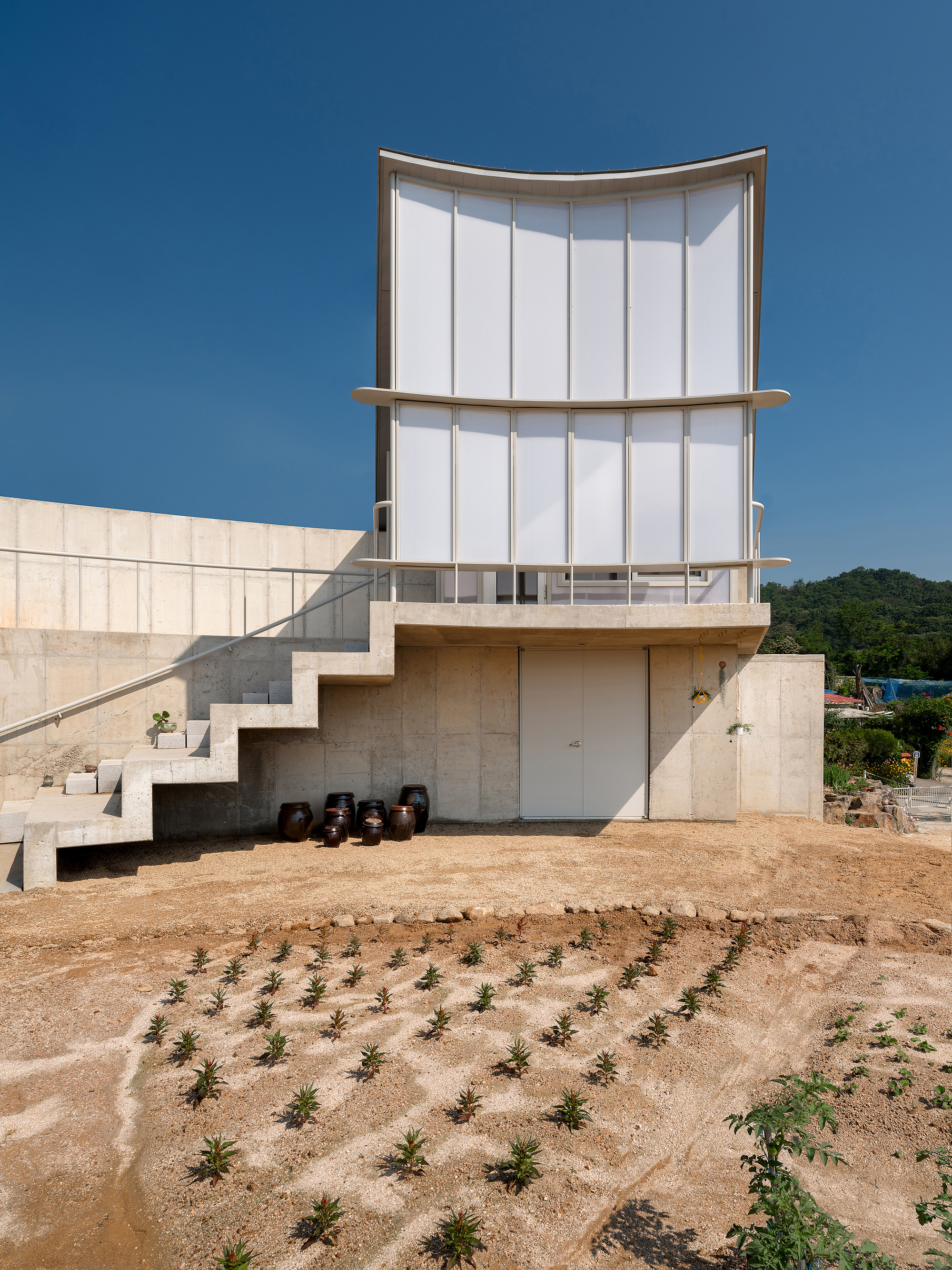
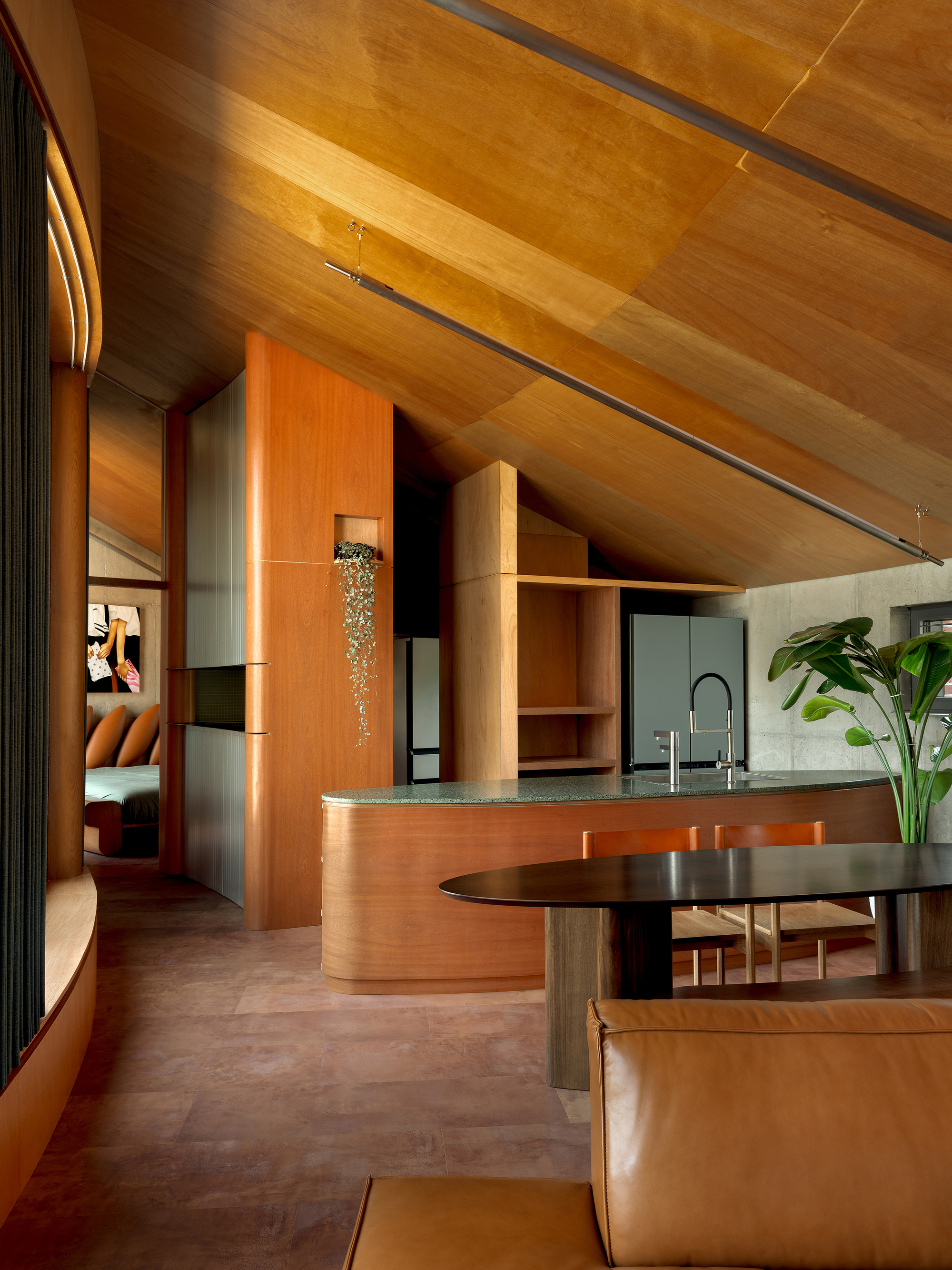
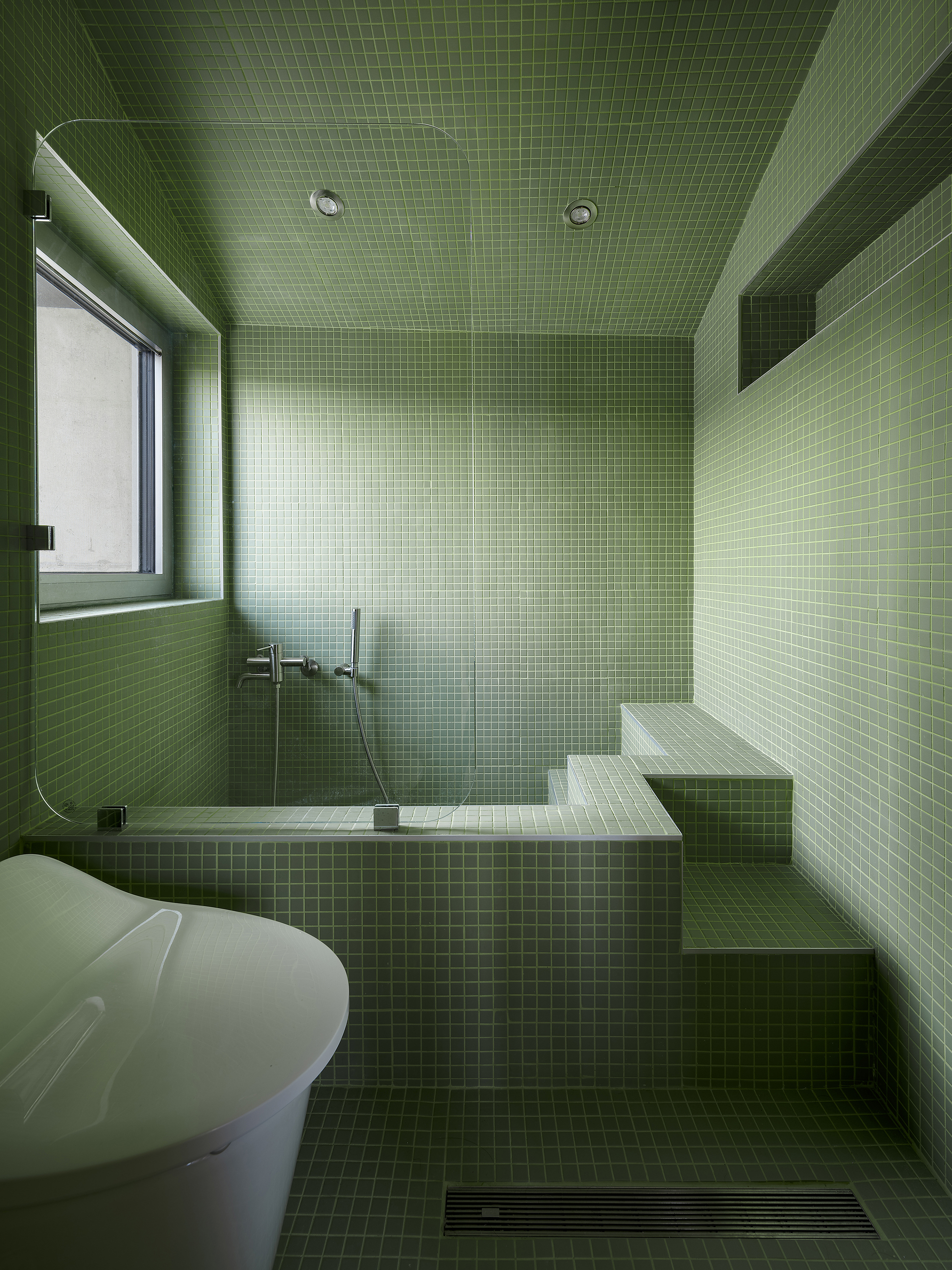
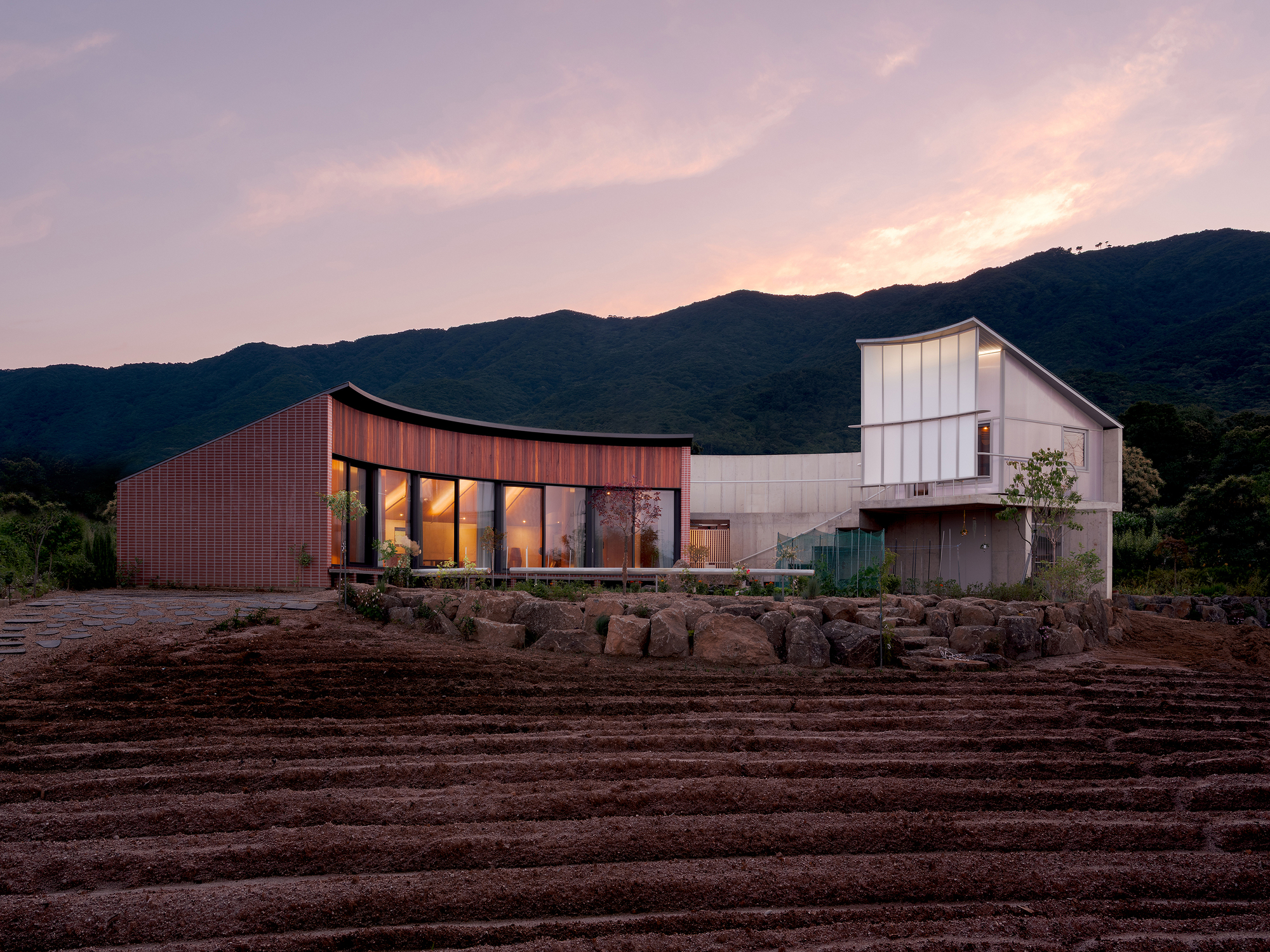
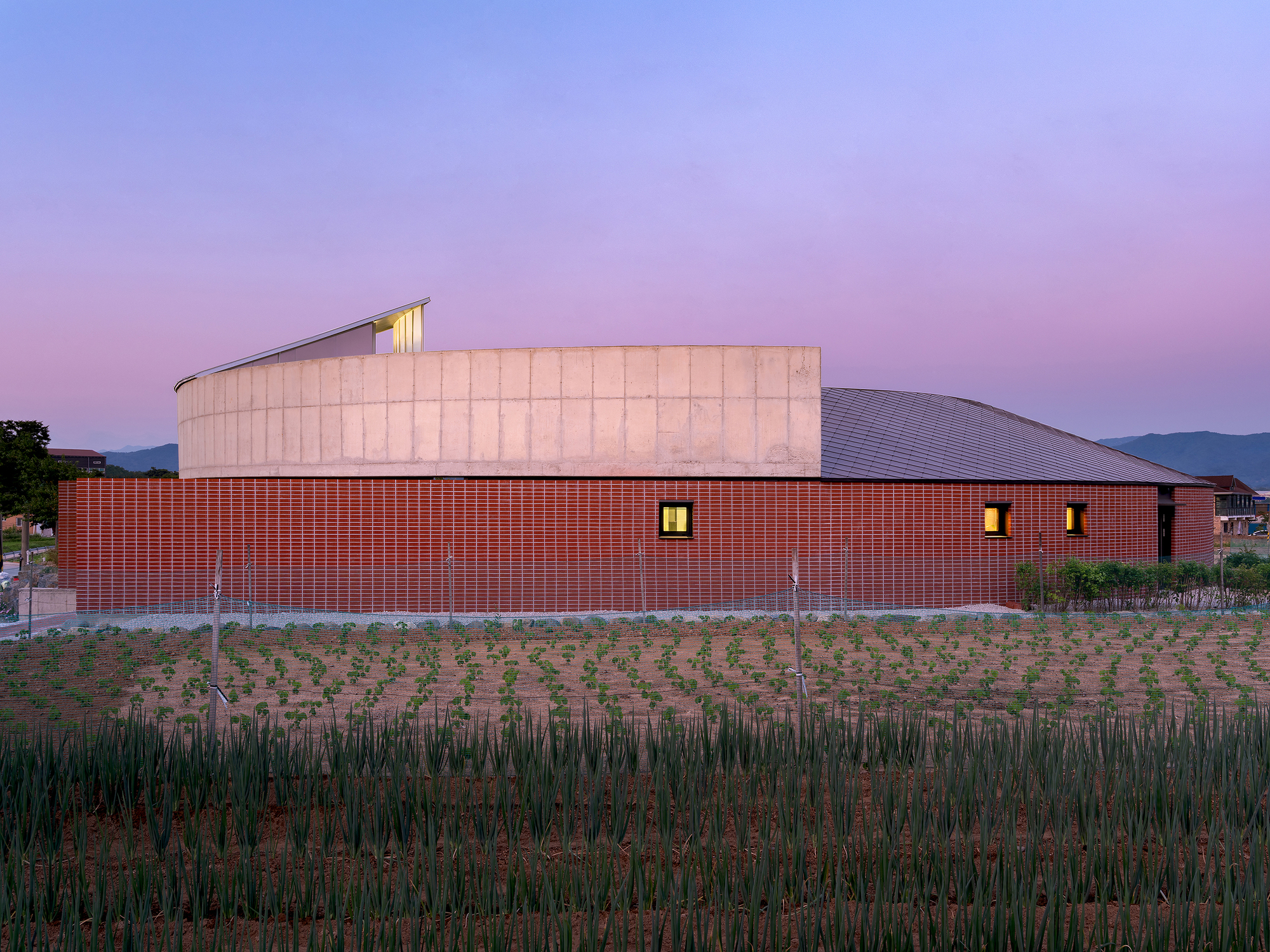
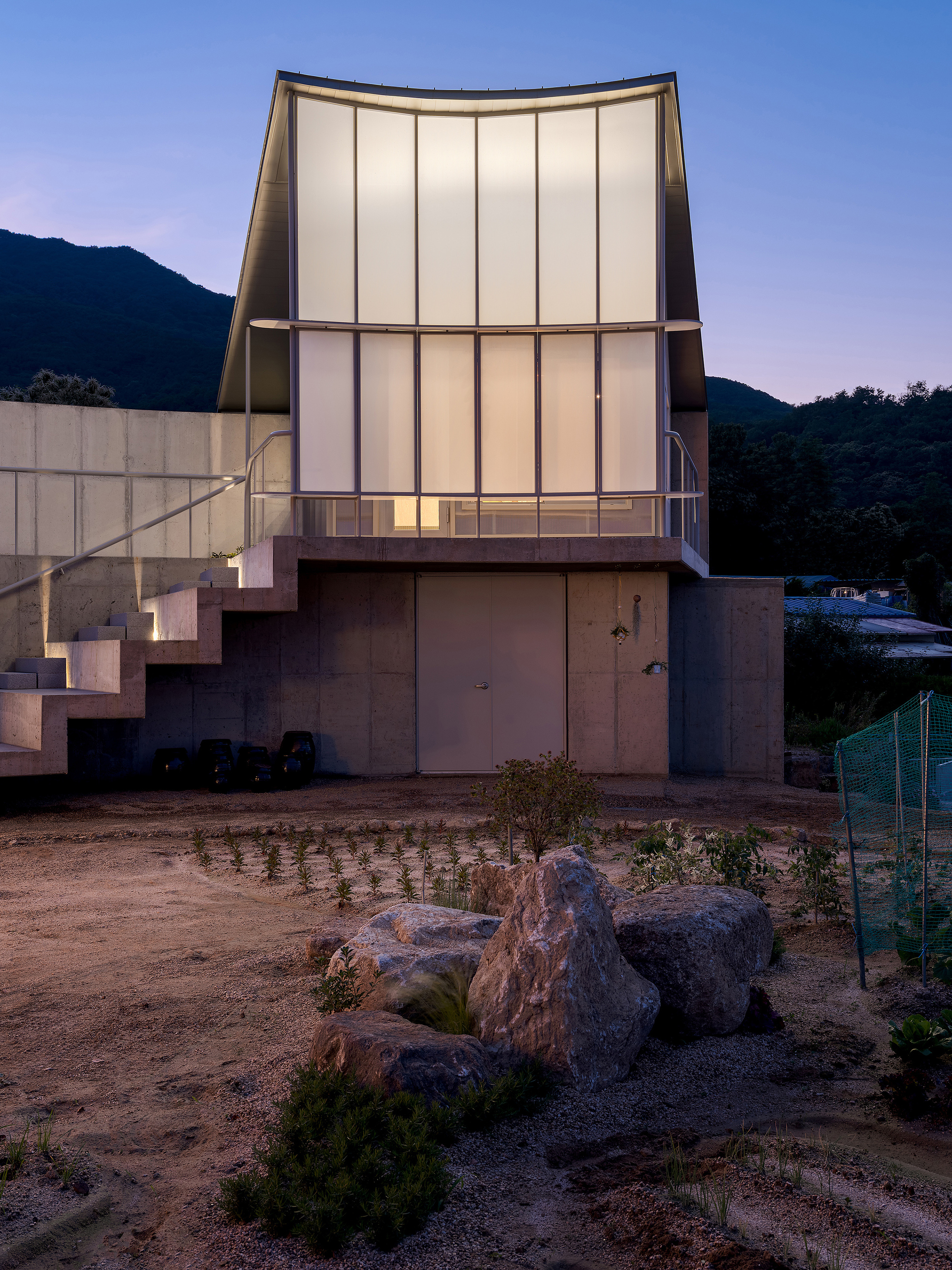
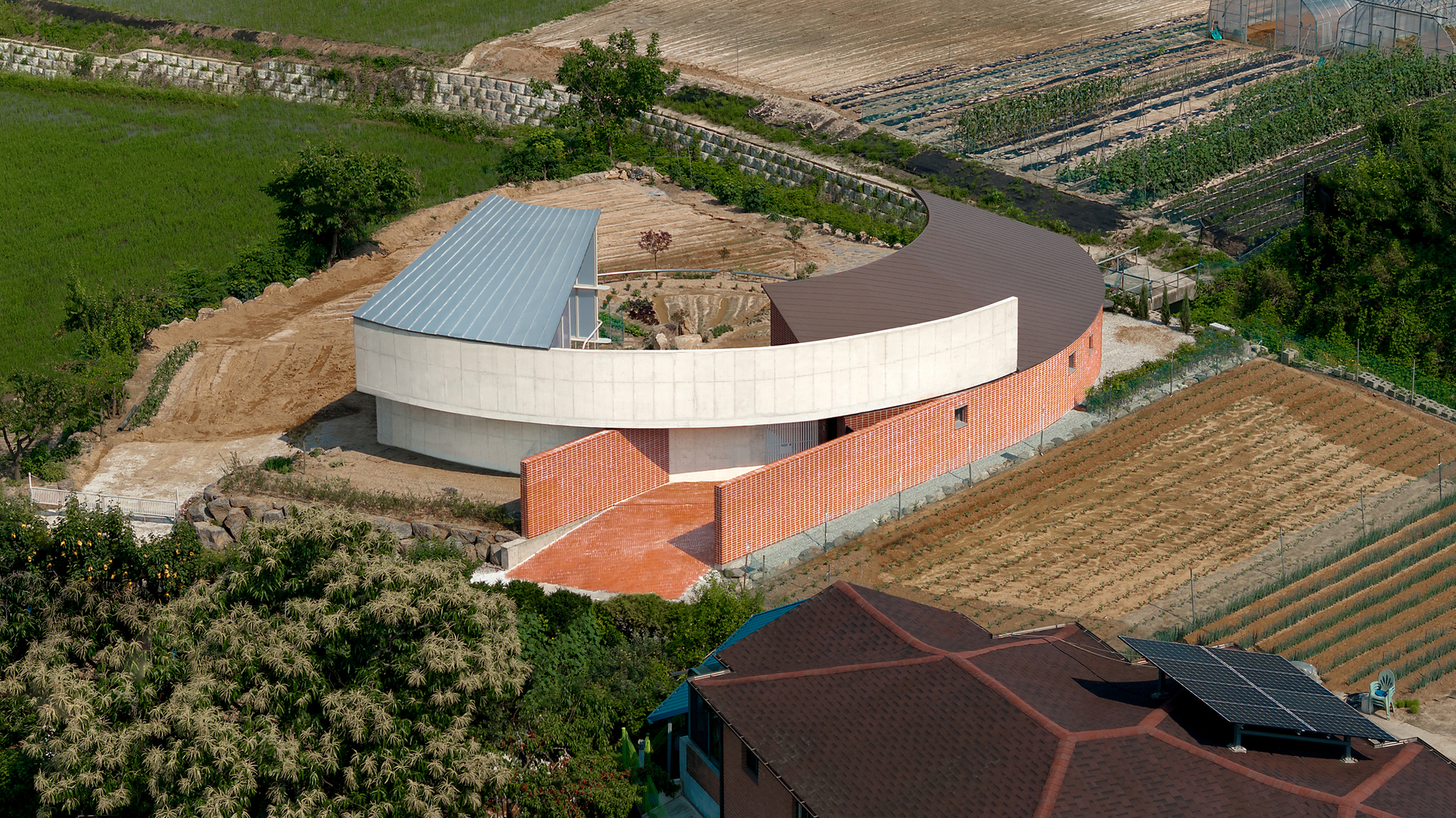
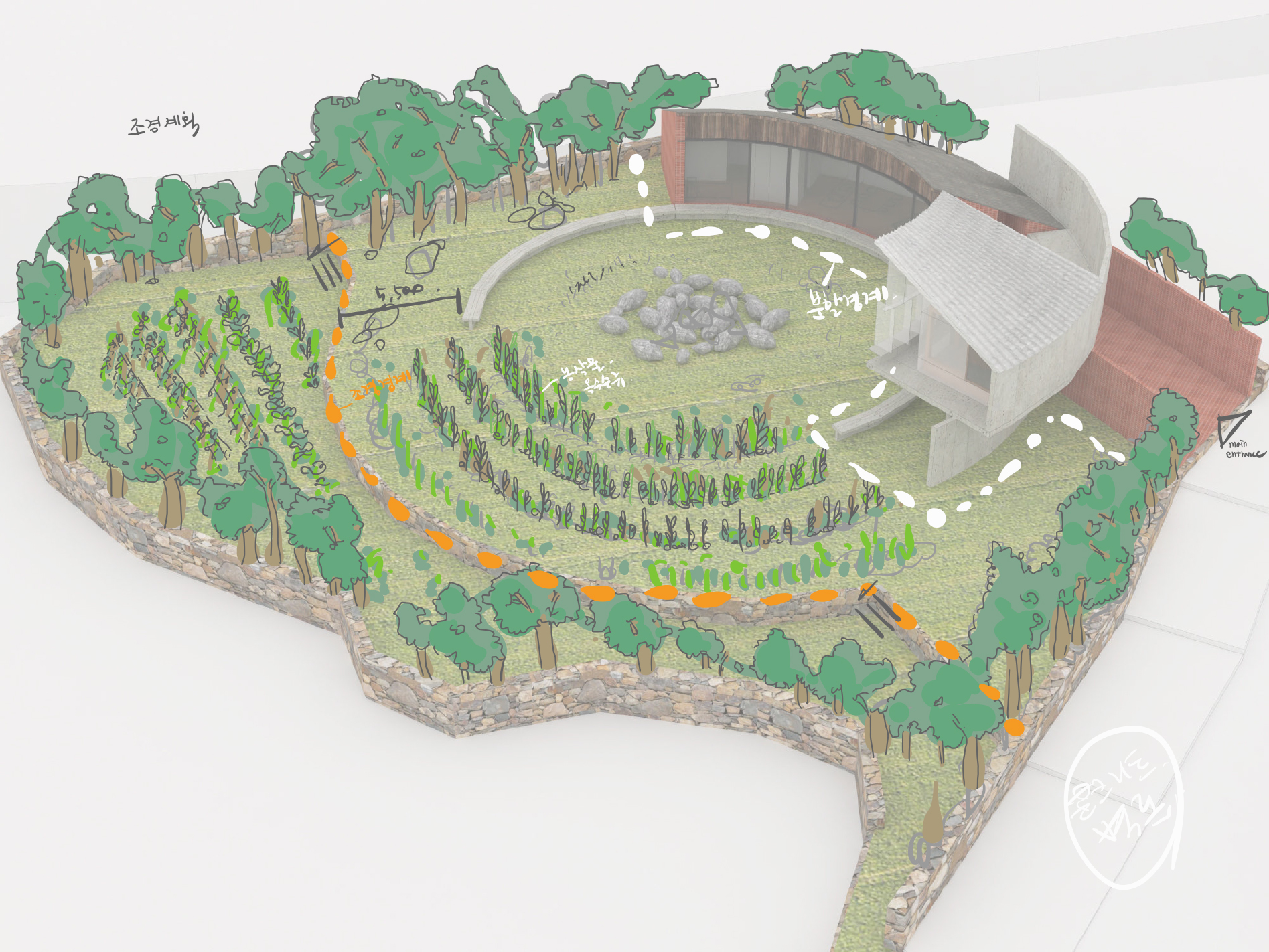
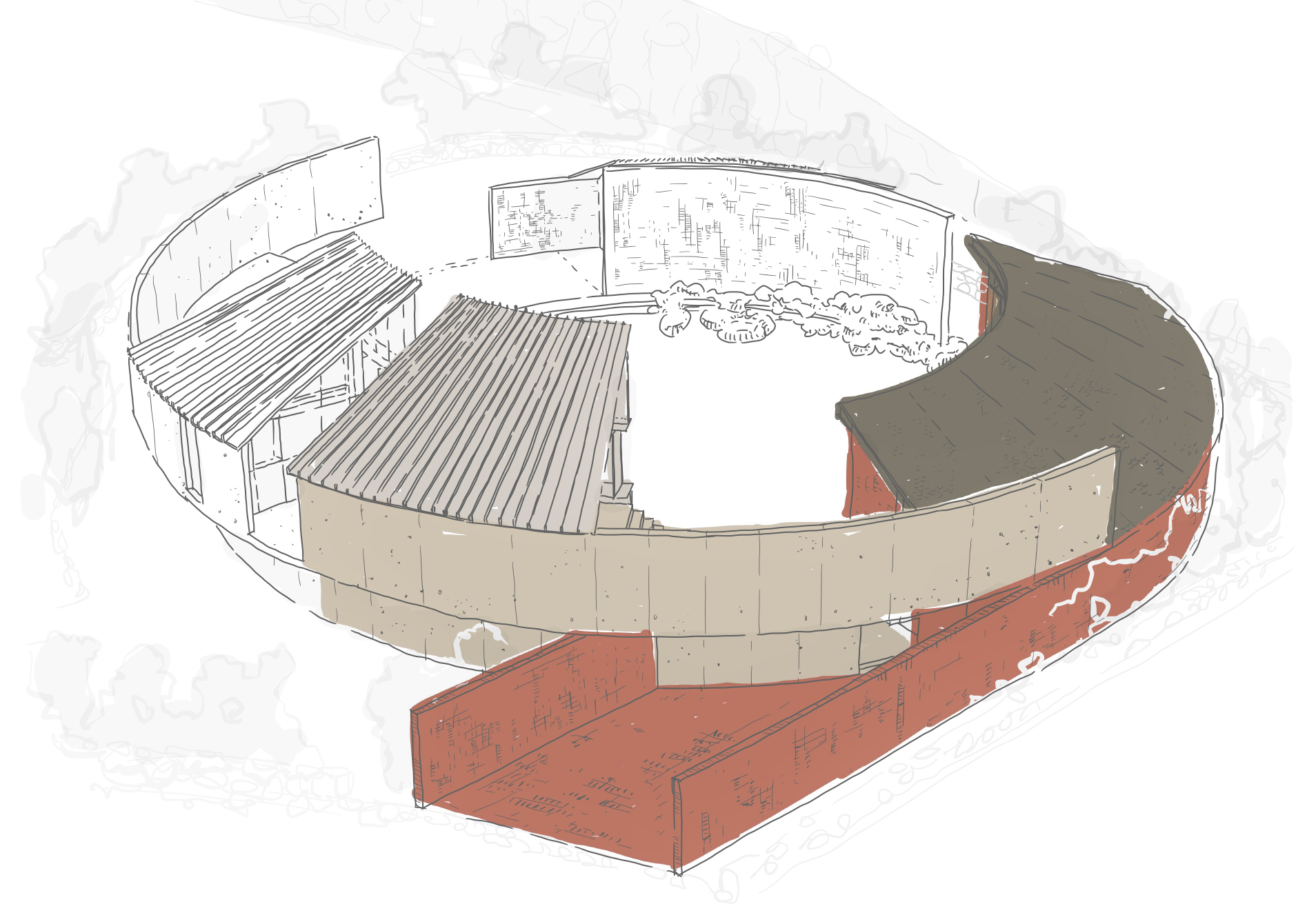
A House that Embraces Its Vegetable Garden #architecture Architects: sukchulmok+BRBB Architects Area: 128 m² Year: 2025 Photographs:hong seokgyu Lead Architect: Sukchulmok - HyunHee Park City: Pocheon-si Country: South Korea Situated with a view of the vegetable garden, this house is composed of intersecting volumes made from different materials. These overlapping forms define the outer shell, ensuring privacy while creating a sense of depth and warmth within. Its appearance, embracing the field like a protective gesture, inspired the name Pojeon-jip (抱田), meaning "a house that embraces the field." The site was originally a 400-pyeong (approximately 1,300 square meters) stretch of farmland at the foot of a mountain. It was cultivated by the retired husband and his wife, who spent over a decade tending to the land with their hands. This cherished garden had become both a place of rest and a playful retreat. Wishing for their post-retirement life to center around this land, they requested a home to be built on part of it. When we first visited, the site felt like an open, exposed clearing, making privacy one of the main design challenges. To address this, we proposed overlapping the architectural mass with the site boundaries, allowing the fence and exterior walls to connect organically. This strategy created spatial density, and despite the limited footprint, vertical gestures and the extension of the outer shell enhanced the sense of scale and visual openness. The walls and roof were designed based on 600×1200mm formwork modules, with key wall and roof heights set at 2400mm for consistency and order. As a result, intentional rhythms emerged at the junctions of materials. These rhythms create an optical depth where volumetric and planar elements seem to overlap, forming a layered spatial experience. With its embracing gesture, the building presents a solid, fortress-like exterior, while framing views of the forested hillside like a concrete picture frame on the inside. Through a program that intertwines farming with daily life, residents can live in close connection with nature. Pojeon-jip is a home where farming and living coexist. It serves as a peaceful retreat for the couple and a vessel for their memories. It also creates an organic space for multi-generational living—where life flows alongside the scent of earth.
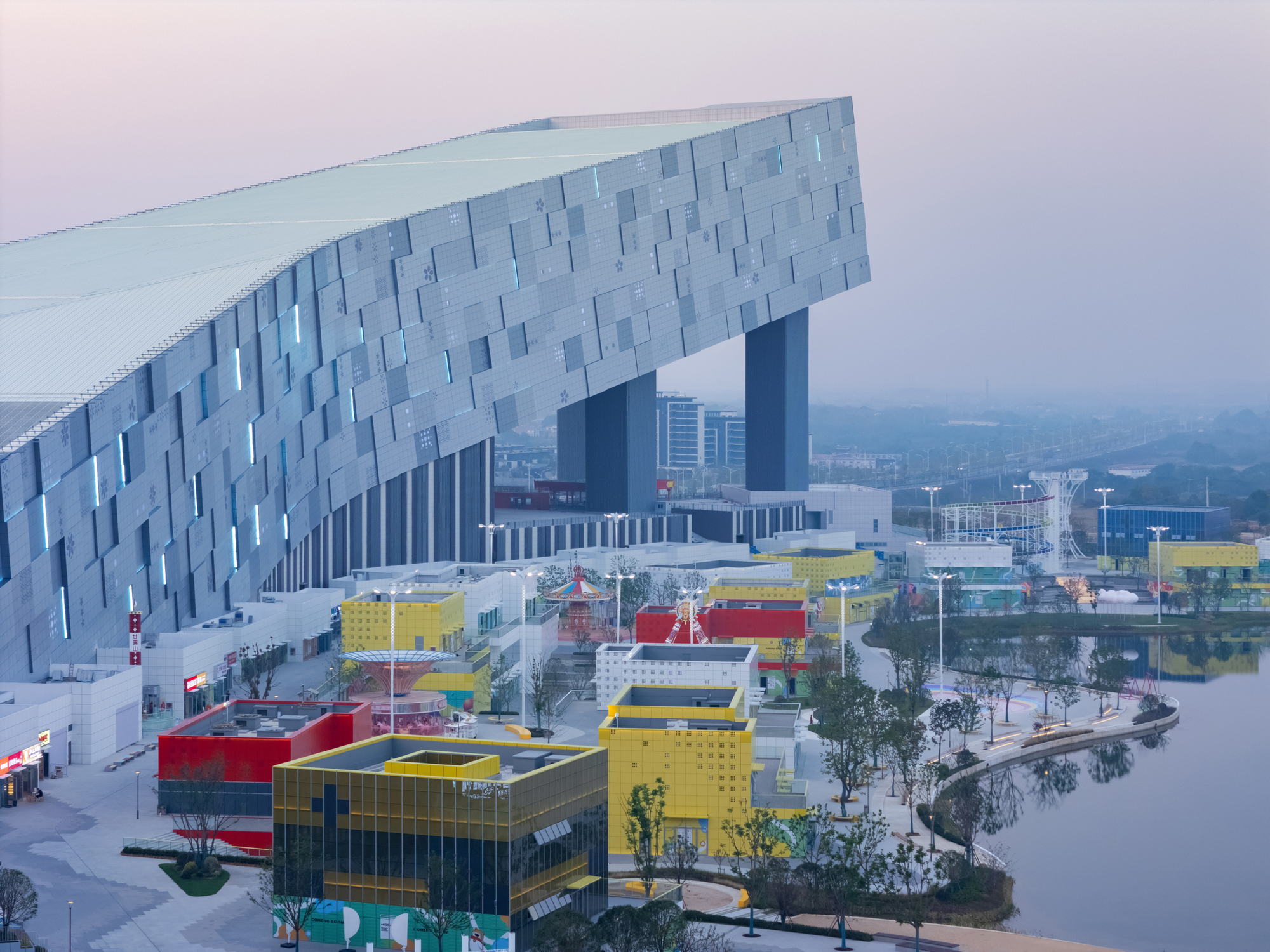
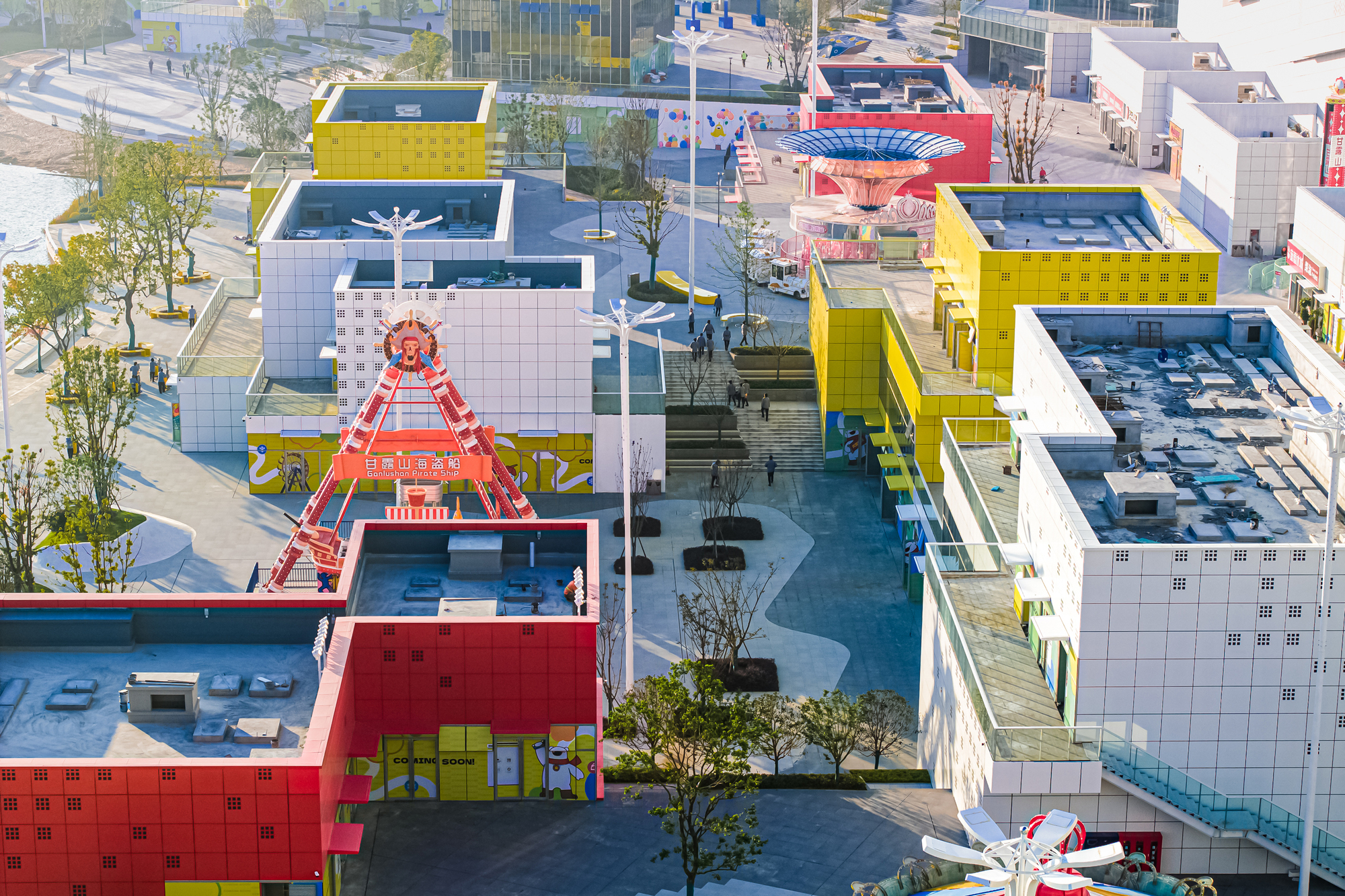
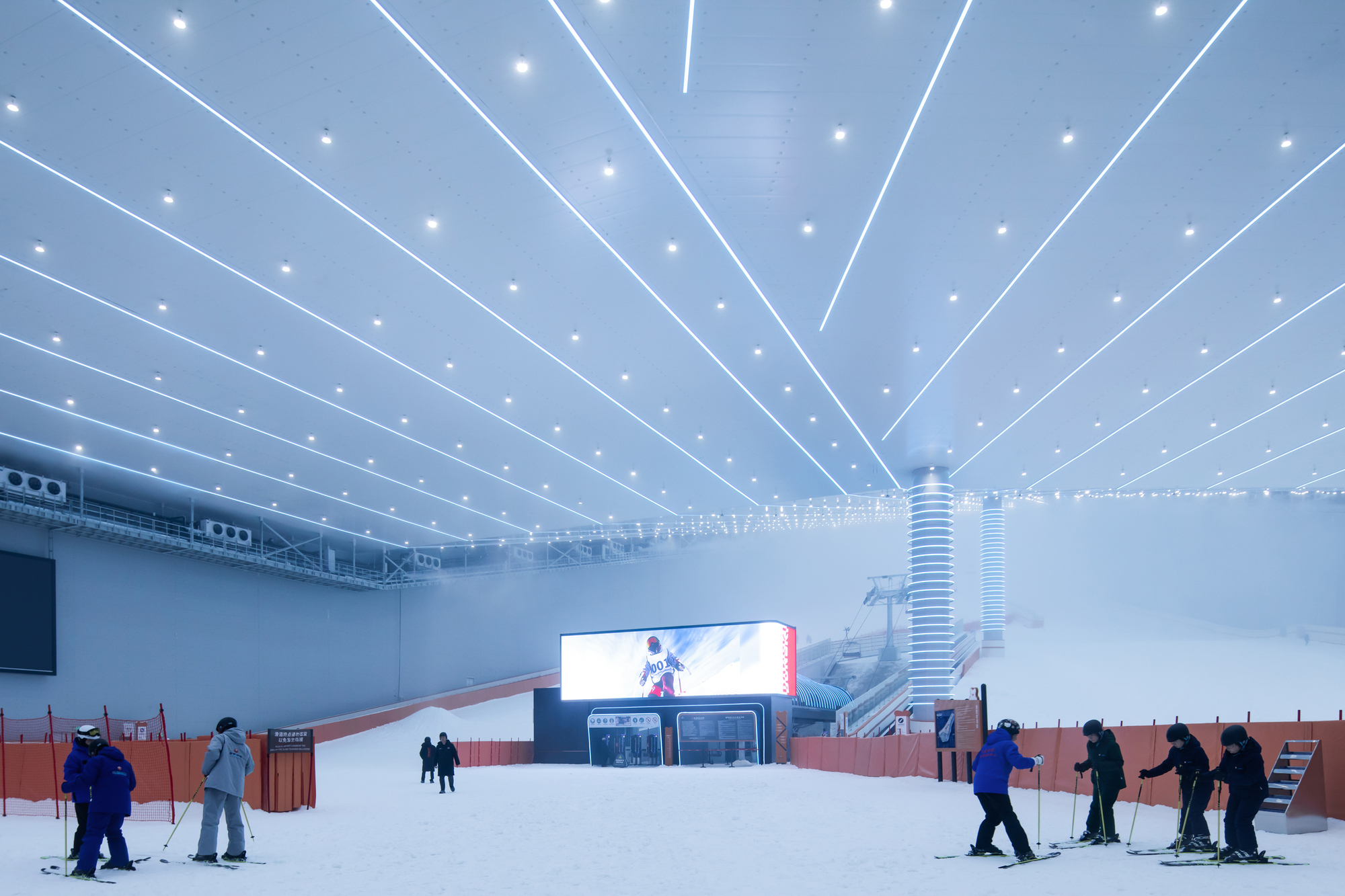
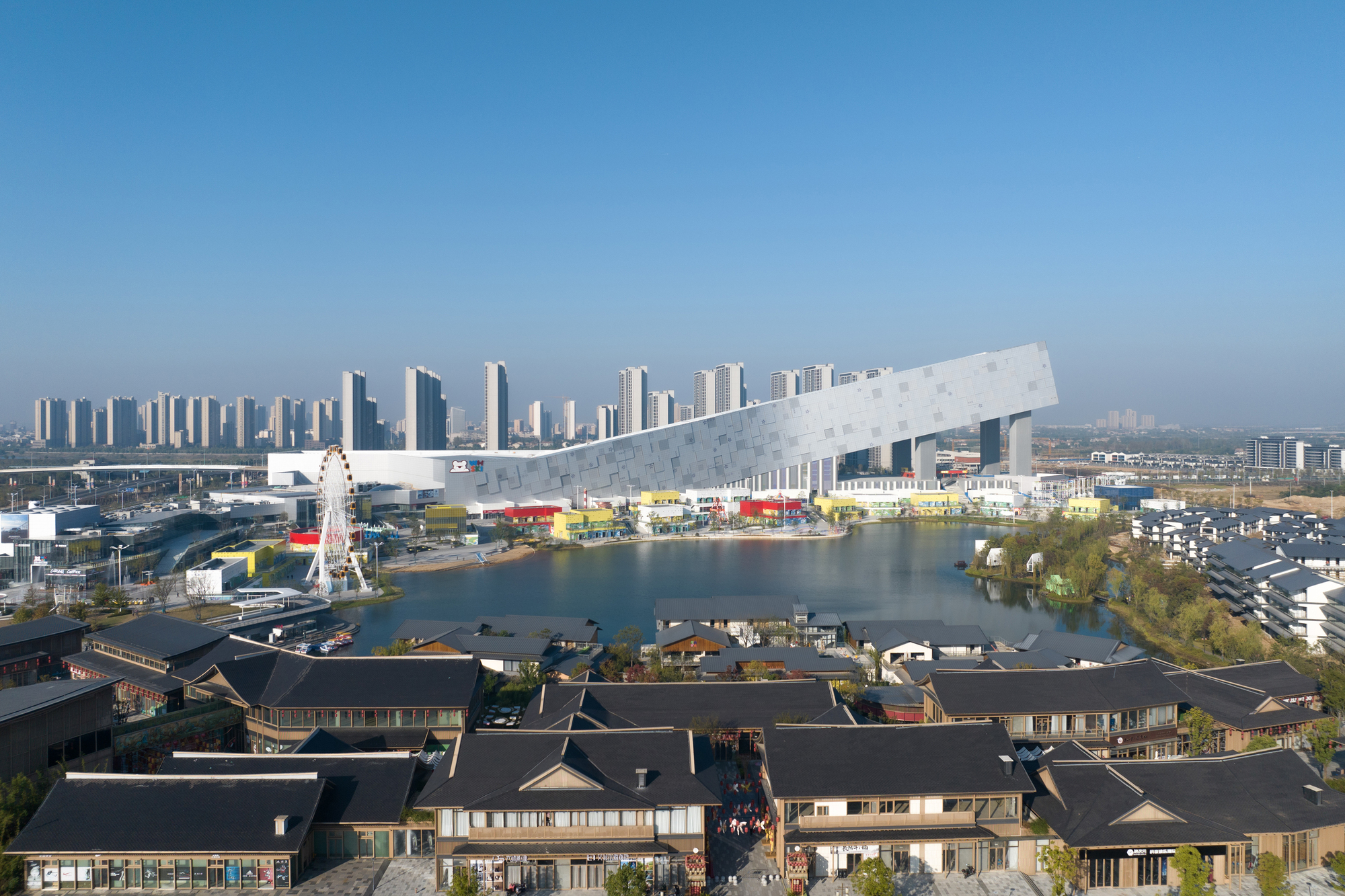
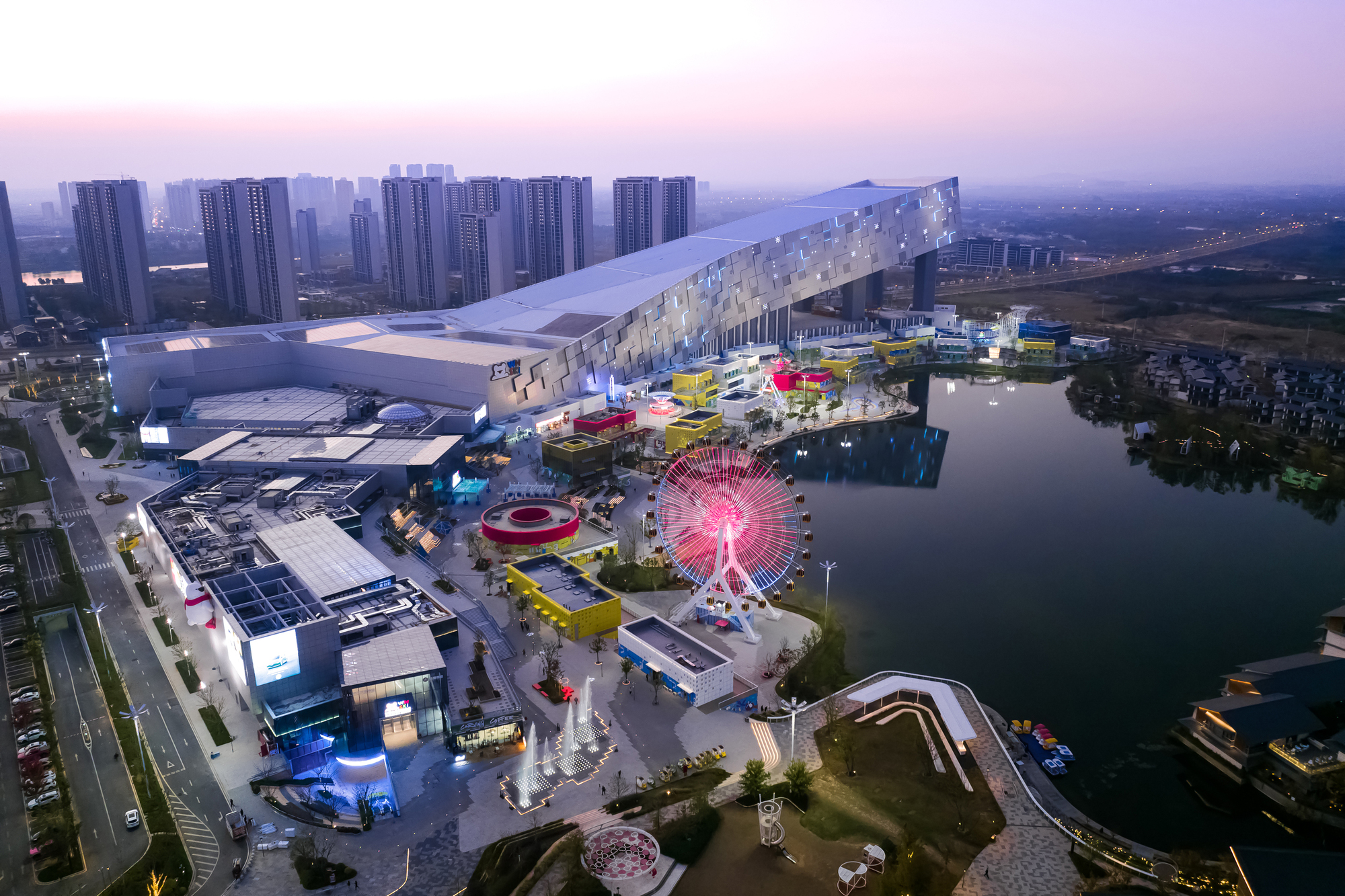
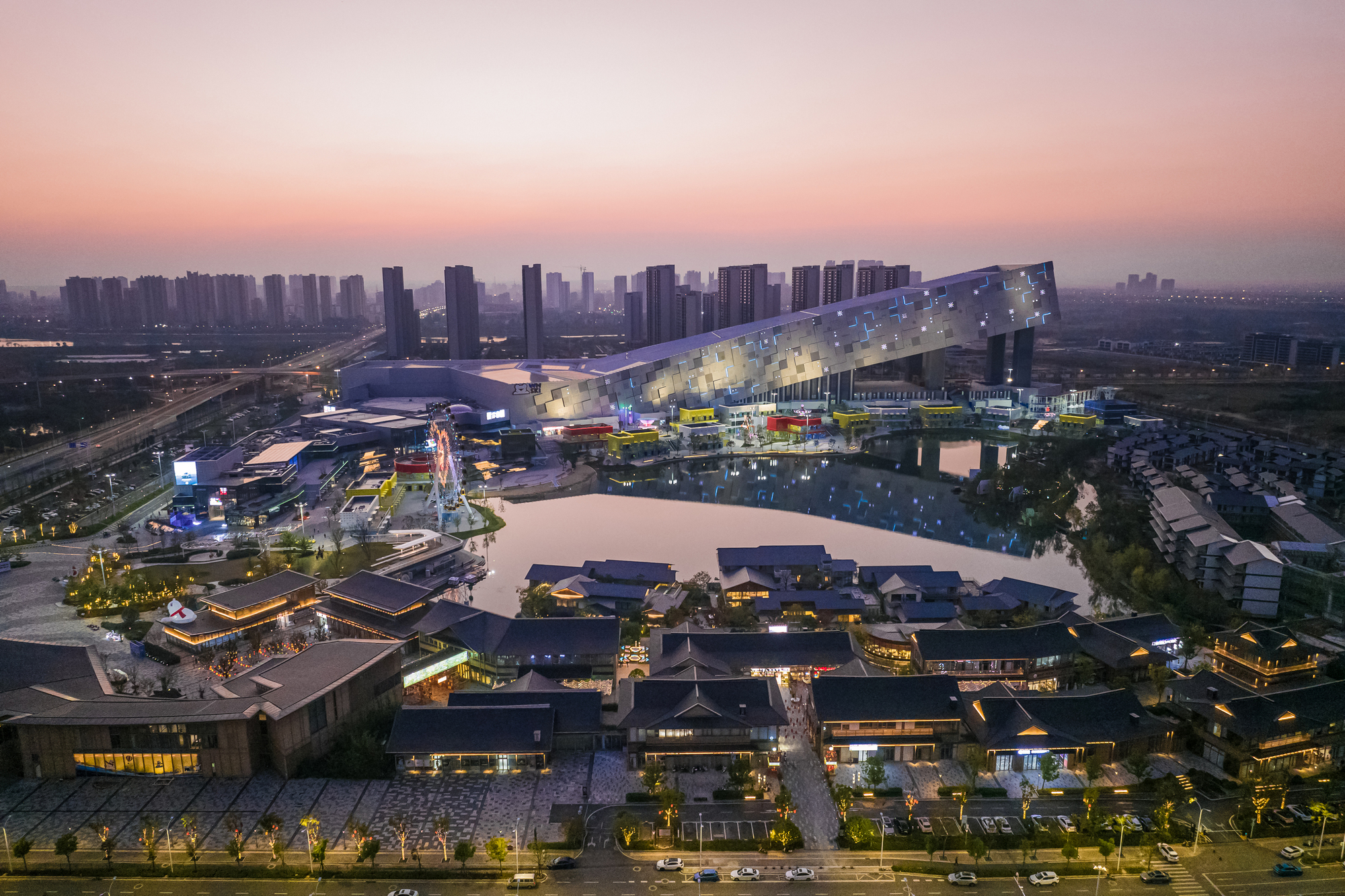
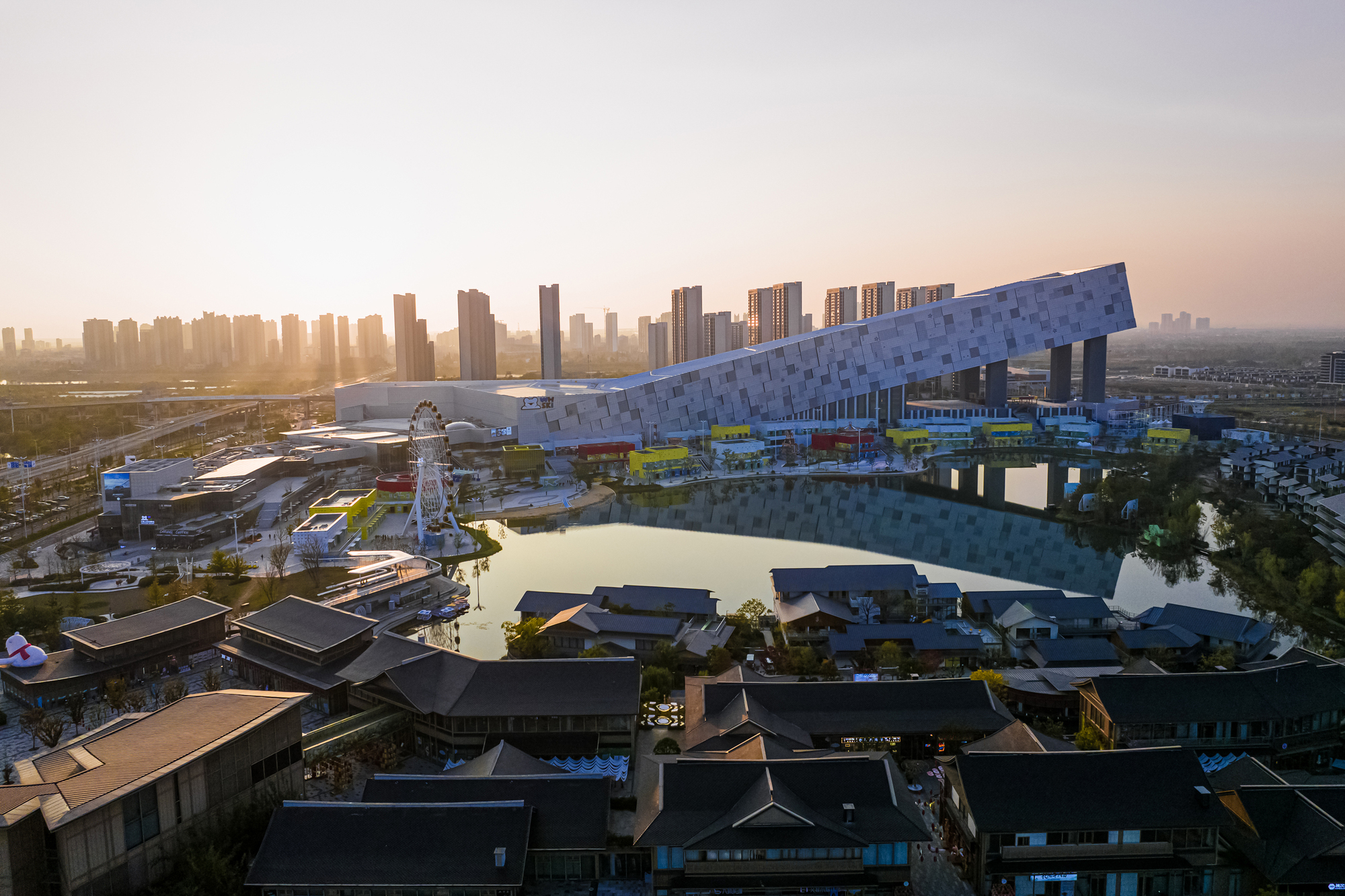
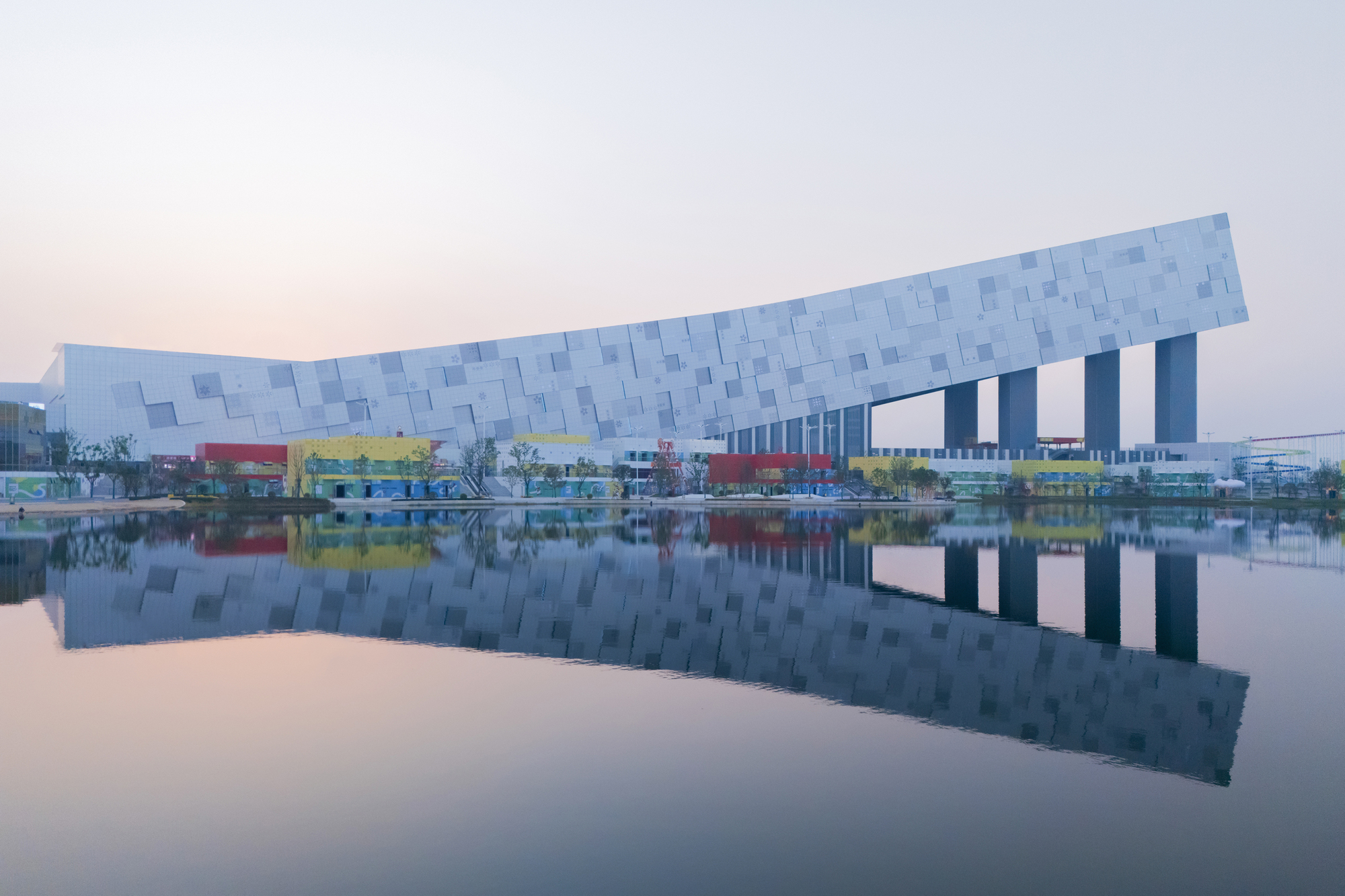
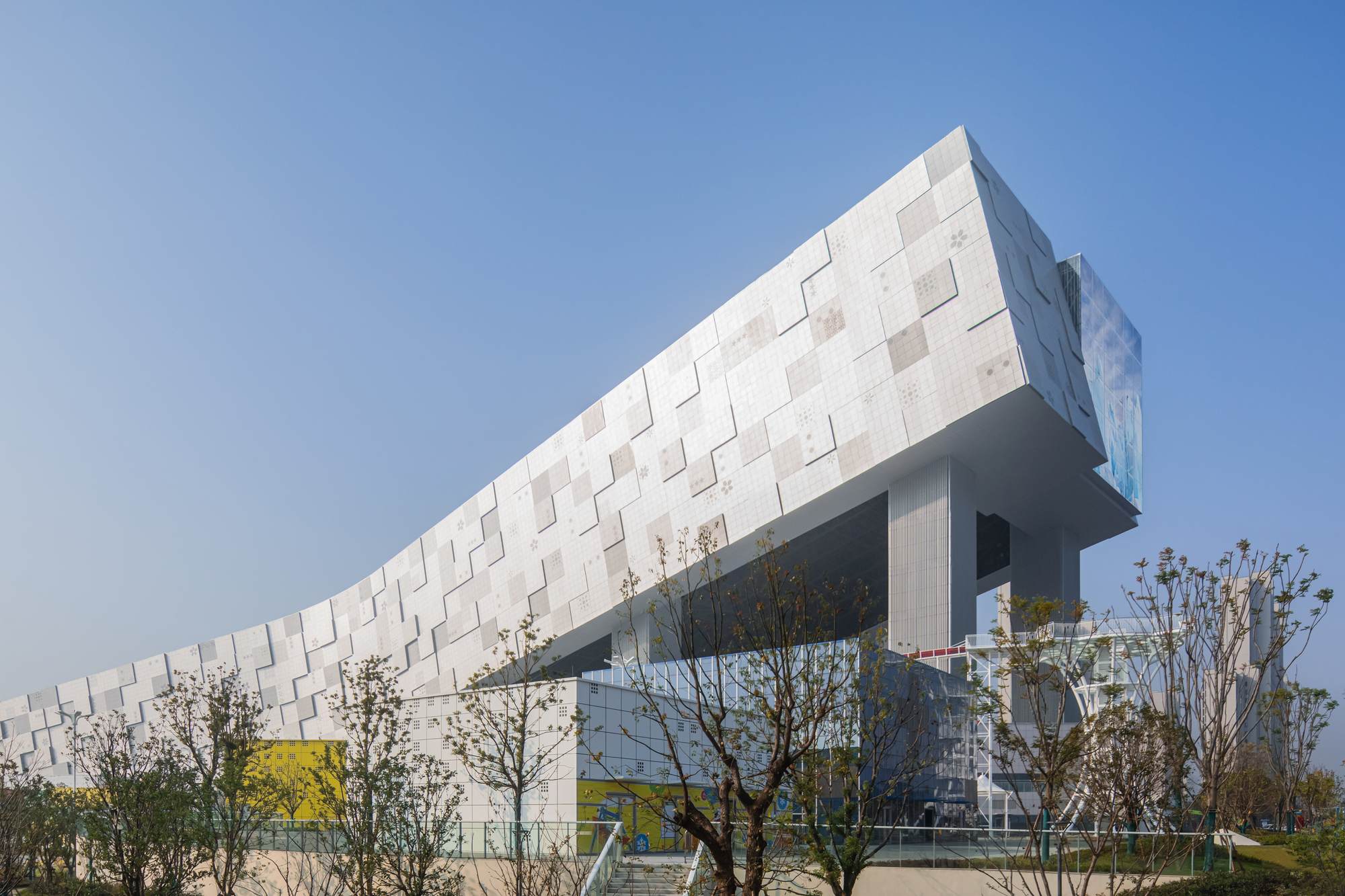
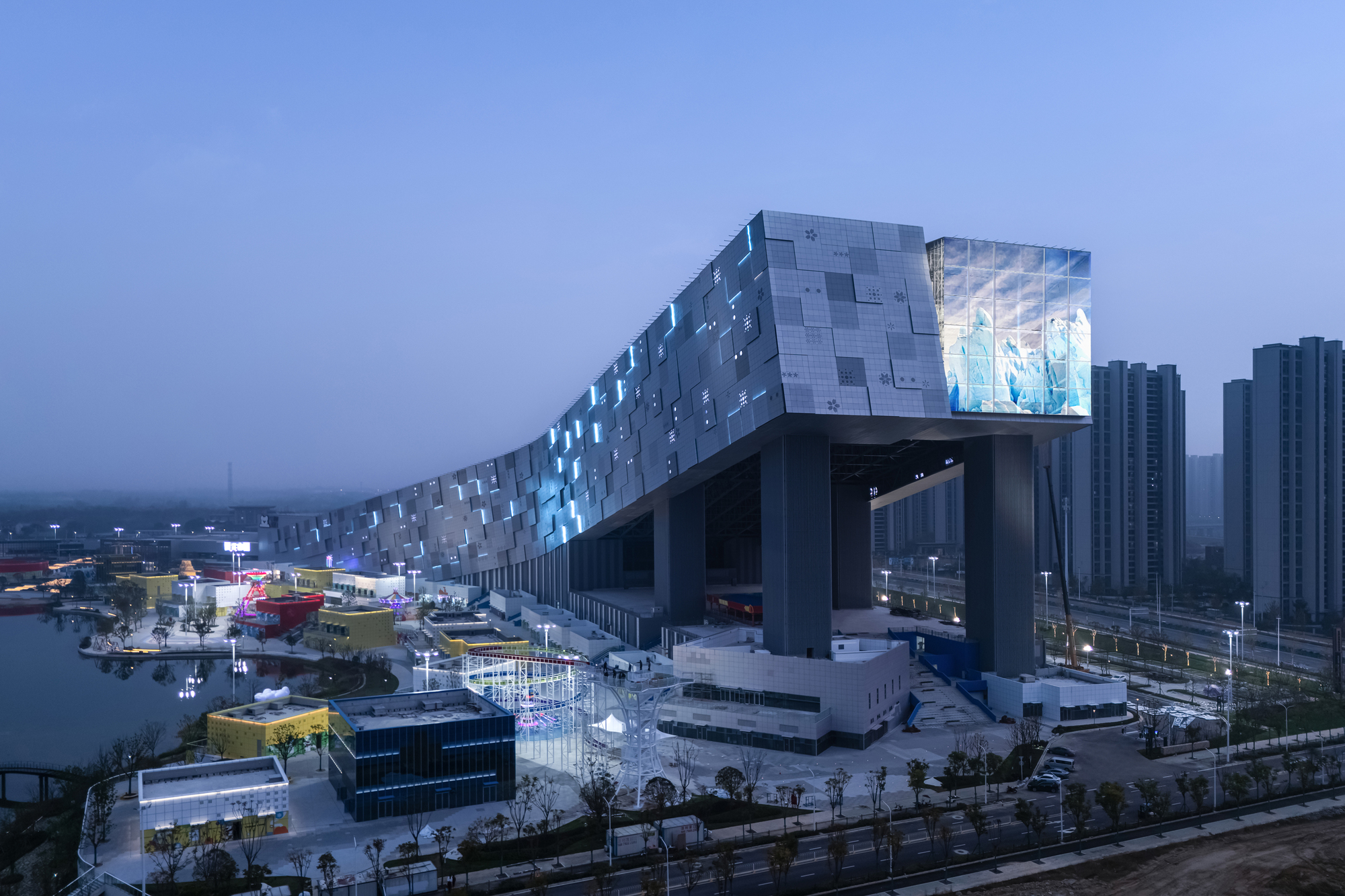
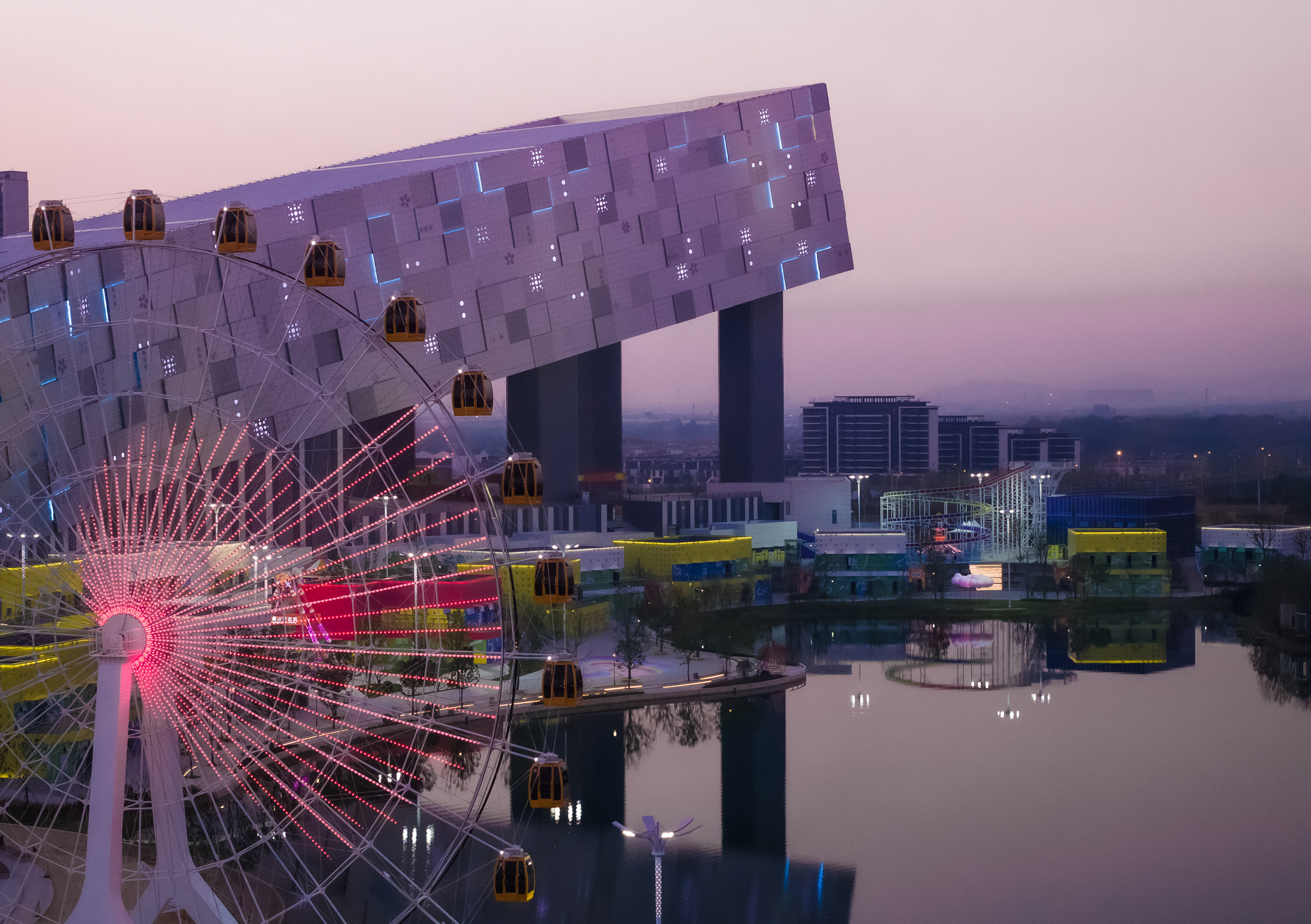
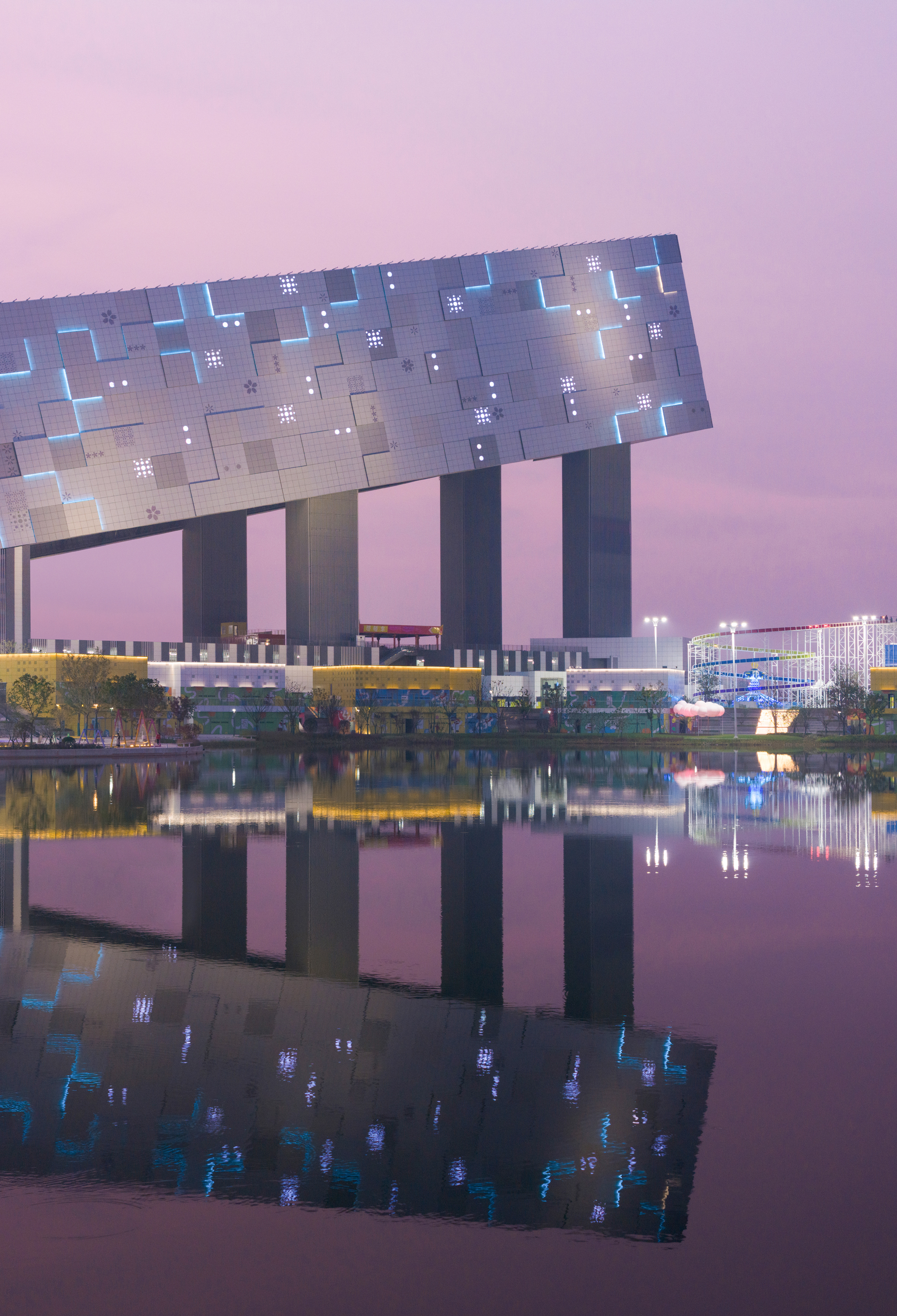
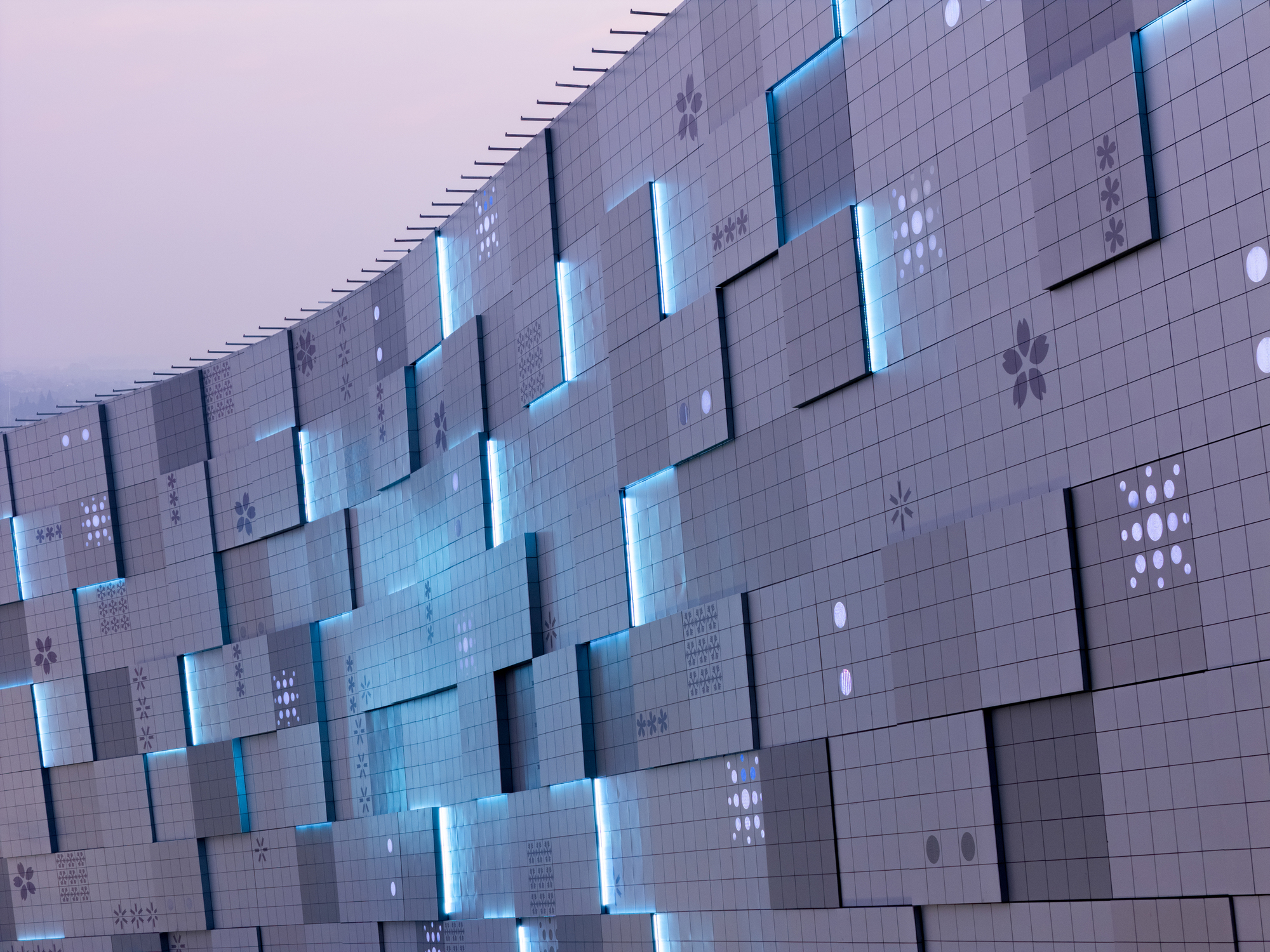
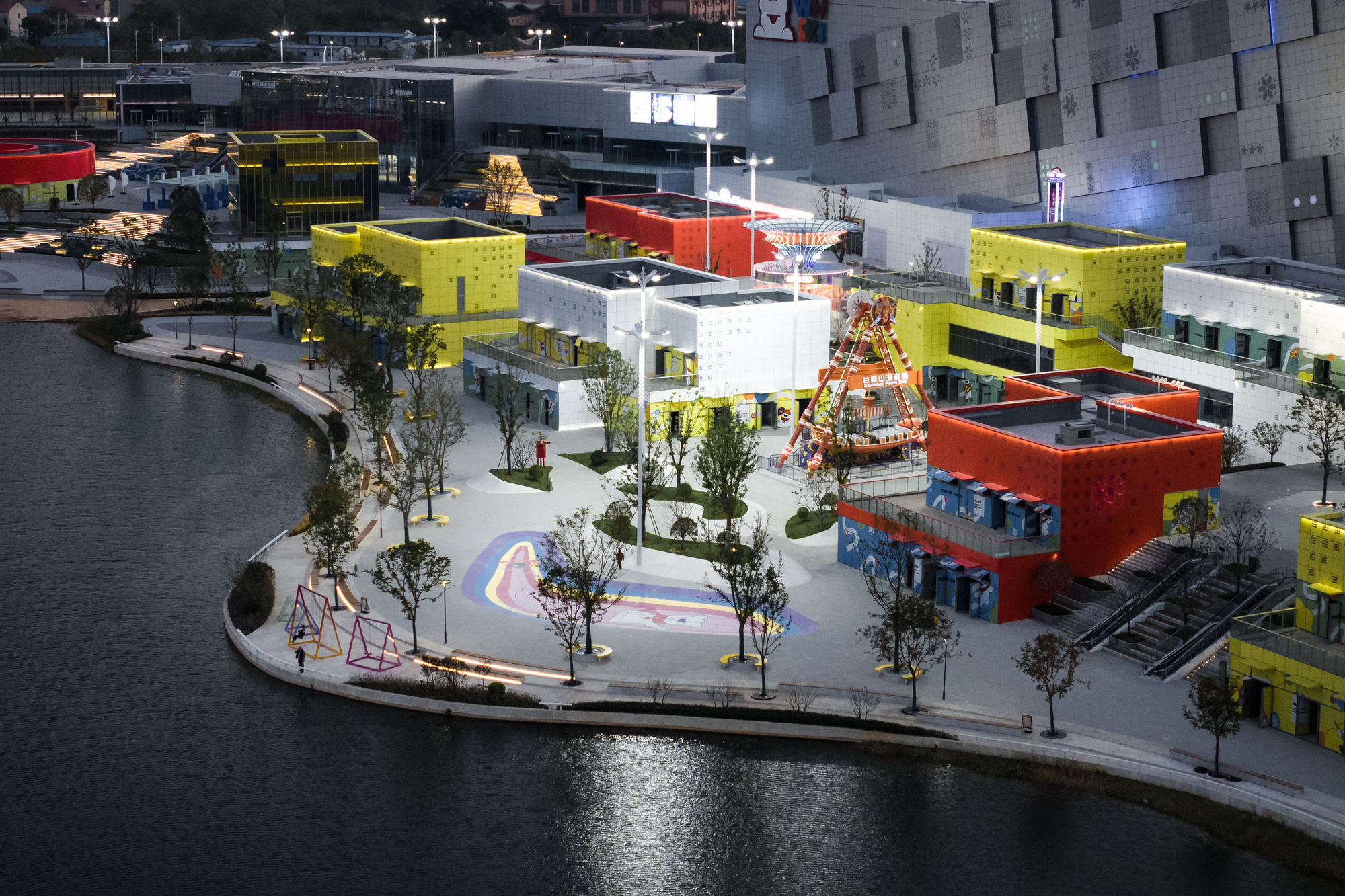
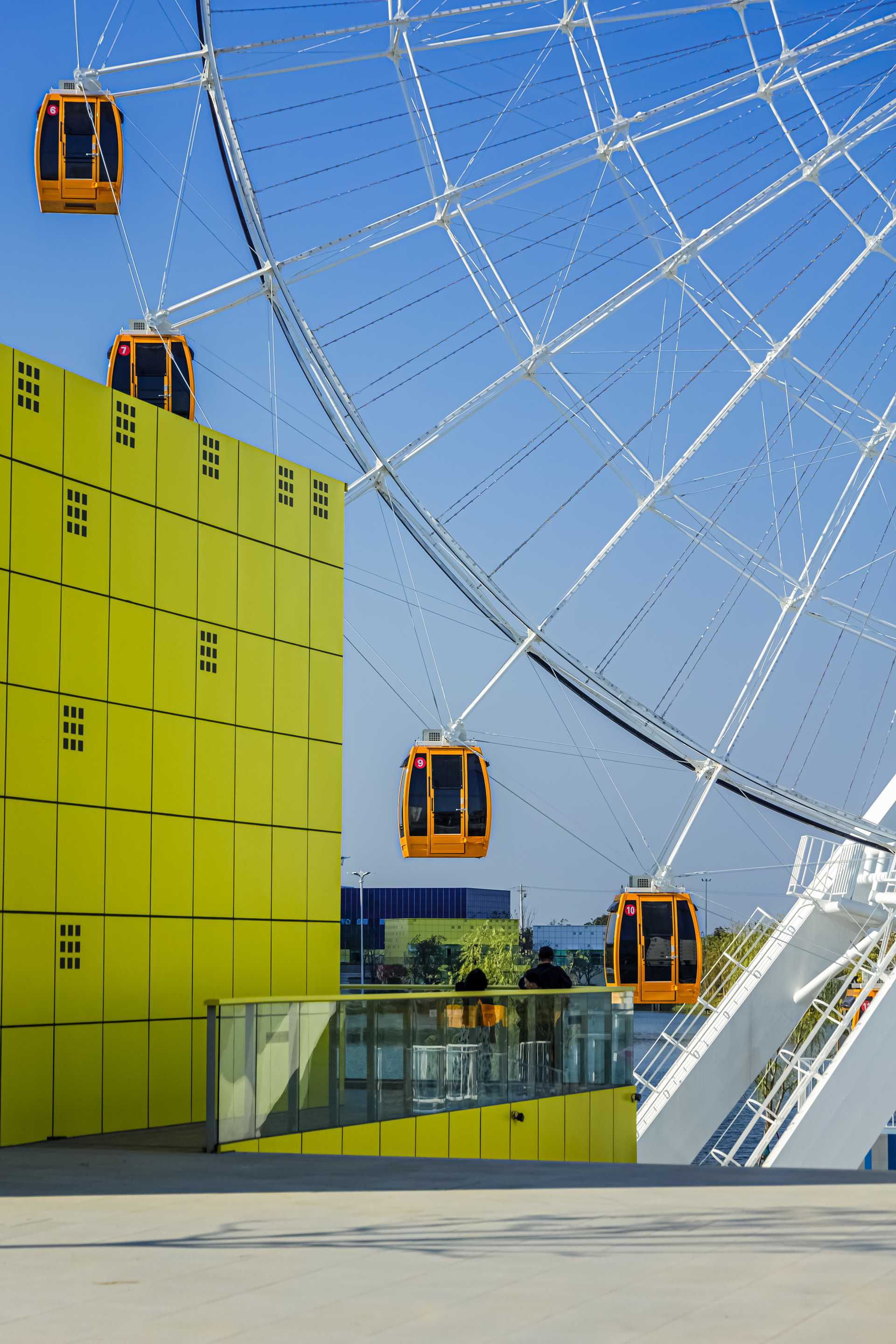
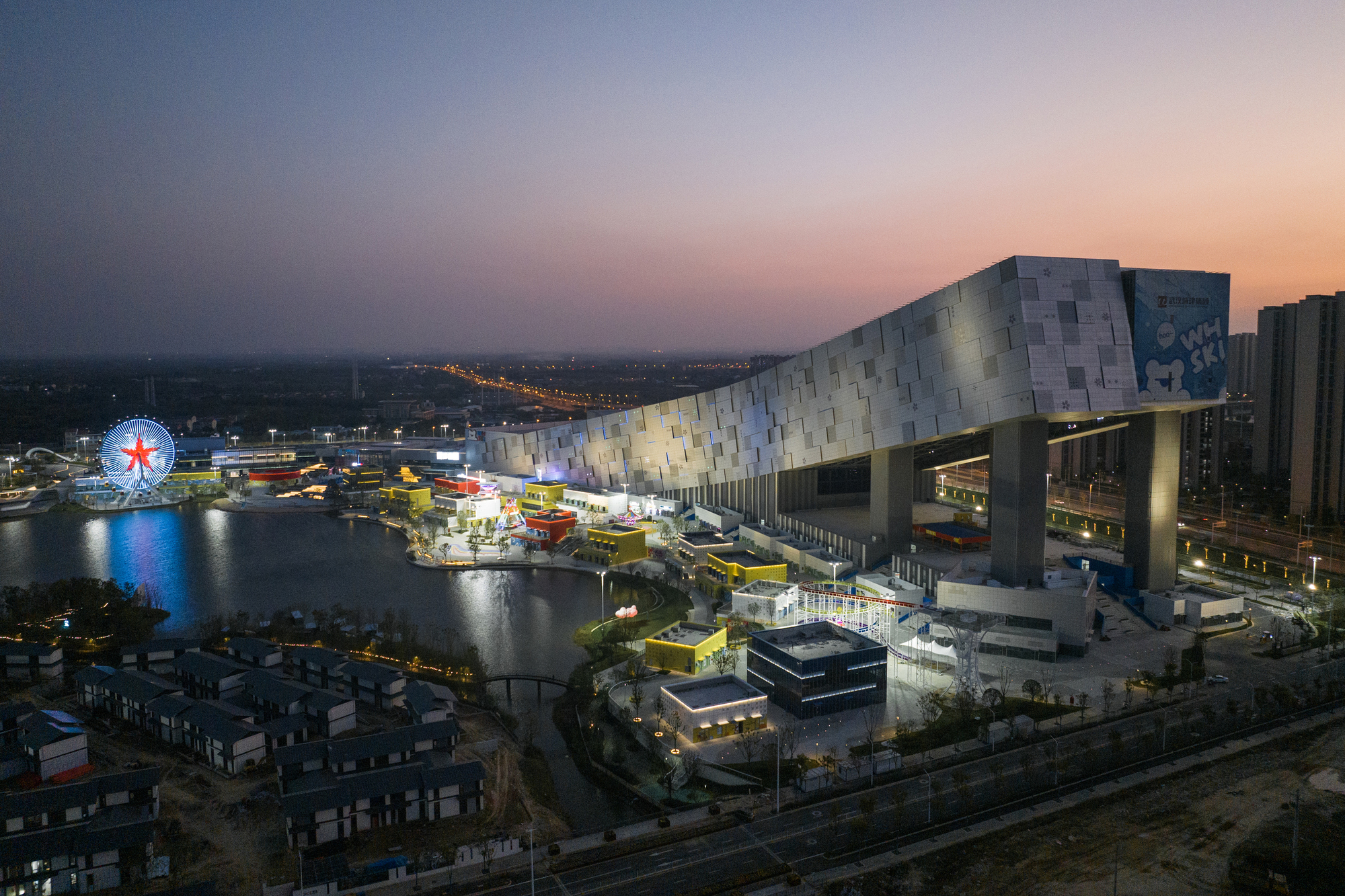
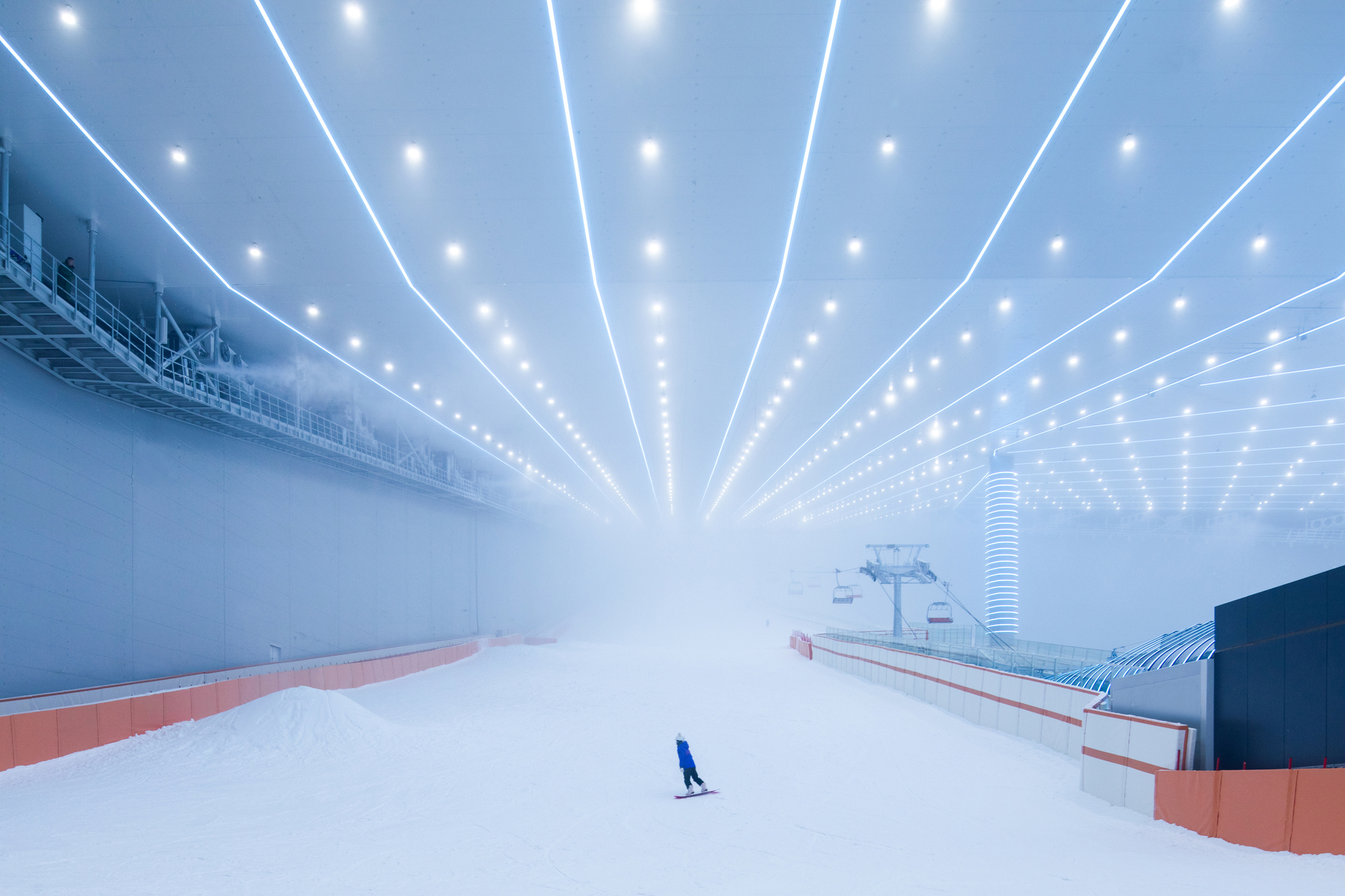
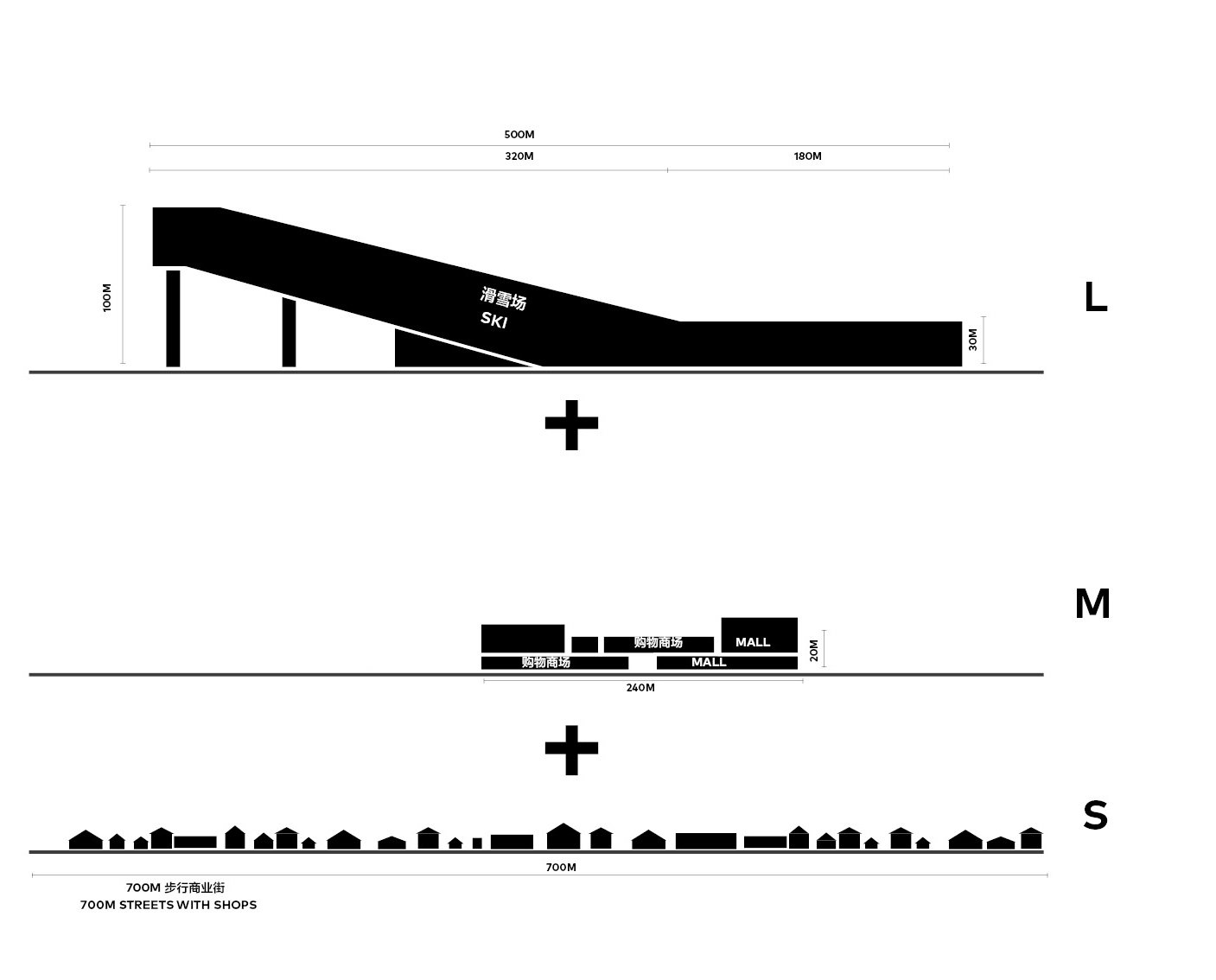
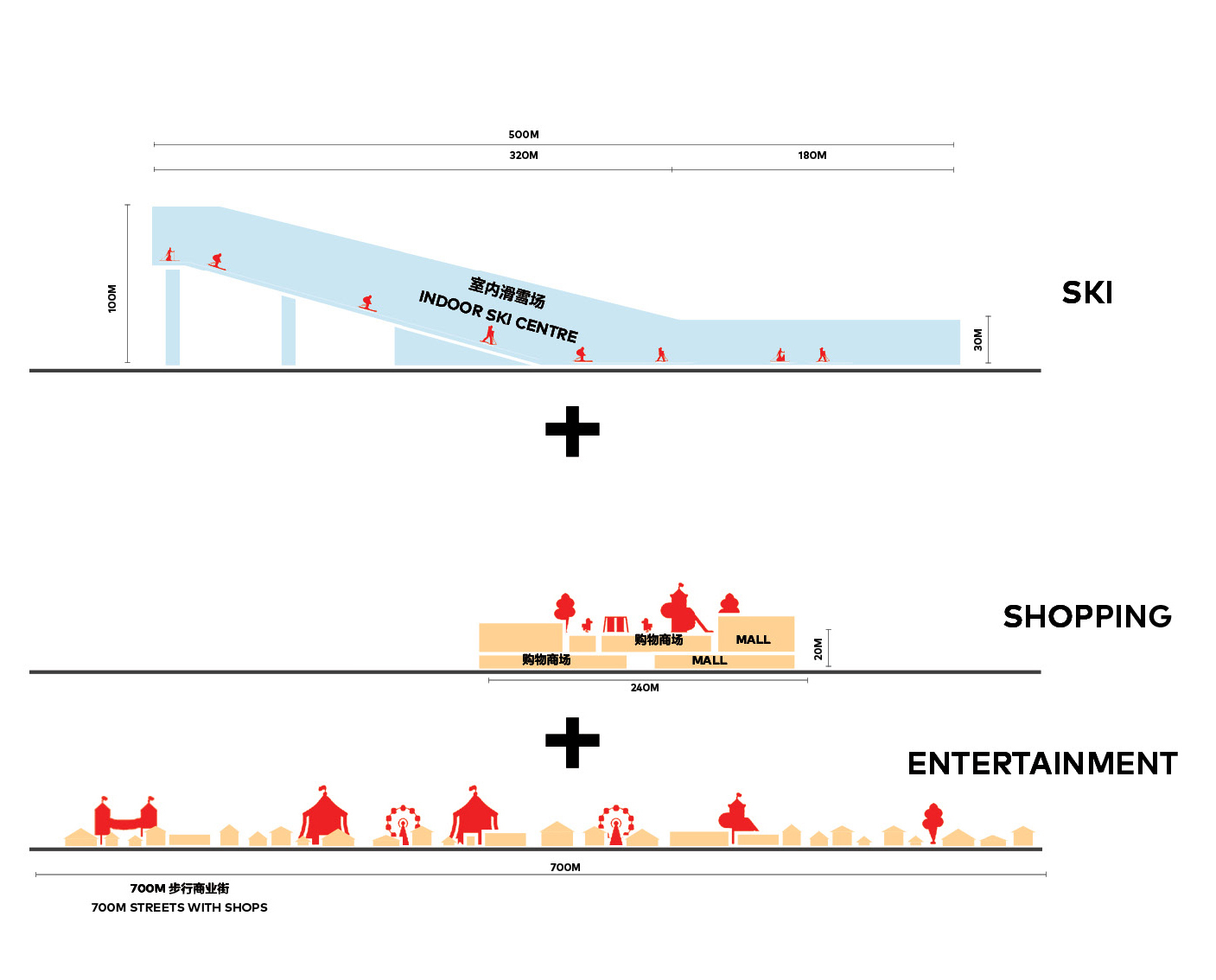
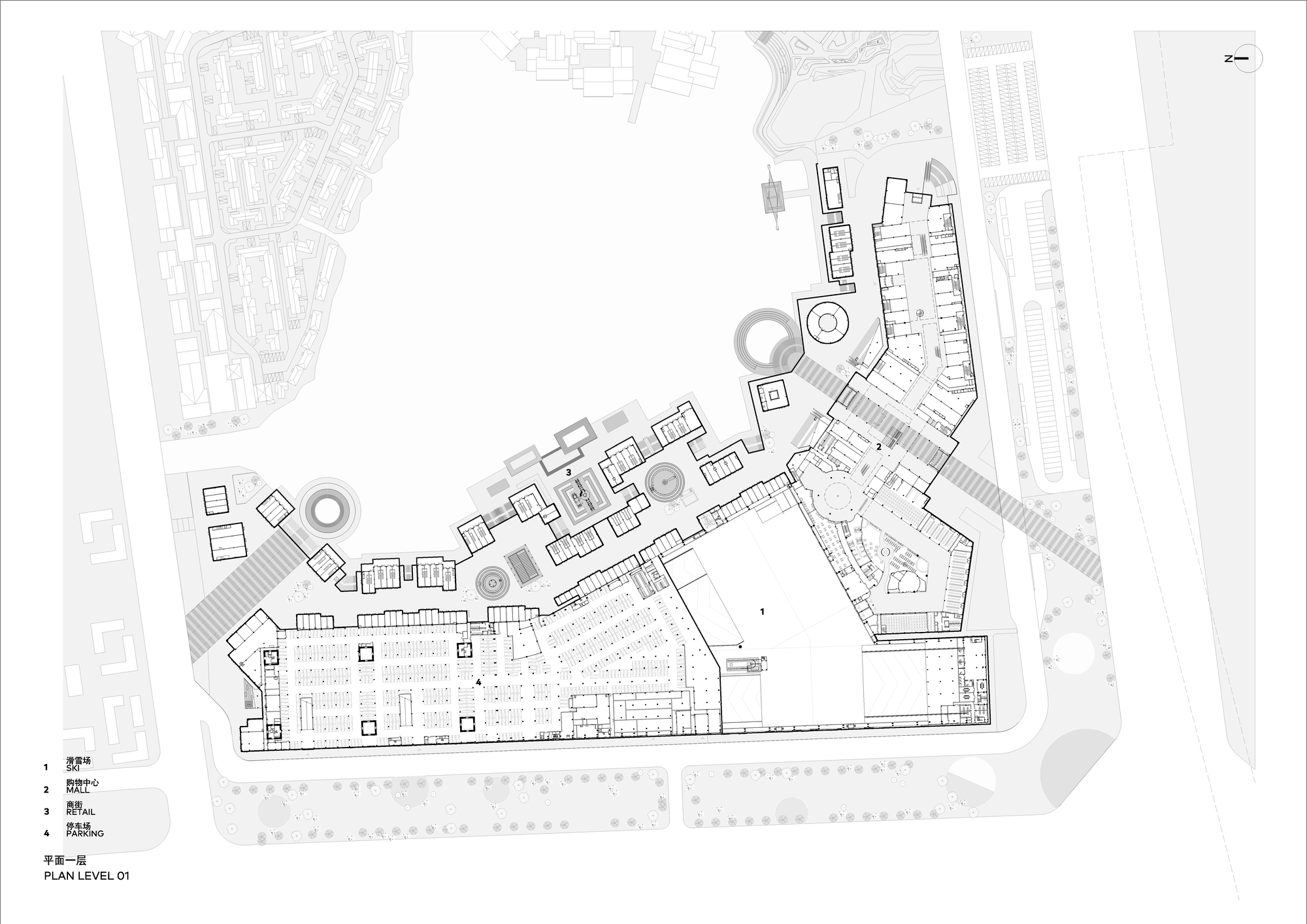
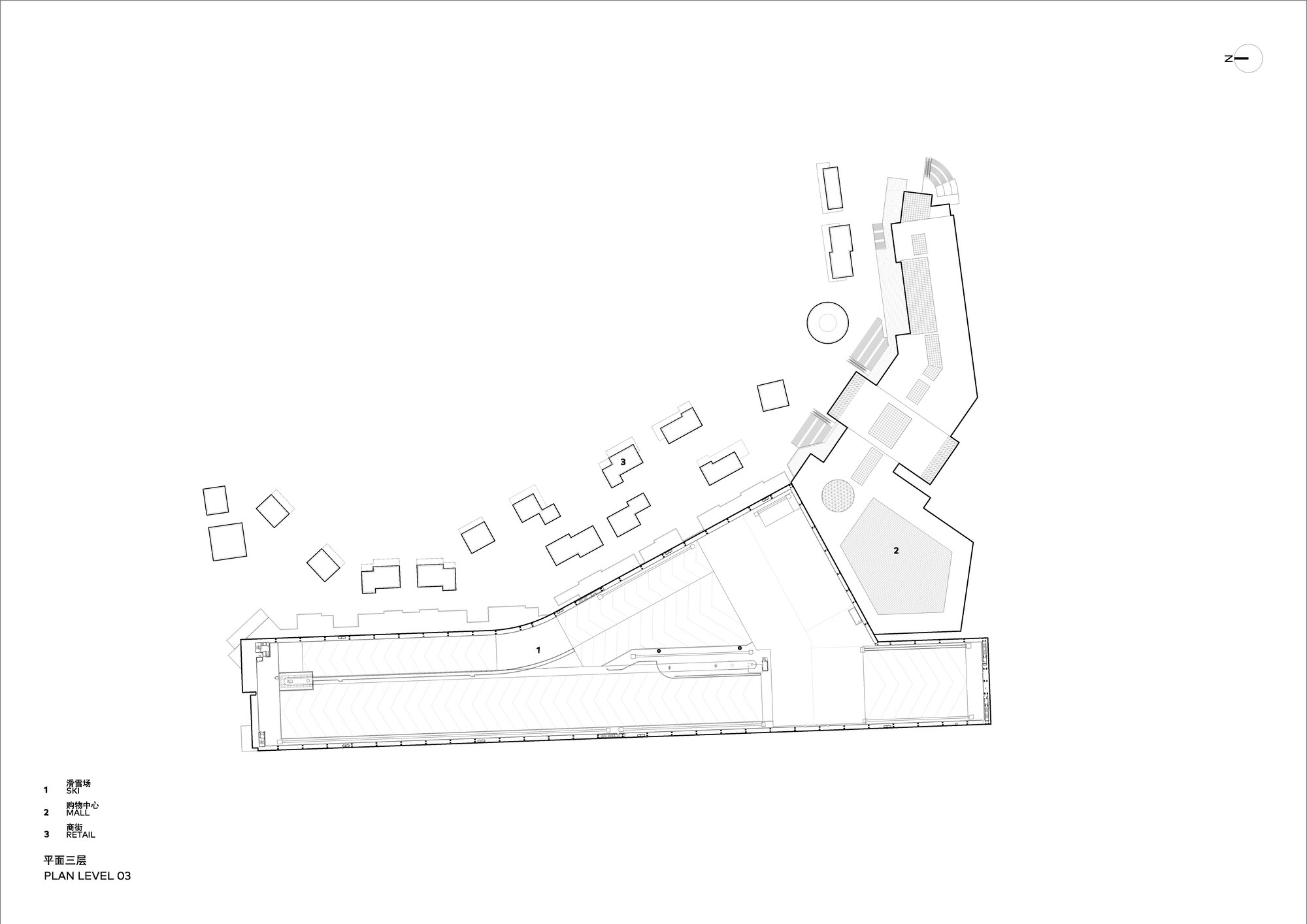
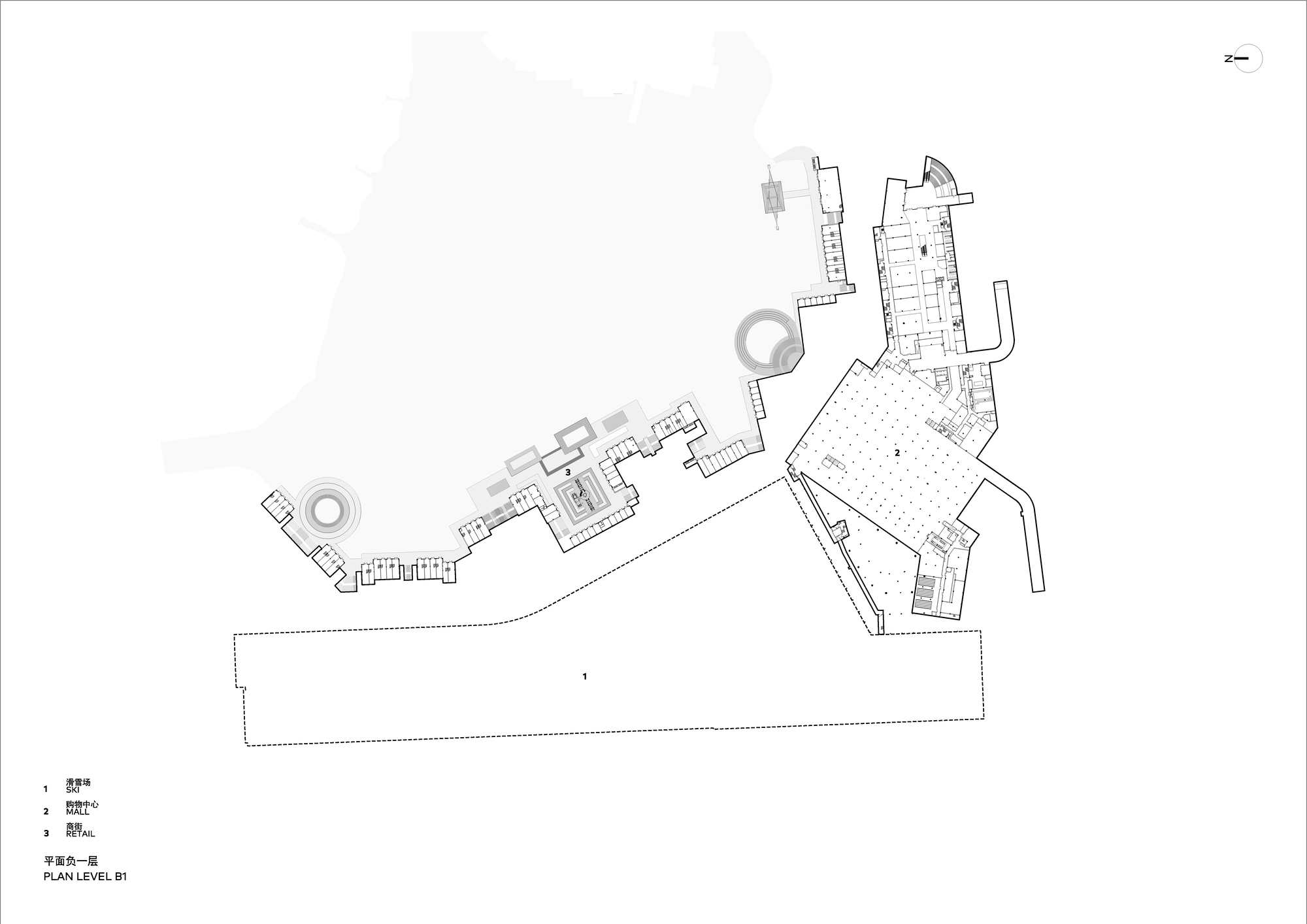
Wuhan Ski Resort #architecture Architects: CLOU architects Area: 178000 m² Year: 2024 Photographs: Shrimp Studio City: Wuhan Country: China A variety of entertainment, sports, and retail facilities groups around a central lake to form a super-large commercial complex, with architecture and facades in complementary scales of terraced three-dimensional pixels. Promoted by the Beijing Winter Olympics, snow sports have become a popular leisure activity among the younger generations of China. The recently completed Wuhan Ski Resort combines the actual sports facilities with hotels, retail, theme parks and other entertainment amenities, and complement them with ski schools, ski clubs, and professional sports events, creating this new type of entertainment complex with a snow theme. A 24-hour leisure complex with a 500-meter downhill slope. Located in the Huangpi district adjacent to Mulan Ancient Town, Wuhan Ski Resort is set to be the new contemporary landmark of the area: a variety of entertainment, sports, and retail facilities groups around a central lake, to form a super-large commercial complex that promotes snow sports all-year-round. In a well-composed combination of indoor winter sports, connective retail street, and outdoor theme park playground, Wuhan Ski Resort sets precedent for a new type of all-inclusive entertainment. Curated as a stage for 24-hour lakeside enjoyment, the masterplan arrays carnival vibes, indoor and outdoor shopping precincts, watersports and the abstracted vision of a mountain in the immersive experience of a singular super-sized complex, where architecture and surfaces merge in complementary scales of terraced three-dimensional pixels. A modular façade system through all components embraces collective elements that are then decomposed and re-organized in order to create identity in new synergies. Integrating sports with celebration, events and retail. Enclosing three different leisure experiences, three different building typologies of contrasting scale are unified in the framework of an integral design language. Wuhan Ski Resort appeals to the amusement appetite of one of the most populous cities in China. Its half-kilometer-long and 100m high indoor ski slope sets precedent for a new type of indoor winter sports. Indoor snow adventures are complemented by an extensive outdoor carnival landscape, as well as a variety of indoor and outdoor retail. Indoor-outdoor urban living room. Below the half-kilometer-long and 100m high indoor ski slope with its pixelated multi-media façade, foothills full of sports and nightlife venues scatter towards the waterside, linking plazas and retail streets with generously landscaped areas and interactive facades. Indoor spaces dissolve into the outdoors, to activate internal and external retail areas with entertainment facilities and landscapes, and to connect to the adjacent transportation nodes.
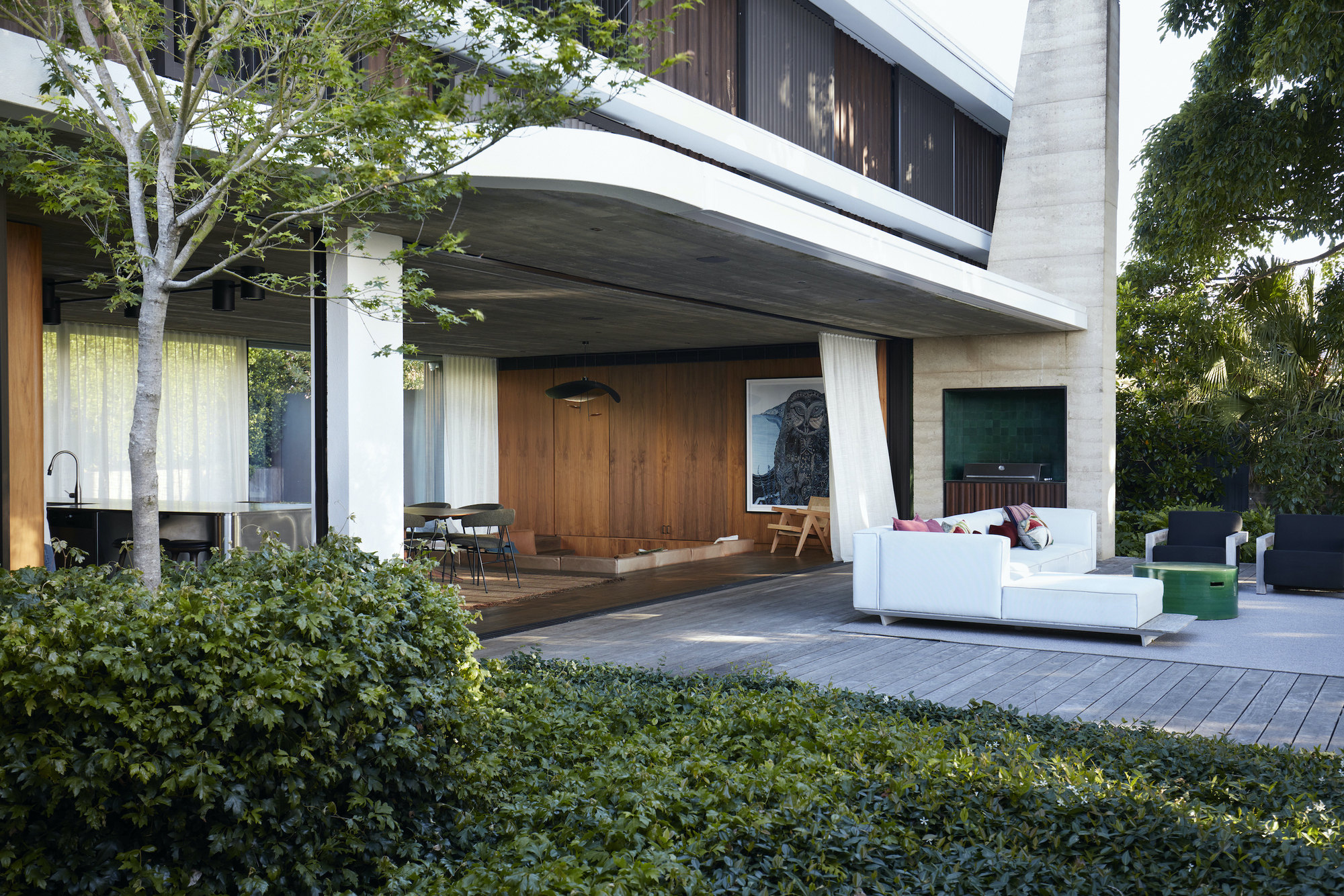
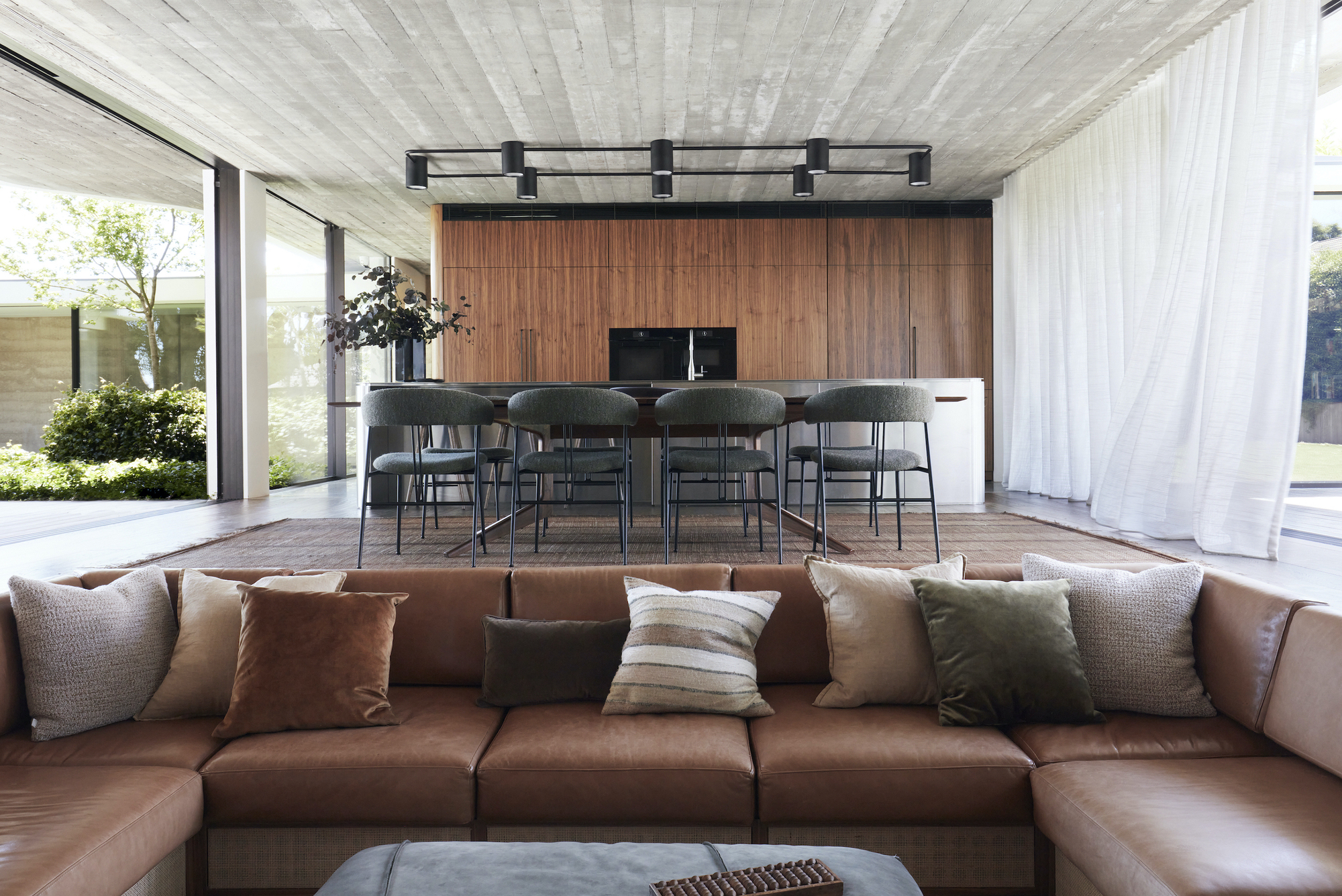
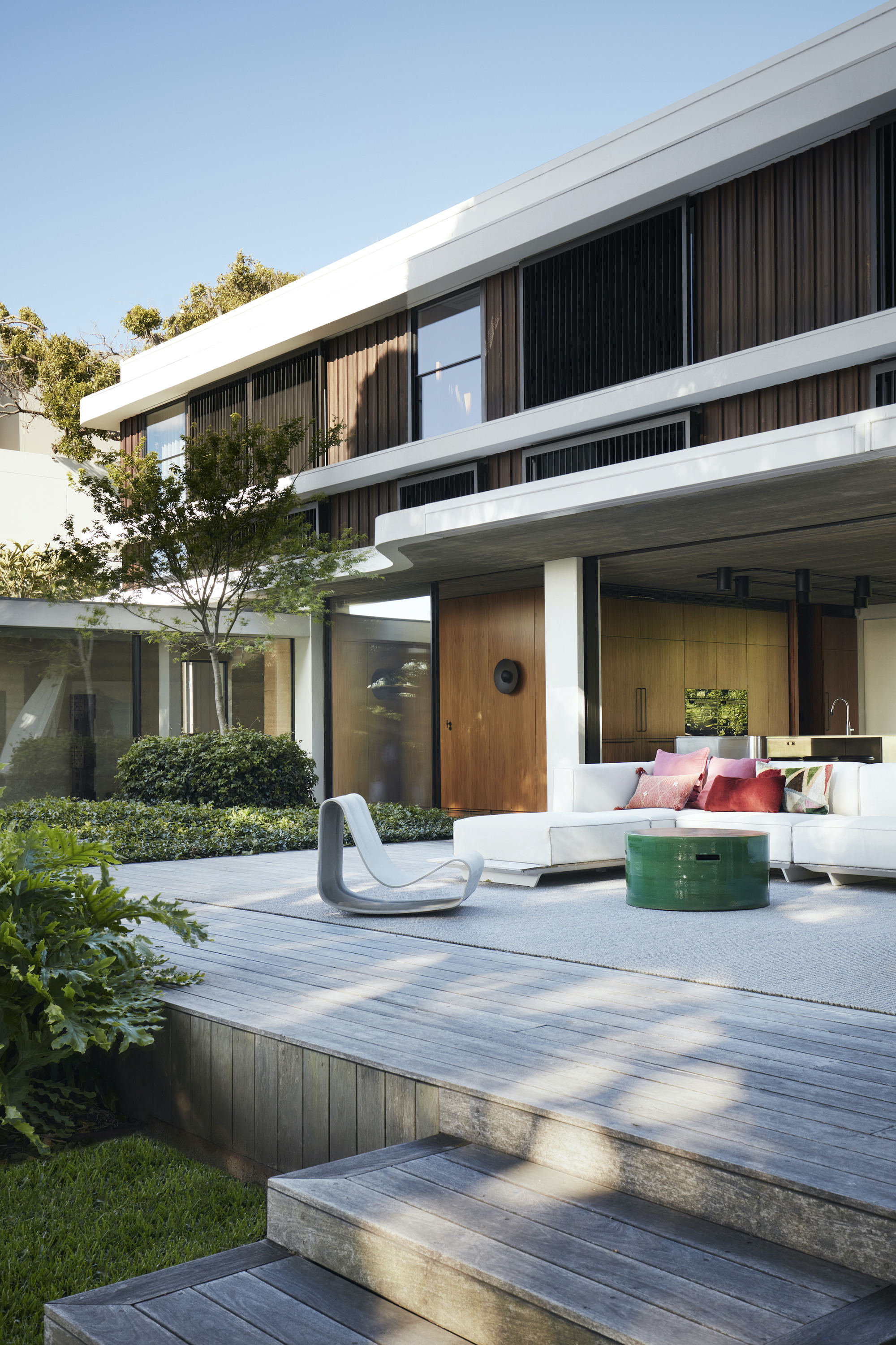
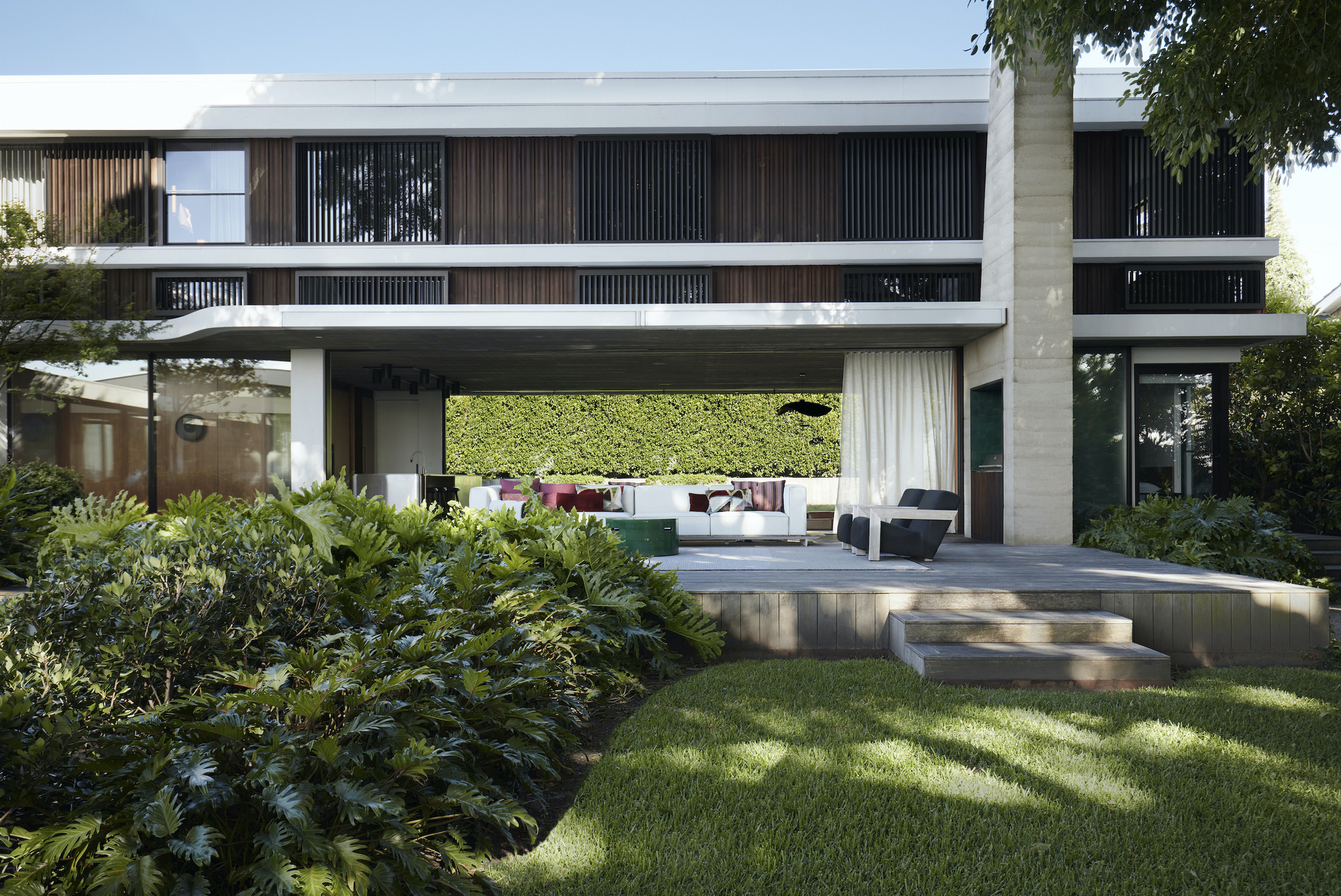
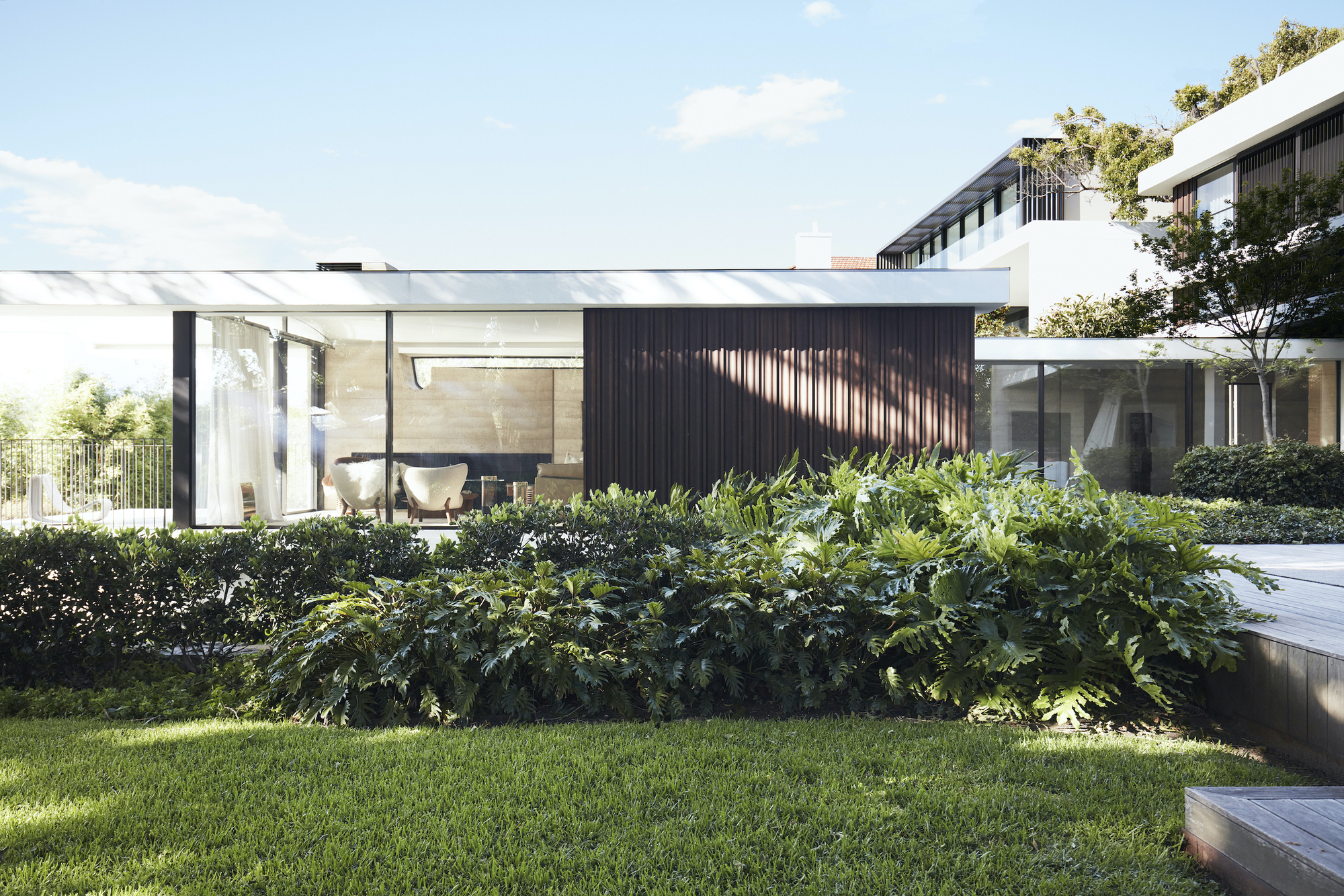
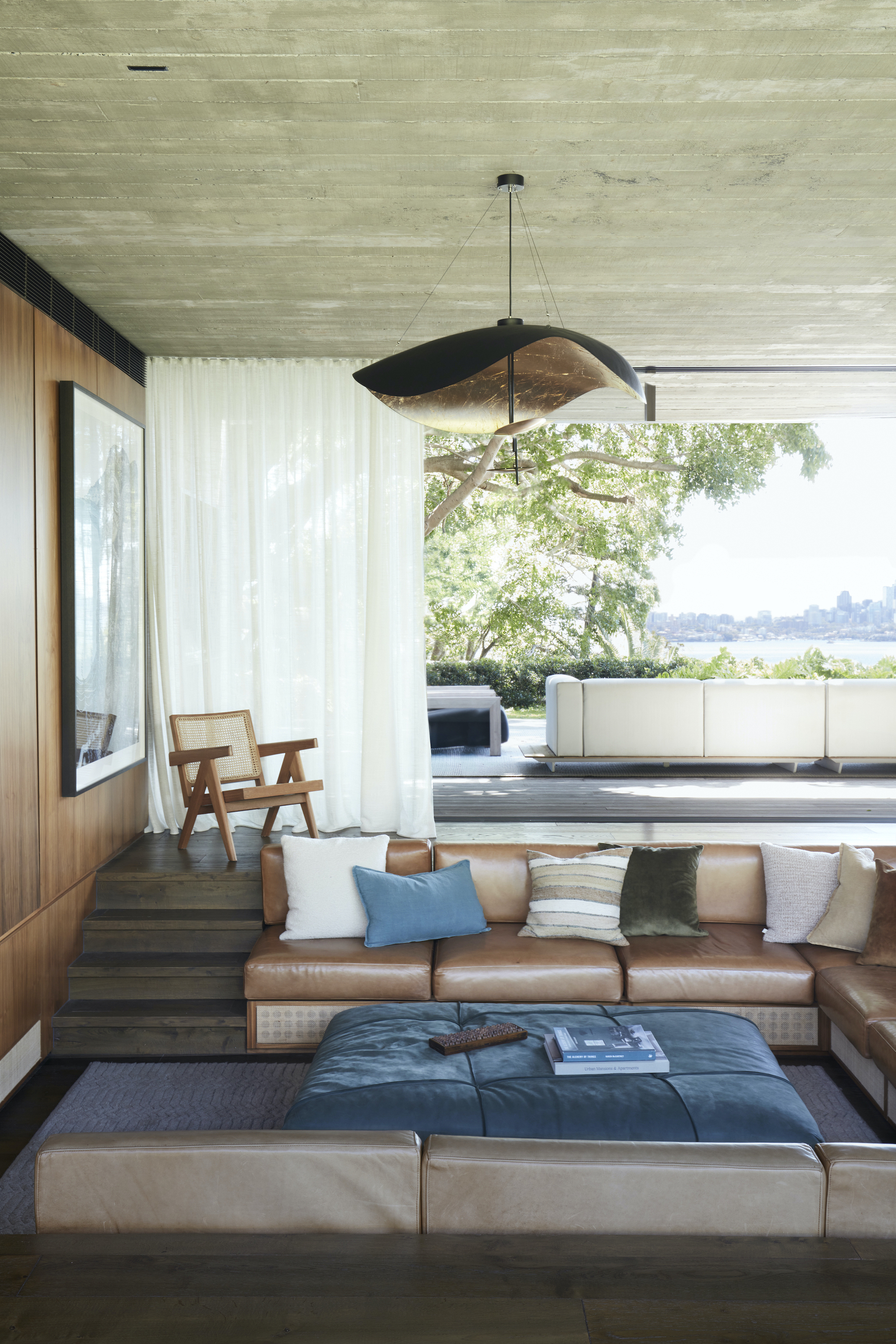
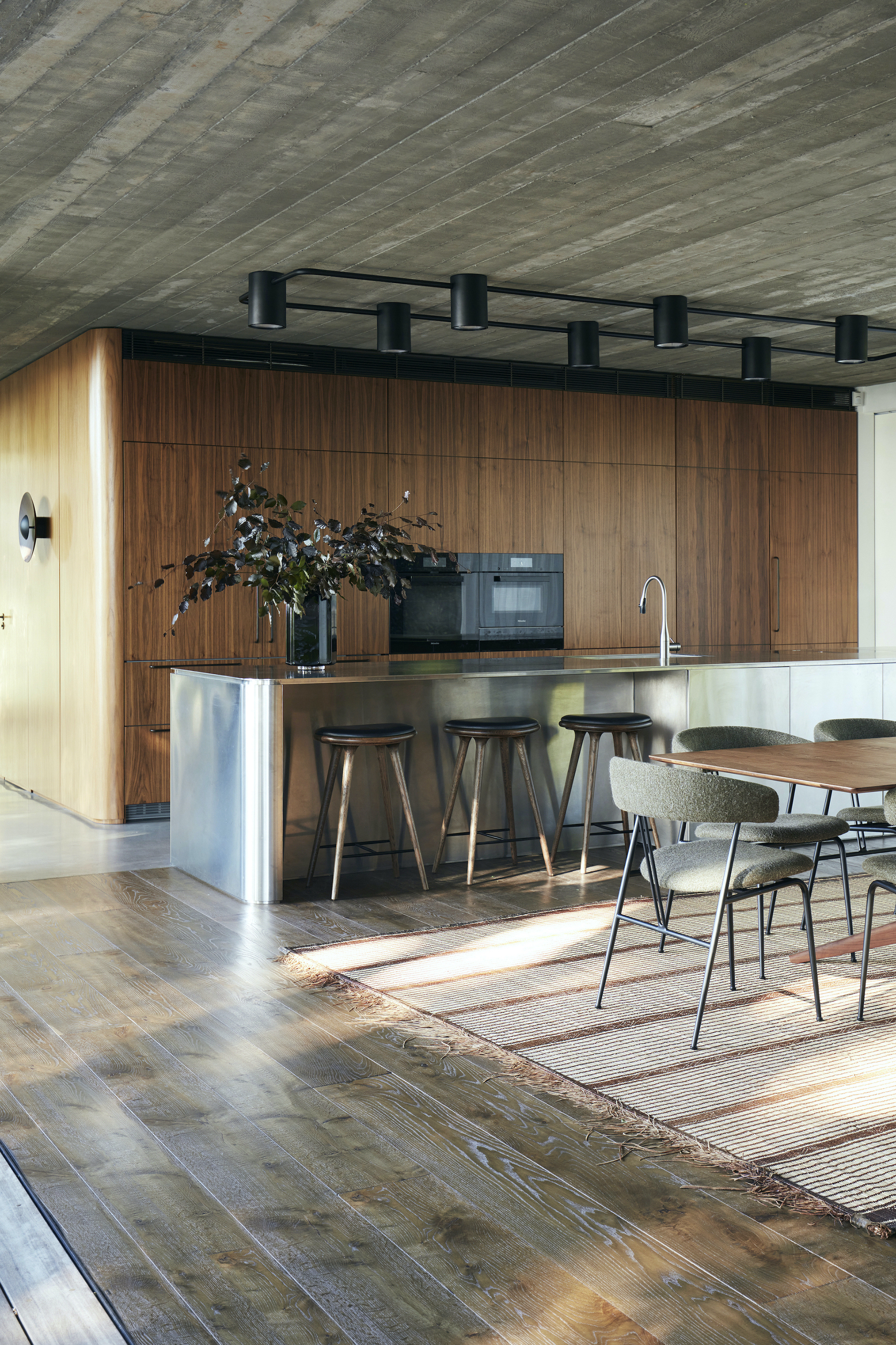
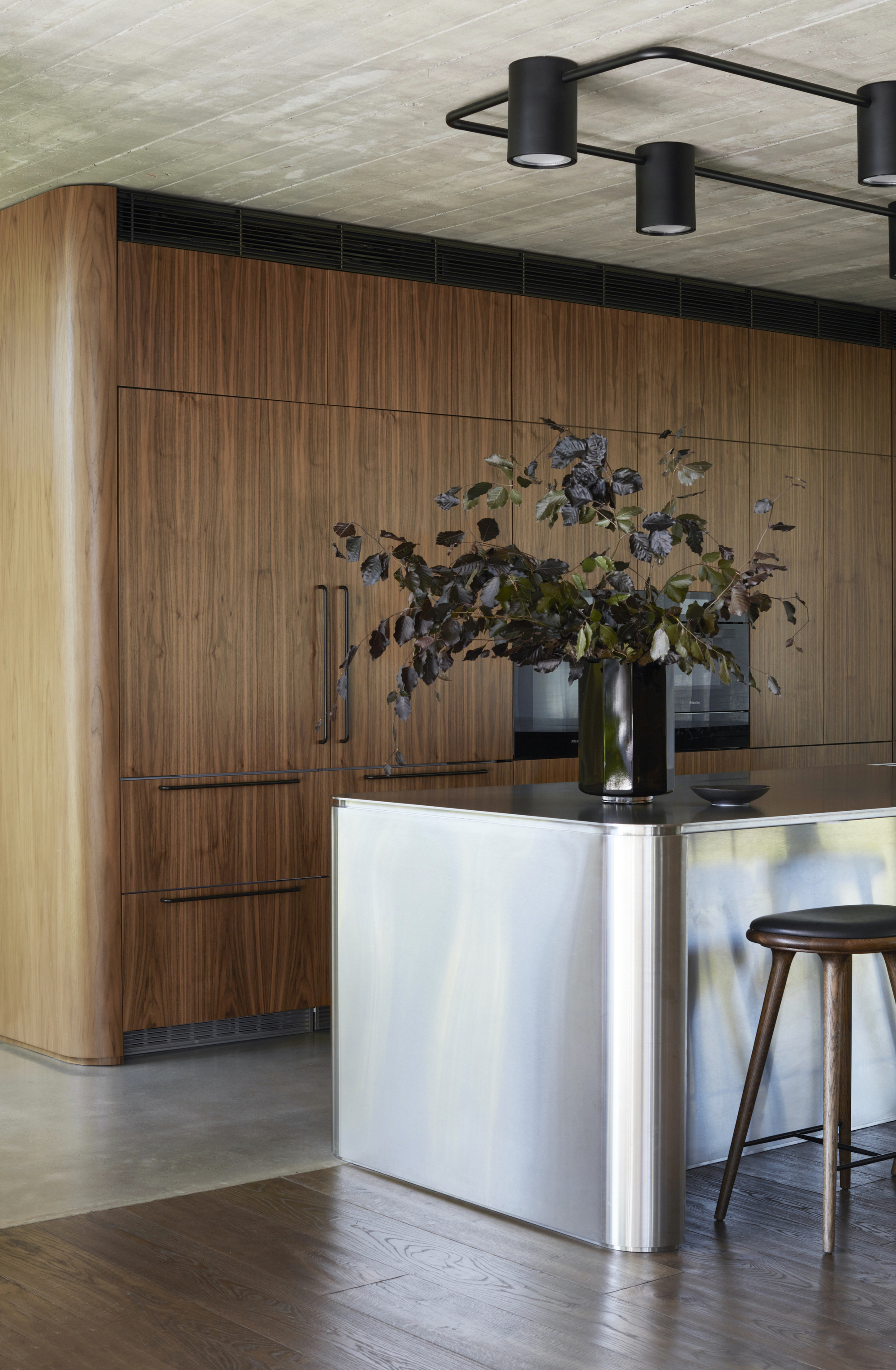
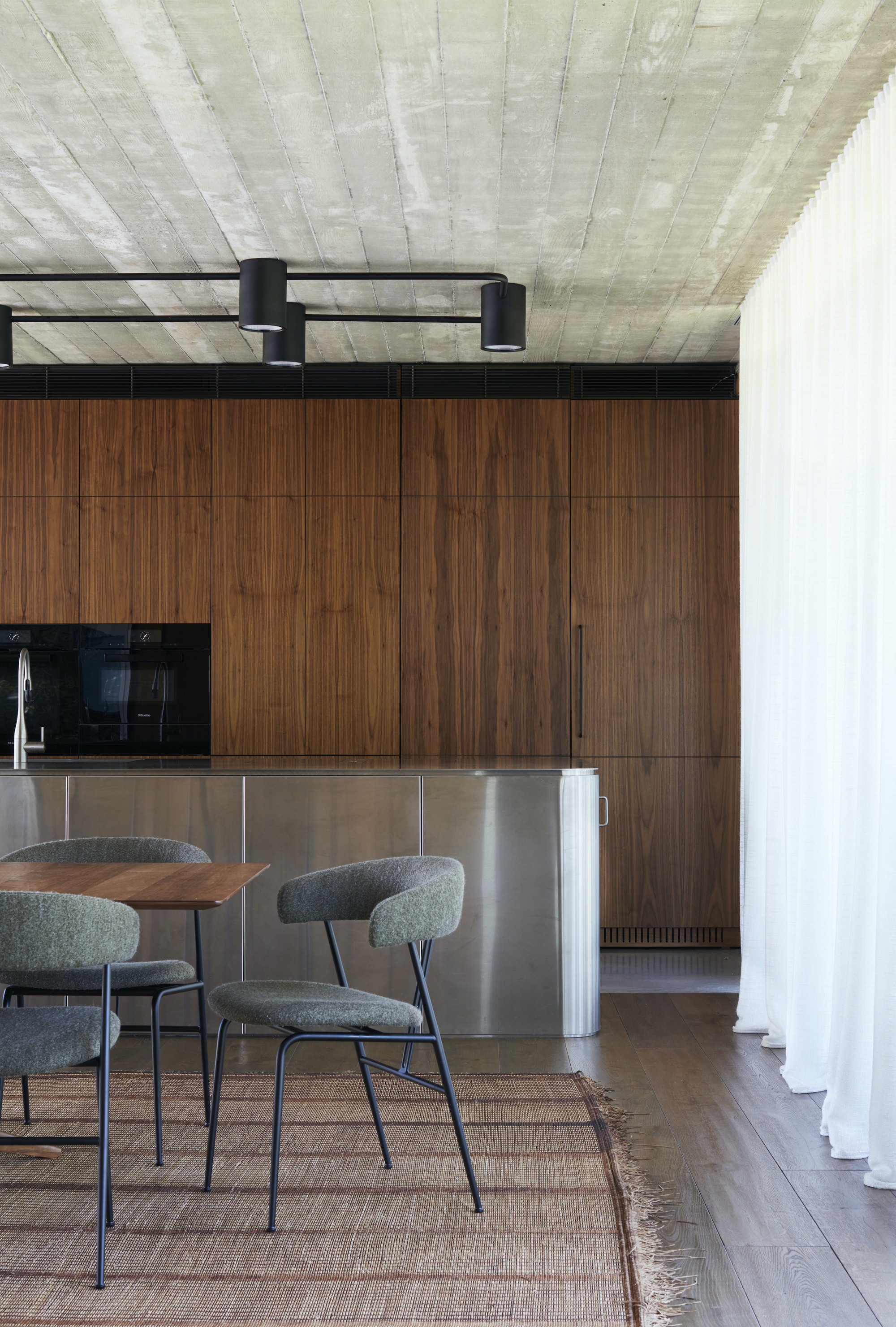
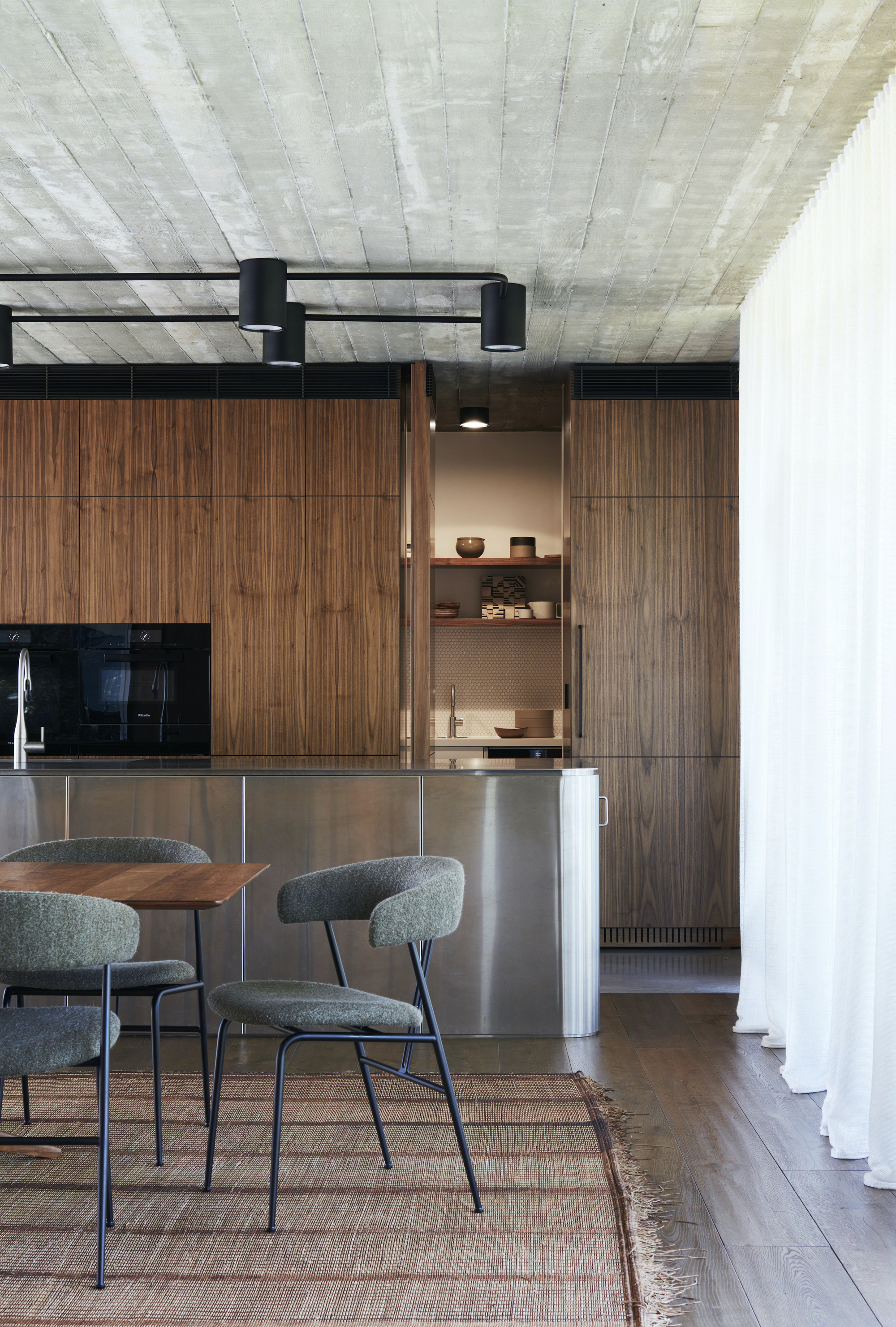
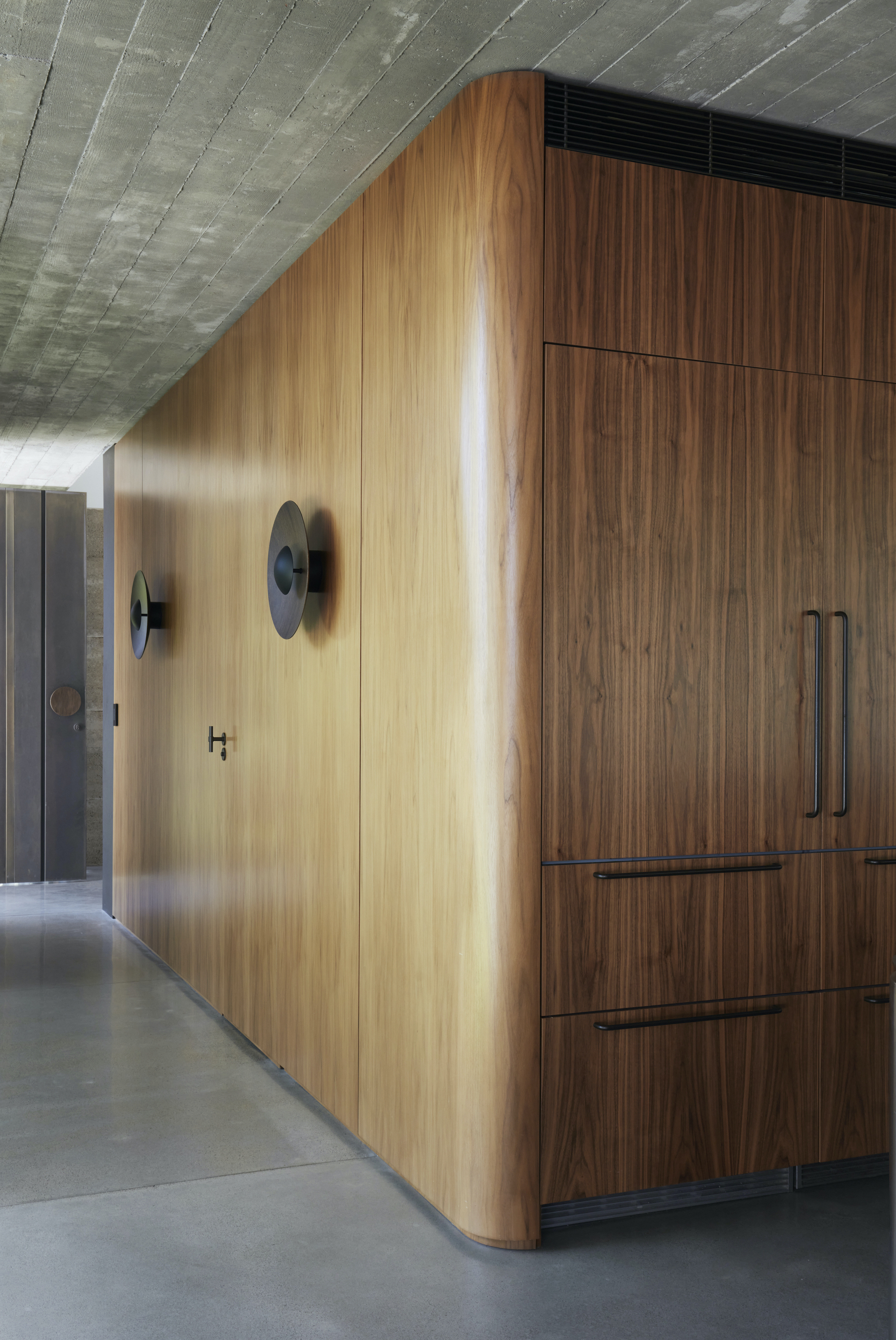
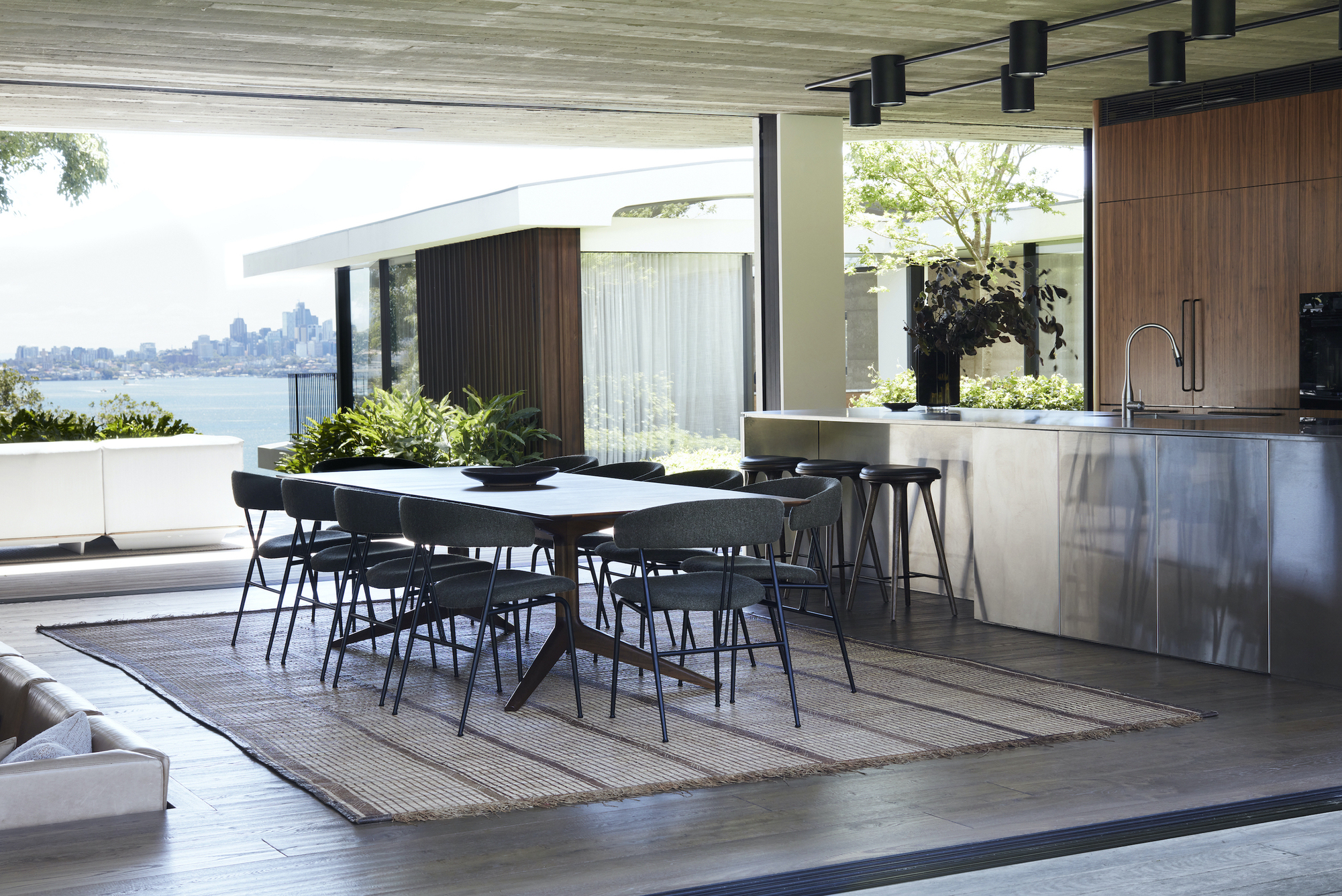
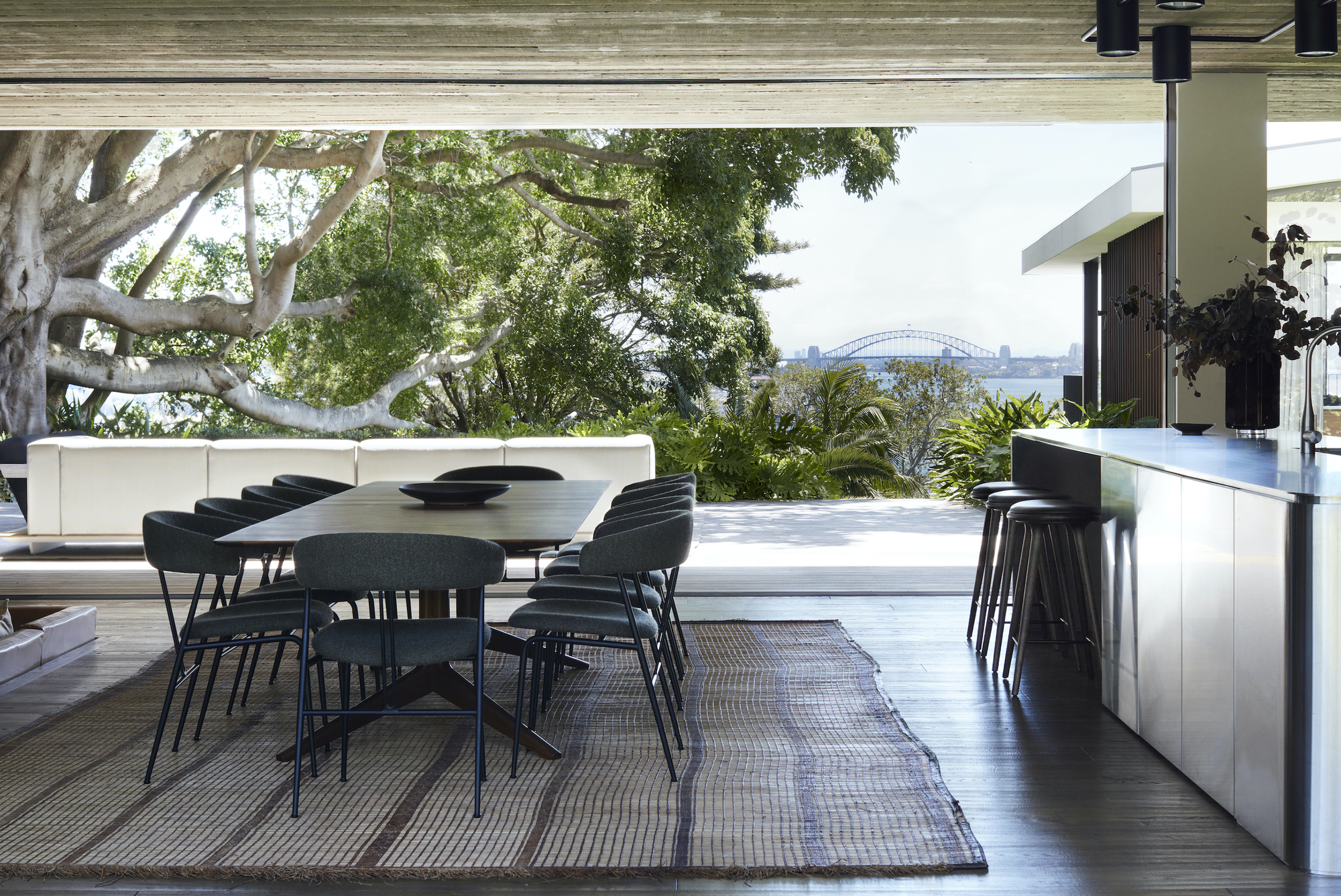
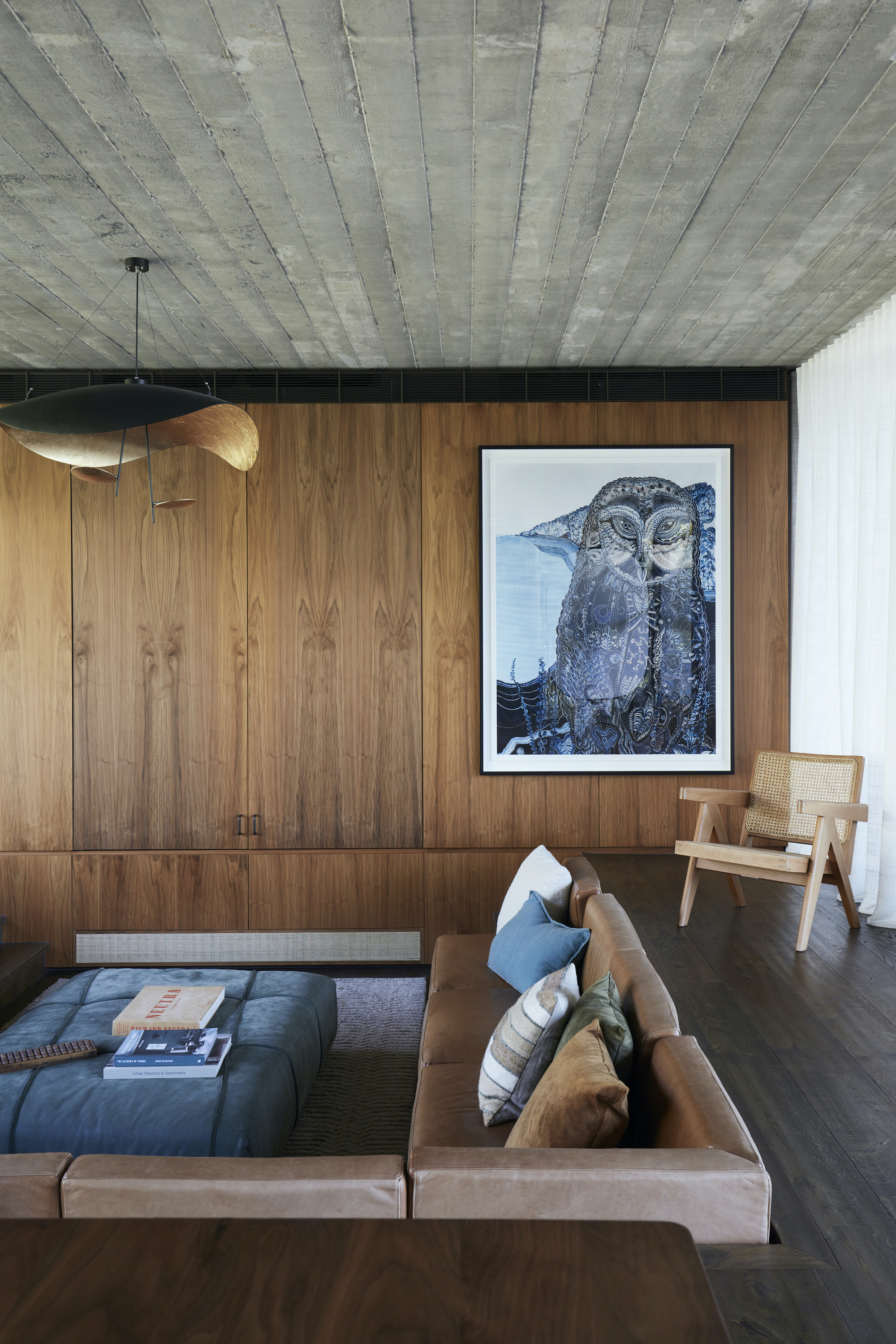
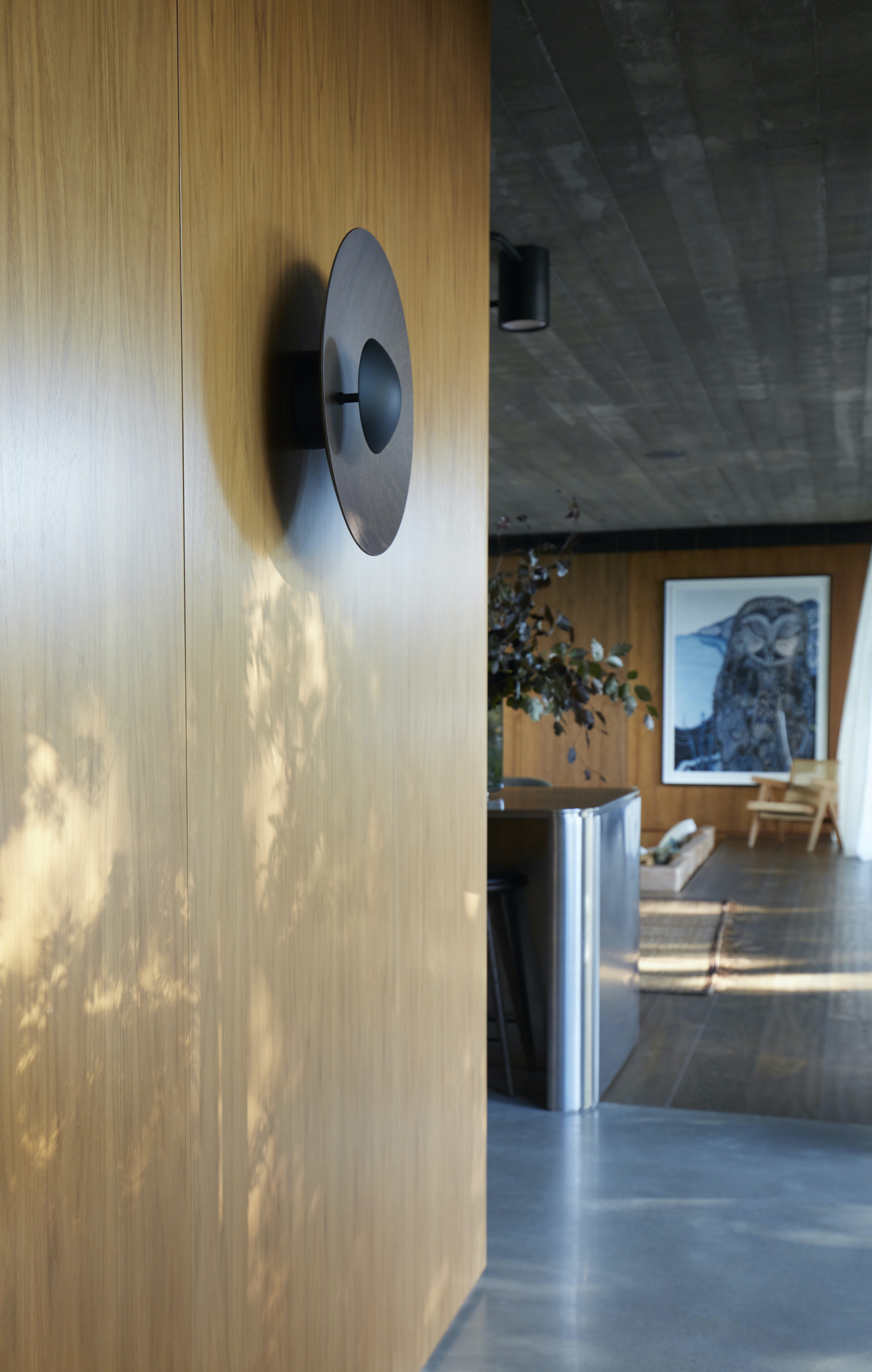
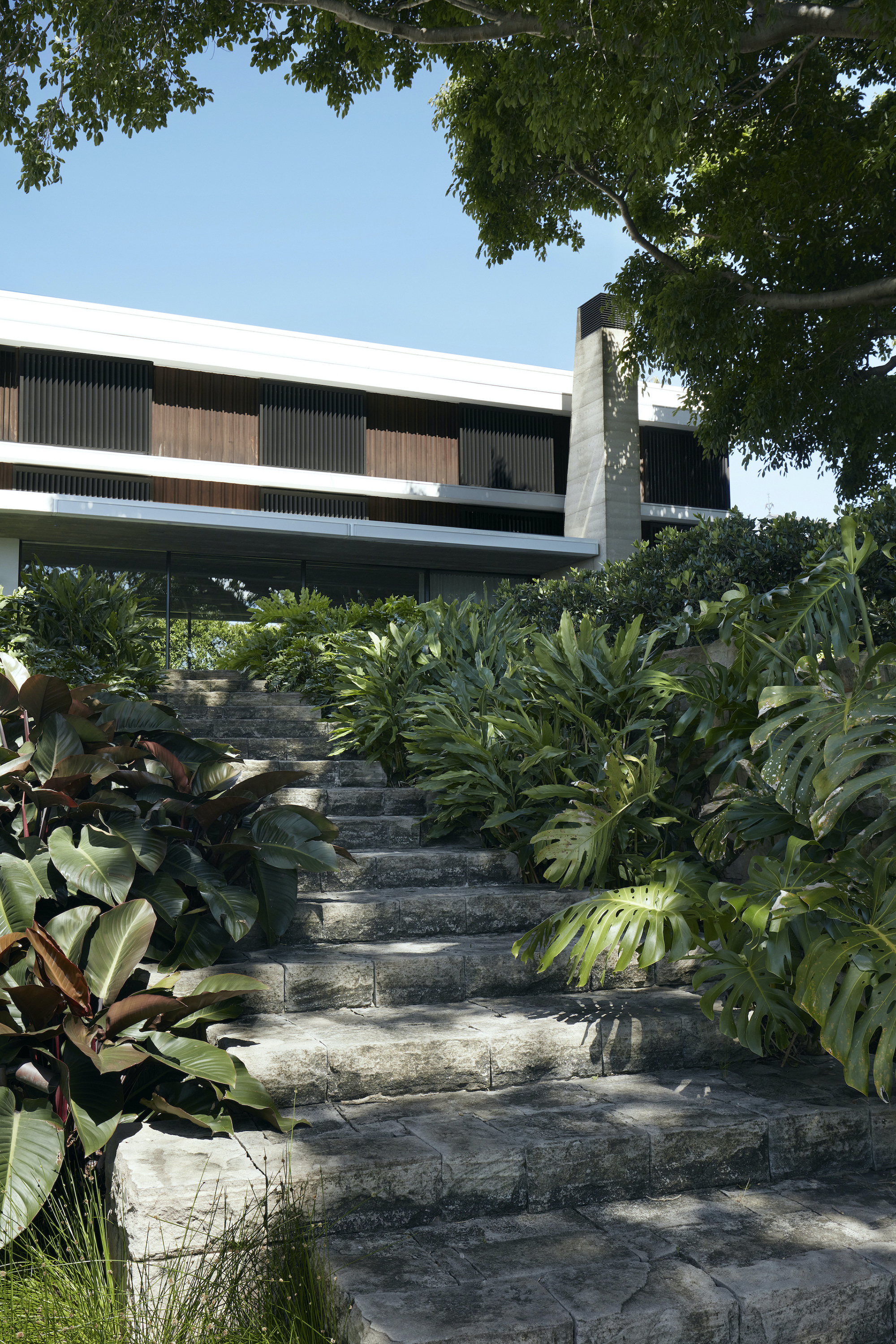
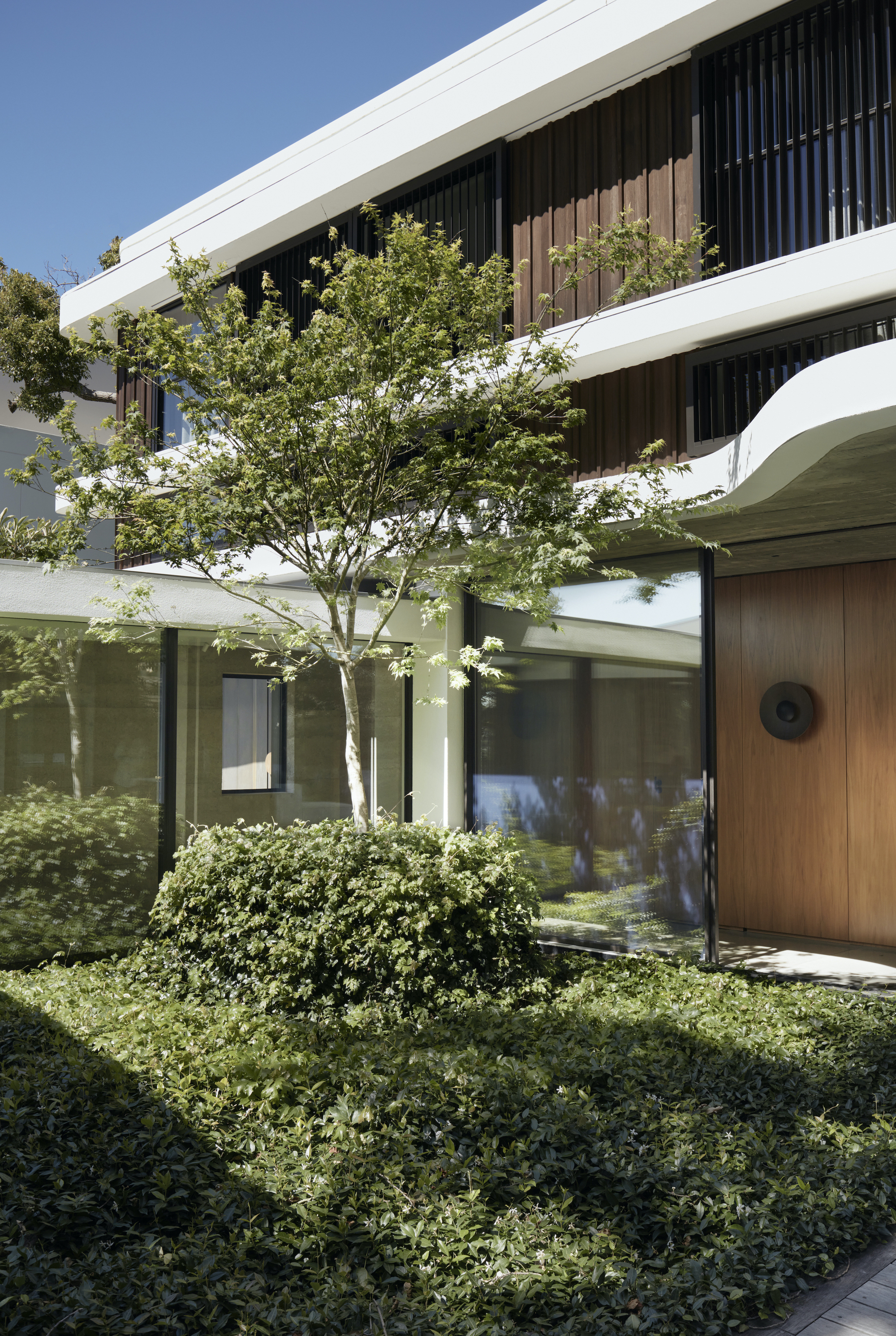
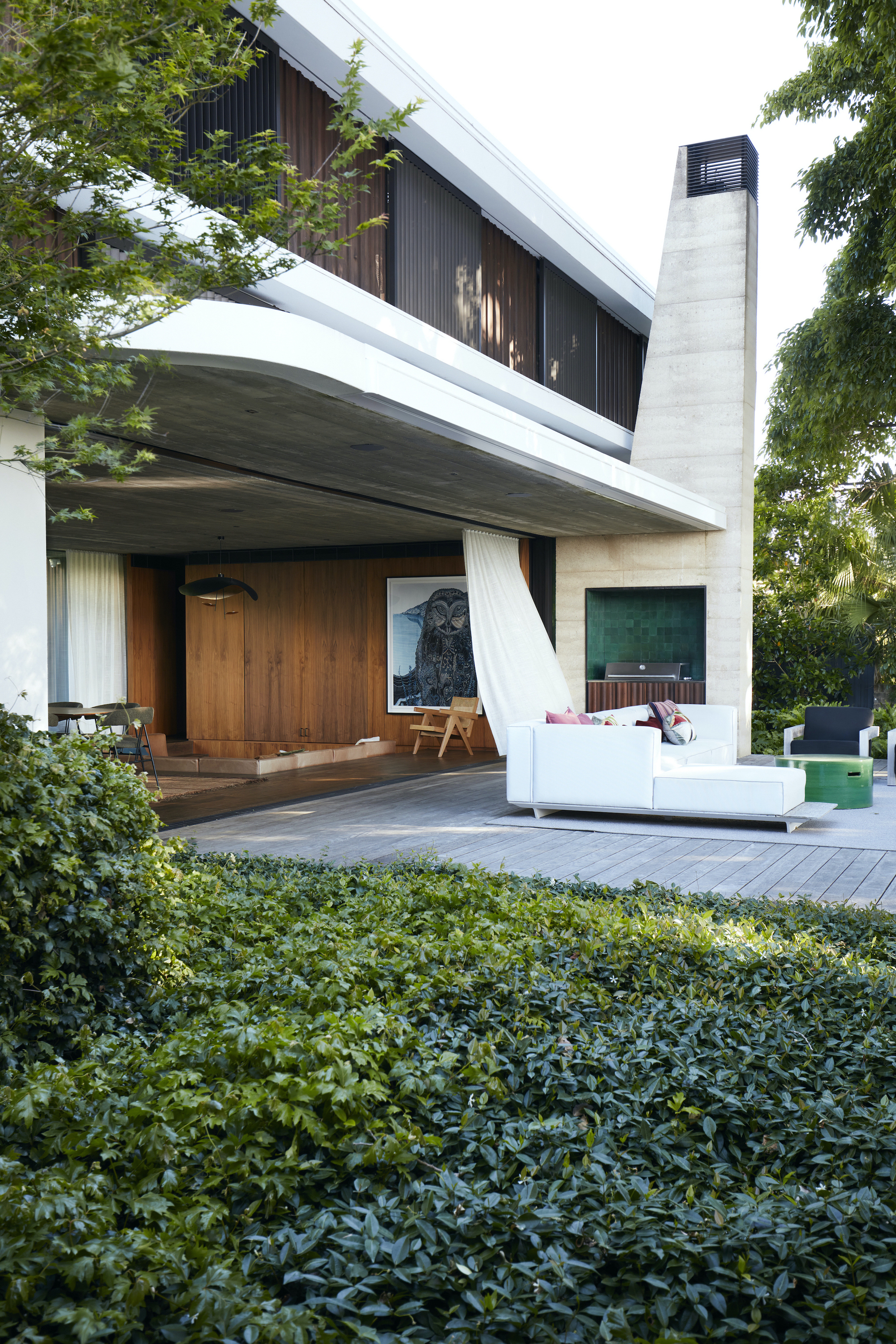
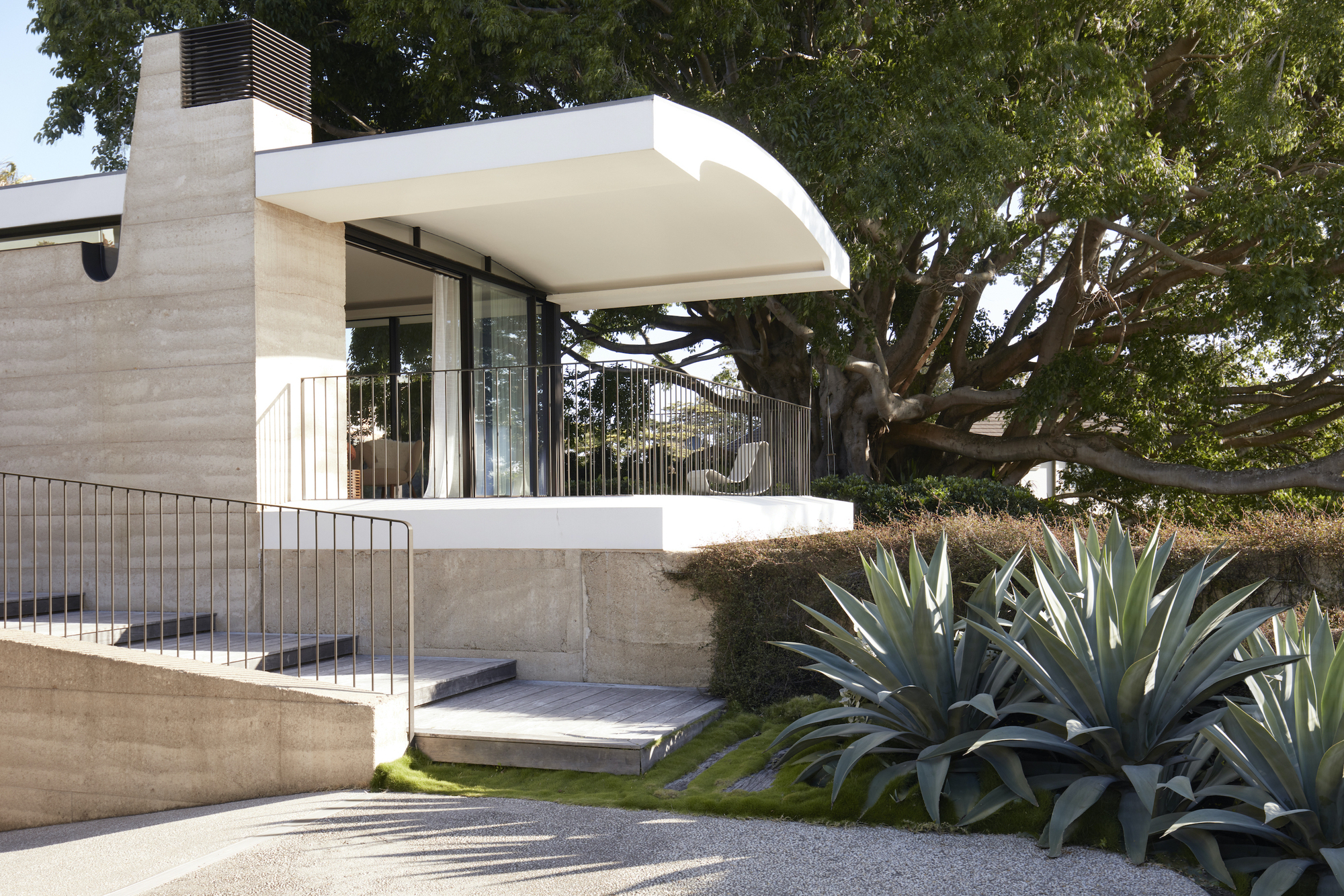
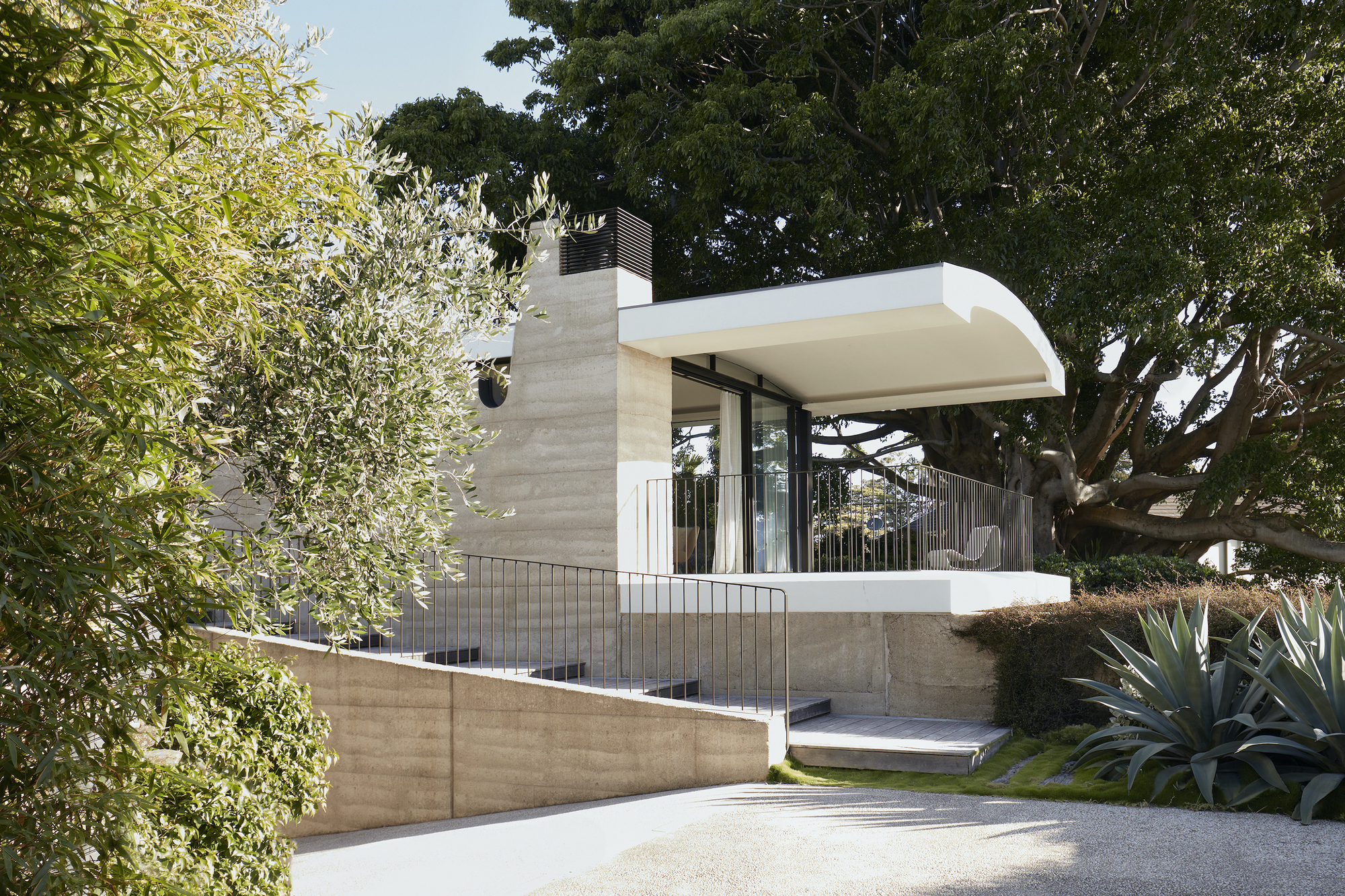
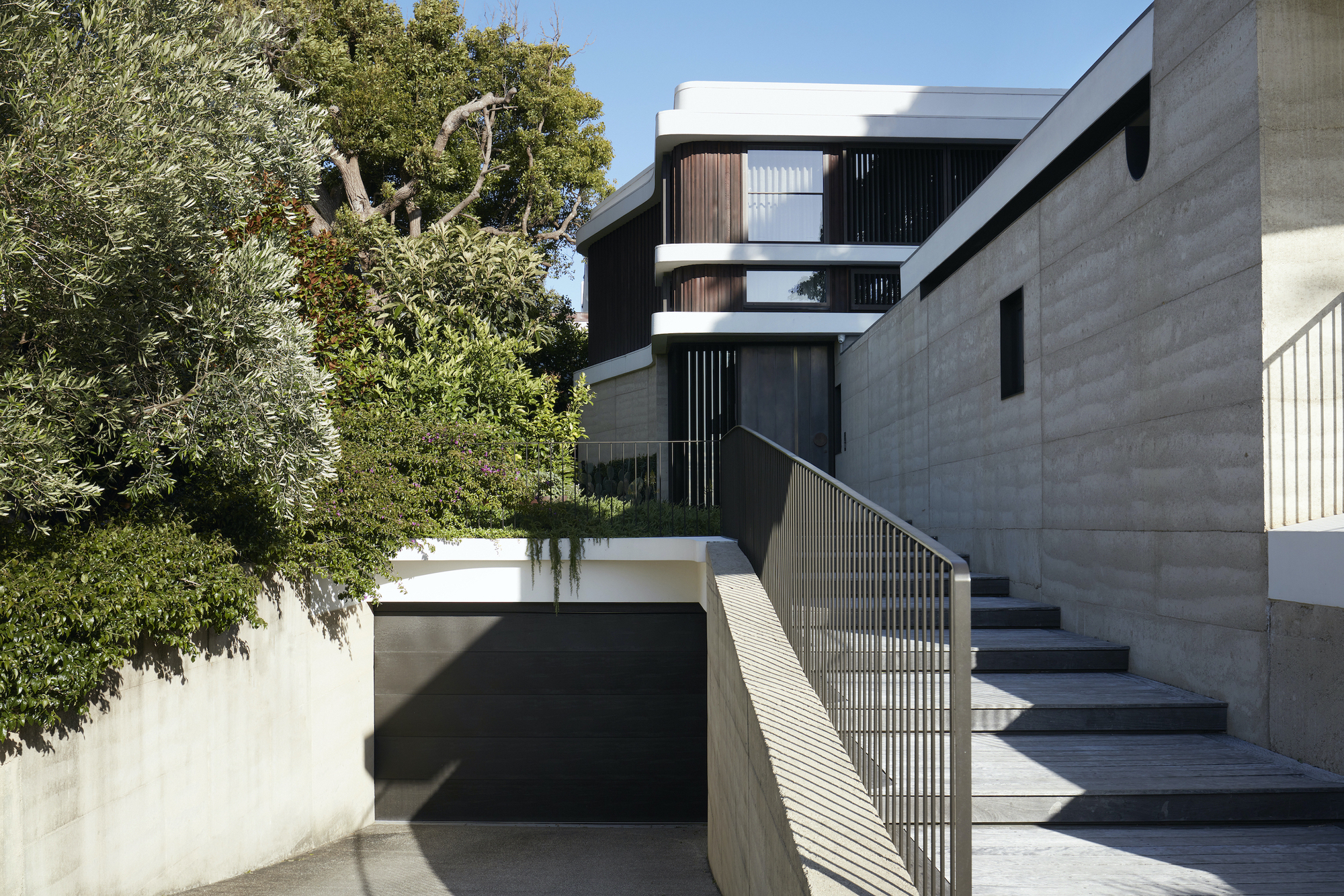
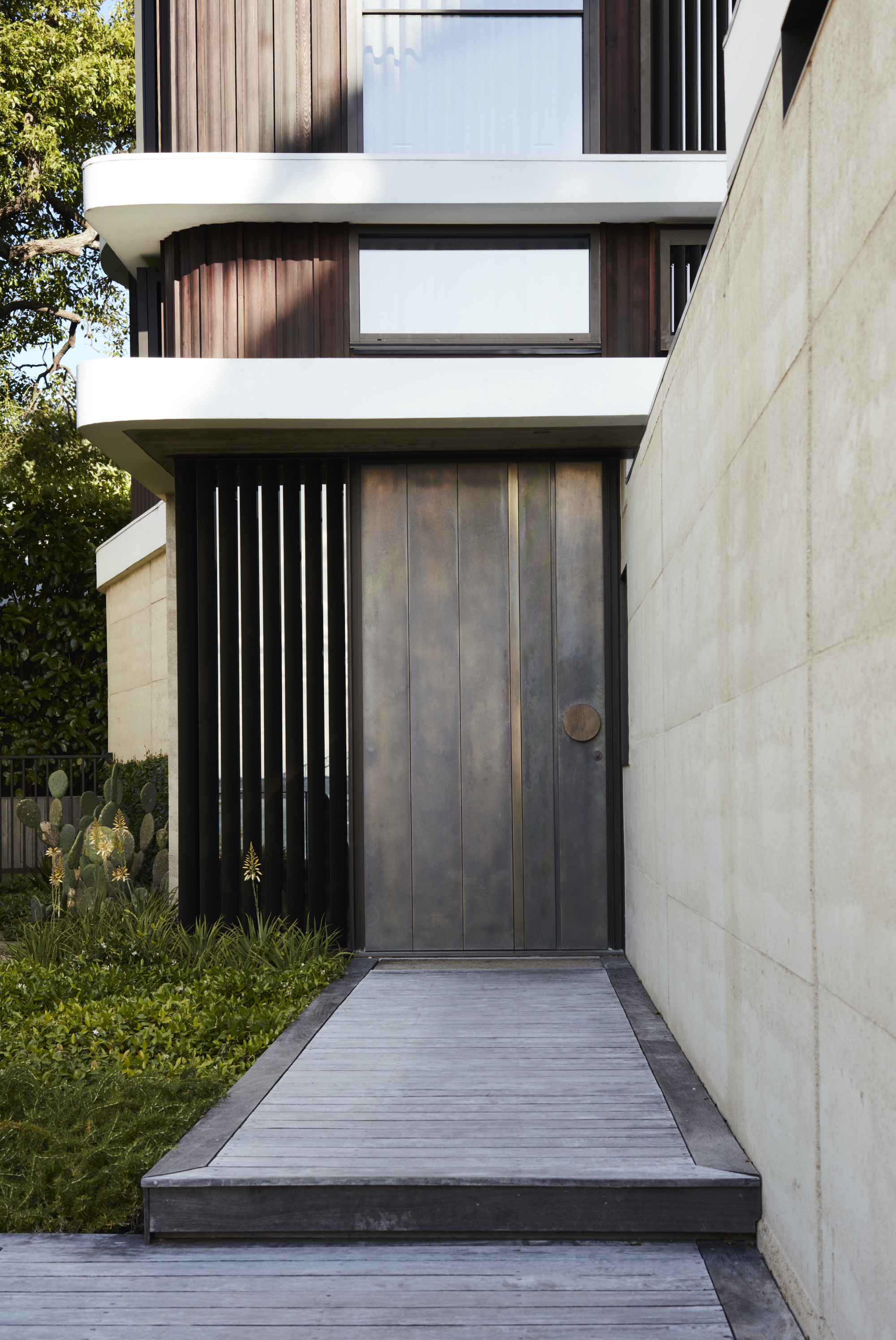
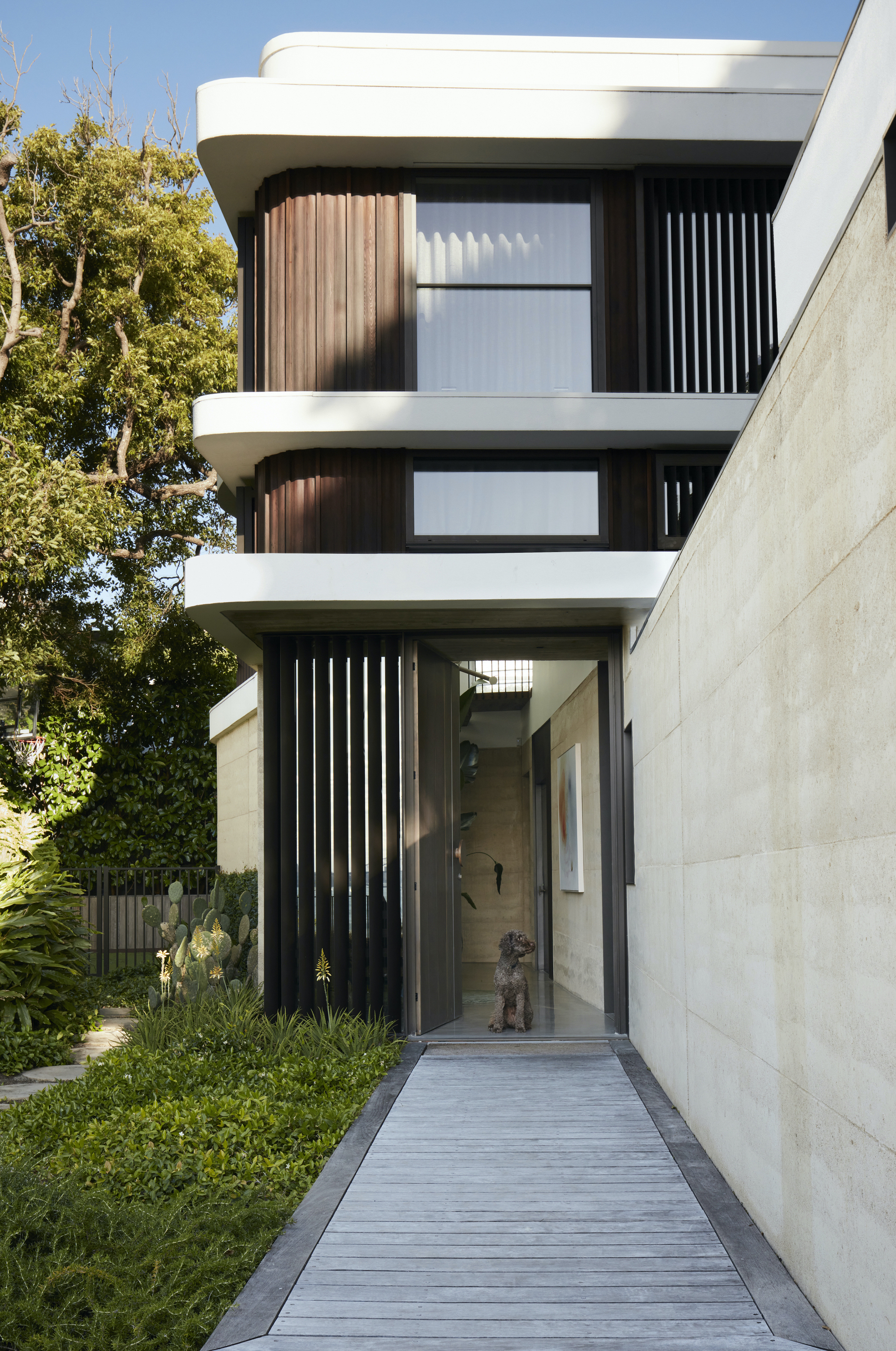
Casa Figueira #architecture Architects: buck&simple Area: 680 m² Year: 2020 Photographs: Prue Ruscoe Country: Australia Named after and centred around the century-old heritage-protected fig tree, Casa Figueira is a home nestled into its surroundings. Quietly secluded at the end of a cul-de-sac in the Sydney harbourside suburb of Rose Bay, the topography of the site eventuates to gun barrel views of the harbour and city beyond. A highly complex design resolution and approvals process relied on a collaborative approach to bring the project to fruition. Working from the base of a planar curved form designed by Luigi Roselli Architects, we focussed on tangibility, material, and detail. As lead Architect, buckandsimple in company with Interior design team Atelier Alwill and landscape architects Dangar Barin Smith worked to hone the design and build processes. Integral to this unique build was a design-focussed client who placed trust in their team to fulfil their brief and deliver a truly bespoke family home balancing poise and resilience. We built from early brief concepts of a mid-century Brazilian aesthetic, seeking to define an open-air living space framed by robust materials. From above, off-form board marked concrete ceilings offset a perpendicular mass of American Walnut joinery, framing and drawing the experience to the outside and surrounding cultivated landscape. Generous open-plan living spaces are separated into functional nodes, folding around a central courtyard. The main pavilion is dominated by a solid one-piece stainless steel kitchen work surface and monolithic timber block, a physical and cultural nexus. The opposing side ends in a focal sunken lounge, consolidating a place to sit, relax, and share. Restrained lines of joinery belie the complex program hidden beyond. Service areas, equipment, guest quarters, and the powder room all quietly sit concealed, allowing the main program to be read uninterrupted. Puncturing the formal program and the minimal, restrained approach, we sought to introduce detail and repetition of material touchpoints. The Bronze, etched entrance door, the curved skeletal foyer stair, steel ribbed open fireplace; hand sewn sunken lounge; custom lighting fixtures and floating joinery in front of slimline glazing. Each encapsulates the function of a space: welcome, retreat, gather, converse, eat, and work. From the outset, it was important for our clients that this home withstood the test of time and weathered gracefully. Balancing aesthetics and performance, we gave careful consideration to material selection and material-specific detailing. We researched and worked closely with suppliers, focussing on the finishing of timberwork and resilient protective coatings and favouring the use of non-ferrous metals externally. The result was a continuous thread throughout the home. Intricate touchpoints of aged brass bring highlight, offset against planar raw concrete, mass rammed earth, and crisp white rendered bands that intersect and are balanced by the soft warmth of timber. Set to patina gently against its namesake backdrop,p the home exudes an estate feel, relaxed in its role as a family home and place of respite from the bustling city beyond.
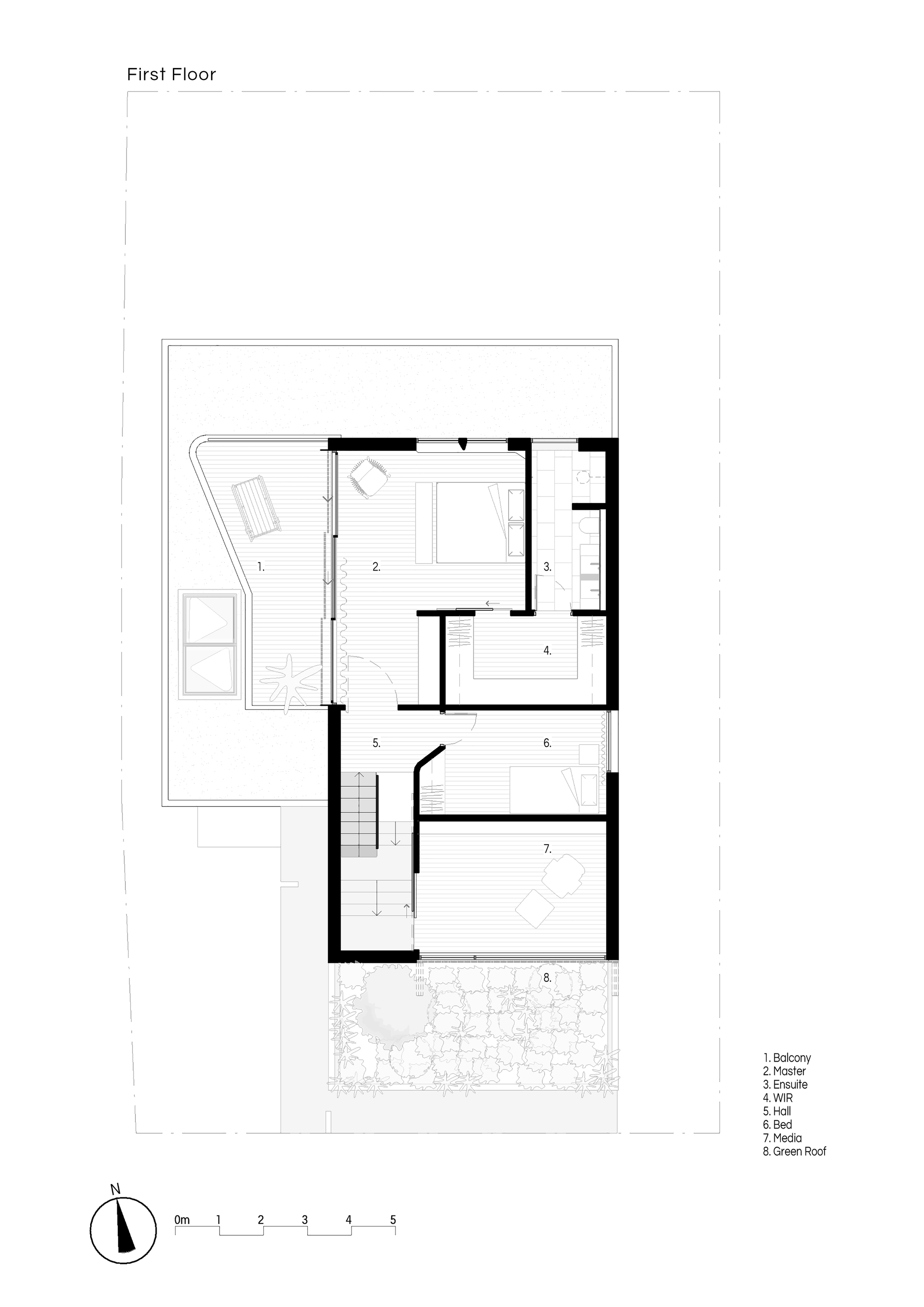
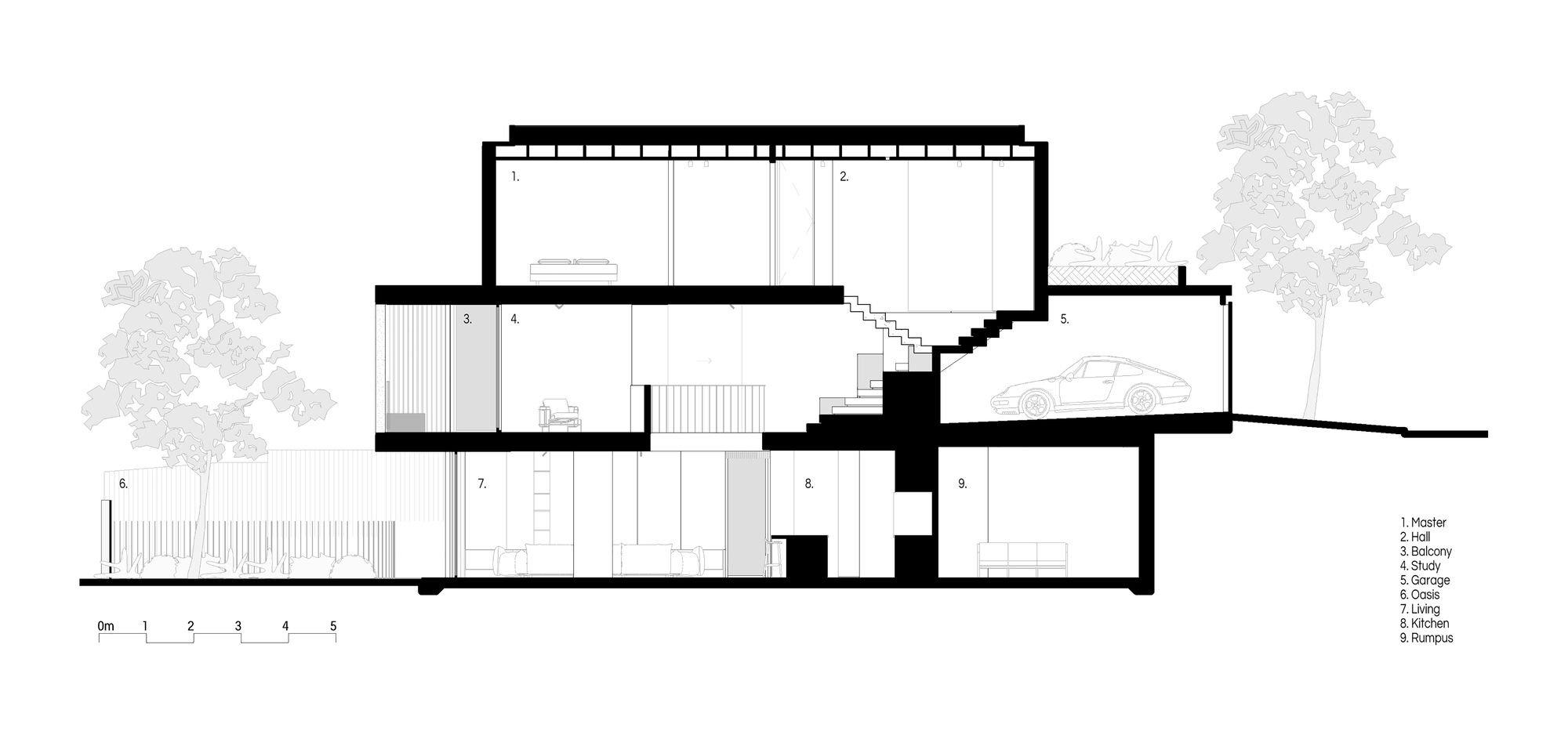
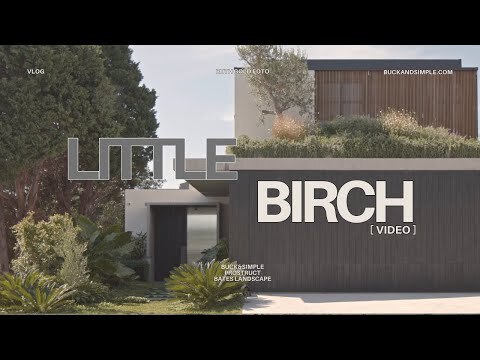
Little Birch House #architecture Architects: buck&simple Area: 320 m² Year: 2025 Photographs: Tim Pascoe Photographer Country: Australia Little Birch represents a case study in the bespoke detail. Realising a young family's dream to achieve the day-to-day calm of resort living adjacent to the daily grind. Resort vibes, domestic ease. Located on the traditional lands of the Kameygal people, city and district views abound as this private home descends and expands into its built oasis. The site presented as a compact urban setting with our challenge to conceal, direct, and connect to spaces beyond. The exterior presents to the established streetscape as an intersection of tectonic forms, mass, and planes; the simple geometry provides a counterpoint to the neighbourhood's incoherent mishmash of typologies. Descending from the street level, you see glimpses of district views recede before you're enveloped in a garden oasis shared across indoor-outdoor entertaining and lower-ground living spaces. Planar joinery conceals service & private areas of the program, while ribbonlike concrete stairs puncture the double-height void connecting & engaging across the home. The interplay of split-level geometries further belies the compact floor plan and encourages the visual borrowing of space as each level employs key vistas borrowing district views, with custom skylights building connection to the sky and a sense of the infinite. A testament to the consideration of use and celebration of the detail, the home is built for the rigours of family life. Beyond its physicality, Little Birch explores the interplay of light and shadow, structure and stillness, and mass and void. These qualities shape the home's atmosphere, creating a sanctuary of calm within the density of its urban context. The materiality is deliberately restrained, allowing natural textures to guide the experience. Finishes are refined, materials are limited, and form is celebrated through junctions, intersections, and edges that reveal a quiet complexity. Subtle variations in texture catch the light throughout the day, while a restrained palette ensures a rhythmic continuity from one space to the next. Every surface has been considered for its haptic quality, engaging the senses through warmth and weight, smoothness and grain. The stairs, a sculptural moment within the void, hover above the floor below, the seemingly missing anchor point in contrast to the home's grounded solidity. Throughout, architectural devices create a measured slowness—a deliberate flow of movement, a quiet rhythm of compression and release. Key viewpoints frame borrowed landscapes, drawing the eye beyond the immediate, connecting the inhabitant to sky, horizon, and distant greenery. Beneath its refined elegance lies a structure designed for longevity, performance, and comfort. Cross ventilation and passive thermal strategies allow for effortless temperature regulation while controlled apertures guide the transition of light through the spaces. The landscape is interwoven throughout, a mediator between architecture and environment, softening thresholds and extending the experience of living into the natural realm. The result is a home that feels effortless yet is deeply considered. A place of balance, where design elevates the everyday, where stillness and movement, light and shade, weight and air find their resolution in a seamless whole.
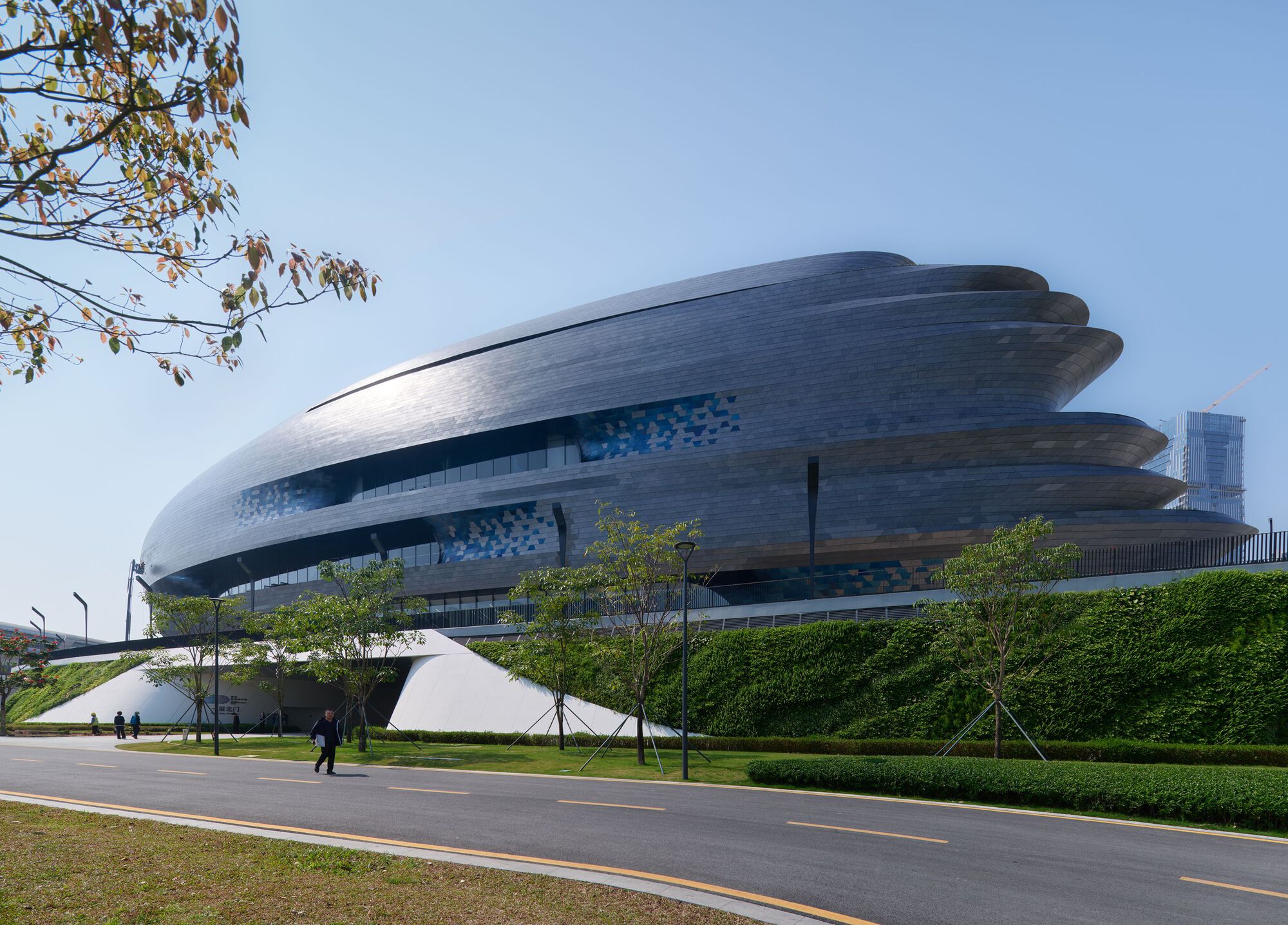
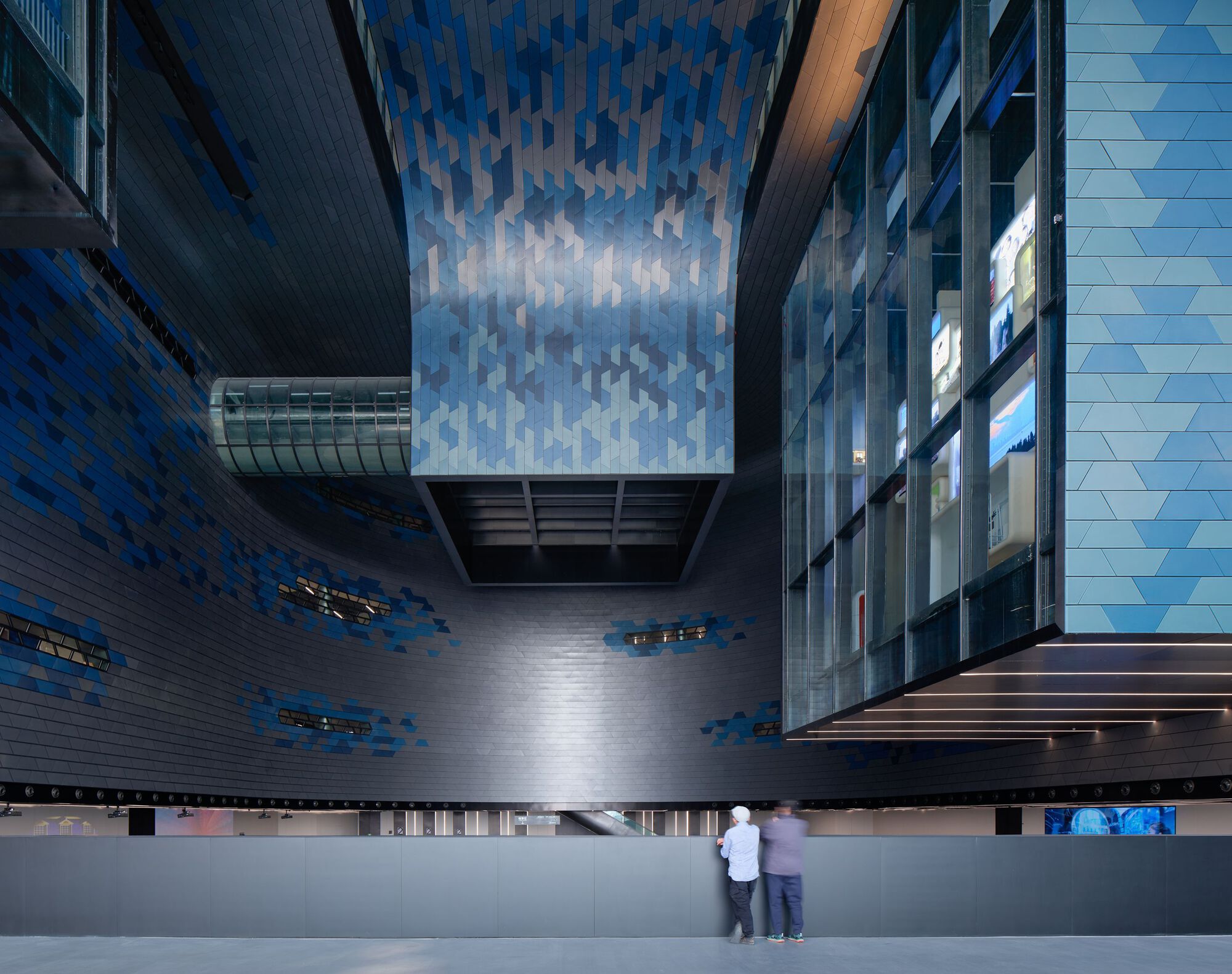
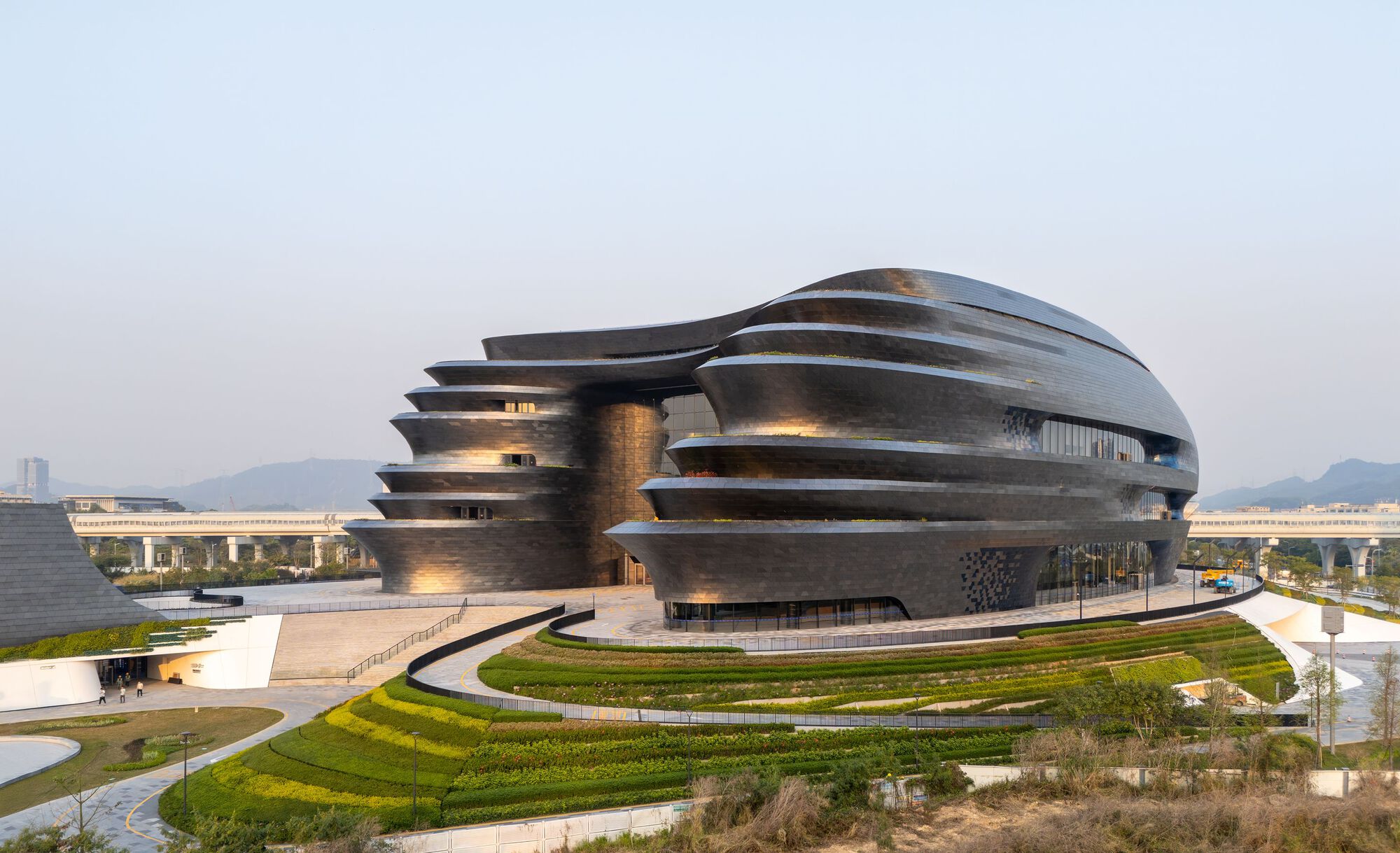
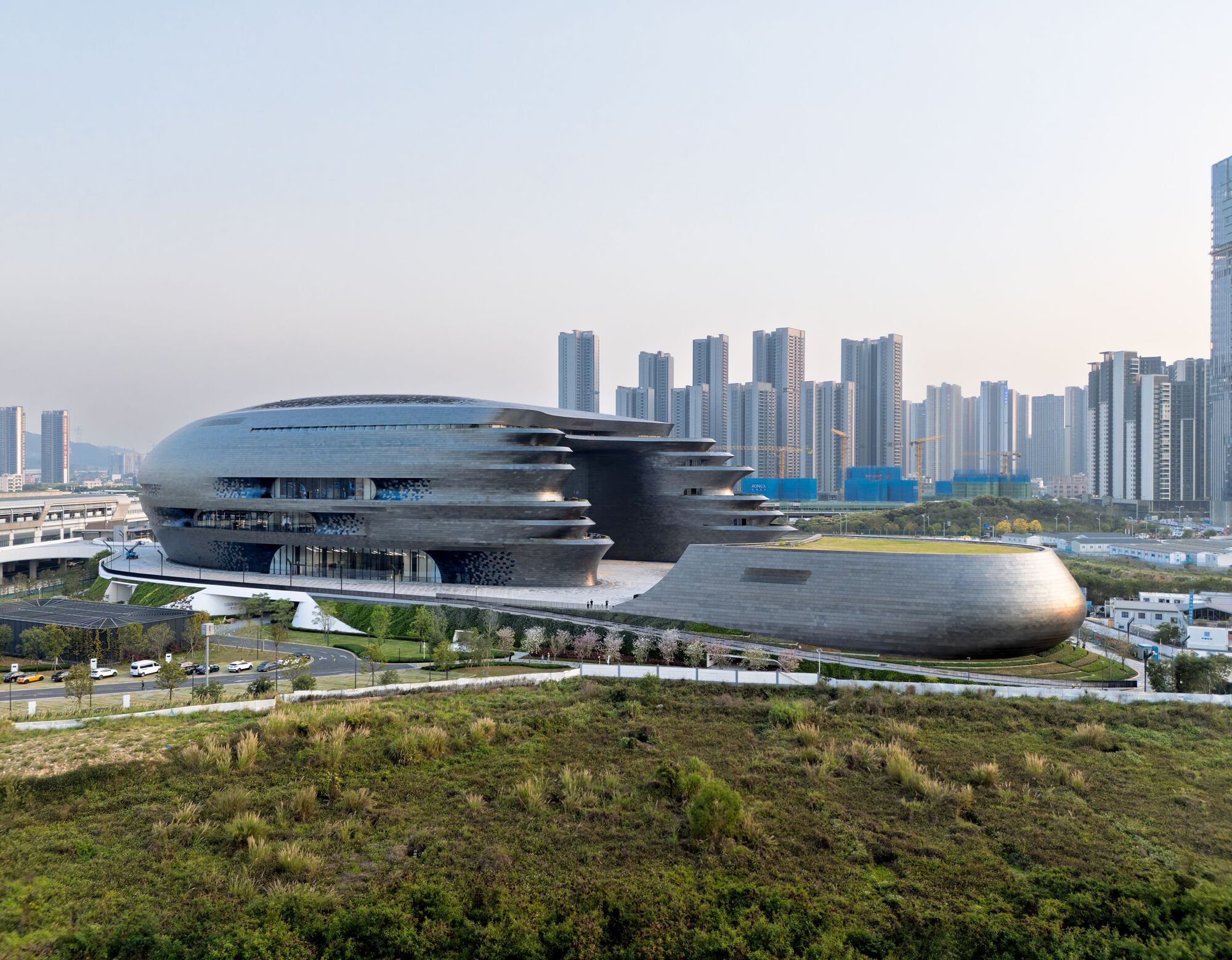
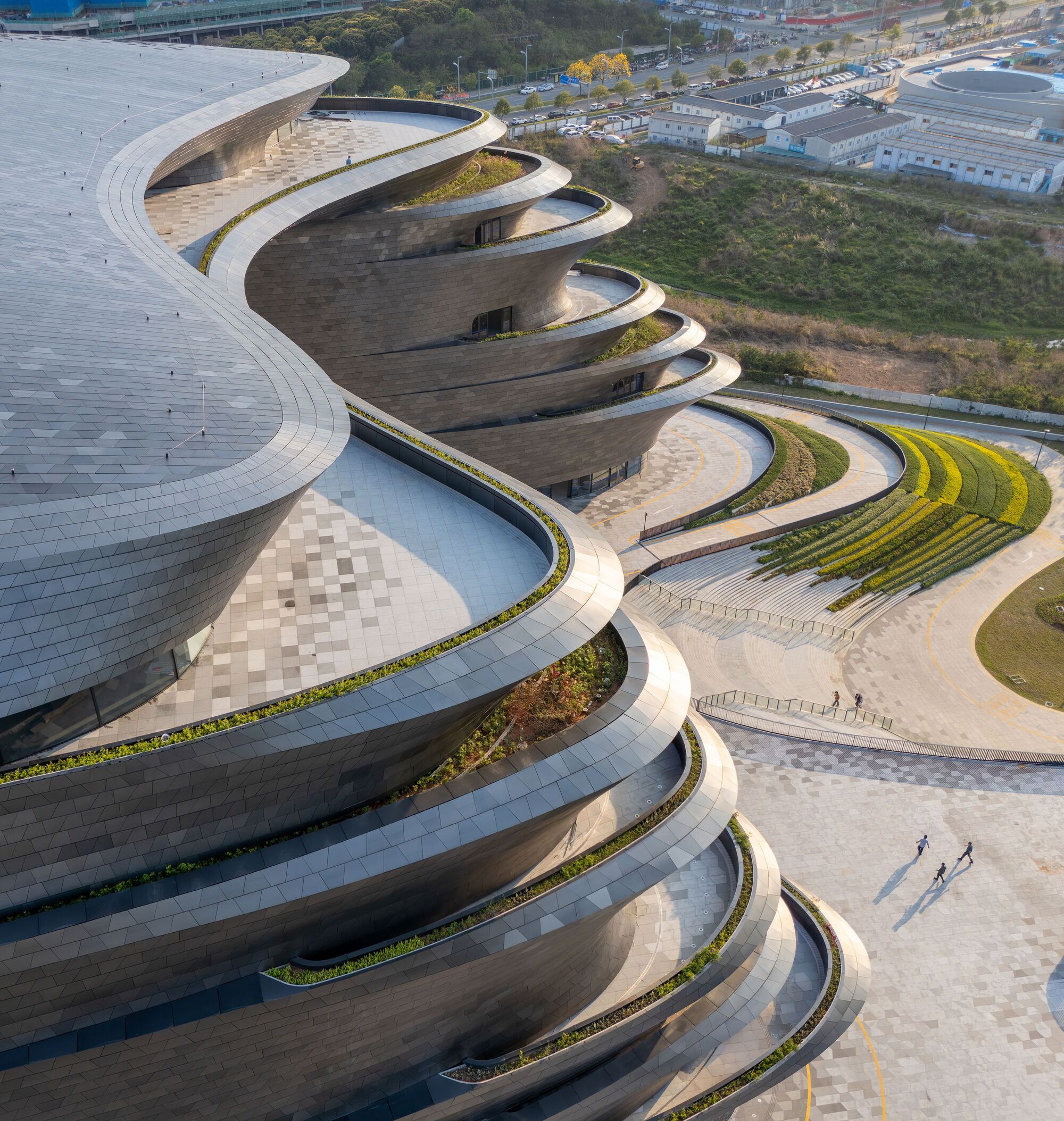
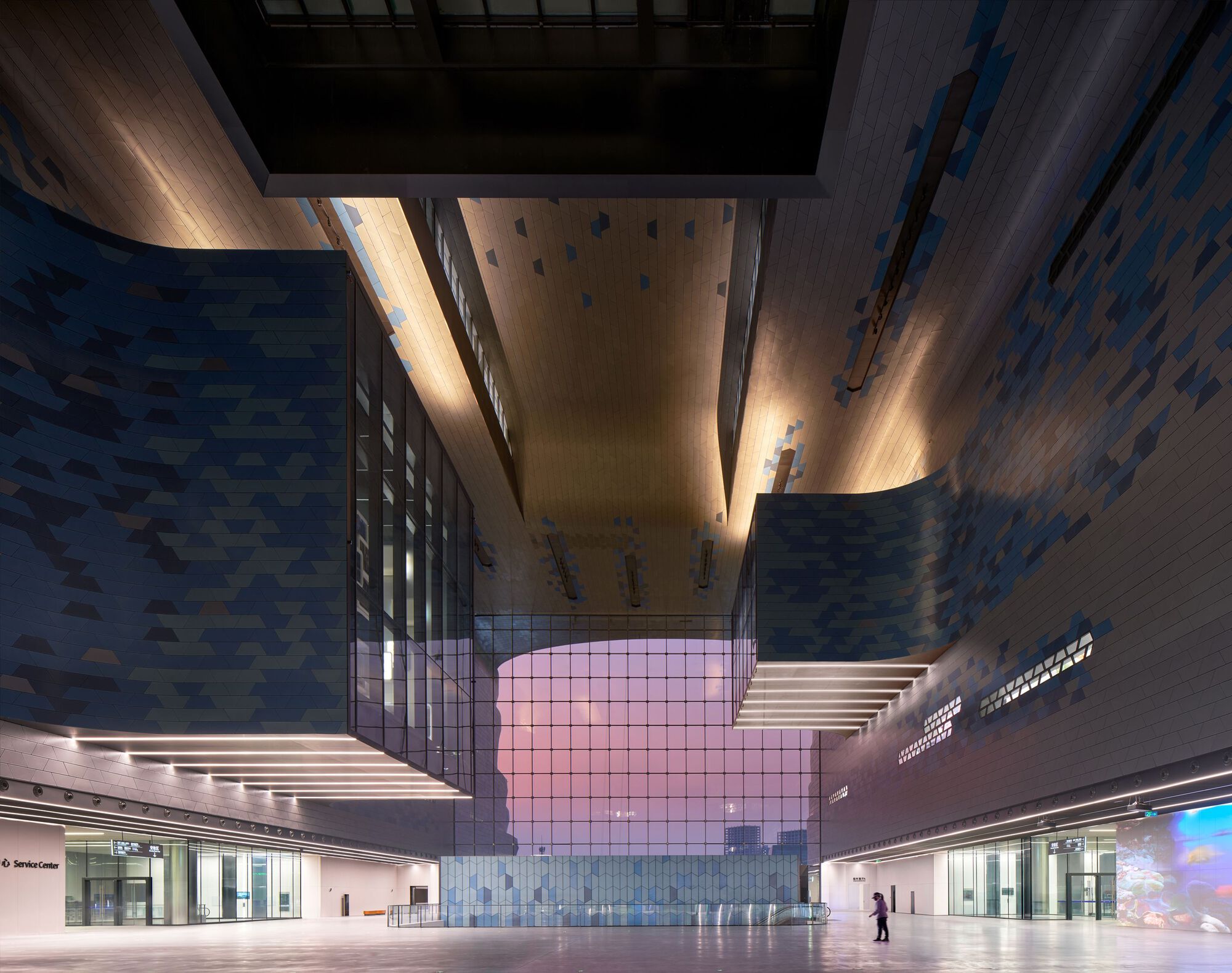
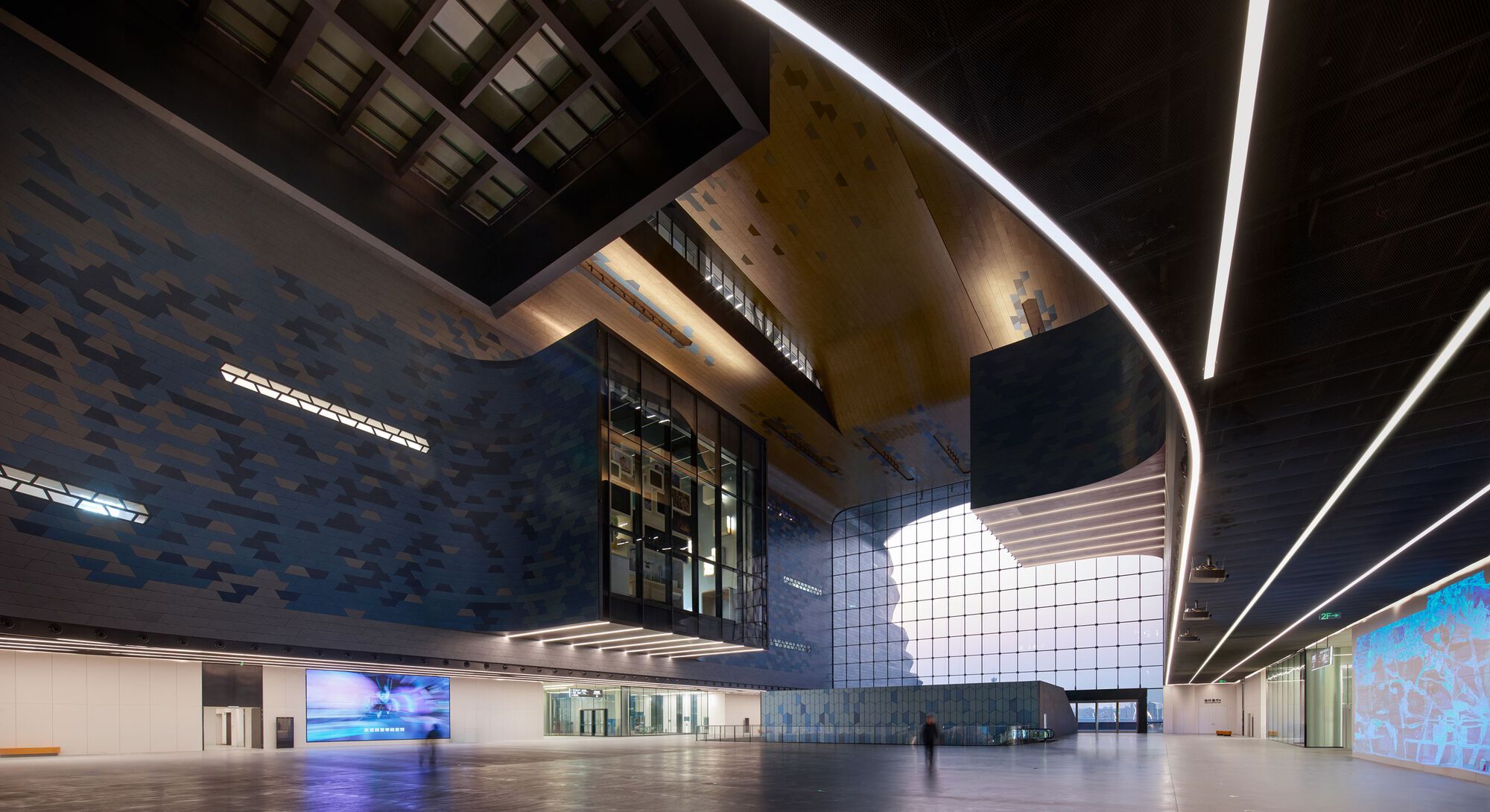
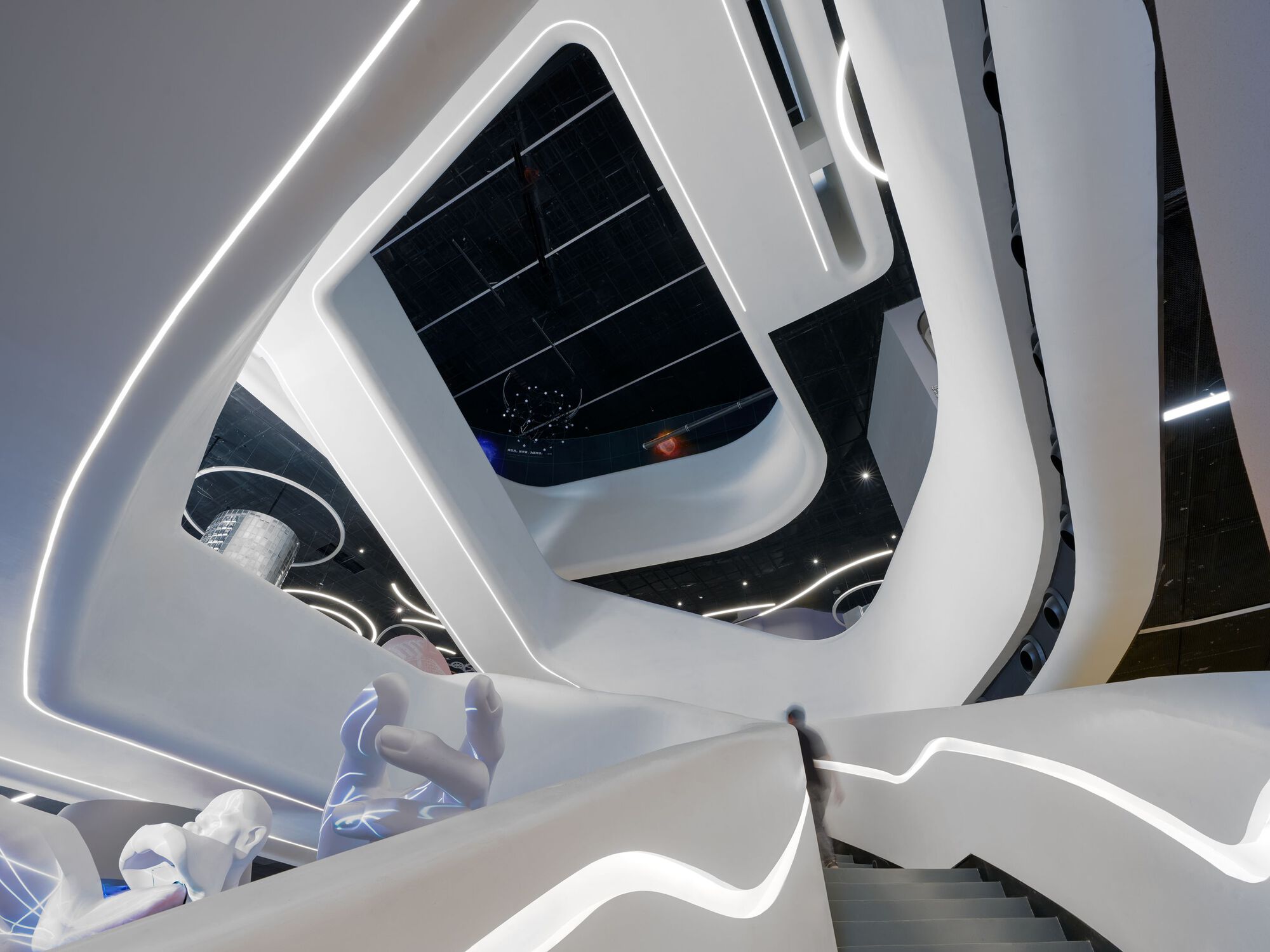
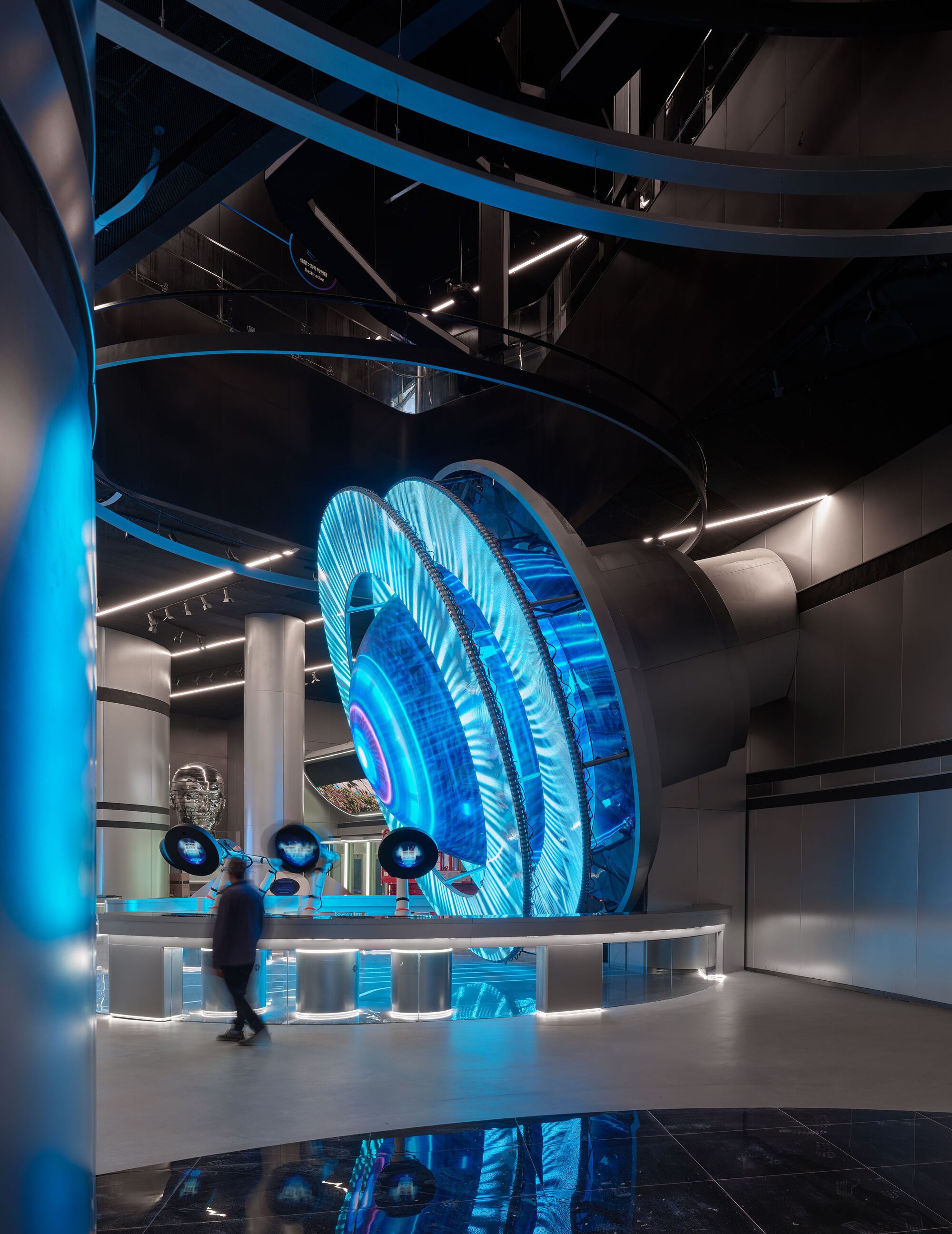
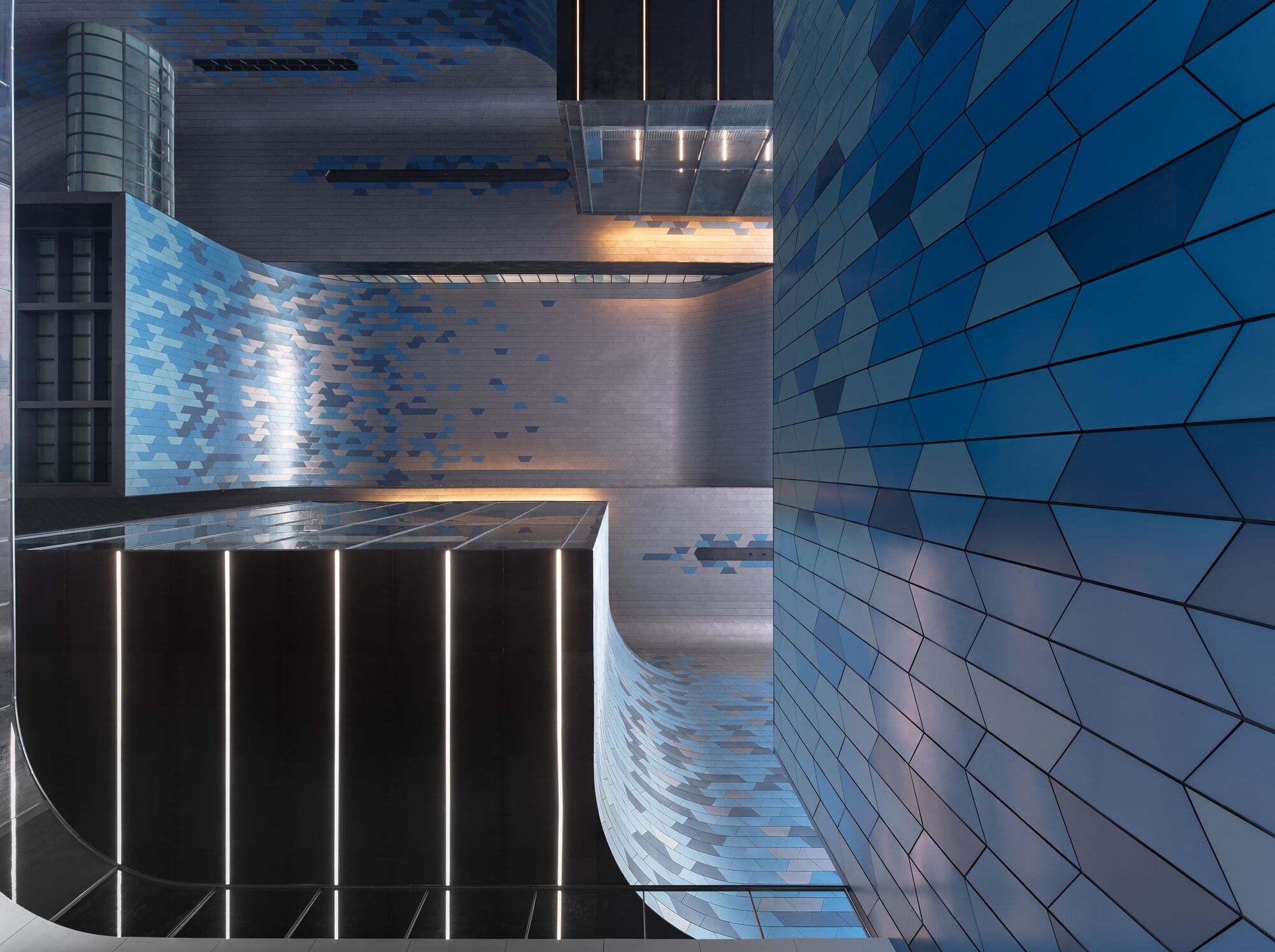
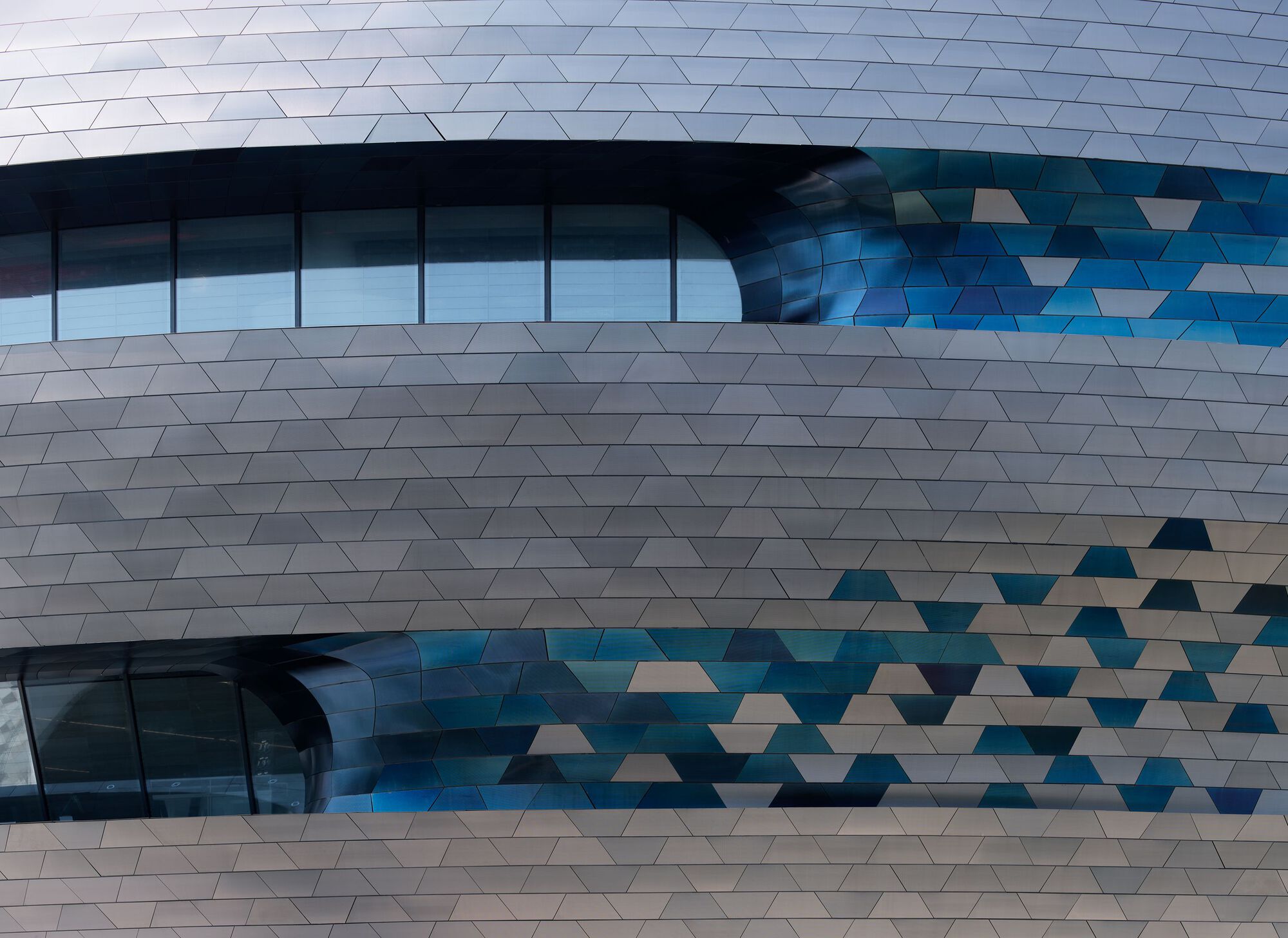
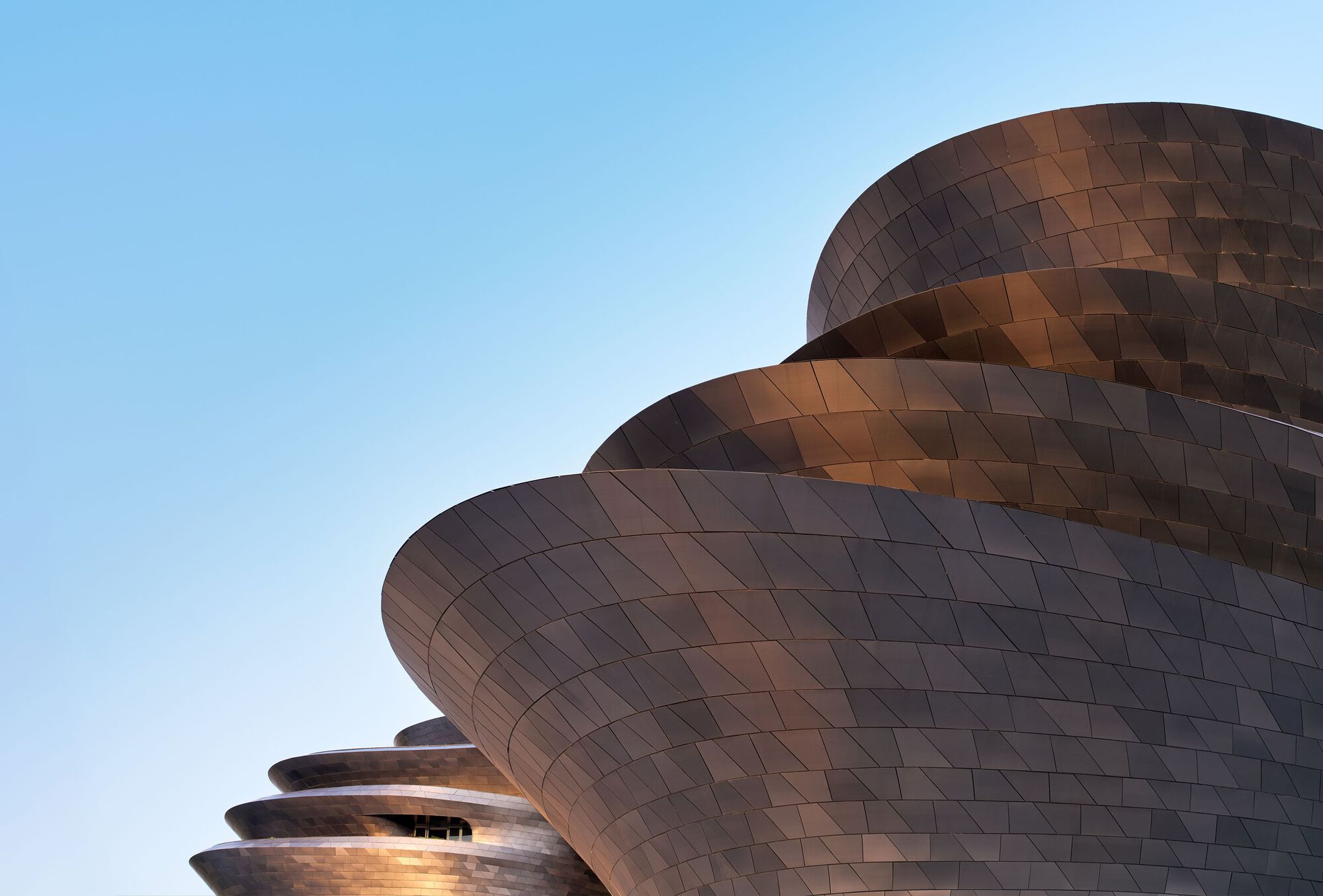
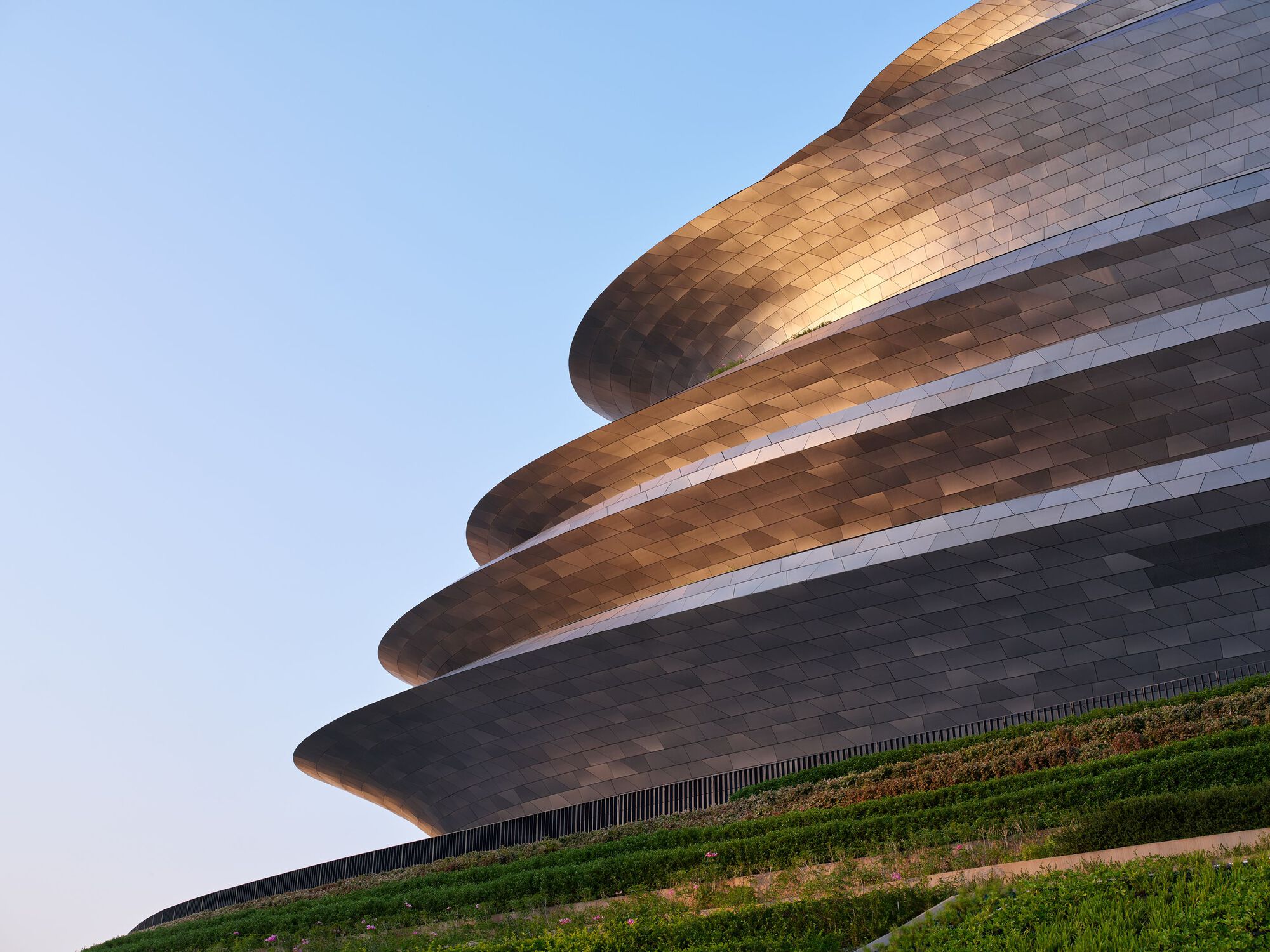
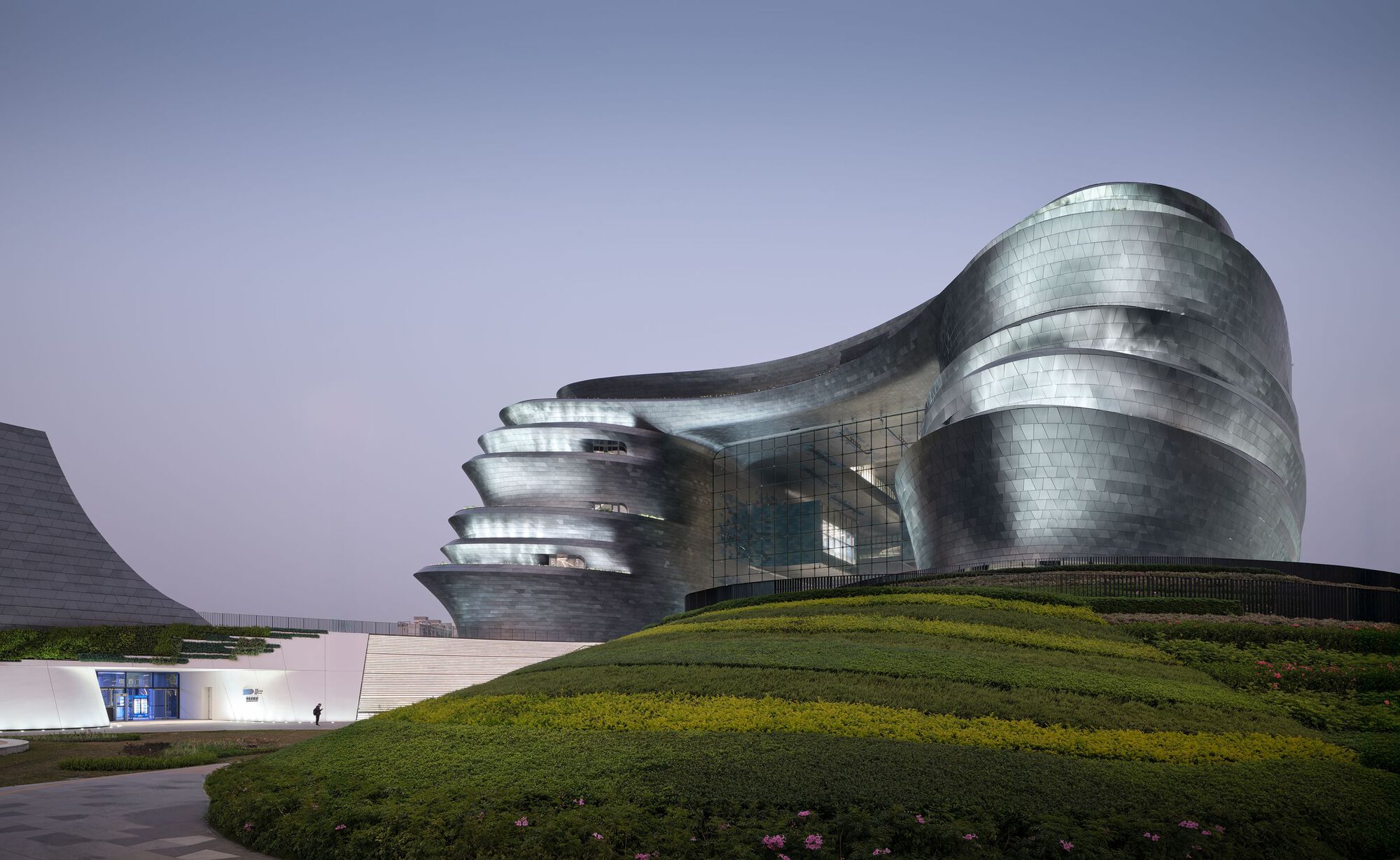
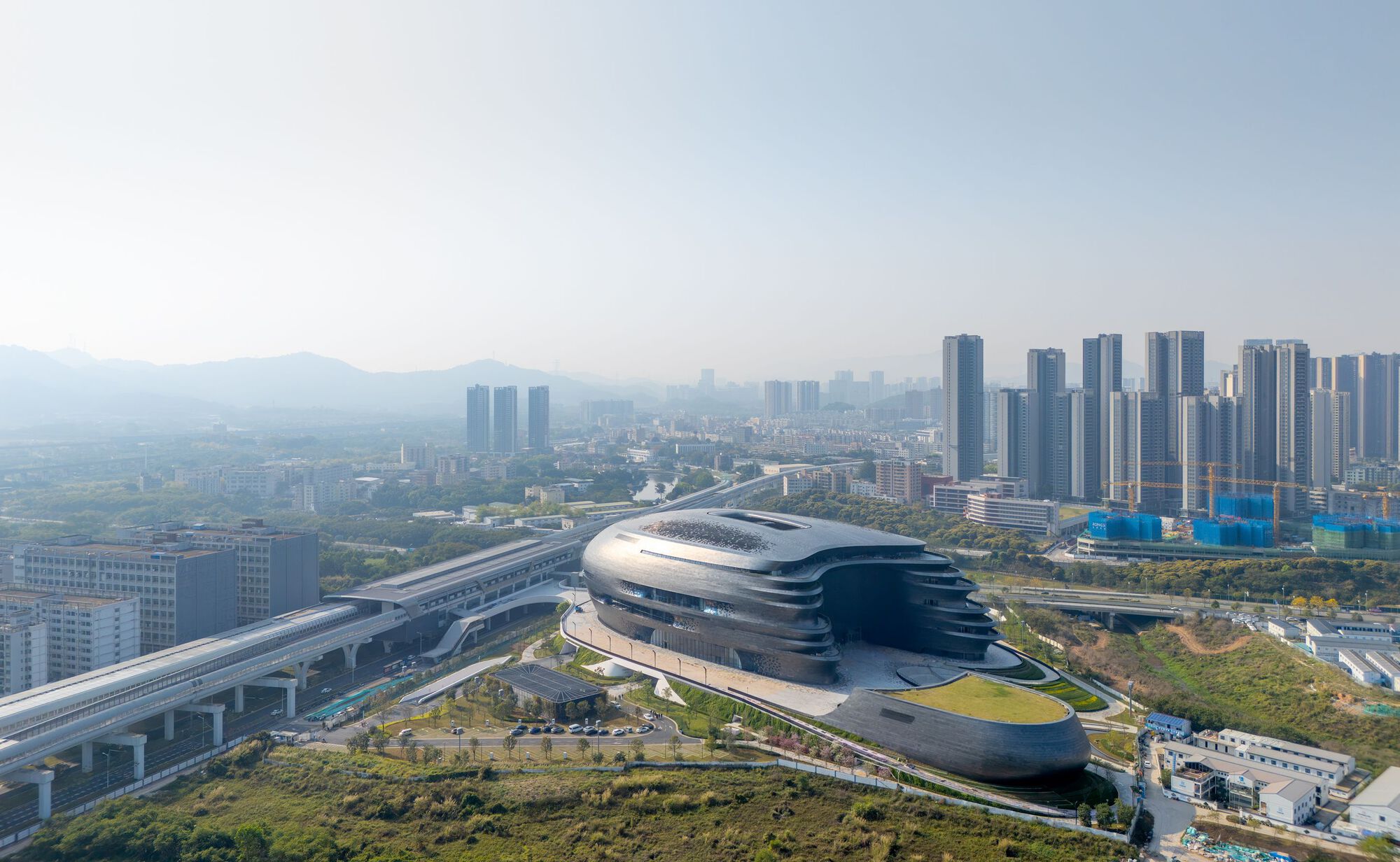
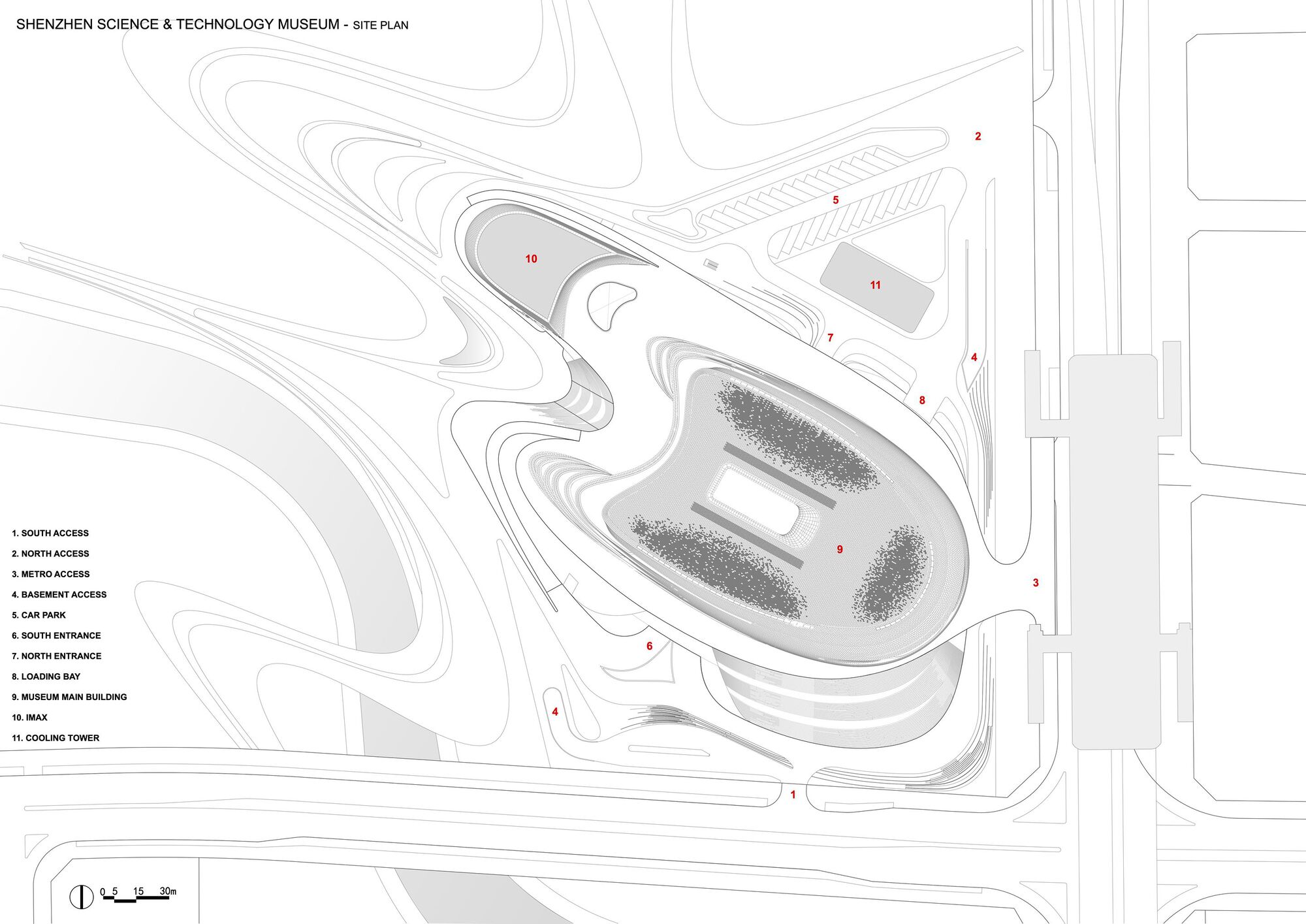
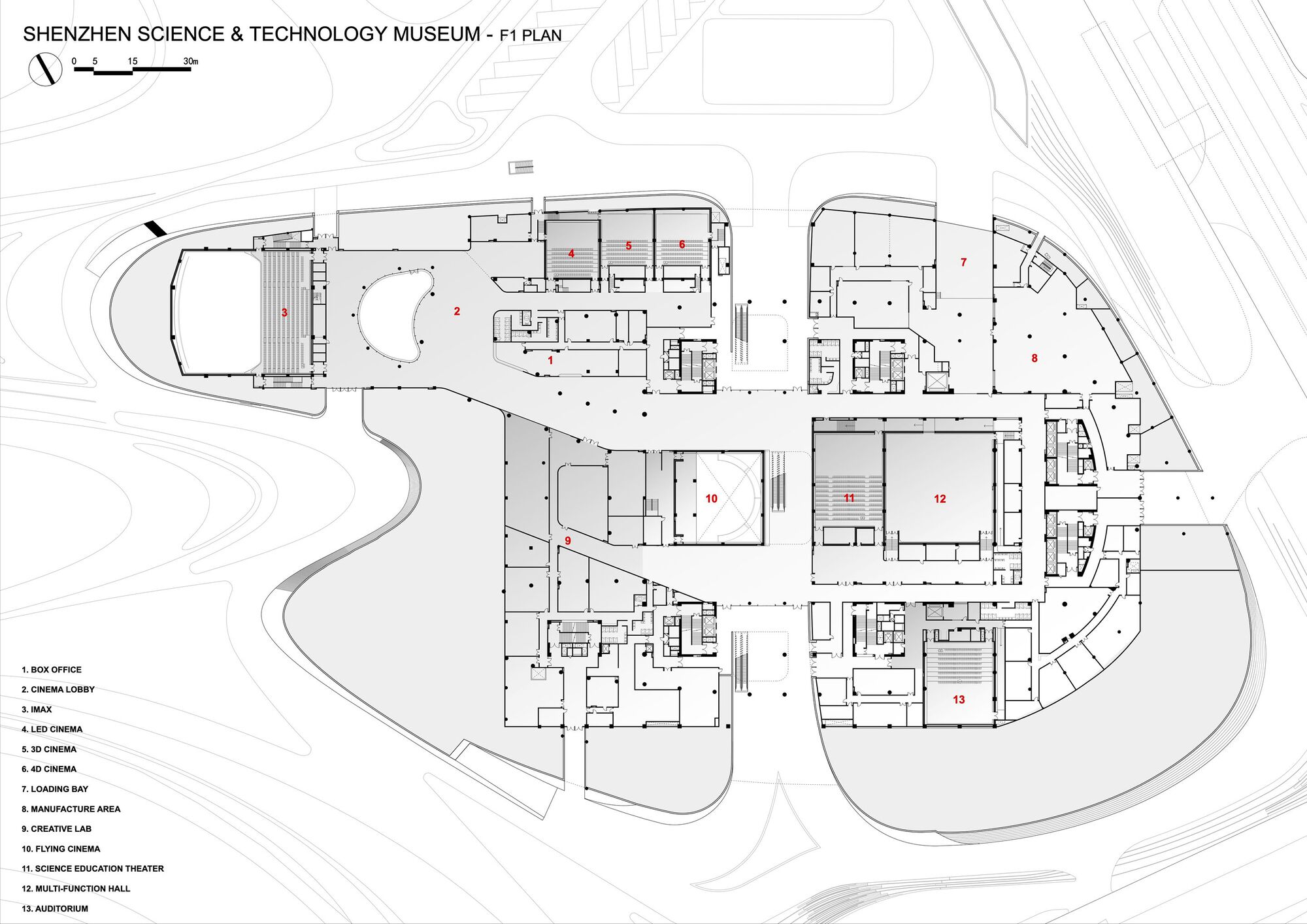
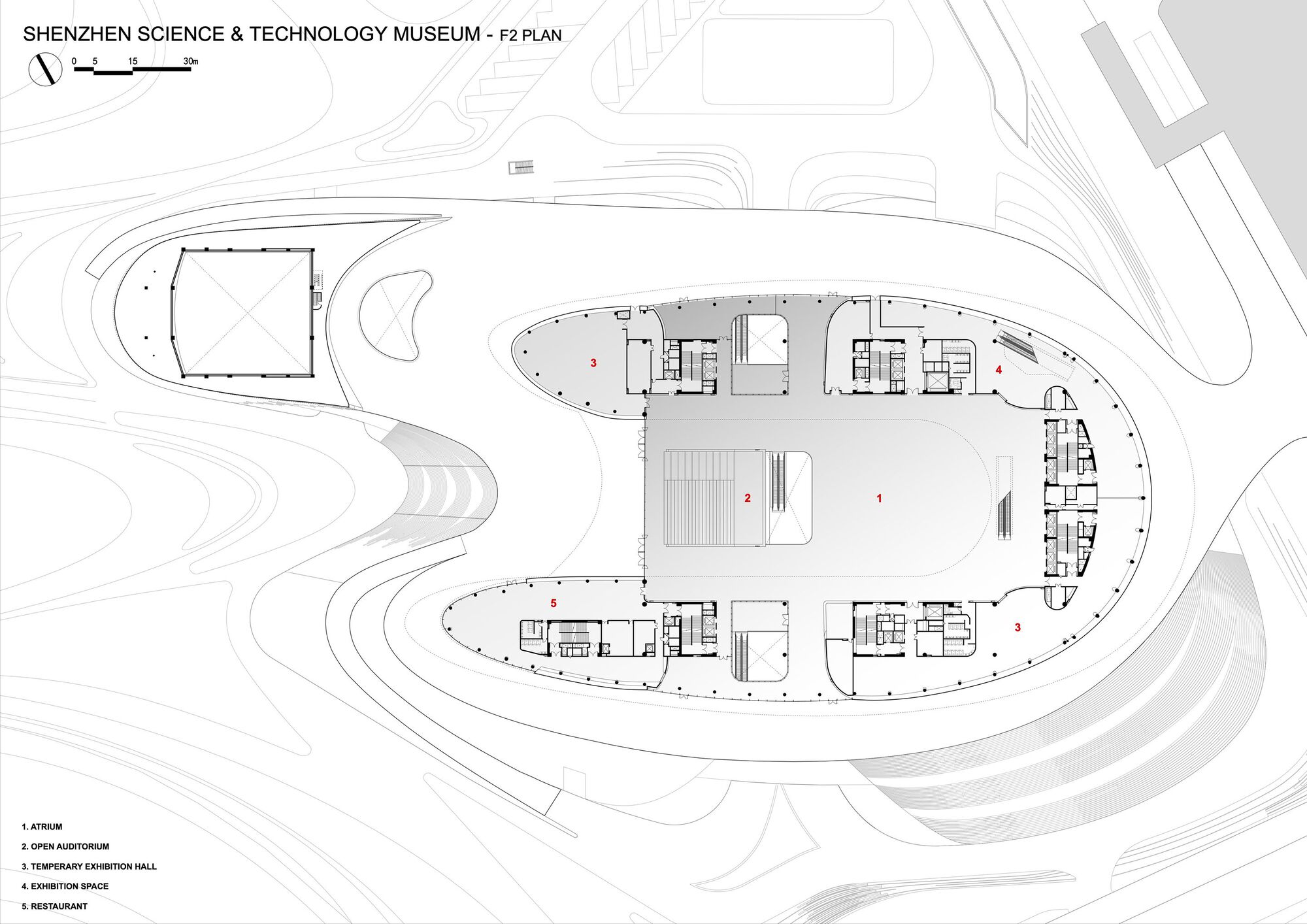
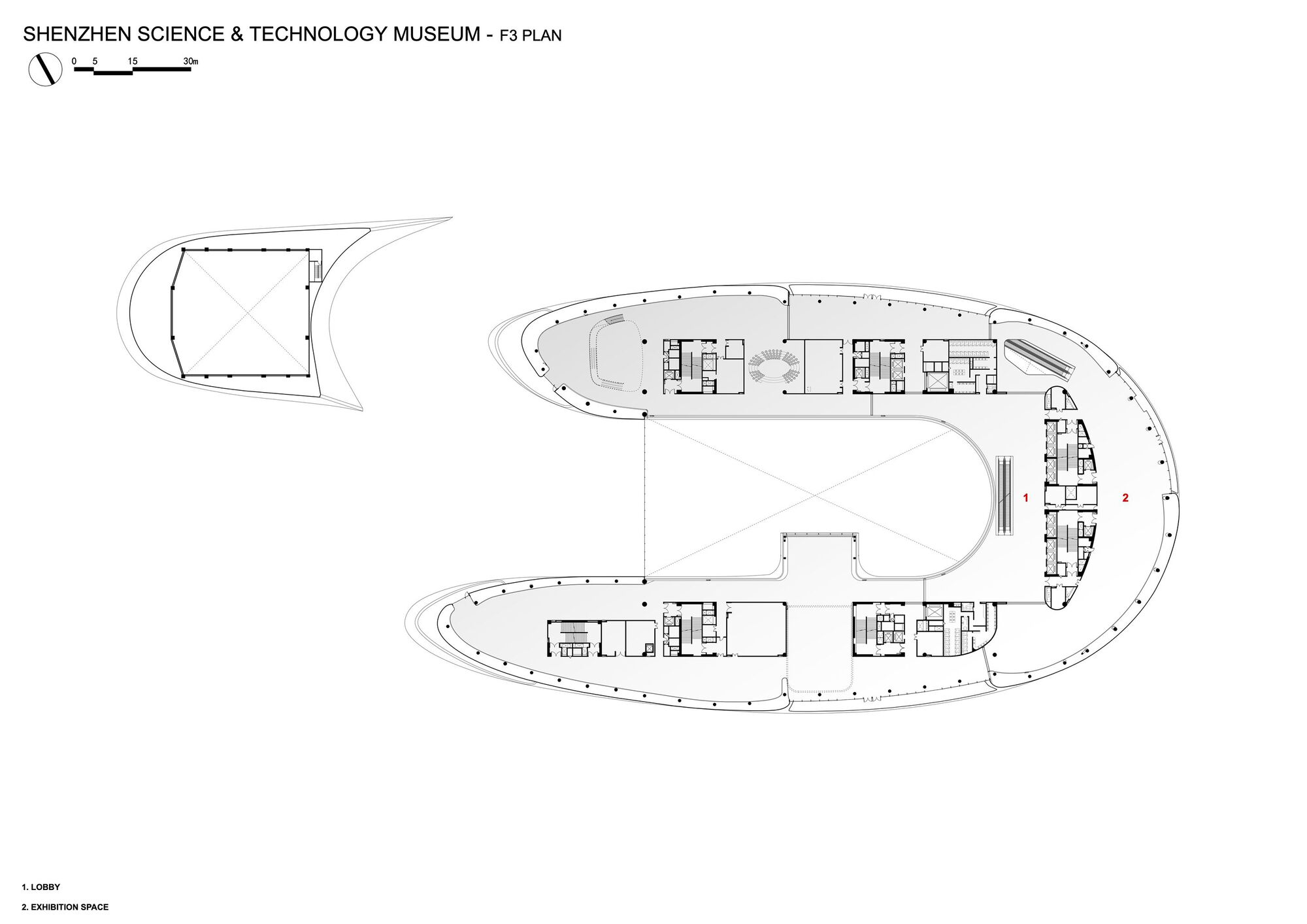
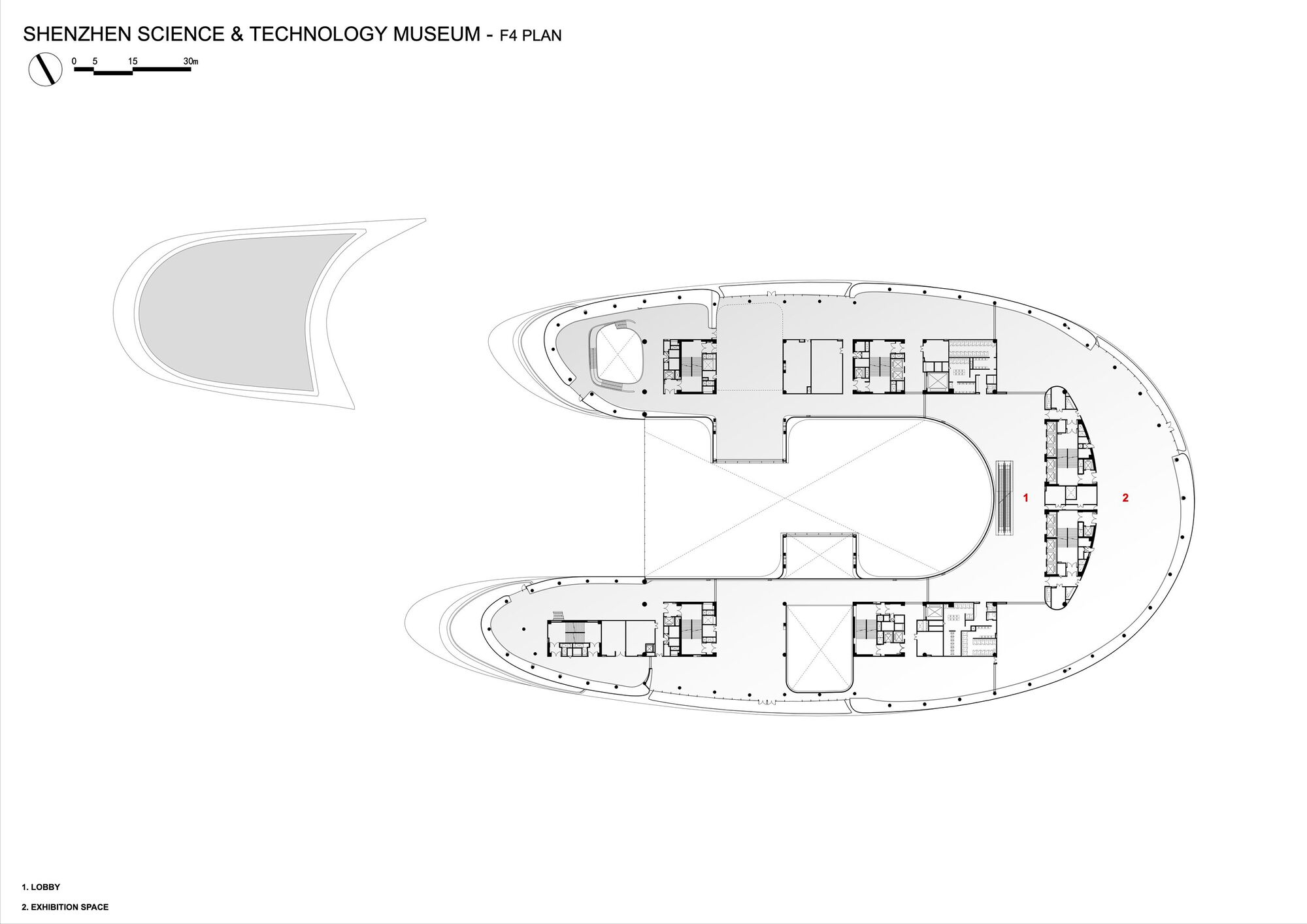
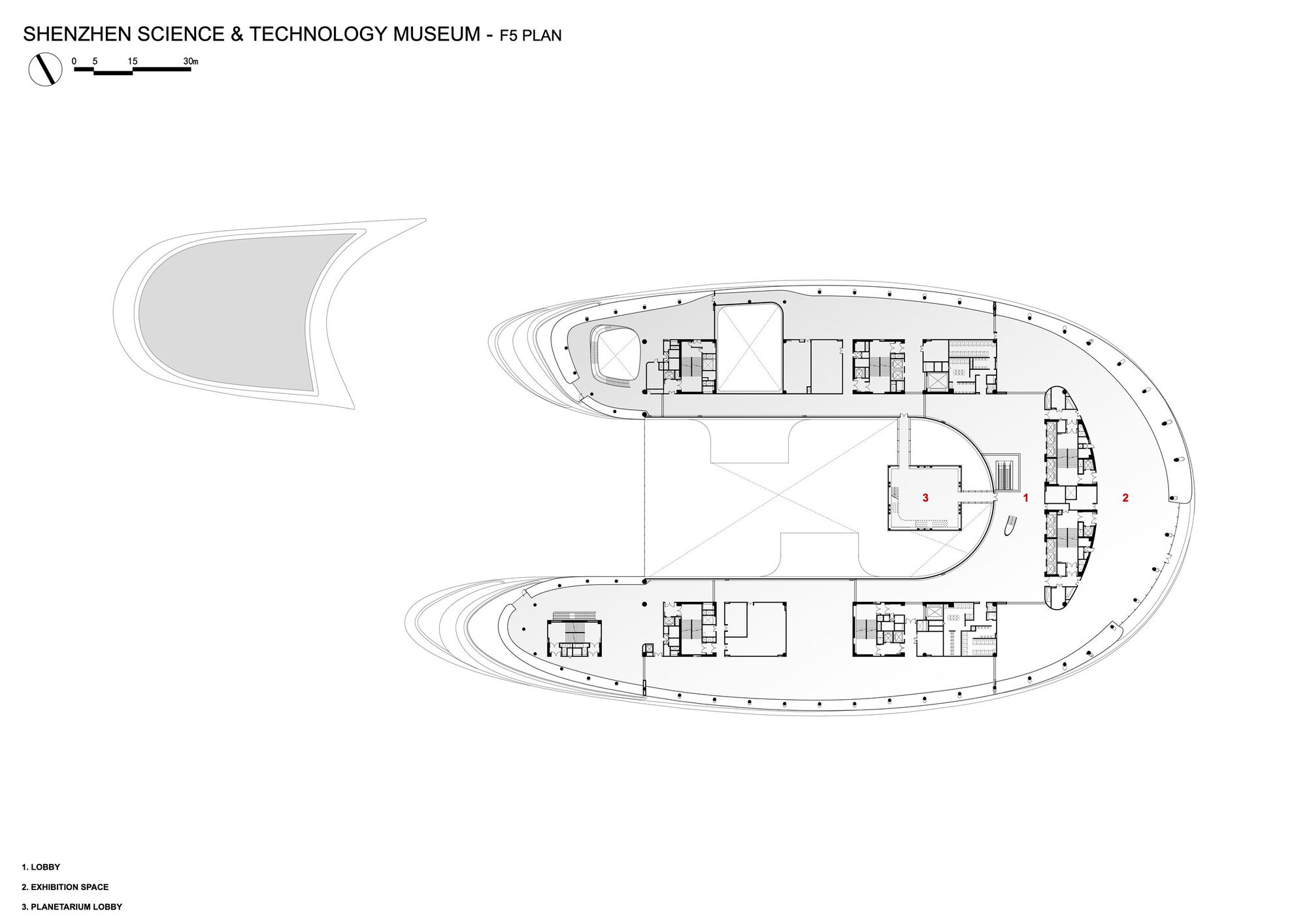
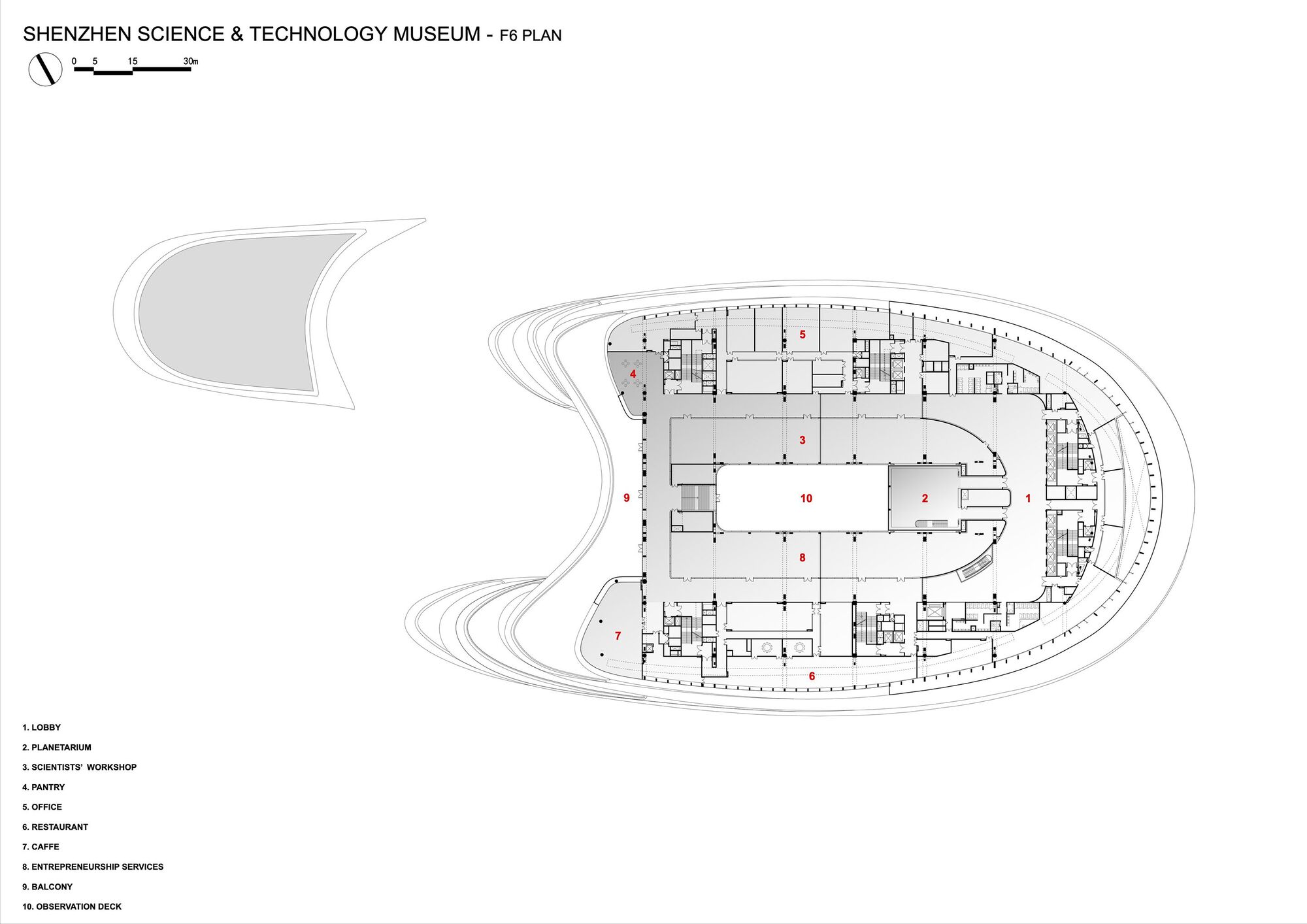
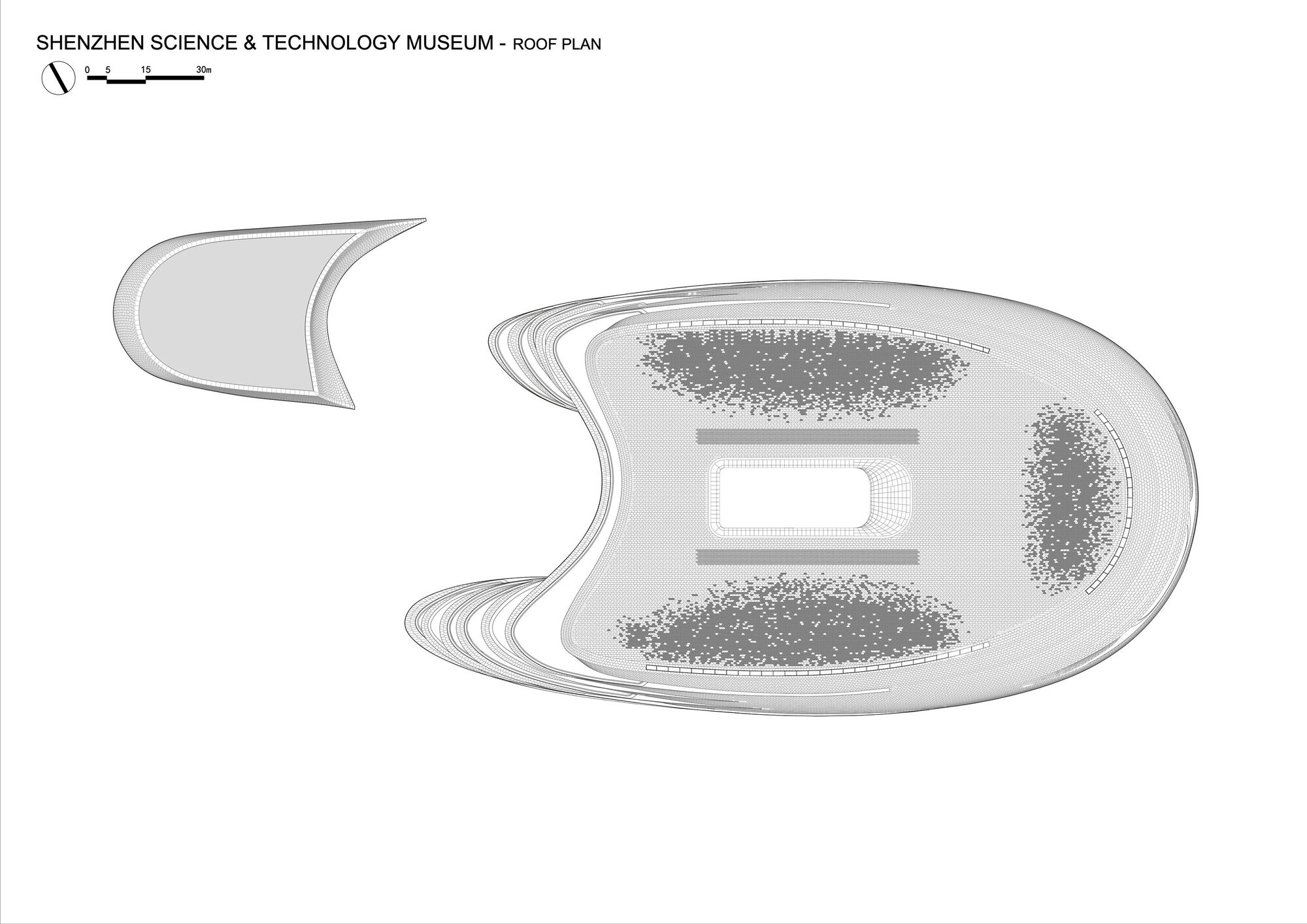
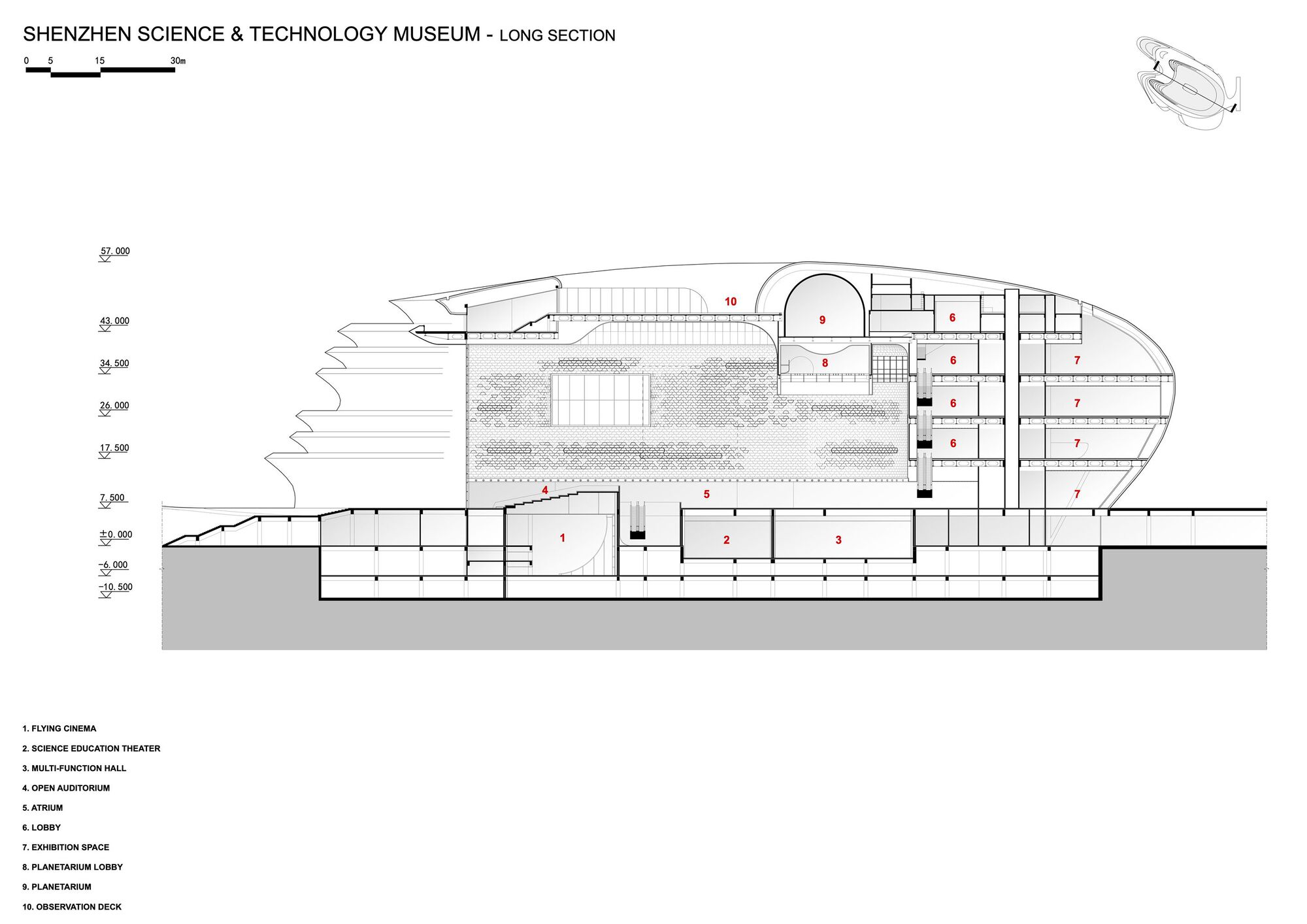
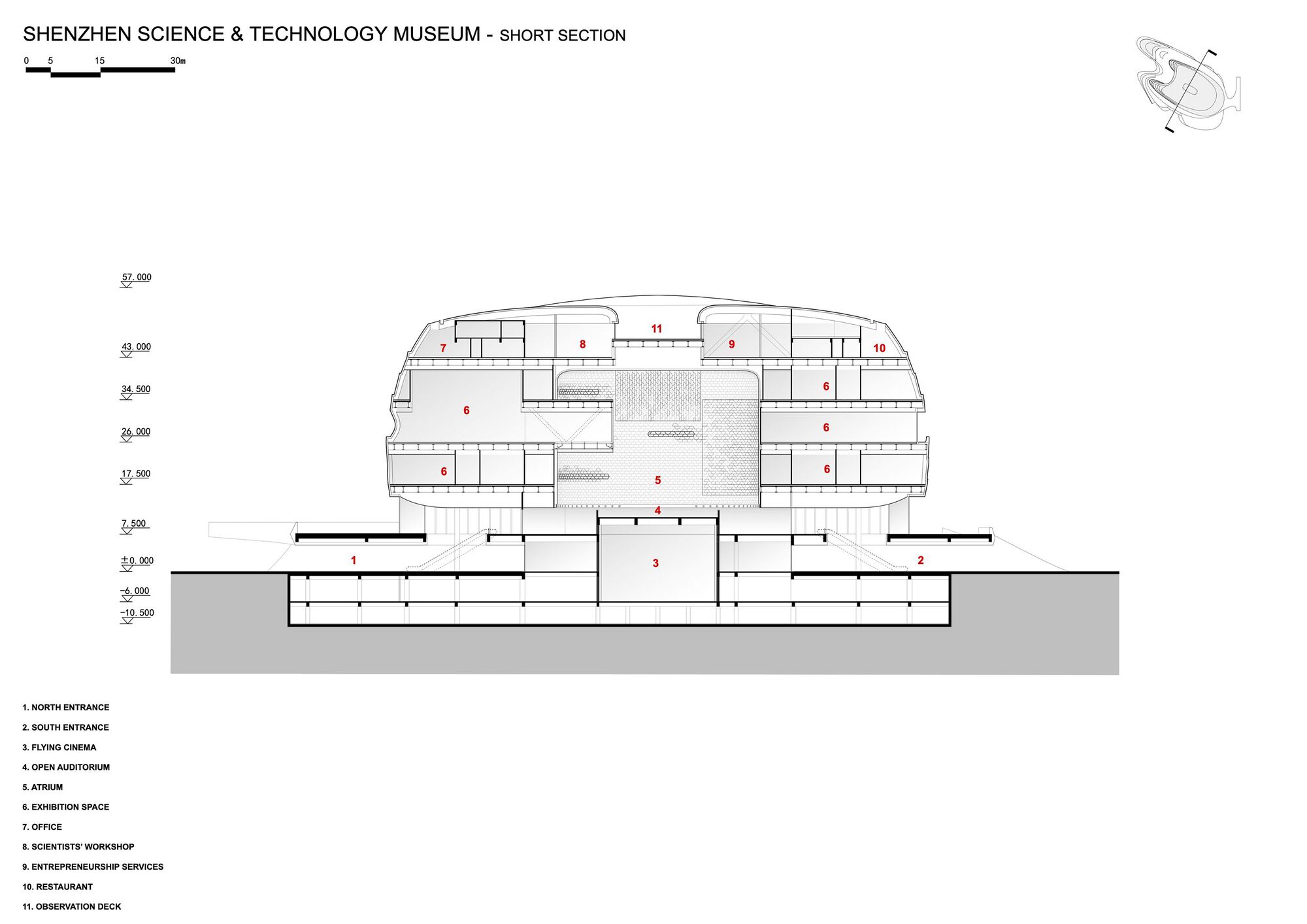
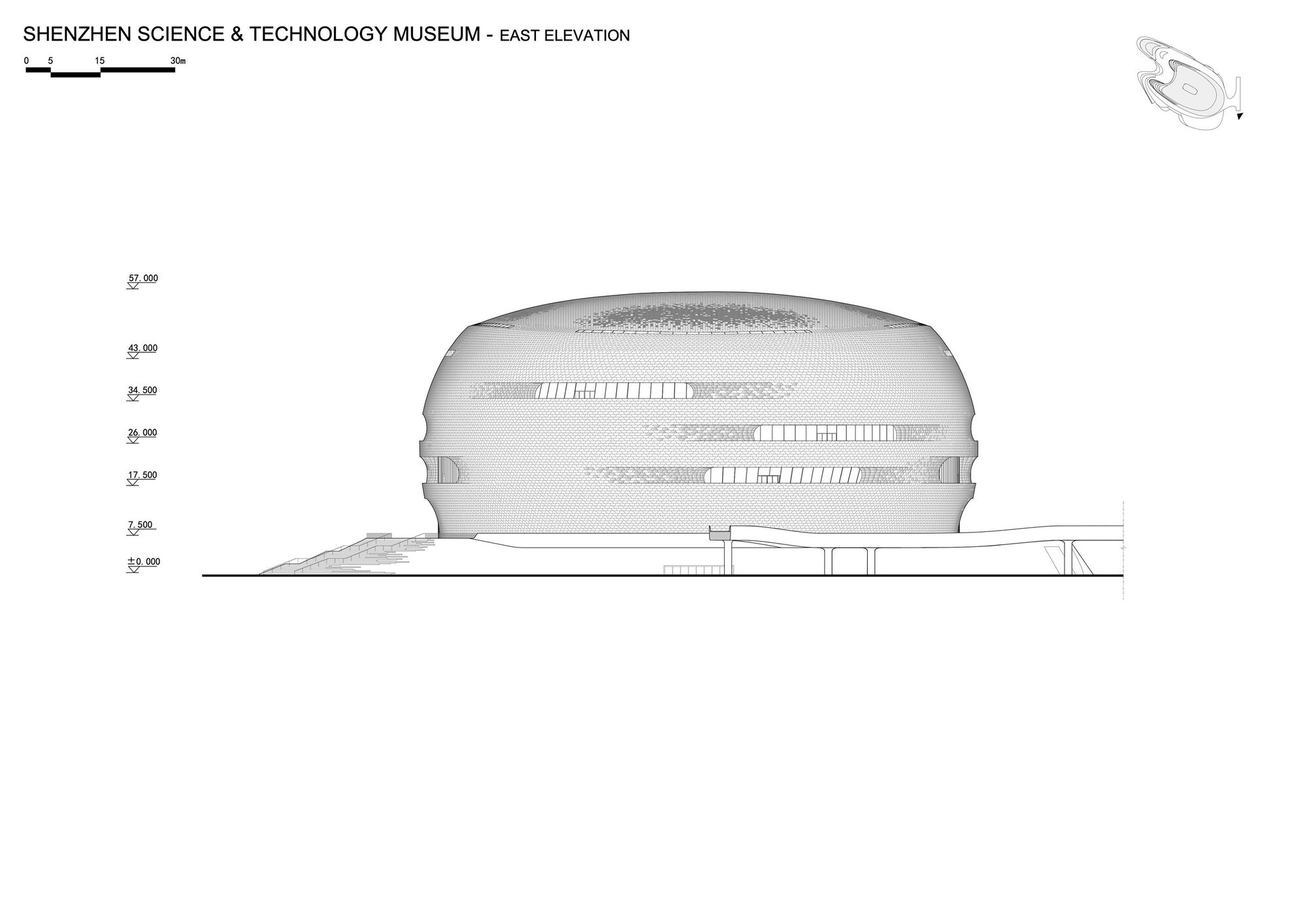
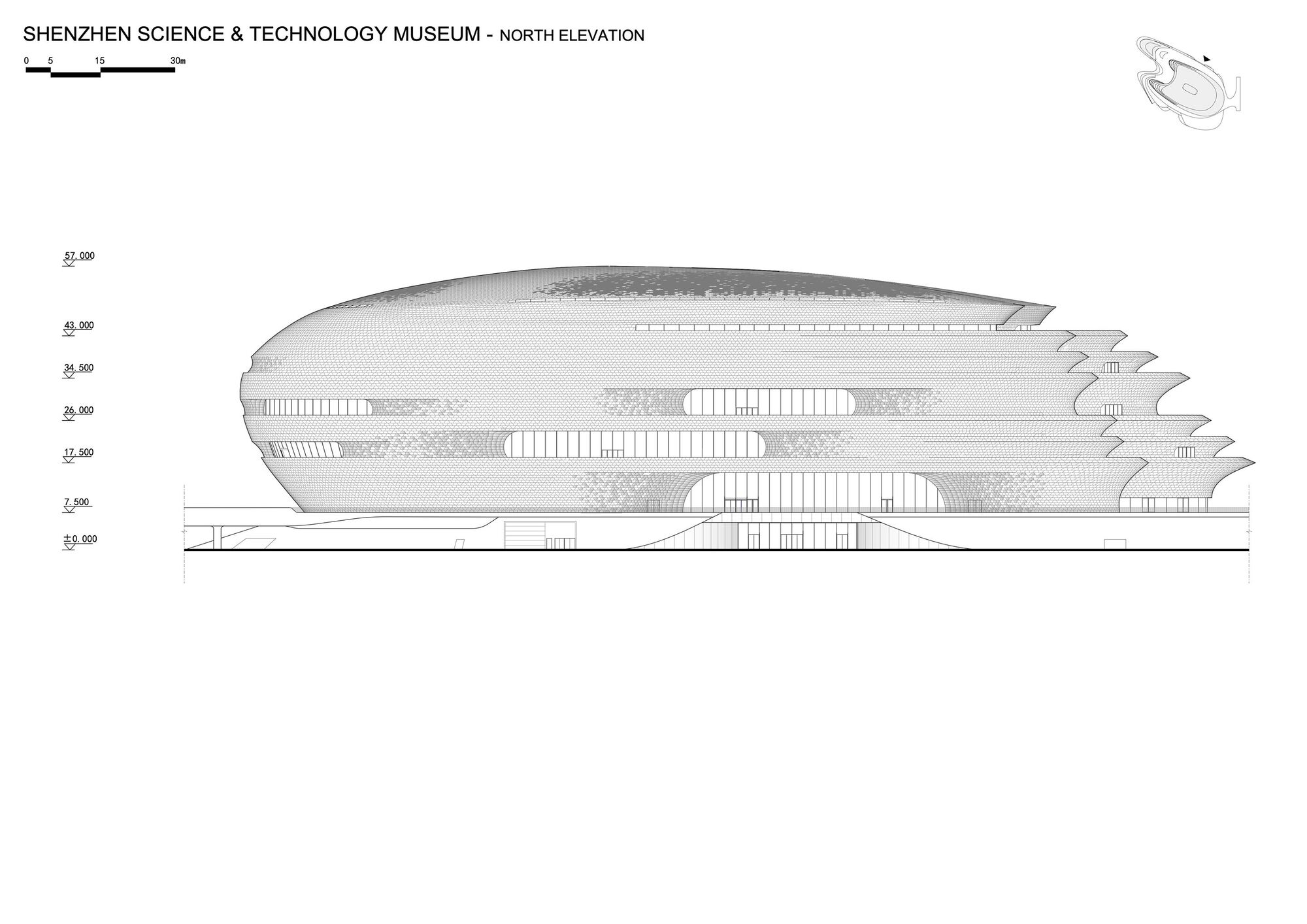
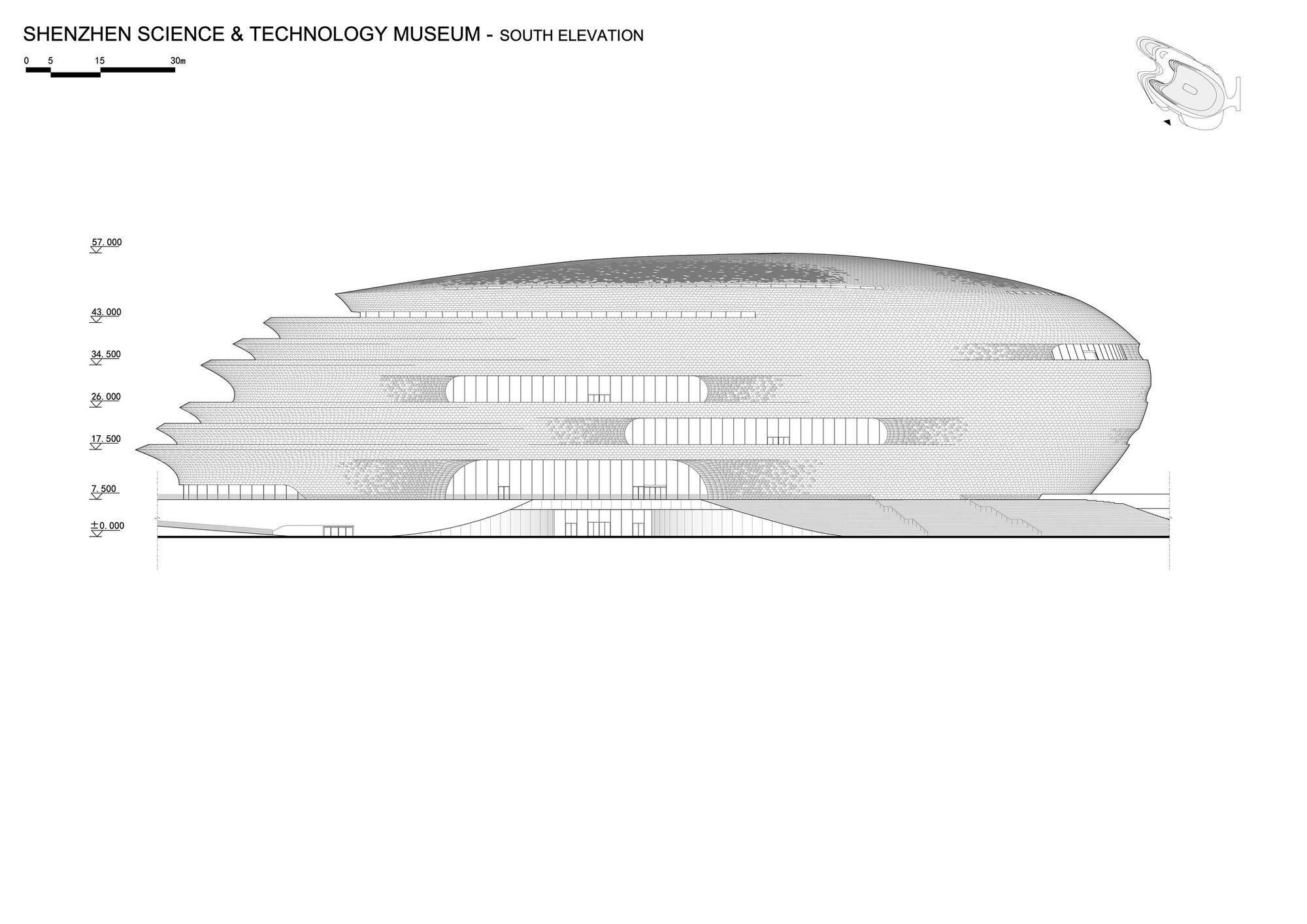
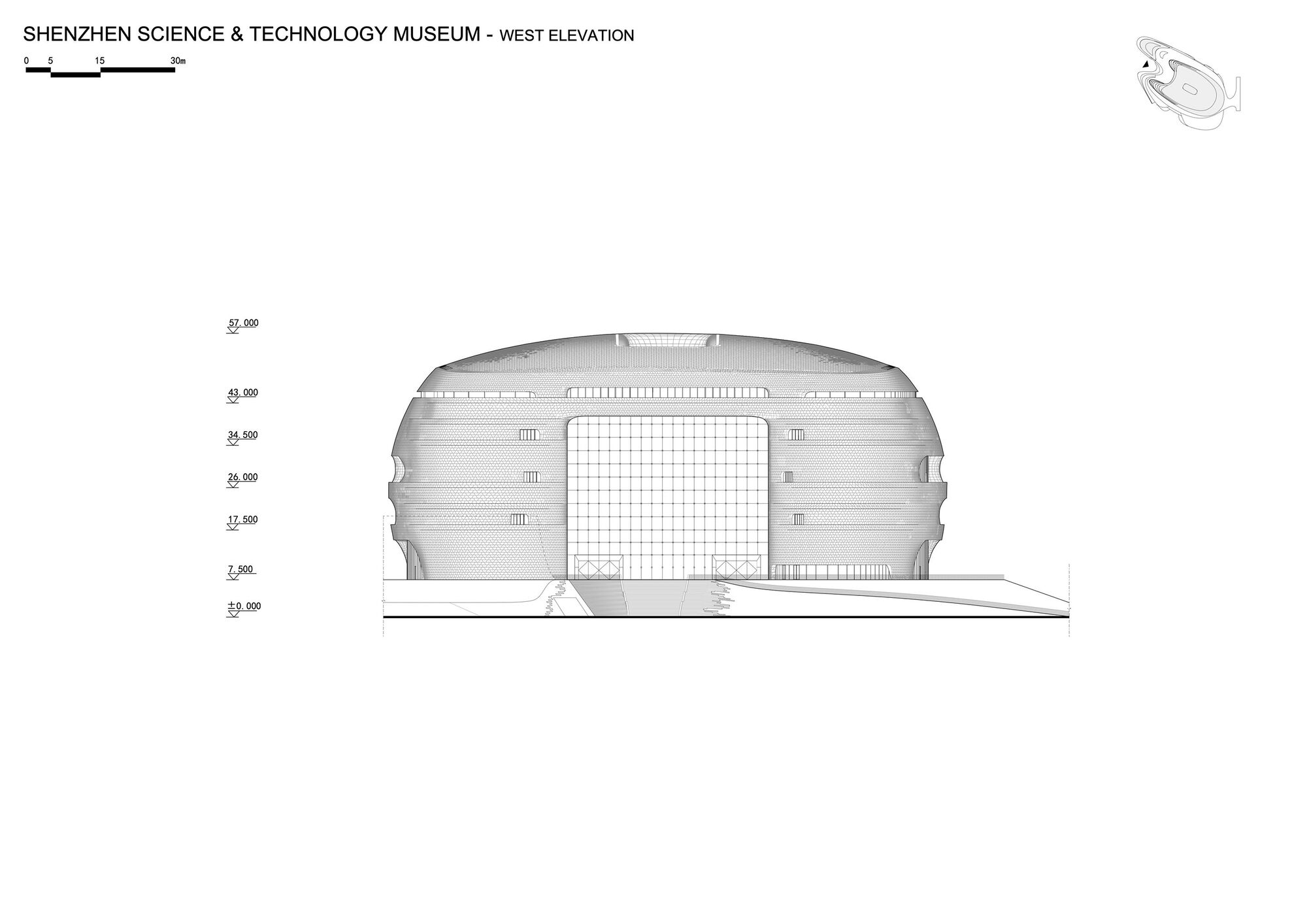
Shenzhen Science and Technology Museum #architecture Architects: Zaha Hadid Architects Photographs: Virgile Simon Bertrand City: Shenzhen Country: China The Shenzhen Science & Technology Museum in the Guangming District of the city opens today. Showcasing the scientific endeavour, ground-breaking research, and future possibilities of technology, this new institution will explore the power of science and the technological advancements defining our future. Designed as a leading visitor destination of the Greater Bay Area — the world's largest metropolitan region with its population approaching 100 million residents — the museum will collaborate with the region's renowned tech industries, universities, schools and research centres to cultivate innovation, as well as present the ongoing inventiveness that places Shenzhen as a global leader in the development of new technologies. Adjacent to Guangming Station of Shenzhen's metro network, the design responds to its location as a solid, spherical volume facing the city and defining the southeast corner of the new Science Park. Extending westwards into the park, the building's volume stretches and transforms into a dynamic sequence of outdoor terraces overlooking the park. These terraces are functioning extensions of the interior galleries that surround the grand central atrium, creating a significant new civic space for the city. The Shenzhen Science & Technology Museum incorporates 35,000 sqm of permanent and temporary exhibition halls and galleries, together with 6,000 sqm of immersive theatres and cinemas, as well as 5,400 sqm of research laboratories, educational facilities, and an innovation centre. Additionally, 34,000 sq. m of visitor amenities and storage join production and maintenance workshops. The many galleries within Shenzhen's new scientific institution emerge from the floor and walls of its central atrium, while other galleries float above the awesome scale and composition of the atrium's grand public space, each giving visual clues that intuitively direct visitors through the museum's series of interconnected spaces. The atrium's multiple perspectives and materiality also provide a thrilling launching point for every visitor's journey of discovery. With its large, glazed wall facing the park, the atrium blurs the boundary between inside and out, inviting natural light and landscapes, as well as our boundless curiosity, into the heart of the building. Guided by passive environmental strategies, the design process employed advanced computer simulations to test and refine the building's form, spaces, and envelope for optimal performance within the annual solar radiation, temperatures, humidity, prevailing winds, air quality, and other variable conditions of Shenzhen's subtropical climate and location. The building's orientation has been determined to minimise solar heat gain within its central atrium while maintaining panoramic views of the park. Designed to shield the atrium's glazed façade from direct sunlight to enhance visitor comfort, the terraces on each floor improve environmental performance and create a series of sheltered outdoor spaces overlooking the park, giving visitors places for rest and contemplation while exploring the exhibitions. Mitigating direct exposure to the elements and solar radiation, a system of stainless-steel panels creates a ventilated cavity between the façade and the external walls. This system extends to the roof, which also incorporates photovoltaics for on-site energy generation. The museum's façade incorporates the first large-scale application of dual colour INCO technology in China. Precisely controlling an electrolyte formula and oxidation time, a nano-scale oxide film is generated on the surface of the steel, giving the façade a self-protecting, self-cleaning micro-layer that extends its life cycle by increasing resilience to weather and corrosion, while also enriching the stainless steel with a fine texture and colour without any painting. The façade's colour gradient transitions from deep blue to various shades of grey, evoking a dynamism of celestial bodies orbiting in space, while adding depth and texture. Aiming to achieve the highest three-star rating of China's Green Building Evaluation Standard, the 128,276 sqm museum's passive design features combined with smart management networks operating high-efficiency systems are projected to reduce the building's energy consumption to 15.47 kWh/sqm per year, subsequently lowering emissions from electricity demand to an estimated 125.89 kgce/sqm a year. The museum's procurement targeted the use of 389,238.92 tonnes of recyclable materials in construction, while its water management system implements grey-water recycling in addition to the collection and storage of rainwater to reduce overall water consumption to an estimated 14,906 cubic metres per year. The project's digital twin construction process employed BIM+3D scanning technology to maintain and control tolerances of complex surfaces within millimeters. A comprehensive network of key nodes throughout the building enabled the synchronous verification of all construction from the digital simulation in real-time, while robotic multi-point forming technology precisely shaped the complex surfaces to the exact requirements of the design.
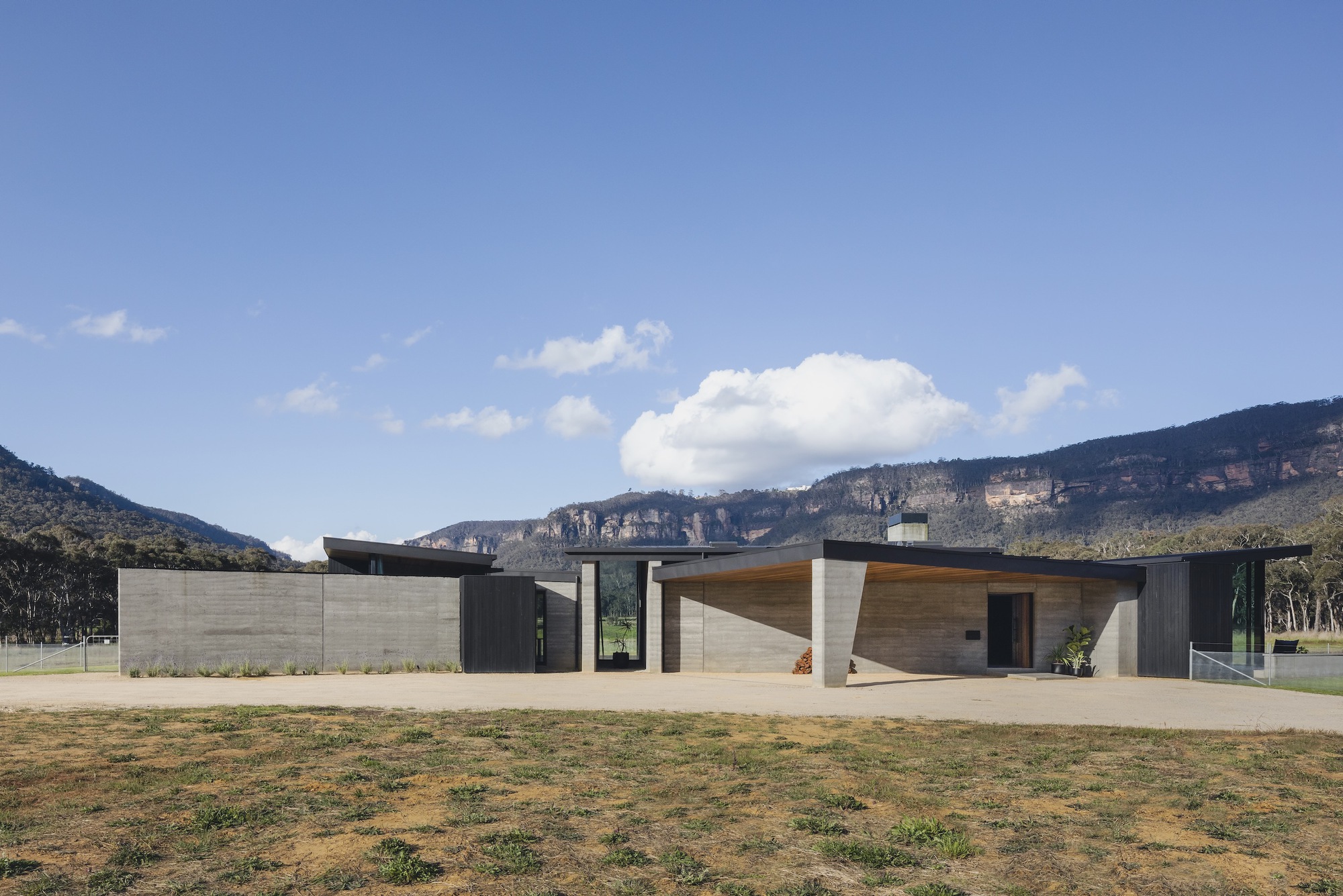
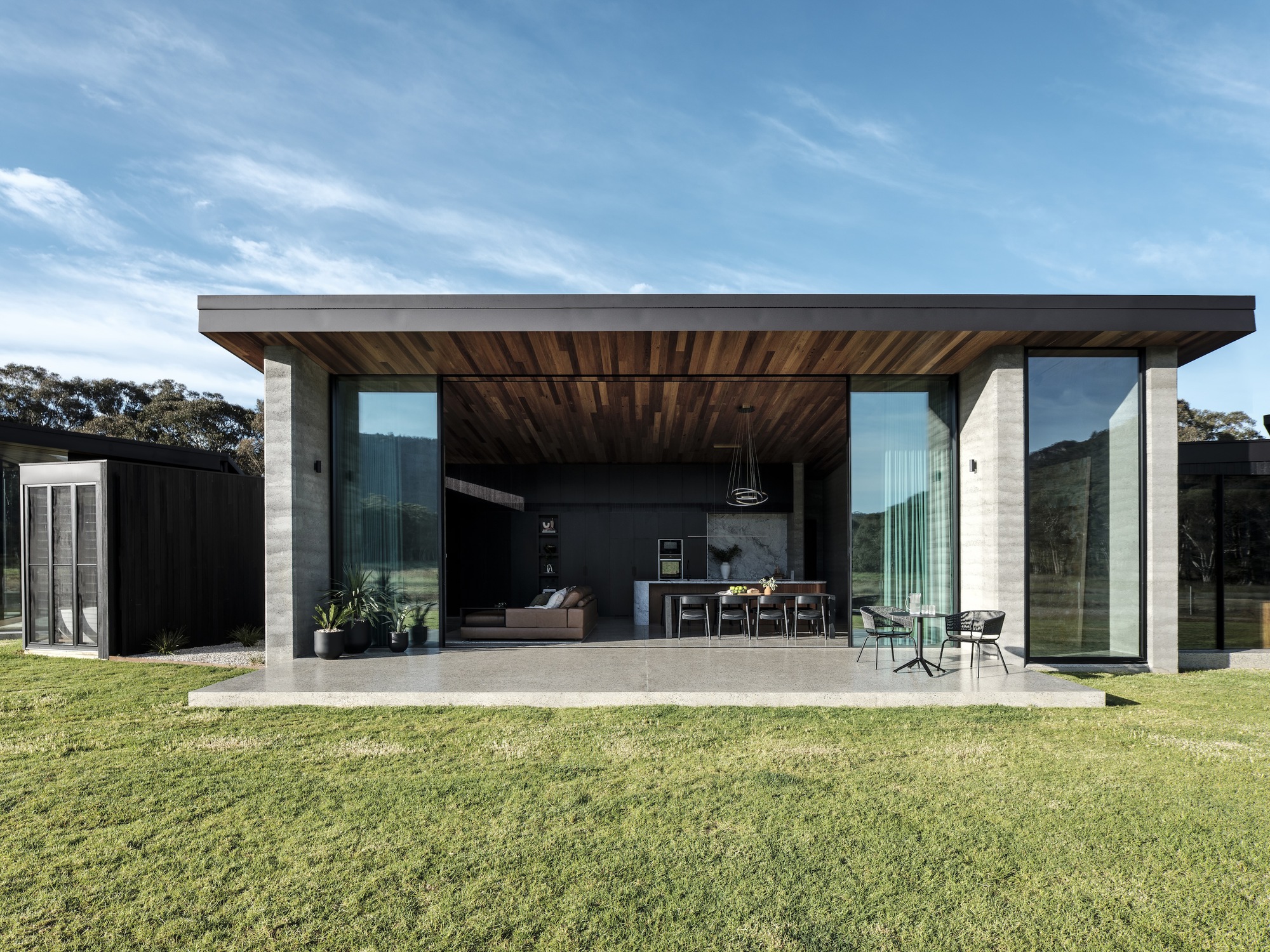
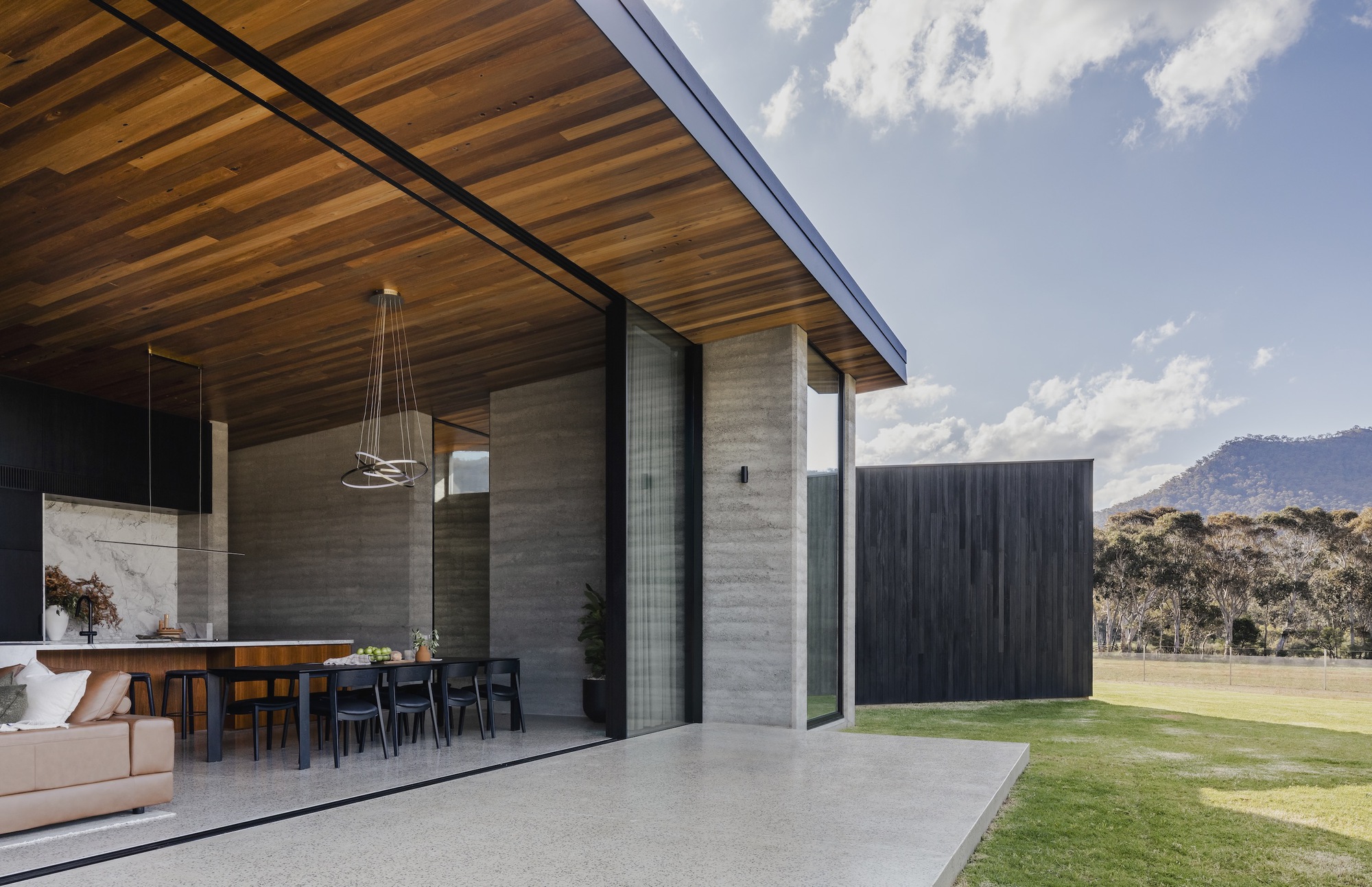
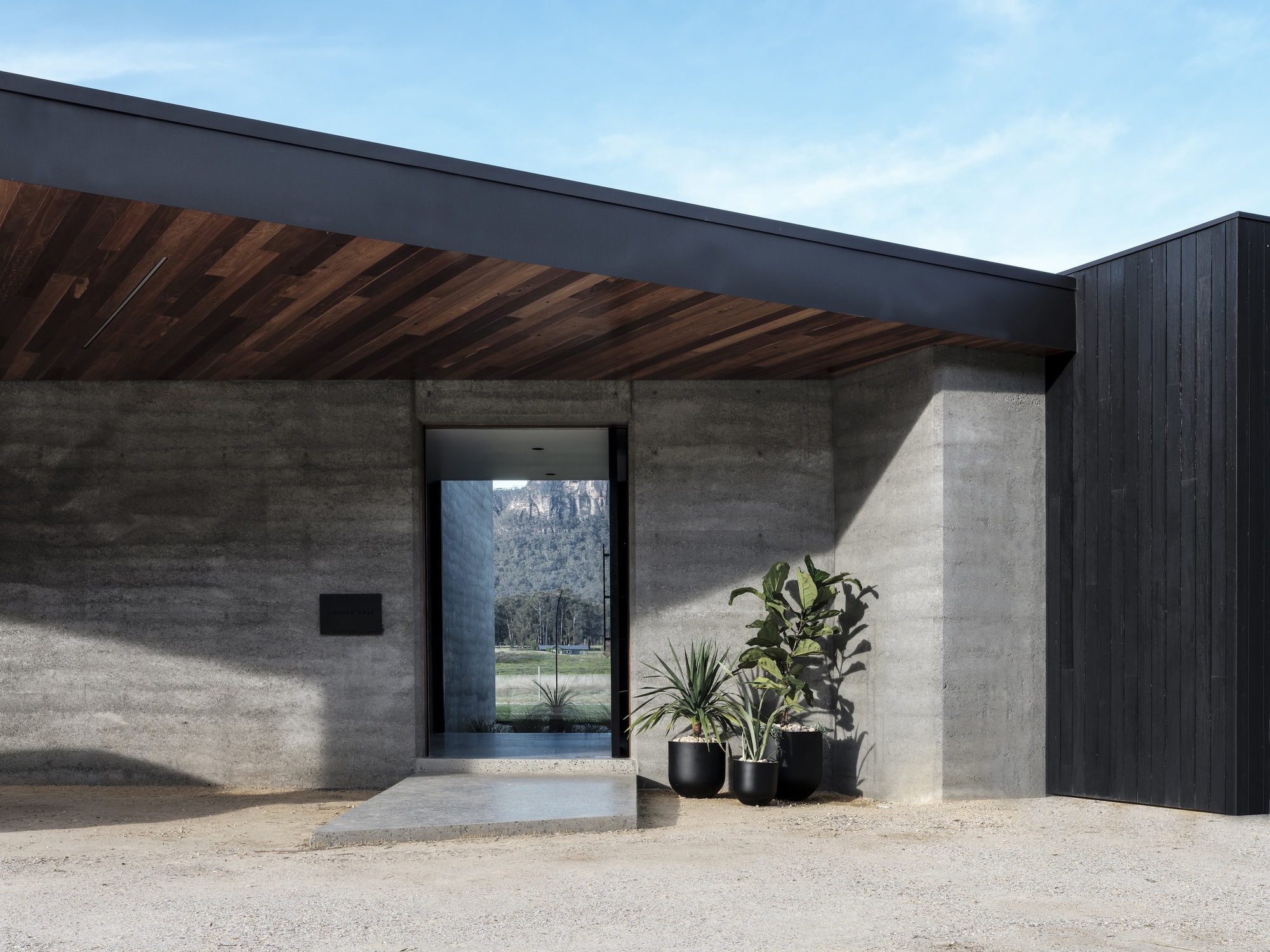
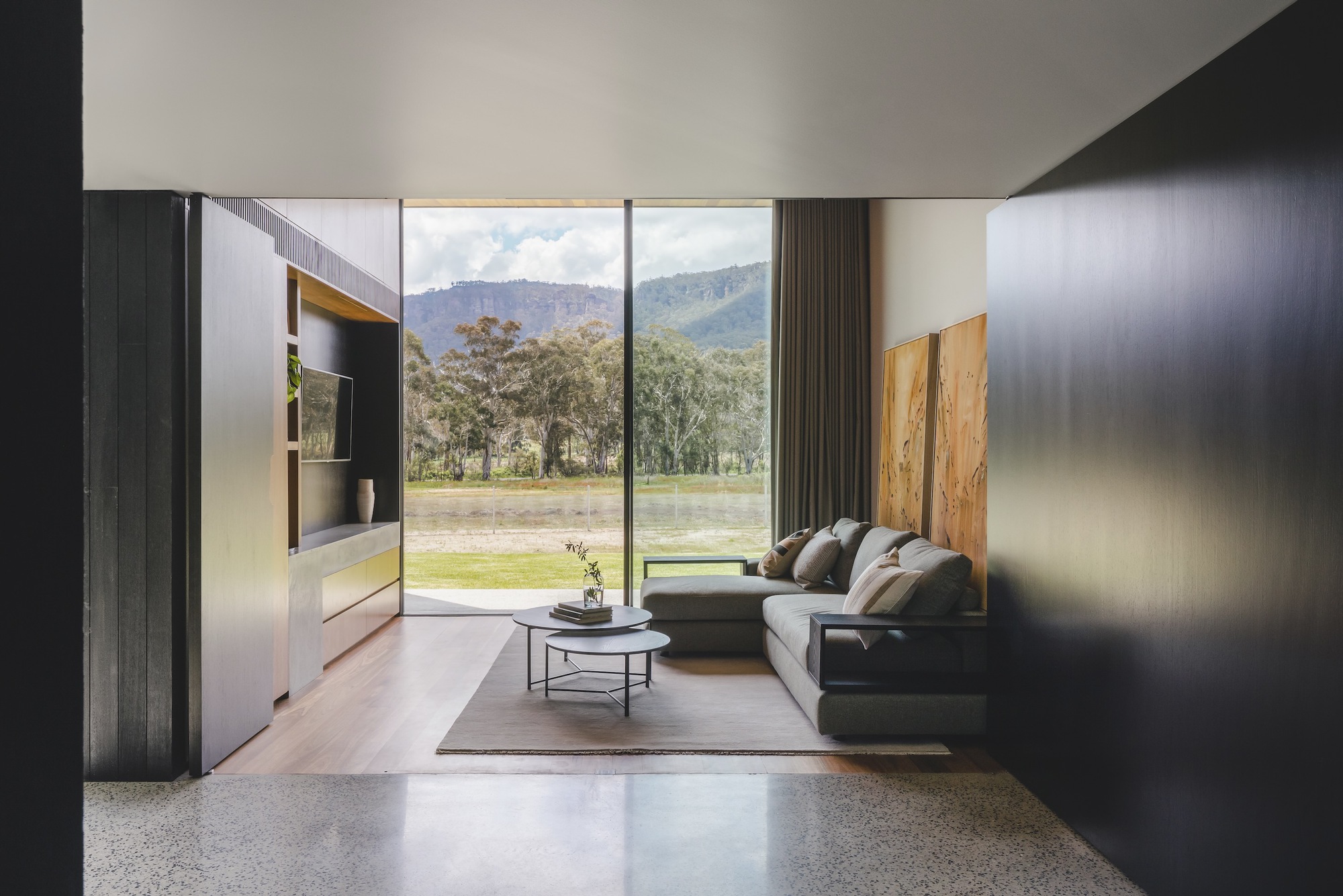
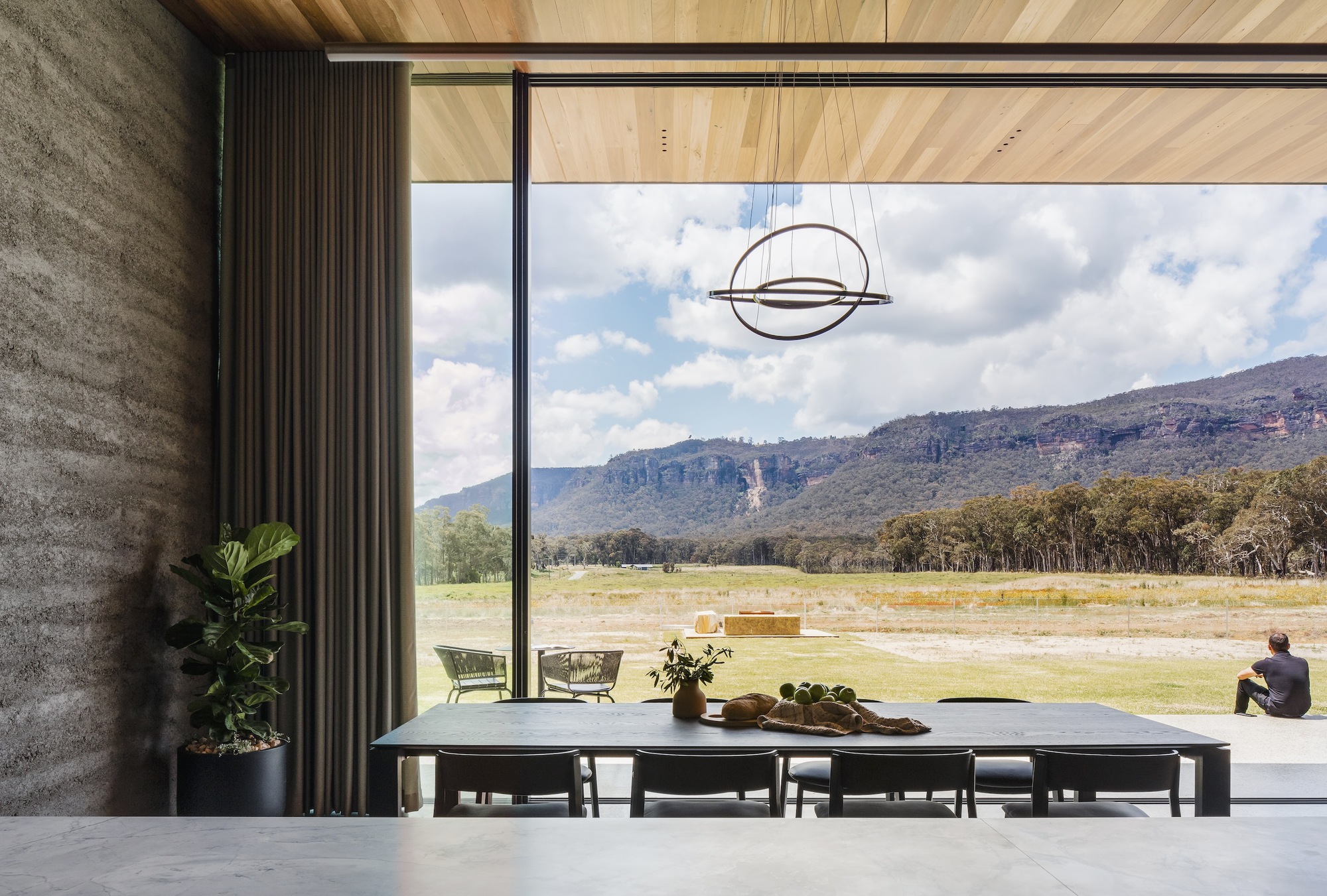
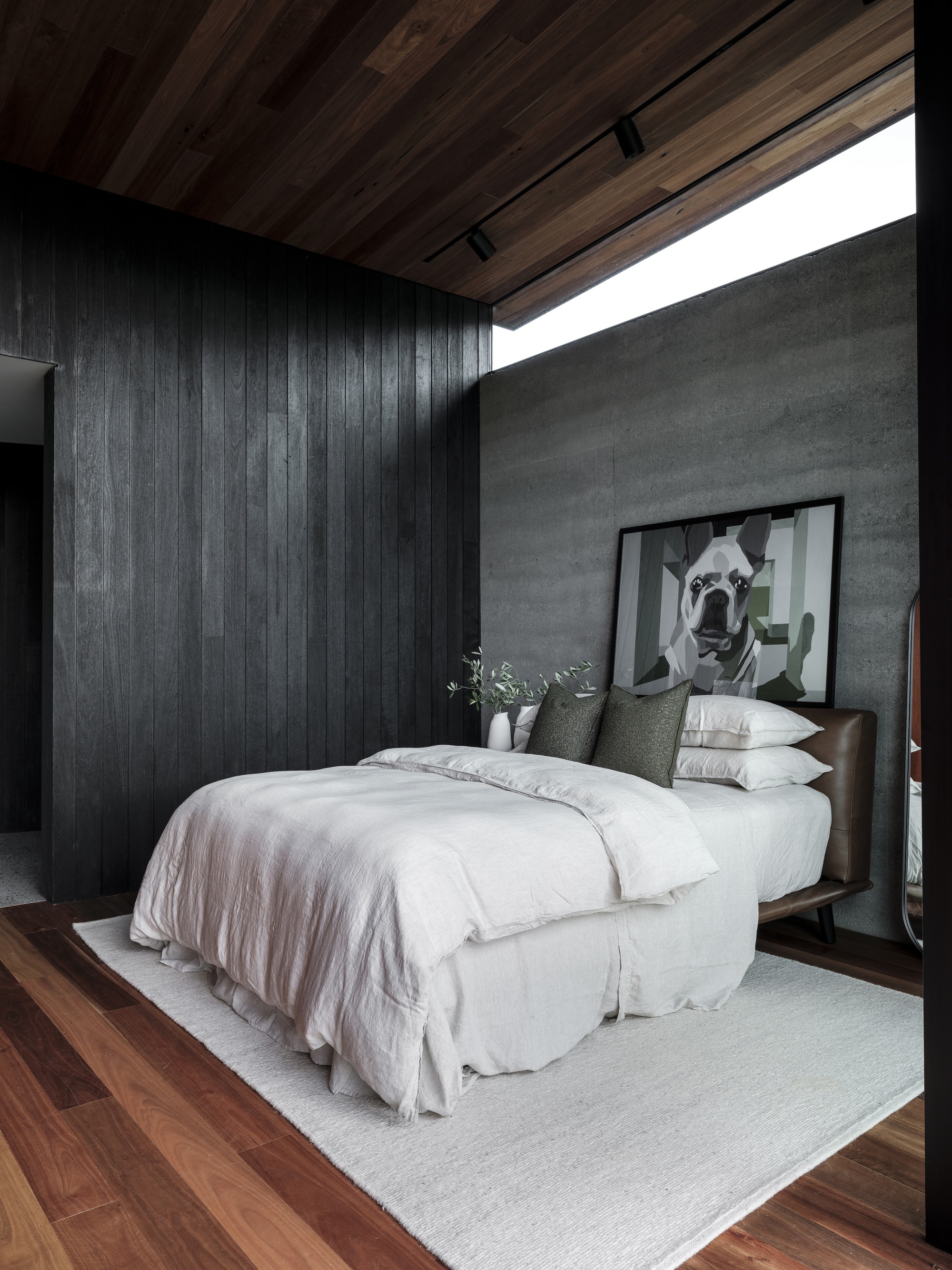
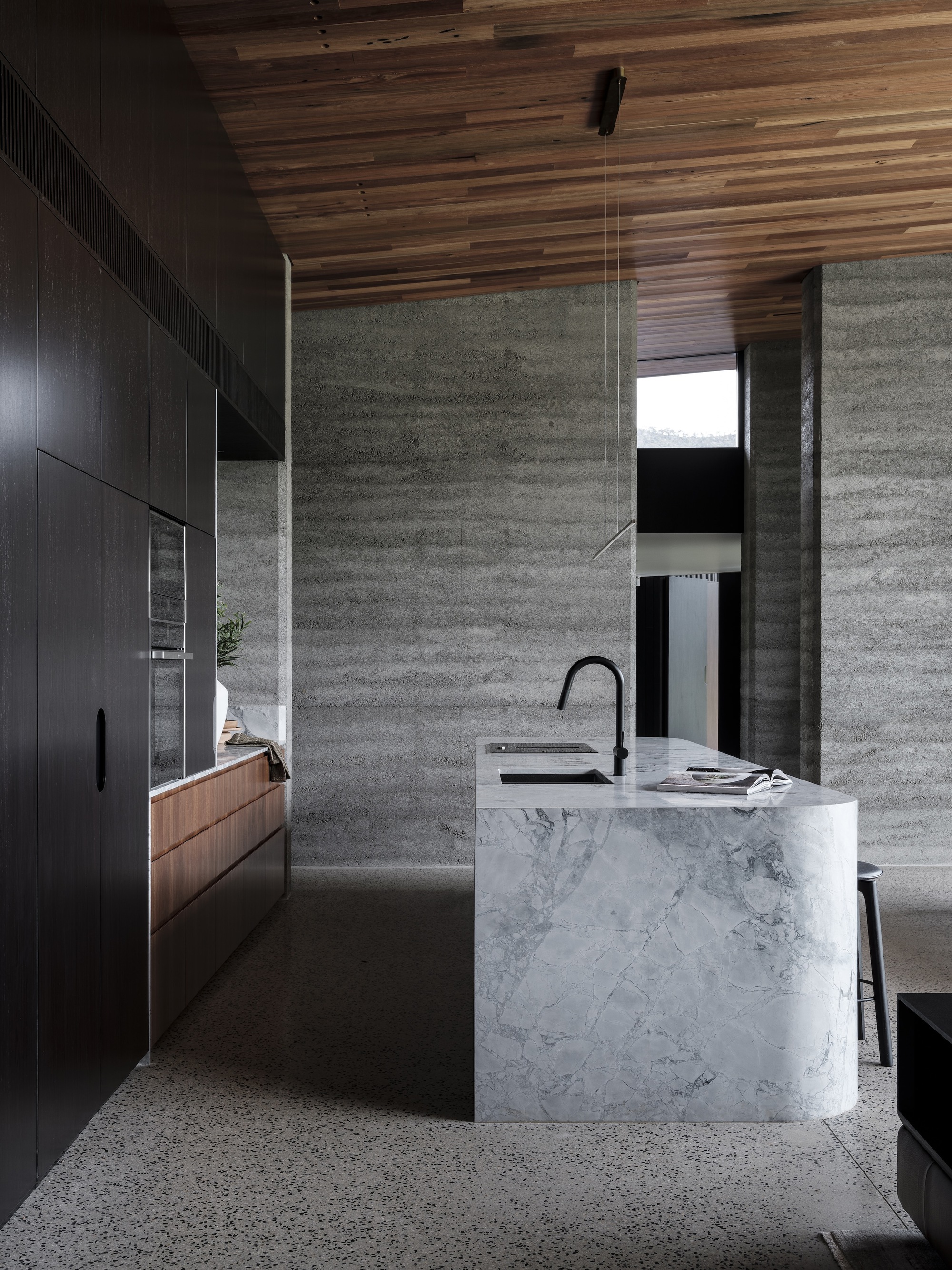
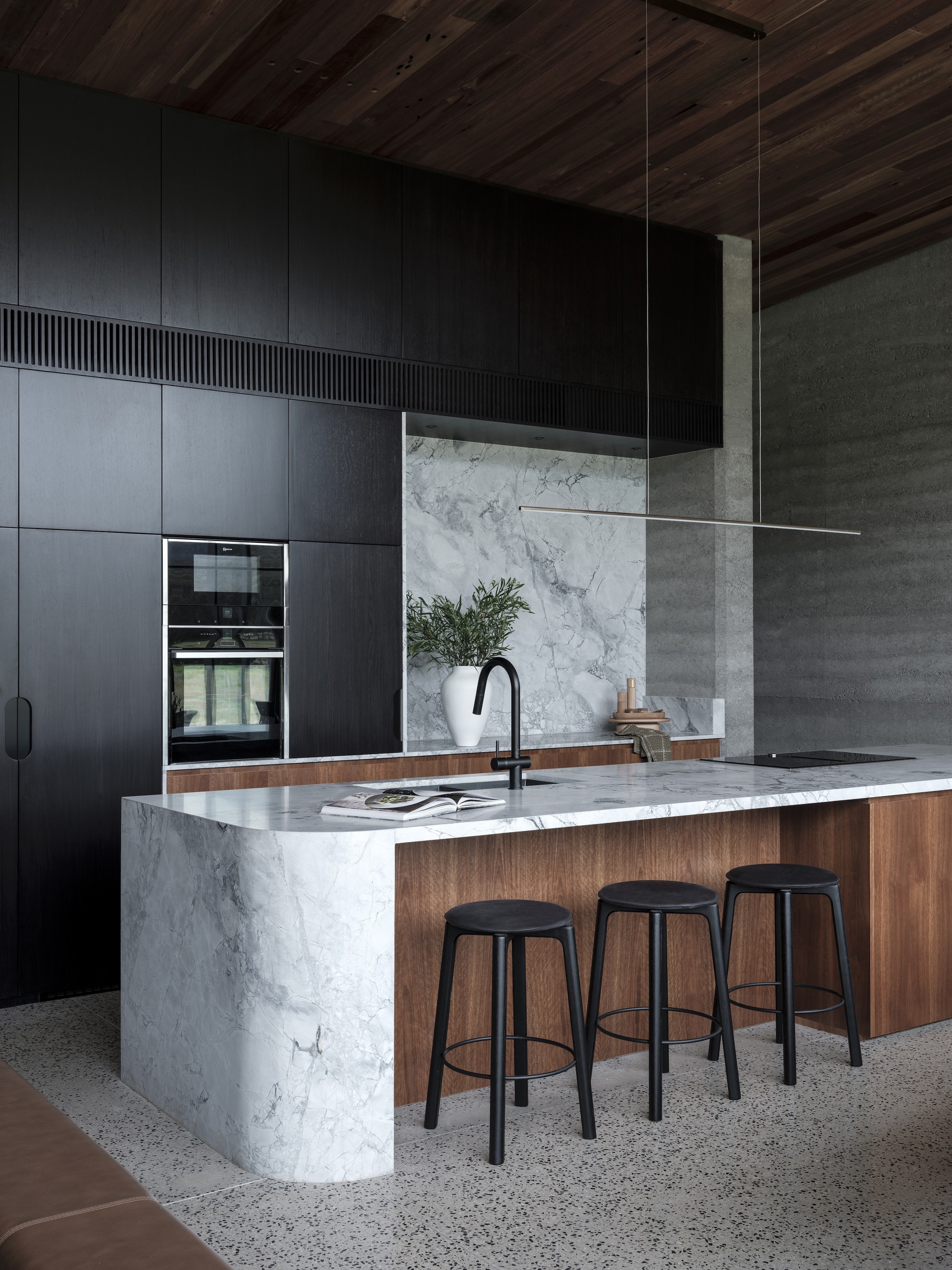
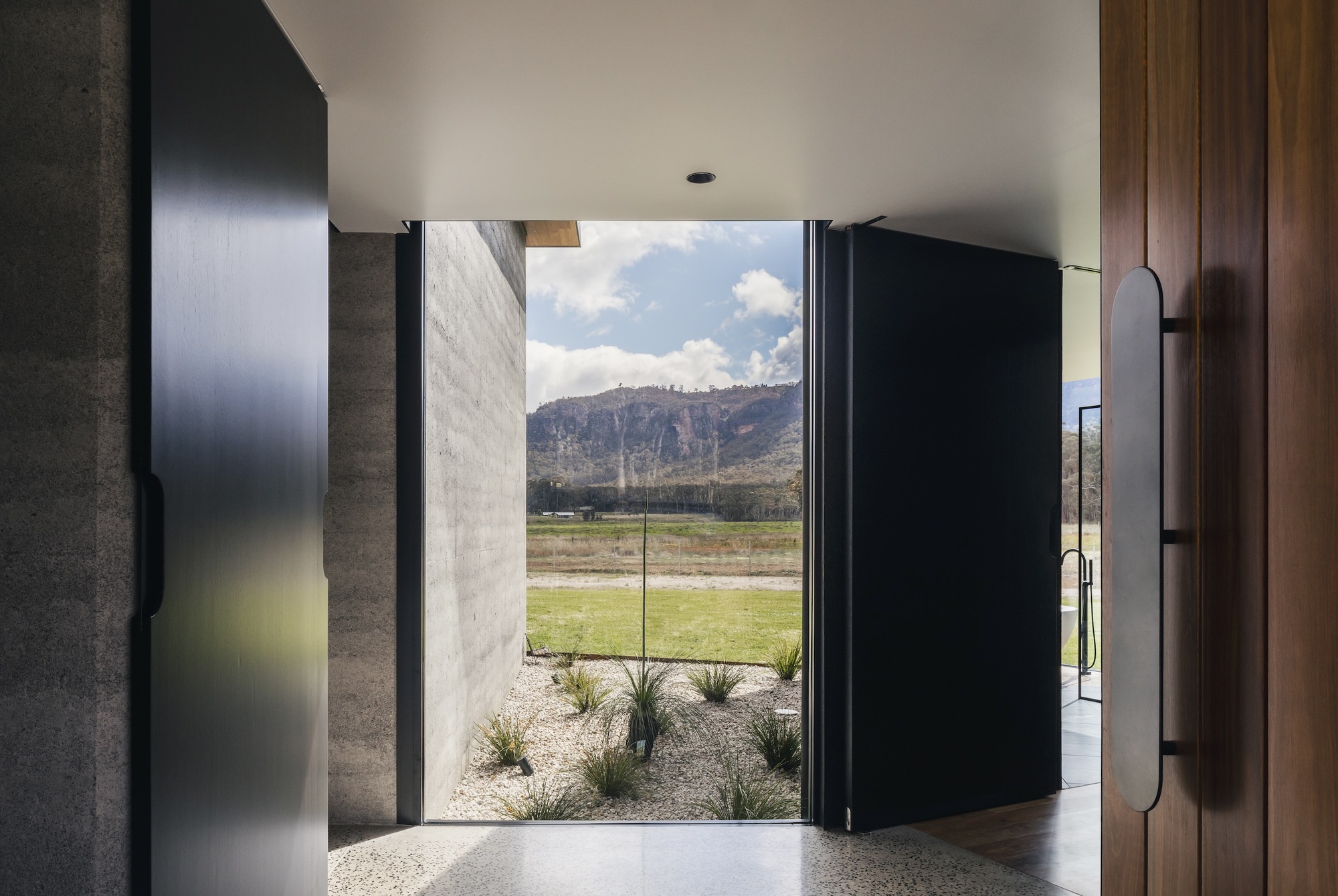
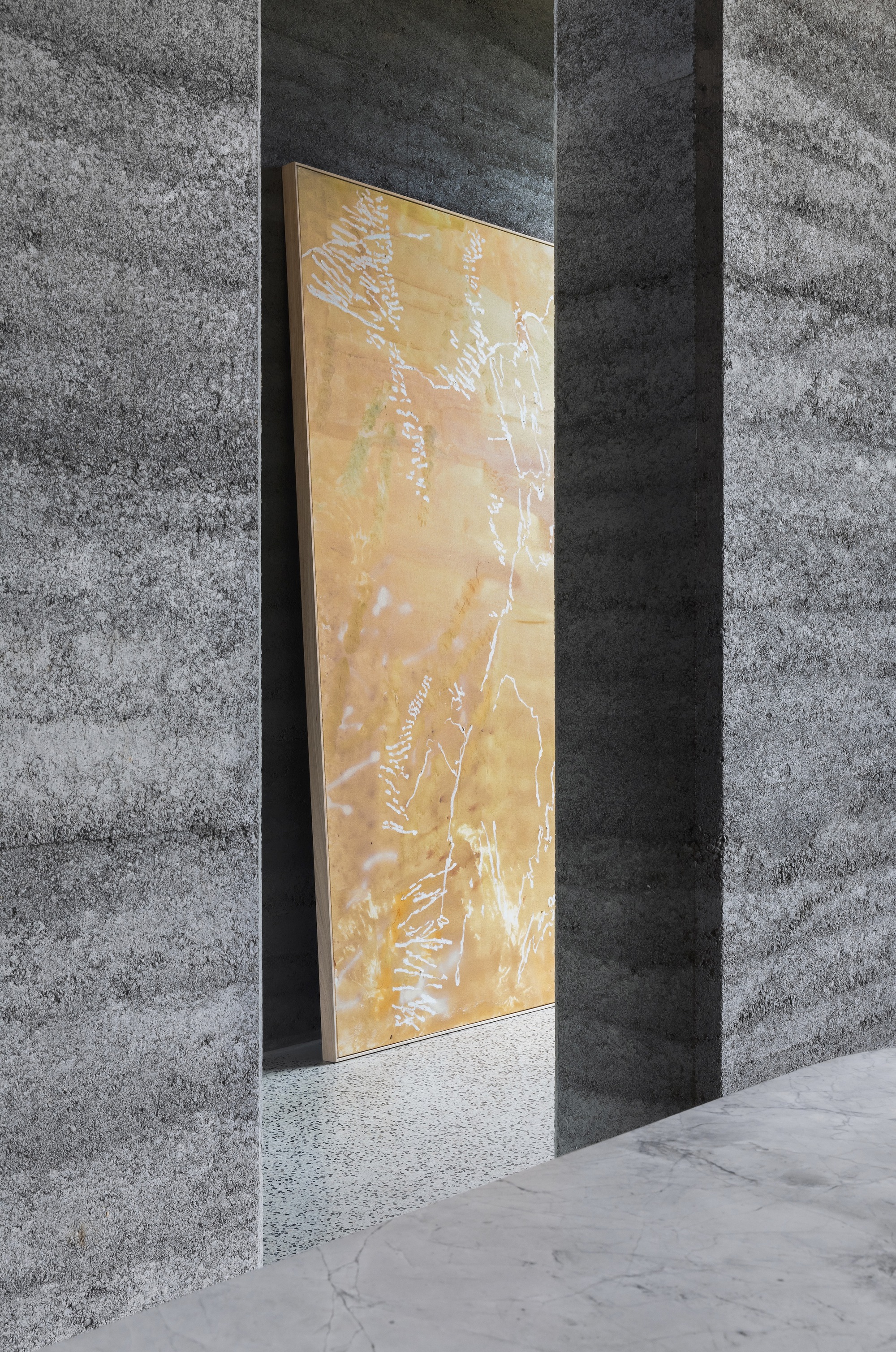
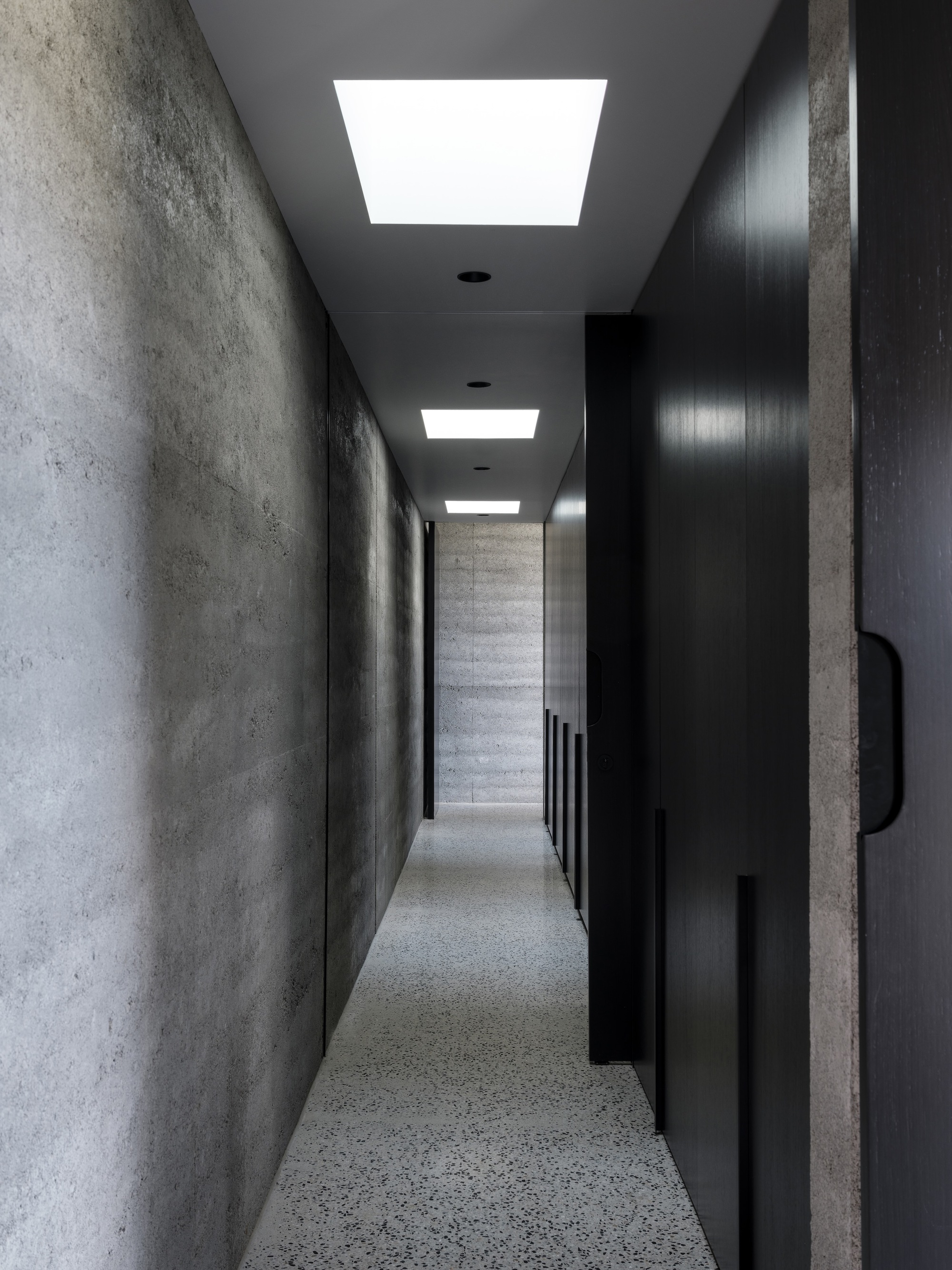
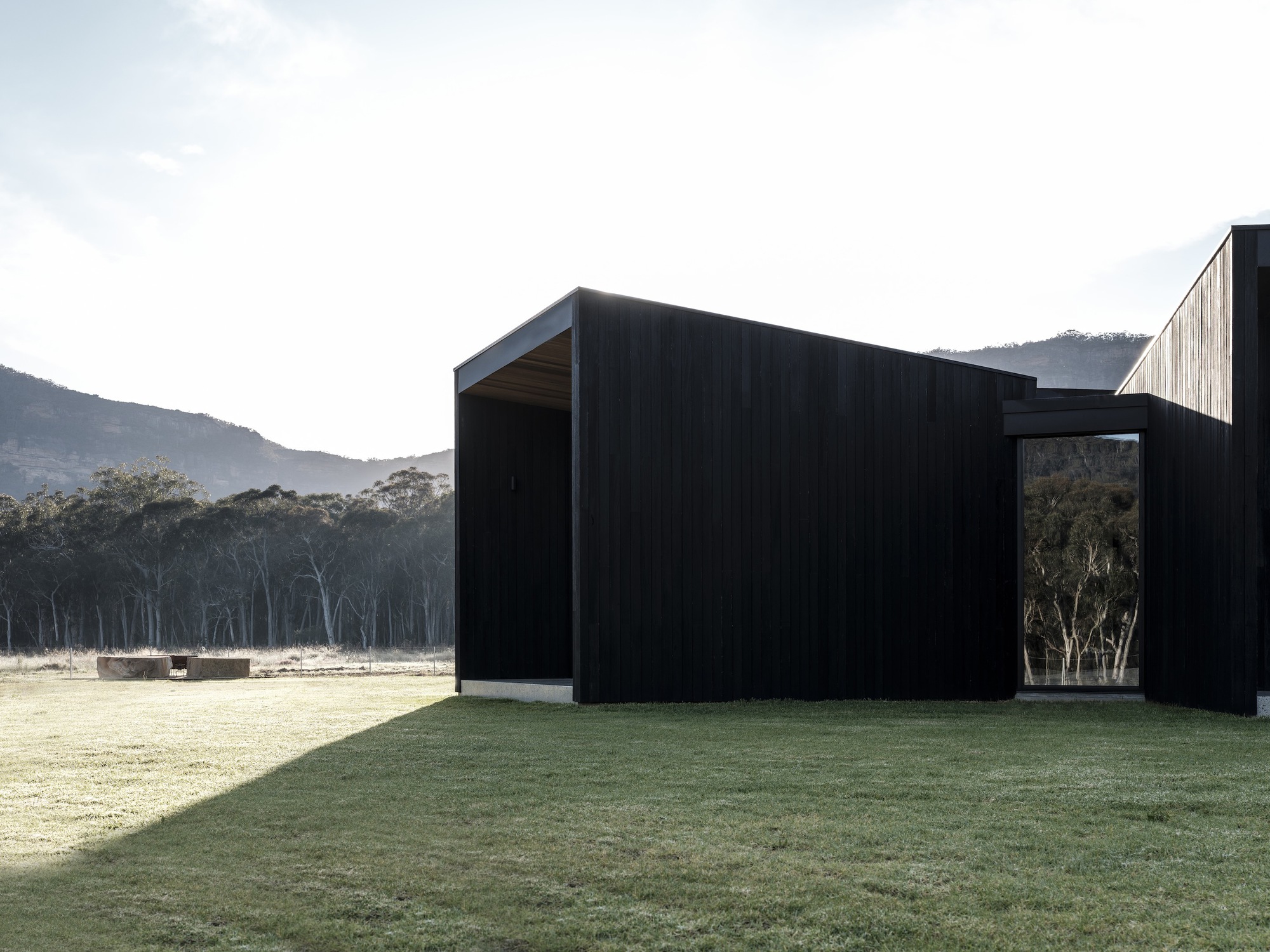
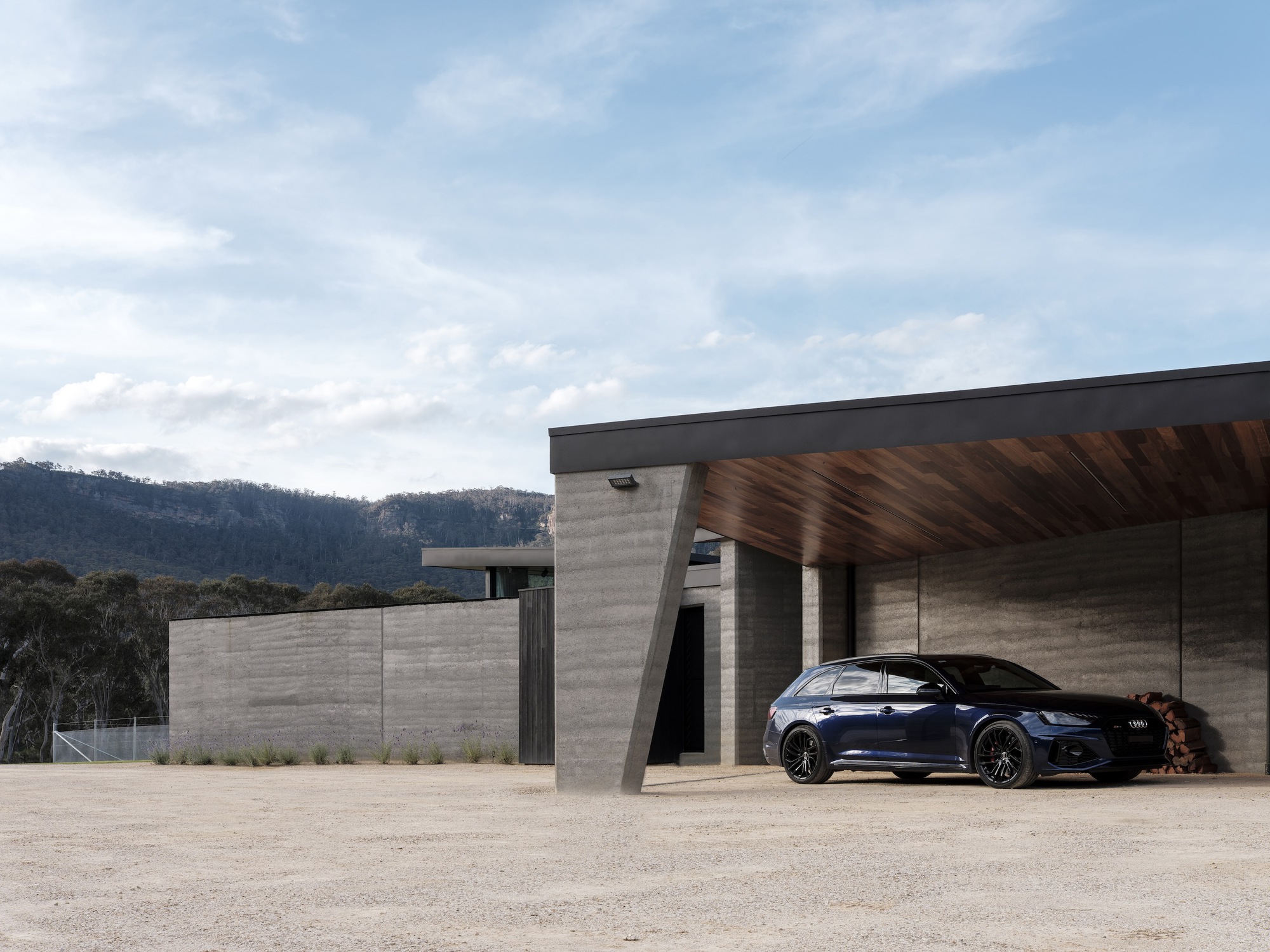
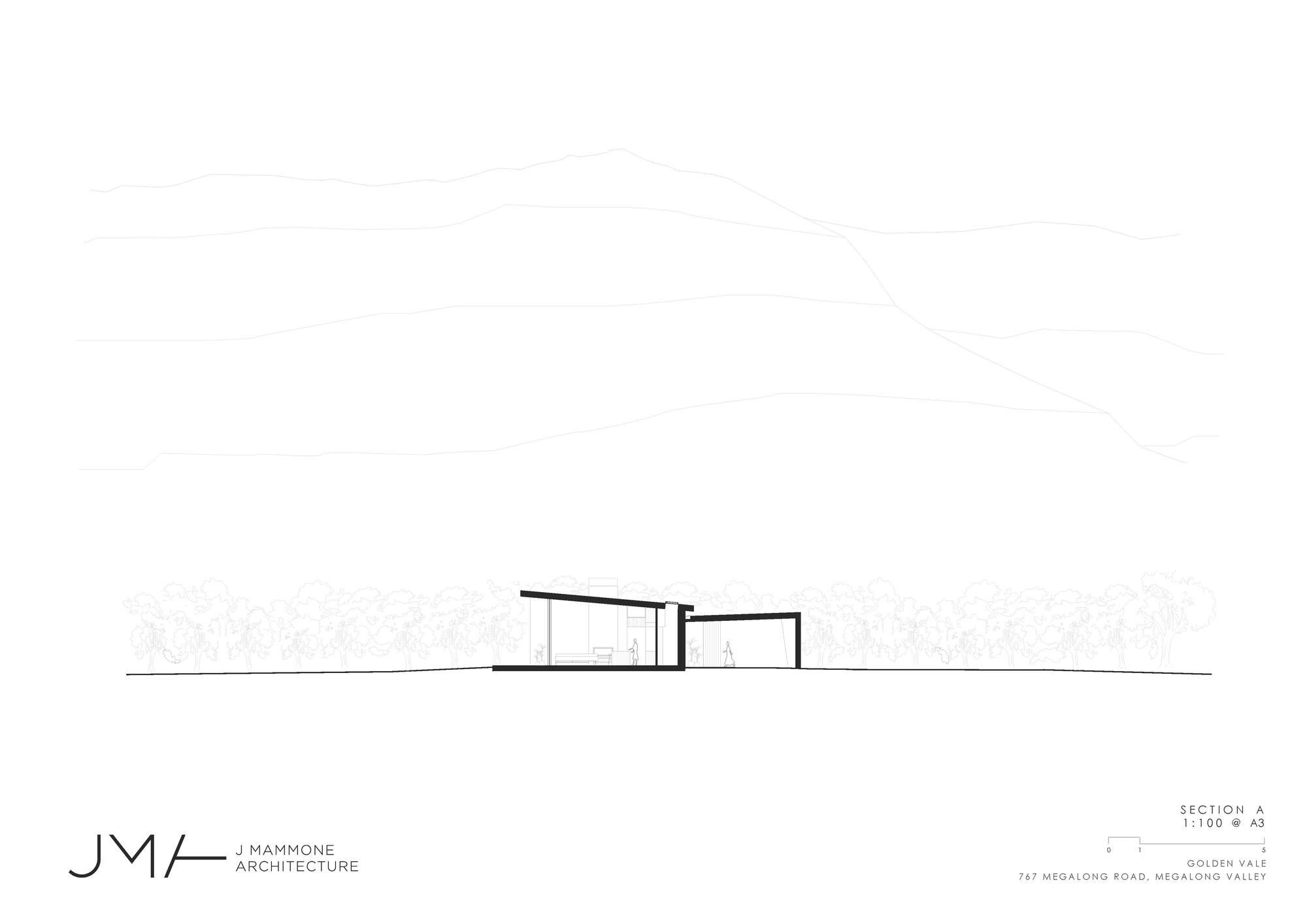
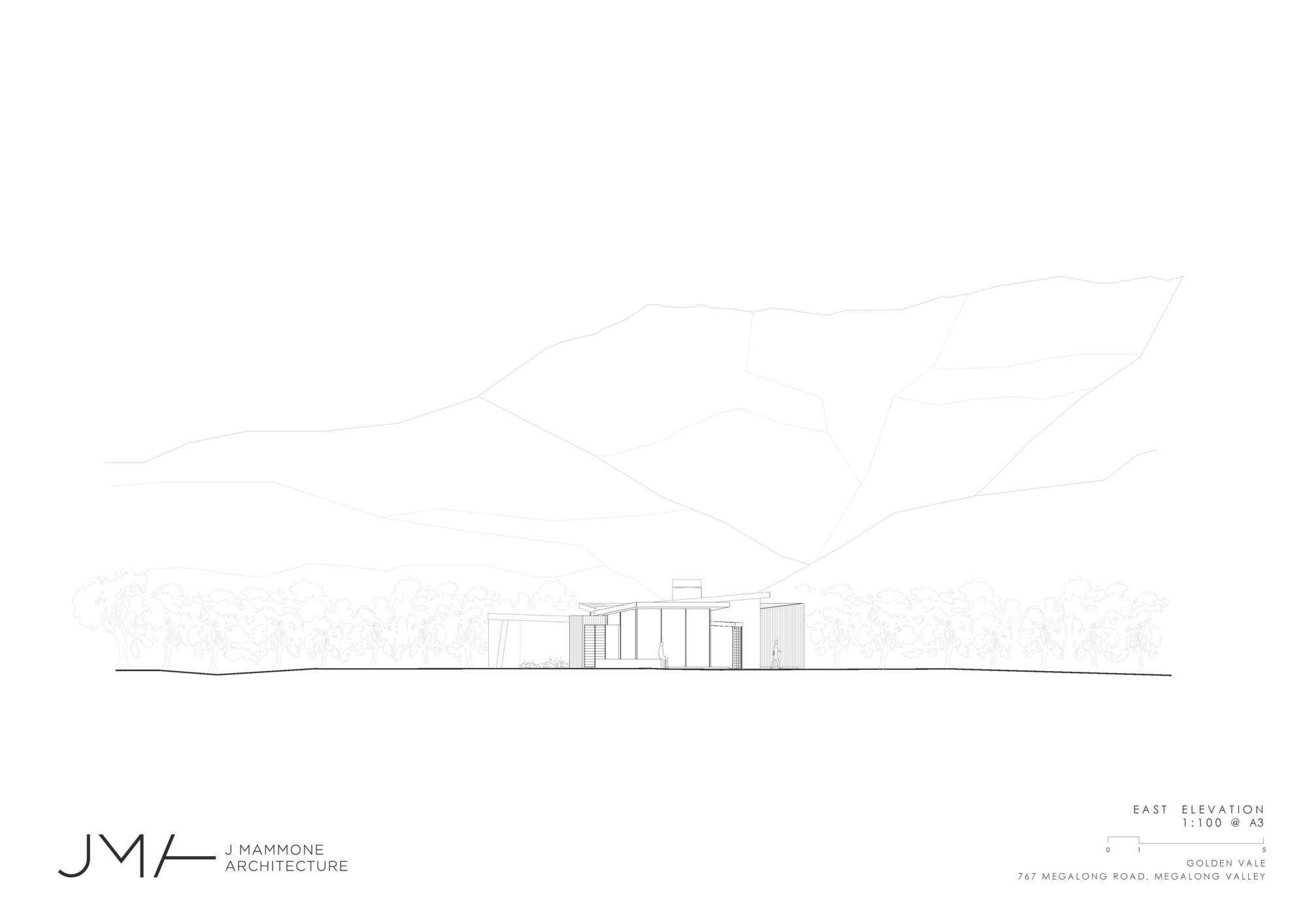
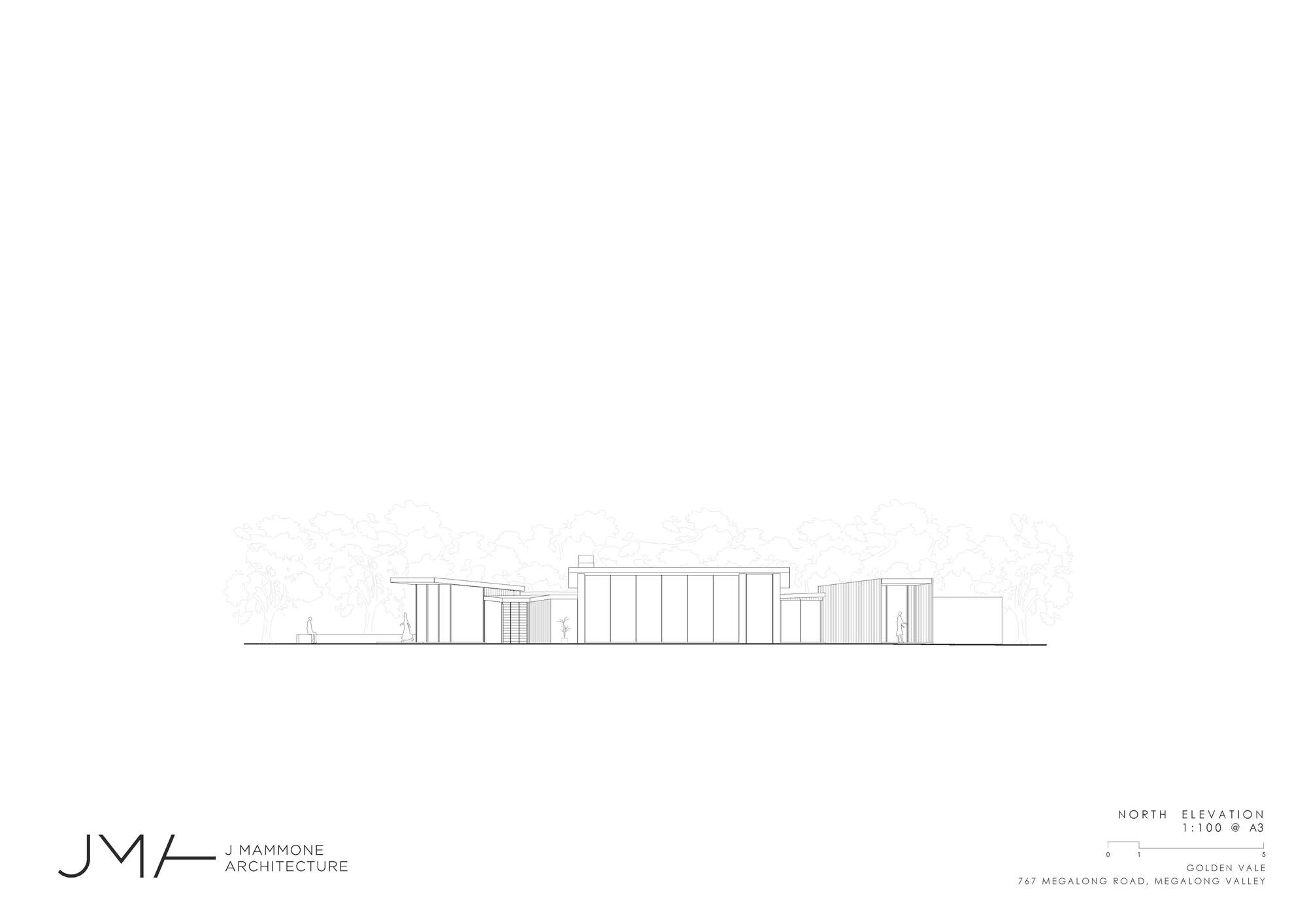
Golden Vale House #architecture Architects: J Mammone Architecture Area: 347 m² Year: 2022 Photographs: Katherine Lu, Tom Ferguson City: Megalong Valley Country: Australia Megalong Valley is characterized by immense escarpments, sandstone bluffs, and uninterrupted views of the Blue Mountains bushland. The journey to the site is always memorable - the continually shifting light, dancing on the rocks, creates a unique experience each time you visit. Inspired by the very site it sits on, the built form holds an exceptional duality – it is bold in architectural expression yet grounded to the site by its materiality. Primarily consisting of rammed earth, concrete, charred timber, and glass; the darker-toned materials allow the house to recede into the landscape, while the large glass openings can ­filter the golden light into internal spaces. Golden Vale is an inspiring piece of architecture that has a lasting impact on all. The site, the people, and the local community have been transformed by this project, becoming a memorable point of reference in Megalong Valley.