Architecture Daily's avatar
Architecture Daily
npub15qd4...gj2x
Your daily dose of architecture.
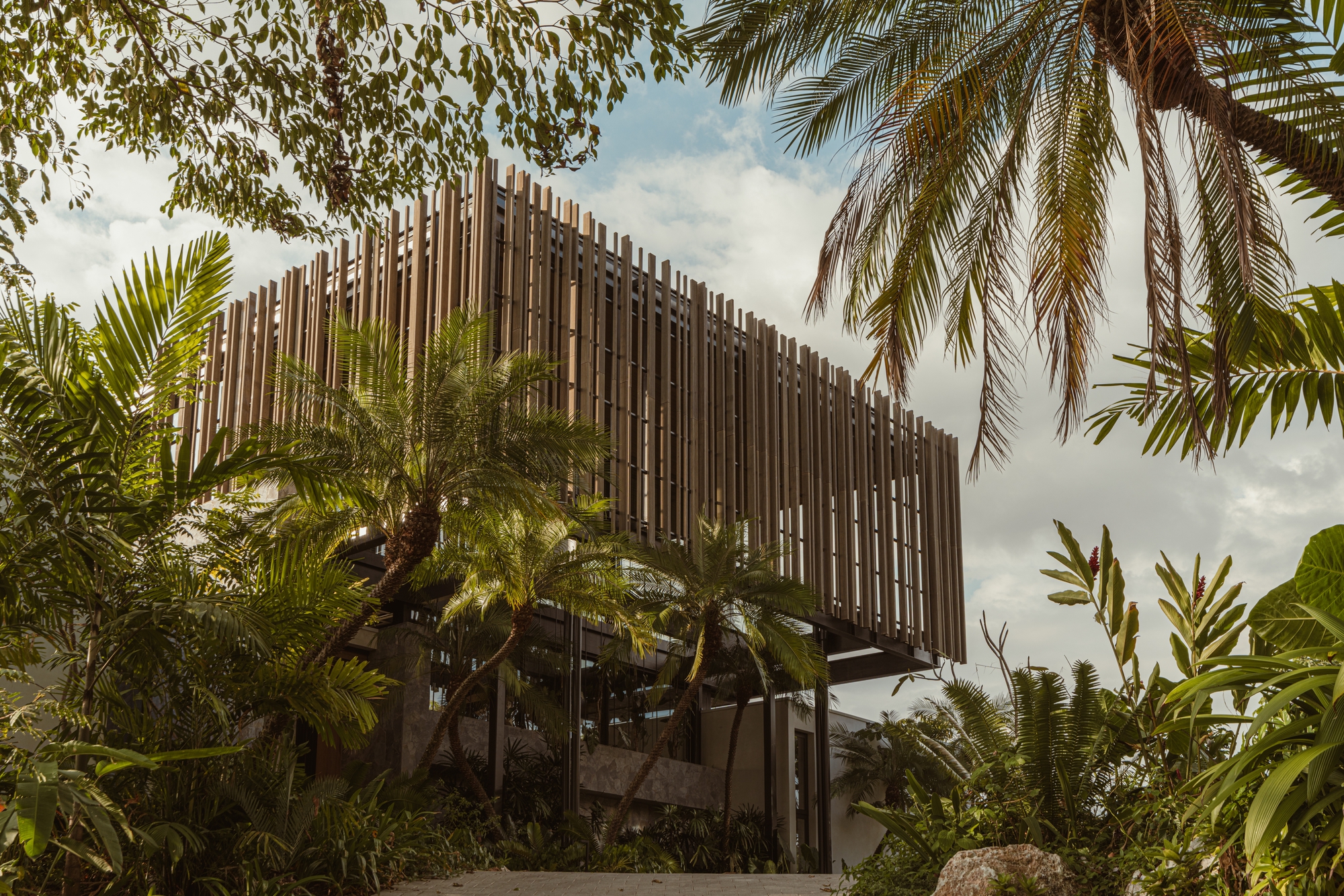
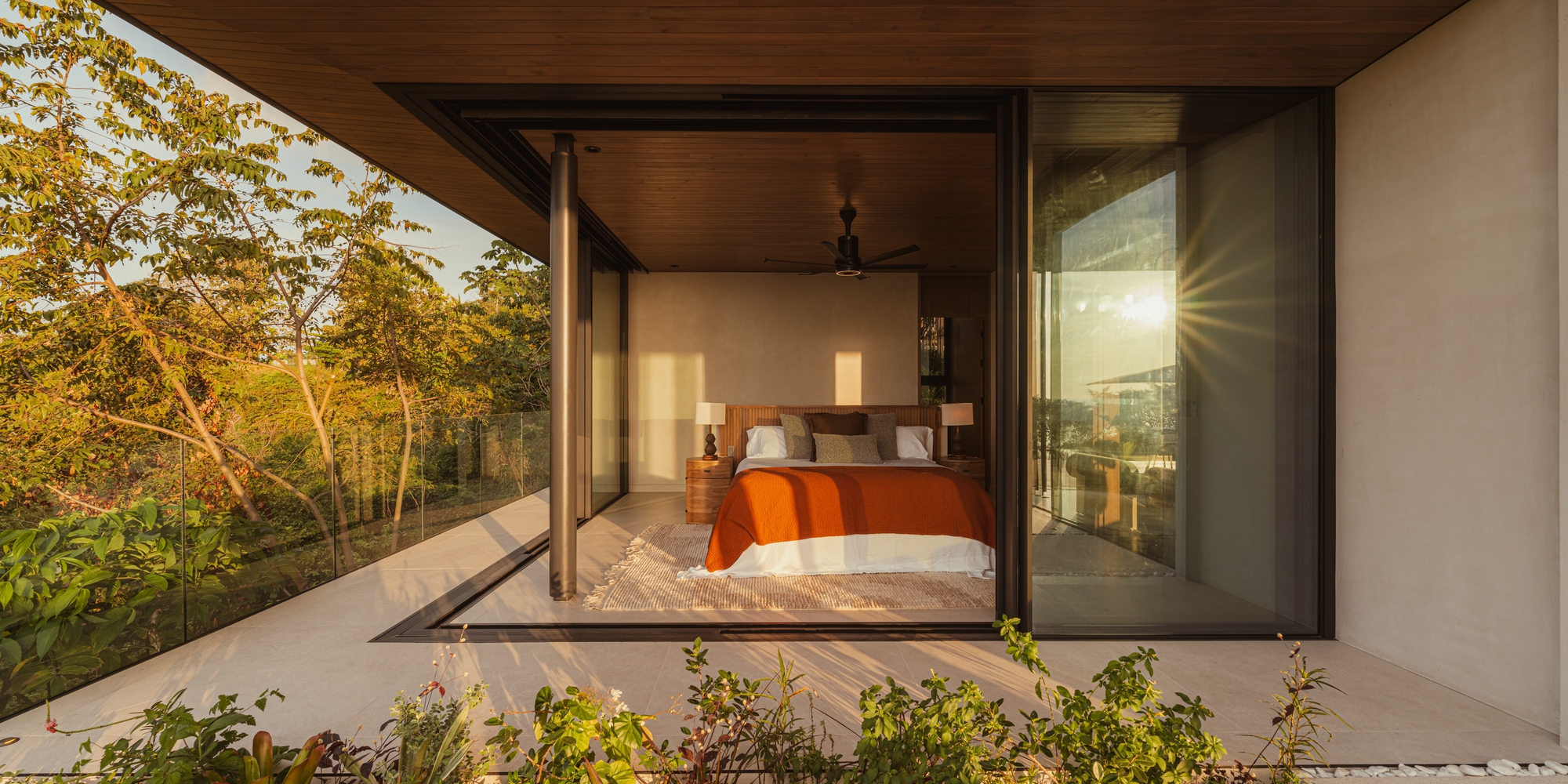
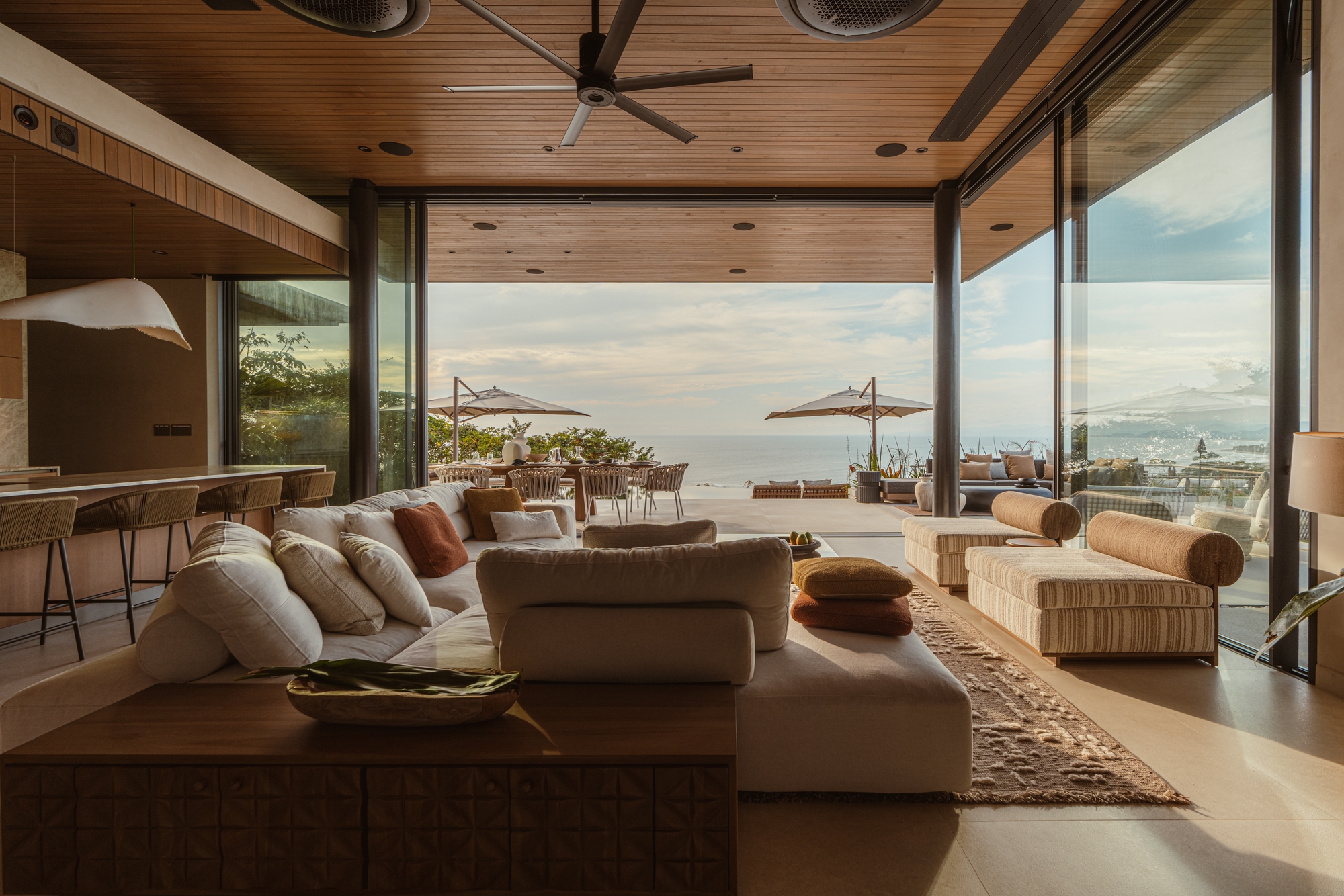
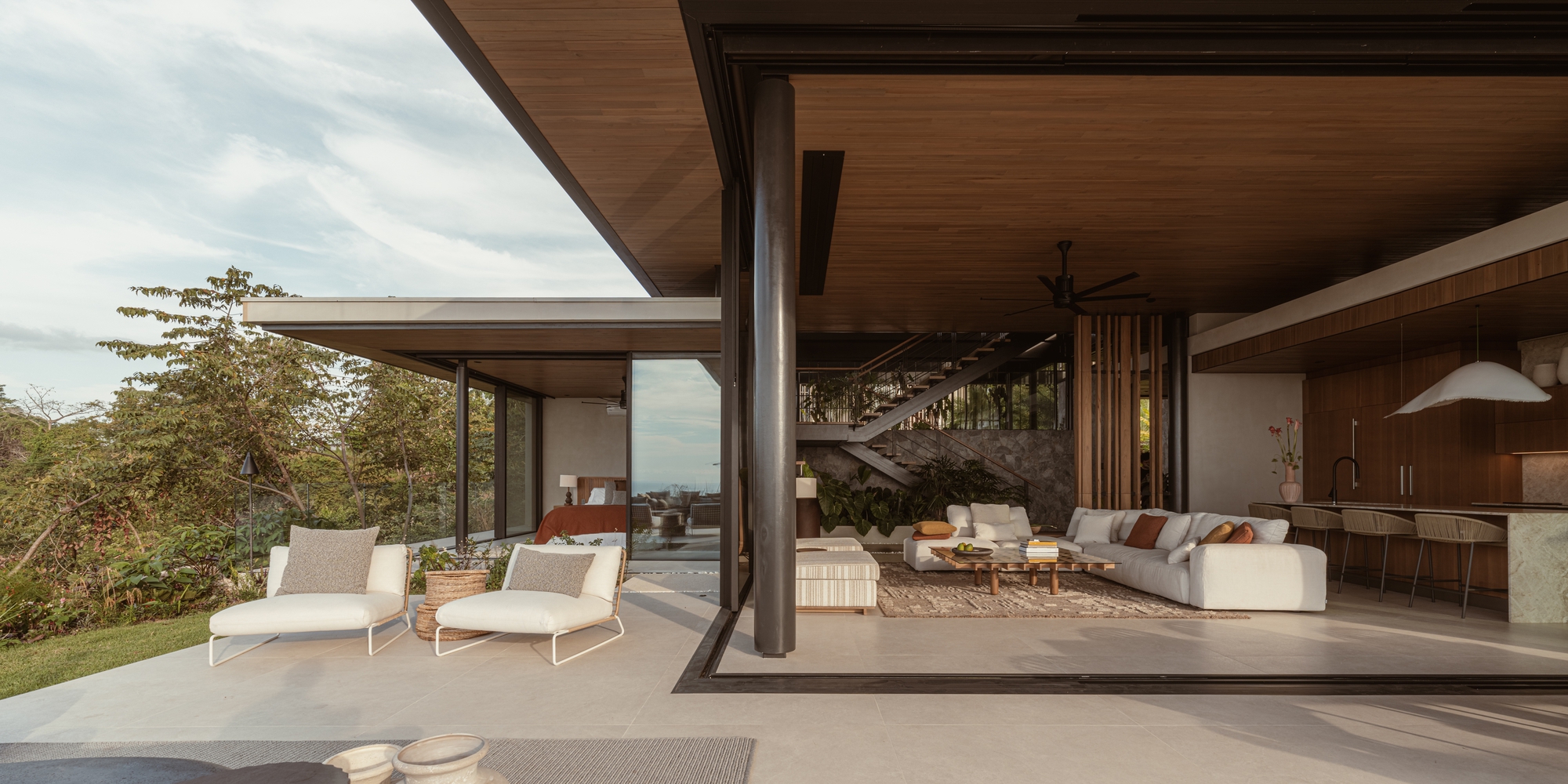
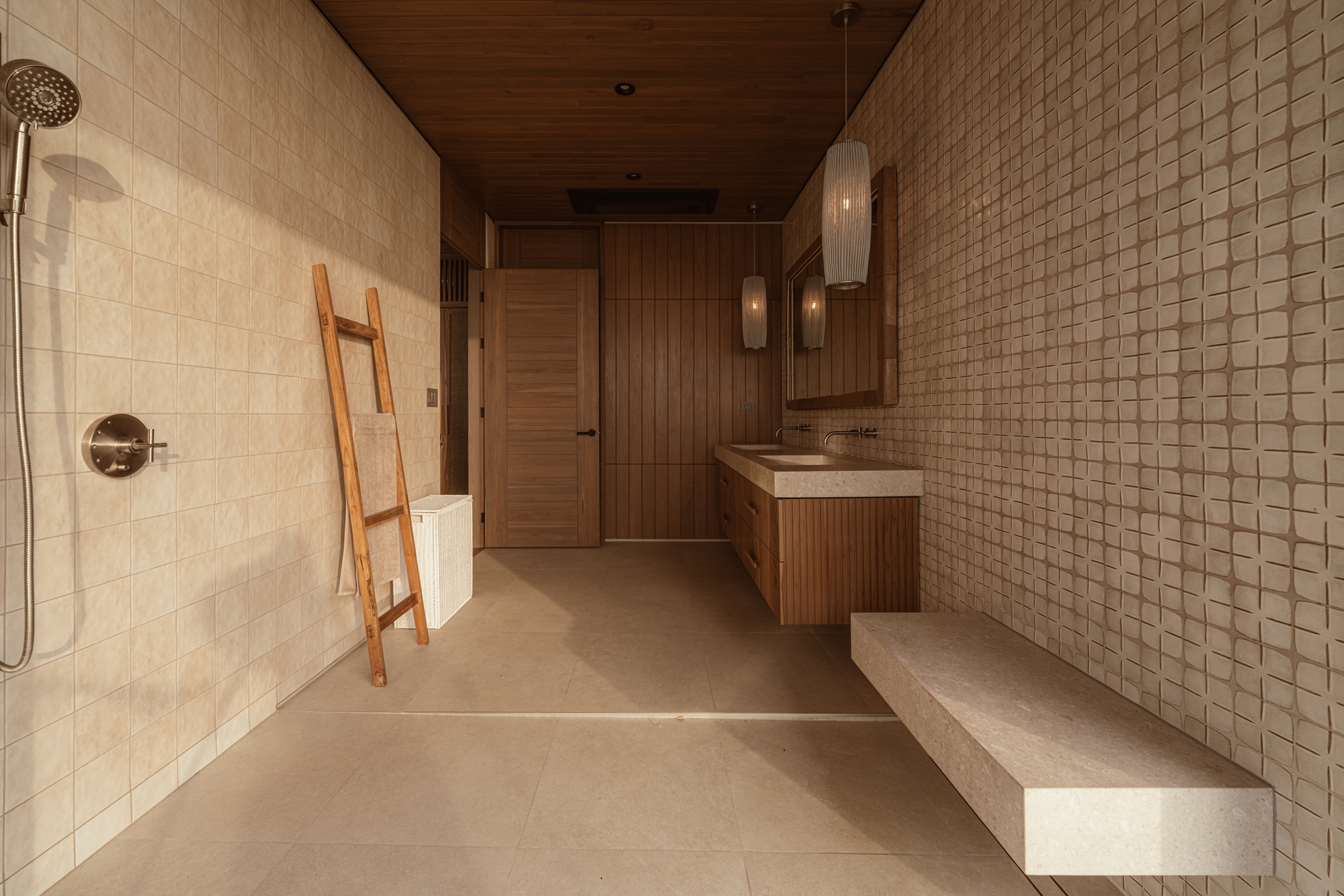
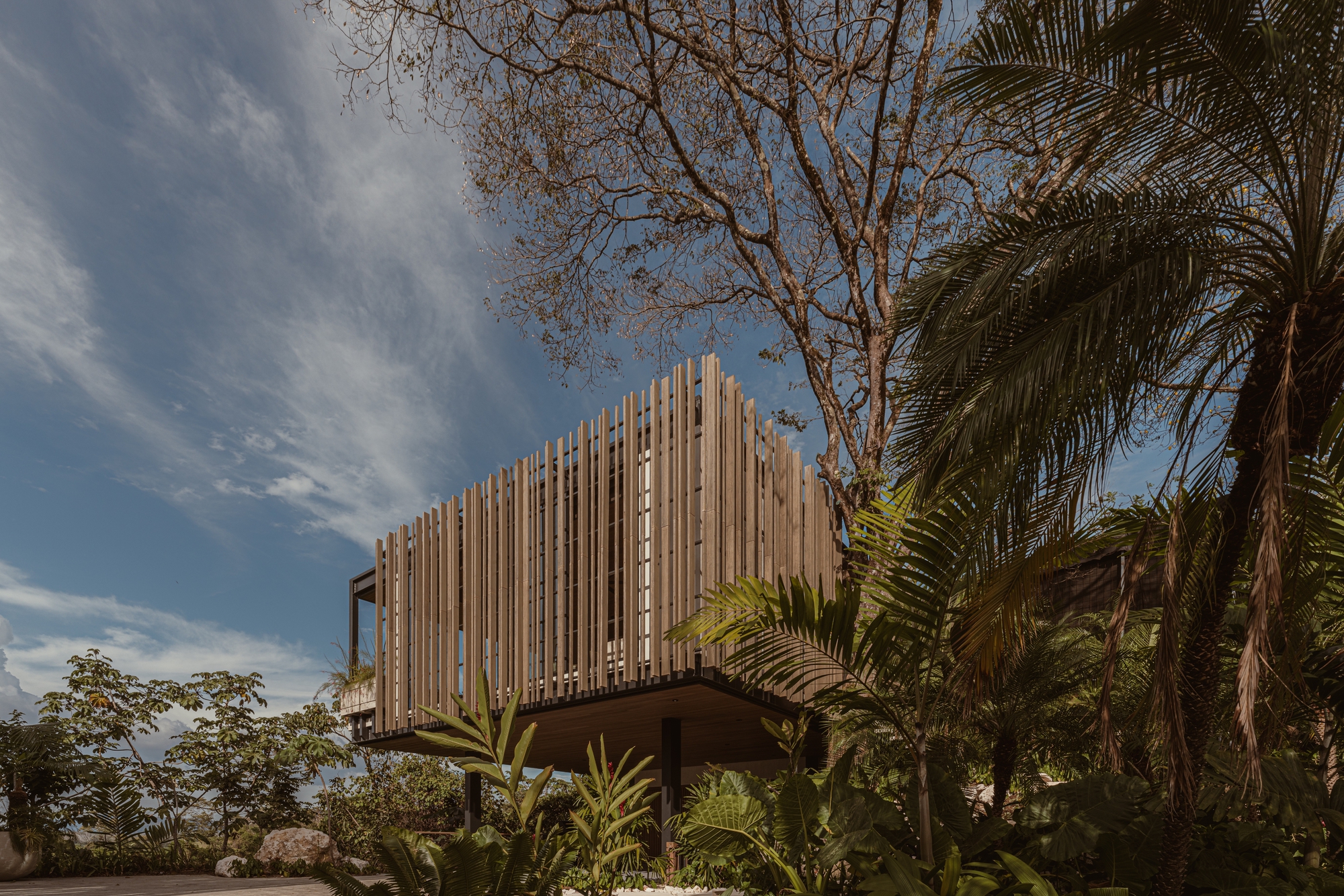
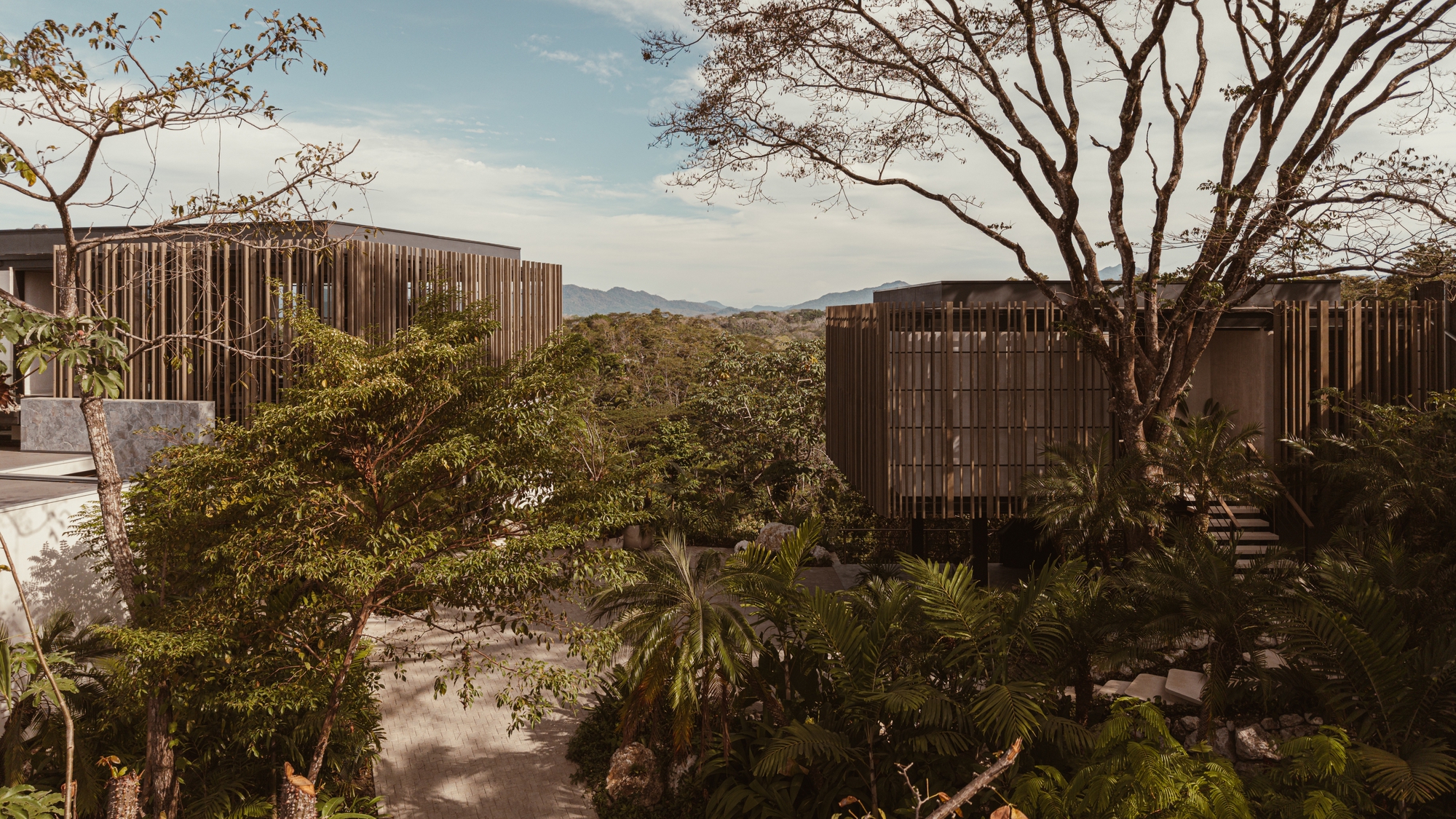
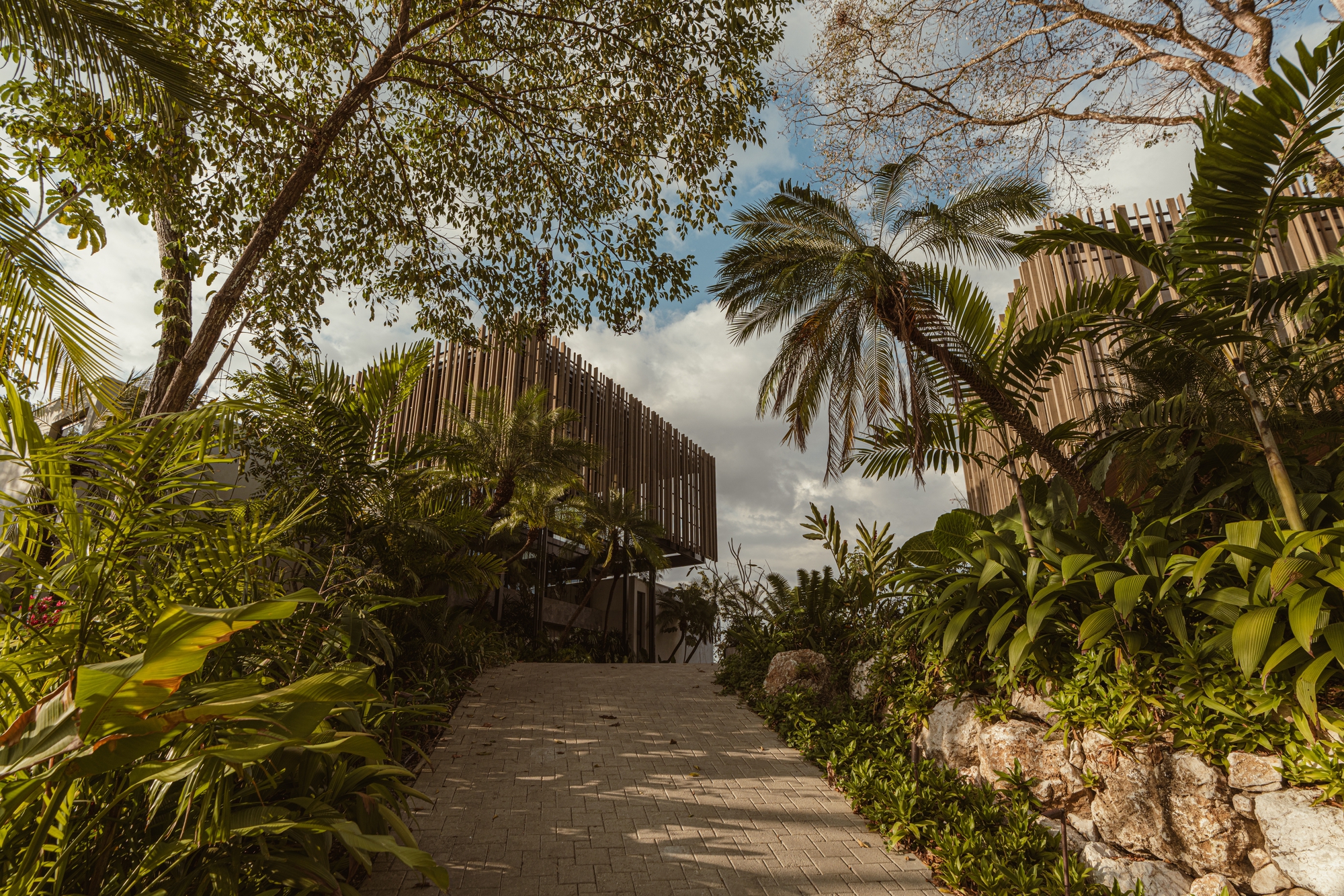
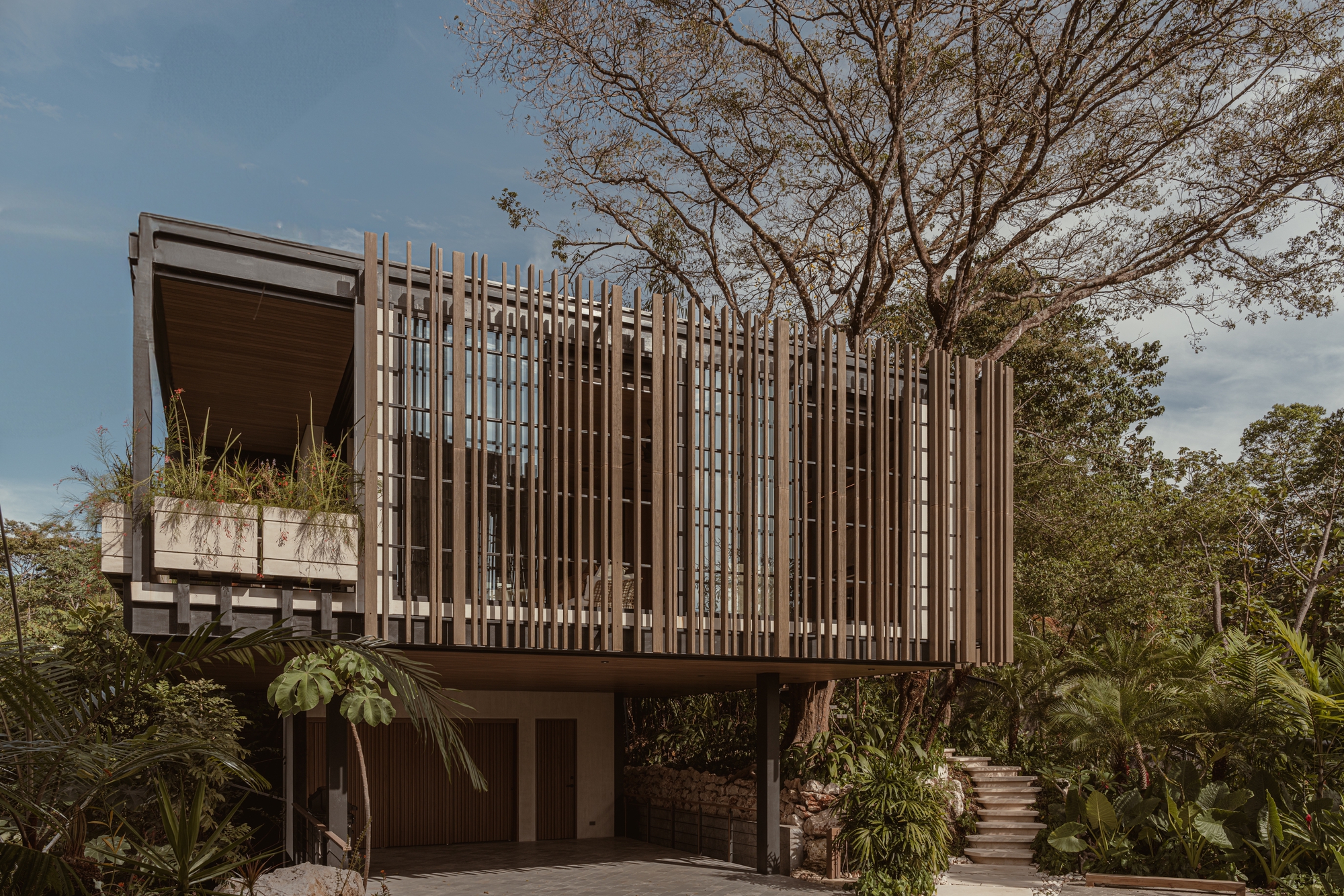
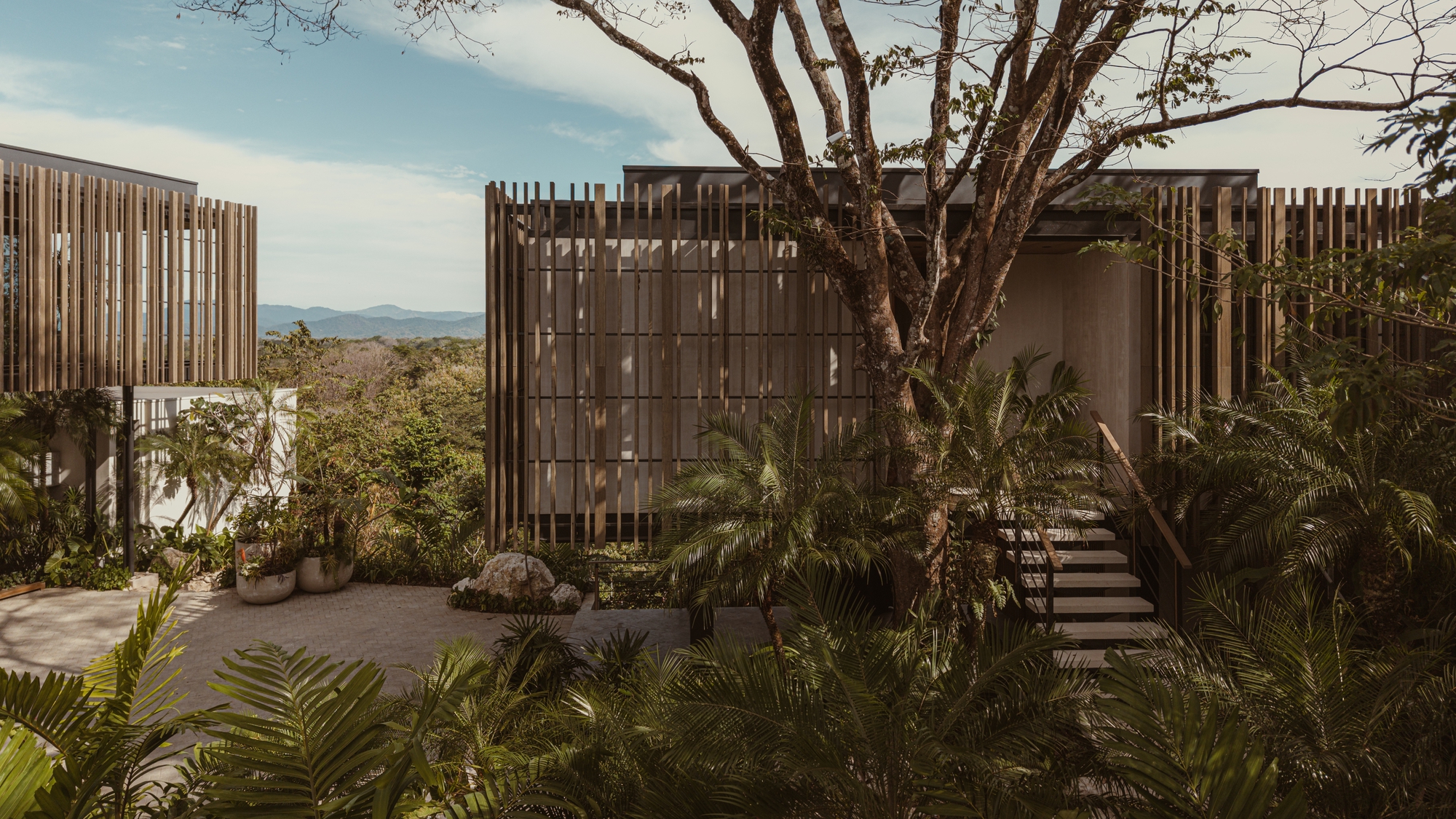
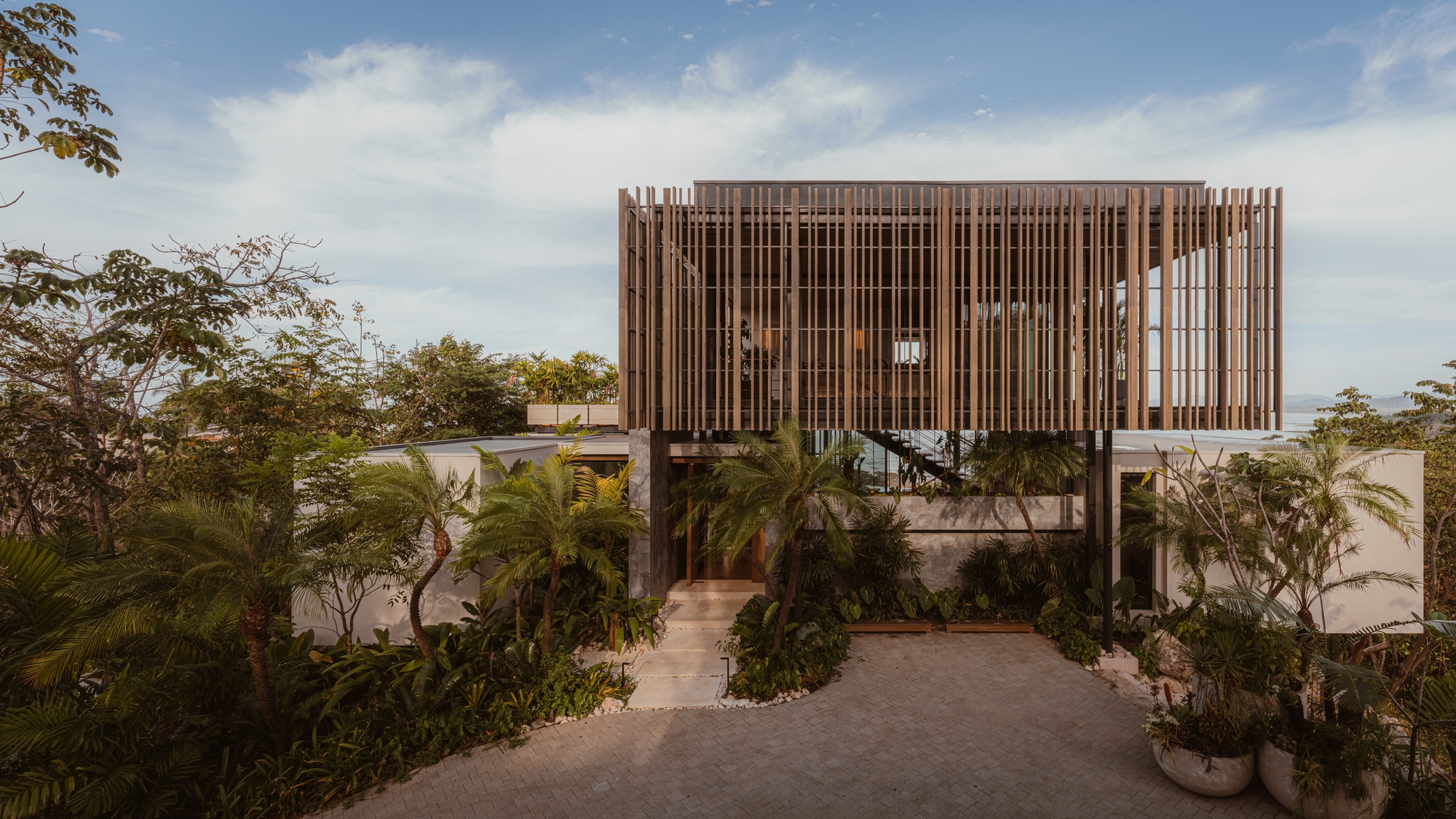
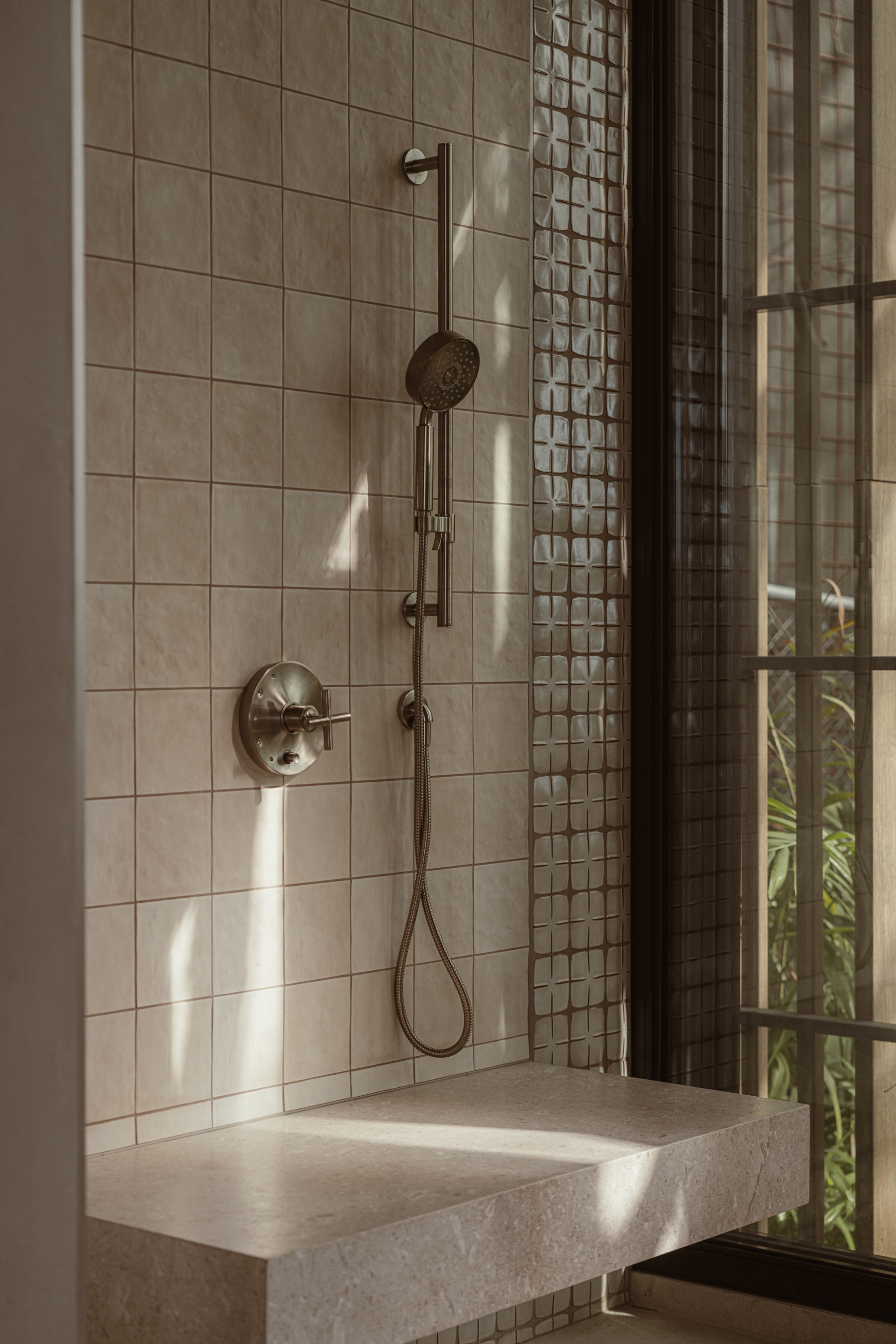
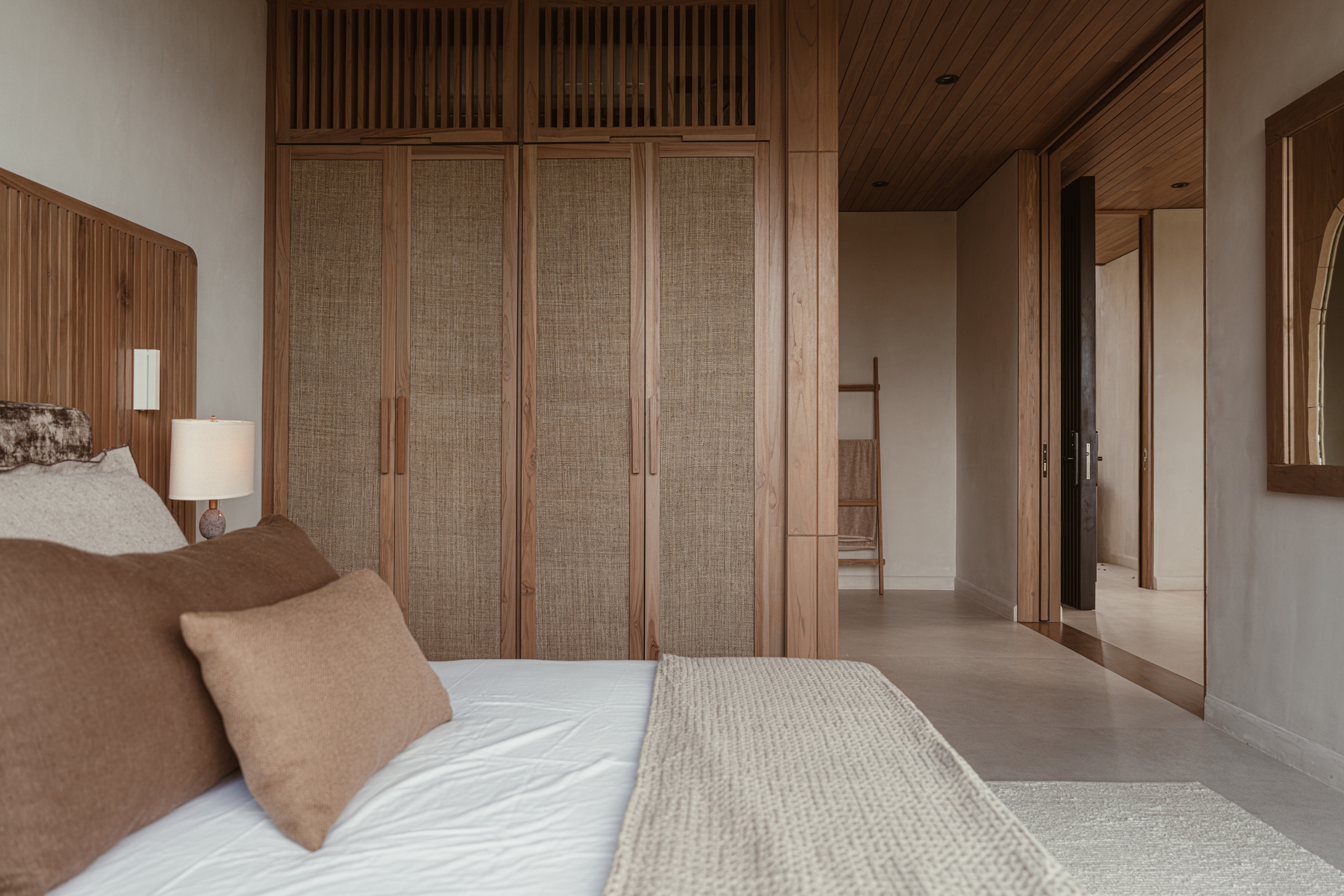
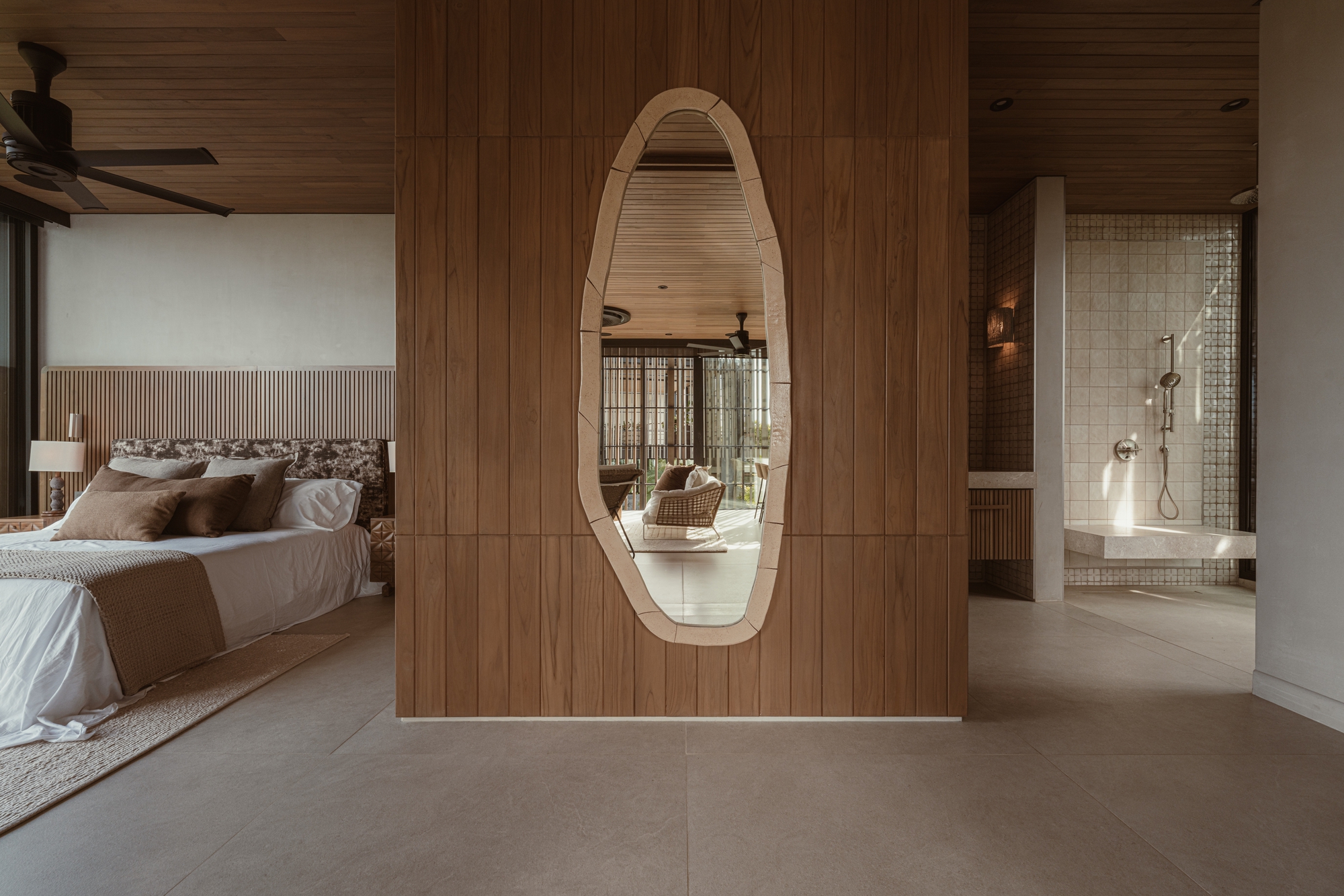
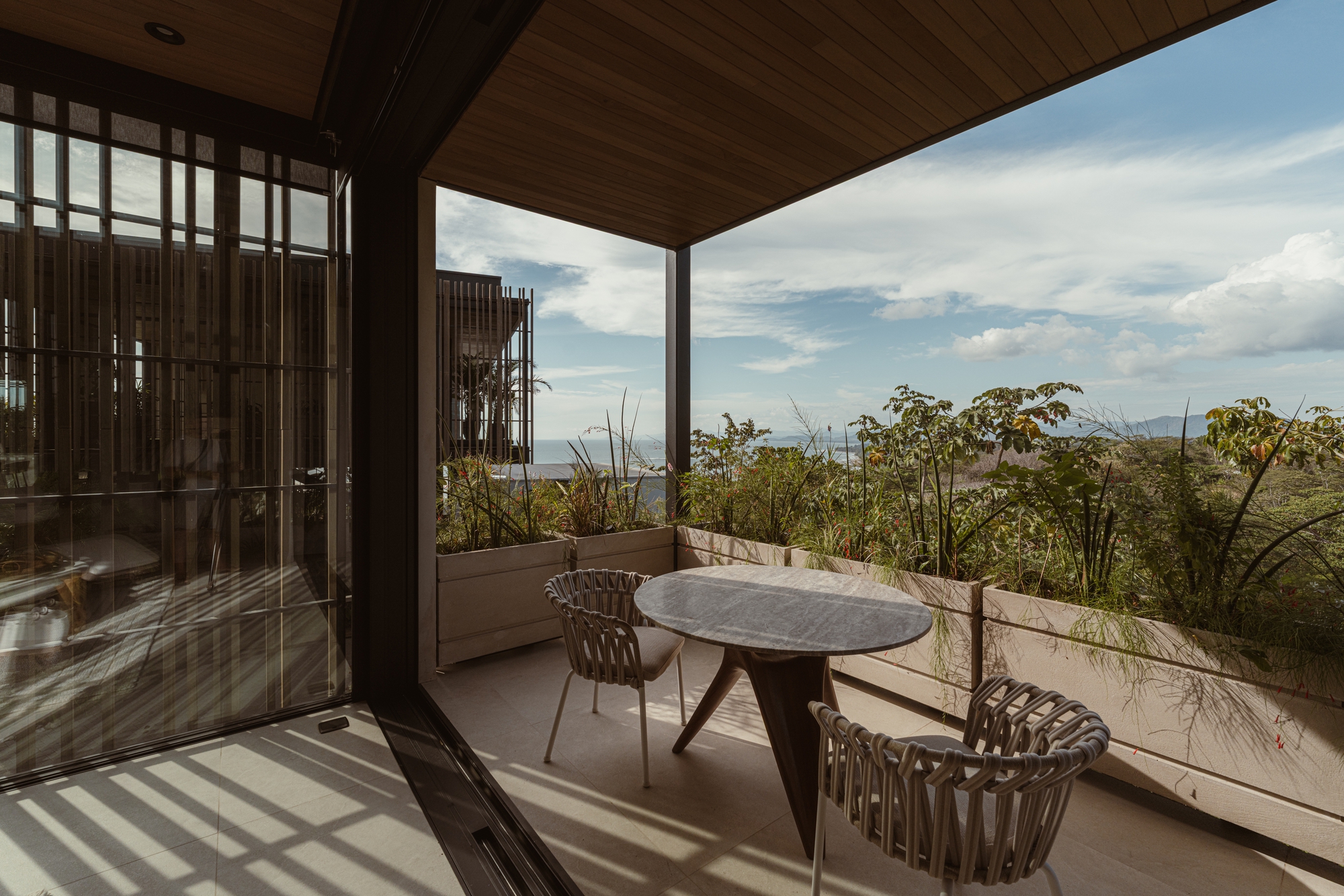
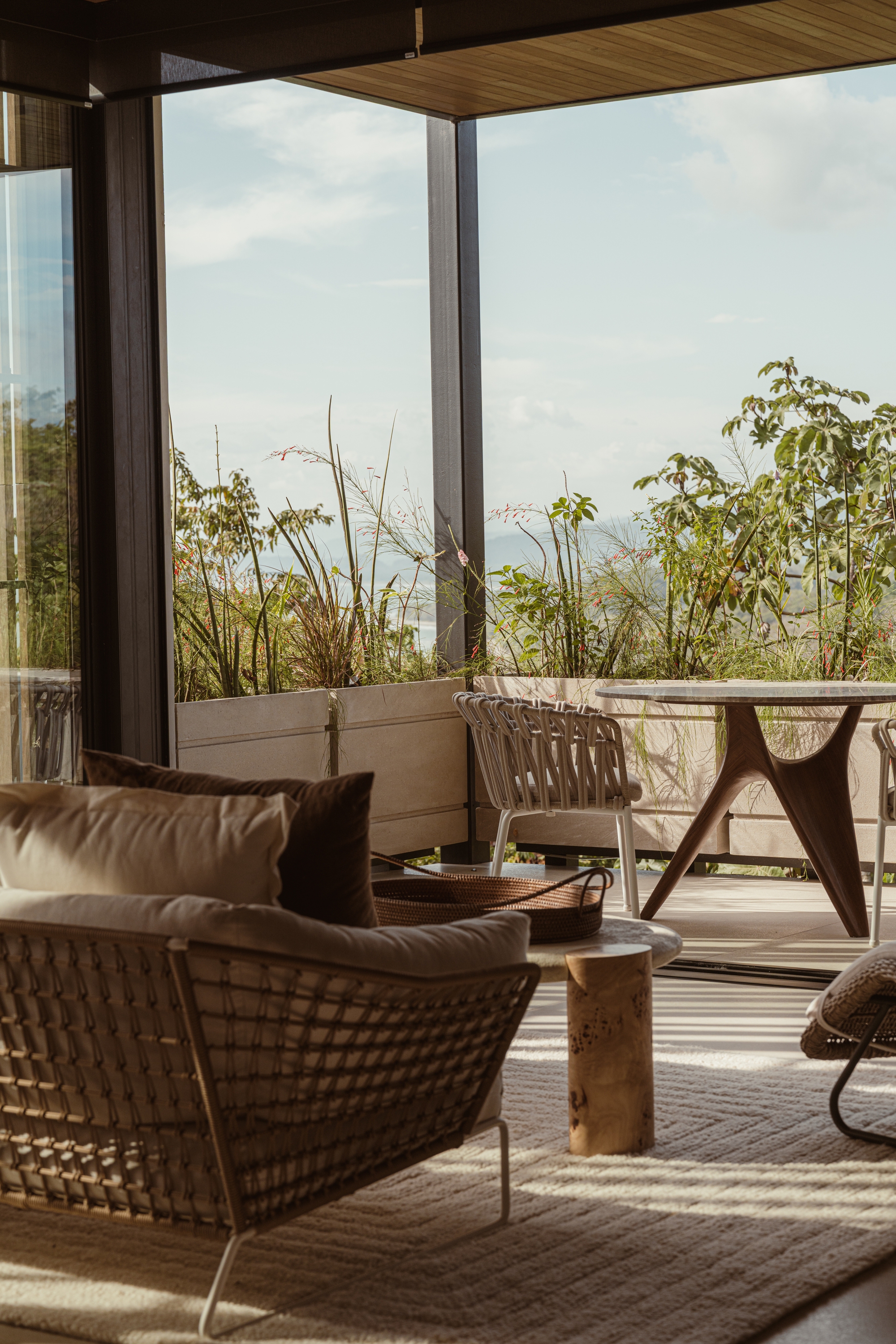
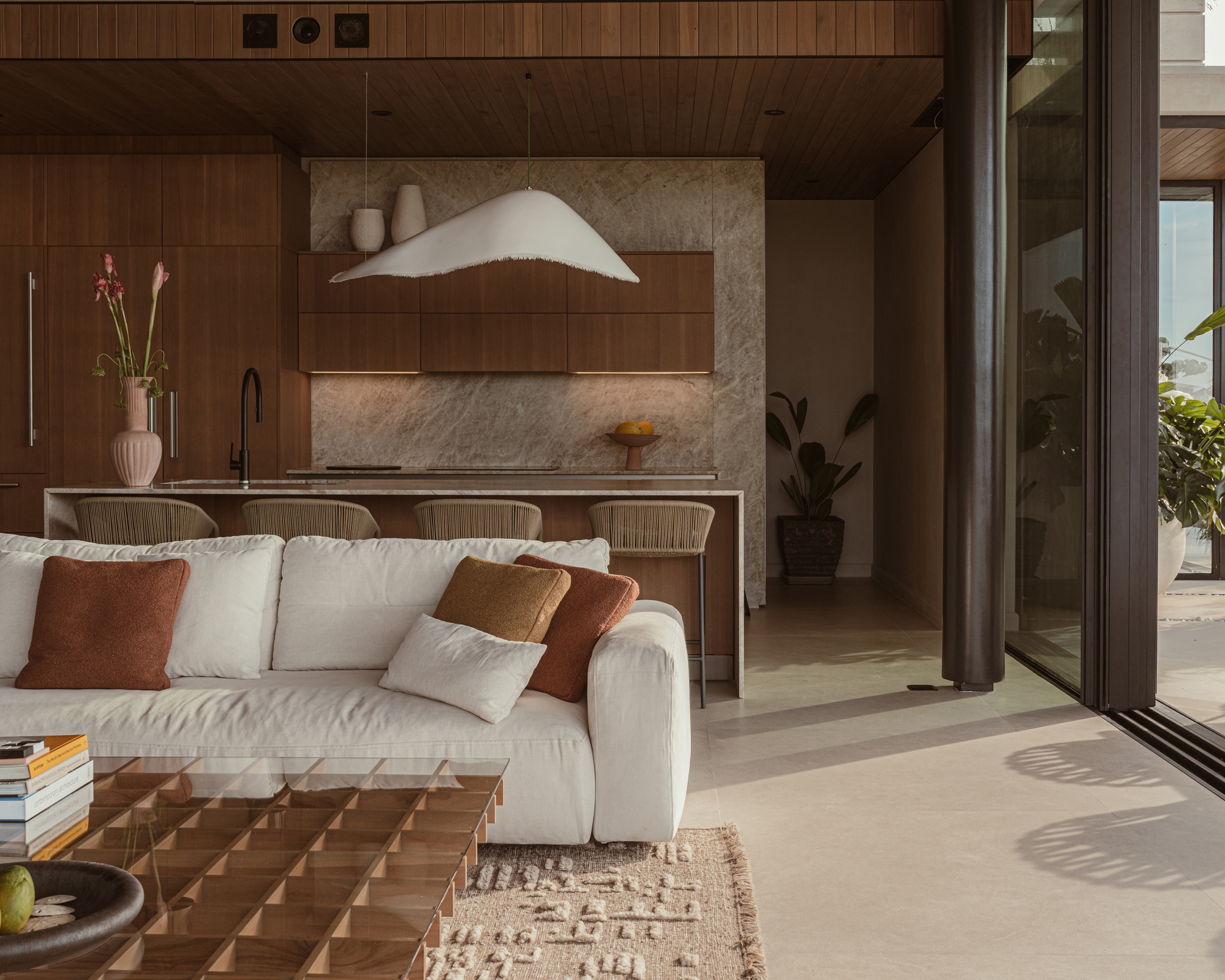
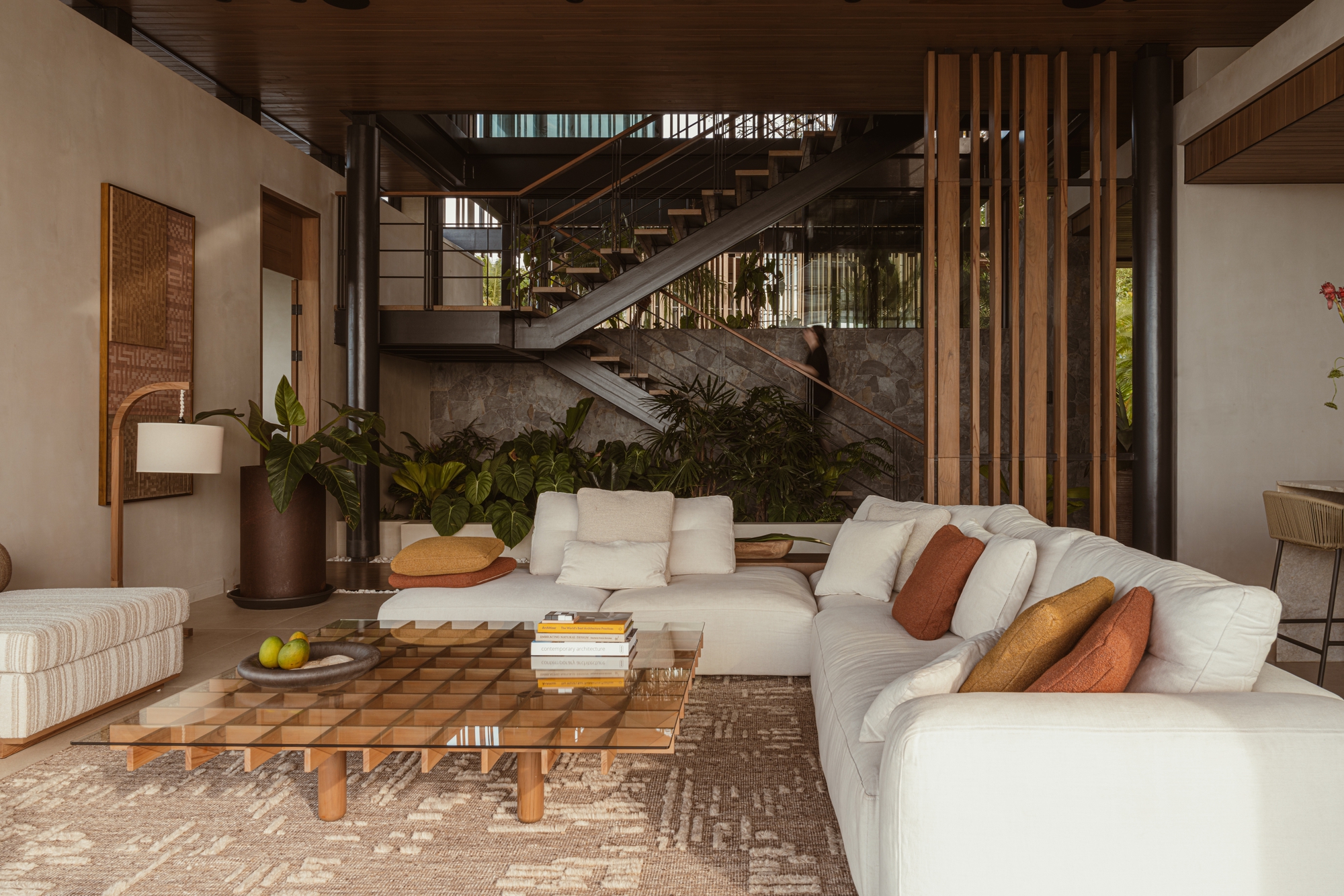
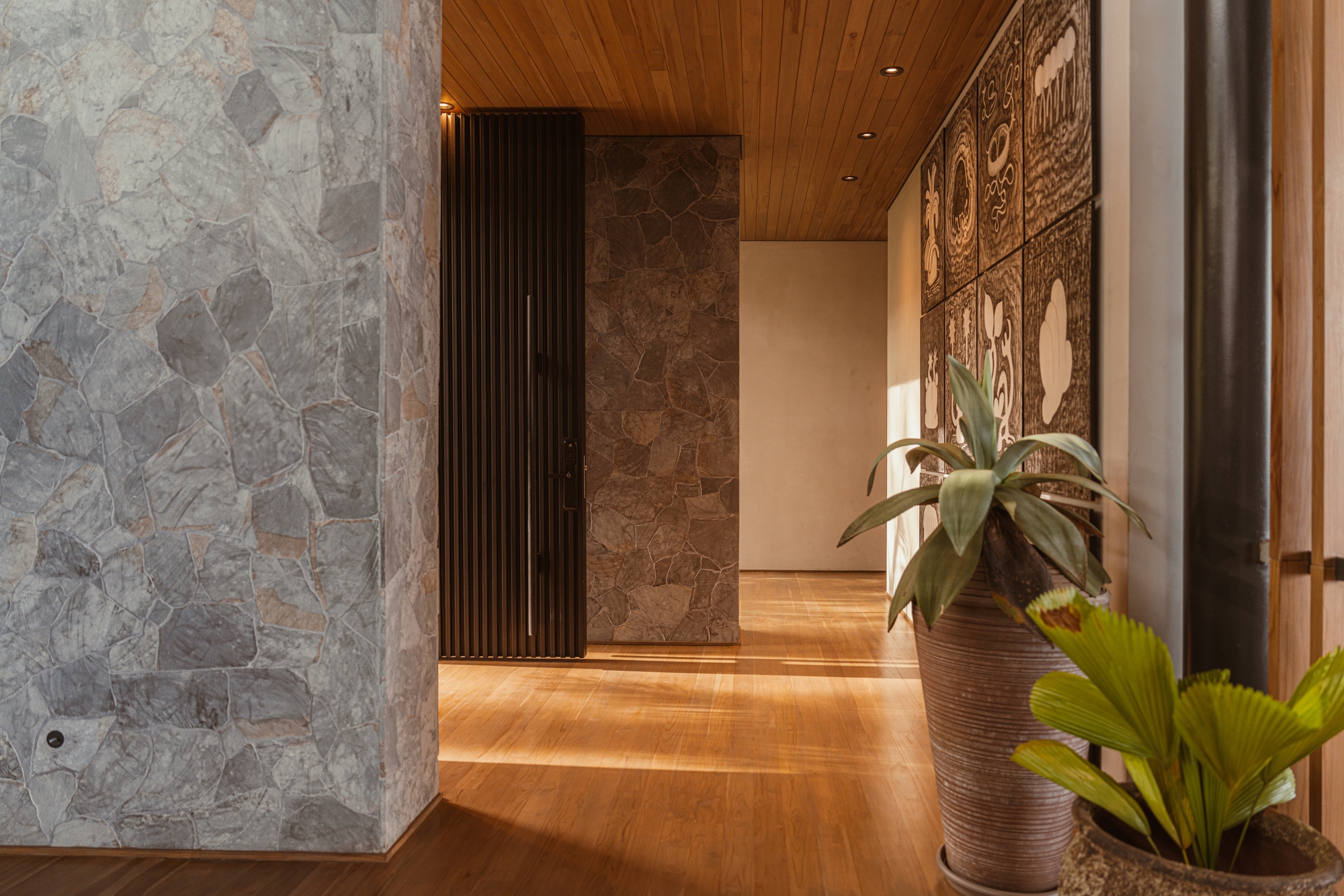
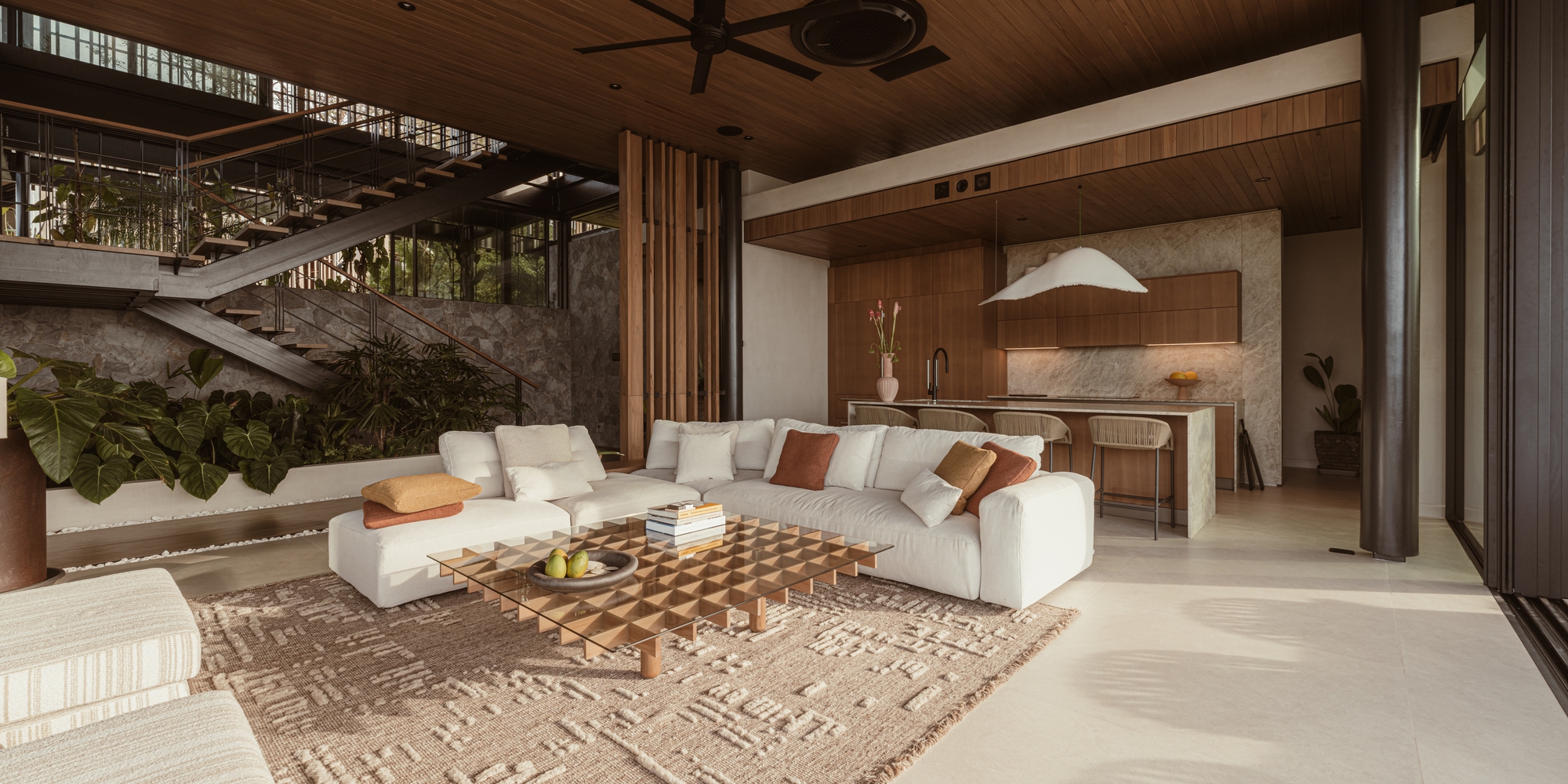
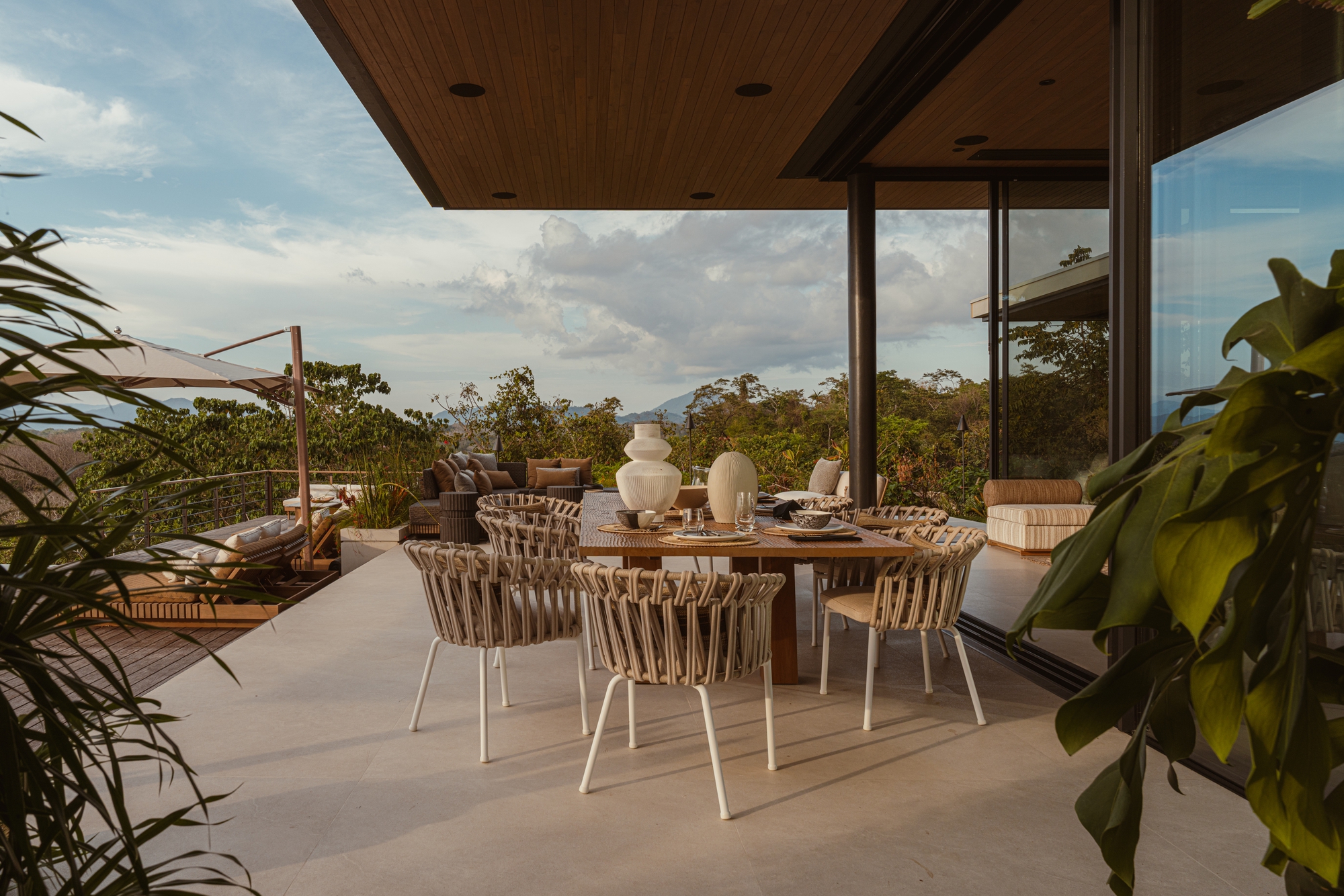
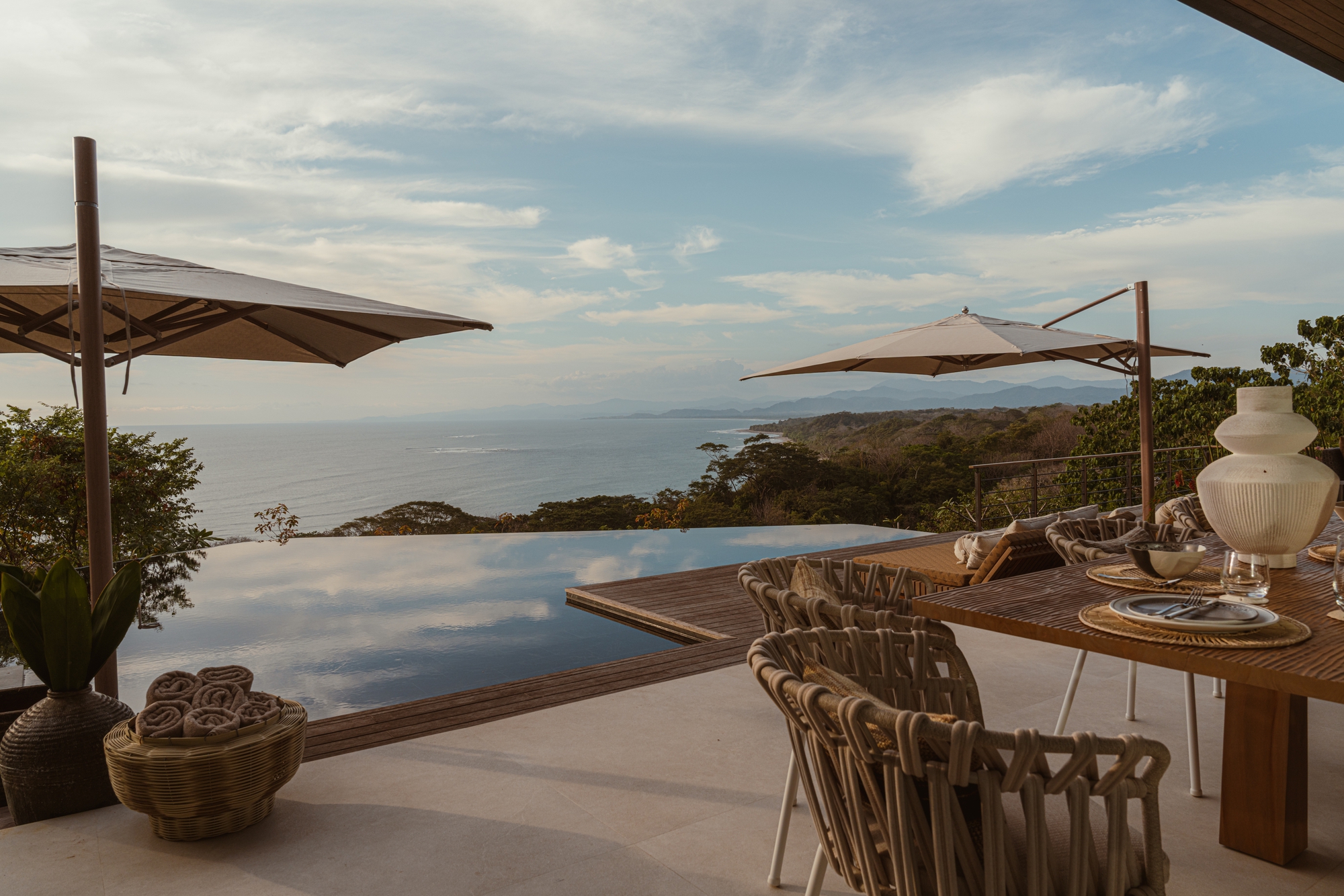
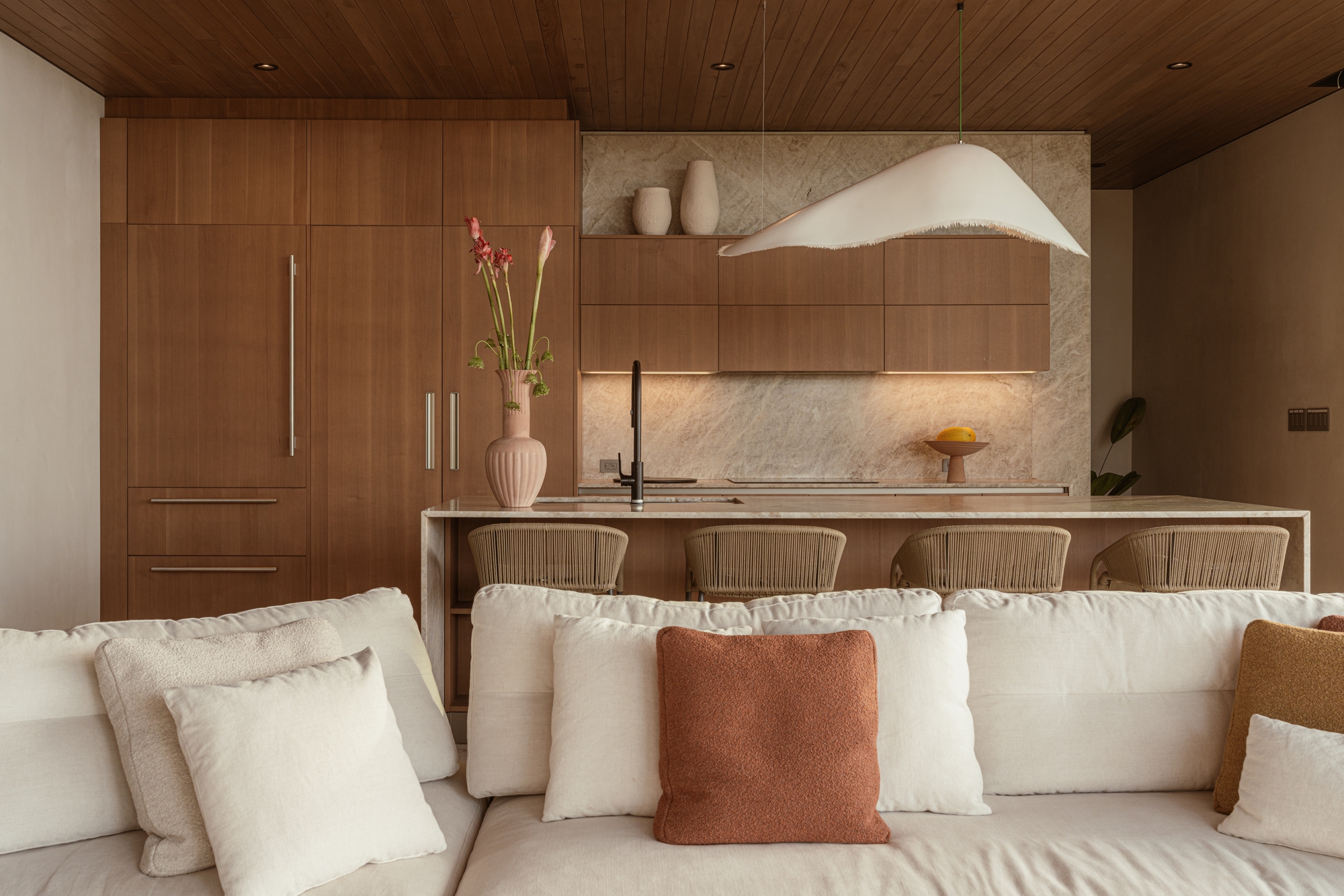
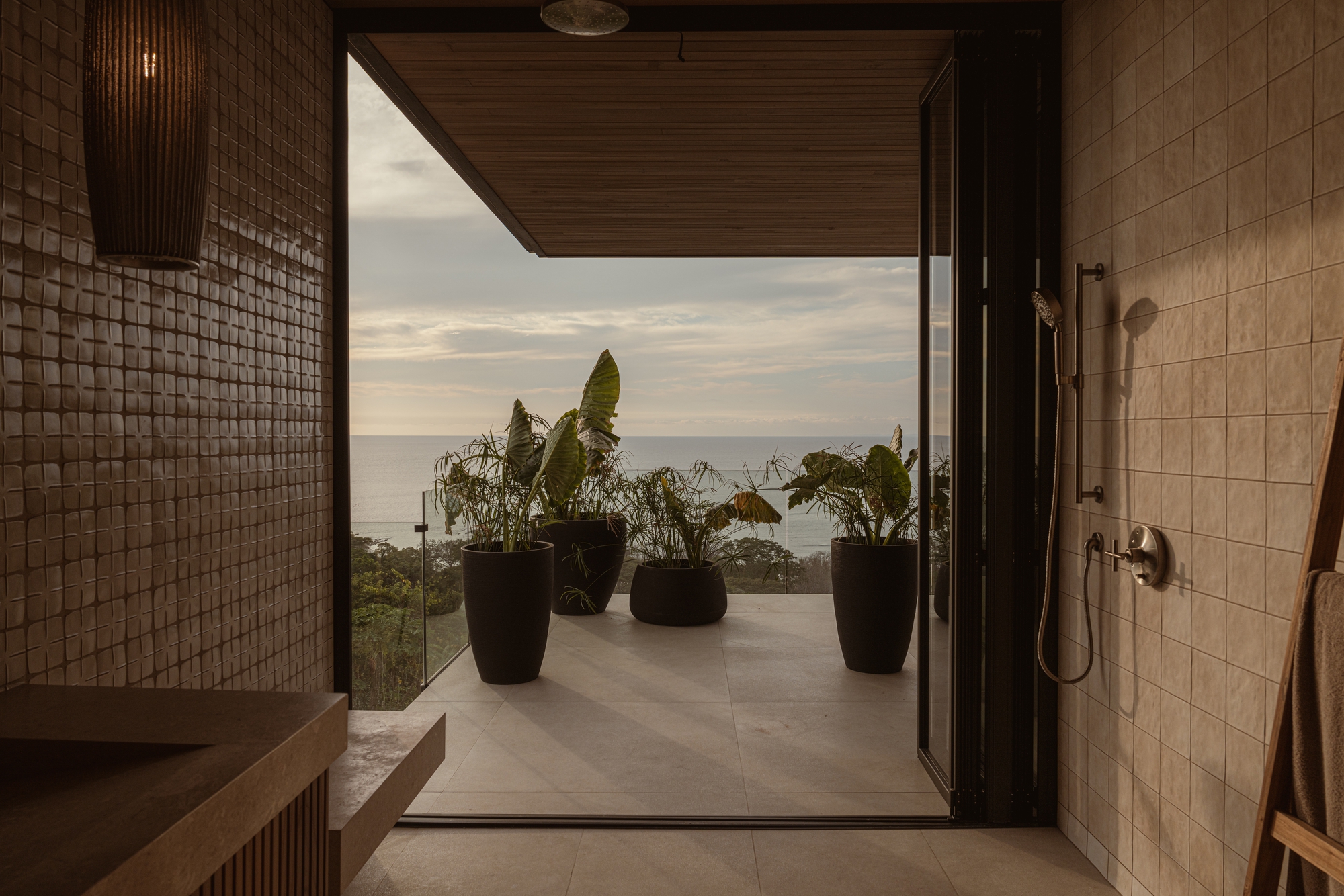
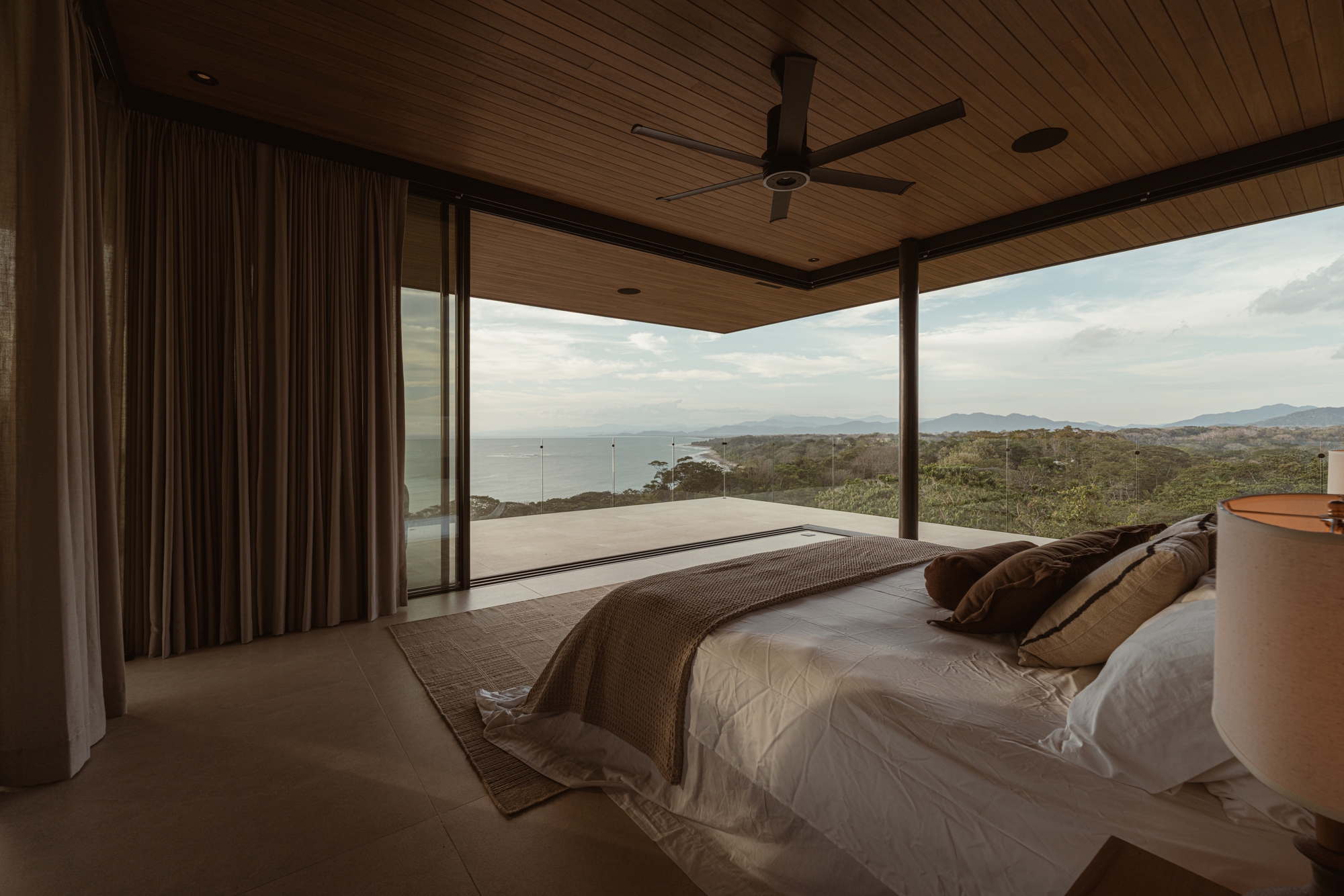
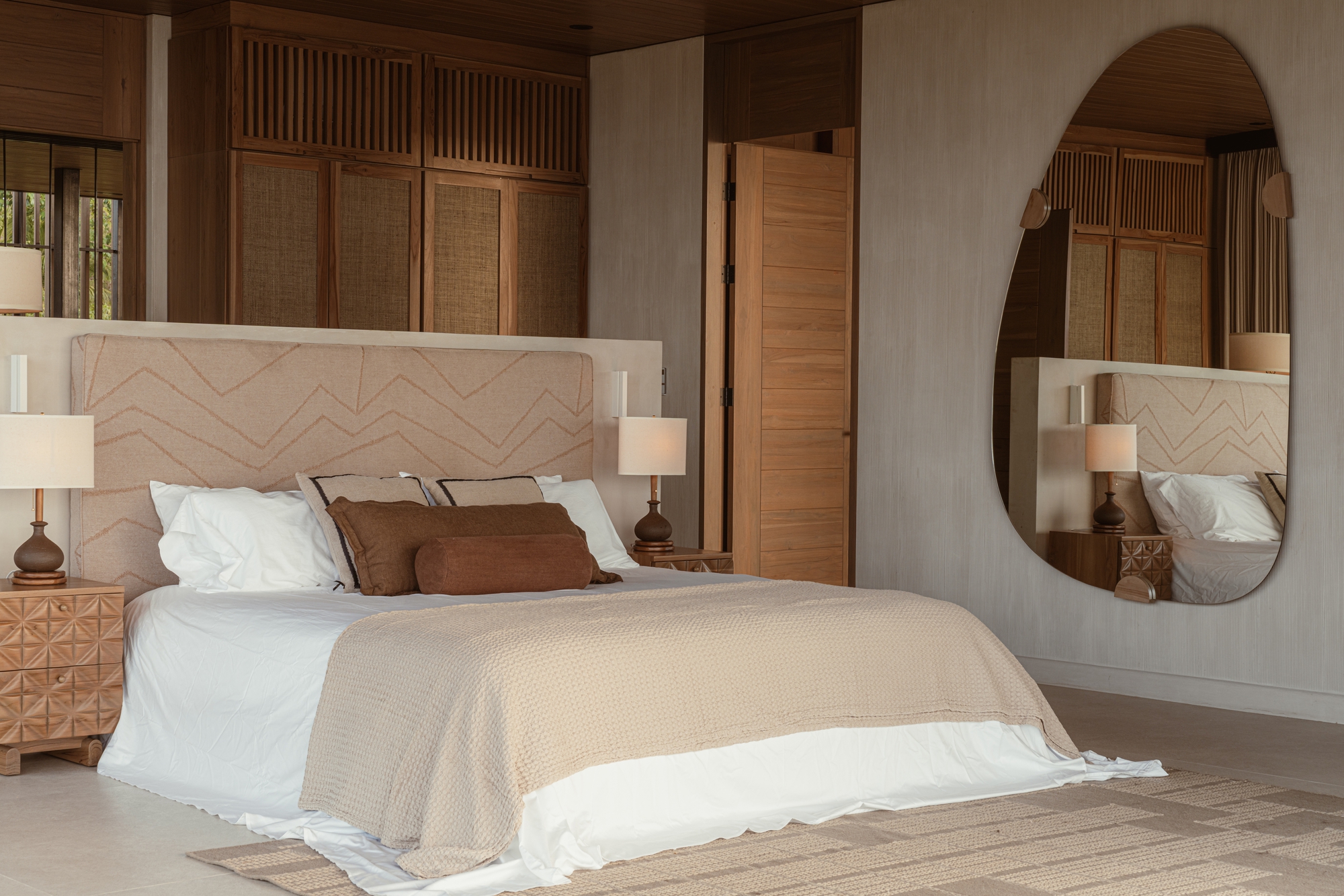
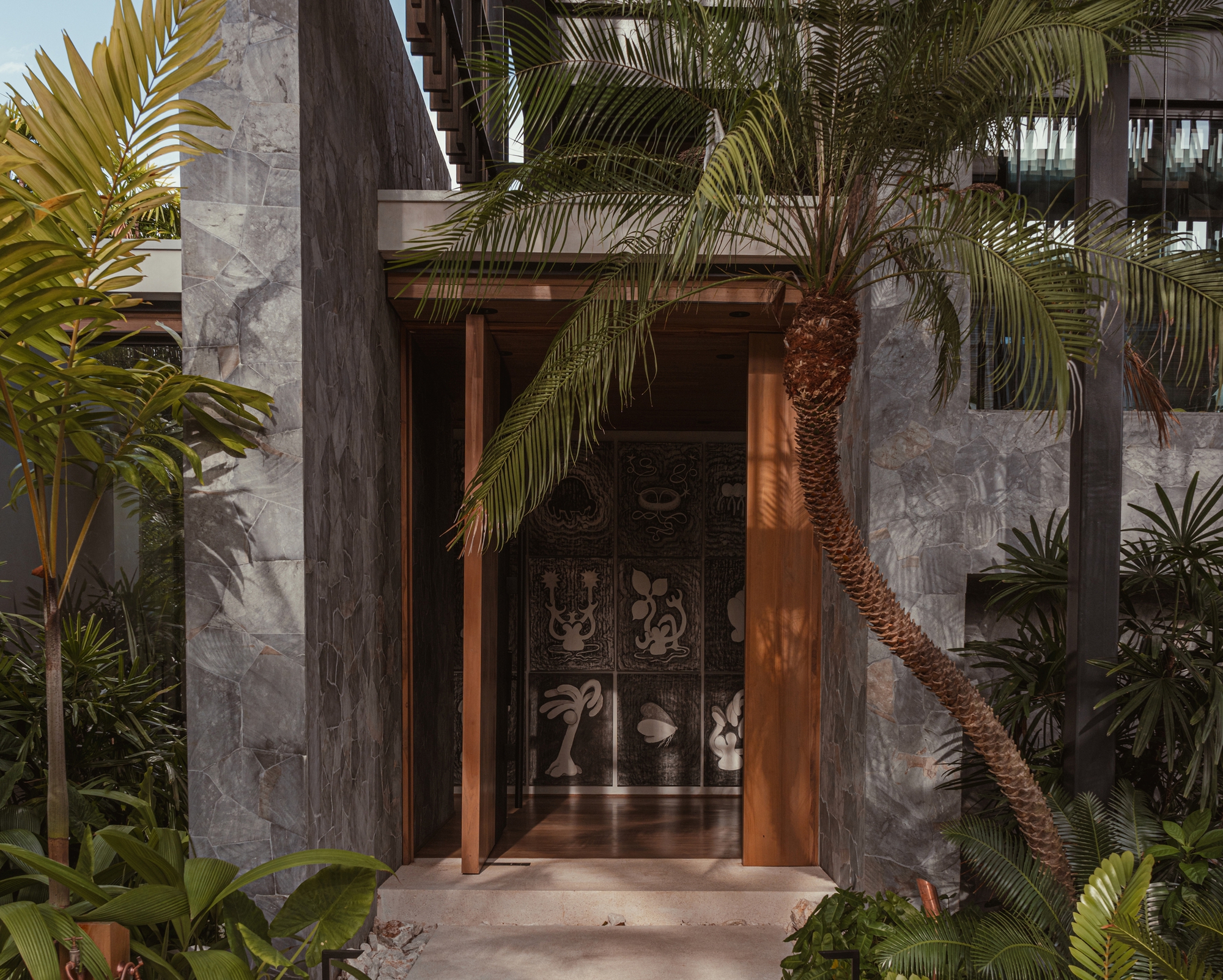
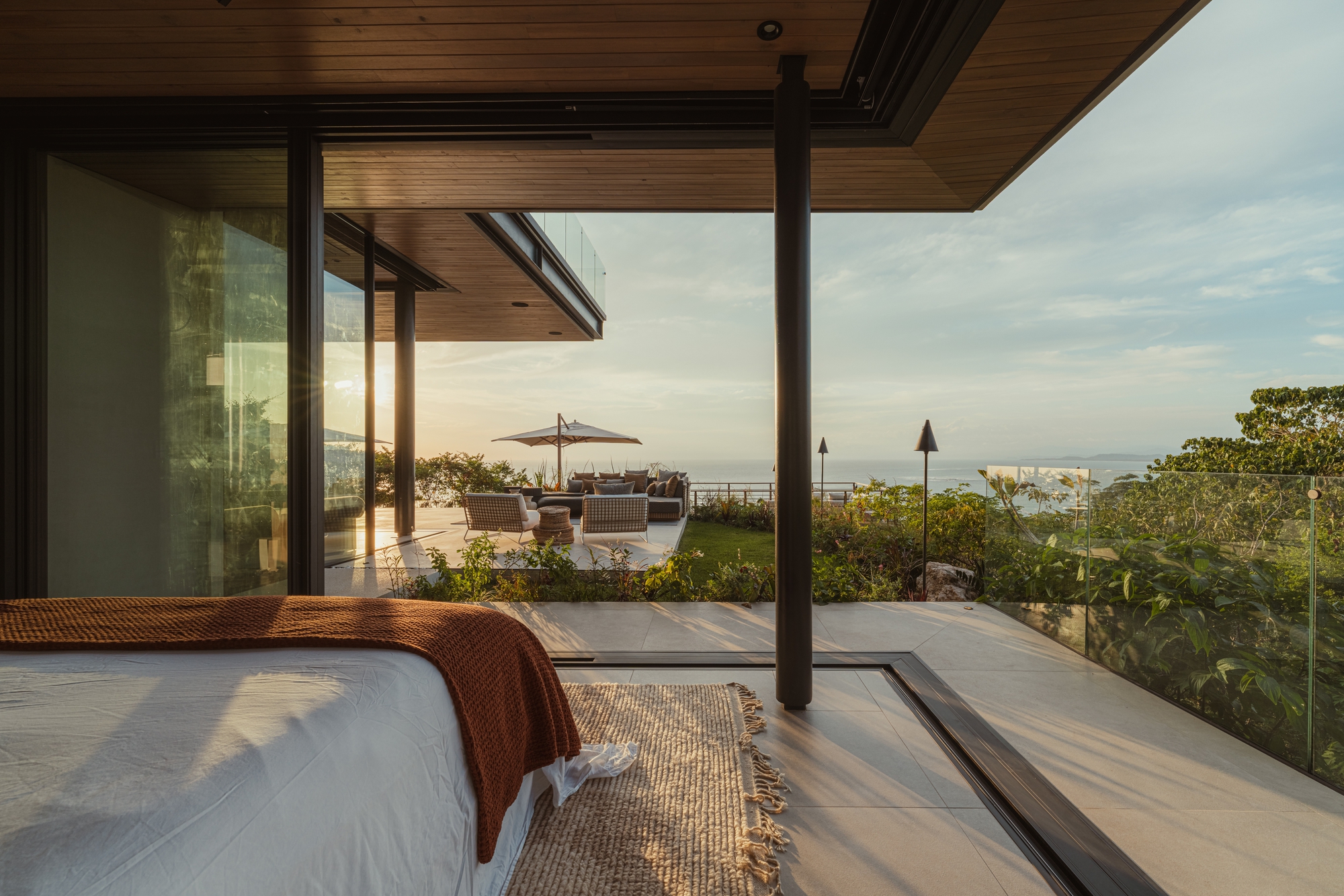
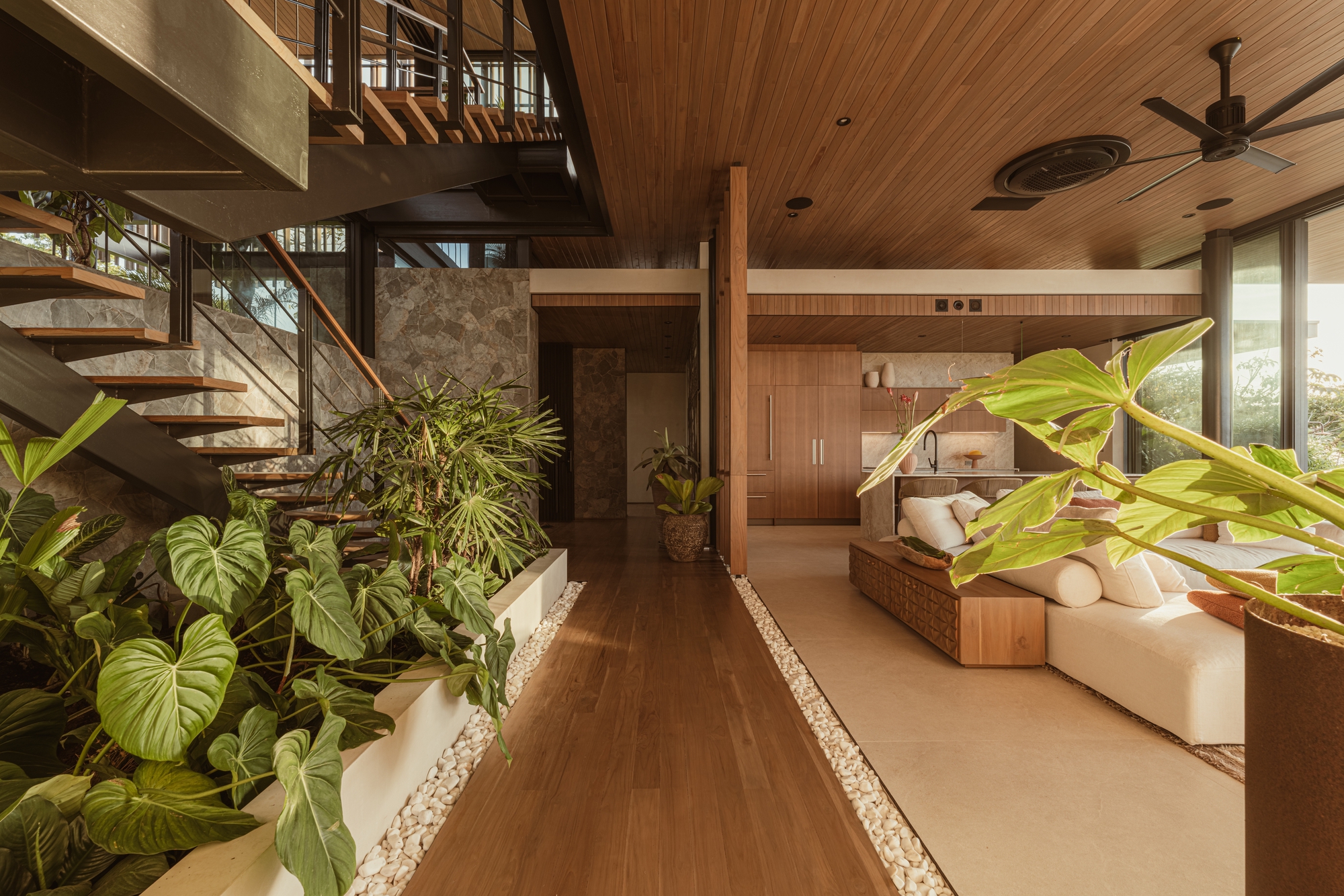
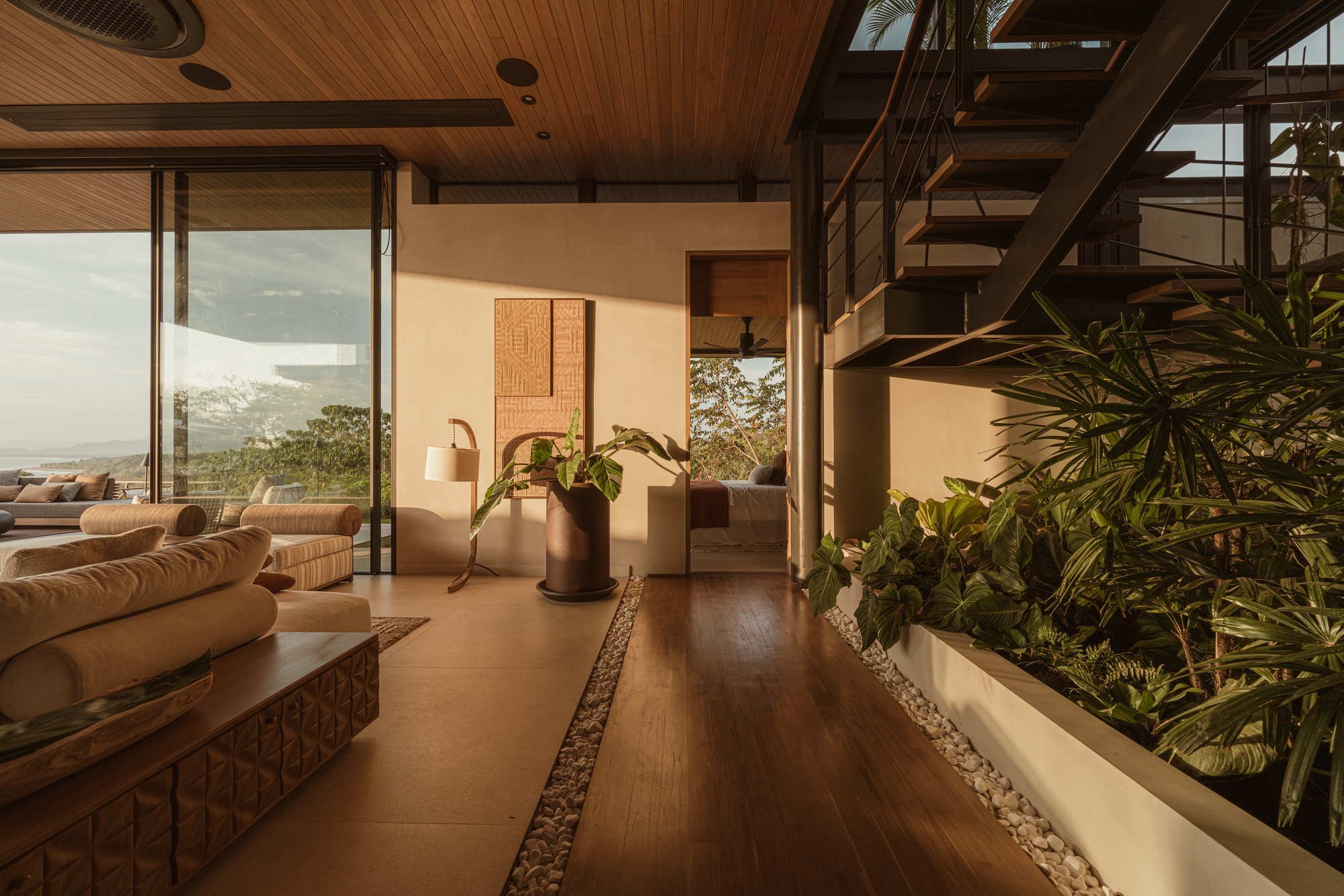
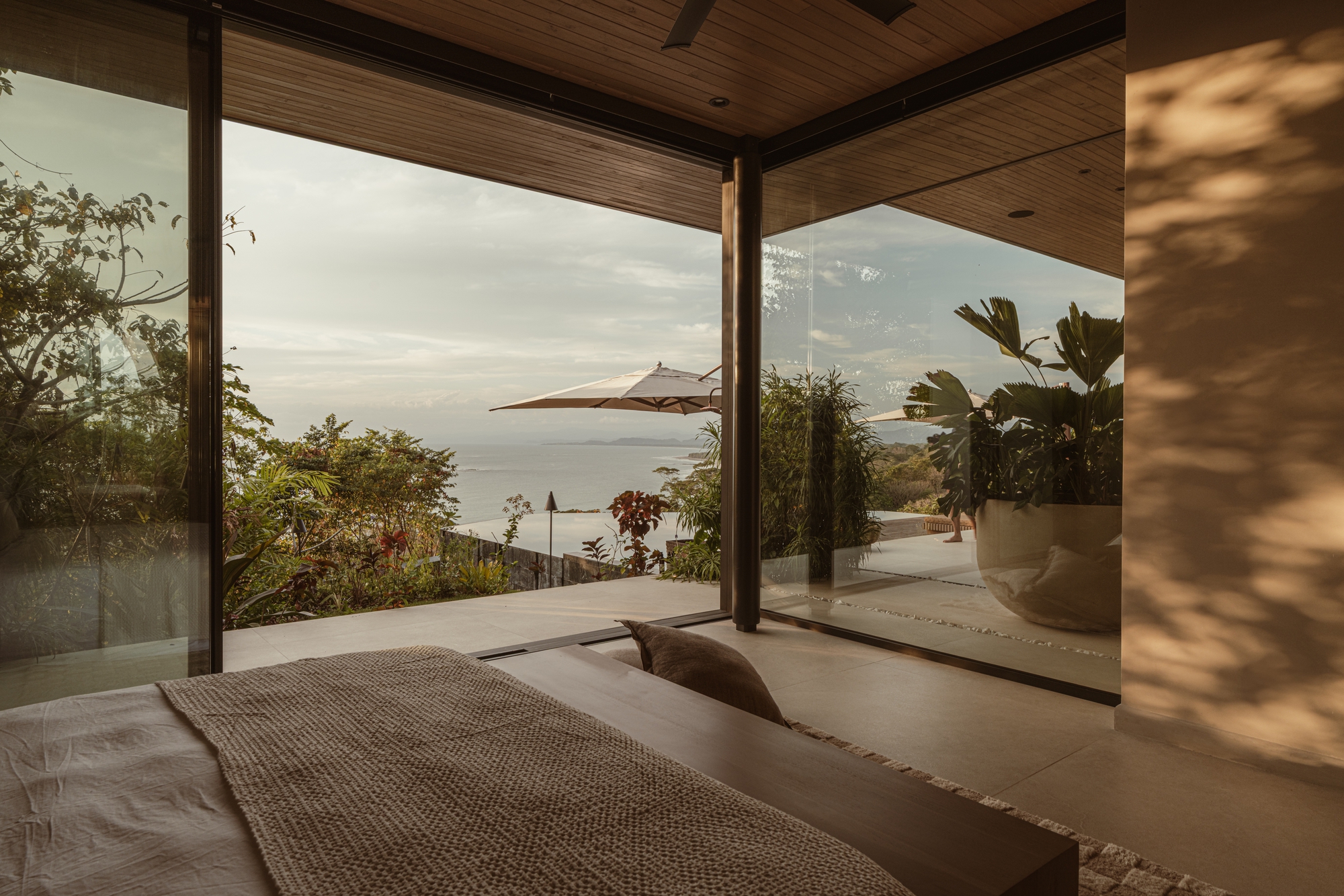
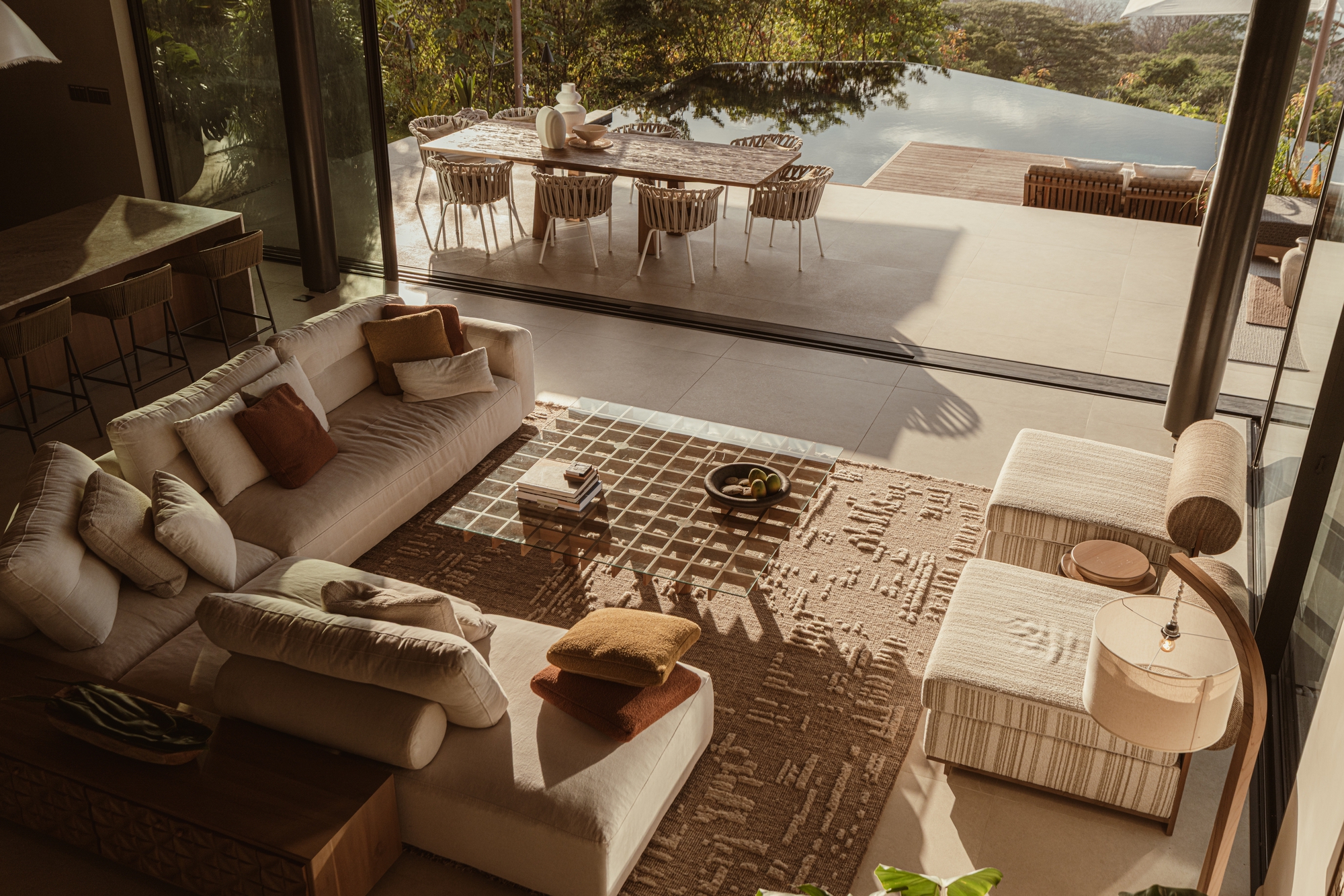
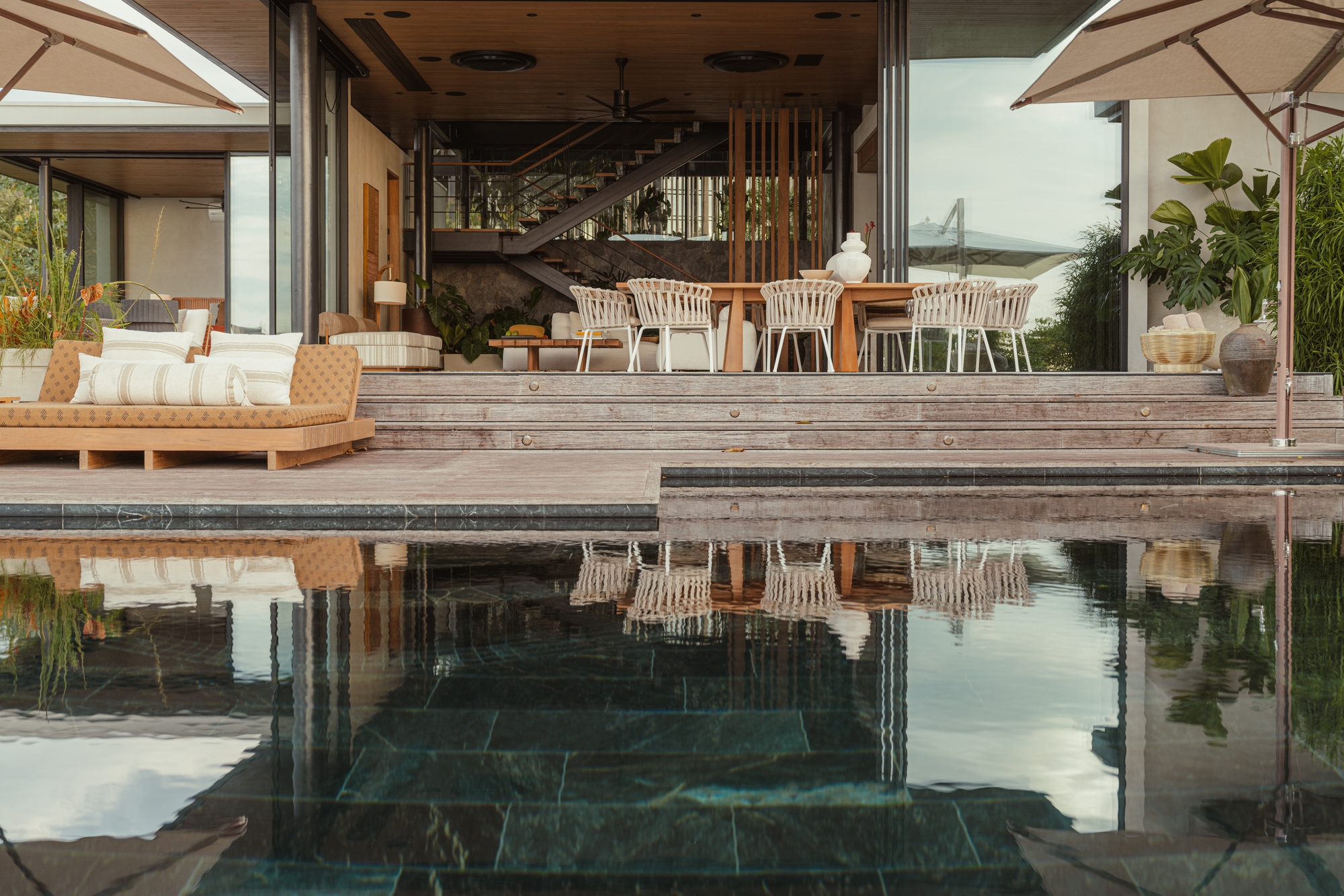
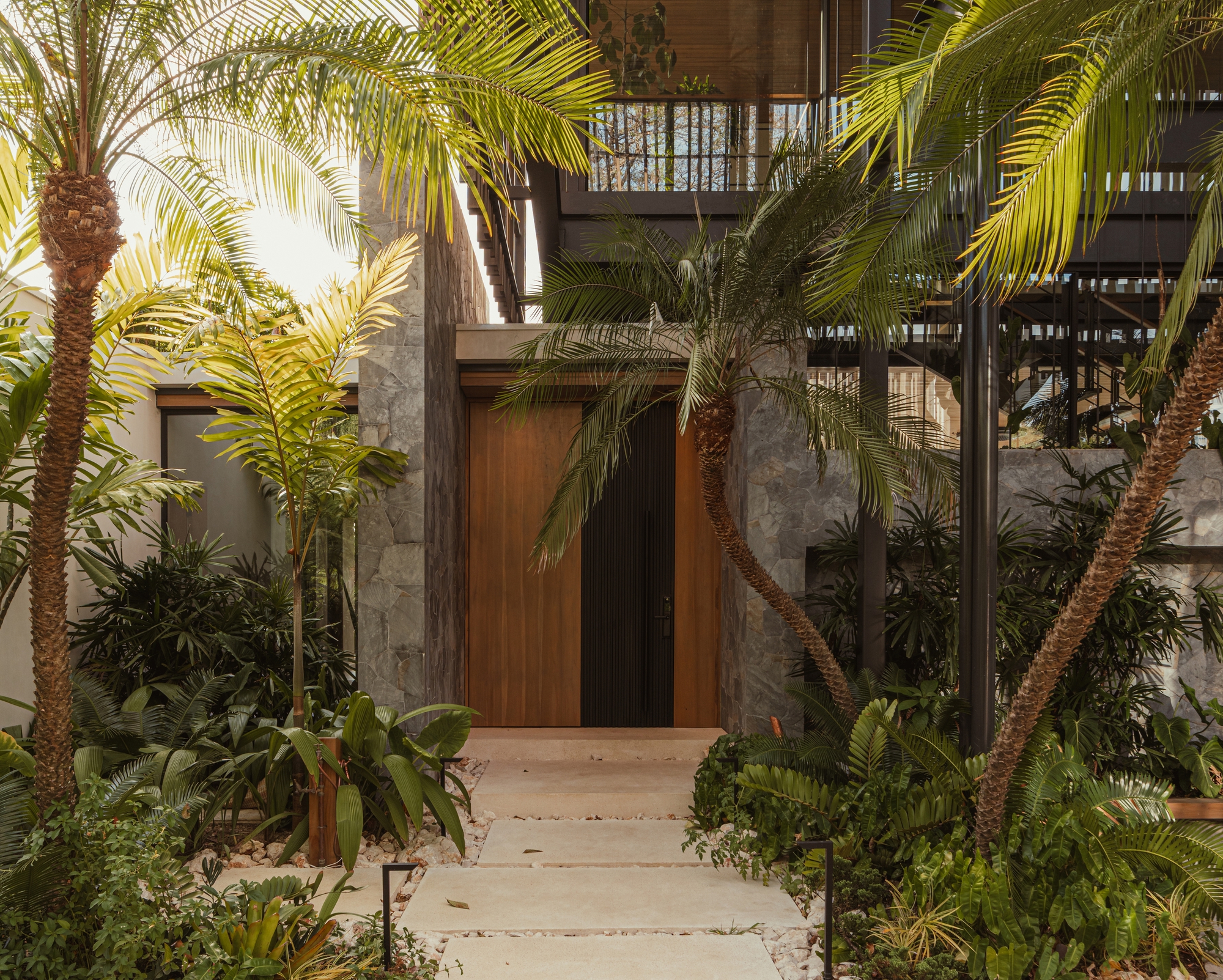
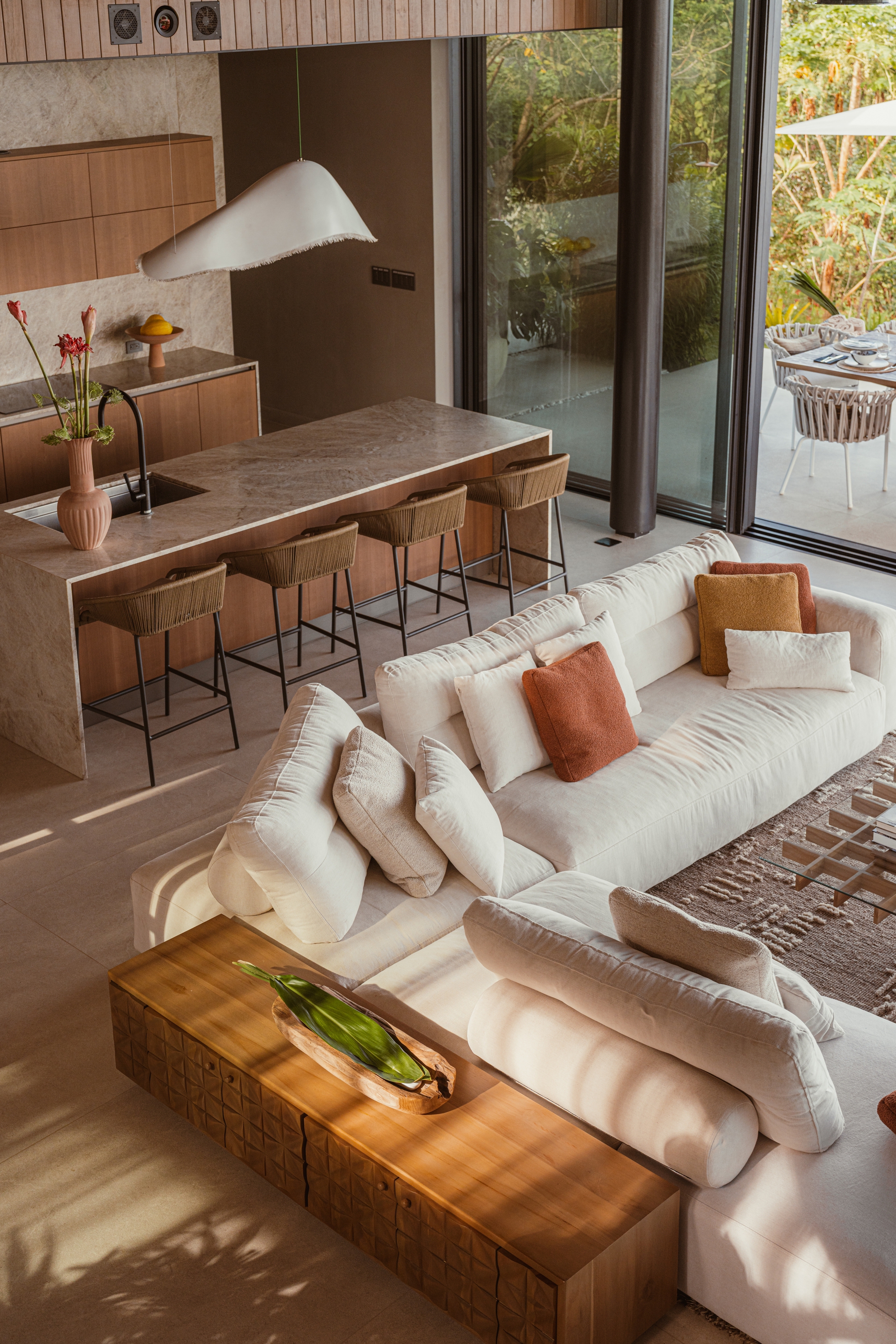
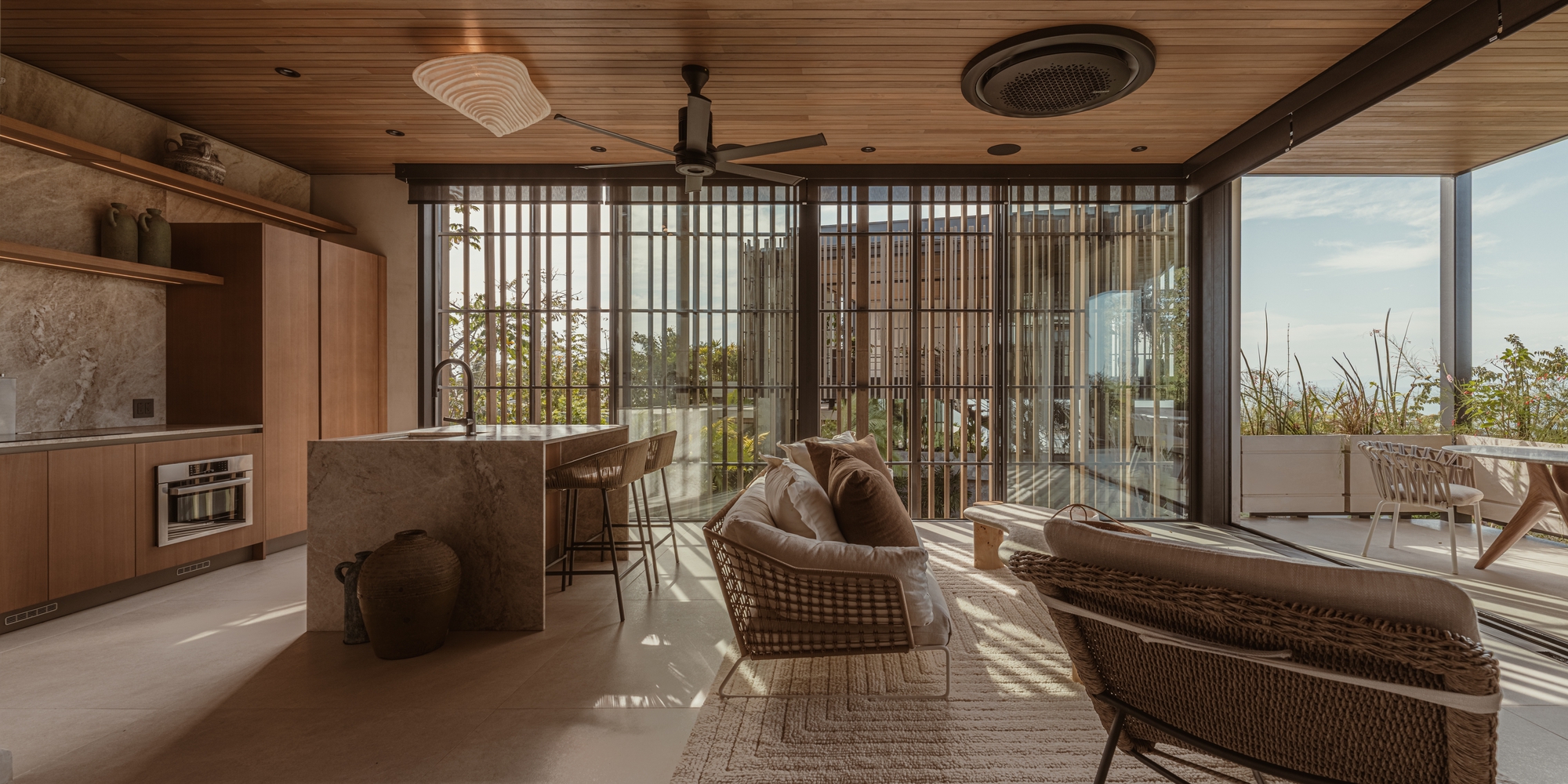
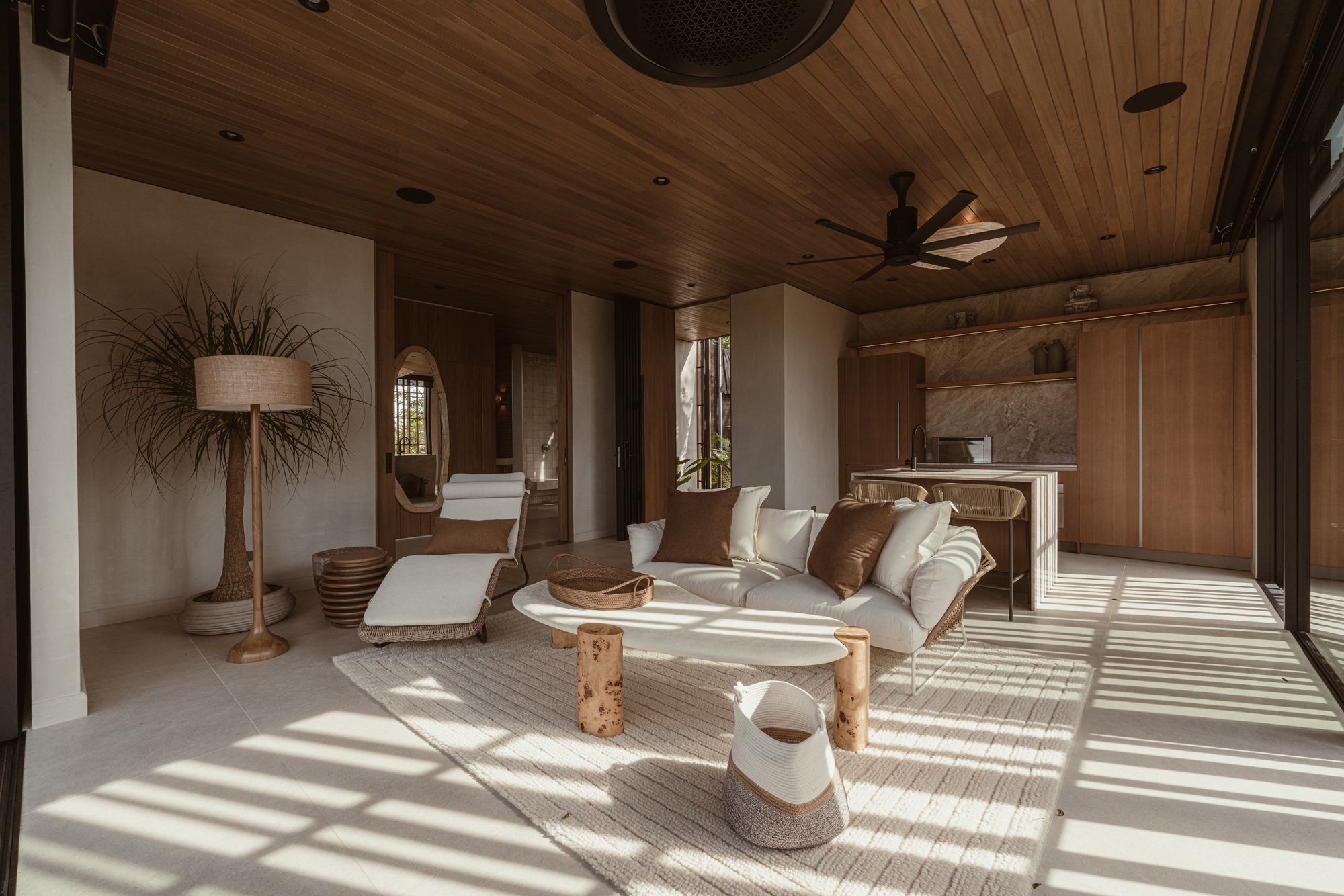
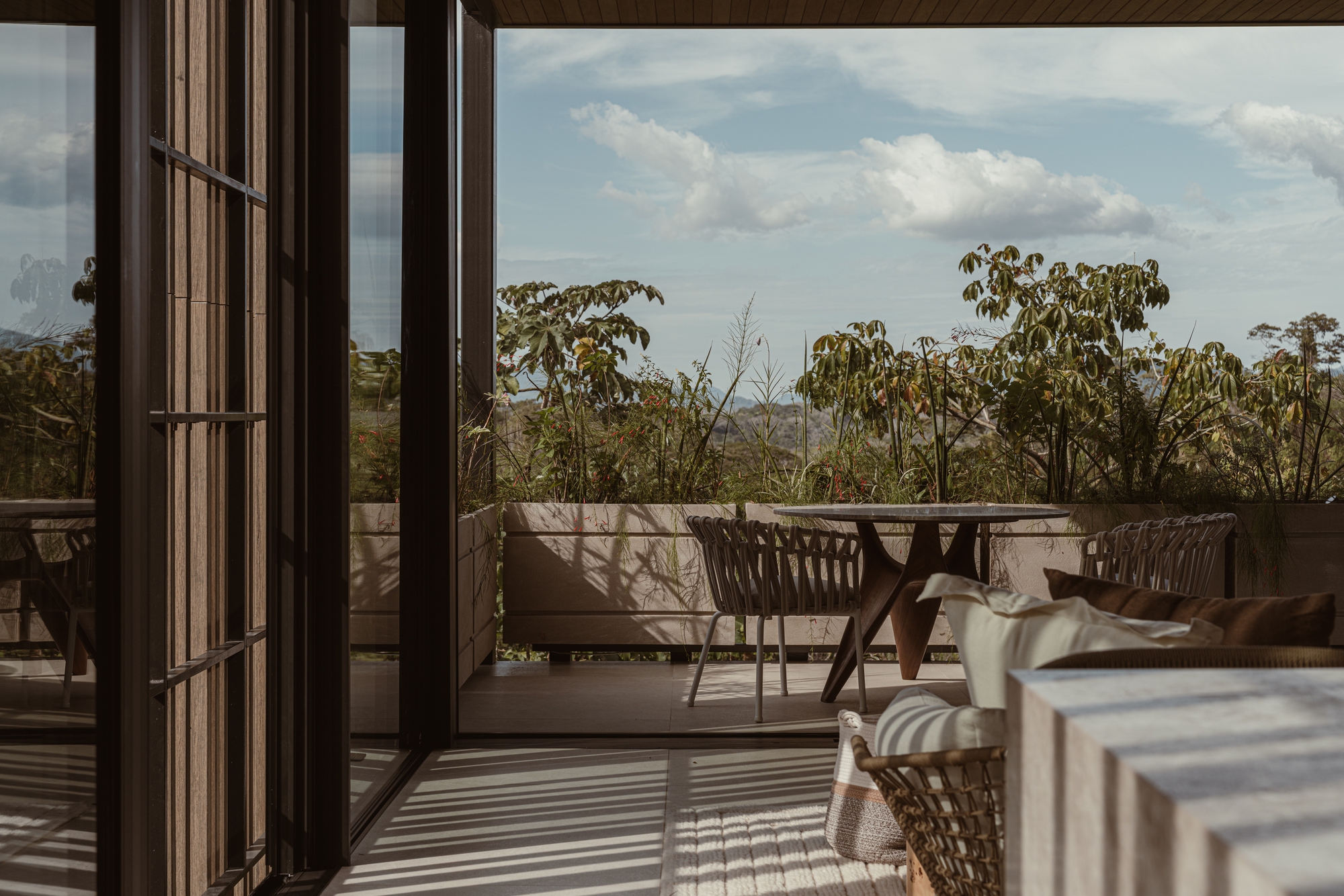
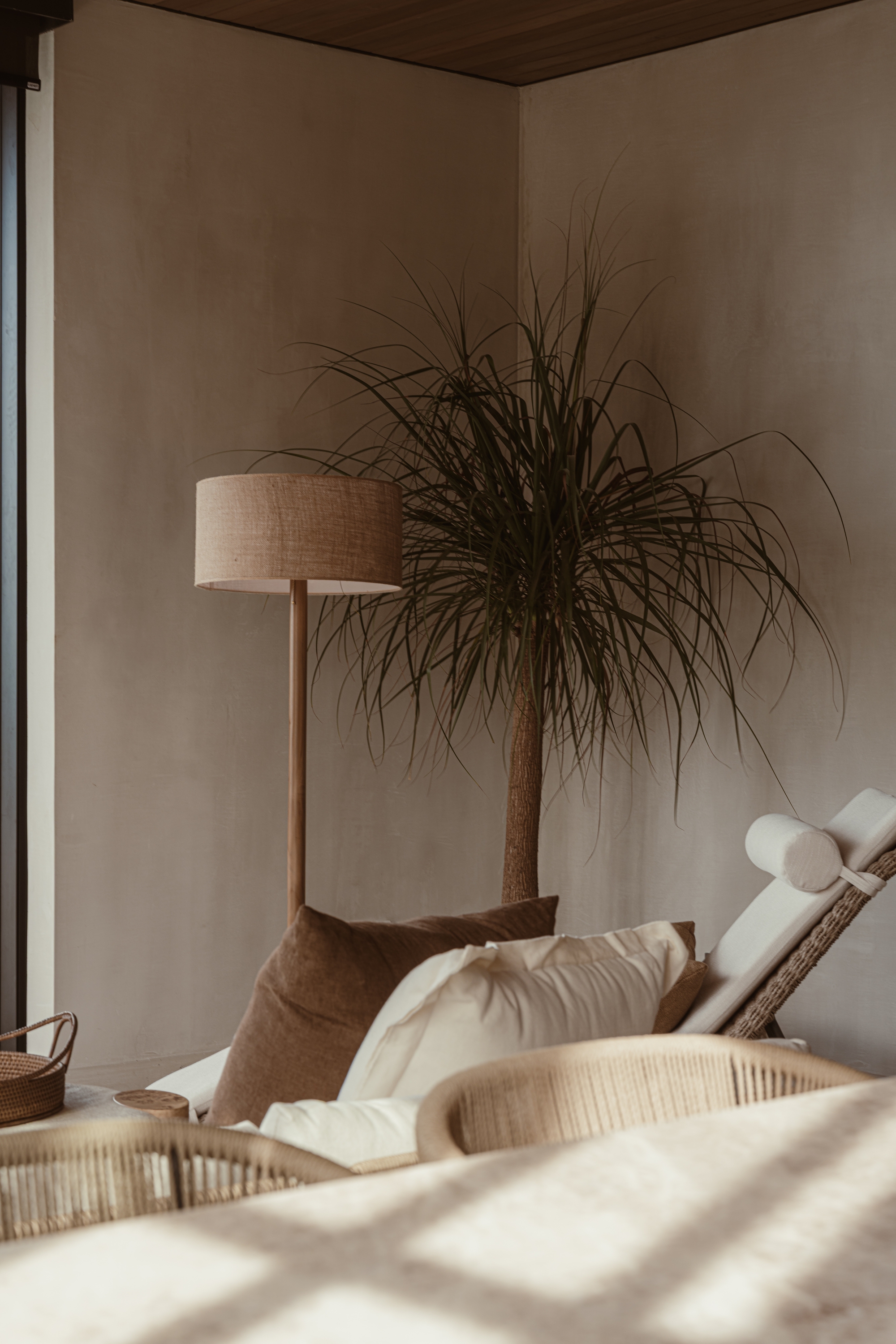
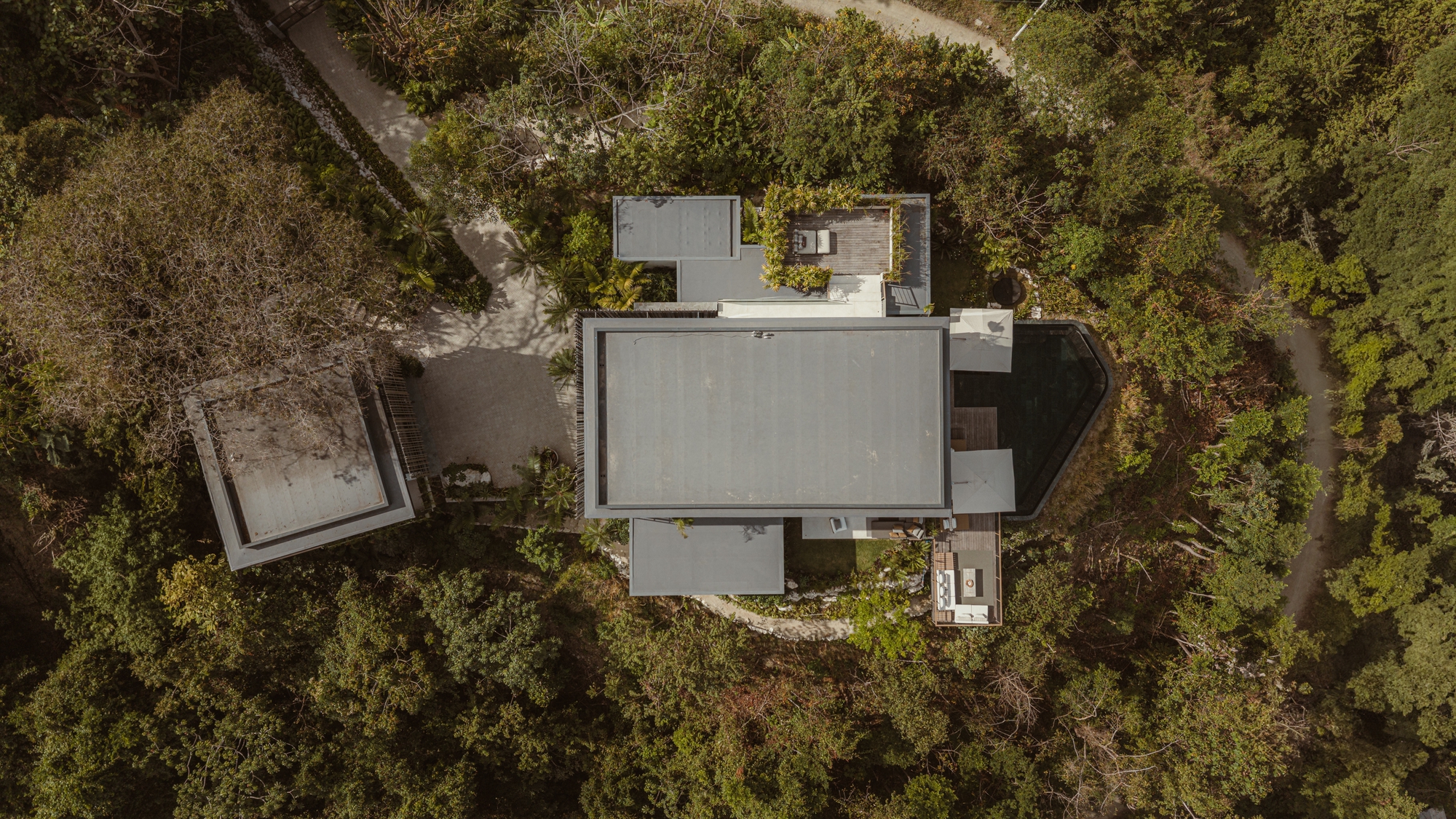
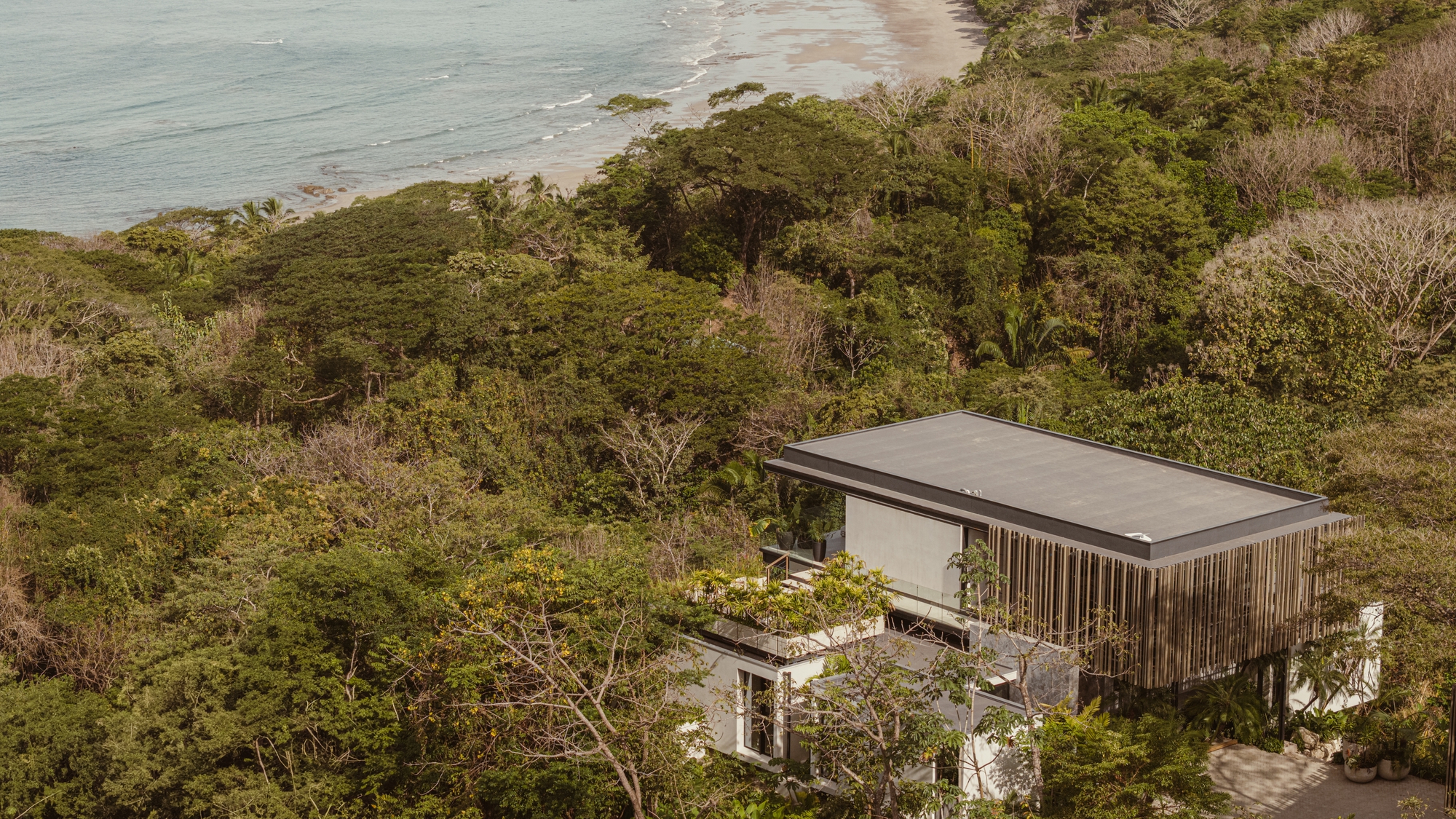
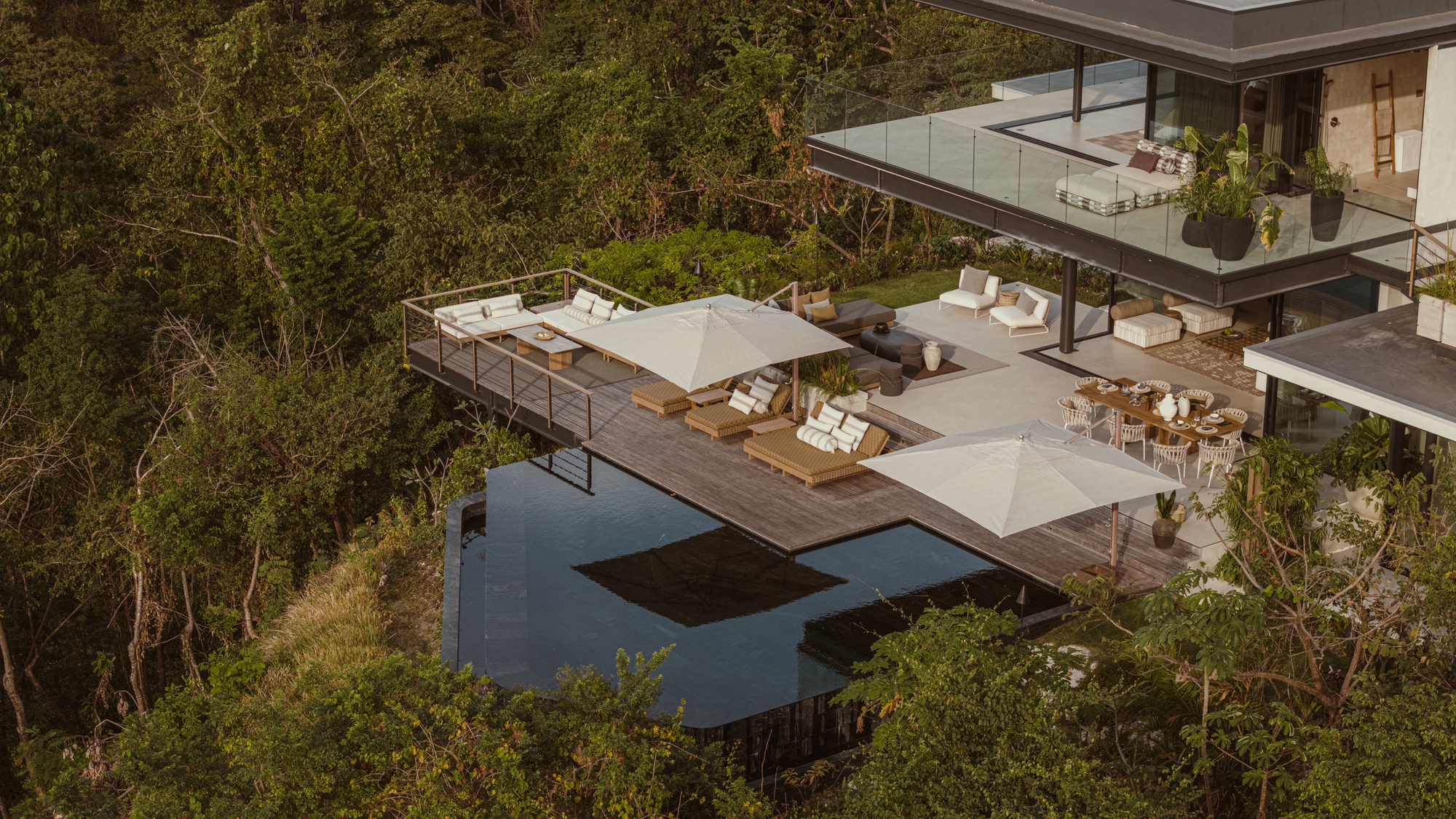
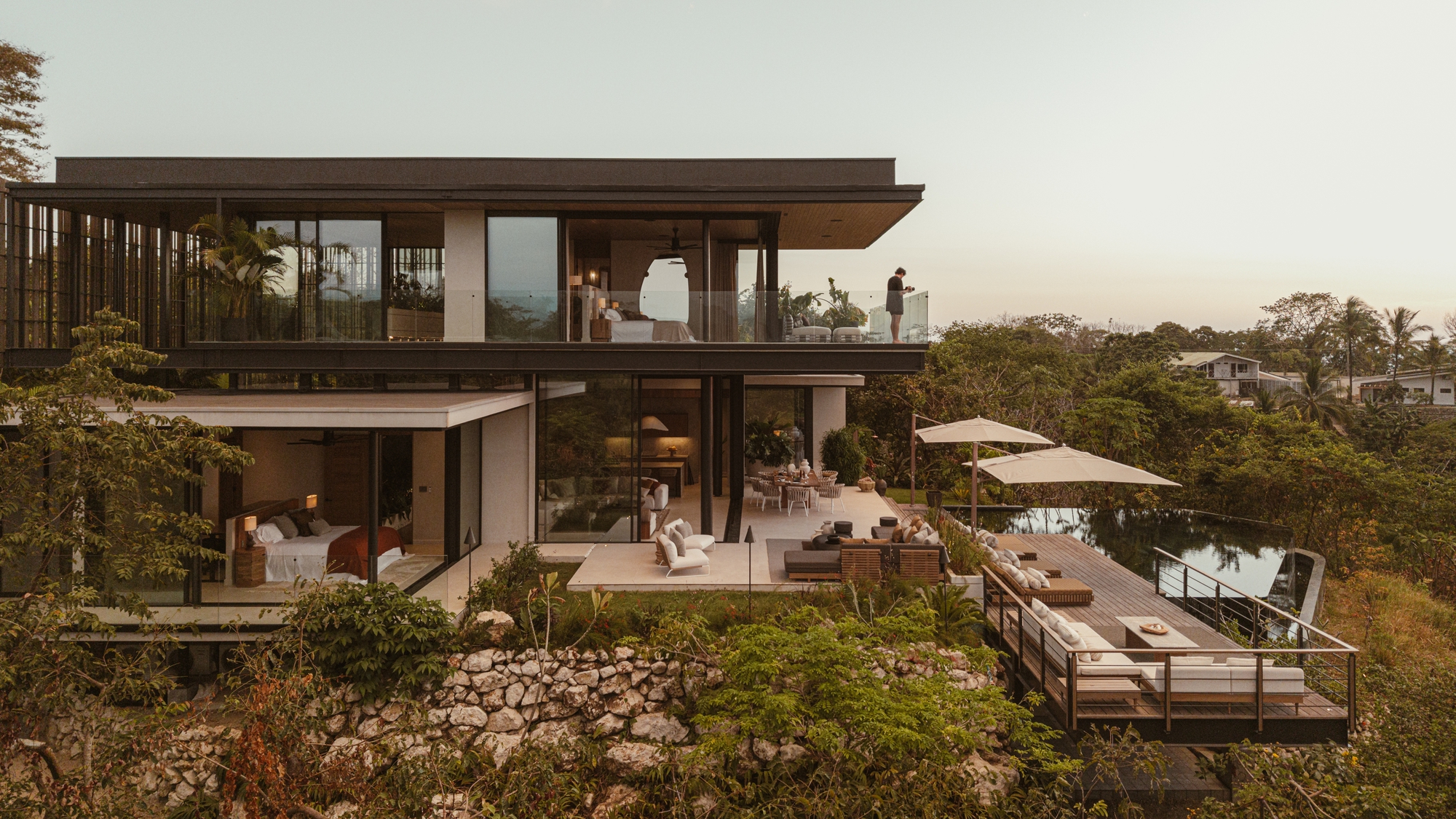
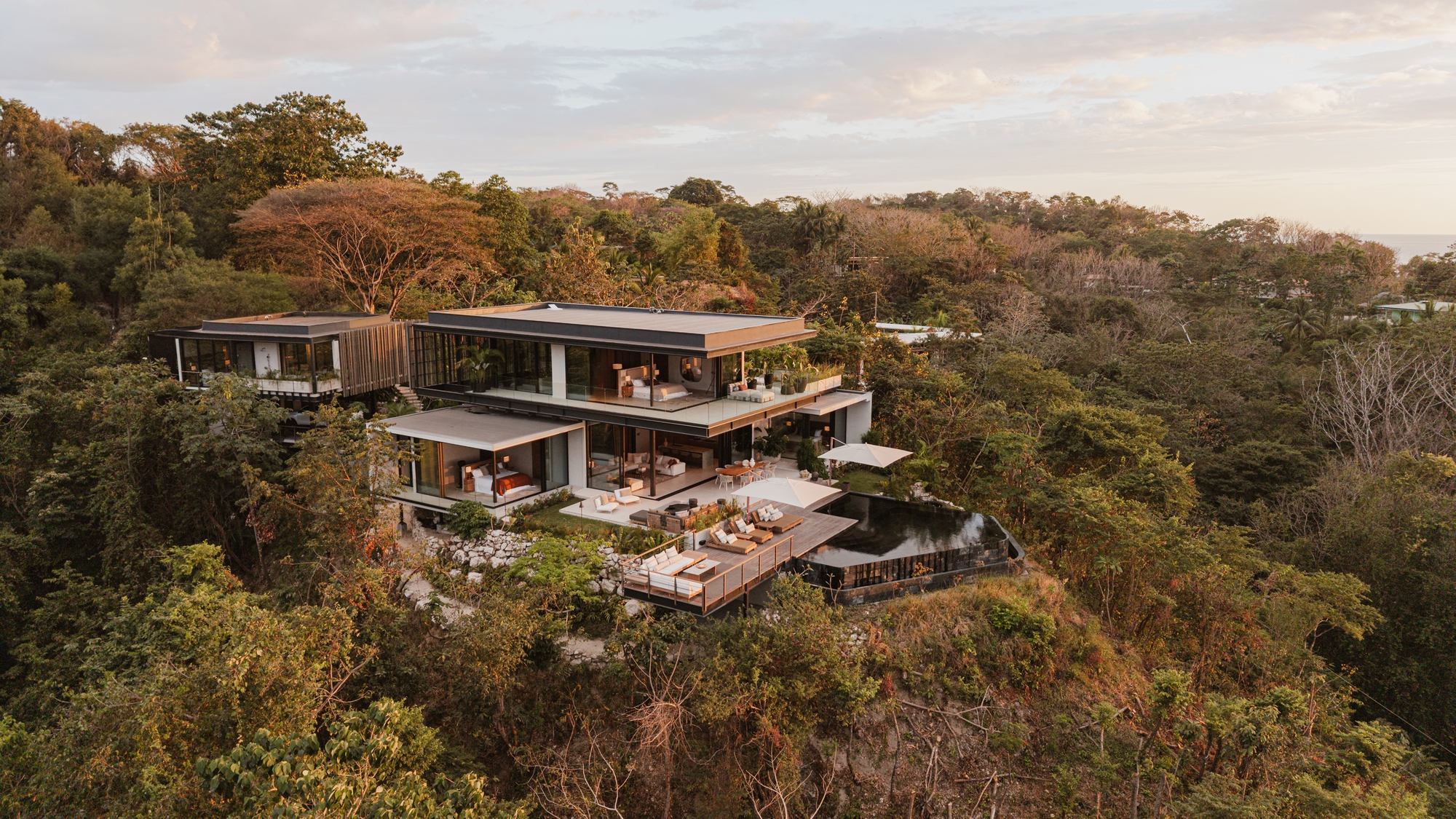
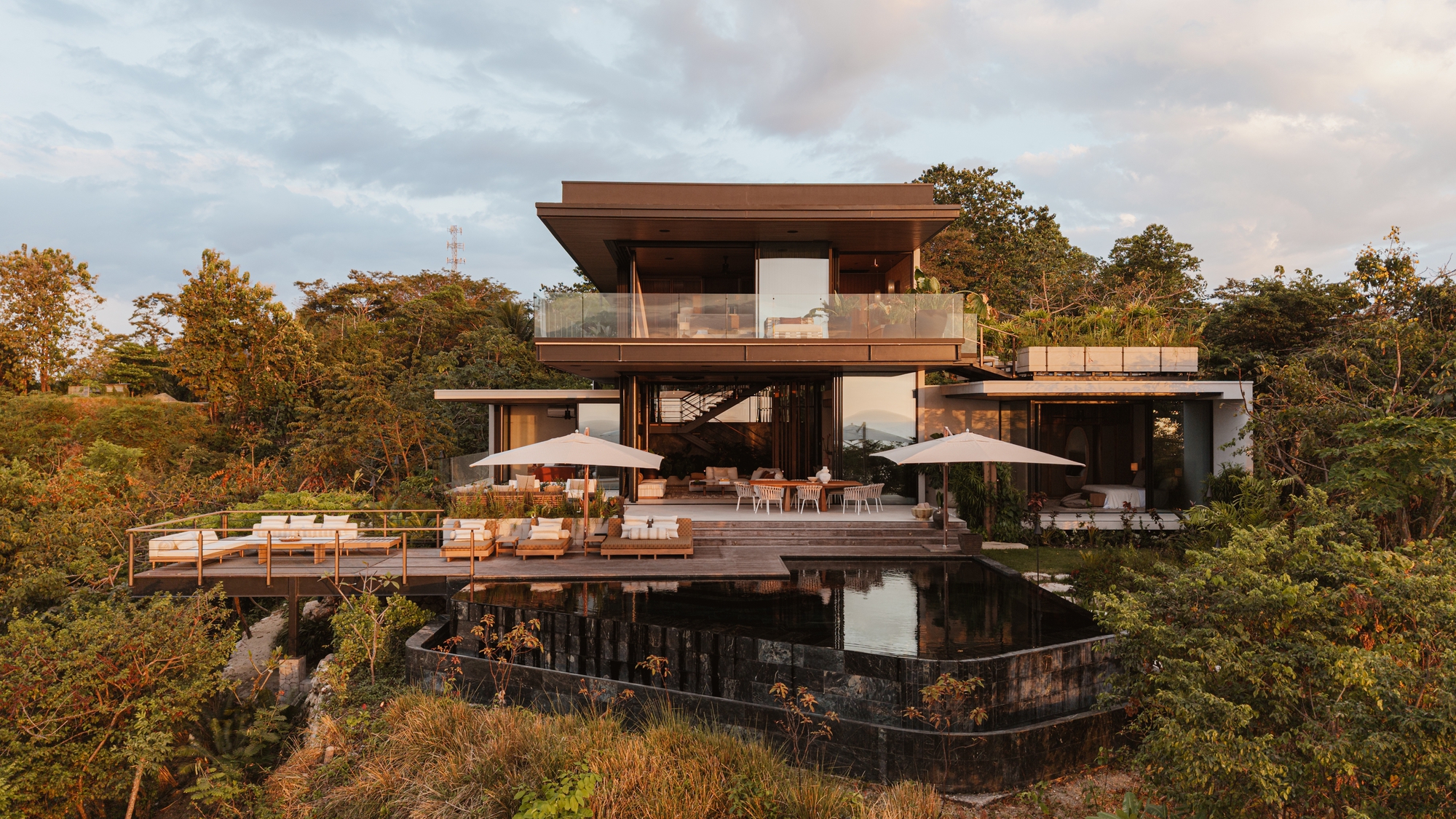
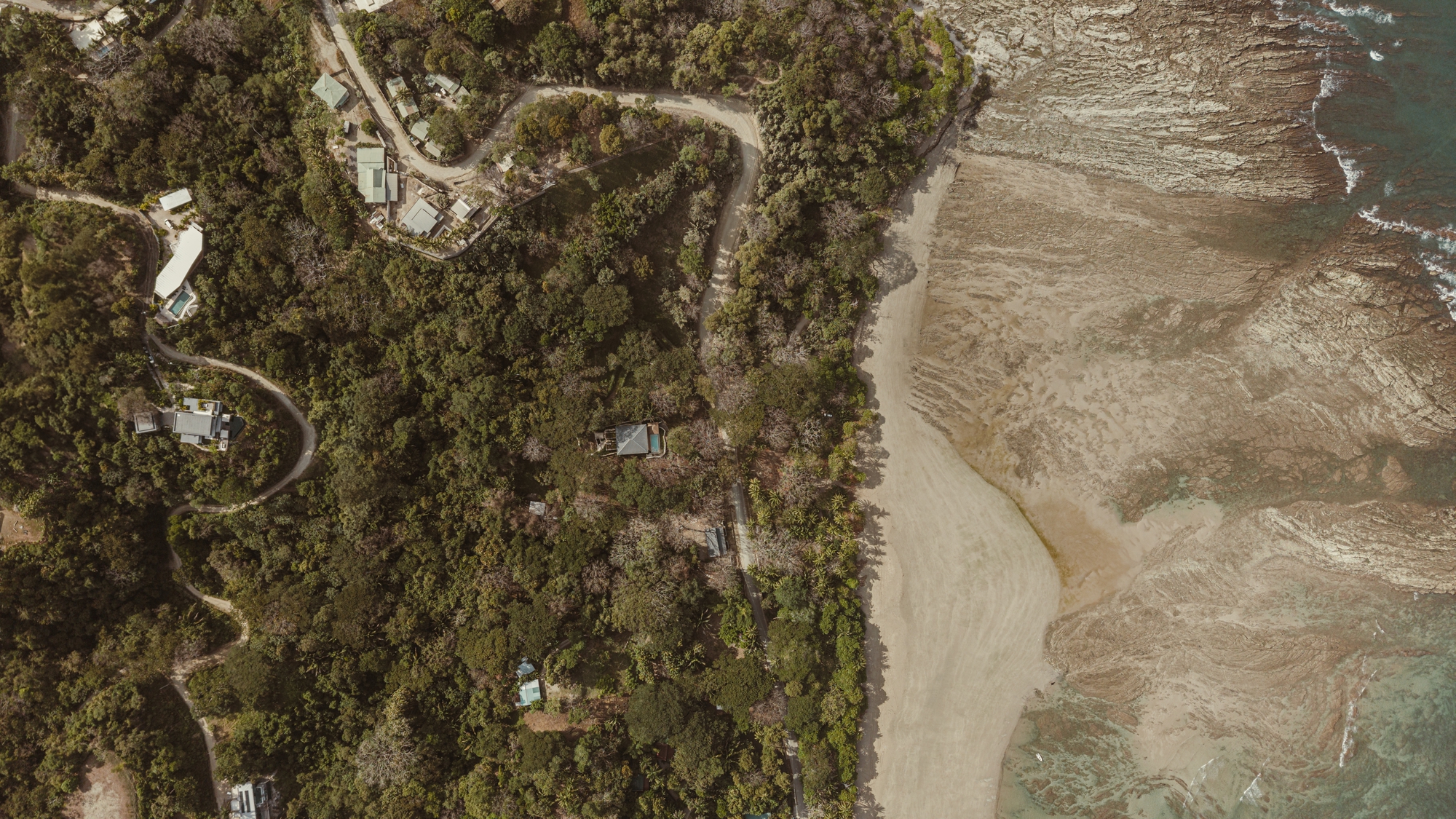
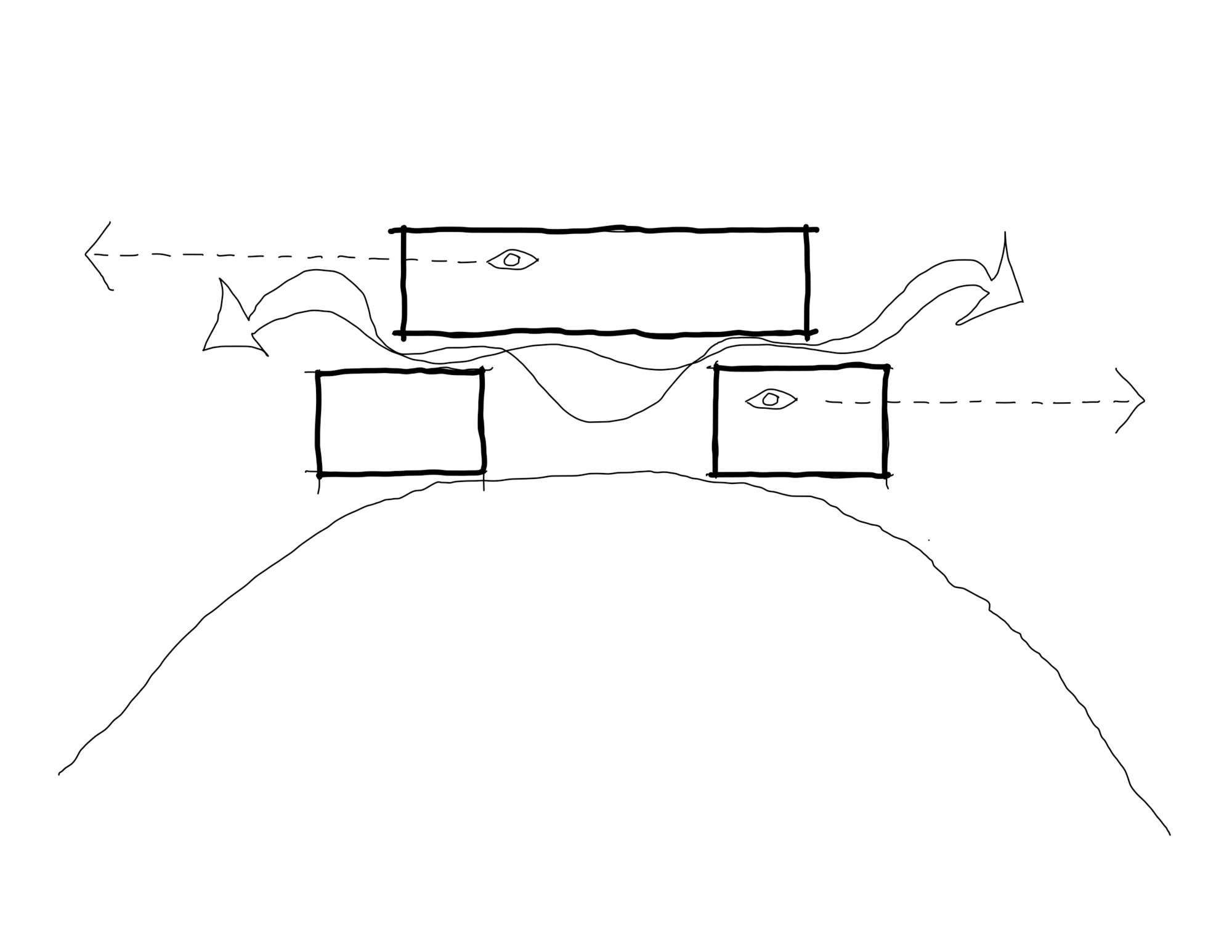
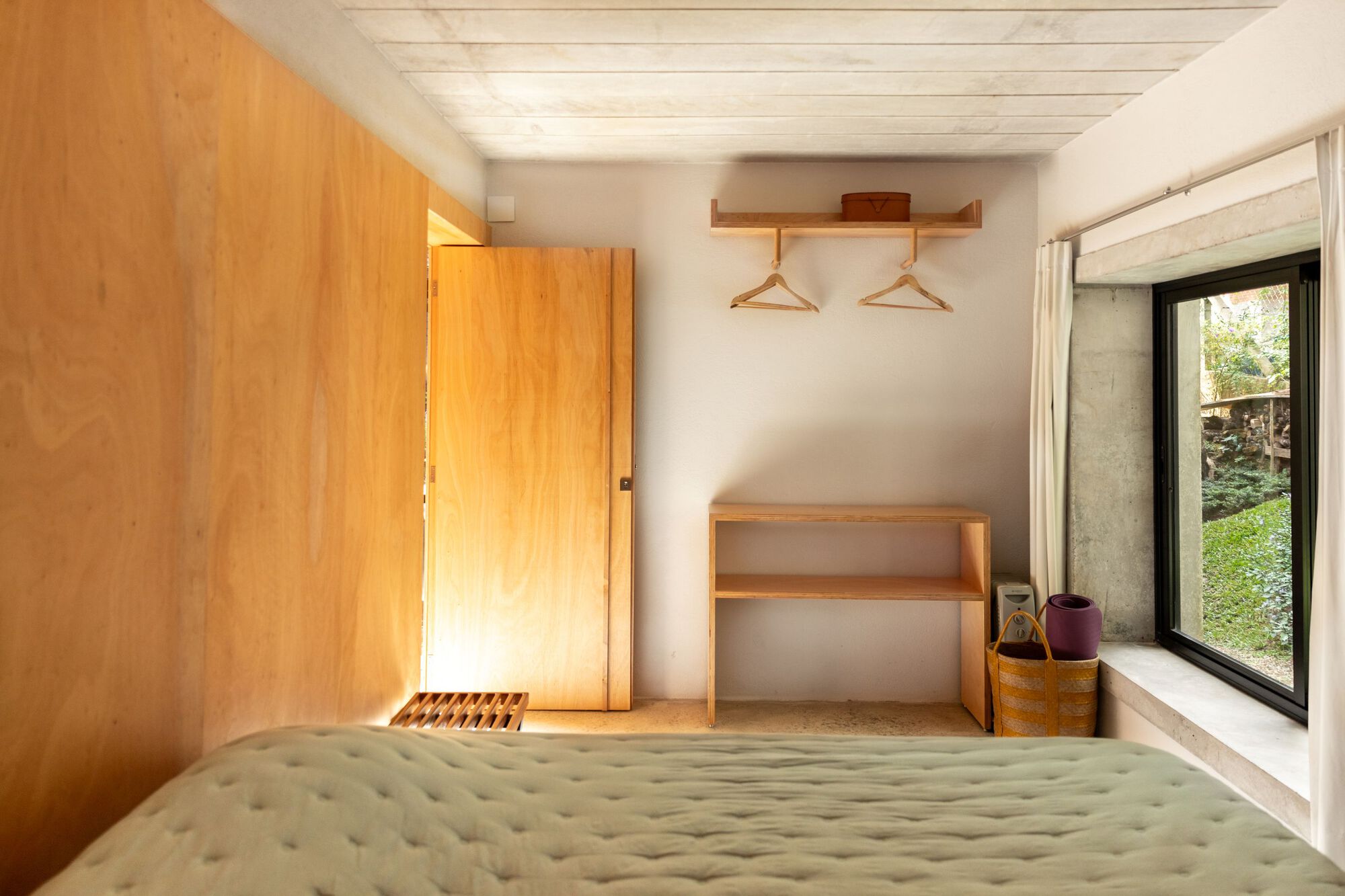
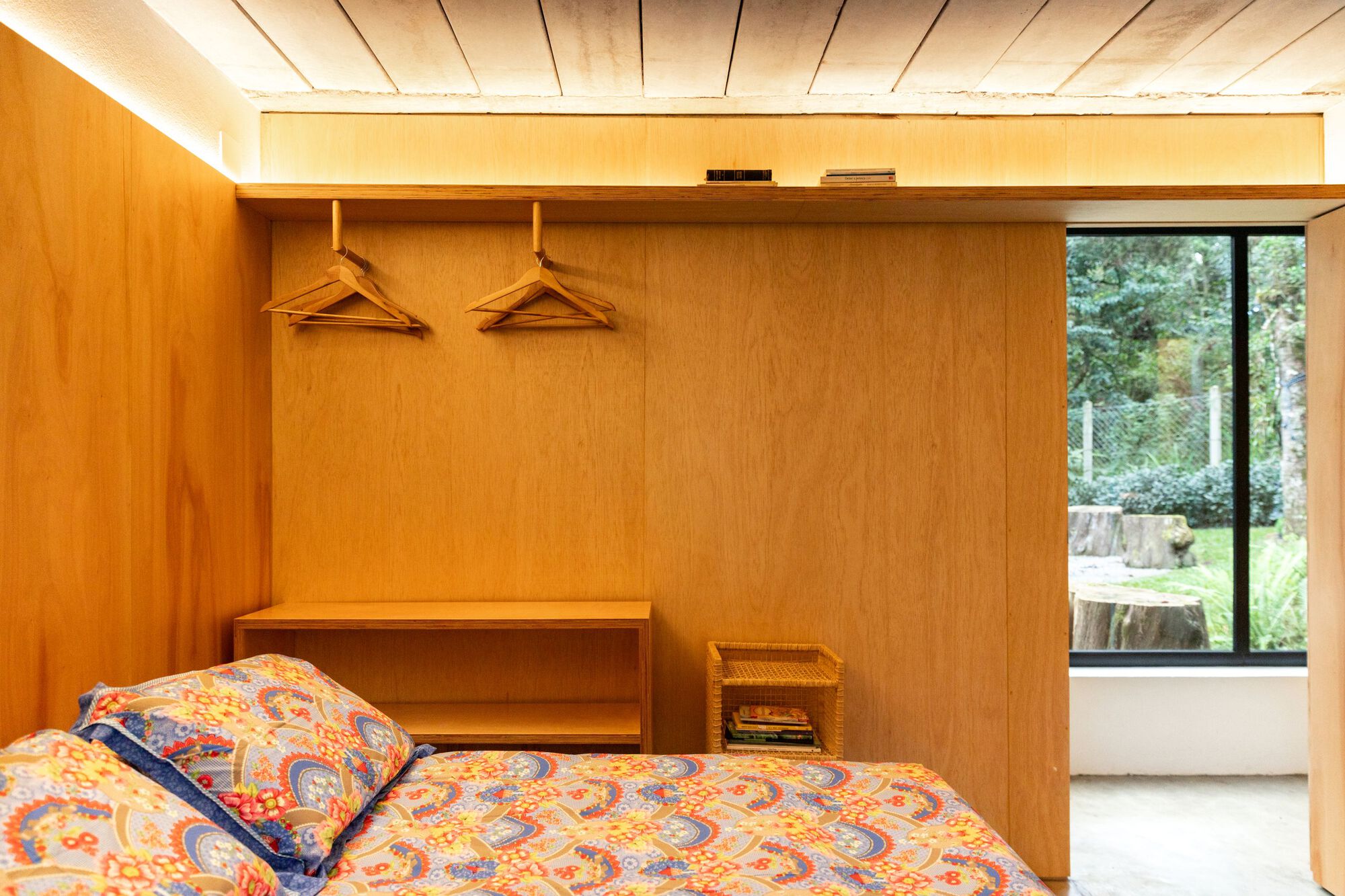
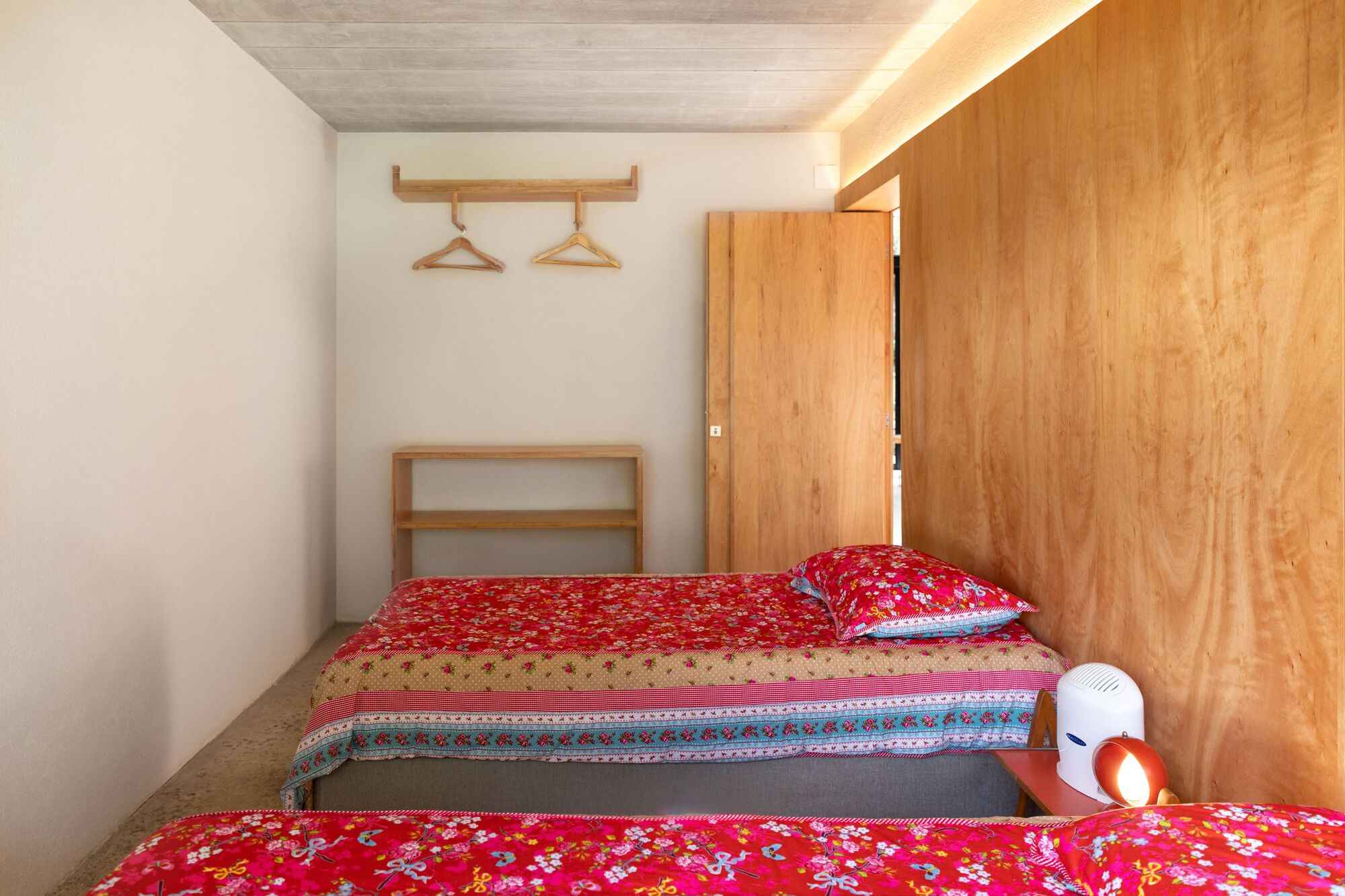
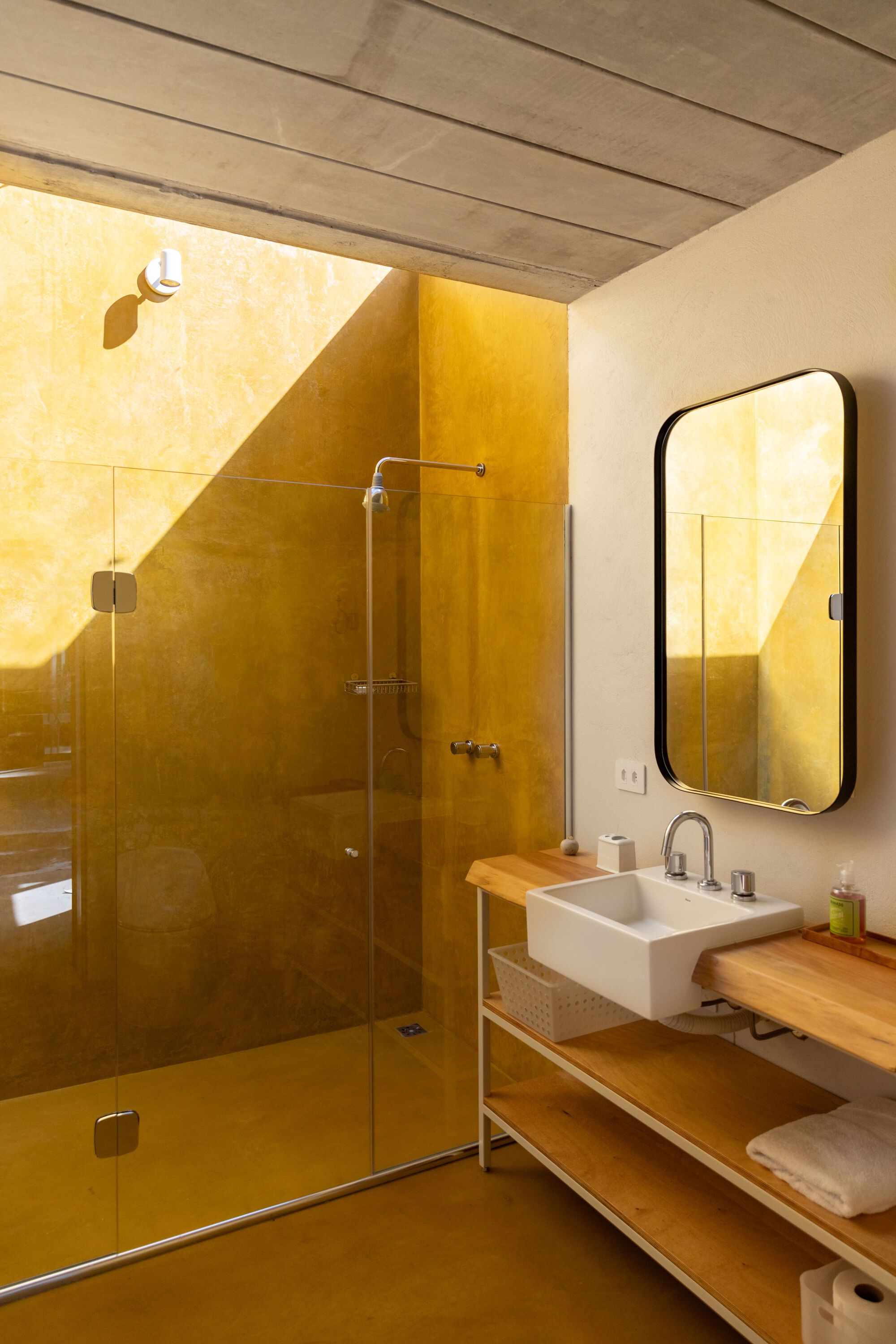
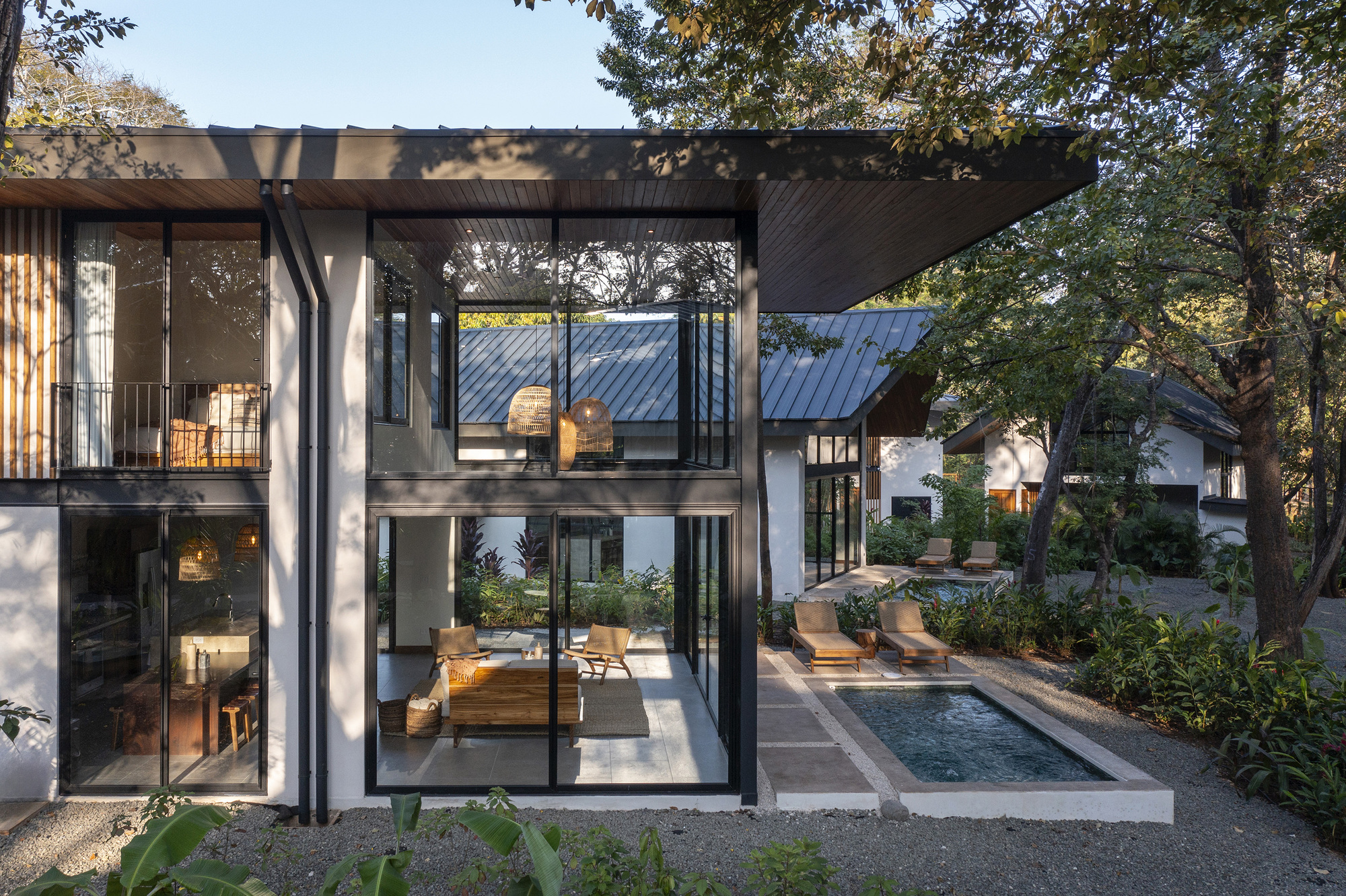
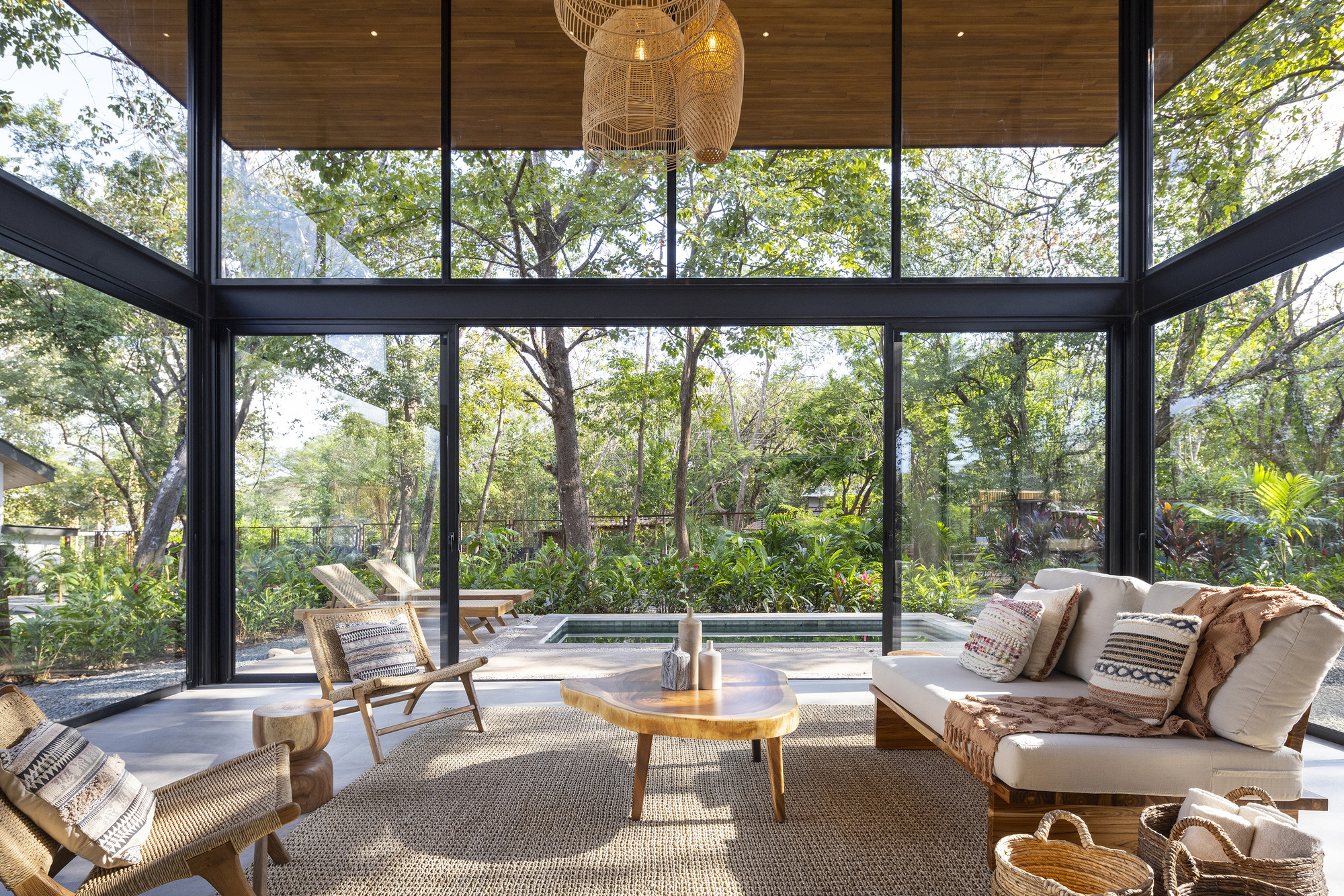
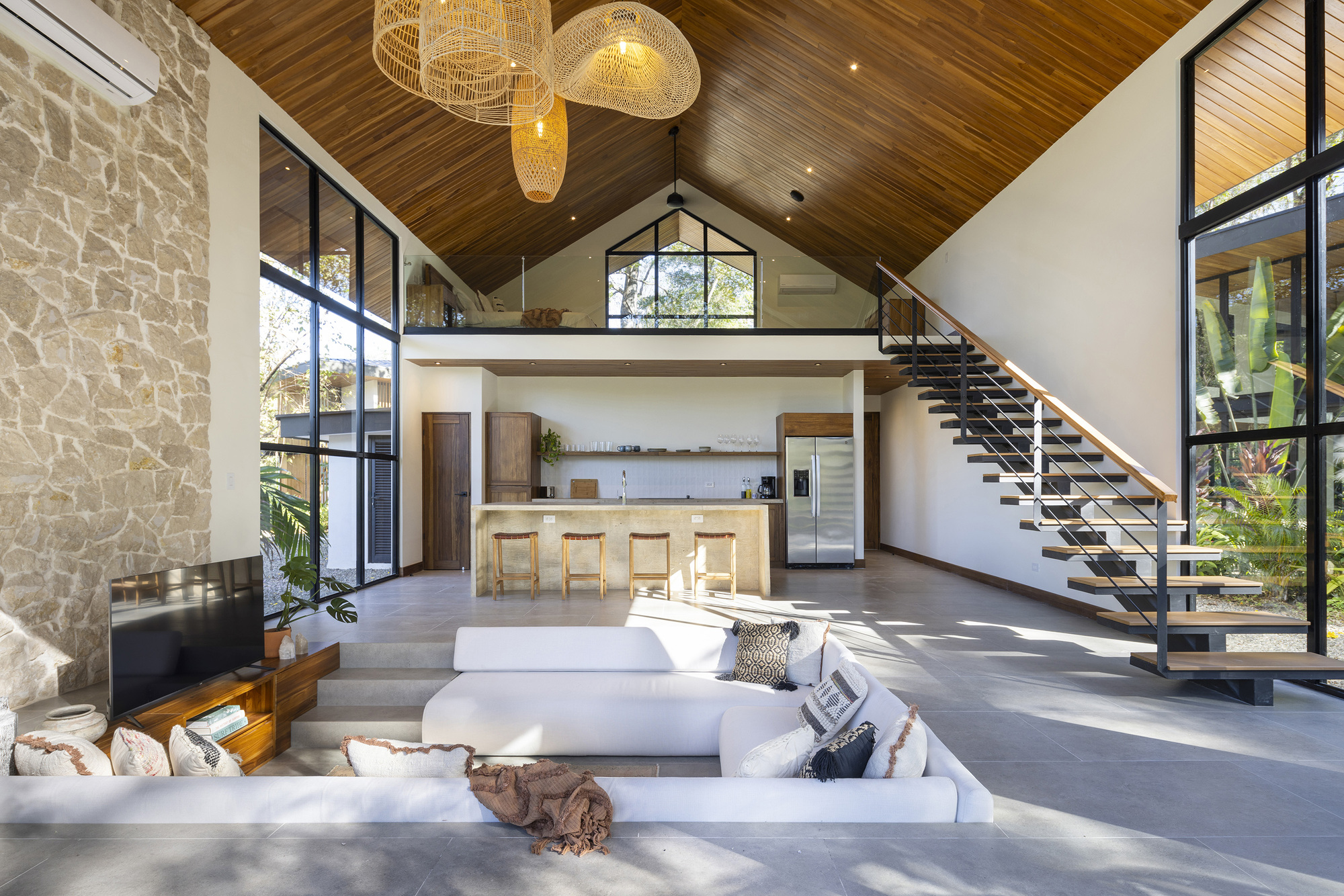
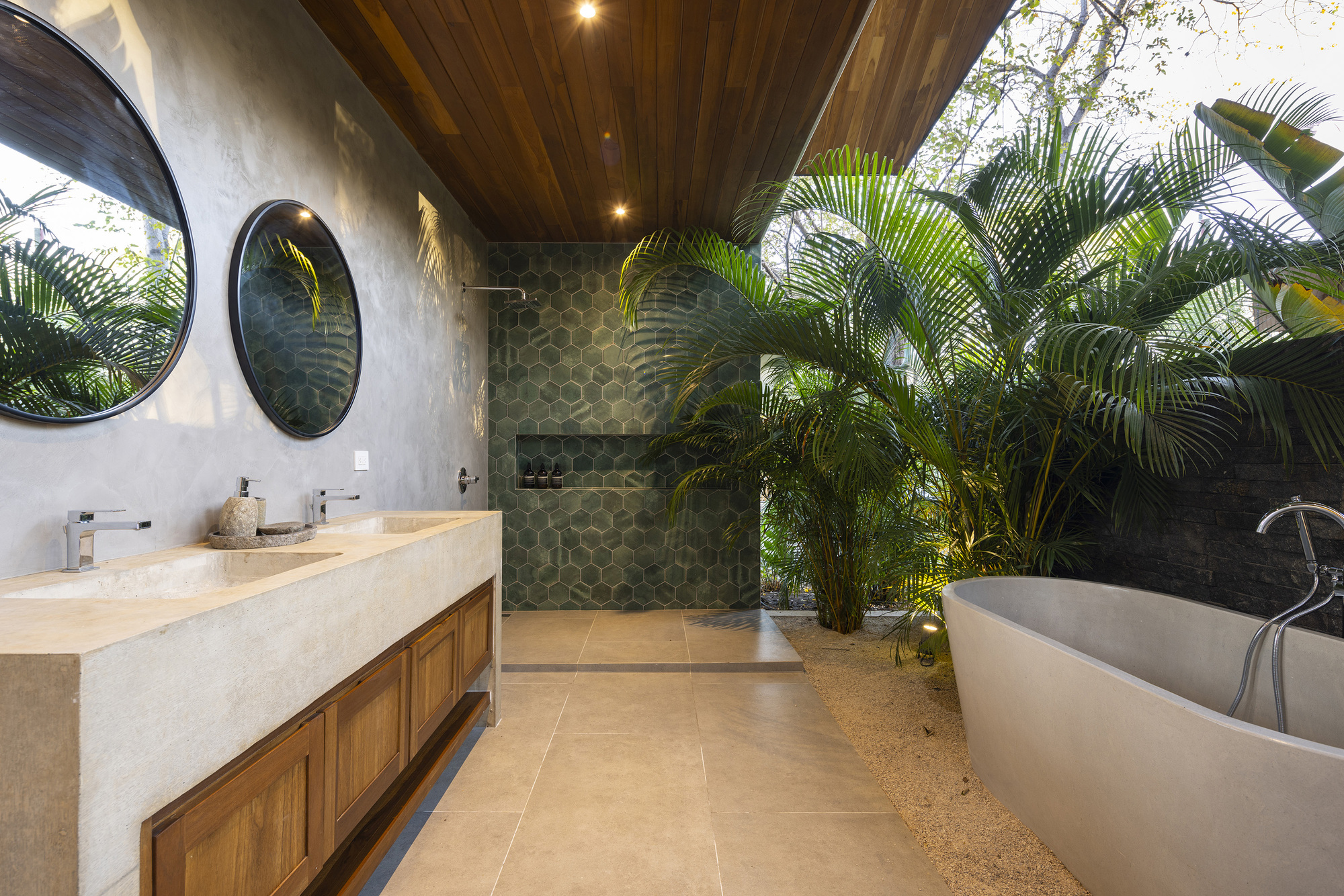
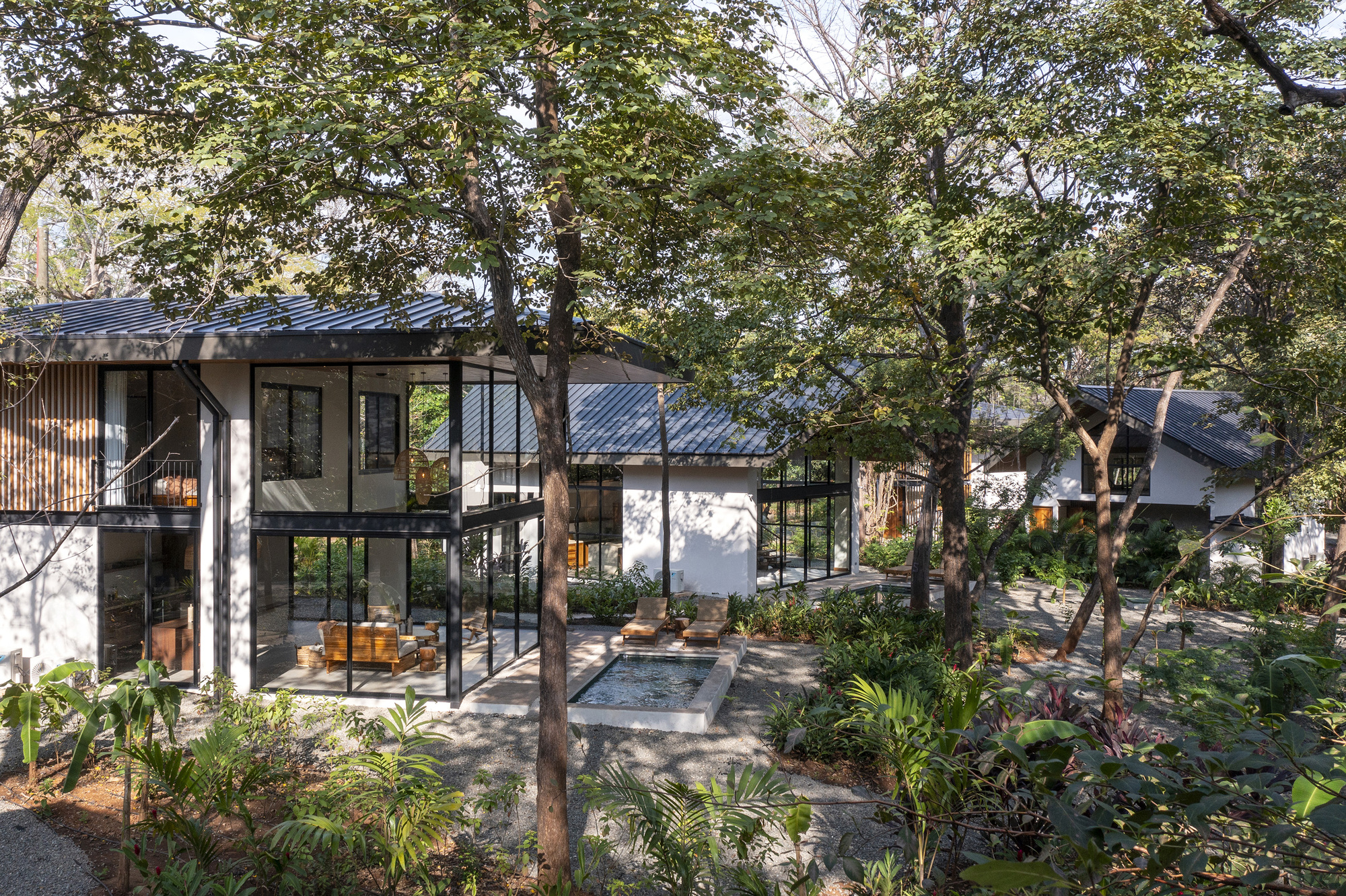
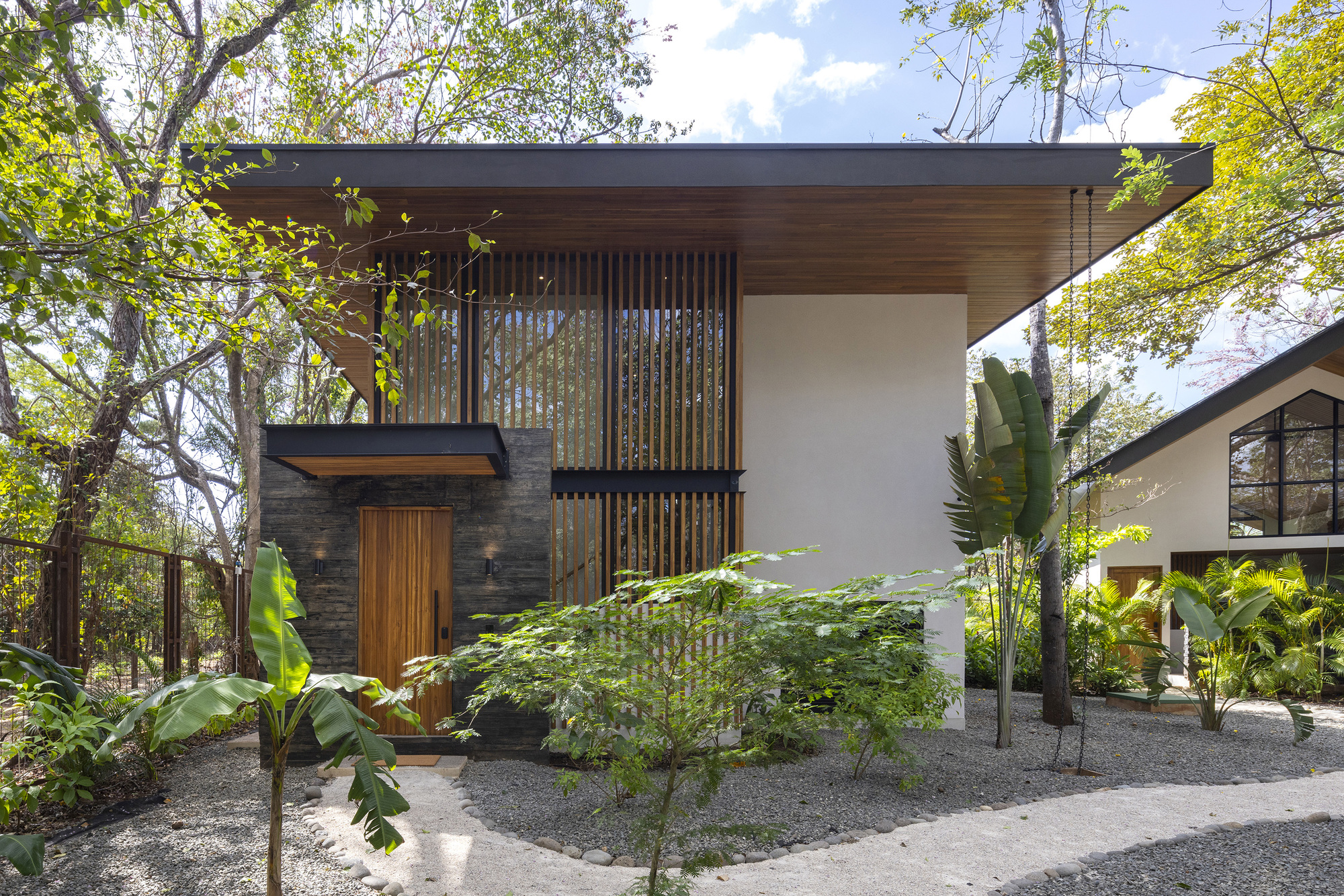
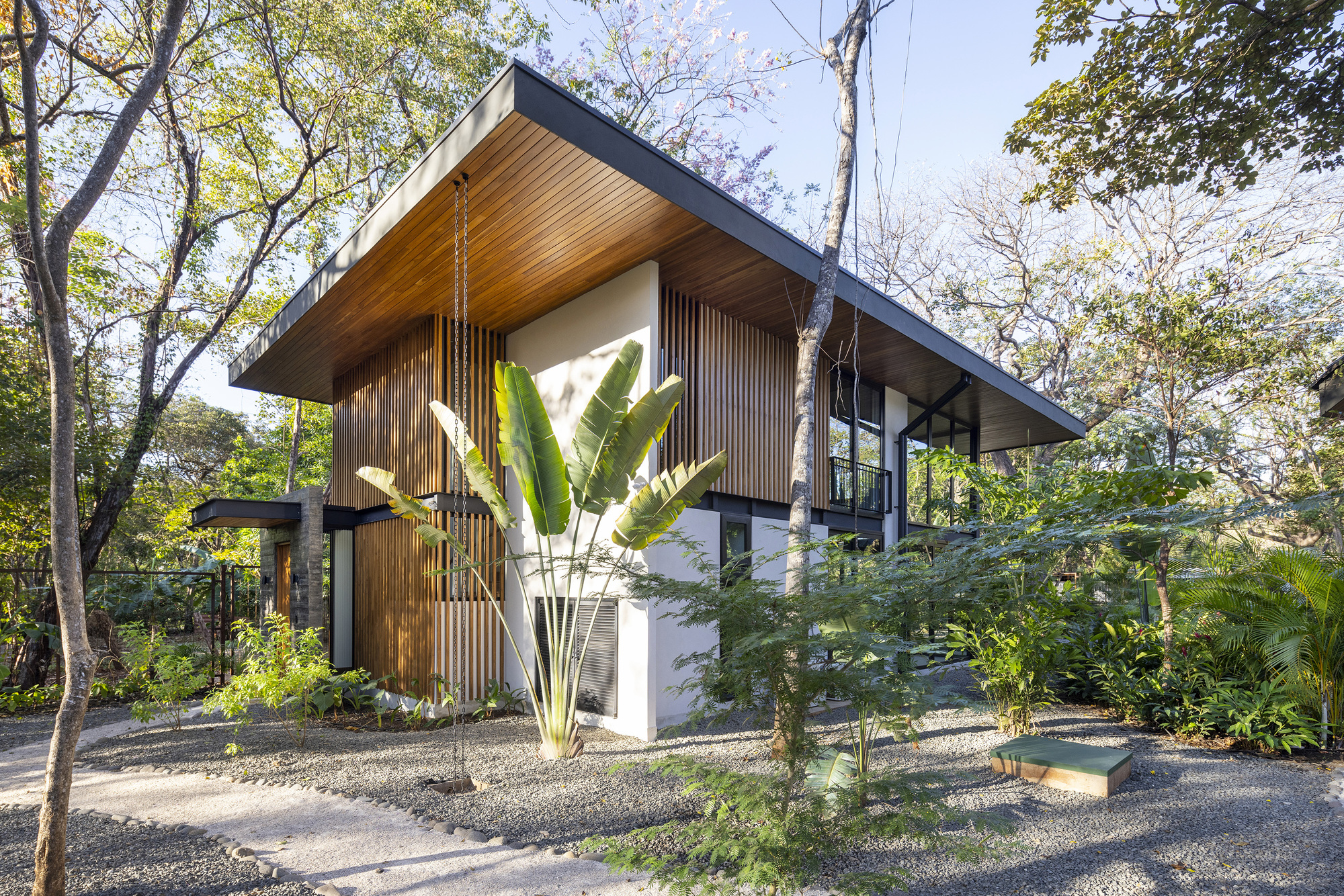
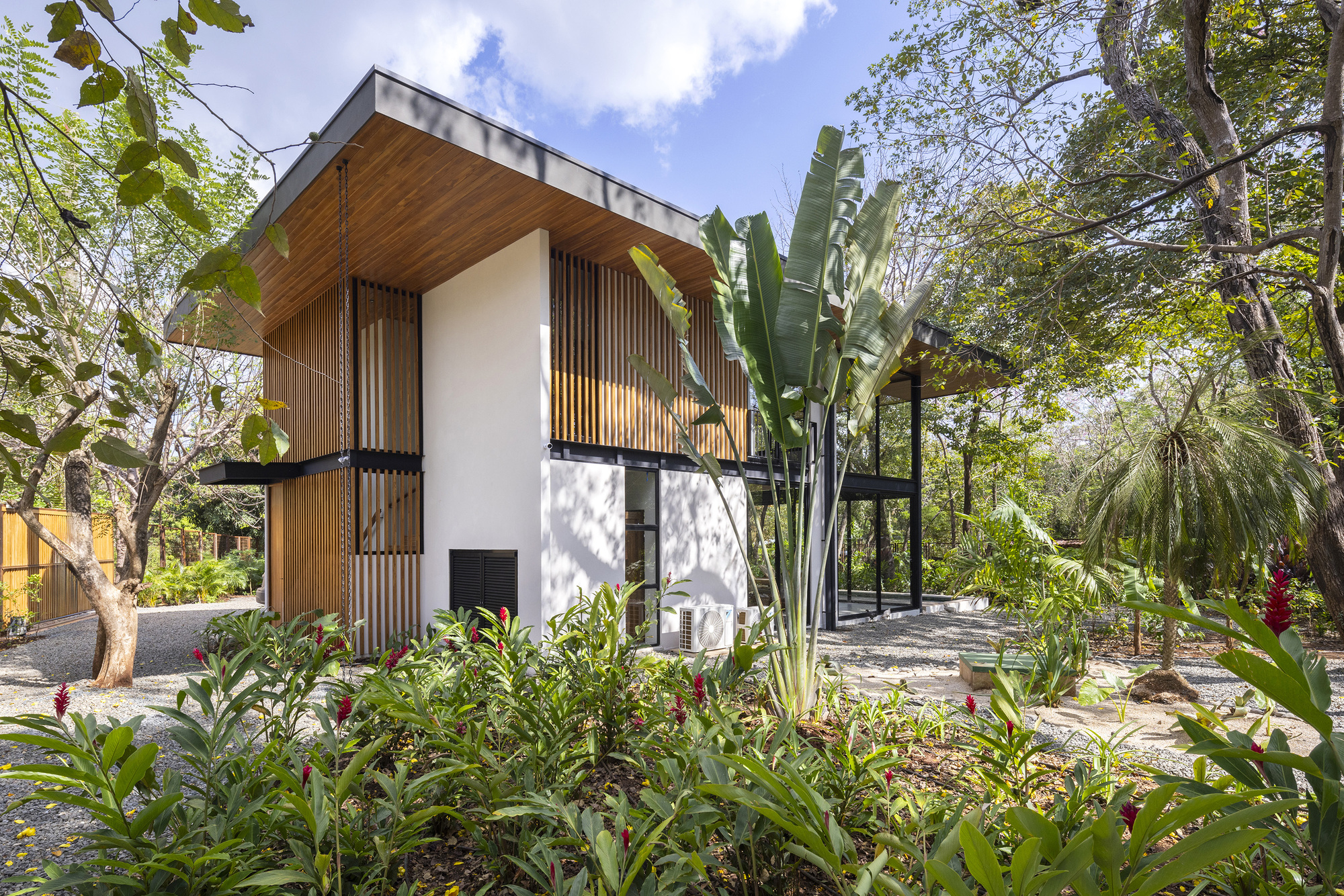
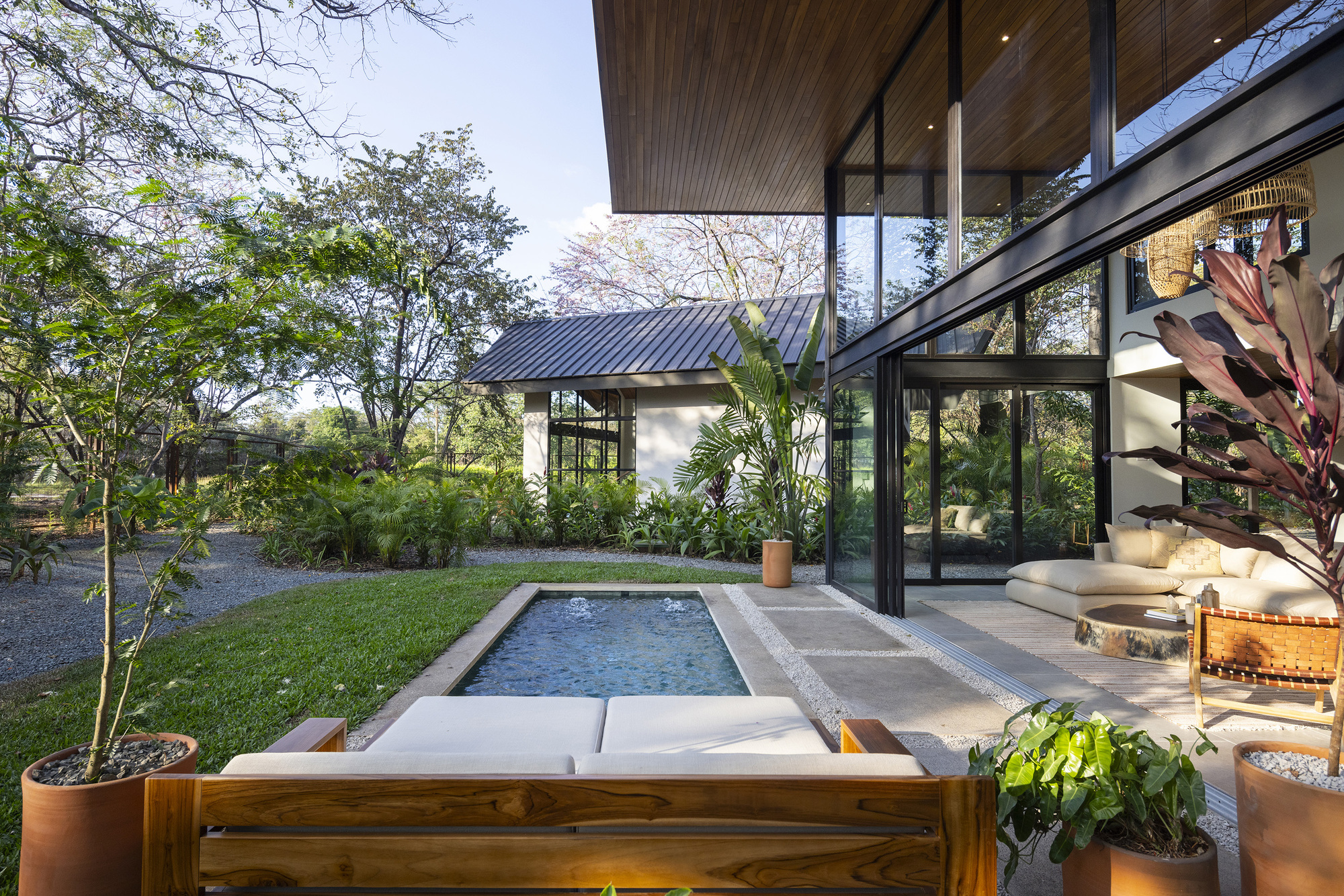
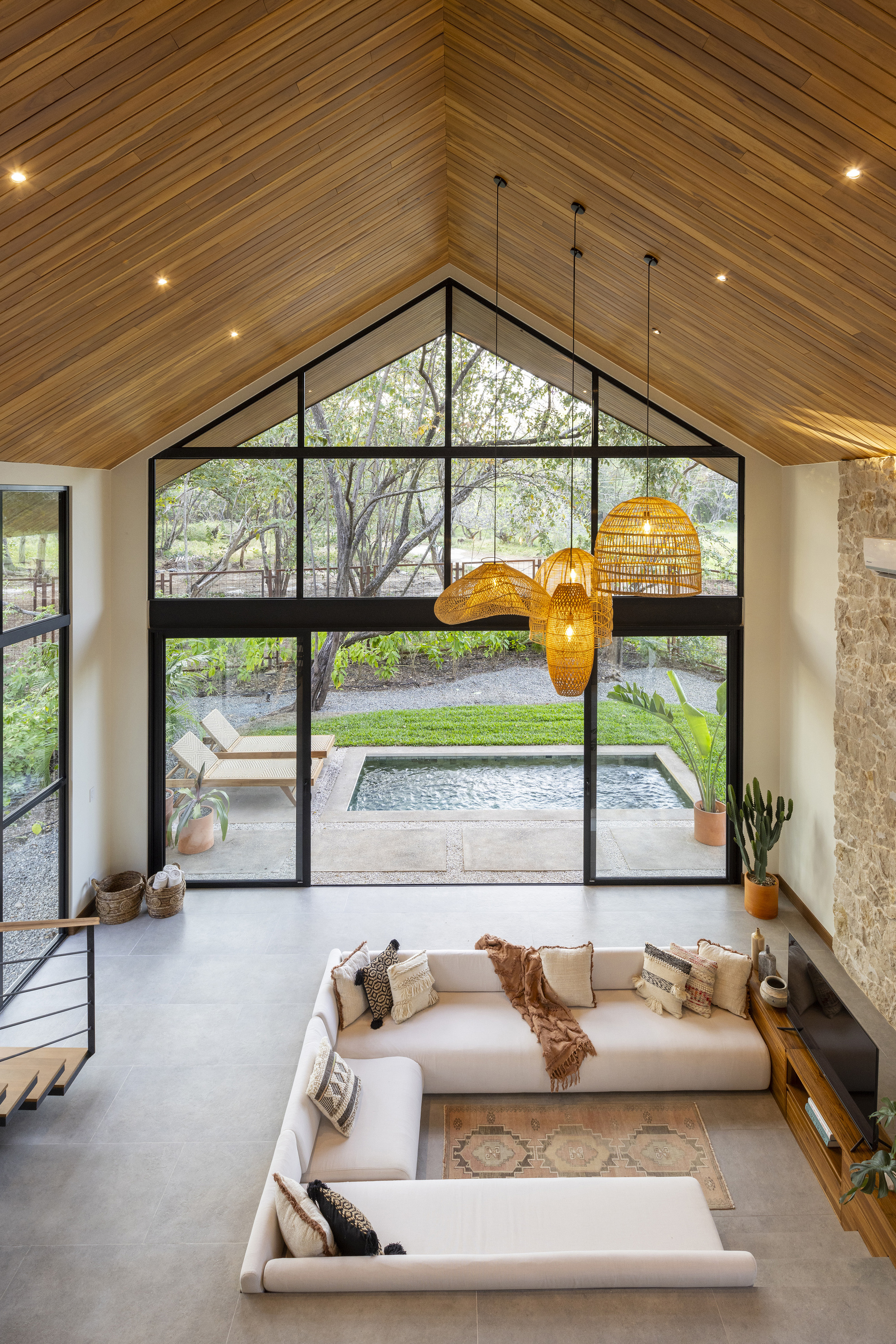
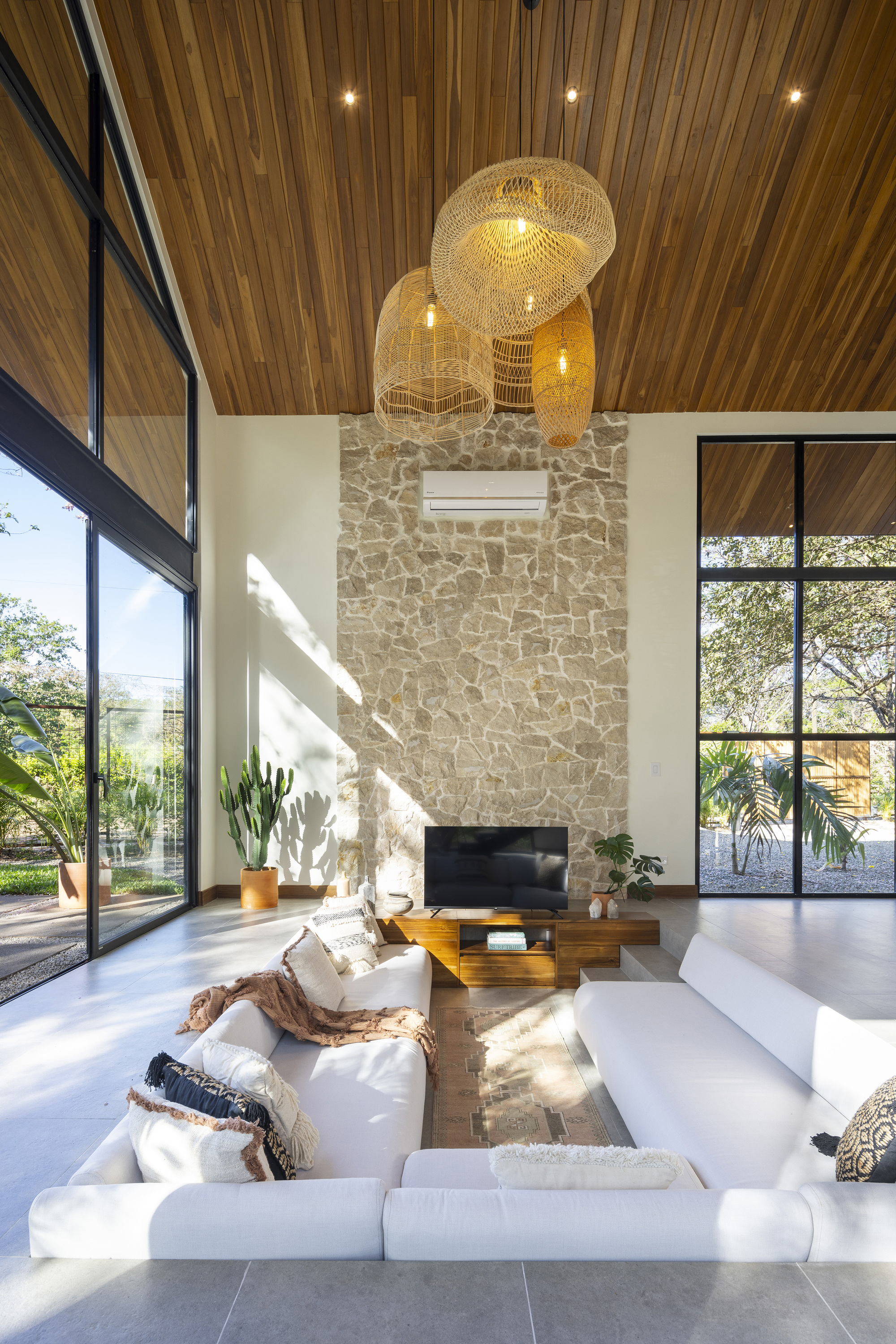
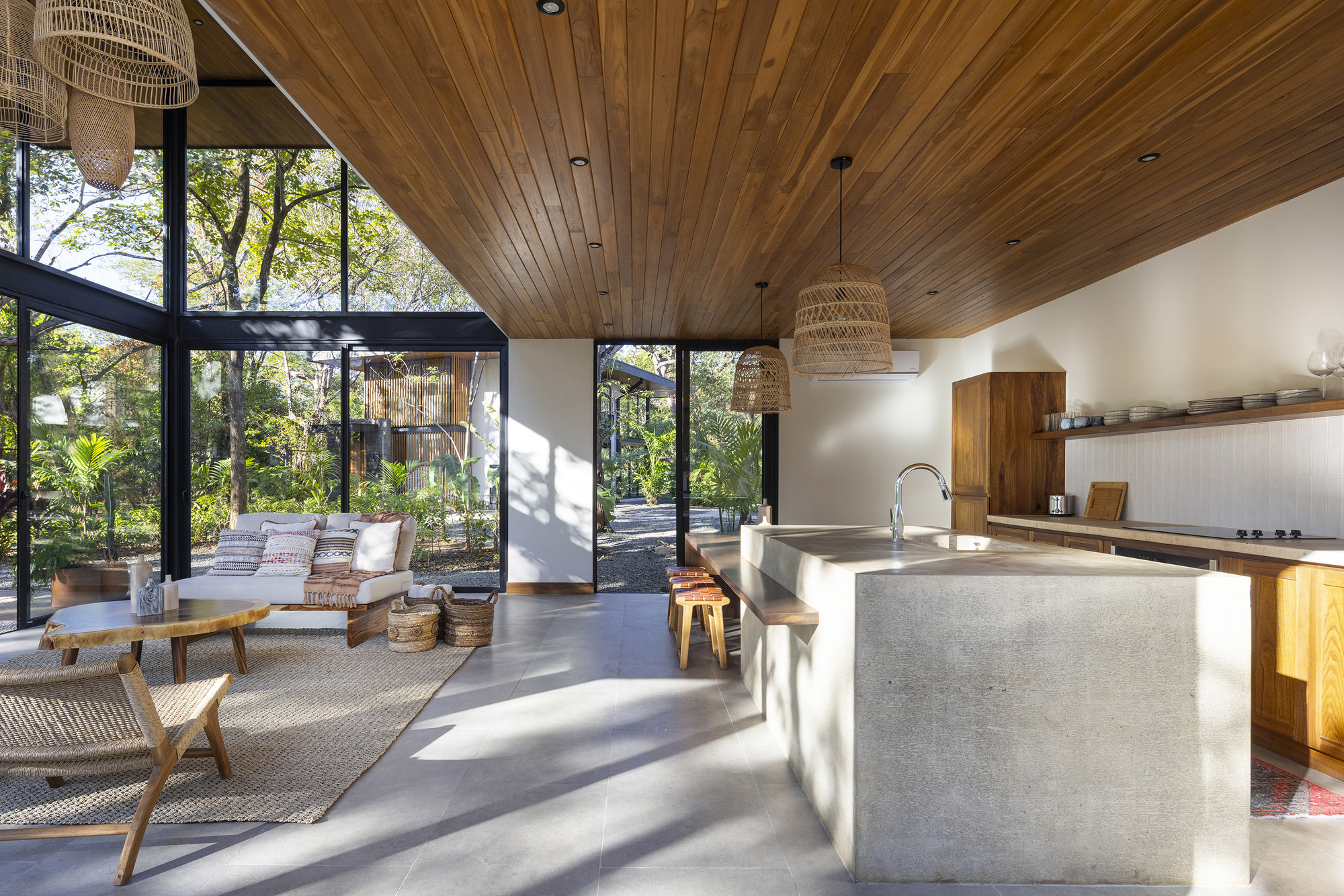
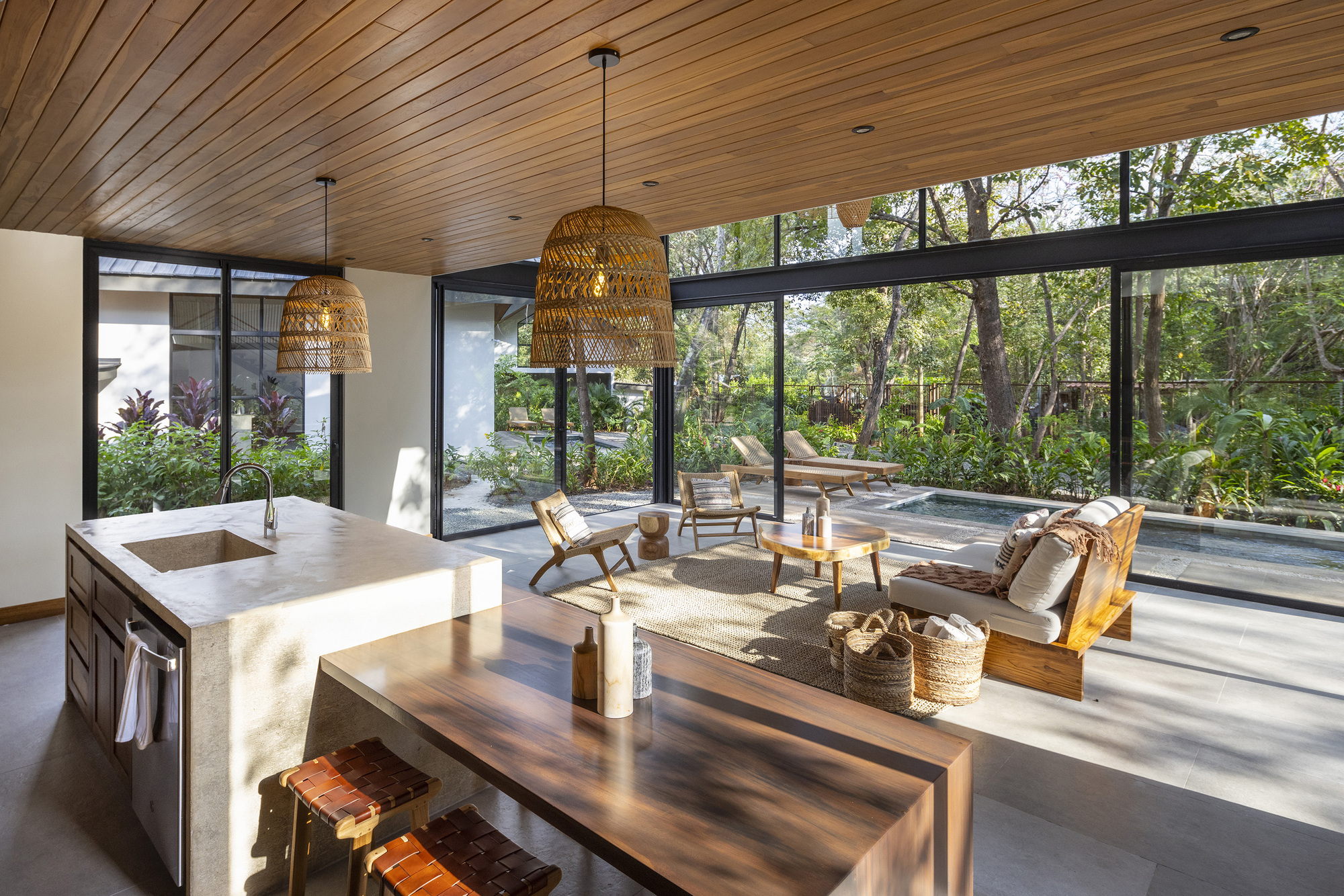
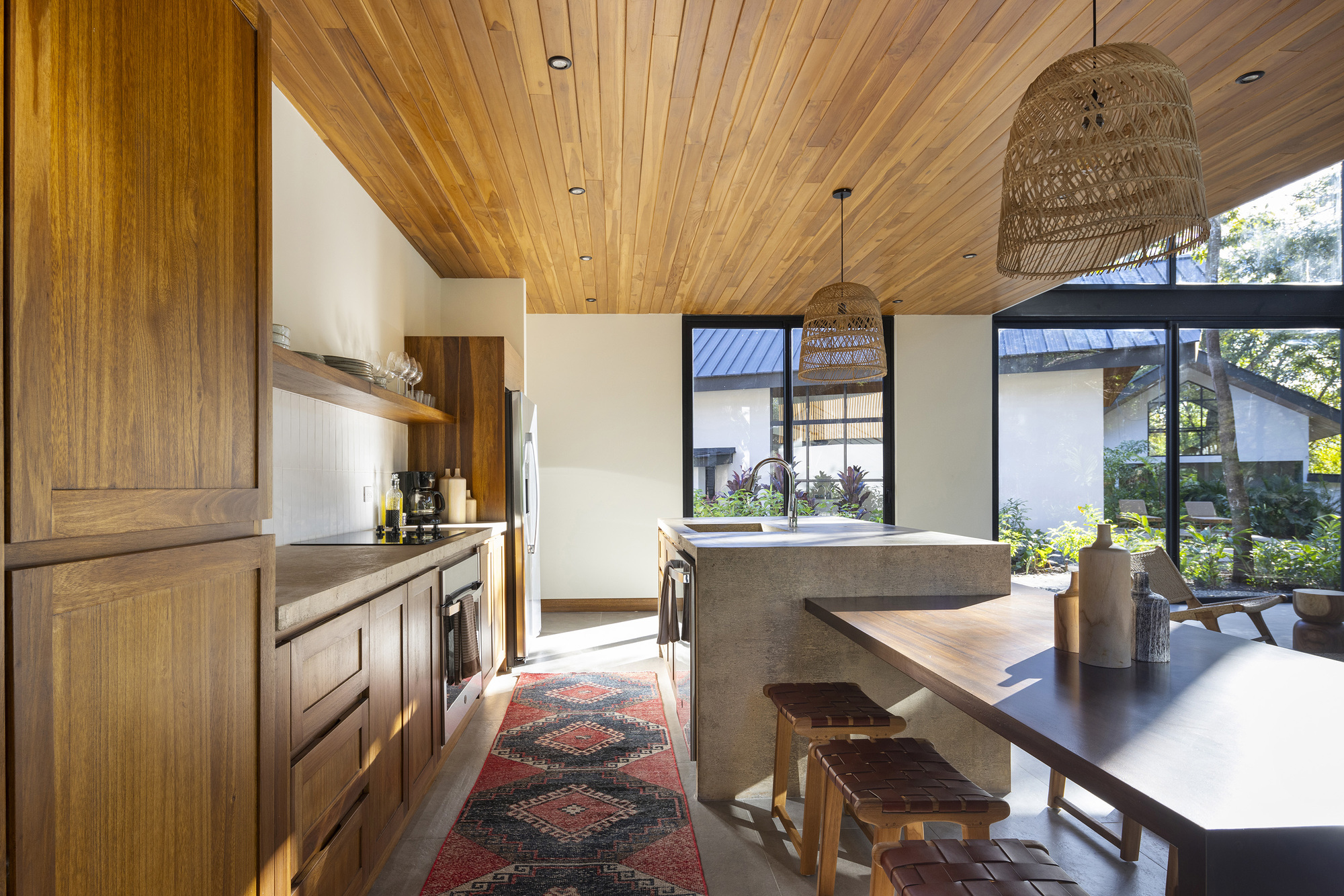
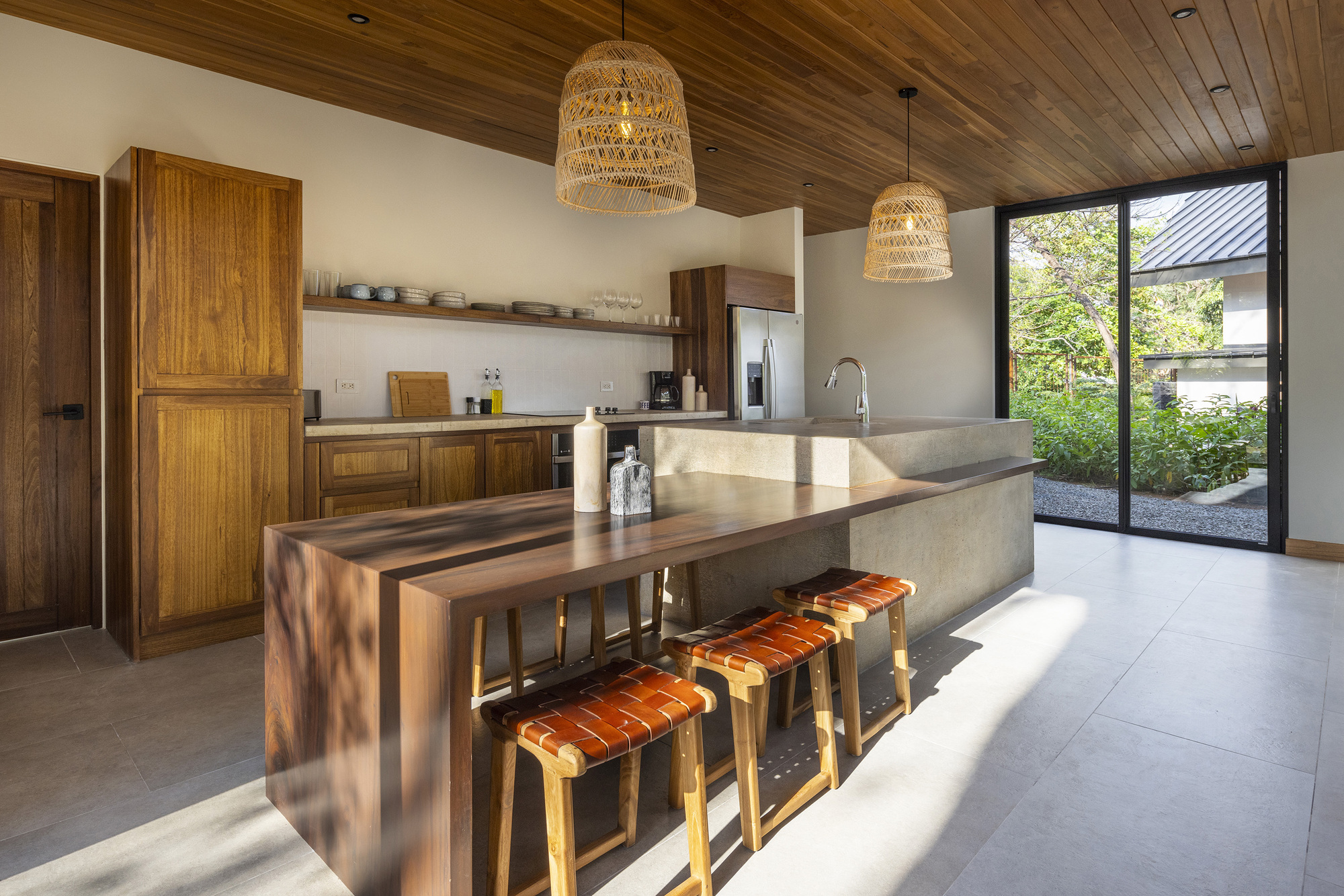
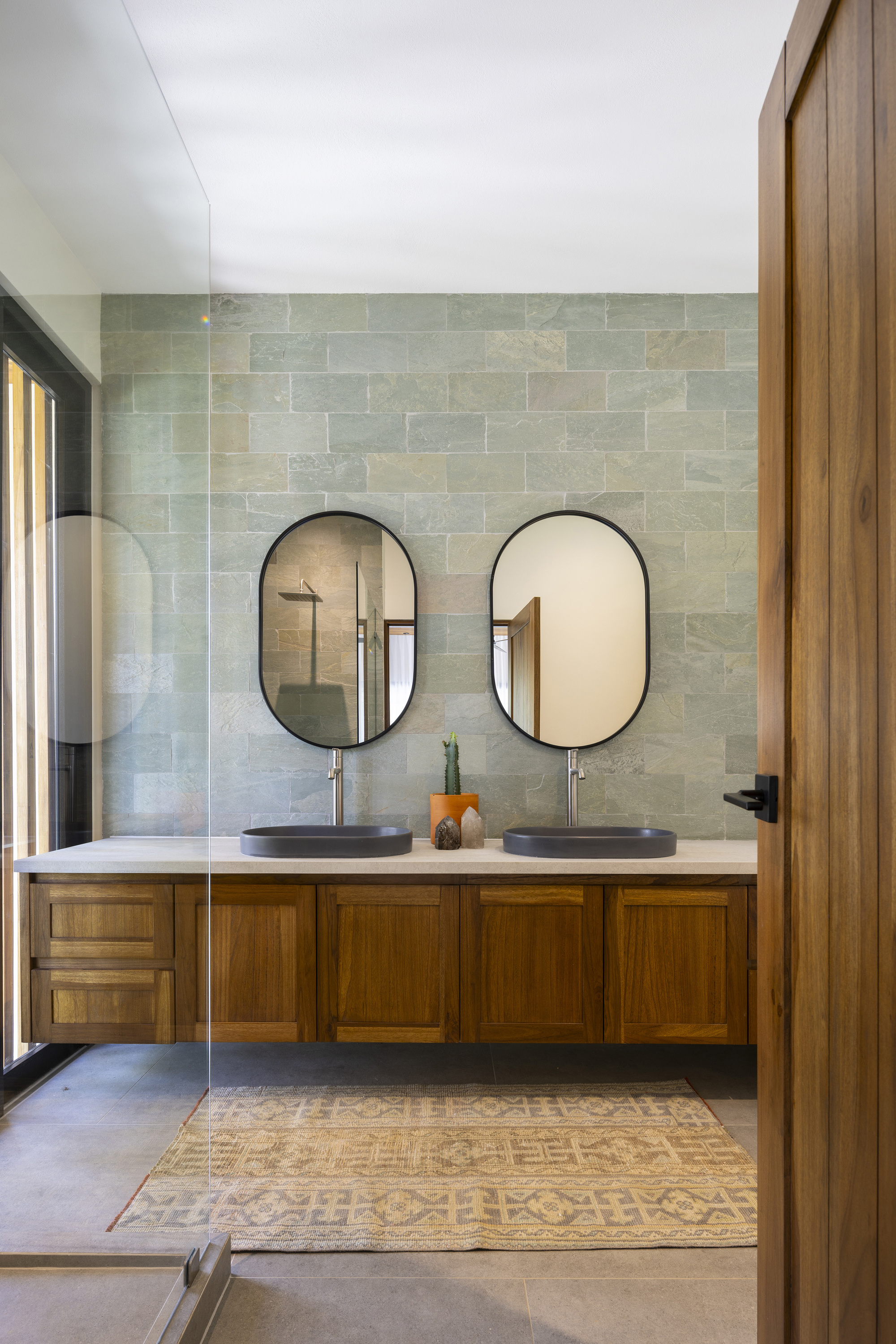
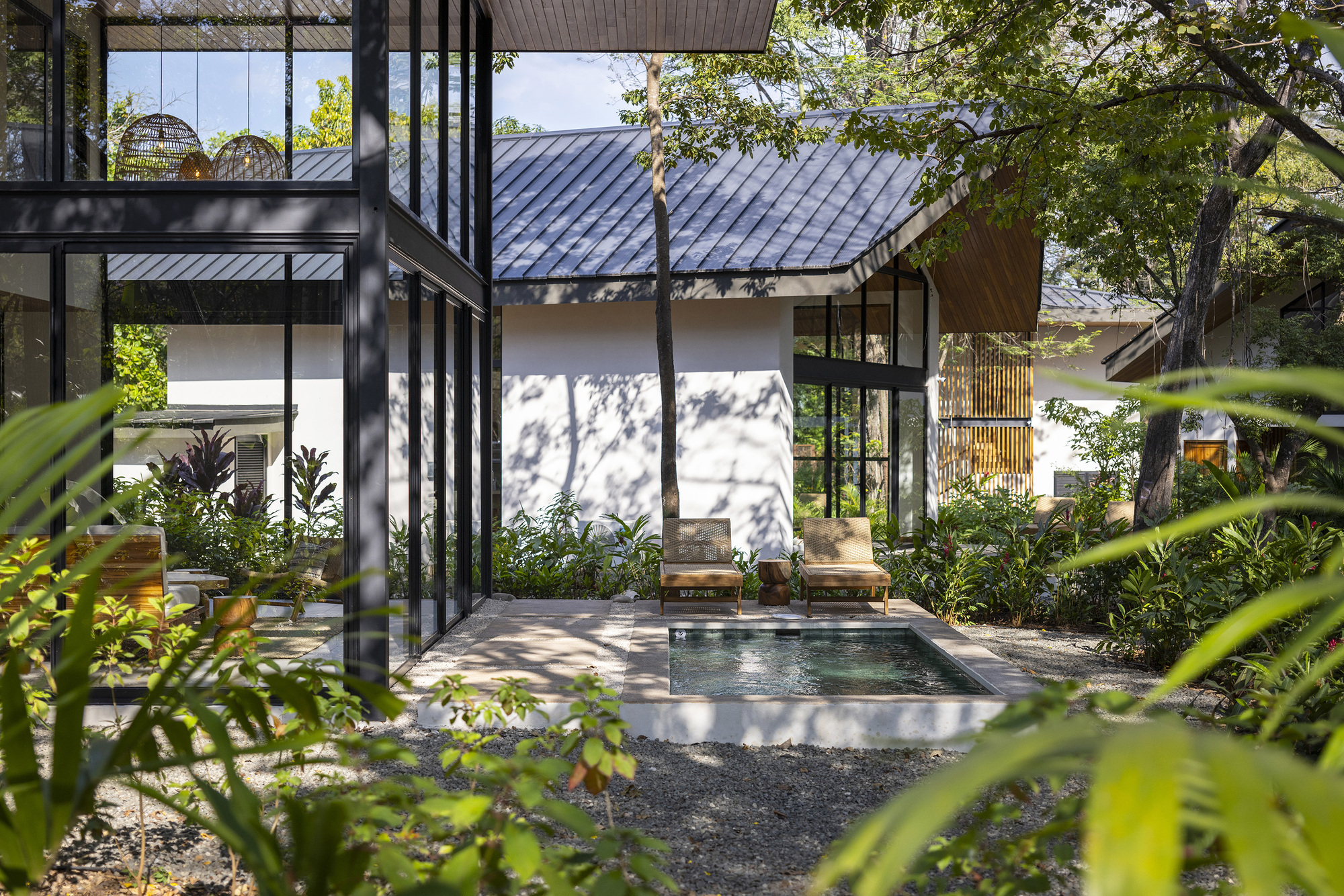
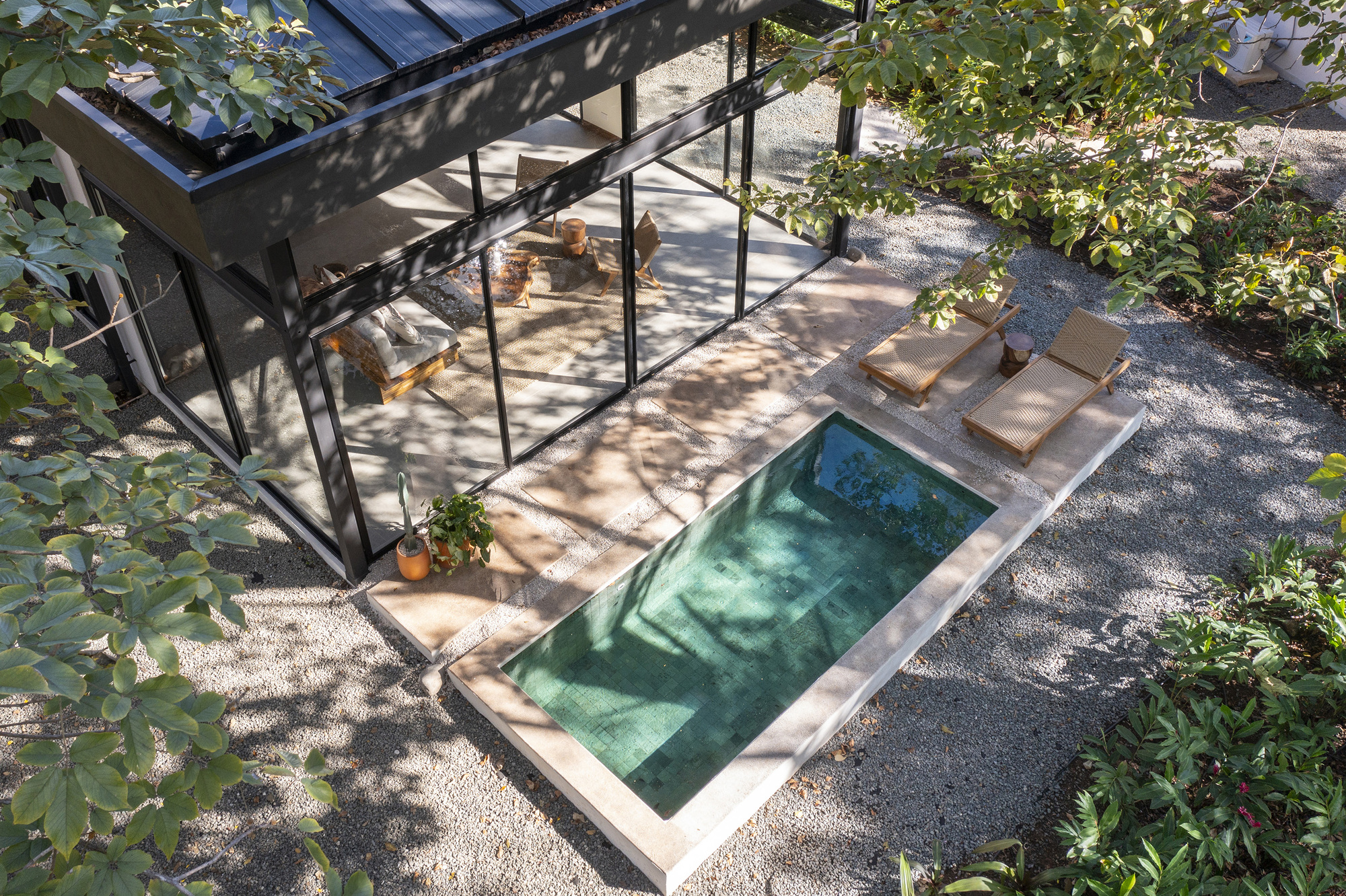
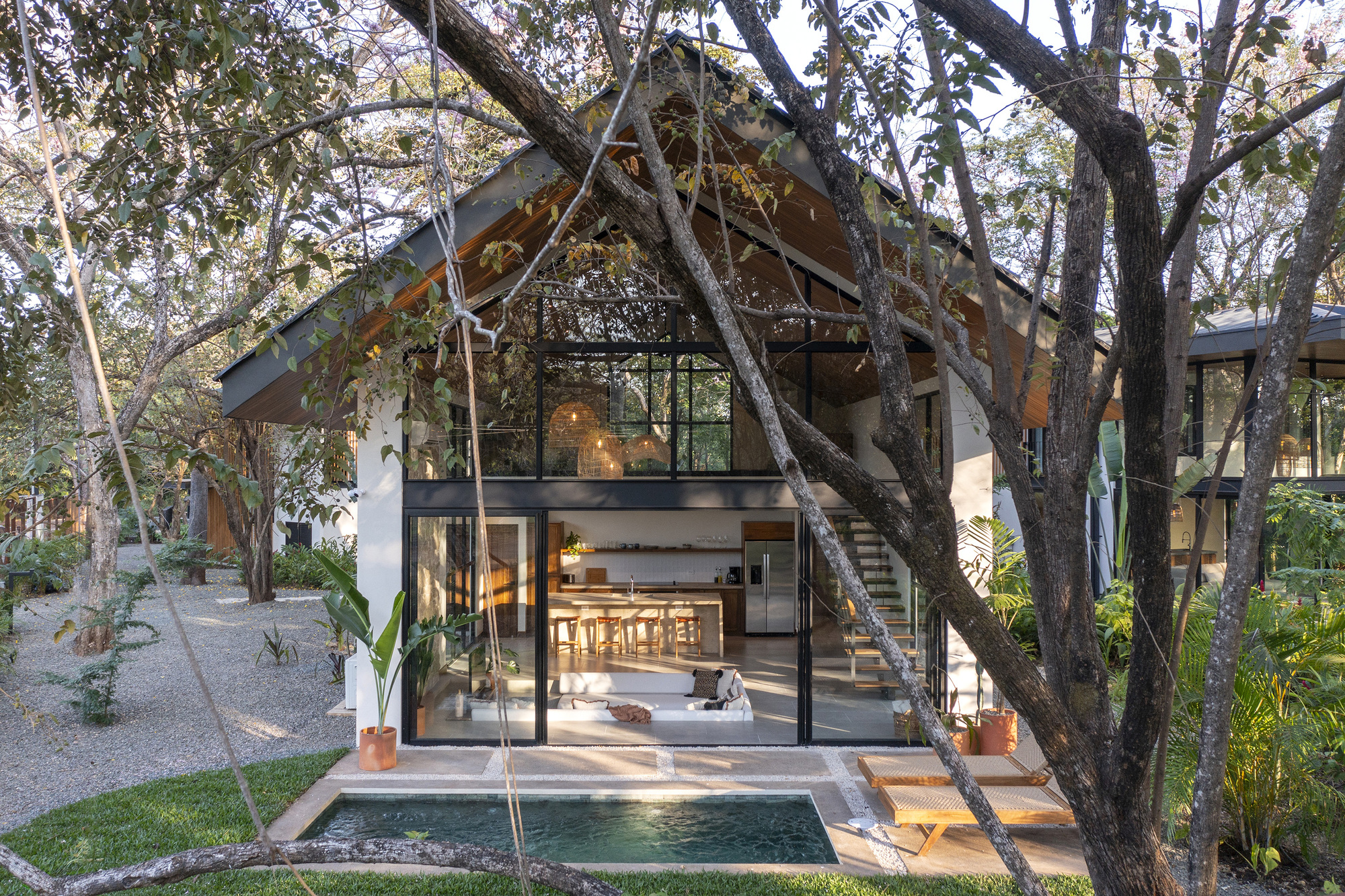
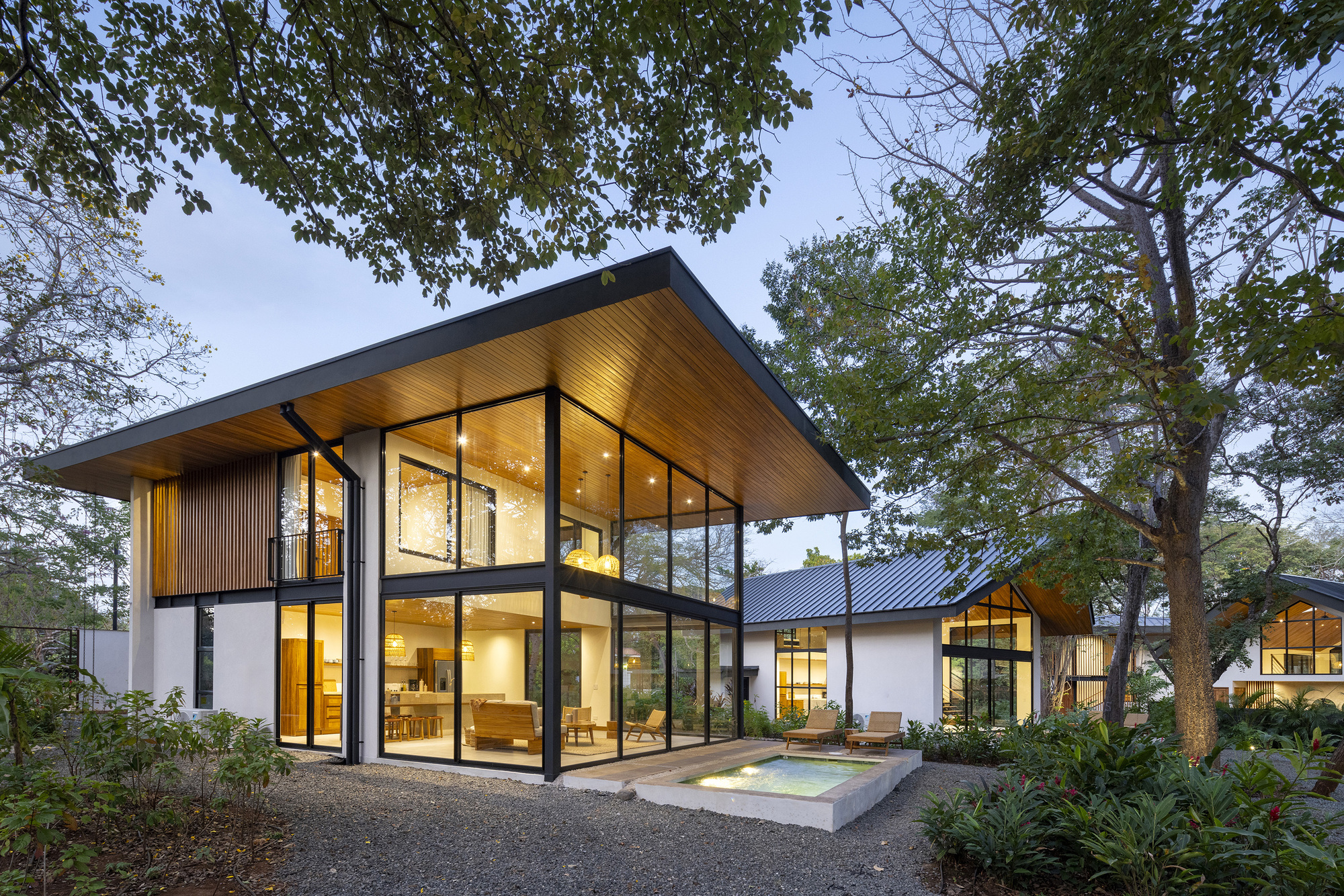
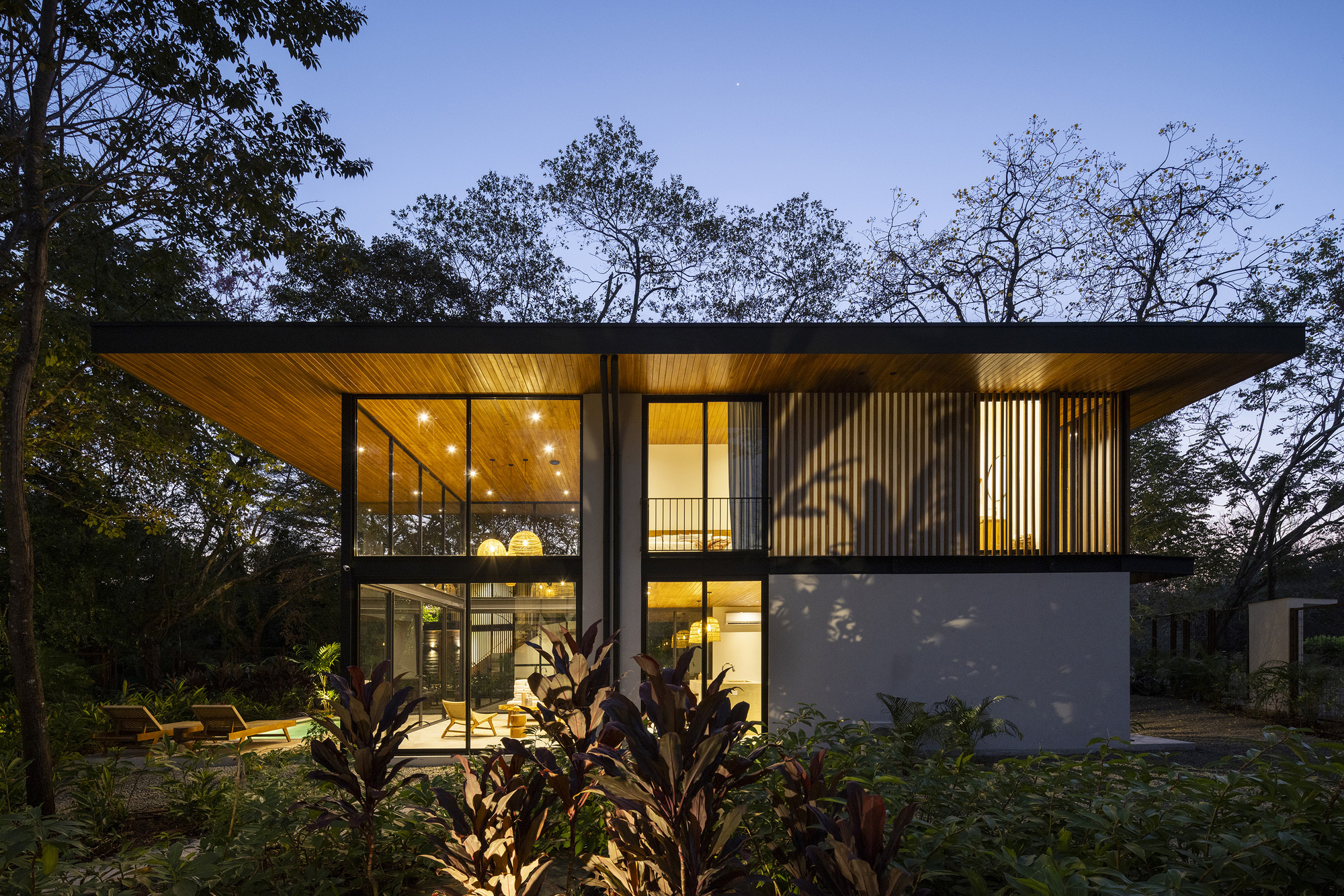
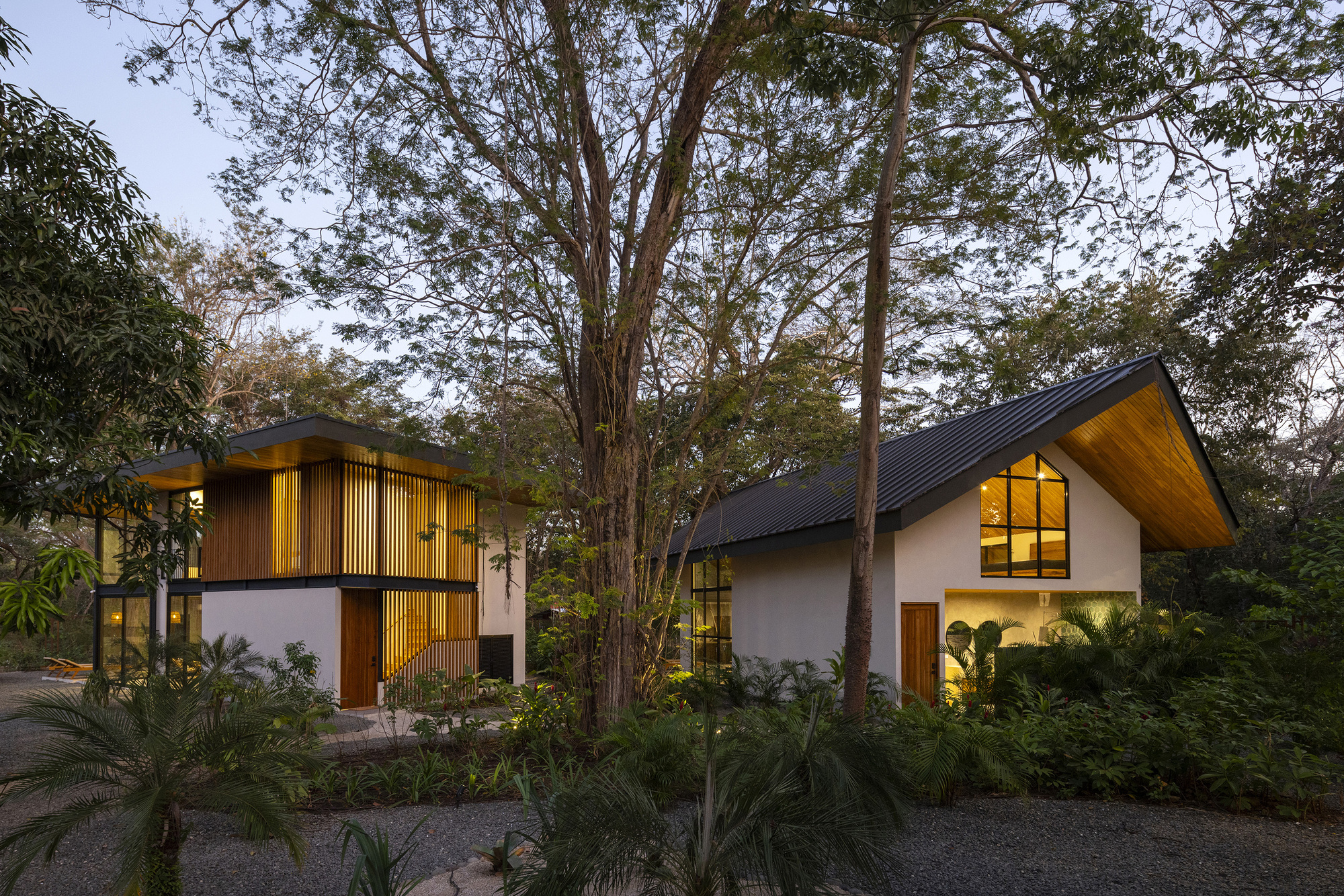
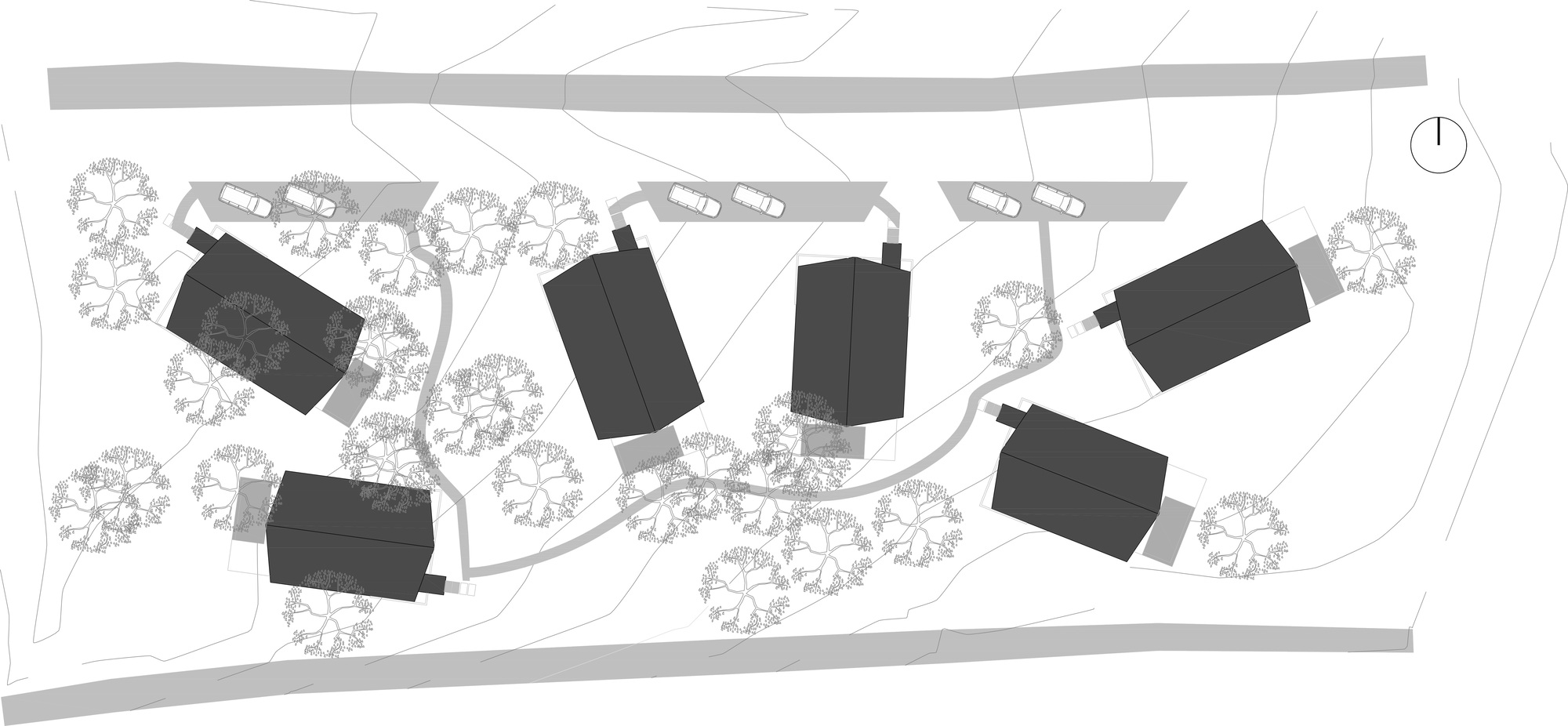
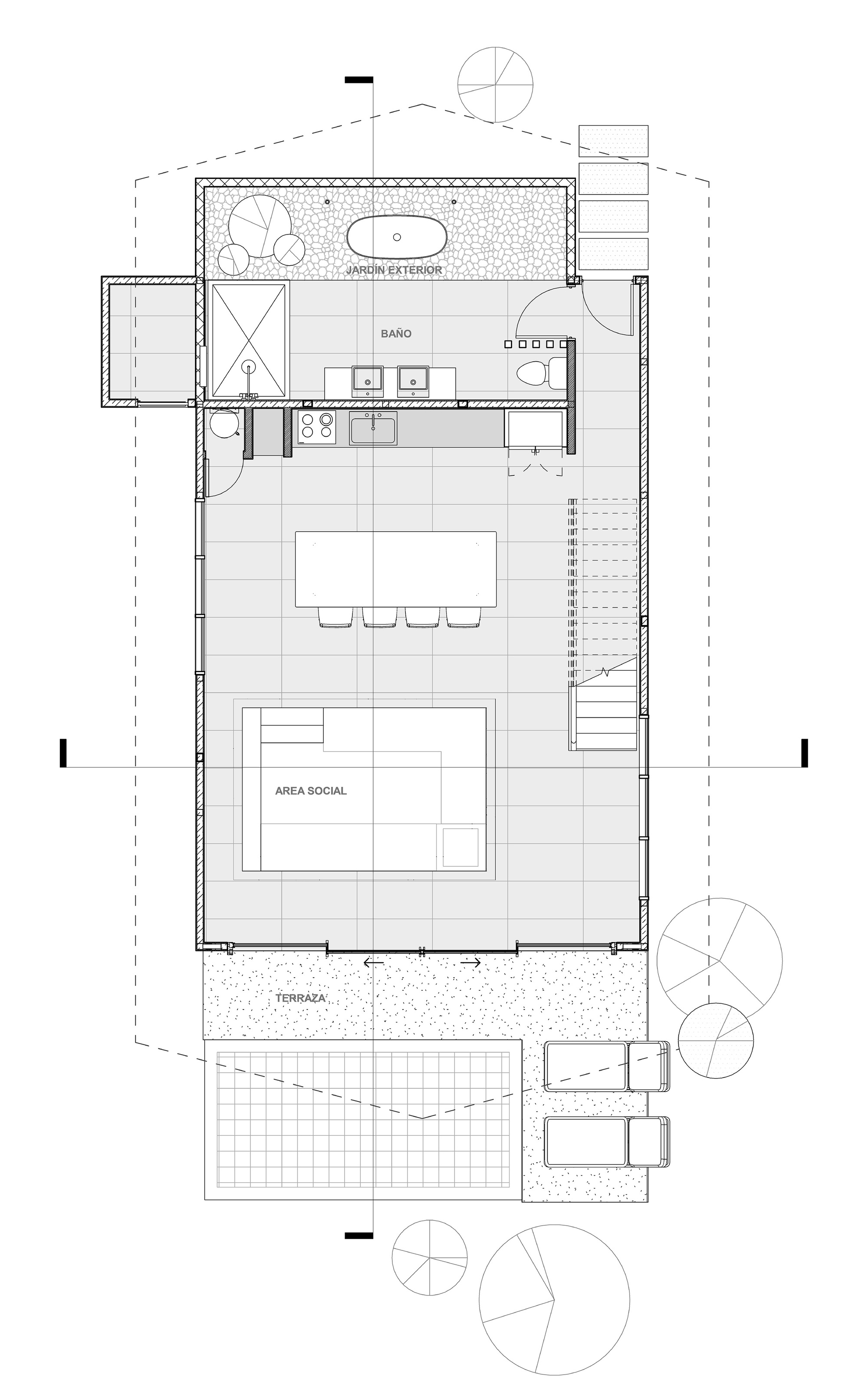
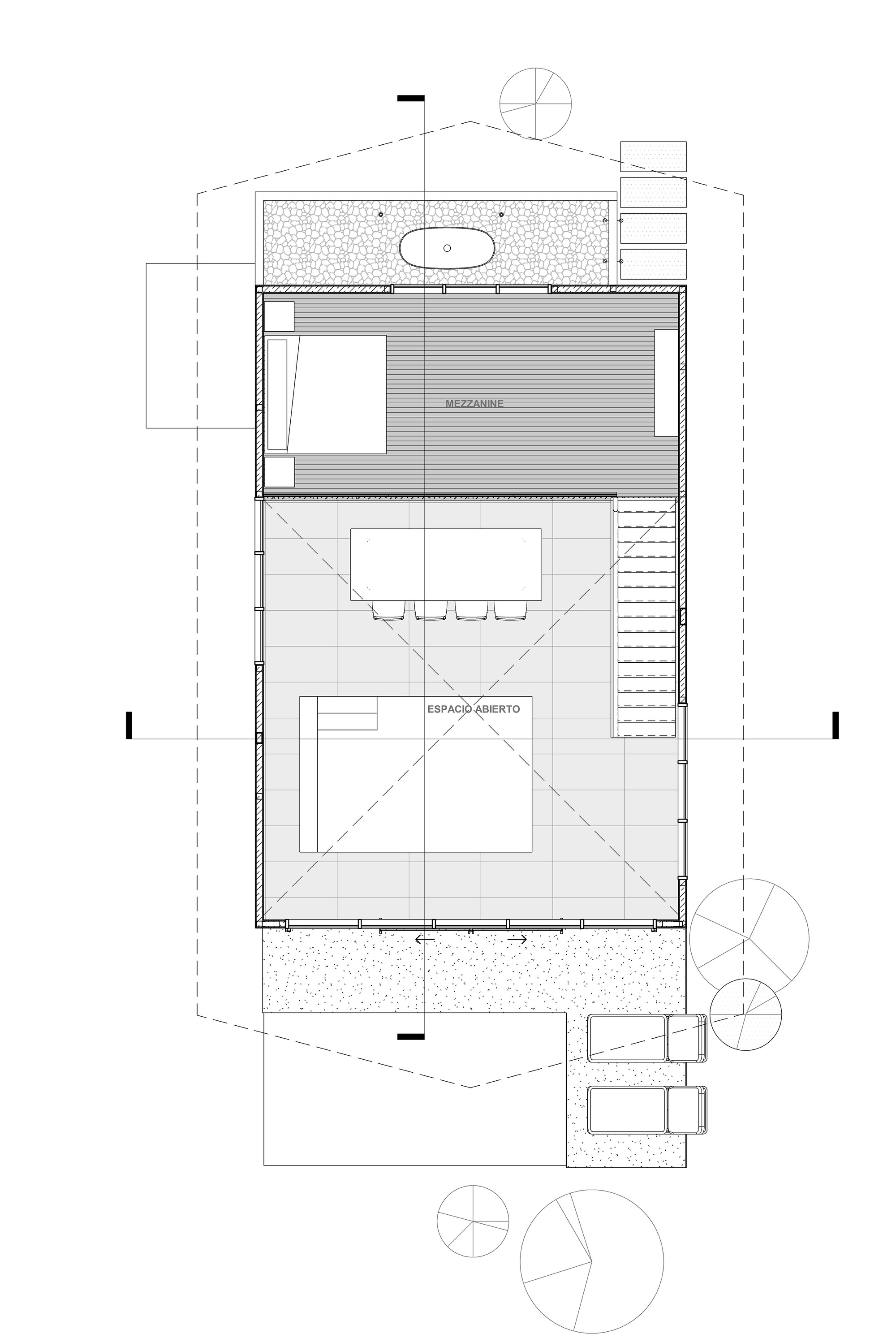
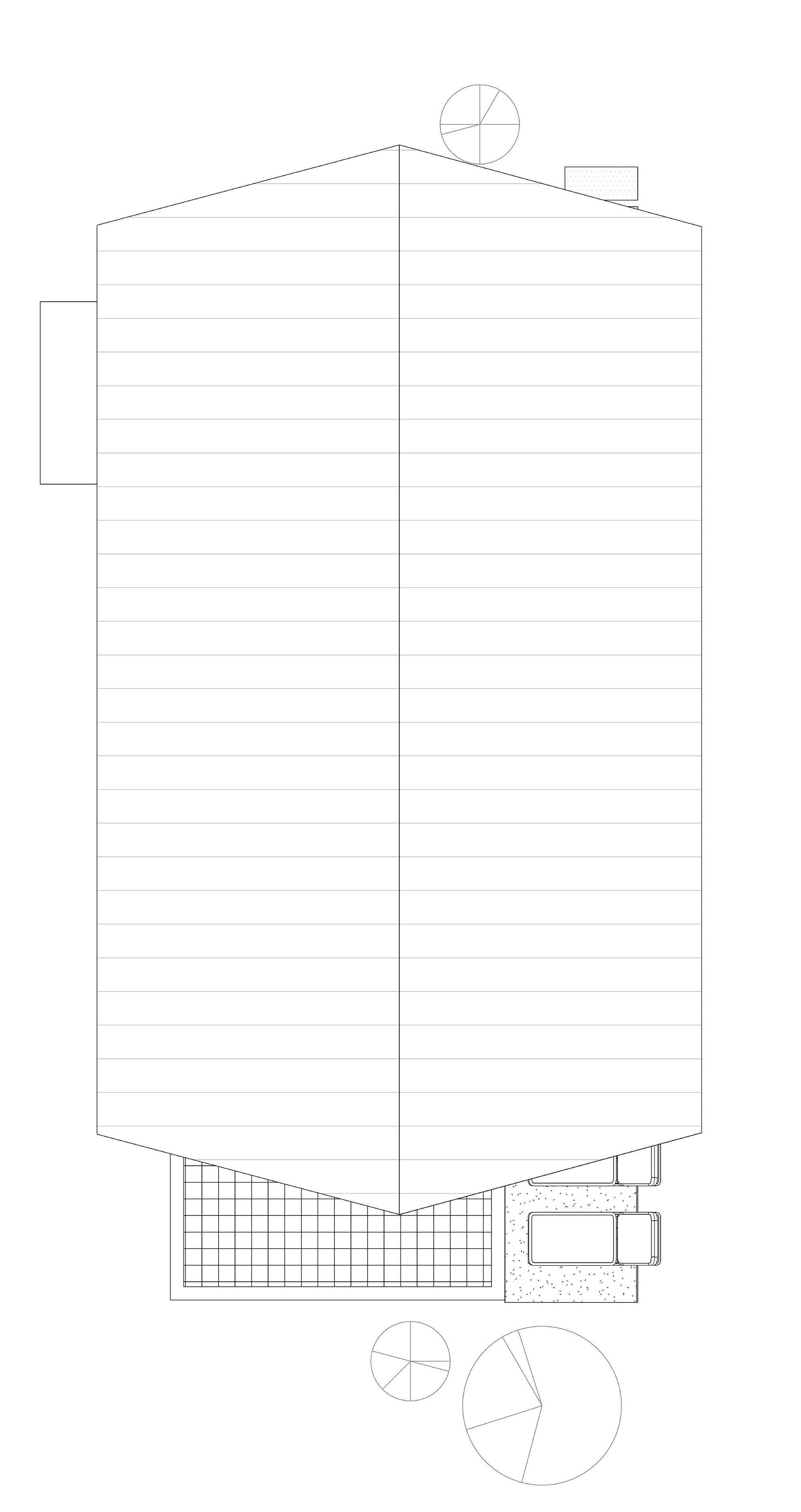
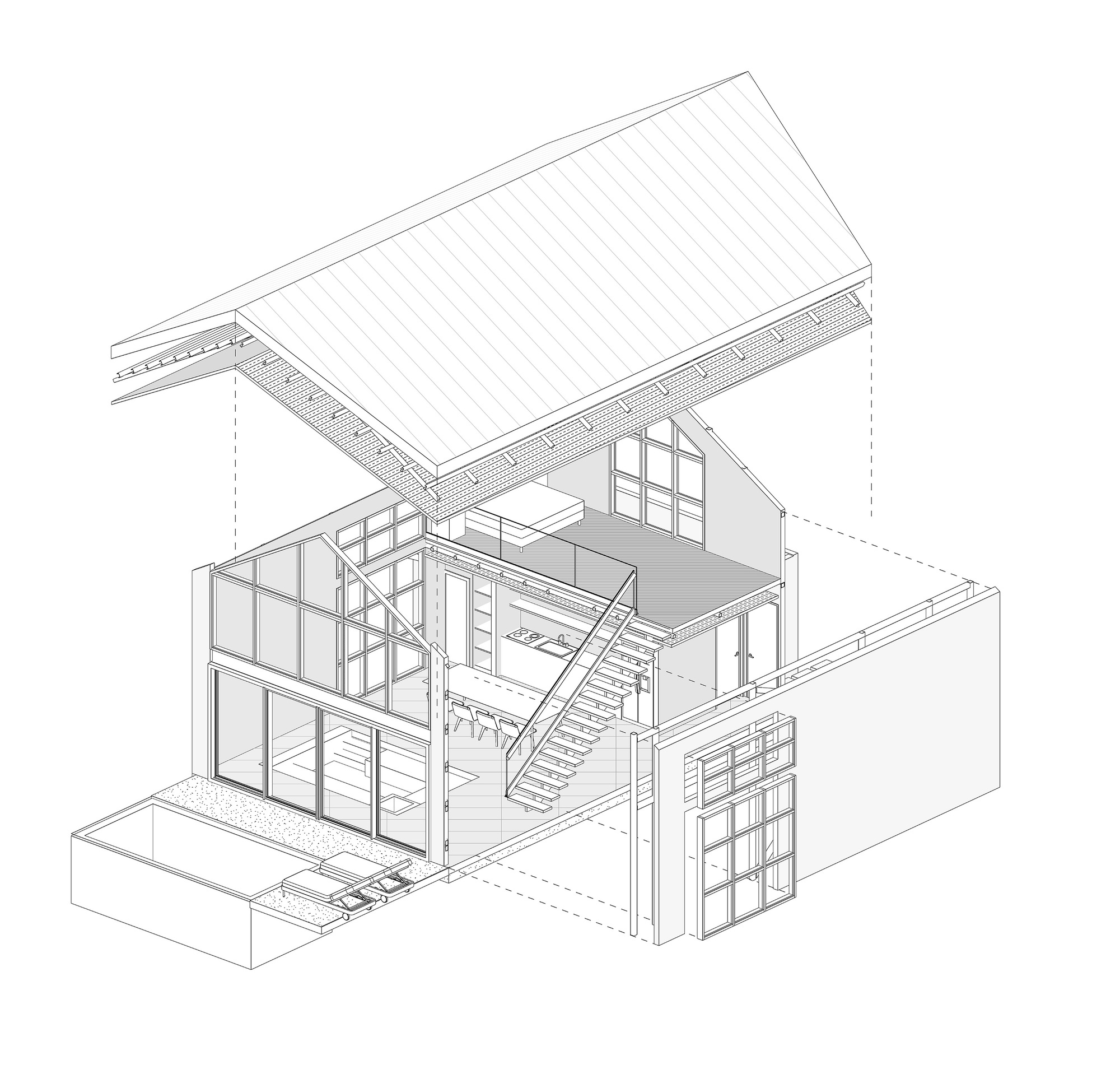
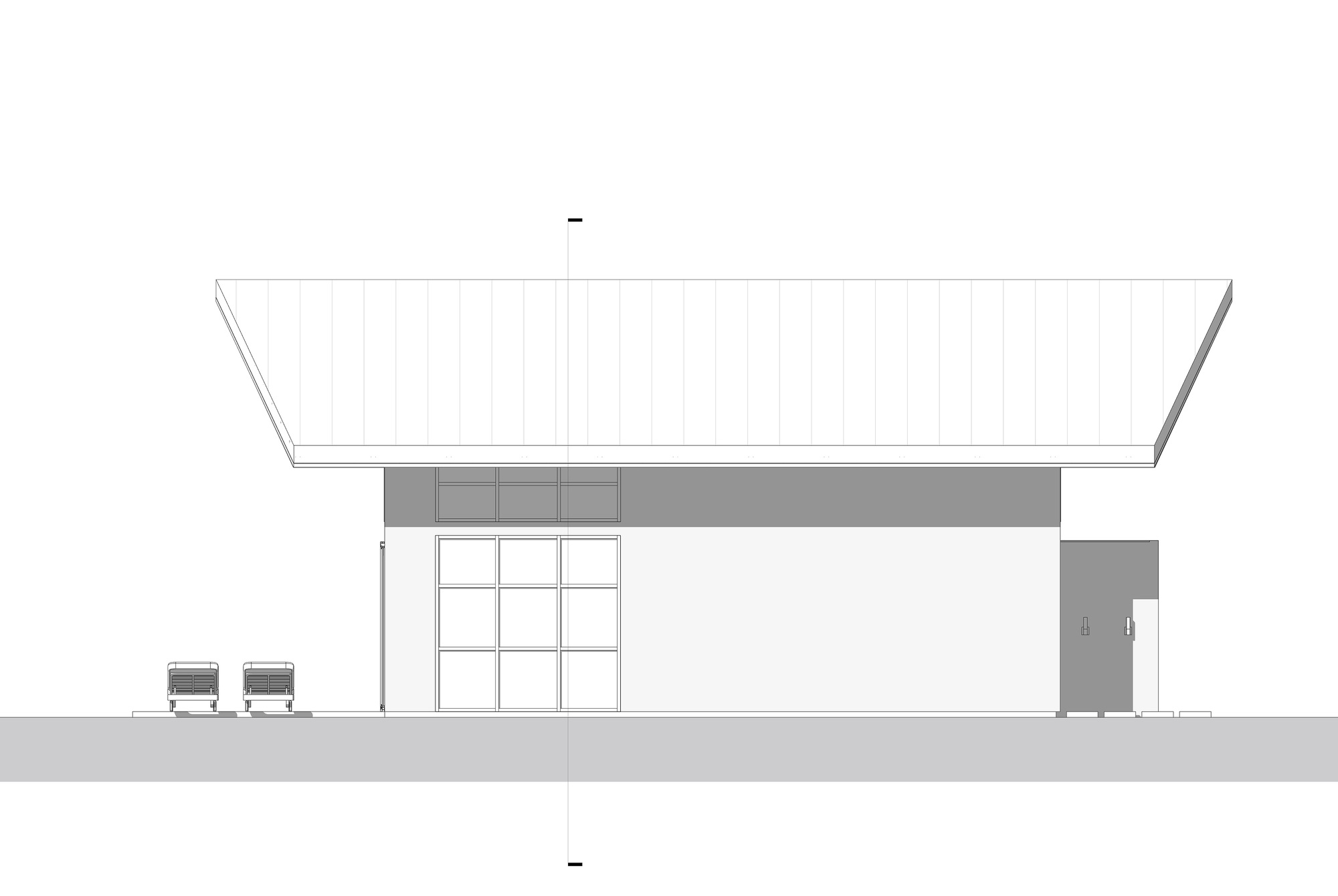
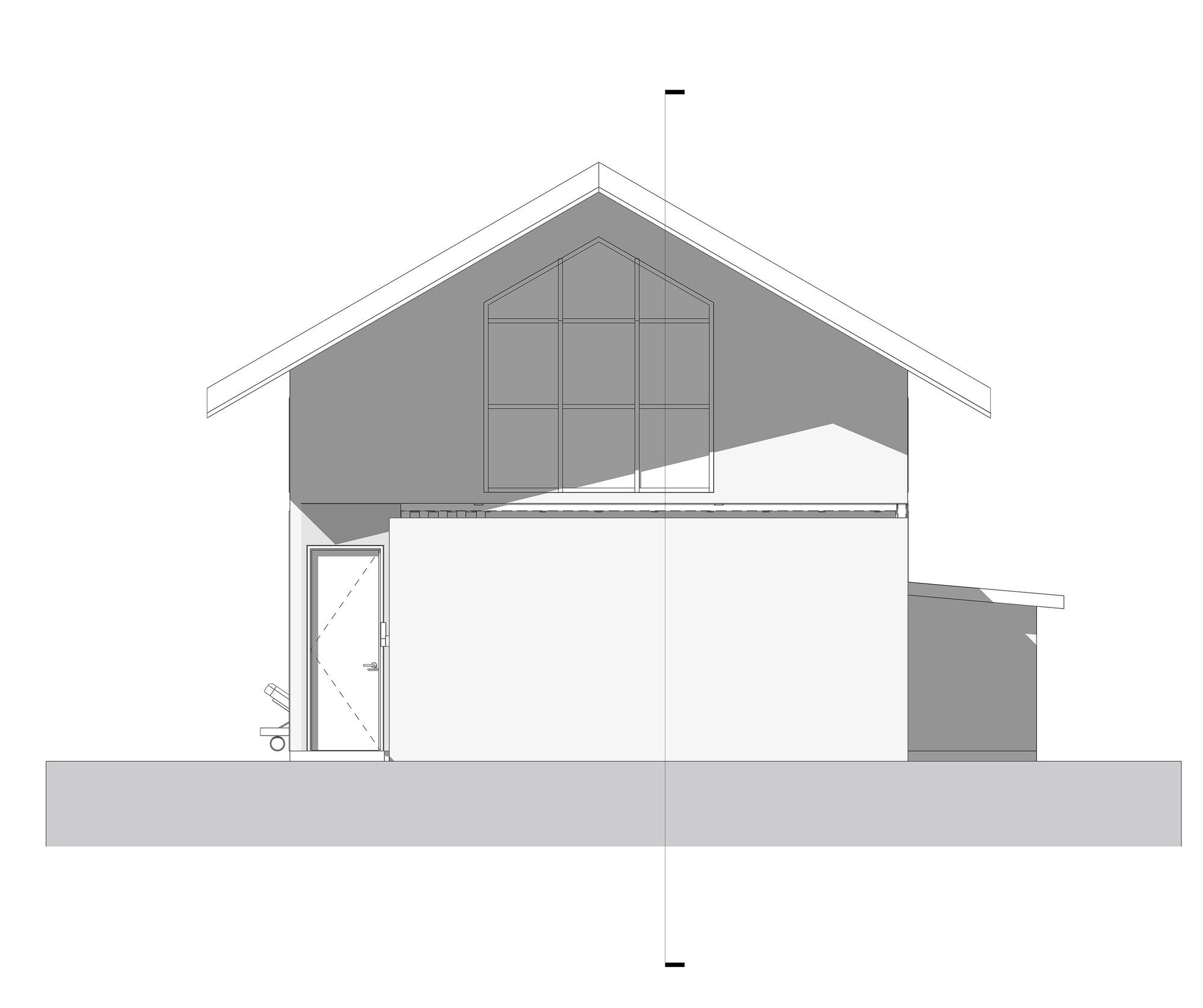
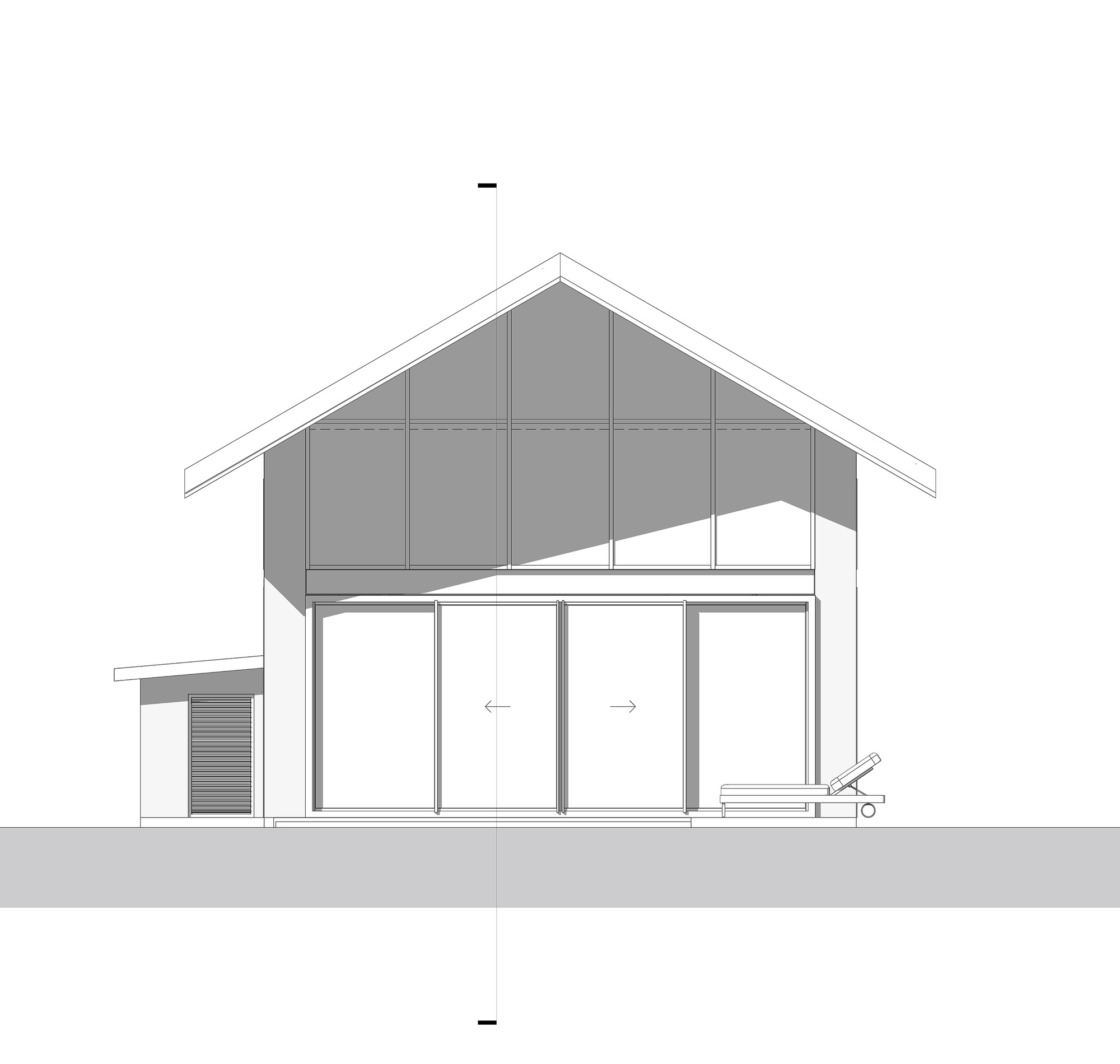
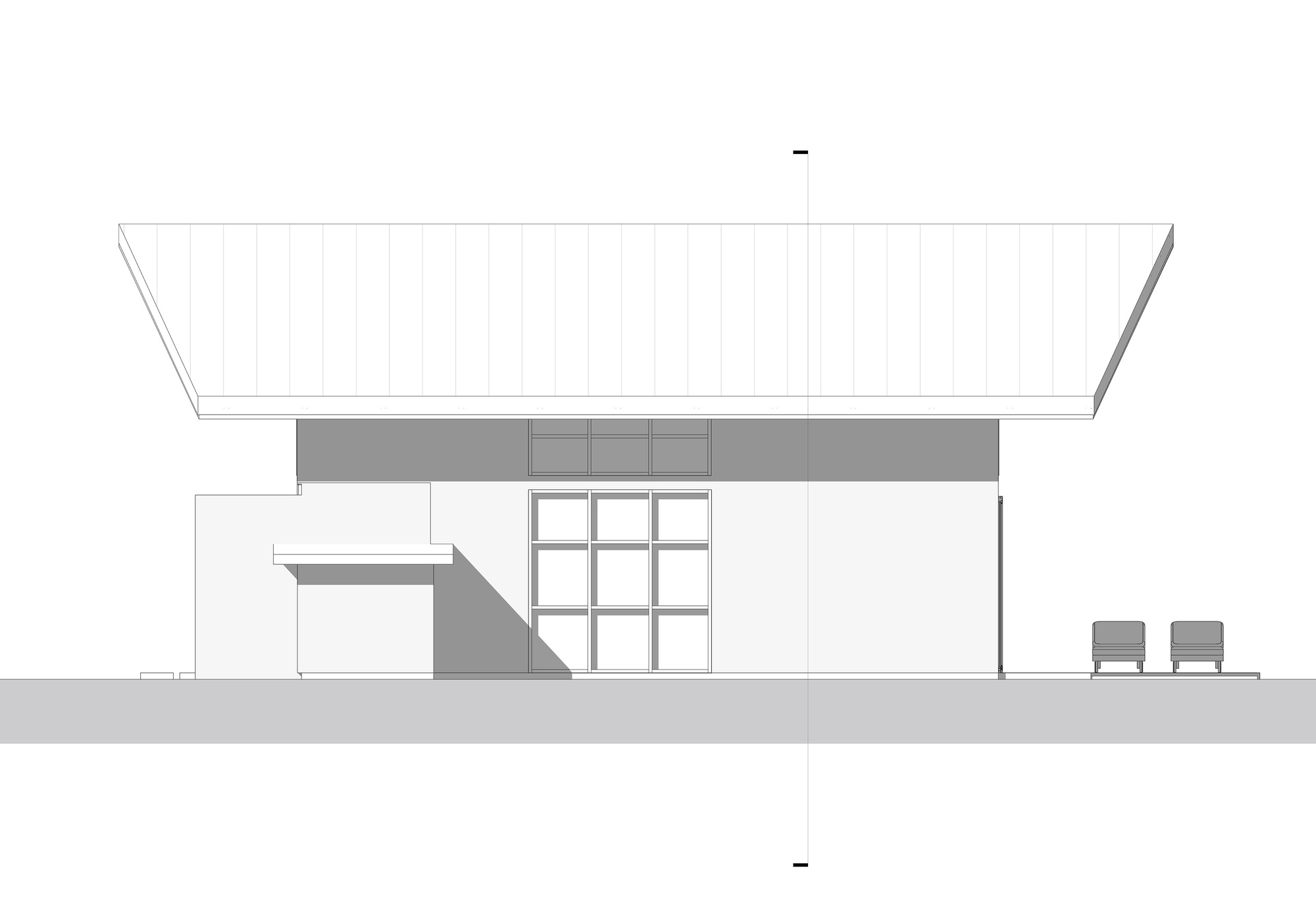
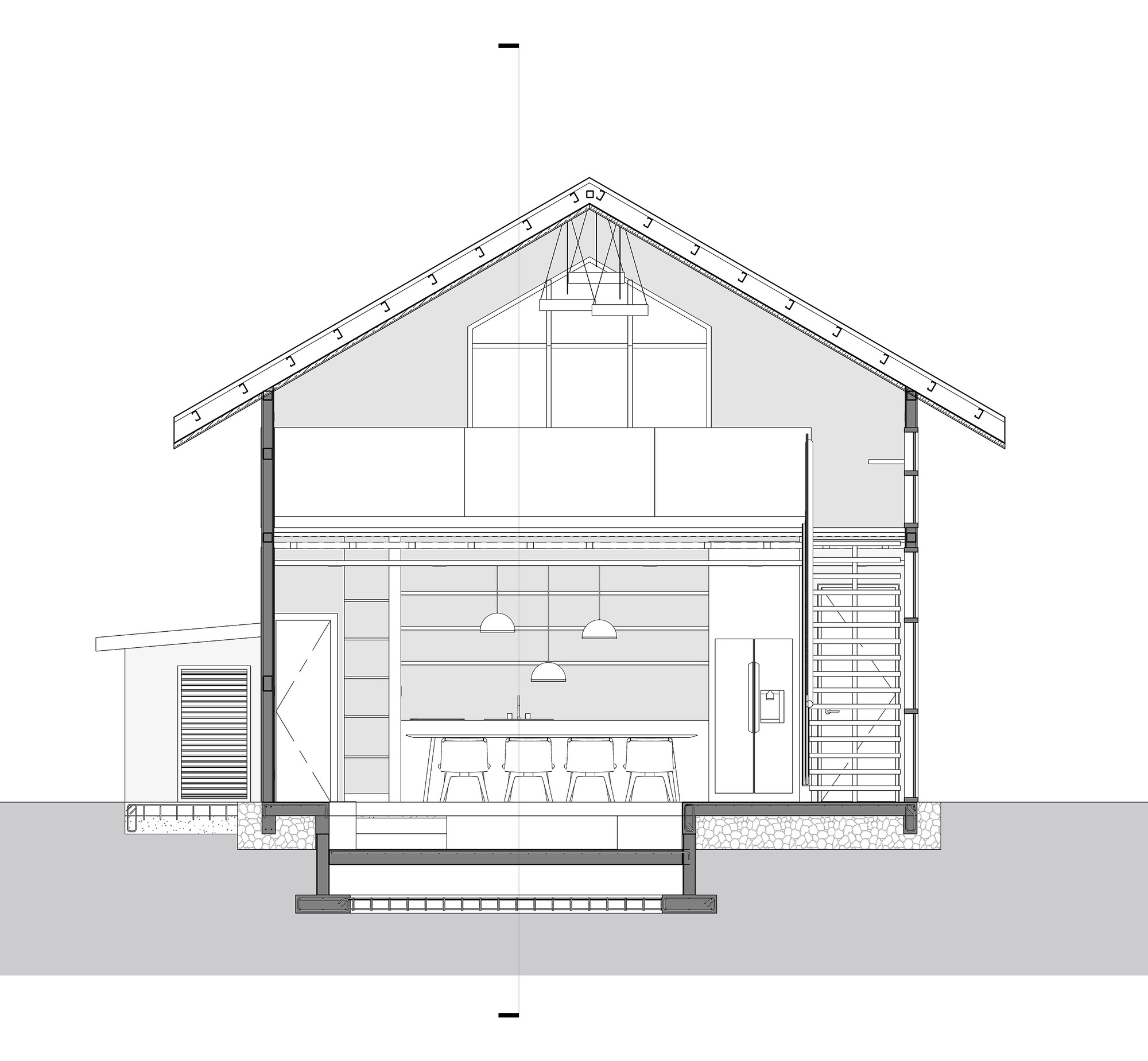
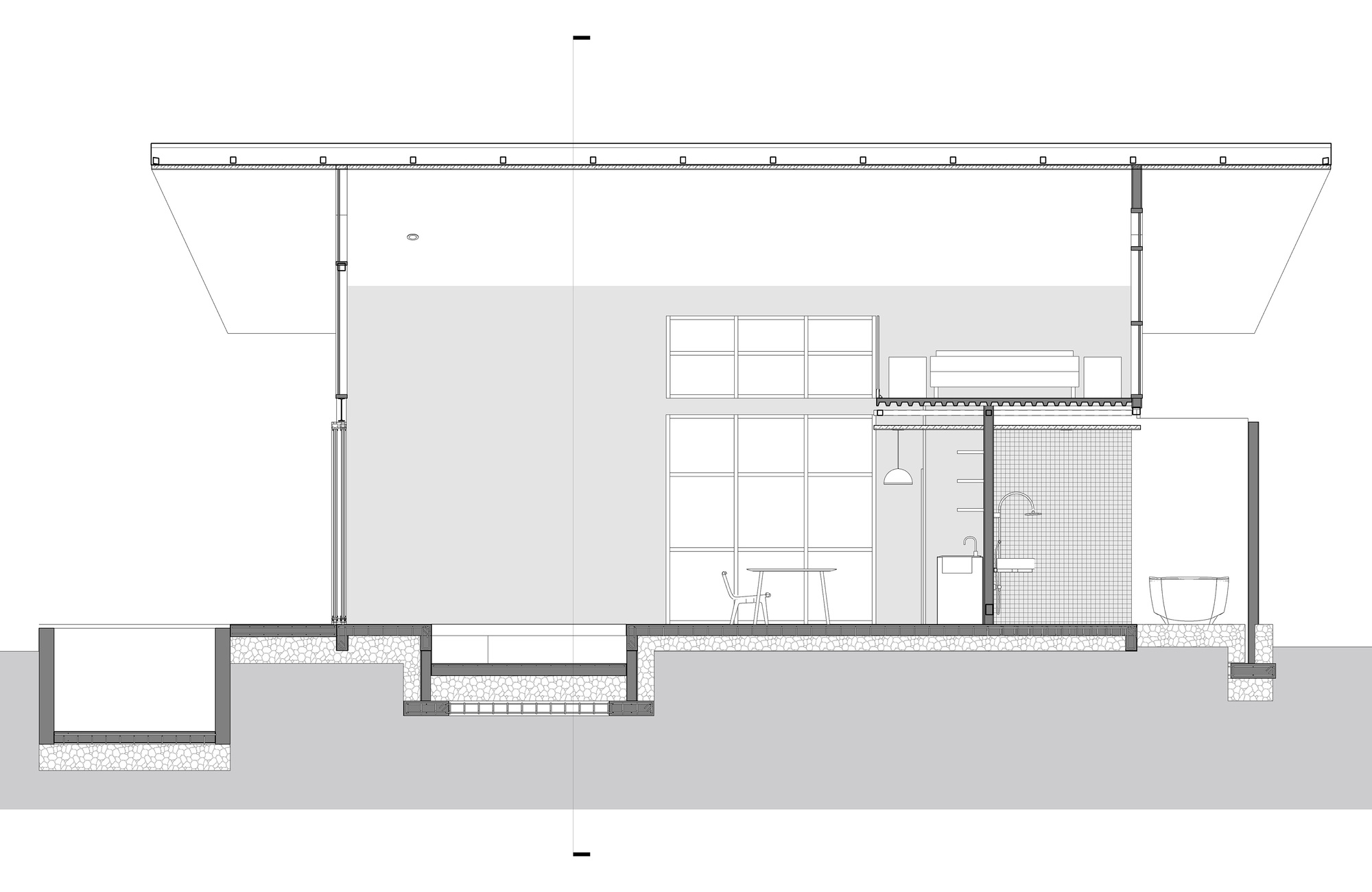
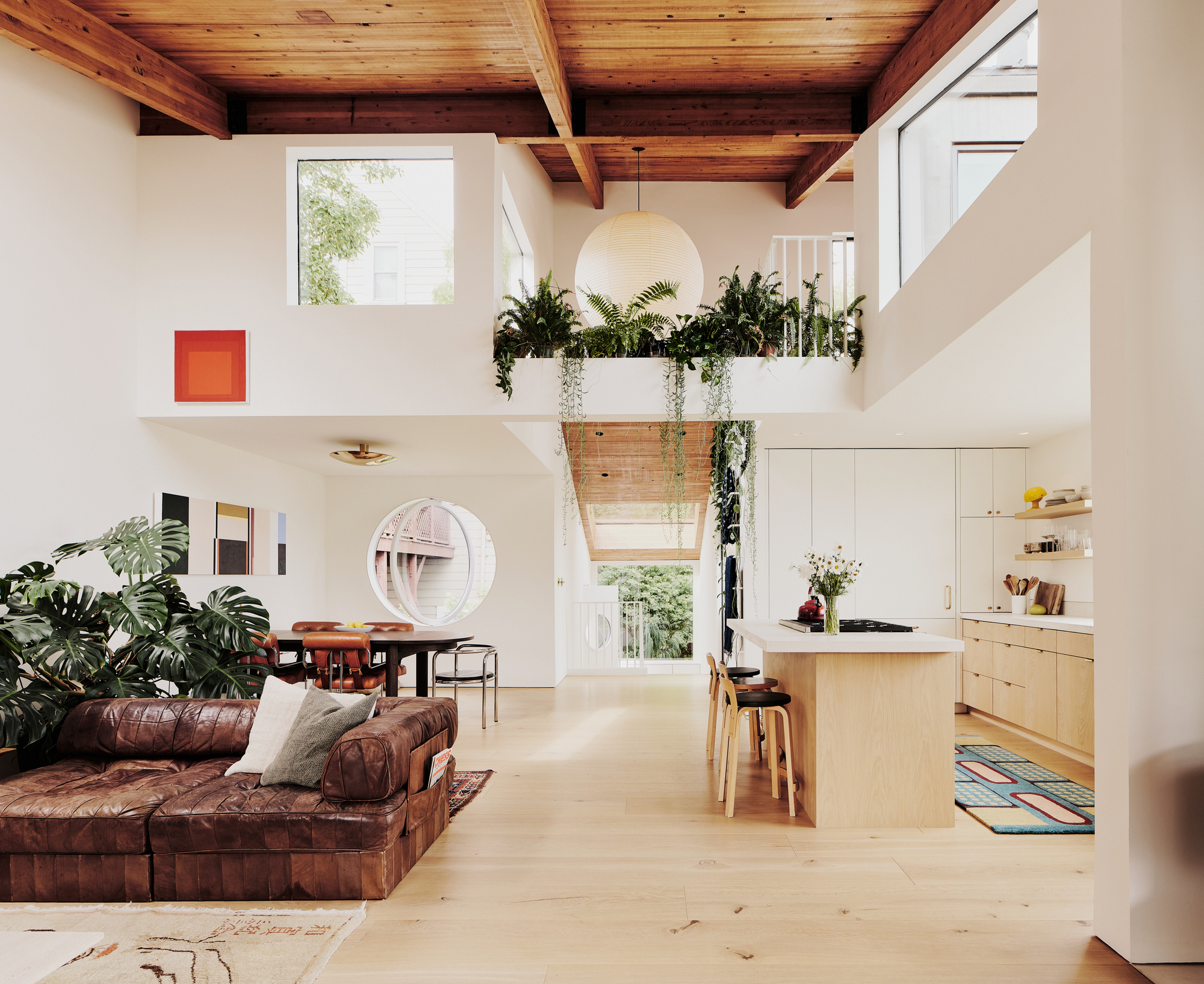
Solai House #architecture Architects: Studio Saxe Year: 2024 Photographs: Alvaro Fonseca Architecture And Interior Design: Studio Saxe Country: Costa Rica
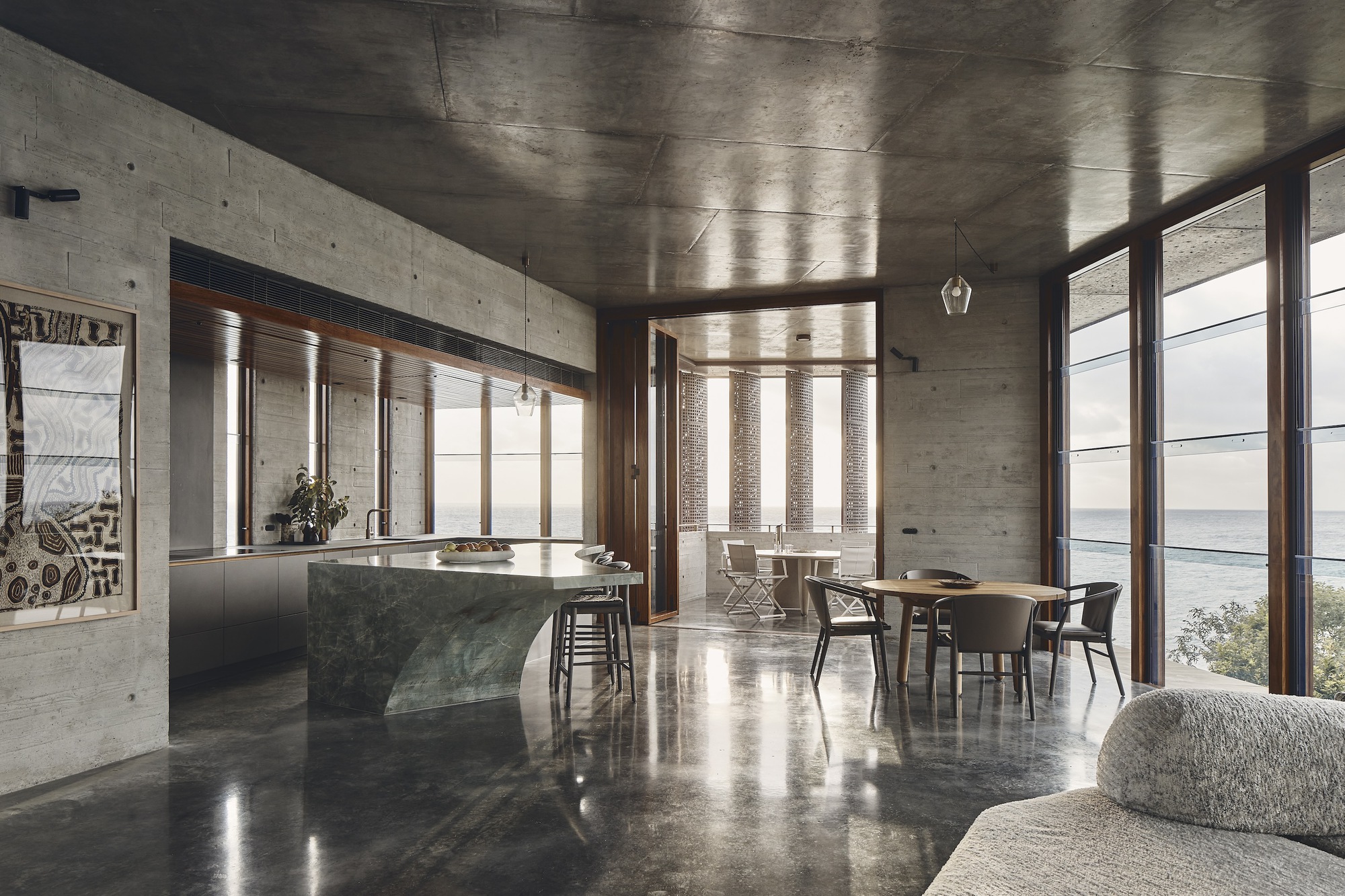
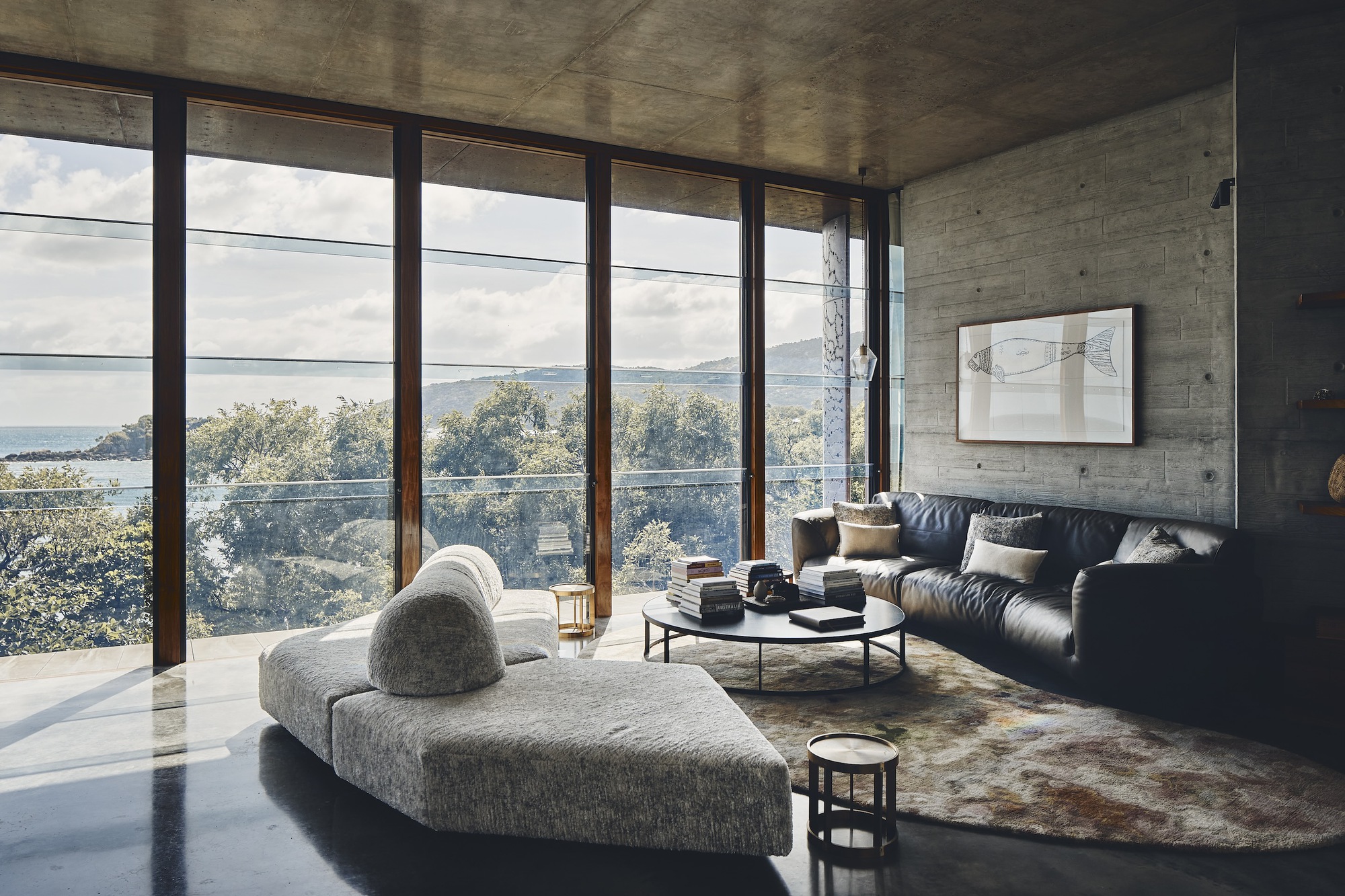
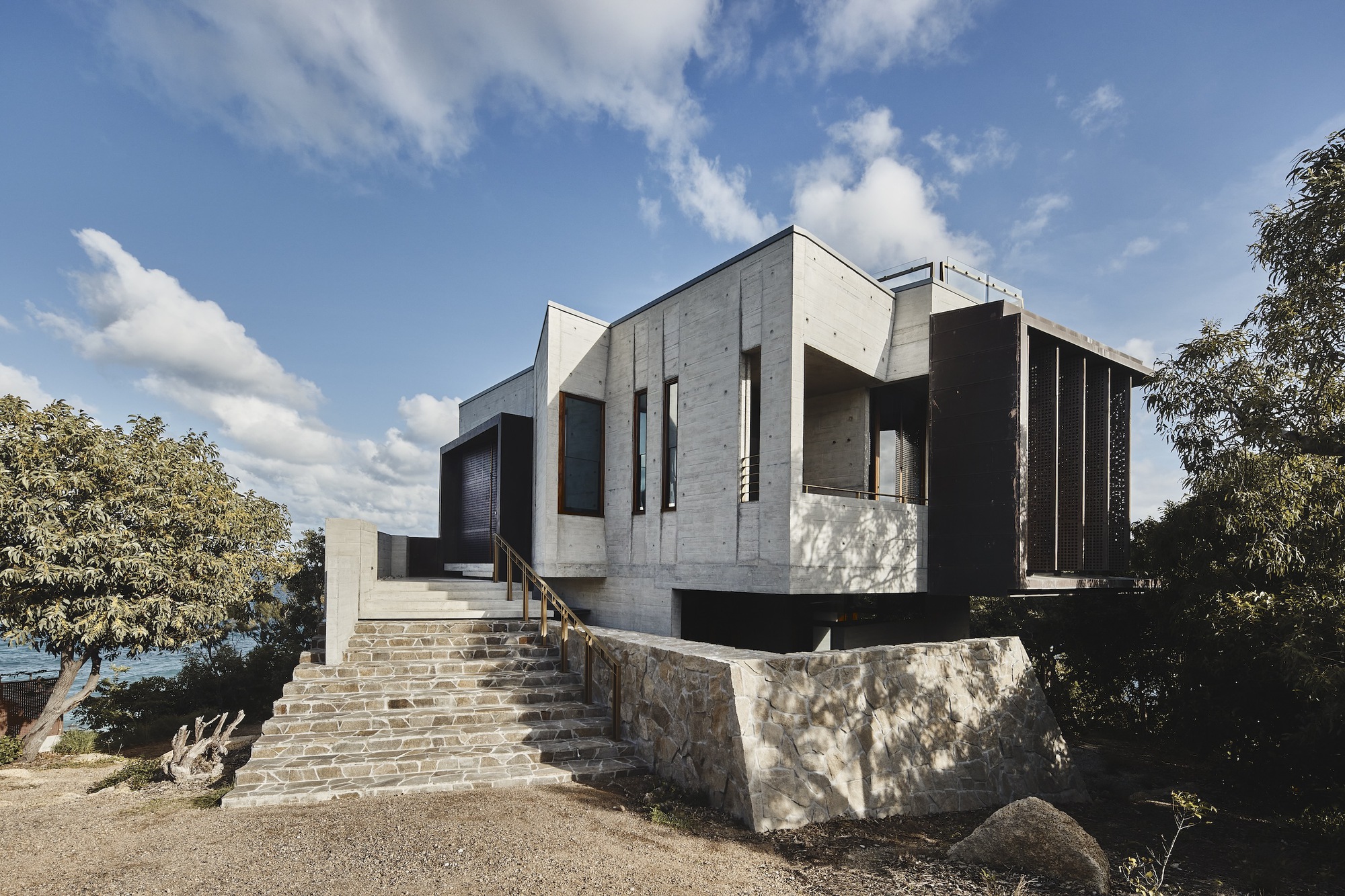
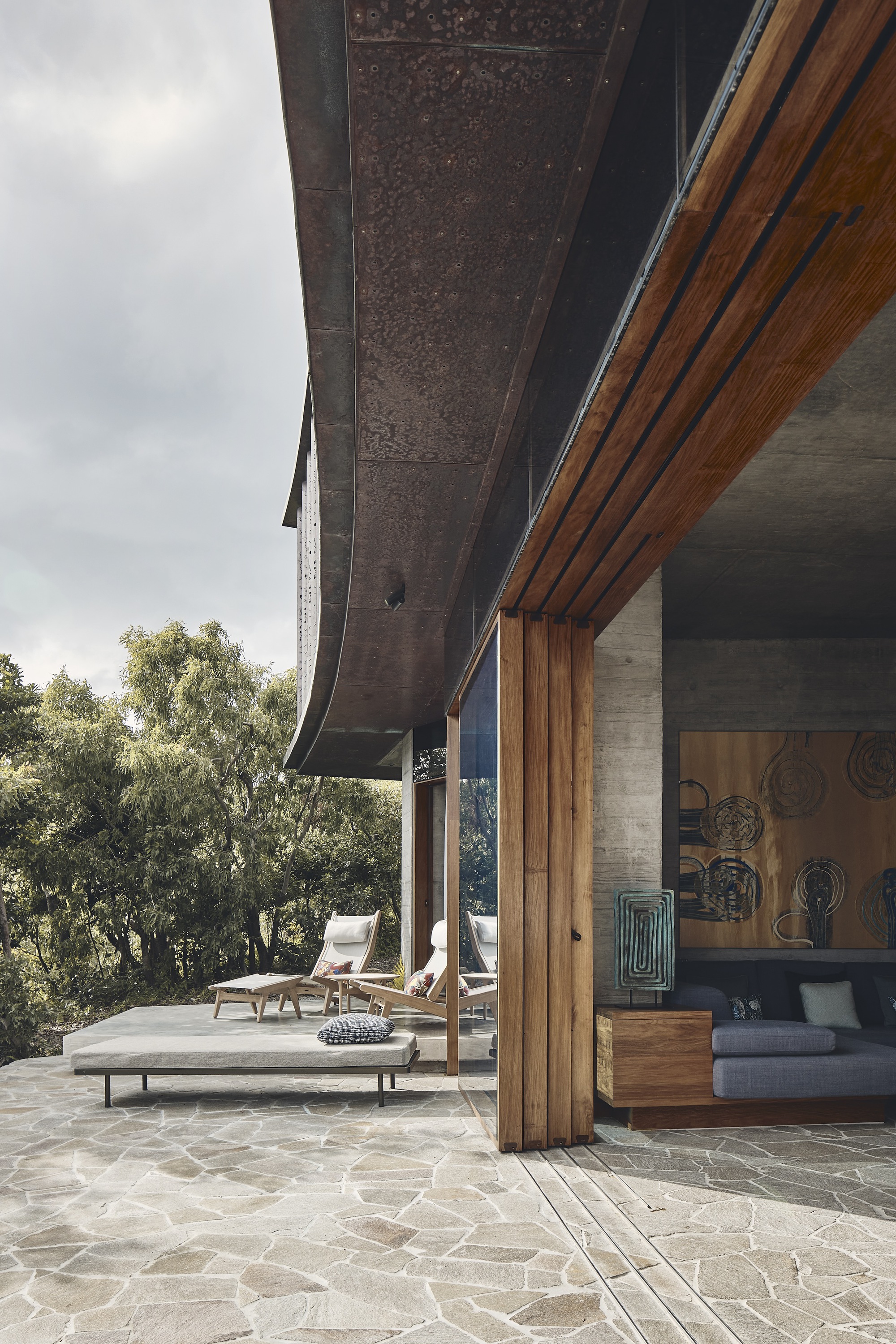
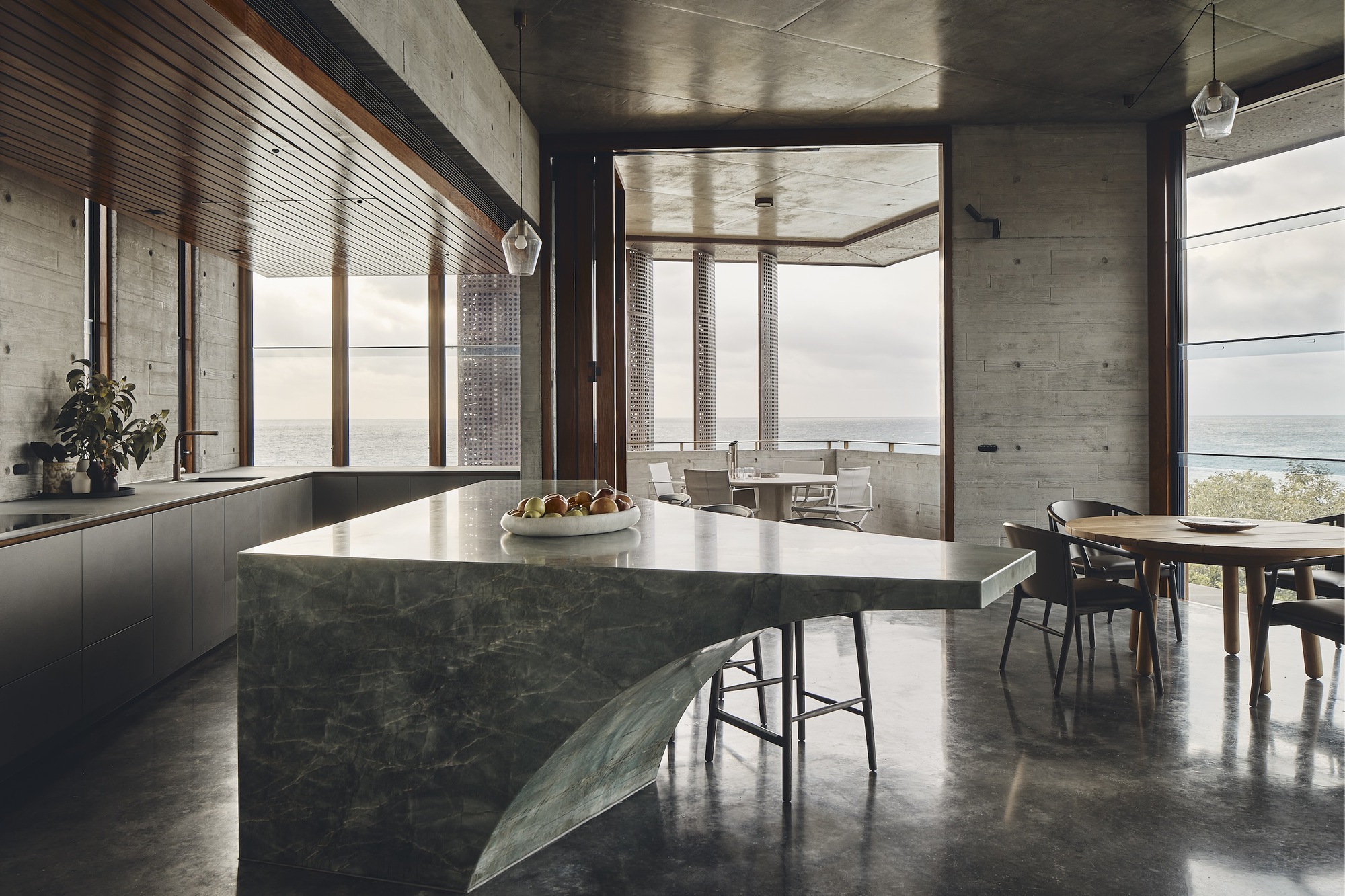
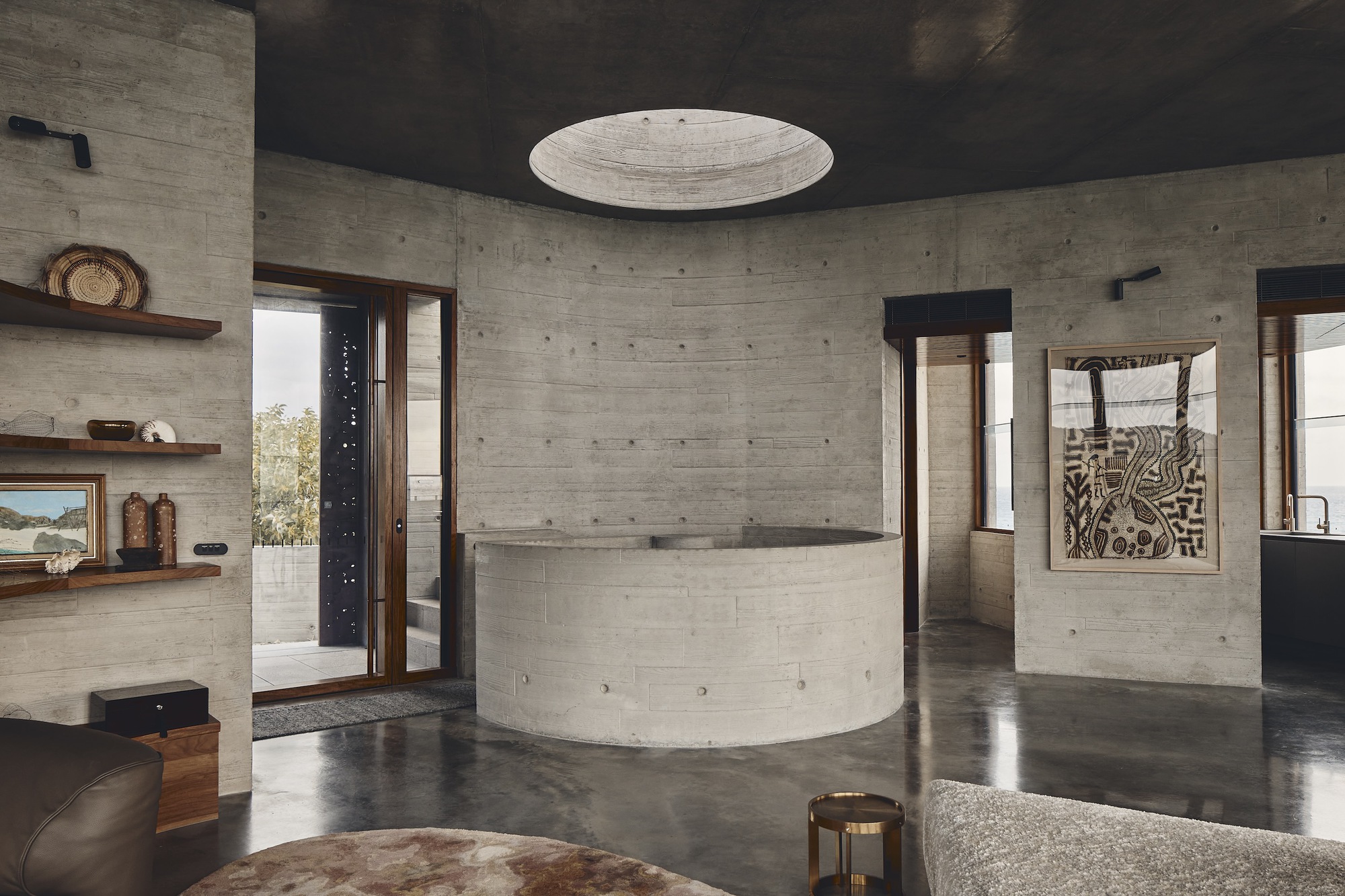
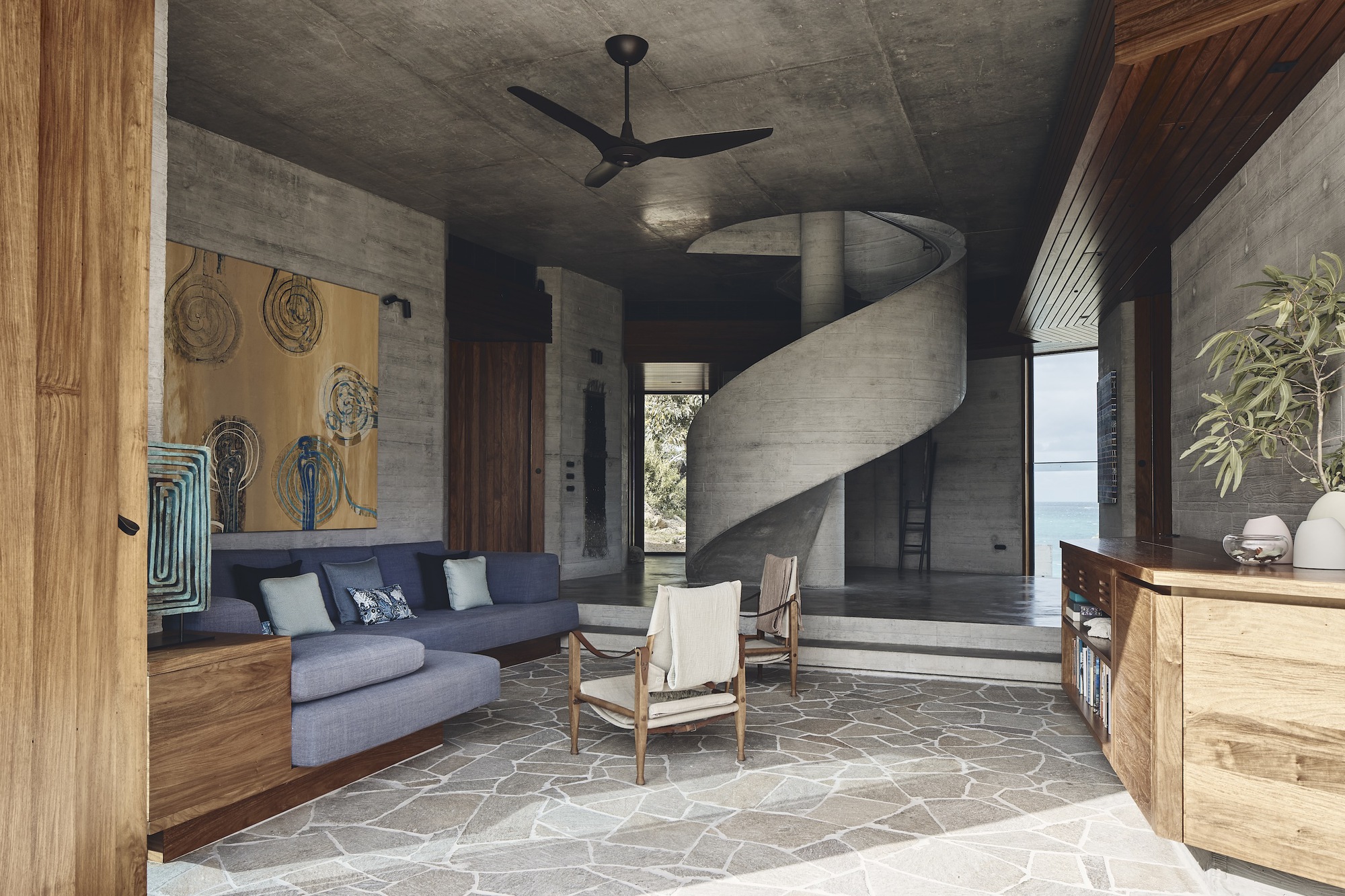
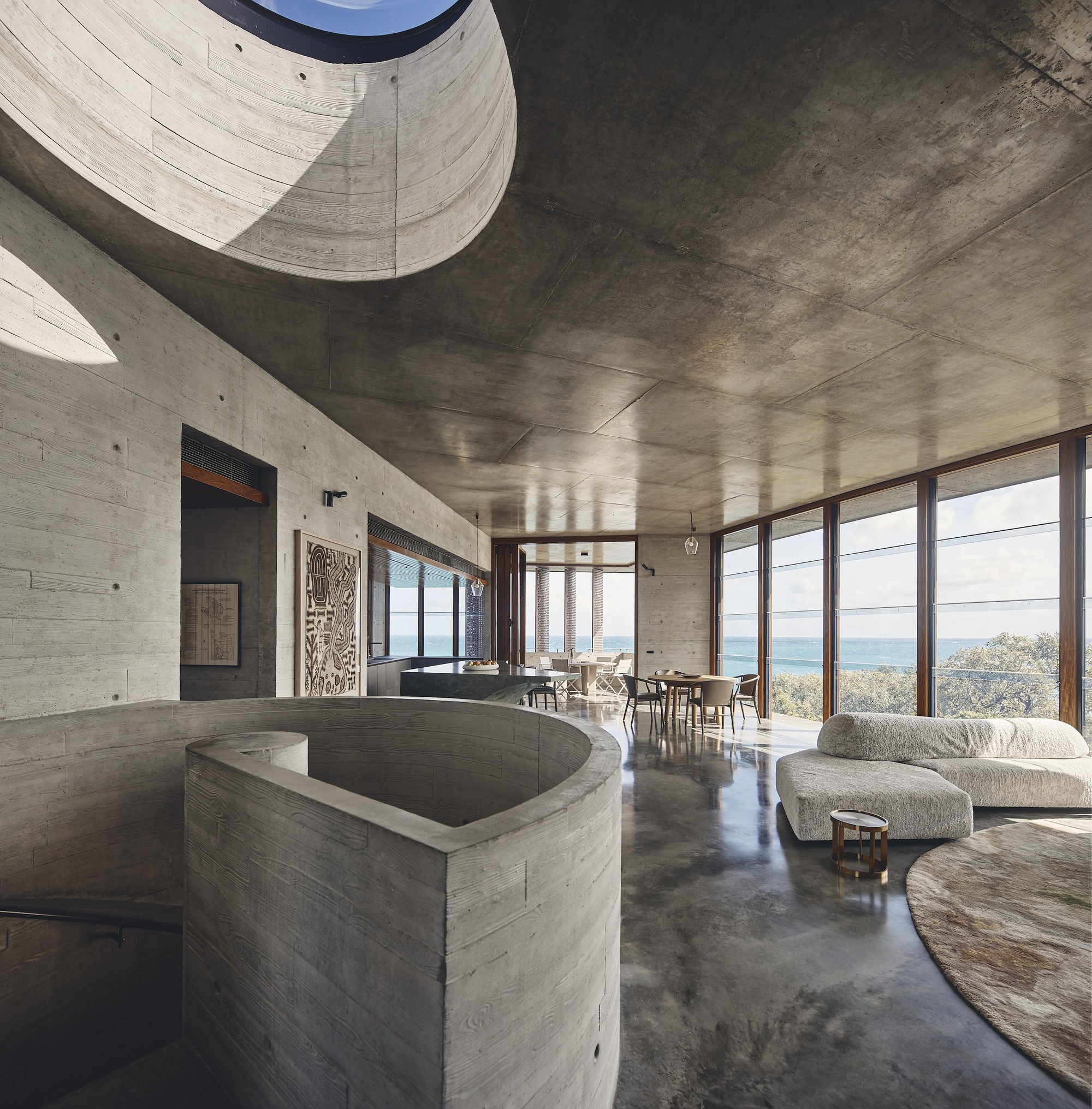
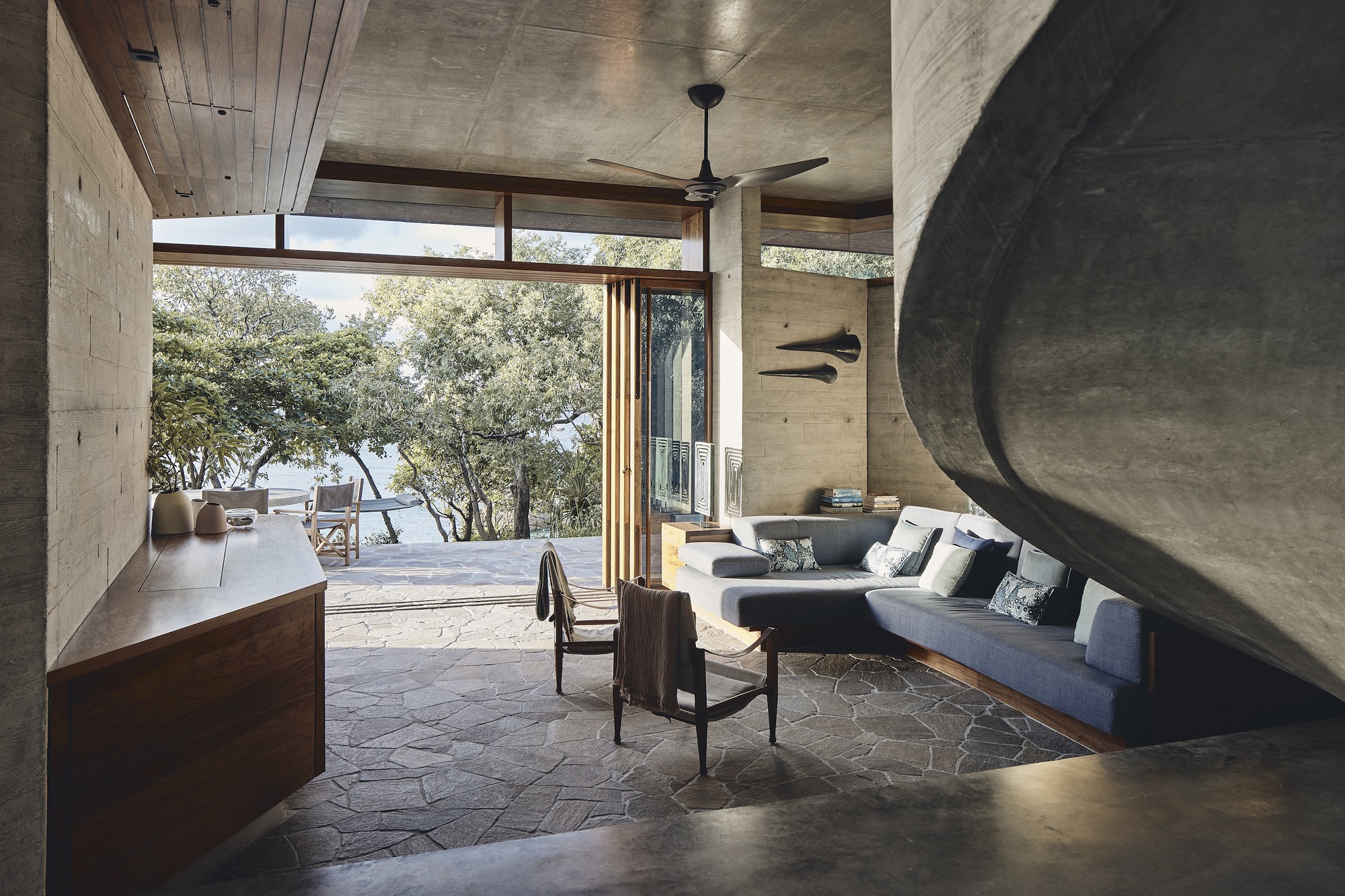
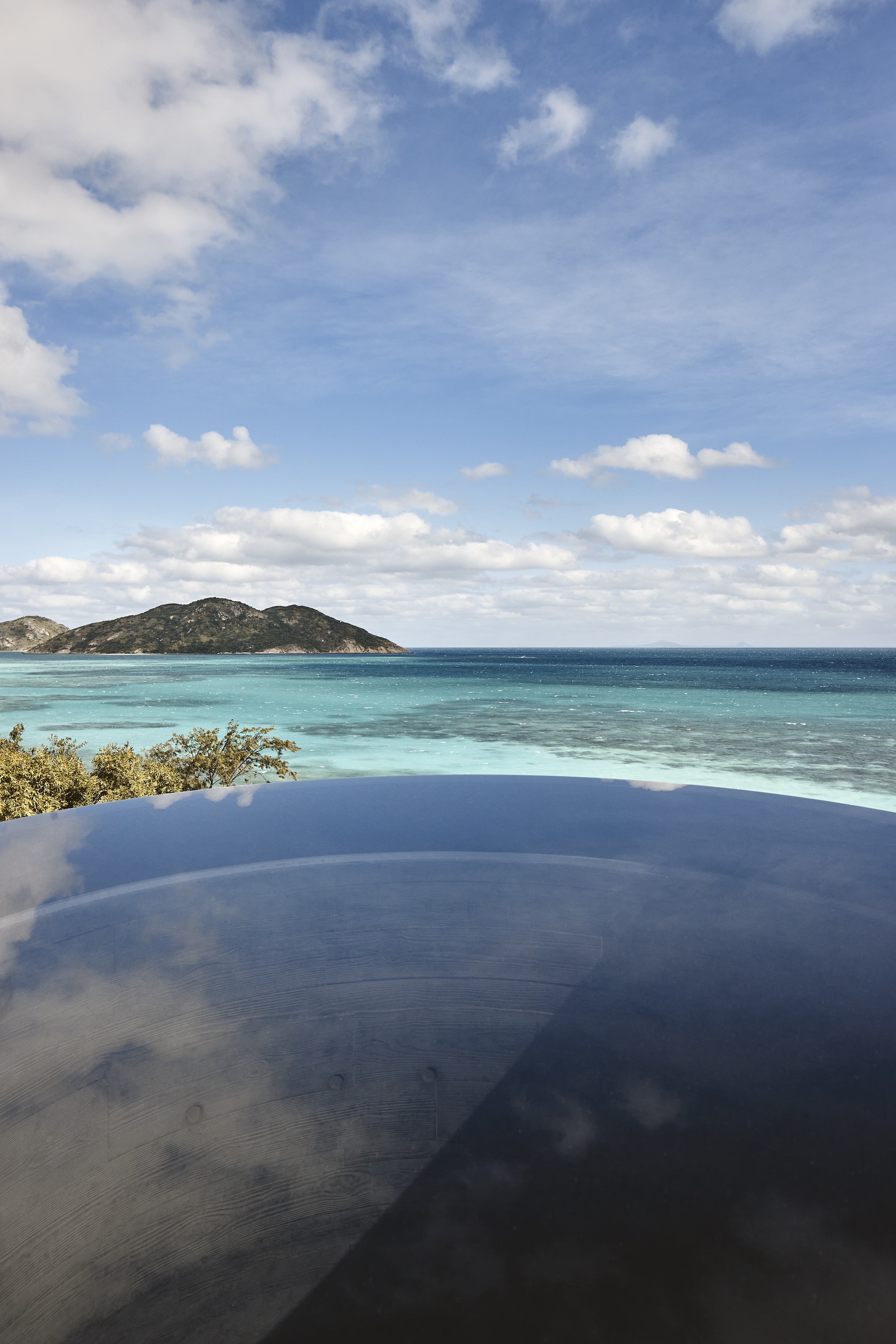
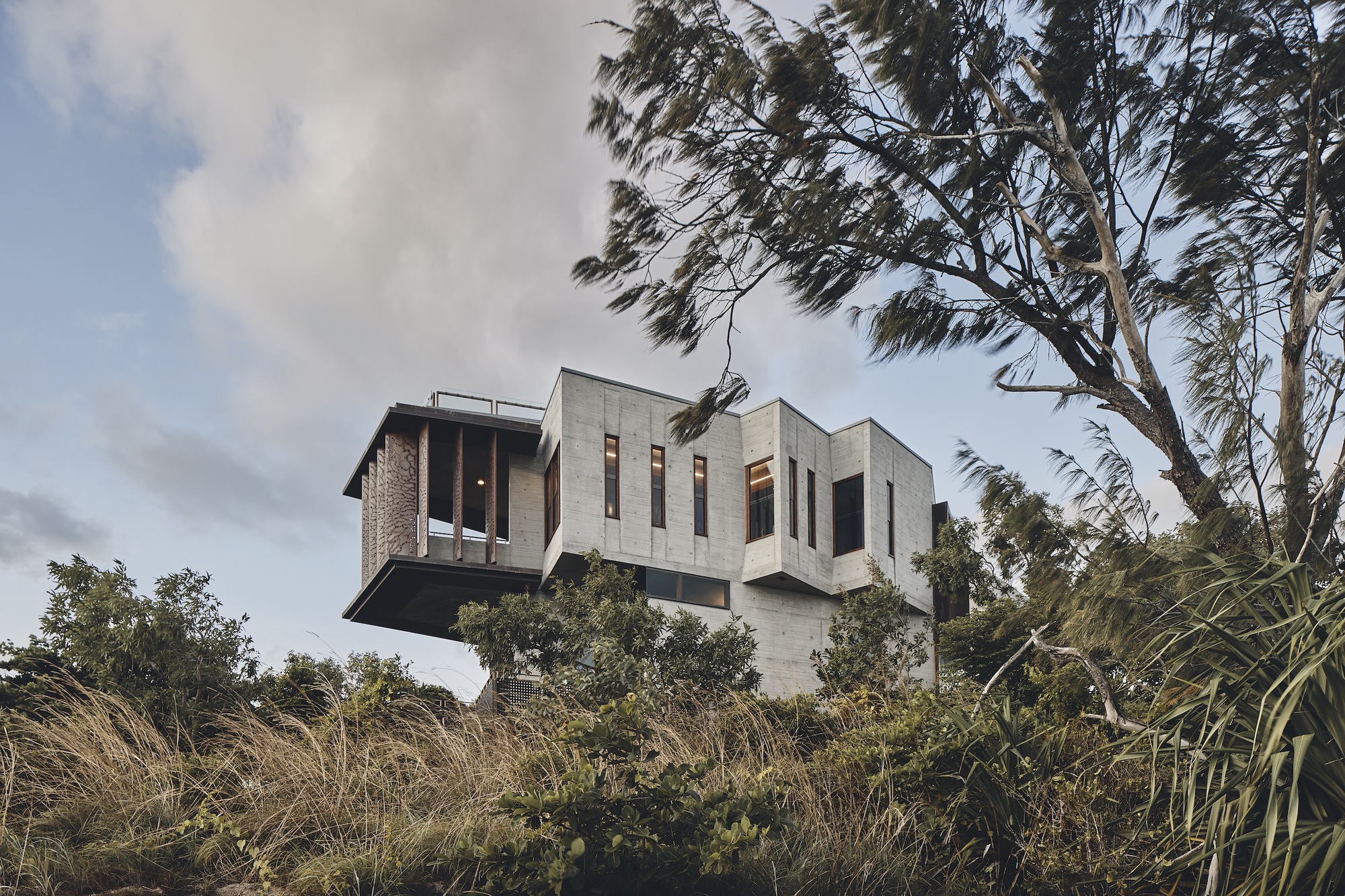
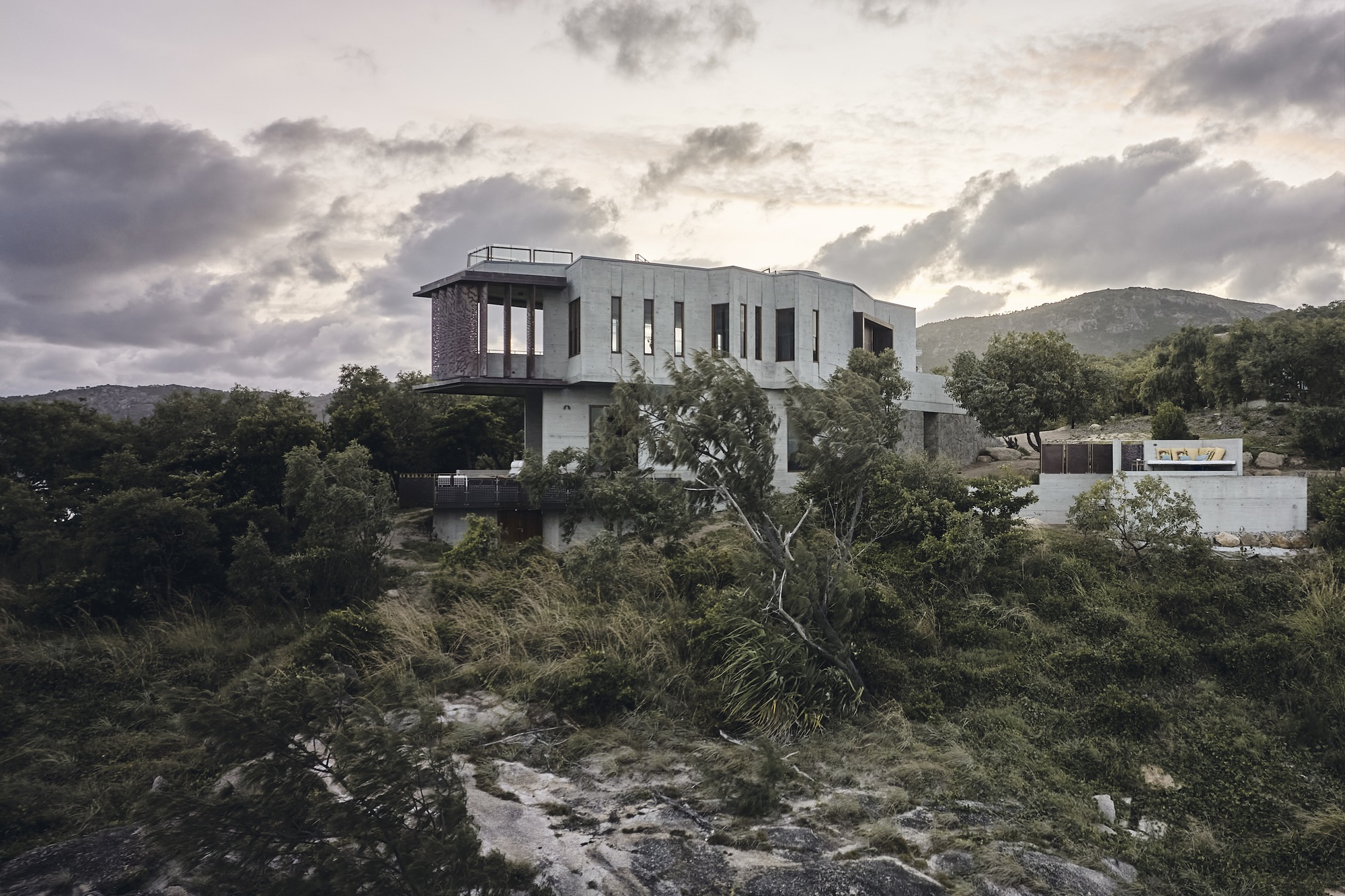
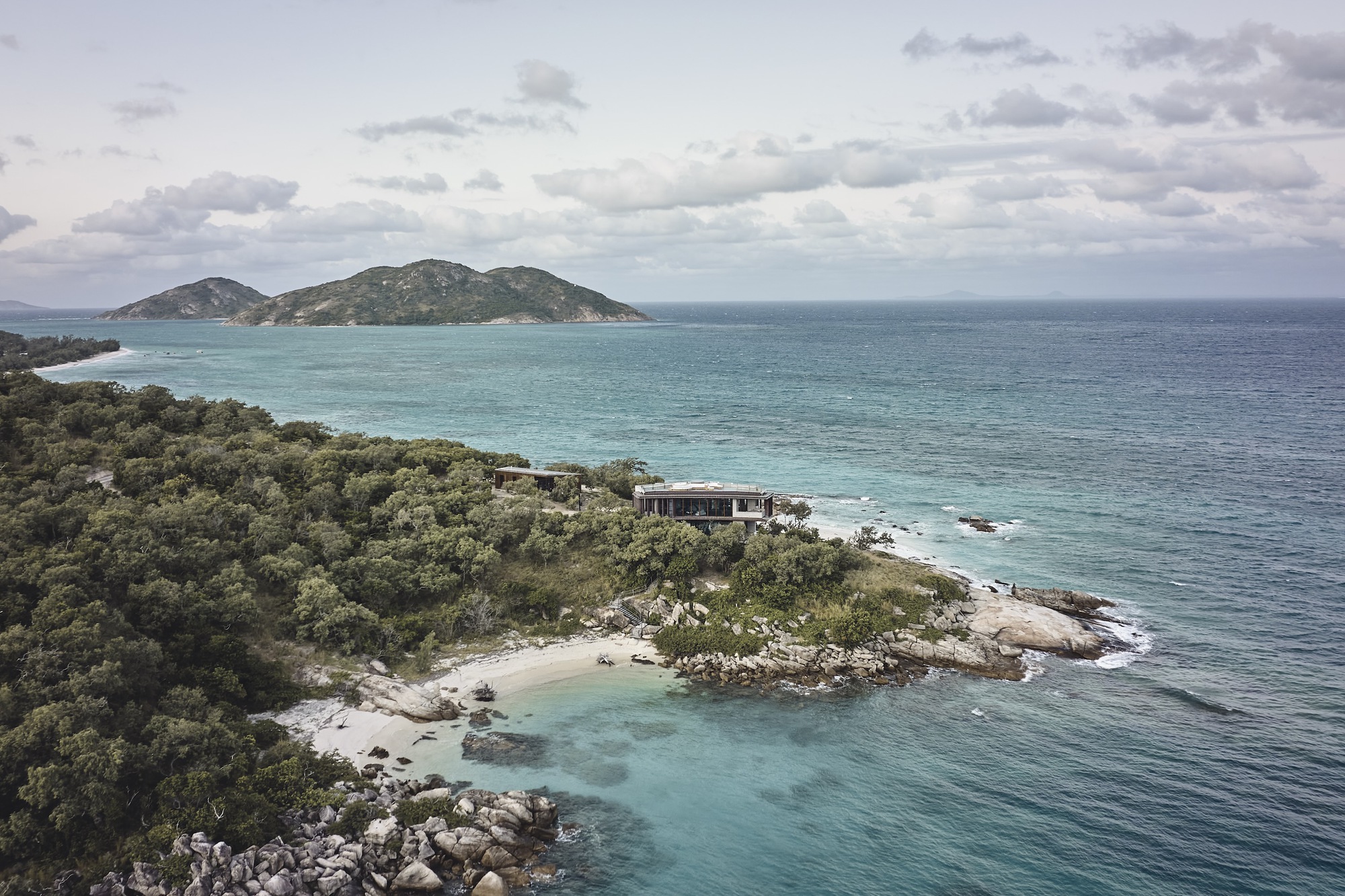
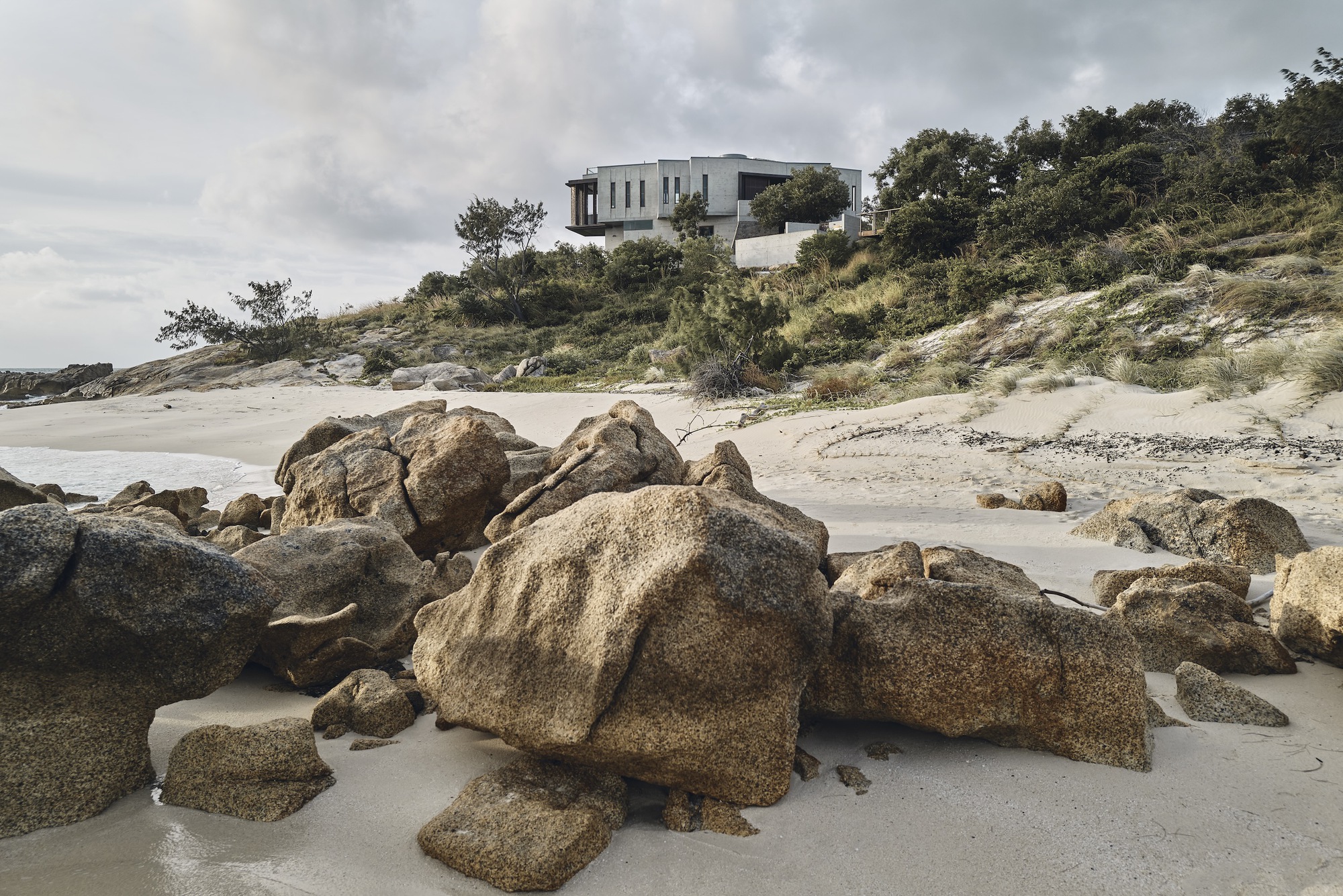
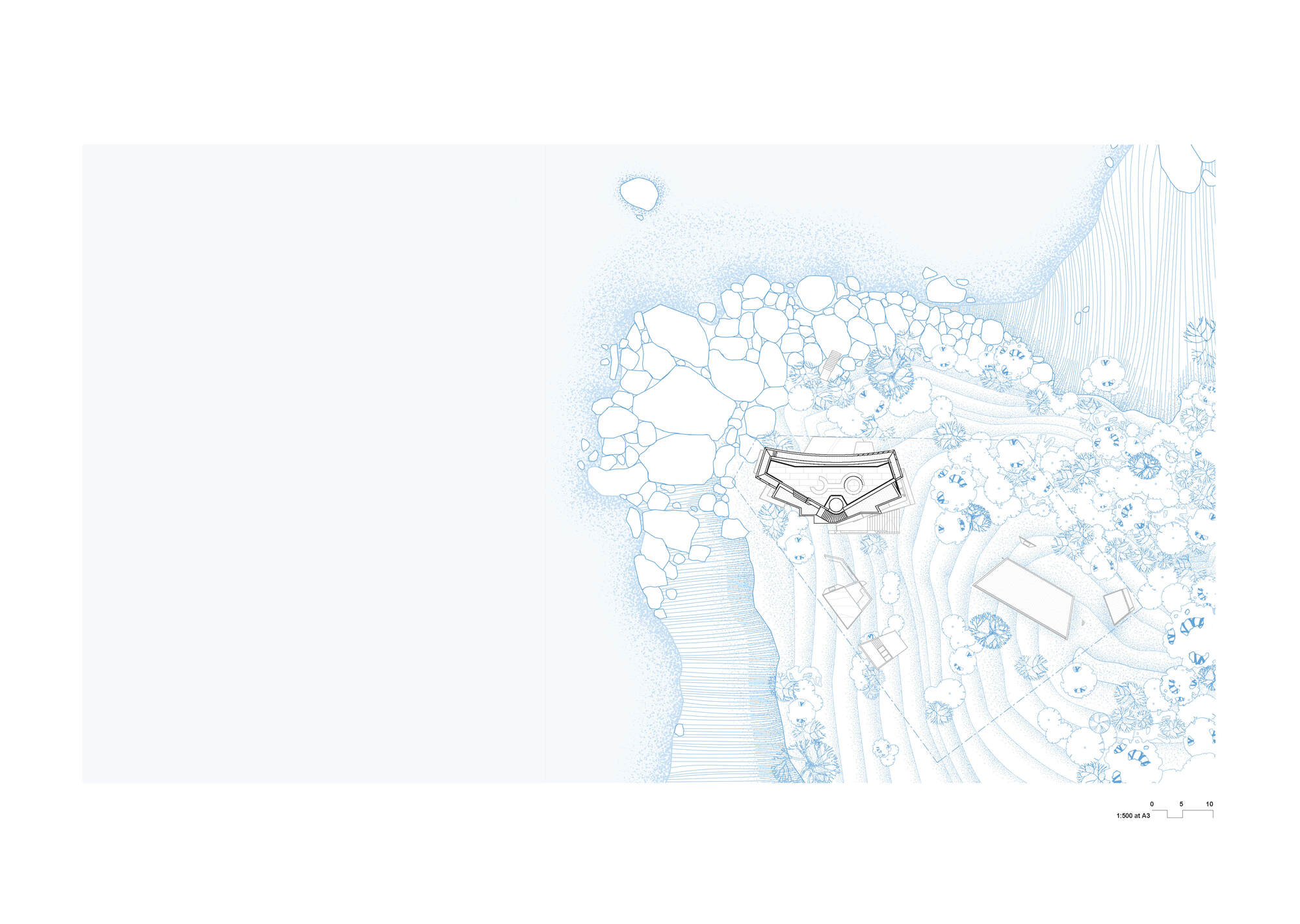
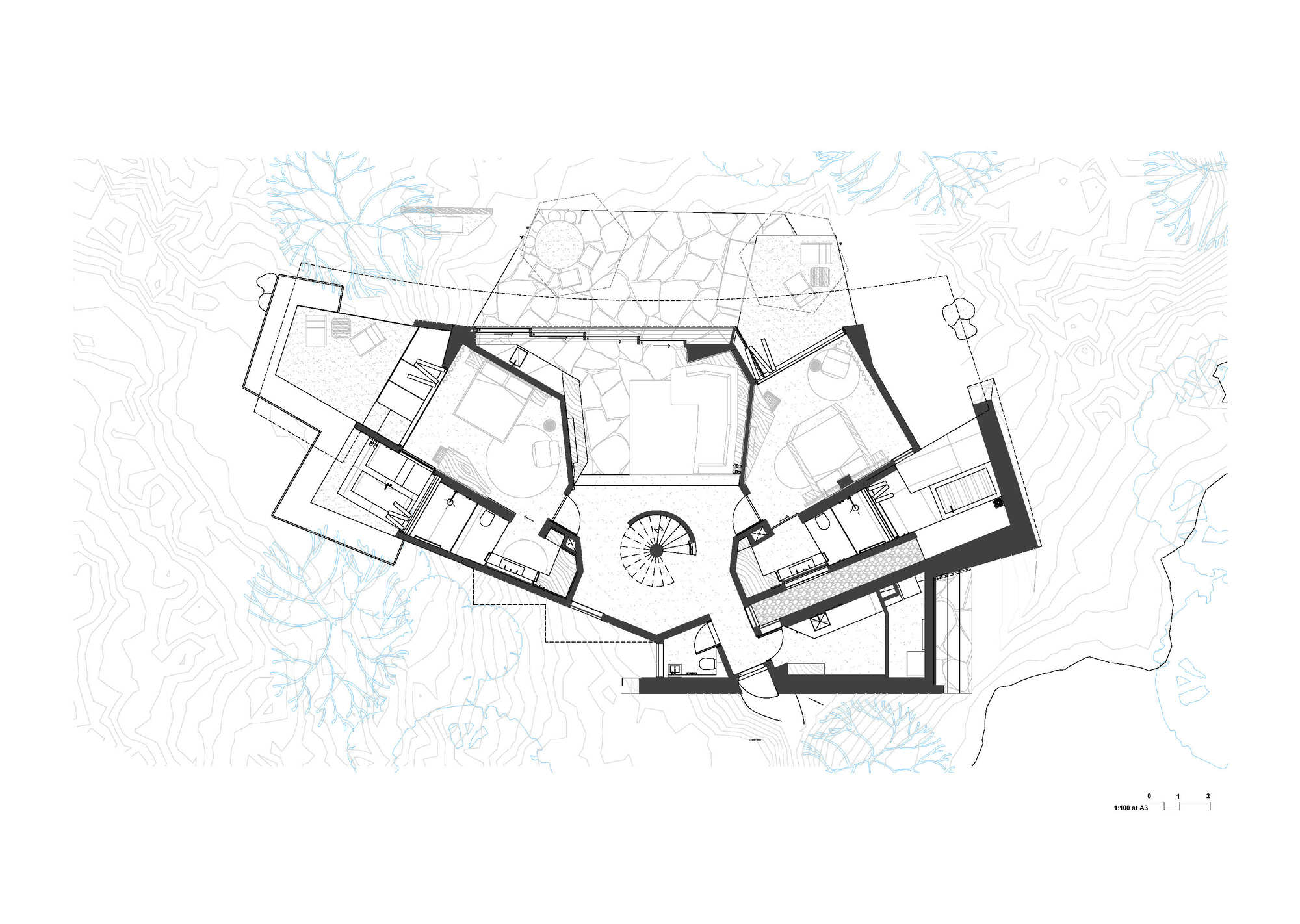
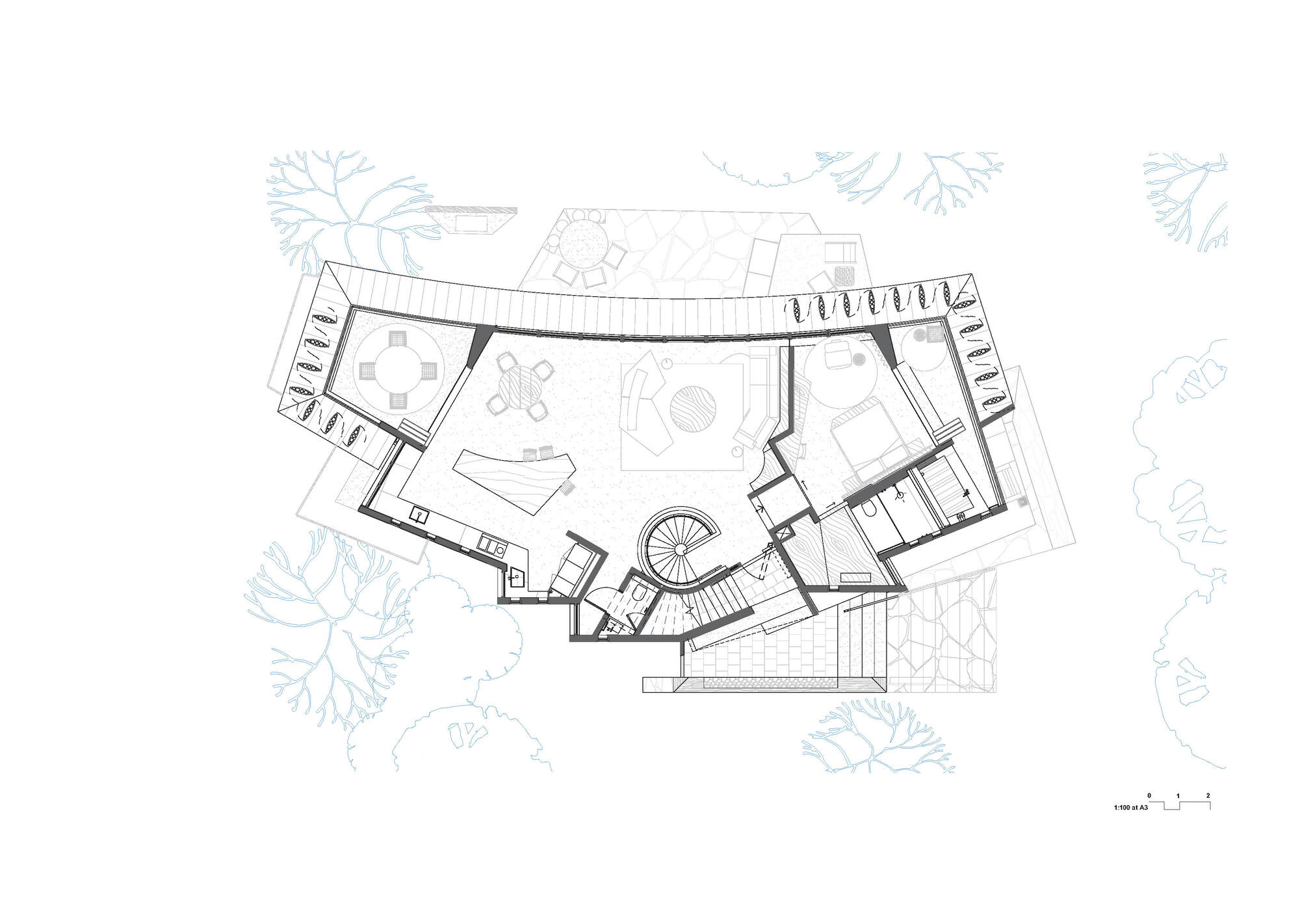
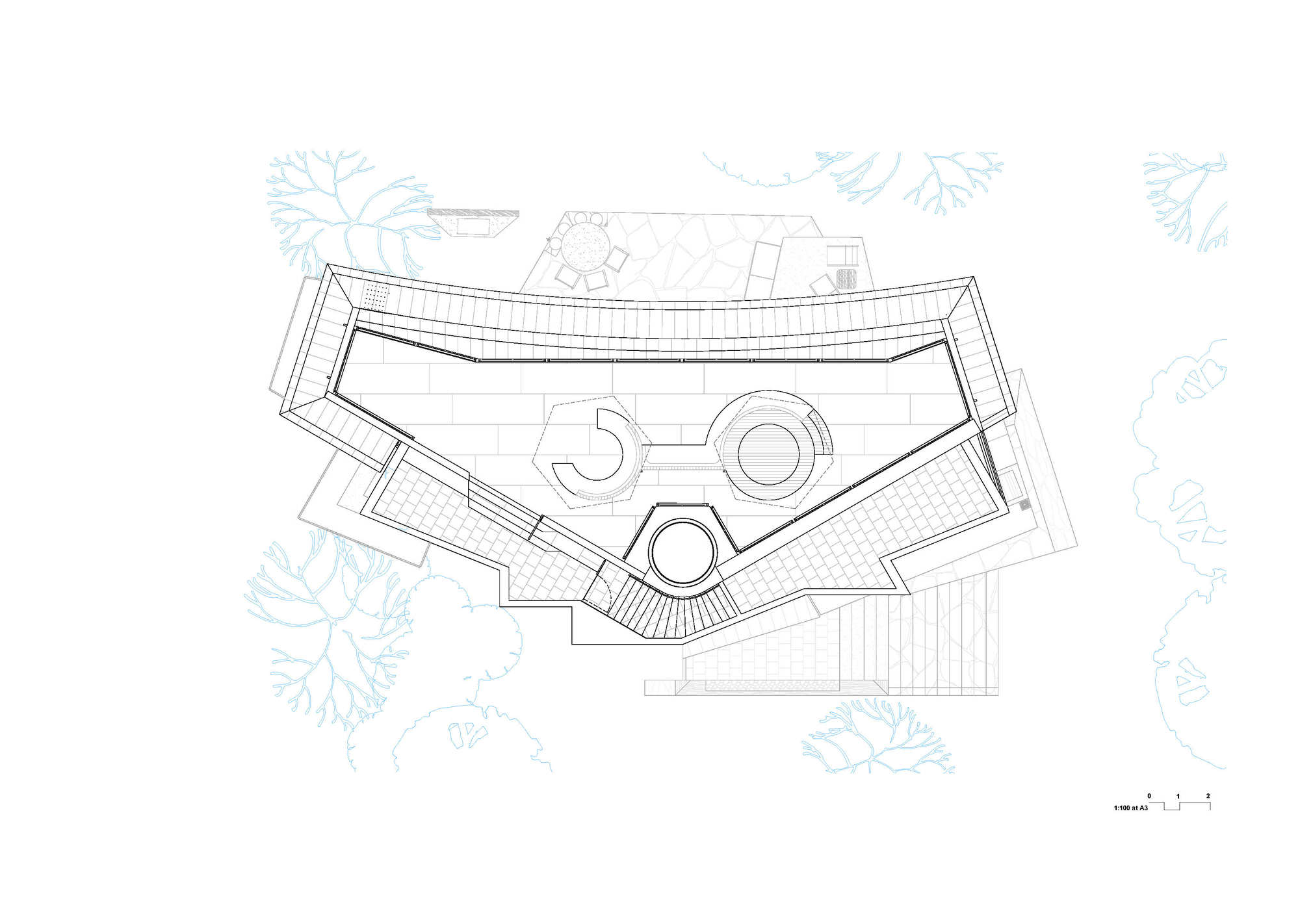
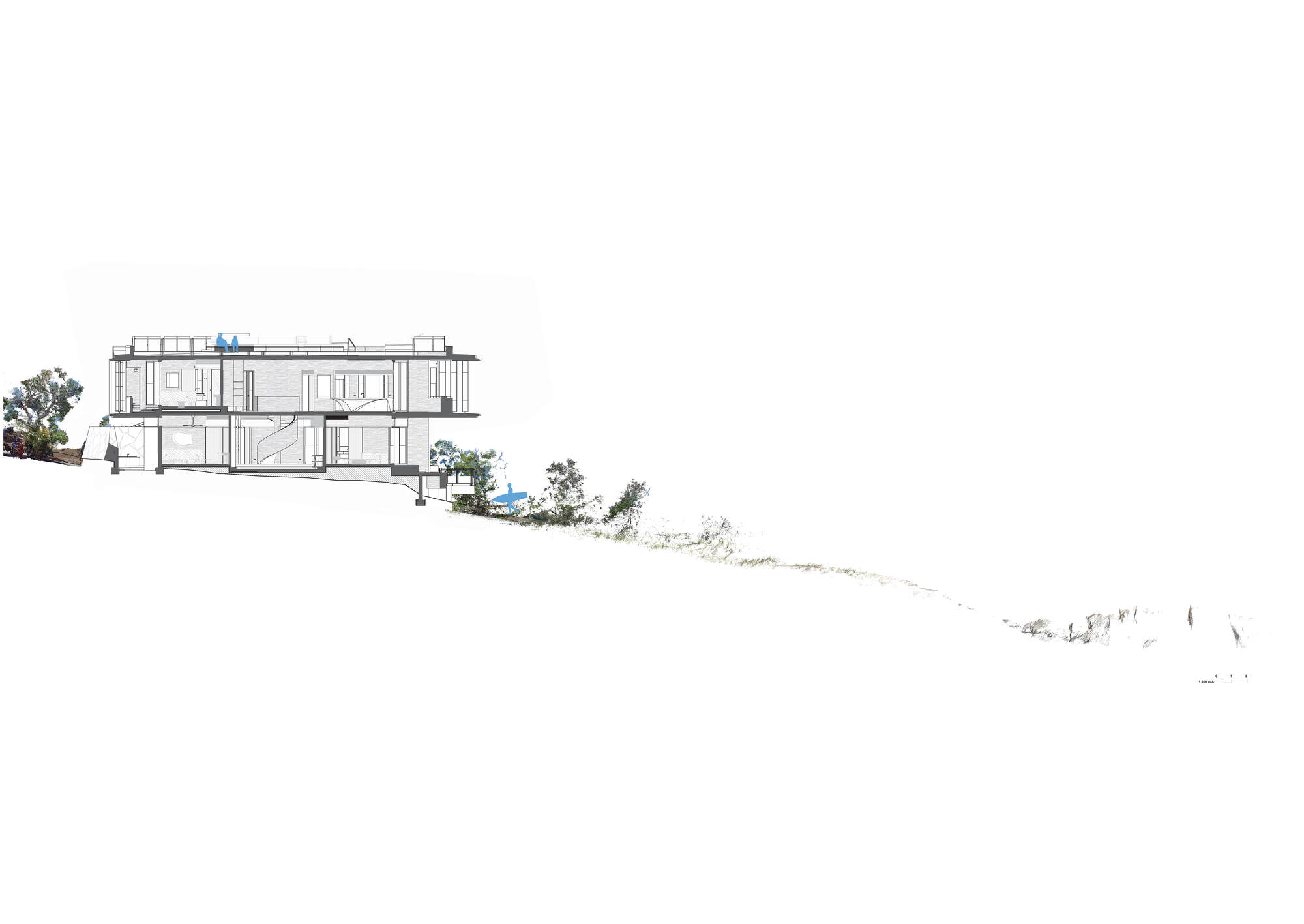
The House at Lizard Island #architecture Architects: JDA Co. Area: 260 m² Year: 2022 Photographs: Peter Bennetts City: Lizard Country: Australia Crystal clear waters, white sandy beaches, and the tropical sting of heat and sweat on your skin. It’s Lizard Island. – 240 kilometers north of Cairns on the fringes of the World Heritage-listed Great Barrier Reef. Home to unparalleled natural beauty and now ‘The House’ – new architecturally designed accommodation deeply inspired by its place. The House, designed by architects JDA Co., is a true passion project of owners Steve and Jane Wilson, borne from years of planning and a desire to create the greatest ‘reef house’ in the world, on a site Steve refers to as the “Bennelong Point of the Great Barrier Reef”. Steve says the Island holds a special place in his family’s history, as his father developed the original Lodge. “The first time I visited Lizard Island when I was younger is an experience I still rank as the best holiday of my life,” Steve says. I grew up with a love of fishing and snorkeling and it was taken to a new level for me on the Great Barrier Reef. It’s truly a wonderland.” The geology and marine life of this incredible reef location provided rich inspiration for the design. JDA Co. Director Dr James Davidson says the design is entirely grounded in its connection to the reef and its place, which he became deeply familiar with while camping under the stars onsite. “Every detail in The House ties back to its magical setting,” James says. “The site itself is so incredibly beautiful and The House is there to act as a frame to its surroundings.” The architectural plan is reminiscent of the stingrays that swim mere meters away. Narrow slit windows to the south and west act as ‘gills’ and are perfectly placed to direct prevailing breezes and allow The House to breathe on hot days. On the Ground Floor, a Garden Room seamlessly unites the indoors and outdoors through stone flooring. Meanwhile, upstairs, a burnished, polished concrete floor pays homage to the monumental granite shelf beneath The House.  A central, curved stairwell acts as the heart of The House and provides a seamless connection between levels. Gaze skywards as you climb the stairs and you’ll spy an Oculus for tracking the patterns of the sun and the moon. A roof terrace and spa cap off The House and offer 360-degree views of the landscape. Internally, all three bedrooms come complete with ensuites and have been individually designed to frame vistas to nearby and distant places of significance. The top-floor bedroom frames views of Cooks Look, while bedrooms on the ground level look towards Hibiscus and Attenborough Beach respectively. Rosewood timber and copper materials bring warmth to The House and serve as a canvas for the vibrant colors of the spectacular natural environment. A large curving Emerald Quartzite kitchen bench echoes a conch, with subtle green tones that compliment the hues of the landscape and reef beyond The House. James says the material selection is intentionally restrained. “It’s an incredibly important site and The House allows you to be there in nature, in the elements,” James says. “The exterior finish is deliberately the same as the indoors, so it feels as though the outdoors have come inside.” The design welcomes the elements in, all the while acting as a sanctuary from the goannas and geckos outdoors – of which there are many. It was aptly named Lizard Island by Captain James Cook when he passed it in 1770, after noting its large population of monitor lizards. The site also has a rich Indigenous history. Dyiigurra (Lizard Island) is the traditional Country of the Dingaal people and is regarded as a sacred space. The House takes on the persona of a sort of ‘ruin’ in the past, which prompted design details like the use of stone and concrete materials. But the robust, board-formed concrete shell isn’t purely for aesthetics – it’s highly functional. The striking and rugged landscape lends itself to cyclonic winds and harsh weather conditions. As a result, The House is designed and built to shelter and protect when needed. Perforated copper blades lining the exterior are visually beautiful and act as debris shields that can withstand cyclonic winds intrinsic to this reef. The House’s remote and highly environmentally sensitive location called for serious ingenuity when it came to the build. The architect and builder had to work closely to achieve a balance between touching the earth lightly with minimal disturbance and building a robust place that’s built to last and built for use – sandy feet and all. Steve says he wants to share the beauty of the place with people from across the world. “The House is beautifully designed, but it’s still ruggedly Australian,” Steve says. “We’re blessed by the greatest natural wonder of the world and I want people to have the opportunity to visit and experience it for themselves.”                                                   The House is available for bookings and is the final piece of a master-planned site on Lizard Island, which includes The Cottage nearby.
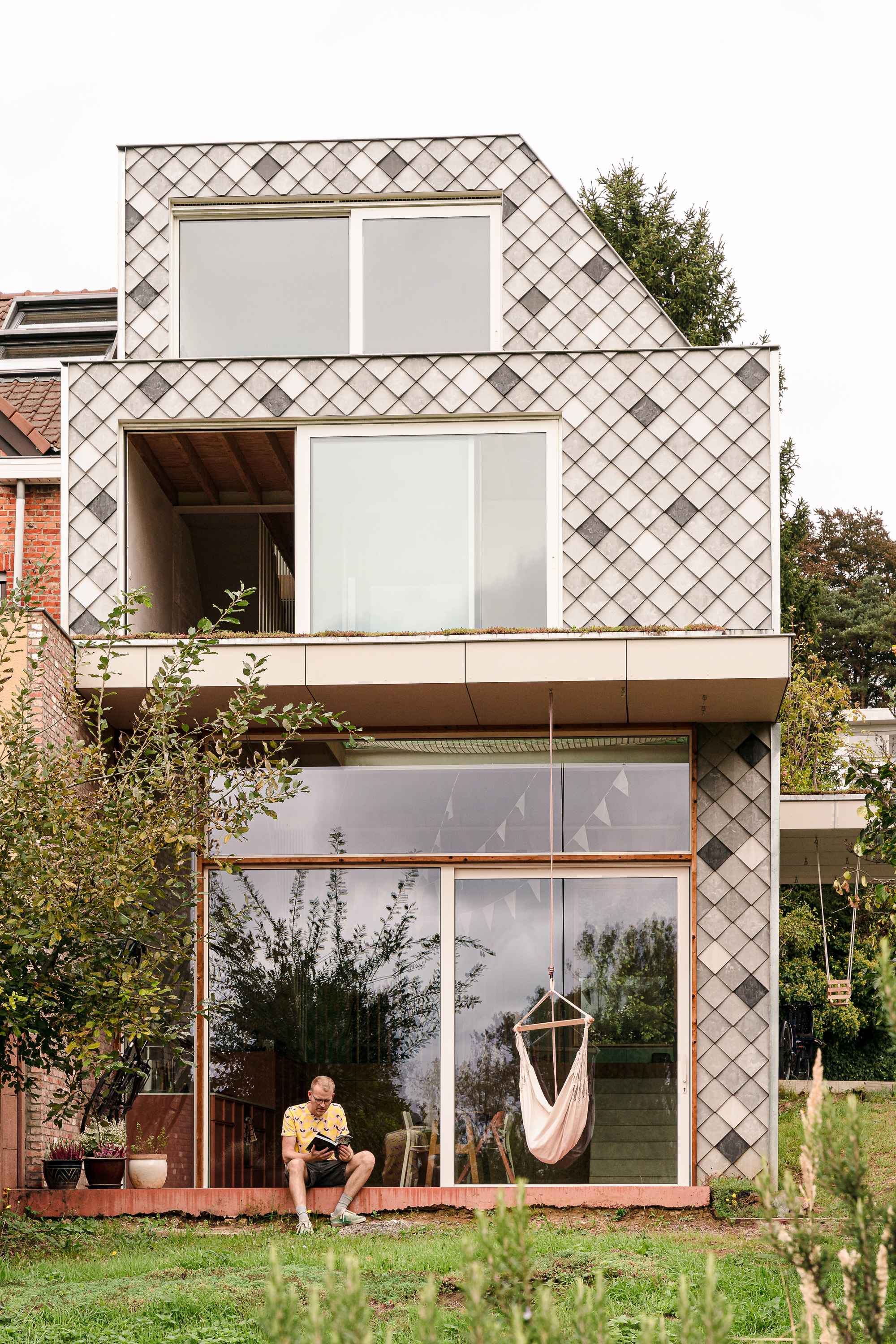
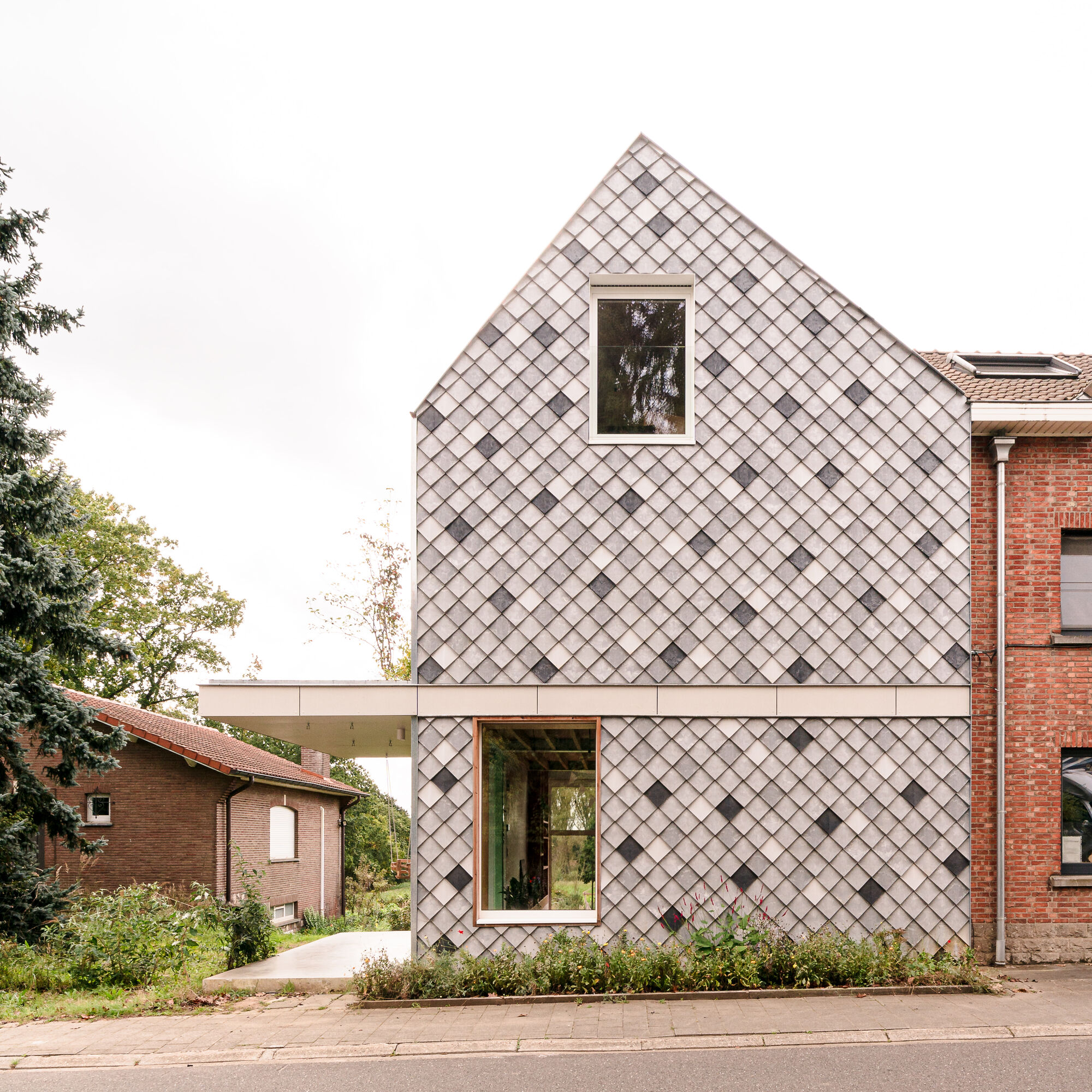
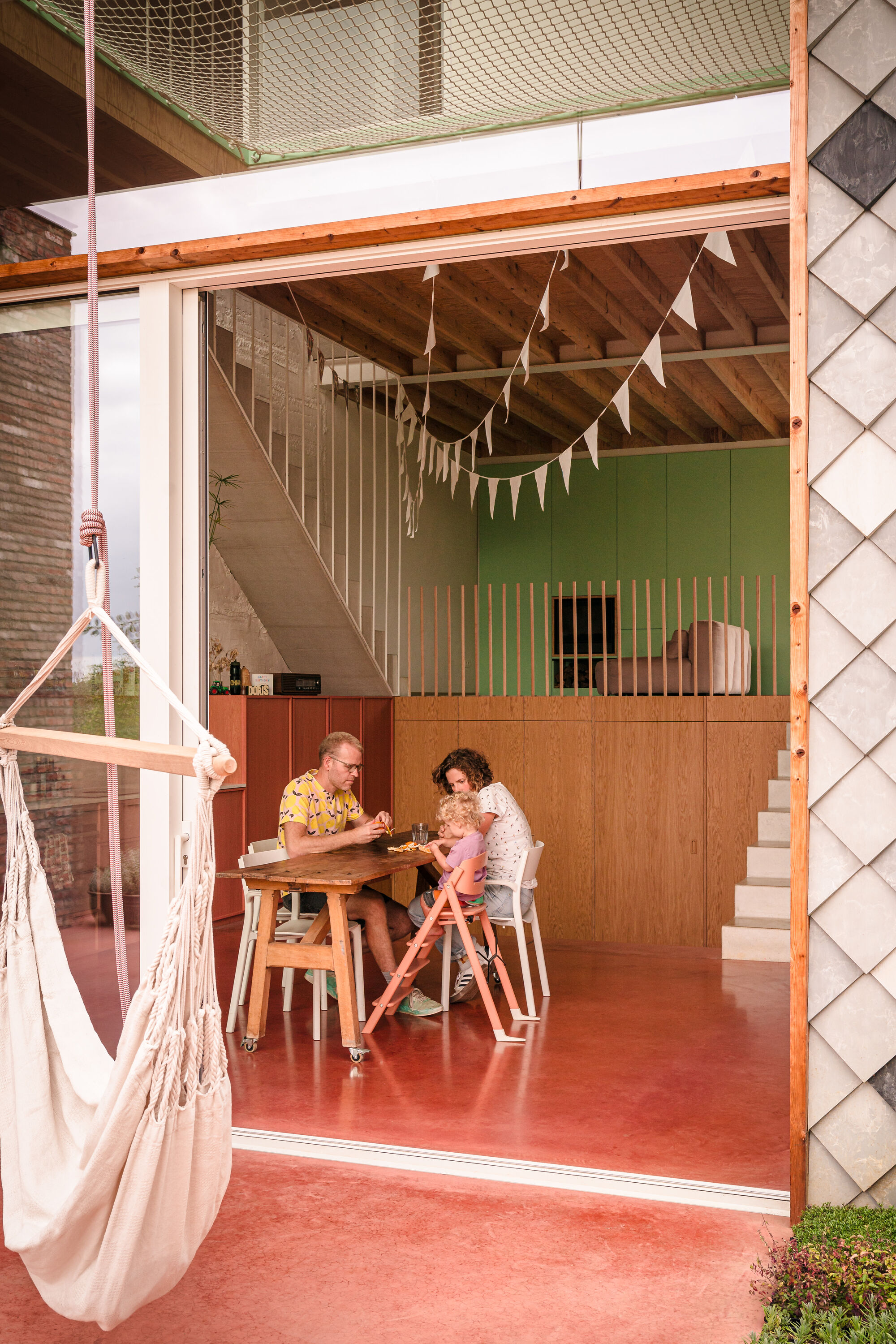
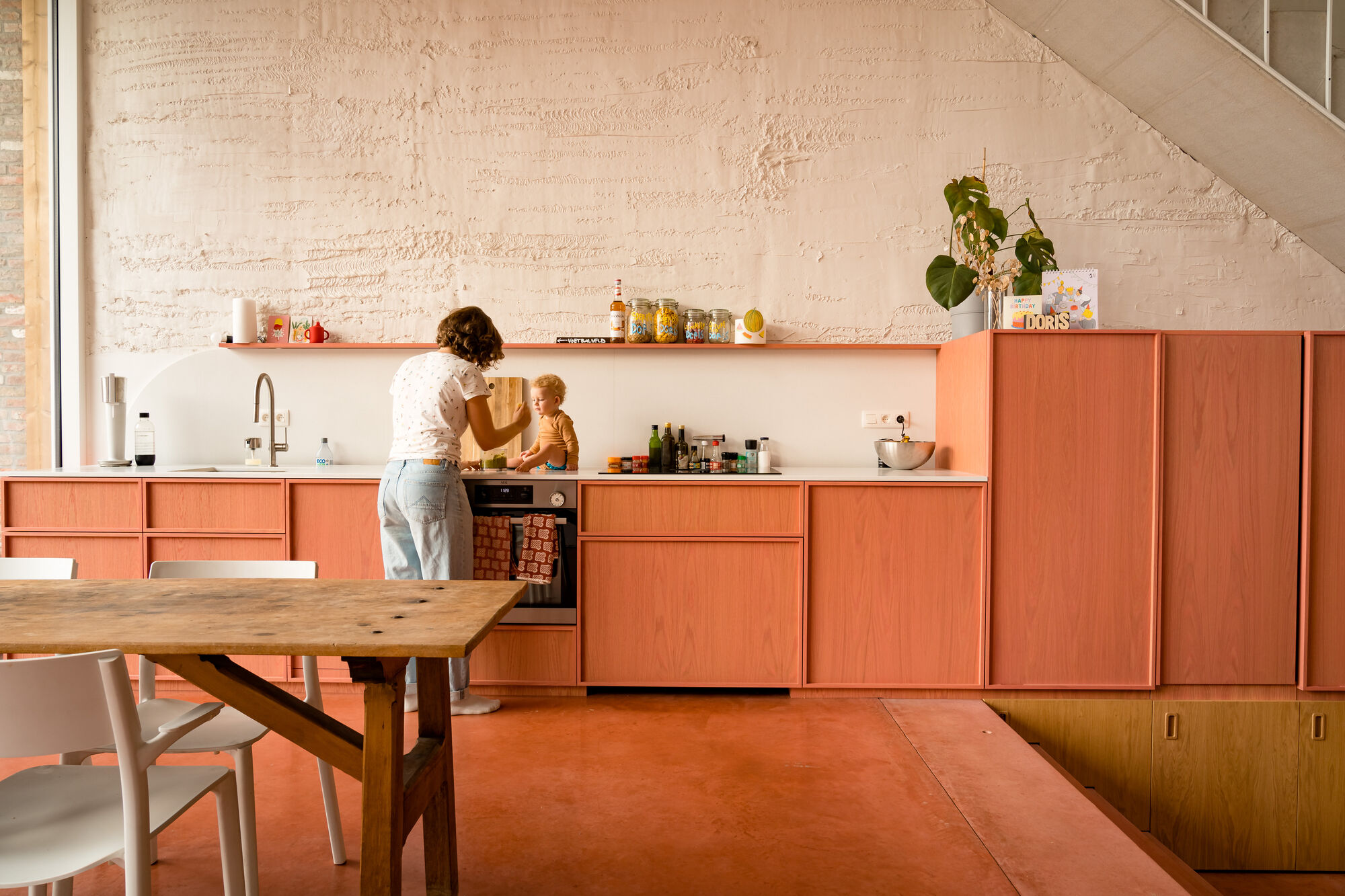
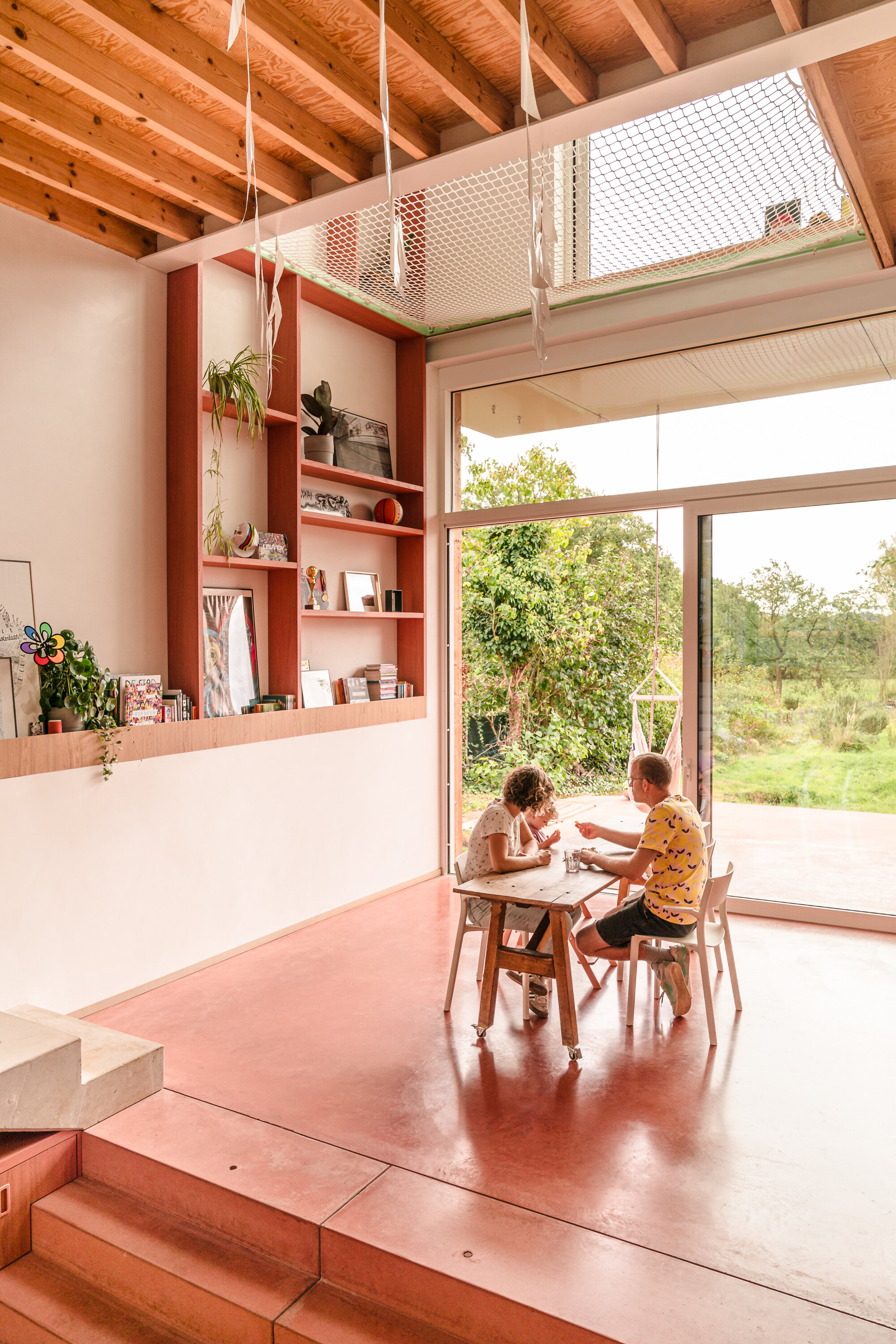
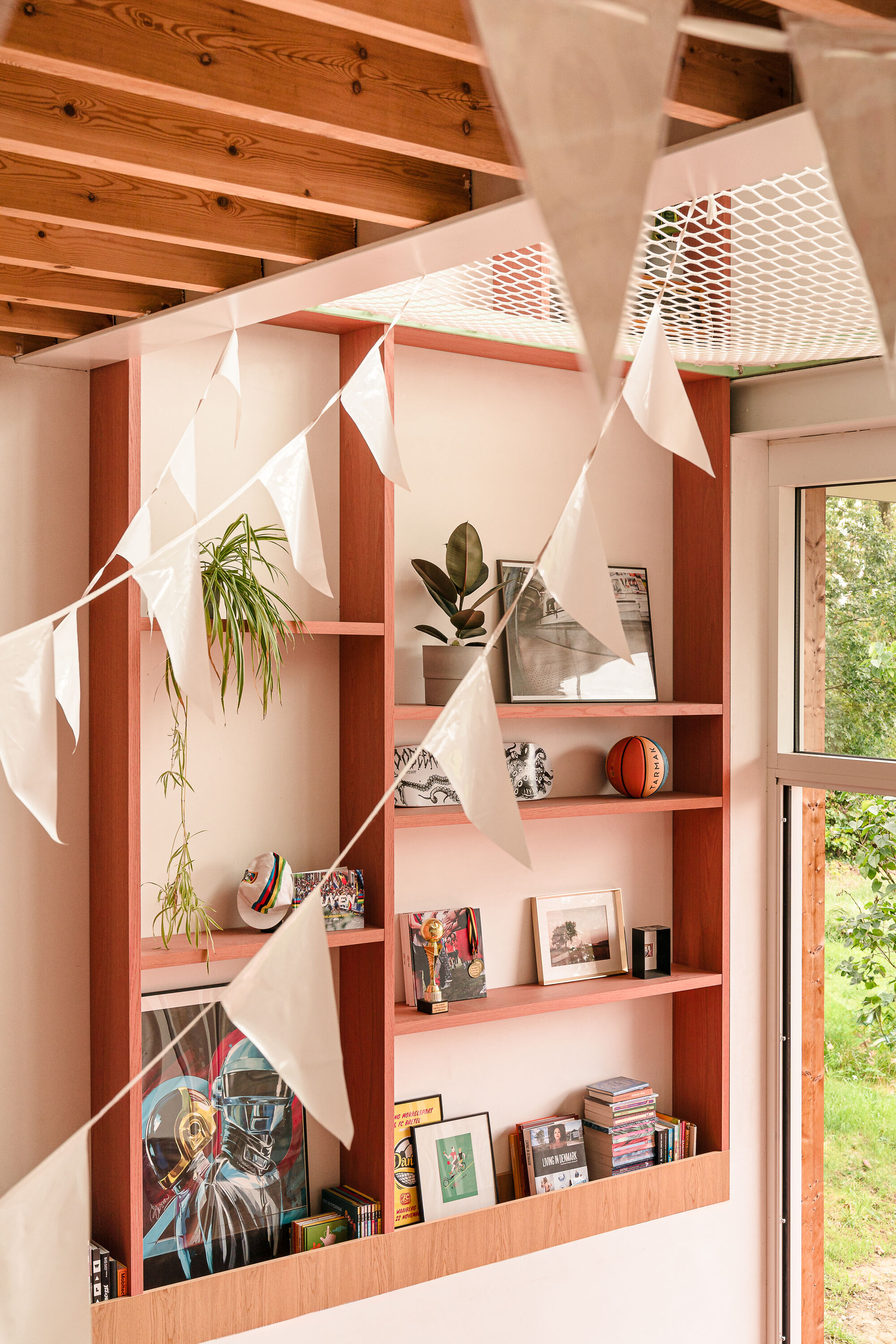
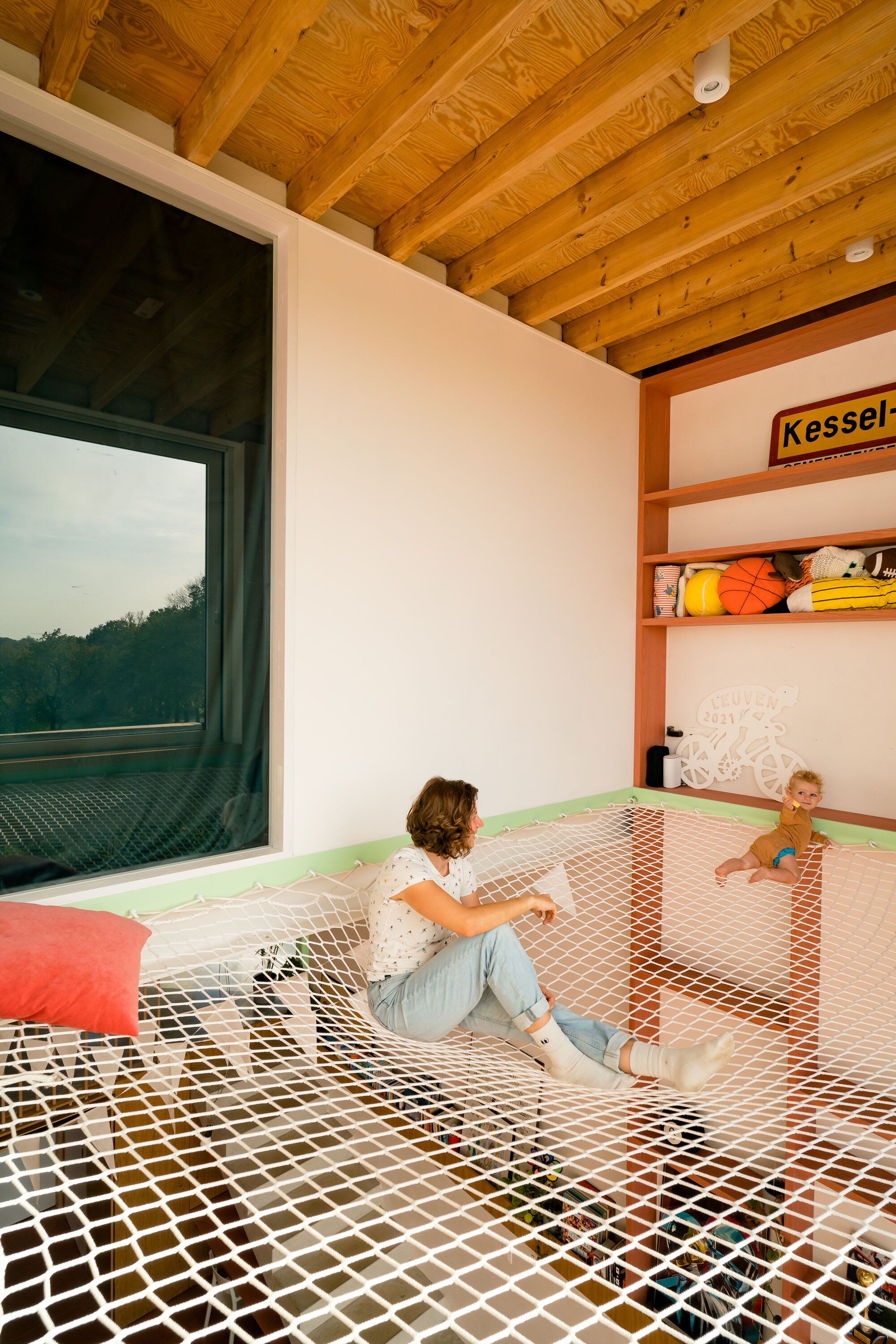
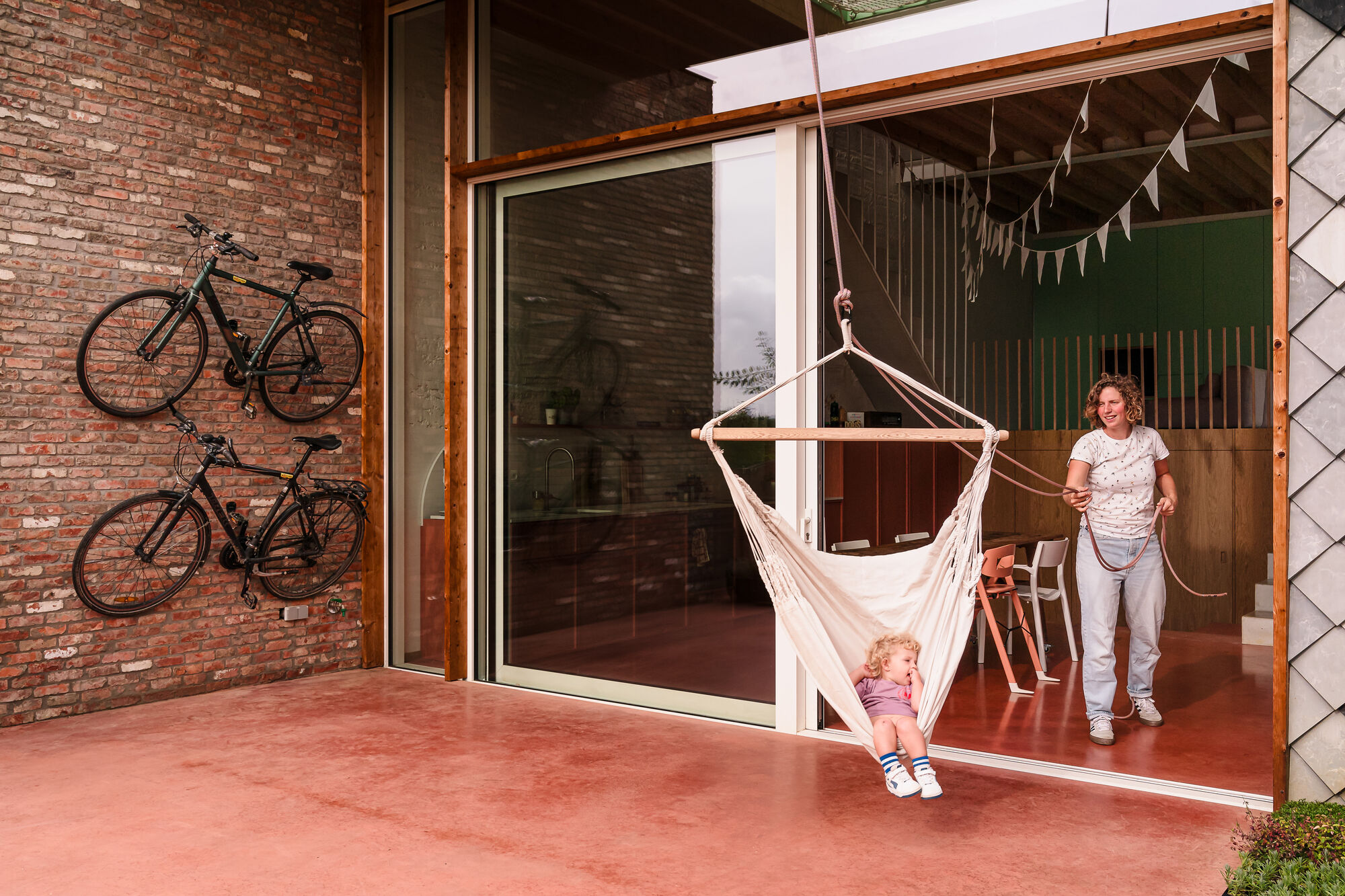
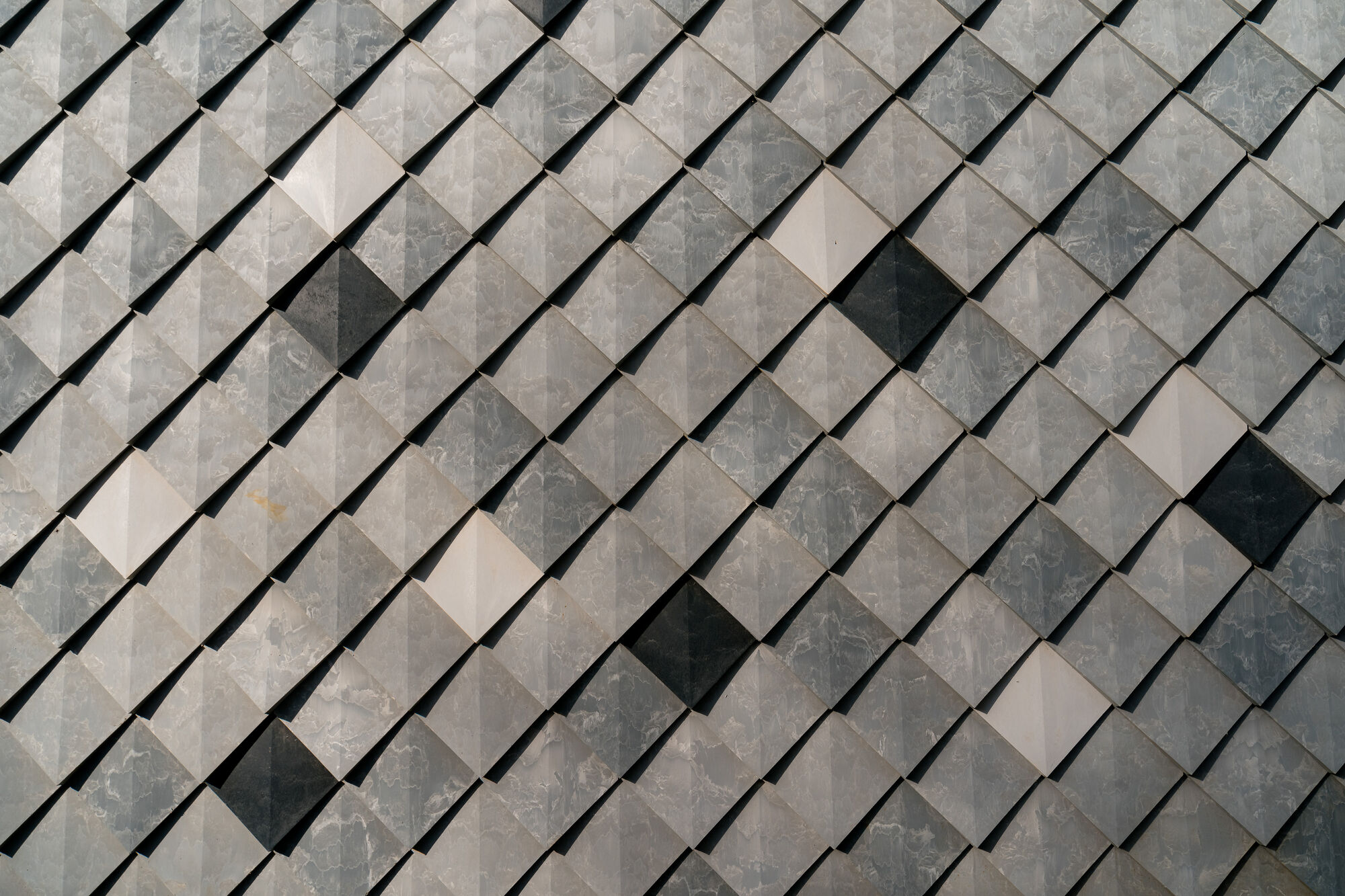
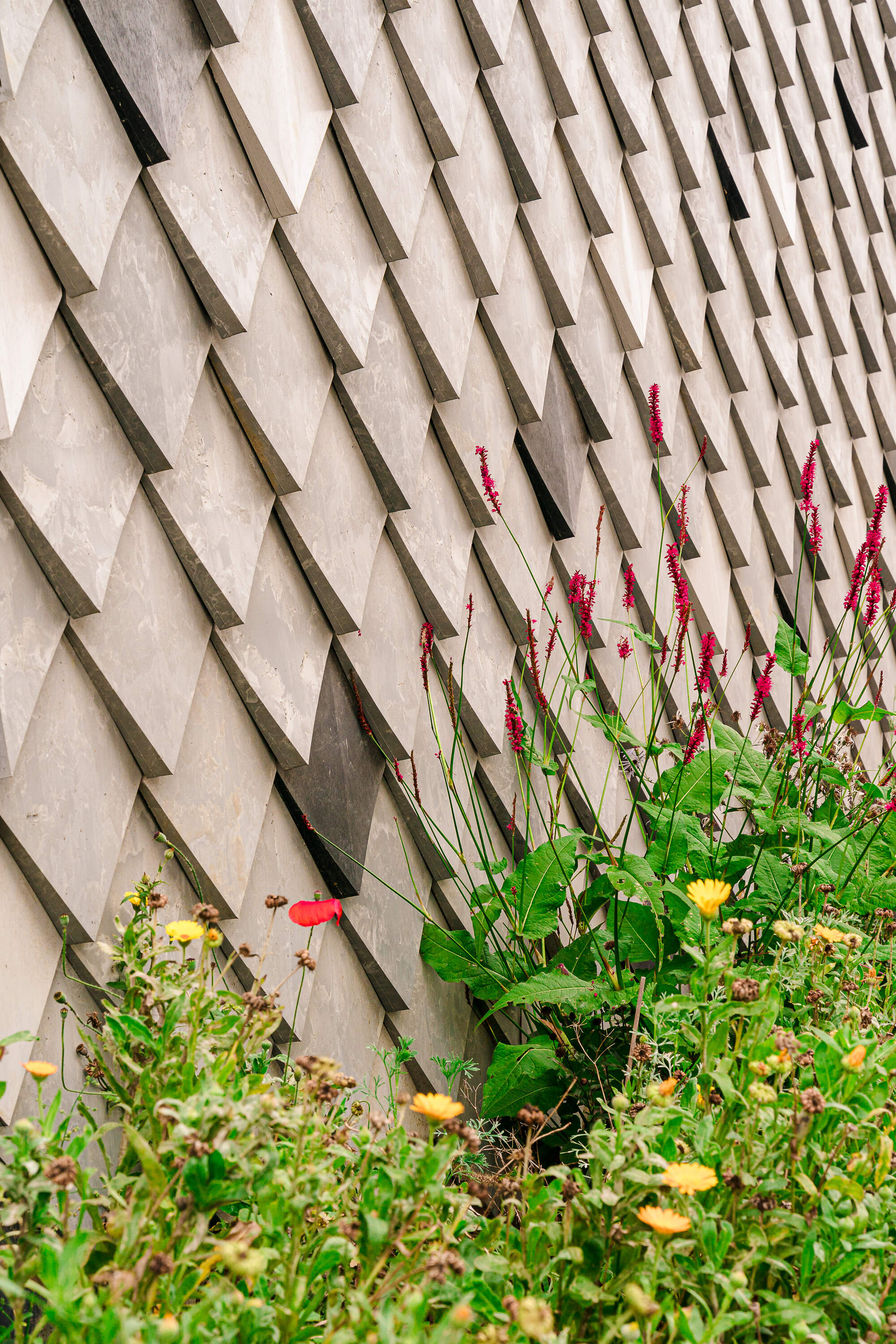
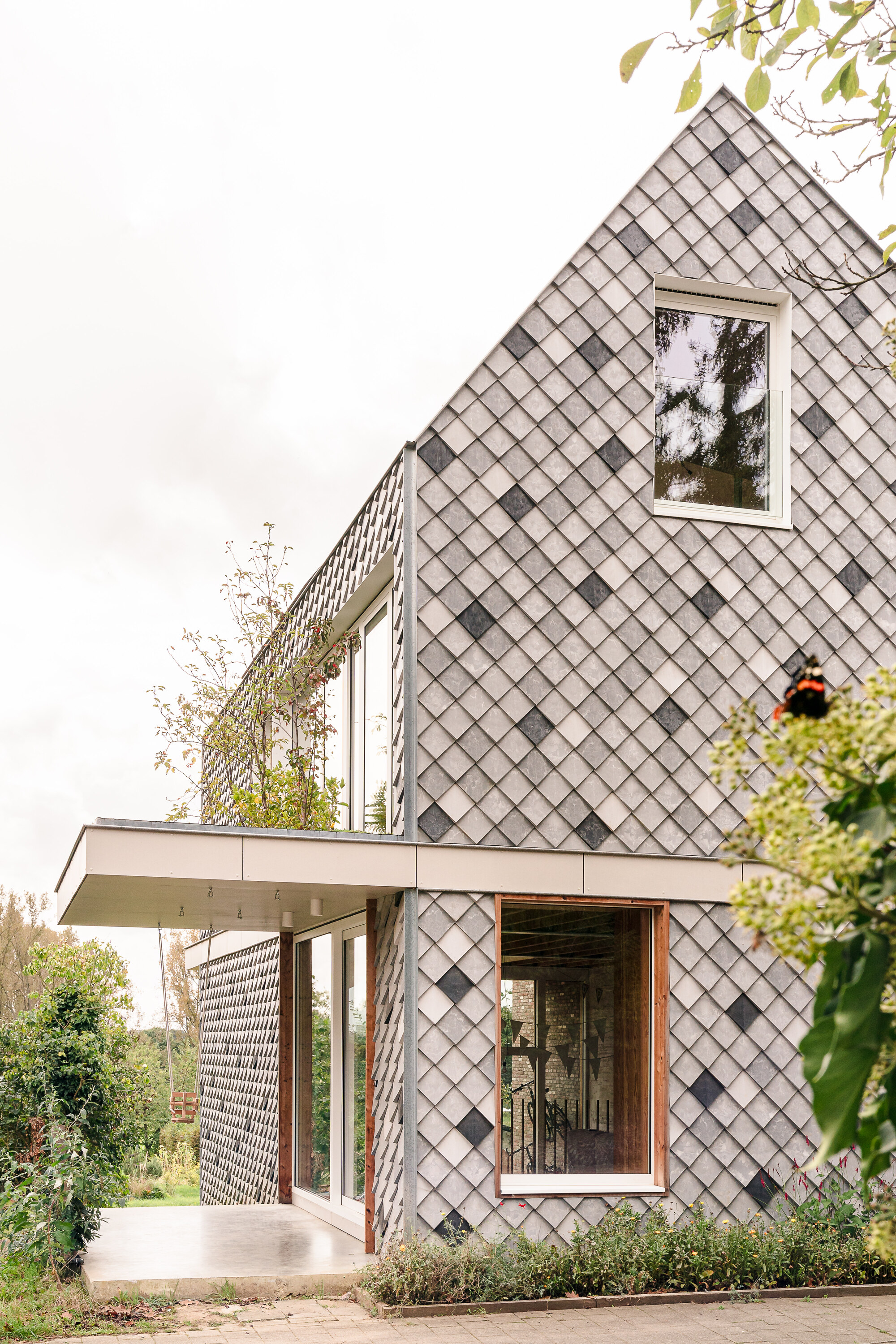
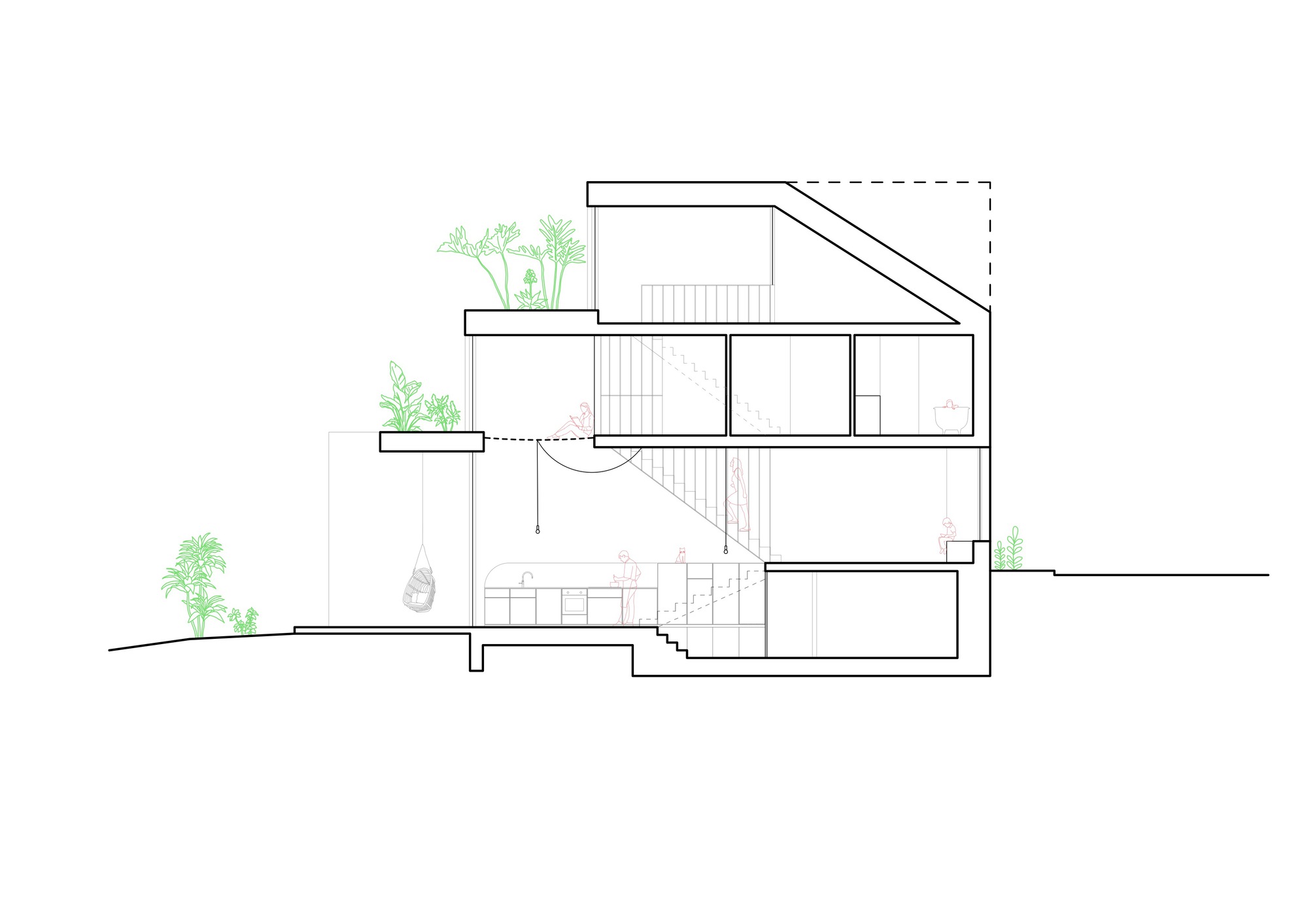
Dragon House #architecture Architects: no.ma architecten Area: 234 m² Year: 2023 Photographs: Stijn Knapen Country: Belgium
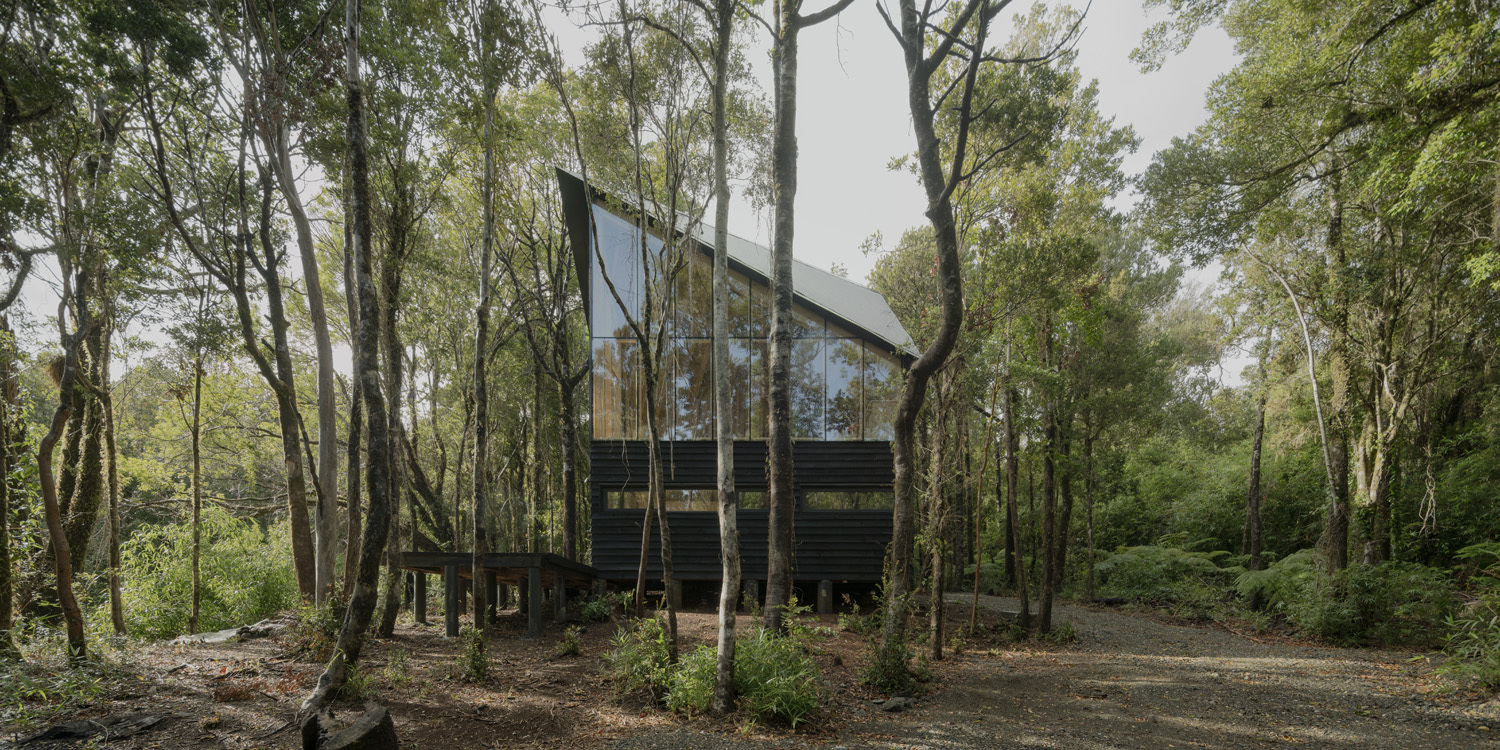
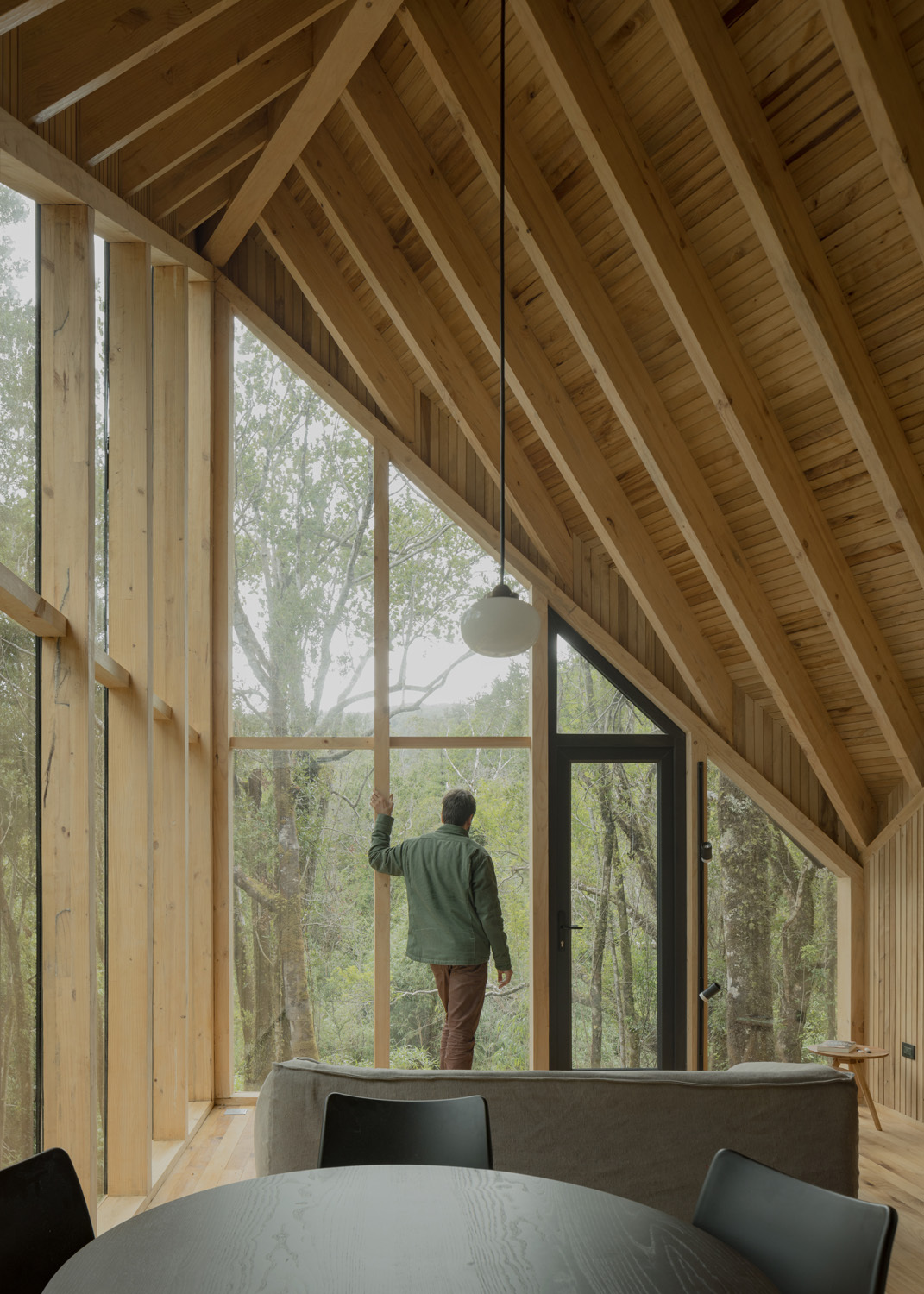
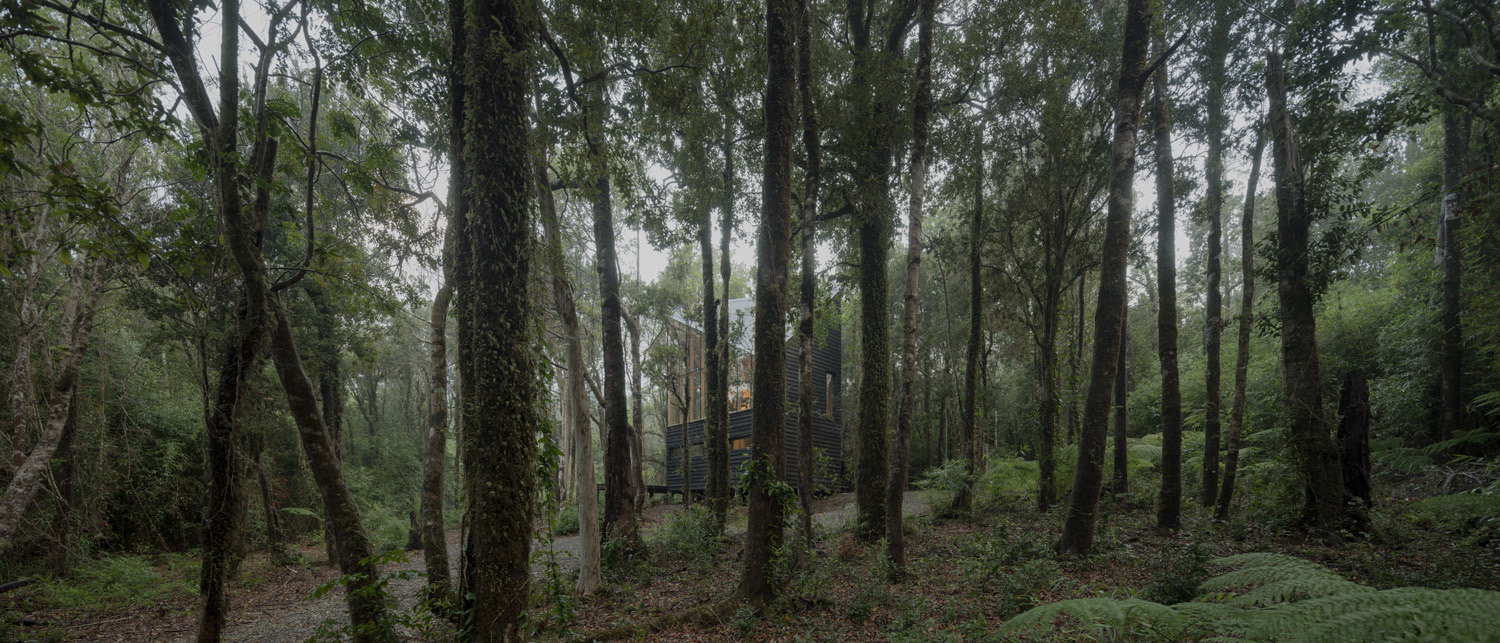
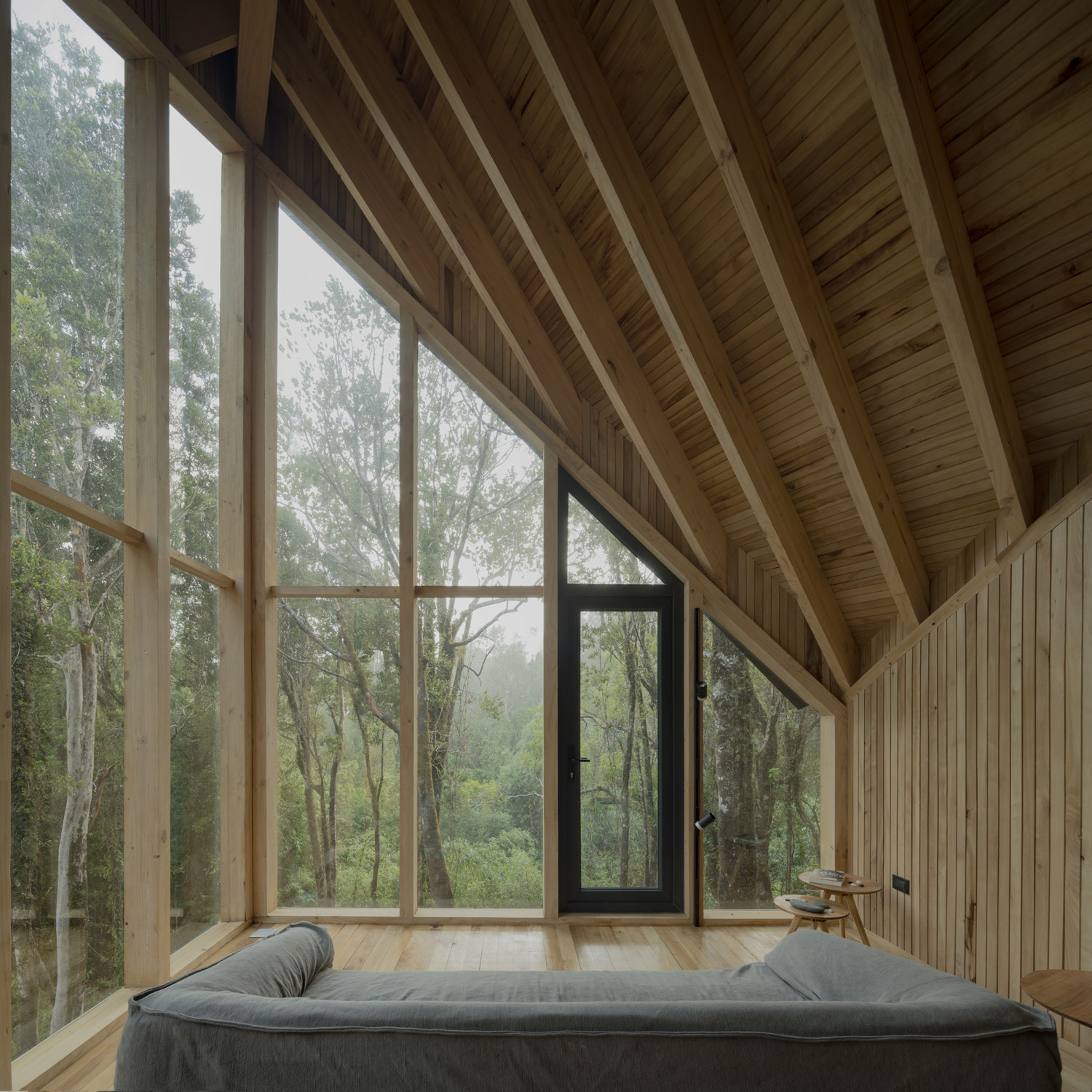
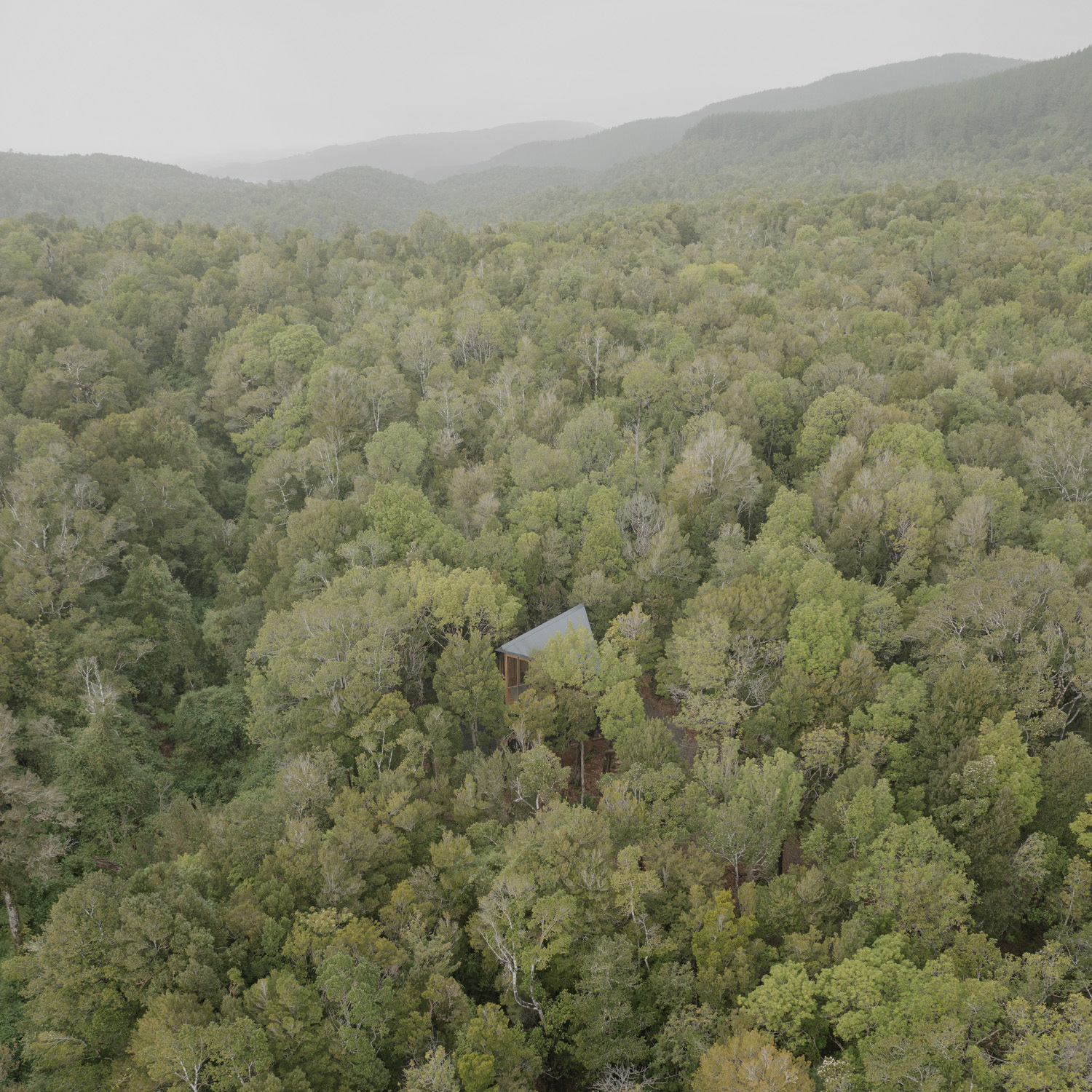
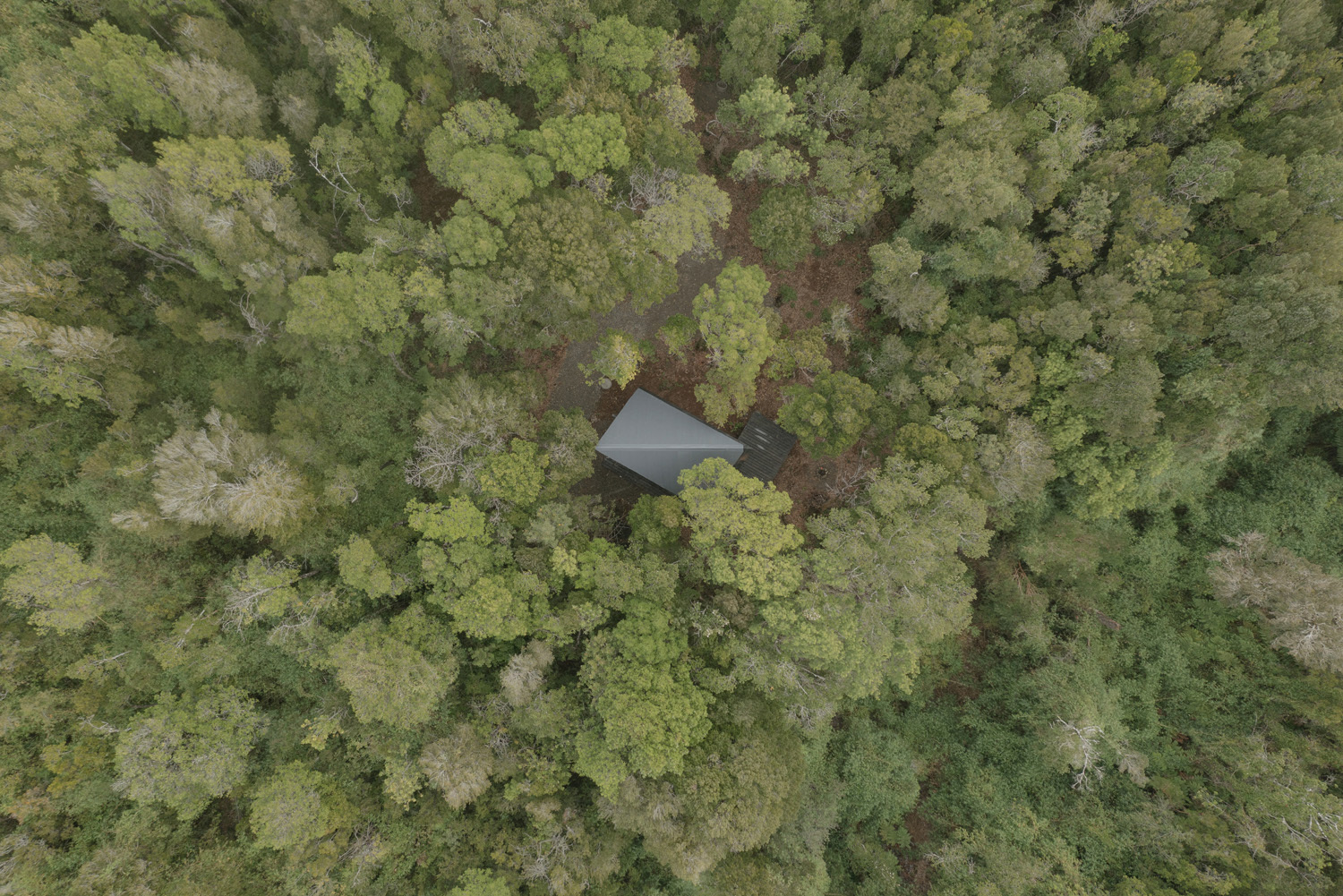
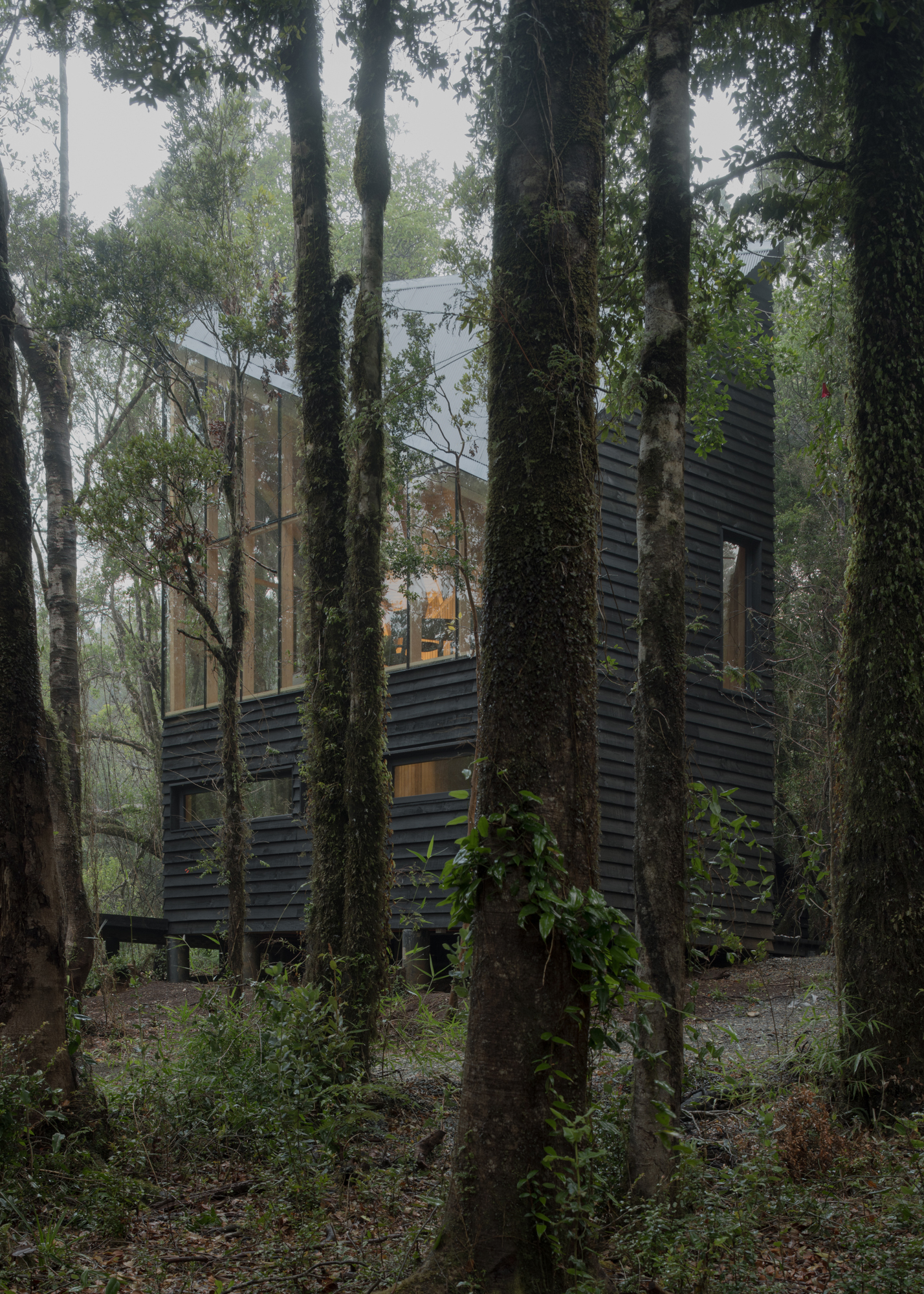
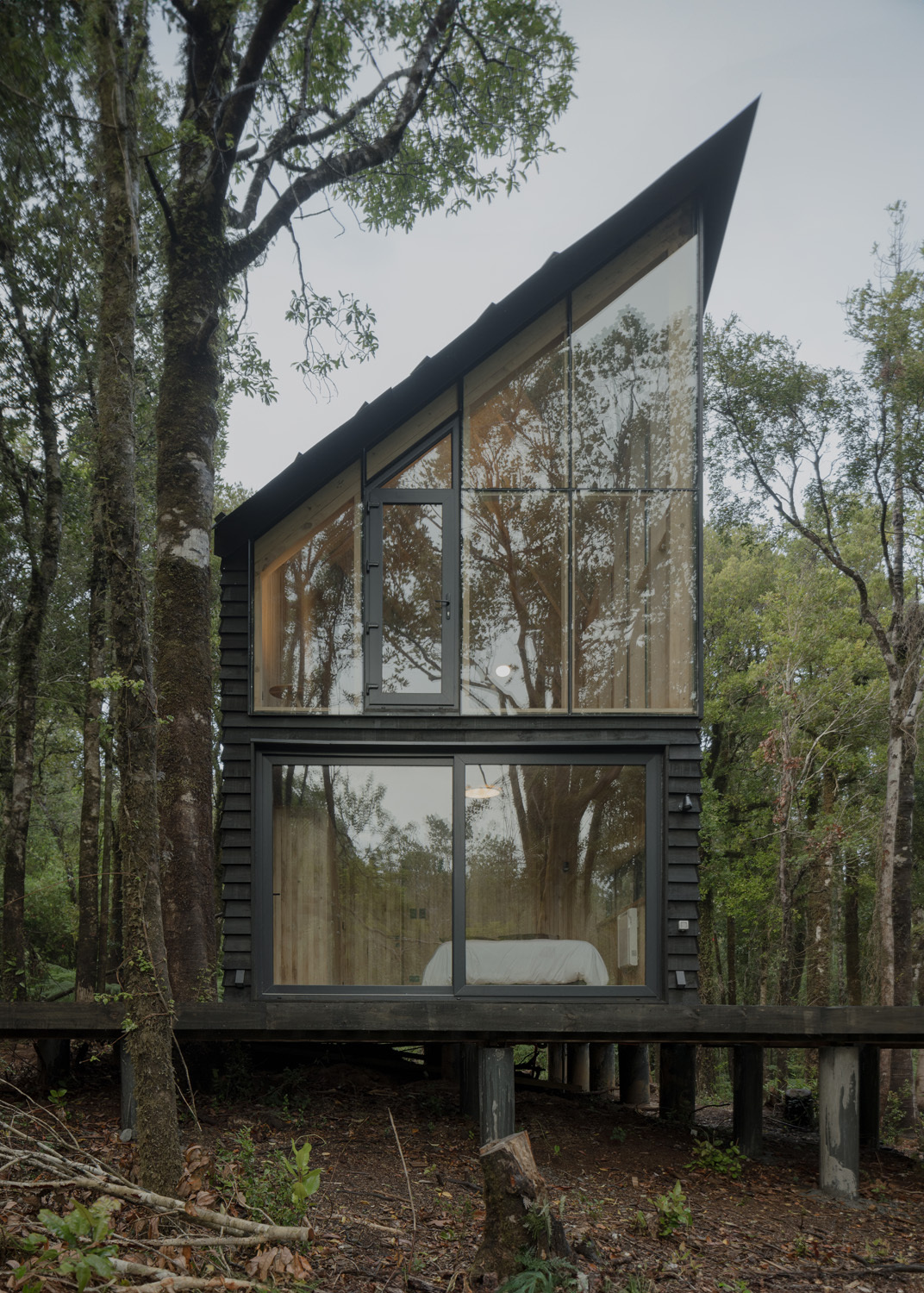
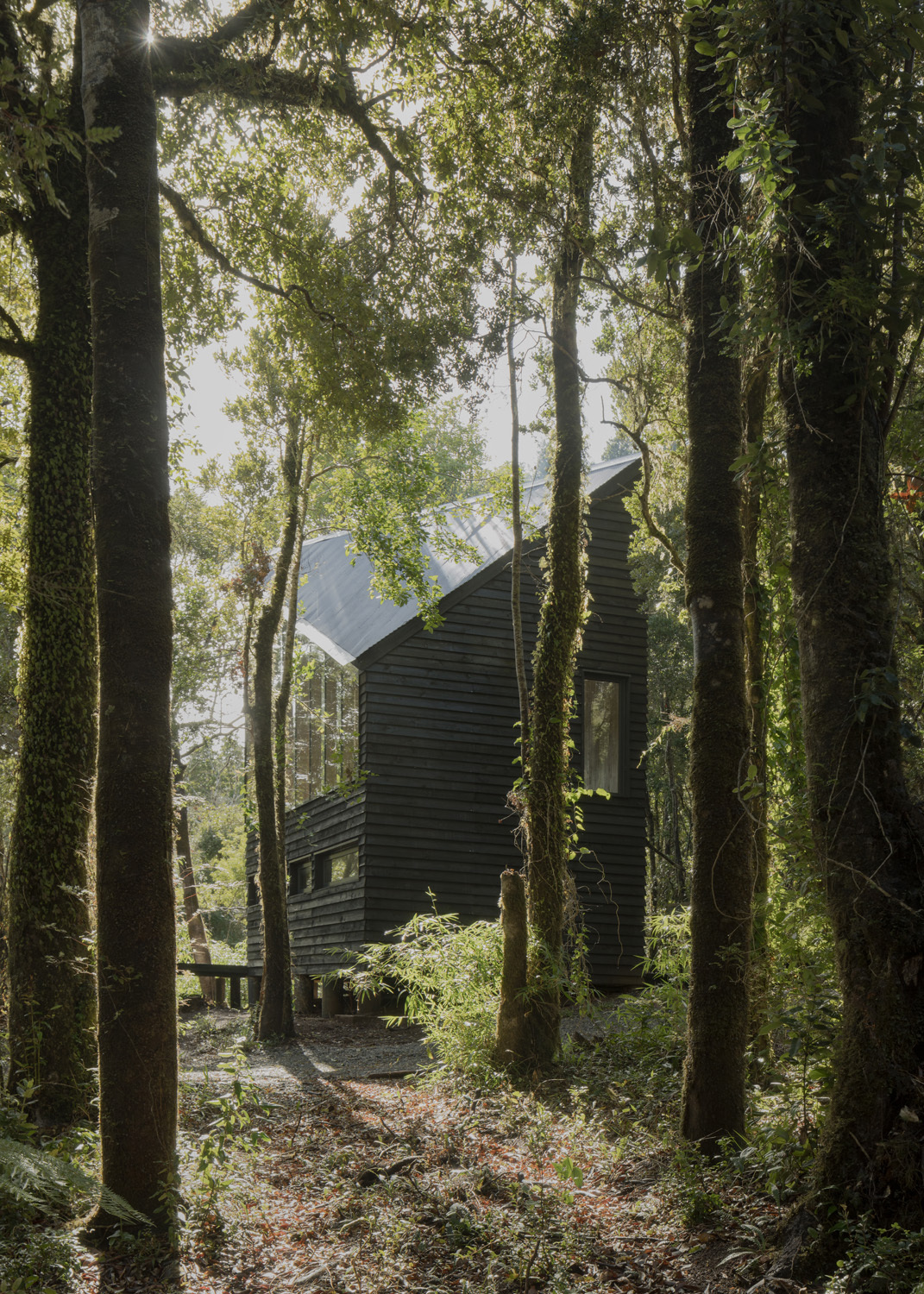
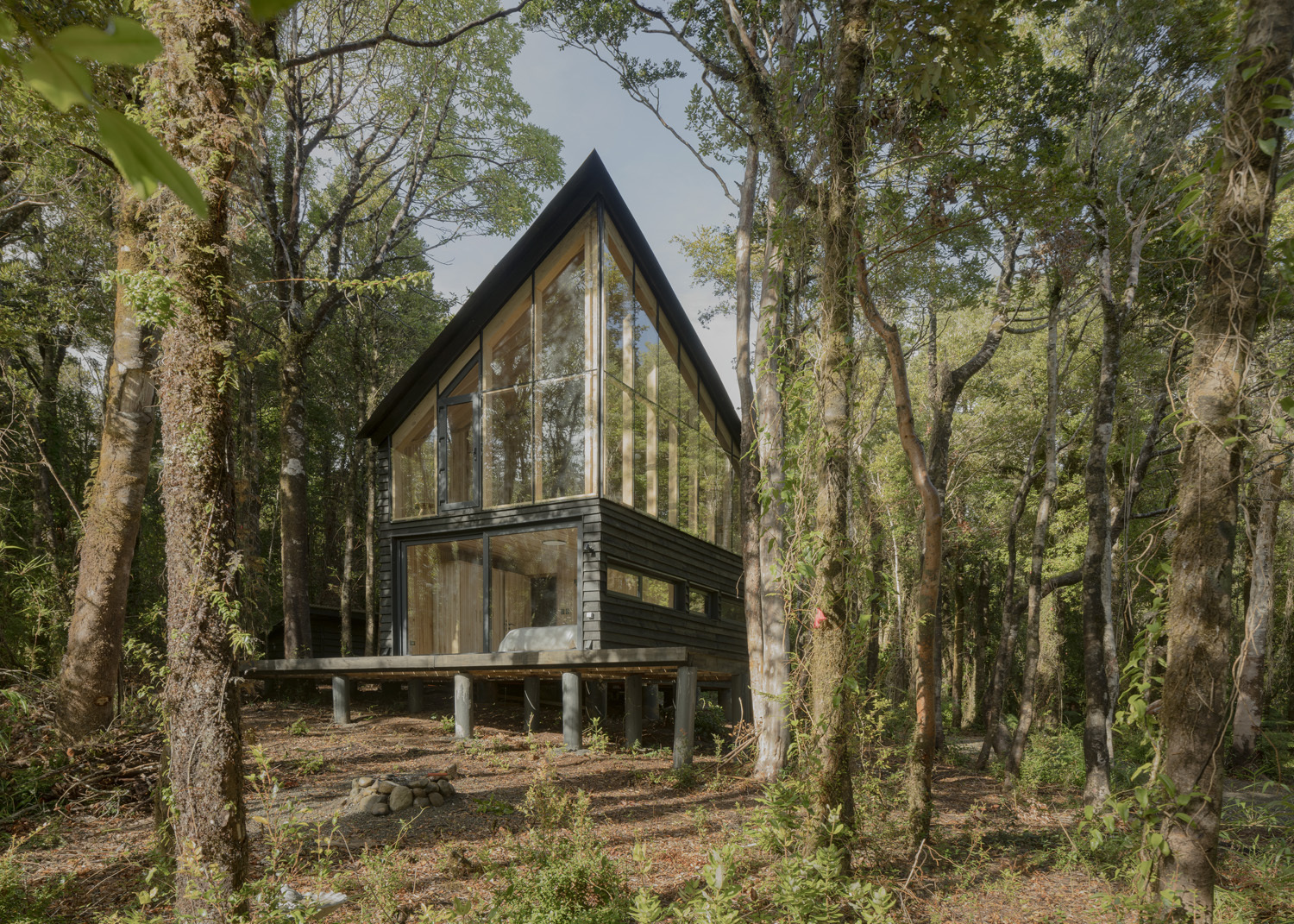
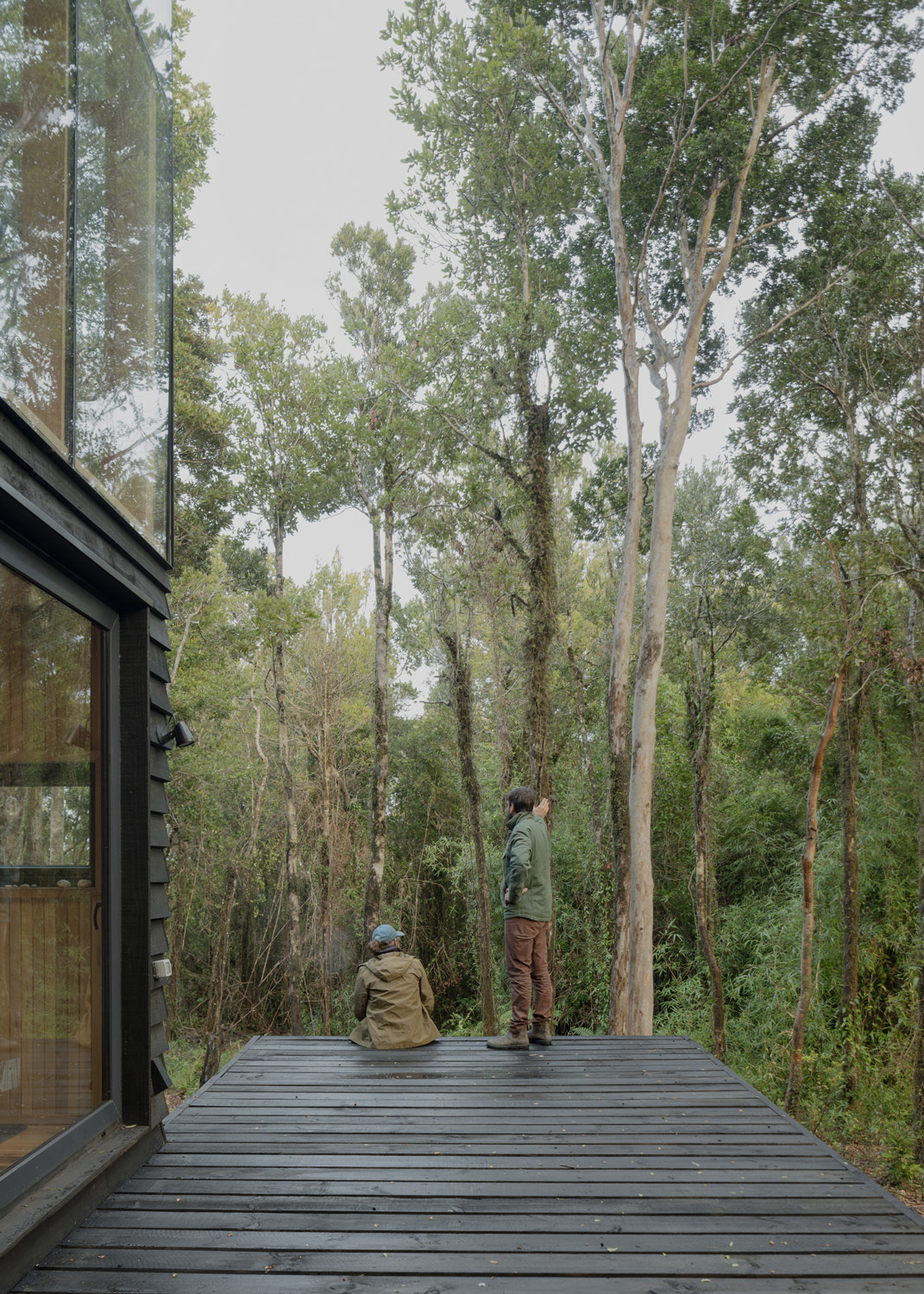
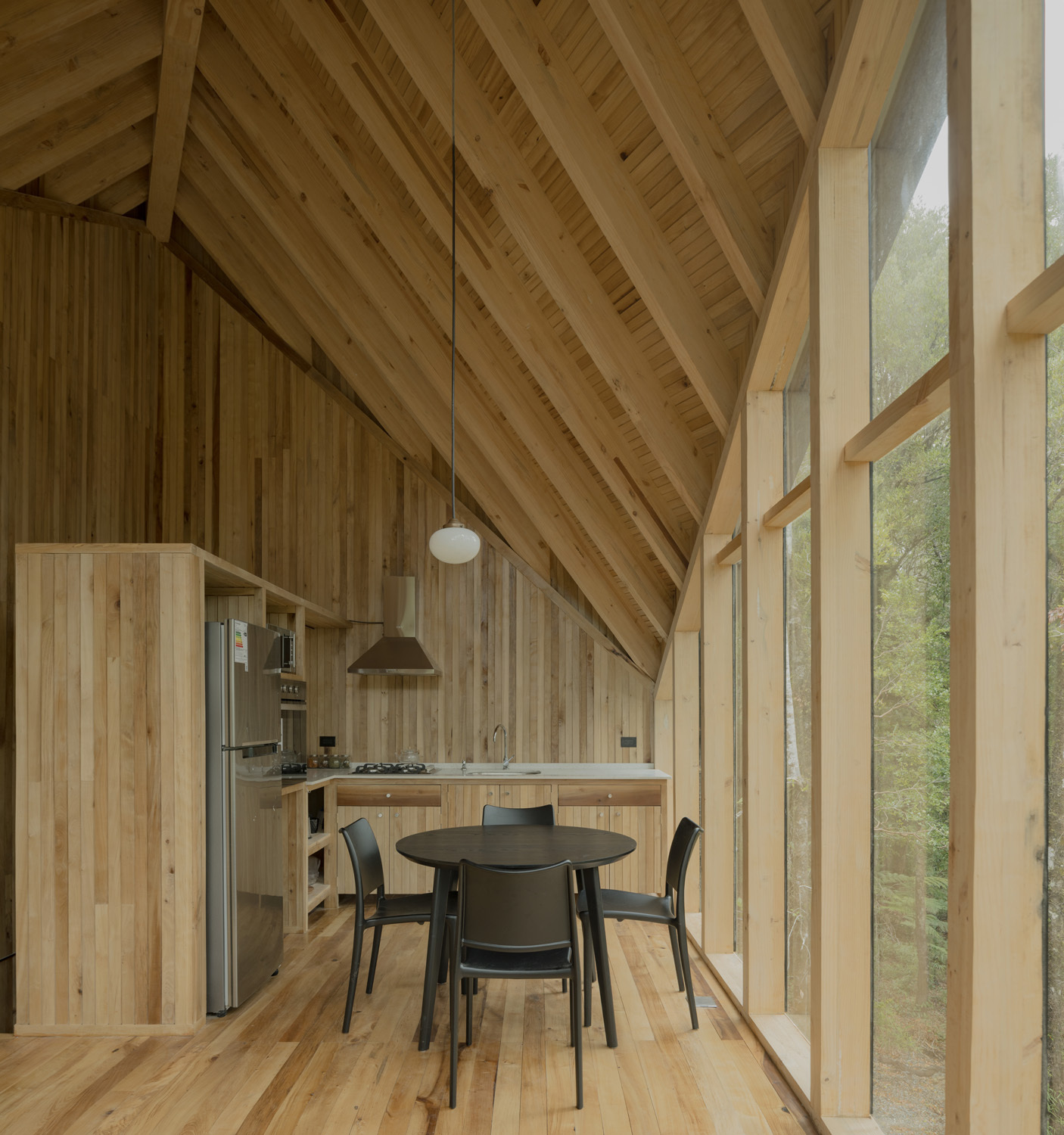
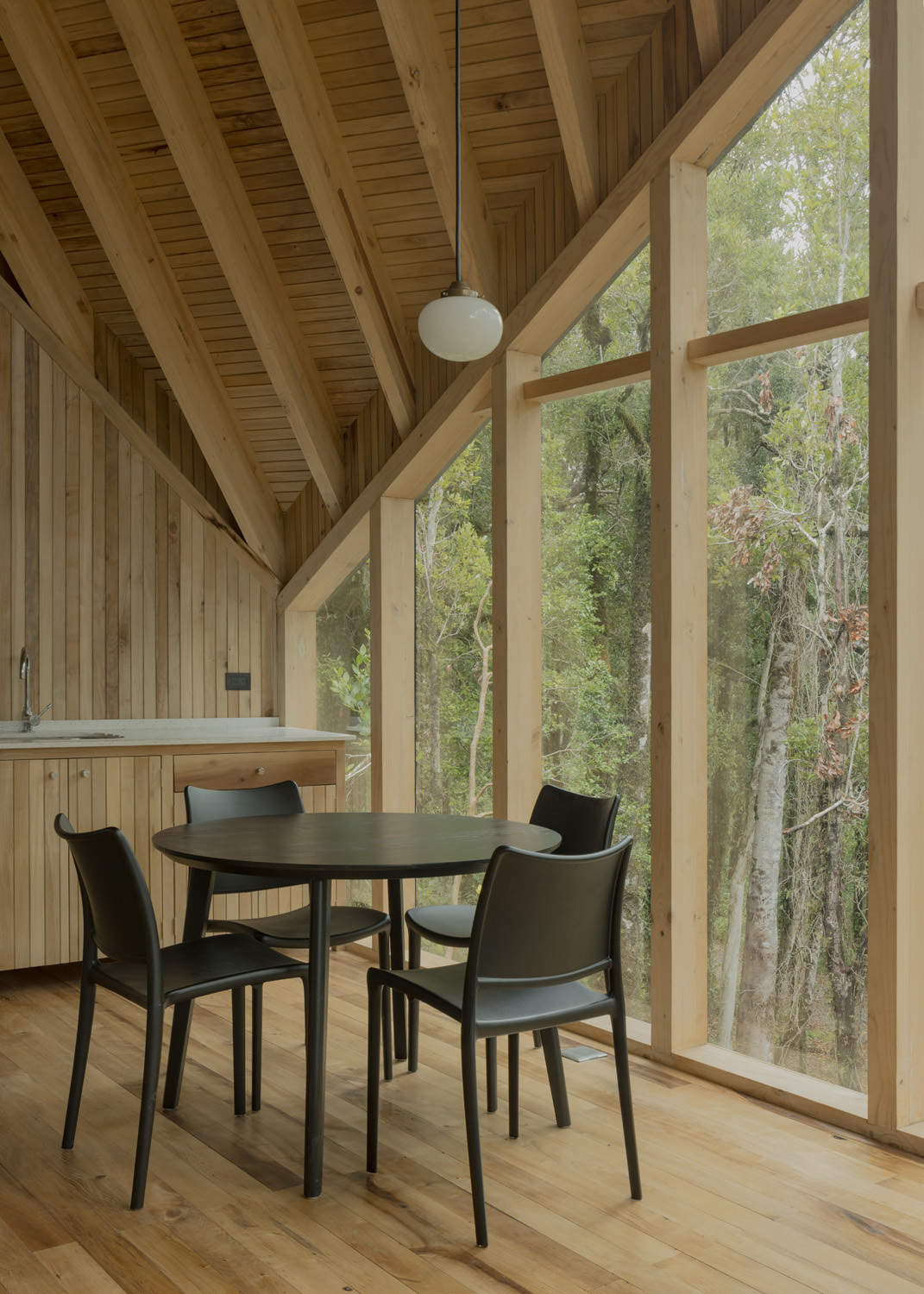
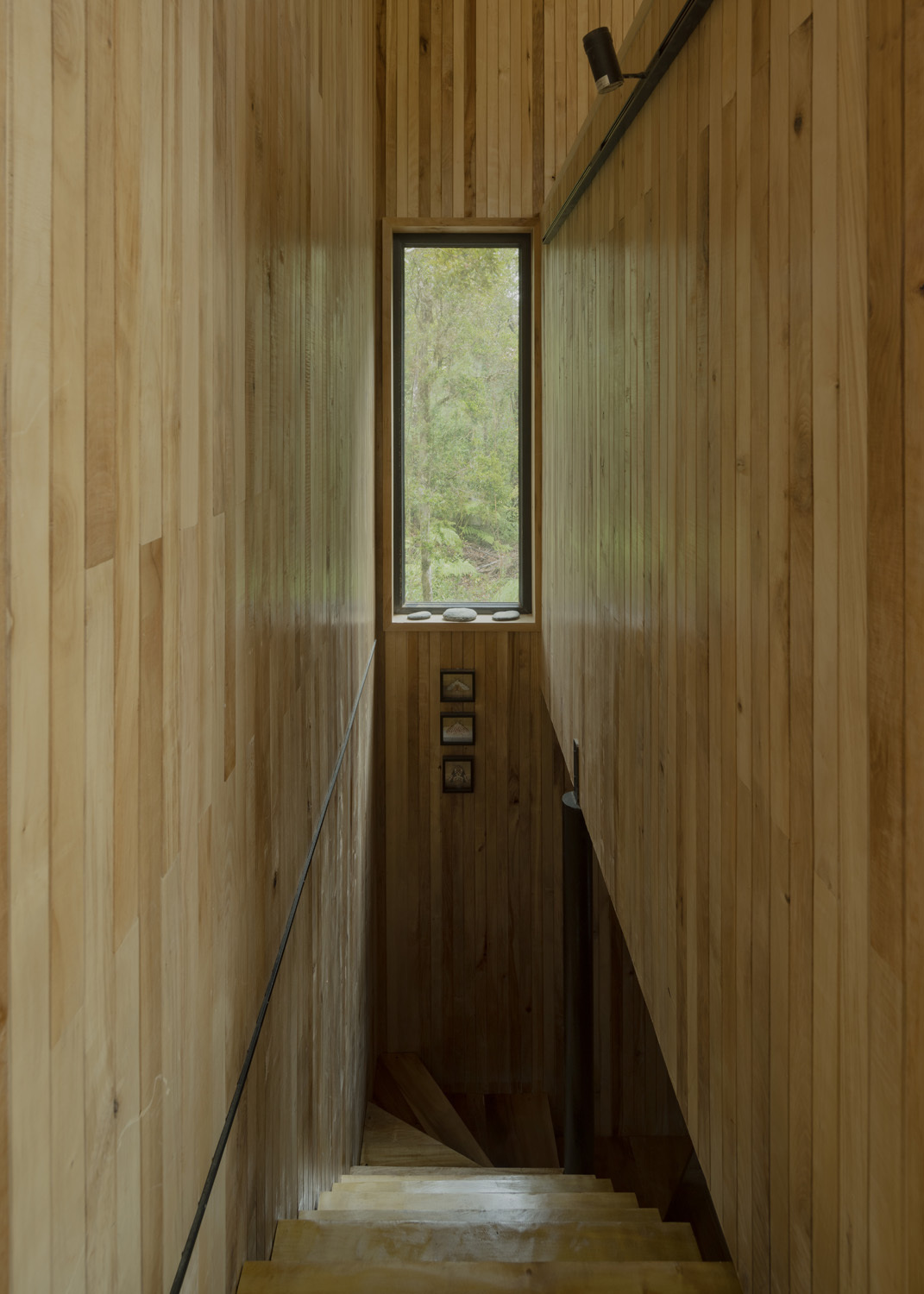
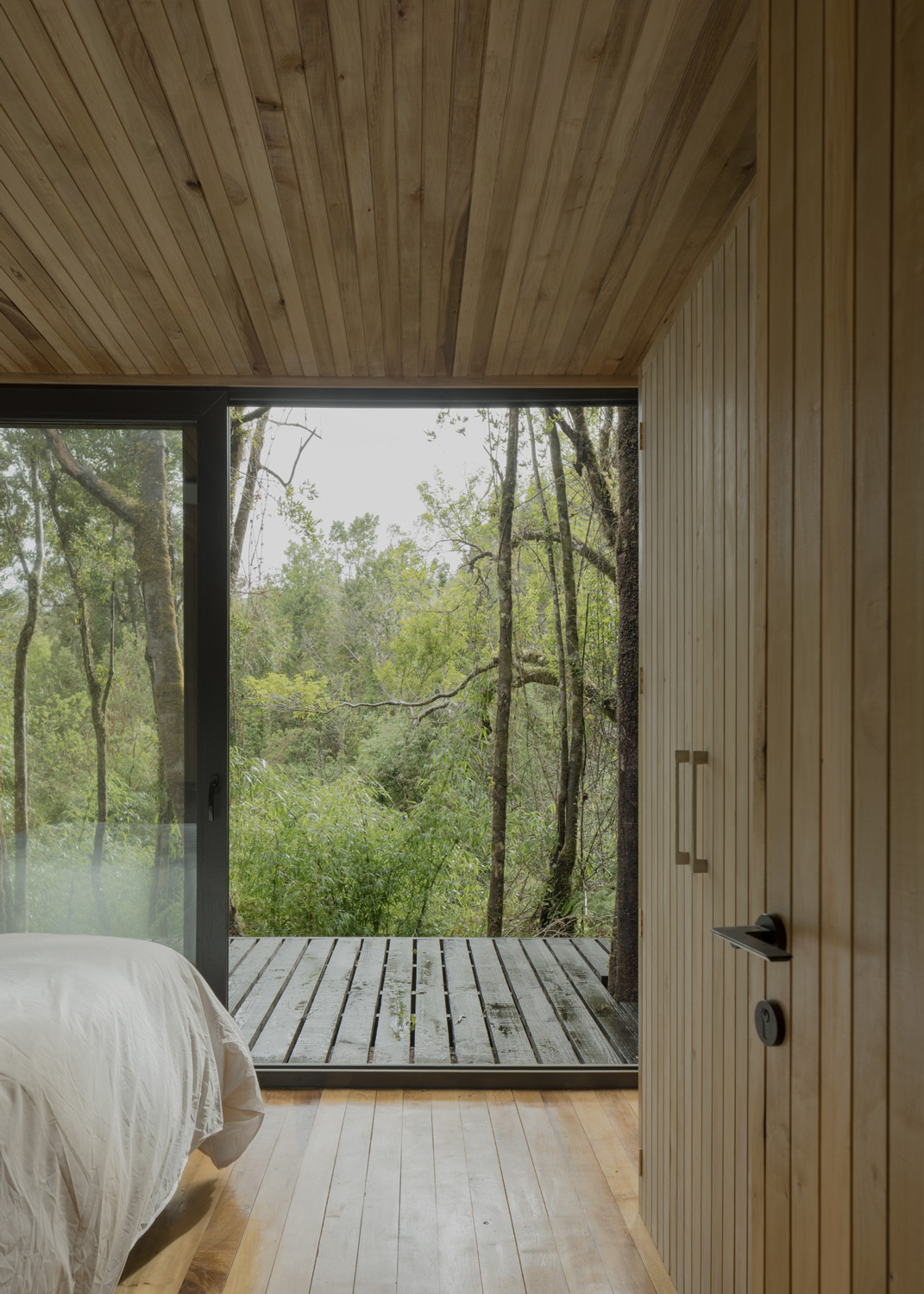
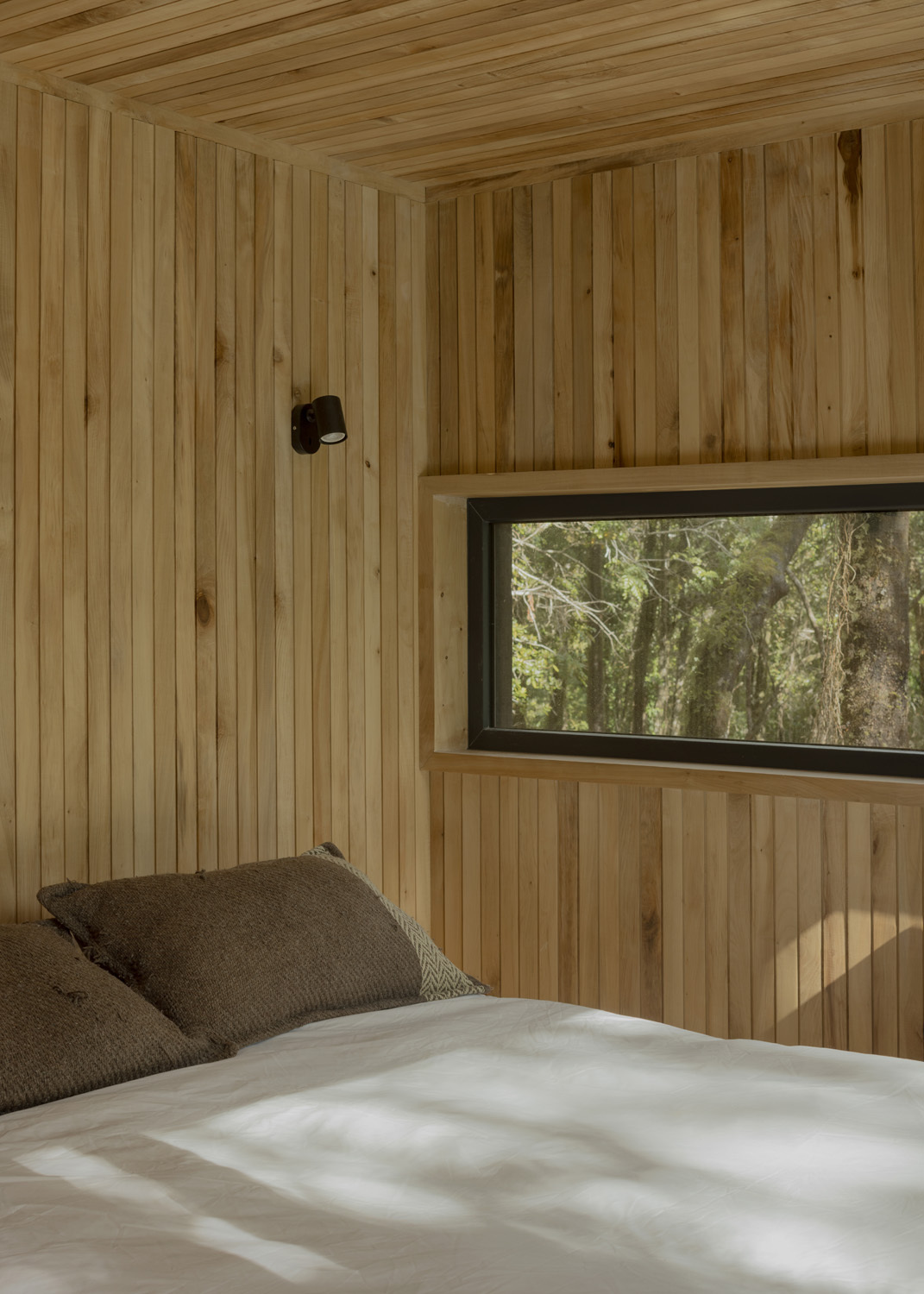
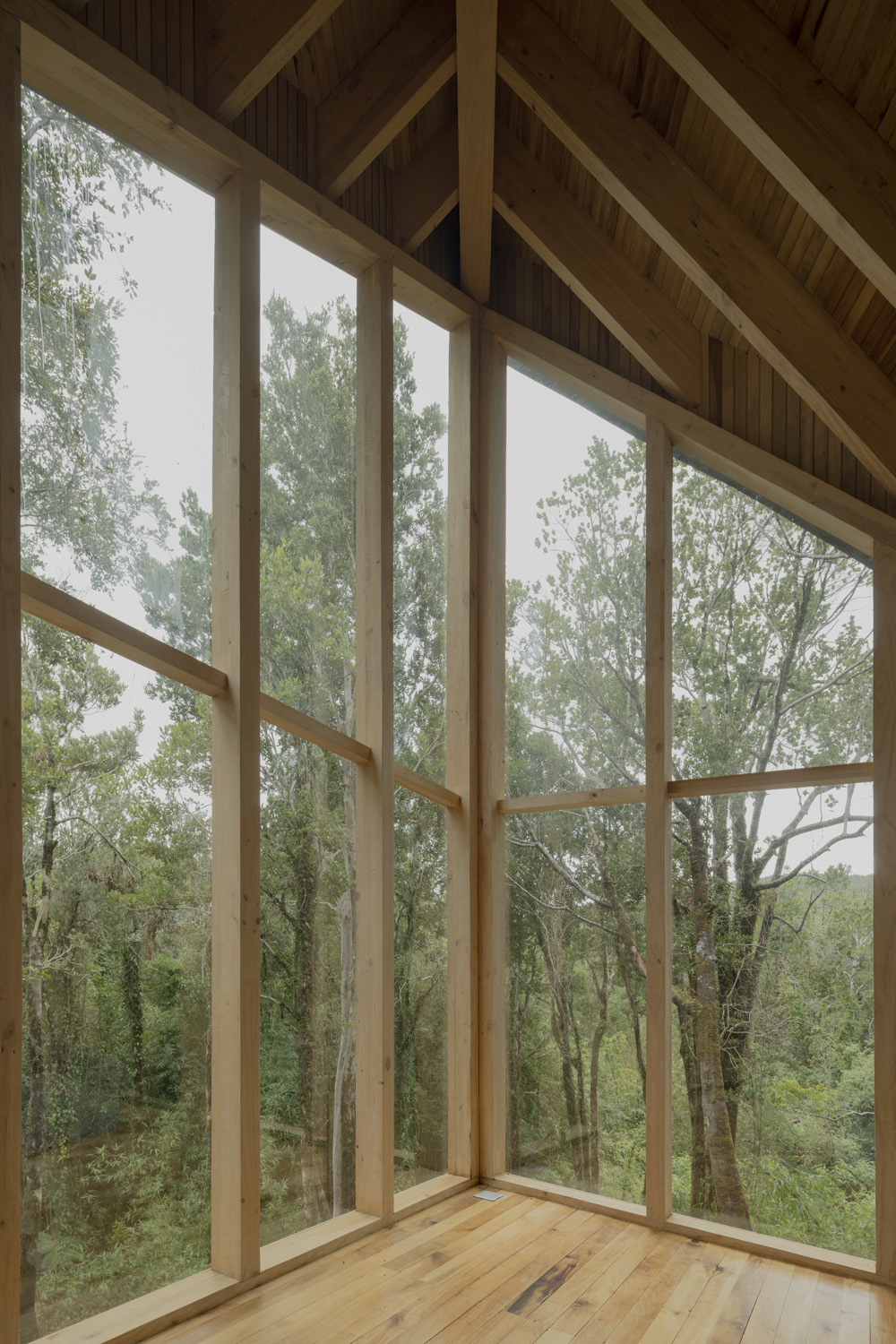
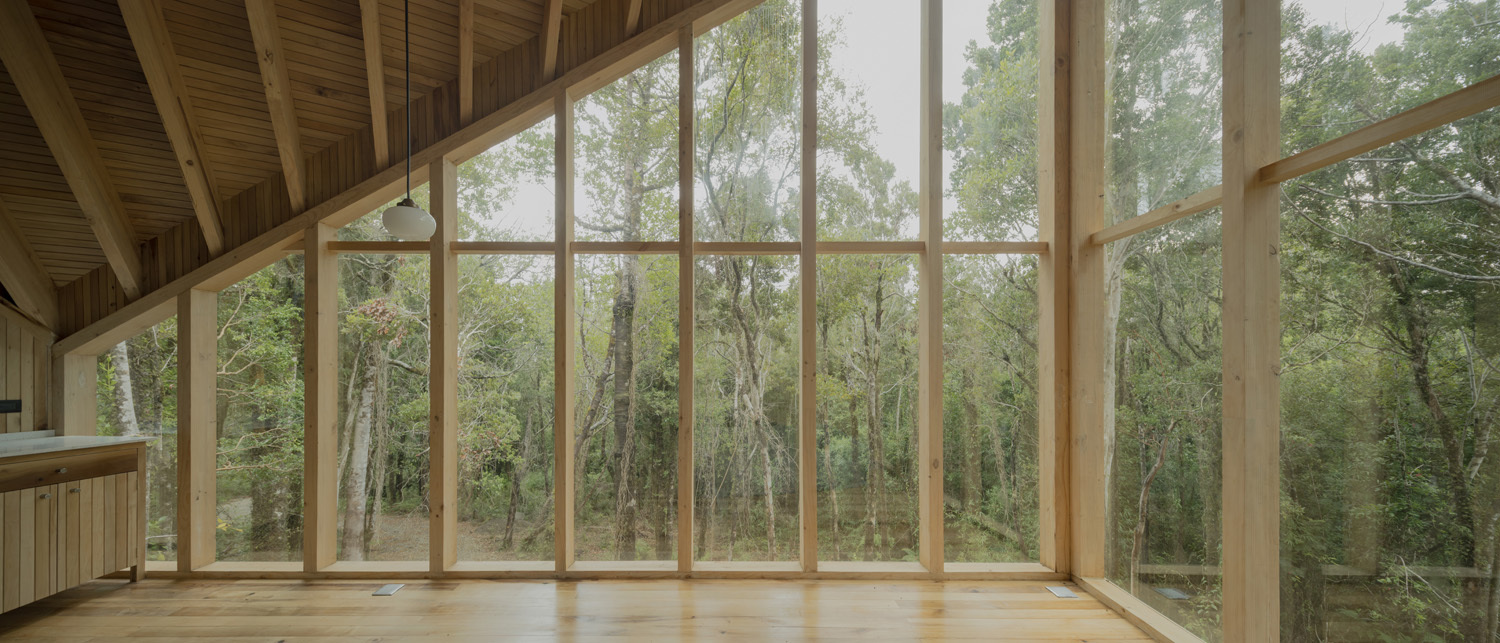
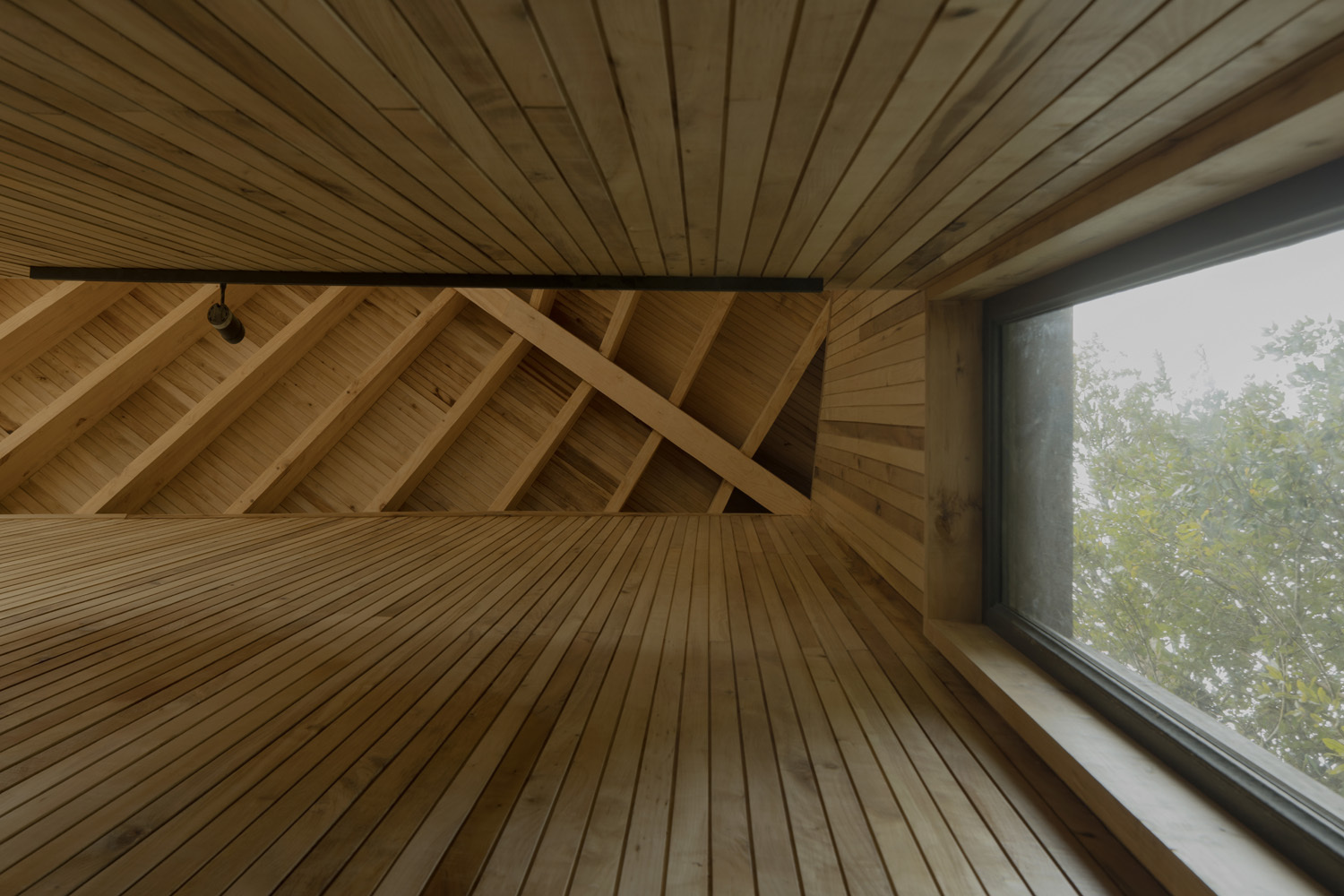
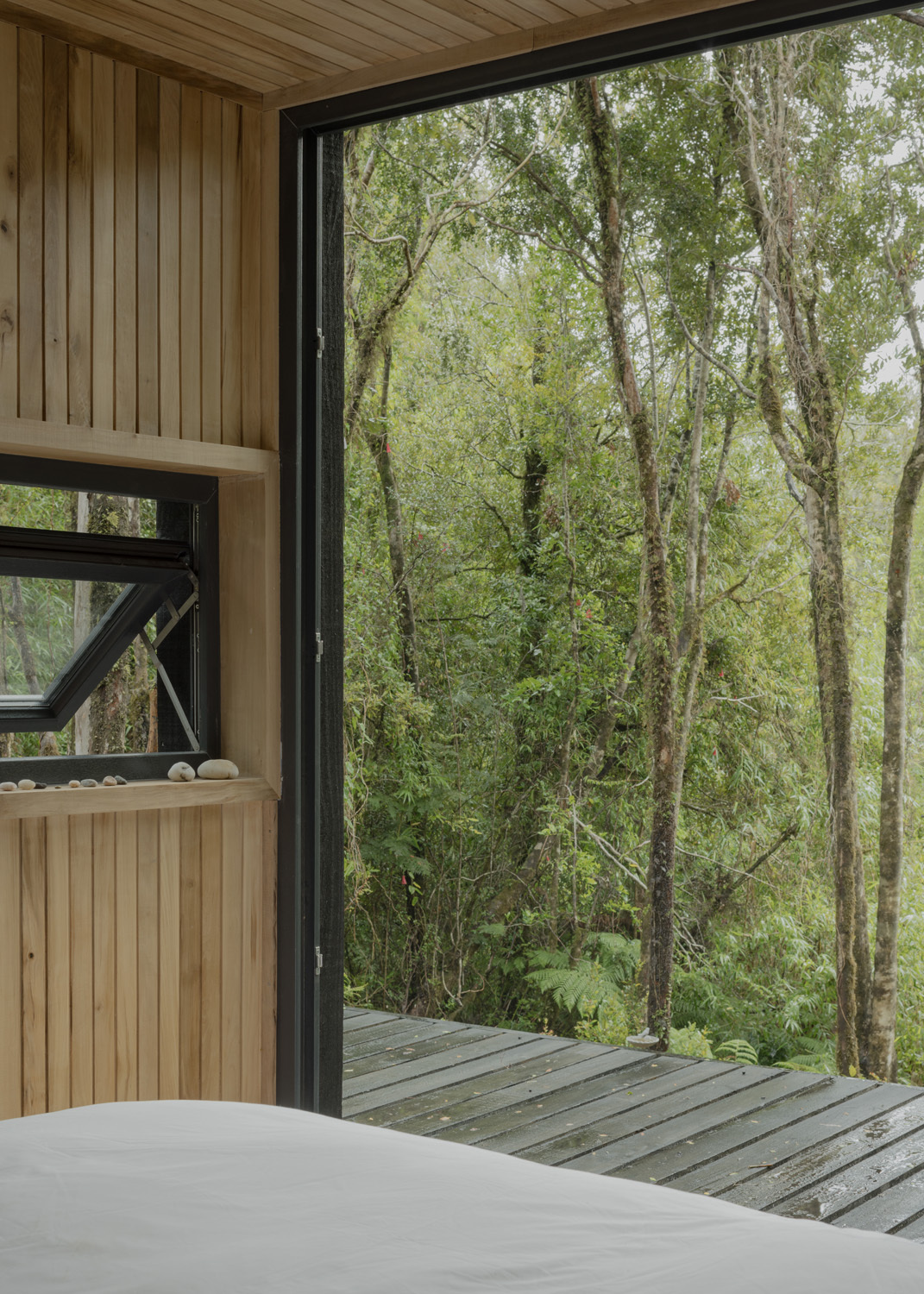
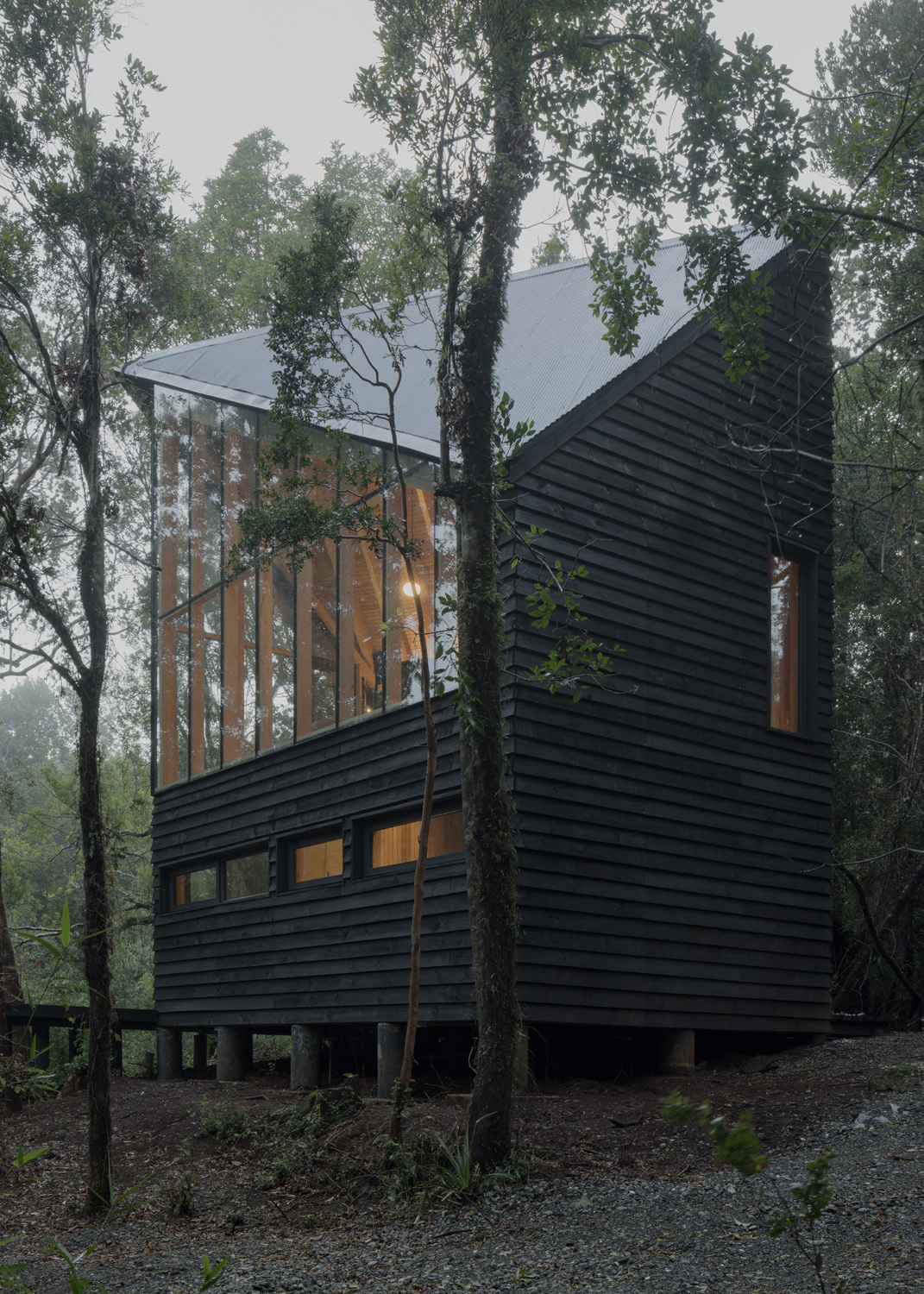
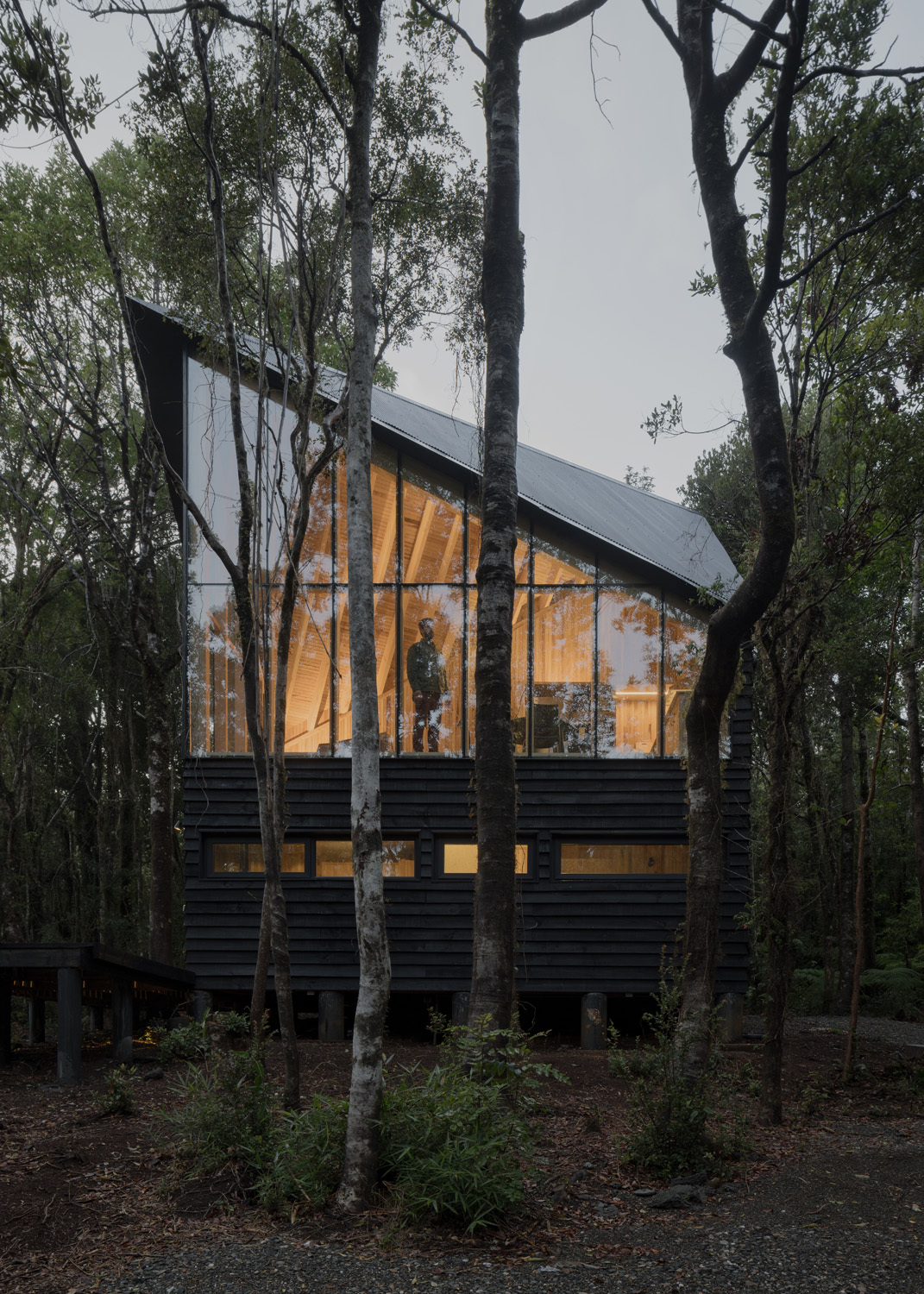
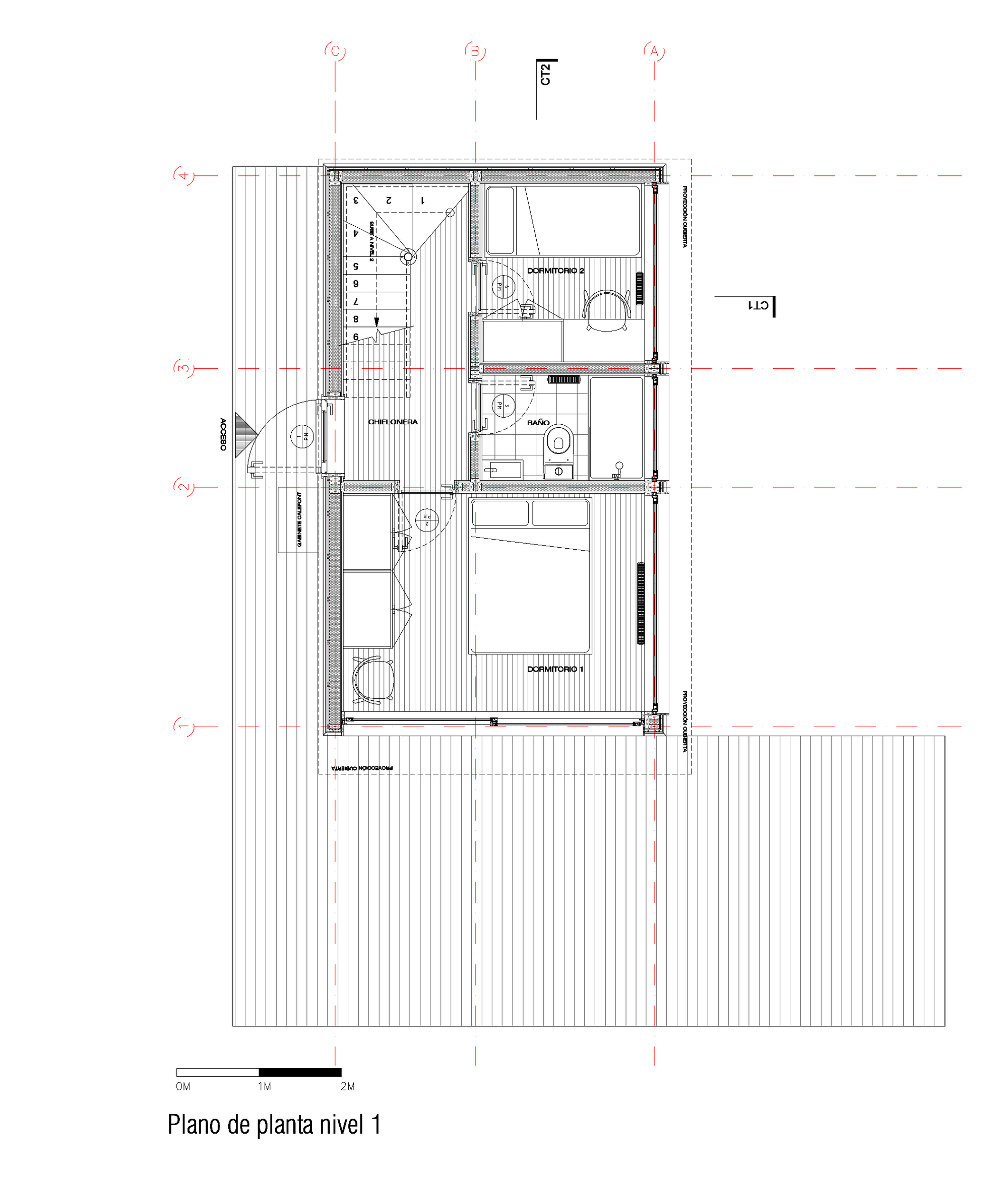
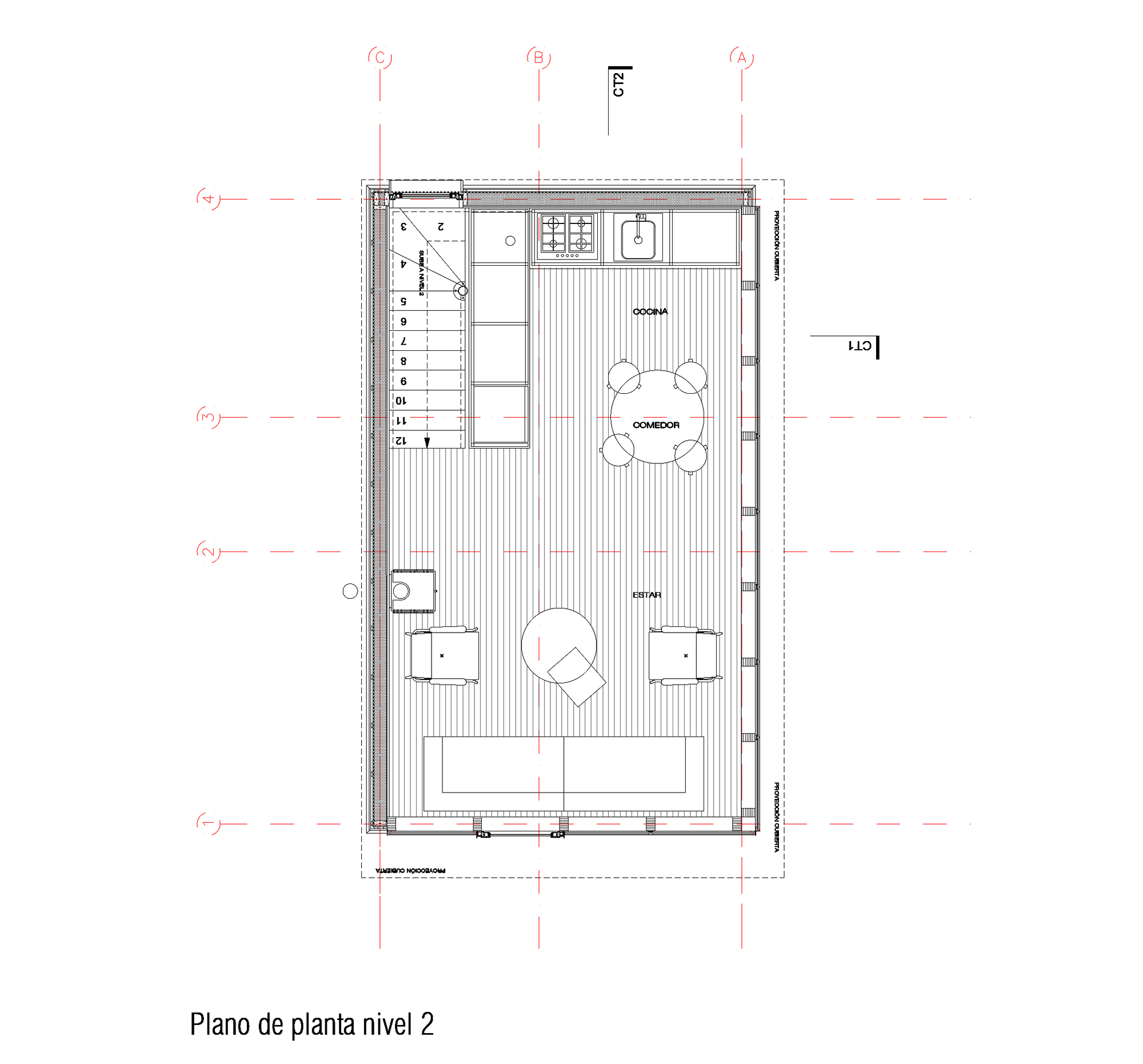
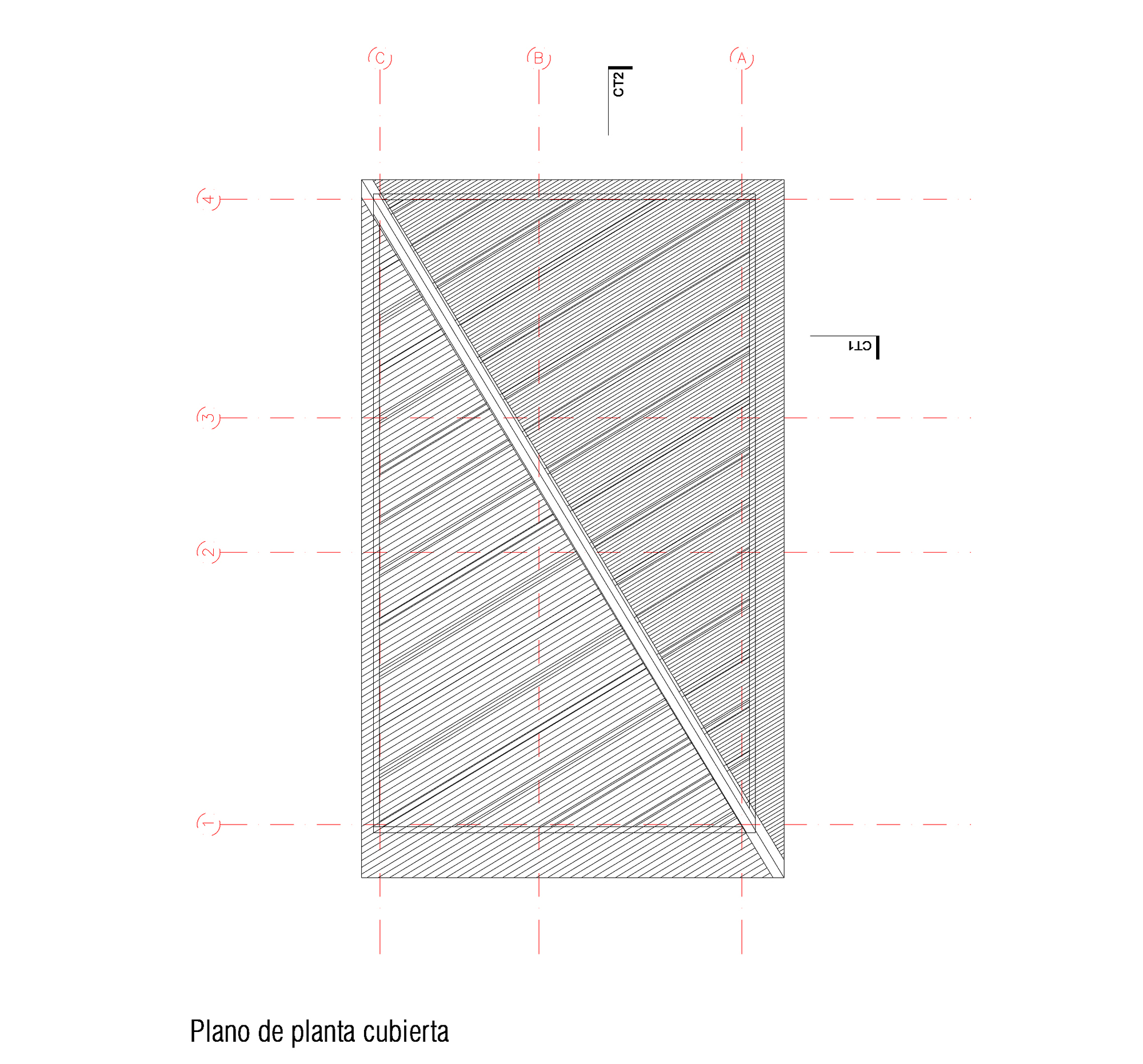
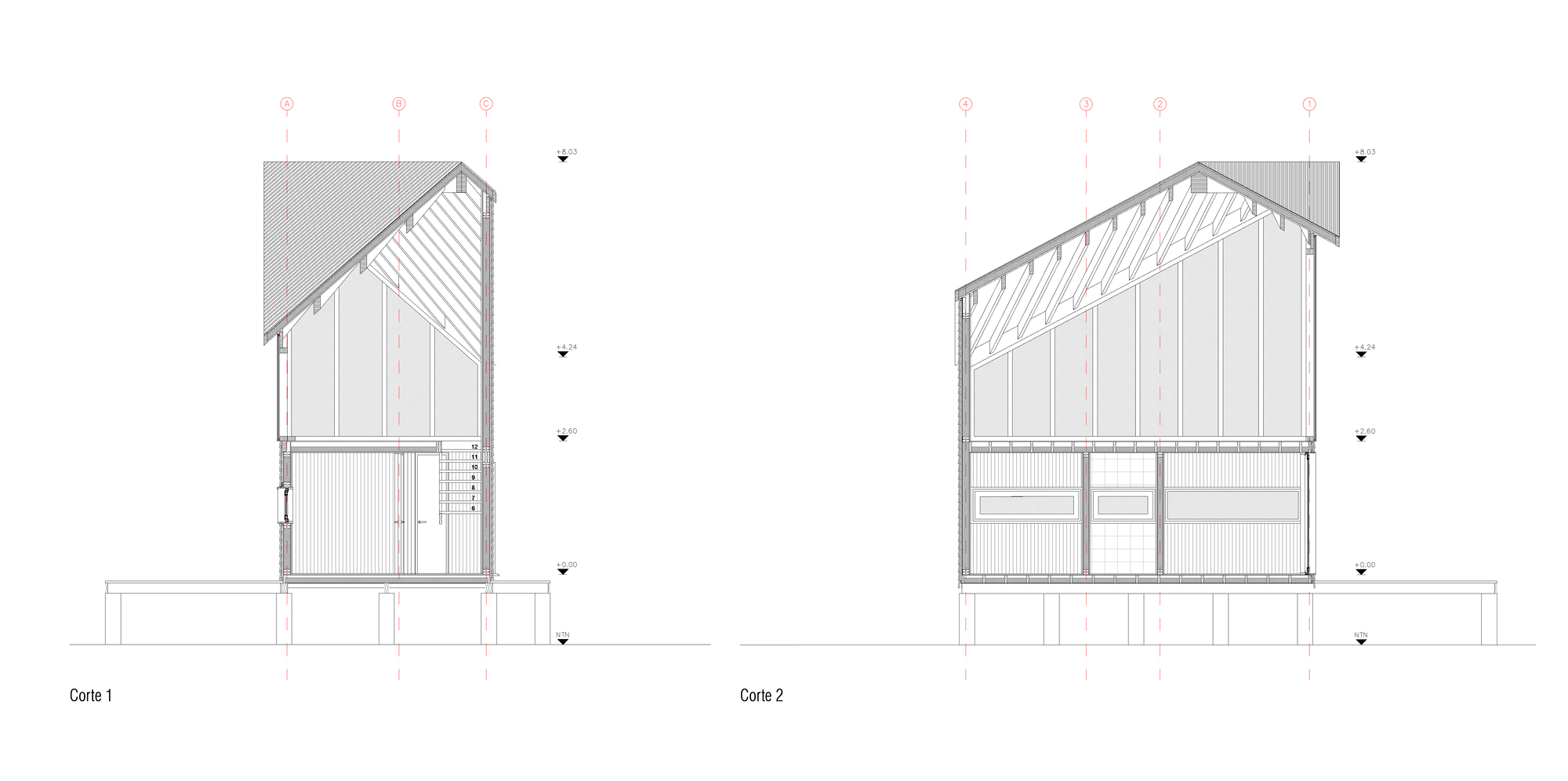
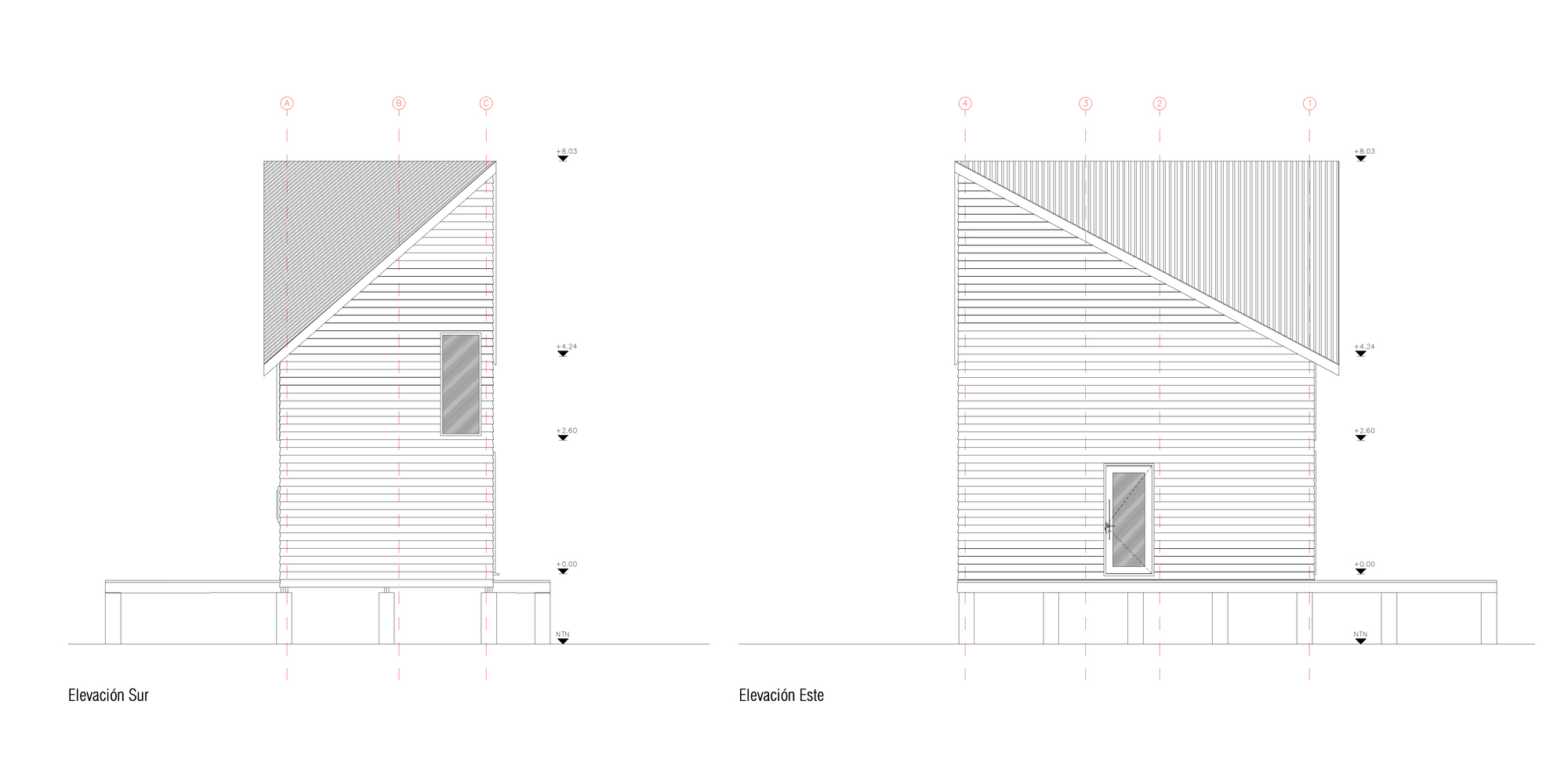
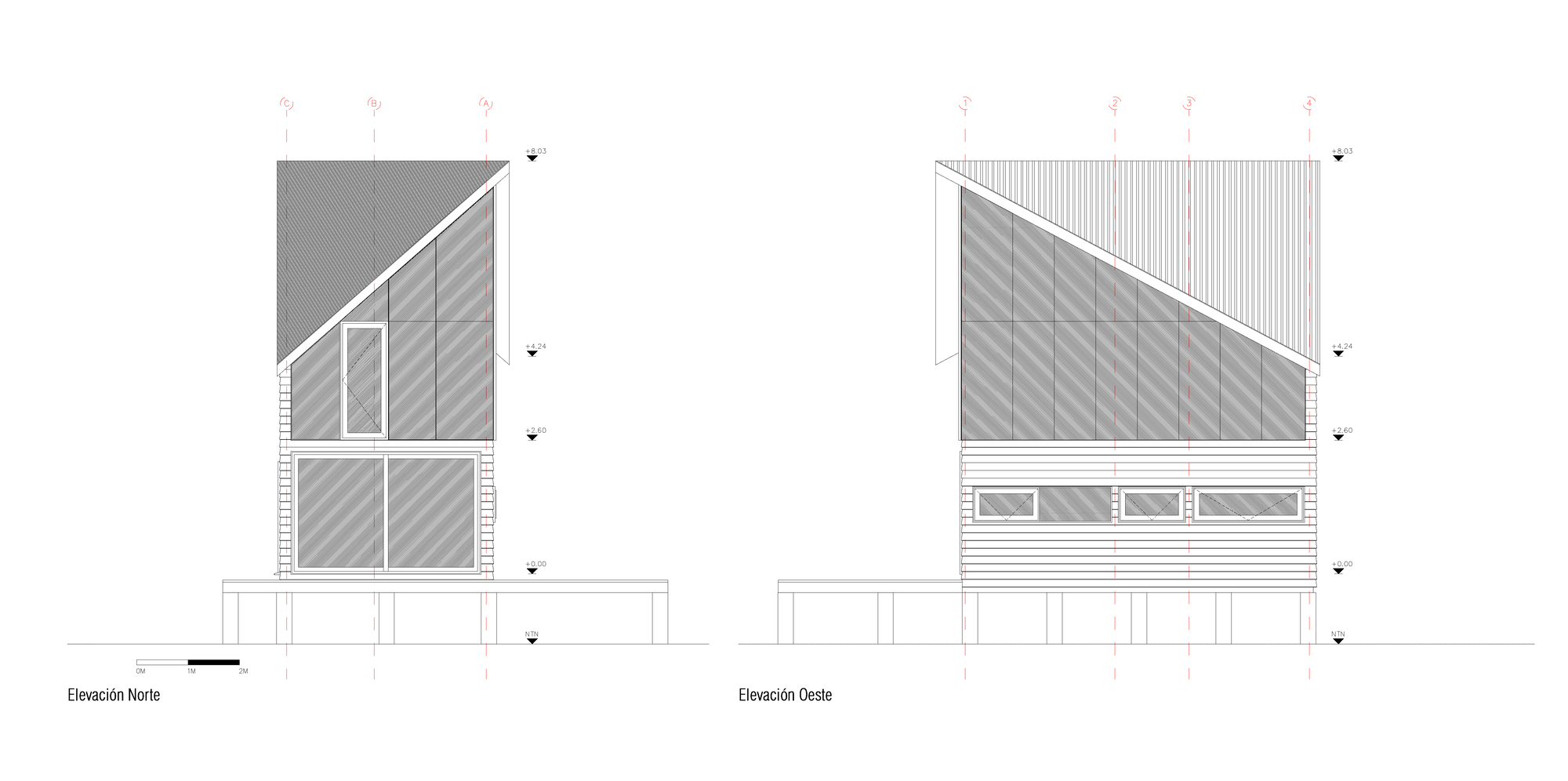
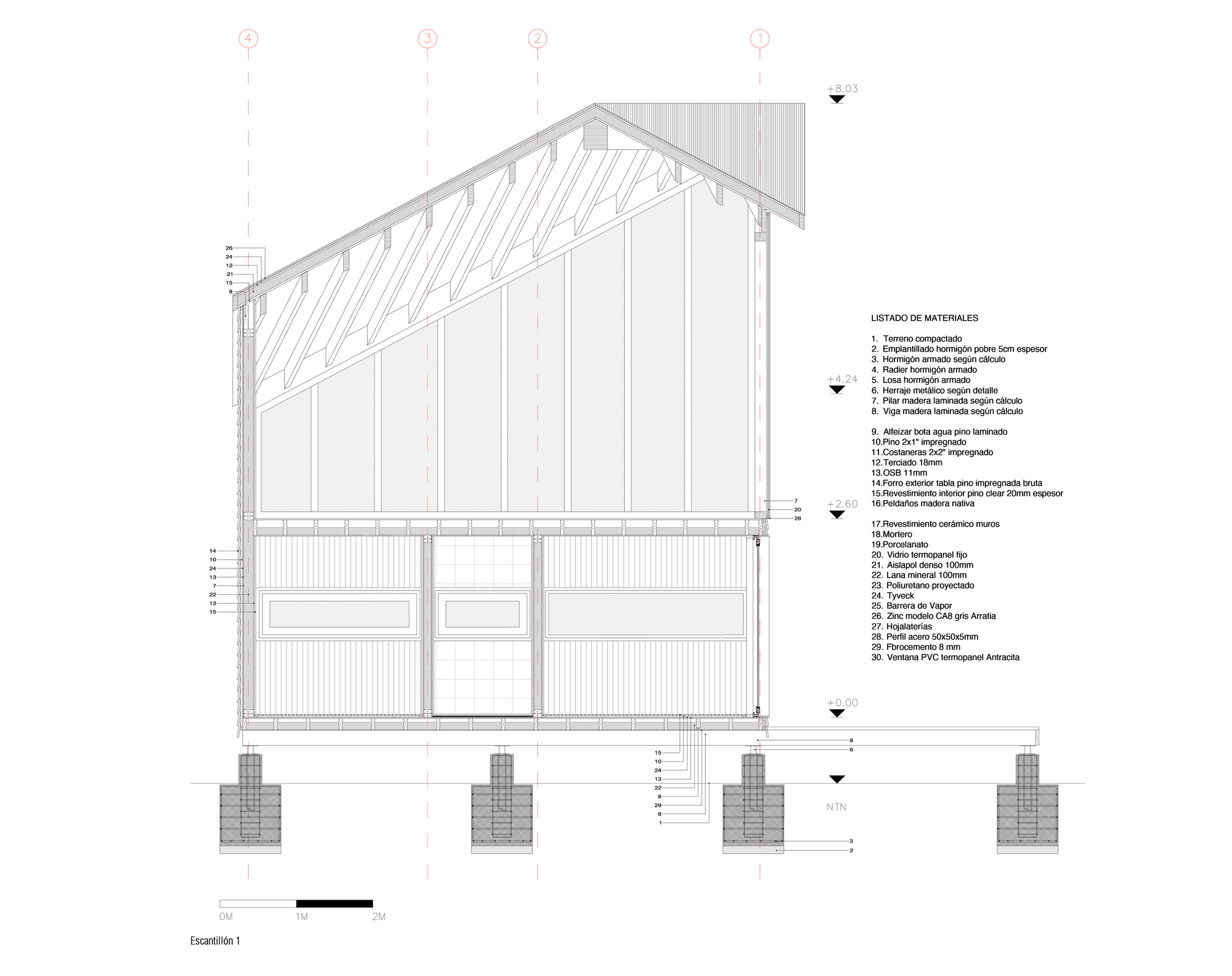
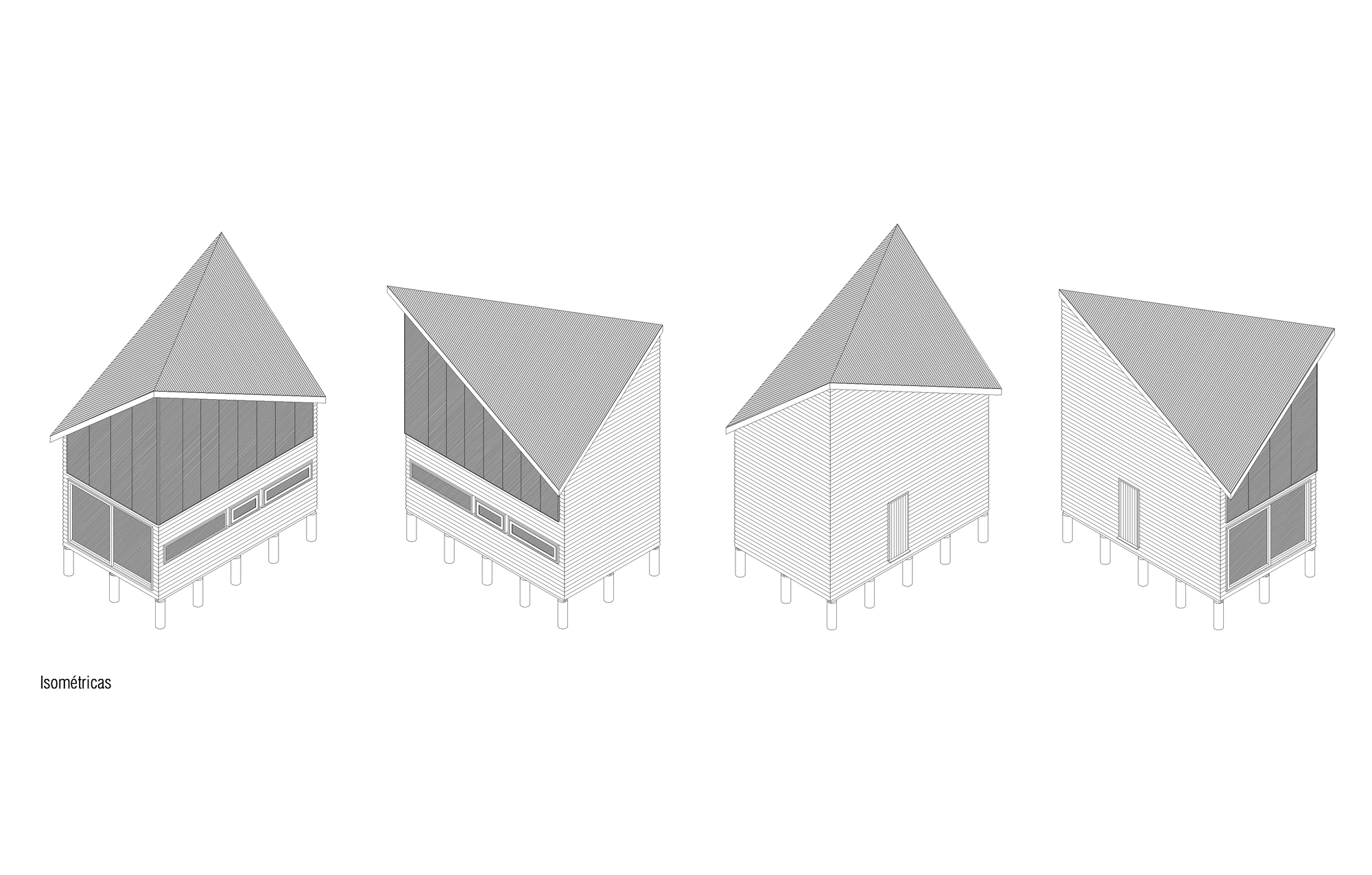
Refugio Calfuco #architecture Architects: Tomás de Iruarrizaga Year: 2022 Photographs: Federico Cairoli Lead Architect: Tomás de Iruarrizaga City: Valdivia Country: Chile This small refuge of about 50 m² is located near Valdivia, on the Pacific coast. It sits in the middle of the dense and humid Valdivian rainforest. The client wanted a small cabin to spend holidays, and the main challenge was to reinterpret the deeply rooted concept of the traditional cabin. We proposed a very narrow tower, raised above the ground on concrete supports, that seeks northern light and uses the minimum possible ground surface. On plan, the small rectangle measures four meters wide by seven meters long and fits perfectly between a group of trees, rising ten meters above ground level to reach their treetops. The construction is divided into two very compact floors: the first level features a small entryway that doubles as a corridor connecting the bedrooms, the only bathroom, and the staircase. The second level consists of an open-plan space with a living area and a kitchen, which together feel like a noble and generous space opening to the landscape. The interior dimensions range from the minimum heights required to move comfortably to those that respond to the scale of the surrounding landscape. The form is conceived as a compact and sharply defined volume — a prism with acute angles that contrasts strongly with its surroundings. Its interiors, made of laurel wood, are warm and tactile; everything feels like part of a built-in furnishing, much like the interiors of boats, where ribs and keels are exposed. The roof is gabled, but with a ridge beam placed diagonally across the volume, resembling a fishbone structure. The entire structure was cut and assembled on site, using only traditional carpentry tools and techniques, without any advanced technology.
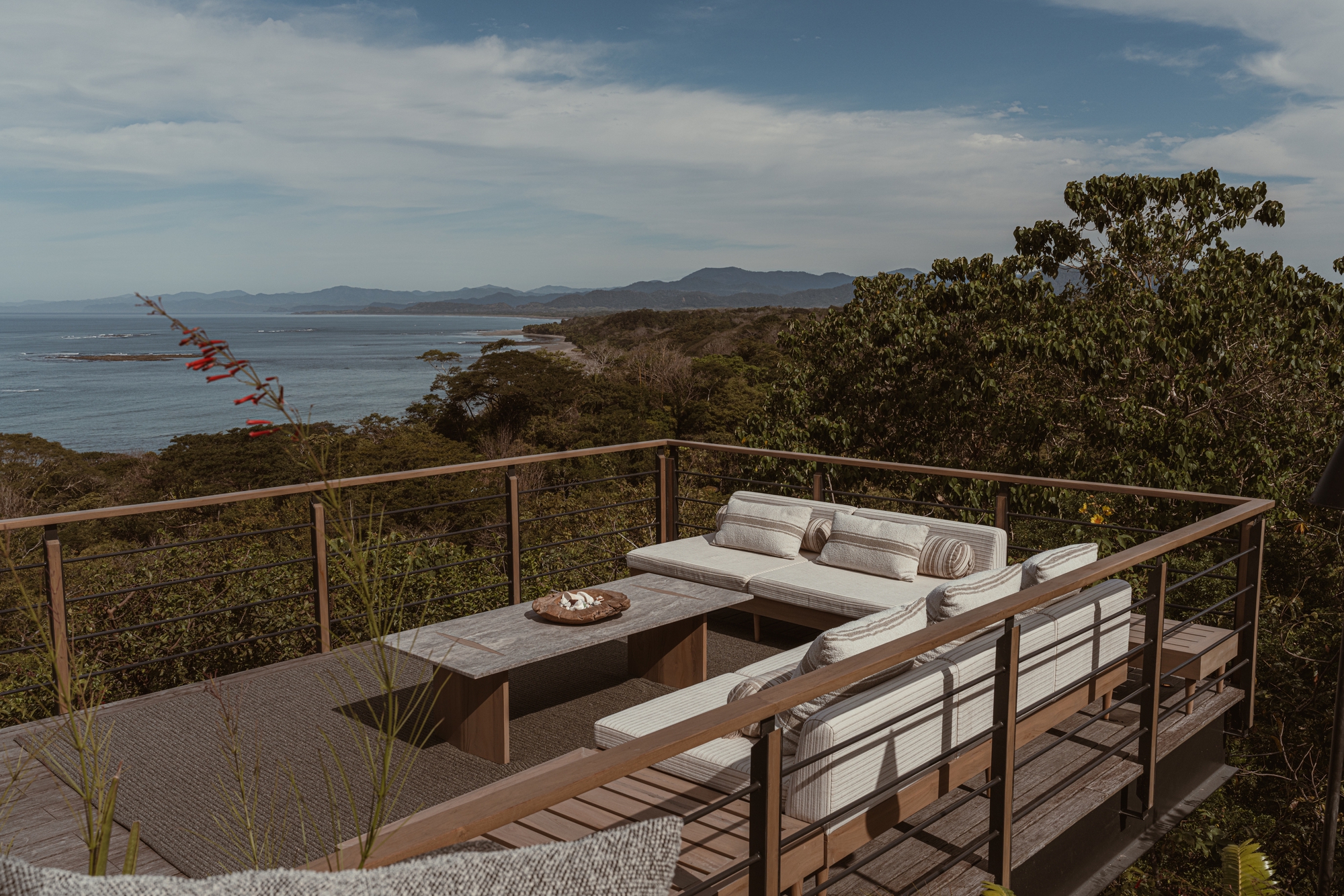
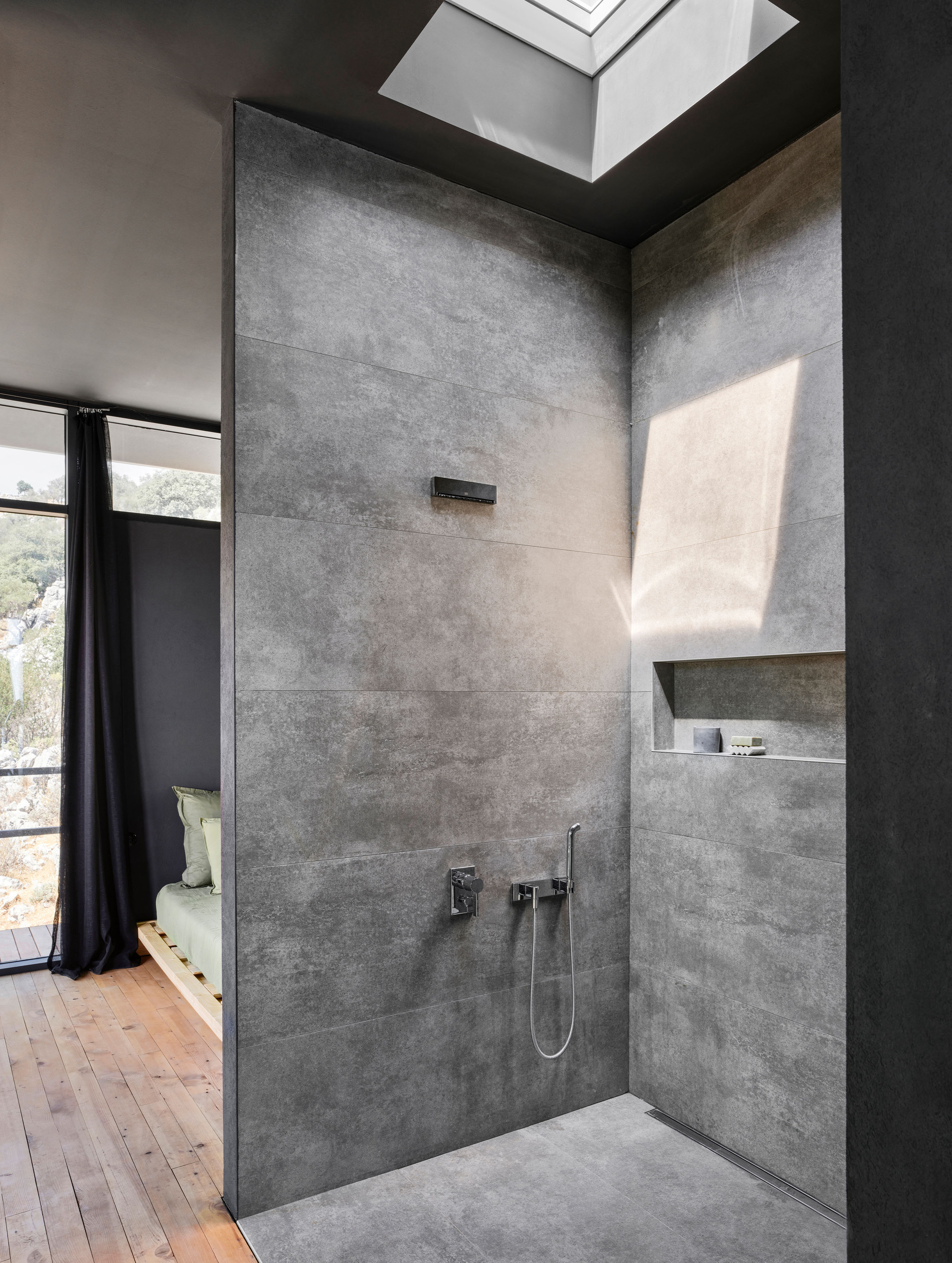
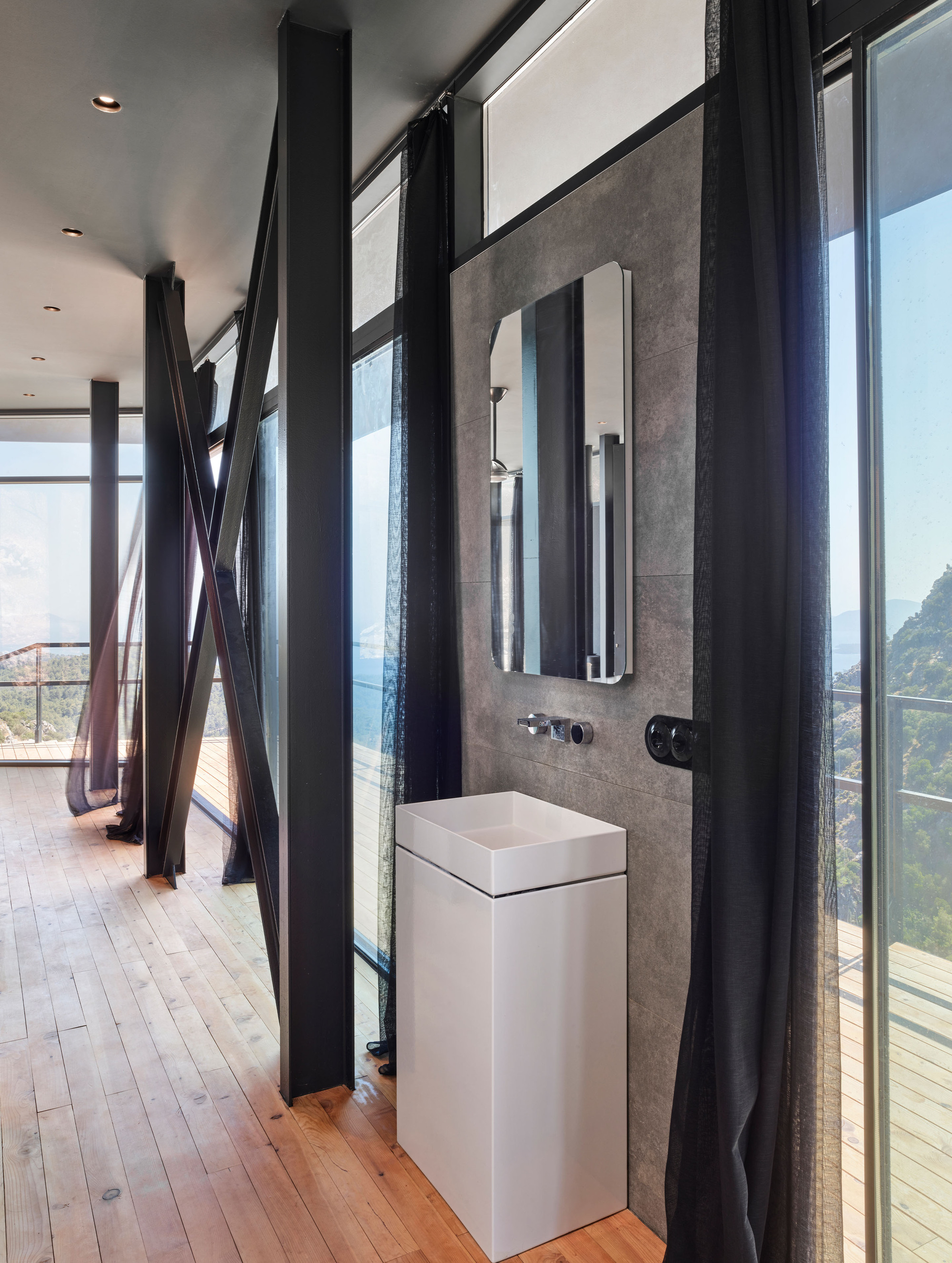
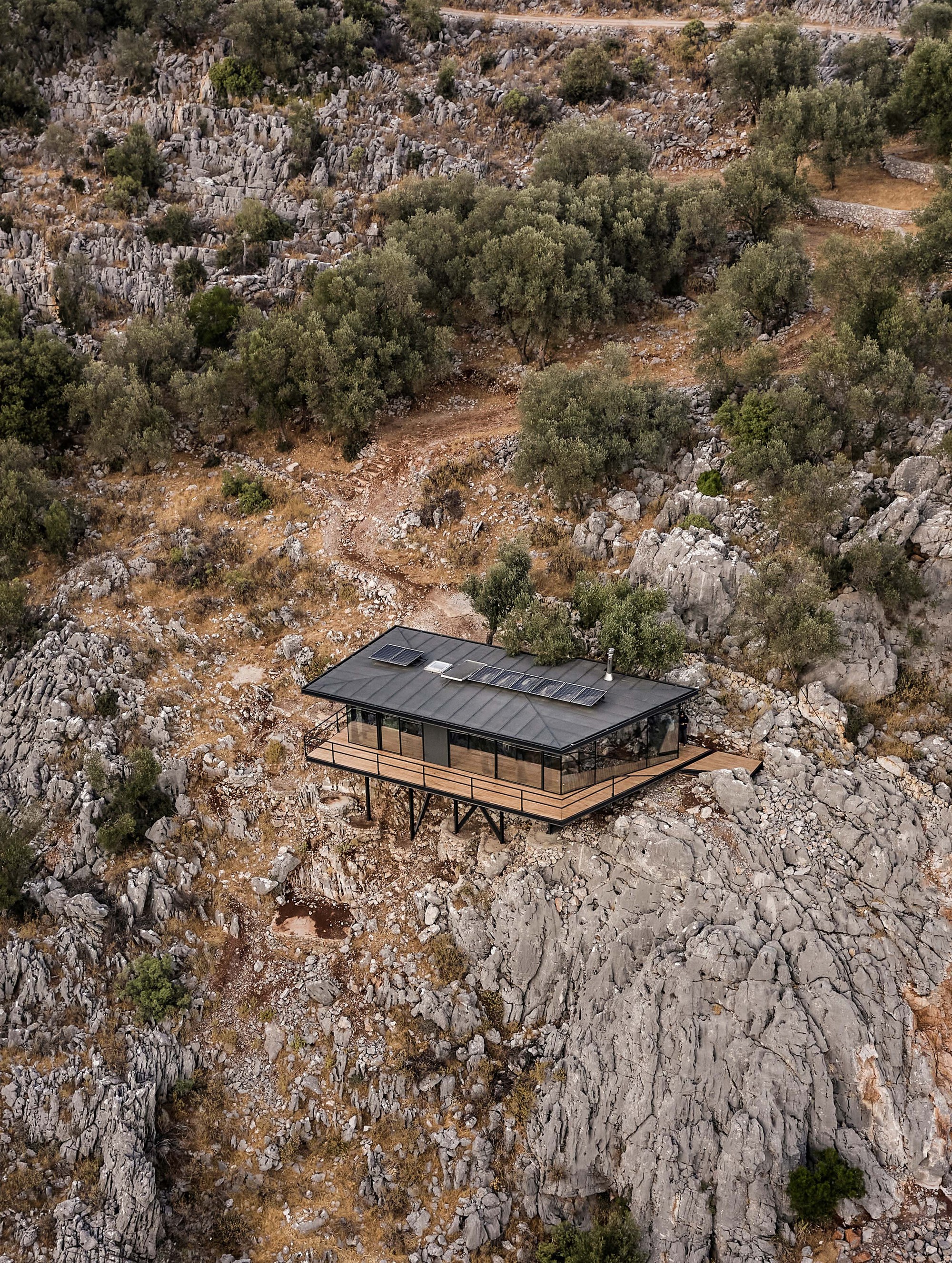
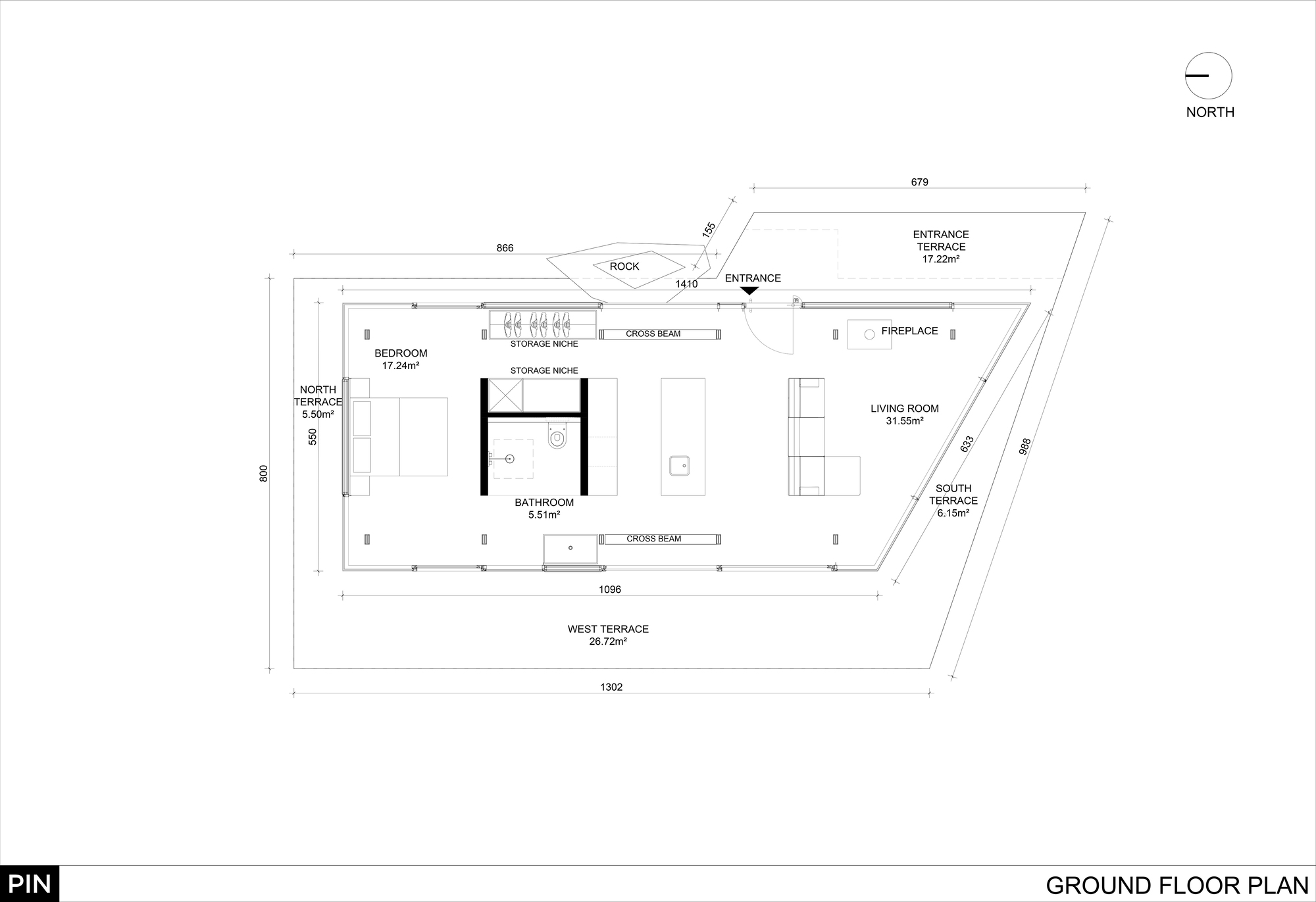
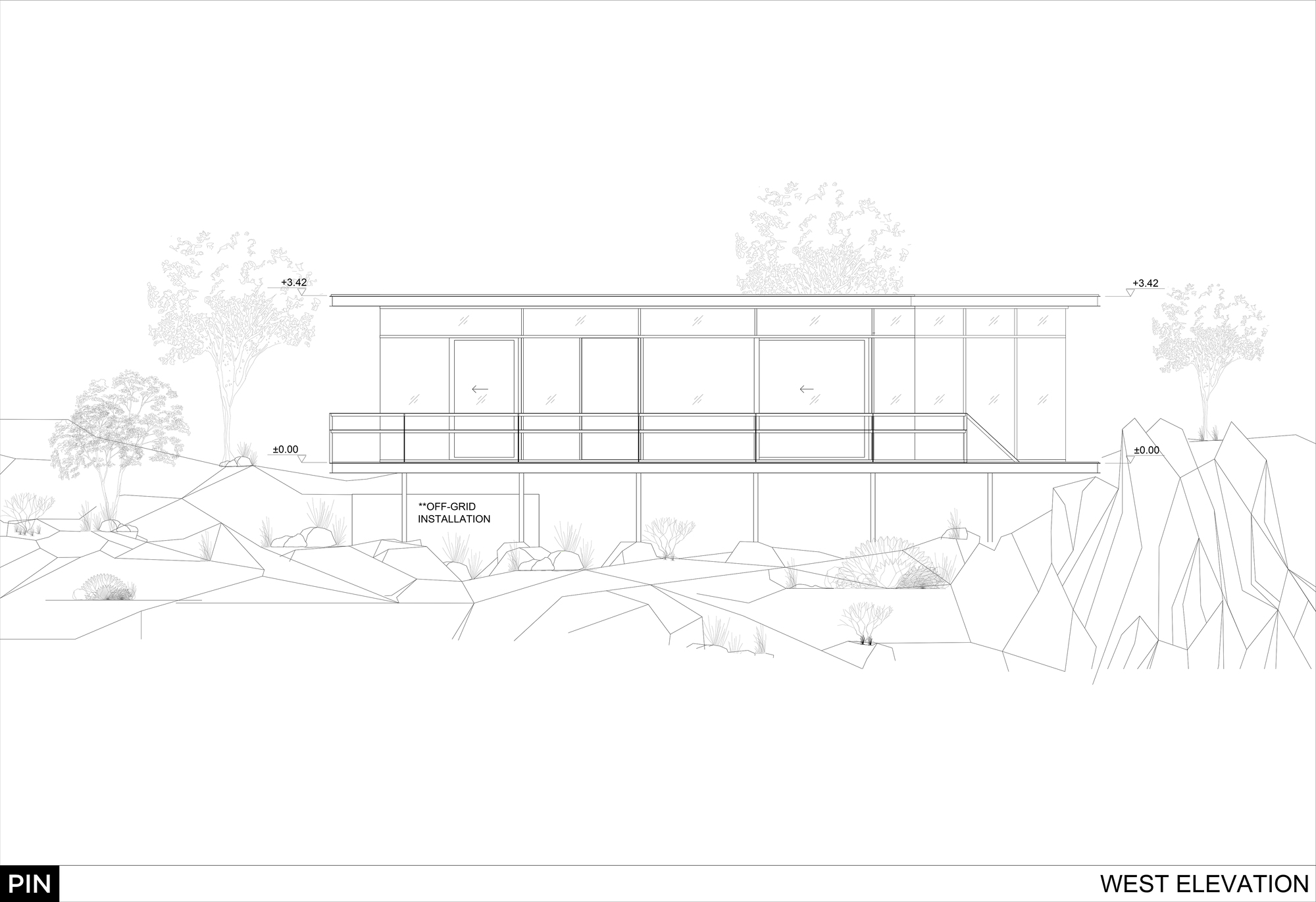
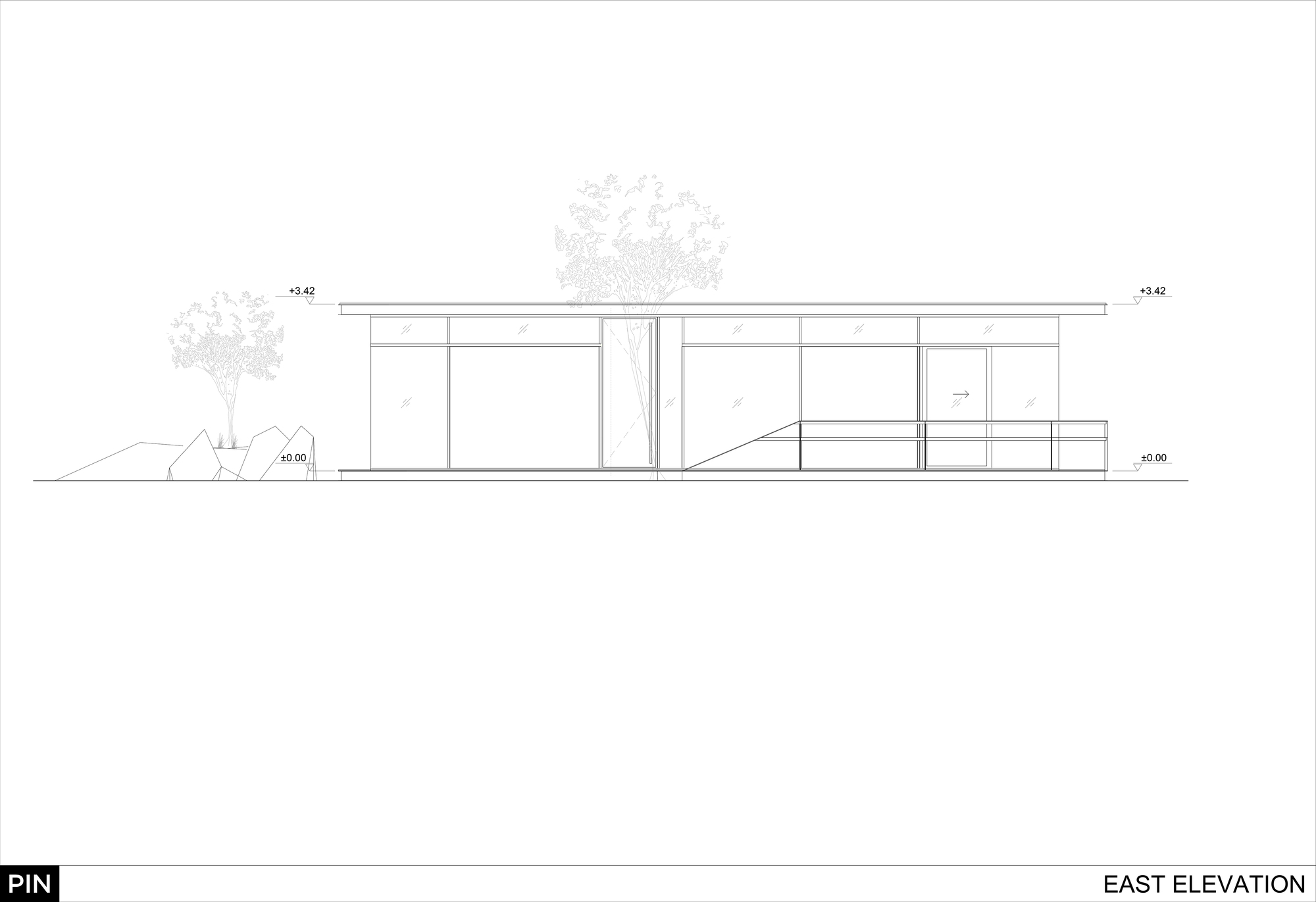
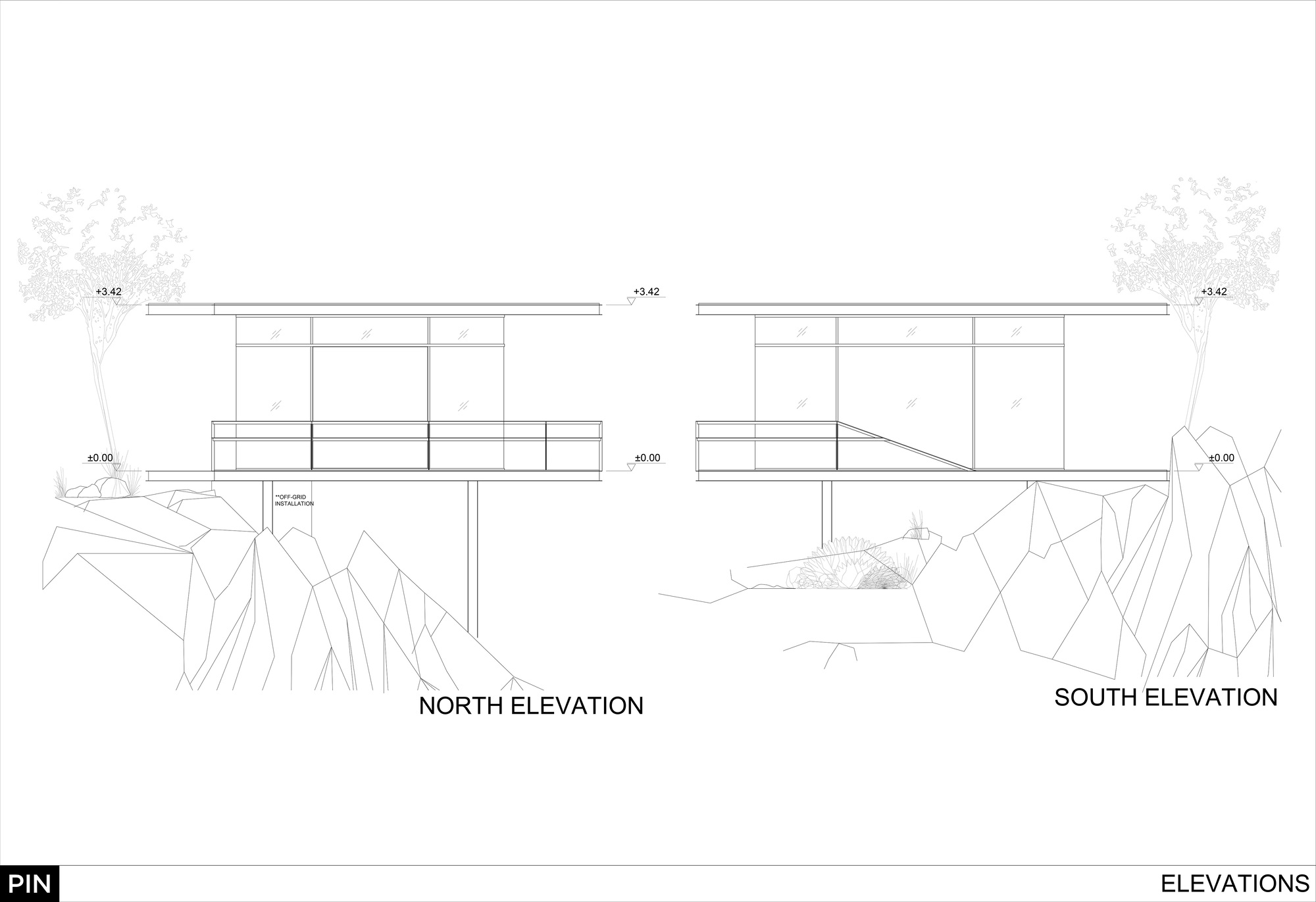
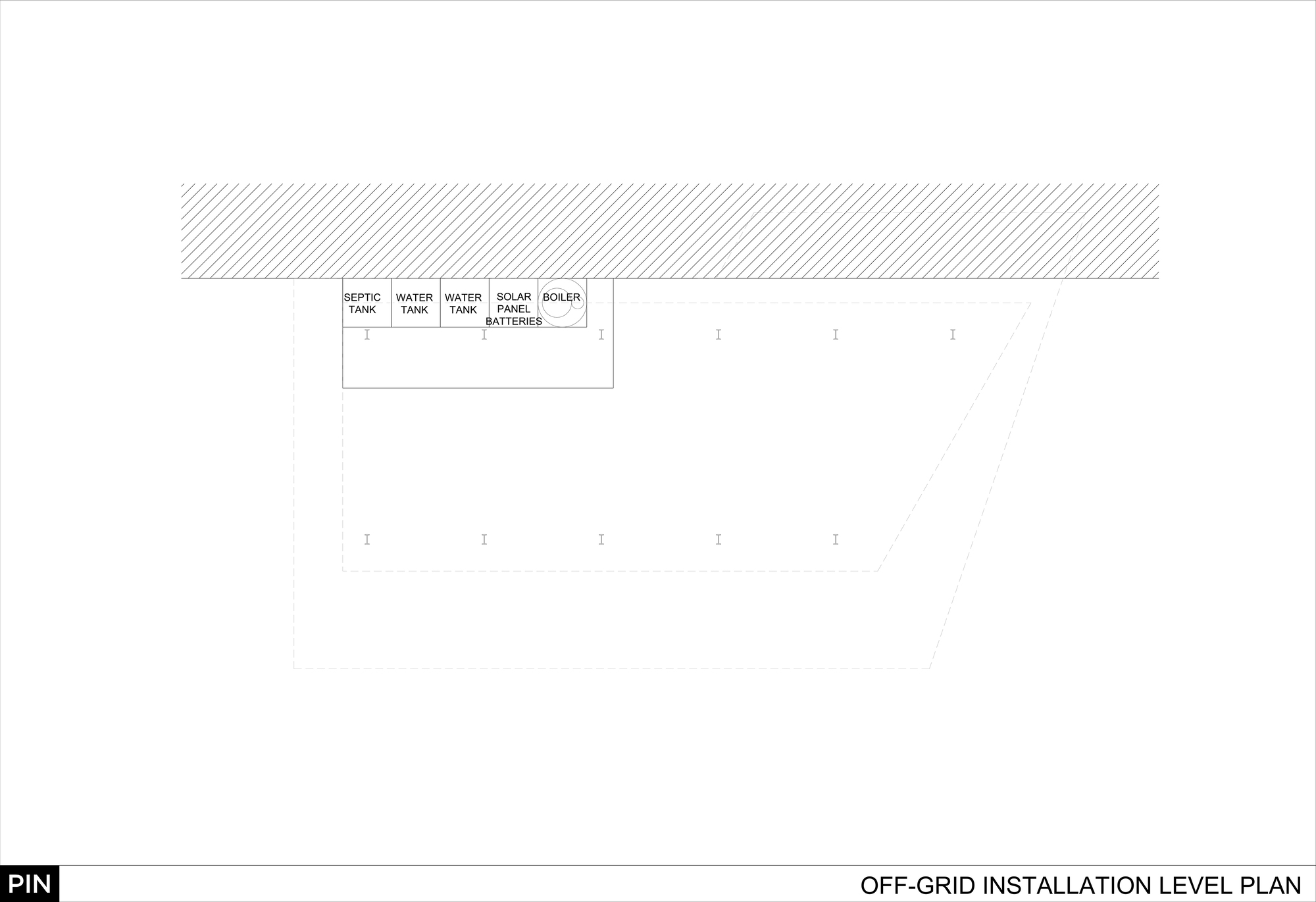
G House #architecture Architects: PIN Architects Area: 125 m² Year: 2021 Photographs: İbrahim Özbunar Country: Türkiye
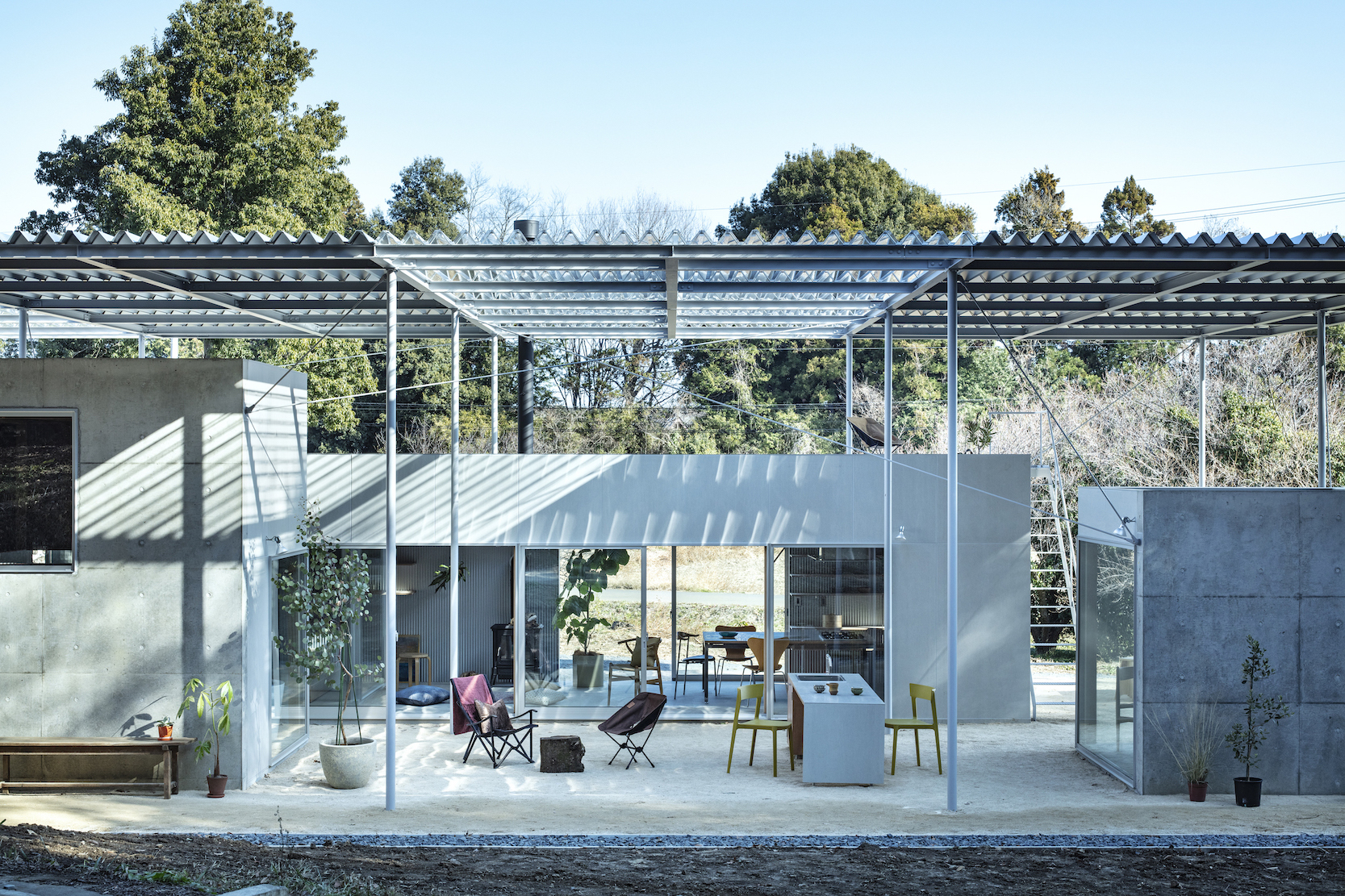
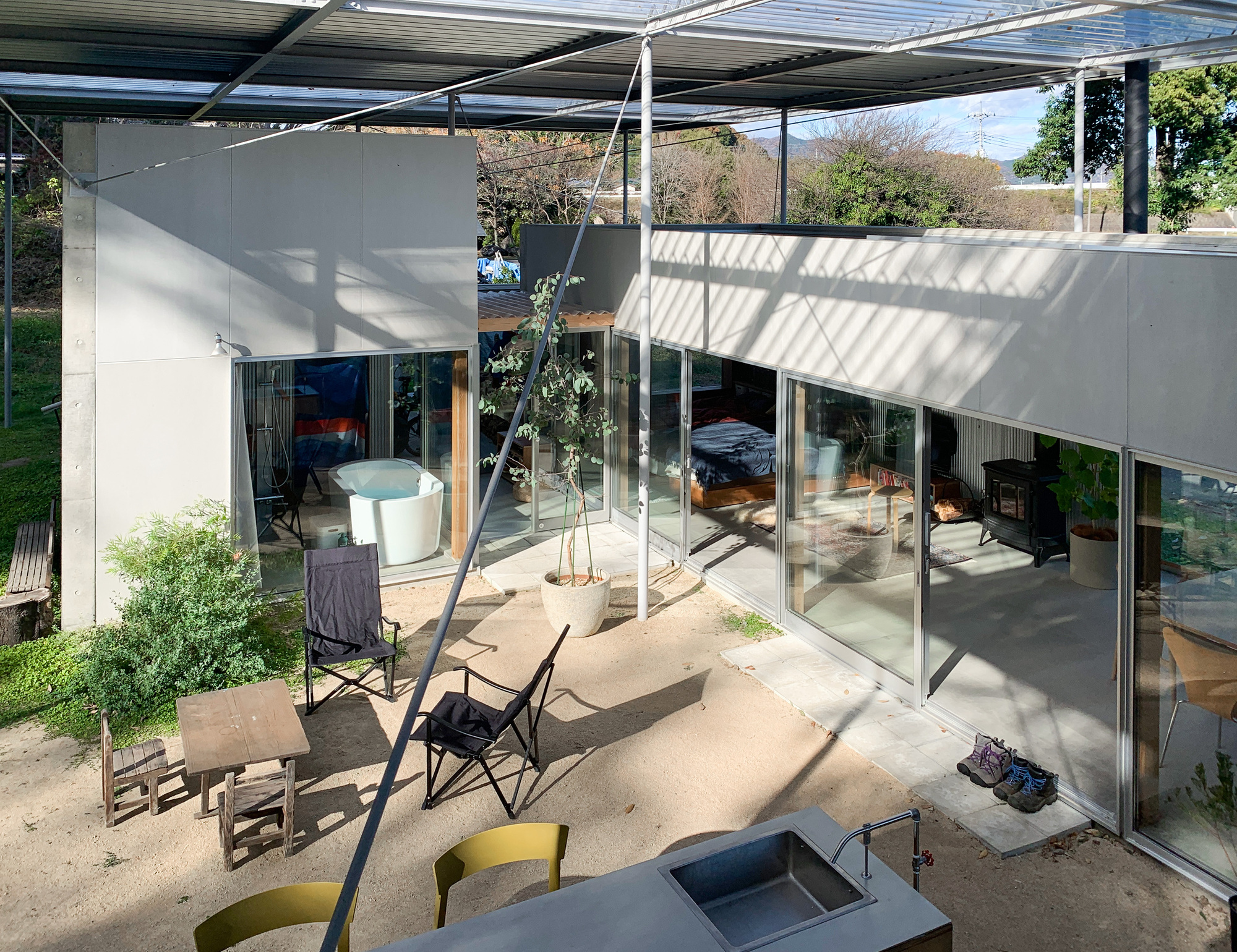
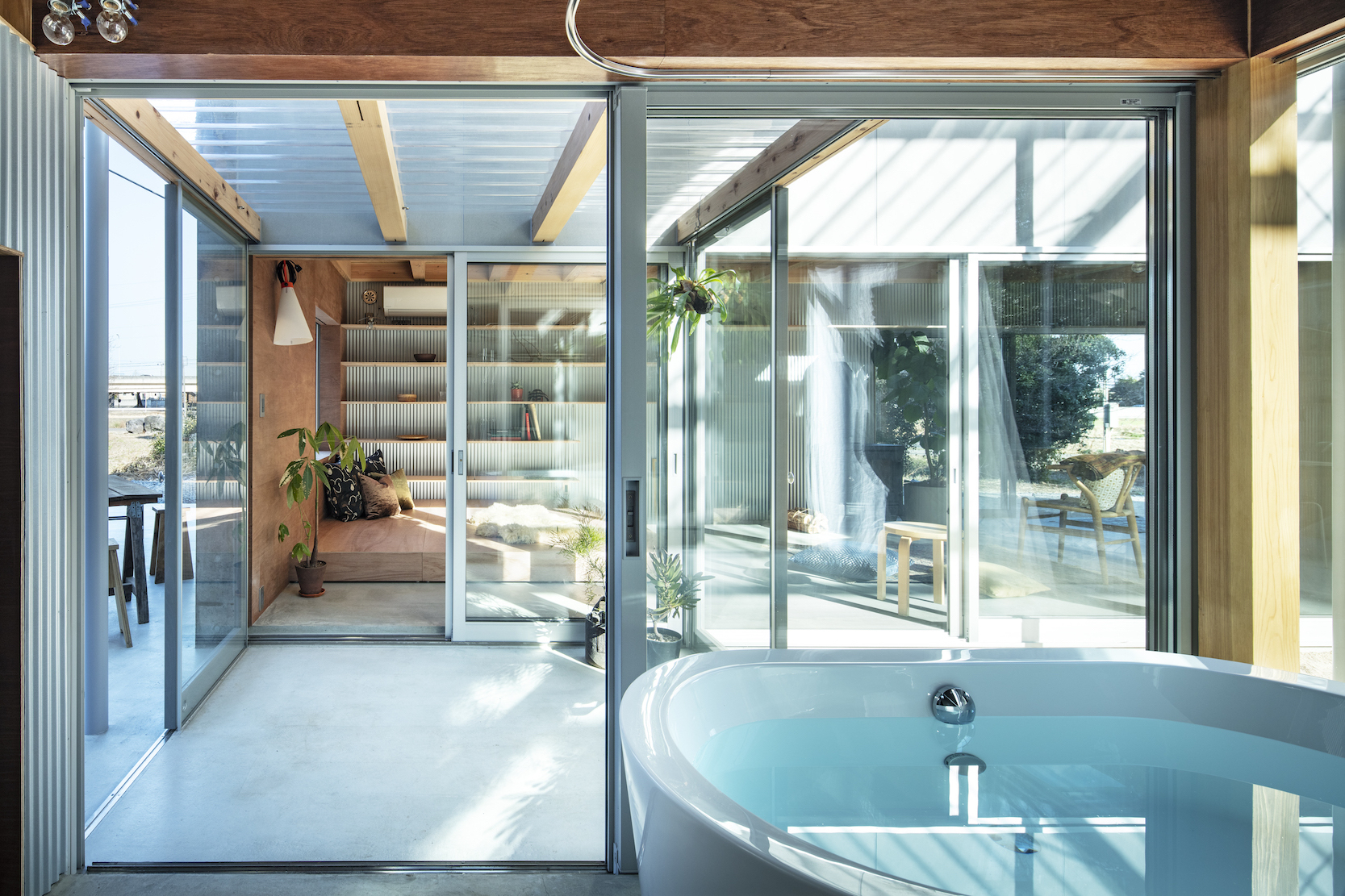
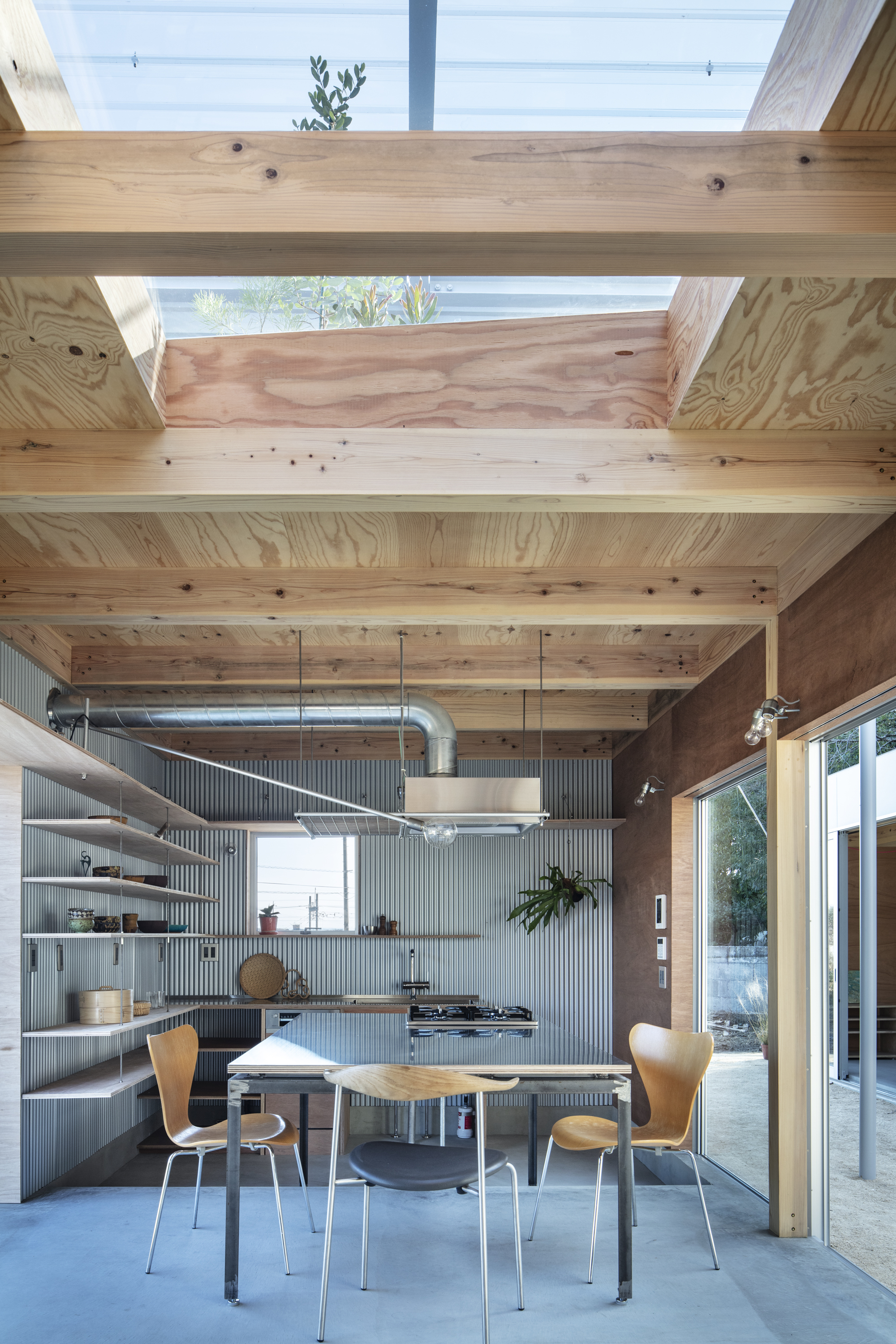
Roof House #architecture Architects: Tamada & Wakimoto Architects Year: 2023 Photographs: Kenta Hasegawa Design Team: Makoto Tamada, Natsuko Wakimoto Structure Engineer: Junichiro Ito City: Tochigi Country: Japan
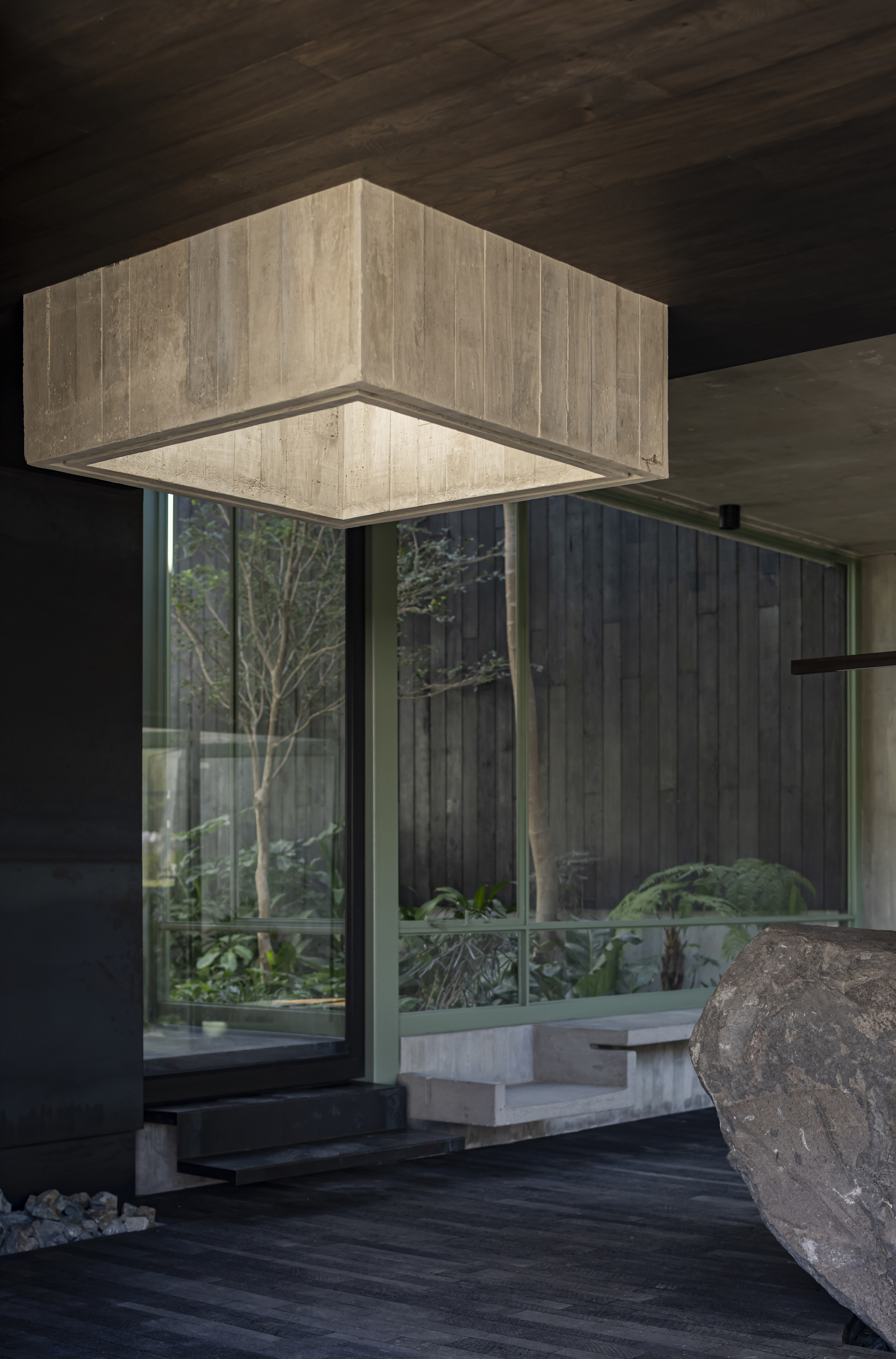
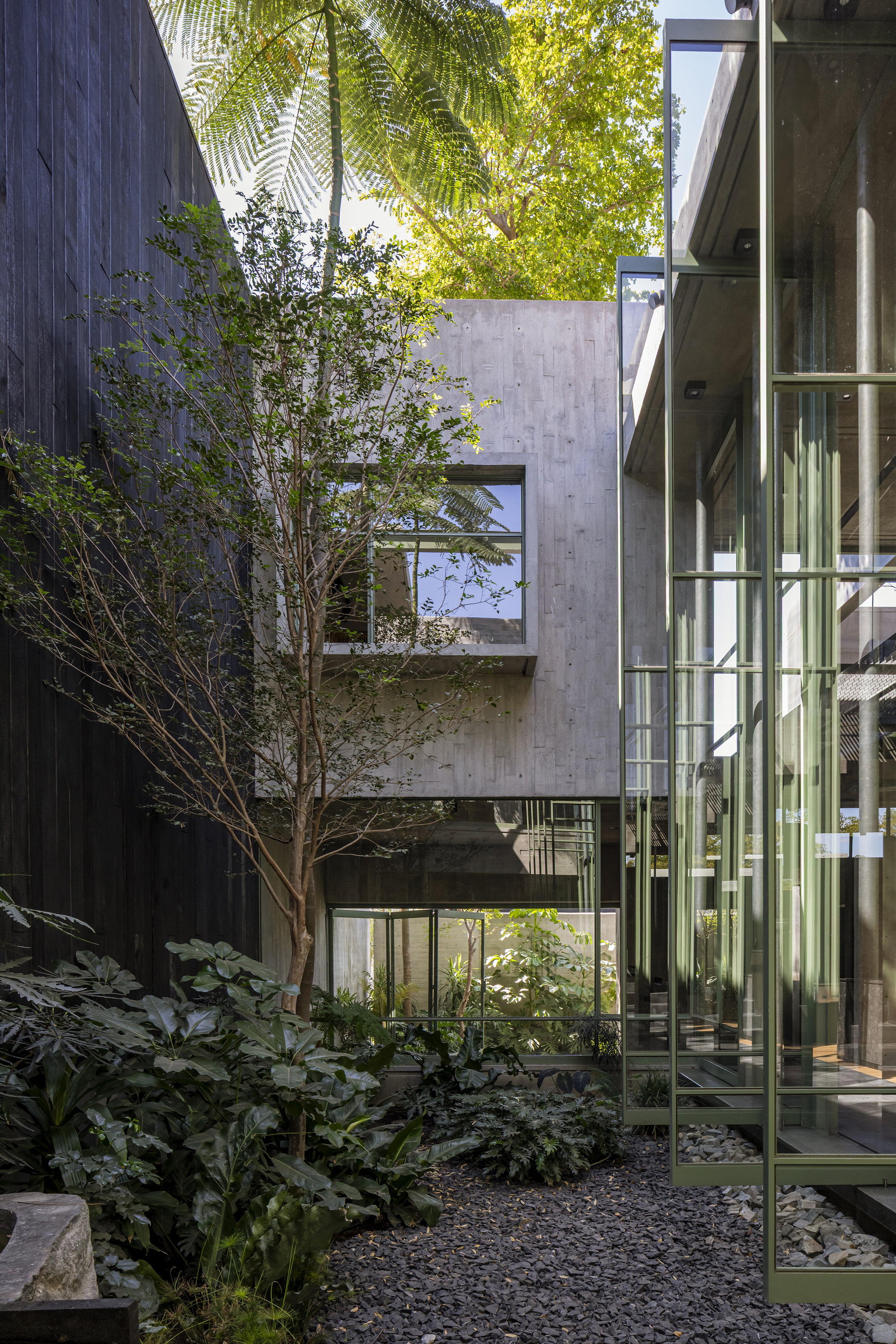
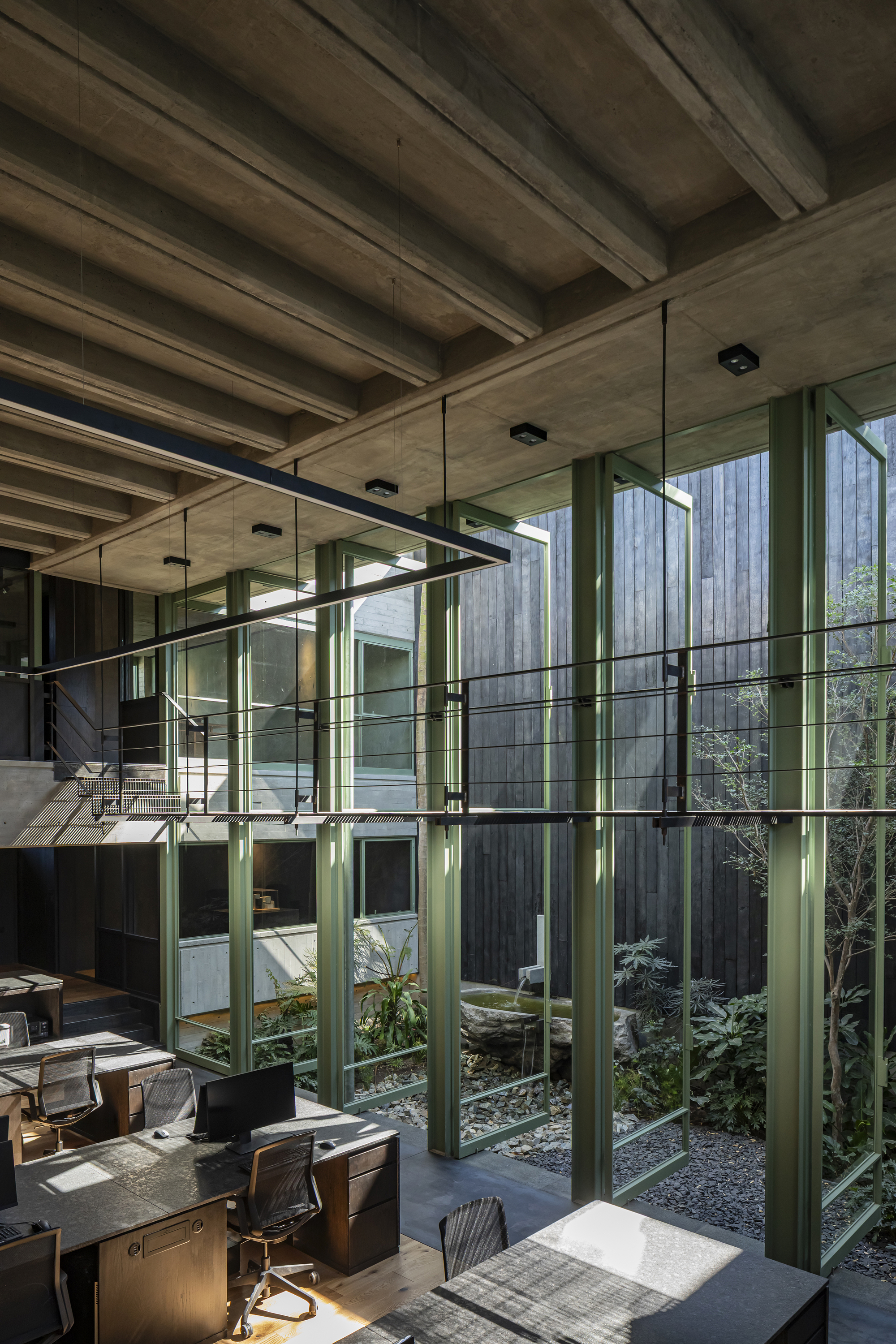
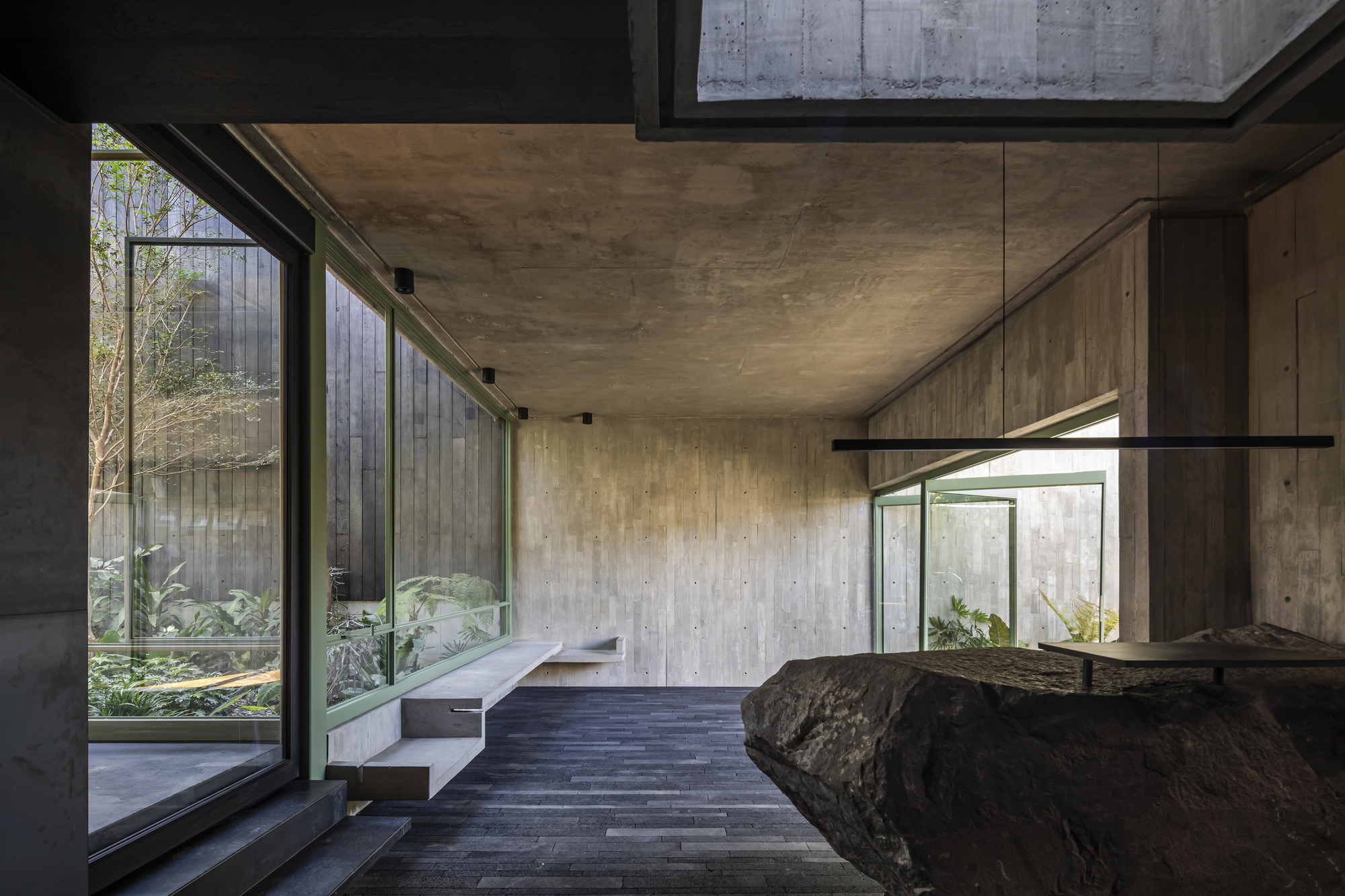
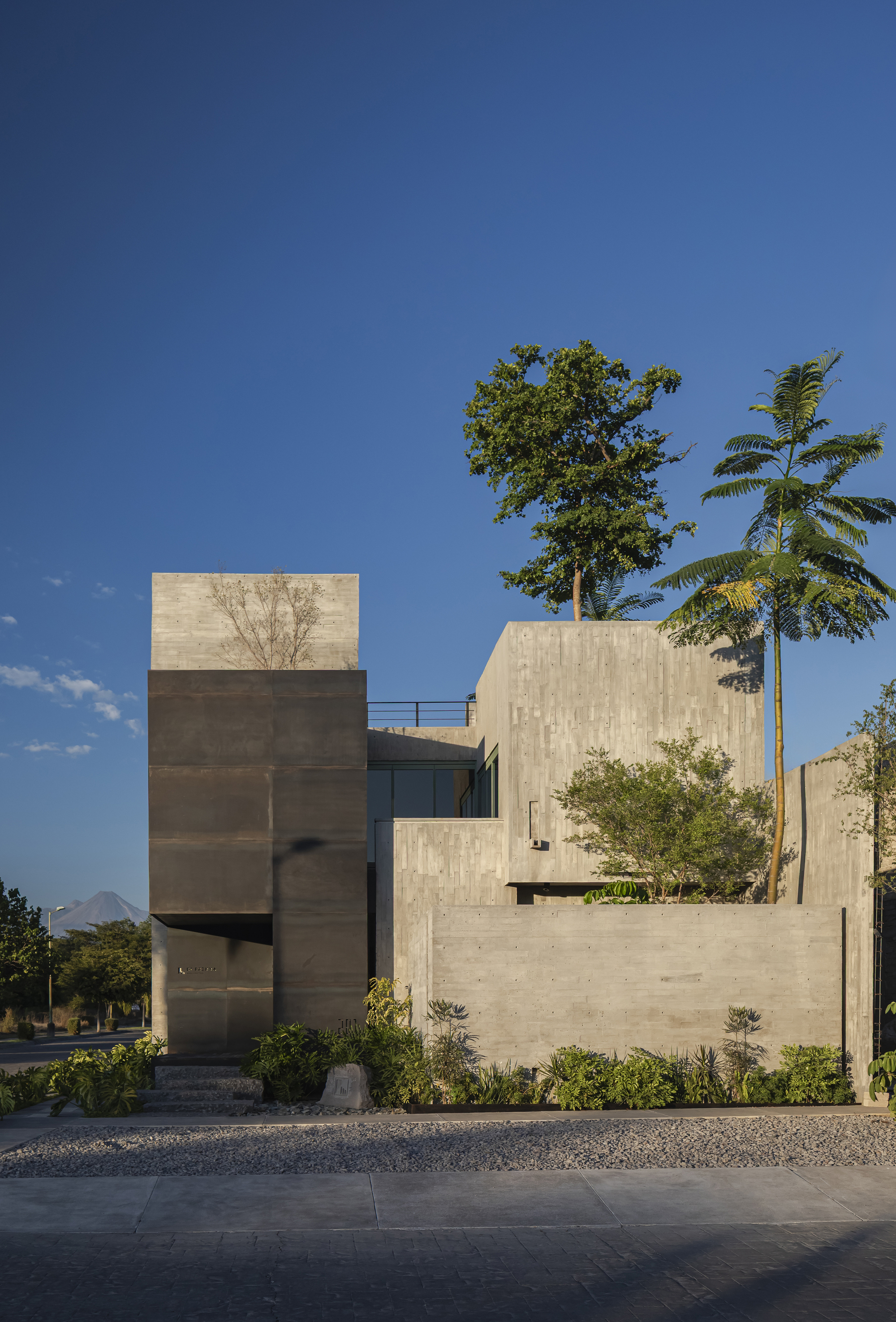
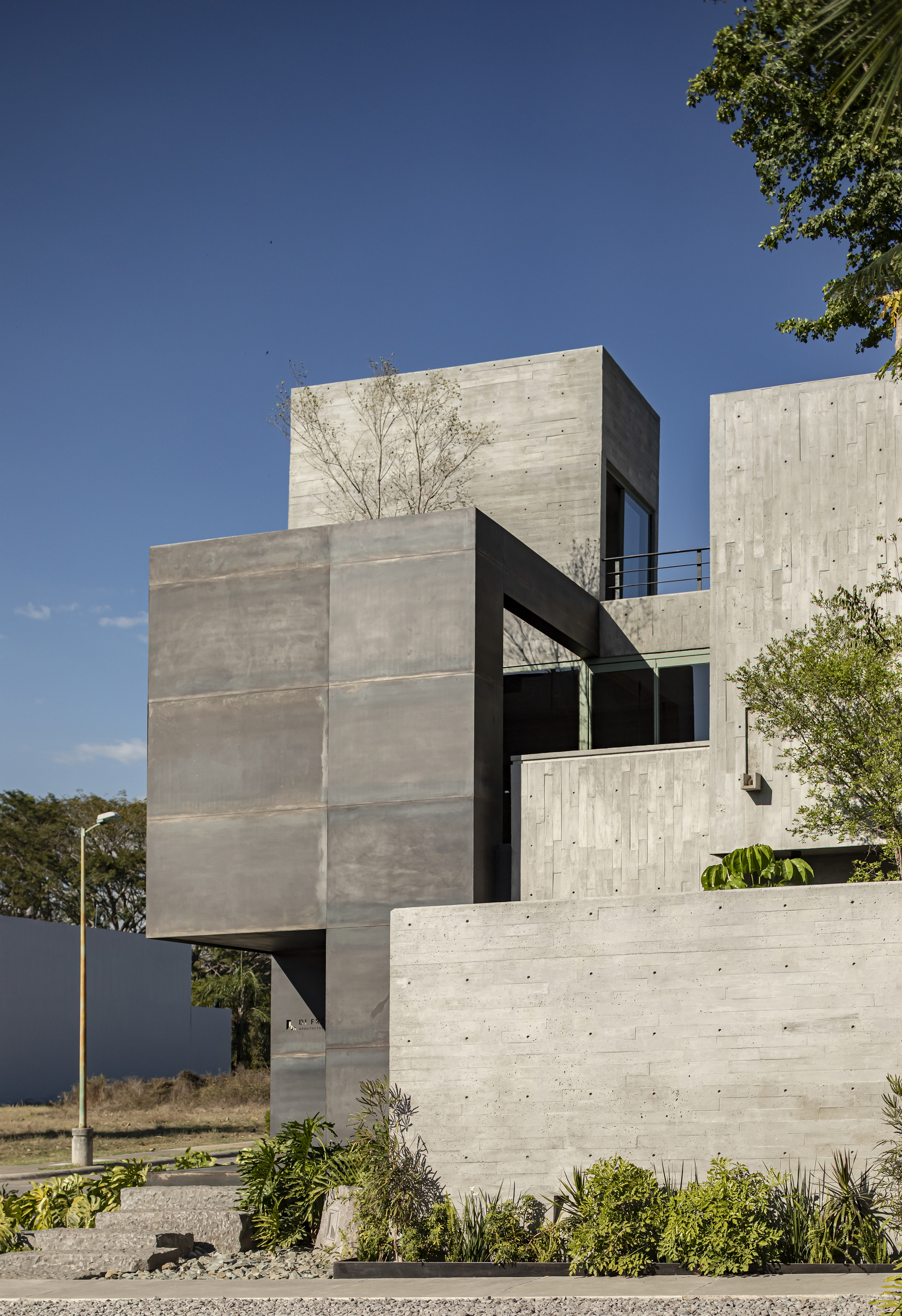
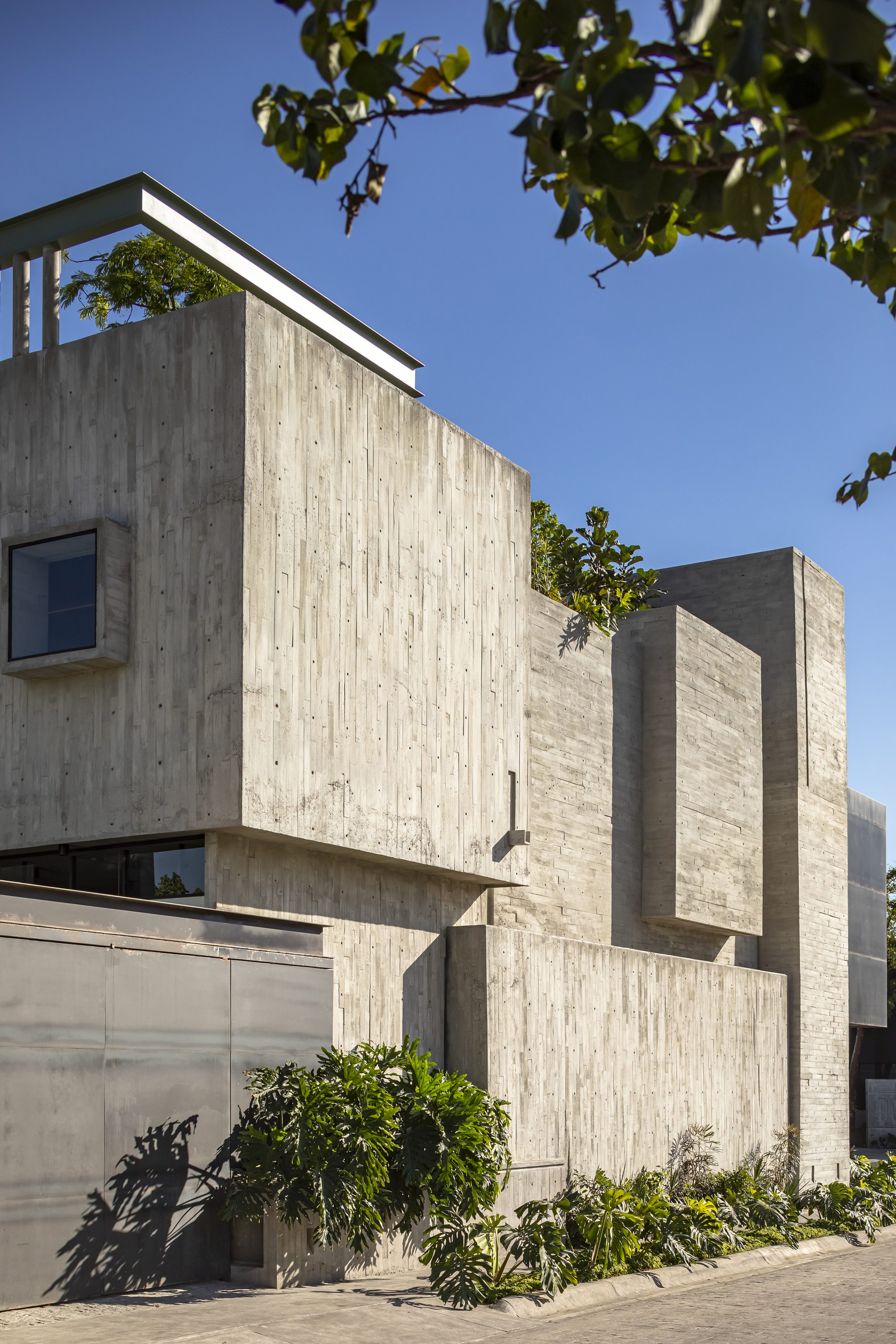
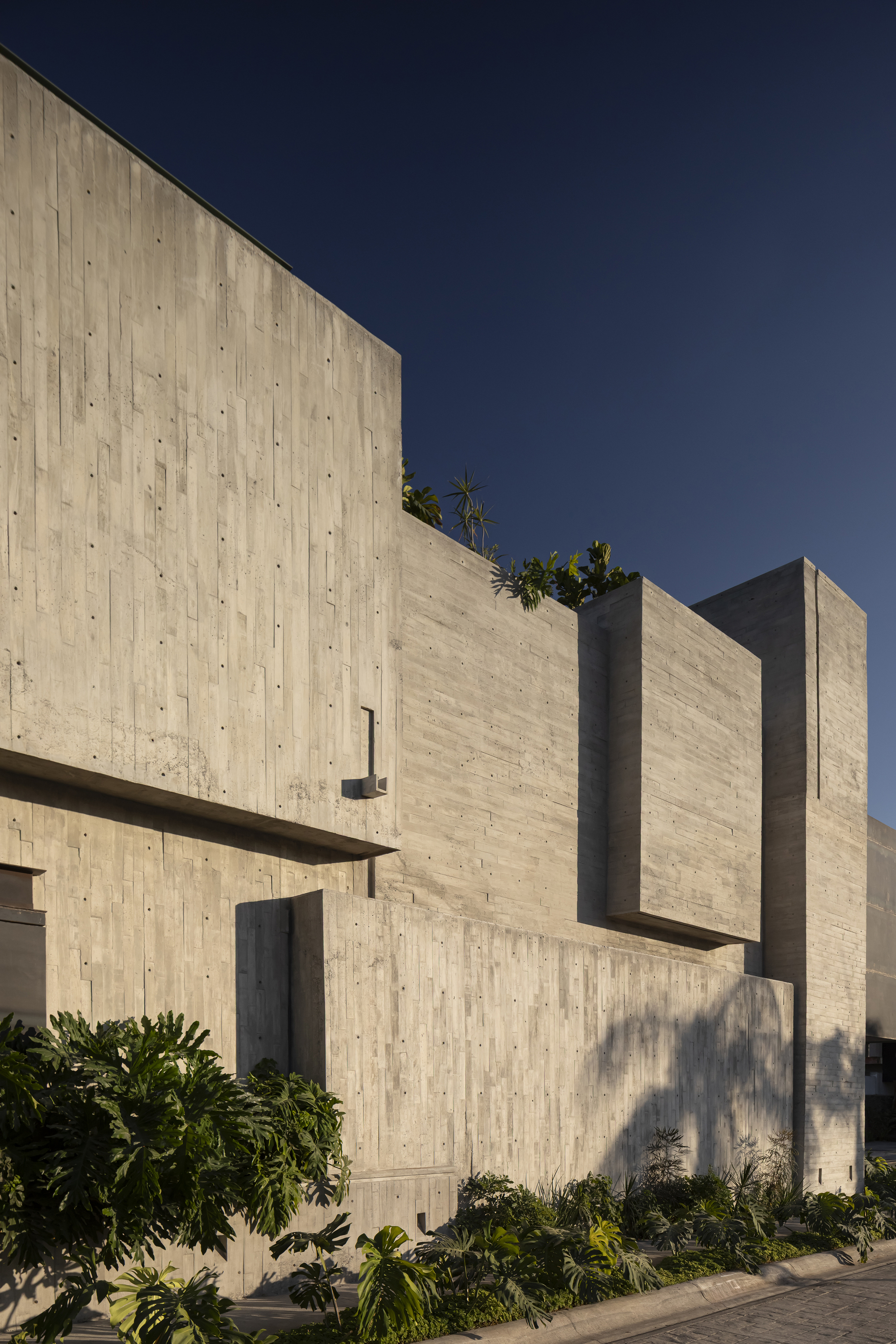
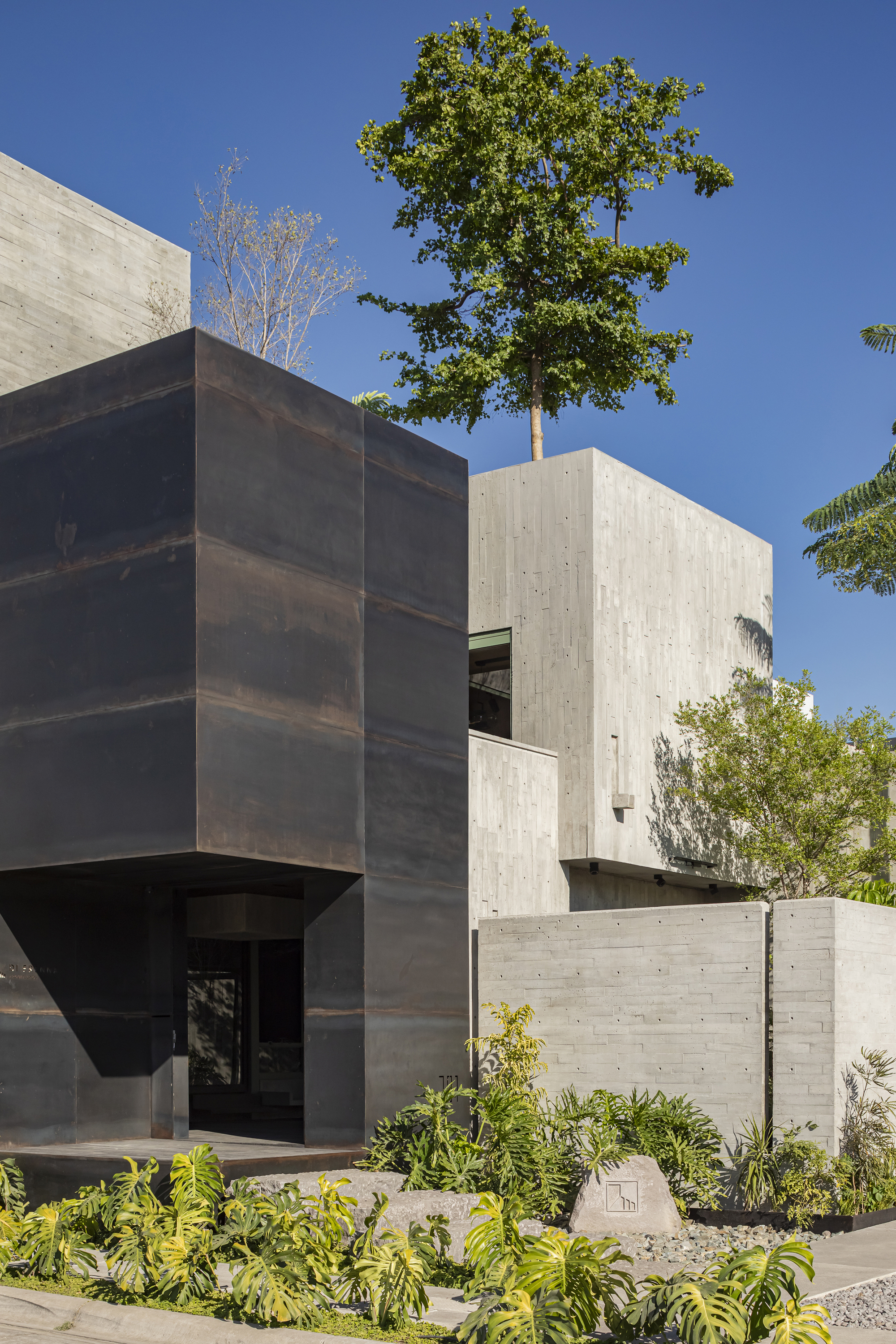
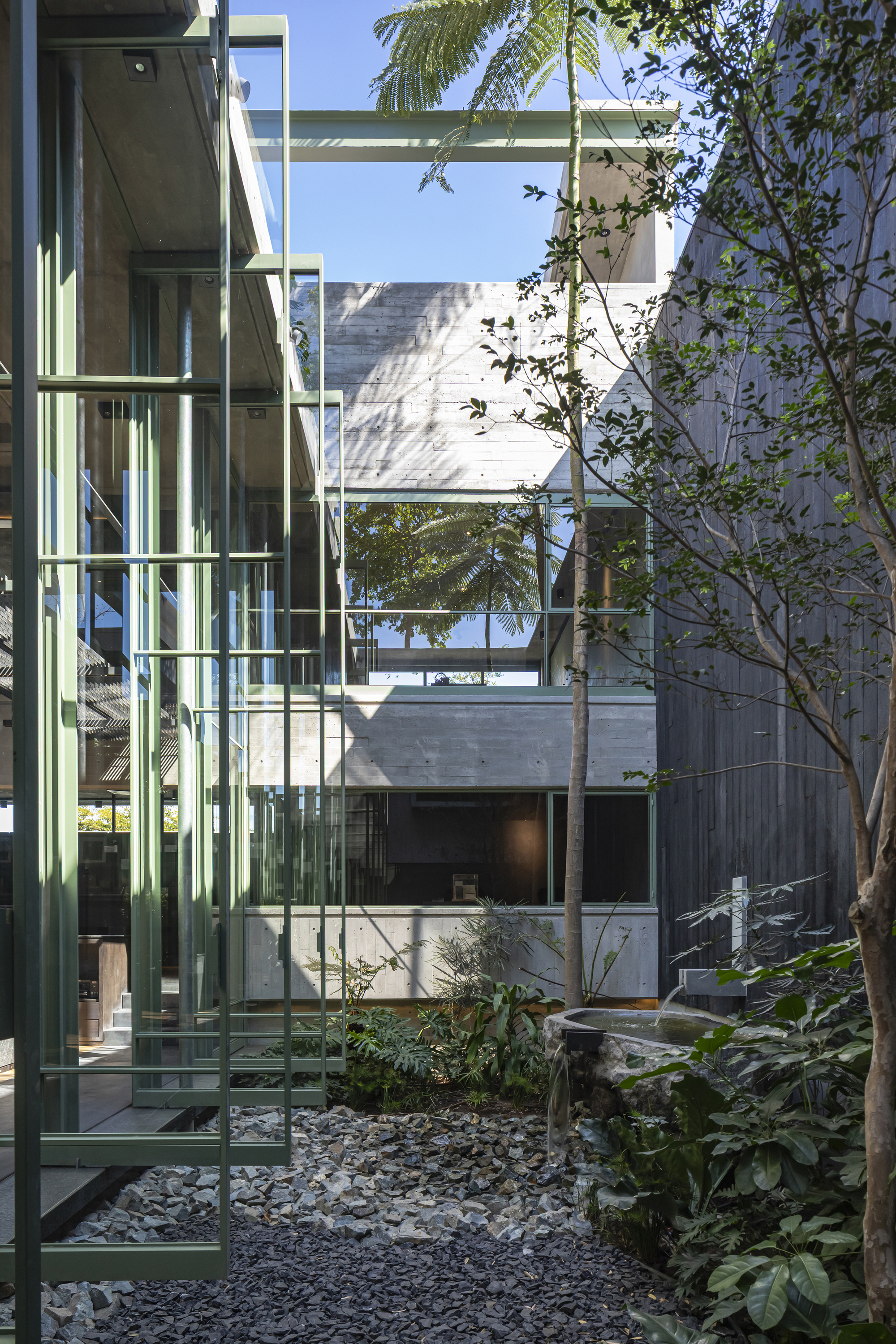
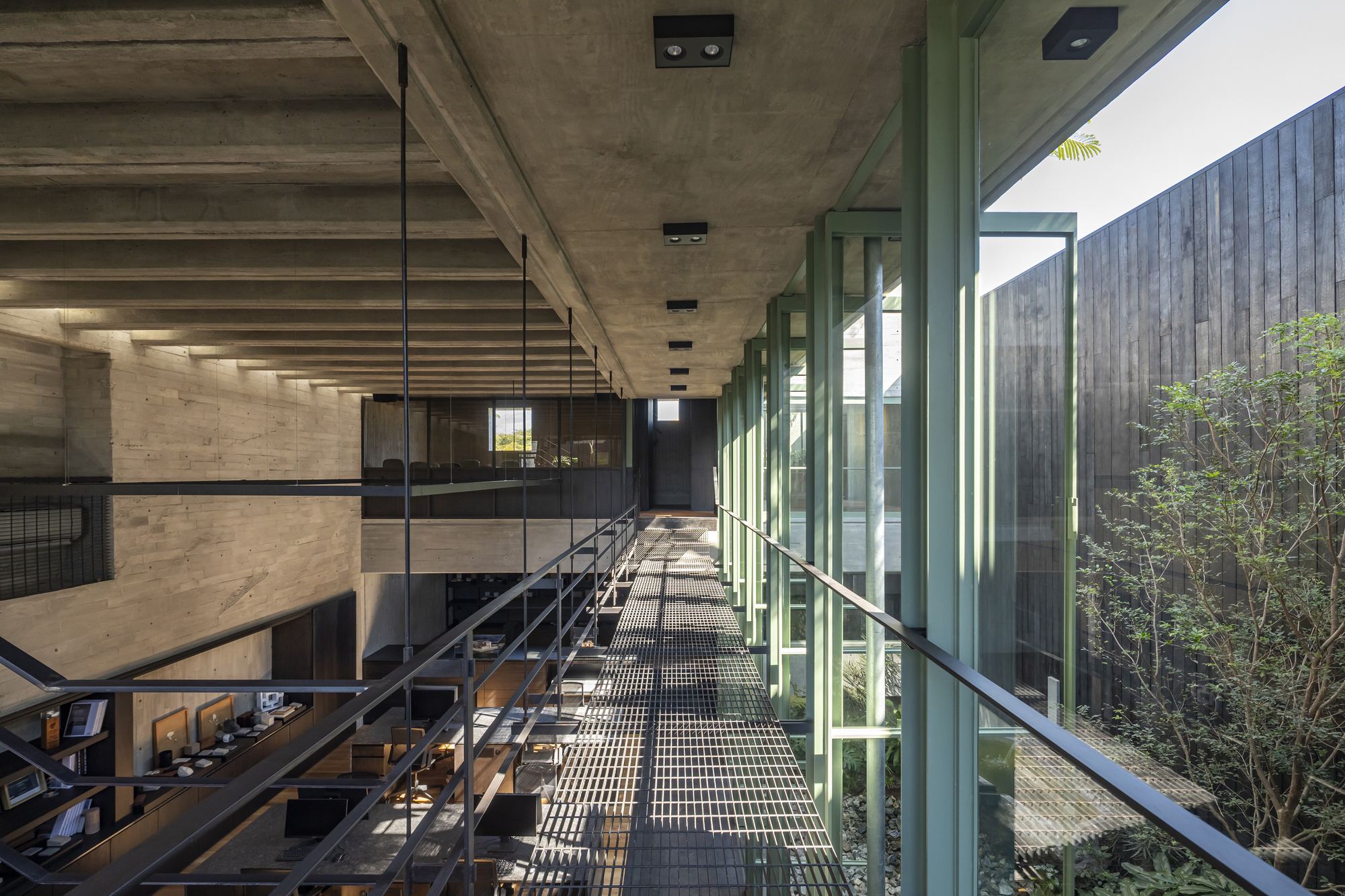
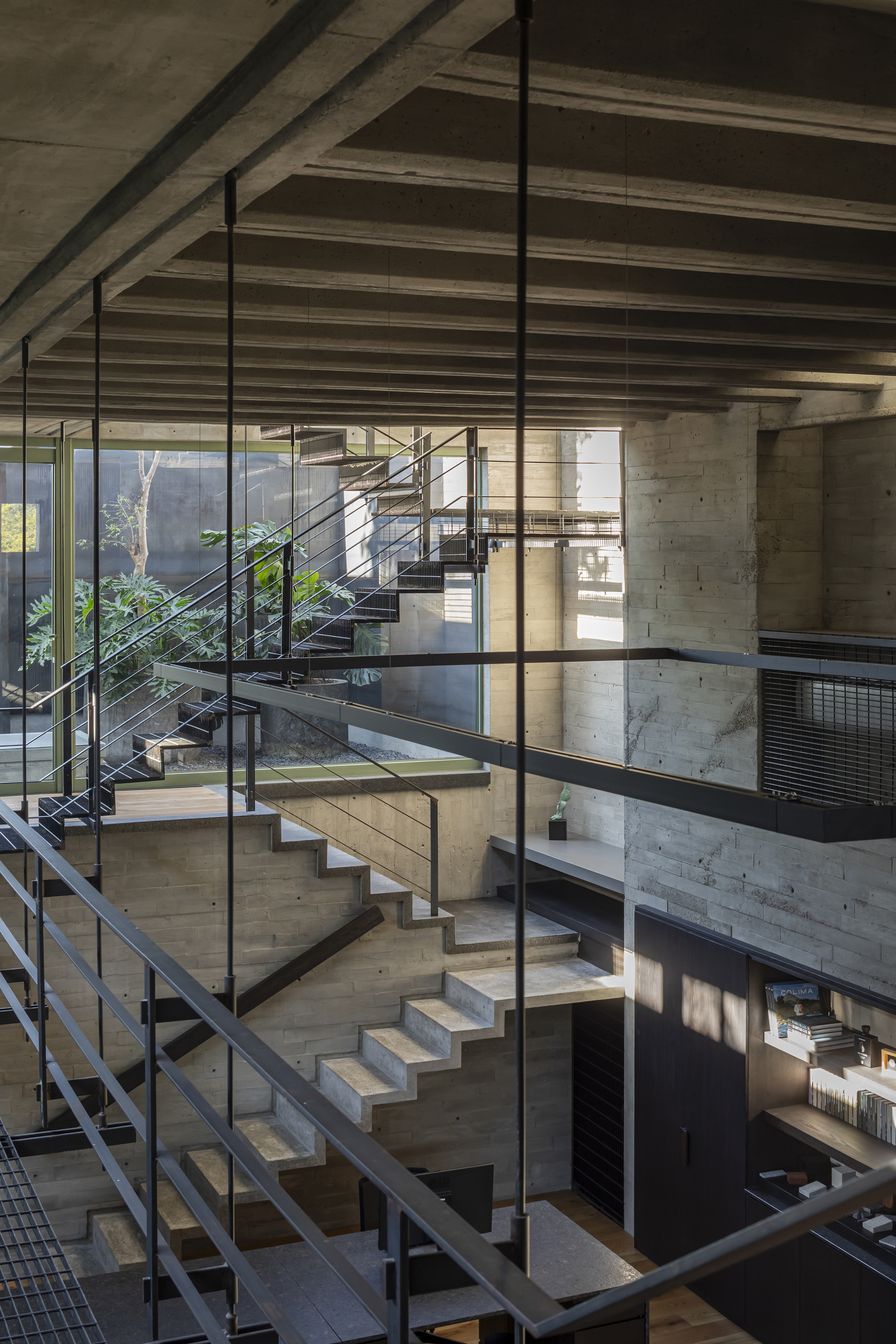
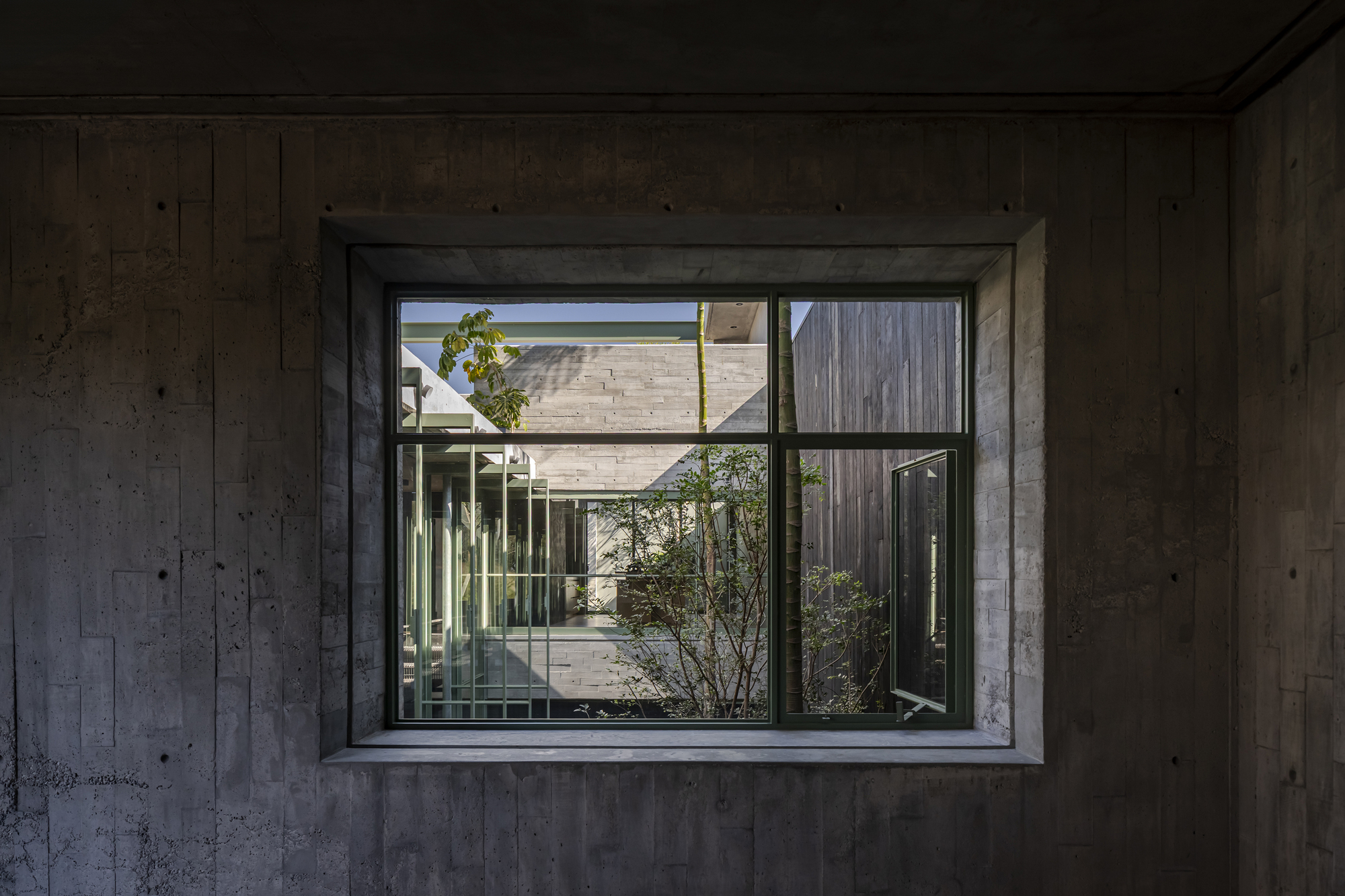
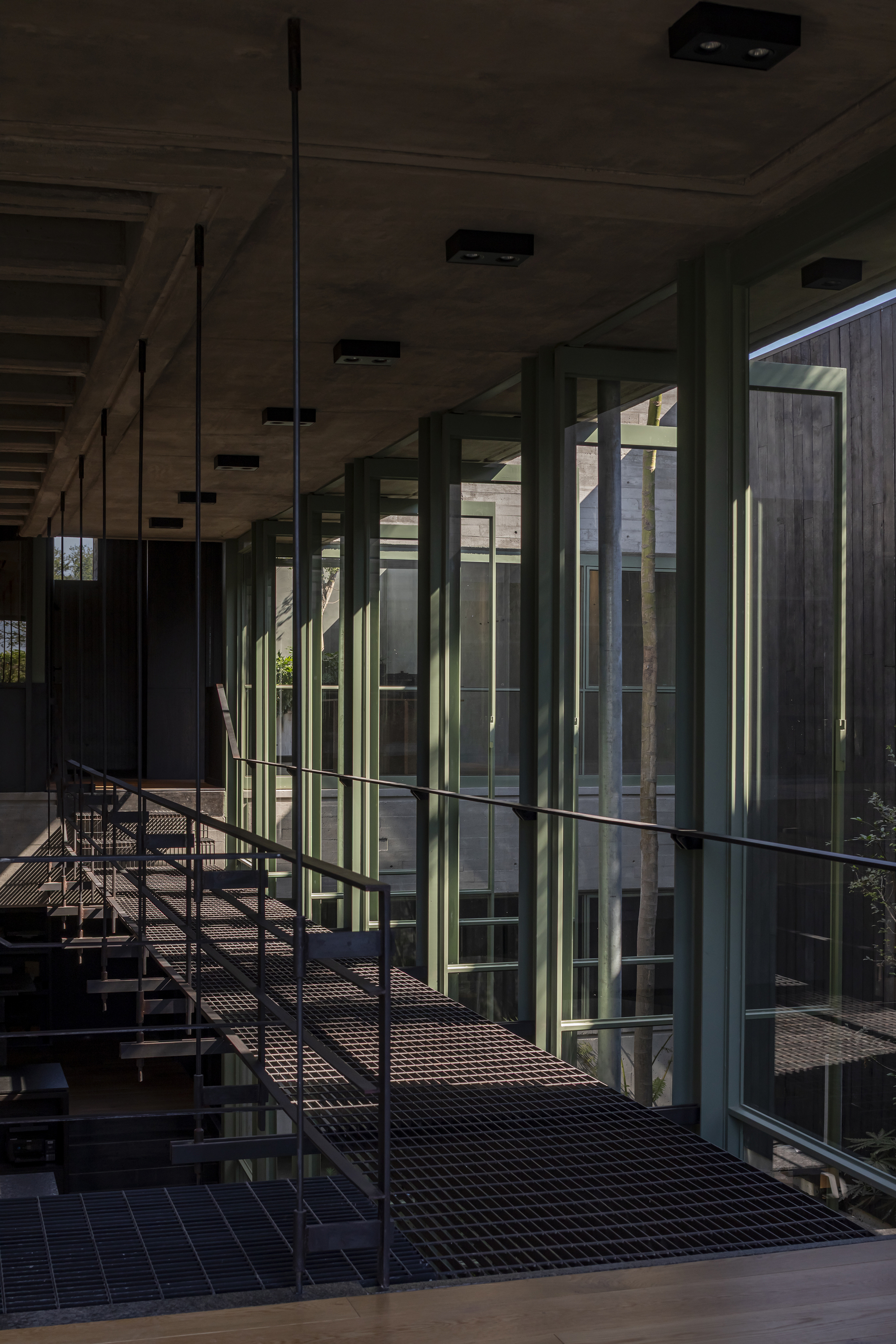
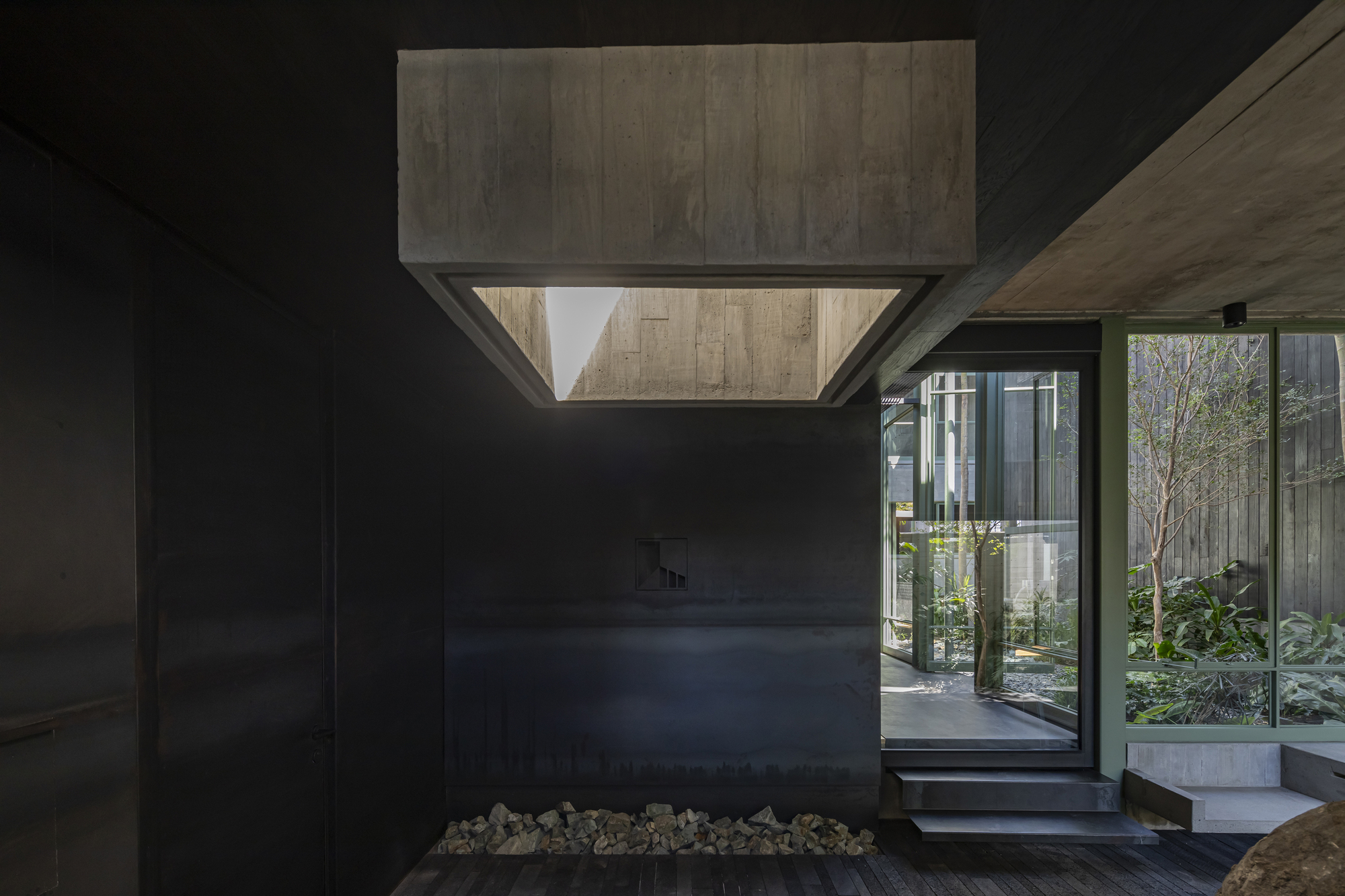
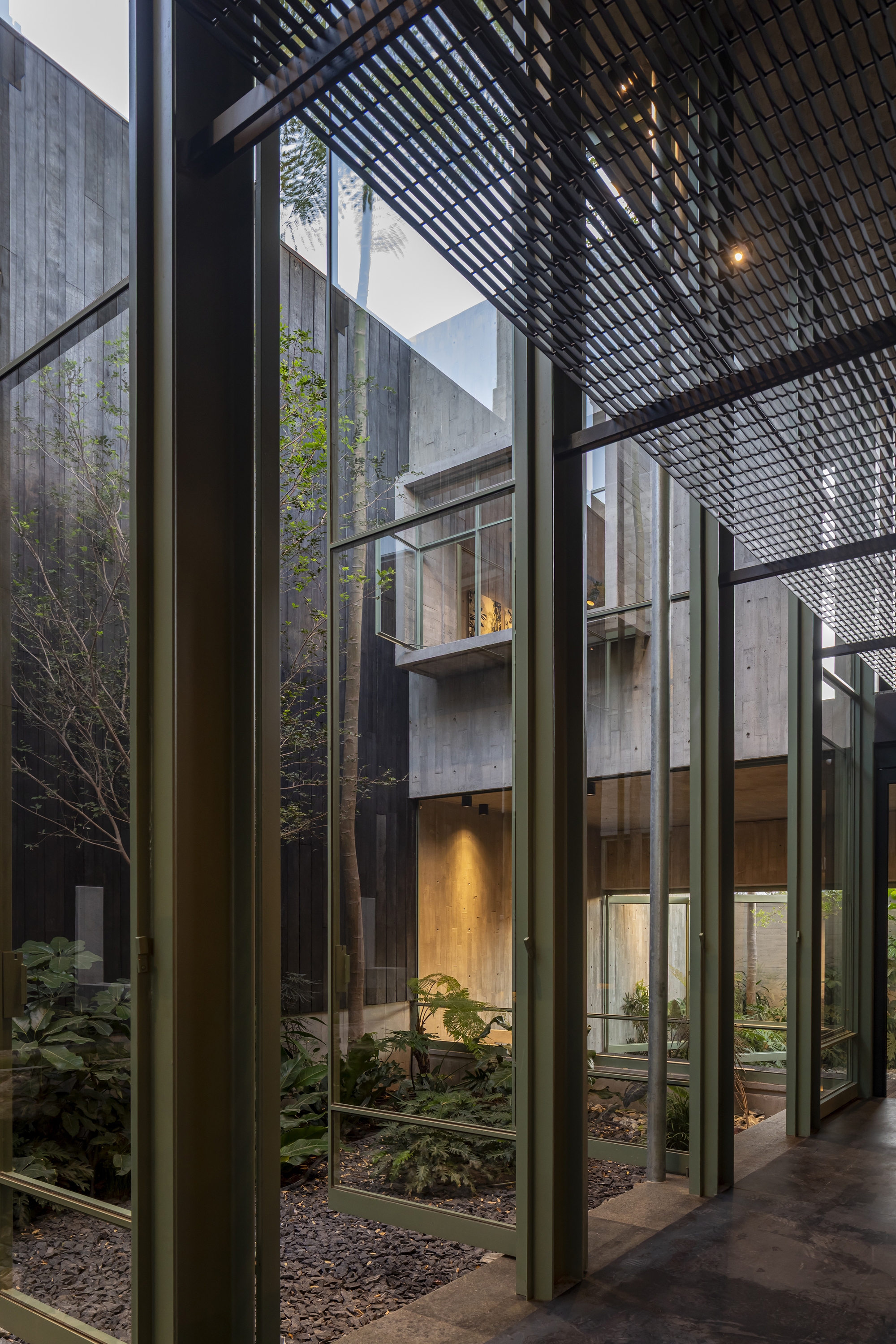
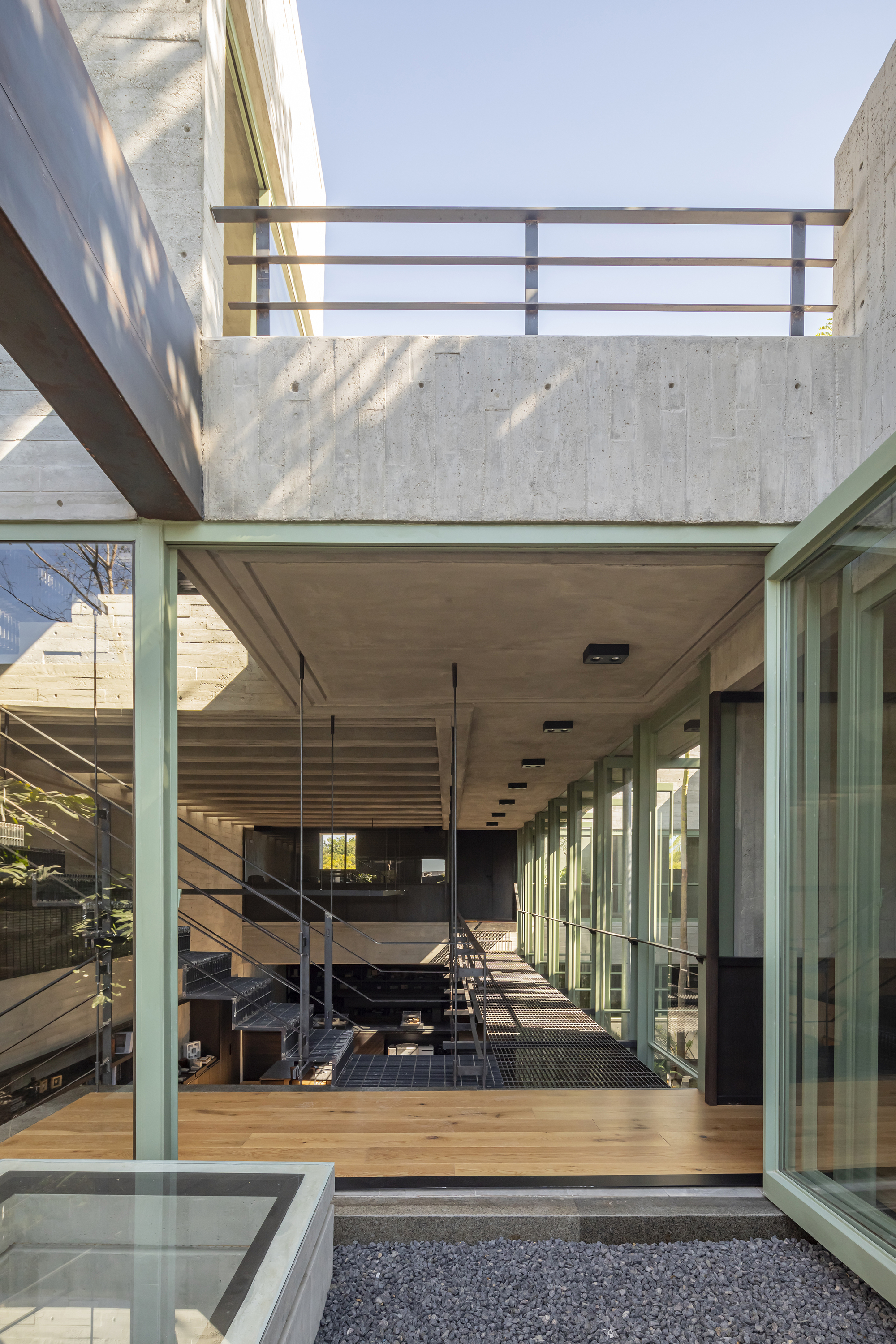
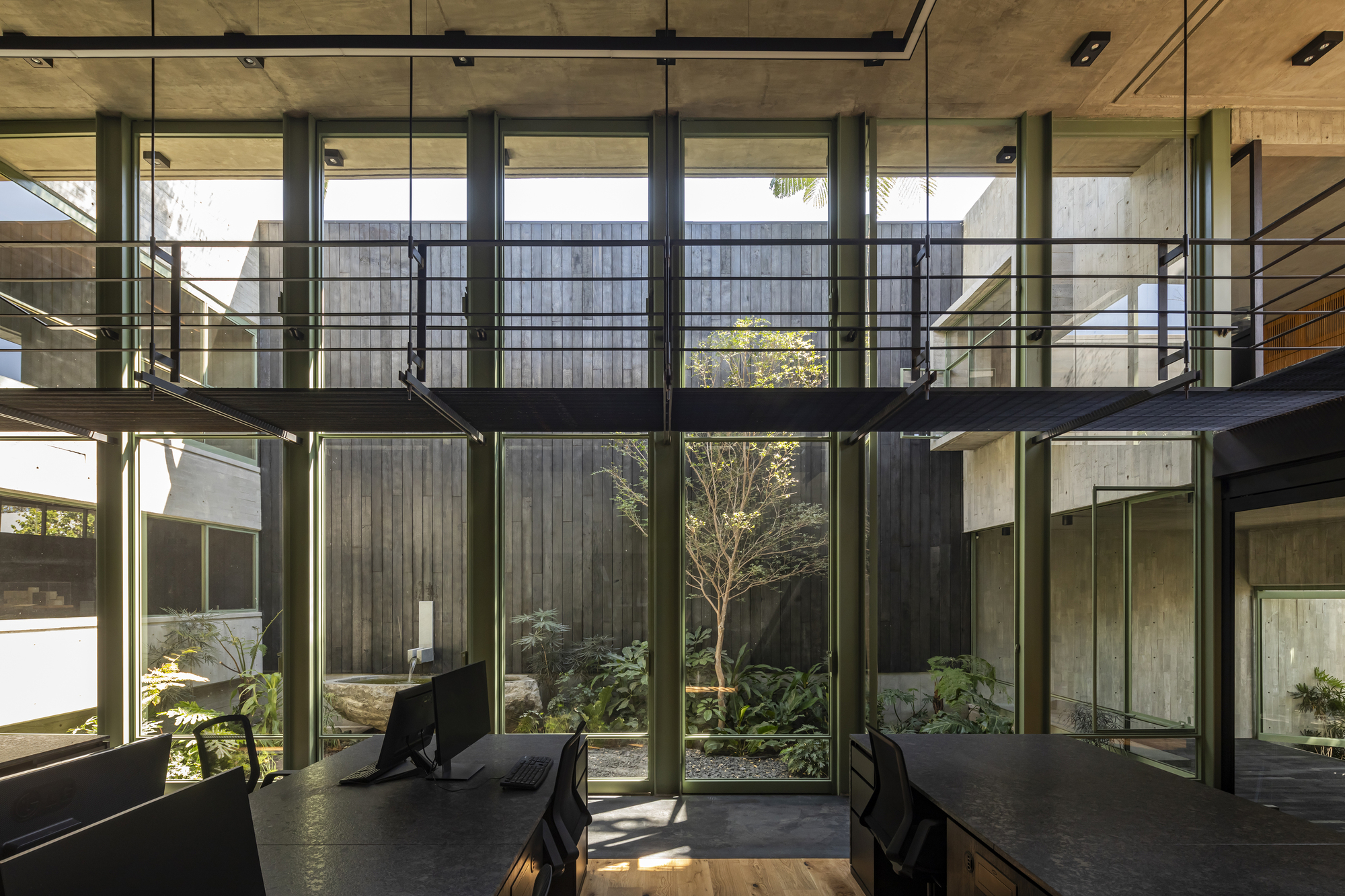
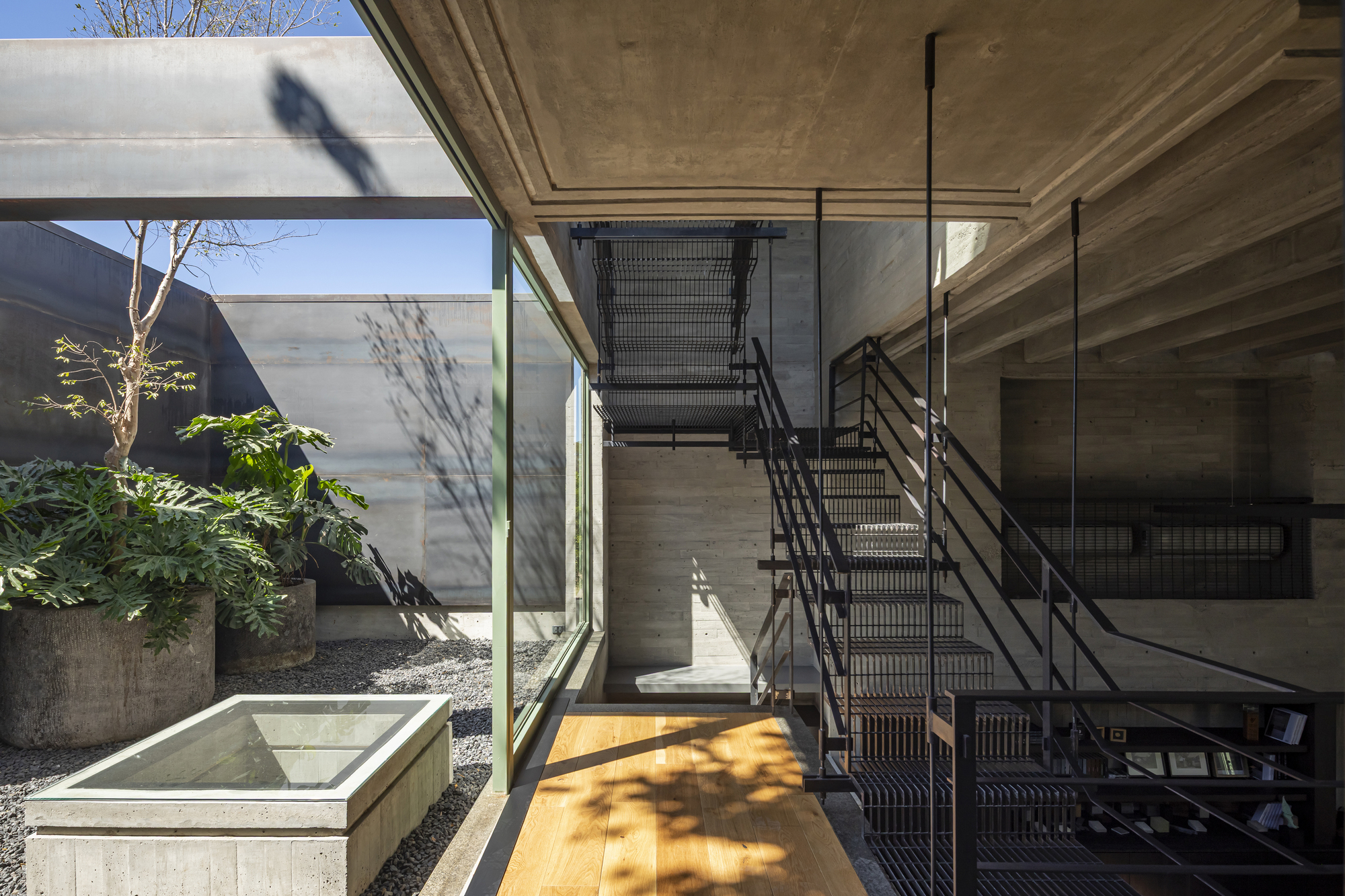
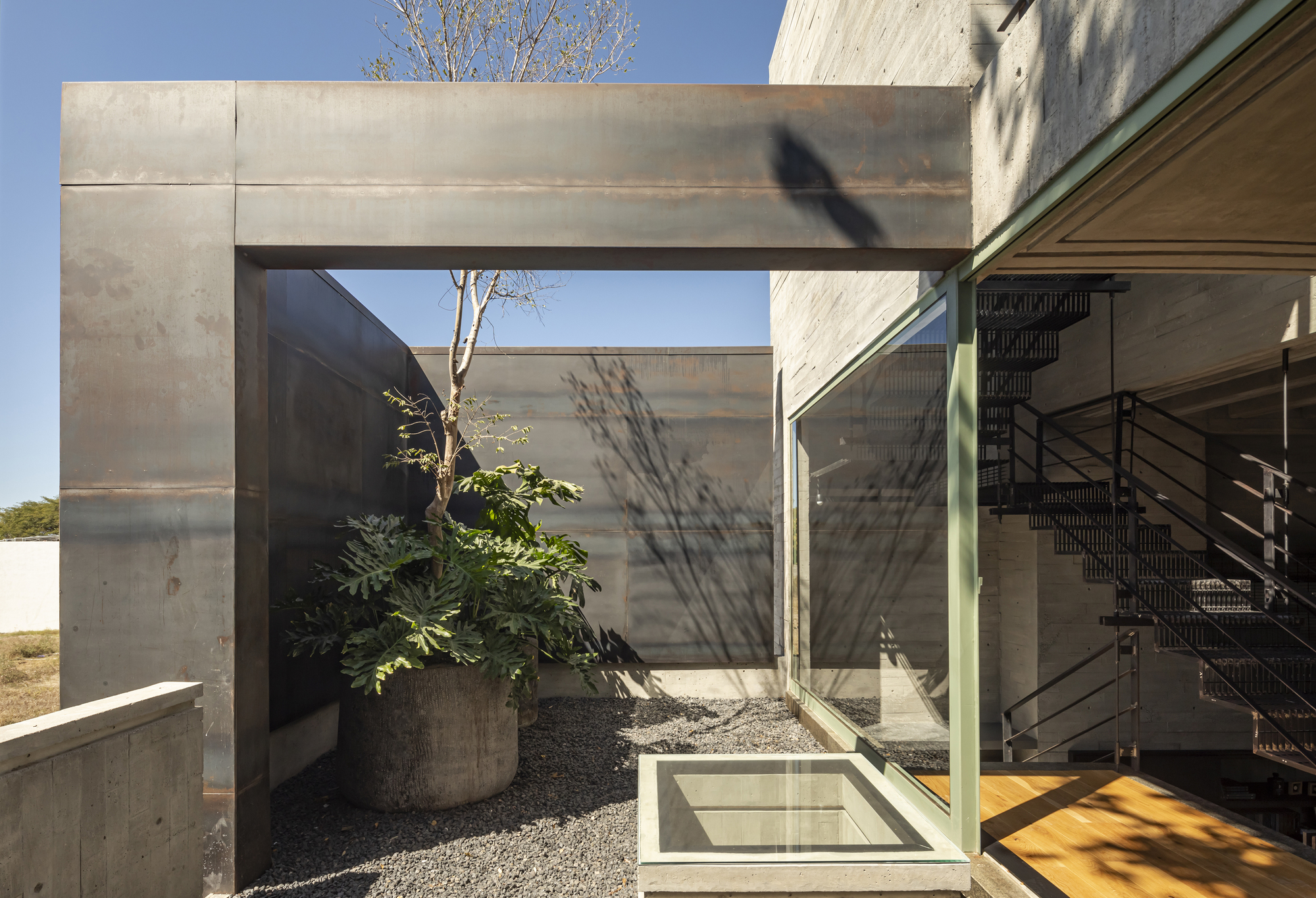
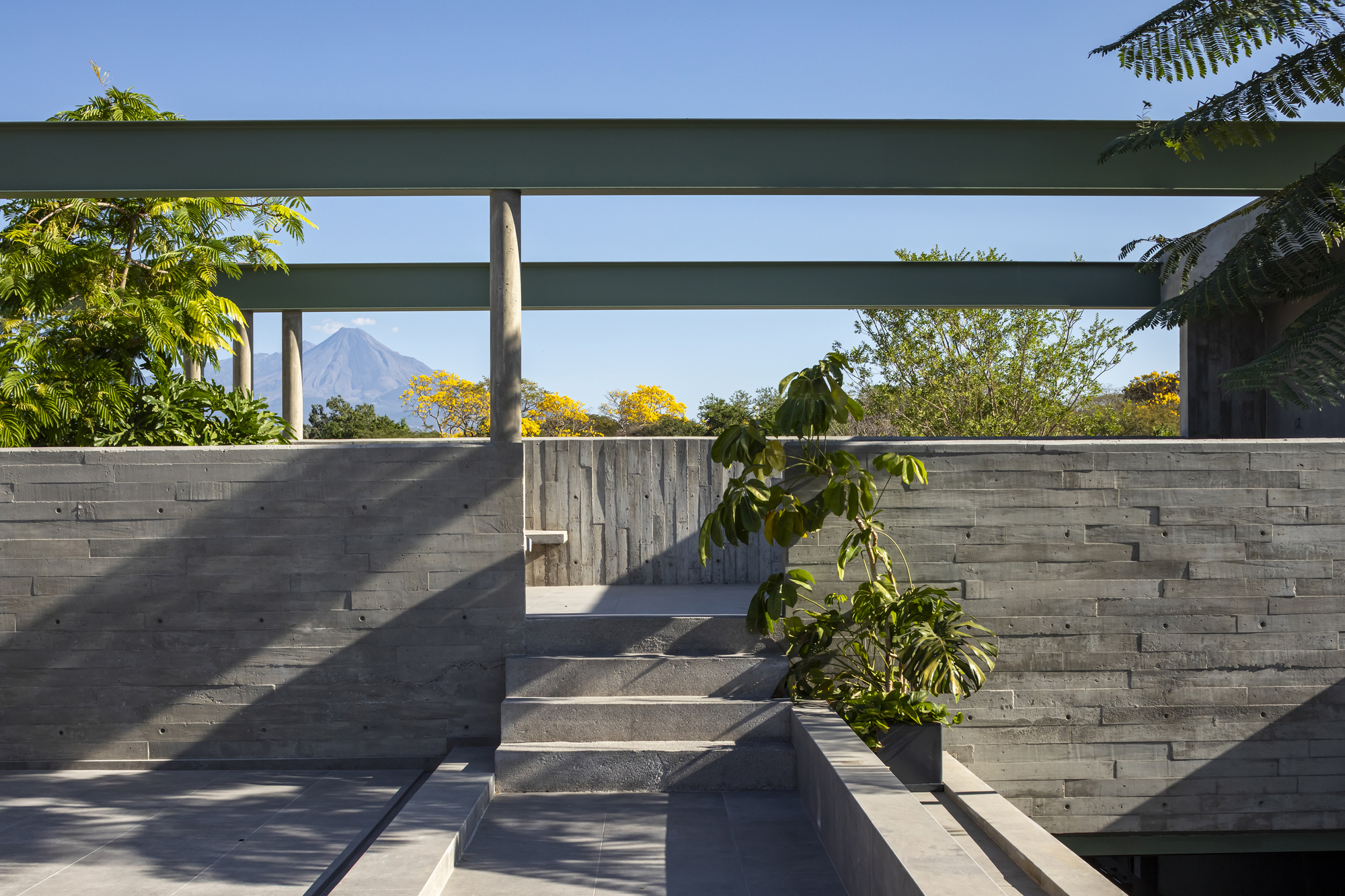
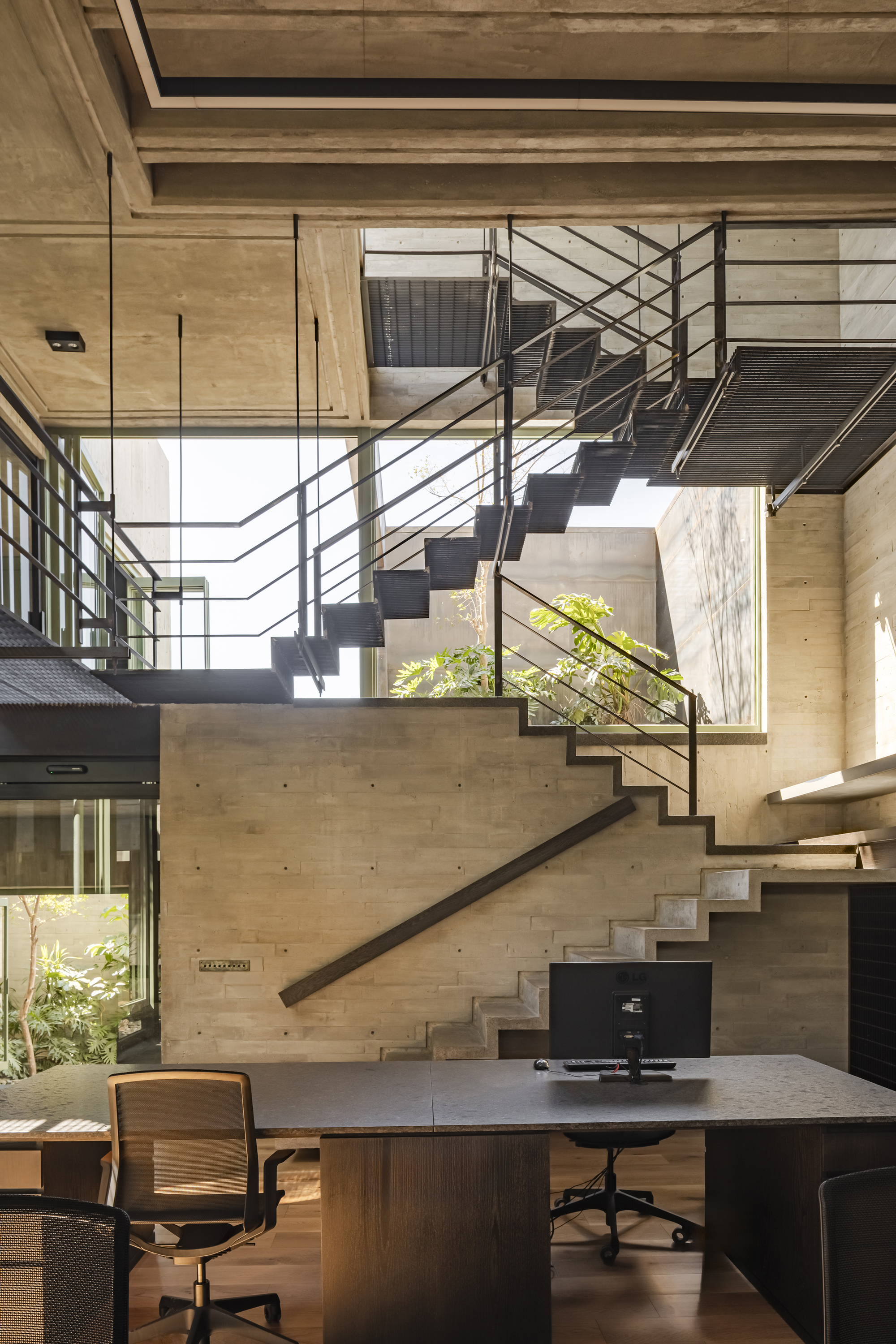
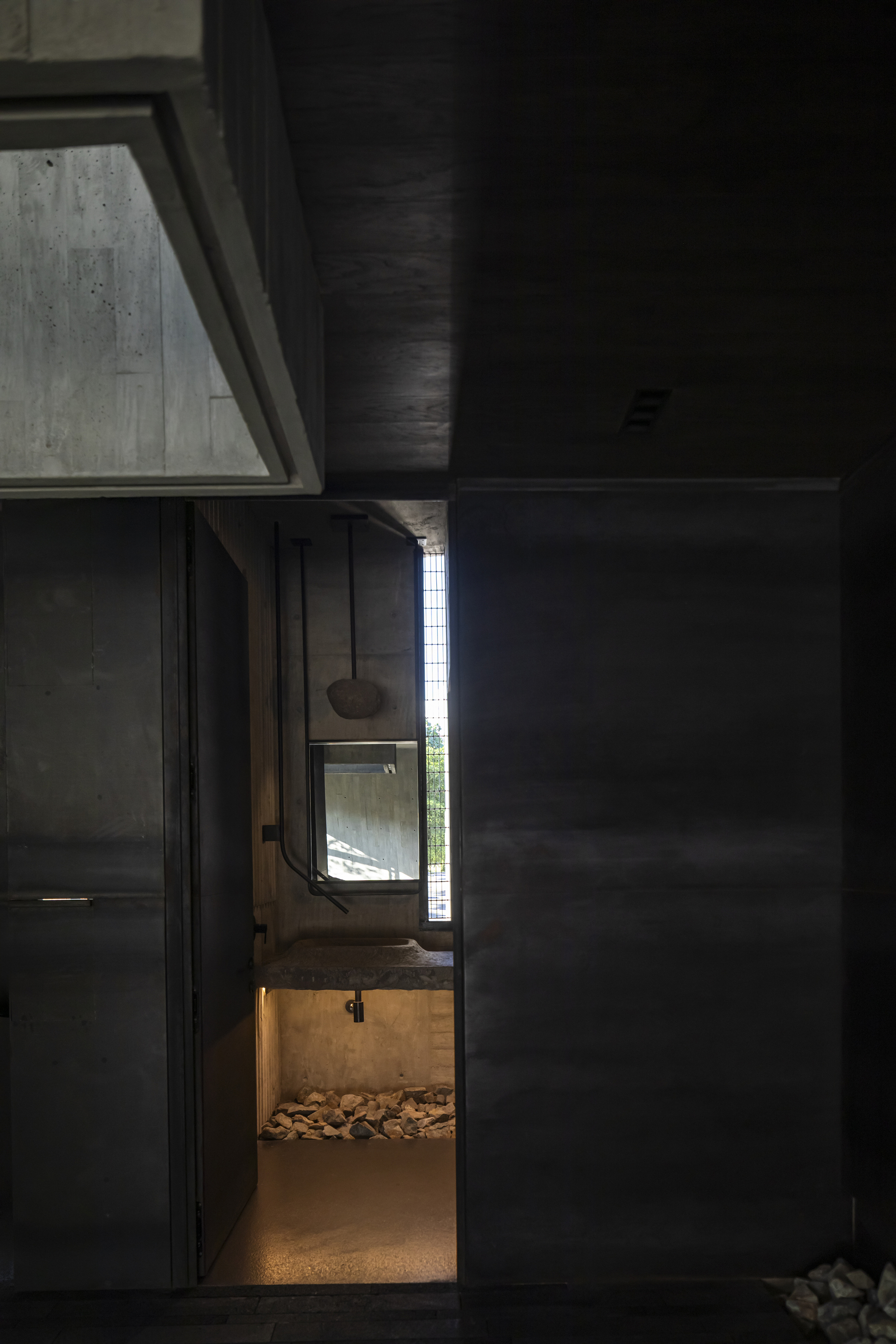
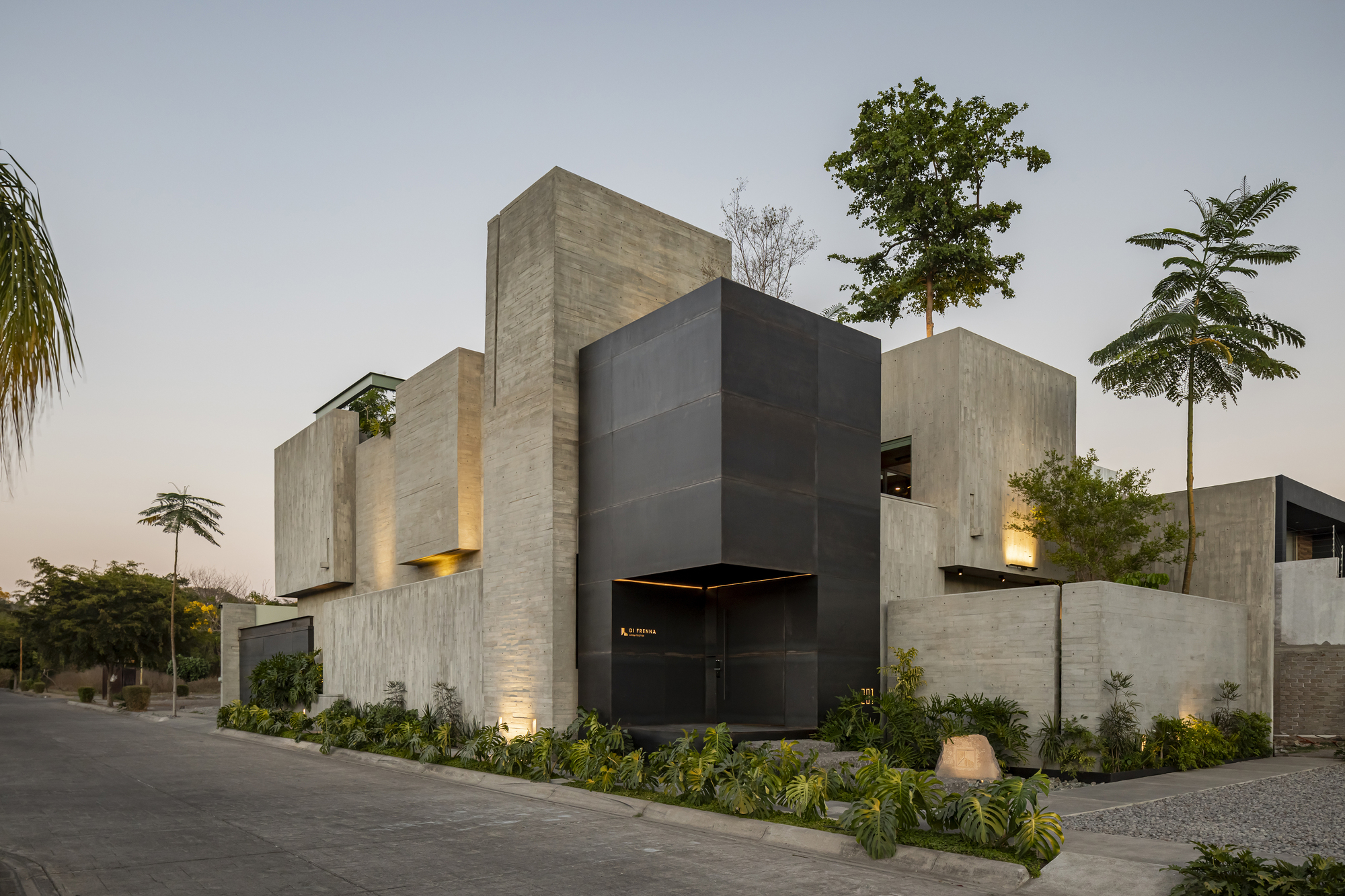
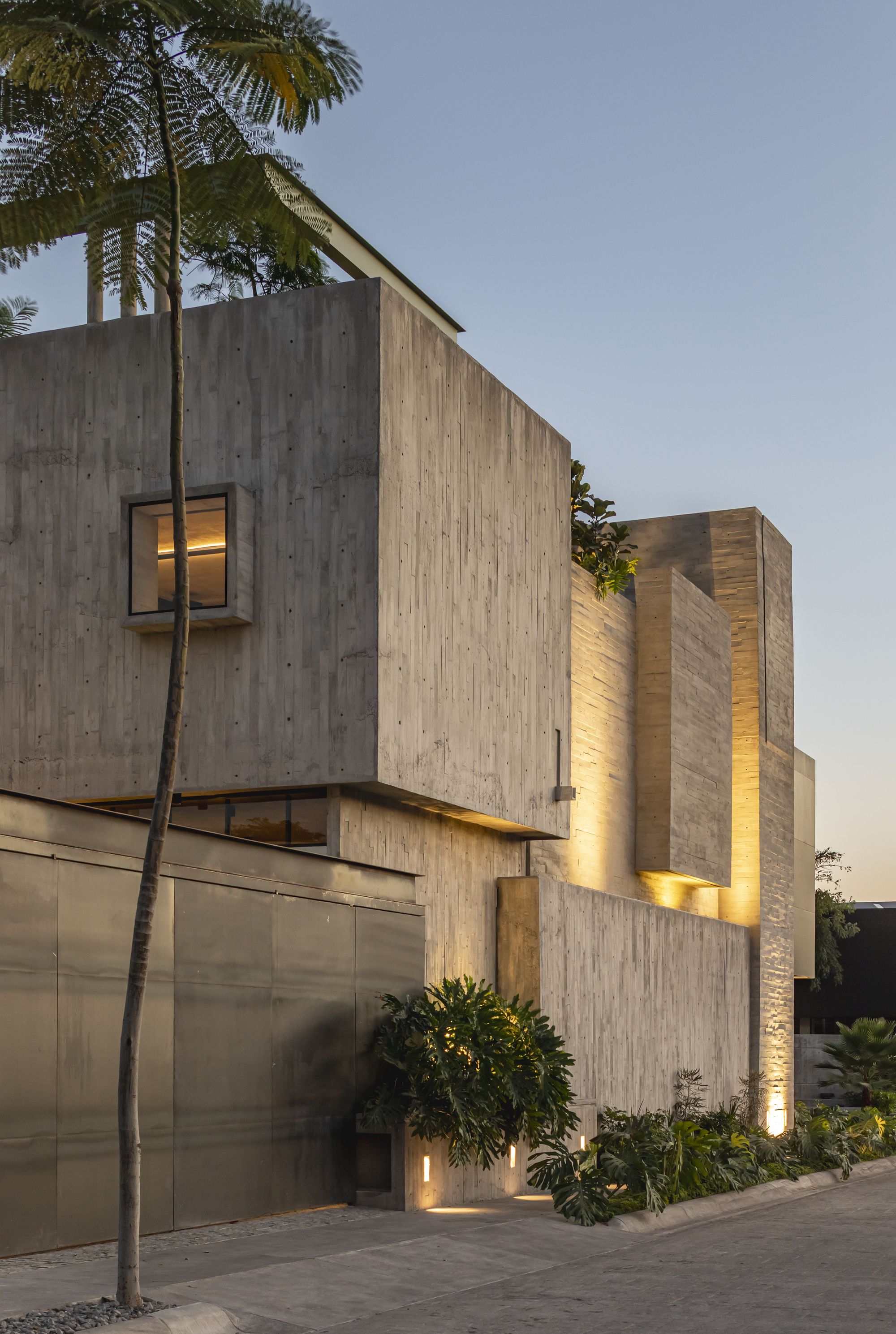
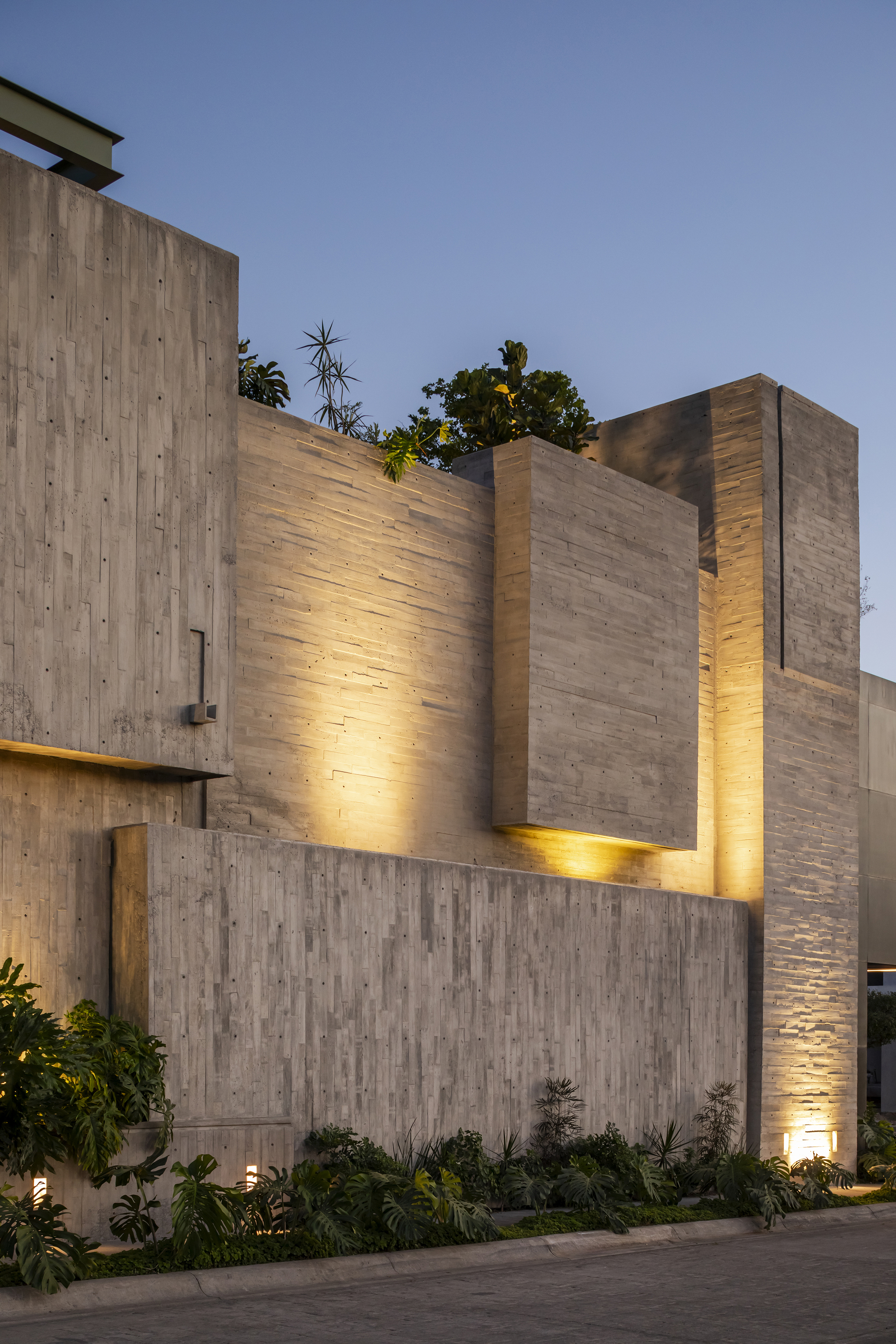
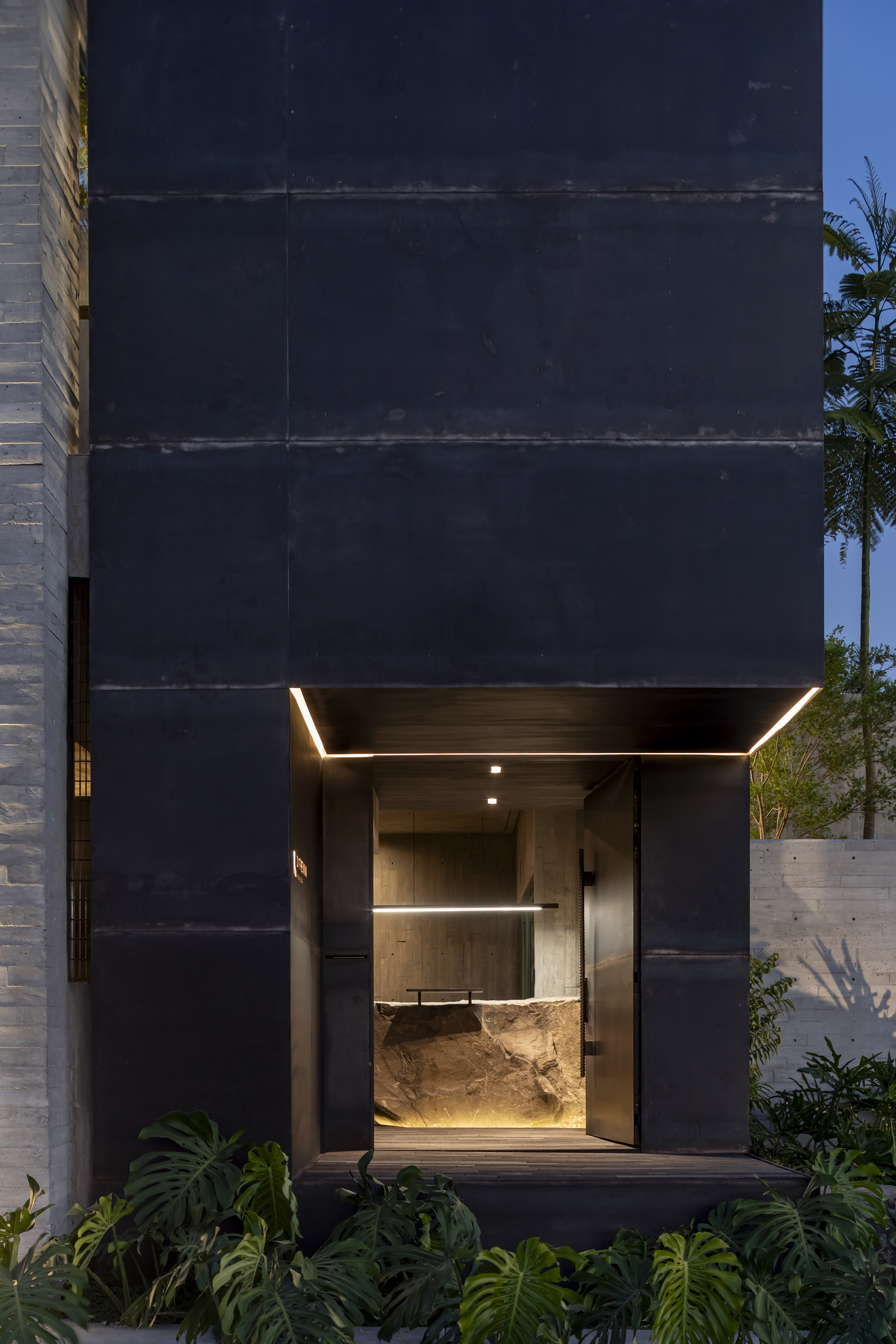
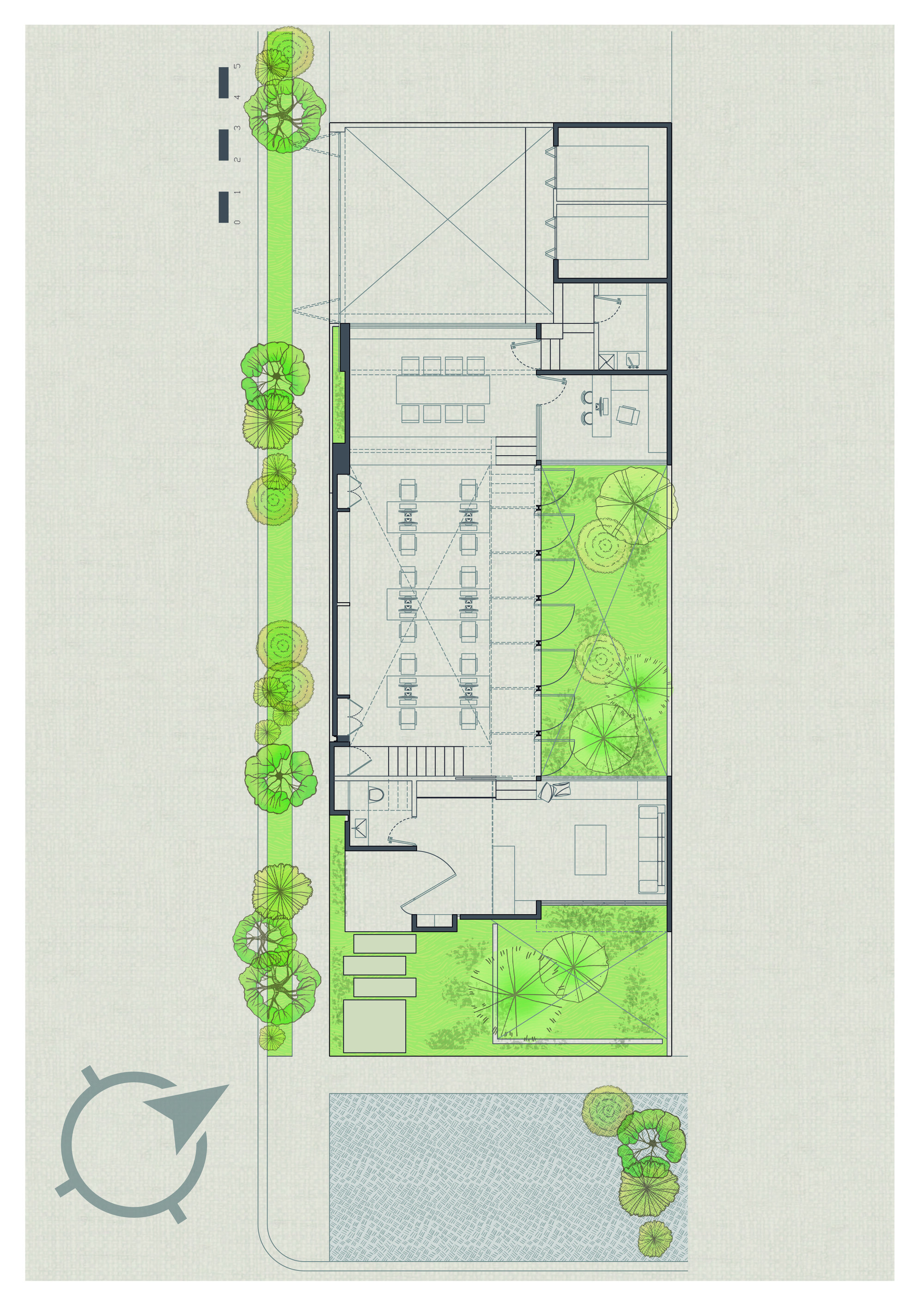
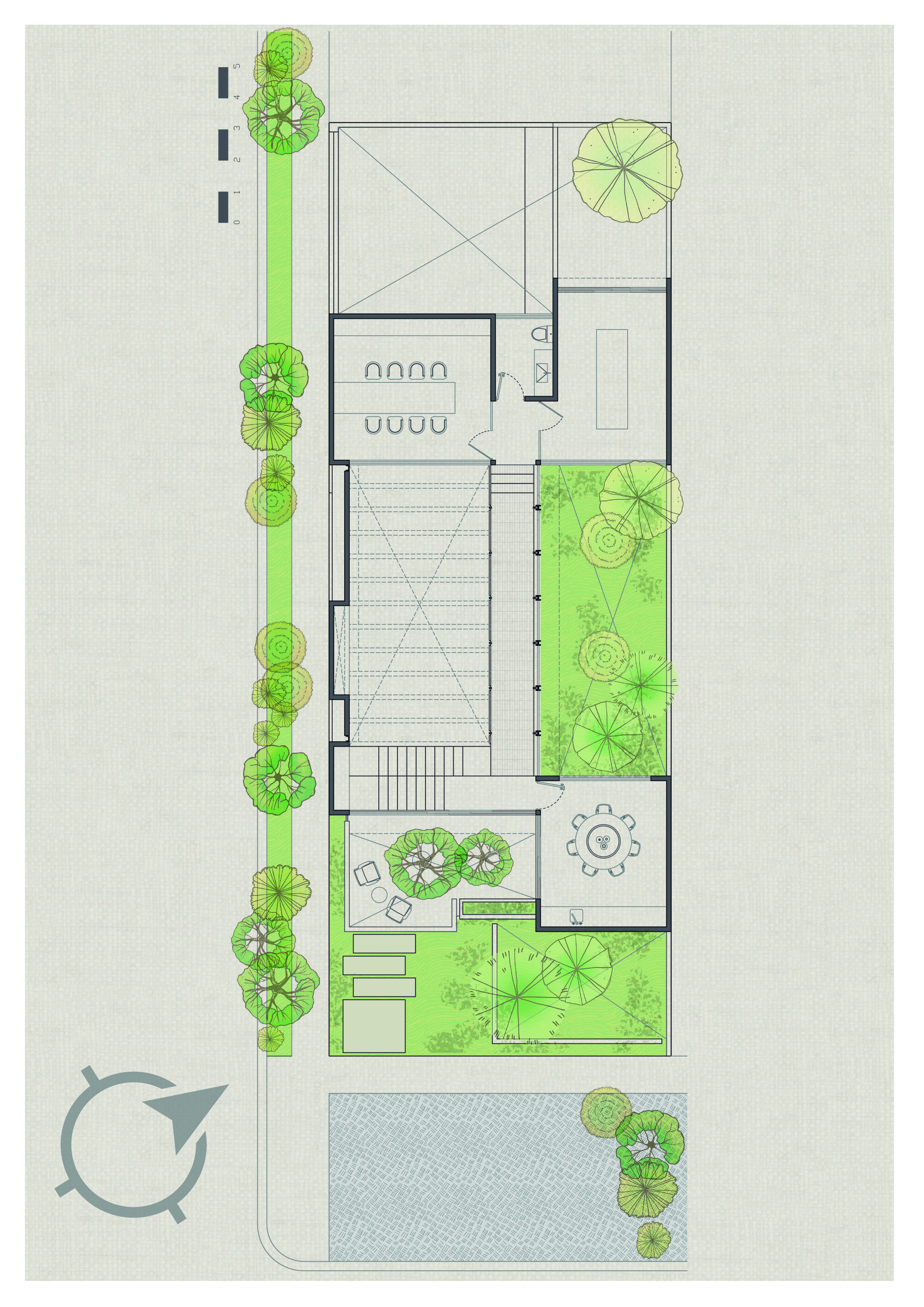
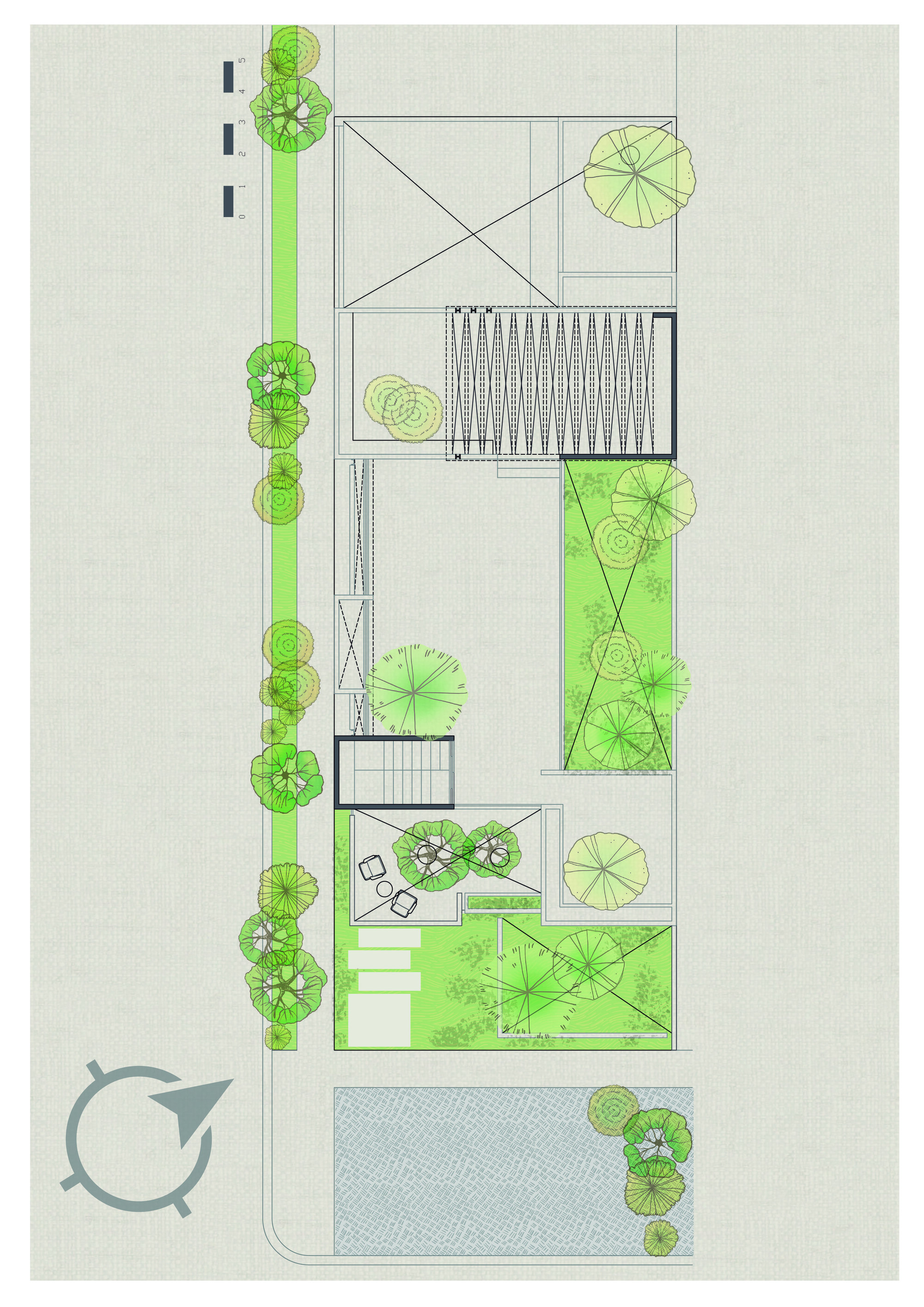
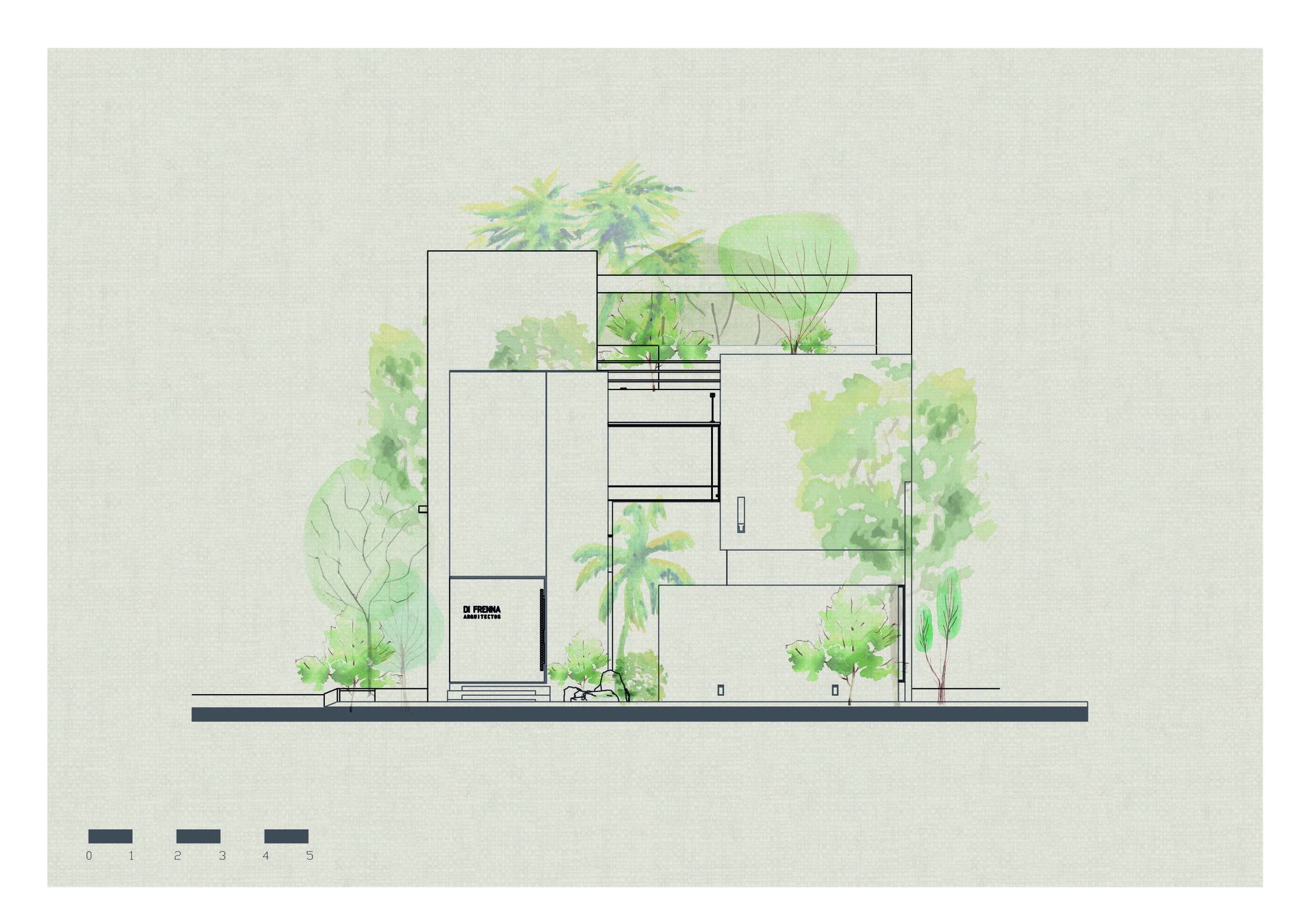
Di Frenna Architects Atelier #architecture Architects: Di Frenna Arquitectos Area: 294 m² Year: 2025 Photographs: Onnis Luque City: Colima Country: Mexico Between the green of nature and the distortion of its pure forms, a building with a strong presence and character rises in Colima. The Taller Di Frenna architects building was formed with the vision of providing spaces that inspire architects to create other projects, consisting of areas such as the model workshop, audiovisual spaces, meeting rooms, and a desk area, in addition to being a showcase of our work and vision as an architecture firm. This work is the result of integrating the most representative elements of our architecture; a clean and defined volume, expressive and apparent materials, textures that invite touch where we dared to experiment with different materials, both natural and industrial, such as the use of steel, concrete, charred wood, and stone among many other finishes that impart a unique, personal, and artistic character, according to the style of the firm. Interior courtyards were established to achieve architecture that coexists with nature, spaces that break the monotony with their play of levels, light, and shadow; all with the intention of stimulating imagination and creativity, creating relaxing and inspiring environments.
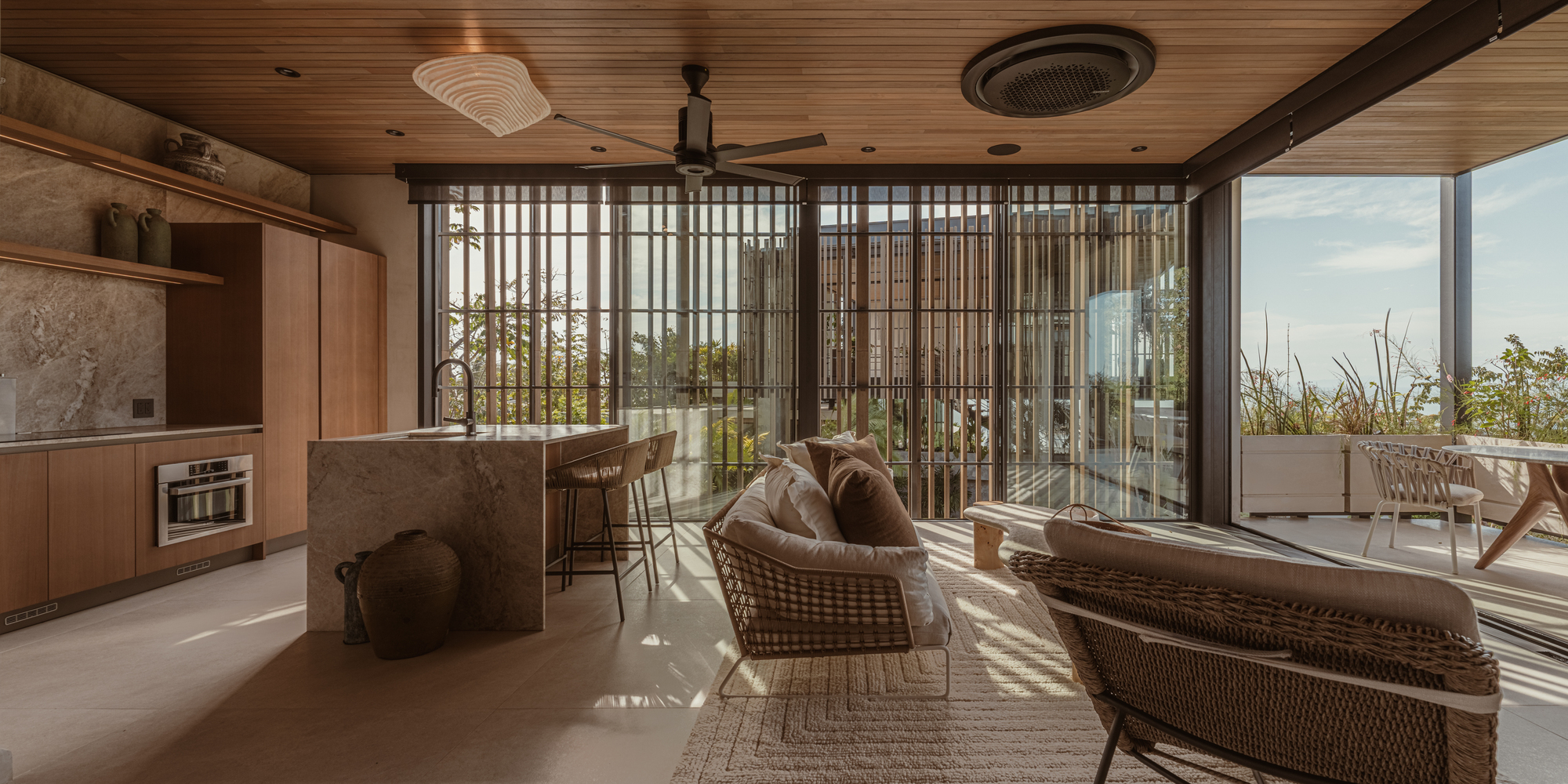
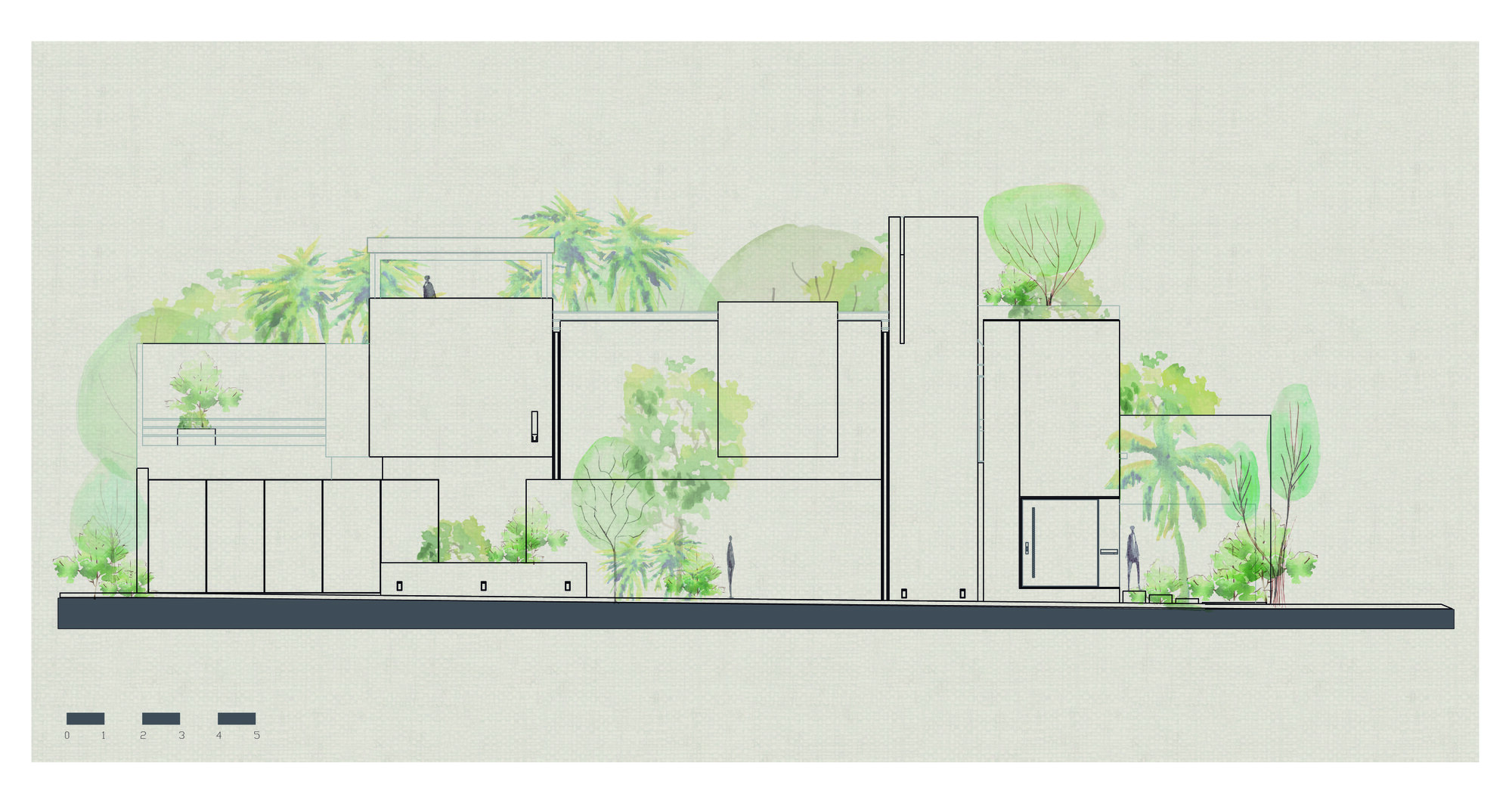
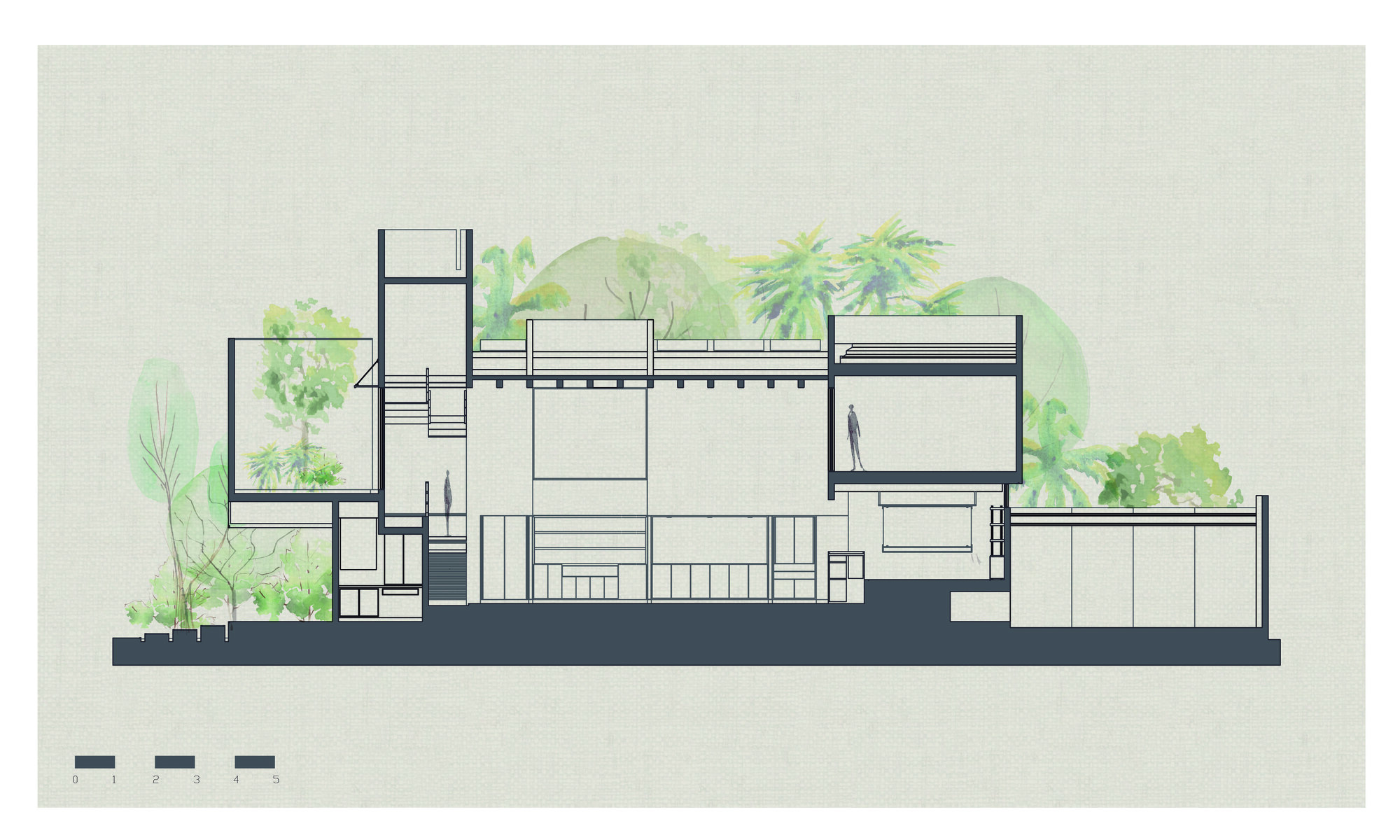
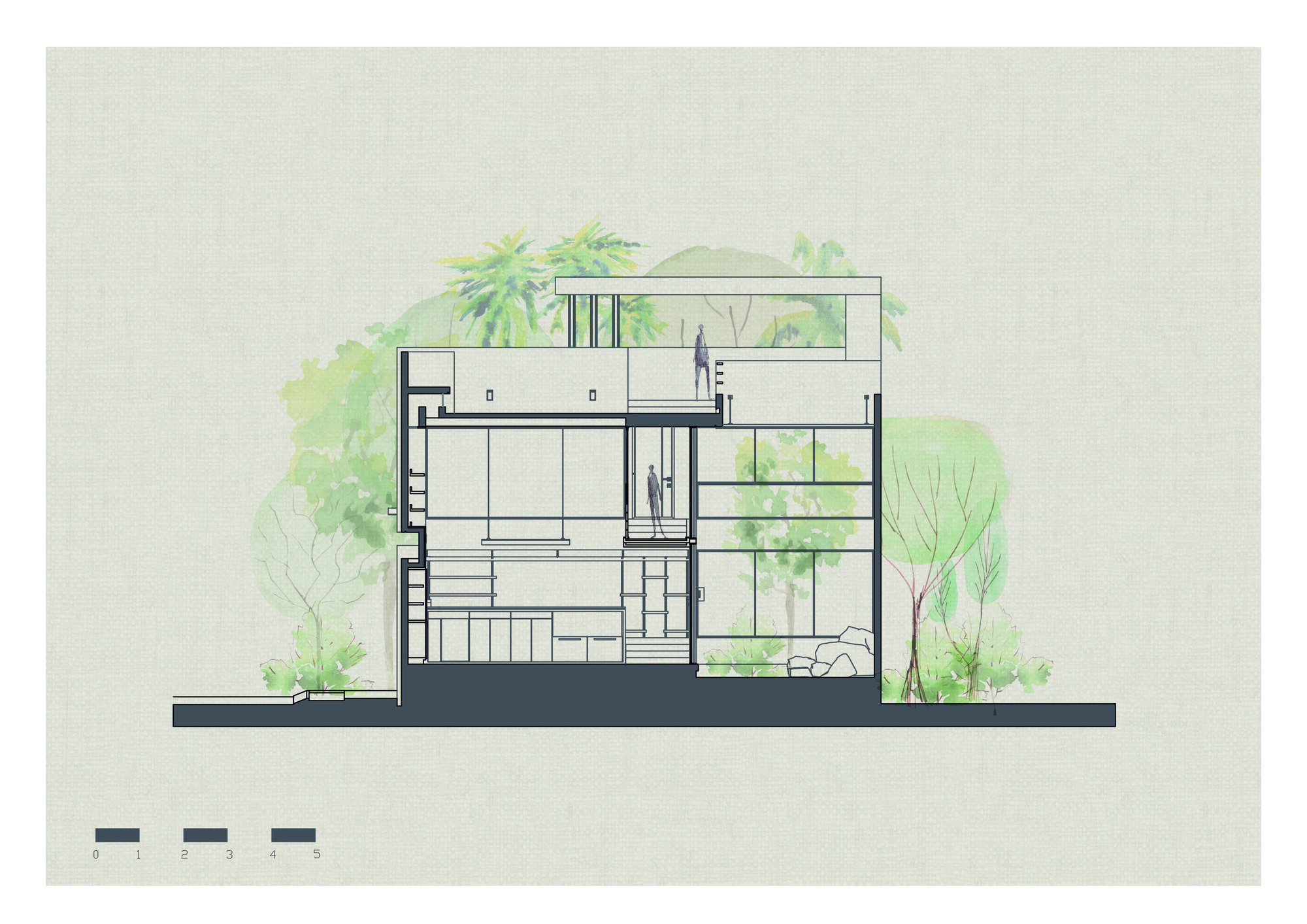
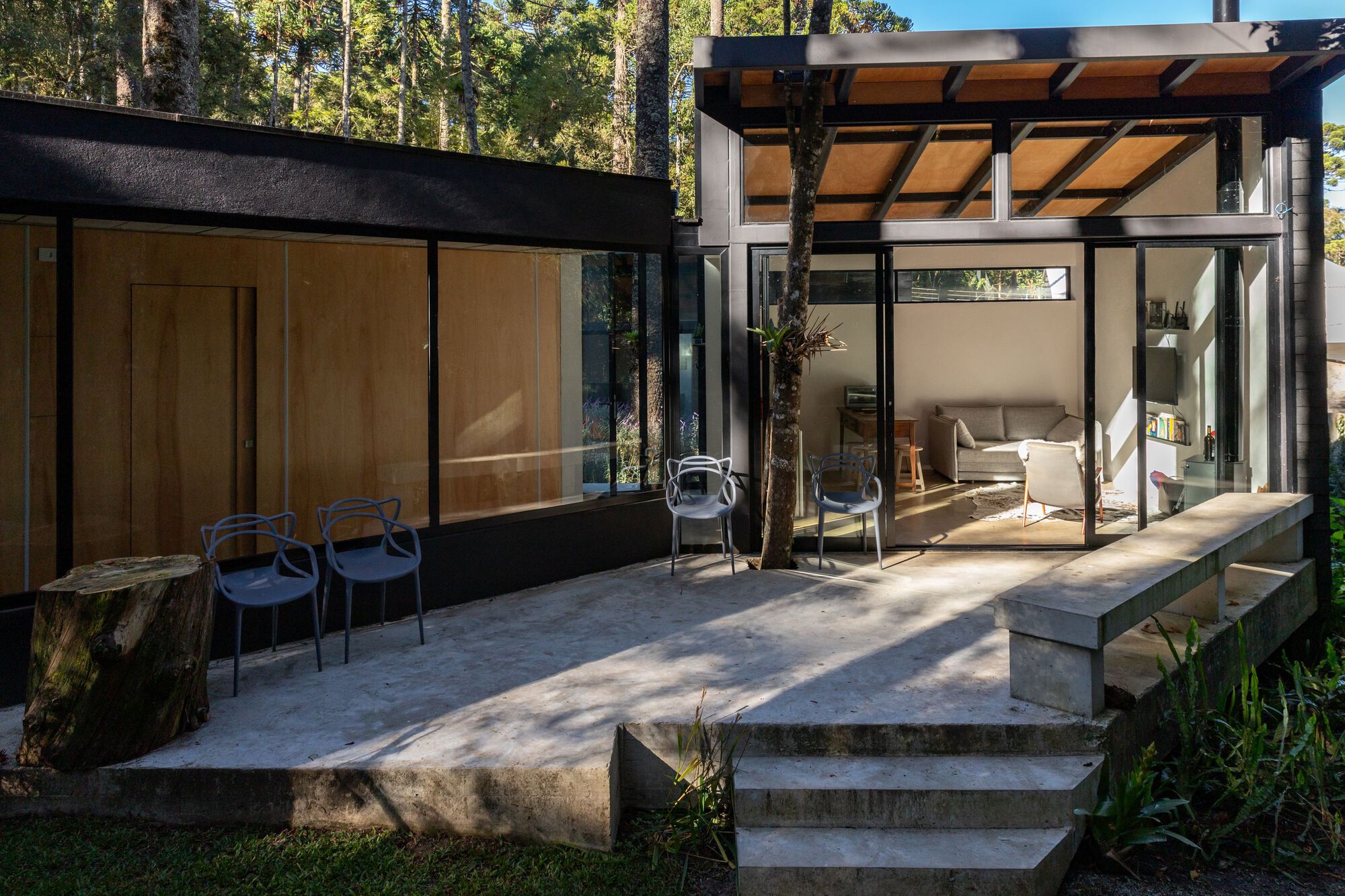
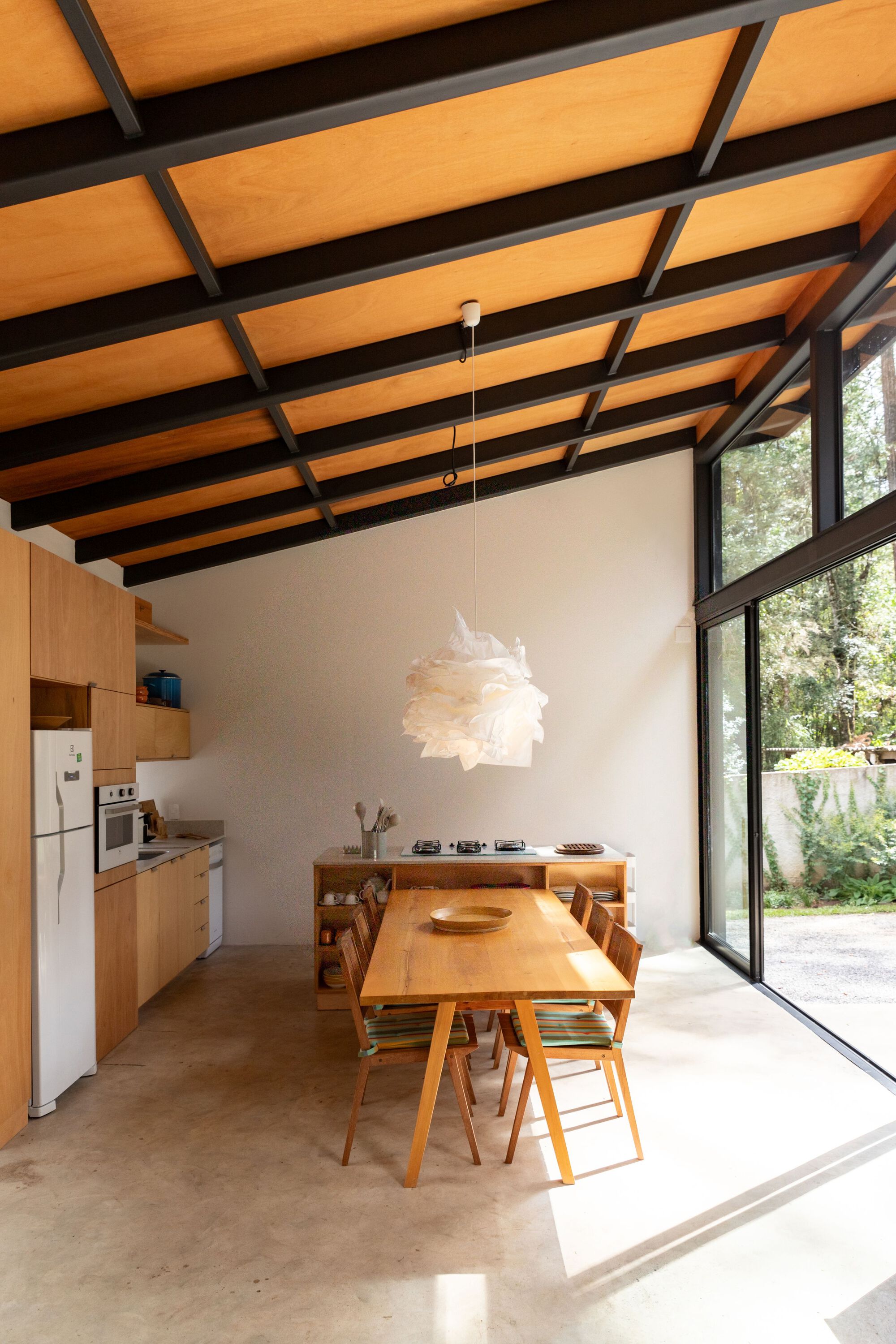
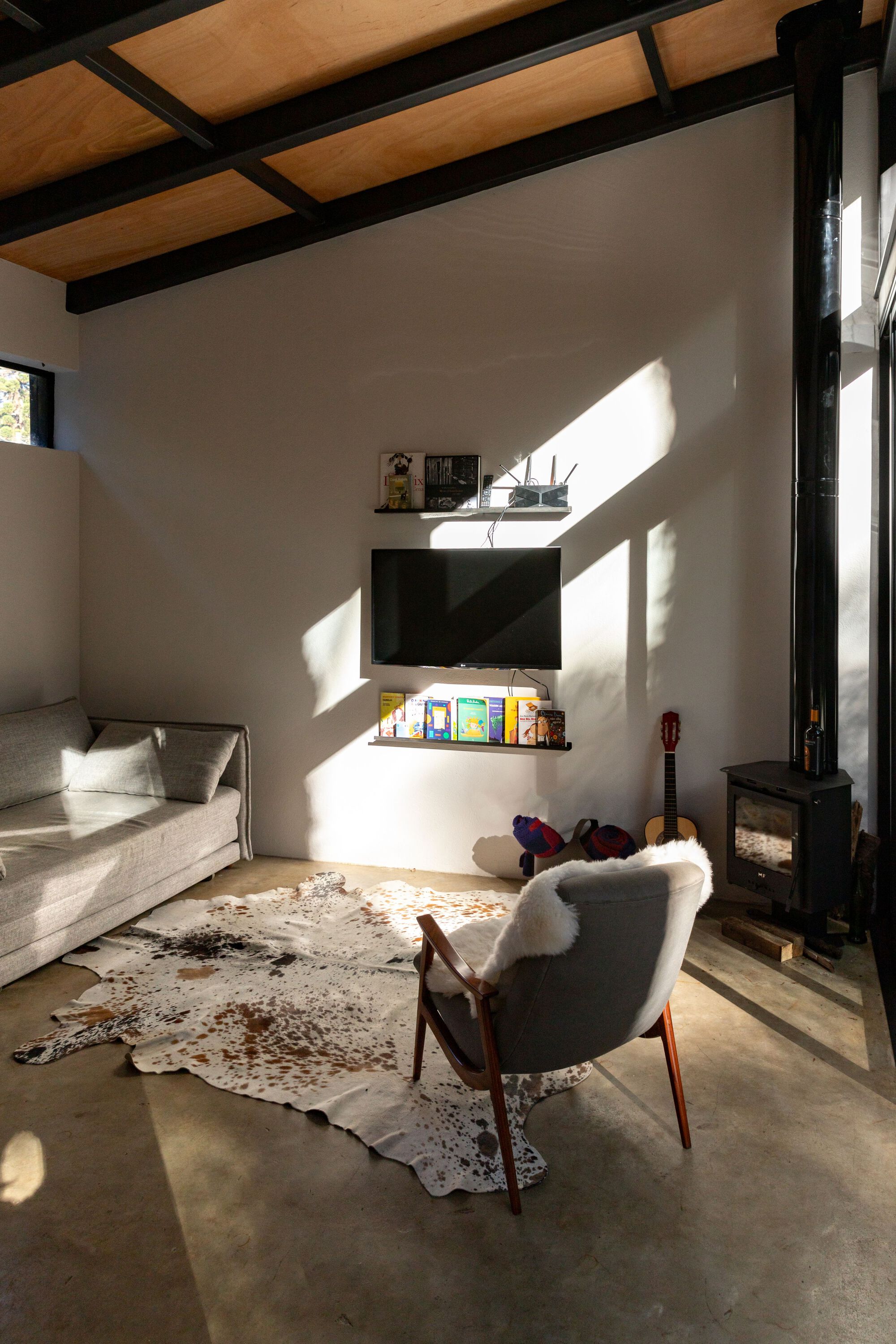
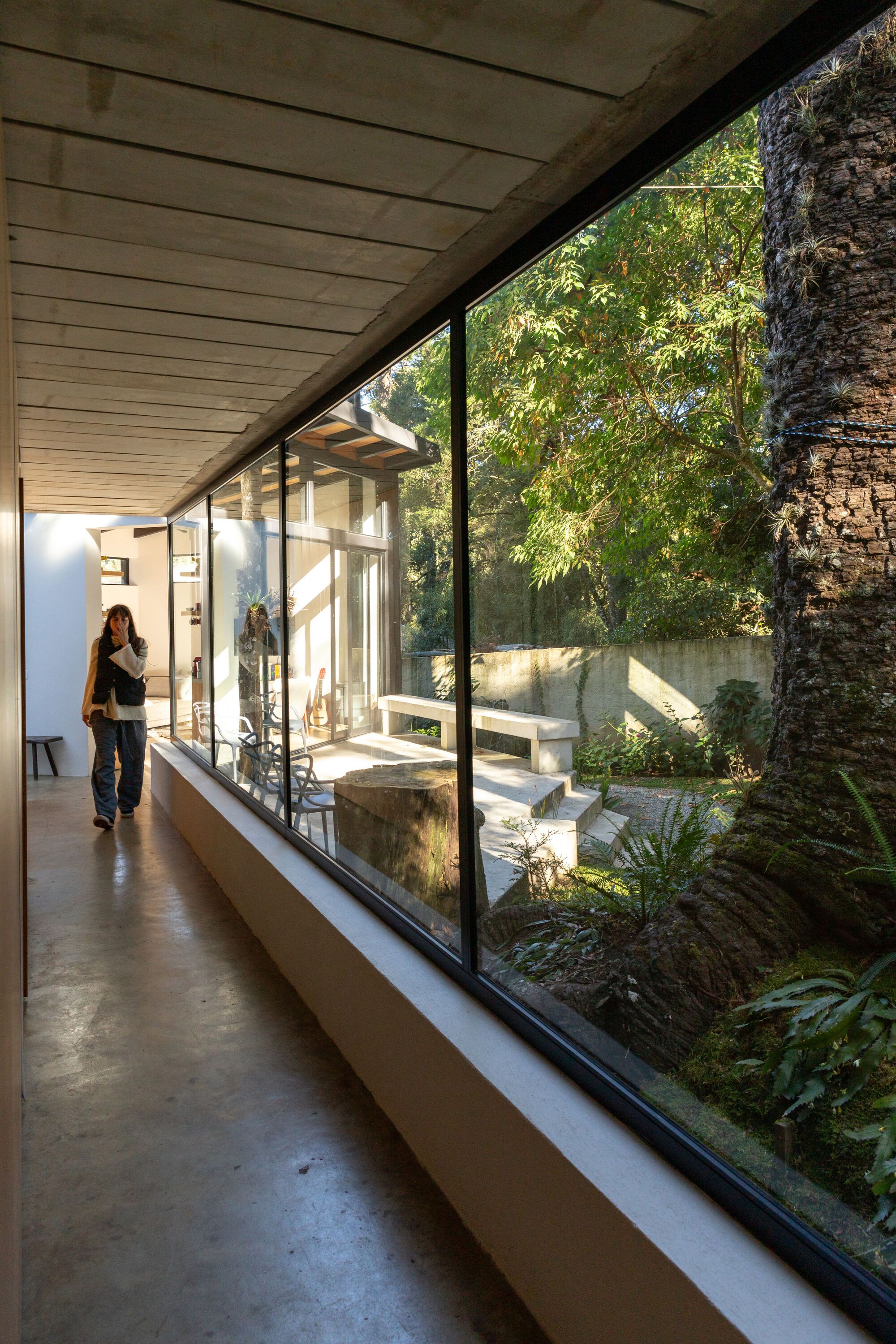
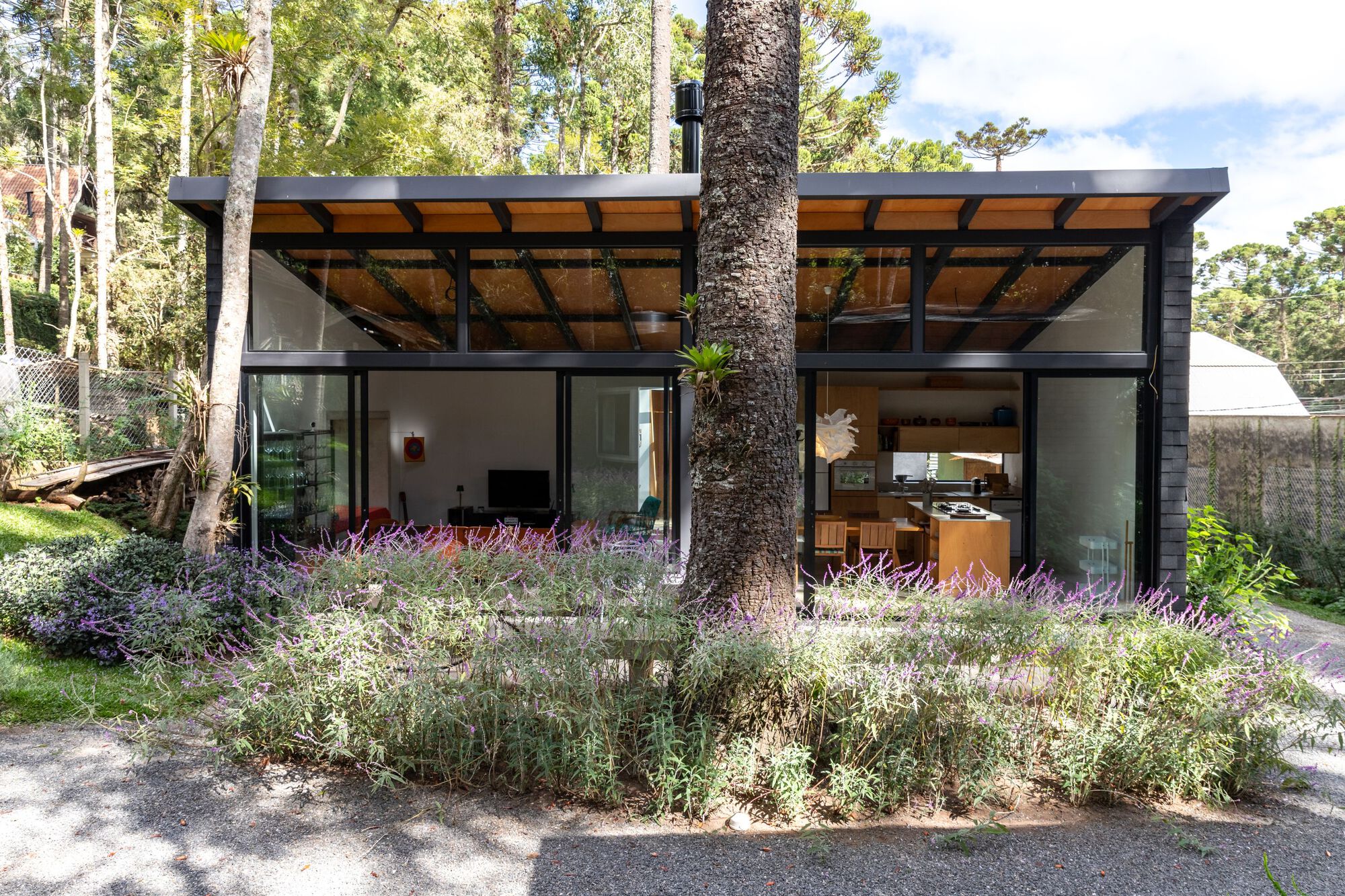
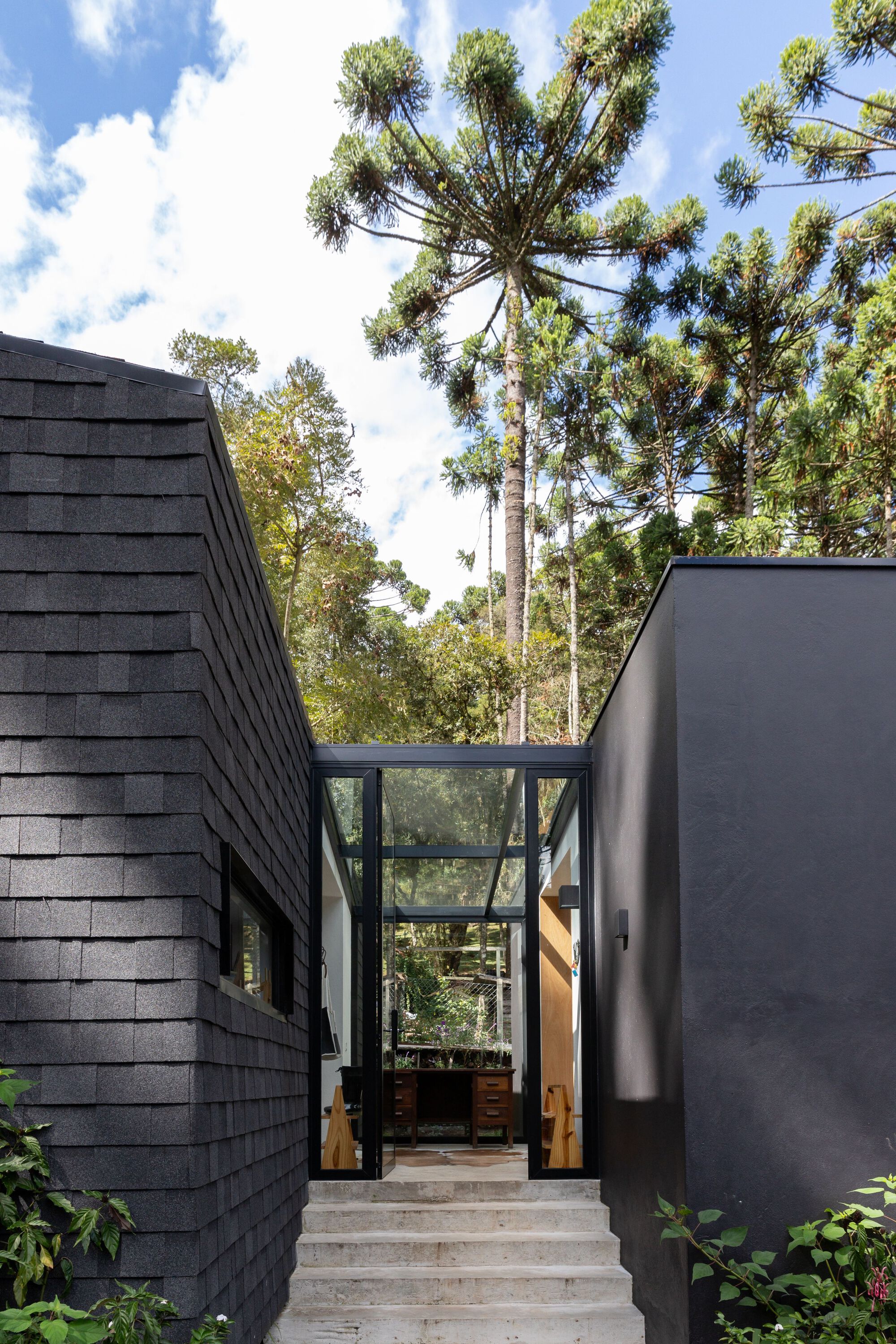
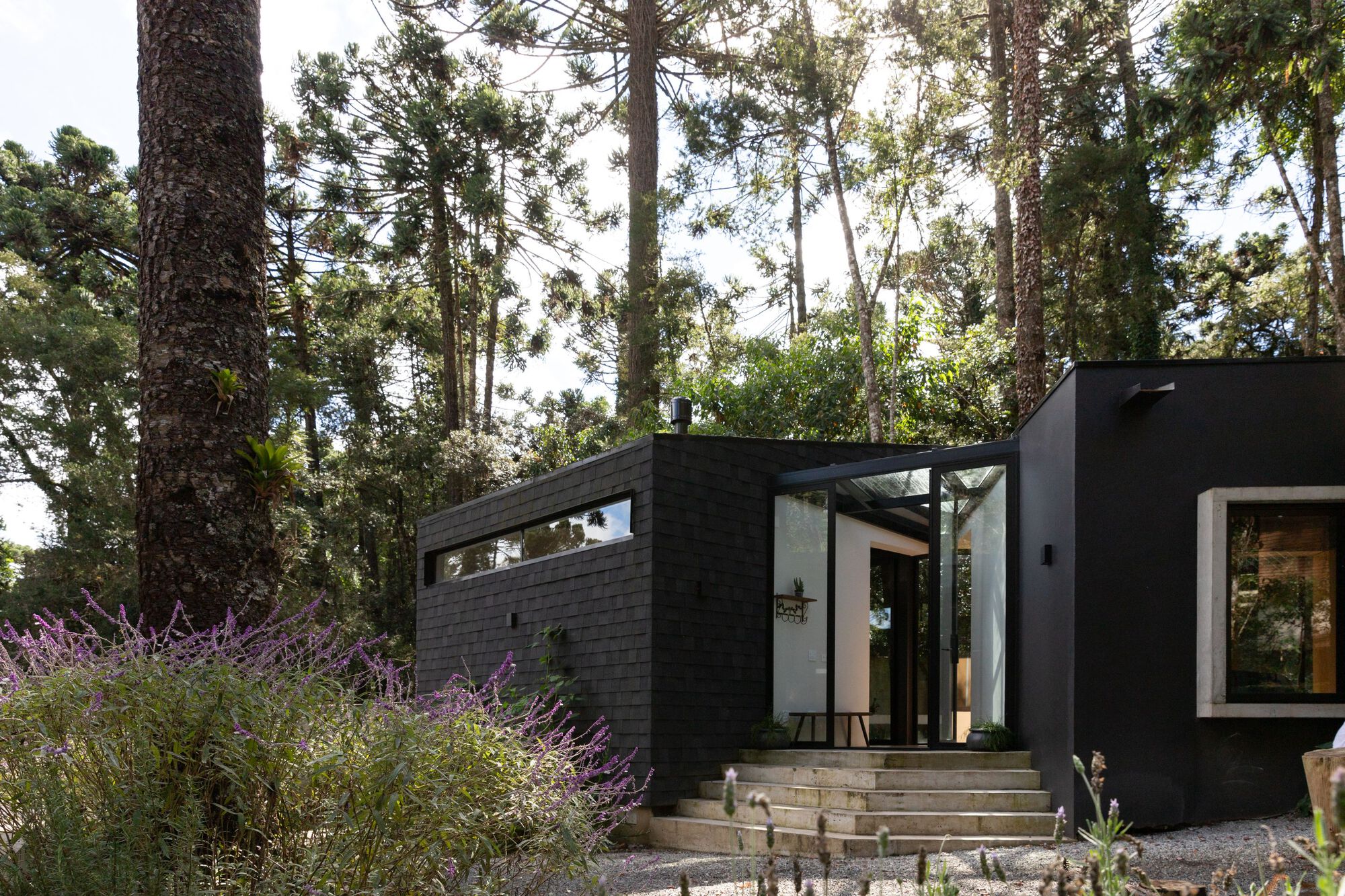
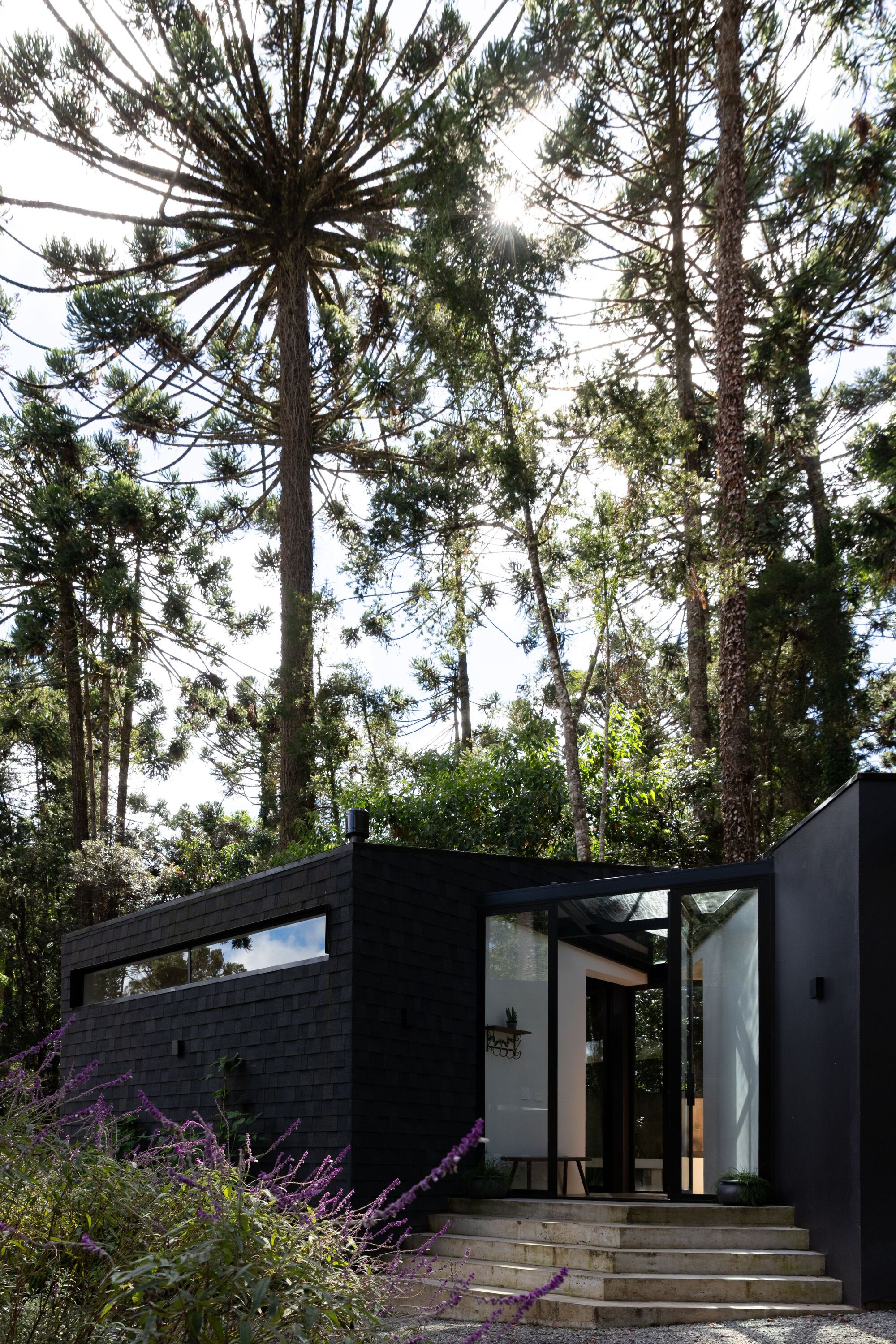
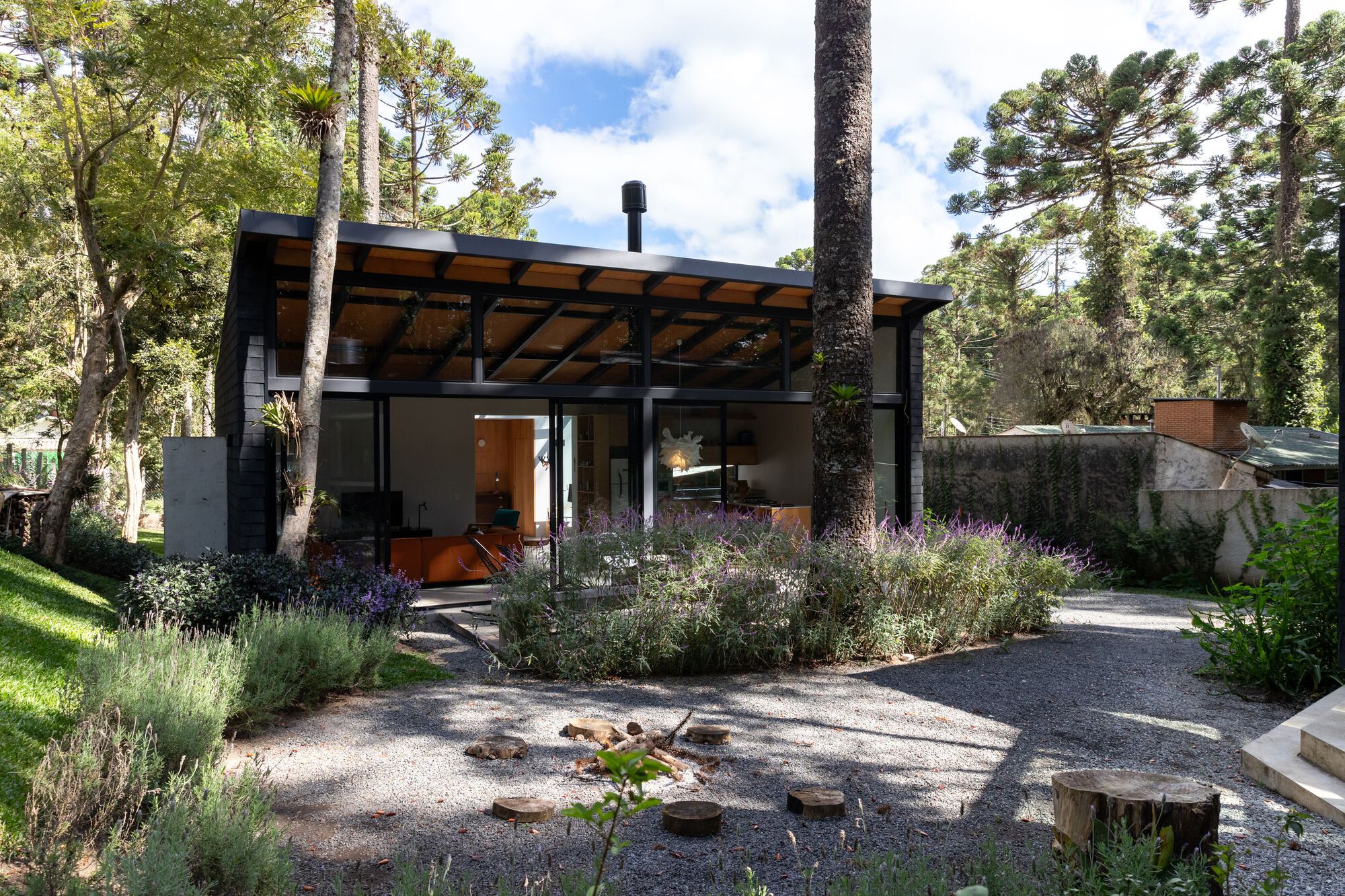
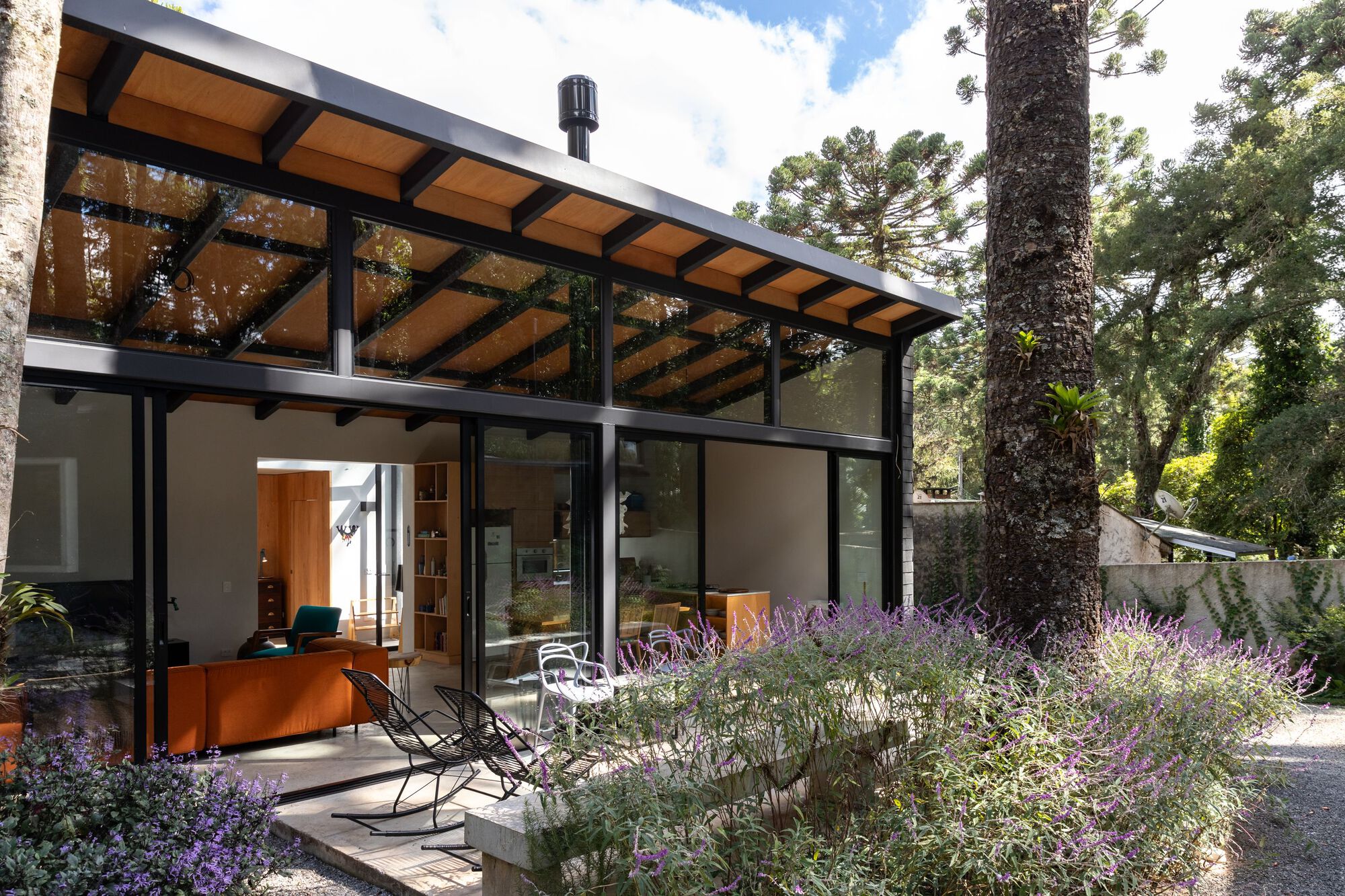
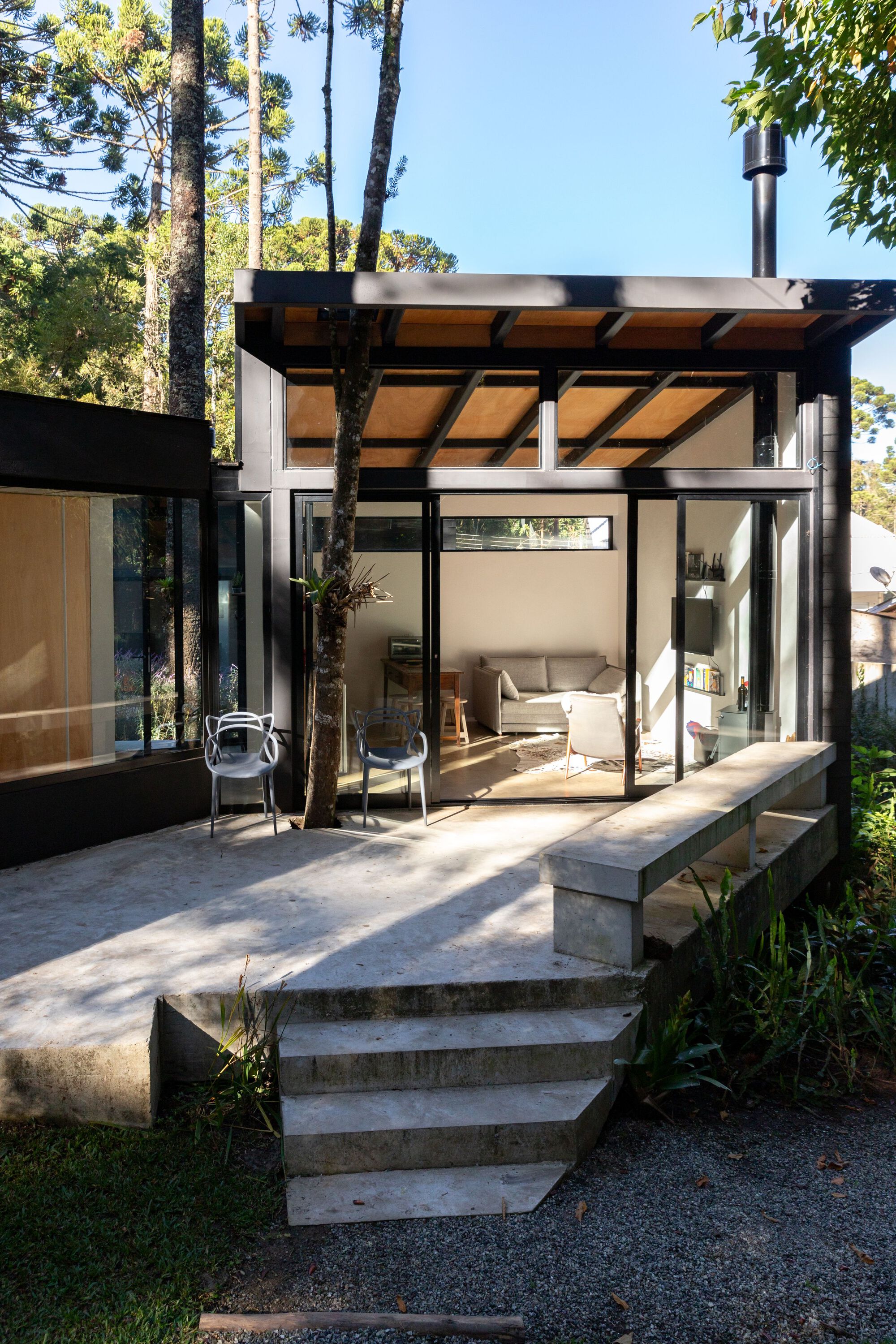
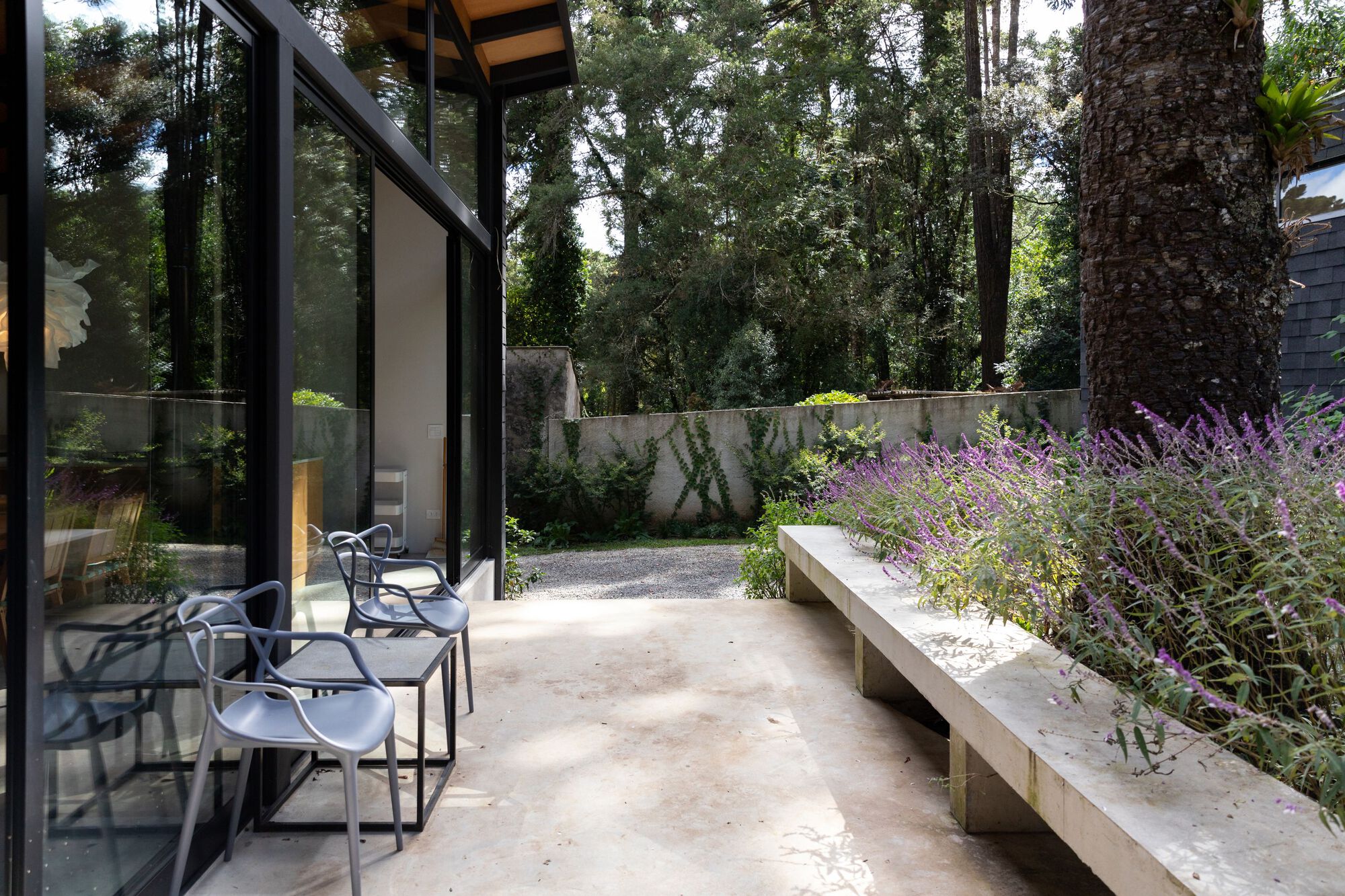
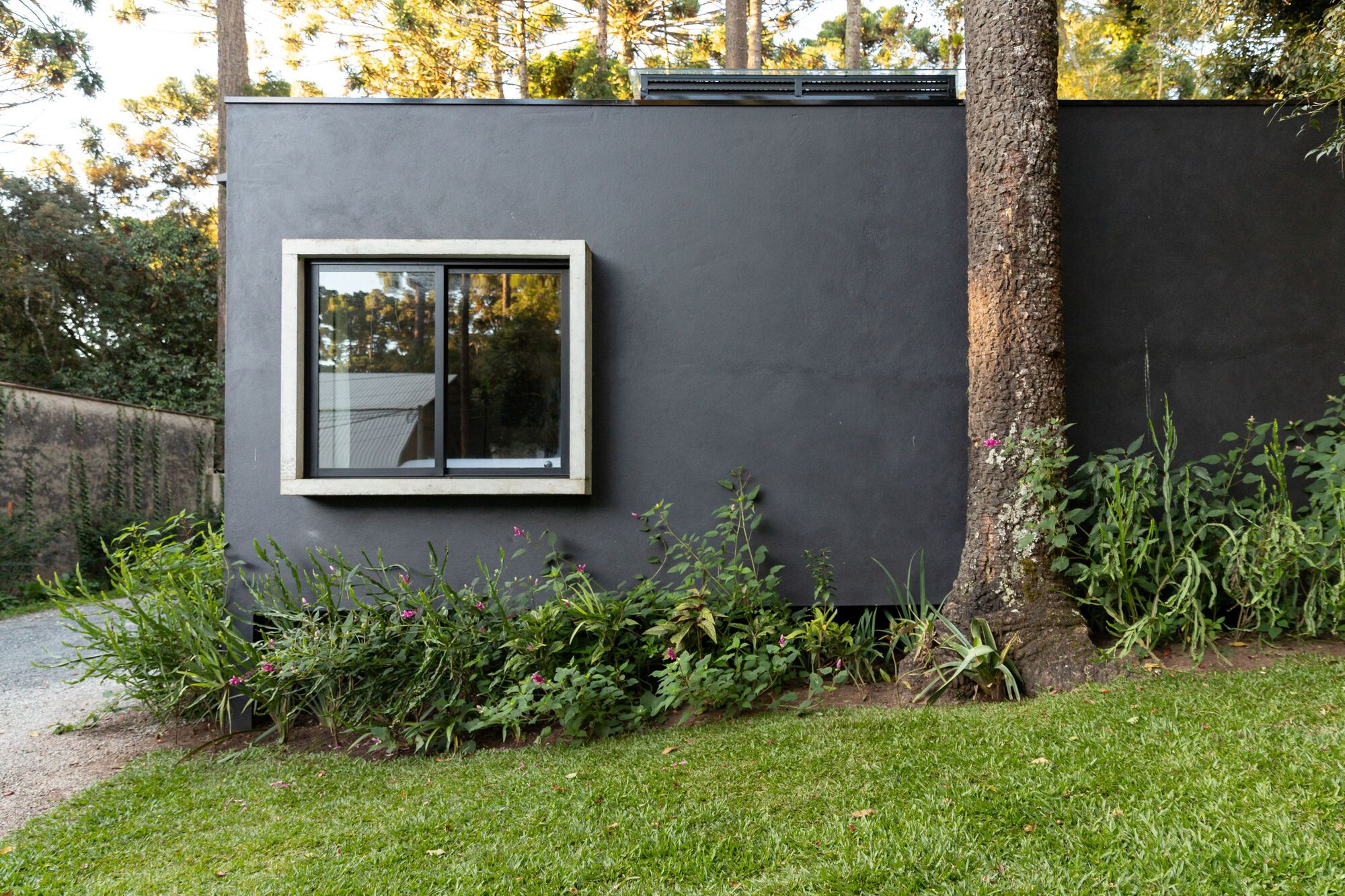
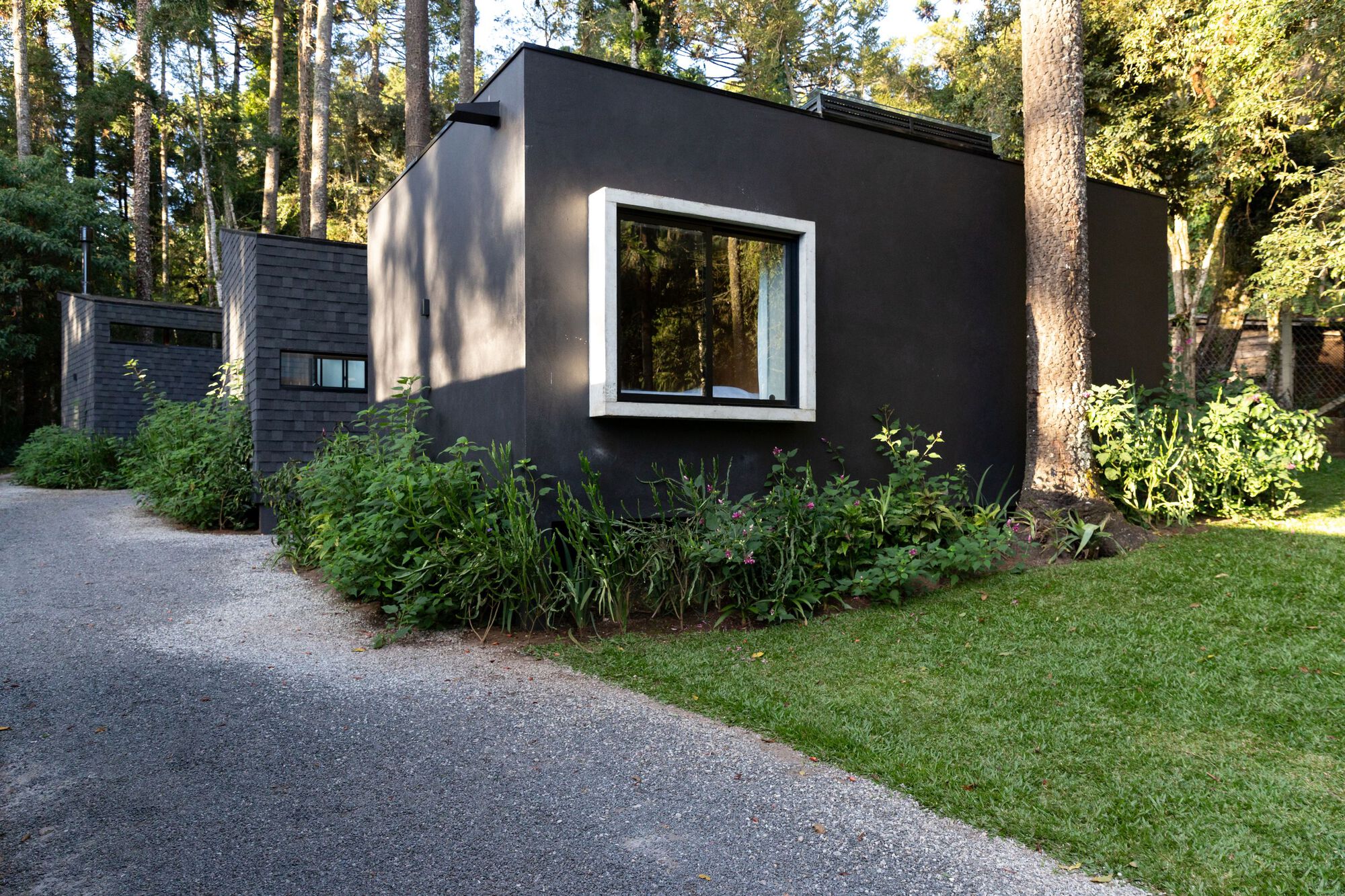
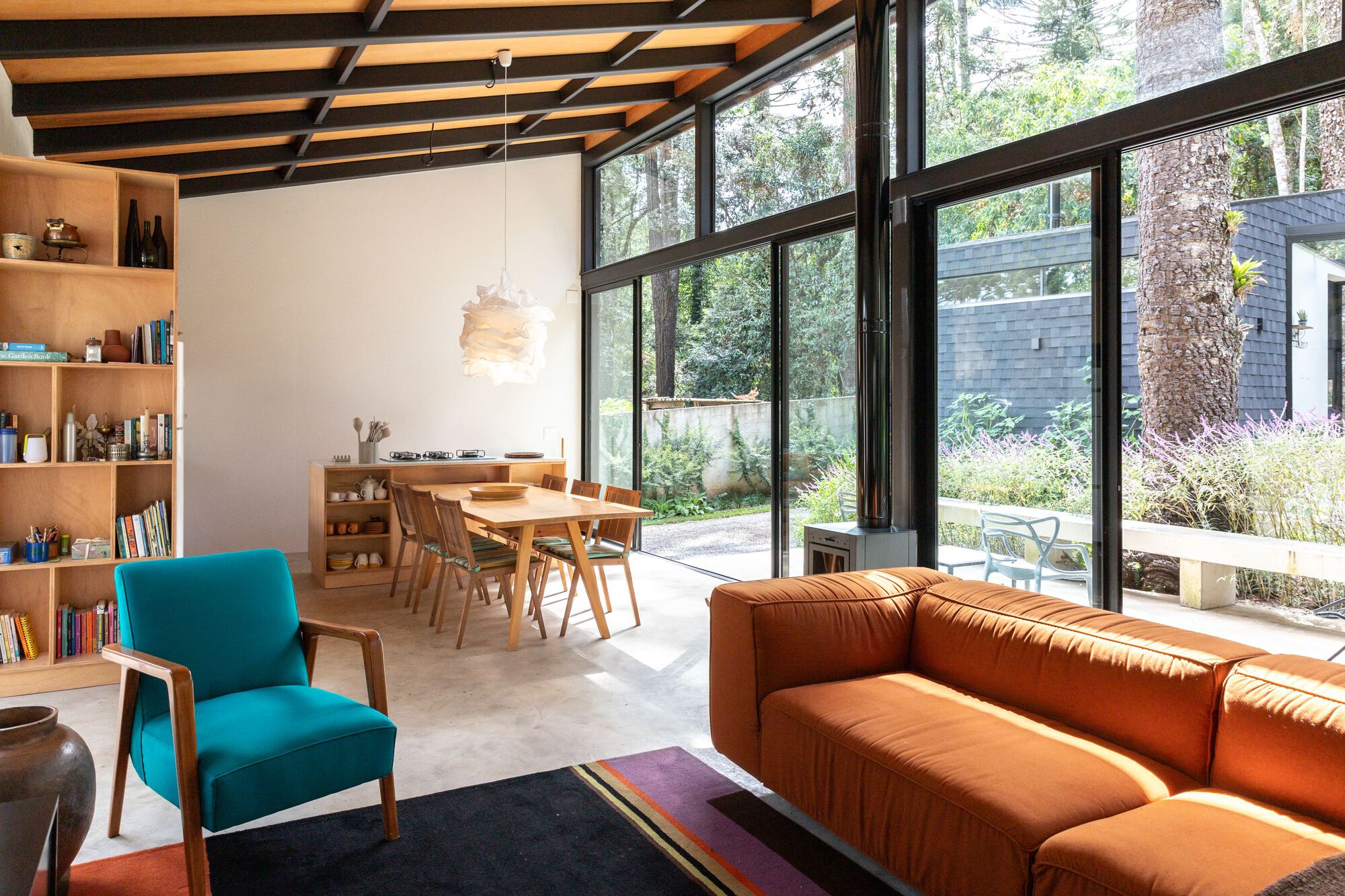
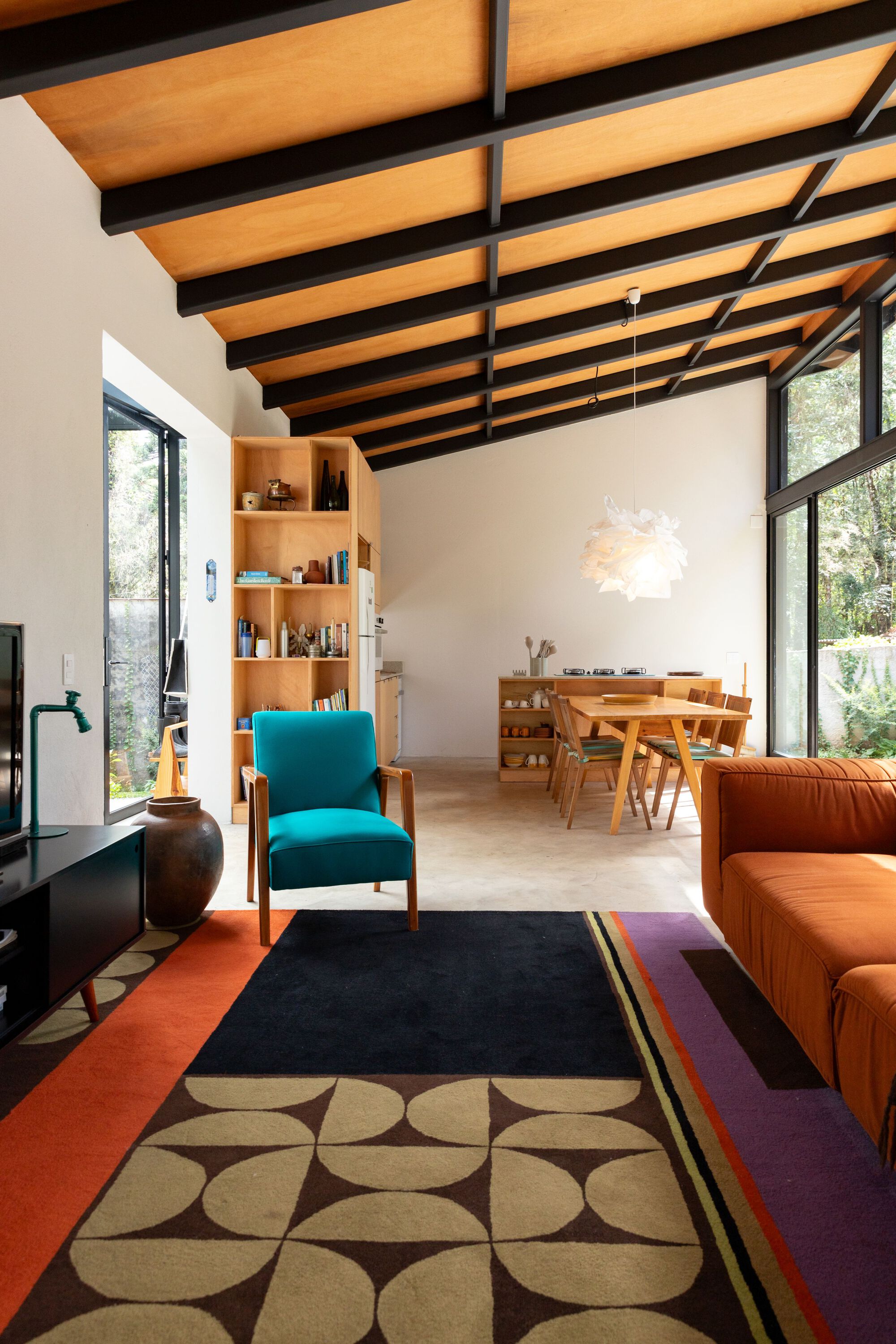
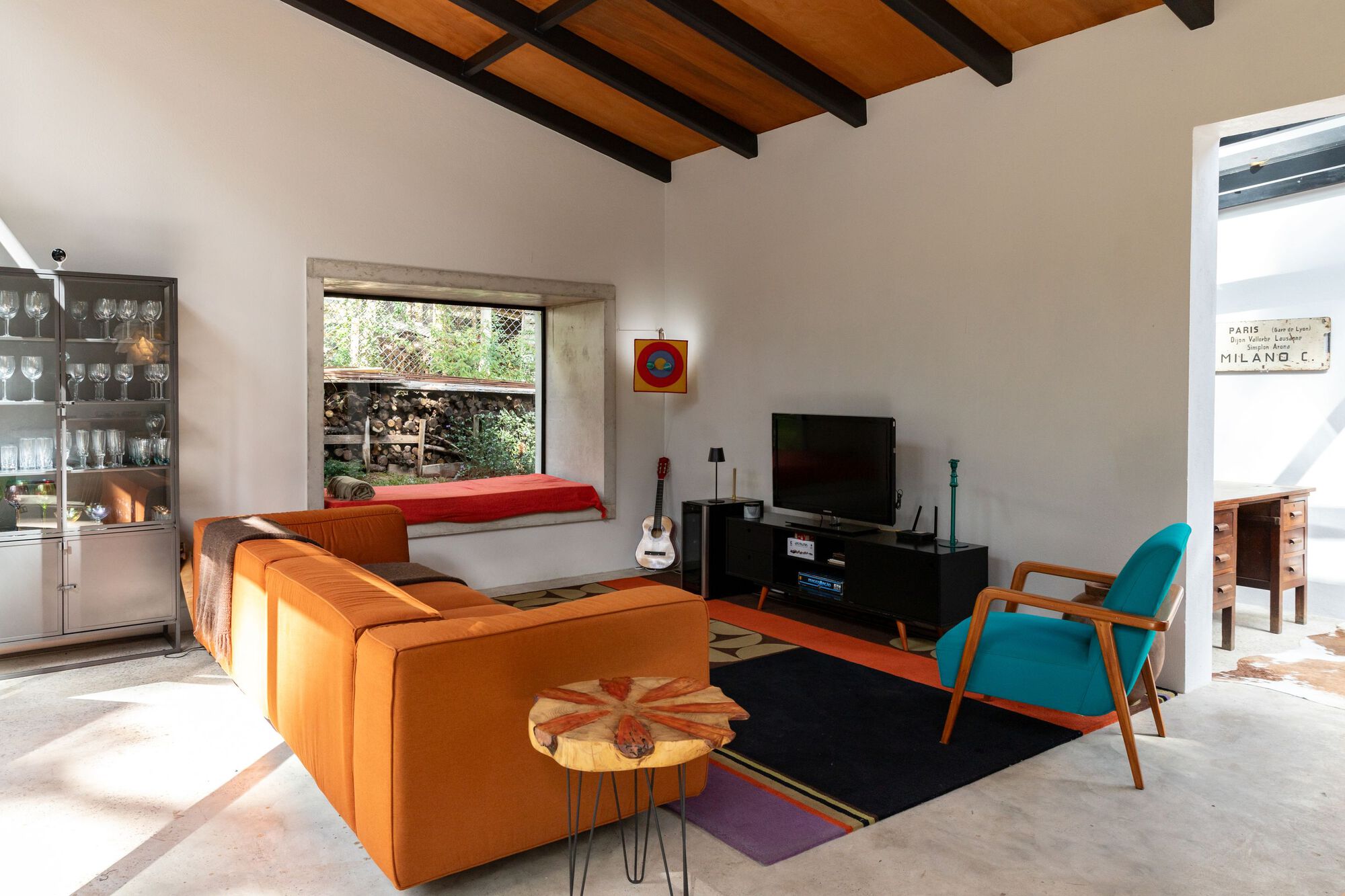
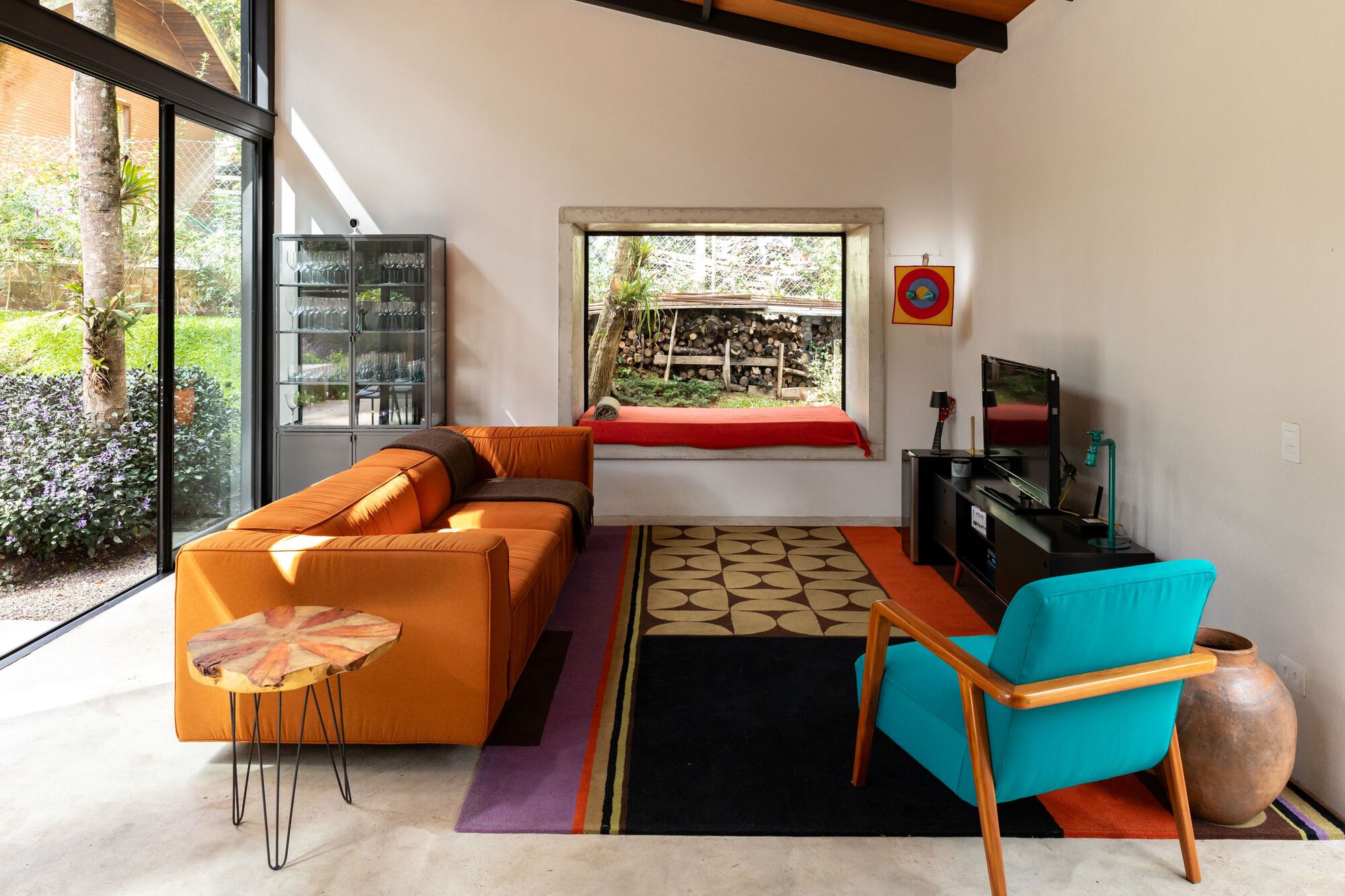
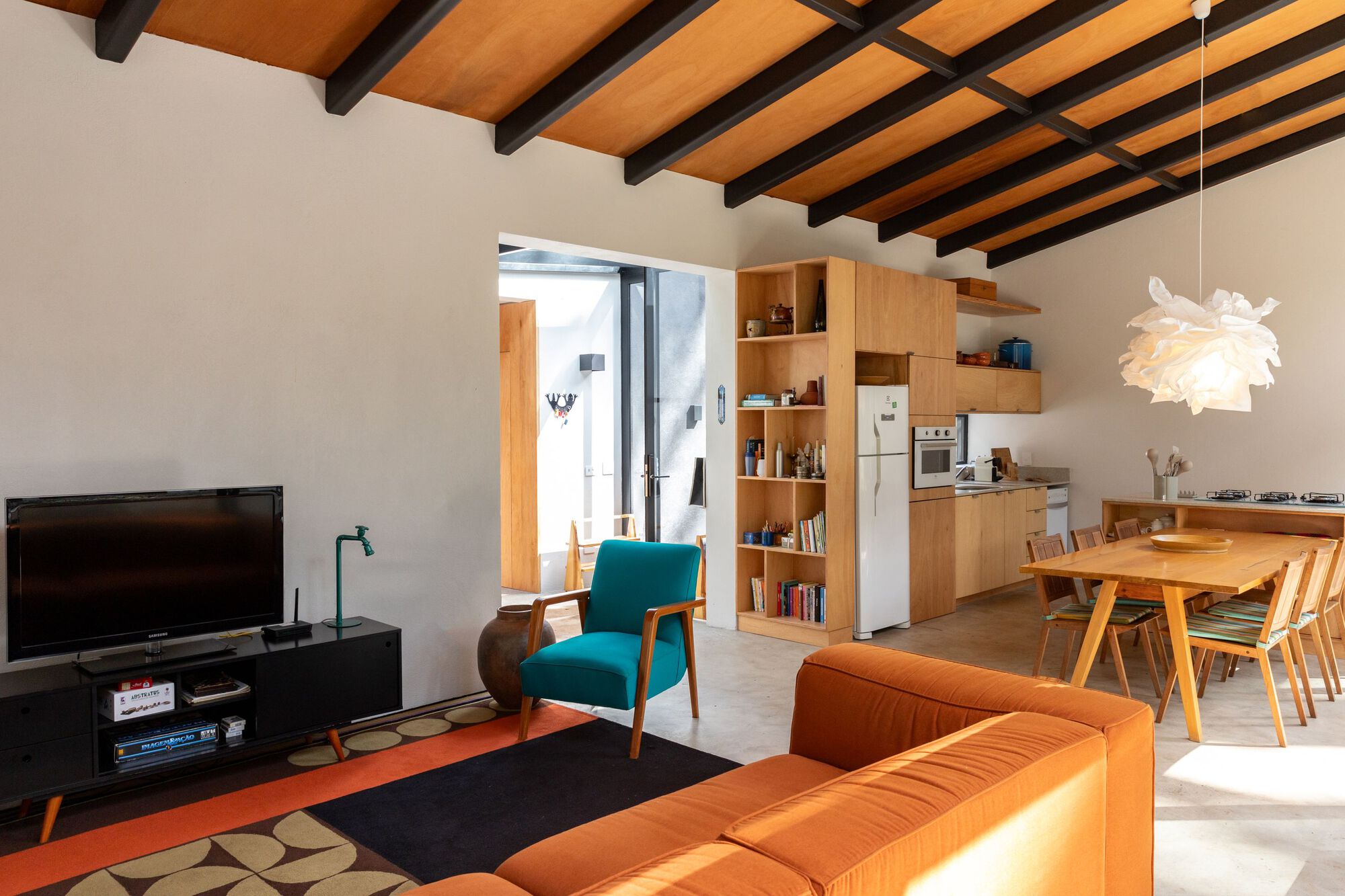
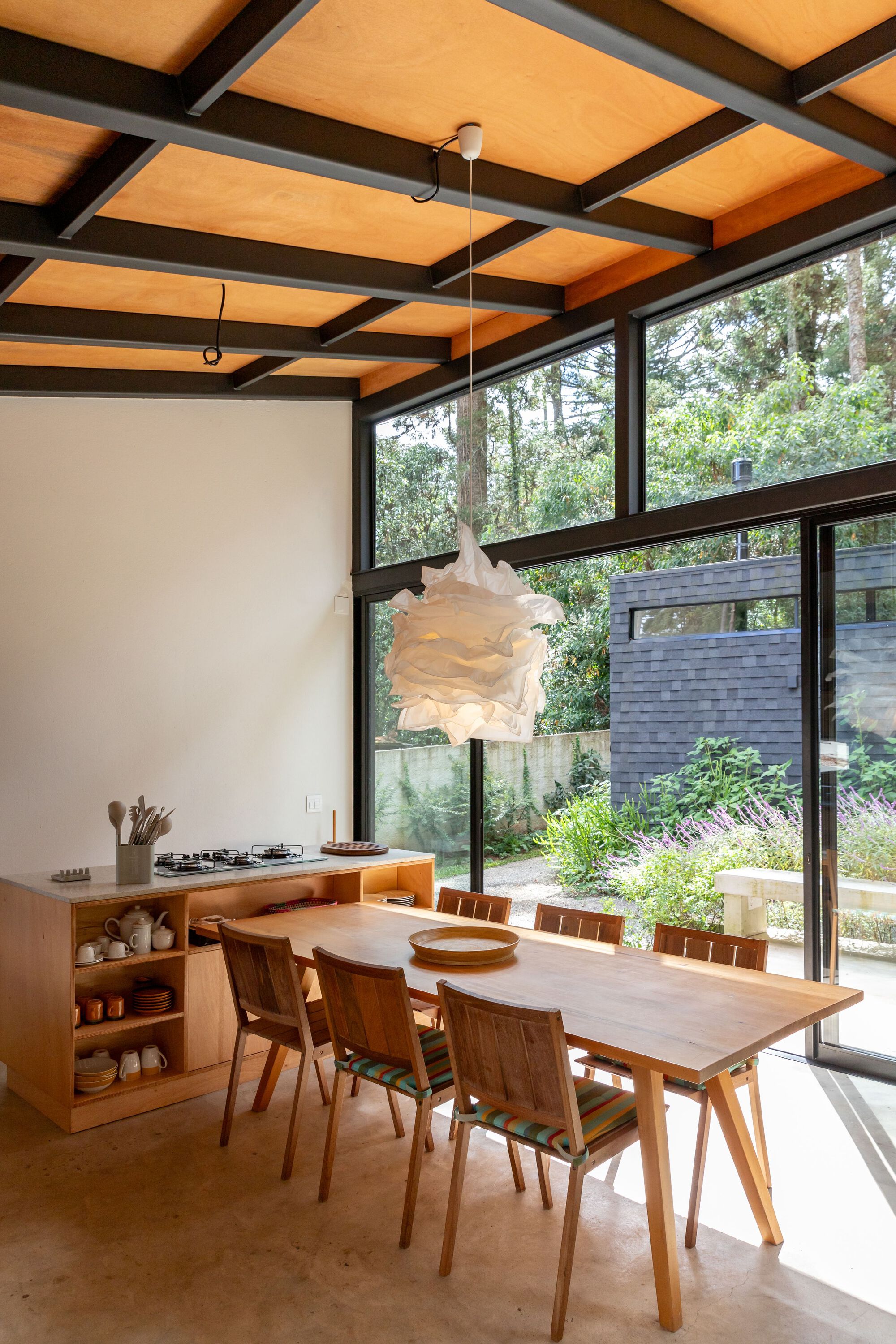
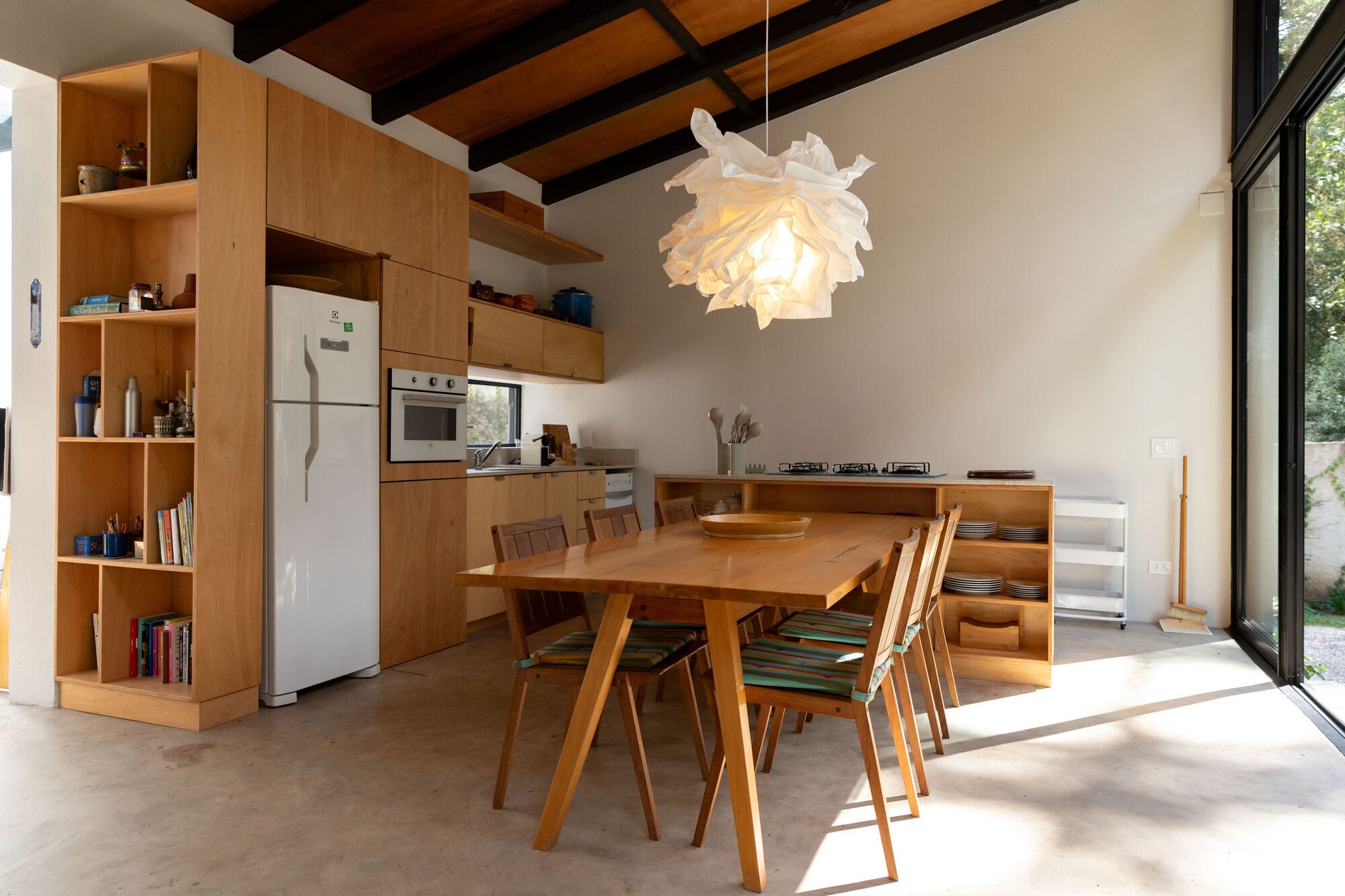
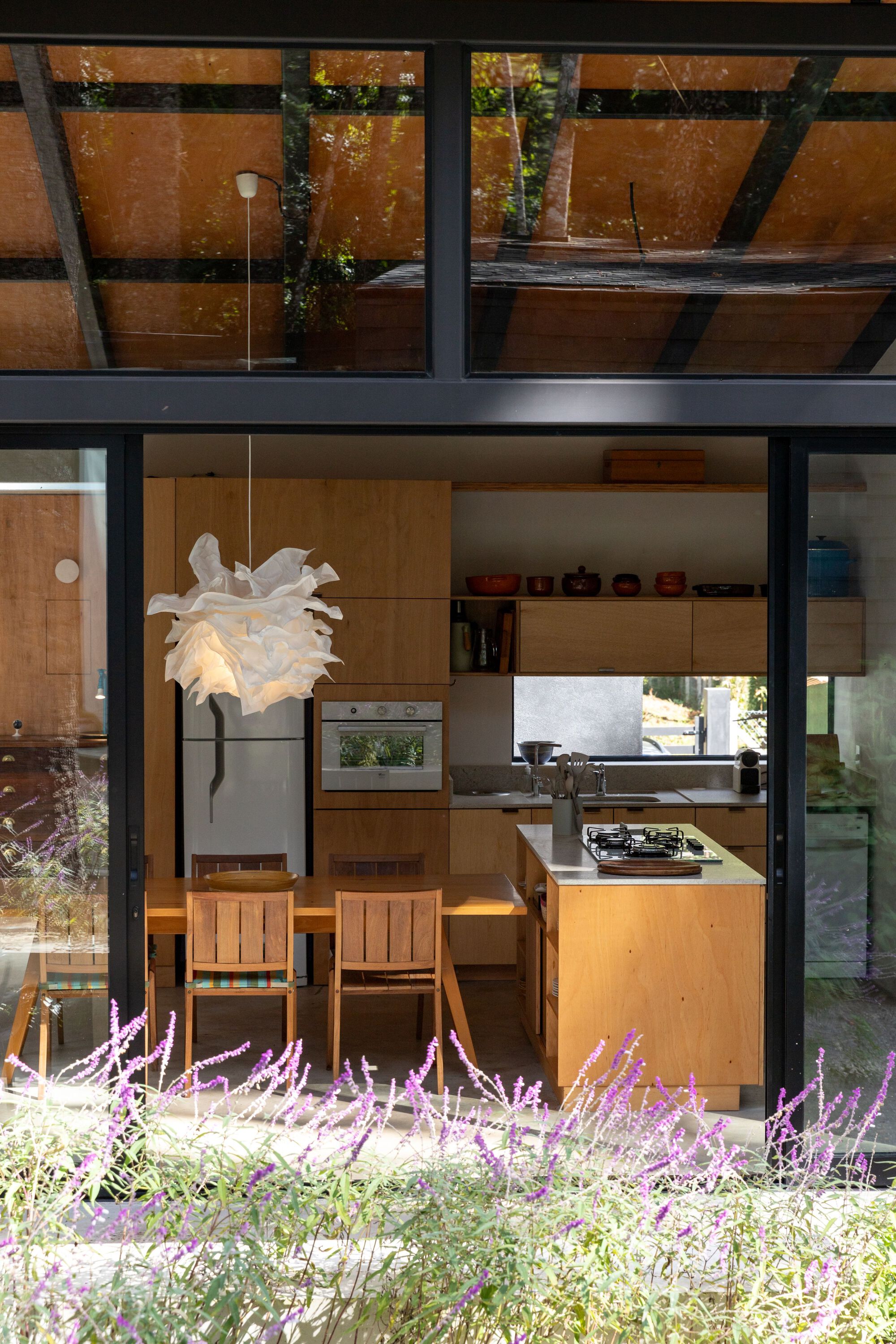
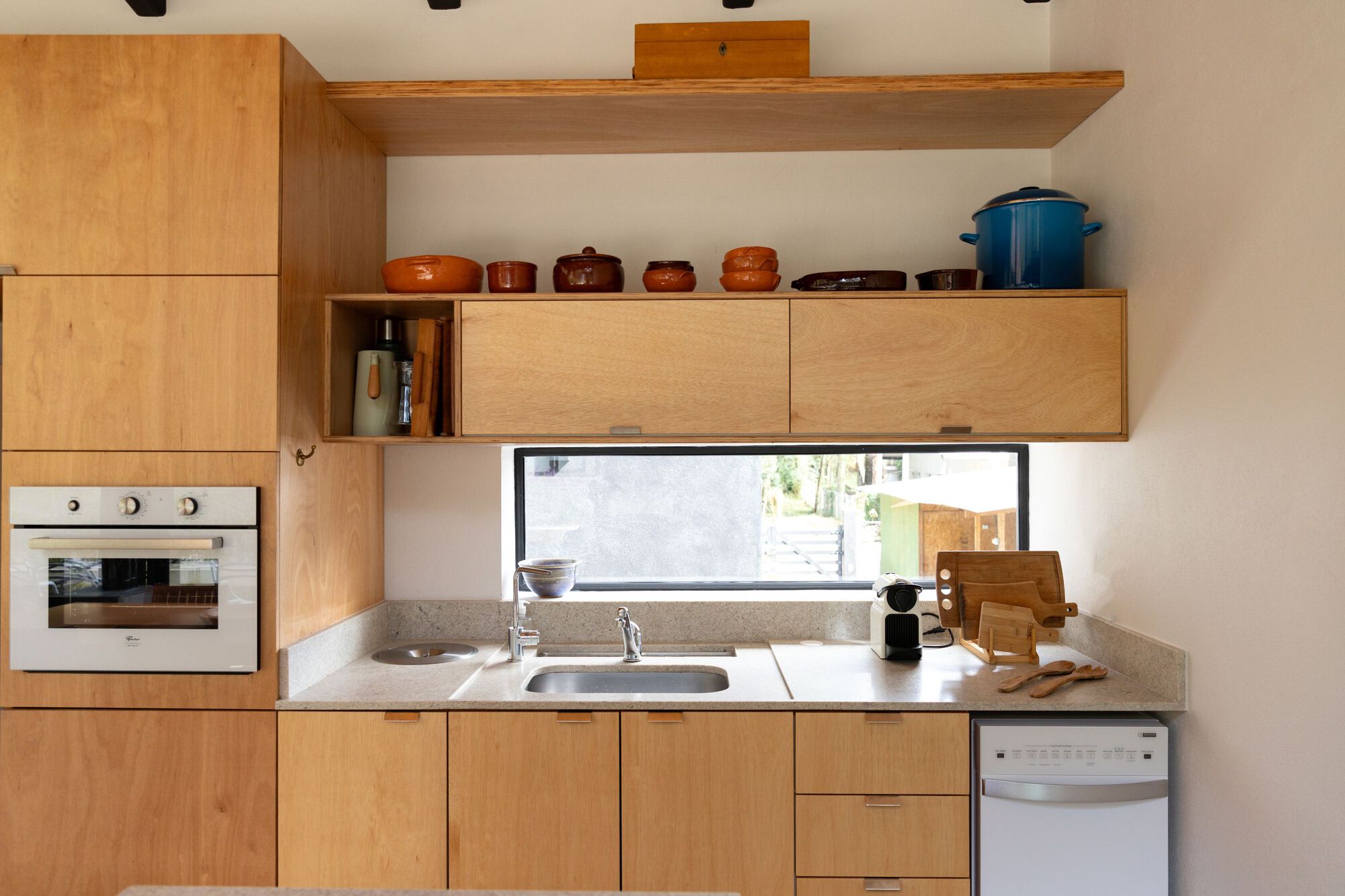
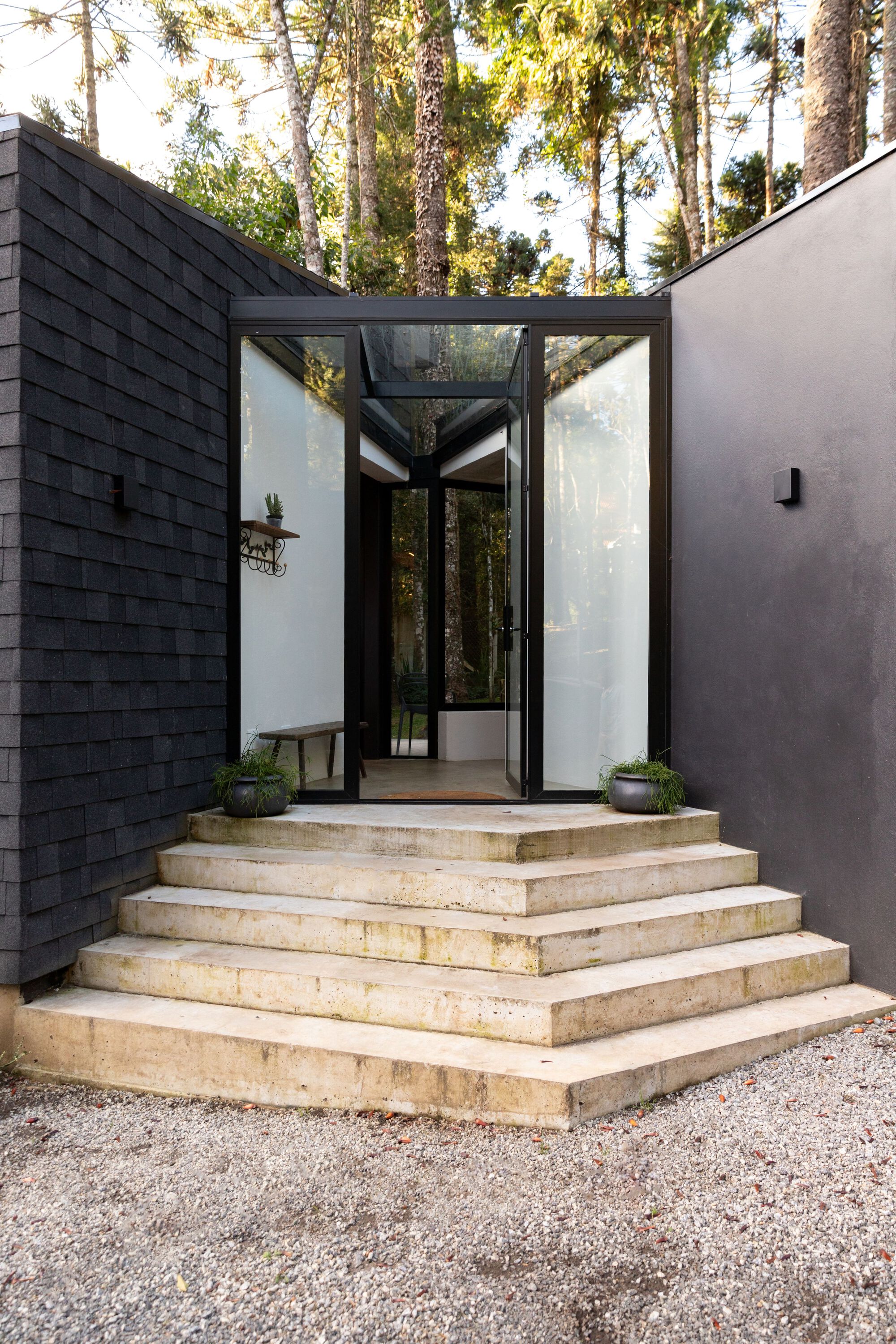
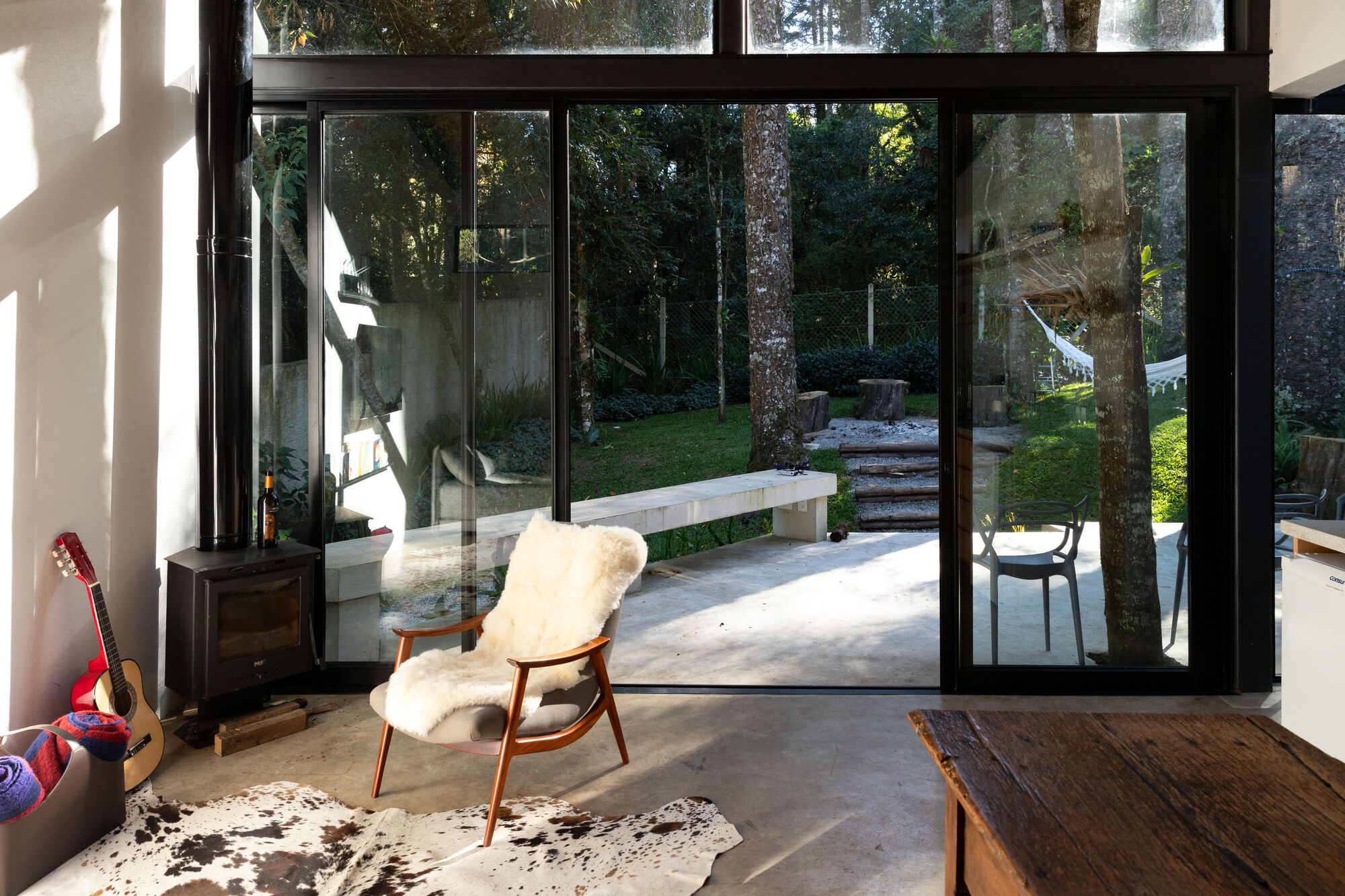
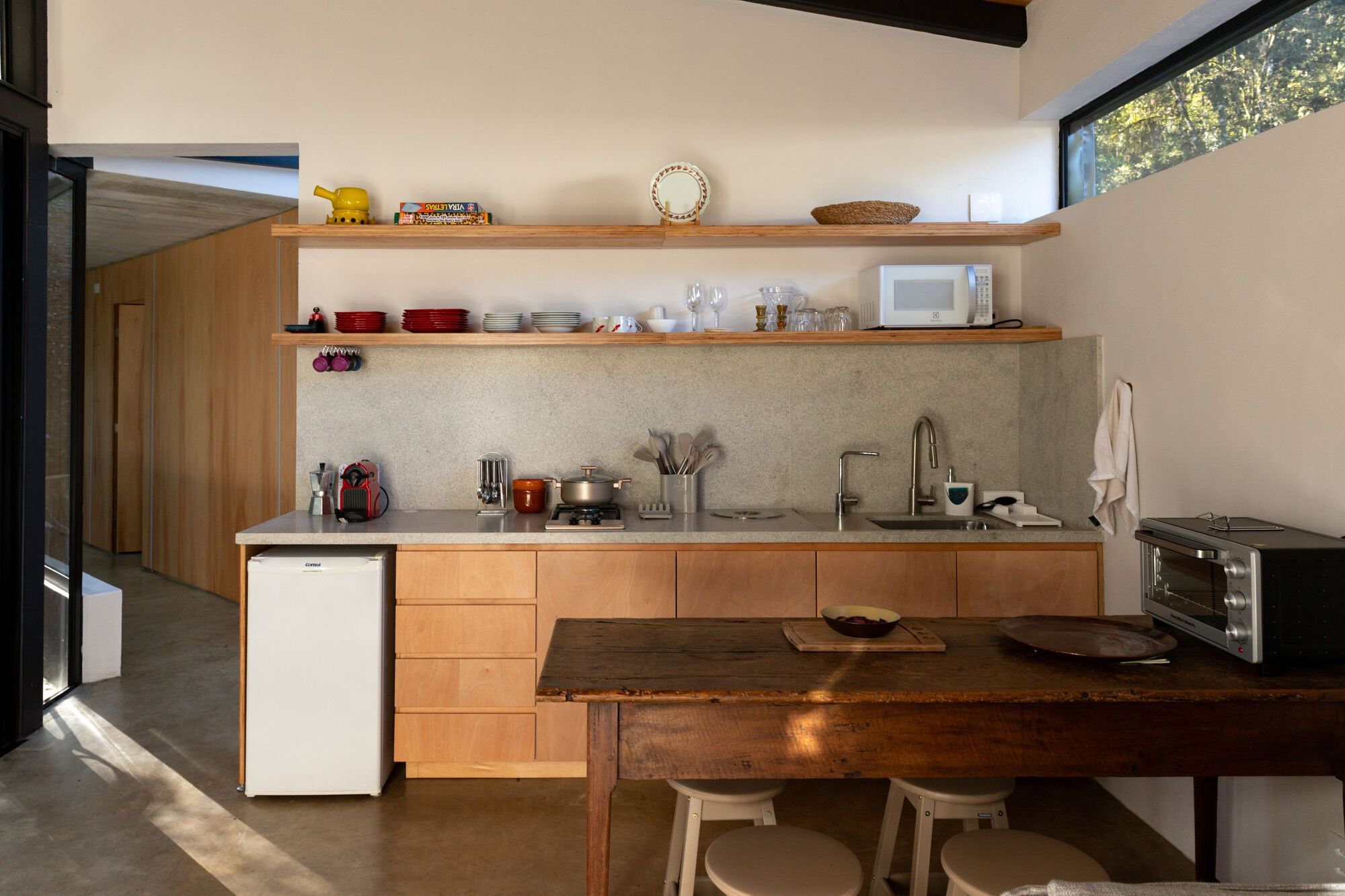
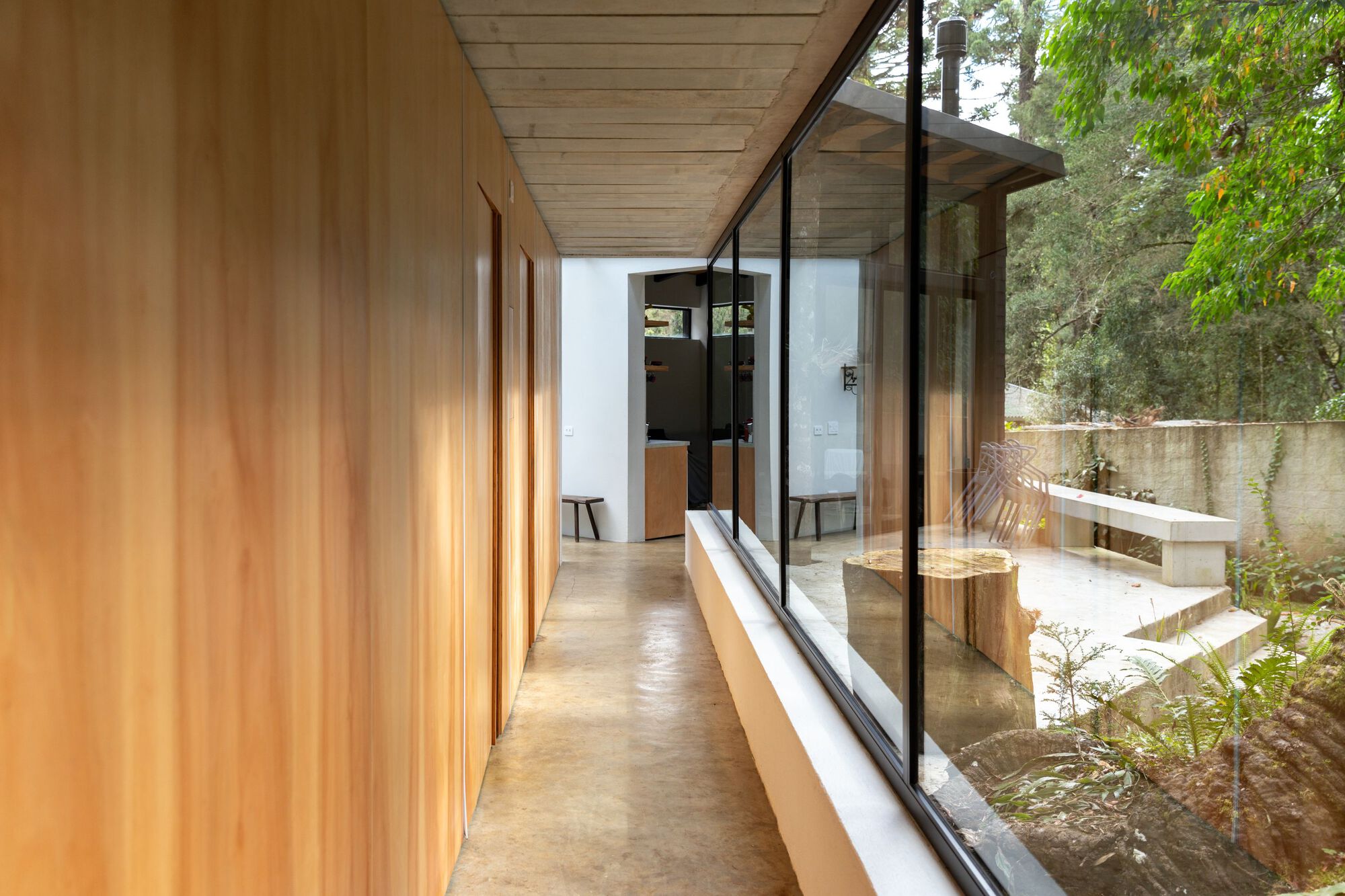
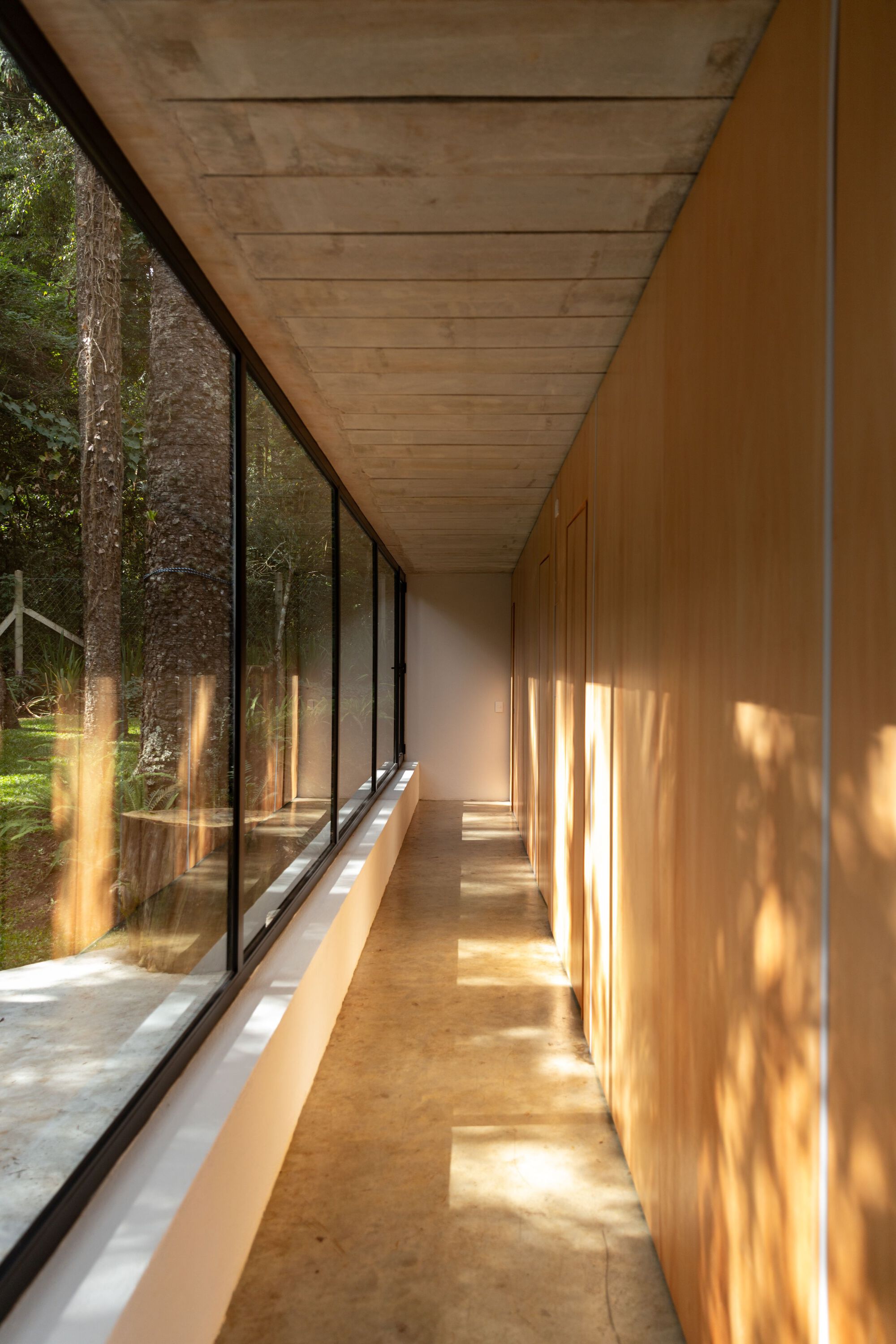
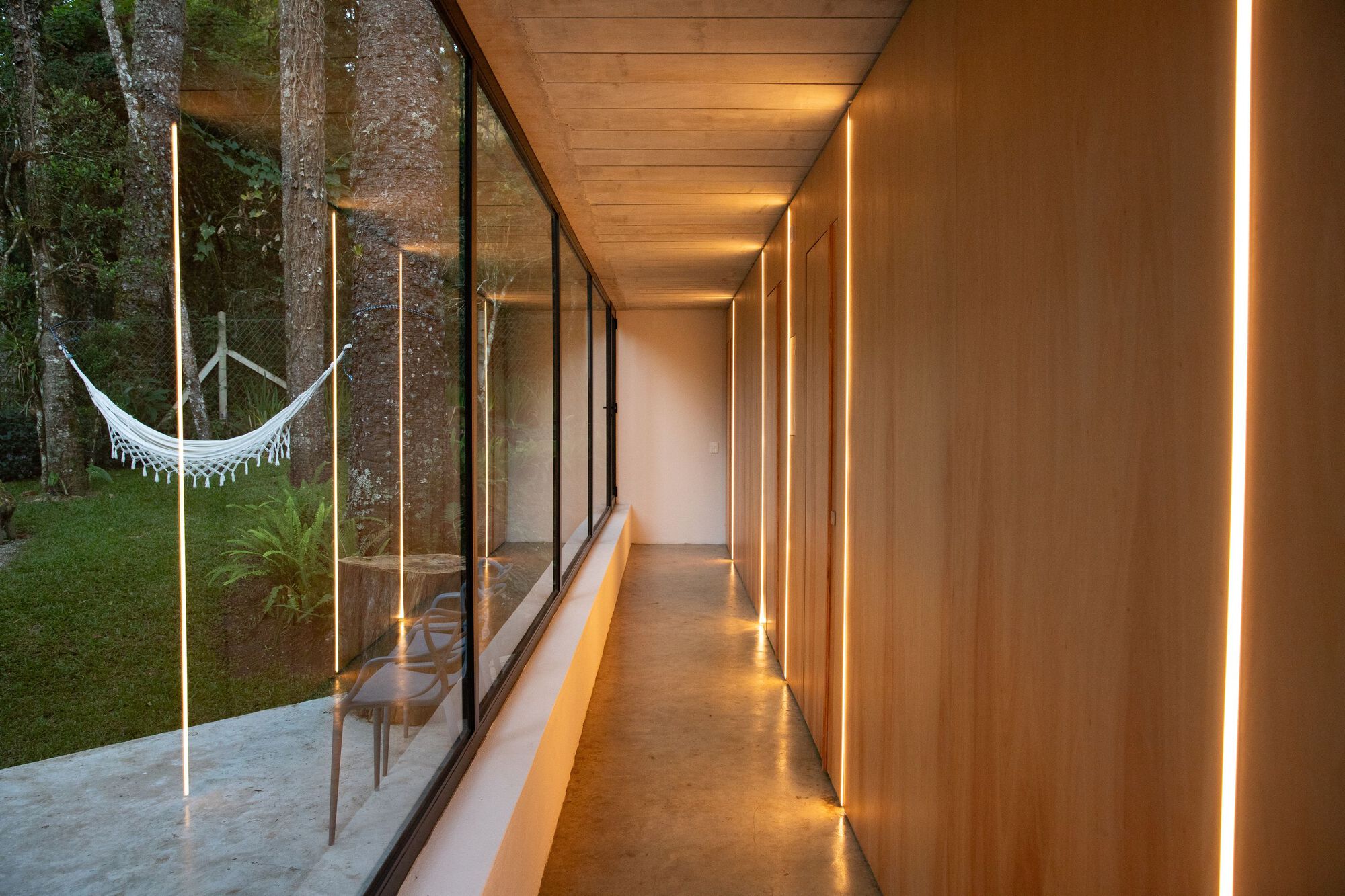
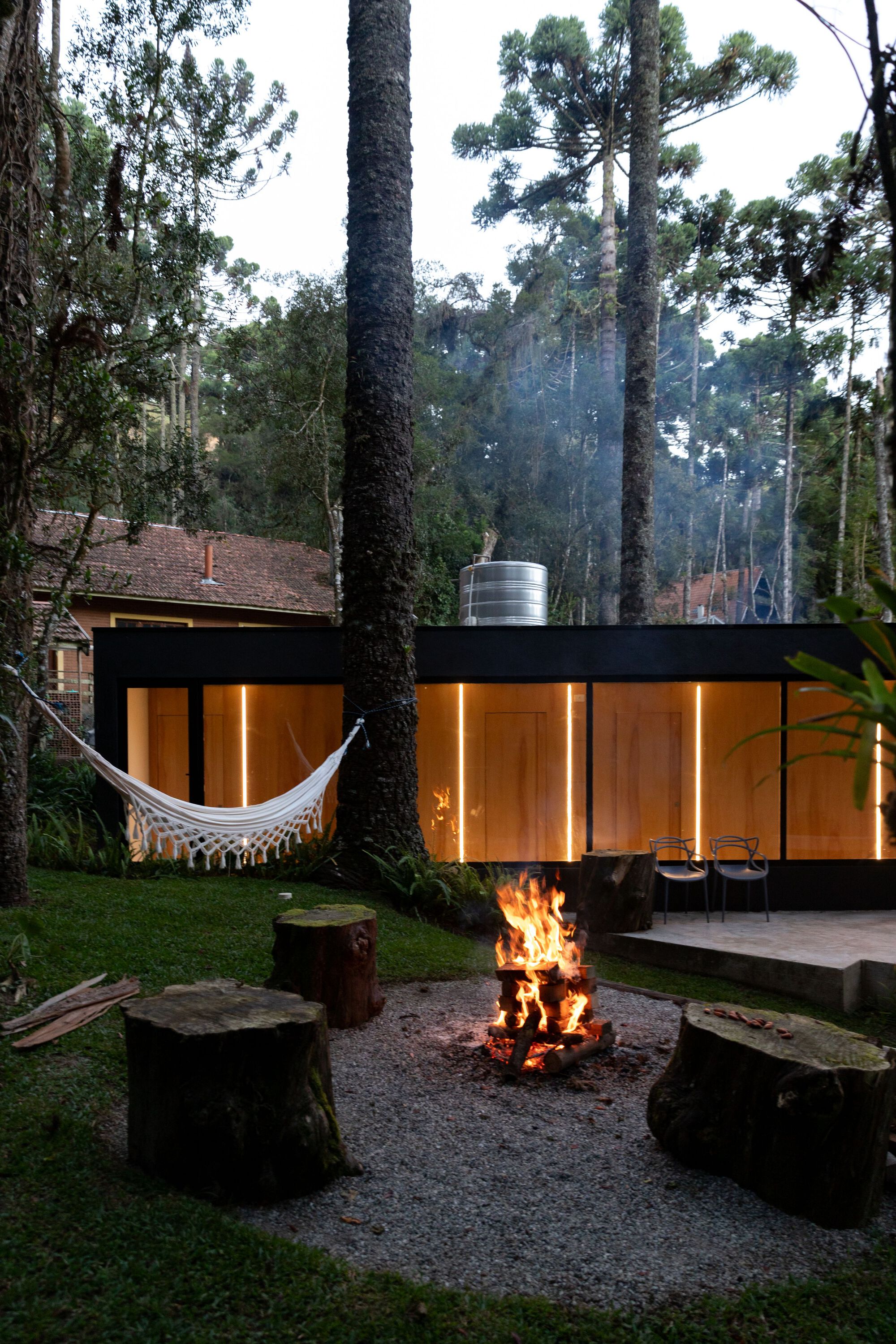
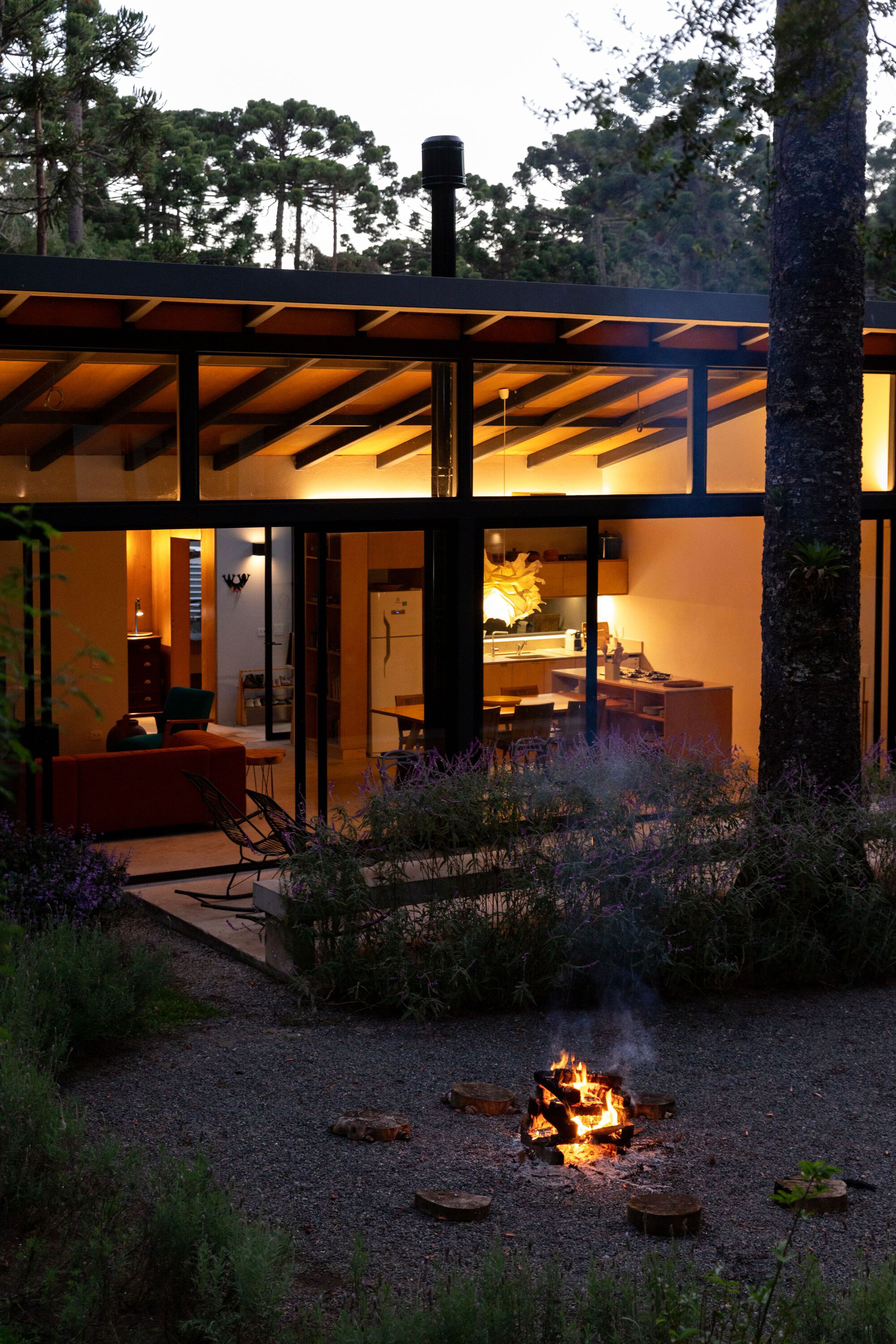
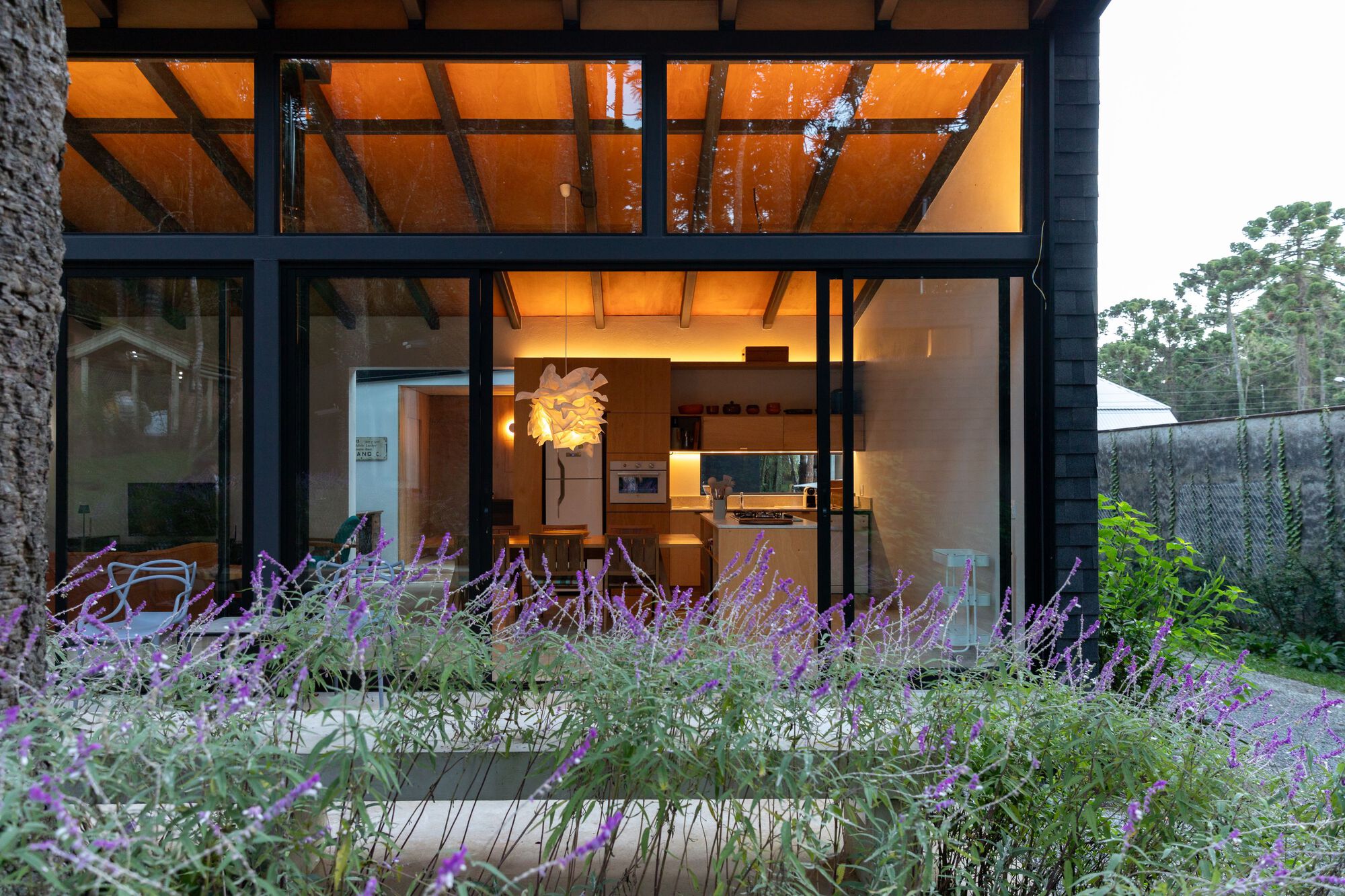
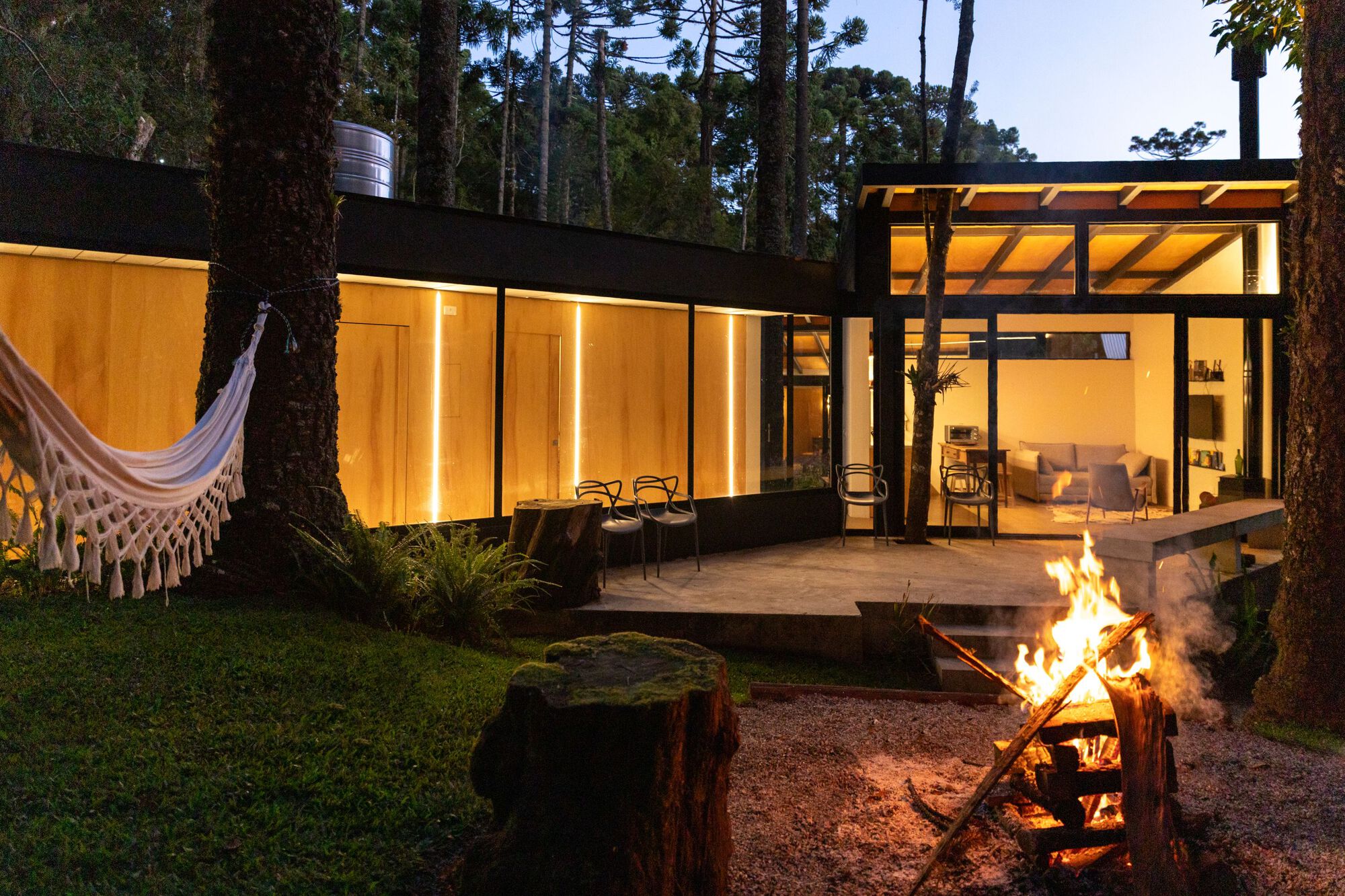
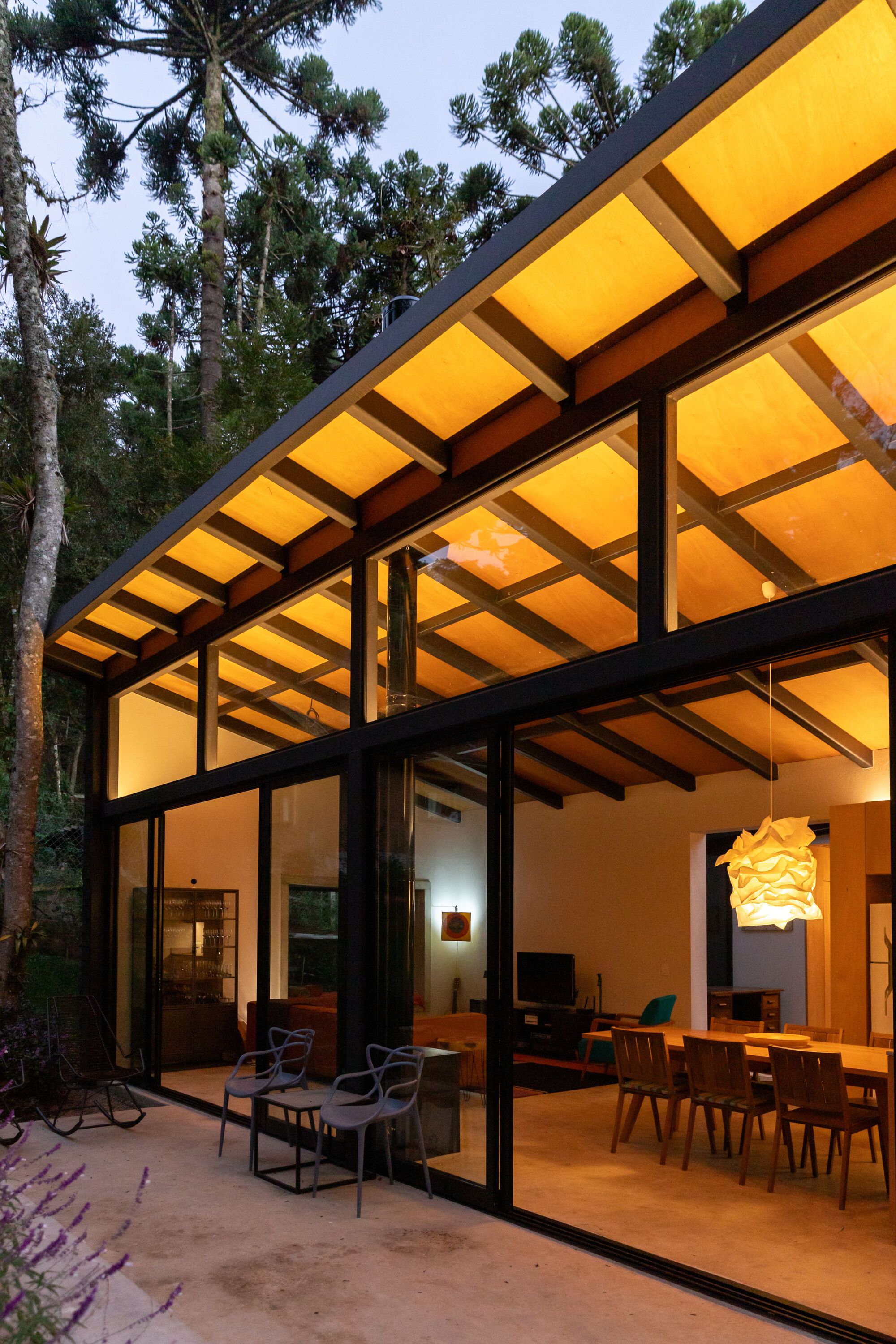
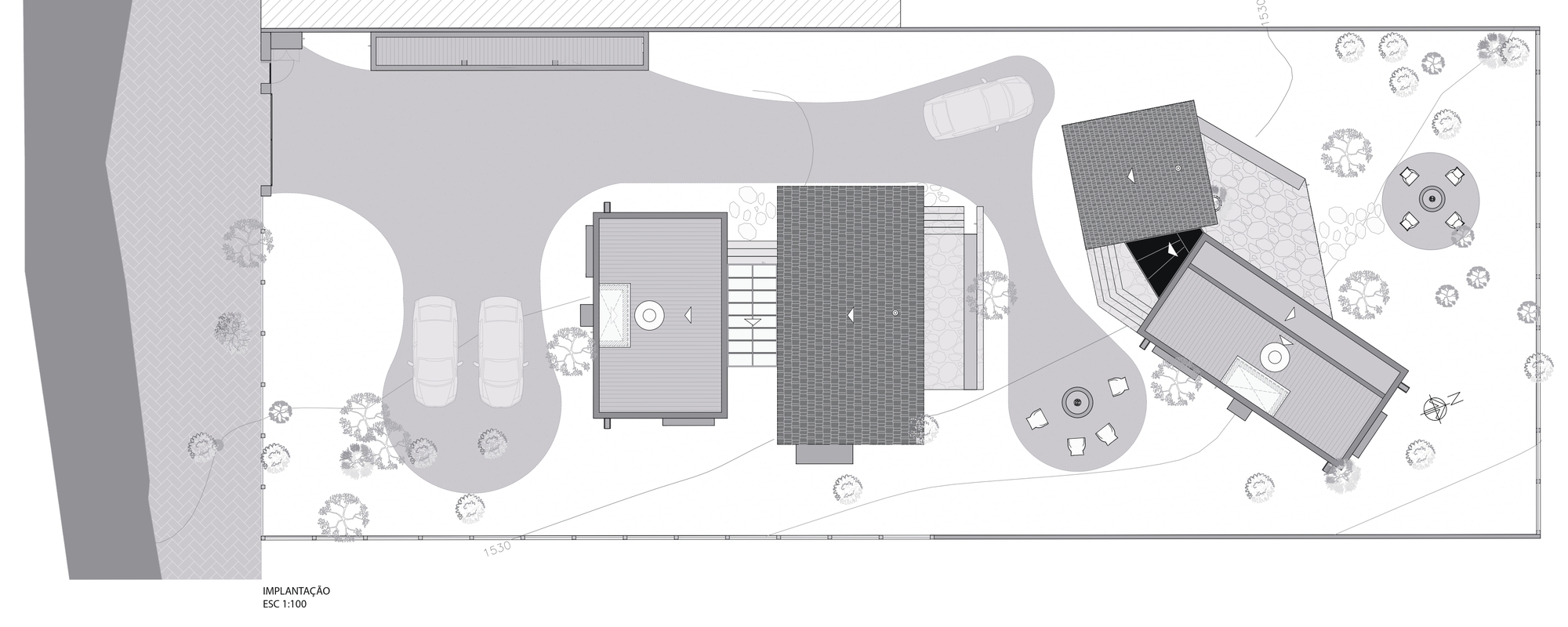
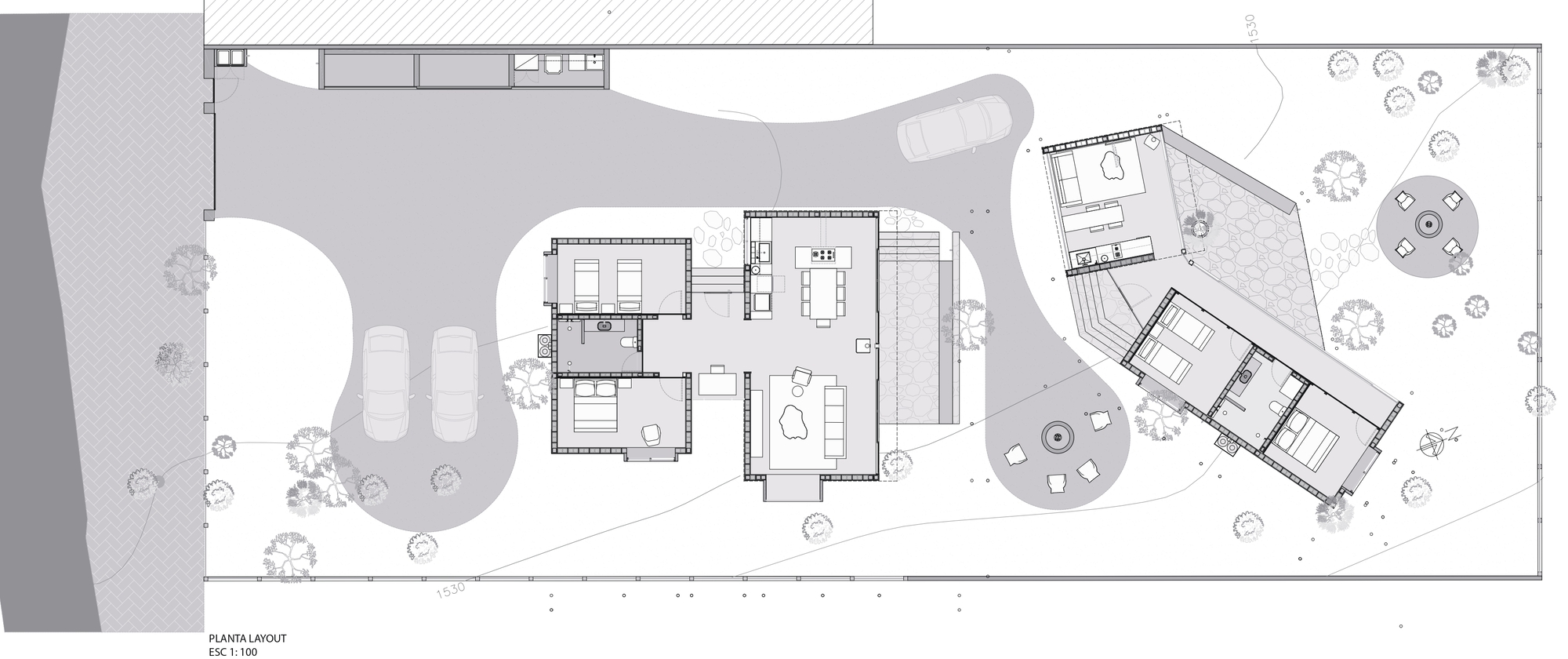
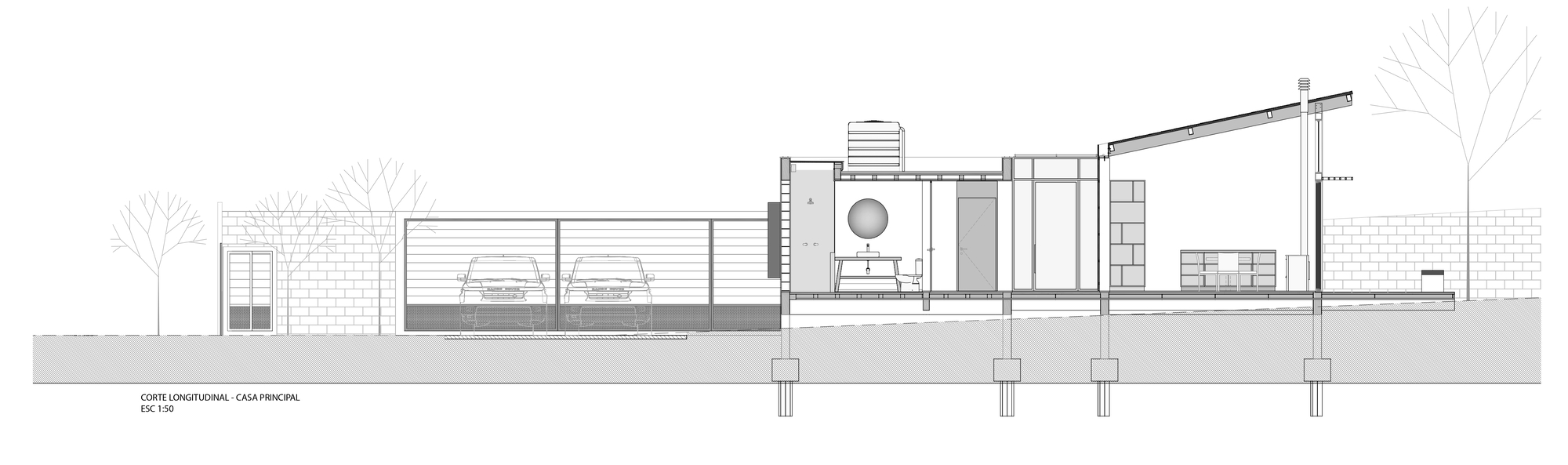
Araucarias House #architecture Architects: ARKITITO Arquitetura Area: 1895 ft² Year: 2024 Photographs: Andrea Soares Lead Architects: Chantal Ficarelli, Tito Ficarelli, Claudia Piaia Landscape Desgin: Olivia Uliano (liv the nature) Site Area: 10764 ft City: Campos do Jordão Country: Brazil
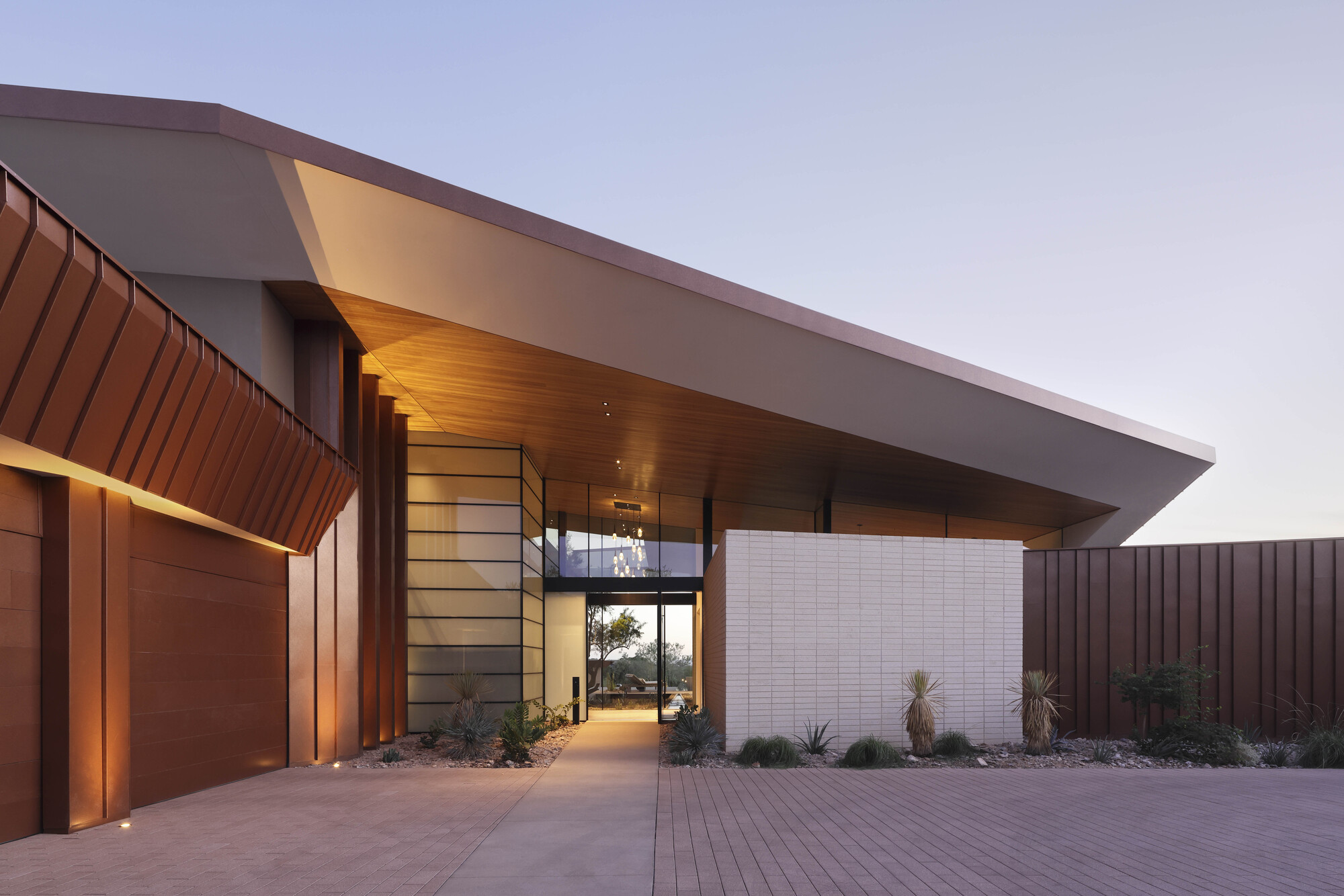
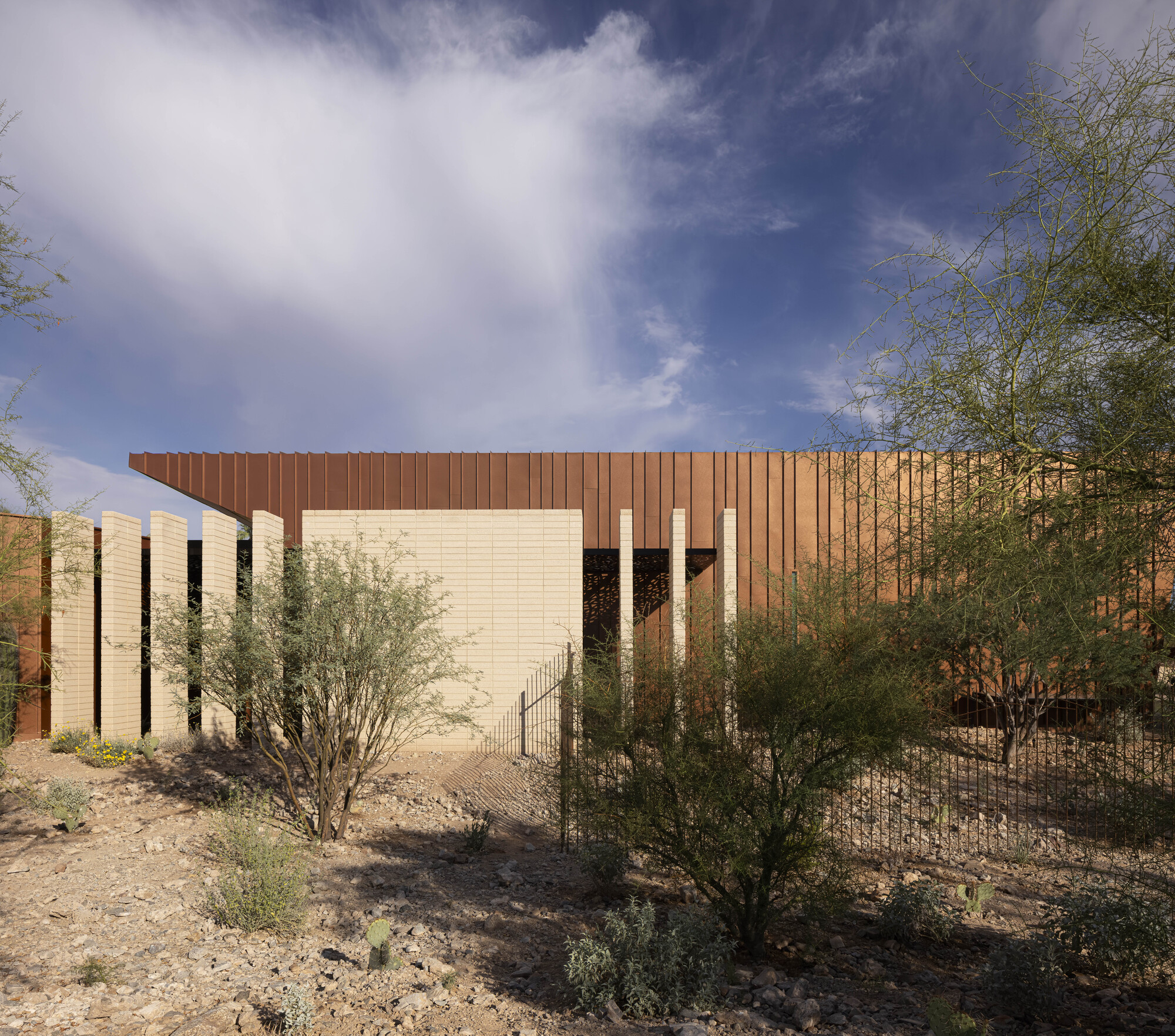
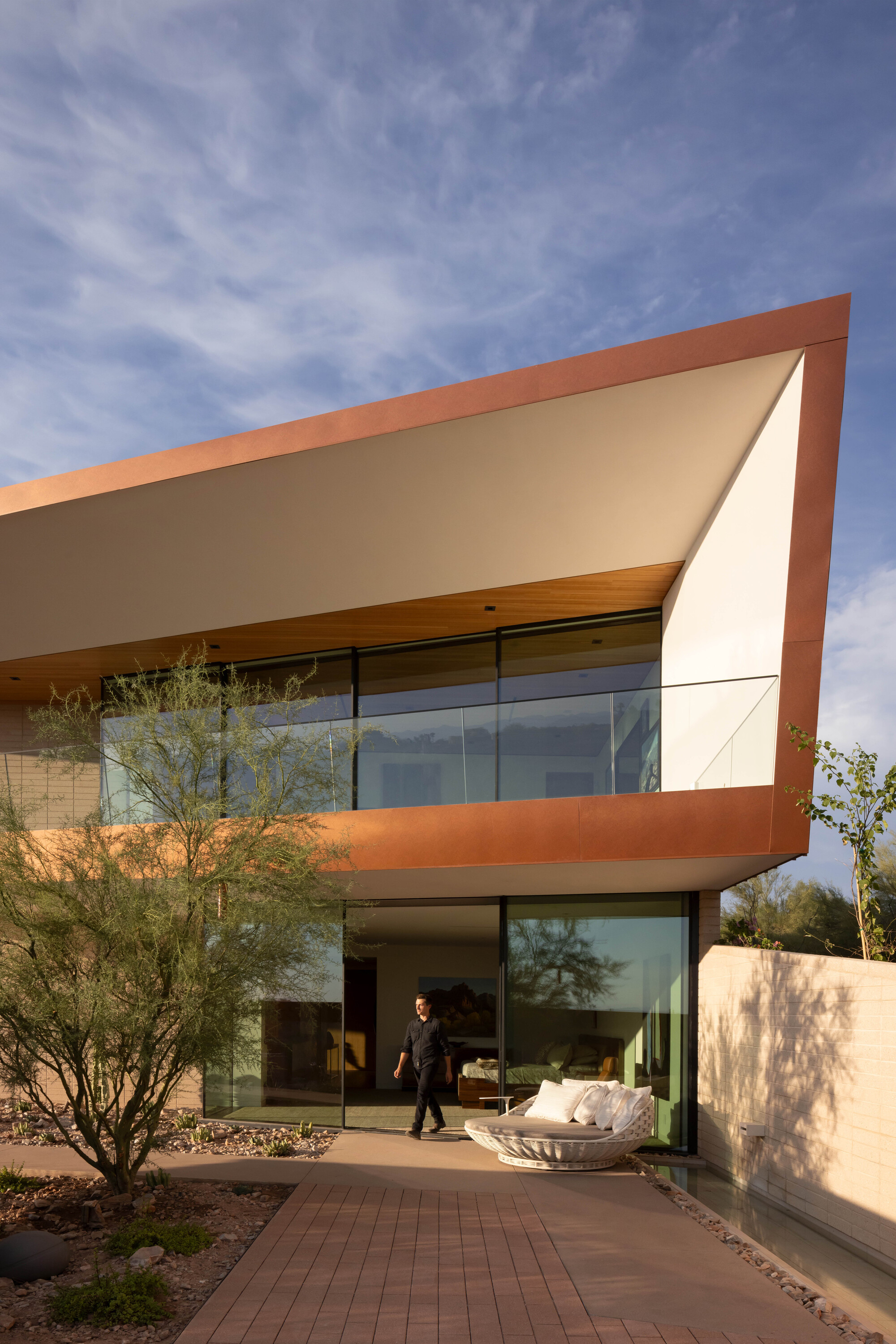
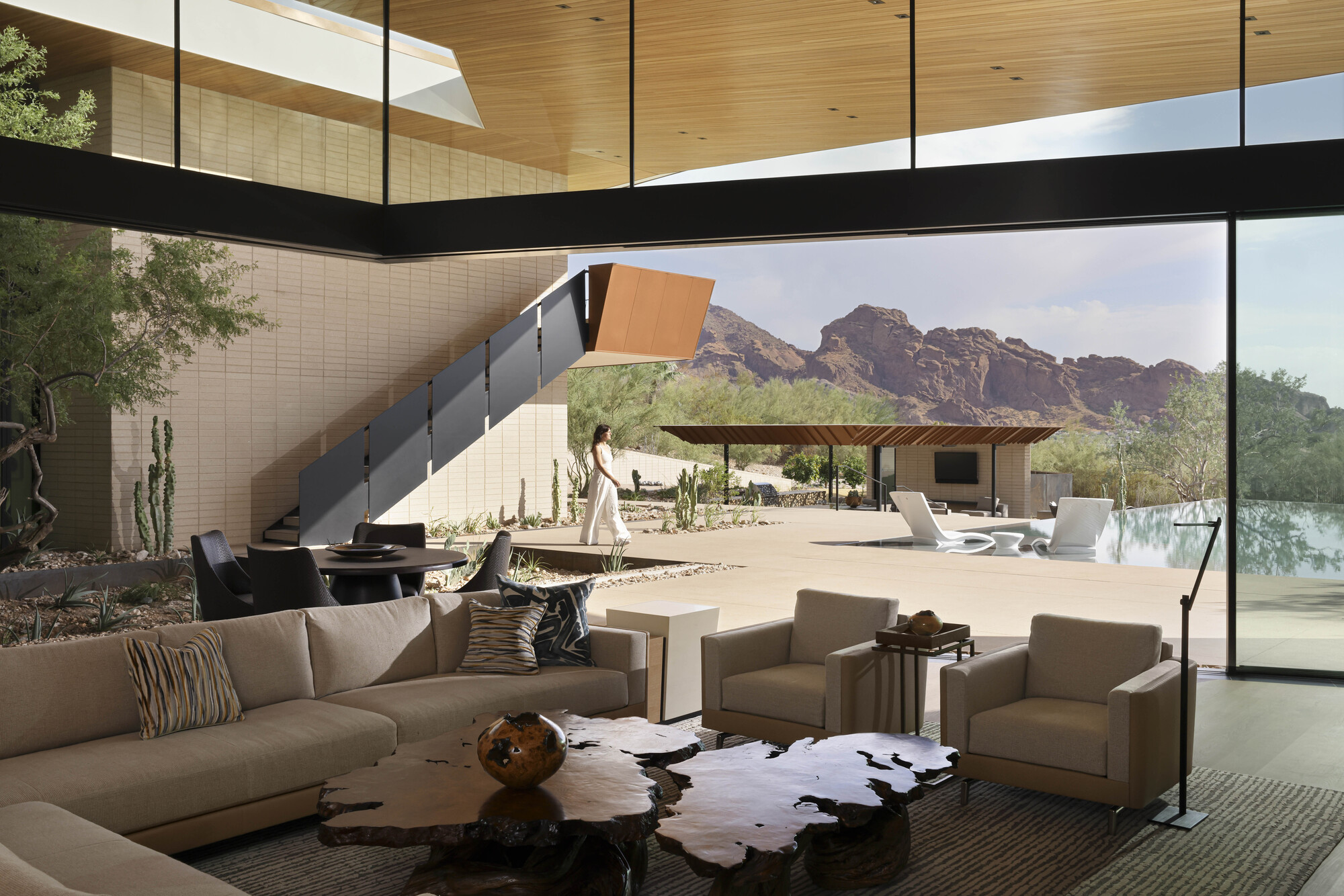
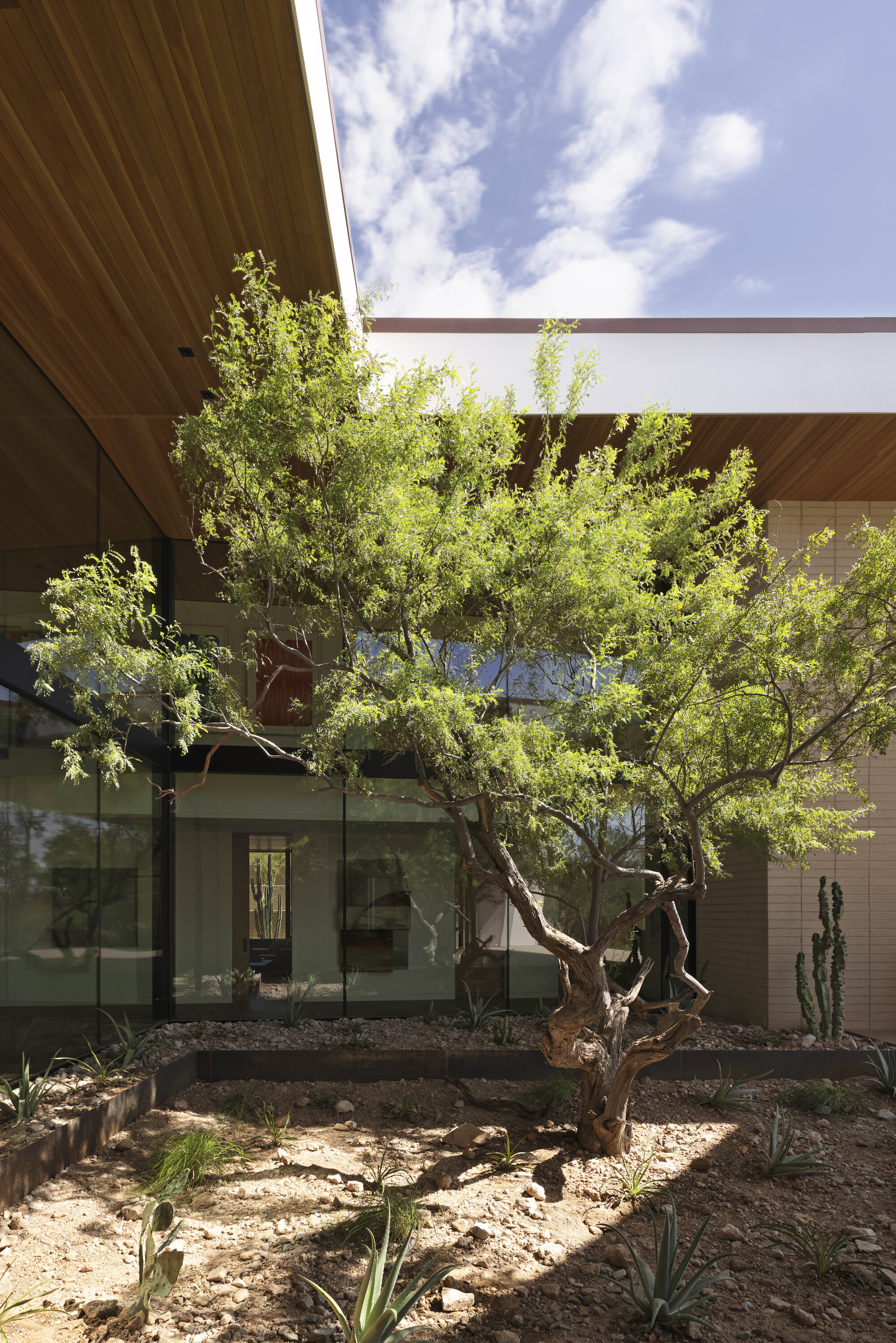
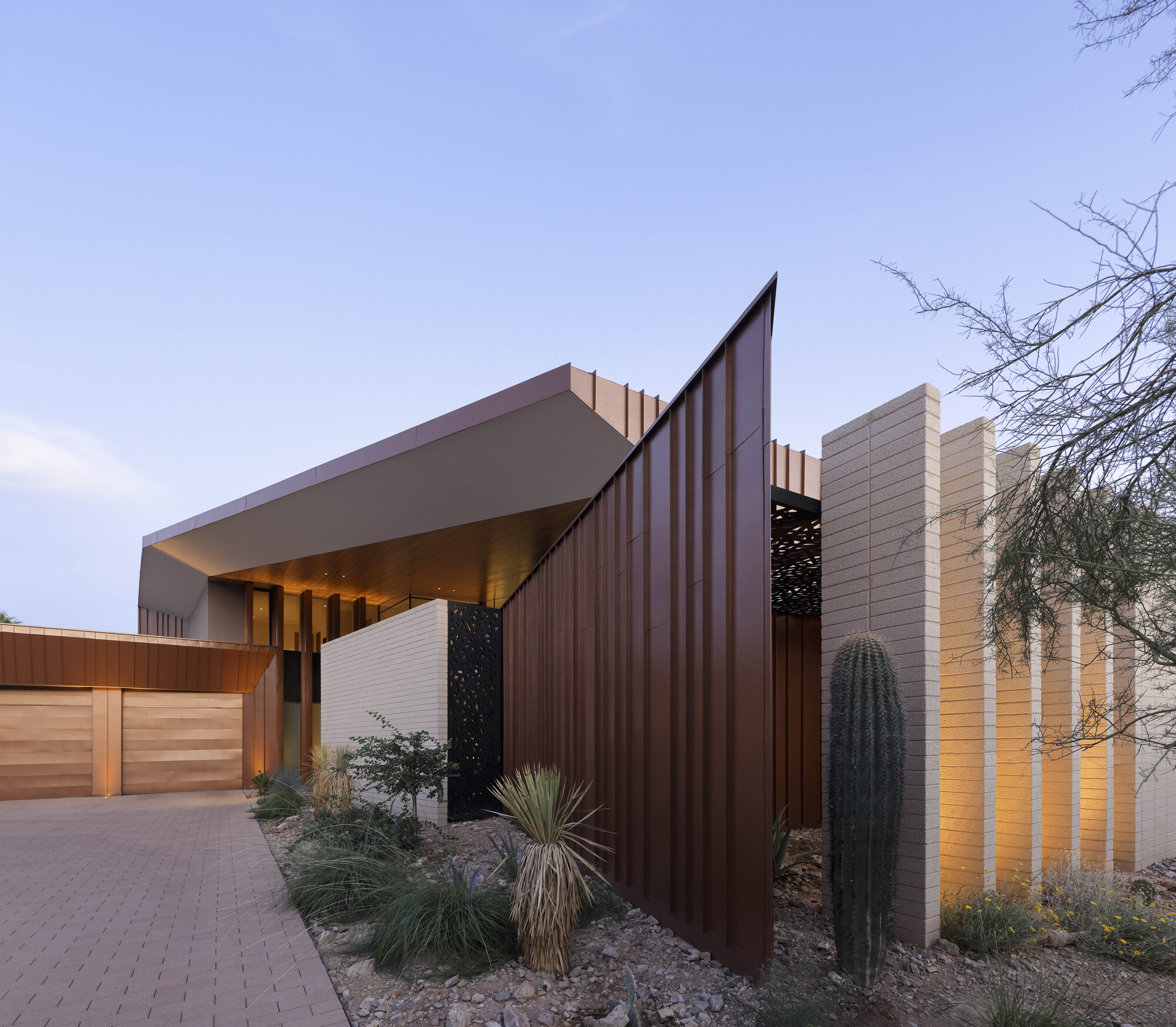
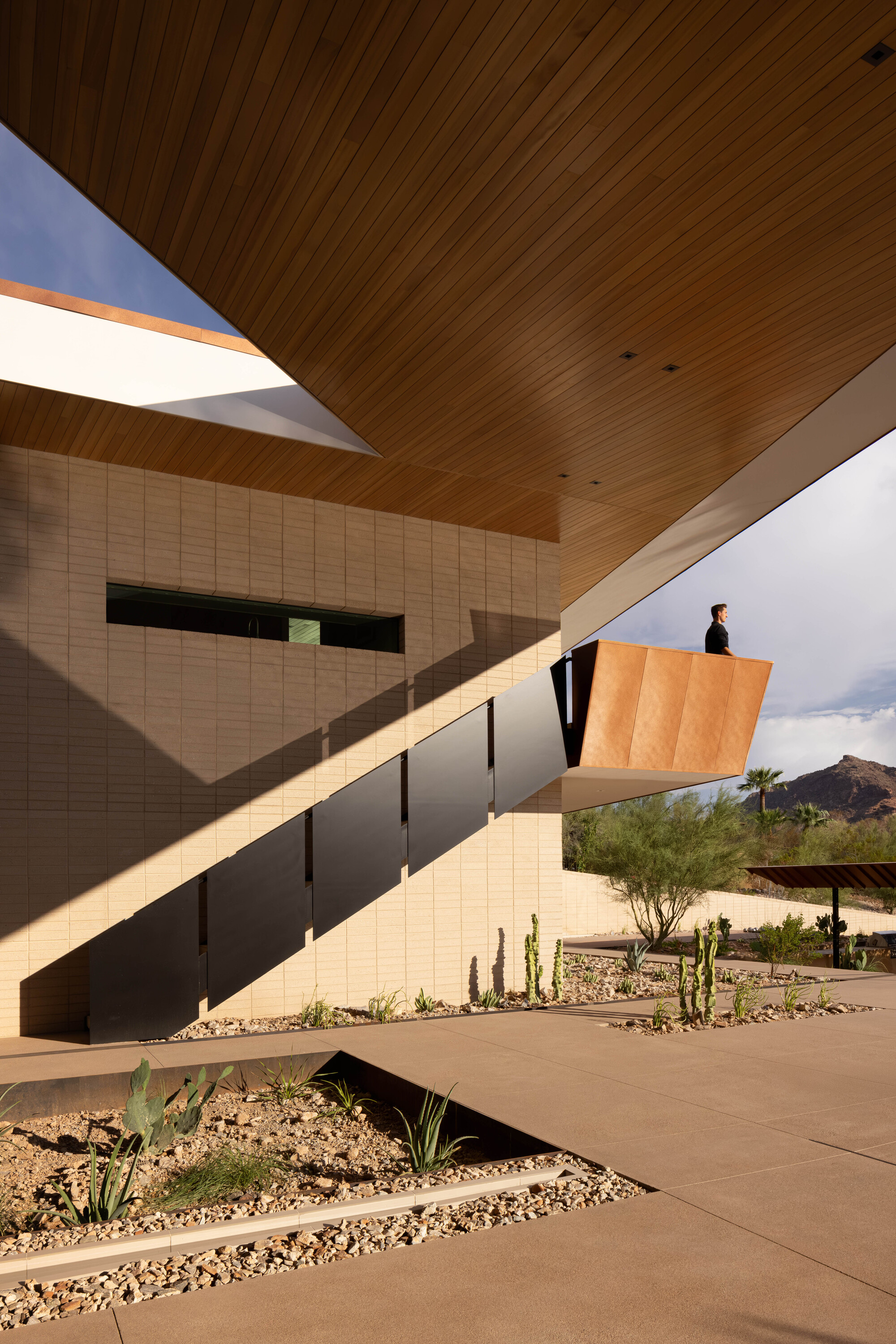
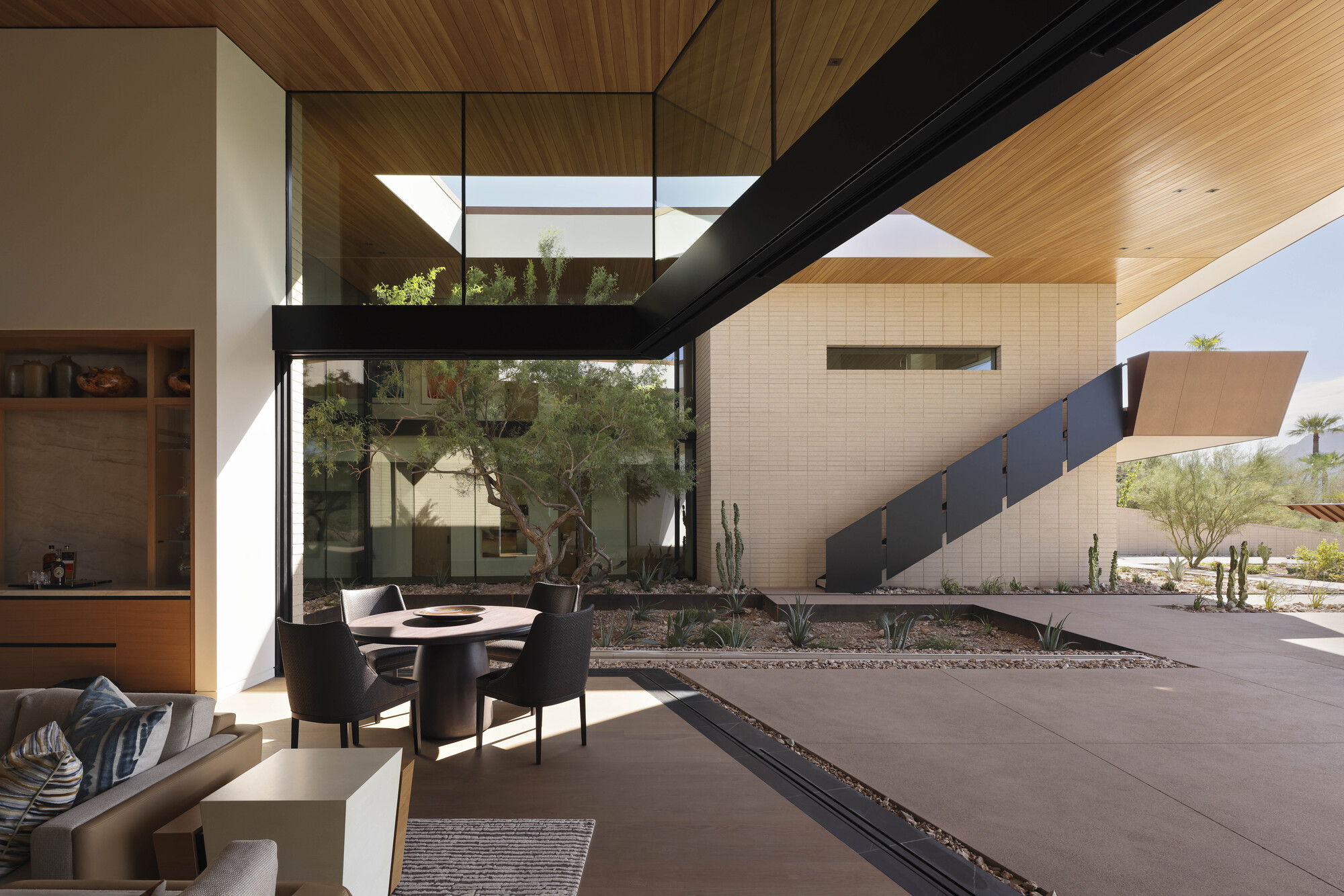
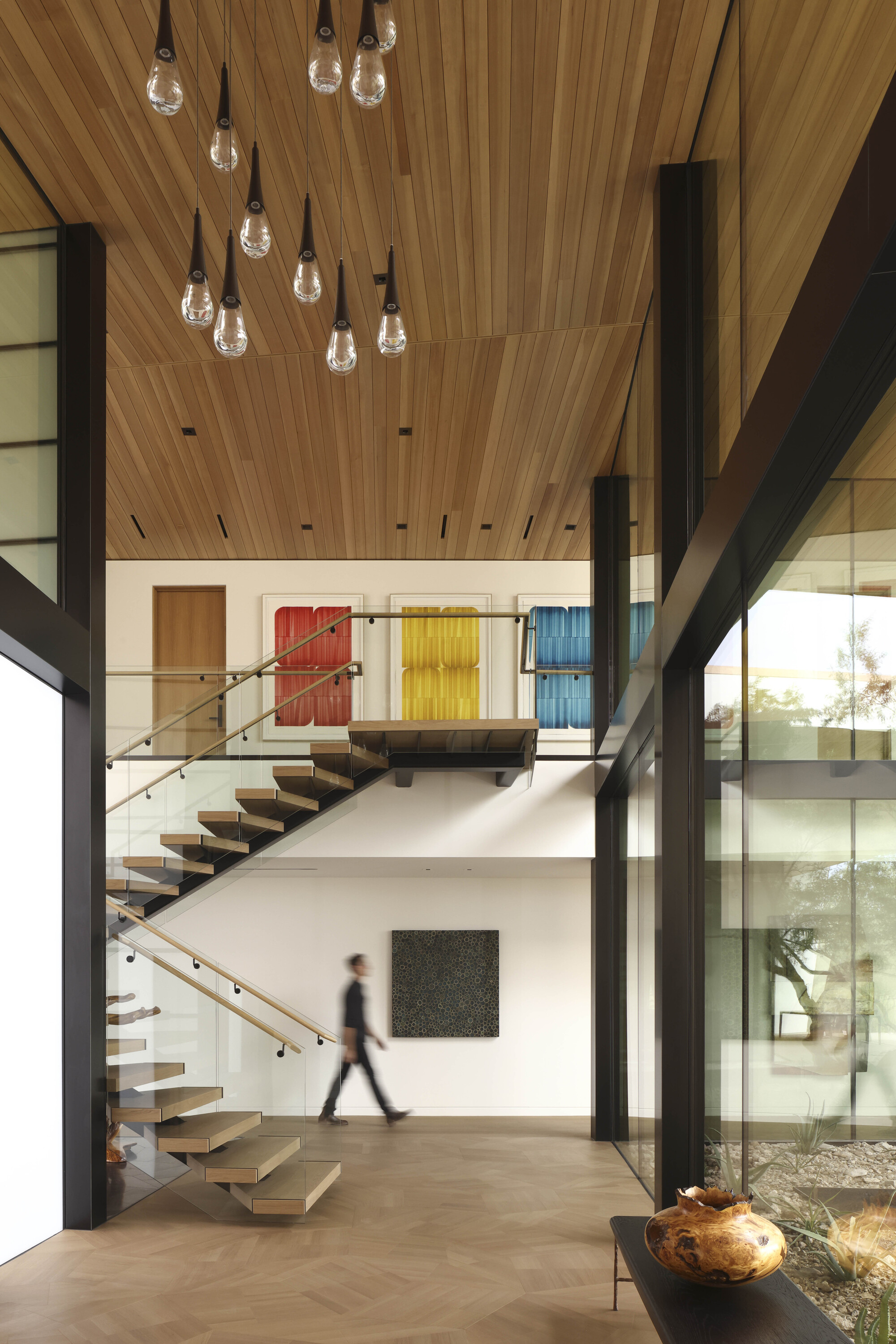
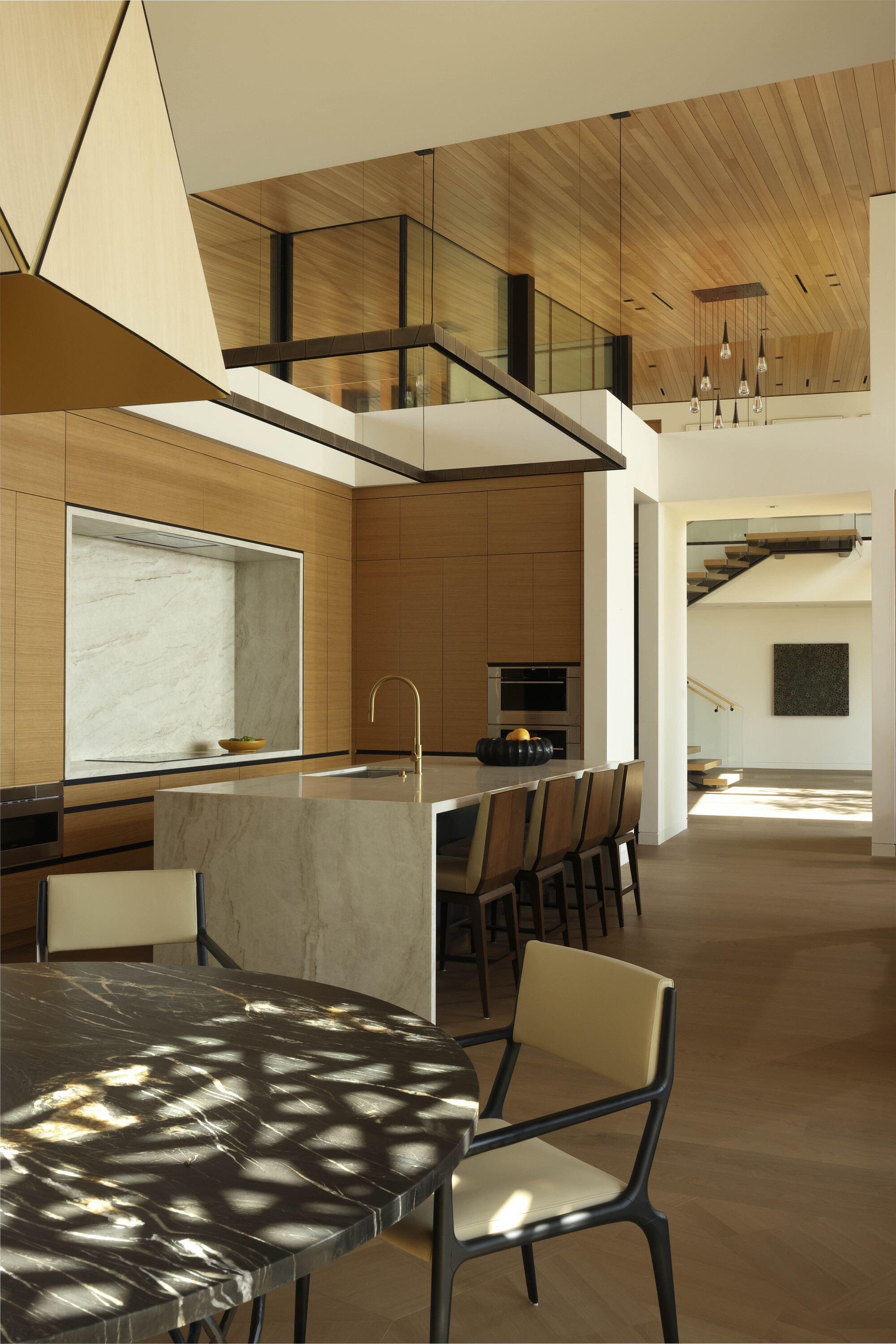
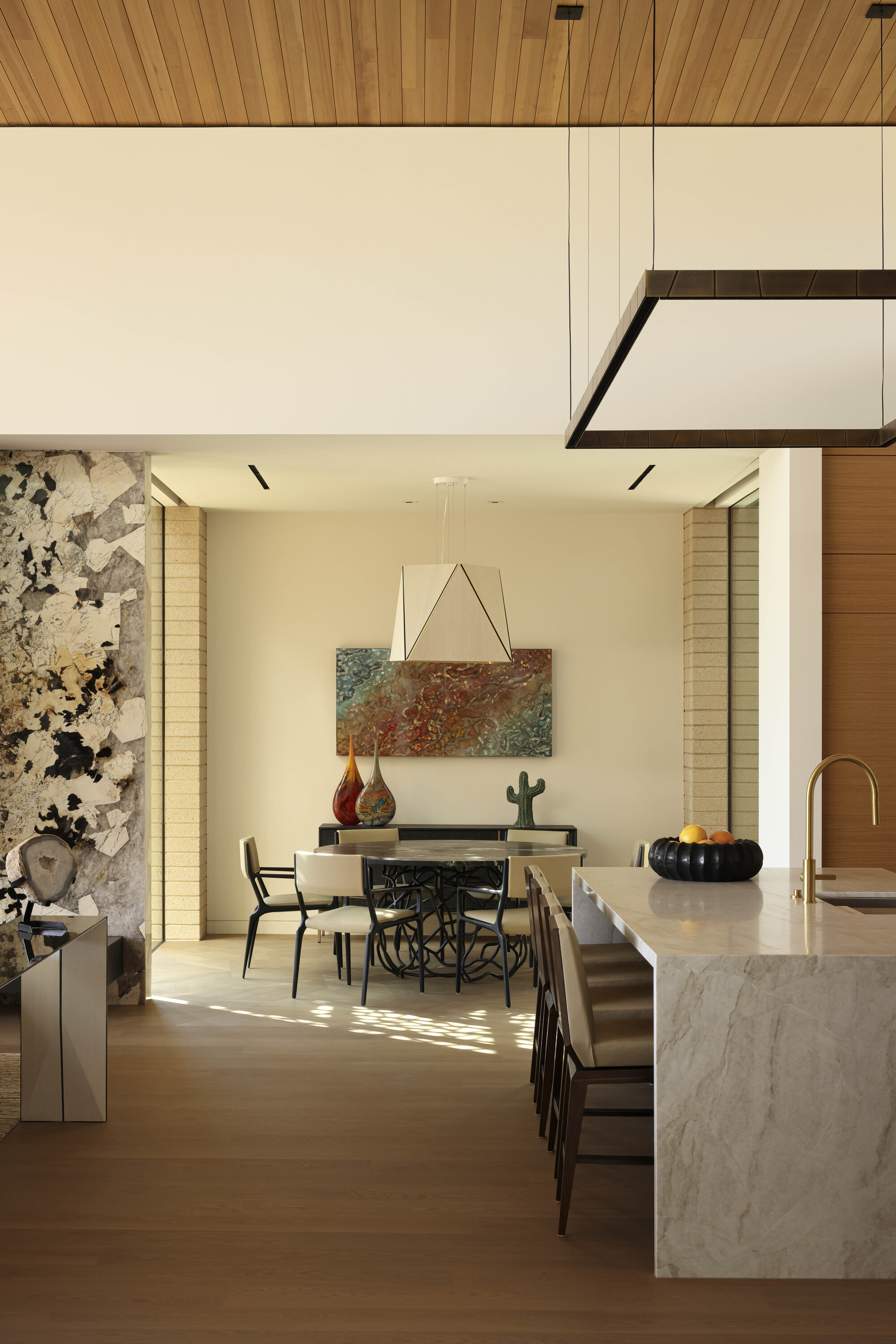
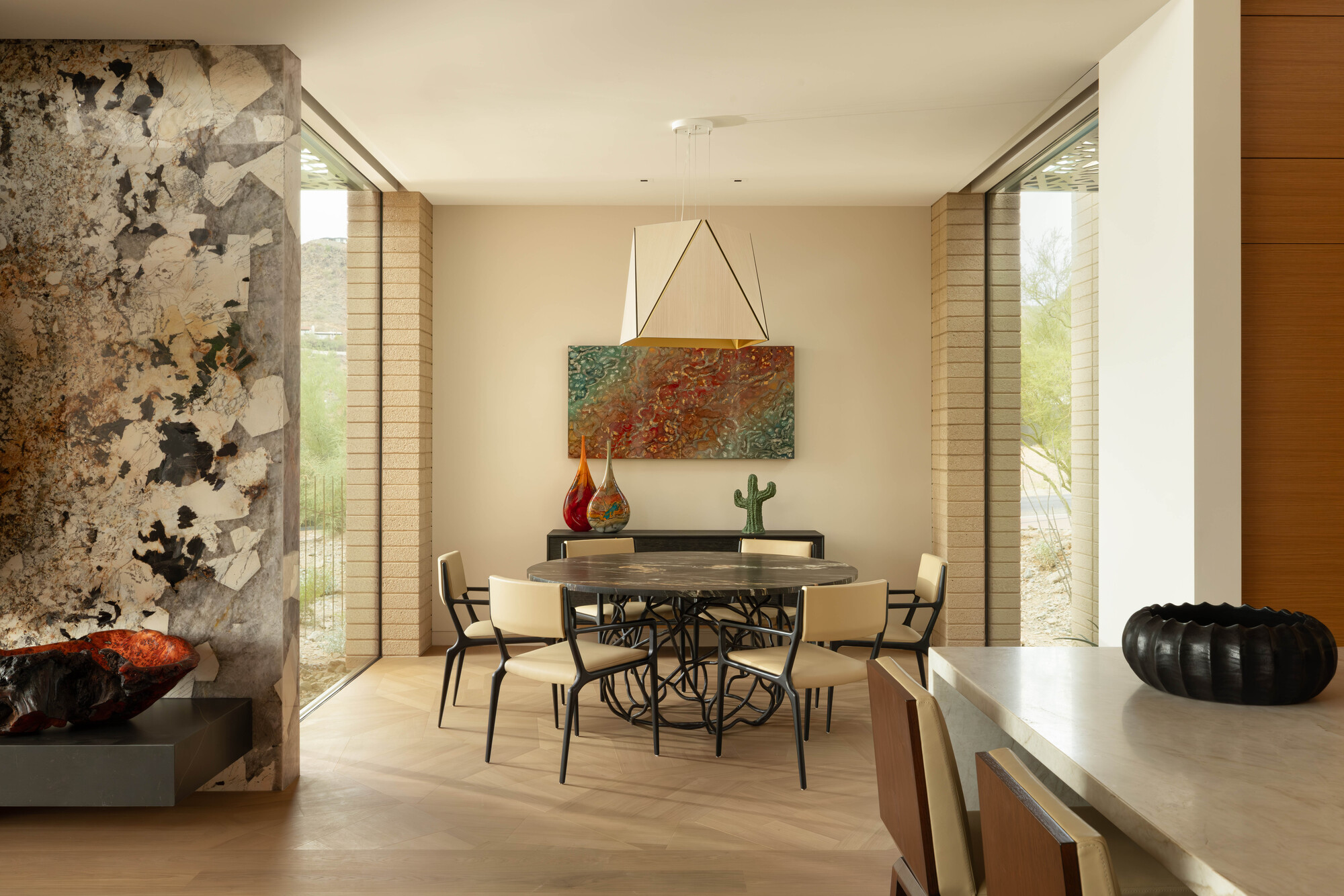
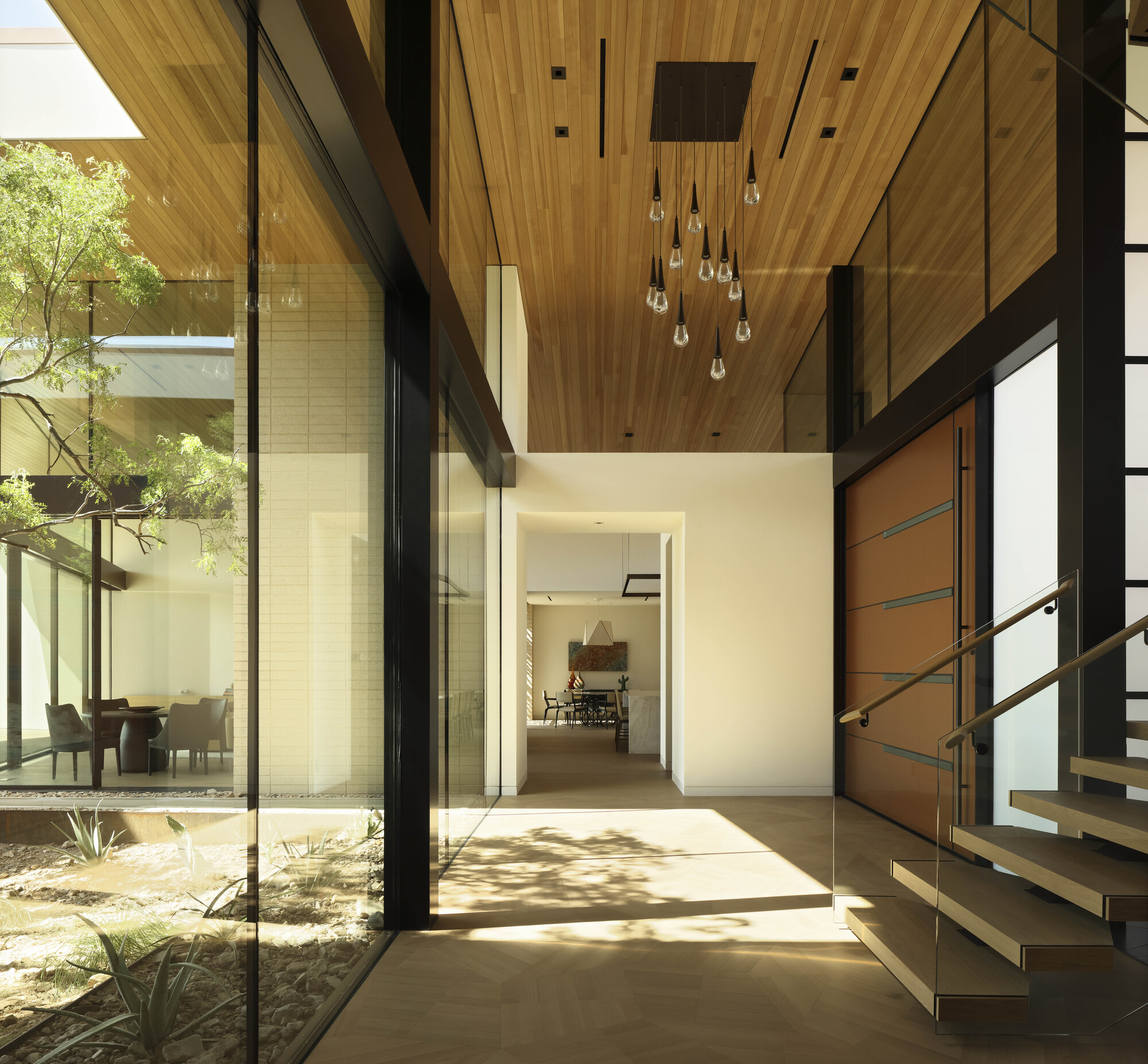
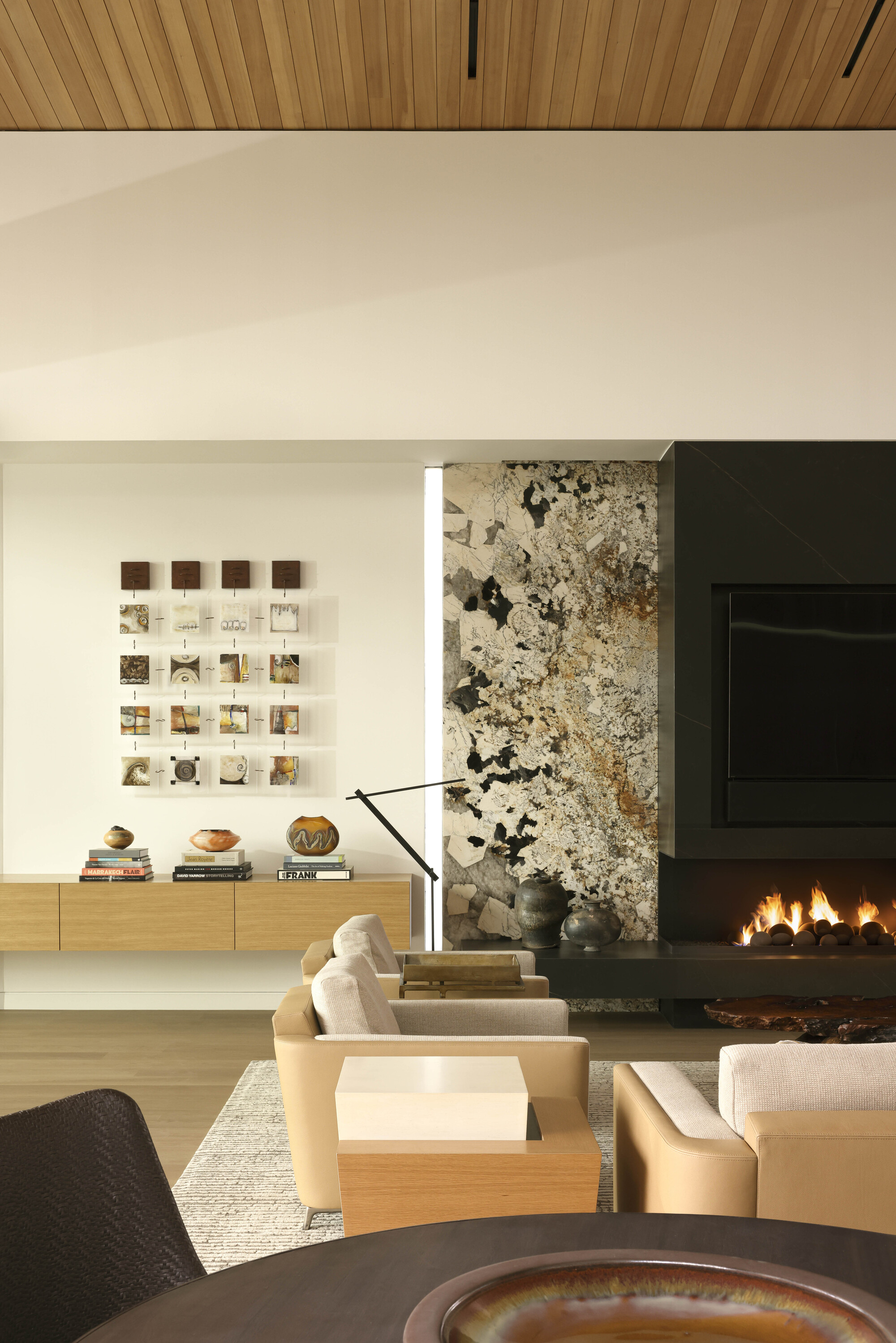
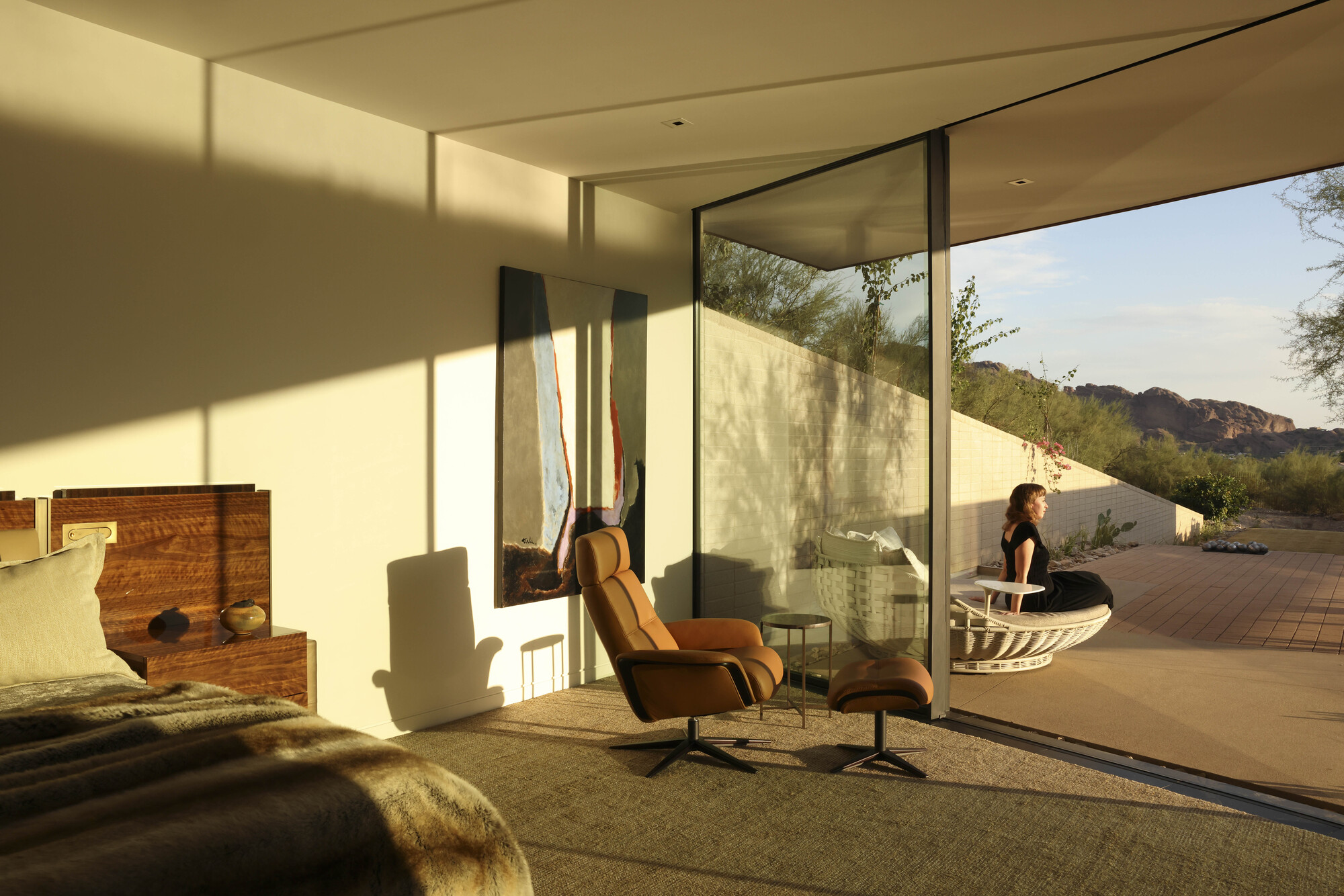
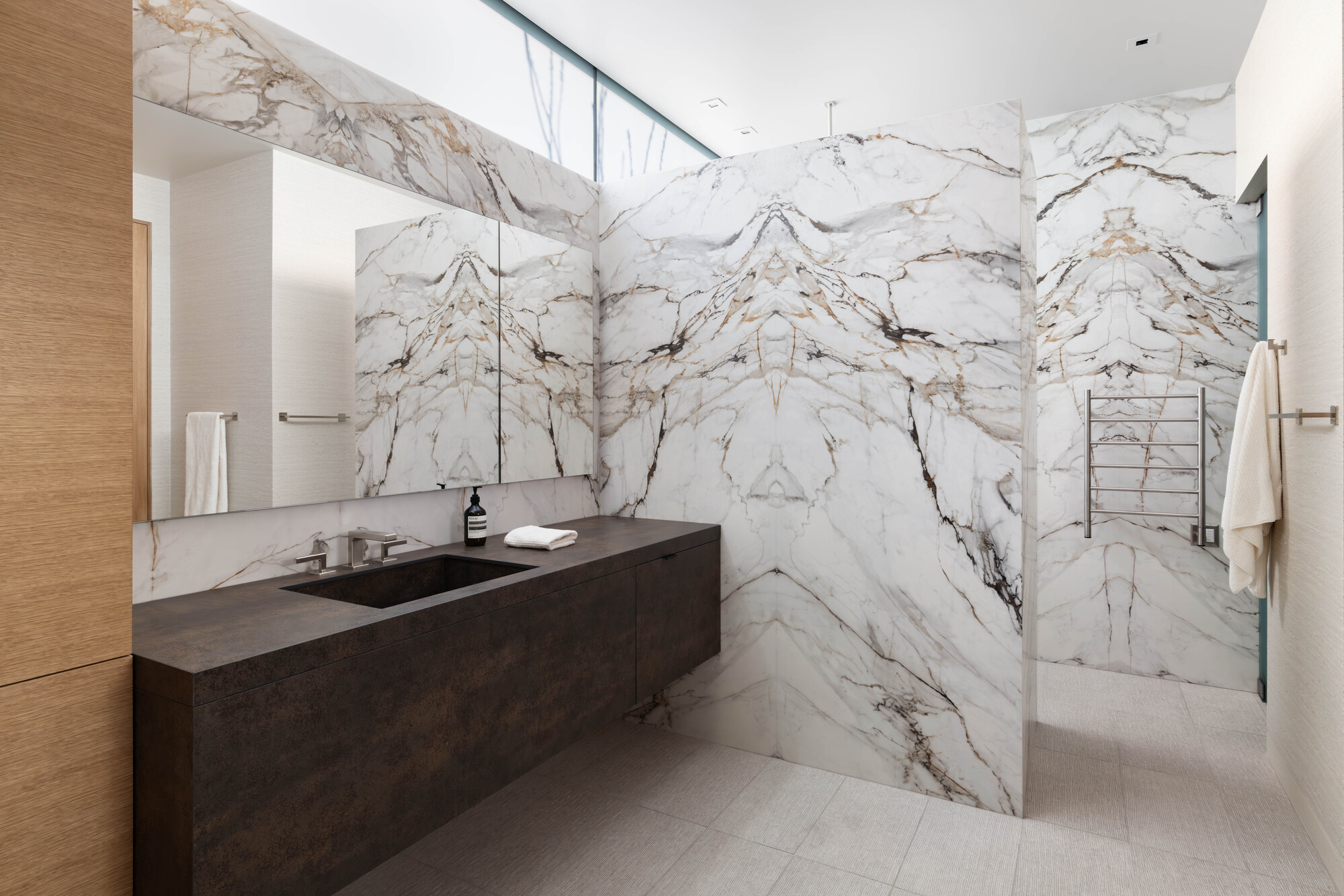
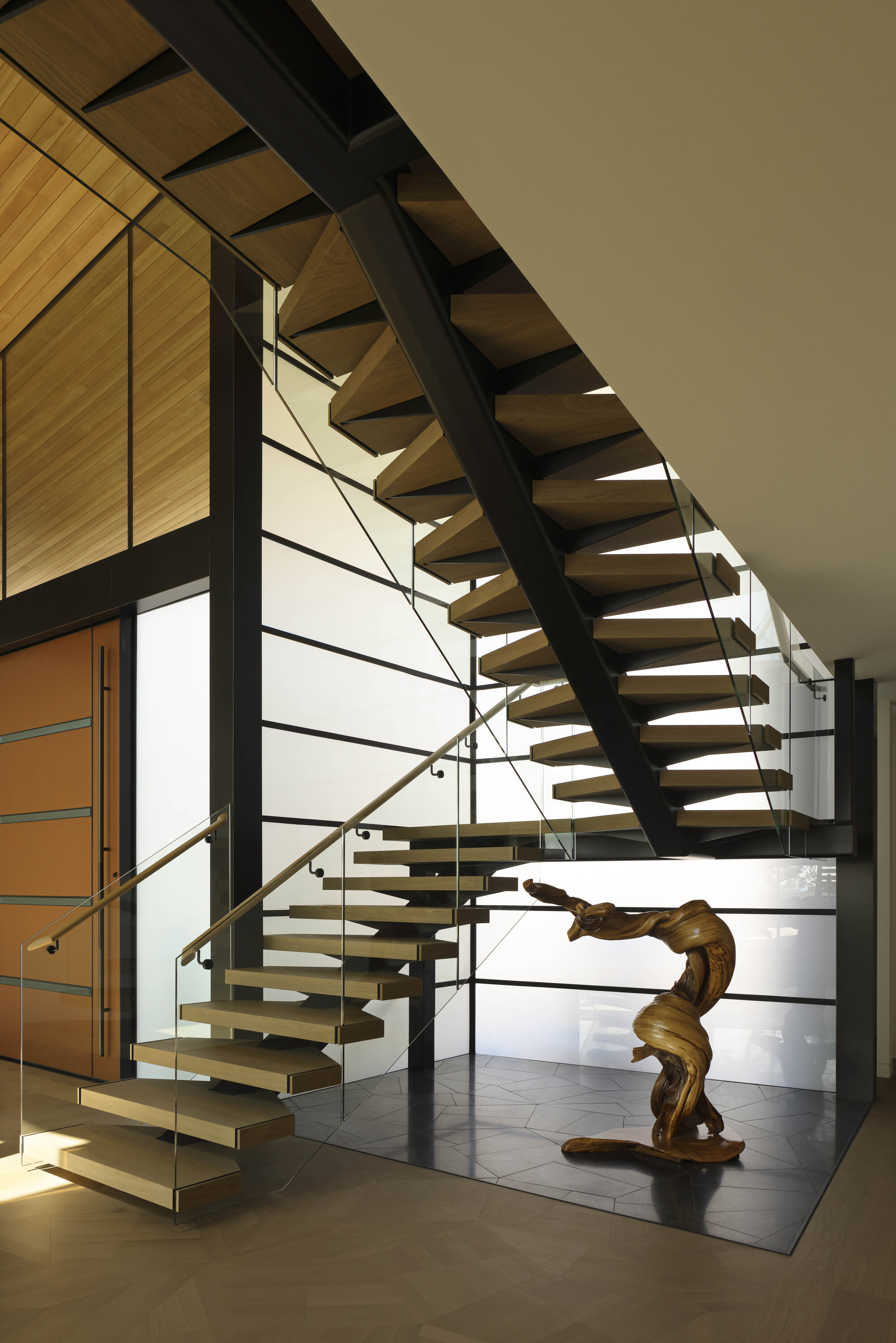
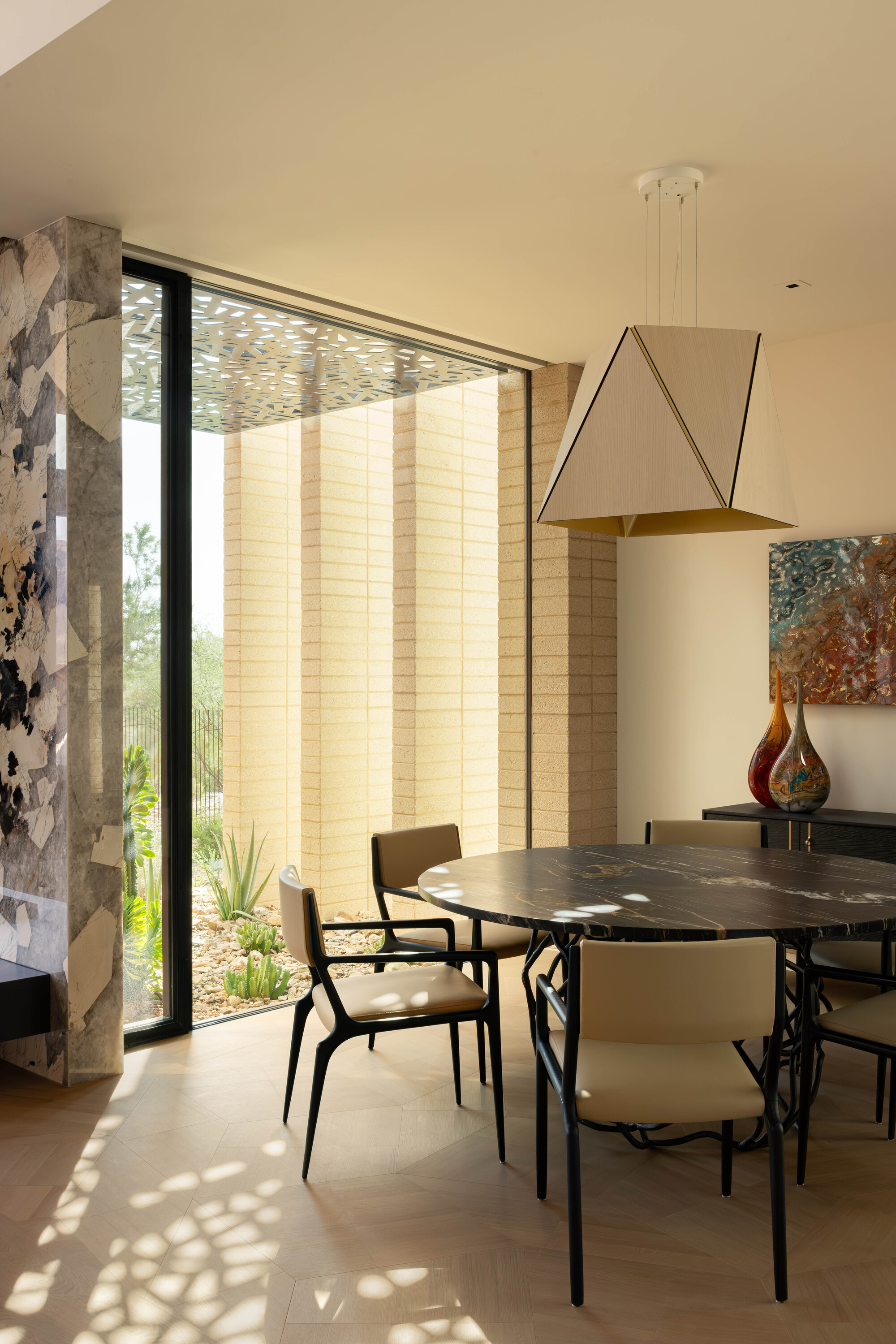
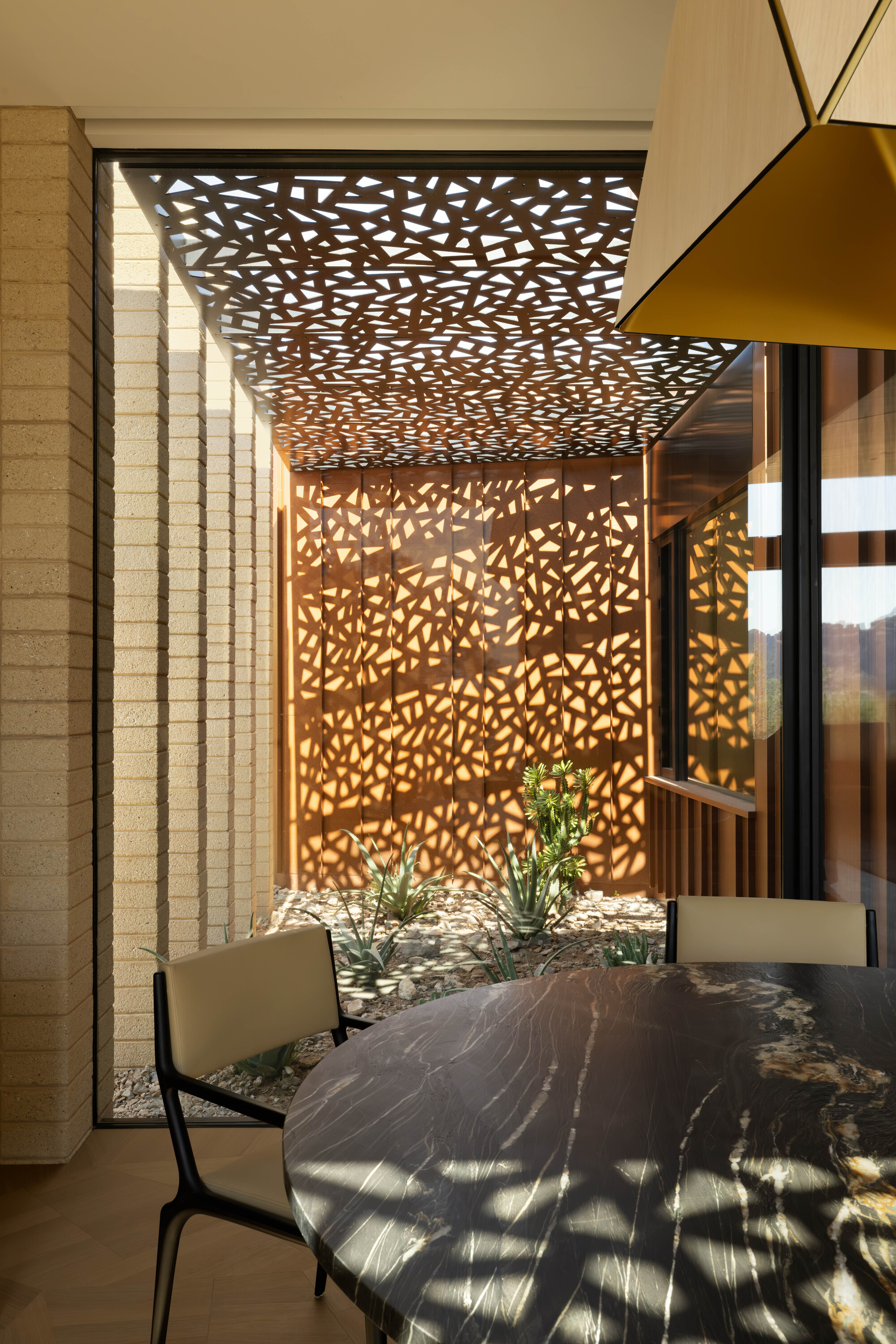
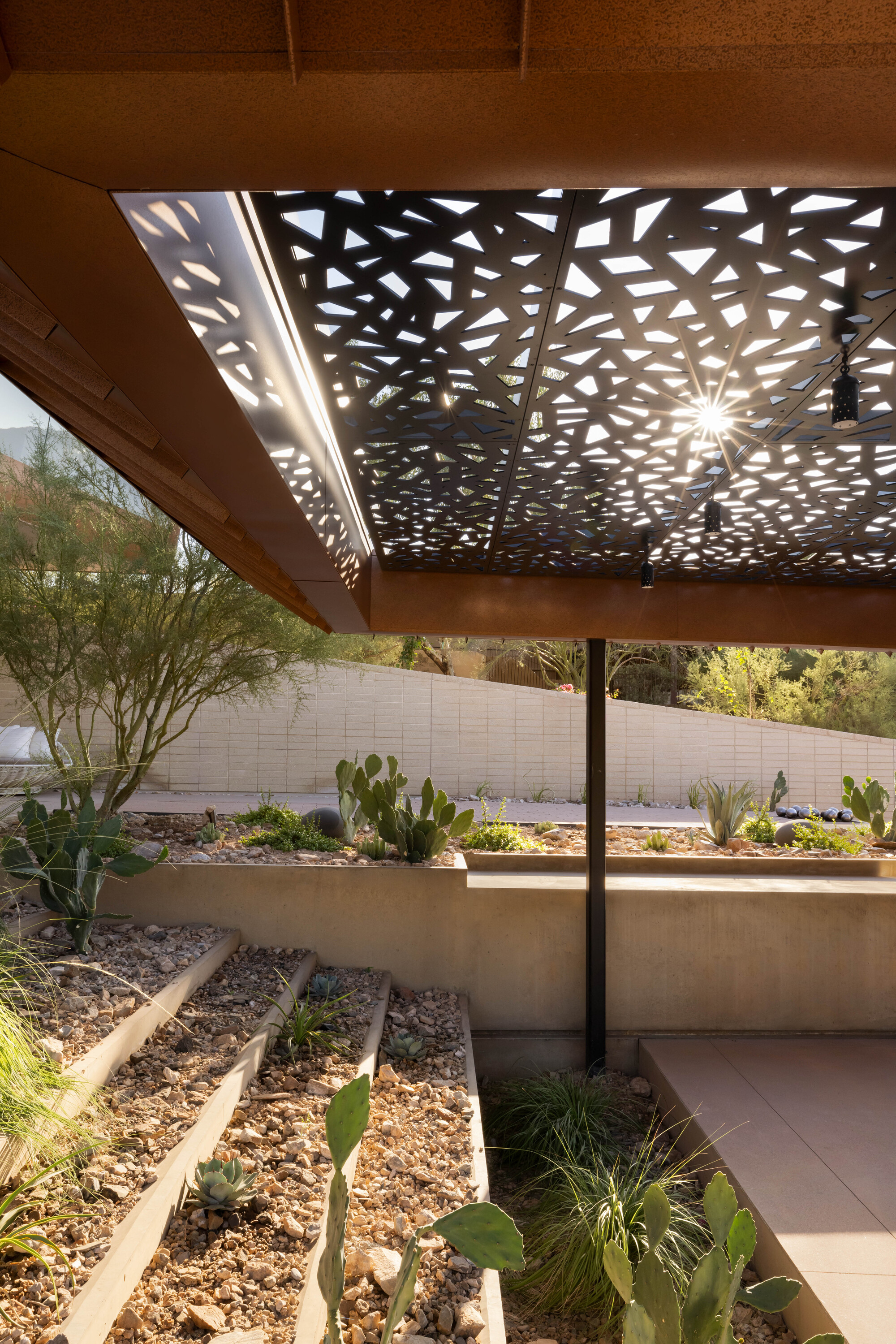
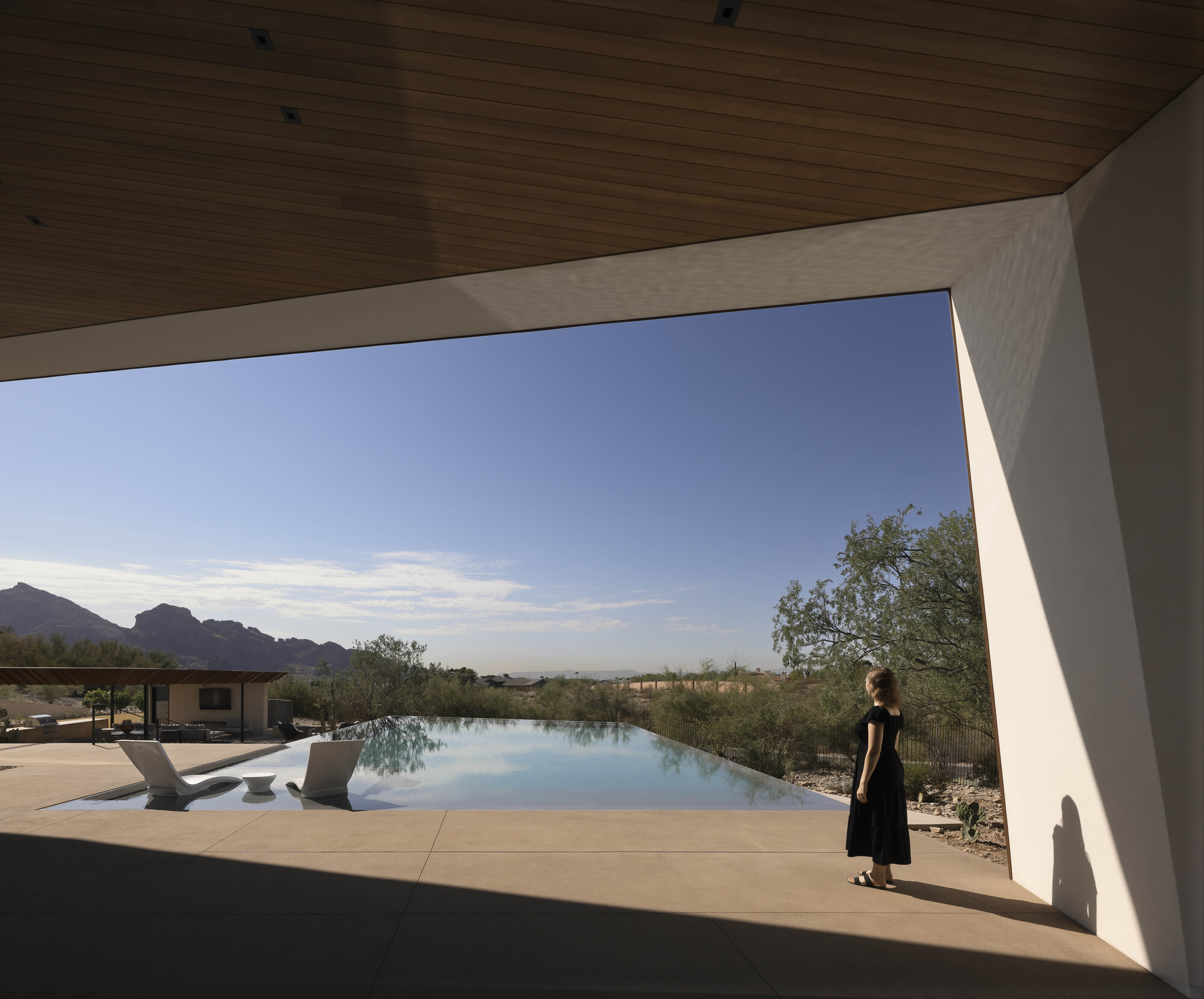
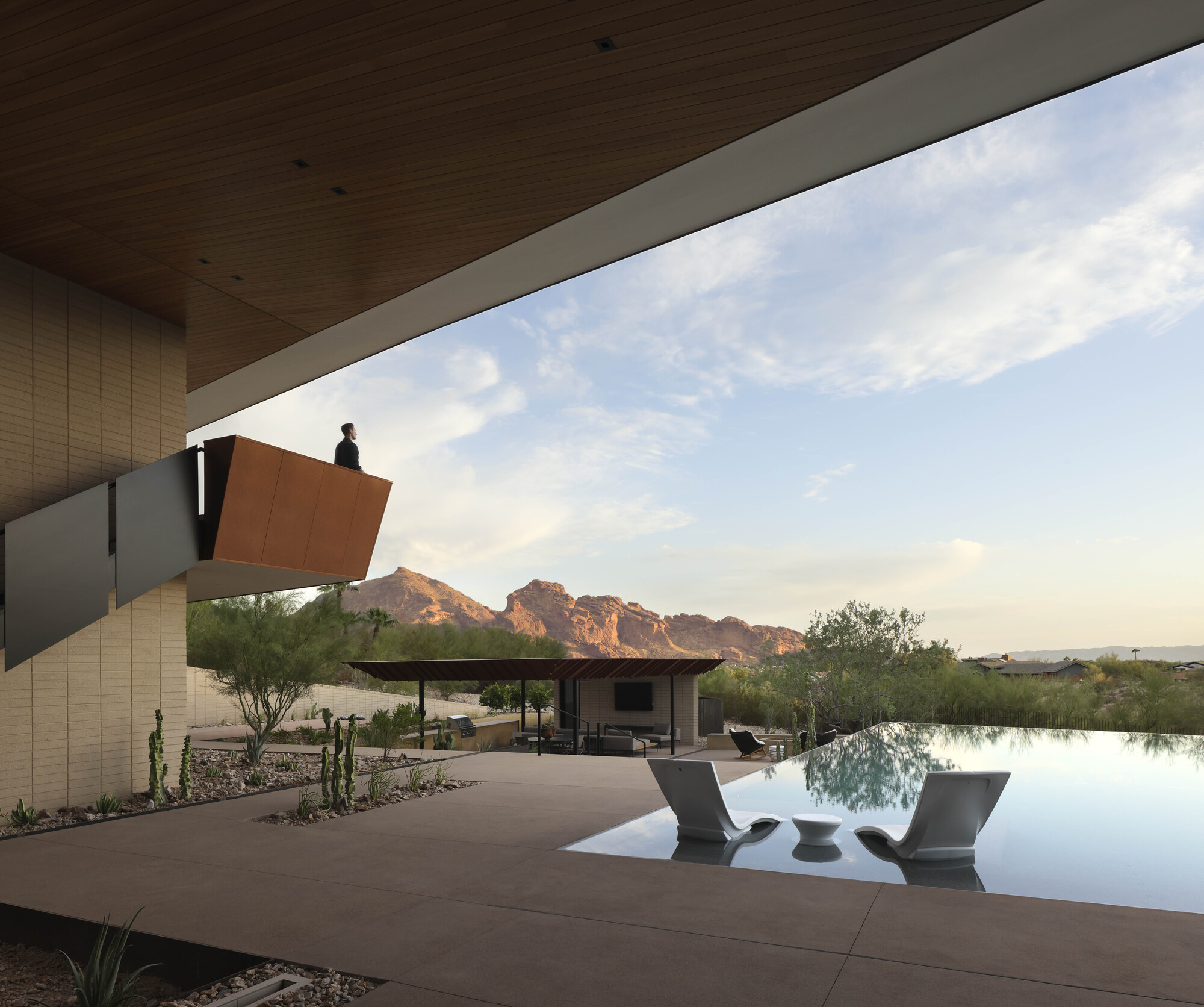
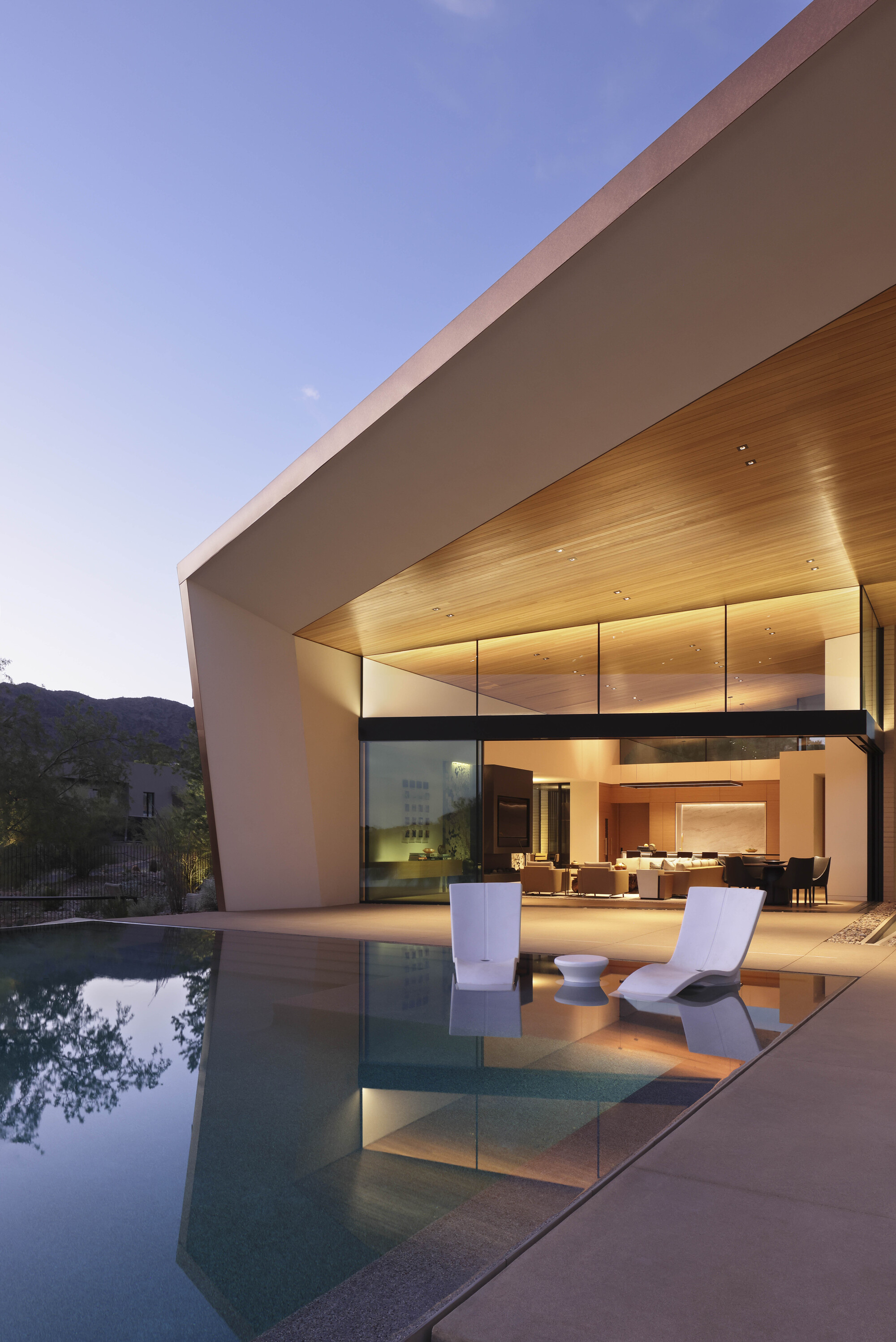
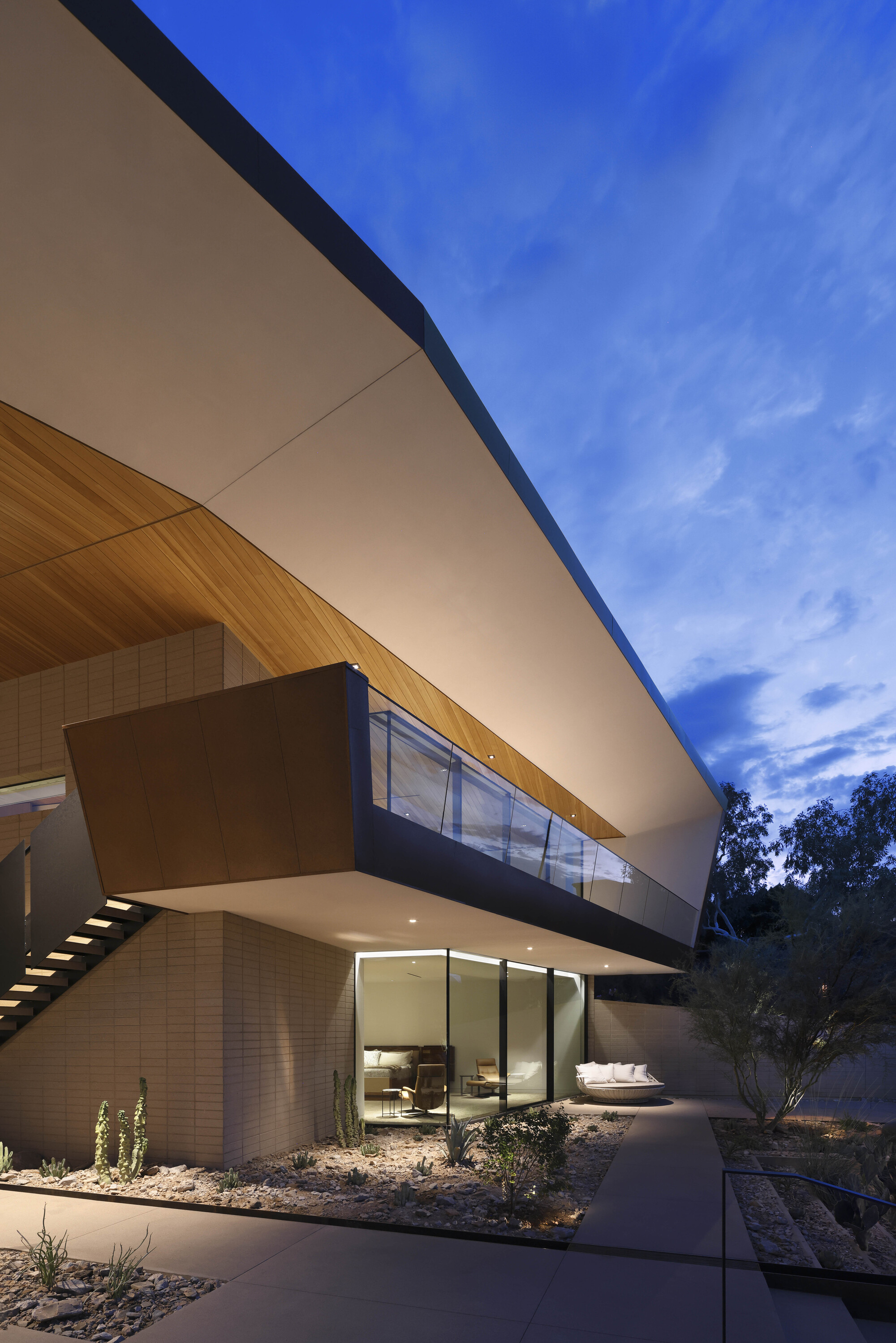
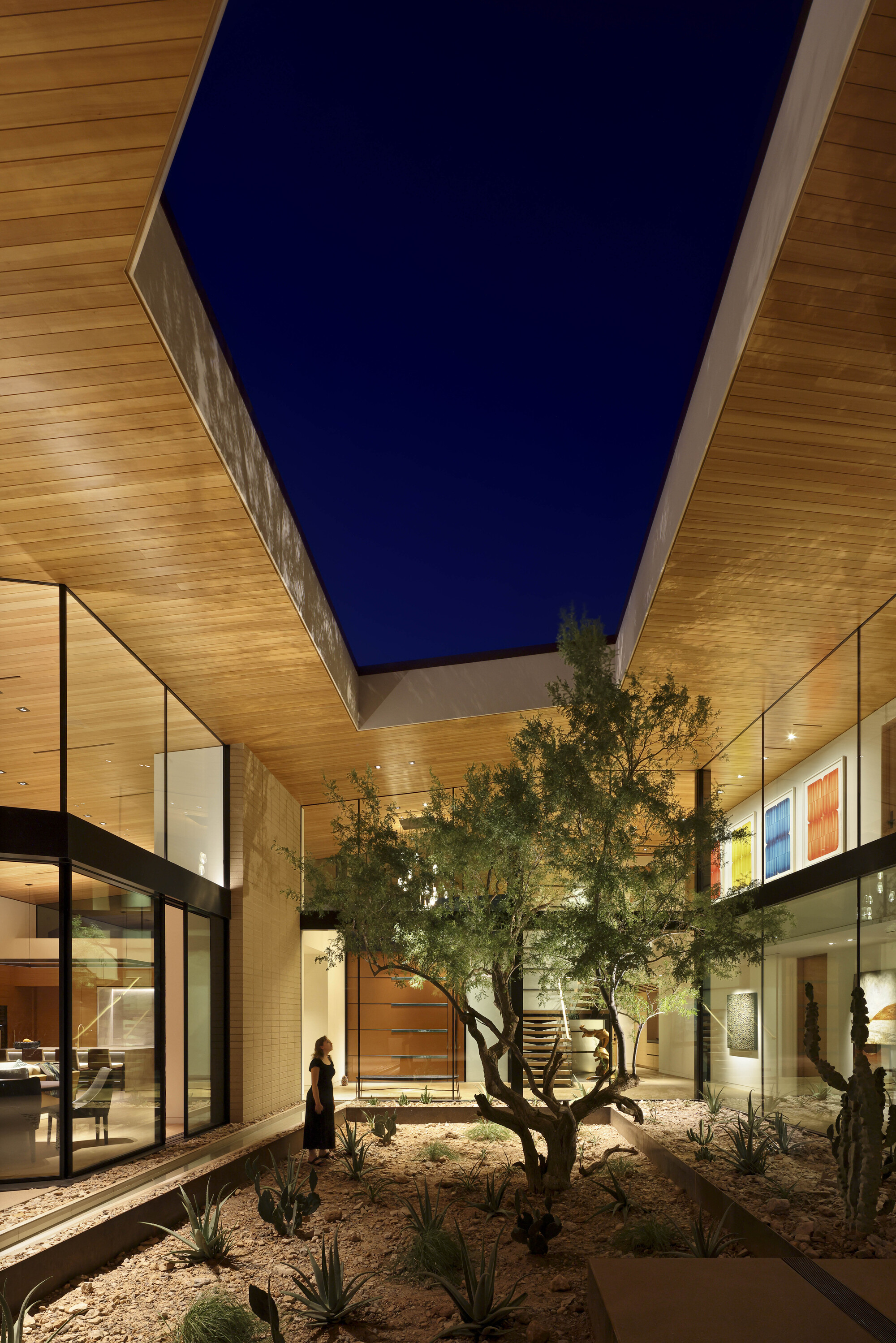
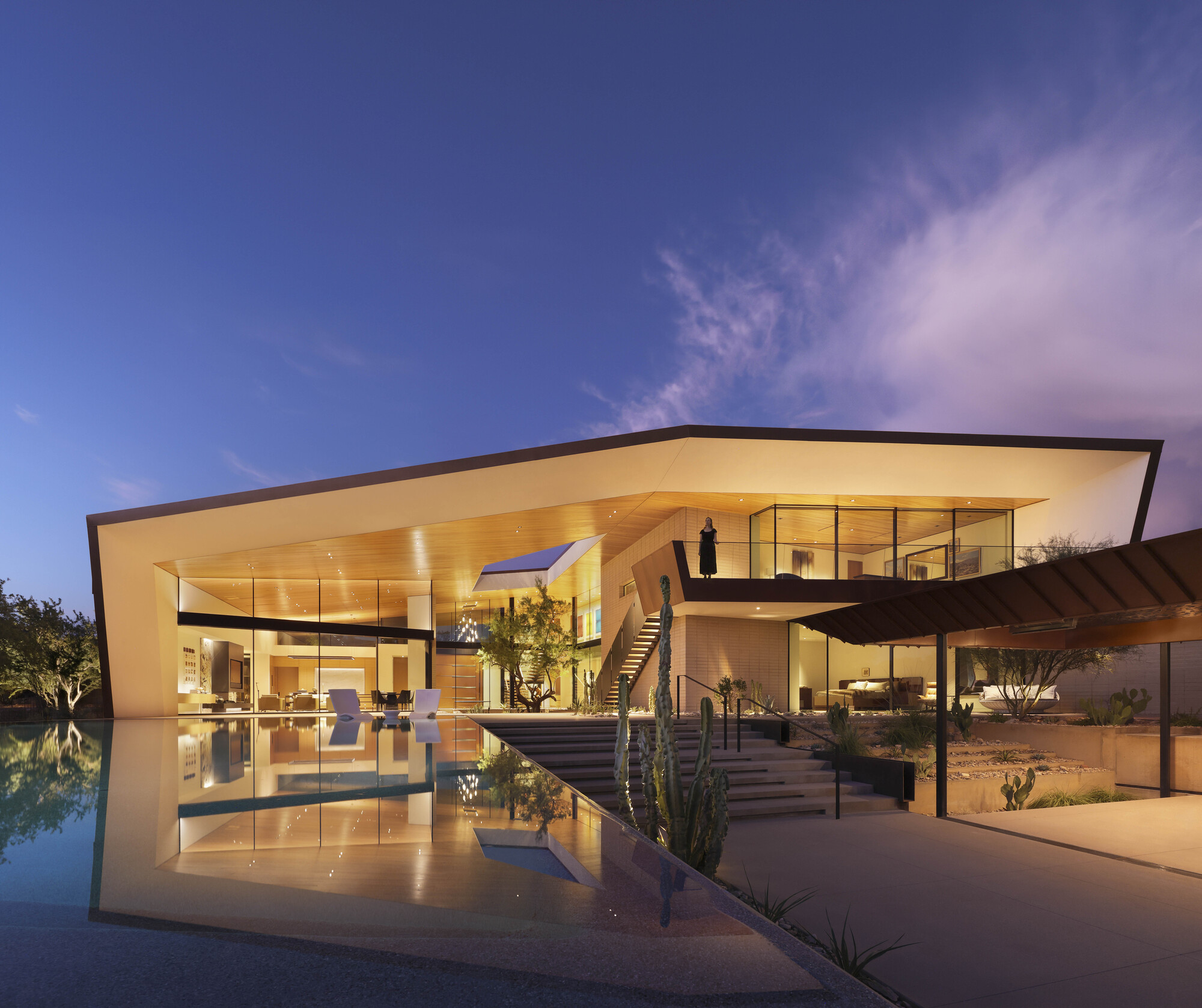
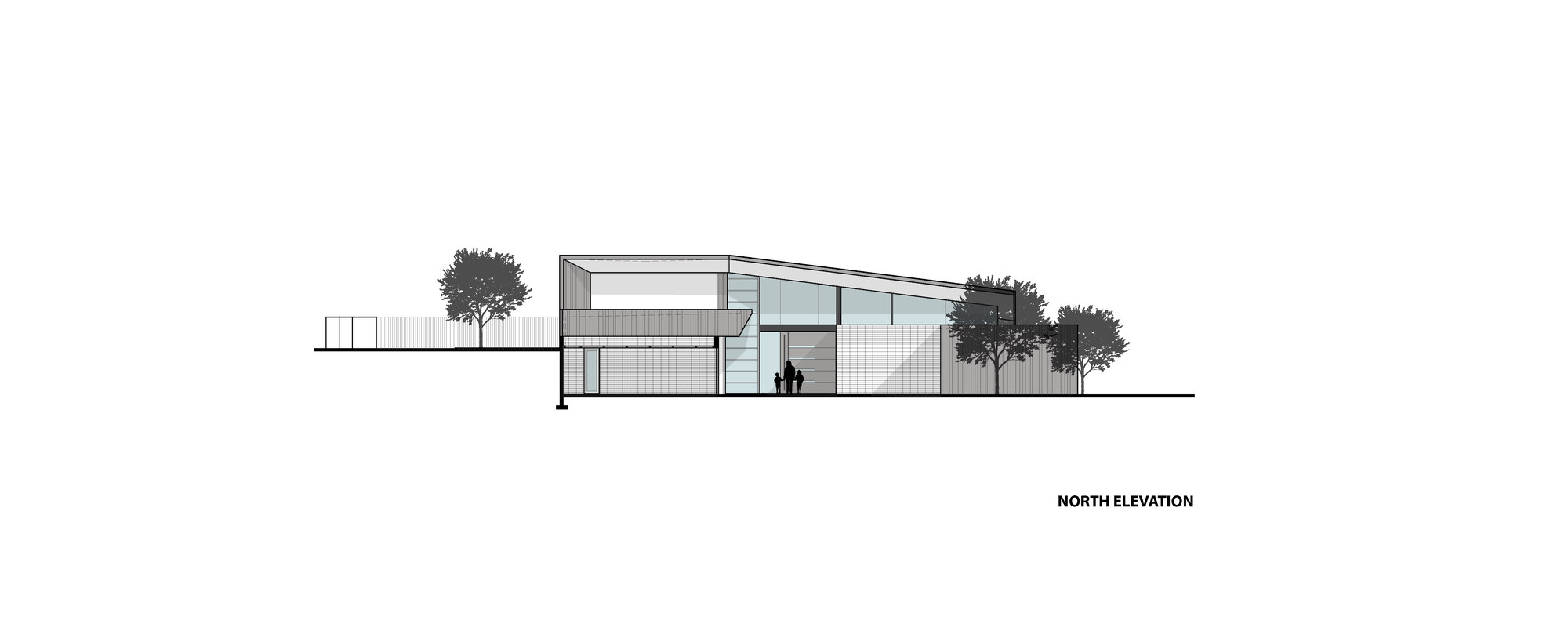
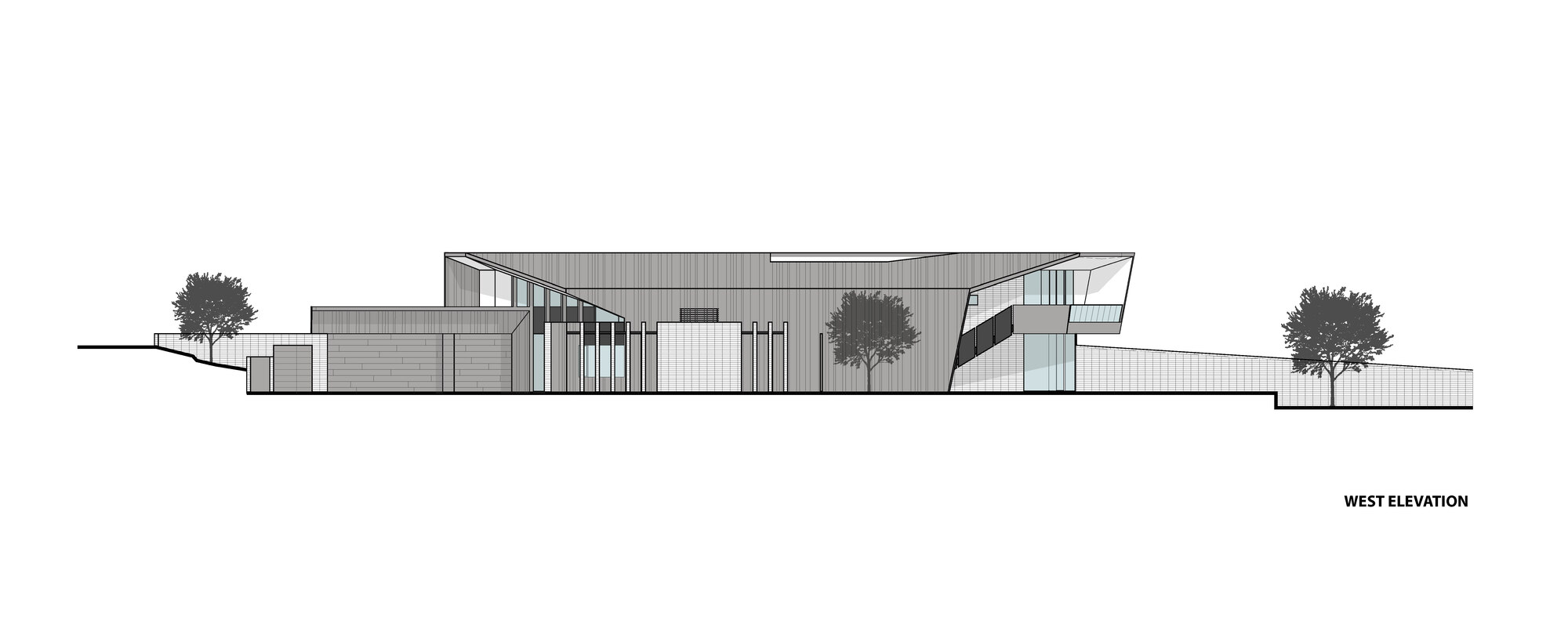
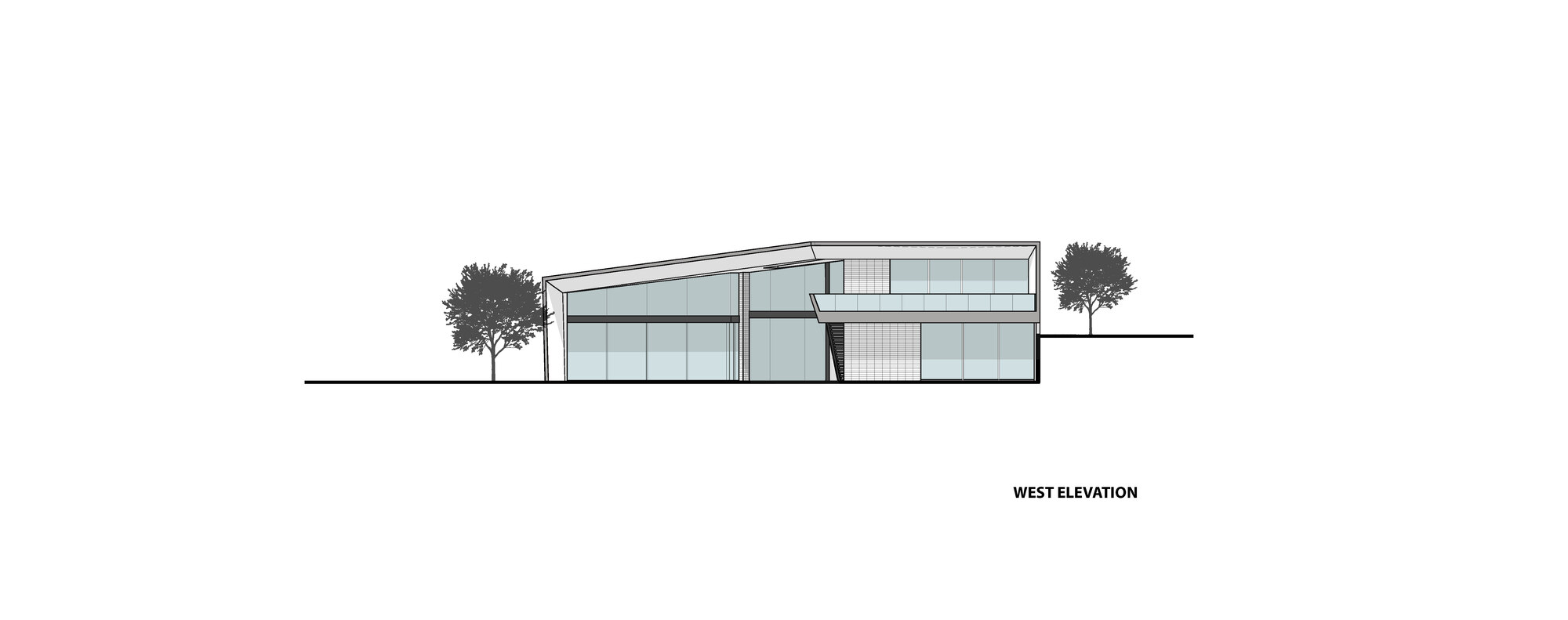
Desert Geode Residence #architecture Architects: Kendle Design Collaborative Area: 7200 ft² Year: 2025 Photographs: Ema Peter Photography City: Paradise Valley Country: United States
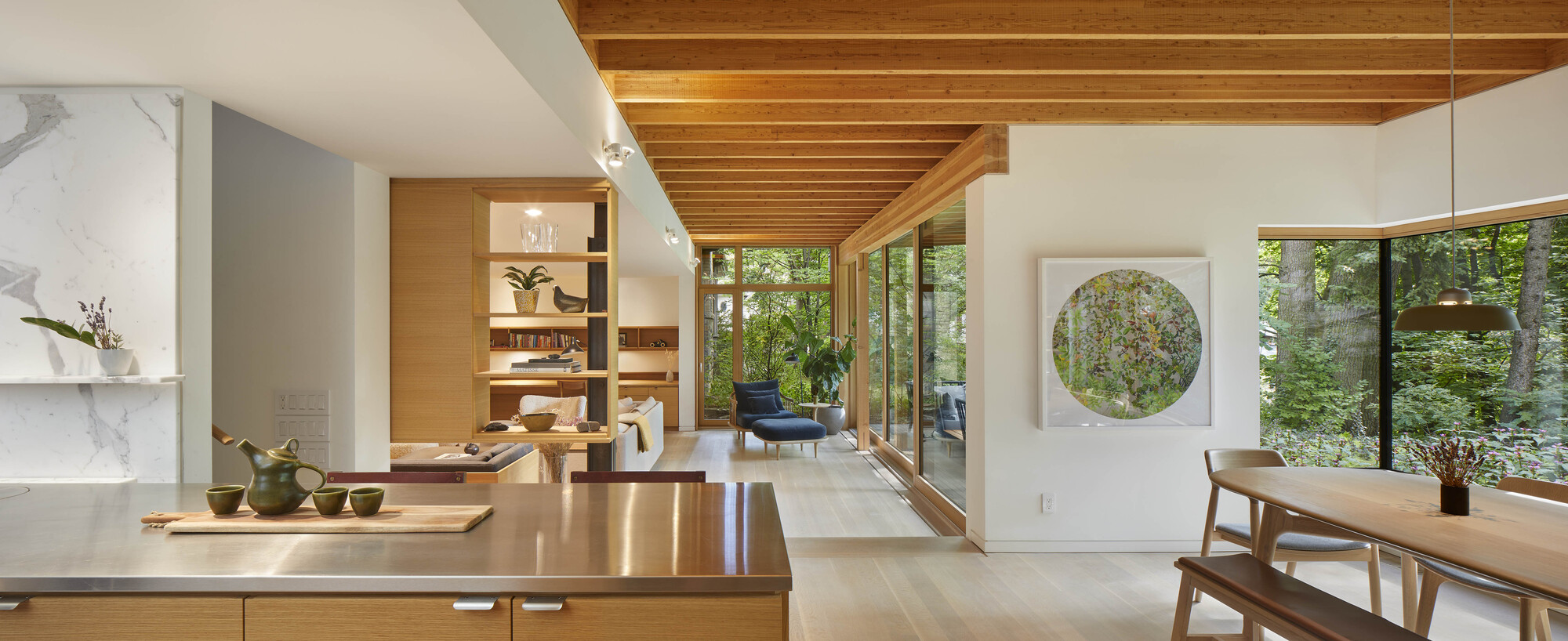
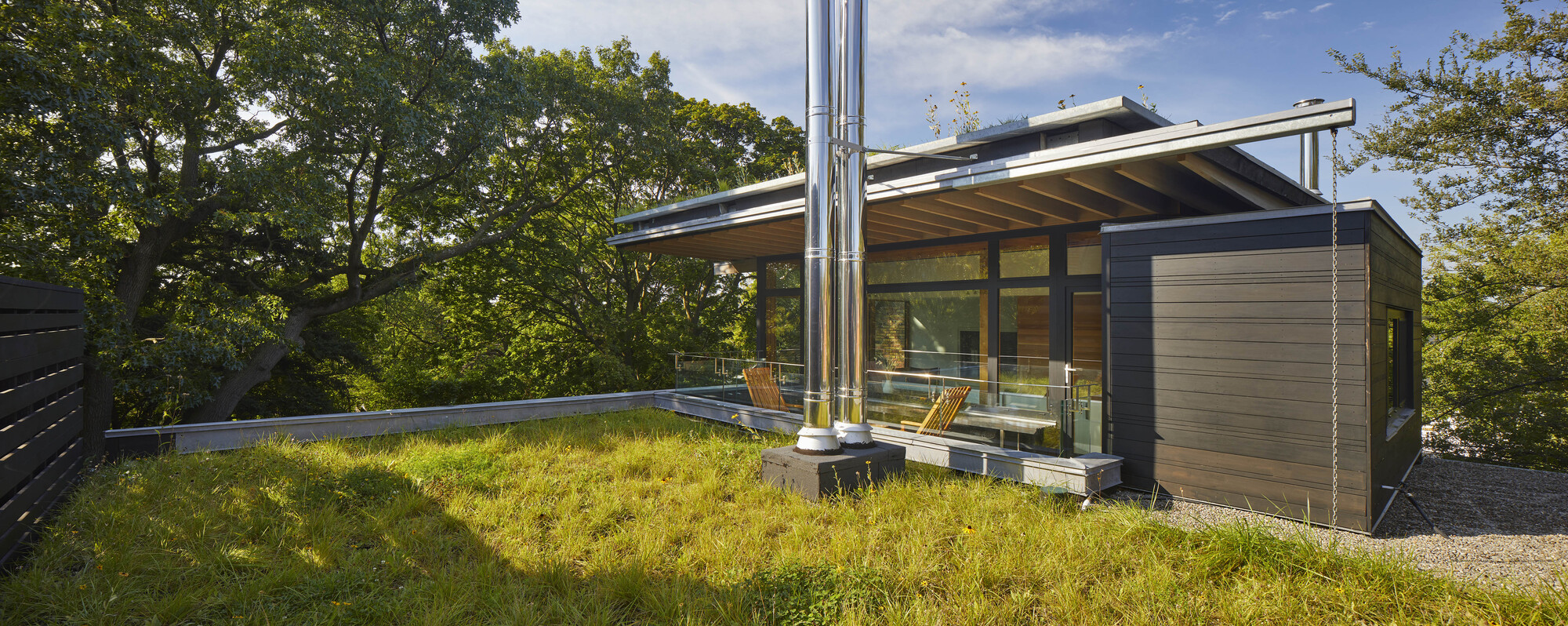
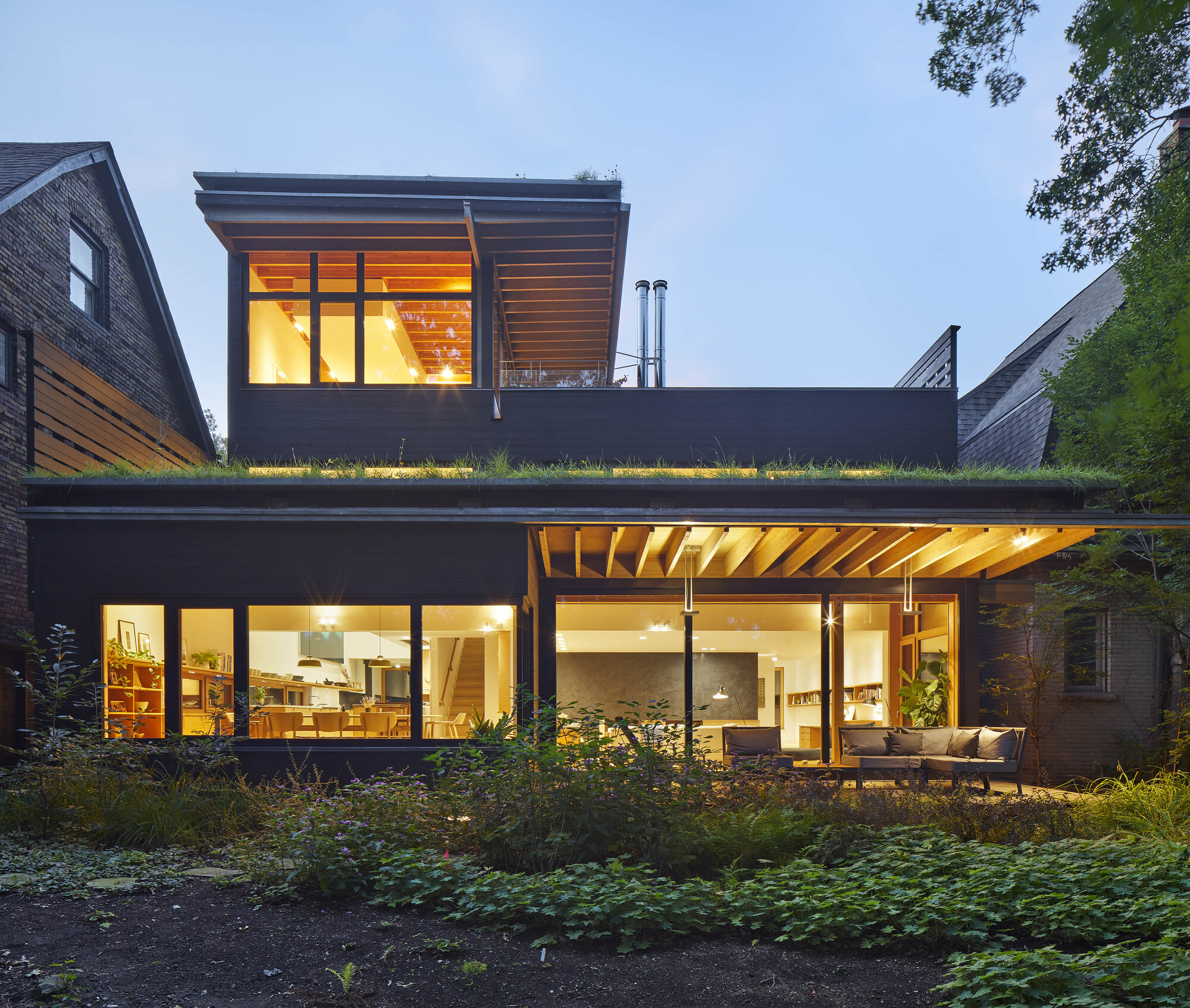
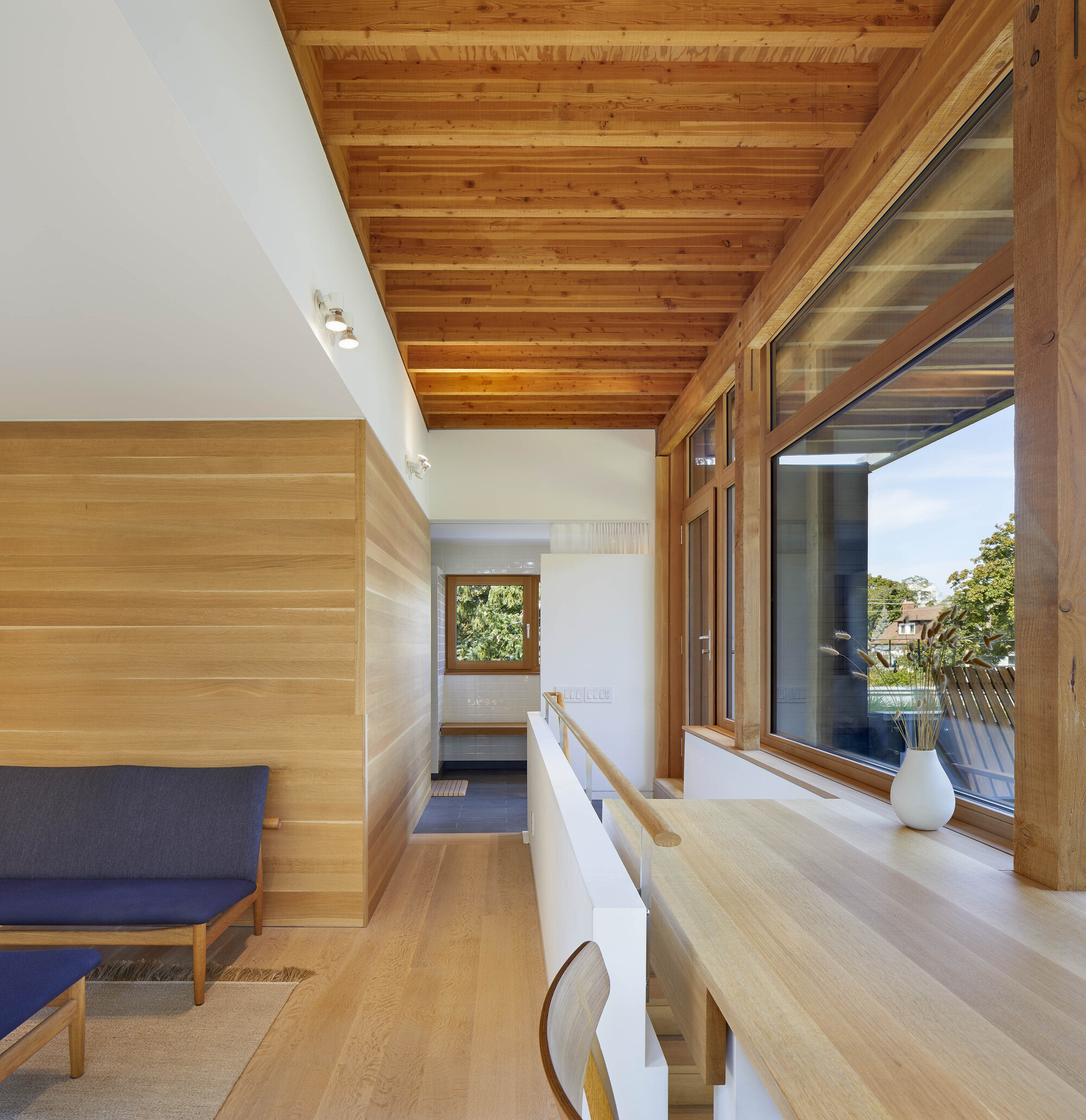
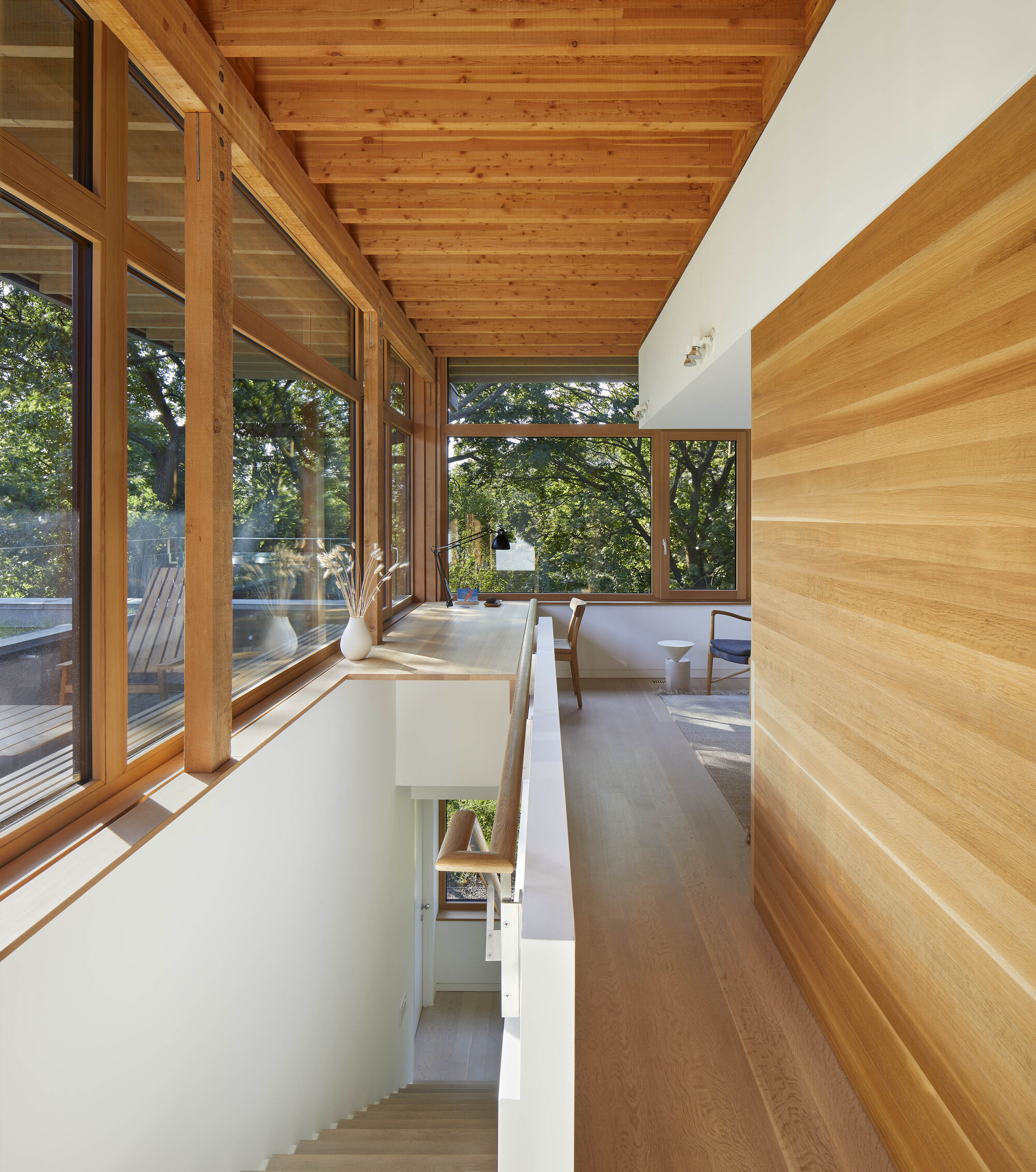
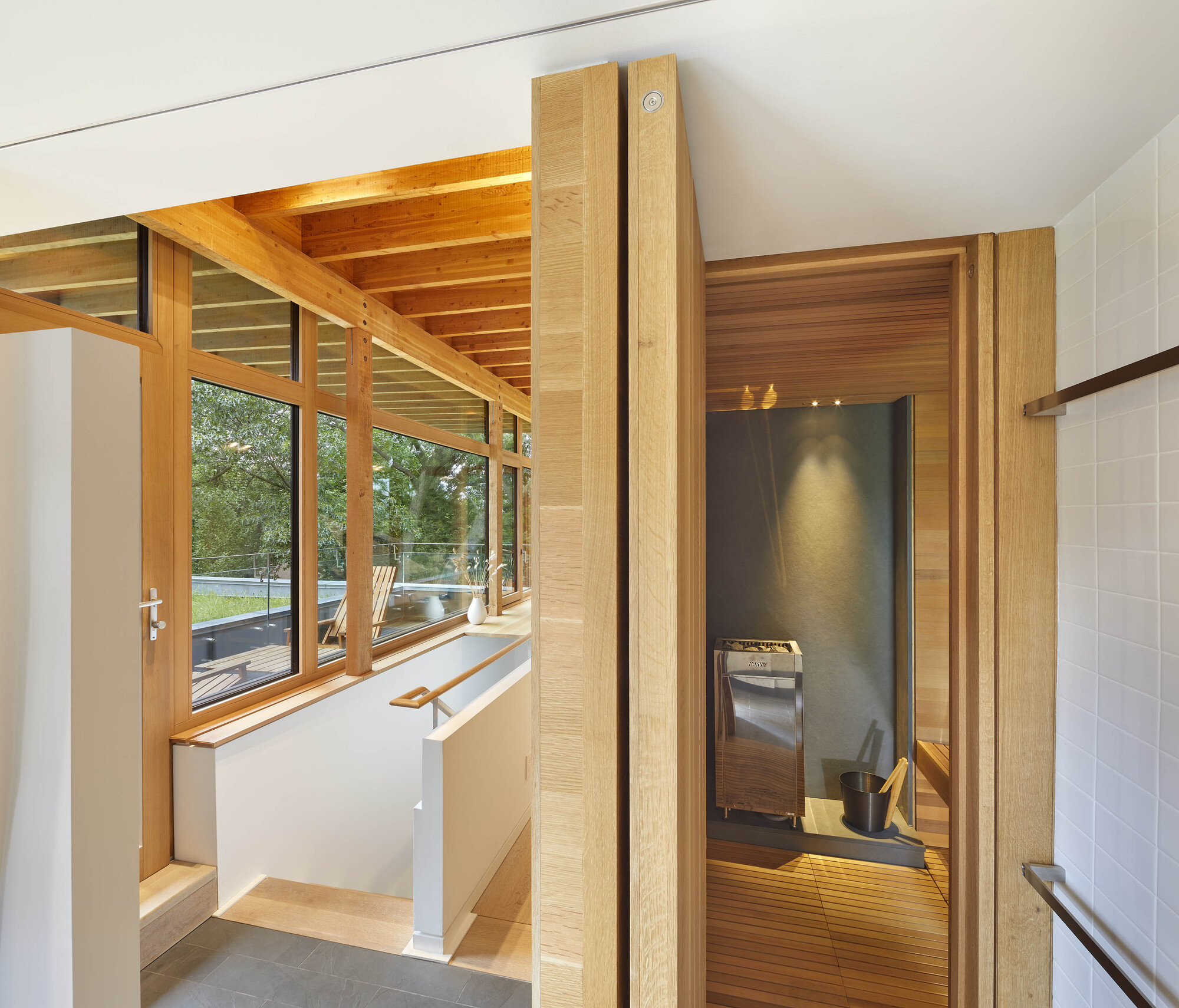
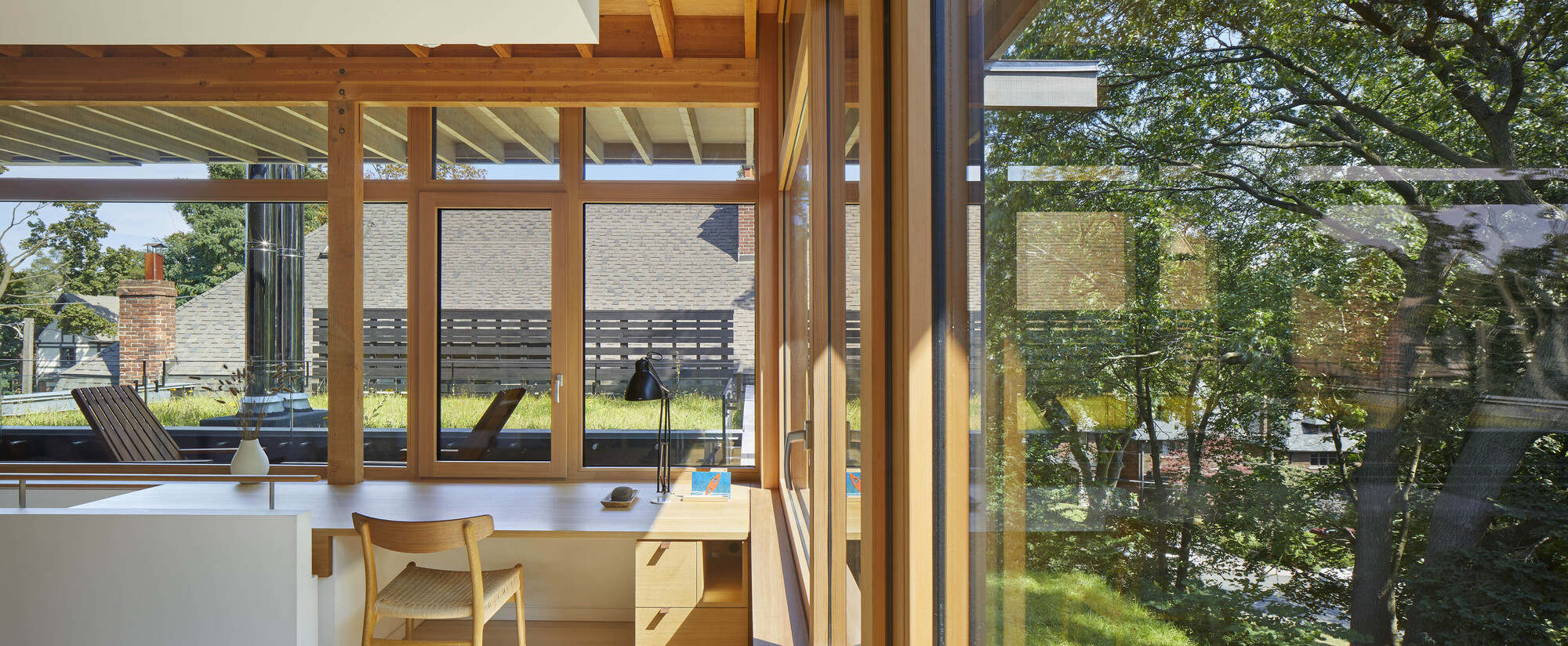
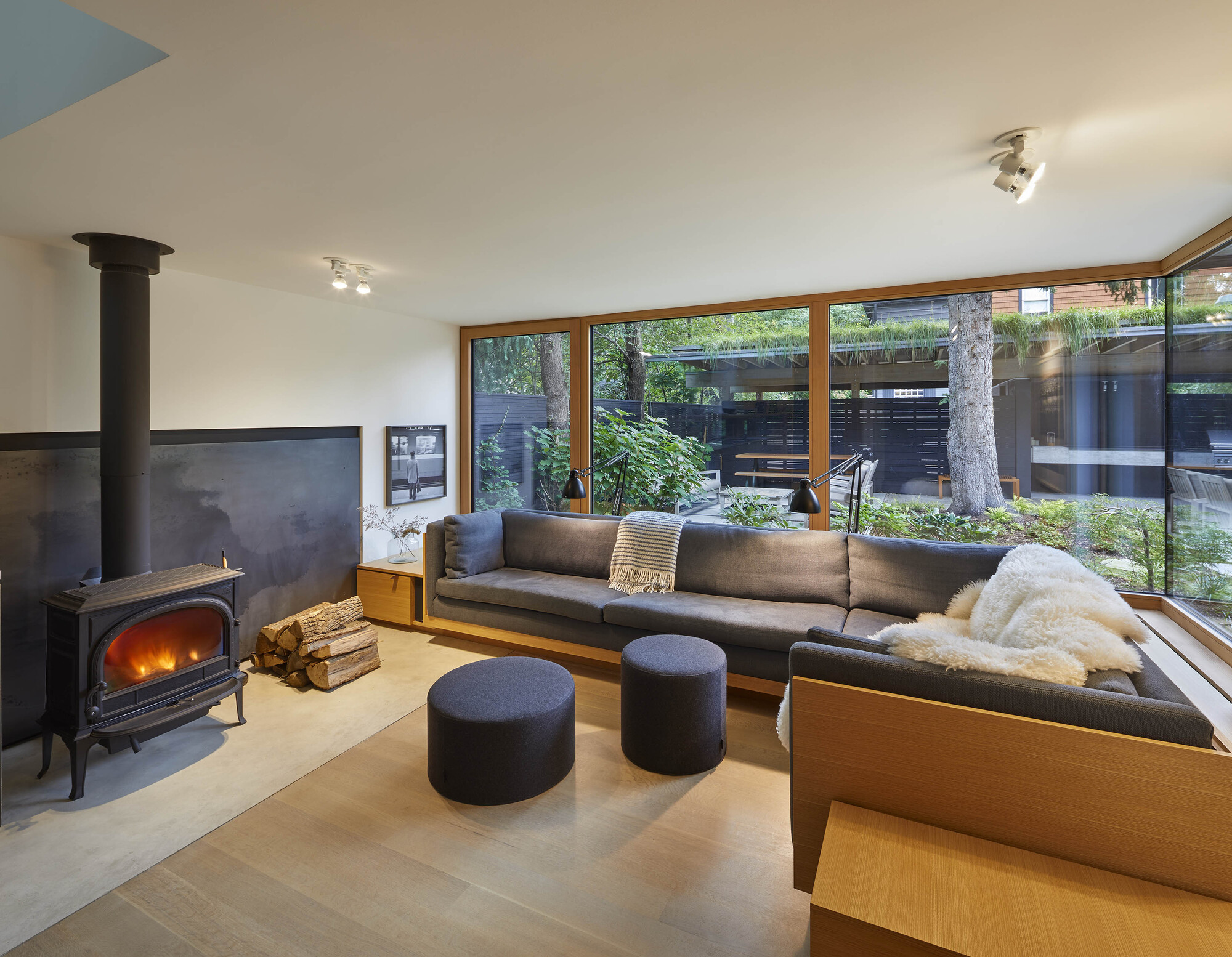
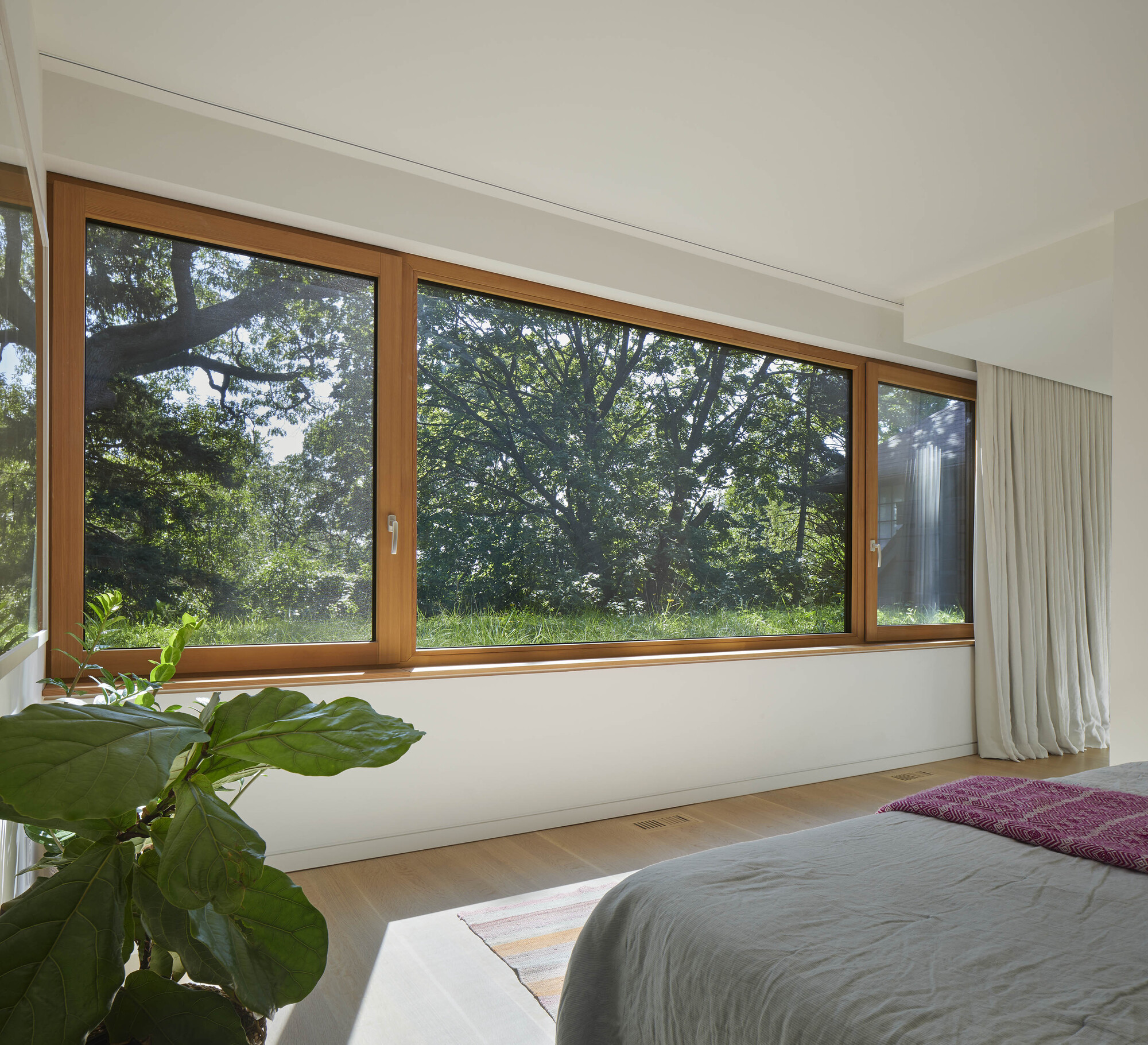
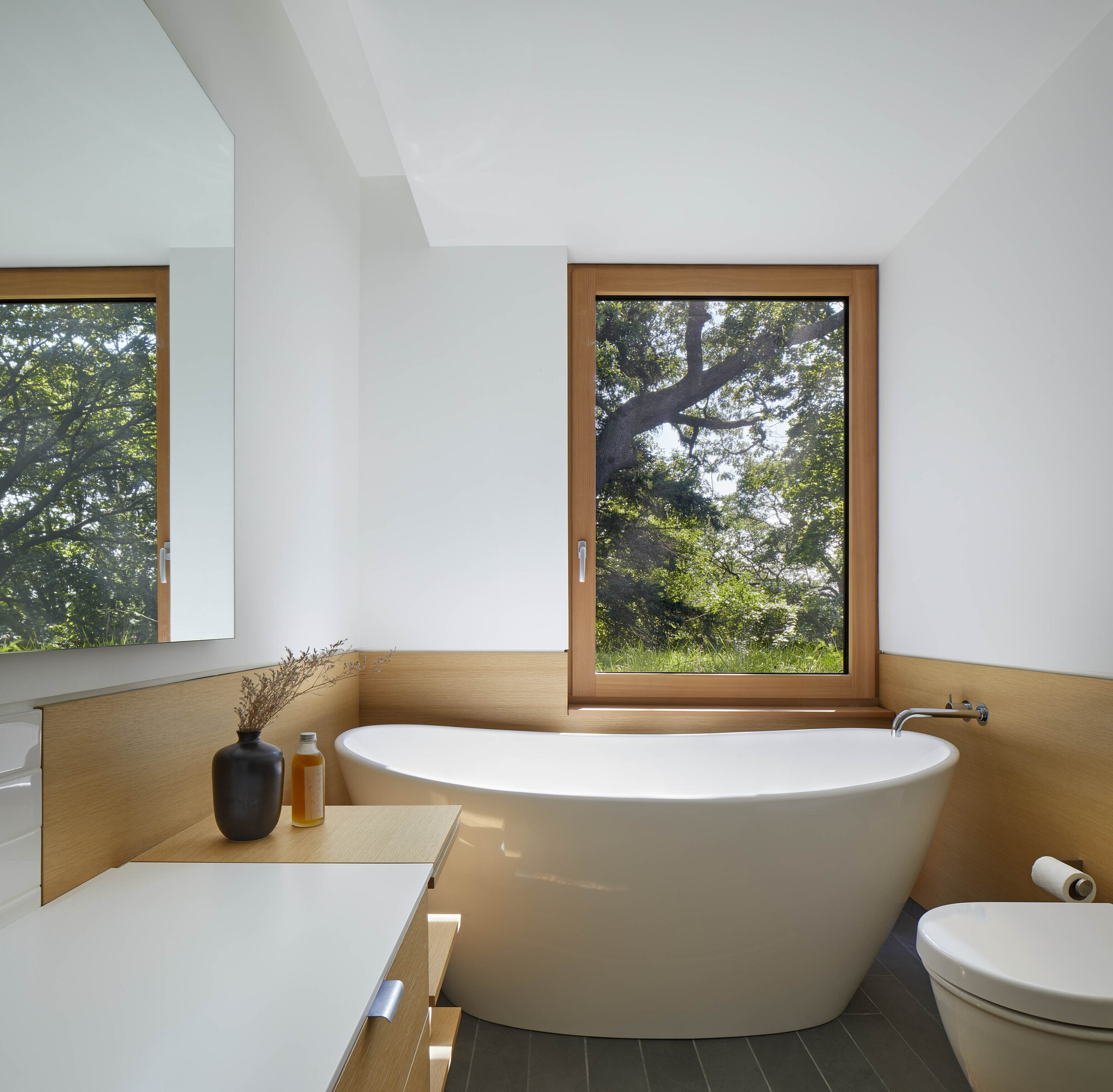
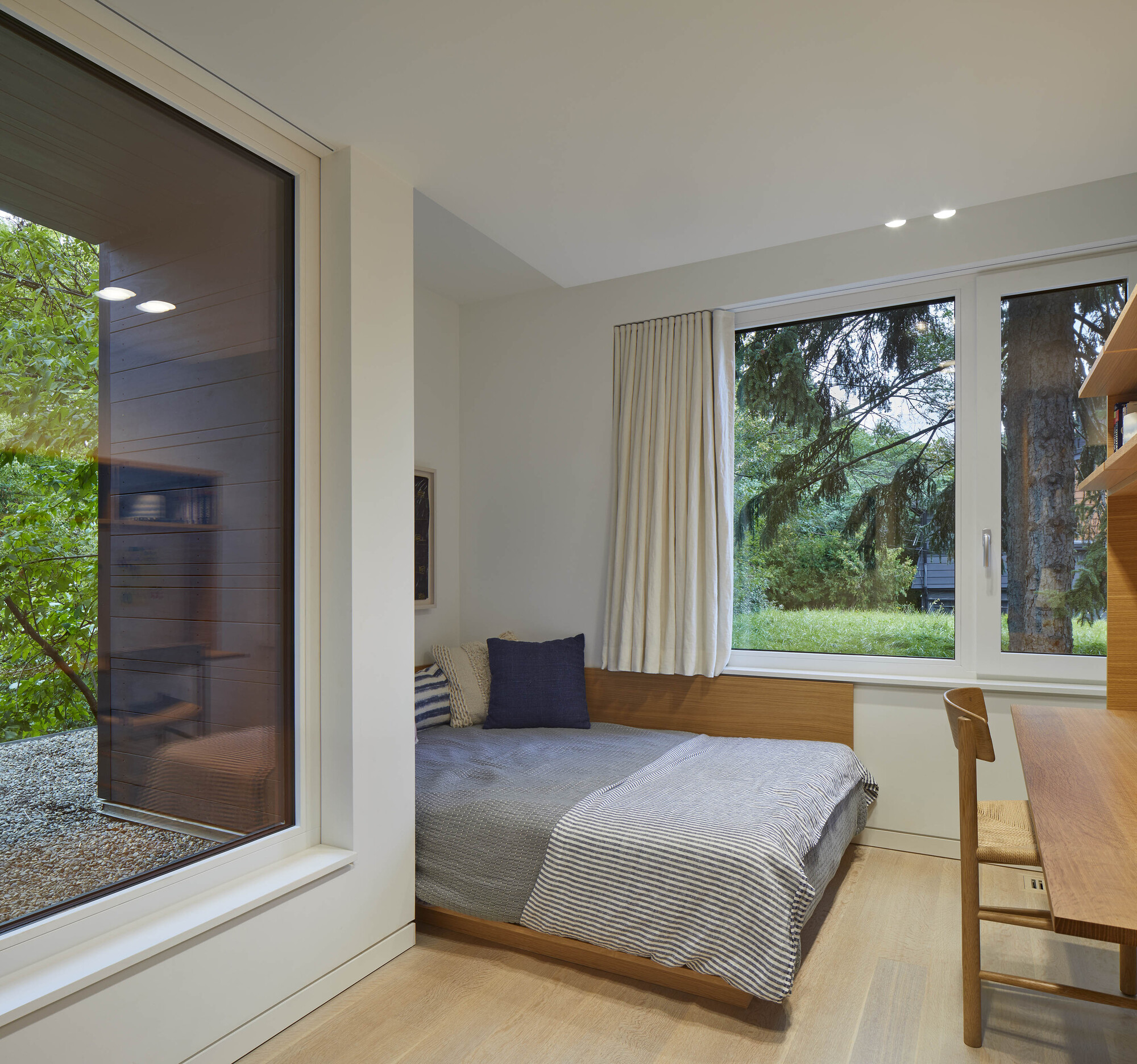
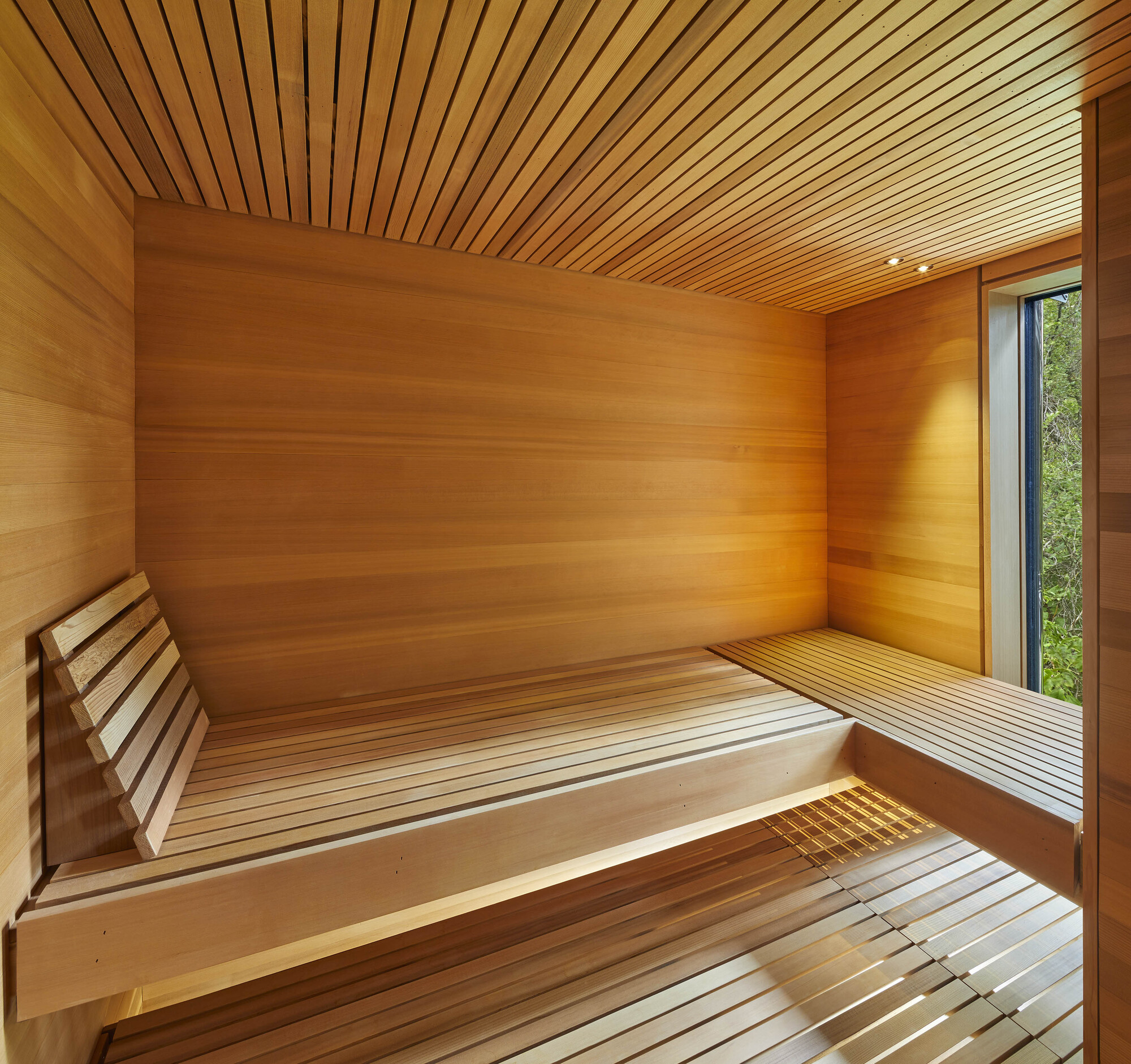
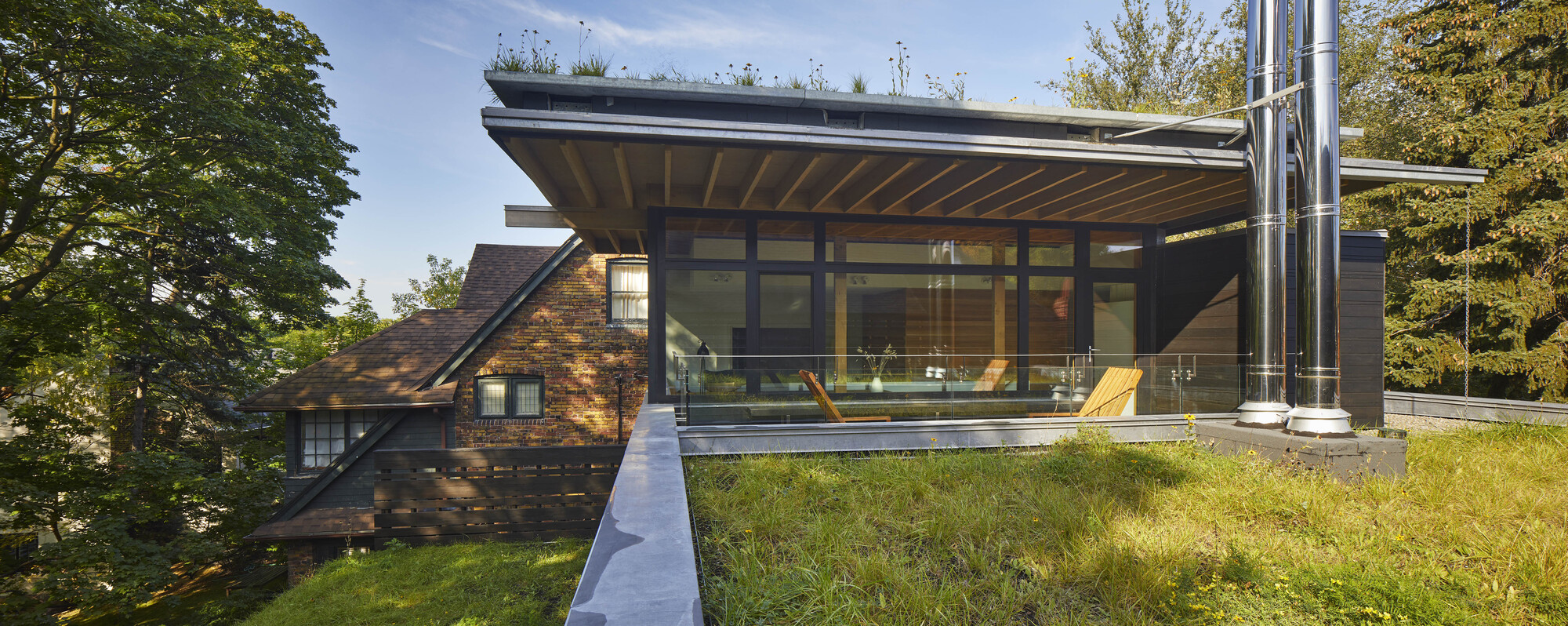
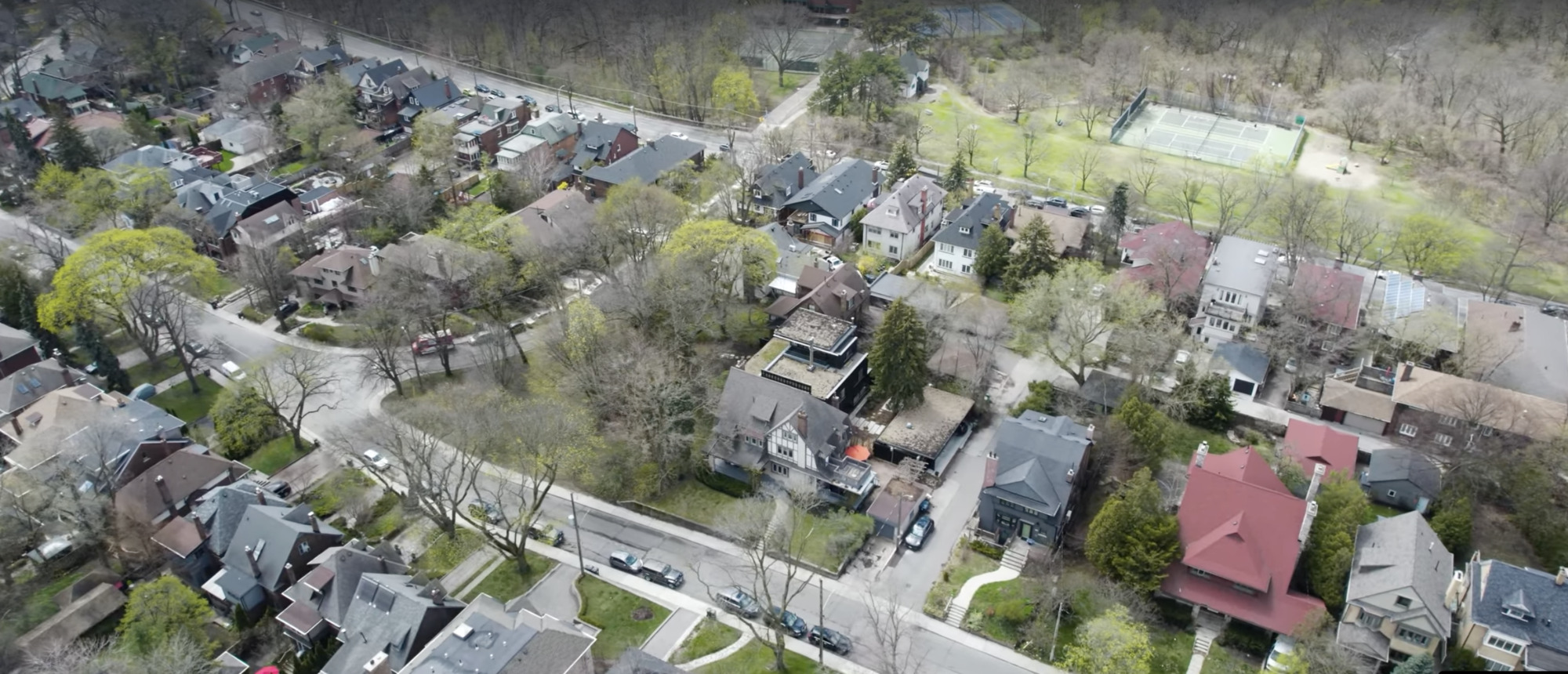
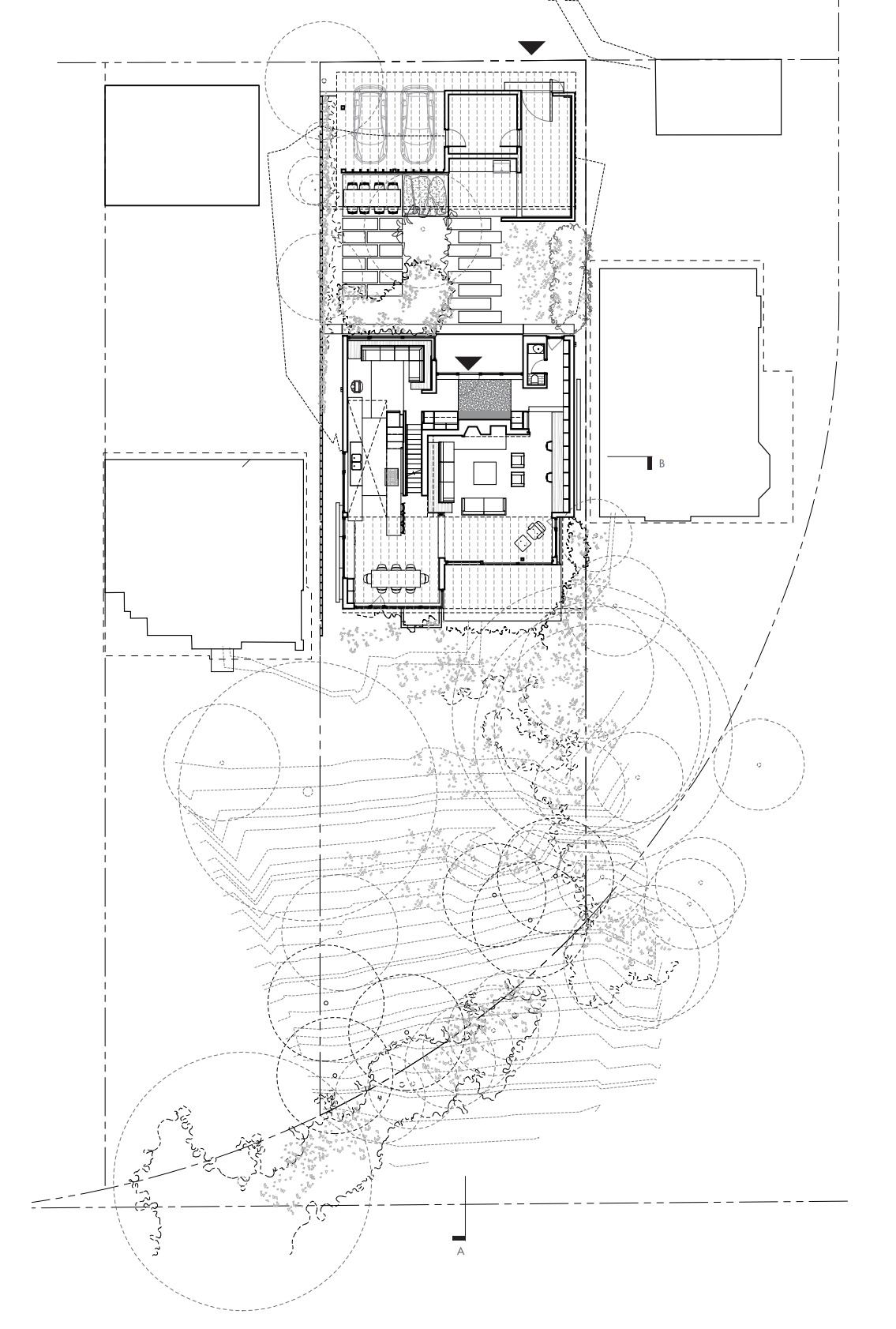
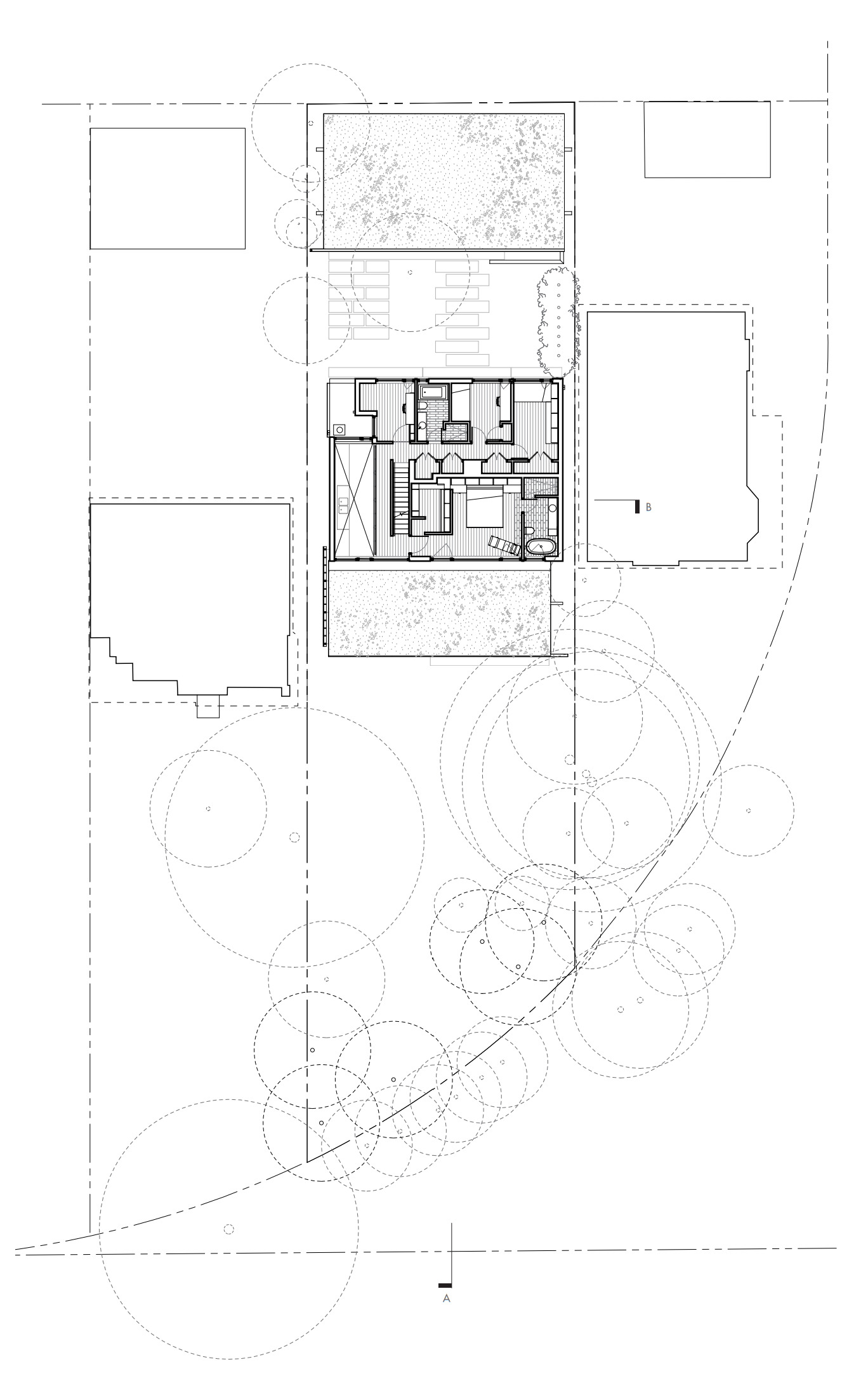
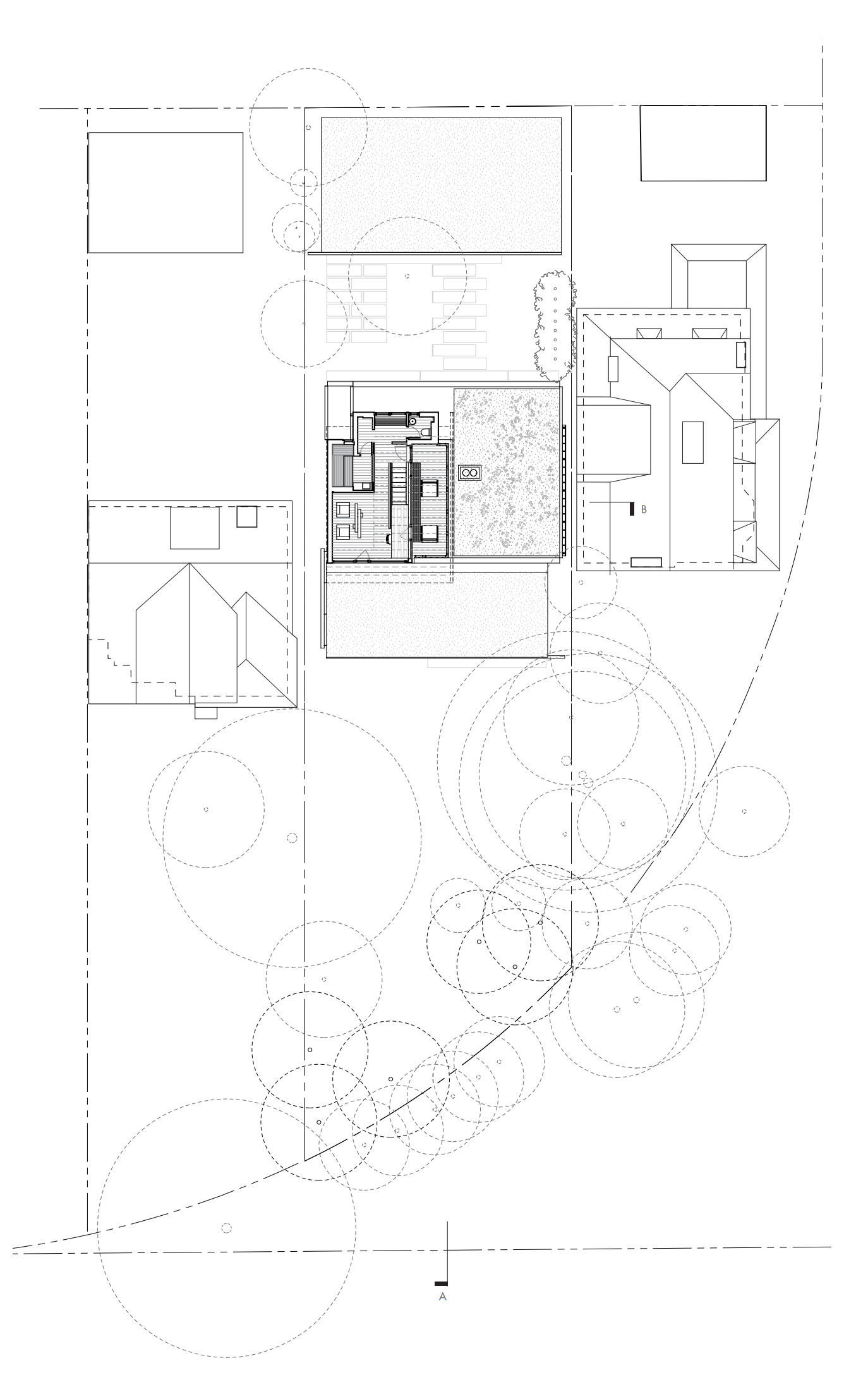
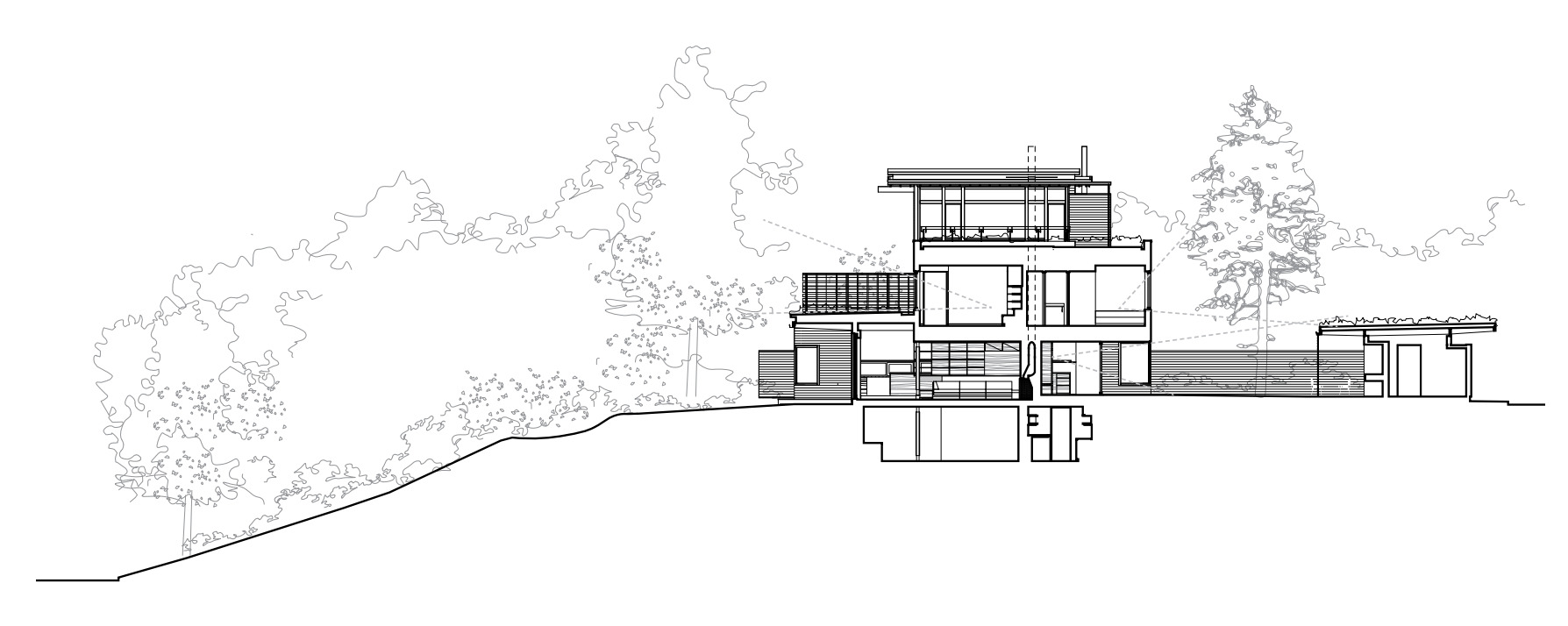
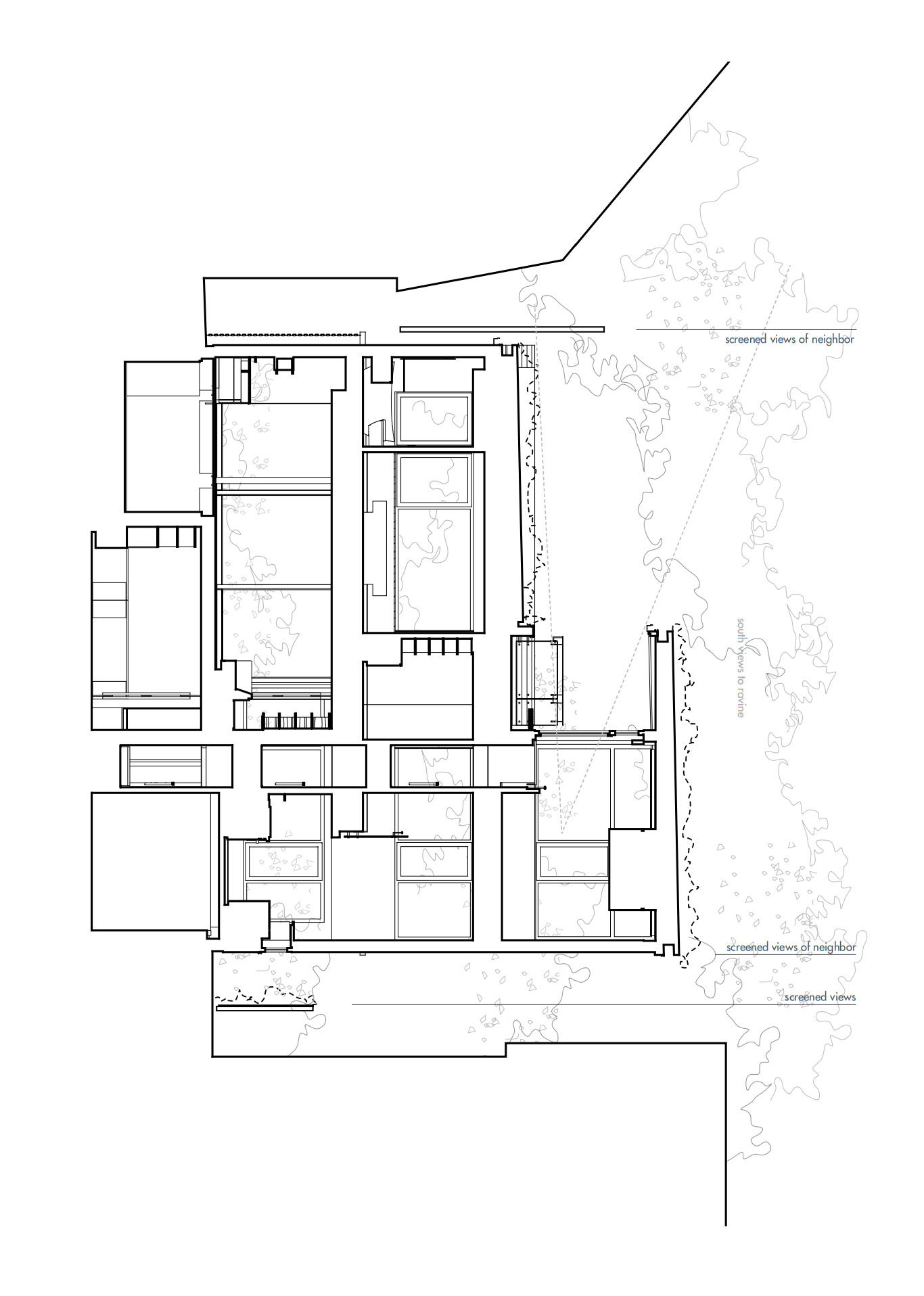
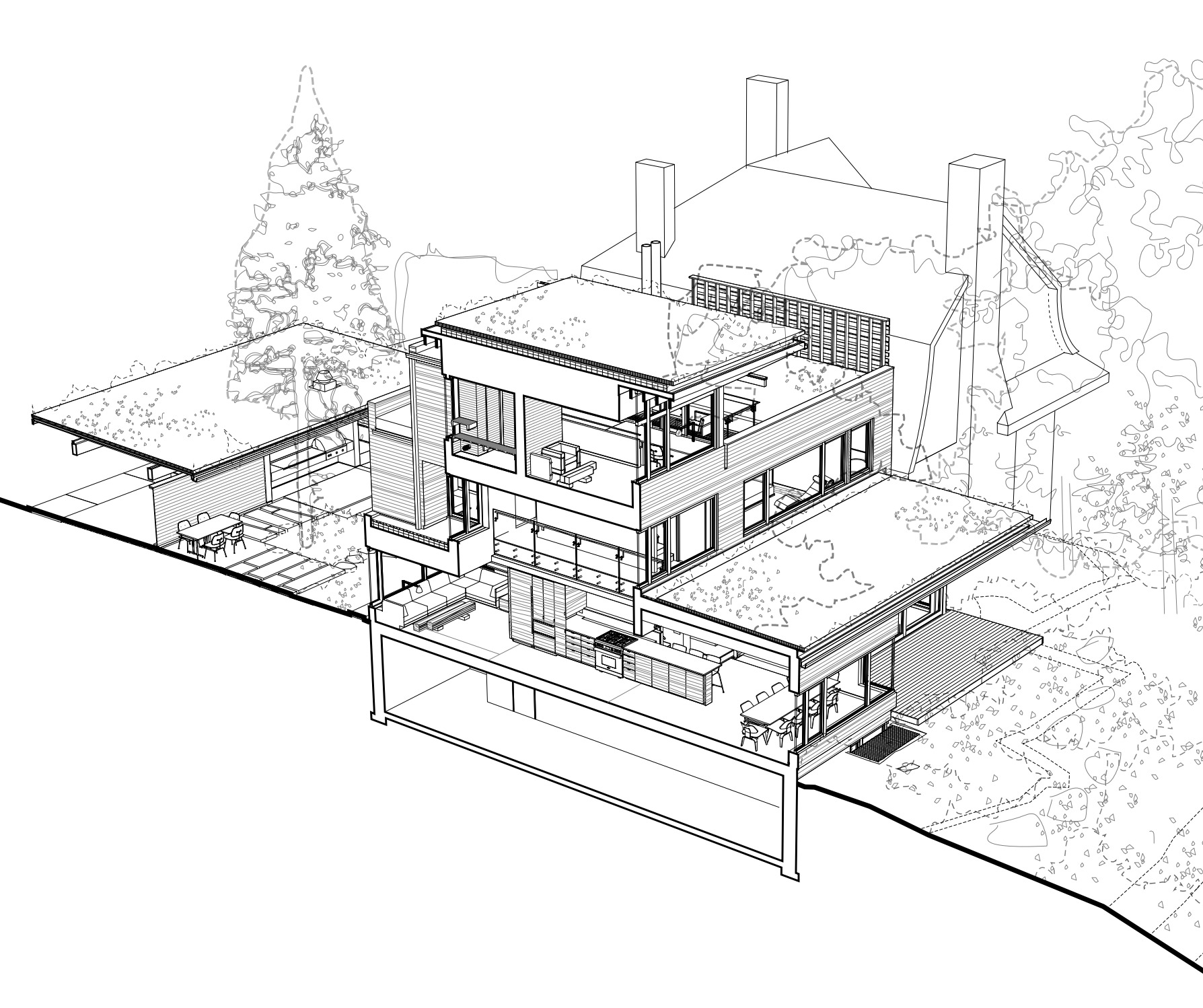
House in High Park #architecture Architects: Ian MacDonald Architect Inc. Area: 3200 ft² Year: 2023 Photographs: Tom Arban City: Toronto Country: Canada
This is not an automated account. Your comments go a long way in keeping me motivated to continue posting this content. Thank you for your attention to this matter.
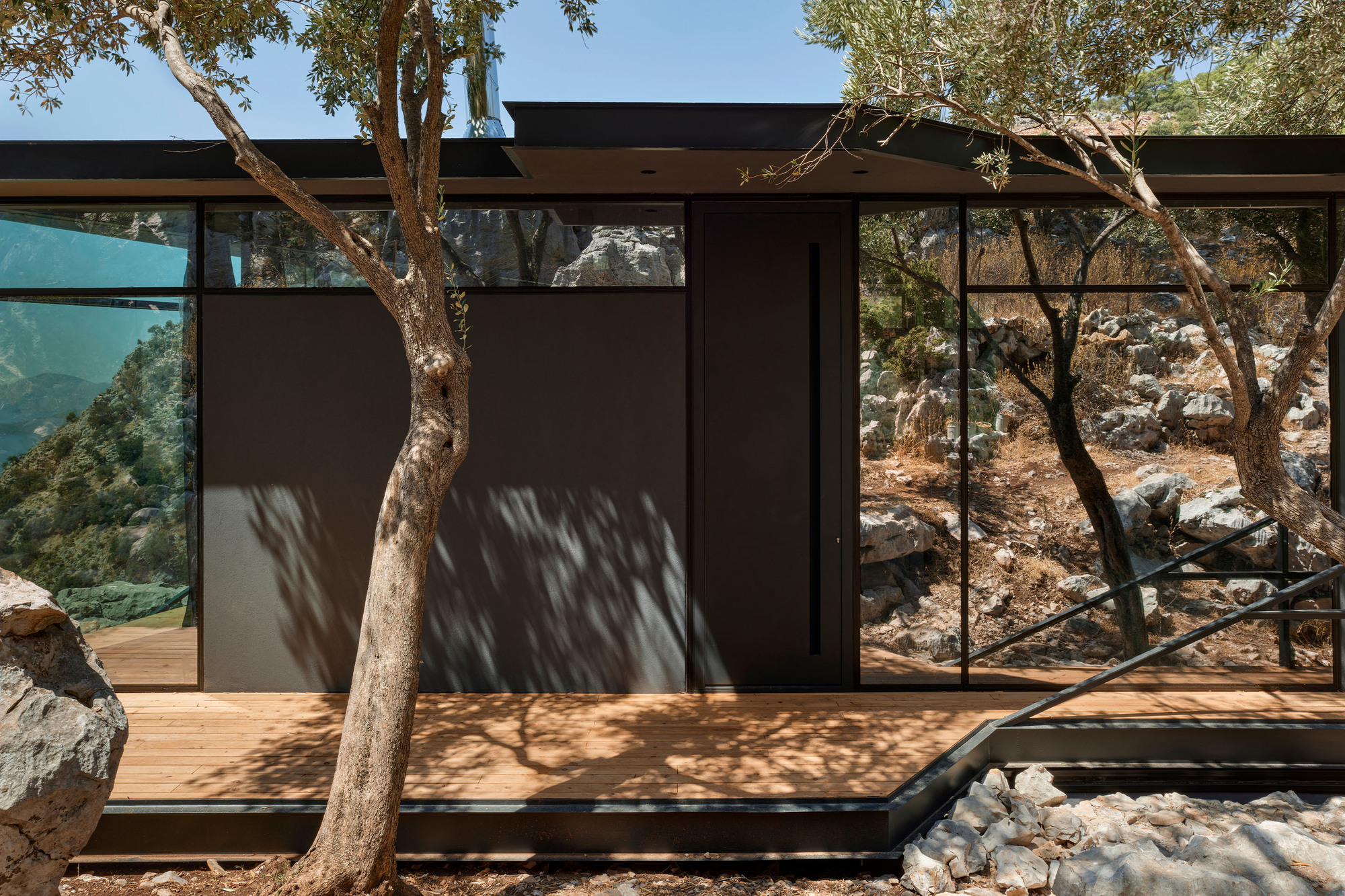
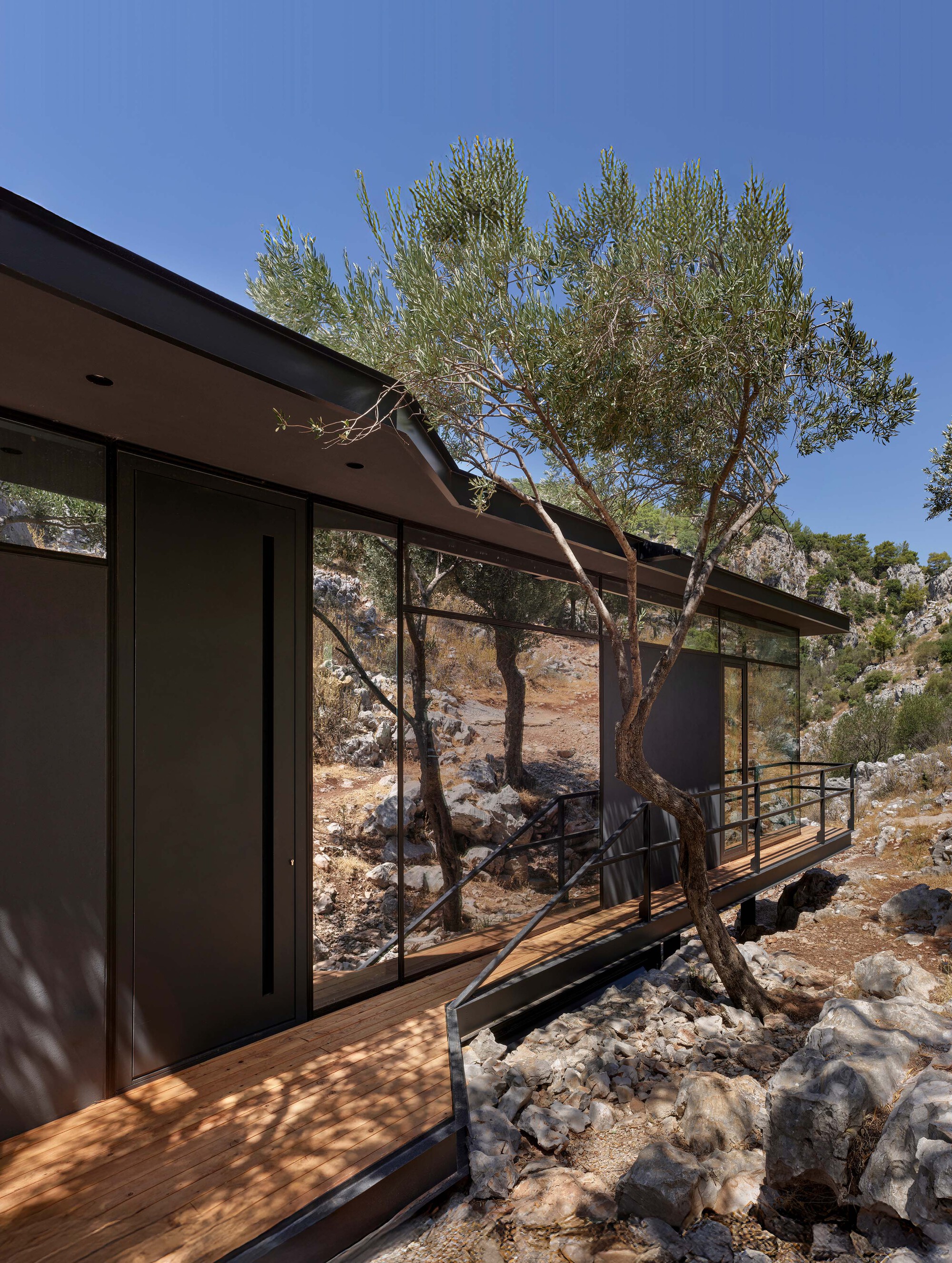
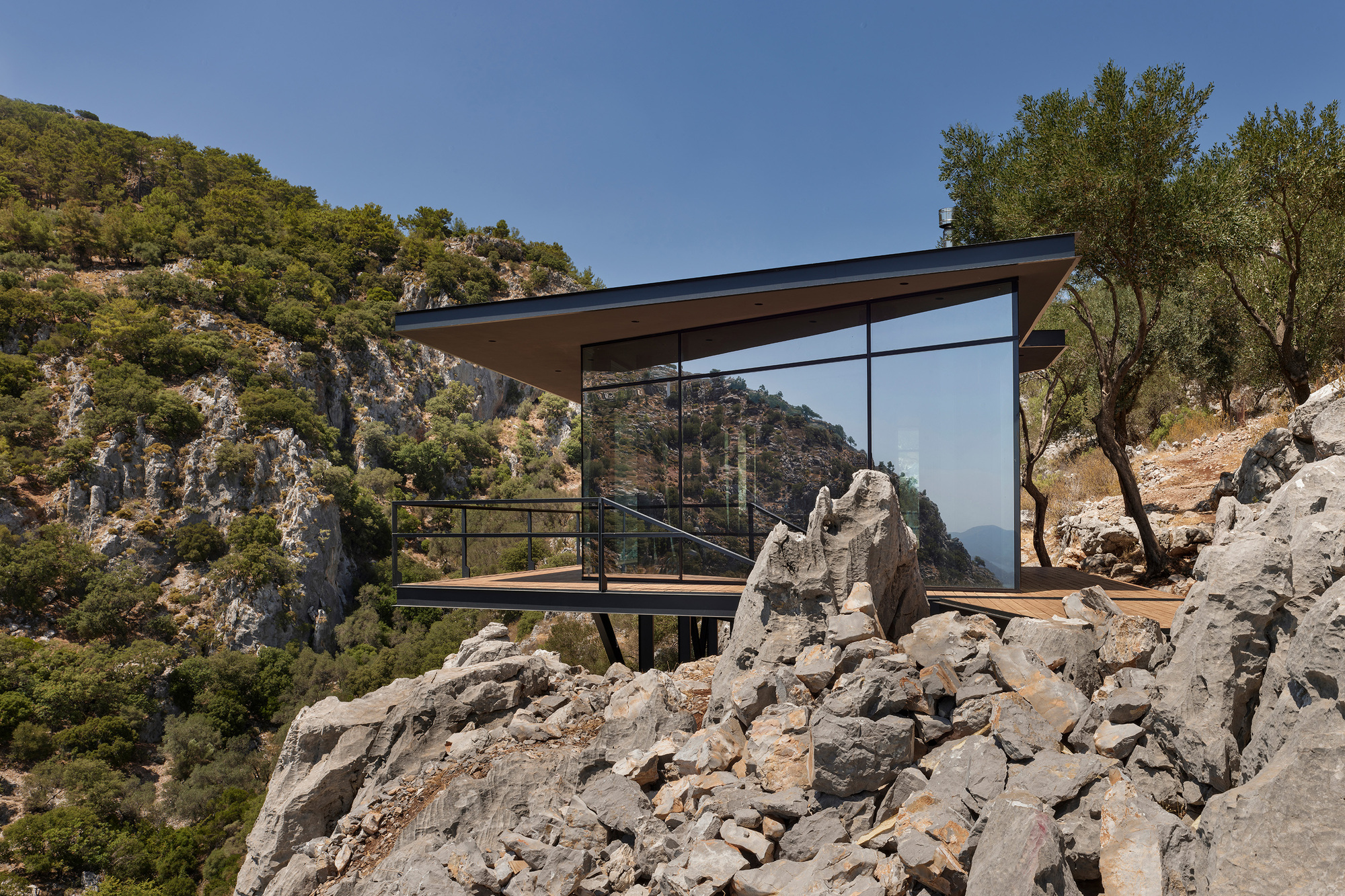
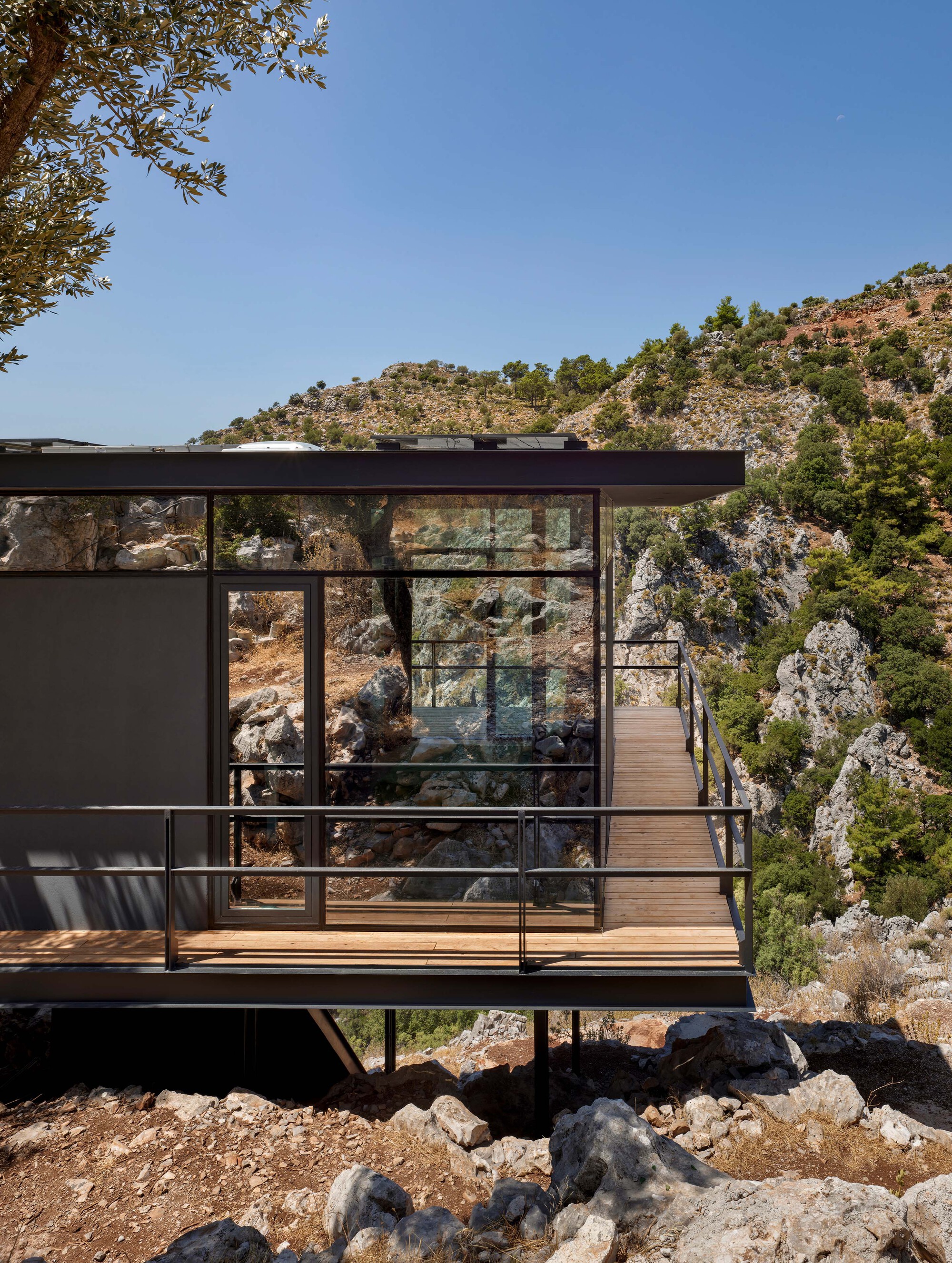
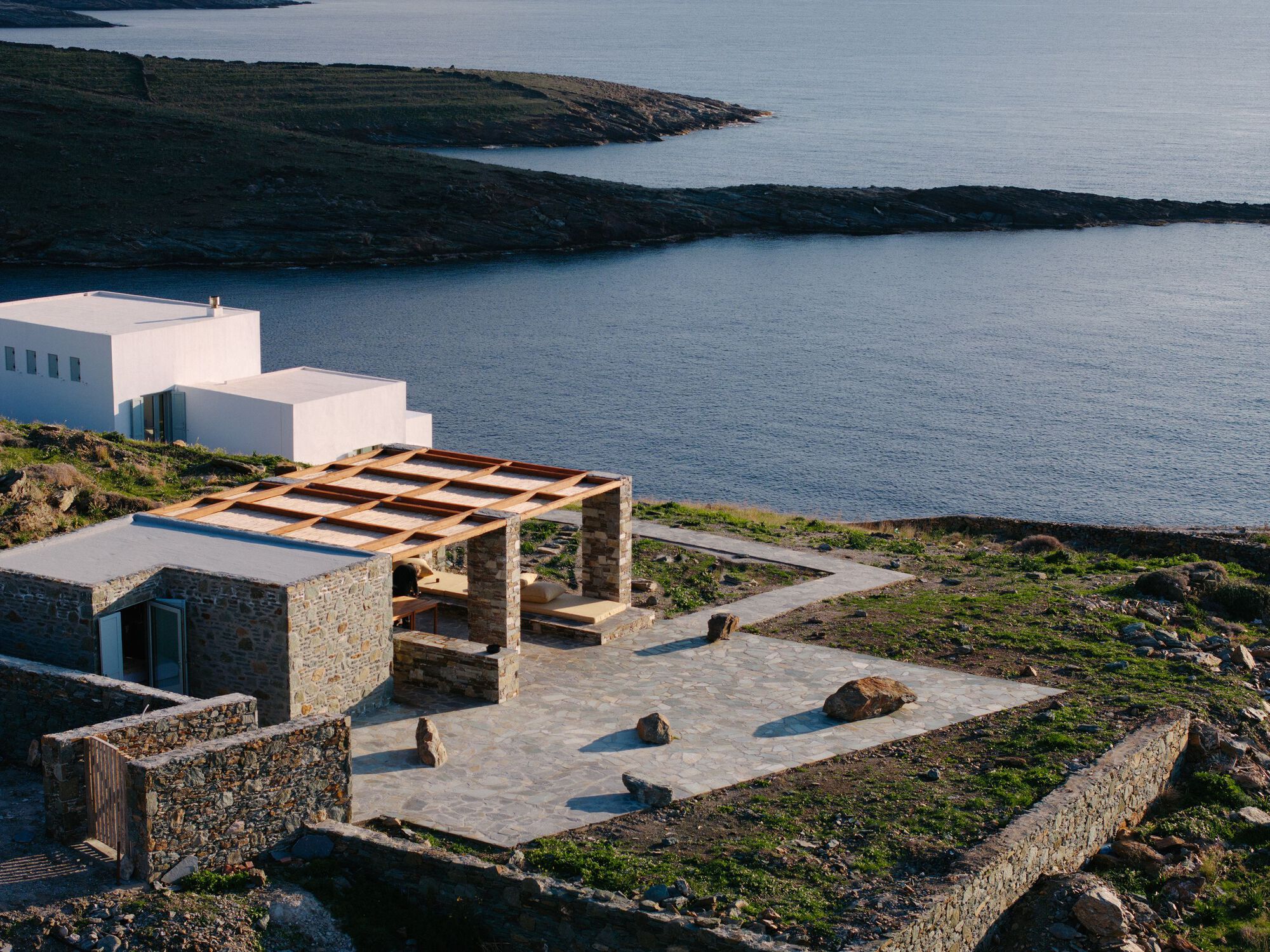
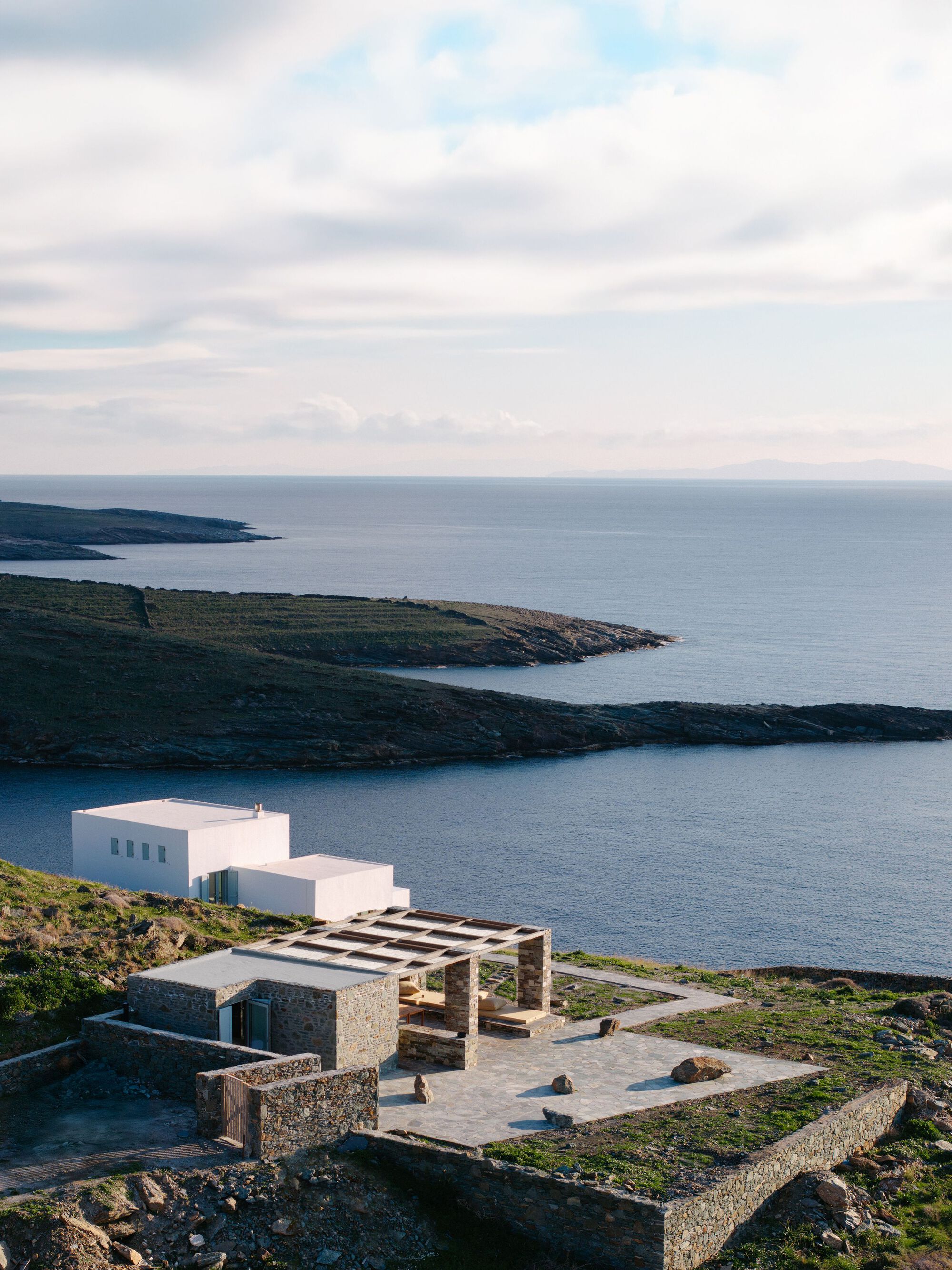
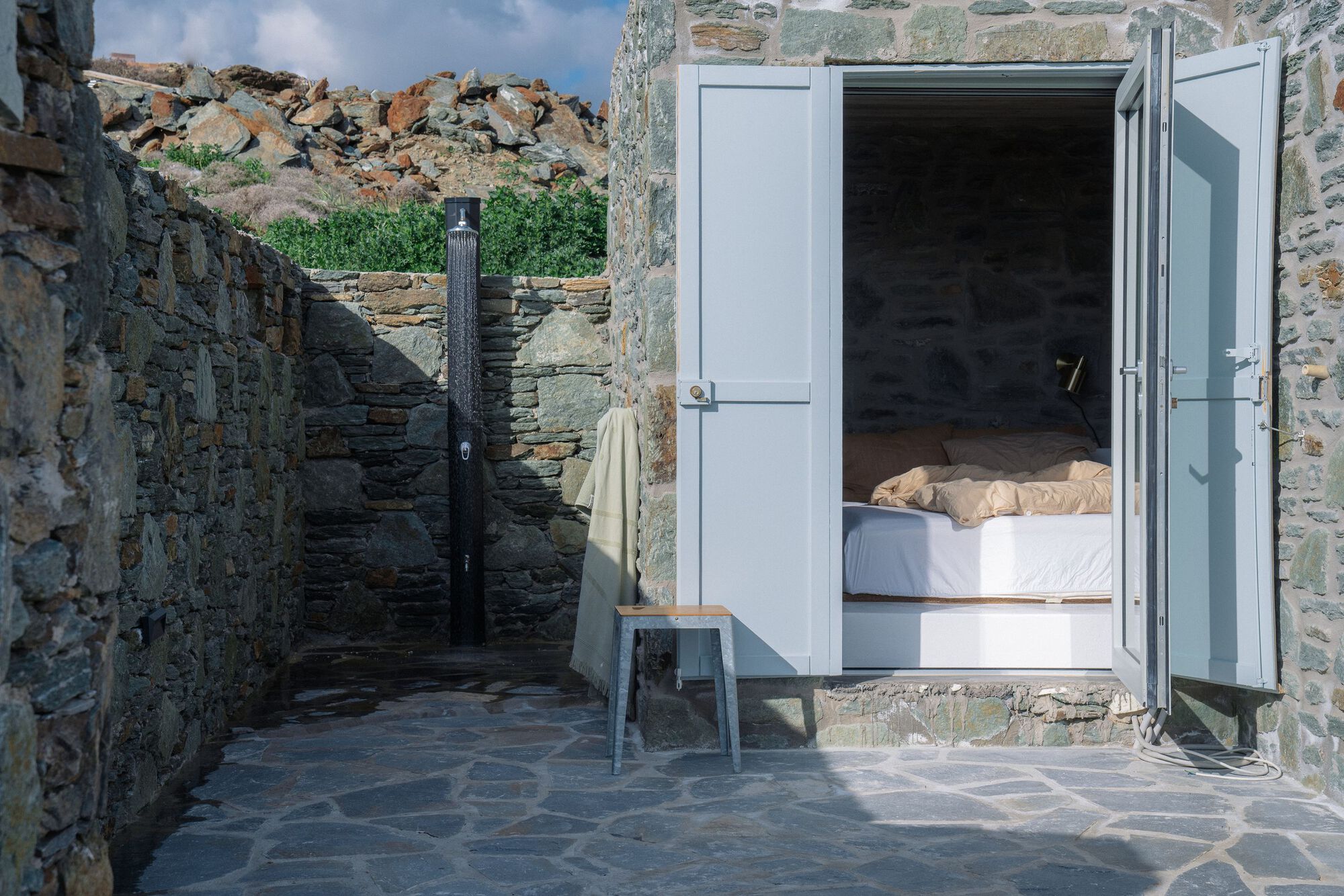
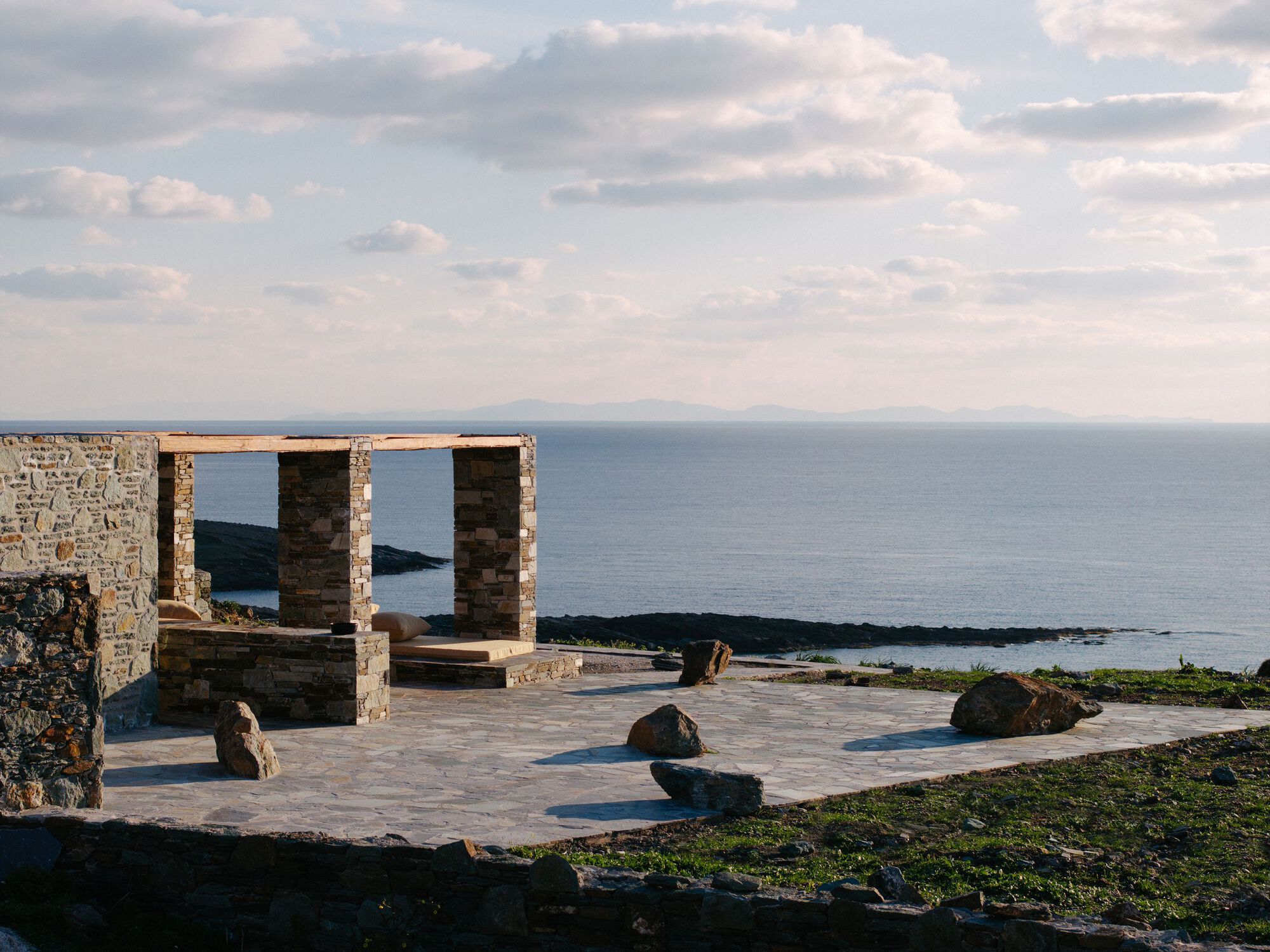
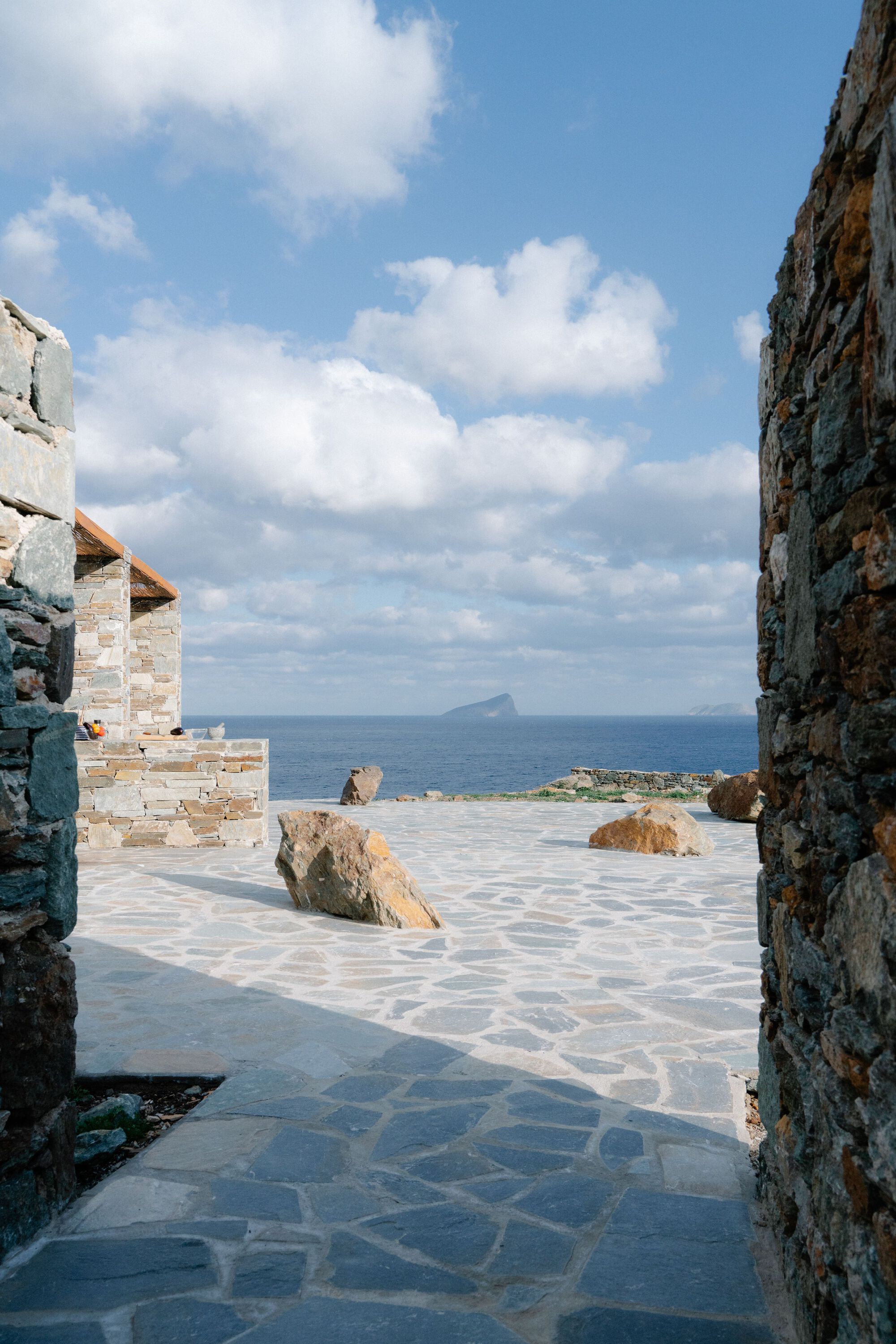
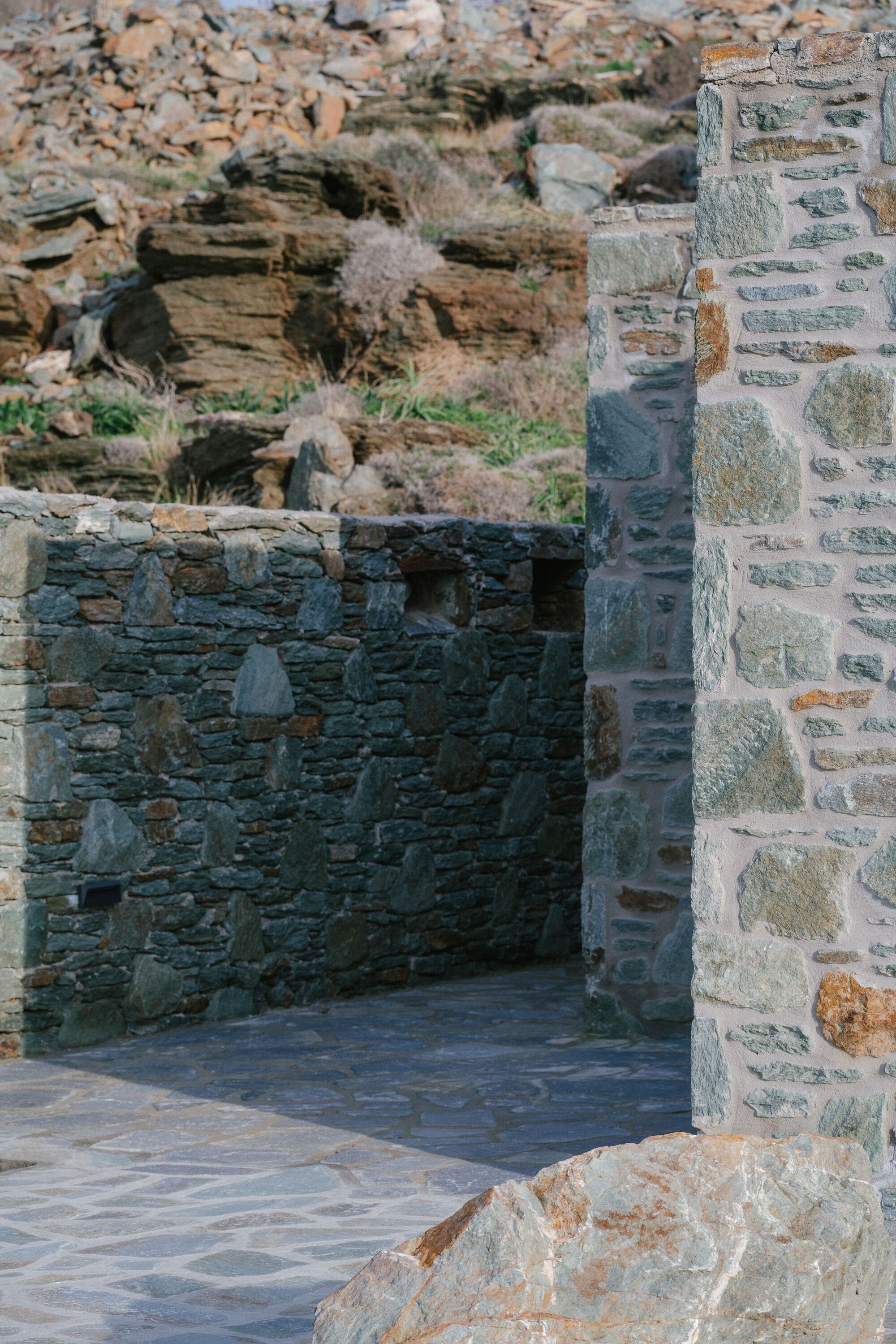
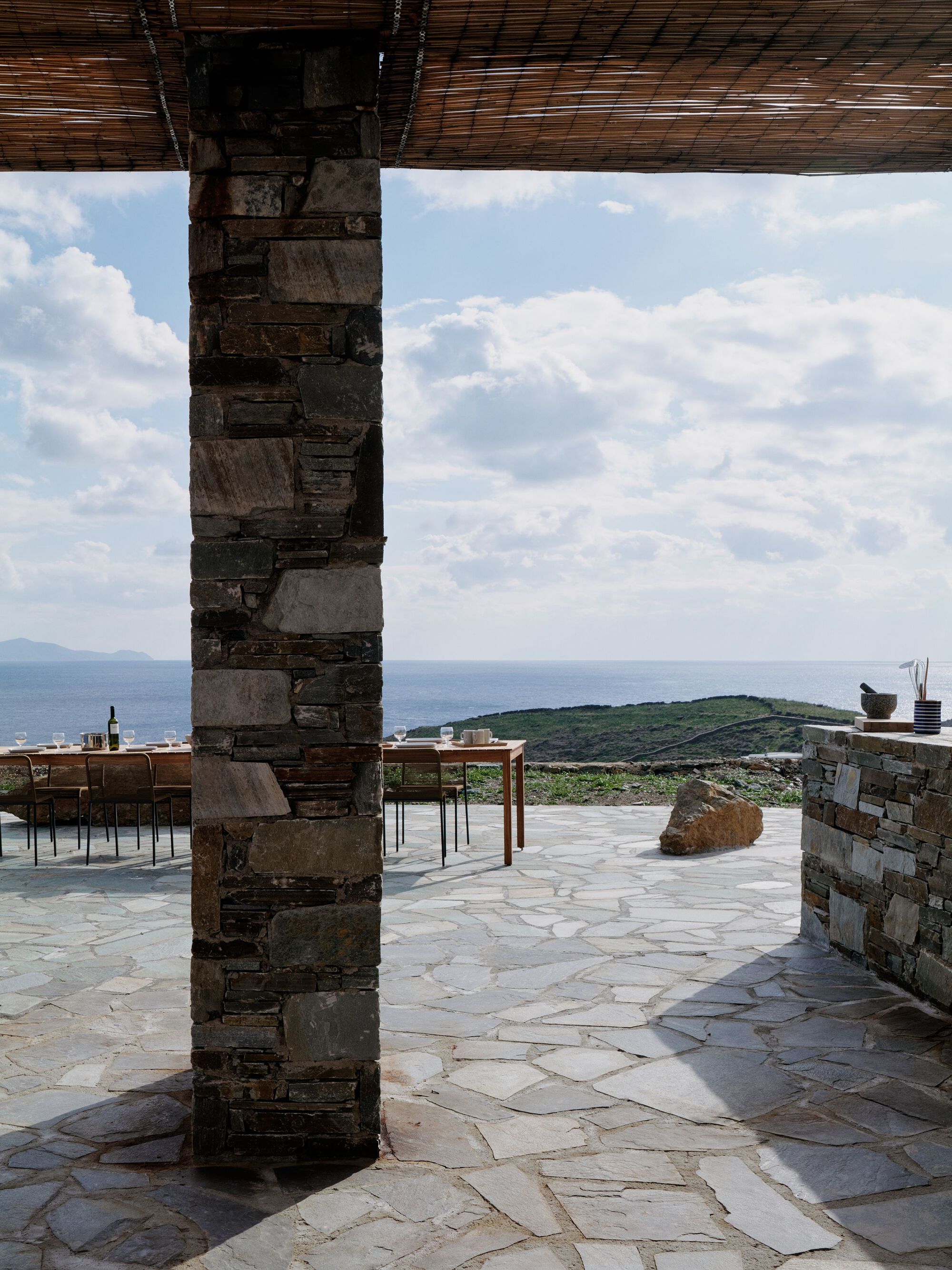
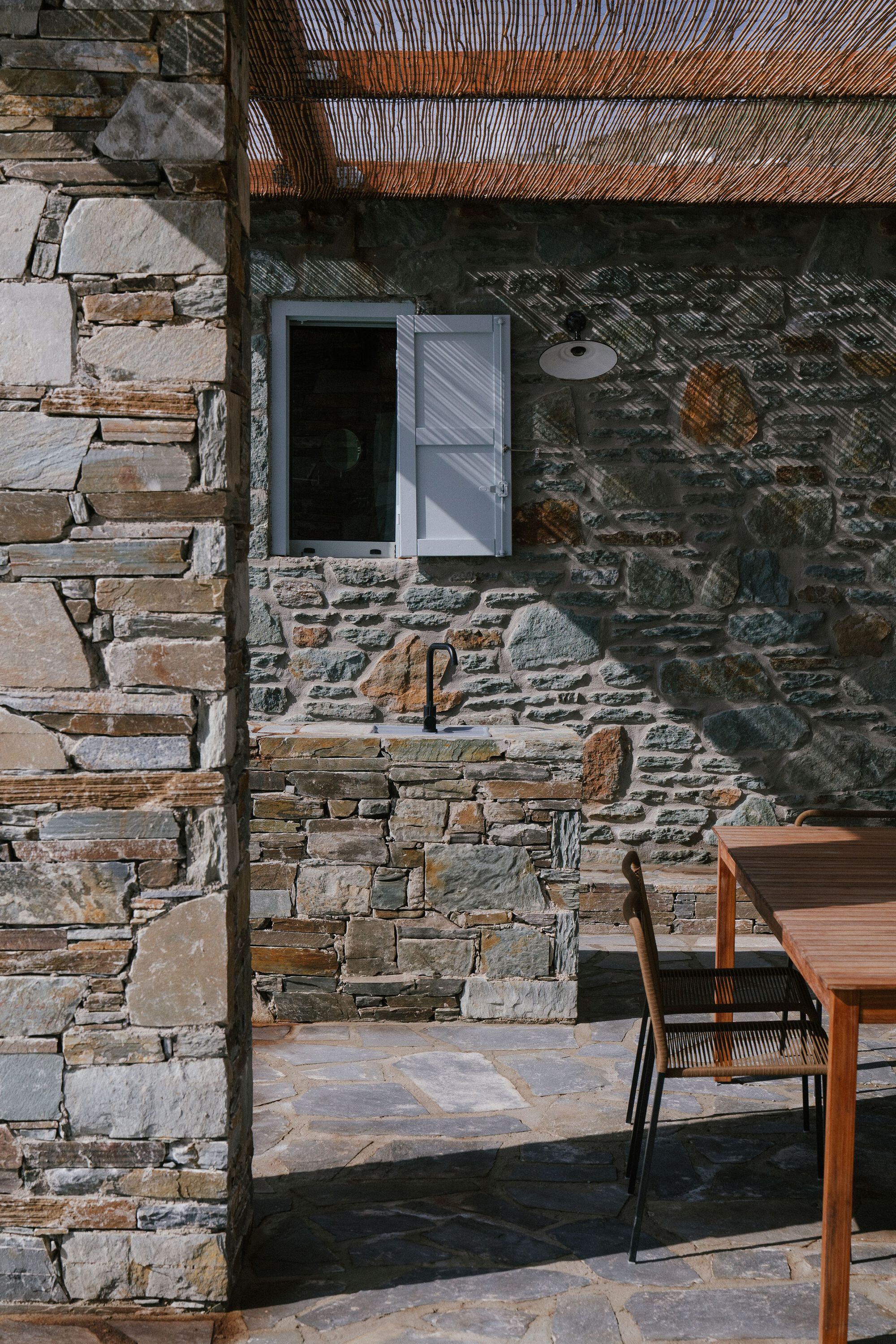
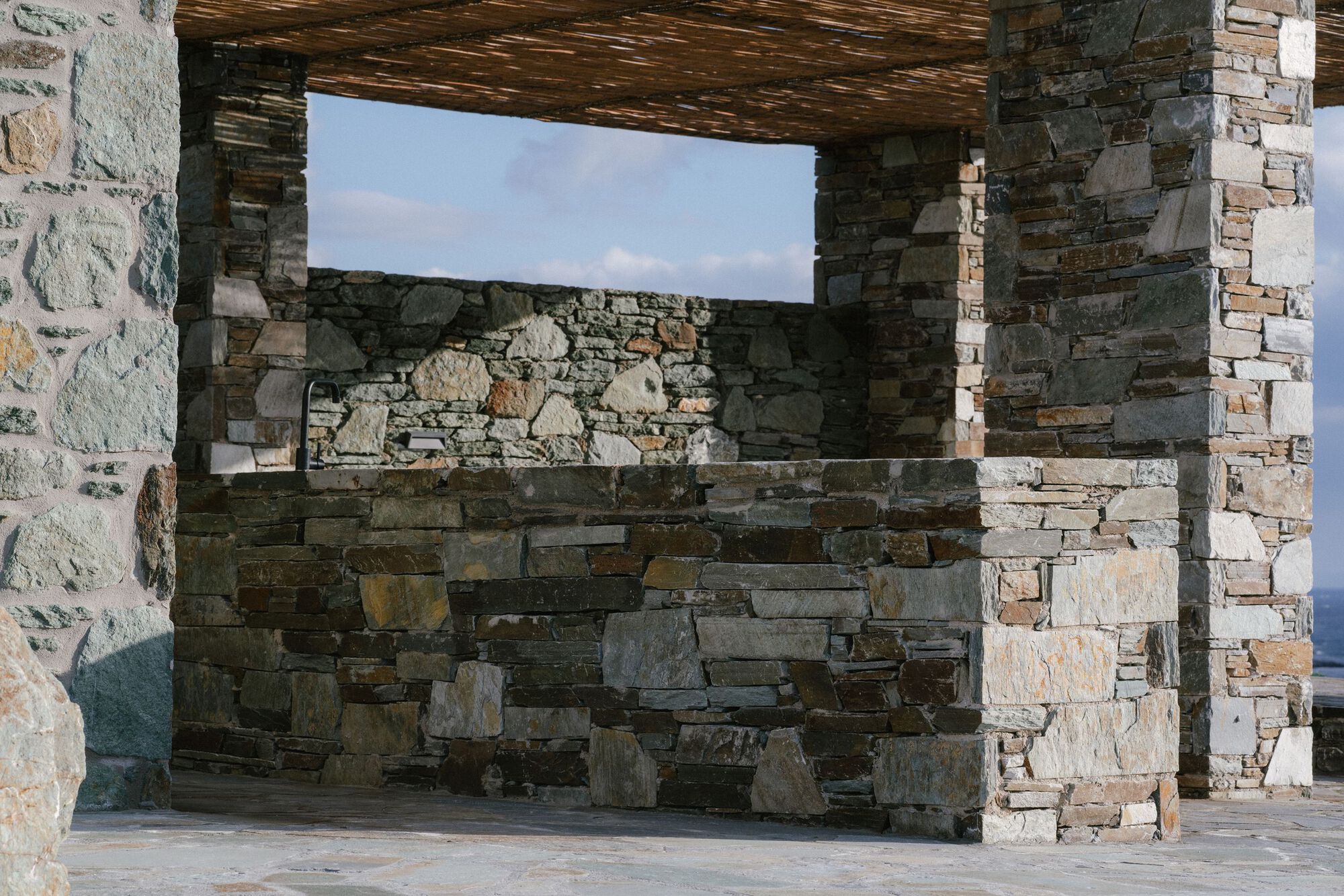
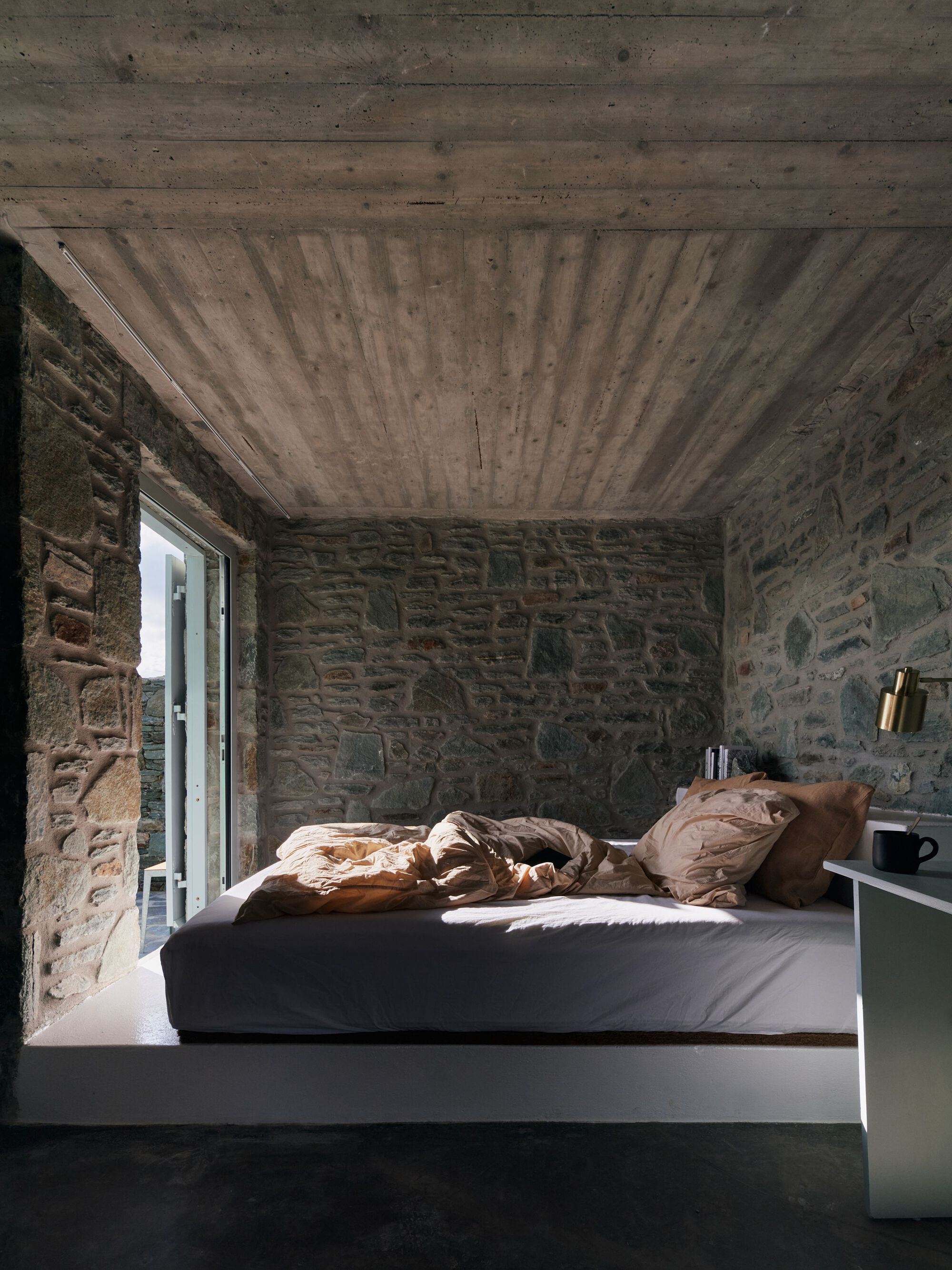
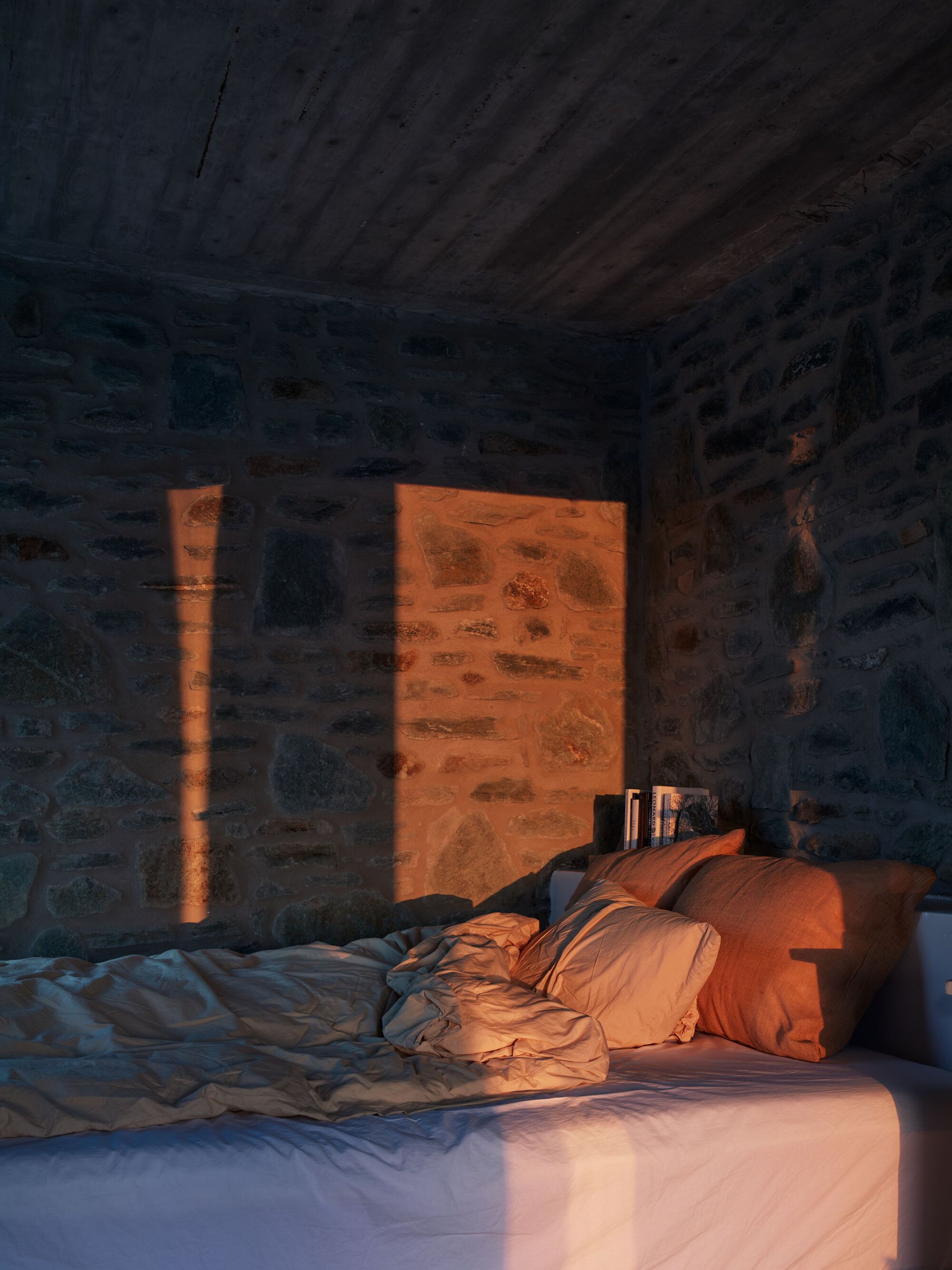
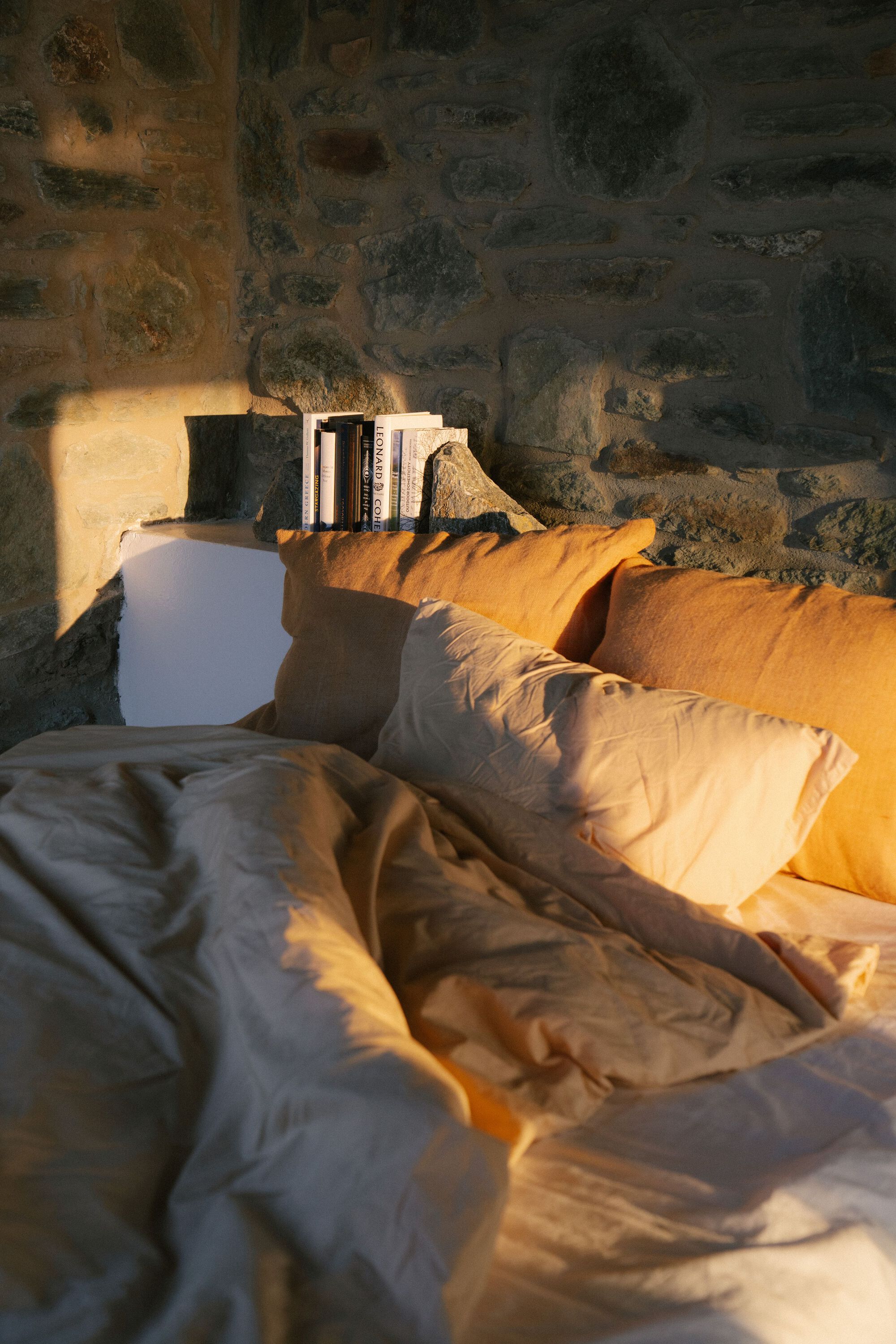
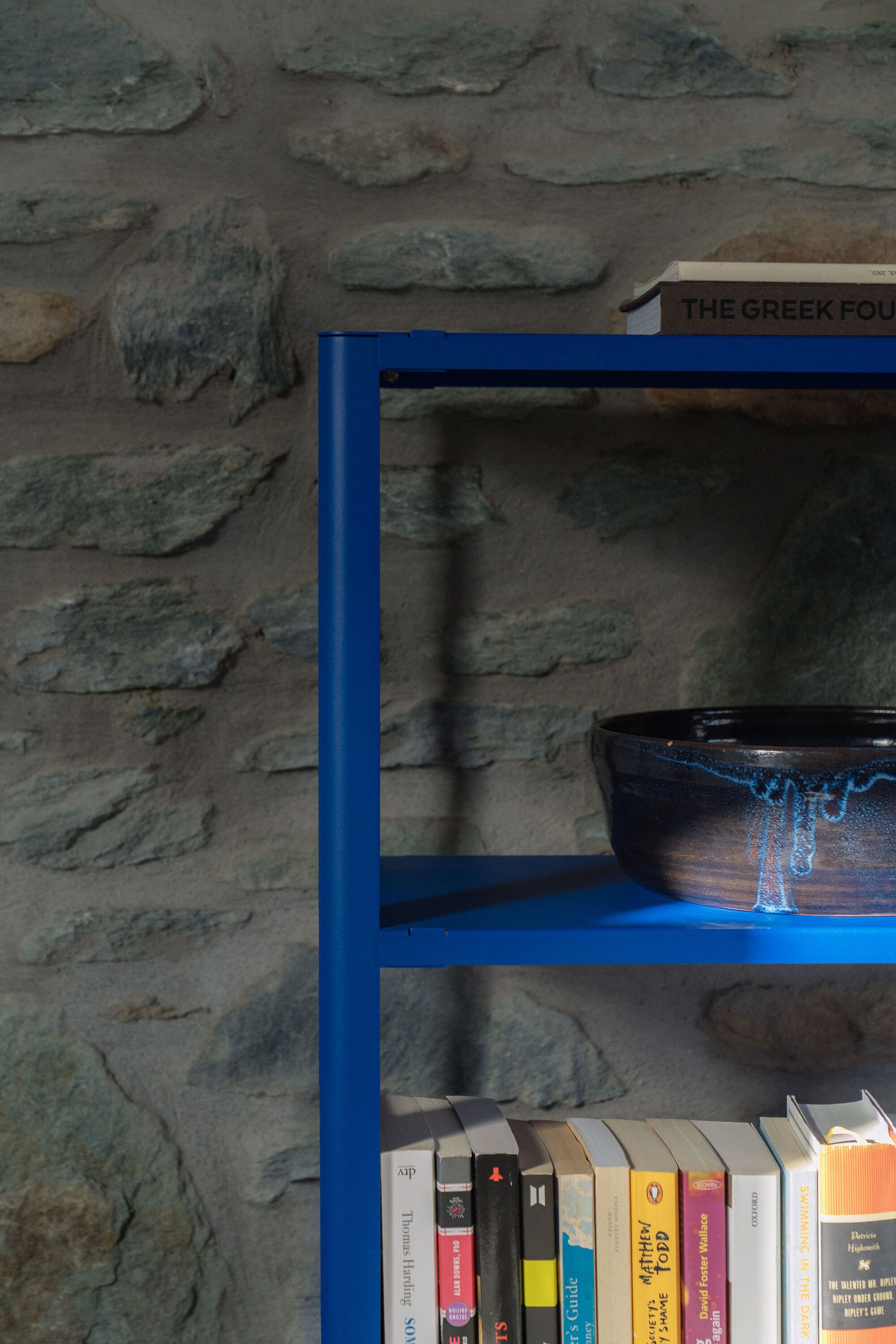
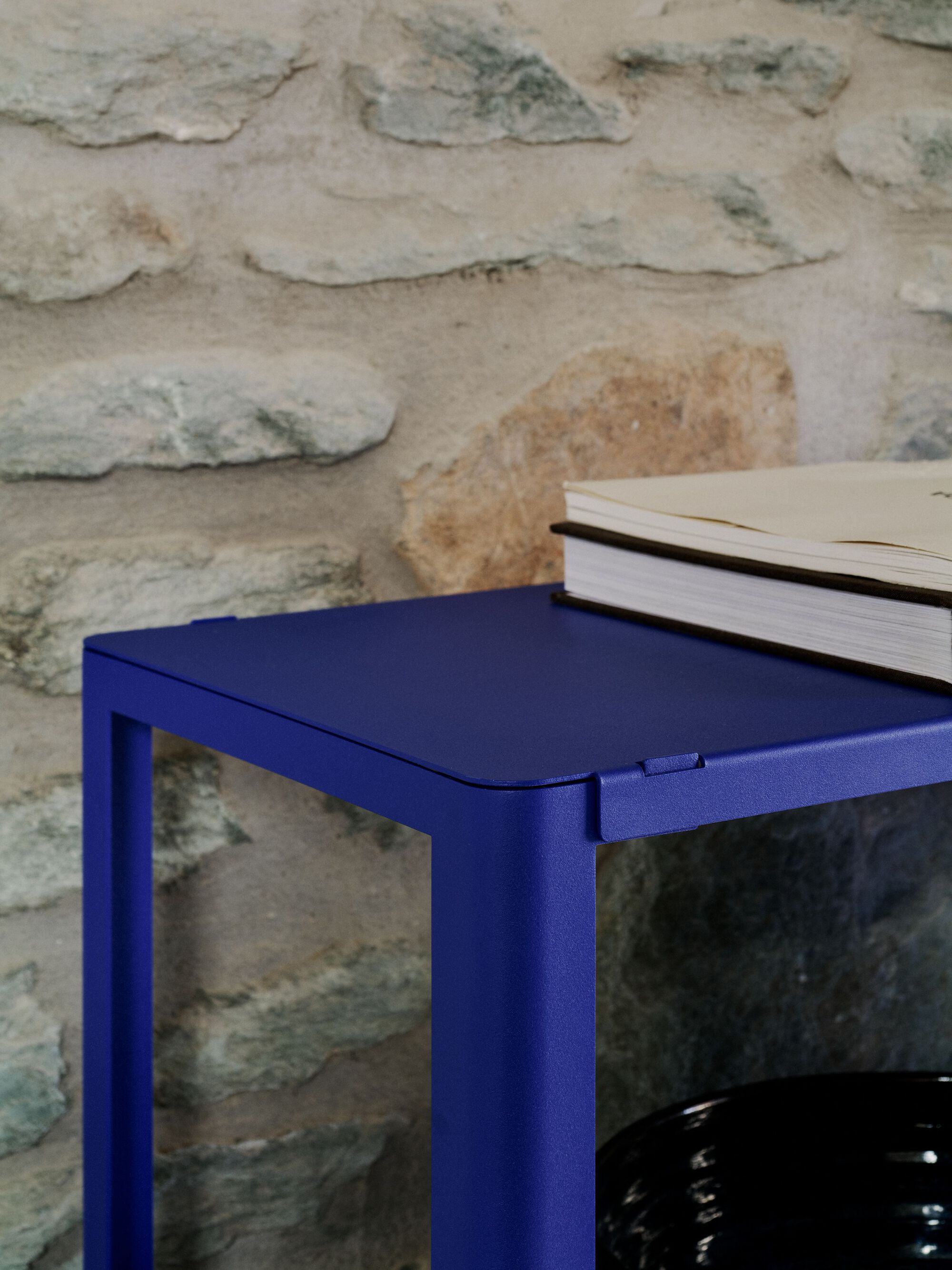
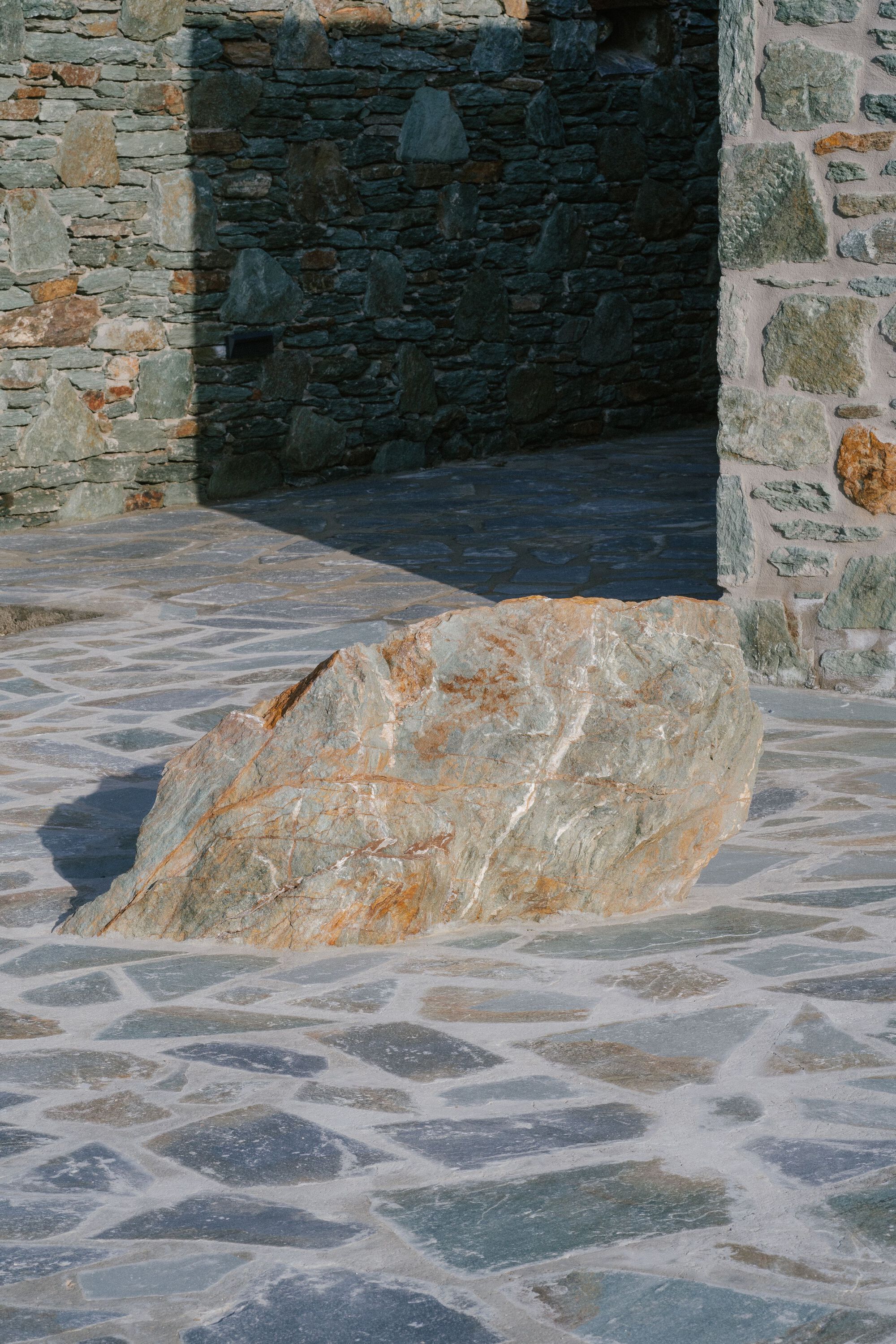
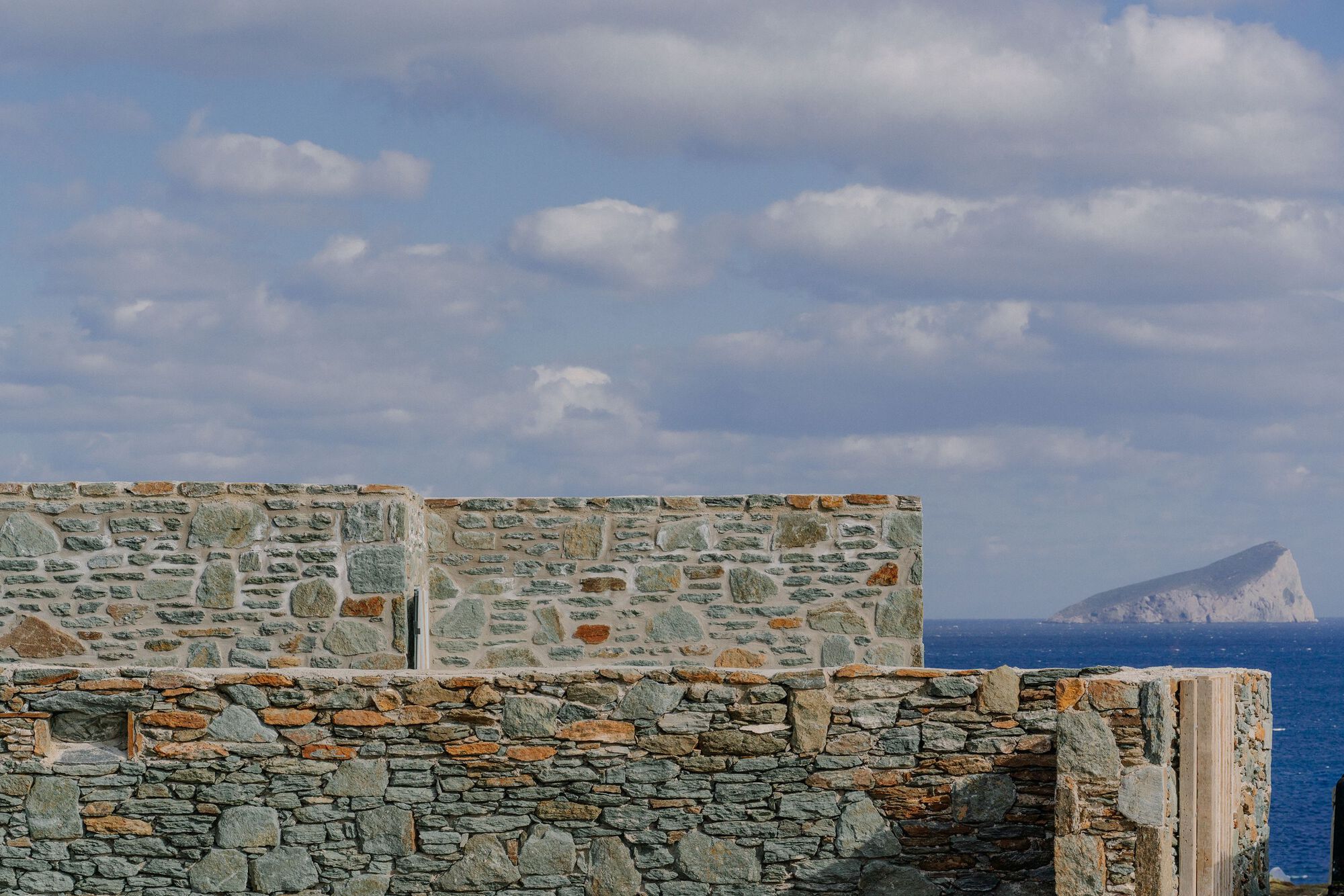
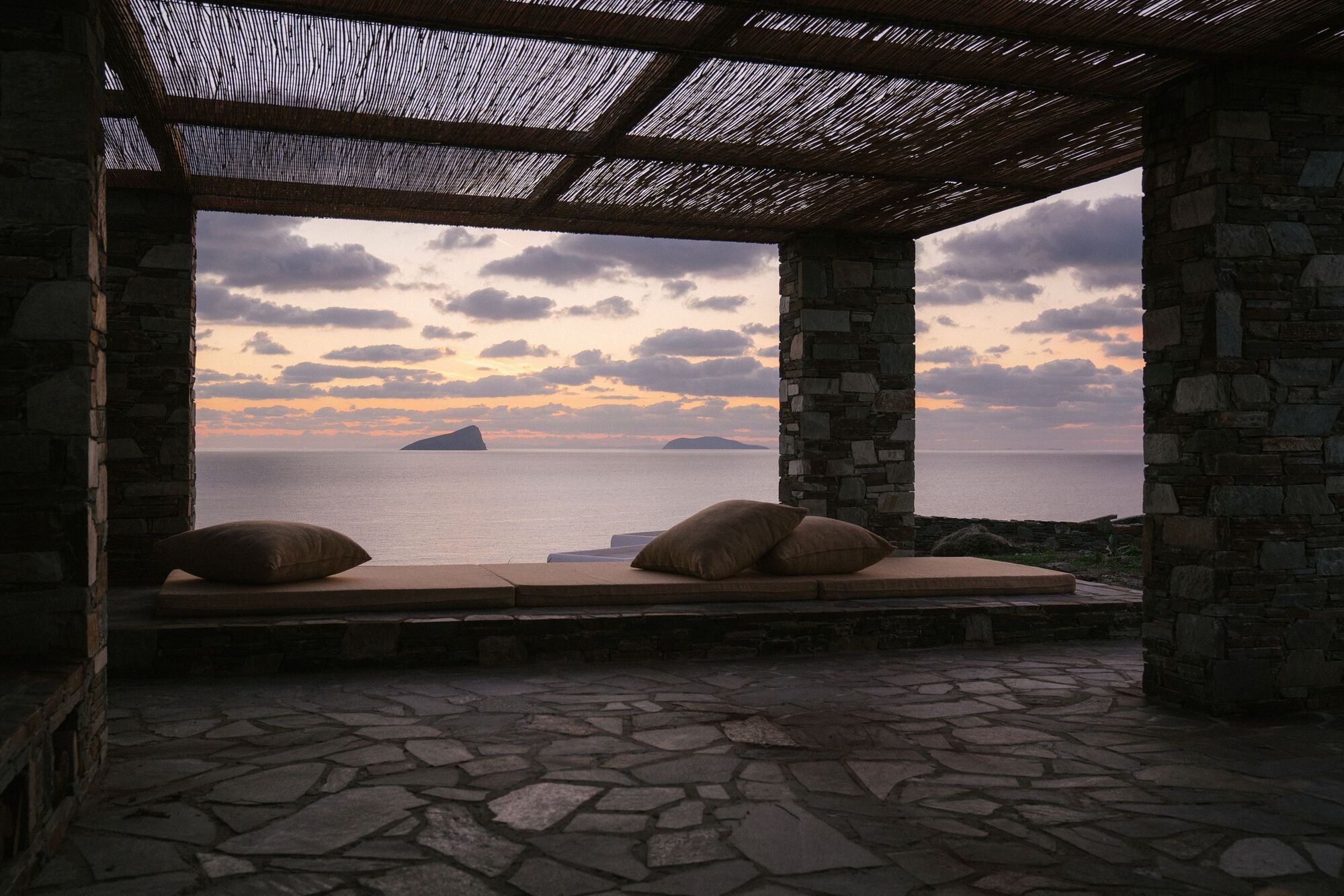
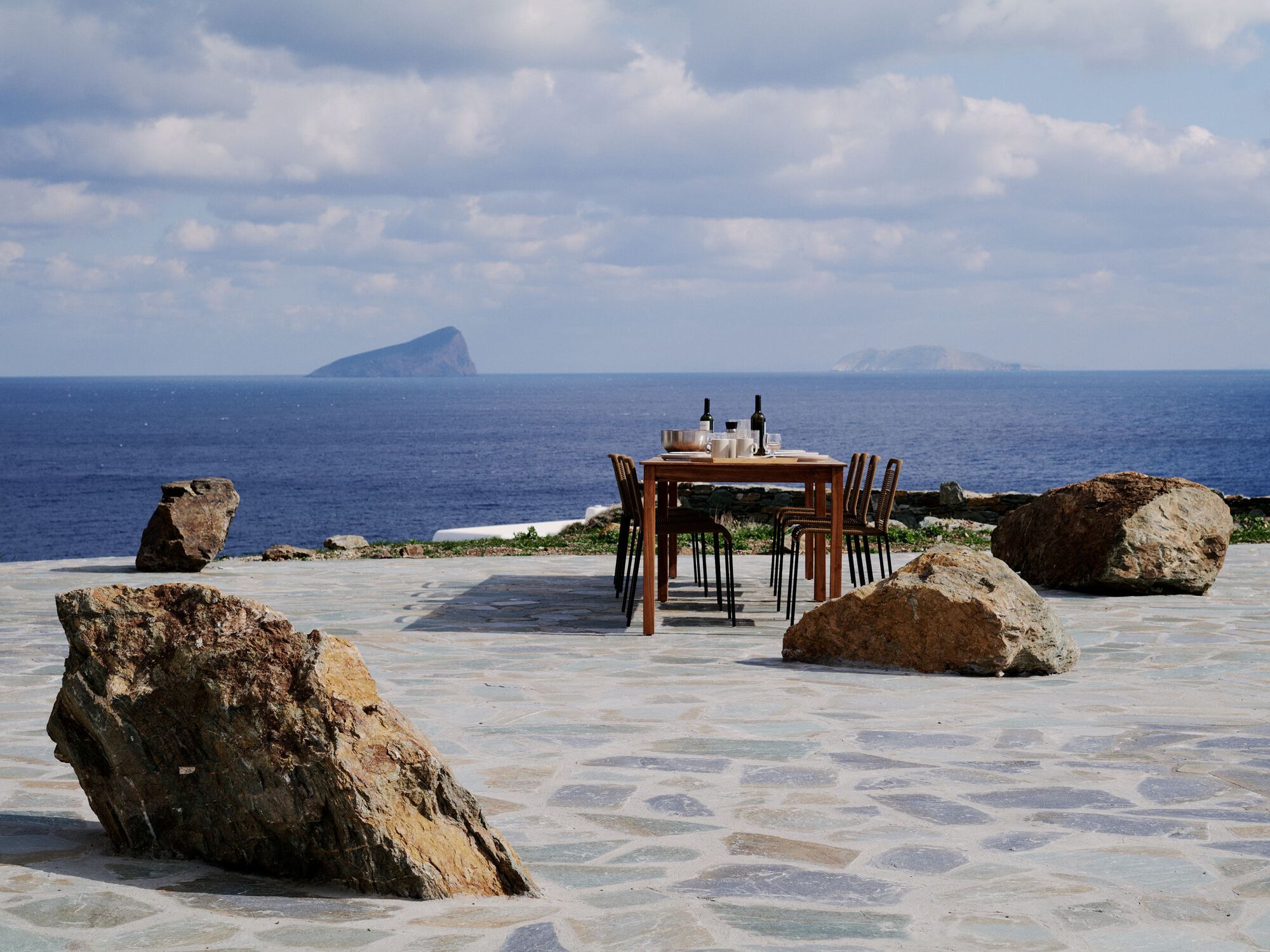
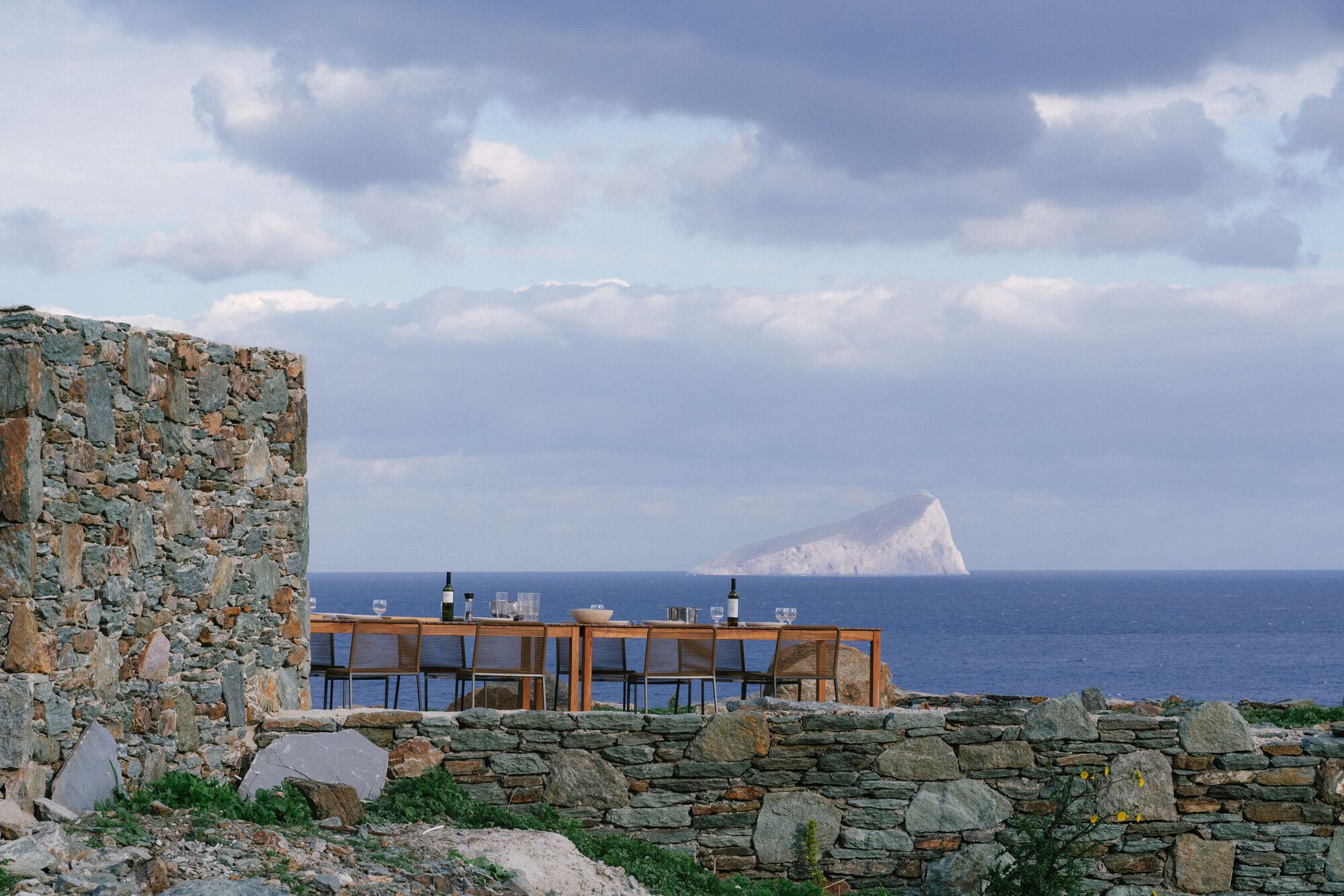
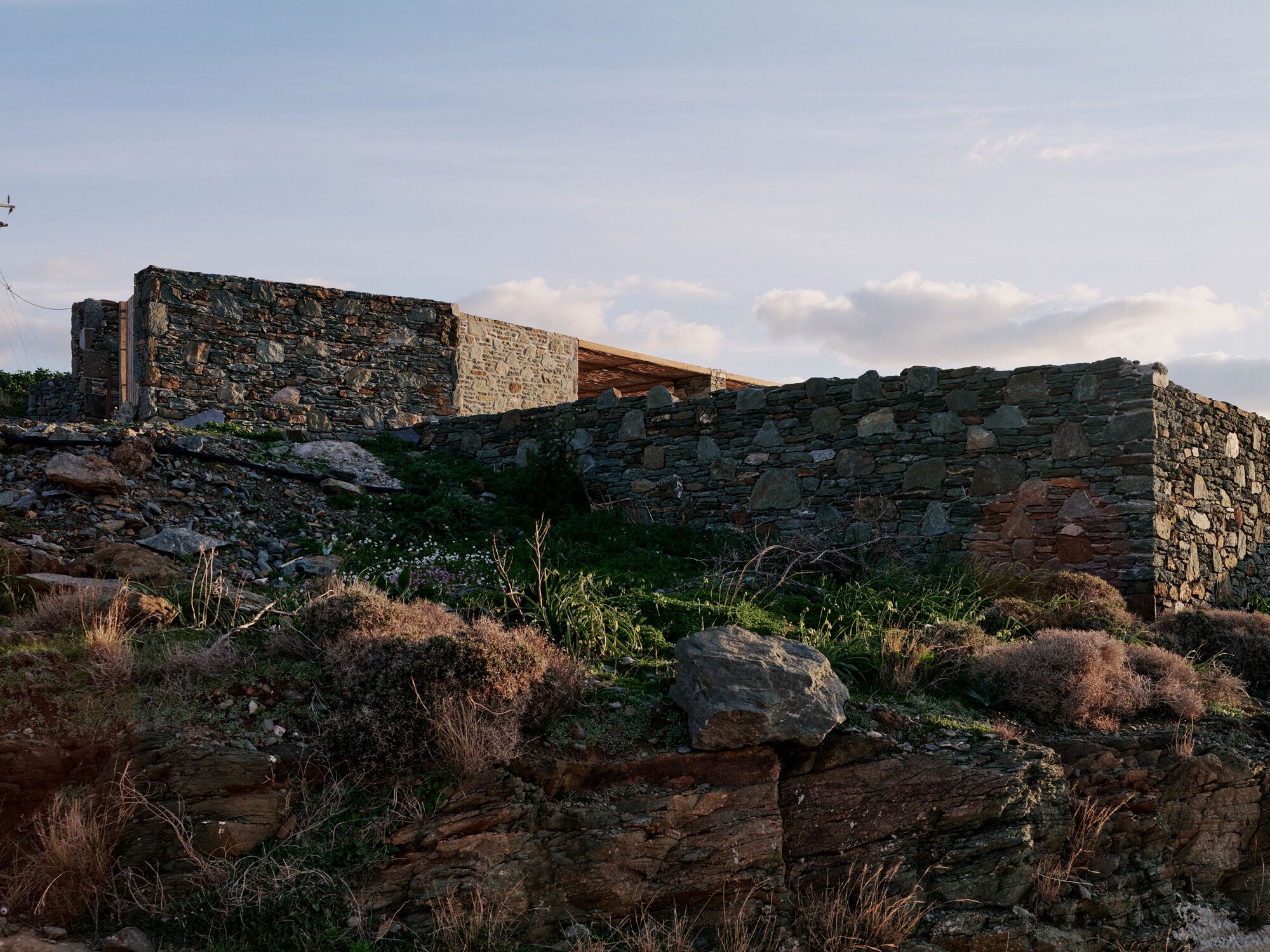
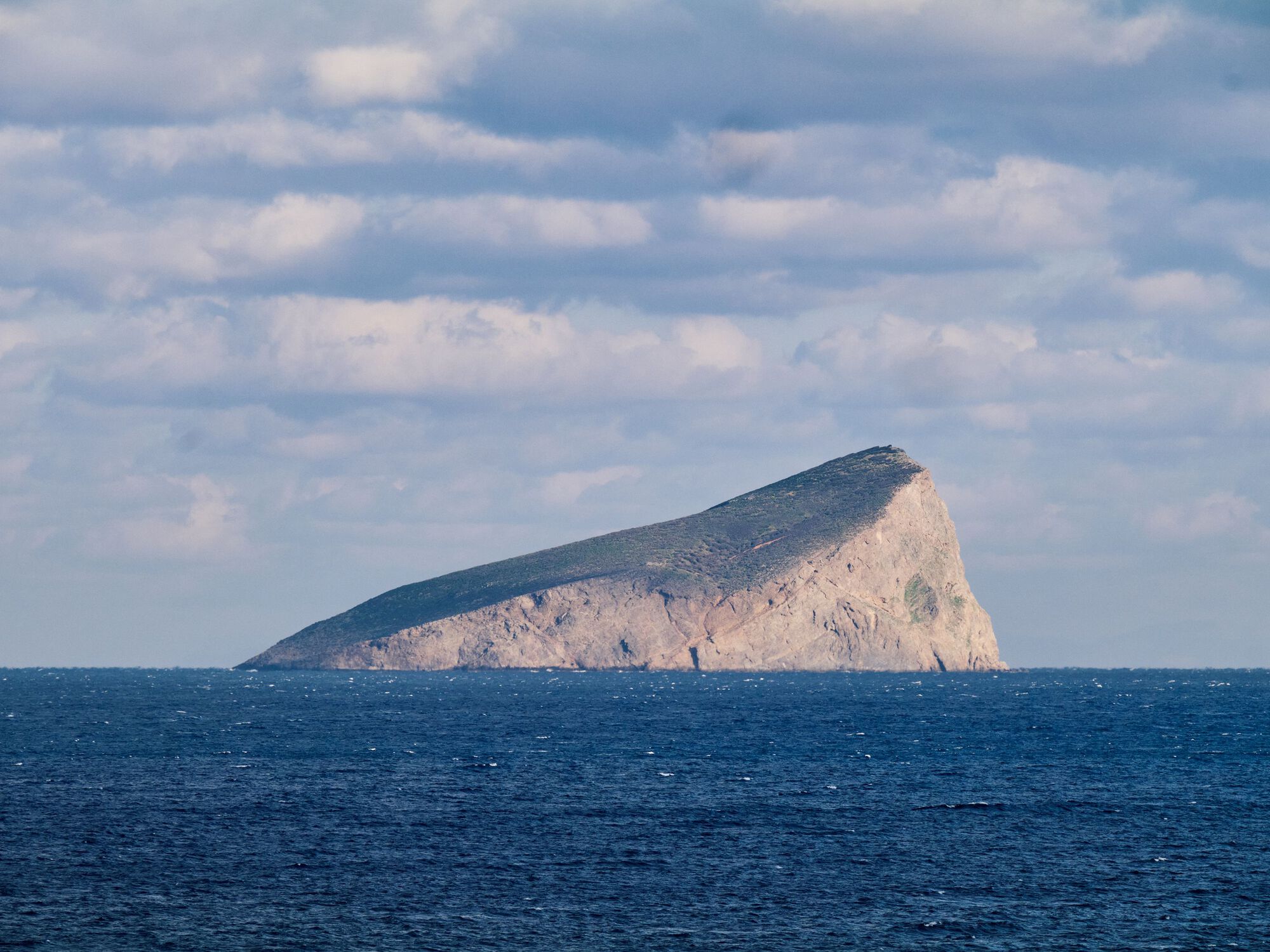
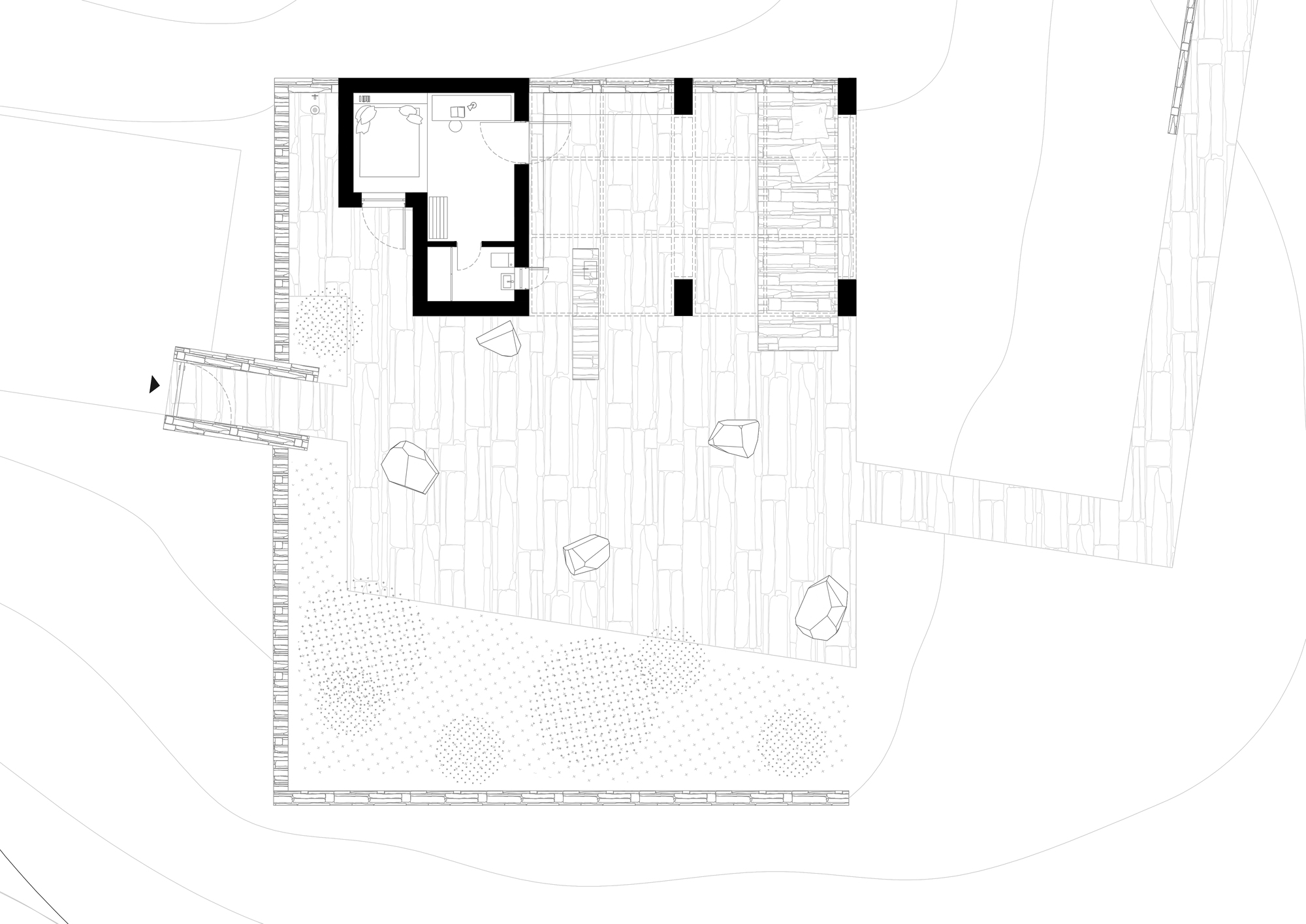
The Outdoor House #architecture Architects: Sigurd Larsen Year: 2025 Photographs: KKROM Services Design Team: Sigurd Larsen City: Kea-Kythnos Country: Greece
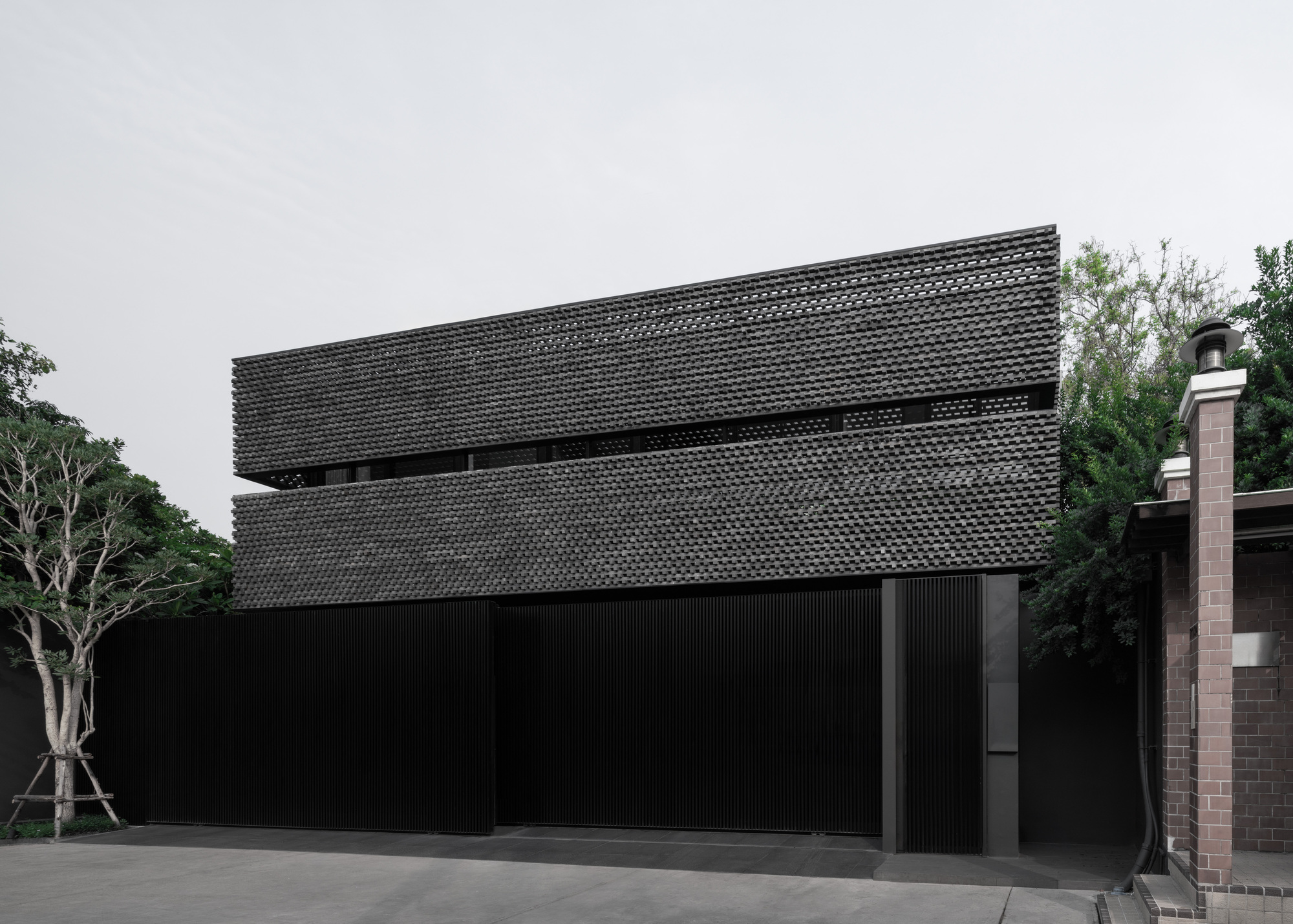
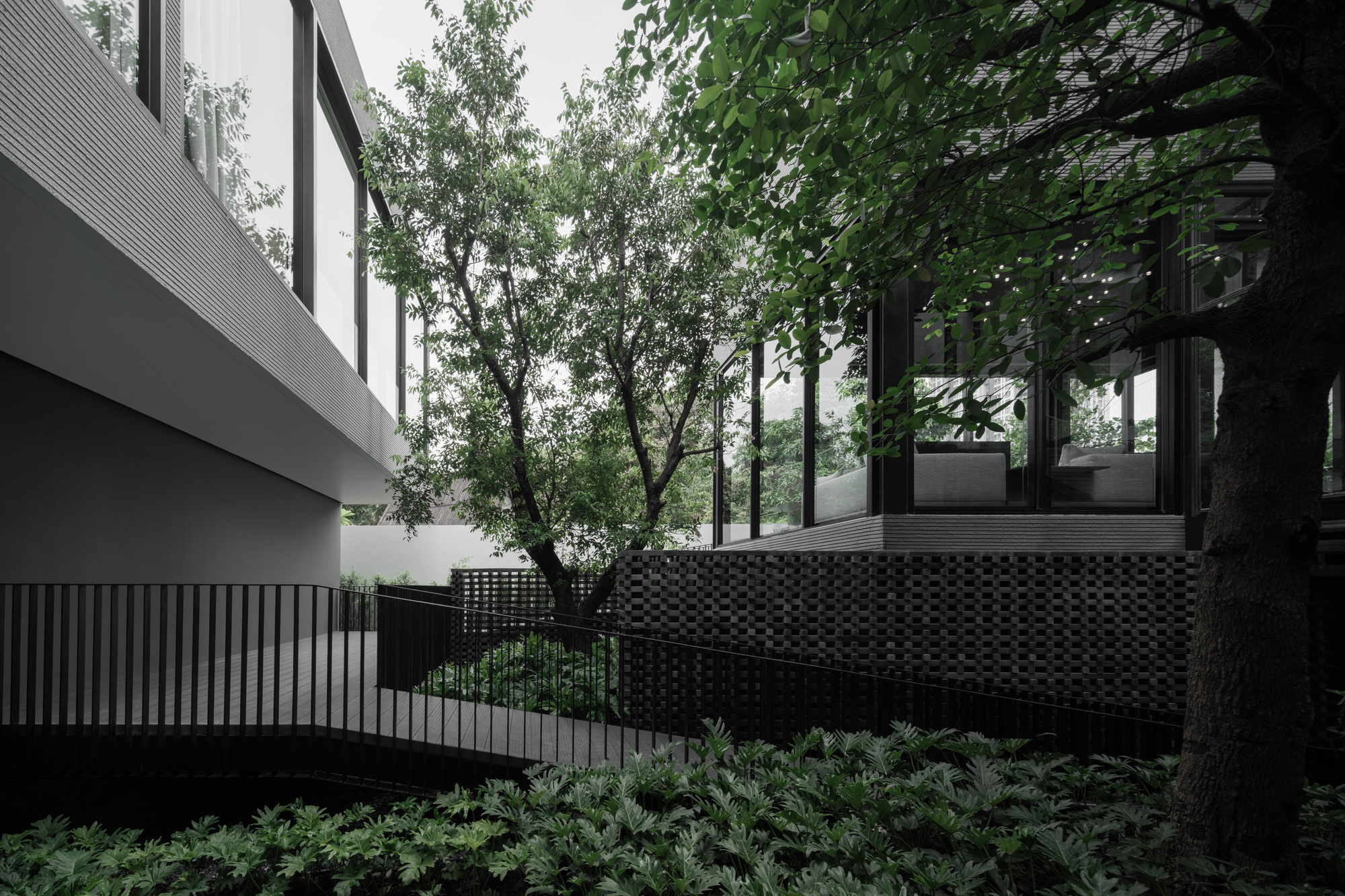
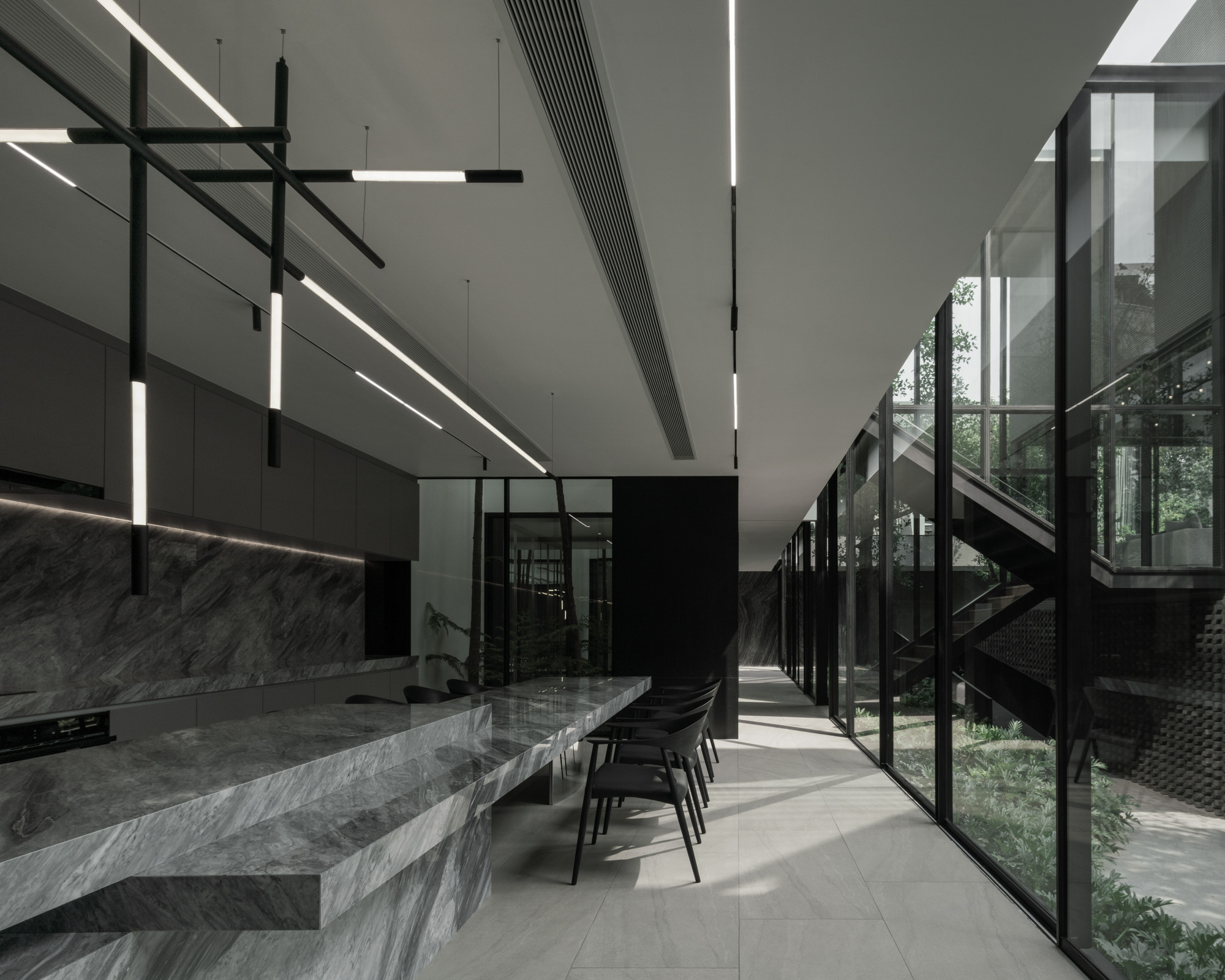
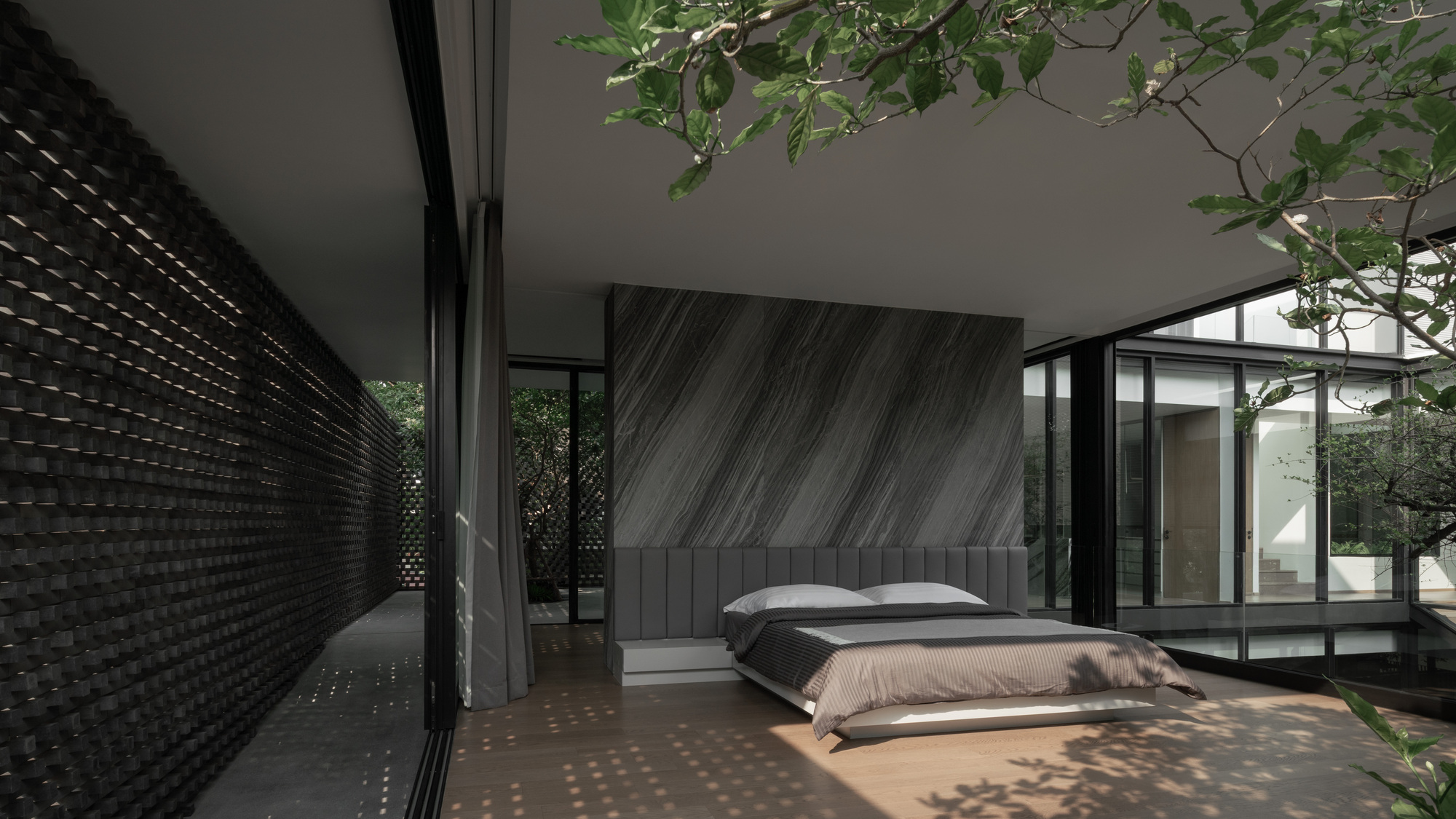
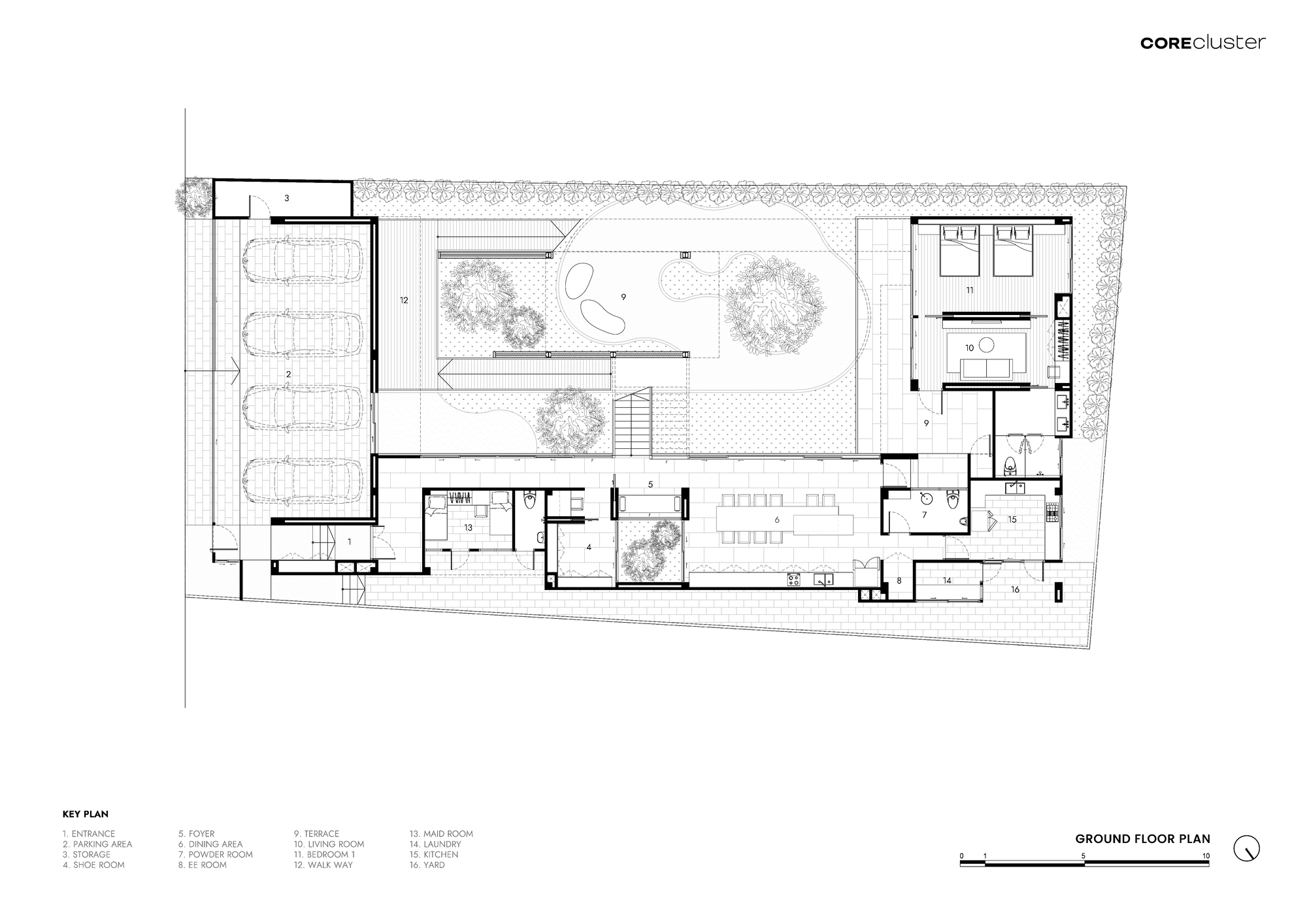
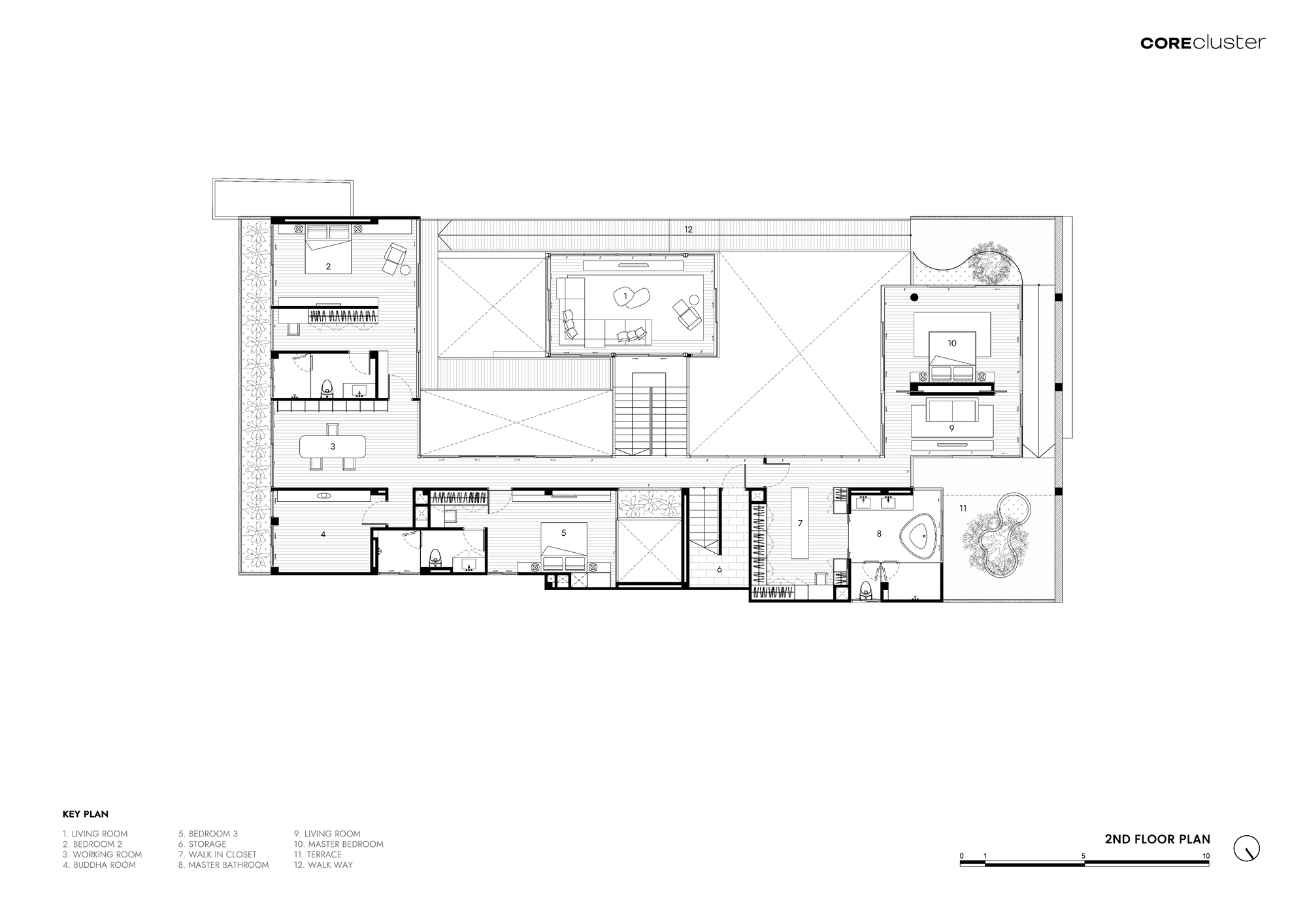
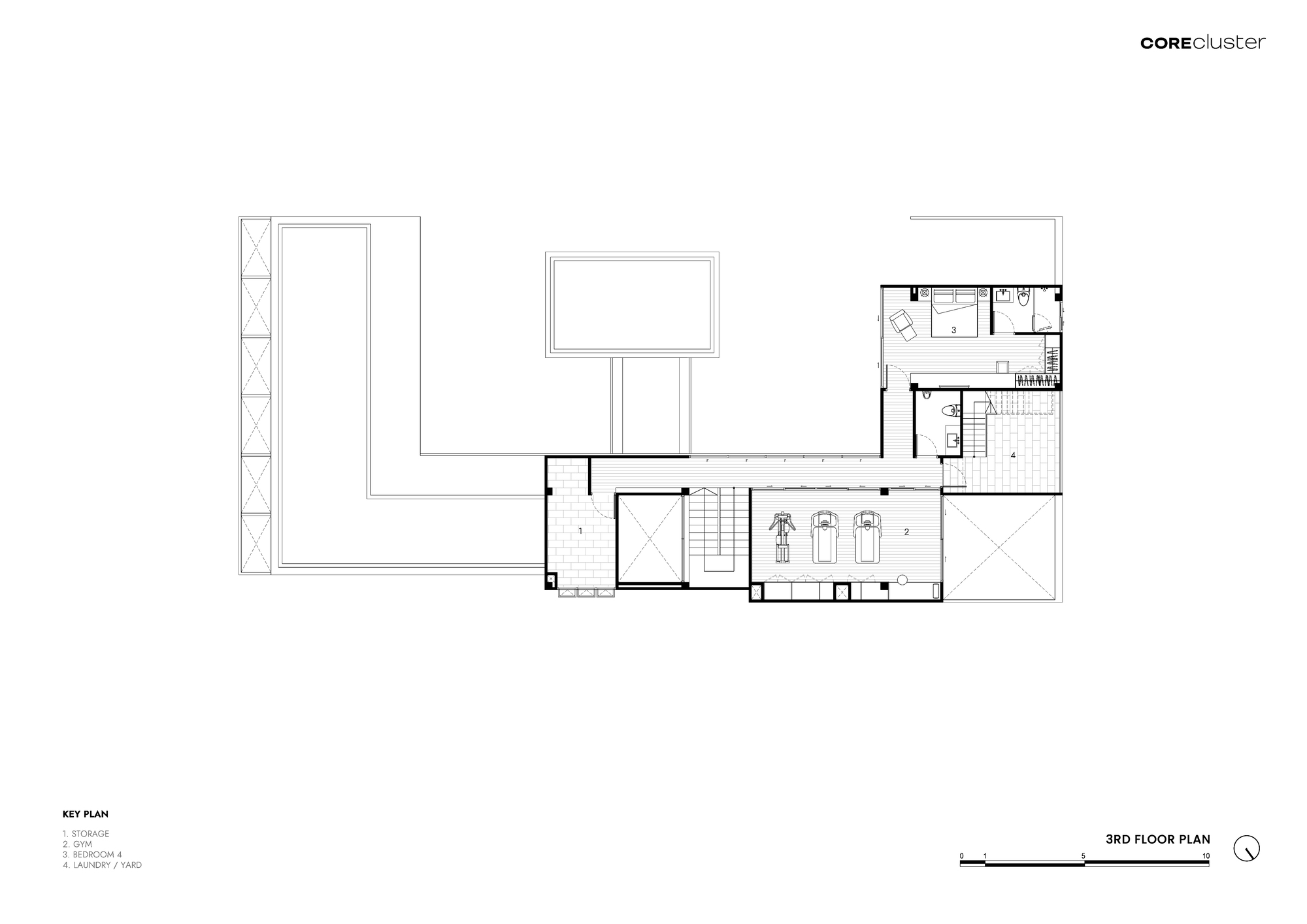
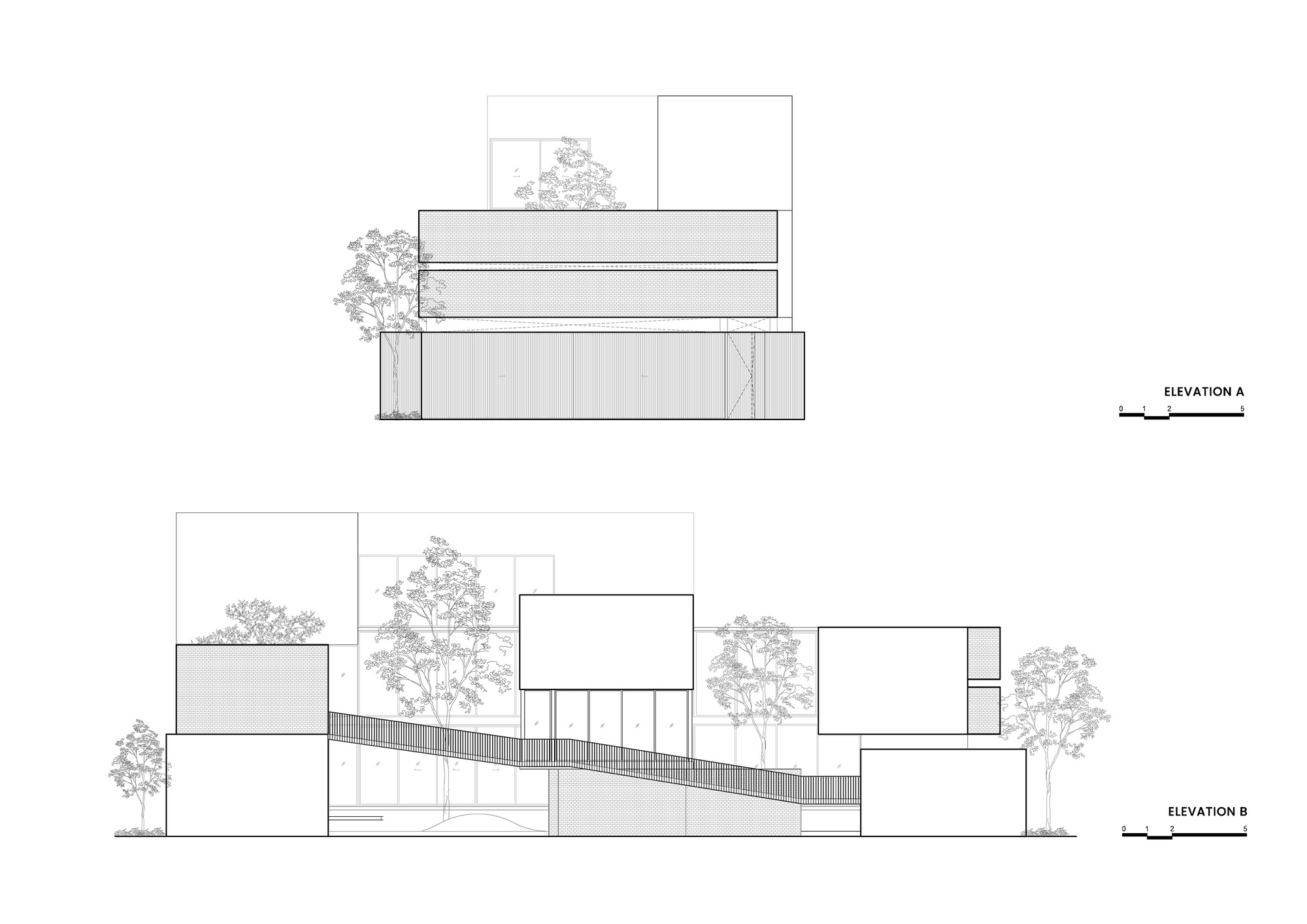
Lane House #architecture Architects: CORE Cluster Area: 850 m² Year: 2025 Photographs: Chalermwat Wongchompoo | Sofography Lead Architects: Methaporn Chittrayanont City: Khet Bang Kho Laem Country: Thailand
Indo Avellanas House #architecture Architects: Garton Group Architecture Area: 900 m² Year: 2025 Photographs: Andres Garcia Lachner Lead Architects: Tom Garton, Dennis Cordero Country: Costa Rica
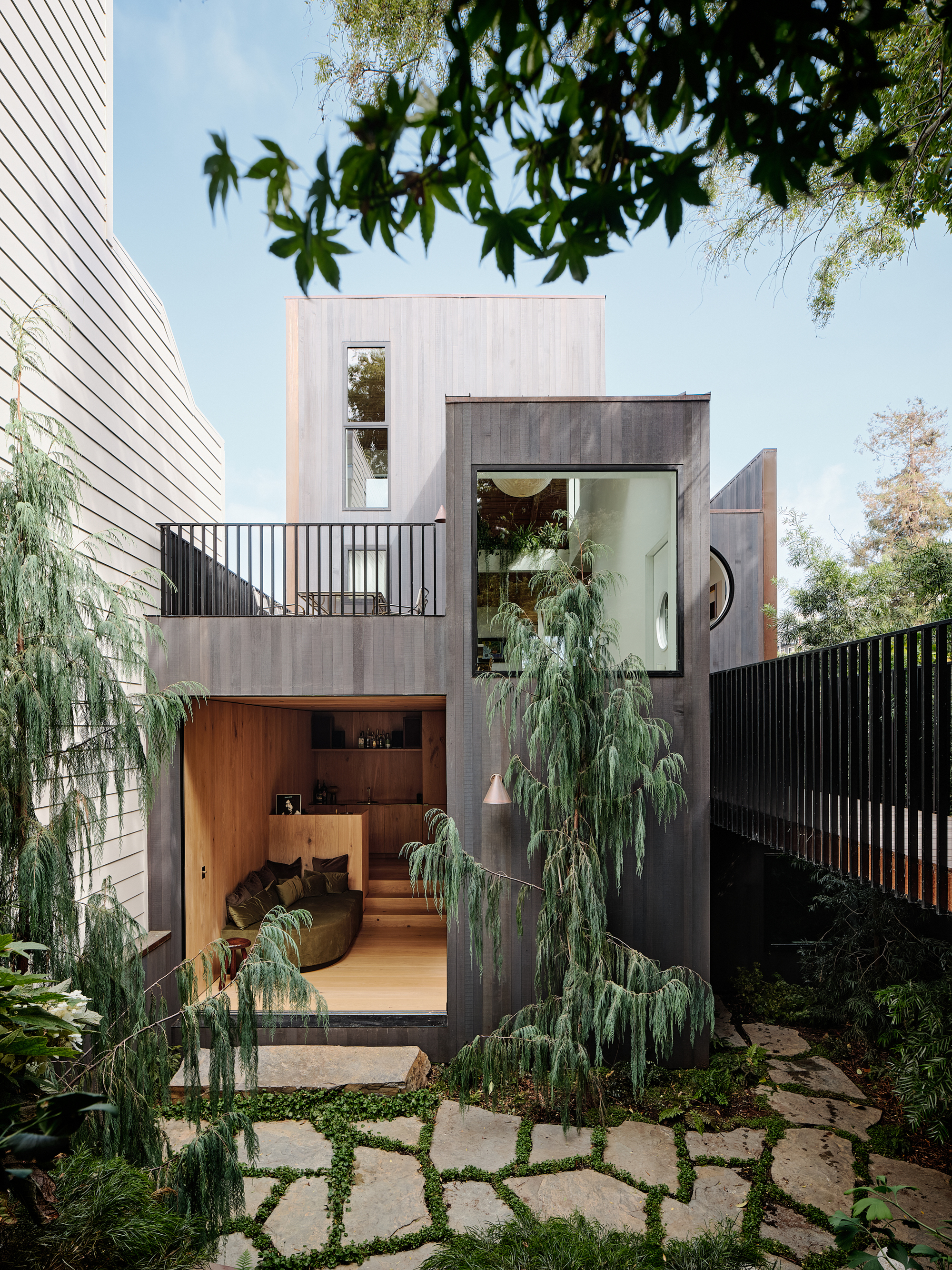
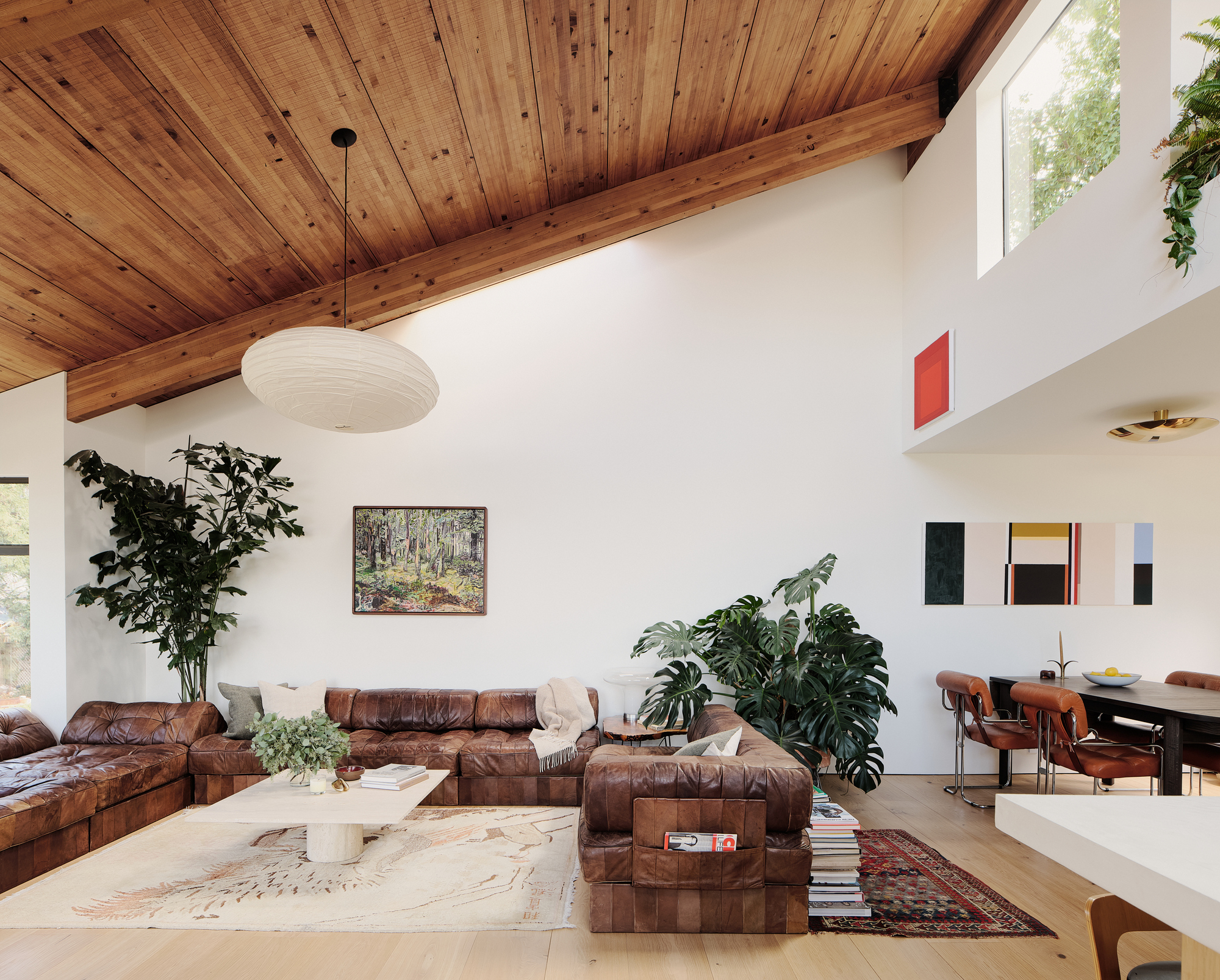
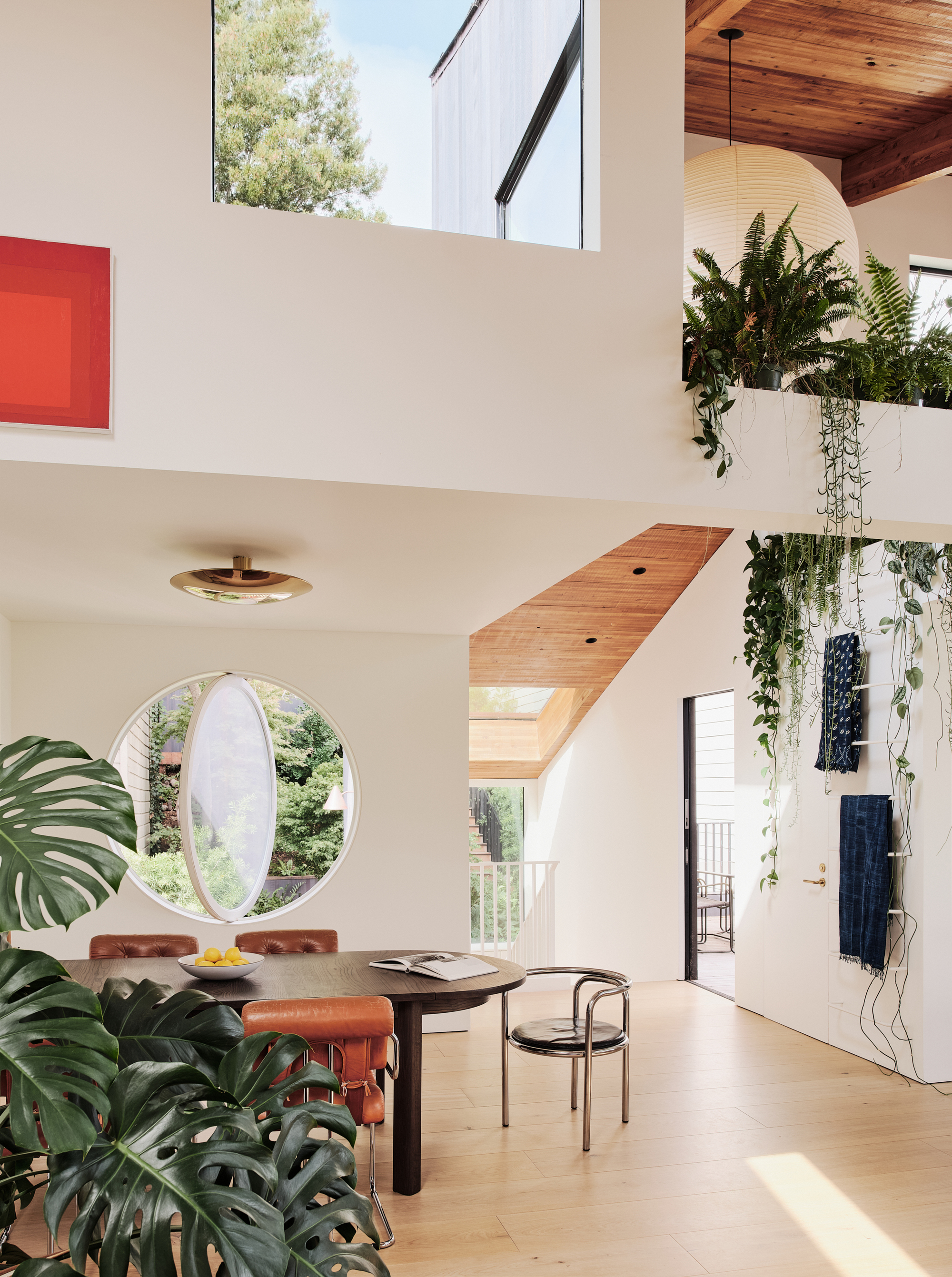
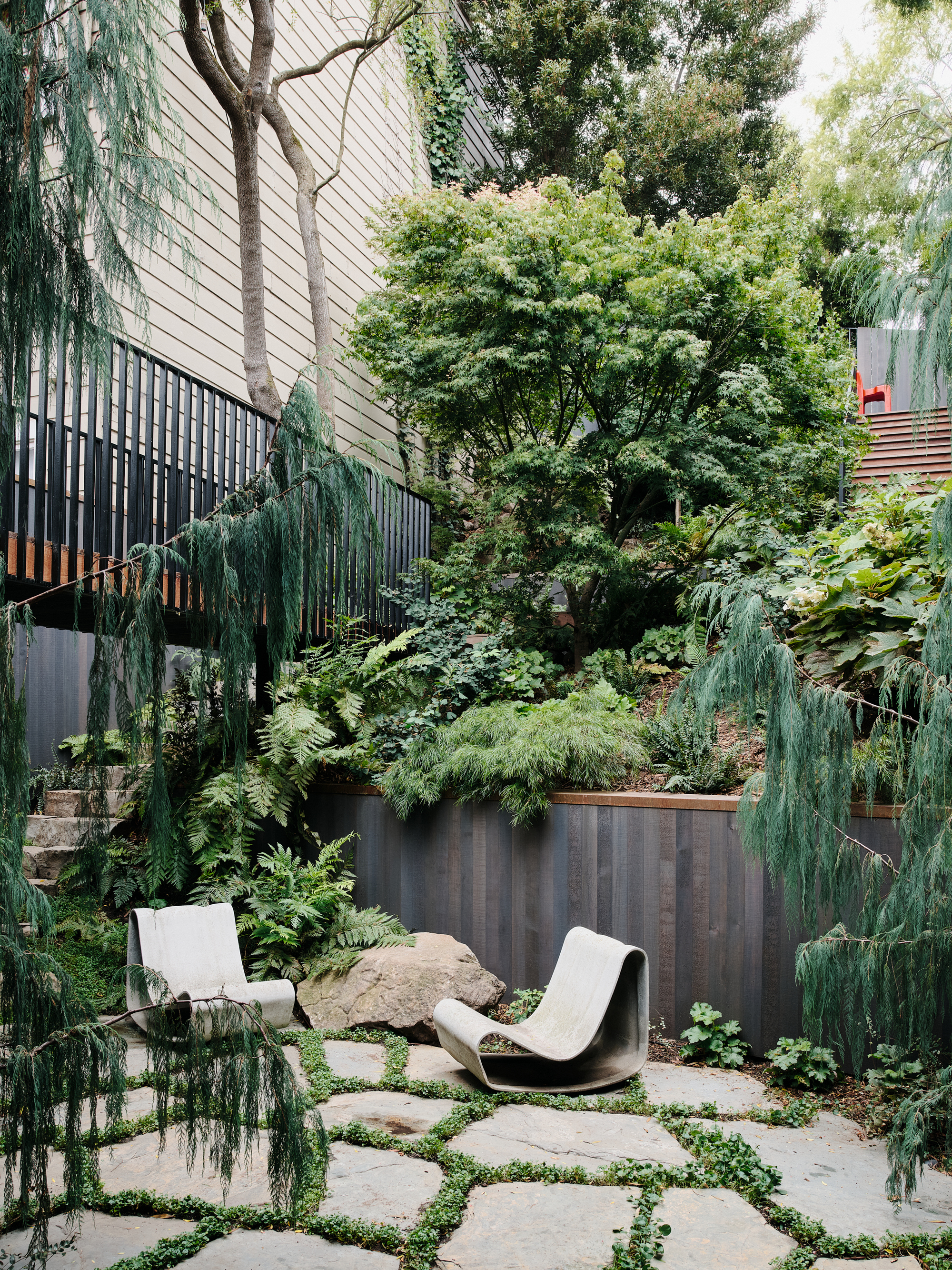
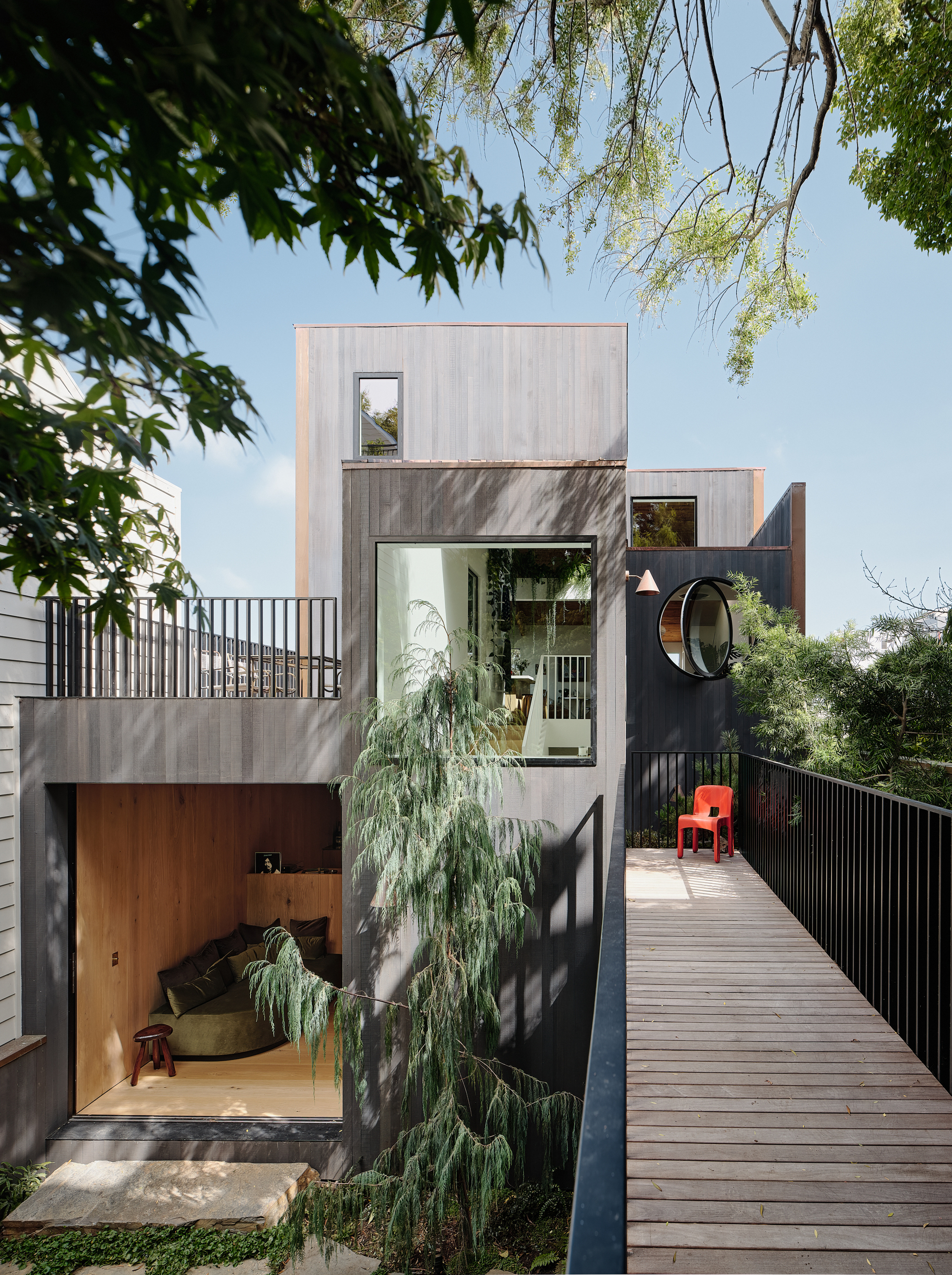
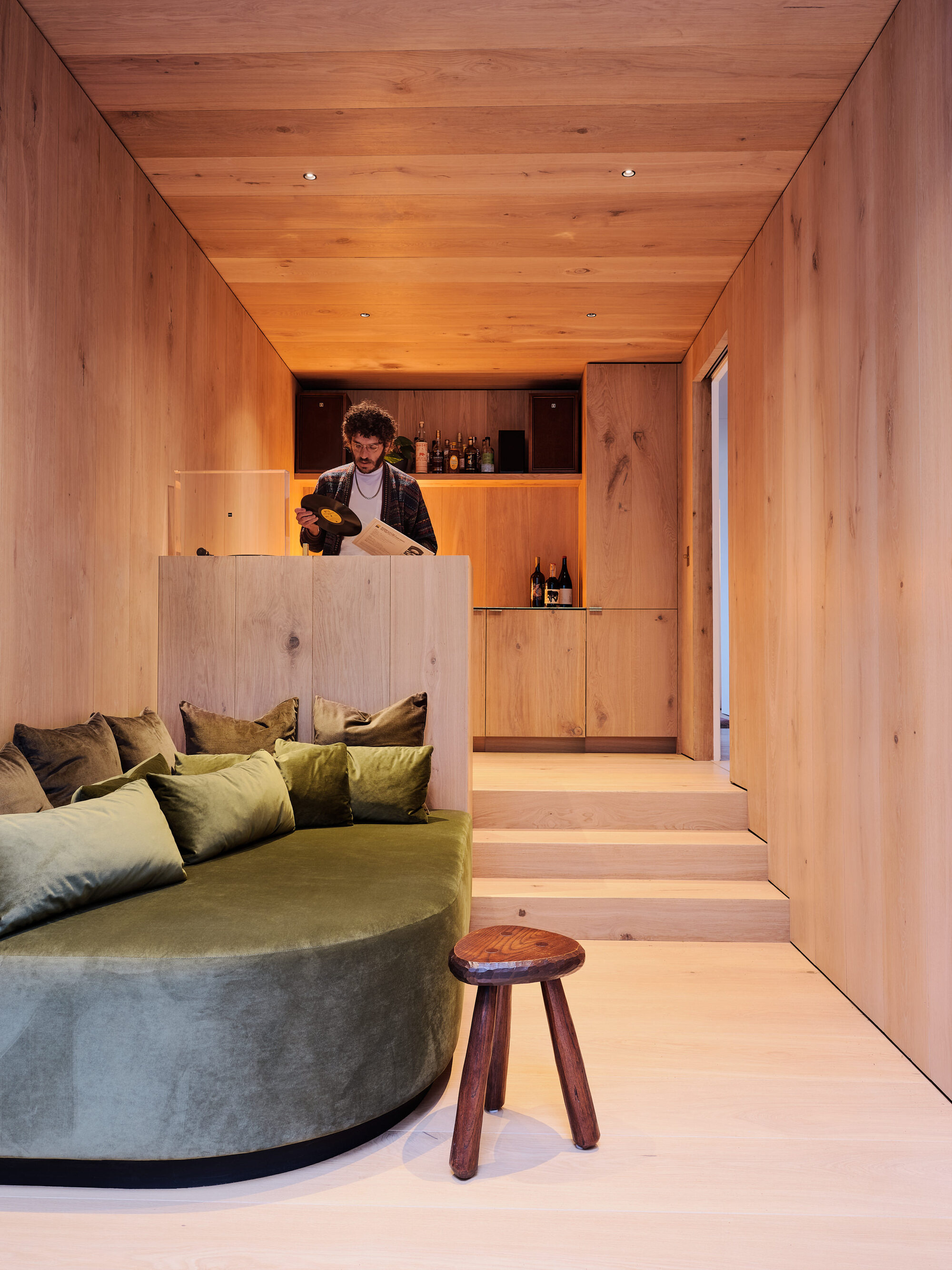
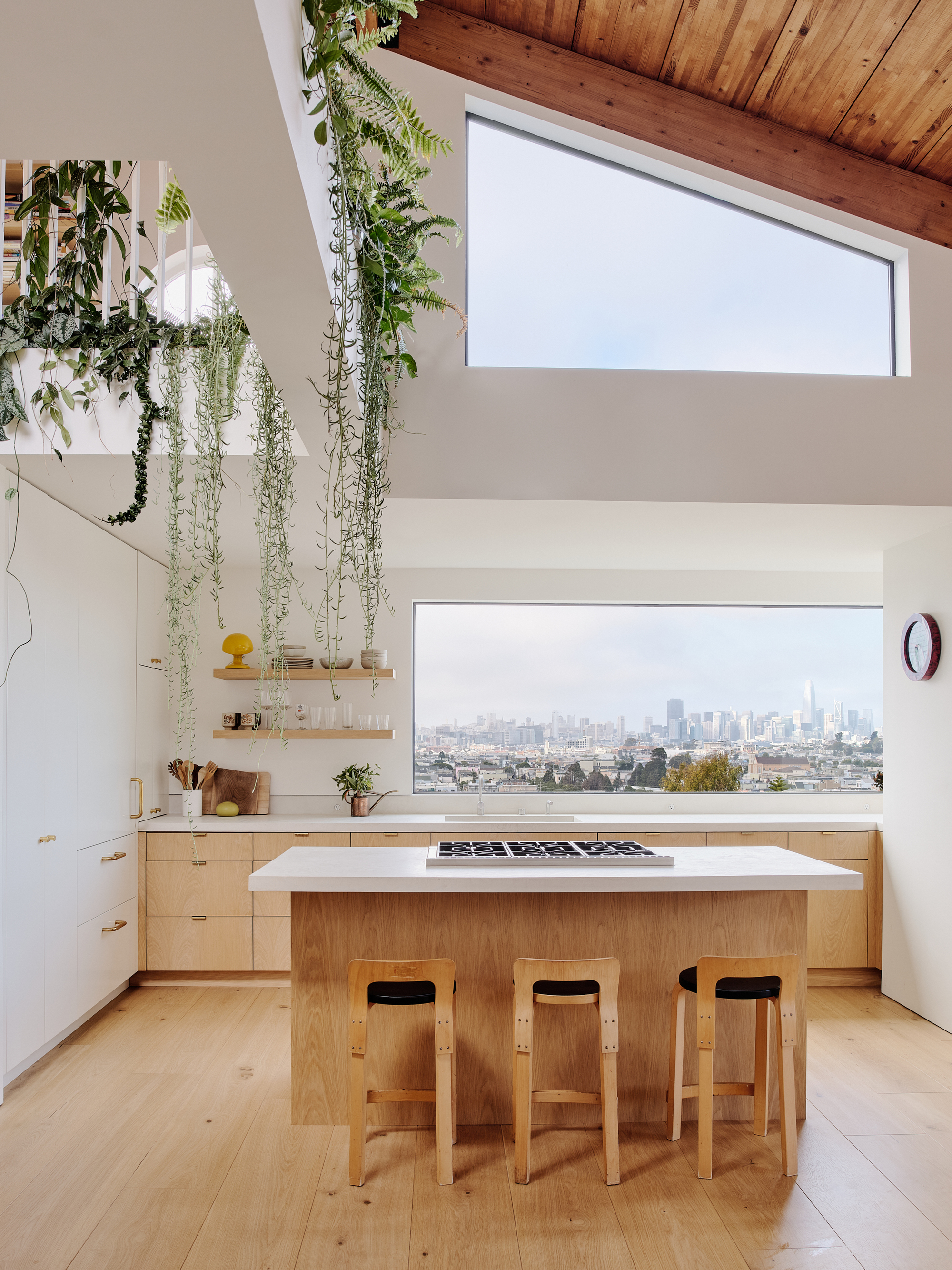
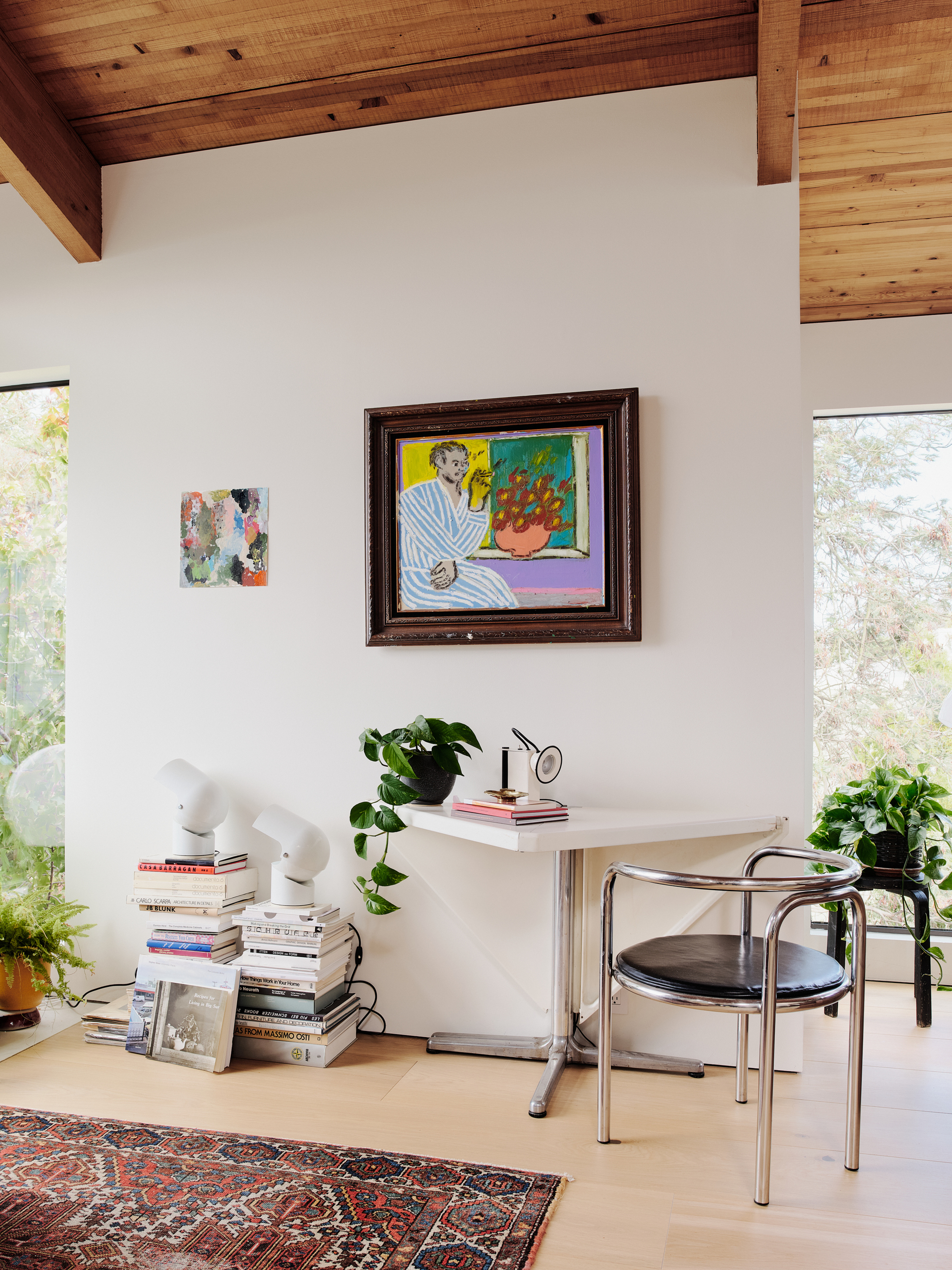
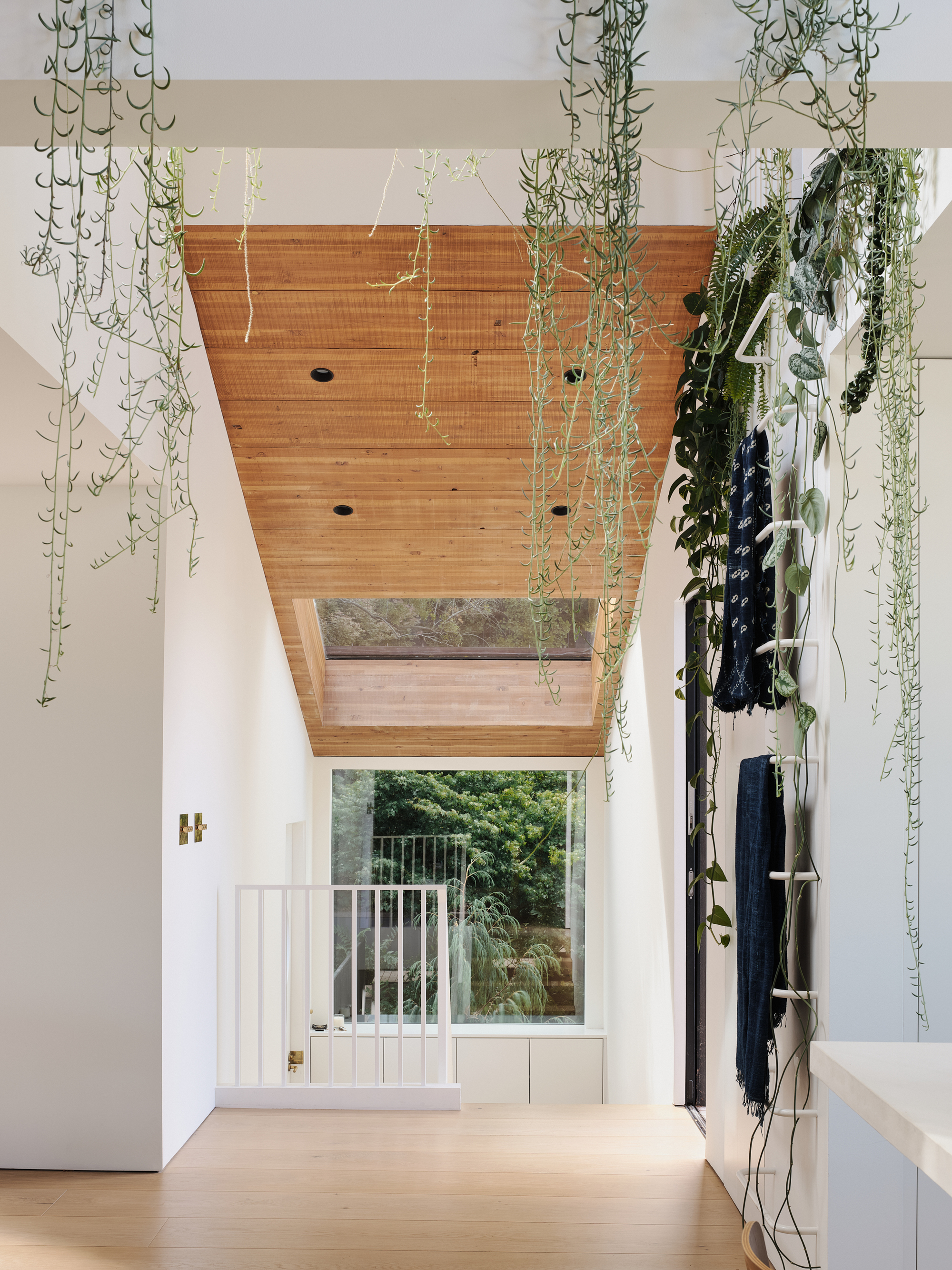
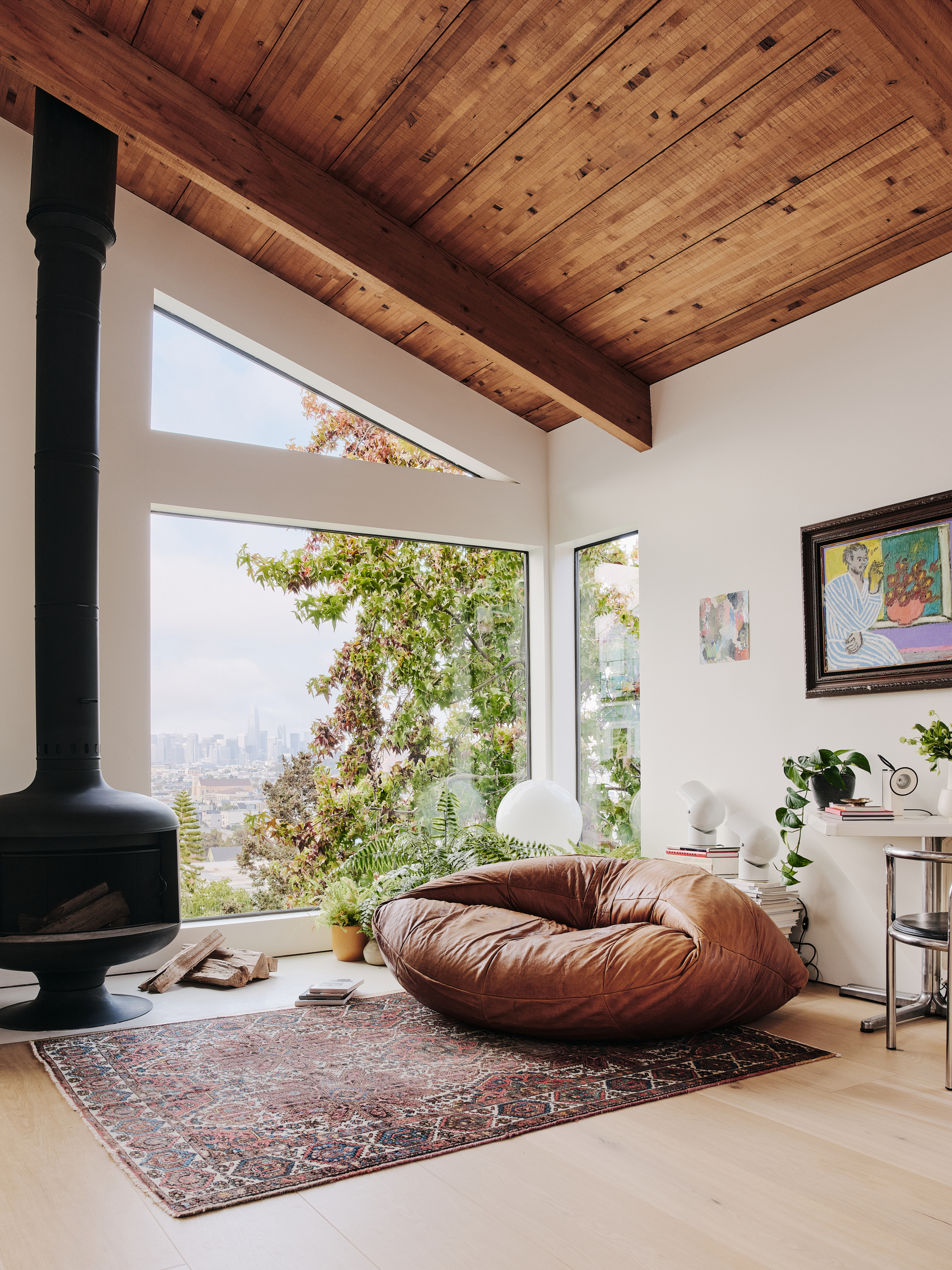
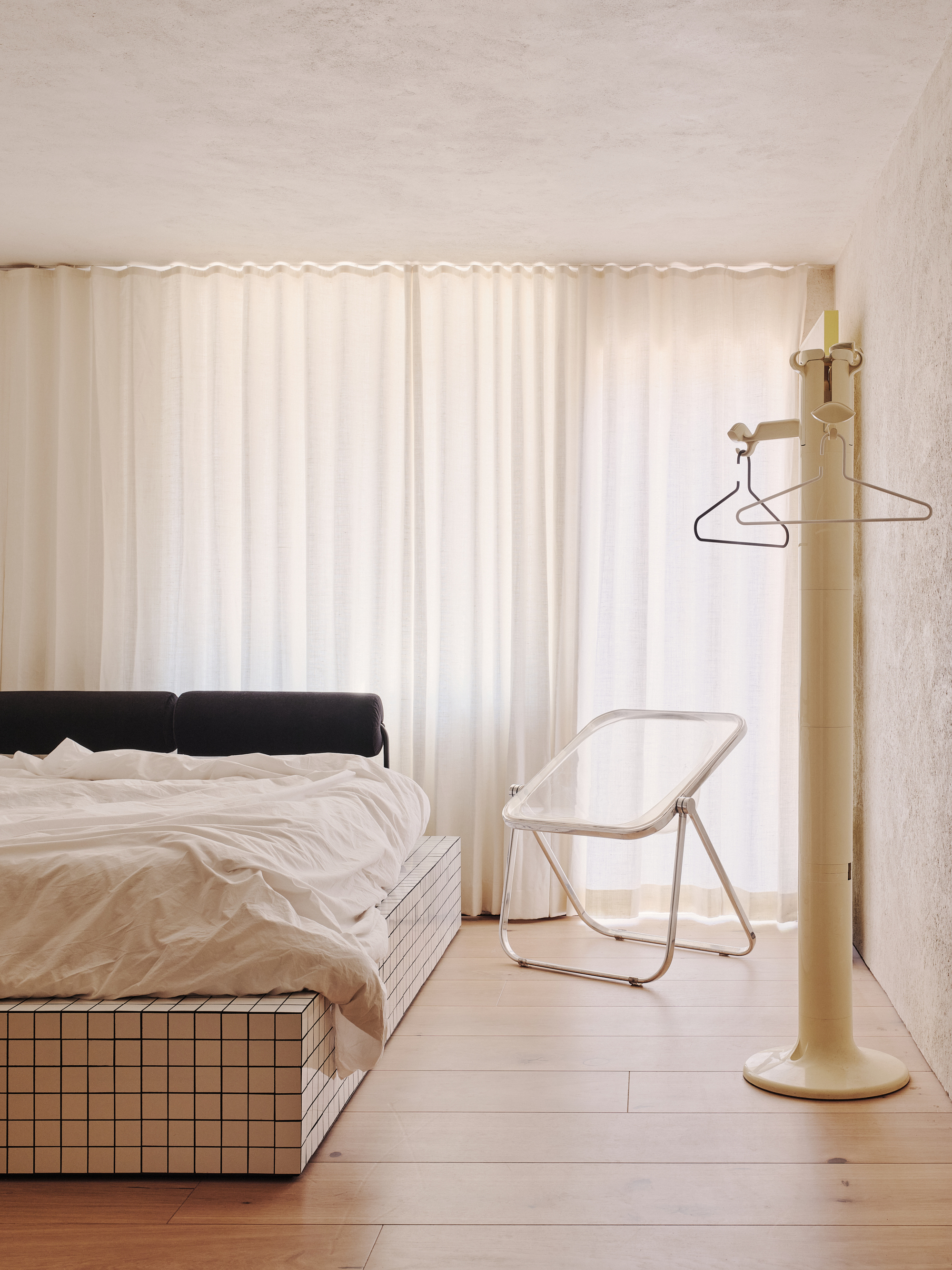
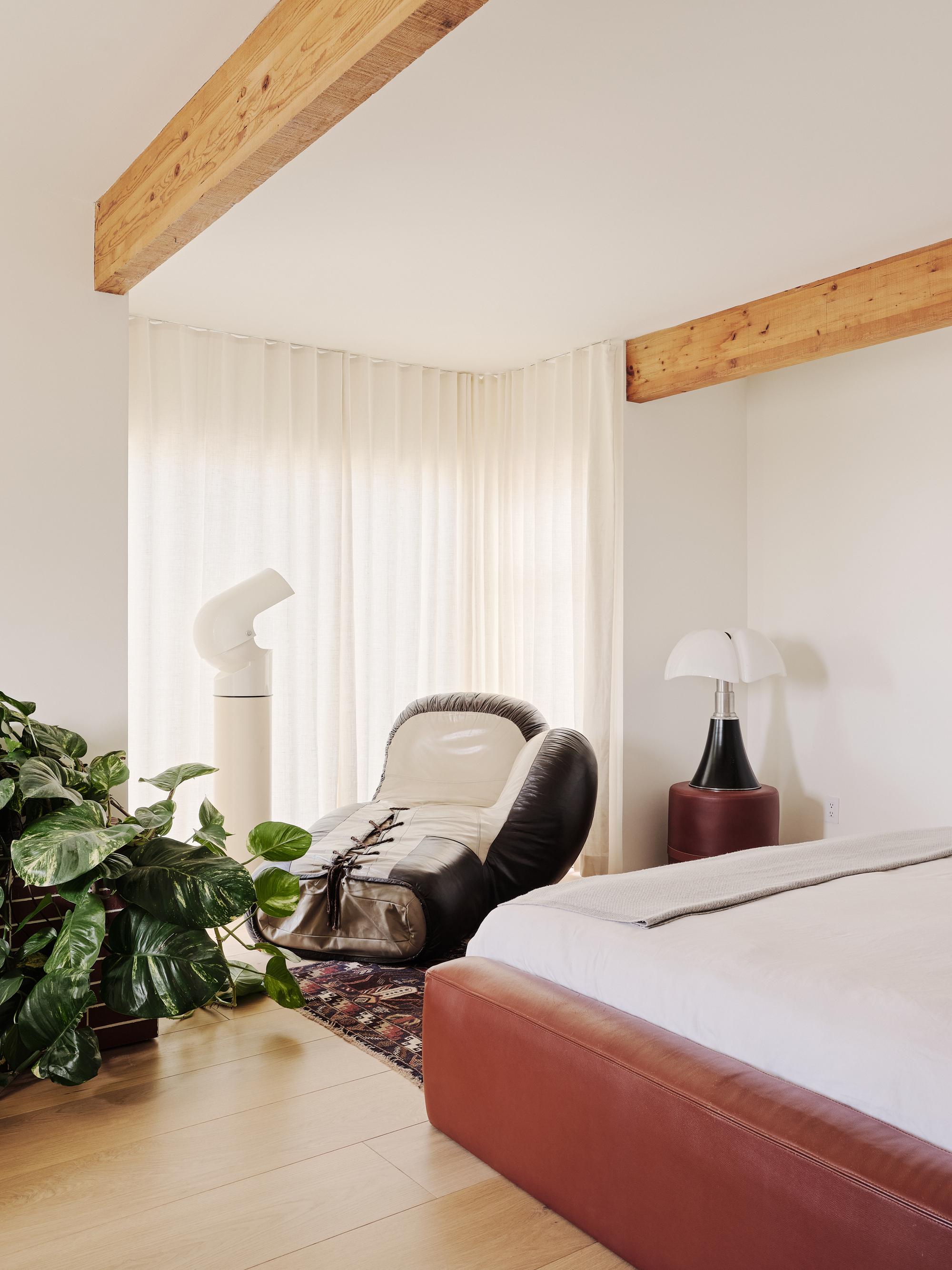
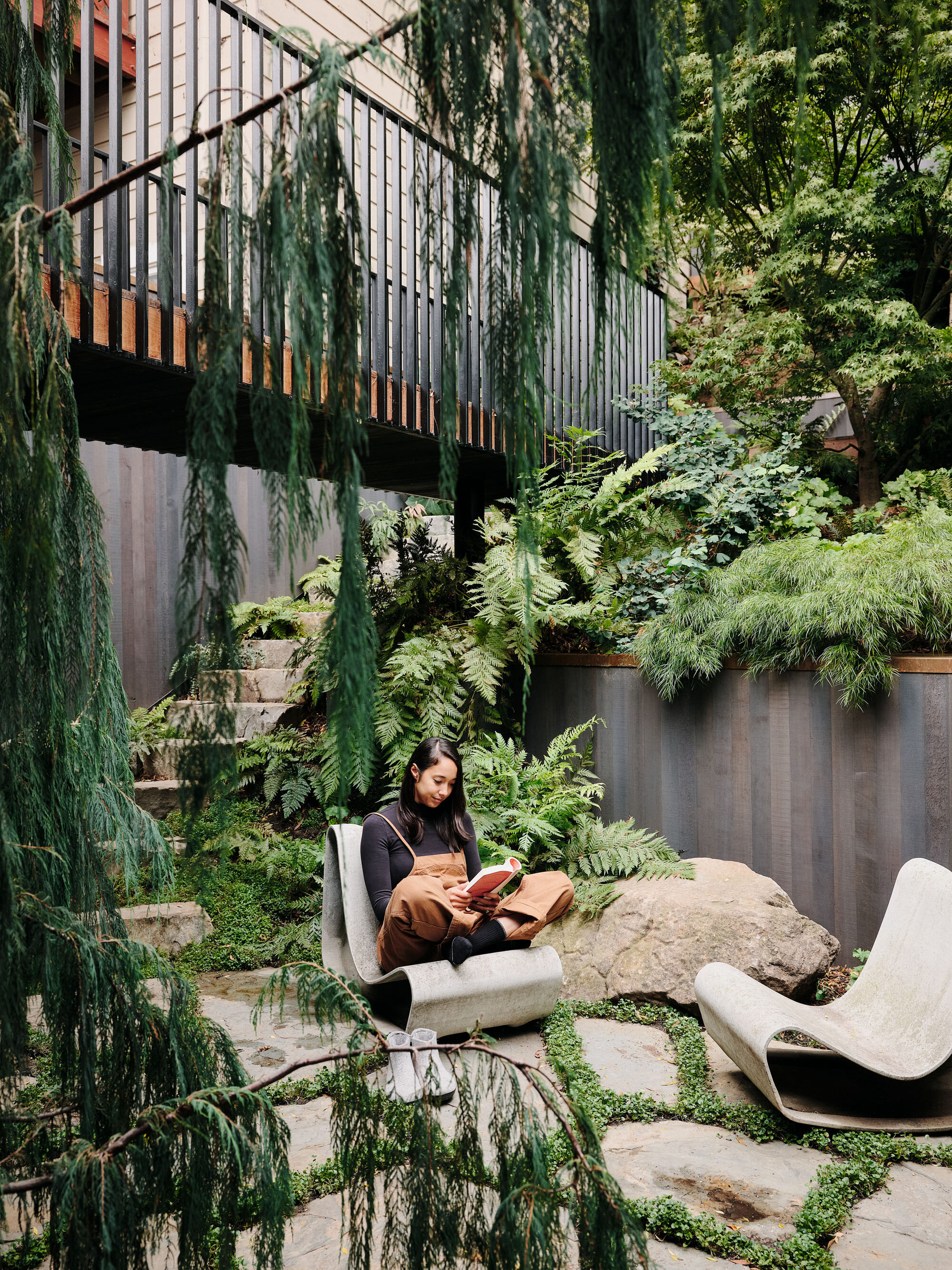
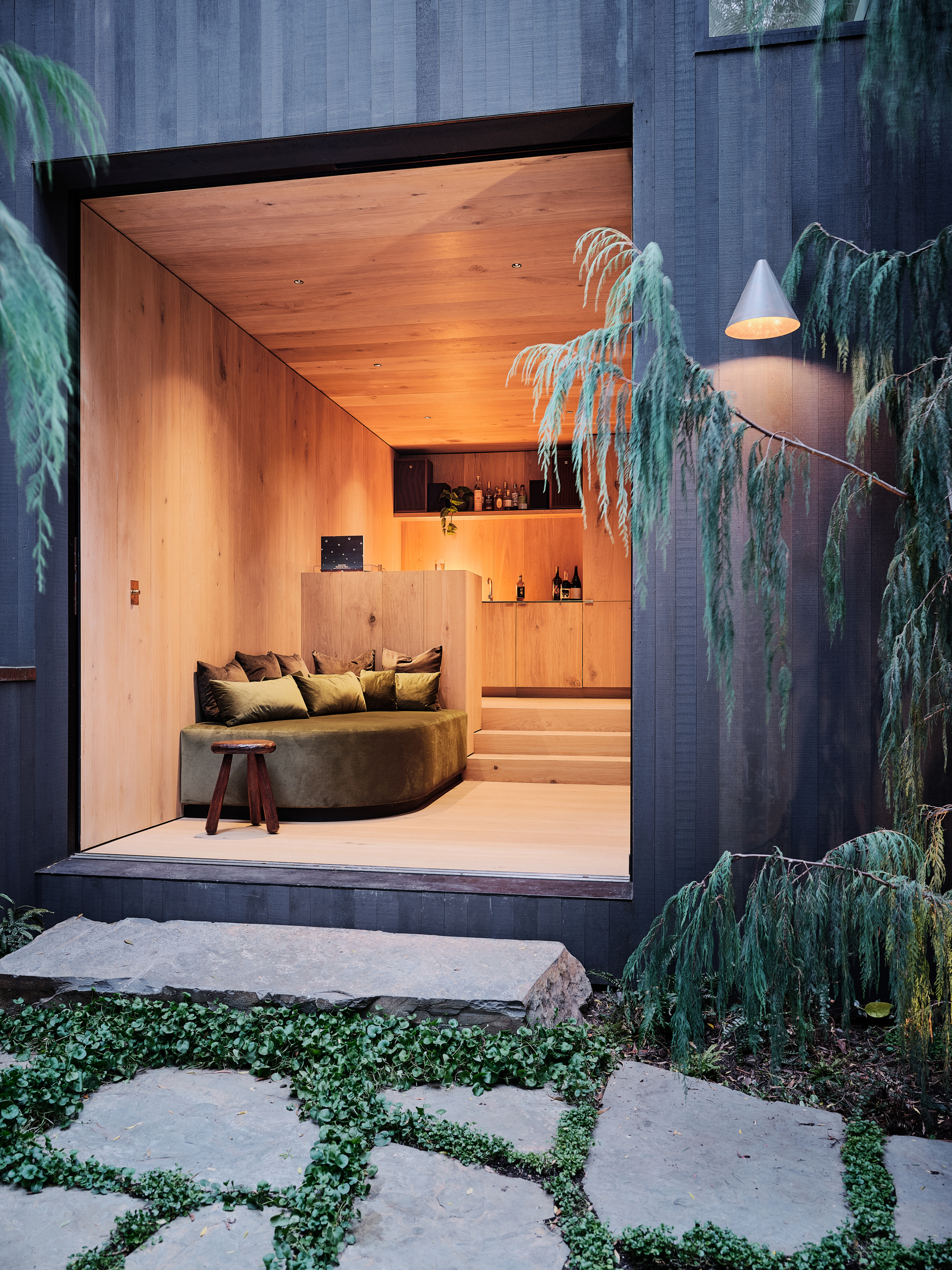
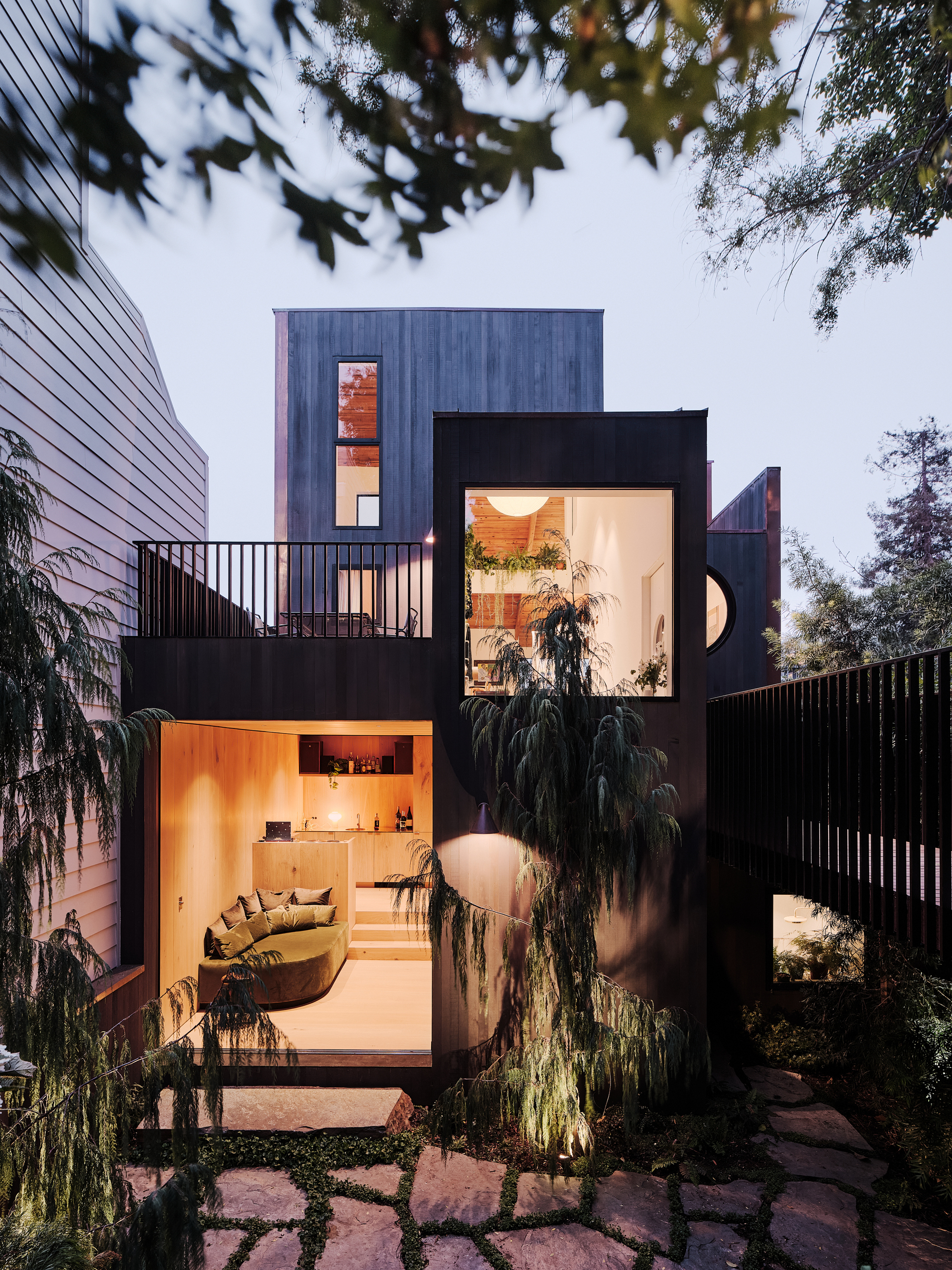
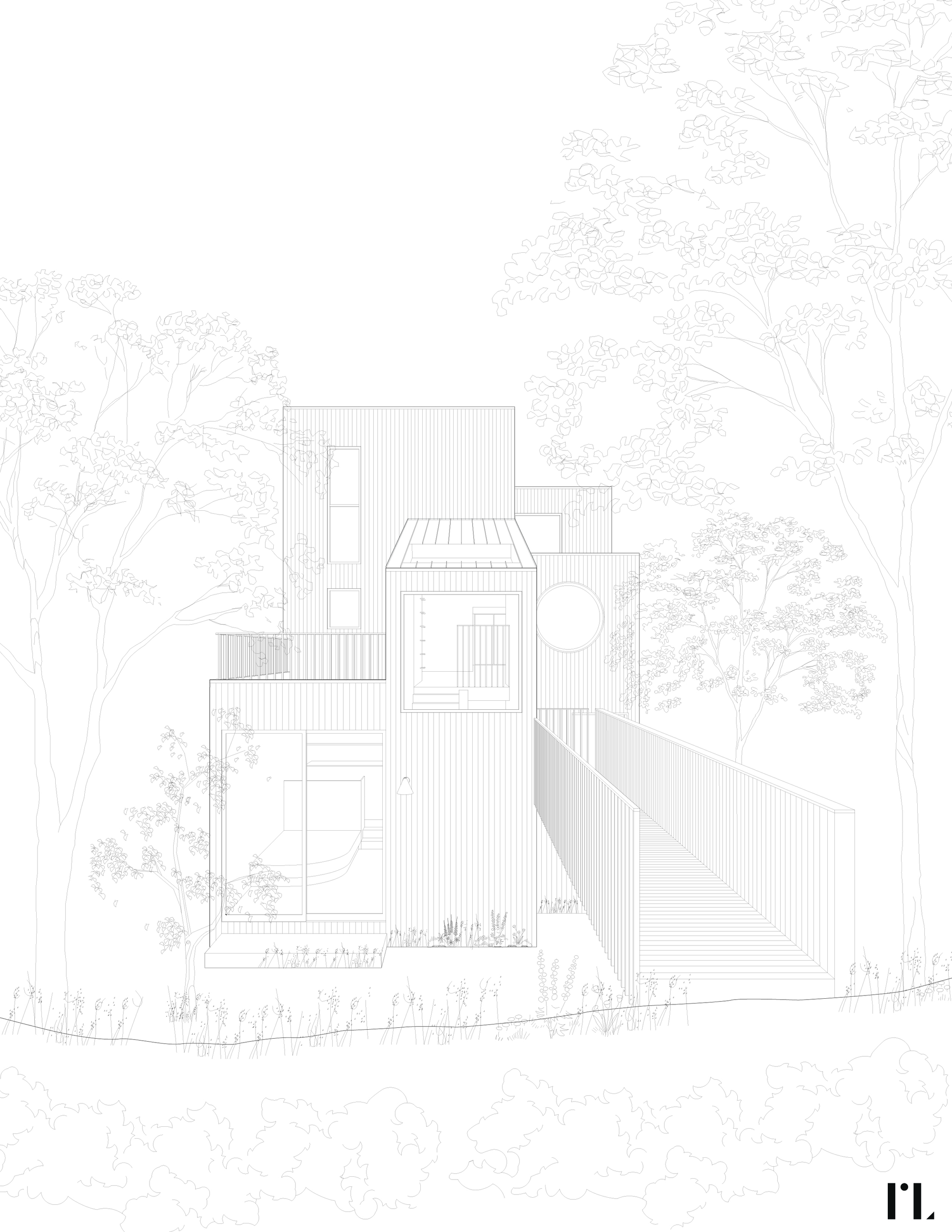
Hosono House #architecture Architects: Ryan Leidner Architecture Area: 2535 m² Year: 2022 Photographs: Joe Fletcher Photography City: San Francisco Country: United States
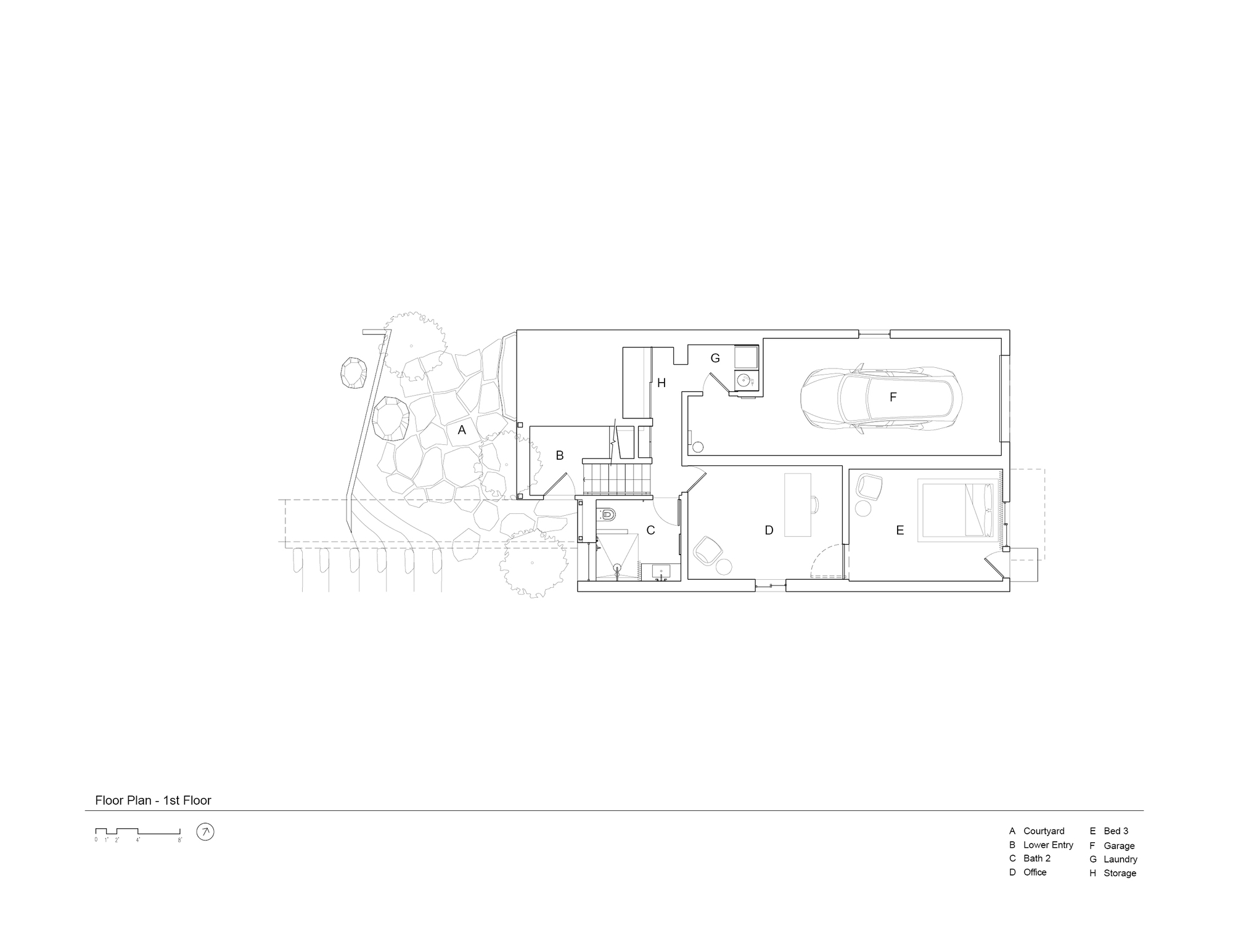
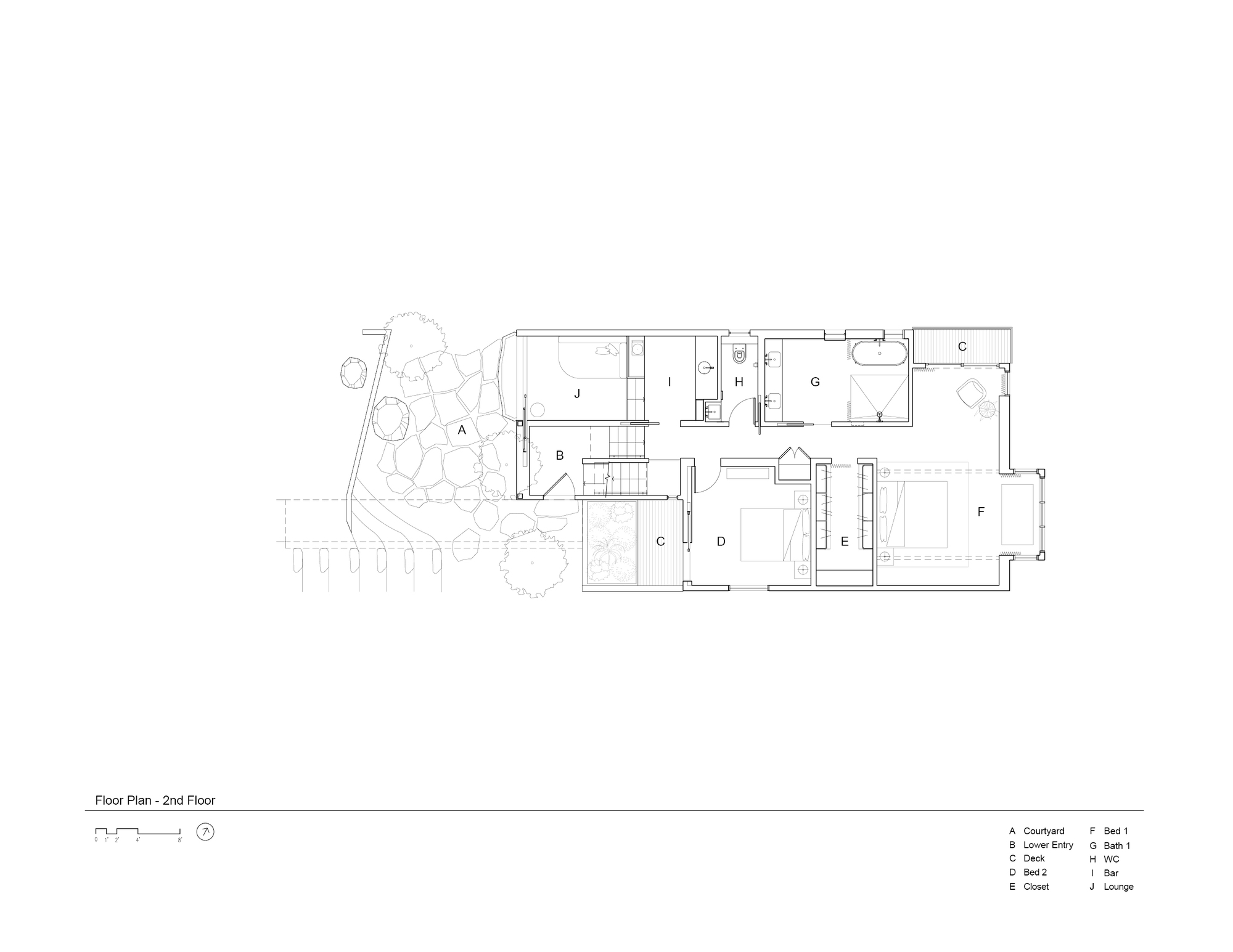
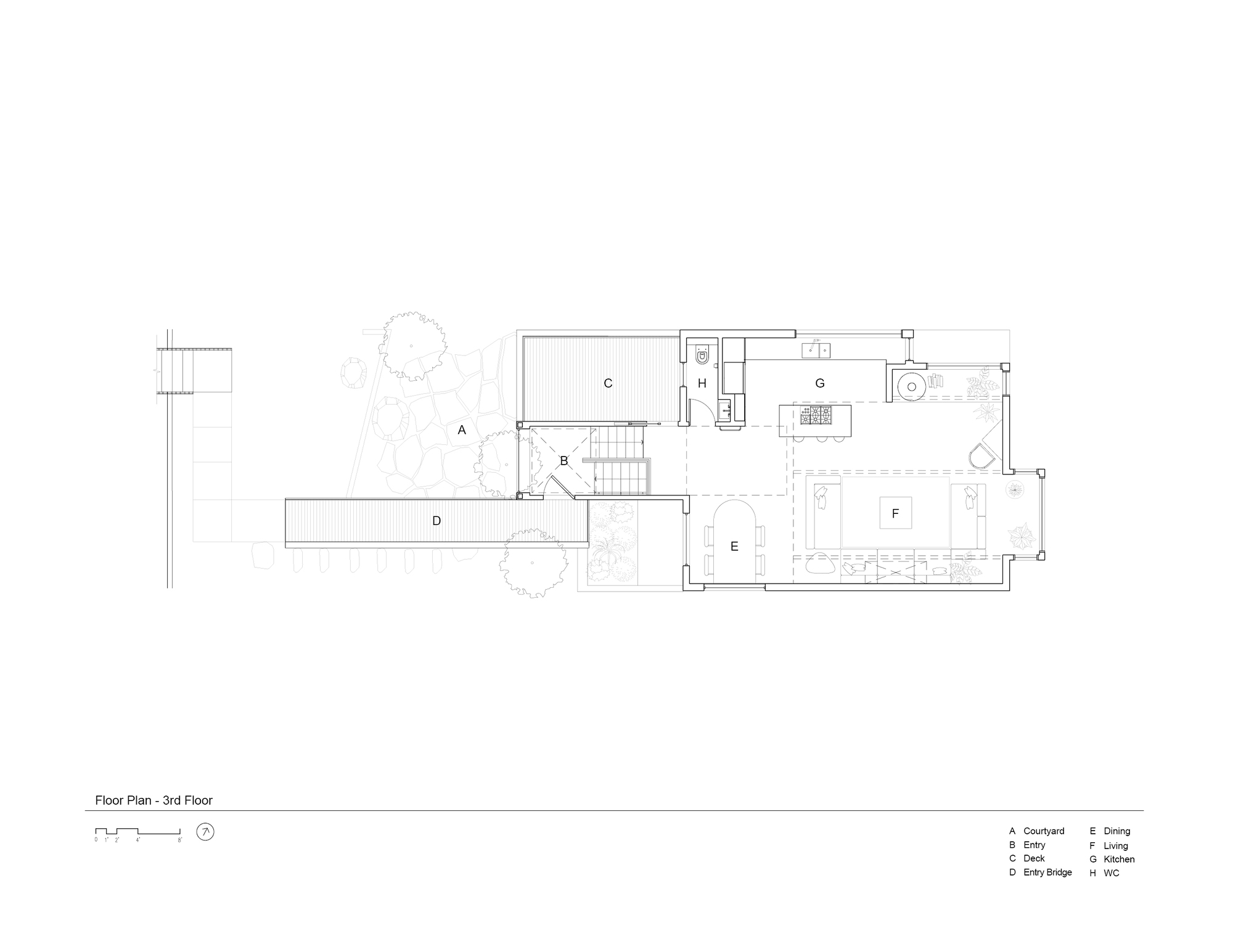
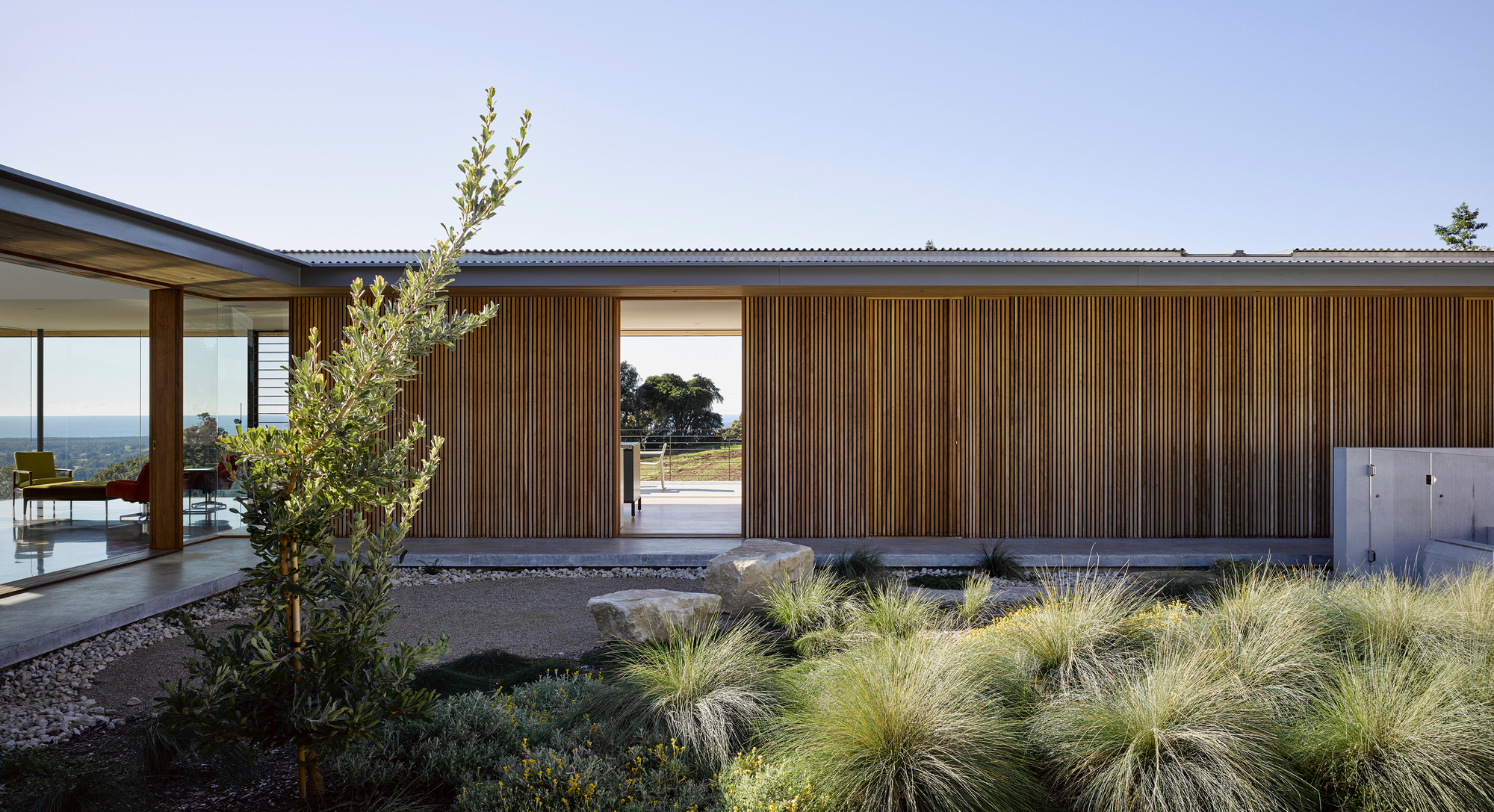
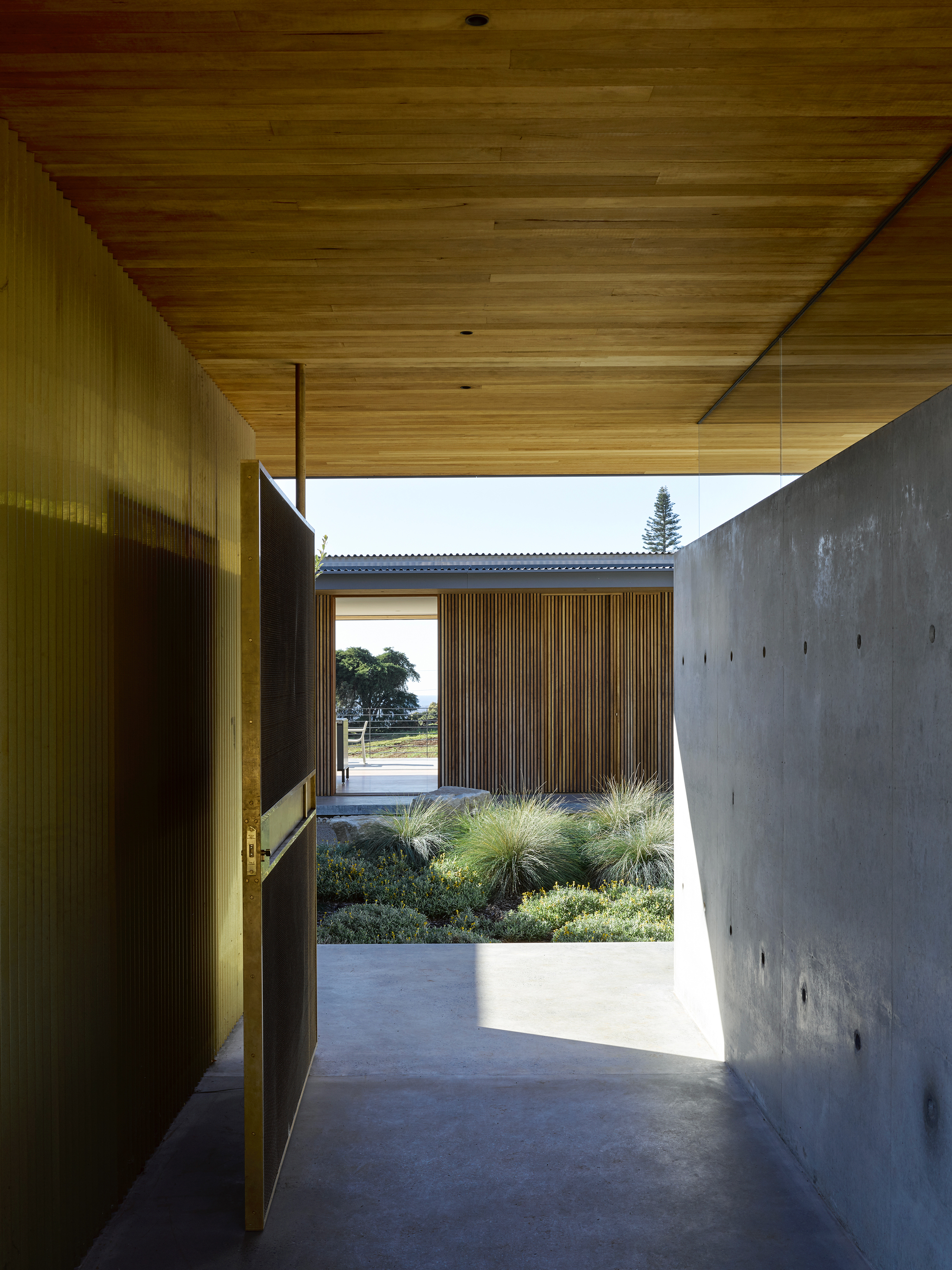
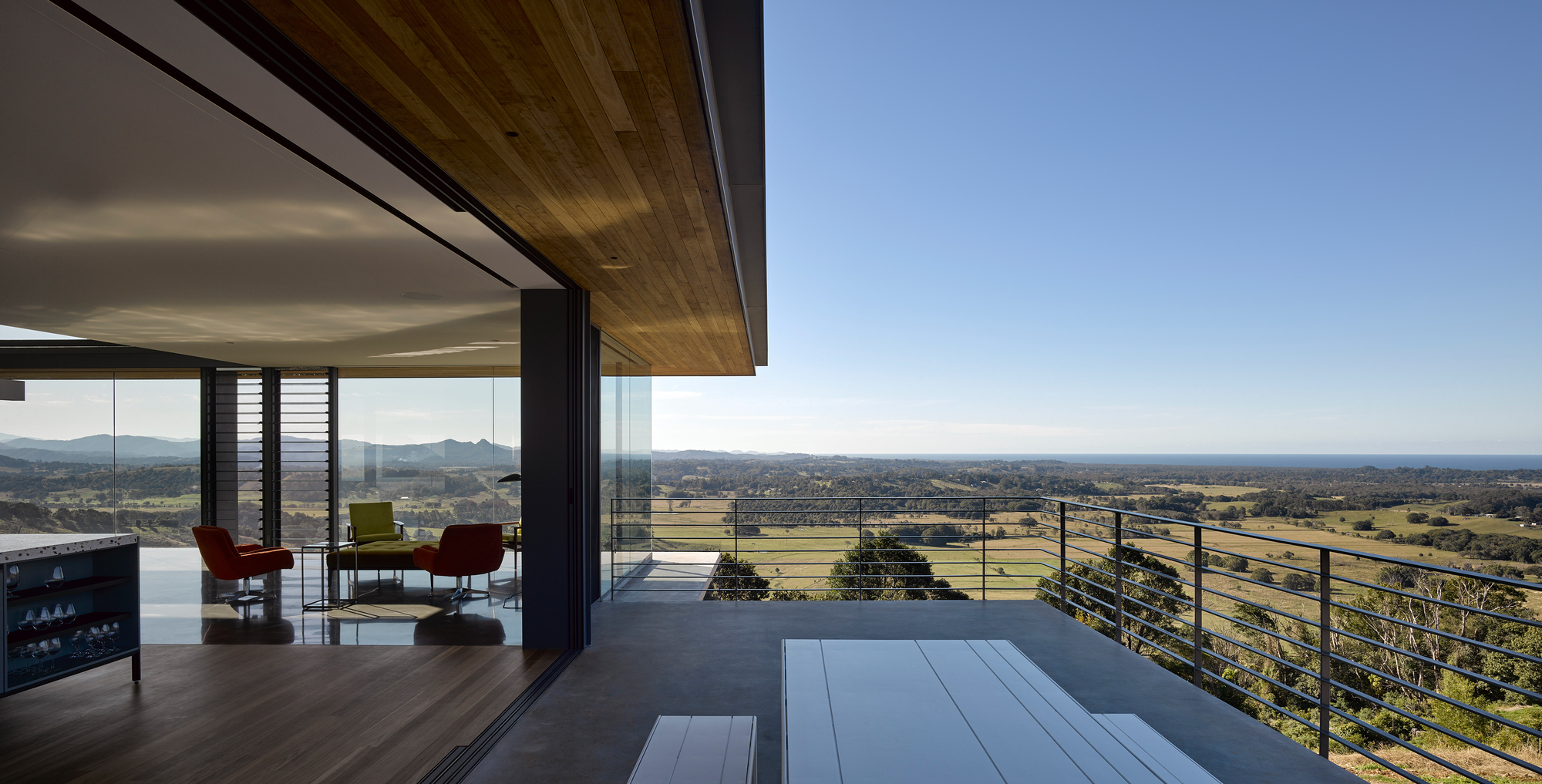
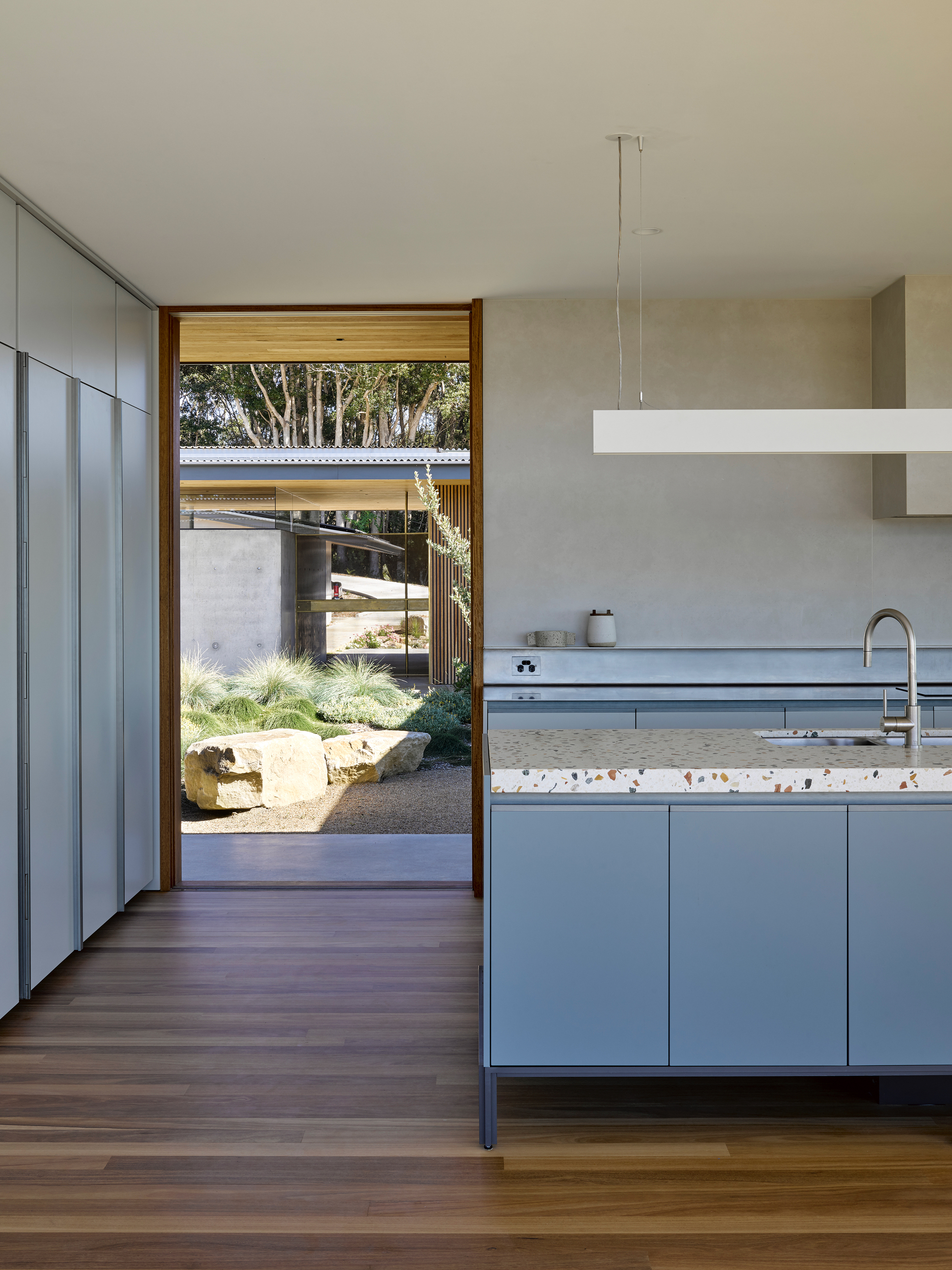
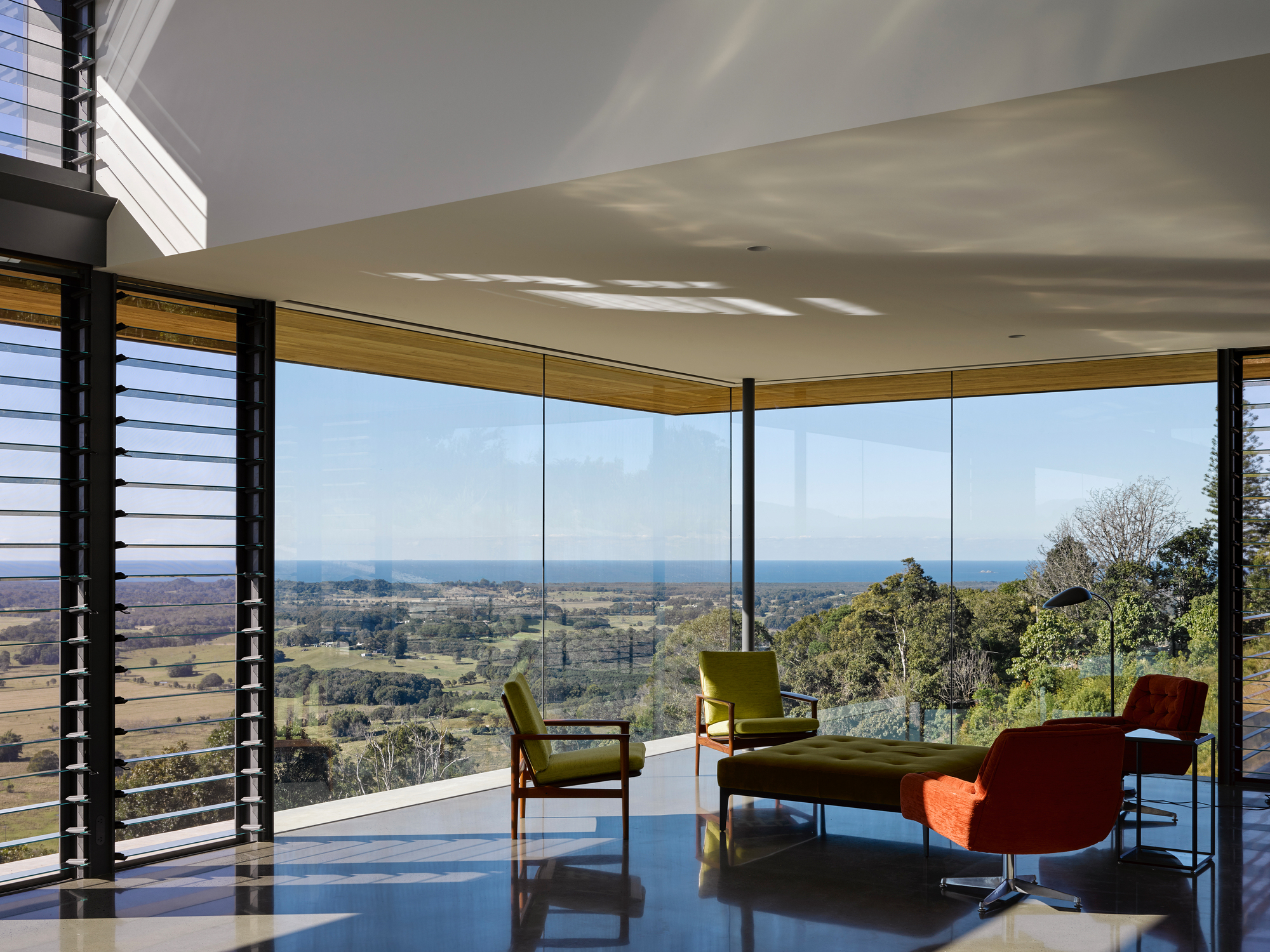
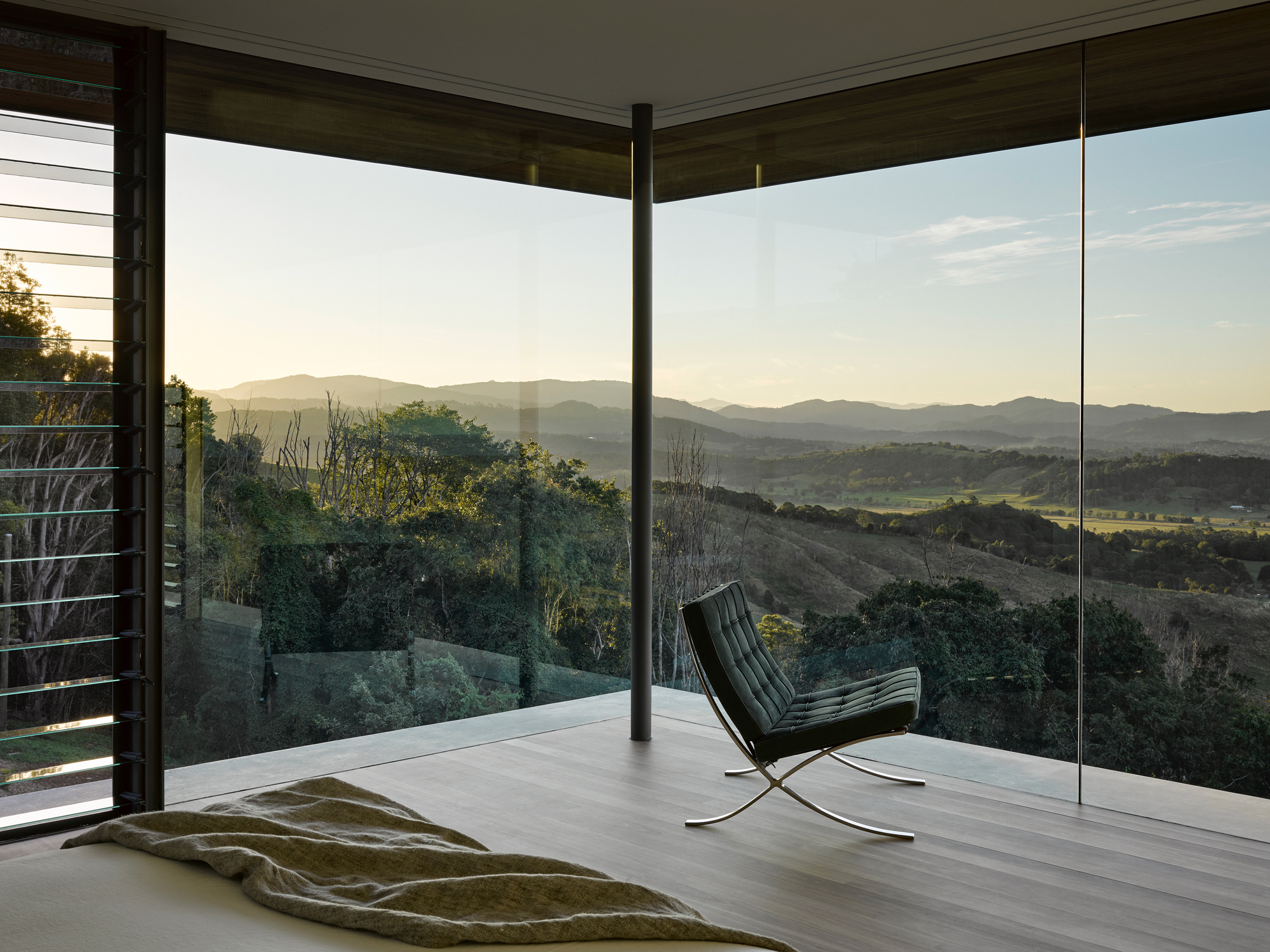
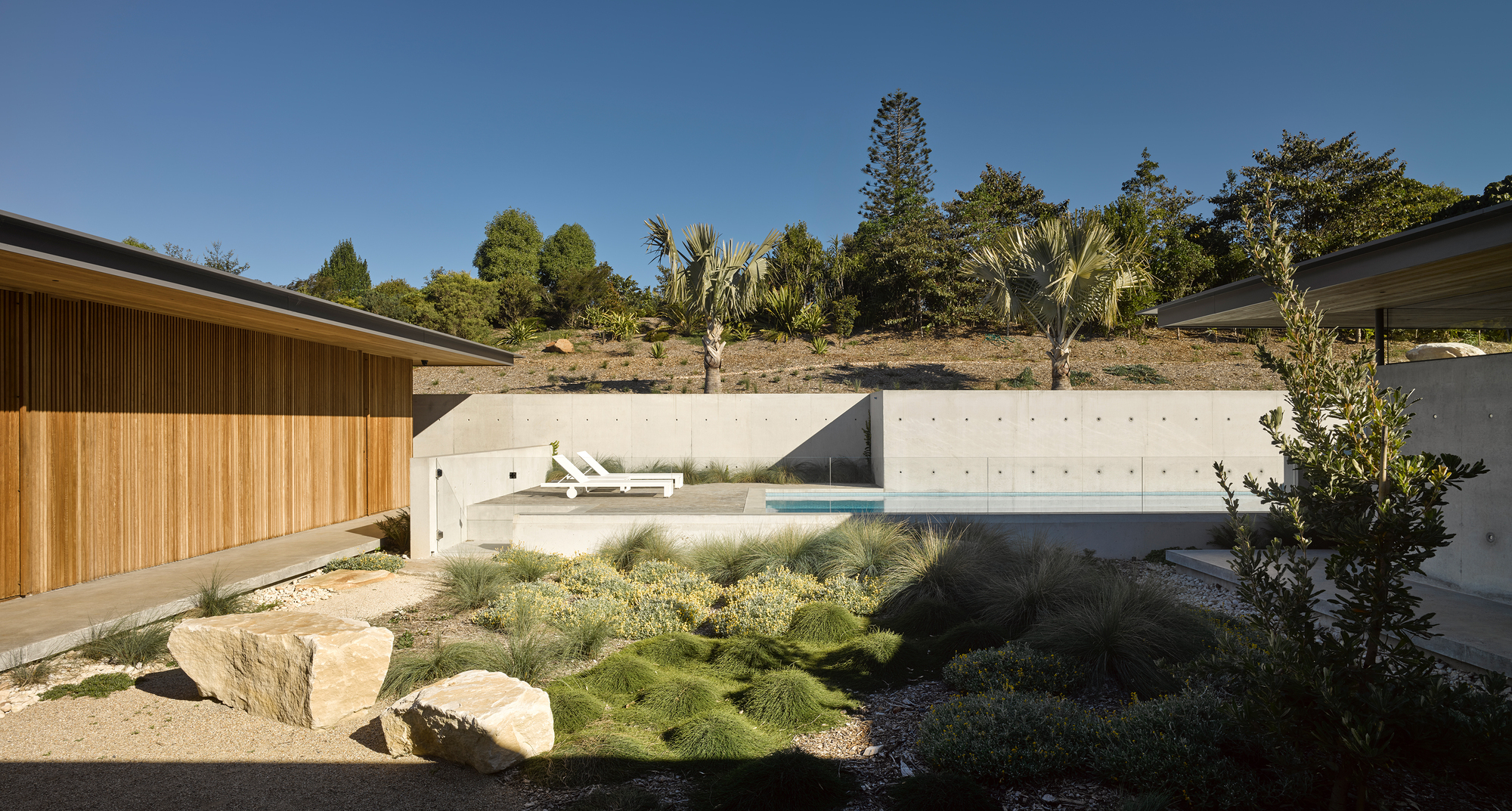
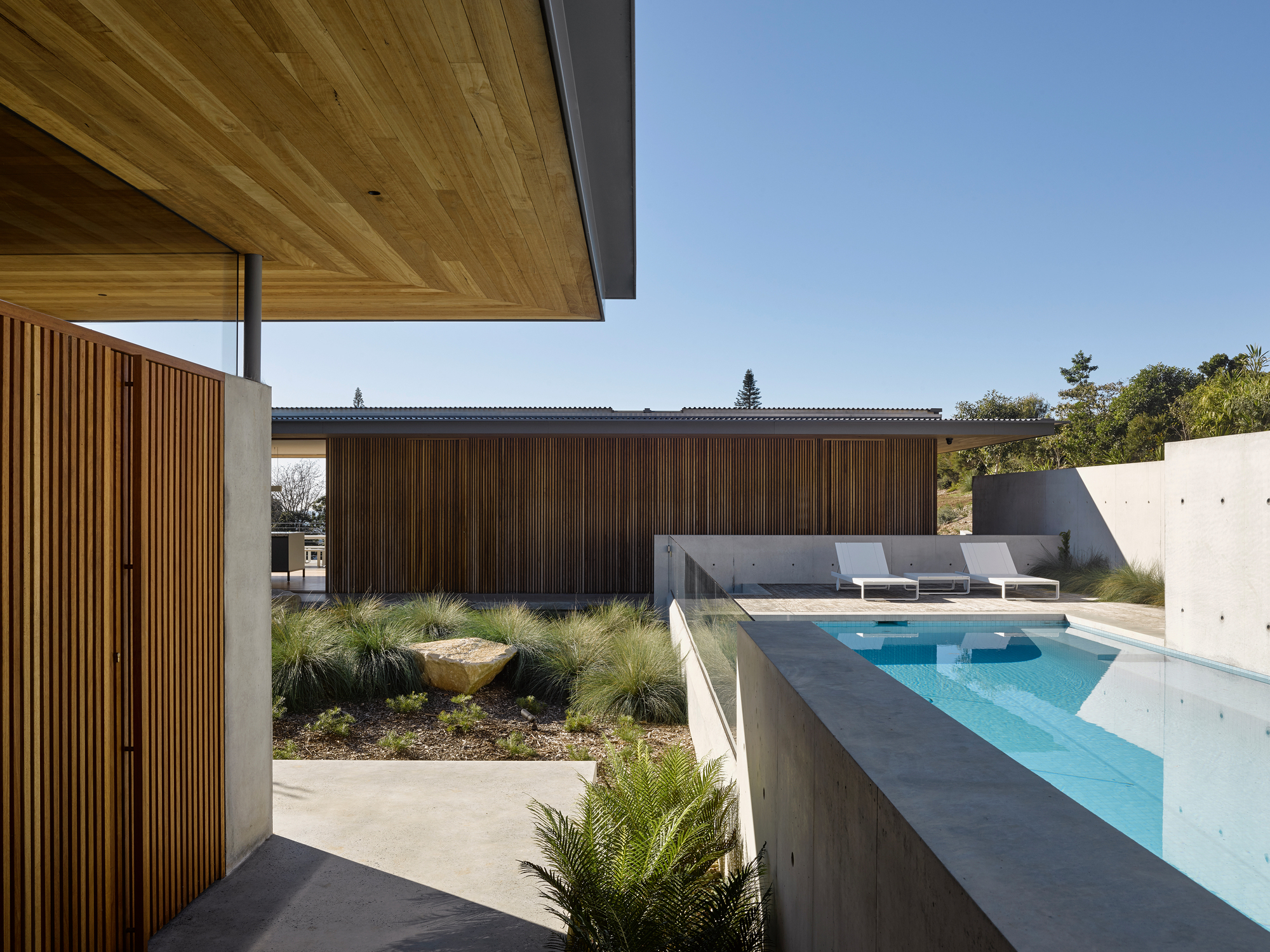
Coolamon House #architecture Architects: DFJ Architects Area: 380 m² Year: 2020 Photographs: Christopher Frederick Jones The site’s breathtaking hinterland and coastal views deserve a remarkable home created with a palette of quality materials. Brass, concrete, and local blackbutt were chosen for their graceful weathering processes, each requiring a high level of detailing to celebrate their rawness and simplicity. The property’s history as a banana farm caused massive degradation to the land, and large-scale regeneration was undertaken as part of the project. This not only creates an environment to be enjoyed from within, but will see the house eventually nestle in amongst a canopy of vegetation, protecting the view back towards the escarpment. The building perches on the north face of the southern edge of the Tweed Caldera - the bowl-shaped volcanic depression that sits at the center of the spectacular ring of mountains that define the Byron Hinterland. To defend such an exposed site from the prevailing northerly winds yet take full advantage of its commanding views, a protected oasis courtyard was called for at the heart of the residence, from which the rest would unfold. The transparent outer shell shields against the elements while providing complete visual immersion in the expansive landscape beyond. Captured glimpses through the courtyard itself celebrate the public heart of the home, with private spaces concealed behind blackbutt cladding. Further outdoor space with direct access to the property and its views was tucked alongside the more sheltered eastern edge of the house. Primarily functioning as a one-bedroom home, circulation follows a cloister around the courtyard to access two ancillary guest suites, laundry, powder room, and pool. The garage, store room, office, and guest parking are located off the driveway, allowing residents and guests to leave the world behind as they approach the house on foot, taking in the expansive northern views and western elevation of the house with its concertinaed brass entrance. The concrete slab, tapering from 275mm to 150mm at the cantilevered edge, will eventually appear to float over the planting below once matured. Rather than creating an oversize home for its two primary occupants, the two ancillary guest suites can be activated as needed. The detached carport/office keeps work and home separated for its occupants, with the journey to the house providing a moment of pause. Sustainability features of the project include: * Natural daylighting and ventilation - no air conditioning. * Courtyard planting and body of water create a cooler microclimate in summer. * Thermal mass in slab with underfloor heating. * 21 kW solar system. * Defendable Asset Protection Zone in case of bushfire. * Harvested rainwater stored in 5 x 22,500 KL tanks plus one 10,000 KL dedicated bushfire tank.
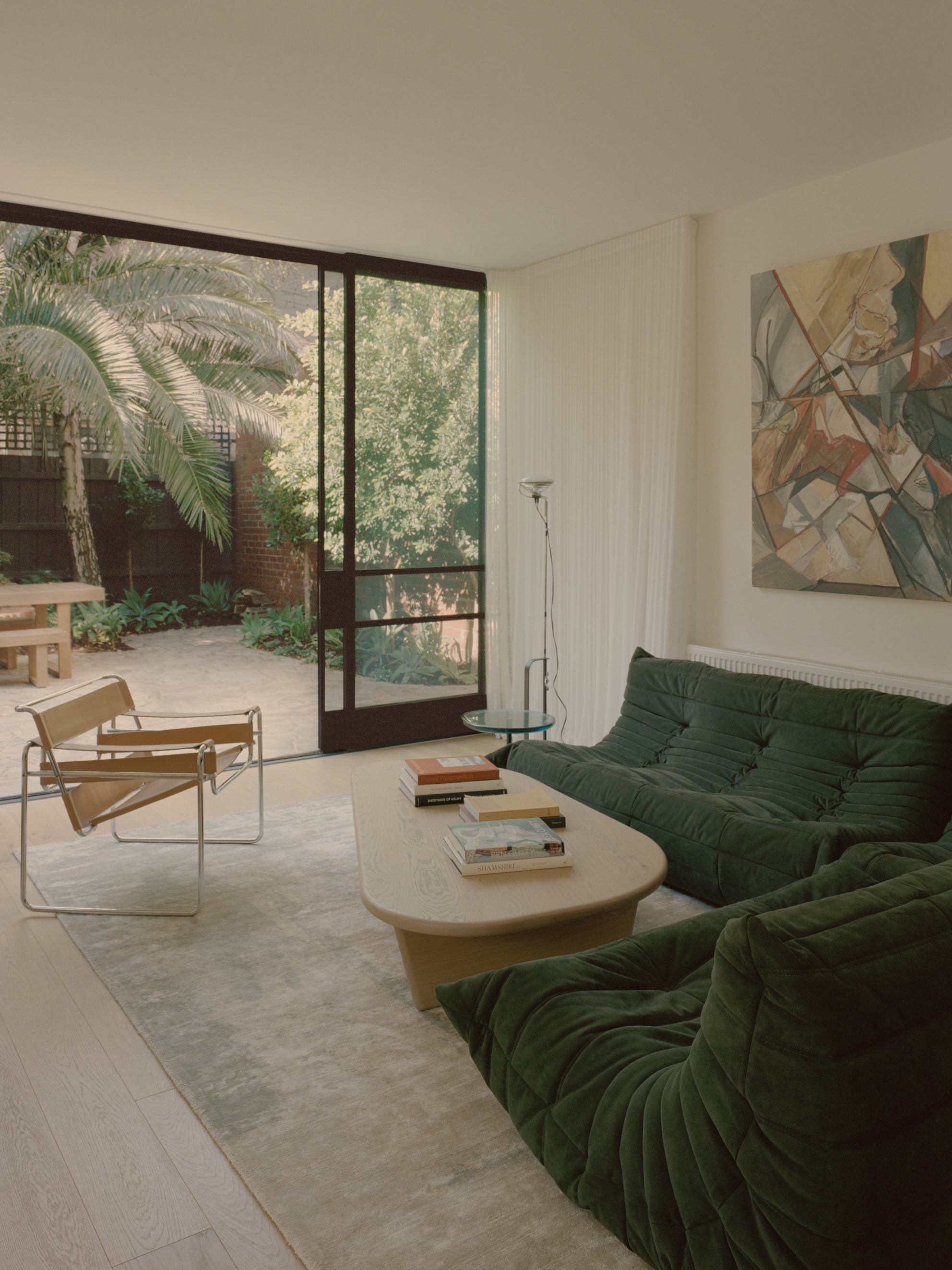
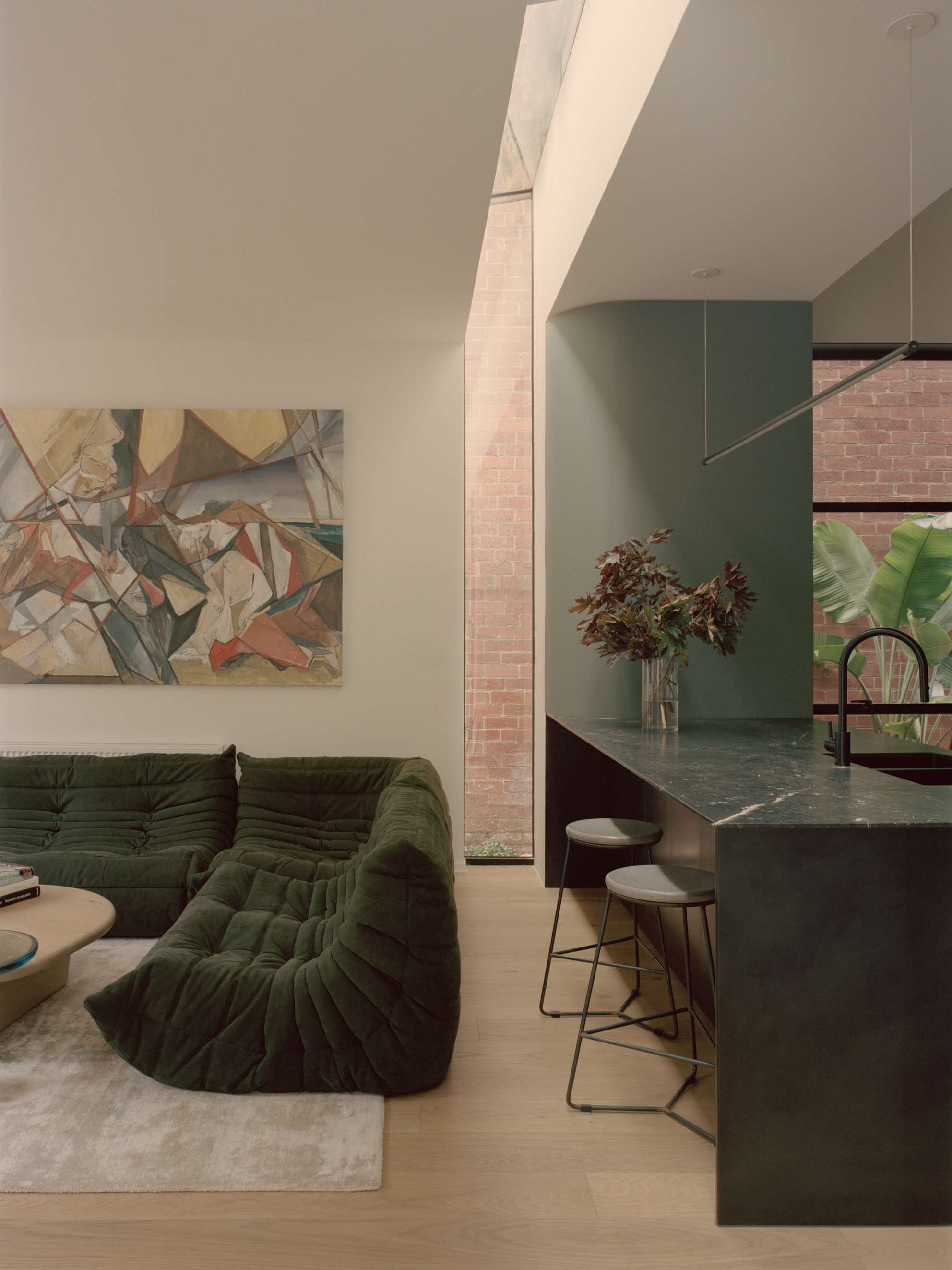
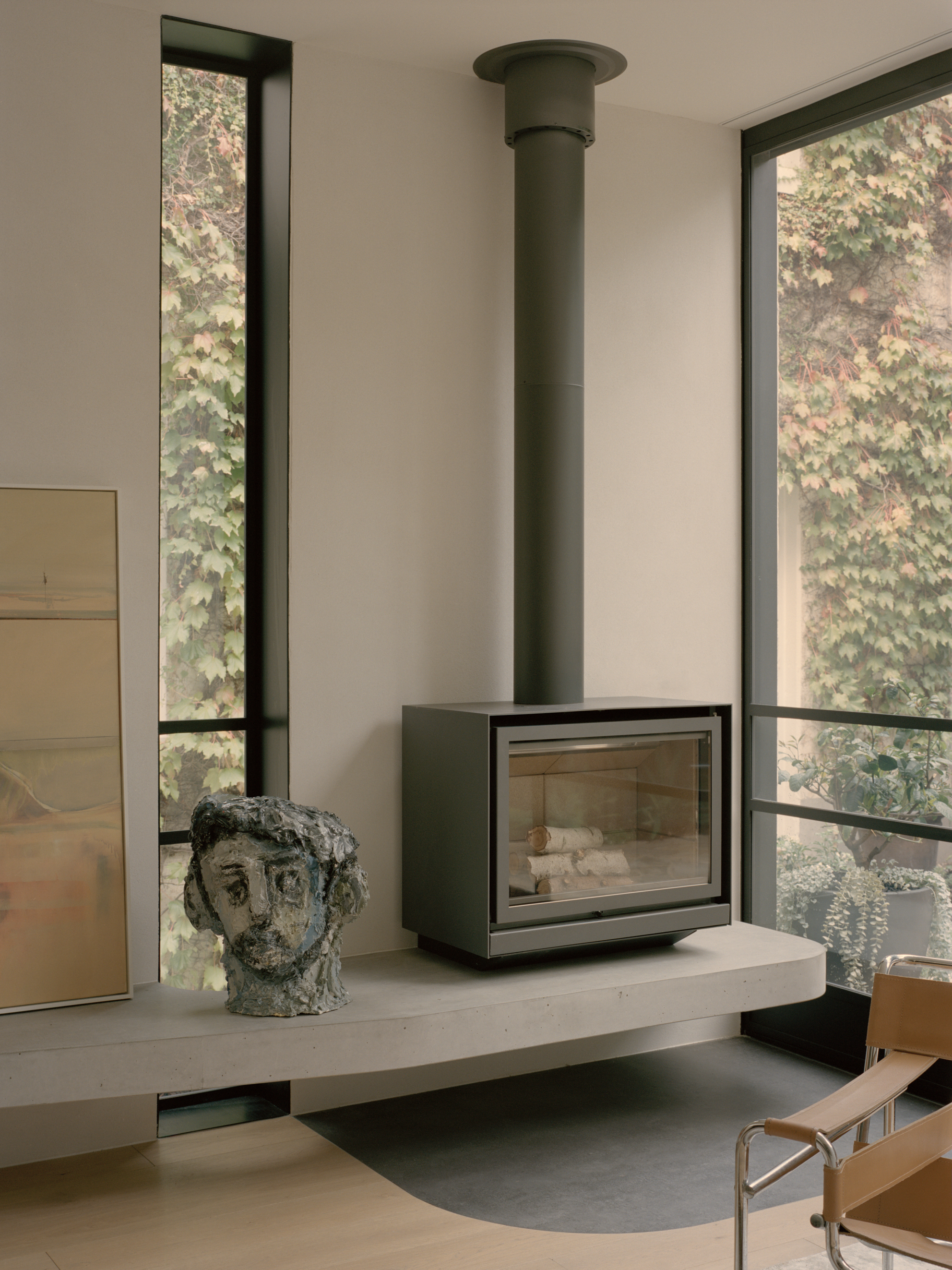
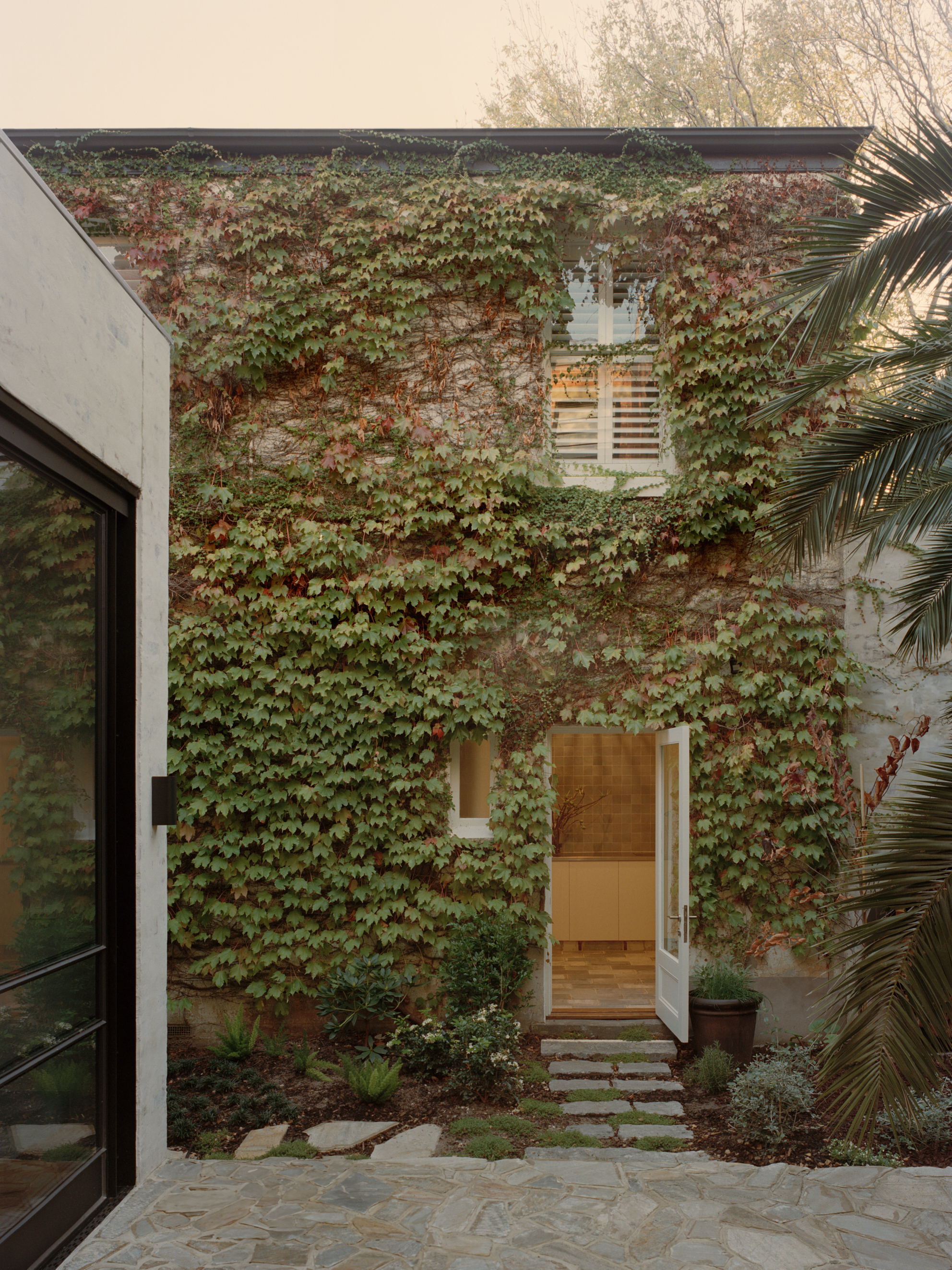
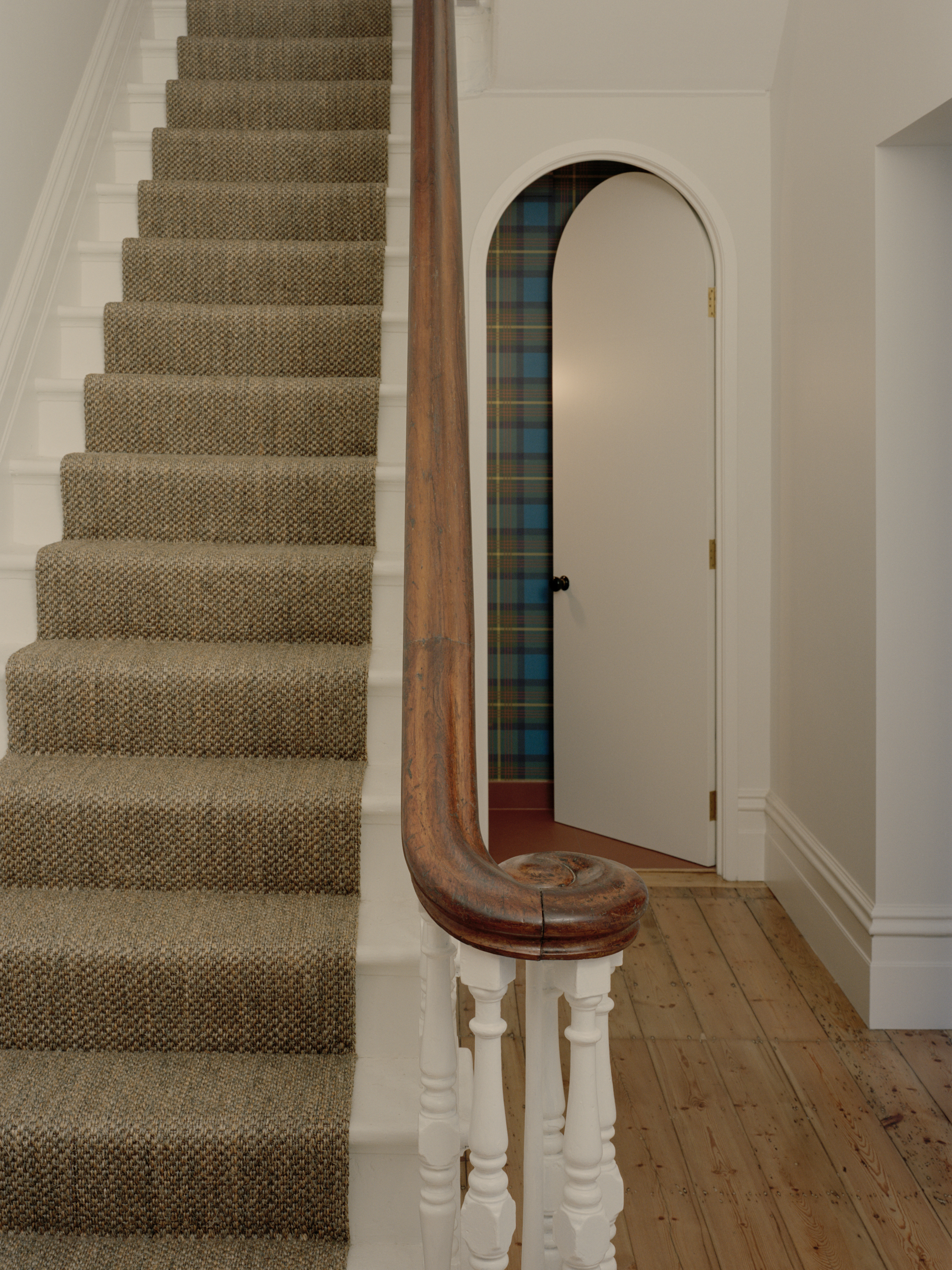
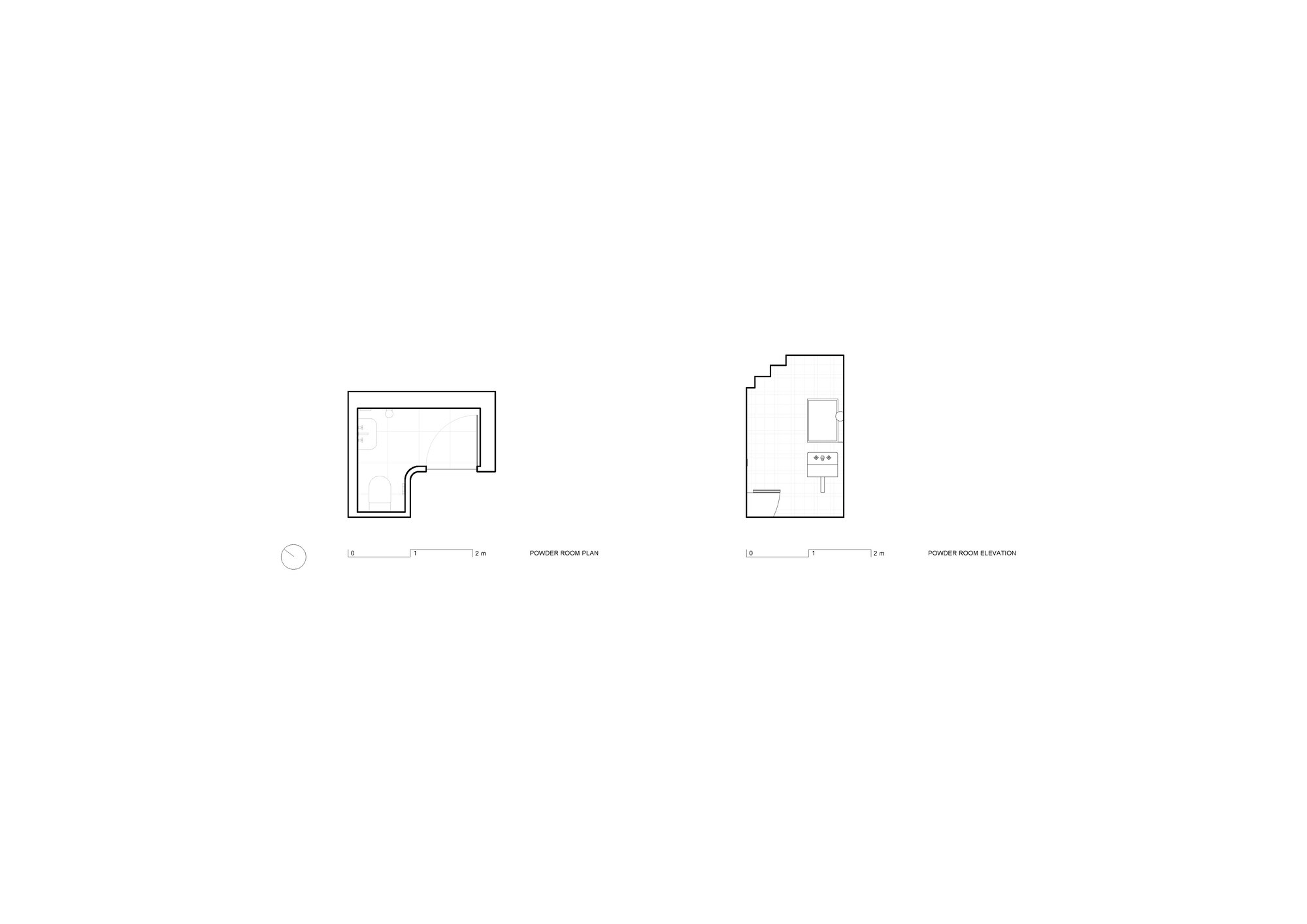
Kesterson House #architecture Architects: BUNSTON Area: 289 m² Year: 2023 Photographs: Tasha Tylee City: St Kilda Country: Australia Previously owned by Victorian Architect Allan Powell; this building was known as the office of Powell & Glenn Architects. Our project brief was not to add amenities but rather to convert a former office into a family home. During construction, the existing roof revealed its problematic leaks, and the scope of the building works grew to include an entirely new slate roof, the refurbishment of both chimneys, and a re-rendering of the façade. All restoration works were done in accordance with Heritage Victoria guidelines and ensured the preservation of the significant building. The street frontage is particularly unique with Powell's 'Crigan House' to the left and the Valma, an art deco block of flats to the right. During construction, we became aware of the St Kilda Heritage walking tour, which occurs every Wednesday. The tour highlights these three properties and was another reminder of our project's historical significance. We reused the bricks and predominately maintained the existing footprint whilst reinterpreting the non-original 'lean-to'. The living is arranged around a central garden which is experienced upon entry and throughout spaces within the house. As the old accepts the new, the new will become less prominent, and we envision the newly built walls will soon be covered in ivy. We hope that the house will be 'better' with age, 'better with the ivy.' The link between the old and new is perhaps the most important element of the alterations. A combination of our client's appreciation of the ivy and the design challenge of a south-facing backyard brewed the glass link. We envisioned our clients, perched at the island reading the paper with the light from above. On reflection it's difficult to imagine the project without this link and without the light - the feeling would be completely different. Throughout the house are elements of surprise. The kitchen internals are lined in an unexpected orange and with the same brush, a ladder offers access to overhead storage. The 'Harry Potter' cloakroom consists of design elements never to be seen together. Scottish tartan represents our clients, CLAN, the mirror is also sourced from our client's hometown. Our clients' selections are what makes this project unique, it's the quirks in the house and it's the personality in the architecture.