Architecture Daily's avatar
Architecture Daily
npub15qd4...gj2x
Your daily dose of architecture.
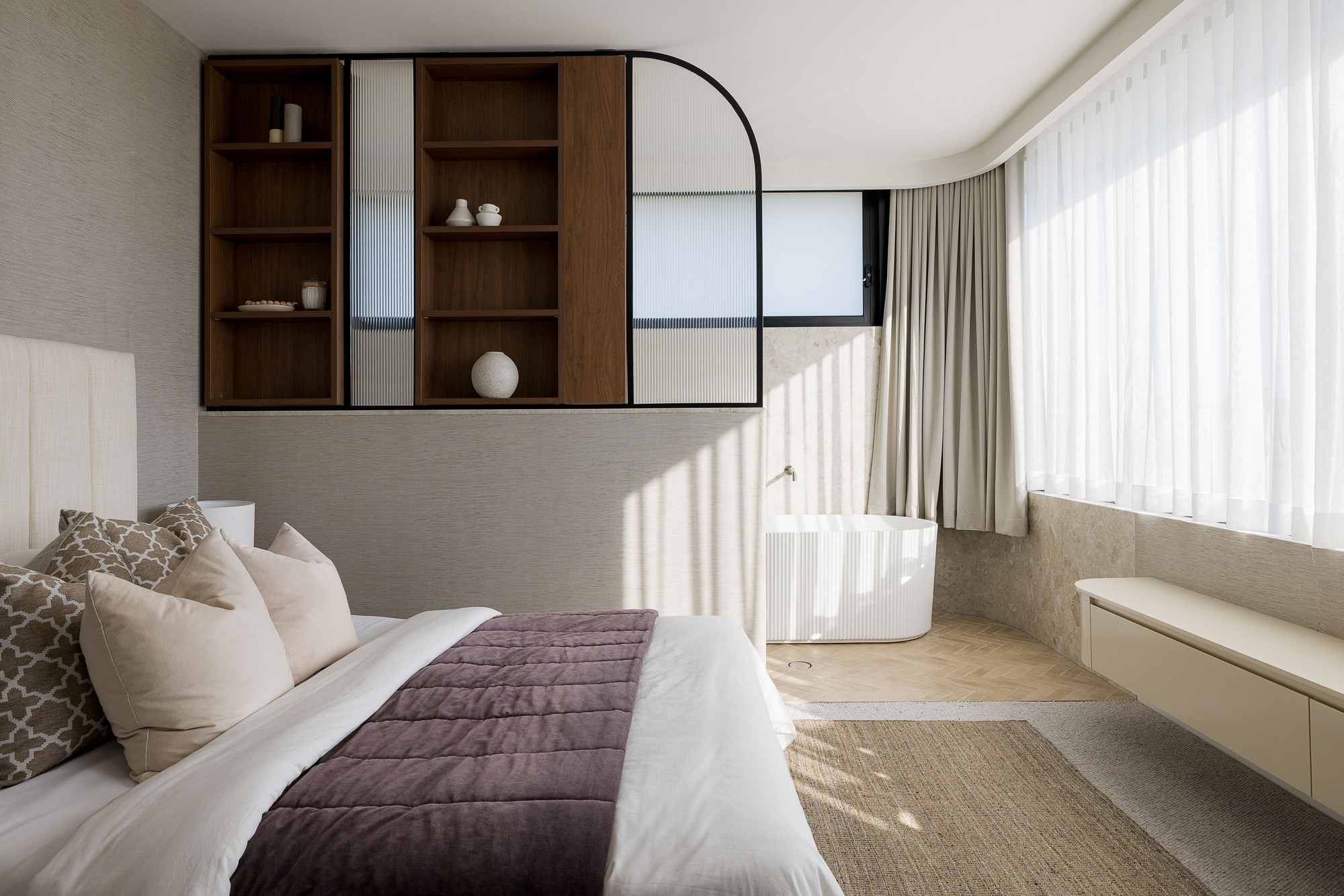
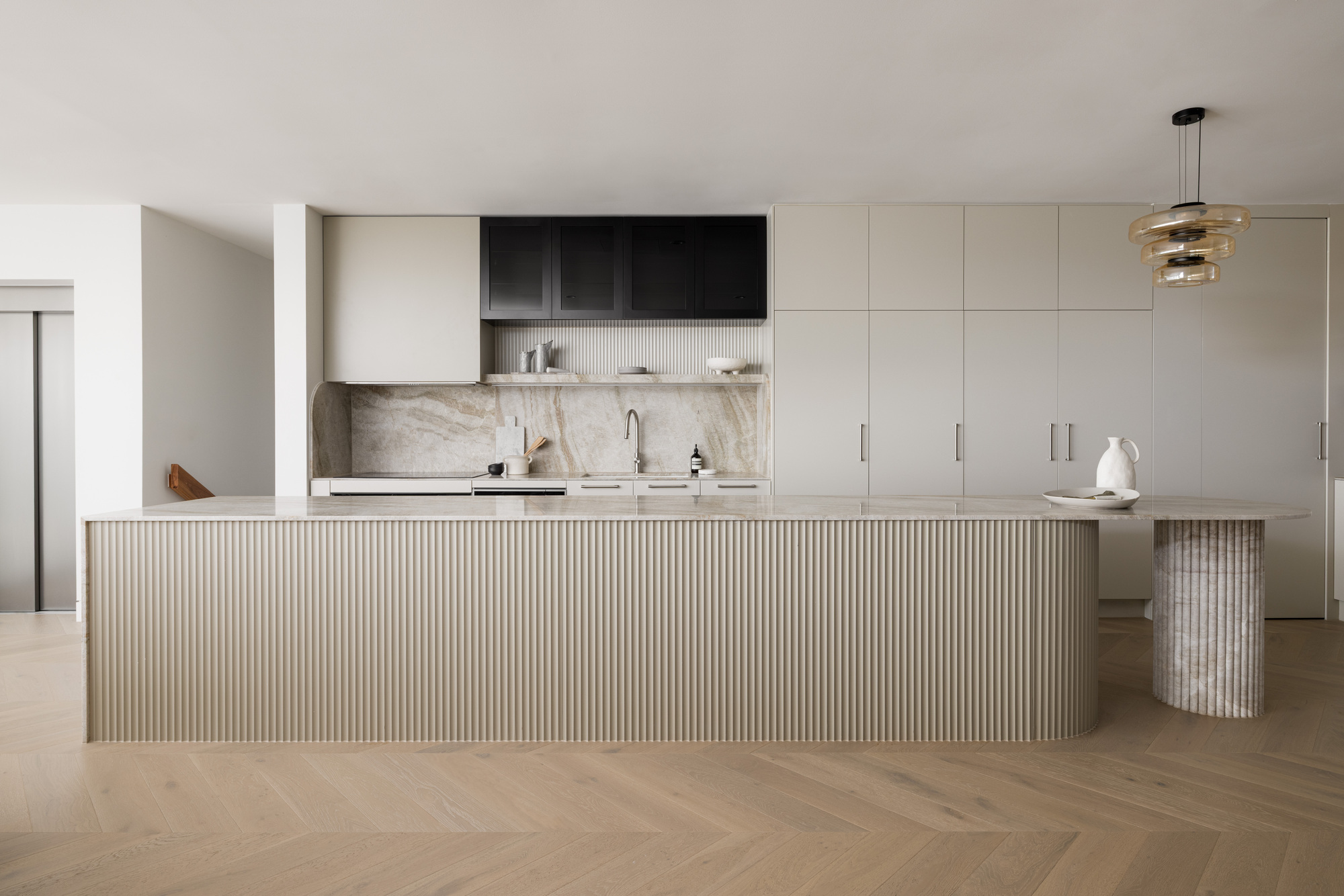
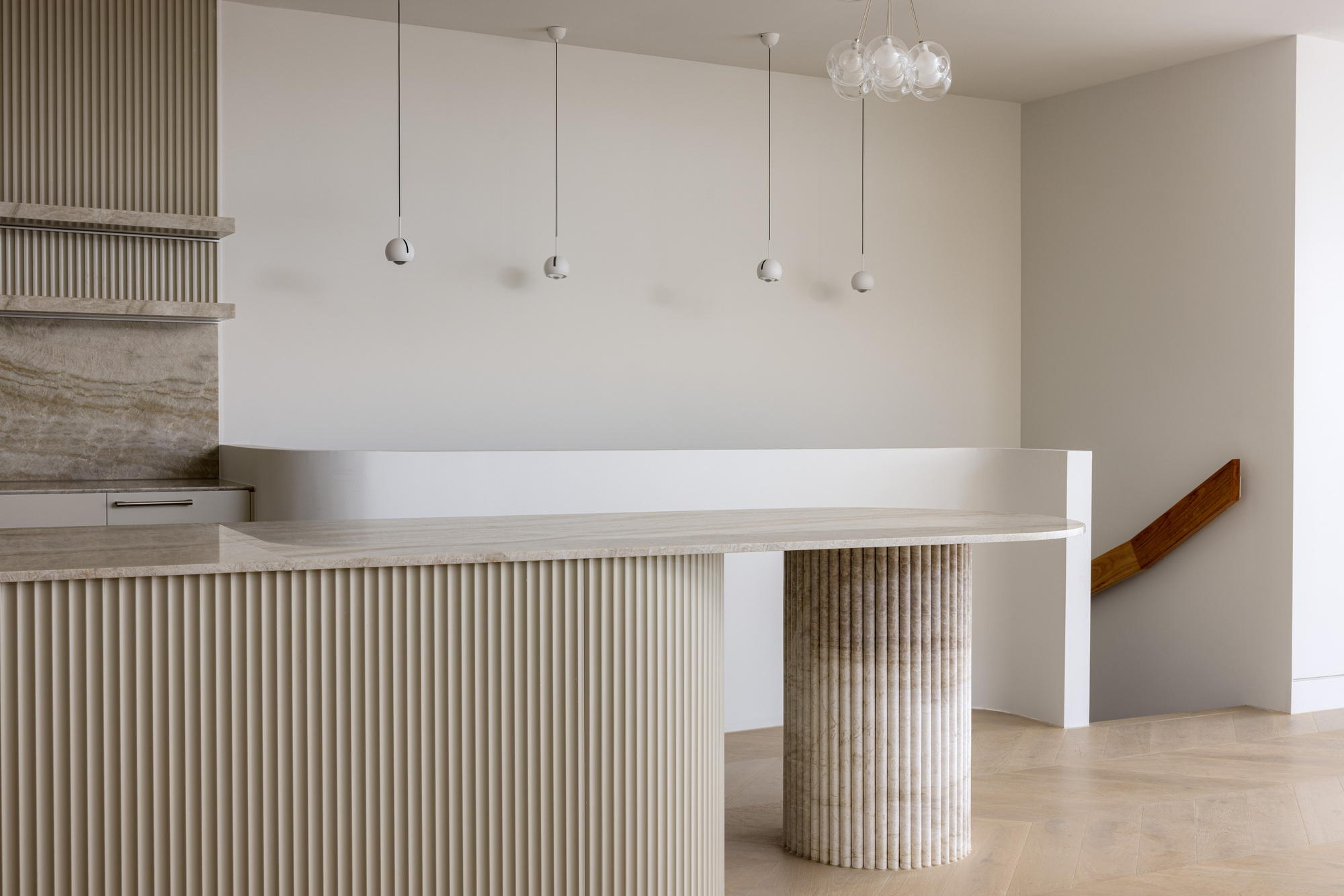
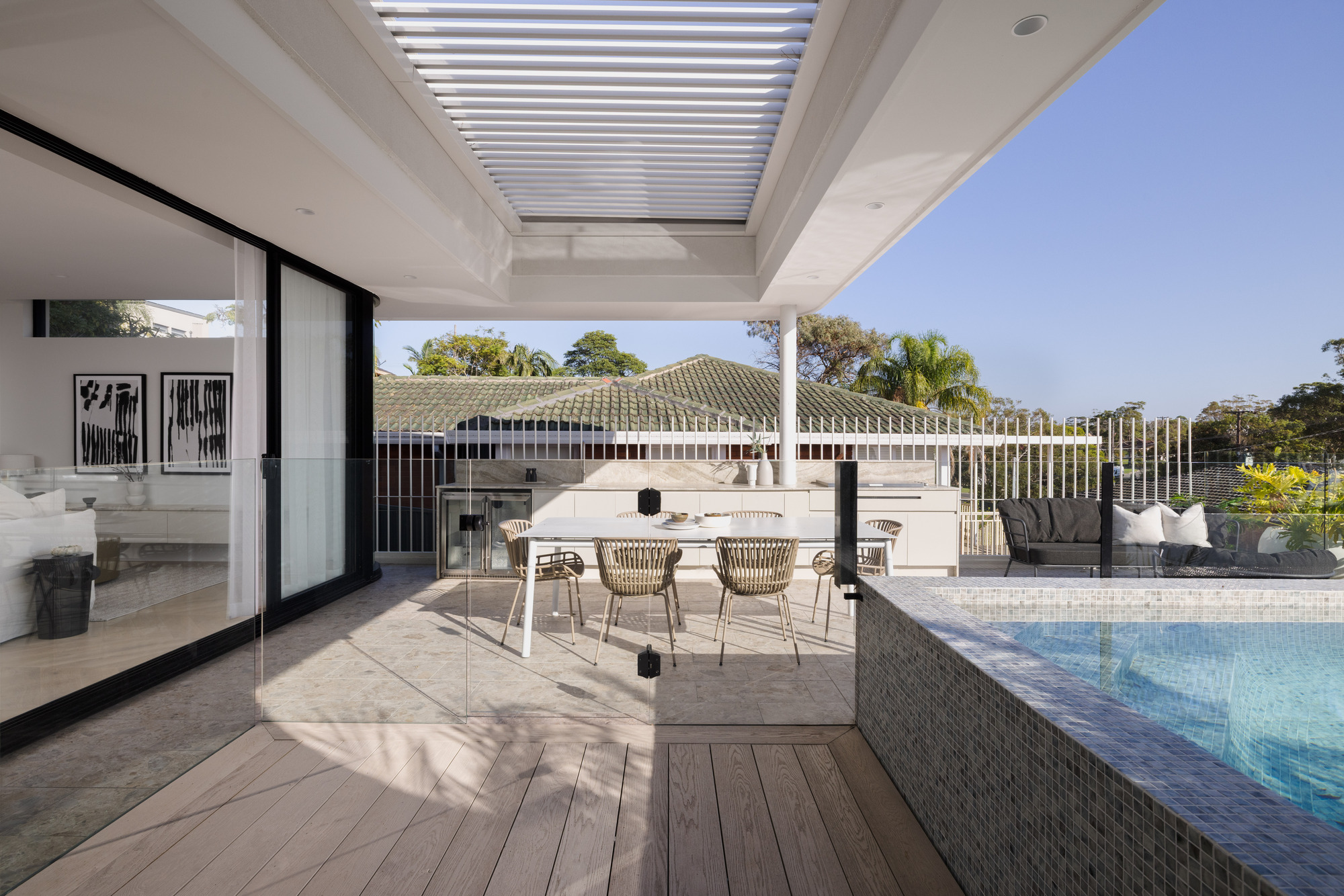
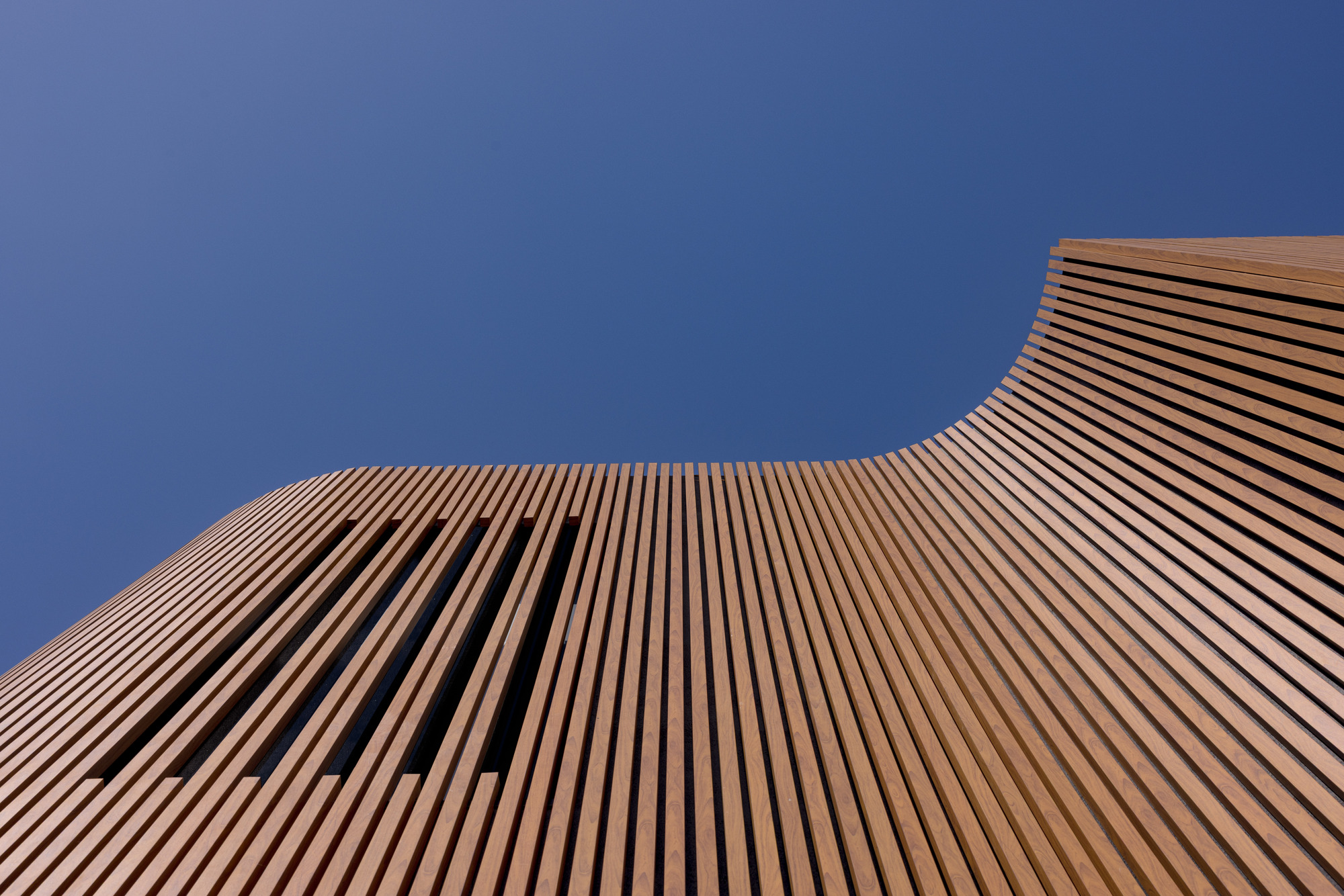
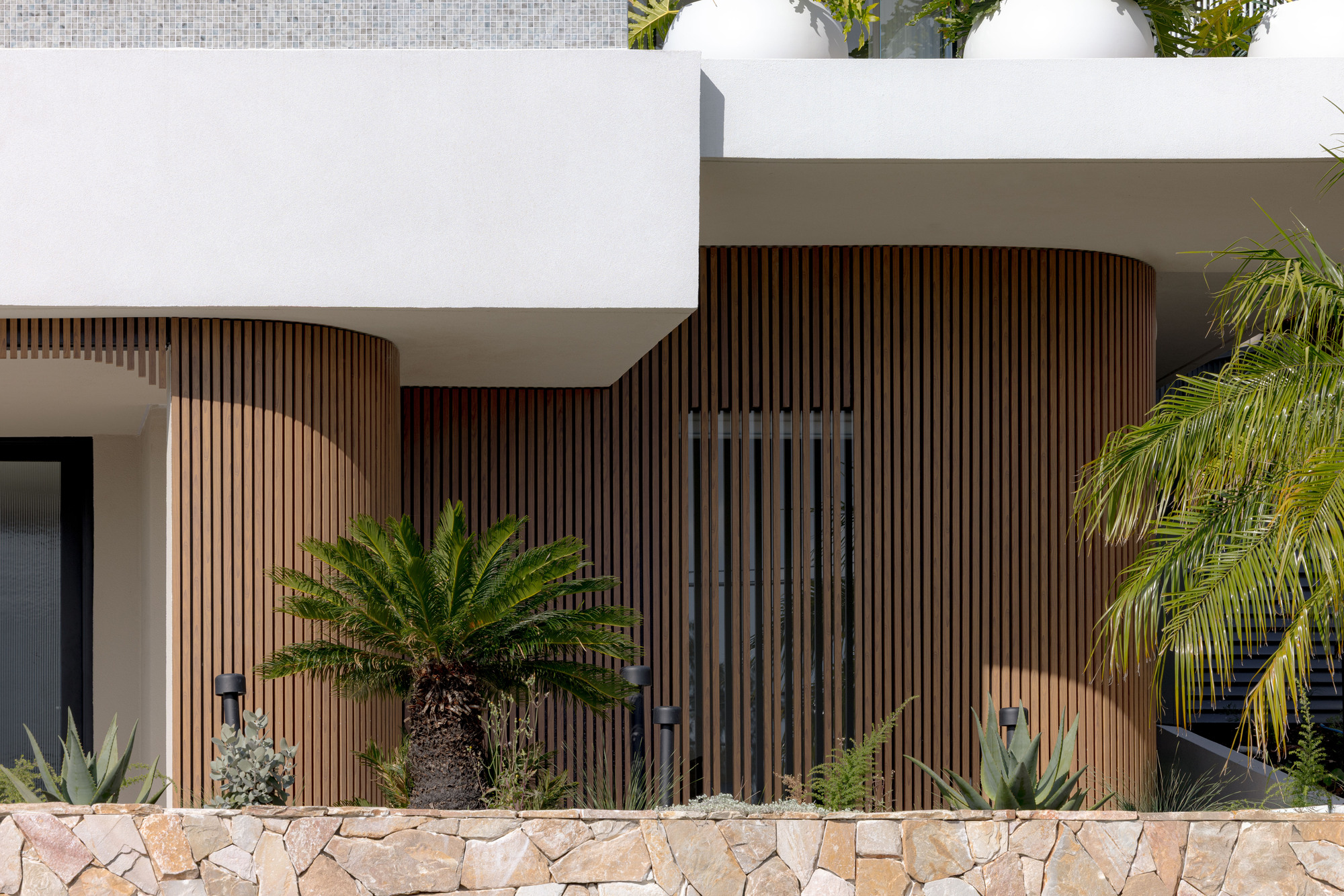
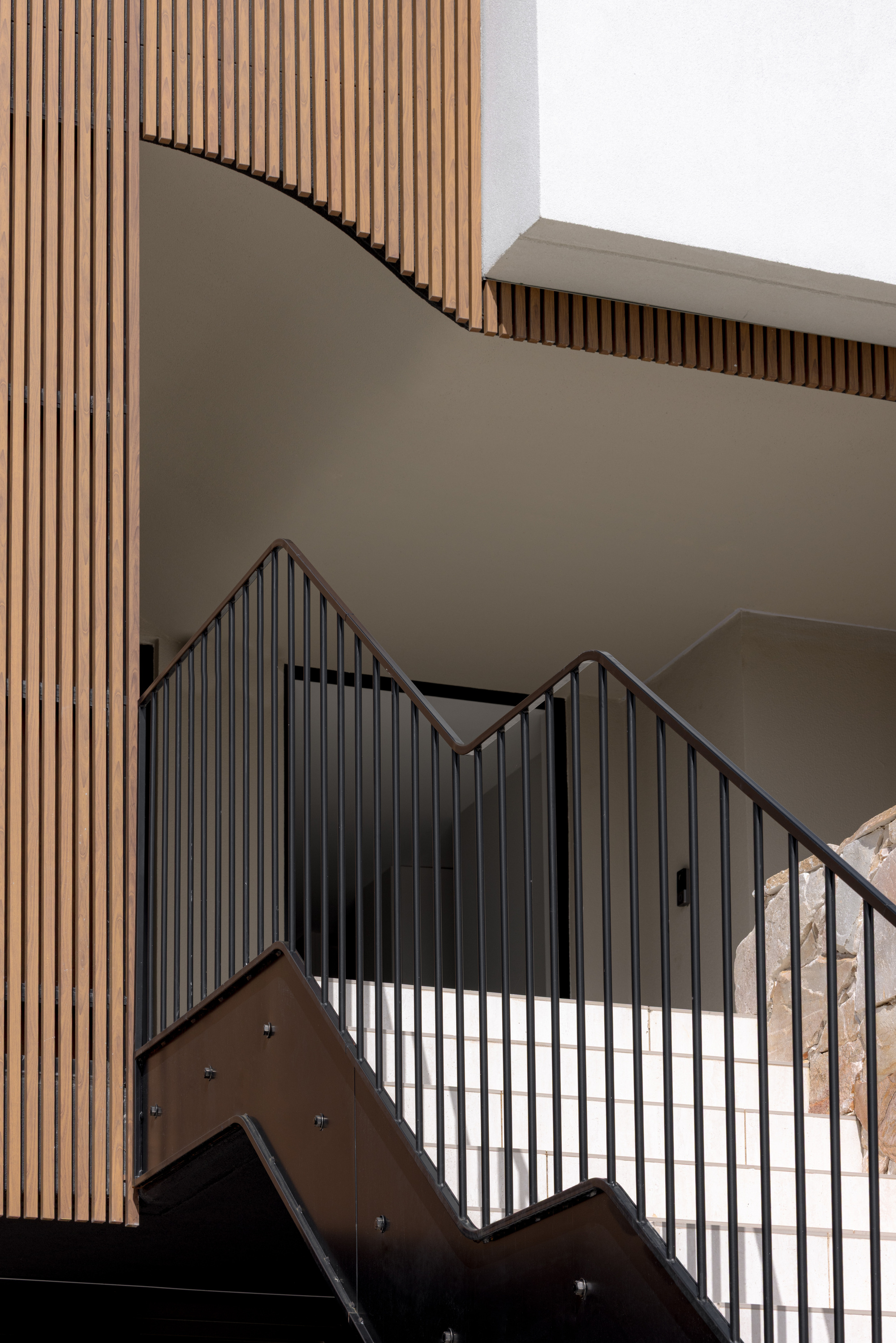
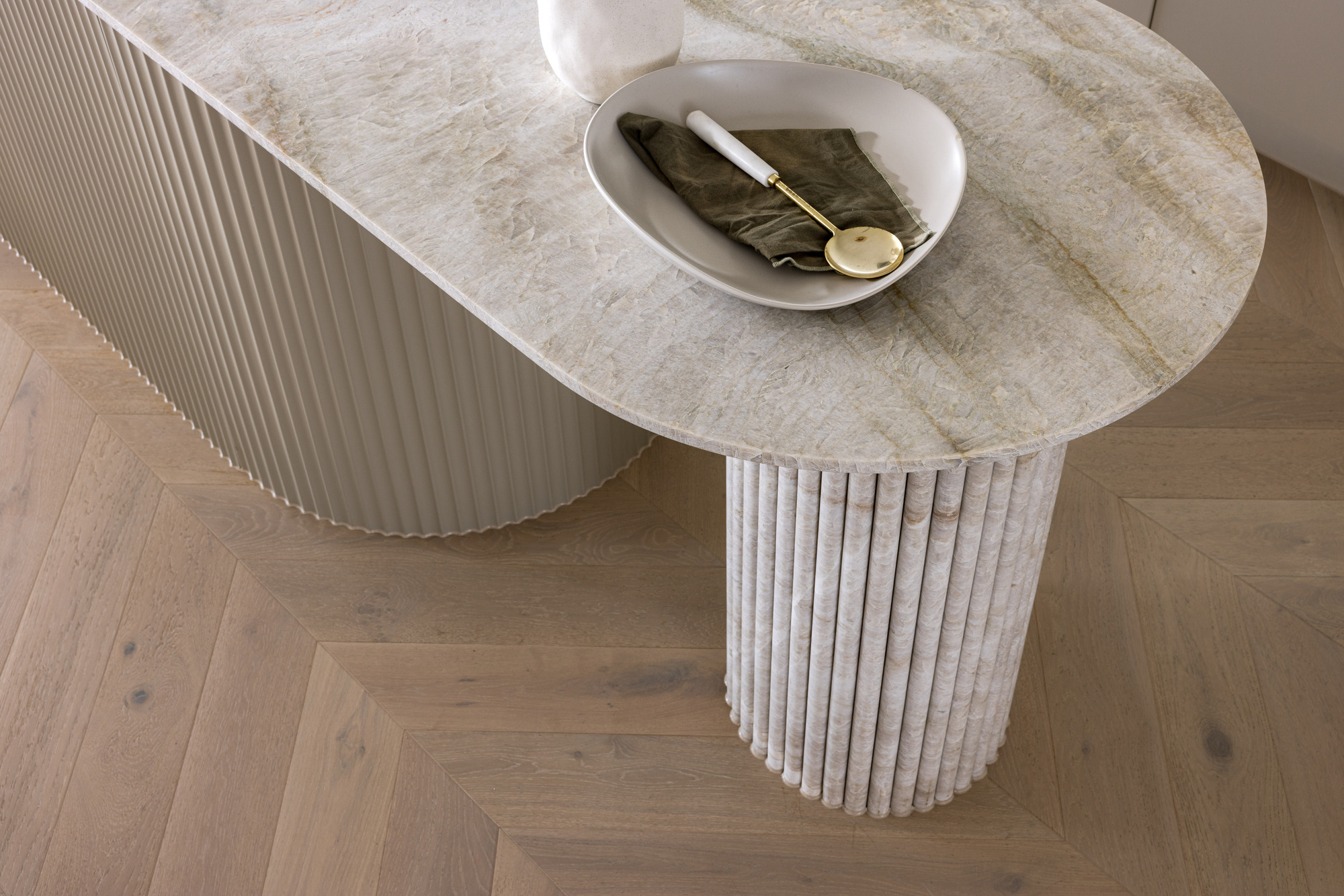
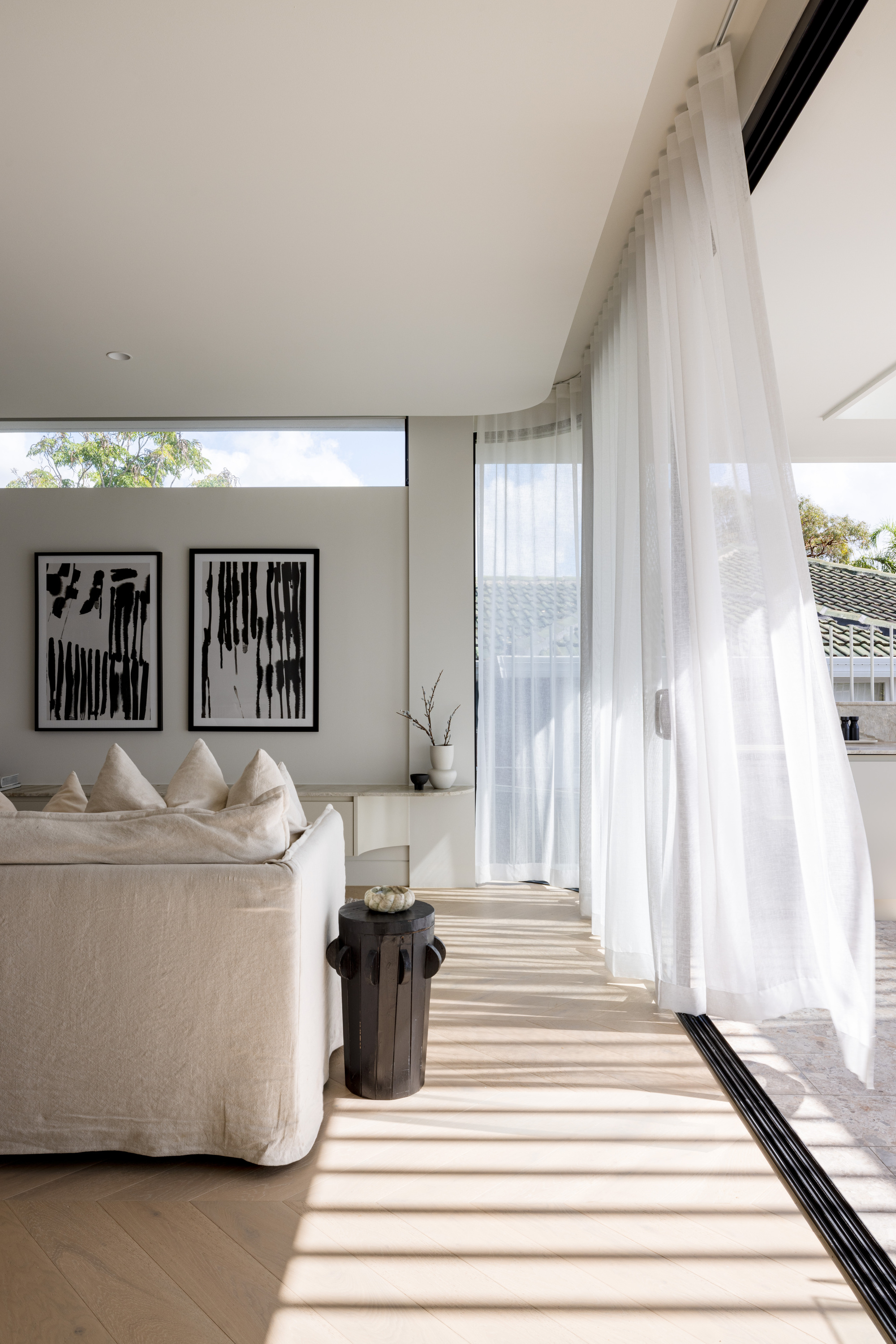
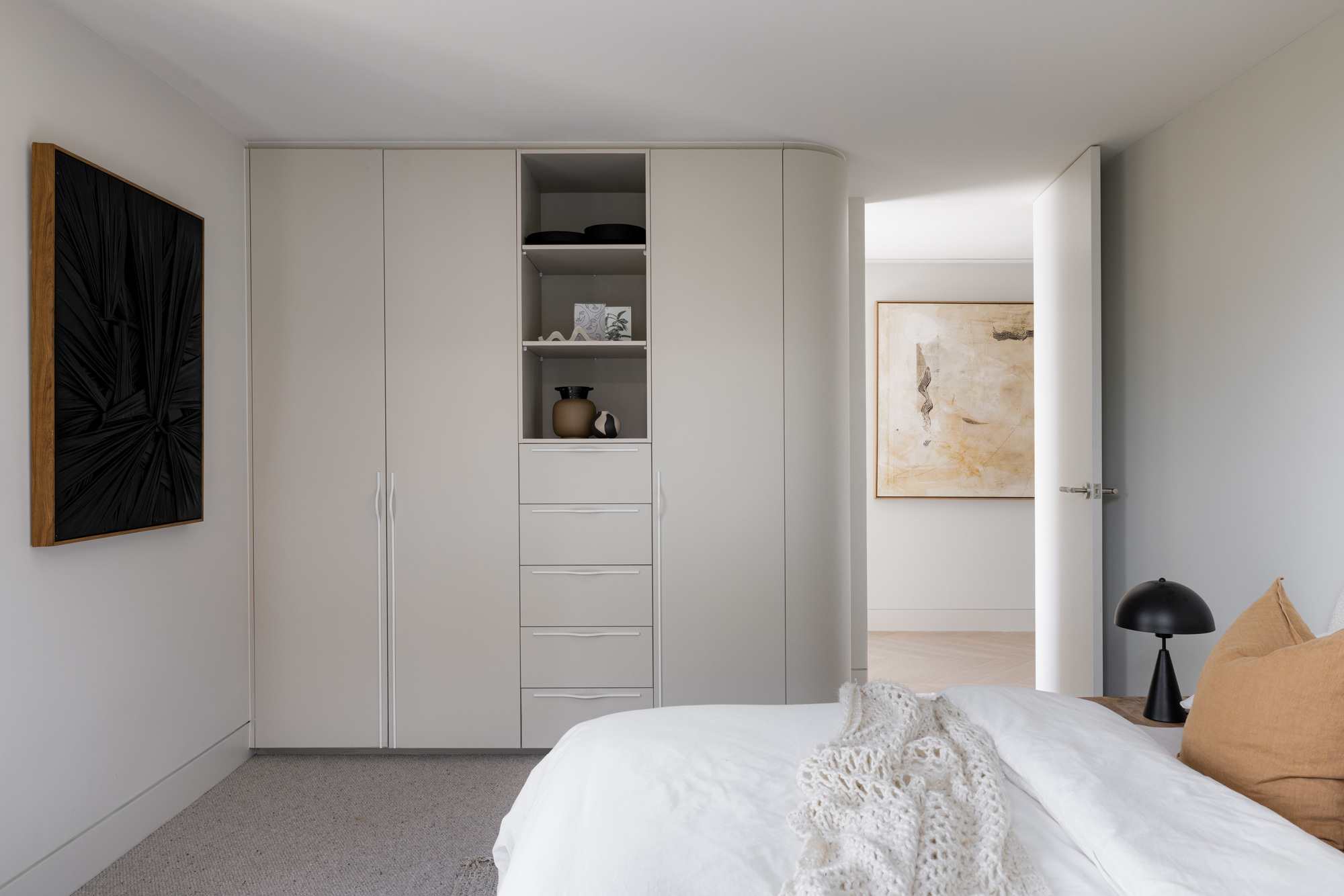
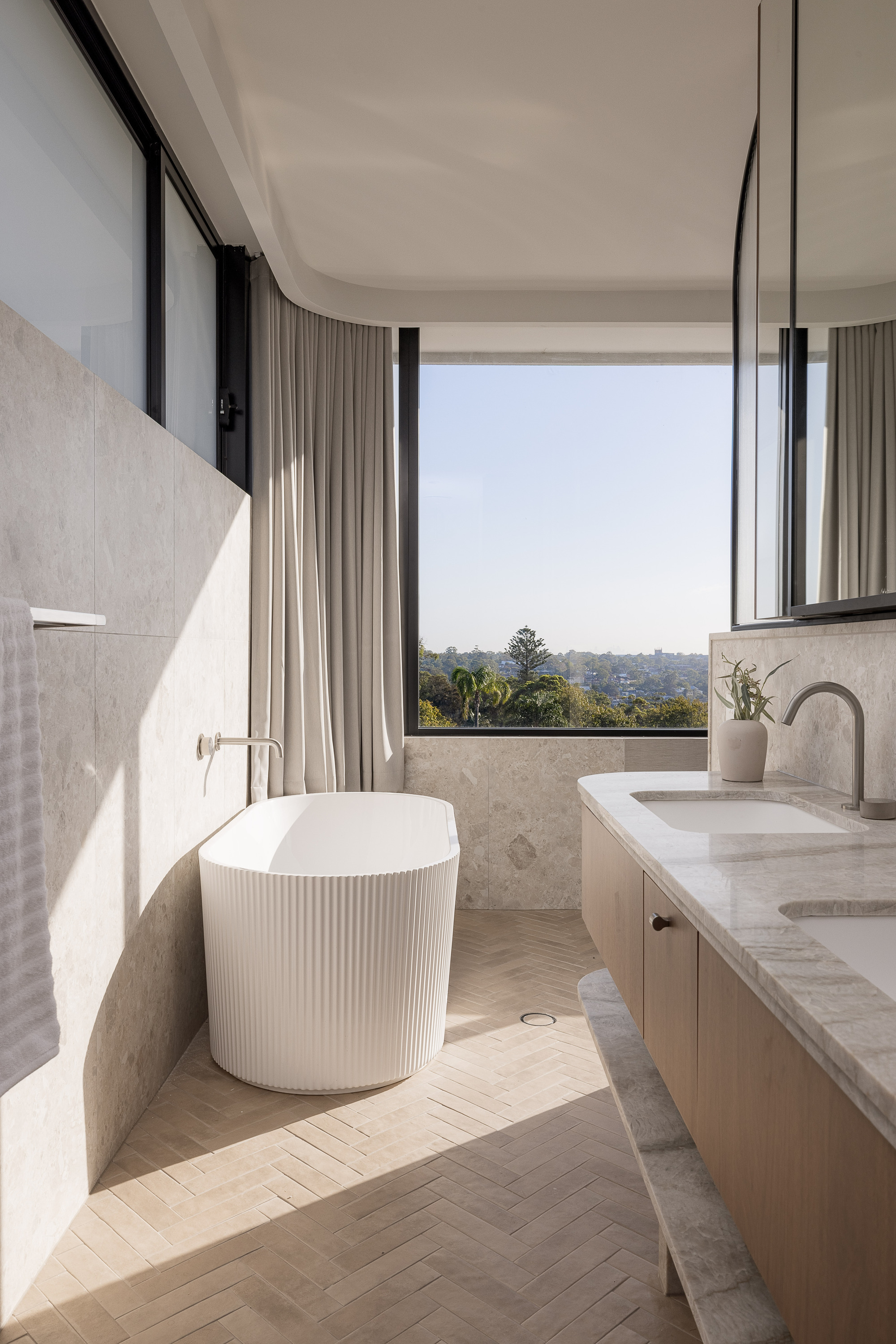
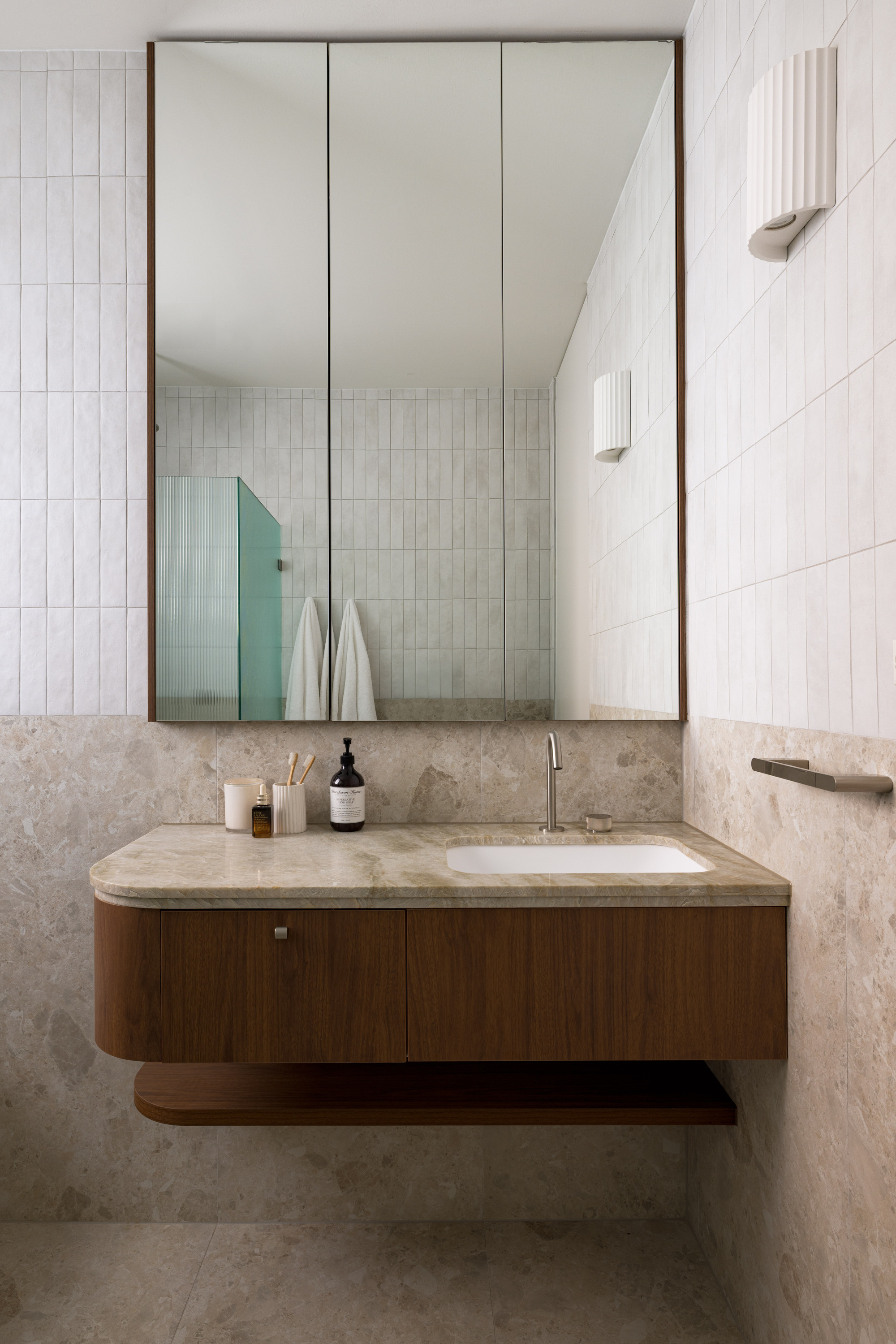
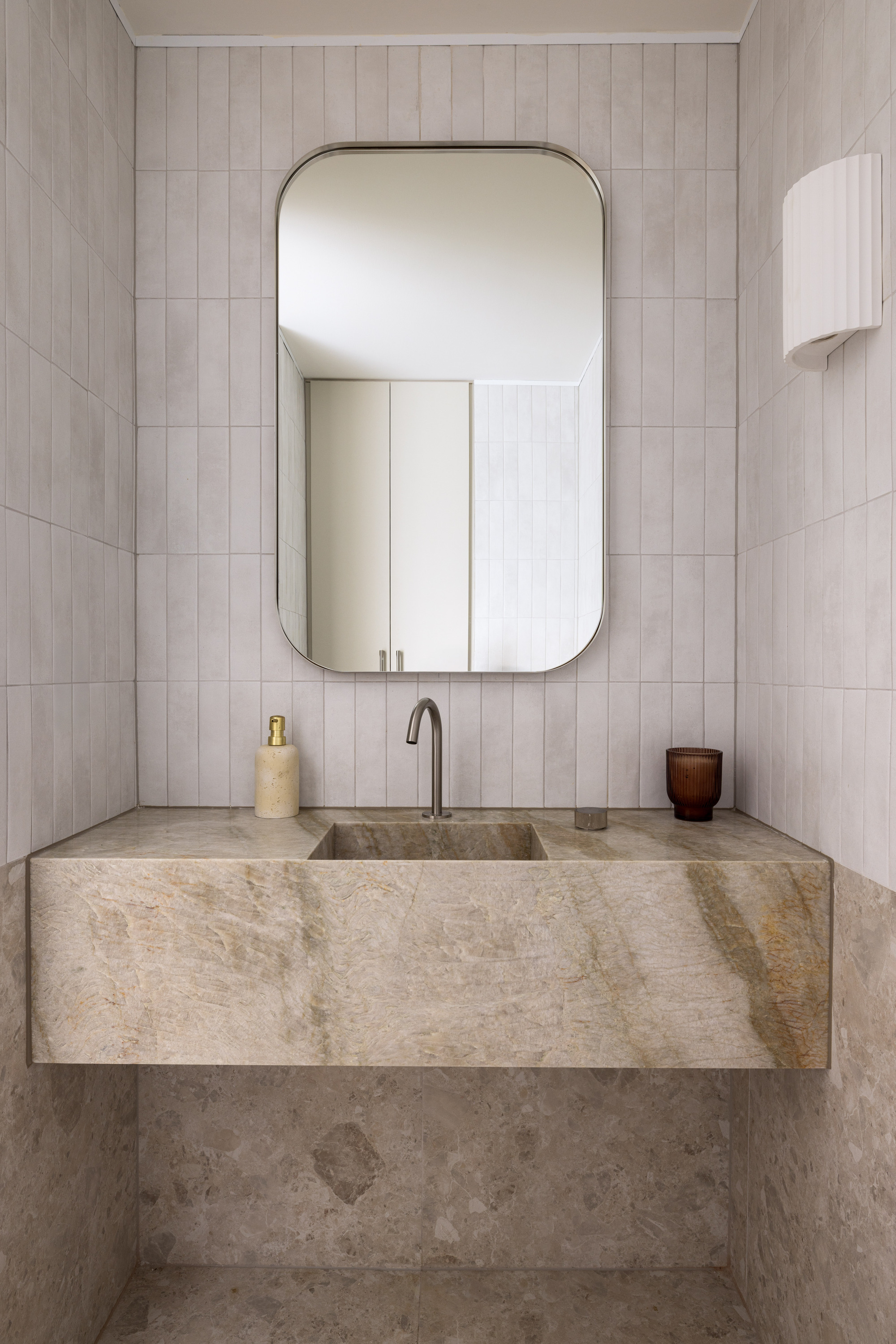
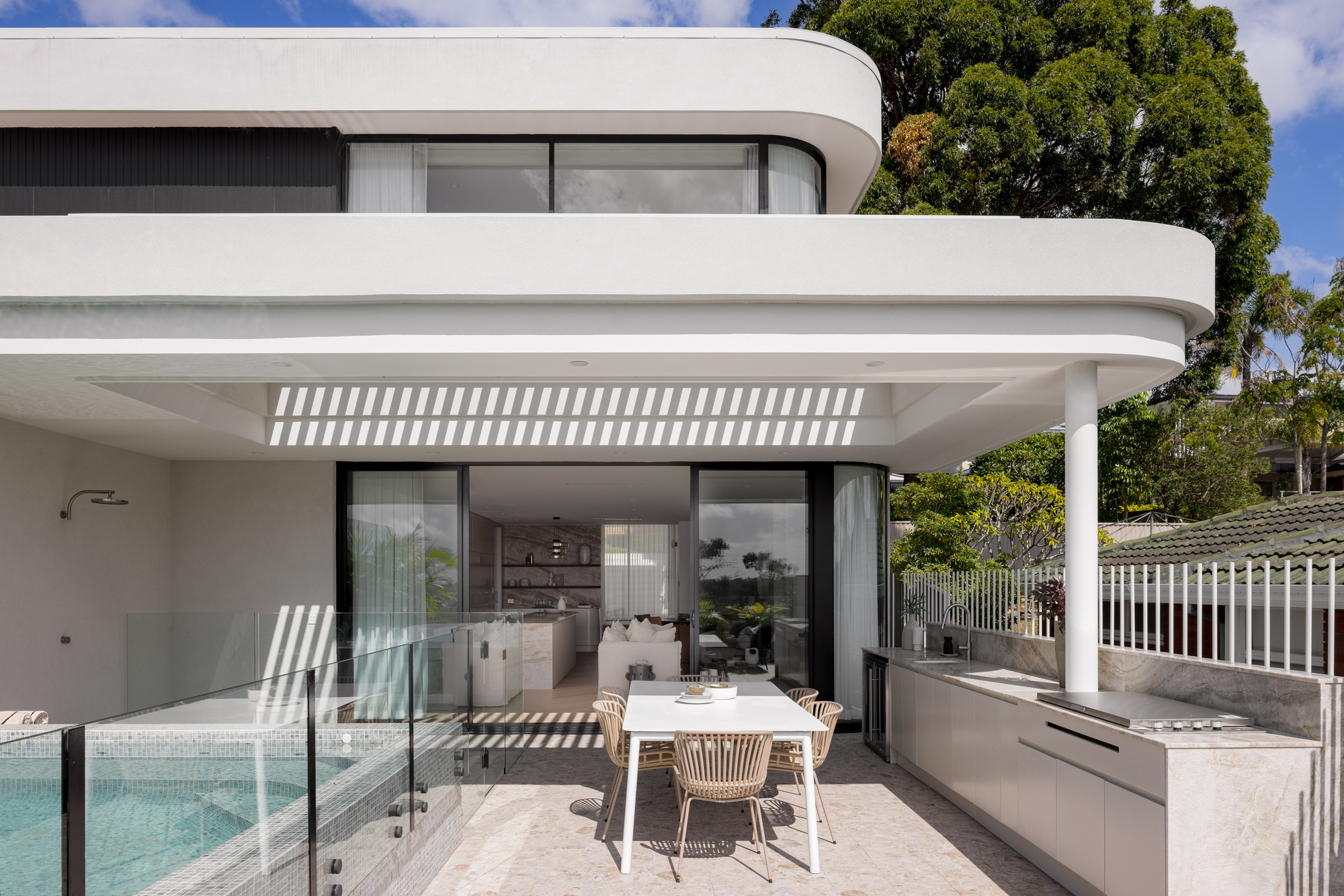
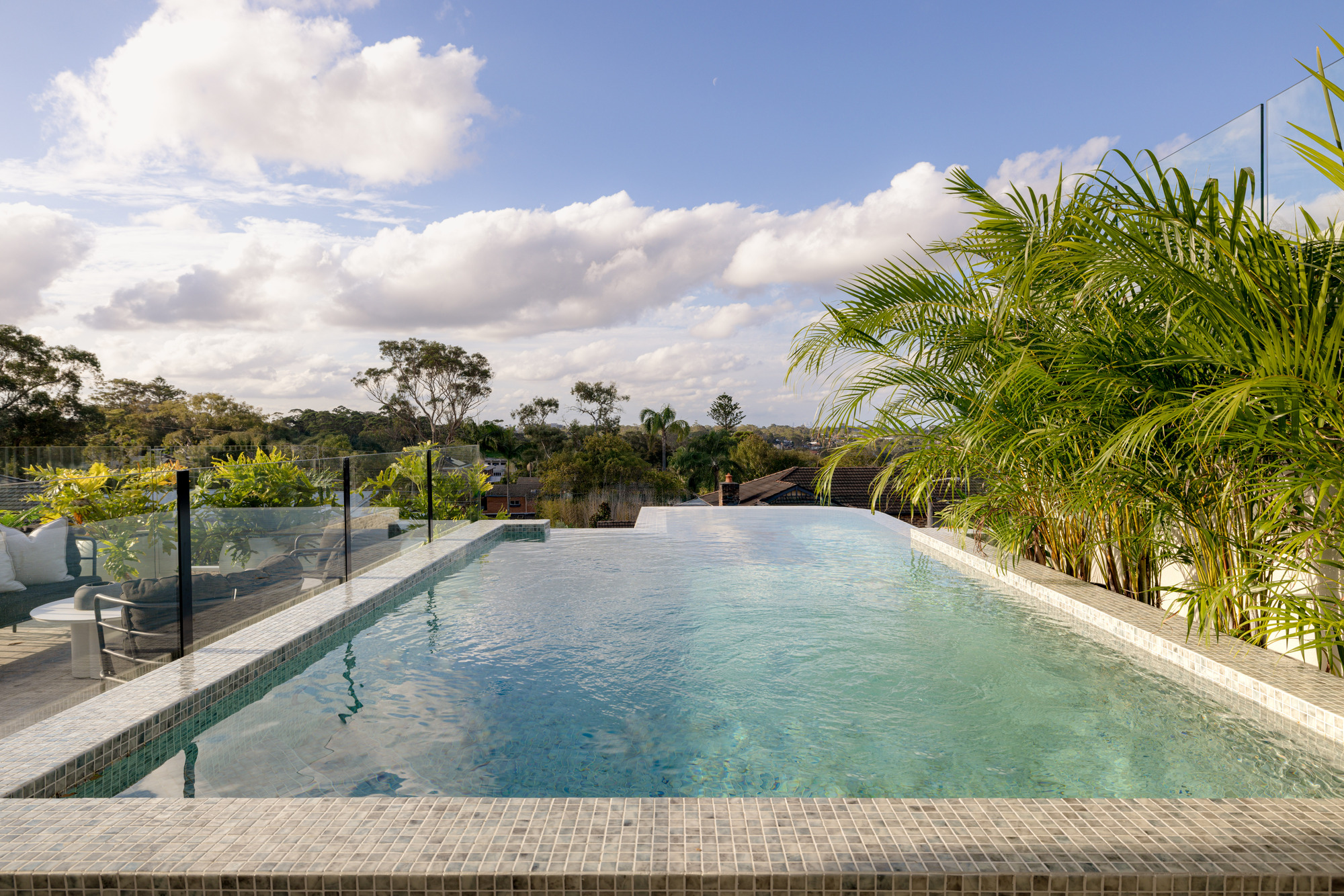
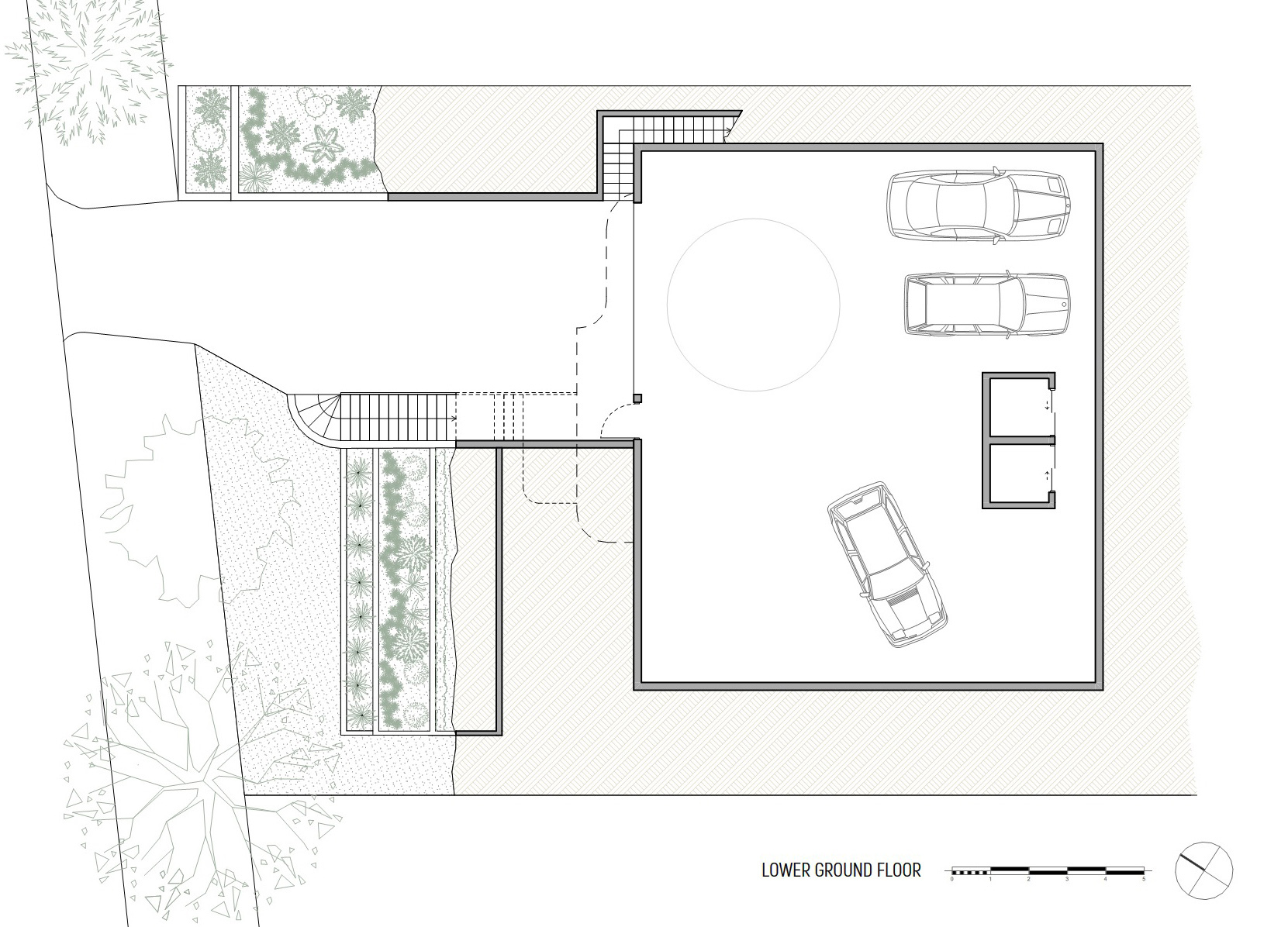
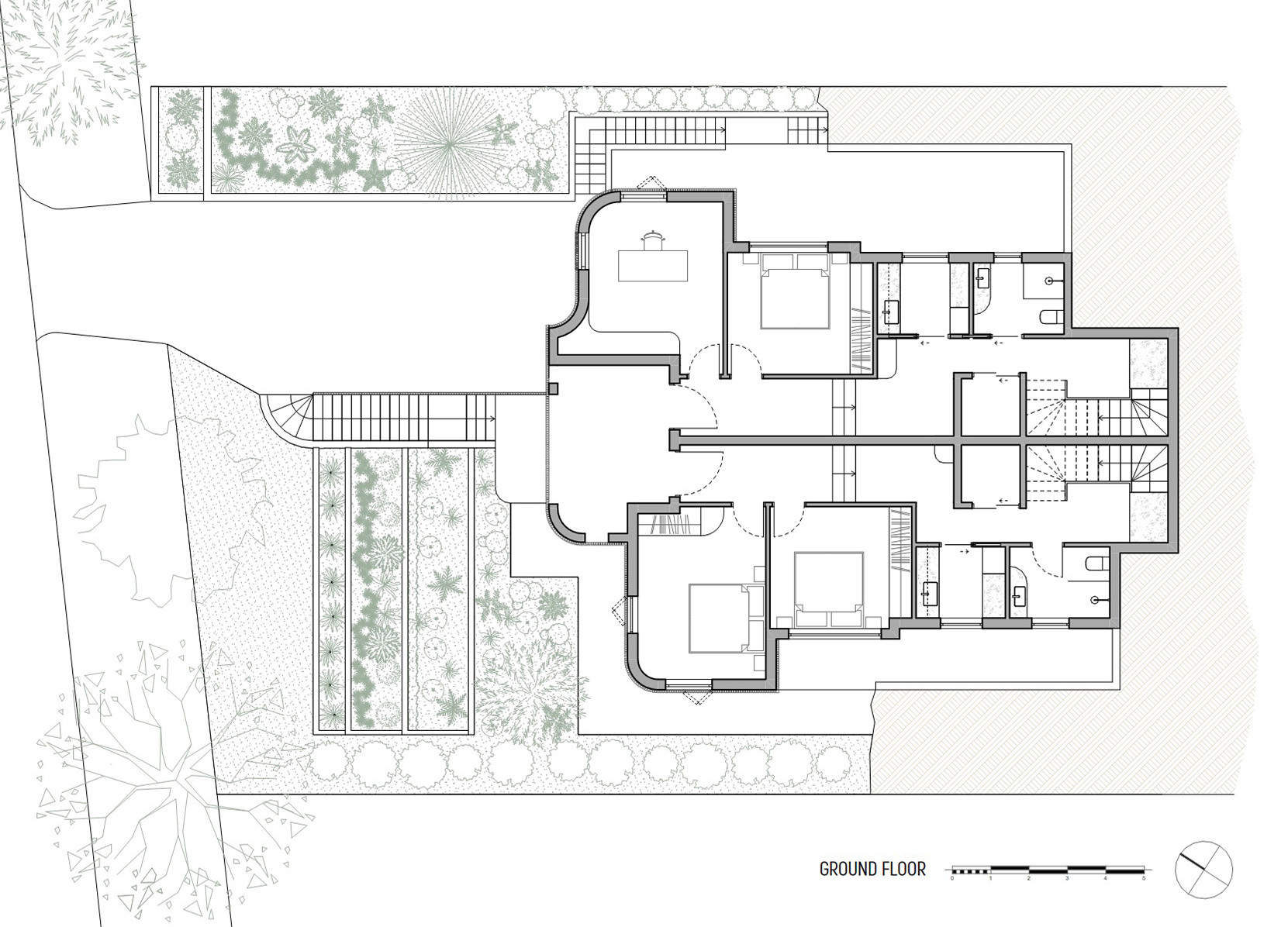
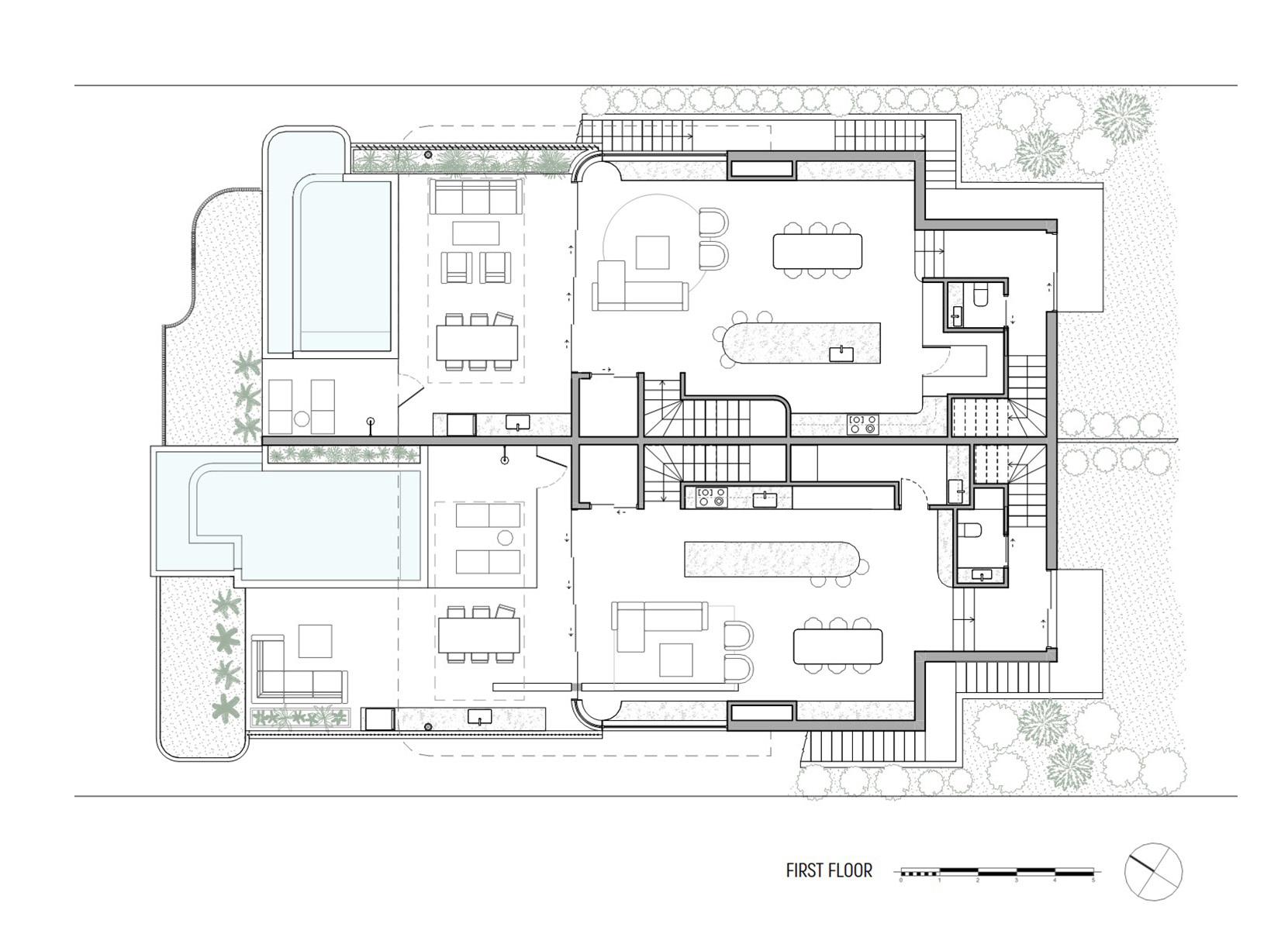
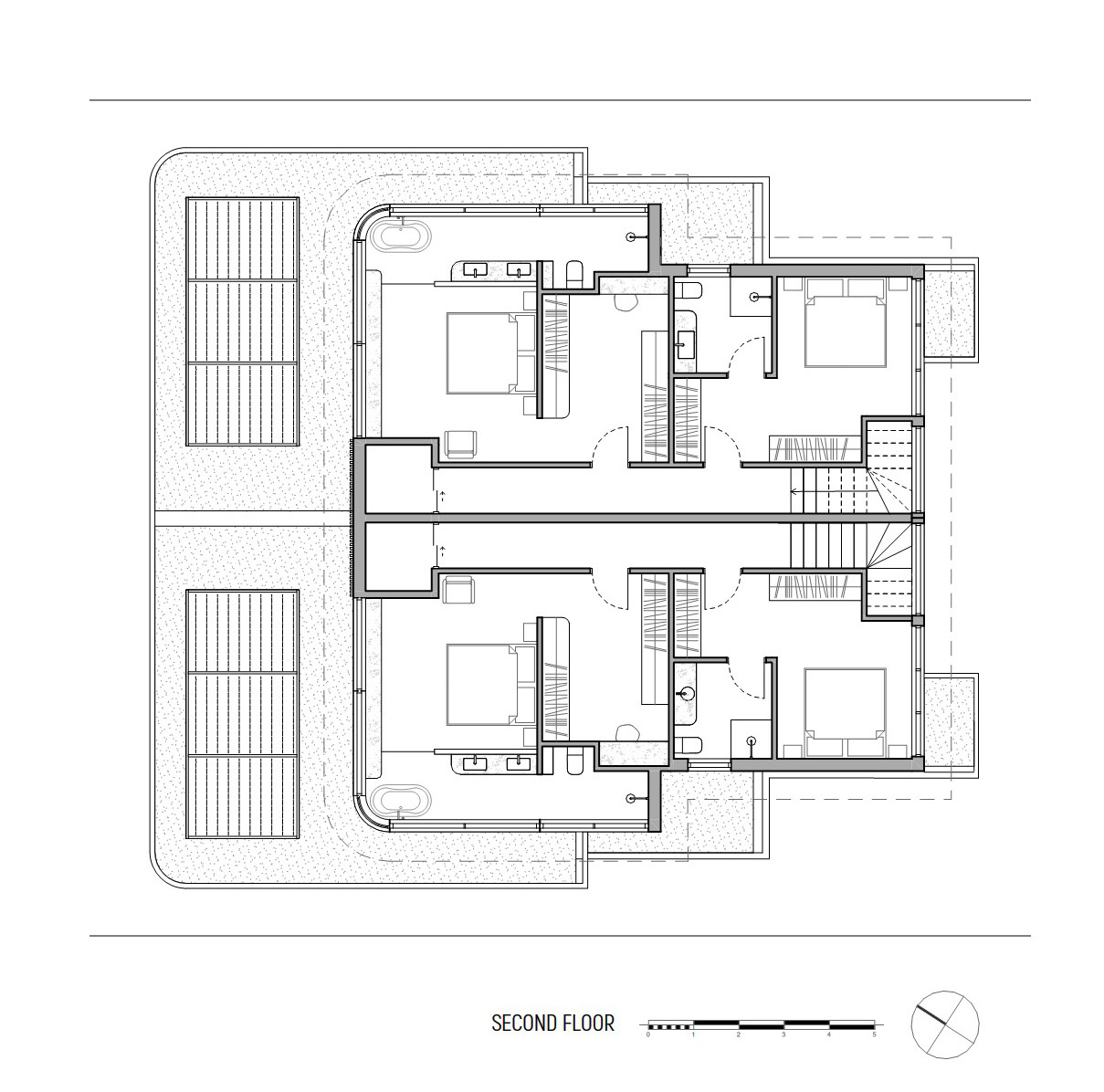
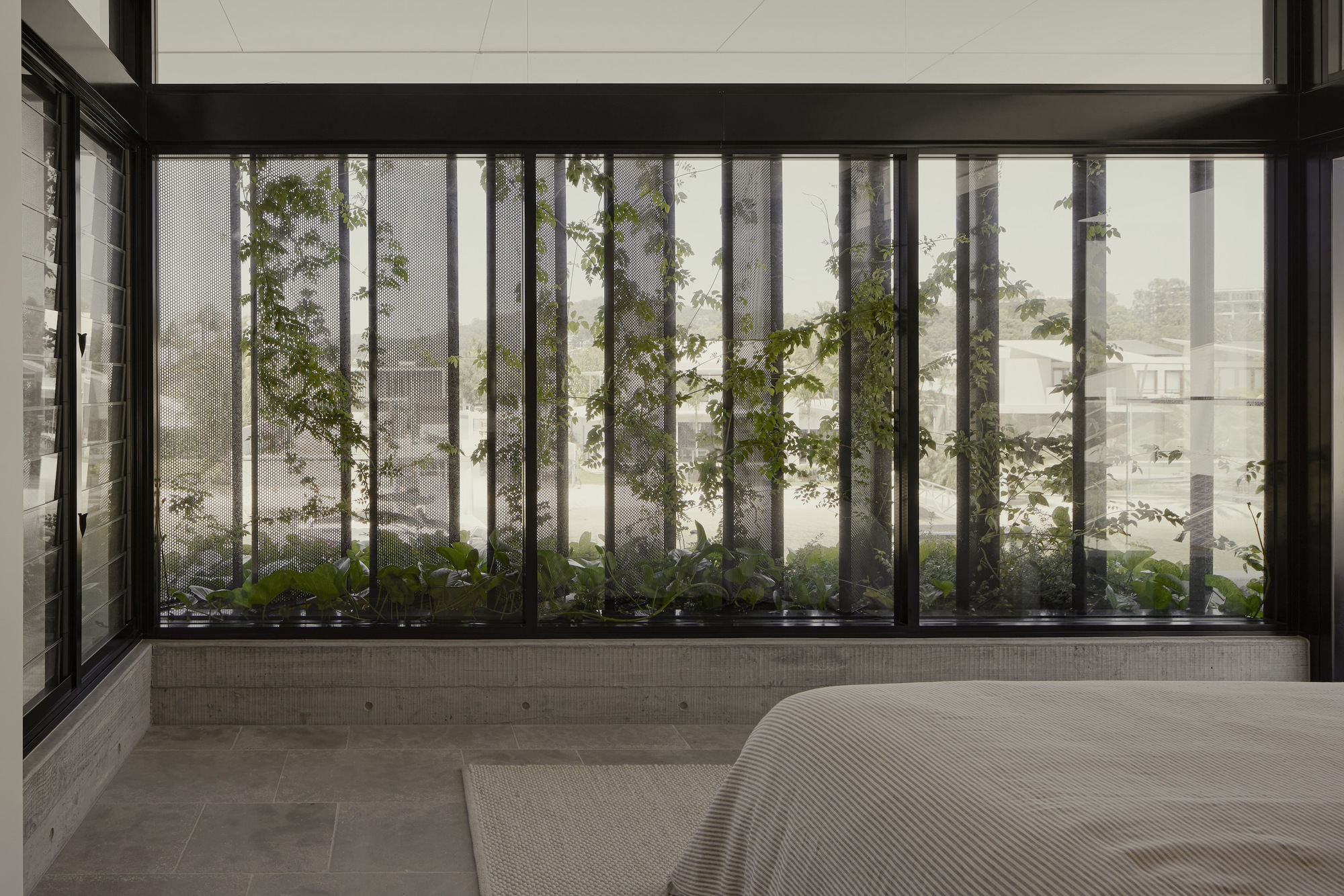
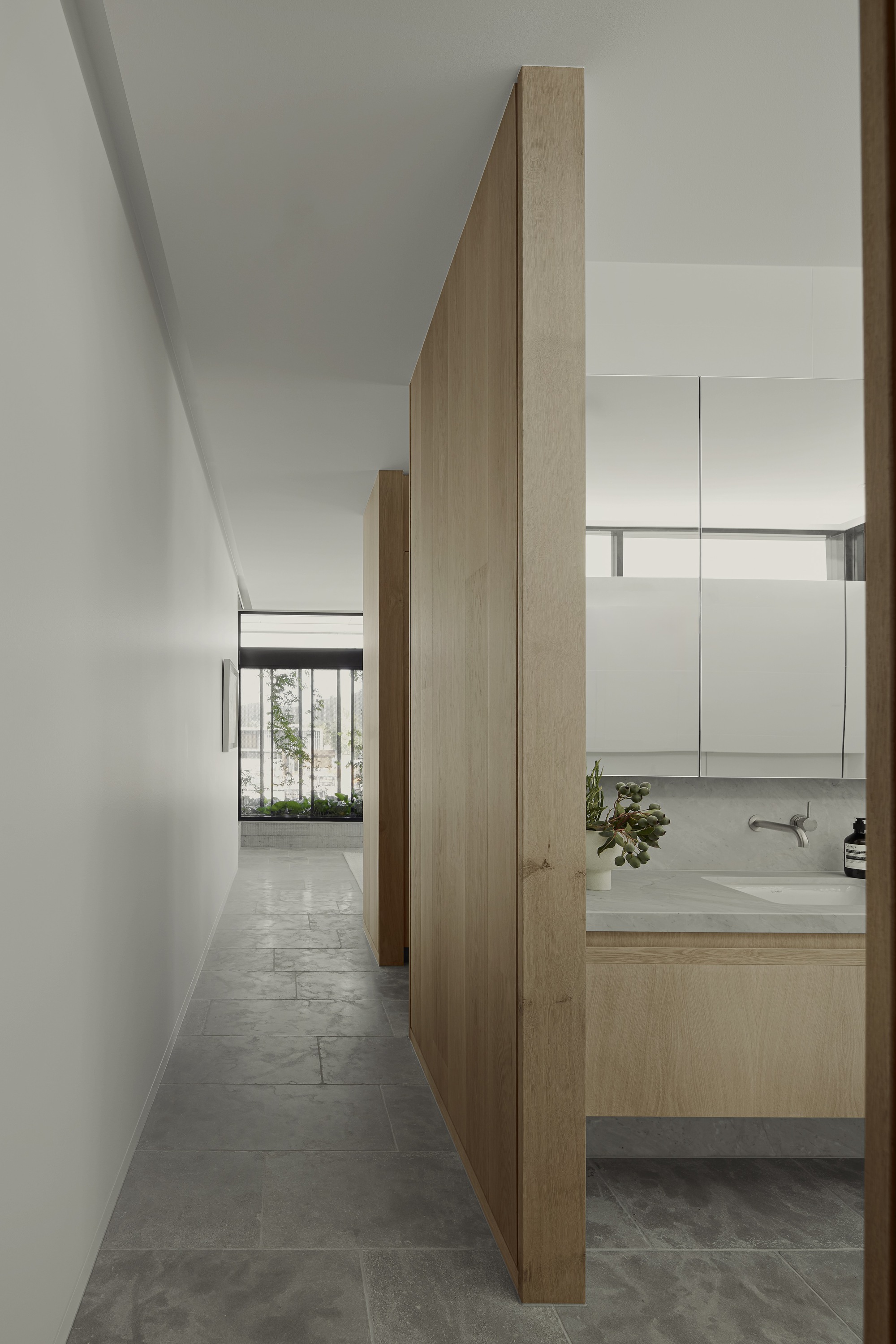
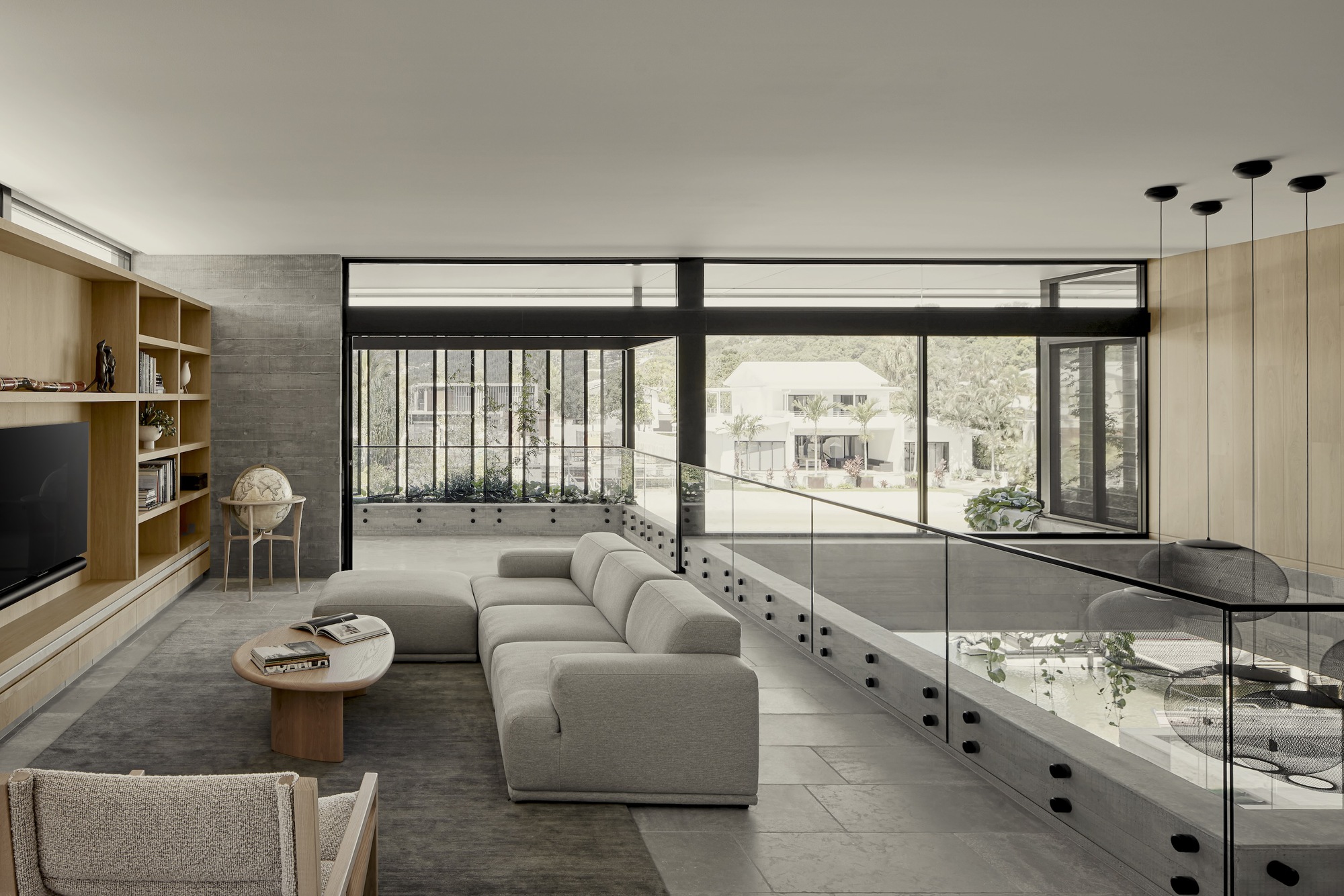
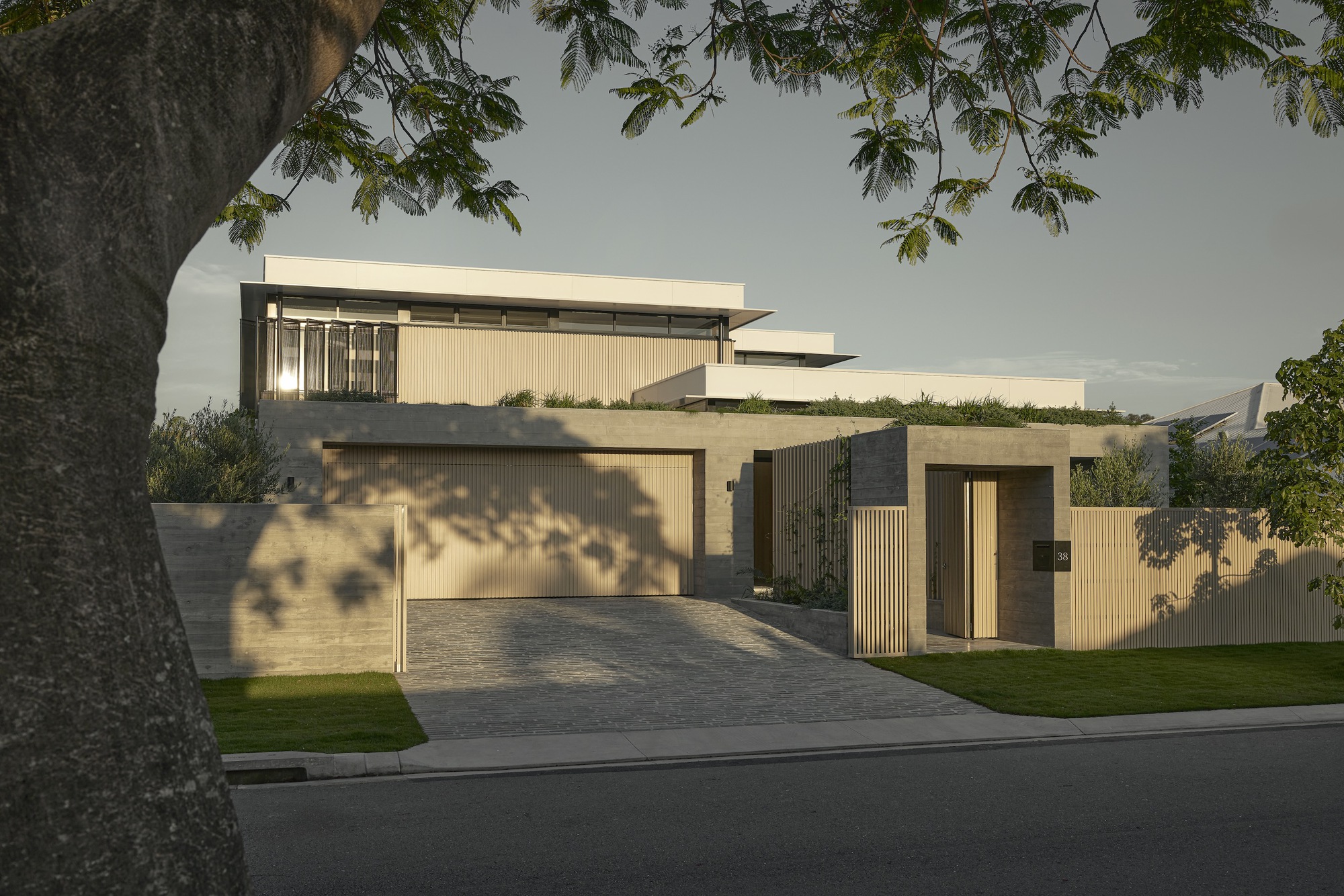
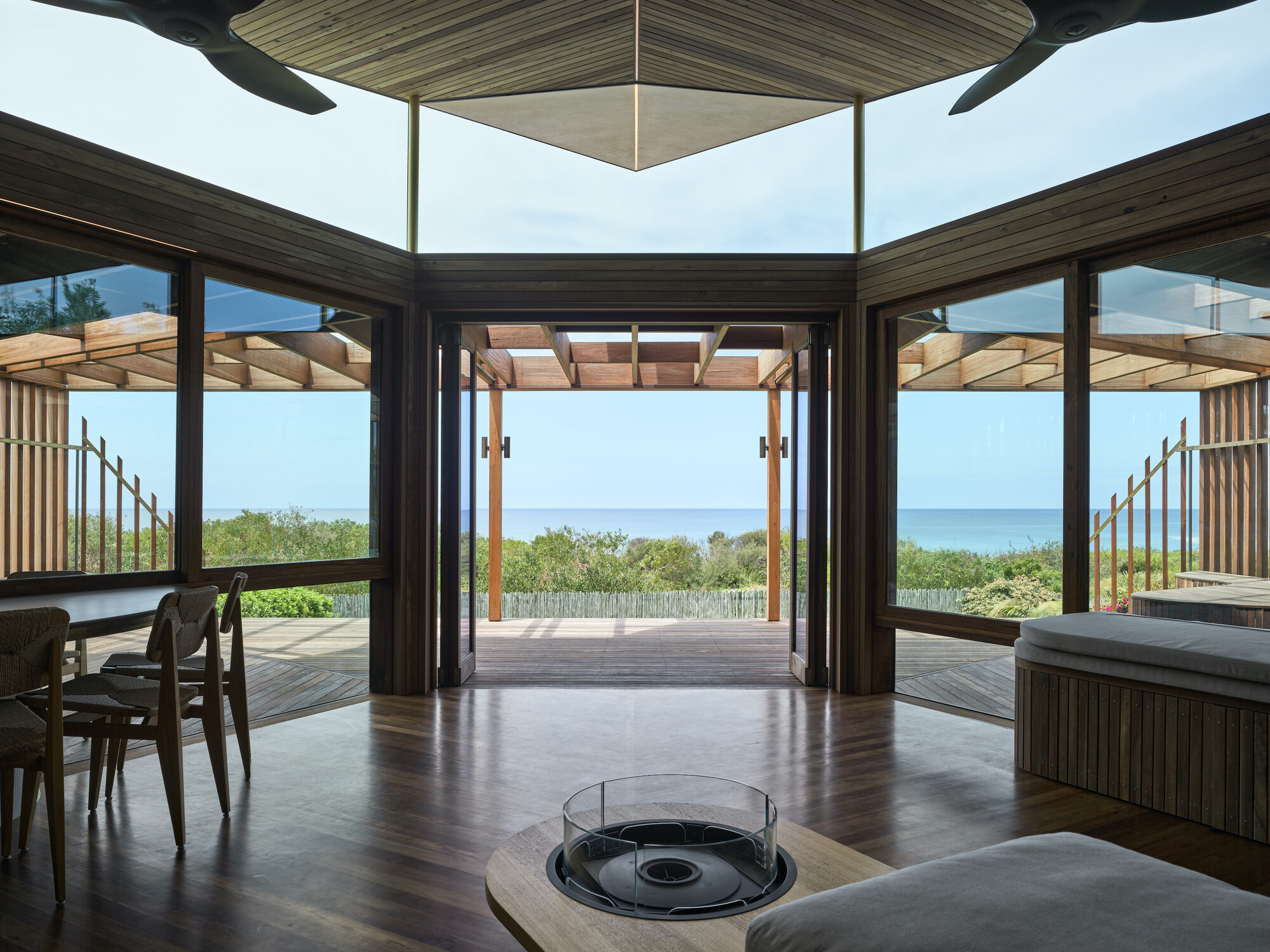
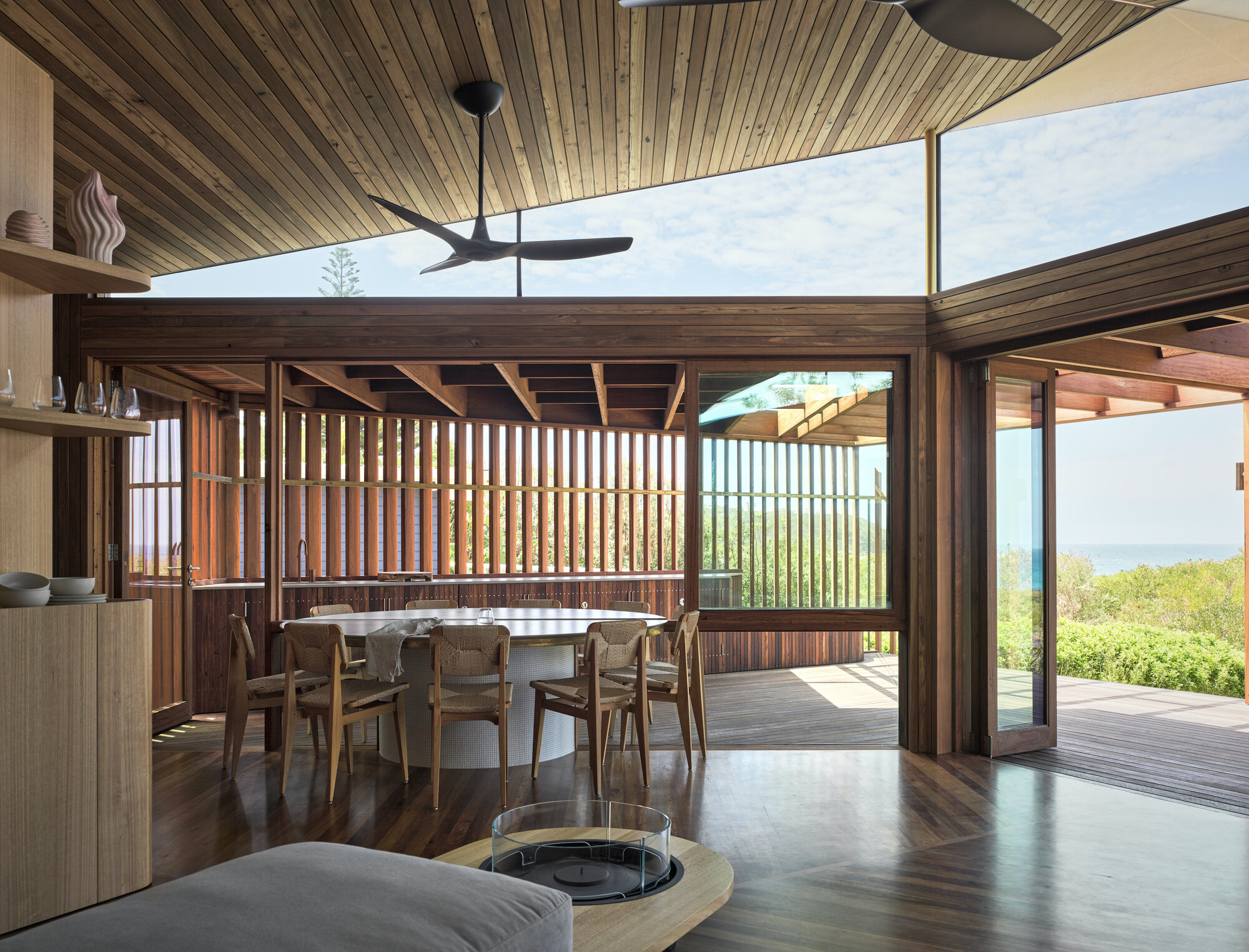
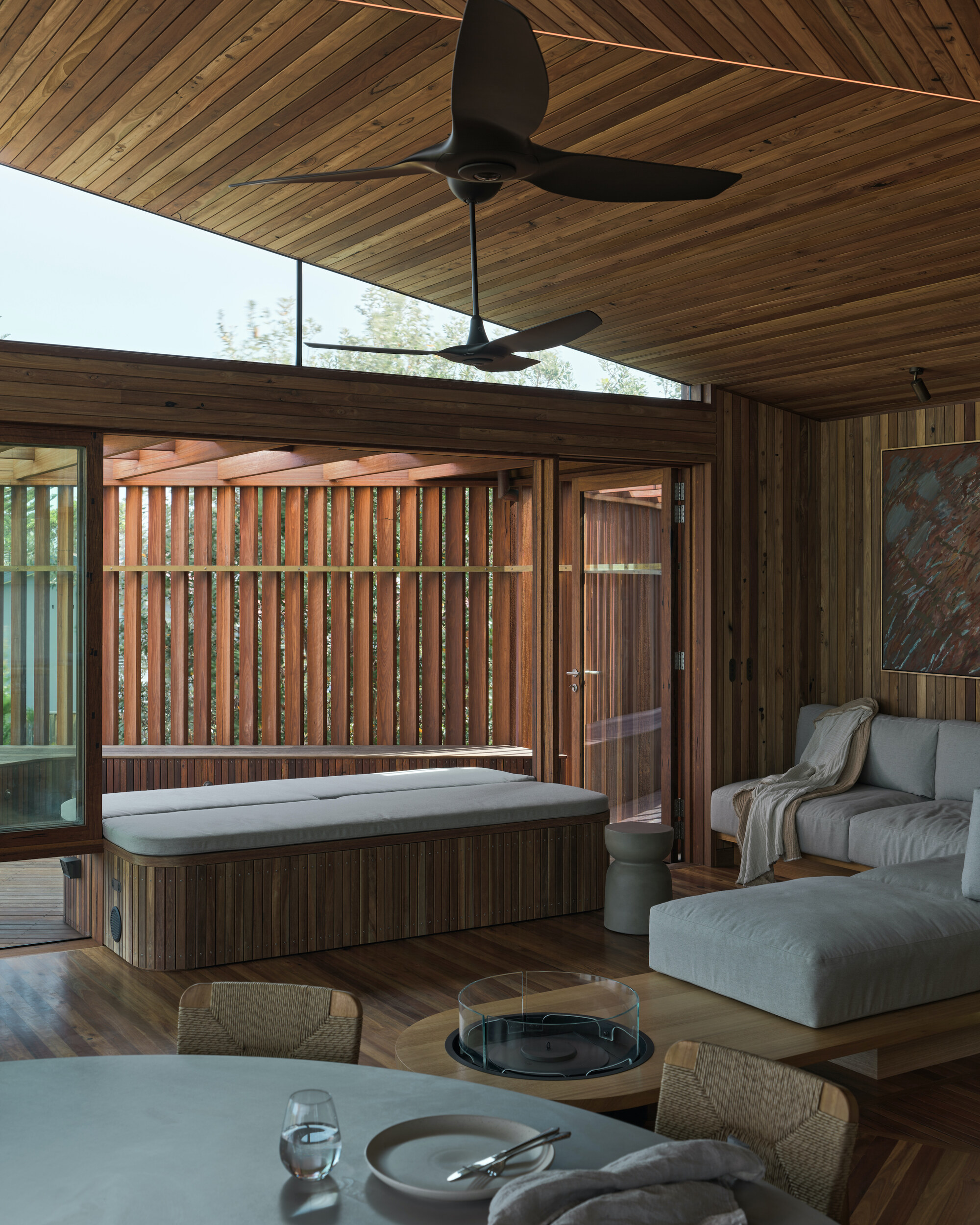
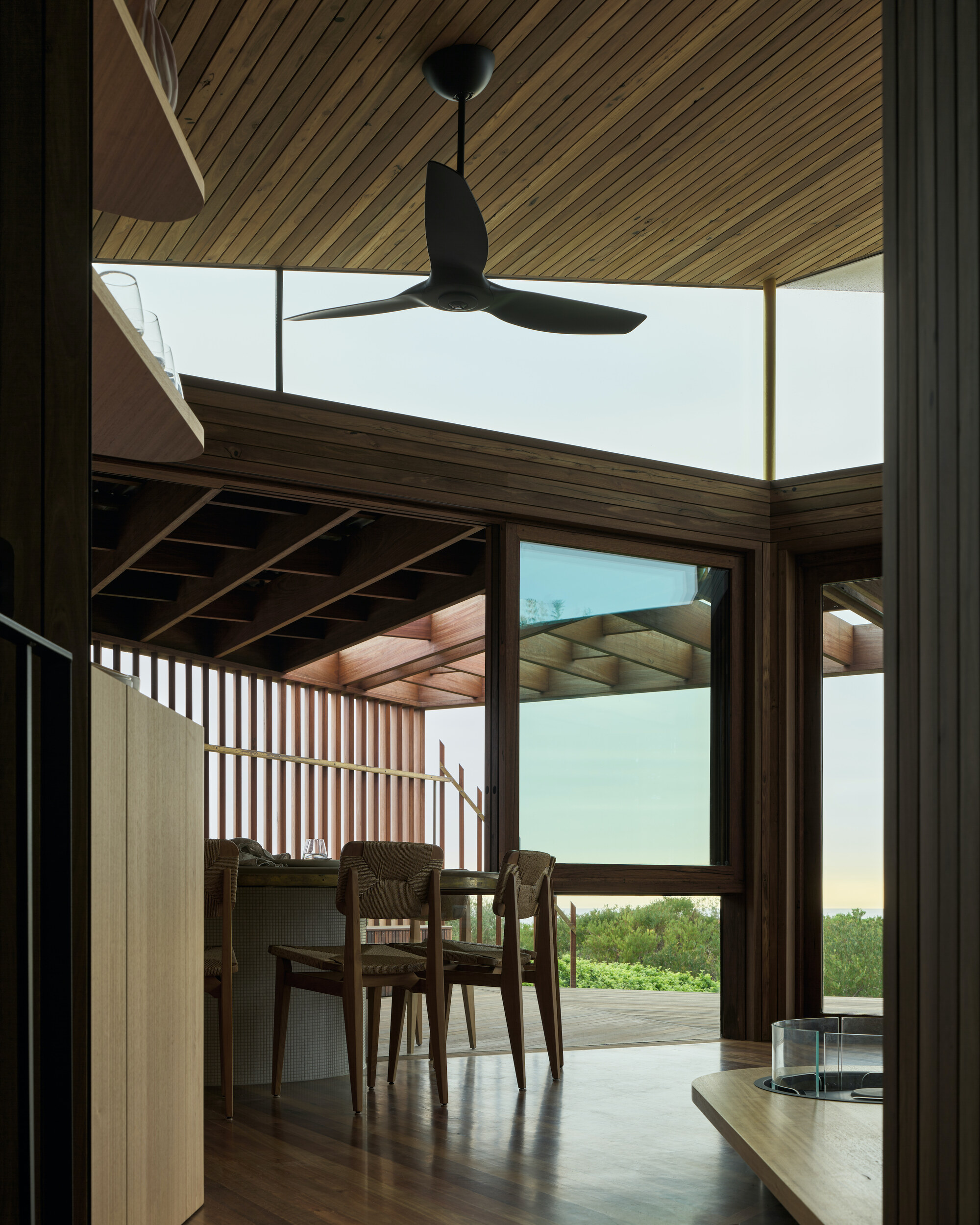
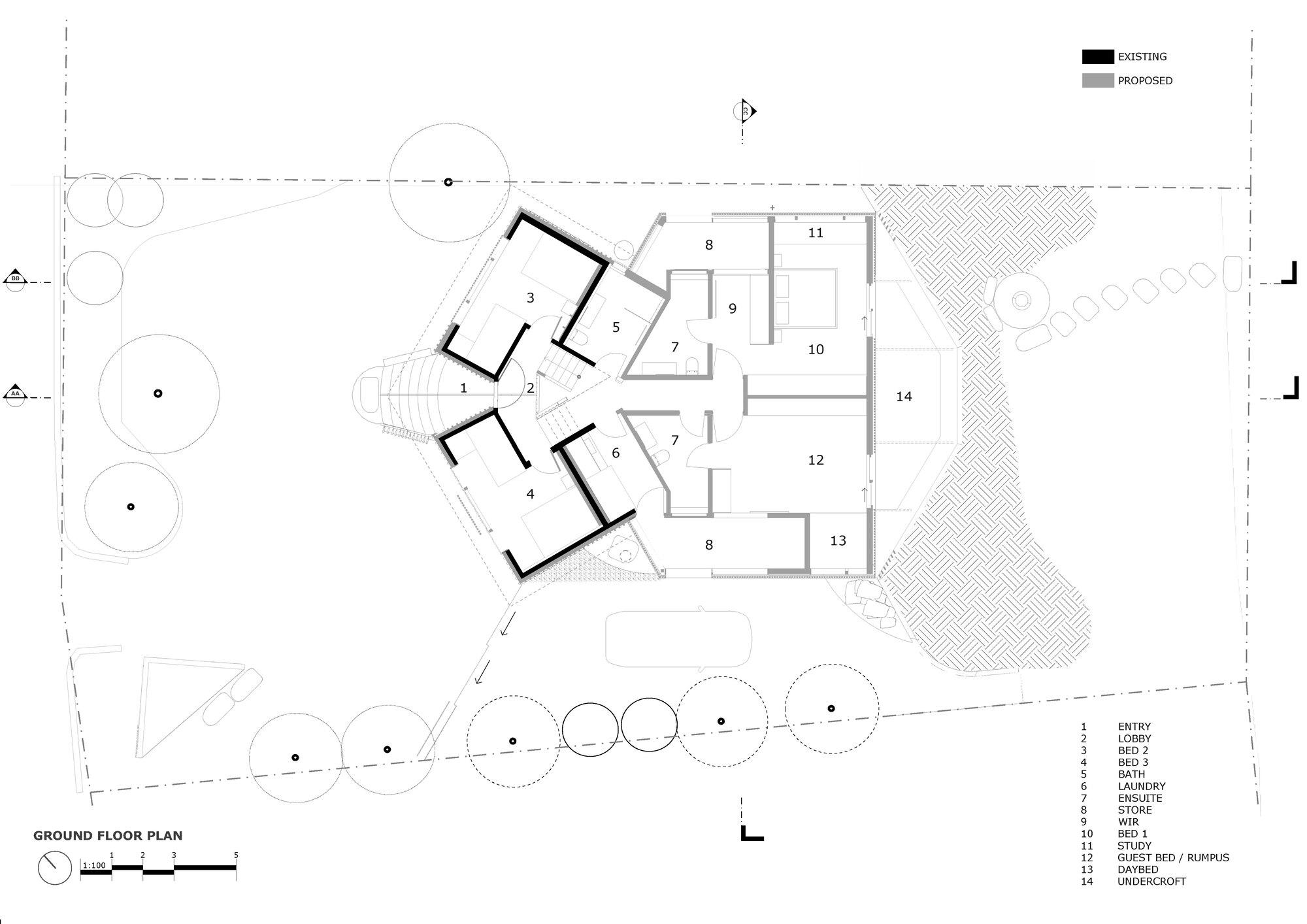
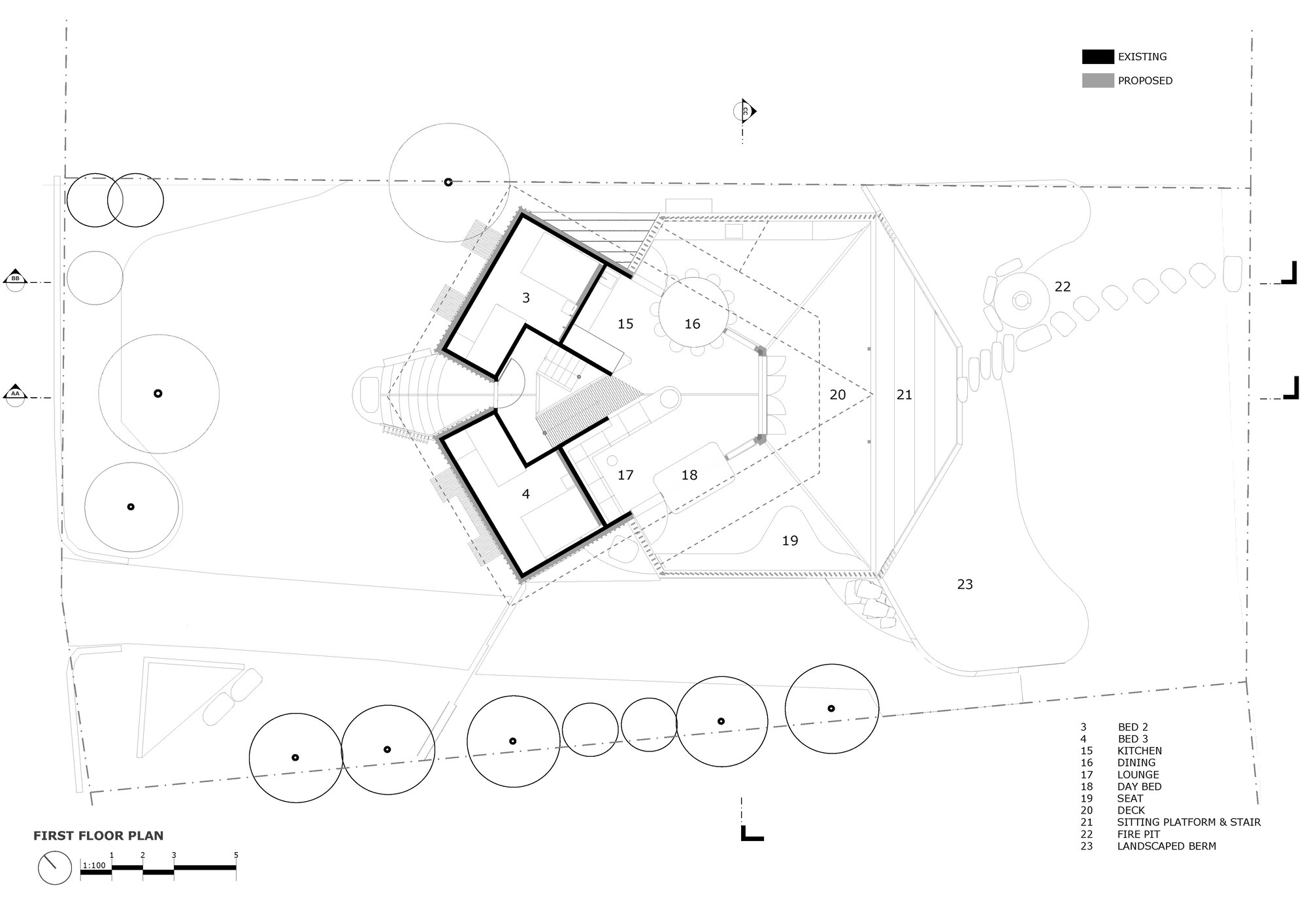
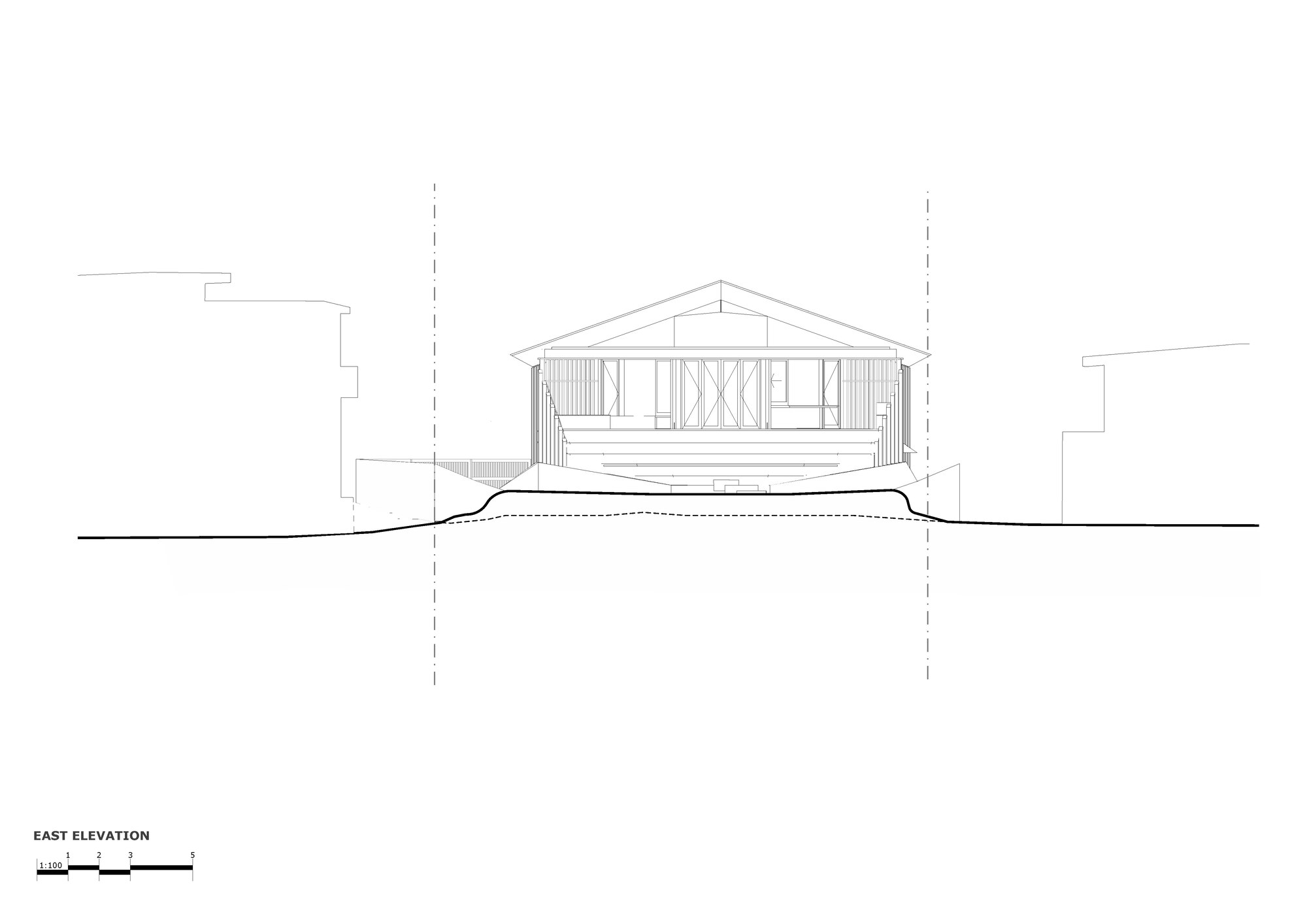
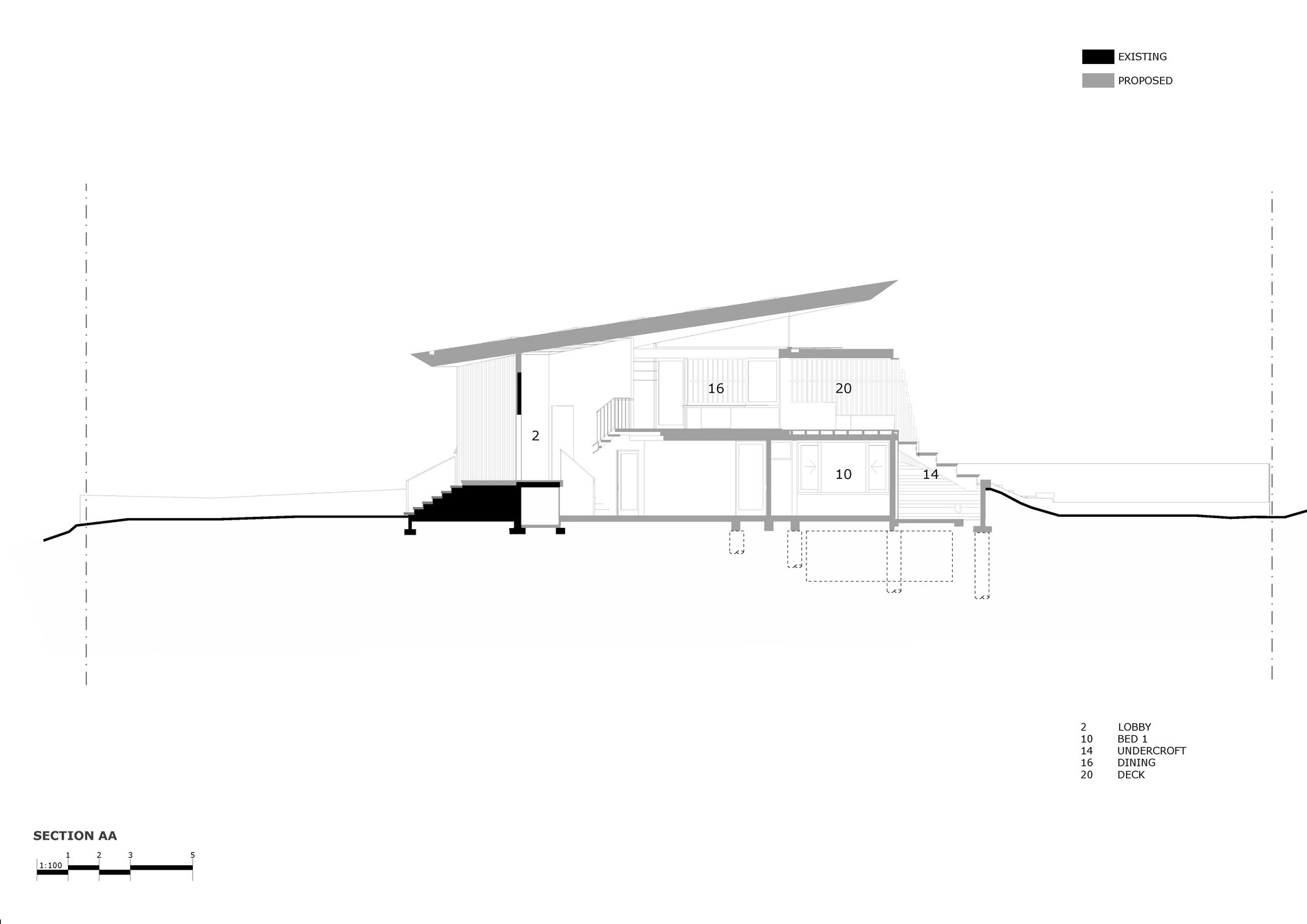
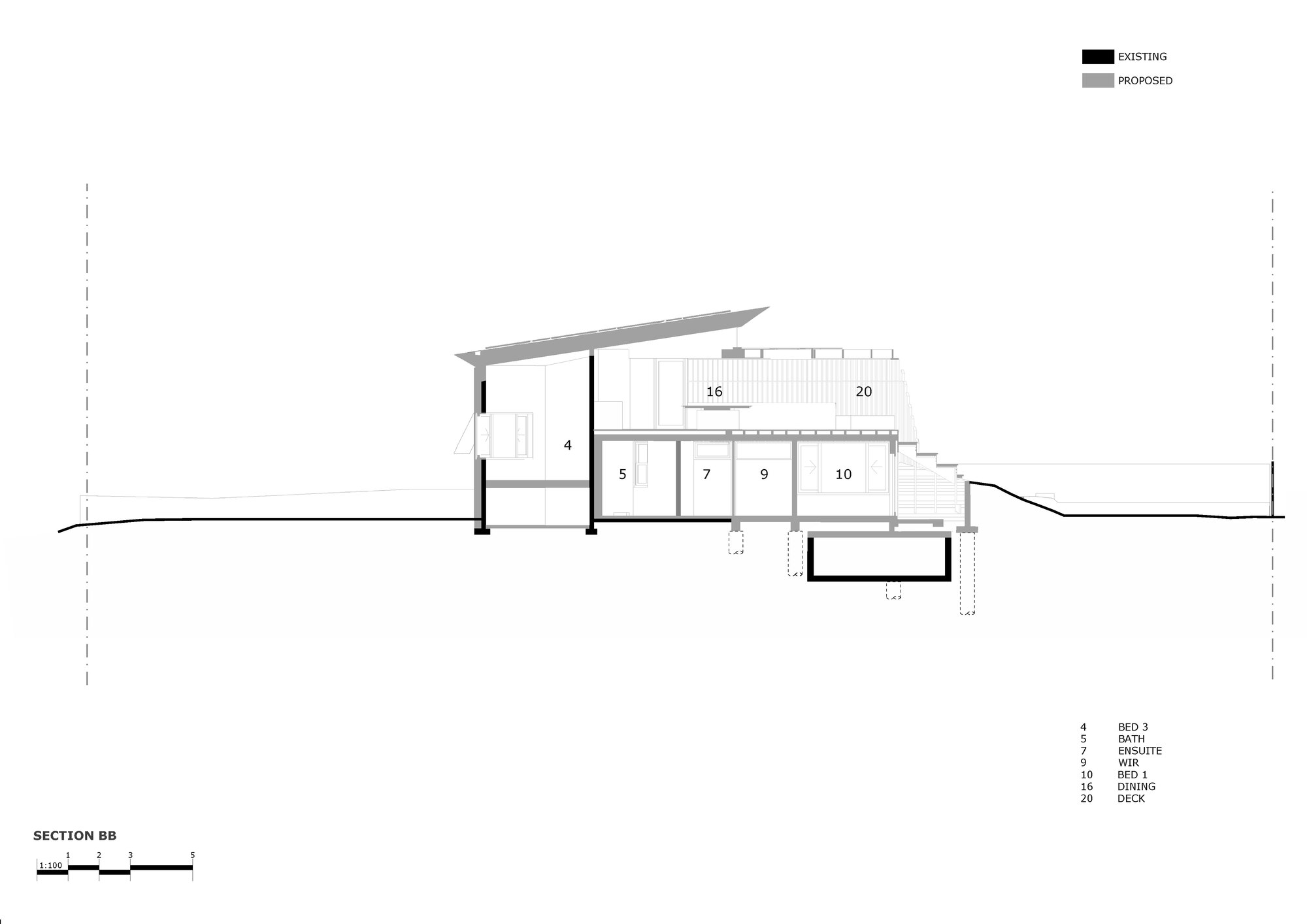
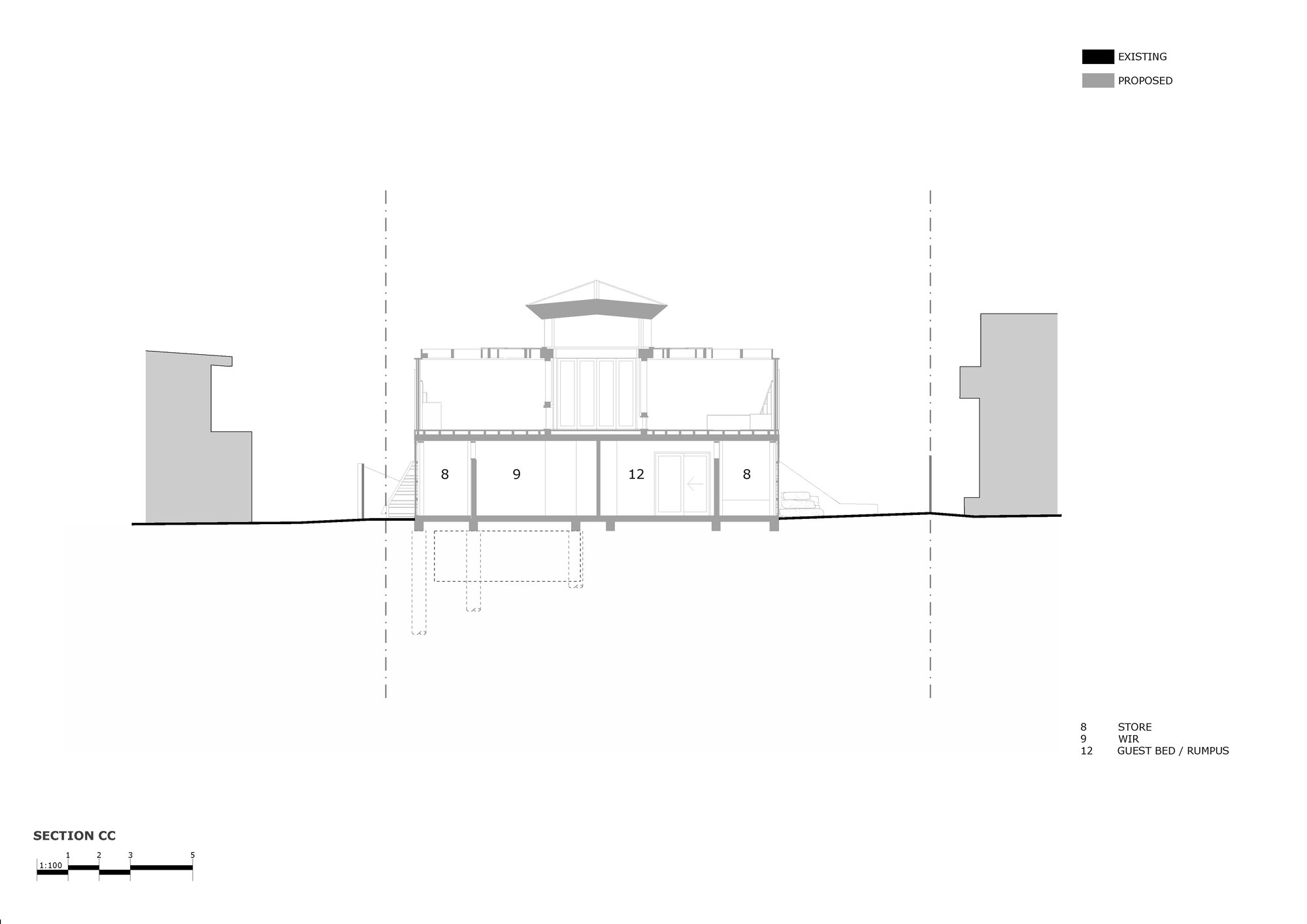
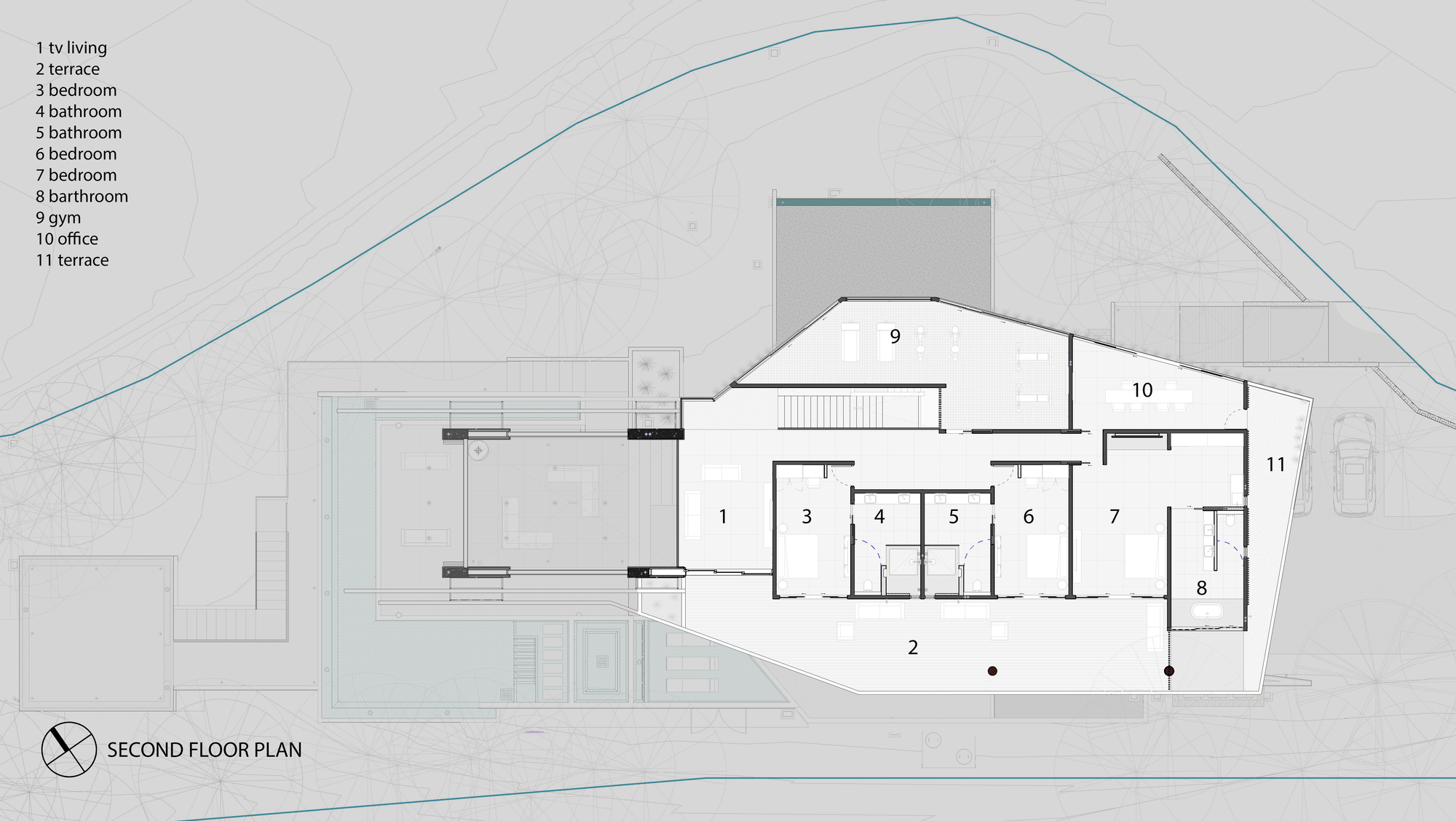
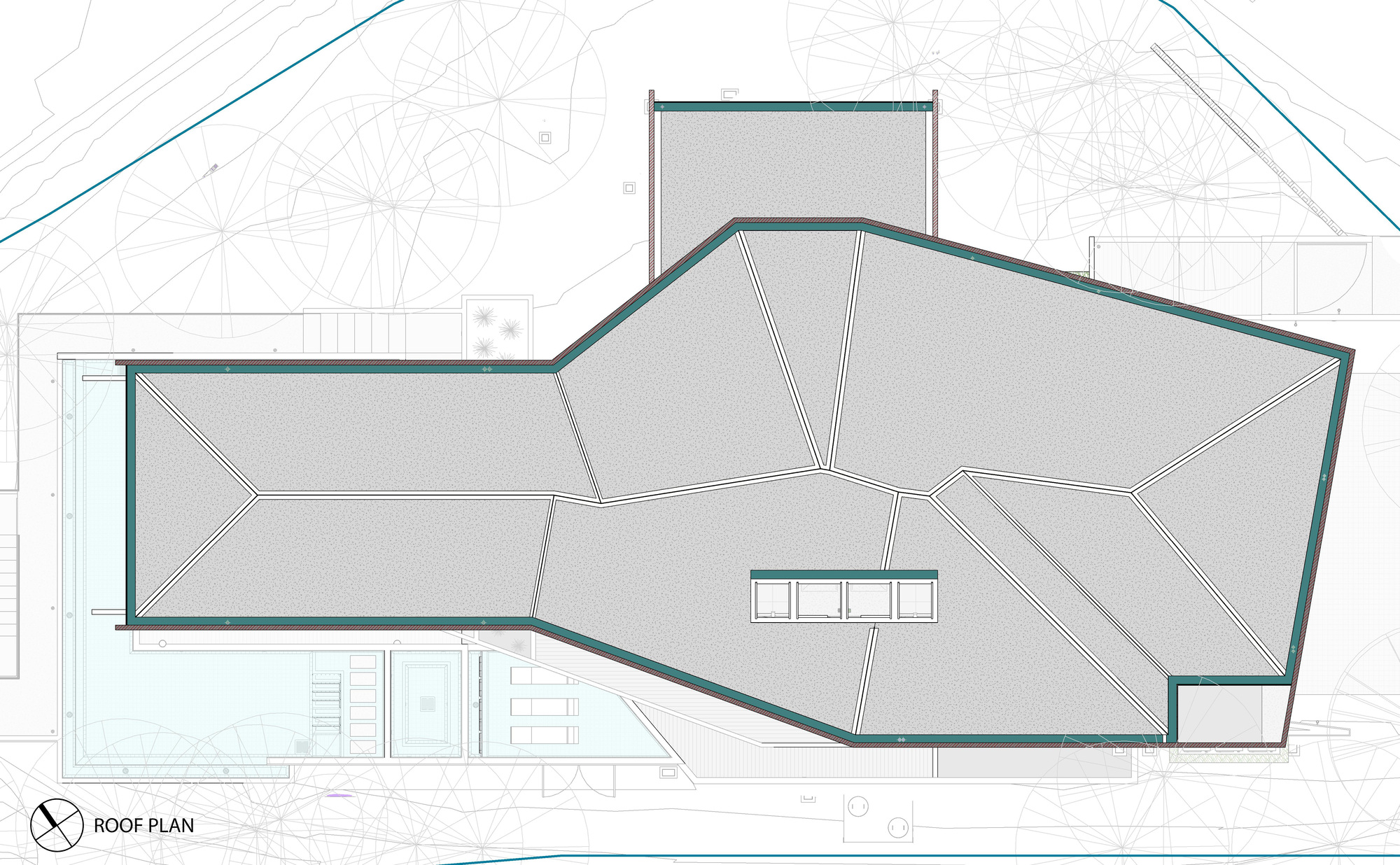
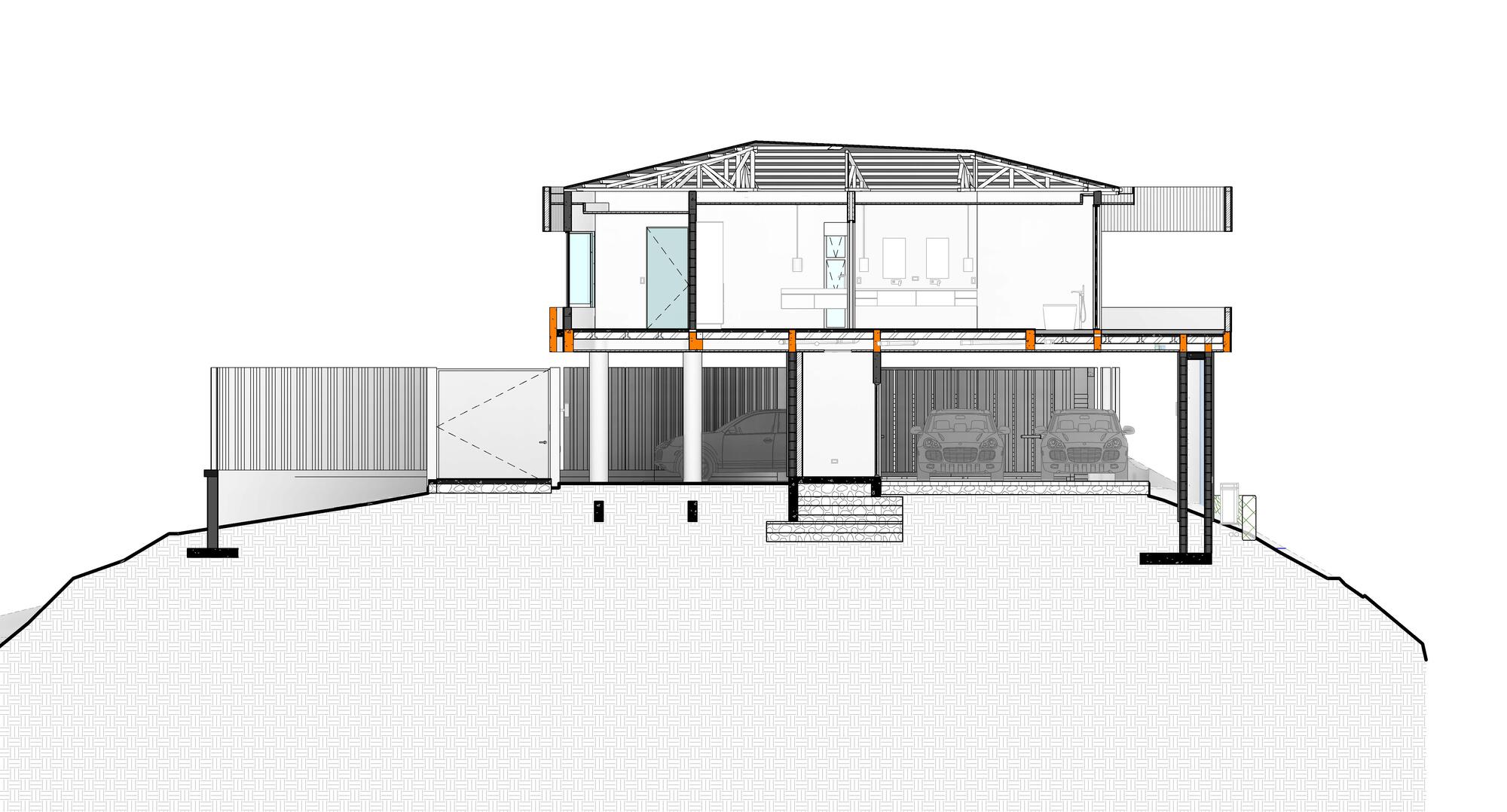
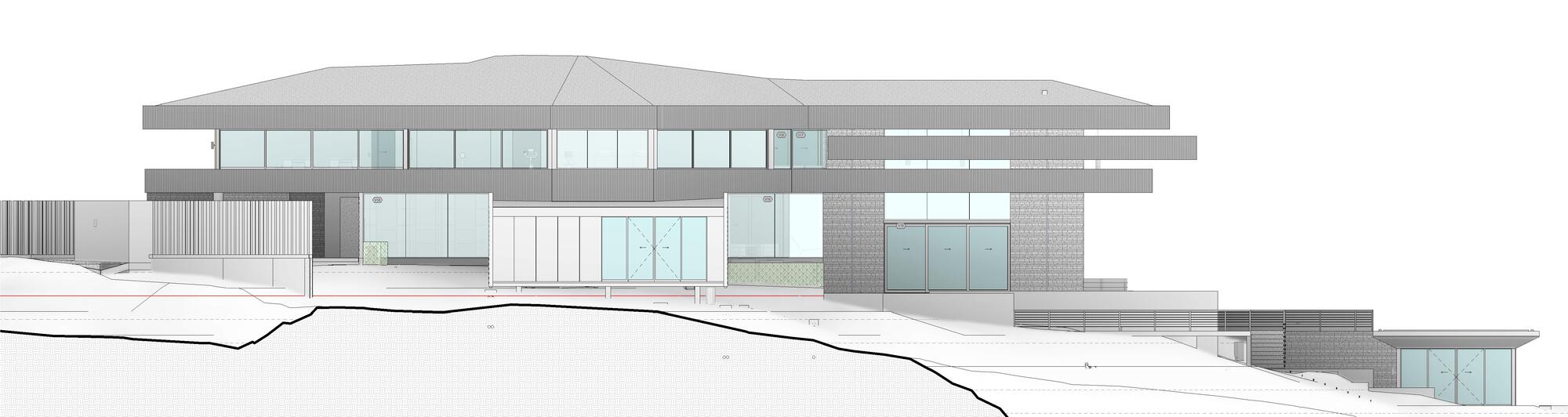
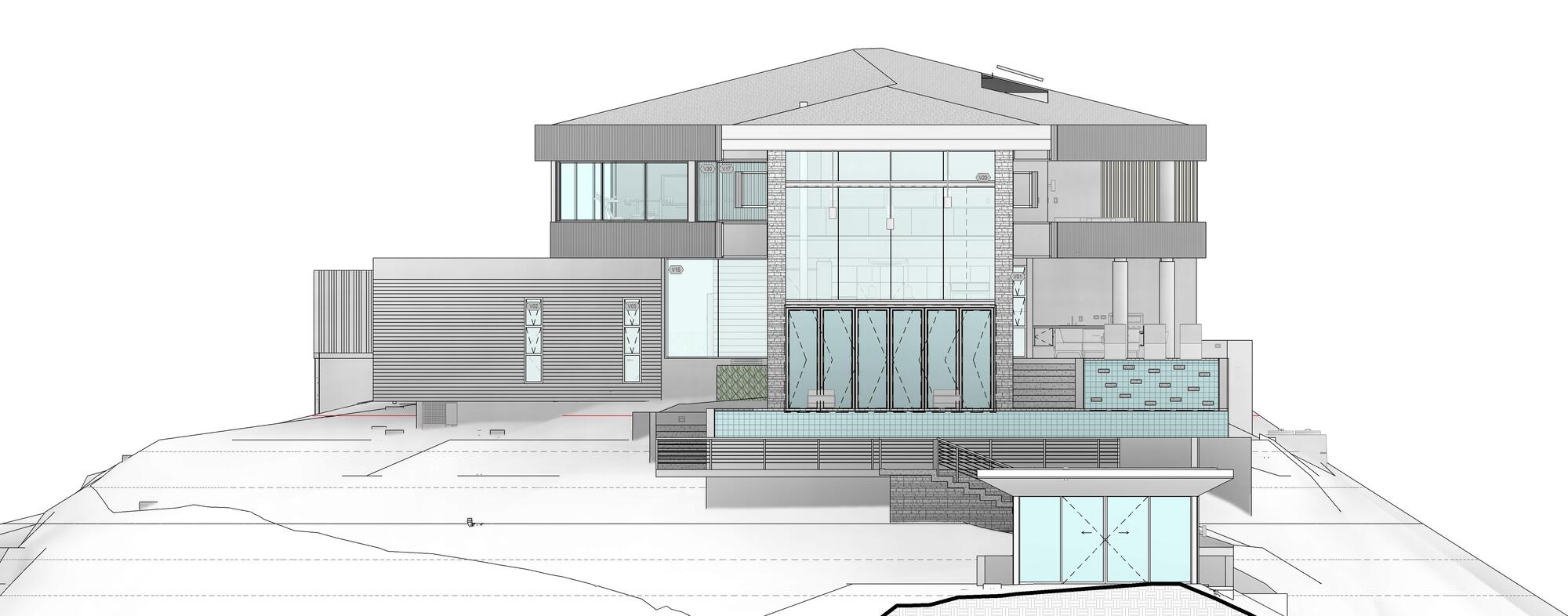
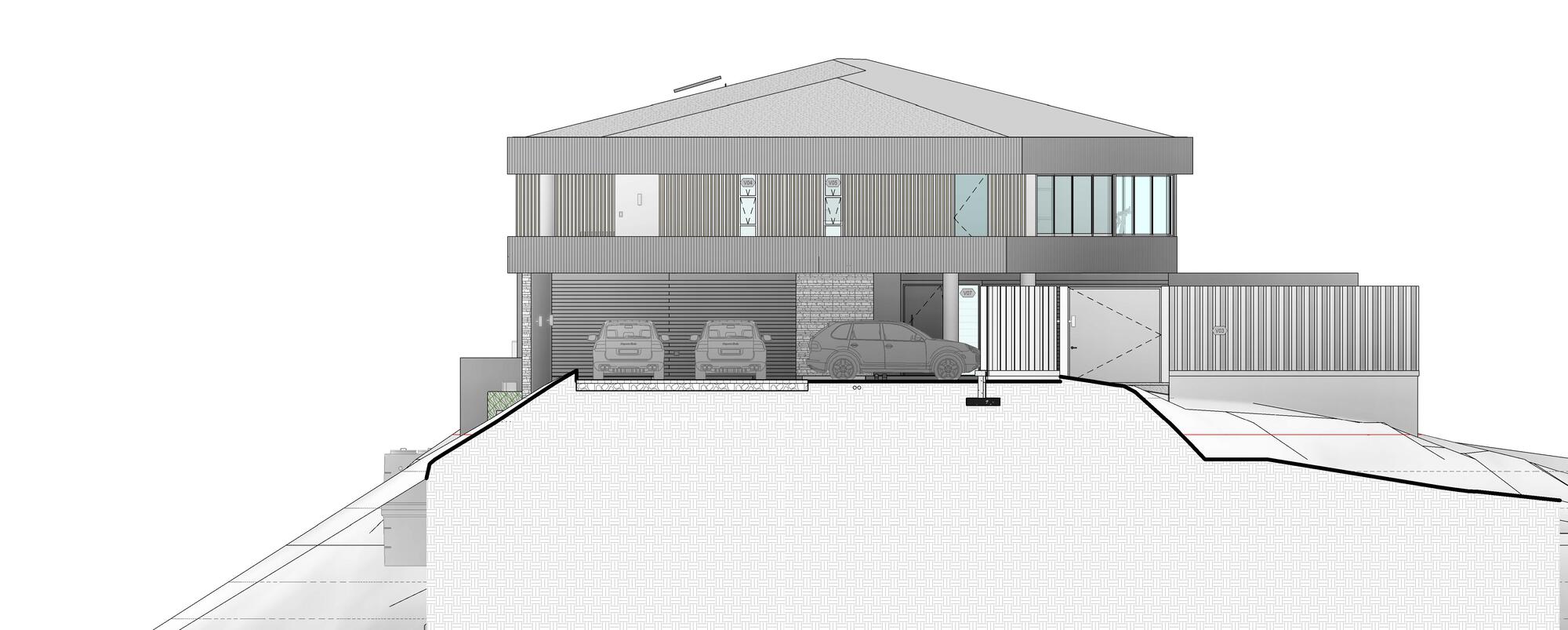
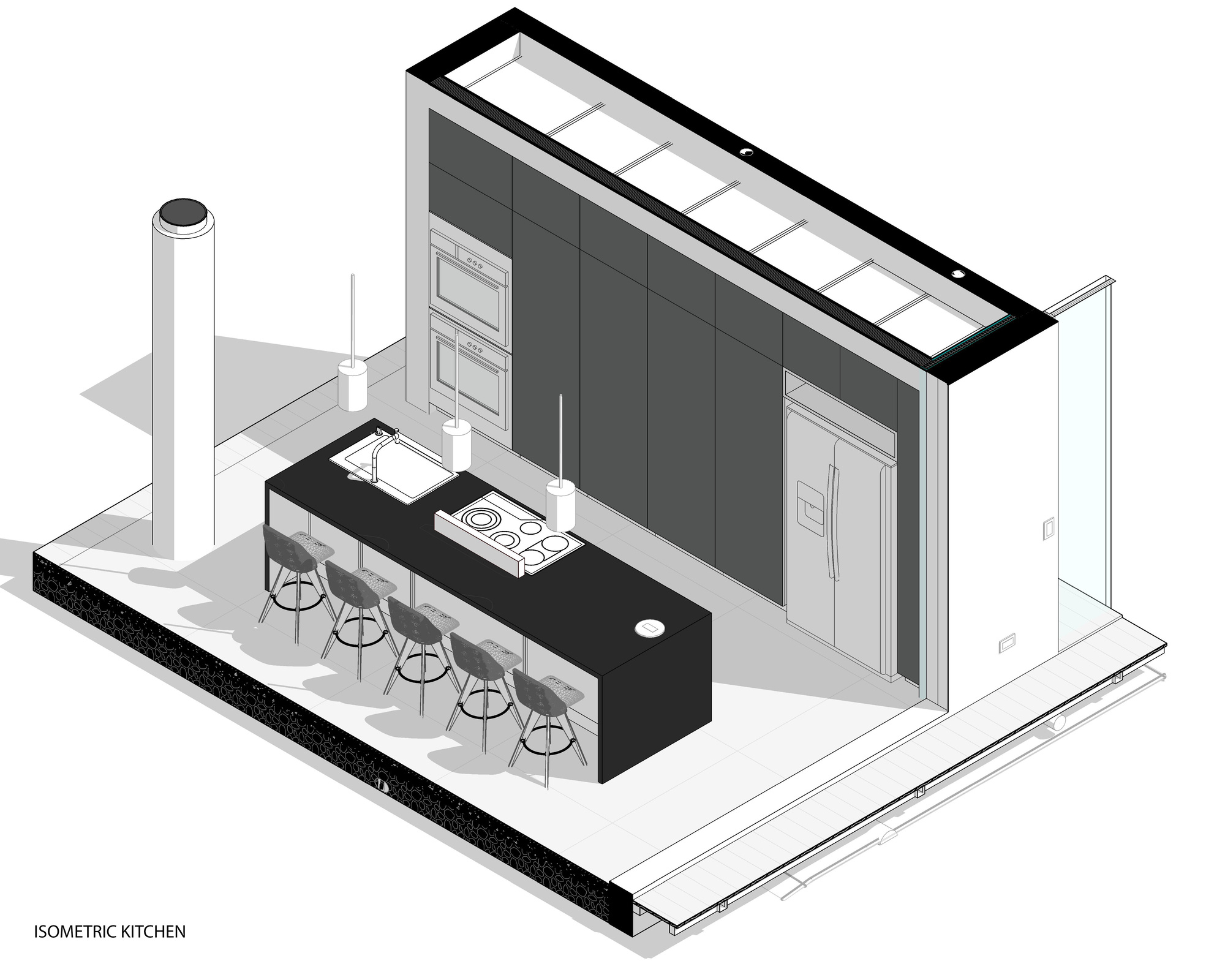
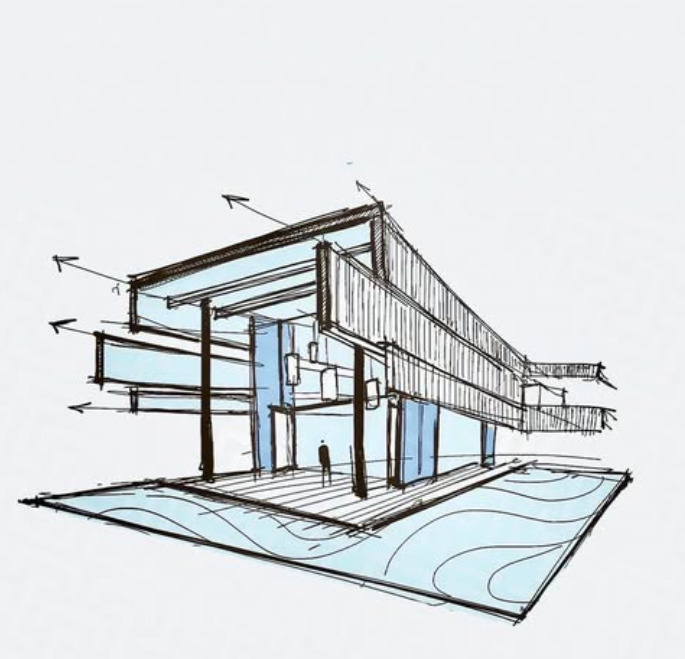
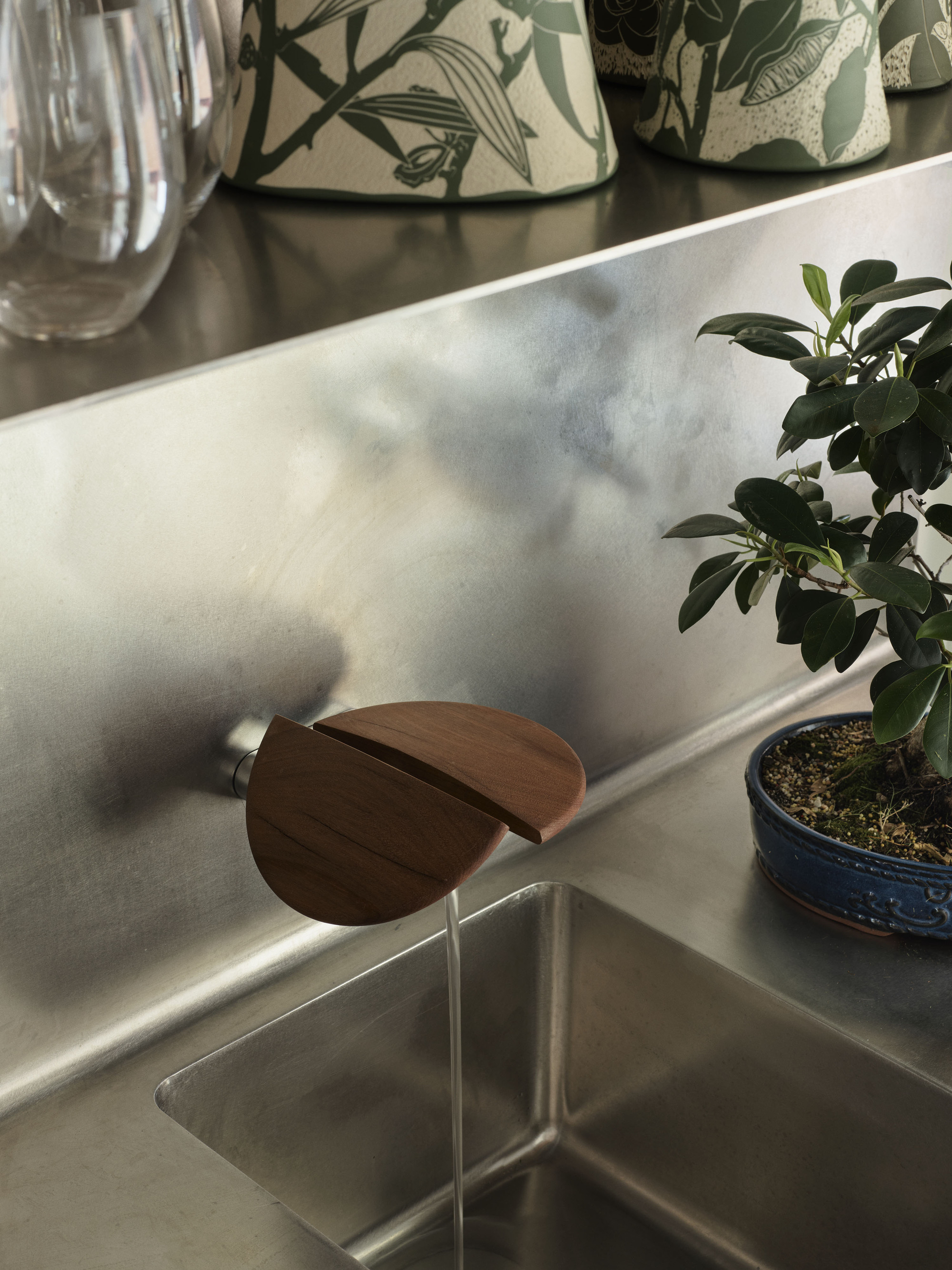
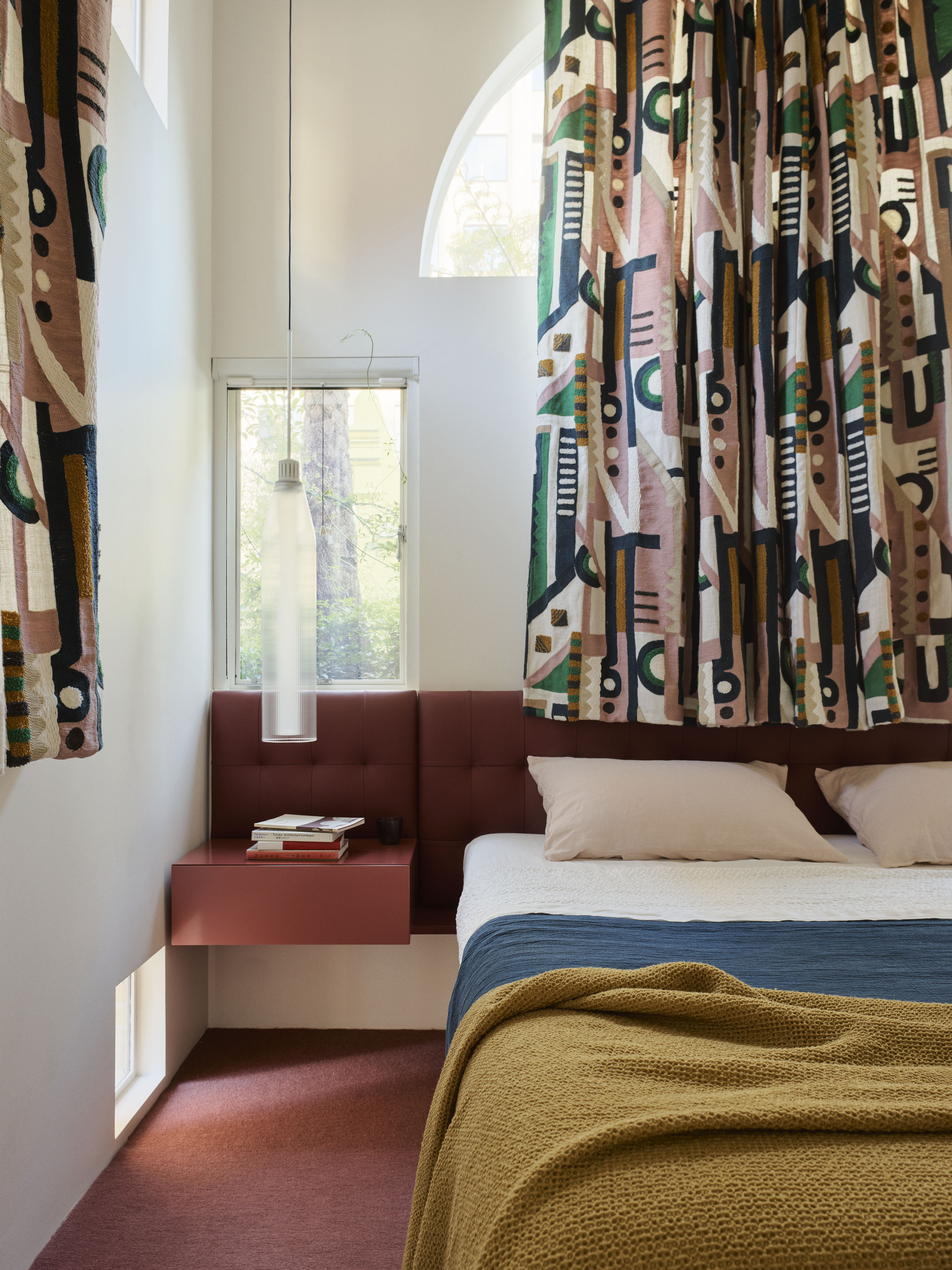
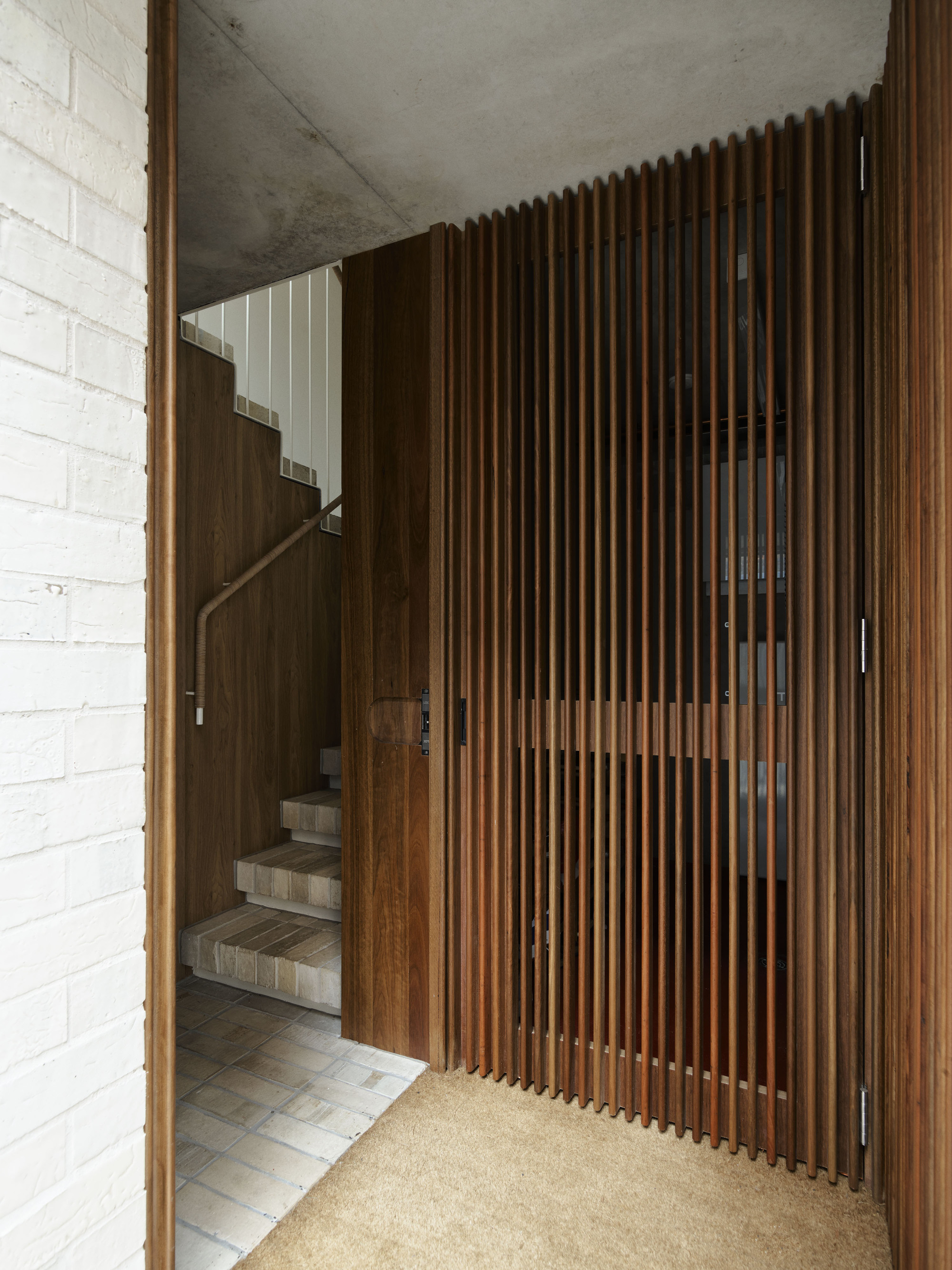
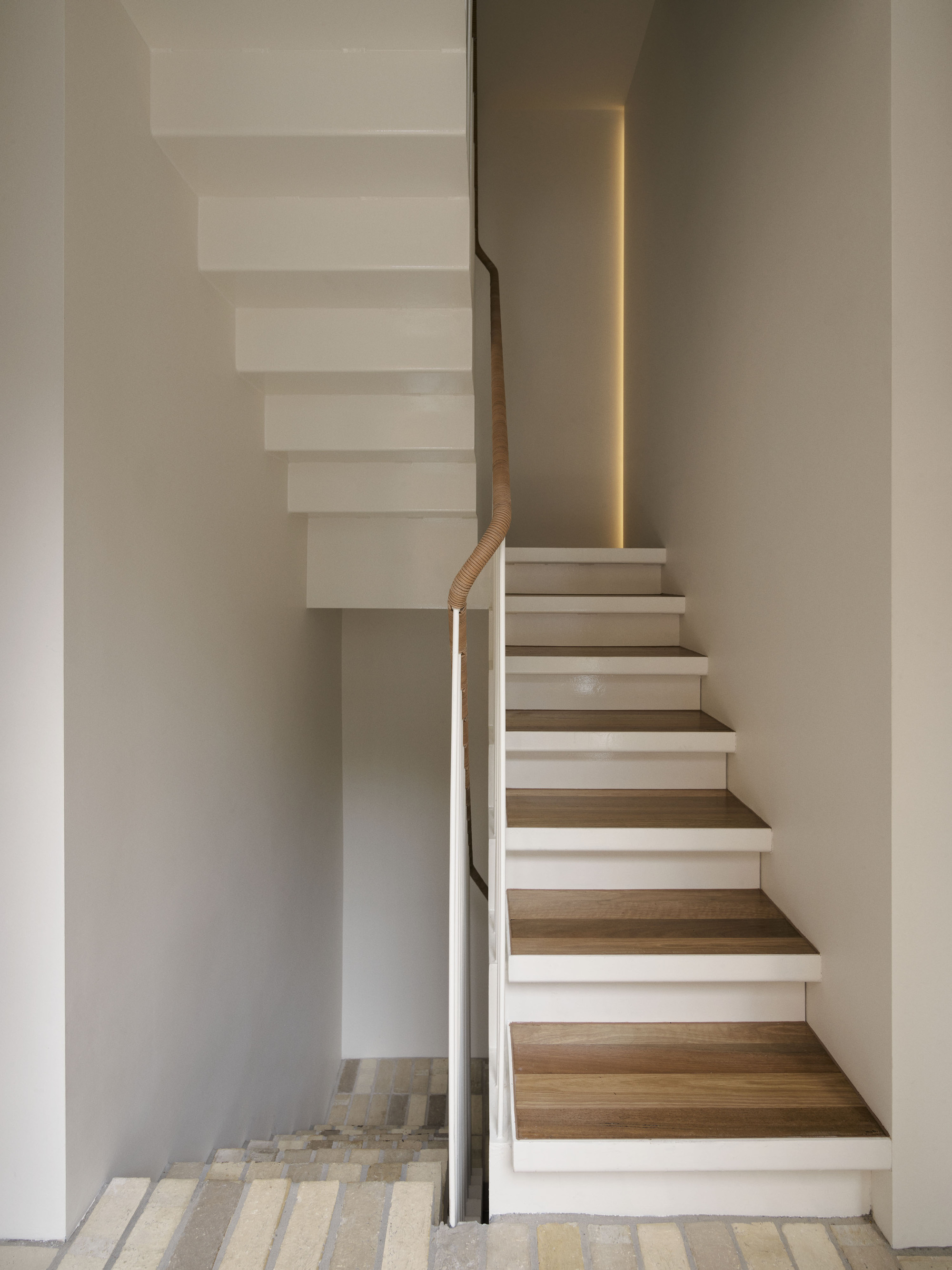
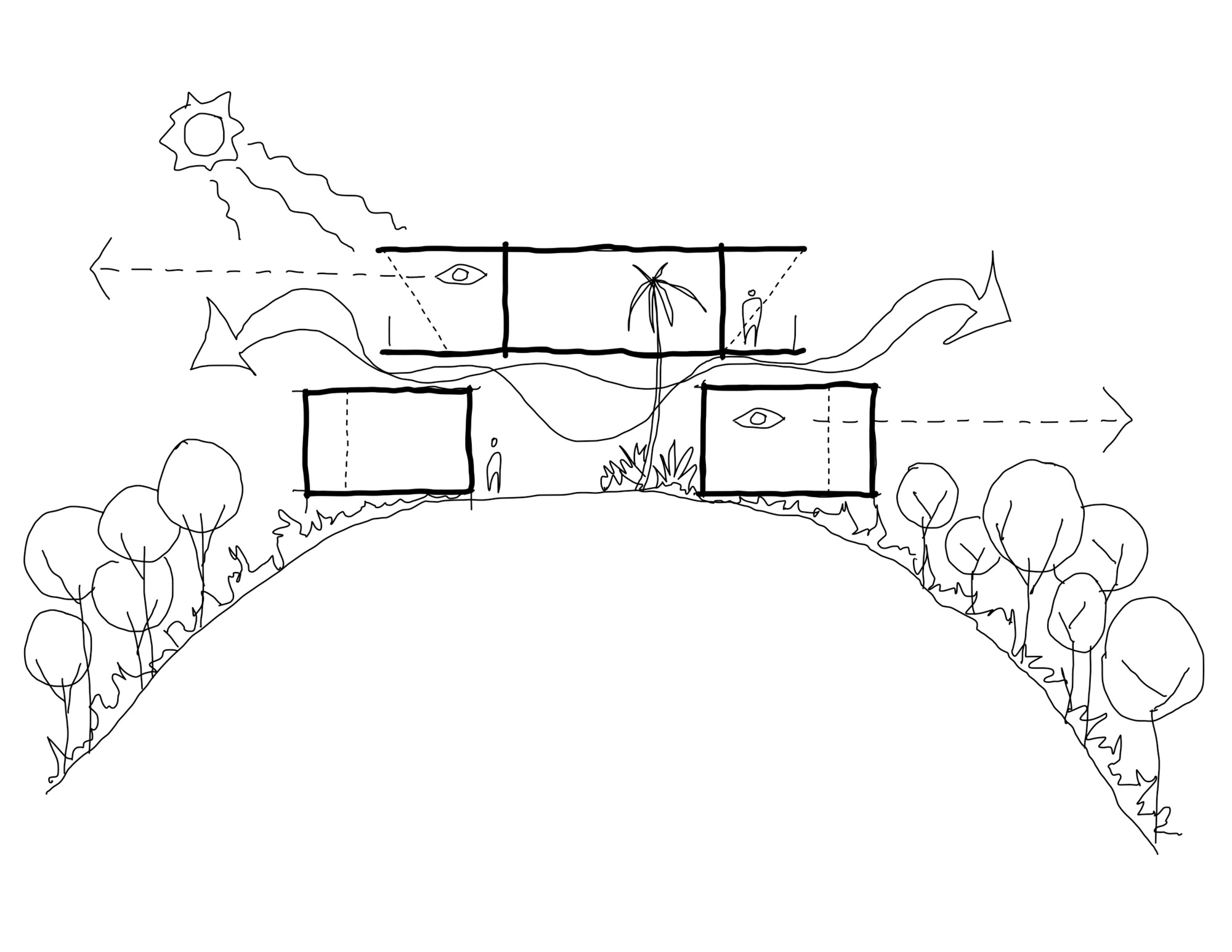
Flying Fox House #architecture Architects: George Banks Architecture Area: 550 m² Year: 2024 Photographs:Sebastian Mrugalski Lead Architects: Gorgi Gulevski Country: Australia Nestled in a bay-side suburb in Sydney, Flying Fox extends at the top of a sloped site that peers over the bay. The project's aim was to create a home that captures the northern sun and views of the bay. To address this, a large outdoor space featuring a swimming pool, outdoor living, and a kitchen was situated at the front of the site. This home layers a series of spaces that cascade along the sloped site, allowing views from the different parts of the building. The outdoor space serves as the core of the home, which connects to the main living areas. The bedroom levels are placed below and above this level, with a private office and bathrooms throughout. The client wanted to have a suspended pool that looks directly over the bay and can be accessed from the main living areas and connect with the internal space. The challenge was to create a space that could connect to the living area and provide natural sunlight to this area. The typical suburban home in Australia features a large backyard where most of the outdoor activities occur, so we decided to flip this idea and provide a front-facing space that was able to fulfill the client's demands. Large doors and windows are used on the northern elevation to provide natural light to flow through the space whilst an operable roof allows the client to control the sun in the alfresco area. The curved features of the home soften the façade and juxtapose against the cascading rock garden beds at the front of the home. The curves are also reflected inside the home with curved ceiling spaces and fluted accents through the internal joinery items. The materials used provide warm and elegant tones with the use of oak floors, wool carpet, quartzite, and limestone. Concave profiles and curved shapes used in the interior reflect on the façades shape. The light and warm colour tones were chosen by the client and provide a tranquil and calming environment.
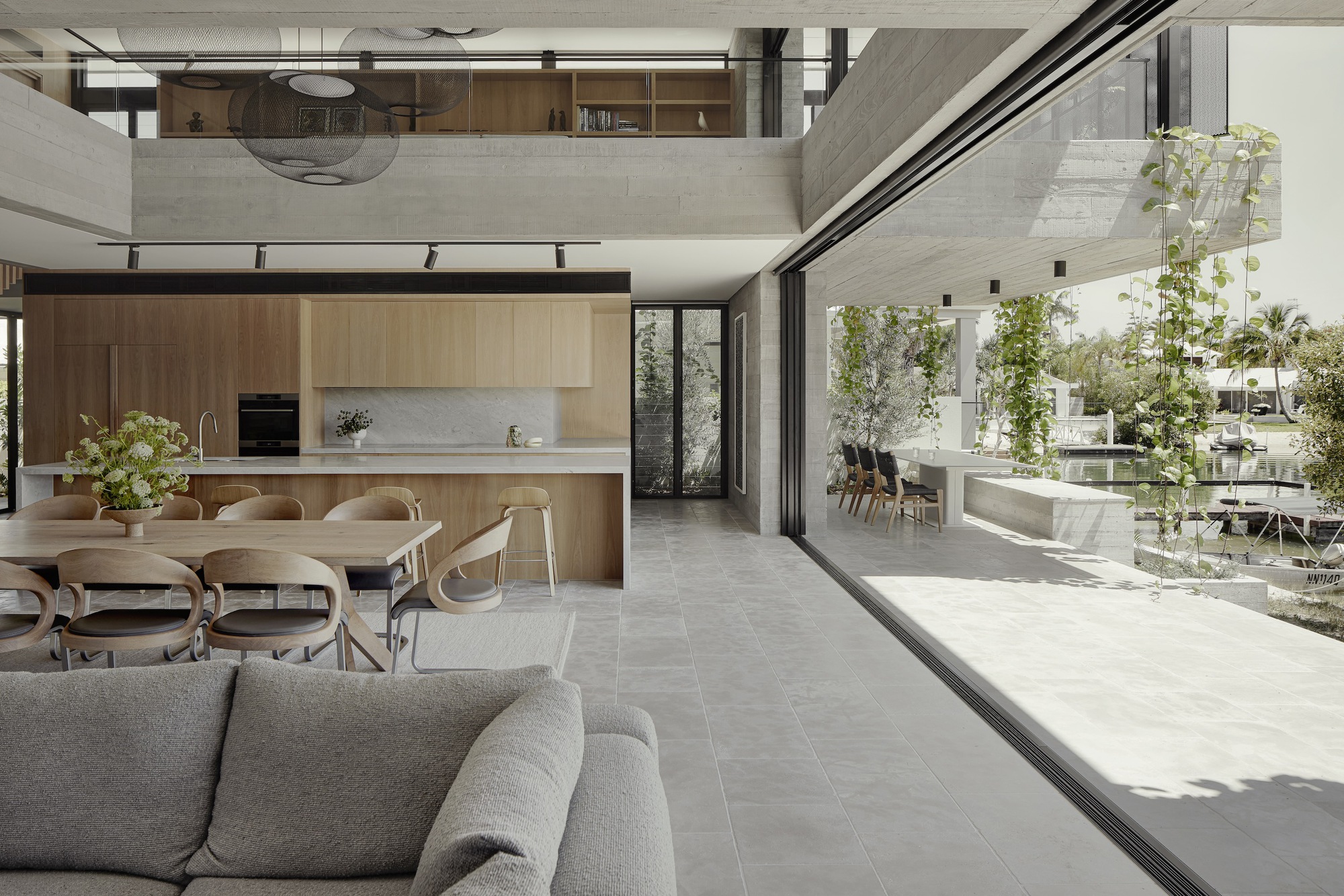
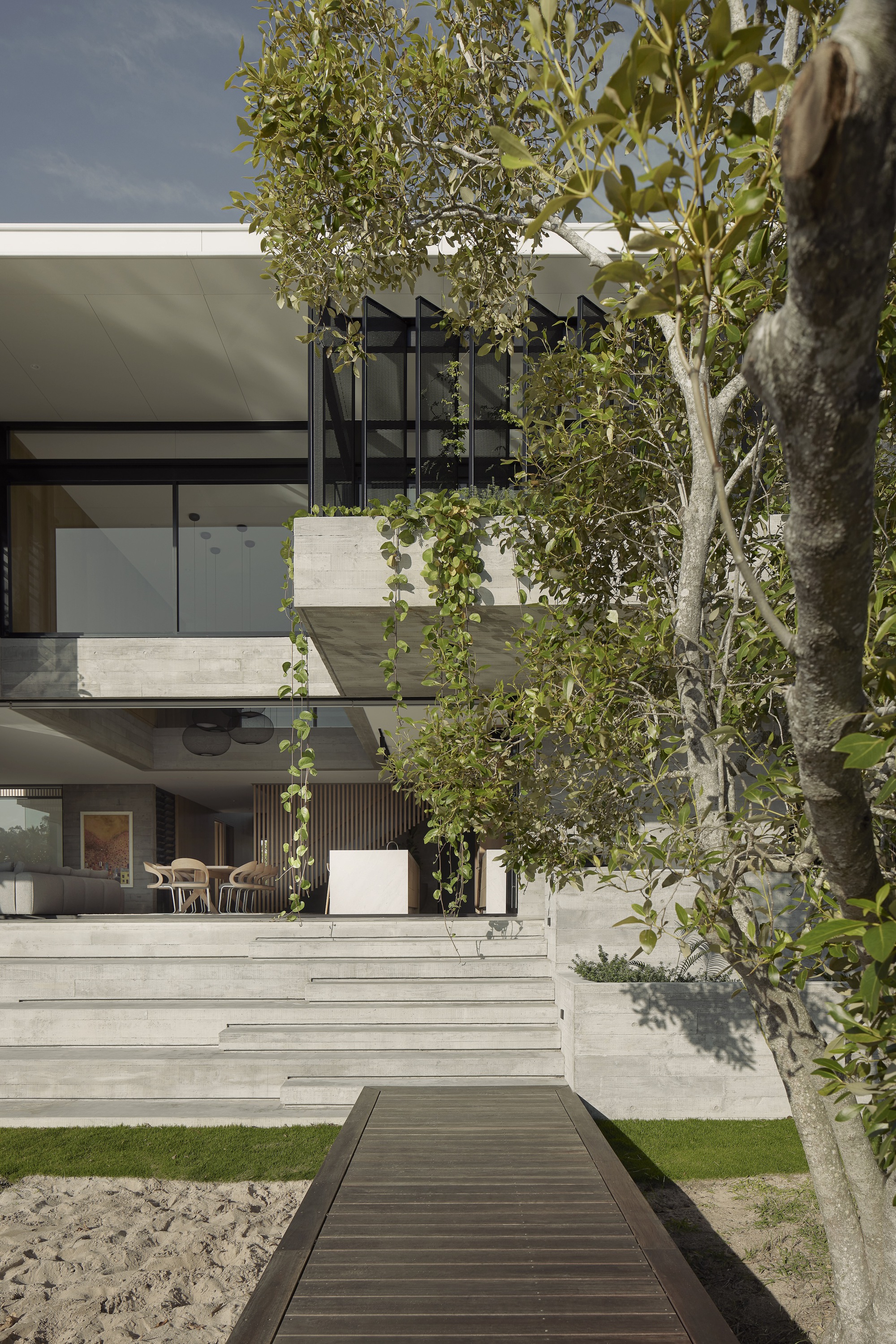
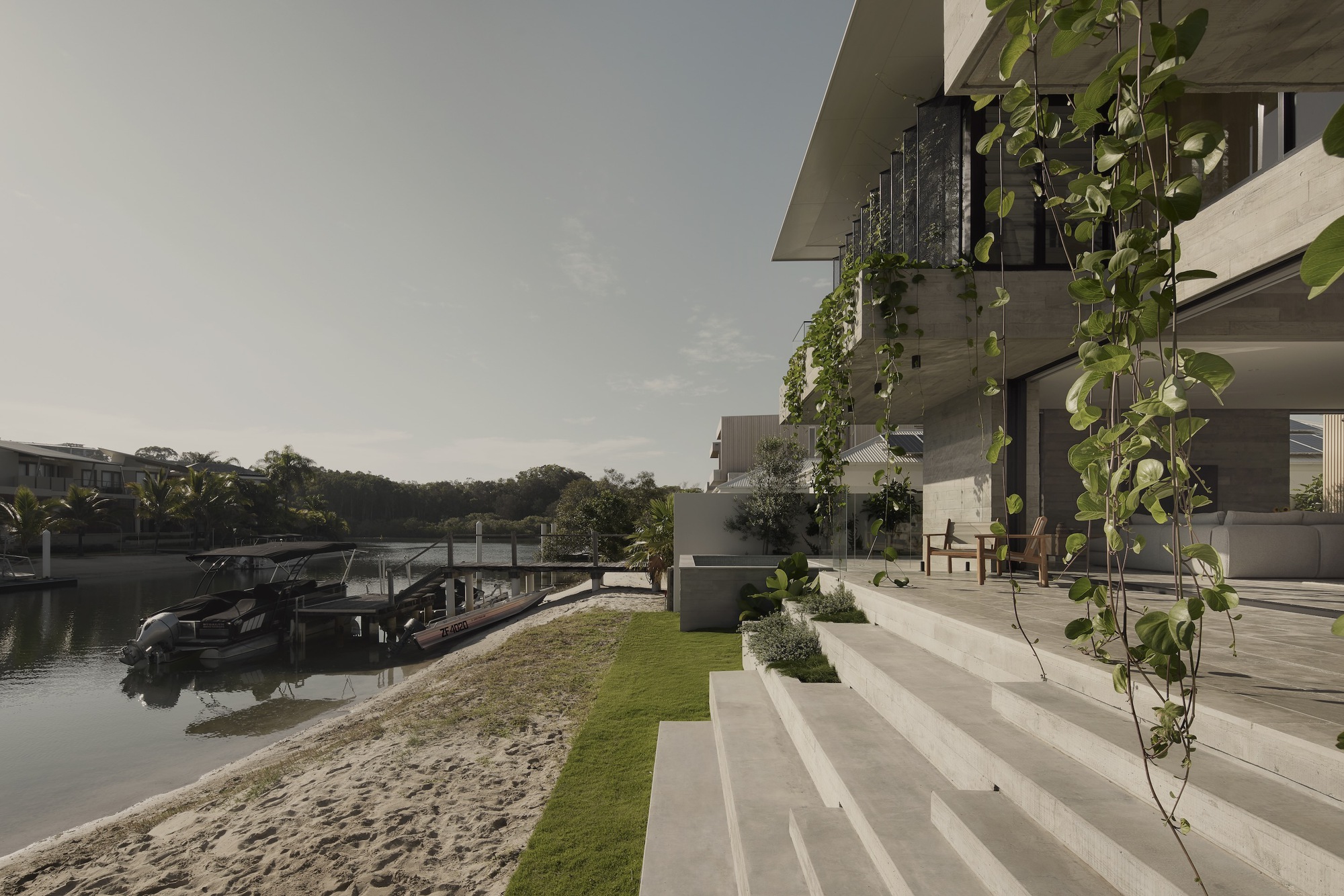
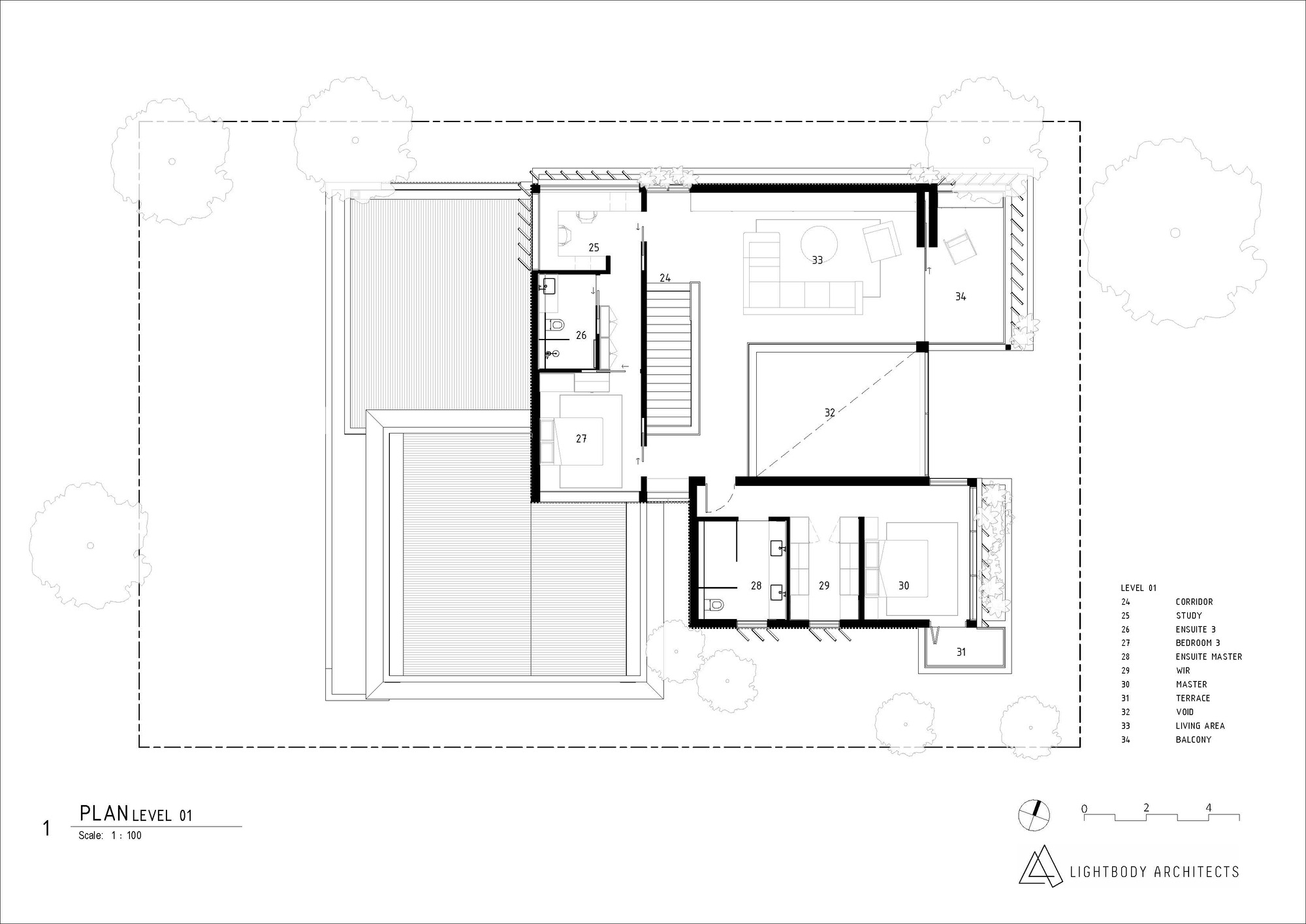
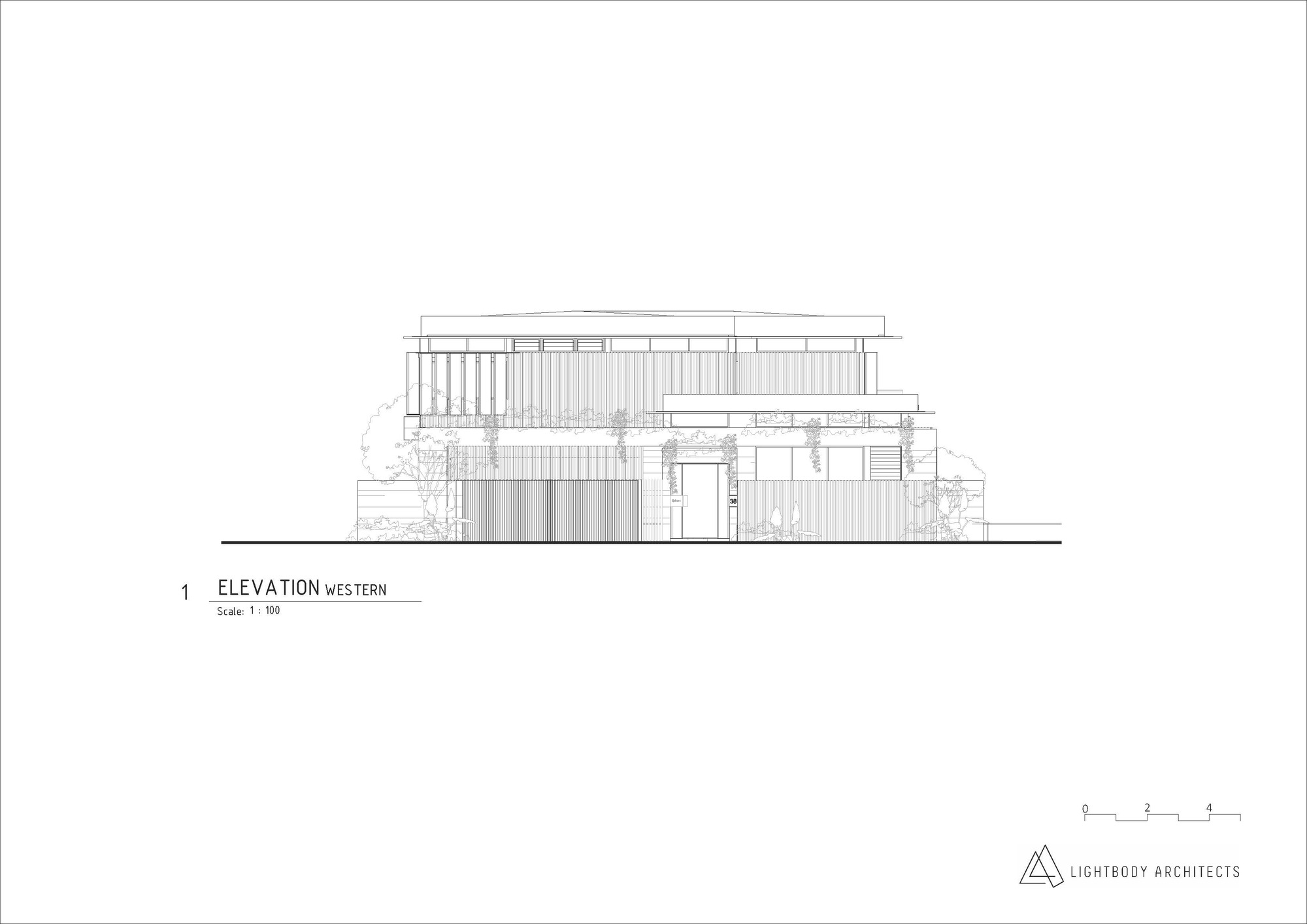
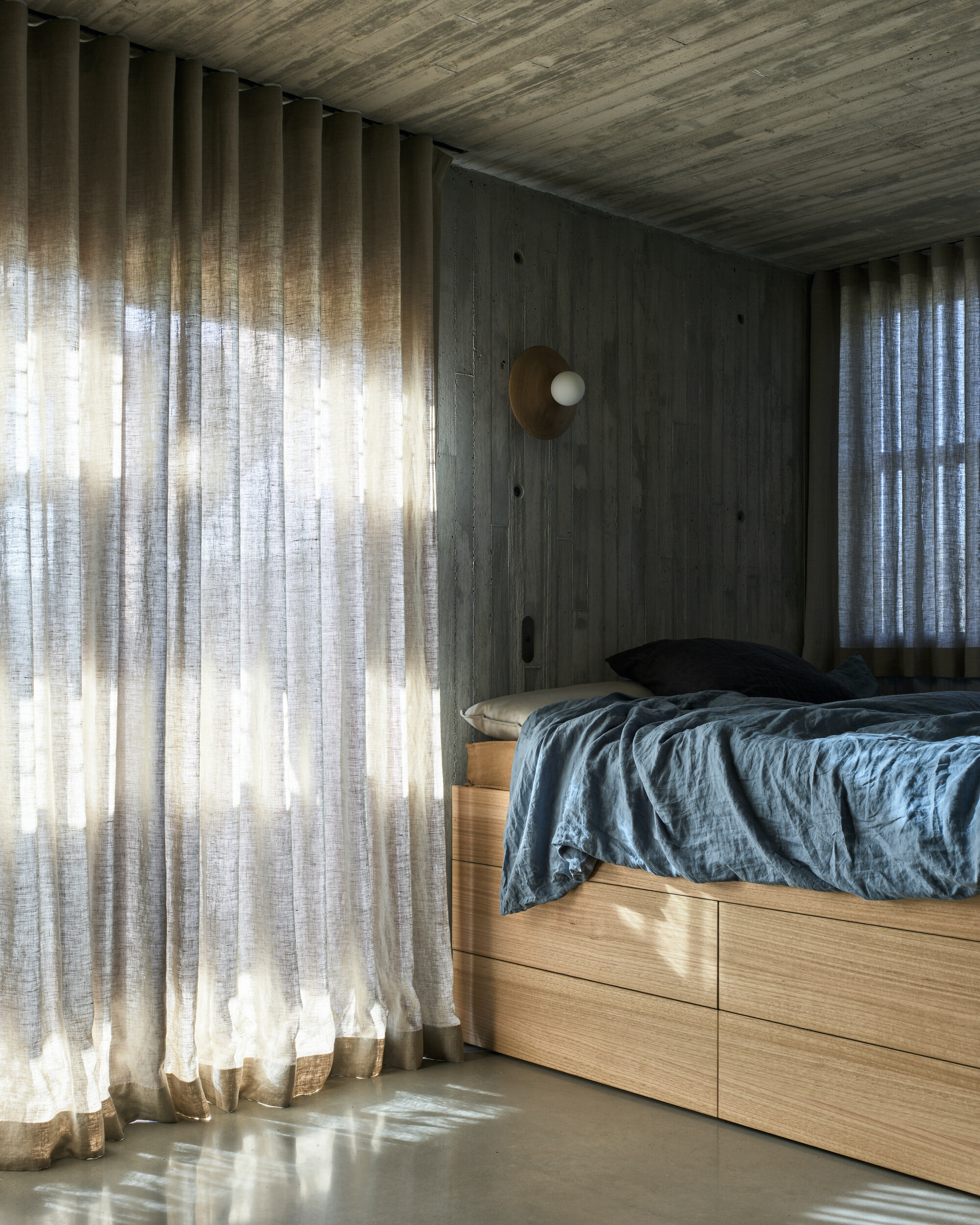
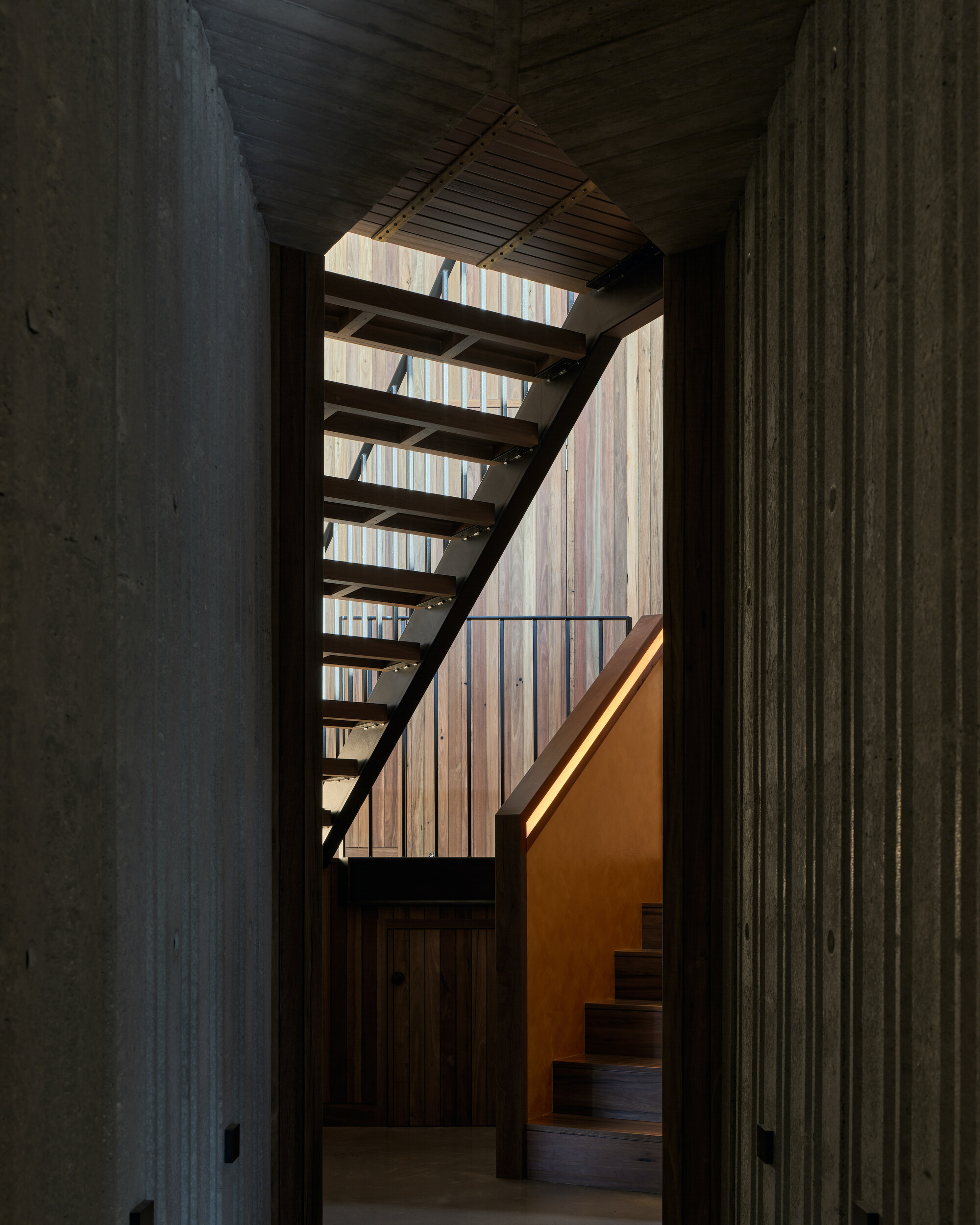
Sjøhavn House #architecture Architects: Lightbody Architects Area: 483 m² Year: 2023 Photographs: Brock Beazley Lead Architects: Jackson Lightbody City: Noosa Heads Country: Australia The name ‘Sjøhavn’ was inspired by the client’s Scandinavian origin and meant ‘Sea Gardens.’ Situated within the Noosa River network in Australia, the location is well known for being a place of leisure and relaxation for locals and tourists. Being riverfront, the house required a design response sensitive to flood levels. The underlying principle of the project was to design a family home that responded to the natural surroundings while creating an overall sense of connection and providing interstitial spaces for retreat and privacy. A connection between the ground plane and the river’s edge was an important consideration identified during the initial briefing. The client's design brief formulated the overall program for the house. Interpreting the individual functional spaces as simple volumes, the design also became about what happened where spaces overlapped and spaces in between could be occupied. Understanding the client’s design brief provided the overall functionality of core spaces within the house. These primary spaces created an opportunity for exploring the smaller ‘in-between’ or overlapping spaces as a result. These smaller intersectional areas created a sequence of threshold spaces that provide connectivity to the primary areas along with areas for occupants to retreat and seek privacy away from activity. The minimalist palette of materials creates a sense of cohesiveness in these interstitial and primary spaces while strengthening the seamless connection between the internal and external programs of this family home. The centralized double-height void creates a visual connection across the two-story home while providing a connection to the ground plane that continues through to the edge of the river. This expressive gesture creates a primary external living area with two smaller intimate spaces articulated by the cantilever above. These small spaces on either side provide opportunities for retreat, reflection, and solitude. The external area to the east and connection to the river’s edge evolved, taking reference to the traditional concept of the ‘verandah.’ Lending from the typical  Queenslander’s vernacular form of the ‘verandah,’ the external area provides occupation of edge and connection to the river and strengthens the external living area as a destination rather than simply for circulation. The use of off-form concrete as the primary material was proposed from the initial discussions with the client for its longevity, resilience, thermal qualities, and design flexibility. The materiality provided the opportunity to free the ground plane from the structure and surround the second story with extensive landscaping with suspended planters. The eastern façade incorporates the structural strategy of long spans and cantilevers that provide the opportunity for cascading landscape from above. By harnessing passive design principles in conjunction with the thermal mass of the concrete, the house works with the surrounding climate to maintain an optimal temperature internally during the course of day and night.
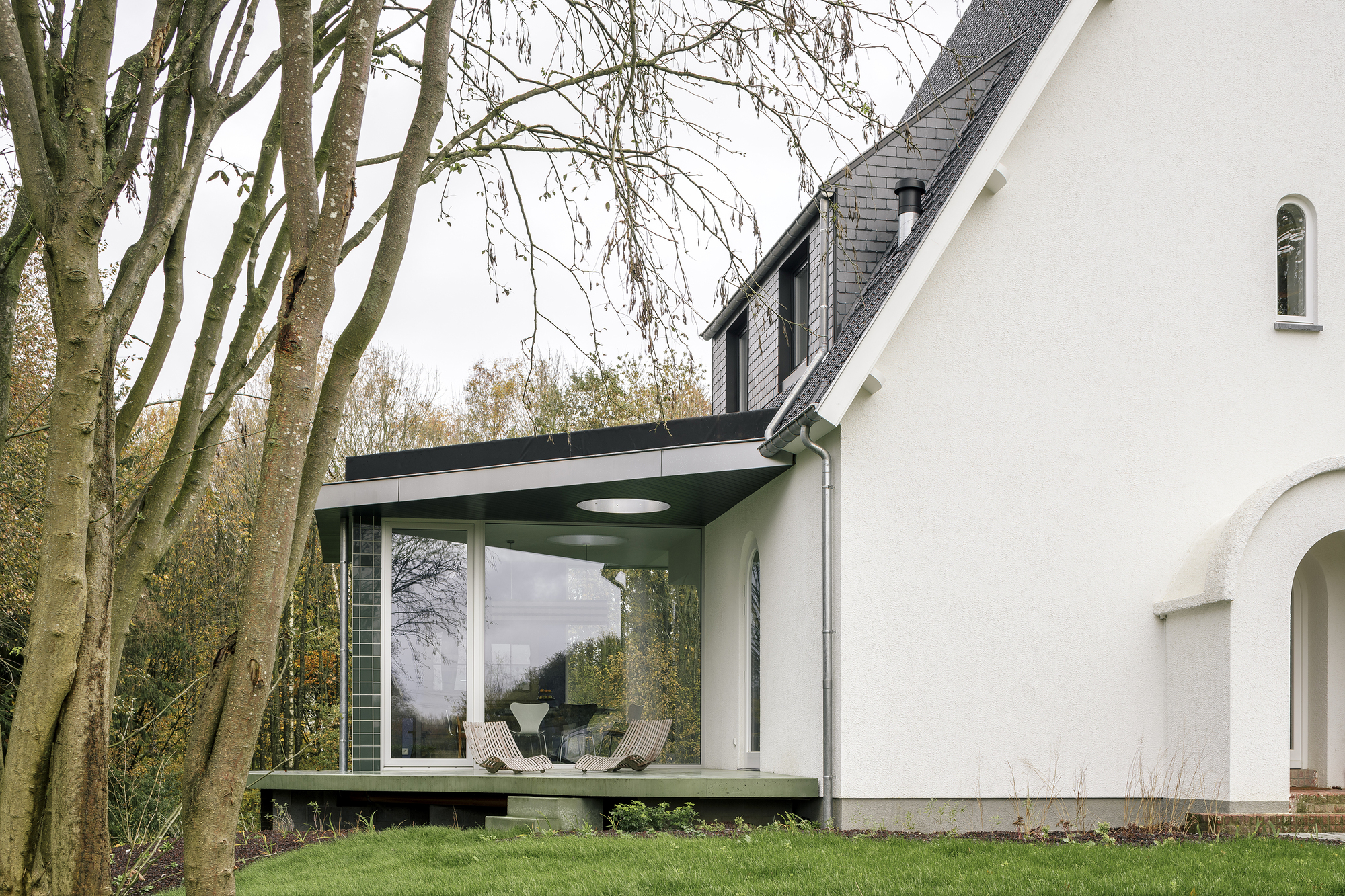
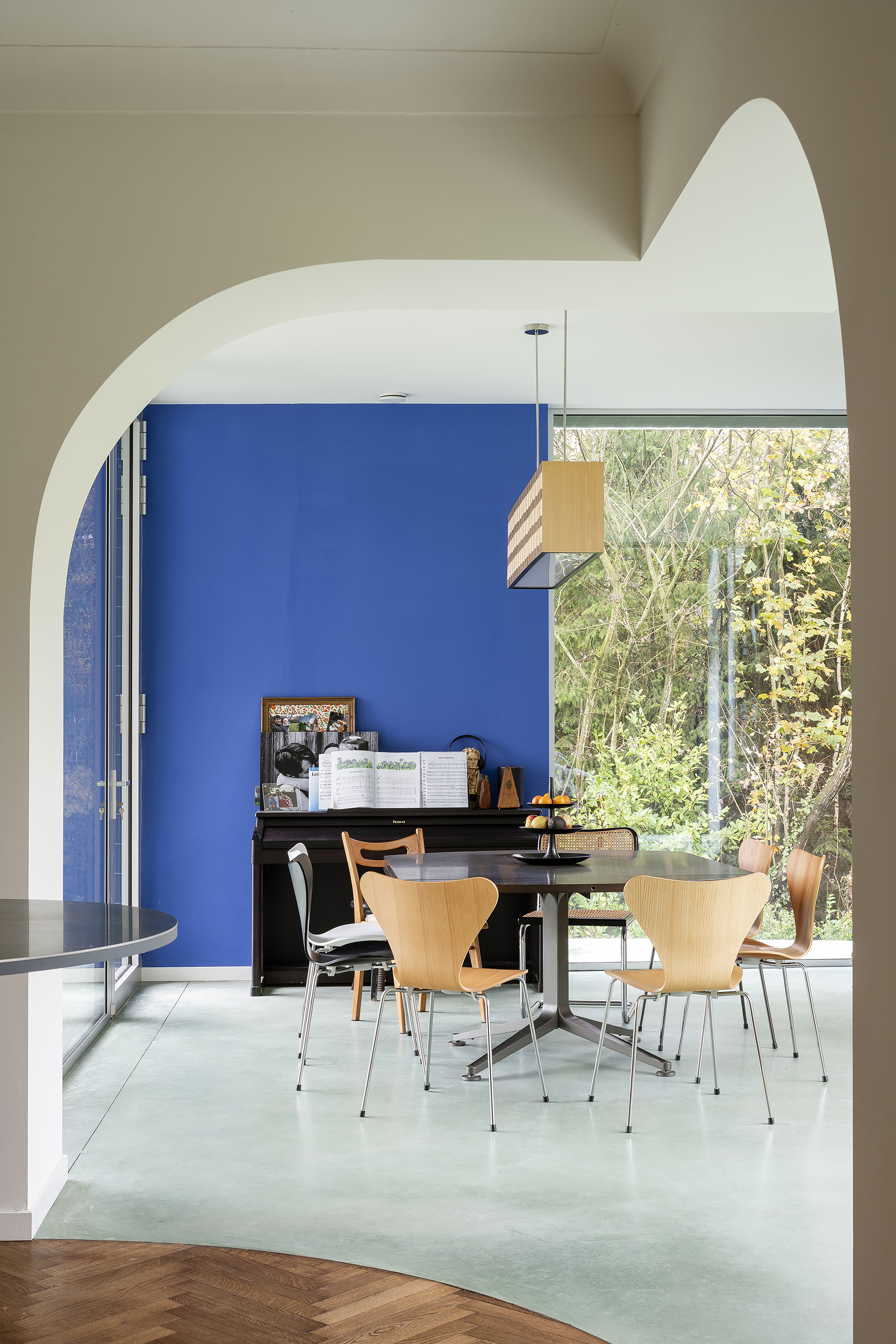
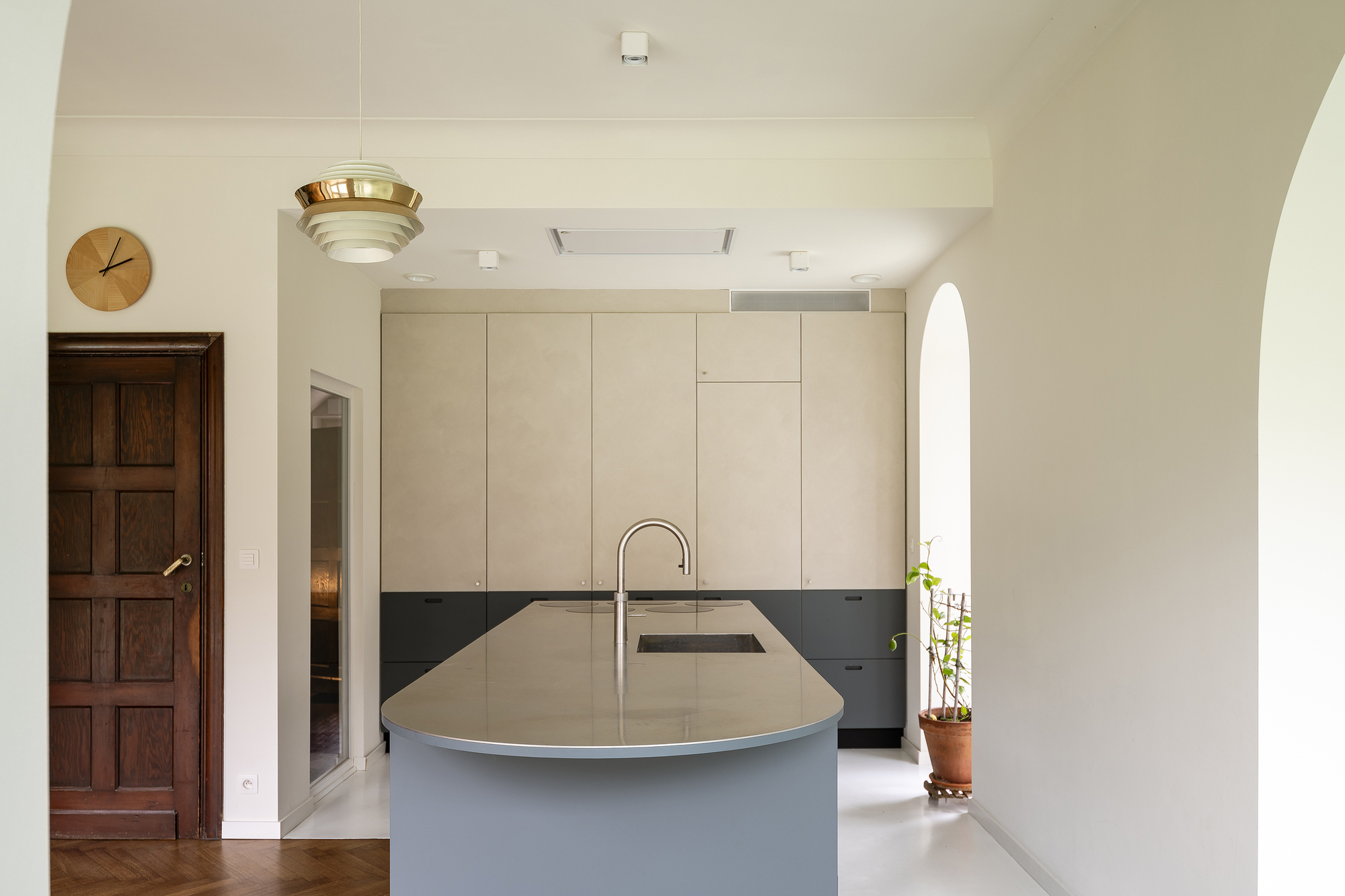
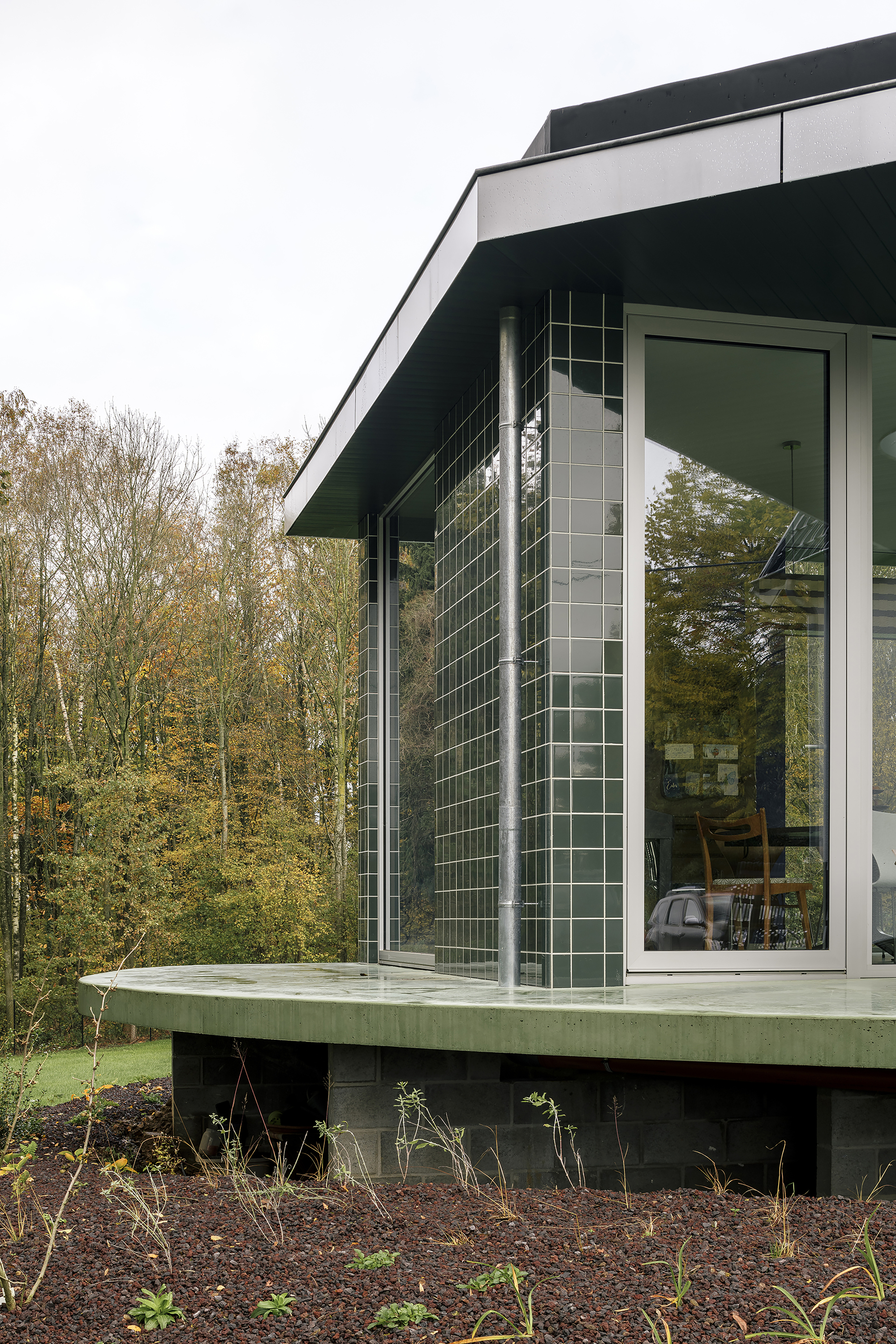
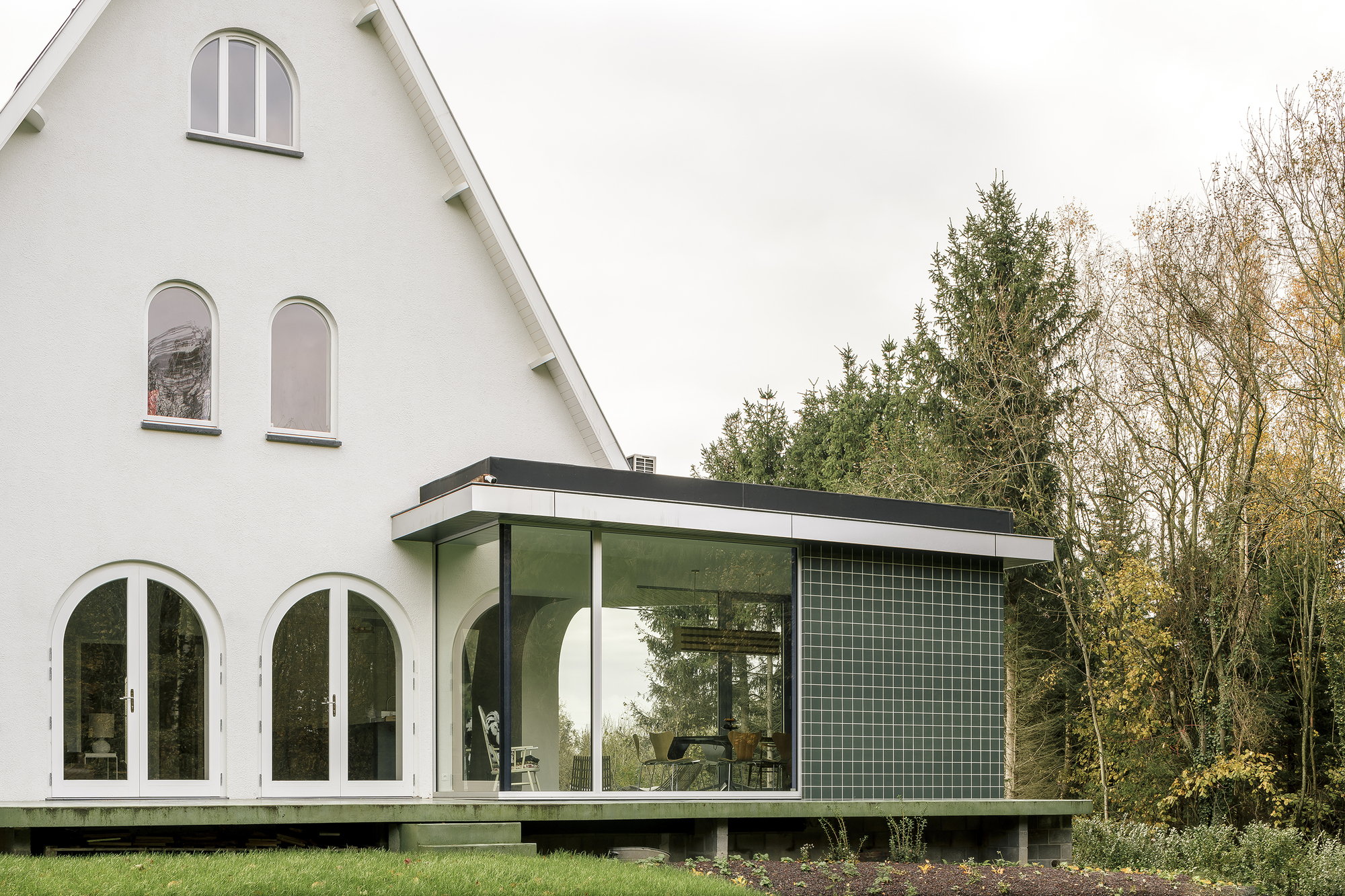
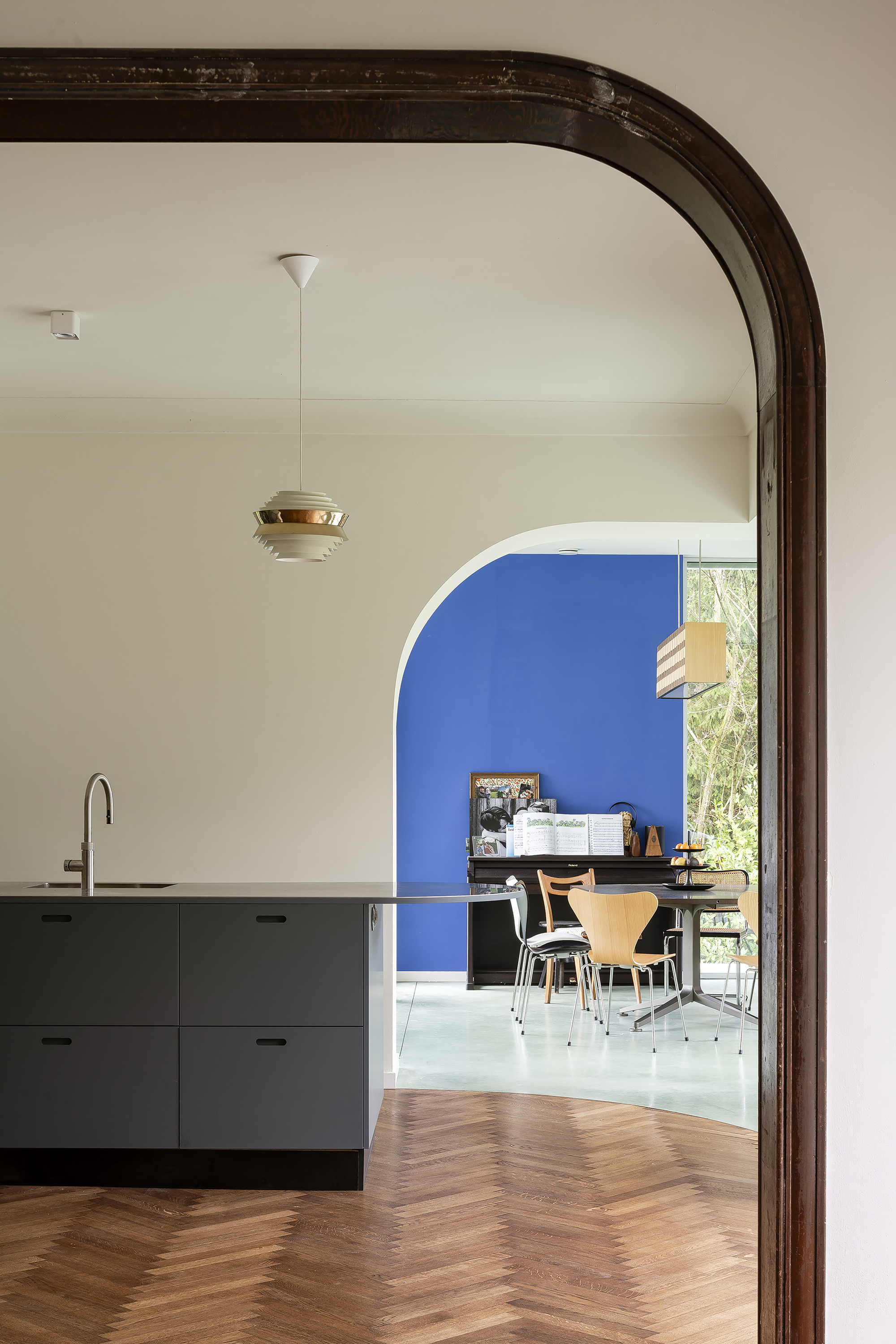
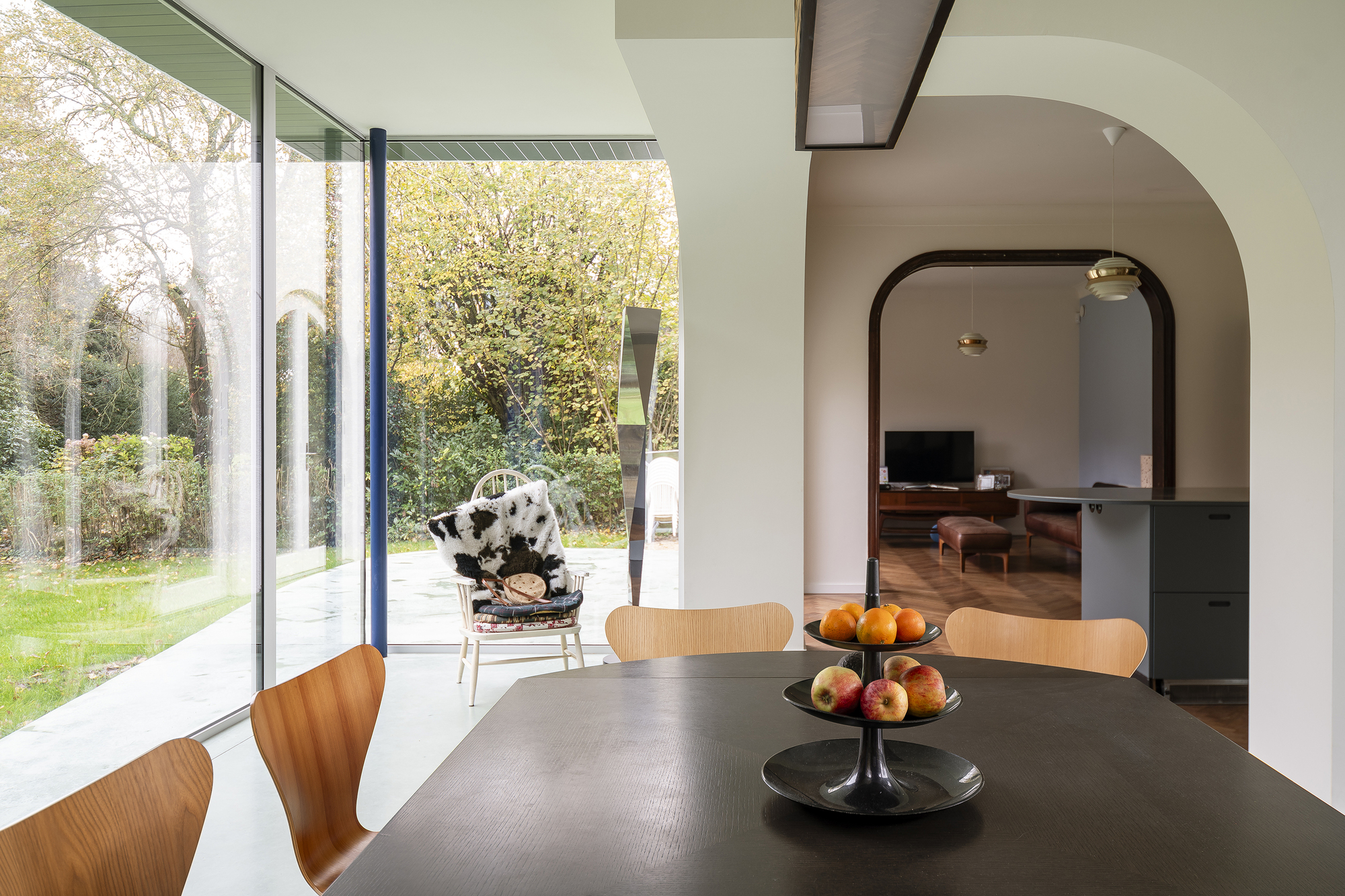
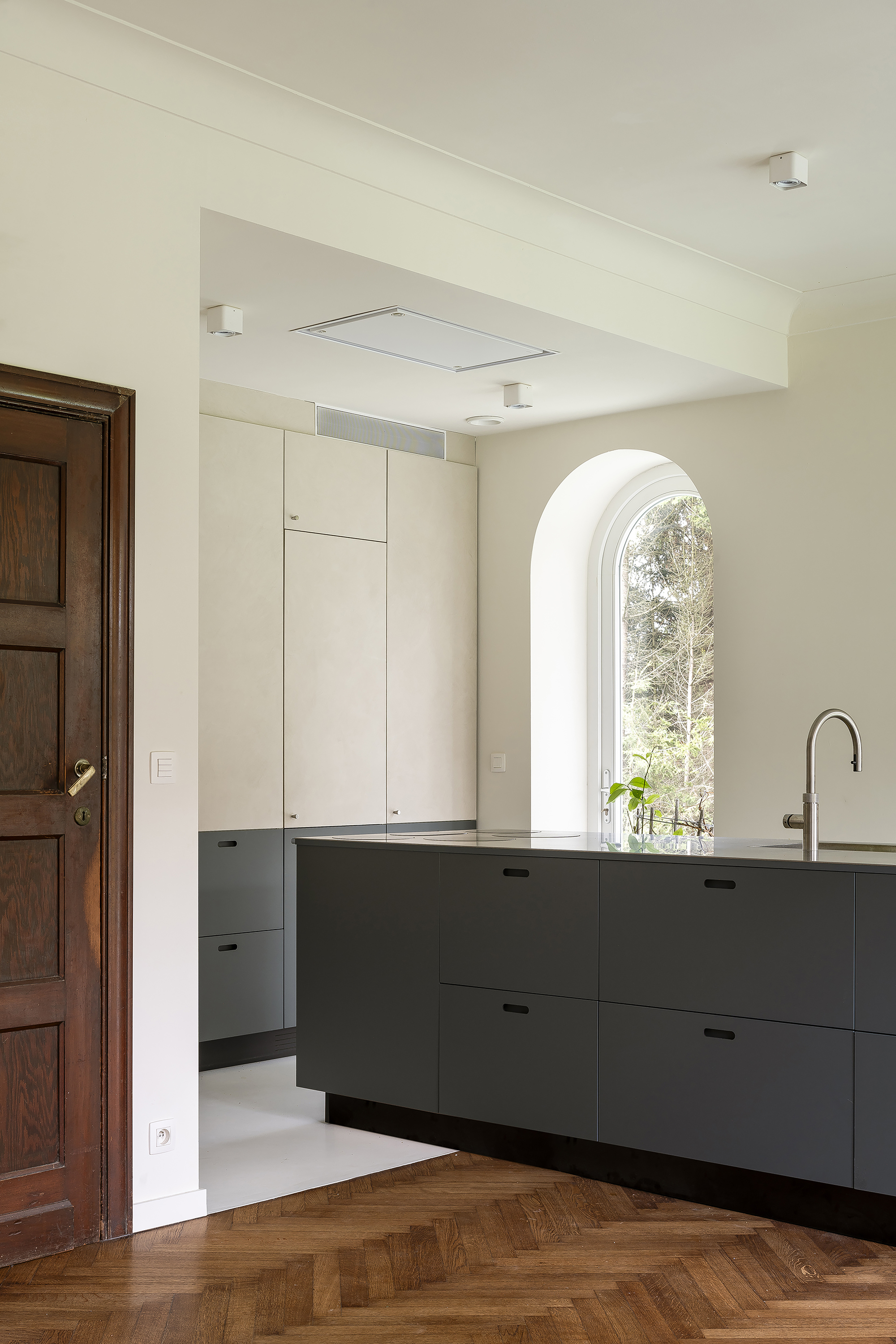
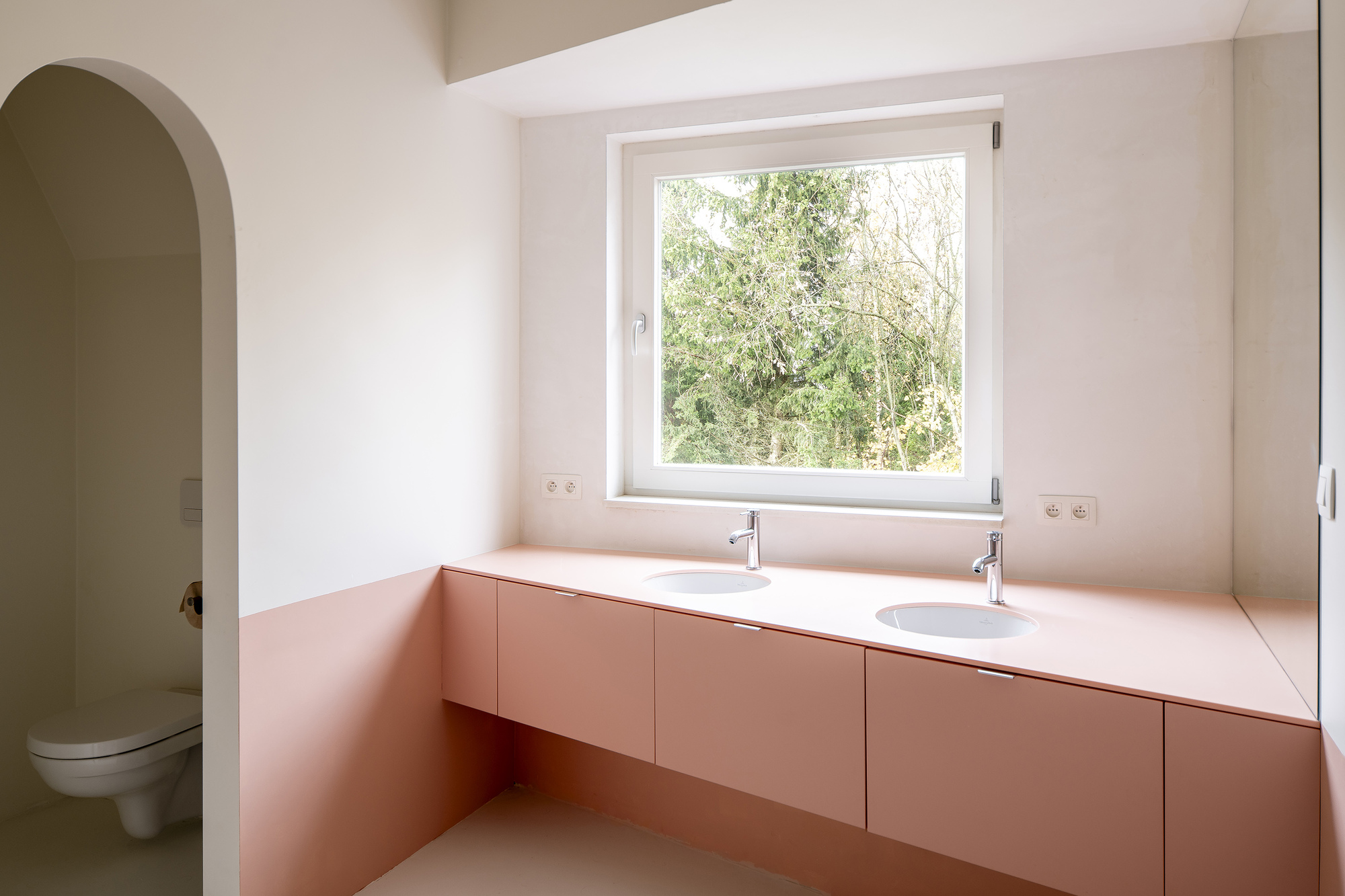
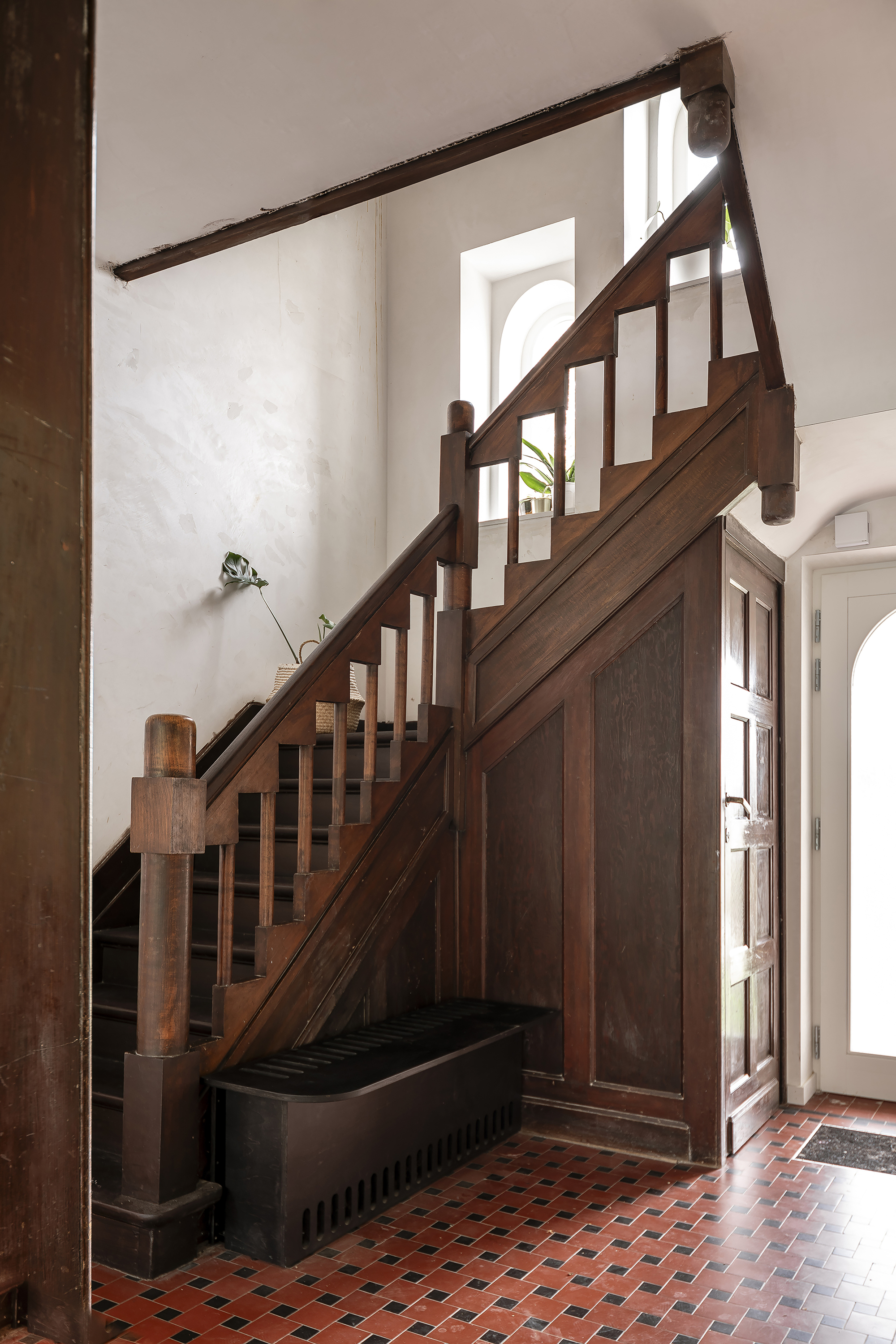
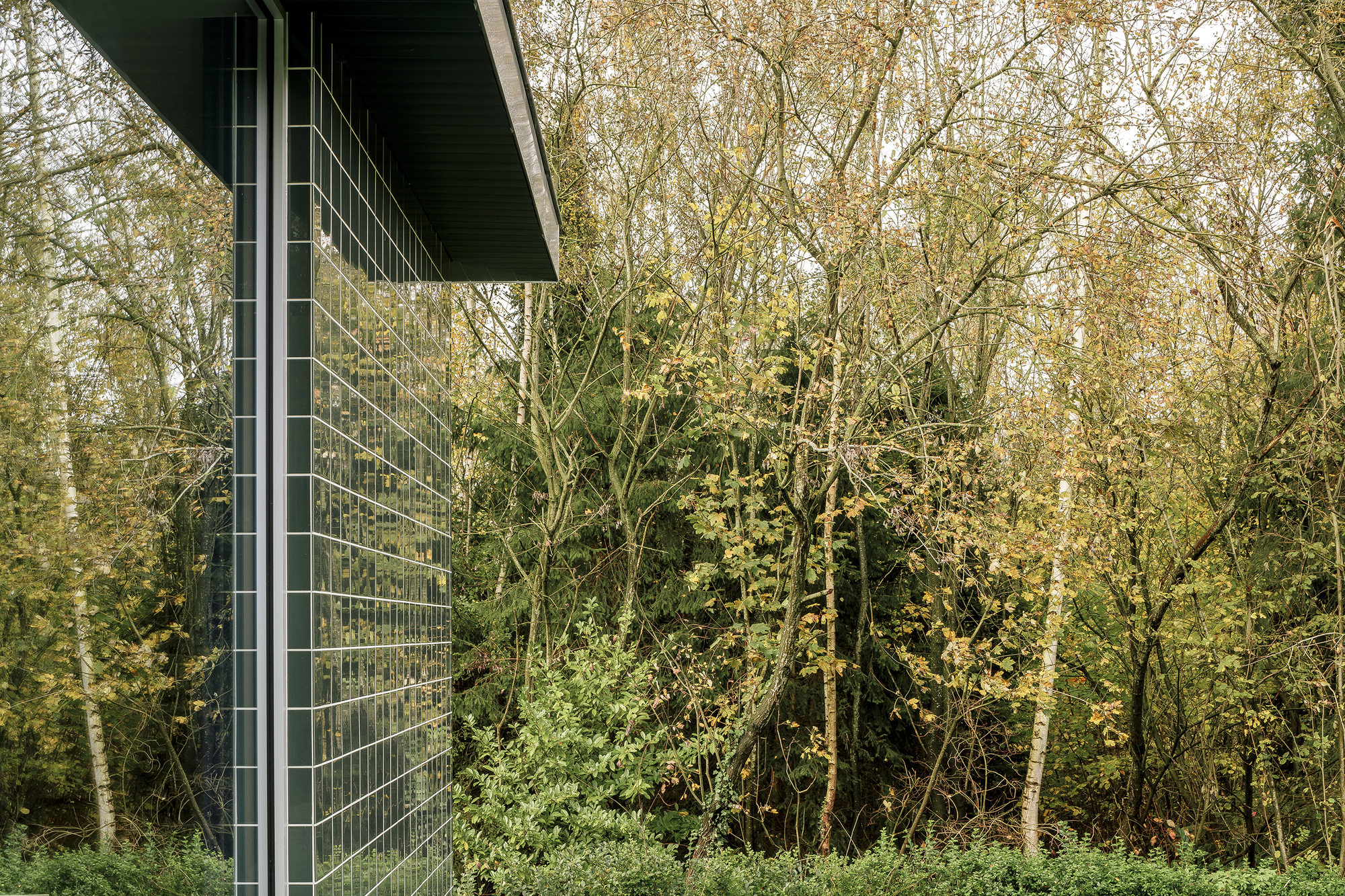
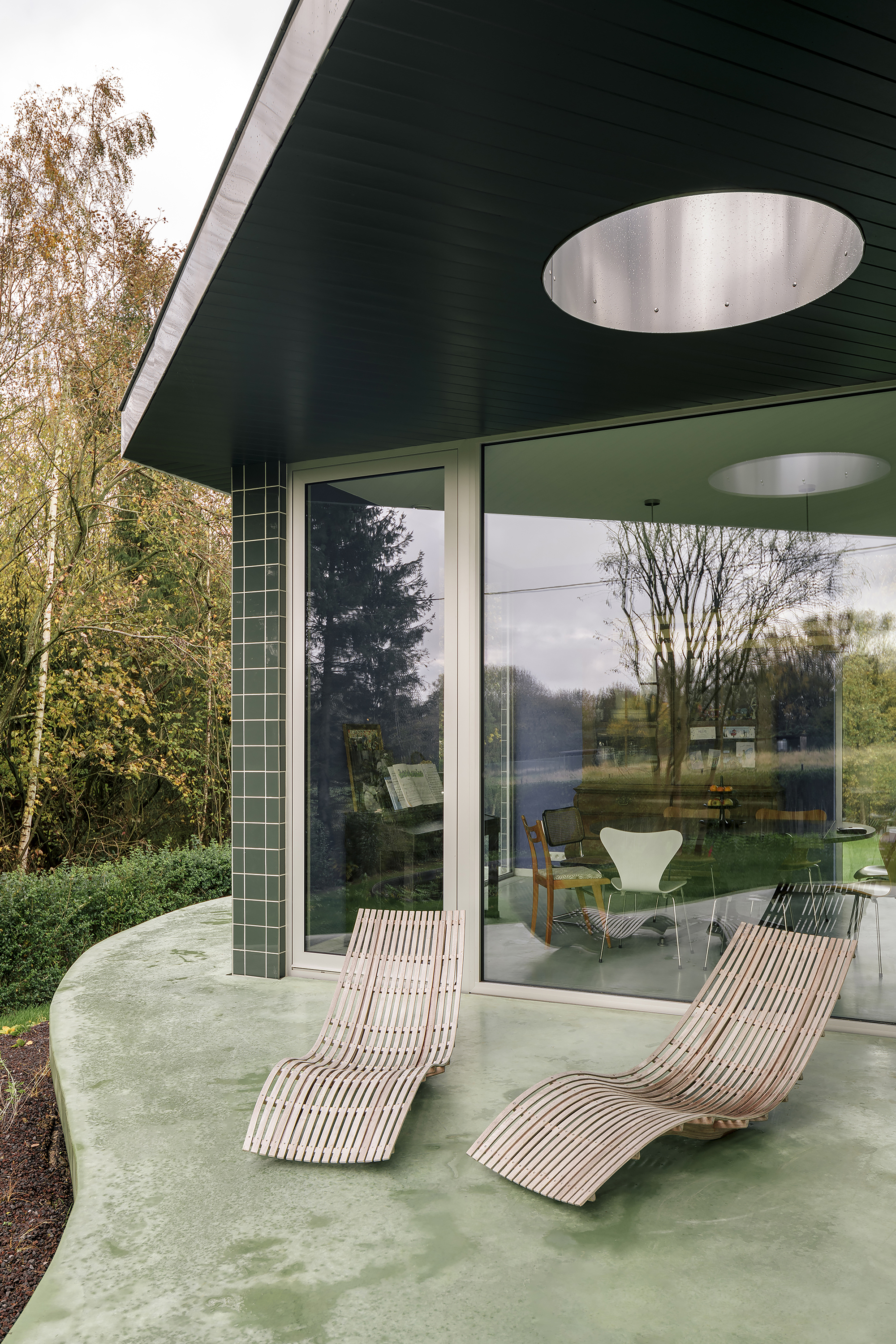
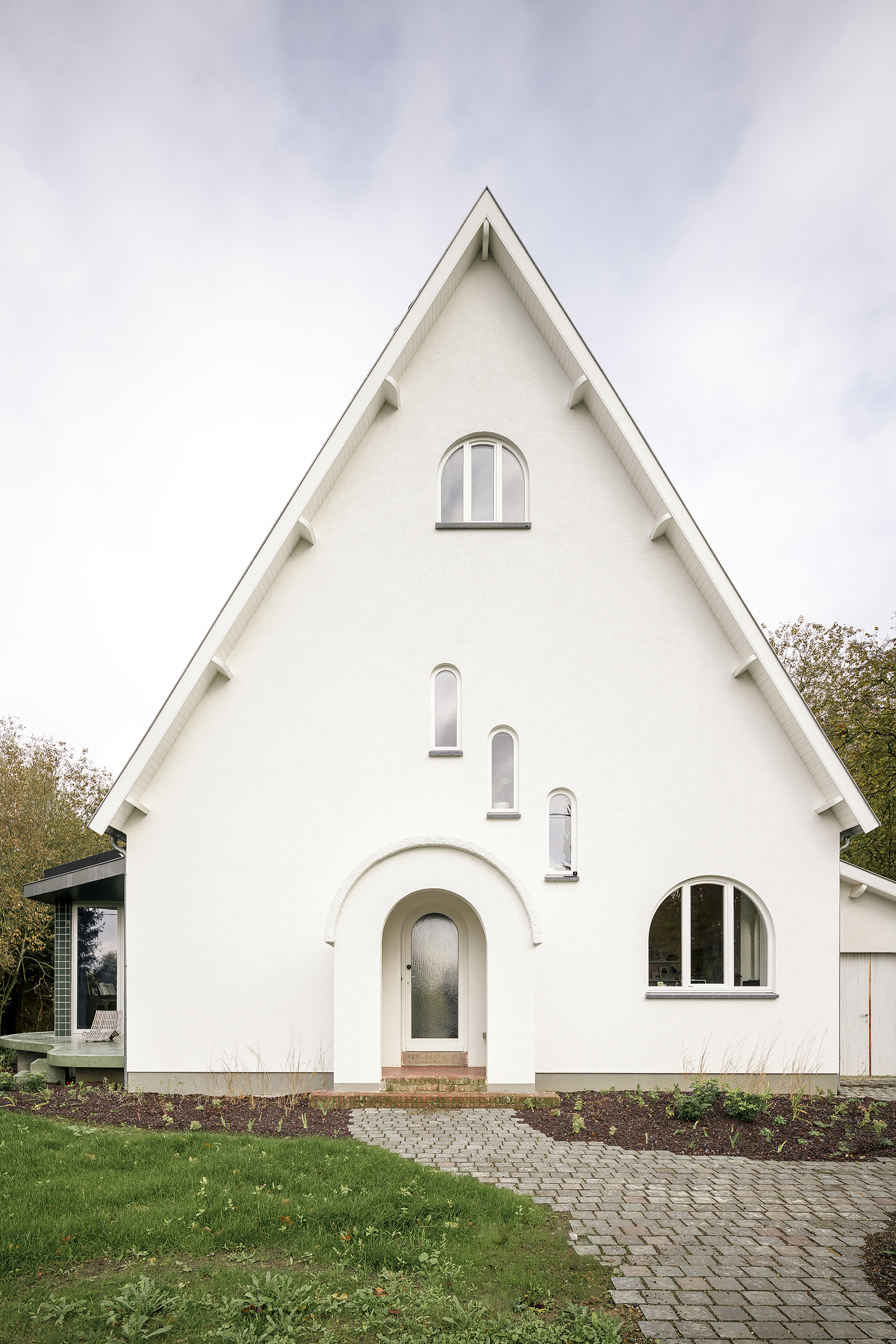
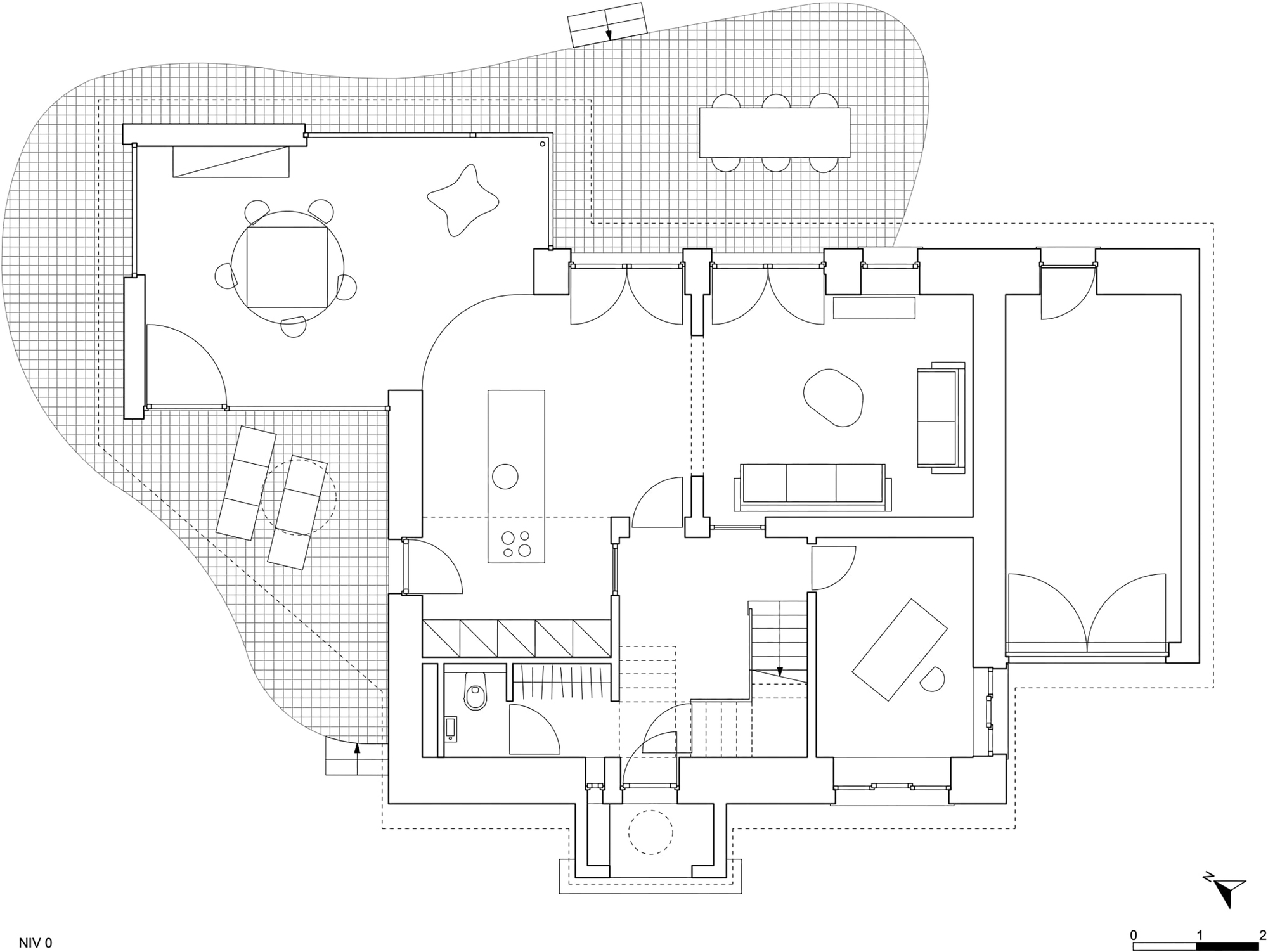
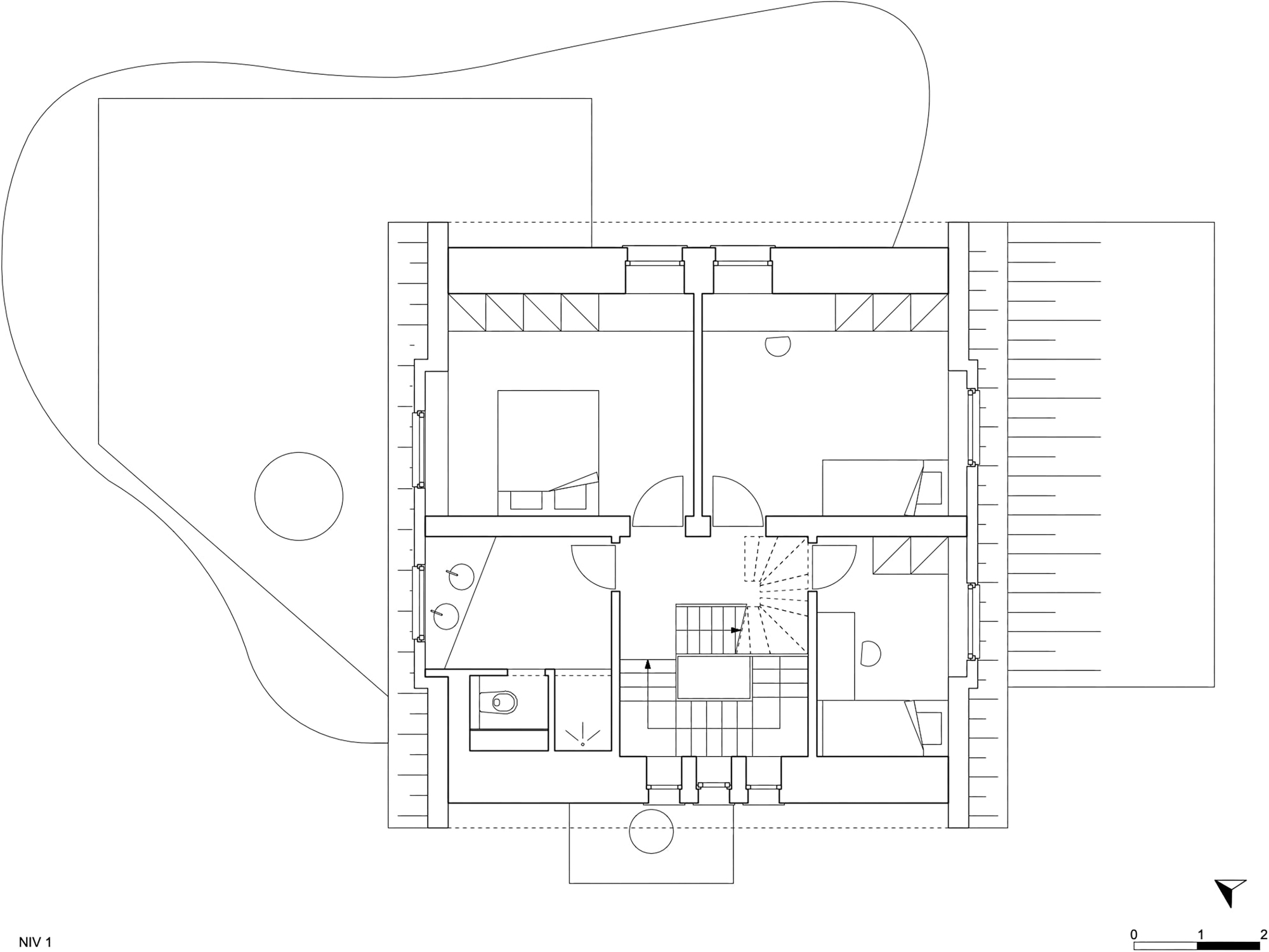
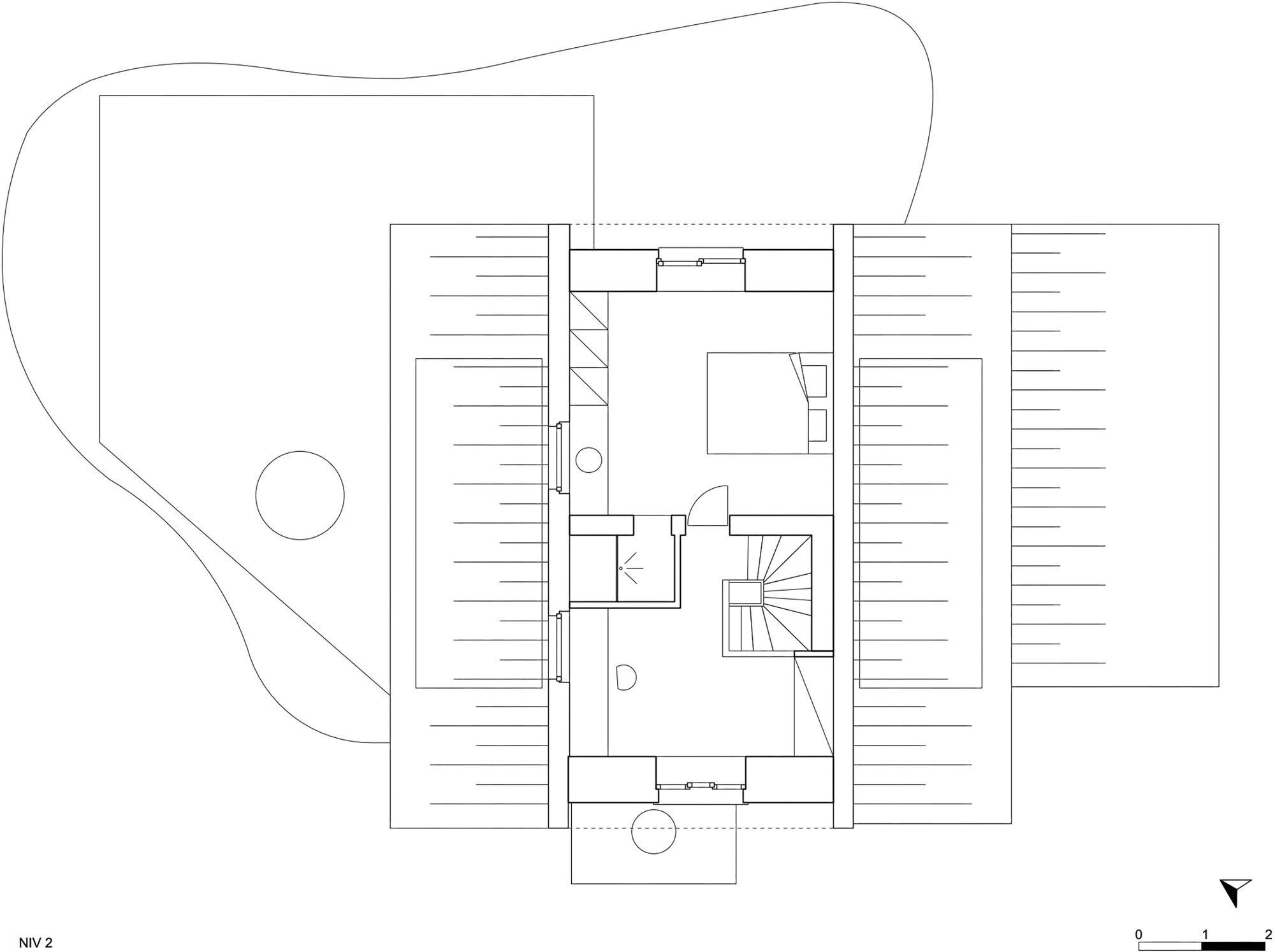
Sofie House #architecture Architects: MADAM architectuur Area: 240 m² Year: 2022 Photographs: Olmo Peeters Office Lead Architects: Door Smits, Marit Meganck Design Team: MADAM architectuur City: Dilbeek Country: Belgium
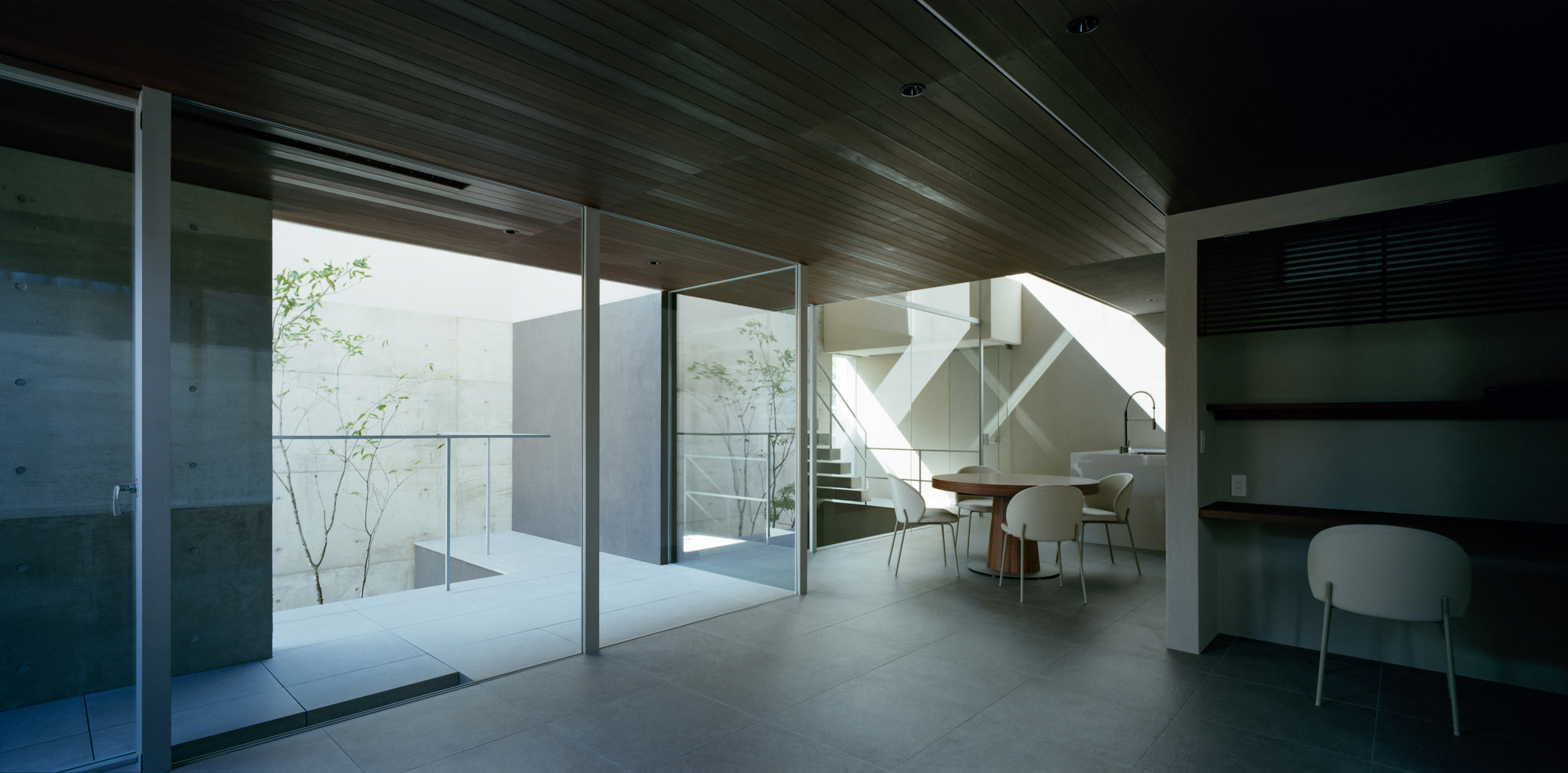
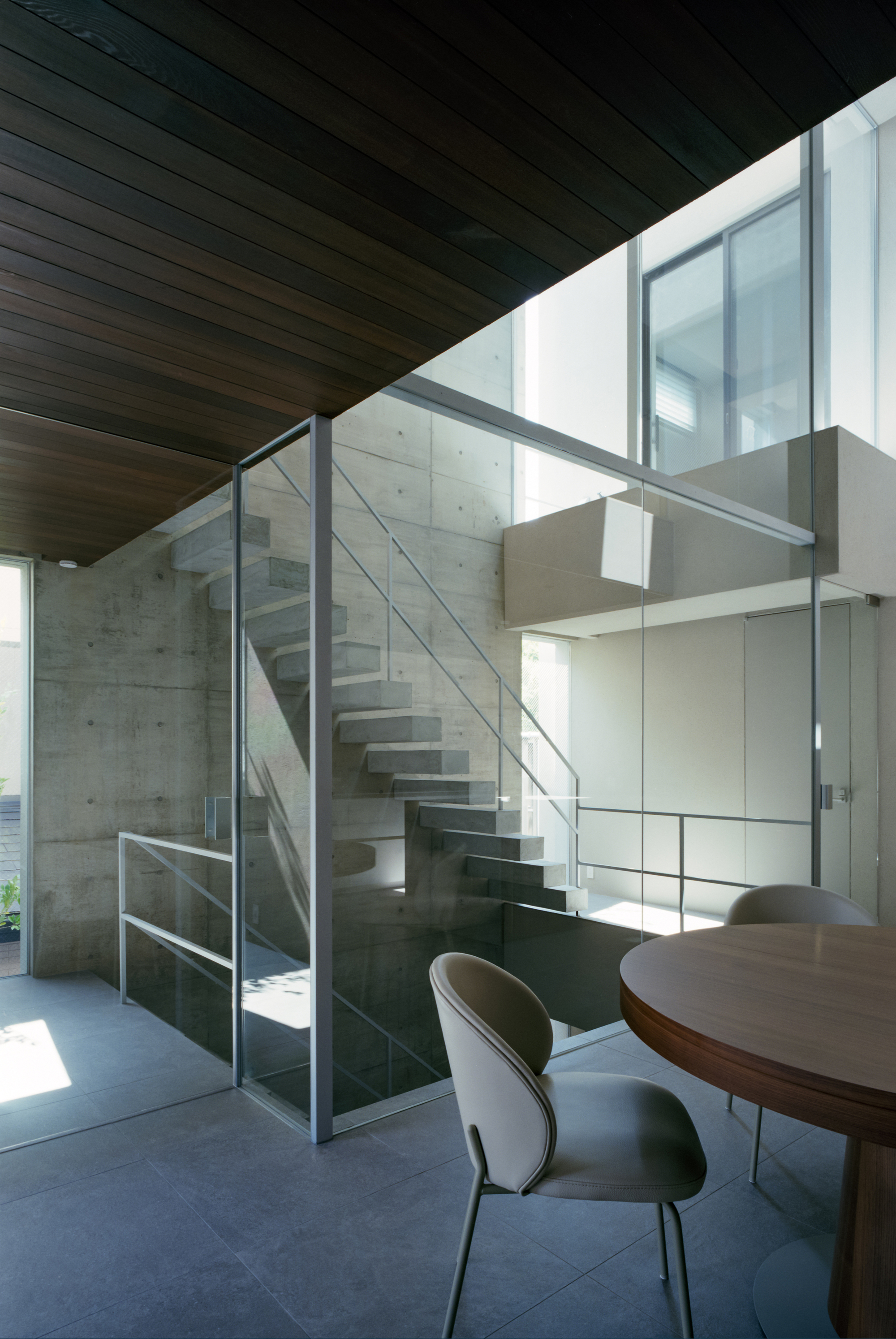
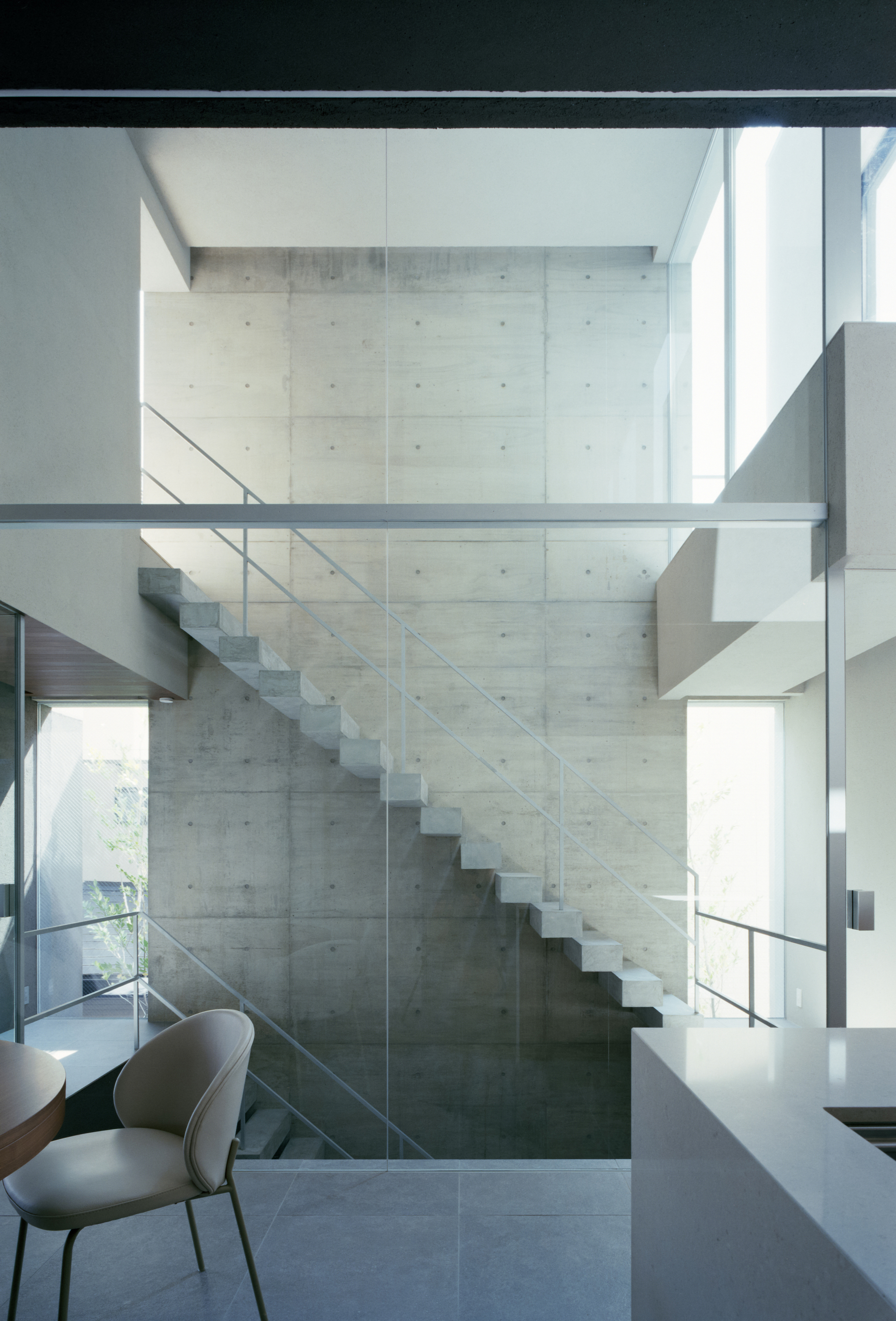
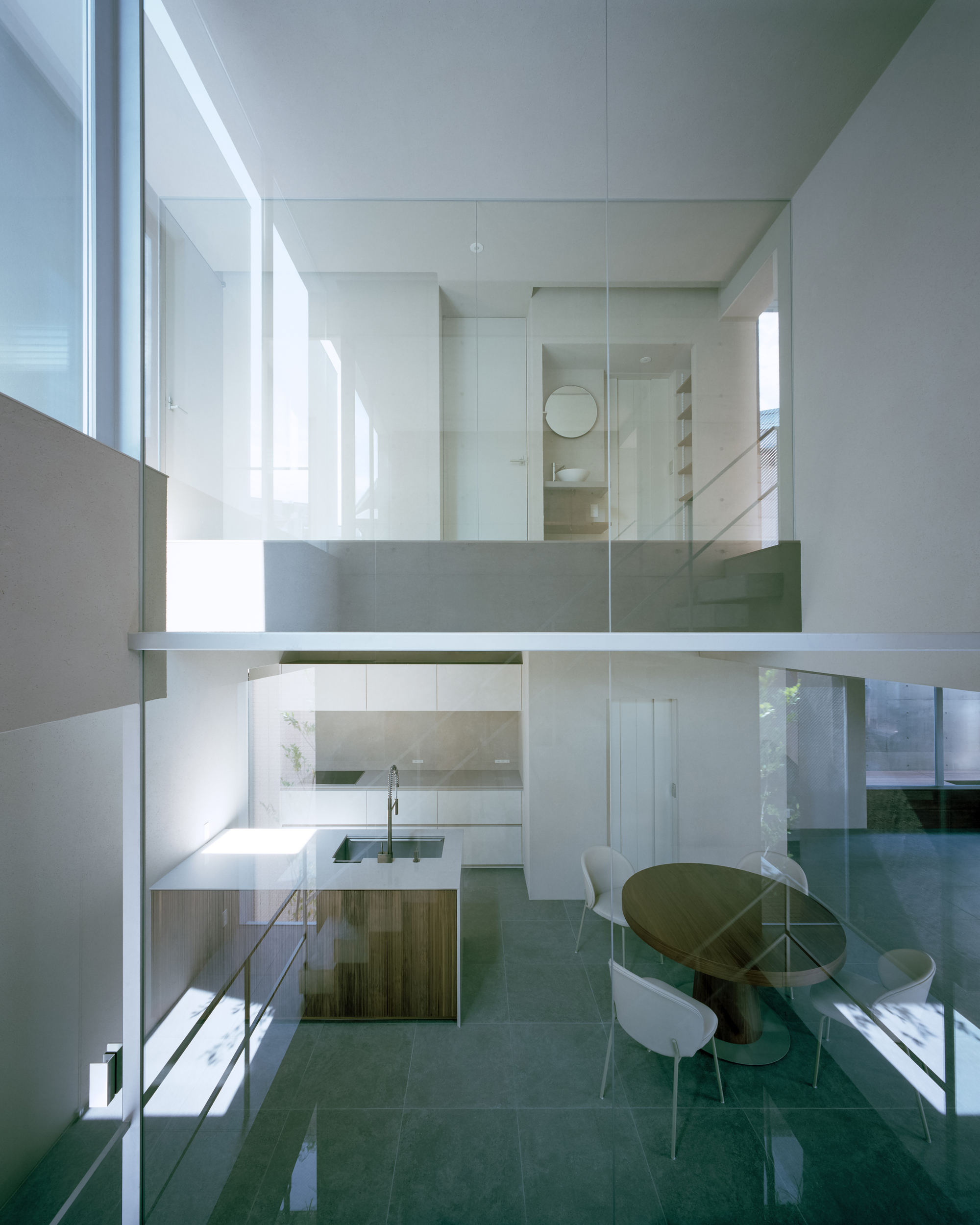
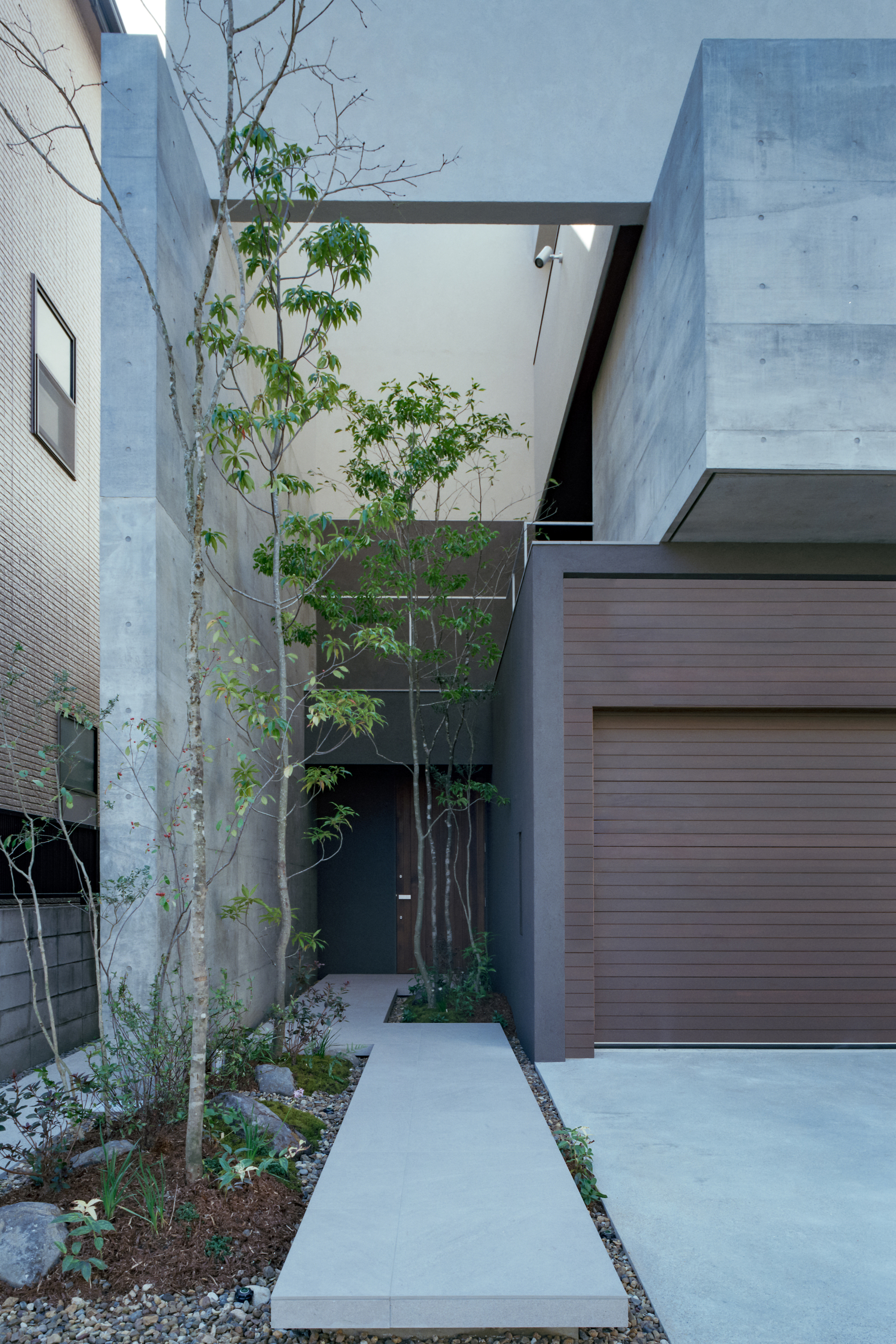
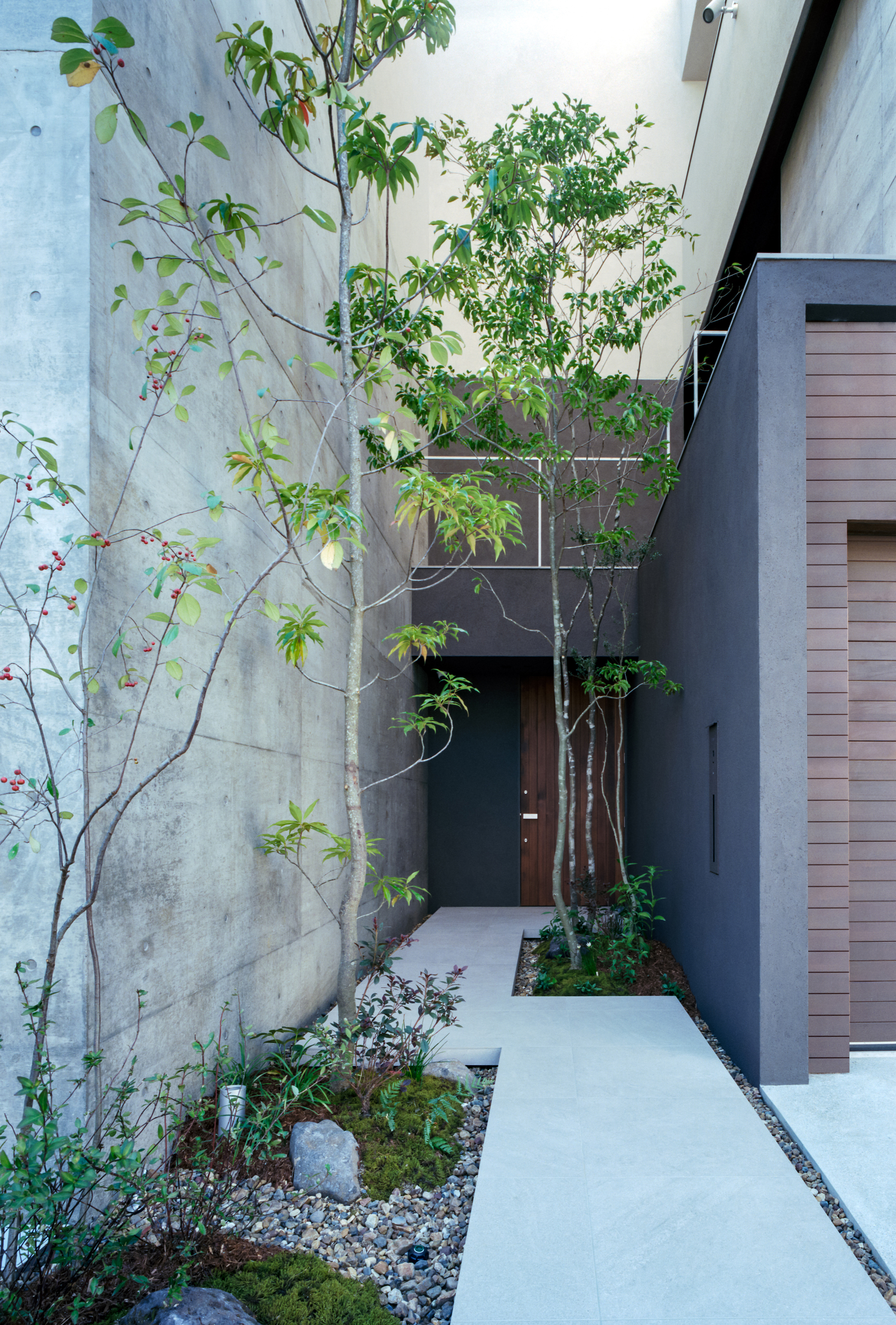
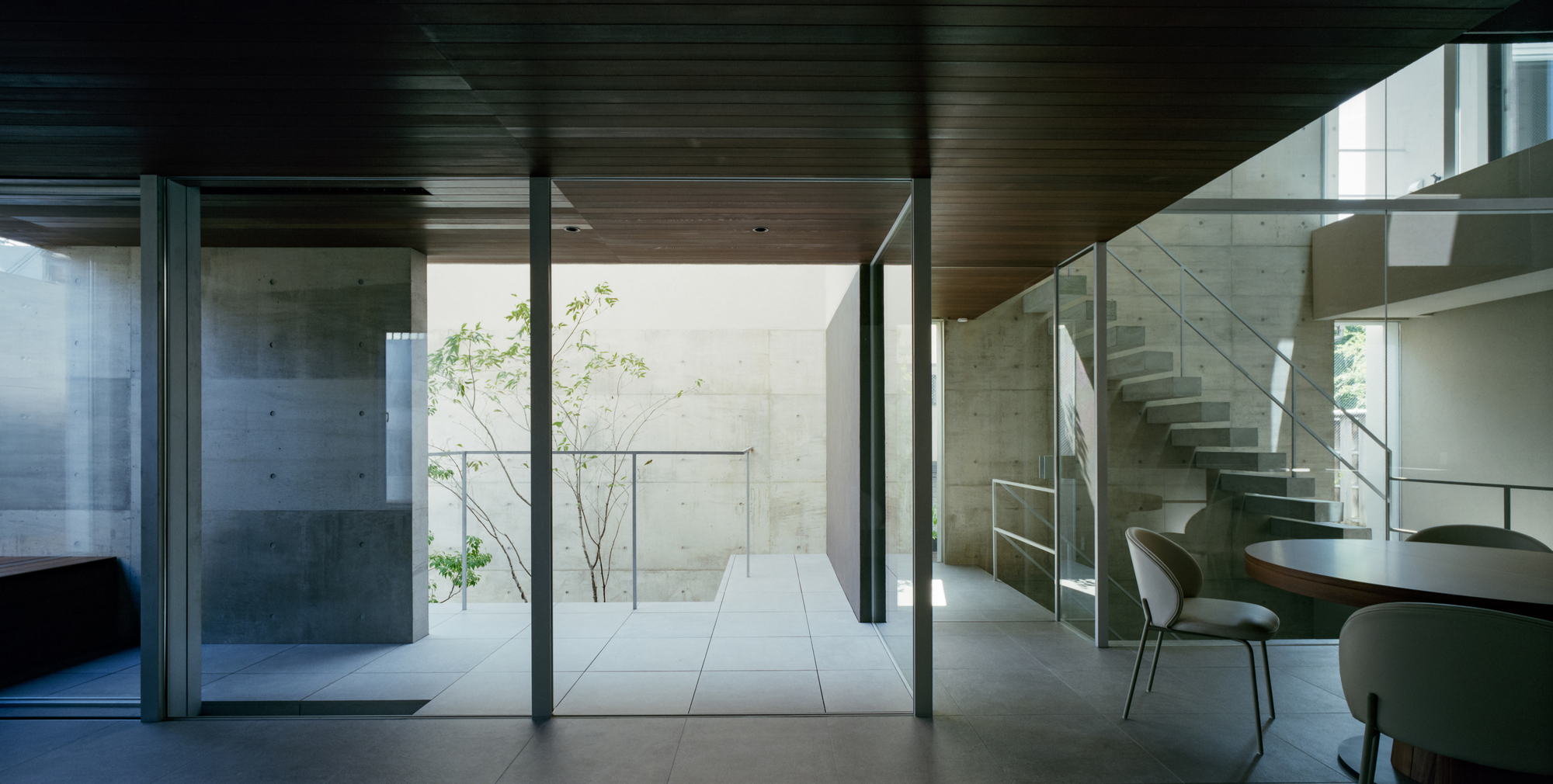
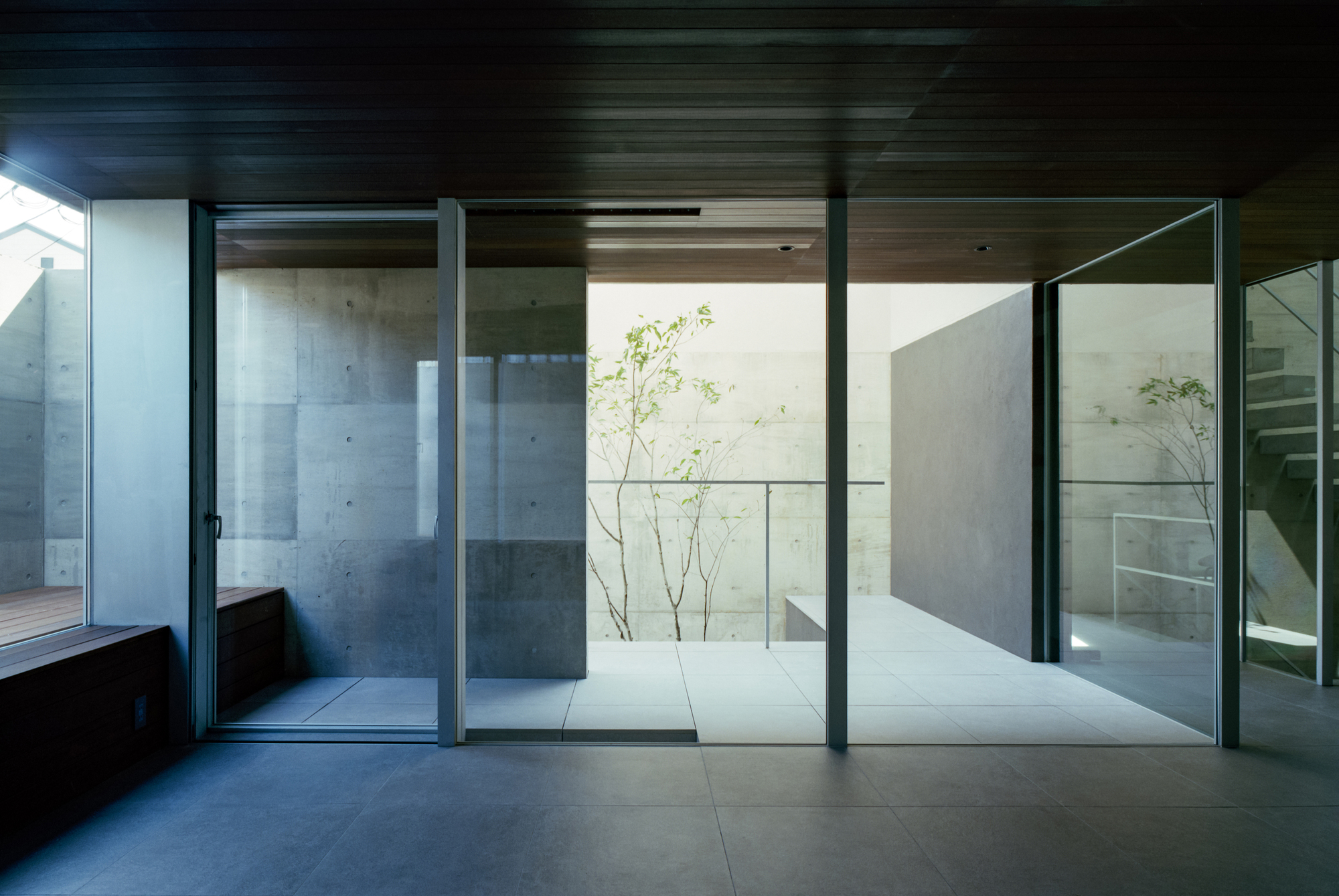
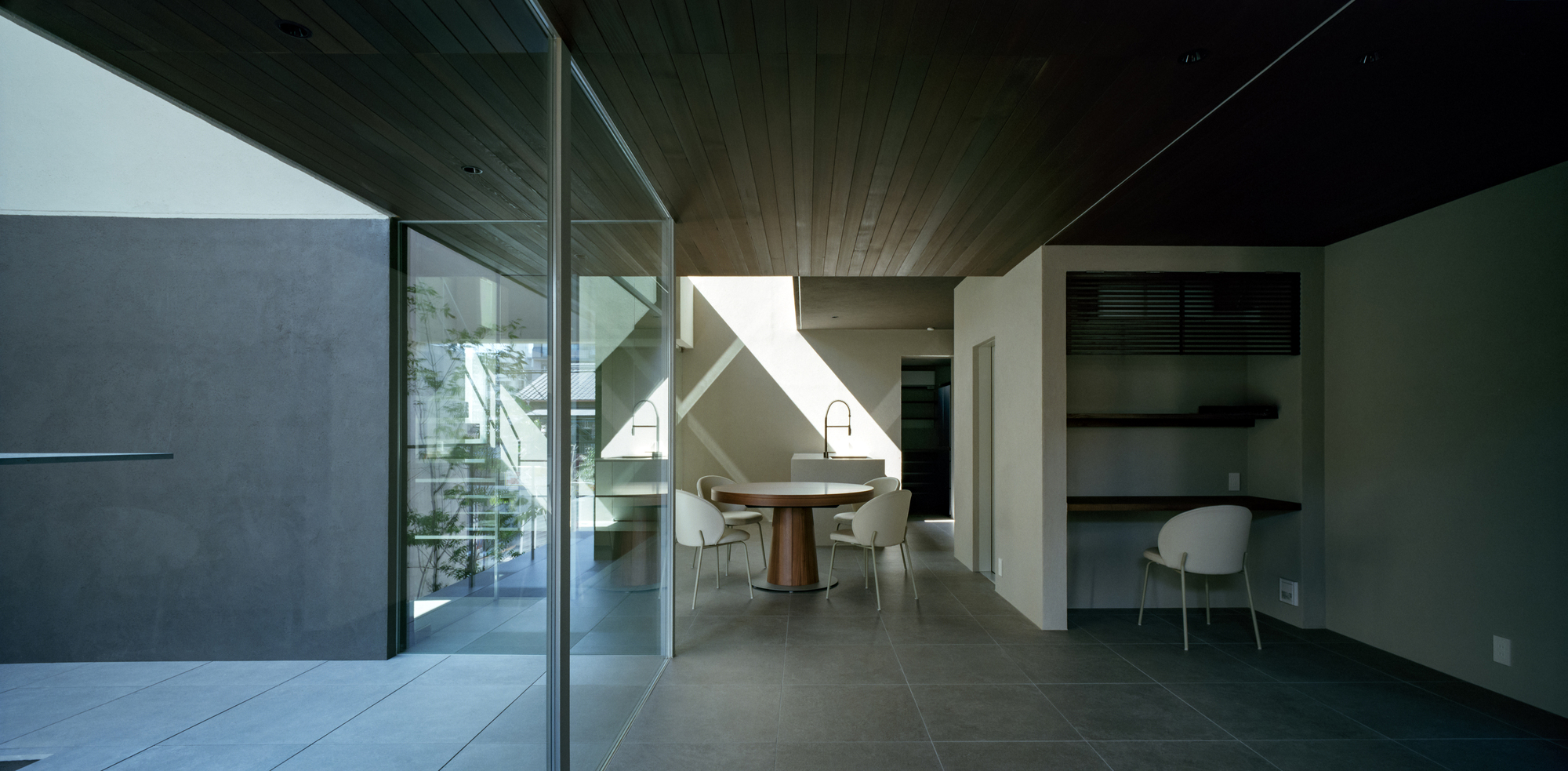
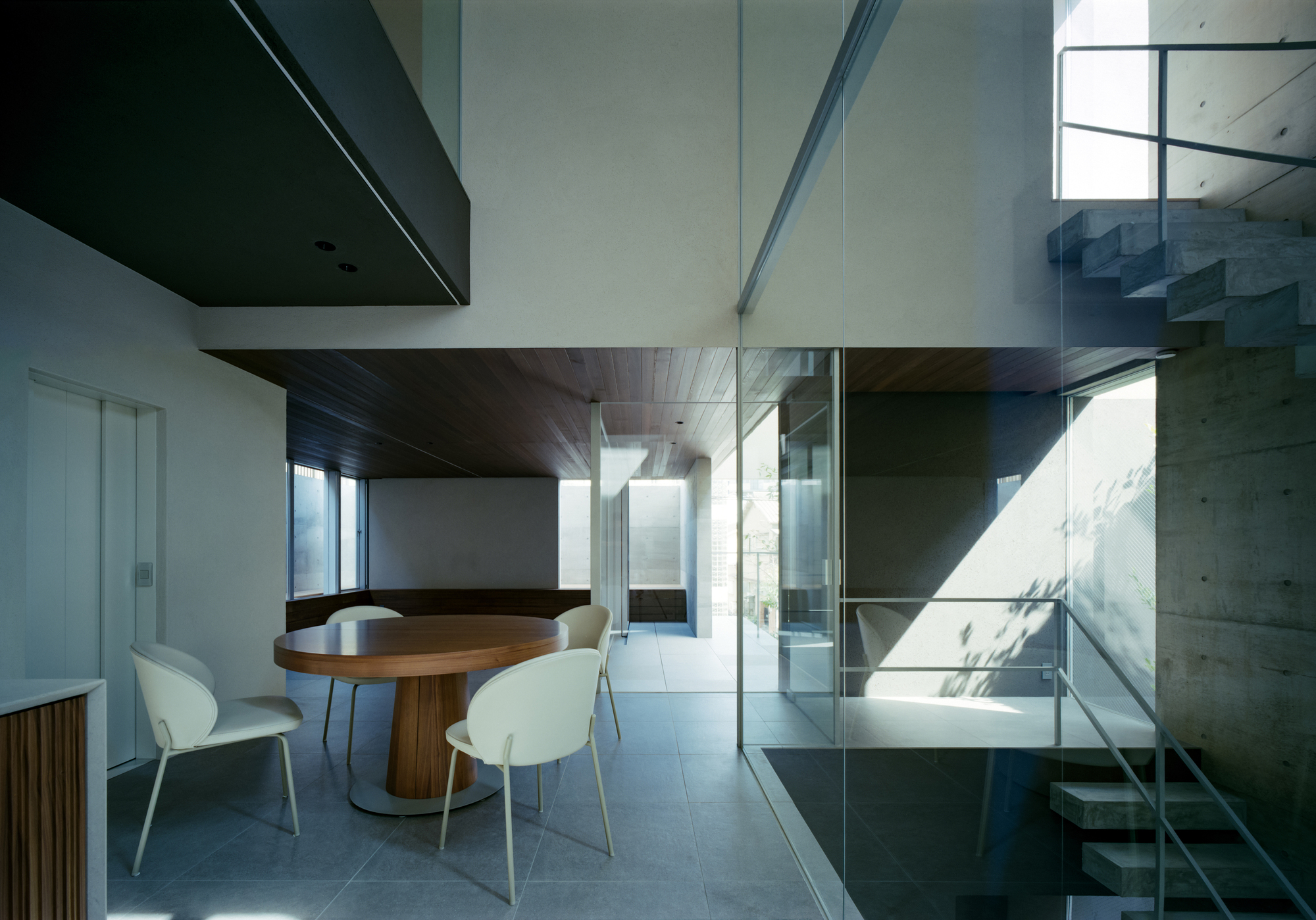
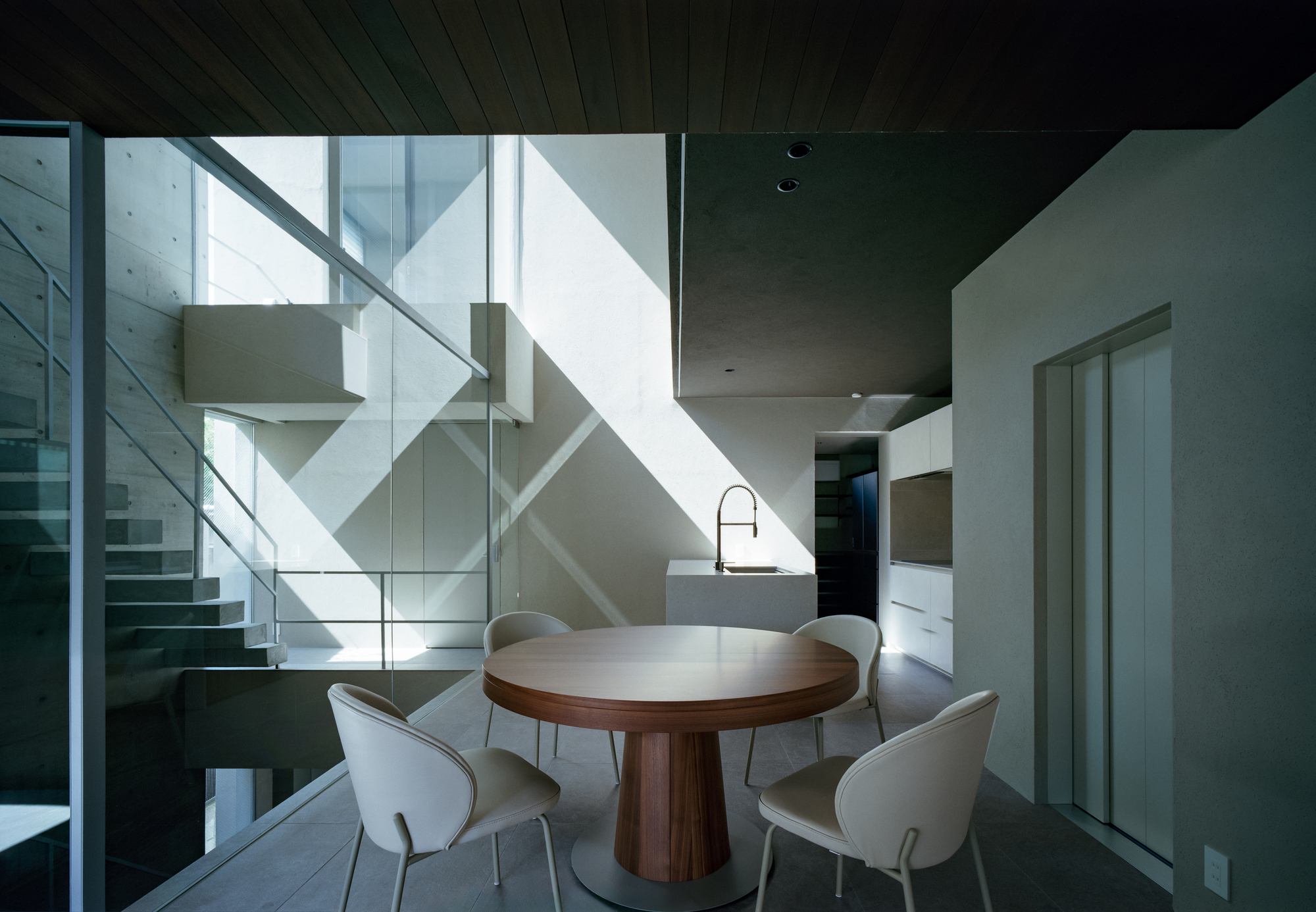
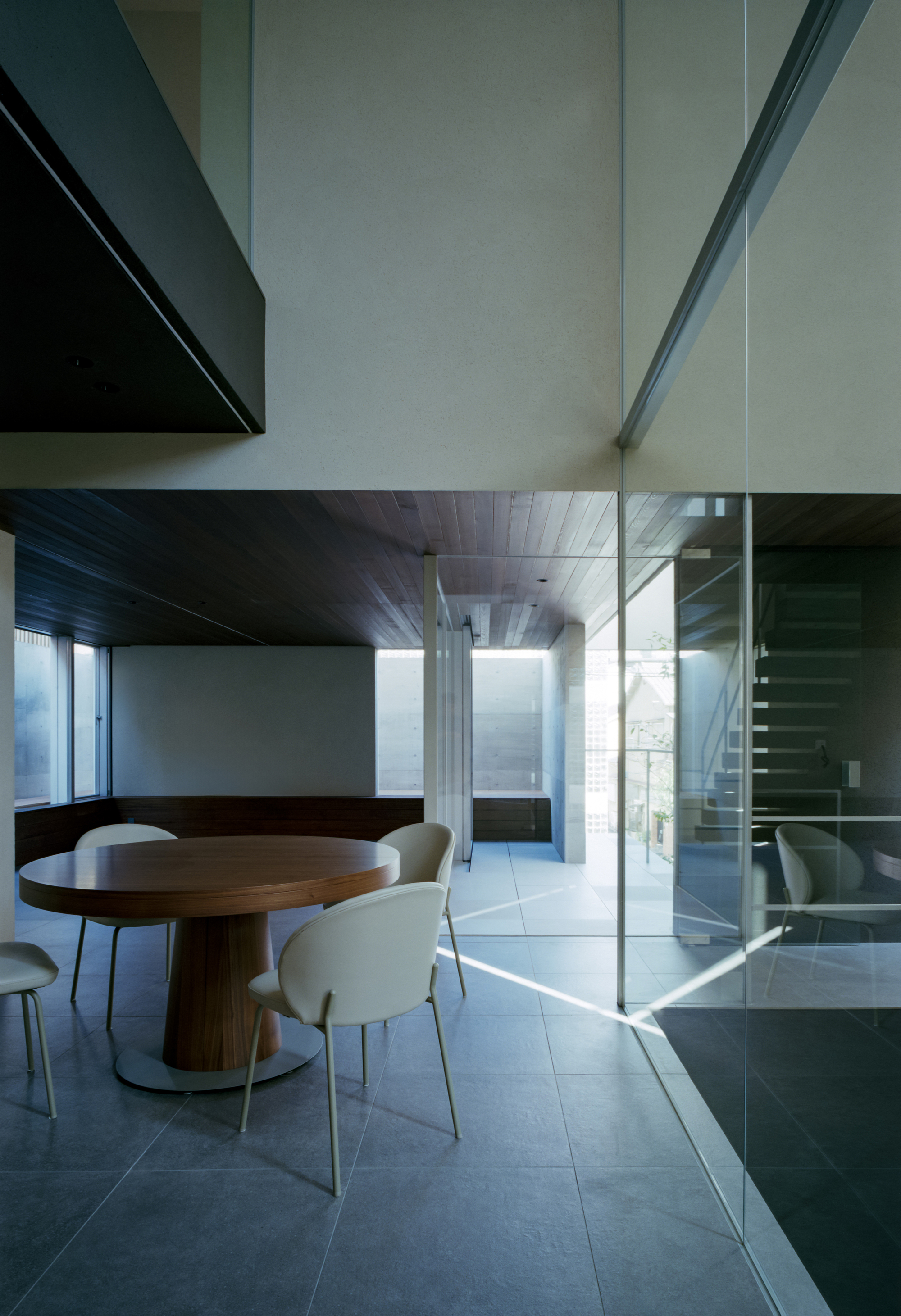
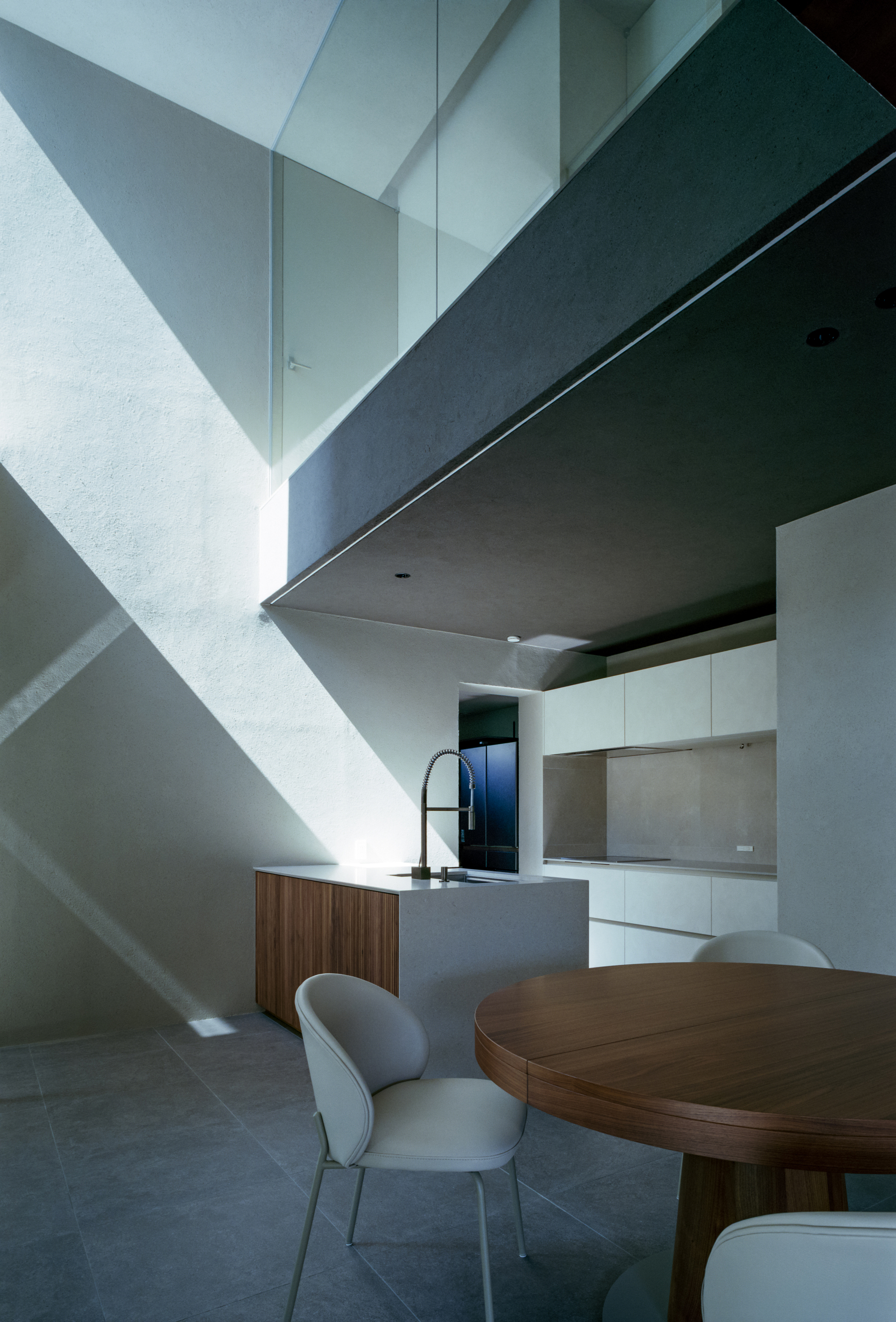
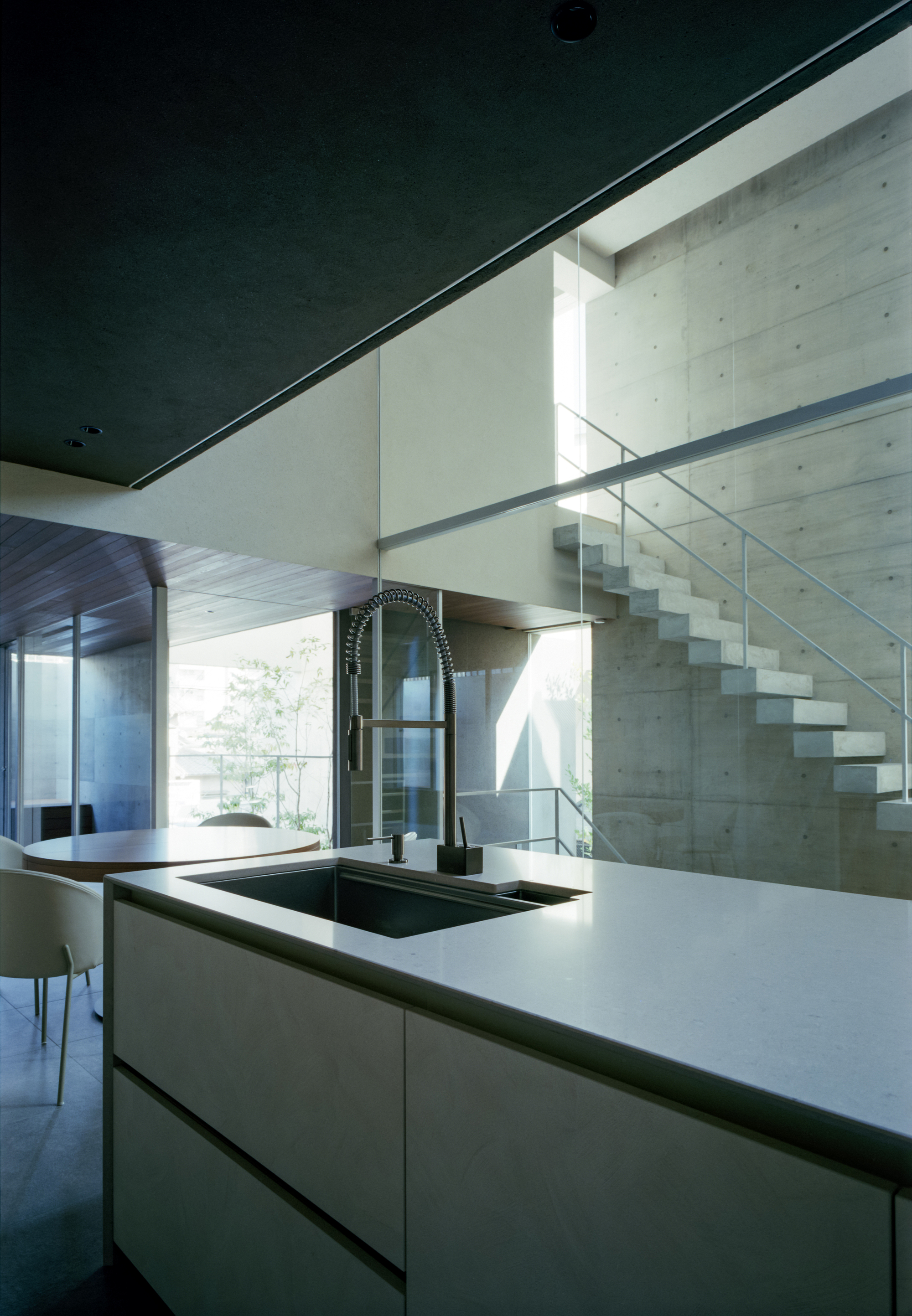
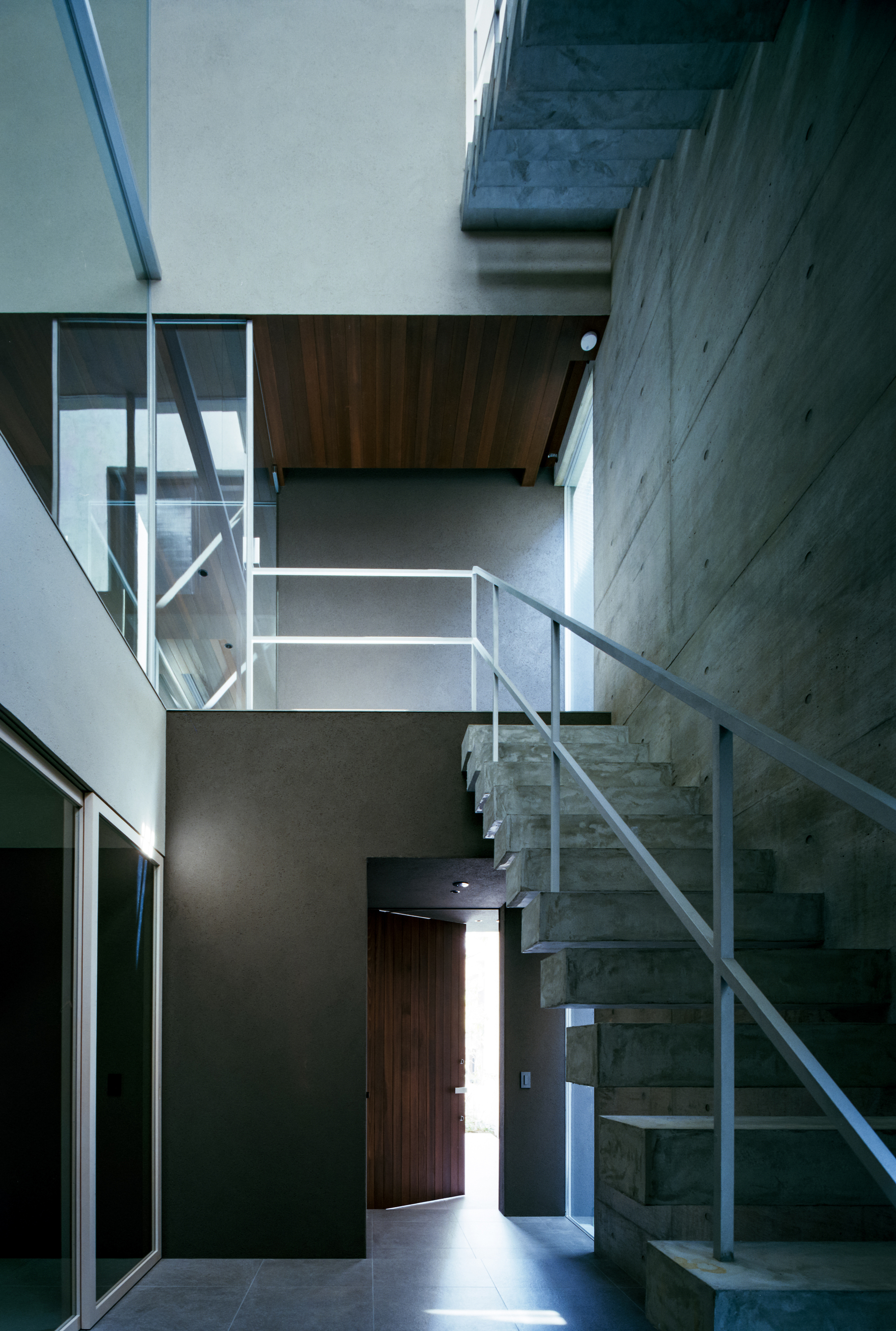
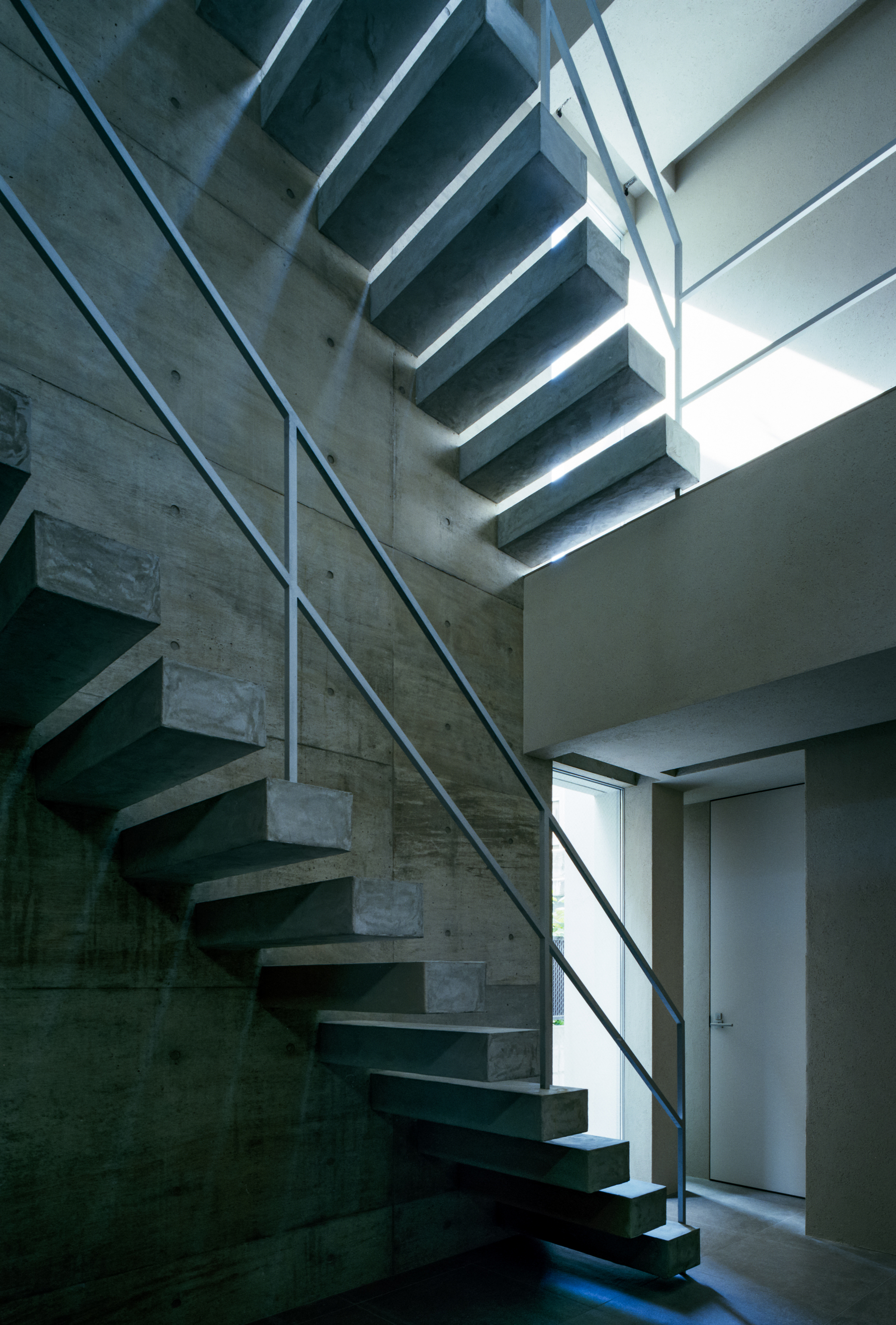
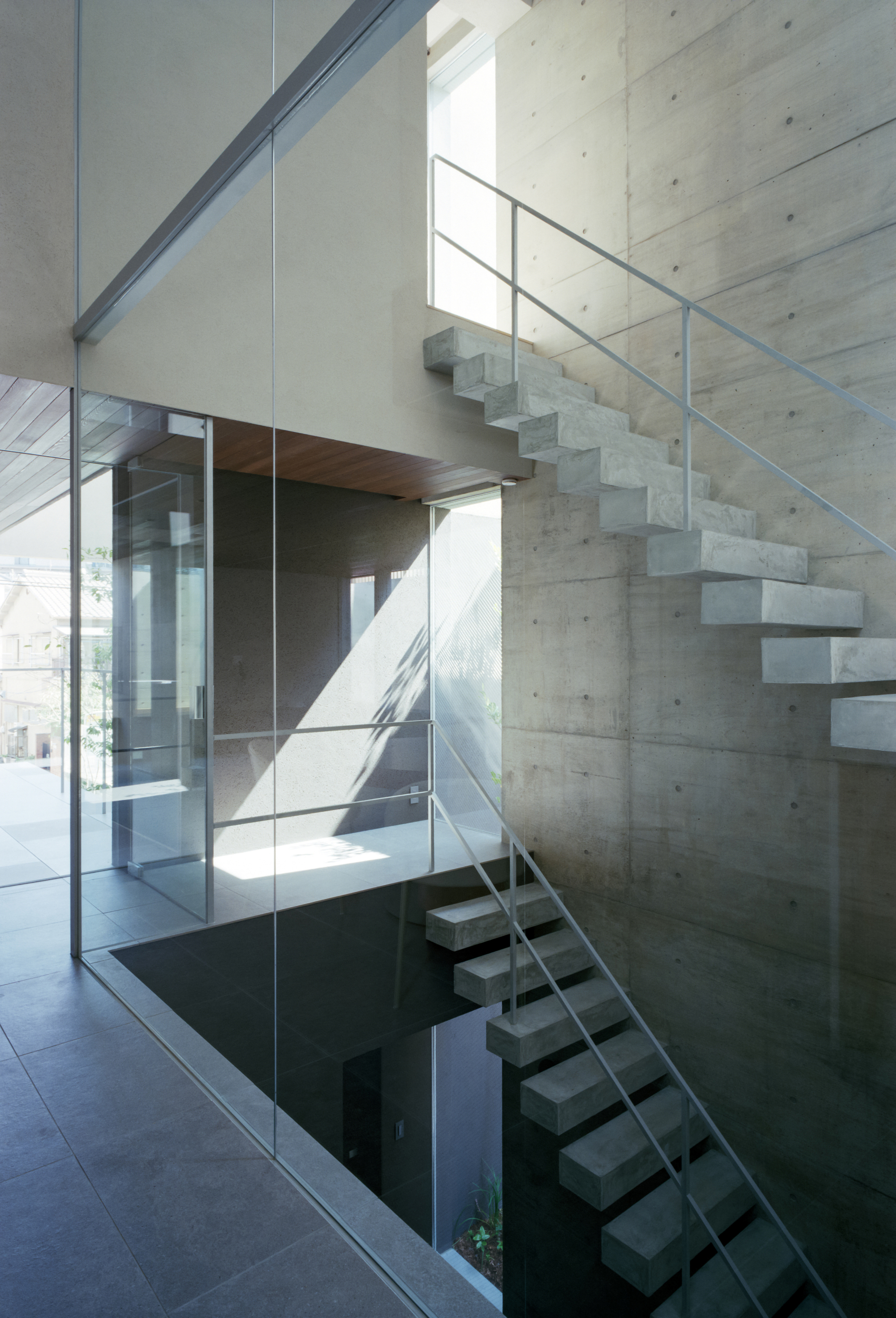
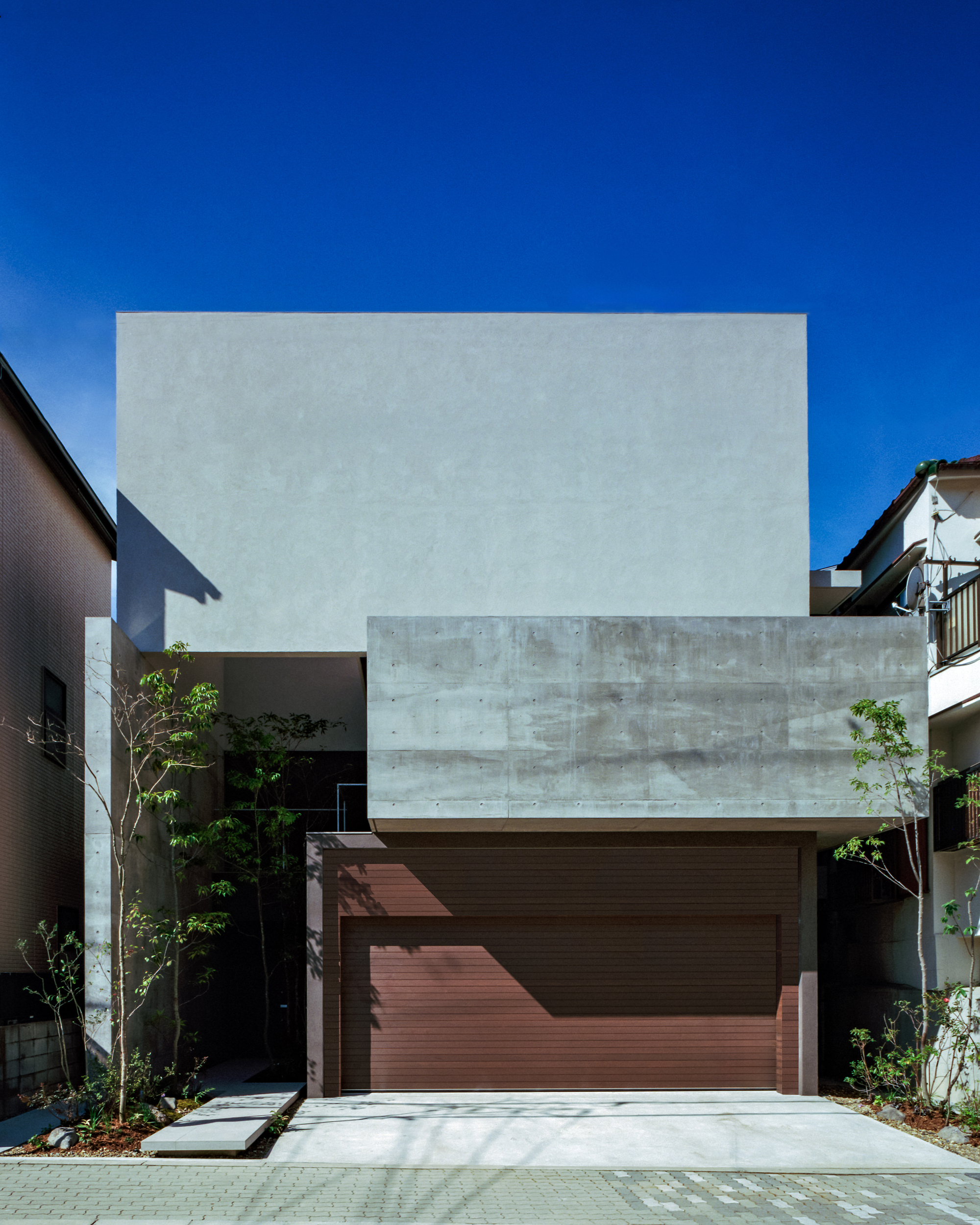
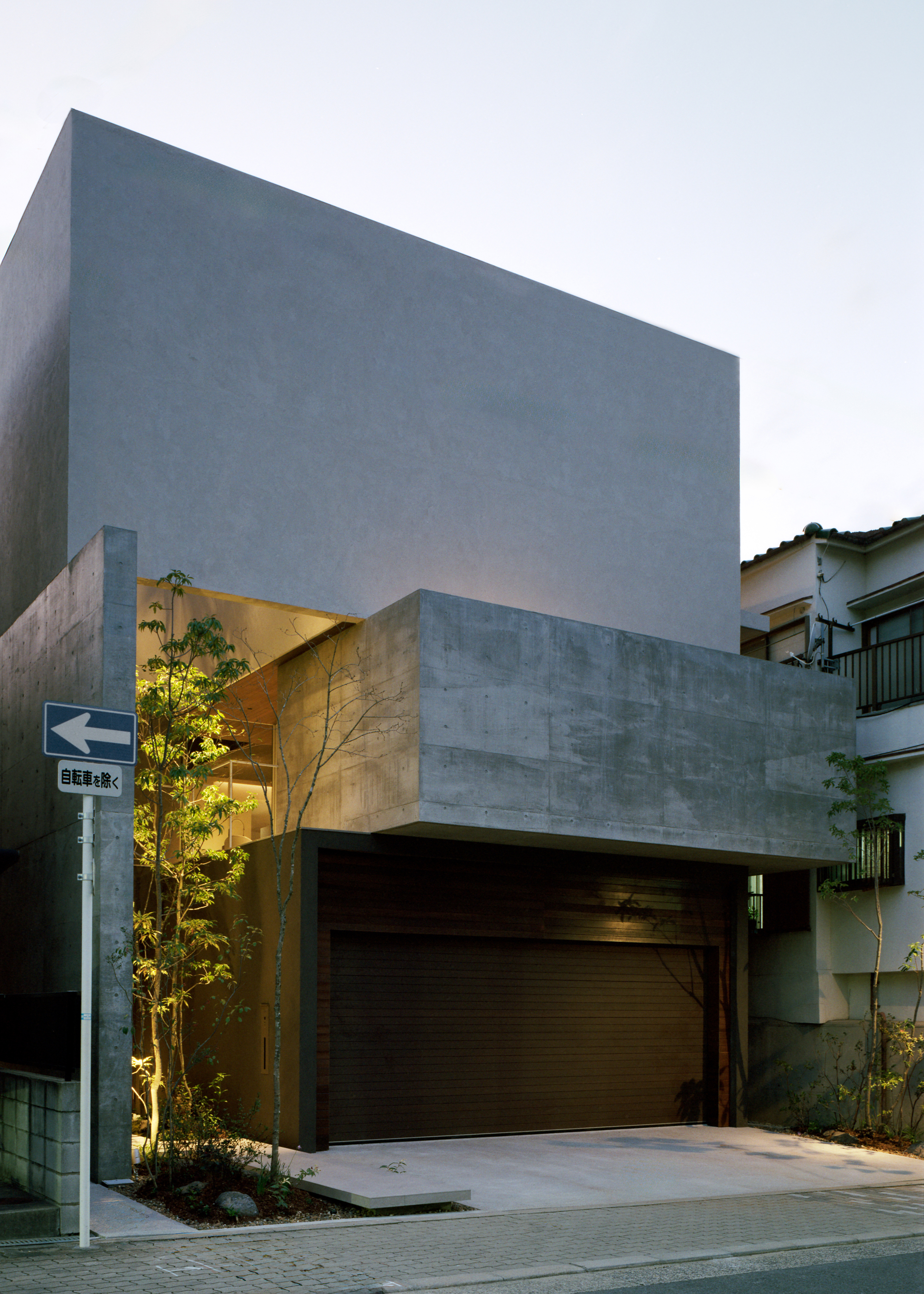
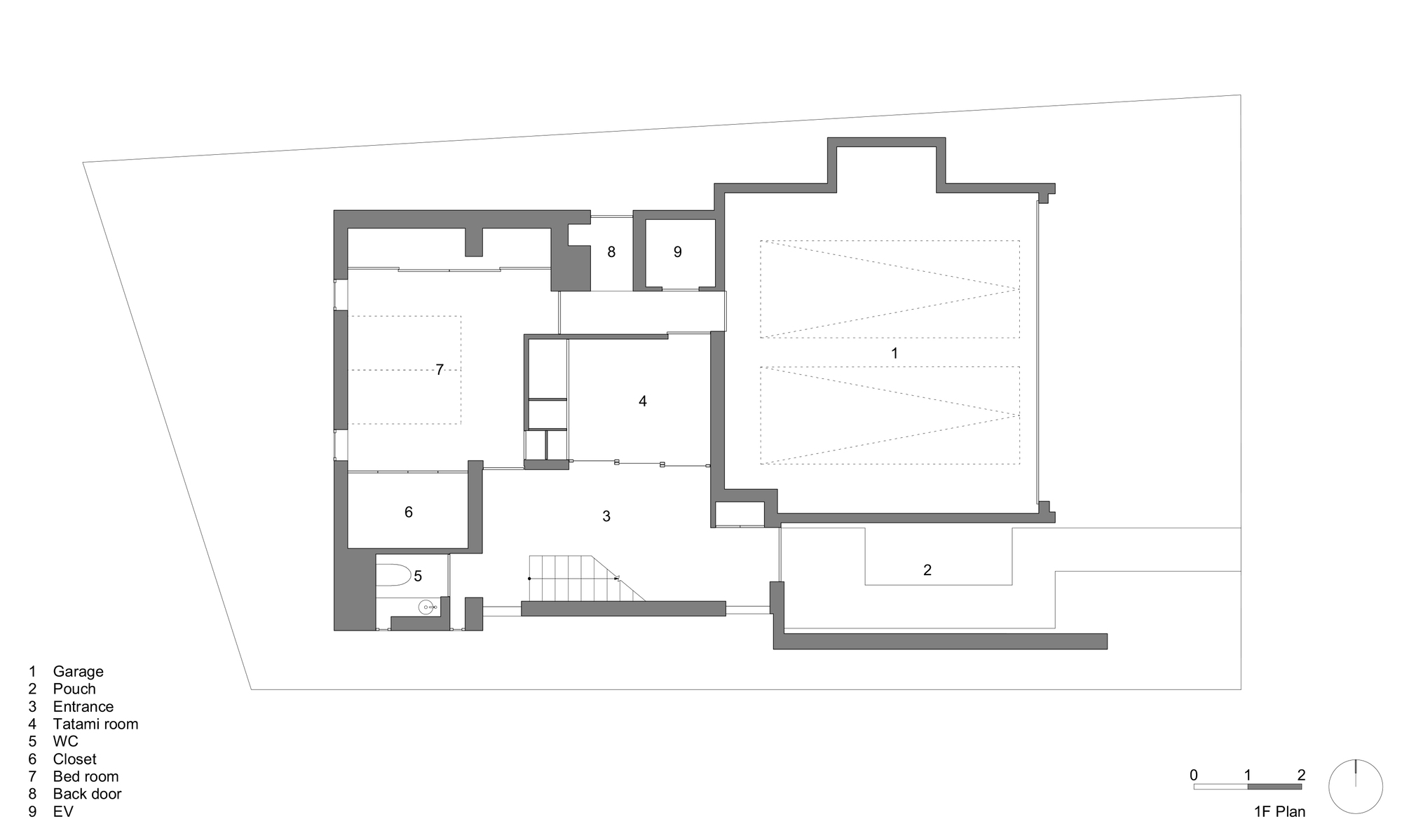
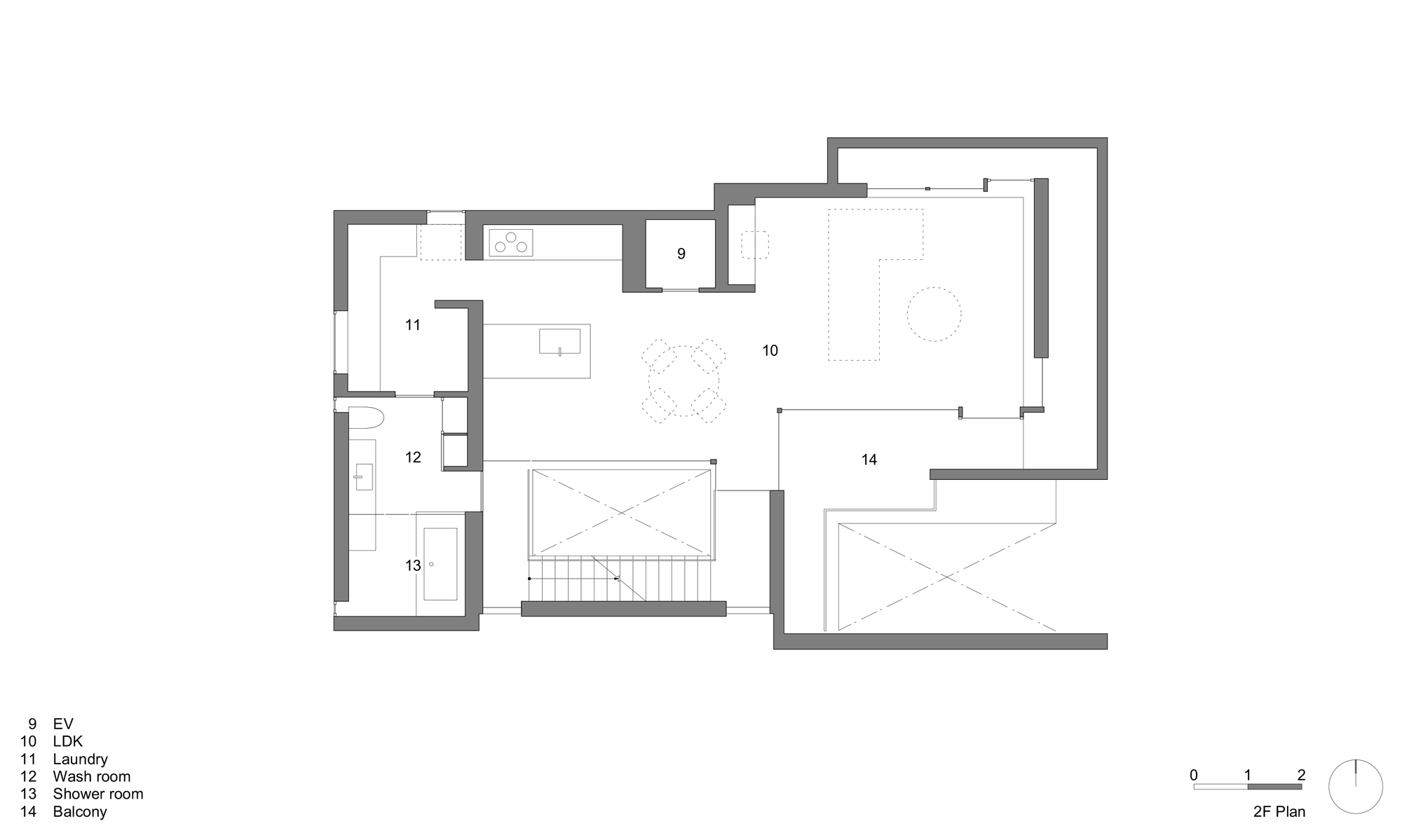
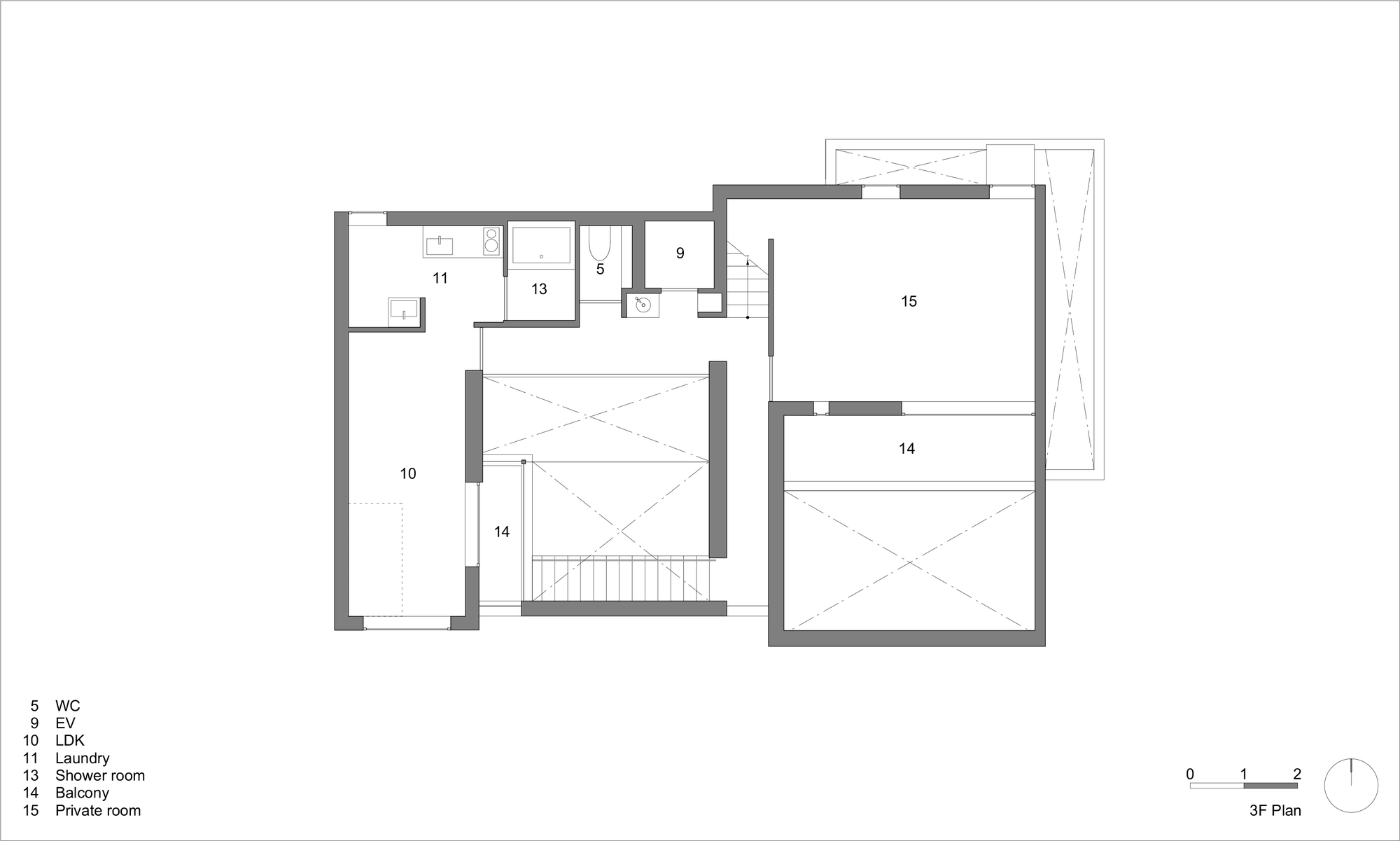
Two-Generation House in Tennoji-ku #architecture Architects: FujiwaraMuro Architects Area: 92 m² Year: 2024 Photographs: Katsuya. Taira (studioREM) Lead Architects: FujiwaraMuro Architects Country: Japan The site is located in an urban residential area in Osaka. The area around the site is densely built up, and the plot at the back lies on top of a high retaining wall. The client requested a two-generation family home that ensures privacy inside and with greenery that helps connect it to the city. We wanted to design a space that would feel spacious, letting in light while shielding it from the eyes of the surrounding area, while considering the possibility of future rebuilding around the site. We aimed to create a sense of visual expansion and depth by using the gaps to create slits and other openings while keeping the building closed off from the surrounding environment so that the space appears as if it continues beyond the field of vision. Through these openings, light reflects off the glass, concrete, and sprayed finish, highlighting their different textures and colors and allowing one to feel the differences in their materiality. The building is divided into volumes finished in different materials such as wood, concrete, and plaster, which are offset and arranged to let in light and breezes through the gaps between them. After entering the building via the tree-lined approach, one arrives at the atrium extending from the first to third floors and continues up the staircase cantilevered from the reinforced concrete wall. The younger generation's family occupies the first and second floors, with a bedroom and guest room on the first floor and an LDK (living/dining/kitchen) and bathroom/washroom on the second floor. The older generation's family occupies the third floor, which has a private room, LDK, and a bathroom/restroom. The staircase in the atrium looks like an external staircase from the kitchen and dining room, conveying a sense of liberating openness. The approach has an open-air atrium that extends to the third floor, and you can see the tall trees along the approach from the LDK. During the day, natural light reflects into the building. At night, the lights inside the building reflect off the various materials and seep out, allowing passers-by to imagine the depth of the building.
Koba House #architecture Architects: Estúdio HAA! Area: 320 m² Year: 2023 Photographs: Pedro Kok Country: Brazil
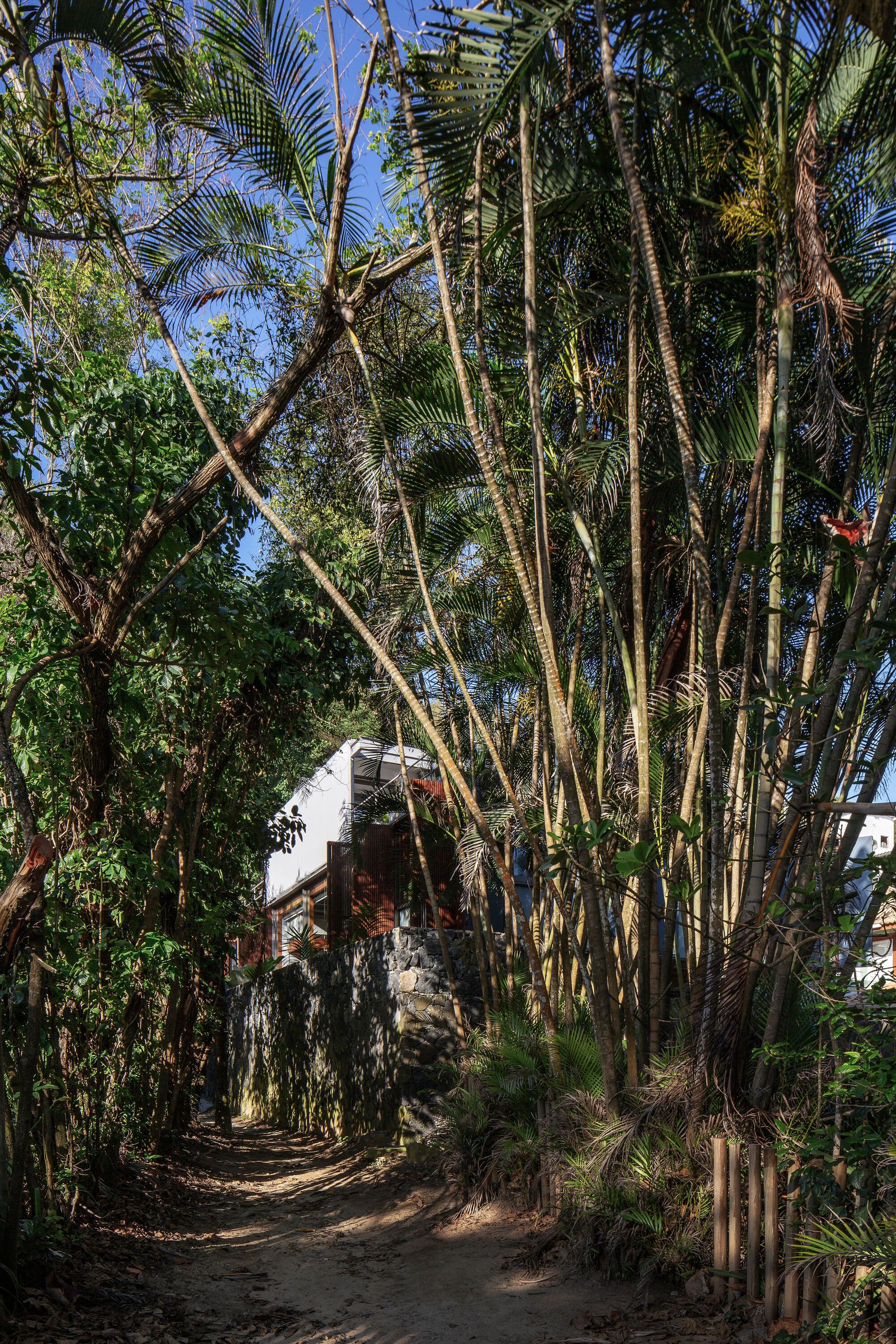
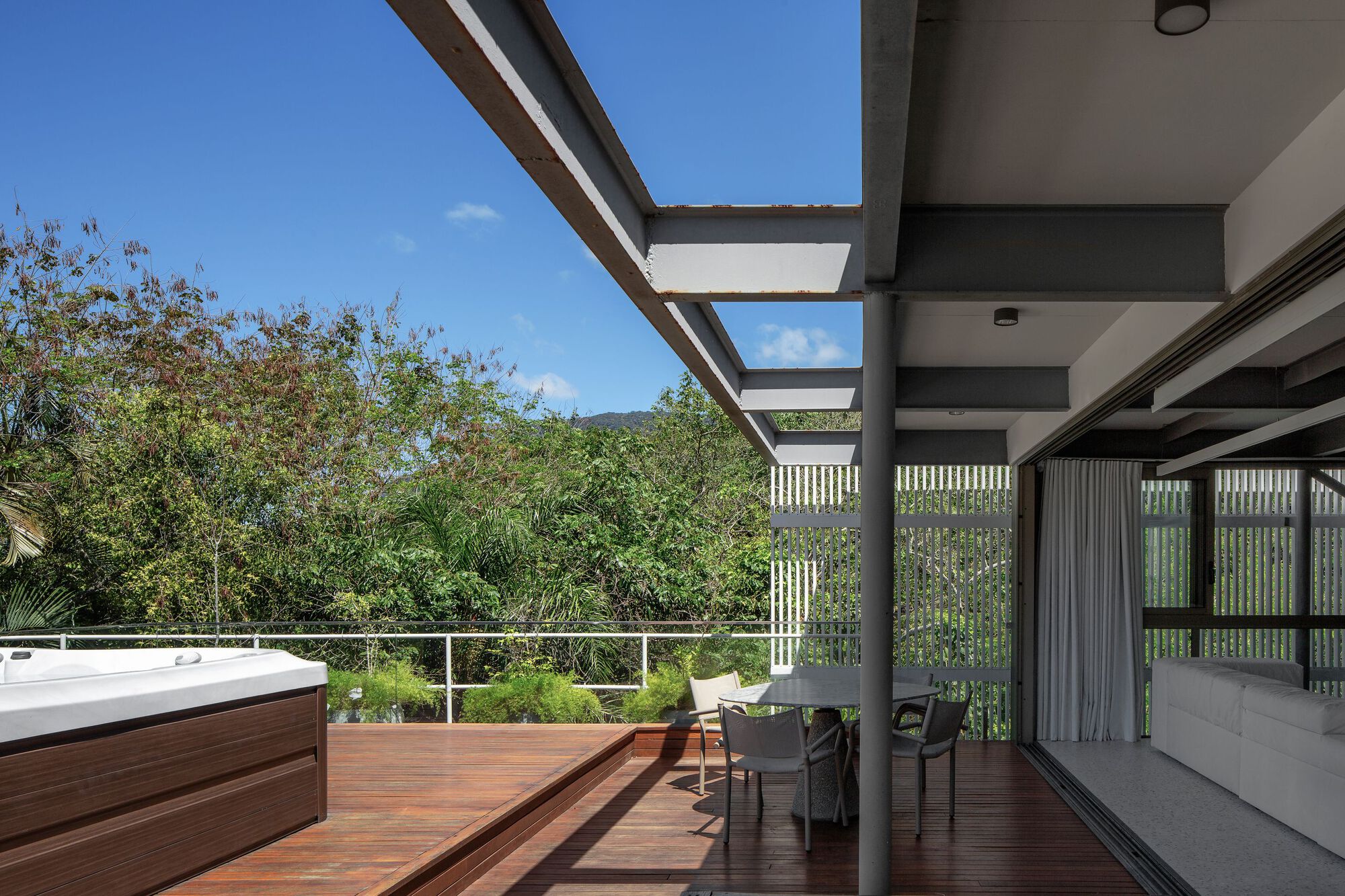
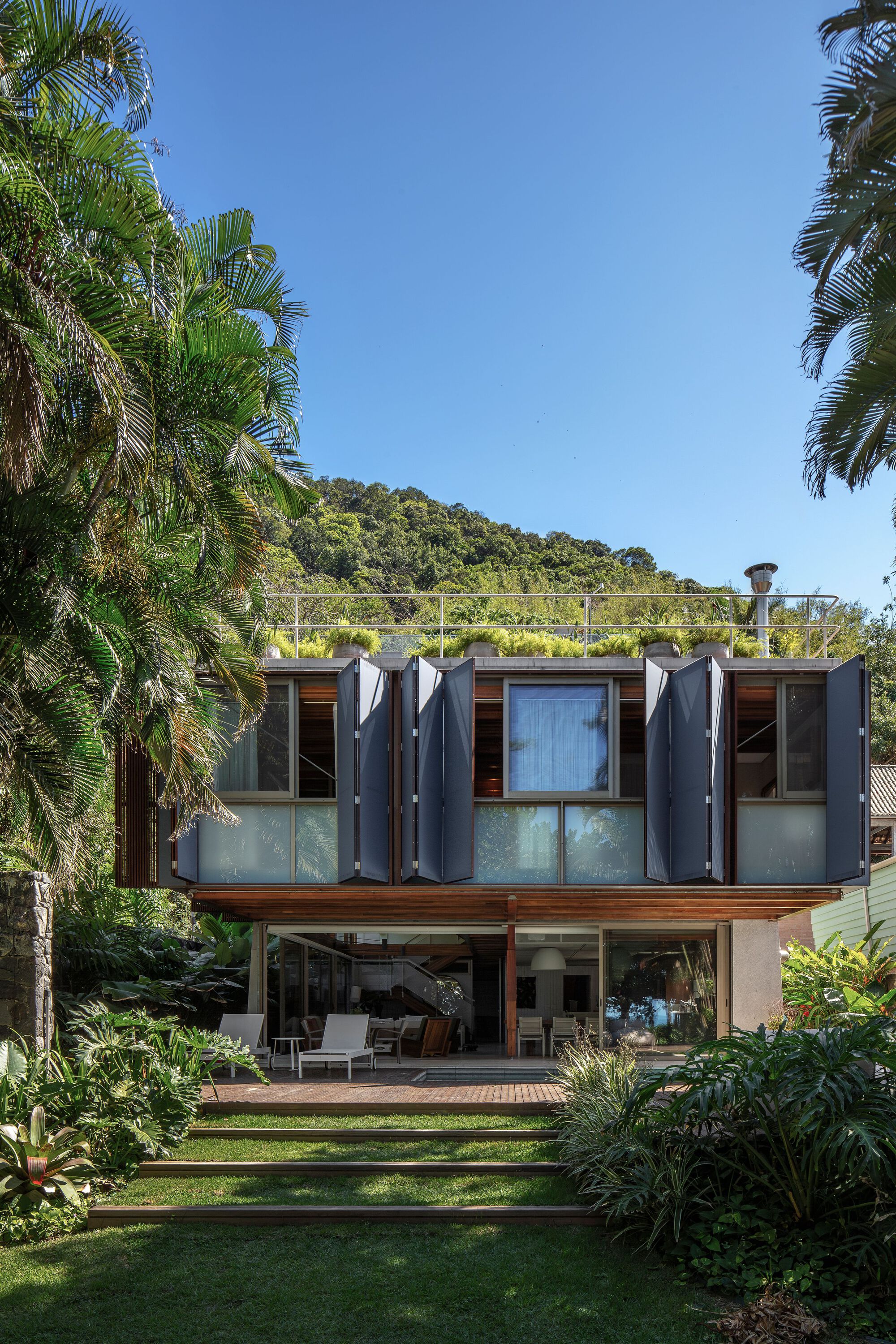
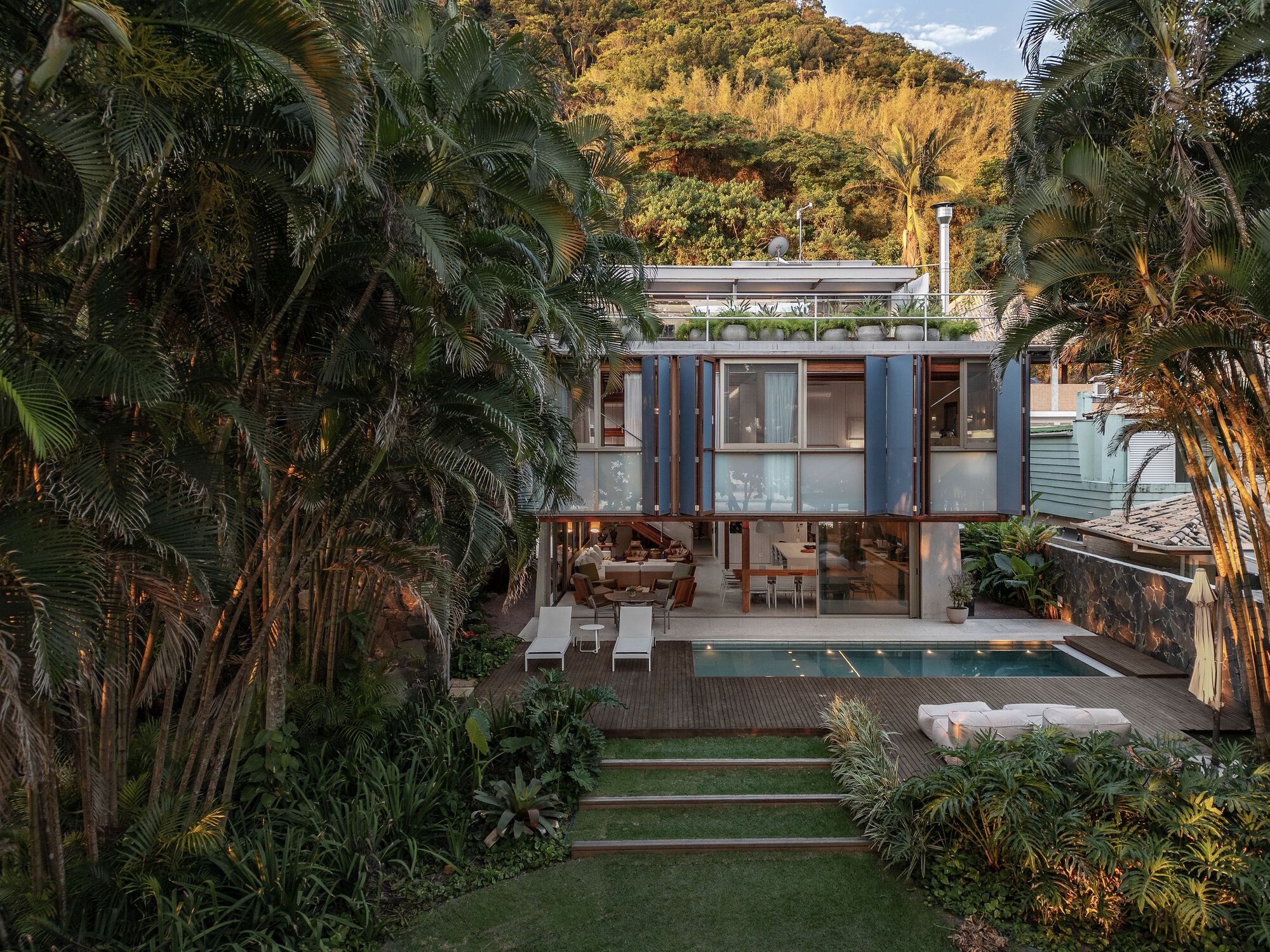
Guaecá House #architecture Architects: Estúdio Rossi Arquitetos Area: 465 m² Year: 2021 Photographs: André Scarpa, Adriano Pacelli Country: Brazil
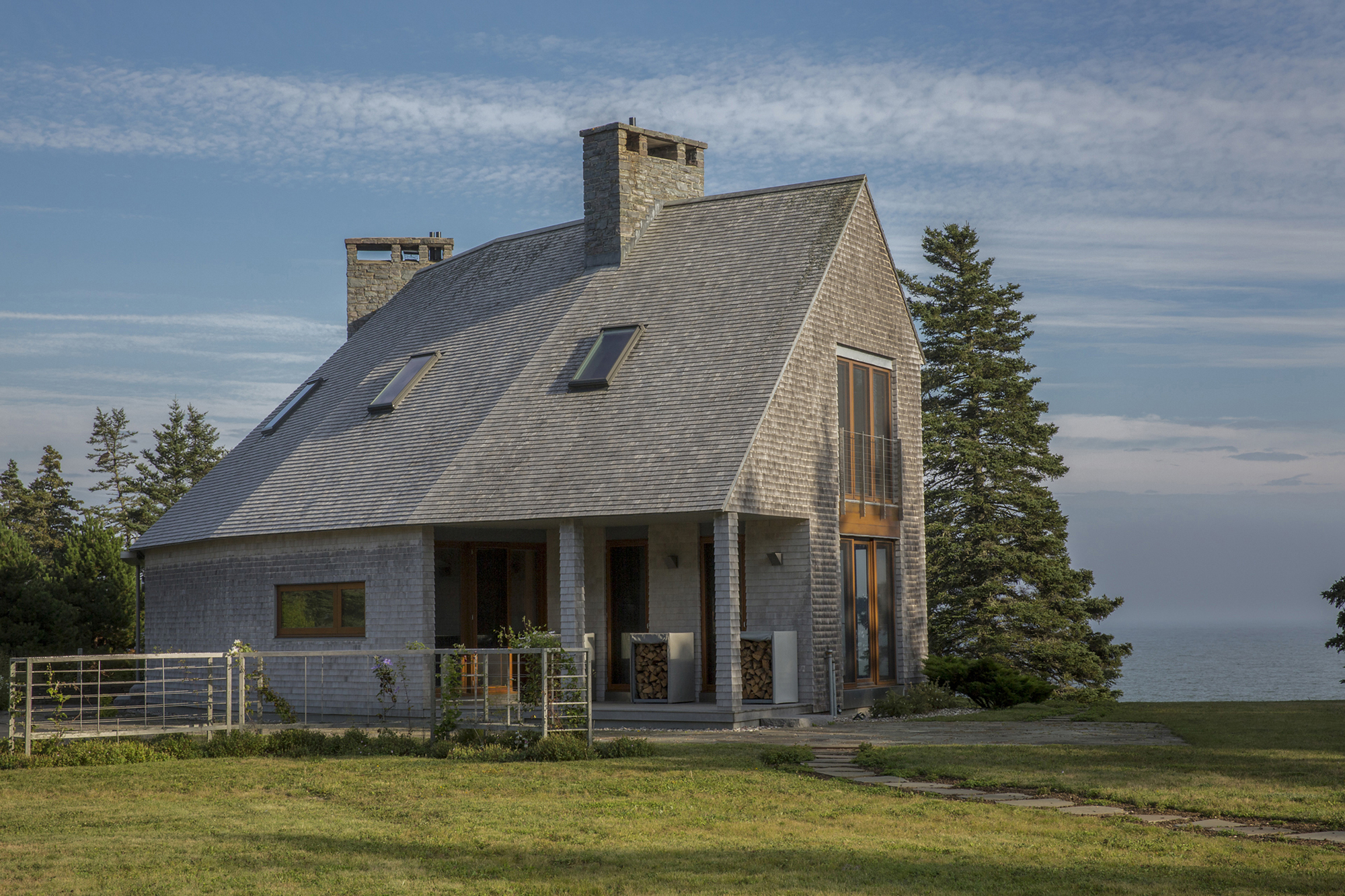
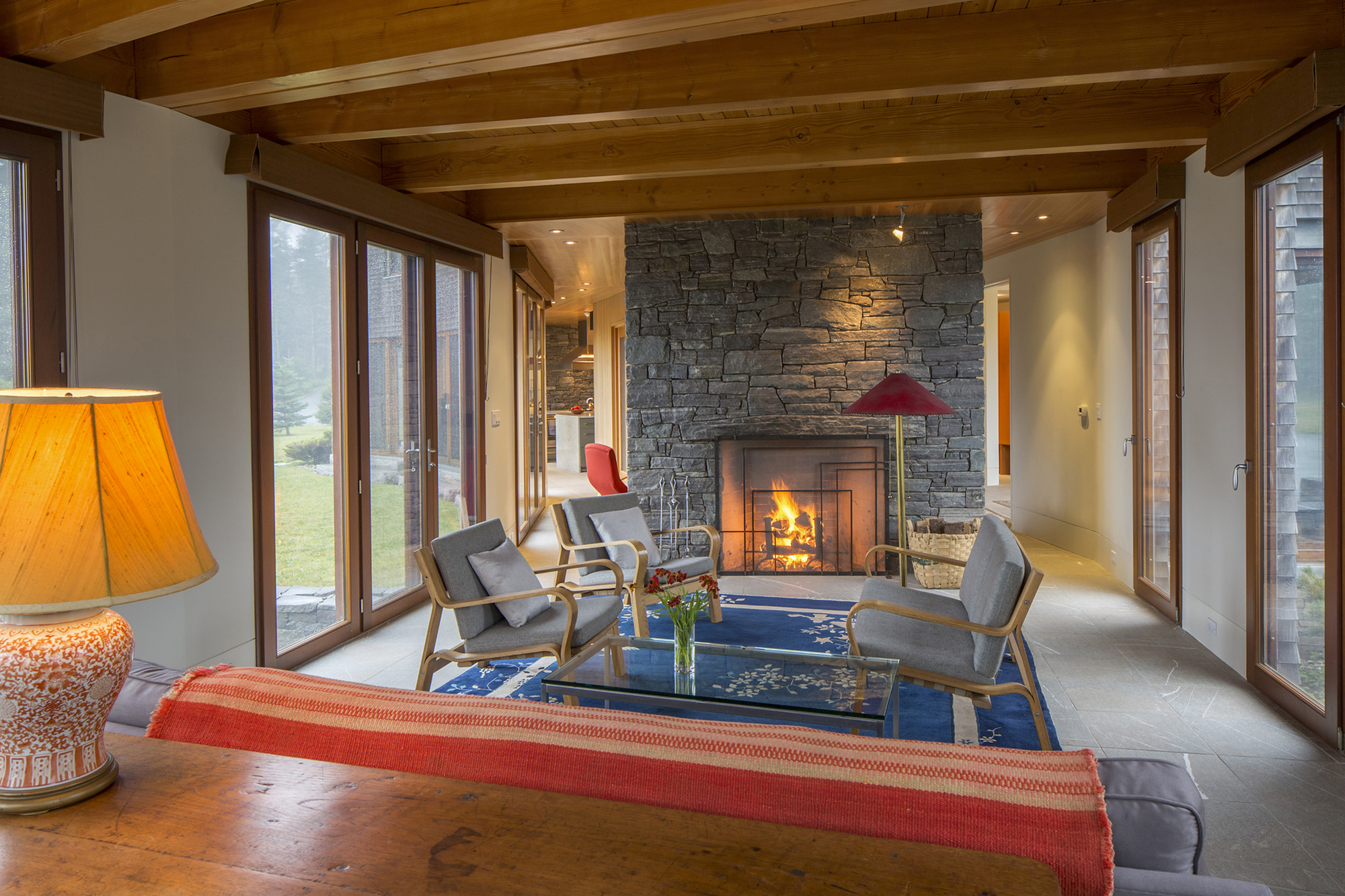
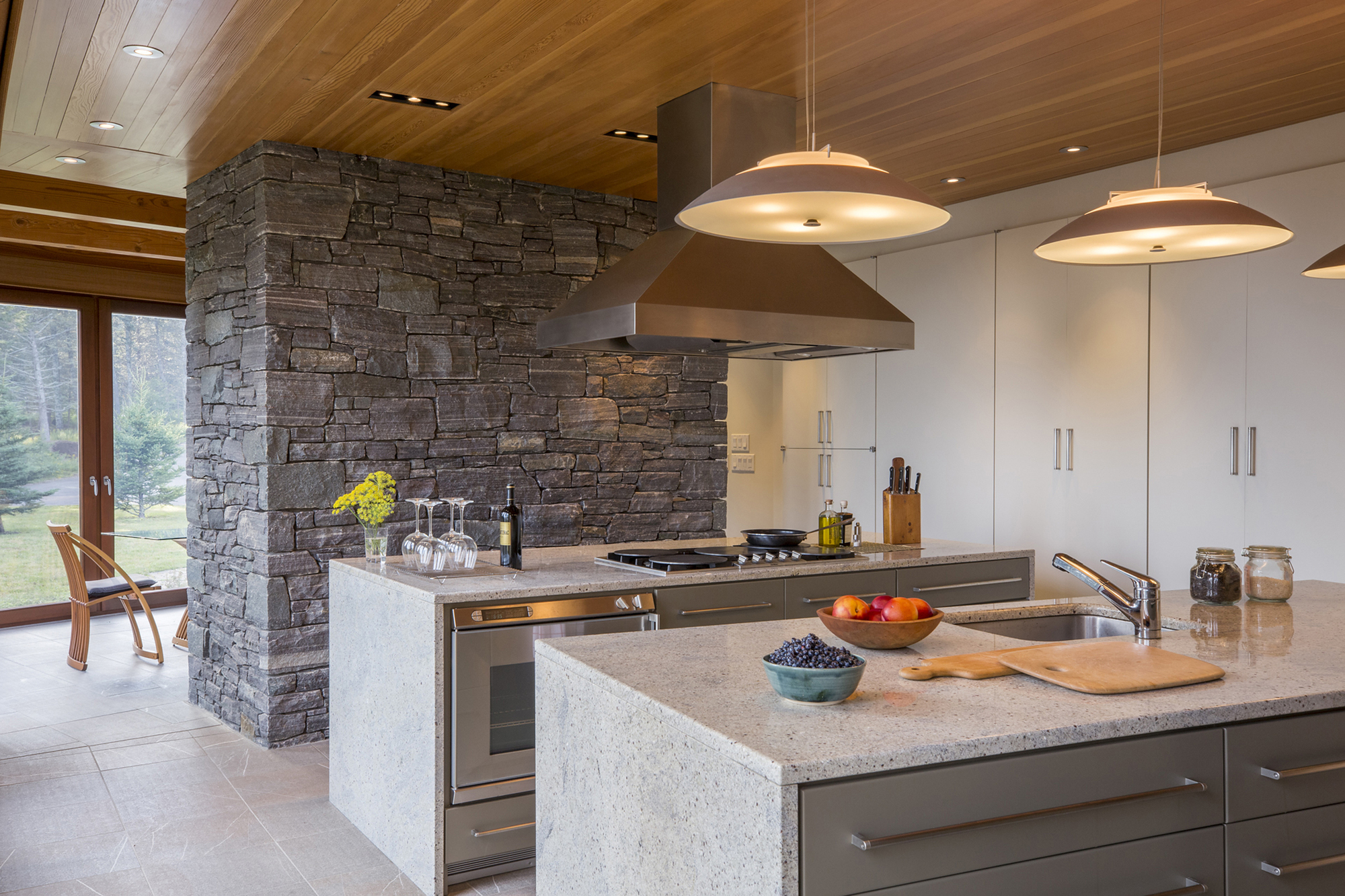
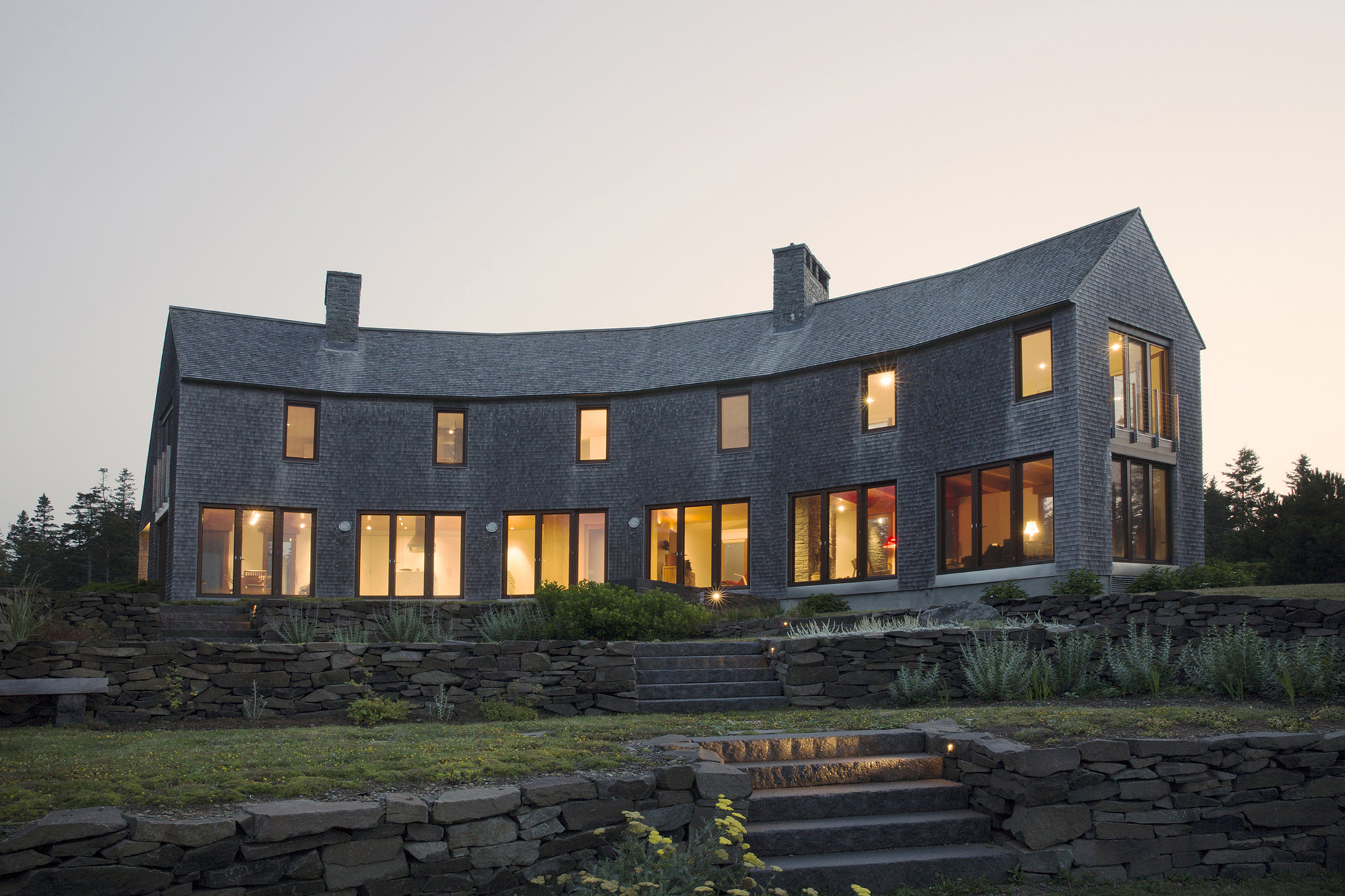
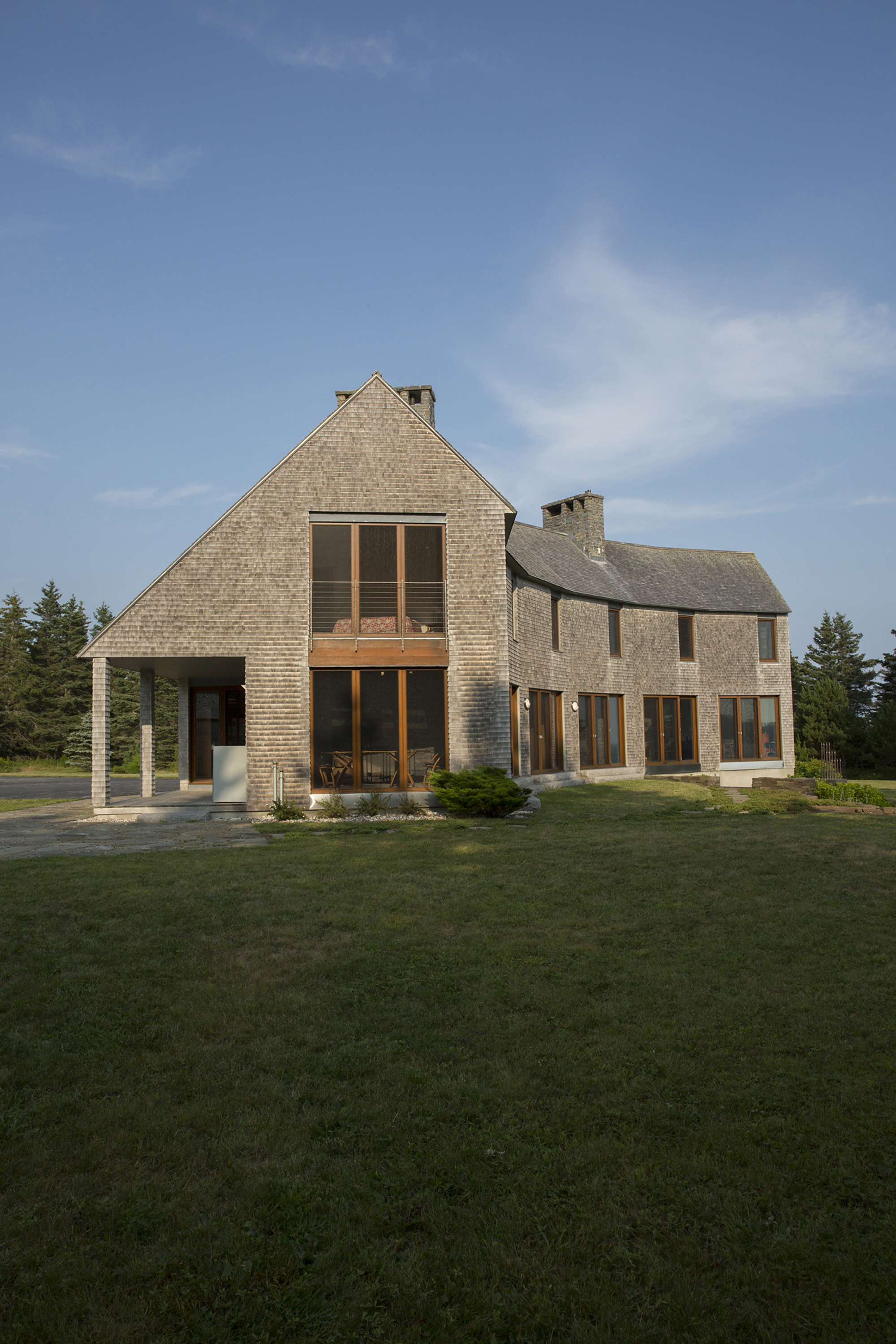
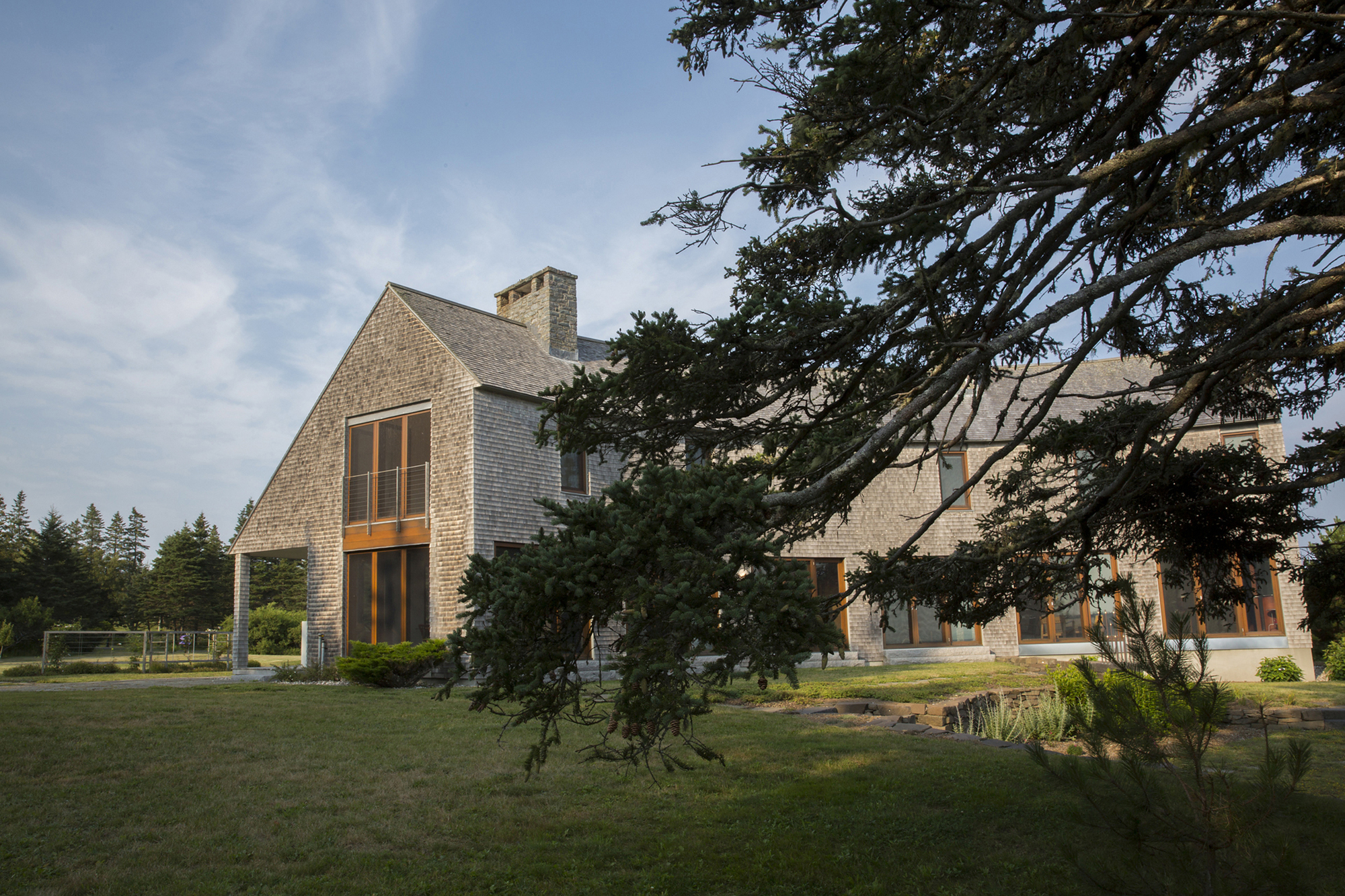
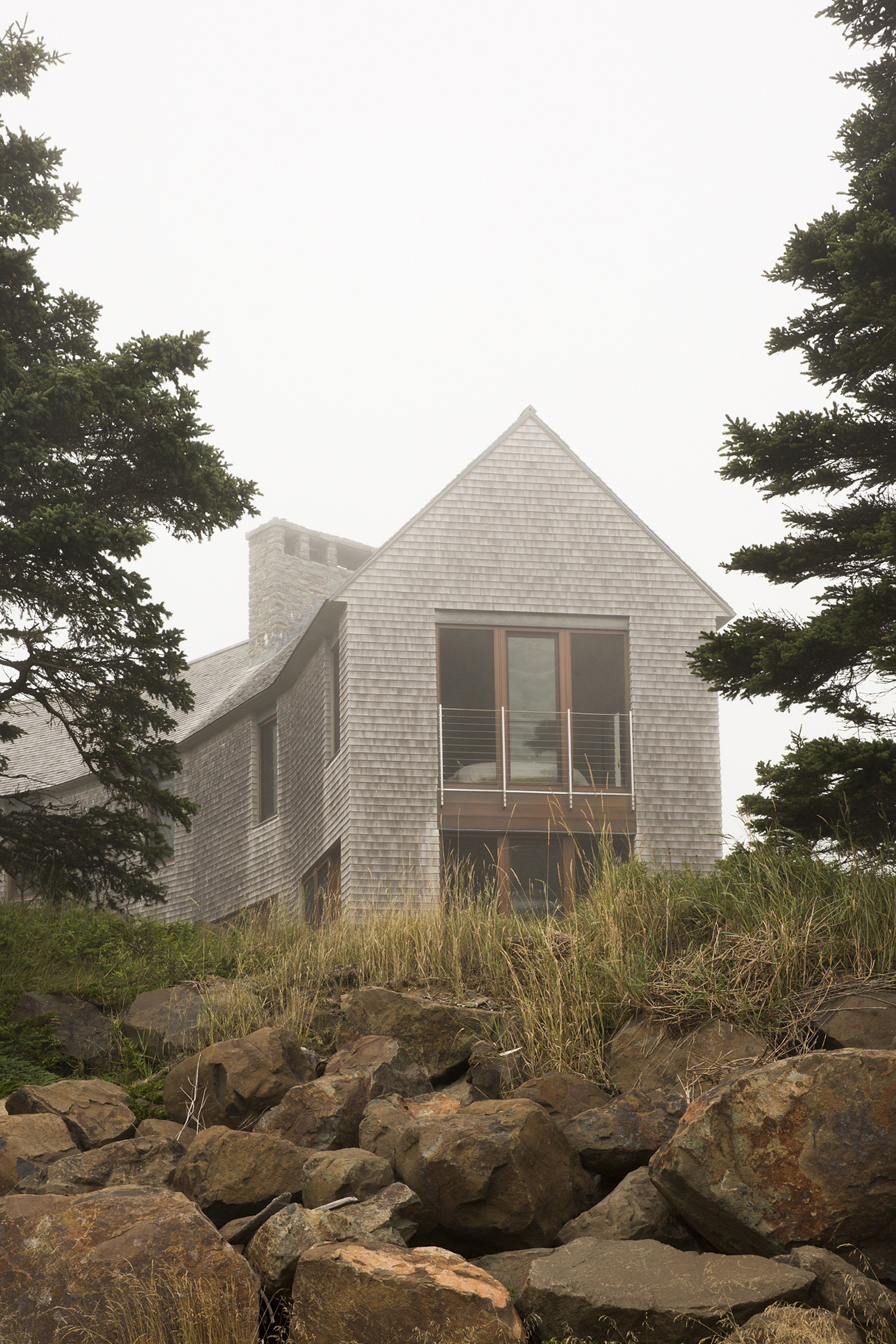
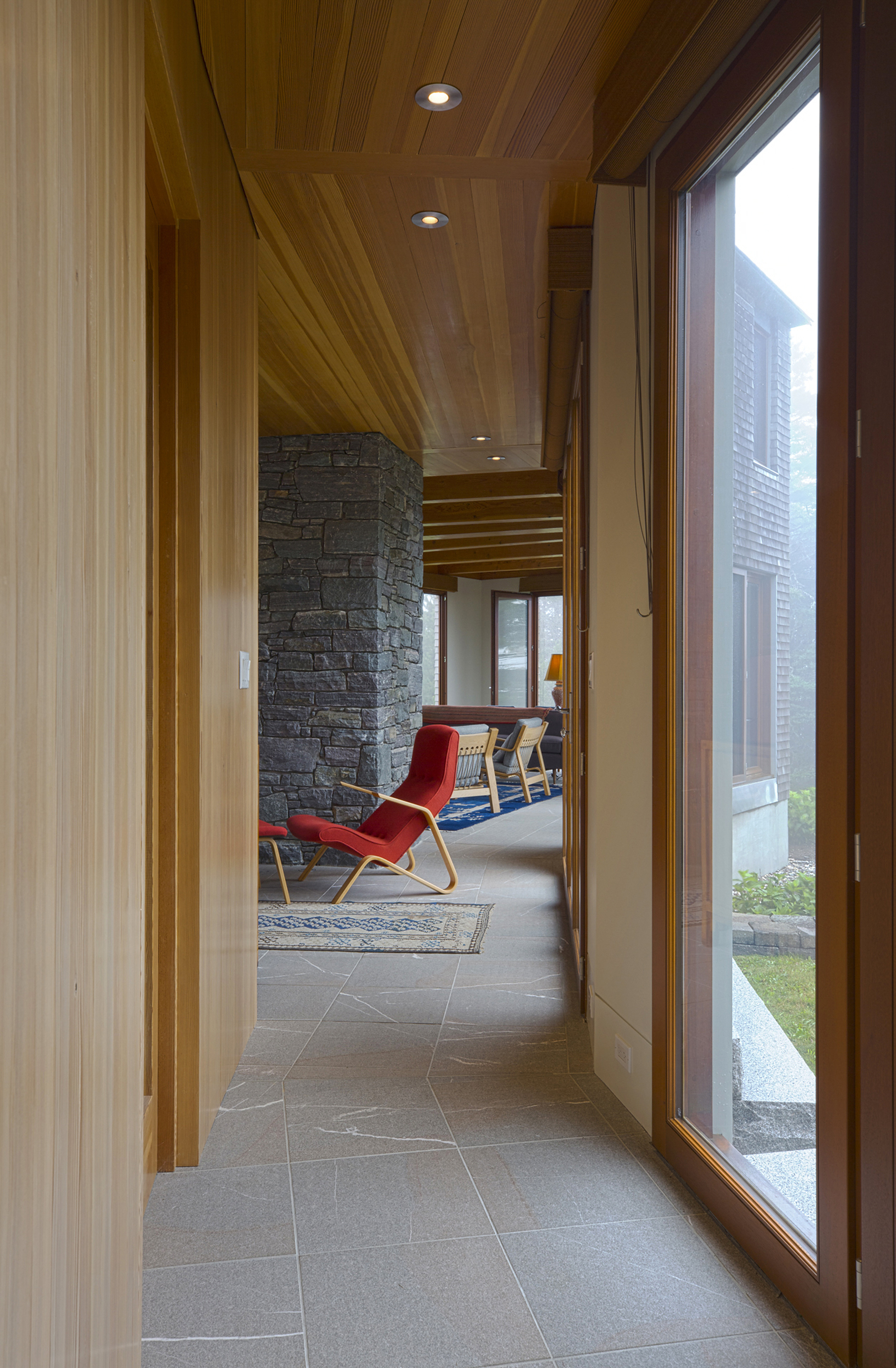
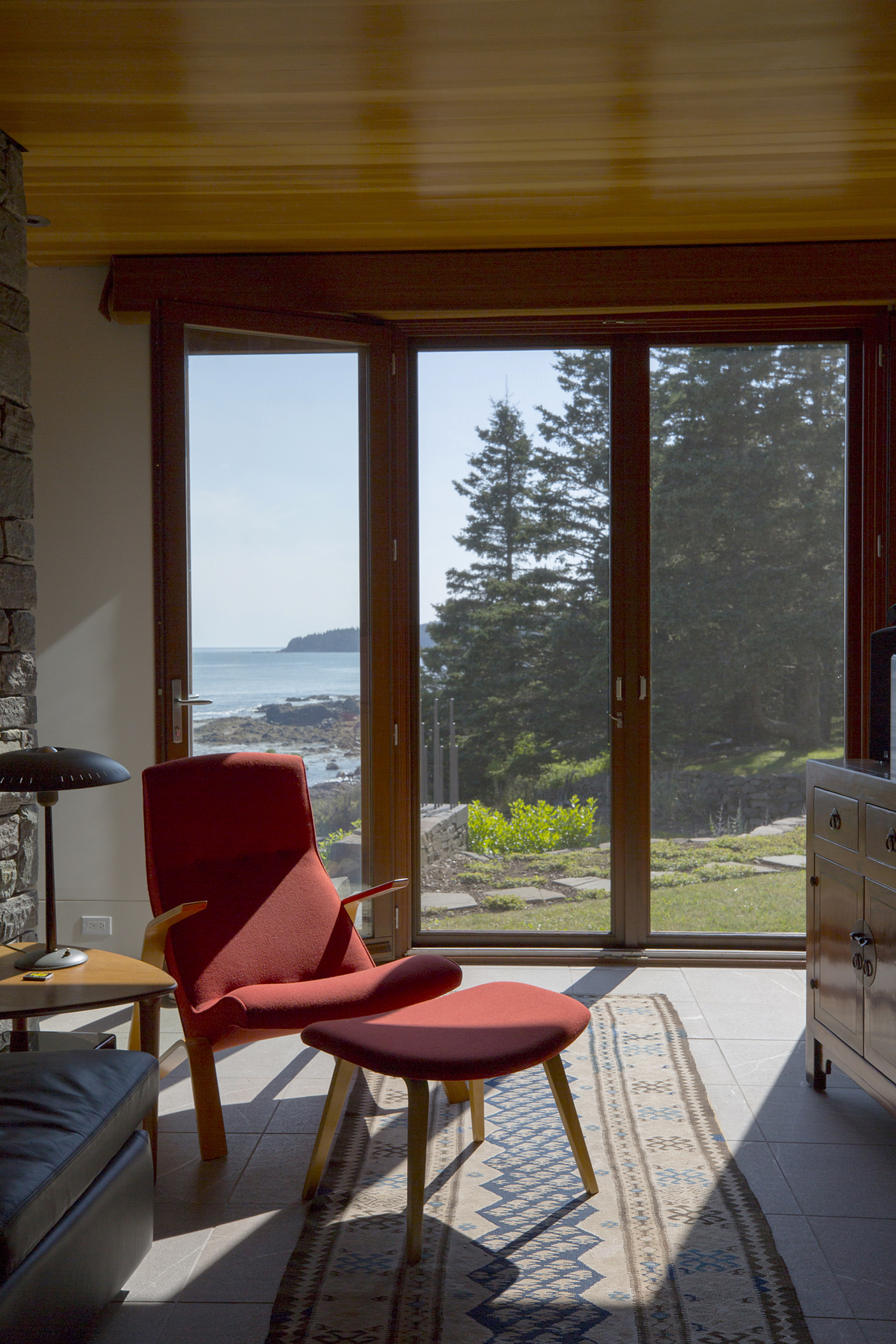
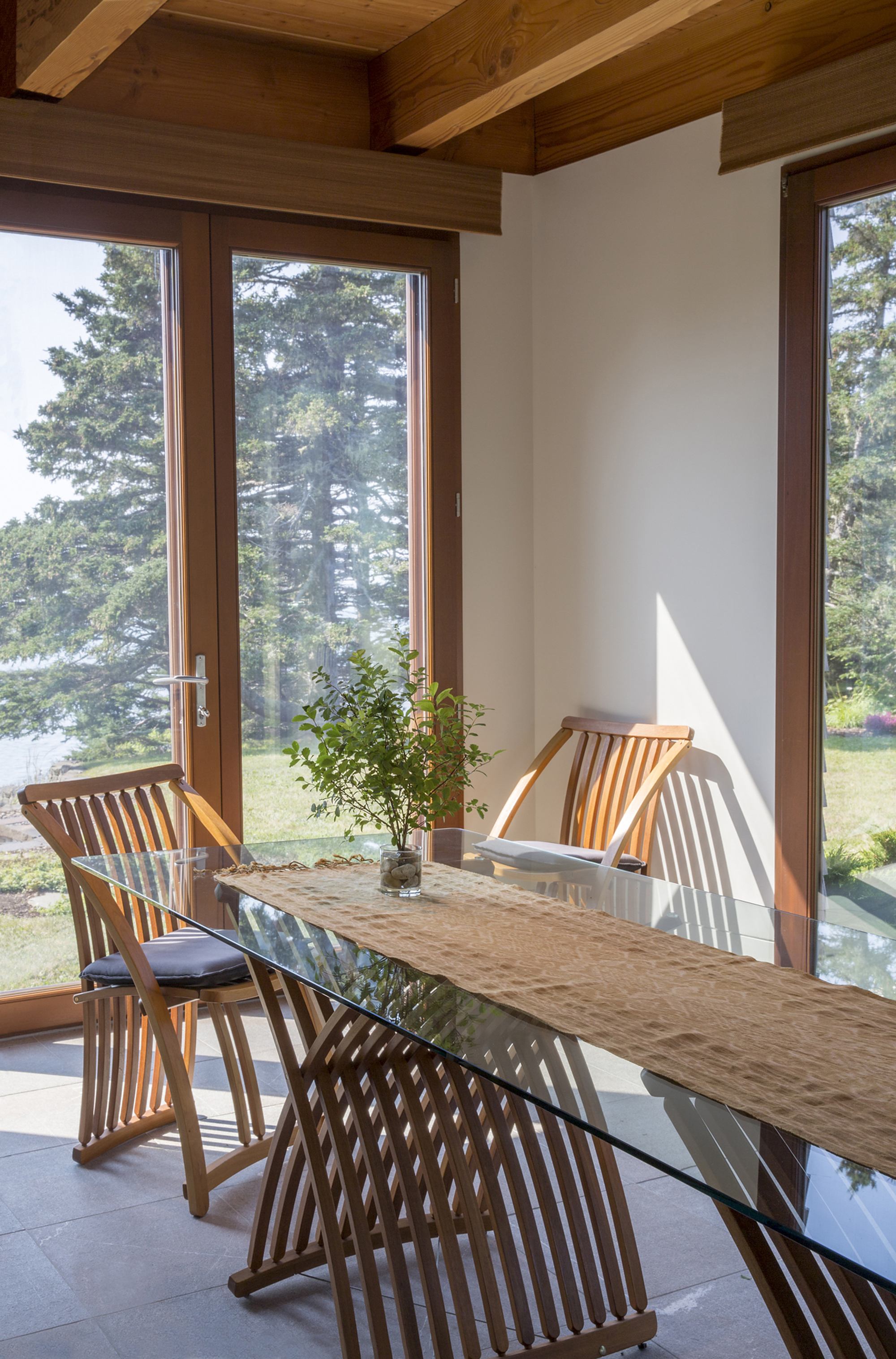
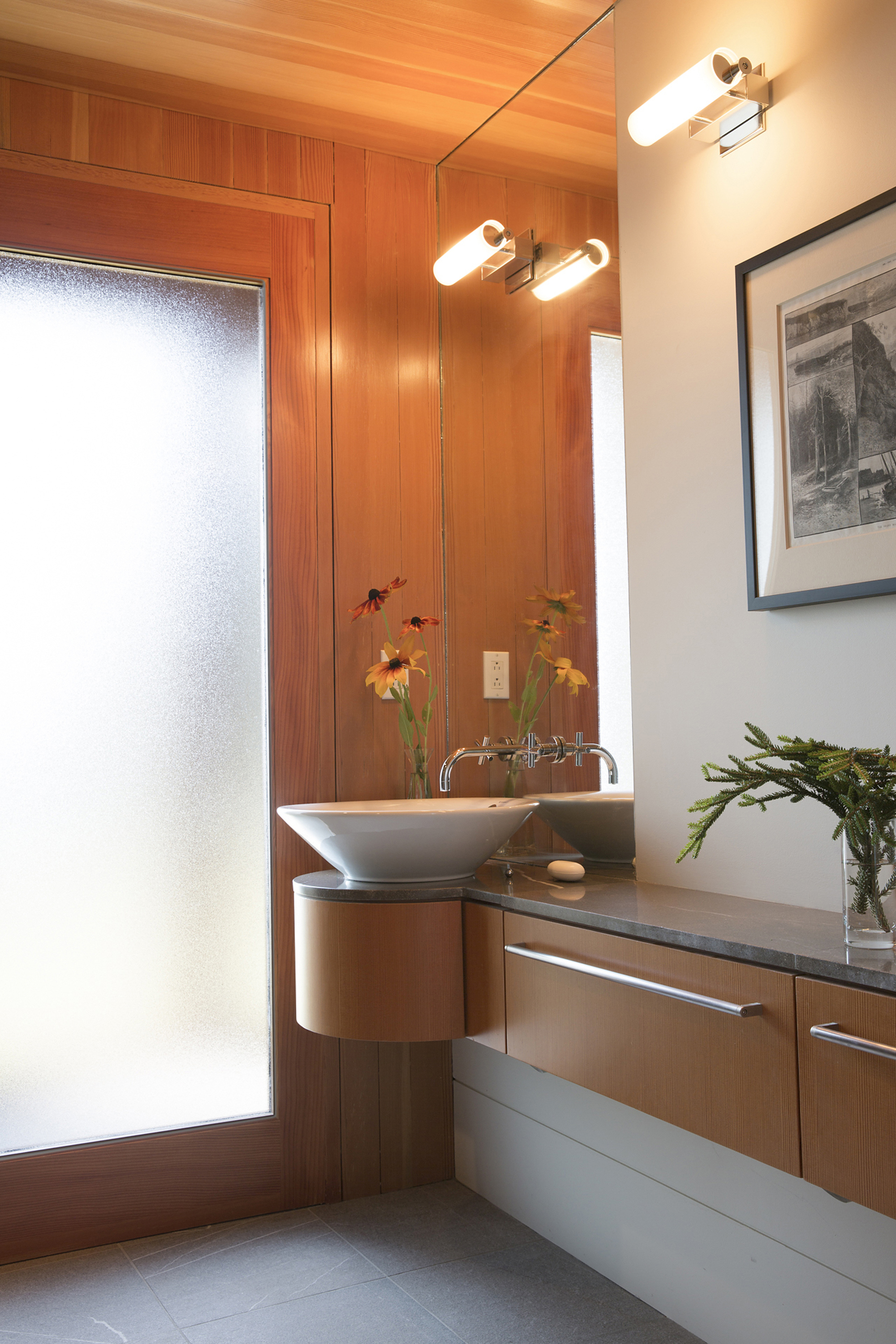
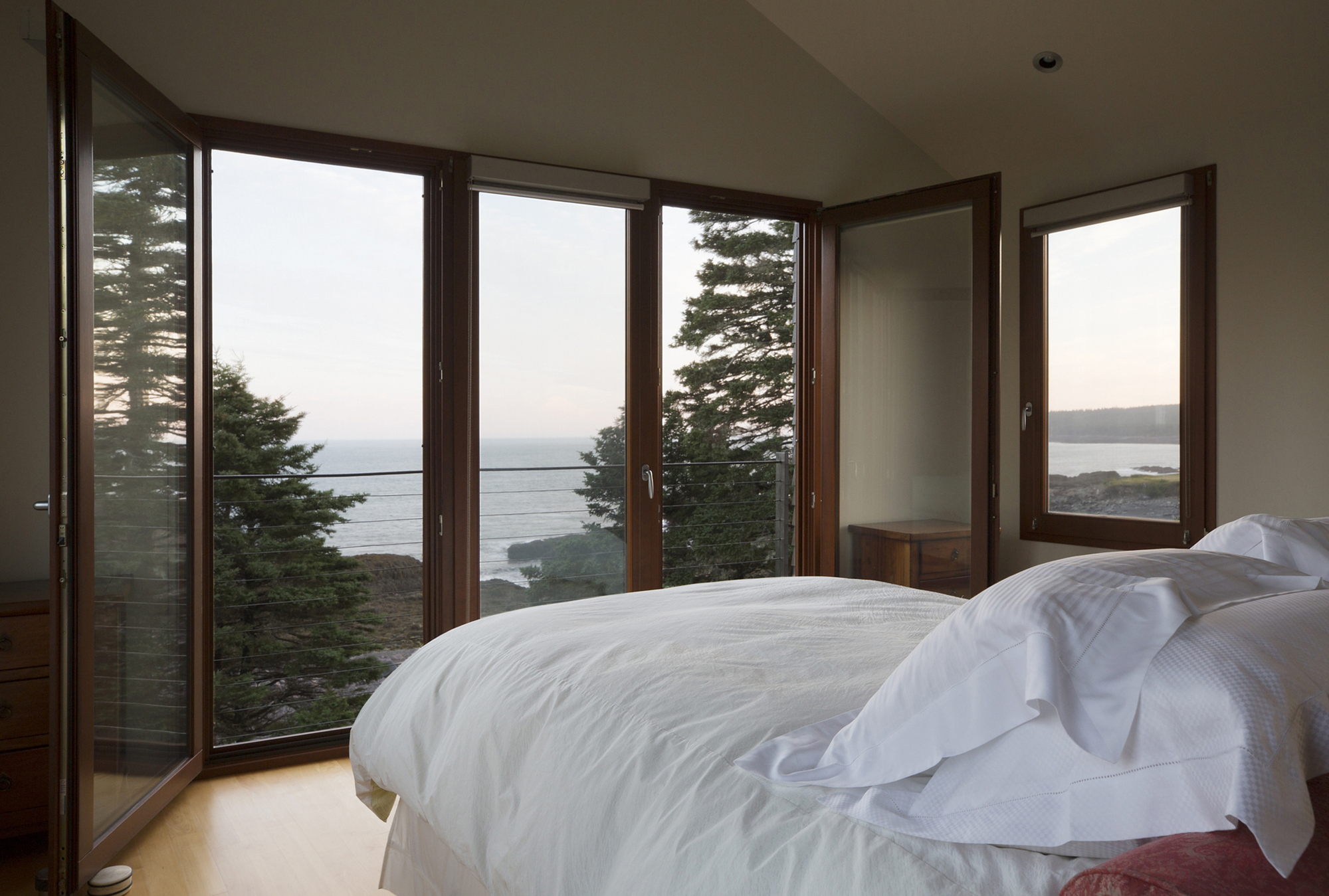
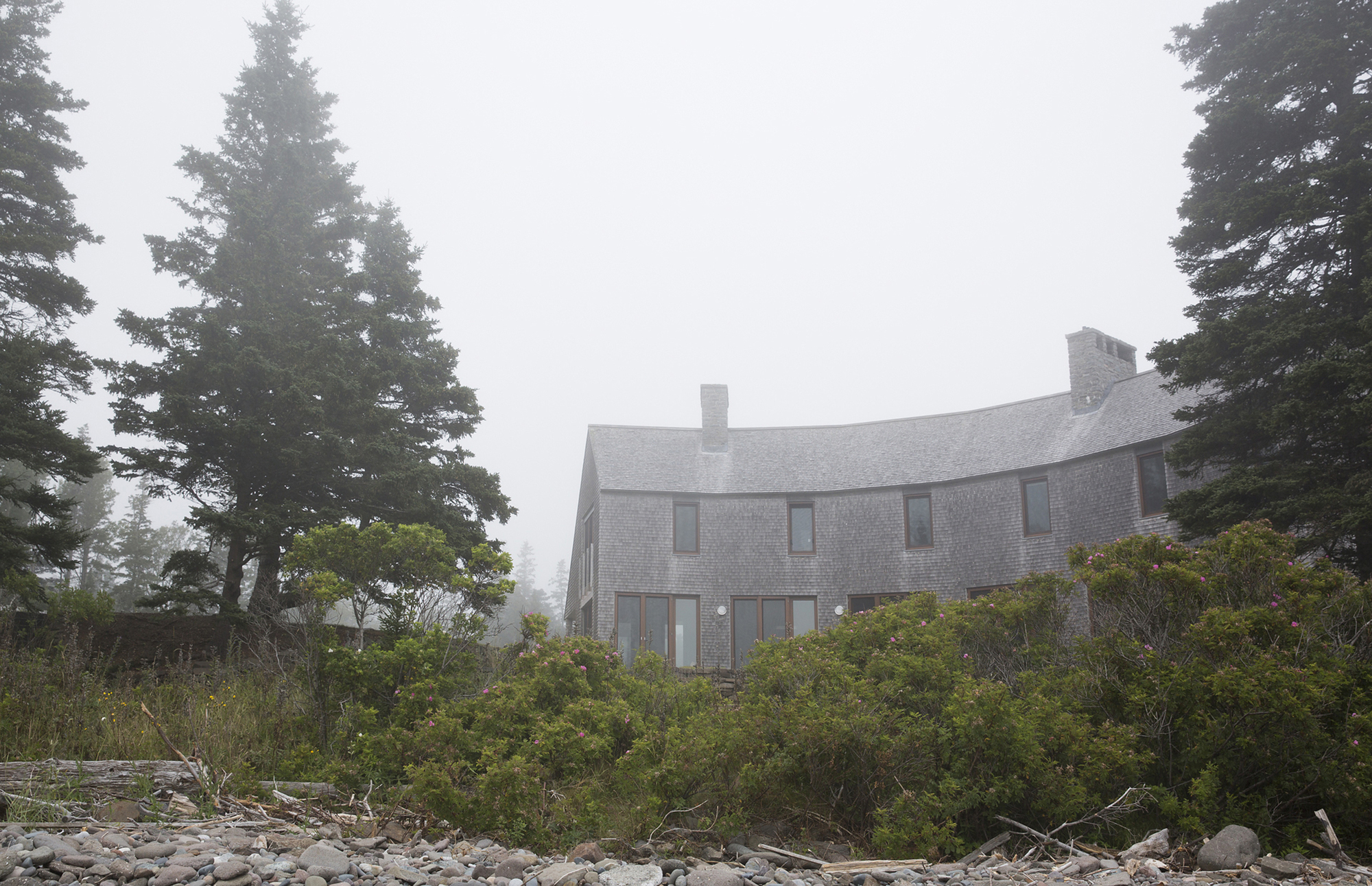
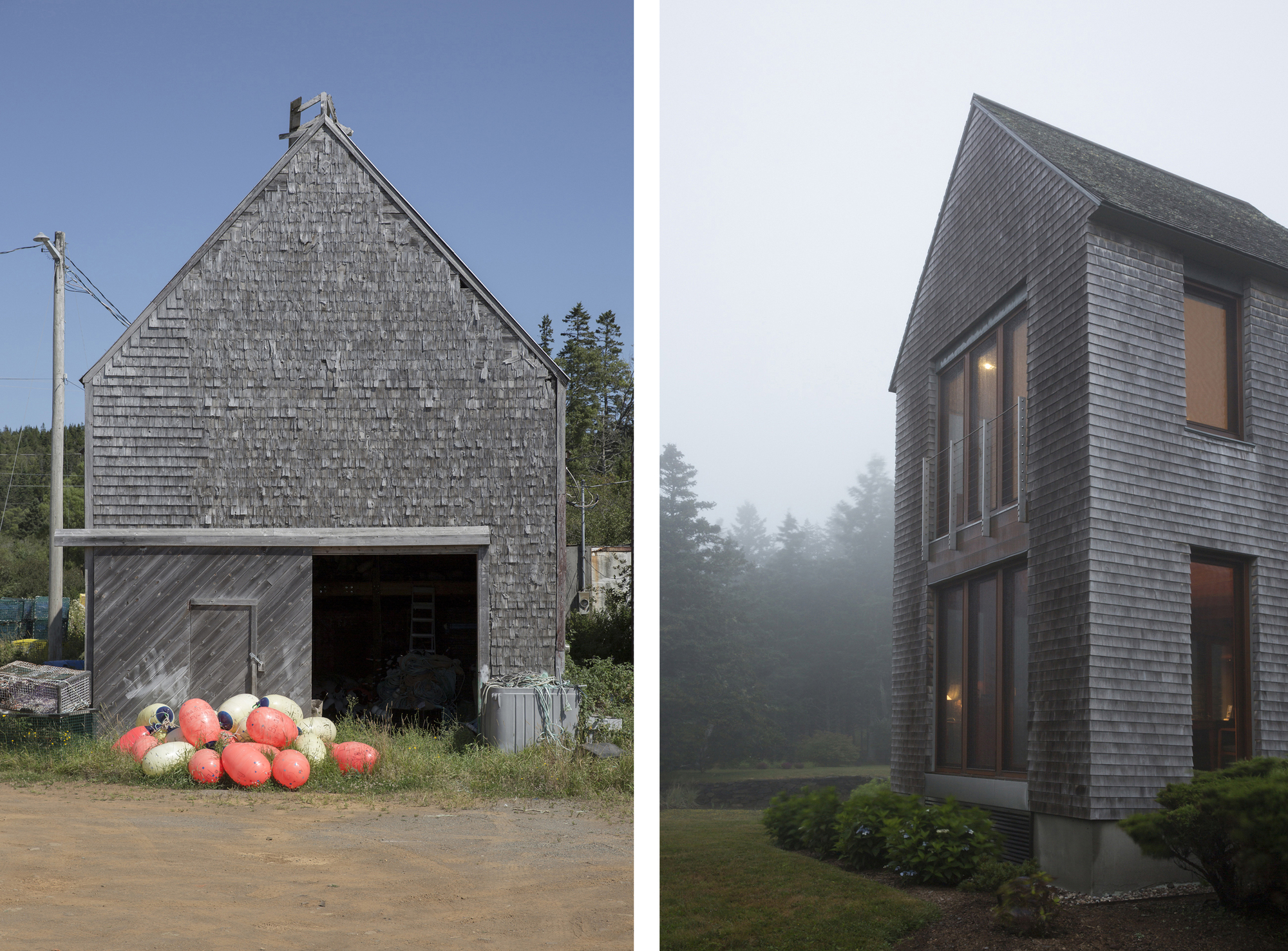
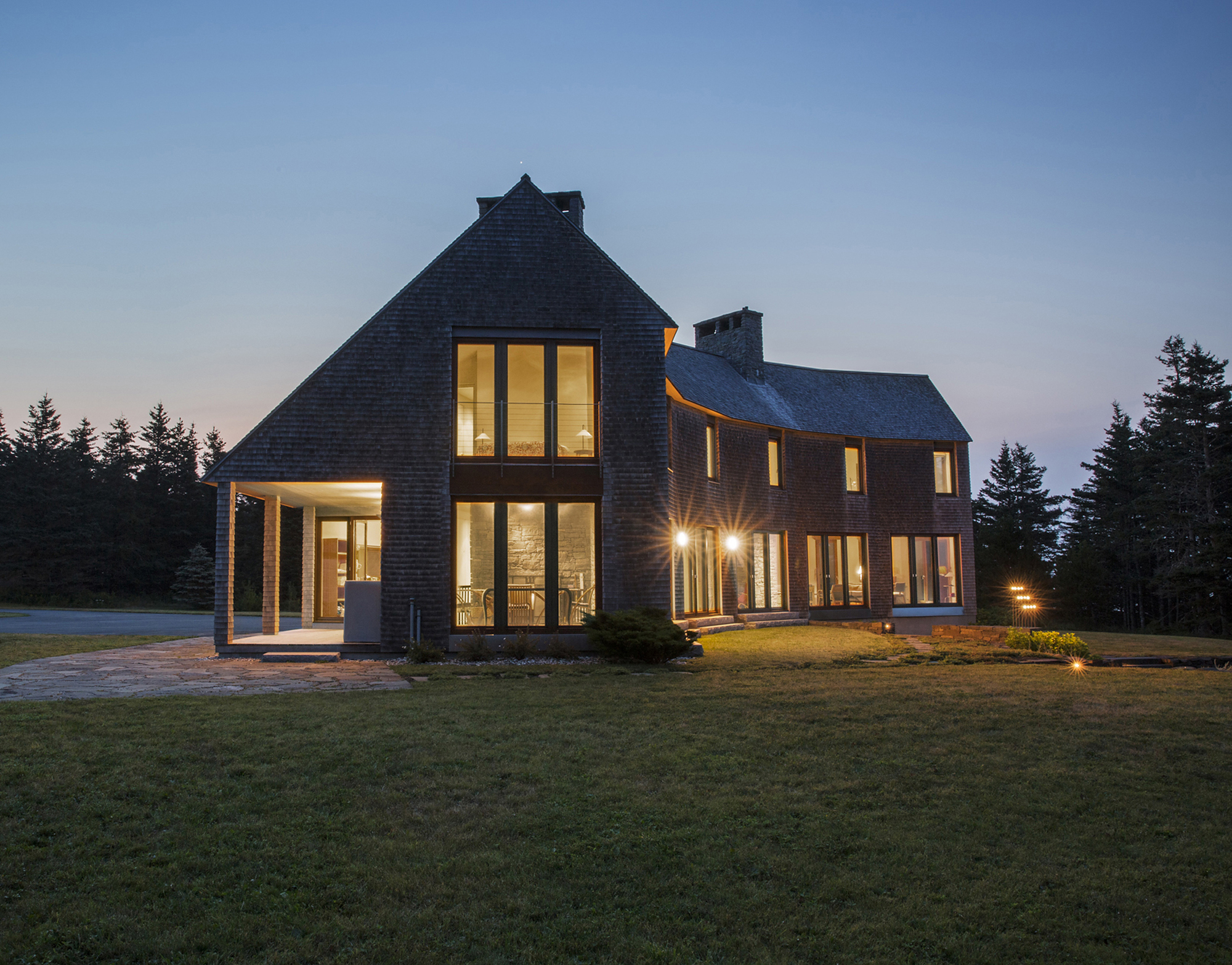
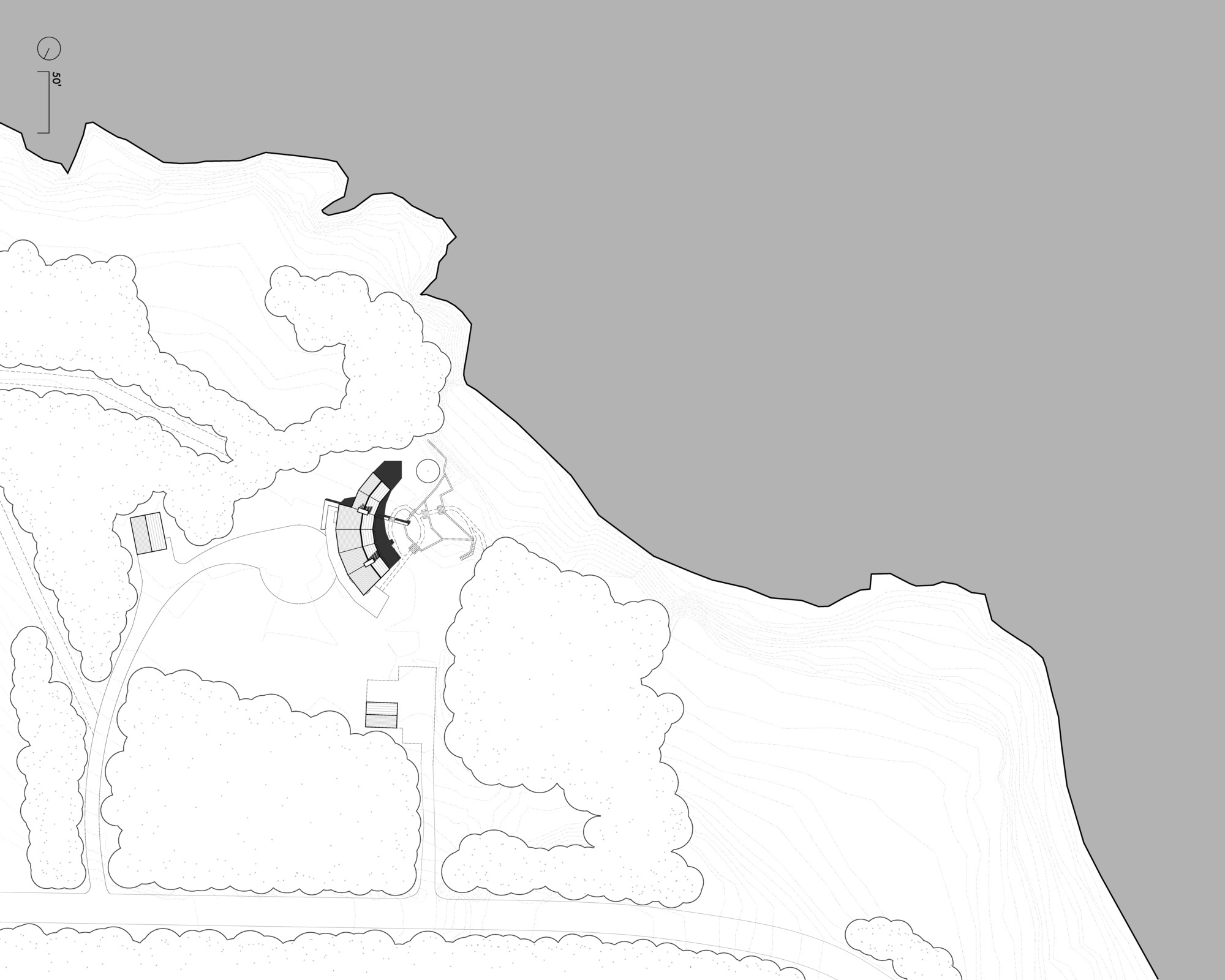
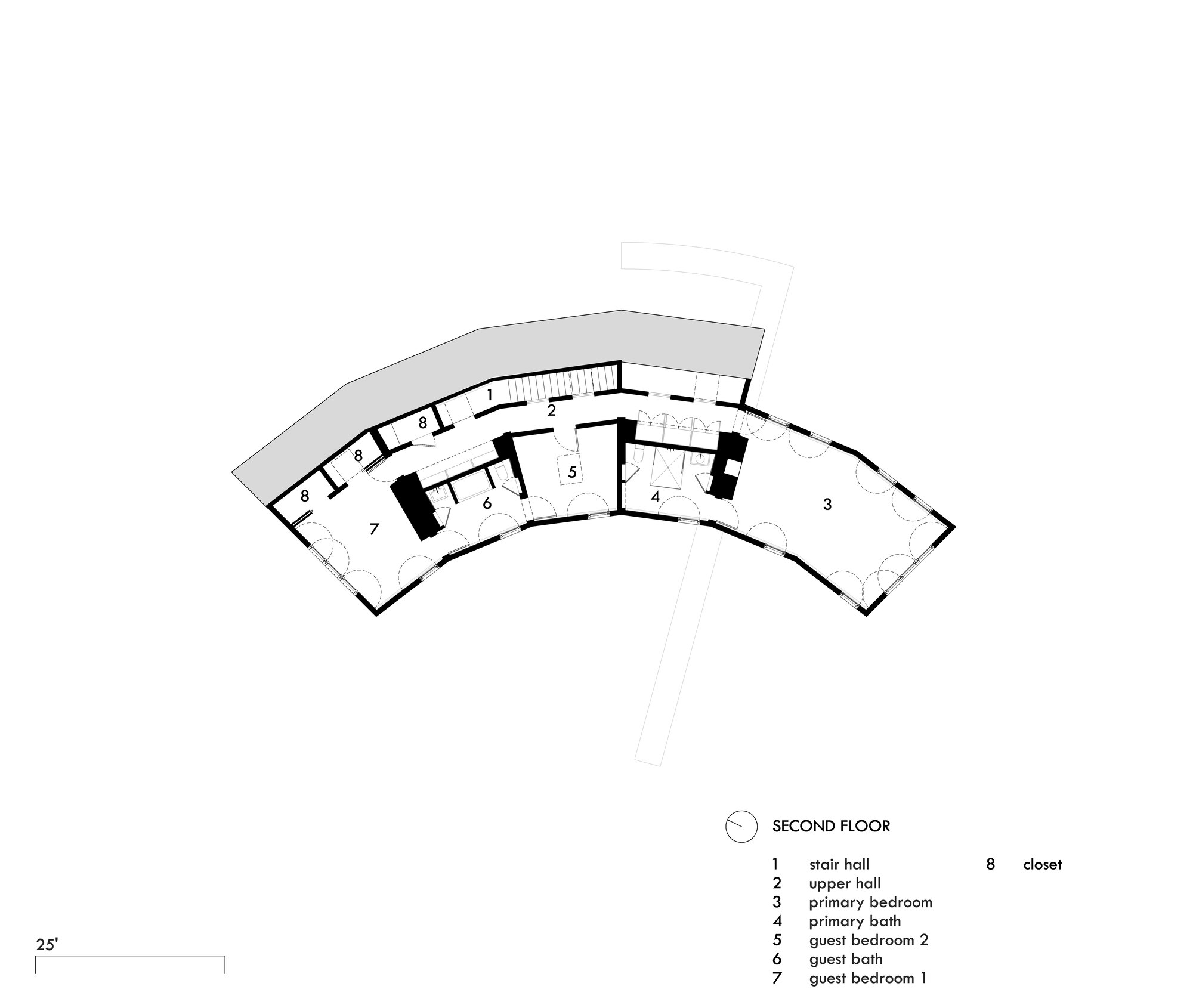
House on Deep Cove #architecture Architects: ElliottArchitects Area: 3408 ft² Year: 2019 Photographs: Shoshannah White, Tonee Harbert City: Grand Manan Country: Canada
Cake House #architecture Architects: Alexander Symes Architect Area: 215 m² Year: 2025 Photographs: Barton Taylor Country: Australia
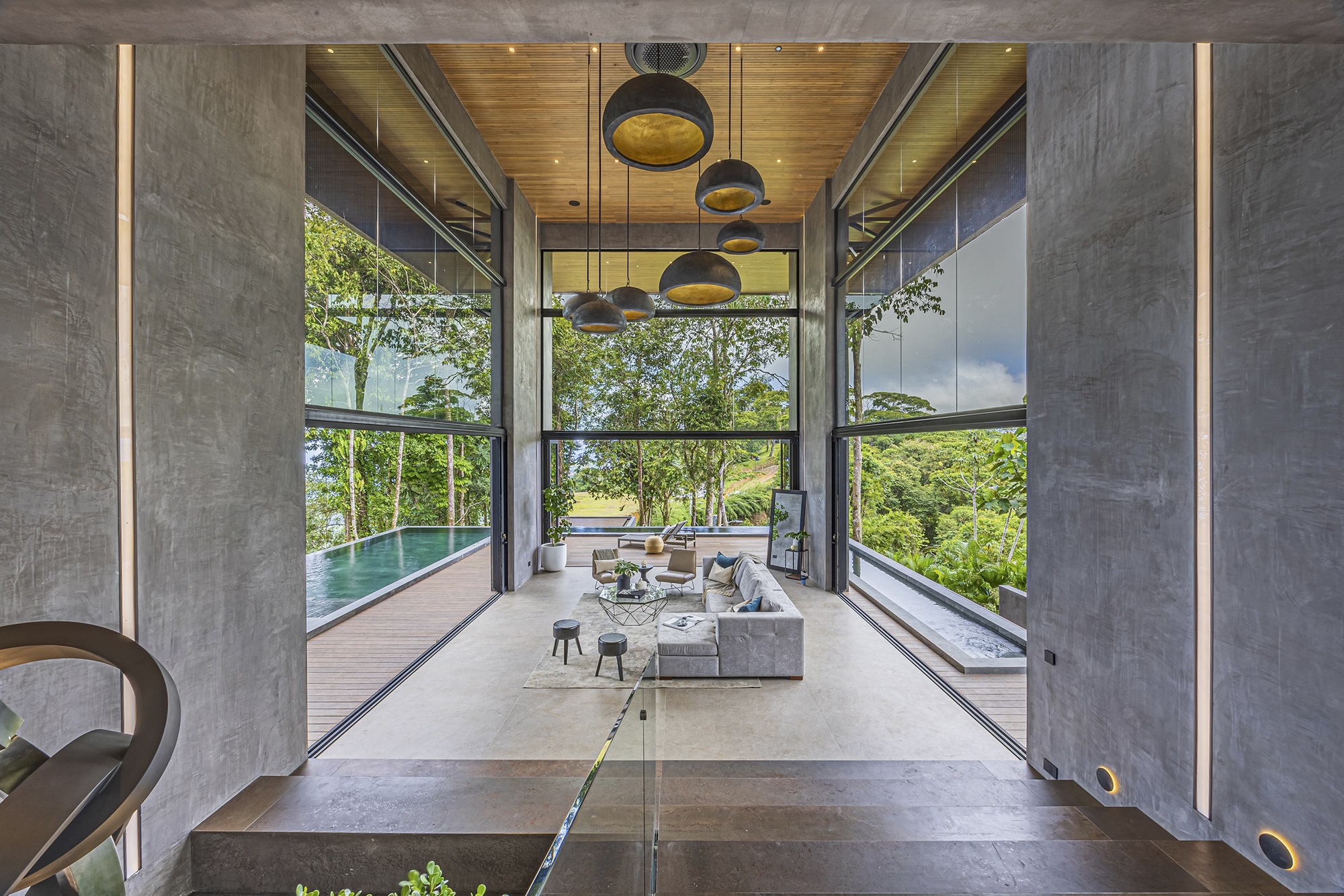
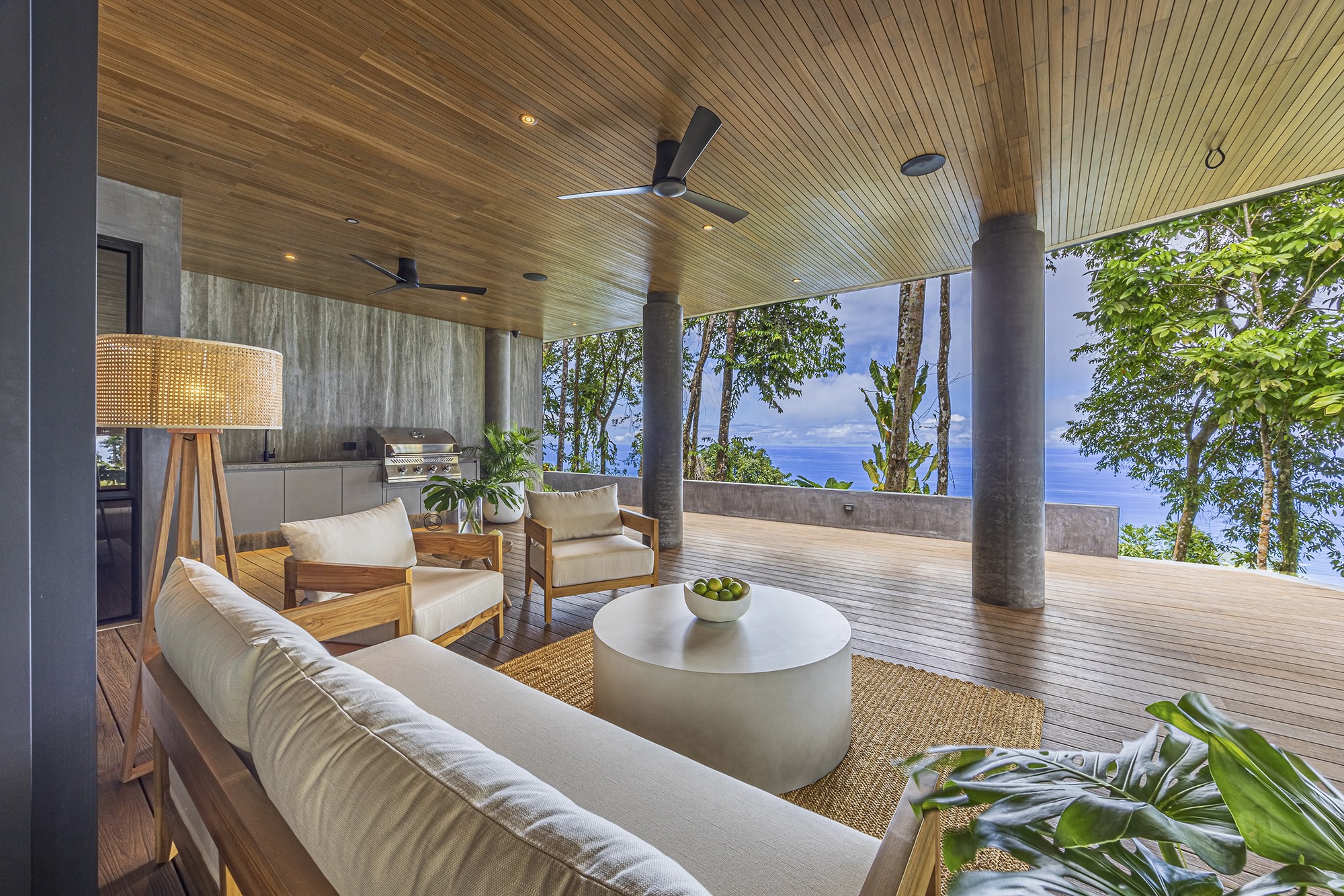
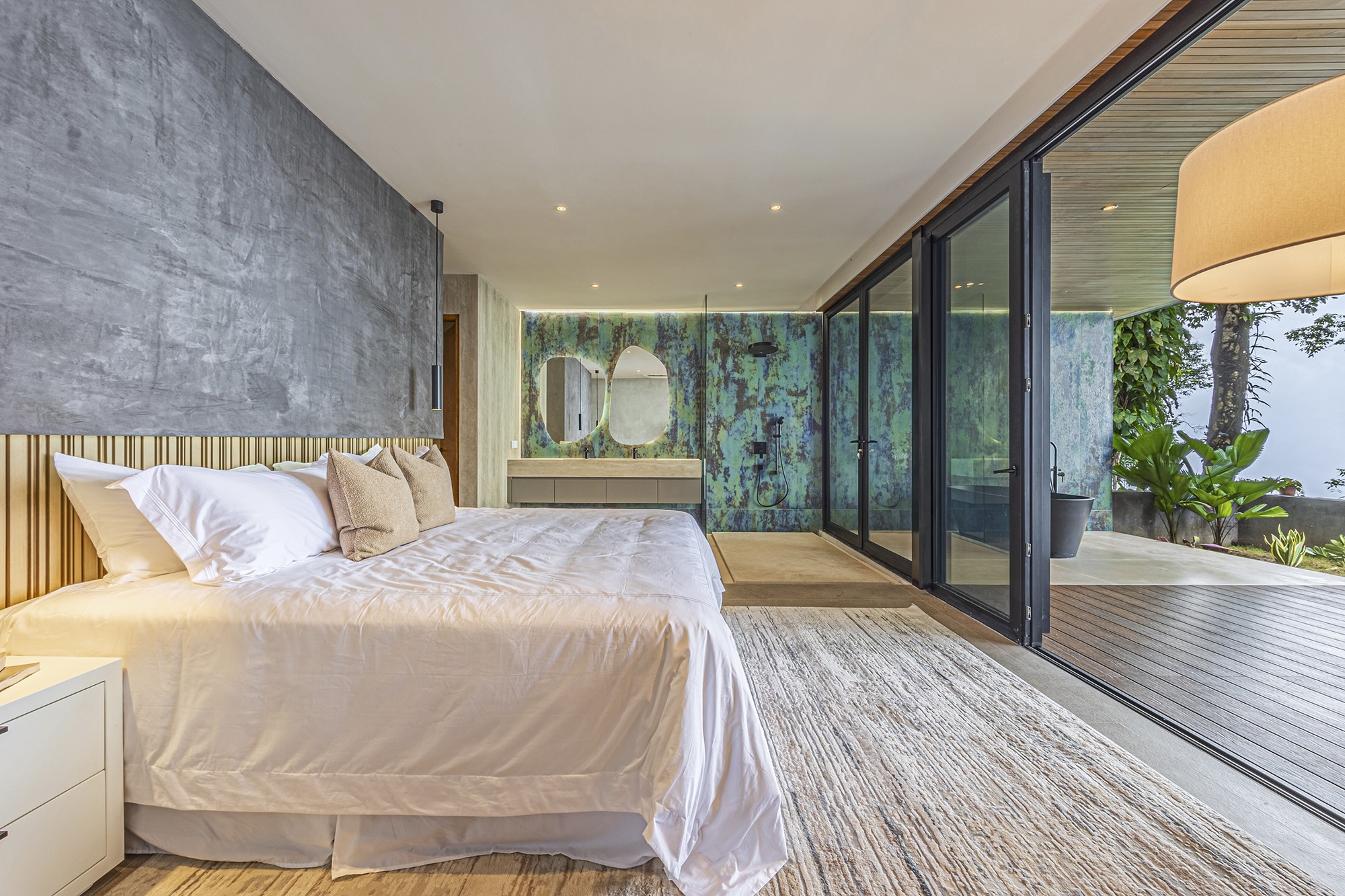
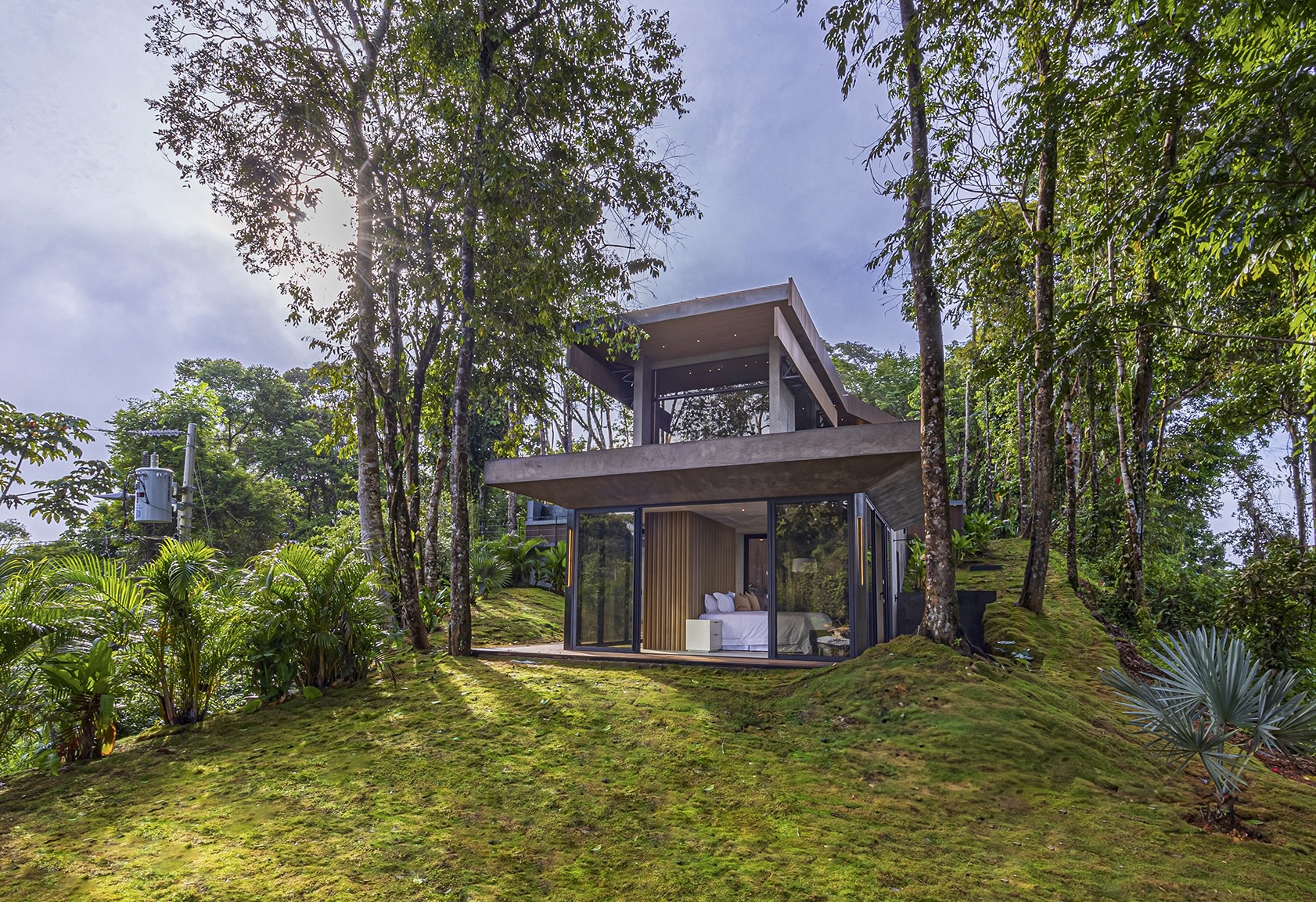
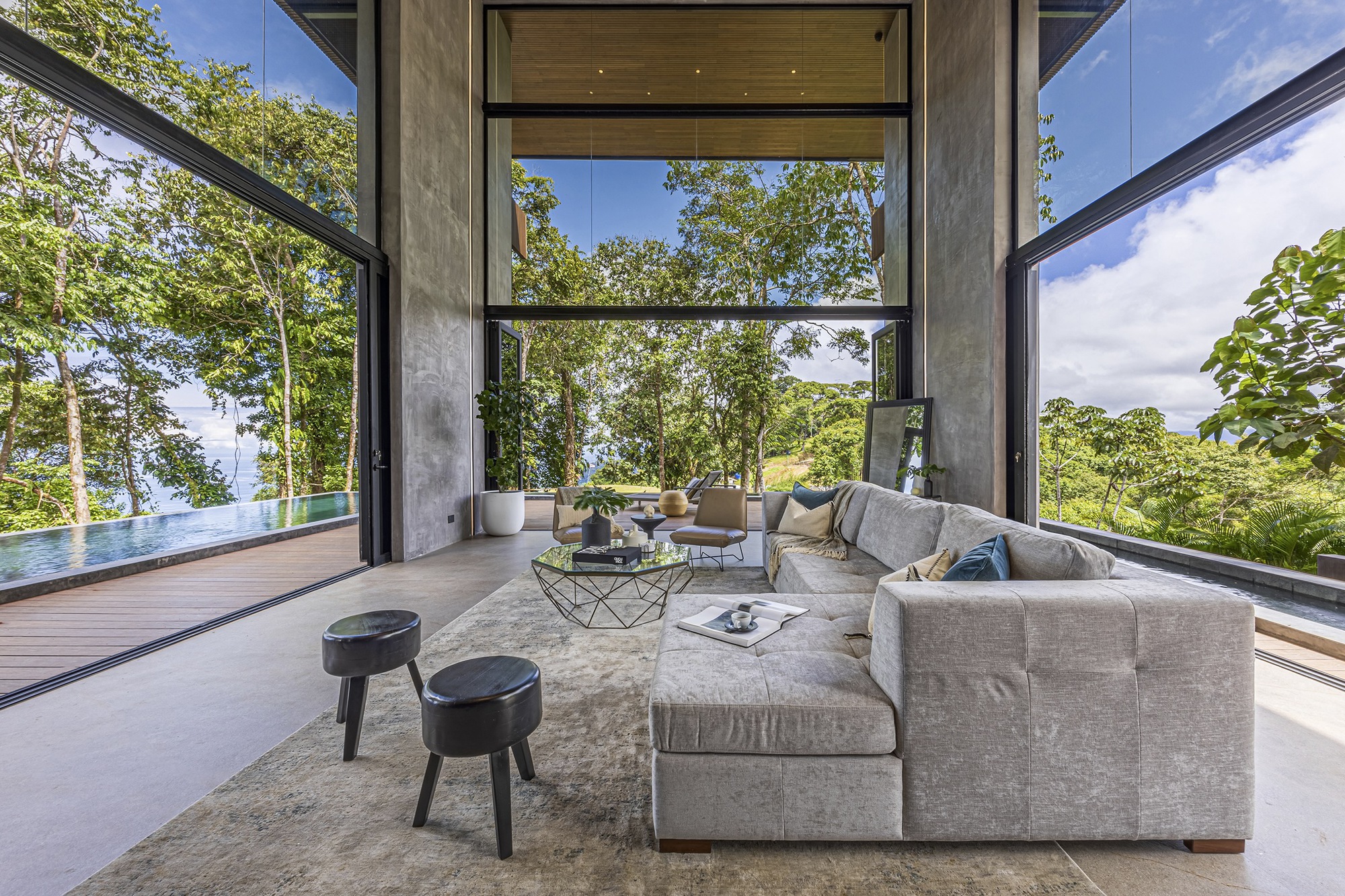
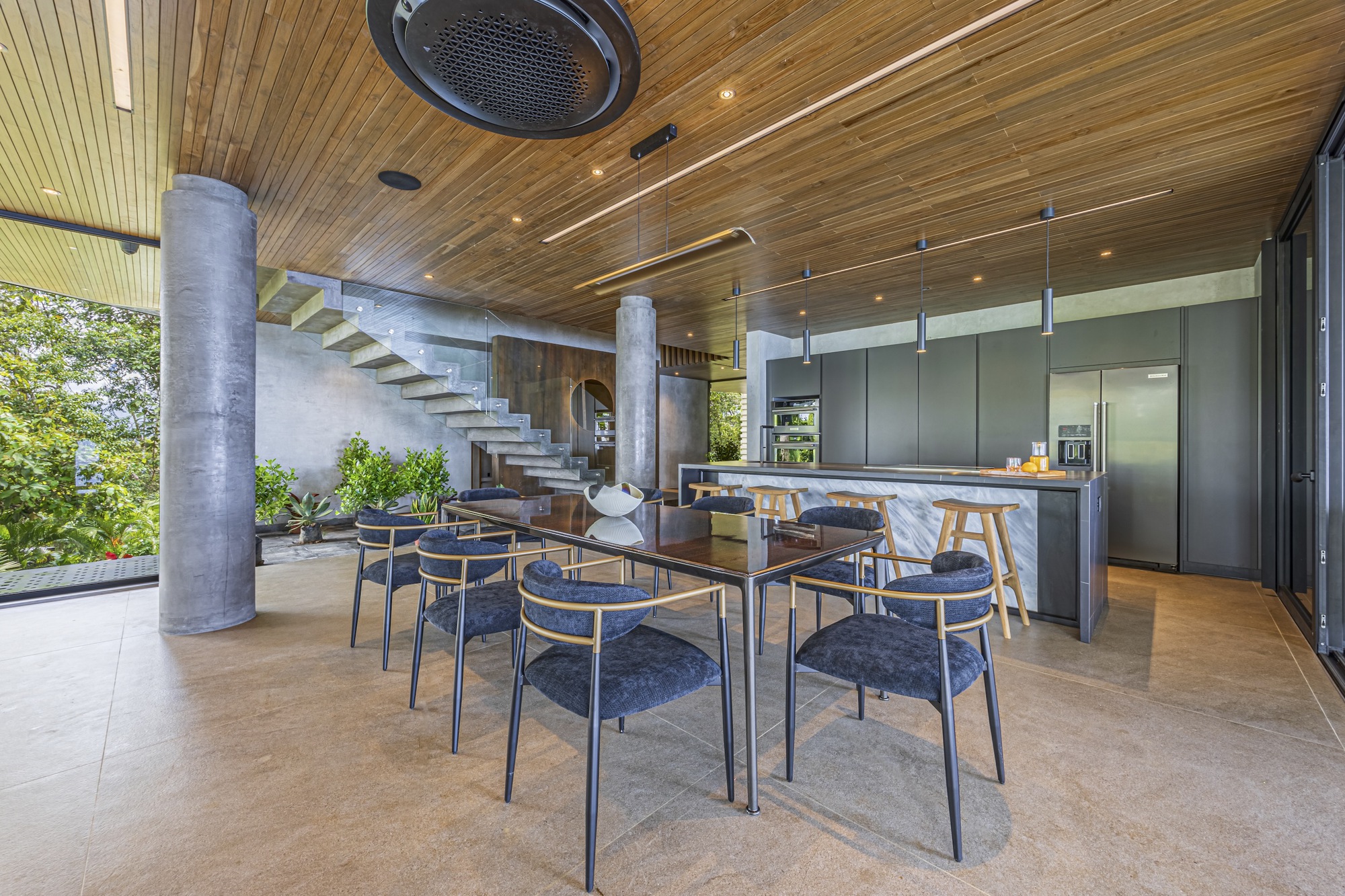
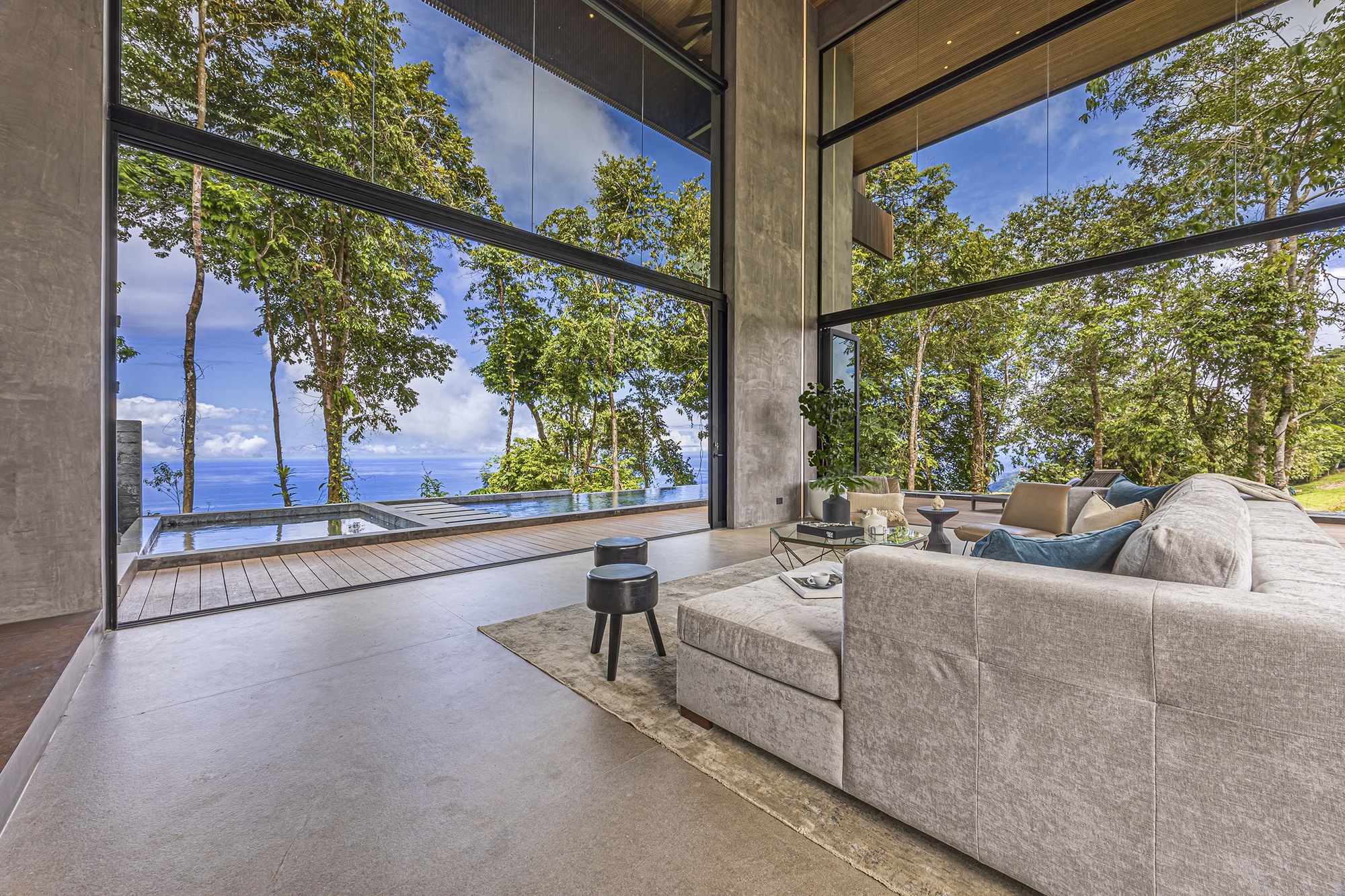
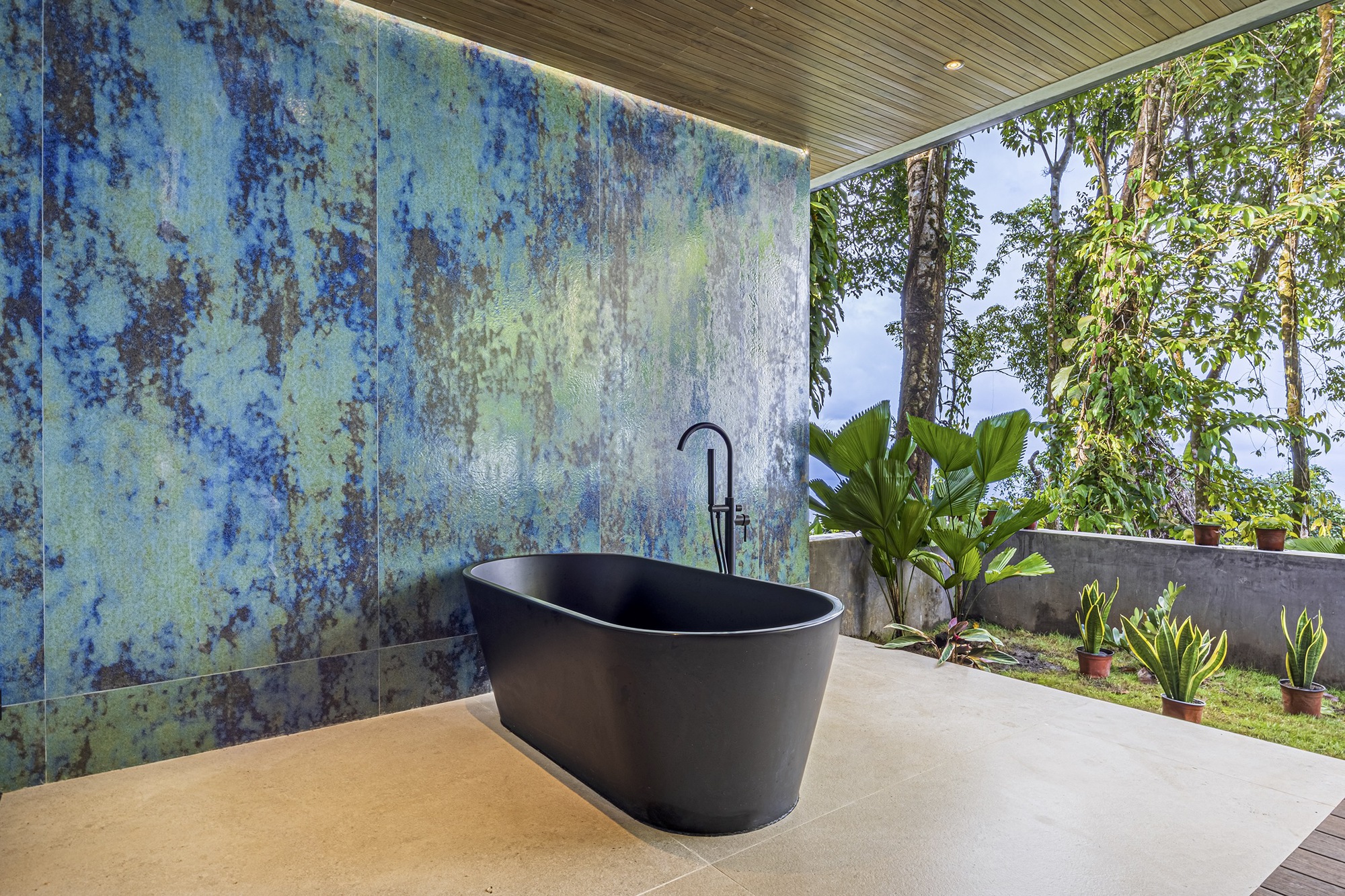
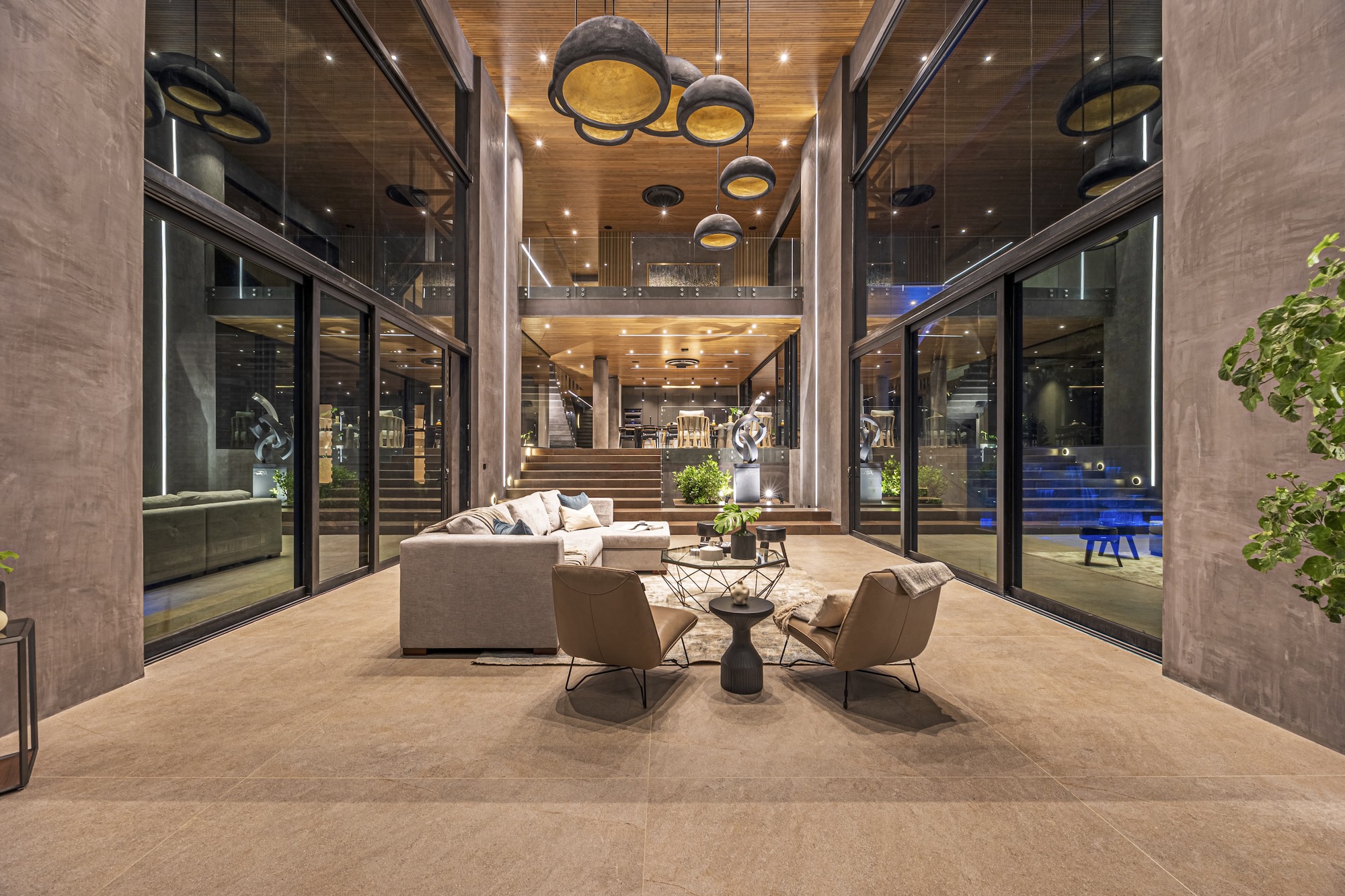
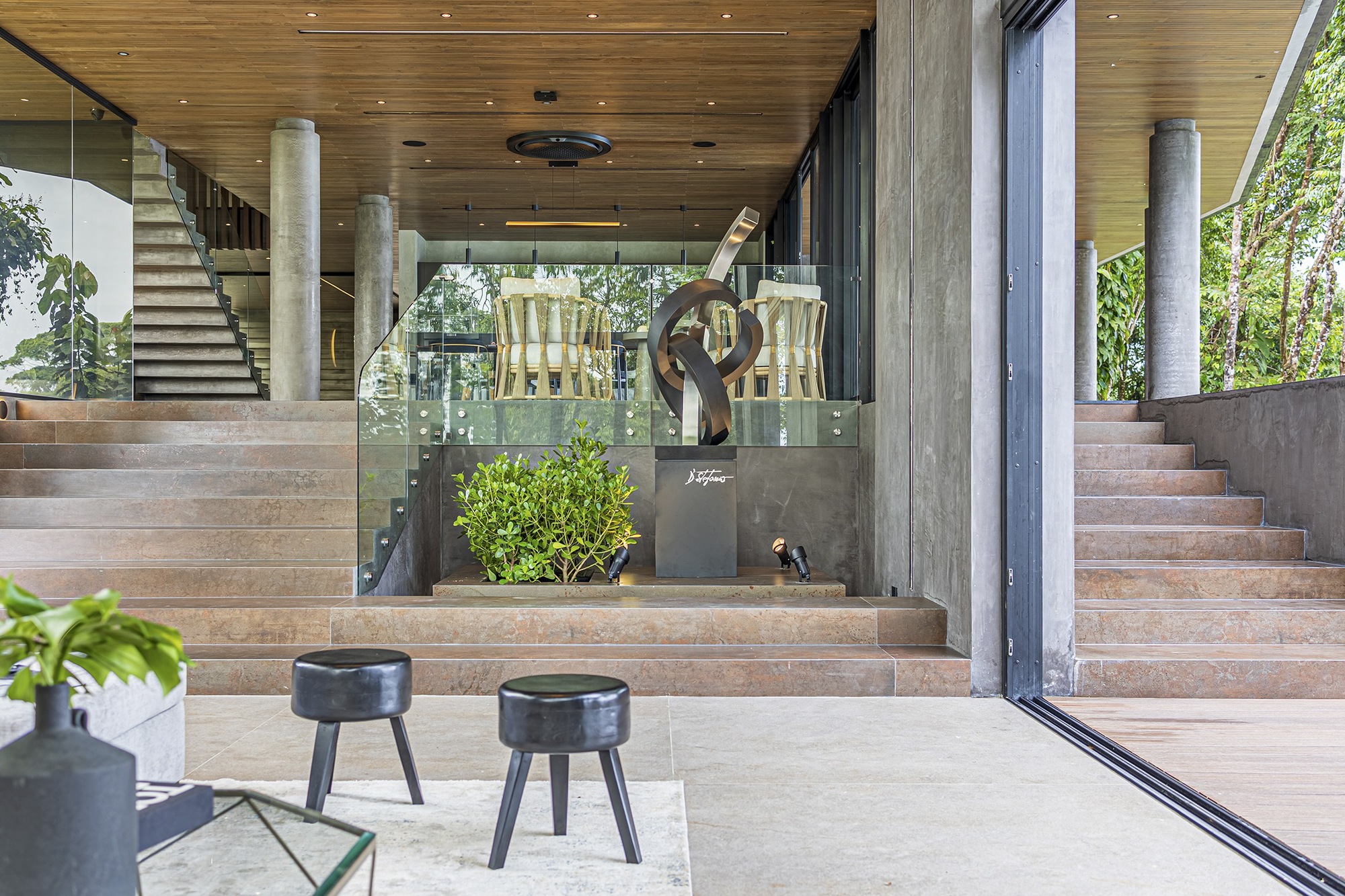
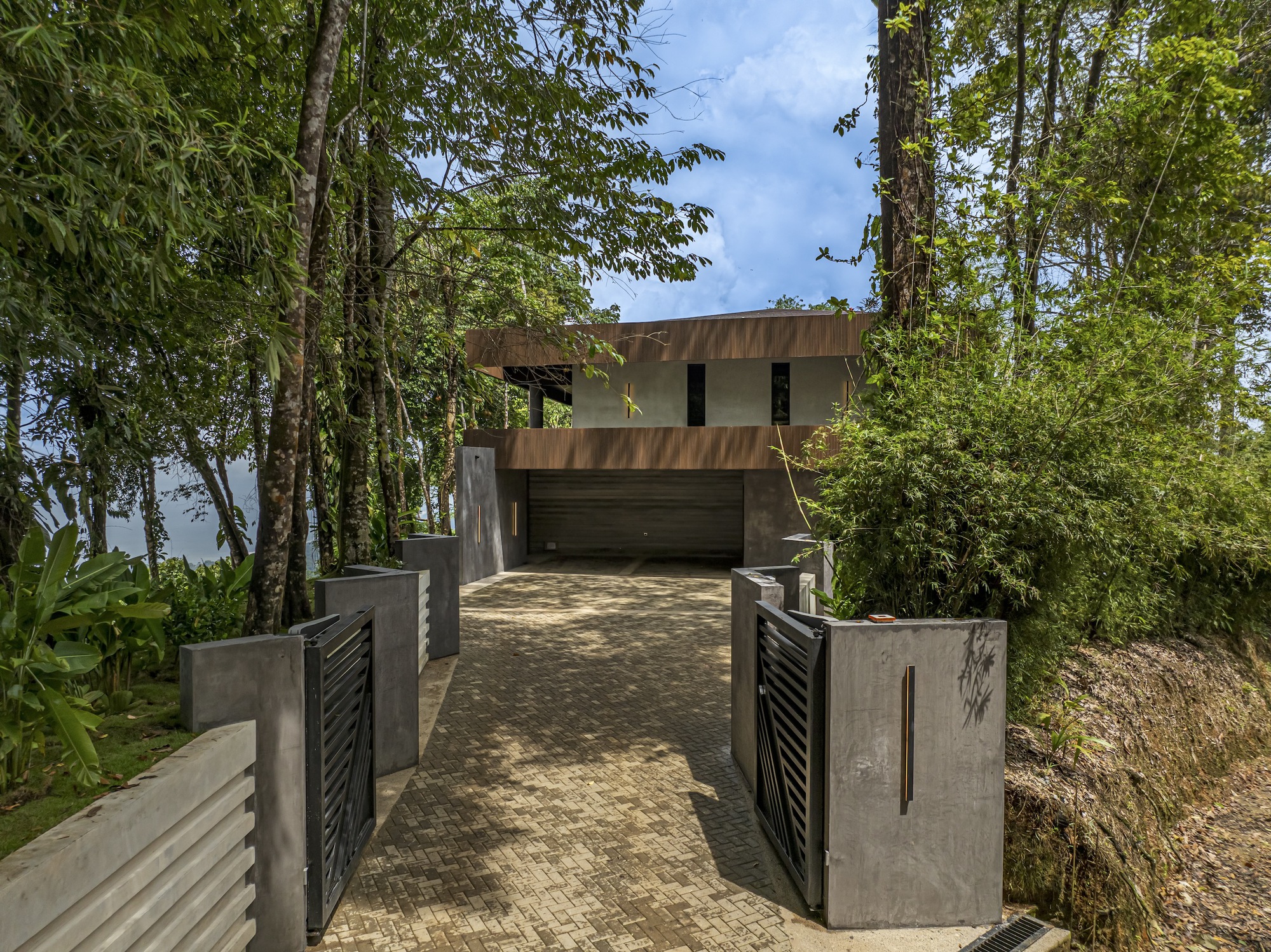
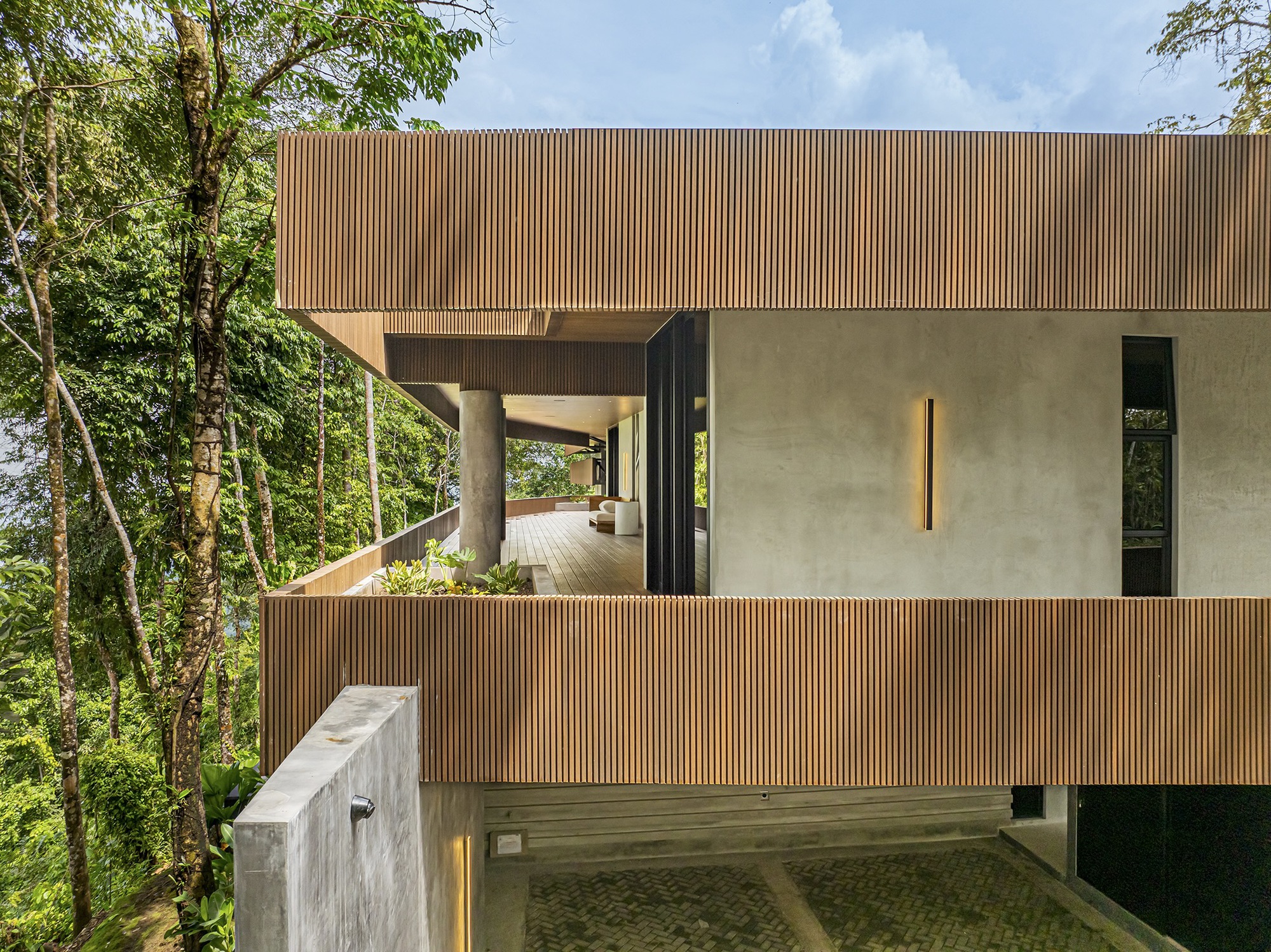
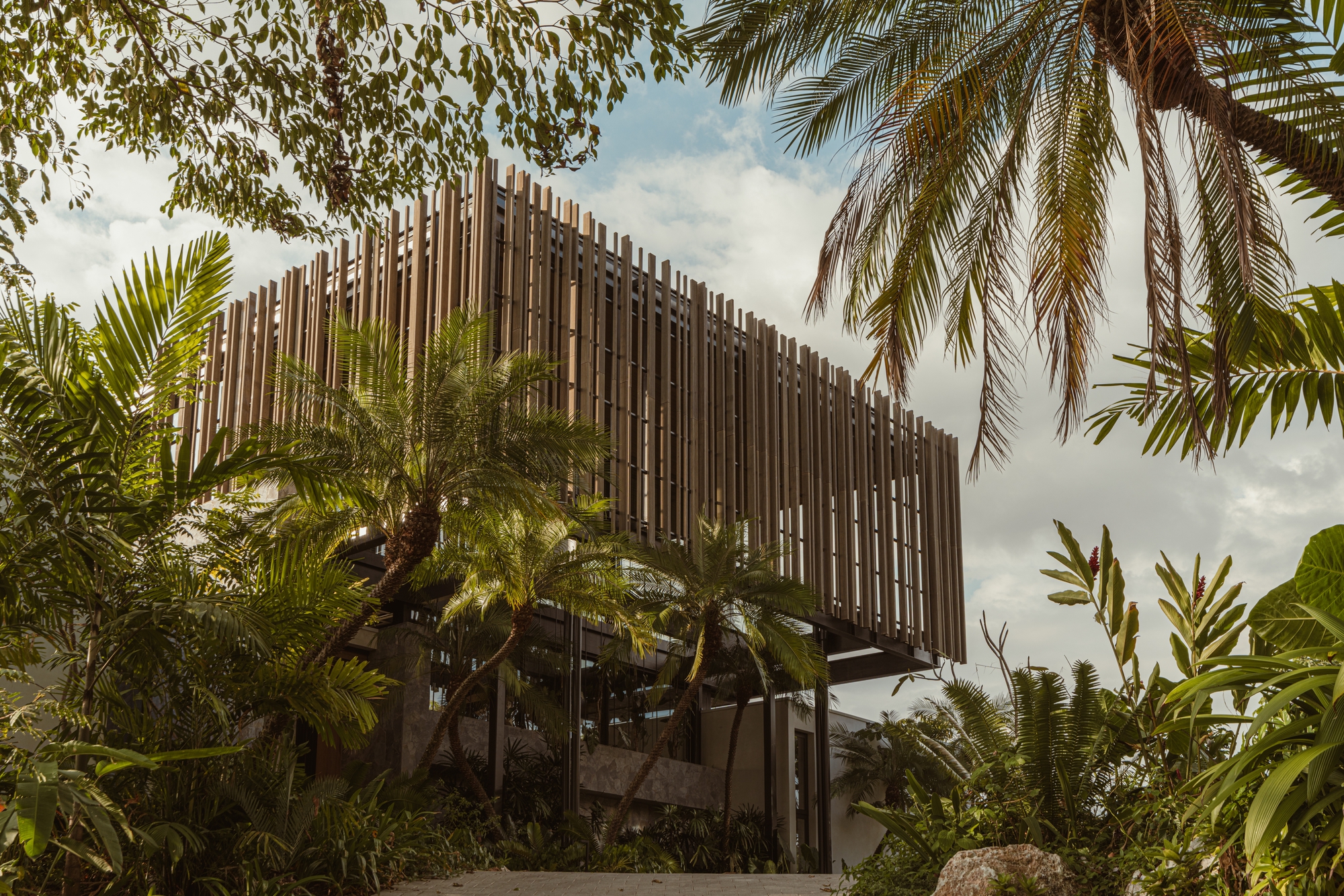
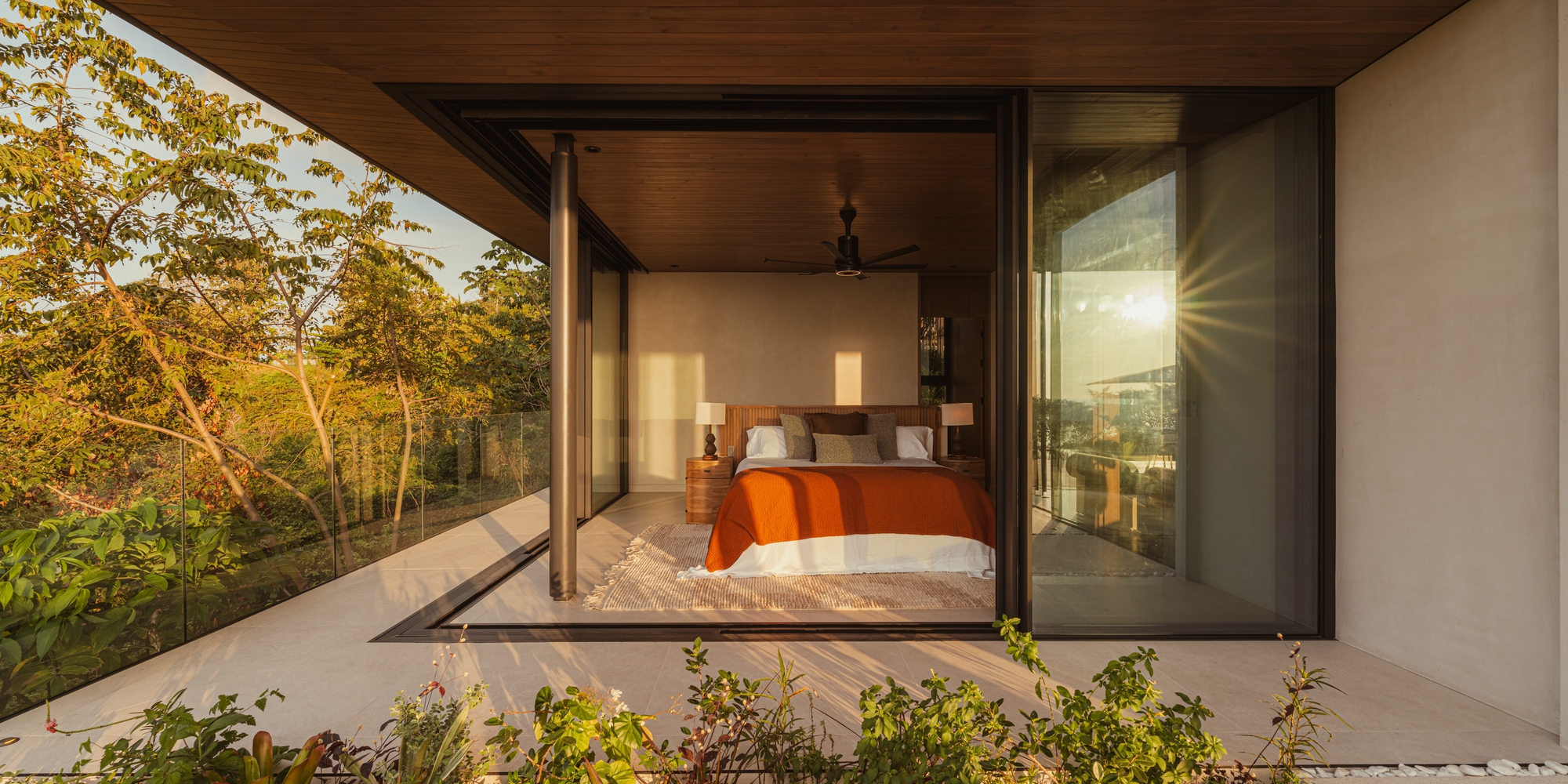
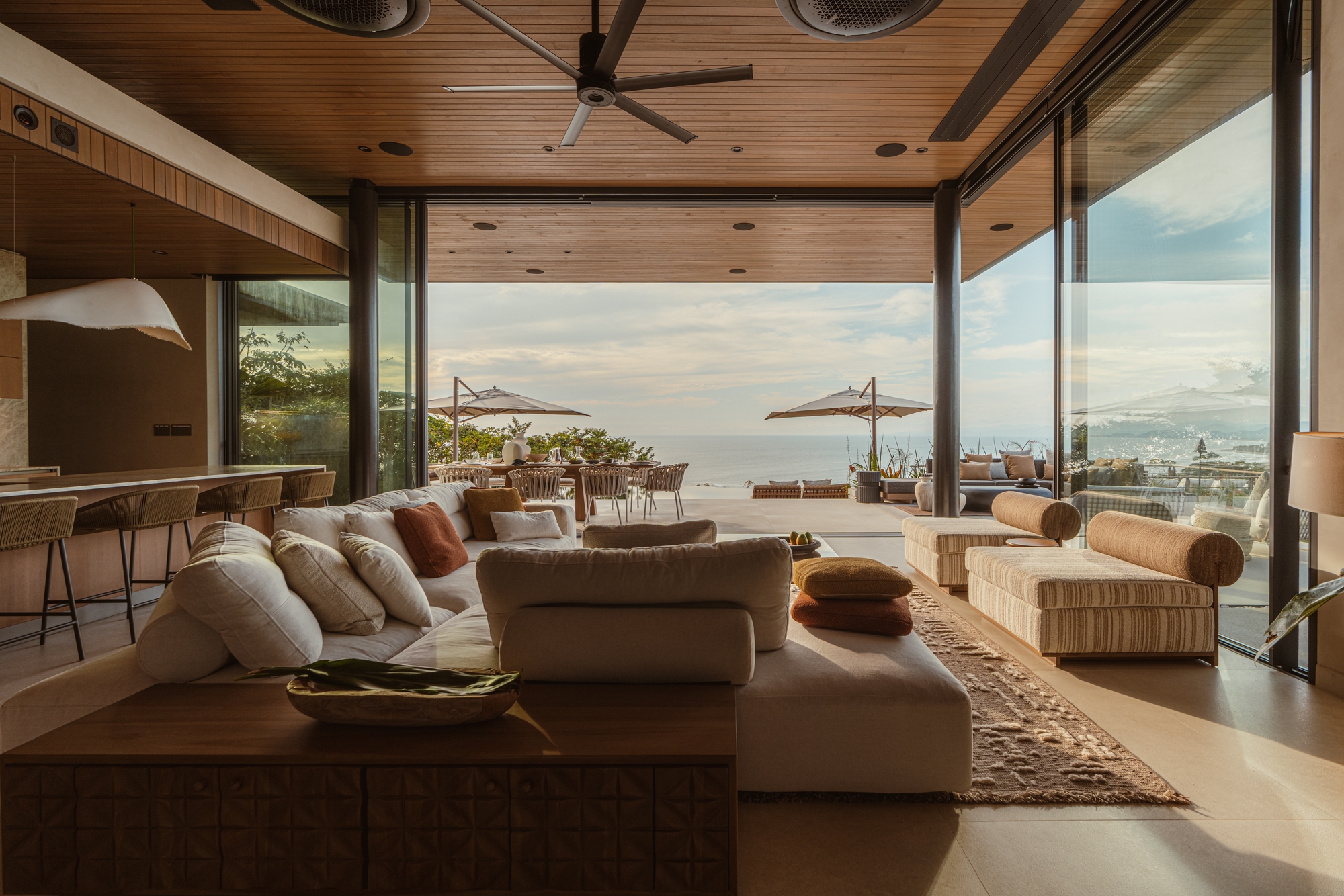
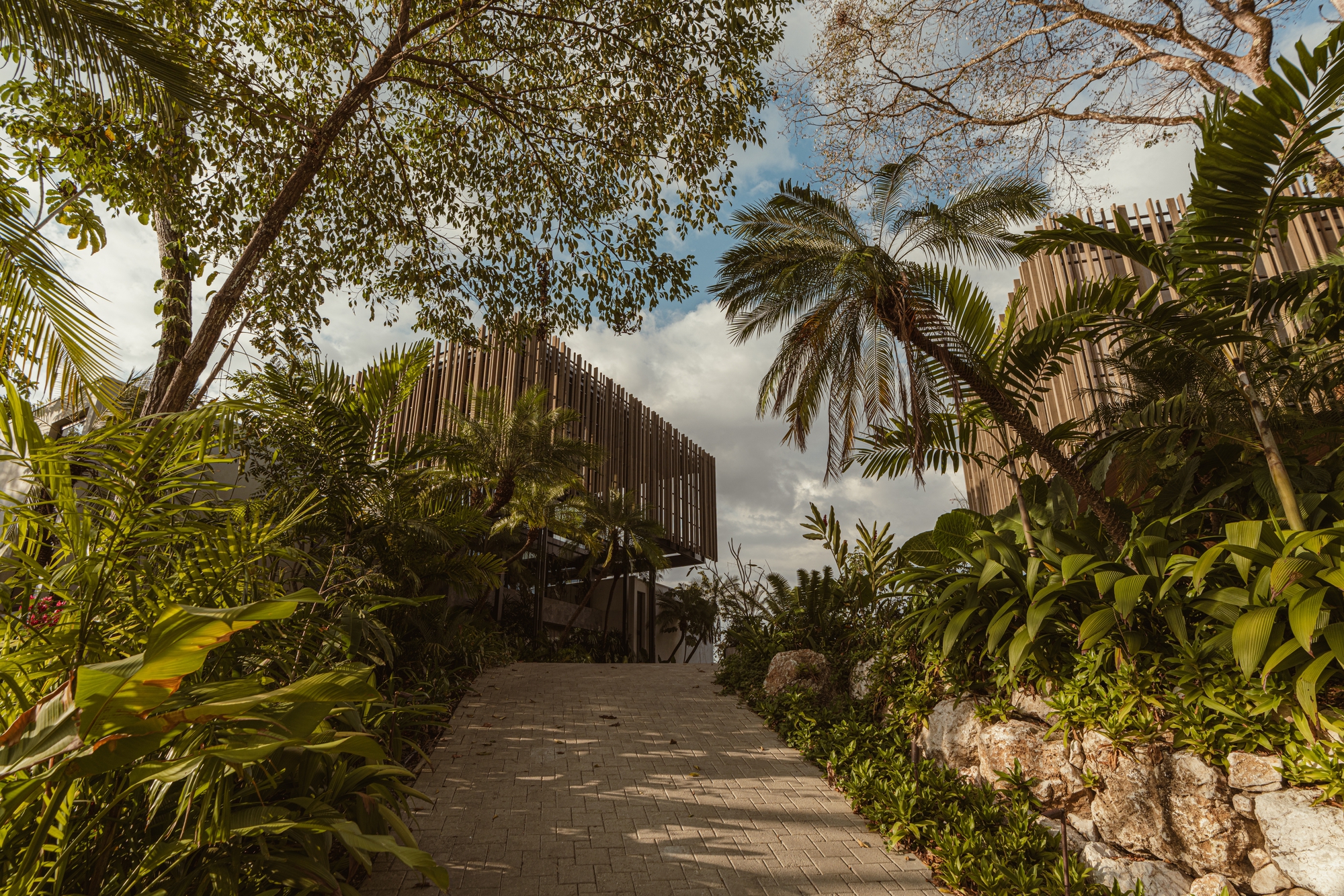
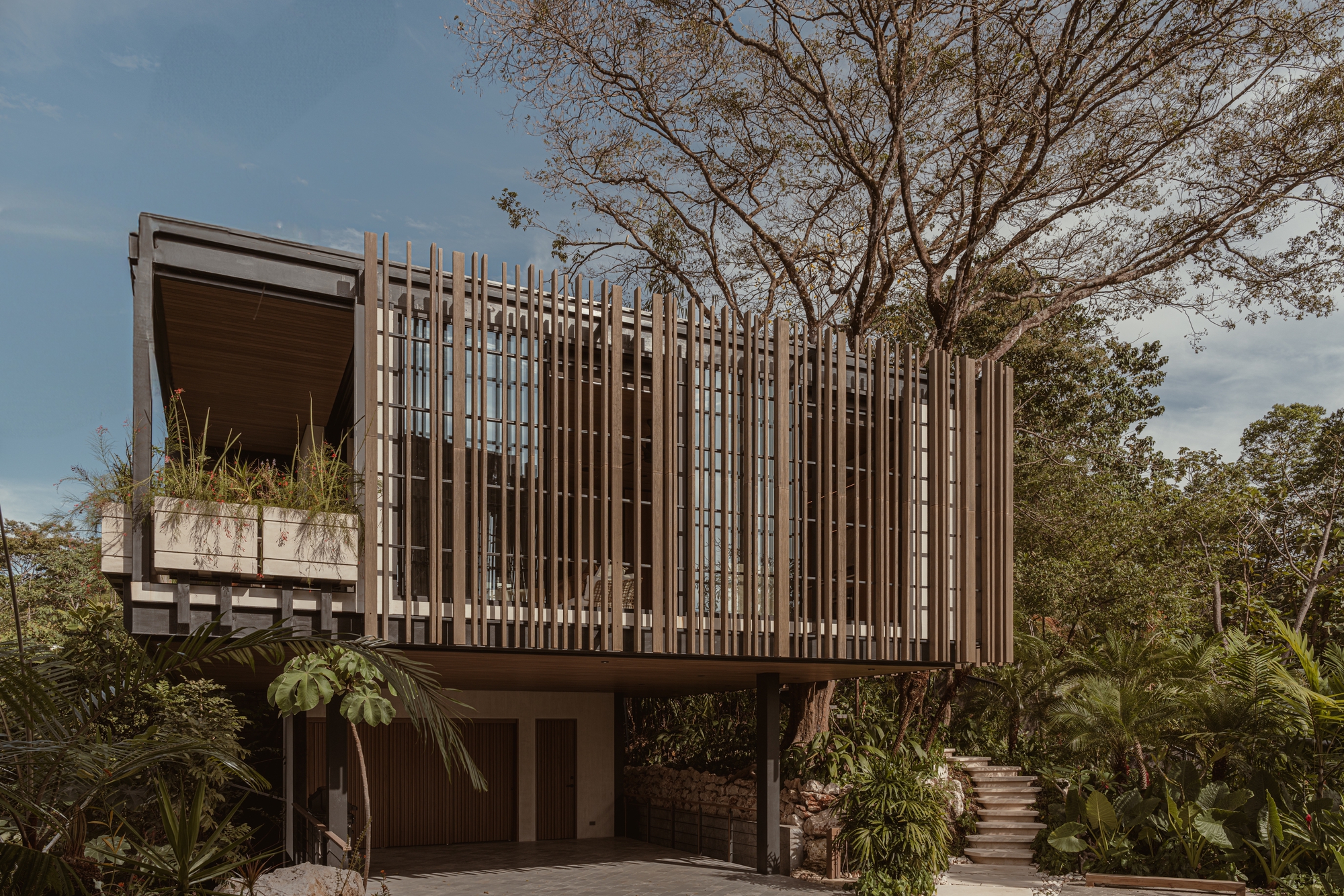
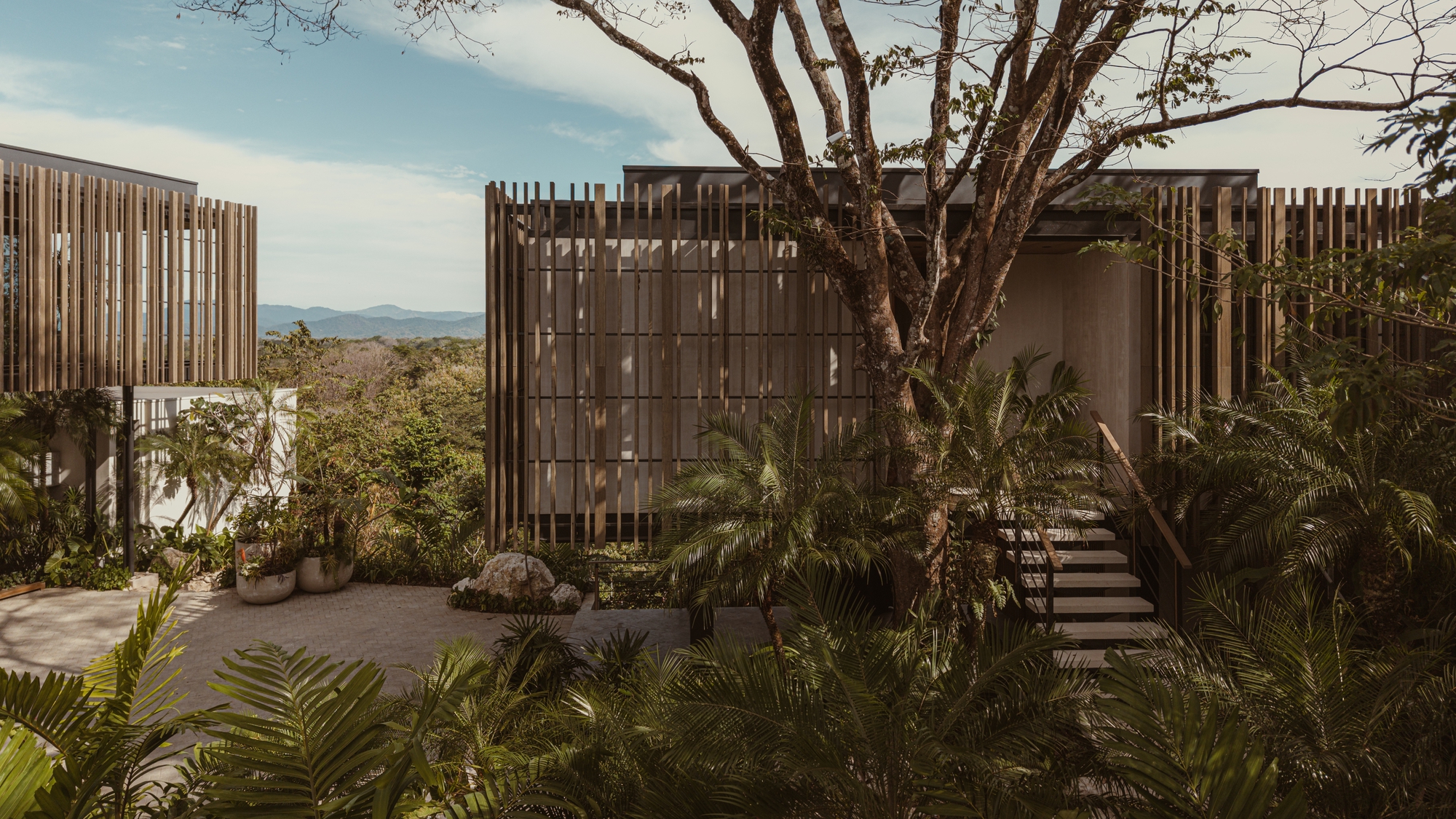
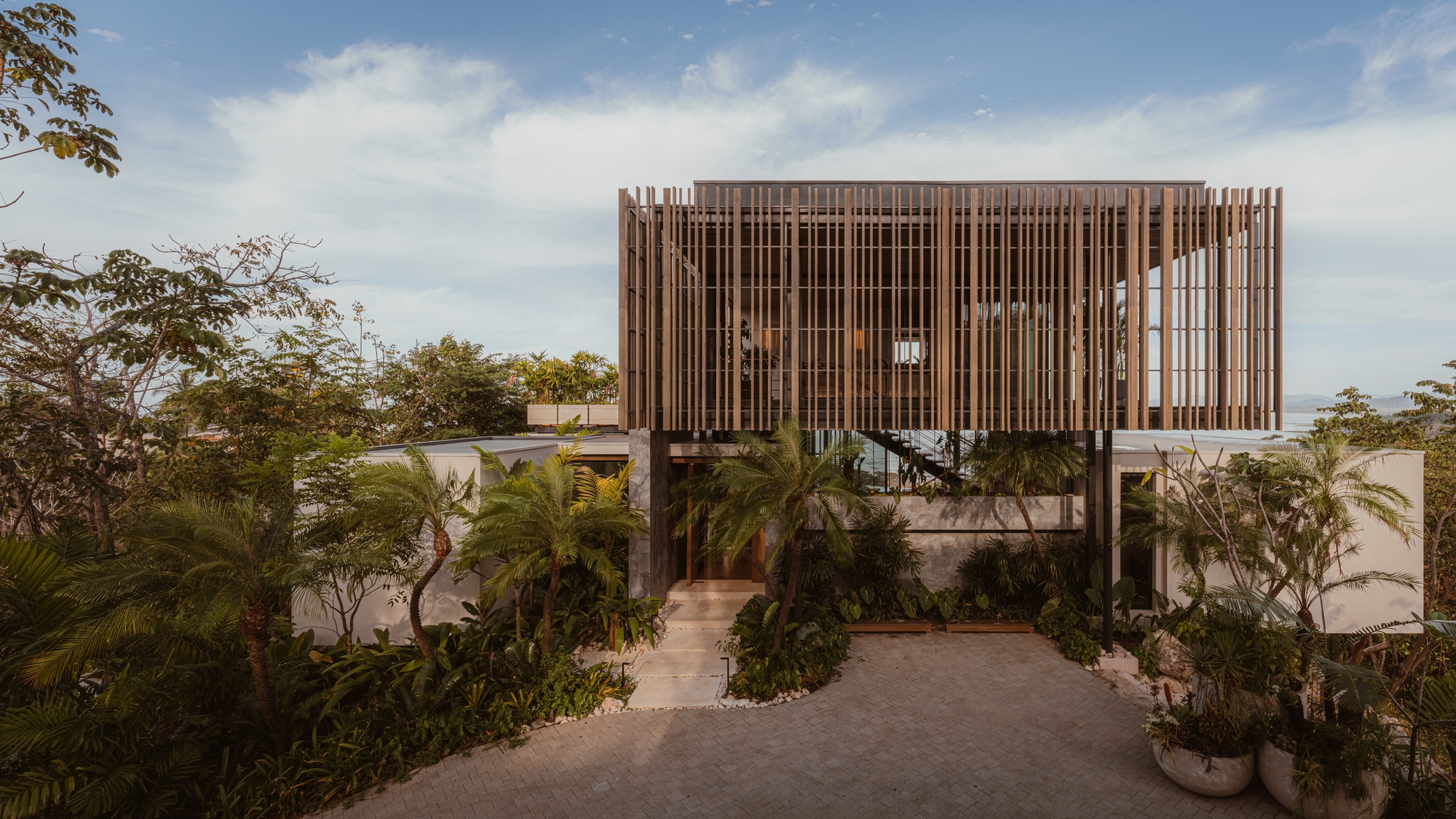
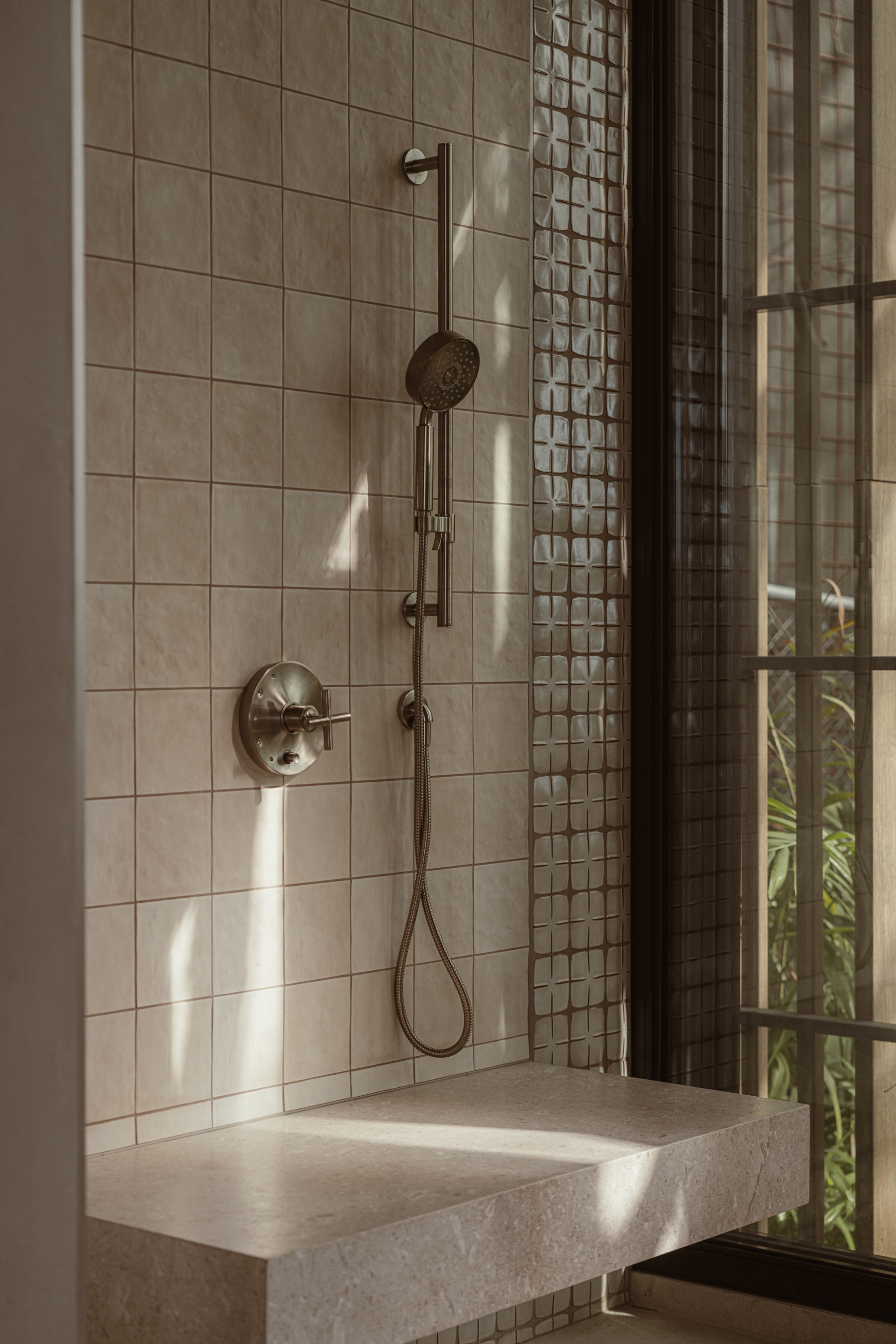
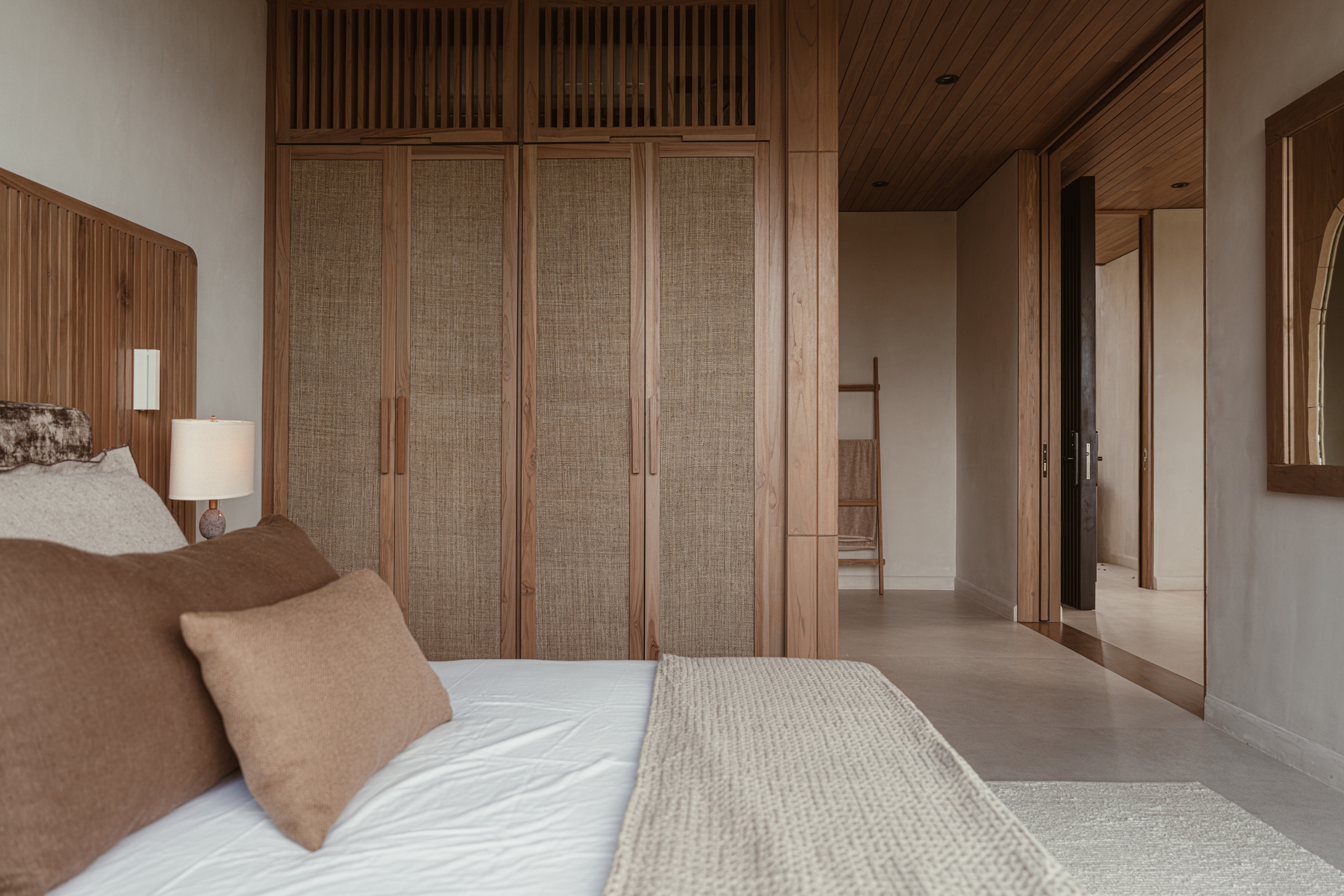
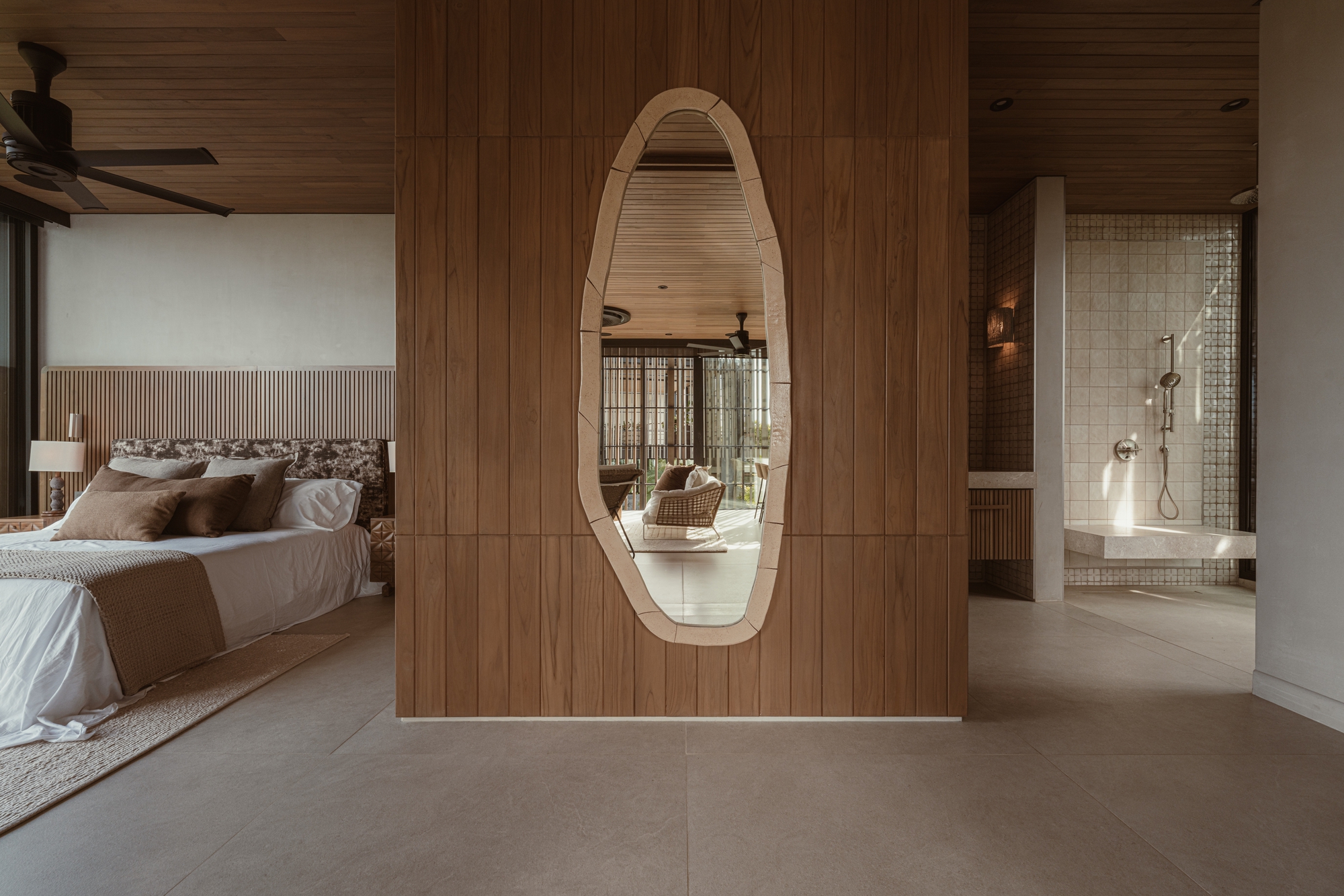
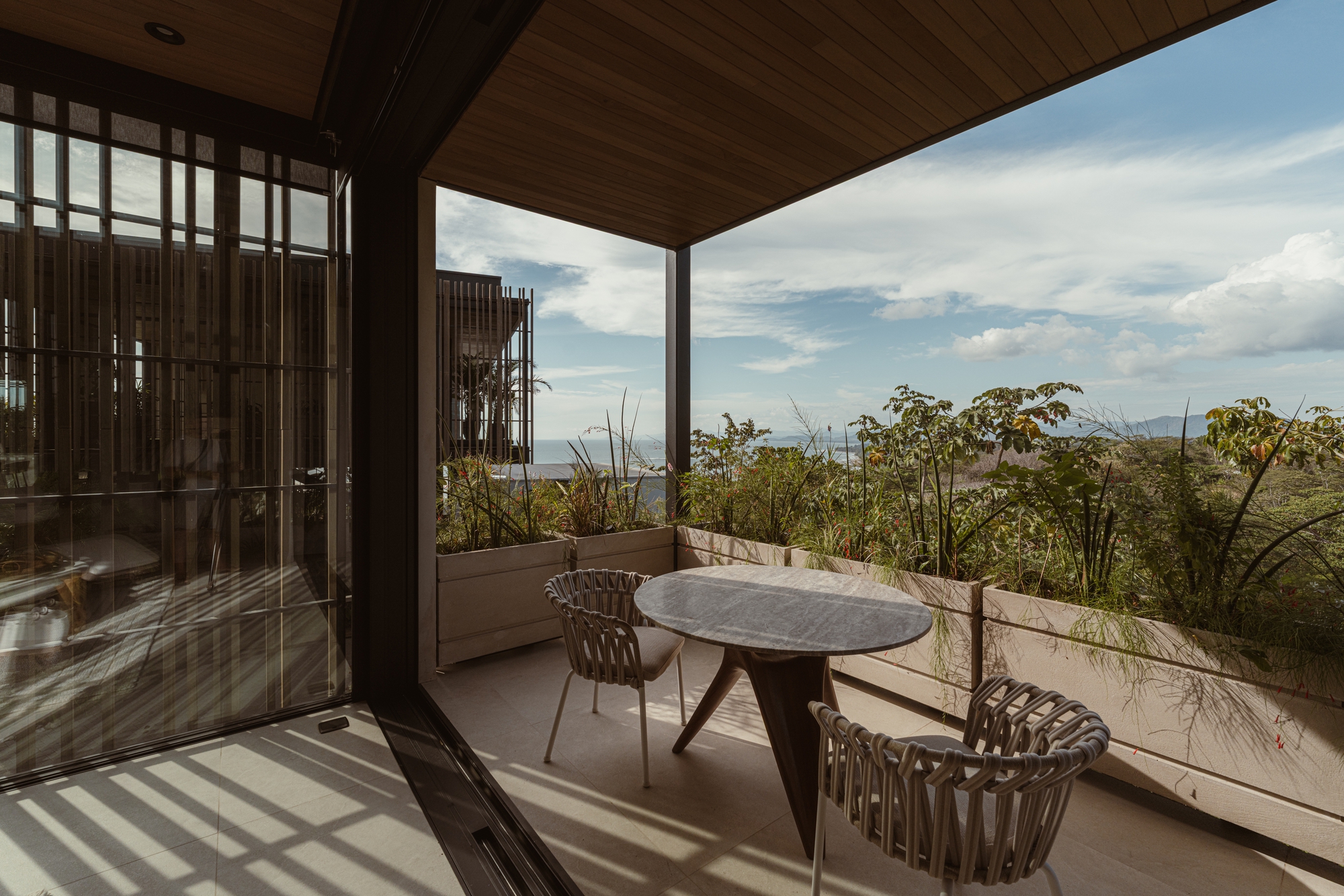
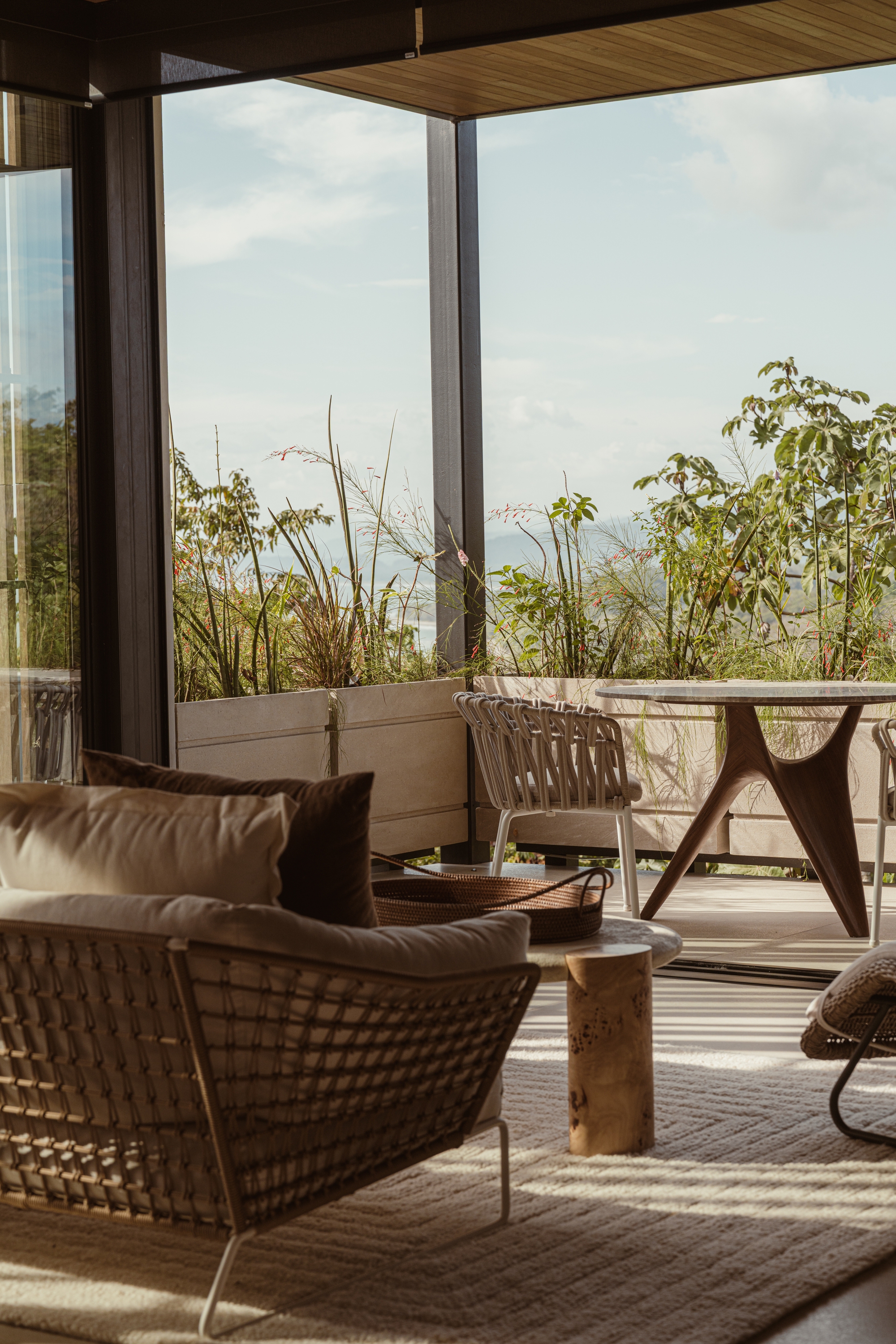
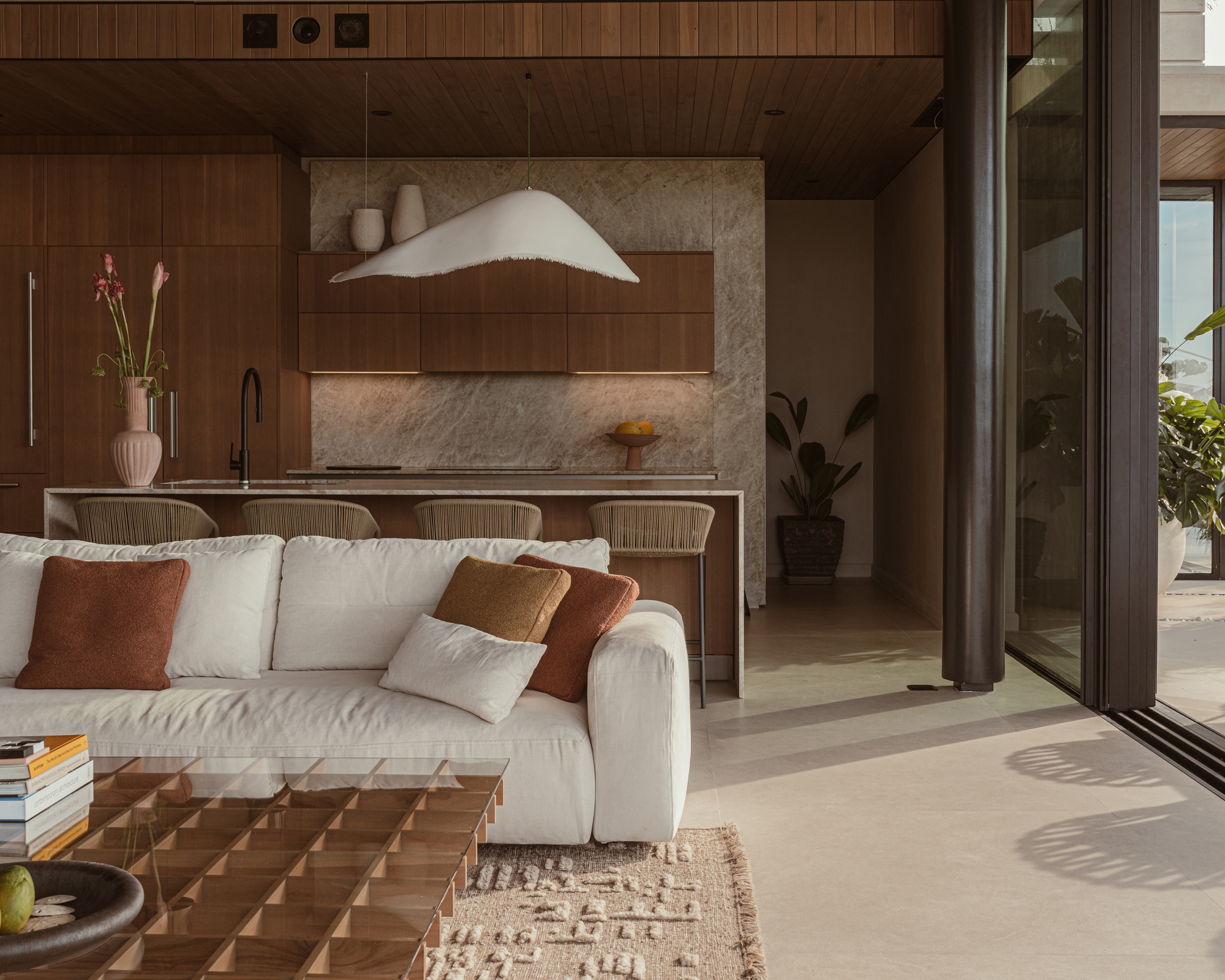
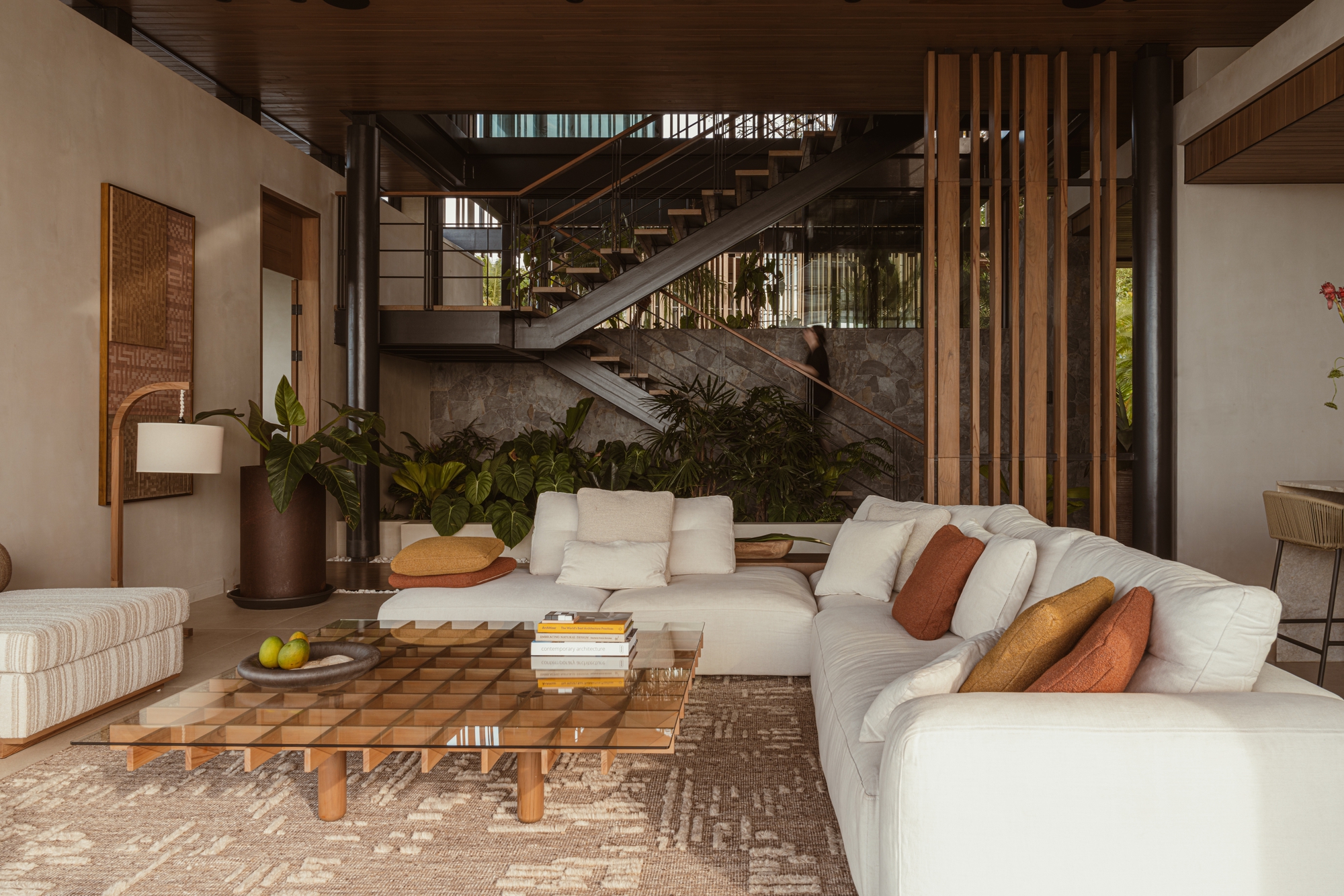
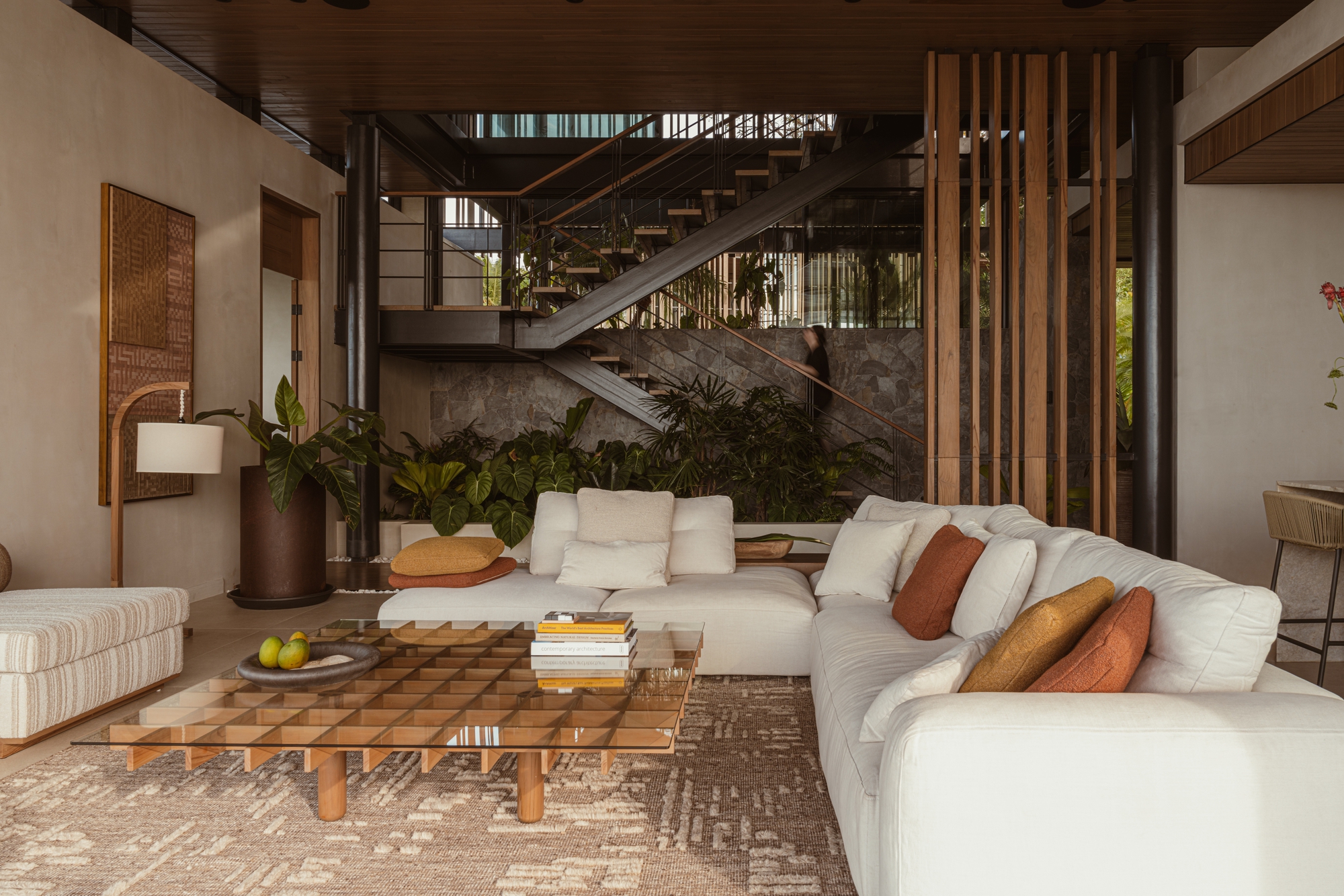
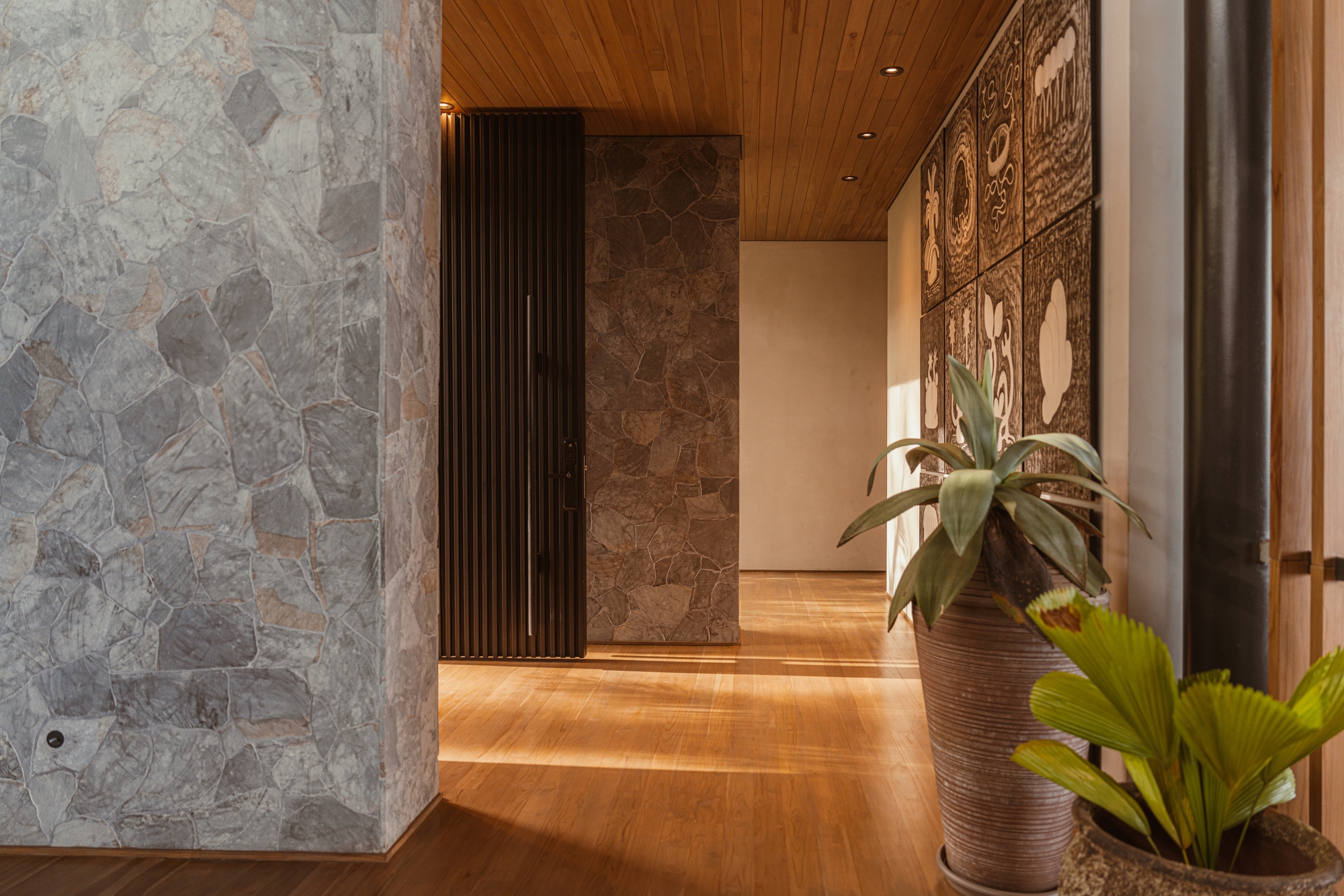
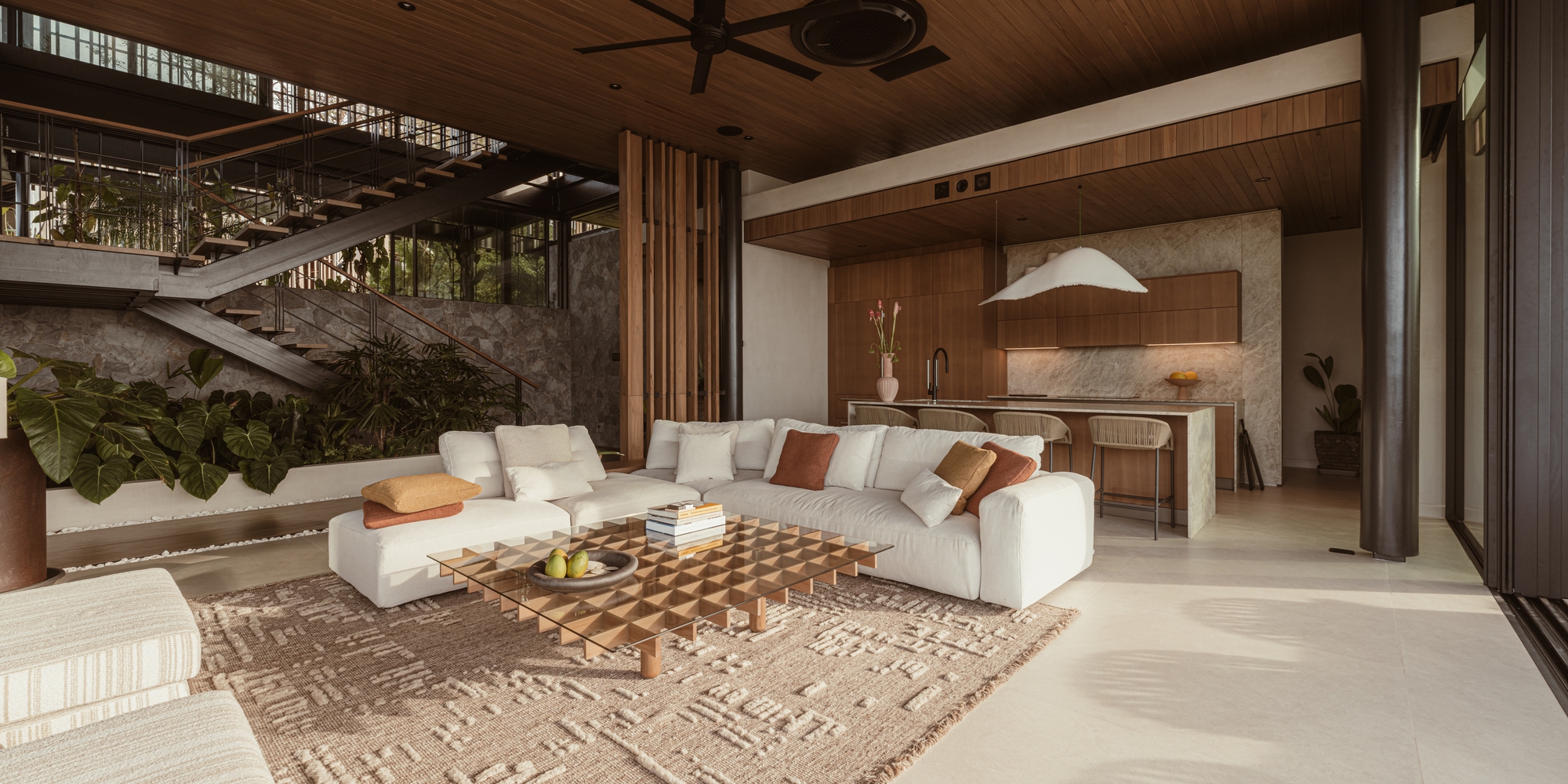
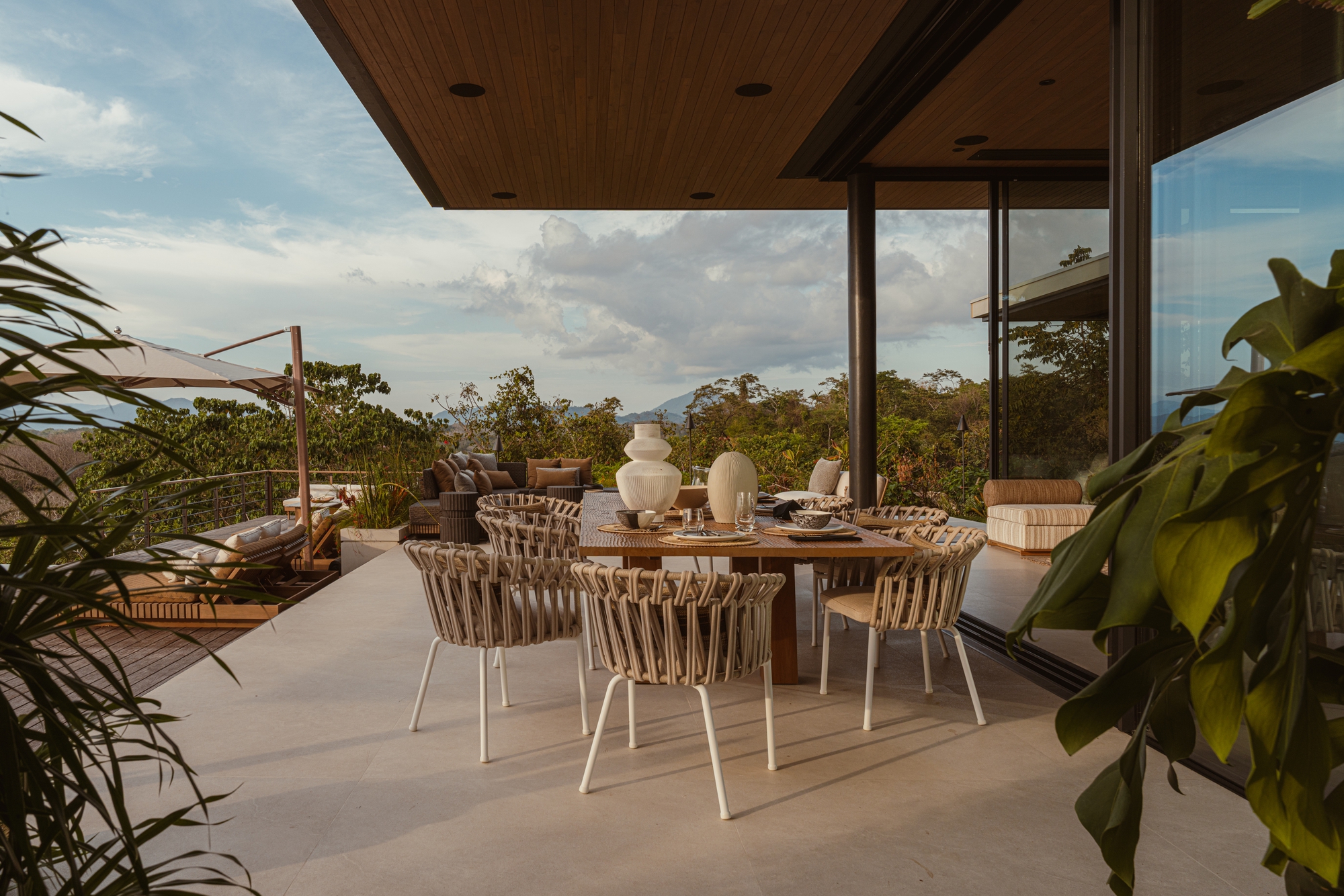
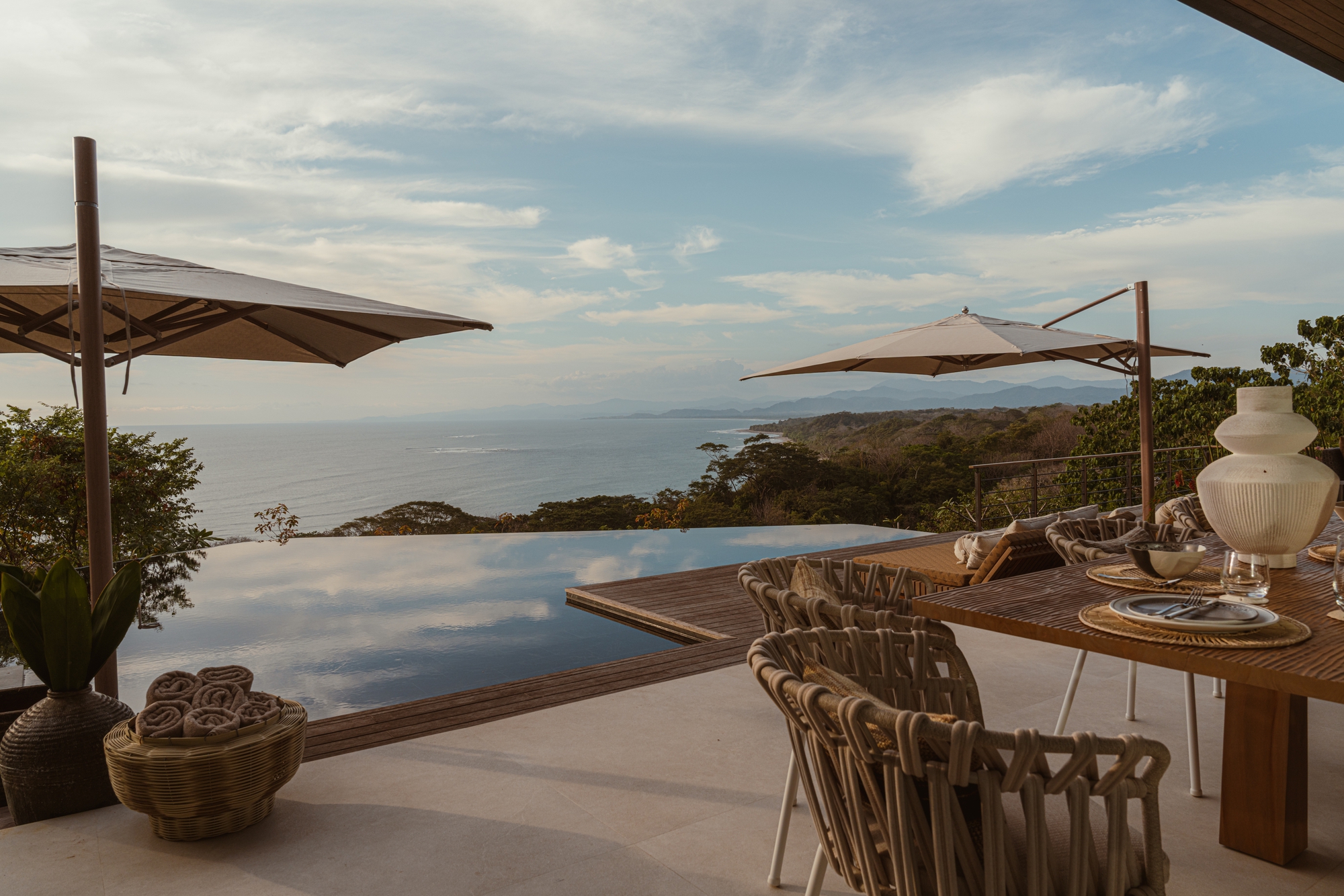
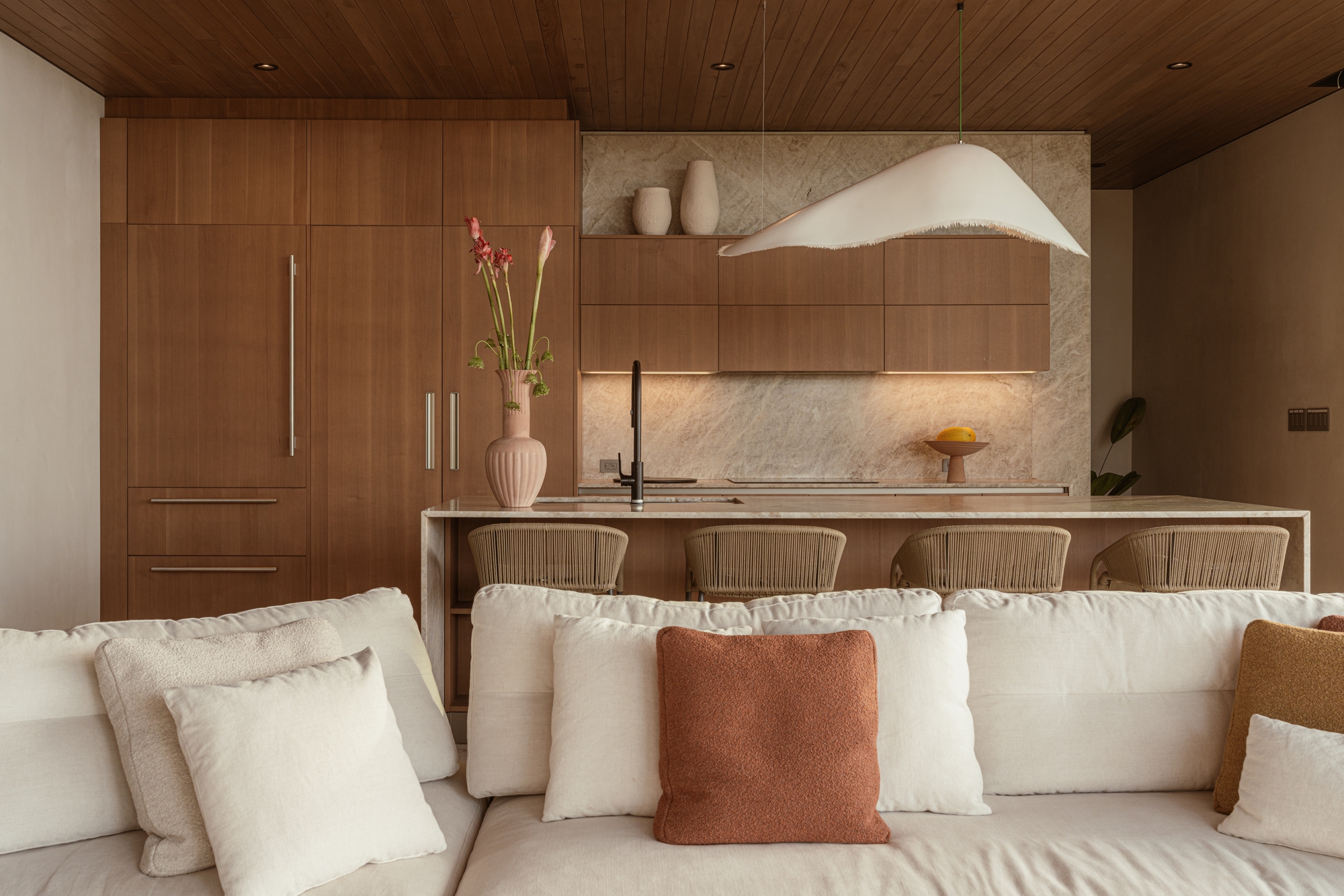
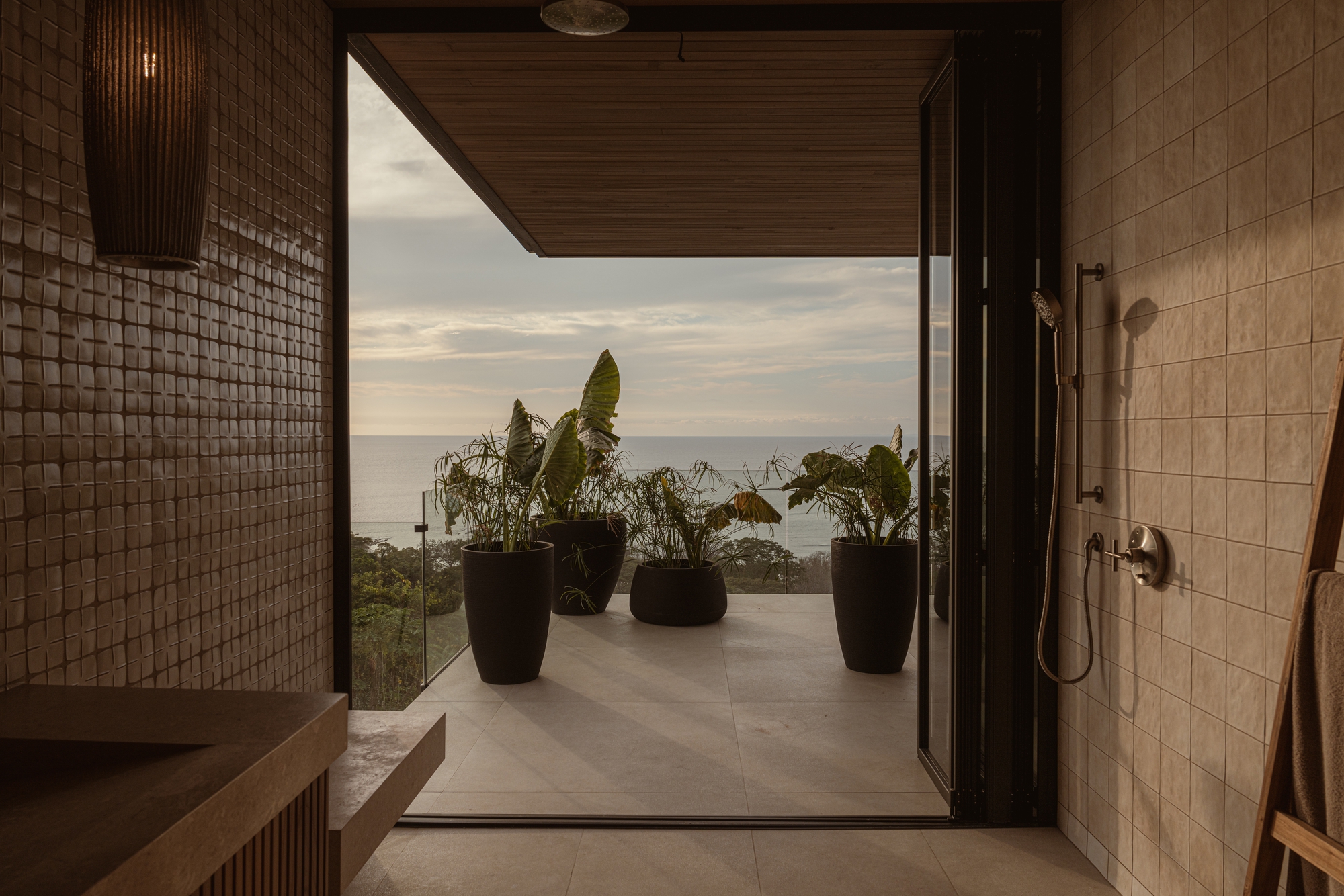
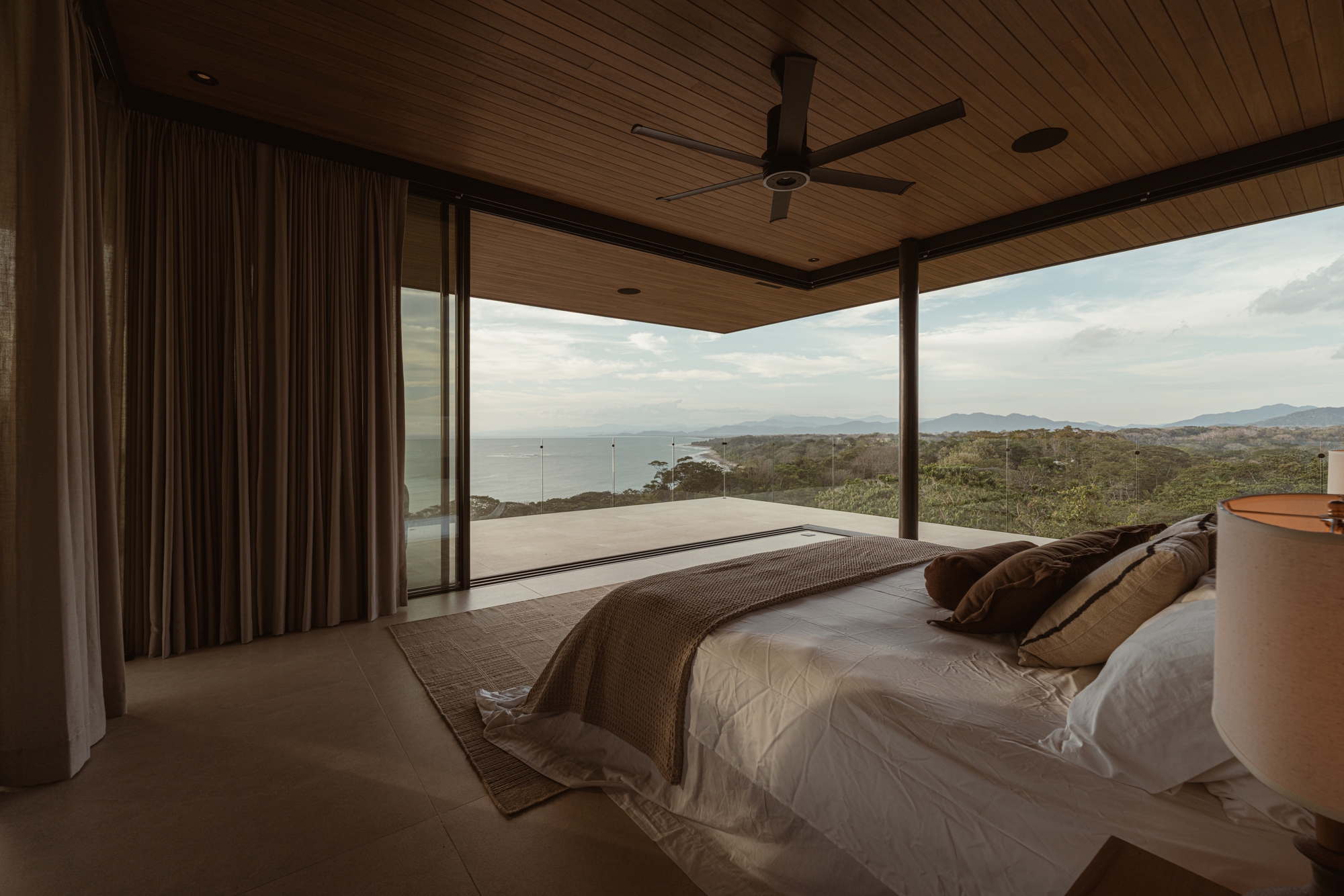
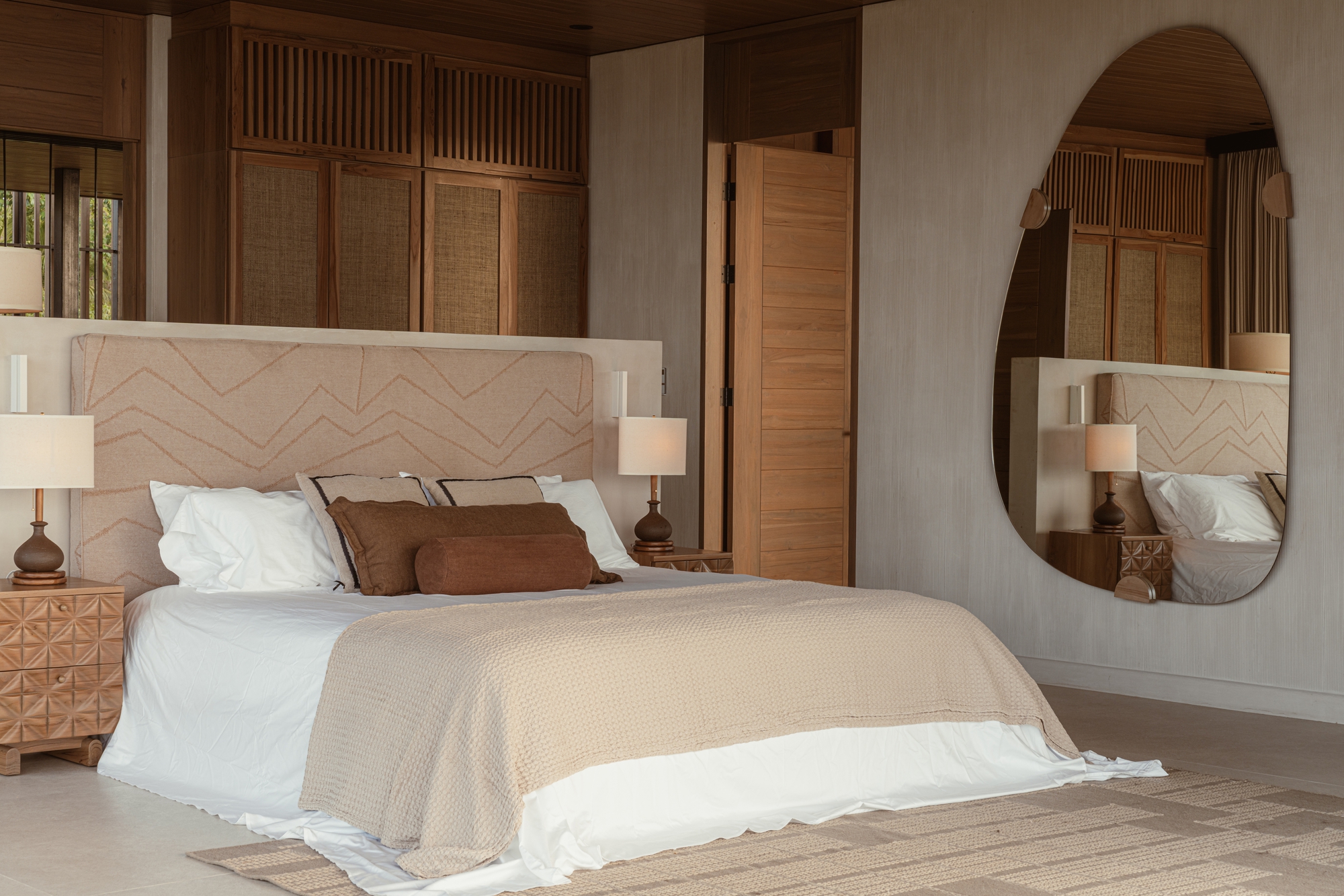
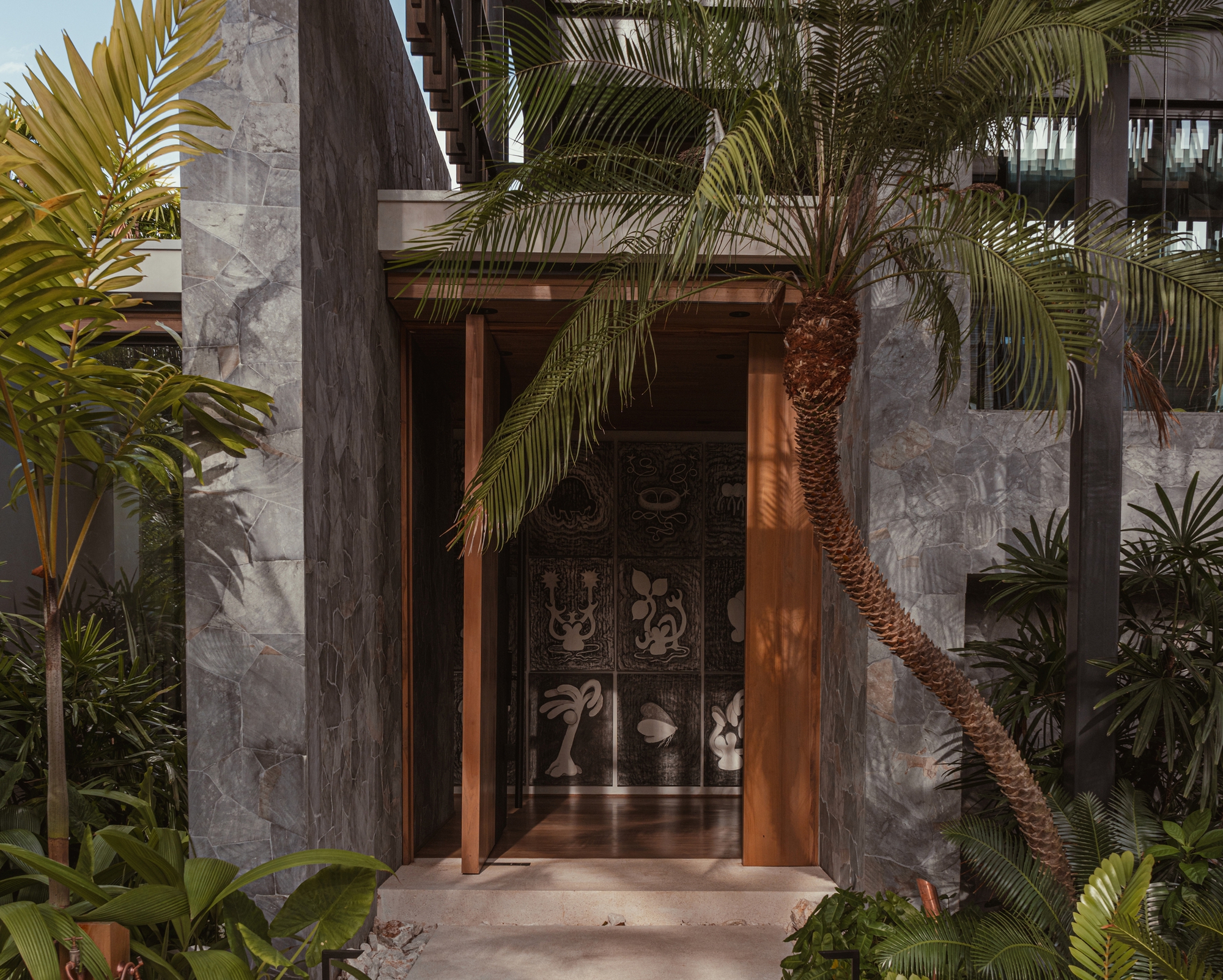
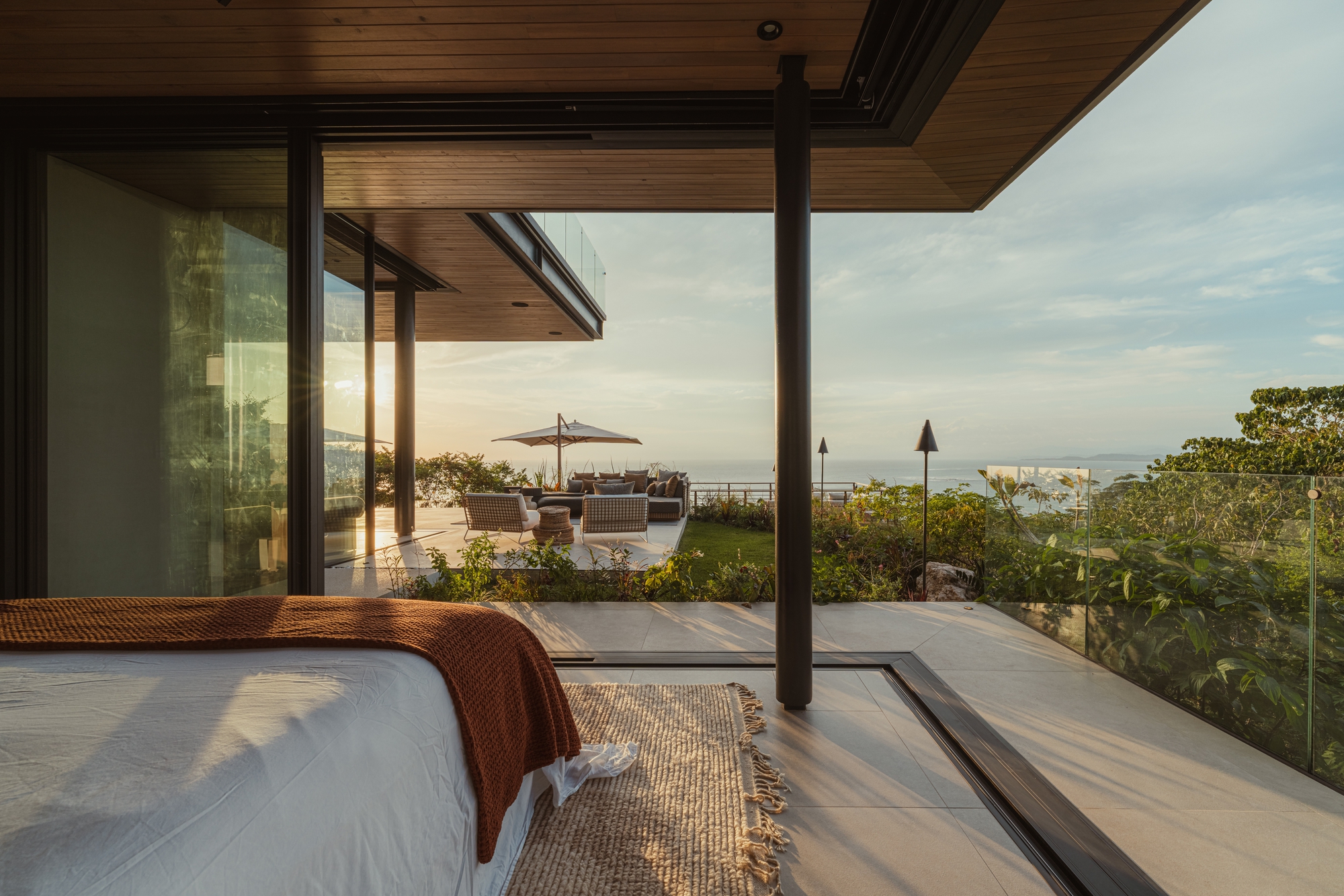
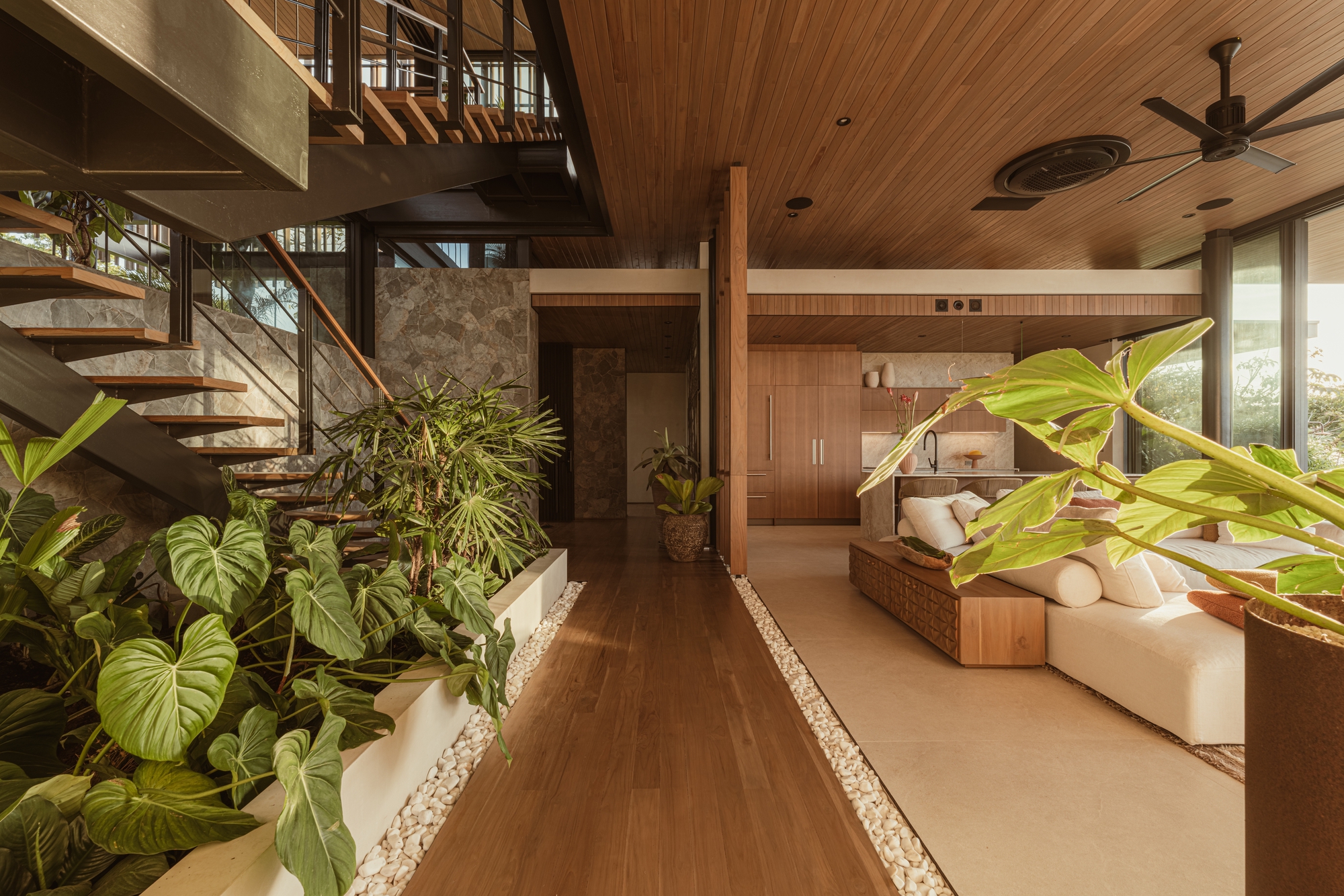
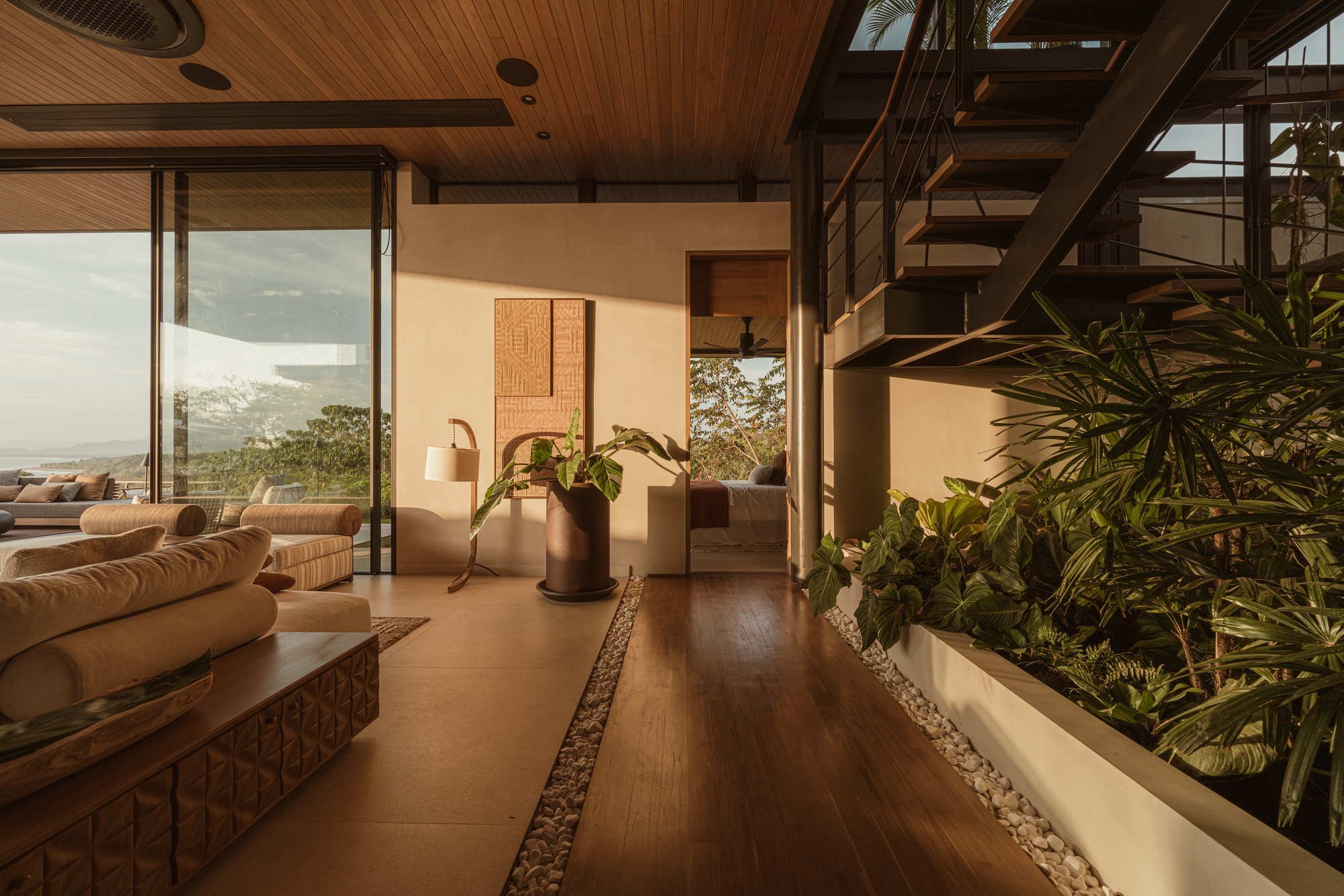
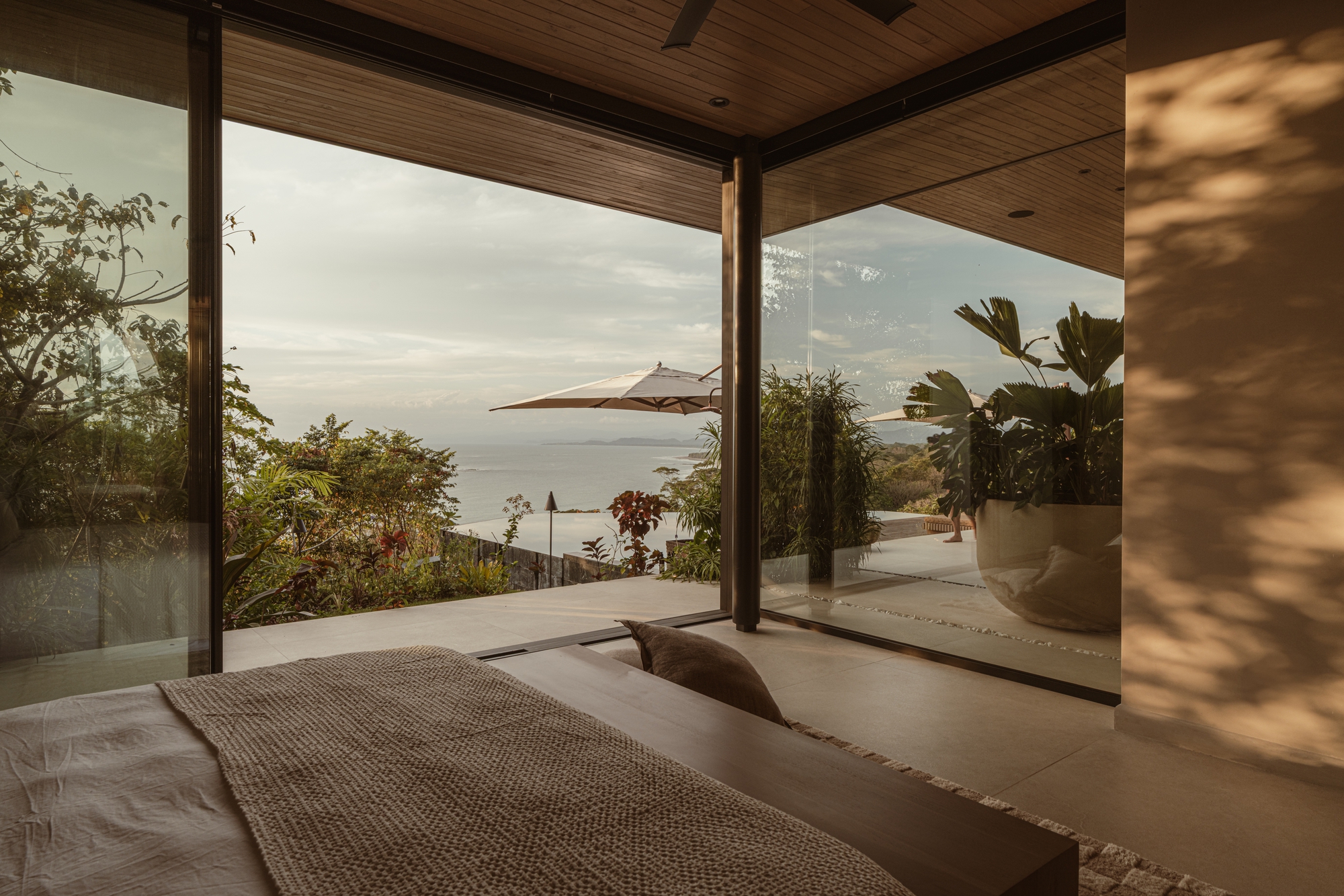
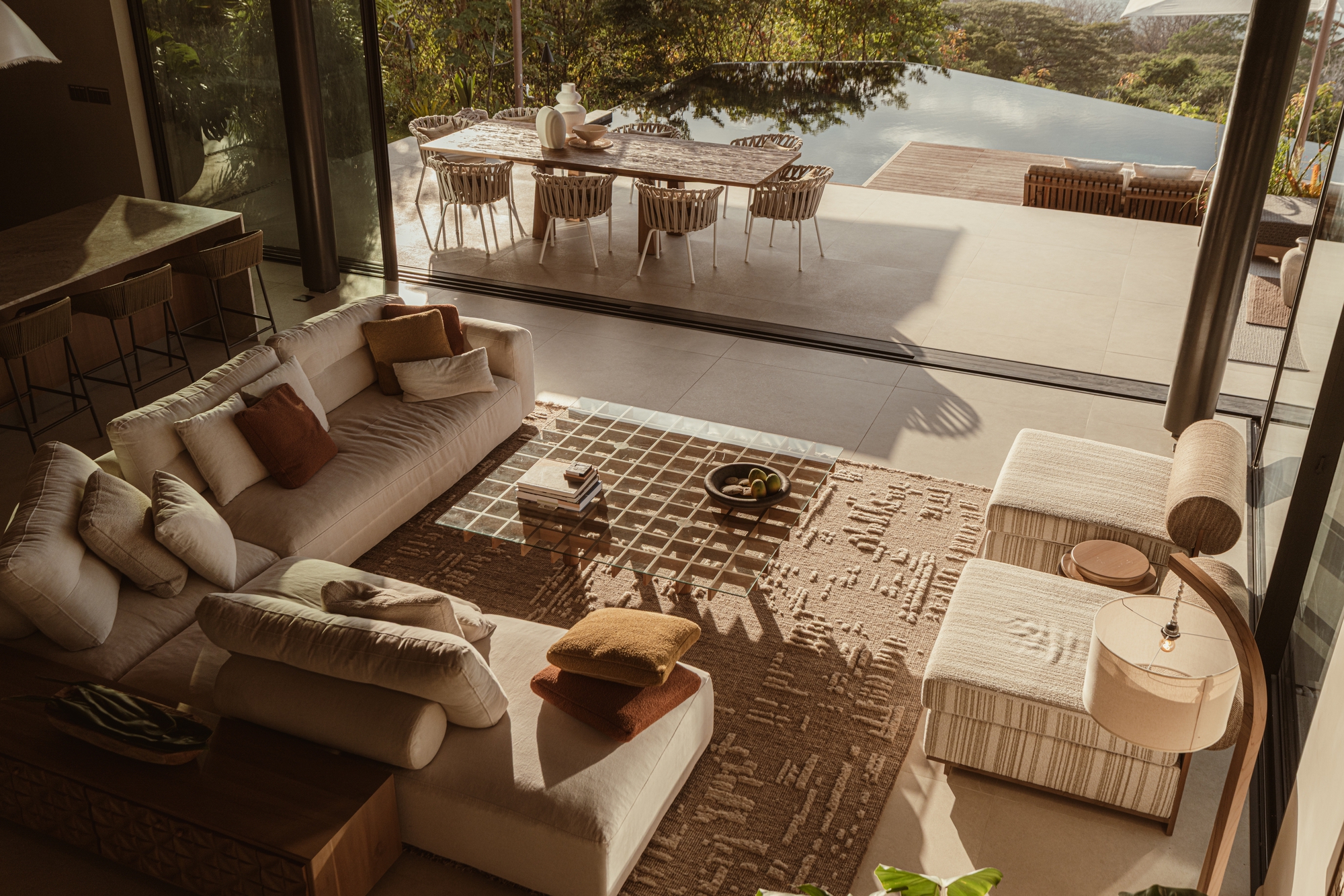
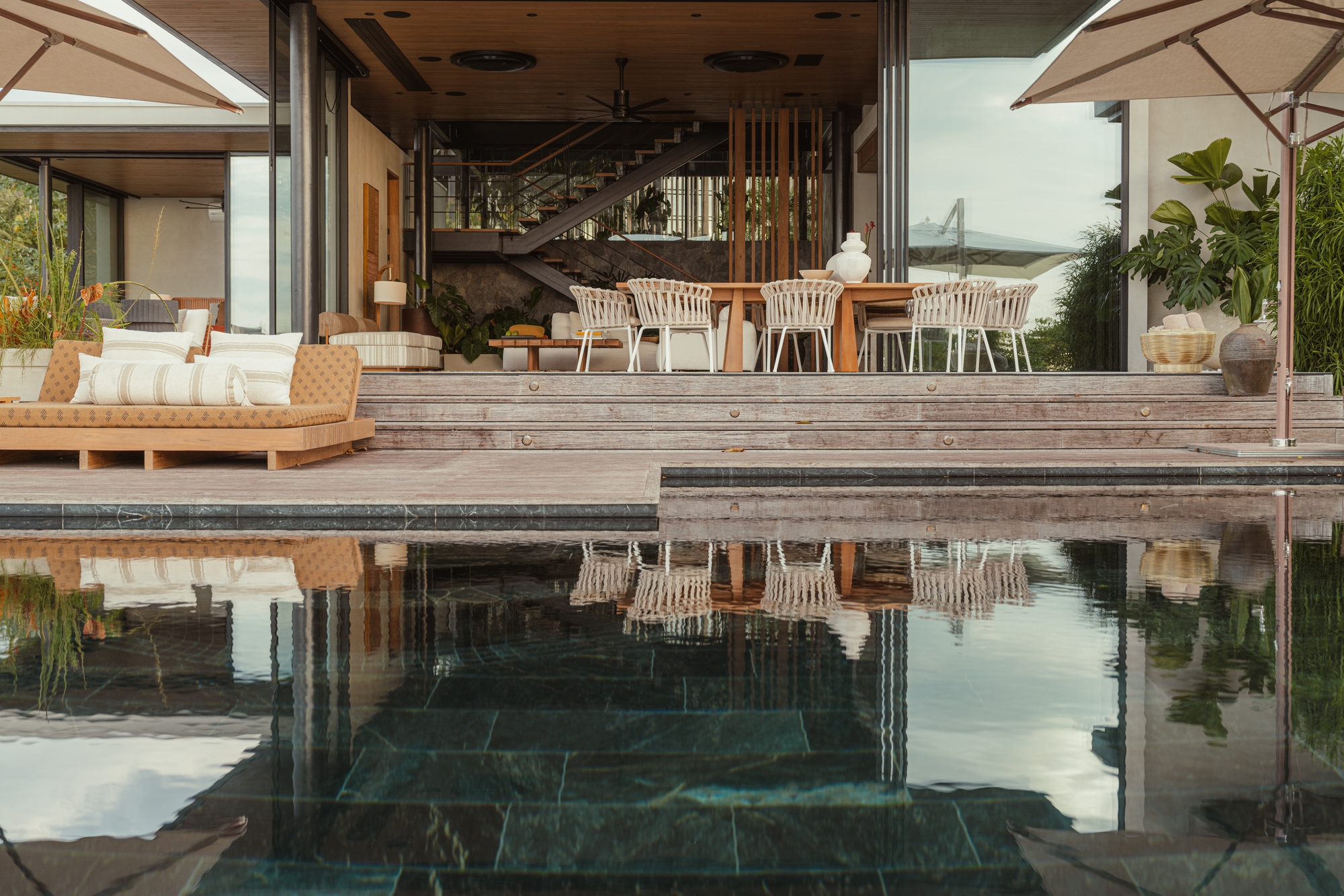
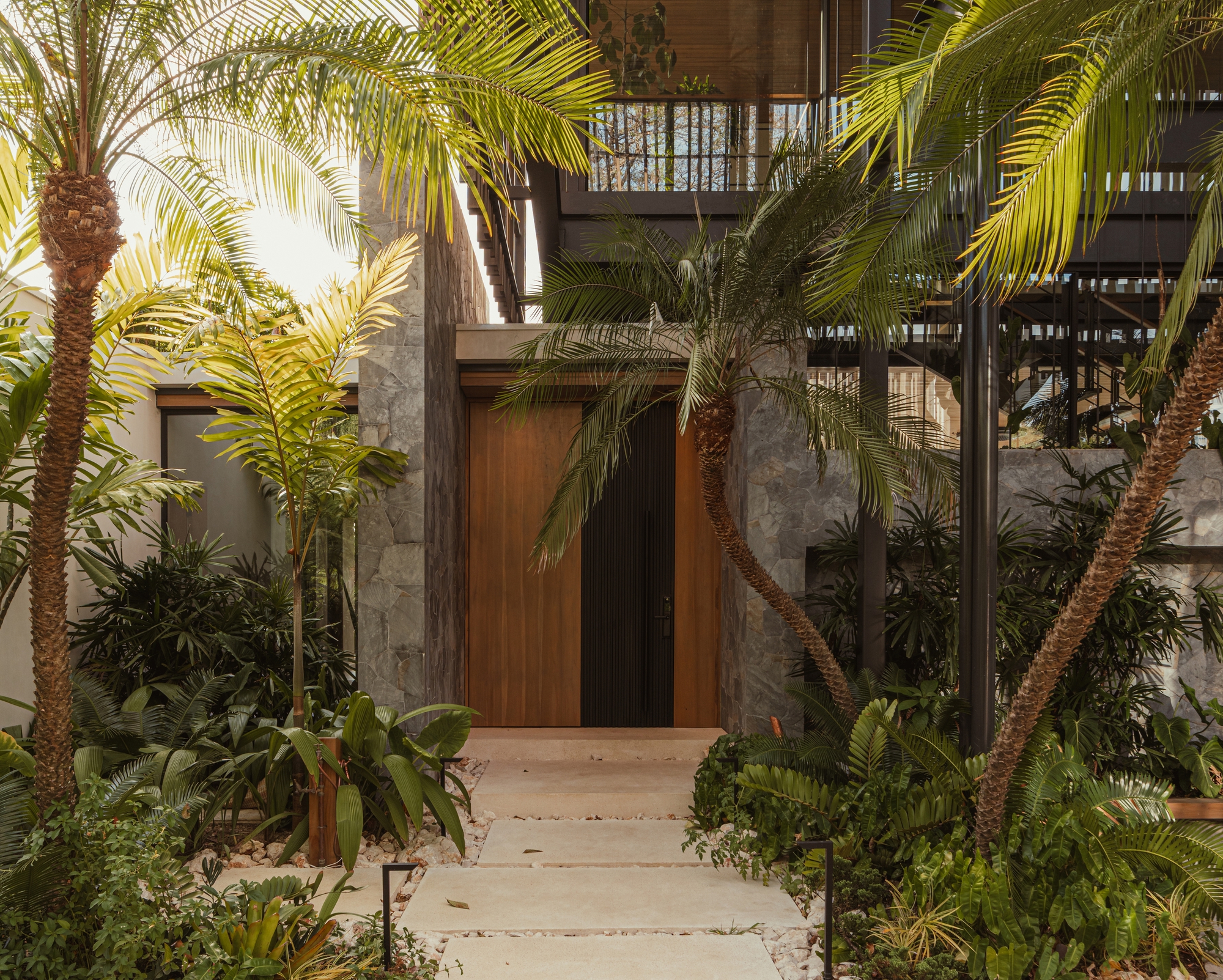
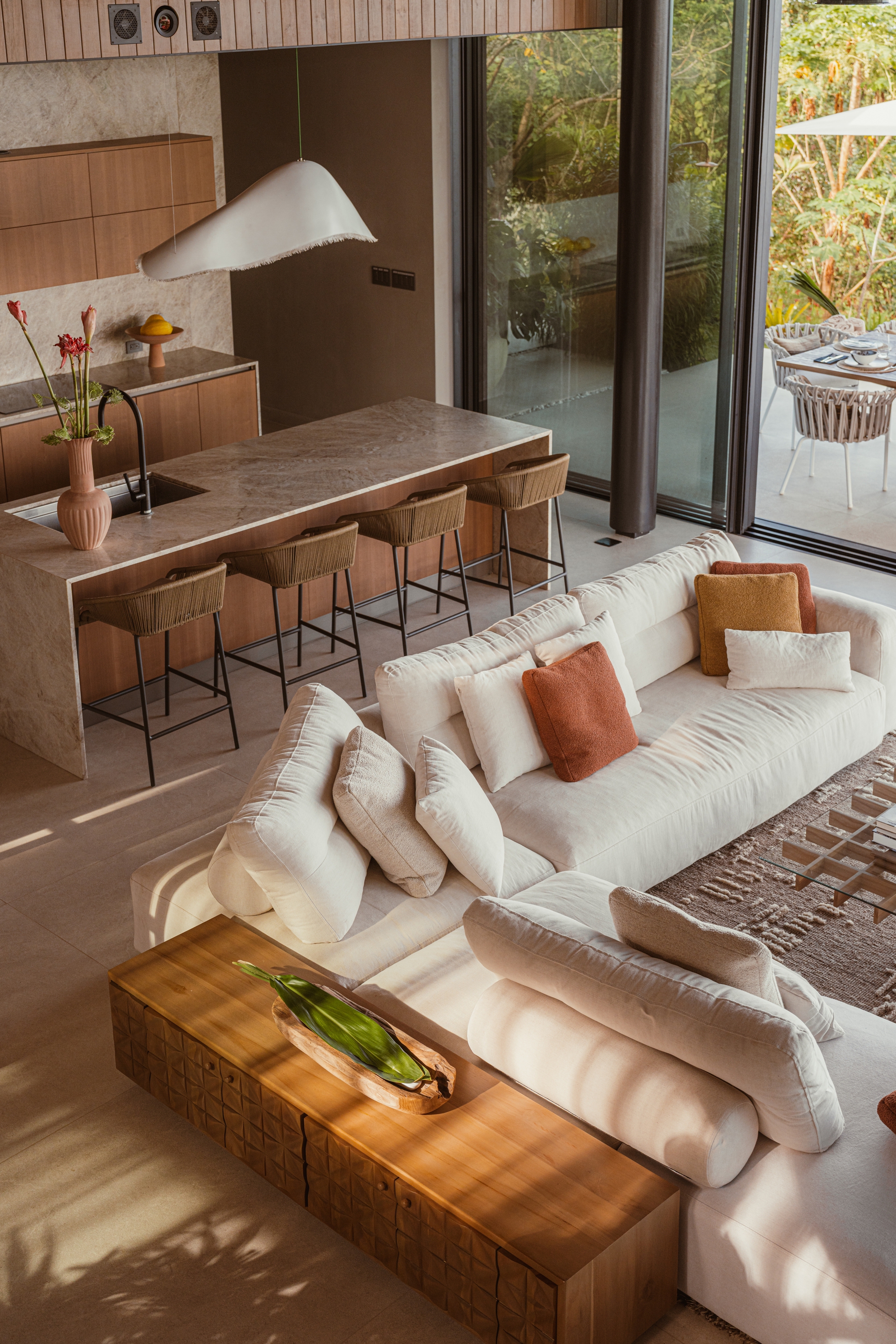
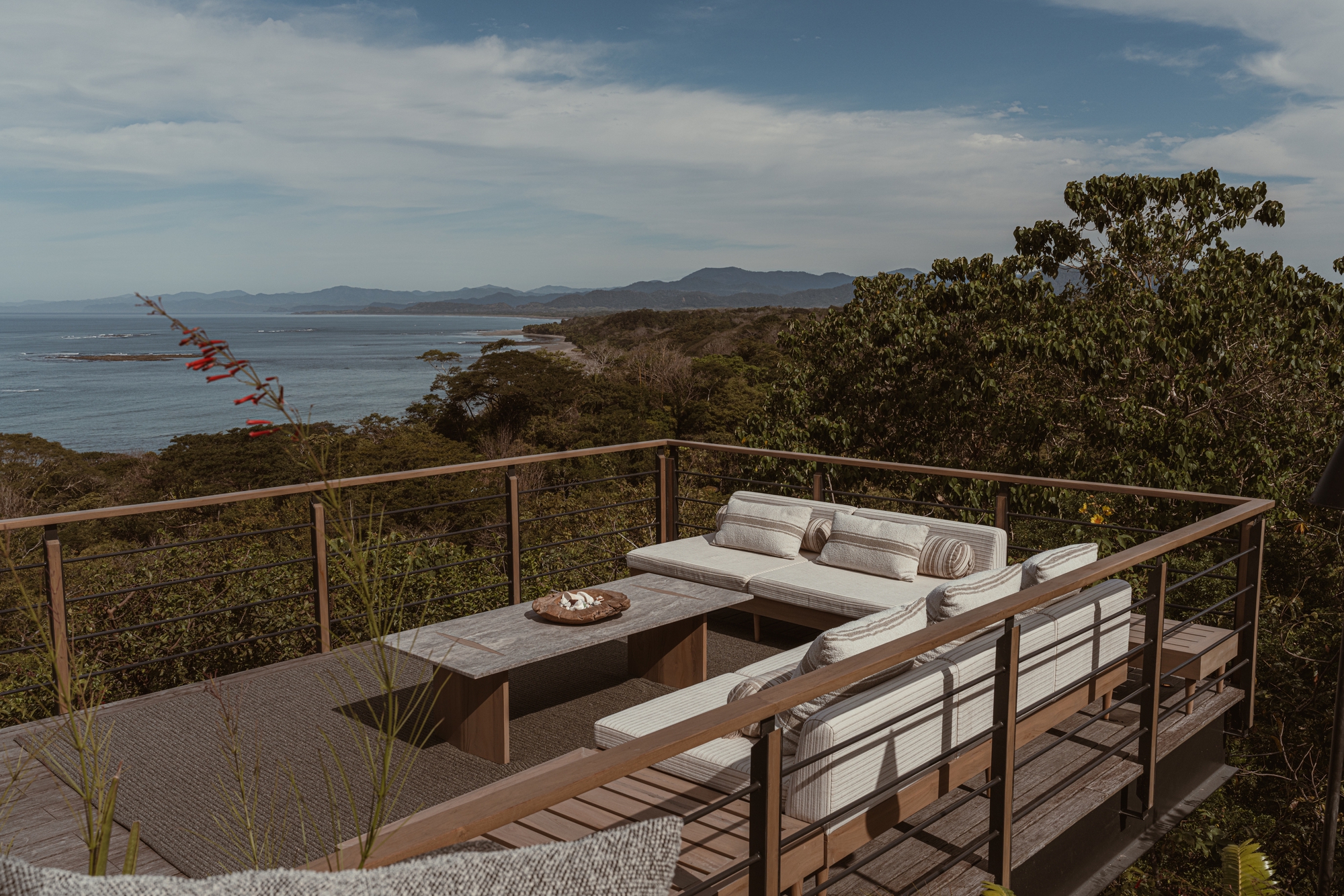
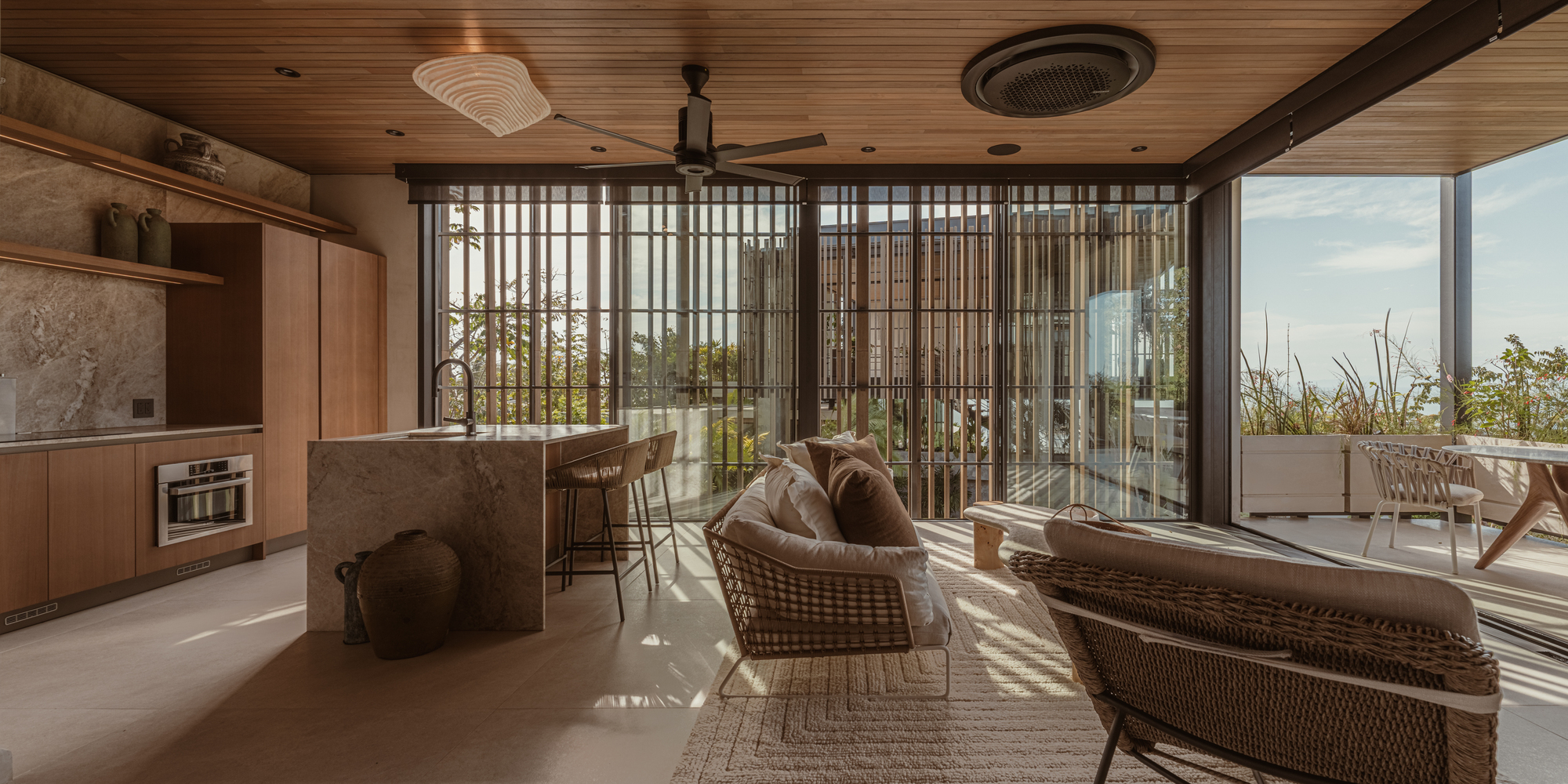
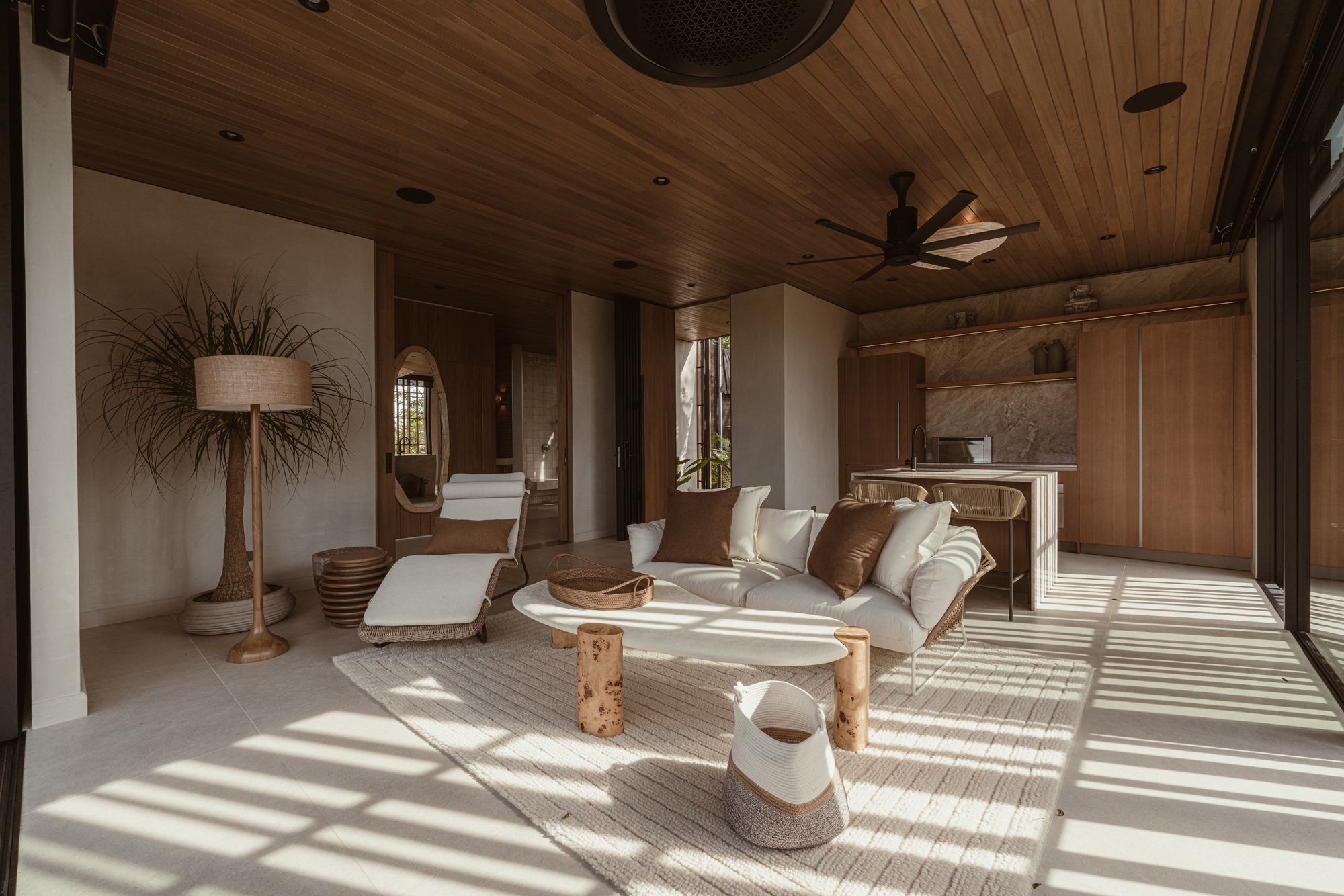
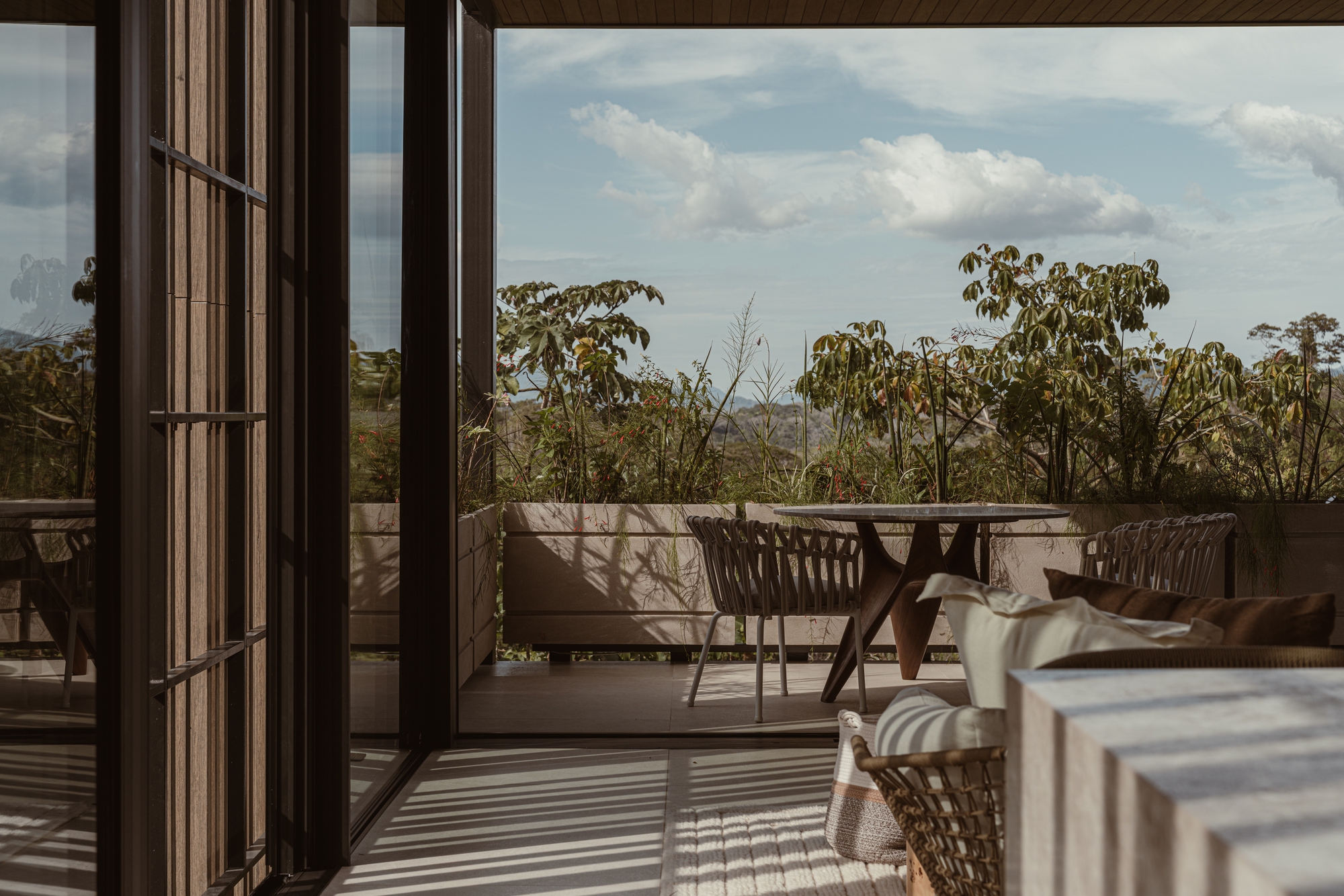
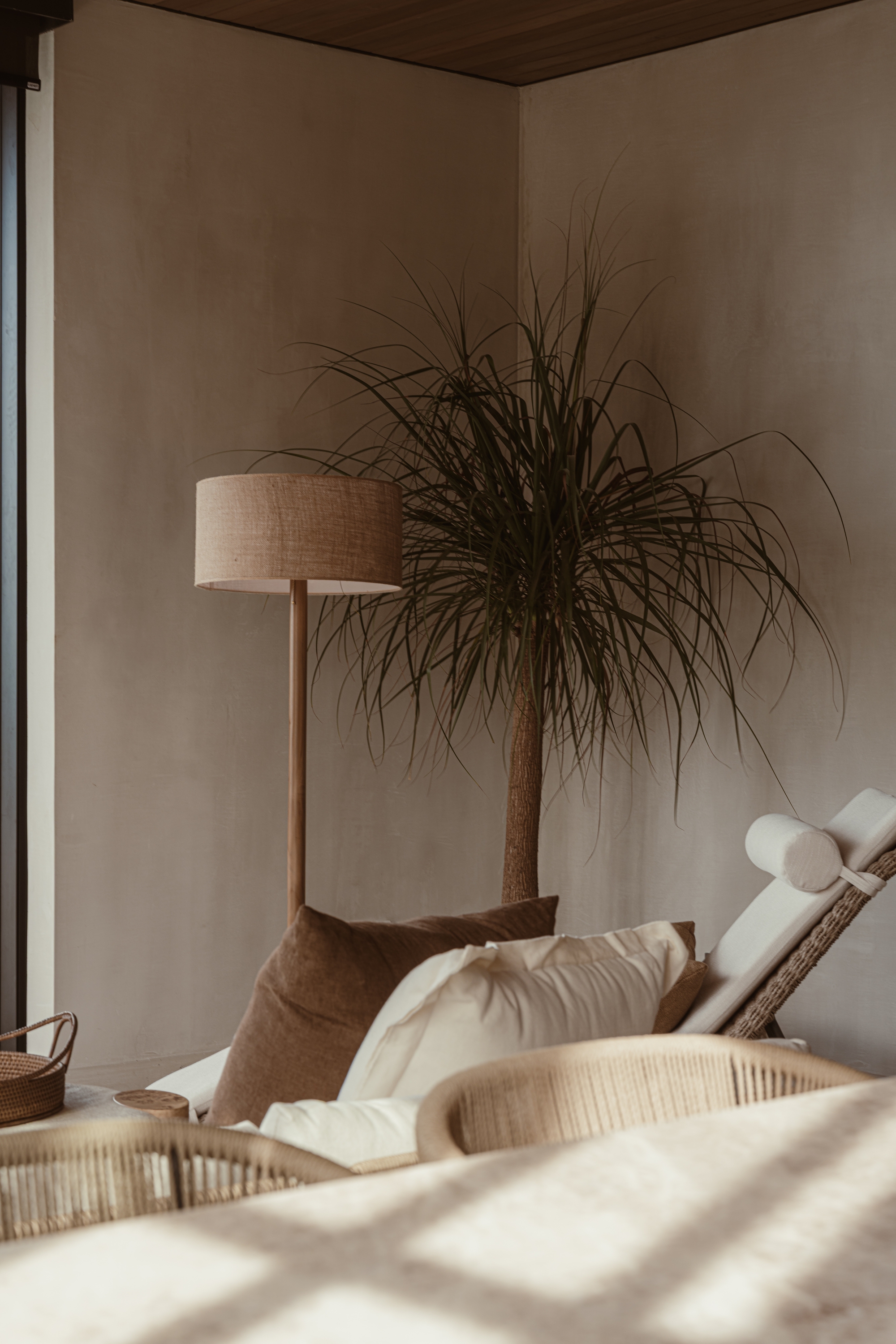
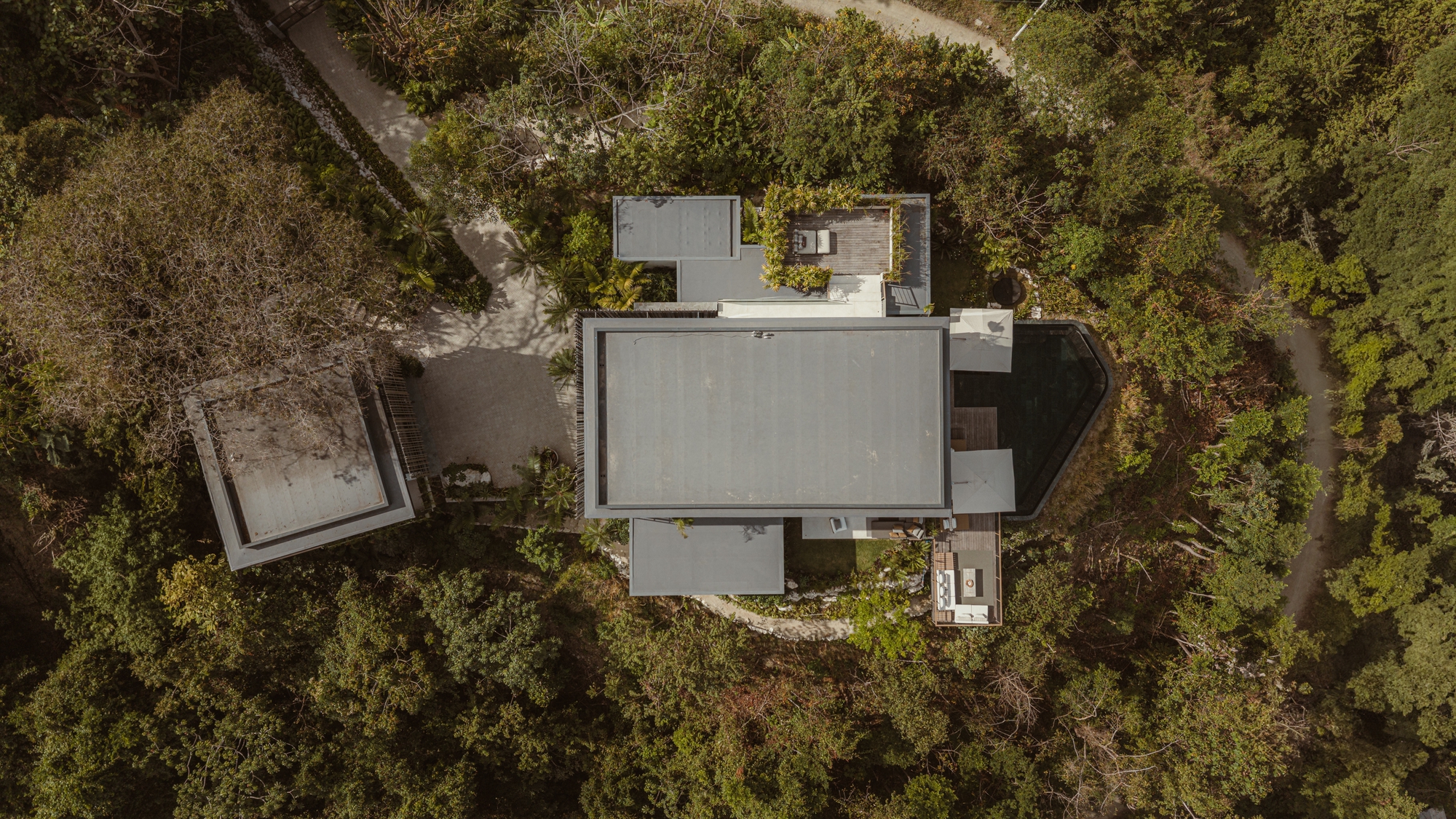
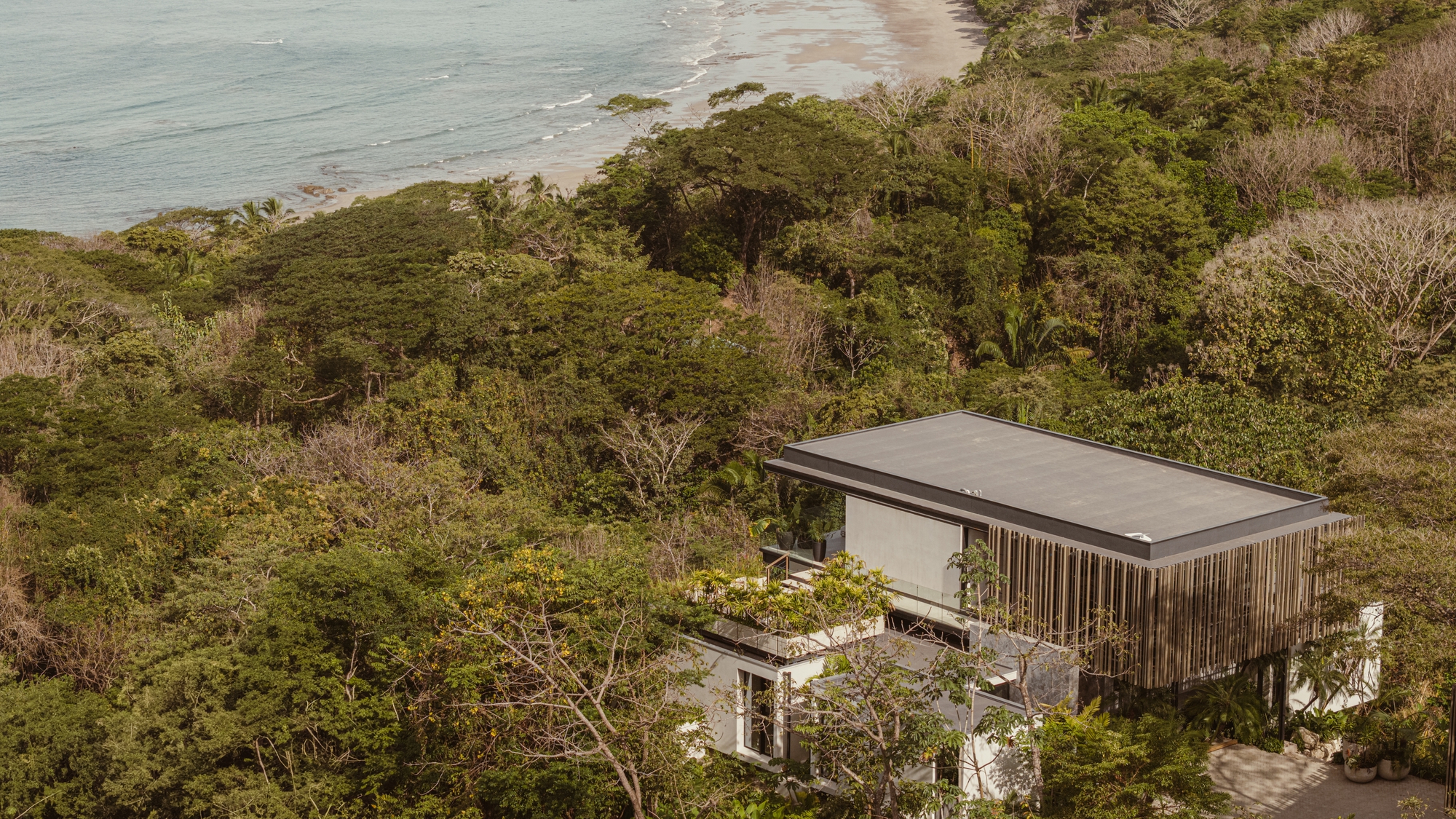
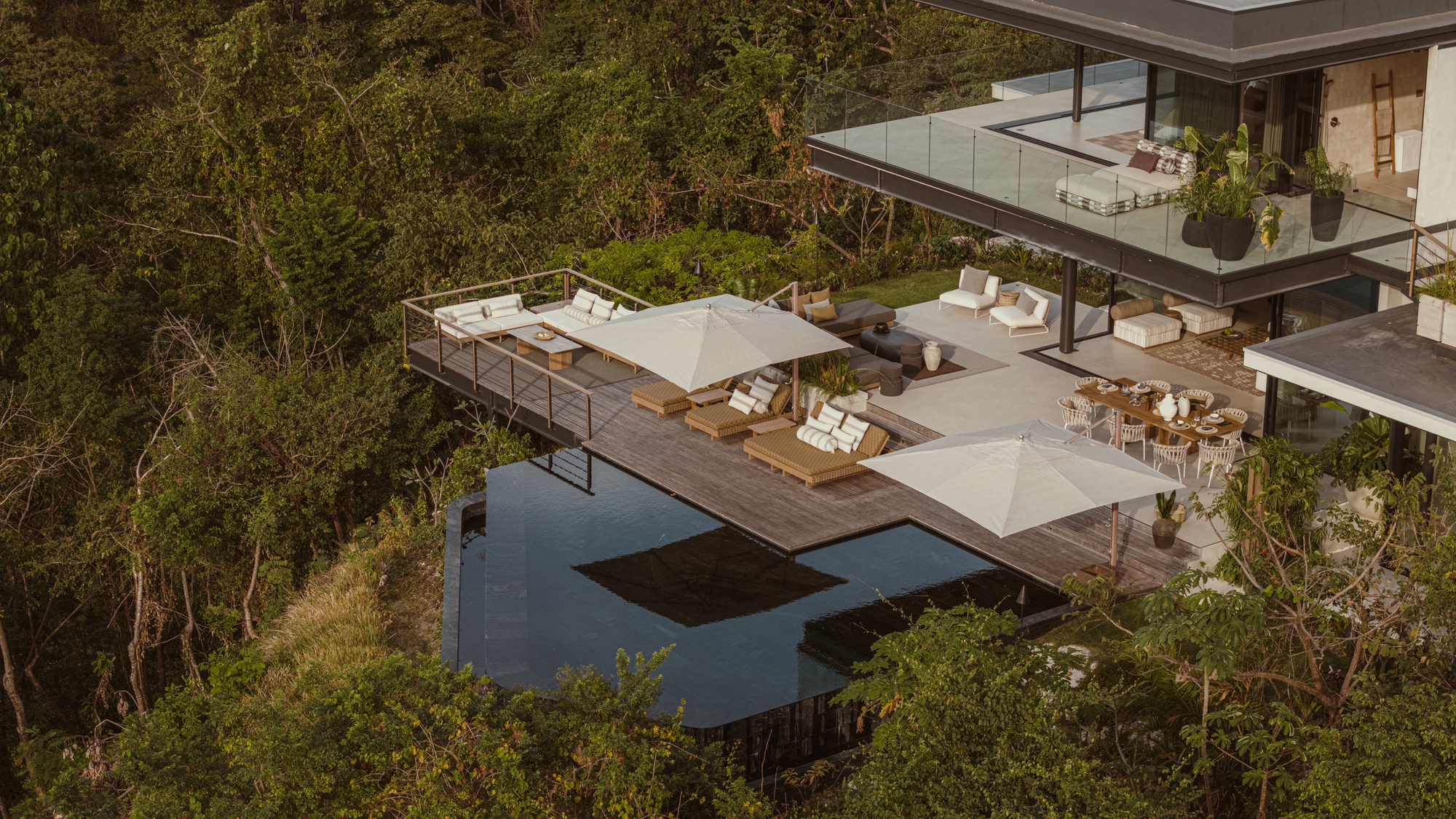
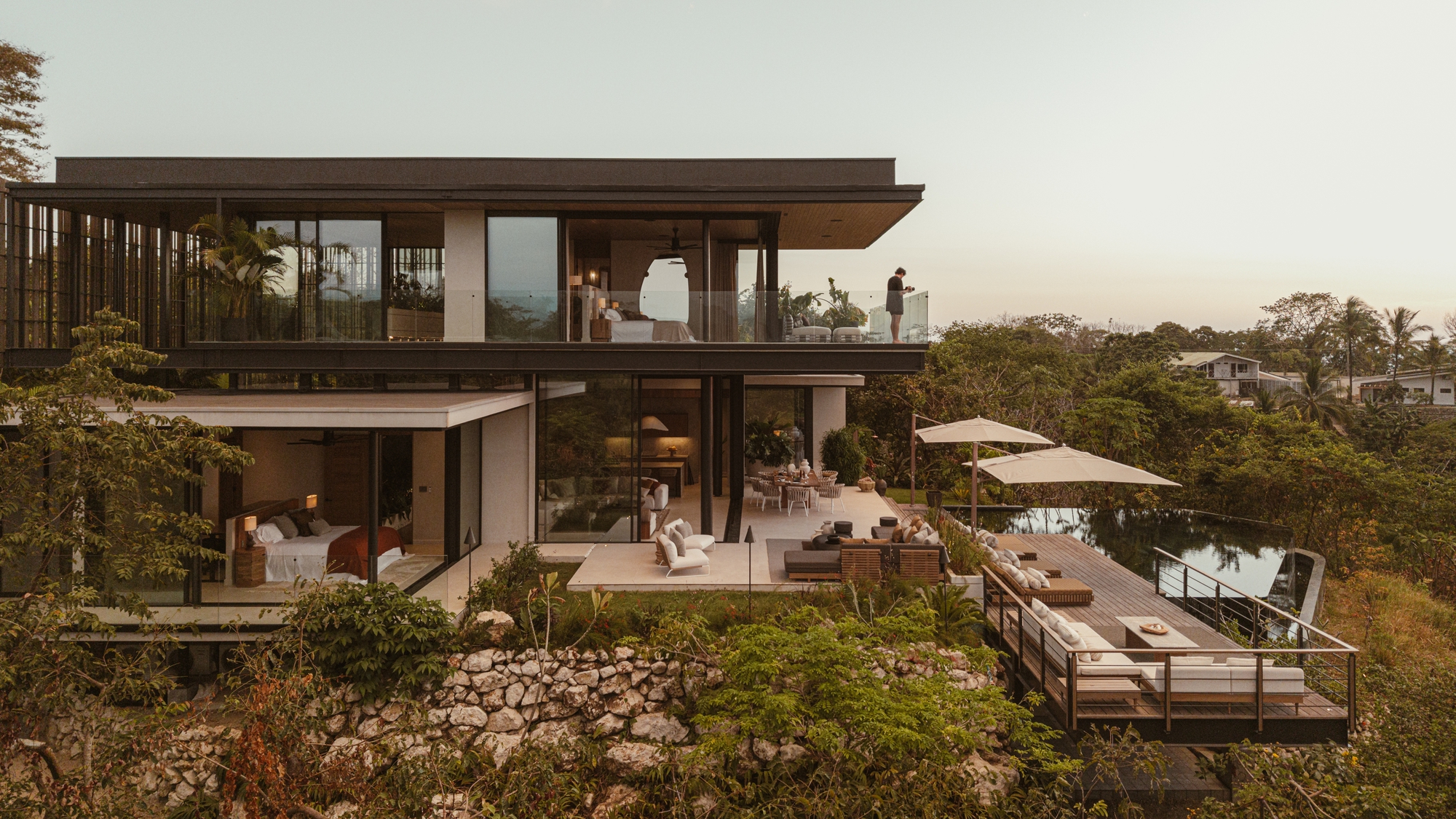
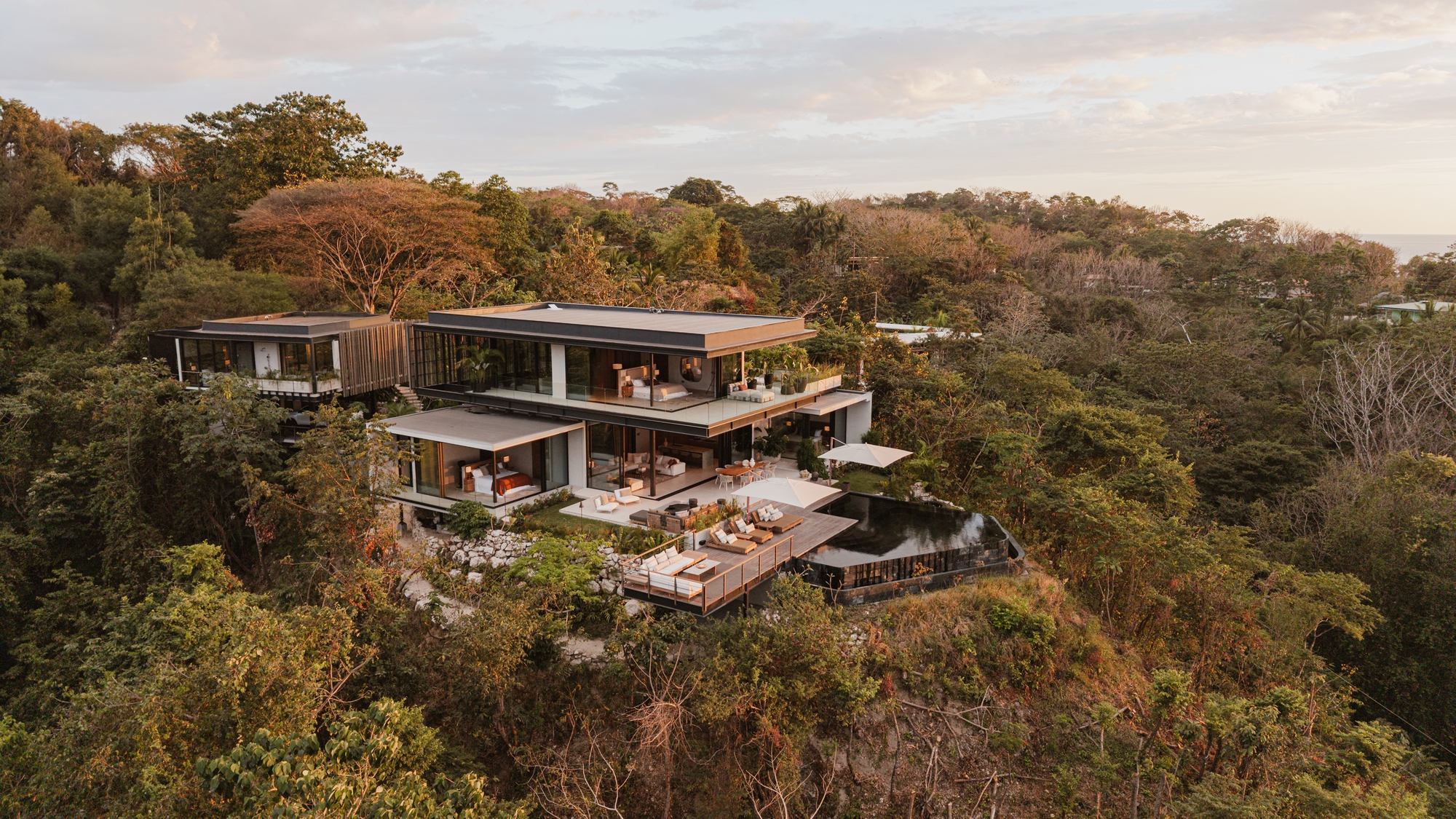
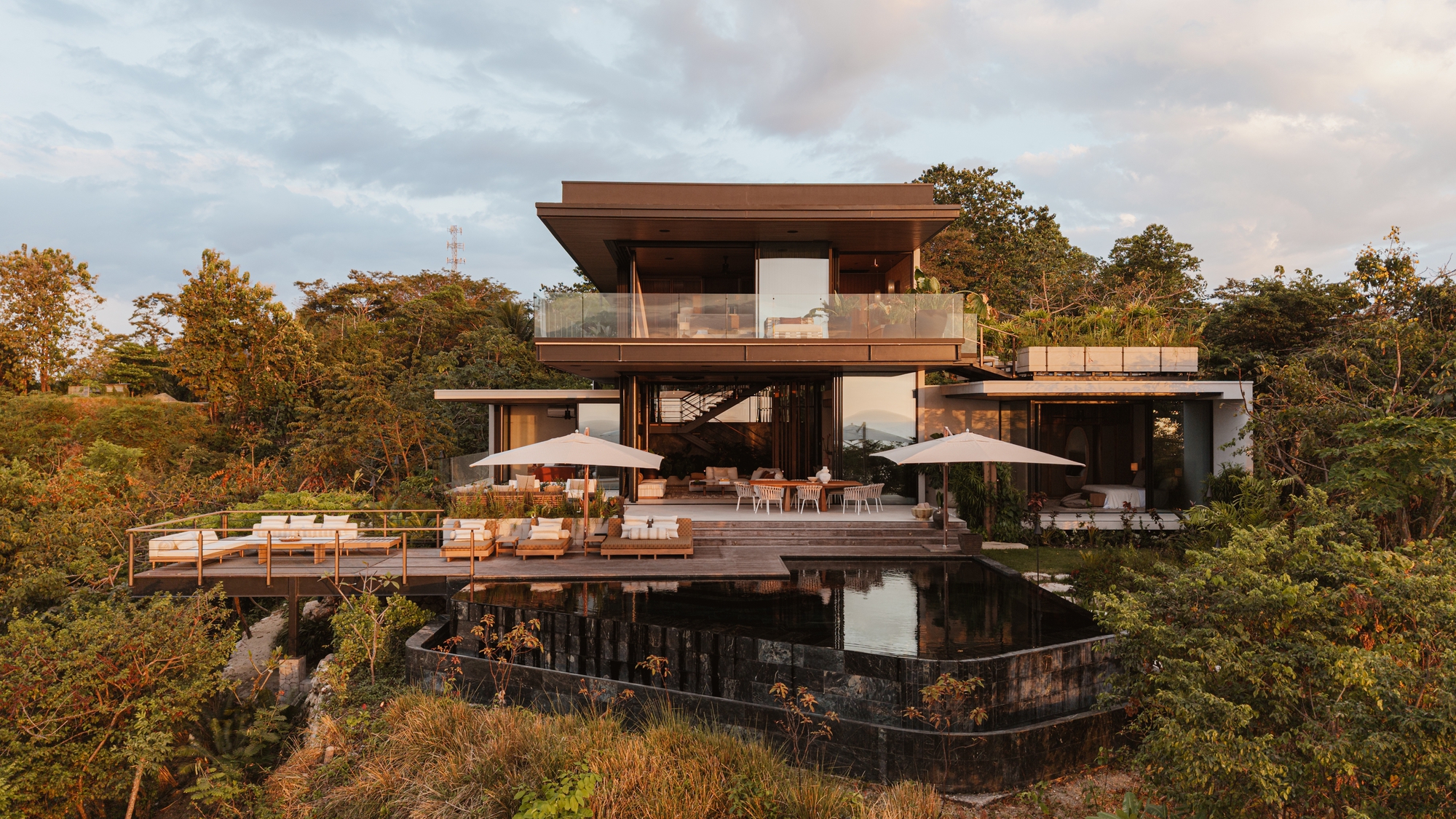
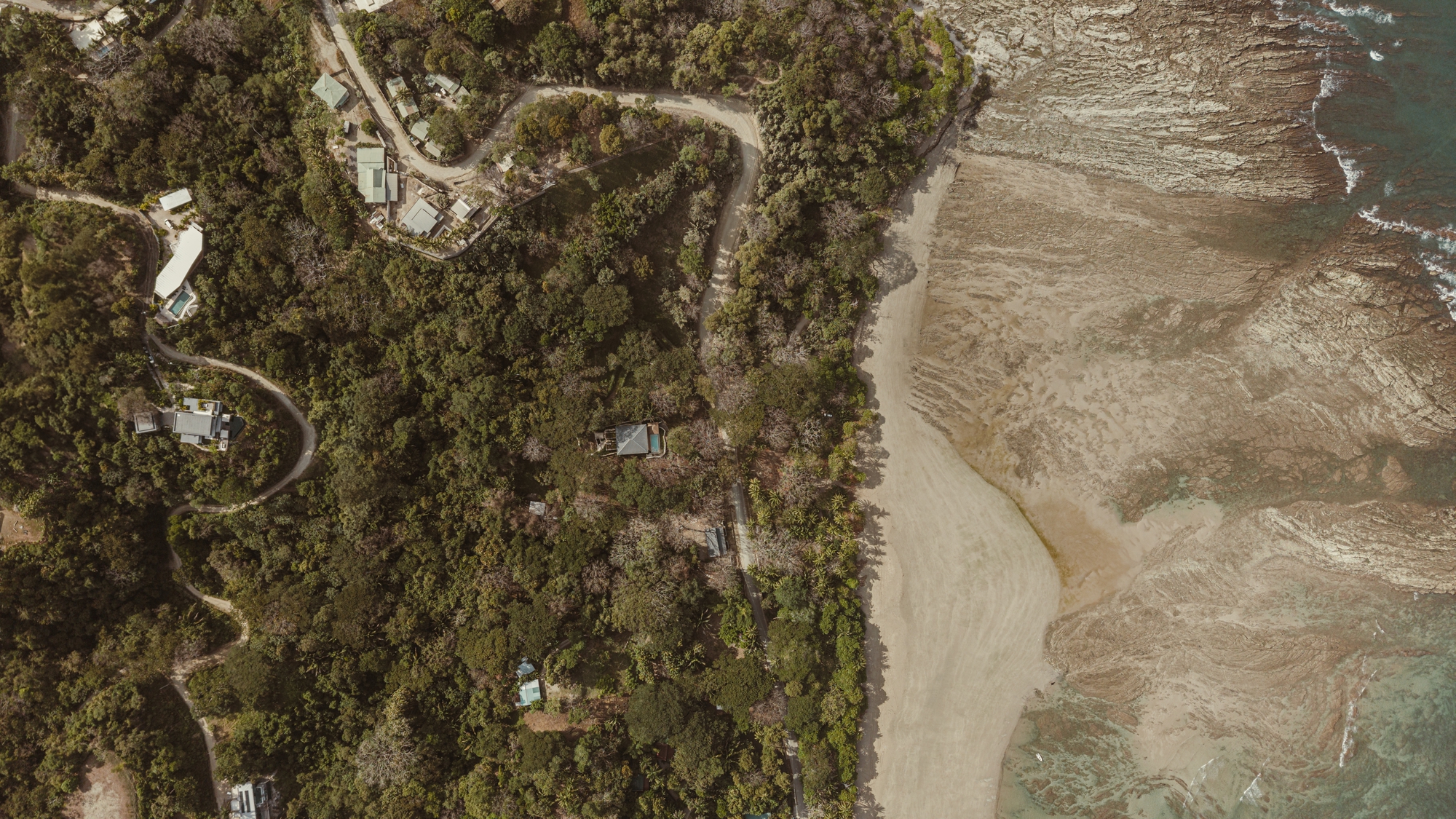
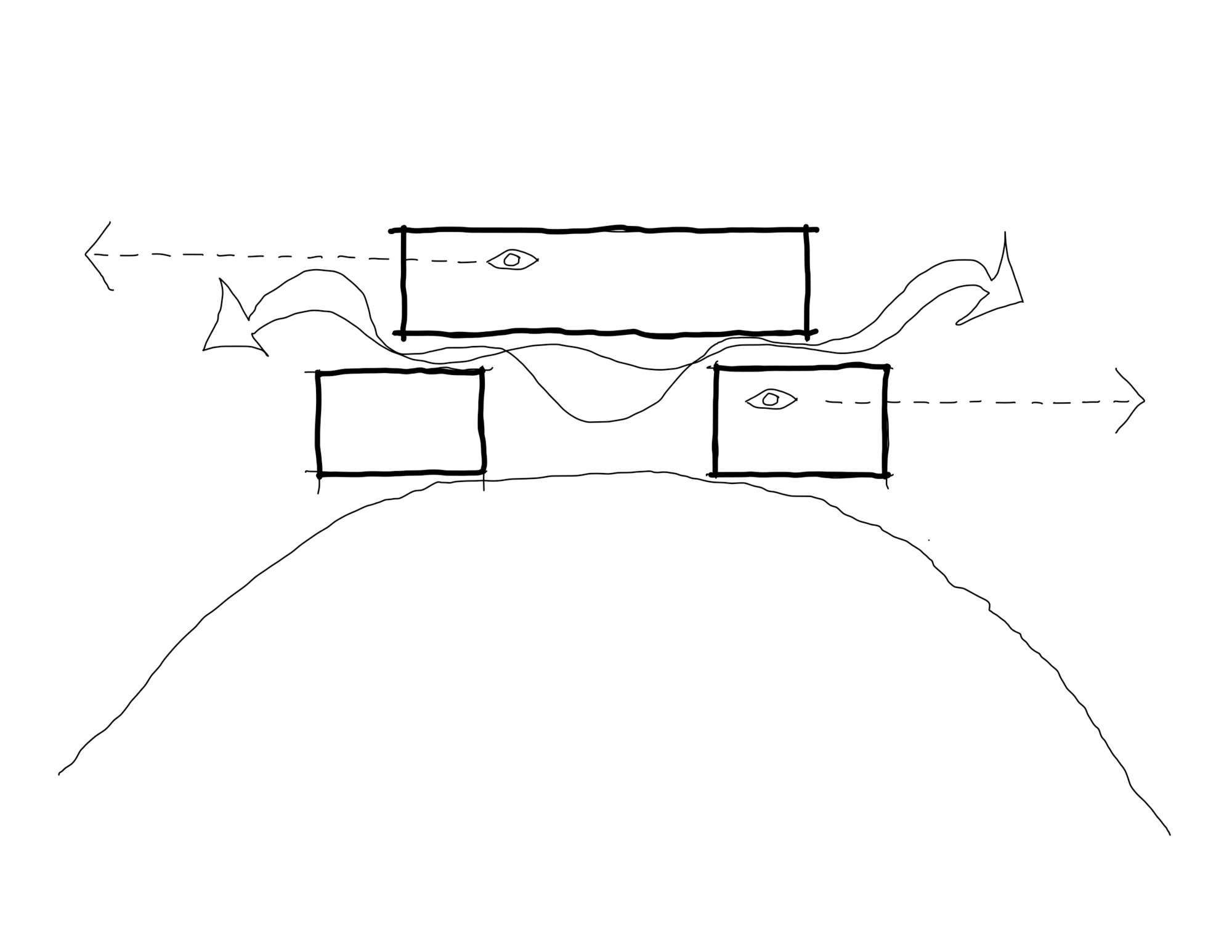
Azur Residence #architecture Architects: Alianz Area: 15403 ft² Year: 2024 Photographs: ConeCat Country: Costa Rica
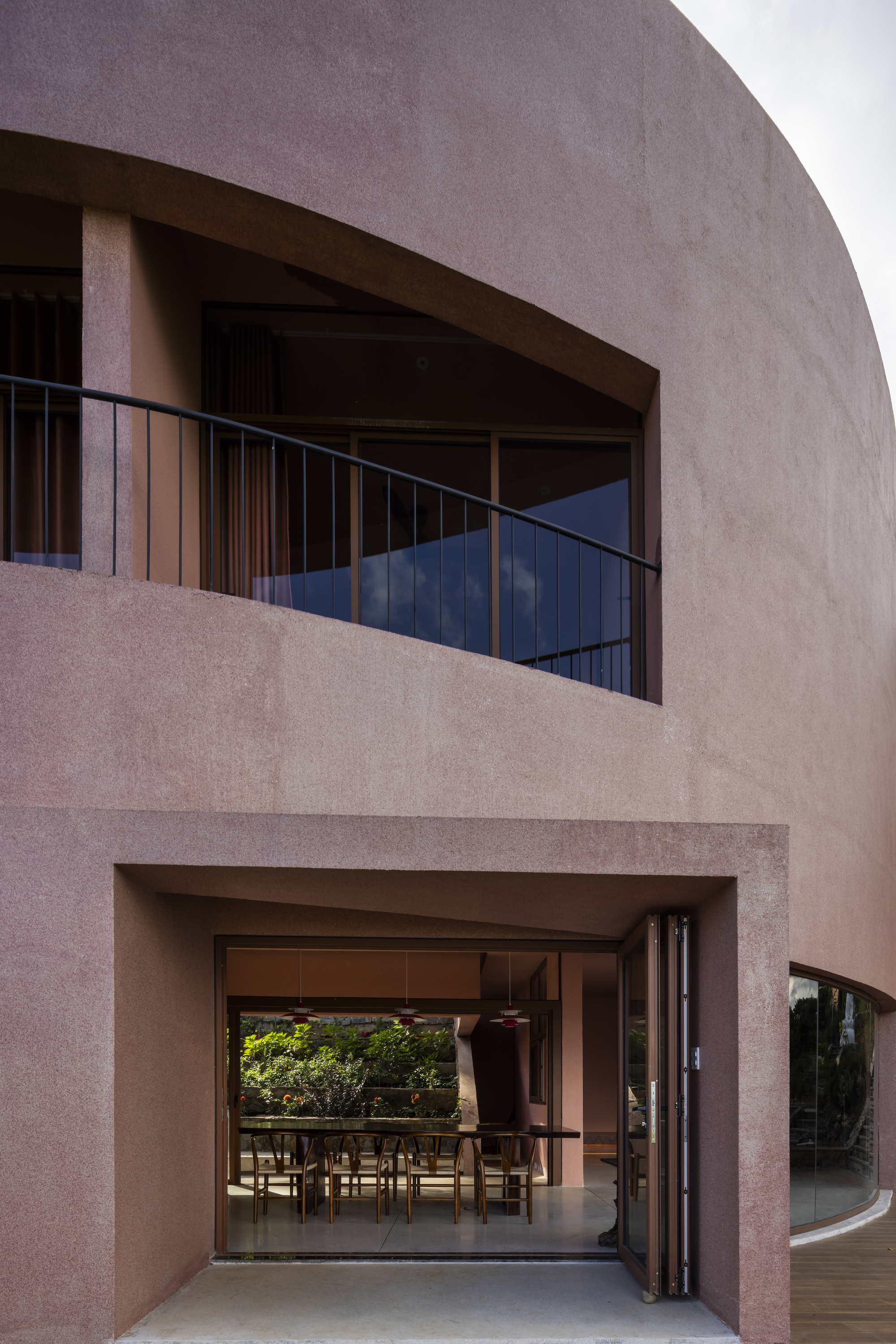
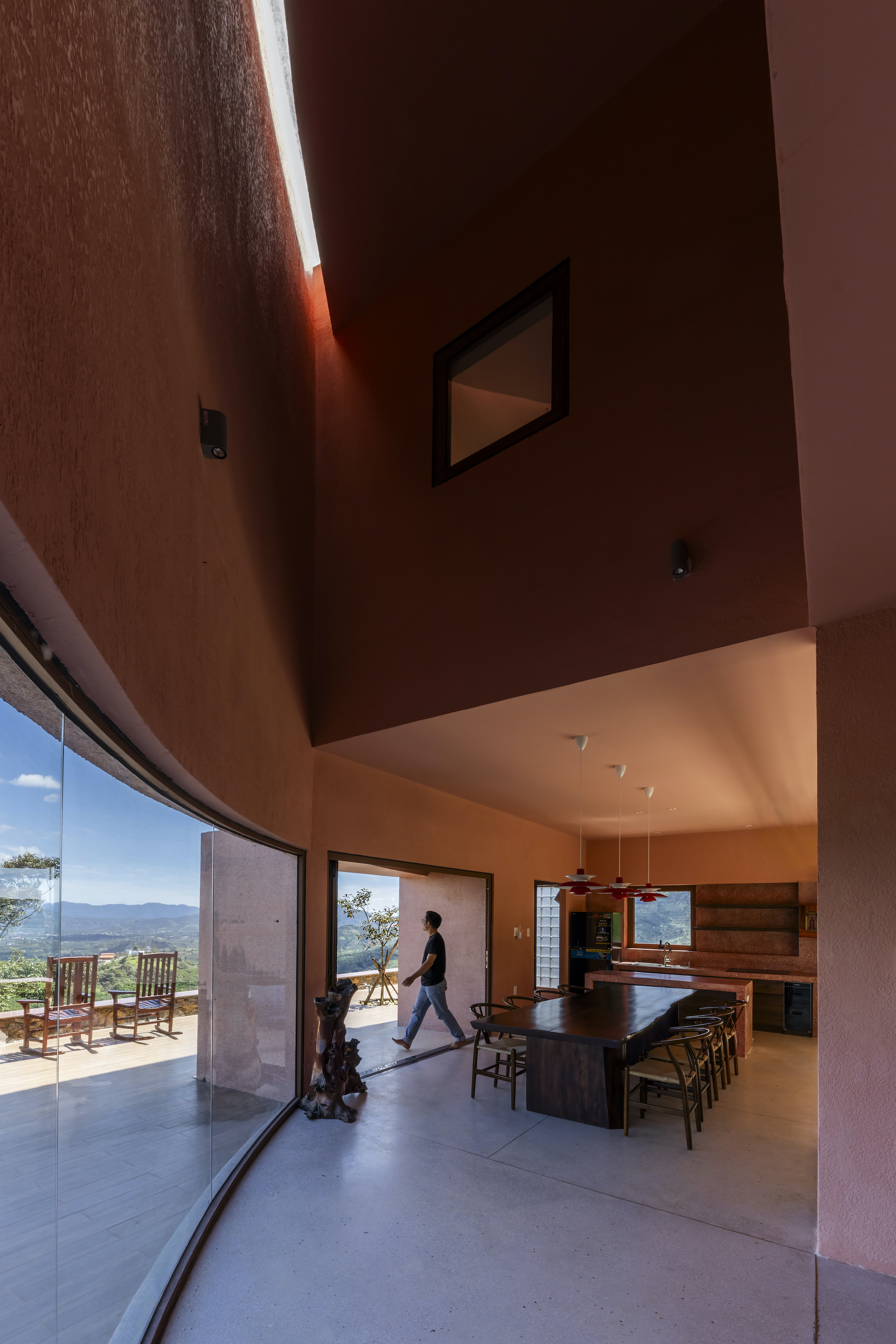
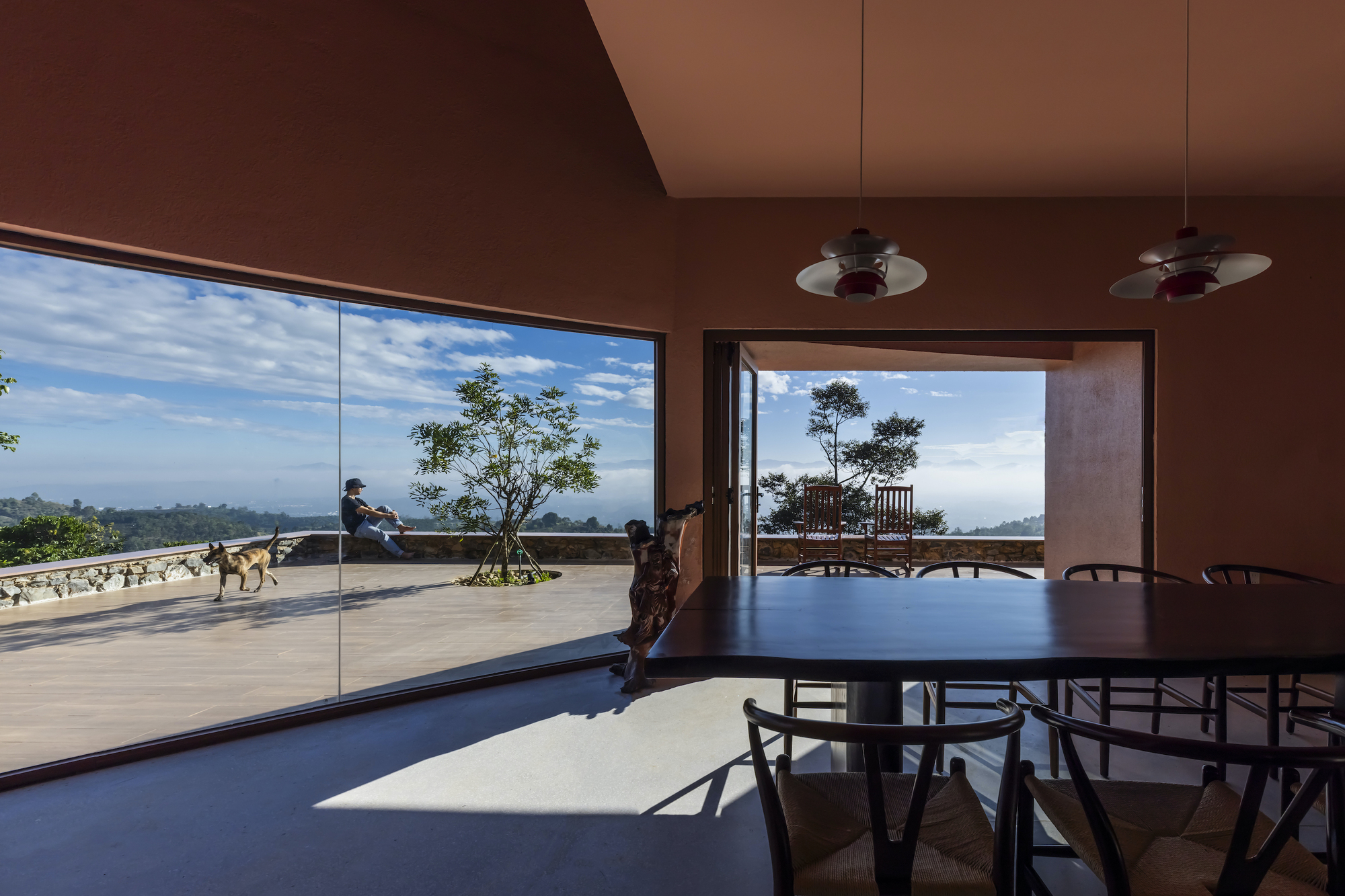
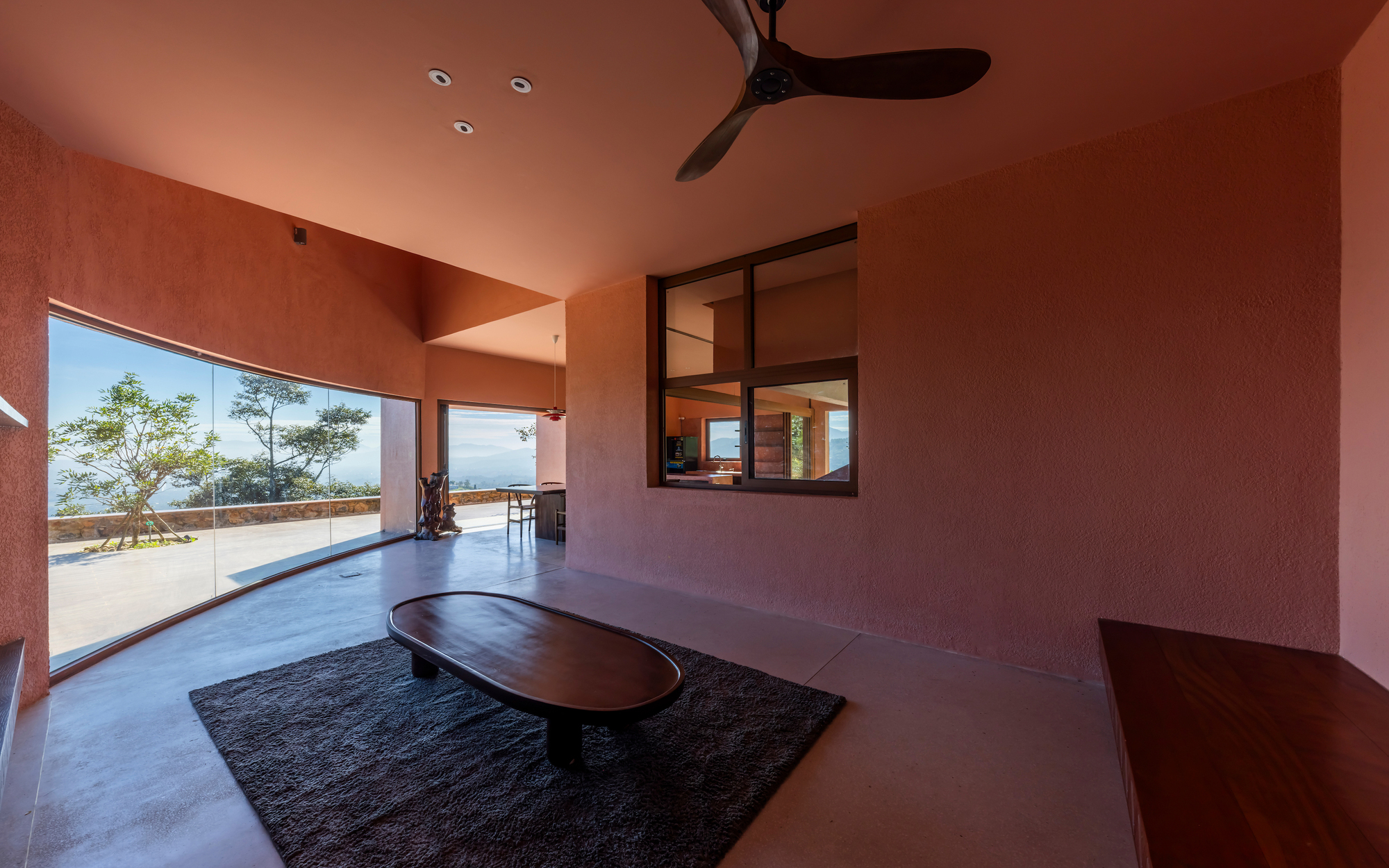
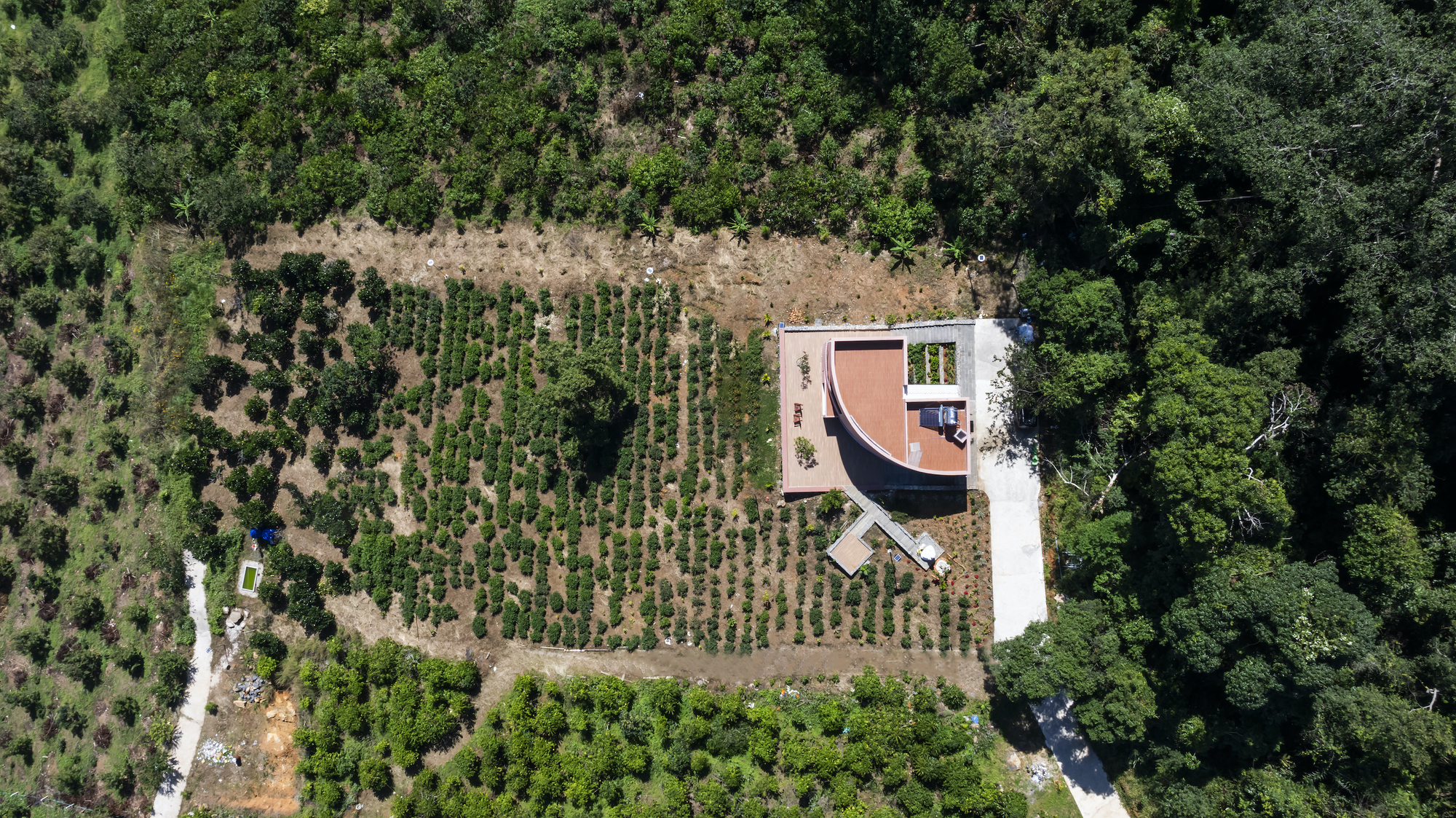
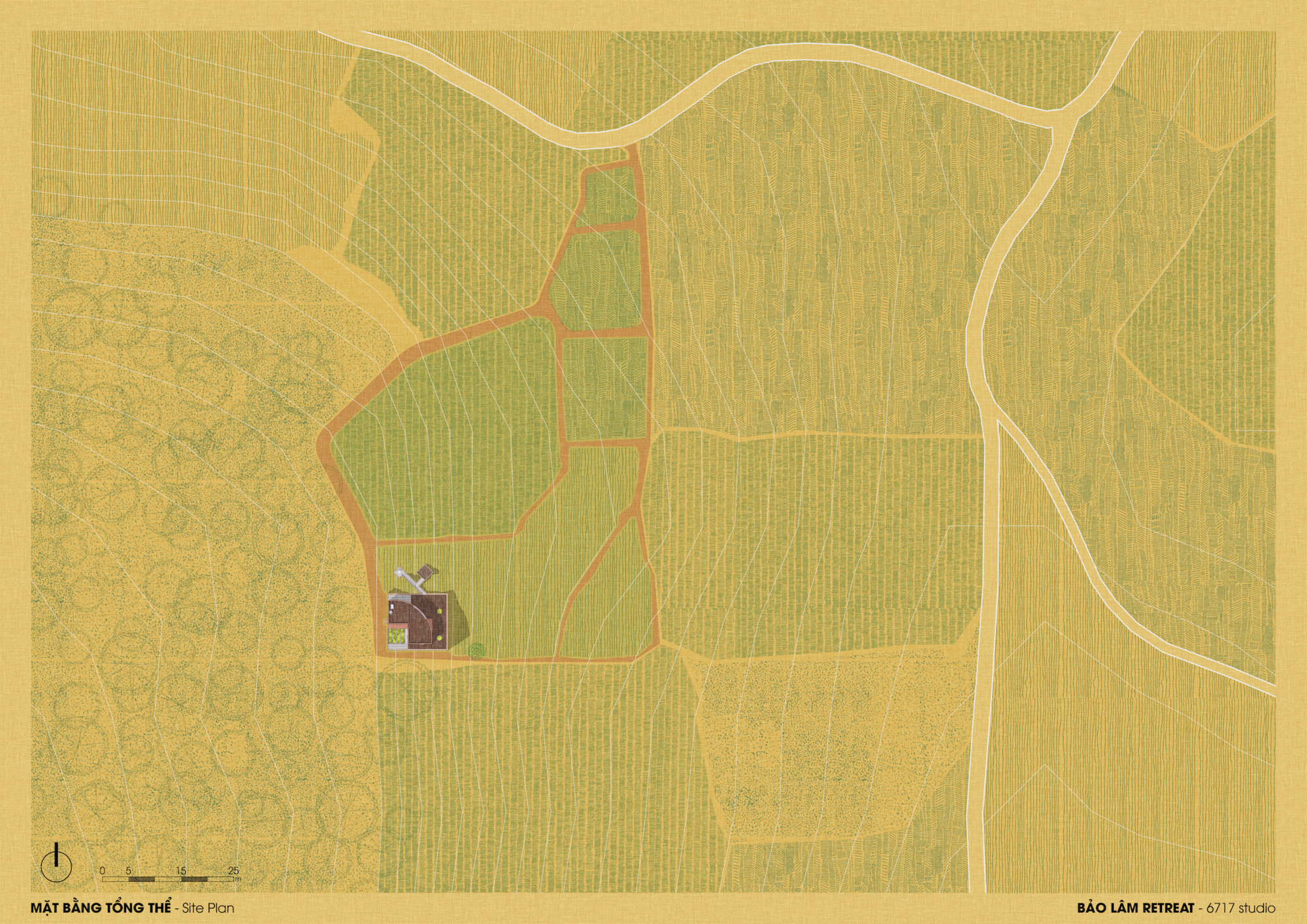
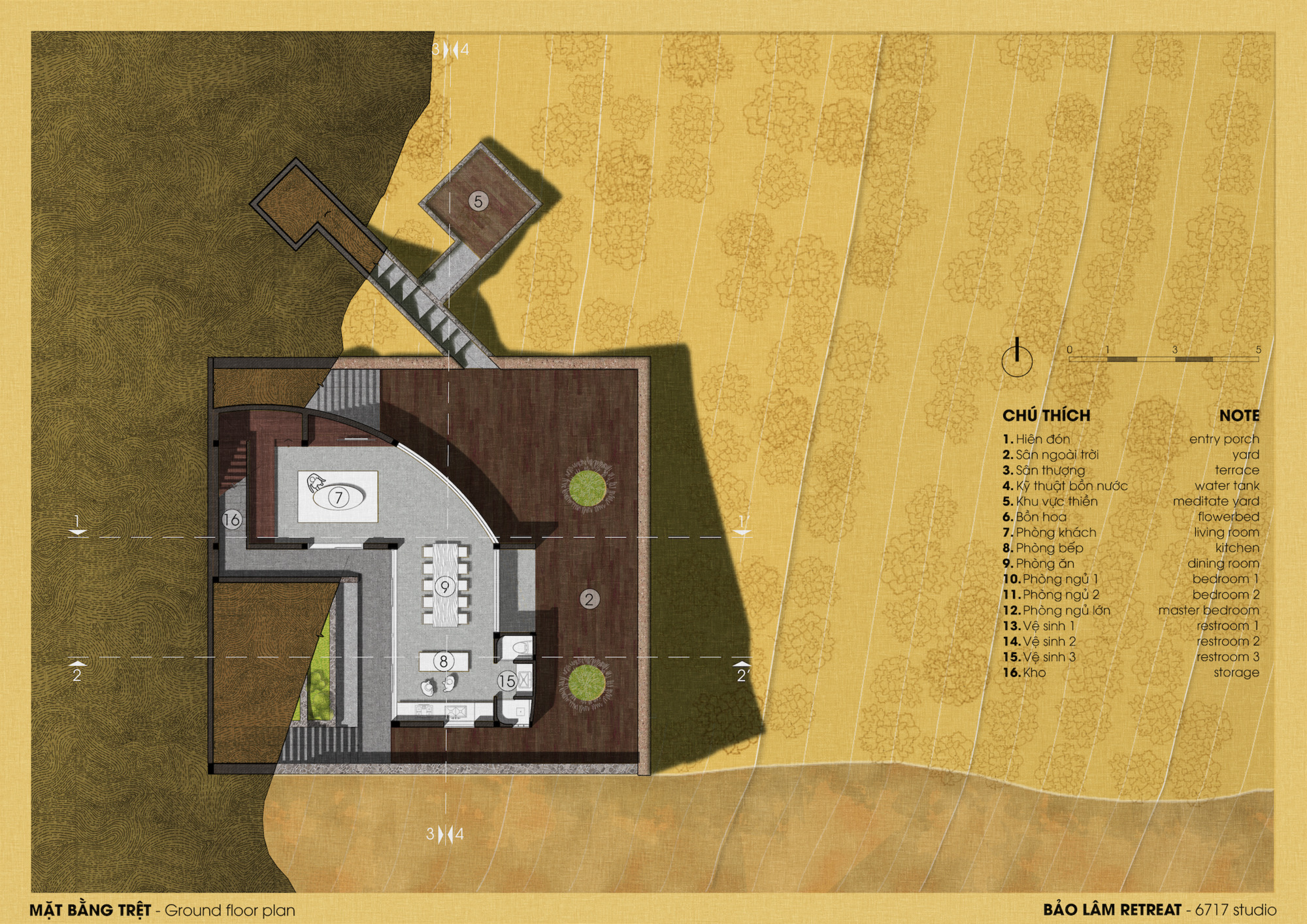
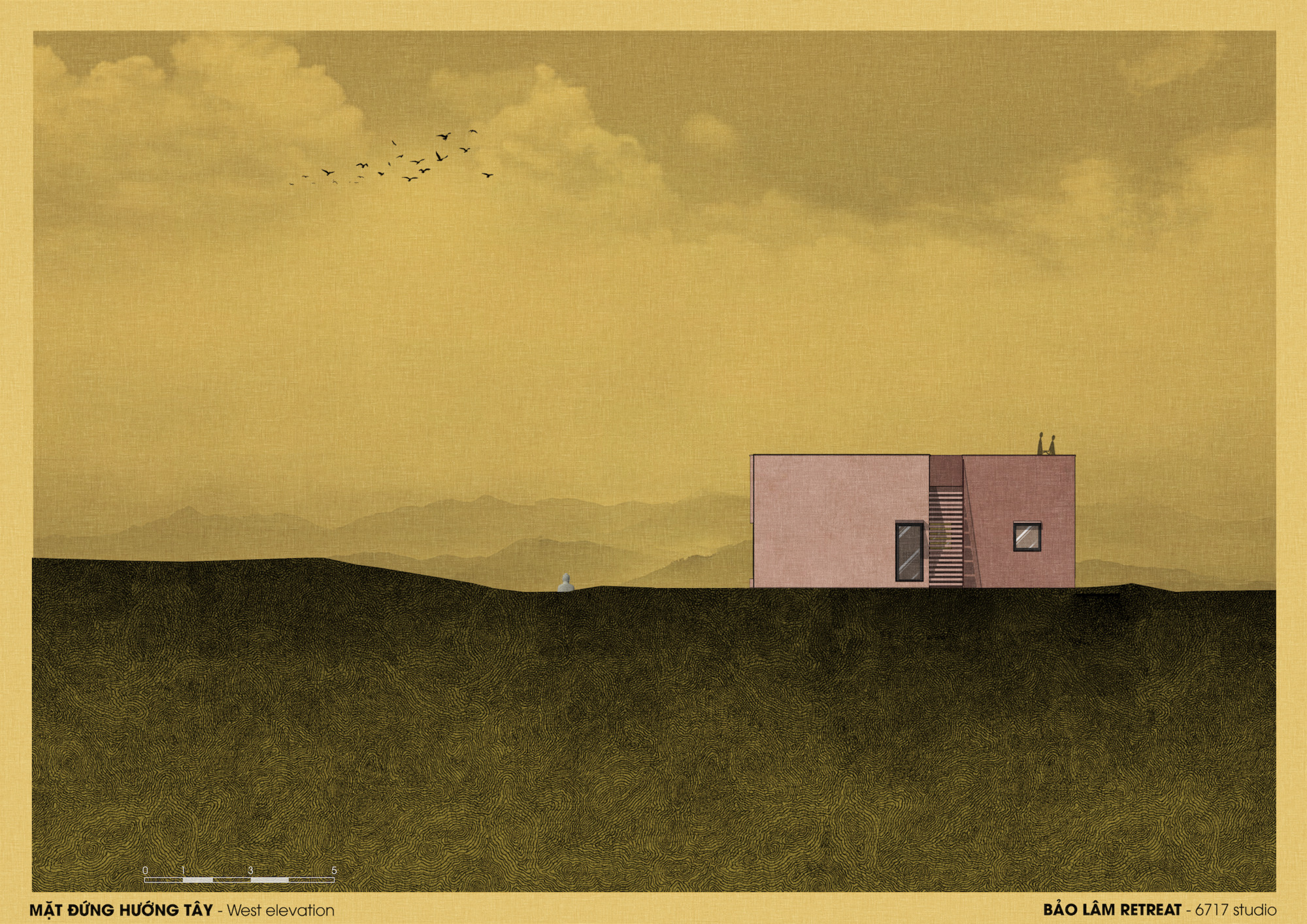
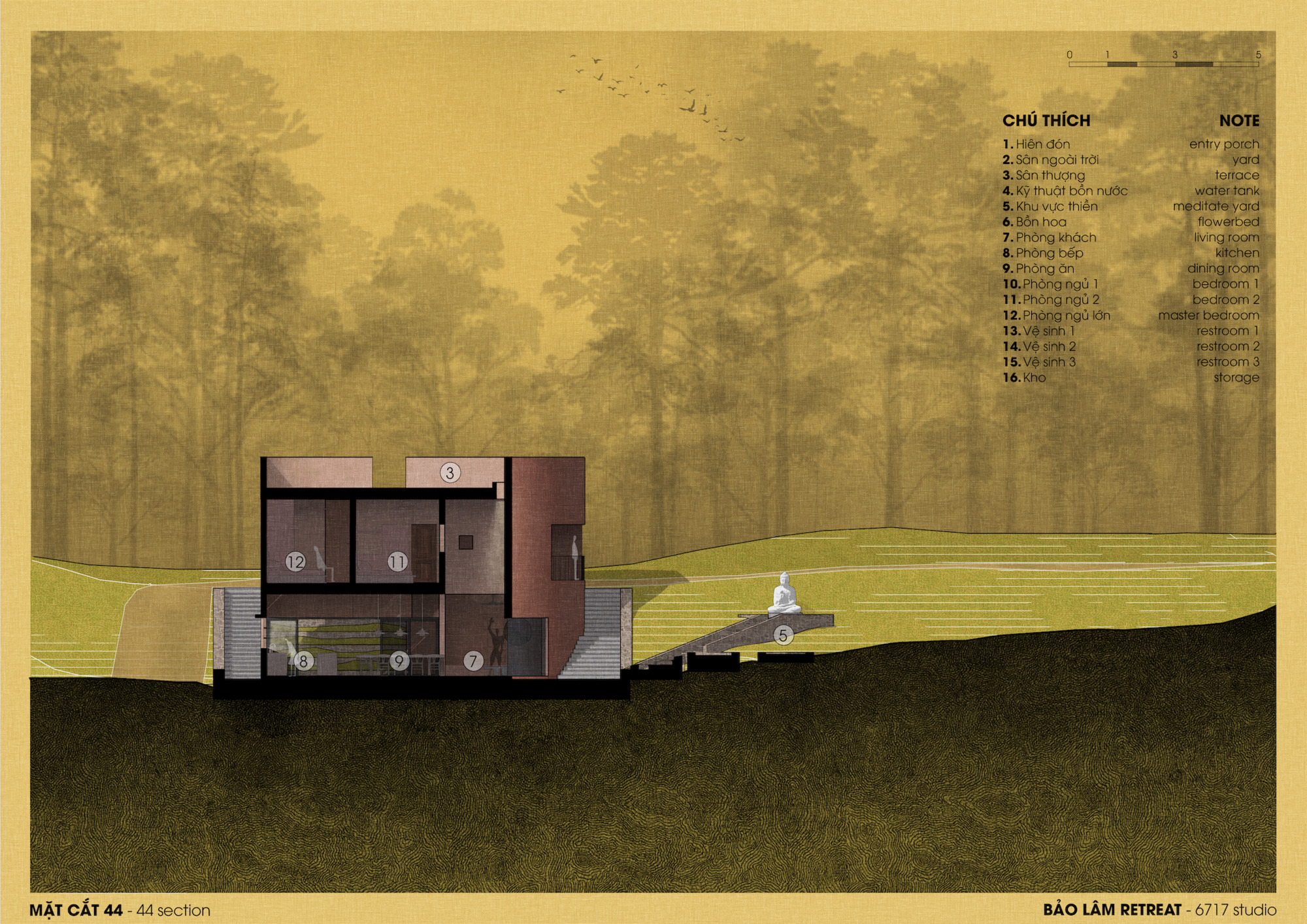
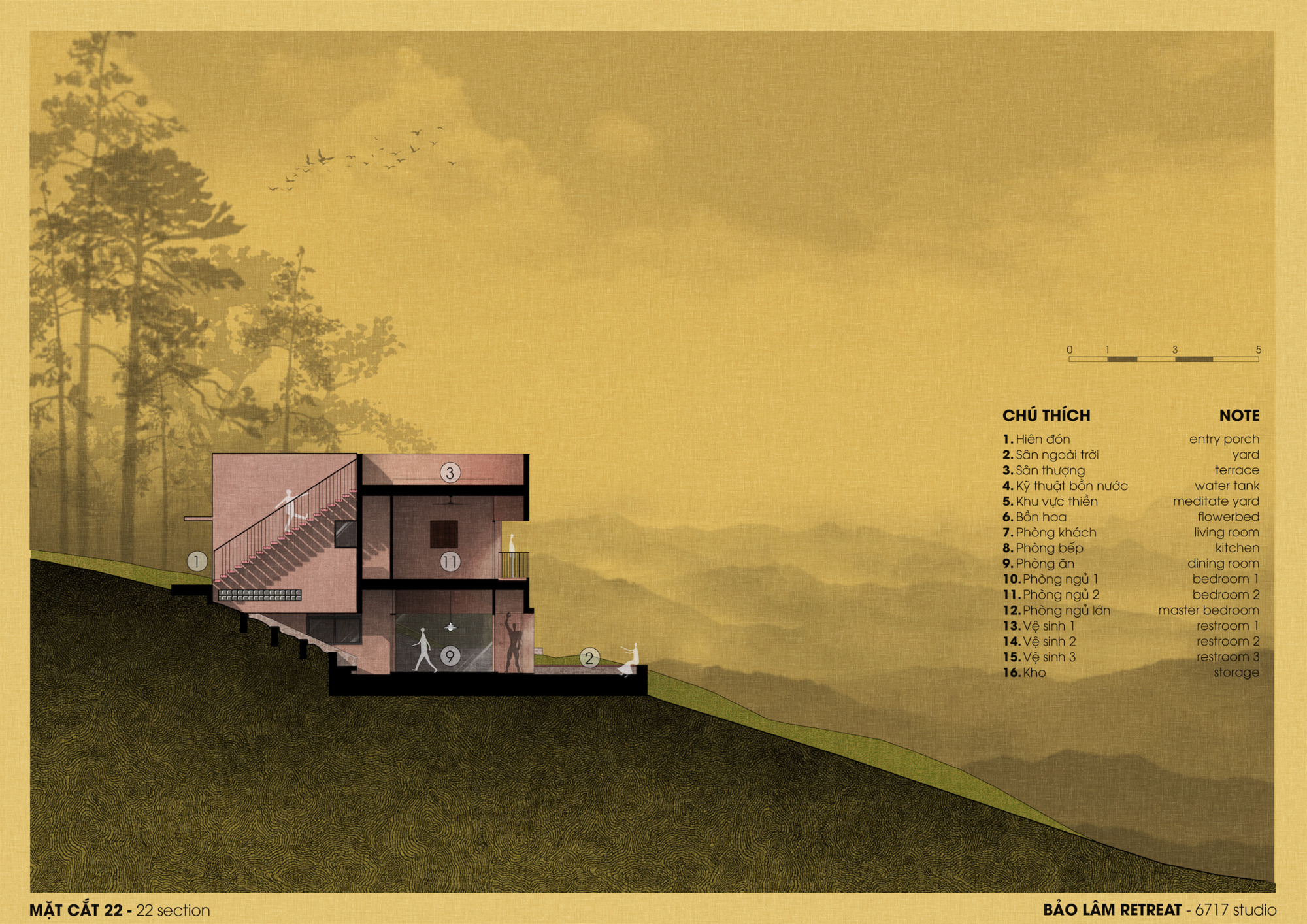
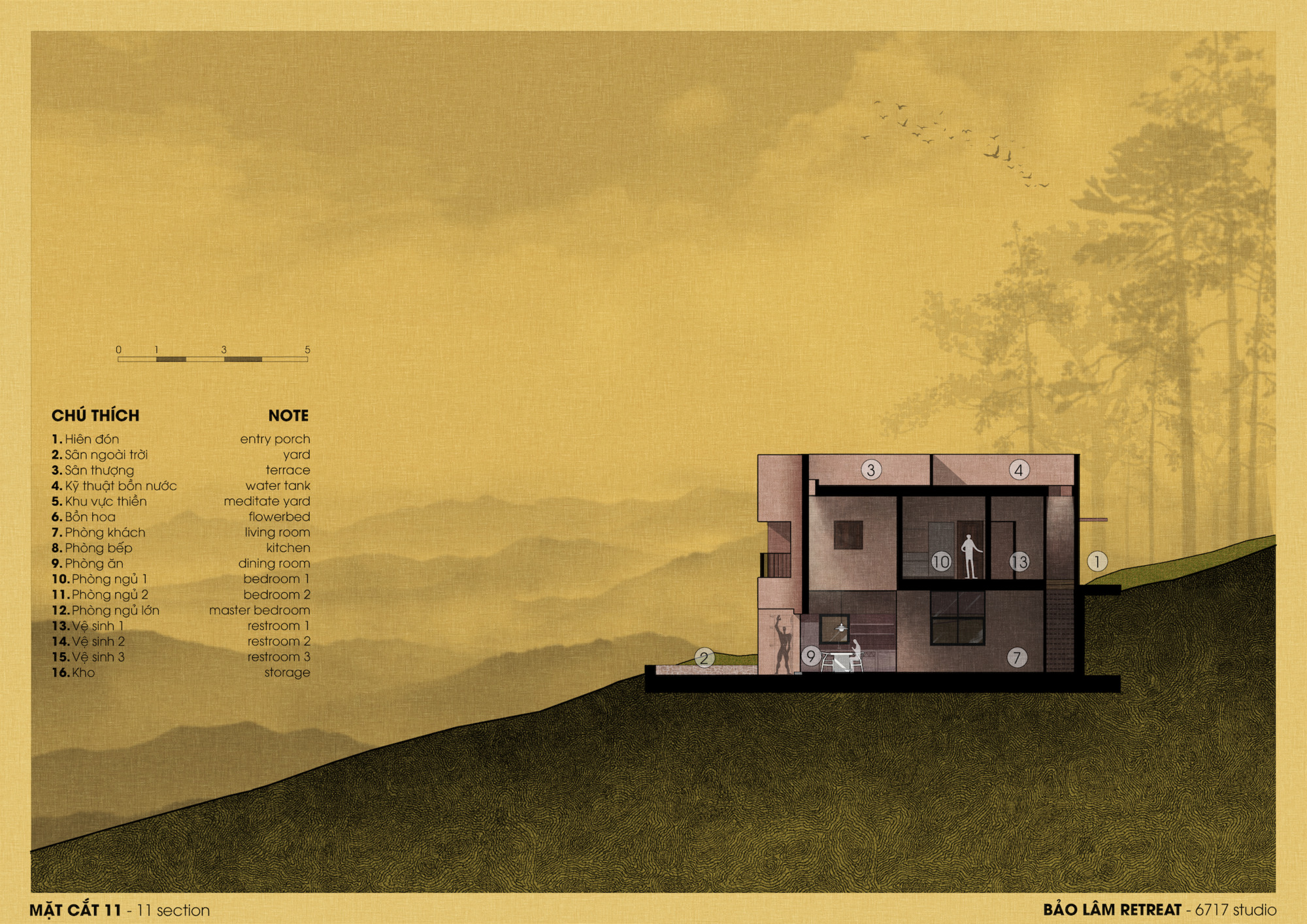
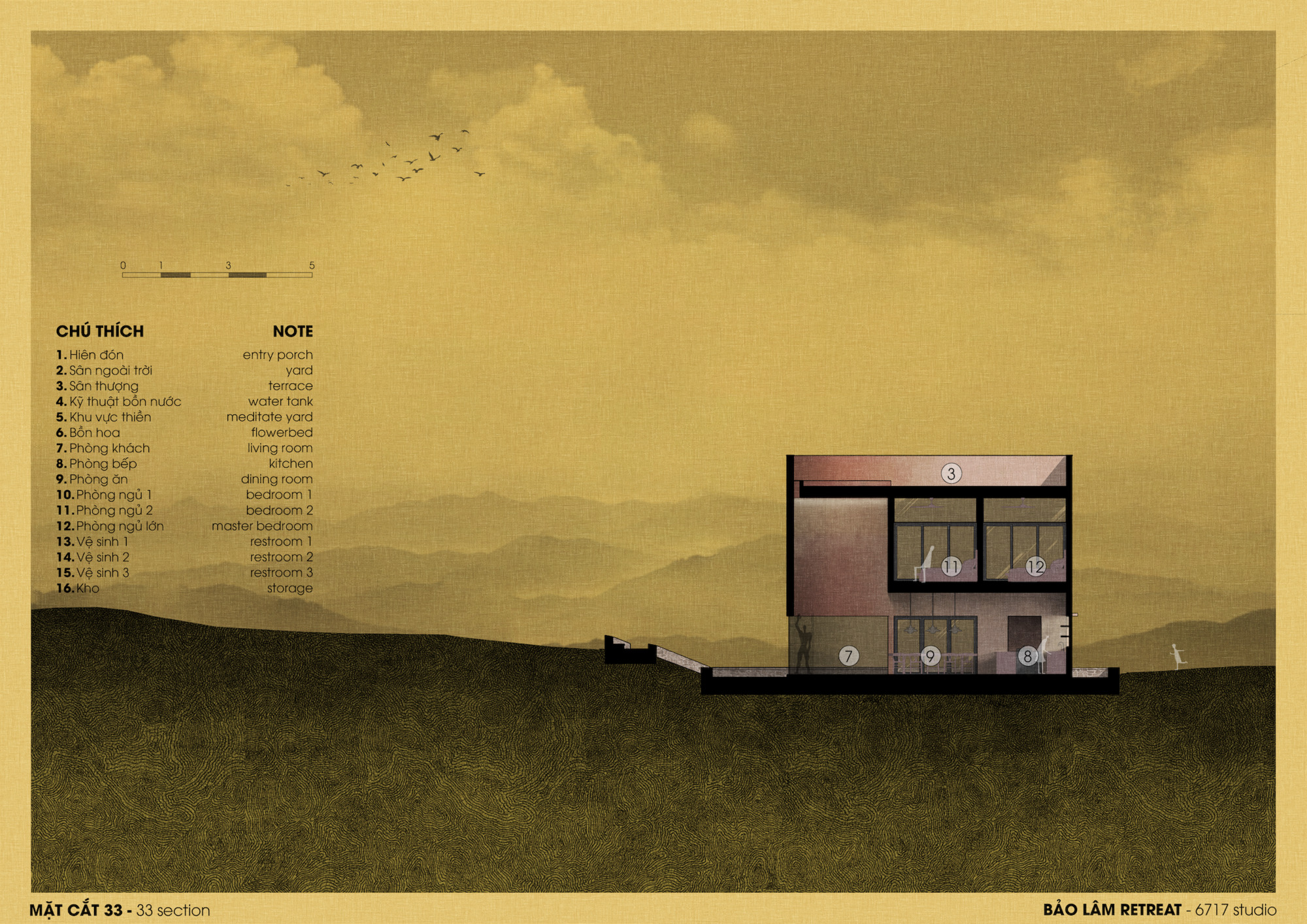
Bao Lam Retreat House #architecture Architects: 6717 Studio Area: 150 m² Year: 2023 Photographs: Hiroyuki Oki Country: Vietnam
PIR.116 House #architecture Architects: Mardi | Maison d' Architecture & Design Intérieur Area: 200 m² Year: 2023 City: Lege Cap-Ferret Country: France
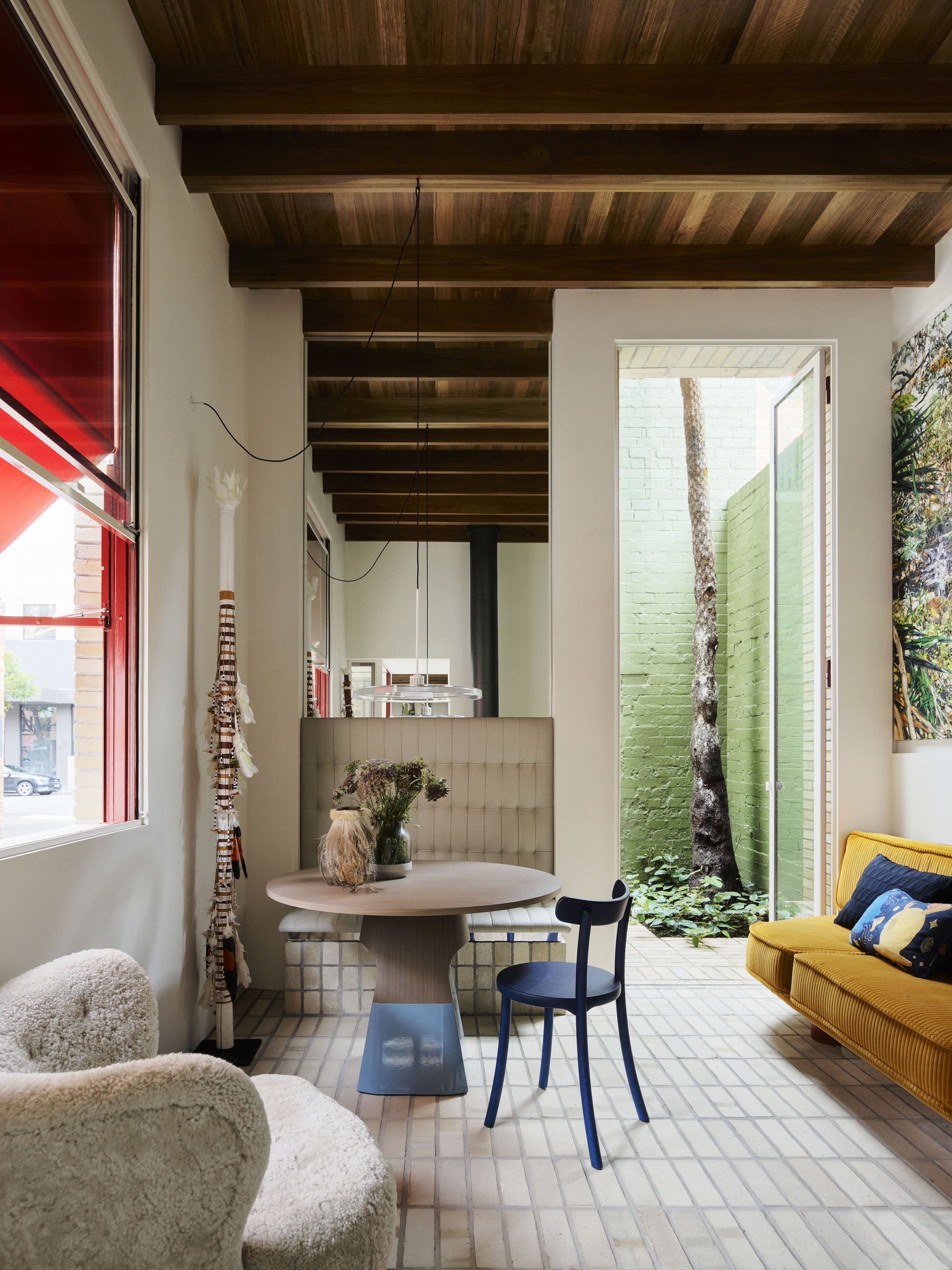
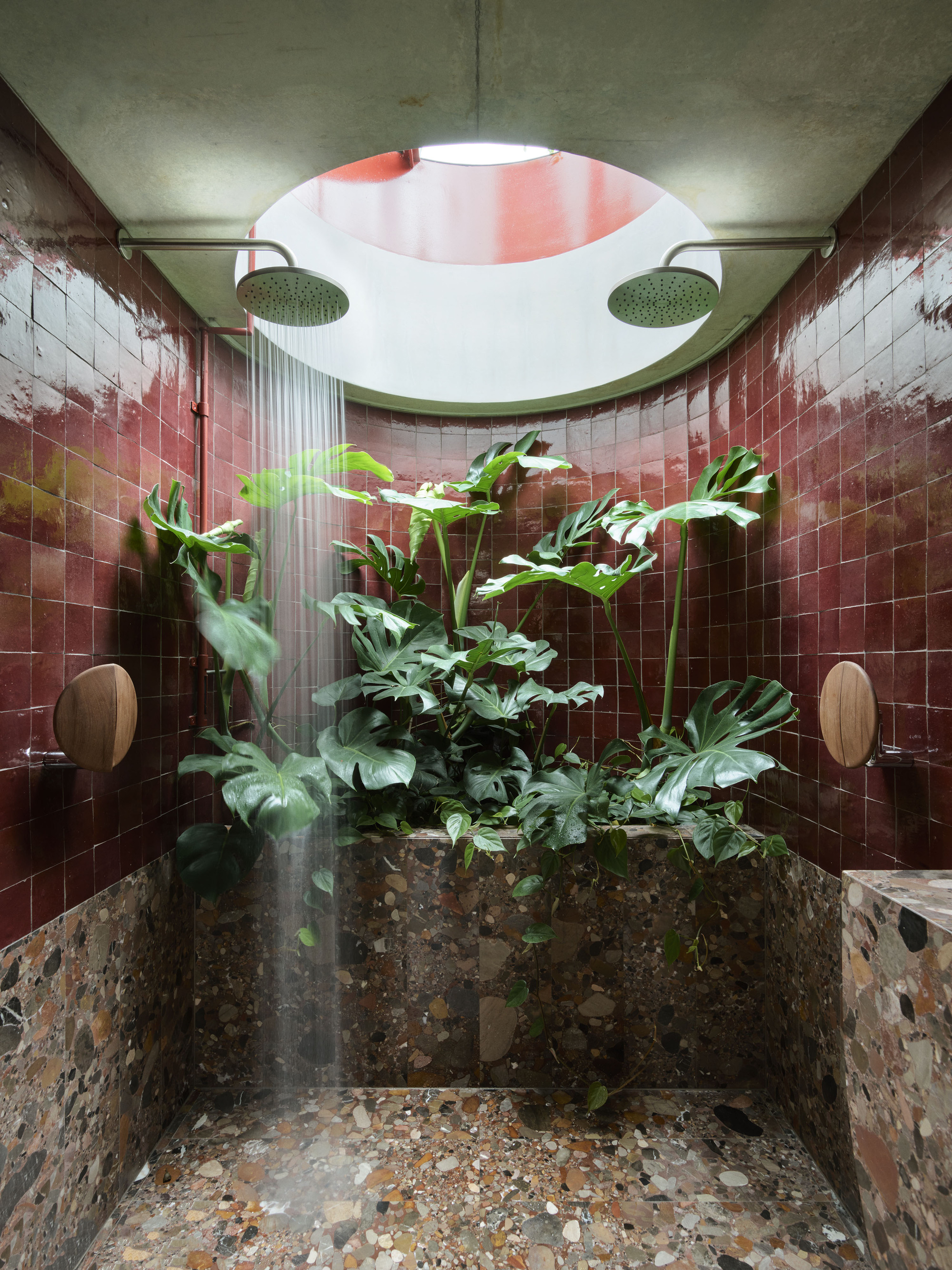
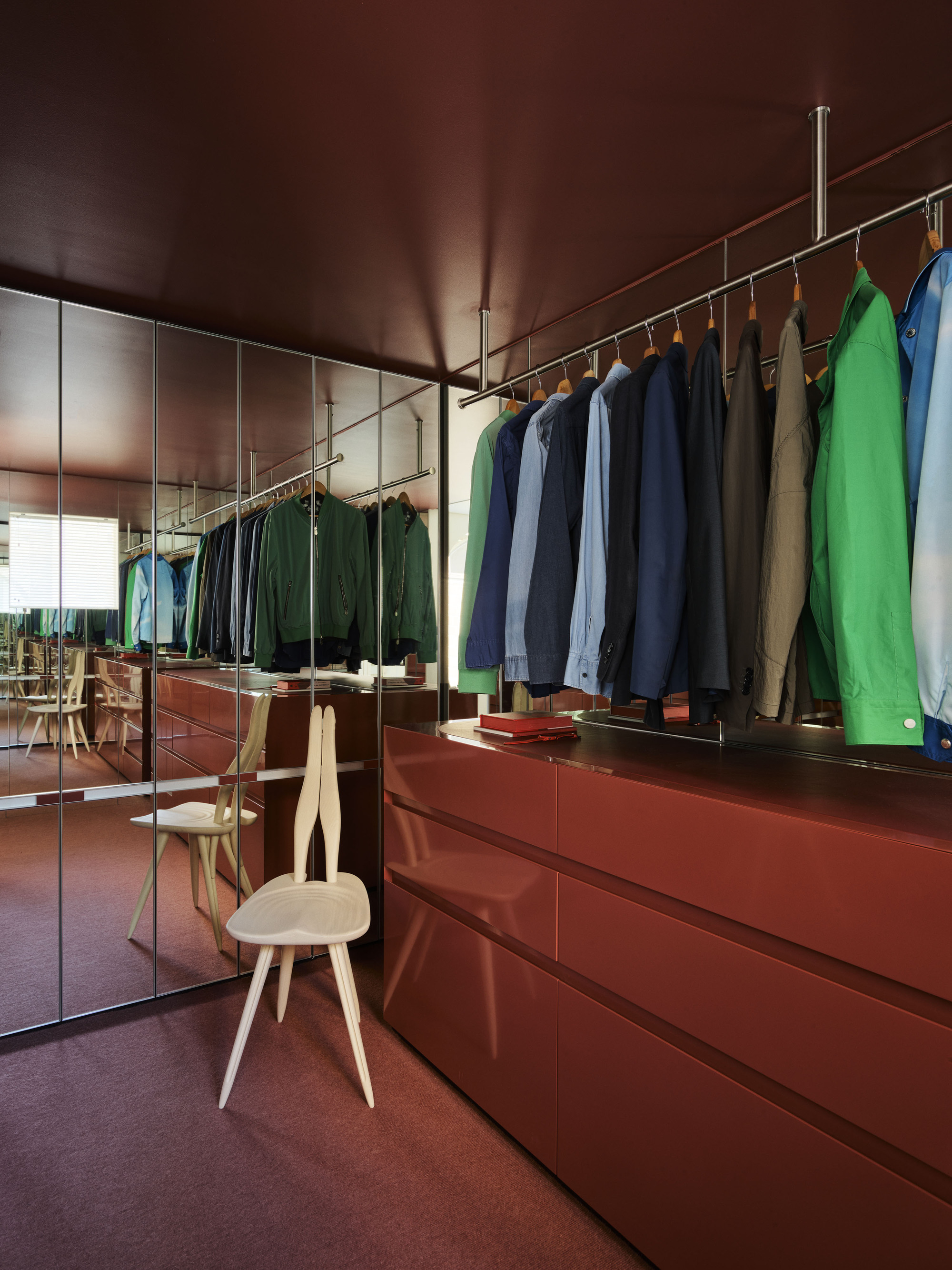
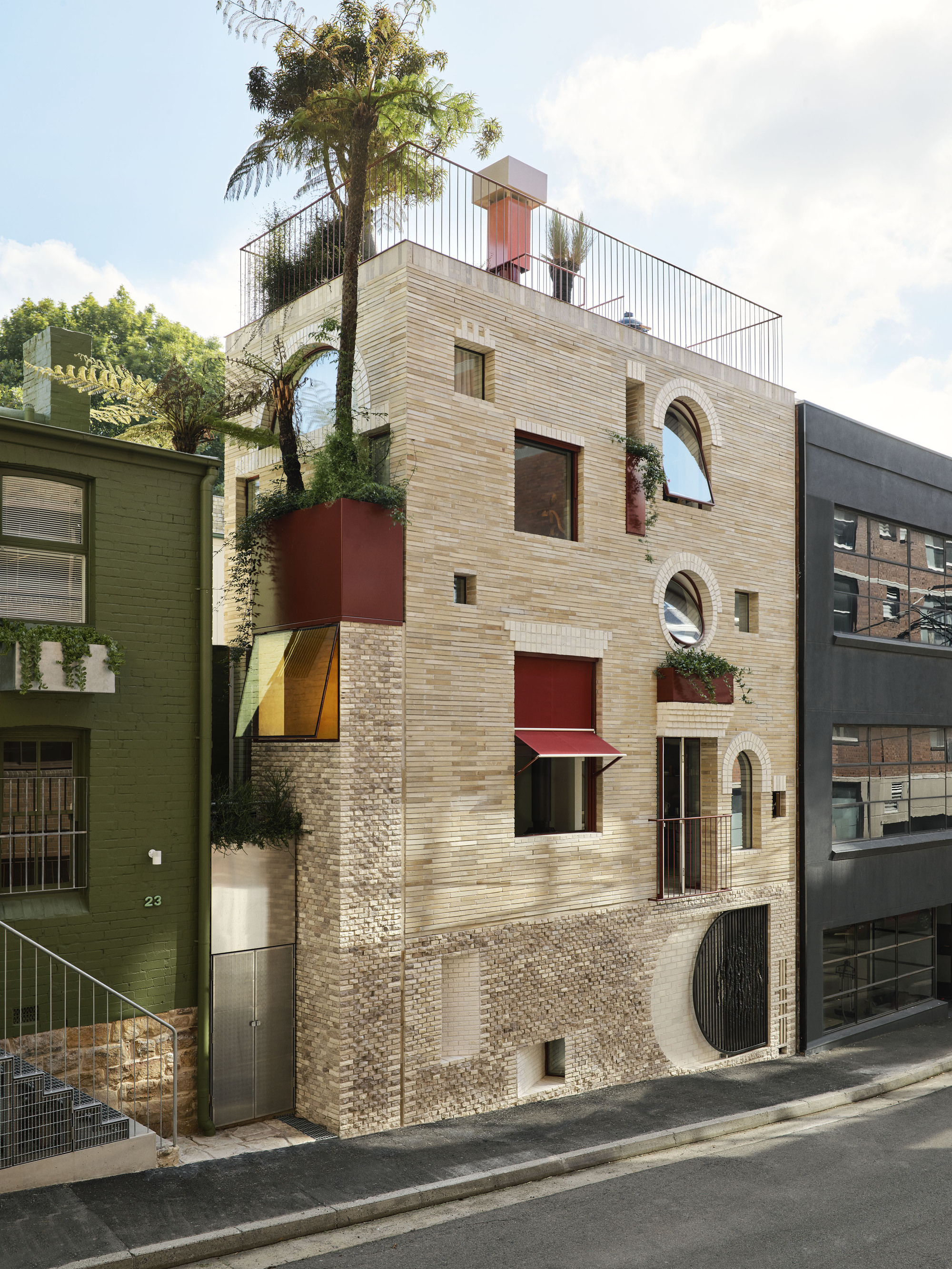
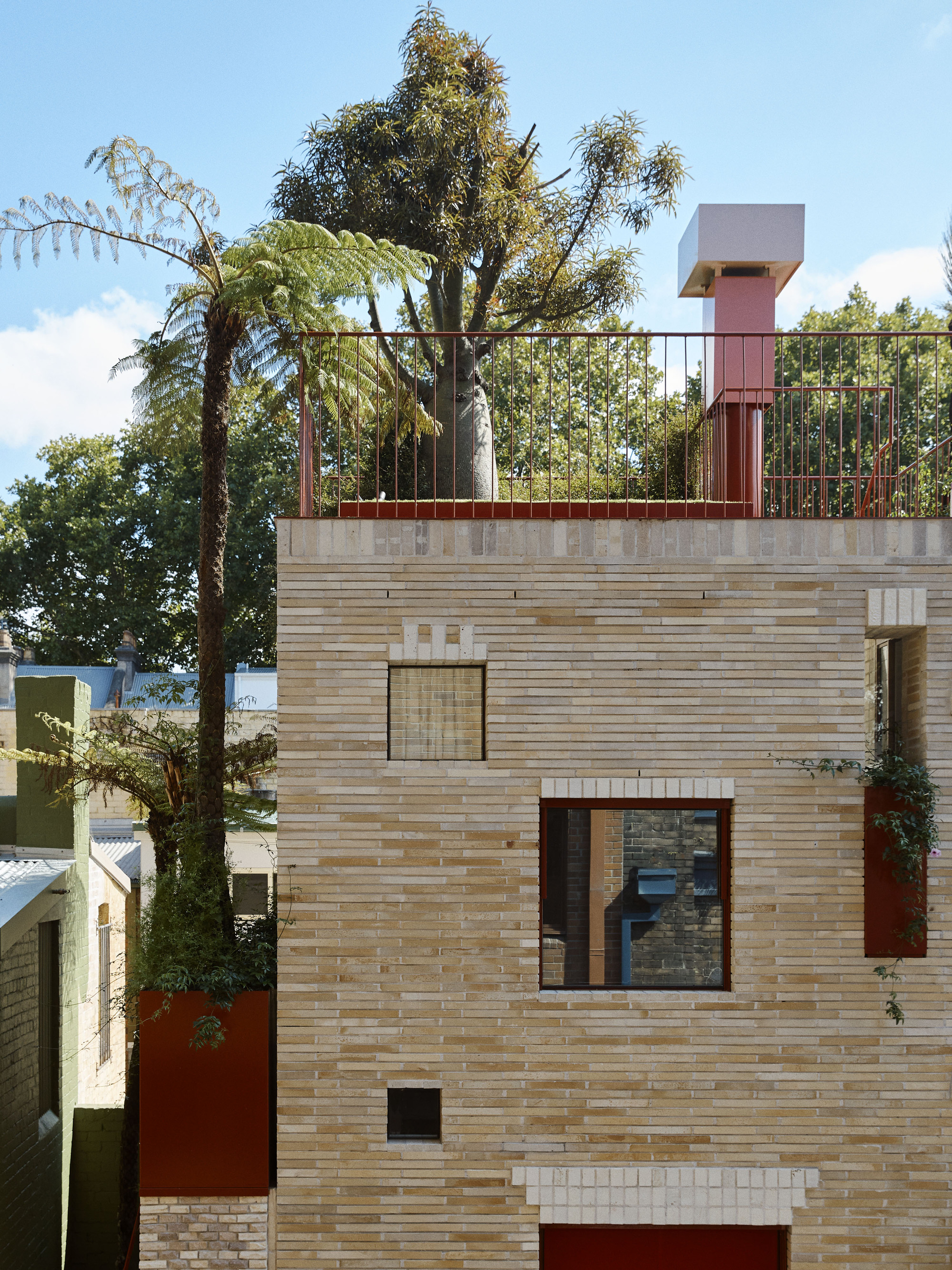
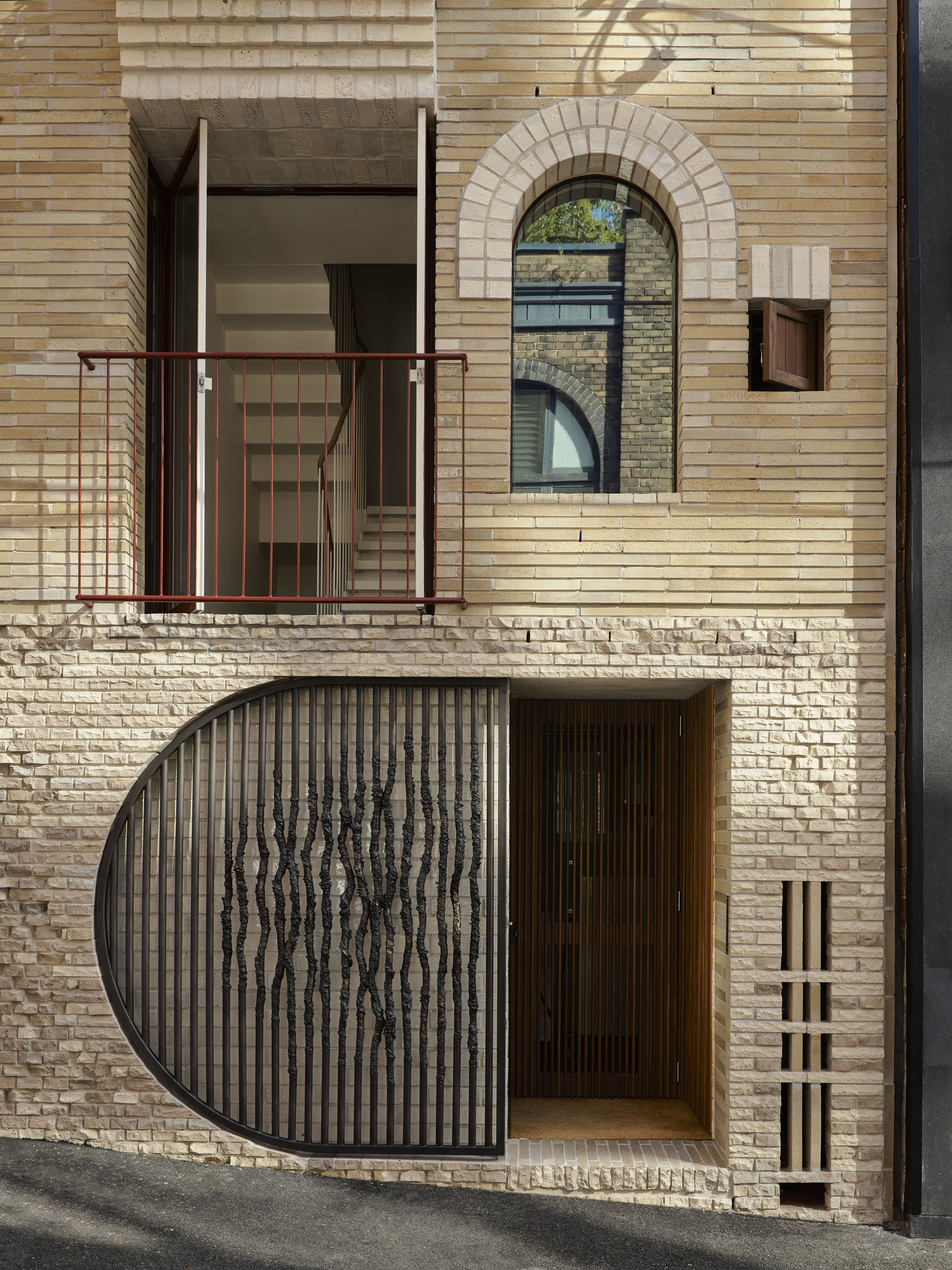
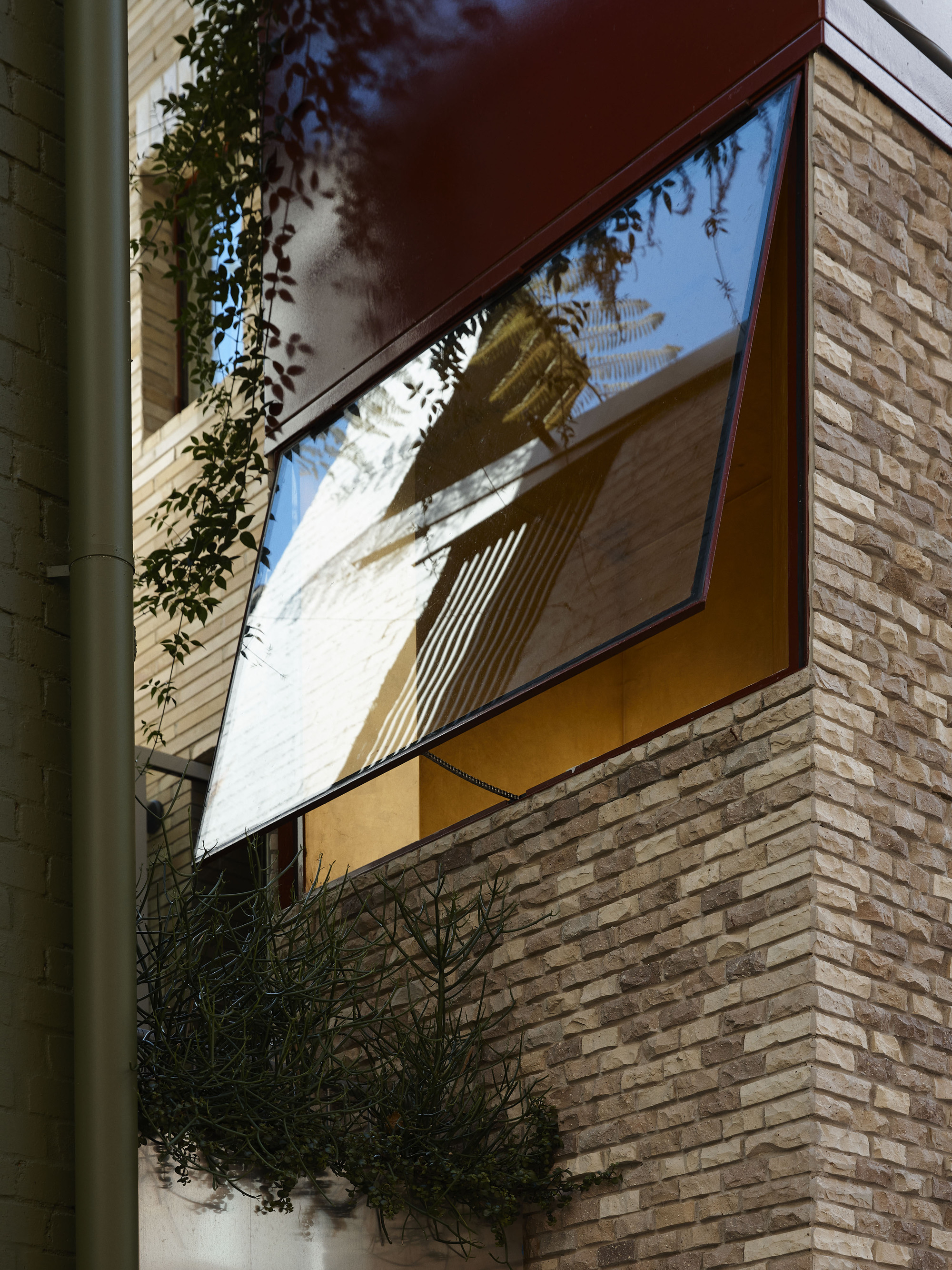
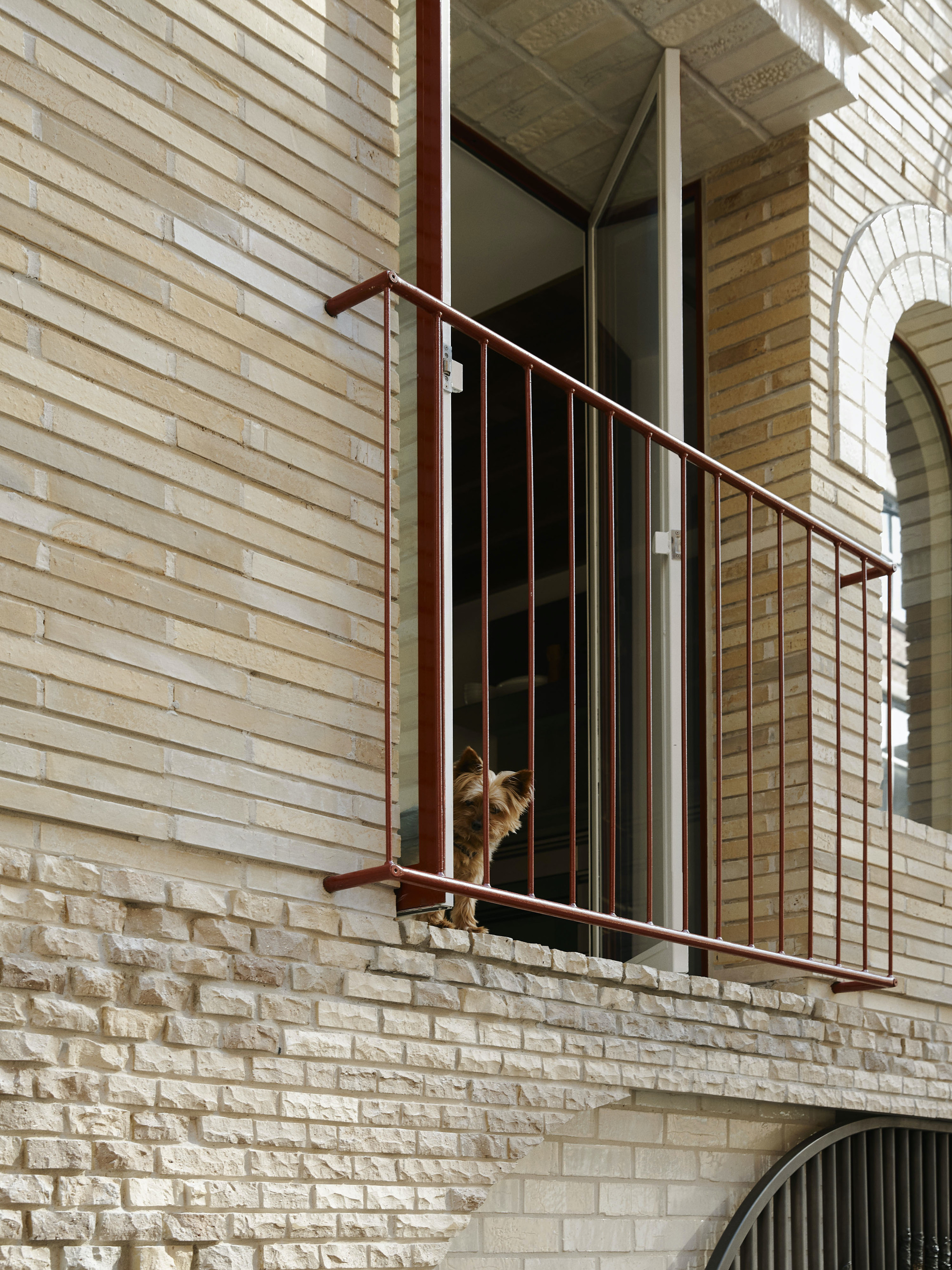
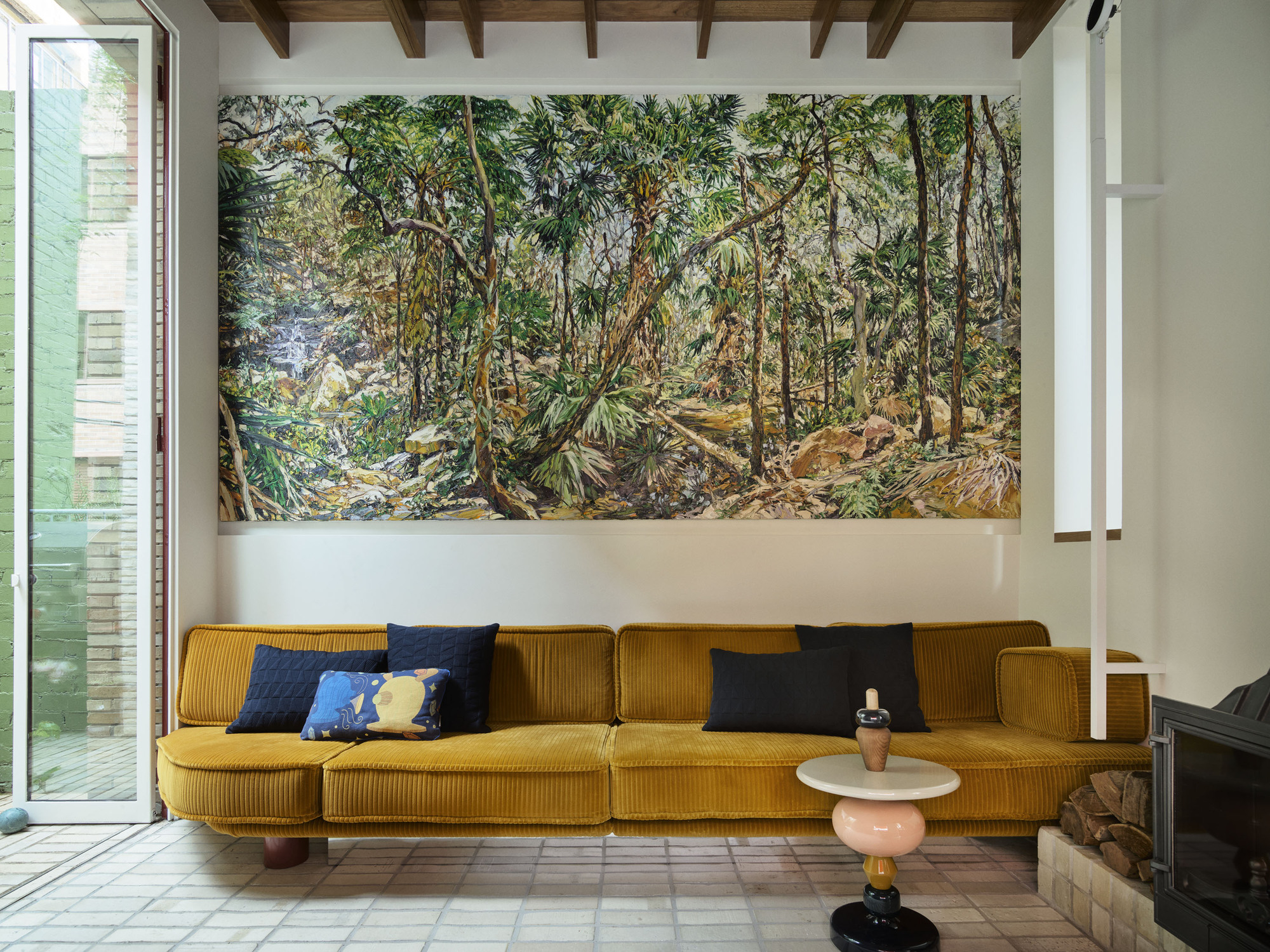
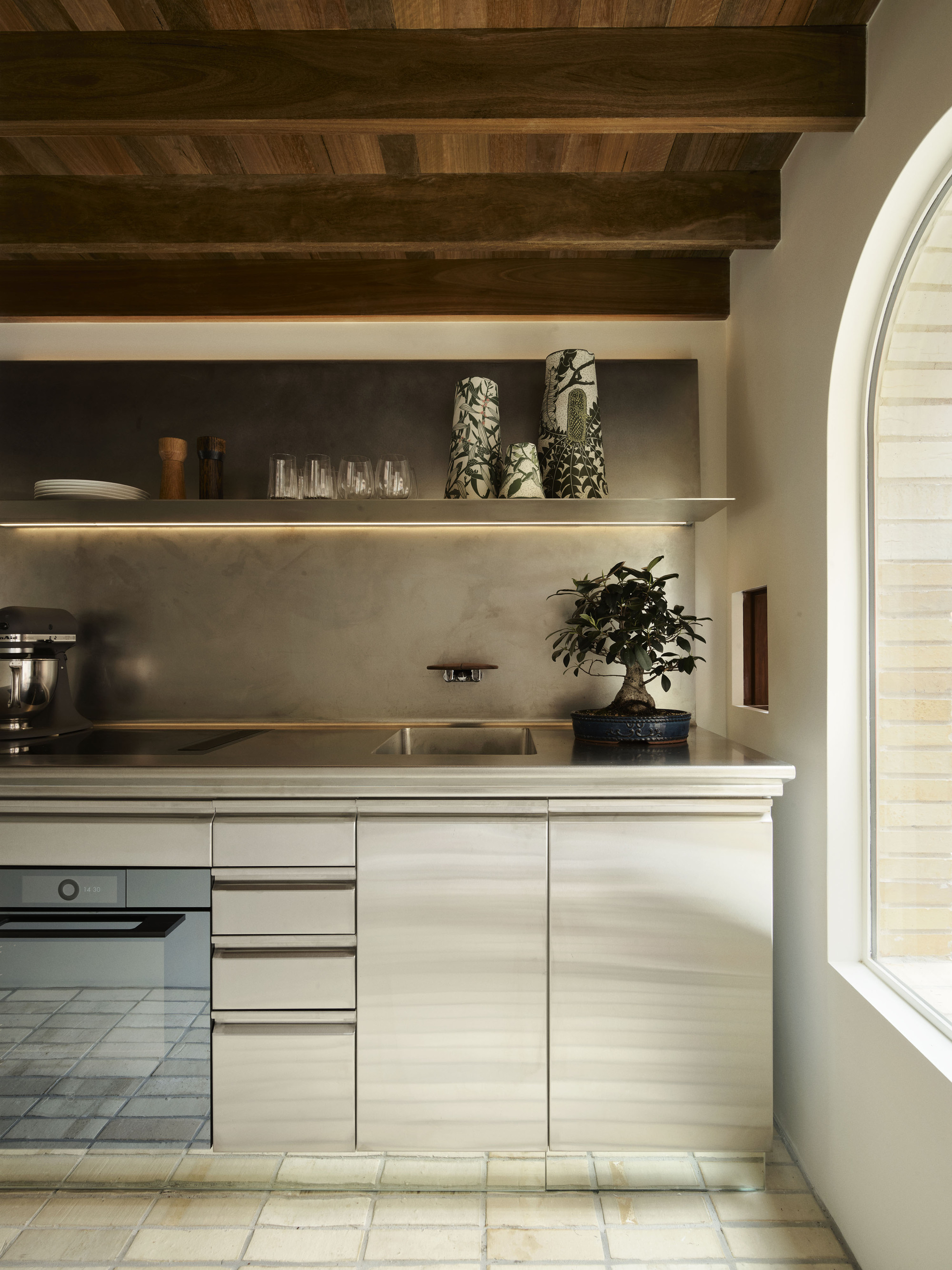
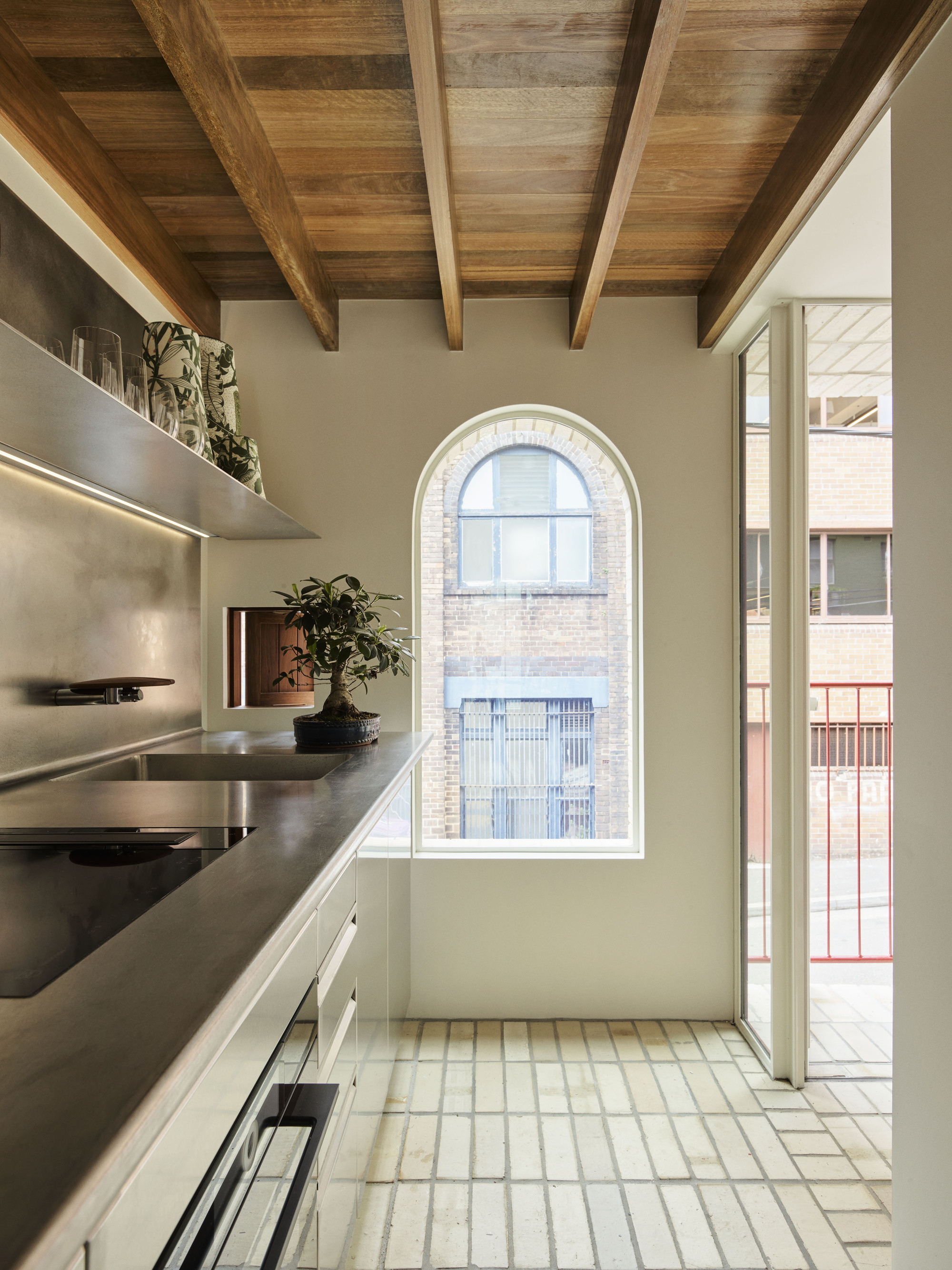
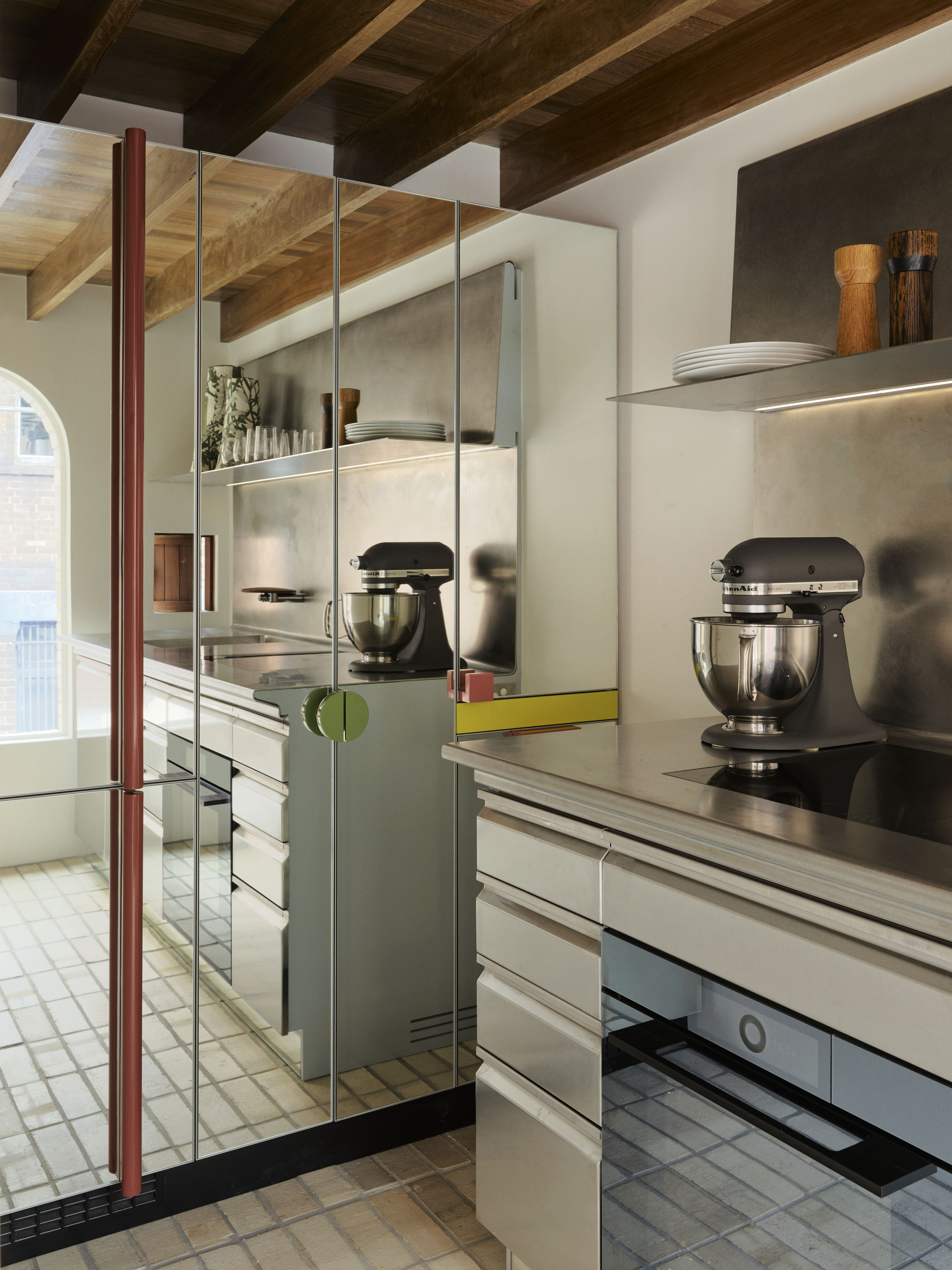
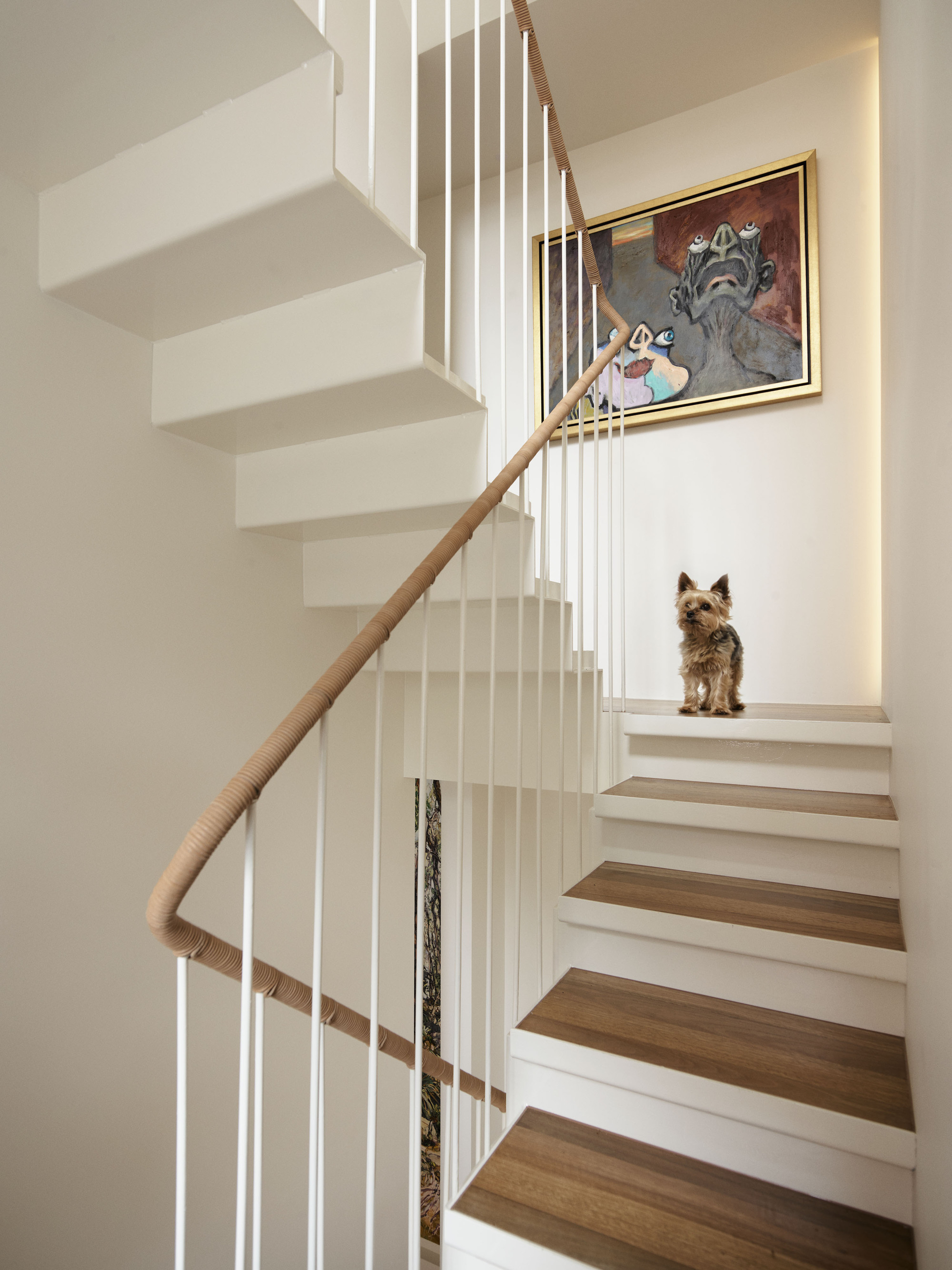
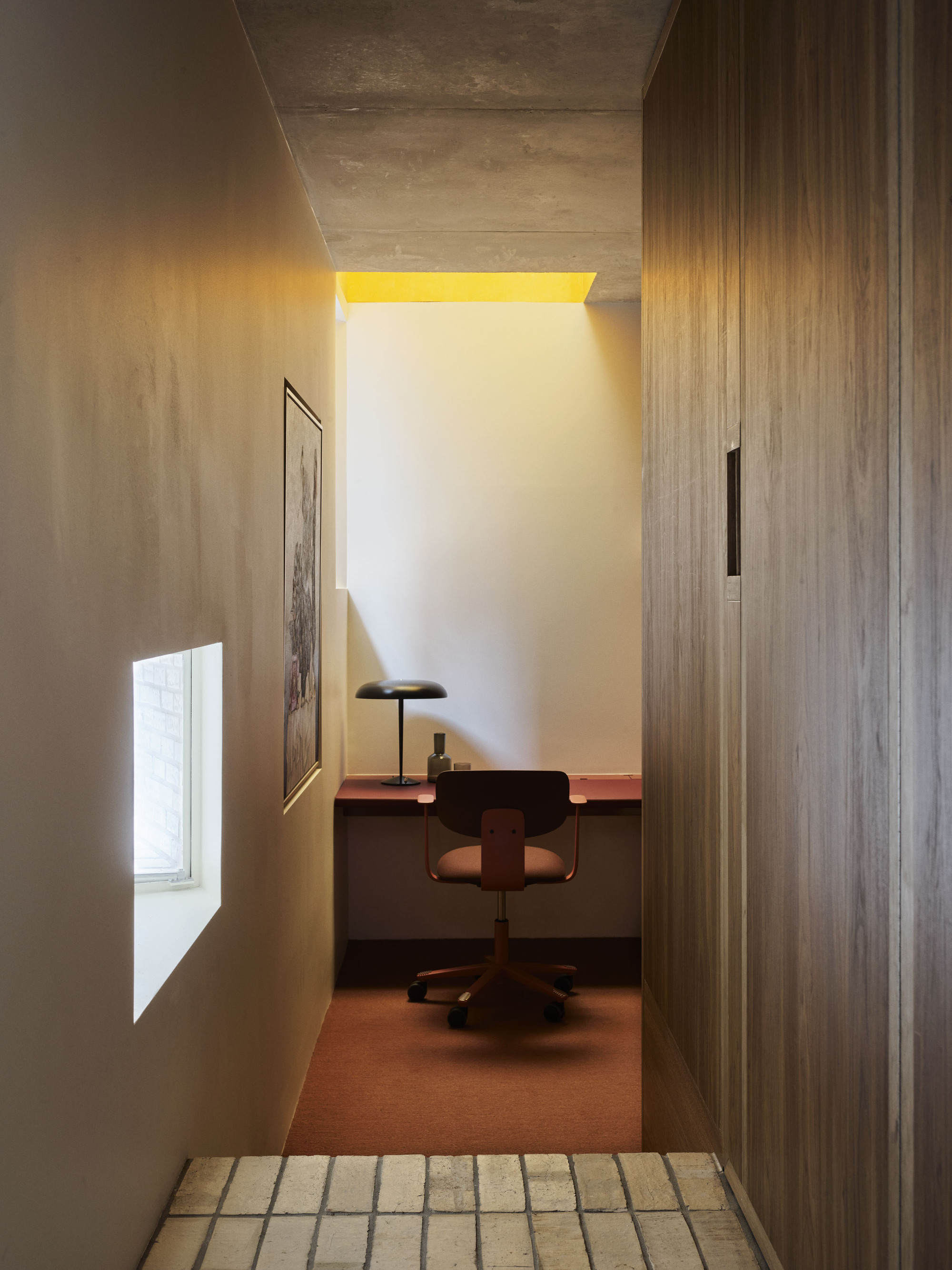
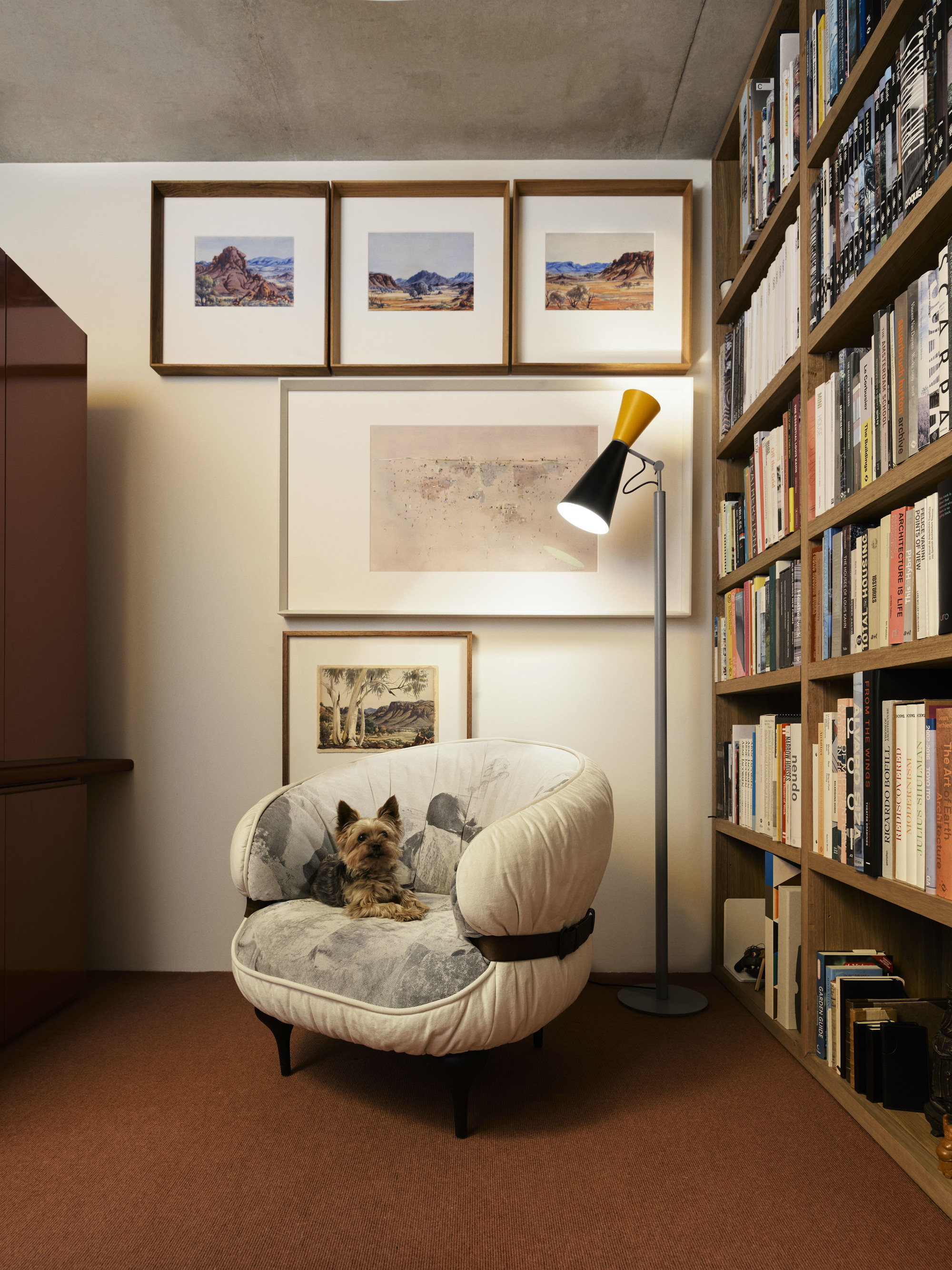
Waterloo Street House #architecture Architects: SJB Area: 69 m² Year: 2022 Photographs: Anson Smart City: Surry Hills NSW 2010 Country: Australia 19 Waterloo Street is buried amongst the chaos of warehouses and terraces that once served Sydney's rag trade. A corner terrace with decades of architectural detritus had engulfed the site with a never-ending cascade of additions and lean-to's with the odd weed surviving between the cracks of the concrete path. As a butchers, a grocer, a window workshop, a hatter and finally a restaurant, each with the attached rooms above, the original building had had a checkered past. Our intent was to deliver a mixed-use house, breaking up the site to deliver more. Our ambition: a shop, a self-contained flat and a home. Three uses out of one. The new addition at the rear of the site is accommodated on just 30 sqm and has a total internal area of 69 sqm. Using a split section, the stair is the pinwheel around which the house moves. The dwelling is divided into spaces that are served or in service. The service spaces are short with 2.1m ceilings – storage, kitchen, robe and ensuite, while the served spaces are grand with 3.6m ceilings – study, living and bedroom. With a maximum depth of 3.3 meters, light and ventilation are at your fingertips, always connecting you to the energy of the day while lending the house a strong sense of urbanity – you are living in the city. Externally the house is playful and textured – riffing the motives and materiality of the suburb that surrounds it. A little like a house from a Jacques Tati film, the façade feels alive with personality. Reclaimed bricks form the canvas, discarded broken ones reflect the historic sandstone base of the surrounding streets and are cut and folded to hide openings and protect views, while the upper bricks shift in scale to frame windows and support planting. During the making of the house artists were commissioned to present a generous edge. The front gate is a cast bronze sculpture by Mika Utzon-Popov, and an all-enveloping landscape by Nicholas Harding in the living room is able to be viewed from the street.
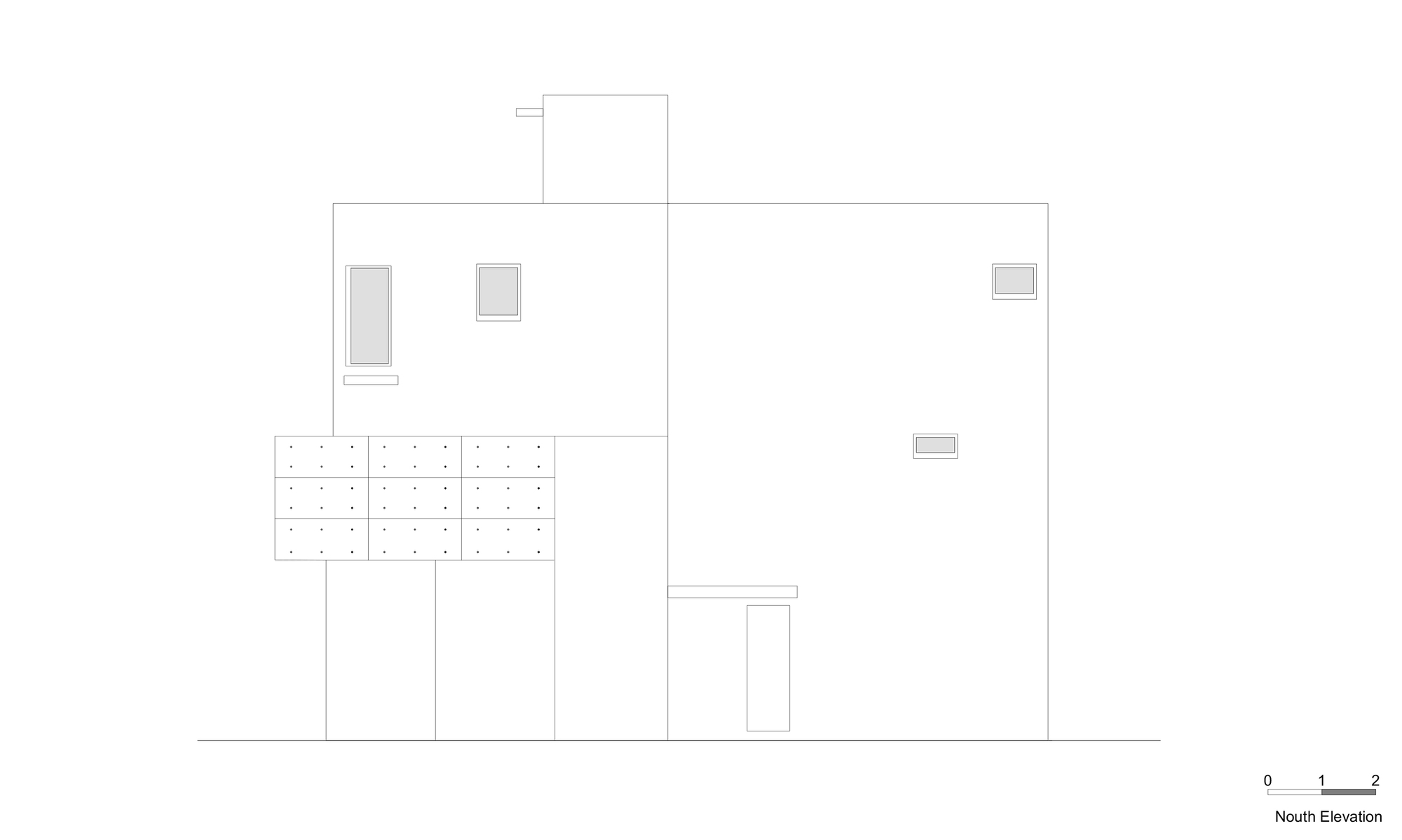
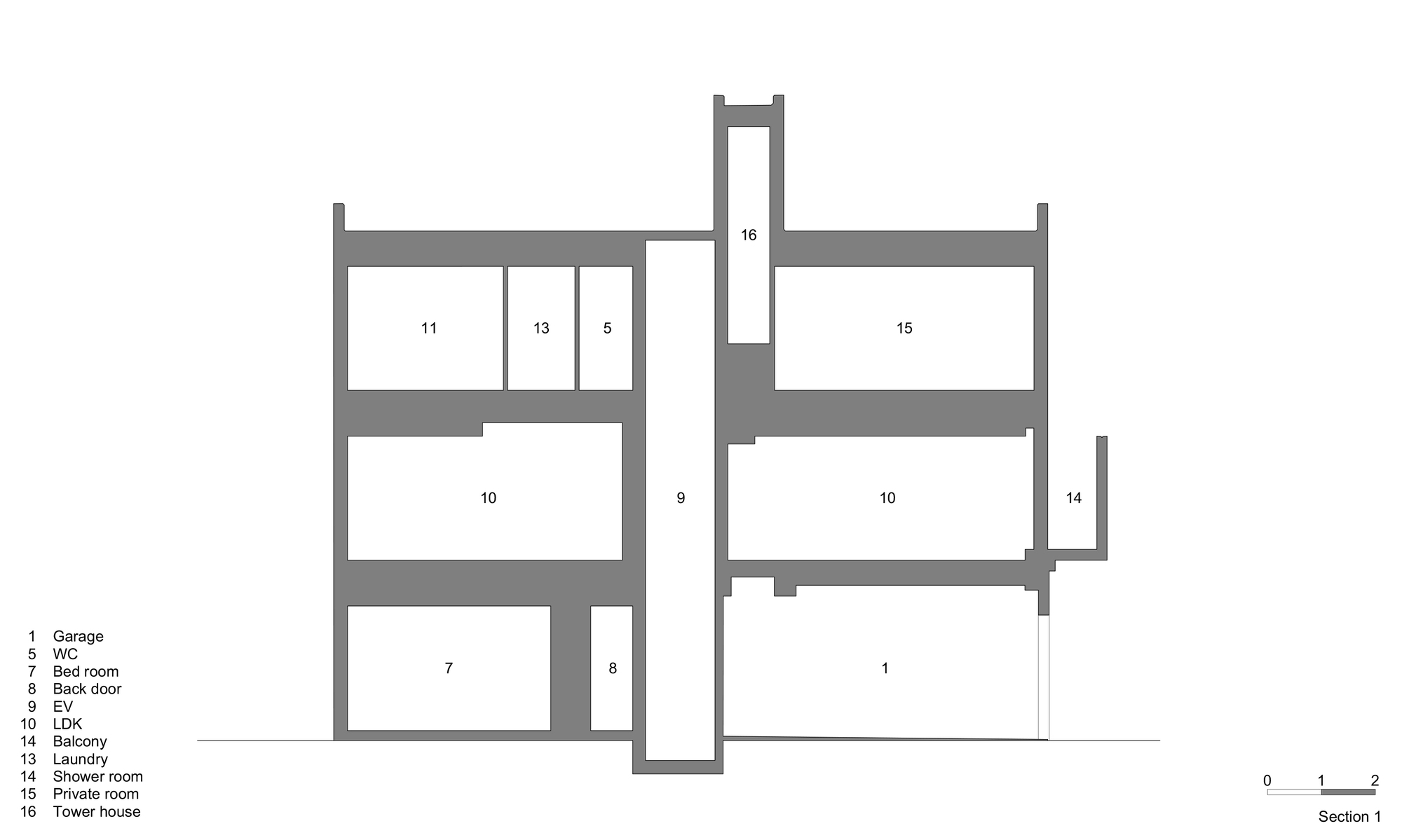
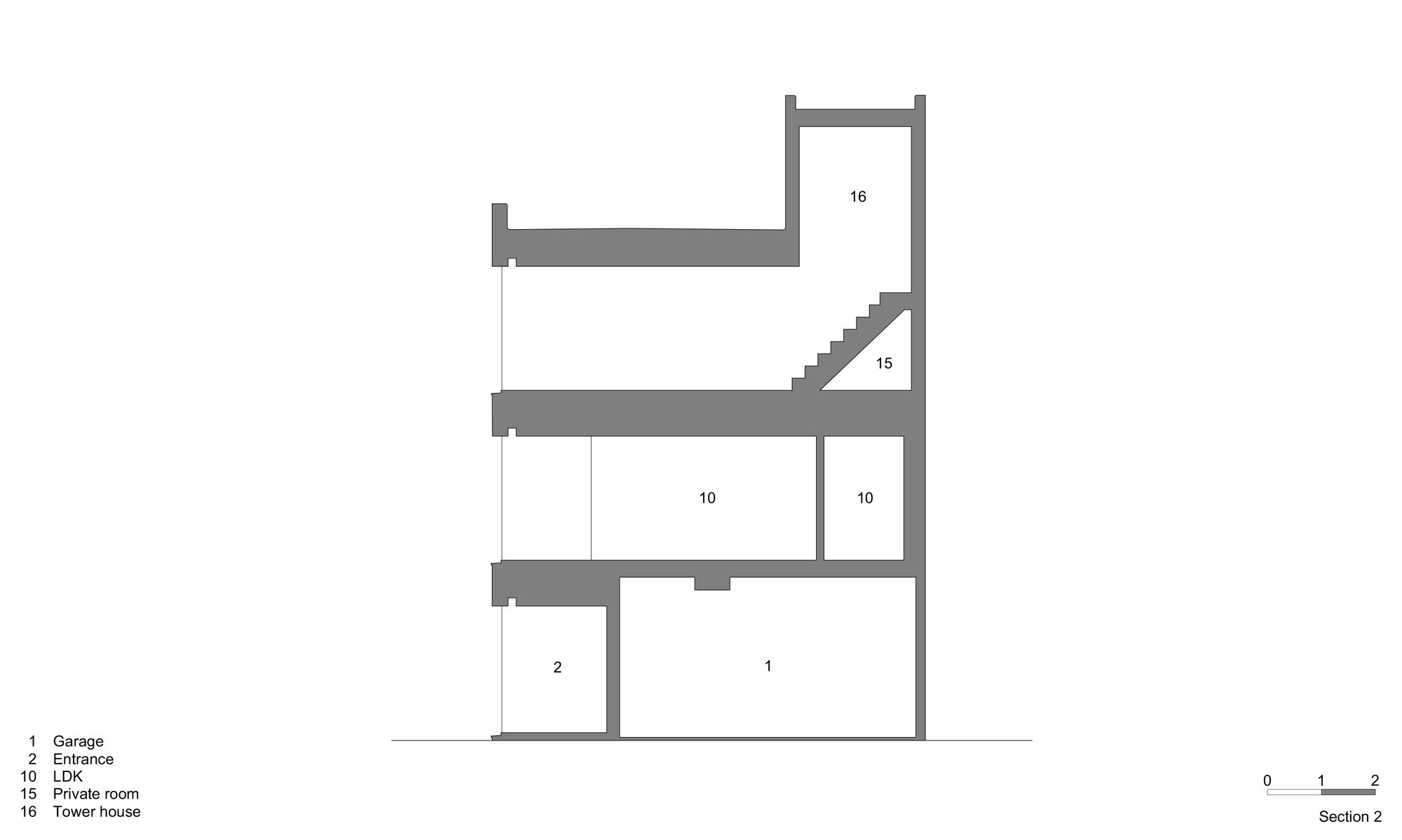
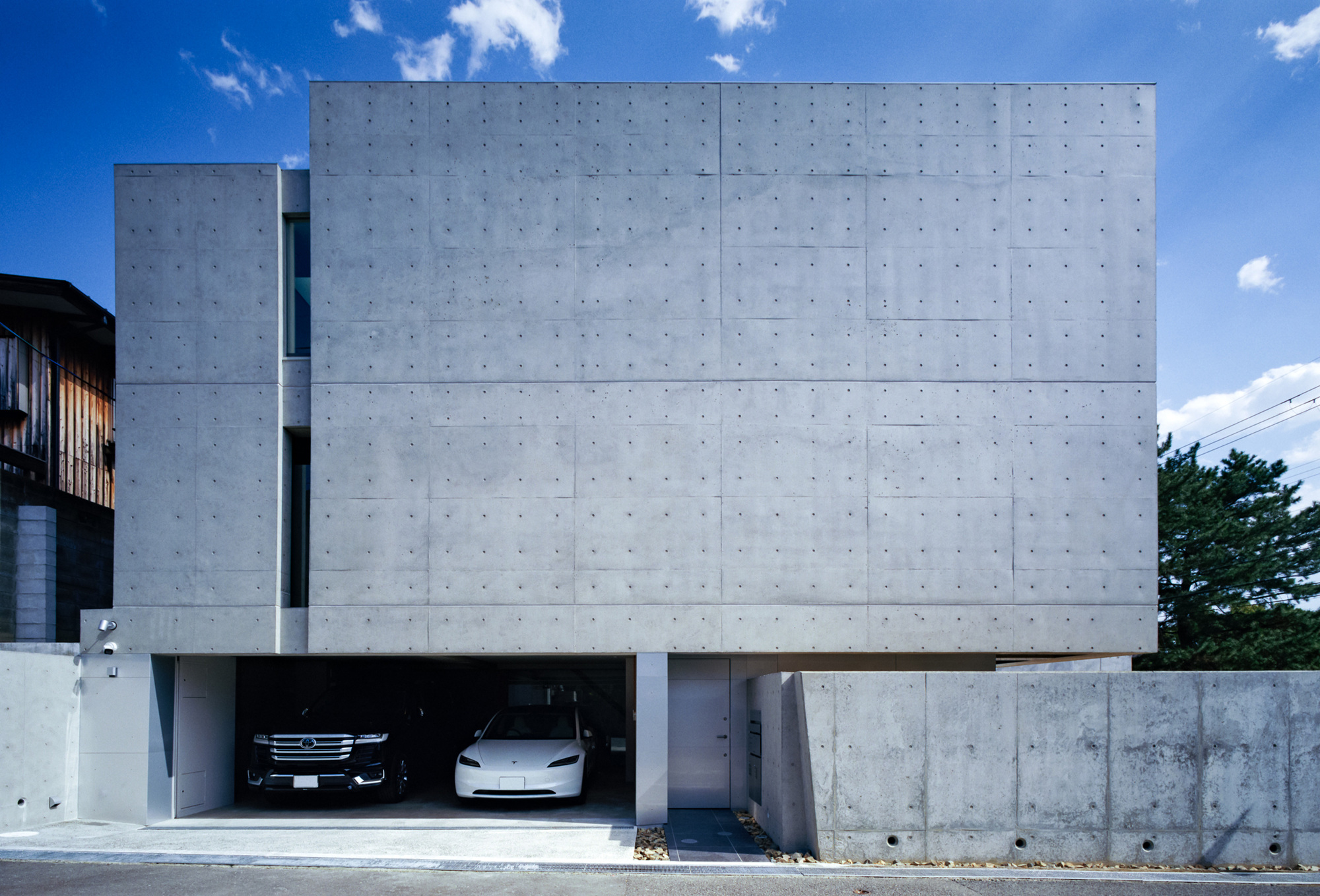
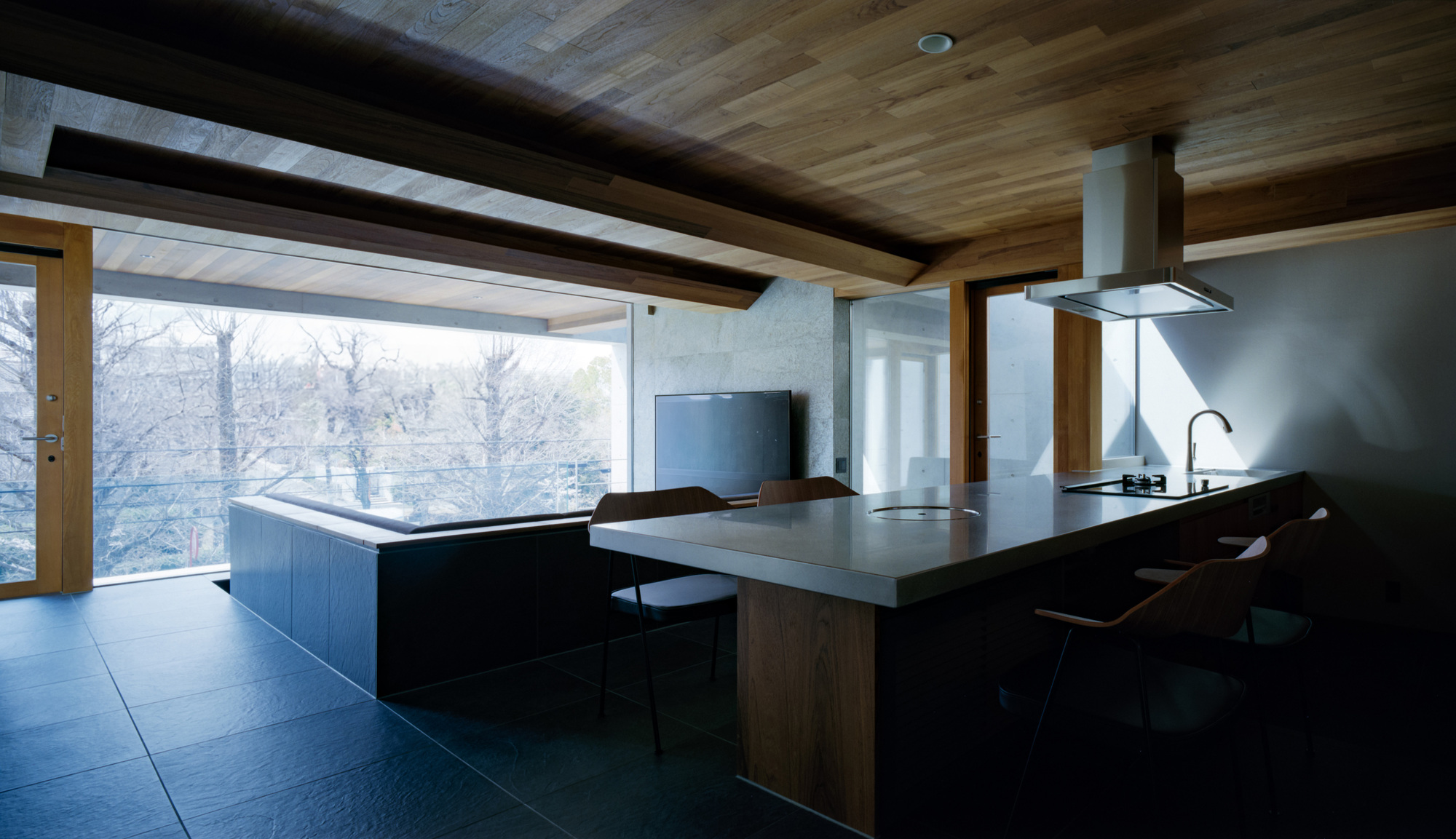
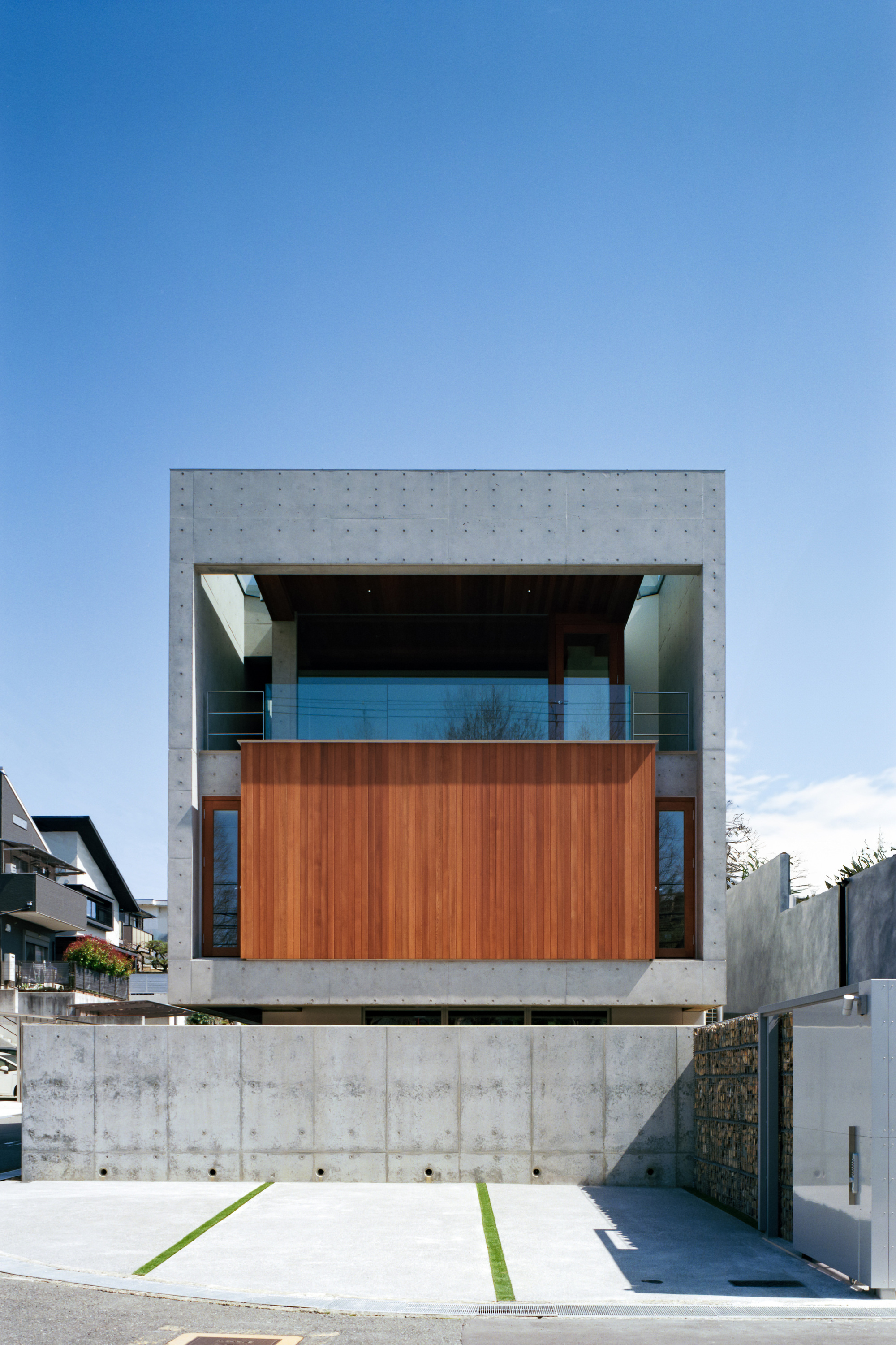
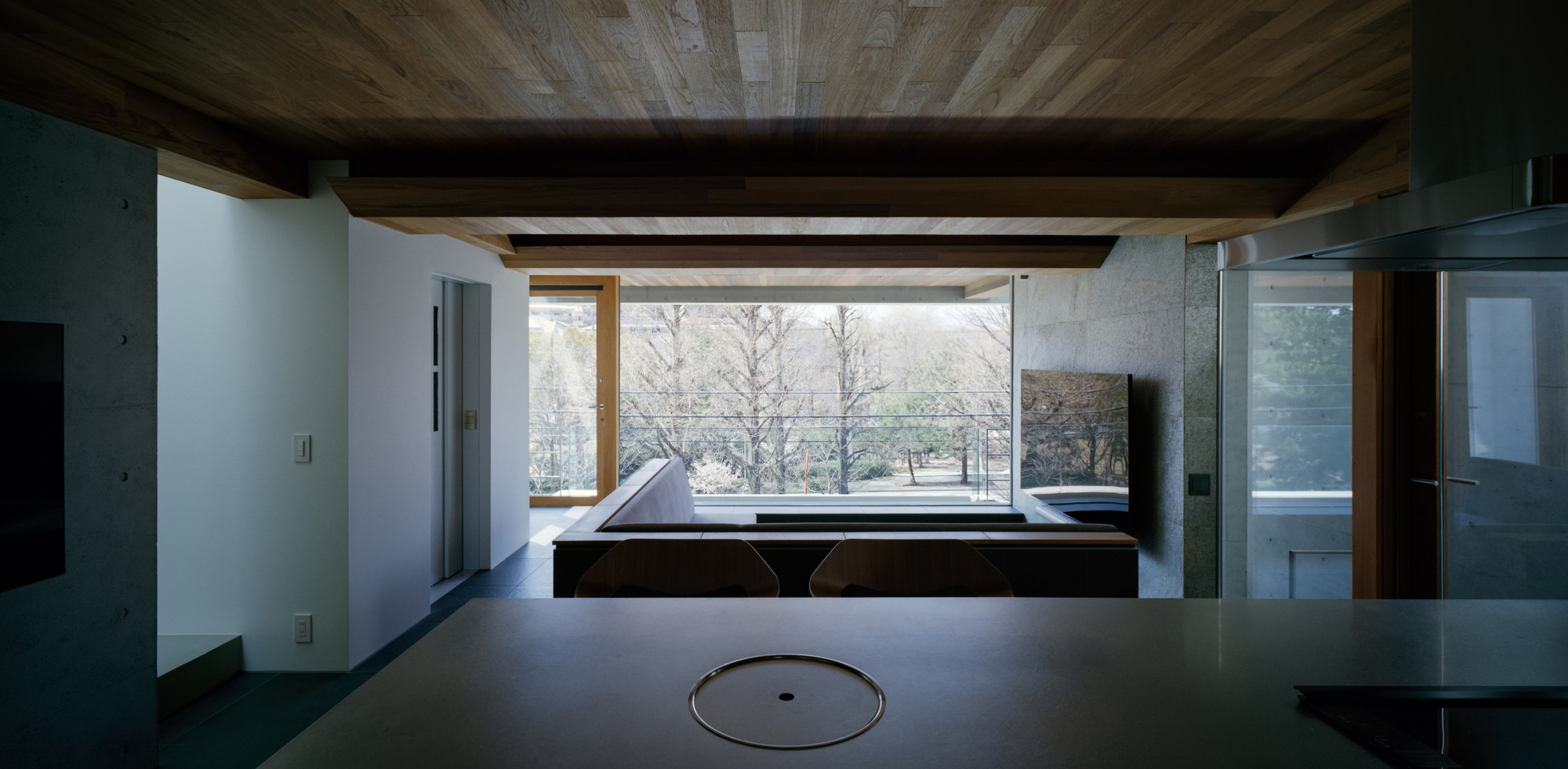
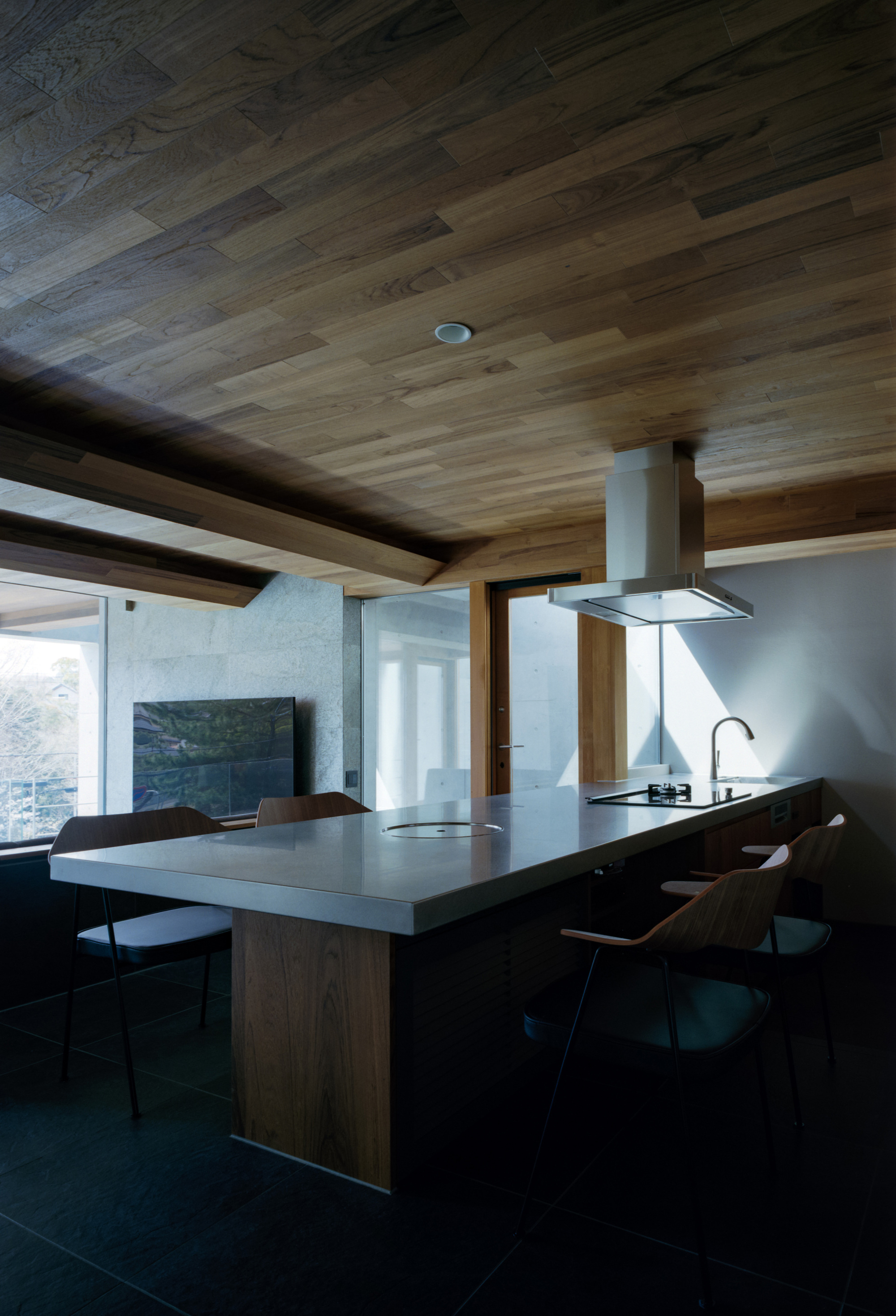
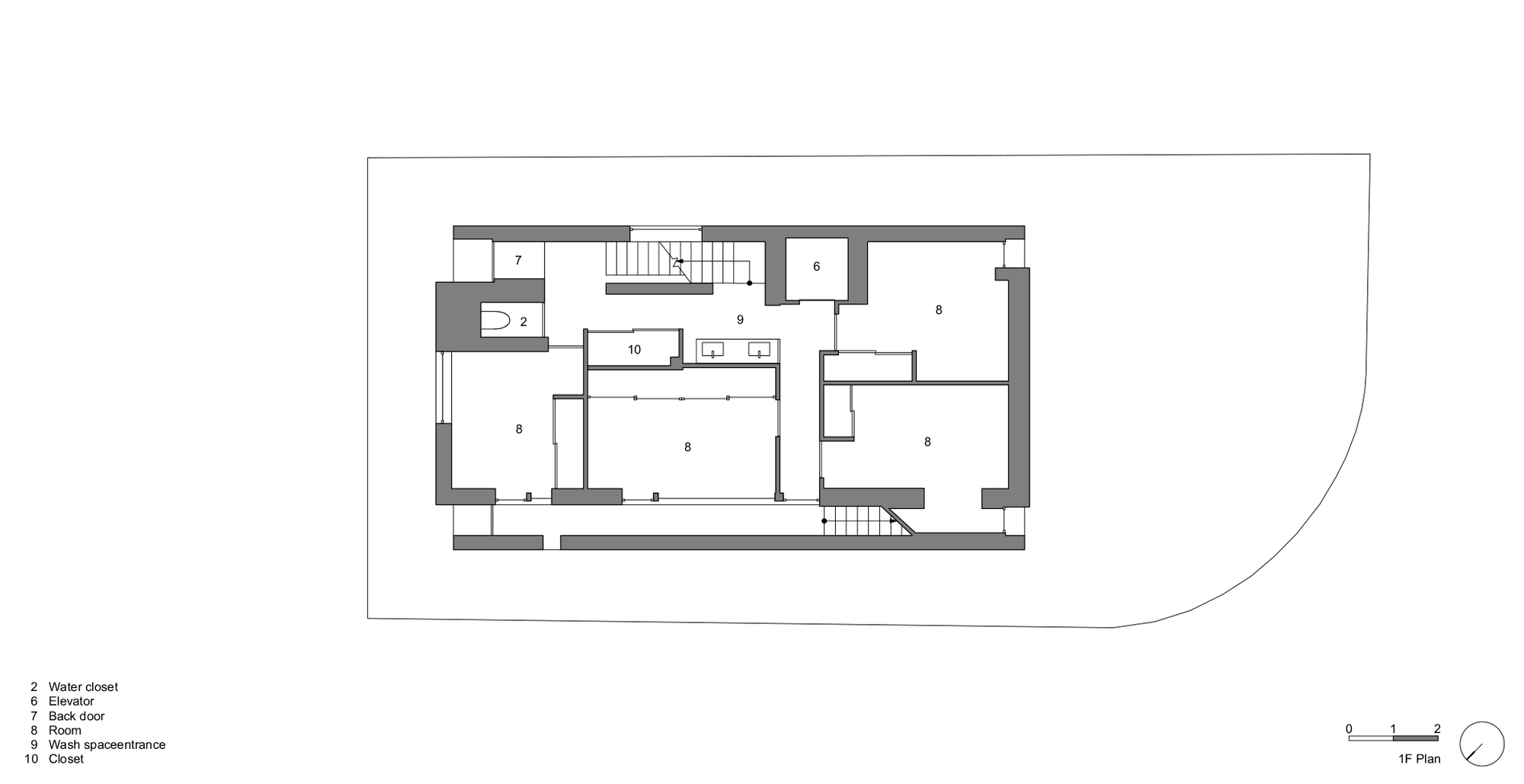
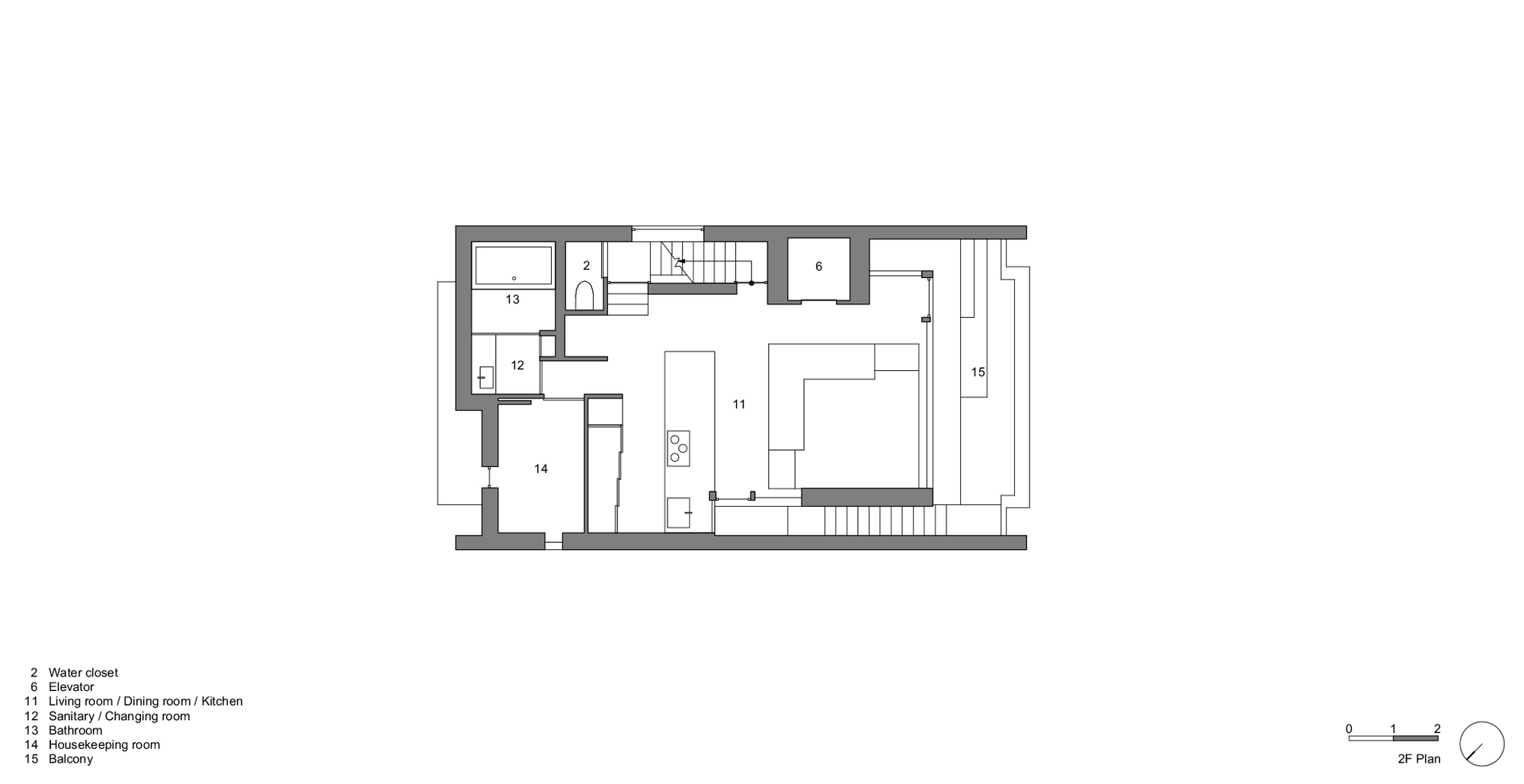
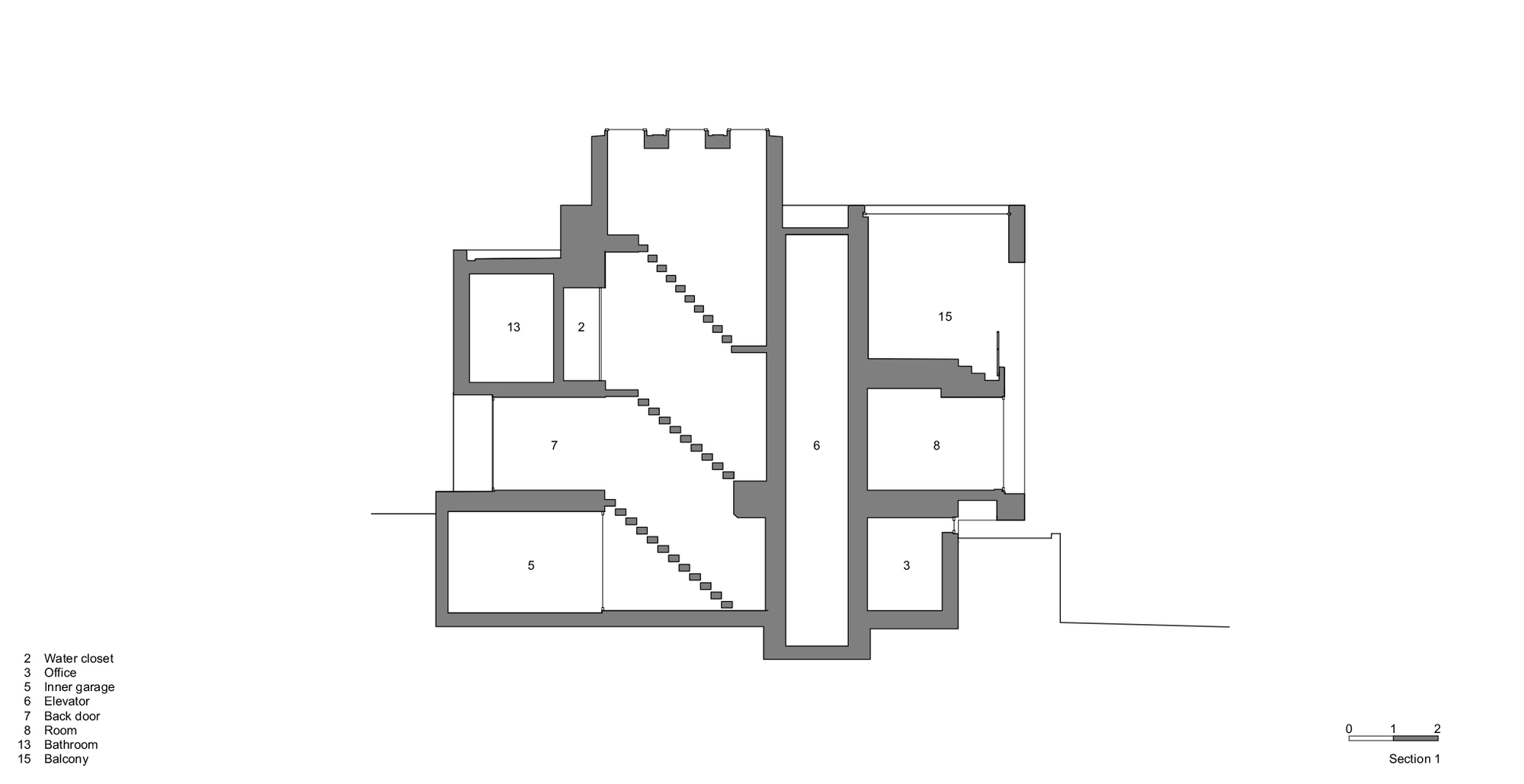
House and Office in Hokusetsu #architecture Architects: FujiwaraMuro Architects Area: 91 m² Year: 2024 Photographs: Katsuya. Taira (studioREM) City: Osaka Country: Japan Typically, either the interior or exterior surface of an exposed concrete building is covered with insulation and is not visible. Here, we inserted the living quarters into a concrete tube to reveal both sides of the exposed concrete building. The concrete tube opens directly onto the view outside. The second-floor LDK (living, dining, and kitchen) area, wrapped in the concrete tube, is a space that opens up to the view beyond the opening. We have created a layer between the concrete tube and the walls of the private rooms on the ground floor, allowing light and breezes to pass through. There are two private rooms with windows looking out towards the street, trees, and two private rooms with windows facing the layer between the concrete tube and the walls of the private rooms, where the exposed concrete walls come into view. The ground level of the site is approximately 2 m above the street level. In this project, we removed part of the existing retaining wall to create a garage for two cars and an office room below ground level. We lifted the concrete tube off the ground to make it appear floating and light,t and covered the building underneath in aluminum panels to create a visual contrast. By nestling the living quarters, we successfully reduced the summer heat and winter cold and let in natural light and air while shielding the interior from prying eyes on the street.
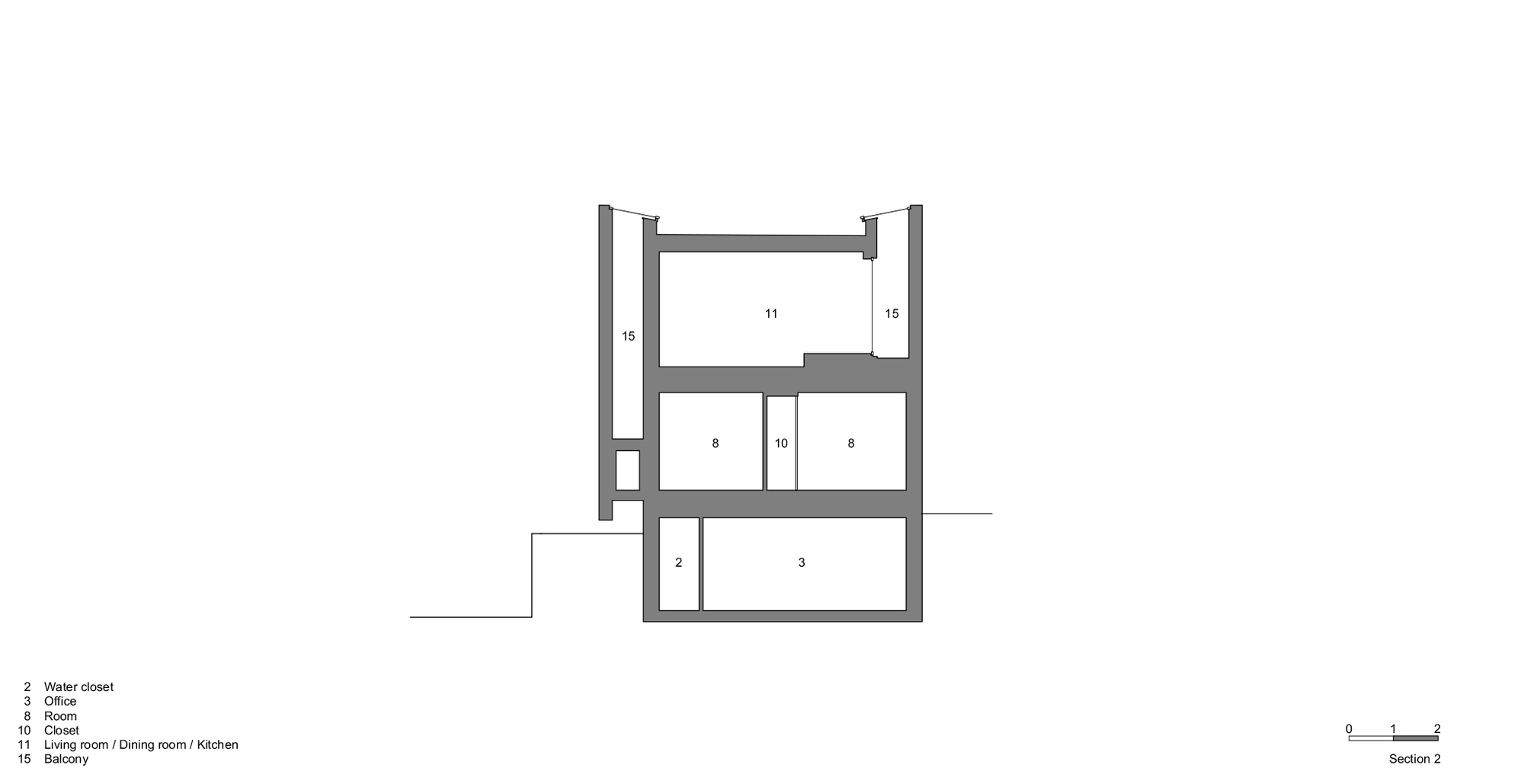
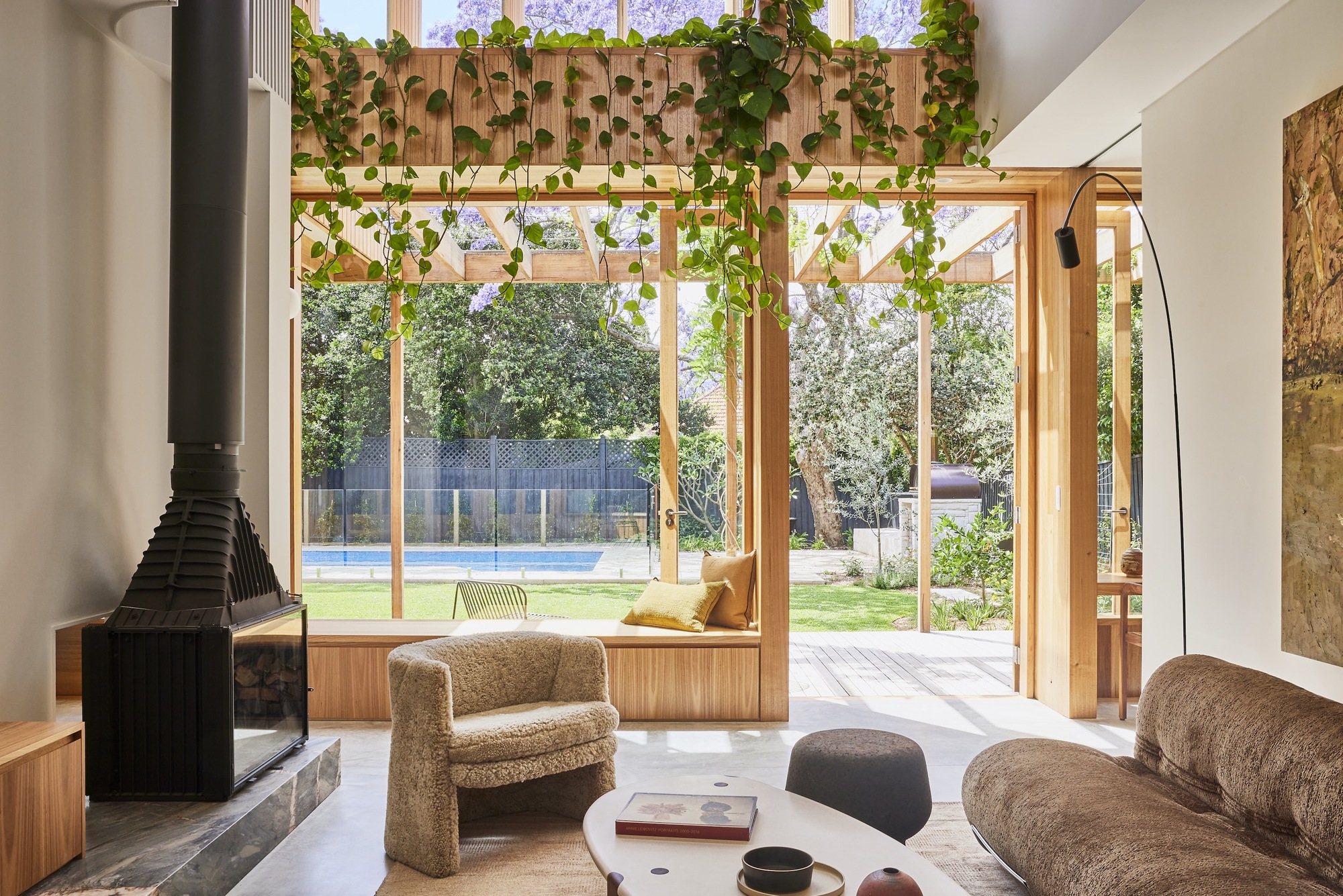
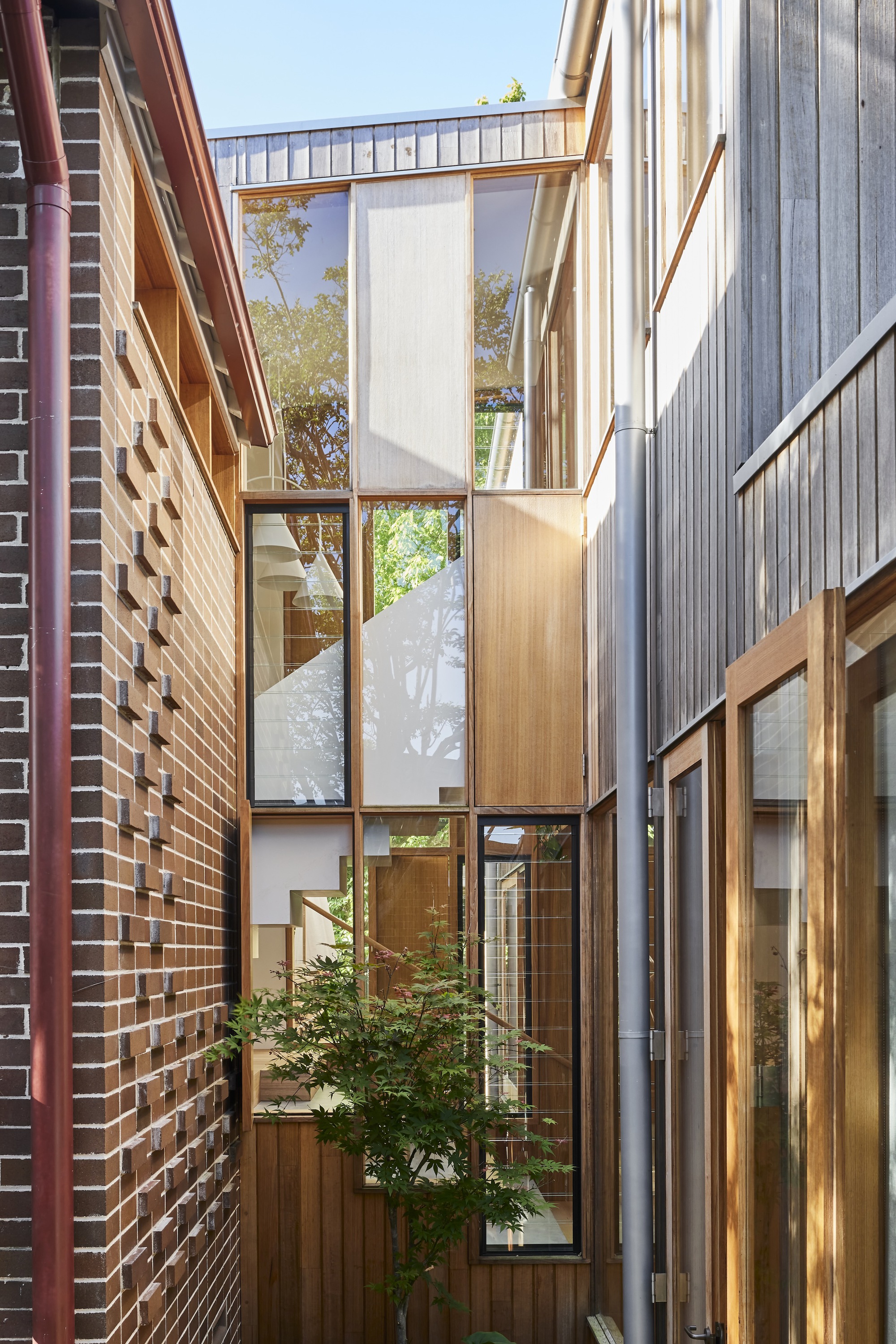
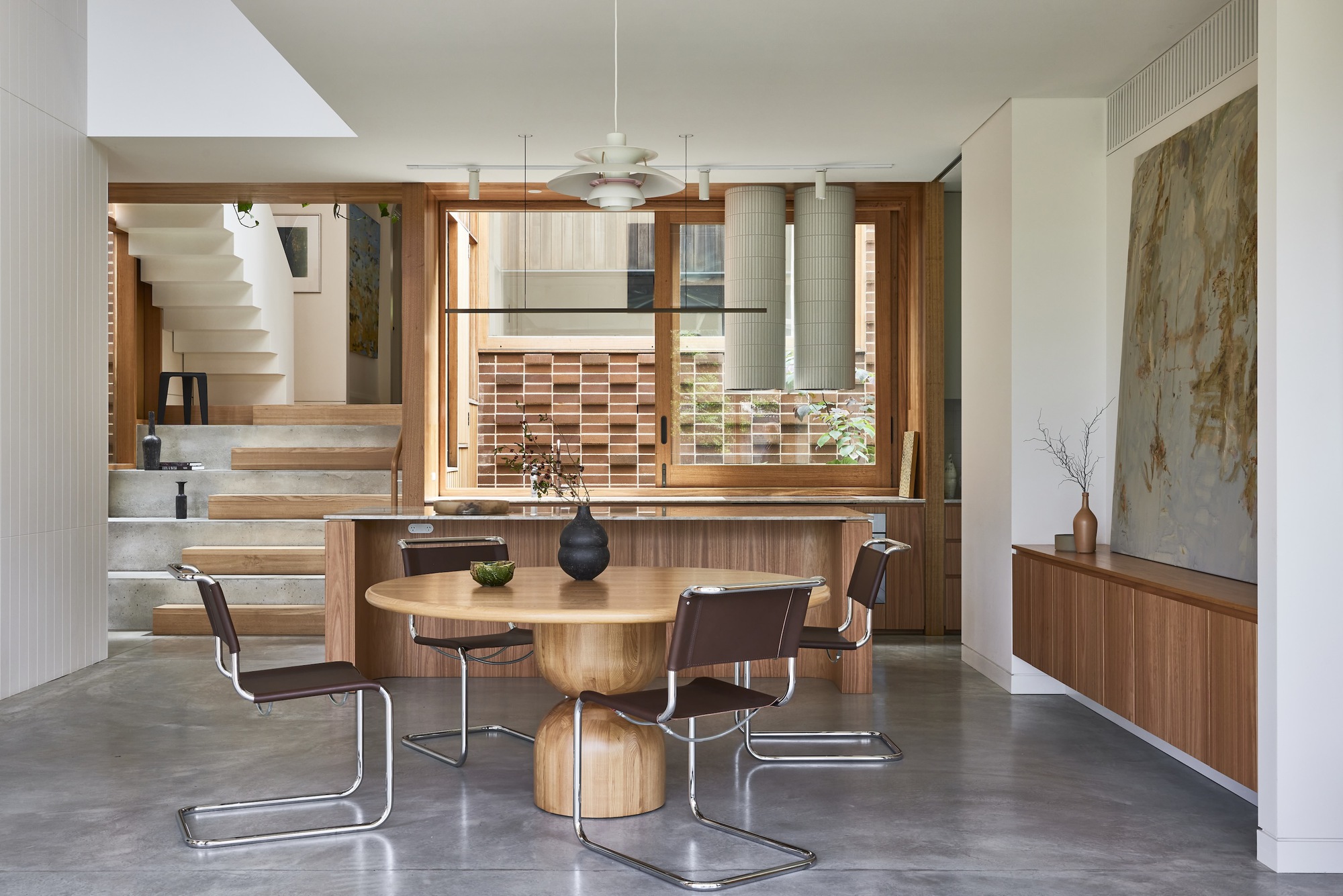
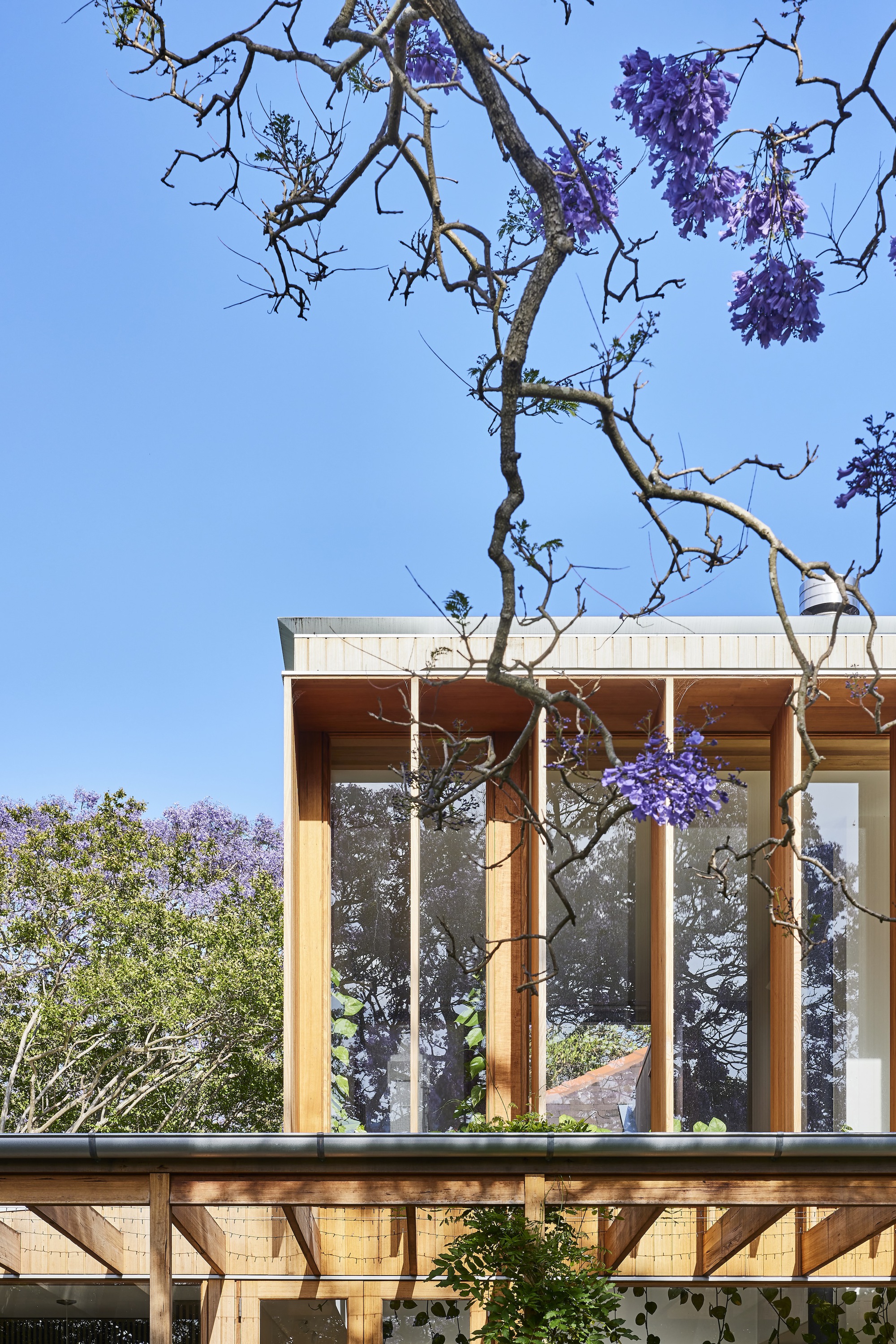
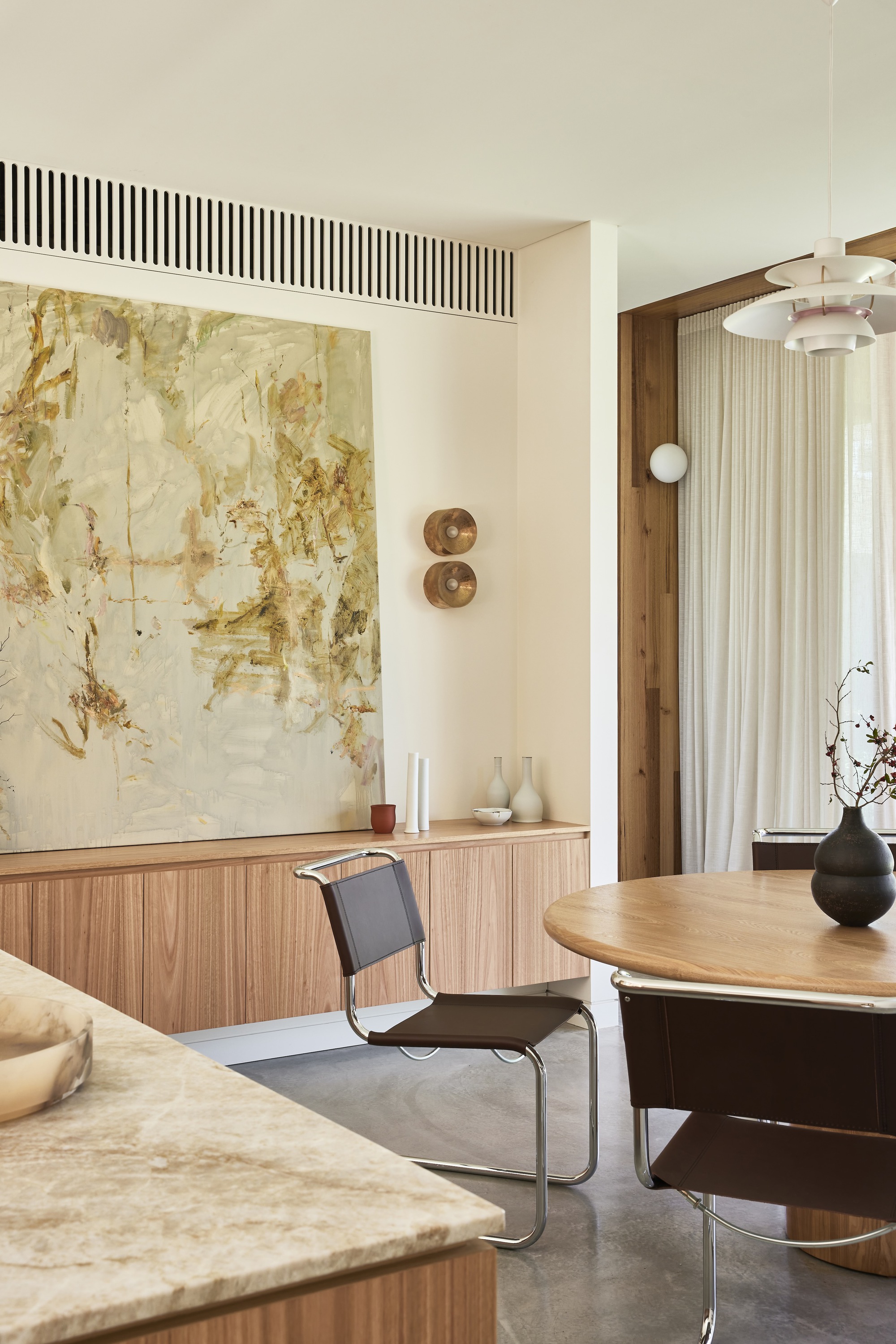
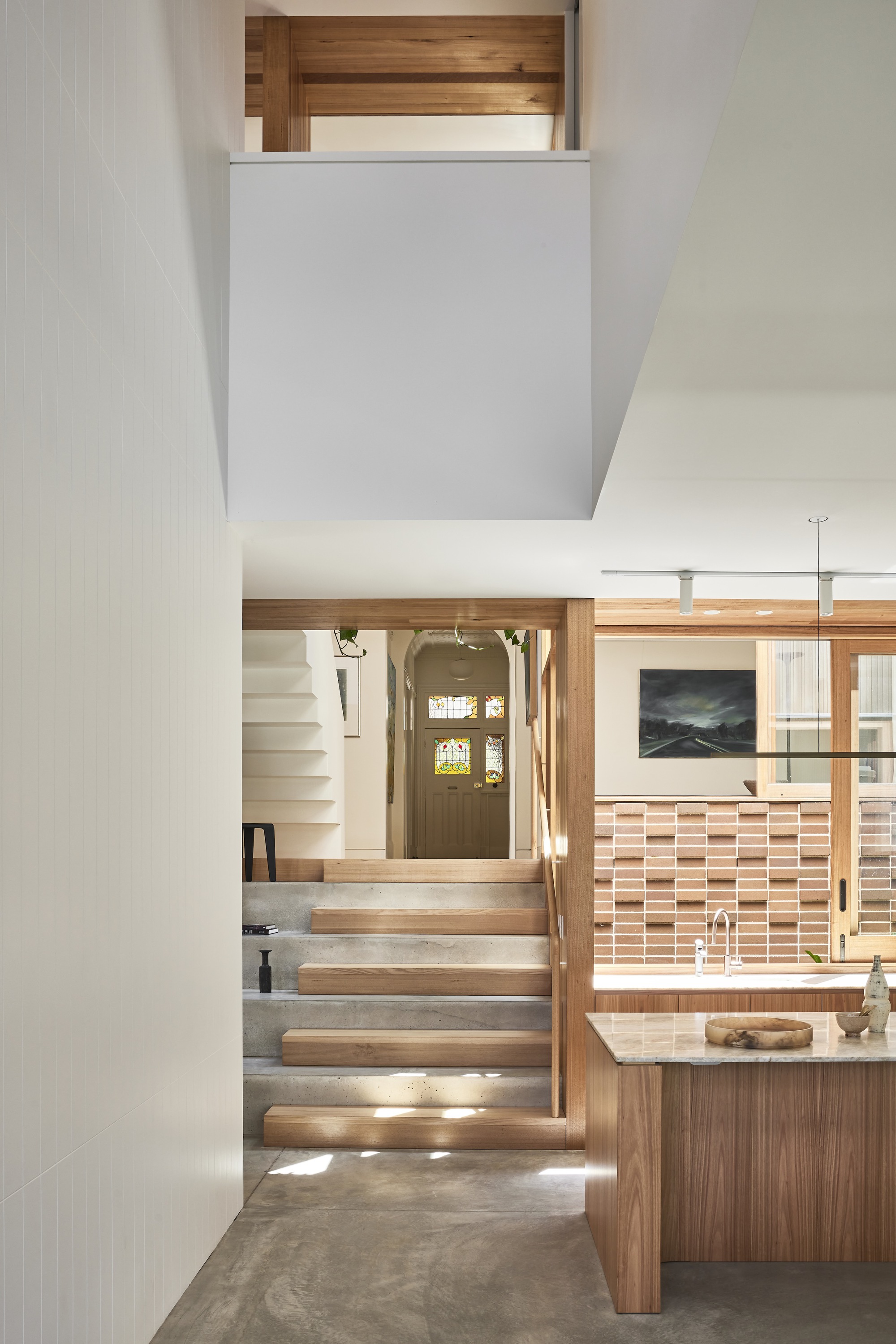
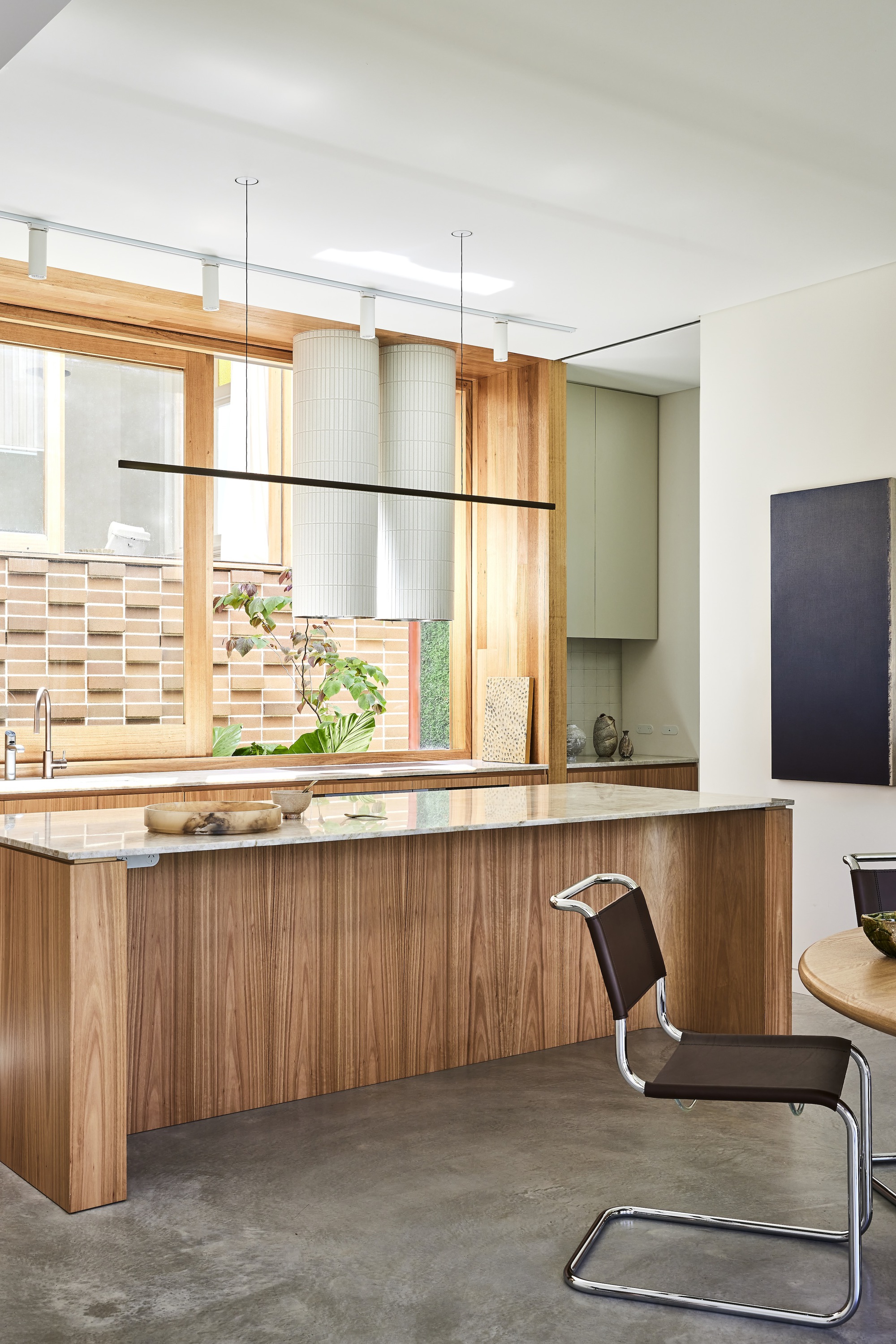
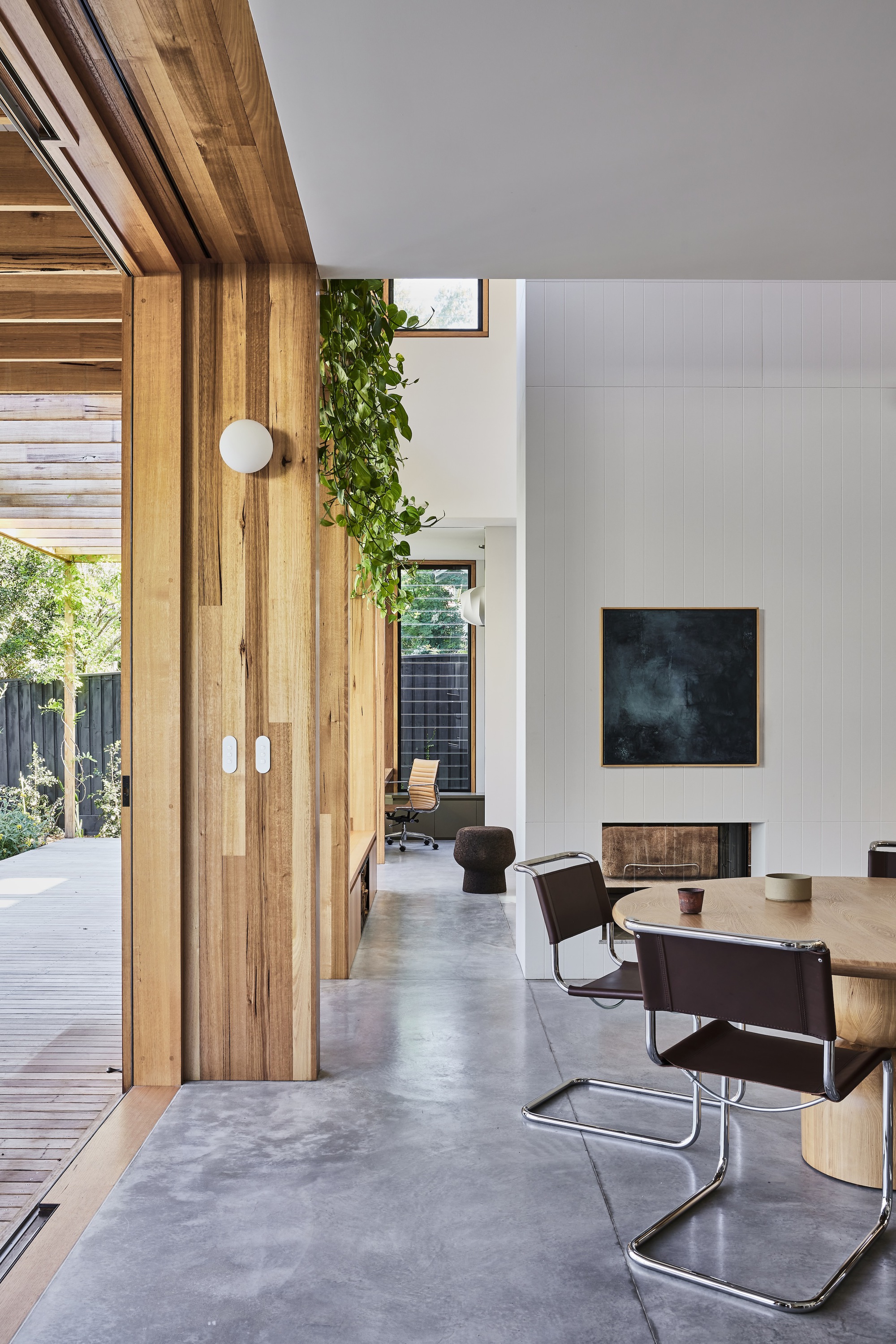
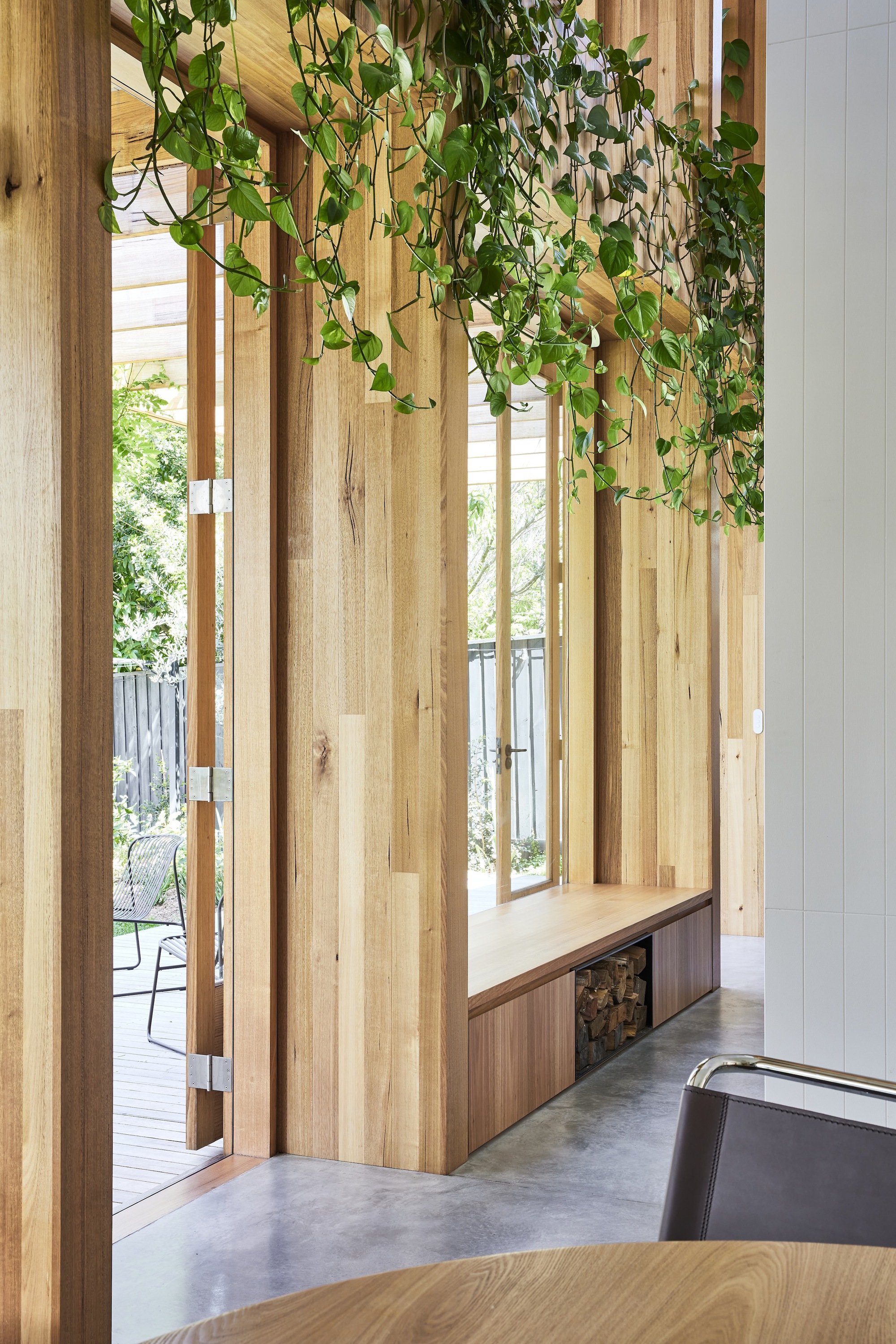
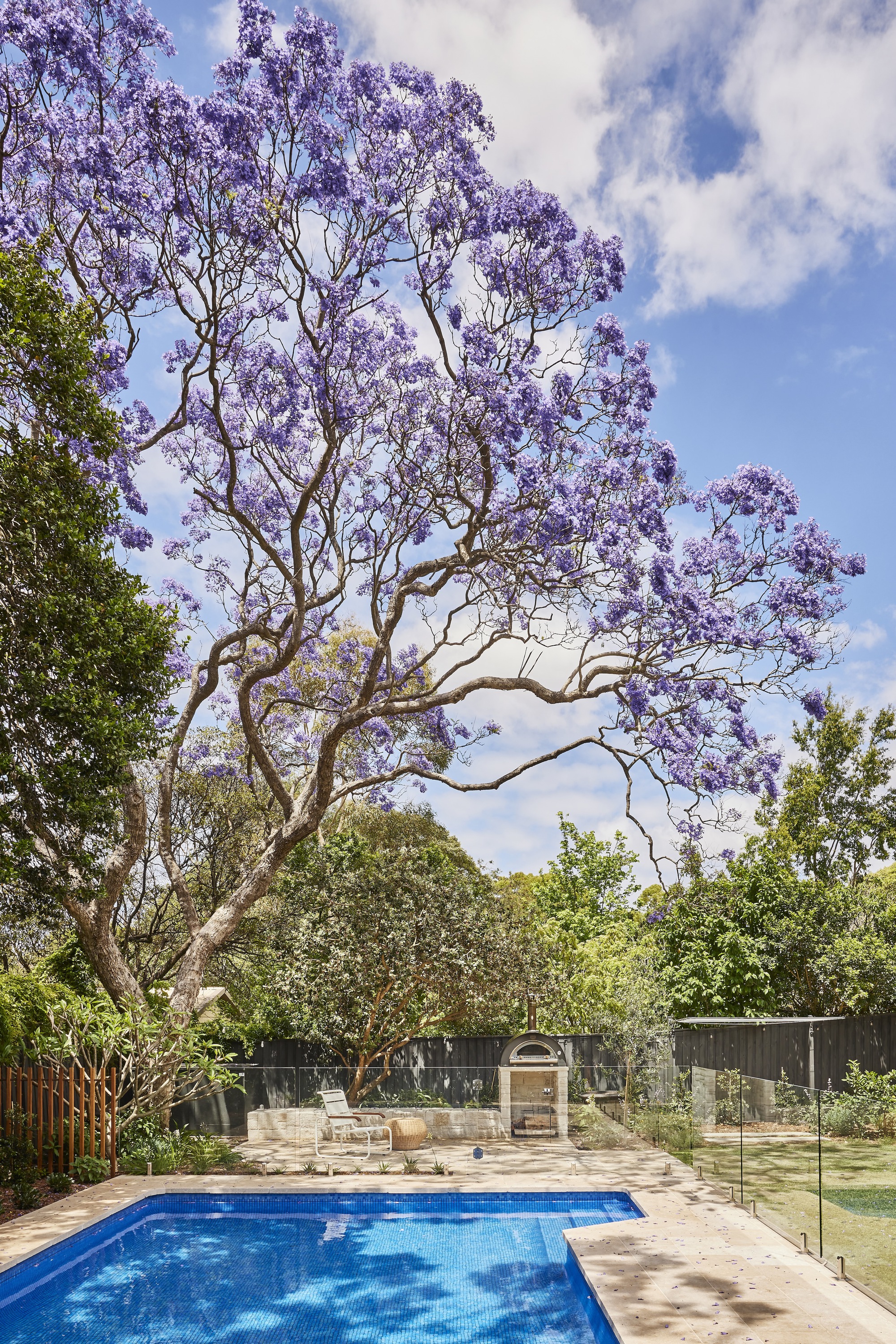
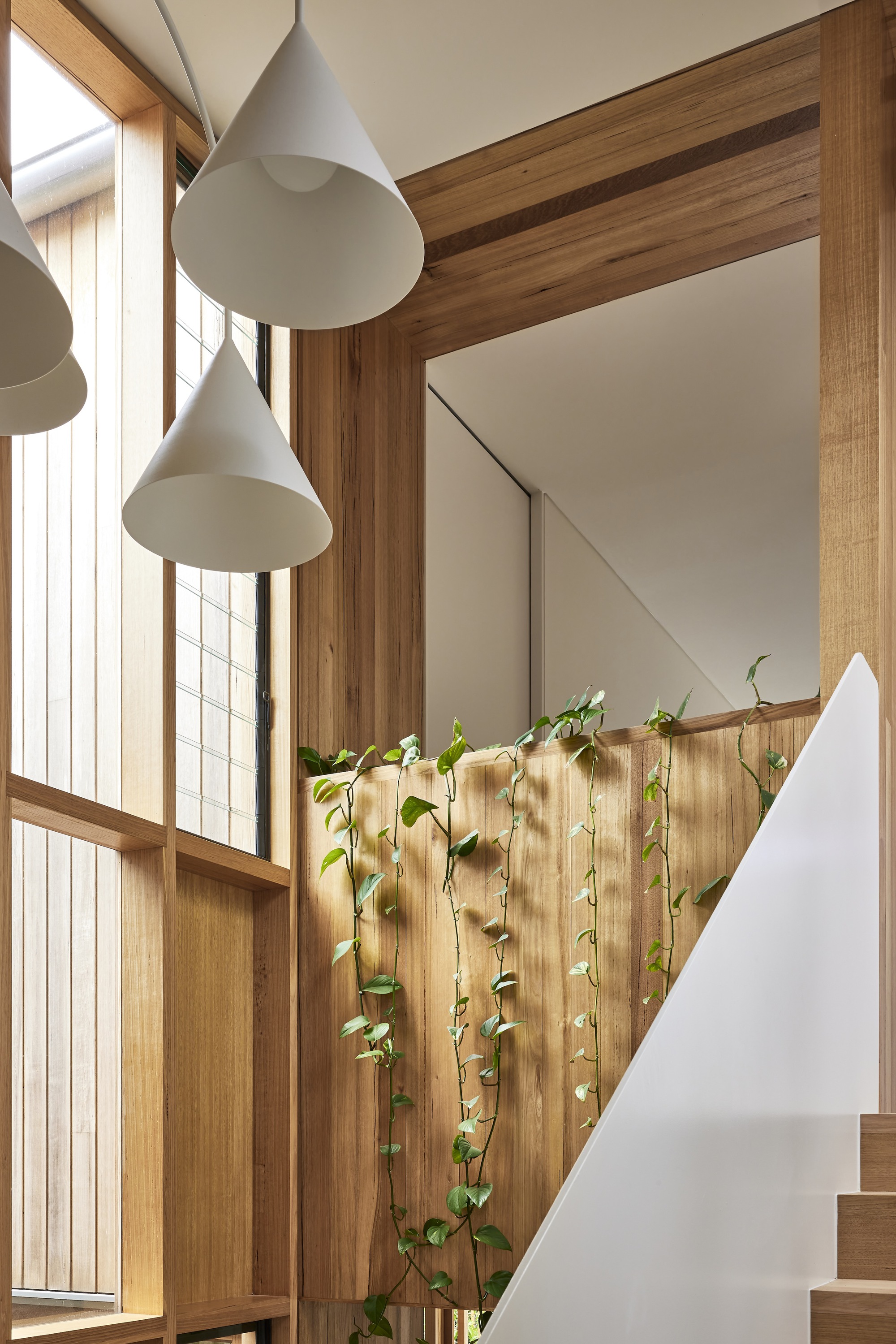
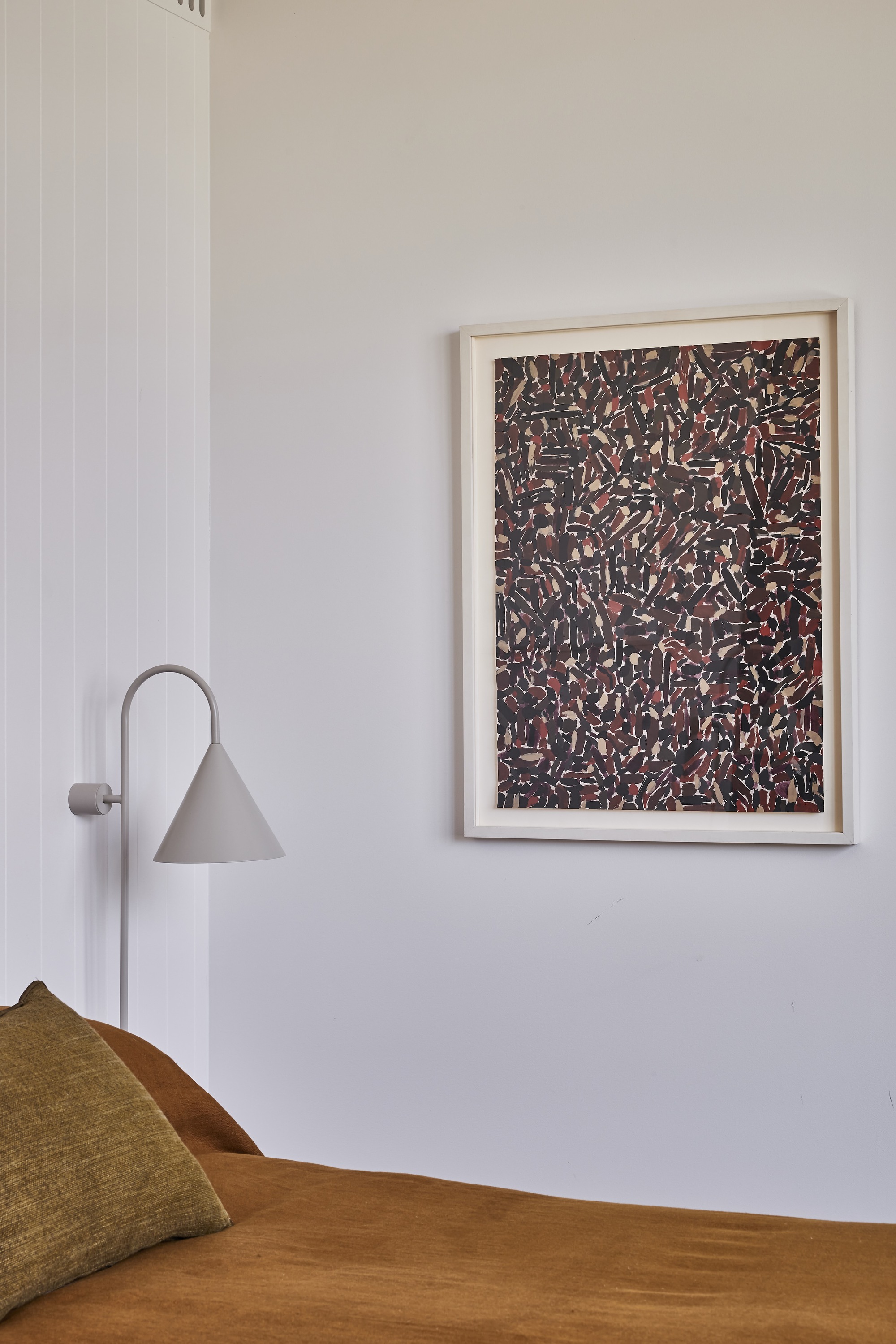
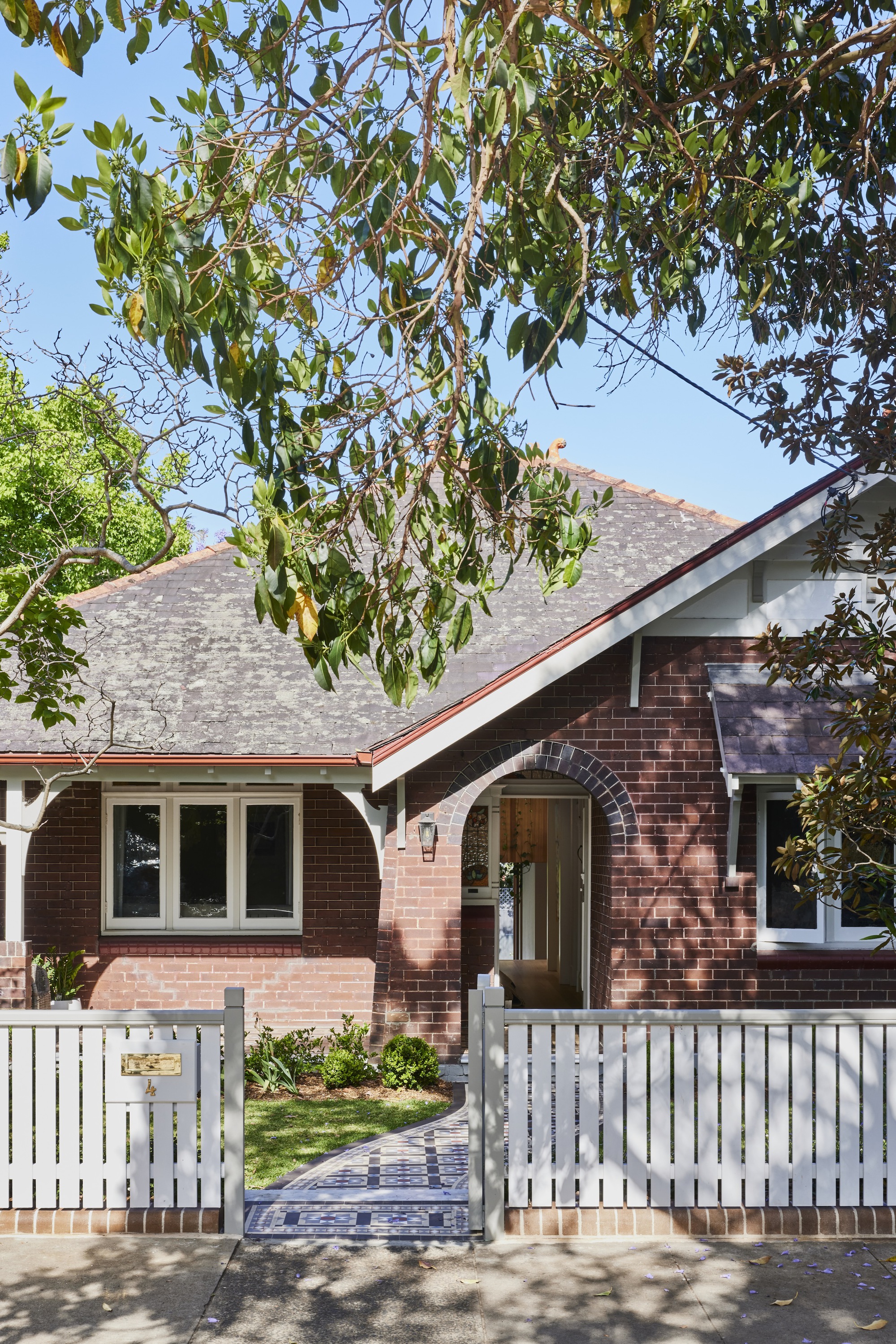
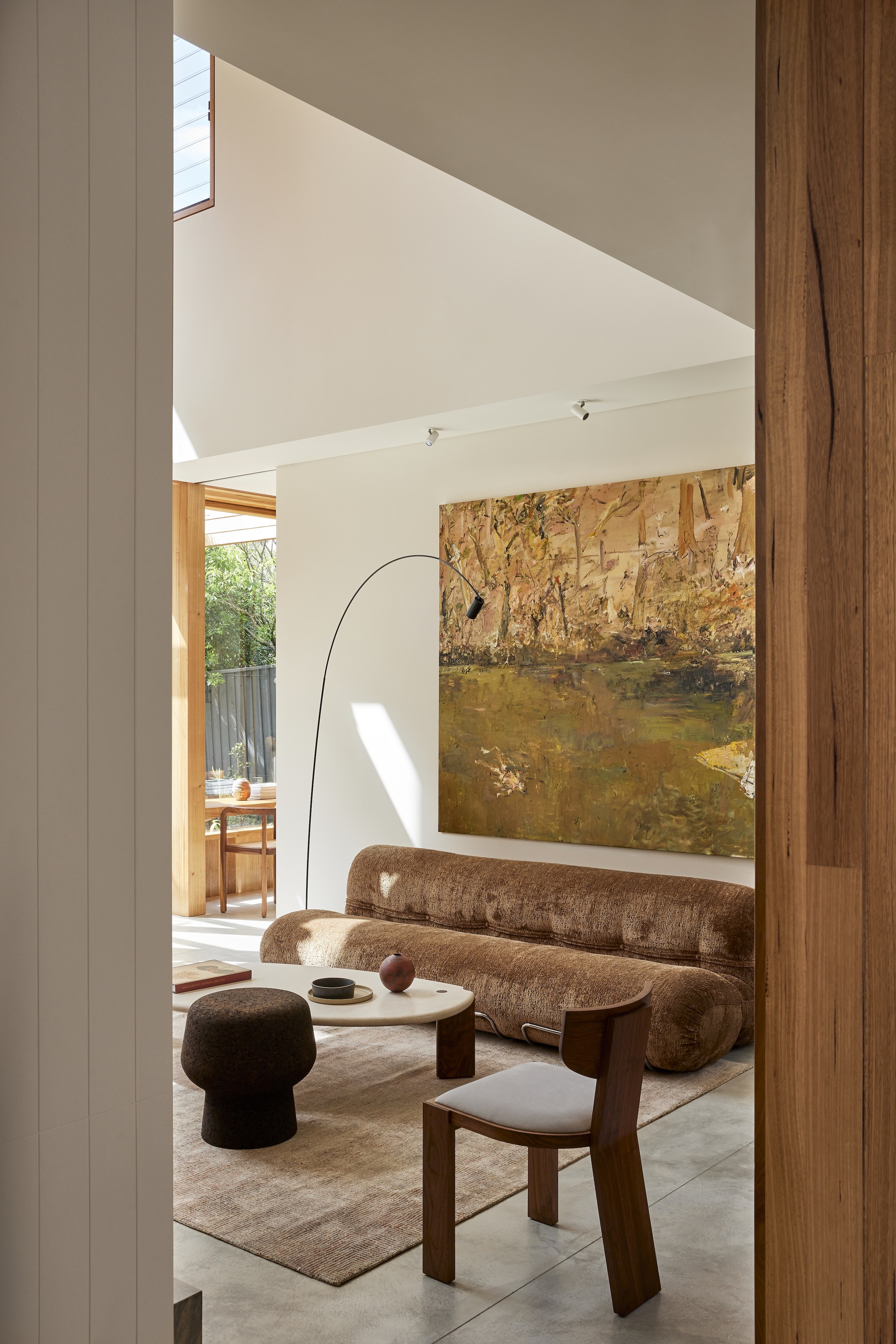
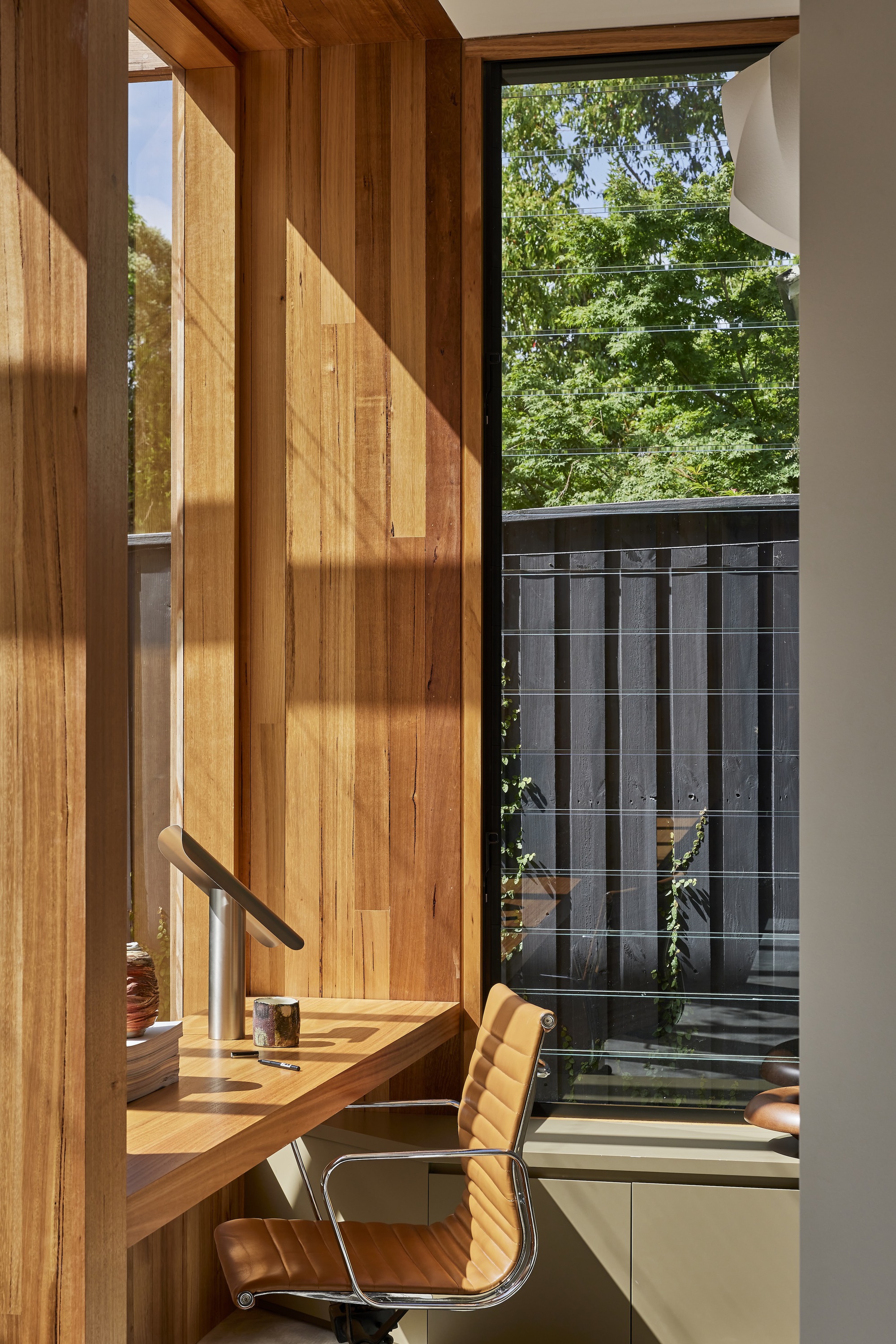
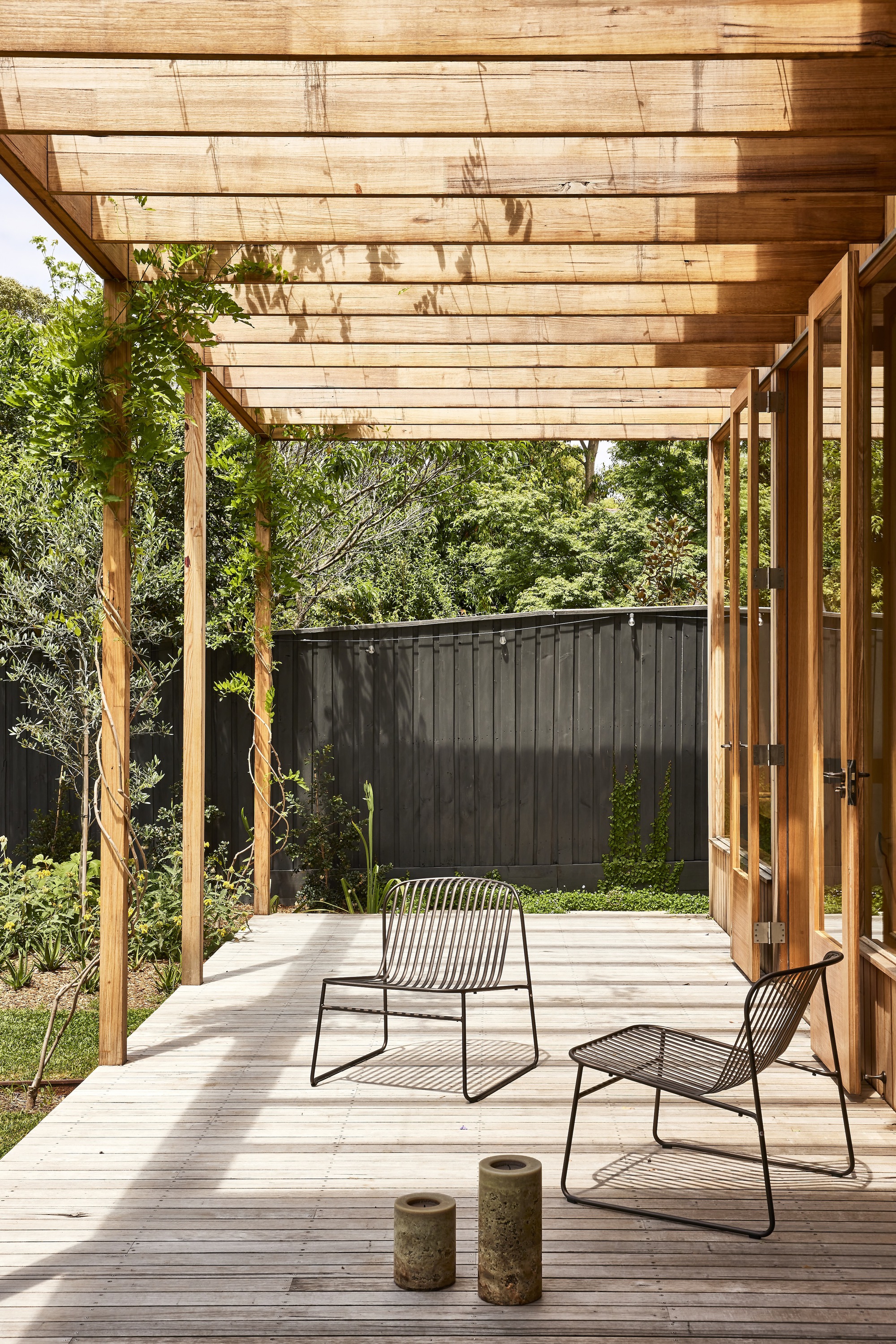
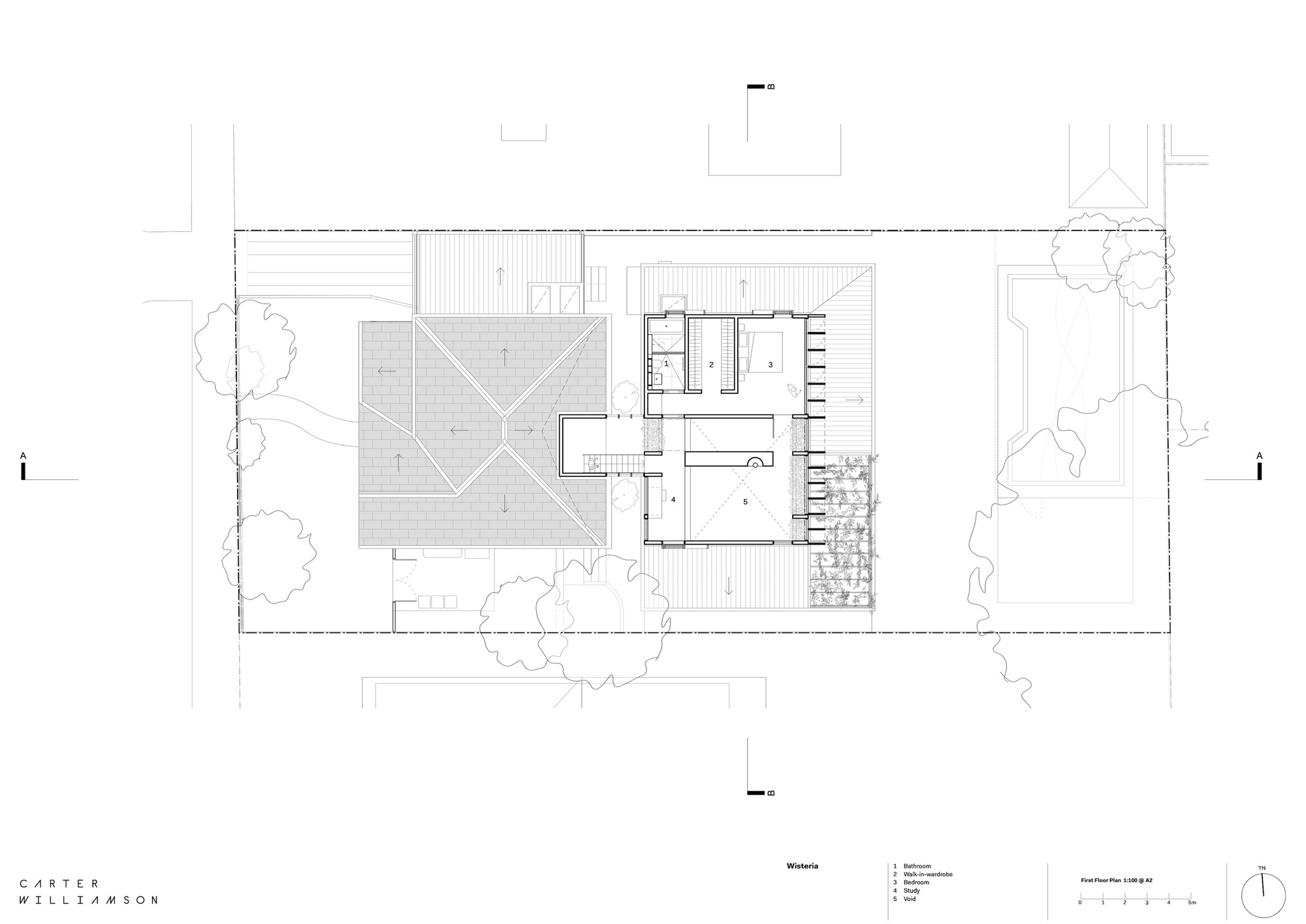
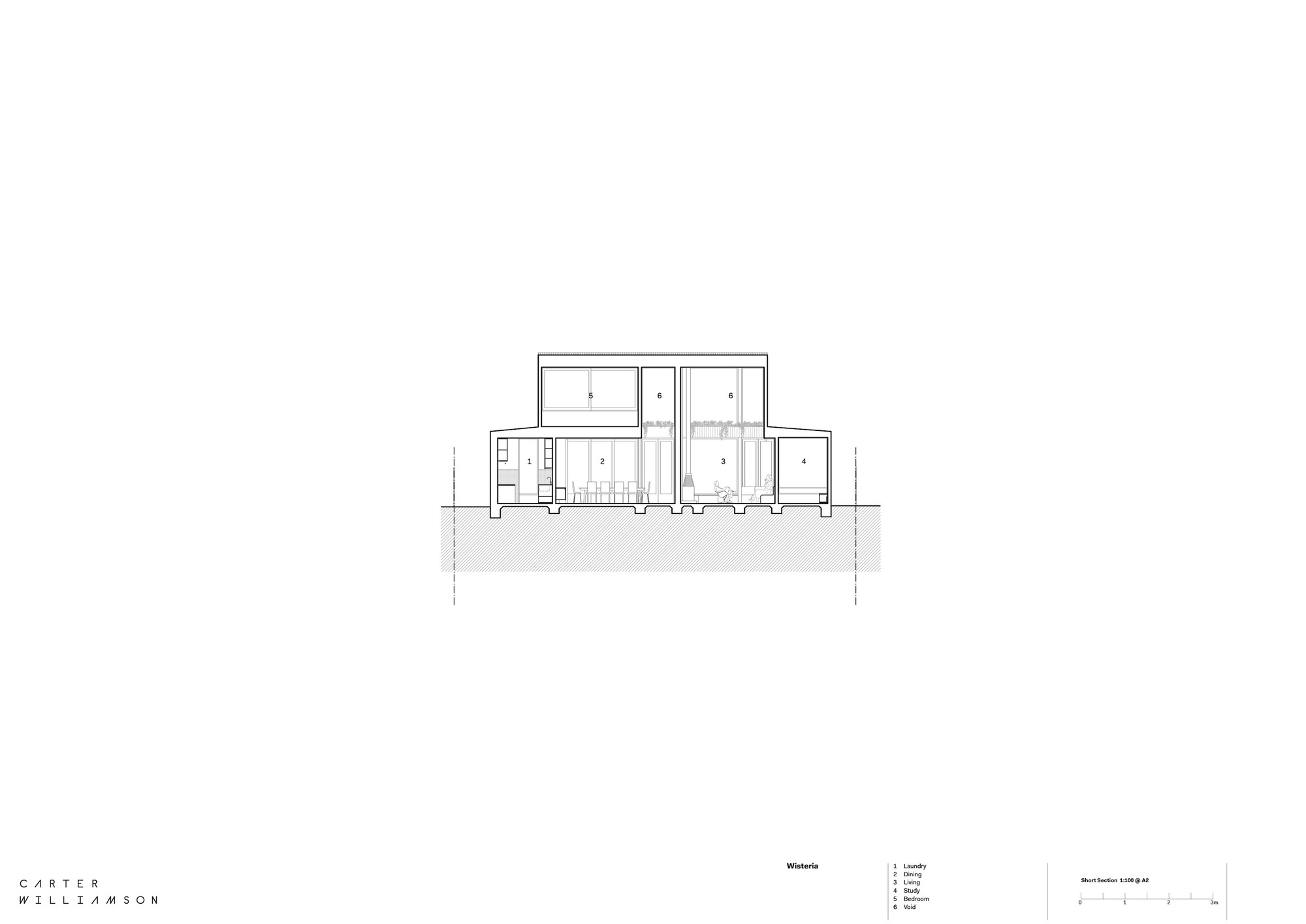
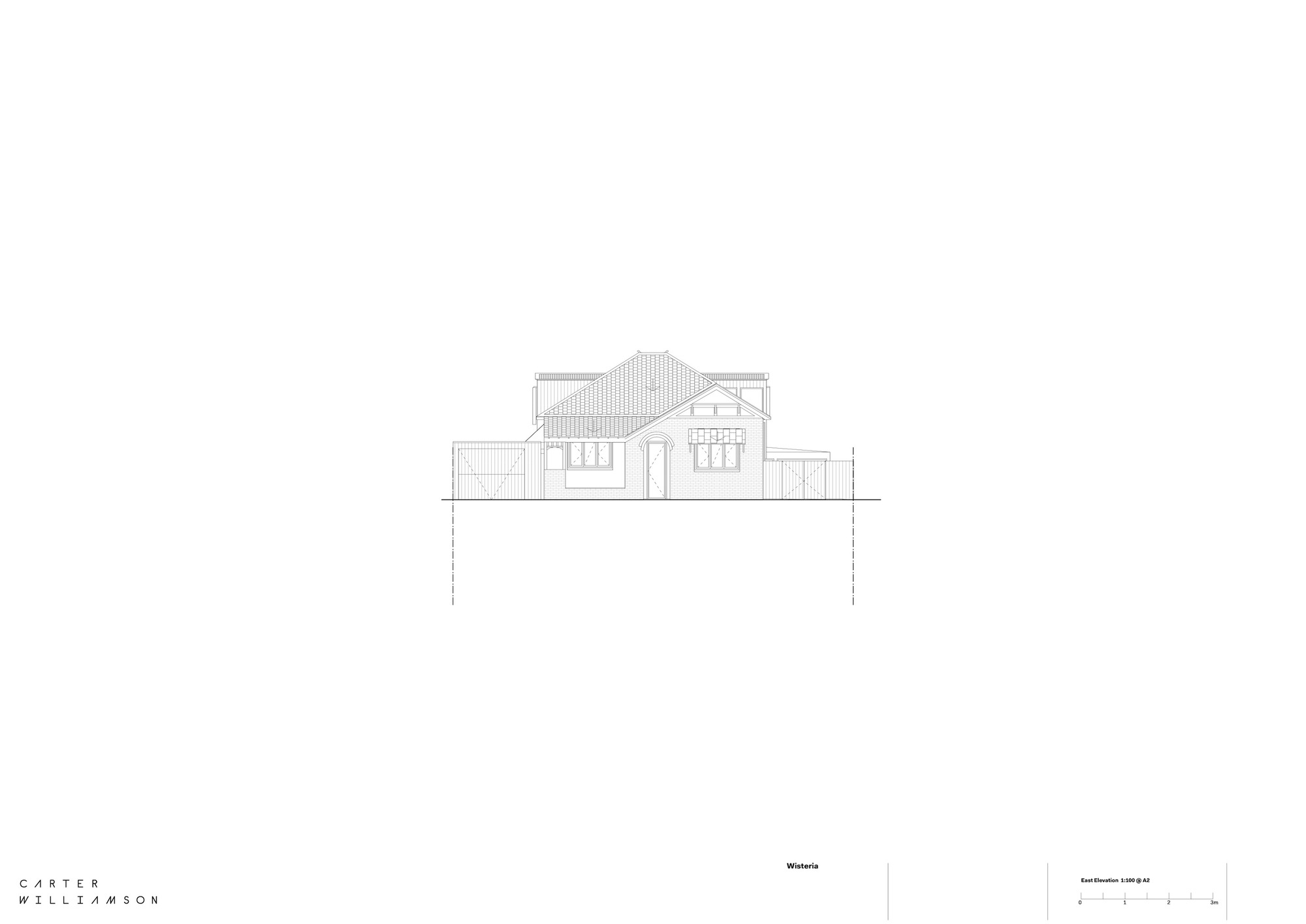
Wisteria House #architecture Architects: Carter Williamson Architects Area: 304 m² Year: 2023 Photographs: Pablo Veiga City: Summer Hill Country: Australia Wisteria is a dramatic timber expression of simplicity and purity. A contemporary addition to a fully restored Federation bungalow in Sydney’s inner west, its expansive form soaks up the sunshine and fosters a deep connection with the outdoors. Located in a heritage conservation area, its airy new volume unfolds in a delicate manifestation of a brief that asked for an open, warm home in which a family could truly gather, one that respected the home’s history while adding thoughtful contemporary layers. A light, airy pavilion is rhythmically expressed in Victorian ash. Within, a double-height void opens up the living space to sunlight and air, deepening the links between the private upstairs spaces and the downstairs spots in which the family comes together. A fireplace divides the open-plan living, kitchen, and dining spaces, which flow serenely onto the east-facing deck covered by a wisteria-clad pergola that frames the garden view. It is a home perfectly suited to entertaining and elevating the simple daily ritual of a meal in the sun. The addition unfolds from a distinct junction between old and new that helps the home negotiate its sloping site. A wide stair combines concrete and timber to create a processional entry down into the new space, doubling as seating. To one side, a white steel plate staircase rises to the first floor, with the whole space wrapped in a combination of timber, fixed glazing, and adjustable louvers for cross-ventilation. A dramatic vertical expansion from the existing corridor, it announces the intention of the addition as a bright, spacious, double-height volume, open to the landscape, artfully exploiting the change in level to allow the house to nestle gently into the landscape and the new roofline to merge with the old. Keeping the original home and the contemporary addition separate are small gardens flanking the stairwell. Pockets of opportunity, light wells sandwiched between new and old, these gardens encourage light and breezes throughout the design. Structured with intention, this carefully organized plan maintains a bright, lofty spatial quality that offers endless potential for informal interaction within defined spaces. Serving a brief that called for light, air, and an unobstructed connection to the outdoors, the deep window reveals at the rear of the home are equipped with timber blades and shutters that maximize the building’s openness while defending against harsh summer heat, giving the clients control over sunshine and breezes. These reveal frames frame the view of the garden in a mesmerizing, rhythmic fashion, adding an additional layer of utility in the form of desks, window seats, and storage. Rhythmic brickwork, polished concrete, timber framing, and eye-catching moments expressed in steel and marble represent a palette of material and visual simplicity; a clean, sophisticated interior that feels warm, bright, and calm. It is an addition that complements the beautiful existing garden, resplendent with wisteria and jacaranda purples, and understands that a deep connection to these outdoor spaces transforms a house into a home, a vessel for genuine human experience and deep family relationships.
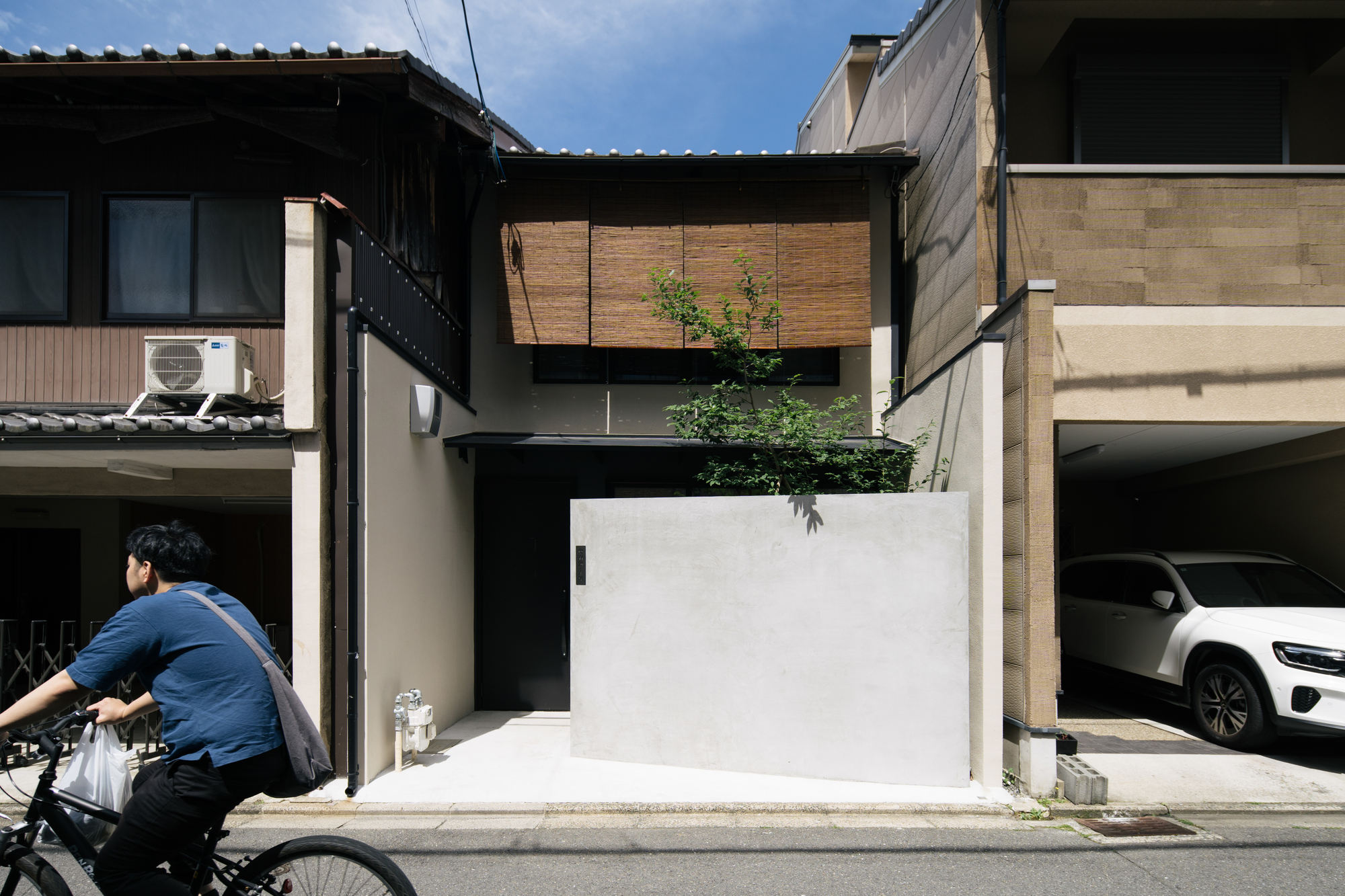
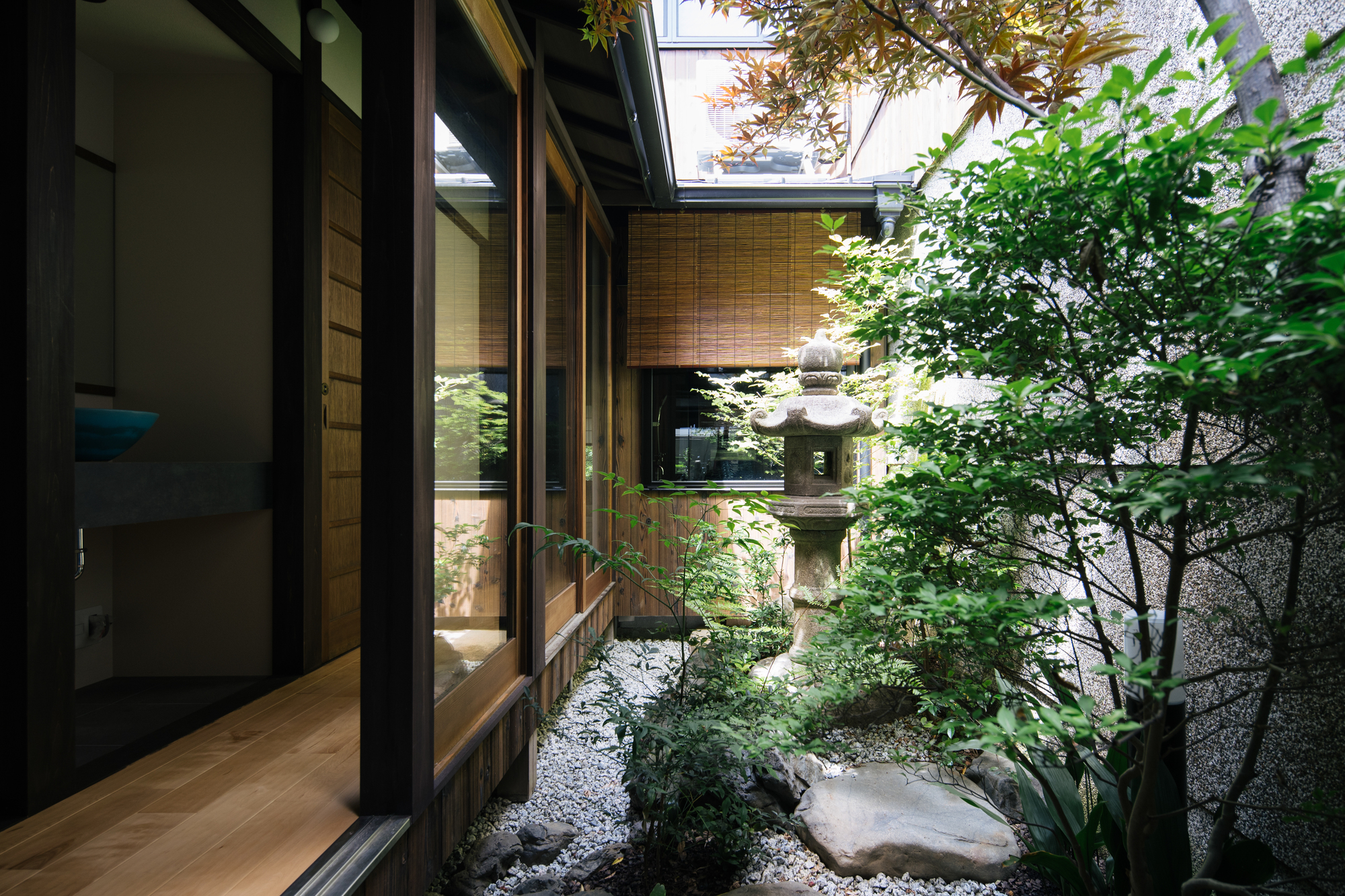
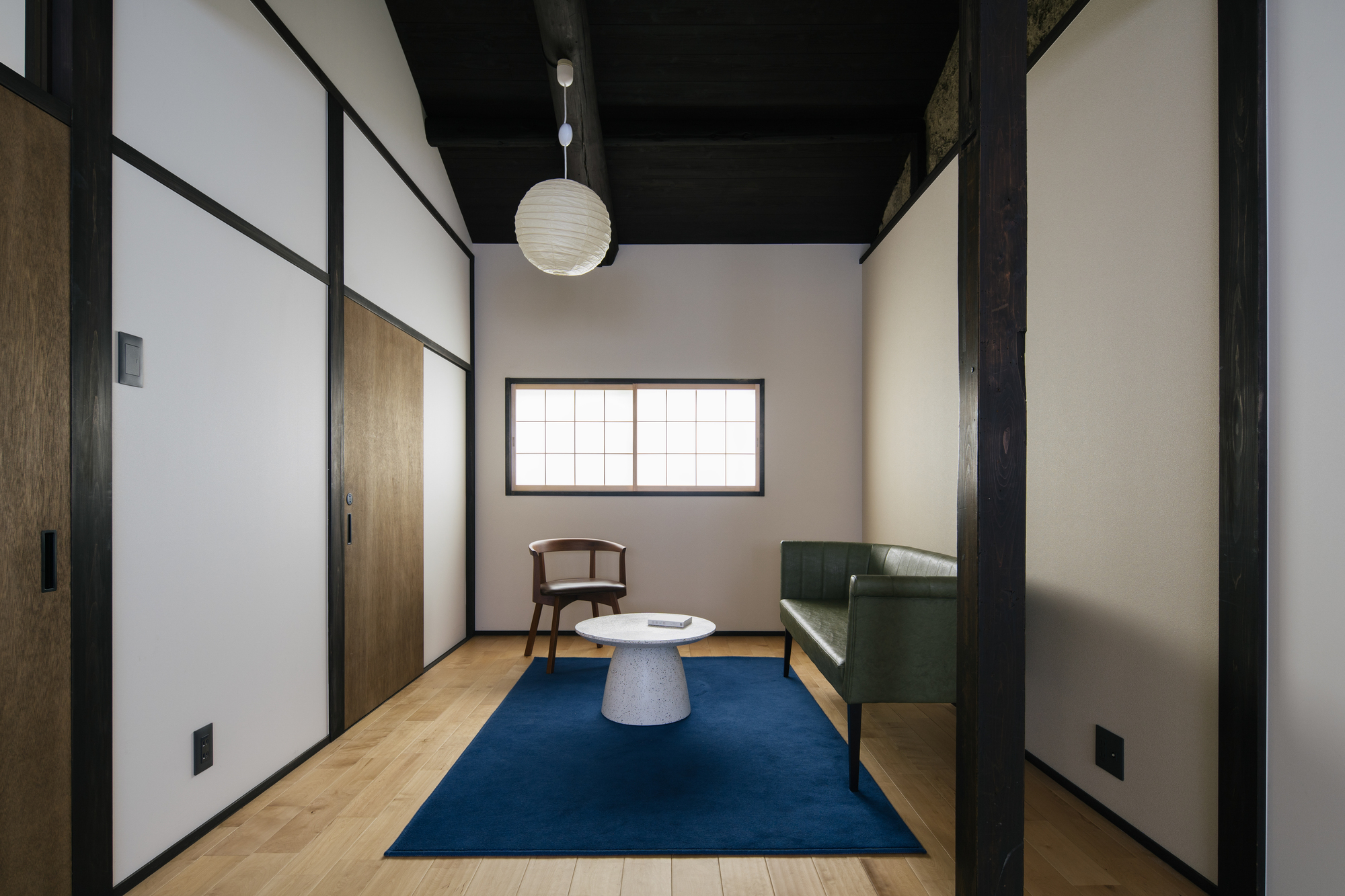
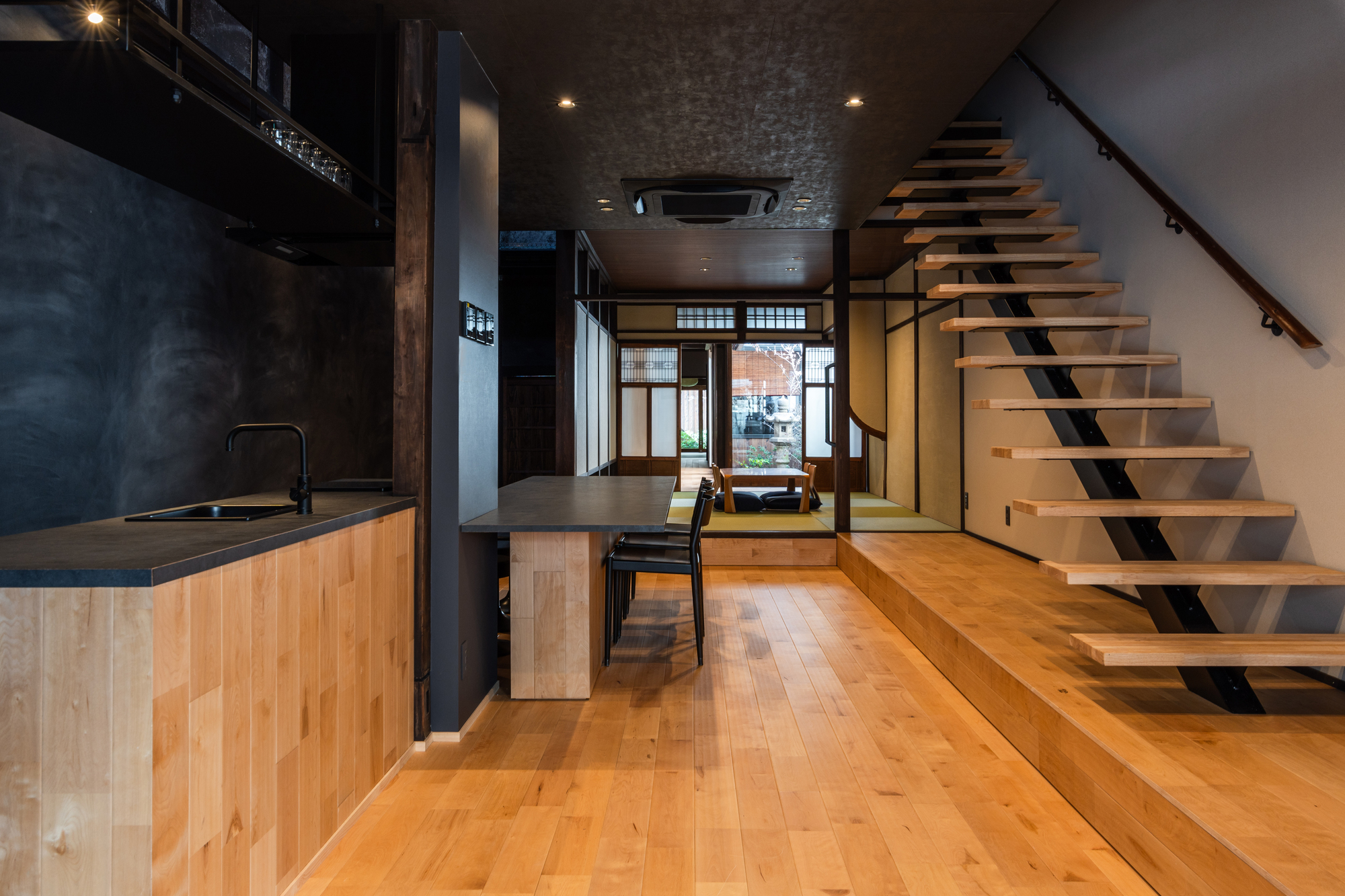
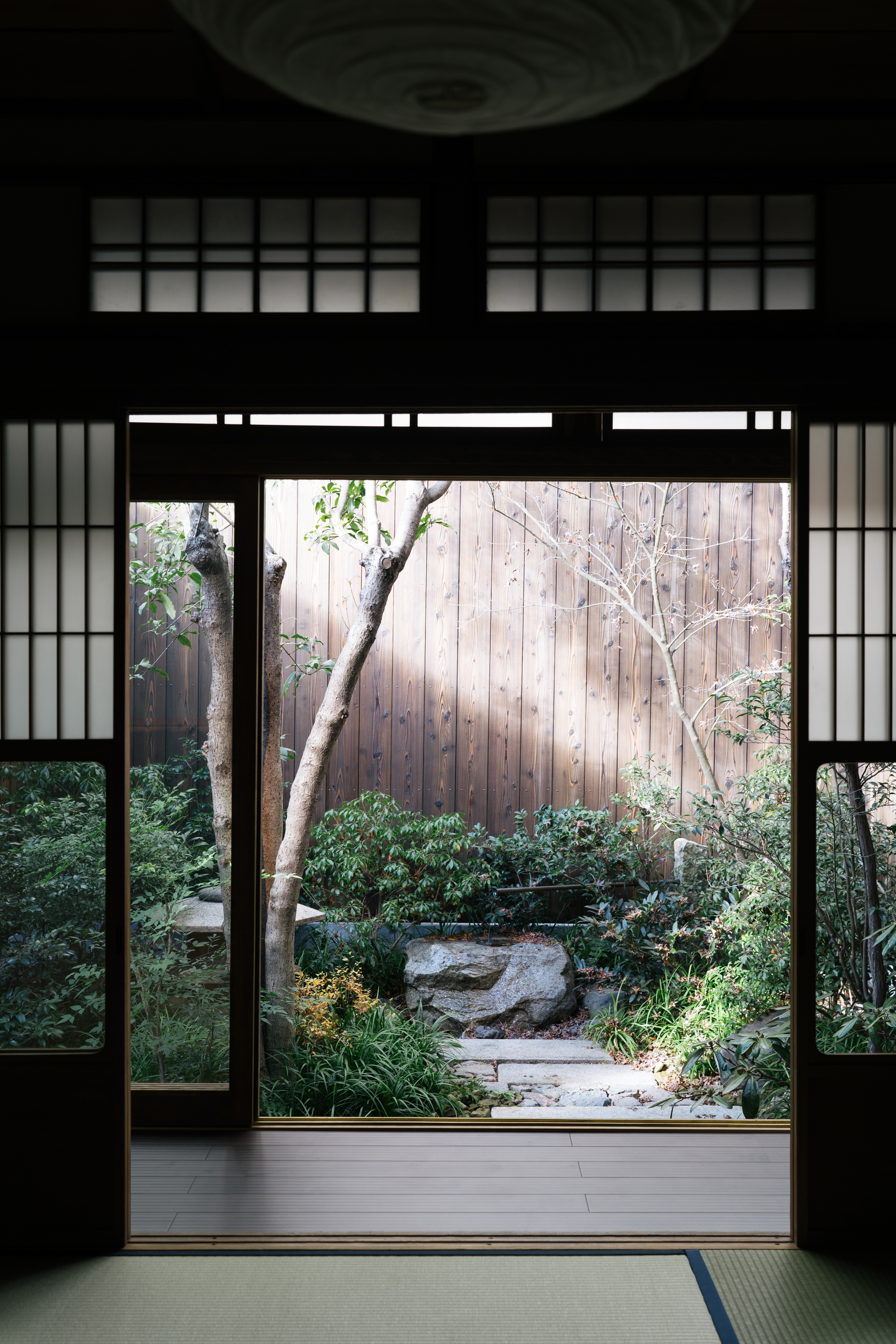
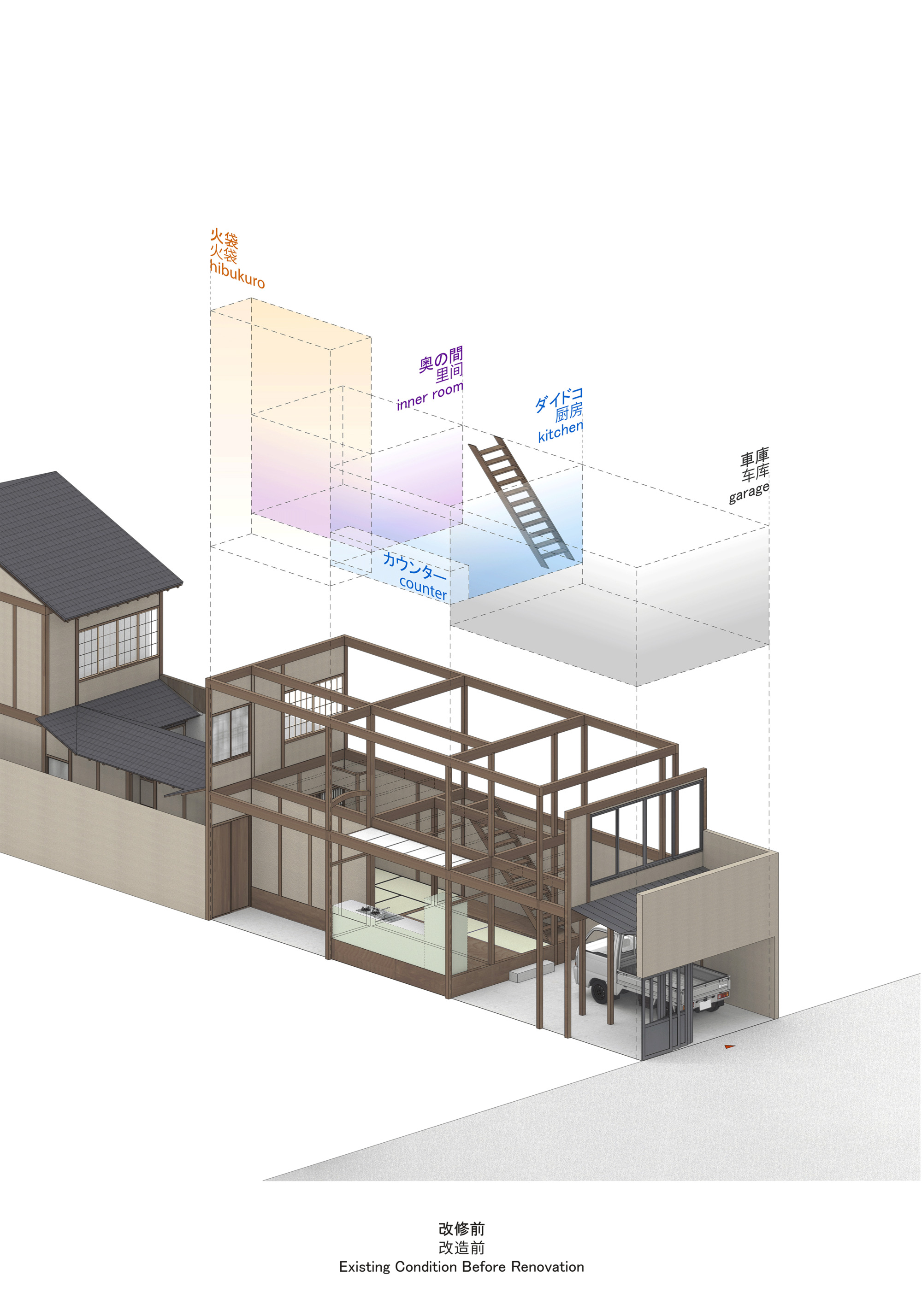
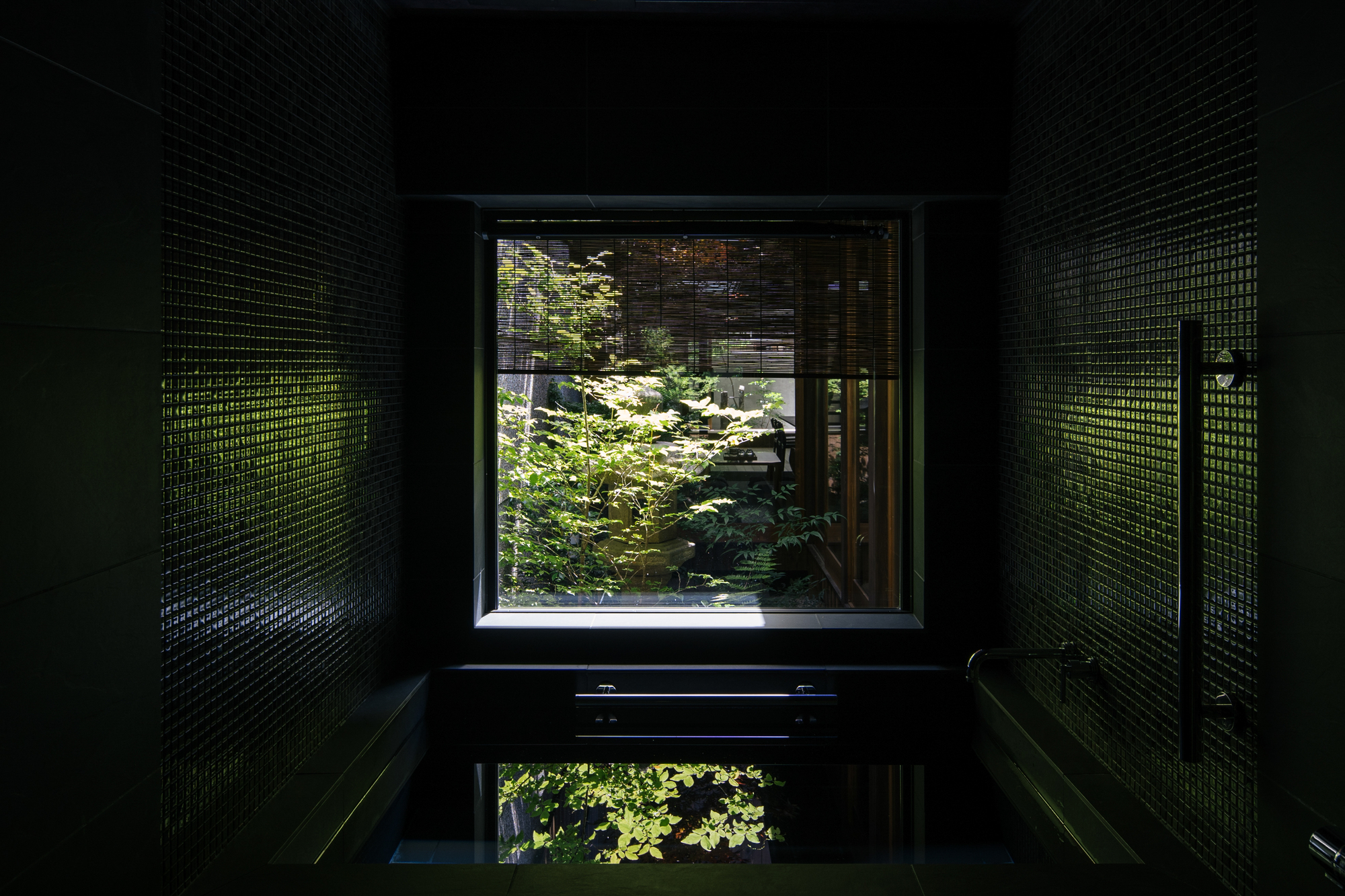
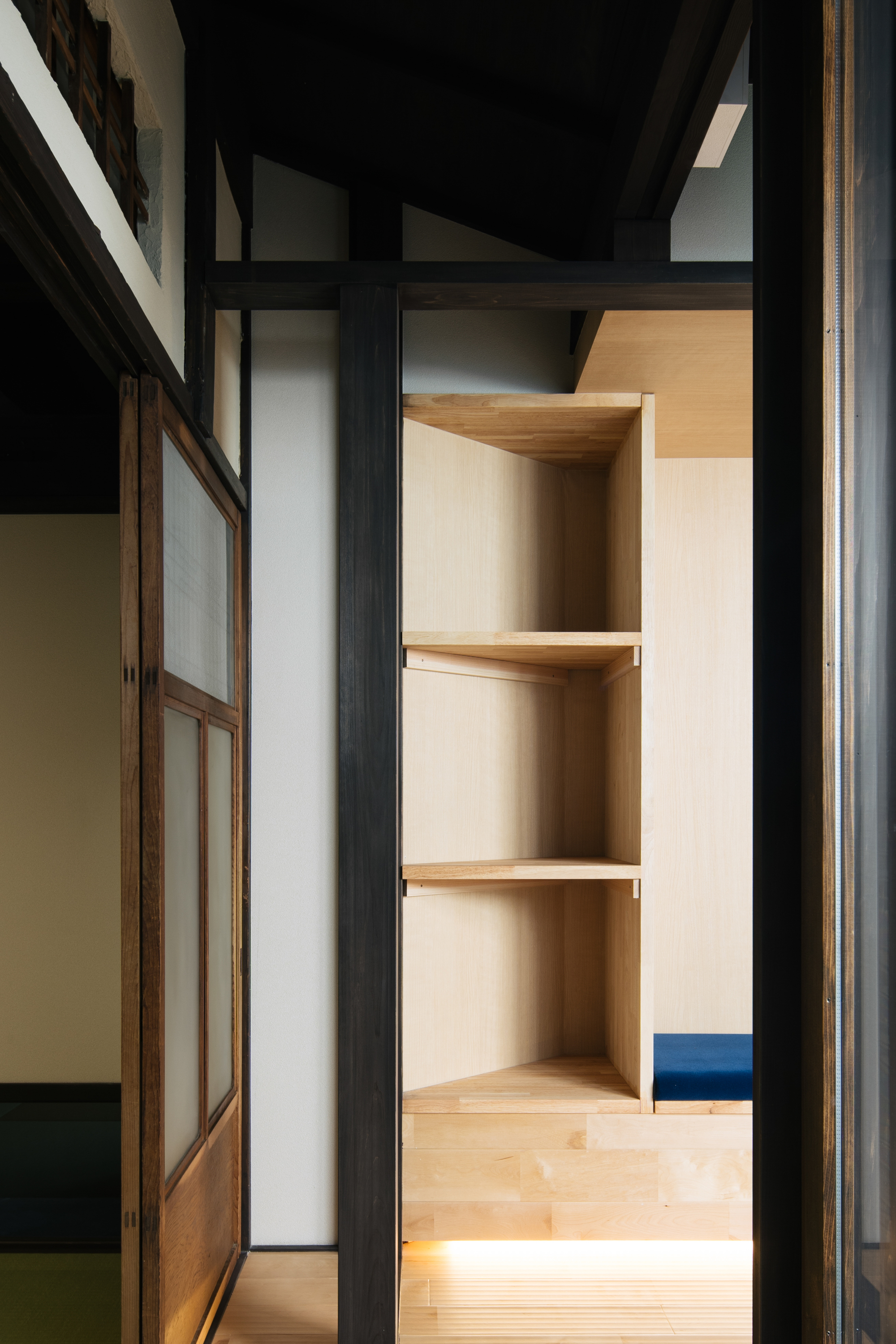
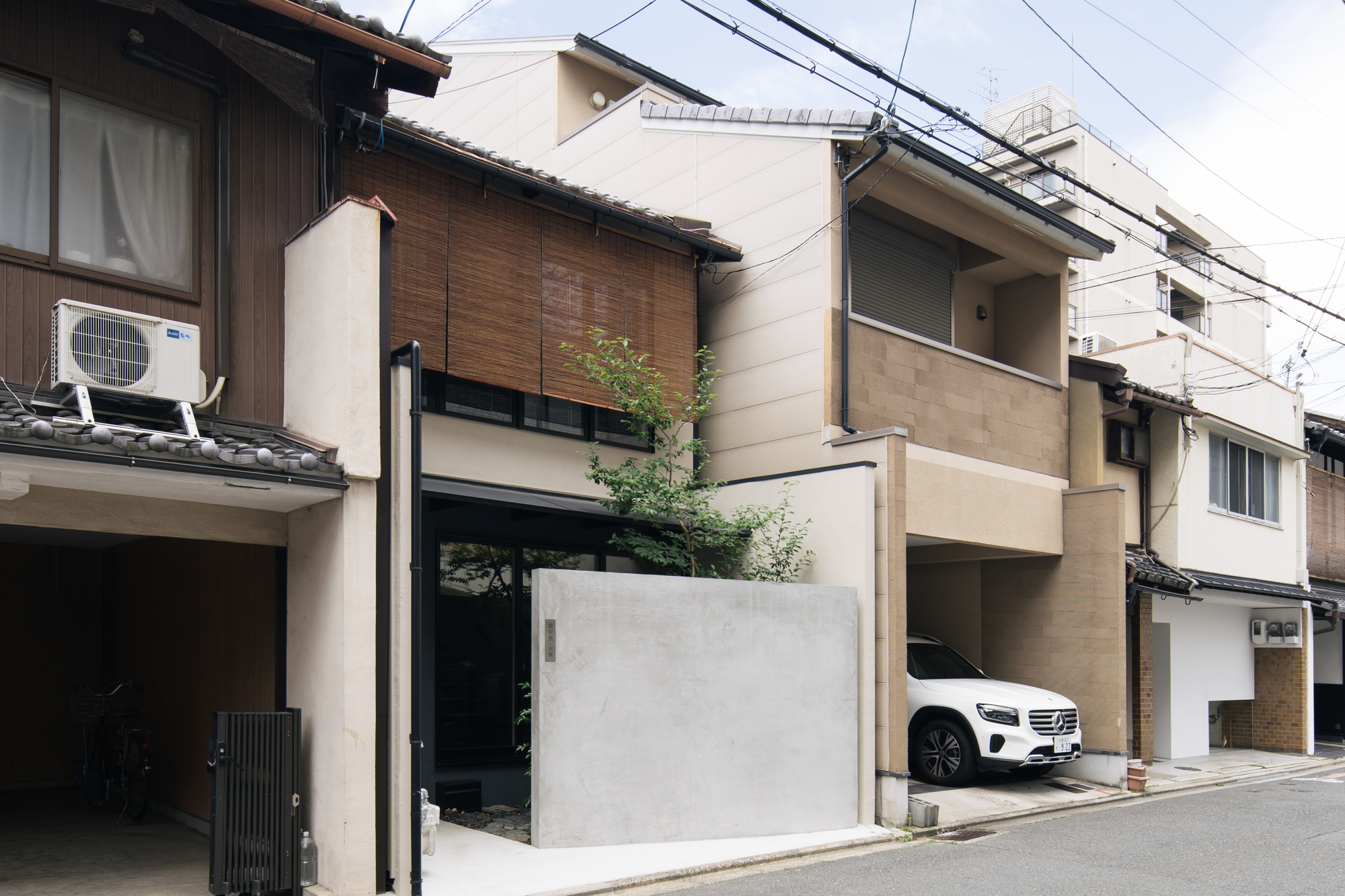
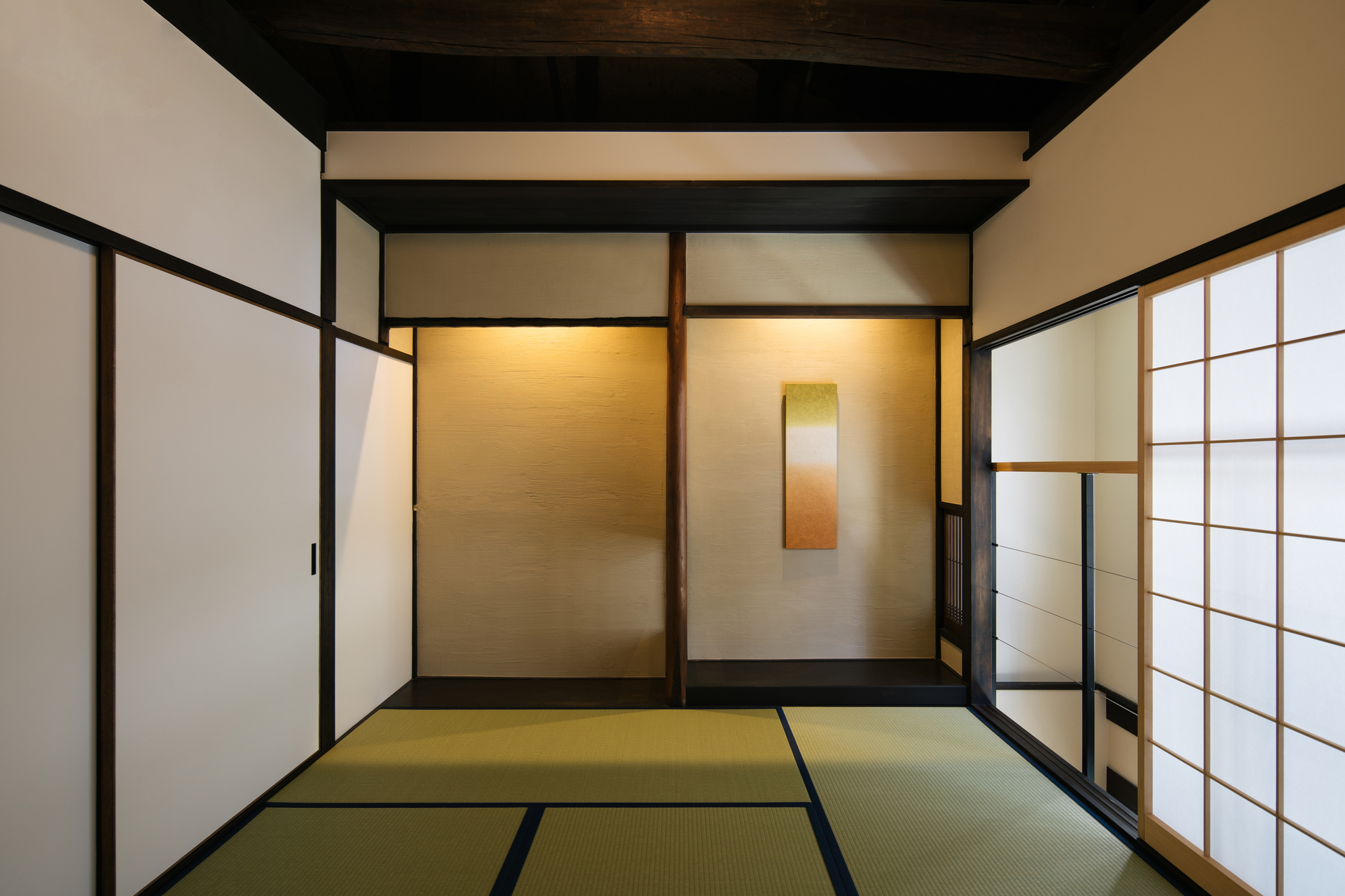
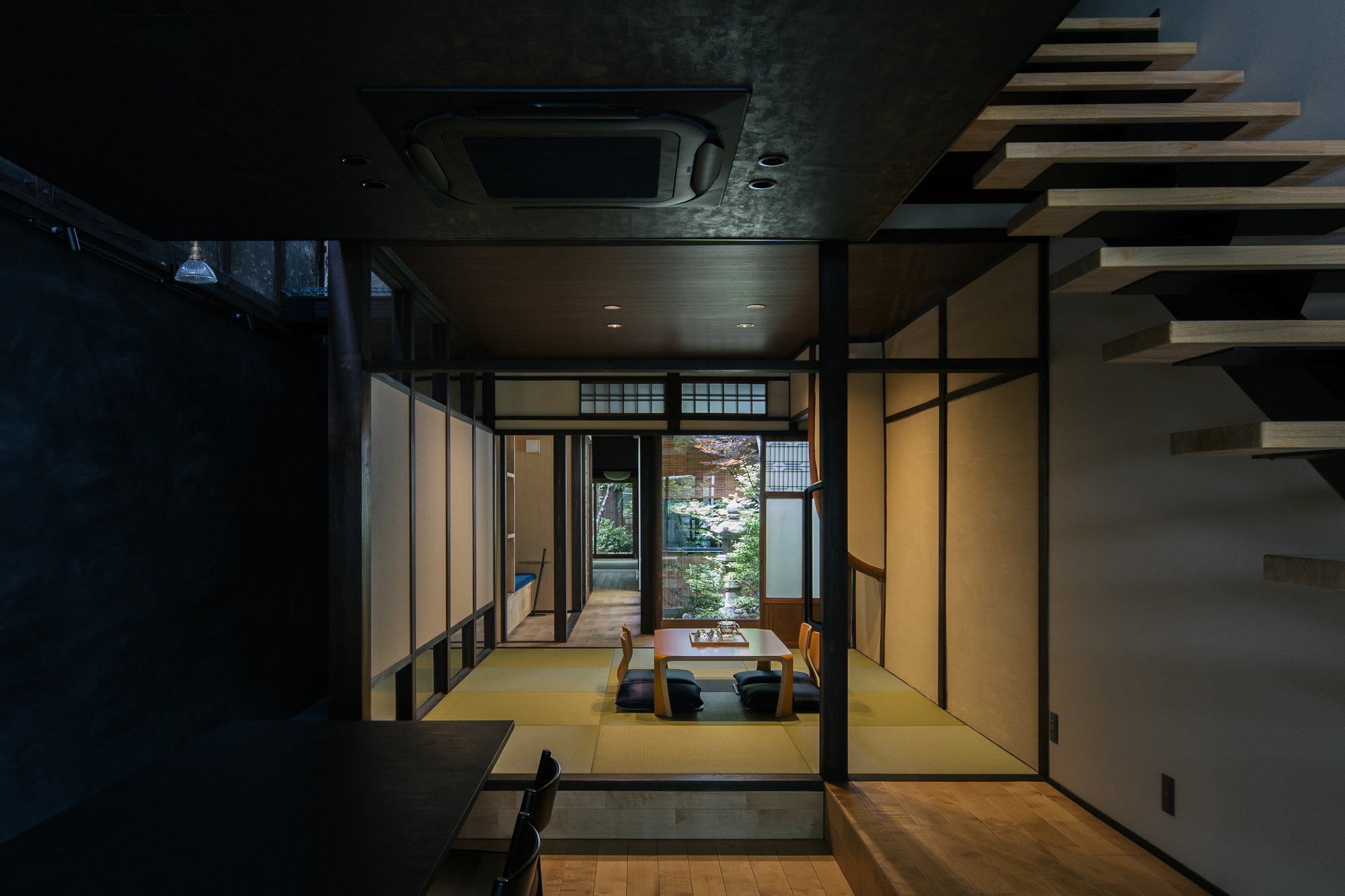
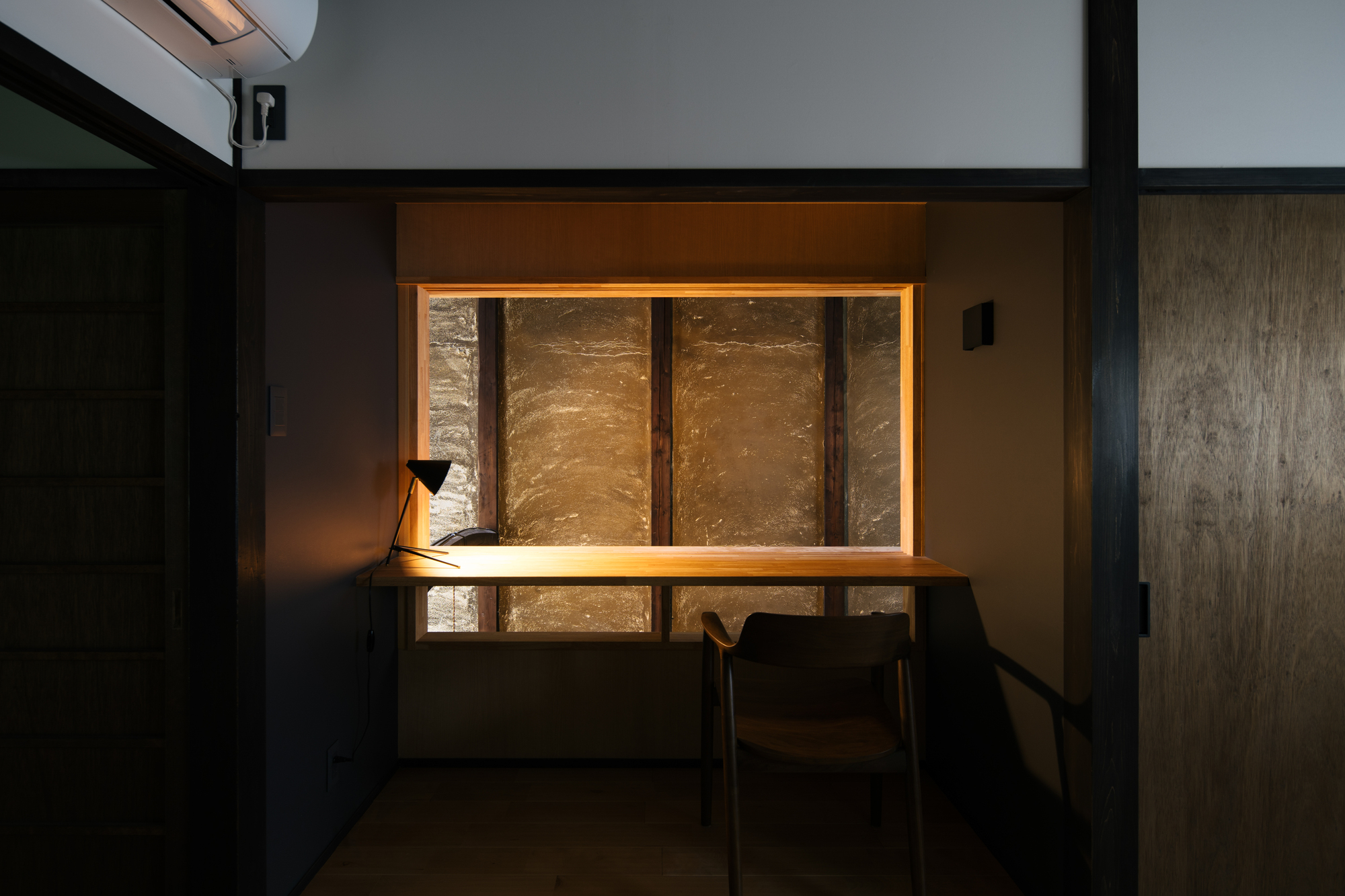
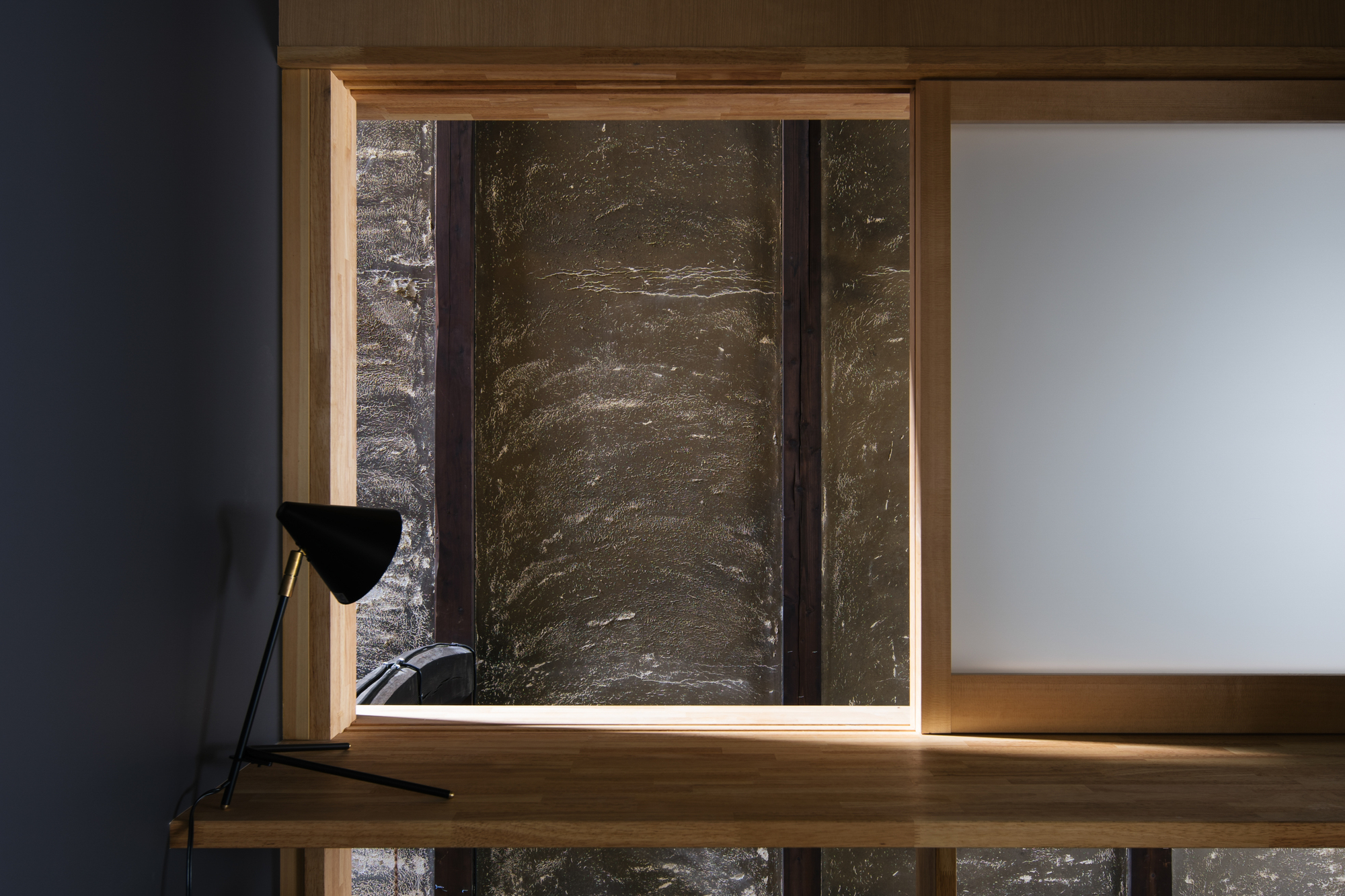
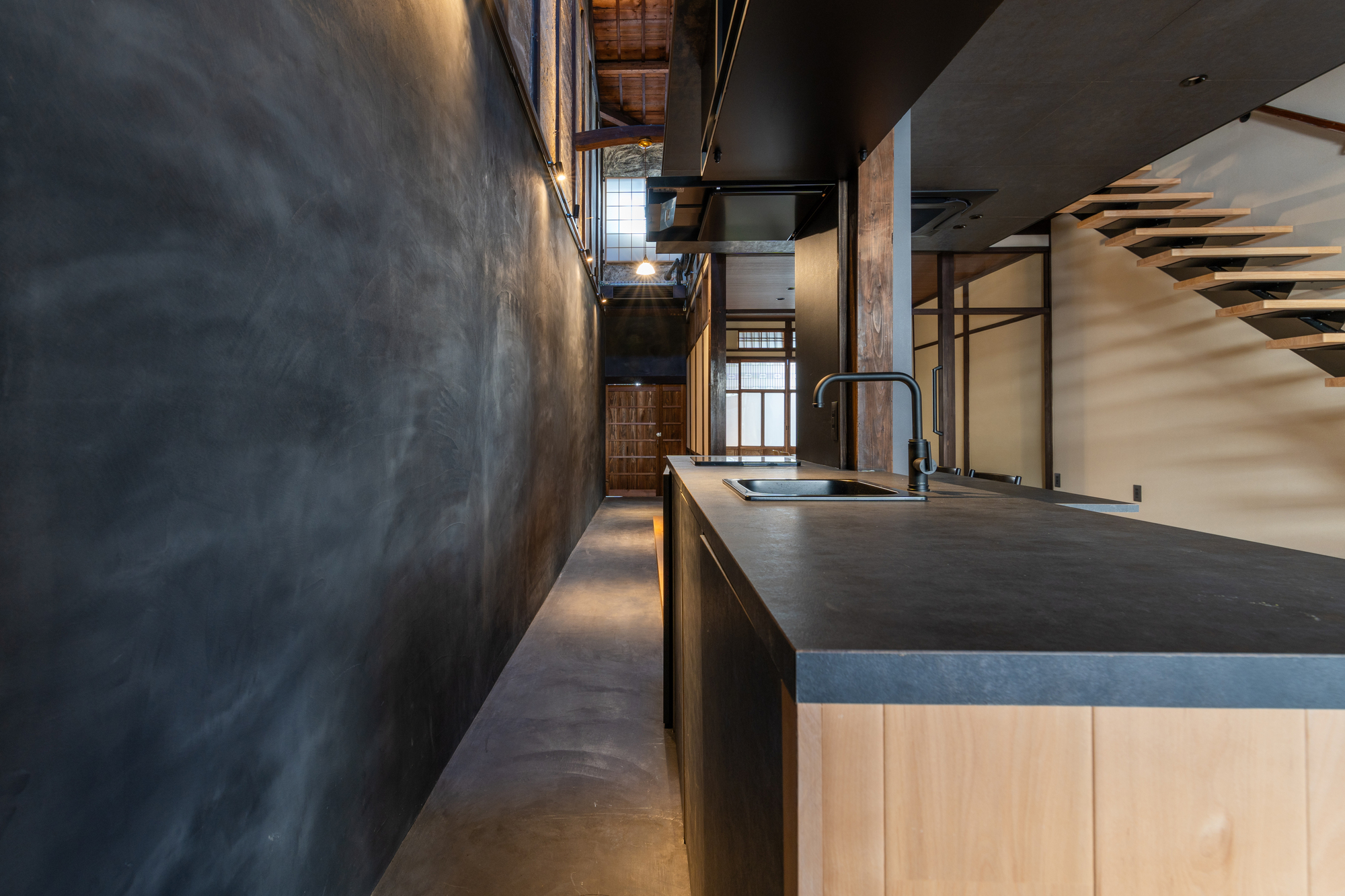
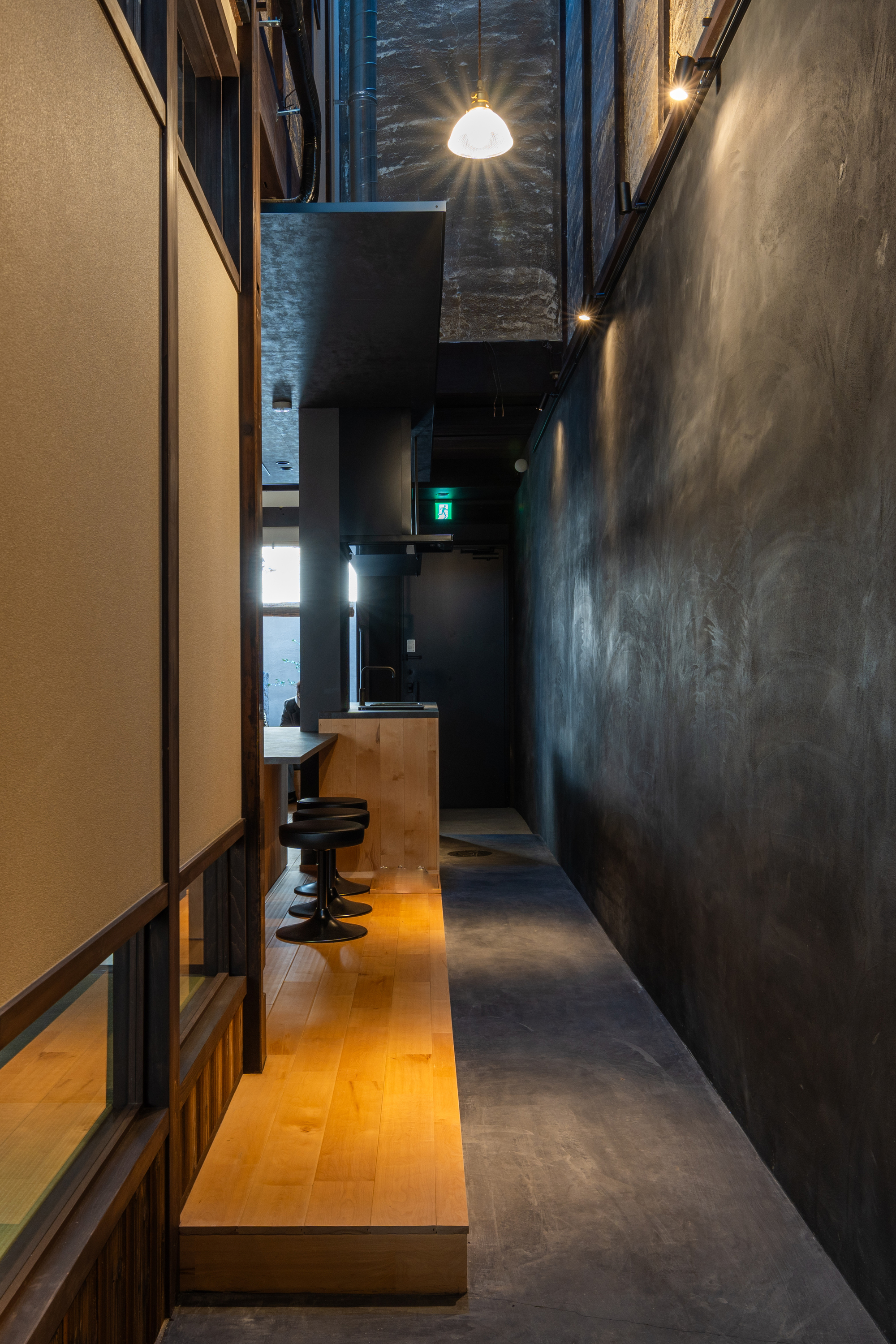
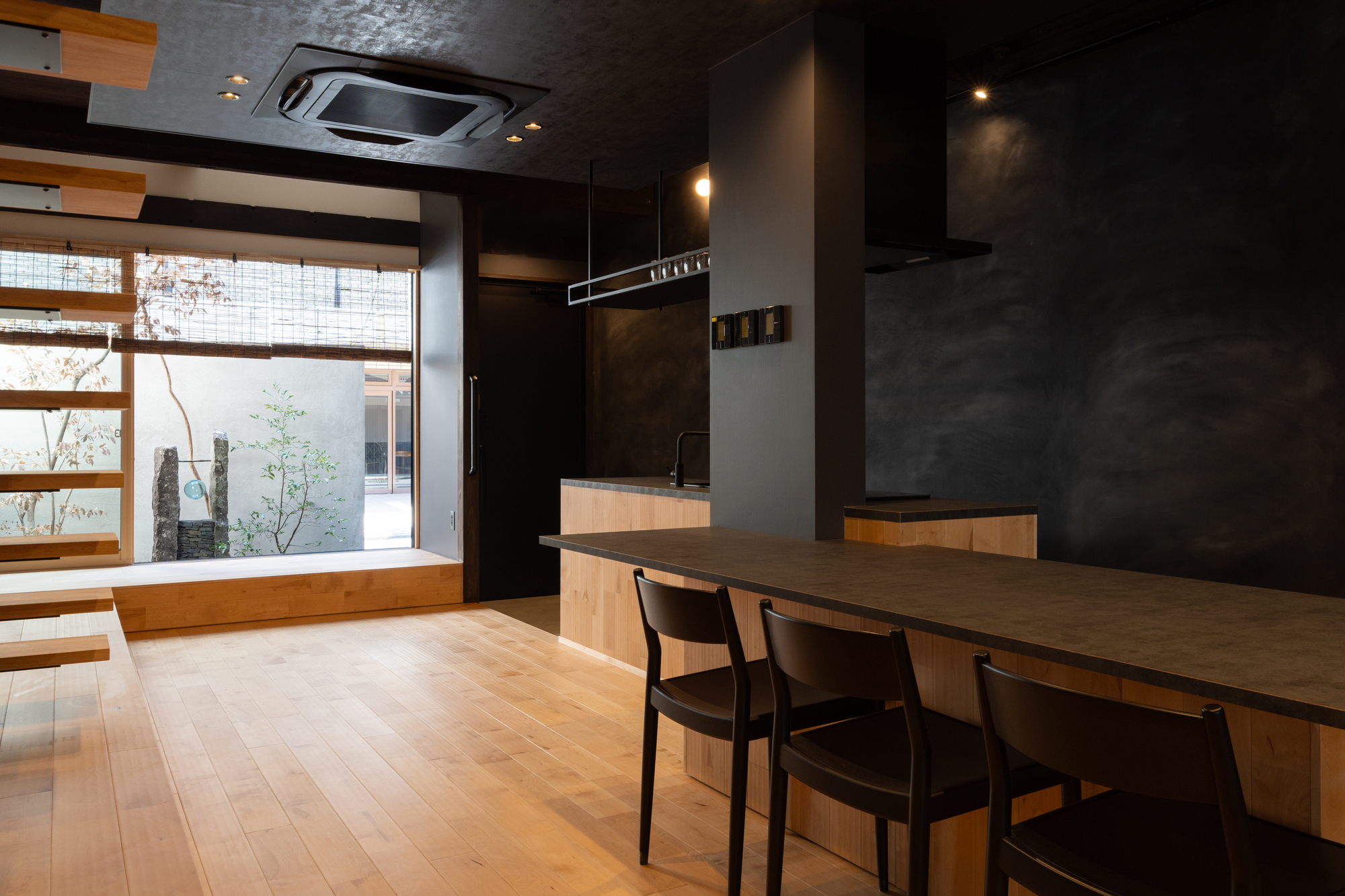
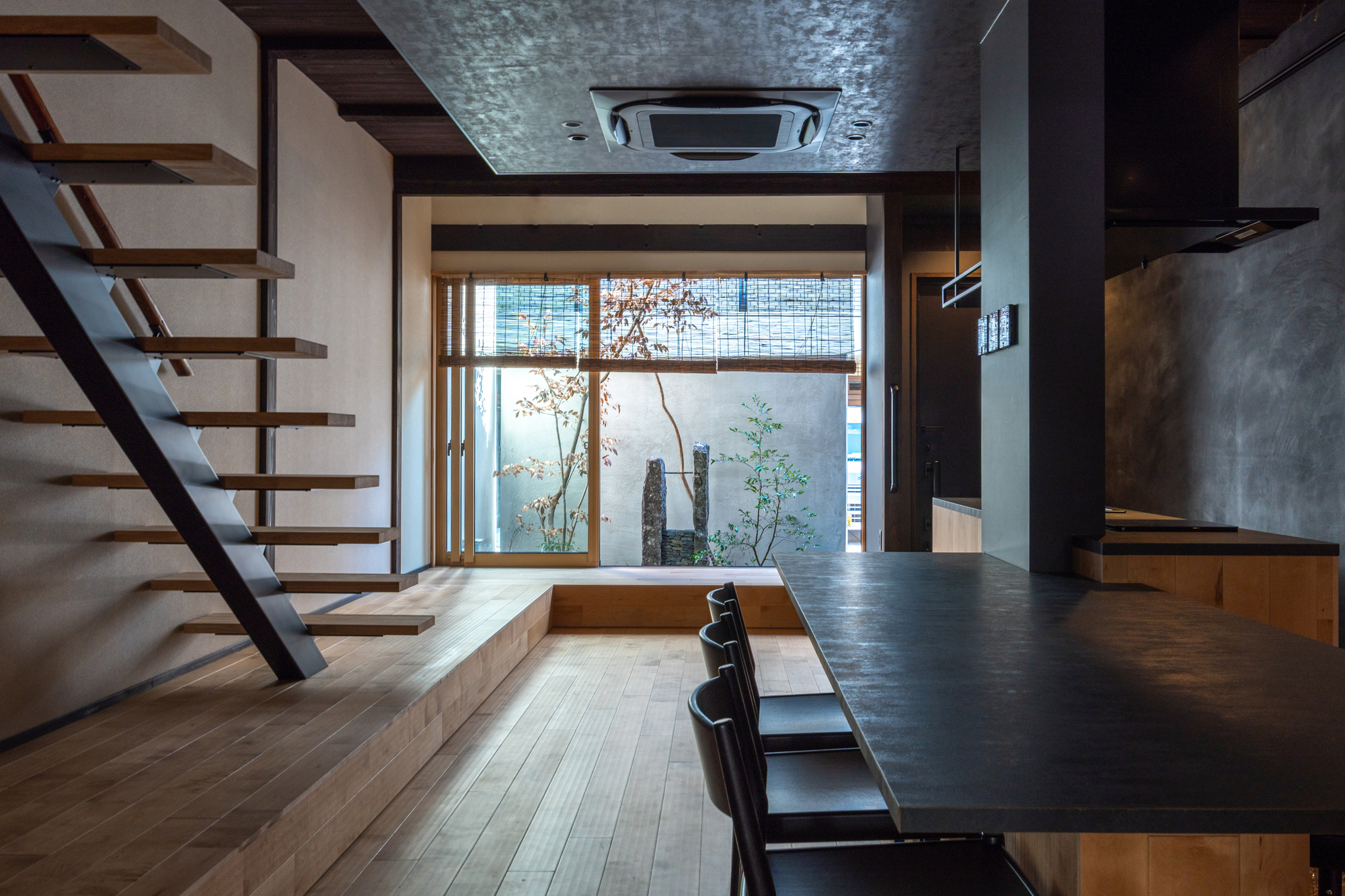
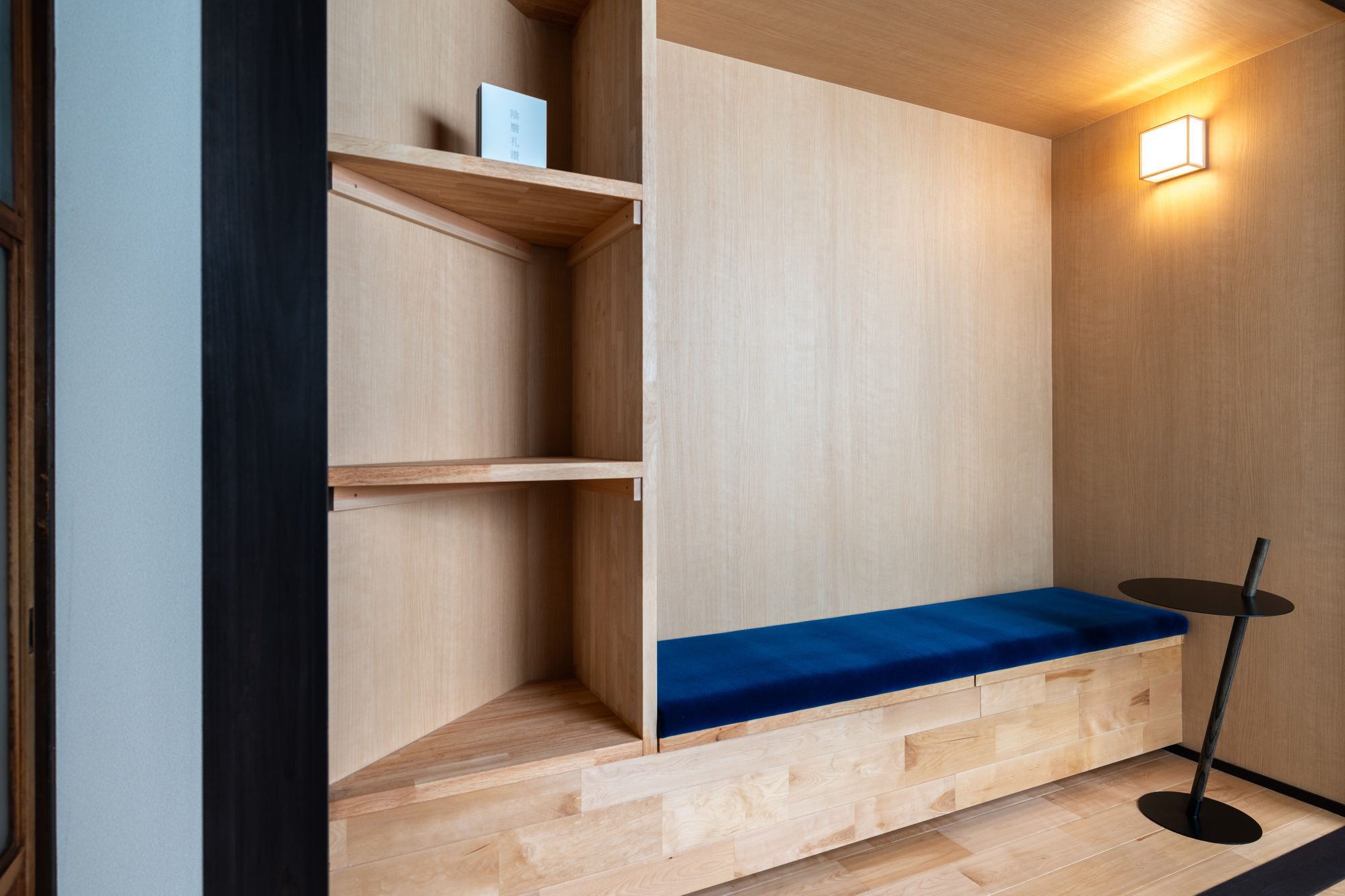
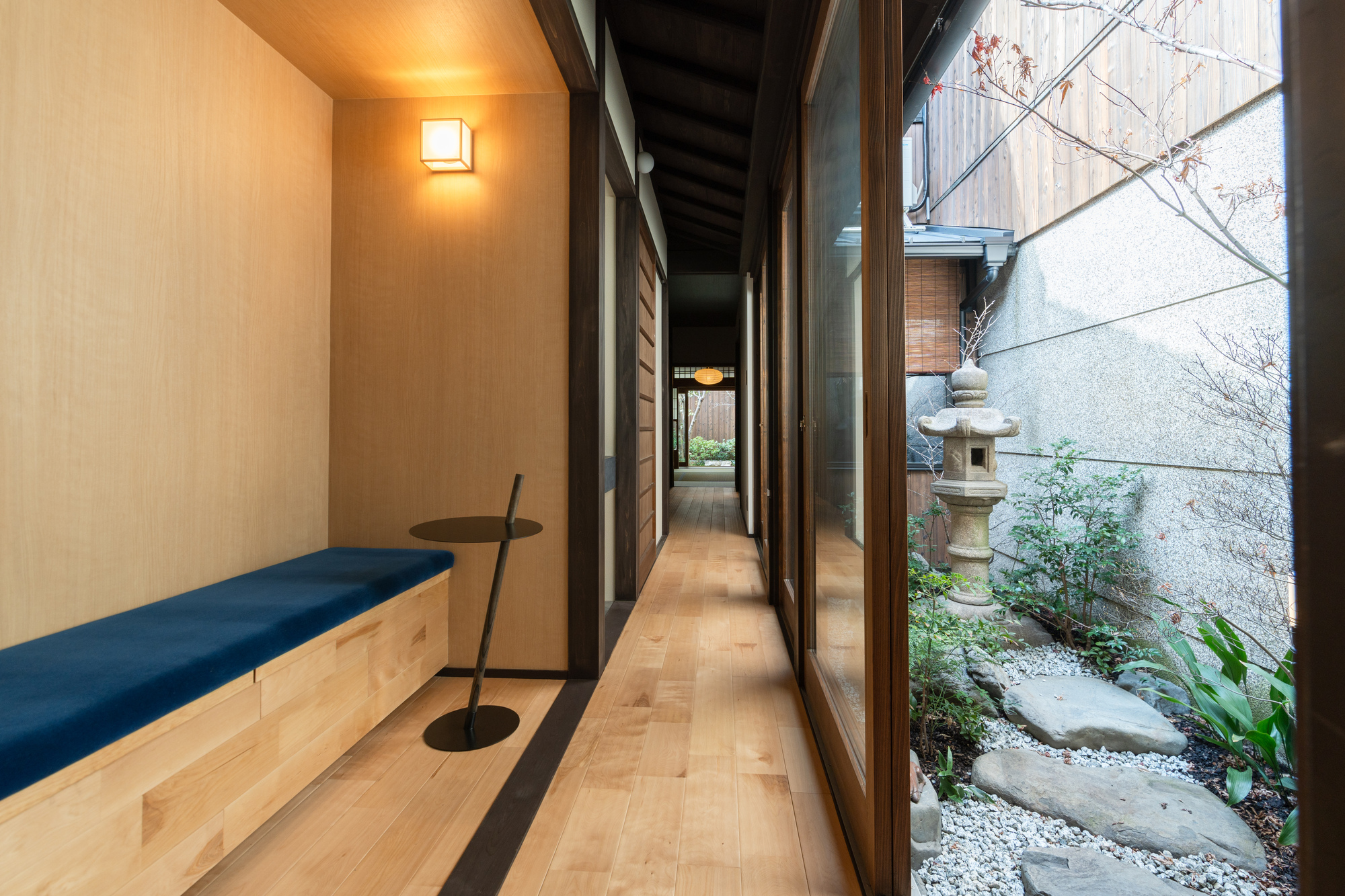
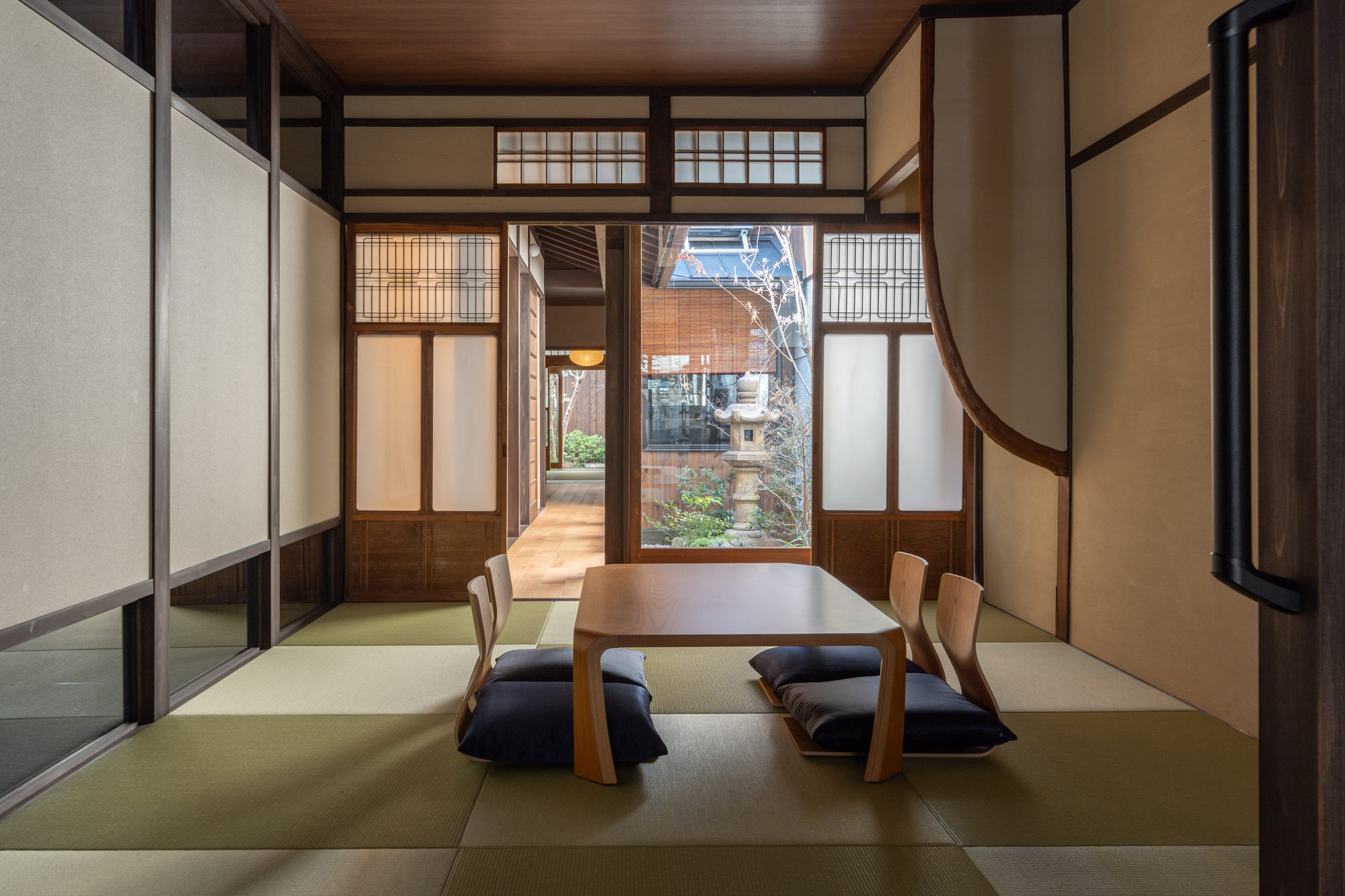
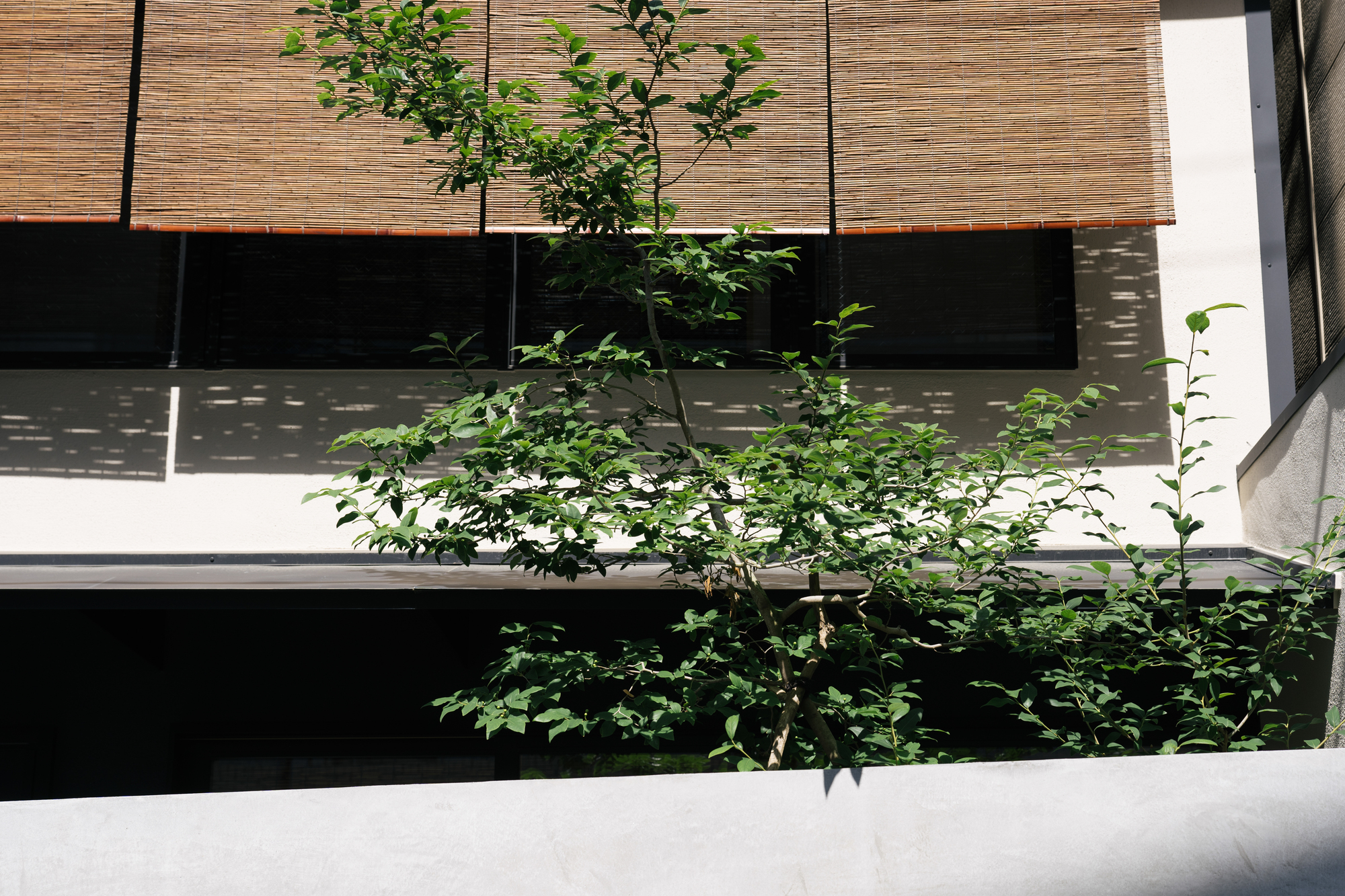
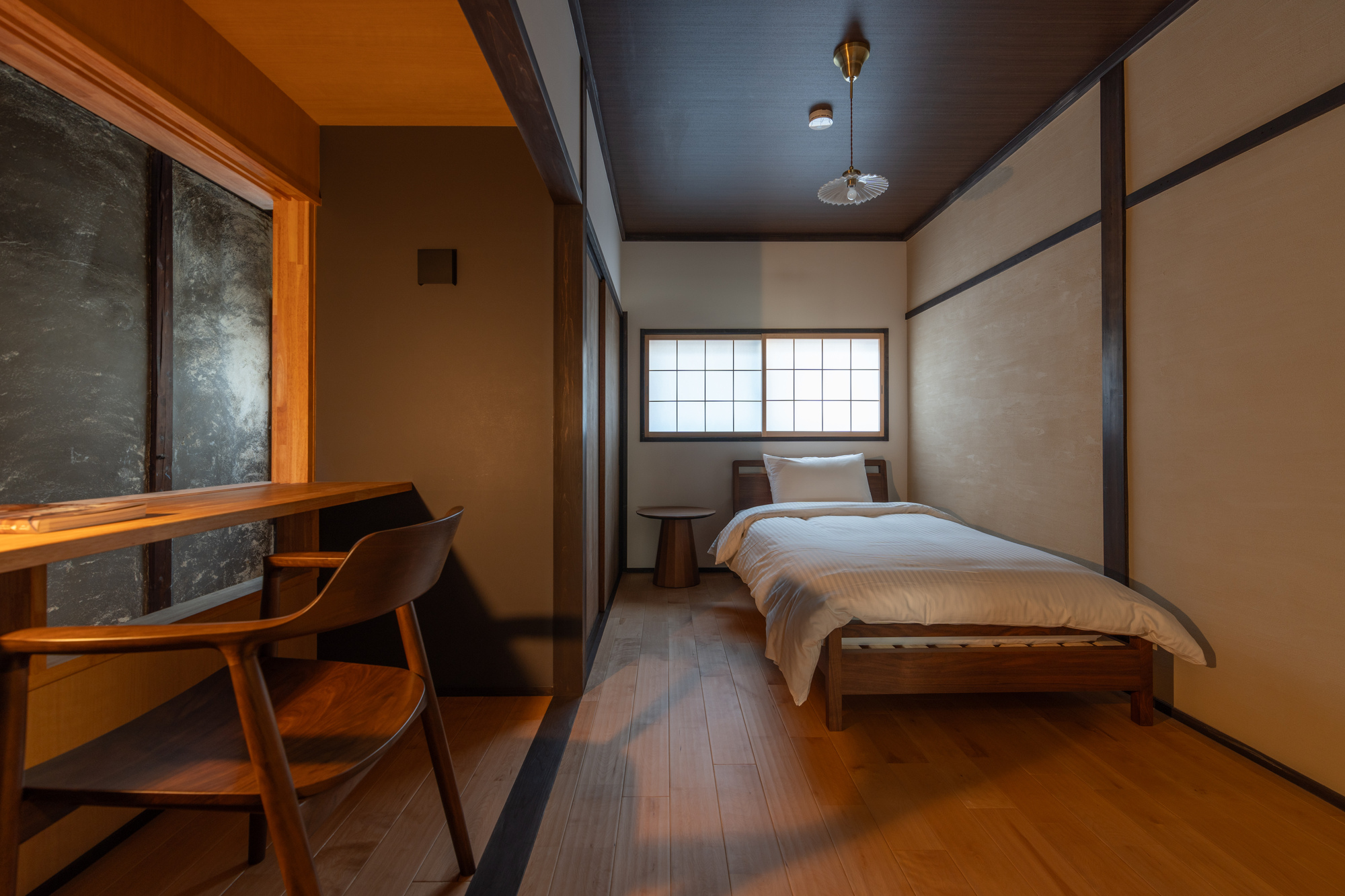
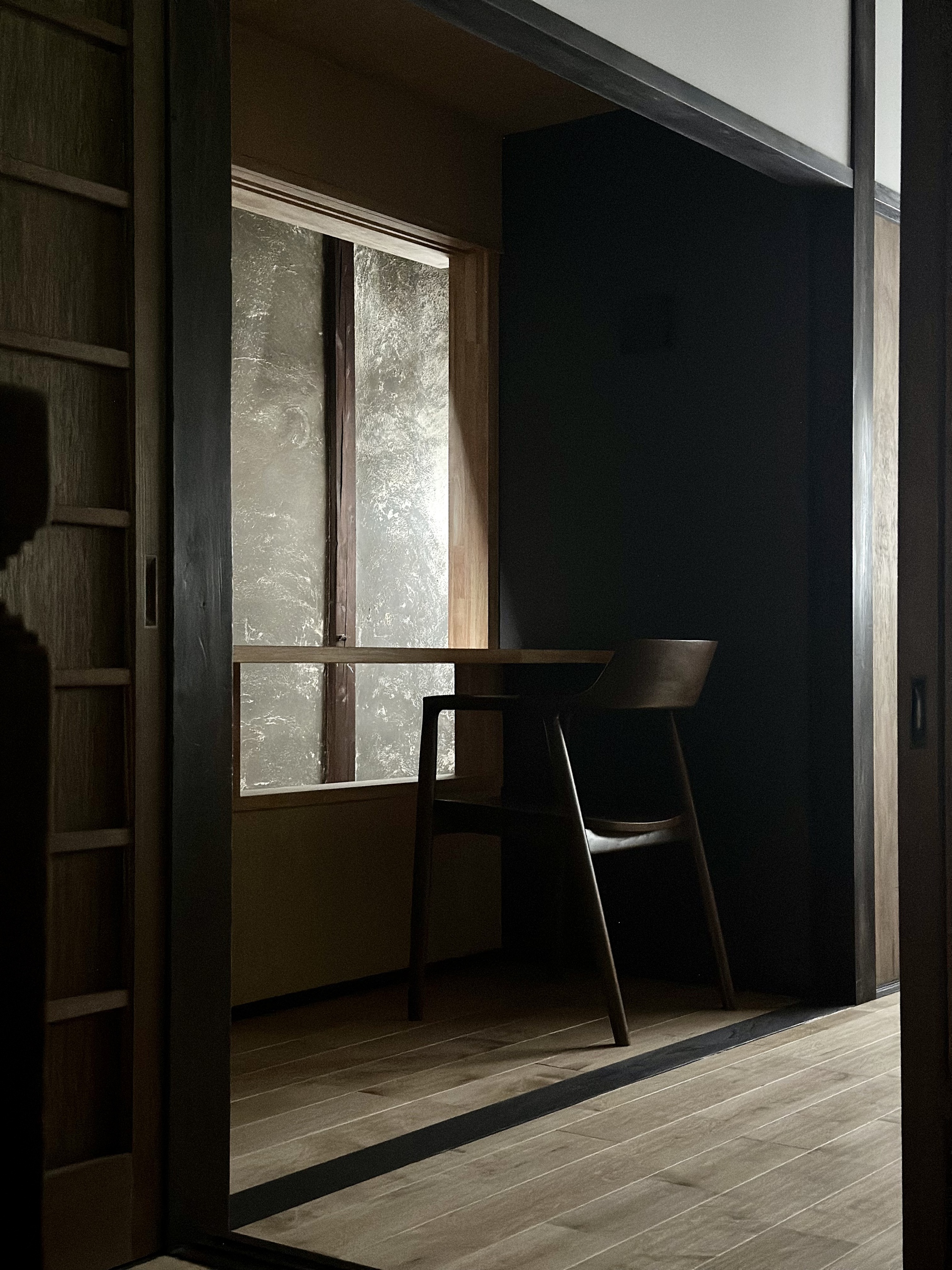
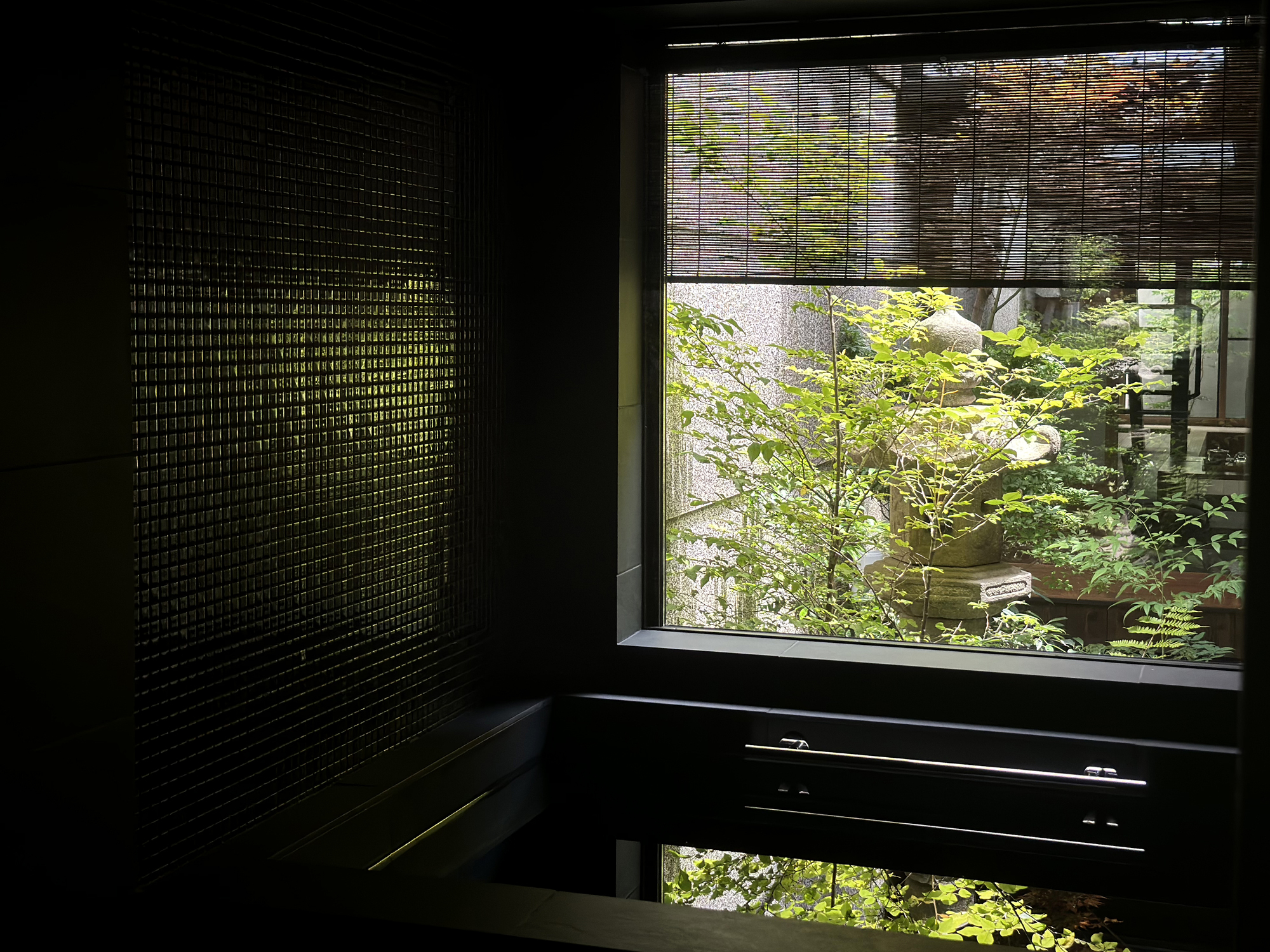
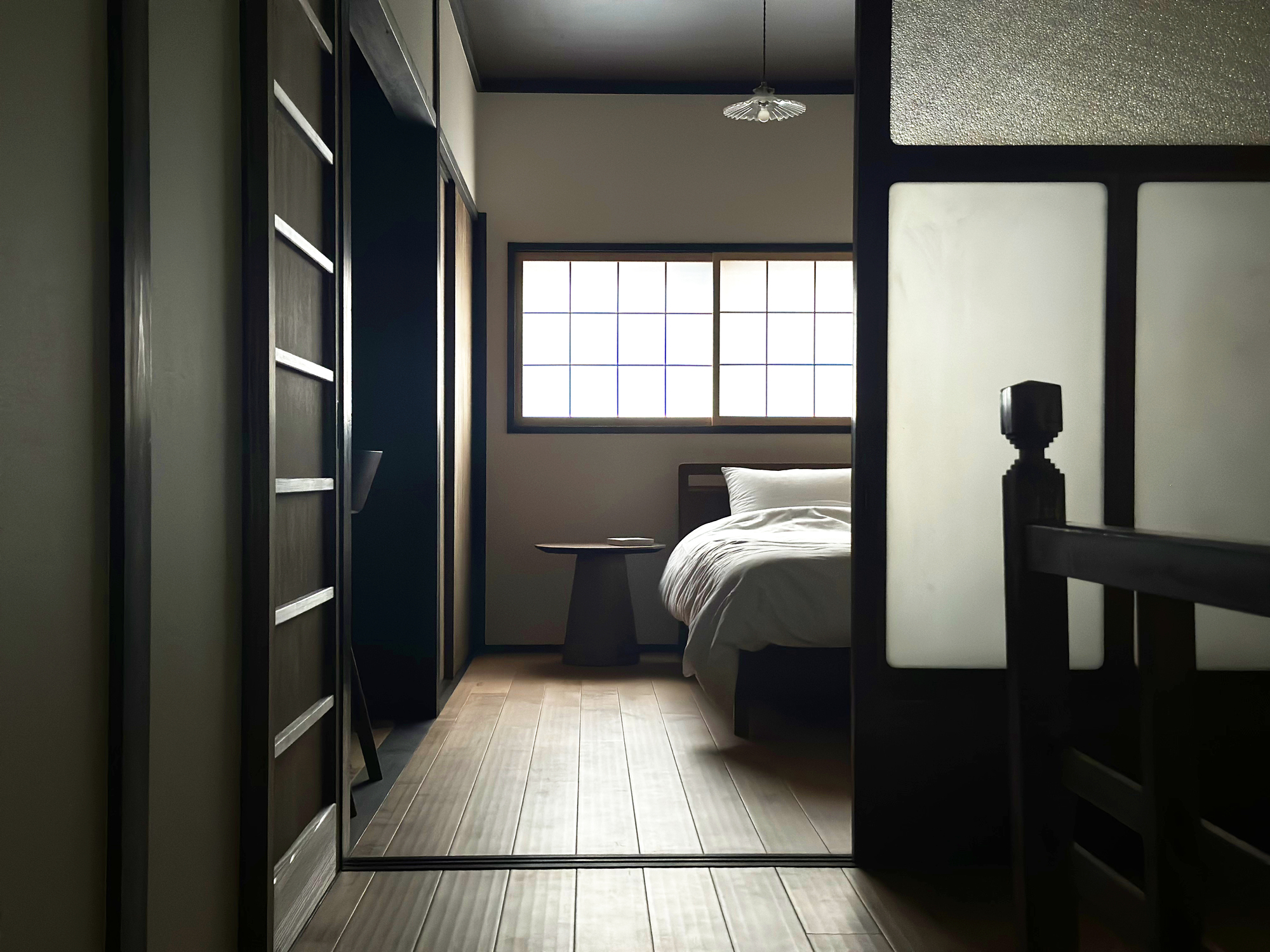
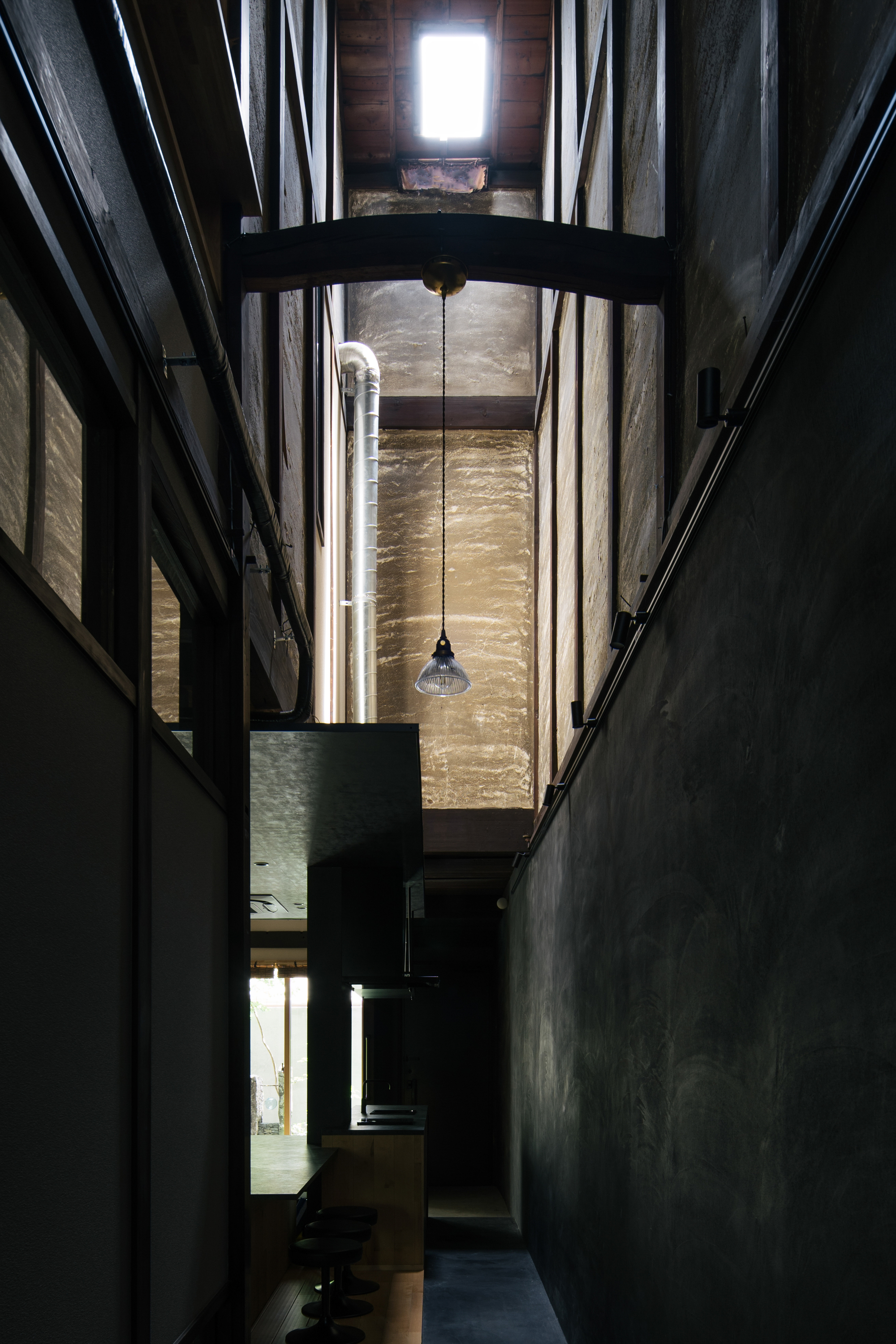
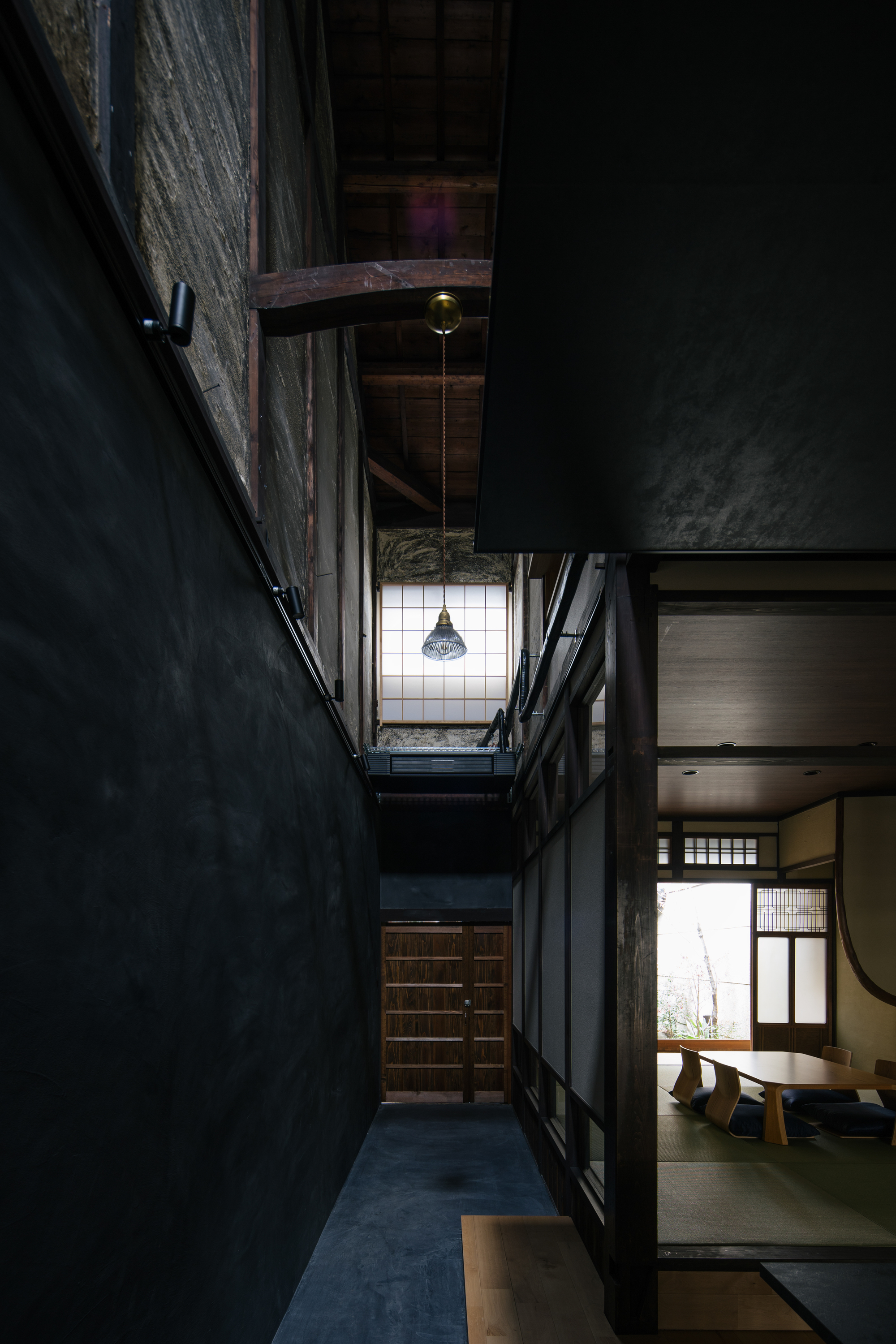
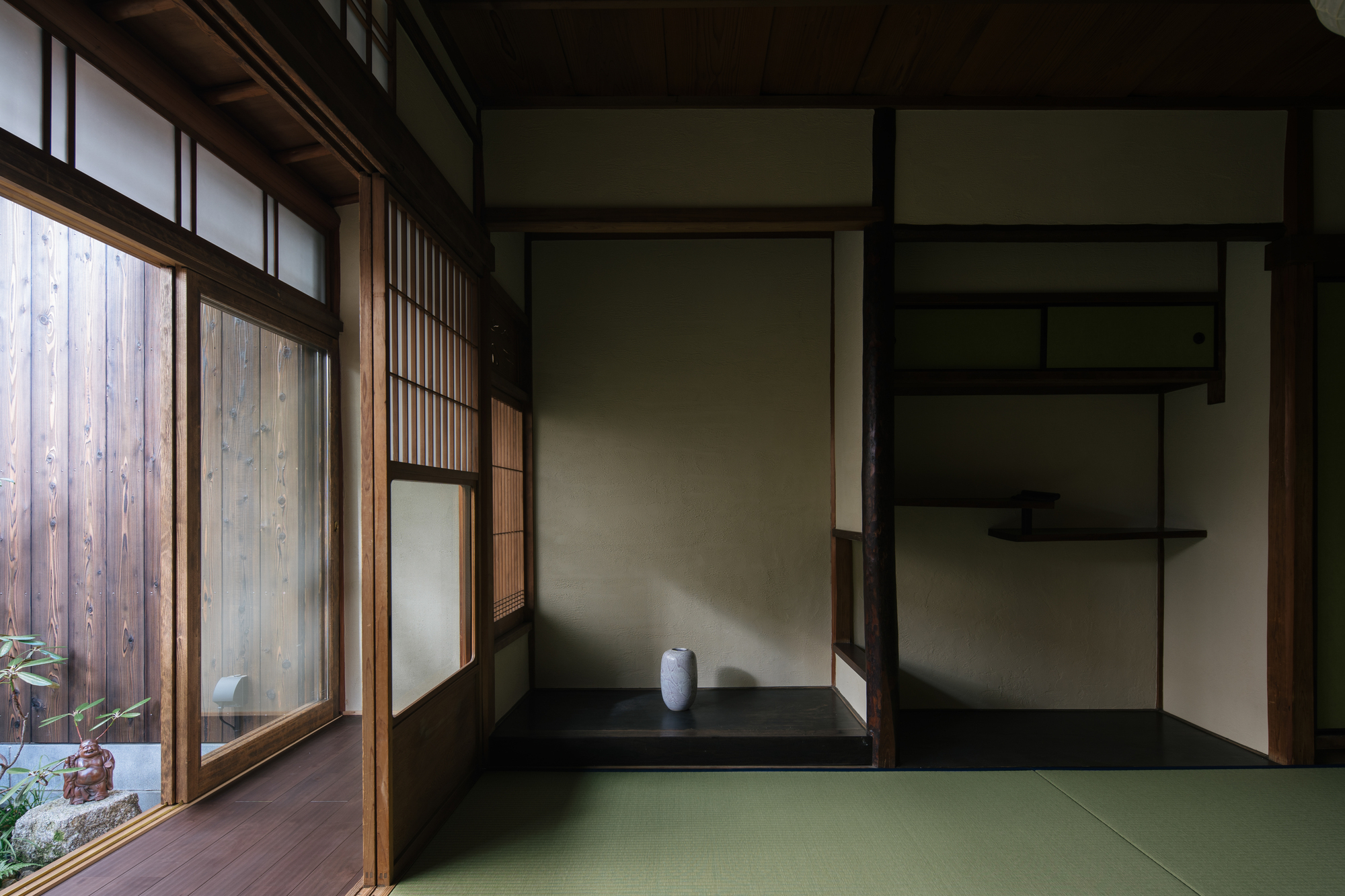
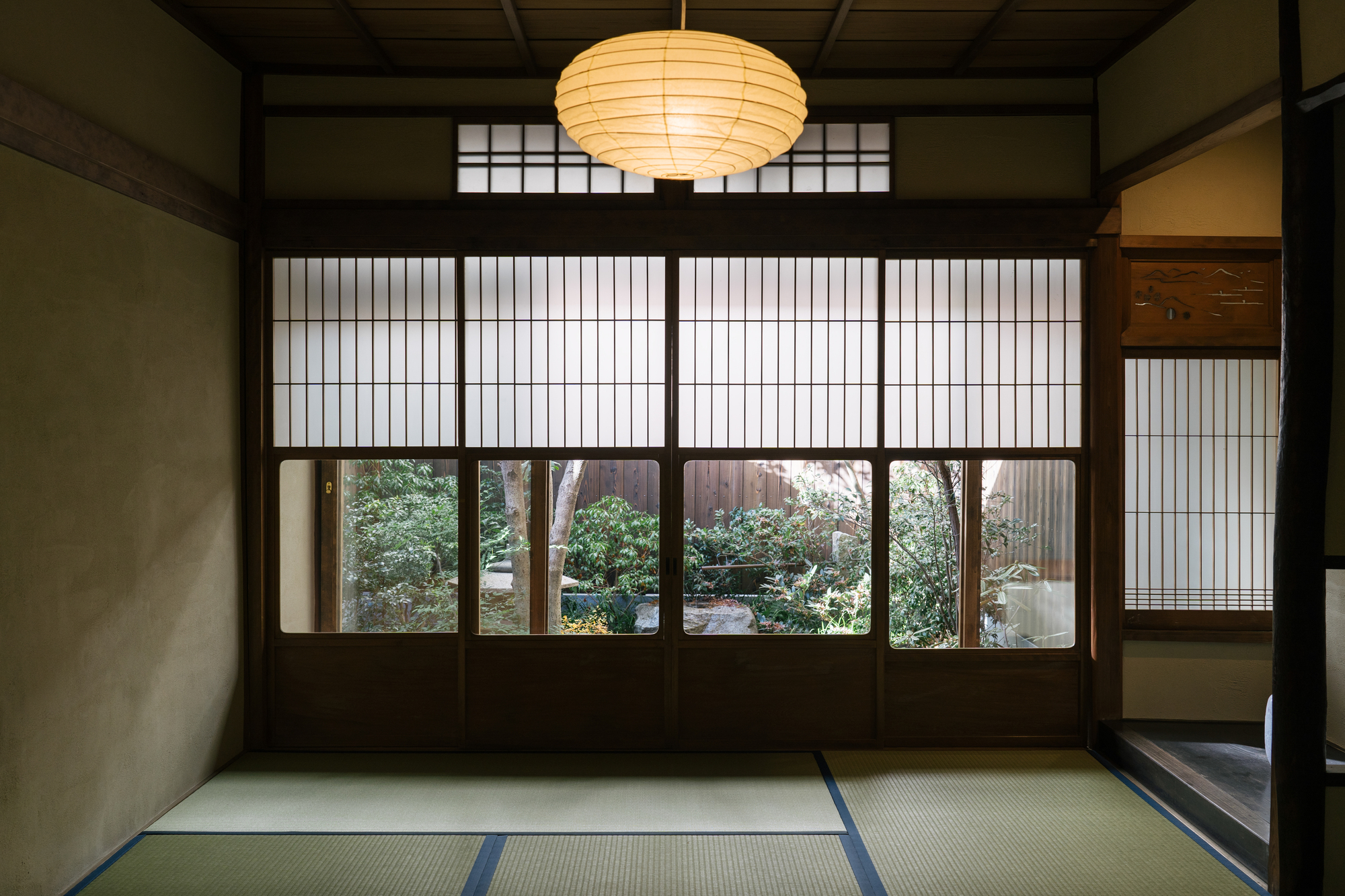
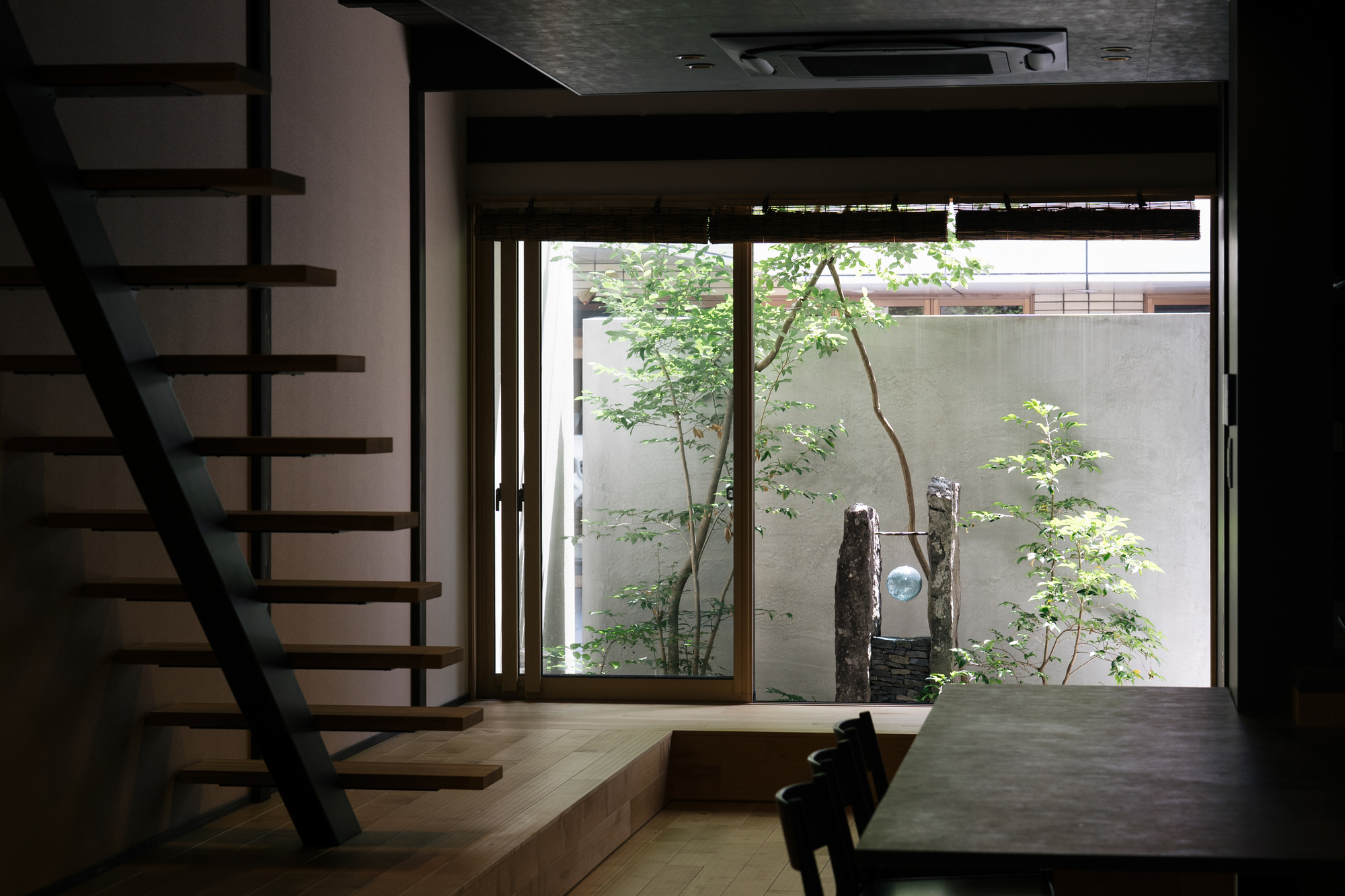
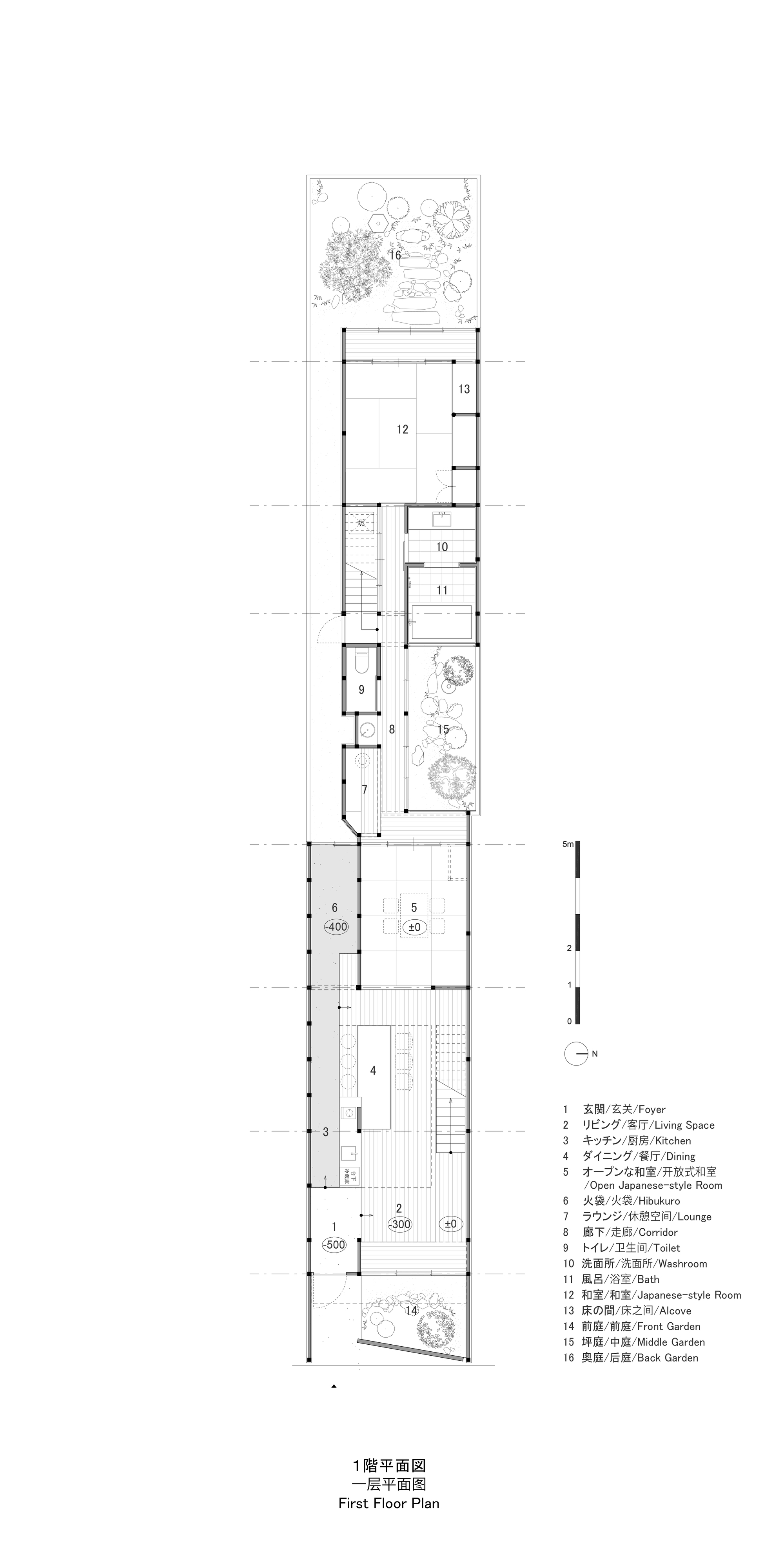
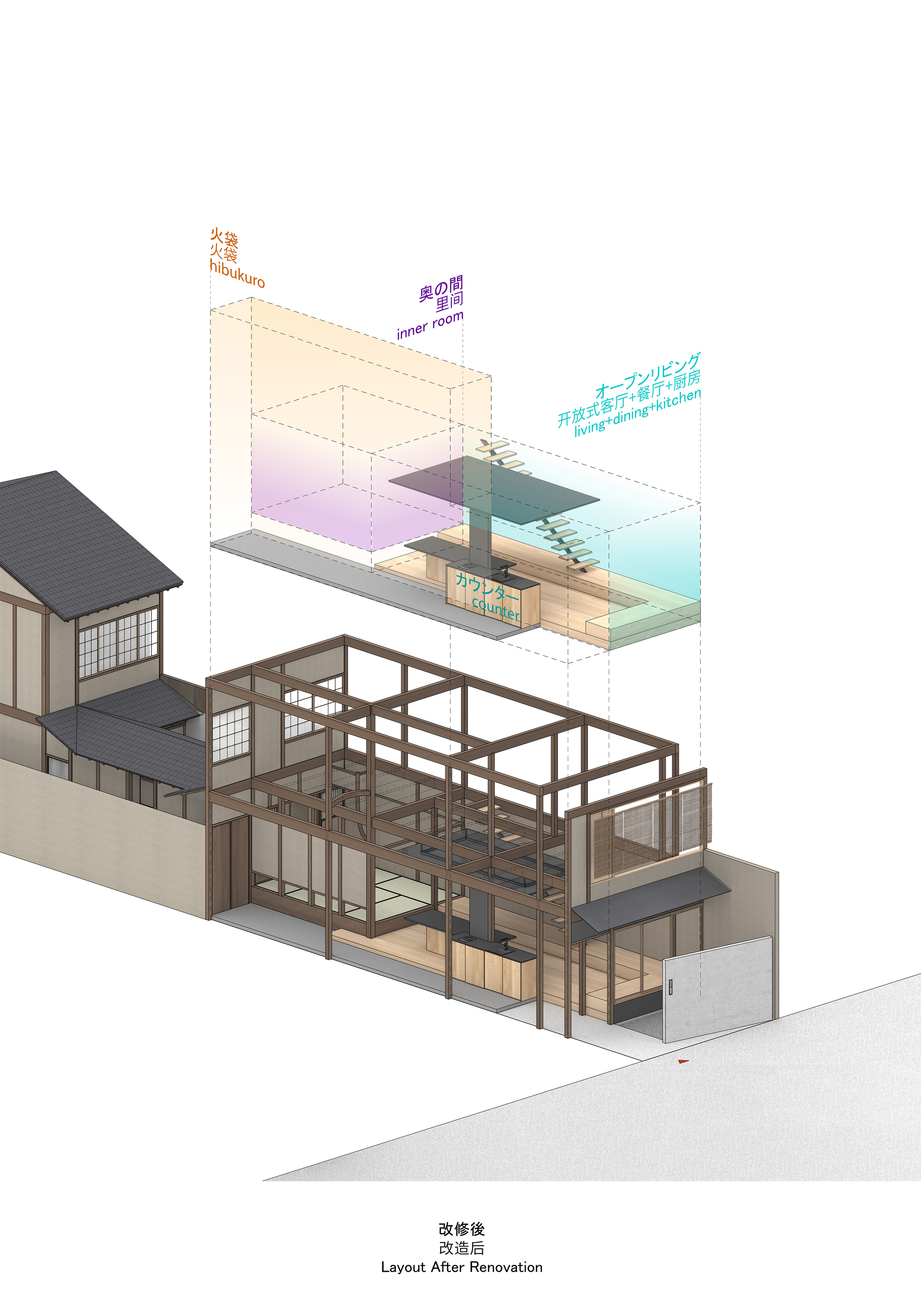
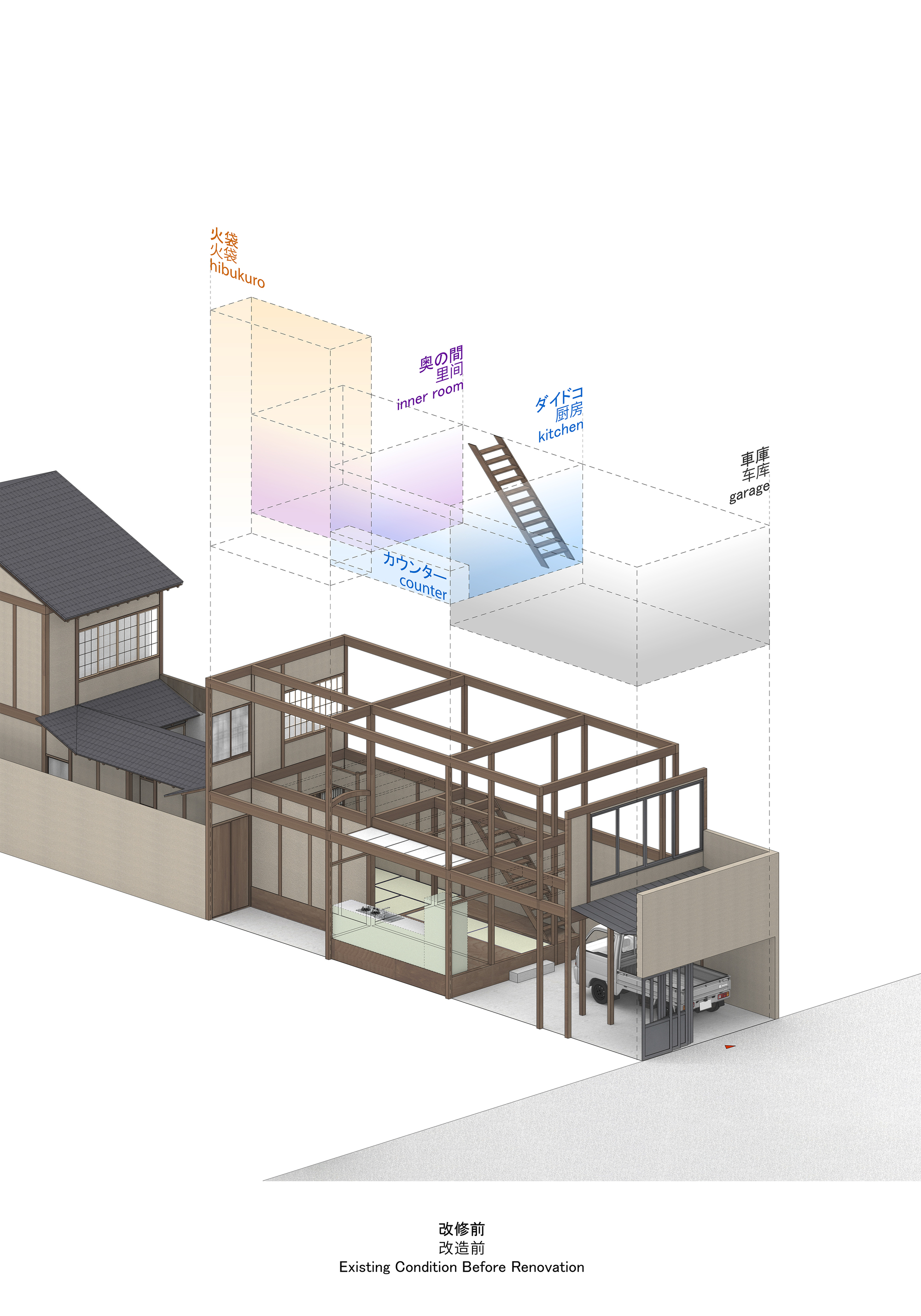
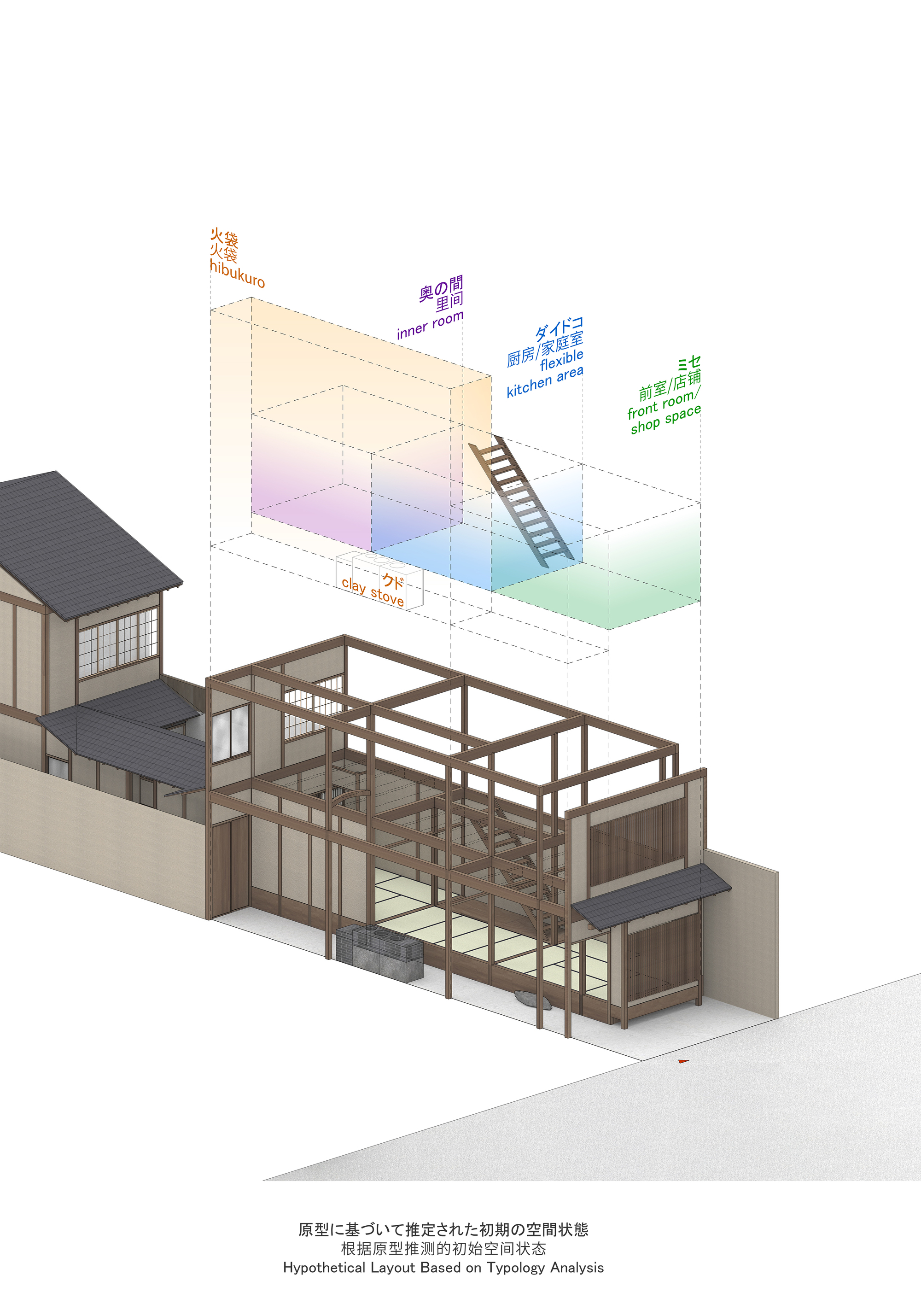
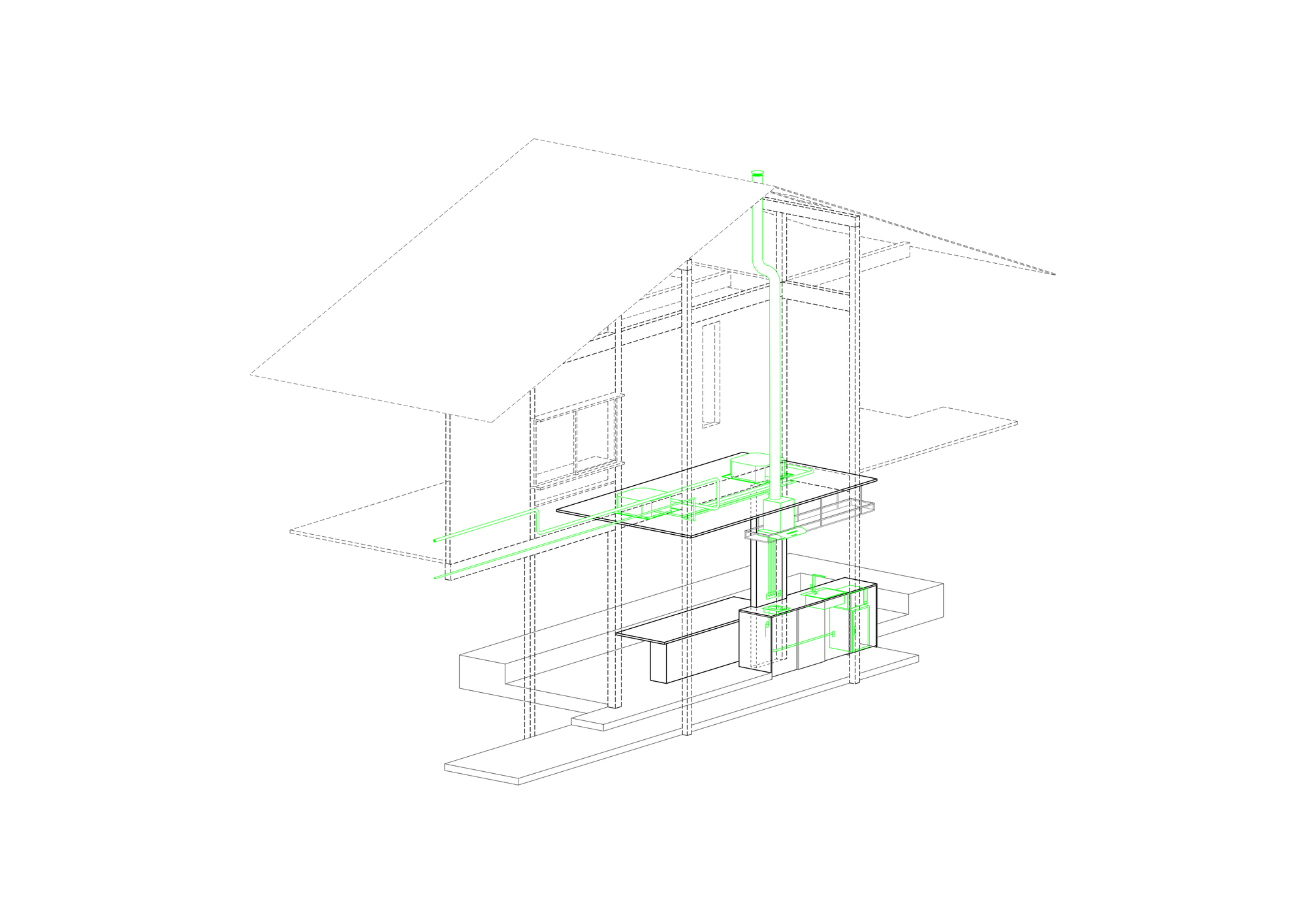
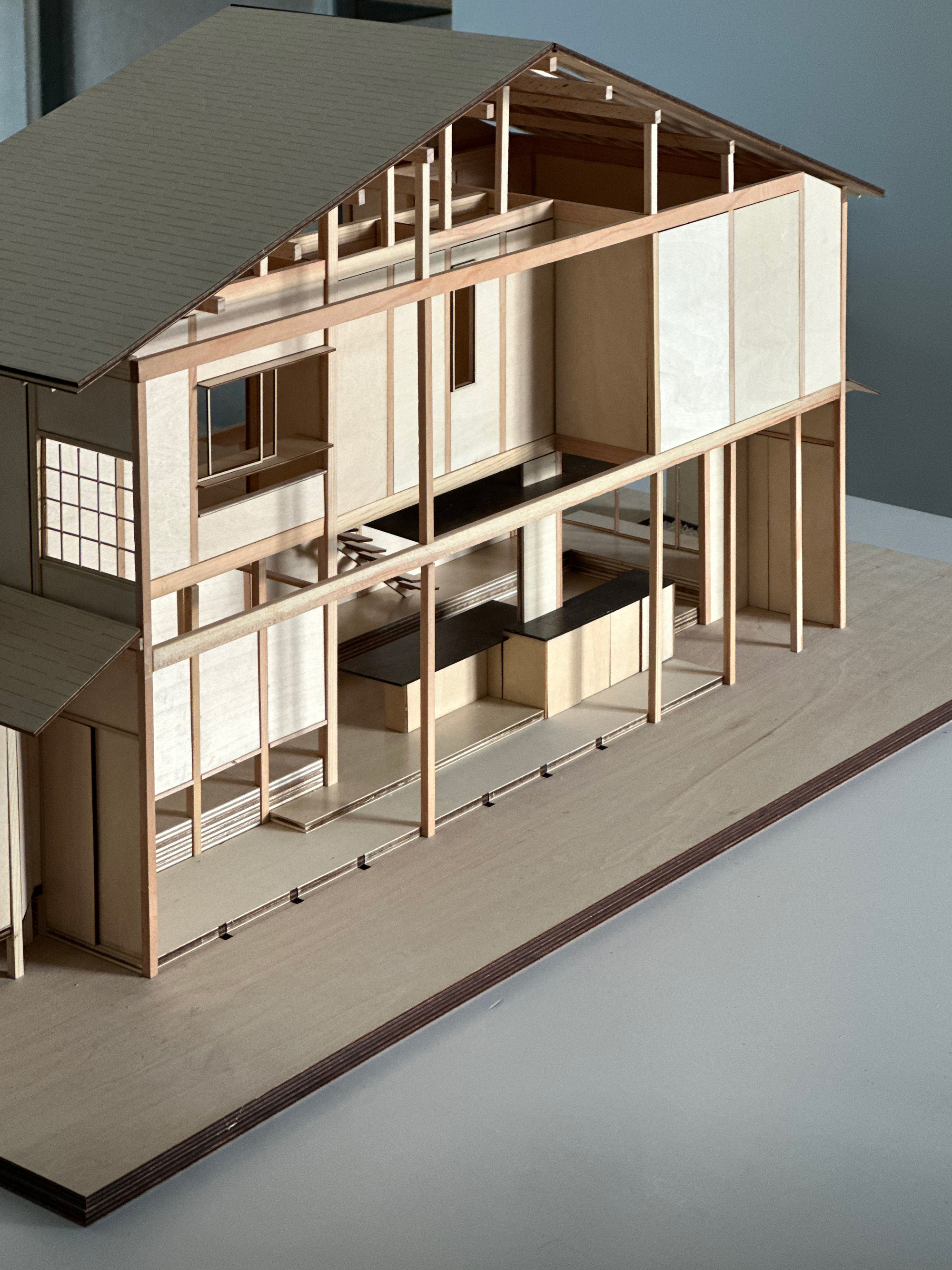
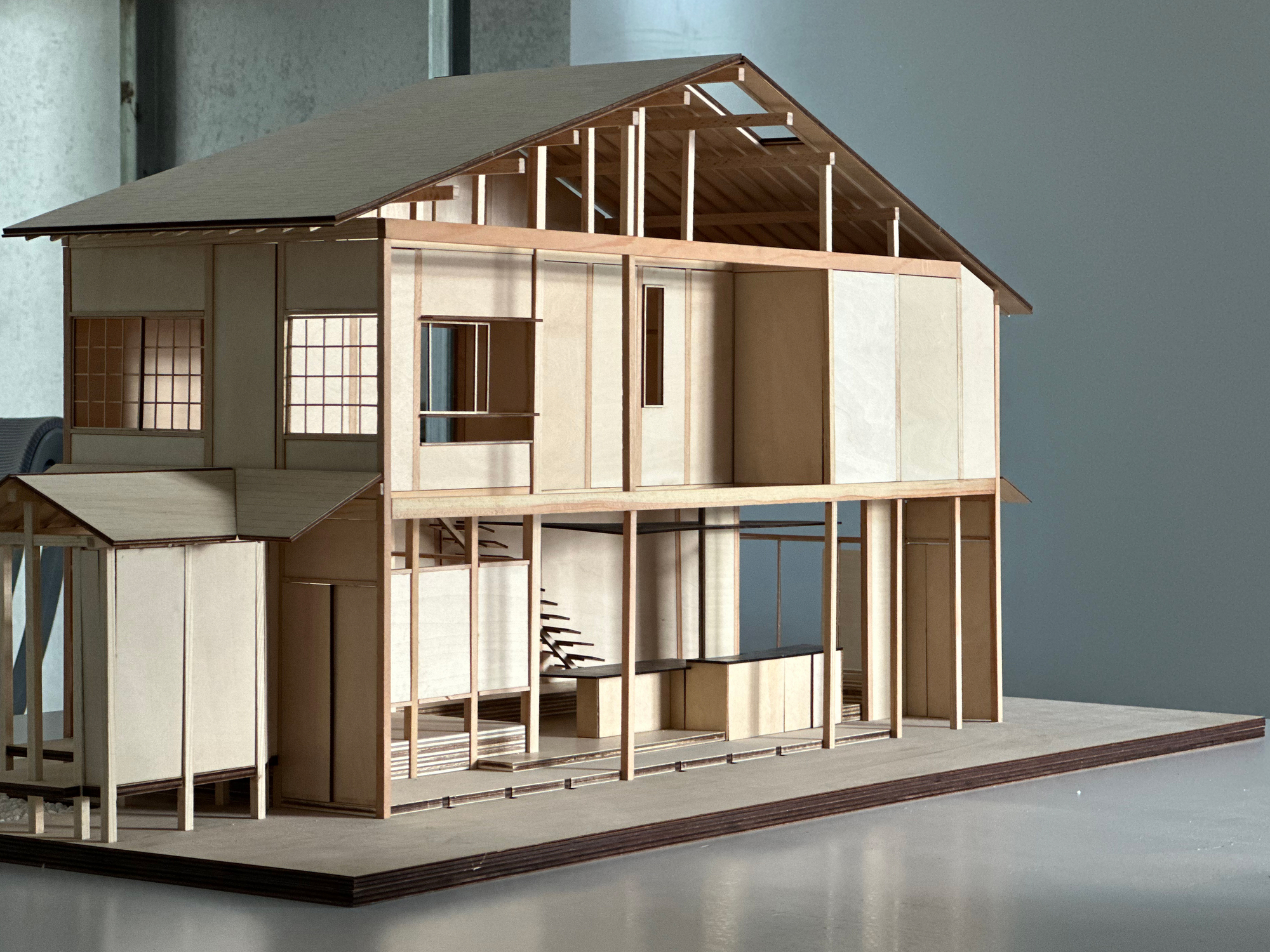
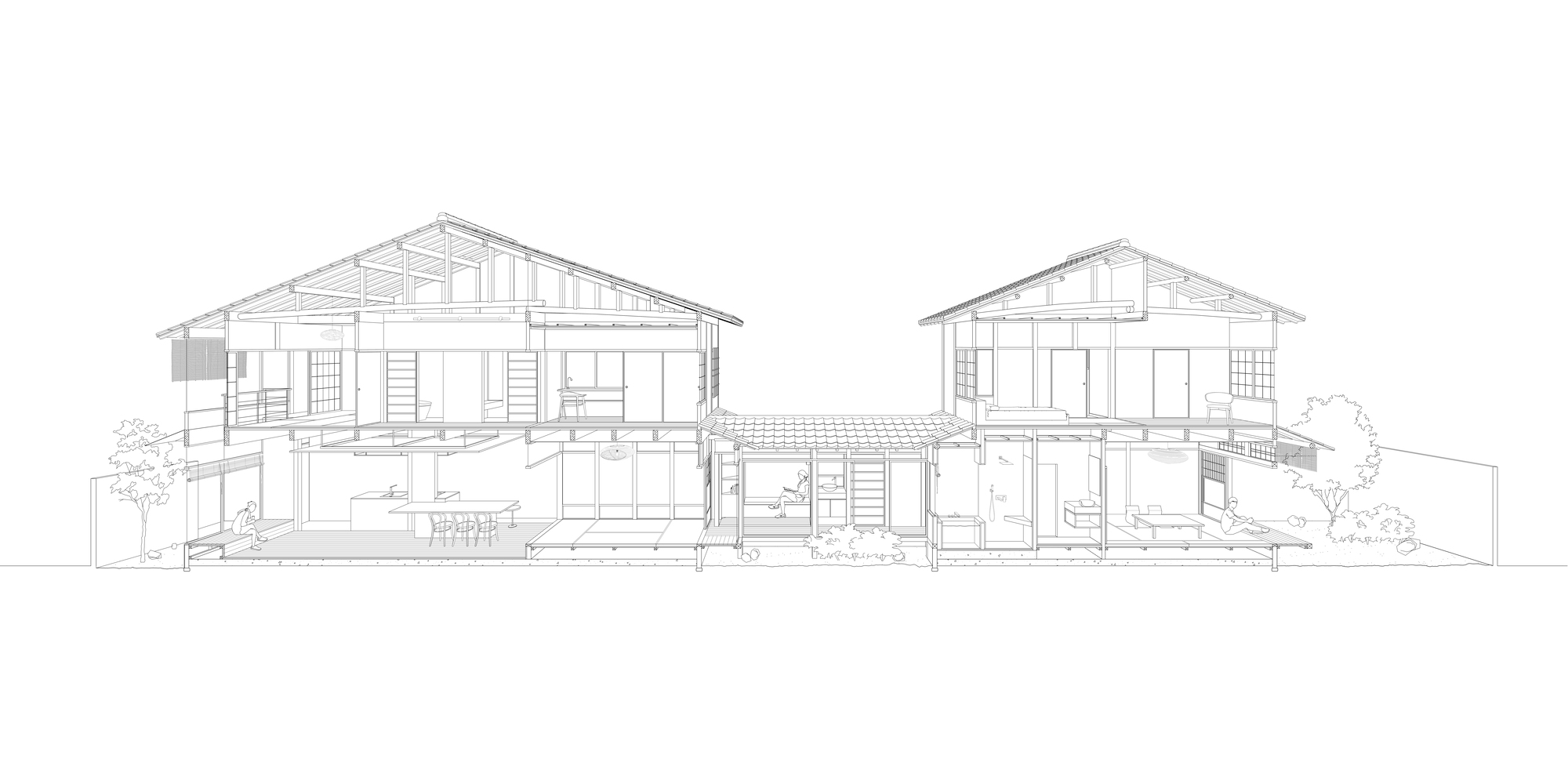
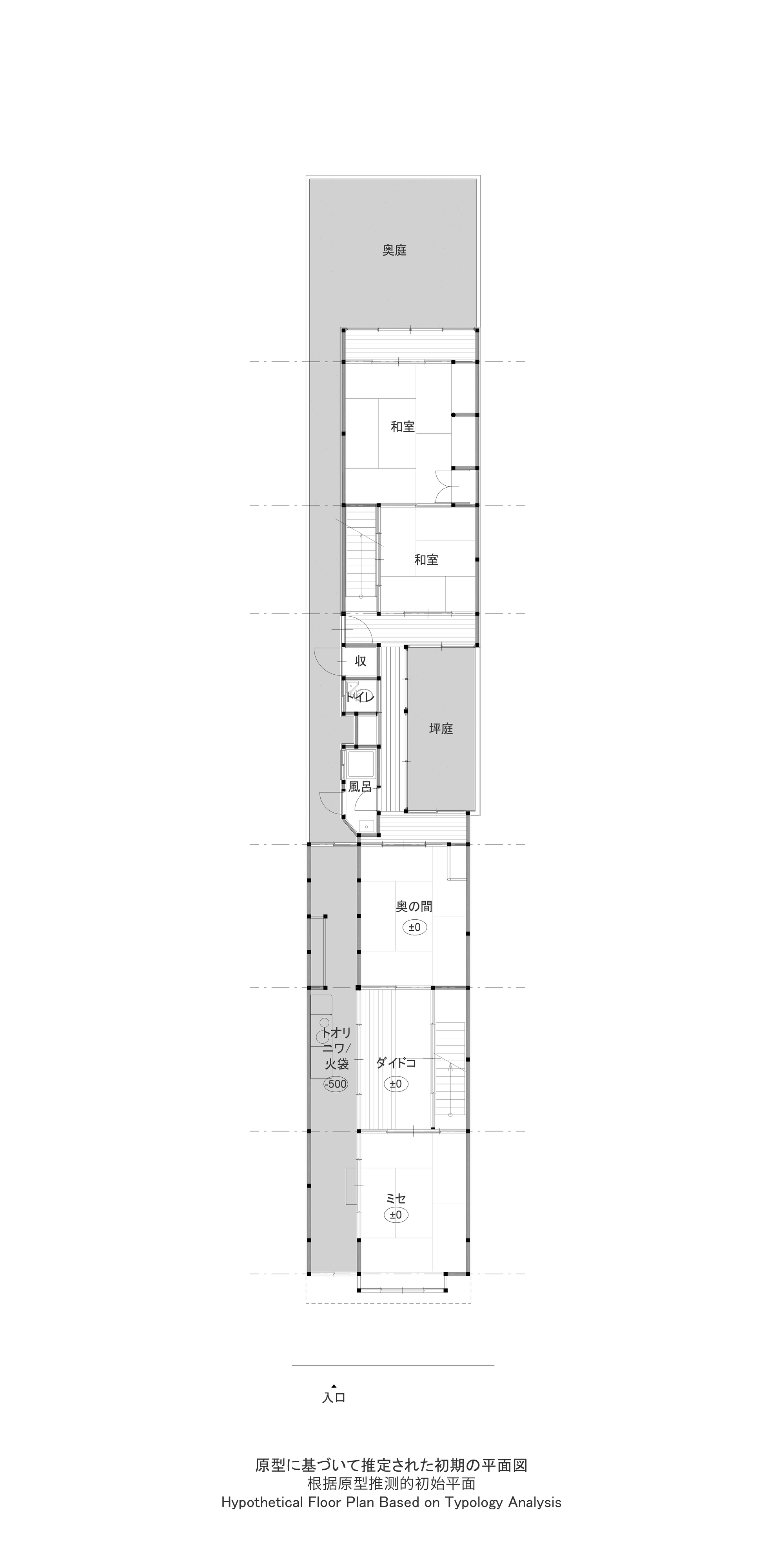
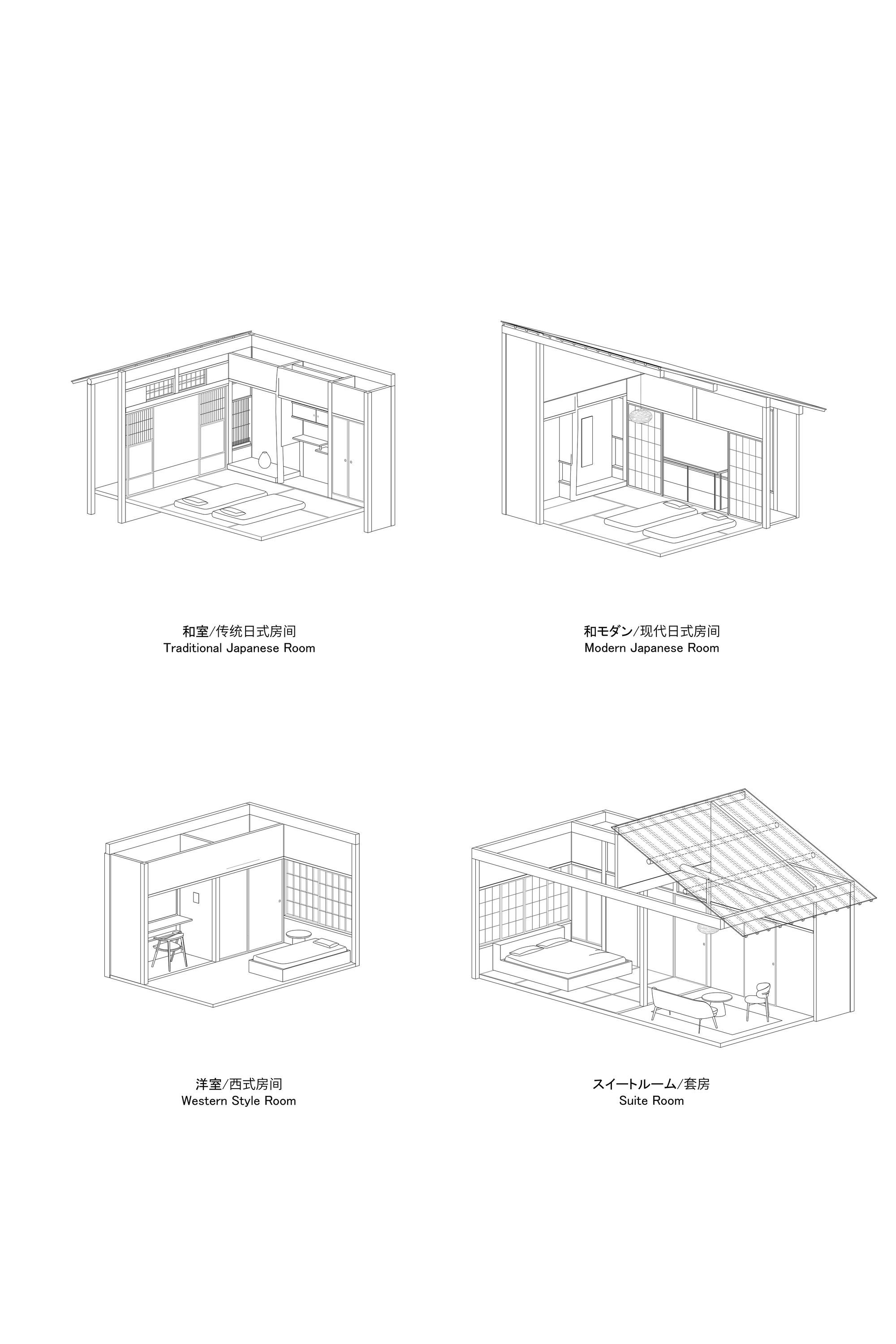
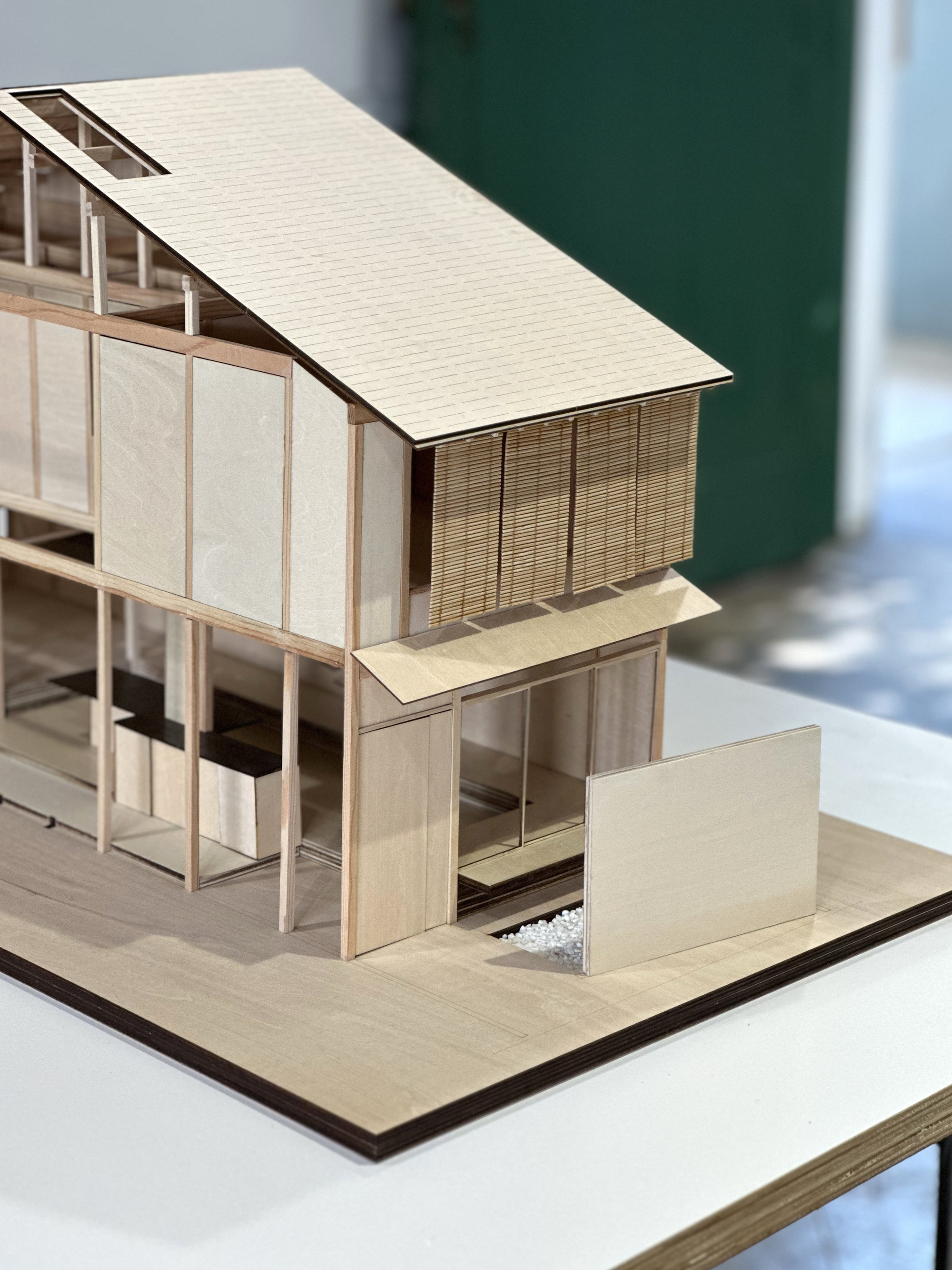
House Mokusei #architecture Architects: atelier yoo Area: 175 m² Year: 2025 Photographs: Kazuoki Yasugi, Song Gao City: Kyoto Country: Japan Over Kyoto's 1,200-year history, the jōbō grid system—introduced from Tang dynasty Chang'an—has shaped its urban fabric since the founding of Heian-kyō. By the Edo period, the "shop-front, residence-rear" machiya had become the normative urban housing type. Fire regulations and property taxes based on street frontage helped maintain the characteristically narrow façades of these homes, often likened to "eel's beds" (unagi no nedoko) for their long, slender proportions. A typical Kyo-machiya is defined by this front-to-back spatial sequence. Street-facing units are usually divided lengthwise into a doma (earthen-floored passage) and a raised timber-floored zone. The doma, often paved in packed earth or stone, runs from the entrance toward the interior and commonly contains the kitchen stove beneath a hibukuro, or smoke chimney. The raised zone is divided laterally into sequential rooms: shop (mise), family kitchen (daidoko), and rear tatami rooms (oku-no-ma), separated by sliding partitions. This layout reveals a transition from public to private, embedded in both form and function. The house we renovated consists of two separate two-story volumes connected by a corridor. The original façade and mise space had been removed; the doma and hibukuro were disrupted by a raised kitchen platform; and a ceiling had been installed where the vertical void once stood. The house's original spatial order had been replaced by a fragmented, compressed, and incoherent composition. Our design approach unfolded in two phases: first, to reconstruct a spatial layout appropriate to the typology in order to extract its structural logic; and second, to accommodate modern programmatic needs within that reestablished framework. 1. Using interior columns as reference, we pulled back the current facade to its presumed original position, reestablishing the mise boundary and creating a front garden between house and street; 2. We removed the raised platform occupying the doma, restoring a continuous longitudinal flow from entrance inward; 3. The mise and daidoko were combined into an open-plan living space, with adjusted floor heights; 4. Some of the essential elements—kitchen stove, dining table, air conditioning—were consolidated into a core "device" composed of fixed furniture, wall planes, and a suspended ceiling. Relocated from the perimeter to the threshold between doma and living area, this intervention created a spatial transition articulated through three distinct horizontal planes; 5. The hibukuro was restored as a source of light and ventilation, with all wiring, ducts, and exhaust lines routed visibly through this vertical shaft. Throughout the renovation, we established spatial relationships—both parallel and contrasting—to connect nature and artifice, past and present. We hoped that the permeability of space would offer guests subtle moments of temporal resonance, revealing the cultural landscape of Kyoto through lived experience. To accommodate a range of guest preferences, we designed four room types: traditional Japanese (washitsu), modern washitsu, Western-style, and suite. The washitsu rooms allow for flexible bedding arrangements on tatami, while Western rooms and suites feature standard beds and furnishings. This project reaffirmed for us the value of typological study in guiding architectural design. As Aldo Rossi once stated: "The study of the city must be concerned not only with its physical form and its development, but also with the values that this form expresses."
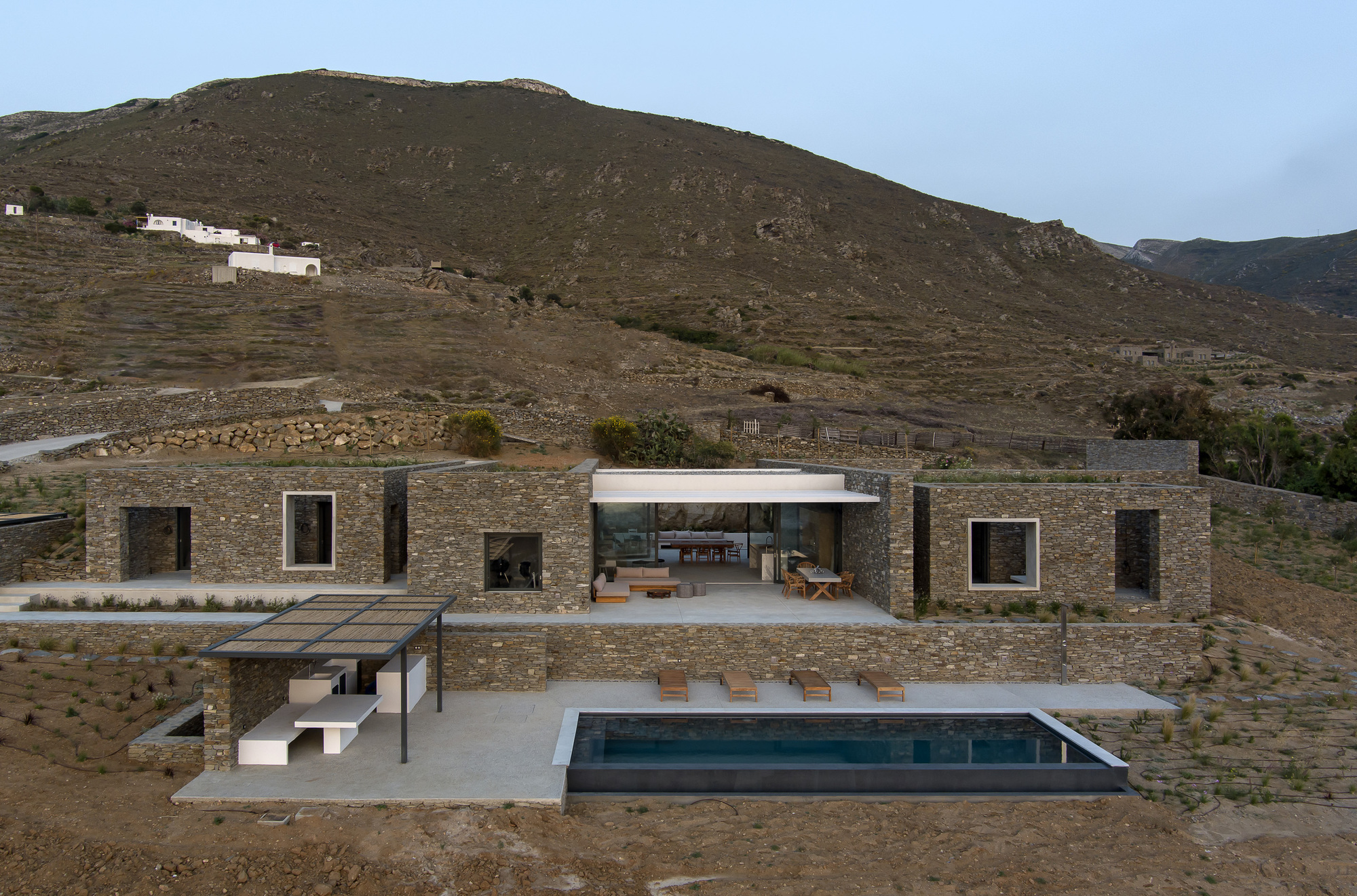
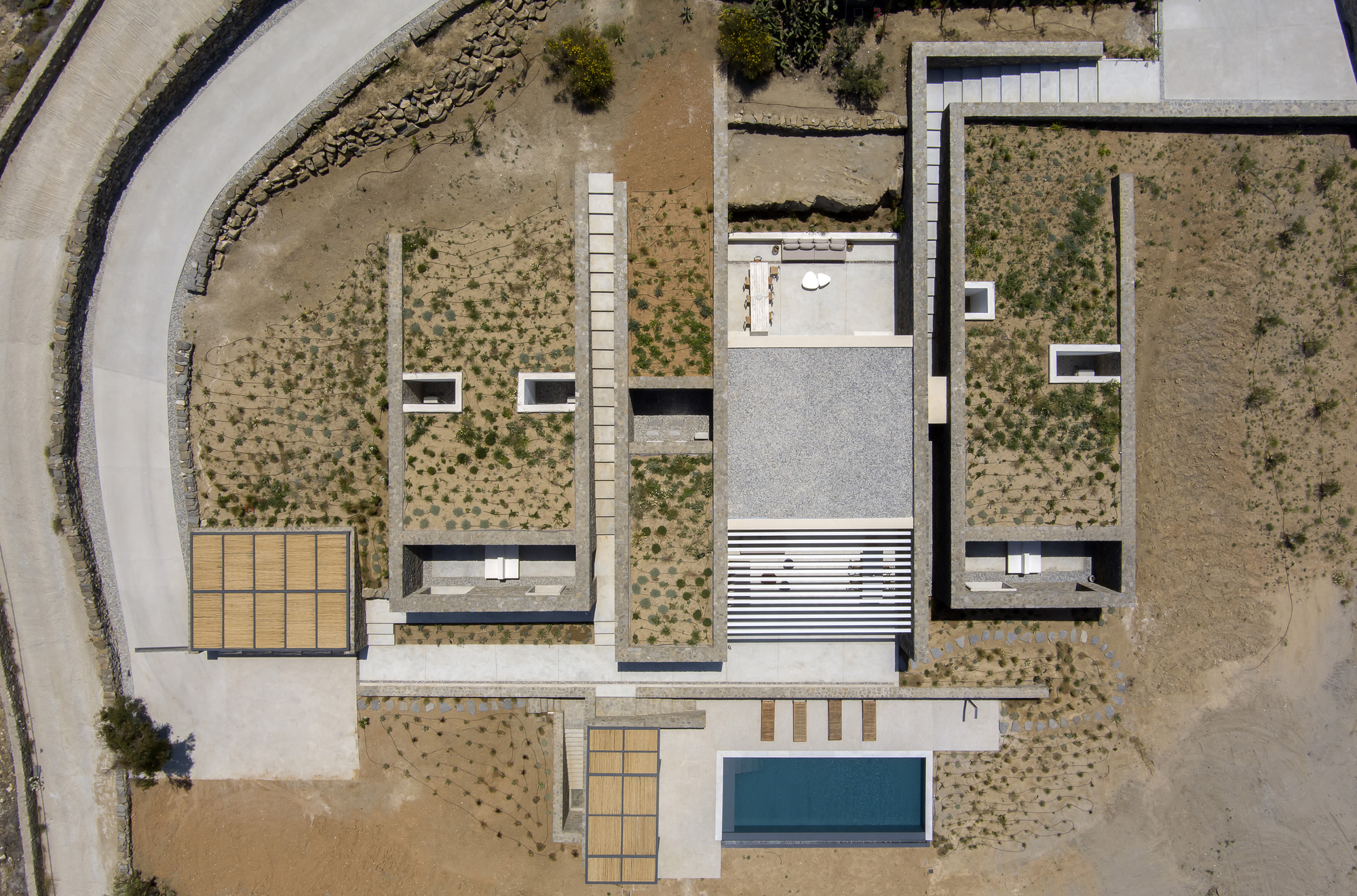
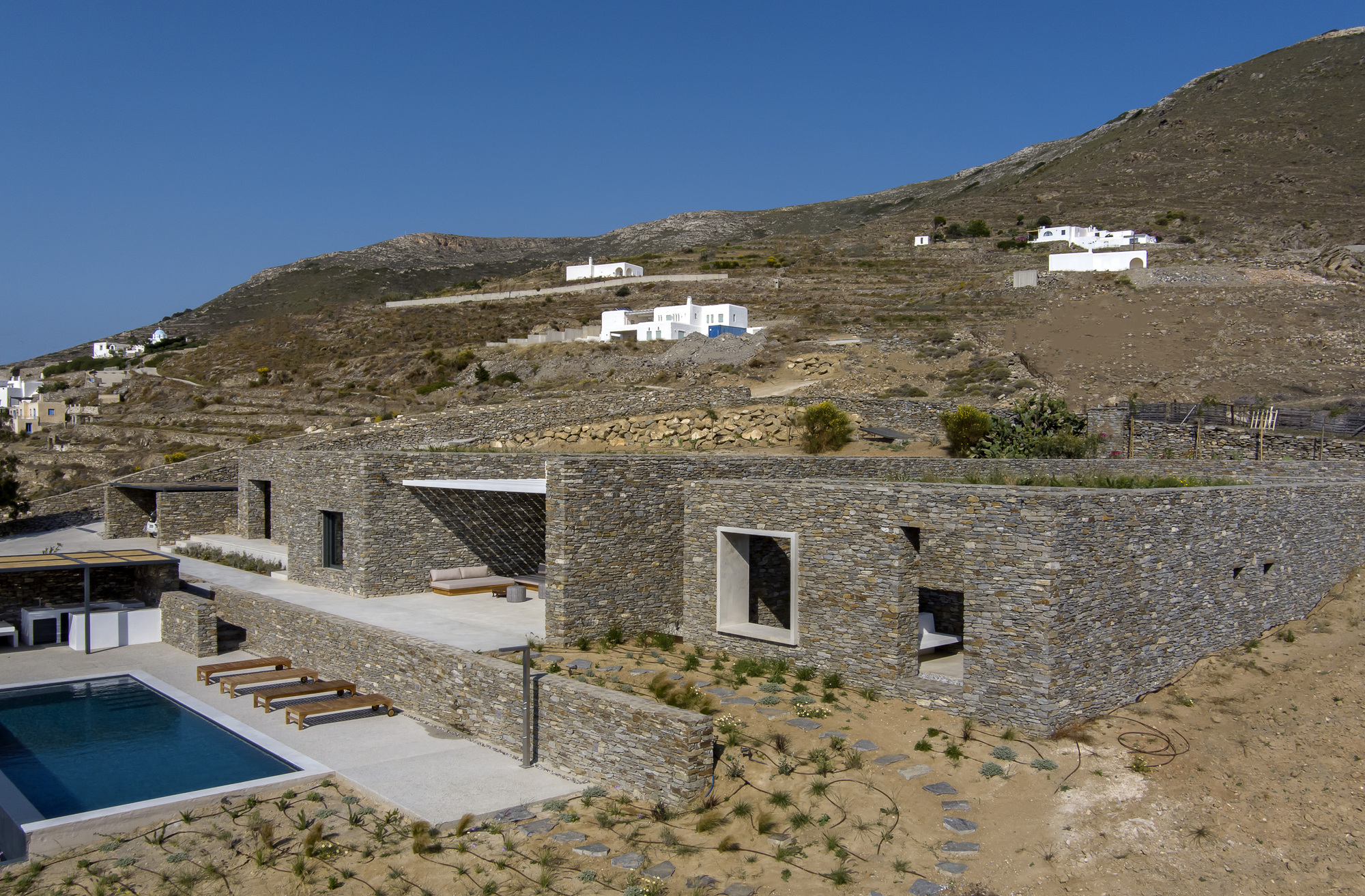
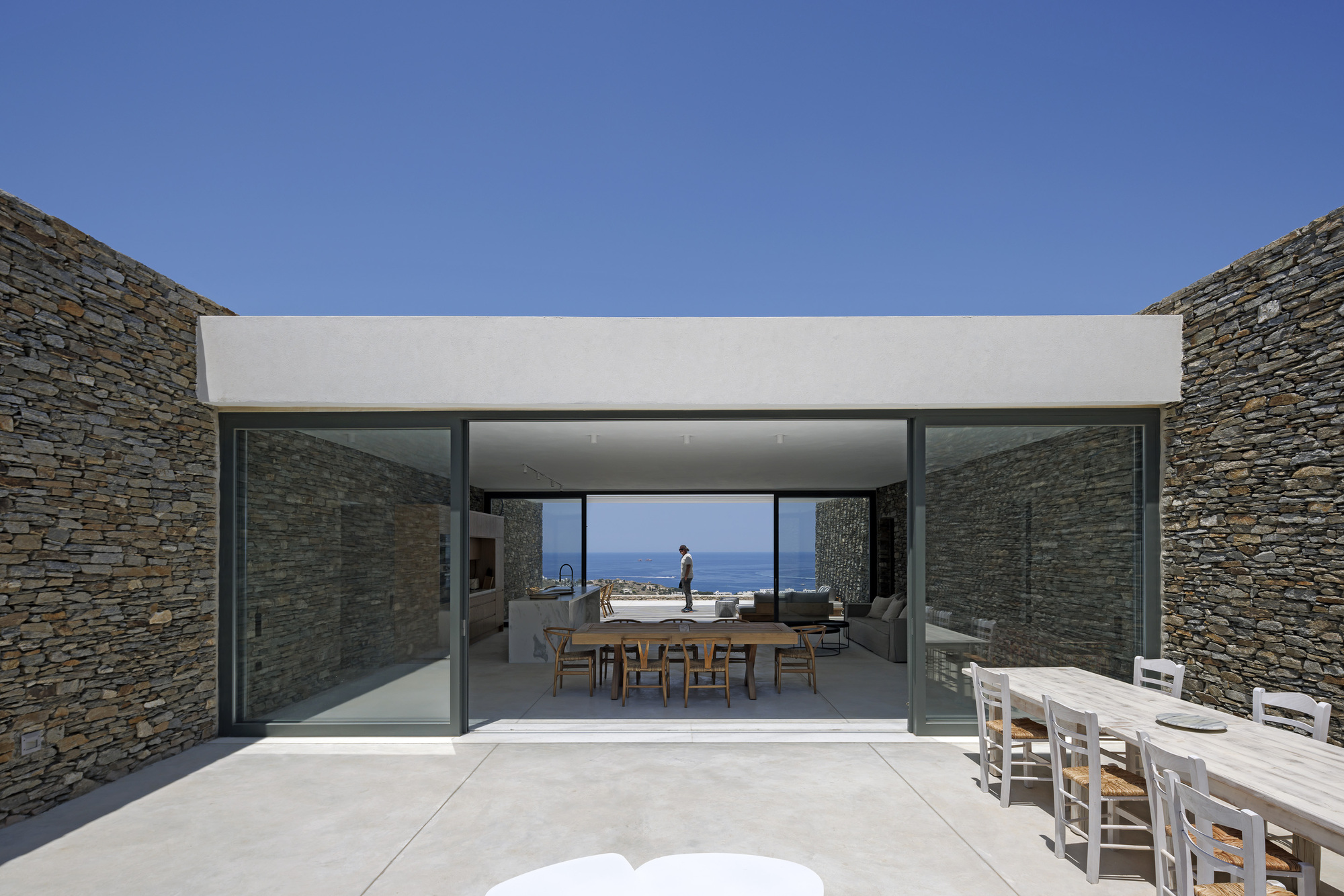
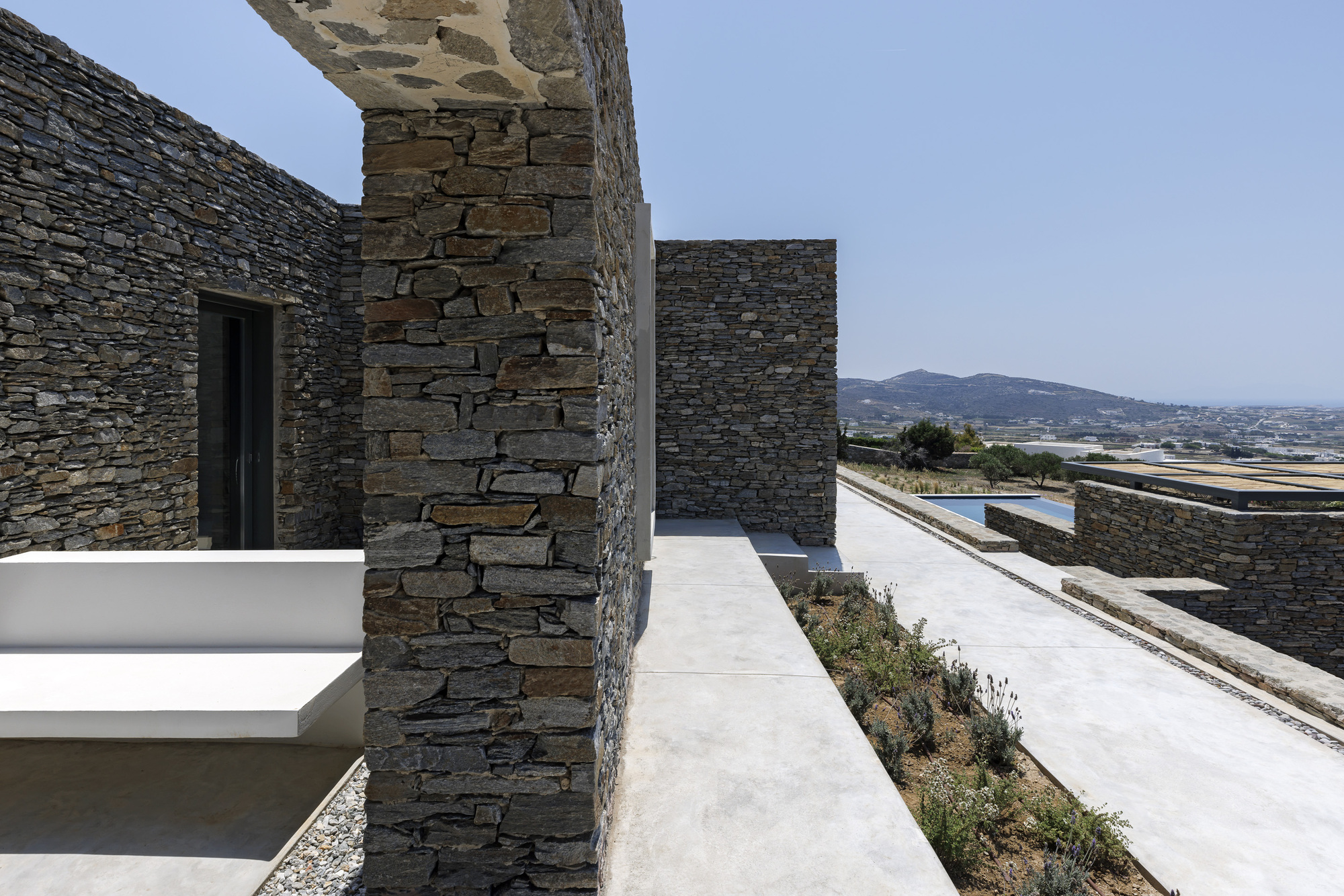
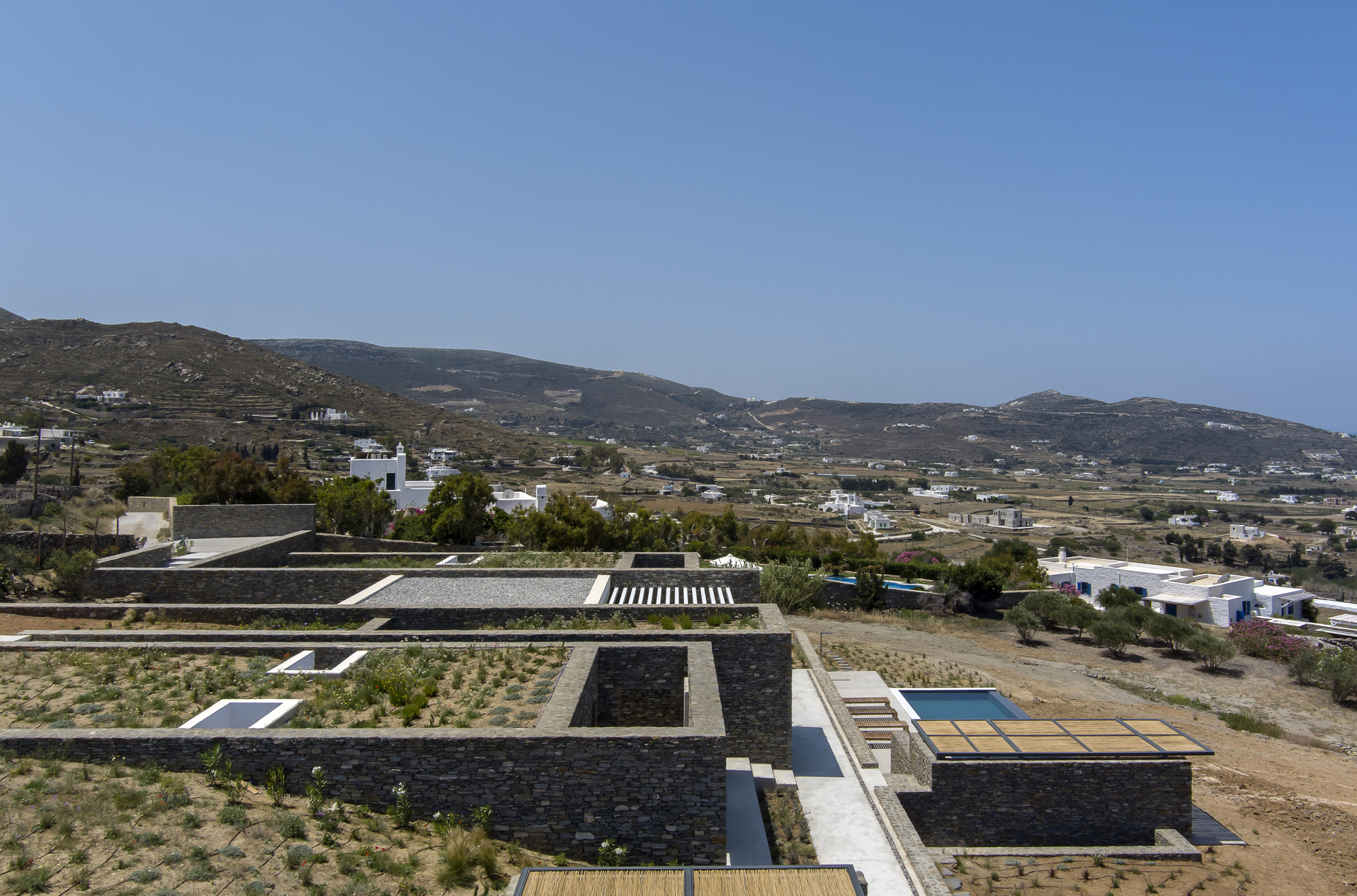
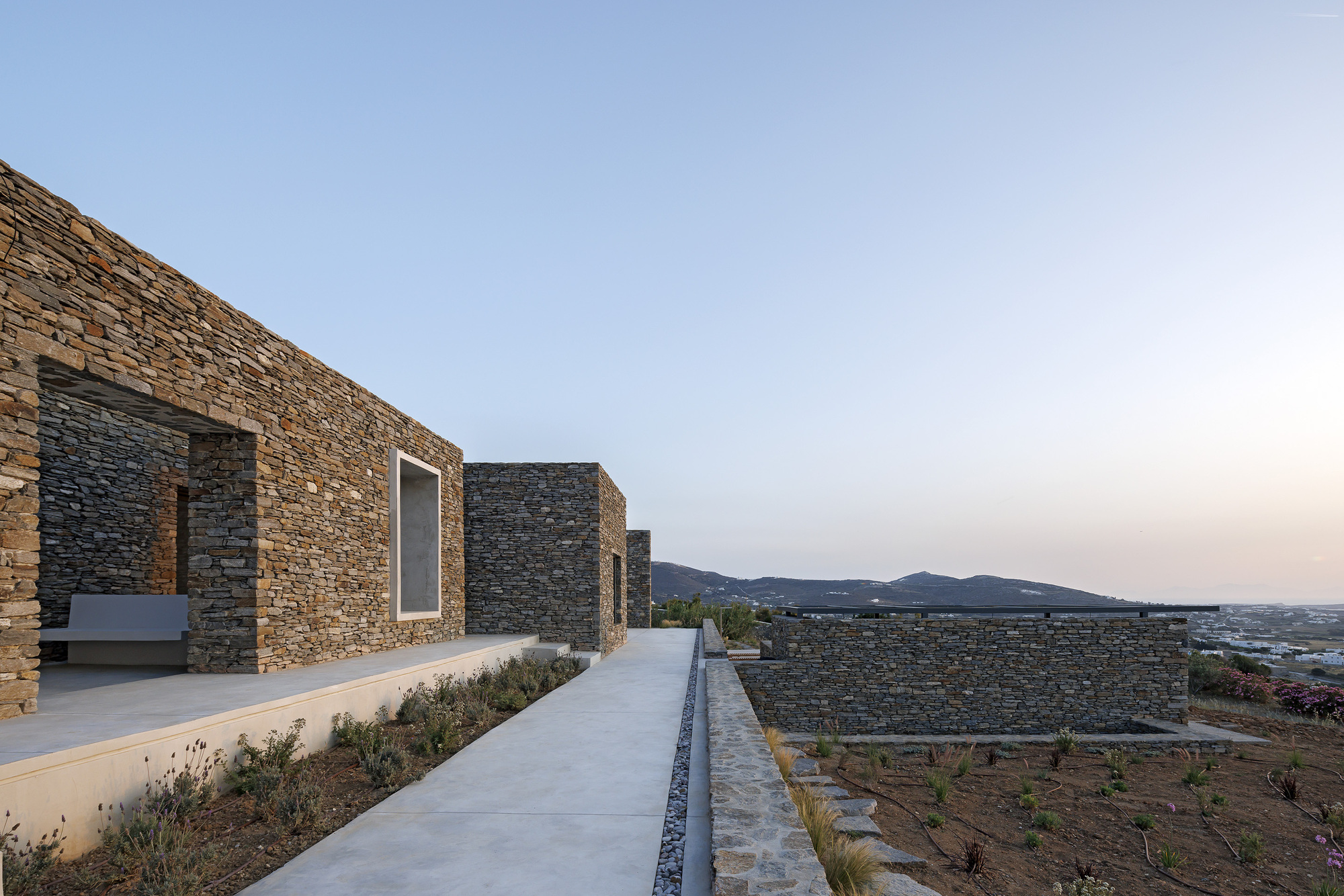
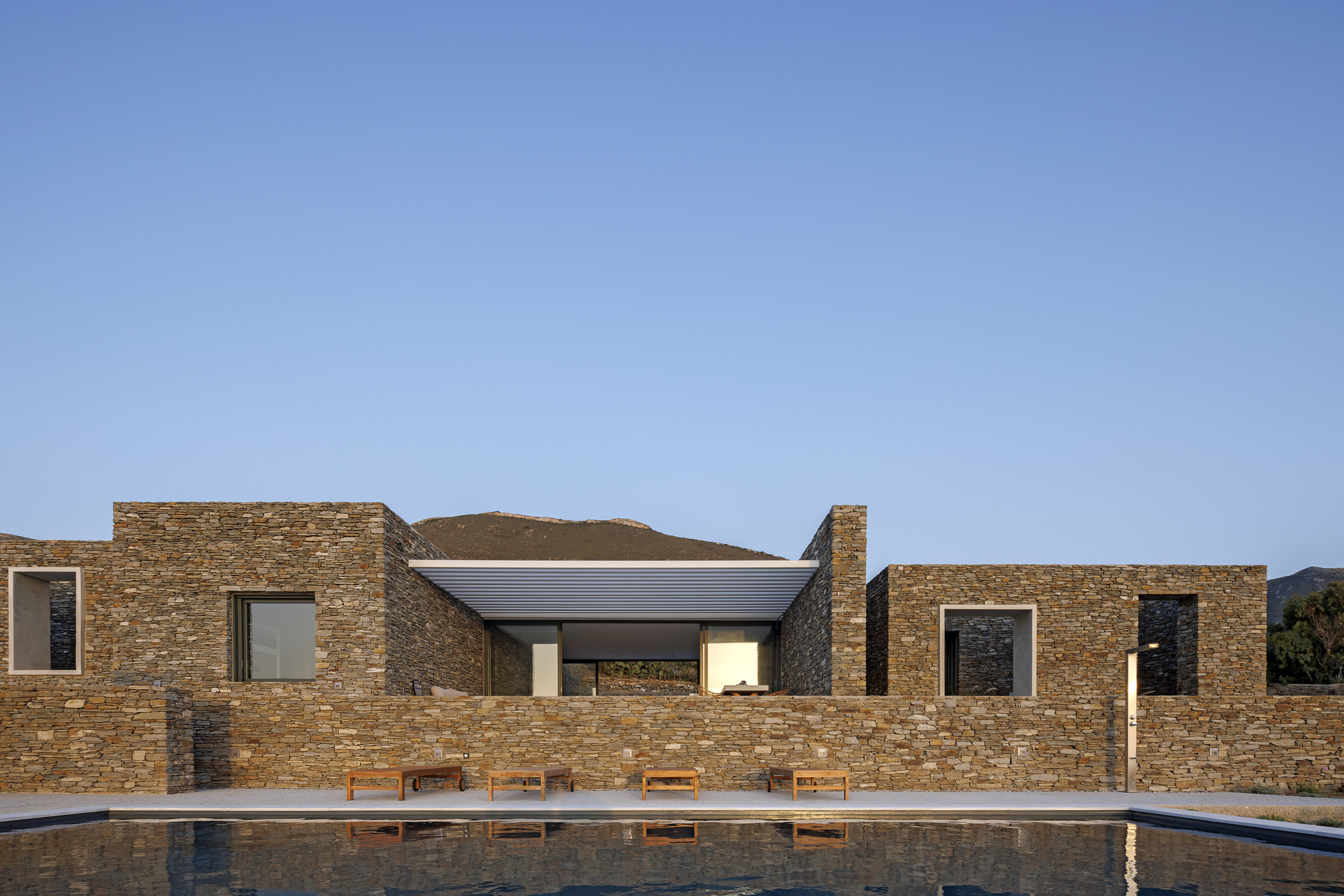
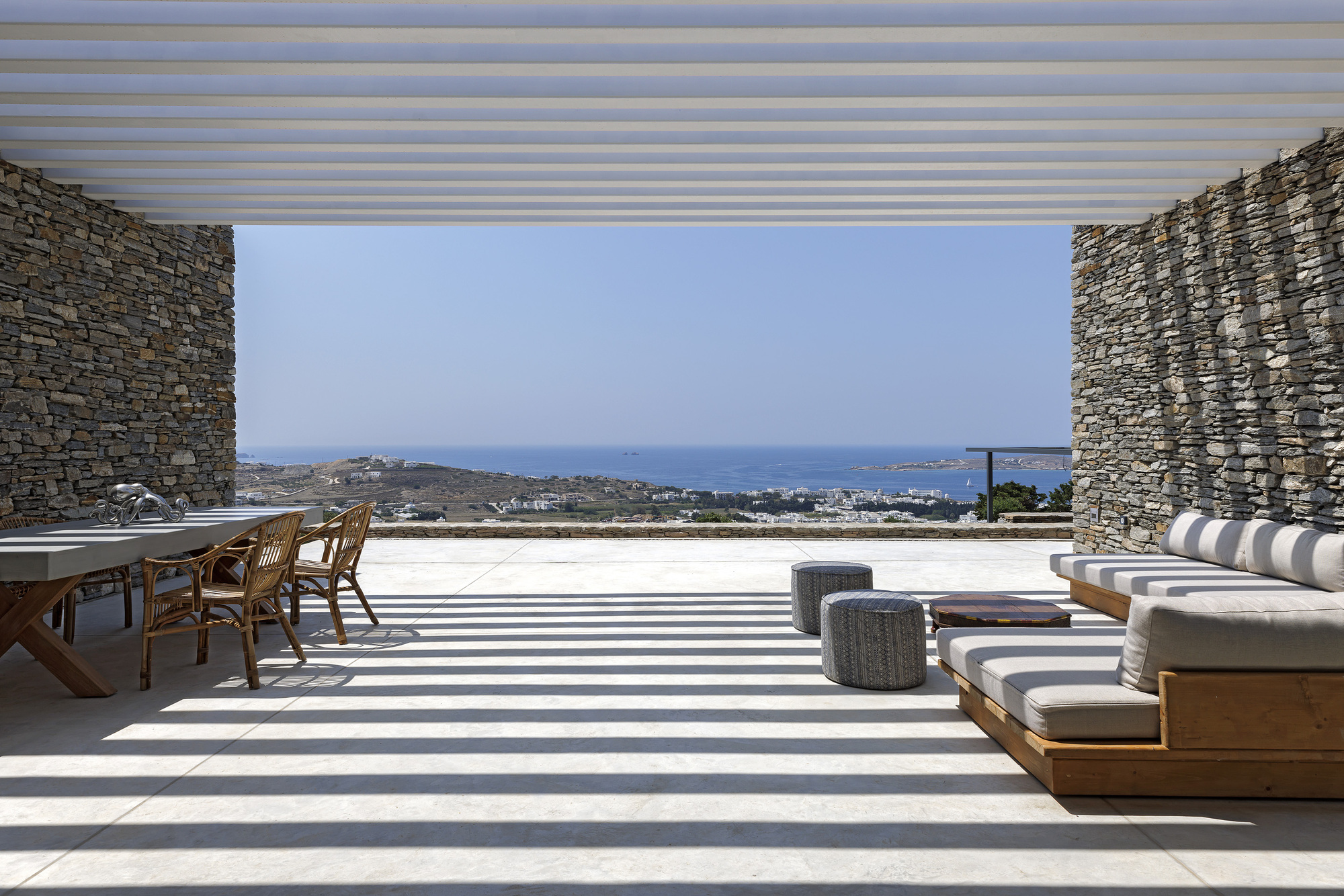
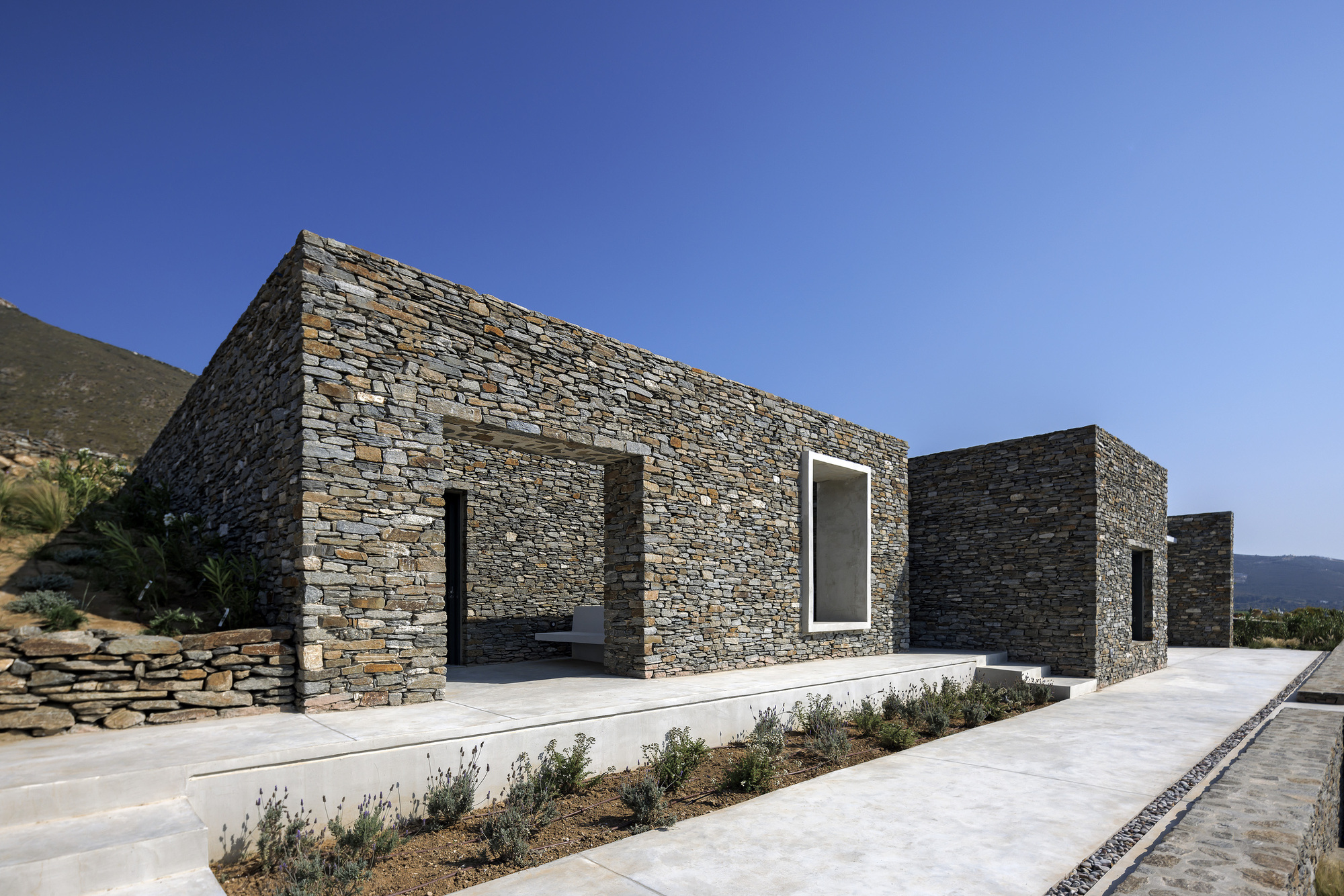
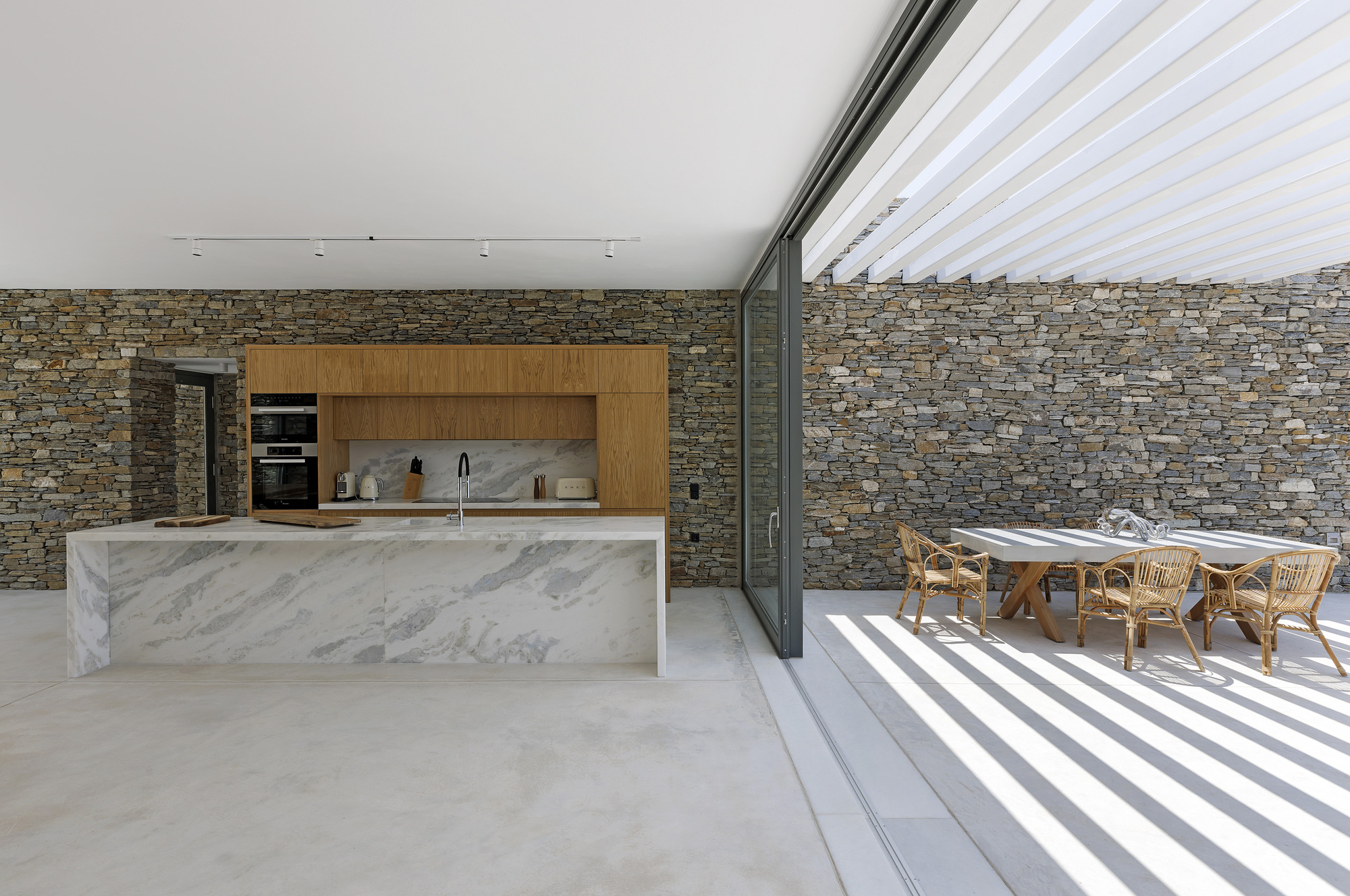
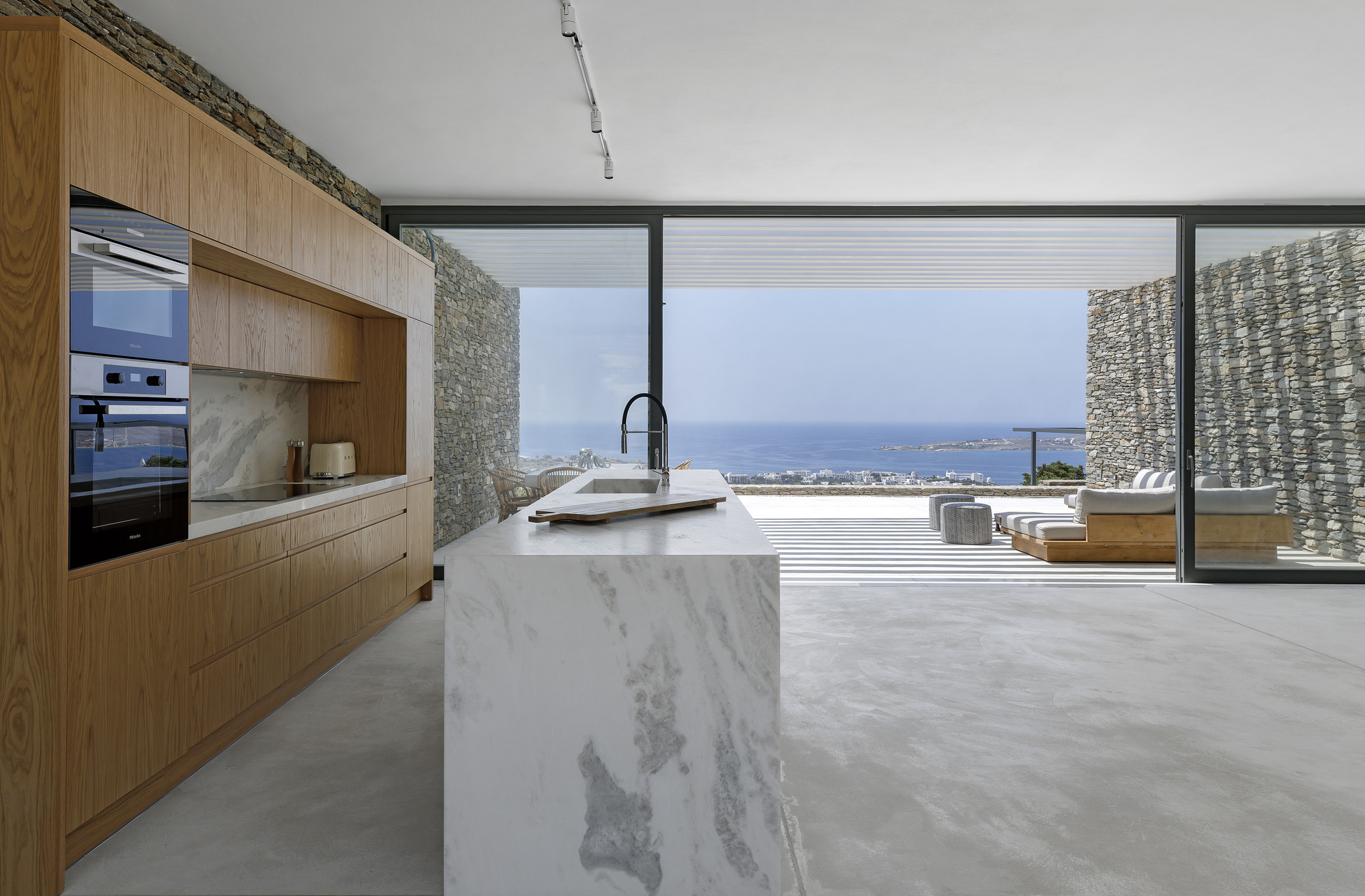
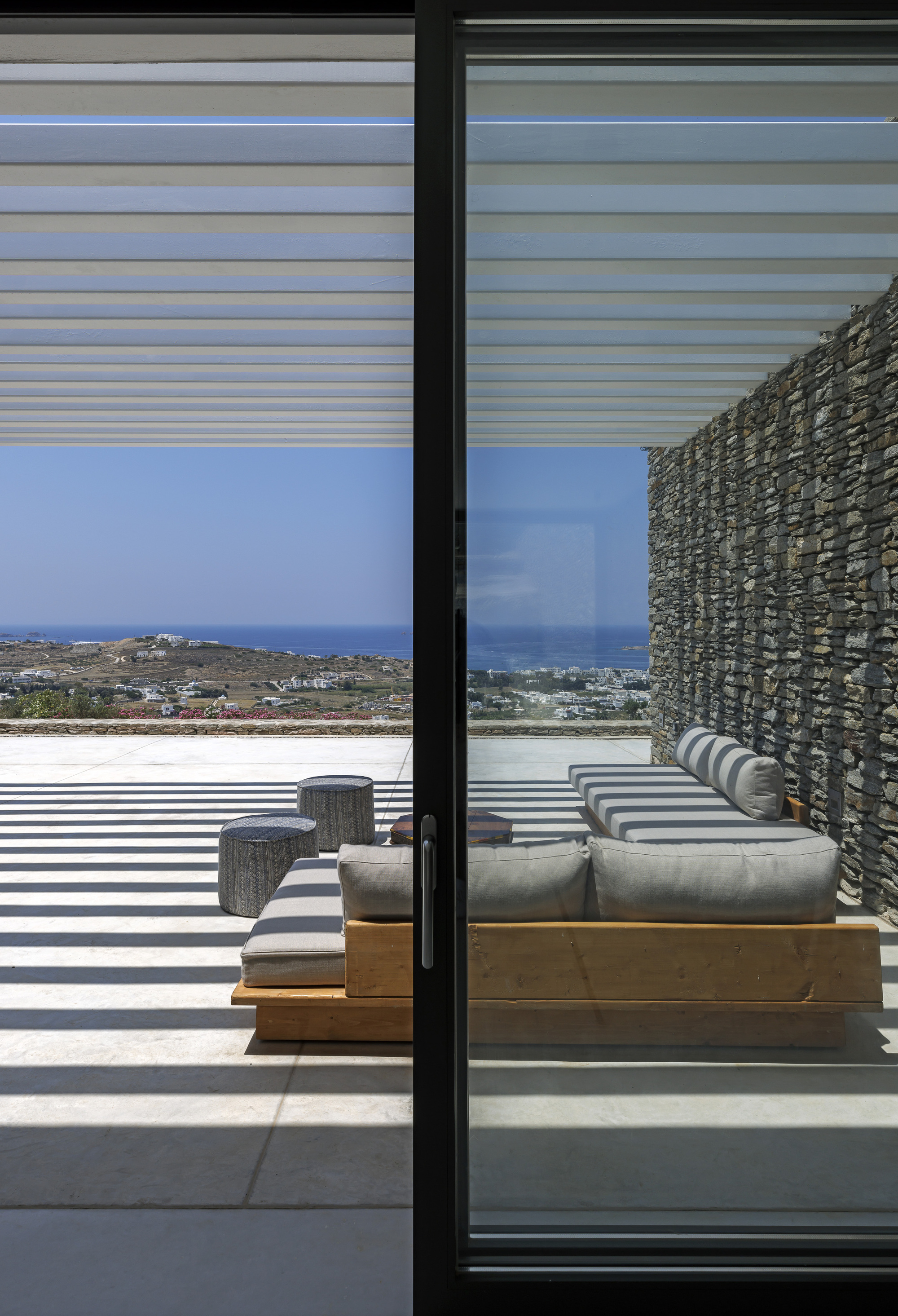
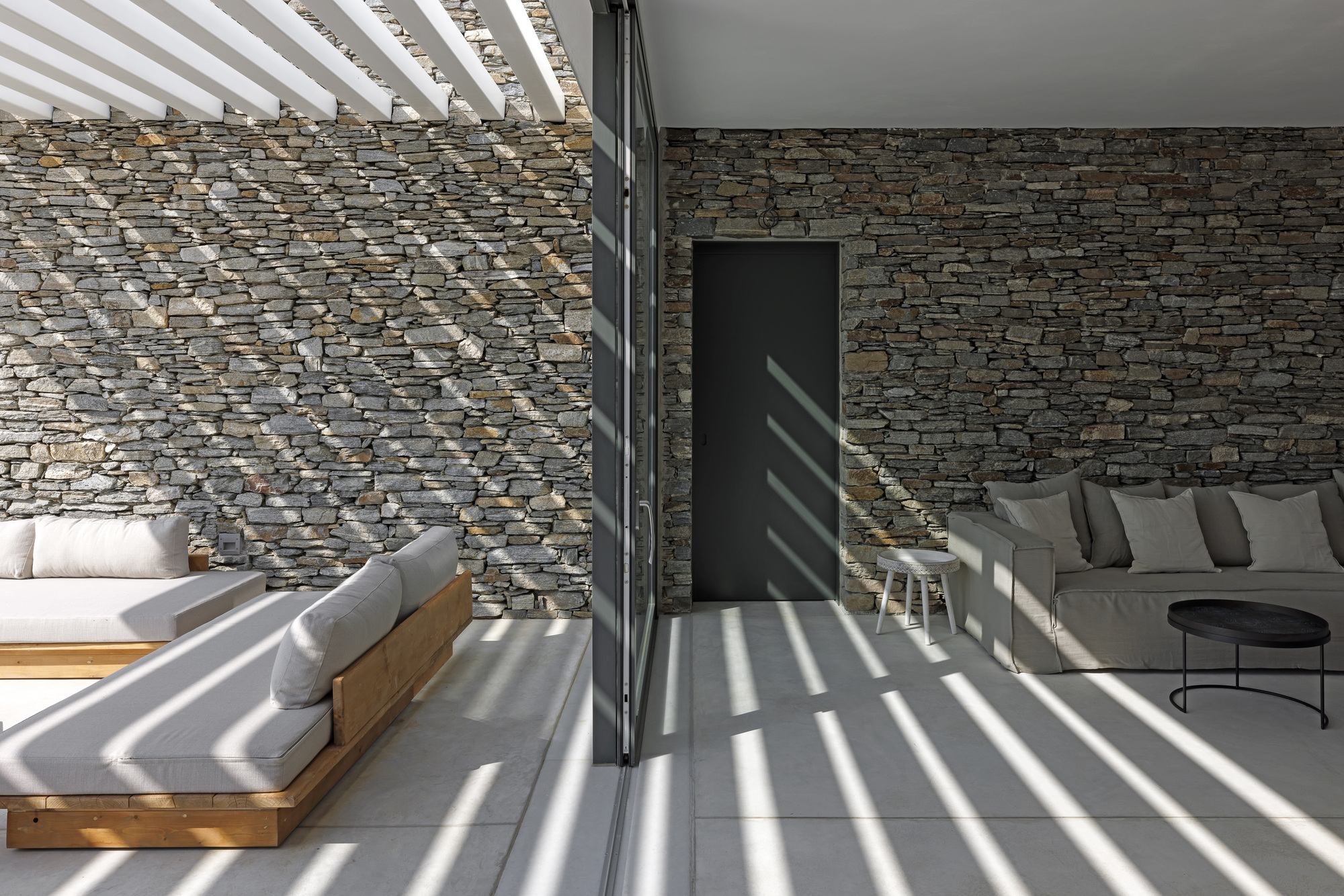
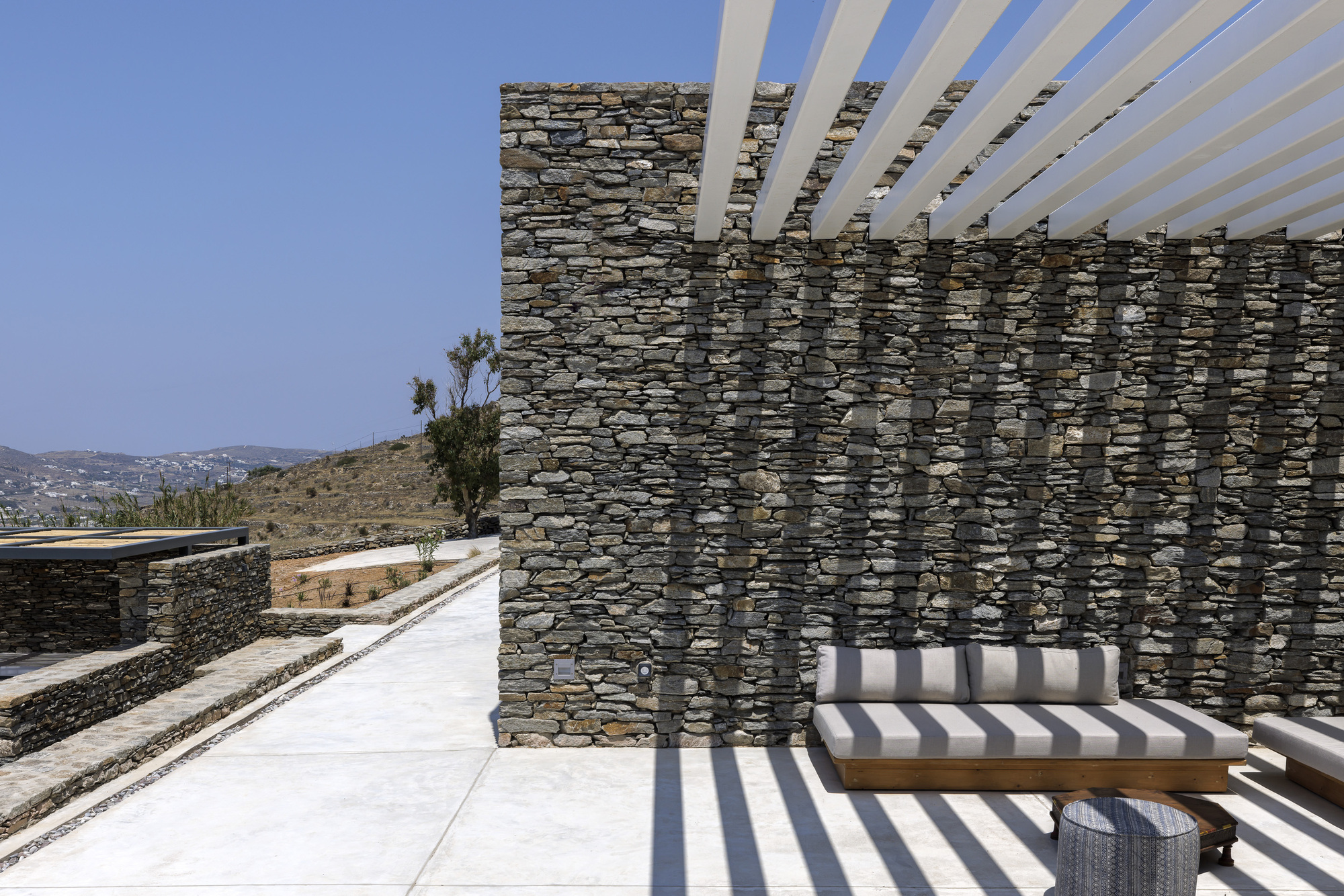
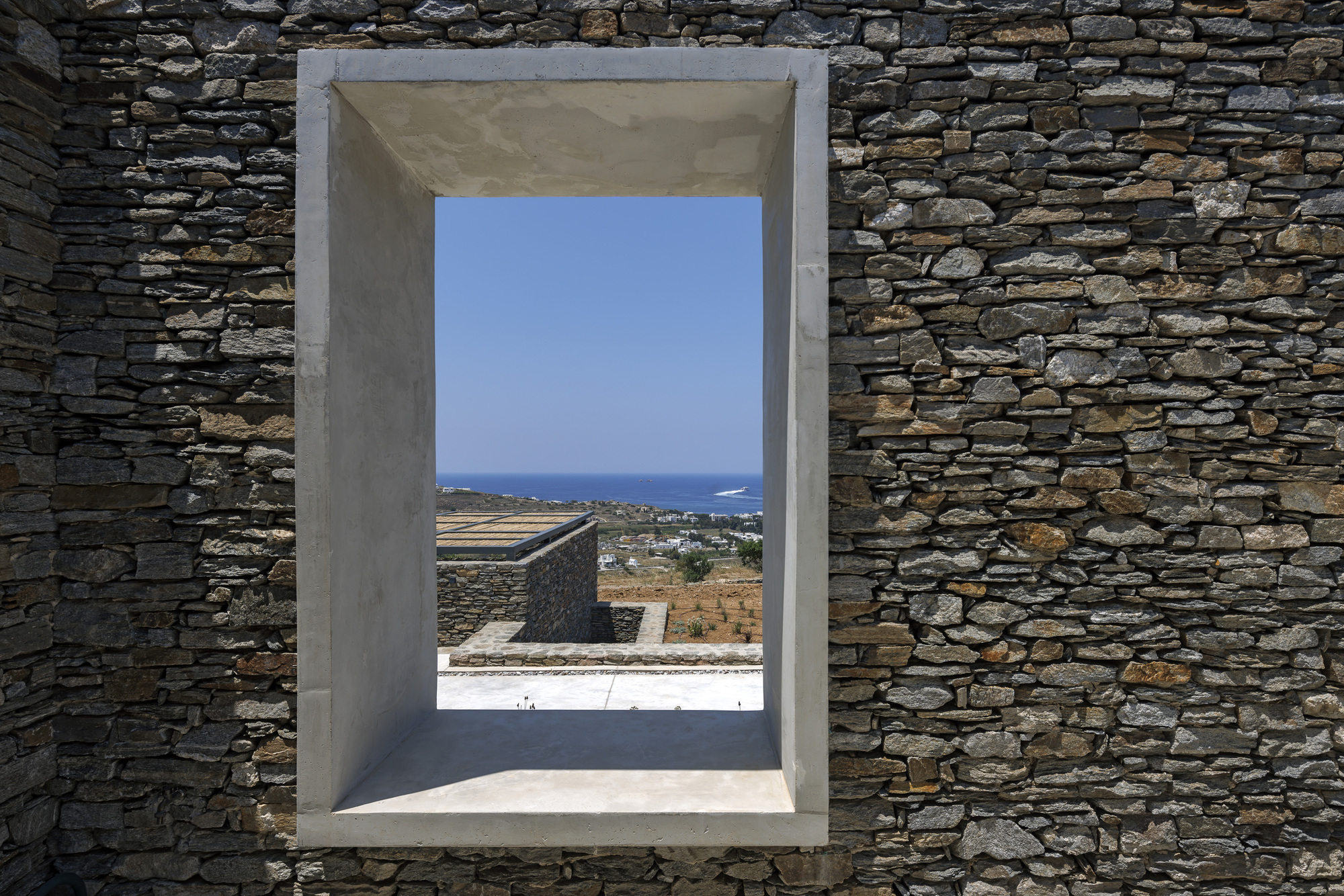
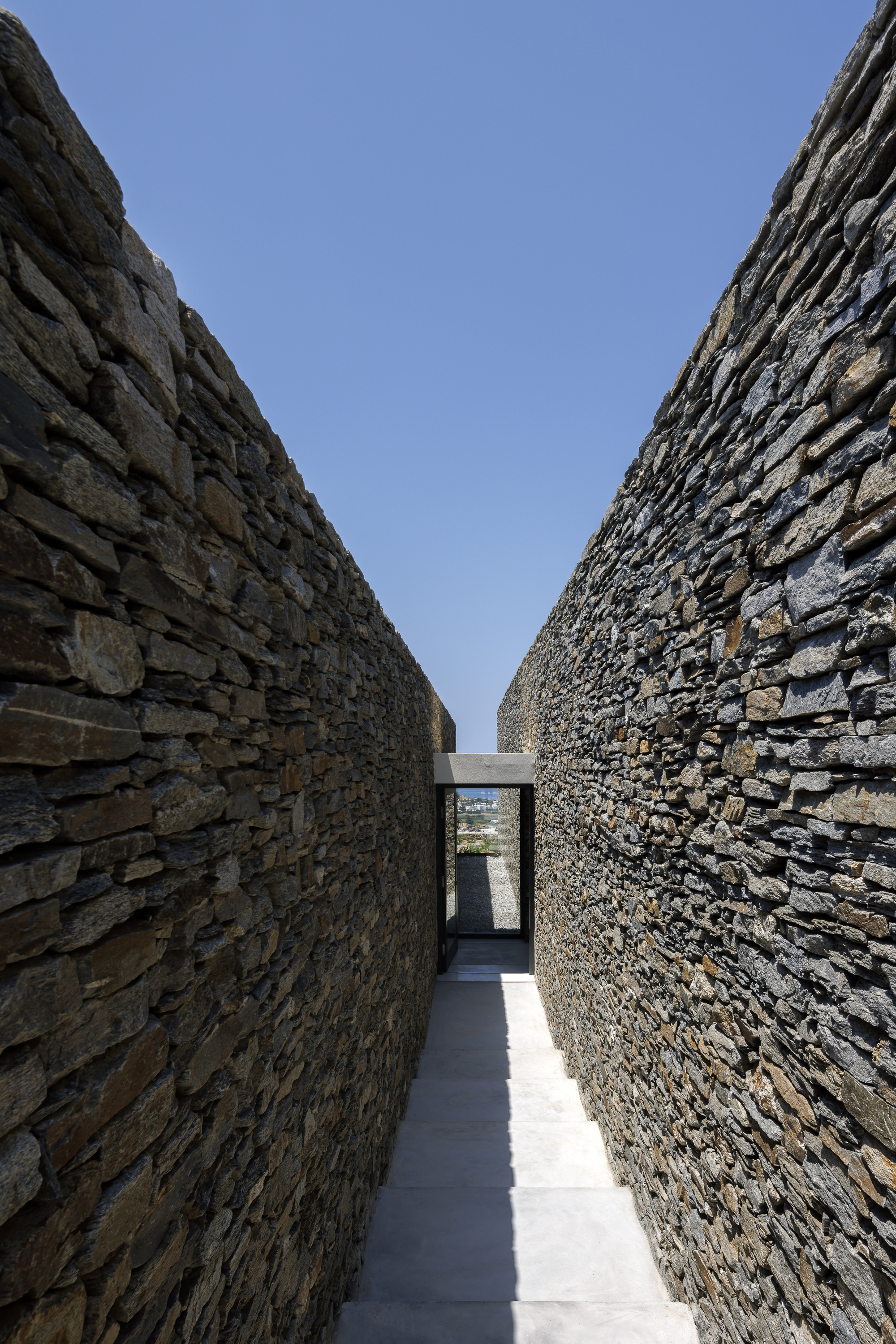
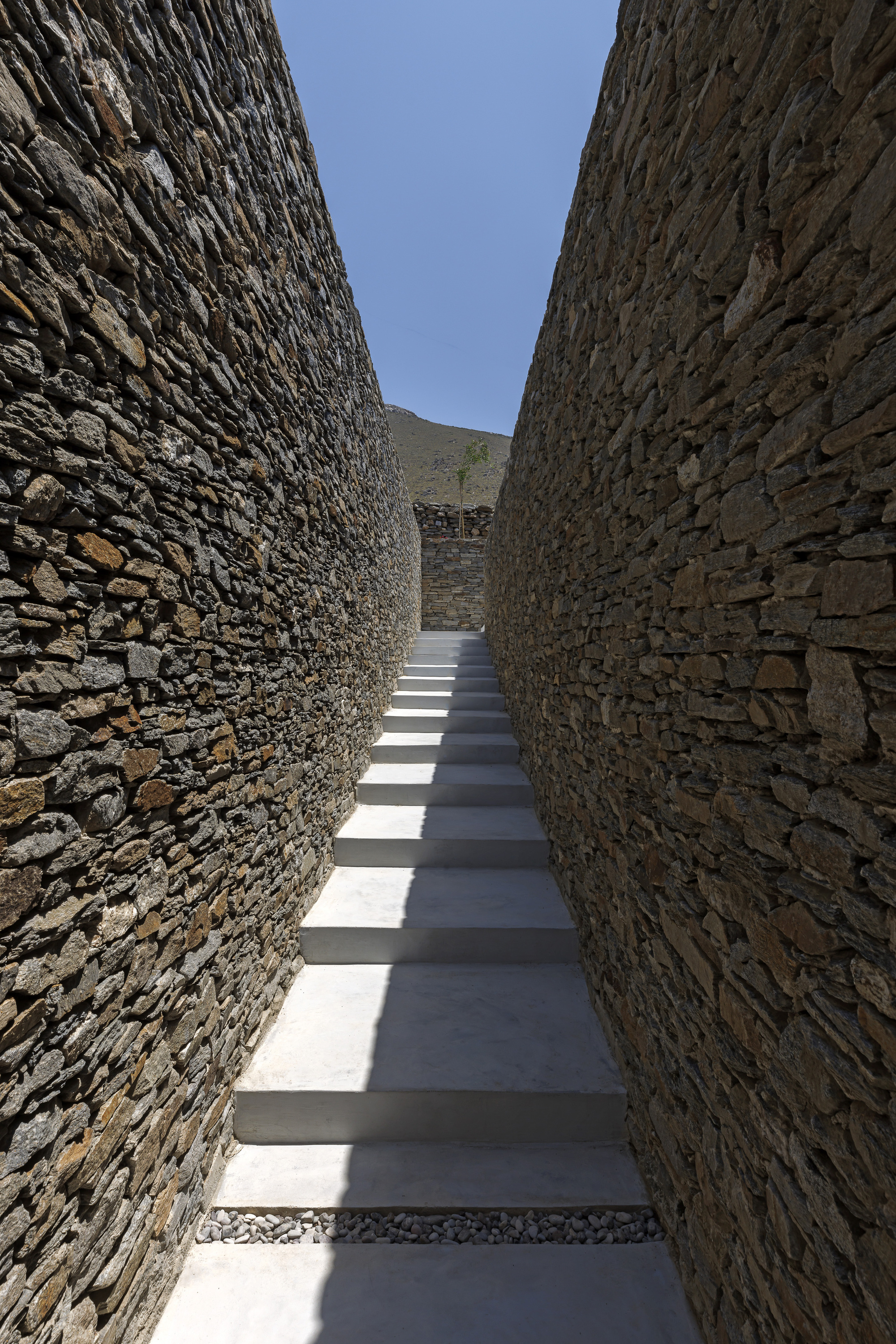
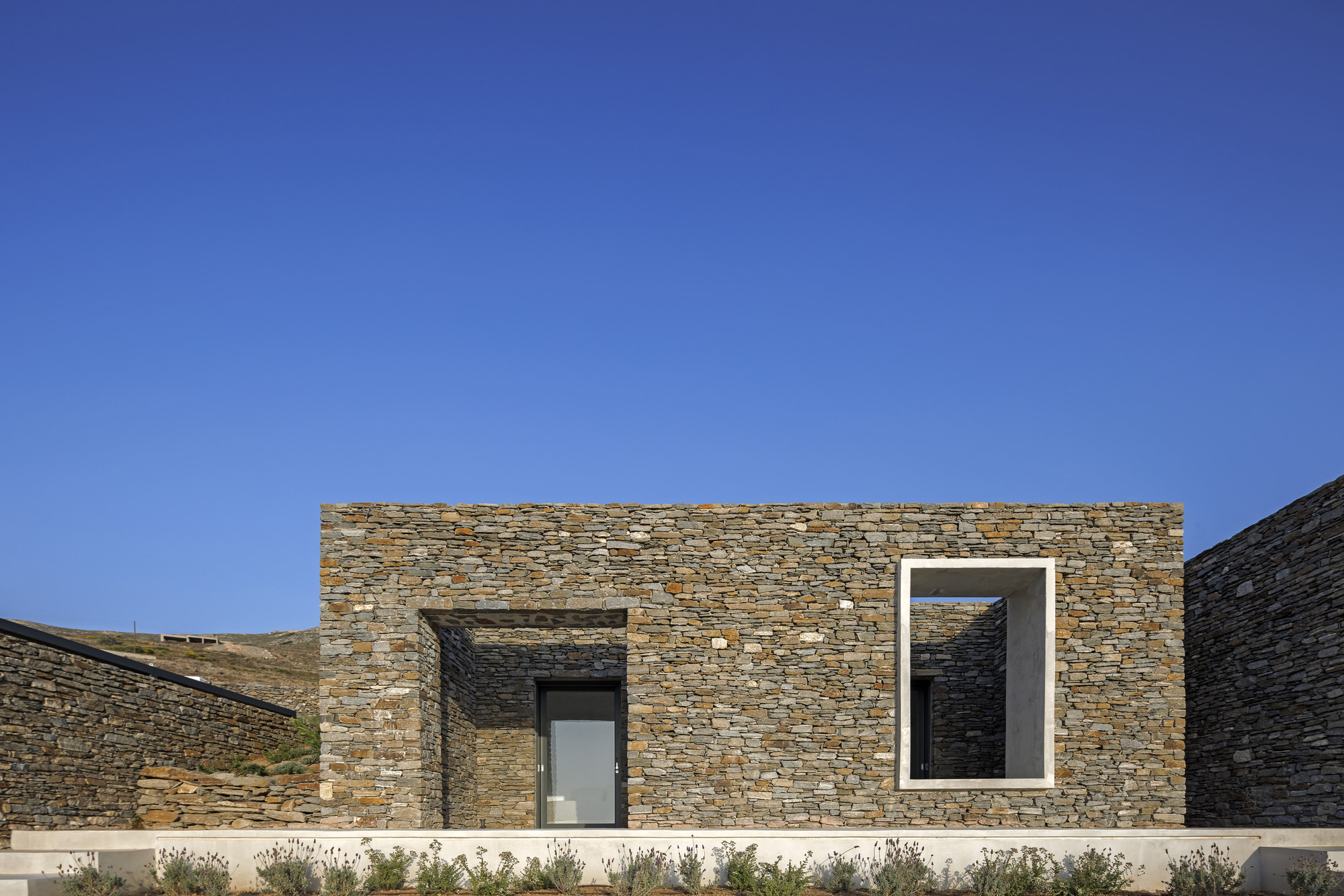
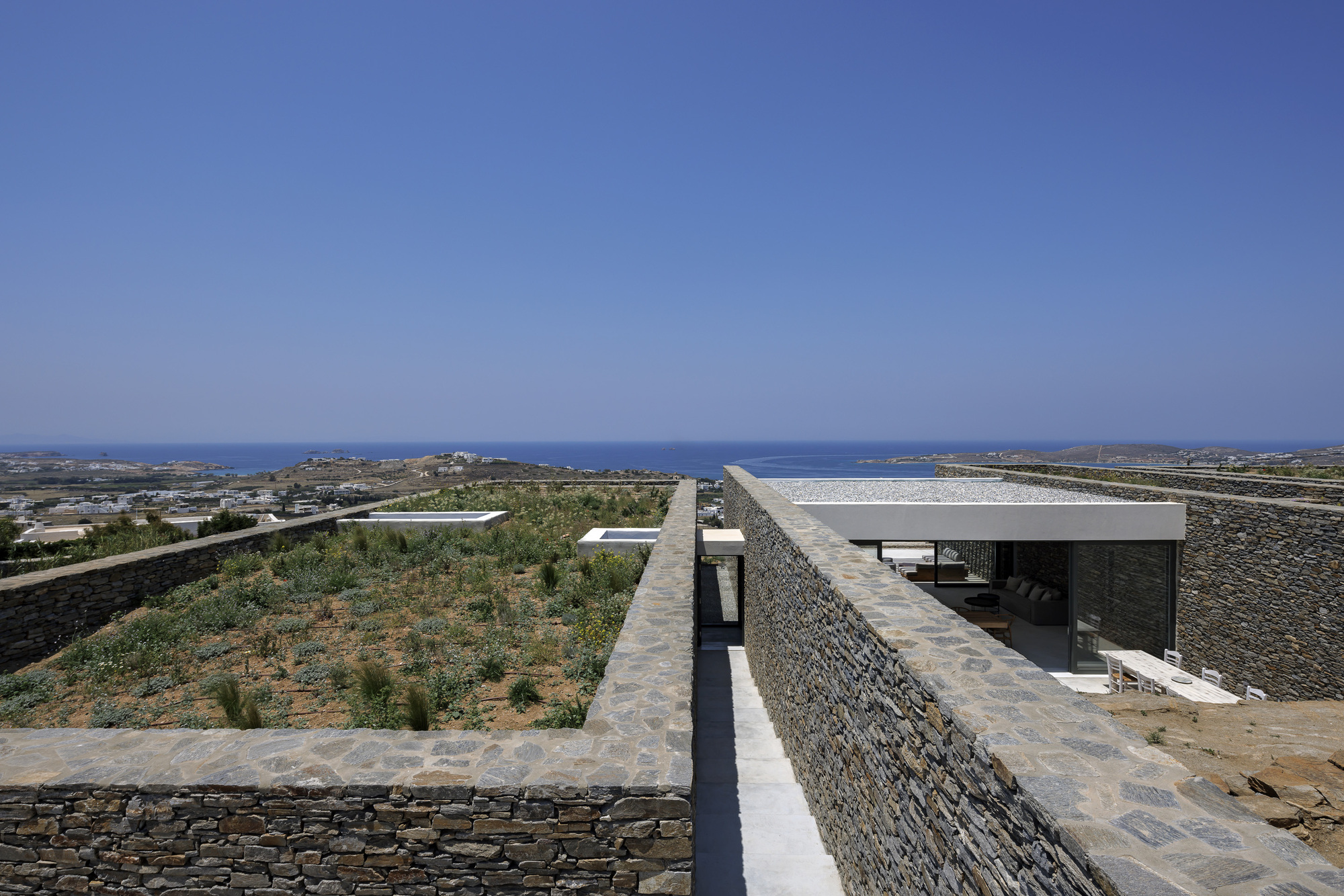
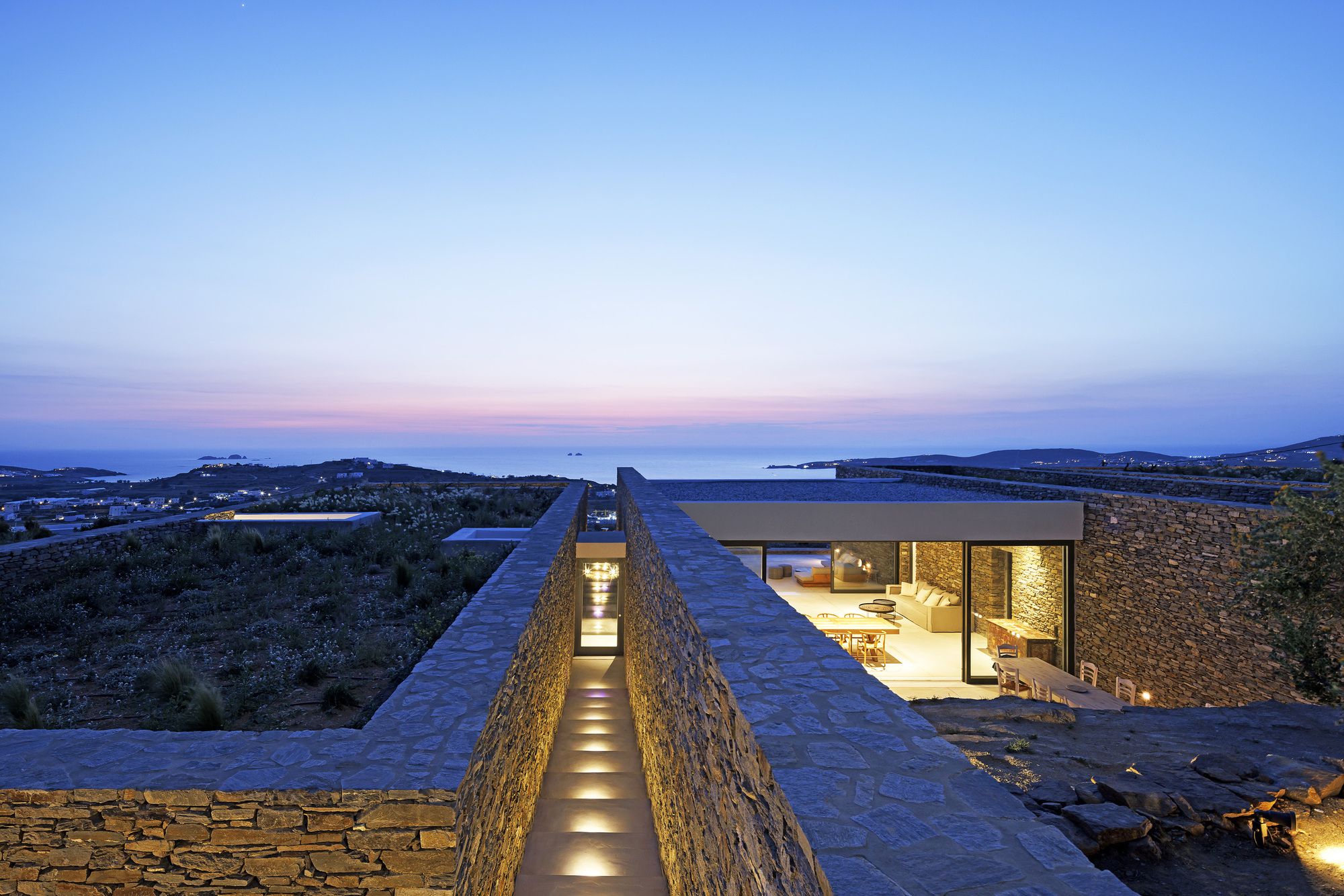
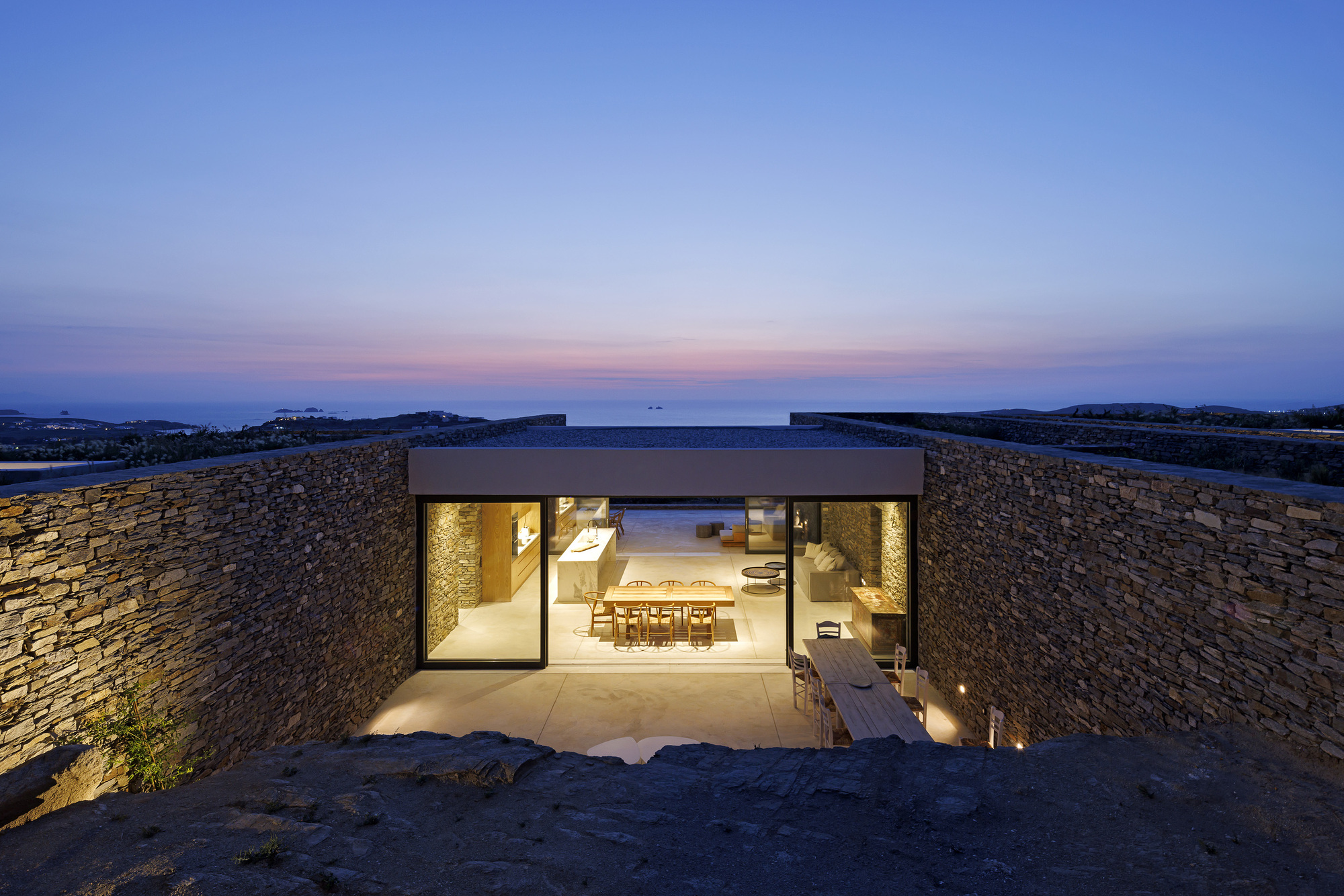
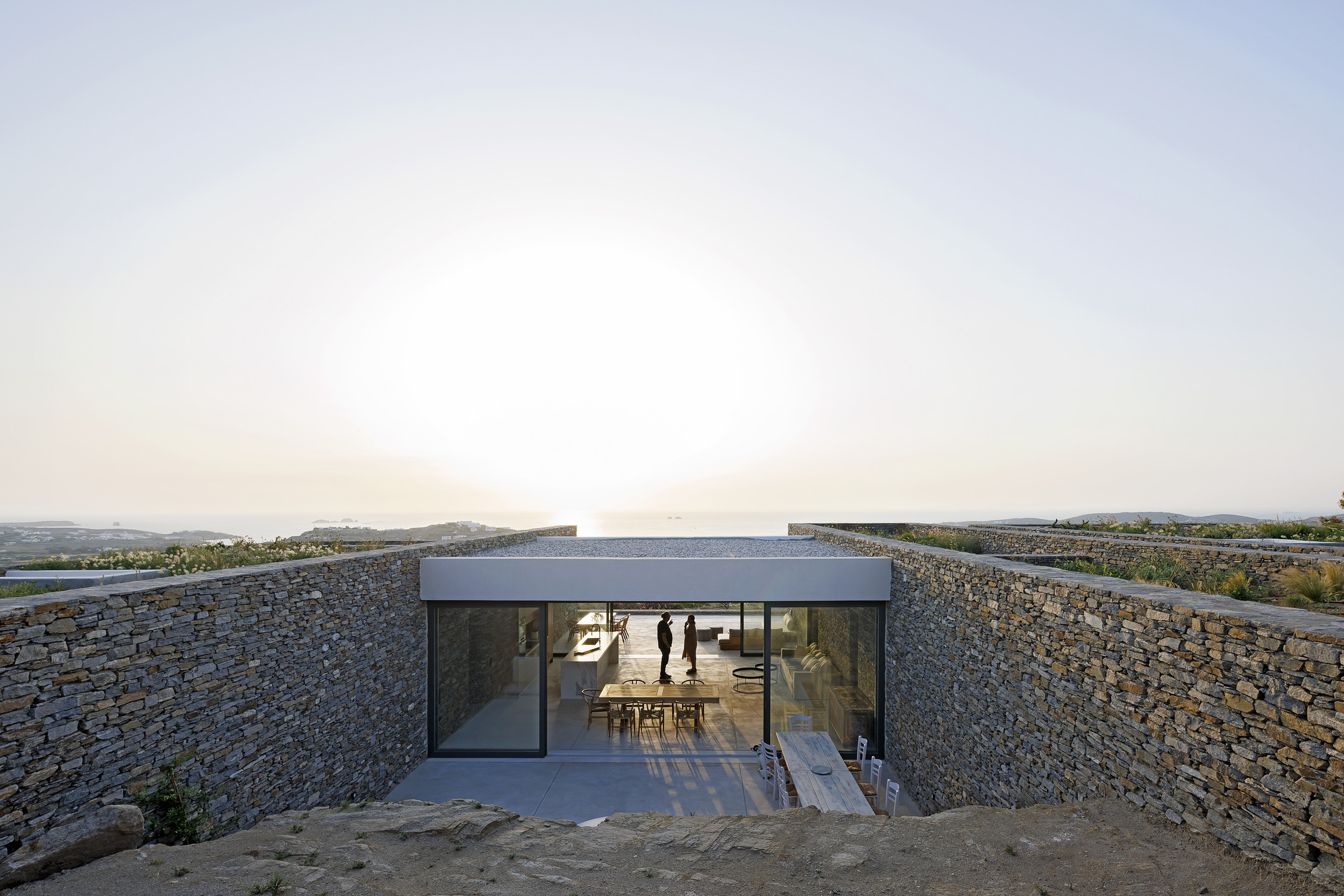
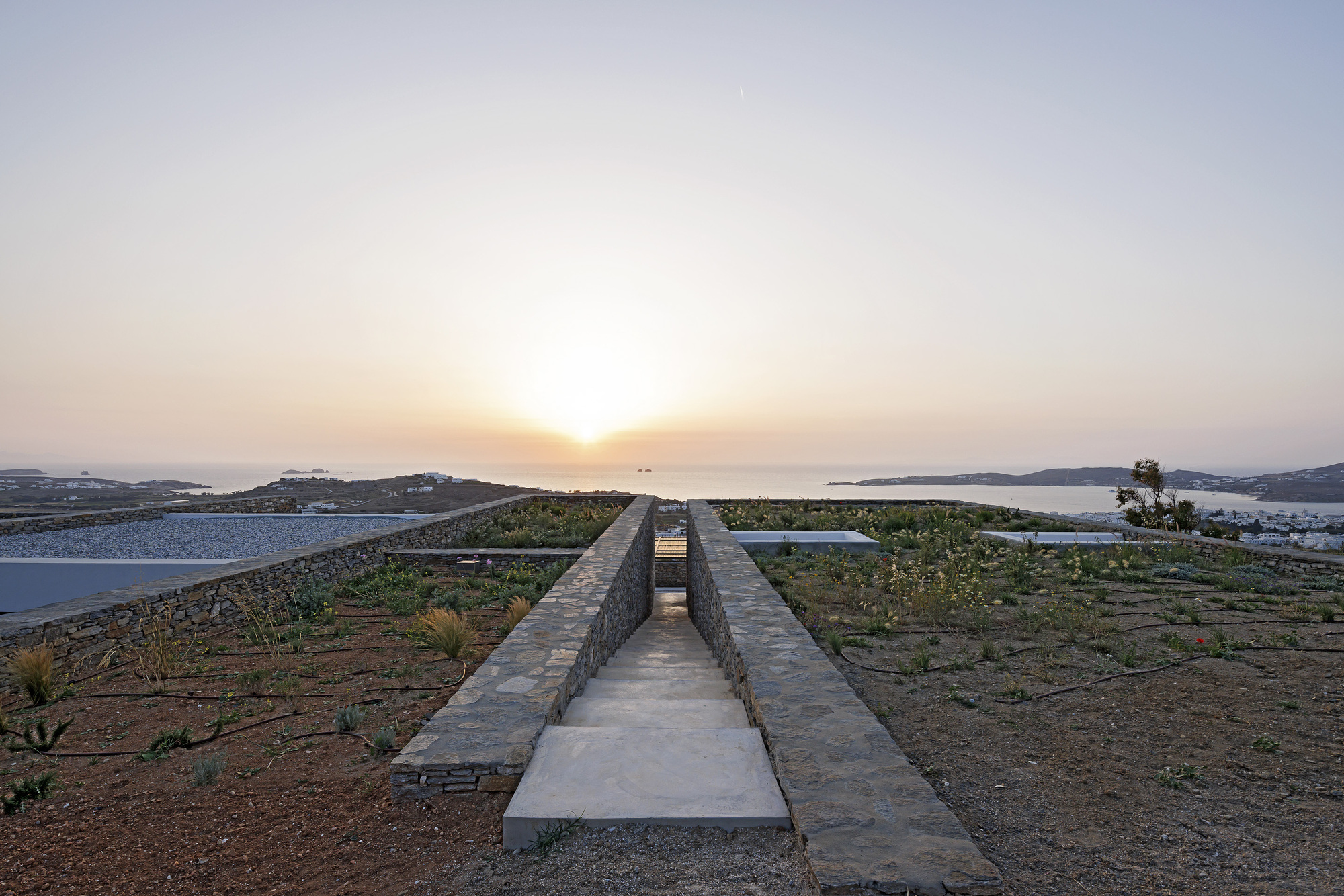
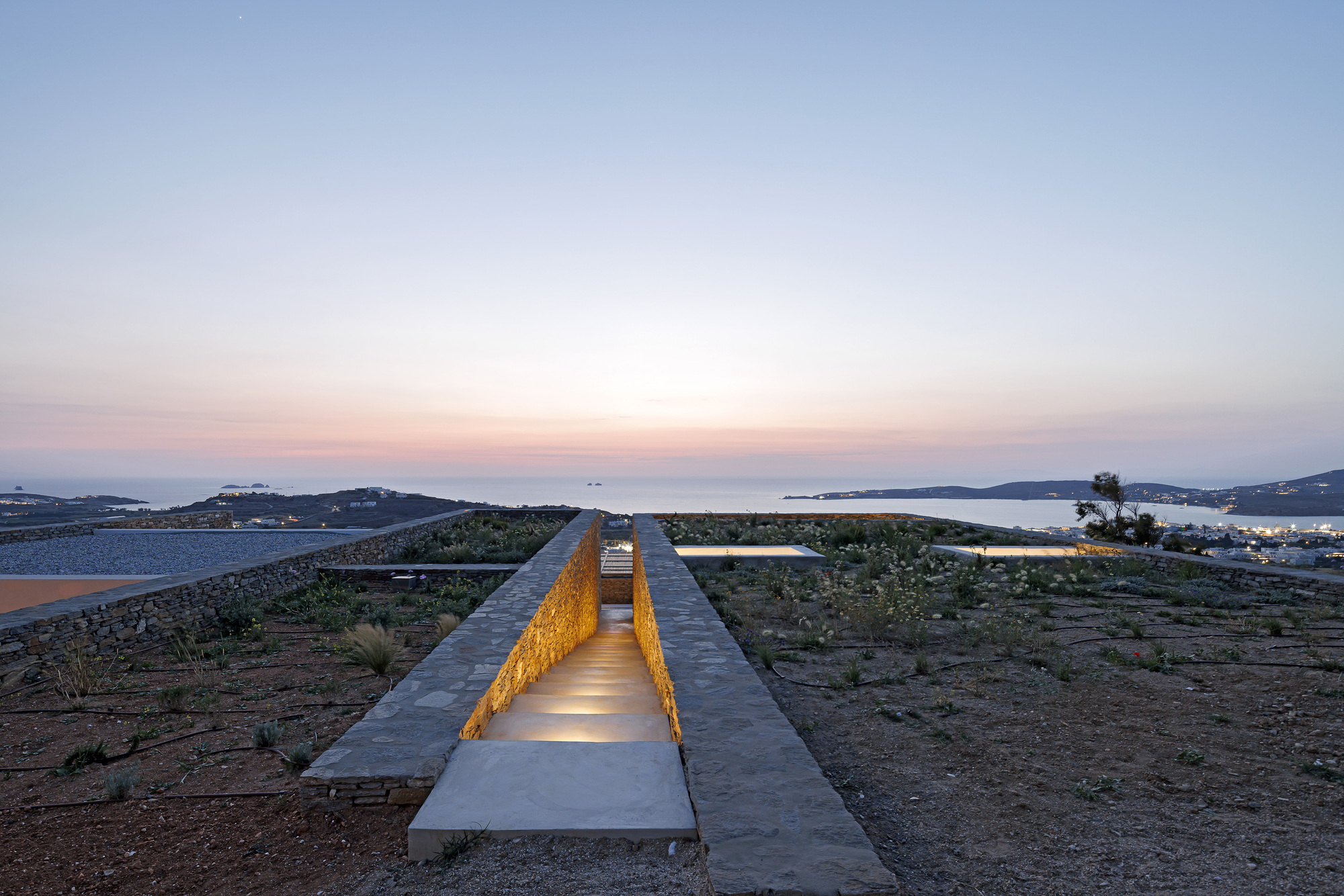
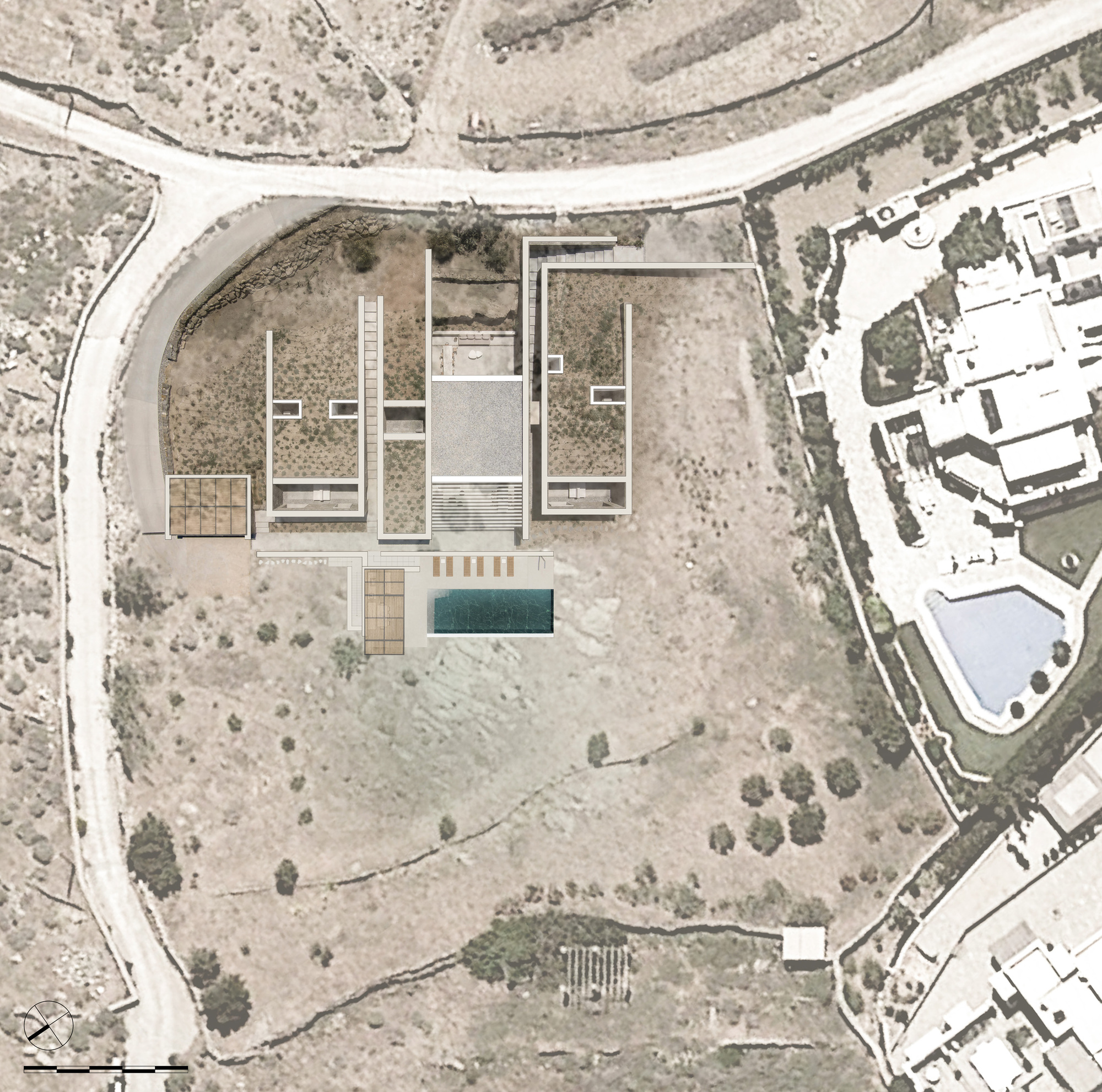
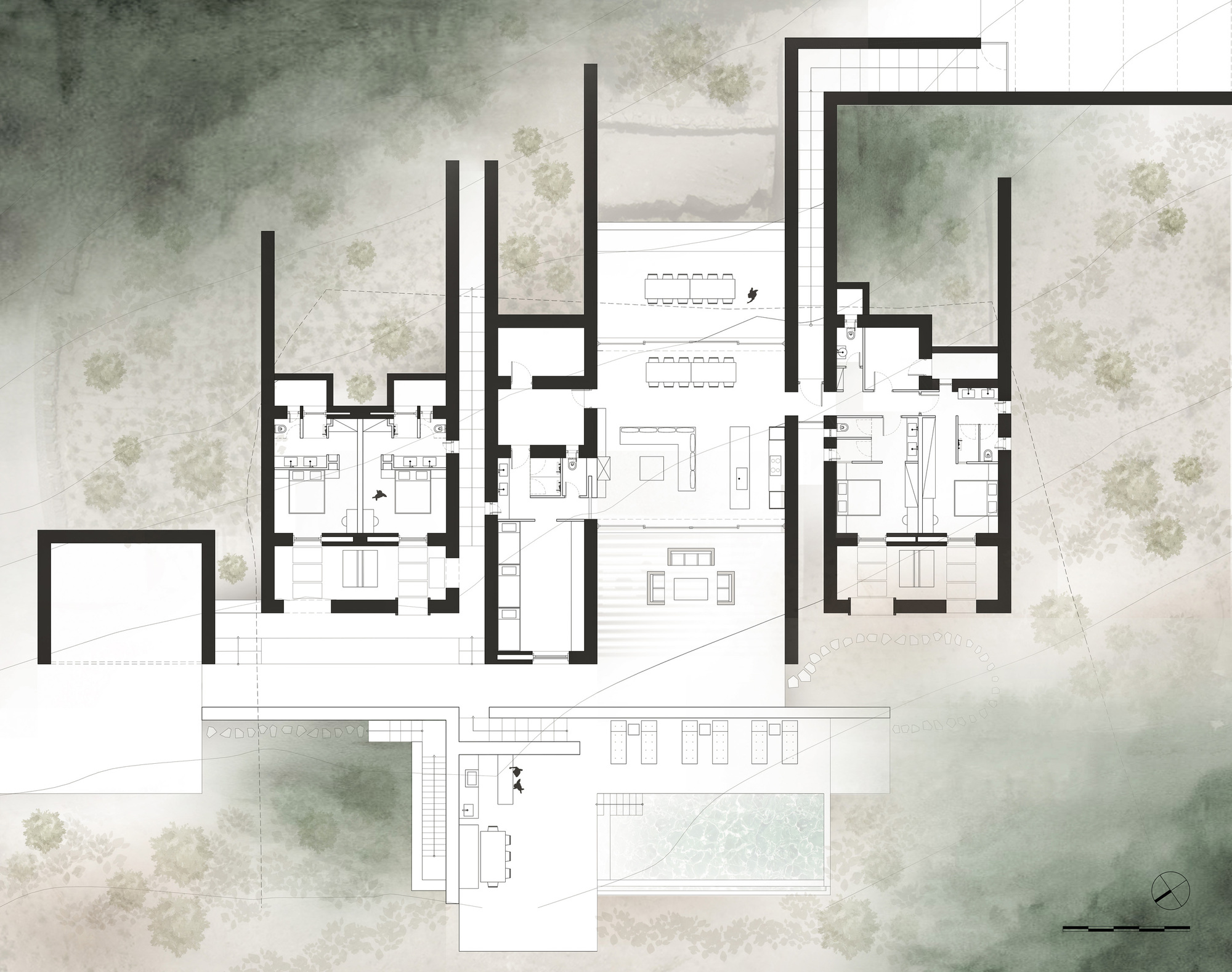
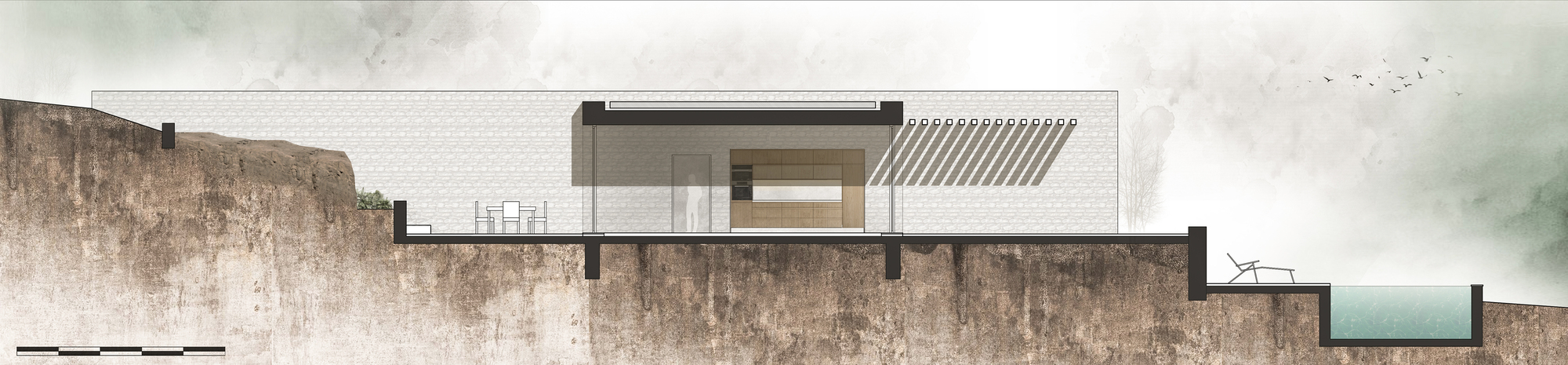
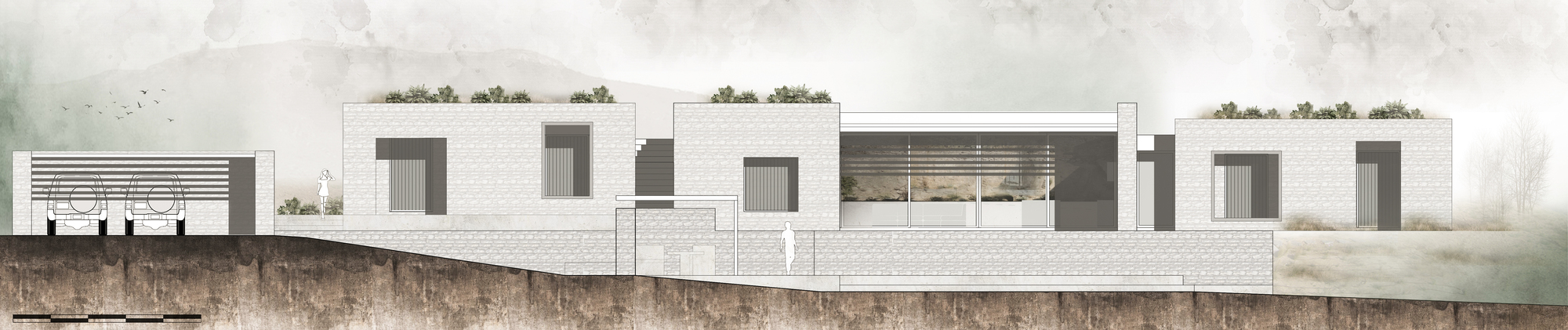
PetrA Home #architecture Architects: React Architects Area: 250 m² Year: 2022 Photographs: Panagiotis Voumvakis City: Paros Country: Greece The vacation home, accommodating five bedrooms and a central living area, is in Kakapetra, on Paros Island; its location features a westward orientation that enjoys panoramic views over Parikia Bay and the open sea. The design drew inspiration from the dry-stone walls and geological formations of the area, seamlessly blending into the landscape like a stone structure that harmonizes with its surroundings. The site is marked by clusters of rocks and preeminent geological formations; its byname, "Kakapetra," etymologically translates to "rugged stone" or a place marked by the prominence of stone concentrations. The rocky terrain hindered agricultural cultivation, leading these regions to be primarily utilized for animal herding, allowing livestock to be contained and roam away from cultivable lands. In such a context, the residence takes shape and evolves, utilizing the excavation's stone. Traverse walls that face towards the view create passages, entry stairs, longitudinal vistas, and living spaces. These walls mold the building adjacent to the landscape, the place, the stone. While traditional retaining walls, the "pezoules," evolve in parallel with the topography and elevation relief, the residence's walls penetrate the ground, emerge from it, and subsequently shape living spaces. The entrance is located on the eastern side of the plot, at its highest point. As the walls traverse and intersect the dwelling, enclosed courtyards are formed on the western side to protect the bedrooms and establish areas of privacy. The roof slab, made of visible concrete, rests upon the stone walls and shelters the living space. The rock, the landscape, permeates the interior and then turns toward the view and the sea. The expansive pergola, as an extension of the reinforced concrete covering, merges the interior and the exterior, unifying the rock, the living room, the courtyard, the view, and the sea into a single sequence. Roofs are complemented with soil for planting, allowing the local flora to continue its journey downhill through and over the building. A spatial interplay, a succession of events, shapes a contemporary living experience. The building, as a material entity, takes on a secondary significance in relation to the movement, circulation, passages, and room created for human dwelling. The residence serves as a continuation of the natural terrain, declaring its presence through the simplest form of stone walls that demarcate human intervention. These walls, expanding across the plot, invite residents to enter the structure from various points, disregarding conventional pathways in a typical rural dwelling. The architecture, adopting a modest and reverent approach, doesn't clearly define the space but extends its boundaries, without overshadowing the arid, rocky environment. The relationship between humans and the stone, as well as nature, constitutes the rationale behind this architectural endeavor. The imprint remains minimal, celebrating the singular Cycladic location. The Nobel laureate Greek poet, Odysseas Elytis, in "Genesis," delves into the creation of the world, particularly the Greek landscape. He commences by asserting that the genesis is the light that inundates the Greek archipelago. Proceeding through cosmogony, he speaks about the stone, from which this specific work draws inspiration. The sanctity of this place, which encompasses millennia of civilization, guides the architectural intervention, imposing a humble yet simultaneously sincere approach to the Landscape, through a personal interpretation.
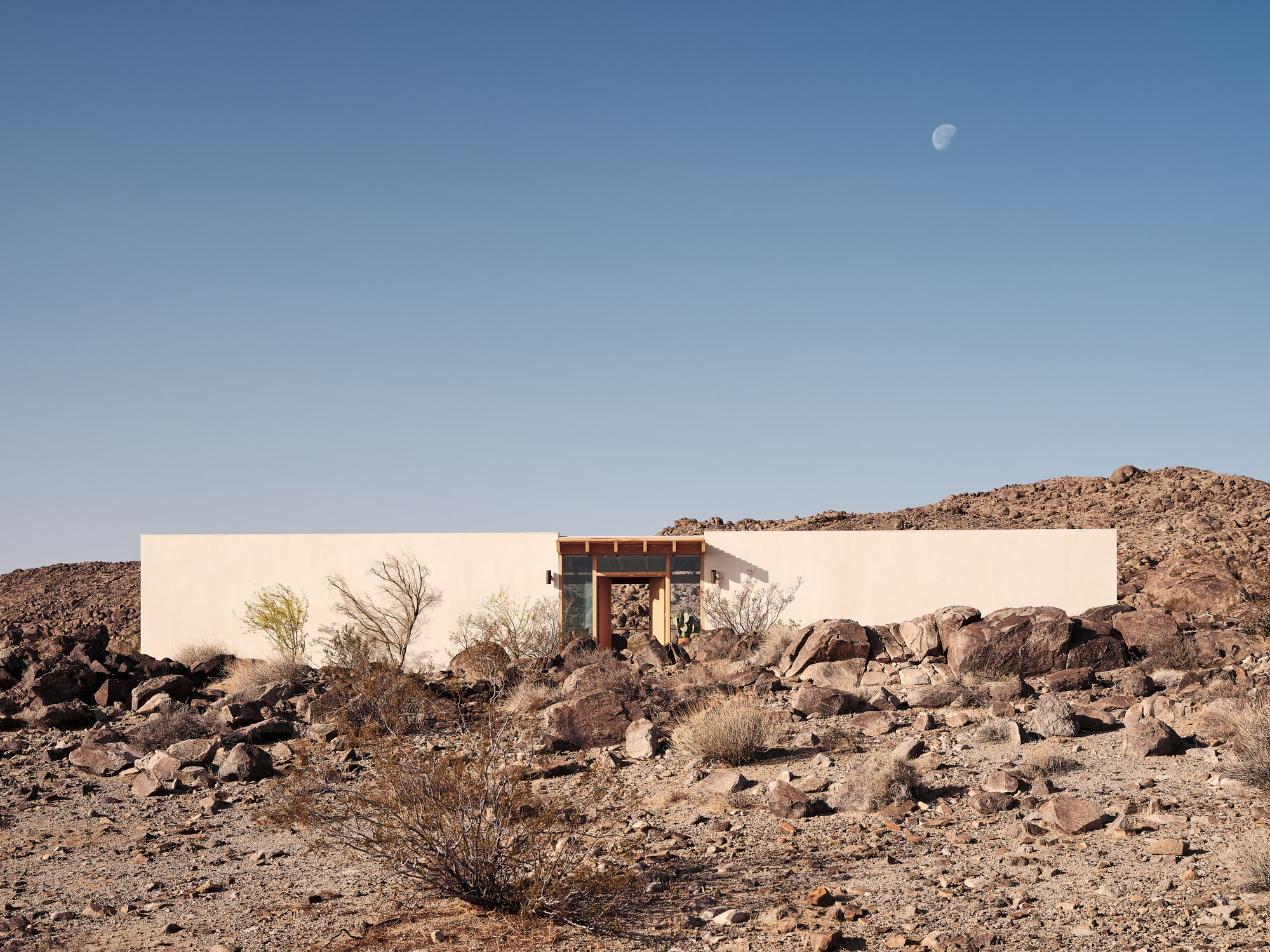
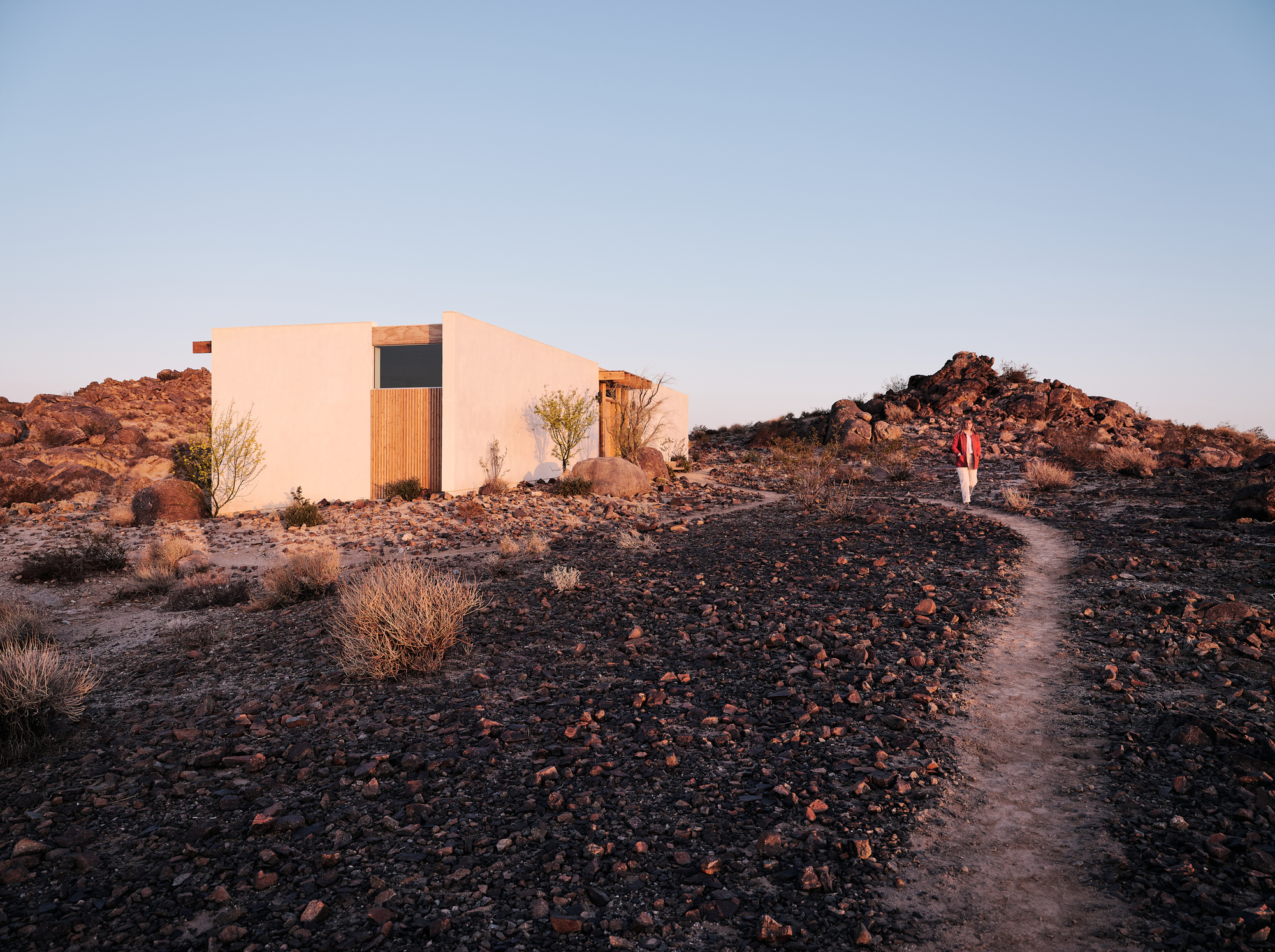
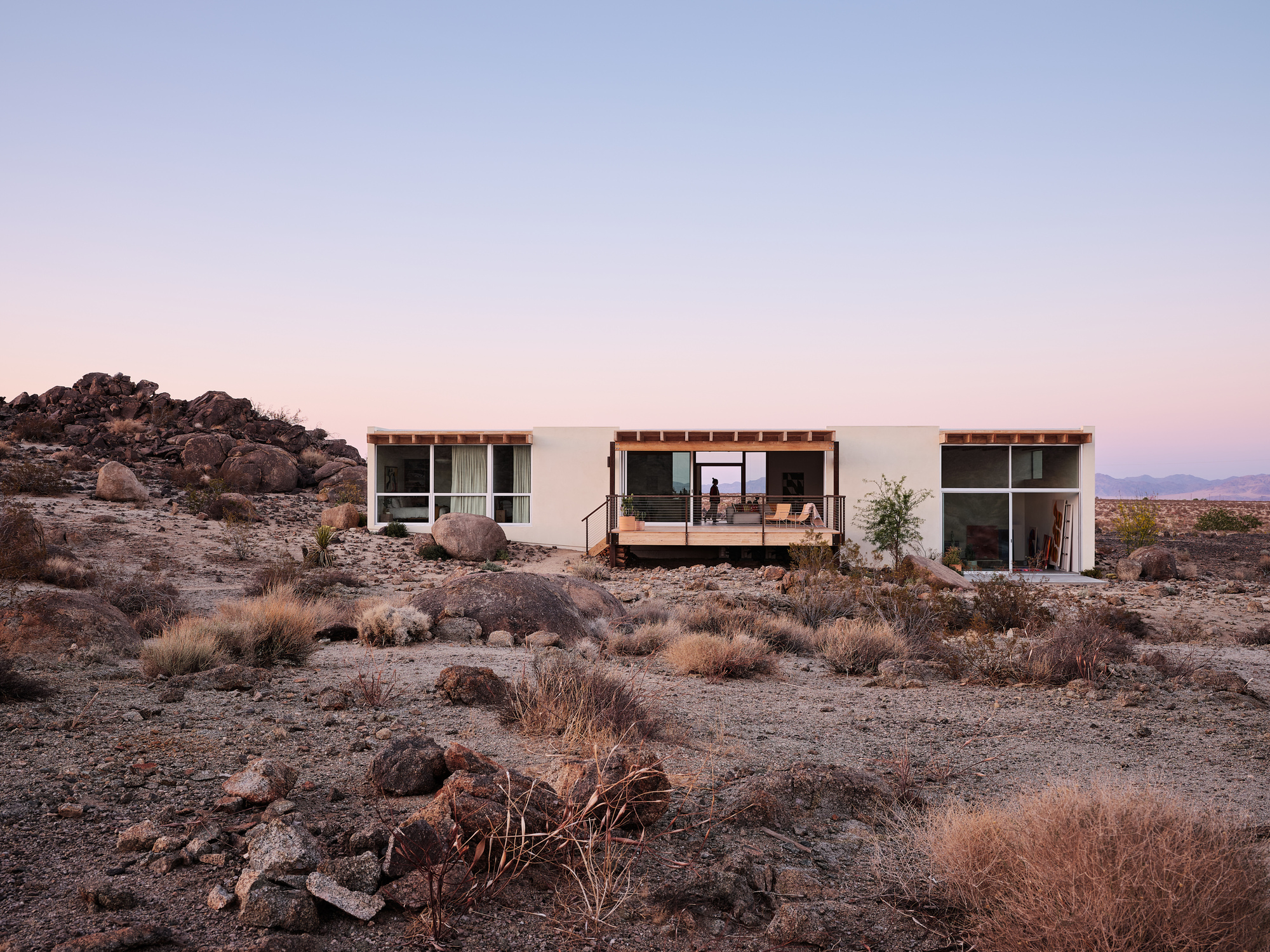
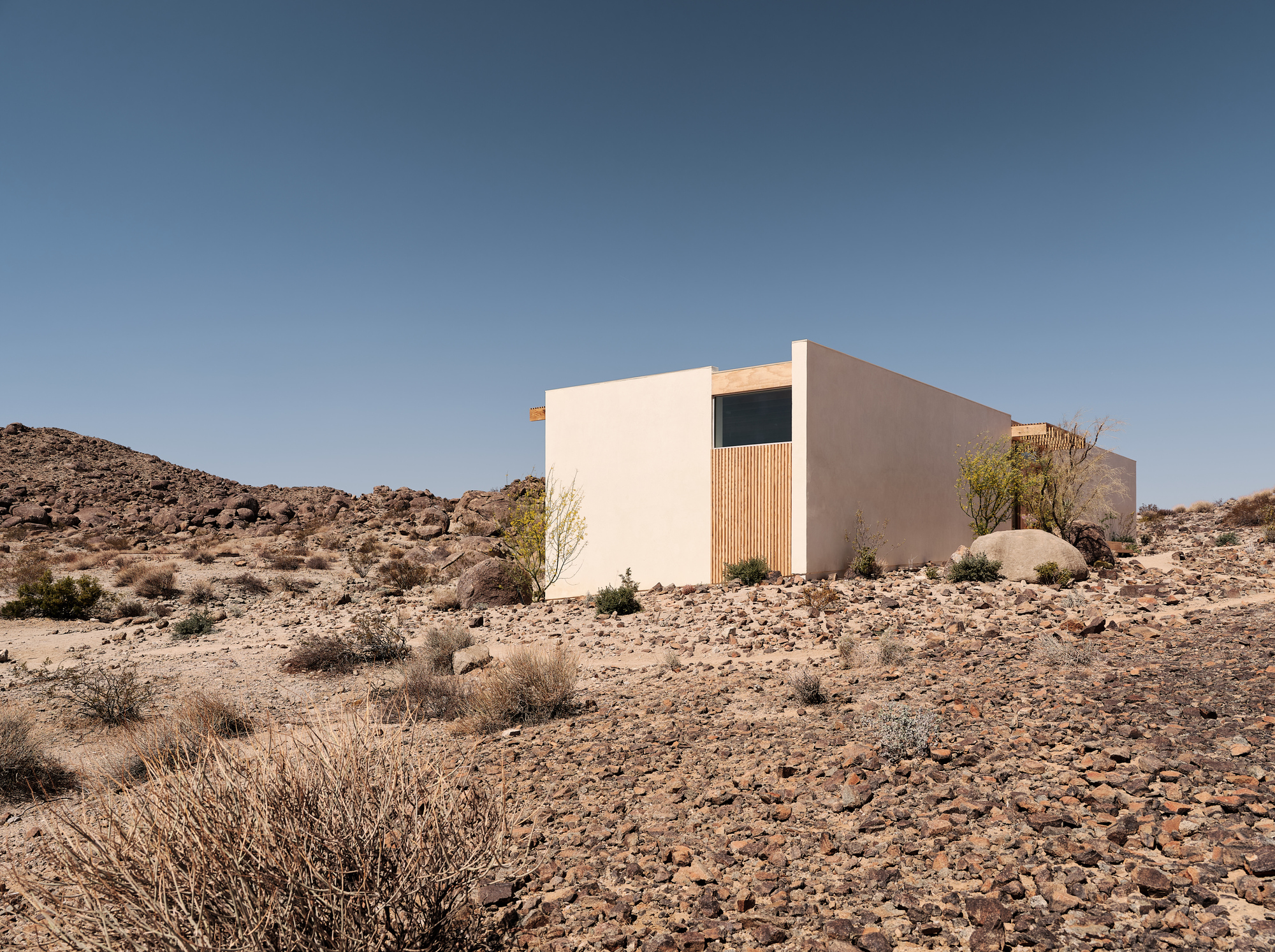
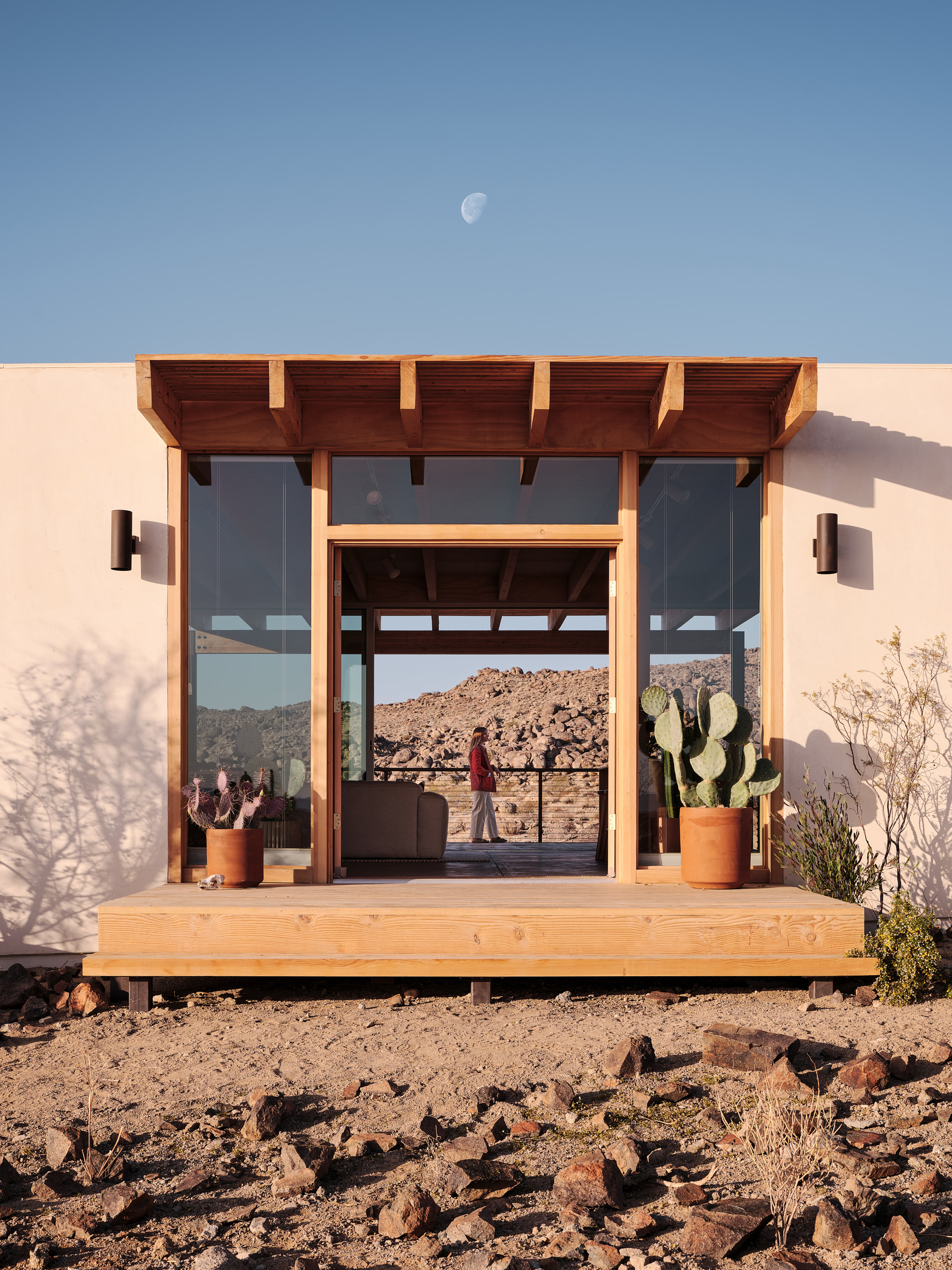
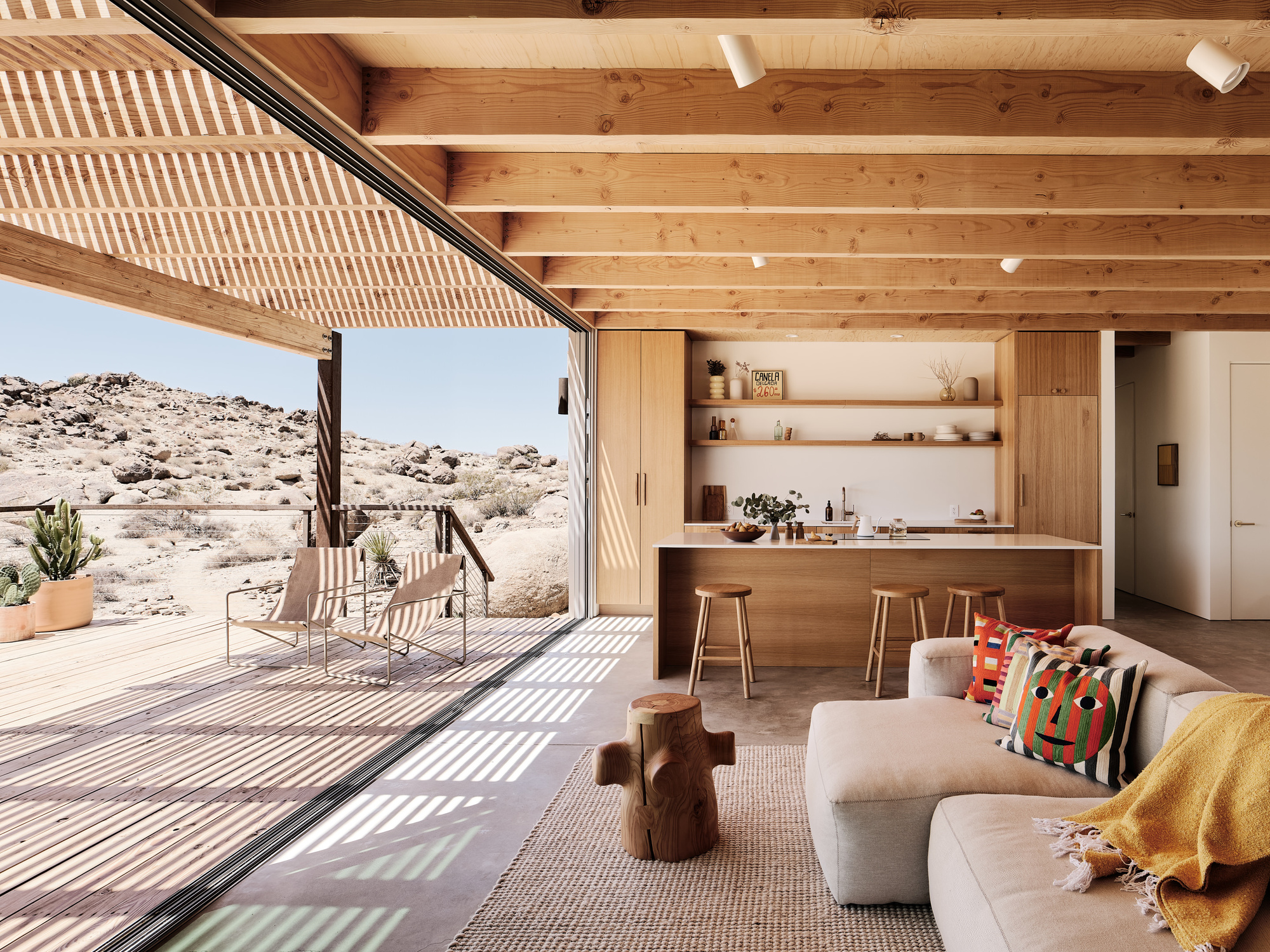
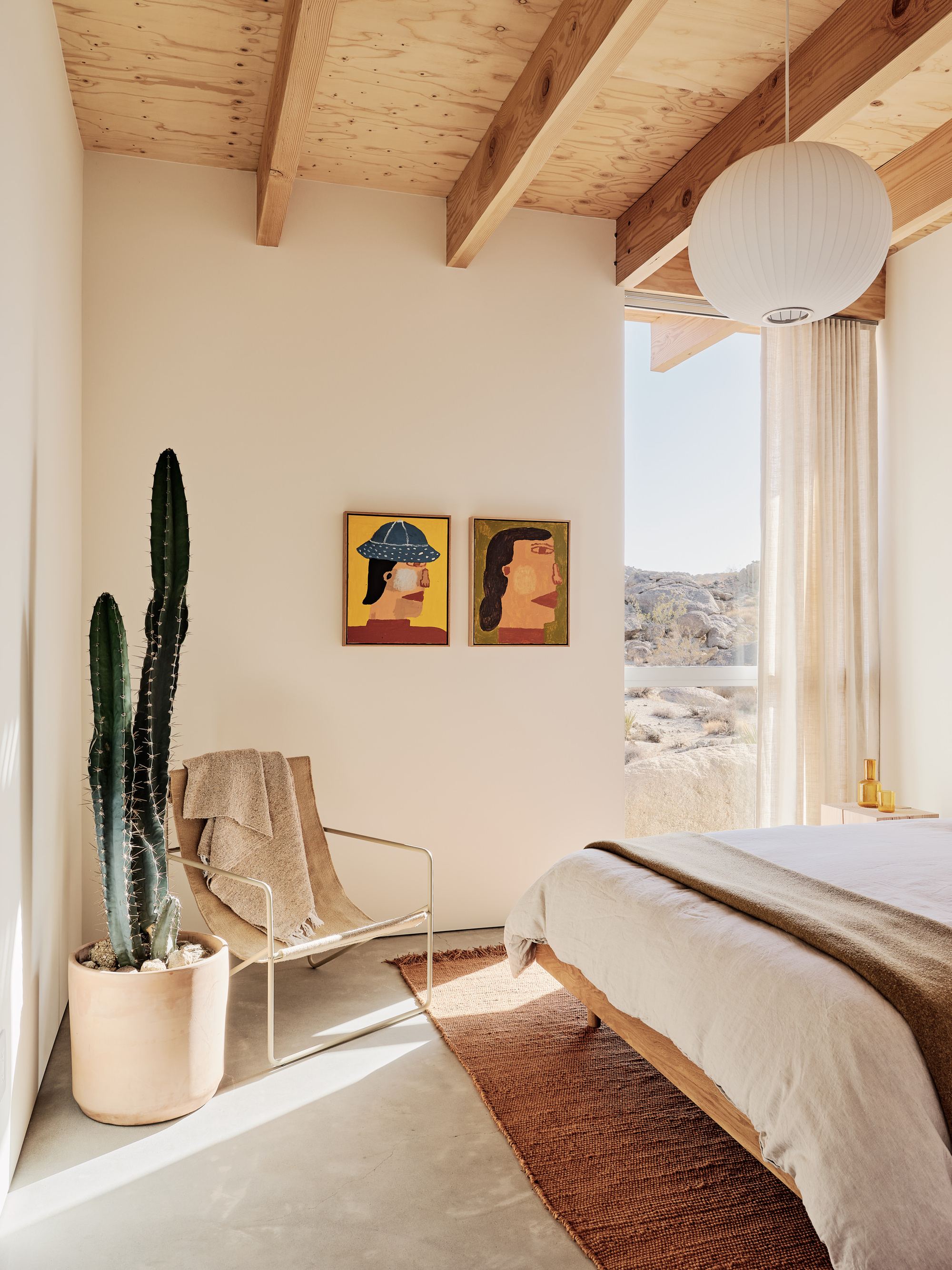
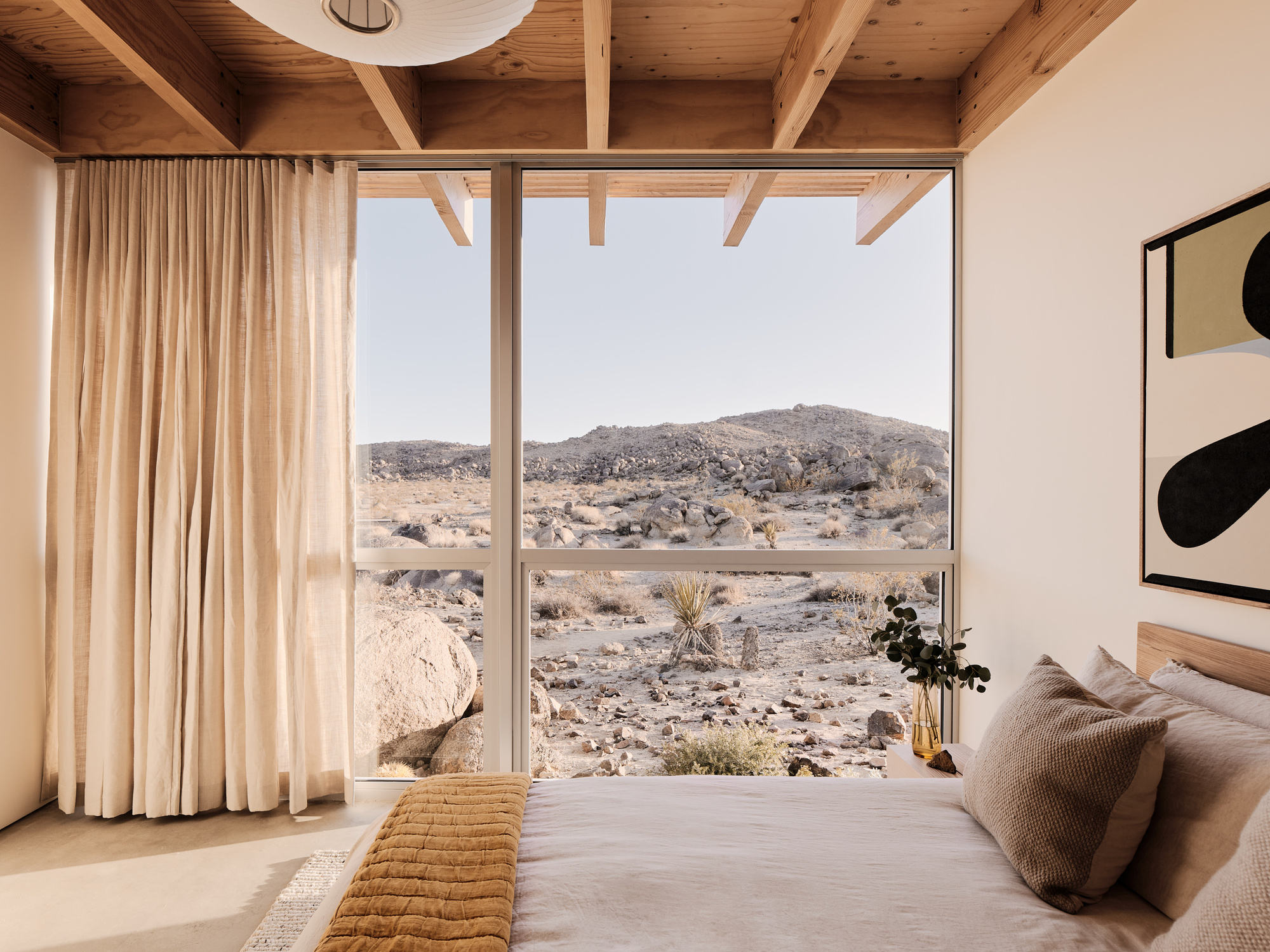
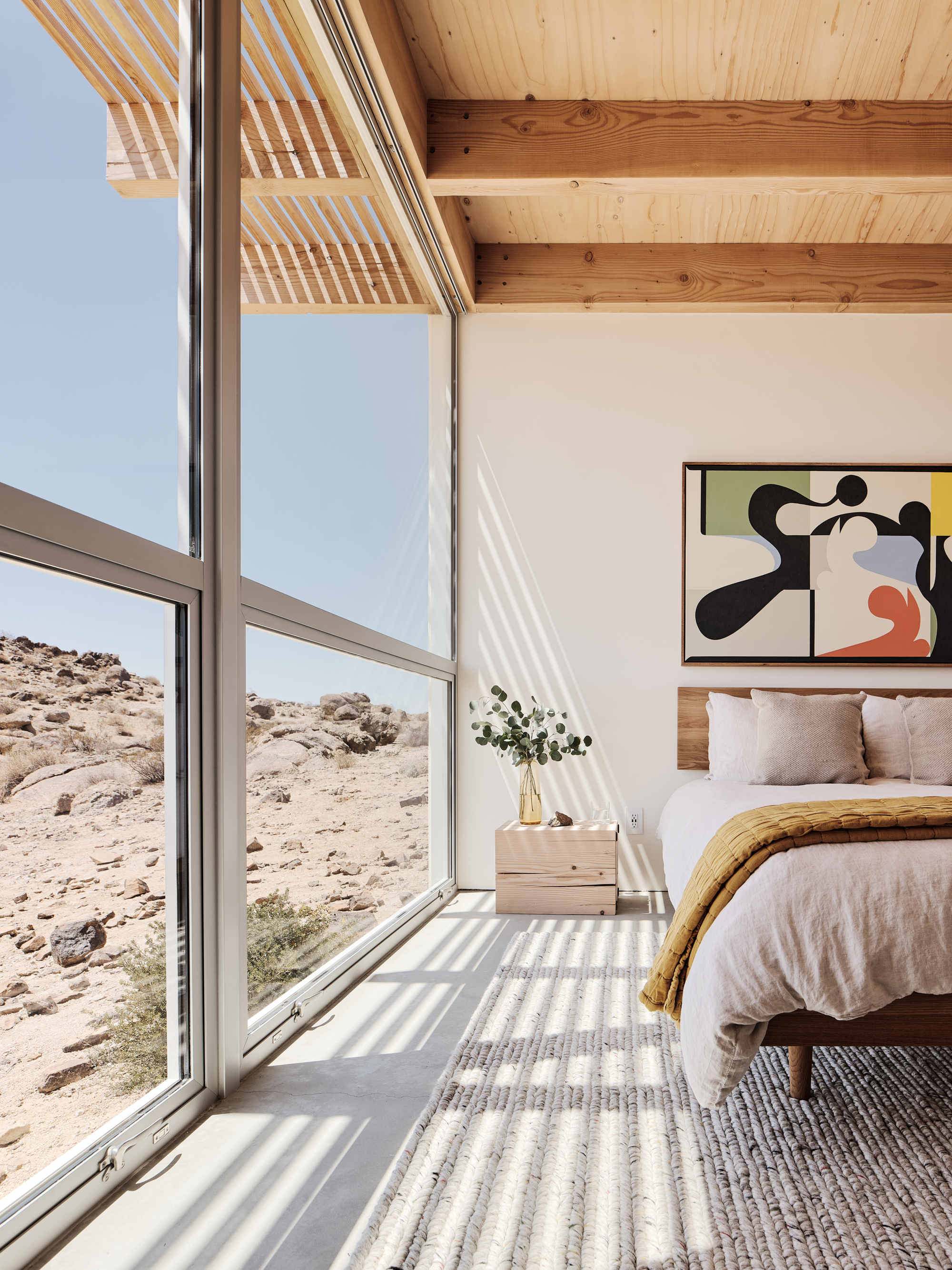
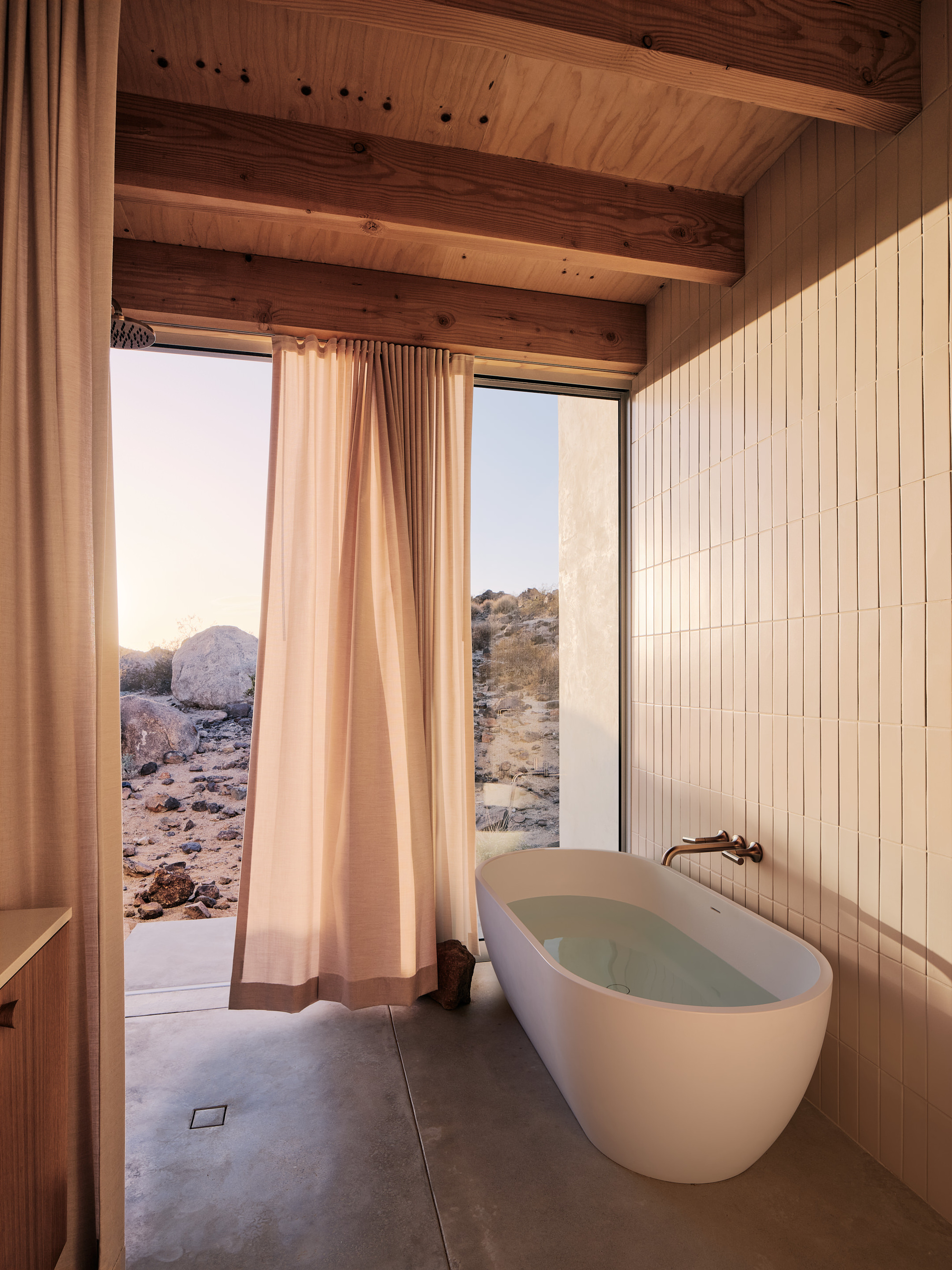
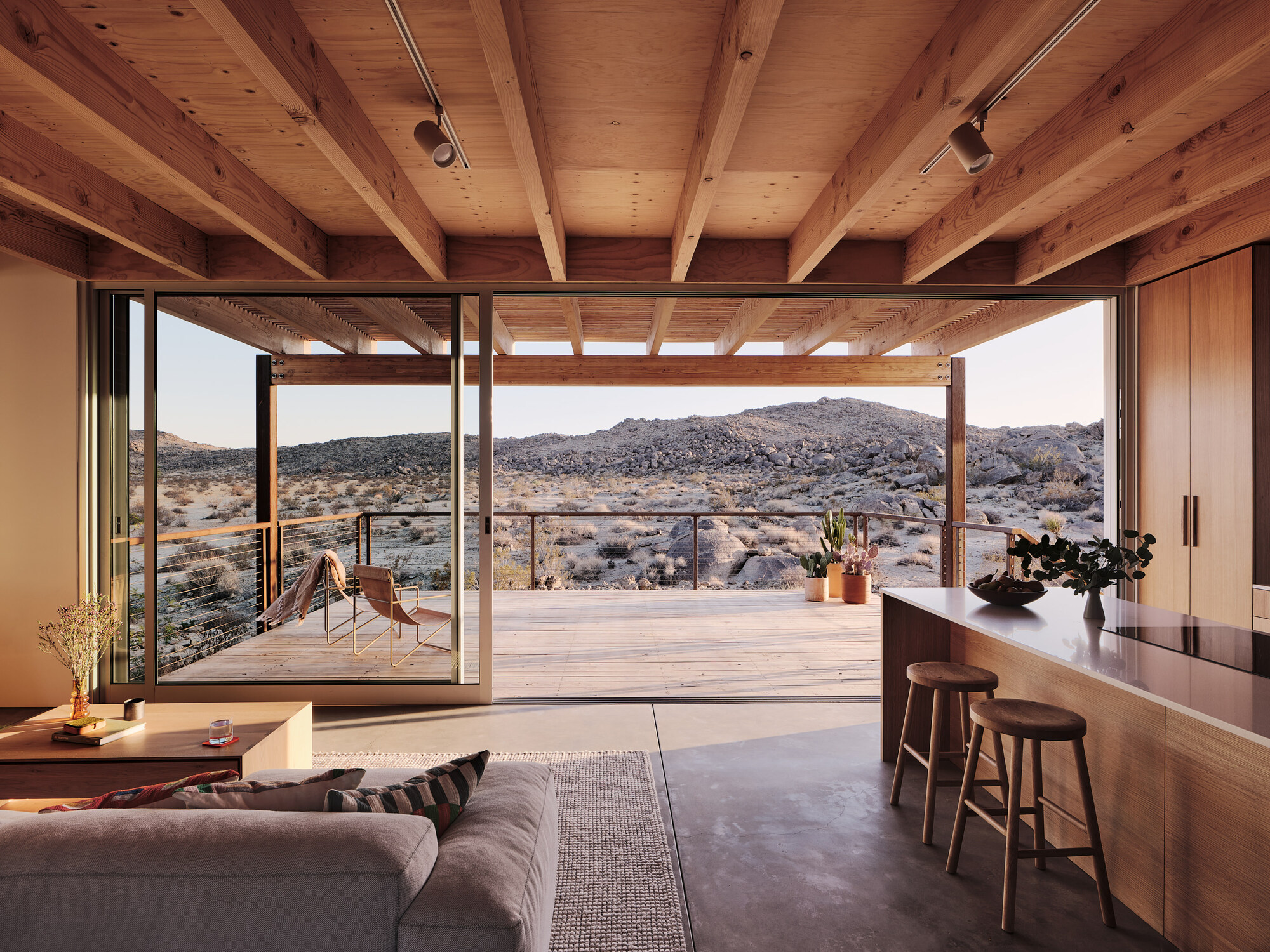
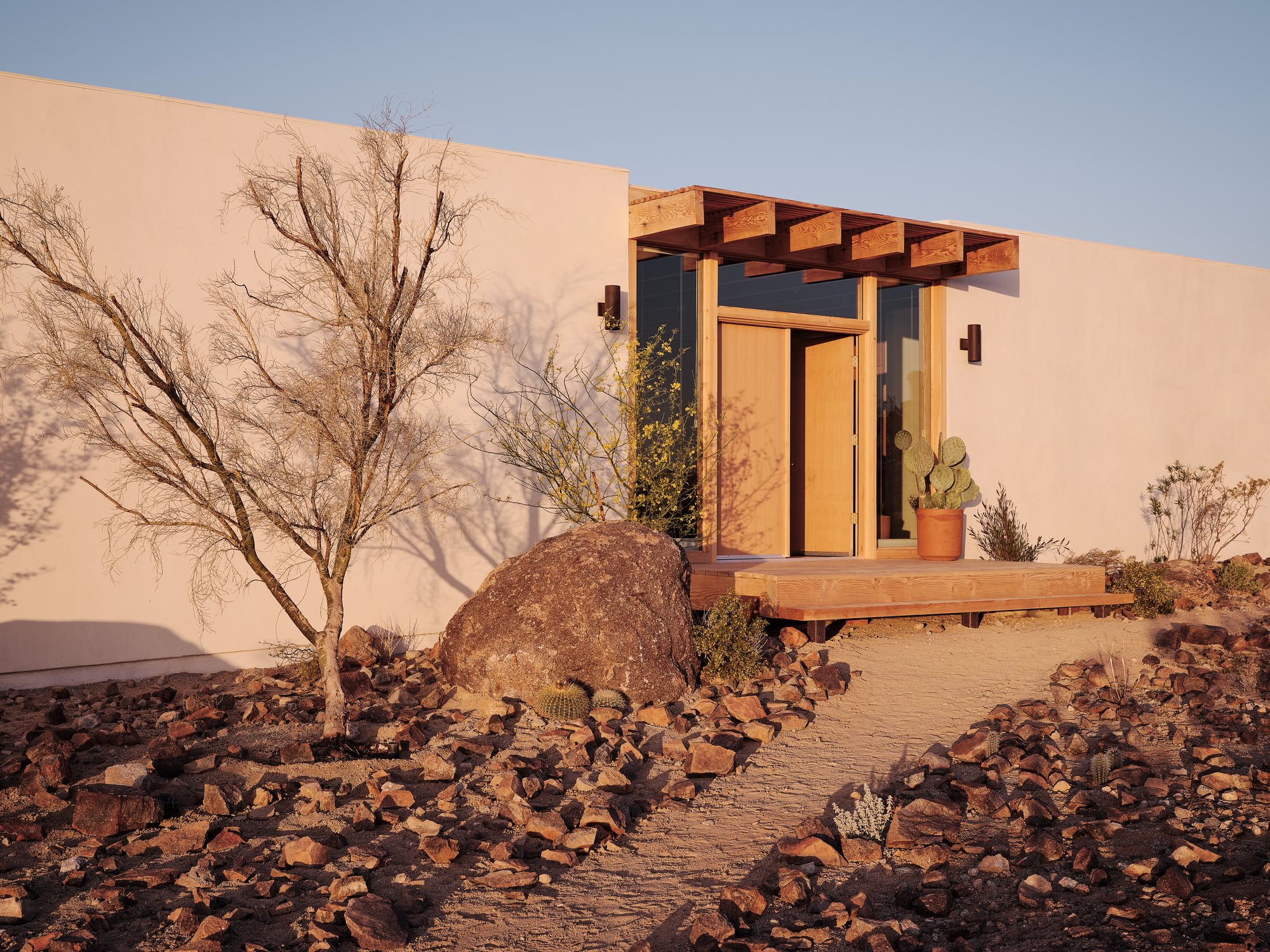
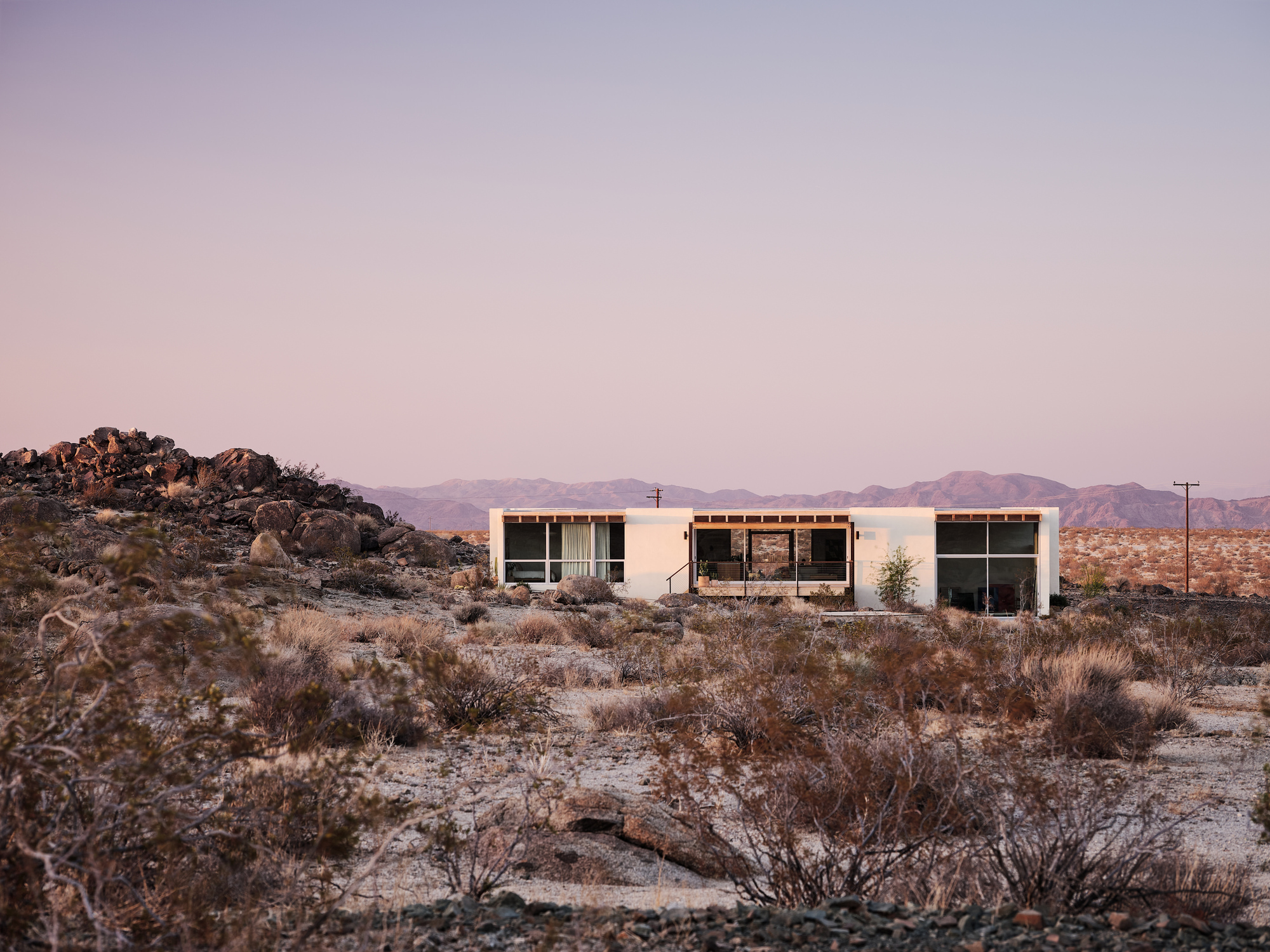
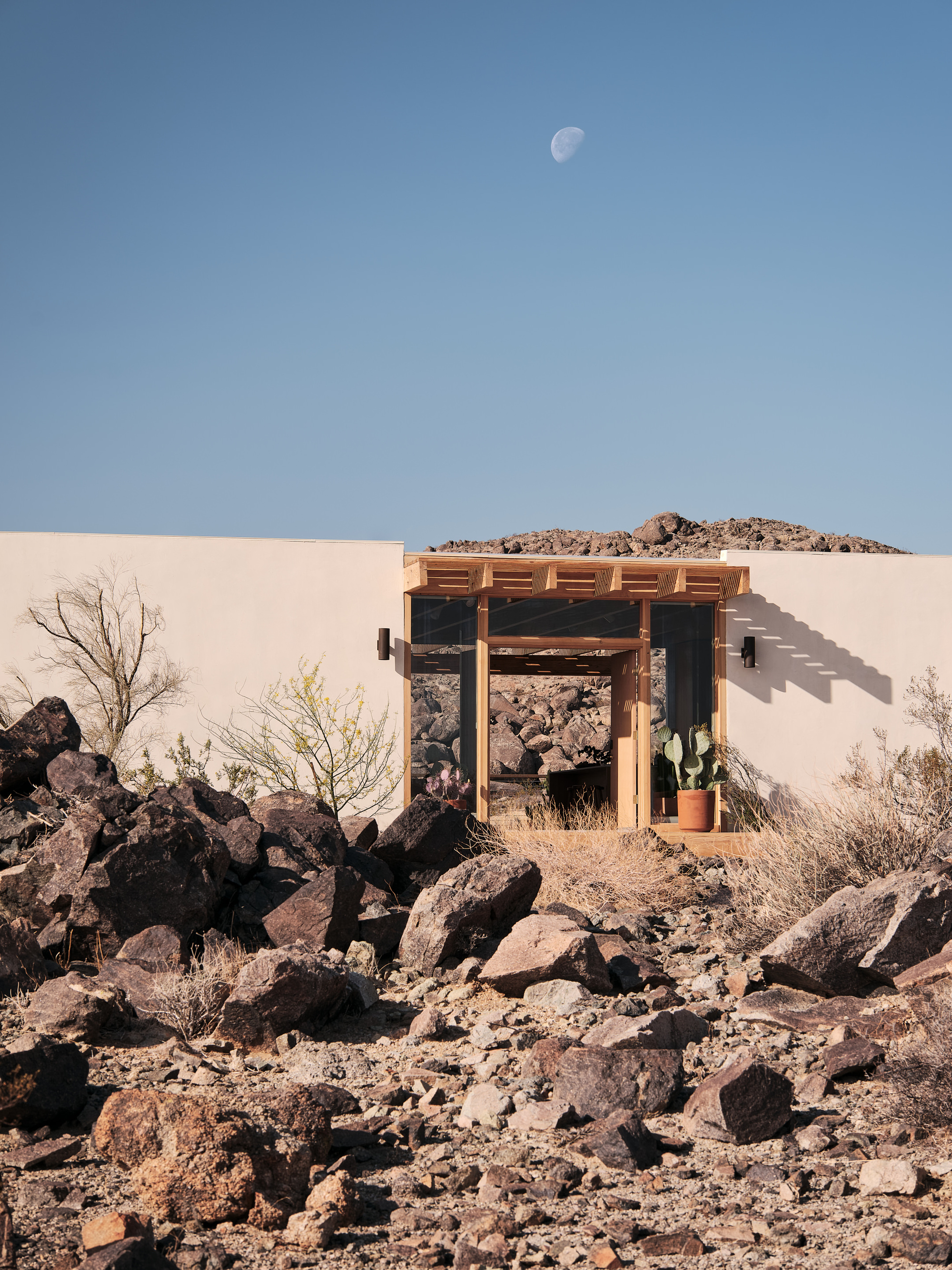
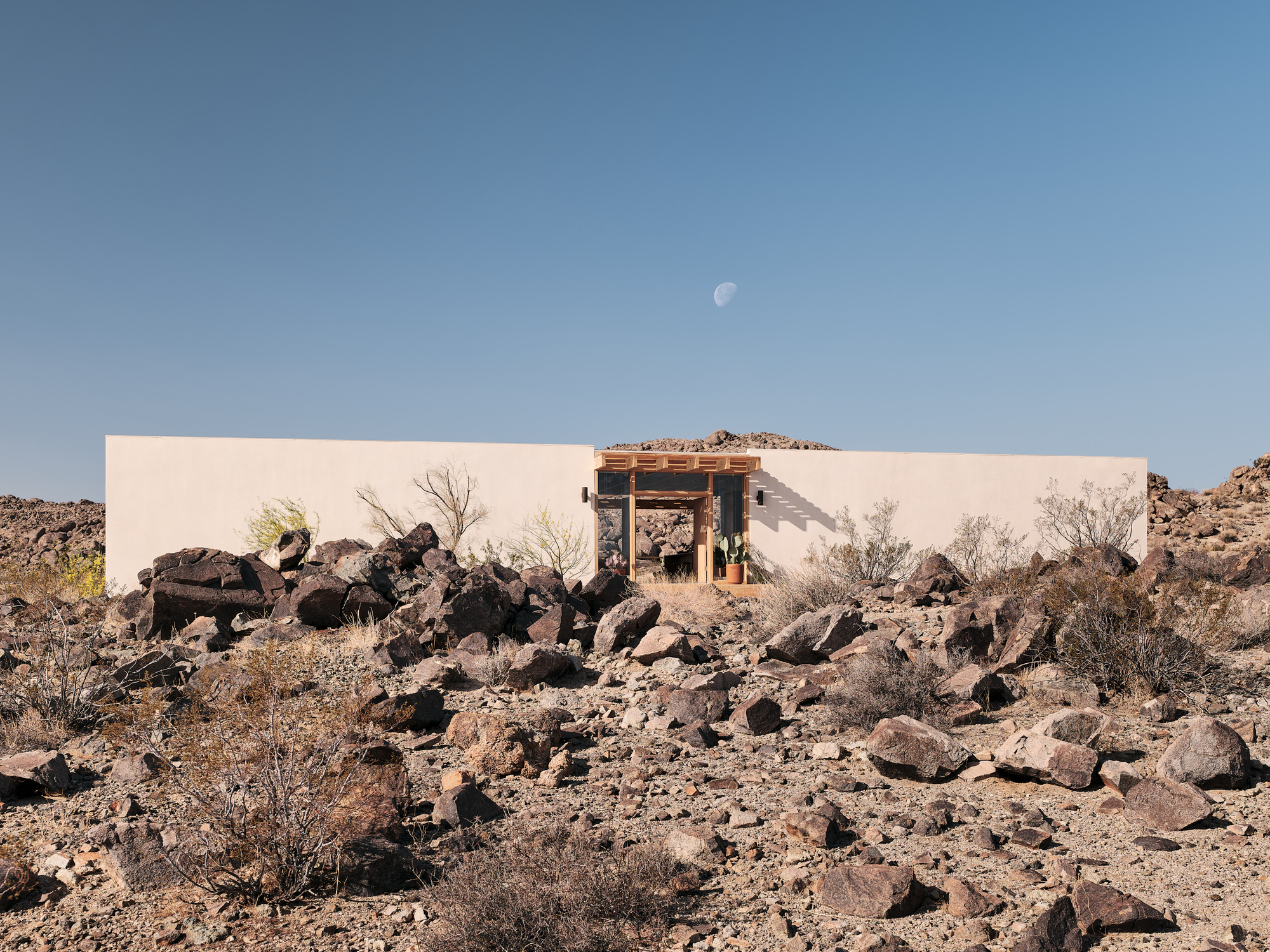
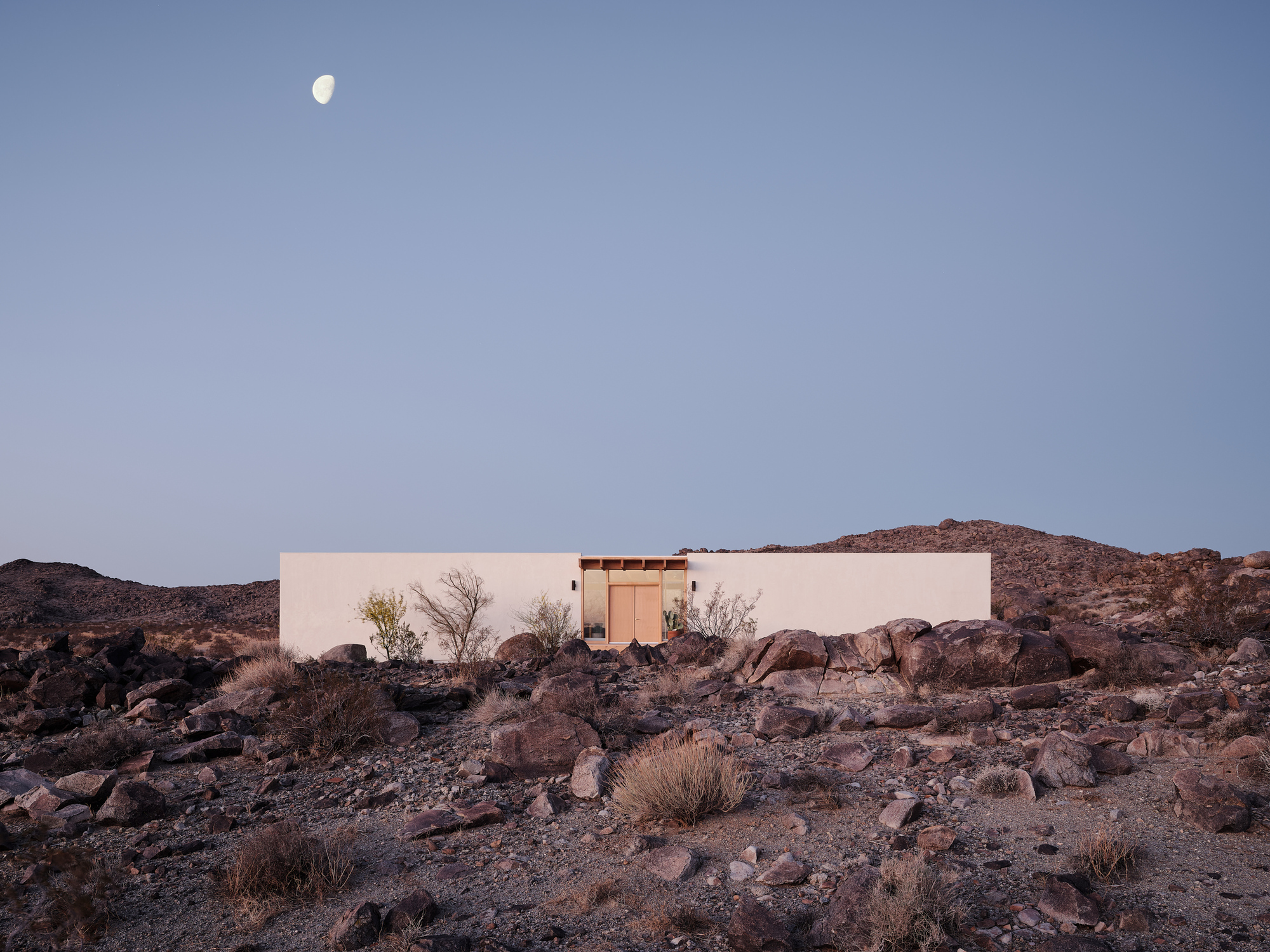
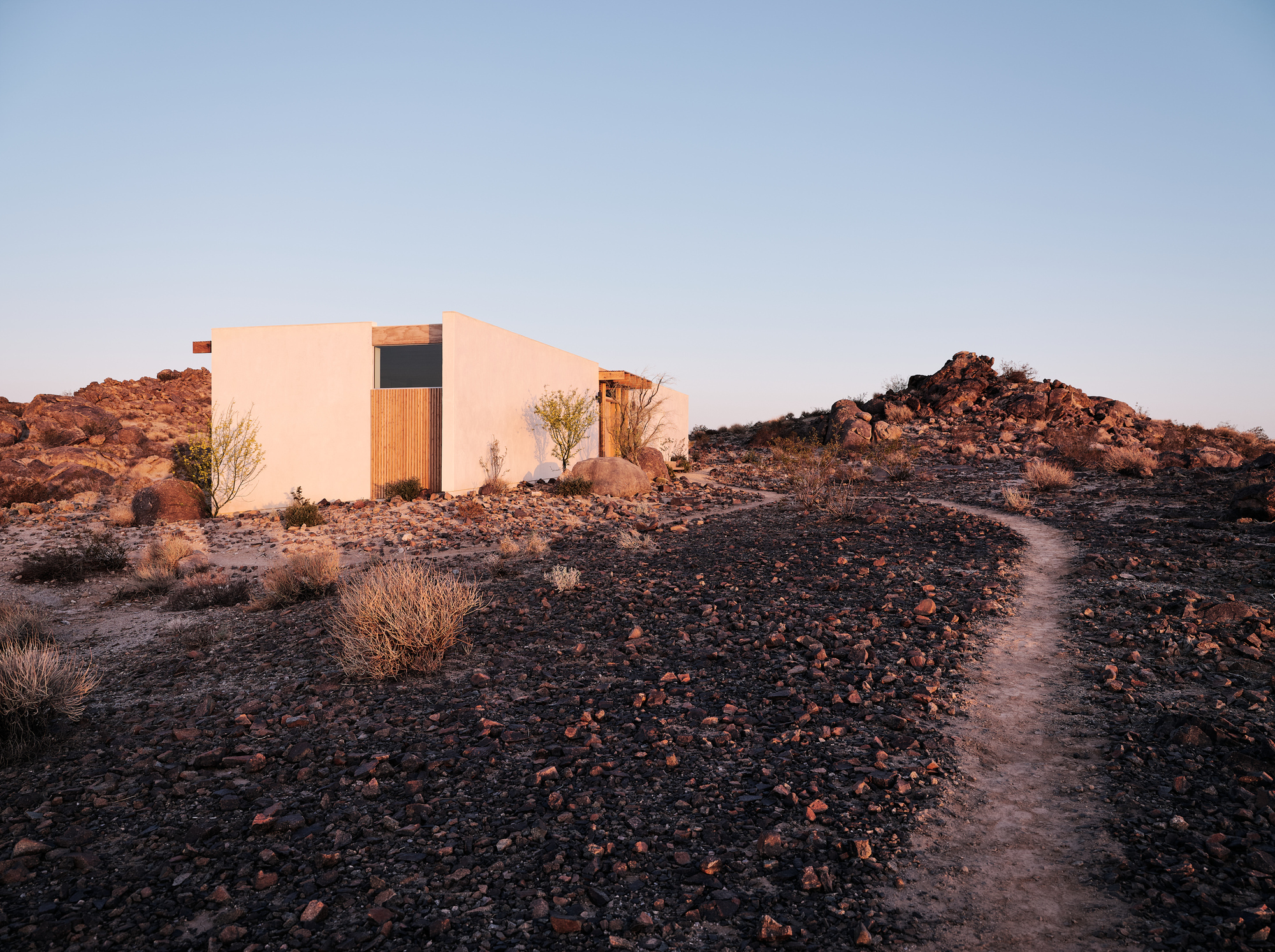
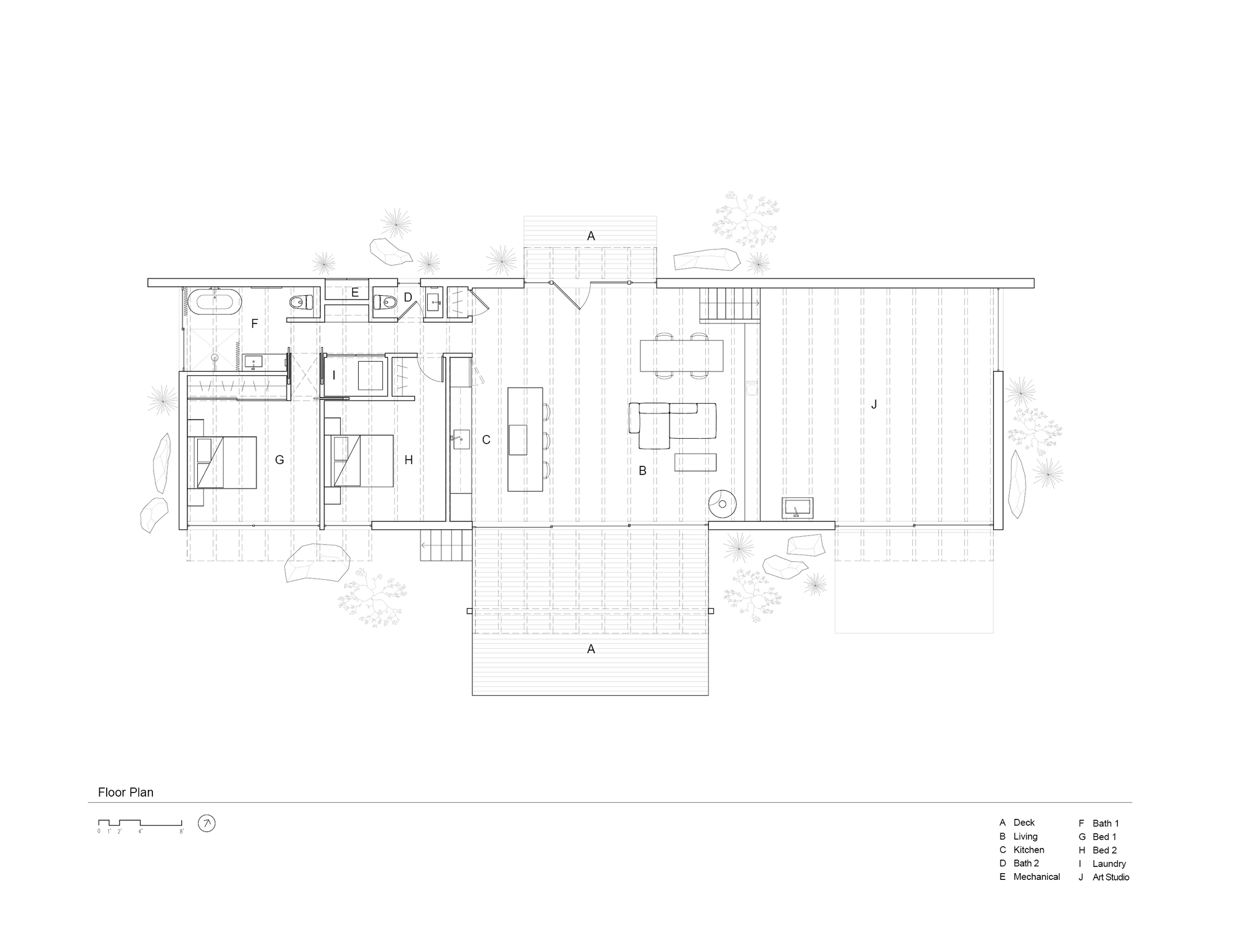
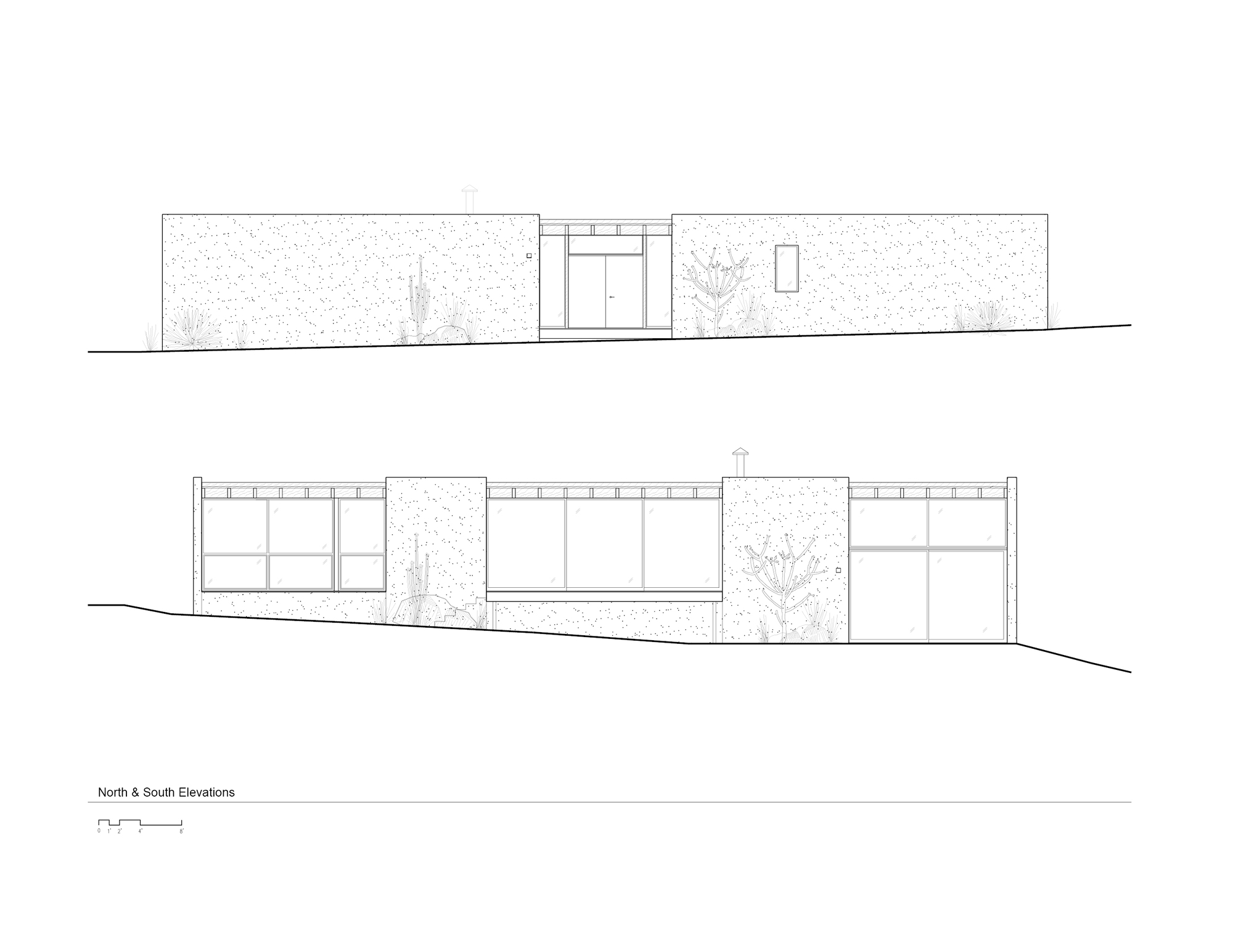
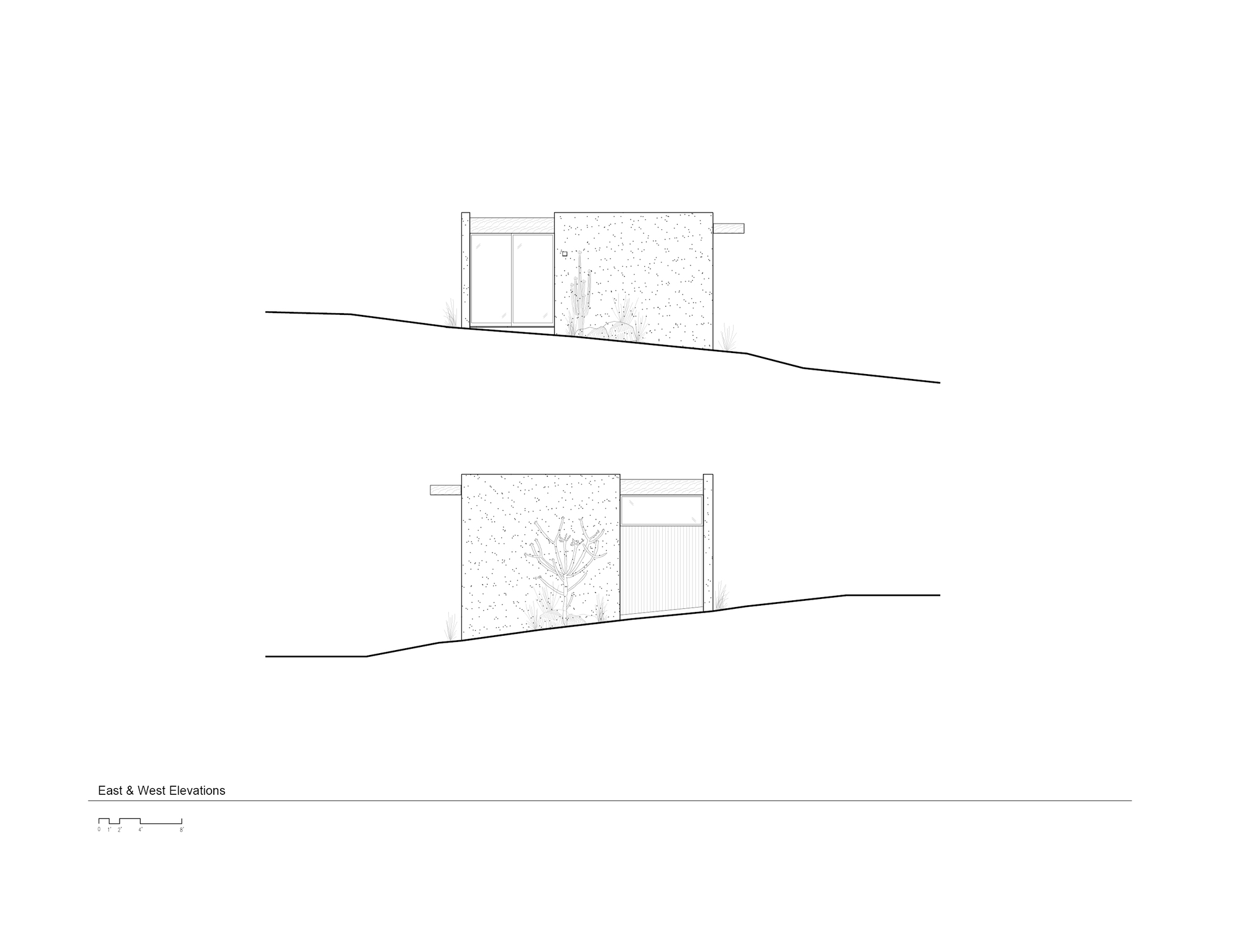
High Desert House #architecture Architects: Ryan Leidner Architecture Area: 1900 ft² Year: 2023 Photographs: Joe Fletcher Photography Lead Architects: Ryan Leidner City: Joshua Tree Country: United States
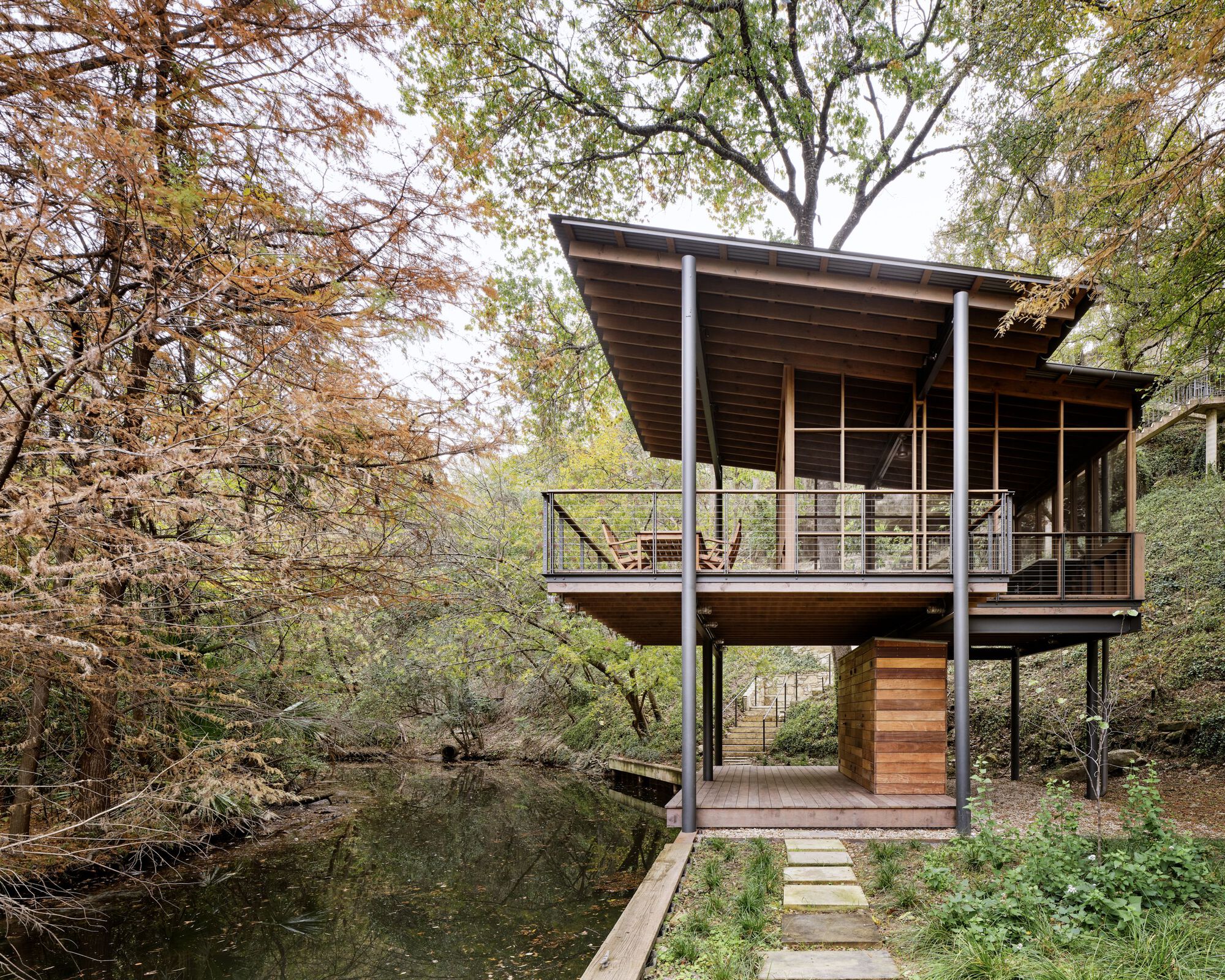
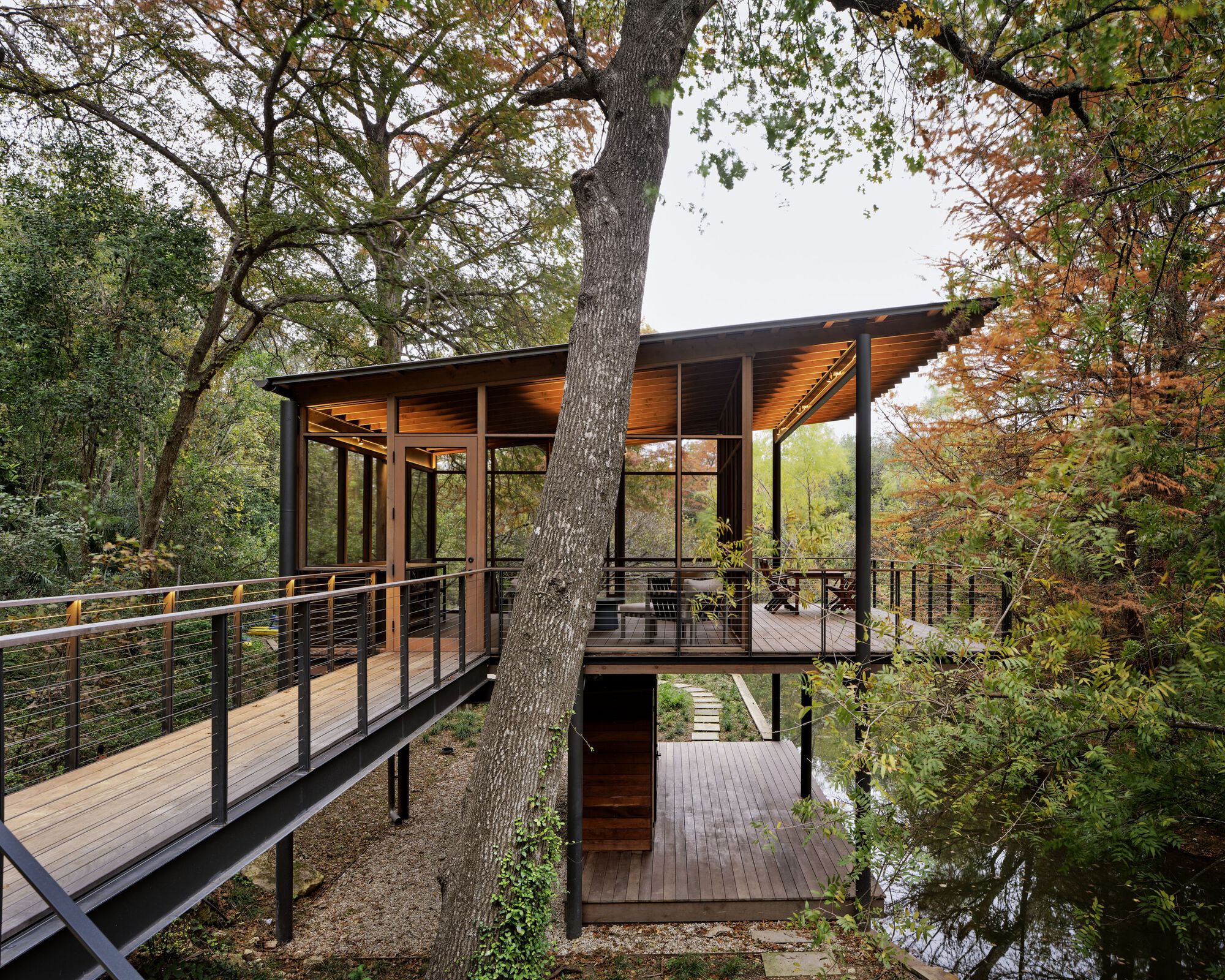
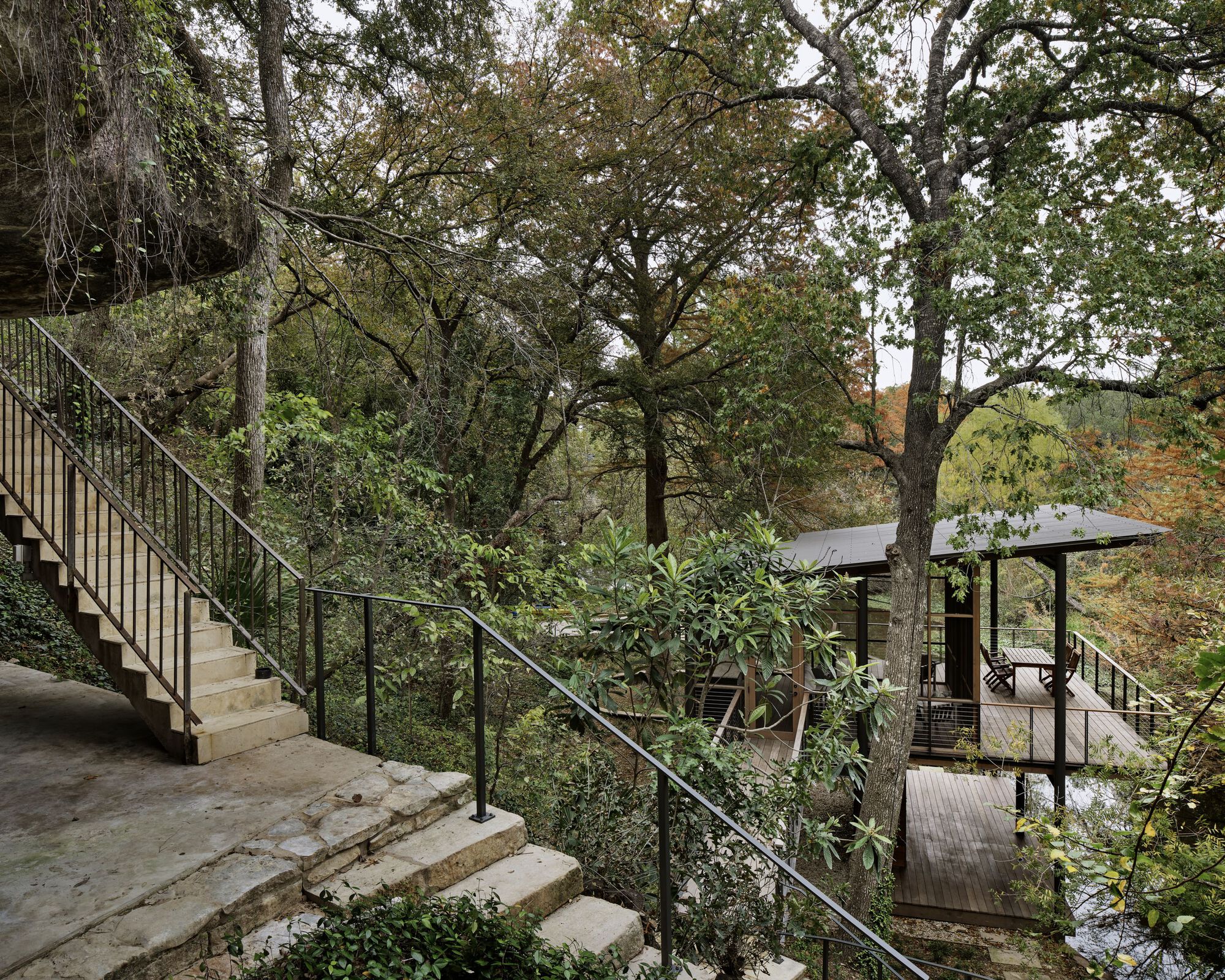
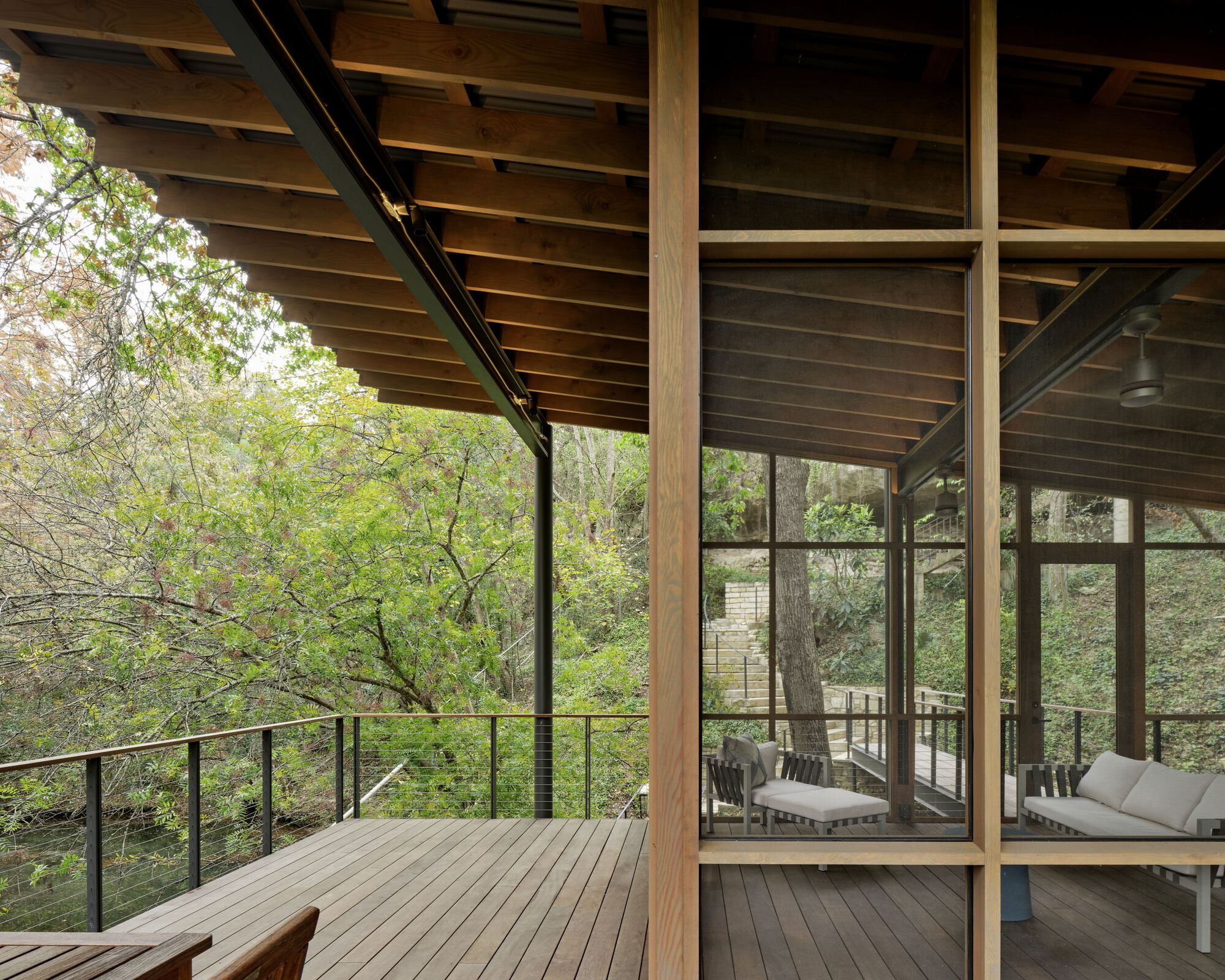
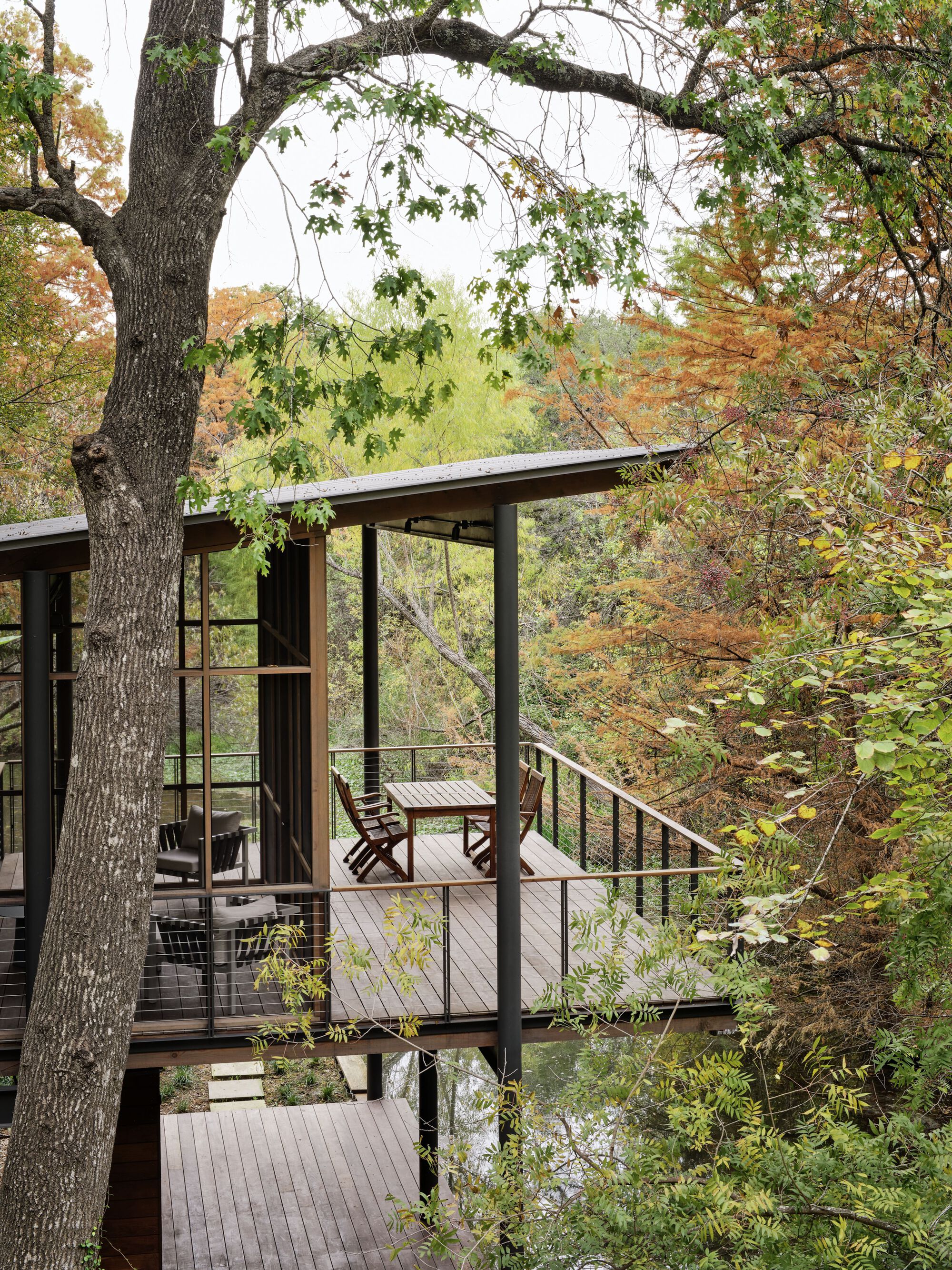
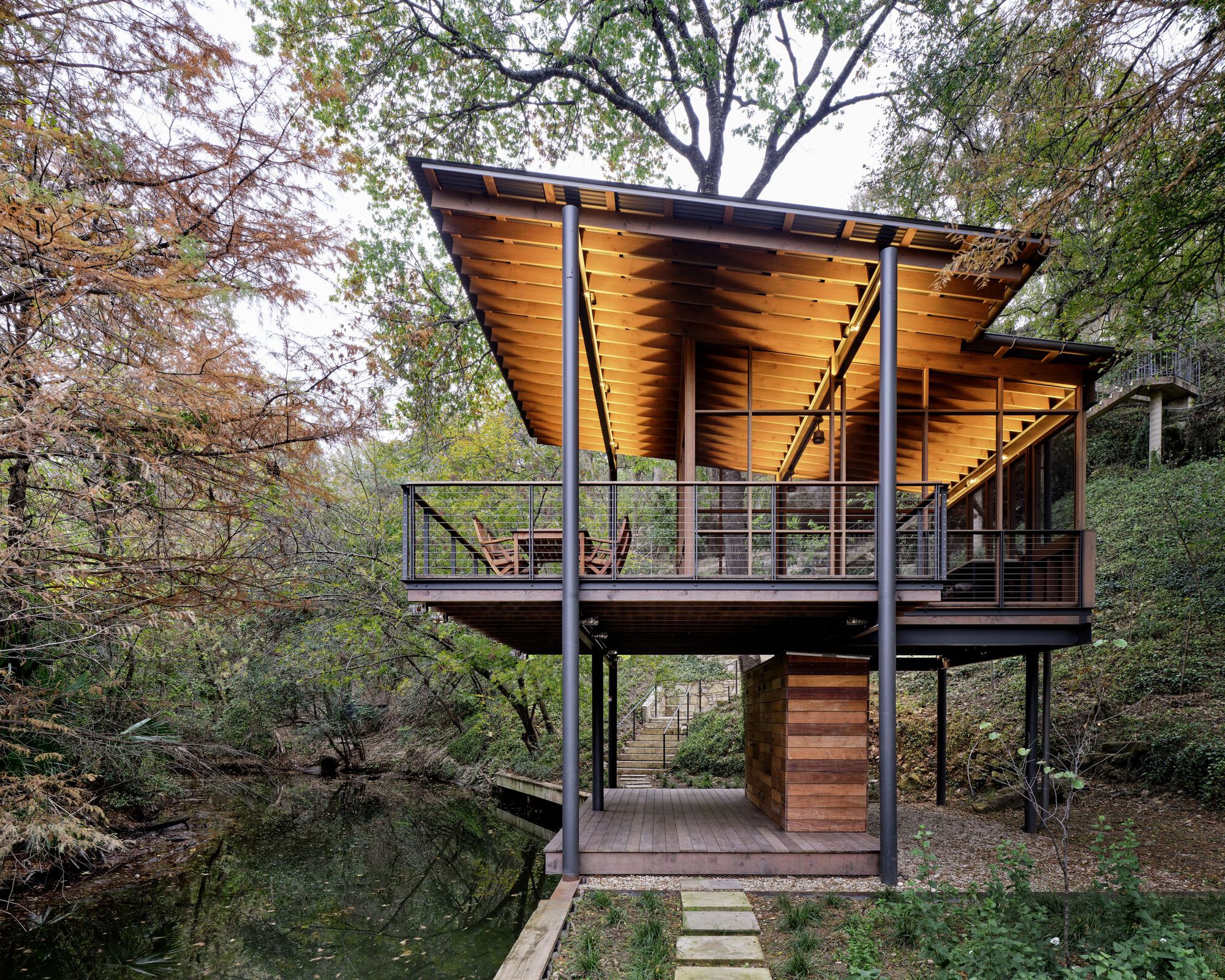
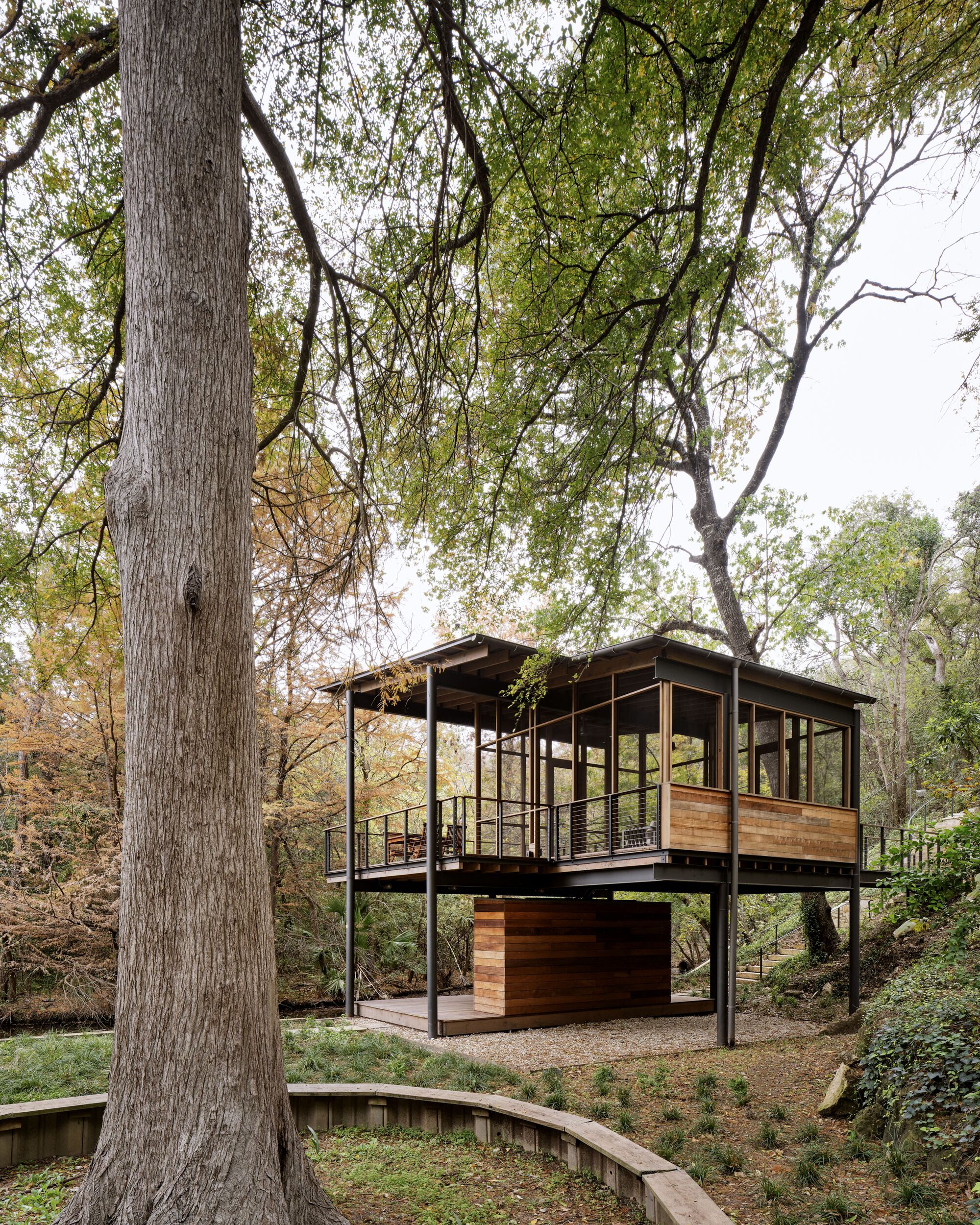
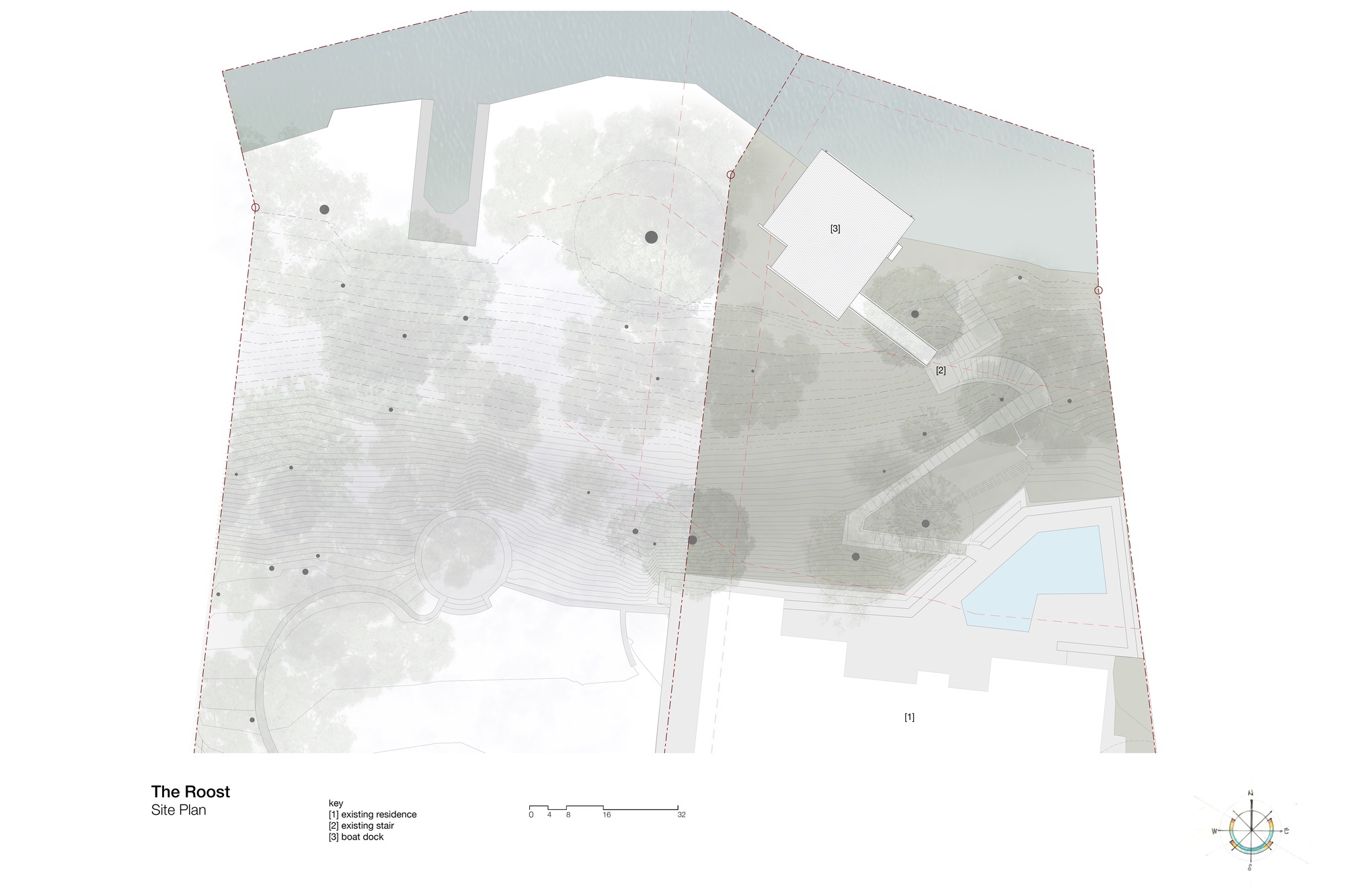
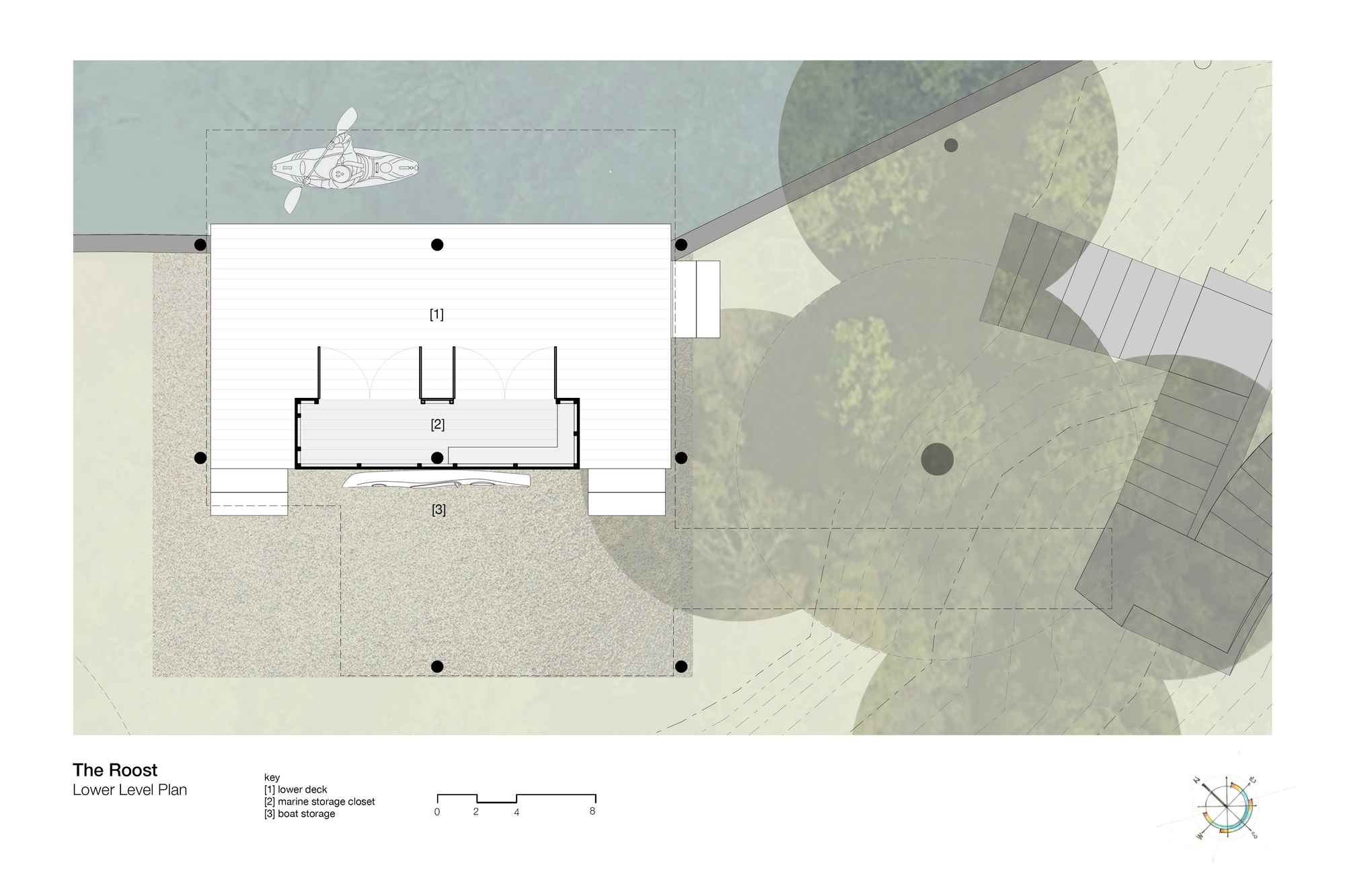
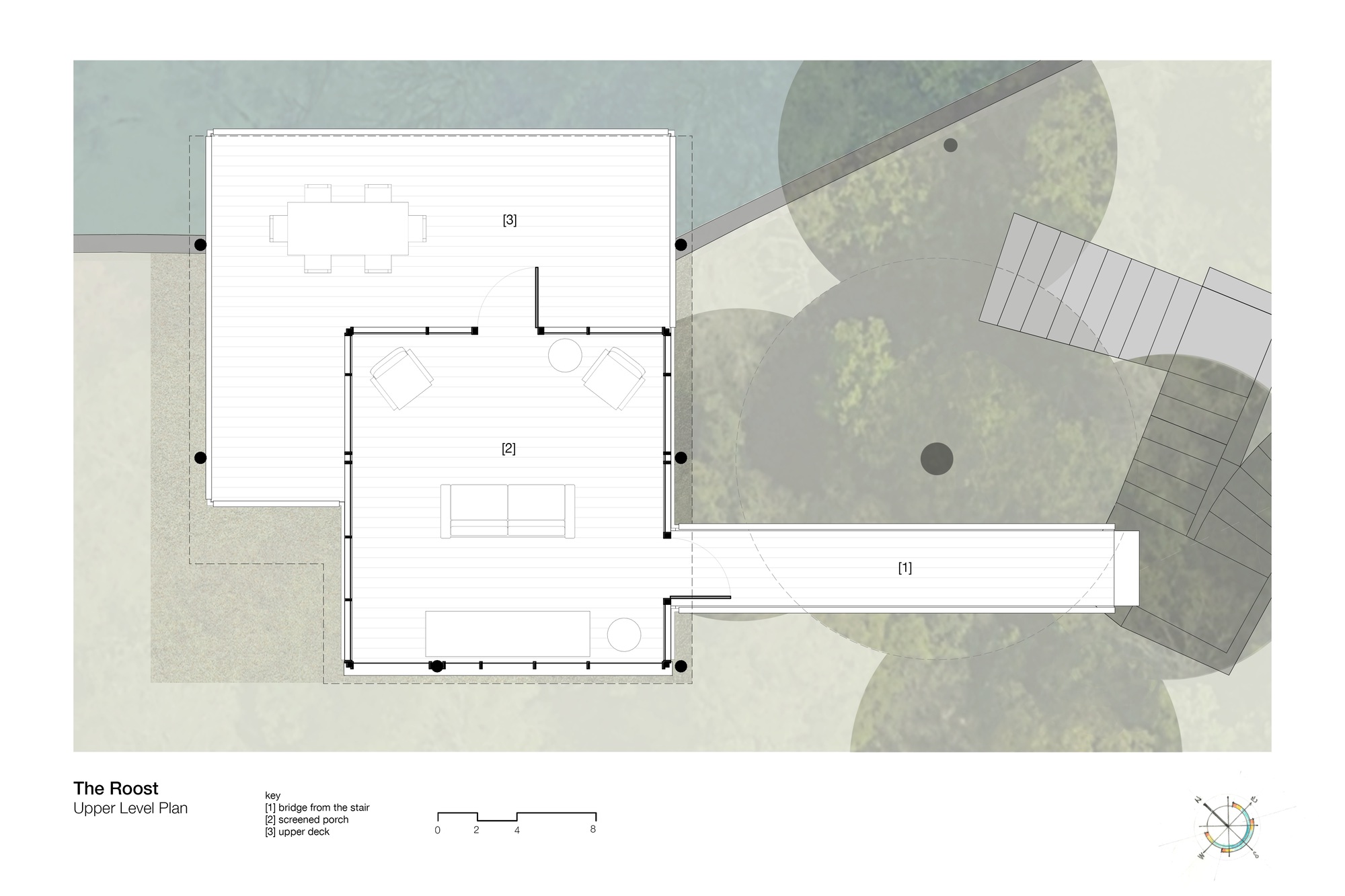
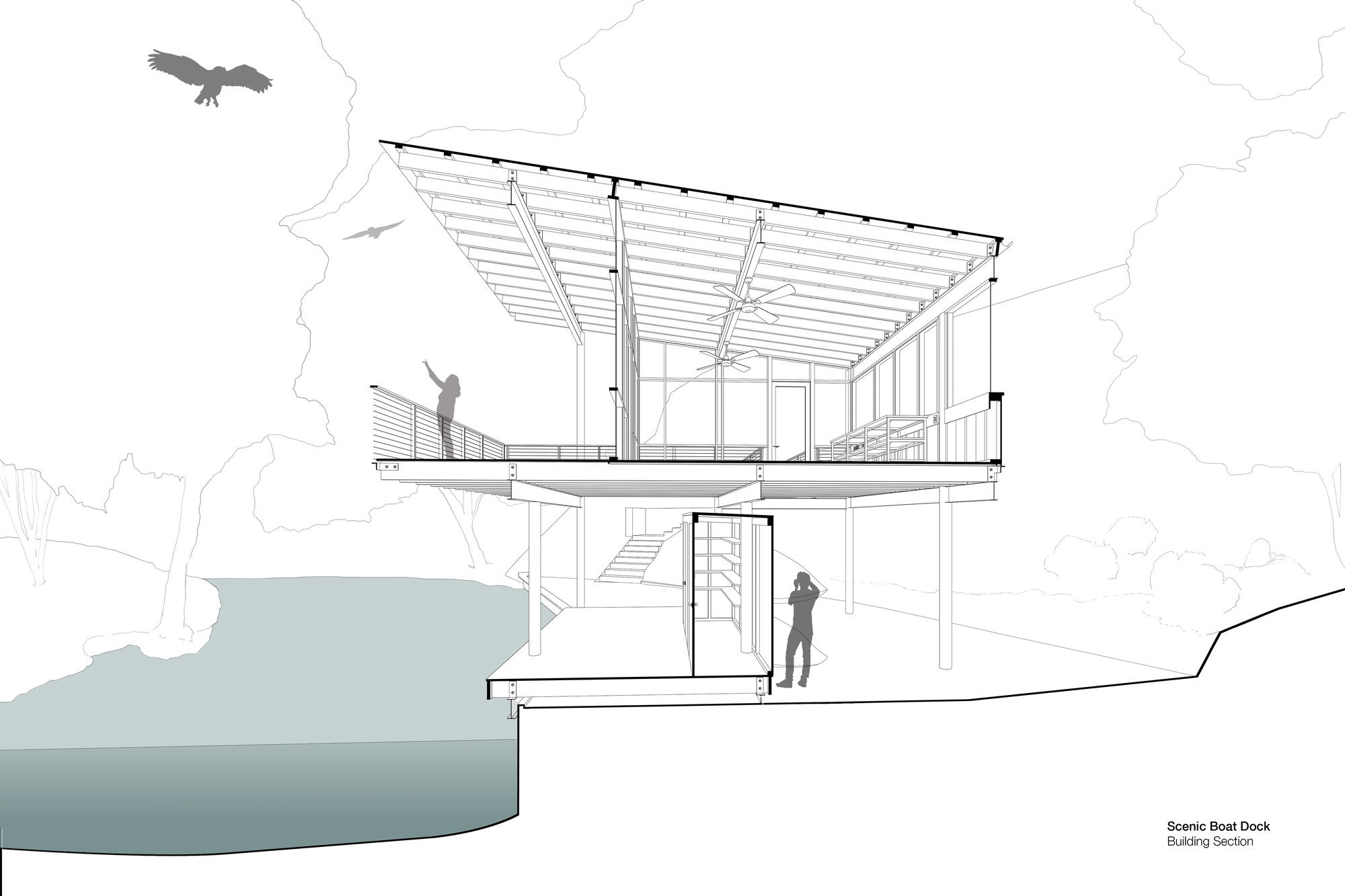
Roost Platform #architecture Architects: Furman + Keil Architects Area: 928 ft² Year: 2023 Photographs: Leonid Furmansky City: Austin Country: United States Nestled across the water from a nature preserve, this 928-square-foot project sits just minutes from downtown Austin. At the bottom of a bluff, fifty feet below the surrounding neighborhood, the project is sheltered by large trees along the secluded waterway that is only navigable by canoes and kayaks. Reaching the site is a journey descending an extensive staircase, passing through a natural stone grotto, down into the wetland habitat. Conceived as an elevated platform to allow the owners to inhabit nature, the platform floats over the water, providing views into the trees and down the slough. While the screened porch is a protected space for lounging and birdwatching, the area below the platform serves as a boat launch and provides access to the shoreline. The structure expands the living area of the Owner's home without adding any additional conditioned square footage. The site presented many challenges. The project sits on an environmentally sensitive wetland that is only accessible by small boat or via a long, tight staircase that was unsuitable for construction access. To decrease the impact on the wetlands, the design team developed a strategy to lift the habitable spaces of the project to a second level and provide access via a bridge. This minimized construction at the ground plane while giving the occupants a perch from which to observe local flora and fauna. The new structure has even become a roost for owls in the evening as they hunt along the water's edge. In addition to a comfortable perch for birdwatching, the owners desired a durable and resilient structure. The previous structure on the site had experienced flooding, common along the slough during long periods of rain. The Owners wanted to build a structure that would be able to withstand the inevitable flooding and that had a minimal impact on the habitat and ecosystems of the surrounding site. The owner challenged the design team to develop a design that would exist in harmony with the site and minimize its impact in terms of the final design and construction methods.  Project goals included reducing the footprint, minimizing the impact on the waterway, and limiting construction impacts by reusing the existing superstructure of steel piers. The biggest design challenge was taking the existing structure and reappropriating it to minimize site impacts while meeting the owners' goals in a cohesive design that integrates into its natural setting.  By using and extending the existing piers, a framework for the secondary wood structure was created.  Materials and finishes were chosen not only to be resilient in flooding situations, a program requirement, but to create a light, airy structure that dissolves into its environment. All materials had to be brought to the site via a small barge, emphasizing the importance of not only durable materials but also timeless and resilient design & construction strategies. The minimal area of the lower-level deck allows native plantings to reclaim the natural wetland area. The replacement of the existing structure with this new elevated dock has also allowed for the restoration of natural hydrology.
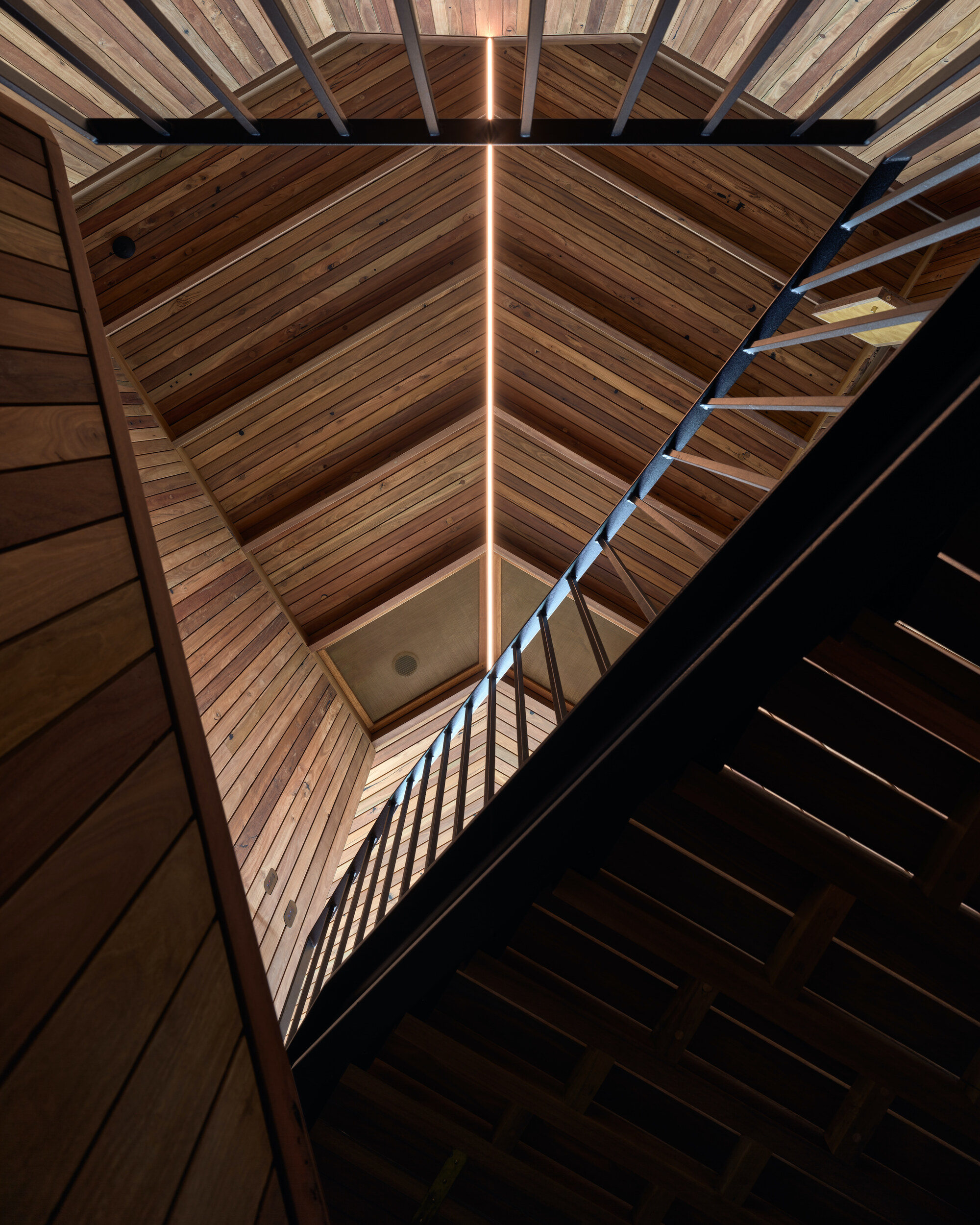
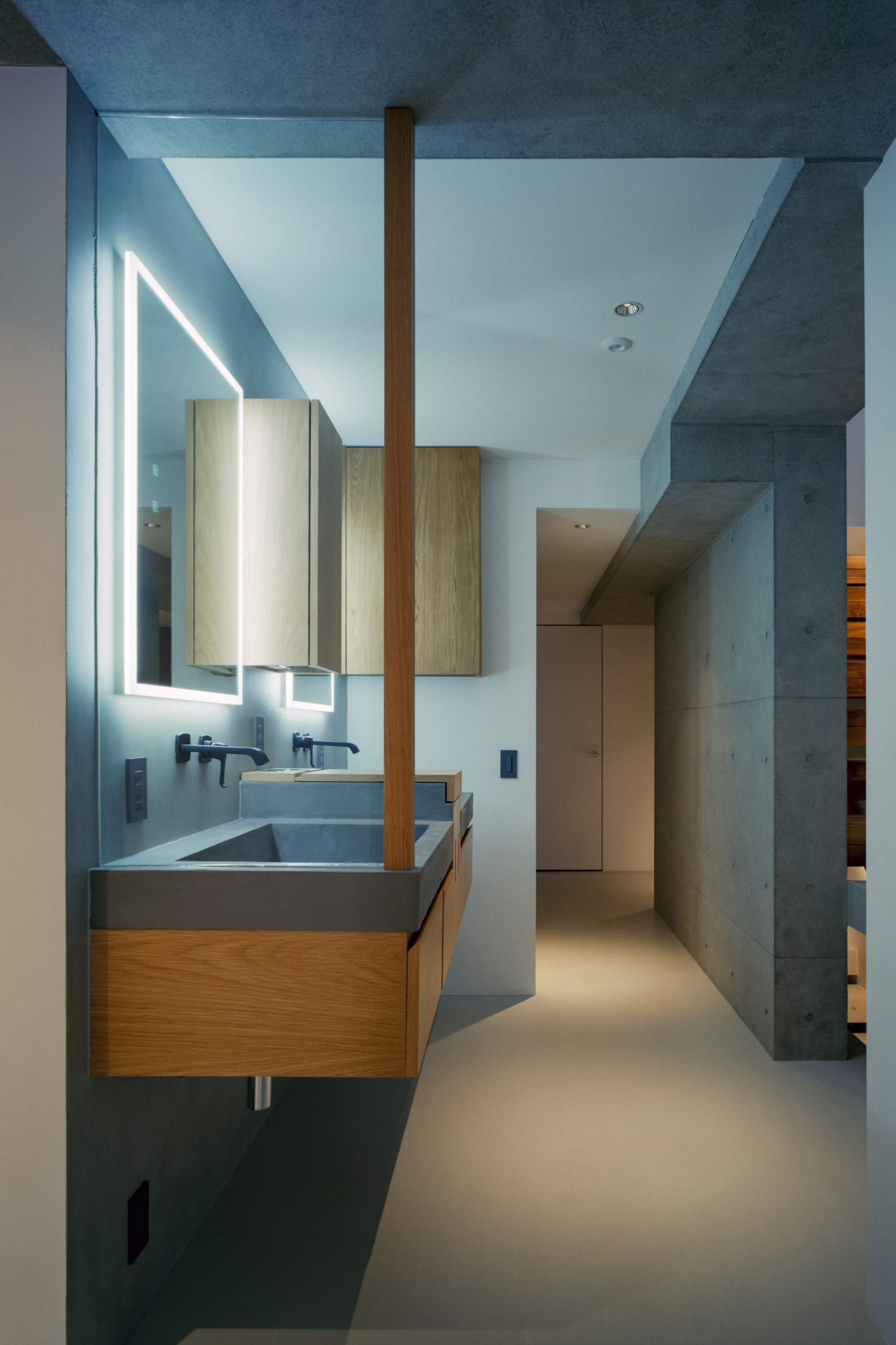
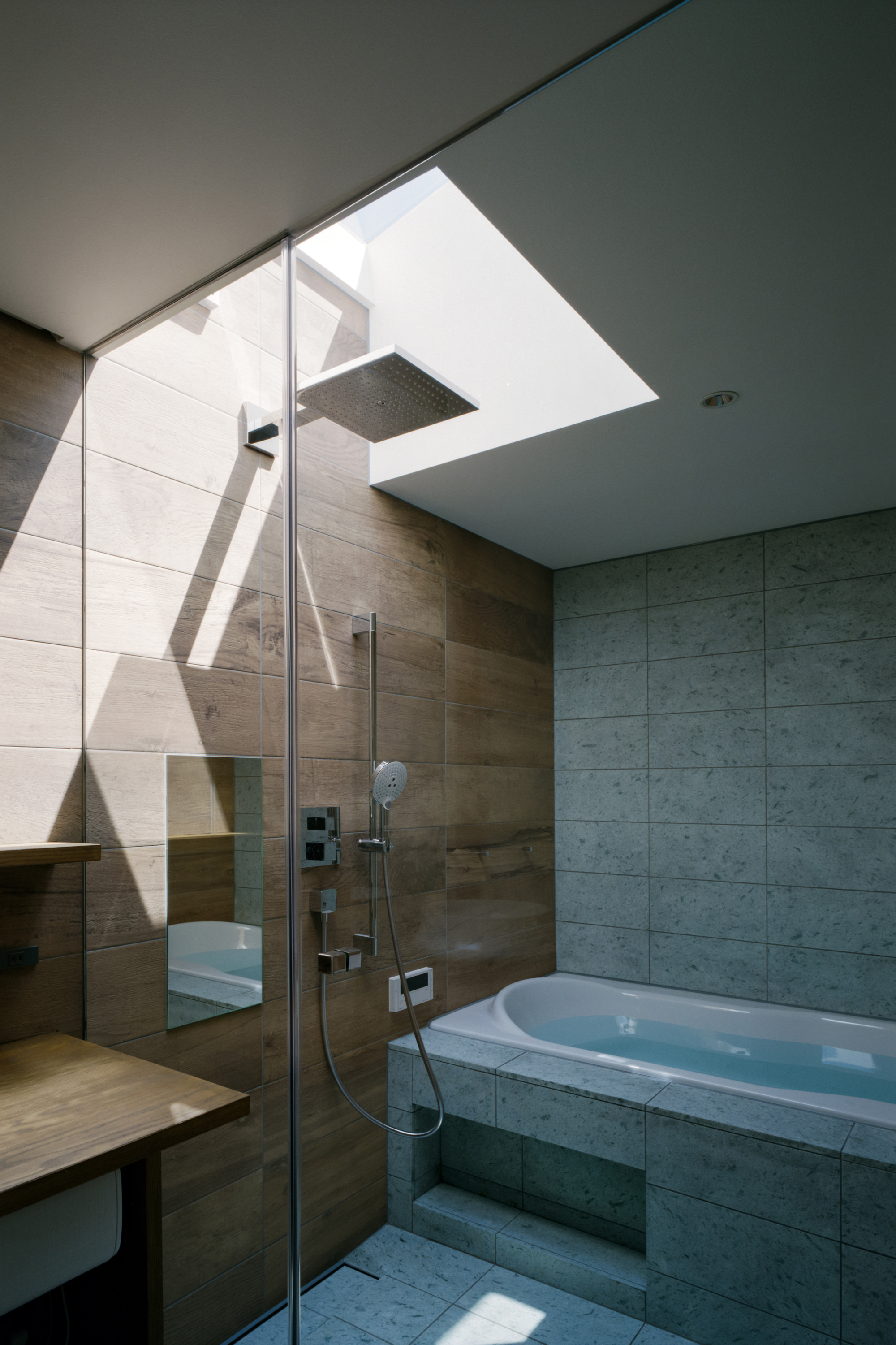
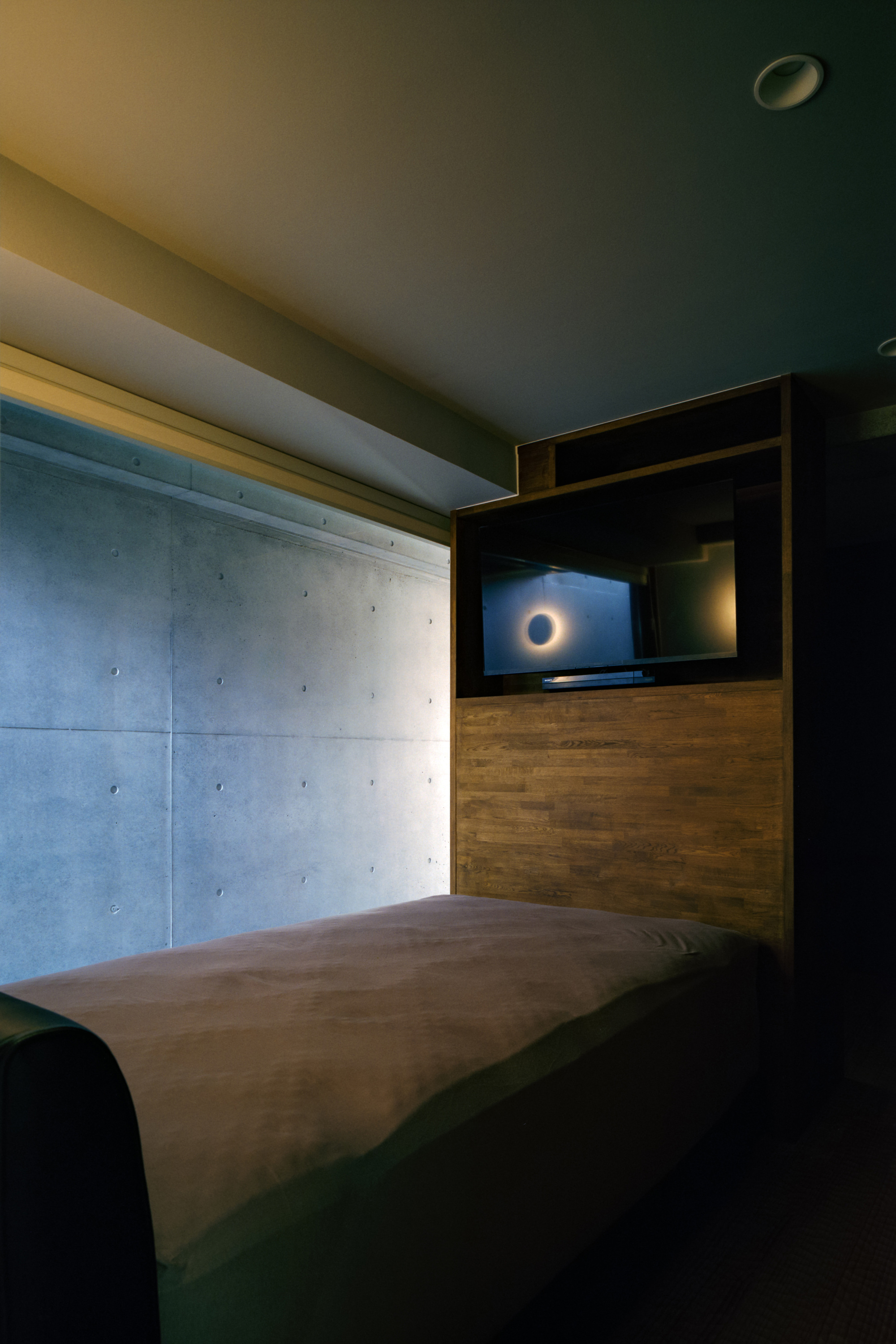
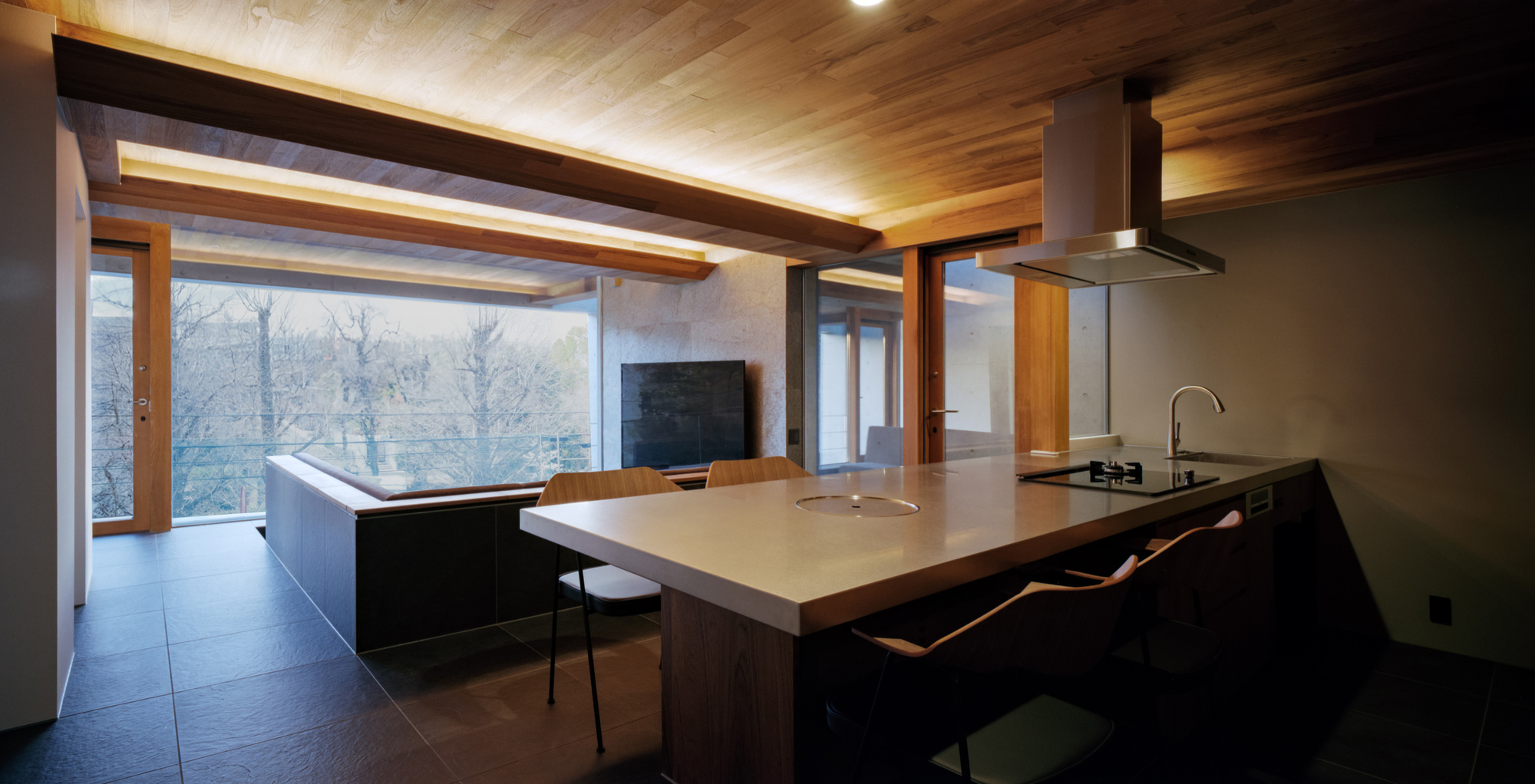
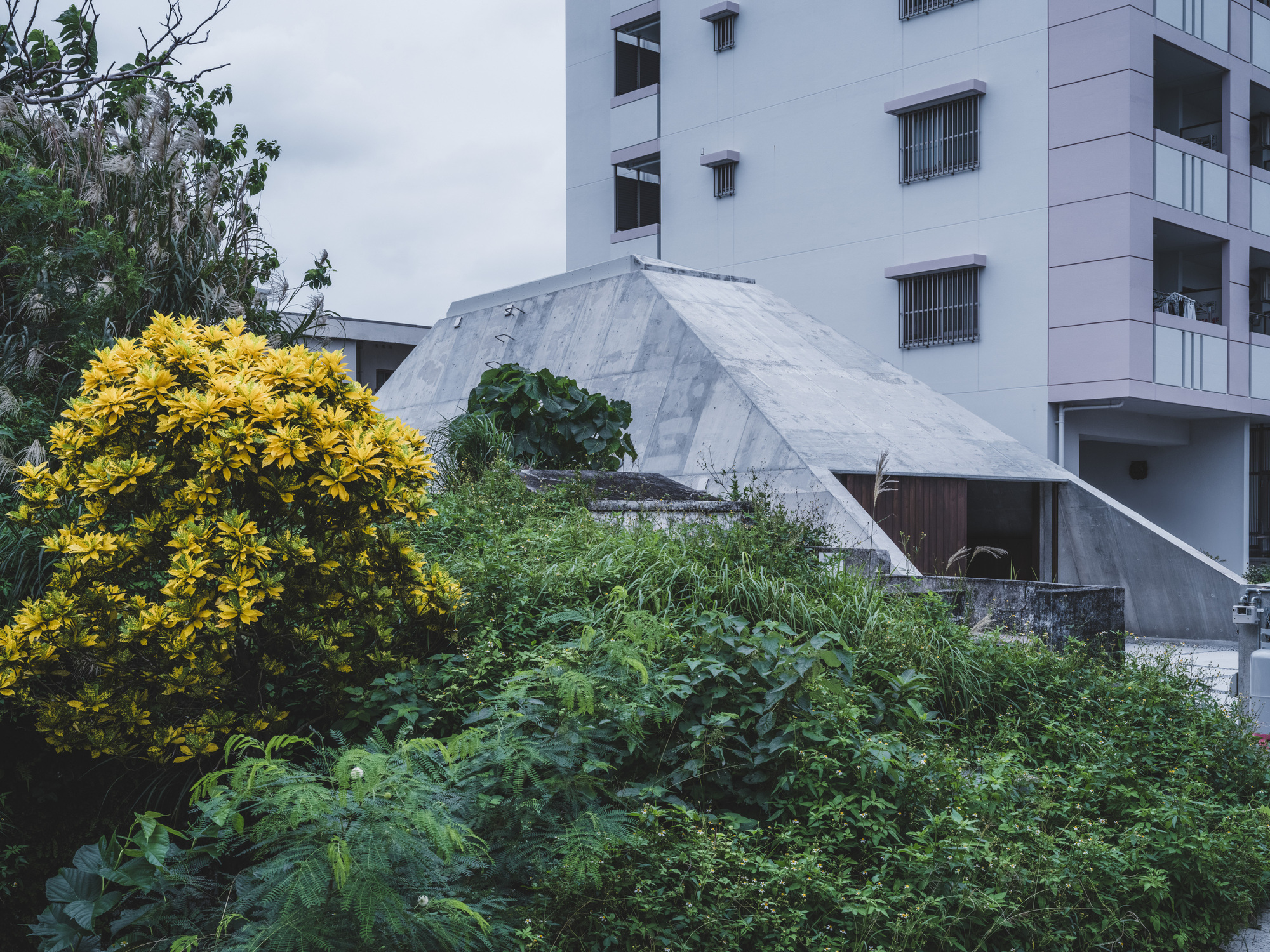
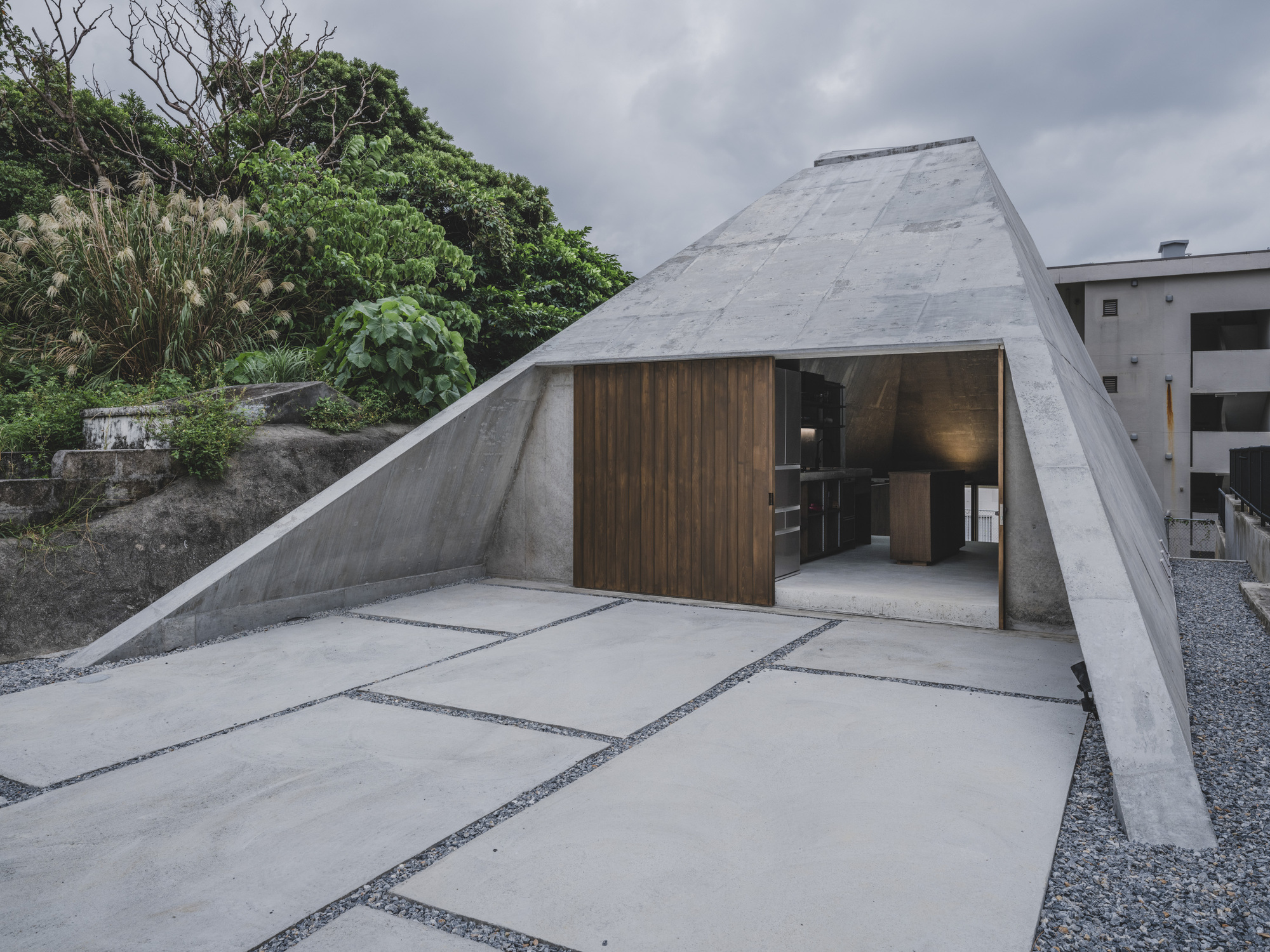
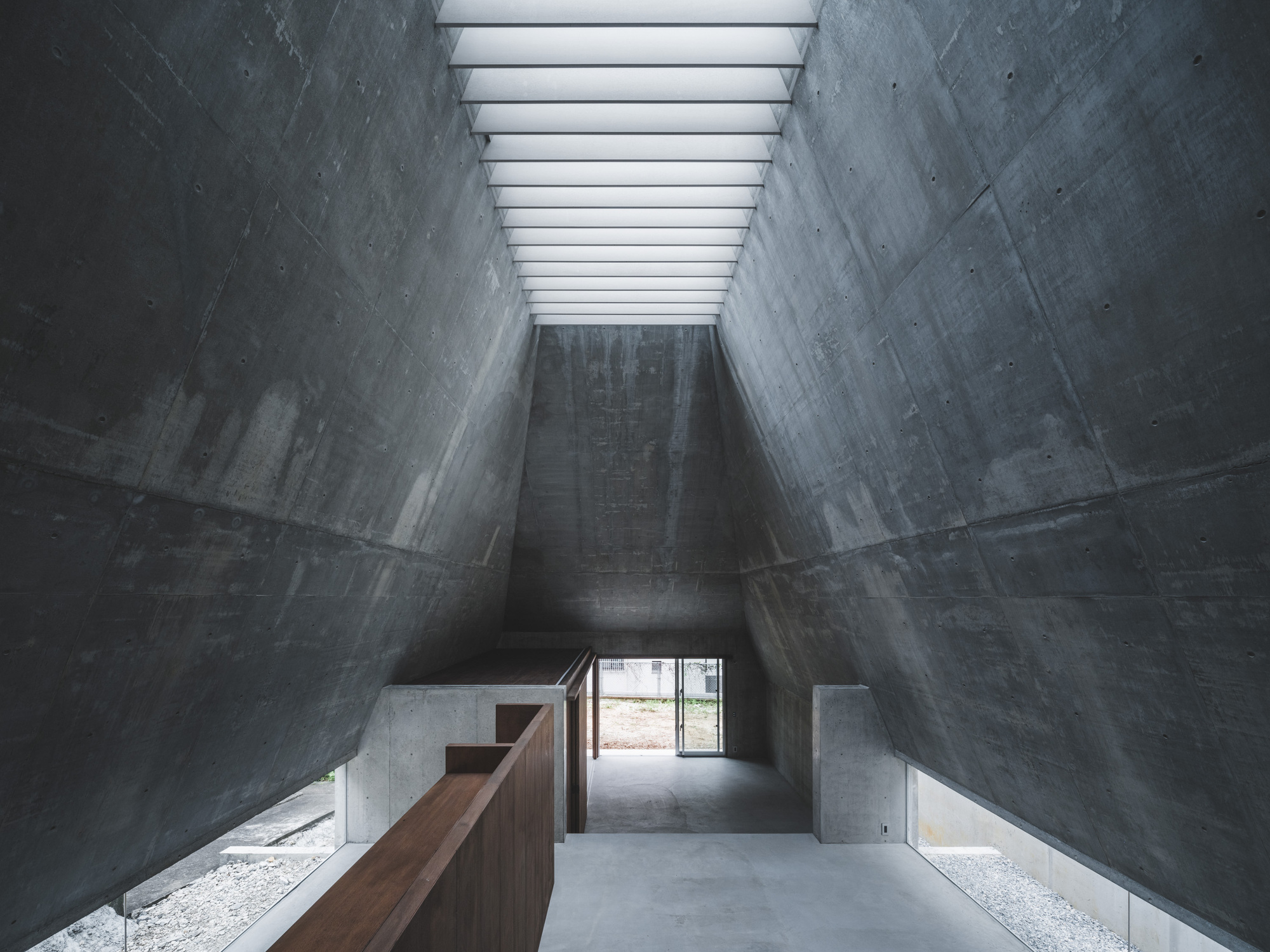
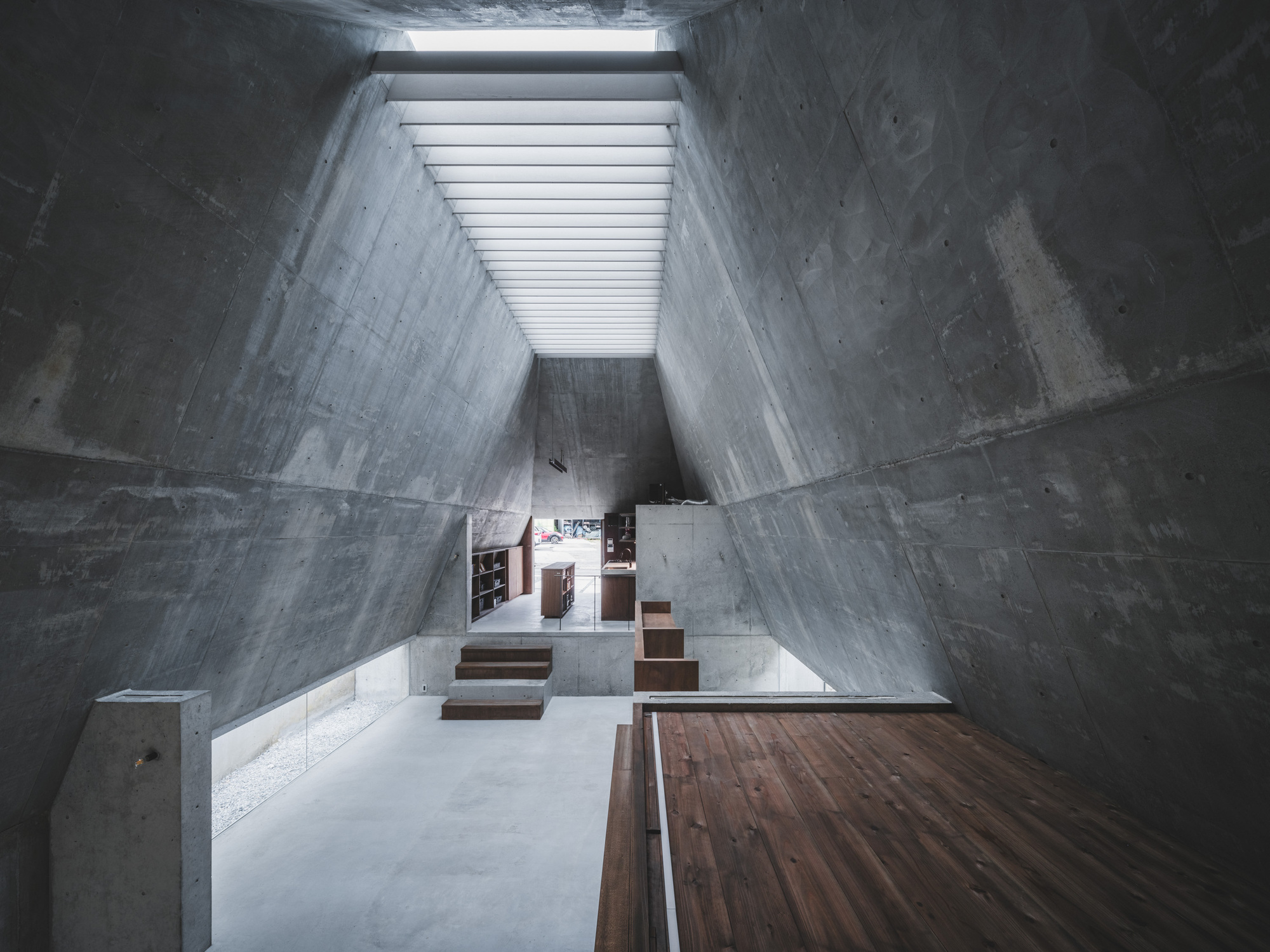
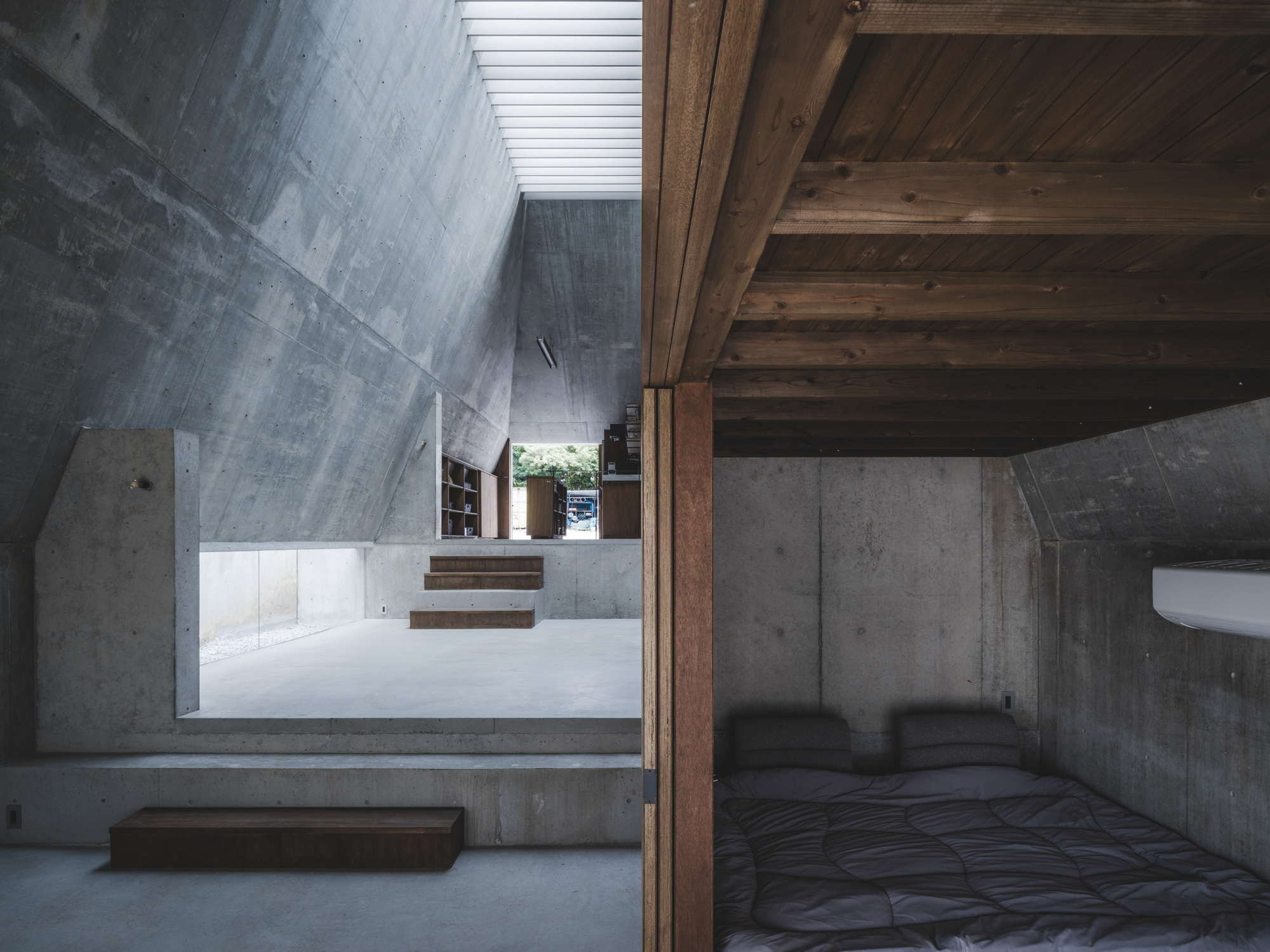
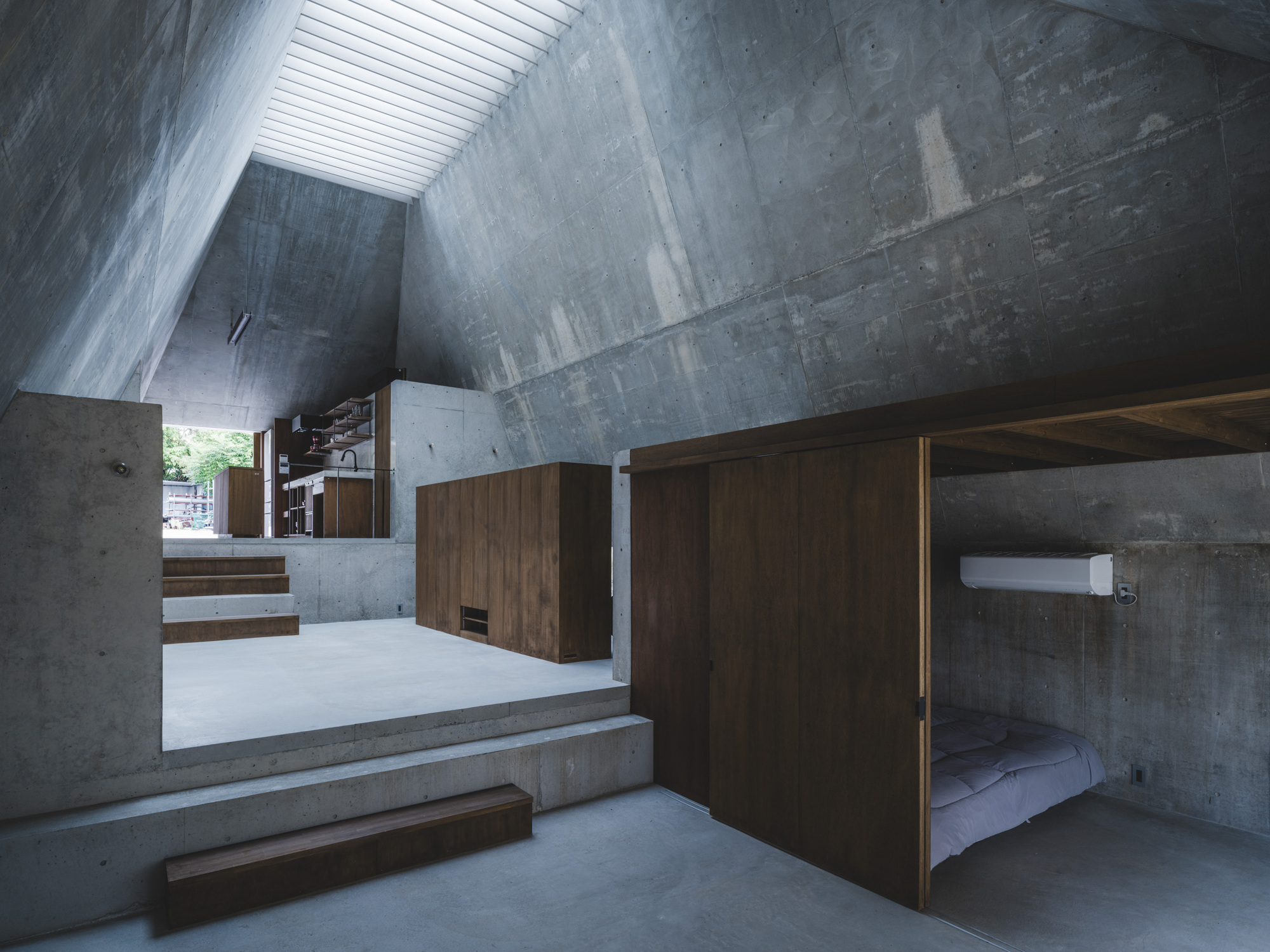
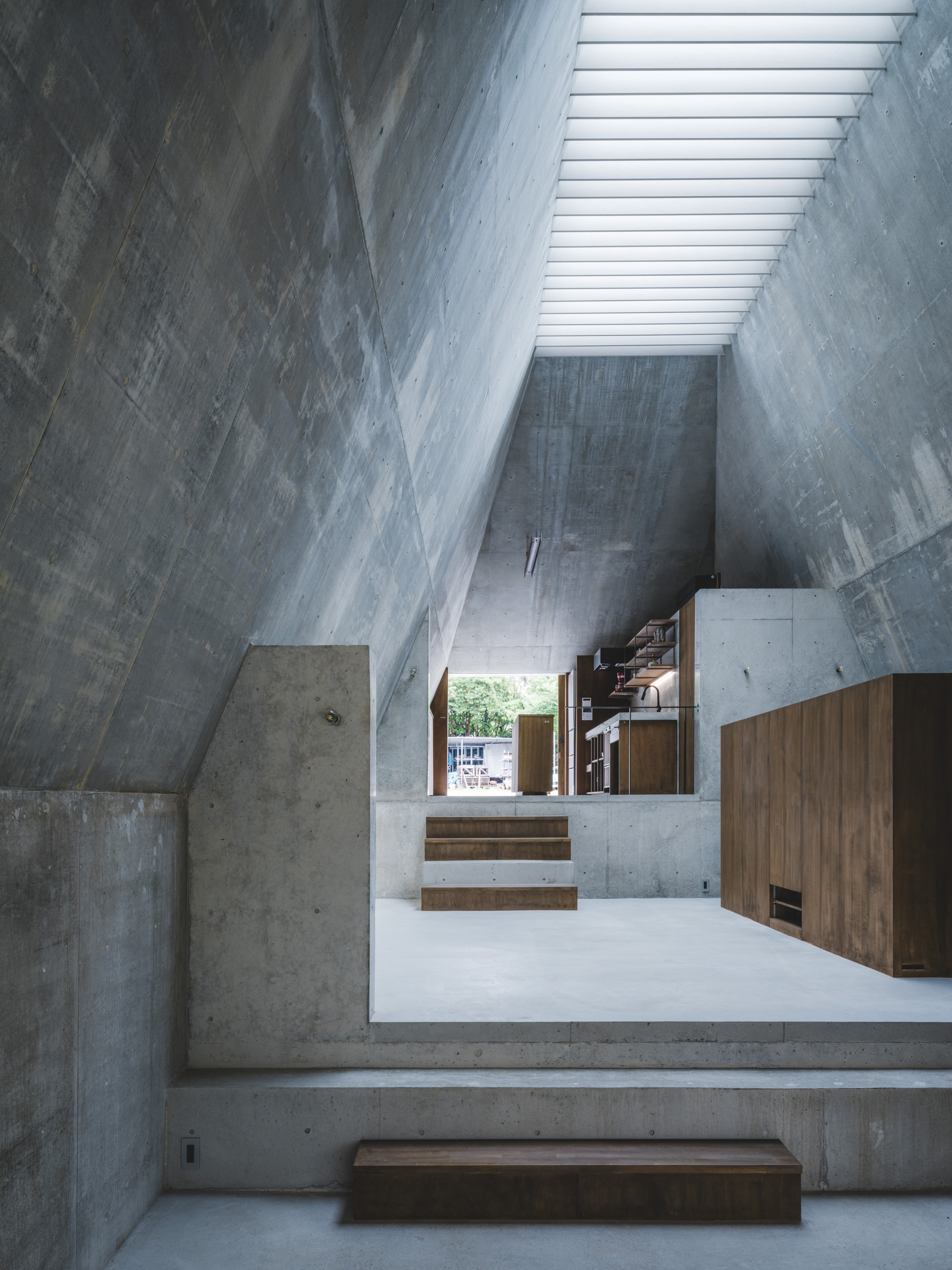
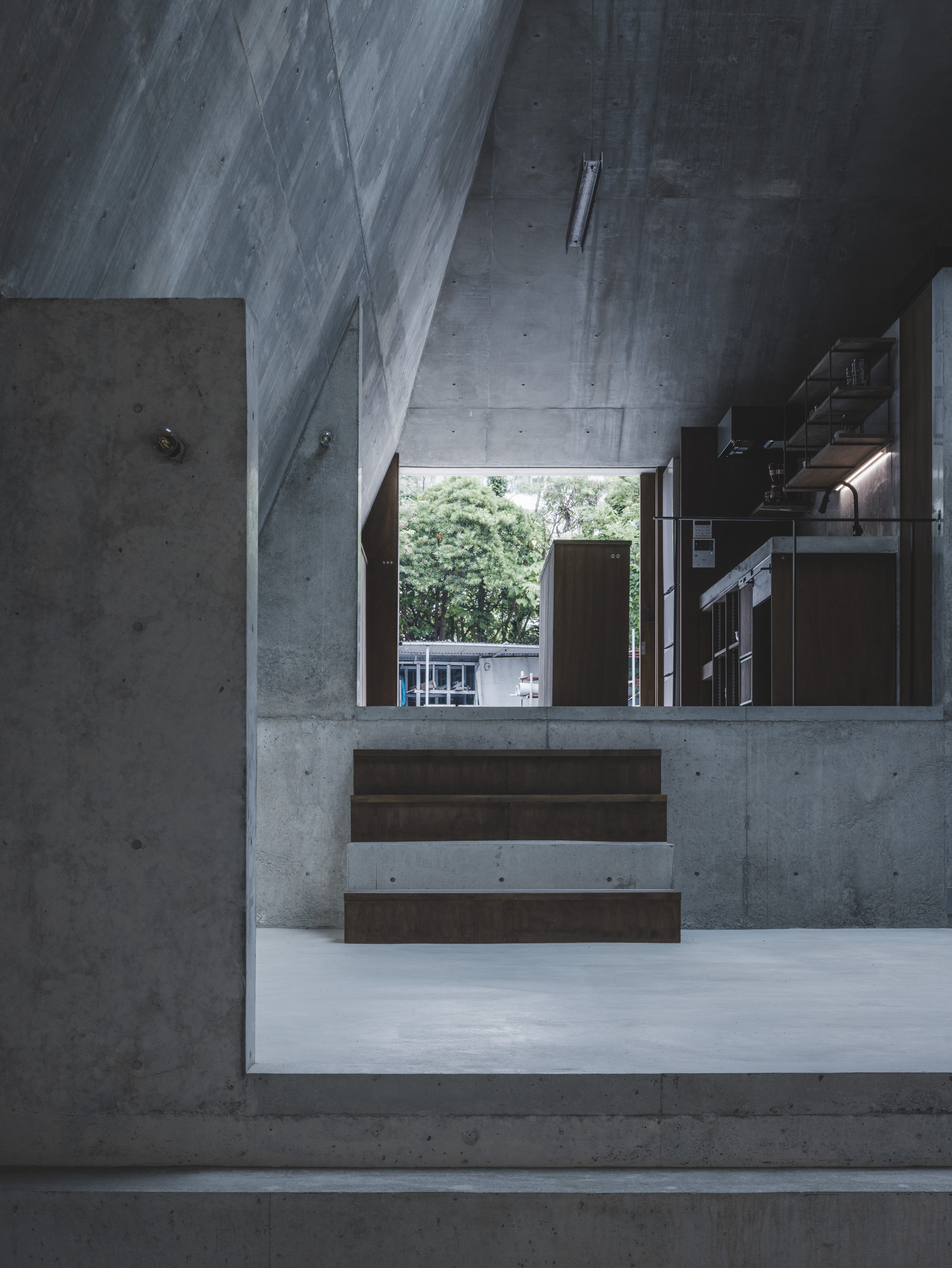
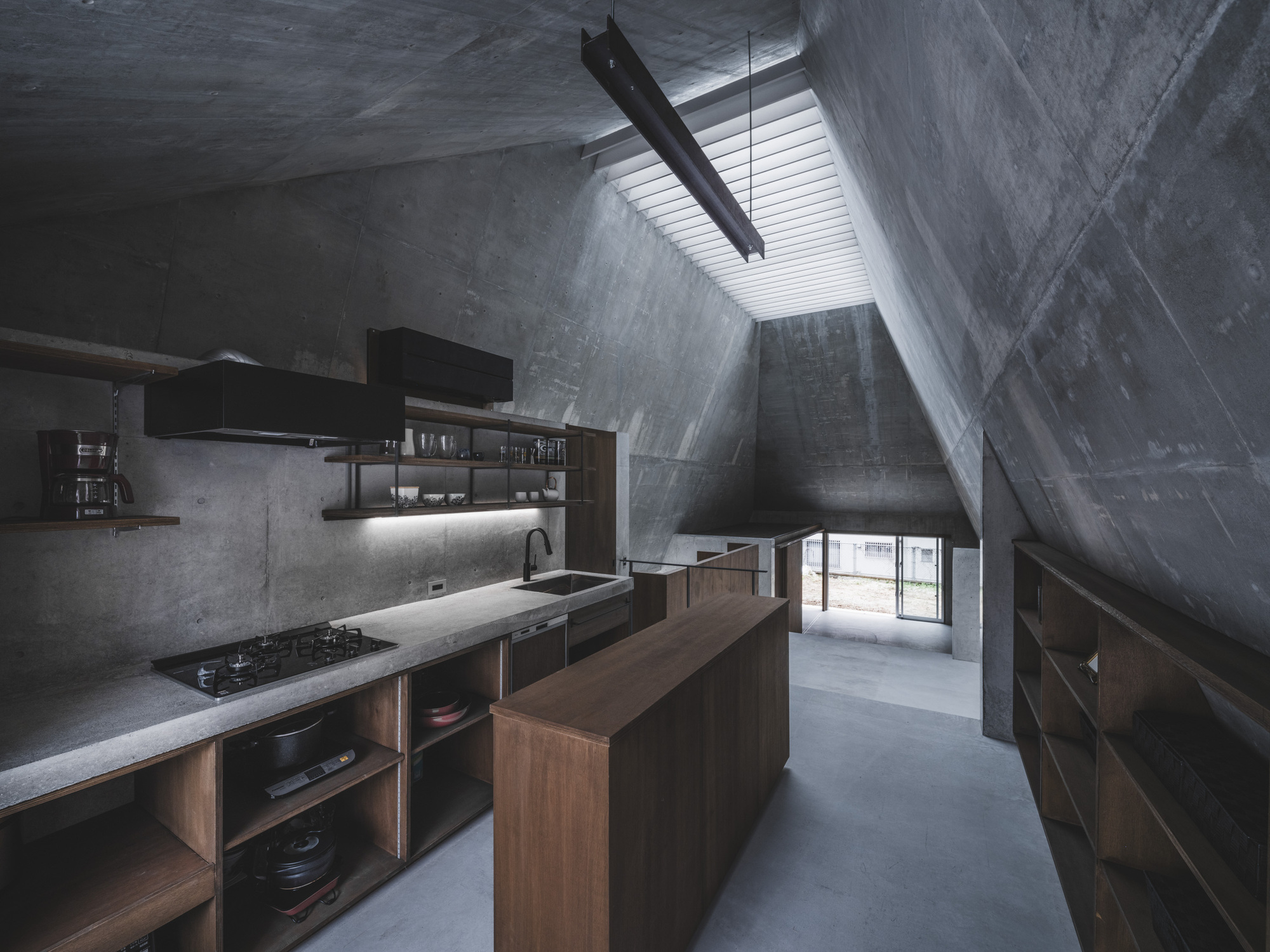
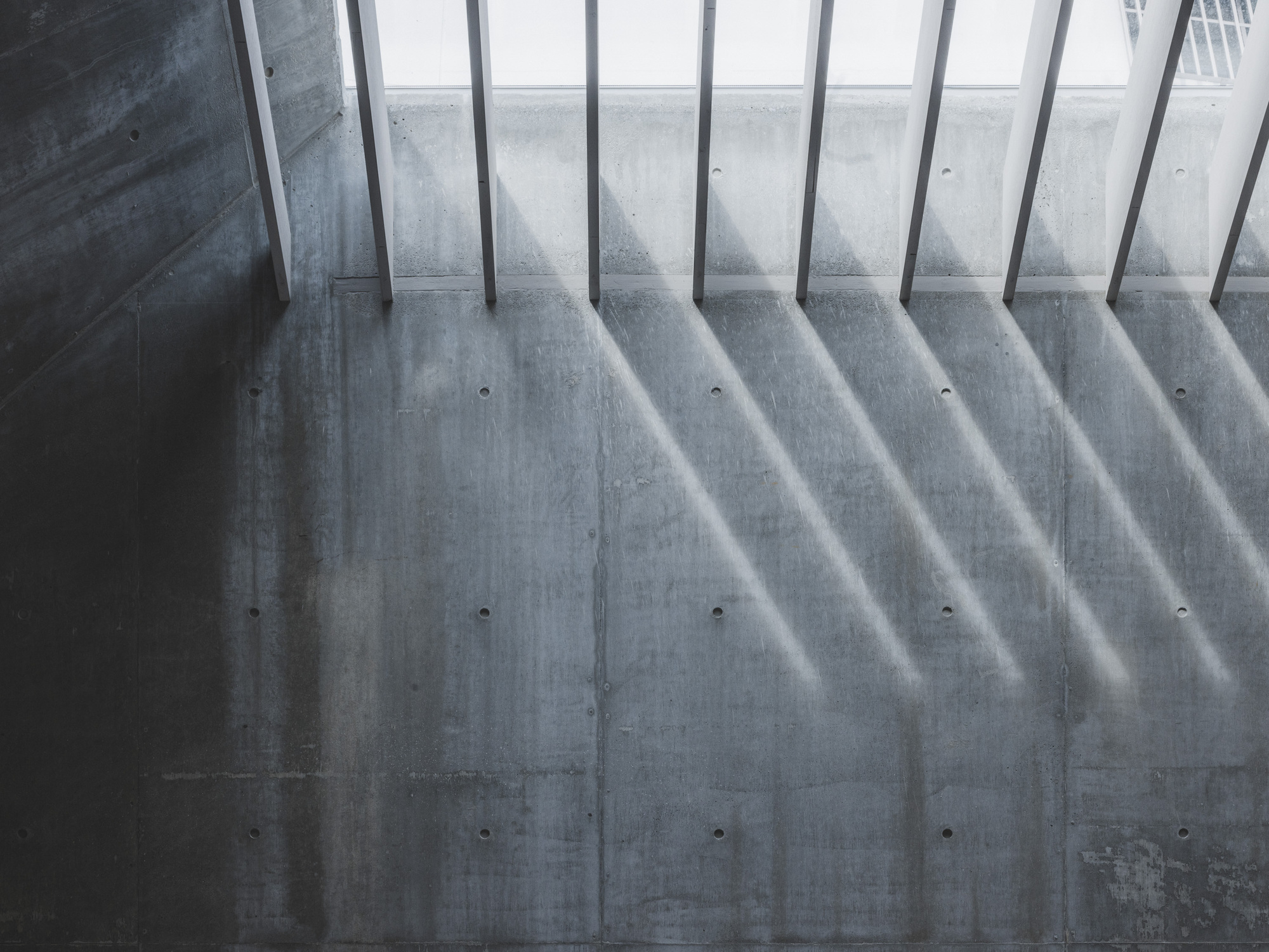
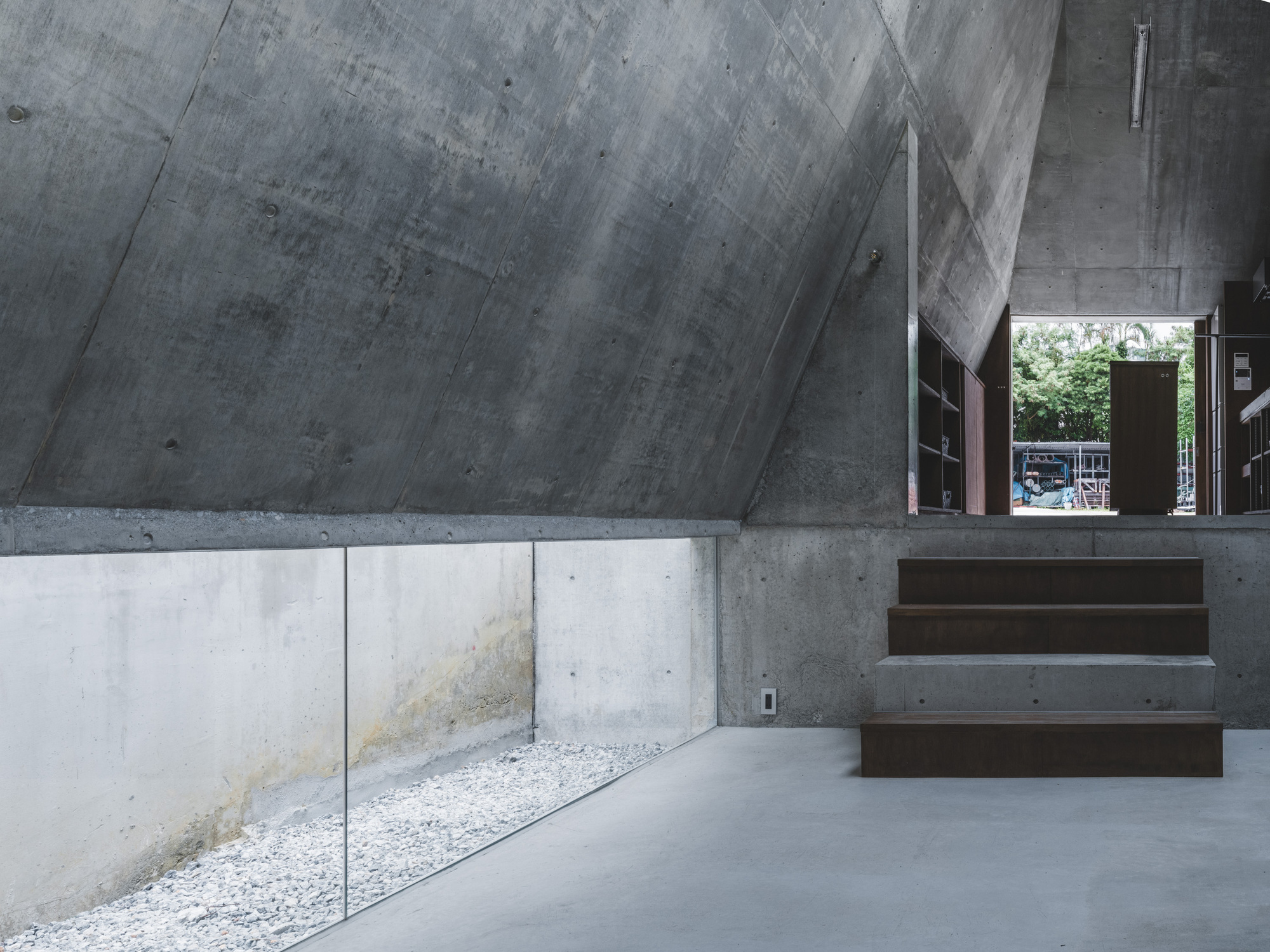
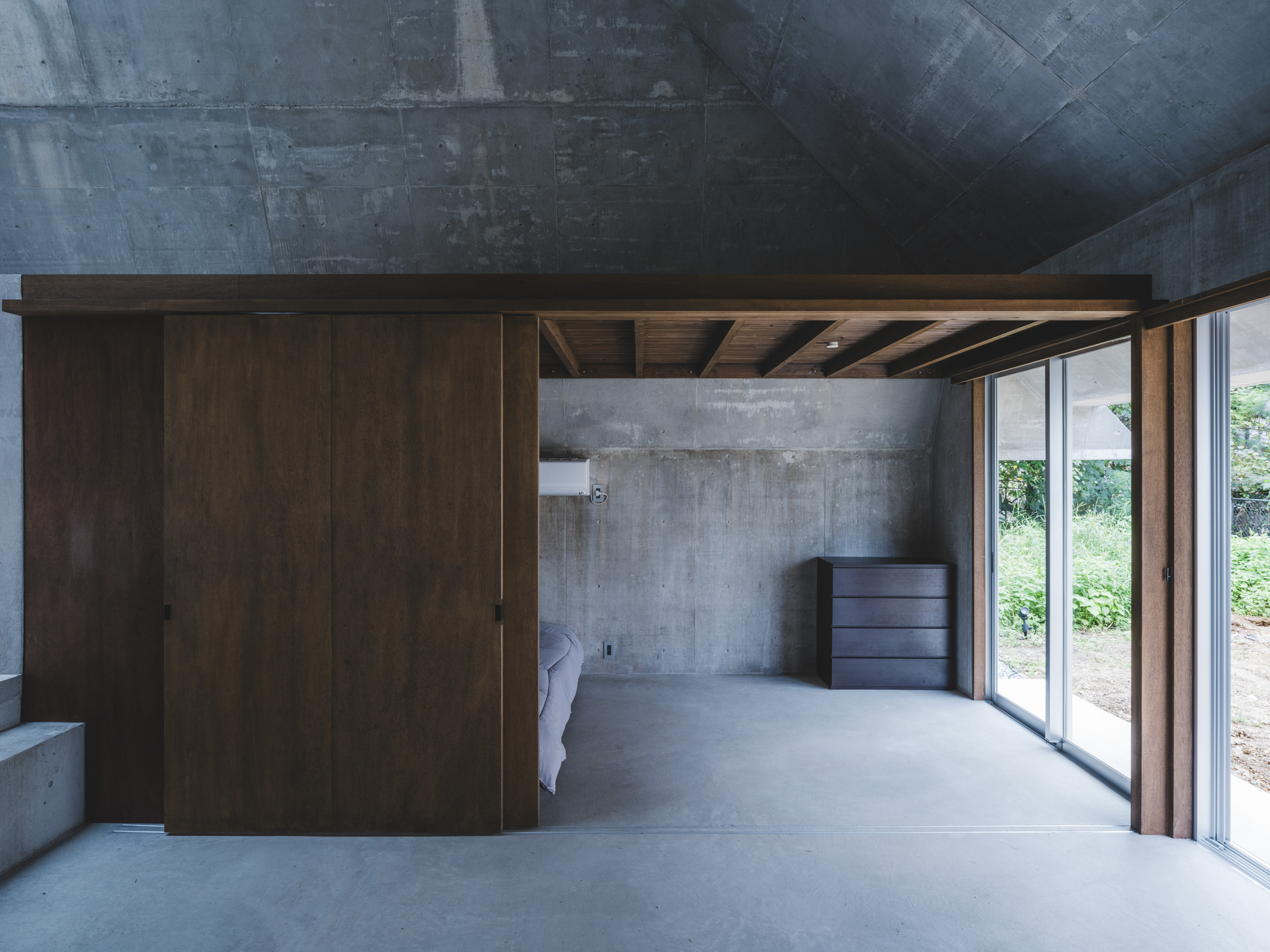
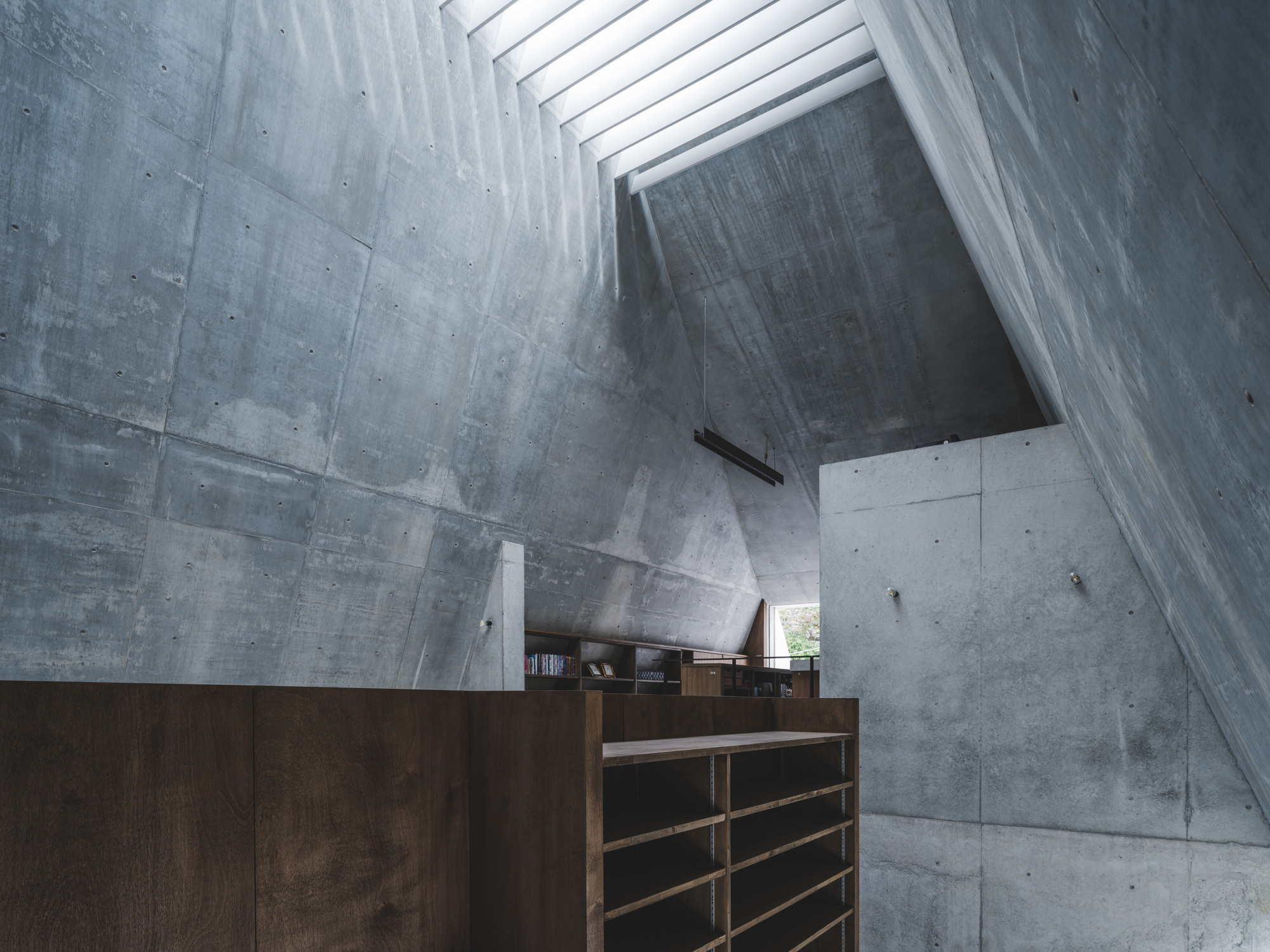
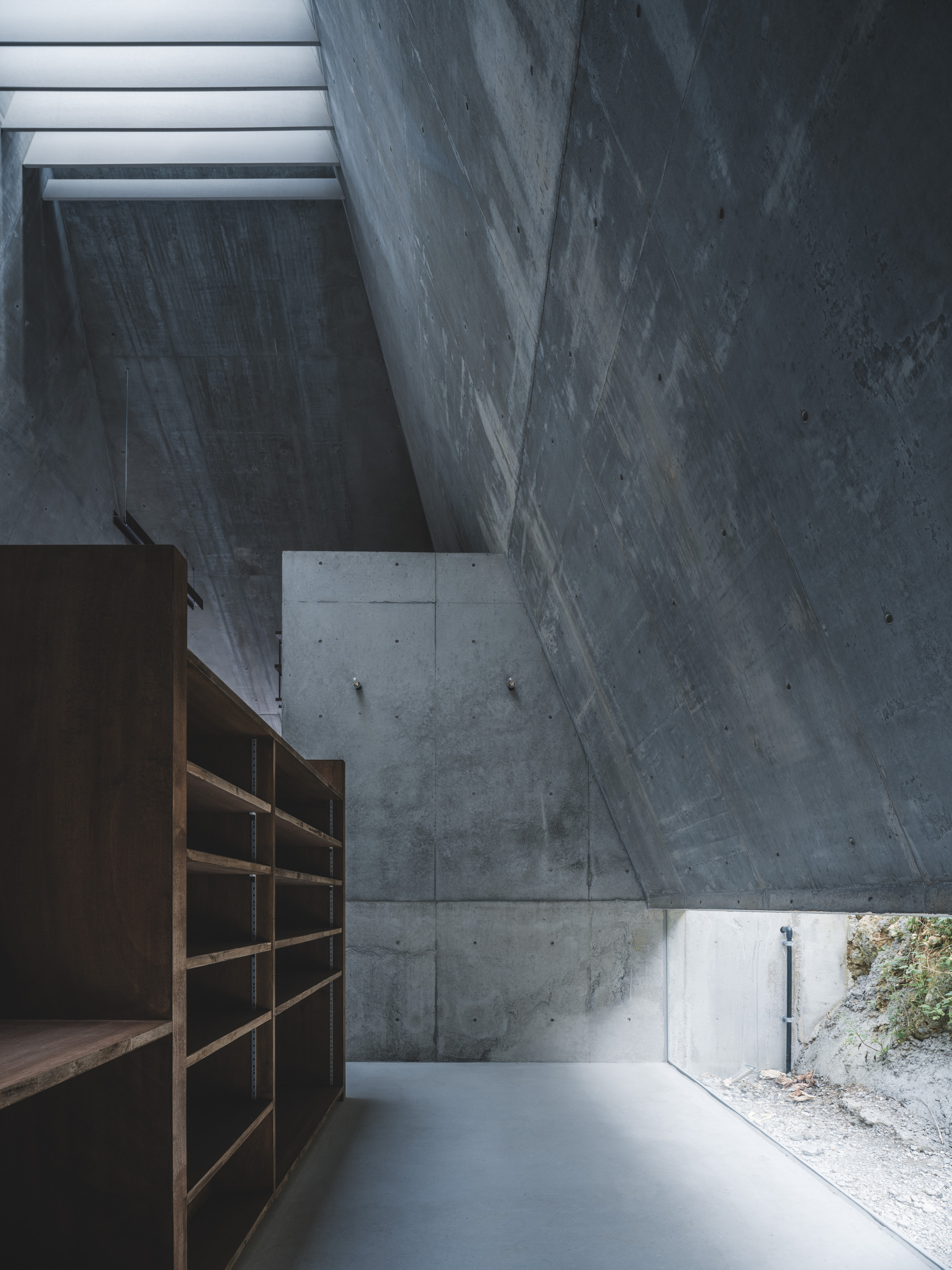
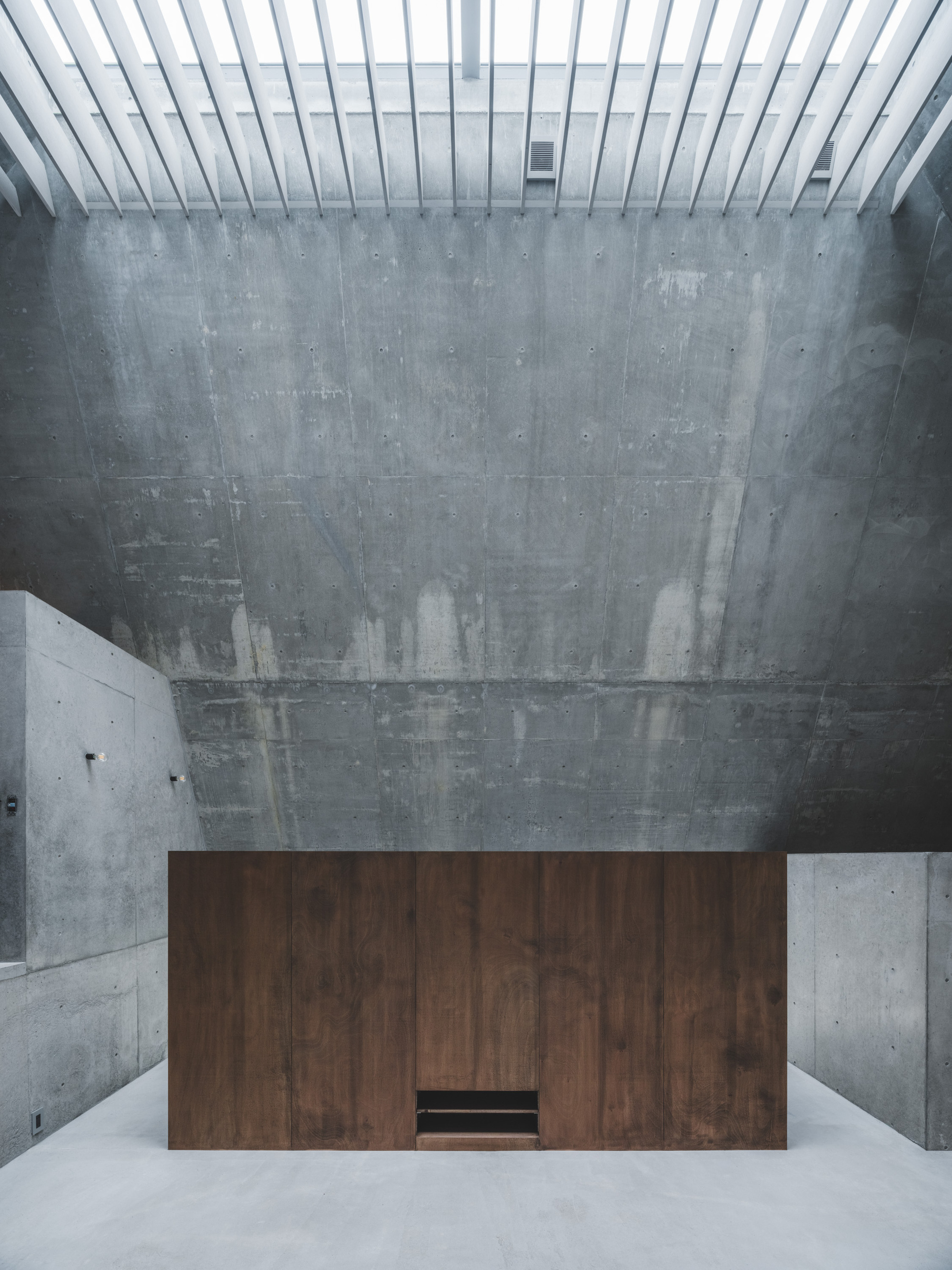
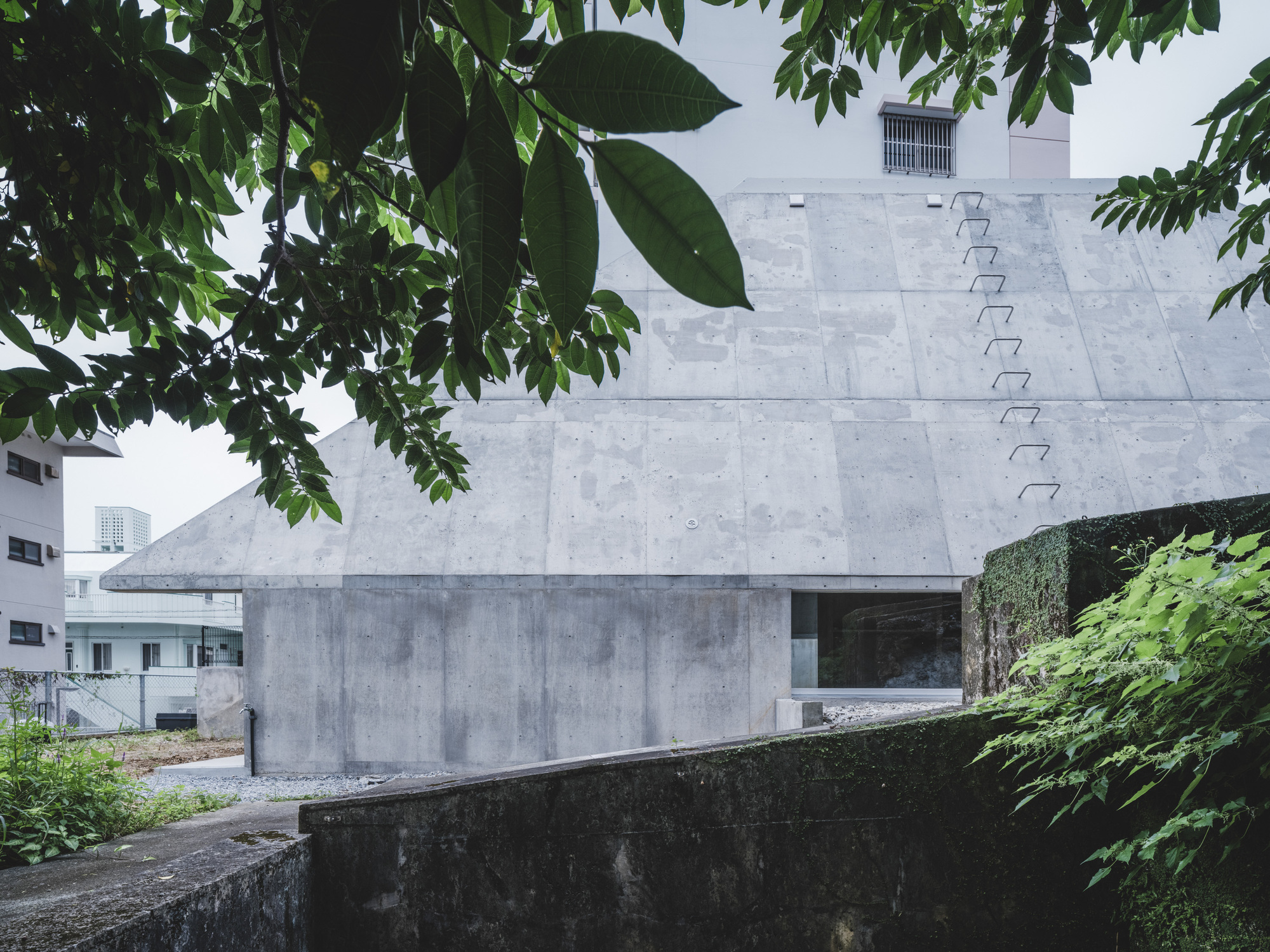
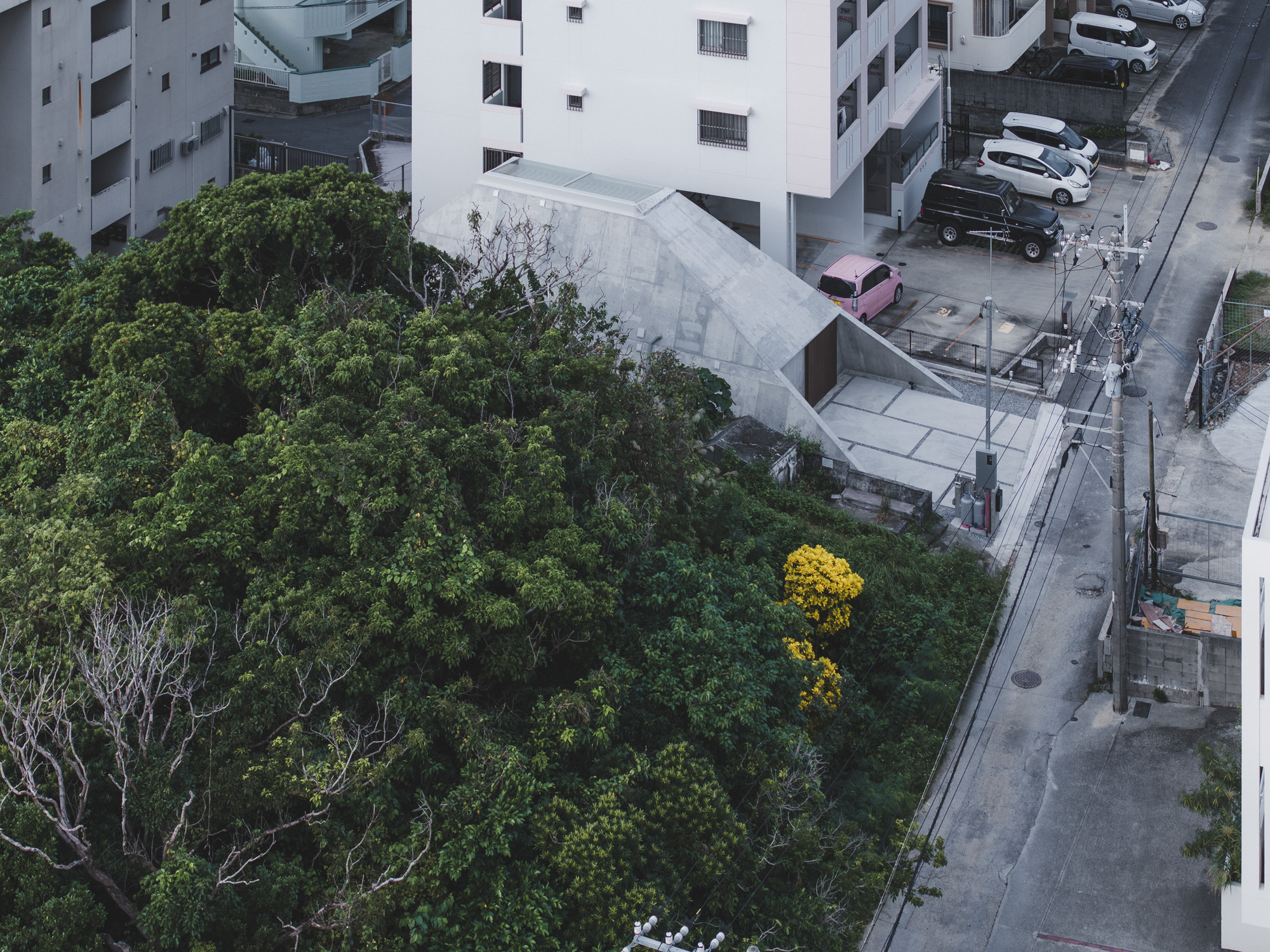
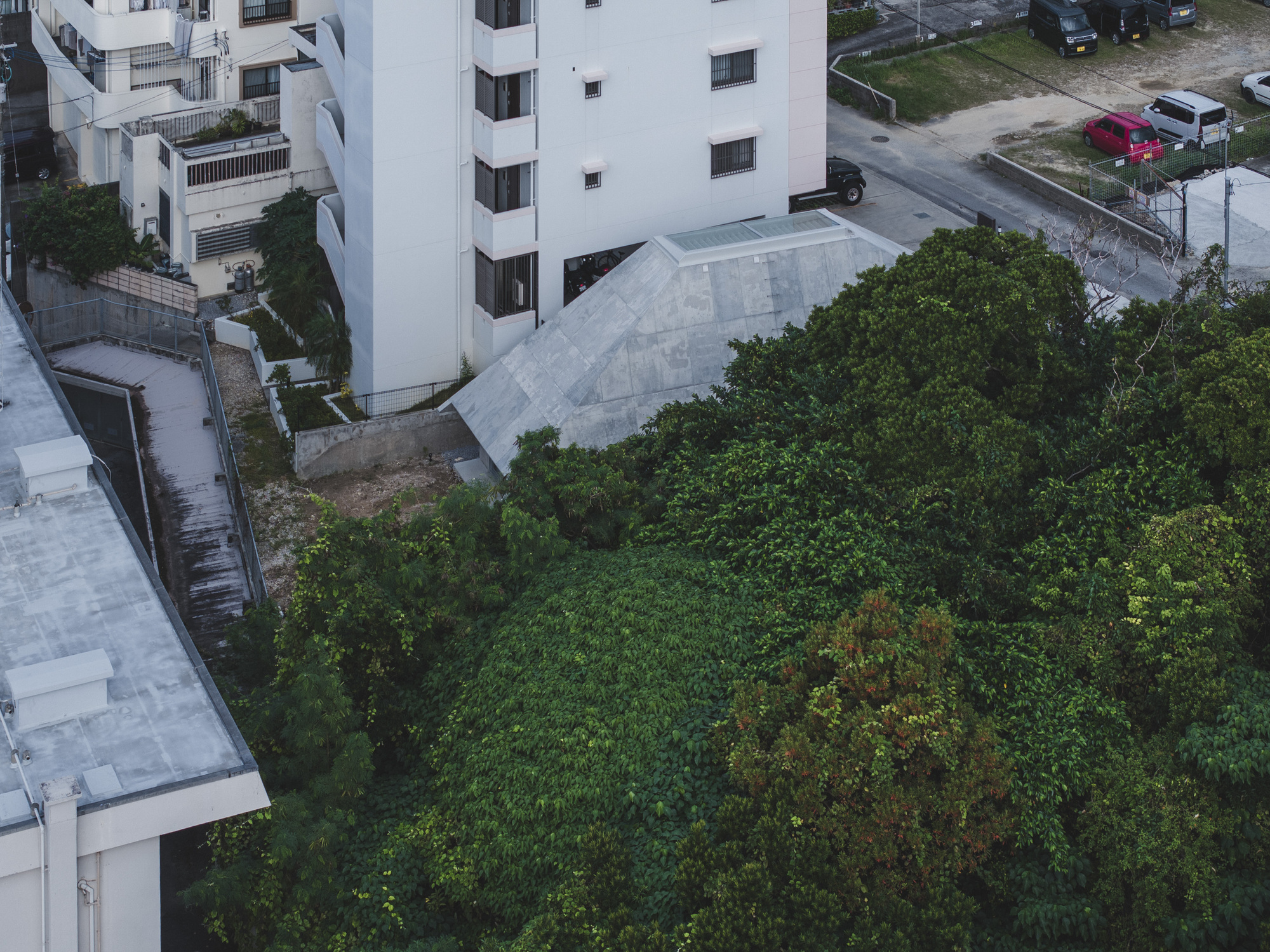
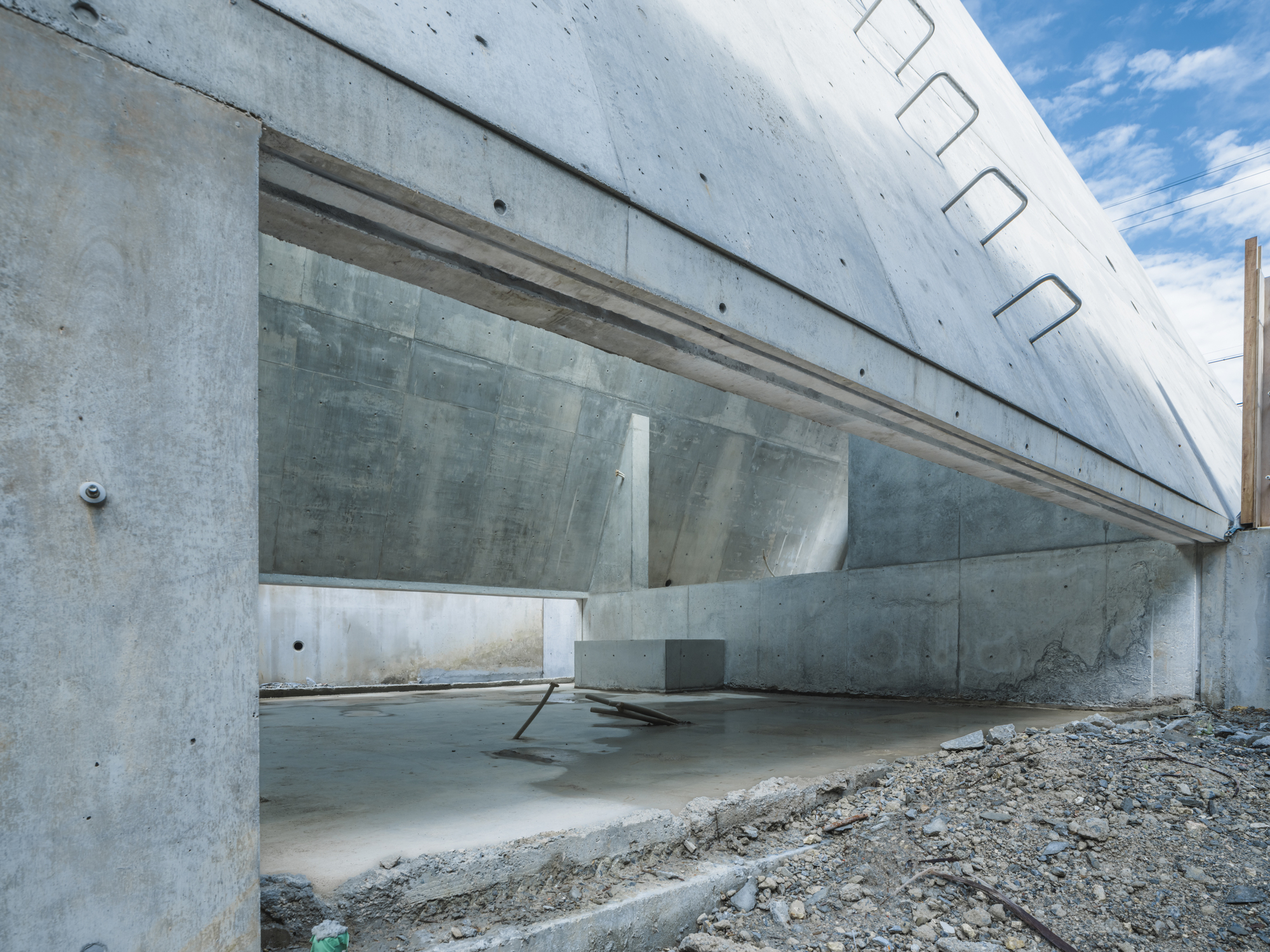
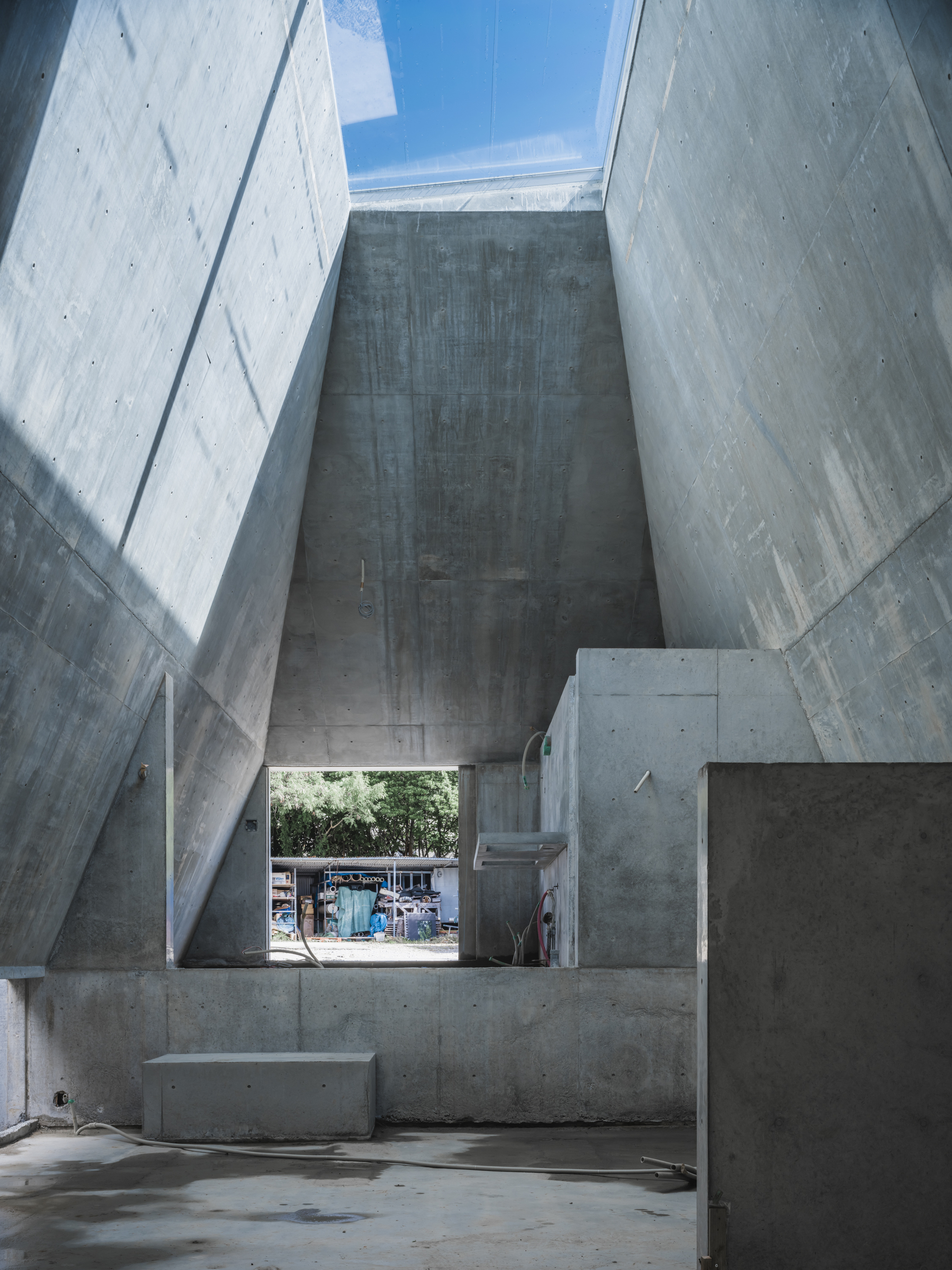
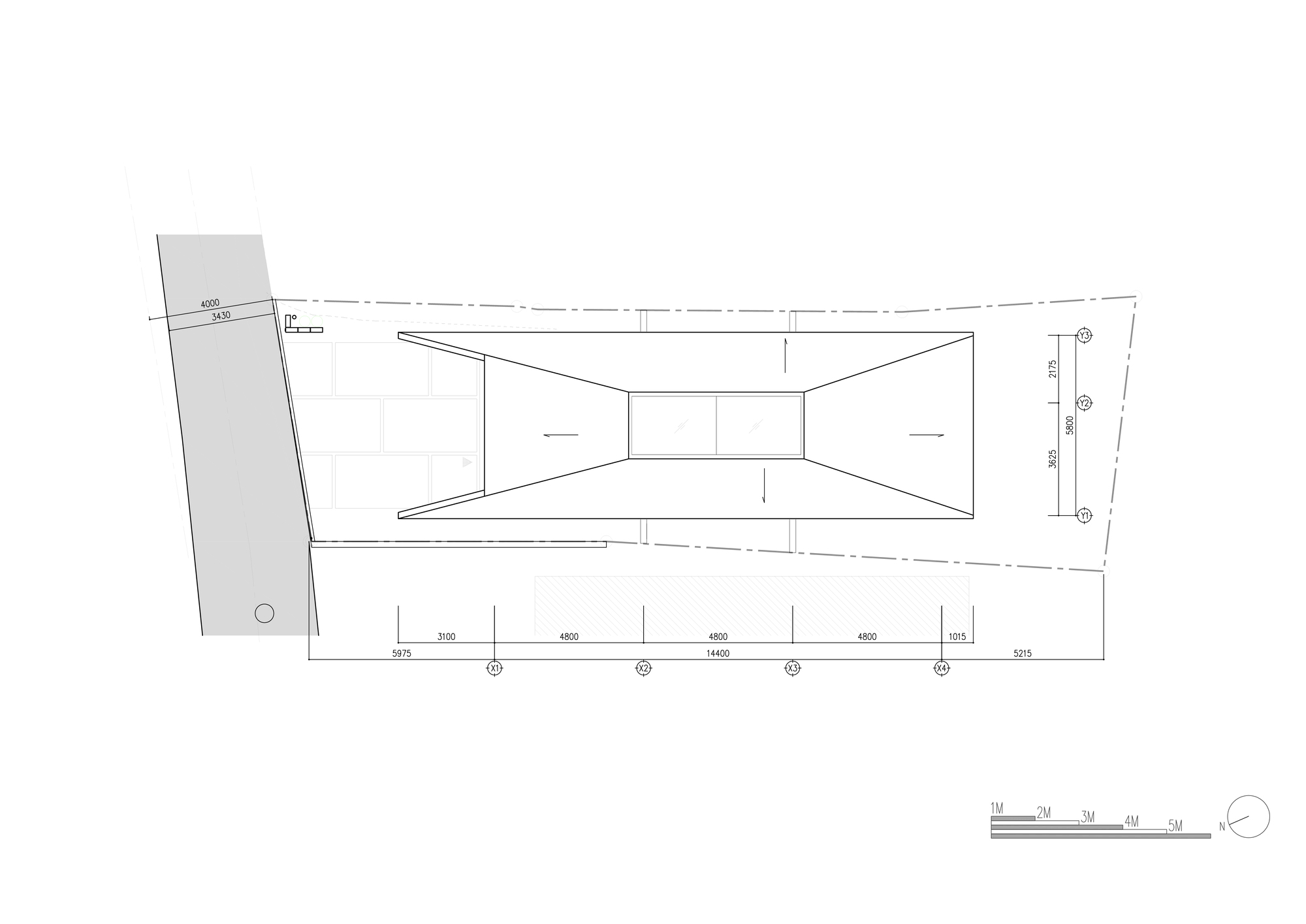
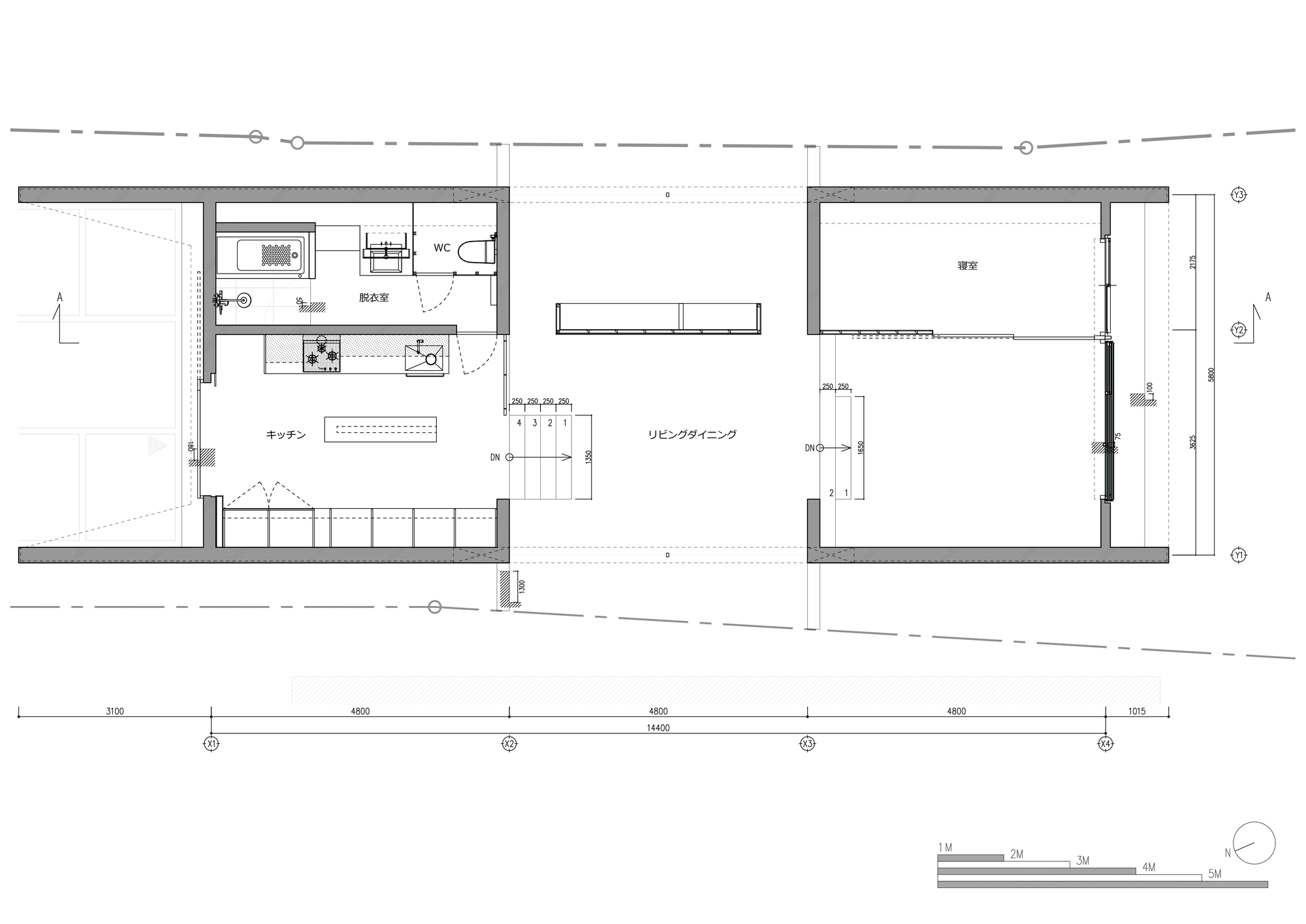
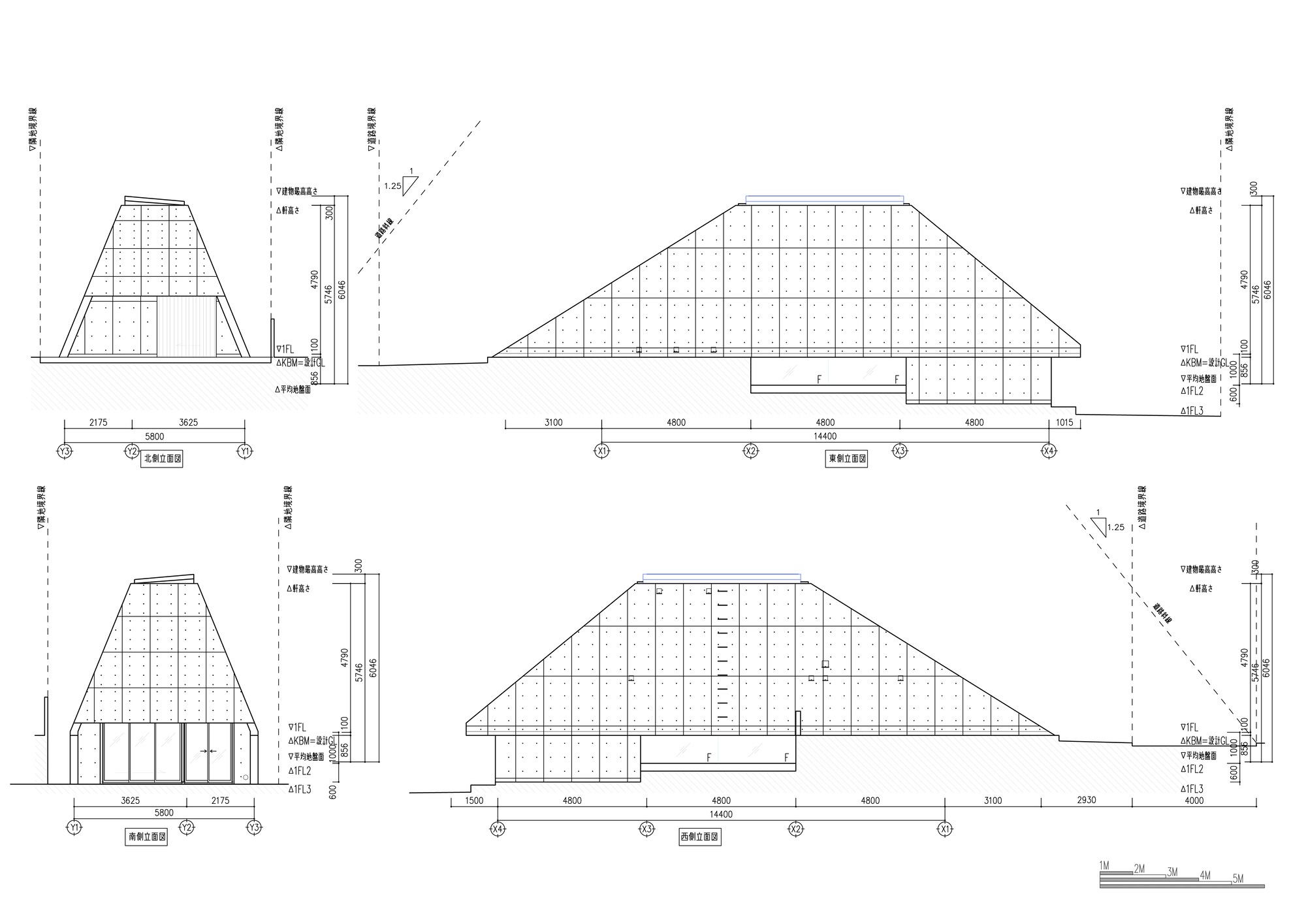
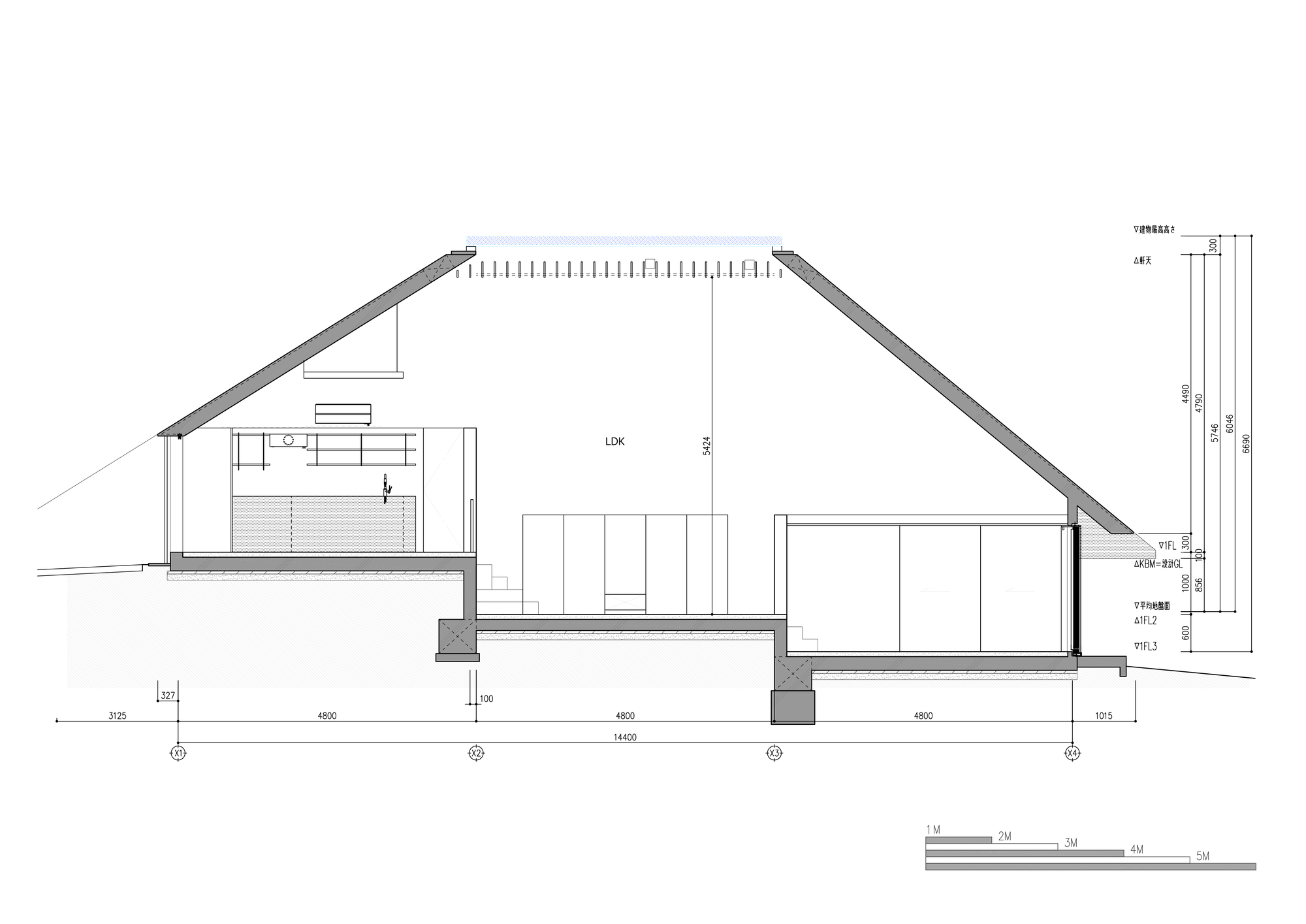
Pyramid Hut #architecture Architects: IGArchitects Area: 83 m² Year: 2024 Photographs: Ooki Jingu City: Okinawa Country: Japan This residence was designed for a married couple. It is on a long, narrow site that slopes gently toward the back, and its three sides are surrounded by apartments and a cemetery, so the location feels like the bottom of a valley. The adjacent cemetery was like a forest, with plants crossing over into the site and blurring the boundary, making the site itself look like part of the cemetery. Having these site features, an "Okinawa-like" building style with large openings seemed somehow inappropriate for this location. Here, we envisioned a bright, open architecture while keeping a distance from its surroundings. We envisioned a building with a dignified appearance with a bright and austere interior free from external influences. Such architecture has the power and the quality of space that architecture possesses even after its original purpose ends and can remain there for a long time. For this project too, we wanted to build an architecture that will be loved and used over time, even after the owner or its function changes. The gently sloped site was organized into three levels for the living platform, the stepped earth retaining walls were used as two rows of foundation lining, and a square pyramid was placed reminiscent of a portable shrine. The square pyramid lifted from the hard Ryukyu limestone layer has a powerful form that will continue to stand there as if it were perched on clogs, even if the surrounding earth were to erode. The closed pyramid is not only structurally stable but also private and dignified. While providing functional support points in response to the site, opening the foundation and roof surface was to a limited extent, creating a peaceful space without losing the stable form. The interior space has a simple composition. The first level consists of a bathroom and entrance to efficiently gather plumbing, the next level which is stepped 1m down is a living/dining room and a study, and the third level at the back has a bedroom and other private spaces. The house was designed to create a living space within easy reach of wooden material under a skylight inside a concrete mass like a ruin. Old tombs in Okinawa are very splendid. They are designed to withstand Okinawa's harsh climate and endure for generations. They provide a function as places of gathering, celebration, and reverence and a "home" for the ancestors, with the ancient wisdom, will and culture to be able to use them for a long time. The building that we designed and completed came out looking somewhat like a pyramid or a tomb. The shape of the building was derived from considerations of Okinawa's climate, wind and rain, the surrounding environment, and the budget. However, when I saw the completed structure, it felt as though it was imbued with the sense of permanence and festivity that Okinawa's ancestors instilled in their tombs. Although the form may seem bizarre, this concrete house resulted in a graceful Okinawan character.
Solai House #architecture Architects: Studio Saxe Year: 2024 Photographs: Alvaro Fonseca Architecture And Interior Design: Studio Saxe Country: Costa Rica