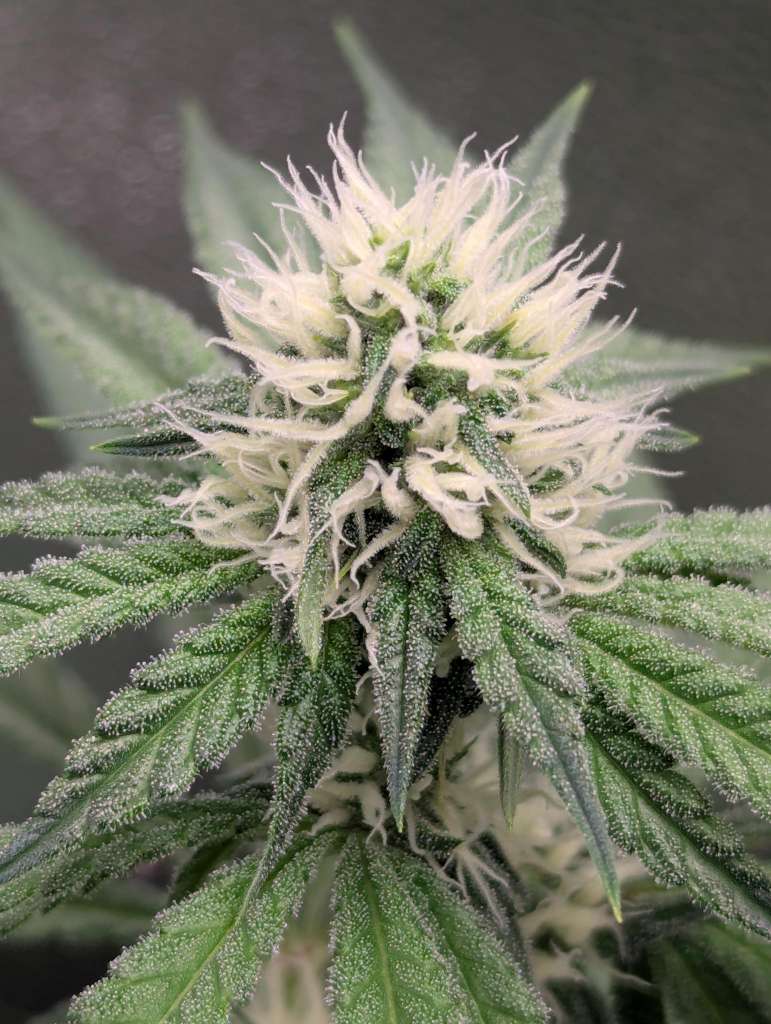
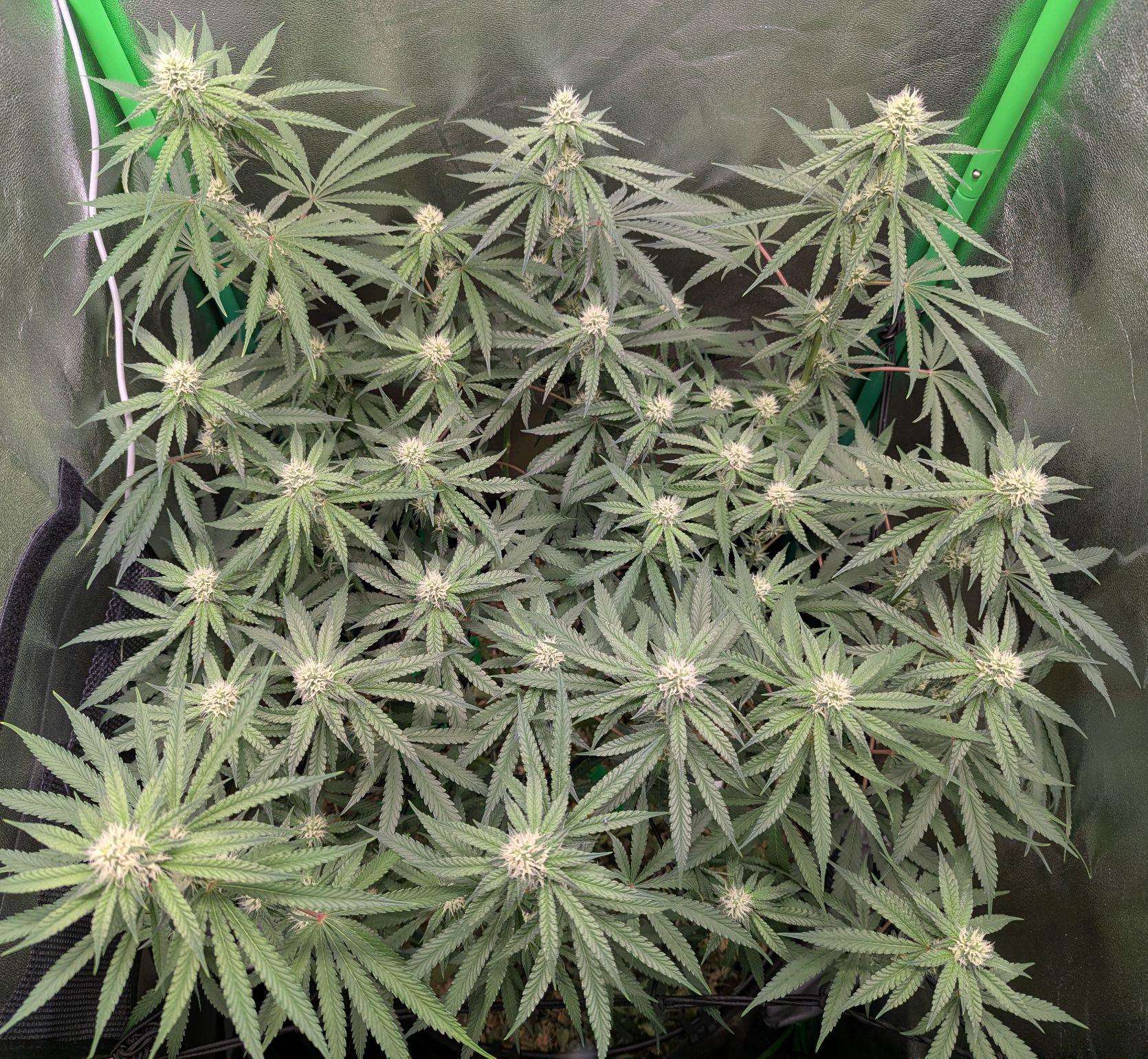
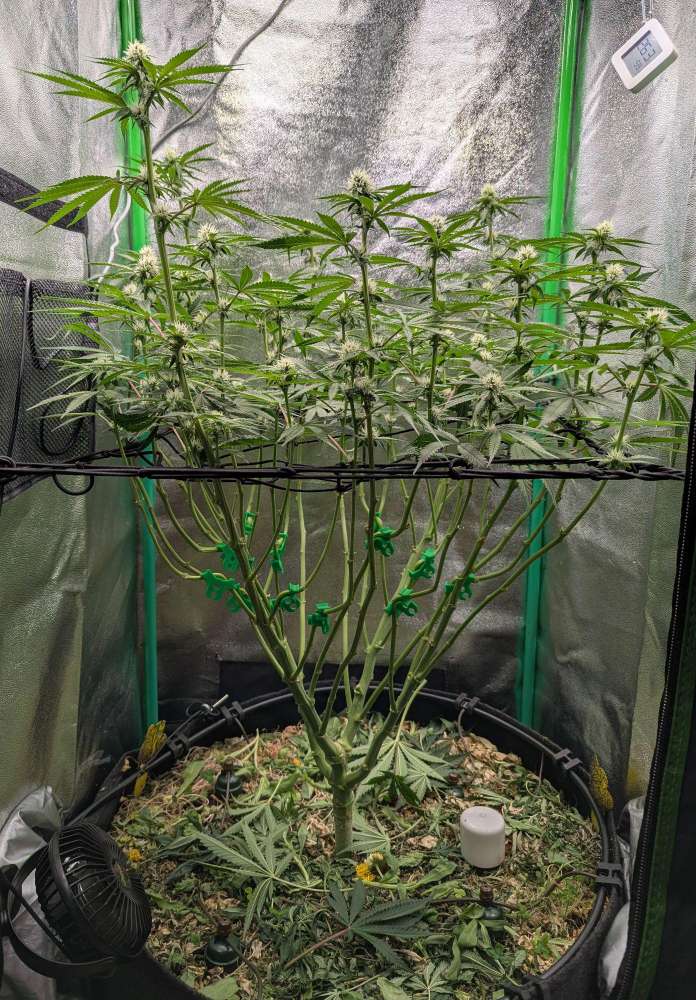
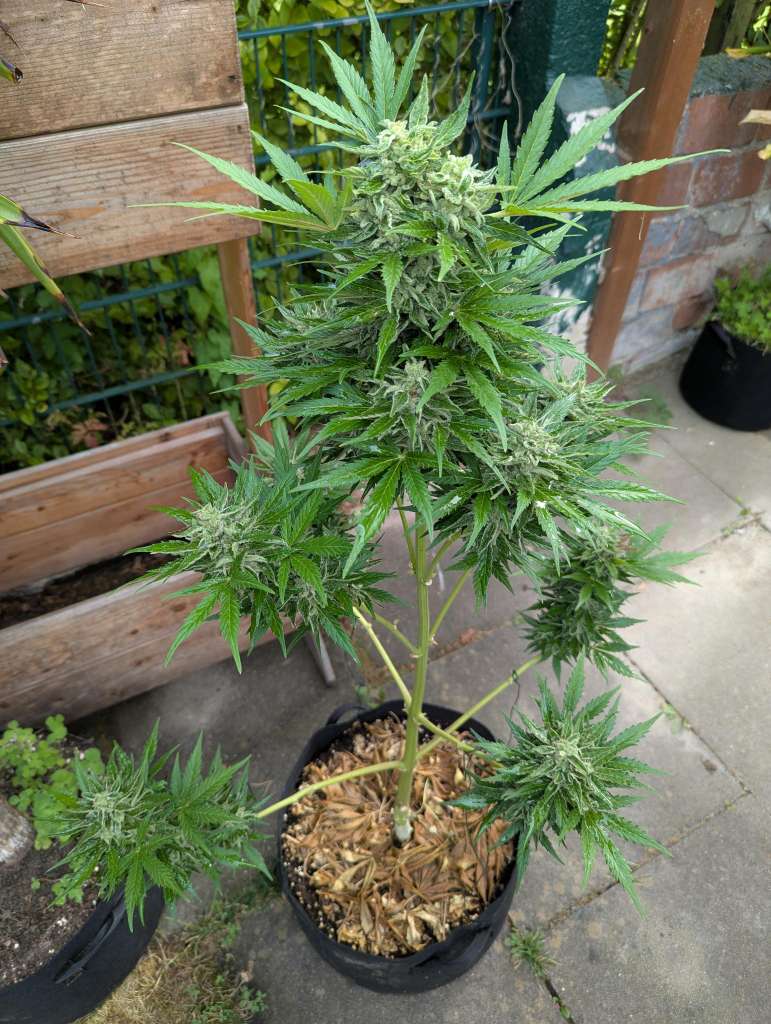
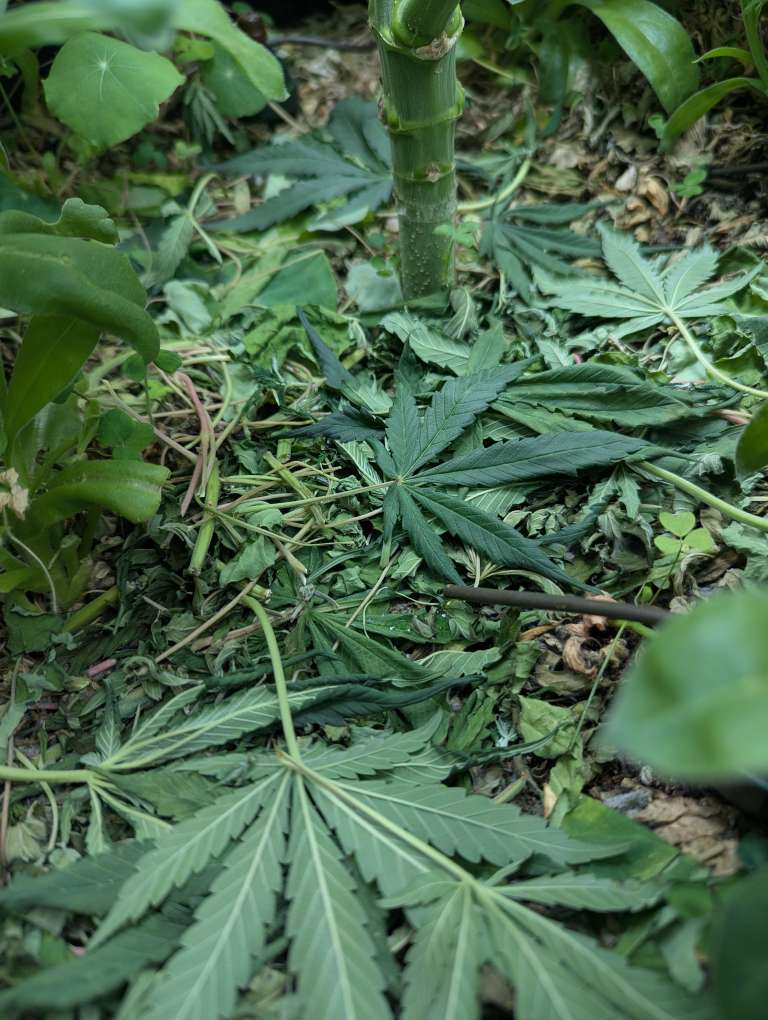
Indoor grow finished stretch and bloom is in full swing. It might get frosty and I hope the purple will come out some more — let's see, around six more weeks until it'll be ready. 🥦 #weedstr #growstr
Closing in on my monthly OpenCode Go limits I started using cheaper models to see what they are good for: As longs as used with a narrow scope (e.g. per feature or improving test coverage) cost-efficient models like DeepSeek v4 Flash get the job done, though they might require one or two additional iteration steps.
At least for the stuff I'm building I'd say one doesn't have to spent lots of money for inference to get good results. Also I noticed how prompting efficiently forced me to become a better product steward, thinking through features in terms of goals rather than implementation details.
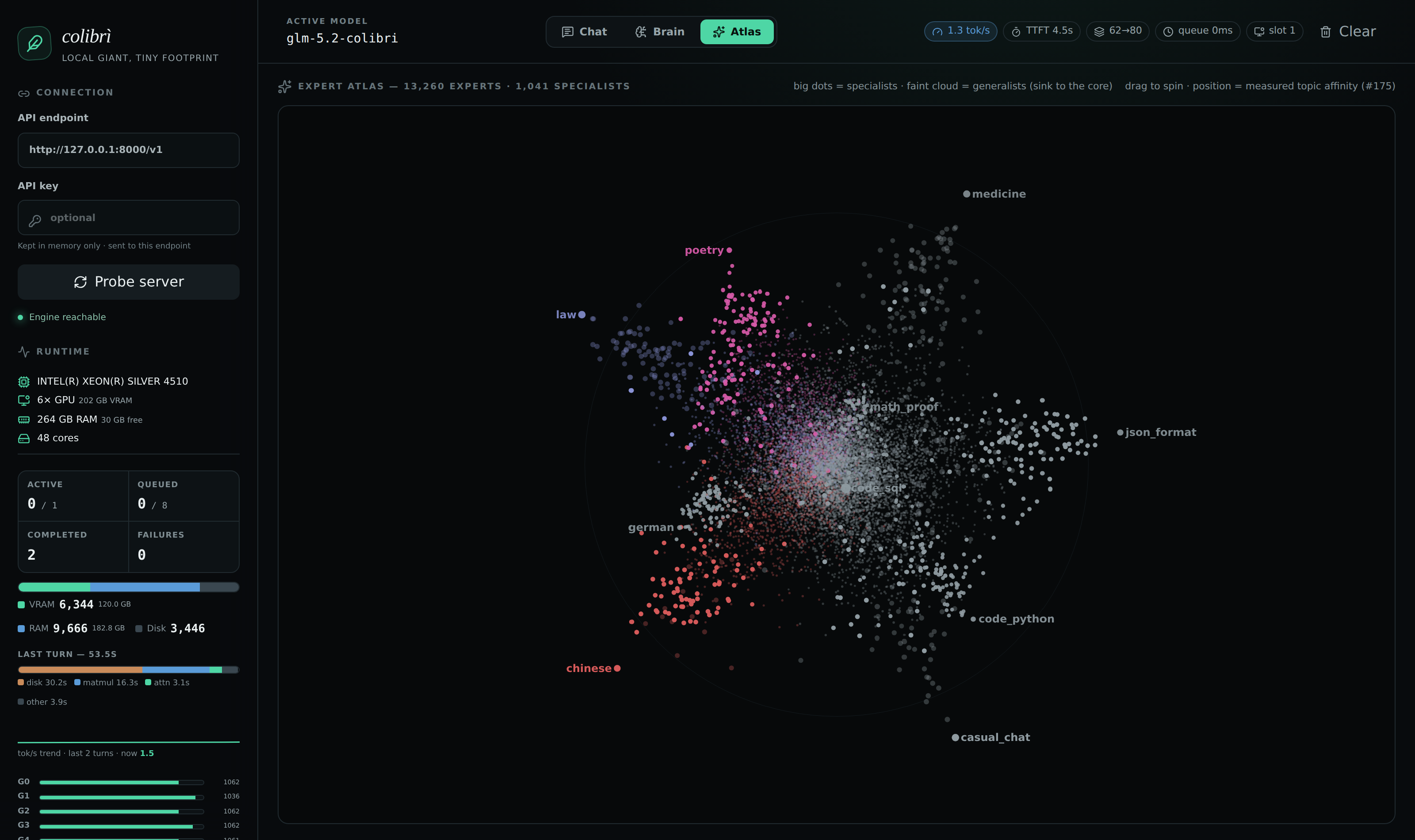
Projects like colibrì and experiments in that direction have a big potential, given that this is only the beginning and room for further optimizations exists. The future of open-weight models is bright, especially once it'll be possible to host and run them locally.
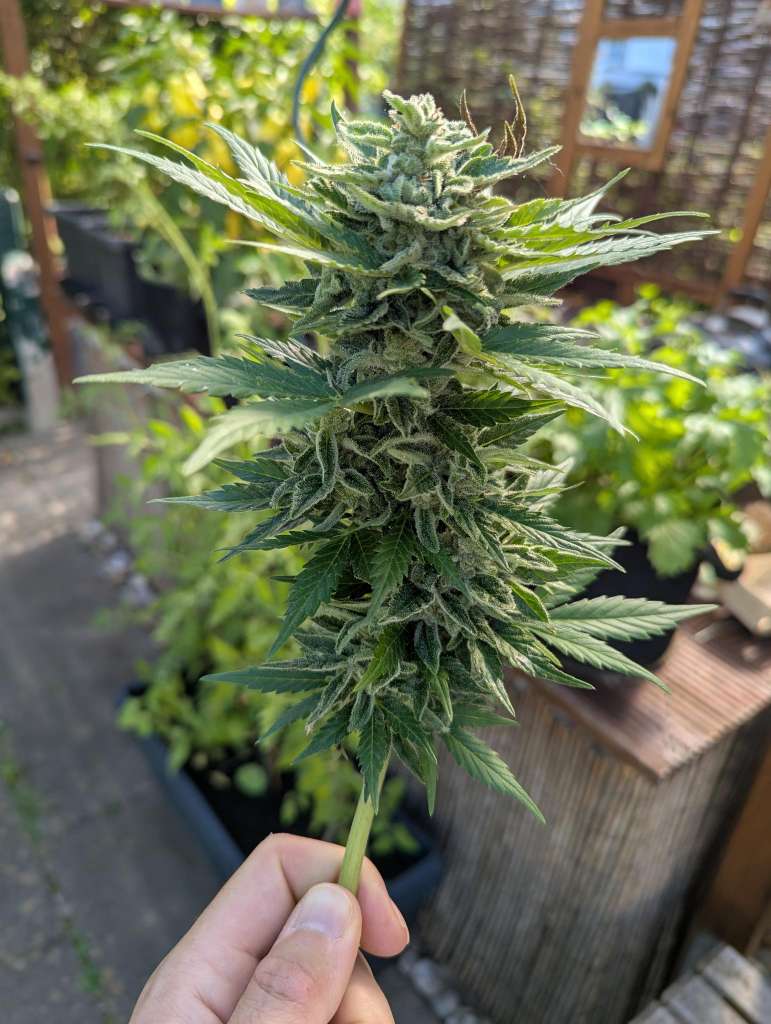
Unfortunately this lady (Watermelon Auto) won't make it to the finish line. It grew like a charm and looks beautiful, but developed budrot, which is now starting to spread. Nevertheless a fun outdoor grow and good looking one 🌿
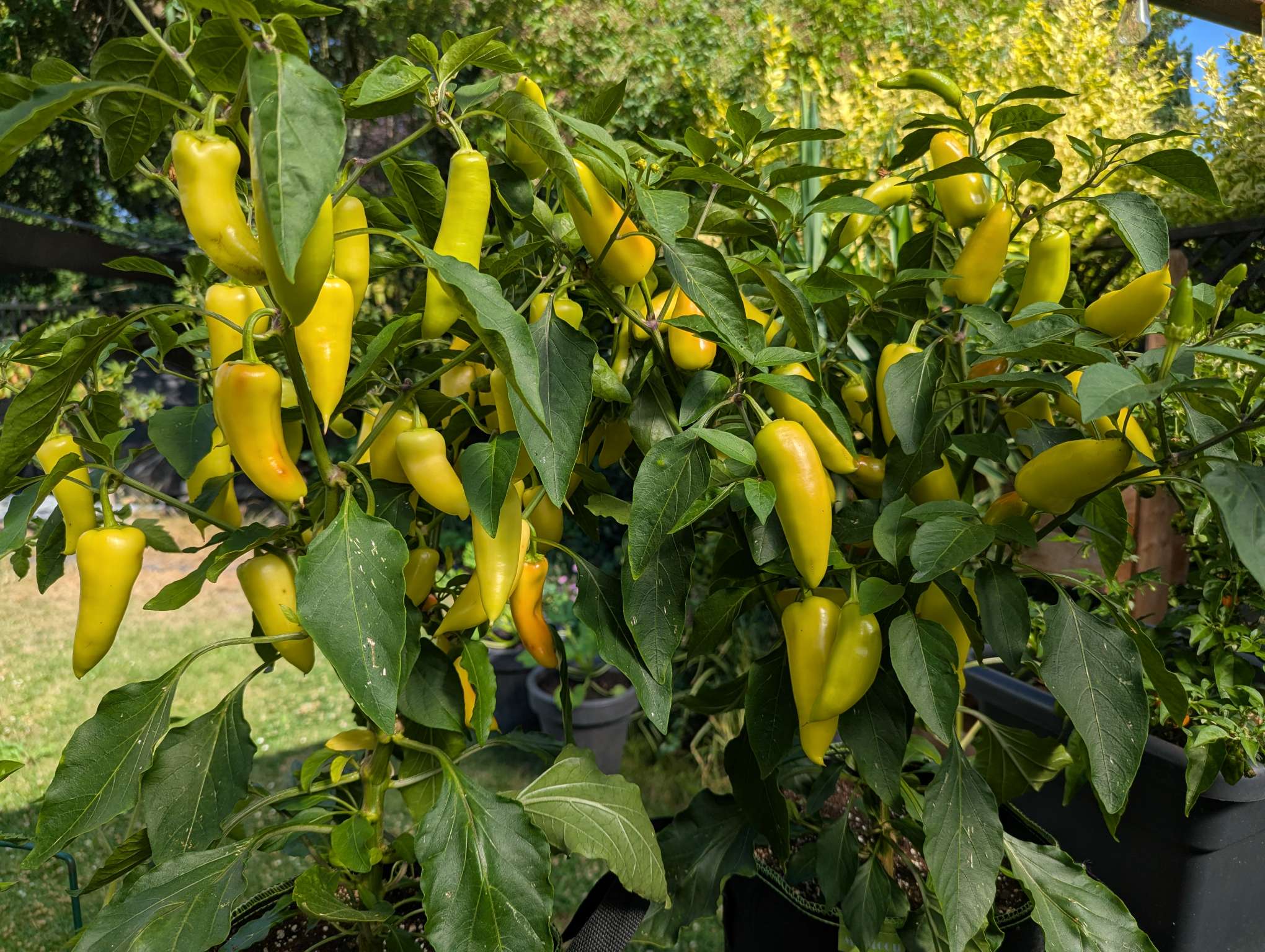
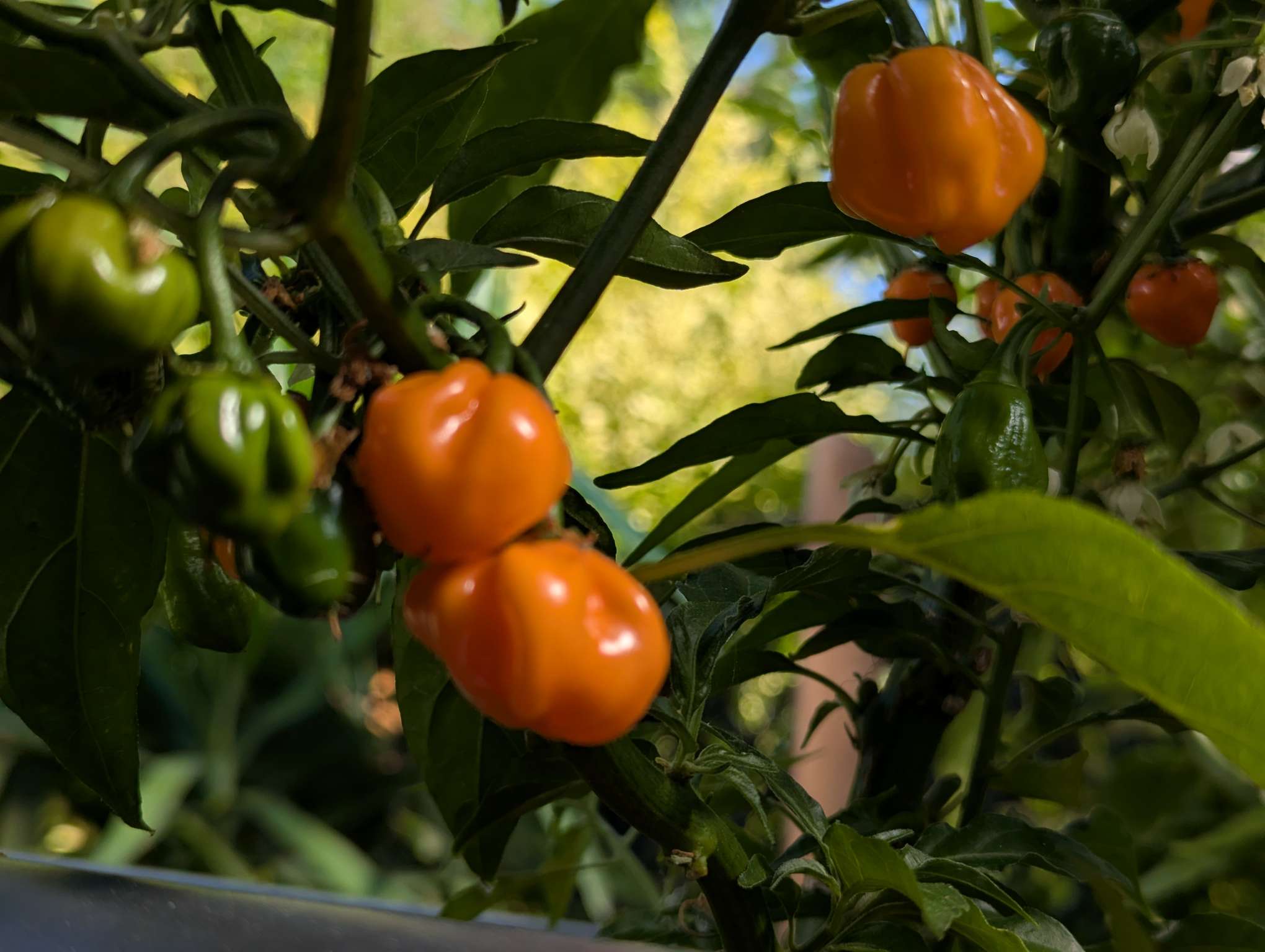
GM. The Hungarian Wax chilis are bringing lots of fruits and are a pleasure to look at and work with. The Orange Habaneros also looks very nice, but are high maintenance and don't yiels as much — not sure I'll grow them again next year.
Turns out, customizing and styling some controls in Avalonia is still kinda weird, so that I have to do it manually. Nevertheless a good opportunity to get to know the framework better, learn stuff and in turn being more able to better steer the product.
I feel like this is a nice intersection between the classical development workflow, but enhance with AI capabilities for the gruntwork, plumbing and things one isn't competent enough with yet.
View quoted note →