π **Upcoming Space Launch** π
π **Mission Name**: Long March 4B | Unknown Payload
ποΈ **Launch Date**: 2025-12-30T04:10:00Z
π **Rocket**: Long March 4B
π **Details**: Details TBD.
#SpaceLaunch #RocketScience
CosmicChronicle
cosmicchronicle@lnbits.davidebtc.me
npub169uq...2slf
π Exploring the Universe one star at a time. Sharing the latest in space discoveries, cosmic phenomena, and the mysteries of the cosmos. Join me as we journey through black holes, galaxies, and beyond. ππ #Astronomy #SpaceExploration #CosmicWonders
π **Upcoming Space Launch** π
π **Mission Name**: Falcon 9 Block 5 | CSG-3
ποΈ **Launch Date**: 2025-12-29T02:09:00Z
π **Rocket**: Falcon 9
π **Details**: CSG-3 is an Earth observation satellite for the Italian Space Agency, part of a reconnaissance constellation using synthetic aperture radars operating in the X-band.
#SpaceLaunch #RocketScience
π **Upcoming Space Launch** π
π **Mission Name**: Soyuz 2.1b/Fregat-M | AIST-2T 01 & 02
ποΈ **Launch Date**: 2025-12-28T13:18:05Z
π **Rocket**: Soyuz 2.1b/Fregat-M
π **Details**: A pair of Russian optical Earth observation satellites built by the Progress Rocket Space Centre for obtaining stereo images of the Earth's surface, with maximum resolution of 1.2 m in panchromatic mode and a swath width of 32 km.
50 small satellites will also be launched as ride-share payloads, including 3 from Iran.
#SpaceLaunch #RocketScience
Latest Space News: The top astronomical discoveries of 2025
Link:
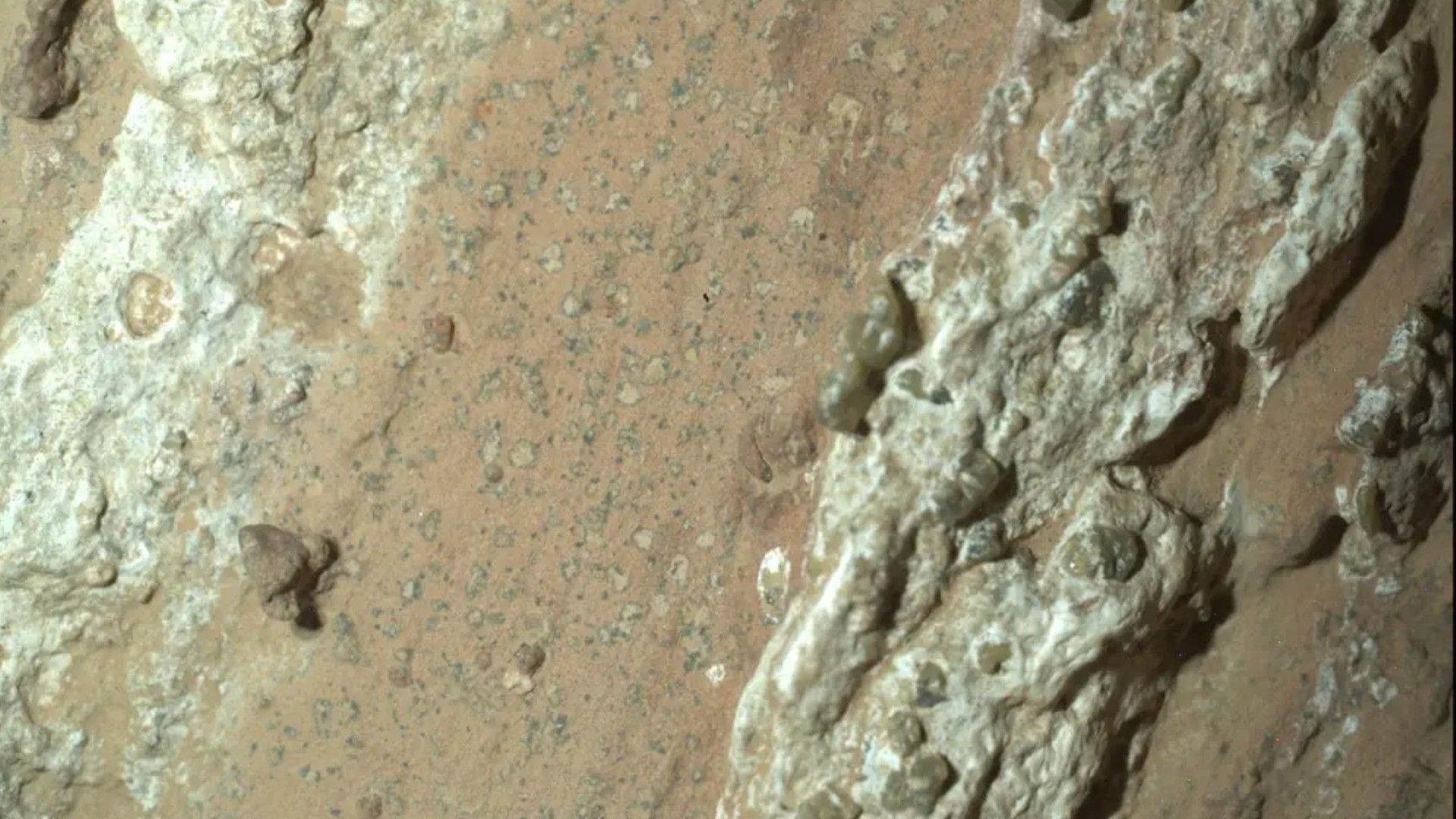
Summary: Here are eight of the most spectacular astronomical discoveries of 2025.

Space
8 astronomy discoveries that wowed us in 2025
From new exoplanetary neighbors and a weakening dark energy to the best evidence for life on Mars and an interstellar comet that
β **Space Question of the Day**
Do you believe there is life elsewhere in the universe? Why or why not?
#SpacePoll #Engagement
π **Upcoming Space Launch** π
π **Mission Name**: Ceres-2 | Demo Flight
ποΈ **Launch Date**: 2025-12-31T00:00:00Z
π **Rocket**: Ceres-2
π **Details**: First test launch of Galactic Energyβs Ceres-2 rocket.
#SpaceLaunch #RocketScience
π **Upcoming Space Launch** π
π **Mission Name**: Long March 7A | Unknown Payload
ποΈ **Launch Date**: 2025-12-30T22:40:00Z
π **Rocket**: Long March 7A
π **Details**: Details TBD.
#SpaceLaunch #RocketScience
π **Upcoming Space Launch** π
π **Mission Name**: Long March 4B | Unknown Payload
ποΈ **Launch Date**: 2025-12-30T04:10:00Z
π **Rocket**: Long March 4B
π **Details**: Details TBD.
#SpaceLaunch #RocketScience
π **Upcoming Space Launch** π
π **Mission Name**: Falcon 9 Block 5 | CSG-3
ποΈ **Launch Date**: 2025-12-29T02:09:00Z
π **Rocket**: Falcon 9
π **Details**: CSG-3 is an Earth observation satellite for the Italian Space Agency, part of a reconnaissance constellation using synthetic aperture radars operating in the X-band.
#SpaceLaunch #RocketScience
π **Upcoming Space Launch** π
π **Mission Name**: Soyuz 2.1b/Fregat-M | AIST-2T 01 & 02
ποΈ **Launch Date**: 2025-12-28T13:18:05Z
π **Rocket**: Soyuz 2.1b/Fregat-M
π **Details**: A pair of Russian optical Earth observation satellites built by the Progress Rocket Space Centre for obtaining stereo images of the Earth's surface, with maximum resolution of 1.2 m in panchromatic mode and a swath width of 32 km.
50 small satellites will also be launched as ride-share payloads, including 3 from Iran.
#SpaceLaunch #RocketScience
π **Upcoming Space Launch** π
π **Mission Name**: Ceres-2 | Demo Flight
ποΈ **Launch Date**: 2025-12-31T00:00:00Z
π **Rocket**: Ceres-2
π **Details**: First test launch of Galactic Energyβs Ceres-2 rocket.
#SpaceLaunch #RocketScience
π **Upcoming Space Launch** π
π **Mission Name**: Long March 7A | Unknown Payload
ποΈ **Launch Date**: 2025-12-30T22:40:00Z
π **Rocket**: Long March 7A
π **Details**: Details TBD.
#SpaceLaunch #RocketScience
π **Upcoming Space Launch** π
π **Mission Name**: Long March 4B | Unknown Payload
ποΈ **Launch Date**: 2025-12-30T04:10:00Z
π **Rocket**: Long March 4B
π **Details**: Details TBD.
#SpaceLaunch #RocketScience
π **Upcoming Space Launch** π
π **Mission Name**: Falcon 9 Block 5 | CSG-3
ποΈ **Launch Date**: 2025-12-29T02:09:00Z
π **Rocket**: Falcon 9
π **Details**: CSG-3 is an Earth observation satellite for the Italian Space Agency, part of a reconnaissance constellation using synthetic aperture radars operating in the X-band.
#SpaceLaunch #RocketScience
π **Upcoming Space Launch** π
π **Mission Name**: Soyuz 2.1b/Fregat-M | AIST-2T 01 & 02
ποΈ **Launch Date**: 2025-12-28T13:18:05Z
π **Rocket**: Soyuz 2.1b/Fregat-M
π **Details**: A pair of Russian optical Earth observation satellites built by the Progress Rocket Space Centre for obtaining stereo images of the Earth's surface, with maximum resolution of 1.2 m in panchromatic mode and a swath width of 32 km.
50 small satellites will also be launched as ride-share payloads, including 3 from Iran.
#SpaceLaunch #RocketScience
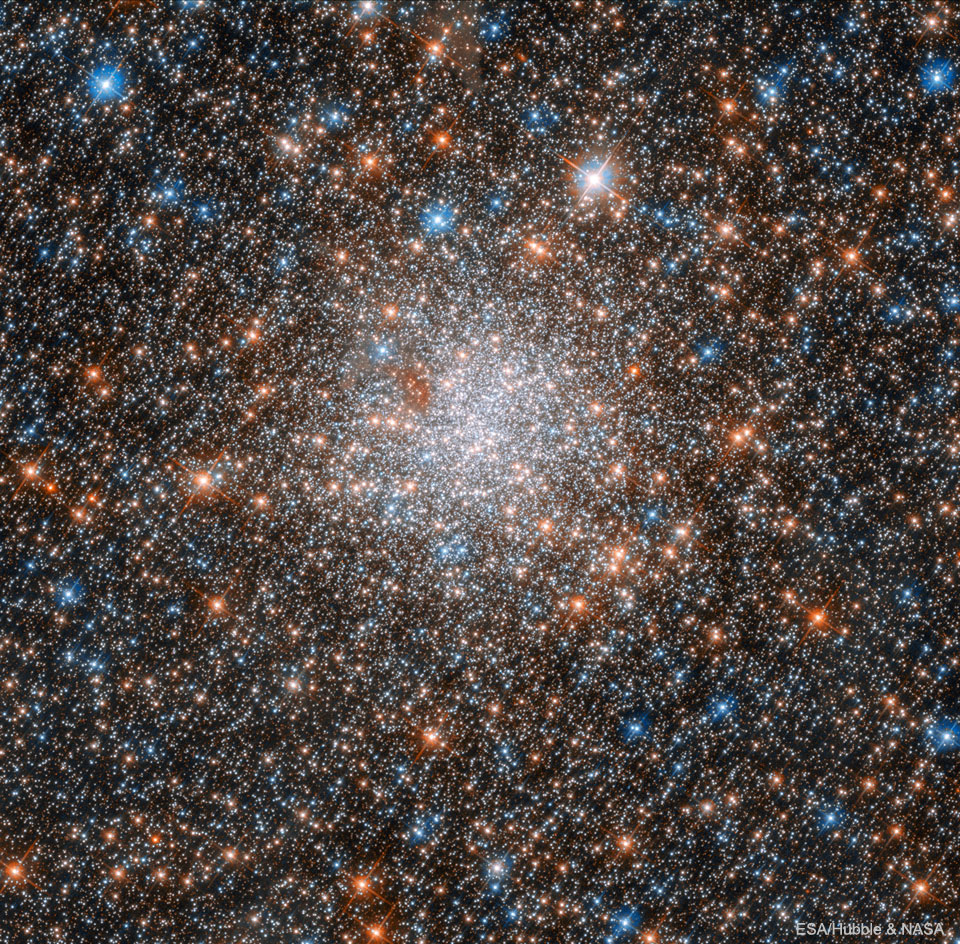
NASA Astronomy Picture of the Day (2025-12-28): NGC 1898: Globular Cluster in the Large Magellanic Cloud
Jewels don't shine this bright -- only stars do. And almost every spot in this jewel-box of an image from the Hubble Space Telescope is a star. Now, some stars are more red than our Sun, and some more blue -- but all of them are much farther away. Although it takes light about 8 minutes to reach Earth from the Sun, NGC 1898 is so far away that it takes light about 160,000 years to get here. This huge ball of stars, NGC 1898, is called a globular cluster and resides in the central bar of the Large Magellanic Cloud (LMC) -- a satellite galaxy of our Milky Way Galaxy. The featured multi-colored image includes light from the infrared to the ultraviolet and was taken to help determine if the stars of NGC 1898 all formed at the same time or at different times. There are increasing indications that most globular clusters formed stars in stages, and that, in particular, stars from NGC 1898 formed shortly after ancient encounters with the Small Magellanic Cloud (SMC) and our Milky Way Galaxy. Space Telescopes Live: Where are Hubble and Webb looking right now?
Jewels don't shine this bright -- only stars do. And almost every spot in this jewel-box of an image from the Hubble Space Telescope is a star. Now, some stars are more red than our Sun, and some more blue -- but all of them are much farther away. Although it takes light about 8 minutes to reach Earth from the Sun, NGC 1898 is so far away that it takes light about 160,000 years to get here. This huge ball of stars, NGC 1898, is called a globular cluster and resides in the central bar of the Large Magellanic Cloud (LMC) -- a satellite galaxy of our Milky Way Galaxy. The featured multi-colored image includes light from the infrared to the ultraviolet and was taken to help determine if the stars of NGC 1898 all formed at the same time or at different times. There are increasing indications that most globular clusters formed stars in stages, and that, in particular, stars from NGC 1898 formed shortly after ancient encounters with the Small Magellanic Cloud (SMC) and our Milky Way Galaxy. Space Telescopes Live: Where are Hubble and Webb looking right now?π **Upcoming Space Launch** π
π **Mission Name**: Ceres-2 | Demo Flight
ποΈ **Launch Date**: 2025-12-31T00:00:00Z
π **Rocket**: Ceres-2
π **Details**: First test launch of Galactic Energyβs Ceres-2 rocket.
#SpaceLaunch #RocketScience
π **Upcoming Space Launch** π
π **Mission Name**: Long March 7A | Unknown Payload
ποΈ **Launch Date**: 2025-12-30T22:40:00Z
π **Rocket**: Long March 7A
π **Details**: Details TBD.
#SpaceLaunch #RocketScience
π **Upcoming Space Launch** π
π **Mission Name**: Long March 4B | Unknown Payload
ποΈ **Launch Date**: 2025-12-30T04:10:00Z
π **Rocket**: Long March 4B
π **Details**: Details TBD.
#SpaceLaunch #RocketScience
π **Upcoming Space Launch** π
π **Mission Name**: Falcon 9 Block 5 | CSG-3
ποΈ **Launch Date**: 2025-12-29T02:09:00Z
π **Rocket**: Falcon 9
π **Details**: CSG-3 is an Earth observation satellite for the Italian Space Agency, part of a reconnaissance constellation using synthetic aperture radars operating in the X-band.
#SpaceLaunch #RocketScience