Reclaim The Net's avatar
Reclaim The Net
Reclaim_The_Net@reclaimthenet.org
npub1ukq5...s4c6
Free expression. Digital rights. Privacy. Media bias. News and solutions.
Reclaim The Net's avatar
reclaimthenet 15 hours ago
Australia wants to let anyone sue a platform over speech they find "hateful." Platforms won’t fight those cases. They’ll delete the post, because that’s cheaper than a legal fight. Nobody has to win a single lawsuit for lawful speech to disappear. Just the threat of one does the job.
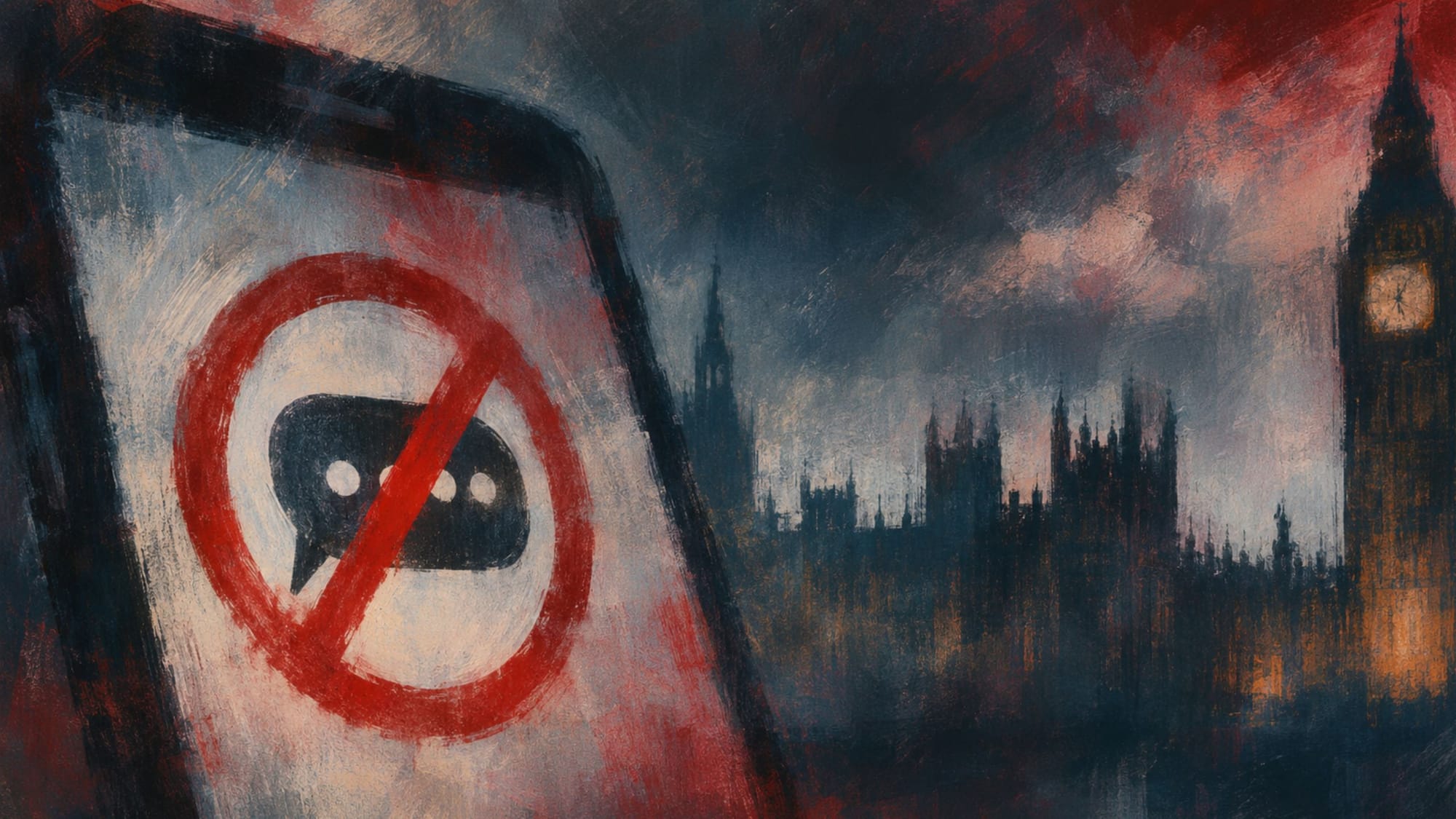
MPs and peers want mandatory scanning software on every phone and tablet in the UK, including the one already in your pocket. It would inspect every photo, video and livestream on the device. The government promises this can be done without threatening privacy. It cannot.
Democrats have a wishlist for AI that includes a federal permit to train a model, a Department of AI, 20-year prison terms for executives, kill switches, and ID checks to use a chatbot. Writing code is about to need a hall pass if certain politicians get their way.
Australia admitted in the High Court that its under-16 social media ban and age verification law burdens political speech. Tasmania argued Parliament shouldn’t need evidence of harm. The Northern Territory said political participation can cost you your privacy. The ban is supposed to keep kids off social media. It also makes every adult prove their age to post. The kids found a way around it, but the adults are still stuck with it.
The ECB has signed contracts with Nexi, Deutsche Telekom, Telefónica and Indra to build the network for a digital euro. The law that would allow a digital euro does not exist yet. The bank has also picked 36 payment firms for a pilot and is building an app. Banks will be able to link your online payments to your identity, and Lagarde wants authorities to get that data “upon request.” She once complained that democracy is “too much of a drag.” The ECB is behaving as though Parliament’s vote is a formality.
Brussels has frozen national social media age verification laws in Austria and Flanders for 12 months. You might assume it finally noticed the privacy and free speech problem. It didn’t. The Commission wants its own EU KIDS Act to go first, and that law is far bigger. Every user on social media, app stores, online games and AI chatbots would have to prove their age through a government-approved system. Anyone whose age “cannot be established” would have their account disabled. Adults who refuse to verify would be treated as children. The Commission’s own age verification app was hacked in under two minutes. The fight in Brussels was never about whether to check your ID. It’s about who gets to do it.
45 attorneys general have written to Congress demanding it quickly pass the Senate’s Kids Online Safety Act, with the "duty of care" intact. That clause makes platforms liable for content a regulator decides is harmful, so sites will delete lawful speech to stay out of court. The AGs openly describe their $17 billion Meta settlement as a stepping stone. That deal forces Meta to age-check every Facebook and Instagram user with ID or a face scan, and both sides agreed never to challenge it as unconstitutional. They also want KOSA to leave their own state powers untouched, so they can keep adding rules on top. They want one federal standard and fifty extra ones as well. Every version ends with an ID check.
New Jersey wants AI chatbot makers held strictly liable, at $5,000 per violation. The bill also forces them to keep every chat log. The safest chatbot under this law is one that checks your ID, reads your messages, and calls the police if it suspects a crime...
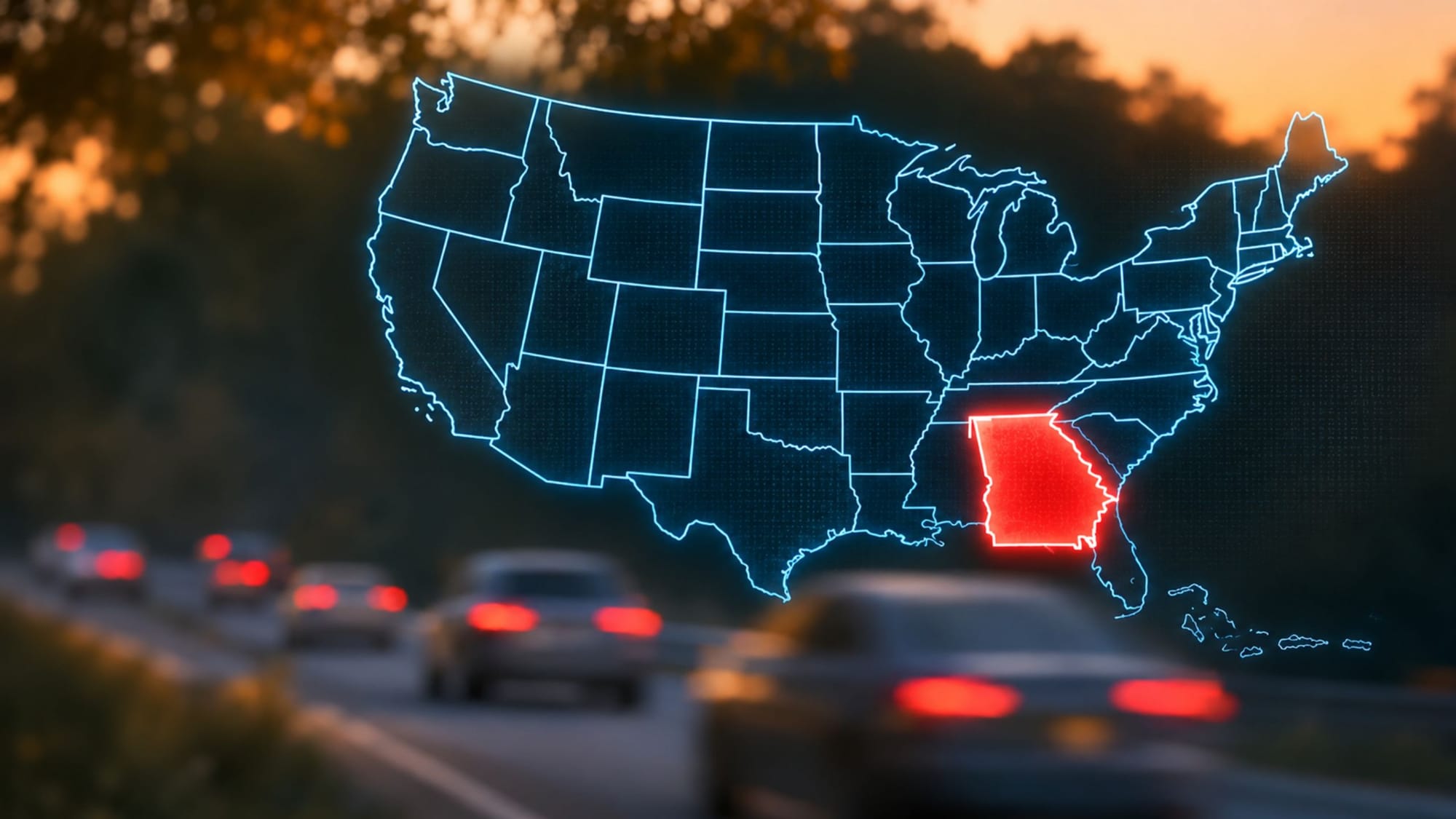
We counted every mapped Flock license plate camera in America and ranked each state by cameras per person. Georgia comes first with 83.2 per 100,000 residents, which works out to one camera for every 1,200 people. Ohio is second with 53.0, followed by Texas at 50.4, Alabama at 49.5, and Indiana at 49.2. The national rate is 33.8. California has the most cameras of any state, with 17,178, but its population drops it to ninth. Texas has 15,987 and still lands third. The Northeast trails badly. New York has 10.7 per 100,000, Pennsylvania has 10.8, and Massachusetts has 13.4. New Hampshire comes last with 1.3. Vermont, Maine, Alaska, and Hawaii make up the rest of the bottom five. Where you live now decides how much of your driving can be replayed later. Find your state in the full ranking...
Britain now has a speech kill switch, and as of Monday it’s armed. Large platforms must keep a crisis censorship plan they don’t have to publish, ready to fire the moment speech regulator Ofcom’s definition of a crisis is merely “likely.” That definition covers local events, regional events, and even events overseas. The content in scope includes “foreign interference,” which can apply to information that is entirely true if it’s presented the wrong way. Ofcom admits political speech will get caught and calls the extra false positives “proportionate.” Police get a dedicated line to the platforms, and they don’t need a court order to use it. The reviews afterwards happen in private too...
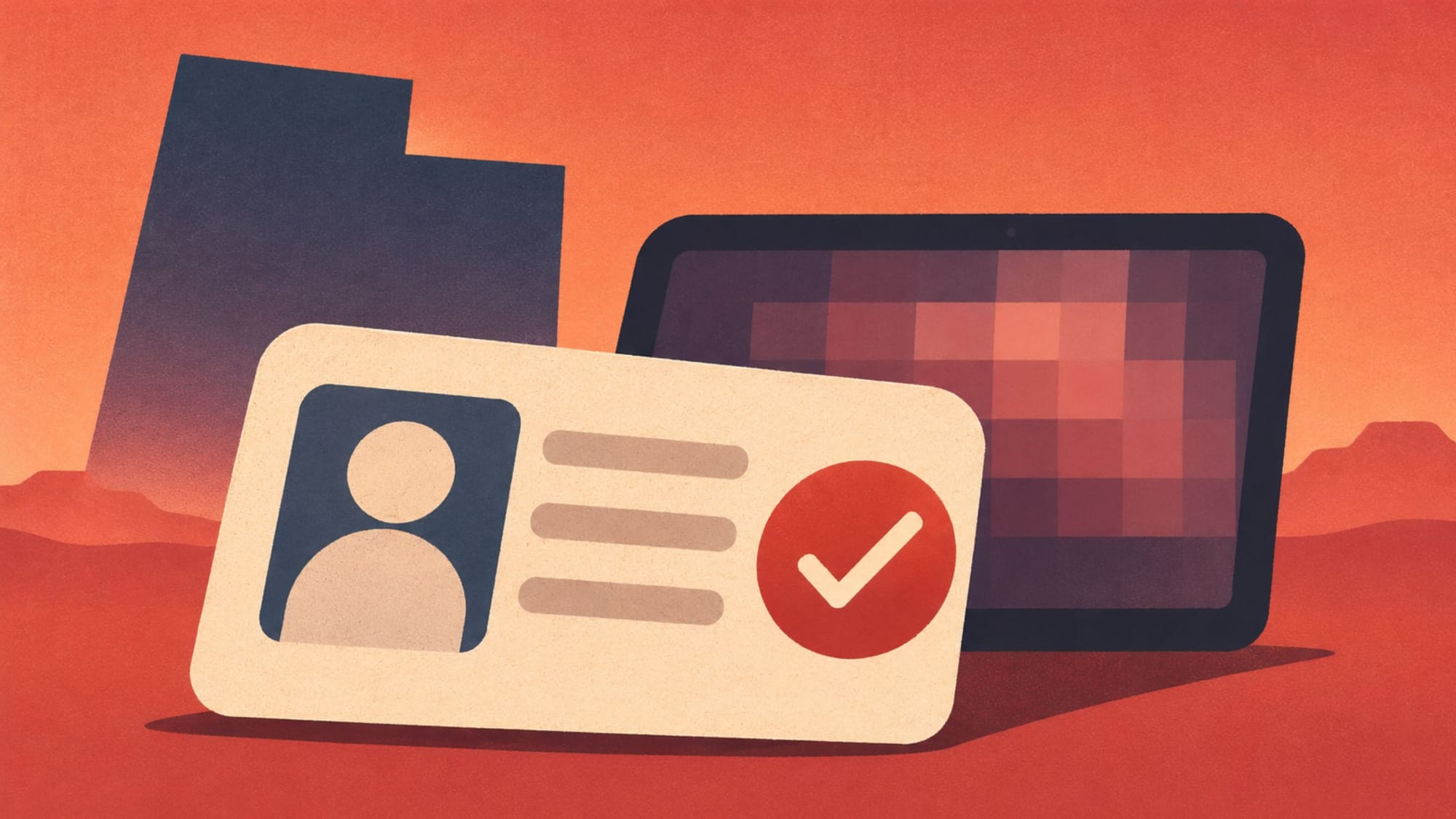
Utah tried to make websites treat anyone physically in the state as an Utah user, even if they were on a VPN. A federal judge blocked that part because nobody can geolocate a VPN user. Utah’s answer is to enforce everything else in the law anyway. As of this week, adults who want to visit adult sites have to prove their age with a digital ID, a database check, or their financial records. The state promises none of that data will be kept. Pornhub users heard the same promise before a 2025 breach exposed their emails, locations, and viewing histories. A 2% tax on those sites funds the office doing the enforcing, and the fines go to the same place. The sites are also banned from telling you how to use a VPN 🤦
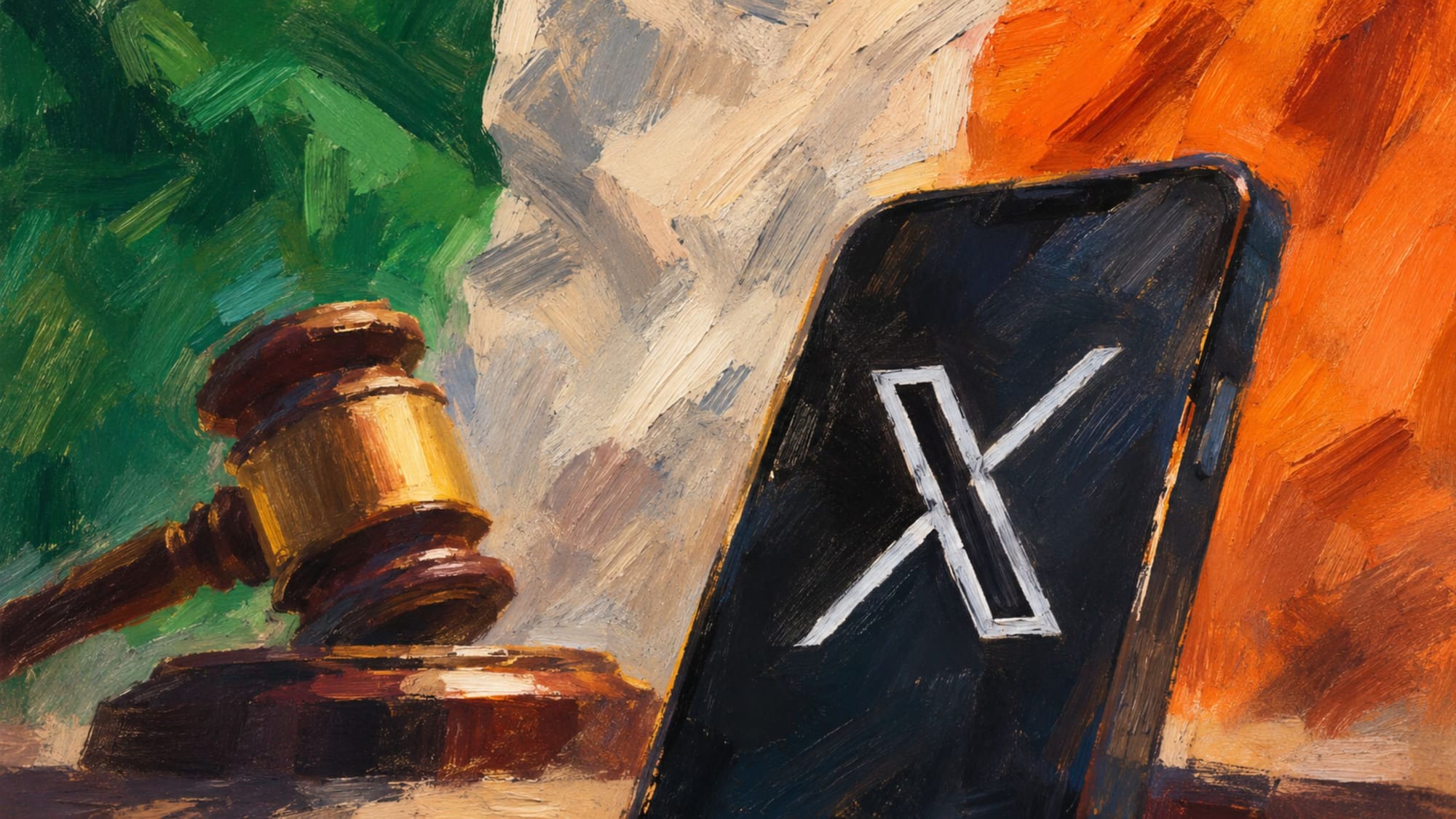
Ireland spent two years prosecuting a man over an X post. Police raided his home and seized his devices. The law he was charged under never defines “grossly offensive.” A judge has now acquitted him, and he left court promising to be “a lot more careful.” The process was the punishment, and it worked.
UK speech regulator Ofcom asked Meta, WhatsApp, X and TikTok for ongoing data on what people in Britain post, who sees it, how much gets taken down, and how fast, all broken down by age. The companies asked why. The UK High Court has now ruled that Ofcom doesn’t have to say. The platforms, on the other hand, had to prove in detail that complying would be a burden. X said it would cost millions of pounds and hundreds of hours of work. The court said that wasn’t detailed enough. Data sorted by age requires the platforms to know every user’s age, and a regulator that can demand it on a whim is laying the groundwork for digital ID one request at a time.
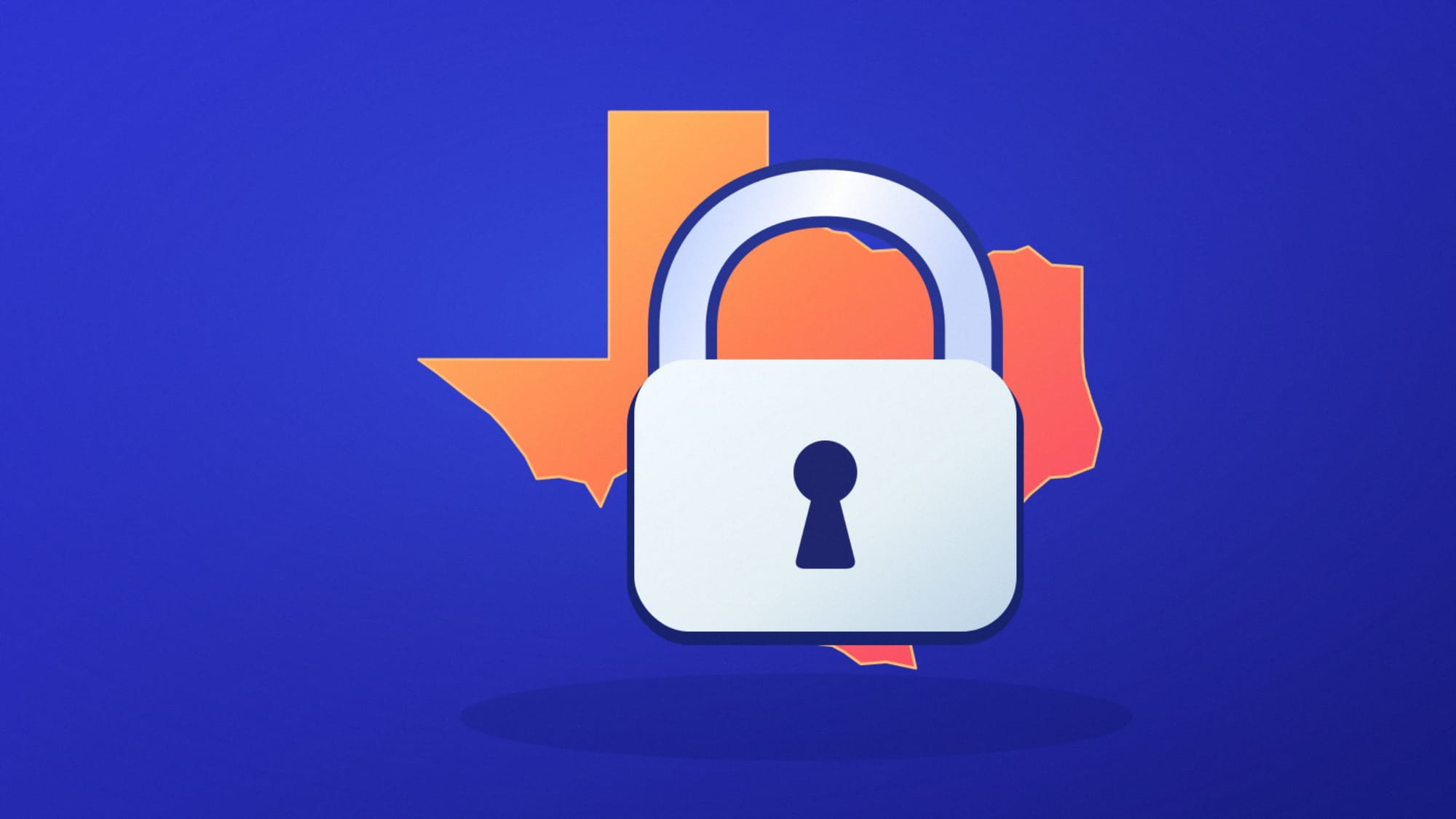
Texas is making every social media user prove their age before they can open an account. That means adults too, not just kids. The full Fifth Circuit is now rehearing the case against the SCOPE Act, and the age checks aren’t even up for debate. The only question left is whether Texas also gets to filter what teenagers see.
Reddit is ending logged-out browsing. The company says it needs to stop scrapers, but scrapers can make accounts like anyone else. The shareholder letter is more honest. It says logged-in users provide “more signals for ads targeting” and are the “most monetizable.” Every thread you read will be tied to your account. The same excuse already killed Old Reddit for guests, RSS feeds, and Wayback Machine archiving. Twenty years of open human discussion are going behind a wall so Reddit can monitor you.
Alabama passed a law, 138 votes to nothing, that makes every phone user in the state prove their age before downloading a single app. A 45-year-old who wants a news app has to hand ID to Google first. Existing accounts get no pass either. Every one of them must be verified by October 2027. Teenagers will need a parent’s sign-off to install Wikipedia, Duolingo or a Bible app, and kids without a parent to ask get locked out completely. Apple, Google and Amazon’s lobby group has now sued to block it on First Amendment grounds.
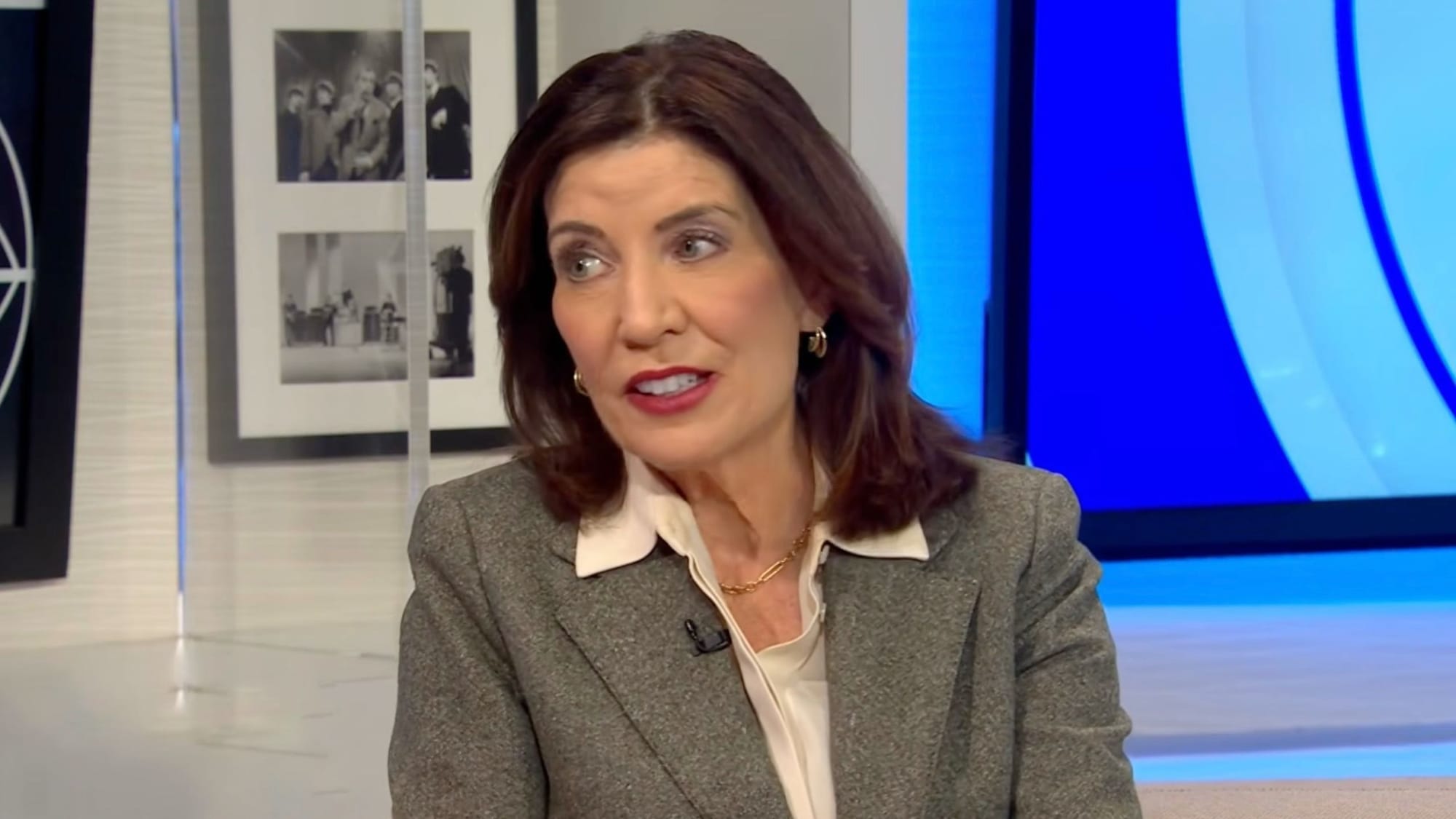
Governor Hochul signed a law this week banning “unsafe AI companion features” for minors. The catch is in the wording. Companies can’t offer those features to anyone until they’ve confirmed the user is not a minor. That means everyone gets checked. The banned features include memory of anything you said more than twelve hours ago, flattery, and replies that sound too human. (The First Amendment wants a word.) It covers general chatbots, not just companion apps. From January 1, adults who want a useful chatbot will have to hand over a government ID, a selfie, or an email or phone number to be matched against data already held on them. When asked about the privacy implications of these methods in July, Attorney General Letitia James said it was “not a question of privacy.” The Attorney General can also add new features to the banned list whenever she likes.
↑