Paulo Sacramento's avatar
Paulo Sacramento
psacramento@primal.net
npub1uesc...7chm
Creative thinker with bias for action.
Paulo Sacramento's avatar
psacramento 11 months ago
Paulo Sacramento's avatar
psacramento 11 months ago
Trying out the new climbing shoes for the first time. 🧗‍♂️
Paulo Sacramento's avatar
psacramento 1 year ago
In this cycle, the BTC maxis have a new enemy: prophetic dreams!
Paulo Sacramento's avatar
psacramento 1 year ago
🥊 Who is going to win: Tyson or Jake Paul?
Paulo Sacramento's avatar
psacramento 1 year ago
Conflicts between WordPress and WP Engine The main conflicts between WordPress and WP Engine stem from accusations that WP Engine profits from WordPress's open-source code without contributing enough back to the project, and that WP Engine misuses the WordPress trademark, confusing users. These conflicts have deeply impacted the WordPress community, leading to legal battles, bans, and heated debates about the ethics of open-source software and the power dynamics within the WordPress ecosystem. - Mullenweg, the founder of WordPress and CEO of Automattic, publicly criticized WP Engine, calling it a “cancer” to the WordPress community. - He argued that WP Engine, controlled by private equity firm Silver Lake, prioritizes profits over open-source ideals. - Mullenweg specifically pointed to WP Engine's limited contributions to the WordPress.org open-source project, despite the hosting service building its business on WordPress's free code. - He also accused WP Engine of misleading customers by using the "WP" abbreviation and offering a modified version of WordPress, thereby benefiting from brand confusion. These accusations escalated into legal threats and actions: - WP Engine sent a cease-and-desist letter to Automattic, claiming Mullenweg had threatened a “scorched earth nuclear approach” unless WP Engine paid Automattic a significant portion of its revenue. - Automattic responded with its own cease-and-desist, alleging WP Engine breached WordPress and WooCommerce trademark usage rules. - The WordPress Foundation, which owns the WordPress trademark, updated its policy to explicitly call out WP Engine's use of the "WP" abbreviation as potentially confusing to users. - Mullenweg then temporarily banned WP Engine from accessing resources on WordPress.org, impacting WP Engine customers' ability to update plugins and themes. This action sparked outrage within the community, with many criticizing Mullenweg for using his control over WordPress to harm WP Engine's business and inconvenience its customers. - WP Engine ultimately sued Automattic and Mullenweg for abuse of power, accusing them of extortion and threatening the open-source principles of WordPress. The conflict has exposed deep divisions and anxieties within the WordPress community: - Concerns over open-source sustainability: The conflict has reignited discussions about the responsibilities of companies that profit from open-source software. Many support Mullenweg's call for WP Engine to contribute more to WordPress. However, others argue that WP Engine is operating within the terms of the open-source license and that demanding payment could set a dangerous precedent. - Criticisms of Mullenweg's leadership: Some criticize Mullenweg for his aggressive approach and accuse him of abusing his power over WordPress.org and WordPress.com to benefit his company, Automattic. They believe his actions could damage the open-source nature of WordPress and discourage contributions. - Fears of trademark enforcement: The WordPress Foundation's trademark policy updates and actions against WP Engine have created uncertainty among developers and hosting providers who use "WP" in their branding. They worry about potential legal action and restrictions on their use of the term. The situation remains tense: - Automattic claims that WP Engine's lawsuit is baseless and that they are simply trying to protect the WordPress trademark and ensure fair contributions to the open-source project. - WP Engine maintains that Mullenweg is attempting to extort money from them and that his actions threaten the entire WordPress ecosystem. The conflict highlights the complexities of balancing commercial interests with the ideals of open-source software. It raises critical questions about power dynamics, trademark usage, and the future of the WordPress community. The long-term impact on the WordPress ecosystem and the broader open-source world remains to be seen.
Paulo Sacramento's avatar
psacramento 1 year ago
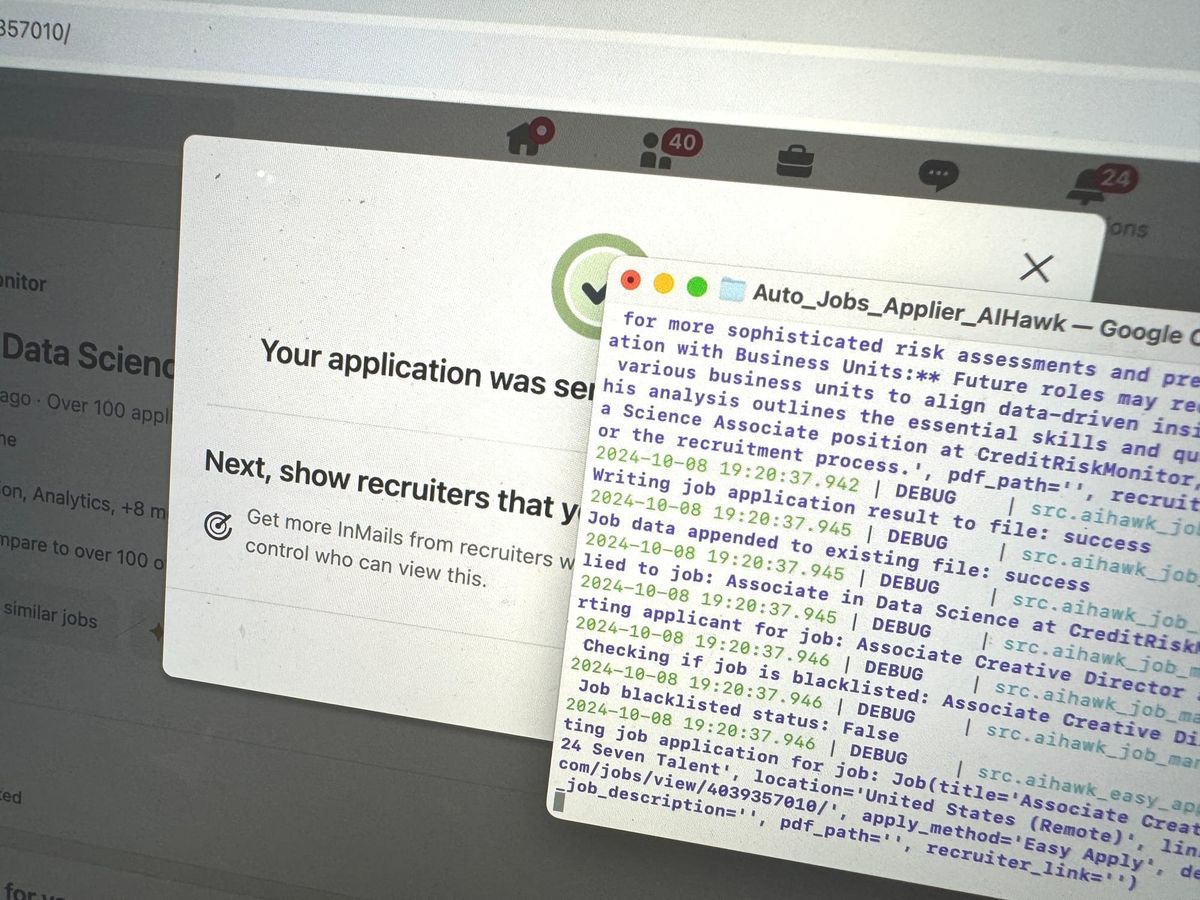
"The sudden explosion in popularity of AI Hawk means that we now live in a world where people are using AI-generated resumes and cover letters to automatically apply for jobs, many of which will be reviewed by automated AI software (and where people are sometimes interviewed by AI), creating a bizarre loop where humans have essentially been removed from the job application and hiring process. Essentially, robots are writing cover letters for other robots to read, with uncertain effects for human beings who apply to jobs the old fashioned way. "
Paulo Sacramento's avatar
psacramento 1 year ago
Cursor Team: Future of Programming with AI | Lex Fridman Podcast #447
Paulo Sacramento's avatar
psacramento 1 year ago
All the flowers of all the tomorrows are on the seeds of today image
Paulo Sacramento's avatar
psacramento 1 year ago
Just finished setting up my BOLT12 human-readable address: sats@psacramento.com
Paulo Sacramento's avatar
psacramento 2 years ago
❓What are the lessons that the Bitcoin community can learn from the Brazilian experience with the adoption of the Pix? After more than 1.5 years of work, I am happy to announce that I have completed a research project on this question! Feel free to leave your comments. I am very curious about everyone's opinion.
Paulo Sacramento's avatar
psacramento 2 years ago
Who wants to get some sats? I will test @OpenSecret feature of sending LN payments to Nostr contacts directly from the wallet.