Futures Fall As AI Selloff Resumes
Futures Fall As AI Selloff Resumes
US equity futures woke up after President's Day and chose to resume their selloff (after a modest bounce on Monday's holiday failed to hold) dragged by Tech, as the risk-off moves on AI disruption fears continue. As of 8:15am ET, S&P 500 futures were down 0.5% with Nasdaq 100 contracts falling 1.0%. In premarket trading, all Mag 7 stocks are lower and Semis are being pressured with AVGO / NVDA lower by more than 1%. Pockets of outperformance (and higher absolute returns) can be found in Energy, Fins, Indu, and Defensives. Overseas markets mixed with UK up 70bps, Hong Kong, mainland China, Taiwan, Korea all closed. Lunar New Year Kicks off. Bond yields are low by 1-3bp as the yield curve bull flattens; the USD is bid higher. Commodities are weaker with WTI rising modestly on geopolitics and Ags / Metals for sale. Spot gold dropped toward $4,900 an ounce. Bitcoin, as usual, dumps. This morning we will receive the weekly ADP, Empire State manufacturing survey and NAHB housing market index for February. We will also hear from Fed Governor Barr and San Francisco Fed President Daly; key macro prints come on Friday with PCE and Flash PMIs.
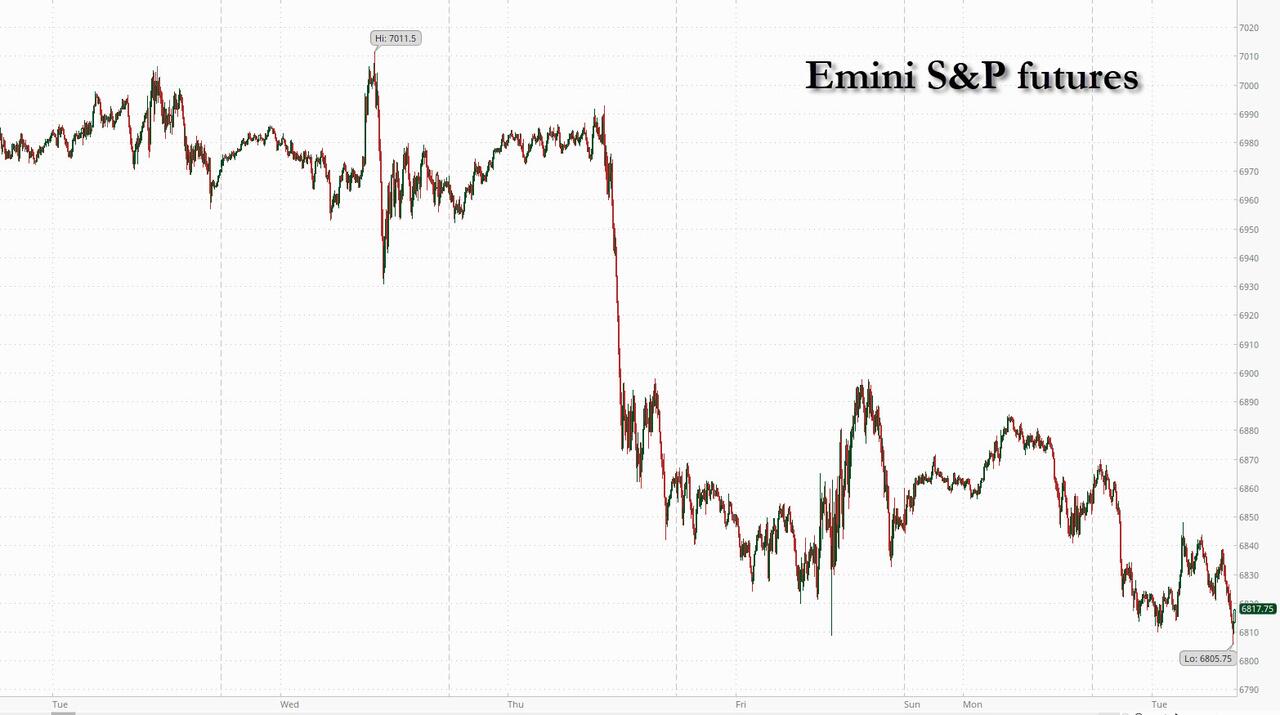
In premarket trading, MAg 7 stocks are all lower (Amazon -0.3%, Apple -0.2%, Microsoft -0.5%, Nvidia -0.9%, Meta -0.6%, Alphabet -1.5%, Tesla -1%)
AeroVironment (AVAV) gains 3% as JPMorgan initiates coverage with a recommendation of overweight following a selloff in the the drone maker’s stock.
Fiserv (FISV) rises 4% after the Wall Street Journal reported that activist investor Jana Partners has built a stake in the fintech company, citing people familiar with the matter.
General Mills (GIS) falls 3% after the packaged foods company cut some forecasts for the full year.
ImmunityBio shares (IBRX) gains 6% after the drugmaker said the Saudi Food and Drug Authority encouraged the company to submit a regulatory package for its bladder cancer therapy to expand access in Saudi Arabia.
Masimo (MASI) jumps 34% after the Financial Times said Danaher is closing in on a nearly $10 billion deal to buy medical technology company, citing unidentified people familiar with the matter. Shares of Danaher (DHR) fall 6%.
Norwegian Cruise (NCLH) rises over 7% after the Wall Street Journal reported that activist investor Elliott Investment Management has built a more than 10% stake in the cruise-ship company.
TripAdvisor (TRIP) inches less than 1% higher after Starboard Value LP announced plans to nominate a majority slate of director candidates for the 2026 annual meeting.
Veeva Systems (VEEV) rises over 1% as Morgan Stanley upgrades the the application software company to equal-weight, saying competitive risks are “better understood.”
Warner Bros Discovery Inc. (WBD) rises over 2% after agreeing to temporarily reopen sale negotiations with rival Hollywood studio Paramount Skydance Corp., setting the stage for a potential second bidding war with Netflix Inc. Shares of Paramount Skydance (PSKY) gain 3%.
Zim Integrated Shipping (ZIM) surges 35% after Hapag-Lloyd AG said it’s buying the Israeli shipping company.
In other corporate news, WSJ reports that activist Elliott is said to have built a large stake in Norwegian Cruise Line. Apple will hold a product launch on March 4. Anthropic’s talks to extend a contract with the Pentagon are said to have stalled on surveillance concerns. The Pentagon is also said to be seeking voice-controlled, autonomous drone swarming technology, with SpaceX among companies competing.
US traders are returning to their desks eying firms’ swelling AI budgets, while also wary of the technology’s potential to hurt industries outside the tech sector. Meanwhile, Brent crude erased losses as Iran talked up military drills near the Strait of Hormuz — at the same time that the country is undertaking a fresh round of indirect nuclear negotiations with the US.
There’s “lingering anxiety about whether AI spending will be profitable enough, concerns about competition, and a broader de-risking from the most crowded trades after a very strong run,” said Aneeka Gupta, macroeconomic research director at WisdomTree.
The search for stocks on the right side of the artificial intelligence trade is front and center for investors at the start of a shortened week — with a backdrop that may benefit selective buyers. The “perception of AI seems to have changed completely from the angel of mercy to the kiss of death,” said Stephan Kemper, chief investment strategist at BNP Paribas Wealth Management. Concerns as to whether hyperscalers can monetize ever-growing investments in AI are back while “the fact that AI can often be a tool to enhance profitability is completely ignored,” Kemper added. Two opposing fears are evident - one that AI is poised to disrupt entire industries, the other that investors are skeptical of whether the huge capex outlays will deliver Alibaba unveiled a major update of its flagship AI model, ahead of a much anticipated release from DeepSeek. AI even gets into the Fed’s narrative with Barr due to speak on AI and the labor market, and Daly on AI and the economy later today. returns. And AI is dominating conference calls.
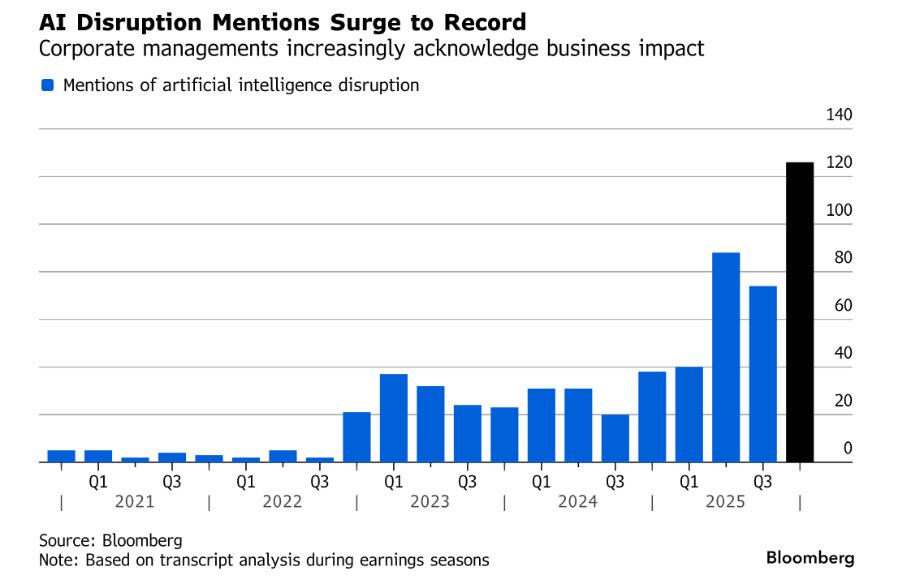
A record number of investors say companies are spending far too much, according to Bank of America Corp.’s latest fund manager survey. A quarter of participants saw an “AI bubble” as the top tail risk to markets, while 30% said capital expenditure on AI by the big tech companies was the most likely source of a credit crisis.
Meanwhile, two-year forward earnings estimates for software stocks have risen over the last three months, undeterred by the selloff over AI disruption worries, according to Goldman analysts, while RBC strategists say equity market is witnessing a type of “sentiment unwind” on AI jitters that likely has more to go.
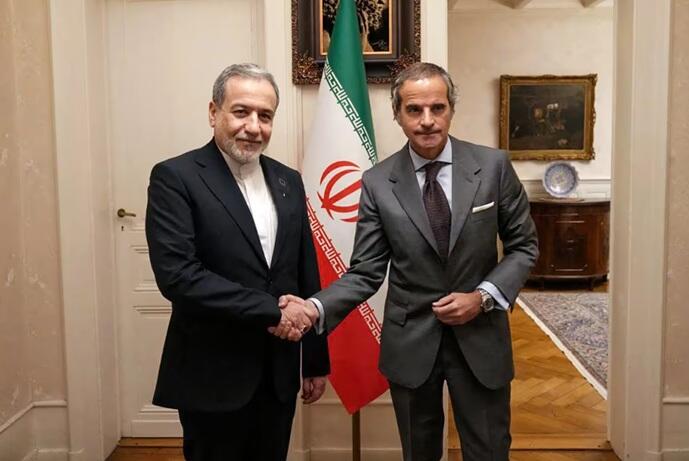
Over the weekend, Rubio spoke at the Munich Security Conference and emphasized the important of the deep ties between the US and EU, but also echoed the Trump administration’s talking points about the threat of Western decline (WSJ). RTRS reported the Pentagon preparing for the potential for a weeks-long campaign against Iran should Trump decide to launch another round of strikes which comes as the IRGC was conducting "smart drills" near the Strait of Hormuz. Also over the weekend, Trump said Rubio is in talks with Cuba as the island nation faces worsening economic conditions. Trump also said he’s speaking to China’s XI Jinping about weapons sales to Taiwan. Iran’s foreign minister met the UN nuclear chief before the next round of negotiations with the US.
Brent traded 0.1% higher to $68.75 a barrel in London after Iranian state TV in the Islamic Republic reported that parts of the Strait of Hormuz, one of the world’s most important oil-shipping lanes, will be closed for “several hours” on Tuesday as part of Iran’s military exercises. The drills, announced previously, come as Iran and the US start a second round of negotiations in Geneva. Trump has threatened to strike Iran unless it agrees to a deal curbing Tehran’s nuclear program in exchange for sanctions relief. He’s mobilized warships and fighter jets near Iran in response to a recent deadly crackdown by the regime there following mass protests.
Looking at earnings, out of the 371 S&P 500 companies that have reported so far in the earnings season, 76% have managed to beat analyst forecasts, while 20% have missed. Medtronic, Genuine Parts and Vulcan Materials are among companies expected to report results before the market opens. Medtronic’s organic revenue growth for fiscal 3Q is likely to exceed the consensus estimate of 5.5%, driven by strong sales of pulsed field ablation products used to treat atrial fibrillation, reflecting robust demand seen at peers like Boston Scientific and Abbott, Bloomberg Intelligence said. Earnings from Palo Alto Networks and Toll Brothers follow later in the day.
European stocks holding firm with Stoxx 600 up by 0.1%. The utilities sector outperforms as artificial intelligence worries linger and tensions in the Middle East drive a risk-off mood among investors. Miners lag as precious and industrial metals prices drop. On the data front, UK employment data surprised to the downside where the unemployment rate rose to 5.2%, above consensus and the BOE's forecast of 5.1%. Following the print, odds for a BOE cut in March cut rose to ~80% (vs ~70% Friday). Here are some of the biggest movers on Tuesday:
Avolta shares rise as much as 5.7% to the highest level since 2021 after UBS upgraded the travel retailer to buy, citing an improving business model focus and favorable industry trends.
Genmab shares climb as much as 2.7% after Jefferies resumed coverage on the stock with a buy rating, highlighting the Danish biotech company’s attractive valuation and “catalyst rich” 2026.
SSP shares surge as much as 11%, touching the highest level since December. UBS raised its recommendation to buy from neutral as analysts expect the catering firm’s focus on cash flow generation to ease concerns.
Mol shares drop as much as 4.1%, down for the third day. The company said it is seeking a release of Hungarian strategic oil reserves to keep refineries operating.
BFF Bank shares fall as much as 12% to a record low after confirming a report that Italian prosecutors opened an investigation into the specialist lender.
Qiagen shares slide as much as 4.8% following a Financial Times report that Danaher could announce a roughly $10 billion deal to acquire US medical technology firm Masimo.
Antofagasta shares sink as much as 5.2% in London. The copper miner’s earnings and dividend payout underwhelmed some analysts, while it kept its guidance unchanged.
Hensoldt shares slip as much as 4.7%. Mediobanca initiated the stock with an underperform rating on valuation concerns. It leads a drop in European defense stocks ahead of new rounds of Russia-Ukraine peace talks and US-Iran nuclear talks in Geneva on Tuesday.
Truecaller shares plunge as much as 26% to a record low after the Swedish developer of a caller ID and spam-blocking app gave what JPMorgan analysts called “disappointing” commentary on advertising and the firm’s Truecaller for Business segment.
Earlier in the session, stocks fell in Japan, offsetting gains in India and Thailand, on a day when most of the region’s markets were closed for Lunar New Year. The MSCI Asia Pacific Index was steady, while Japan’s Topix slid 0.7%. SoftBank Group and Hitachi were among the biggest drags, while BHP Group gained. Stocks also retreated in New Zealand, while shares edged higher in Australia, Thailand and India. Volumes were thin, with bourses closed in markets including China, Hong Kong and South Korea. Japanese stock investors extended profit-taking after last week’s post-election gains, as concerns about disruption from artificial intelligence linger.
In FX, the pound weaker but off the low. The Bloomberg Dollar Spot Index little changed with DXY $97, yen and the kiwi outperforming. The yen, historically seen as a haven, strengthened 0.2% against the dollar.
In rates, the risk-off mood and last week’s slower inflation print buoyed Treasuries, lowering the yield on the 10-year note two basis points to 4.03% and sharply lower than beginning of the month and basically at one-year lows; gilts outperformed in Europe after weak jobs data firmed up bets on BOE interest-rate cuts in 2026. In the US, treasuries hold small curve-flattening gains as US trading resumes after Monday’s holiday, with yields having reached new lows for this year, at 4.016% for the 10-year. Most sovereign bond markets also have gains, led by Japan’s, following strong demand for an auction of five-year notes. Yields remain lower by 0.5bp to 2.6bp following the market’s biggest weekly gain since August, driven by softer-than-estimated January CPI data released Friday and volatility in risk assets including US stocks. For IG corporate new-issue calendar, underwriters anticipate weekly supply totaling about $24 billion; about $40 billion was priced last week, with roughly half in the form of Alphabet’s jumbo offering. Treasury coupon auctions this week include $16 billion 20-year new issue Wednesday and $9 billion 30-year TIPS new issue Thursday
In commodities, crude moving higher with WTI $64 up 150bps after Iran said military drills will close part of the Strait of Hormuz for several hours; the rest of the commodities complex lower led by front month gas off 3% to $3.15. Gold weaker, down about $69 to $4,922/oz, and silver sinking to about $74/oz.
The US economic data calendar ADP weekly employment change (8:15am), February Empire manufacturing (8:30am) and February NAHB housing market index (10am). Fed speakers scheduled include Governor Barr (12:45pm) and San Francisco Fed President Daly (2:30pm)
Market Snapshot
S&P 500 mini -0.2%
Nasdaq 100 mini -0.6%
Russell 2000 mini -0.2%
Stoxx Europe 600 +0.2%
DAX +0.3%, CAC 40 +0.2%
10-year Treasury yield -2 basis points at 4.02%
VIX +0.7 points at 21.85
Bloomberg Dollar Index little changed at 1183.25
euro little changed at $1.1844
WTI crude +0.9% at $63.44/barrel
Top Overnight News
German investor optimism fell in February, with the ZEW institute's expectations index decreasing to 58.3 from 59.6 in January, in blow to recovery: BBG
Traders cemented bets on two BOE rate cuts in 2026 after UK unemployment approached the highest level in five years and wage growth cooled: BBG
Iran and the US met for a second round of nuclear talks in Switzerland as they seek to avoid renewed conflict in the Middle East. Iranian officials have expressed willingness to discuss their nuclear-enrichment activities, but have tied any concessions to the potential easing of American sanctions: BBG
A growing number of Wall Street pros say now might be the time to get greedy as AI fear runs amok in the US equity market. Investors are selling entire industry groups when a new AI tool threatens to upset an industry, presenting a chance to buy, according to money managers and analysts: BBG
Spanish PM Sanchez said the Council of Ministers will invoke Article 8 to ask the Public Prosecutor to investigate Meta (META), X and TikTok.
EU privacy watchdog opens probe into X over sexualised AI images: FT.
A more detailed look at global markets courtesy of Newsquawk
APAC stocks traded mixed amid the extremely thinned conditions due to the Lunar New Year holiday and in the absence of a lead from the US, where markets were closed for Washington's Birthday/Presidents' Day. ASX 200 was led higher by outperformance in miners as BHP shares surged after the mining giant reported a 28% jump in H1 net, although gains in the broader market were capped by weakness in tech and real estate. Nikkei 225 retreated shortly after the open with SoftBank and heavy industry stocks leading the declines, as the post-election euphoria petered out following the recent underwhelming GDP data.
Top Asian News
Japanese PM Takaichi to unveil a sweeping budgeting reform, placing strategic investments under a ringfenced multi-year framework to enhance predictability and attract private capital, Nikkei reports citing a draft
Japan PM Takaichi considers multi-year budget for growth and crisis management, according to Nikkei citing her draft policy speech for Friday.
Japanese Finance Ministry estimate indicates annual bond issuance could rise 28% three years from now amid increasing debt financing costs, according to Reuters.
Indian Government Minister said we are discussing age-based social media ban with firms.
European bourses (STOXX 600 +0.2%) initially started on the backfoot but have reversed earlier losses and are now trading mostly in the green. The SMI (+0.7%) leads, while the AEX (+0.2%) lags, weighted on by losses in ASML (-1.3%). FTSE 100 (+0.5%) sits near the top of the pile, aided by softer-than-expected jobs and wages data, increasing the likelihood of BoE rate cuts. European sectors are mostly firmer. Utilities (+1.3%) and Insurance (+1.2%) reside near the top, with insurance names helped by a broker upgrade for AXA (+1.8%, initiated with outperform at RBC) and a sector perform rating for Allianz. Basic Resources (-1.4%) is the clear underperformer, weighed on by metal prices (XAU -1.3%, XAG -2.4%).
Top European News
The German Chamber of Industry and Commerce raises its 2026 GDP growth forecast from 0.7% to 1.0%.
Swedish Finance Minister said they are not expecting to join the Euro in the coming years.
UK government quietly shelved a programme to build a frictionless post-Brexit trade border, after spending GBP 110mln on a contract with Deloitte and IBM for the project, according to FT.
EU officials held a constructive meeting to strengthen the international role of the euro on Monday, according to EU's Dombrovskis.
FX
DXY trades flat intraday but at the lower end of a tight 97.072-97.247 range as US participants gear up to return from the long weekend. Focus has been on geopolitics as US-Iran talks look to continue through to the afternoon, whilst US-Ukraine-Russia trilateral talks have now been moved to tomorrow. On the data front for the day ahead, weekly ADP jobs data are due (prev. showed an average of +6.5k/week over the four-week period). Elsewhere, the Empire State Manufacturing Index for February, and the NAHB housing market index for February are scheduled.
JPY gained as risk sentiment in Japan deteriorated shortly after the open, while there were some recent comments from former BoJ board member Adachi, who sees a likelihood that the BoJ will hike rates by 25bps in April. During European hours, the JPY remains the outperformer as US yields fall, but overall, the pair remains within the ranges of the last four trading sessions, with today's current parameters between 152.70 and 153.75. Note, JPY could also be seeing some haven flows against the backdrop of the US-Iran talks today.
GBP fell in the aftermath of a dovish jobs report: unemployment unexpectedly rose to 5.2%, just below the BoE’s 5.3% peak forecast (raised in February), while wage growth slowed across both measures, especially including bonuses. GBP/USD have recovered off its worst levels with the pair currently around the middle of a 1.3552-1.3633 intraday range at the time of writing.
EUR marginally trickled lower, but with price action kept within tight parameters near the 1.1850 level amid light newsflow from the bloc and the recent mixed EU Industrial Production data. Some risk was taken out for the EUR (for today) as the US-Ukraine-Russia trilateral meeting has been pushed back to tomorrow. A modest four-pip immediate dip was seen as German ZEW disappointed, with EUR/USD currently in a 1.1828-1.1852 range.
Central Banks
RBA Minutes from February meeting stated that members agreed that prevailing uncertainties meant it was not possible to have a high degree of confidence in any particular path for the cash rate. Board concluded inflation would stay stubbornly high if it had not hiked interest rates as it did this month. Members agreed that the data received since the previous meeting had strengthened their concern that without a policy response, inflation would remain persistently above target for too long.
NBP Member Dabrowski says April would be safer to cut rates than in March, a policy rate of 3.5% in 2026 is achievable.
FX
USTs move higher this morning by around 7 ticks, currently trading within a 113-03 to 113-14 range. From a yield perspective, the 10yr is now eyeing the 4% mark (currently 4.025%), and trading at lows not seen since late Nov’25. Much of the upside can seemingly be attributed to the muted risk tone, in an environment clouded by geopolitical uncertainty, with US-Iran and US-Ukraine-Russia talks taking place. The former arguably holds added risk, given there is some chance that the US could strike Iran if talks break down – though analysts believe that the most likely outcome is not a full deal today but a decision to keep talks alive. (Full analysis piece can be found on the Newsquawk feed)
Bunds follow the global fixed income complex higher. In reaction to the UK’s jobs/wages data, Bunds spiked higher from 129.30 to 129.41. Currently trading higher by around 15 ticks and at the upper end of a 129.13 to 129.36 range – the 10yr yield is trading well outside recent ranges, around 2.733%. Further pressure could see the 10yr test 2.70%, which happens to be the trough from the 1st of December 2025. Following the softer-than-expected ZEW series, Bunds rose from 129.37 to 129.41 - the peak for the day. Demand for German debt remains tepid, with the 2yr Schatz demand sub-2x b/c.
Gilts gapped higher by 38 ticks before climbing another two to a 92.32 peak, in reaction to the latest unemployment and wage data. If the move continues, resistance comes into view at 92.51, 92.56 and 92.95. Upside spurred in a dovish reaction to a report that showed a further deterioration in the labour market, as the unemployment rate ticked up to 5.2% and is just a tenth shy of the BoE's 5.3% peak forecast (a view that was increased in the February MPR). Furthermore, wage data showed a moderation from the prior for both metrics and markedly so for the measure incl. bonuses. Sparking a dovish reaction in BoE pricing, however, the next cut remains priced for April, but March is now up to -21bps (-20.3bps pre-release) while the timing for a second 2026 cut has been brought forward to November from December.
JGBs firmer, with upside of just over 50 ticks at best, hitting a 132.60 peak. Upside was a function of the negative risk tone in Japan overnight, where conditions were very limited due to numerous APAC closures. Furthermore, participants continue to digest the policy implications of recent weak GDP data. Note, there was fleeting JGB pressure to a broadly in-line 5yr auction.
Germany sells EUR 4.59bln vs exp. EUR 6bln 2.10% 2028 Schatz: b/c 1.77x (prev. 2.1x), average yield 2.02% (prev. 2.14%), retention 23.5% (prev. 22.8%).
UK sells GBP 500mln 0.125% 2028 Gilt via Tender: b/c 4.05x (prev. 3.77x), average yield 3.336% (prev. 3.443%), tail 0.7bps (prev. 0.6bps).
Japan sold JPY 1.9tln 5yr JGBs; b/c 3.10x (prev. 3.08x), average yield 1.640% (prev. 1.639%).
Commodities
WTI Mar'26 and Brent Apr'26 are trading around the lower range of USD 62.84-63.87/bbl and USD 67.85-68.62/bbl, respectively. Focus for oil traders is on meetings between the US and Iran and the trilateral talks between Russia, US and Ukraine. At the time of writing, the trilateral talks have concluded, with talks set to resume tomorrow. Much of the action this morning has been spurred by Iran-related commentary; some pressure in the complex on reports that Iran approved IAEA visit to nuclear facilities, but soon reversed after hawkish commentary from Iranian Supreme Leader Khamenei, who suggested that the US army needs to be "slapped" so hard it cannot get up. Most recently, reports suggest that Iran announced its readiness to reduce uranium enrichment, and are now at the stage of discussing technical issues. Ultimately, very choppy action given the mixed newsflow.
Precious metals have stalled following prior day gains, with the yellow metal slipping below the USD 5,000/oz mark and silver falling by 4.5%, though off worst levels seen during the APAC session. Analysts note that liquidity remains thin, particularly across metals. Focus now turns to US ADP employment figures, which could trigger volatility. Weaker jobs data could trigger a weaker USD, spurring the yellow metal and vice versa.
Copper prices remain subdued, largely amid the mixed global risk tone and the closure of the Chinese market due to the Chinese holiday. 3M LME Copper currently trades in a narrow range of USD 12,695.08-12,849k/t.
Geopolitics: Ukraine
Russia's Kremlin said the three-way talk with US and Ukraine in Geneva will continue tomorrow with no news expected today.
Russian Defence Ministry said Russia carried out a massive strike on military targets in Ukraine, IFX reported.
Russian President Putin advisor Patrushev said Russia is preparing measures to respond to seizures of its trading vessels, IFX reported.
Ukrainian long-range drones hit the Ilsky Oil Refinery in the Krasnodar Krai region of Russia and the refinery is on fire, according to Visegrad 24.
Geopolitics: Middle East
Iran is ready to stay for days and weeks in Geneva in order to reach an agreement, Al Jazeera reports citing the Iranian Foreign Ministry spokesman.
US-Iran nuclear negotiations in Geneva have entered the stage of discussing technical issues, Al Jazeera reports citing Iranian TV.
Iran announced its readiness to reduce uranium enrichment, Al Hadath reports citing Iran's ambassador in Cairo; adds "The contradiction of the US statements is proof of its lack of seriousness in the negotiations."
Iran's IRGC are holding military exercises in the Strait of Hormuz and the Sea of Oman at the same time as US-Iran nuclear talks, Iran International reports.
Iranian Supreme Leader Khamenei says, in relation to the US, "The strongest army in the world may sometimes be slapped so hard that it cannot get up."
Indirect talks between the US and Iran have begun with a message exchange process, according to reported.
Senior Iranian Official said Iran's approach to US talks are positive and serious, but holds no preconception about the outcome.
"Iran approves IAEA visit to nuclear facilities", Al Arabiya reported.
Russian President's Aide said Russia, Iran and China sent ships to the Strait of Hormuz to participate in the "Security Belt 2026" exercise, Al Jazeera reported (as expected).
US officials say they expect Iran to come to Geneva talks today with concrete concessions regarding its nuclear program, according to Axios.
US President Trump said he will be involved in the Iran talks indirectly and that Iran wants to make a deal. Iran are bad negotiators and he hopes they will be more reasonable in talks.
US delegation led by Special Envoy Witkoff leaves for Geneva for talks with Iran.
Palestinian media reported Israeli army conducts bombing operations in deployment areas within Beit Lahiyah and the Northern Gaza Strip, according to Al Qahera.
Geopolitics: Others
US President Trump said Secretary of State Rubio is talking to Cuba right now and that they want to make a deal, adds will see how it all turns out with Cuba and the US talking.
US Event Calendar
8:30 am: Feb Empire Manufacturing, est. 6.2, prior 7.7
10:00 am: Feb NAHB Housing Market Index, est. 38, prior 37
12:45 pm: Fed’s Barr Speaks on AI and the Labor Market
2:30 pm: Fed’s Daly Speaks on AI and the Economy
DB's Jim Reid concludes the overnight wrap
Without wanting to put you off reading any further, this may be the most boring EMR of the year so far, as yesterday was unusually calm compared with the pace of events so far in 2026. However there were a couple of new big AI disruption stories in the European session to report of below. But it was quiet due to the combination of the US holiday and the Lunar New Year in China, offering markets a chance to pause, and the subdued volumes suggested many participants took the opportunity to have a lie down... or watch the Curling or Ski Jumping. Chinese markets remain closed until next Tuesday, with Hong Kong set to reopen on Friday and Korea on Thursday. US markets reopen today, and S&P (-0.58%) and Nasdaq (-0.96%) futures are both trading lower after having edged higher for most of yesterday's session. 10yr Treasury yields (-2.5bps) are also creeping lower again, trading at 4.025% this morning. After last week’s sizeable rally in US yields, attention is firmly on the bond market as investors look ahead to Friday’s core PCE and Q4 GDP releases. Today starts the US data week quietly, with the February NY Fed Empire State Survey (+0.5 expected) and the NAHB Housing Market Index (37 expected) due.
The rates rally is spreading across Asia with 10-30yr JGBs -6 to -10bps lower as I type after a slightly better than expected 5 year auction. The Nikkei is down -0.92%, continuing its decline from the previous session helped by disappointing GDP figures for the fourth quarter.
Meanwhile, the S&P/ASX 200 is experiencing a slight increase of +0.26%, primarily supported by gains from the mining giant BHP Group (+4.75%), which reported robust earnings for the first half of the fiscal year. That's one company AI will struggle to disrupt, although as an aside I just asked our AI tool if it could be disrupted and the one way is if AI allows exploration and discovery to get faster and cheaper for challengers! Is nothing safe! However this is probably also a case where the company could also use such analysis.
Regarding central bank developments, the minutes from the Reserve Bank of Australia’s most recent monetary policy meeting indicated that the rate increase was prompted by stronger-than-anticipated data, ongoing widespread inflation, and relaxed financial conditions. Nevertheless, the central bank expressed uncertainty about the future trajectory of inflation and the economy, resulting in a lack of a “high degree of confidence in any particular path for the cash rate.”
With the US out yesterday, European markets were similarly subdued. Equities saw only modest moves, with the STOXX 600 (+0.13%) and FTSE 100 (+0.26%) finishing slightly higher even with a dip into the close. But beneath the surface, AI related concerns continued to simmer. In Germany, Siemens fell sharply (-6.41%) amid growing worries that industrial software could be another area exposed to AI disruption. That decline weighed on the DAX, which closed -0.46%. Likewise, France’s Dassault Systèmes slumped (-10.44%) on similar concerns, although the CAC 40 (+0.06%) still managed a marginal gain. It’s clear that the market hasn’t yet shaken off this theme.
Across Europe, the news flow remained light as EU leaders returned from the Munich Security Conference. Reports from the FT and Bloomberg suggested the UK is considering increasing defence spending to 3% of GDP by 2029—something that was largely expected, given the concessions needed to secure improved access to SAFE (Security Action for Europe) and more favourable EU trade terms. With no formal announcements likely before the Autumn Budget, investors appeared unbothered by any perceived fiscal implications. Gilt yields edged lower, with the 2yr down -0.7bps and the 10yr down -1.6bps. Elsewhere in fixed income, front-end European yields drifted slightly higher as renewed concerns over oil-driven inflation returned. The 2yr bund was up +0.2bps, while moves along the curve were more uneven, leaving the 10yr bund marginally lower at -0.1bps.
Oil prices rose as geopolitical tensions in the Middle East resurfaced, including reports that Iran’s Revolutionary Guard had begun military exercises in the Strait of Hormuz. Brent crude moved higher on the headlines, adding +1.33% yesterday. However it's down around -0.6% this morning. Markets will keep a close eye on developments as US–Iran talks are scheduled to resume today. Despite the renewed tensions, gold prices slipped yesterday, falling -0.74%. It is another -2% lower this morning with silver over -3% down, now trading $7 below its real adjusted price in 1790!
Looking to the day ahead, data releases include the US February Empire Manufacturing Index, the NAHB Housing Market Index, UK December average weekly earnings and unemployment, Germany’s February ZEW survey, the Eurozone ZEW survey, and Canada’s January CPI. Fed speakers include Barr and Daly, while today’s notable earnings releases feature Medtronic and Cadence Design Systems.
Tyler Durden | Zero Hedge
Zero Hedge
Tue, 02/17/2026 - 08:39
https://www.zerohedge.com/markets/futures-fall-ai-selloff-resumes
 In a fresh interview with Turkish media, Patrushev said Moscow is advancing a "multipolar world order on the oceans" to counter what he blasted as Western hegemony.
"We will tap into the potential of BRICS, which should now be given a full-fledged strategic maritime dimension," he said. These fresh mid-February drills are being called Maritime Security Belt 2026.
It turns out Russian and Chinese warships have already been in the region as part of prior Iran-hosted drills, and without doubt they've lingered to keep a very close eye on developments after President Trump started threatening Tehran over its nuclear as well as ballistic missiles programs.
Also coming off last month's BRICS naval drills in South Africa which were dubbed "Will for Peace 2026" - Chinese, Russian, and Iranian ships have in recent years showed deepened coordination and cooperation, in an increased number of joint drills.
"The Maritime Security Belt 2026 exercises in the Strait of Hormuz, where Russia, China, and Iran sent their ships, proved to be relevant," he added.
If the US were to launch a 'surprise' attack on Iran, it remains unlikely that either Russia or China would come to Tehran's direct aid and engage militarily with Washington.
However, it's possible more Chinese and Russian ships would be sent to patrol flashpoint waters, making things more delicate and difficult in terms of US Navy maneuvering and firing.
In a fresh interview with Turkish media, Patrushev said Moscow is advancing a "multipolar world order on the oceans" to counter what he blasted as Western hegemony.
"We will tap into the potential of BRICS, which should now be given a full-fledged strategic maritime dimension," he said. These fresh mid-February drills are being called Maritime Security Belt 2026.
It turns out Russian and Chinese warships have already been in the region as part of prior Iran-hosted drills, and without doubt they've lingered to keep a very close eye on developments after President Trump started threatening Tehran over its nuclear as well as ballistic missiles programs.
Also coming off last month's BRICS naval drills in South Africa which were dubbed "Will for Peace 2026" - Chinese, Russian, and Iranian ships have in recent years showed deepened coordination and cooperation, in an increased number of joint drills.
"The Maritime Security Belt 2026 exercises in the Strait of Hormuz, where Russia, China, and Iran sent their ships, proved to be relevant," he added.
If the US were to launch a 'surprise' attack on Iran, it remains unlikely that either Russia or China would come to Tehran's direct aid and engage militarily with Washington.
However, it's possible more Chinese and Russian ships would be sent to patrol flashpoint waters, making things more delicate and difficult in terms of US Navy maneuvering and firing.
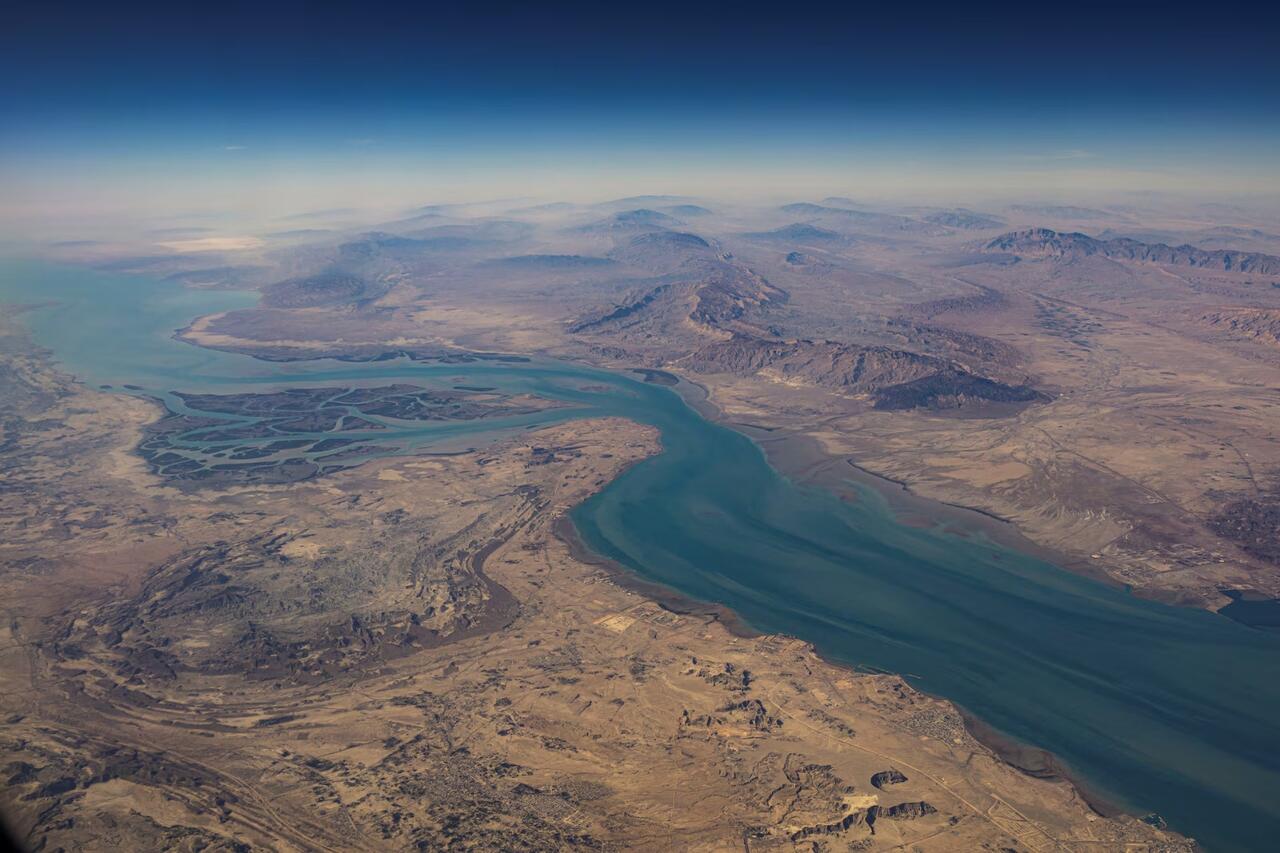 Likely Moscow and Beijing would team up to issue a UN Security Council condemnation, and would seek to rally the globe against another Iraq-style war in the Middle East, with likely disastrous consequences for the whole region.
The second round of Iran-US talks wrapped up Tuesday in Geneva with mixed results. The Iranians have said the sides could be headed toward a new deal, and yet diplomats have admitted it was a heavy, and not very positive or amicable atmosphere. So things remain ultra-tense and charged, to say the least.
Tue, 02/17/2026 - 16:40
https://www.zerohedge.com/geopolitical/escalation-iran-russia-china-hold-naval-drill-flashpoint-strait-hormuz
Likely Moscow and Beijing would team up to issue a UN Security Council condemnation, and would seek to rally the globe against another Iraq-style war in the Middle East, with likely disastrous consequences for the whole region.
The second round of Iran-US talks wrapped up Tuesday in Geneva with mixed results. The Iranians have said the sides could be headed toward a new deal, and yet diplomats have admitted it was a heavy, and not very positive or amicable atmosphere. So things remain ultra-tense and charged, to say the least.
Tue, 02/17/2026 - 16:40
https://www.zerohedge.com/geopolitical/escalation-iran-russia-china-hold-naval-drill-flashpoint-strait-hormuz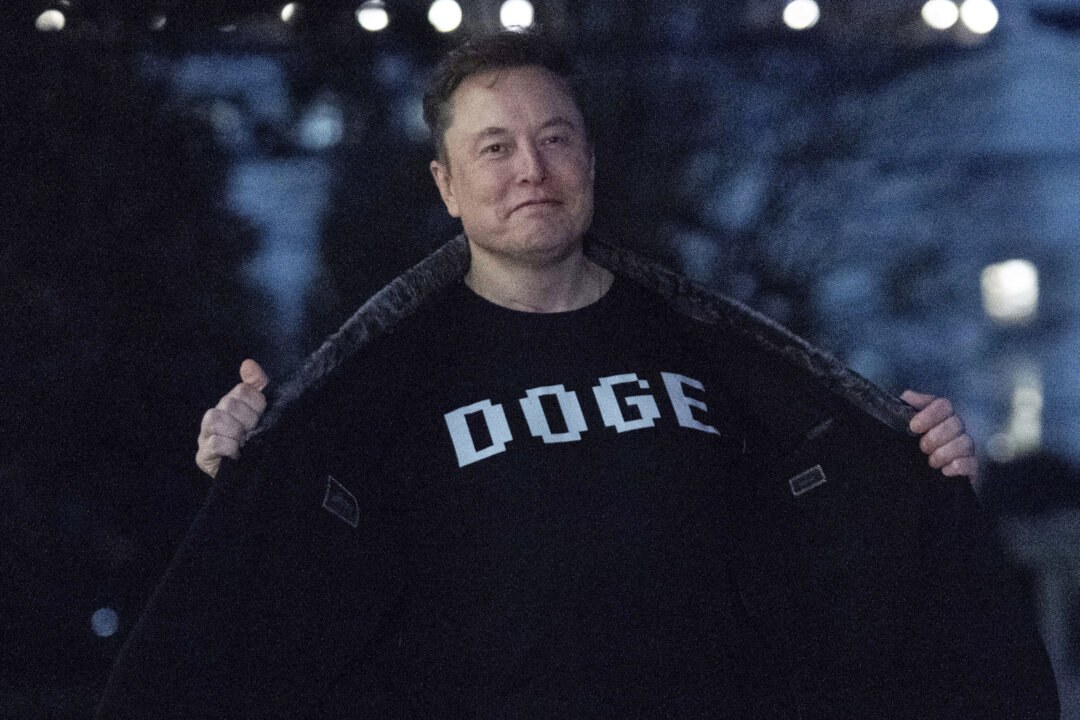
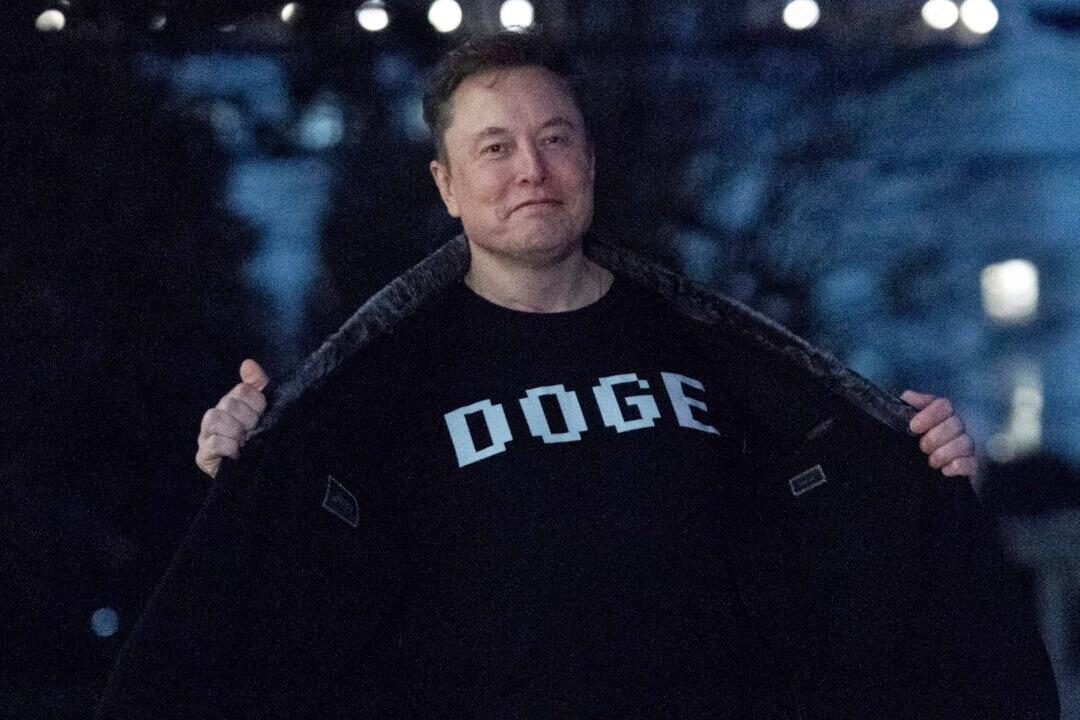 They began their work early on with earnest and passion, starting inauguration evening, with many long days and nights of data crunching and number slinging, under the assumption that auditing government would be similar to auditing a private company.
DOGE quickly found itself buried and overwhelmed. There were too many programs, too much leakage, no coordination between departments, strange sources of incoming and outgoing payments, shadowy institutions and names flying everywhere, and eye-popping levels of inefficiency. It became obvious that many decades had gone by without any scrupulous concern for how taxpayer dollars were used.
After months on the job, DOGE backed away from the big picture job and embedded itself in specific agencies with more focus and less in the way of press releases. Elon went back to his enterprises which had been suffering with his absence and distractions. Meanwhile, his small cadre of data mavens stayed on and got to work, agency by agency.
This much became clear: the job was too much for them. They had to prioritize their work. It was decided that the most important priority would be to sync up the many random databases strewn here and there and everywhere into large packages that were manageable and could be checked, with lines of spending matching sources and purposes. Nothing like this existed before.
Once that was done, it became clear that the datasets were too large for a team of workers. They needed to open source all the data and enlist help from the public. In essence, the problems were just too big to isolate problem spending from legitimate spending. The decision was made to bundle it all up and do waves of file dumps on the public.
After all, we live in the age of the citizen researcher, people with fast Internet connections, large machines, high degrees of skill, and a passion to discover. For too long, the affairs of government have lived in a cloud of secrecy, probably for one hundred years or more. The excuse has always been discretion: It wasn’t the public’s business how the money was spent. But this is ridiculous; we are talking about taxpayer dollars. The citizens do in fact have the right to know. The goal of bringing all this out into the open would represent a fundamental change in the operation of public policy.
The most elaborate installation yet was just posted on the website of the Department of Health and Human Services, with a focus on Medicaid. This is a program designed to provide needed services to the poor. Annual spending exceeds $1 trillion a year, having entered into new upward slopes of spending in the COVID era where government unleashed the printing presses and spent money as if it were in infinite supply. This one program now accounts for 18 percent of U.S. health care expenditures.
Exactly where is all this going?
We now have a tool that helps show what is happening.
HHS has
They began their work early on with earnest and passion, starting inauguration evening, with many long days and nights of data crunching and number slinging, under the assumption that auditing government would be similar to auditing a private company.
DOGE quickly found itself buried and overwhelmed. There were too many programs, too much leakage, no coordination between departments, strange sources of incoming and outgoing payments, shadowy institutions and names flying everywhere, and eye-popping levels of inefficiency. It became obvious that many decades had gone by without any scrupulous concern for how taxpayer dollars were used.
After months on the job, DOGE backed away from the big picture job and embedded itself in specific agencies with more focus and less in the way of press releases. Elon went back to his enterprises which had been suffering with his absence and distractions. Meanwhile, his small cadre of data mavens stayed on and got to work, agency by agency.
This much became clear: the job was too much for them. They had to prioritize their work. It was decided that the most important priority would be to sync up the many random databases strewn here and there and everywhere into large packages that were manageable and could be checked, with lines of spending matching sources and purposes. Nothing like this existed before.
Once that was done, it became clear that the datasets were too large for a team of workers. They needed to open source all the data and enlist help from the public. In essence, the problems were just too big to isolate problem spending from legitimate spending. The decision was made to bundle it all up and do waves of file dumps on the public.
After all, we live in the age of the citizen researcher, people with fast Internet connections, large machines, high degrees of skill, and a passion to discover. For too long, the affairs of government have lived in a cloud of secrecy, probably for one hundred years or more. The excuse has always been discretion: It wasn’t the public’s business how the money was spent. But this is ridiculous; we are talking about taxpayer dollars. The citizens do in fact have the right to know. The goal of bringing all this out into the open would represent a fundamental change in the operation of public policy.
The most elaborate installation yet was just posted on the website of the Department of Health and Human Services, with a focus on Medicaid. This is a program designed to provide needed services to the poor. Annual spending exceeds $1 trillion a year, having entered into new upward slopes of spending in the COVID era where government unleashed the printing presses and spent money as if it were in infinite supply. This one program now accounts for 18 percent of U.S. health care expenditures.
Exactly where is all this going?
We now have a tool that helps show what is happening.
HHS has 
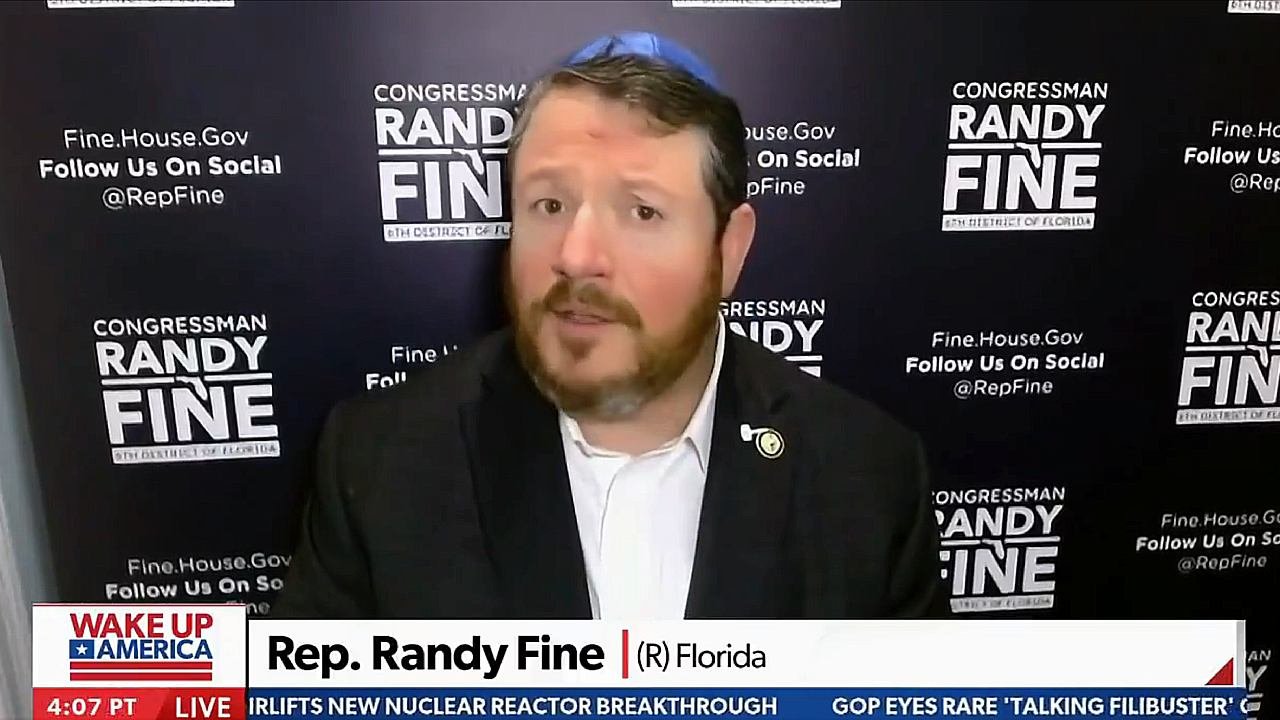
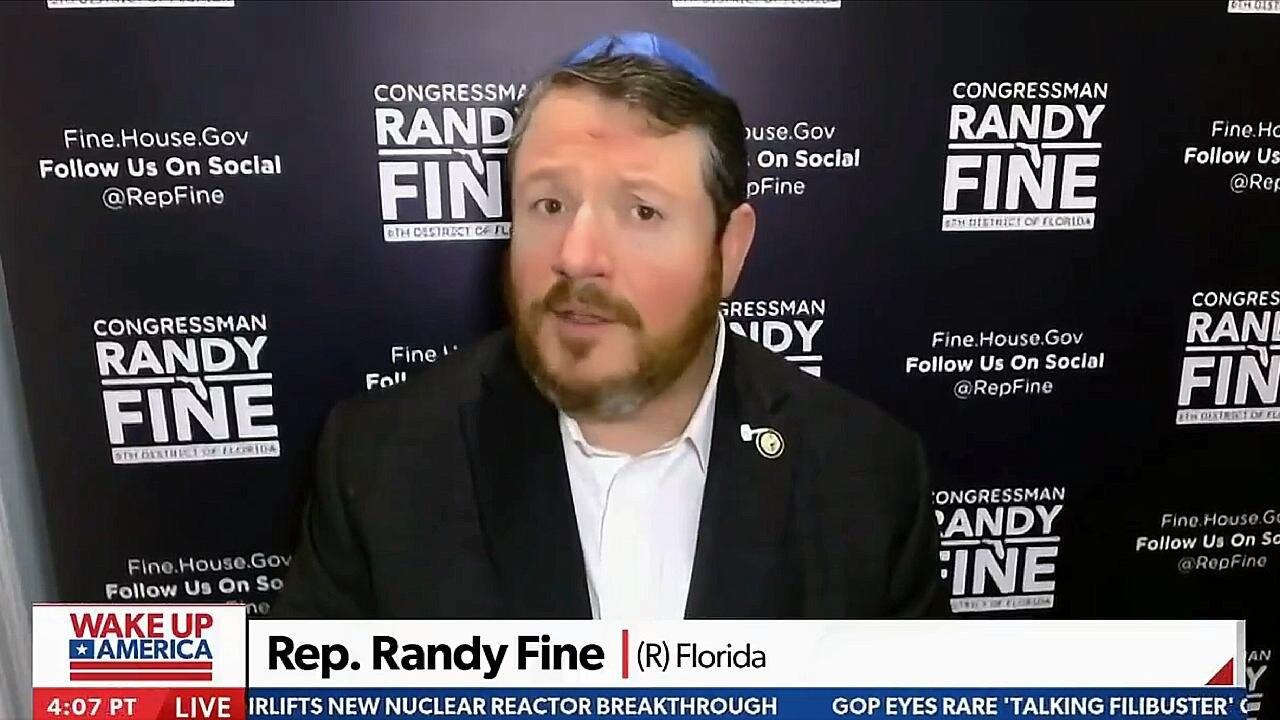 The firestorm erupted after New York Muslim activist Nerdeen Kiswani declared, “Dogs definitely have a place in society, just not as indoor pets. Like we [Muslims have] said all along, they are unclean [“najis”].”
Kiswani later claimed, “Lmao at the Zionists frothing at the mouth at this, thinking they’re doing something. It’s obviously a joke I don’t care if you have a dog, I do care if your dog is shitting everywhere and you’re not cleaning it.”
In response, Fine laid out the stark choice: “If they force us to choose, the choice between dogs and Muslims is not a difficult one.”
For context, this is the leader of one of the key mainstream Muslim groups that supported Mamdani.
The firestorm erupted after New York Muslim activist Nerdeen Kiswani declared, “Dogs definitely have a place in society, just not as indoor pets. Like we [Muslims have] said all along, they are unclean [“najis”].”
Kiswani later claimed, “Lmao at the Zionists frothing at the mouth at this, thinking they’re doing something. It’s obviously a joke I don’t care if you have a dog, I do care if your dog is shitting everywhere and you’re not cleaning it.”
In response, Fine laid out the stark choice: “If they force us to choose, the choice between dogs and Muslims is not a difficult one.”
For context, this is the leader of one of the key mainstream Muslim groups that supported Mamdani. 











 That reality complicates the politics of accountability and fuels public suspicion that neither side is entirely comfortable with full disclosure.
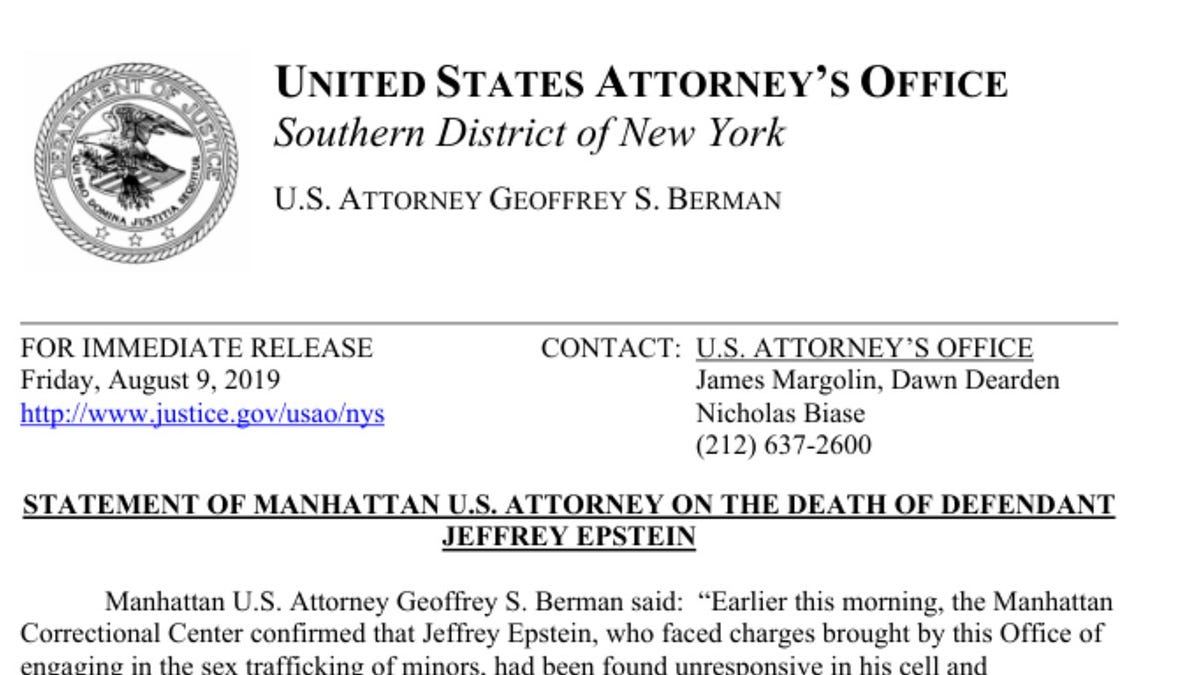
What should have been a straightforward matter of transparency, identifying networks of power, influence, and possible criminal complicity, has instead unfolded as a slow humiliating drip of redactions, procedural delays, partial disclosures and cagey congressional testimony. Each release seems to raise more questions than it resolves. These questions revolve around sex trafficking, exploitation, abuse of minors, coercion and manipulation, elite complicity, obstruction of justice, etc.
That reality complicates the politics of accountability and fuels public suspicion that neither side is entirely comfortable with full disclosure.
What should have been a straightforward matter of transparency, identifying networks of power, influence, and possible criminal complicity, has instead unfolded as a slow humiliating drip of redactions, procedural delays, partial disclosures and cagey congressional testimony. Each release seems to raise more questions than it resolves. These questions revolve around sex trafficking, exploitation, abuse of minors, coercion and manipulation, elite complicity, obstruction of justice, etc.
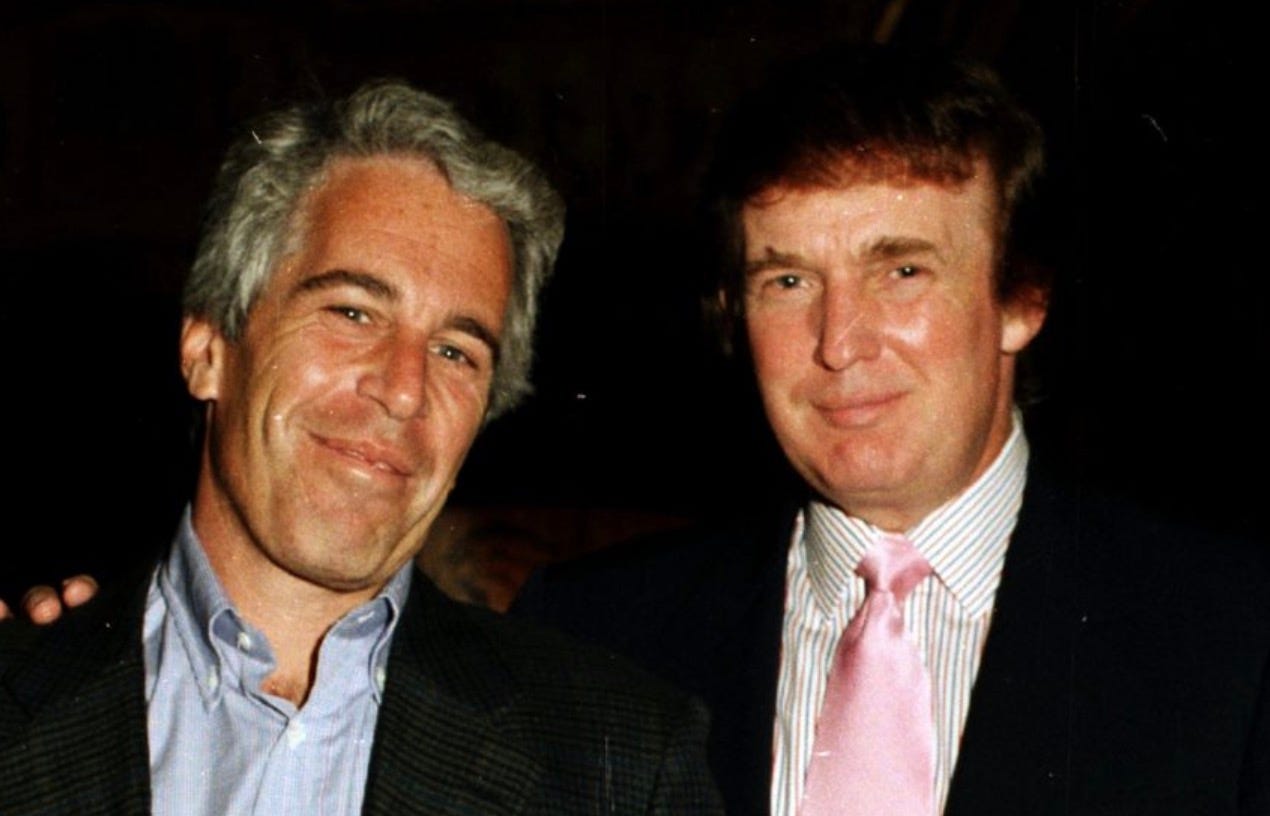 But the deeper damage taking place now is not only about the crimes associated with Jeffrey Epstein. It is about institutional response. If only one political party had meaningful exposure to the scandal, the other would likely have been far more relentless in demanding transparency. But this is different. Despite Democrats harping on the files now, they were quiet in the years prior to Trump’s second term and, because Epstein’s connections span media, finance, academia, and politics, the discomfort still appears bipartisan.
And that is precisely what unsettles me.
When both political parties fail to press aggressively on something meaningful, especially something morally explosive, it often suggests that the issue cuts deeper than surface narratives allow. Bipartisan hesitation can signal overlapping vulnerability. Silence across the aisle is rarely accidental.
The horror here is not just what may have occurred in private circles of power, but the perception that the institutions tasked with accountability are reluctant to fully illuminate it. Justice delayed in cases involving elites feels less like procedural caution and more like reputational risk management. Whether or not that perception is entirely fair, it is corrosive.
But the deeper damage taking place now is not only about the crimes associated with Jeffrey Epstein. It is about institutional response. If only one political party had meaningful exposure to the scandal, the other would likely have been far more relentless in demanding transparency. But this is different. Despite Democrats harping on the files now, they were quiet in the years prior to Trump’s second term and, because Epstein’s connections span media, finance, academia, and politics, the discomfort still appears bipartisan.
And that is precisely what unsettles me.
When both political parties fail to press aggressively on something meaningful, especially something morally explosive, it often suggests that the issue cuts deeper than surface narratives allow. Bipartisan hesitation can signal overlapping vulnerability. Silence across the aisle is rarely accidental.
The horror here is not just what may have occurred in private circles of power, but the perception that the institutions tasked with accountability are reluctant to fully illuminate it. Justice delayed in cases involving elites feels less like procedural caution and more like reputational risk management. Whether or not that perception is entirely fair, it is corrosive.
 Meanwhile, Goldman Sachs’ chief legal officer Kathryn Ruemmler announced her resignation after new emails with Epstein came to light, prompting internal pressure at the firm. British political figure Peter Mandelson resigned from the House of Lords and the Labour Party, and Scotland Yard has opened a criminal investigation into his ties with Epstein. In Norway, parliament has launched an external inquiry into prominent diplomats for their connections to Epstein, and police are investigating corruption allegations against former prime minister Thorbjørn Jagland and others.
🔥 50% OFF FOR LIFE: Using this coupon entitles you to 50% off an annual subscription to Fringe Finance for life:
Meanwhile, Goldman Sachs’ chief legal officer Kathryn Ruemmler announced her resignation after new emails with Epstein came to light, prompting internal pressure at the firm. British political figure Peter Mandelson resigned from the House of Lords and the Labour Party, and Scotland Yard has opened a criminal investigation into his ties with Epstein. In Norway, parliament has launched an external inquiry into prominent diplomats for their connections to Epstein, and police are investigating corruption allegations against former prime minister Thorbjørn Jagland and others.
🔥 50% OFF FOR LIFE: Using this coupon entitles you to 50% off an annual subscription to Fringe Finance for life: 
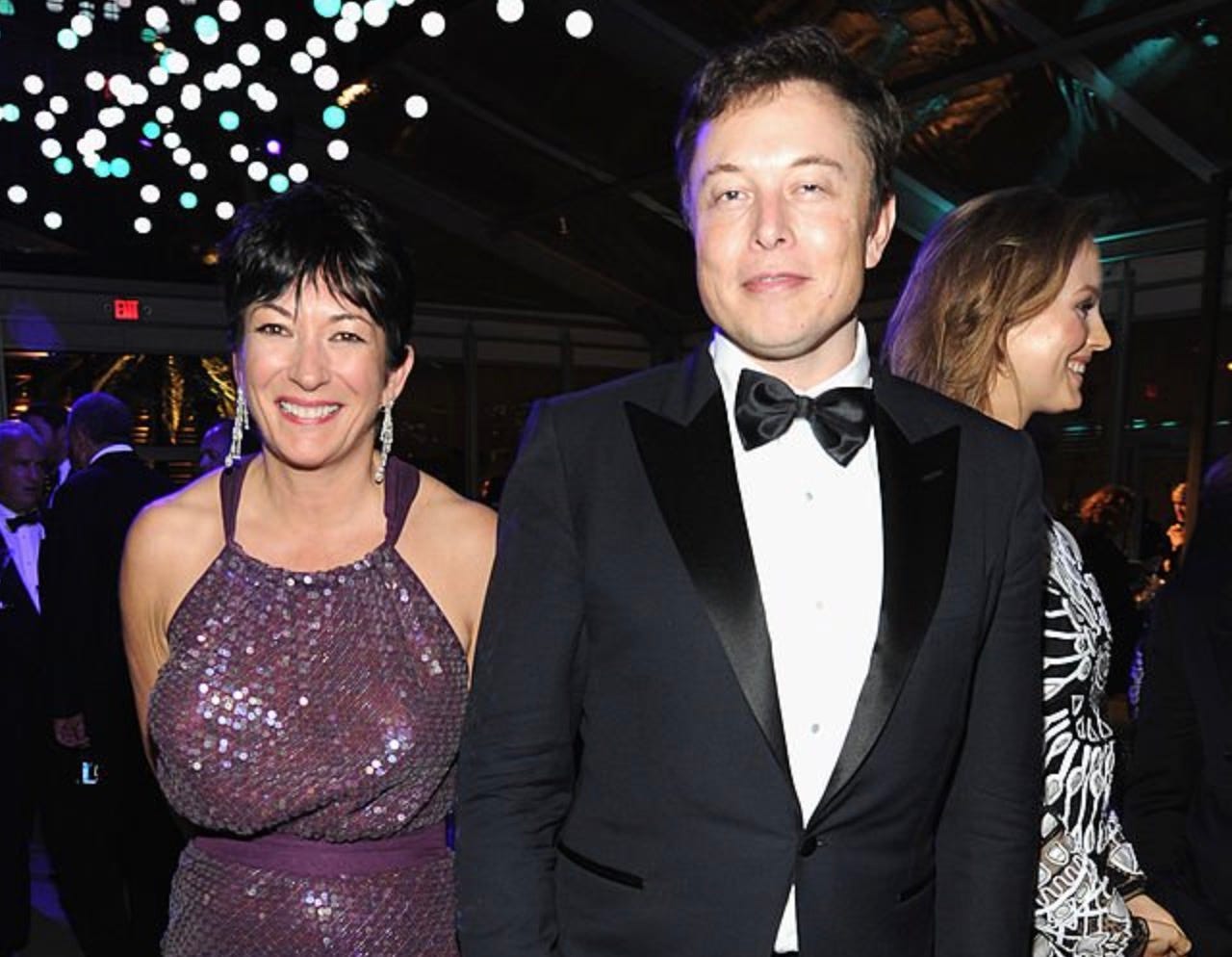 I have long argued that Americans should apply the same “when both parties agree, the American public is getting screwed” scrutiny to monetary policy for a similar reason. It is one of the few areas where both major political parties display remarkable convergence. While they wage visible battles over cultural issues and tax rates, they tend to align on central banking frameworks, large scale liquidity interventions, and deficit tolerance. Like other cover-ups, that alignment deserves examination.
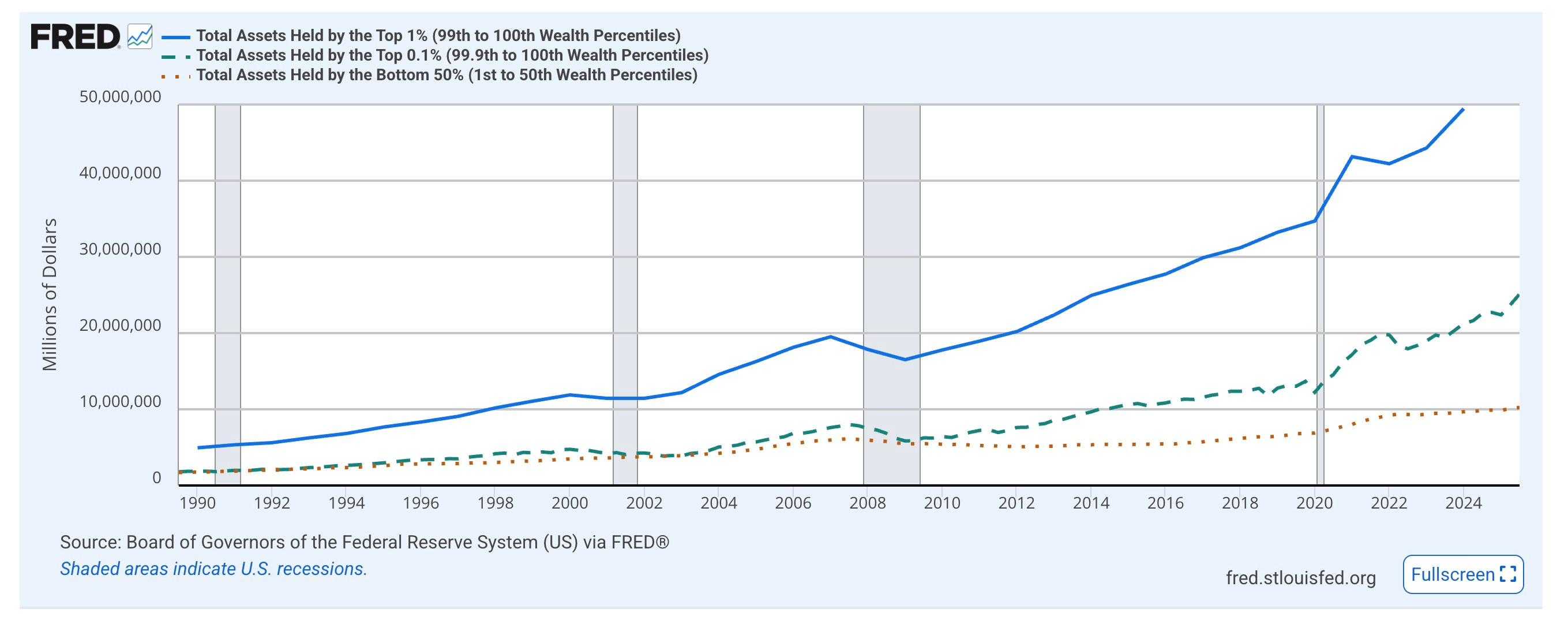
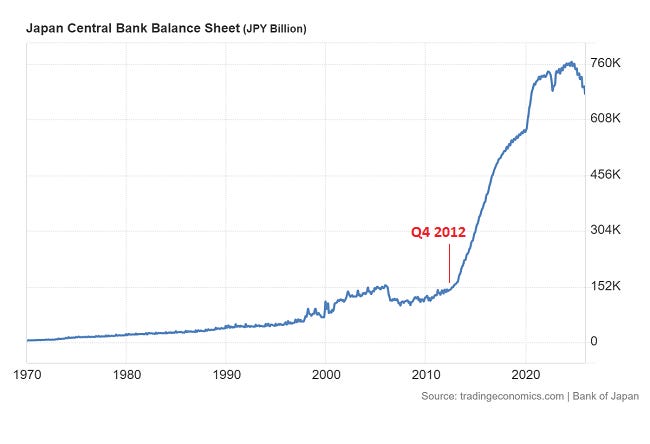
Monetary policy operates largely outside daily partisan warfare, yet it shapes purchasing power, asset prices, debt burdens, and wealth distribution. When balance sheets expand aggressively and markets are repeatedly stabilized during downturns, the effects are uneven. Asset holders often benefit first and most. Meanwhile, wage earners experience the lagging side effects such as inflationary pressure, higher living costs, and diminished purchasing power.
Supporters of Modern Monetary Theory argue that sovereign currency systems provide more fiscal flexibility than traditionally assumed. Critics counter that, in practice, repeated interventions risk entrenching a cycle in which gains are privatized and losses are socialized. When markets rise, the wealth effect accrues to those with substantial exposure. When markets falter, public backstops prevent collapse. The middle class absorbs the inflationary residue. And the wealth gap widens:
I have long argued that Americans should apply the same “when both parties agree, the American public is getting screwed” scrutiny to monetary policy for a similar reason. It is one of the few areas where both major political parties display remarkable convergence. While they wage visible battles over cultural issues and tax rates, they tend to align on central banking frameworks, large scale liquidity interventions, and deficit tolerance. Like other cover-ups, that alignment deserves examination.
Monetary policy operates largely outside daily partisan warfare, yet it shapes purchasing power, asset prices, debt burdens, and wealth distribution. When balance sheets expand aggressively and markets are repeatedly stabilized during downturns, the effects are uneven. Asset holders often benefit first and most. Meanwhile, wage earners experience the lagging side effects such as inflationary pressure, higher living costs, and diminished purchasing power.
Supporters of Modern Monetary Theory argue that sovereign currency systems provide more fiscal flexibility than traditionally assumed. Critics counter that, in practice, repeated interventions risk entrenching a cycle in which gains are privatized and losses are socialized. When markets rise, the wealth effect accrues to those with substantial exposure. When markets falter, public backstops prevent collapse. The middle class absorbs the inflationary residue. And the wealth gap widens:
 The structural similarity matters. When both parties avoid aggressive debate on a policy that materially burdens the average American, it raises the same instinctive question of what incentives are being protected. Monetary policy may not carry the visceral grotesqueness of the Epstein scandal, but it carries long term economic consequences that most Americans don’t know they are bearing, and don’t understand that they are being lied to about.
The comparison is not moral equivalence. It is structural parallel. In one case, alleged networks of power may be shielded by mutual hesitation. In the other, a financial architecture persists with limited democratic scrutiny because challenging it would destabilize shared political comfort. In both cases, bipartisan alignment dampens confrontation. Two forms of silence. Two different domains. Both revealing.
The structural similarity matters. When both parties avoid aggressive debate on a policy that materially burdens the average American, it raises the same instinctive question of what incentives are being protected. Monetary policy may not carry the visceral grotesqueness of the Epstein scandal, but it carries long term economic consequences that most Americans don’t know they are bearing, and don’t understand that they are being lied to about.
The comparison is not moral equivalence. It is structural parallel. In one case, alleged networks of power may be shielded by mutual hesitation. In the other, a financial architecture persists with limited democratic scrutiny because challenging it would destabilize shared political comfort. In both cases, bipartisan alignment dampens confrontation. Two forms of silence. Two different domains. Both revealing.
 Foreign policy, particularly the authorization and funding of wars, has often followed a similar pattern. While domestic issues produce loud partisan divides, military interventions abroad frequently pass with overwhelming support from leadership in both parties. Public debate may flare at the margins, but institutional consensus tends to solidify quickly once action begins.
History shows that major military engagements, from post 9/11 authorizations to prolonged overseas conflicts, have often been backed by broad congressional majorities. The initial votes are decisive. The funding continues year after year. Only later, when costs mount and public opinion shifts, does meaningful dissent emerge. By then, strategic commitments and financial obligations are deeply entrenched.
Again, the pattern is not about moral equivalence between policy domains. It is about incentives. When both political parties converge quickly on matters involving immense money, immense power, or immense liability, scrutiny tends to narrow rather than widen. And when scrutiny narrows at the highest levels, the public’s role shifts from participant to spectator.
When both political parties fail to address something meaningful, when they close ranks instead of competing for exposure, the public should not assume the issue is trivial. More often, it suggests the truth behind the surface may be larger and more consequential than advertised.
Democracies depend not just on disagreement, but on adversarial pressure. When that pressure disappears, citizens are right to lean in, not tune out. When both sides go quiet, the story is rarely over. As the Epstein files are showing, it may simply run far deeper than we are being shown.
Now read:
Foreign policy, particularly the authorization and funding of wars, has often followed a similar pattern. While domestic issues produce loud partisan divides, military interventions abroad frequently pass with overwhelming support from leadership in both parties. Public debate may flare at the margins, but institutional consensus tends to solidify quickly once action begins.
History shows that major military engagements, from post 9/11 authorizations to prolonged overseas conflicts, have often been backed by broad congressional majorities. The initial votes are decisive. The funding continues year after year. Only later, when costs mount and public opinion shifts, does meaningful dissent emerge. By then, strategic commitments and financial obligations are deeply entrenched.
Again, the pattern is not about moral equivalence between policy domains. It is about incentives. When both political parties converge quickly on matters involving immense money, immense power, or immense liability, scrutiny tends to narrow rather than widen. And when scrutiny narrows at the highest levels, the public’s role shifts from participant to spectator.
When both political parties fail to address something meaningful, when they close ranks instead of competing for exposure, the public should not assume the issue is trivial. More often, it suggests the truth behind the surface may be larger and more consequential than advertised.
Democracies depend not just on disagreement, but on adversarial pressure. When that pressure disappears, citizens are right to lean in, not tune out. When both sides go quiet, the story is rarely over. As the Epstein files are showing, it may simply run far deeper than we are being shown.
Now read:



 QTR’s Disclaimer: Please read my full legal disclaimer
  "He’s put a pretty extreme option on the table, which is a combination of raising property taxes and taking money from reserves and relying on some pretty aggressive revenue projections to boot," said NYC Comptroller Mark Levine.
The pitch, set to be unveiled Tuesday afternoon during Mamdani's preliminary budget proposal, comes one day after Governor Kathy Hochul vowed to kick in another $1.5 billion in additional aid to the city for the current fiscal year and next. Hochul has also committed $510 million for future years to help plug holes in the budget.
Mamdani says that the state should step up even more. Last week, he called on state lawmakers Wednesday to approve a 2 percent personal income tax increase on the city’s wealthiest residents as well as a hike in the corporate tax rate in a bid to close a multibillion-dollar budget gap. Of note, Hochul and the legislature must approve any tax changes.
While Mamdani is handcuffed in many ways when it comes to raising revenue, raising property taxes is something he can do as part of the annual budget process. Homeowners, meanwhile, just had their assessed values jump 5.6%, which will bring the city an additional $325.8 billion - which is separate of Mamdani's plan.
Mamdani’s own rhetoric about the size and scope of the city’s budget situation has shifted. Earlier this month, just two weeks after describing the city’s $12.6 billion budget deficit as the city’s largest since the Great Recession,
"He’s put a pretty extreme option on the table, which is a combination of raising property taxes and taking money from reserves and relying on some pretty aggressive revenue projections to boot," said NYC Comptroller Mark Levine.
The pitch, set to be unveiled Tuesday afternoon during Mamdani's preliminary budget proposal, comes one day after Governor Kathy Hochul vowed to kick in another $1.5 billion in additional aid to the city for the current fiscal year and next. Hochul has also committed $510 million for future years to help plug holes in the budget.
Mamdani says that the state should step up even more. Last week, he called on state lawmakers Wednesday to approve a 2 percent personal income tax increase on the city’s wealthiest residents as well as a hike in the corporate tax rate in a bid to close a multibillion-dollar budget gap. Of note, Hochul and the legislature must approve any tax changes.
While Mamdani is handcuffed in many ways when it comes to raising revenue, raising property taxes is something he can do as part of the annual budget process. Homeowners, meanwhile, just had their assessed values jump 5.6%, which will bring the city an additional $325.8 billion - which is separate of Mamdani's plan.
Mamdani’s own rhetoric about the size and scope of the city’s budget situation has shifted. Earlier this month, just two weeks after describing the city’s $12.6 billion budget deficit as the city’s largest since the Great Recession, 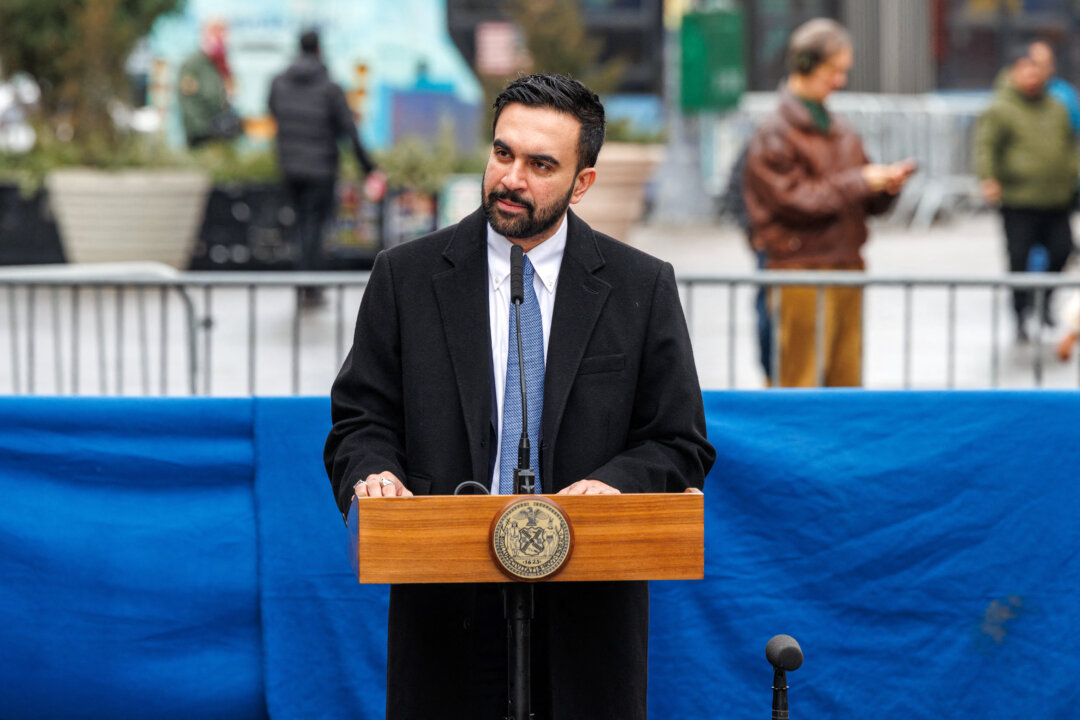
 “Anthropic is committed to using frontier AI in support of US national security,” a spokesperson said, describing ongoing discussions with the Defense Department as “productive conversations, in good faith.” The Pentagon, however, struck a firmer tone. “Our nation requires that our partners be willing to help our warfighters win in any fight,” spokesman Sean Parnell said, adding that the relationship is under review and emphasizing troop safety.
Some defense officials have grown wary, viewing reliance on Anthropic as a potential supply-chain vulnerability. The department could ask contractors to certify they are not using Anthropic’s models, according to a senior official—an indication that the disagreement could ripple beyond a single contract.
Rival AI developers are watching closely. Tools from OpenAI, Google and xAI are also being discussed for Pentagon use, with companies working to ensure their systems can operate within legal boundaries. Anthropic secured a two-year Pentagon deal last year involving Claude Gov and enterprise products, and the outcome of its current negotiations could influence how future agreements with other AI providers are structured.
“Anthropic is committed to using frontier AI in support of US national security,” a spokesperson said, describing ongoing discussions with the Defense Department as “productive conversations, in good faith.” The Pentagon, however, struck a firmer tone. “Our nation requires that our partners be willing to help our warfighters win in any fight,” spokesman Sean Parnell said, adding that the relationship is under review and emphasizing troop safety.
Some defense officials have grown wary, viewing reliance on Anthropic as a potential supply-chain vulnerability. The department could ask contractors to certify they are not using Anthropic’s models, according to a senior official—an indication that the disagreement could ripple beyond a single contract.
Rival AI developers are watching closely. Tools from OpenAI, Google and xAI are also being discussed for Pentagon use, with companies working to ensure their systems can operate within legal boundaries. Anthropic secured a two-year Pentagon deal last year involving Claude Gov and enterprise products, and the outcome of its current negotiations could influence how future agreements with other AI providers are structured.
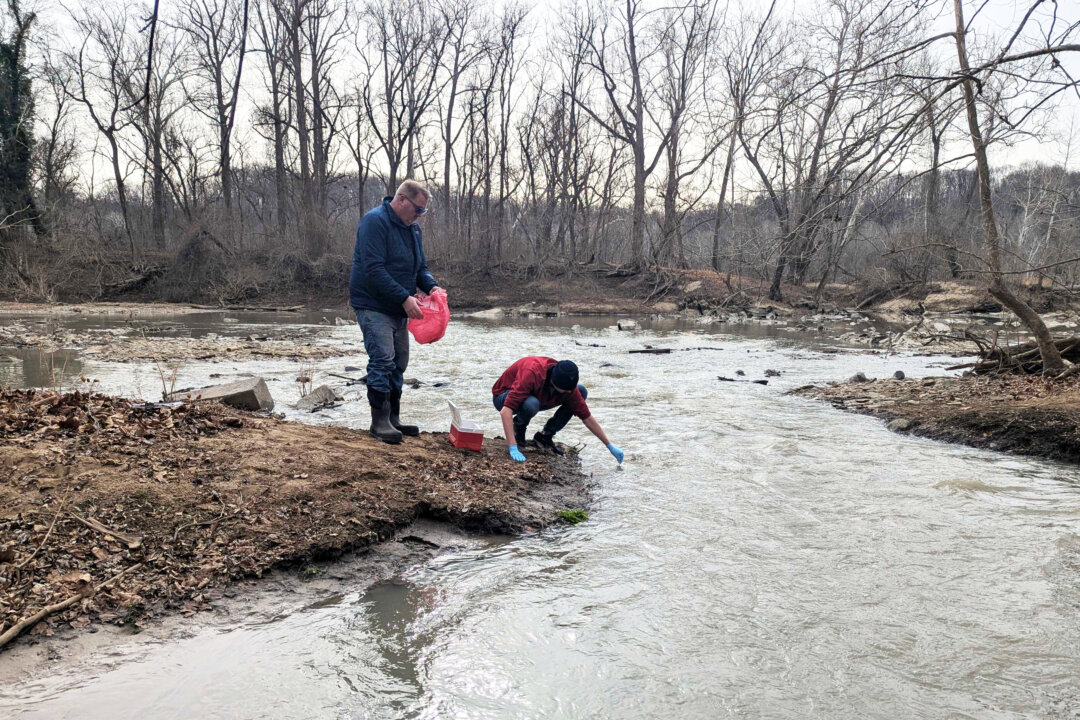
 On Jan. 19, a section of the Potomac Interceptor sewer line collapsed, causing the failure of a 60-year-old, 72-inch concrete pipeline along the Clara Barton Parkway in Montgomery County, Maryland.
Over 250 million gallons of sewage poured into the Potomac River in one of the largest spills in U.S. history, according to University of Maryland researchers. Water samples collected at the site show high levels of E. coli and Staphylococcus aureus, the bacteria that causes staph infections, researchers reported.
“People coming into contact with the impacted water or land are at risk of becoming infected with these bacteria, which can lead to serious health conditions,” said Dr. Rachel Rosenberg Goldstein, a microbiologist and assistant professor at the university.
Trump said the spill was the “result of incompetent local and state management of essential waste management systems.”
“It is clear local authorities cannot adequately handle this calamity,” Trump stated.
“Therefore, I am directing federal authorities to immediately provide all necessary management, direction, and coordination to protect the Potomac, the water supply in the Capital region, and our treasured National Resources in our Nation’s Capital City.”
Despite state and local leaders not asking for federal assistance, Trump said he “cannot allow incompetent local ‘leadership’ to turn the river in the heart of Washington into a disaster zone.”
The Federal Emergency Management Agency (FEMA), part of the Department of Homeland Security (DHS), will play a key role in coordinating the response, the president stated.
FEMA and DHS are facing a
On Jan. 19, a section of the Potomac Interceptor sewer line collapsed, causing the failure of a 60-year-old, 72-inch concrete pipeline along the Clara Barton Parkway in Montgomery County, Maryland.
Over 250 million gallons of sewage poured into the Potomac River in one of the largest spills in U.S. history, according to University of Maryland researchers. Water samples collected at the site show high levels of E. coli and Staphylococcus aureus, the bacteria that causes staph infections, researchers reported.
“People coming into contact with the impacted water or land are at risk of becoming infected with these bacteria, which can lead to serious health conditions,” said Dr. Rachel Rosenberg Goldstein, a microbiologist and assistant professor at the university.
Trump said the spill was the “result of incompetent local and state management of essential waste management systems.”
“It is clear local authorities cannot adequately handle this calamity,” Trump stated.
“Therefore, I am directing federal authorities to immediately provide all necessary management, direction, and coordination to protect the Potomac, the water supply in the Capital region, and our treasured National Resources in our Nation’s Capital City.”
Despite state and local leaders not asking for federal assistance, Trump said he “cannot allow incompetent local ‘leadership’ to turn the river in the heart of Washington into a disaster zone.”
The Federal Emergency Management Agency (FEMA), part of the Department of Homeland Security (DHS), will play a key role in coordinating the response, the president stated.
FEMA and DHS are facing a 
 Crews work to keep raw sewage from flowing into the Potomac River after a pipeline rupture, in Glen Echo, Md., on Jan. 23, 2026. Cliff Owen/AP Photo
According to Virginia’s health department, the utility DC Water is handling repairs to the pipe, while Maryland has regulatory authority over the Potomac River for recreational advisories, water quality monitoring, and issuing bans on shellfish harvesting.
The Virginia Health Department was working with the Maryland departments of Health and the Environment during the crisis.
DC Water has stated that drinking water is not affected by the incident.
The nearest Virginia location using the Potomac River as a primary source of water is the city of Fairfax, with an intake located several miles upstream of where the sewage spill entered the river, according to Virginia.
Crews work to keep raw sewage from flowing into the Potomac River after a pipeline rupture, in Glen Echo, Md., on Jan. 23, 2026. Cliff Owen/AP Photo
According to Virginia’s health department, the utility DC Water is handling repairs to the pipe, while Maryland has regulatory authority over the Potomac River for recreational advisories, water quality monitoring, and issuing bans on shellfish harvesting.
The Virginia Health Department was working with the Maryland departments of Health and the Environment during the crisis.
DC Water has stated that drinking water is not affected by the incident.
The nearest Virginia location using the Potomac River as a primary source of water is the city of Fairfax, with an intake located several miles upstream of where the sewage spill entered the river, according to Virginia.
 It continued, "During this period, WBD will engage with PSKY to discuss the deficiencies that remain unresolved and clarify certain terms of PSKY's proposed merger agreement."
Paramount has been pressing a hostile, shareholder-directed tender offer for WBD, including its cable channels CNN and TNT, at $30 per share (all cash) after losing out to Netflix in a previous bidding war. The months-long takeover battle is over some of the entertainment industry's most important intellectual property, including HBO, Superman, and Harry Potter.
WBD said a senior Paramount representative informed its board that Paramount would pay $31 per share if talks were to reopen.
After the limited waiver period, WBD said, "Netflix retains its matching rights as defined by the merger agreement."
"Throughout the entire process, our sole focus has been on maximizing value and certainty for WBD shareholders," WBD President and CEO David Zaslav said in the release.
Zaslav noted, "Every step of the way, we have provided PSKY with clear direction on the deficiencies in their offers and opportunities to address them. We are engaging with PSKY now to determine whether they can deliver an actionable, binding proposal that provides superior value and certainty for WBD shareholders through their best and final offer."
WBD said its board "continues to unanimously recommend in favor of the Netflix merger" and has set March 20 for a shareholder vote on that deal,
It continued, "During this period, WBD will engage with PSKY to discuss the deficiencies that remain unresolved and clarify certain terms of PSKY's proposed merger agreement."
Paramount has been pressing a hostile, shareholder-directed tender offer for WBD, including its cable channels CNN and TNT, at $30 per share (all cash) after losing out to Netflix in a previous bidding war. The months-long takeover battle is over some of the entertainment industry's most important intellectual property, including HBO, Superman, and Harry Potter.
WBD said a senior Paramount representative informed its board that Paramount would pay $31 per share if talks were to reopen.
After the limited waiver period, WBD said, "Netflix retains its matching rights as defined by the merger agreement."
"Throughout the entire process, our sole focus has been on maximizing value and certainty for WBD shareholders," WBD President and CEO David Zaslav said in the release.
Zaslav noted, "Every step of the way, we have provided PSKY with clear direction on the deficiencies in their offers and opportunities to address them. We are engaging with PSKY now to determine whether they can deliver an actionable, binding proposal that provides superior value and certainty for WBD shareholders through their best and final offer."
WBD said its board "continues to unanimously recommend in favor of the Netflix merger" and has set March 20 for a shareholder vote on that deal, 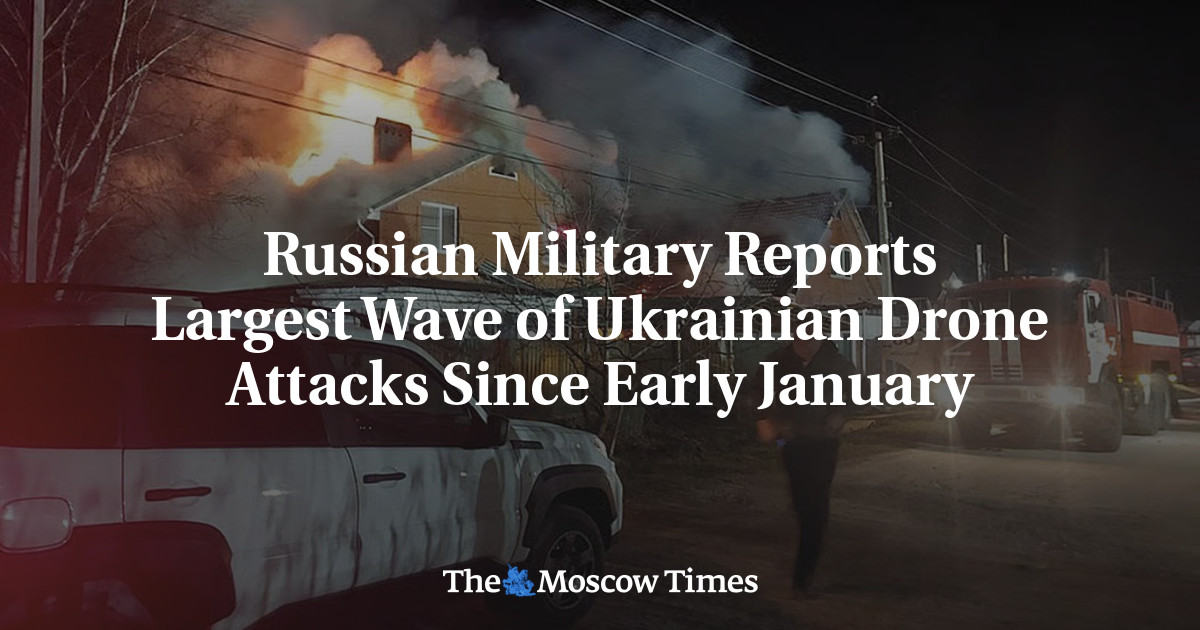
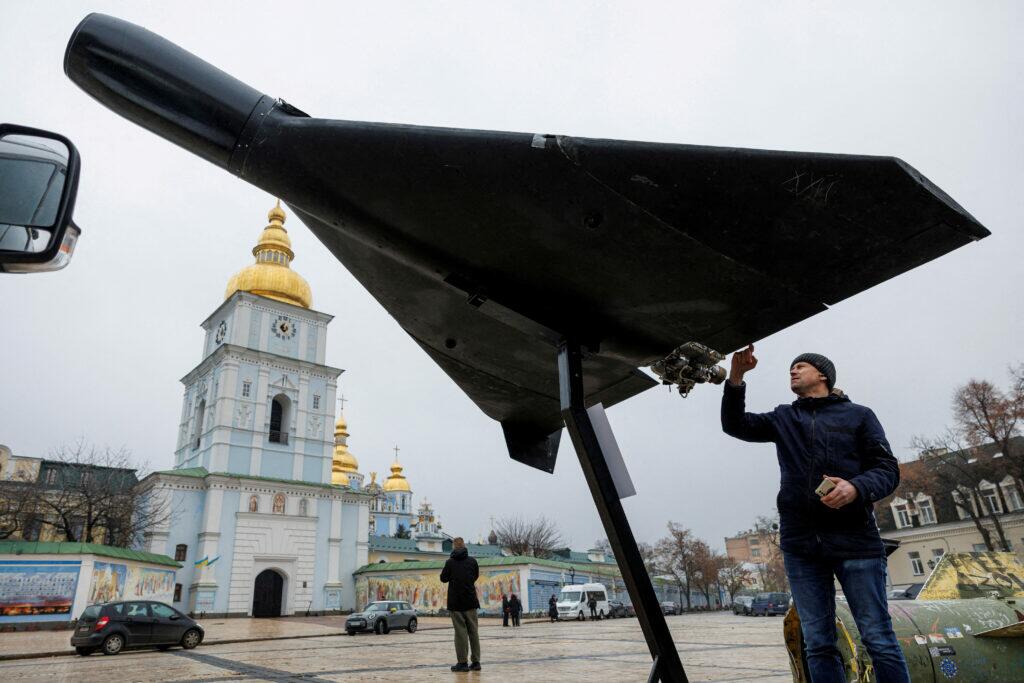 According to the ministry, 79 drones were intercepted over the Black Sea and the Sea of Azov, 38 over annexed Crimea, and 18 over the Krasnodar region.
It is clearly among the biggest single wave of cross-border assaults since January 1st - when Moscow said it downed 168 unmanned aircraft in a similar attack.
Russian governor of Sevastopol Mikhail Razvozhayev announced that in Crimea a nine-year-old boy was hospitalized with minor injuries, and that there was significant damage to vehicles, apartment buildings, private homes, and gas pipelines due to the strikes.
Neighboring Krasnodar saw a fire erupt at the Ilsky Oil Refinery due to drone strikes. Ukraine’s military boated of hitting the refinery, as it is owned by the Kuban Oil and Gas Company, which Kiev has highlighted supports Russian military logistics.
Authorities in other regions reported no casualties or significant damage from the overnight attacks - though airports across over a dozen cities imposed temporary flight restrictions as the drone wave unfolded.
Russia’s Defense Ministry later into Tuesday morning said it shot down nearly 30 additional inbound Ukrainian drones.
As for the ongoing peace talks in Geneva, Kremlin Spokesman Dmitry Peskov has told a press briefing not to expect much in terms of anything concrete today.
"I don’t think we should expect any news today because, as you know, work is scheduled to continue tomorrow. We have no plans to make any statements or remarks," he underscored.
Peskov explained on Monday, "This time, the idea is to discuss a broader range of issues, including, in fact, the main ones. The main issues concern both the territories and everything else related to the demands we have put forward."
Russia’s delegation is led by Presidential Aide Vladimir Medinsky. US envoys Steve Witkoff and Jared Kushner will represent the US at the talks, and they are coming off the indirect talks with Iran from earlier the same day, also happening in Geneva.
🇷🇺✈️🇨🇭Flight route of the Russian delegation led by Vladimir Medinsky to Geneva.
The aircraft avoided a direct route over most EU airspace and flew only through Italian airspace. As we noted yesterday, Italy was the most likely option — unlike the openly hostile Baltic states,…
According to the ministry, 79 drones were intercepted over the Black Sea and the Sea of Azov, 38 over annexed Crimea, and 18 over the Krasnodar region.
It is clearly among the biggest single wave of cross-border assaults since January 1st - when Moscow said it downed 168 unmanned aircraft in a similar attack.
Russian governor of Sevastopol Mikhail Razvozhayev announced that in Crimea a nine-year-old boy was hospitalized with minor injuries, and that there was significant damage to vehicles, apartment buildings, private homes, and gas pipelines due to the strikes.
Neighboring Krasnodar saw a fire erupt at the Ilsky Oil Refinery due to drone strikes. Ukraine’s military boated of hitting the refinery, as it is owned by the Kuban Oil and Gas Company, which Kiev has highlighted supports Russian military logistics.
Authorities in other regions reported no casualties or significant damage from the overnight attacks - though airports across over a dozen cities imposed temporary flight restrictions as the drone wave unfolded.
Russia’s Defense Ministry later into Tuesday morning said it shot down nearly 30 additional inbound Ukrainian drones.
As for the ongoing peace talks in Geneva, Kremlin Spokesman Dmitry Peskov has told a press briefing not to expect much in terms of anything concrete today.
"I don’t think we should expect any news today because, as you know, work is scheduled to continue tomorrow. We have no plans to make any statements or remarks," he underscored.
Peskov explained on Monday, "This time, the idea is to discuss a broader range of issues, including, in fact, the main ones. The main issues concern both the territories and everything else related to the demands we have put forward."
Russia’s delegation is led by Presidential Aide Vladimir Medinsky. US envoys Steve Witkoff and Jared Kushner will represent the US at the talks, and they are coming off the indirect talks with Iran from earlier the same day, also happening in Geneva.
🇷🇺✈️🇨🇭Flight route of the Russian delegation led by Vladimir Medinsky to Geneva.
The aircraft avoided a direct route over most EU airspace and flew only through Italian airspace. As we noted yesterday, Italy was the most likely option — unlike the openly hostile Baltic states,… 

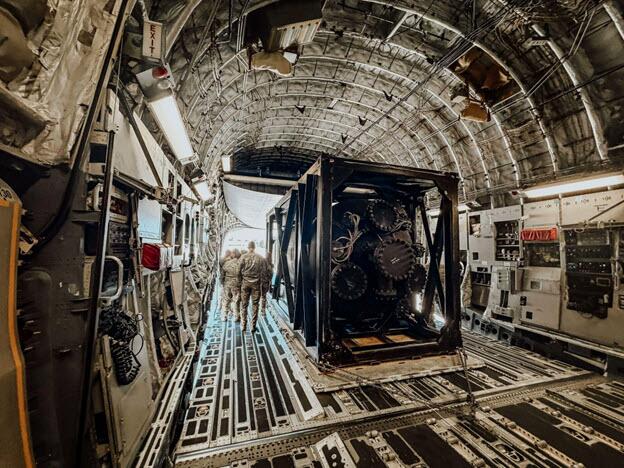 Valar constructed their Ward250 gas reactor in their facility in California. There is no fuel added to the reactor core yet, as shipping that through the air would be a regulatory nightmare in today's environment. To put out the fires of some of the fear-mongering that has been going around about the event, which will come off as underplaying the advanced engineering and fabrication that went into the production of the components, all Valar did was ship a complicated piece of metal in a cargo plane.
To be sure, the company has made significant progress toward meeting the July 4th criticality timeline set by last year's nuclear executive orders. Taking a reactor critical means the reactor goes from a dormant, shutdown state to the point where the uranium inside the core is undergoing a sustained, controlled rate of fission (atoms splitting apart and releasing energy) on its own.
And this latest milestone with government agencies was a phenomenal exercise in complicated logistical coordination, private-public partnerships, and capability demonstrations.
One of the biggest errors in most of the reporting is that this is the first time a reactor has been put up into the sky. This can unfortunately not be further from the truth, even though Secretary Wright tries to make the same claim.
President Trump promised to unleash American energy dominance.
Today, this administration advanced that mission by moving a nuclear reactor by air for the very first time.
Valar constructed their Ward250 gas reactor in their facility in California. There is no fuel added to the reactor core yet, as shipping that through the air would be a regulatory nightmare in today's environment. To put out the fires of some of the fear-mongering that has been going around about the event, which will come off as underplaying the advanced engineering and fabrication that went into the production of the components, all Valar did was ship a complicated piece of metal in a cargo plane.
To be sure, the company has made significant progress toward meeting the July 4th criticality timeline set by last year's nuclear executive orders. Taking a reactor critical means the reactor goes from a dormant, shutdown state to the point where the uranium inside the core is undergoing a sustained, controlled rate of fission (atoms splitting apart and releasing energy) on its own.
And this latest milestone with government agencies was a phenomenal exercise in complicated logistical coordination, private-public partnerships, and capability demonstrations.
One of the biggest errors in most of the reporting is that this is the first time a reactor has been put up into the sky. This can unfortunately not be further from the truth, even though Secretary Wright tries to make the same claim.
President Trump promised to unleash American energy dominance.
Today, this administration advanced that mission by moving a nuclear reactor by air for the very first time. 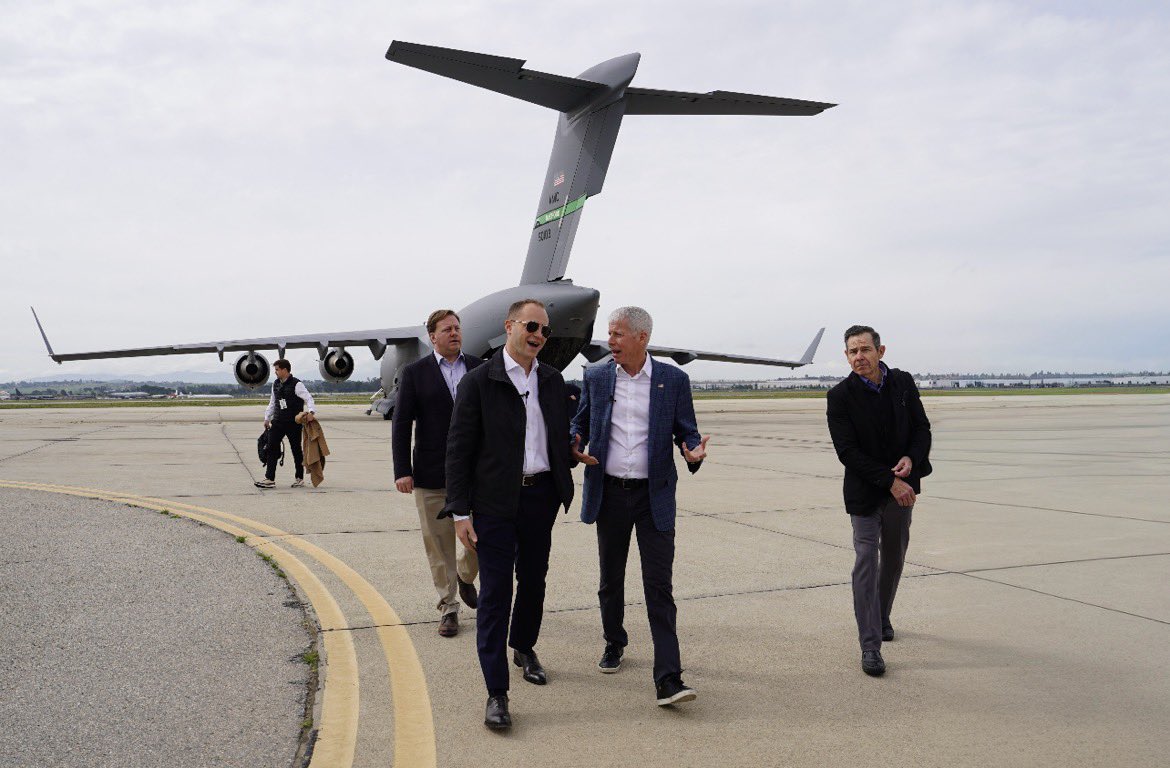
 Iran has insisted on its nuclear program being the sole focus of discussions, and not limitations on its ballistic missile arsenal (as the US and Israel are demanding) - and this holds of the possibility of derailing talks before they get further underway.
In the meantime the temperature is rising in the Gulf region, after Iran's military announced Tuesday that sections of the Strait of Hormuz would be closed for several hours for what it called "security measures".
This comes on the second day of IRGC naval drills, which semi-official Fars news agency described as designed to ensure the safety of maritime traffic during a military exercise. Iranian authorities stated the move formed part of the broader drill launched the day earlier.
Oil Prices Rise as Iran Closes Parts of the Strait of Hormuz for Naval Drills:
Iran has insisted on its nuclear program being the sole focus of discussions, and not limitations on its ballistic missile arsenal (as the US and Israel are demanding) - and this holds of the possibility of derailing talks before they get further underway.
In the meantime the temperature is rising in the Gulf region, after Iran's military announced Tuesday that sections of the Strait of Hormuz would be closed for several hours for what it called "security measures".
This comes on the second day of IRGC naval drills, which semi-official Fars news agency described as designed to ensure the safety of maritime traffic during a military exercise. Iranian authorities stated the move formed part of the broader drill launched the day earlier.
Oil Prices Rise as Iran Closes Parts of the Strait of Hormuz for Naval Drills:
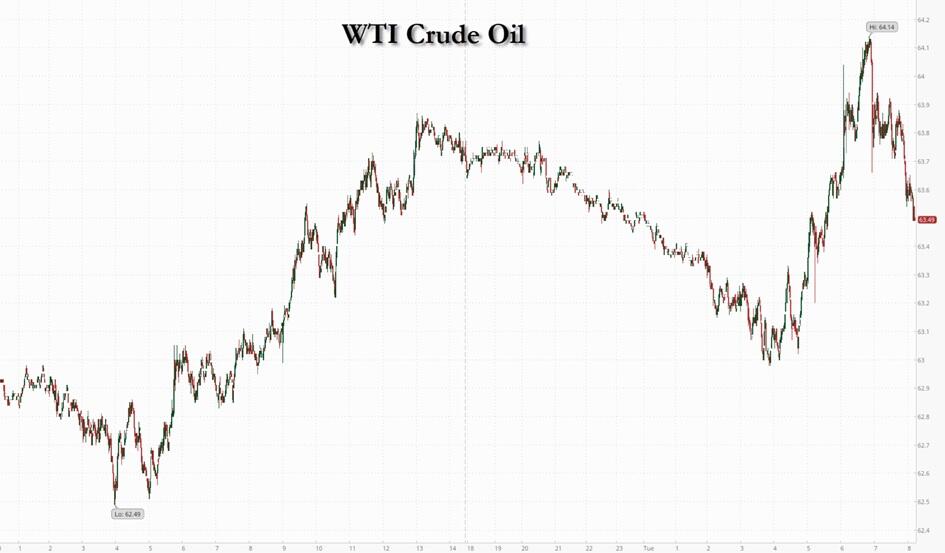 Iran's state broadcaster reported that the "main phase' of a naval exercise conducted by the Islamic Revolutionary Guard Corps began Tuesday.
Iran tested large missiles in the Persian Gulf on Tuesday, footage shows:
⚡️BREAKING
The Iranian Revolutionary Guards fired Anti-Ship Missiles into the Strait of Hormuz
Parts of the Strait are now closed for military activity
Iran's state broadcaster reported that the "main phase' of a naval exercise conducted by the Islamic Revolutionary Guard Corps began Tuesday.
Iran tested large missiles in the Persian Gulf on Tuesday, footage shows:
⚡️BREAKING
The Iranian Revolutionary Guards fired Anti-Ship Missiles into the Strait of Hormuz
Parts of the Strait are now closed for military activity 
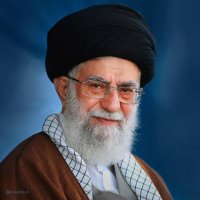

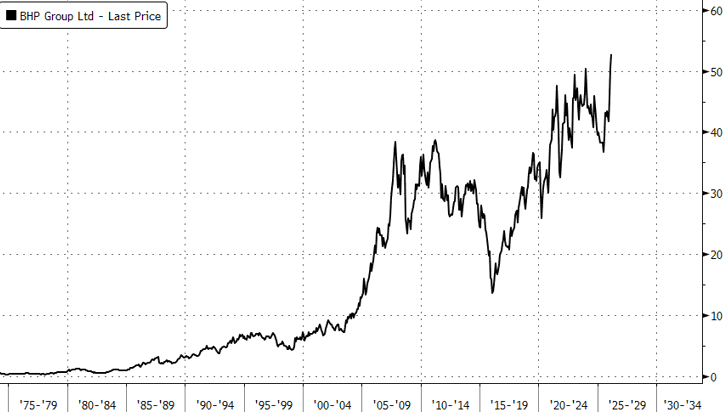 "In the last five years, the BHP CEO has set the business up with options," said Glyn Lawcock, head of metals and mining research at Barrenjoey Markets Pty in Sydney. "Clearly, growth to 2030 is really potash and iron ore, but you hit the start of the new decade, it's pretty much all copper."
 Italy is also a country that has drawn wealthy individuals from around the world for years. Last year alone, more than 3,600 high-net-worth individuals chose Italy as their new residence. They brought an estimated €21 billion in wealth with them – at least for tax purposes, as their investments or company holdings are usually spread across multiple countries.
What drives these wealthy newcomers may be Italian cuisine and the excellent weather, but above all, hard facts matter. Italy offers a special tax regime for the wealthy in the form of a flat tax. Incoming expats can either opt for standard
Italy is also a country that has drawn wealthy individuals from around the world for years. Last year alone, more than 3,600 high-net-worth individuals chose Italy as their new residence. They brought an estimated €21 billion in wealth with them – at least for tax purposes, as their investments or company holdings are usually spread across multiple countries.
What drives these wealthy newcomers may be Italian cuisine and the excellent weather, but above all, hard facts matter. Italy offers a special tax regime for the wealthy in the form of a flat tax. Incoming expats can either opt for standard 
 Sir Jim Ratcliffe’s statement that Britain has been “colonised by immigrants” has sparked a fierce reaction.
From Starmer to Bluesky, to the Athletic and all the football social media pundits in between, the co-owner of Manchester United has been bombarded with the same attack lines repeatedly.
He has been called a tax dodging, racist immigrant hypocrite.
Such an uproar has flared up in such a short space of time because Ratcliffe is radically different from those who have issued similar statements before. Ratcliffe is not a political figure: you do not see billionaires nor football club owners voicing discontent like this. The pushback has been fierce because Ratcliffe has no political incentive to say any of this. He isn’t running for office, seeking favour, or chasing votes — which makes his intervention harder to dismiss. Part of the backlash, too, reflects an unease that his diagnosis may be accurate.
The remarks came from an initial conversation regarding the economic challenges Britain faces in general, not solely on immigration. The snippet that has been so widely shared is merely part of a wider statement of the economic problems Britain faces; Ratcliffe refers to the issues of “immigration” and “nine million people” on benefits simultaneously.
Manchester United part-owner has told
Sir Jim Ratcliffe’s statement that Britain has been “colonised by immigrants” has sparked a fierce reaction.
From Starmer to Bluesky, to the Athletic and all the football social media pundits in between, the co-owner of Manchester United has been bombarded with the same attack lines repeatedly.
He has been called a tax dodging, racist immigrant hypocrite.
Such an uproar has flared up in such a short space of time because Ratcliffe is radically different from those who have issued similar statements before. Ratcliffe is not a political figure: you do not see billionaires nor football club owners voicing discontent like this. The pushback has been fierce because Ratcliffe has no political incentive to say any of this. He isn’t running for office, seeking favour, or chasing votes — which makes his intervention harder to dismiss. Part of the backlash, too, reflects an unease that his diagnosis may be accurate.
The remarks came from an initial conversation regarding the economic challenges Britain faces in general, not solely on immigration. The snippet that has been so widely shared is merely part of a wider statement of the economic problems Britain faces; Ratcliffe refers to the issues of “immigration” and “nine million people” on benefits simultaneously.
Manchester United part-owner has told 
 When asked whether they believe things in their country are headed in the right direction or off on the wrong track, 82 percent of respondents in
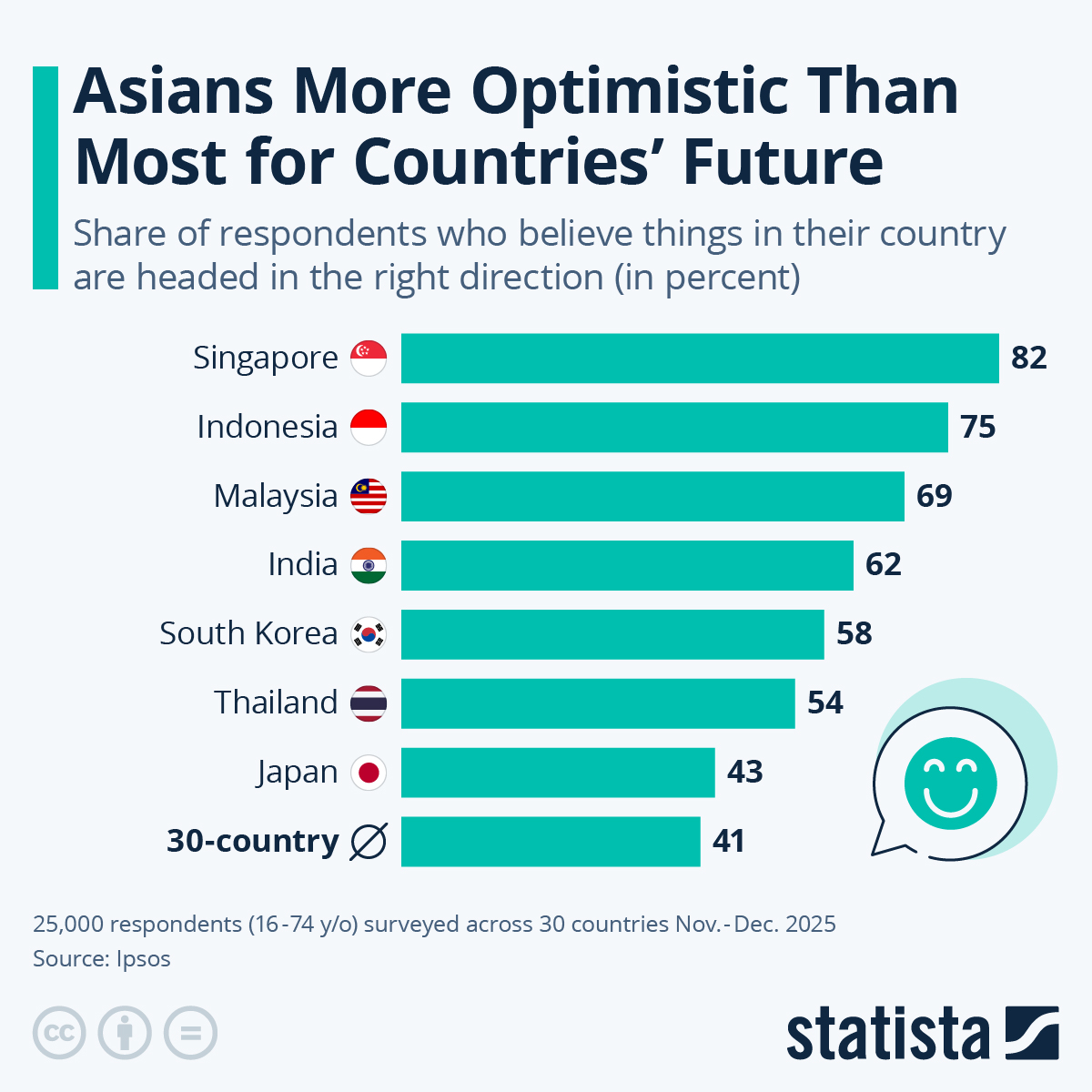


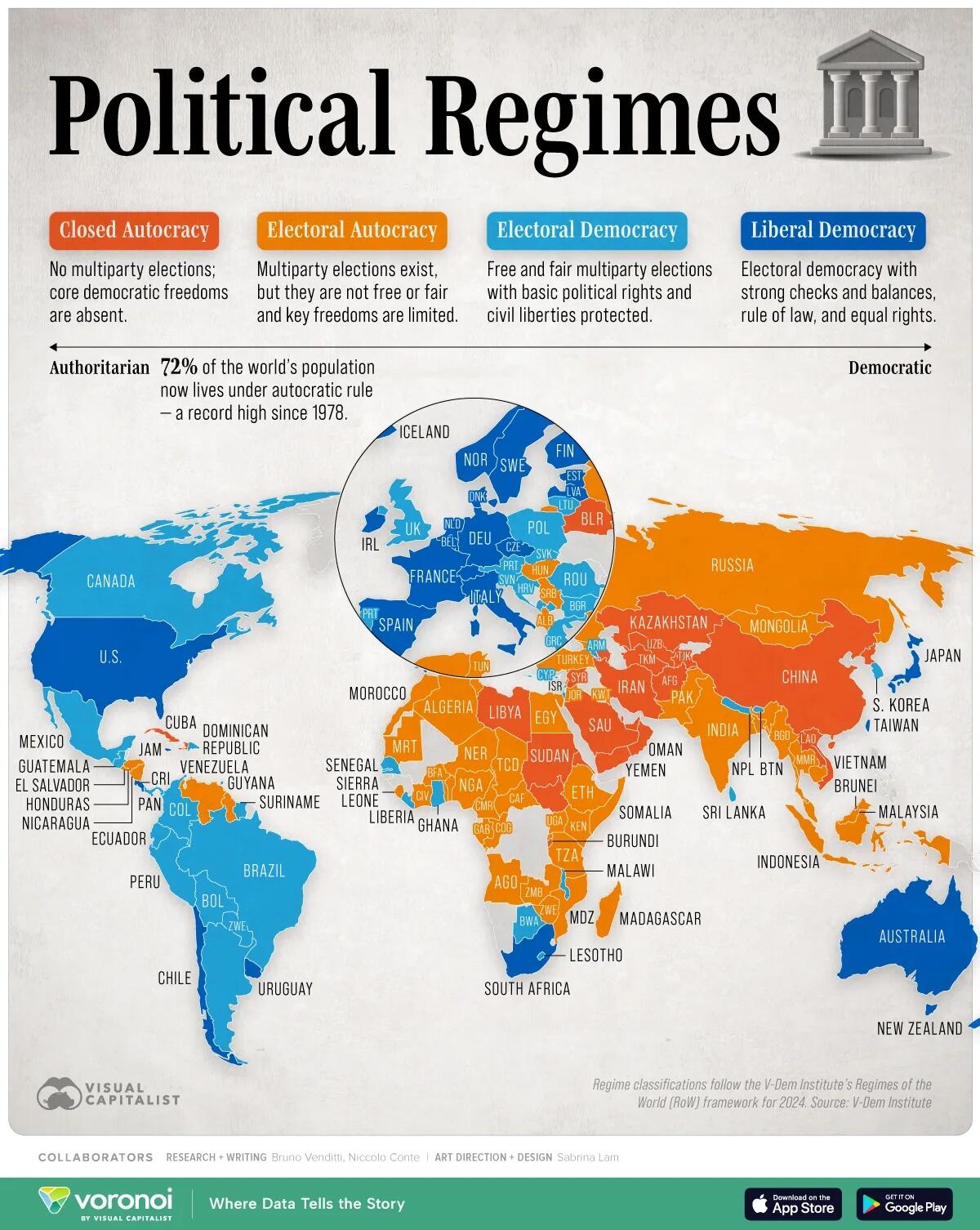 The results point to a decades-long shift in global governance, with electoral autocracies now the most common regime type worldwide.
The Four Types of Political Regimes
-Dem classifies countries based on the competitiveness of elections, protection of civil liberties, and the strength of institutional checks and balances.
Here’s how the four categories differ:
Closed autocracies have no meaningful multiparty elections and suppress core democratic freedoms. Countries like China, Saudi Arabia, and North Korea fall into this group.
Electoral autocracies hold multiparty elections, but they are not free or fair. Media restrictions, weakened opposition, and limited civil liberties are common. This category includes countries such as Russia, India, and Turkey.
Electoral democracies conduct free and fair elections and protect basic rights, but may lack strong institutional constraints. Examples include Argentina, Poland, and the United Kingdom.
Liberal democracies go further, combining competitive elections with robust rule of law and checks and balances. Countries such as Germany, Japan, United States, and Uruguay are classified in this highest tier.
Scroll down to see how every country is classified.
Autocracy Is the Most Common Regime
Electoral autocracy is now the most common regime type in the world.
This category spans every continent, from Sub-Saharan Africa to South Asia and parts of Latin America. In many cases, democratic institutions still exist on paper, but their independence has eroded.
Large-population countries shifting toward electoral autocracy have an outsized effect on global trends. As a result, even if the number of democracies remains substantial, the share of people living under autocratic rule continues to grow.
CountryRegime
🇦🇫 AfghanistanClosed Autocracy
🇦🇱 AlbaniaElectoral Autocracy
🇩🇿 AlgeriaElectoral Autocracy
🇦🇴 AngolaElectoral Autocracy
🇦🇷 ArgentinaElectoral Democracy
🇦🇲 ArmeniaElectoral Democracy
🇦🇺 AustraliaLiberal Democracy
🇦🇹 AustriaElectoral Democracy
🇦🇿 AzerbaijanClosed Autocracy
🇧🇩 BangladeshElectoral Autocracy
🇧🇧 BarbadosLiberal Democracy
🇧🇾 BelarusClosed Autocracy
🇧🇪 BelgiumLiberal Democracy
🇧🇯 BeninElectoral Autocracy
🇧🇹 BhutanElectoral Democracy
🇧🇴 BoliviaElectoral Democracy
🇧🇼 BotswanaElectoral Democracy
🇧🇷 BrazilElectoral Democracy
🇧🇳 BruneiClosed Autocracy
🇧🇬 BulgariaElectoral Democracy
🇧🇫 Burkina FasoElectoral Autocracy
🇧🇮 BurundiClosed Autocracy
🇰🇭 CambodiaElectoral Autocracy
🇨🇲 CameroonElectoral Autocracy
🇨🇦 CanadaElectoral Democracy
🇨🇻 Cape VerdeElectoral Democracy
🇨🇫 Central African RepublicElectoral Autocracy
🇹🇩 ChadElectoral Autocracy
🇨🇱 ChileLiberal Democracy
🇨🇳 ChinaClosed Autocracy
🇨🇴 ColombiaElectoral Democracy
🇰🇲 ComorosElectoral Autocracy
🇨🇬 Congo (Brazzaville)Electoral Autocracy
🇨🇷 Costa RicaLiberal Democracy
🇨🇮 Côte d’IvoireElectoral Autocracy
🇭🇷 CroatiaElectoral Democracy
🇨🇺 CubaClosed Autocracy
🇨🇾 CyprusElectoral Democracy
🇨🇿 CzechiaLiberal Democracy
🇩🇰 DenmarkLiberal Democracy
🇩🇴 Dominican RepublicElectoral Democracy
🇪🇨 EcuadorElectoral Democracy
🇪🇬 EgyptElectoral Autocracy
🇸🇻 El SalvadorElectoral Autocracy
🇪🇷 EritreaClosed Autocracy
🇪🇪 EstoniaLiberal Democracy
🇸🇿 EswatiniElectoral Autocracy
🇪🇹 EthiopiaElectoral Autocracy
🇫🇮 FinlandLiberal Democracy
🇫🇷 FranceLiberal Democracy
🇬🇦 GabonElectoral Autocracy
🇬🇲 GambiaElectoral Democracy
🇬🇪 GeorgiaElectoral Autocracy
🇩🇪 GermanyLiberal Democracy
🇬🇭 GhanaElectoral Democracy
🇬🇷 GreeceElectoral Democracy
🇬🇹 GuatemalaElectoral Democracy
🇬🇾 GuyanaElectoral Autocracy
🇭🇹 HaitiClosed Autocracy
🇭🇳 HondurasElectoral Autocracy
🇭🇺 HungaryElectoral Autocracy
🇮🇸 IcelandLiberal Democracy
🇮🇳 IndiaElectoral Autocracy
🇮🇩 IndonesiaElectoral Autocracy
🇮🇷 IranClosed Autocracy
🇮🇪 IrelandLiberal Democracy
🇮🇱 IsraelElectoral Democracy
🇮🇹 ItalyLiberal Democracy
🇯🇲 JamaicaLiberal Democracy
🇯🇵 JapanLiberal Democracy
🇯🇴 JordanElectoral Autocracy
🇰🇿 KazakhstanClosed Autocracy
🇰🇪 KenyaElectoral Autocracy
🇽🇰 KosovoElectoral Democracy
🇰🇼 KuwaitElectoral Autocracy
🇱🇦 LaosClosed Autocracy
🇱🇻 LatviaLiberal Democracy
🇱🇧 LebanonElectoral Autocracy
🇱🇸 LesothoElectoral Democracy
🇱🇷 LiberiaElectoral Democracy
🇱🇾 LibyaClosed Autocracy
🇱🇹 LithuaniaElectoral Democracy
🇱🇺 LuxembourgLiberal Democracy
🇲🇬 MadagascarElectoral Autocracy
🇲🇼 MalawiElectoral Democracy
🇲🇾 MalaysiaElectoral Autocracy
🇲🇻 MaldivesElectoral Democracy
🇲🇹 MaltaElectoral Democracy
🇲🇷 MauritaniaElectoral Autocracy
🇲🇺 MauritiusElectoral Autocracy
🇲🇽 MexicoElectoral Autocracy
🇲🇳 MongoliaElectoral Autocracy
🇲🇪 MontenegroElectoral Democracy
🇲🇦 MoroccoElectoral Autocracy
🇲🇿 MozambiqueElectoral Autocracy
🇲🇲 MyanmarElectoral Autocracy
🇳🇵 NepalElectoral Democracy
🇳🇱 NetherlandsLiberal Democracy
🇳🇿 New ZealandLiberal Democracy
🇳🇮 NicaraguaElectoral Autocracy
🇳🇪 NigerElectoral Autocracy
🇳🇬 NigeriaElectoral Autocracy
🇰🇵 North KoreaClosed Autocracy
🇳🇴 NorwayLiberal Democracy
🇴🇲 OmanClosed Autocracy
🇵🇰 PakistanElectoral Autocracy
🇵🇦 PanamaElectoral Democracy
🇵🇾 ParaguayElectoral Democracy
🇵🇪 PeruElectoral Democracy
🇵🇱 PolandElectoral Democracy
🇵🇹 PortugalElectoral Democracy
🇶🇦 QatarClosed Autocracy
🇷🇴 RomaniaElectoral Democracy
🇷🇺 RussiaElectoral Autocracy
🇷🇼 RwandaElectoral Autocracy
🇸🇦 Saudi ArabiaClosed Autocracy
🇸🇳 SenegalElectoral Democracy
🇷🇸 SerbiaElectoral Autocracy
🇸🇨 SeychellesLiberal Democracy
🇸🇱 Sierra LeoneElectoral Autocracy
🇸🇬 SingaporeElectoral Autocracy
🇸🇰 SlovakiaElectoral Democracy
🇸🇮 SloveniaElectoral Democracy
🇸🇧 Solomon IslandsElectoral Democracy
🇸🇴 SomaliaElectoral Autocracy
🇿🇦 South AfricaLiberal Democracy
🇸🇸 South SudanClosed Autocracy
🇪🇸 SpainLiberal Democracy
🇱🇰 Sri LankaElectoral Democracy
🇸🇩 SudanClosed Autocracy
🇸🇷 SurinameElectoral Democracy
🇸🇪 SwedenLiberal Democracy
🇨🇭 SwitzerlandLiberal Democracy
🇸🇾 SyriaClosed Autocracy
🇹🇼 TaiwanLiberal Democracy
🇹🇯 TajikistanClosed Autocracy
🇹🇿 TanzaniaElectoral Autocracy
🇹🇭 ThailandElectoral Autocracy
🇹🇬 TogoElectoral Autocracy
🇹🇹 Trinidad and TobagoElectoral Democracy
🇹🇳 TunisiaElectoral Autocracy
🇹🇷 TurkeyElectoral Autocracy
🇹🇲 TurkmenistanClosed Autocracy
🇺🇬 UgandaElectoral Autocracy
🇦🇪 United Arab EmiratesClosed Autocracy
🇬🇧 United KingdomElectoral Democracy
🇺🇸 United StatesLiberal Democracy
🇺🇾 UruguayLiberal Democracy
🇺🇿 UzbekistanClosed Autocracy
🇻🇺 VanuatuElectoral Democracy
🇻🇪 VenezuelaElectoral Autocracy
🇻🇳 VietnamClosed Autocracy
🇾🇪 YemenClosed Autocracy
🇿🇲 ZambiaElectoral Autocracy
🇿🇼 ZimbabweElectoral Autocracy
Where Liberal Democracy Persists
Liberal democracies are concentrated in Western Europe, parts of East Asia, Oceania, and North America.
Nordic countries such as Sweden, Norway, and Finland remain among the strongest performers. So do nations like Australia, New Zealand, Japan, and Taiwan.
However, even among established democracies, concerns about polarization, declining
The results point to a decades-long shift in global governance, with electoral autocracies now the most common regime type worldwide.
The Four Types of Political Regimes
-Dem classifies countries based on the competitiveness of elections, protection of civil liberties, and the strength of institutional checks and balances.
Here’s how the four categories differ:
Closed autocracies have no meaningful multiparty elections and suppress core democratic freedoms. Countries like China, Saudi Arabia, and North Korea fall into this group.
Electoral autocracies hold multiparty elections, but they are not free or fair. Media restrictions, weakened opposition, and limited civil liberties are common. This category includes countries such as Russia, India, and Turkey.
Electoral democracies conduct free and fair elections and protect basic rights, but may lack strong institutional constraints. Examples include Argentina, Poland, and the United Kingdom.
Liberal democracies go further, combining competitive elections with robust rule of law and checks and balances. Countries such as Germany, Japan, United States, and Uruguay are classified in this highest tier.
Scroll down to see how every country is classified.
Autocracy Is the Most Common Regime
Electoral autocracy is now the most common regime type in the world.
This category spans every continent, from Sub-Saharan Africa to South Asia and parts of Latin America. In many cases, democratic institutions still exist on paper, but their independence has eroded.
Large-population countries shifting toward electoral autocracy have an outsized effect on global trends. As a result, even if the number of democracies remains substantial, the share of people living under autocratic rule continues to grow.
CountryRegime
🇦🇫 AfghanistanClosed Autocracy
🇦🇱 AlbaniaElectoral Autocracy
🇩🇿 AlgeriaElectoral Autocracy
🇦🇴 AngolaElectoral Autocracy
🇦🇷 ArgentinaElectoral Democracy
🇦🇲 ArmeniaElectoral Democracy
🇦🇺 AustraliaLiberal Democracy
🇦🇹 AustriaElectoral Democracy
🇦🇿 AzerbaijanClosed Autocracy
🇧🇩 BangladeshElectoral Autocracy
🇧🇧 BarbadosLiberal Democracy
🇧🇾 BelarusClosed Autocracy
🇧🇪 BelgiumLiberal Democracy
🇧🇯 BeninElectoral Autocracy
🇧🇹 BhutanElectoral Democracy
🇧🇴 BoliviaElectoral Democracy
🇧🇼 BotswanaElectoral Democracy
🇧🇷 BrazilElectoral Democracy
🇧🇳 BruneiClosed Autocracy
🇧🇬 BulgariaElectoral Democracy
🇧🇫 Burkina FasoElectoral Autocracy
🇧🇮 BurundiClosed Autocracy
🇰🇭 CambodiaElectoral Autocracy
🇨🇲 CameroonElectoral Autocracy
🇨🇦 CanadaElectoral Democracy
🇨🇻 Cape VerdeElectoral Democracy
🇨🇫 Central African RepublicElectoral Autocracy
🇹🇩 ChadElectoral Autocracy
🇨🇱 ChileLiberal Democracy
🇨🇳 ChinaClosed Autocracy
🇨🇴 ColombiaElectoral Democracy
🇰🇲 ComorosElectoral Autocracy
🇨🇬 Congo (Brazzaville)Electoral Autocracy
🇨🇷 Costa RicaLiberal Democracy
🇨🇮 Côte d’IvoireElectoral Autocracy
🇭🇷 CroatiaElectoral Democracy
🇨🇺 CubaClosed Autocracy
🇨🇾 CyprusElectoral Democracy
🇨🇿 CzechiaLiberal Democracy
🇩🇰 DenmarkLiberal Democracy
🇩🇴 Dominican RepublicElectoral Democracy
🇪🇨 EcuadorElectoral Democracy
🇪🇬 EgyptElectoral Autocracy
🇸🇻 El SalvadorElectoral Autocracy
🇪🇷 EritreaClosed Autocracy
🇪🇪 EstoniaLiberal Democracy
🇸🇿 EswatiniElectoral Autocracy
🇪🇹 EthiopiaElectoral Autocracy
🇫🇮 FinlandLiberal Democracy
🇫🇷 FranceLiberal Democracy
🇬🇦 GabonElectoral Autocracy
🇬🇲 GambiaElectoral Democracy
🇬🇪 GeorgiaElectoral Autocracy
🇩🇪 GermanyLiberal Democracy
🇬🇭 GhanaElectoral Democracy
🇬🇷 GreeceElectoral Democracy
🇬🇹 GuatemalaElectoral Democracy
🇬🇾 GuyanaElectoral Autocracy
🇭🇹 HaitiClosed Autocracy
🇭🇳 HondurasElectoral Autocracy
🇭🇺 HungaryElectoral Autocracy
🇮🇸 IcelandLiberal Democracy
🇮🇳 IndiaElectoral Autocracy
🇮🇩 IndonesiaElectoral Autocracy
🇮🇷 IranClosed Autocracy
🇮🇪 IrelandLiberal Democracy
🇮🇱 IsraelElectoral Democracy
🇮🇹 ItalyLiberal Democracy
🇯🇲 JamaicaLiberal Democracy
🇯🇵 JapanLiberal Democracy
🇯🇴 JordanElectoral Autocracy
🇰🇿 KazakhstanClosed Autocracy
🇰🇪 KenyaElectoral Autocracy
🇽🇰 KosovoElectoral Democracy
🇰🇼 KuwaitElectoral Autocracy
🇱🇦 LaosClosed Autocracy
🇱🇻 LatviaLiberal Democracy
🇱🇧 LebanonElectoral Autocracy
🇱🇸 LesothoElectoral Democracy
🇱🇷 LiberiaElectoral Democracy
🇱🇾 LibyaClosed Autocracy
🇱🇹 LithuaniaElectoral Democracy
🇱🇺 LuxembourgLiberal Democracy
🇲🇬 MadagascarElectoral Autocracy
🇲🇼 MalawiElectoral Democracy
🇲🇾 MalaysiaElectoral Autocracy
🇲🇻 MaldivesElectoral Democracy
🇲🇹 MaltaElectoral Democracy
🇲🇷 MauritaniaElectoral Autocracy
🇲🇺 MauritiusElectoral Autocracy
🇲🇽 MexicoElectoral Autocracy
🇲🇳 MongoliaElectoral Autocracy
🇲🇪 MontenegroElectoral Democracy
🇲🇦 MoroccoElectoral Autocracy
🇲🇿 MozambiqueElectoral Autocracy
🇲🇲 MyanmarElectoral Autocracy
🇳🇵 NepalElectoral Democracy
🇳🇱 NetherlandsLiberal Democracy
🇳🇿 New ZealandLiberal Democracy
🇳🇮 NicaraguaElectoral Autocracy
🇳🇪 NigerElectoral Autocracy
🇳🇬 NigeriaElectoral Autocracy
🇰🇵 North KoreaClosed Autocracy
🇳🇴 NorwayLiberal Democracy
🇴🇲 OmanClosed Autocracy
🇵🇰 PakistanElectoral Autocracy
🇵🇦 PanamaElectoral Democracy
🇵🇾 ParaguayElectoral Democracy
🇵🇪 PeruElectoral Democracy
🇵🇱 PolandElectoral Democracy
🇵🇹 PortugalElectoral Democracy
🇶🇦 QatarClosed Autocracy
🇷🇴 RomaniaElectoral Democracy
🇷🇺 RussiaElectoral Autocracy
🇷🇼 RwandaElectoral Autocracy
🇸🇦 Saudi ArabiaClosed Autocracy
🇸🇳 SenegalElectoral Democracy
🇷🇸 SerbiaElectoral Autocracy
🇸🇨 SeychellesLiberal Democracy
🇸🇱 Sierra LeoneElectoral Autocracy
🇸🇬 SingaporeElectoral Autocracy
🇸🇰 SlovakiaElectoral Democracy
🇸🇮 SloveniaElectoral Democracy
🇸🇧 Solomon IslandsElectoral Democracy
🇸🇴 SomaliaElectoral Autocracy
🇿🇦 South AfricaLiberal Democracy
🇸🇸 South SudanClosed Autocracy
🇪🇸 SpainLiberal Democracy
🇱🇰 Sri LankaElectoral Democracy
🇸🇩 SudanClosed Autocracy
🇸🇷 SurinameElectoral Democracy
🇸🇪 SwedenLiberal Democracy
🇨🇭 SwitzerlandLiberal Democracy
🇸🇾 SyriaClosed Autocracy
🇹🇼 TaiwanLiberal Democracy
🇹🇯 TajikistanClosed Autocracy
🇹🇿 TanzaniaElectoral Autocracy
🇹🇭 ThailandElectoral Autocracy
🇹🇬 TogoElectoral Autocracy
🇹🇹 Trinidad and TobagoElectoral Democracy
🇹🇳 TunisiaElectoral Autocracy
🇹🇷 TurkeyElectoral Autocracy
🇹🇲 TurkmenistanClosed Autocracy
🇺🇬 UgandaElectoral Autocracy
🇦🇪 United Arab EmiratesClosed Autocracy
🇬🇧 United KingdomElectoral Democracy
🇺🇸 United StatesLiberal Democracy
🇺🇾 UruguayLiberal Democracy
🇺🇿 UzbekistanClosed Autocracy
🇻🇺 VanuatuElectoral Democracy
🇻🇪 VenezuelaElectoral Autocracy
🇻🇳 VietnamClosed Autocracy
🇾🇪 YemenClosed Autocracy
🇿🇲 ZambiaElectoral Autocracy
🇿🇼 ZimbabweElectoral Autocracy
Where Liberal Democracy Persists
Liberal democracies are concentrated in Western Europe, parts of East Asia, Oceania, and North America.
Nordic countries such as Sweden, Norway, and Finland remain among the strongest performers. So do nations like Australia, New Zealand, Japan, and Taiwan.
However, even among established democracies, concerns about polarization, declining 

 Spain closes 2025 with the consumer price index (