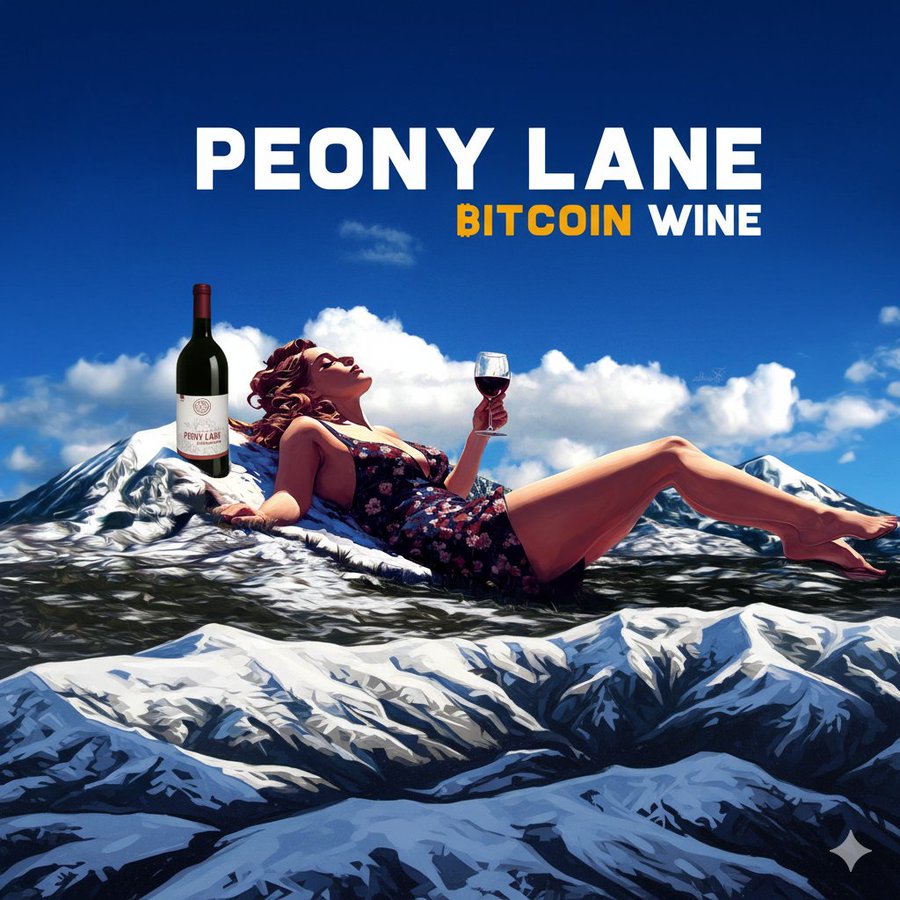
Peony Lane Wine's avatar
Peony Lane Wine
npub17anj...2c0c
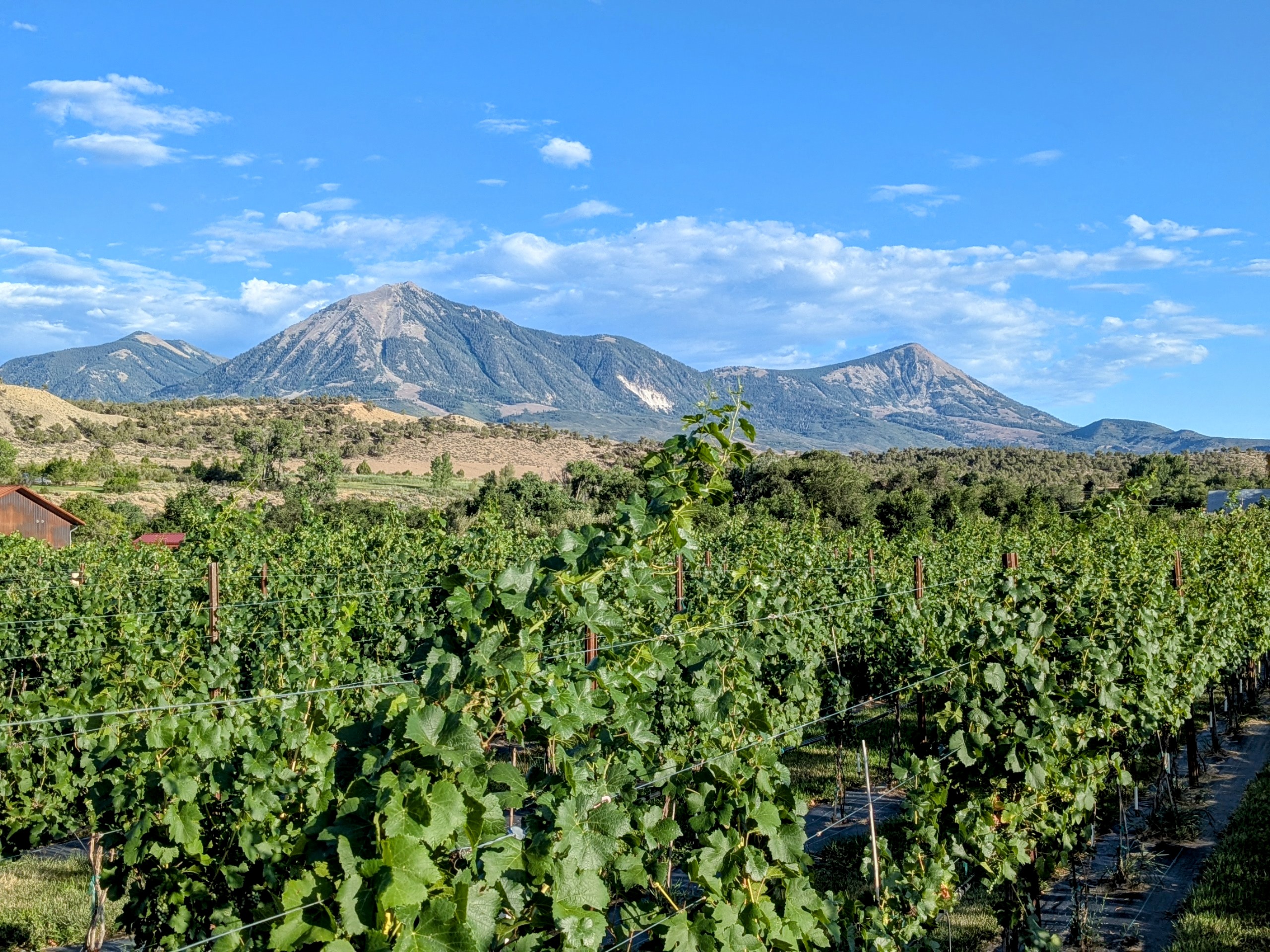
High Elevation, Low Intervention Wine Shipping all over the USA #Bitcoin Made by Ben Justman
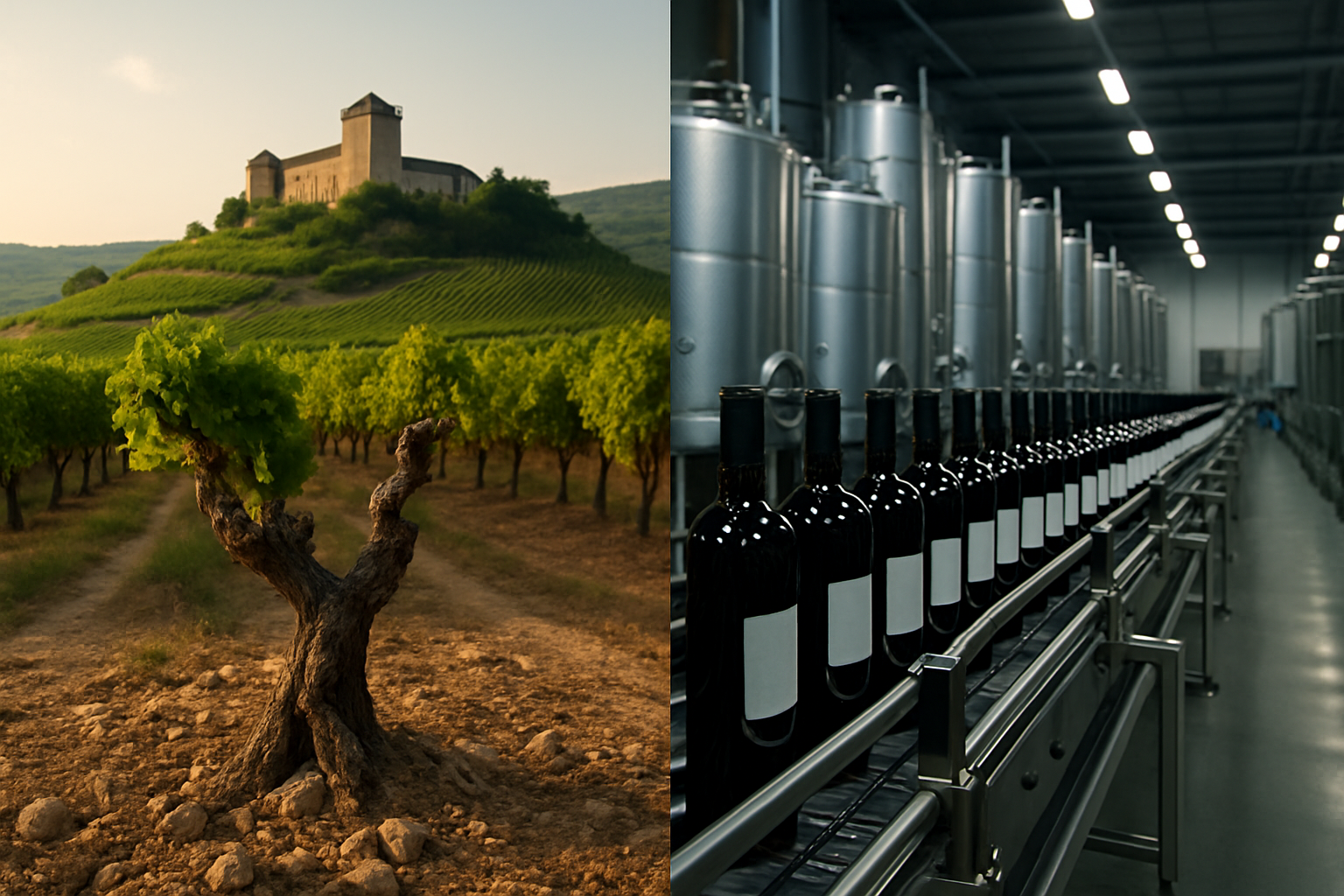
How Fiat Thinking Warped the Wine Industry In Europe, wine culture was built slowly over generations. Time, not money, was the main ingredient. You could not fake it. You could not rush it. In the U.S., it was different. By the time American wine started gaining recognition, the corporate mindset was already seeping in. Short-term profit was not a side effect. It was the strategy. The top tier of American wine still exists. But everywhere below it, corners were cut. Volume has mattered more than vineyard. Brand has mattered more than bottle. Massive corporations scaled up, standardized the product, and flooded the shelves, crowding out everyone else. Not because they were evil. Because the system rewarded short-term thinking over long-term value. Now, the cracks are showing. People are starting to ask why wine makes them feel so bad. Some are giving up on it entirely. Others are looking deeper and finding that lower-intervention, local wines are what they had been missing all along. Wine, at its core, is a low time preference vehicle. It seems to not want to be rushed, manipulated, or manufactured. It seems to er towards expressing the land, the season, and the patience of the people behind it. The roots of wine are still strong. In Europe, they were never fully severed. And in the U.S., we are finally starting to let them grow. But we are a long way from home. image
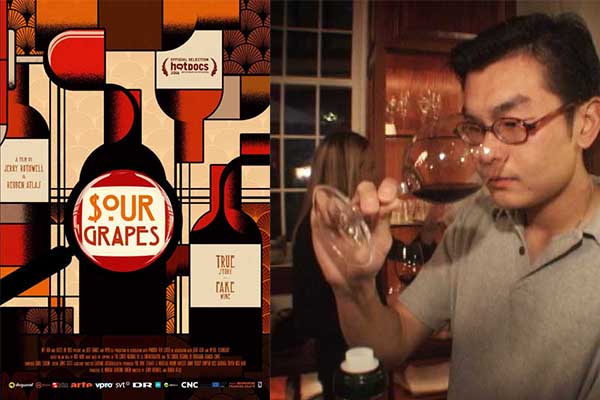
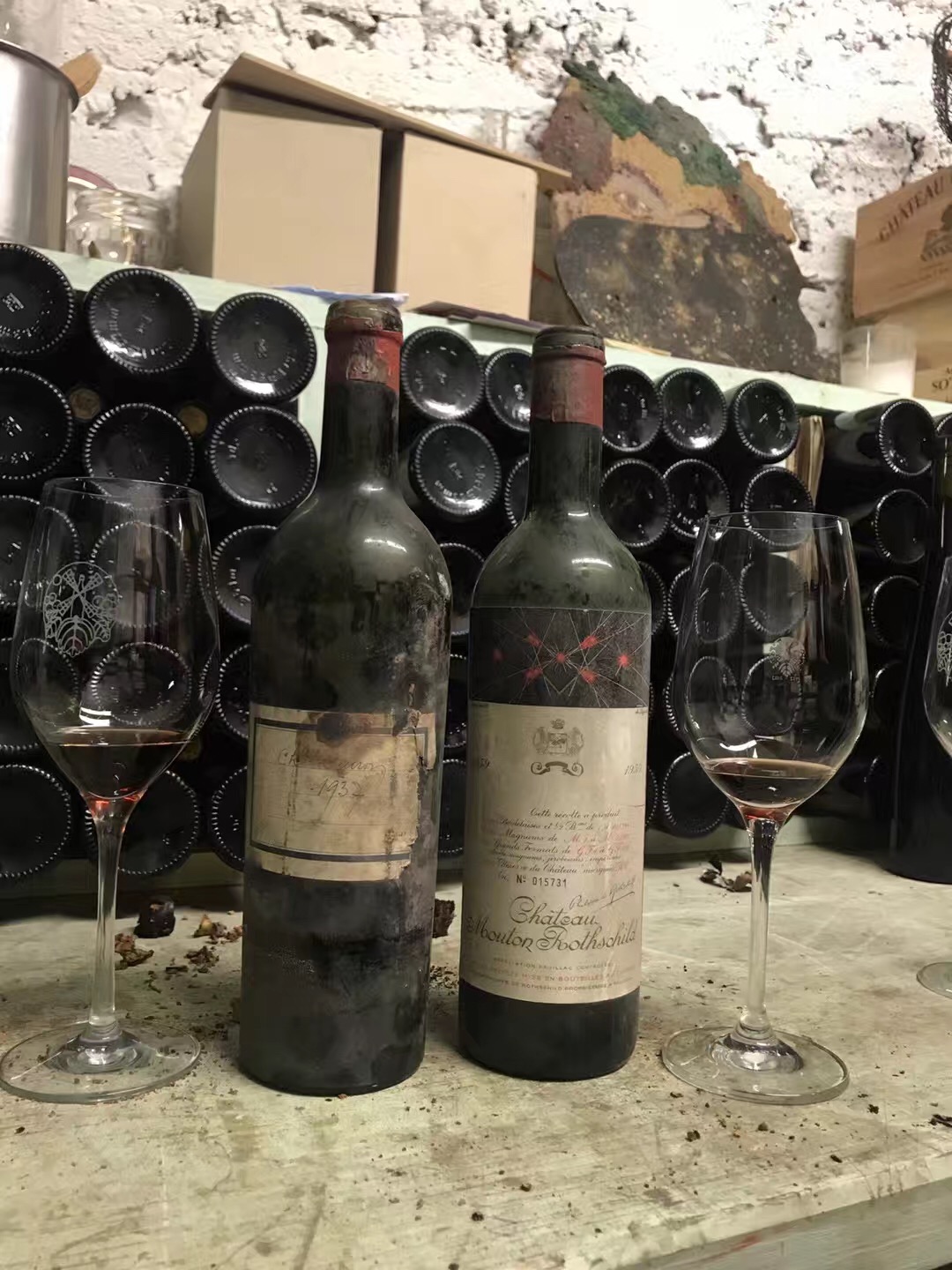
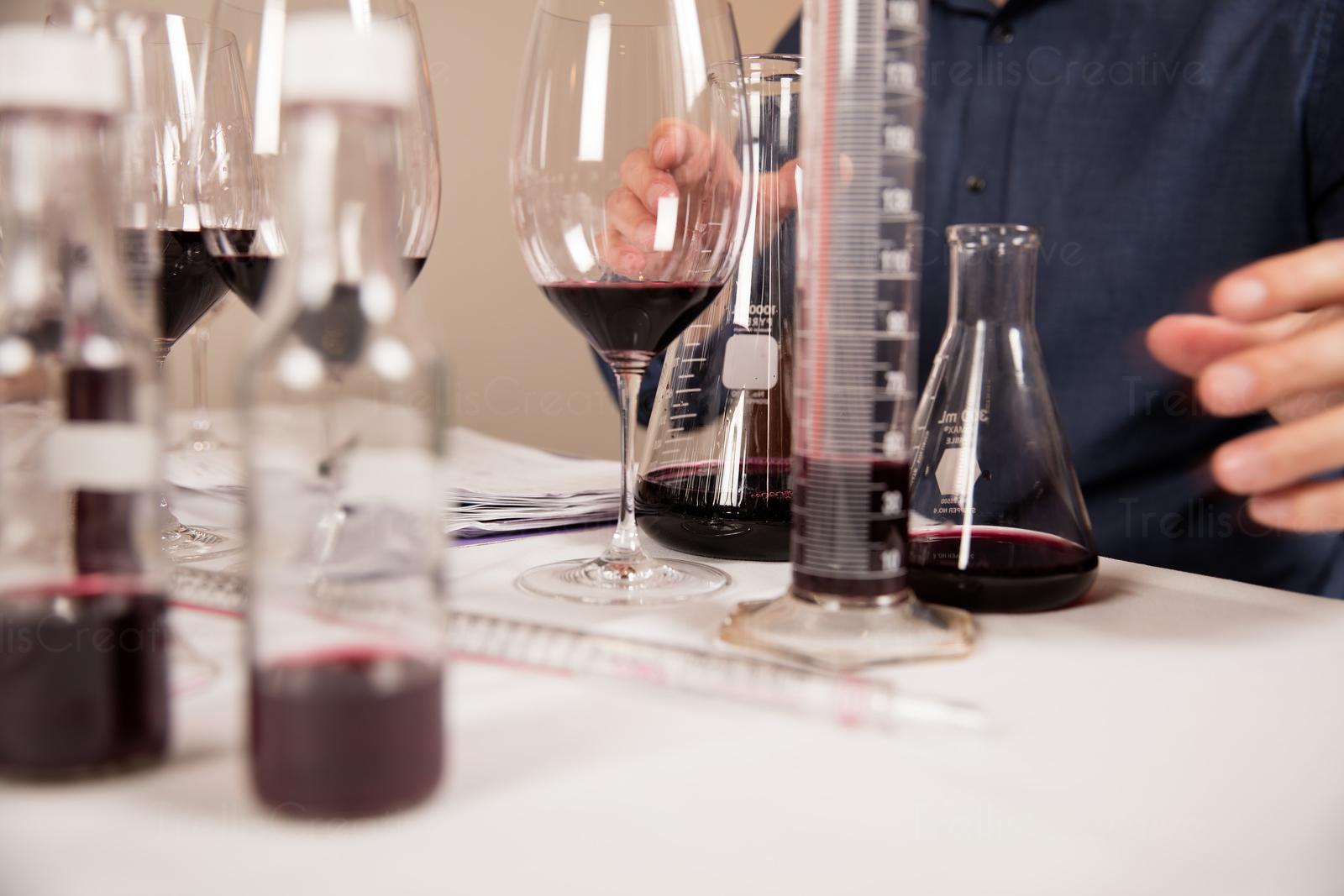
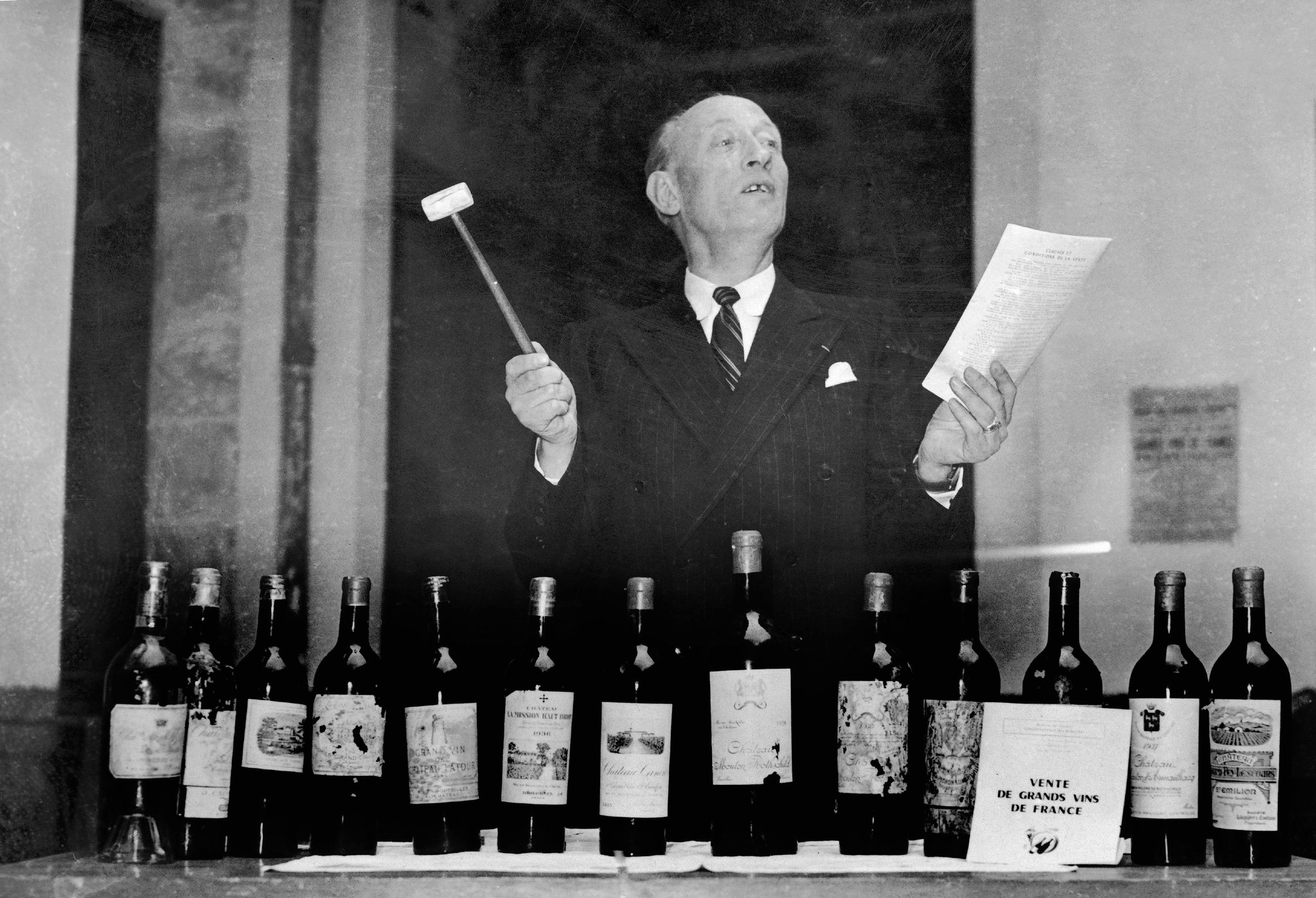
If you’ve seen Sour Grapes, you know the story: A guy sold millions of dollars of fake "fine wine". The reason his scam worked reveals something deeply engrained in the wine industry. Most wine drinkers are being fooled. Just in a different way. Rudy Kurniawan blended cheap wines and passed them off as rare Burgundy. He wasn’t exposed because something tasted off. He got caught because some of his labels didn’t match historical records. That’s how easy it is to manipulate wine. People trusted the story, not the contents. Wine is ephemeral. Every bottle changes every year and every hour after opening. There is no fixed flavor to test against. You could open five identical bottles and each one would taste a little different depending on how it was aged. That’s part of the beauty. But it also makes it easy to hide behind. The wine Rudy made wasn’t necessarily fake. It was engineered. He used blending, additives, and packaging to mimic the character of rare bottles. That same playbook is used across the wine industry. Only now, it’s considered standard practice. Most grocery store wine relies on: - Low-grade grapes - Oak flavoring - Sugar - Concentrates - Lab-designed enzymes It’s a formula made in a lab, sold with a story that is designed to make it feel like art. The same confusion Rudy exploited is what allows commodity wine to dominate. A wall of bottles, branded with warmth and tradition, hiding a product built through food science. The wine world keeps you in the dark. On purpose. How do you avoid this? You don’t need a cellar or a huge budget to drink something real. You just need to get closer to the source. Shake your winemaker’s hand. Ask questions. No one worth buying from will make you feel small for wanting to understand. If they do, they’re part of the act. The wine industry sold its soul. And most people are still drinking the lie. I make Unfiltered Wine in Colorado and am happy to answer any questions.
Here is a list of all the preservatives a winery can add to their wine without having to disclose that information on the label. sulfur dioxide potassium metabisulfite potassium sorbate ammonium sulfite ammonium bisulfite sodium sulfite sodium bisulfite sodium metabisulfite copper sulfate zinc sulfate There's no way to find out which of these is in your wine without contacting the winemaker directly. Shake your Winemaker's Hand.
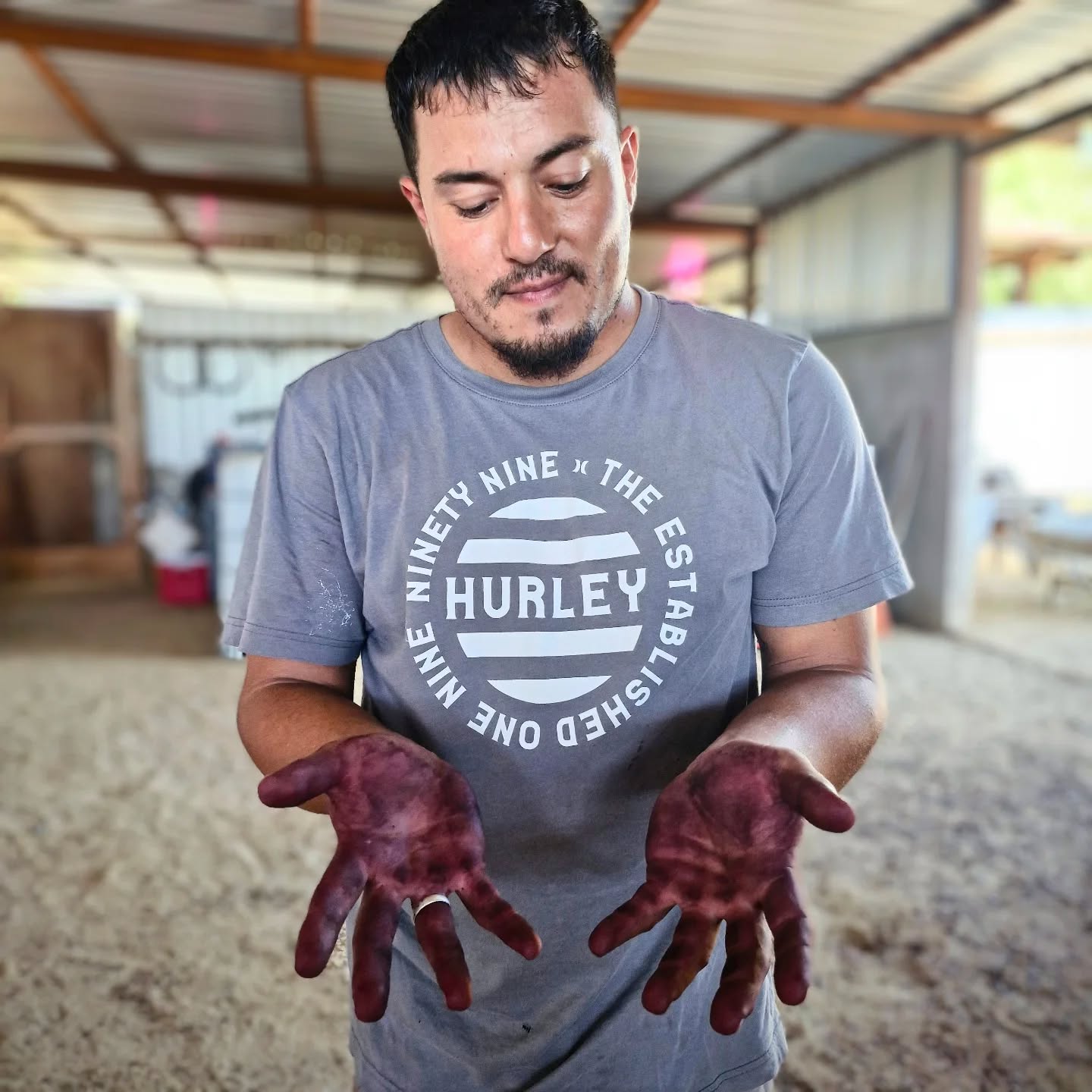
At Peony Lane is just You and the Grapes, Skin to Skin. 🍷 No need for an ingredients list. Wine, the Justman way. 🍇
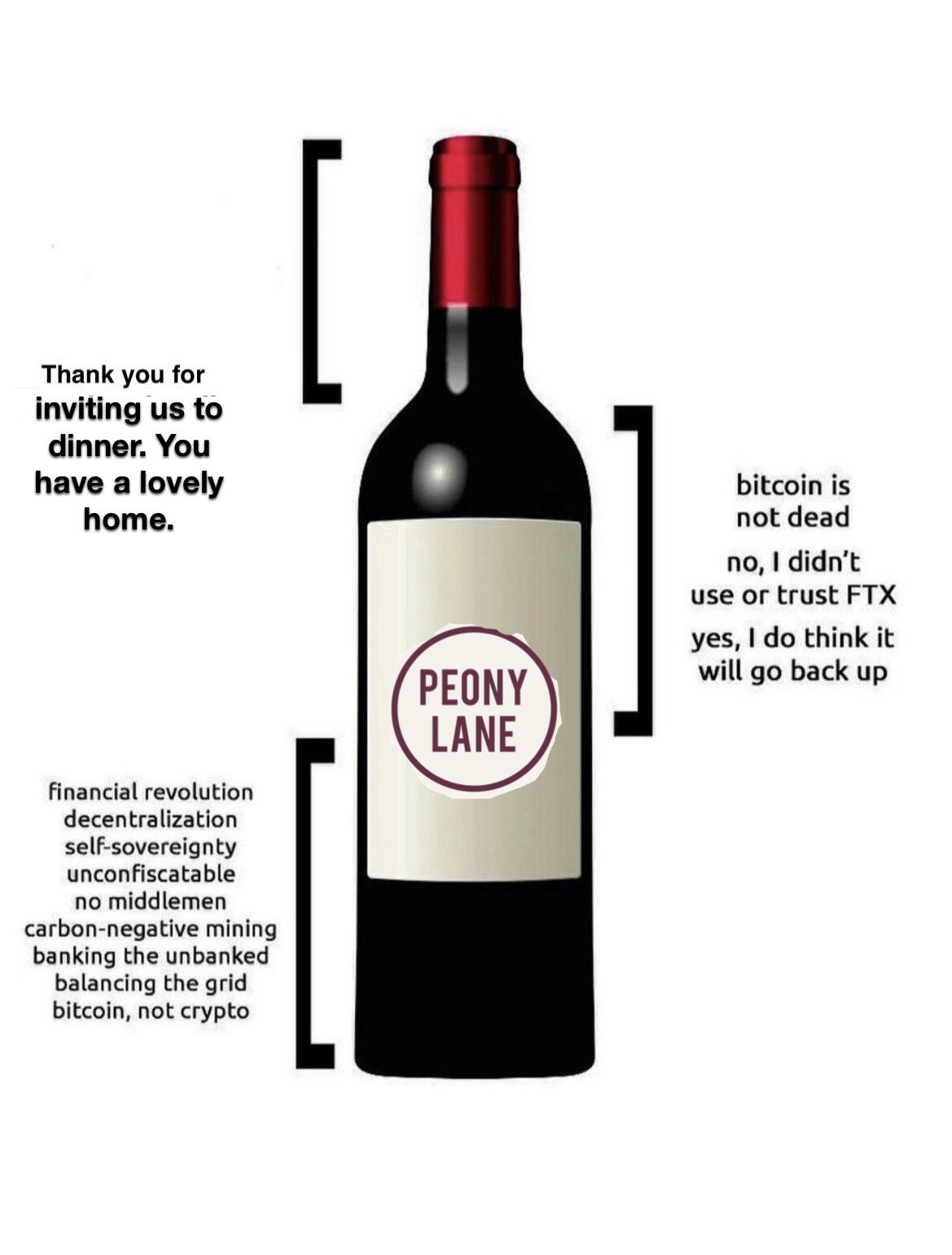
An unlimited supply of this wine is why all my friends are now Bitcoiners. image
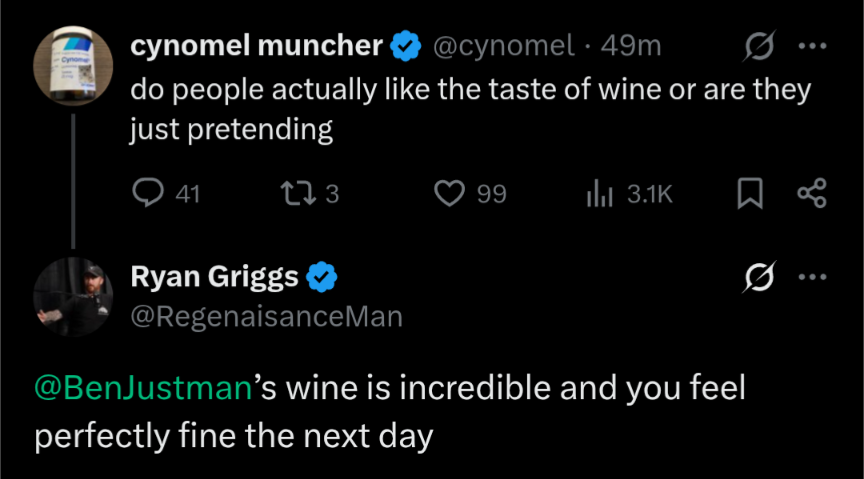
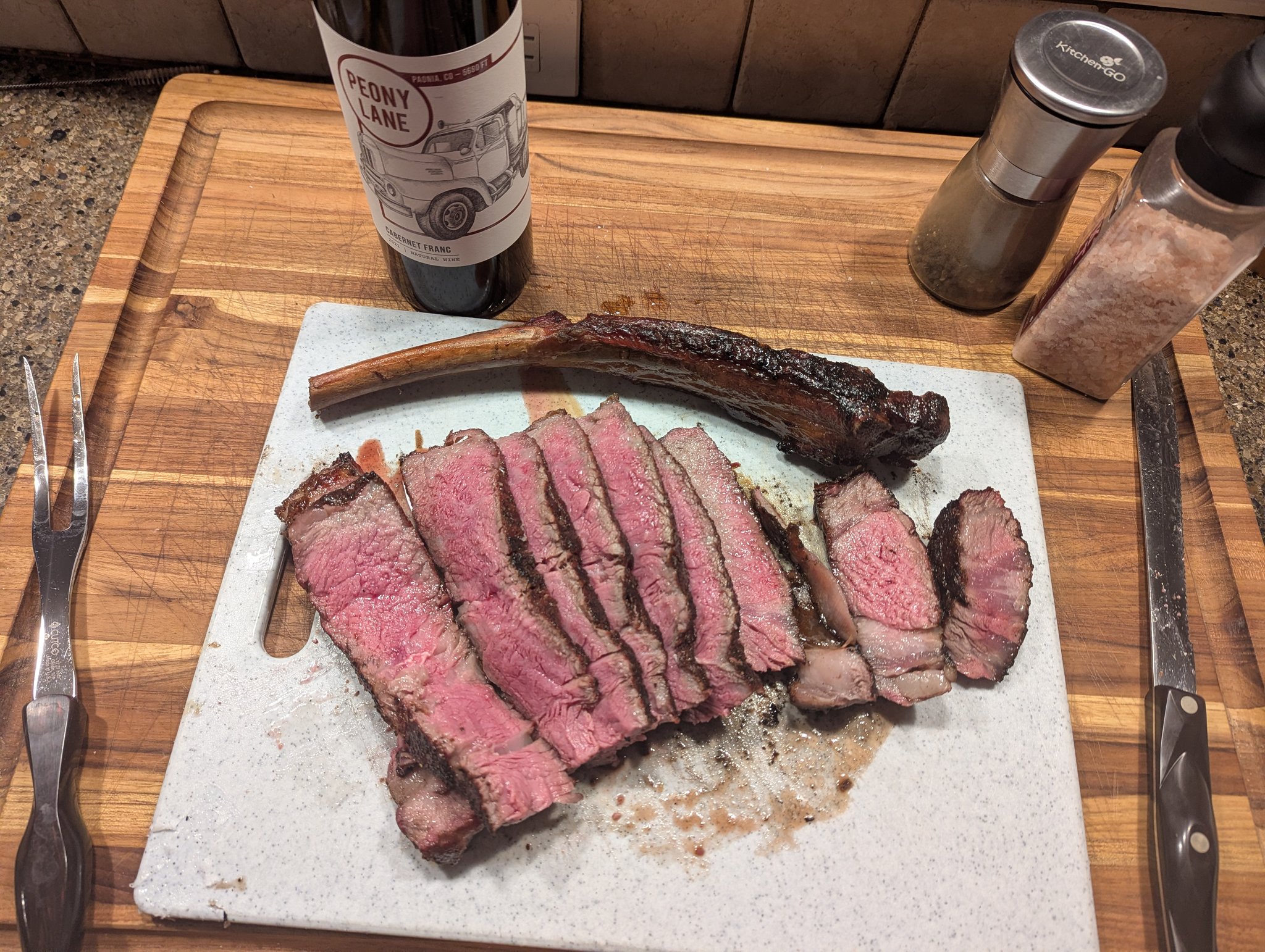
There are two questions that matter in wine 1) Does it taste good? 2) How do you feel after drinking? image
Saturday Sun! ☀️ Pregame for Saturday Night 🍷 Whoever said "Don't get high on your own supply" definitely never made wine. 😉🍇🧡 image
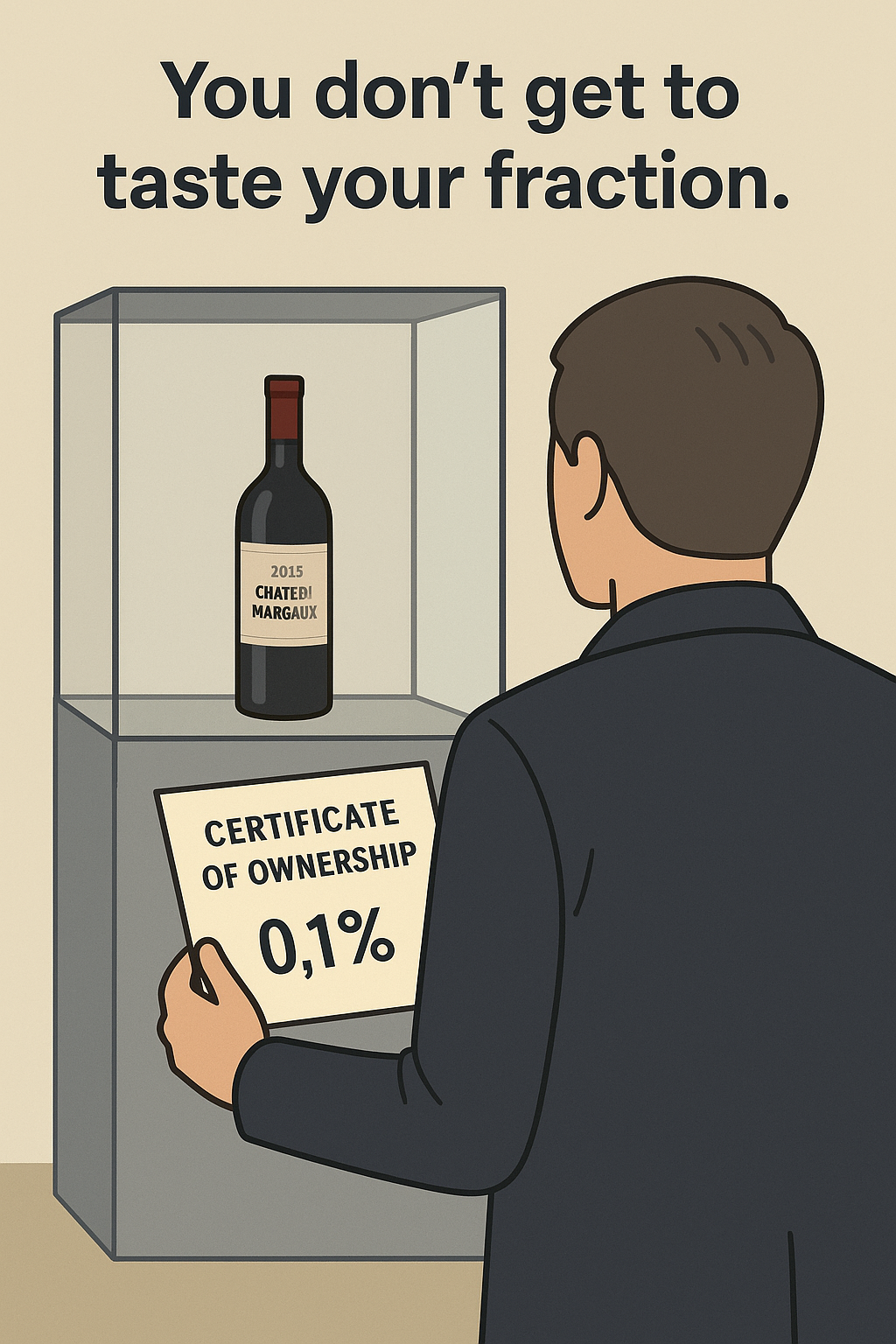
The idea of Tokenizing Fine Wine is clever. But it only makes sense in a world distorted by fiat money. Platforms like Bacchus and VinoVest let people buy fractional shares of rare bottles as an alternative investment. The demand for this product is coming from people looking for new ways to protect or grow their wealth as the value of fiat erodes. This is the same force driving crypto speculation, meme stocks, the explosion of sports betting and the rise of the S&P 500. When saving doesn’t work, you're forced further out on the risk curve. Vintage wine is a great candidate for financialization. It is more scarce than Bitcoin. Once a vintage is gone, it’s gone and unlike bitcoin, its consumable. The best bottles can increase in value for decades. But ultimately, wine is not forever. It peaks, then fades and the fleeting goal of collectors is to time the peak...by drinking it. The highest purpose of wine is to be opened and enjoyed. That purpose disappears when a bottle becomes a line item in your brokerage app. Tokenizing wine solves problems that only exist in the fiat world. It is a way to turn enjoyment into speculation, but it kills wine's fundamental value prop. YOU DON'T GET TO TASTE YOUR FRACTION. No one is going to mail you a sip of wine. You just have to hope someone else wants it more later. That logic treats wine less like culture and more like collateral. In a world where money works, where saving in Bitcoin preserves your time and energy, you don’t need to chase exposure to an obscure asset class that you probably don't understand.. You don’t need a token for everything. These platforms aren’t bad ideas. They are just ideas for a broken system. Fix the money, fix the incentives. Make Wine Wine Again. image
Does wine get more valuable over time? Let's level set. You can't just walk into a wine shop, grab any bottle off the shelf, stash it away for a few years, and expect to flip it for a profit. The wine might improve in quality if you store it well, but there are real barriers to resale. Don't trust. Verify. How can I be sure you stored that bottle properly for a decade? What if the power went out one summer and your wine fridge hit 85 degrees for two days? That's enough to cook a bottle. The only real proof that the wine was aged well comes when you pop the cork. Unfortunately, the sale happens long before then so reputation is everything and that takes decades to build. The wine has to matter in the first place. Most wines on shelves aren't built to age and don't come from a vintage anyone's hunting for. There's a glut of wines that taste similar, fade fast, or never had any upside to begin with. Why would someone pay a premium for your ten-year-old bottle when there are tons of others with the same profile? Only a small handful of wineries have earned a reputation for age-worthy wines. Within that, not every vintage even stand out. If you want to dip your toes into aging wine, here's my advice: Buy a full case of a red you love. Store it properly. Open one bottle every six months. You'll notice a difference and it'll be an enjoyable exercise. As for those of you buying my wine with the idea of flipping it someday: I'm honored. I think my wine is suited to age well and unique enough to be worthwhile. If you end up making money by reselling my wine, that's great for me. But I'm not holding my breath...especially in Bitcoin terms. image
I tell people all the time, go meet your winemaker. But that’s useless advice if you don’t know what questions to ask. Here’s where I would start. Your goal is to get them talking. To do that, you need to come off curious and compassionate, not accusatory. You’re not trying to catch them in a lie. You’re trying to learn how they think. Start with sulfites. You could say something like, “I know all wine has sulfites, but I keep hearing they’re overused in a lot of wines out there.” That’ll open the door. If they immediately agree, you’re probably talking to someone who’s thinking carefully about what goes in their wine. If they bristle or start defending heavy use, there’s a good chance it’s a more conventional approach. And if they’re using a lot of sulfites, they’re probably using a lot of other stuff too. Then ask about the vineyard. Not, “Do you spray?” That comes off combative. Instead, ask, “What’s the biggest weed, pest, or fungus issue you deal with?” Then follow with, “That sounds like a nightmare. What can be done to stop it?” Their answer is going to tell you everything. You may need to look up a spray name later, but the tone of the conversation will already have given you what you need. Listen for whether they talk about the land like it’s something they’re connected to, or something they’re trying to control. Personally, I’m a big vibes guy. If it feels off, if they’re defensive, cagey, or dodging the question, that’s your answer. Trust your gut. It’s good at tasting wine too. image
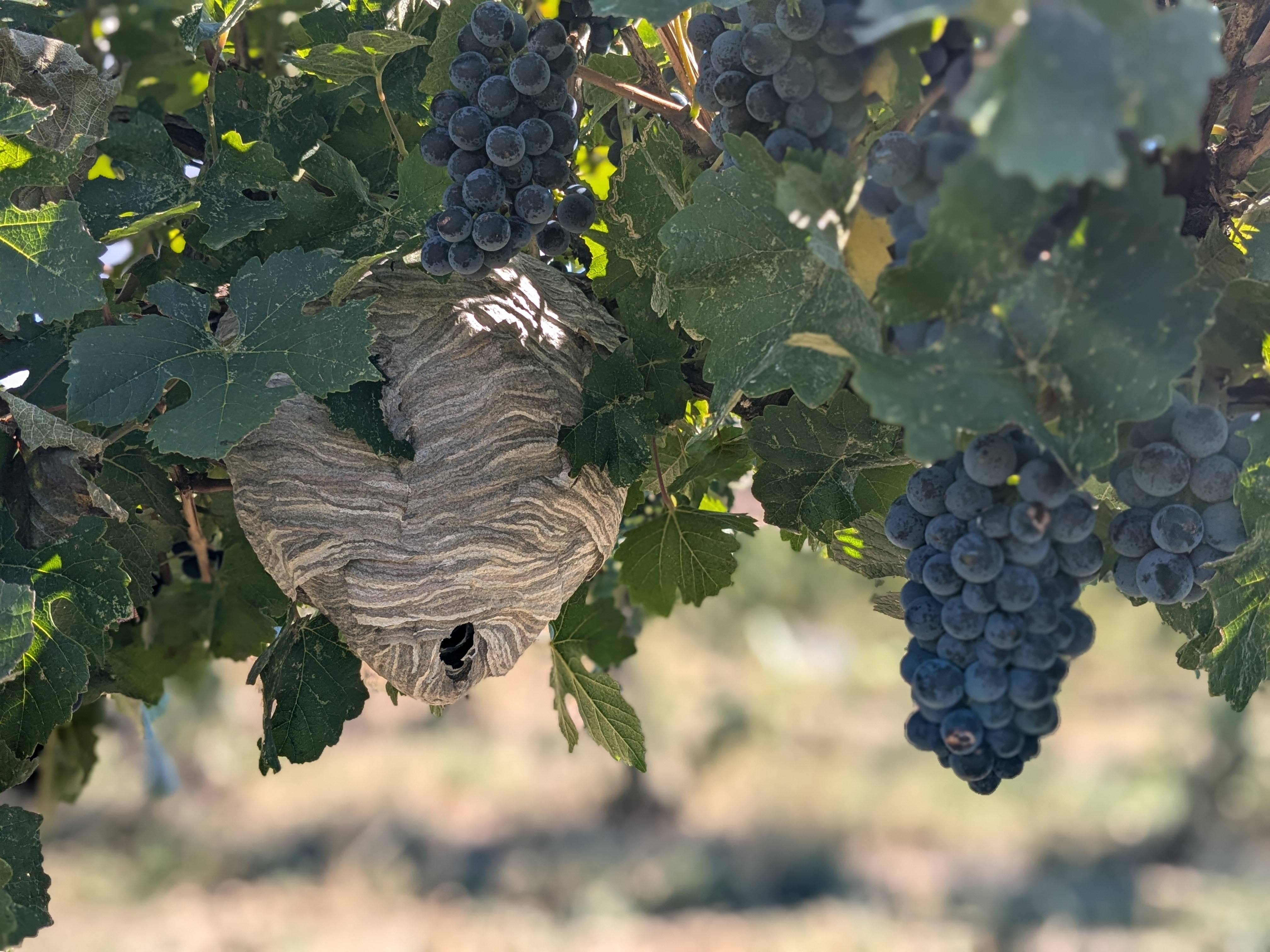
If Bitcoiners are Cyber Hornets, what should I call this wine? image
In business today, you are either growing or you are dying. Bitcoin gave me a third option. Bitcoin is my growth division. When I started Peony Lane, all I knew was that I wanted to build a business I enjoyed. My logic was simple. If I enjoyed doing it, I would find a way to make enough money, and since the work is tied to my family, I wanted something I could see myself doing forever. Turns out running a big winery and dealing with distributors does not sound fun at all. I like making wine for Bitcoiners and shitpoasting on the internet. No, it doesn't make a ton of money, but I figured out this Bitcoin thing. If I'm right, my retirement is already covered and if I'm wrong, I'll get to enjoy debt slavery anyway. So my goals are simple. Stay cashflow positive and keep making great wine. I have no plans to scale production and I don't think I need them. Bitcoin IS my growth plan. image
A winemaker in the USA can add any of these sweeteners to their wine without disclosing the info to the consumer. Maltodextrin Sucrose Glycerol Sorbitol Dextrose Fructose Glucose Invert sugar Artificial sweeteners The only way to know what is in your wine is to ask the winemaker directly. Shake your Winemaker's Hand
I don't make Merlot anymore because of the movie Sideways. Hollywood ruins everything.
Preston had one too many...bottles 😉 Peony Lane FTW 🍷#Bitcoin #Winechain image