Peony Lane Wine's avatar
Peony Lane Wine
peony@primal.net
npub17anj...2c0c
High Elevation, Low Intervention Wine Shipping all over the USA #Bitcoin Made by Ben Justman
Peony Lane Wine's avatar
PeonyLaneWine 22 hours ago
Wine here Get your wine here! Low Intervention, High Elevation, TASTY wine here! image
There are two questions that matter in wine 1) Does it taste good? 2) How do you feel after drinking? image
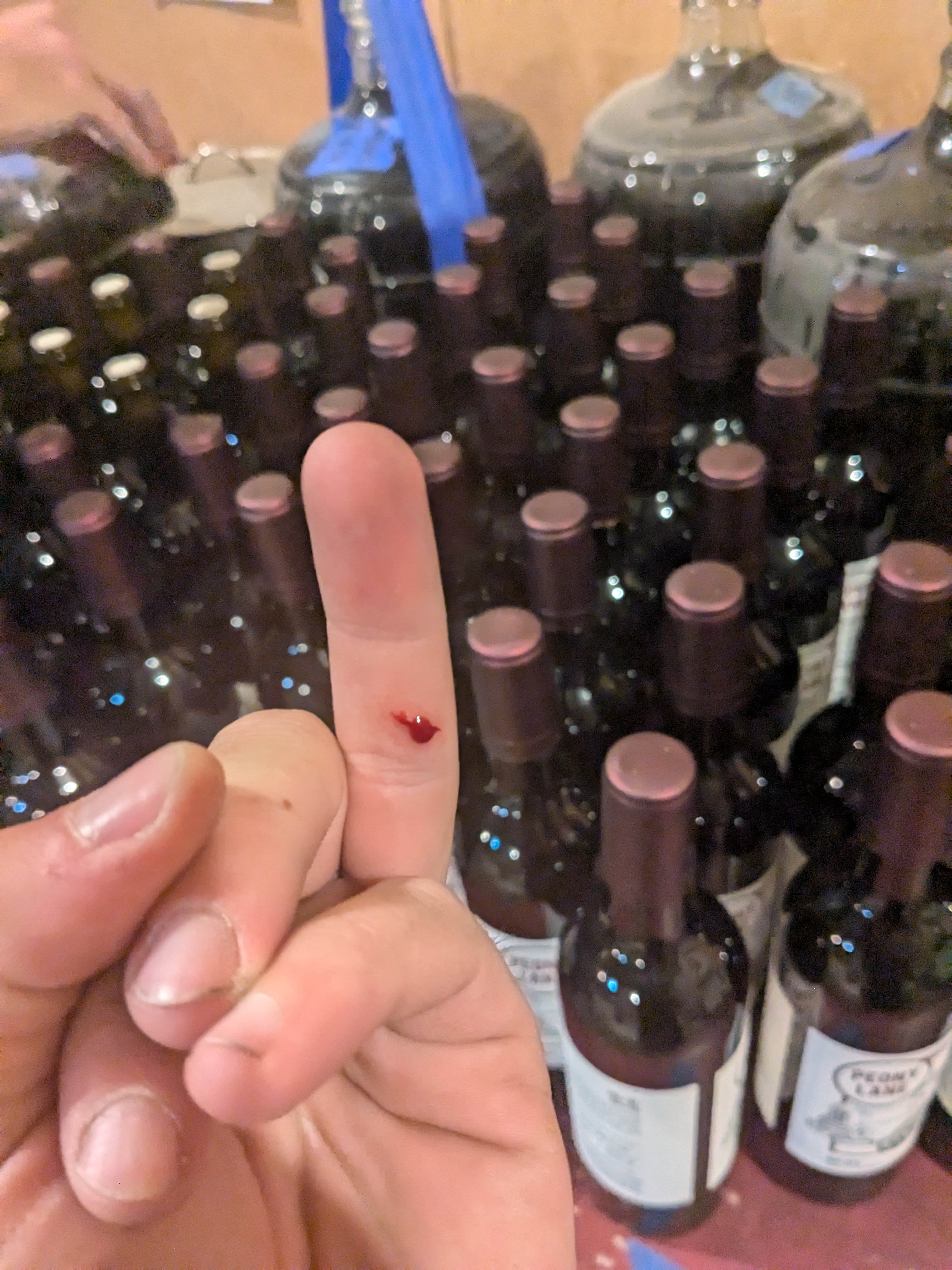
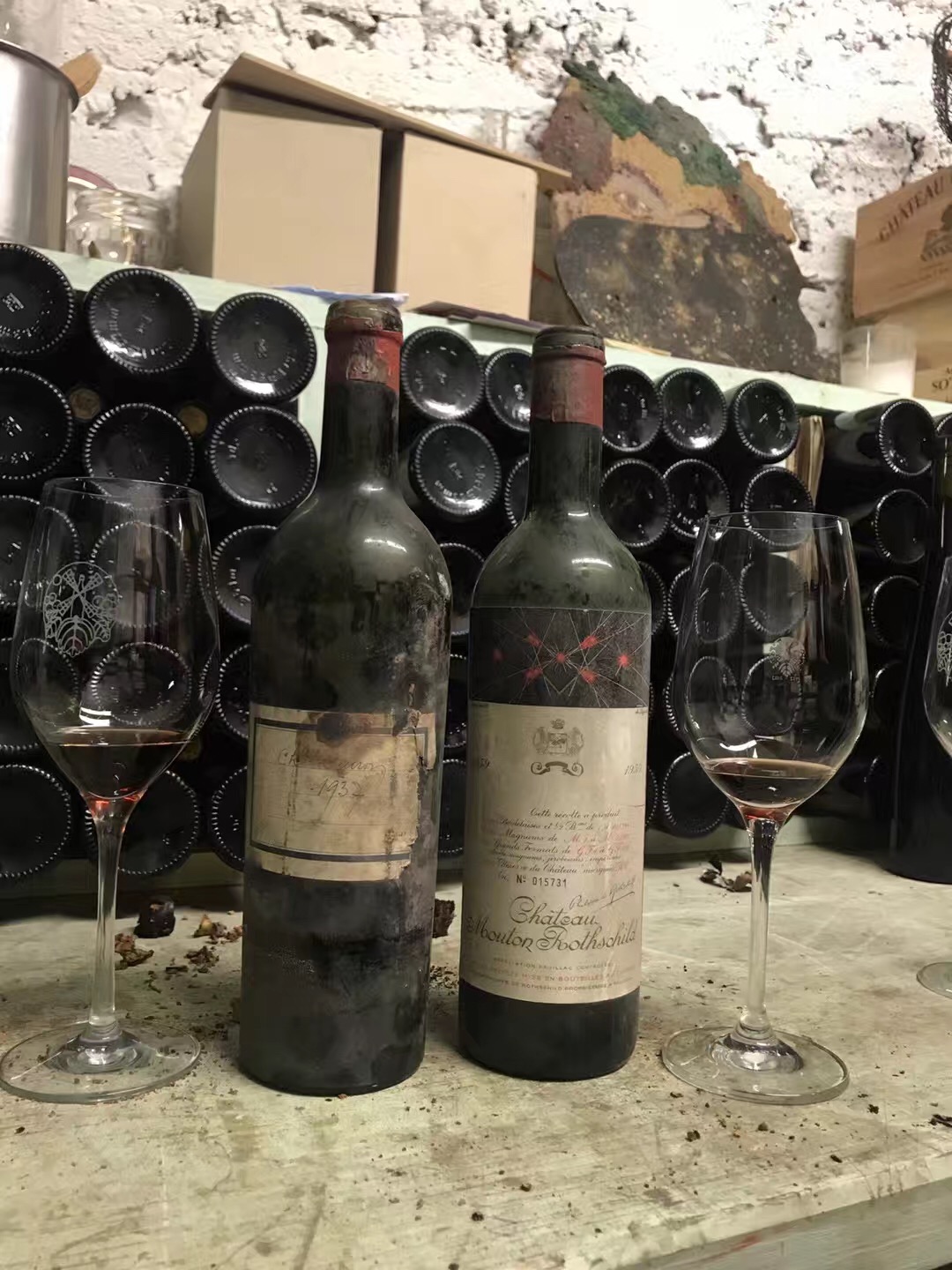
Fuck Filters Sediment in your wine is a good thing. It might look messy, but it means your wine is alive. Over time, tannins and pigments bind together and settle at the bottom. It only happens when the wine hasn't been filtered, sterilized, or frozen into submission. image If you didn't know better, you might think something's gone wrong. Why are there floaties in your fancy bottle? Sediment often scares people, so most American wine is filtered heavily before bottling. Filters strip away those particles, but also all the potential for change and development. Whats left is predictable and sterile. It has become just another alcoholic beverage and will no longer properly develop character with time. Filters remove the wine's soul.
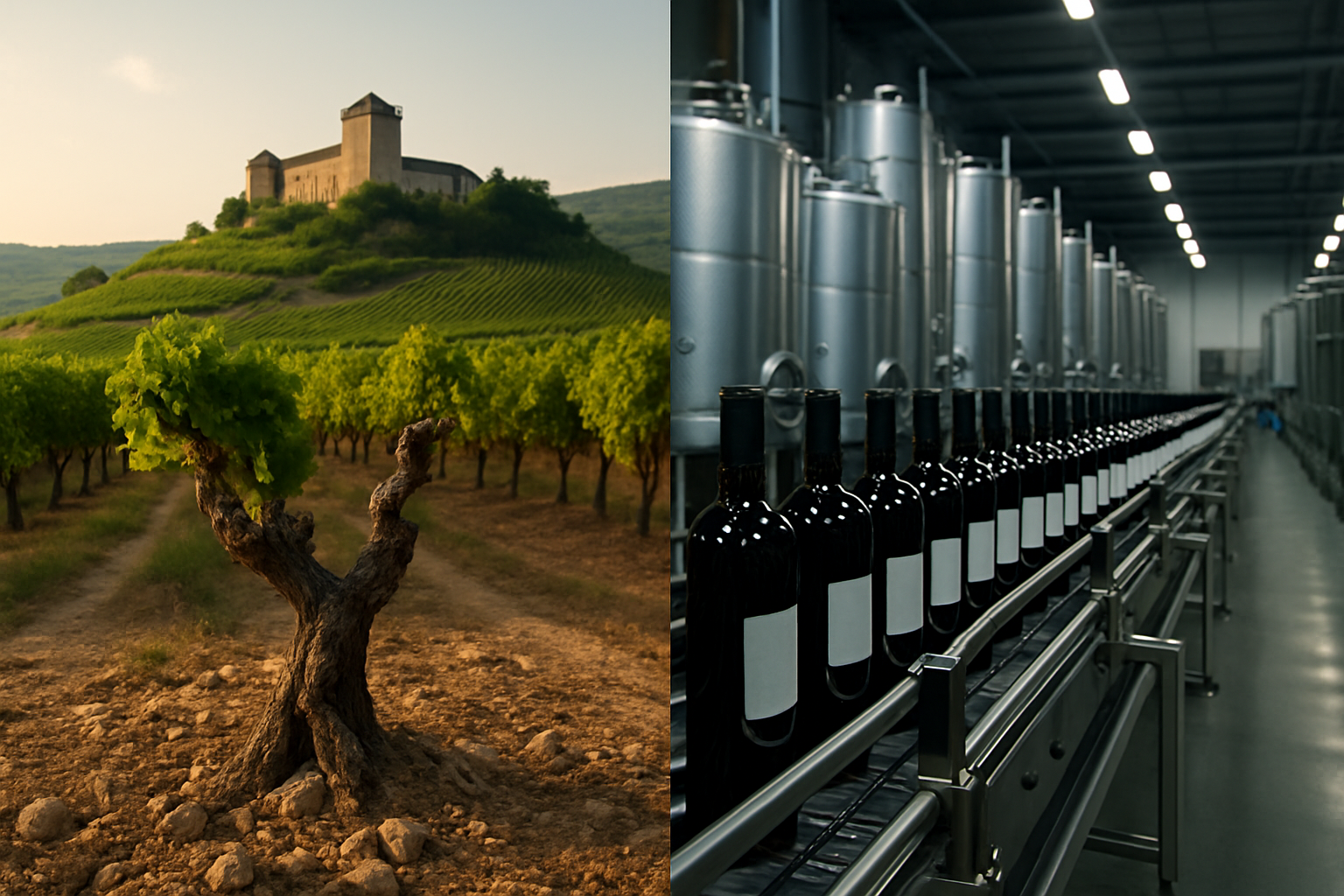
Most wine isn't built to age. What should you look for in a wine before you spend your next decade decade waiting? image Acid and tannin are the frame. These are your two biggest structural clues. Acid keeps wine alive over time. Without it, the wine falls flat after a few years. Tannin provides grip and preservation for reds. Without enough tannin, they lose their backbone and turn flabby. You want to look for wines that feel tight, even a little aggressive, in their youth. They need time to soften. If a wine already feels smooth and easygoing, it's probably showing you its best self right now. This is counterintuitive and takes time to learn. Alcohol can be a red flag. High alcohol doesn't age well unless there's serious balance to back it up. That 15% fruit bomb sitting on the shelf is probably peaking right now. Lower alcohol with robust structure is usually a better bet for the long haul. Here's why: the alcohol shows up as heat which comes to the forefront as wine ages. What feels warm but manageable at year one can turn hot and harsh at year ten. Oak isn't aging. People think oakiness equals aging potential. Not always. Heavy oak can add tannic structure, but will also mask flaws early on. It doesn't guarantee anything outside of the wine will tasting like vanilla or toast for longer. Wines with light, well-integrated oak often hold up better over time and since its whats underneath the oak that matters, you'll be able to tell that easier. Reputation matters (sometimes). If a wine has a track record of aging well, that's a good sign, but each vintage has some variation due to weather, winemaking decisions, and vineyard changes. There is no guarantee. Check the winery's cellar practices, vineyard site, and aging history. You shouldn't make an aging decision based off a pretty label. The longest my family has aged our estate Pinot Noir is 17 years. The longest I've aged wine that I personally made is 6 years. Upon last check, both are still getting better.
It's hot out. Put your red wine in the fridge. Enjoy it. It's okay